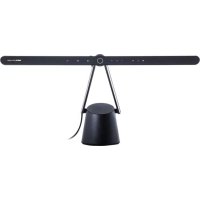
PianoLight - Lamp BENQ - Free user manual and instructions
Find the device manual for free PianoLight BENQ in PDF.



| Product type | Piano lamp |
| Brand | BenQ |
| Model | PianoLight (PL19_D) |
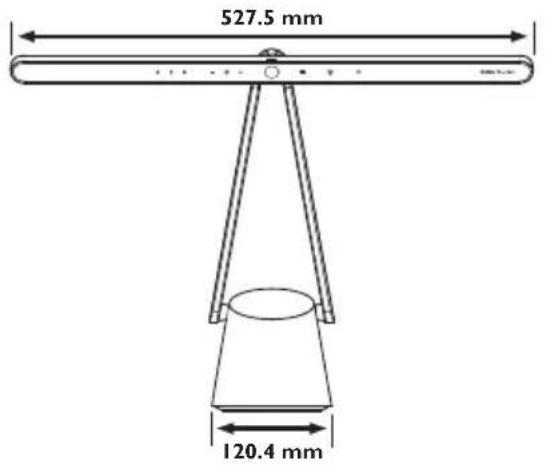
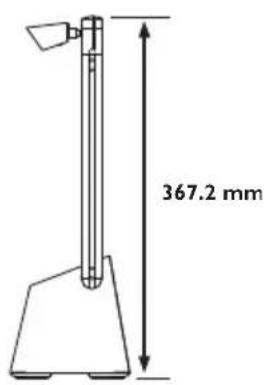
| Dimensions (L x W x H) | 527.5 x 120.4 x 367.2 mm |
| Power supply | AC adapter 100-240V AC, 50-60 Hz, output DC 12V, 1.5A |
| Max power consumption | 18 W |
| Color temperature | 6 levels: 2700K, 3000K, 3500K, 4000K, 4500K, 5000K |
| Brightness | 15 adjustable levels |
| Special features | Automatic dimming mode, presence detection, favorite mode |
| Tilt angle | 90° to 120° |
| Sensors | Ambient light sensor, infrared presence sensor |
| Installation | On upright piano (not suitable for grand or electric piano) |
| Use | Indoor only |
| Maintenance | Clean with a slightly damp soft cloth, without alcohol or solvents |
| Safety | Use only the supplied adapter; do not disassemble; unplug if unused for a long time |
| Package contents | PianoLight lamp, AC adapter, quick start guide |
| Light source | Non-user-replaceable LED |
| Repairability | Contact authorized service for any repairs |
| Weight | Not specified (estimate: approx. 1.5 kg) |
| Warranty | Not specified (usually 2 years) |
Frequently Asked Questions - PianoLight BENQ
User questions about PianoLight BENQ
0 question about this device. Answer the ones you know or ask your own.
Ask a new question about this device
Download the instructions for your Lamp in PDF format for free! Find your manual PianoLight - BENQ and take your electronic device back in hand. On this page are published all the documents necessary for the use of your device. PianoLight by BENQ.
USER MANUAL PianoLight BENQ
Scan this QR code to download the User Guide.
© 2022 BenQ Corporation.
All rights reserved. Rights of modification reserved.
P/N: 4J.4CH04.001

Package Contents
Check the packaging for the following items. If any is missing or damaged, please contact the place of purchase immediately.
- PianoLight lamp x I
- Power adapter x I
- Quick Start Guide x I

The illustrations in this guide are for your reference only and may look different from the appearance of the actual product.
For Your Safety
- Use only the supplied power adapter and connect only to suitable outlet power (100-240V AC, 50-60 Hz). Otherwise the lamp will fail to work normally or result in a fire hazard.
- To ensure normal operation of the presence detection function, please keep the lamp away from strong electromagnetic sources (like a WiFi router).
- The light source contained in this luminaire shall only be replaced by the manufacturer or his service agent or a similar qualified person.
- In order to prevent any damages to the lamp, do not hang or place any objects on the lamp.
- Route the power cord so as to avoid it from being walked on or pinched by items placed upon or against it.
- To avoid the cable from tangling, do not turn the lamp head by 360 degrees. If the cable is found to be tangled, untangle the cable immediately.
- Place the lamp only on a solid, flat and stable surface. Otherwise the lamp may topple over and result in damages.
- If the lamp will not be used for a long period of time, unplug it from the power outlet.

CAUTION
- In case of the following situations, unplug the lamp from the power outlet immediately and contact the authorized service center or a qualified service person for inspection or repair:
- When the outer casing of the lamp is broken
- When there are strange odors coming from the lamp
- When the LED light source flickers
-
When the insulation of the lamp's wiring is damaged or frayed, and the metal strings inside can be seen
-
Do not use the lamp in a humid environment (like in a bathroom or outdoors). Otherwise the components inside may short-circuit and result in accidents.
- This lamp is designed for indoor use only. Do not use it outdoors.
- Never disassemble the lamp or remove any components from it, as doing so may result in accidents and will void the product warranty.
Installation

This lamp is designed for use on a vertical piano and is not suitable for use on a grand piano or electric piano.
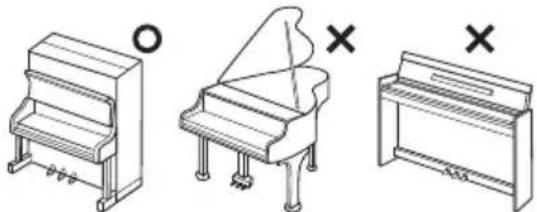
natural_image
Line drawings of three piano types: a single piano, a grand piano, and a two-piano keyboard (no text or symbols)I. Place the PianoLight lamp in the center of the piano's top cover (as shown by ① in the figure). There is a groove on the bottom of the lamp's base to accommodate the hinge of the piano's top cover.
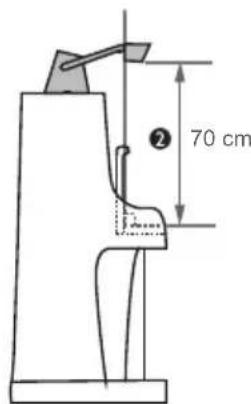
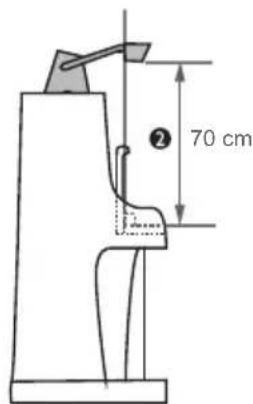
2. Adjust the position of the lamp head by referring to ② in the figure. It is recommended that you adjust the lamp head so that its rear side is positioned vertically and the distance between the light emitting surface and the piano keyboard is 70 cm.
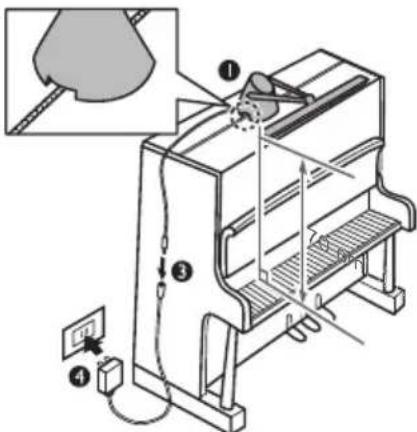
- Connect the power cord of the lamp to the power adapter (as shown by ③ in the figure) and plug it into a power outlet (as shown by ④ in the figure).

Upon receiving power from the power outlet, the lamp's warm-up process will start automatically and will take approximately 5 seconds. Please DO NOT turn off the lamp during the warm-up process. You can start using the lamp when the process is complete.
Using the Lamp
Turning on/off the Lamp and Entering Auto Dimmer Mode
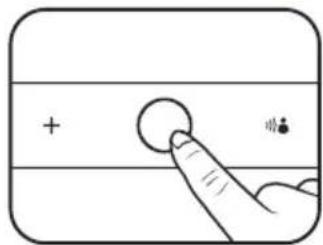
Turning on/off the Lamp
To turn on the lamp, touch the Power button. To turn off the lamp, touch the Power button again.
natural_image
Simple line drawing of a finger pointing at a horizontal bar with floating icons (no text or symbols)Entering Auto Dimmer Mode
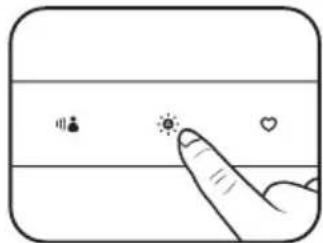
To enter Auto Dimmer Mode, touch the Auto Dimmer Mode button when the lamp is on. The Auto Dimmer Mode button will light up. The Auto Dimmer Mode automatically adjusts the lamp's brightness according to the ambient lighting condition.

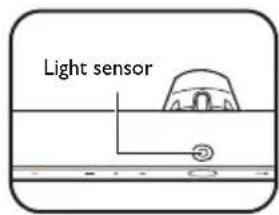
- Do not block the light sensor on the lamp. Otherwise the Auto Dimmer Mode will not function properly.
- If the Auto Dimmer Mode is turned on, the lamp will monitor the ambient lighting condition and dynamically adjust the brightness setting.
- The Auto Dimmer Mode will exit automatically when you manually adjust brightness or color temperature.
Manually Adjusting Brightness and Color Temperature
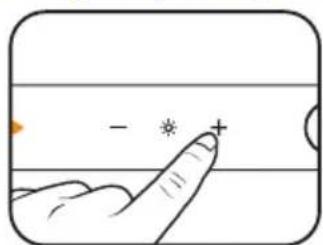
Adjusting Brightness
When the lamp is on, touch the button to increase brightness, or the button to decrease it. You can select from 15 brightness levels.
natural_image
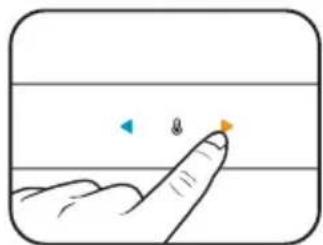
Illustration of a hand pointing at three small objects (triangle, circle, and arrow) on a horizontal surface, no text or symbols present.Adjusting Color Temperature
When the lamp is on, touch the button for yellowish, or the button for blueish light. You can select from 6 color temperature settings: 5000K, 4500K (neutral white), 4000K, 3500K (warm white), 3000K and 2700K (soft white).

If power supply to the lamp is interrupted unexpectedly, the lamp will resume the last used brightness and color temperature settings upon the recovery of power supply.
Turning On/Off the Presence Detection Function
natural_image
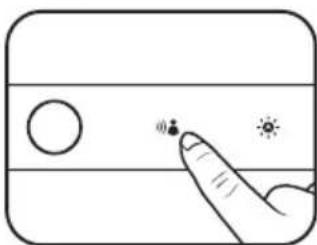
Illustration of a hand pointing at a touch screen with sun icons (no text or symbols)The presence detection function allows for the lamp to turn on automatically when you sit down by the piano, and off 10 minutes after you leave.
To turn on the presence detection function, touch the Presence
Detection 🎨 button on the lamp. The Presence Detection button will first blink for 40 seconds and then turn steady, indicating that the presence detection function is turned on and the detection is in progress.
To turn the function off, touch the Presence Detection button again.

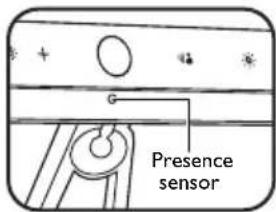
- Do not block the presence sensor on the lamp. Otherwise the presence detection function will not work properly.
- With the presence detection function turned on, the lamp will automatically calibrate the presence sensor when power is connected to the lamp or when the lamp is turned off (whether manually or automatically). The calibration process takes about 40 seconds. During calibration, the Presence Detection button will blink and the presence detection function will be disabled temporarily. When calibration is complete, the Presence Detection button will turn steady and the presence detection function will resume automatically.
- With the presence detection function turned on, if you manually turn off the lamp, the presence detection function will be disabled temporarily for about 40 seconds to avoid the lamp from being turned on accidentally.
My Favorite Mode
natural_image
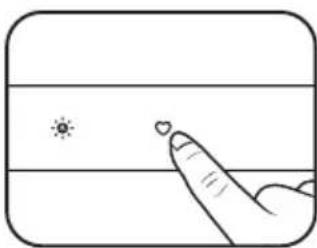
Simple line drawing of a finger pointing at a floating object with a small sun icon (no text or symbols)After you manually adjust the lamp's brightness and color temperature settings, you can use this function to save them as your favorite mode.
I. Adjust the lamp's brightness and color temperature settings according to your preference.
- When done, touch and hold the My Favorite Mode button for approximately 3 seconds. All buttons on the lamp will flash 3 times simultaneously to indicate that the settings are saved successfully.
To access My Favorite Mode, touch the My Favorite Mode button.
Adjusting Lamp Angle
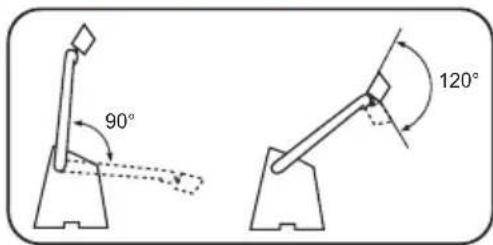
You can adjust the angle of the lamp within the ranges illustrated.
It is recommended that you adjust the lamp head so that its rear side is positioned vertically and the distance between the light emitting surface and the piano keyboard is 70 cm.
Maintenance and Troubleshooting
- Turn off the lamp first, and unplug the lamp from the power outlet. Wipe any smears or dusts off the lamp's outer casing using a soft, lint-free cloth lightly moistened with a mild detergent solvent. Do not use alcohol or any other chemical solvents like kerosene, naphtha and so on, as the lamp's casing may become damaged.
- Do not rinse the lamp or any of its components directly with water.
- If the lamp does not turn on, check to make sure that there are no loose connections between the power cord, power adapter, and the power outlet.
- If the problem persists, please contact the original place of purchase for help.
Specifications
| Model PL19_D | |
| DC power input 12V, 1.5A (SELV) | |
| Max. power consumption 18W | |
| Dimensions [Figure] 527.5 x 12 | 0.4 x 367.2 mm (Width x Depth x Height) |
| Power adapter model no. WB-18D12FU | |
Lieferumfang
natural_image
Illustration of three piano types: a single piano, a grand piano with a handle, and a two-piano piano with a cross mark (no text or symbols)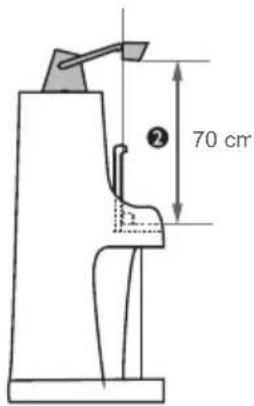
natural_image
Illustration of a hand pointing at a finger with floating icons (no text or symbols)natural_image
Illustration of a finger pointing at a touch point with colored arrows (no text or symbols)natural_image
Illustration of a hand pointing at a touch screen with sun icons (no text or symbols)natural_image
Simple line drawing of a finger pointing at a floating heart near a horizontal bar (no text or symbols)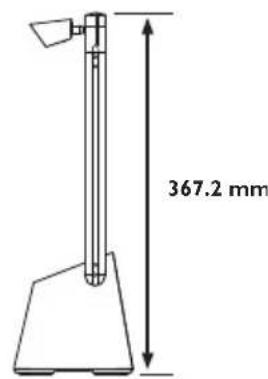
Contenu du paquet
natural_image
Line drawings of three different piano parts: a single piano, a grand piano with a handle, and a two-piano piano (no text or symbols)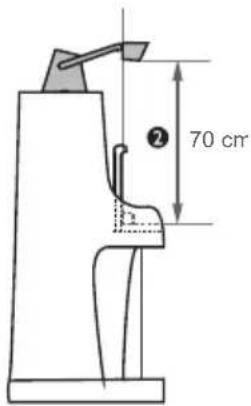
Allumer/éteindre la lampe
natural_image
Simple line drawing of a finger pointing at a horizontal bar with floating icons (no text or symbols)natural_image
Illustration of a hand pointing at a finger with three small icons (blue triangle, blue square, orange circle) on the finger, against a plain background (no text or symbols)natural_image
Illustration of a hand pointing at a small icon with sun symbols on a horizontal bar (no text or labels)natural_image
Simple line drawing of a finger pointing at a floating heart symbol (no text or symbols present)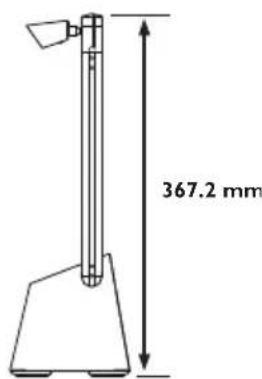
包装内容
natural_image
Illustration of three different piano models: a single piano, a grand piano with a handle, and a two-piano piano with a handle (no text or symbols present)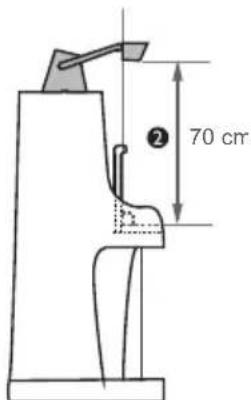
繁體中文

開燈 / 關燈
natural_image
Hand pointing at a finger with floating icons (no text or symbols)使用自動調光模式
natural_image
Illustration of a hand pointing at three small icons (blue triangle, orange circle, black square) on a horizontal line, no text or symbols present.調整色溫
natural_image
Illustration of a hand pointing at a small sun icon on a screen (no text or symbols)natural_image
Simple line drawing of a finger pointing at a floating heart symbol on a horizontal bar (no text or symbols)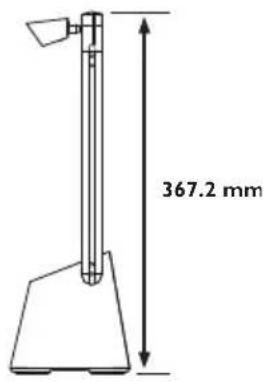
natural_image
Illustration of three different piano types: a single piano, a grand piano with a handle, and a two-piano piano with a string (no text or symbols)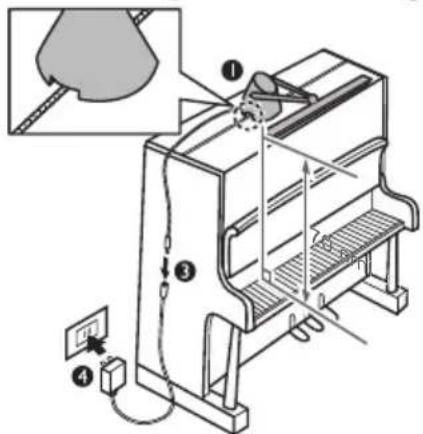
简体中文
开灯 / 关灯
natural_image
Illustration of a hand pointing at a finger with floating icons (no text or symbols)使用自动调光模式
natural_image
Illustration of a finger pointing at three small colorful symbols (blue triangle, black square, orange star) on a horizontal line, with no text or labels present.调整色温
natural_image
Illustration of a hand pointing at a small sun icon on a screen (no text or symbols)natural_image
Simple line drawing of a finger pointing at a floating object with a small sun icon (no text or symbols)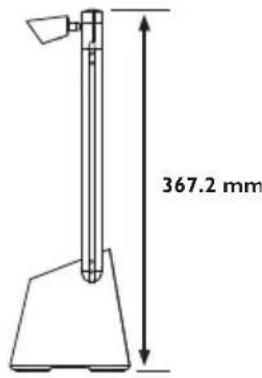
同梱されているもの
natural_image
Illustration of three different piano types: a single piano, a grand piano, and a two-piano keyboard (no text or symbols present)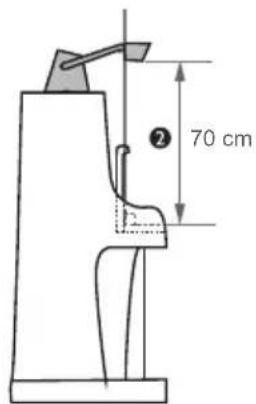
日本語
natural_image
Simple line drawing of a finger pointing at a sun icon on a horizontal bar, with floating icons above (no text or symbols)自動調光モードにする
natural_image
Illustration of a hand pointing at three colored markers (blue triangle, yellow circle, orange square) on a horizontal line, enclosed in a rounded rectangle (no text or symbols)色温度を調整する
natural_image
Illustration of a hand pointing at a small sun icon on a screen (no text or symbols)natural_image
Simple line drawing of a hand pointing at a floating heart near a horizontal bar (no text or symbols)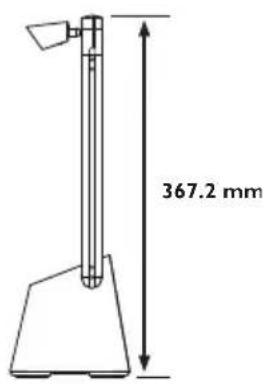


Disposal of Waste Electrical and Electronic Equipment and/or Battery by users in private households in the European Union.
This symbol on the product or on the packaging indicates that this can not be disposed of as household waste. You must dispose of your waste equipment and/or battery by handling it over to the applicable take-back scheme for the recycling of electrical and electronic equipment and/or battery. For more information about recycling of this equipment and/or battery, please contact your city office, the shop where you purchased the equipment or your household waste disposal service. The recycling of materials will help to conserve natural resources and ensure that it is recycled in a manner that protects human health and environment.
Recycling Information: See https://www.beng.com/en-us/support/recycling/global-recycle.html for details.


https://www.beng.com/en-us/support/recycling/global-recycle.html.


DECLARATION OF CONFORMITY
The device complies with the requirements set out in the Council Directives on the Approximation of the Laws of the Member States relating Electromagnetic Compatibility (2004/108/EC) and Low Voltage Directive (2006/95/EC) and Radio and Telecommunications Terminal Equipment Directive (1999/5/EC), the Restriction of The Use of Certain Hazardous Substances in Electrical And Electronic Equipment Directive (2011/65/EU), Turkish EEE Directive; Turkish ErP (Decision 2010/643);the Commission Regulation (EC) No 1275/2008 implementing Directive 2005/32/EC of the European Parliament and of the Council with regard to eco-design requirements for standby and off mode electric power consumption of electrical and electronic household and office equipment, and the Commission Regulation (EC) No 1194/2012 implementing Directive 2009/125/EC of the European parliament and of the council establishing a framework for the setting of eco-design requirements for energy-related products.
Deutsch
DÉCLARATION DE CONFORMITÉ
Federal Communication Commission Interference Statement
This equipment has been tested and found to comply with the limits for a Class B digital device, pursuant to Part 15 of the FCC Rules. These limits are designed to provide reasonable protection against harmful interference in a residential installation. This equipment generates, uses and can radiate radio frequency energy and, if not installed and used in accordance with the instructions, may cause harmful interference to radio communications. However, there is no guarantee that interference will not occur in a particular installation. If this equipment does cause harmful interference to radio or television reception, which can be determined by turning the equipment off and on, the user is encouraged to try to correct the interference by one of the following measures:
- Reorient or relocate the receiving antenna.
- Increase the separation between the equipment and receiver.
- Connect the equipment into an outlet on a circuit different from that to which the receiver is connected.
- Consult the dealer or an experienced radio/TV technician for help.
This device complies with Part 15 of the FCC Rules. Operation is subject to the following two conditions: (1) This device may not cause harmful interference, and (2) this device must accept any interference received, including interference that may cause undesired operation.
FCC Caution: Any changes or modifications not expressly approved by the party responsible for compliance could void the user's authority to operate this equipment.
- Package Contents
- For Your Safety
- Installation
- Using the Lamp
- Turning on/off the Lamp and Entering Auto Dimmer Mode
- Turning on/off the Lamp
- Entering Auto Dimmer Mode
- Manually Adjusting Brightness and Color Temperature
- Adjusting Brightness
- Adjusting Color Temperature
- Turning On/Off the Presence Detection Function
- My Favorite Mode
- Adjusting Lamp Angle
- Maintenance and Troubleshooting
- Specifications
- Lieferumfang
- Contenu du paquet
- Allumer/éteindre la lampe
- 包装内容
- 開燈 / 關燈
- 使用自動調光模式
- 調整色溫
- 同梱されているもの
- 自動調光モードにする
- 色温度を調整する
- DECLARATION OF CONFORMITY
- Deutsch
- DÉCLARATION DE CONFORMITÉ
- Federal Communication Commission Interference Statement
Brand : BENQ
Model : PianoLight
Category : Lamp