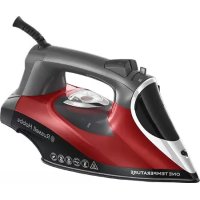
One Temperature - Iron RUSSELL HOBBS - Free user manual and instructions
Find the device manual for free One Temperature RUSSELL HOBBS in PDF.



| Brand | Russell Hobbs |
| Model | One Temperature |
| Type | Iron |
| Power supply | Mains (230 V ~ 50 Hz) |
| Functions | Dry ironing, steam, spray, steam boost, vertical steam, auto shut-off |
| Soleplate | Smooth soleplate |
| Tank capacity | Approx. 200 ml (fill up to MAX mark) |
| Indicator light | Flashes during heating, stays on when ready |
| Steam control | Adjustable from 0 to maximum |
| Auto shut-off | 30 seconds on soleplate, 8 minutes on heel, with beep and flashing light |
| Overheating protection | Safety cut-off in case of overheating |
| Use | Household use only |
| Self-cleaning | Self-cleaning function against limescale (at least once a month) |
| Soleplate maintenance | Clean with a bit of vinegar |
| Recycling | Do not dispose with household waste, drop off at appropriate collection point |
Frequently Asked Questions - One Temperature RUSSELL HOBBS
User questions about One Temperature RUSSELL HOBBS
0 question about this device. Answer the ones you know or ask your own.
Ask a new question about this device
Download the instructions for your Iron in PDF format for free! Find your manual One Temperature - RUSSELL HOBBS and take your electronic device back in hand. On this page are published all the documents necessary for the use of your device. One Temperature by RUSSELL HOBBS.
USER MANUAL One Temperature RUSSELL HOBBS
Follow basic safety precautions, including:
This appliance can be used by children aged from 8 years and above and persons with reduced physical, sensory or mental capabilities or lack of experience and knowledge if they have been supervised/instructed and understand the hazards involved. Children shall not play with the appliance. Cleaning and user maintenance shall not be done by children unless they are older than 8 and supervised. Use and store the appliance out of reach of children under 8 years.
Use the iron, or set it on its heel, on a stable, level, heat-resistant surface, preferably an ironing board.
Don't leave the iron unattended while plugged in, or while it's standing on the ironing board.
Unplug the iron before filling, before cleaning, and after use.
Don't operate the appliance if it's dropped or damaged, or if it malfunctions or leaks.
If the cable is damaged, return the iron in order to avoid a hazard.
The surfaces of the appliance will get hot during use.
Do not use this appliance near bathtubs, showers, basins or other vessels containing water.
- Never iron clothing while it is being worn.
- Don't use the appliance for any purpose other than those described in these instructions.
- Don't scratch the soleplate - avoid buttons, zips, etc.
- The appliance has a protective thermal fuse which will blow if it overheats. If this happens, the appliance will stop working, and must be returned for repair.
HOUSEHOLD USE ONLY
PARTS
- Soleplate
- Heel
- Light
-
Steam control
-
Water inlet
- Cover
- Spray nozzle
BEFORE USING FOR THE FIRST TIME
- Remove labels, stickers and packaging from the iron and soleplate.
- Don't worry if the iron smokes a little at first. It will stop after a short time.
- Iron an old piece of cotton fabric, to clean the soleplate.
AUTO SHUT-OFF
- If the iron is motionless, it will switch off after about 30 seconds with the soleplate down or on its side, or about 8 minutes if it's upright.
- Your iron will beep 6 times and the light will flash continuously until you move the iron.
- To switch on again, lift it up, tilt it forward, then sit it upright to return to operating temperature.
FILLING
You may use the iron with tap-water, but if you live in a hard water area, you should use distilled water (not chemically descaled or softened water).
If you buy distilled water, check that it's suitable for use in irons.
- Unplug the iron.
- Hold the iron with the front raised.
- Open the water inlet cover.
- Pour slowly, to let the air in the reservoir escape, otherwise you'll cause an air lock and the water will overflow.
- Don't fill past the max marking or water will escape in use.
- Wipe up any spillage.
USING
The temperature of your iron is safe to use on all ironable fabrics and garments.
Dry ironing
If you're going to be dry ironing for 20 minutes or more, empty the reservoir first to avoid spontaneous bursts of steam.
- Set the steam control to
- The light will slowly pulse on and off as your iron heats up. When your iron is ready to use, the light will stay on.
Steam ironing
- Set the steam control to the setting you want, 高 = no steam, 高 = high steam.
- The light will slowly pulse on and off as your iron heats up. When your iron is ready to use, the light will stay on.
SPRAY
Water spotting affects some fabrics. Test this out on a hidden part of the fabric.
- Lift the iron off the fabric.
- Aim the spray nozzle at the fabric.
- Press the button. You may have to press it 2 or 3 times to pump water through the system.
SHOT OF STEAM
- Lift the iron off the fabric.
- Press the button.
- Leave 4 seconds between shots to let the temperature build up.
VERTICAL STEAMING
Remove wrinkles from hanging clothes, hanging curtains, and furnishing fabrics.
- Check that there's adequate ventilation behind the fabric, otherwise moisture may build up, causing mildew.
- Check that there's nothing behind the fabric that may be damaged by the steam.
-
Check that pockets, turn-ups, and cuffs are empty.
-
Check that there's water in the reservoir.
- Hold the iron close to (but not touching) the fabric.
- Press the button.
- Leave 4 seconds between shots, to let the temperature build up.
AFTERUSE
- Unplug the iron.
- Open the water inlet cover.
- Hold the iron over a sink, turn it upside down and drain the water from the reservoir.
- Close the cover.
- Sit the iron on its heel. Leave it to cool down completely.
- When it's cold, wipe off any moisture, and wind the cable round the heel.
- Clean the outside surfaces of the appliance with a damp cloth.
- Remove spots from the soleplate with a little vinegar.
- Store the iron on its heel, to avoid corrosion and damage to the soleplate.
SELF CLEAN
To avoid scale build up, use the self clean function at least monthly in normal water areas, more often in hard water areas.
You'll need a basin or a large bowl to catch the water coming out of the soleplate.
- Fill the reservoir to the max mark.
- Set the steam control to
- Stand the iron on its heel.
- Plug your iron in and wait for the light to stop flashing and stay on.
- Hold the iron over the basin or bowl, with the soleplate down.
- Move the steam control past to and hold it there.
- Gently move the iron to and fro, over the basin or bowl.
- Water and steam will wash scale and dust through the soleplate, and into the sink.
- When water and steam stop coming from the soleplate, release the steam control.
RECYCLING
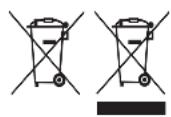
To avoid environmental and health problems due to hazardous substances, appliances and rechargeable and non-rechargeable batteries marked with one of these symbols must not be disposed of with unsorted municipal waste. Always dispose of electrical and electronic products and, where applicable, rechargeable and non-rechargeable batteries, at an appropriate official recycling/collection point.
NoURTAL NoURTAL NoURTAL NoURTAL NoURTAL
APENAS PARA USO DOMÉSTICO
ESQUEMAS
- Placa
- Pé
- Luz
-
Controlo de vapor
-
Entrada de agua
- Cobertura
- Borrifador
NEPEI INPBBbIM NcNoJIb3OBAHnEM PnPbOPA
- YdaJInte BCE neIe6bI, CTnKepeI nnI yNaKOBky cyTOra nNoDoUBBbl.
He 6ecnokoTecb, ecnn cnaa yTIO nCnyckaet bIM, 3TO ppeKpaNTcra, KOrda 3IeMeHT TepmoCTa6nUIN3npyETc. - PpOraIaIbTe Kycok CTapoi XlonuTaO6ymaxHoi TkaHn IJrTO, UTo6bl OChCTnB nOIOwBy.
ABTOMATUQUECKOE OTKJIIOUYEHNE
- Ecnn yTIO 6yIeT HeNoDbNKeH B rOpn3OHTaIbHOM NoLoXeHn npn6n3nteNbHO 30 cekyHd, nIN B BePTnKaIbHOM NoLoXeHn B TeueHne 8 MInHyT, OH OTKIOUHTcR.
- YIor IODaCT 6 3ByKObIX CnHaNOB, a INdIKaTOP 6yDet NocToHNO MInrA Tb, Noka Bbl He nepeDbHHeTe yIor.
- YTO6bI CHOBA BKNIOUHTb yTIO, NOHIMITE eRO, HAKNOHITe BnpeEi, NocNe Yero NoCTaBbTe BepTKaJIbHO, YTO6bI BEPhyTbCRA K pa6OueN TemnepaType.
HANOJIHEHNE
YTOI MOXHO NCNOJb3OBaTb C BOIOI N3-IOI KpaHa, HO ecNI B BaIeM MeCTHOCTN JKeCTKJa BOJa, NCNoJIb3yIte DnCTUNIIINPOBaHHyIO BODy (He XIMNUeCKN OUYIeHHyI).
Ecnn BblnokynaeTe nctunnpoBaHHyO BDOy, npOBepbTe, yTo6bl OHa noxOuNa dnyyTIOB.
He no6abnIte Hnueero B Body -3To nOBpeuT yTIOr.
- Otkliouchte npnbop ot ənektpocetn.
- OtkpoTe KpbIshky BoD03a6OpHOrO OTBepCTnA
- HanibaTe MeIeHNO, TTo6bI Bo3dyx MoT BblTN n3 pe3epByapa n He 06pa3OBaIocb Bo3duHOn npo6Kn.
- He haJIbAitE Bovy BblIe CmB0Ja max Ha pe3epByape, nHaue OHa 6yJeT BblnBaTbcr npN cNoJIb3OBaHIn.
- 3akpoTe KpbIshky BoD03a6OpHOrO OTBepCTn. BbITpnte npOnlTyU BOyU.
3KcIpyATAU
Pa6oay TempepaTpa npedctabHnHO yTOra rapaHTnpyET coXpaHHocTb BCex nOdaUxxCra rnaKke TkaHei npedMeTOB oDeJbl.
CYXOE TJIAXEHNIE
Ecnn Bbl c6npaetecb rnaTb BCyXu Ha npotjKeHn 20 MmHyT nn Donbwe, chayana onyctounte pe3epByap, uTo6bl n36exKaTb Henpon3BONbHoro Bbl6poca napa.
- YctaHOBnte pyuKy perynipOBKn npa Ha
- INHnKATOp 6yET MeIeHHo MrraTb, BKNIOUacB N BblKIOUacB, NOKa yTOr pa3OrpeBaetc. Korda yTOr 6yET rOTOB K IICNOJb3OBAHnIO, INHnKATOp OCTaHeTc BKNIOUeHHbIM.
IAPOBOE TJAXEHHE
- YctaHOBnte pyUky peryInpOBKn npapa Ha HyxHoe Bam 3HaueHne (X = HeT npap, = BbICOKn).
- INHdkaTOp 6ydt MeIeHHo Mrratb, BkIIOUacb N BblKIOUacb, noka yTOr pa3orpeBaetc. Korda yTOr 6ydt rOToB K IICNOJb3OBaHnIO, INHdkaTOp OCTaHeTcBkIOUeHHbIM..
PACnblNTeJIb
IaTHa BObI MoYr NOBpeiNtB HeKOTOpbIe TkaHn. IpOteCInpyuTe 3Tu yHKUIO Ha cKpbITOM yAcTKe TkaHn.
1.ПОДнIMTe yTIOr c TkaHn.
2. HanpaBbTe paCnblnteIb Ha TkaHb.
3. HaxMMTe KHOKNy W
4. Bo3moXHO, Bam npiJeTcHnKaTaH Na Hee 2-3 pa3a, TTo6bI npokaHaB YoHy uepe3 cnCTemy.

OByB IAPOM
1.ПОДнHMnTe yTbC tKaHn.
2. HaxmTe KhoNky
3. BbIeepXnBaIte no 4ceKyHdbI MeKdy HaxKaTnaMn, yTo6bI nap ycneBaJ 06pa3ObaTbcra.
BEPTUKAJbHOE OTNAPUBAHNE
PacnpabBte cKlaIcN C BvCsaJe OJekbl, 3aHaBeCOK n OsbKn.
- Y6eHITecb, yTO MaTePnAл DoCTaTOUHO BeHTUNIPyETcH, nHaYe MoXe TNOBNTbcr Bnara, o6pa3yI pIeCEHb.
- Y6eIHTecb, yTo 3a TkaHbIO HET HnueRo, yTo MoKeT NOBpeIITbcra napOM.
-
Y6eINTEcB, yTO KapMaHbI, 3aRn6bl N MaHKeTbI nyCTbl.
-
YctaHOBnTe pykny perynipOBkn npa Ha
2.ПоднIMITEуTHorCTkaHn. - HaxmTe KhONKy
- BbIeApXnBaIte no 4 cekynDbI mExky haxaTnaMn, yTO6bl np ycneBaJ o6pa3oBaTbcra.
PONCNEIICNIOJIb3OBAHNA
- YctaHOBnTe pykny perynipOBkn npa Ha
- Otklouchte npi6op ot 3nektpocetn.
- OtkpoTe KpbIshky BoD03a6OpHOro OTBepCTnA
4.Дерka yIor NaI paKOBInHoi, nepeBepHnTe erO n BblneIte BOy u3 pe3epByapa uepe3 BOJ03a6OpHoe OTBepCTne. - 3akpoTe KpbIuKy BDO3a6OpHoro OTBepCTnJ.
- NocTaBbTe yTIO Ha 3aHIOIO NOBepxHOCTb. DaIte npN6Opy NOLHOCTbIO OCTbITb.
- Korda yTIOg OCTbIHET, BbITpIte BCIO Bnary n OeepHInTe Ka6JIb BOKpyr 3aDHeN NOBepxHOCTN.
- OuHNTe BHeSHIOI NOBepxHOCb Ipn6Opa BlaXHO TKAHbIO.
- YdaInte TnTHa c NDoUWBbl, nCNoJIb3y HEMHOrO yKcyca.
- XpaHnte yTIOr Ha 3aDHeN NOBepxHOCTn, YTO6bI n36ExaTb KoppOzNI NOBpeKdEHN NoDoWBbl.
CAMOQUINUEHNE
Bo n36exaHne 06pa3OBaHnHaKnIn NcNoIb3yIte yHKuIcMoOuIeHnKaK MmHmym pa3 B MeCraC B MeCTHOCTx C HopMaIbHOB BOIOI UaIe B MeCTHOCTx C JecTKoI BOIOI.
Tobapbl, Bo3BpaueHHbIe n rapaHTn C NOlOMKaMn BCNECTBHe HAKIN, 6ydyT NOJNExKaTb peMOHTy. Bam noHaO6ntc Ta3 nn 6oJIbwa MnCKa Ira c6opa BObl, BbTEKaIOUe n3 NIOOWBbl.
- 3anonHnTe pe3epByap do cnmbola max.
- YctaHOBIne pyuKy perynipOBKn npa Ha X
- NocTaBbTe yTIO Ha 3aDHIOIO NOBepxHOCTb.
4.ПоДКЛЮЧИТЕУТгКЗЛЕKTPOСЕТи И ПОДЖДNTe,ПОКИНДИΚAТOPпЕСТАHETMIRATи OCTaHETCBAKJIIOUChEHHbIM.
5.ДерхиTe yTIOr HaI Ta3OM IIN MmCKOI NOIoWBOB BHN3. - IpepeBeiTe pyuKy perynipOBKn napa uepe3 cunBON do, nydepKnBaTte ee TaM.
- AkkypaTHO noDbHraIte yTnB B pa3HbIe cTOpOHbl. BepeRInTeCb bVeKaIoUe BObl n npa.
- Boda n nap cmoIOT haknib n nbInb chepe3 noIoouBy.
- Korda Boda n nap nepectaHT noDaBaTbcr n3 nooowBbl, otnyctnte pyky perynipobkn napa.
ПОВТOPHA ПЕPEPAБТKA
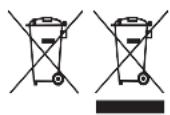
Bo n36eXaHne BO3dEiCTBnB BpeHbIX BeIeCTB Ha OKpyKaIOUyIO CpeNy I 3DopOBBe np6Opbl N 6batapeo Ondopa3OBOrO nn MHOropa3OBOrO nCpOJIb3OBaHn, NOMeueHHbIe ONDHM N3 3Tnx CmBOJOB, Heo6xOIMo yTNIIN3NPOBaTb OTJeIbHO OT HecOpTIPoBaHbIX 6bITOBbIX OTxOIOB. O6ra3aTeNbHO yTNIIN3NpyIte 3NeKTPnuCeKne IN 3NeKTPoHHbIe N3DeJIInA, a TAKKe (ecnn 3TO npImeHMo) 6batapeo Ondopa3OBOrO nn MHOropa3OBOrO nCpOJIb3OBaHn B COOTBeTCTBYIOUX OfNiuaJIbHbIX PYNKTax NOBtOPHO nepepa6OTKn / c6opa OTxOIOB.

DULEZITA BEZPECNOSTNI OPATRENI
IPIN ANO THN INPQTH XPHSE
IounCTBaHTo I NOdIpbJkKaTa He Tp8Ba Da ce N3BbPwBaT OT Deca, OCBeH aKO Te He ca HaI 8-roDnHa Bb3paCT n HЯKo rN HaIJIeJda.
I3noJ3BaIte n CbXpaHЯBaIte ypeDa daJeu OT DoCTbN Ha Deua PoJ 8 TOnHH.
I3noJ3BaIte IOTnra nn r noCTaBnTe Ha neTa Bbpx CyabHn, paBn, TOnIOyCToUHBn NOBbPxHOCTn, 3a npednoHTaHe Ha DbCKa 3a rJaDeHe.
He octabraye IOTnra 6e3 HaD3Op, DOkato e BkIIOyeHa B 3axpaHbaHeTo nII NOKATO e N3npaBeHa Bbpxy DbCKata.