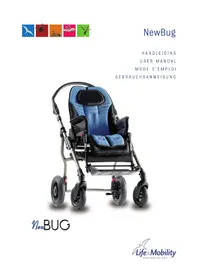
NewBug - Stroller Life & Mobility - Free user manual and instructions
Find the device manual for free NewBug Life & Mobility in PDF.


| Product Type | Evolutive orthopedic stroller (tilting seat) |
| Brand | Life & Mobility |
| Model | NewBug |
| Dimensions (L x W x H, base 4 wheels 869, size 1-2) | 67-81 x 57 x 101-111 cm |
| Total weight (size 1-2 / size 3-4) | 18 kg / 22 kg |
| Maximum load capacity | 35 kg (size 1-2), 45 kg (size 3-4) |
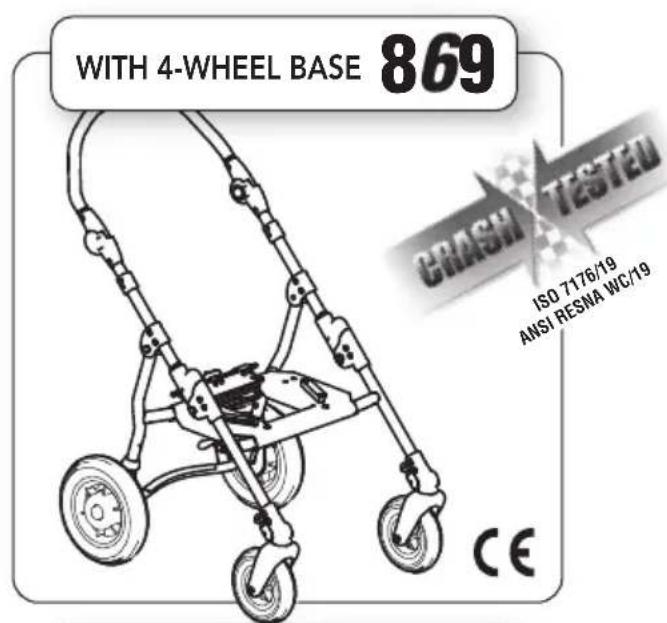
| Base types | 4 wheels outdoor (869), 3 wheels outdoor (901), indoor base (856) |
| Main adjustments | Seat width and depth, backrest height and tilt, seat tilting, leg rest, footrest, handle height |
| Functions | Molded seat adaptable to growth, backrest tilt 40°, continuous tilting (0-35° size 1-2), wheels with brakes, directional lock, hand brake (option) |
| Safety | Parking brakes, multiple harnesses, compliant with ISO 7176-19 for car transport (base 869), crash tested |
| Maintenance | Monthly chassis cleaning, machine wash covers at 30°C, check tire pressure 2.5 Atm, brake inspection |
| Cleaning | Soft cloth with mild detergent, disinfection with diluted alcohol |
| Spare parts | Require original parts, contact the dealer |
| Warranty | 2 years |
| Material | Aluminum chassis, rigid backrest, padded cushion |
| Use | Indoor (base 856) and outdoor (bases 869, 901) |
| Compatible accessories | Headrest (863, 852), harness (4, 5 point), canopy, rain cover, tray, bottle holder, buggy board, etc. |
| Lifespan | 5 years minimum subject to maintenance |
| Standards | CE marking, directive 93/42/EEC (medical devices) |
| Power supply | None (manual) |
Frequently Asked Questions - NewBug Life & Mobility
User questions about NewBug Life & Mobility
0 question about this device. Answer the ones you know or ask your own.
Ask a new question about this device
Download the instructions for your Stroller in PDF format for free! Find your manual NewBug - Life & Mobility and take your electronic device back in hand. On this page are published all the documents necessary for the use of your device. NewBug by Life & Mobility.
USER MANUAL NewBug Life & Mobility
VERPAKKINGSINFORMATIE 21
ZO HOUDT U DE COMPONENTEN VAN DE BUG VEILIG VAST 21
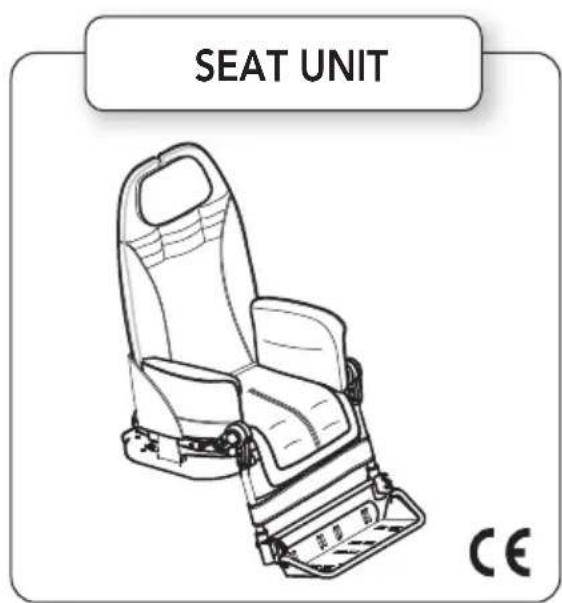
Bug ZITEENHEID 22
AANPASSINGEN ZITEENHEID OP DE ONDERSTELLEN 869, 901 EN 856. 23
DE HELLINGSHOEK VAN DE ZITTING AANPASSEN (KANTEL-VERSTELSYSTEEM) 23
DE RUGLEUNING KANTELEN 24
DE HOOGTE VAN DE RUGLEUNING AANPASSEN 25
DE BREEDTE VAN DE ONDERKANT van de ZITTING AANPASSEN 26
DE BEENSTEUN AANPASSEN 27
DE VOETSTEUN AANPASSEN 28
DE DIEPTE VAN DE ZITTING AANPASSEN 29
VIJFPUNTS VESTHARNAS 906 69
PARASOL 854 71
VERPAKKINGSINFORMATIE
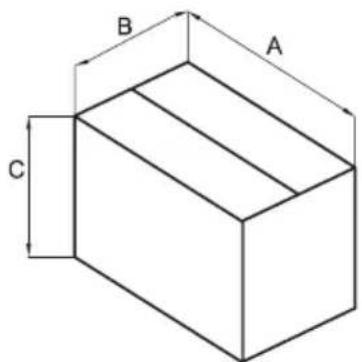
| BUG met ONDERSTEL 869 | A Cm | B Cm | C Cm | INHOUDe m3 | GEWICHT Kg | |
| Formaat 1-2 | 95 65 48 0 | 296 24 | ||||
| Formaat 3-4 | 75 65 103 | 0,502 32 | ||||
| BUG met ONDERSTEL 901 | Formaat 1-2 | 70 60 95 0 | 399 26 | |||
| Formaat 3-4 | 75 65 110 | 0,536 28 | ||||
| BUG met ONDERSTEL 856 | Formaat 1-2 | 75 65 68 0 | 331 30 | |||
| Formaat 3-4 | 75 65 88 0 | 429 35 |
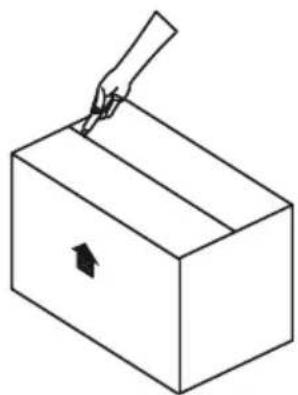
De Bug UIT DE DOOS HALEN
1
LET OPI!
SNIJD DE DOOS OPEN ZONDER TE HARD OP HET MES TE DRUKKEN OM DE INHOUV VAN DE DOOS NIET TE BESCHADIGEN
2
HAAL DE ZITTING UIT DE DOOS EN DAN HET FRAME
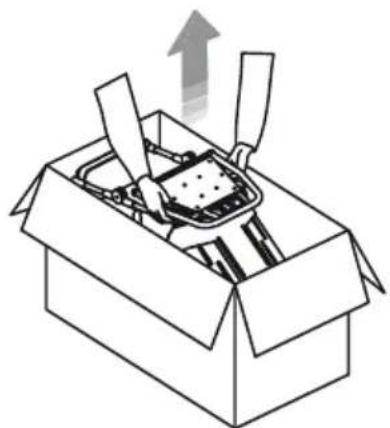
ZO HOUDT U DE COMPONENTEN VAN DE BUG VEILIG VAST
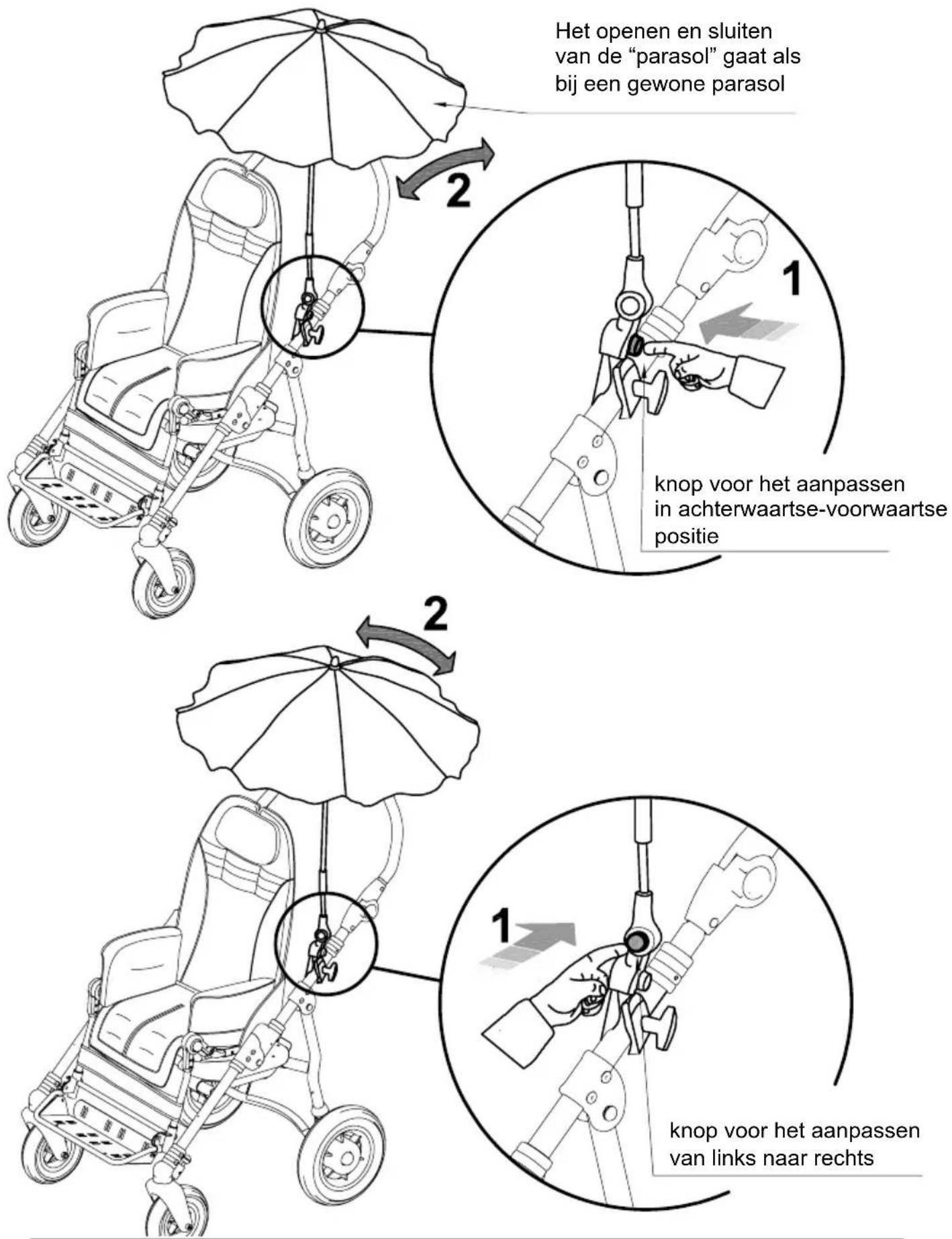
B-AANPASSING MET KNOPPEN
ORMED
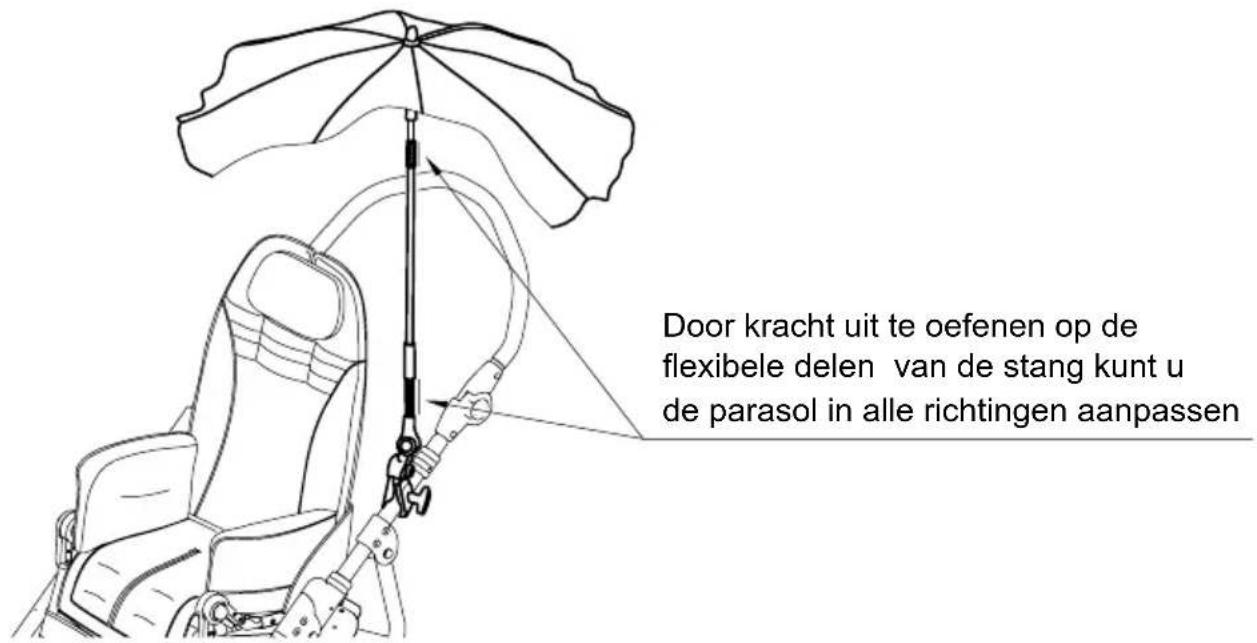
C - AANPASSING MET DE FLEXIBLE DELEN
COMPANY WITH QUALITY
MANAGEMENT SYSTEM
CERTIFIED BY
=ISO9001=

Product gecertificerd door
CERAH Frankrijk
Product getest door
BY BERLIN CERT GmbH
modular seating system

USE AND MAINTENANCE HANDBOOK
Thank you for choosing Bug, from ORMESA s.r.l.
The Bug combines style and ergonomics without compromising on safety.
Bug is a complete seating system with recline and tilt space, that grows with your child. It can be placed on any flat surface and it is available with three different base units (4 wheel base and 3 wheel base for outdoor use; feeding base for indoor use).
ORMESA s.r.l. recommends that you read this manual very carefully to understand its contents fully. In addition to help you become familiar with the seat quickly, it also contains practical tips for making the best use of it safely and keeping it in good working order.
If, after reading it, you still have questions, contact your retailer, who will be happy to help you, or call ORMESA directly at +39 0742 22927, send a fax to +39 0742 22637 or send an e-mail to: info@ormesa.com
Luigi Menichini
Managing Director

TABLE OF CONTENTS
WARNING 4
GUARANTEE 9
HOW TO STORE AND TRANSPORT THE MEDICAL DEVICE 9
SOME EXAMPLES OF WHAT NOT TO DO WITH THE PRODUCT 10
HOW TO TILT THE BUG AND CLIMB UP PAVEMENTS 11
BUG WITH 4-WHEEL BASE 869. 11
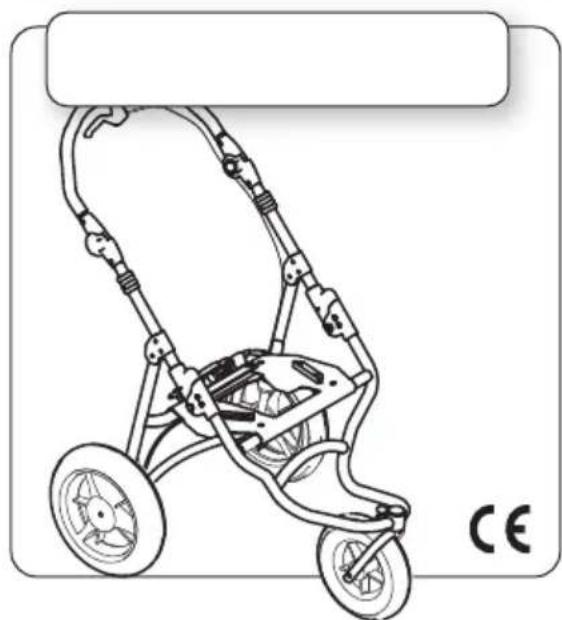
BUG WITH 3-WHEEL BASE 901 12
HOW TO USE THE BUG 4-WHEEL STROLLER WITH 869 BASE FOR TRANSPORT
ON A MOVING VEHICLE (private cars, buses, etc.) 13
LABELS AND PLATES 18
WHAT Bug IS 19
TECHNICAL FEATURES 19
base 869 and 901 BRAKING 20
base 856 BRAKING 20
PACKAGING INFORMATION 21
HOW and WHERE TO HOLD the COMPONENTS of BUG, in SAFETY 21
Bug SEAT UNIT 22
SEATING UNIT ADJUSTMENTS ON BASES 869, 901 AND 856. 23
ADJUSTING THE INCLINATION OF THE SEAT (TILT-IN-SPACE SYSTEM) 23
RECLINING THE BACKREST 24
ADJUSTING THE HEIGHT OF THE BACKREST 25
ADJUSTING THE WIDTH OF THE SEAT BASE 26
ADJUSTING THE LEGREST 27
ADJUSTING THE FOOTREST 28
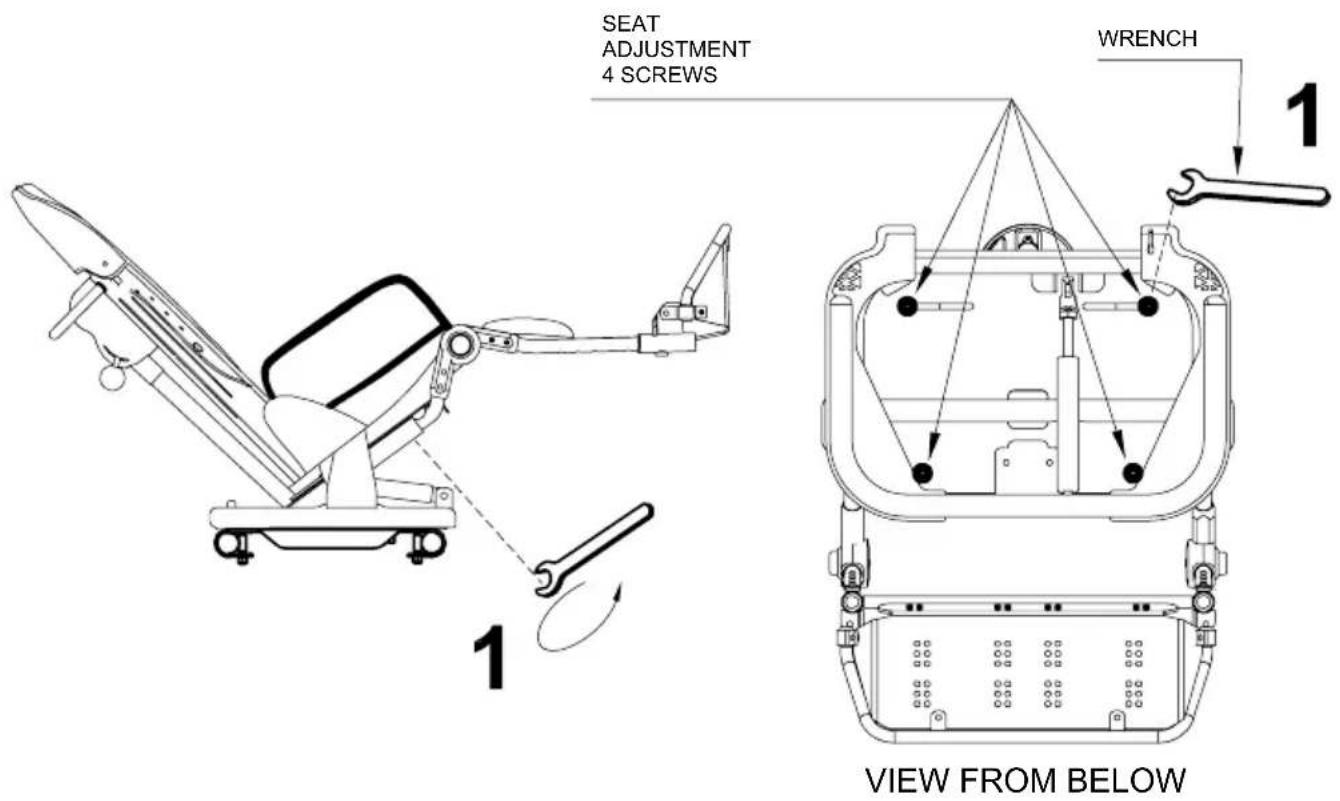
ADJUSTING THE DEPTH OF THE SEAT 29
Bug seat with 4-WHEEL base 869 30
TECHNICAL SPECIFICATIONS of Bug with four wheel BASE 869 31
HOW TO USE Bug WITH BASE 869 33
OPENING the STROLLER 33
HOW TO ATTACH THE SEAT TO THE FRAME 34
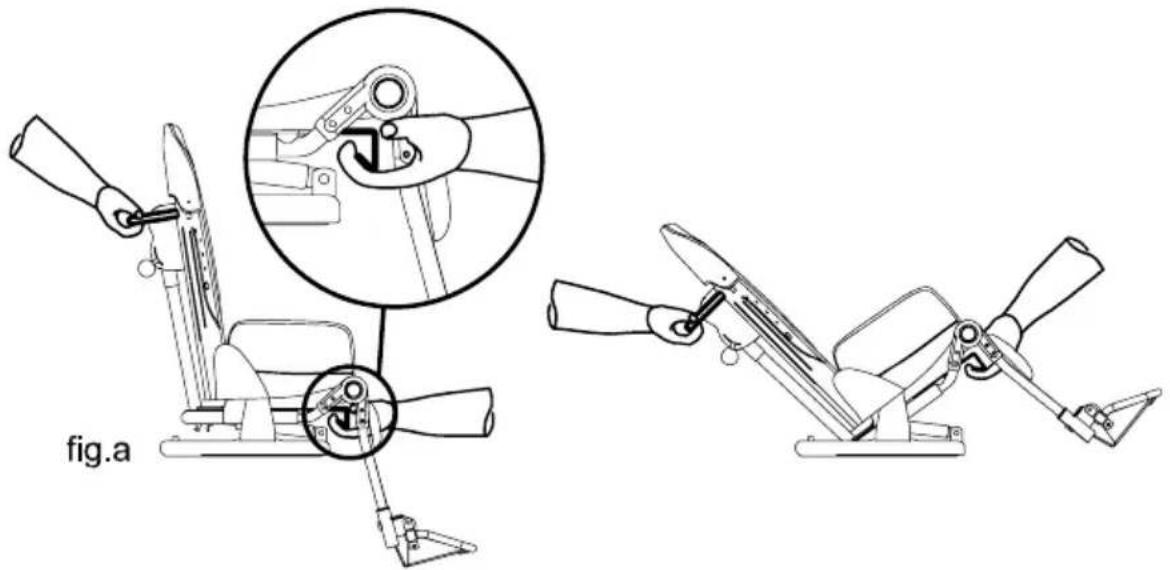
HOW TO REVERSE THE SEAT SO THAT THE CHILD FACES HIS MOTHER
(FIG.A) 35
HOW TO DETACH THE SEAT FROM THE FRAME 36
FOLDING THE BASE 37
ADJUSTING THE INCLINATION OF THE HANDLE 38
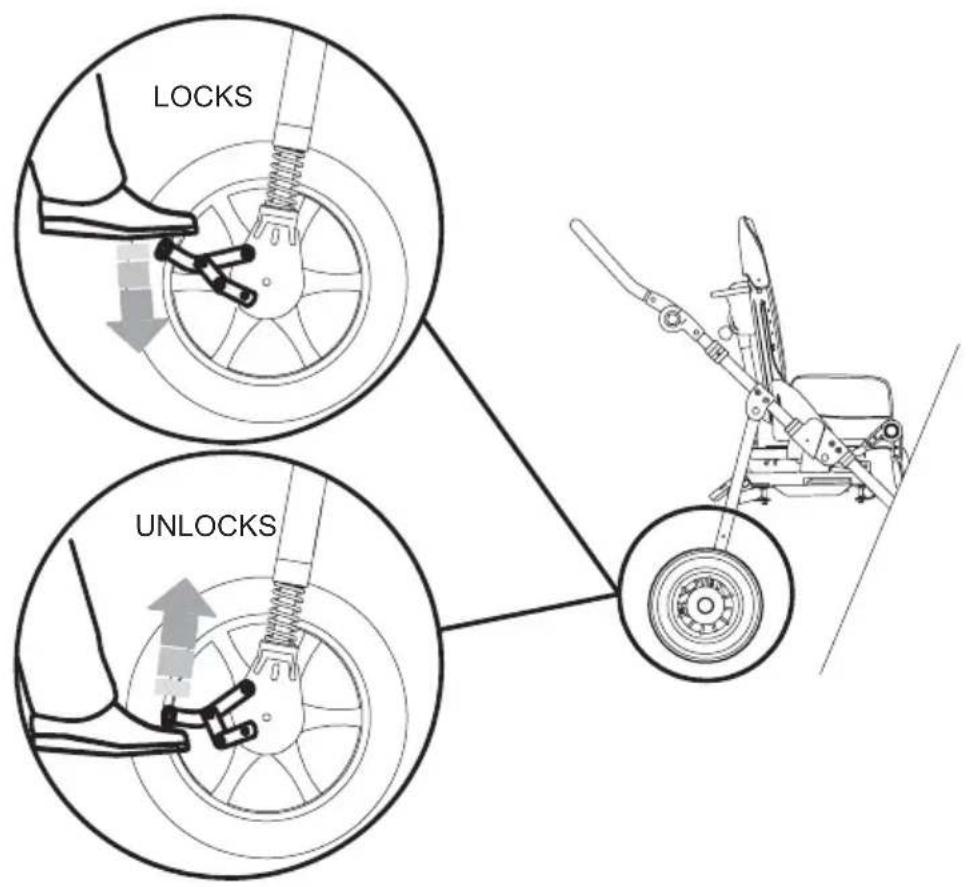
FRONT WHEEL DIRECTION LOCKS 38
Bug seat with 3-WHEEL base 901 39
TECHNICAL SPECIFICATIONS of Bug with 3 wheels BASE 901 40
HOW TO USE Bug WITH BASE 901 42
ORMEO
OPENING THE BASE 42
HOW TO ATTACH THE SEAT TO THE FRAME 43
HOW TO DETACH THE SEAT FROM THE FRAME 44
FOLDING THE BASE 45
ADJUSTING THE INCLINATION OF THE HANDLE 46
FRONT WHEEL DIRECTION LOCKS 46
Bug seat with INDOOR base 856 47
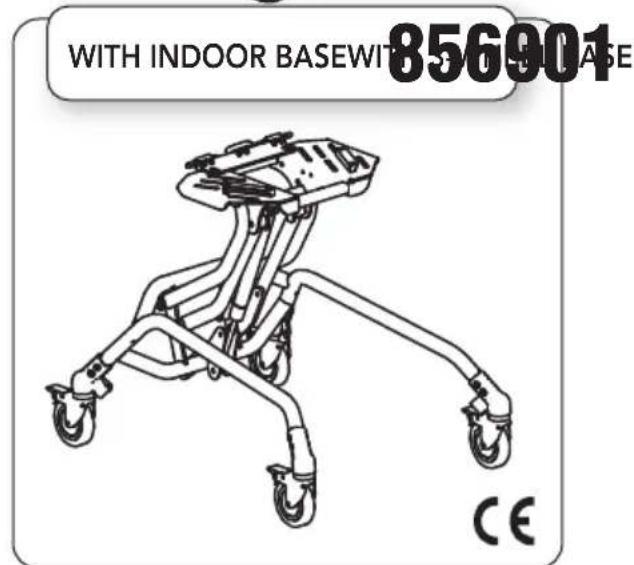
TECHNICAL SPECIFICATIONS of Bug with BASE 856. 48
HOW TO USE Bug WITH BASE 856. 49
HOW TO ATTACH THE SEAT TO THE FRAME 49
HOW TO DETACH THE SEAT FROM THE FRAME 50
ADJUSTING THE HEIGHT OF THE SEAT 51
MOUNTING THE ACCESSORIES 54
HEADREST with OCCIPITAL-PARIETAL PROTECTIONS 863 54
HEADREST with PARIETAL PROTECTIONS 852 56
LEG DIVIDING INGUINAL STRAPS 817 58
THERMIC COVER 818 58
CANOPY 819 59
RAIN COVER 825 60
FOOT STRAPS 827 61
PaddedABDUCTIONBLOCK834 61
FRONT HANDLE 839 62
FLEXIBLE AND WRAP-AROUND SIDE SUPPORTS FOR THE TRUNK 868 63
TIEDOWN HOOKS (4 RINGS) 891 64
VEST HARNES8 853 64
NET BASKET 858 65
45°SEAT BELT 894 65
Padded SIDE SUPPORTS 838 66
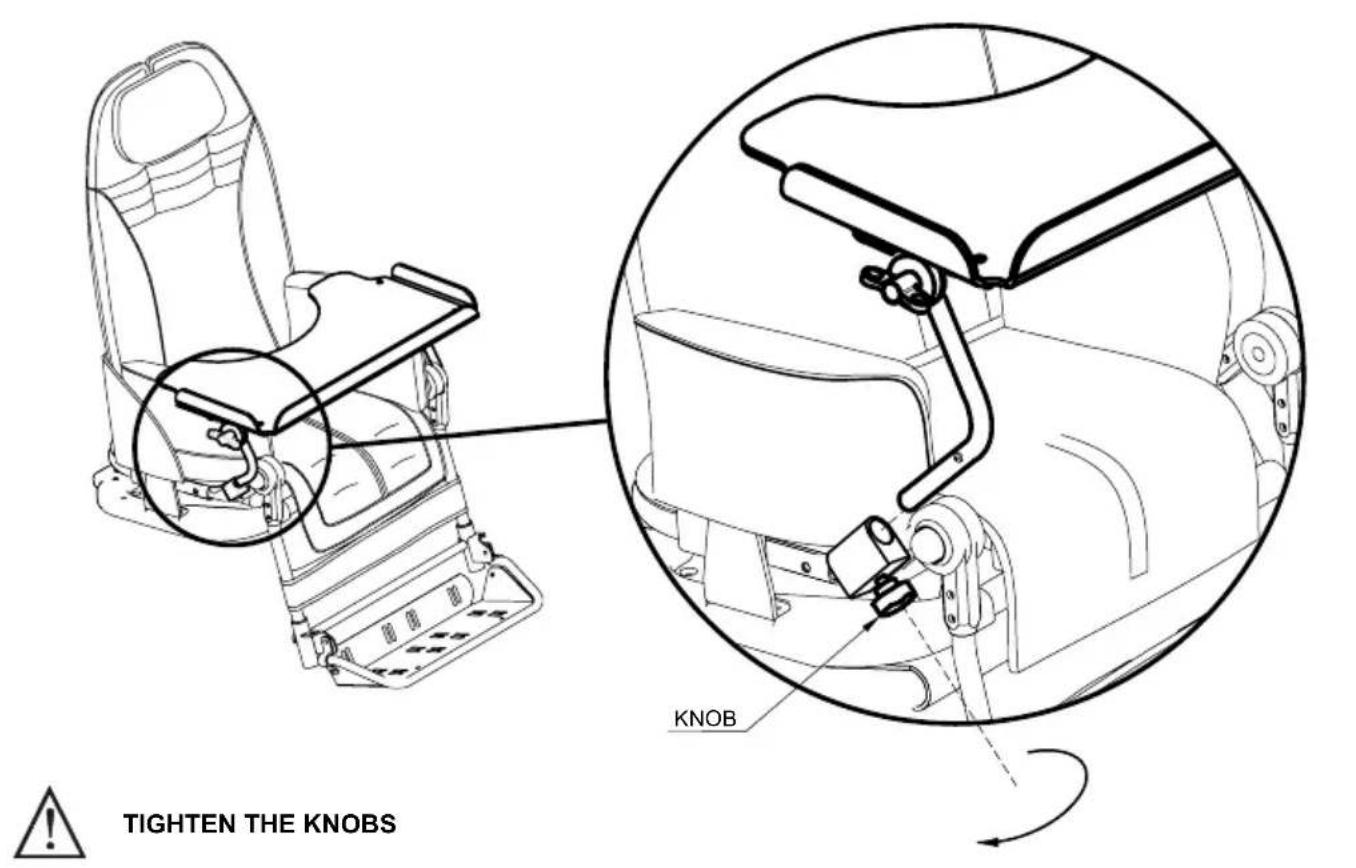
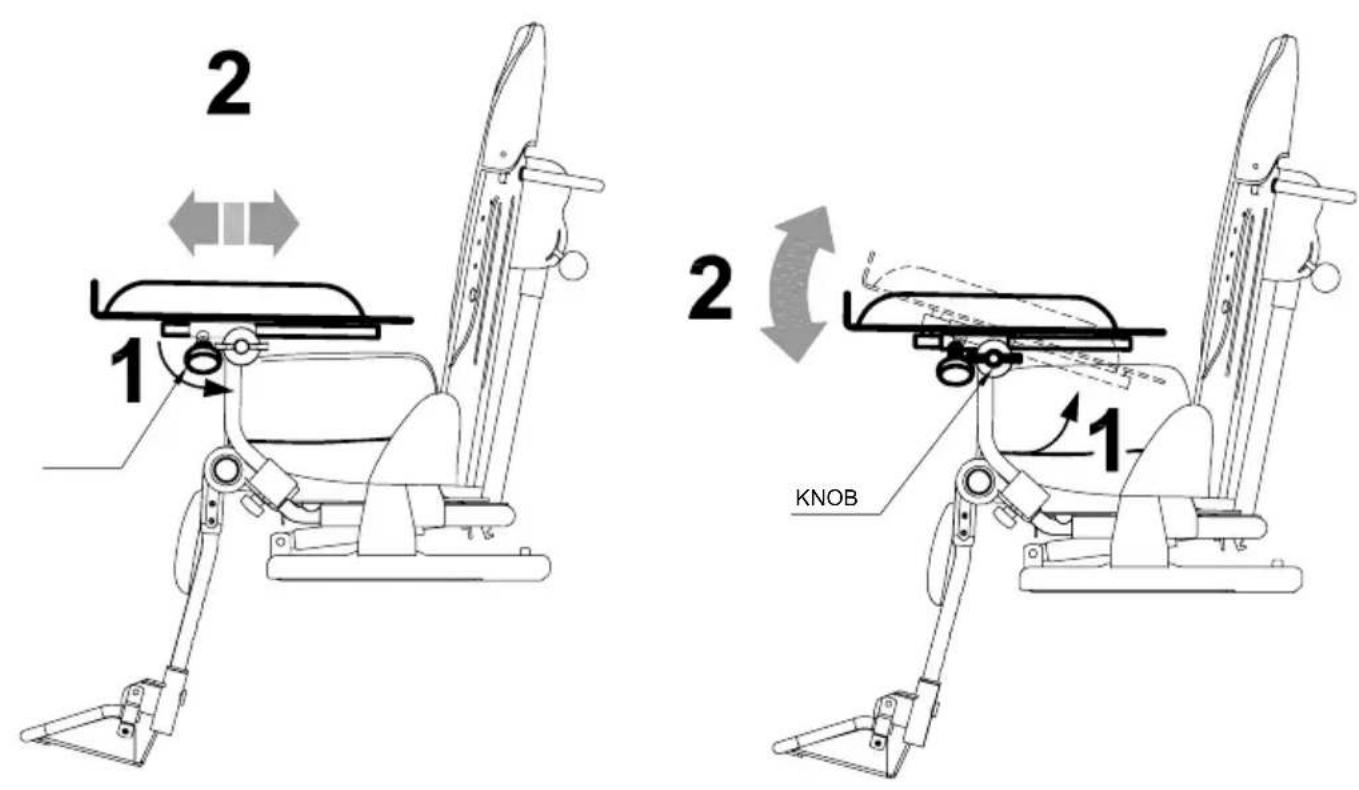
TRAY 824 67
5-POINT VEST HARNESS 903 68
5-POINT HARNESS 906 69
PARASOL 854 71
PADDED COVERING for FOOTPLATE 892 74
HAND BRAKE 905 75
VENT TRAY 911 80
4-POINT SEAT BELT 920 82
SIBLING REAR FOOTBOARD 921 84
BOTTLE HOLDER 922 87
ATTACHING THE CUSHION 88
MAINTENANCE, CLEANING AND DISINFECTION 90
CUSTOMER SERVICE AND SPARE PARTS 91
CONDITIONS FOR DURABILITY, REUSE AND REASSIGNMENT TO A NEW USER 92

WARNING
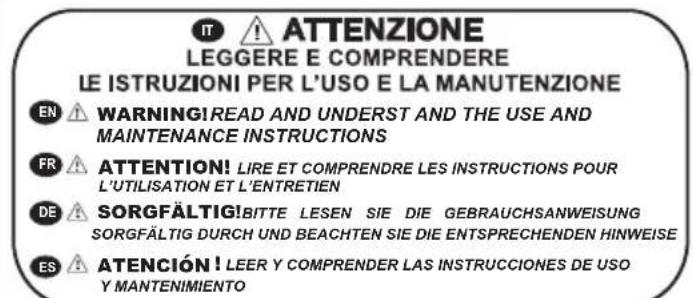
- CAREFULLY READ AND UNDERSTAND THE INSTRUCTIONS IN THIS MANUAL BEFORE USING THE DEVICE BECAUSE THEY HAVE BEEN WRITTEN WITH THE USER'S SAFETY IN MIND and they will help the carer use the product safely and keep it in good working order. The Use and Maintenance Manual is an integral part of the product and must be carefully preserved for future reference.
- The manual is intended for technically qualified retailers and users and their assistants; it provides instructions for its correct use and must be supplemented by adequate knowledge of the rehabilitation program for which it has been prescribed.
- The manual reflects the technical state of the product at the time it was sold. ORMESA s.r.l. reserves the right to make any changes to the product or manual suggested by experience, technical considerations or regulatory developments without any obligation to update its previous production and relevant manual.
- The use of the device and its accessories must be checked by a specialized doctor, in conformity with the laws and standards in force.
- The Bug is intended for use by people whose size and weight fall within the range of the "Technical Specifications" on pages 31-32, 40-41, 48-49 and was exclusively designed for the transport and placement of children.
- Bug is available in two sizes: change to a larger device as the child grows
- Bases 869 and 901 were designed for outdoor use. Base 856 is only intended for indoor use.
- The 812 direction locks on the front wheels of outdoor bases were exclusively designed to use the aid on rough terrain: in all other cases, they must be disengaged to avoid difficulty in manoeuvring the device
- The aid Bug with 869 and 901 bases, must be manoeuvred by people with the height and strength to control its movements
- Before each use always check that brakes are working, the wheels are not excessively worn and that the frame, backrest and footrest are locked
- Make sure that all adjustable parts are locked before each use
- When parking, always apply both brakes, even on level ground
- Always lock the brakes before making any type of adjustment
- The PADED UPHOLSTERY IS FIRE-RETARDANT: it conforms to class 1 IM of the Italian UNI 9177 standard. KEEP however ALL THE ACCESSORIES AWAY FROM SOURCES OF IGNITION because THEY ARE NOT FIRE-RESISTANT
- THE FIRE RETARDANT PROPERTIES ARE INHERENT TO THE YARN AND THEY DO NOT COME FROM ADDITIONAL TREATMENTS
ORMO
USING THE SEAT UNIT WITHOUT THE USER

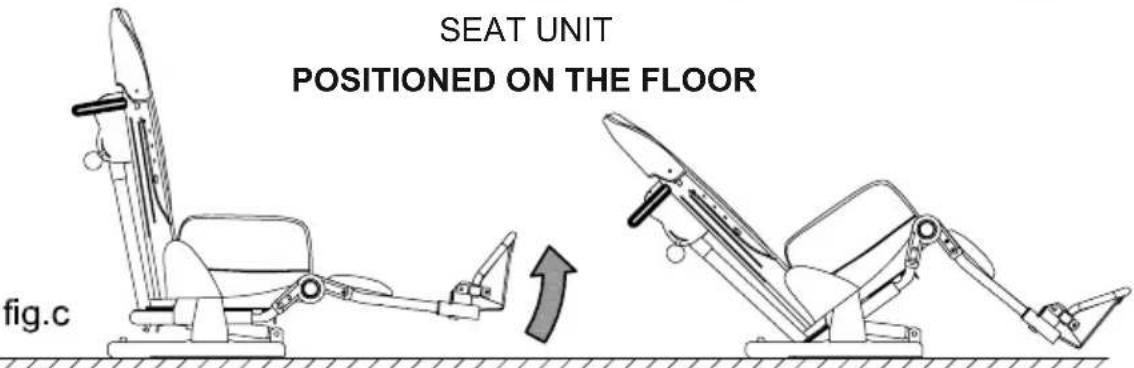
THE BUG SEAT UNIT can be POSITIONED on EVERY FLAT SURFACE see fig.b (table) and fig. c (floor) provided that the following INDICATIONS are followed:
Place the leg rest in extension or tilt it completely before placing the seat unit on the floor (Fic. c)
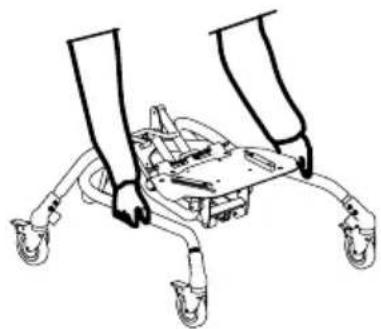
HOW TO TAKE THE SEAT UNIT
SEAT UNIT
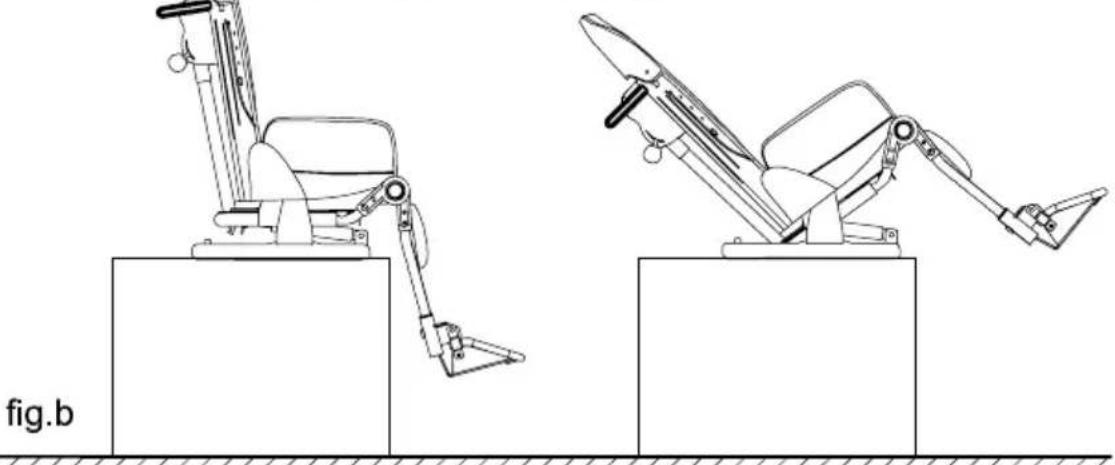
POSITIONED ON A TABLE
SEAT UNIT
POSITIONED ON THE FLOOR
USING THE SEAT UNIT WITH THE USER POSITIONED

ATTENTION!
BEFORE POSITIONING THE CHILD MAKE SURE THAT THE SEAT
UNIT IS PROPERLY LOCKED TO THE FRAME OF THE INDOOR BASE (856) OR OF THE OUTDOOR ONES (869, 901).
THE SEAT UNIT CAN ALSO BE USED SEPARATELY FROM THE FRAME (869, 901 AND 856 BASES) FOR VERY SHORT PERIODS AND UNDER THE CAREFUL CONTROL OF AN ADULT.
IN SUCH CASES MAKE SURE THAT THE WHOLE SUPPORT SURFACE OF THE SEAT UNIT IS IN CONTACT WITH THE TABLE OR THE FLOOR (see fig. d, e).
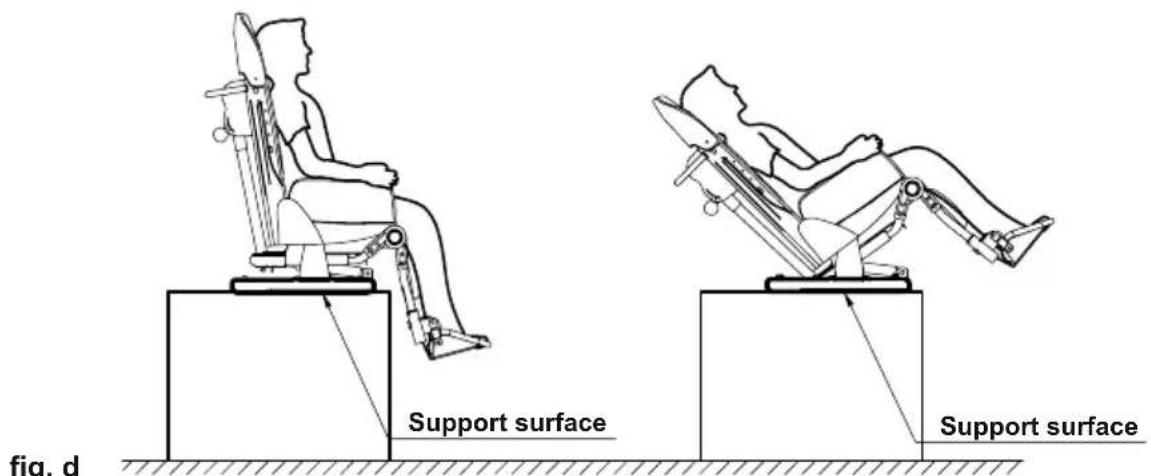
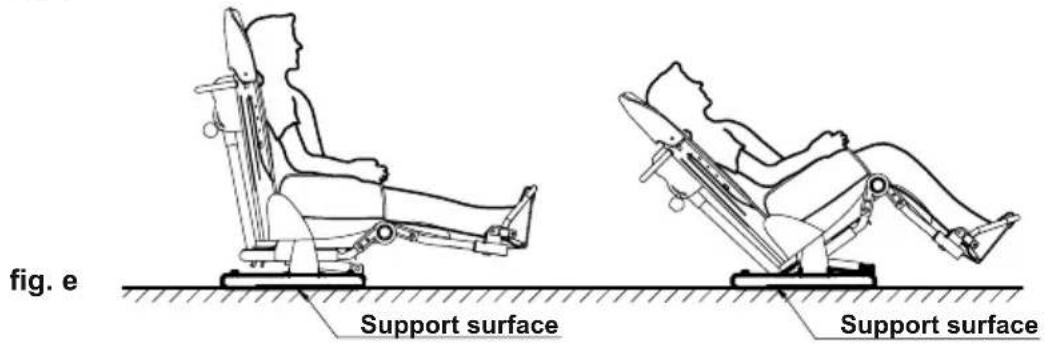
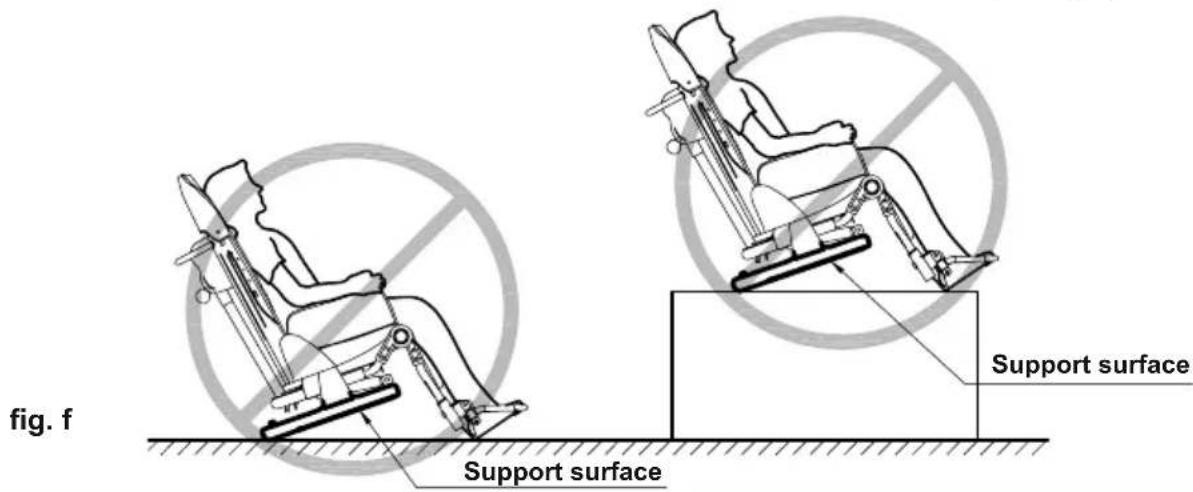
NEVER POSITION THE SEAT UNIT IF THE BASE IS NOT PERFECTLY ADHERENT TO THE SUPPORT SURFACE (see fig. f).
ORME

ALWAYS CHECK before each use, the SEAT has been PROPERLY ATTACHED TO THE FRAME
(follow the instructions herein given on p. 34, 44, and 50)
WARNING!
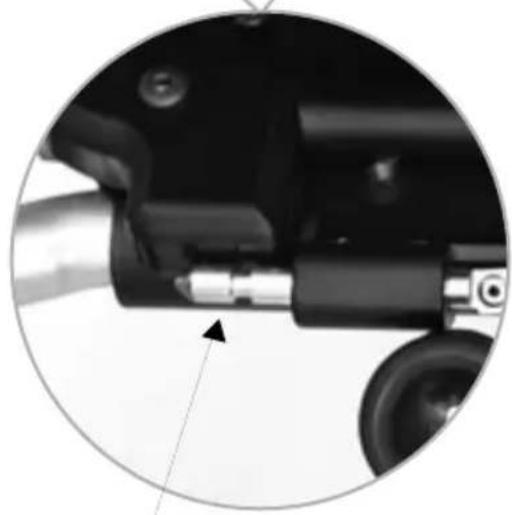
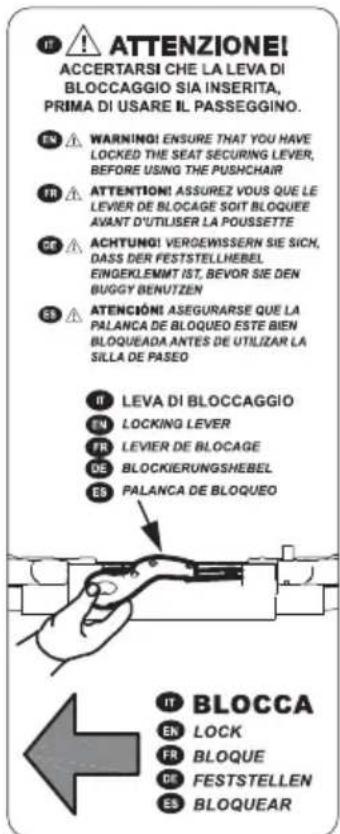
MAKE SURE THE LOCKING BARS ARE PROPERLY INSERTED, BEFORE YOU LOCK THE SEAT WITH THE LEVER
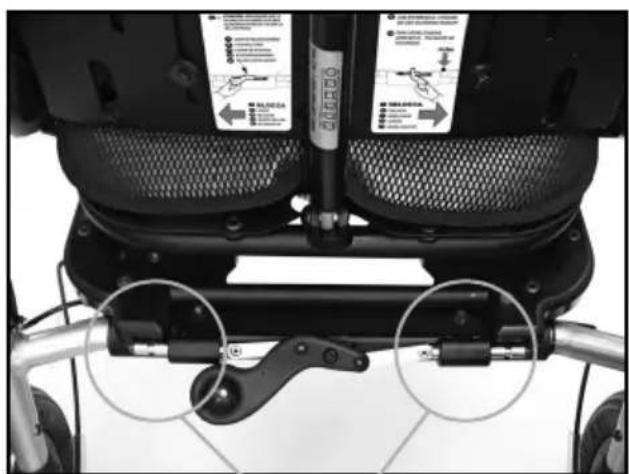
NO
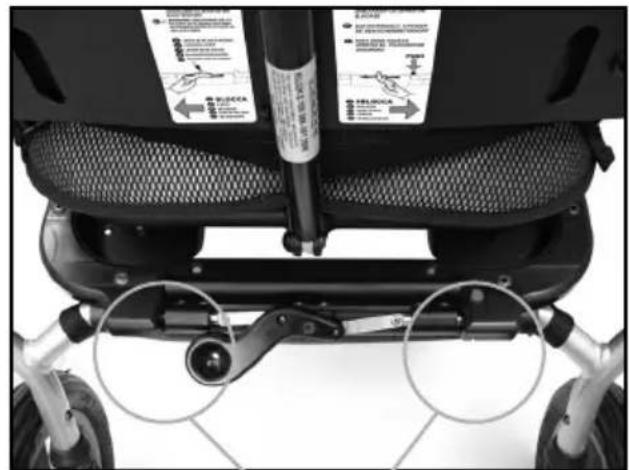
YES
VIEW FROM BEHIND
LOCKING BARS NOT INSERTED - LEVER LOCKED Seat NOT attached!!
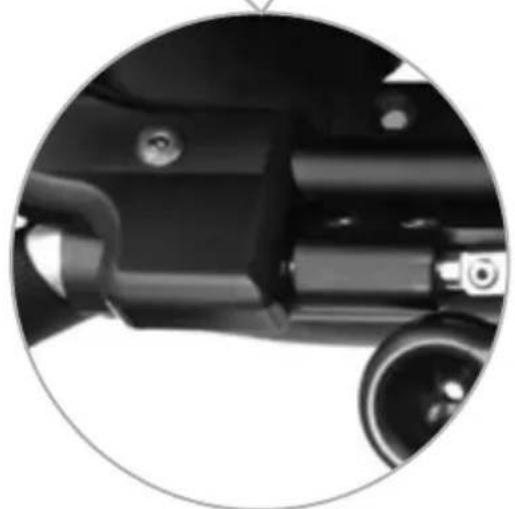
LOCKING BAR INSERTED - LEVER LOCKED Seat attached
ORMED
BUG IS A MECHANICAL MEDICAL DEVICE:

Perform REGULAR MAINTENANCE and CLEANING following the instructions shown in the "Maintenance" chapter on page 90-91 and HAVE THE DEVICE INSPECTED AT THE INTERVALS INDICATED to VERIFY that it is WORKING PROPERLY and in GOOD CONDITION, otherwise warranty will fail and marking will lapse
PRODUCT REPAIRS other than the regular maintenance shown on page 90-91 of the manual must be ONLY MADE by a SPECIALIZED SERVICE CENTER in the maintenance of mechanical aids for disables, otherwise warranty and marking will be voided
Any CHANGES in the product ARE NOT AUTHORIZATION. REFER ONLY TO ORMESA, otherwise warranty and marking will be voided
The REPLACEMENT WITHOUT ORIGINAL PARTS OR COMPONENTS ARE NOT AUTHORIZED. REFER ONLY TO ORMESA, otherwise warranty and marking will be voided
Any CHANGES in the product ARE NOT AUTHORIZATION. REFER ONLY TO ORMESA, otherwise warranty and marking will be voided

The REPLACEMENT WITHOUT ORIGINAL PARTS OR COMPONENTS ARE NOT AUTHORIZED. REFER ONLY TO ORMESA, otherwise warranty and marking will be voided

In case of DOUBT about the SAFETY of the product or DAMAGE to parts or components, you are urged to IMMEDIATELY DISCONTINUE USE and CONTACT a SPECIALIZED SERVICE CENTER in the maintenance of mechanical aids for disables, or directly ORMESA.

THE BUG 4-WHEEL STROLLER (seat unit + 869 base) conforms to the ISO 7176-19 and ANSI RESNA WC/19 standard, which defines the SAFETY REQUIREMENTS FOR TRANSPORT, facing in the direction of travel, on MOVING VEHICLES (private cars, buses, etc.)
FOR THE ASSEMBLY OF THE 891 ACCESSORY AND ANCHORING THE STROLLER TO THE VEHICLE, CAREFULLY READ THE INSTRUCTIONS AND NOTICES ON PAGES 13, 14, 15, 16 AND 17 OF THIS MANUAL
ORMESA warrants the product for 2 years; in case of problems, contact the retailer where you purchased it. Always ask for original spare parts, otherwise the guarantee will decline
ORMESA will not be liable for damage in the following cases:
- use by an unsuitable person;
- incorrect assembly of parts or accessories;
- unauthorized modifications or service;
- use of other than original replacement parts and parts subject to wear (upholstery, wheels, etc);
- improper use (such as, transporting objects or loads larger or heavier than those ones shown in the instruction manual);
- damage caused by incorrect use and lack of regular maintenance, as shown in the instruction manual;
exceptional events; - failure to follow the instructions in this manual.
THE GUARantee DOES NOT COVER WEAR PARTS, which are subject to wear and tear, such as the upholsterys and the wheels.

HOW TO STORE AND TRANSPORT THE MEDICAL DEVICE
THE DEVICE MUST BE STORED AND PACKED using the Ormesa original packaging materials, unless the guarantee will be voided
- Once unpacked, THE TRANSPORT OF THE DEVICE must be done by ANCHORING it ADEQUATELY to the vehicle
- When travelling by plane, or in the car, DO NOT SUBJECT THE FOLDED FRAME TO LOADS THAT, especially with road bumps, COULD DAMAGE ITS STRUCTURE
THE DEVICE MUST BE PARKED / STORED IN CLOSED AND DRY PLACES
THE OPERATING ENVIRONMENT HAS NO PARTICULAR INFLUENCE ON THE DEVICE UNLESS IT IS USED INCORRECTLY, such as by leaving it parked for a long time in direct sunlight or exposed to bad weather such as rain, or in MARINE ENVIRONMENTS, where the salt air could corrode the paint and sliding parts. IN THIS CASE, WE RECOMMEND CAREFULLY CLEANING AND DRYING THE FRAME FOLLOWING THE INSTRUCTIONS SHOWN IN THE "MAINTENANCE, CLEANING AND DISINFECTION" CHAPTER ON PAGES 90-91 AND THE WARNINGS ON PAGE 91

SOME EXAMPLES OF WHAT NOT TO DO WITH THE PRODUCT
-DO NOT CARRY THE CHILD OVER ROUGH OR STEEP SURFACES OR STAIIRS
-DO NOT ALLOW CHILDREN TO USE THE PRODUCT, NOT EVEN FOR PLAYING
- DO NOT PLACE HOT CONTAINERS OR OBJECTS ON THE TRAY SURFACE BECAUSE THEY COULD TIP OVER AND BECAUSE THE COVERING COULD BE SEVERELY DAMAGED
- DO NOT ATTACH WEIGHTS TO THE PUSH HANDLE OF THE PUSHCHAIR SO AS NOT TO PUT AT RISK ITS STABILITY DURING USE
- NEVER LEAVE THE CHILD ALONE IN THE DEVICE
- NEVER LEAVE THE PRODUCT PARKED ON A SLOPING SURFACE
- DO NOT USE THE ALTERNATIVE PNEUMATIC WHEELS (BASE 869 AND 901 FOR OUTDOOR USE) WITH FLAT TYRES, TO AVOID THE RISK OF TIPPING FROM LOSS OF STABILITY - TYRE PRESSURE 2.5 Atm, see the "MAINTENANCE" chapter on pages 90-91
-DO NOT LET ANYONE CLIMB ONTO THE FOOTREST OR RIDE ON THE BACK OF THE OUTDOOR BASE
- DO NOT LIFT THE PRODUCT BY THE LEG SUPPORT FRAME OR FOOTREST (i.e. TO CLIMB OVER OBSTACLE)
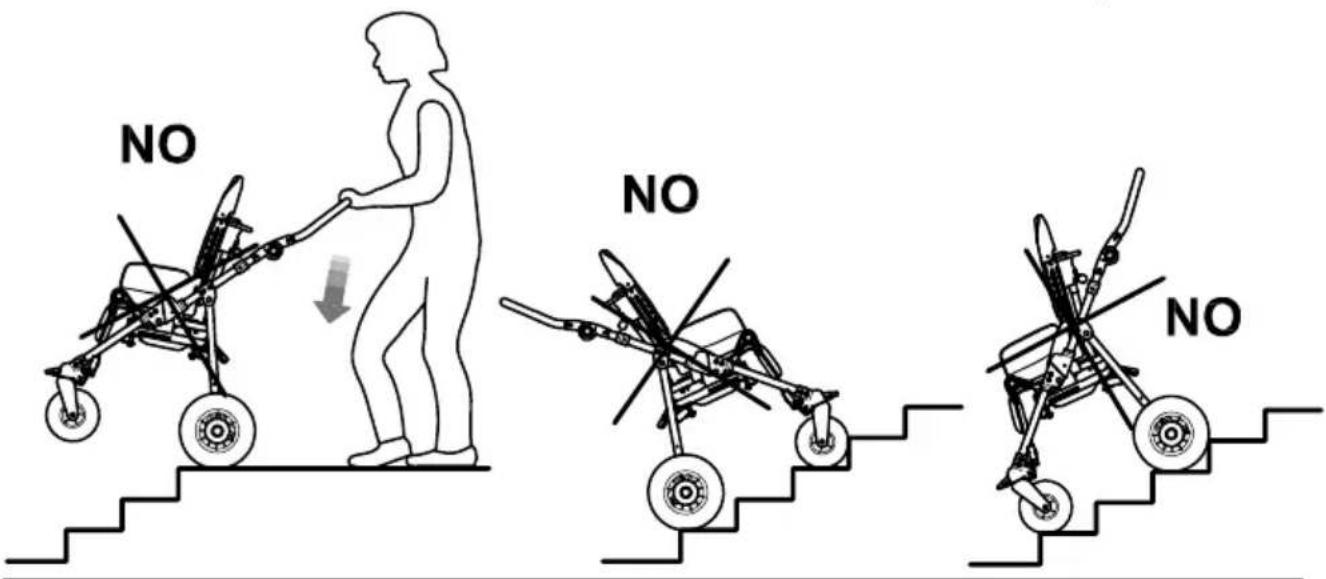
- DO NOT USE THE PRODUCT TO CLIMB OR DESCEND STAIrs: ITS STRUCTURE WAS NOT DESIGNED FOR THIS PURPOSE
NEVER LEAVE THE STROLLER PARKED FOR A LONG TIME IN DIRECT SUNLIGHT OR NEAR SOURCES OF HEAT: THIS WILL AVOID OVERHEATING THE DEVICE AND DISCOLOURING THE UPHOLSTERY
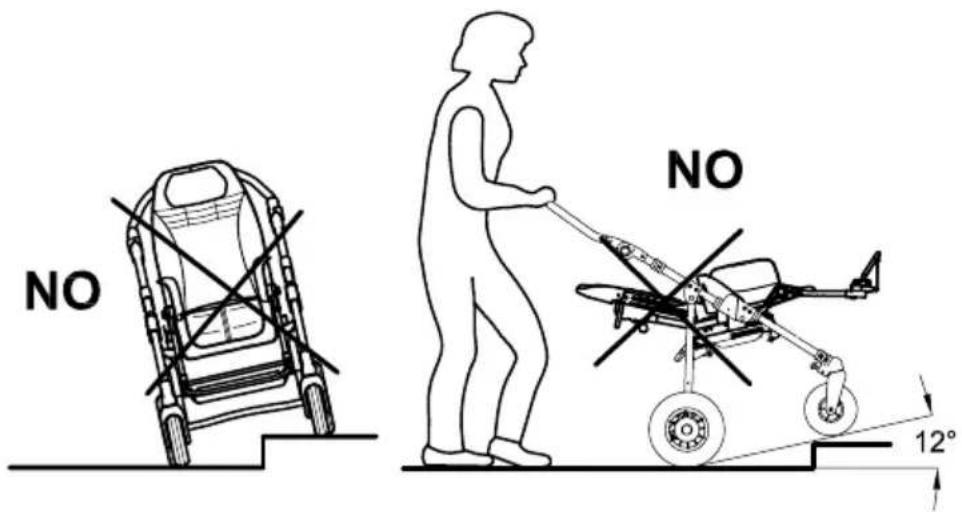
- DO NOT CLIMB PAVEMENTS OR STEPS WITH JUST THE STROLLER'S SIDE WHEELS (FRONT AND BACK) OF THE 869 BASE (SEE FIG. ON PAGE 11) AND 901 BASE (SEE FIG. ON PAGE 12), BECAUSE THEY COULD TIP OVER
- When the SEAT is COMPLETELY TILTED BACKWARDS and the BACK is COMPLETELY RECLINED, DO NOT CLIMB OVER OBSTACLES OR STEEP SLOPES that, SINCE THEY COULD EXCEED 12^ , COULD CAUSE THE STROLLER TO TIP OVER (SEE FIG. PAGES 11-12)
DO NOT USE THE PRODUCT IF PARTS ARE MISSING OR DAMAGED. INSIST THAT ONLY ORIGINAL REPLACEMENT PARTS ARE USED BECAUSE ANY OTHER TYPE WILL Void THE WARRANTY AND CE MARKING

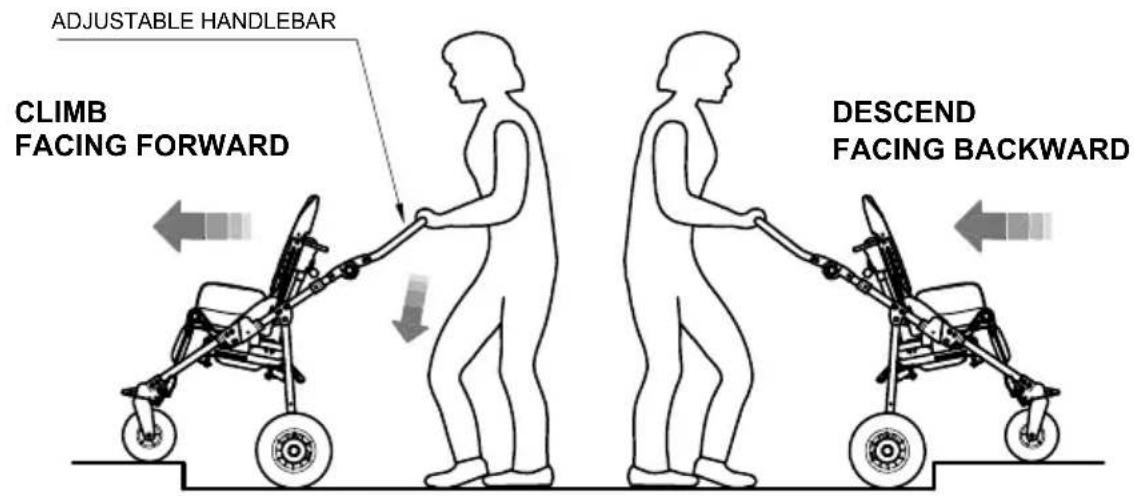
HOW TO TILT THE BUG AND CLIMB UP PAVEMENTS
BUG WITH 4-WHEEL BASE 869
ATTENTION!
ADJUST THE HANDLE (see page 38) TO THE CORRECT HEIGHT FOR THE
ATTENDANT to avoid excessive effort when climbing stairs and facilitate manoeuvres
ORME
BUG WITH 3-WHEEL BASE 901
ATTENTION!
ADJUST THE HANDLE (see page 46) TO THE CORRECT HEIGHT FOR THE
ATTENDANT to avoid excessive effort when climbing stairs and facilitate manoeuvres
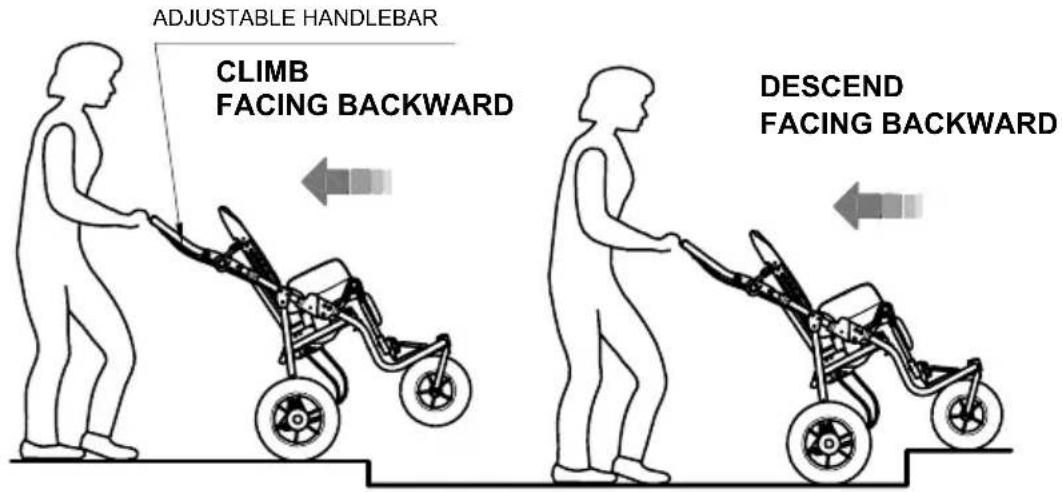
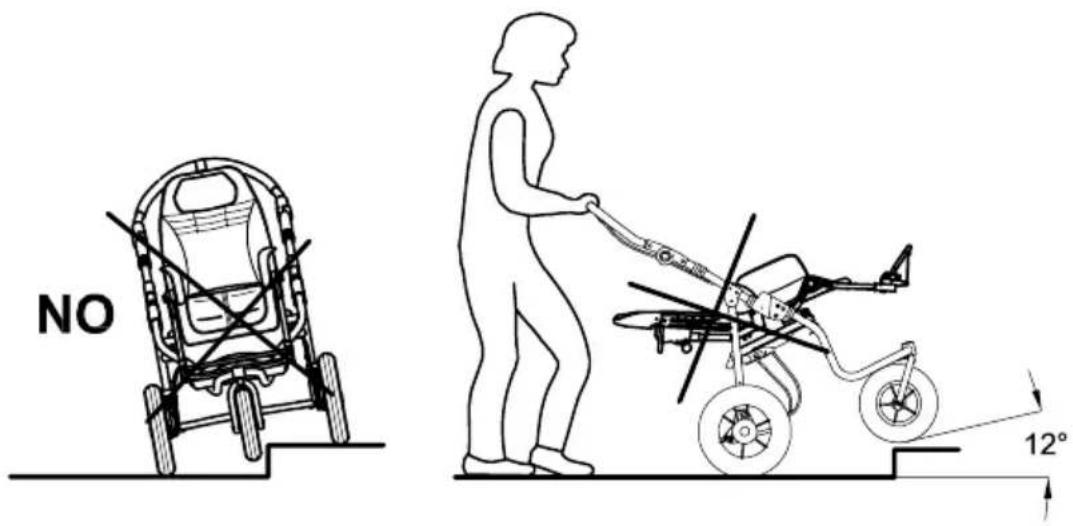
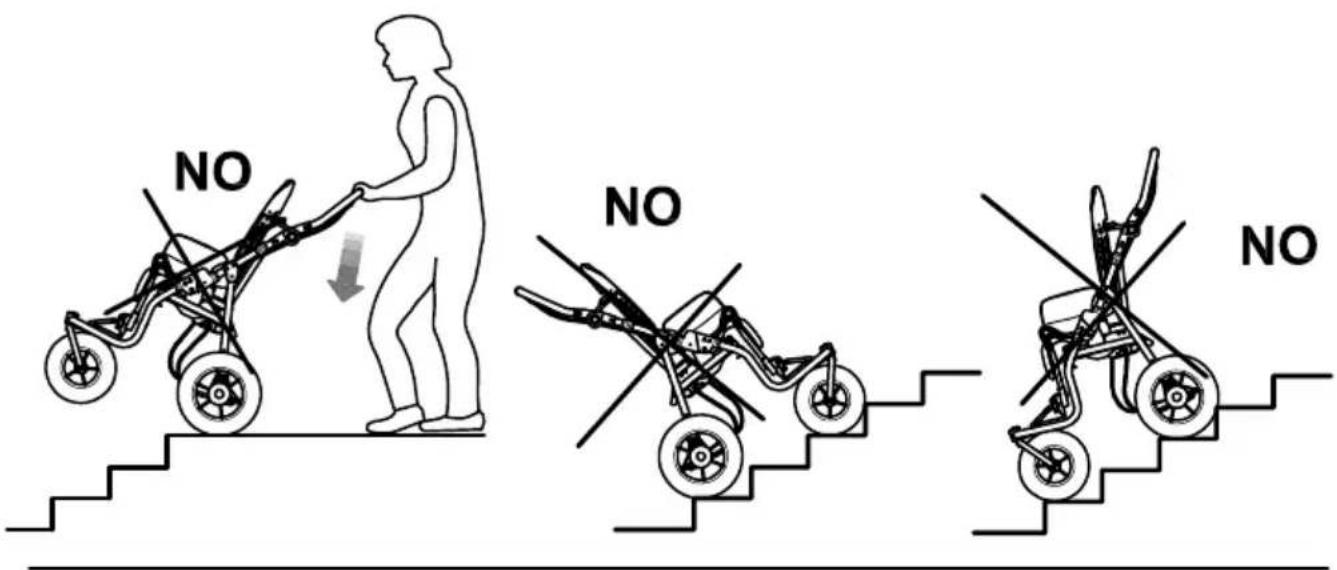

HOW TO USE THE BUG 4-WHEEL STROLLER WITH 869 BASE FOR TRANSPORT ON A MOVING VEHICLE (private cars, buses, etc.)
THE BUG 4-WHEEL STROLLER (seat unit + 869 base) conforms to the ISO 7176-19 and ANSI RESNA WC/19 standard, which defines the safety requirements for transport, facing in the direction of travel, on moving vehicles (private cars, buses, etc.).
In order to use it safely, carefully read the warnings and follow the instructions given on pages from 14 to 17.
- THE PUSHCHAIR-SEATED OCCUPANT MUST FACE THE FRONT OF THE VEHICLE (see fig. 4, page 16). According to the ISO 7176-19 point 6.3.4, compliance with ISO 7176-19 does not preclude using the pushchair facing rearward in large accessible vehicles equipped and approved with rear-facing wheelchair passenger stations
- The child should weigh at least 22kg (48.5 lbs) because the CRASH TEST provided by the ISO and ANSI/RESNA standards only refers to wheelchairs/pushchairs for users whose weight is 22 kilos or more
- THE VEHICLE MUST BE APPROVED FOR TRANSPORTING ORTHOPAEDIC WHEELCHAIRS/STROLLERS IN CONFORMITY WITH STANDARD ISO 7176-19 (see fig. 4, page 16)
- THE CHILD MUST WEAR BOTH A LAP BELT AND A DIAGONAL SHOULDER BELT ISO 7176-19- OR ISO 10542-APPROVED (i.e., belts with a label of conformity to these ISO standards). THE USE OF A LAP BELT BY ITSELF IS NOT RECOMMENDED. Postural belts, such as models 828, 853, 894, 903 and 906 are not type-approved for use as restraint systems and can only be used in addition
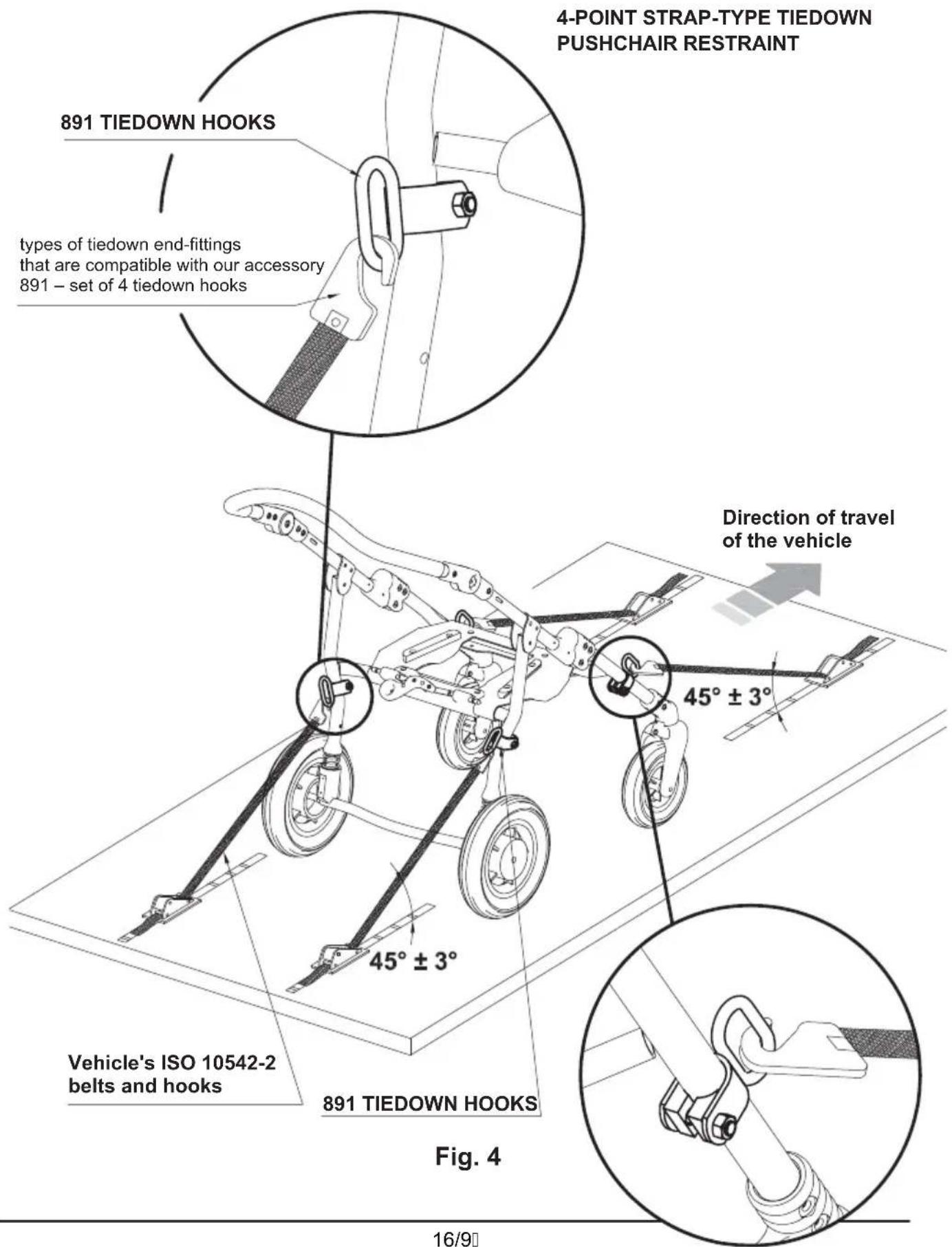
- THE STROLLER MUST BE ANCHORED TO THE MOTOR VEHICLE WITH THE BACKREST AND THE LEGREST IN THE UPRIGHT POSITION by: 1) a four-point strap-type tie down system that complies with ISO 10542-2, supplied by the vehicle and 2) our accessory 891 - set of 4 tie-down hooks (see fig. 1 and 2, page 14; fig. 3, page 15 and fig. 4, page 16)

ATTENTION!
ORMESA RECOMMENDS THE USE OF A COMPLETE ISO 10542-2-COMPLIANT "WTORS" SYSTEM, which consists of restraint systems for both the wheelchair and its occupant
- whenever the child is transferred on a seat of the vehicle, the unoccupied pushchair should be stored in a cargo area or secured in the vehicle during travel
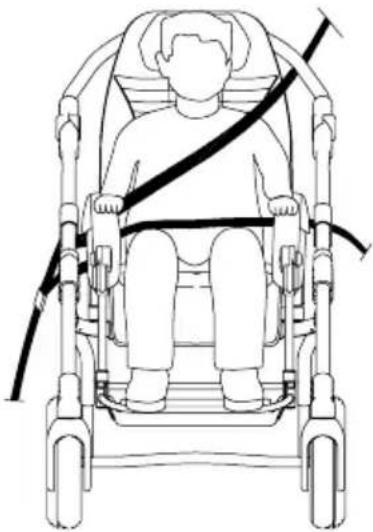
- in order to preserve their effectiveness, belt restraints should not be held away from the body by wheelchair components or parts, such as the wheelchair armrests or wheels (see fig 5 and 6, page17)
- shoulder-belt restraints should fit over the shoulders (see fig. 5, page 17)
- belt restraints should be adjusted as tightly as possible, consistent with user comfort, and belt webbing should not be twisted when in use
- in order to reduce the potential of injury to vehicle occupants, during the transport the tray and all accessories should be removed and secured separately in the vehicle
THE STROLLER MUST BE INSPECTED BY THE MANUFACTURER OR ITS AUTHORIZATION RETAILER OR DISTRIBUTOR BEFORE REUSE FOLLOWING INVOLVEMENT IN ANY TYPE OF VEHICLE COLLISION
ANY ALTERATION OR SUBSTITUTION OF THE 891 TIEDOWN HOOKS OR STROLLER PARTS OR COMPONENTS, WITHOUT THE WRITTEN AUTHORIZATION OF ORMESA SRL, IS FORBIDDEN AND WILL Void THE MARK AND THE WARRANTY
ORMED
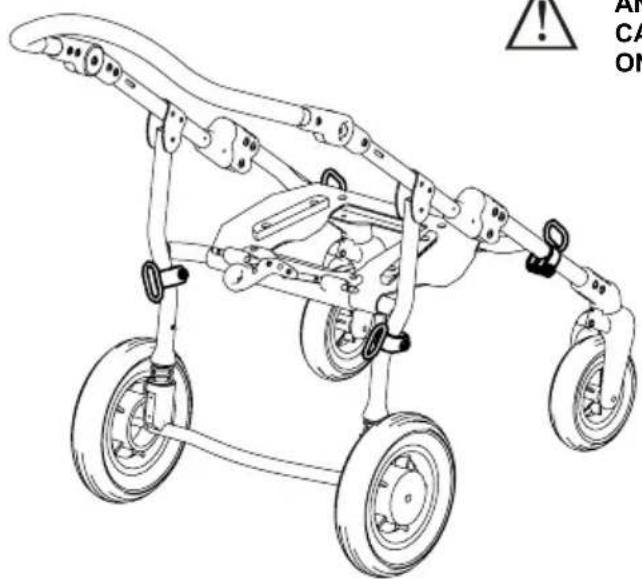
1) POSITION THE 891 TIEDOWN HOOKS (4 RINGS) ON THE POINTS (NOTCHES) INDICATED ON THE FRAME (only for the 4-wheel 869 base) AND FIX THEM FOLLOWING THE INSTRUCTIONS ON PAGE 15
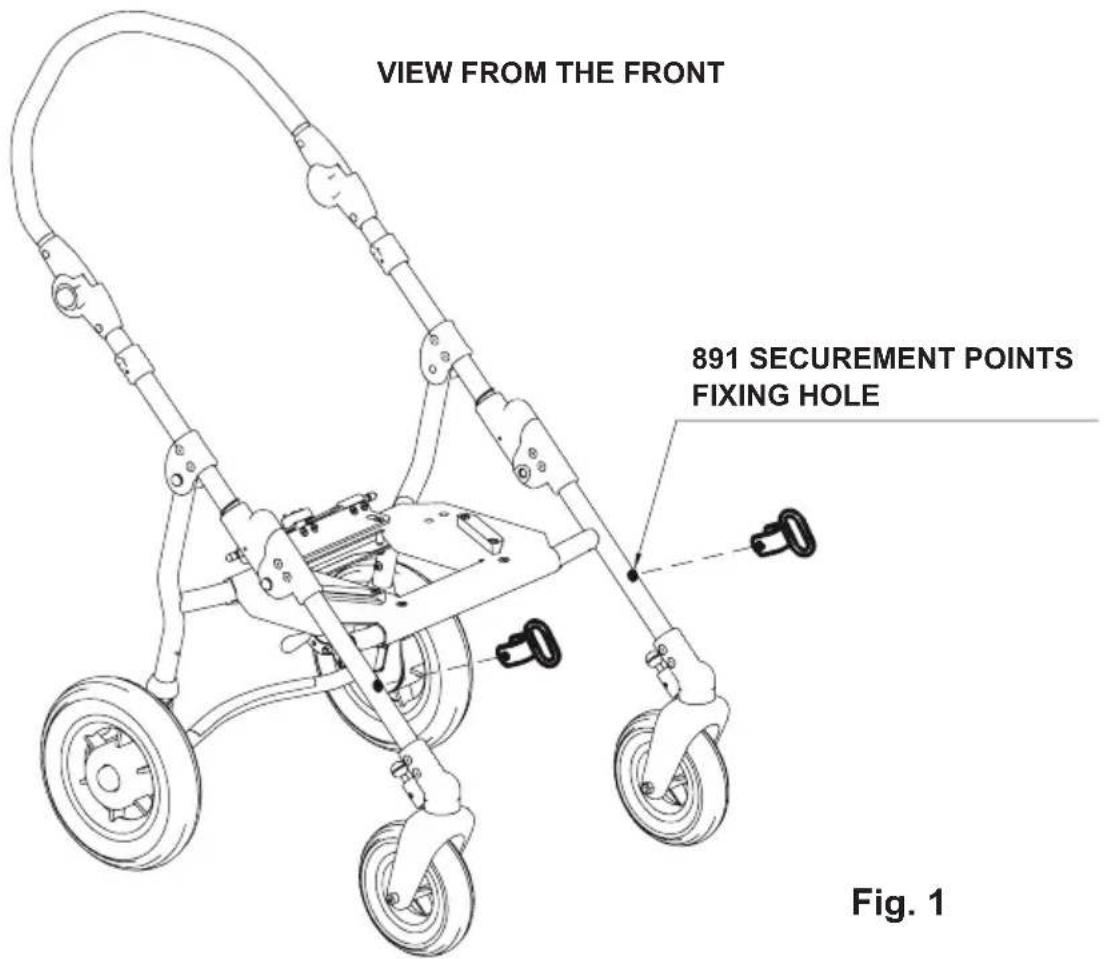
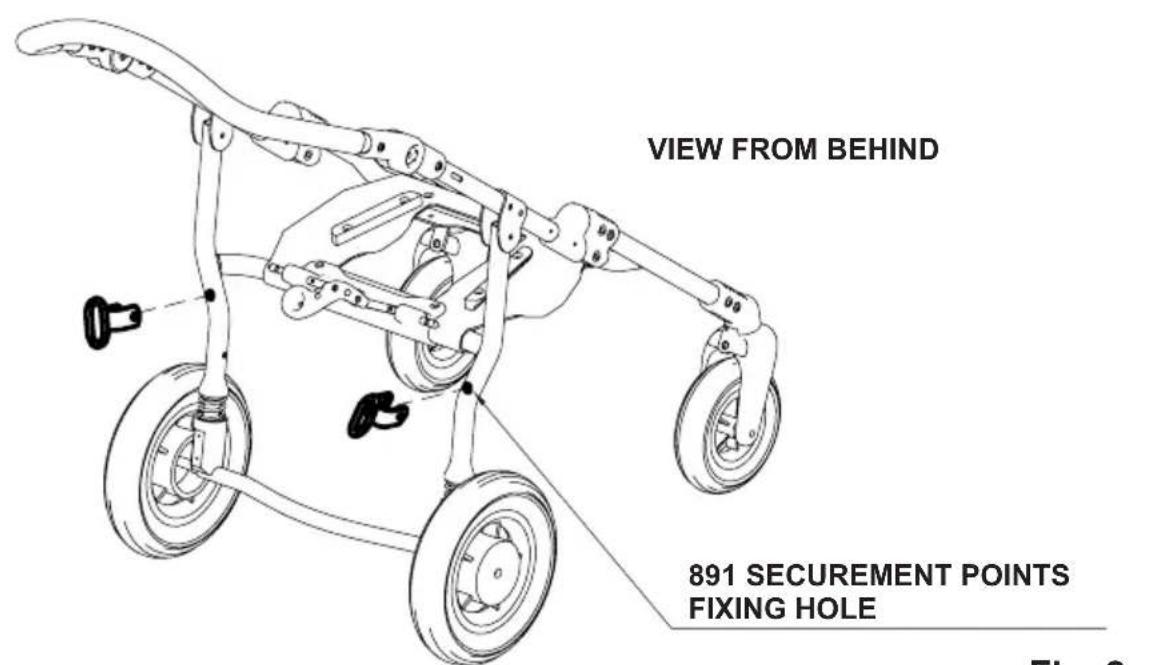
Fig. 1
Fig. 2
ORMED
2) HOW TO FIX THE 891 TIEDOWN (4 RINGS) ON THE FRAME (only for 4-wheel 869 base)
ATTENTION:
- suitable for ISO 10542-approved four-point straps provided in the vehicle. To anchor the stroller to the transport vehicle, see the instructions on page 16
the child must wear both a lap belt and a diagonal shoulder belt ISO 7176-19- or ISO 10542-approved (i.e., belts with a label of conformity to these ISO standards). Postural belts, such as models 828, 853, 894, 903 and 906 are not approved for use as restraint systems and can be only used in addition
-the vehicle must be suitable for transporting orthopaedic strollers in conformity with current law
-read the notices and instructions provided on page 10 of this use and maintenance manual. The 891 tiedown hooks are safety devices and, as such, they must be fixed to the 869 frame by skilled personnel, such as the manufacturer or reseller that supplied the stroller

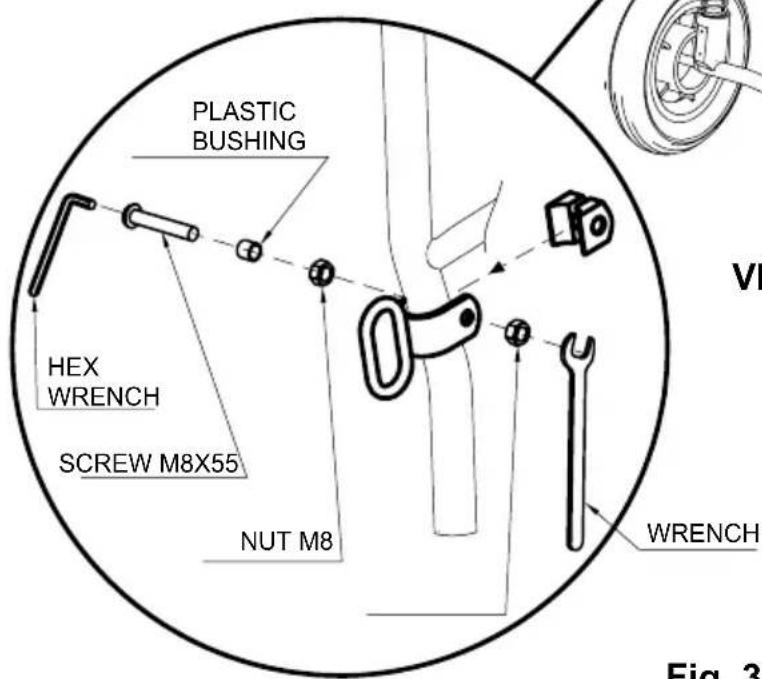
Fig. 3
ORMEDI
3) HOW THE STROLLER IS TO BE SECURED IN A VEHICLE
HOOK THE APPROVED 4-POINT BELTS OF THE VEHICLE TO THE 891-4 TIEDOWN HOOKS (4 RINGS) AS SHOWN IN THE FIGURE AND IN THE DIRECTION OF TRAVEL OF THE VEHICLE
4) THE CORRECT POSITIONING OF OCCUPANT BELT RESTRAINTS ON THE USER
ATTENTION! the pelvic-belt restraint should be worn low across the front of the pelvis, so that the angle of the pelvic-belt restraint is within the preferred zone of 30^ to 75^ to the horizontal, similar to that shown in Figure 5. A steeper (greater) angle within the preferred zone is desirable,
ATTENTION! Our belts, straps, vests and harnesses are not intended to be as an occupant restraint in a moving, but they can be used in addition
YES
beneath thearmrest and the frame
FRONT VIEW
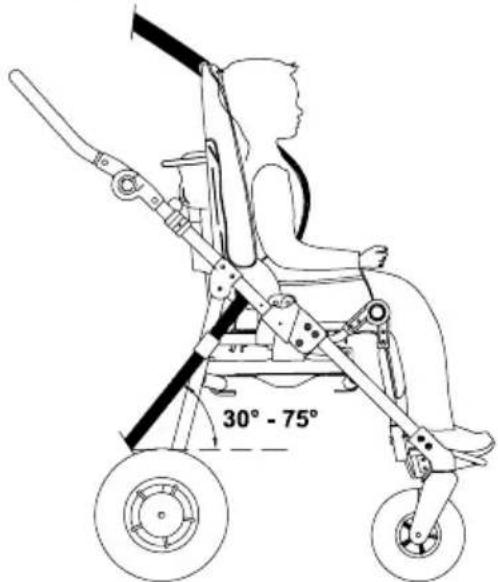
SIDE VIEW
Fig. 5
NO
above the armrest and the frame
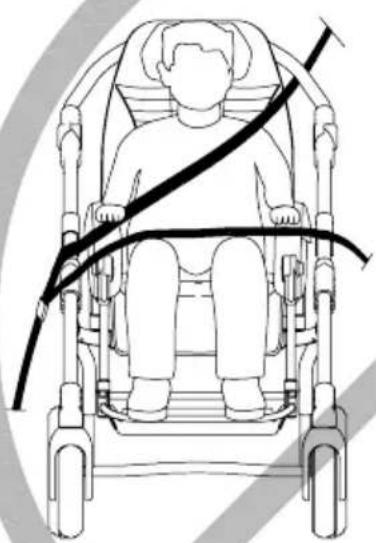
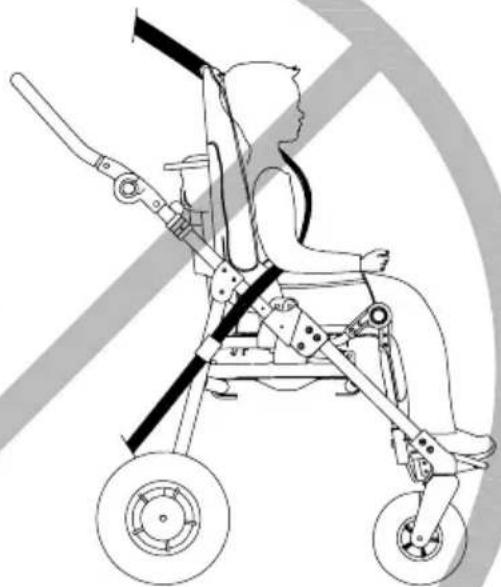
THE INCORRECT PLACEMENT OF BELT RESTRAINTS
Fig. 6
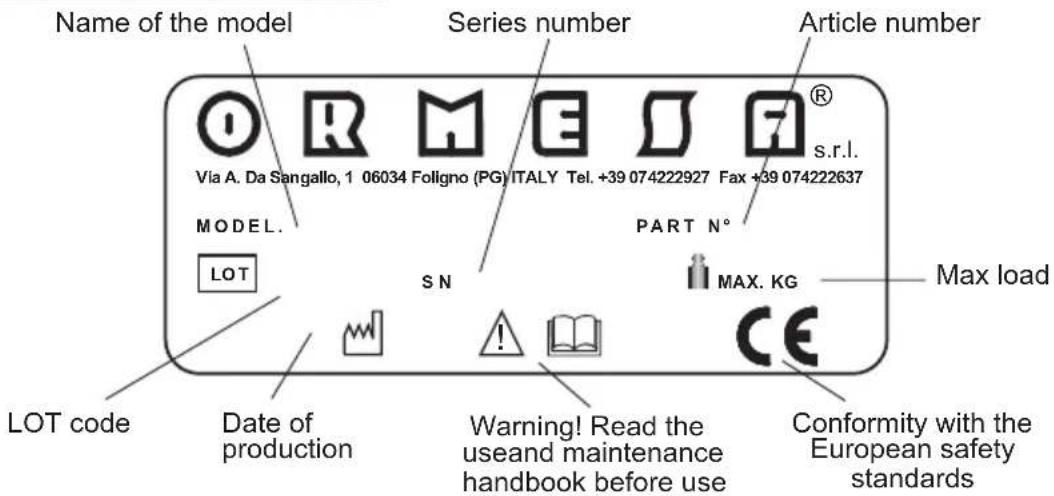
LABELS AND PLATES
THE (C) MARK CERTIFIES THAT THE BUG SEAT WITH BASES 856, 869 AND 901 CONFORMS TO THE SAFETY REQUIREMENTS OF THE EUROPEAN UNION AND, IN PARTICULAR, TO THE 93/42/EEC DIRECTIVE ON "MEDICAL DEVICES" AND SUBSEQUENT MODIFICATIONS AND SUPPLEMENTS
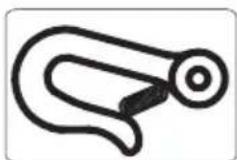
SECURITY POINT FOR THE ANCHORAGE OF THE ISO 10542-2 APPROVED 4-POINT STRAP-TYPE TIEDOWNS SUPPLIED BY THOSE VEHICLES WHICH ARE SUITABLE FOR TRANSPORTING ORTHOPEDIC PUSHCHAIRS IN COMPLIANCE WITH THE ISO 7176-19 STANDARD
WHAT Bug IS
BUG is a postural seating unit for children with disabilities who need special supports, supports and adjustments (such as in case of infantile cerebral palsy, degenerative diseases, generative disorders, bone deformities) easily adaptable thanks to its modularity.
The use of BUG and its accessories always requires the prescription of a physician that verifies also its use.
BUG follows the child's growth thanks to its wide range of adjustments and it has a tilt and recline system included in the seat (and not in the frame), that allows you to maintain the same posture with the 3 different bases:
- 869 Outdoor 4-wheel base;
- 901 Outdoor 3-wheel base
- 856 High-low adjustable base 856.
TECHNICAL FEATURES
- FRAME foldable, lightweight (aluminium), with a narrow base, easy to push and maneuver (compact, its wheels do not protrude from the 4-wheel-base). Sturdy and durable, has passed all stability/fatigue and safety tests, required by the international laws, in specialized centres (TÜV-Germany, CERAH-France, TRL-UK).
- BACKREST rigid, retentive and able to recline of 40^ . Its hinge coincides with the user's hip physiological fulcrum, so as to avoid that, during the adjustment, the reclining movement causes the user sliding forward. Height-adjustable by 10 cm (size onetwo) and 15 cm (size threefour). With slots for inserting the accessories.
- HEADREST incorporated into the backrest, so that the child's head is always supported during the tilt adjustments of the seat and of the backrest, even without accessories.
- SEAT width and depth adjustable by 10cm in each direction. Reversible (size onetwo)
- TILT-IN-SPACE SYSTEM INCORPORATED IN THE SEAT so that, after removing or transferring the seat, it is not needed to reposition the posture. SAFE because adjustments can be easily operated by the carer with one only hand, without effort. COMFORTABLE because the tilting movement is continuous, without jerks. Size onetwo can be tilted from 0^ to 35^ ; size threefour from 7^ to 30^ .
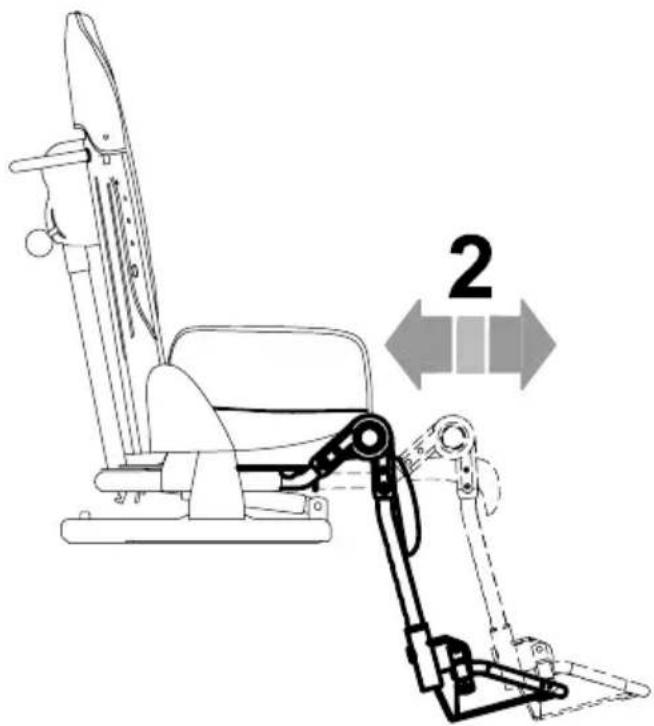
- LEGREST adjustable in height and tilt. The hinge coincides with the child's knee physiological fulcrum, so as to avoid that the legrest movement may cause any sliding or change of posture of the child.
- FOOTREST tip-up and flexion-extension adjustable.
CUSHION padded, ergonomic, removable and attachable to the seat with press studs. - puncture proof WHEELS. Outdoor base 869: front 17 cm; back 25 cm (size onetwo), 30 cm (size threefour). Outdoor base 869: front 17 cm, back 30 cm. With independent drum brakes, directional locks and shock absorbers; light and easy to push on every surface. Feeding base for indoor use 869, adjustable in height: 10 cm swivelling, with brakes.
- 4 SIZES in 2: the seat unit grows with a child.
ORME
Base 869 and 901 BRAKING
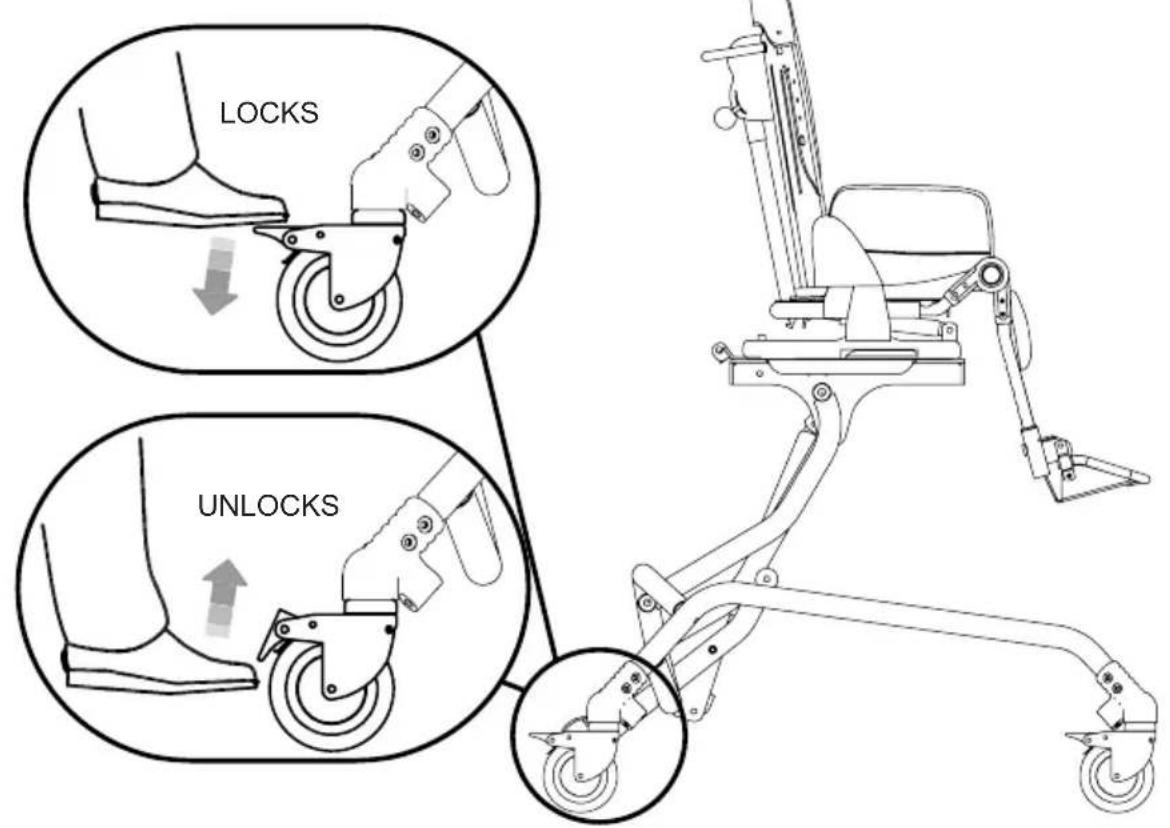
Base 856 BRAKING
INITIAL PREPARATION
PACKAGING INFORMATION
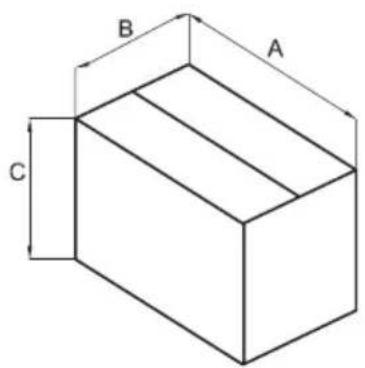
| Acm | Bcm | Ccm | VOLUME \( {\mathrm{m}}^{3} \) | WEIGHTkg | ||
| BUG with BASE869 | Size 1-2 95 | 65 48 | 0.296 24 | |||
| Size 3-4 75 | 65 103 | 0.502 32 | ||||
| BUGwith BASE901 | Size 1-2 70 | 60 95 | 0.399 26 | |||
| Size 3-4 75 | 65 110 | 0.536 28 | ||||
| BUGwith BASE856 | Size 1-2 75 | 65 68 | 0.331 30 | |||
| Size 3-4 75 | 65 88 | 0.429 35 | ||||
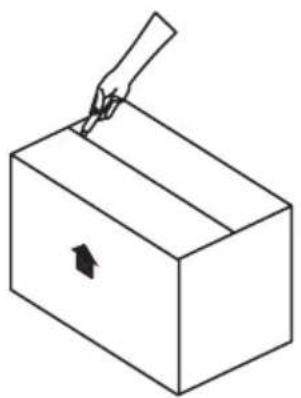
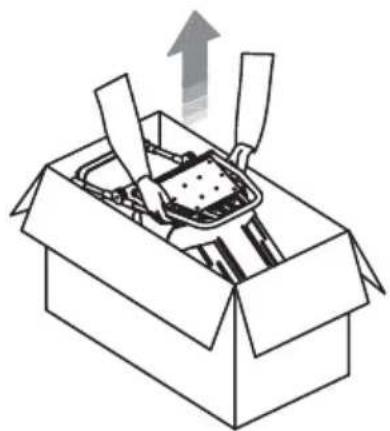
REMOVING Bug FROM THE BOX
1
ATTENTION!
CUT WITHOUT PRESSING太oHARD WITH THEBLADESOASNOTTO DAMAGE THE CONTENTSOF THEBOX
2
REMOVE THE SEAT FROM THE BOX AND THEN THE FRAME
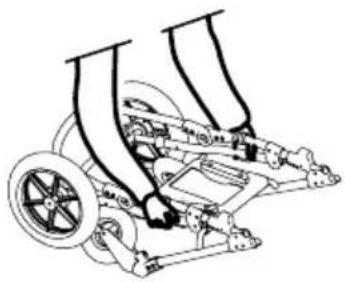
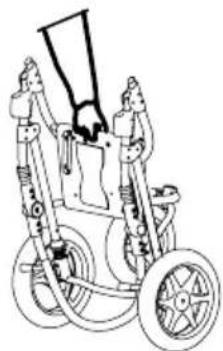
HOW and WHERE TO HOLD the COMPONENTS of BUG
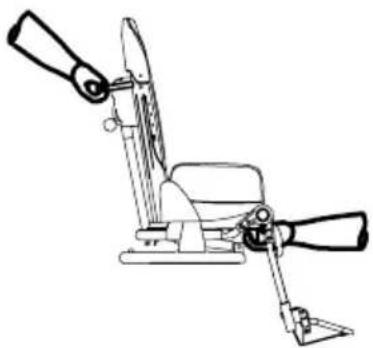
Seat unit
Base 869
Base 901
Base 856
Bug SEAT UNIT
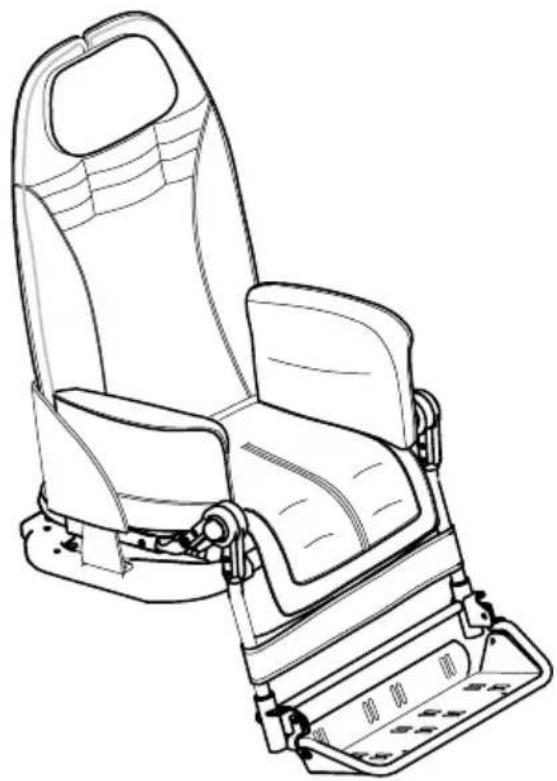
THE ADJUSTMENTS HEREINFTER SPECIFIED ARE FOR THE SEAT UNIT ON THE 869, 901 and 856 base
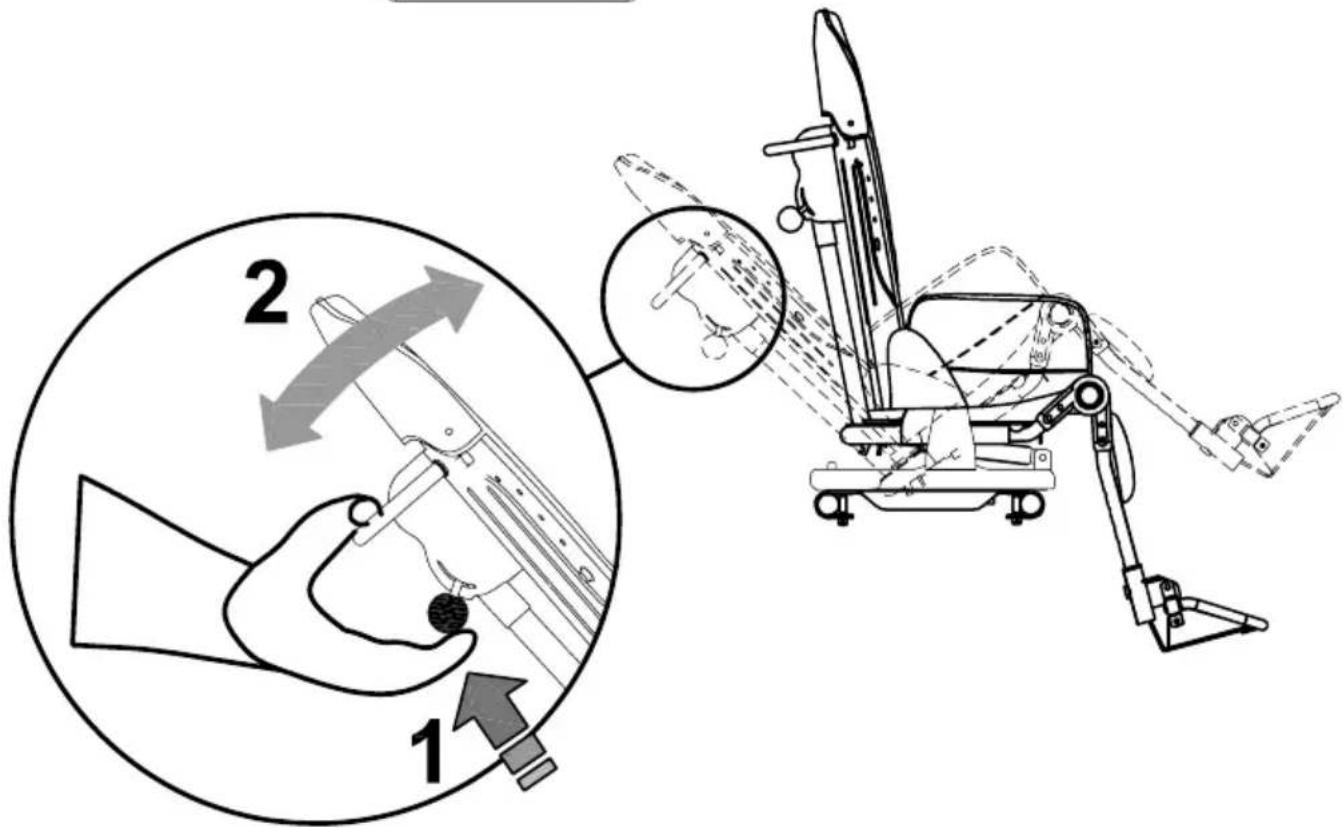
ADJUSTING THE INCLINATION OF THE SEAT (TILT-IN-SPACE SYSTEM)
- PULL UP THE RED KNOB
- TILT THE SEAT KEEPING THE KNOB PULLED AND RELEASE IT WHEN ADJUSTED TO THE DESIRED POSITION
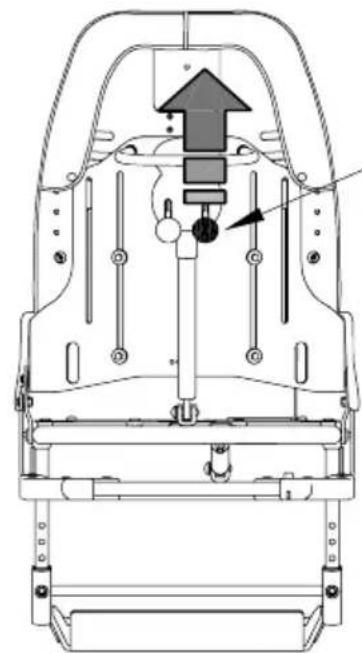
VIEW FROM BEHIND
RED KNOB
FOR ADJUSTING THE INCLINATION
OF THE SEAT
ORMED
RECLINING THE BACKREST
- PULL UP THE BLACK KNOB
- RECLINE THE BACKREST, KEEPING THE KNOB PULLED AND RELEASE IT WHEN THE BACKREST HAS REACHED THE DESIRED POSITION
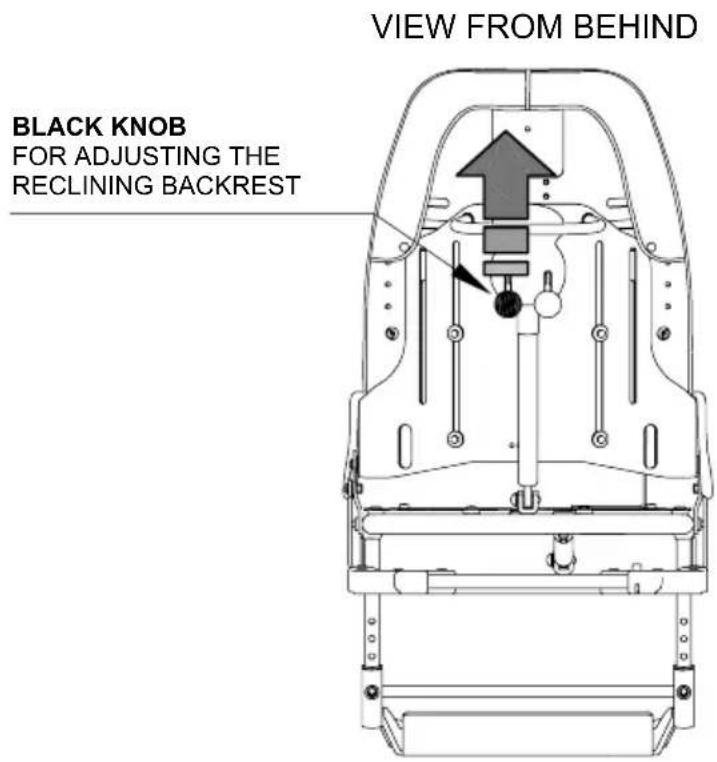
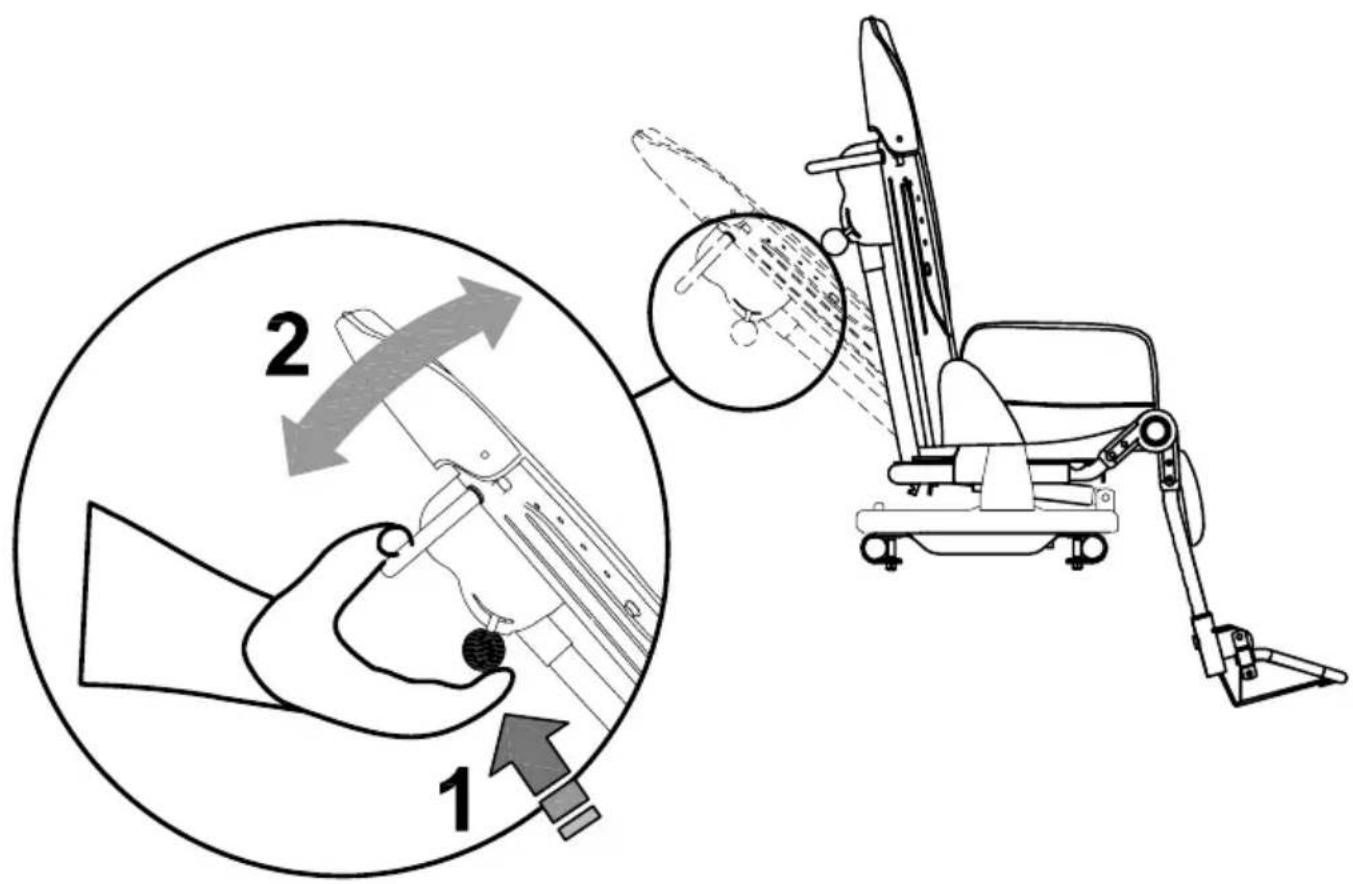
ORME
ADJUSTING THE HEIGHT OF THE BACKREST
-LOOSEN THE FOUR SCREWS LOCATED ON THE REAR OF THE BACKREST WITH THE PROVIDED WRENCH
-SLIDE THE BACKREST TO THE DESIRED POSITION
-TIGHTEN THE SCREWS
-FIX THE EXTENSION OF THE BACKREST CUSHION
VIEW FROM BEHIND
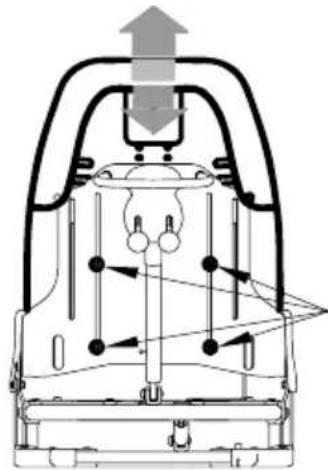
BACKREST ADJUSTMENT 4 SCREWS
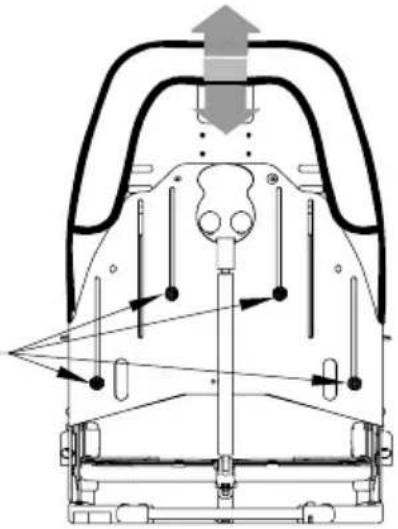
VIEW FROM BEHIND
BUG 3-4
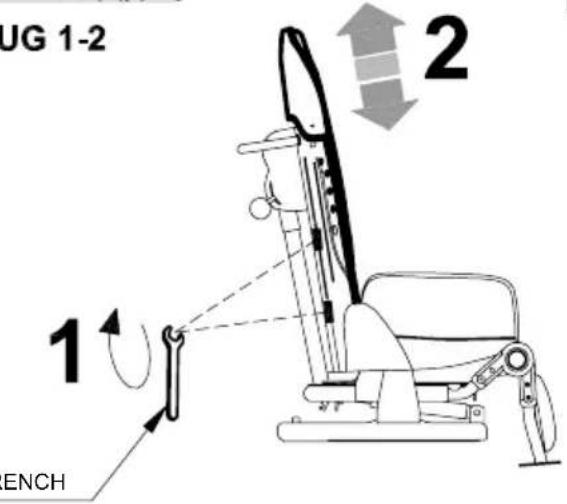
BUG 1-2
BUTTONHOLE VELCRO ON THE BACK OF THE CUSHION
HOOK VELCRO
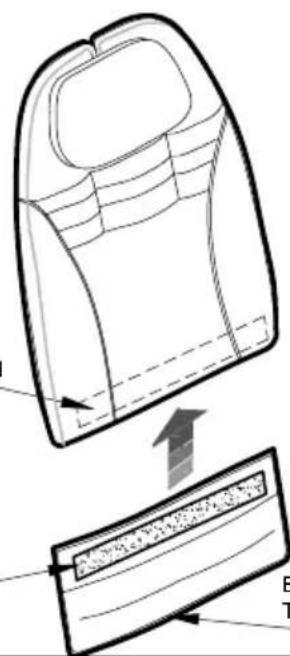
EXTENSION OF THE BACKREST CUSHION
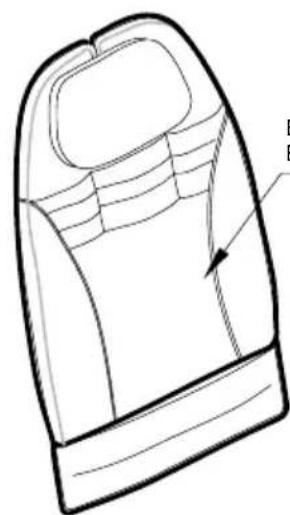
EXTENDED BACKREST CUSHION
ORMED
ADJUSTING THE WIDTH OF THE SEAT BASE
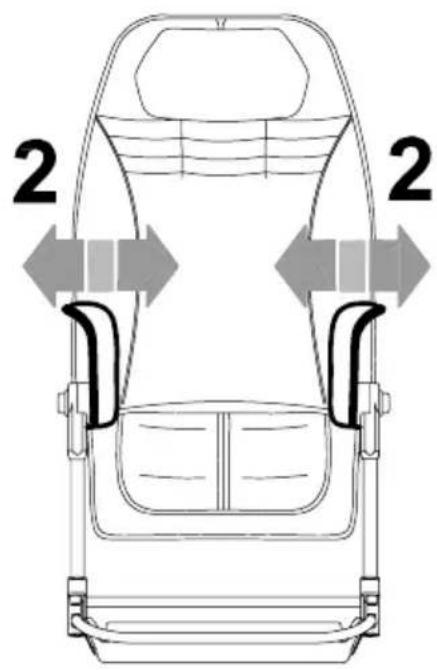
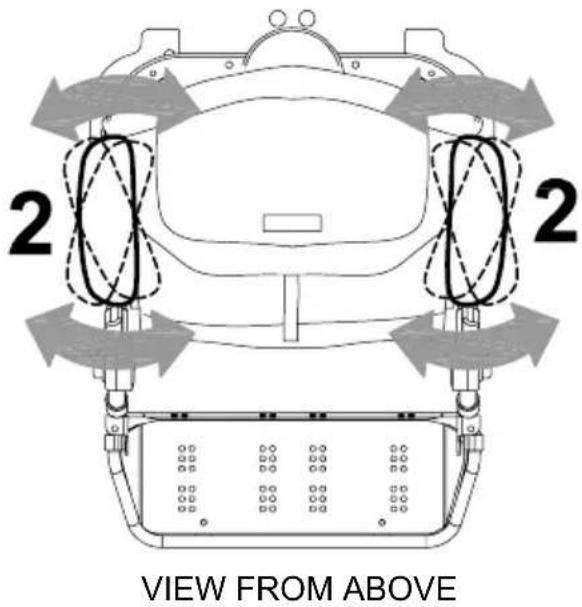
0RMeD
ADJUSTING THE LEGREST
PRESS BOTH BUTTONS AT THE SAME TIME TO ADJUST THE TILT OF THE LEG SUPPORT
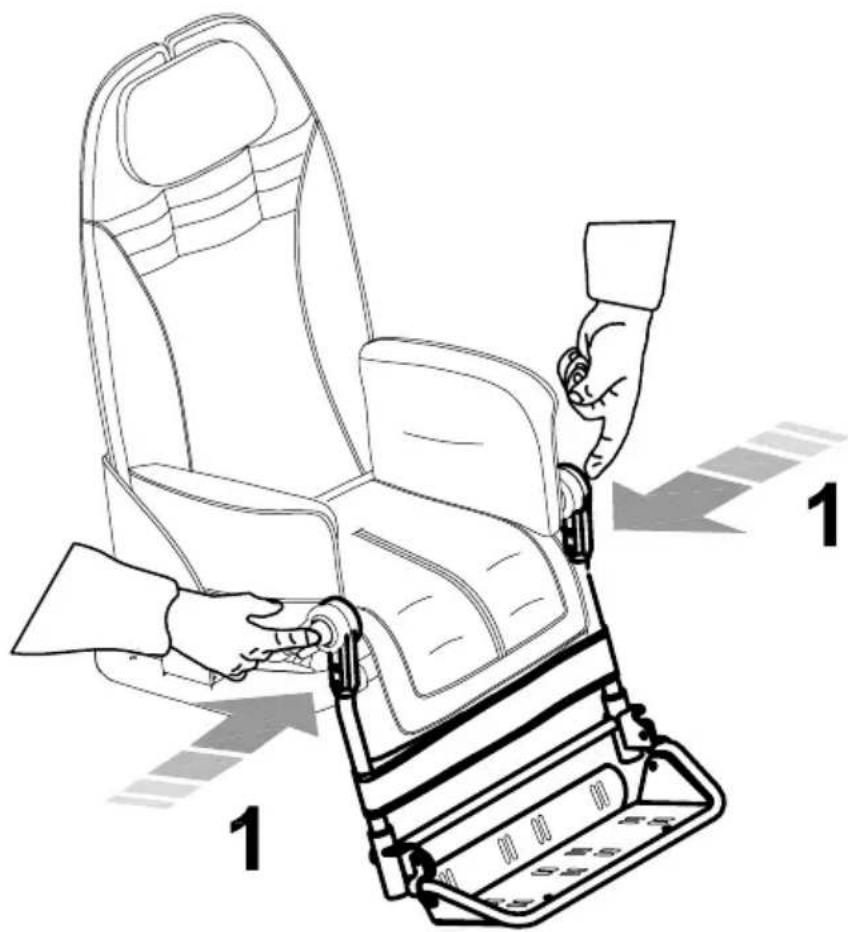
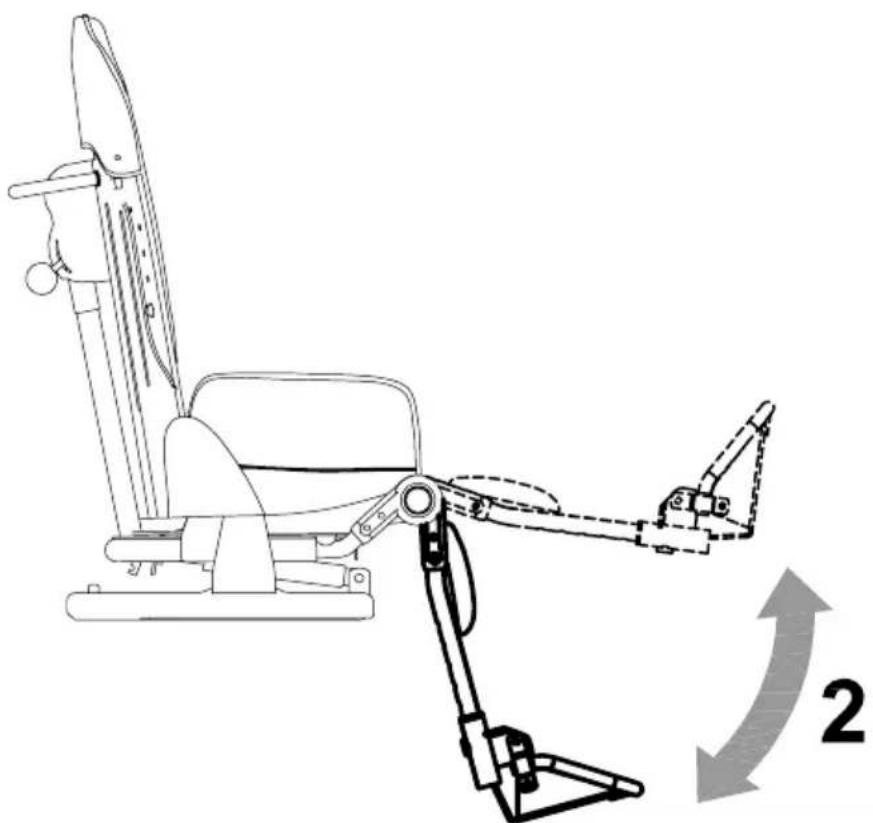
ORMED
ADJUSTING THE FOOTREST
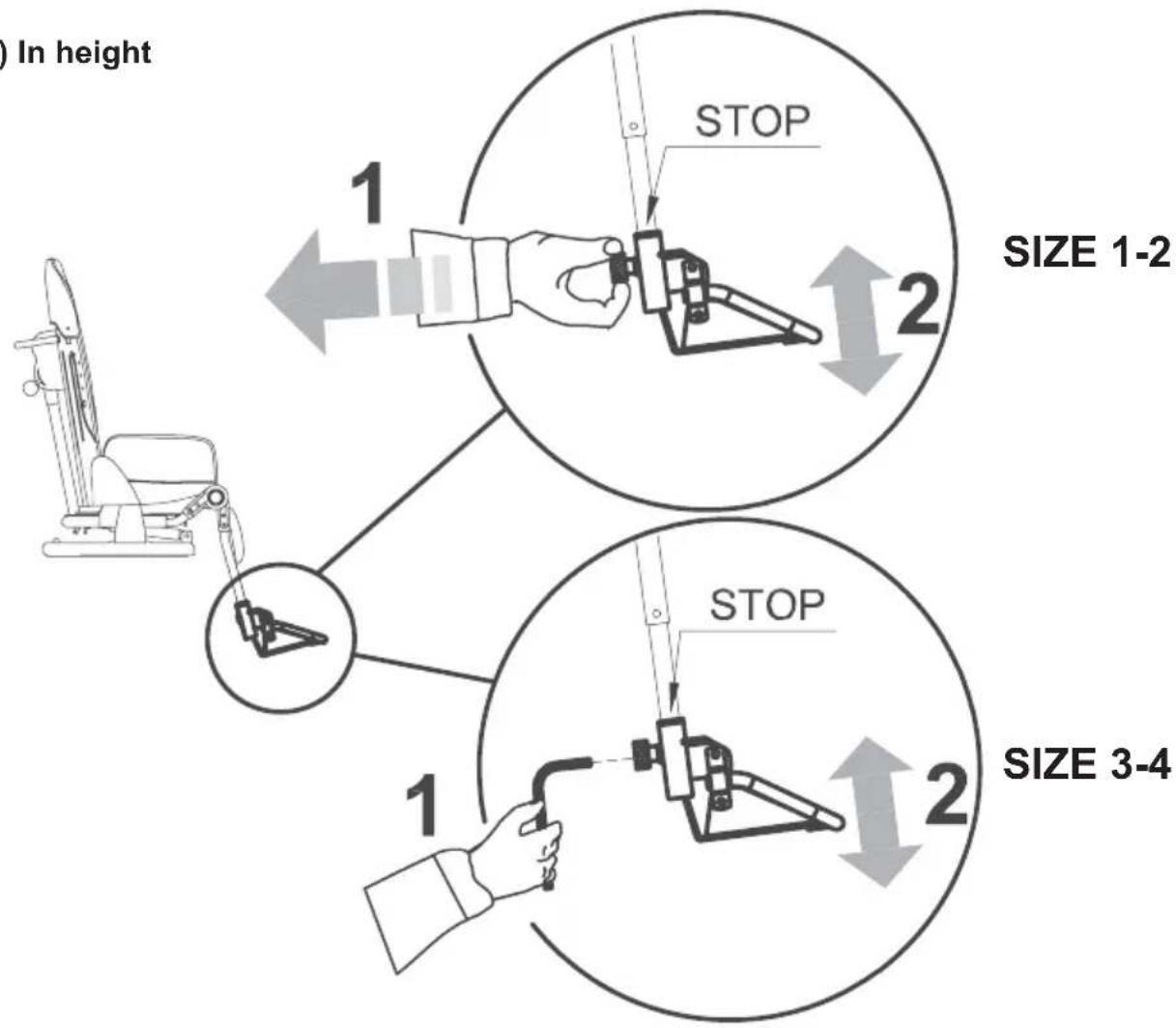
a) In height
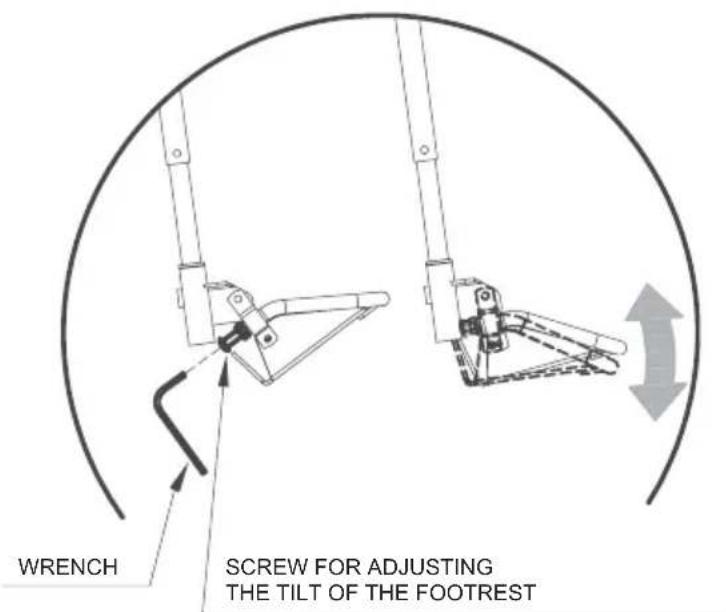
b) in tilt
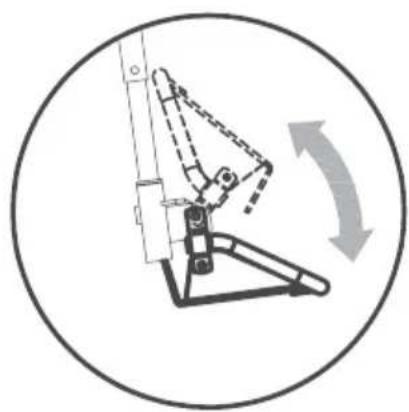
c) in tipping up
ORME
ADJUSTING THE DEPTH OF THE SEAT
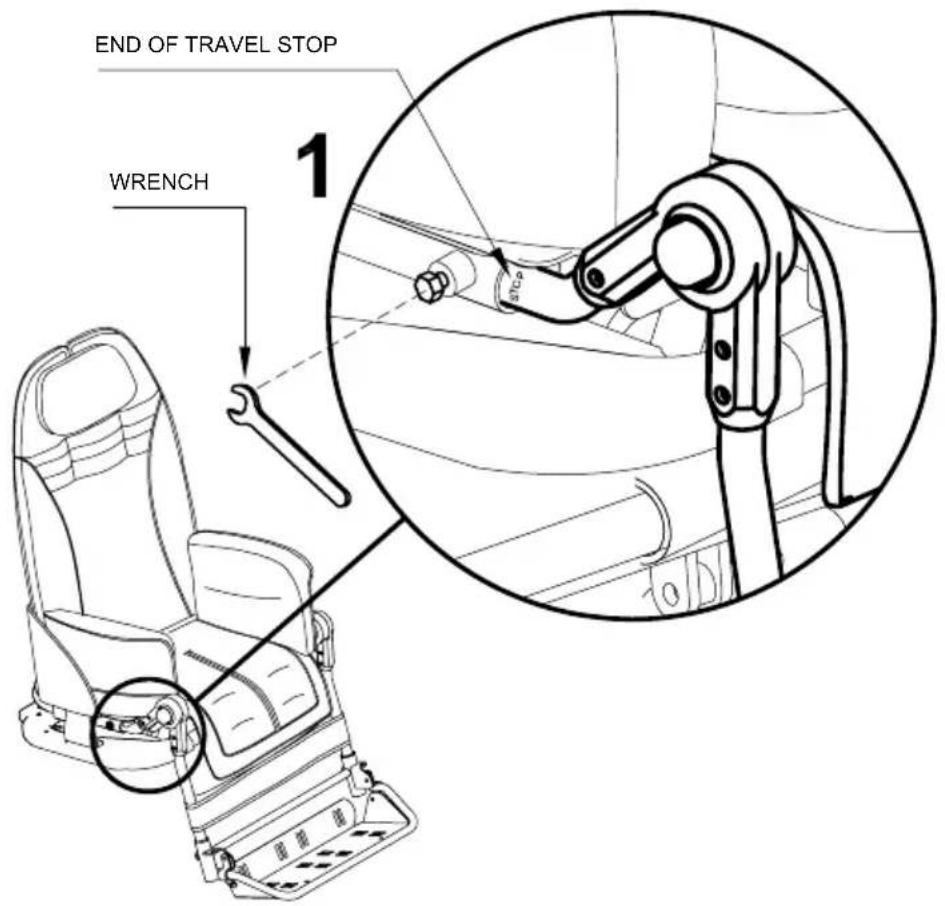
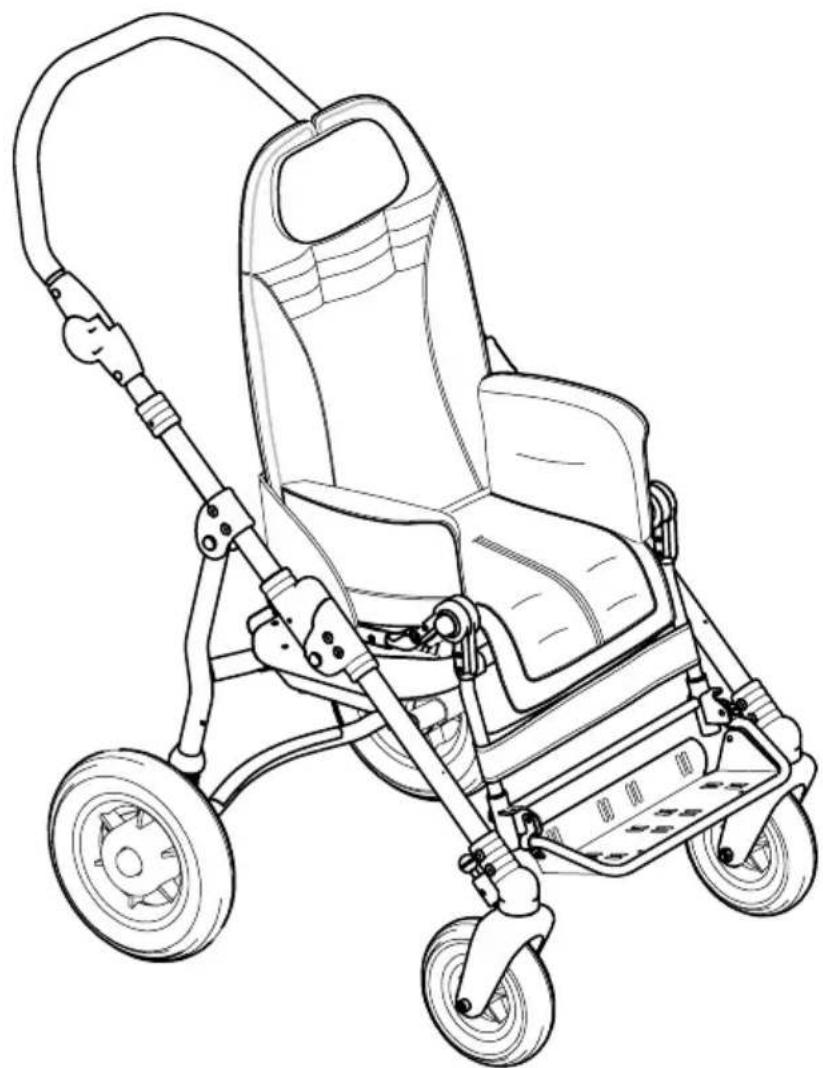
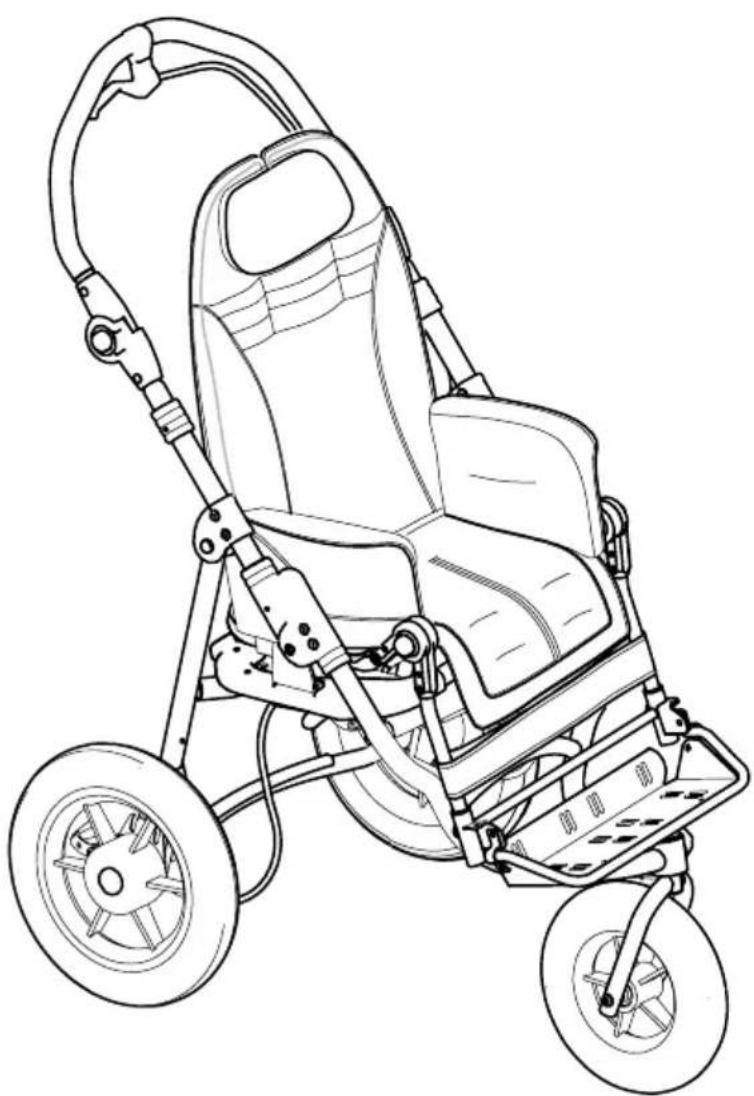
Bug seat
with 4-WHEEL base 869
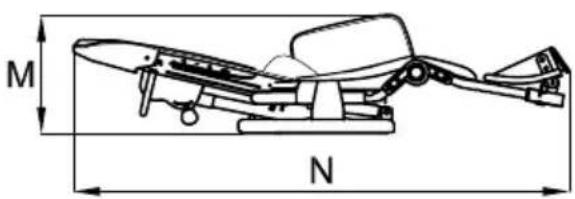
Stroller closed
with seat removed
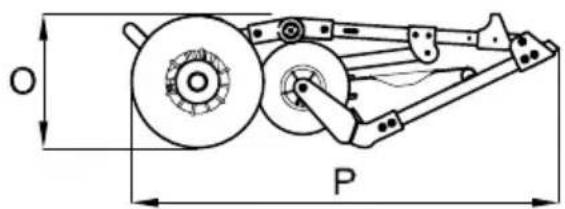
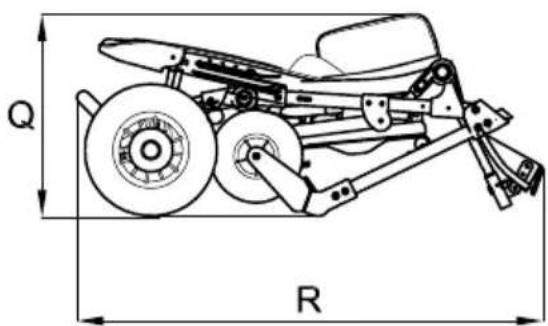
Stroller closed
with seat attached
WHEELS:
front, with direction locks, 17 cm (7 Inches);
rear, with shock absorbers, 25 cm (10 Inches) (sizes 1-2), 30 cm (12 Inches) (size 3-4)
-BRAKES independent parking brakes
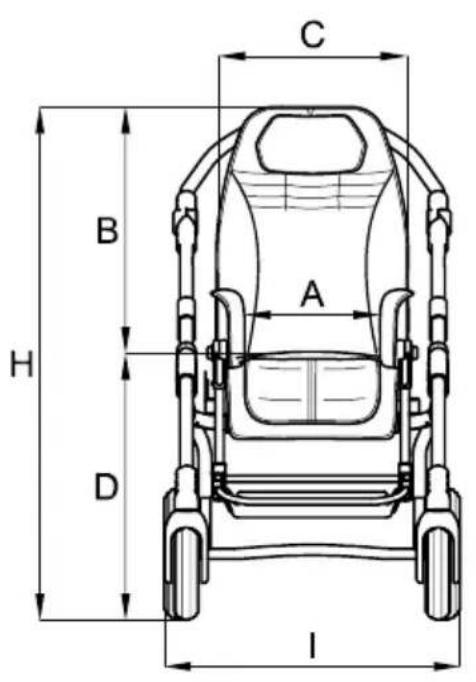
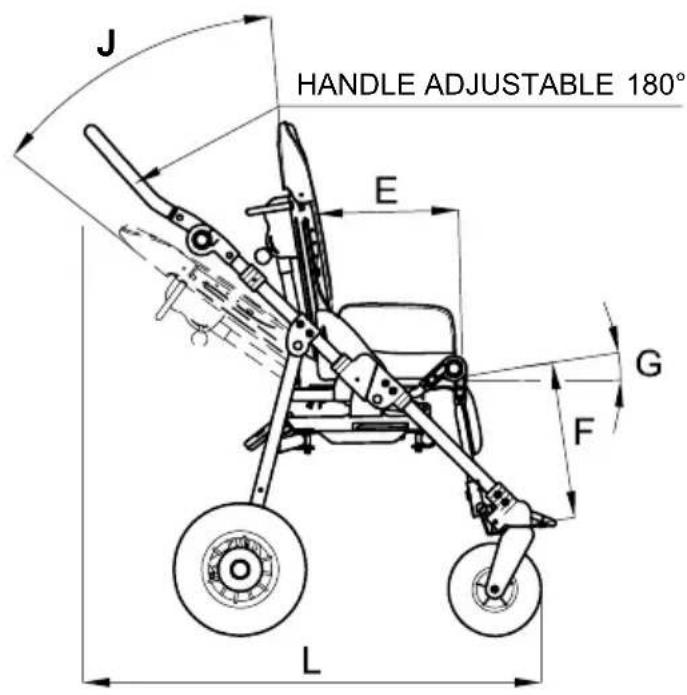
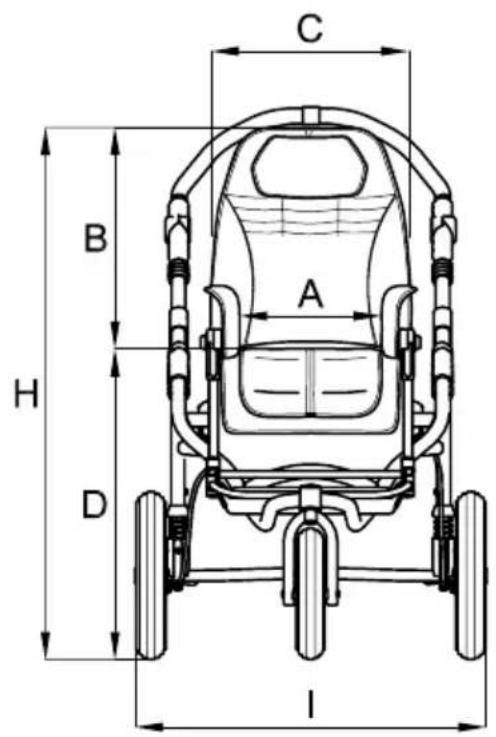
The numbers divided by the dash specify a minimum and a maximum adjustment
Measures in cm and kilos
| size | Max load (Kg) | A (cm) | B (cm) | C (cm) | D (cm) | E (cm) | F (cm) | G (degree) | J (degree) |
| 1-2 | 35 | 20-30 | 52-62 | 37 | 52 | 20-30 | 14-30 | 0°-35° | 35° |
| 3-4 | 45 | 25-36 | 60-75 | 44 | 55 | 30-40 | 30-40 | 5°-30° | 40° |
| size | H (cm) | I (cm) | L (cm) | M (cm) | N (cm) | O (cm) | P (cm) | Q (cm) | R (cm) |
| 1-2 | 101-111 | 57 | 67-81 | 29 | 88 | 28 | 81 | 44 | 81 |
| 3-4 | 113-127 | 62 | 79-92 | 34 | 112 | 30 | 93 | 52 | 94 |
| size | Weight of the frame (Kg) | Weight of the seat (Kg) | Total weight (Kg) |
| 1-2 | 9.5 | 8.5 | 18 |
| 3-4 | 10.5 | 11.5 | 22 |
HOW TO USE Bug WITH BASE 869
OPENING the STROLLER
a) WITHOUT THE SEAT
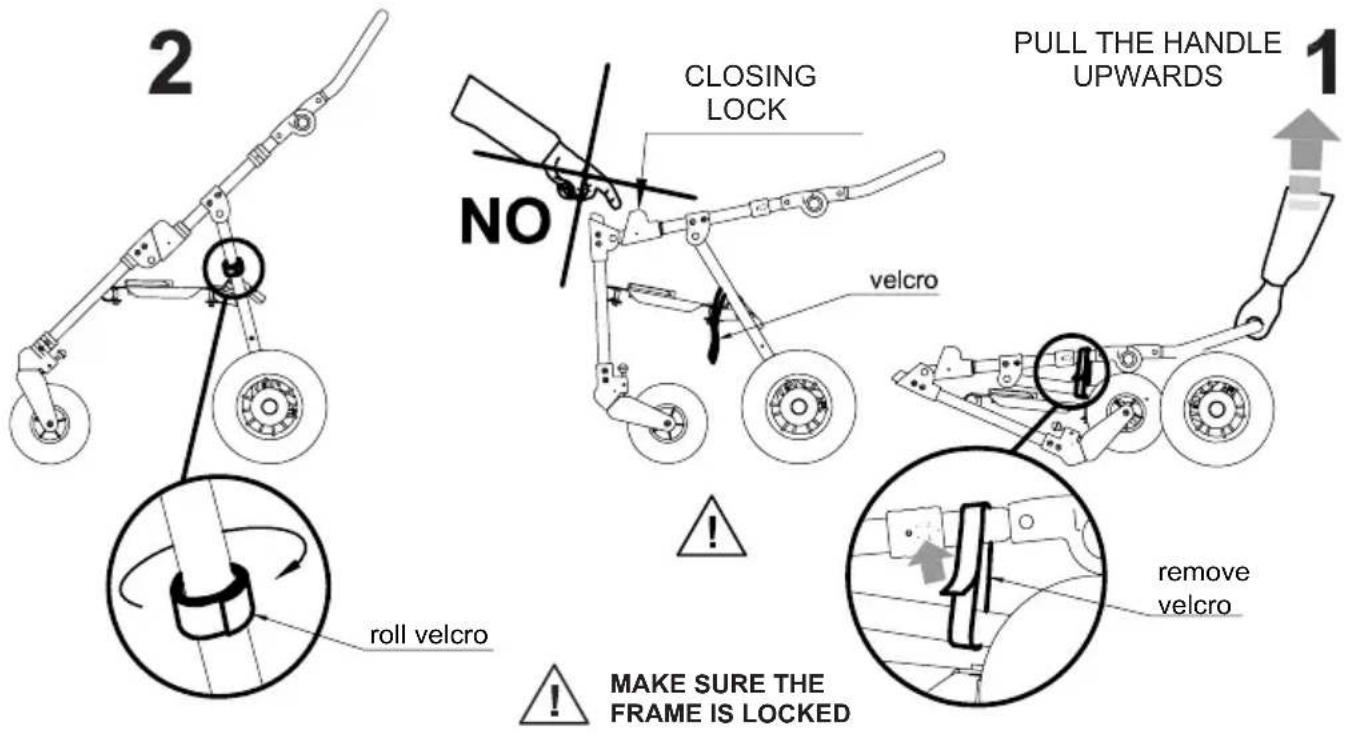
A CLICK MEANS THAT THE FRAME IS SECURELY OPEN
b) WITH THE SEAT ATTACHED
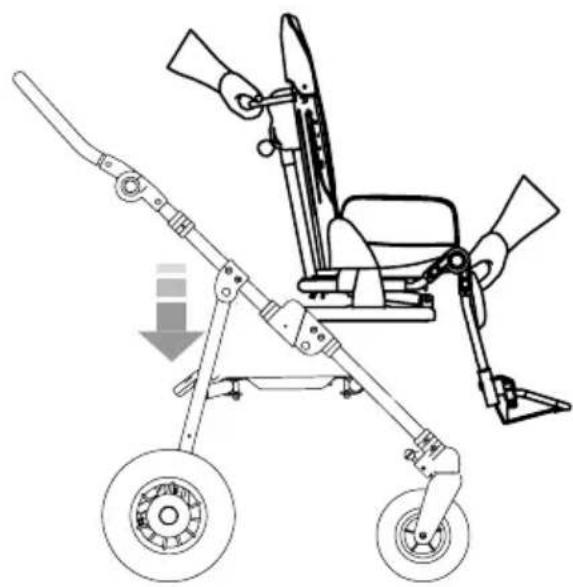
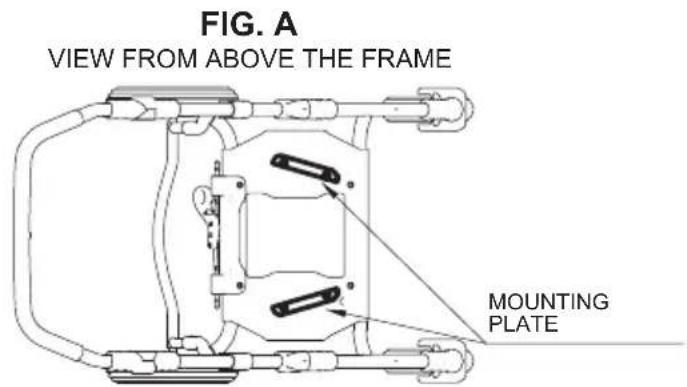
1 AFTER APPLYING BRAKES, PLACE THE SEAT ON THE MOUNTINGPLATE (Fig. A)
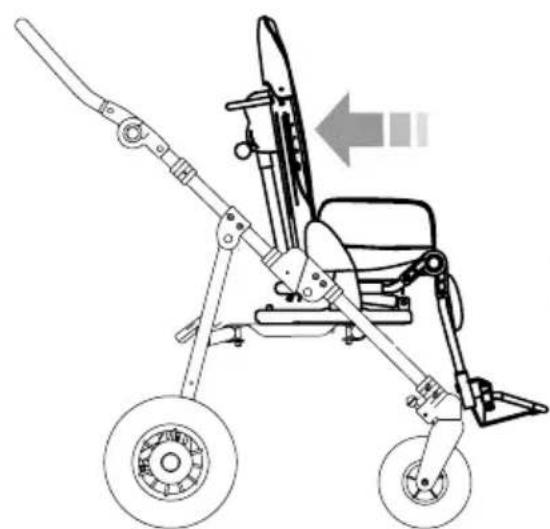
2 PUSH THE SEAT BACKWARDS SLIDING IT ON TO THE MOUNTING PLATE
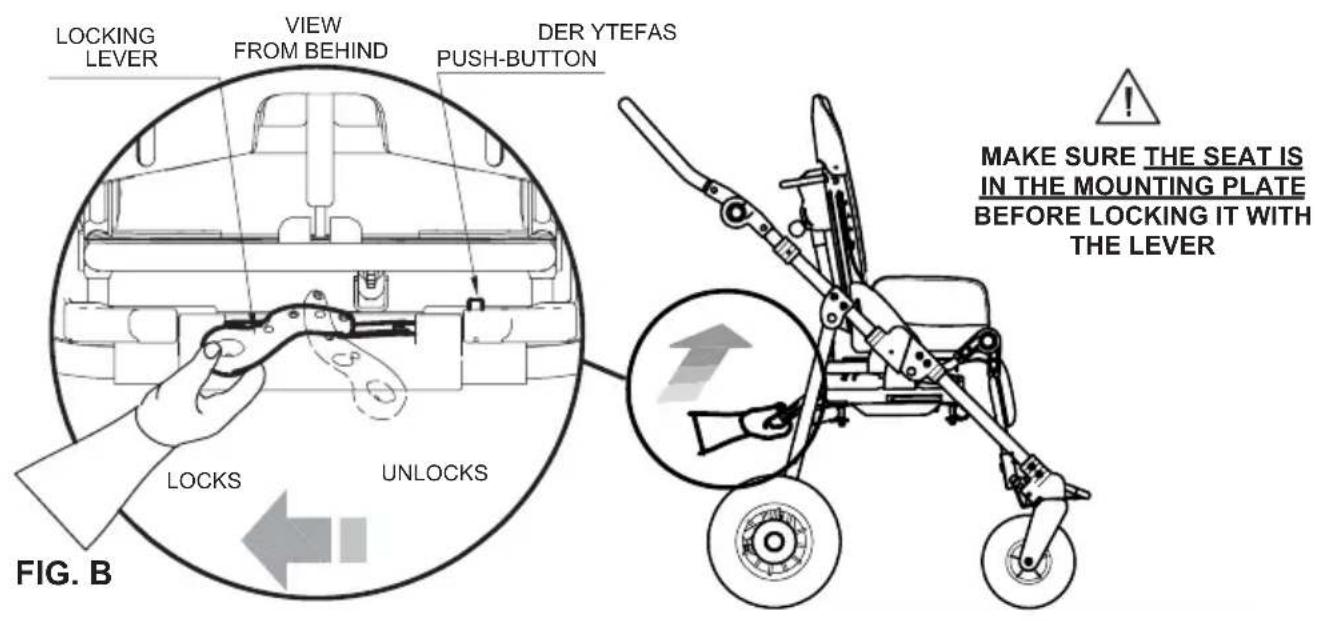
3 OPERATE THE LOCKING LEVER. (AS IN FIG. B) THE CLICK OF THE SAFETY RED PUSH-BUCTION MEANS THAT IS WELL LOCKED
HOW TO REVERSE THE SEAT SO THAT THE CHILD FACES HIS MOTHER (FIG. A)
(ONLY FOR SIZE 1-2, THE SIZE 3-4 SEAT IS NOT REVERSIBLE)
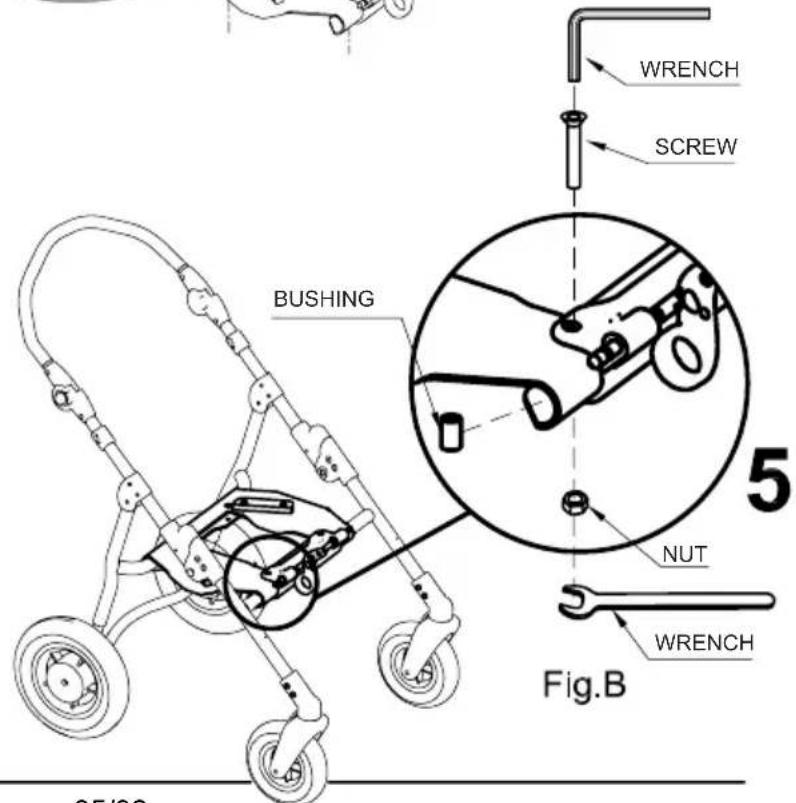
1- UNSCREW THE 4 SCREWS
2-FOLD THE FRAME SLIGHTLY AND REMOVE THE LOWER SEAT
3- TURN THE LOWER SEAT 180^
4- INSERT THE LOWER SEAT KEEPING THE FRAME SLIGHTLY FOLDED
5- OPEN THE FRAME AND TIGHTEN THE SCREWS MAKING SURE TO INCLUDE THE 4 BUSHINGS AS IN FIG.B
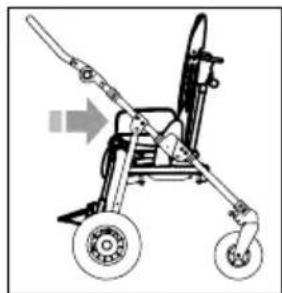
Fig.A
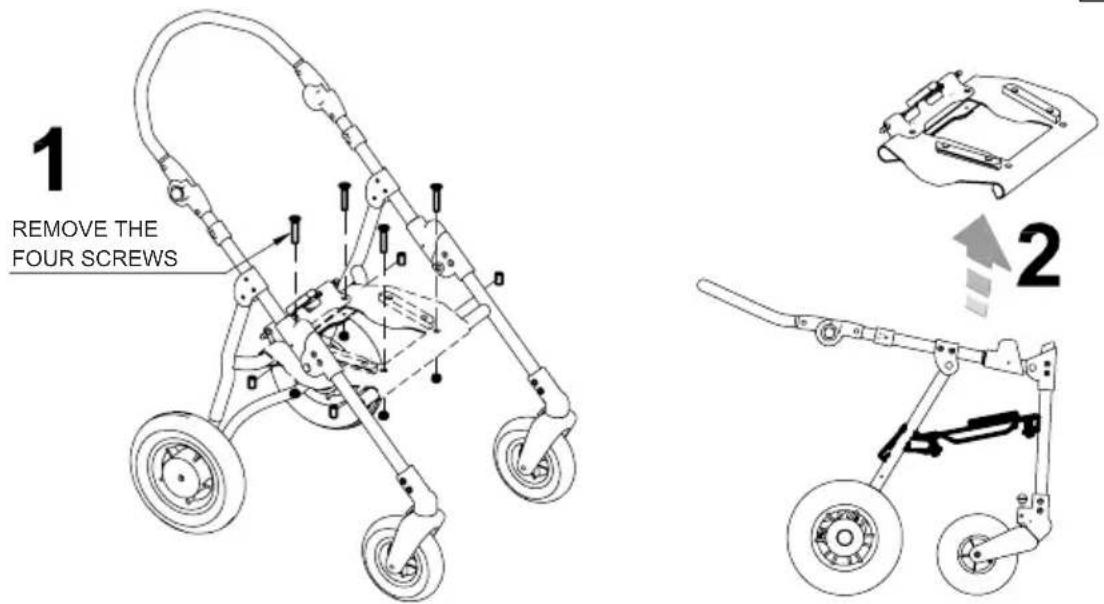
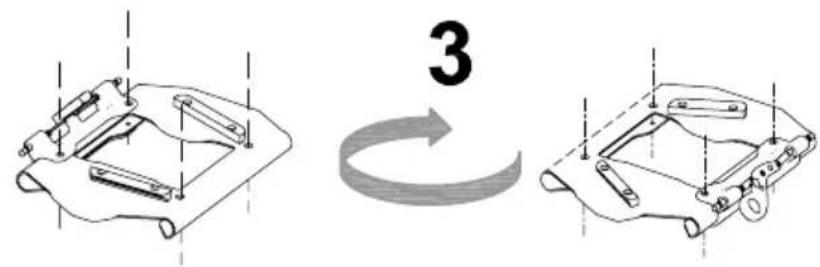
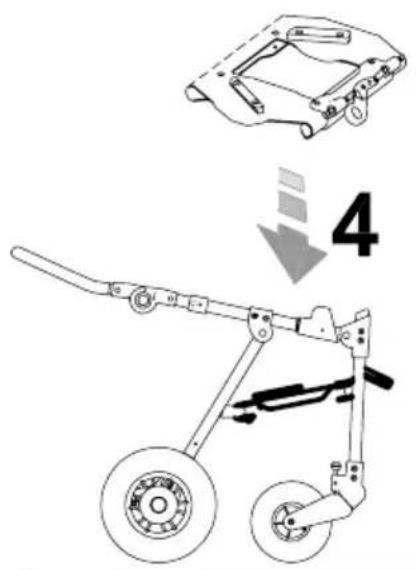
ORMED
HOW TO DETACH THE SEAT FROM THE FRAME

FIRST APPLY BRAKES
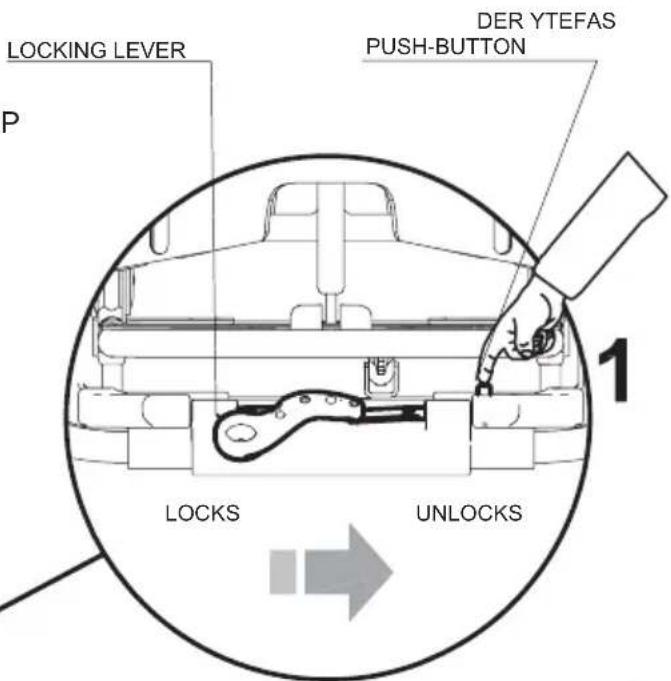
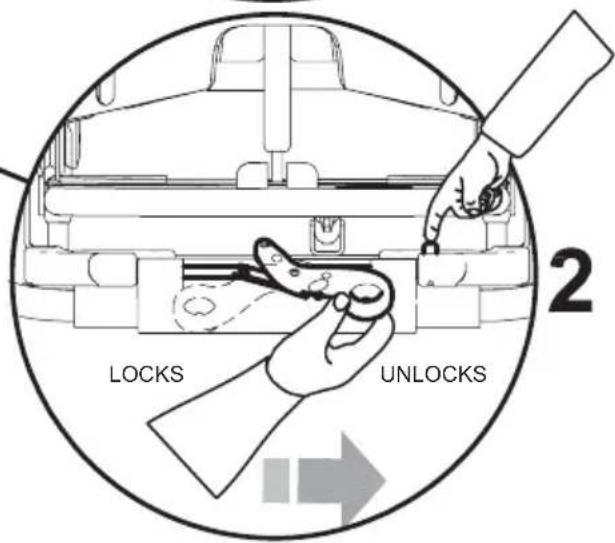
1- NOTTUB-HSUP DER YTEFAS EHT SSERP
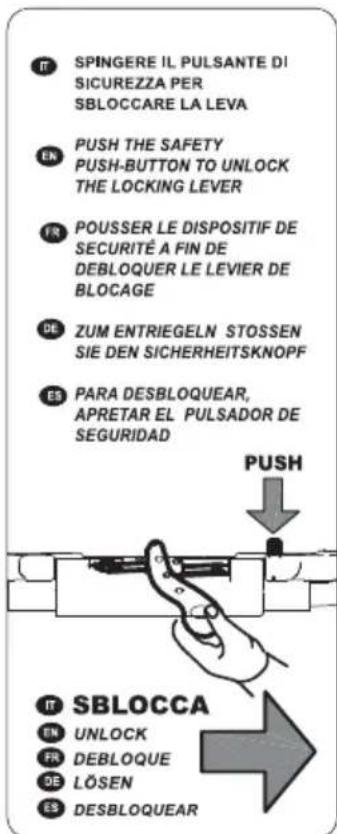
2- AT THE SAME TIME TURN THE LOCKING LEVER FROM LEFT TO RIGHT
3- SLIDE THE SEAT FORWARD
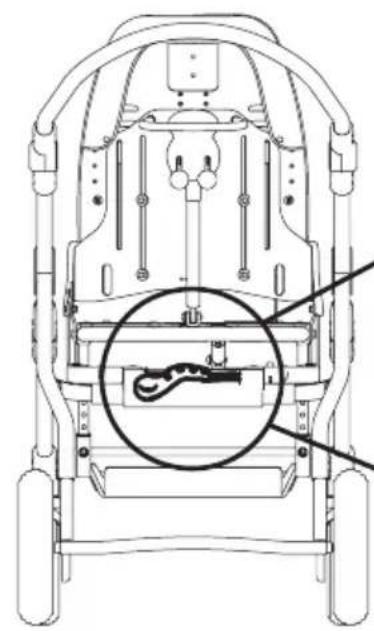
VIEW FROM BEHIND
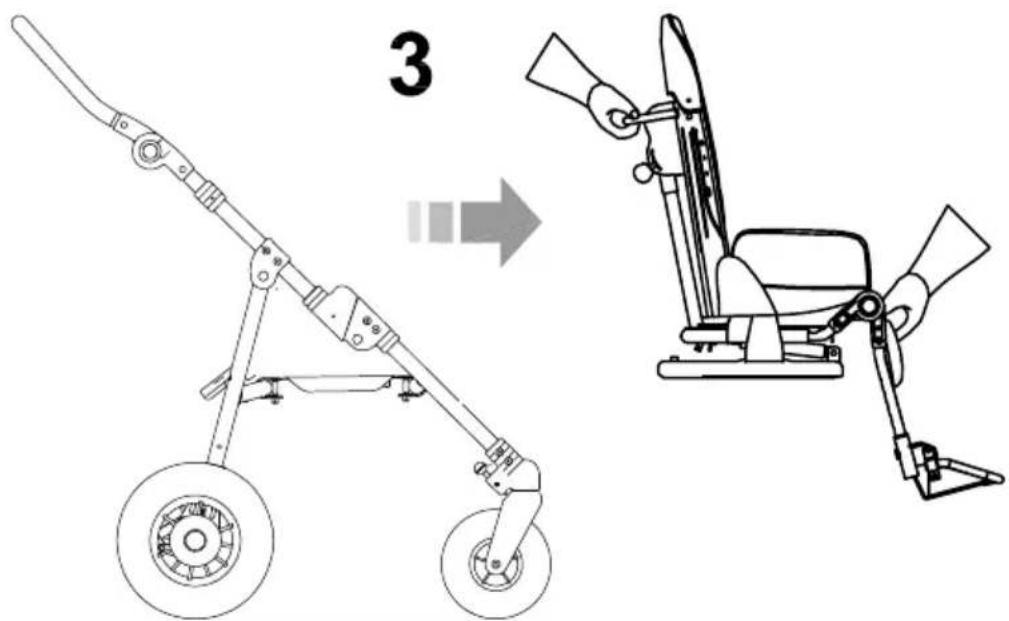
0RMeD
FOLDING THE BASE

WE SUGGEST THAT YOU FOLD THE BASE WITHOUT THE SEAT
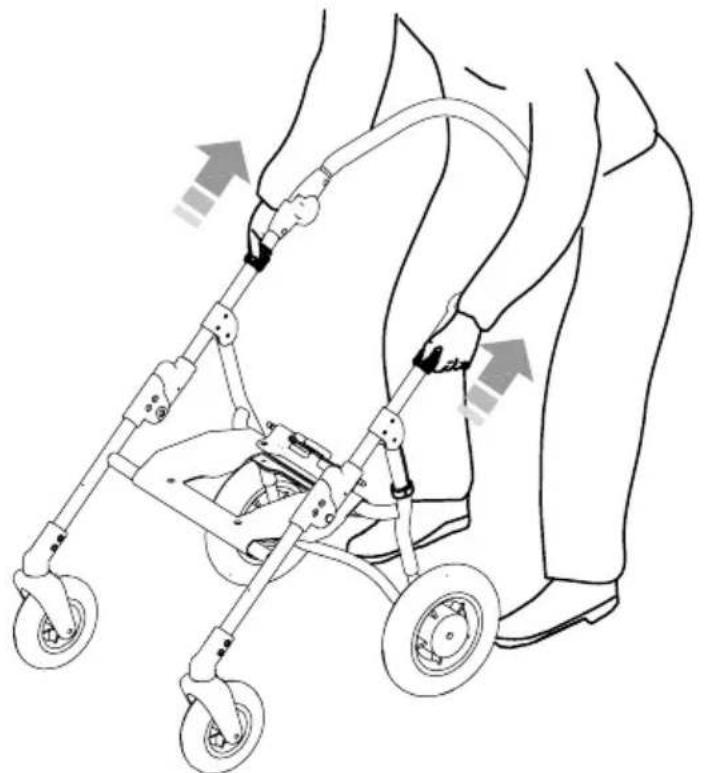
1 PULL THE BLACK LOCKS WITH BOTH HANDS
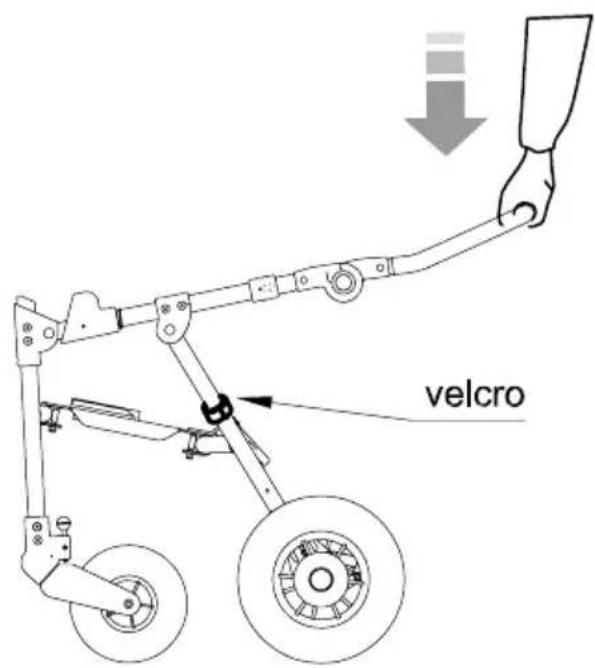
2 GENTLY PULL THE HANDLE DOWNWARD


FRAMECLOSED
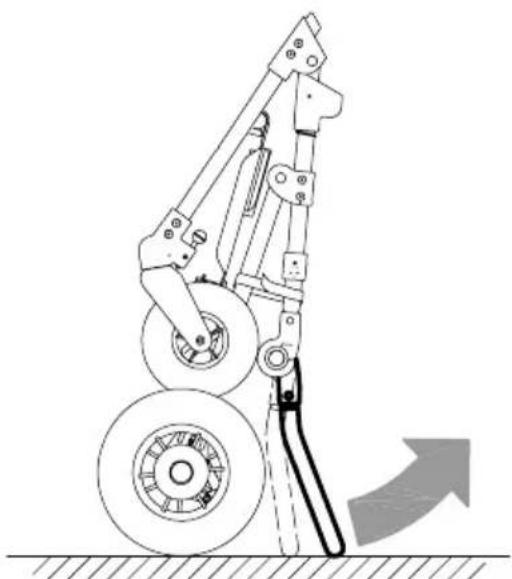
IF YOU WANT TO POSITION THE FRAME VERTICALLY, TILT THE PUSH HANDLE SLIGHTLY (SEE PAGE 38)
ORMEDI
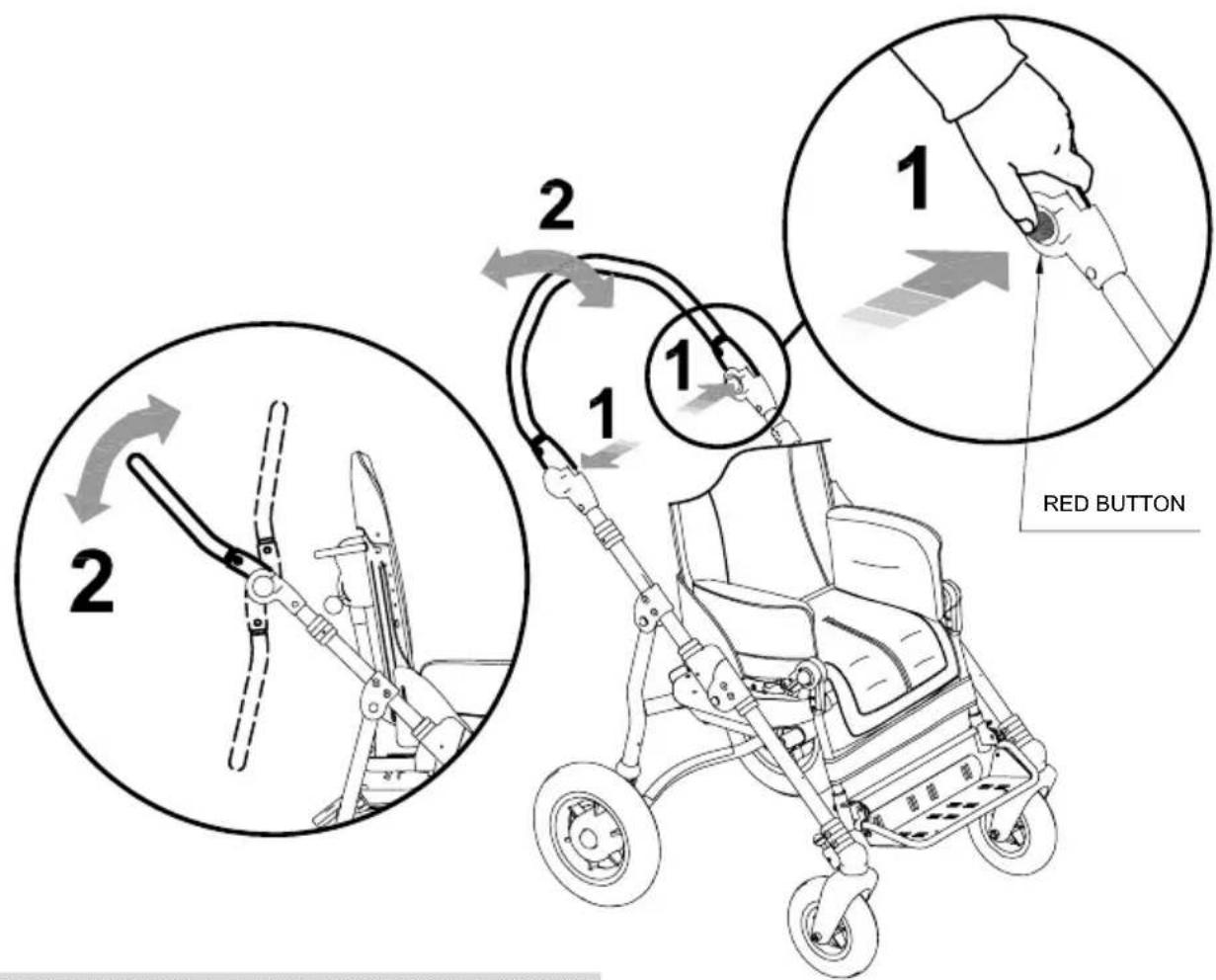
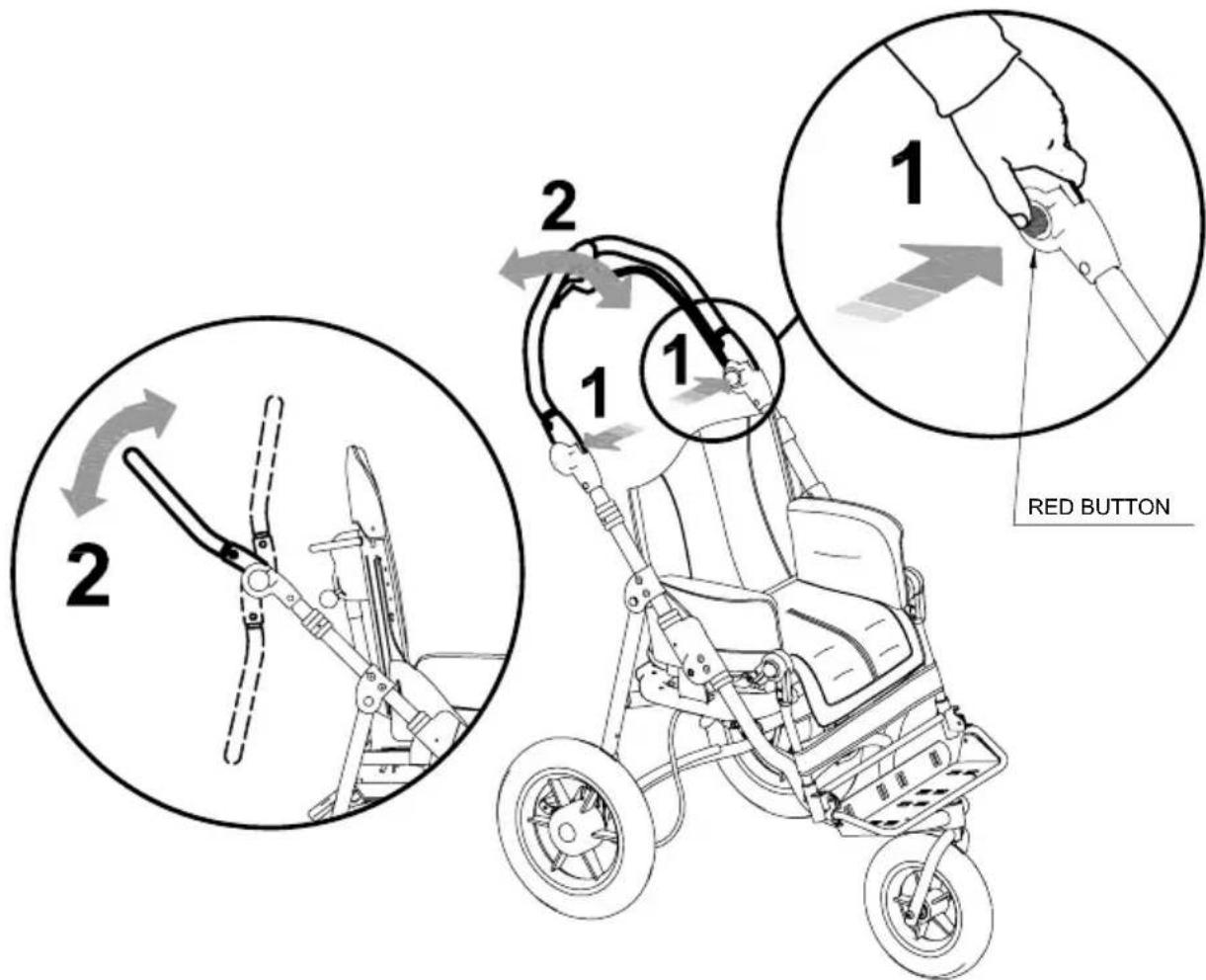
ADJUSTING THE INCLINATION OF THE HANDLE
IT FACILITATES THE ENTRANCE INTO THE ELEVATOR AND ITS TRANSPORT INTO THE CAR
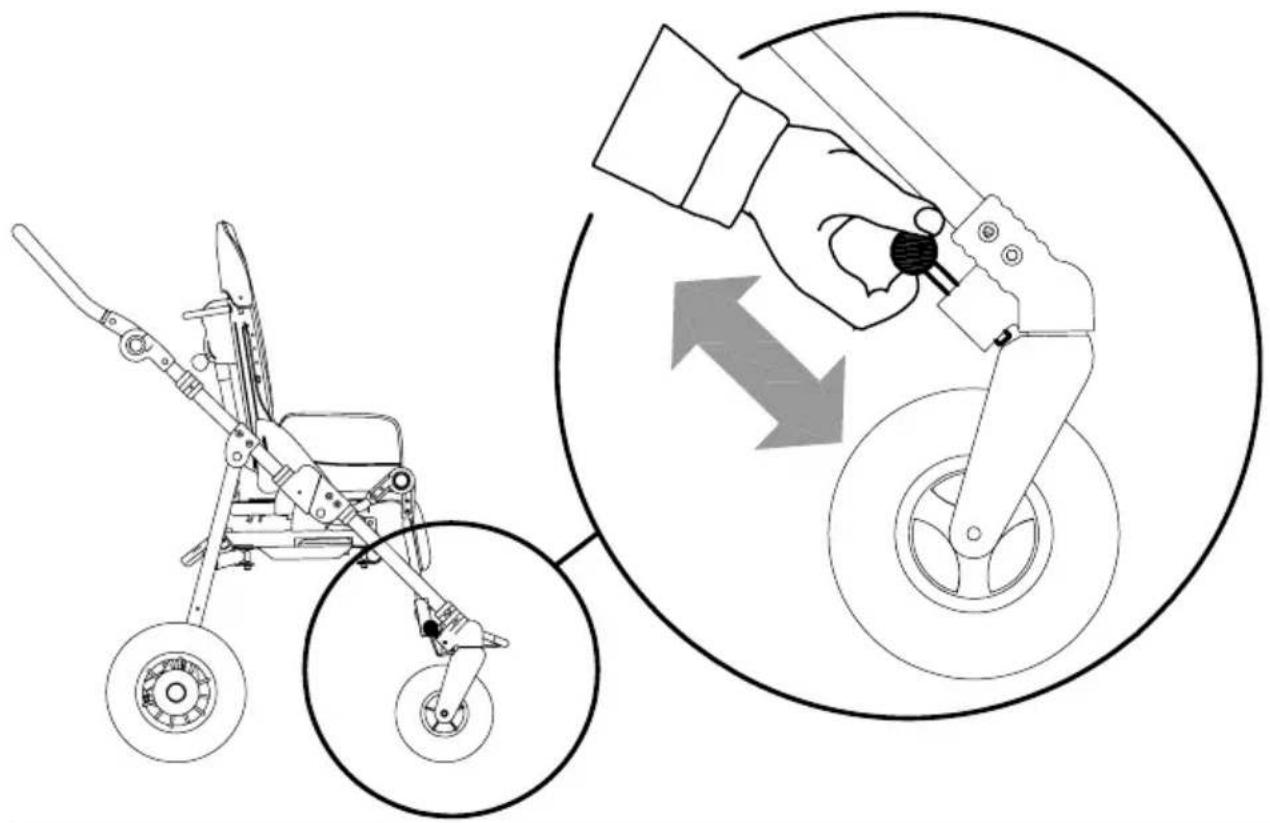
FRONT WHEEL DIRECTION LOCKS
Bug seat
with 3-WHEEL base 901
TECHNICAL SPECIFICATIONS of Bug with 3 wheels BASE 901
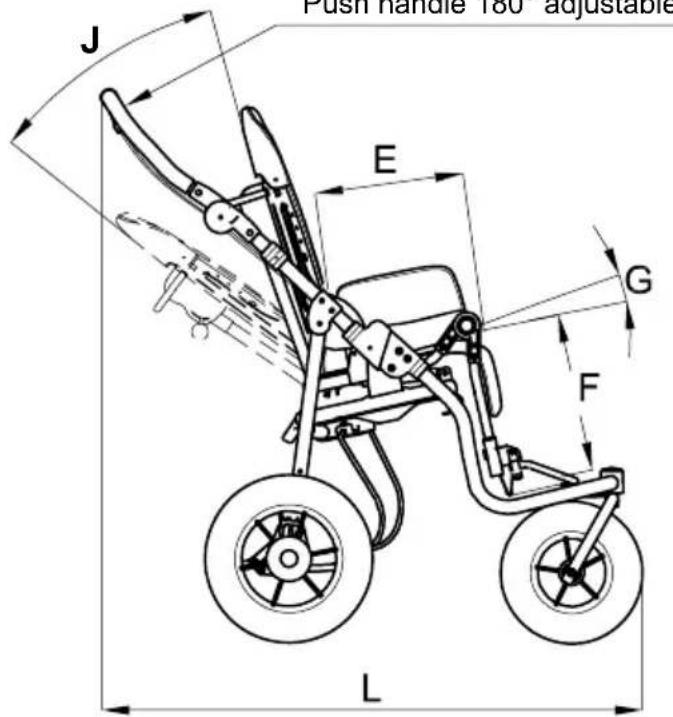
Push handle 180^ adjustable
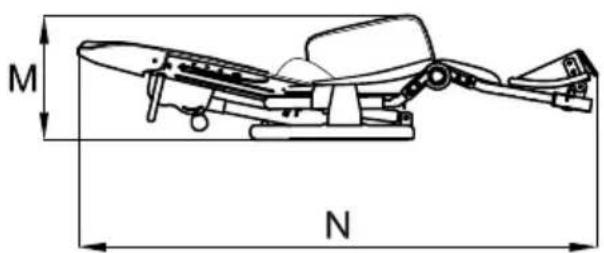
Stroller closed with seat removed
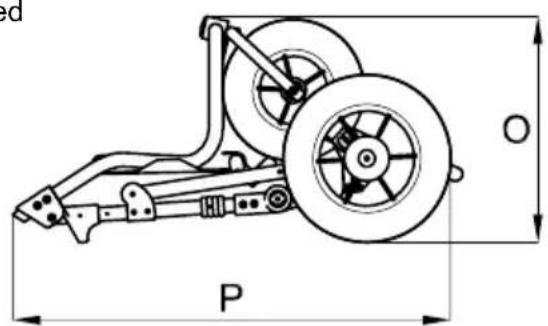
WHEELS: front, with direction lock, 25 cm (10 Inches); rear, with shock absorbers, 30 cm (12 Inches)
-BRAKES independent parking brakes
- HAND BRAKE (allows slowing the stroller on downhill slopes or while jogging!)
The numbers divided by the dash specify a minimum and a maximum adjustment
Measures in cm and kilos
| size | Max load (Kg) | A (cm) | B (cm) | C (cm) | D (cm) | E (cm) | F (cm) | G (degree) | J (degree) |
| 1-2 | 35 | 20-30 | 52-62 | 37 | 51 | 20-30 | 14-30 | 14°-49° | 35° |
| 3-4 | 45 | 25-36 | 60-75 | 44 | 57 | 30-40 | 30-40 | 13°-38° | 40° |
| size | H (cm) | I (cm) | L (cm) | M (cm) | N (cm) | O (cm) | P (cm) |
| 1-2 | 103-113 | 63 | 78-106 | 29 | 88 | 38 | 79 |
| 3-4 | 117-132 | 69 | 98-127 | 34 | 112 | 40 | 96 |
| size | Weight of the frame (Kg) | Weight of the seat Total weight (Kg) | (Kg) |
| 1-2 | 10.5 | 8.5 | 19 |
| 3-4 | 11.5 | 11.5 | 23 |
HOW TO USE Bug WITH BASE 901
OPENING THE BASE
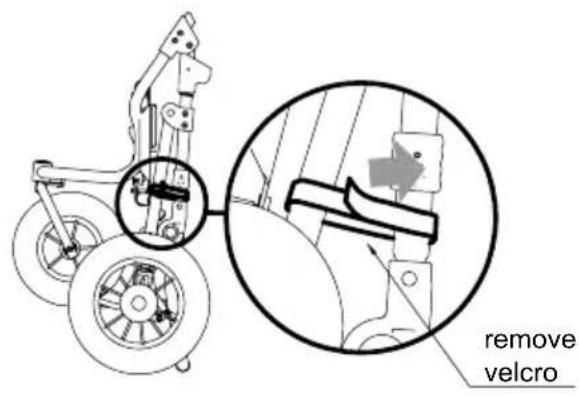
1 PUT THE BASE IN THE VERTICAL POSITION
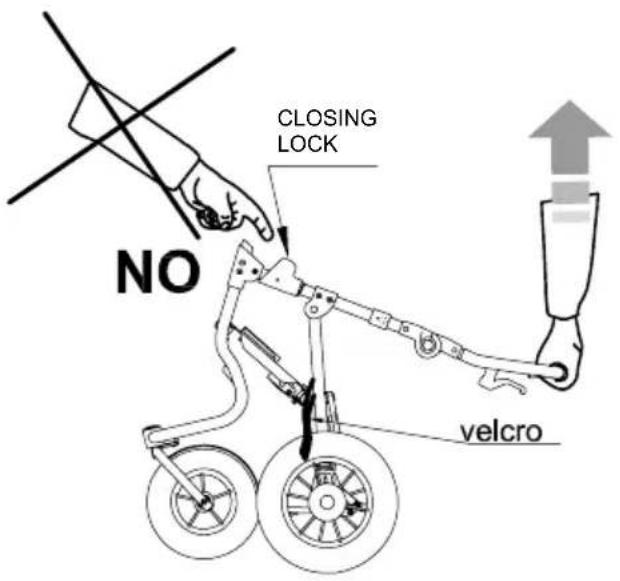
2 PULL THE HANDLE UPWARDS
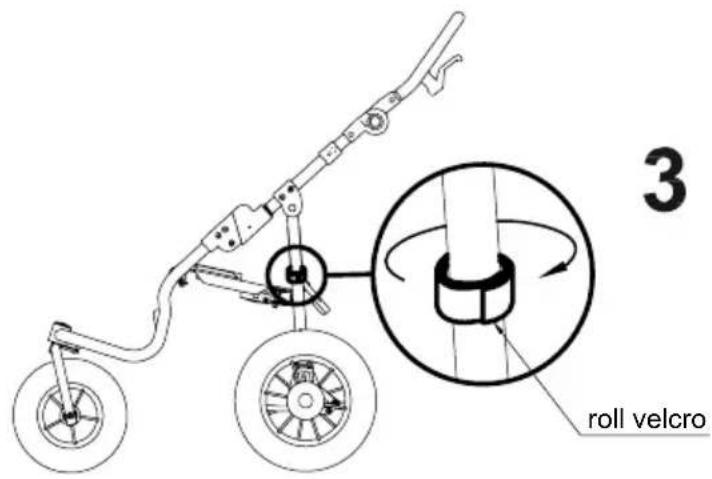
3 A CLICK MEANS THAT THE FRAME IS SECURELY OPEN
MAKESURE THEFRAMEISLOCKED
ORMEDI
HOW TO ATTACH THE SEAT TO THE FRAME
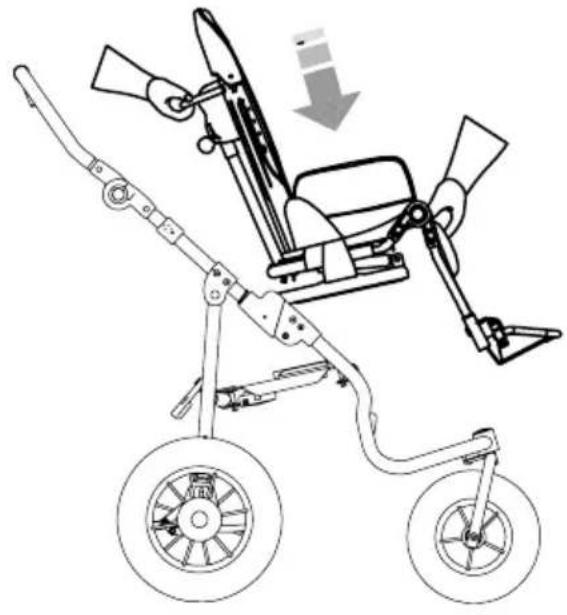
1 AFTER APPLYING BRAKES, PLACE THE SEAT ON THE MOUNTING PLATE (Fig. A)
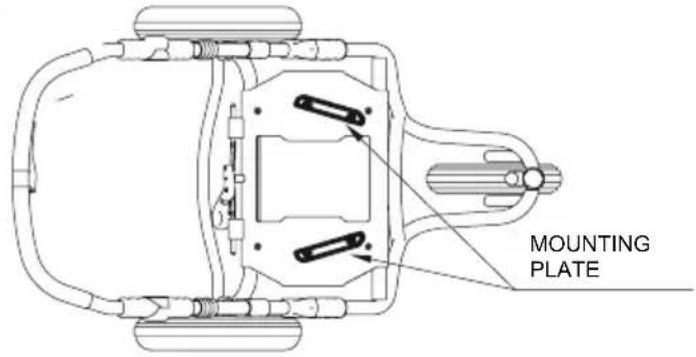
FIG.A
VIEW FROM ABOVE THE FRAME
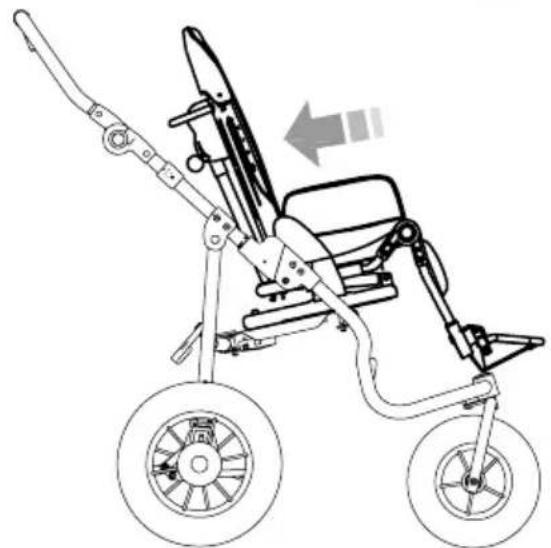
2 PUSH THE SEAT BACKWARDS SLIDING IT ON TO THE MOUNTING PLATE
3 FIG. B) THE CLICK OF THE SAFETY RED PUSH-B BUTTON MEANS THAT IS WELL LOCKED
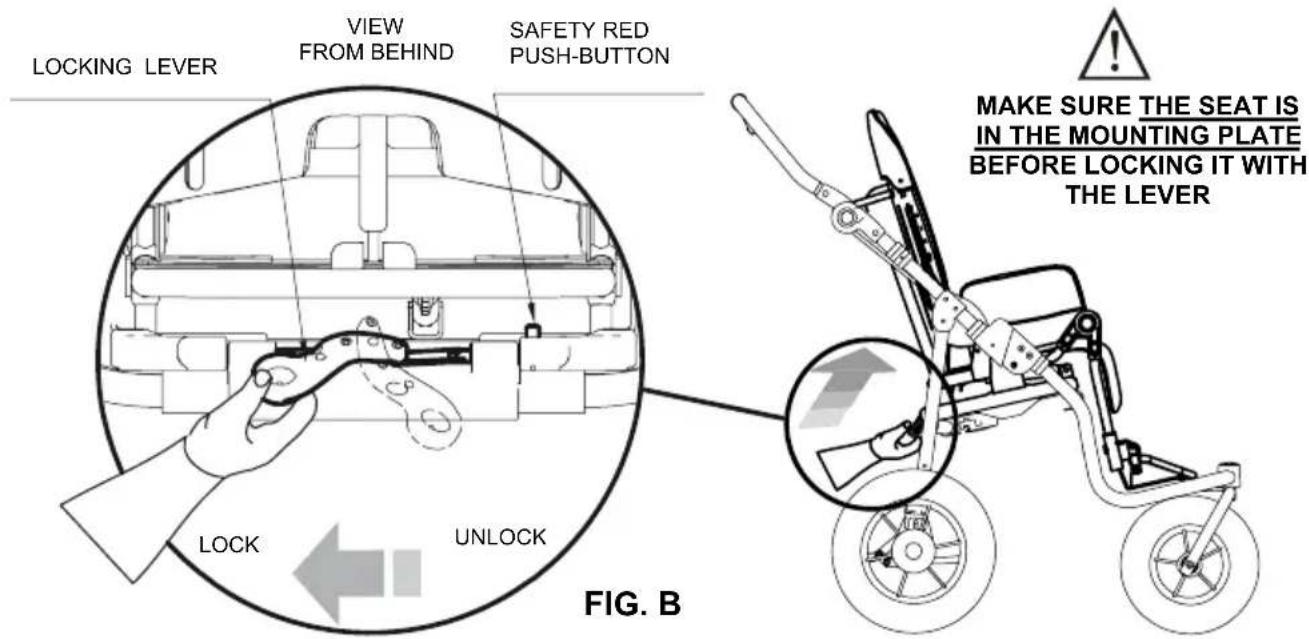
THE SEAT IS NOT REVERSIBLE WITH THE OUTDOOR 3-WHEEL 901 BASE
HOW TO DETACH THE SEAT FROM THE FRAME

FIRST APPLY BRAKES
DERYTEFAS
PUSH-B BUTTON
WE SUGGEST THAT YOU FOLD THE BASE WITHOUT THE SEAT
1 PULL THE BLACK LOCKS WITH BOTH HANDS
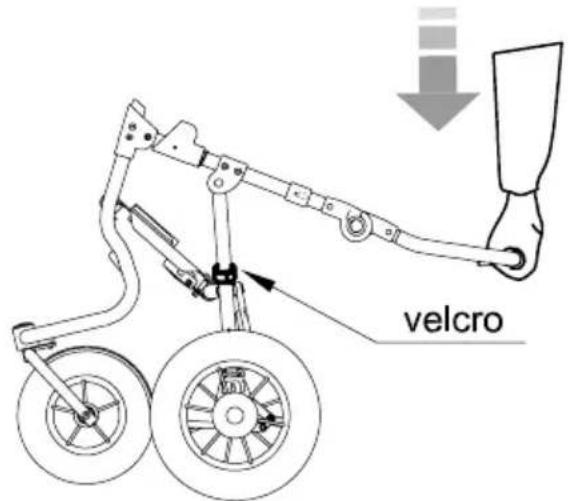
2 GENTLY PULL THE HANDLE DOWNWARD
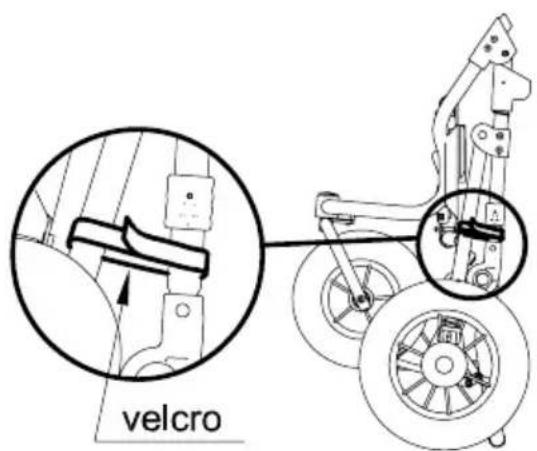
3 FRAME CLOSED
ORMEDI
ADJUSTING THE INCLINATION OF THE HANDLE
IT FACILITATES THE ENTRANCE INTO THE ELEVATOR AND ITS TRANSPORT INTO THE CAR
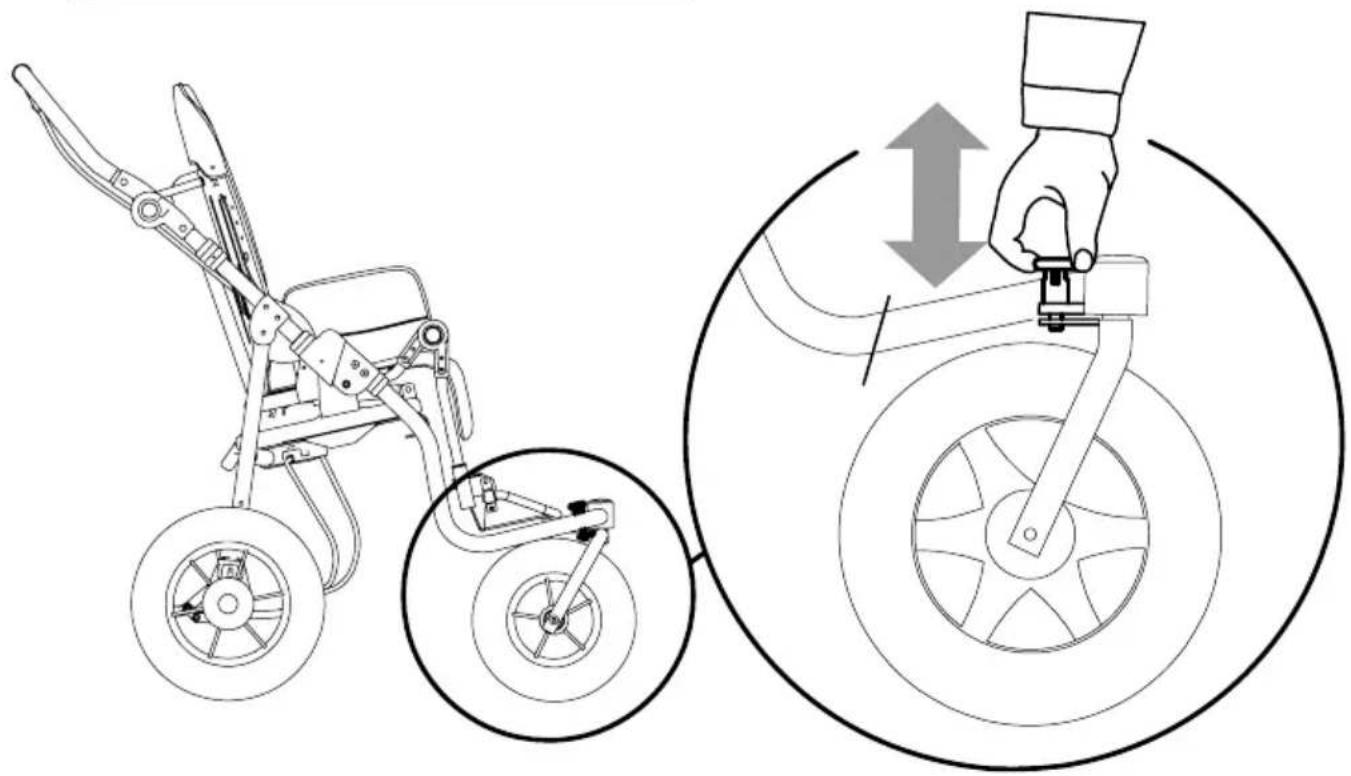
FRONT WHEEL DIRECTION LOCKS
Bug seat
with INDOOR base 856
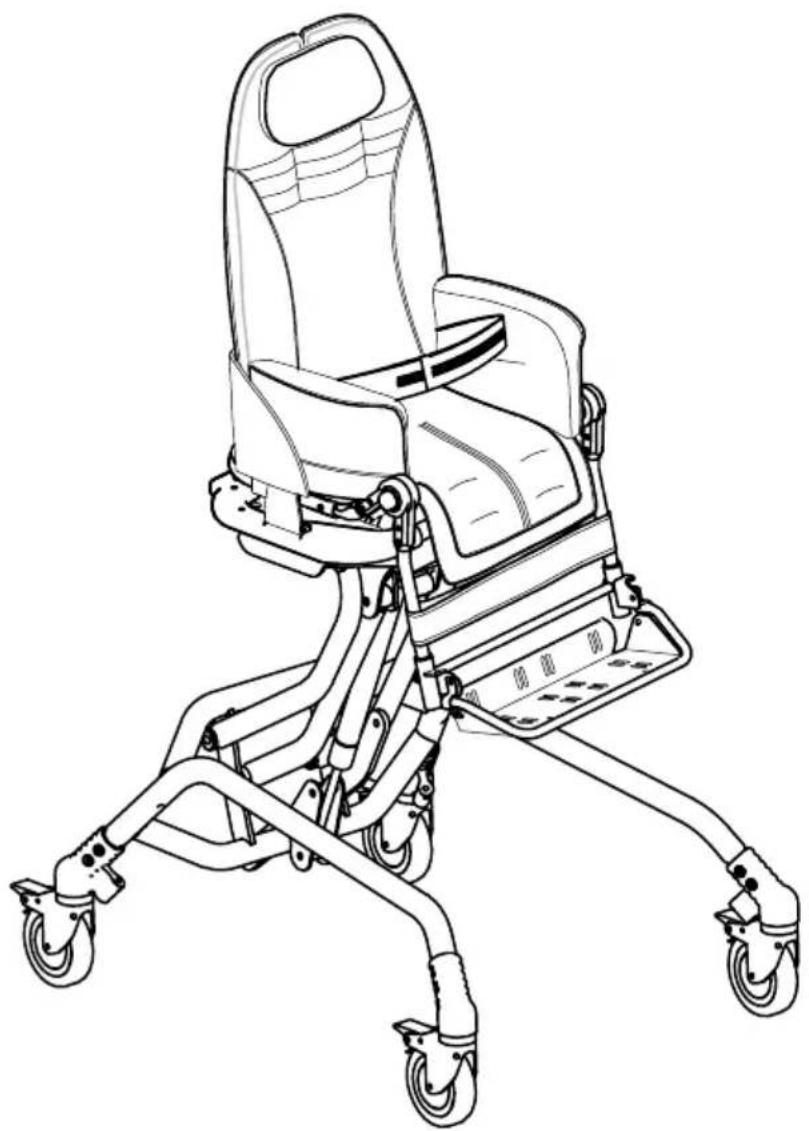
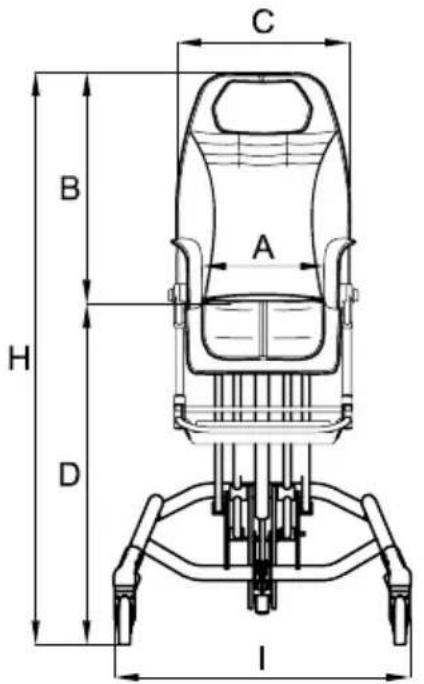
TECHNICAL SPECIFICATIONS of Bug with BASE 856
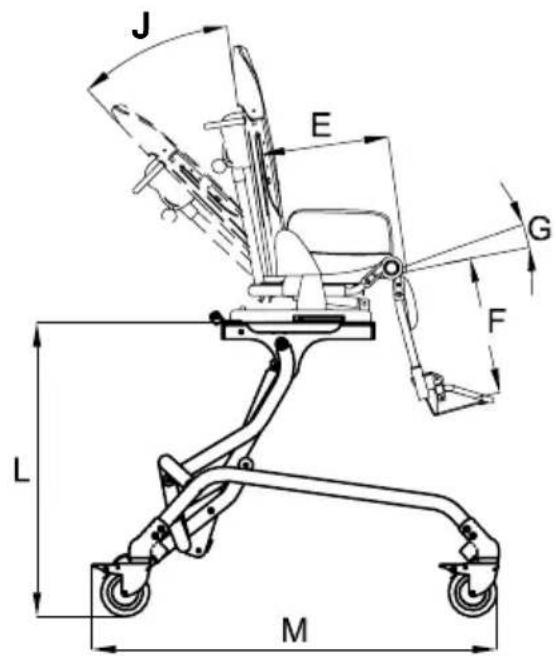
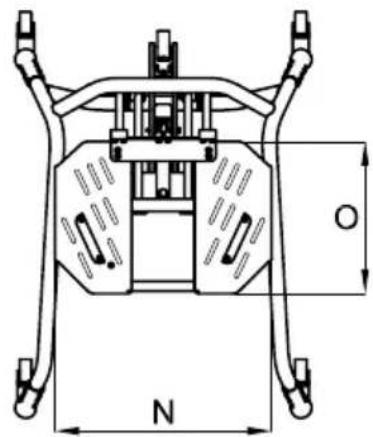
WHEELS, 10 cm (4 Inches), swivelling with brakes.
| Size | Max load (Kg) | A (cm) | B (cm) | C (cm) | D (cm) | E (cm) | F (cm) | G (degree) | J (degree) |
| 1-2 | 35 | 20-30 | 52-62 | 37 | 47-73 | 20-30 | 14-30 | 0°-35° | 35° |
| 3-4 | 45 | 25-36 | 60-75 | 44 | 47-73 | 30-40 | 30-40 | 0°-25° | 40° |
| Misura | H (cm) | I (cm) | L (cm) | M (cm) | N (cm) | O (cm) | Weight of the frame (Kg) | Weight of the seat (Kg) | Total weight (Kg) |
| 1-2 | 99-135 | 56 | 35-61 | 79 | 40 | 25 | 14.5 | 8.5 | 23 |
| 3-4 | 107-148 | 62 | 35-61 | 83 | 45 | 32 | 15.5 | 11.5 | 27 |
The numbers divided by the dash specify a minimum and a maximum adjustment
HOW TO USE Bug WITH BASE 856
HOW TO ATTACH THE SEAT TO THE FRAME
1 AFTER APPLYING BRAKES, PLACE THE SEAT ON THE MOUNTING PLATE (FIG. A)
2 PUSH THE SEAT BACKWARDS SLIDING IT ON TO THE MOUNTING PLATE
ENGAGE THE LOCKING LEVER (AS IN FIG. B) THE 3 CLICK MEANS THE SAFETY DEVICE IS LOCKED
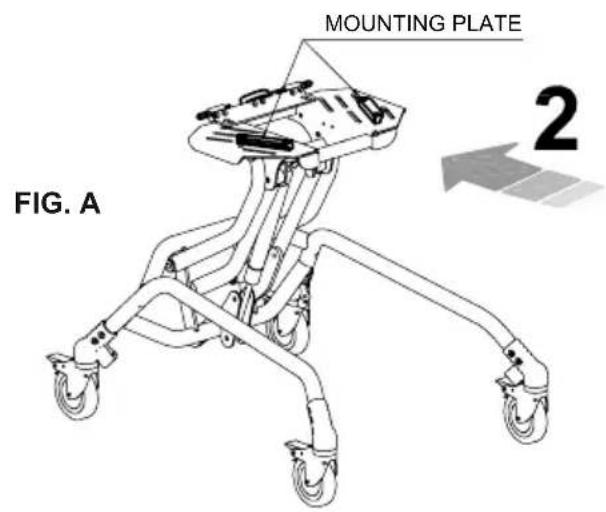
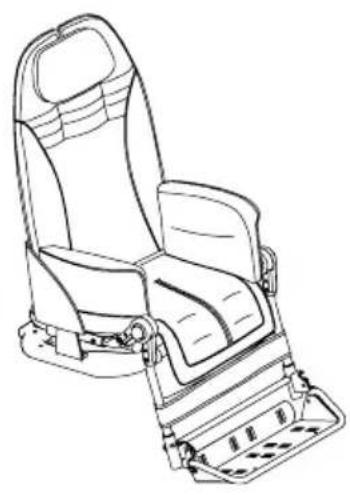

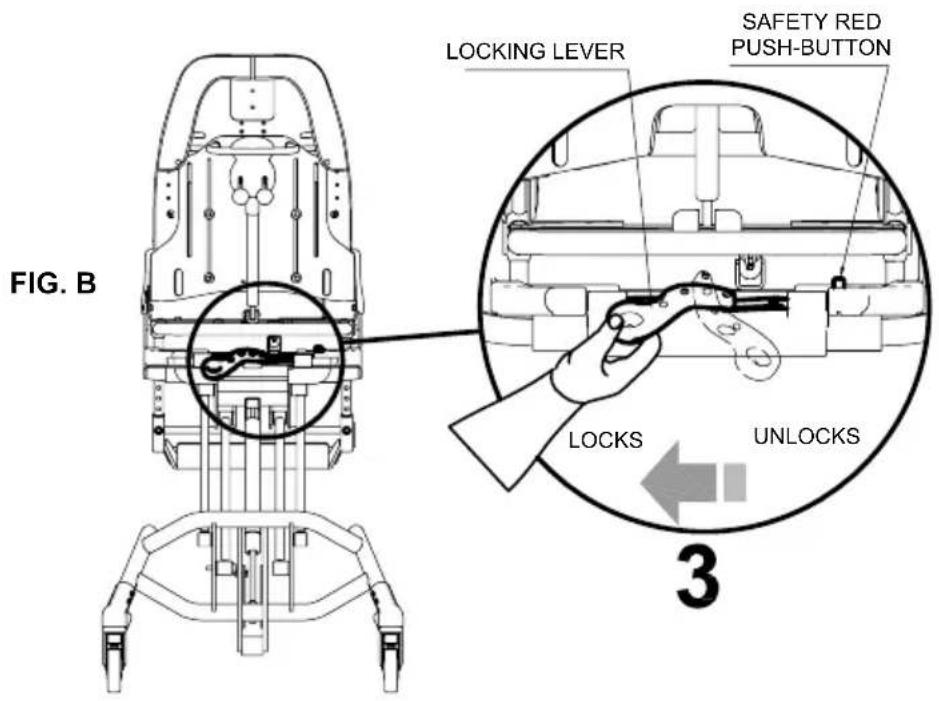
MAKE SURE THE SEAT IS IN THE MOUNTING PLATE BEFORE LOCKING IT WITH THE LEVER
ORMED
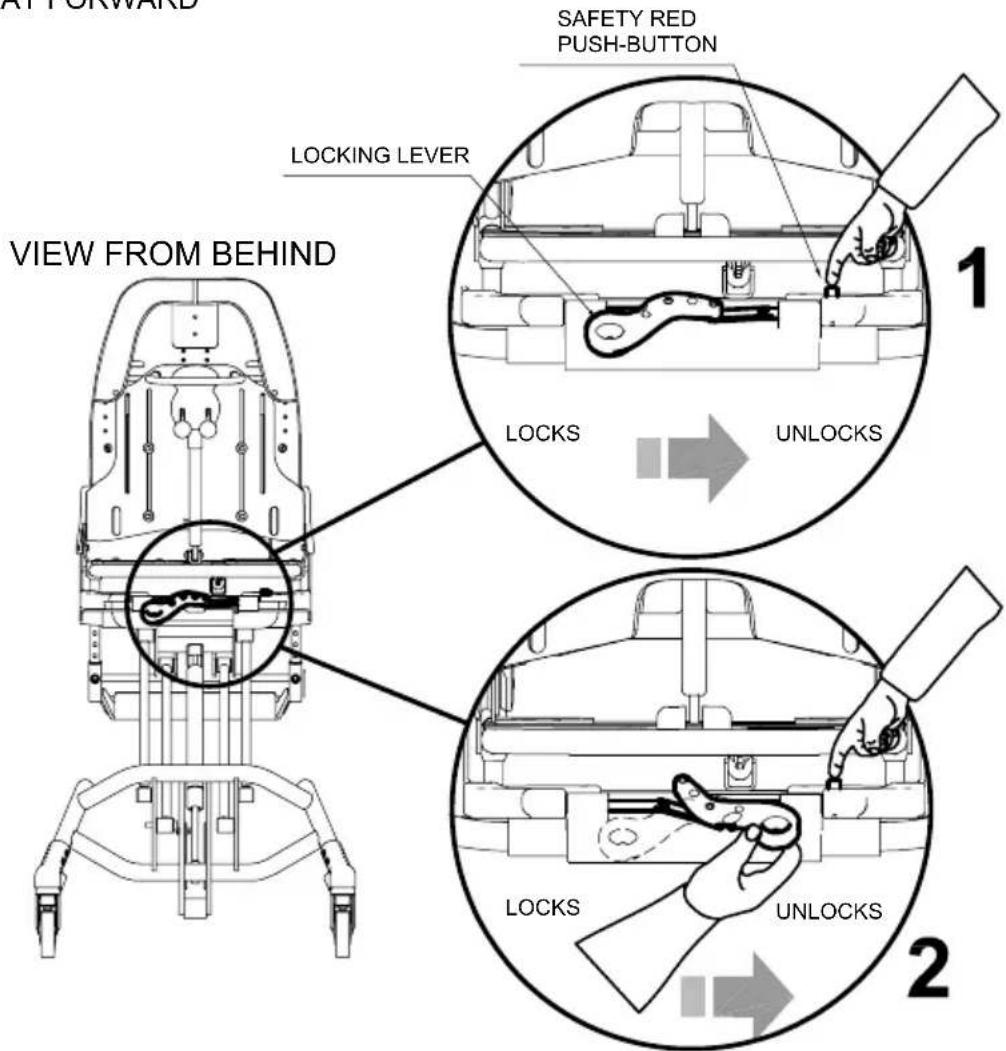
HOW TO DETACH THE SEAT FROM THE FRAME
FIRST APPLY BRAKES
1- PRESS THE SAFETY RED PUSH-BUTION
2- AT THE SAME TIME TURN THE LOCKING LEVER FROM LEFT TO RIGHT
3-SLIDE THE SEAT FORWARD
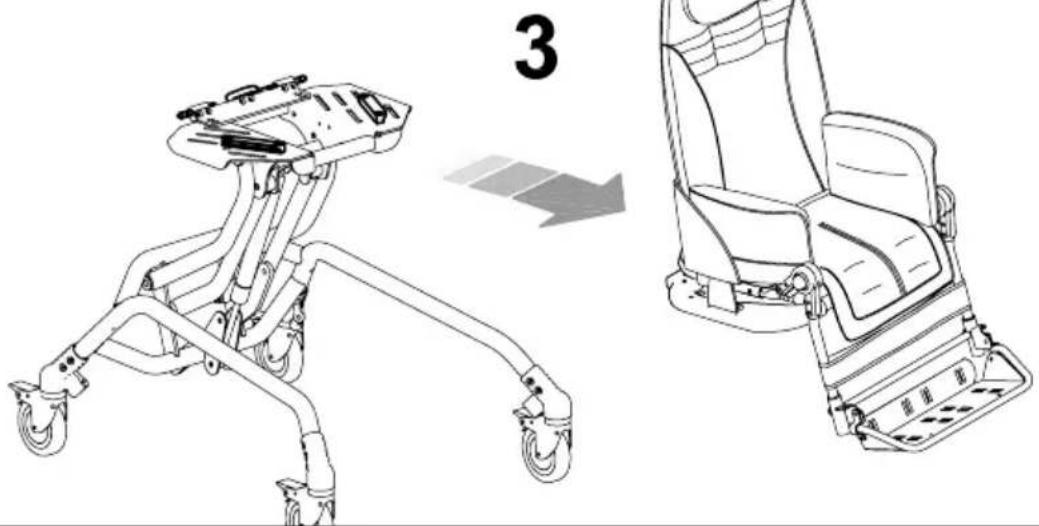
THE SEAT IS NOT REVERSIBLE WITH INDOOR BASE 856
ORME
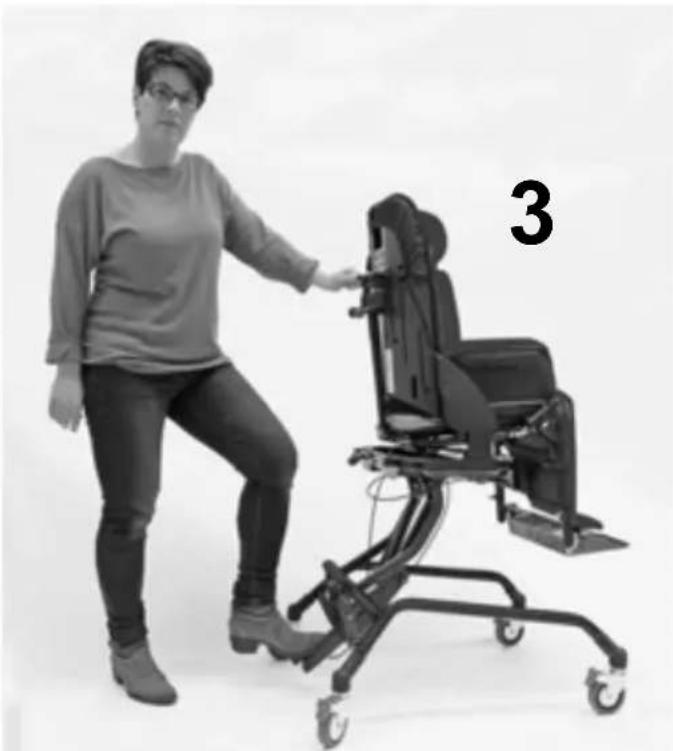
ADJUSTING THE HEIGHT OF THE SEAT
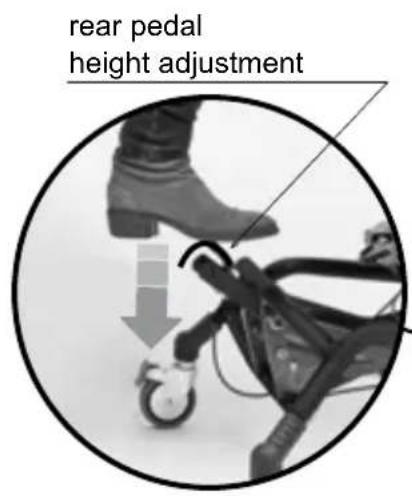
a) Adjustment with user
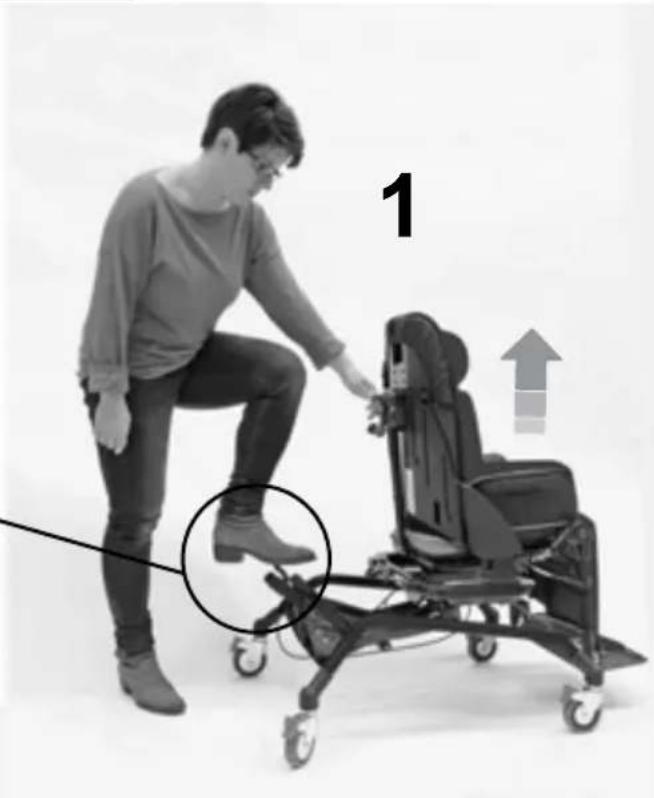
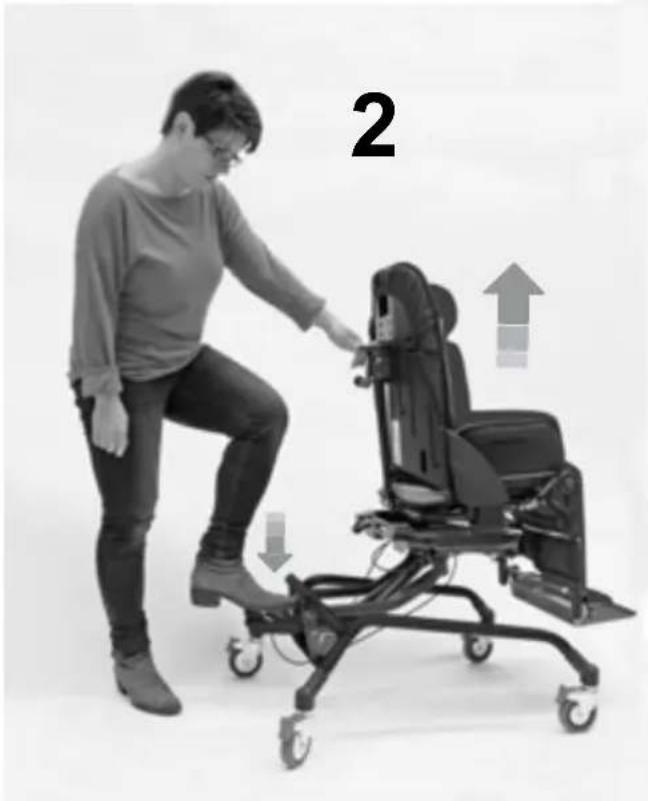
the rear pedal makes the height adjustment of the seat with user easier
ORME
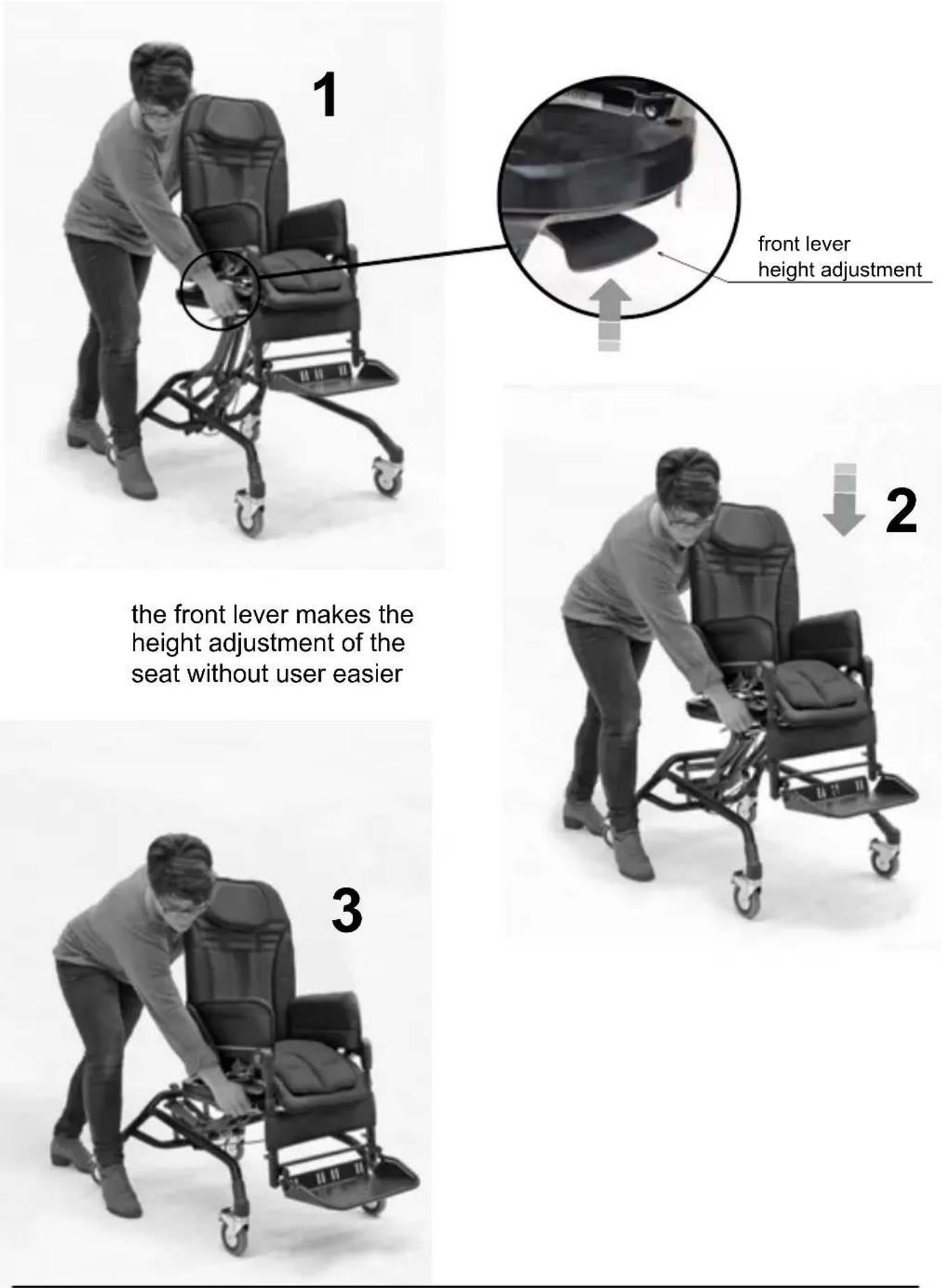
b) Adjustment without user
ACCESSIONS
MOUNTING THE ACCESSORIES
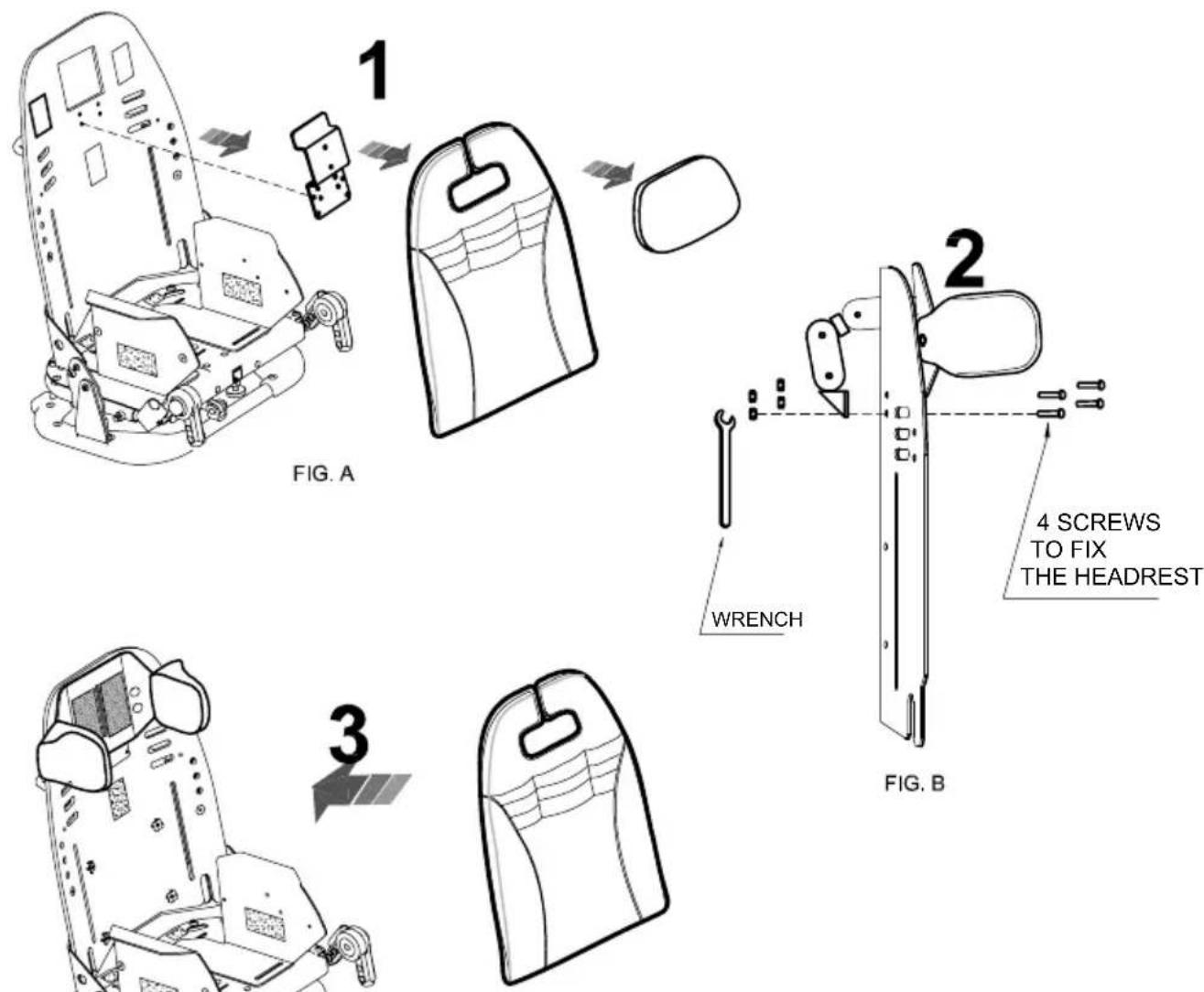
HEADREST with OCCIPITAL-PARIETAL PROTECTIONS
863
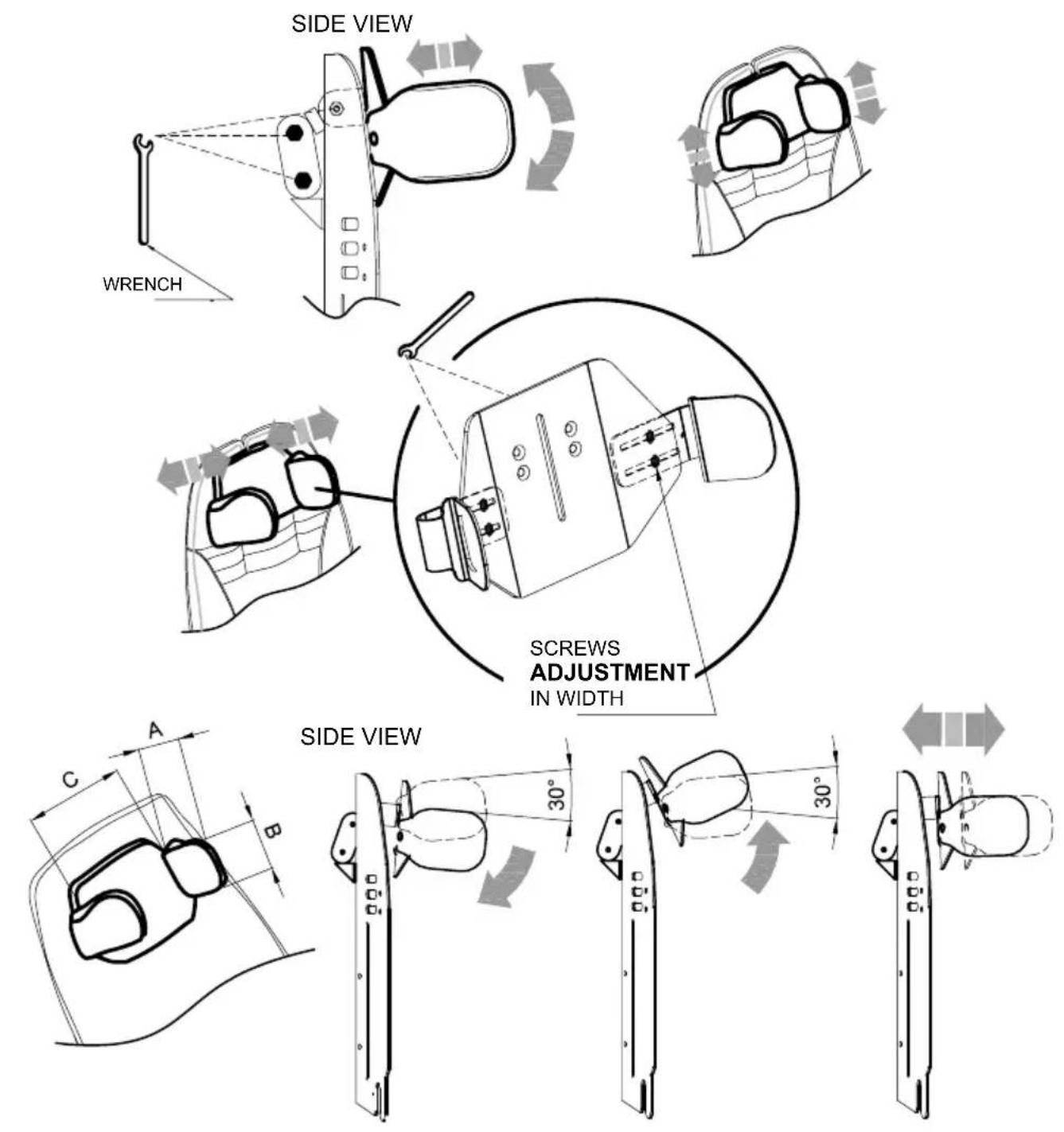
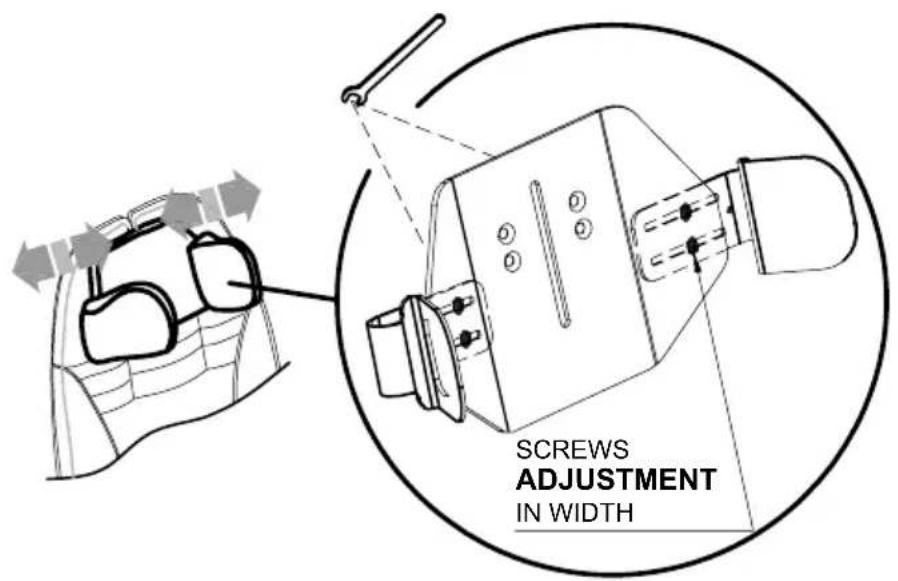
adjustable height, width, tilt and forward-backward position
- REMOVE THE PARTS POINTED ON FIGURE A
- FIX THE HEADREST TO THE BACKREST USING THE 4 SCREWS (FIG.B)
- INSERT THE BACKREST CUSHION (FIG. C)
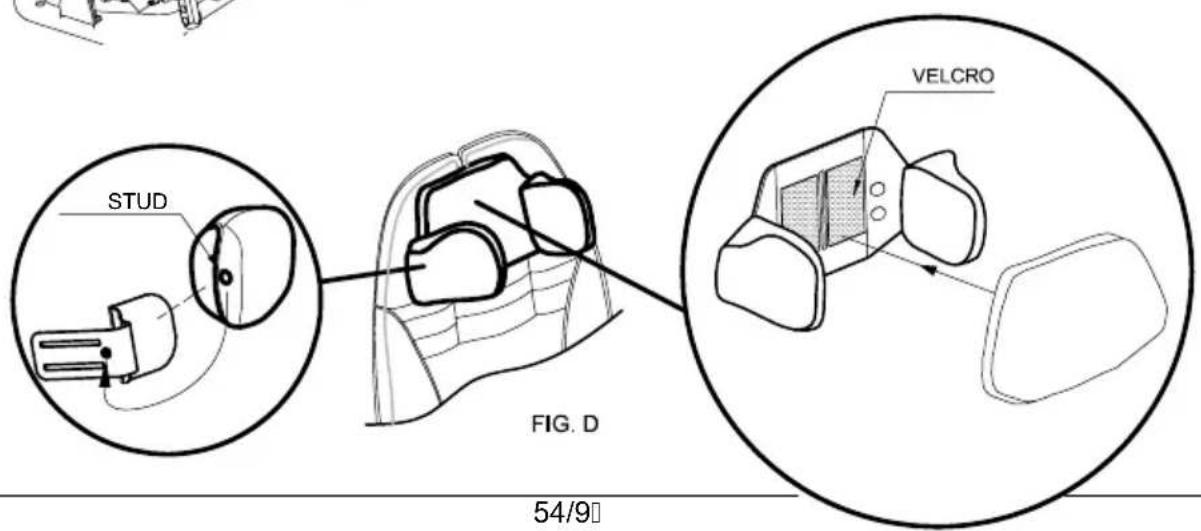
- FIX THE CENTRAL PADED COVER OF THE BACKREST (FIG.D)
ORMED
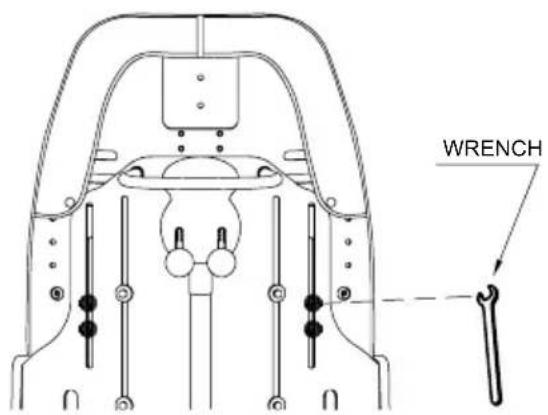
TO ADJUST THE POSITION OF THE HEADREST, SLIGHTLY LOOSEN THE SCREWS LOCATED BEHIND THE HEADREST WITH THE PROVIDED WRENCH
| BUG | HEADREST | ||
| A(cm) | B(cm) | C(cm) | |
| 1-2 8 10 | 10-21 | ||
| 3-4 11 1 | 2 12-24 | ||
The numbers divided by the dash specify a minimum and a maximum adjustment
ORMEDI
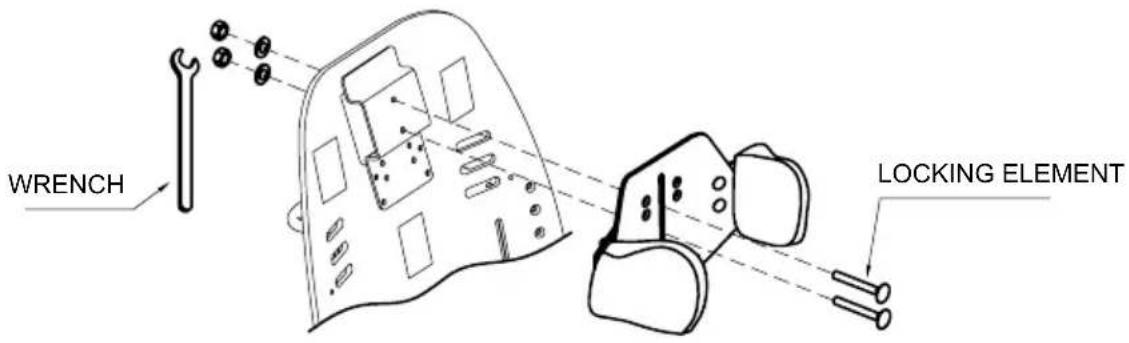
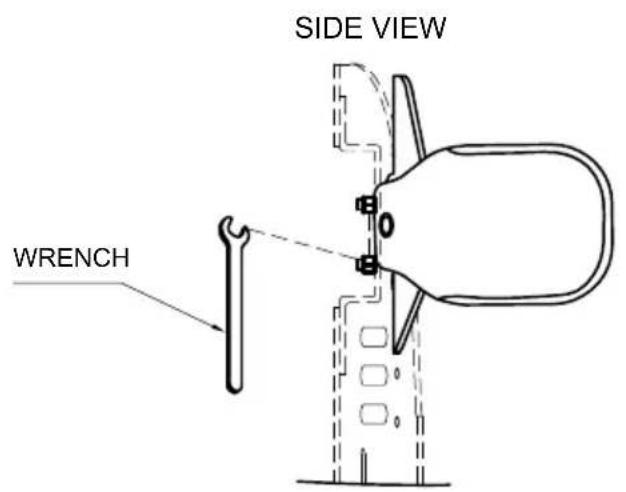
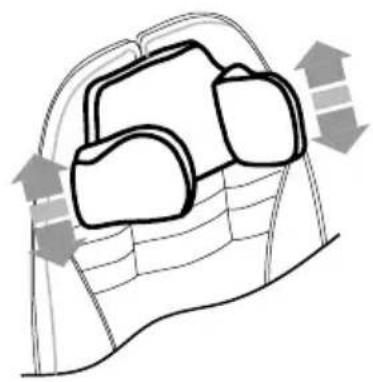
HEADREST with PARIETAL PROTECTIONS
852
adjustable height and width
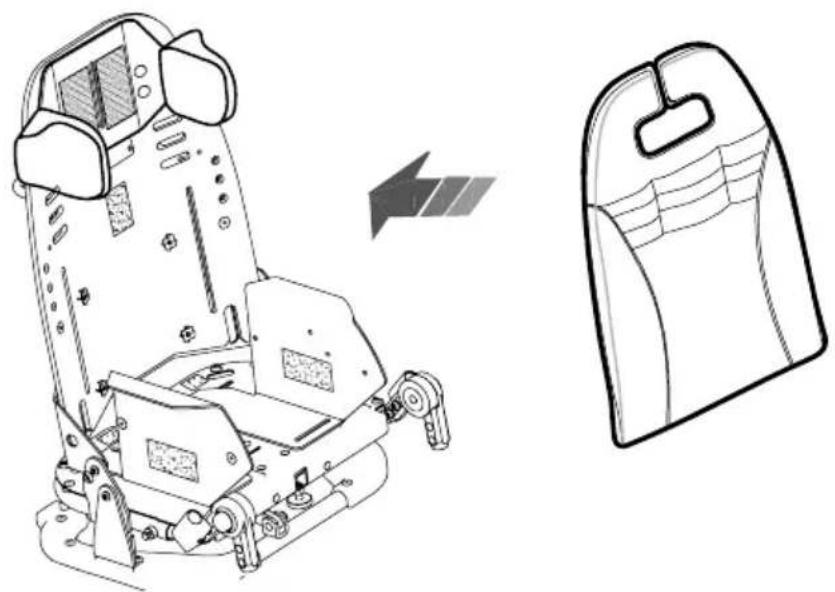
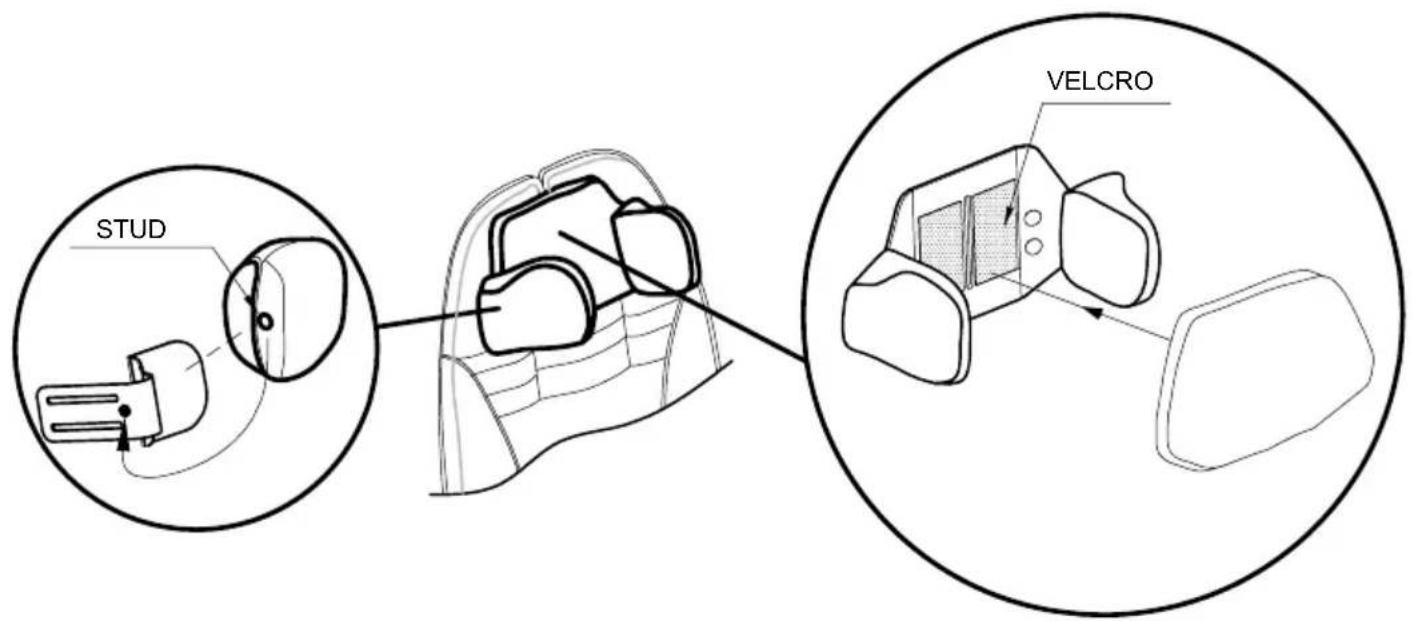
ORME
| BUG | HEADREST | ||
| A(cm) | B(cm) | C(cm) | |
| 1-2 8 10 | 10-21 | ||
| 3-4 11 1 | 2 12-24 | ||
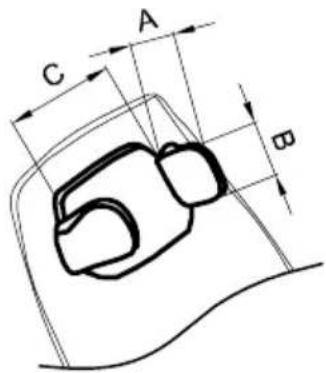
The numbers divided by the dash specify a minimum and a maximum adjustment
VIEW FROM BEHIND
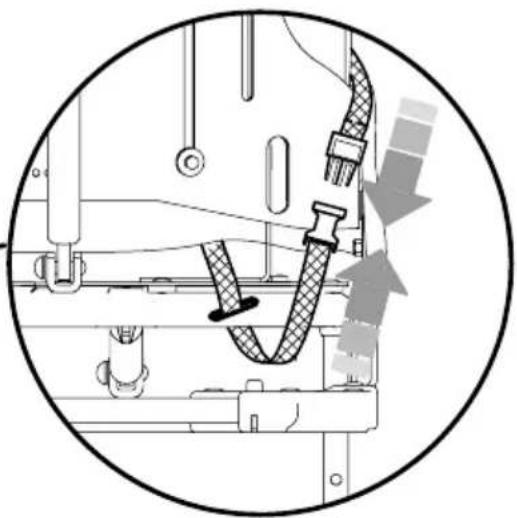
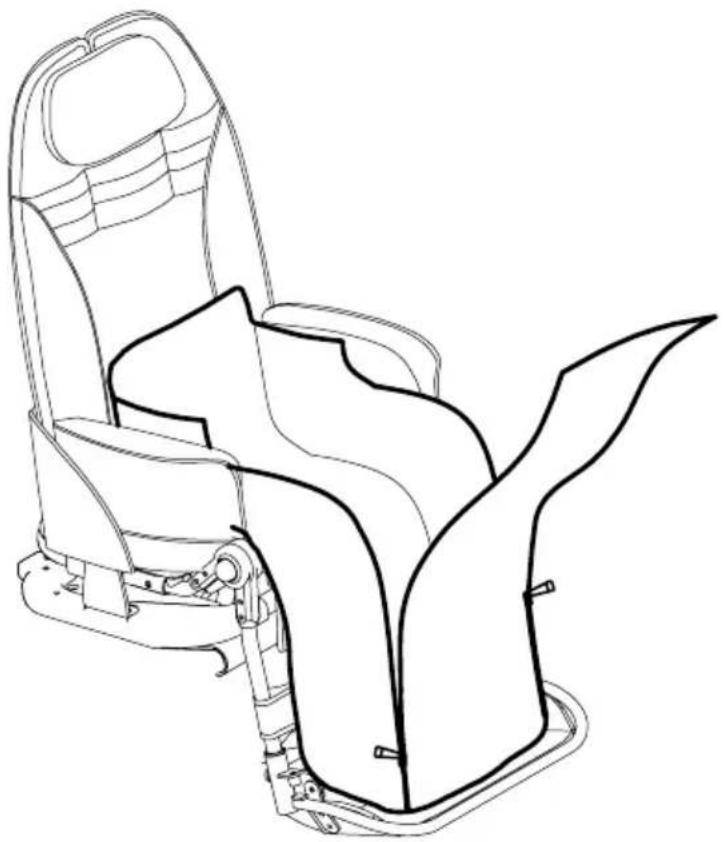
THERMIC COVER 818
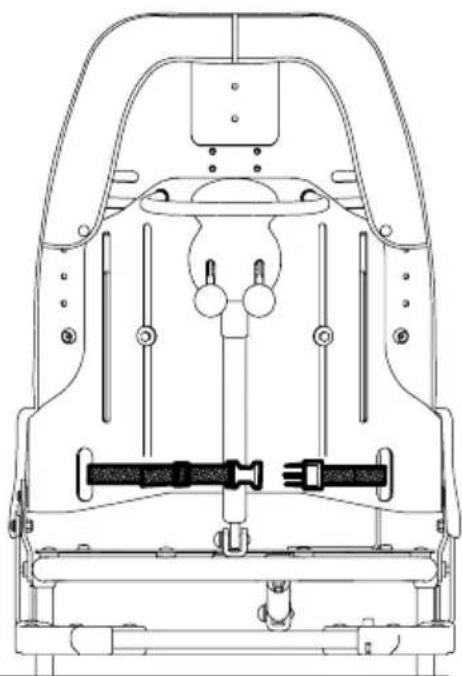
VIEW FROM BEHIND
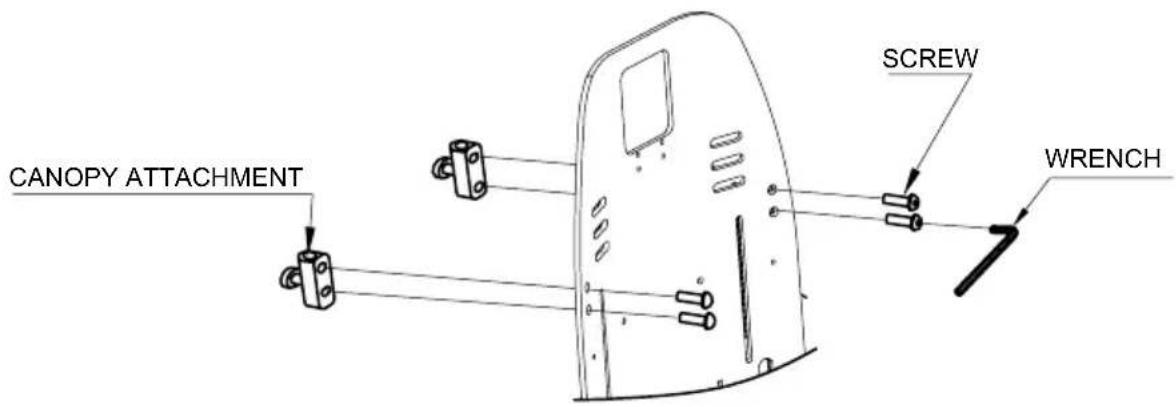
VIEW FROM BEHIND
RAIN COVER 825
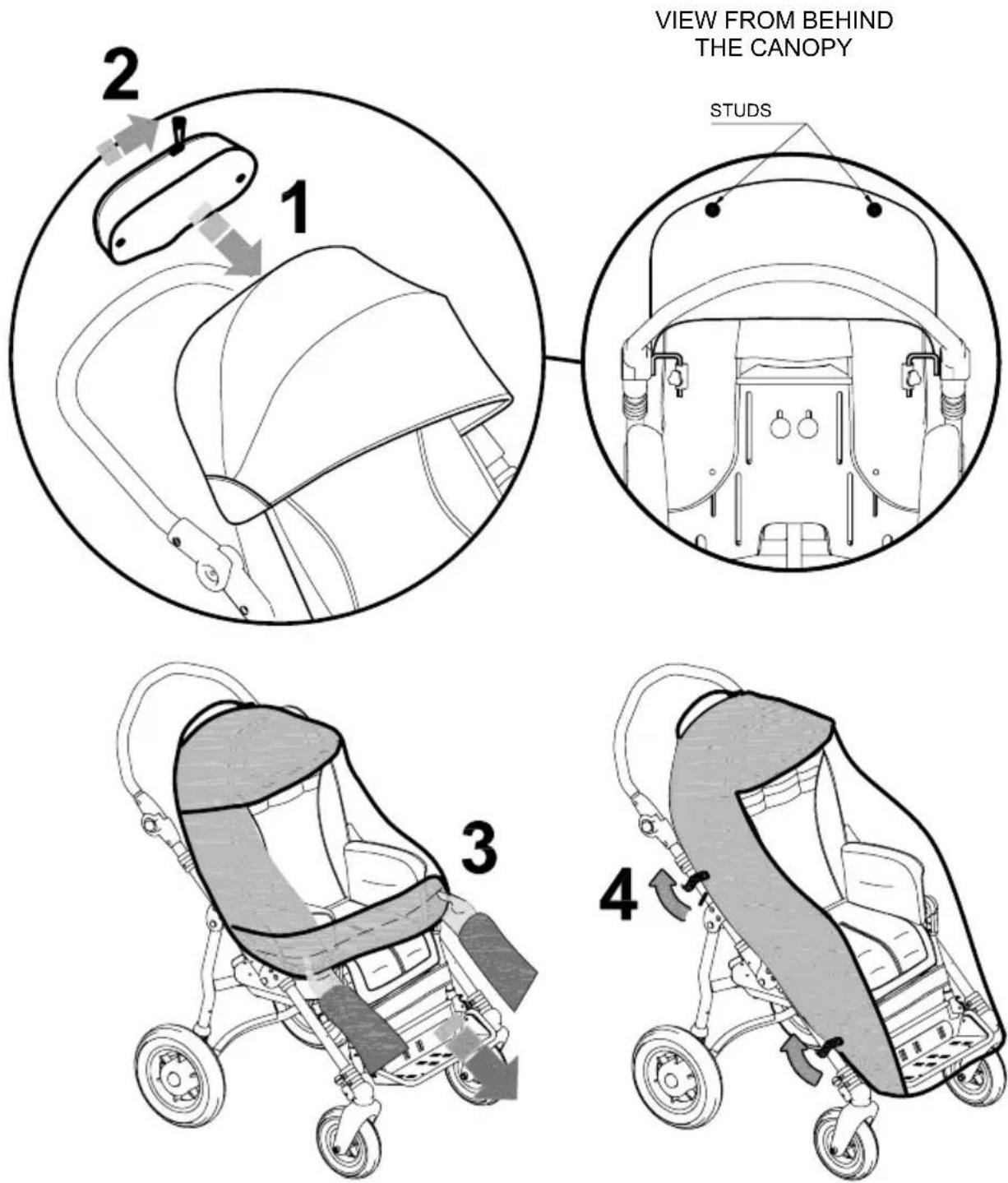
THE RAIN COVER CAN ONLY BE ATTACHED AFTER THE CANOPY (819) IS IN PLACE
1- ATTACH THE RAIN COVER POUCH WITH THE TWO BUTTONS LOCATED ON THE BACK OF THE CANOPY
2- OPEN THE ZIPPER ON THE POUCH
3- REMOVE THE RAIN COVER FROM THE POUCH AND POSITION IT SO THAT IT COVERS THE STROLLER
4- ATTACH THE RAIN COVER TO THE FRAME USING THE STRAPS WITH BUTTONS
PaddedABDUCTIONBLOCK 834
Size 1-2
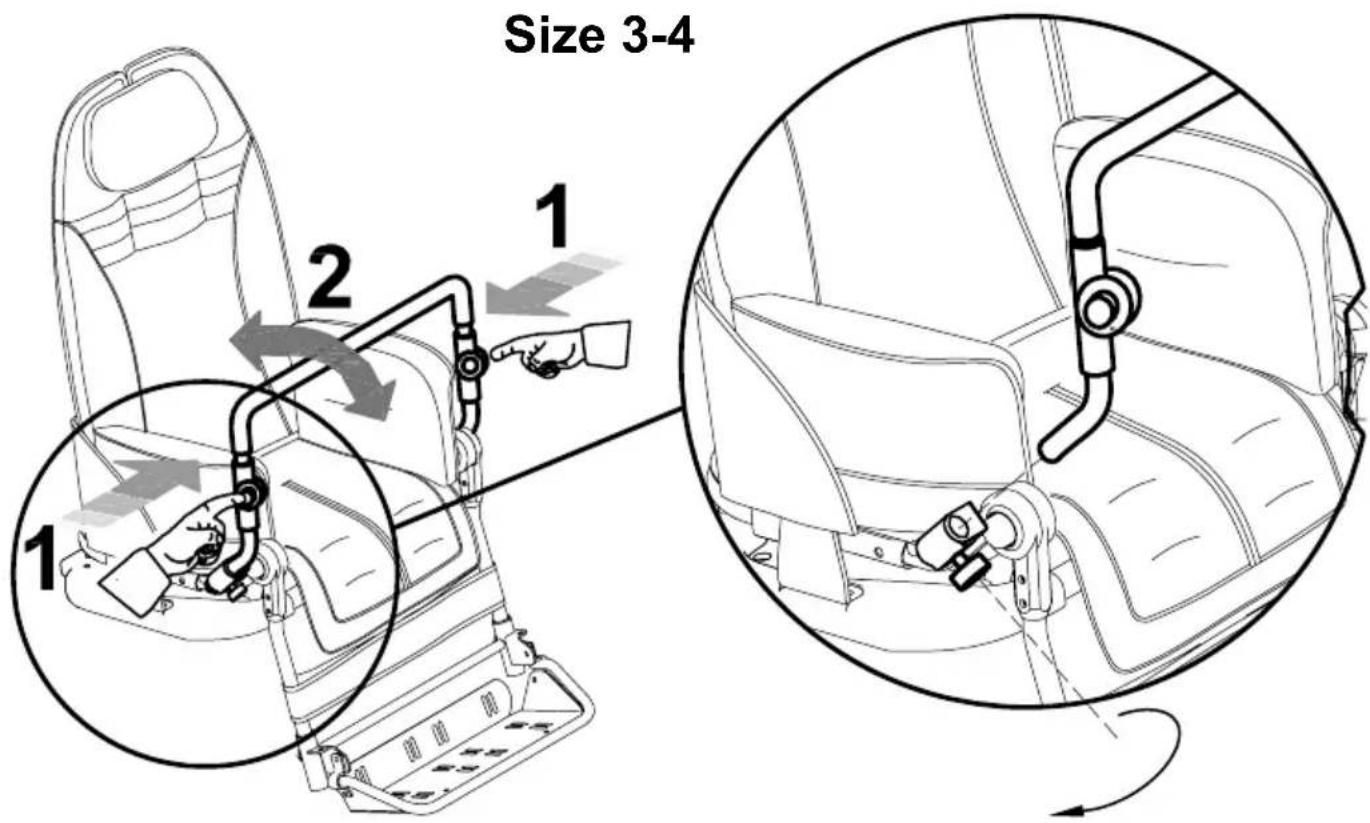
Size 3-4
ORMED
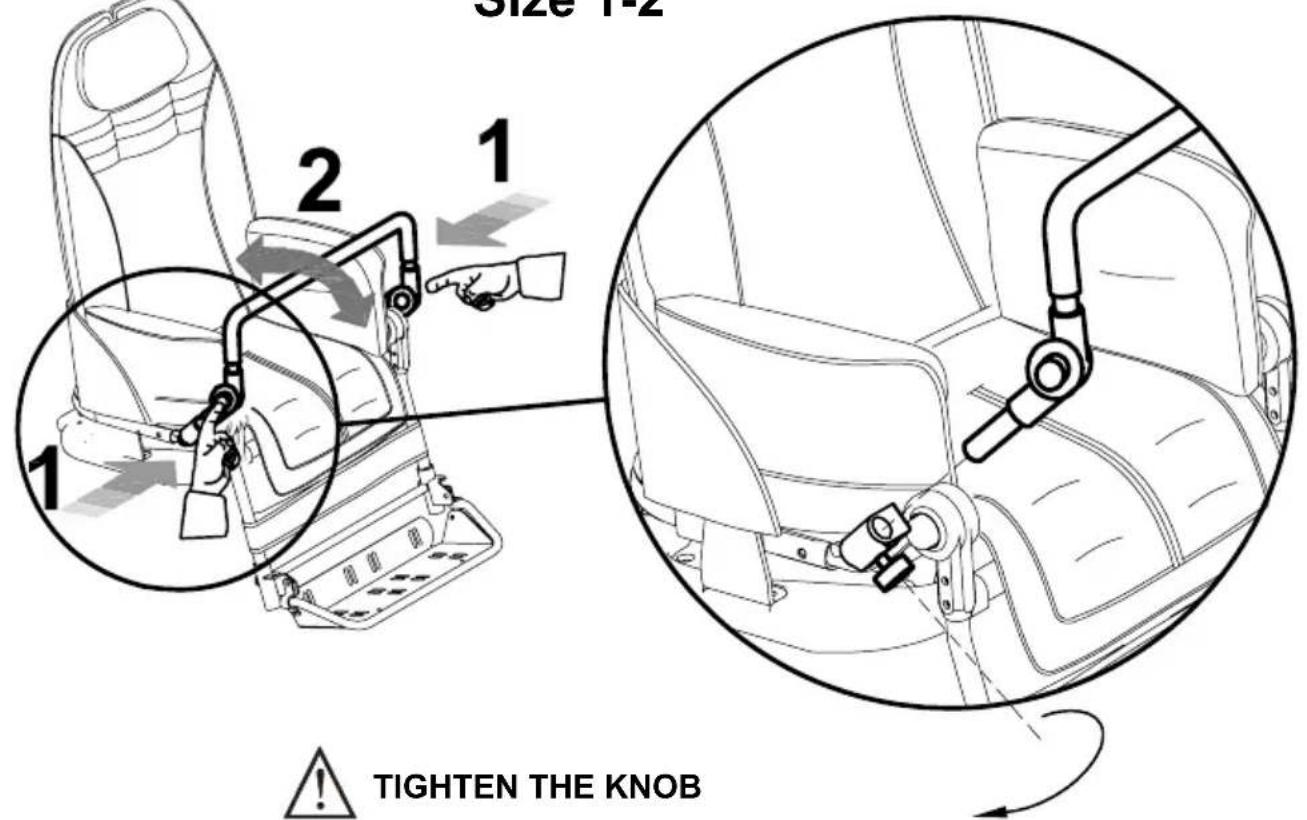
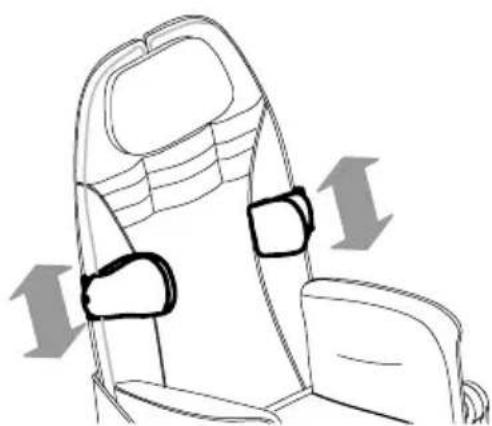
FLEXIBLE AND WRAP-AROUND SIDE SUPPORTS FOR THE TRUNK 868 adjustable height and width
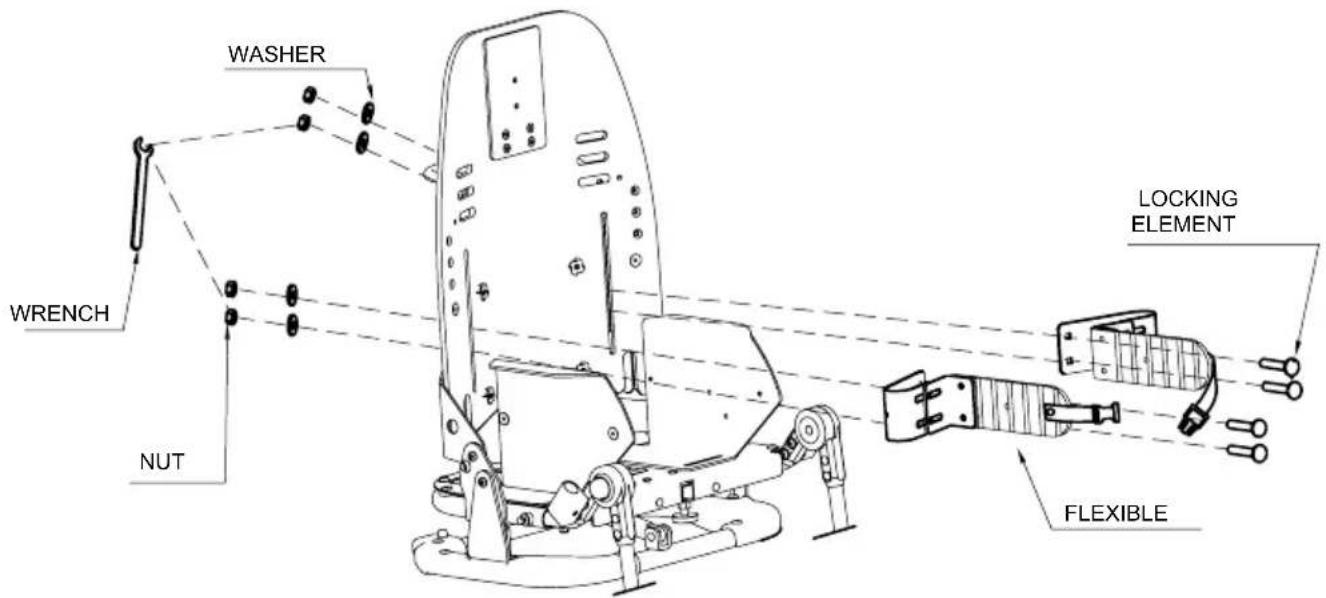
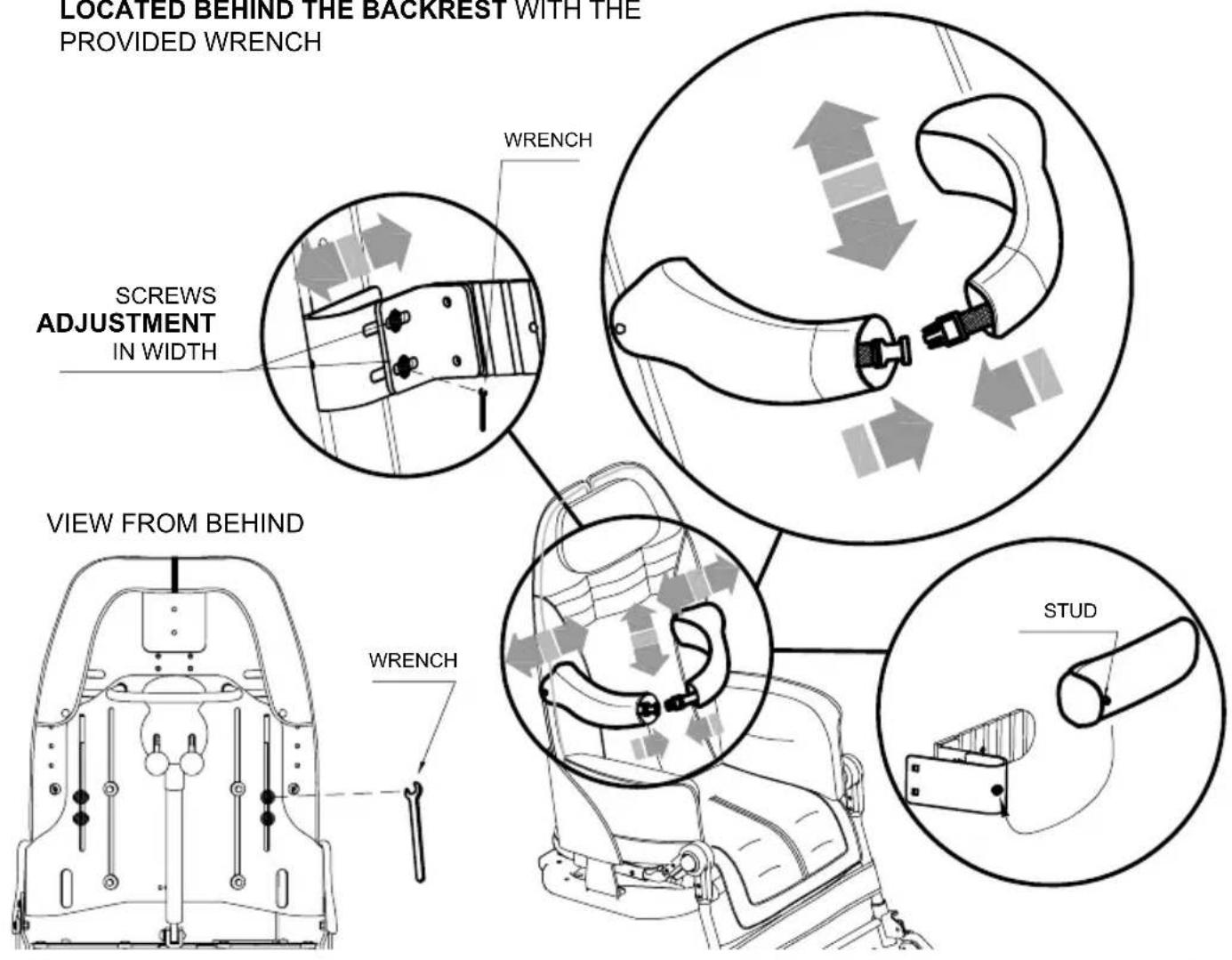
TO ADJUST THE POSITION OF THE FRONT JOINTED BRACE, LOOSEN THE SCREWS LOCATED BEHIND THE BACKREST WITH THE PROVIDED WRENCH
ORMED
891 TIEDOWN HOOKS (4 RINGS) 891
only available for the 4-wheel 869 base
THE BUG 4-WHEEL STROLLER (seat unit + 869 base) conforms to the ISO 7176-19 and ANSI RESNA WC/19 standard, which defines the safety requirements for transport, facing in the direction of travel, on moving vehicles (private cars, buses, etc.)

FOR THE ASSEMBLY OF THE 891 ACCESSORY AND ANCHORING THE STROLLER TO THE VEHICLE, CAREFULLY READ THE INSTRUCTIONS AND NOTICES ON PAGES 13, 14, 15, 16 AND 17 OF THIS MANUAL
VIEW FROM BEHIND
VEST HARNESS
853
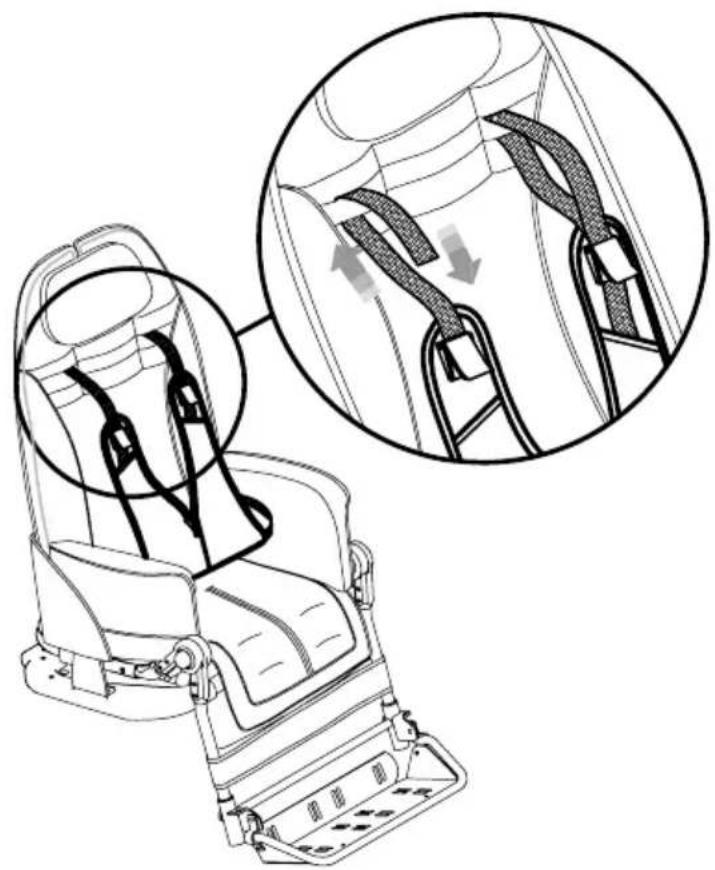
VIEW FROM BEHIND
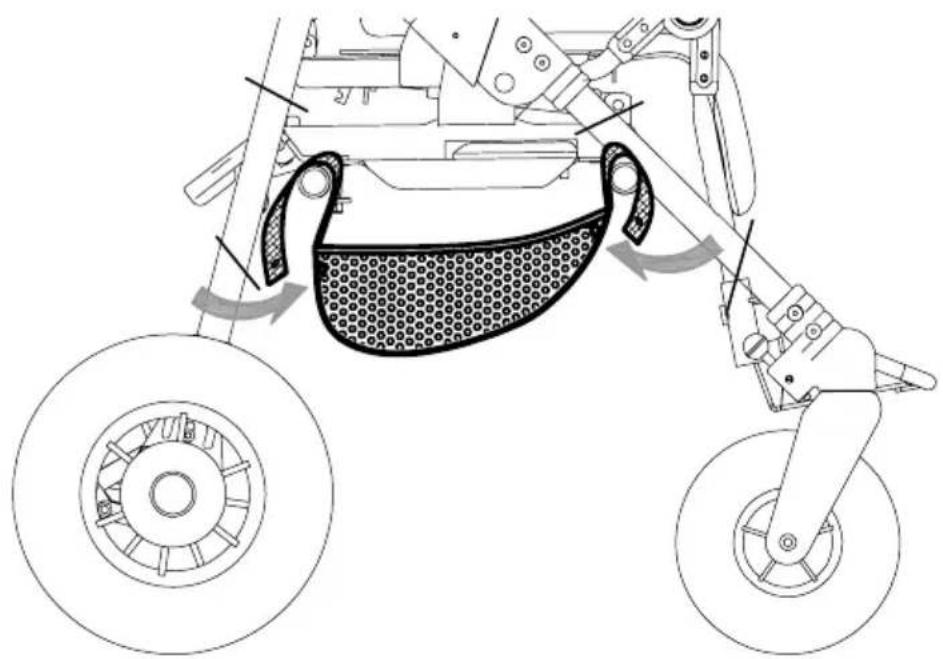
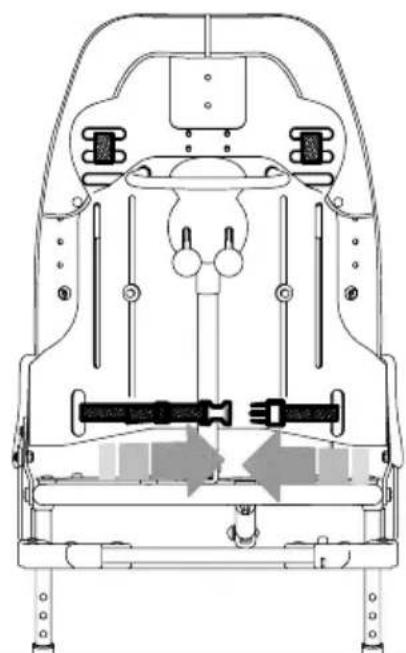
45^ SEAT BELT
894
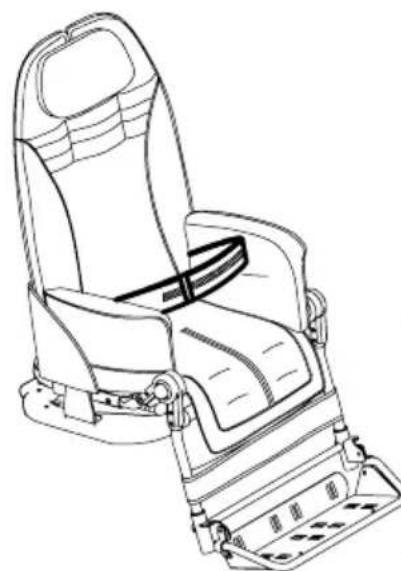
VIEW FROM BEHIND
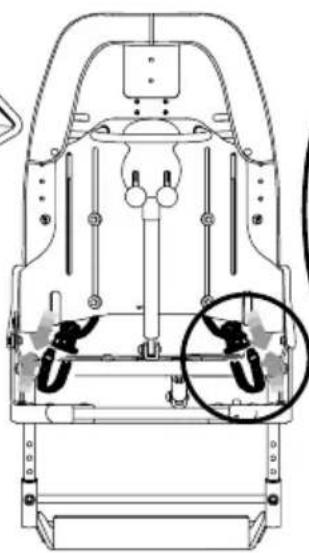
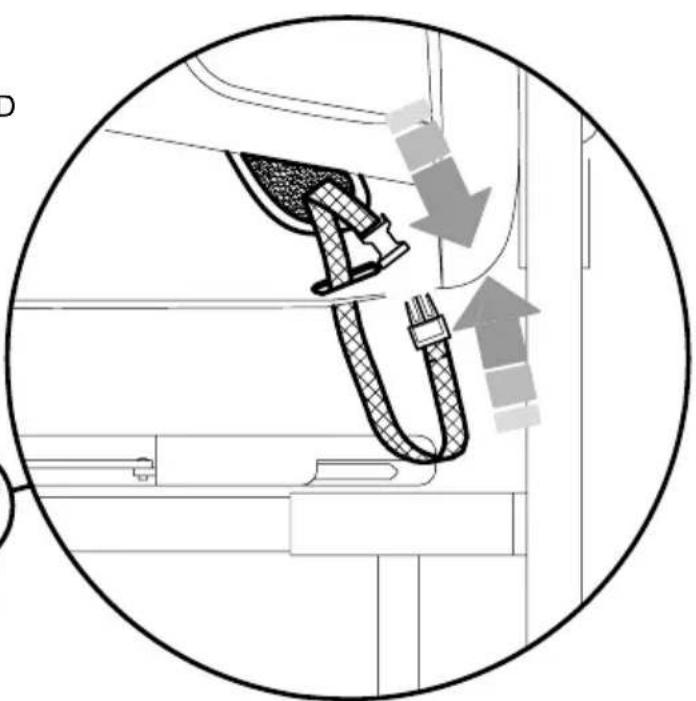
ORMED
Padded SIDE SUPPORTS
838
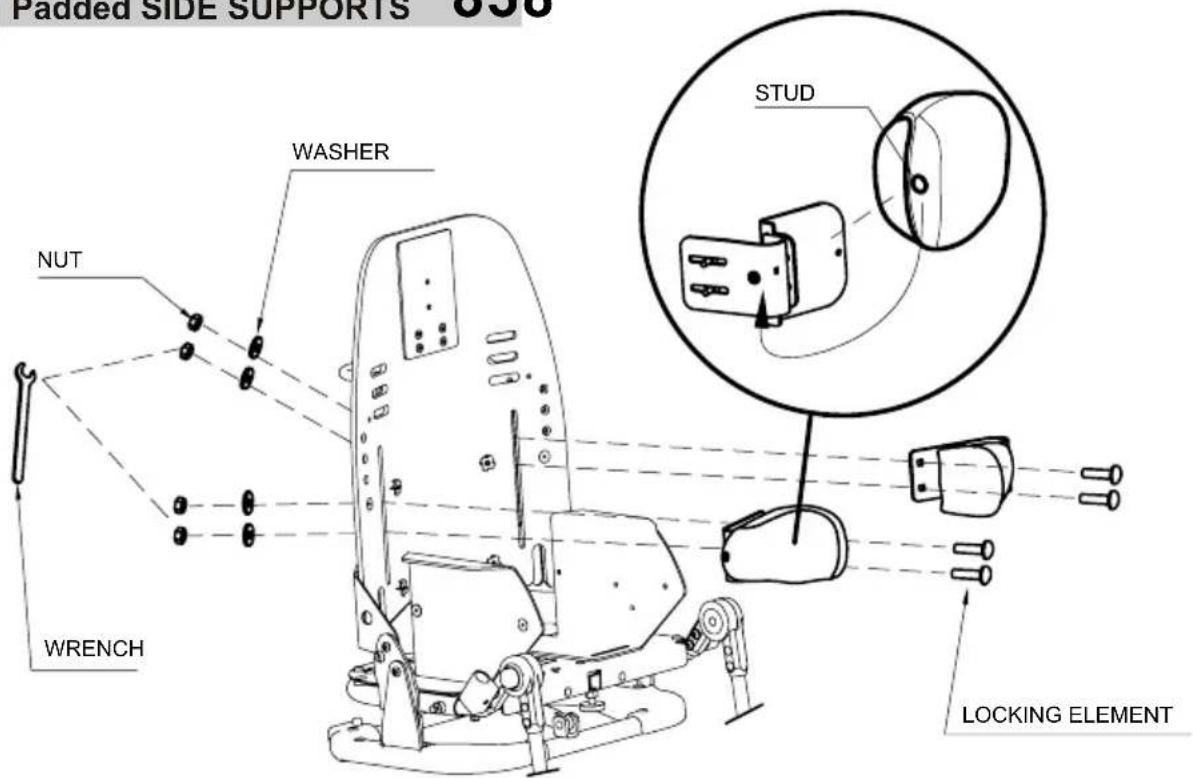
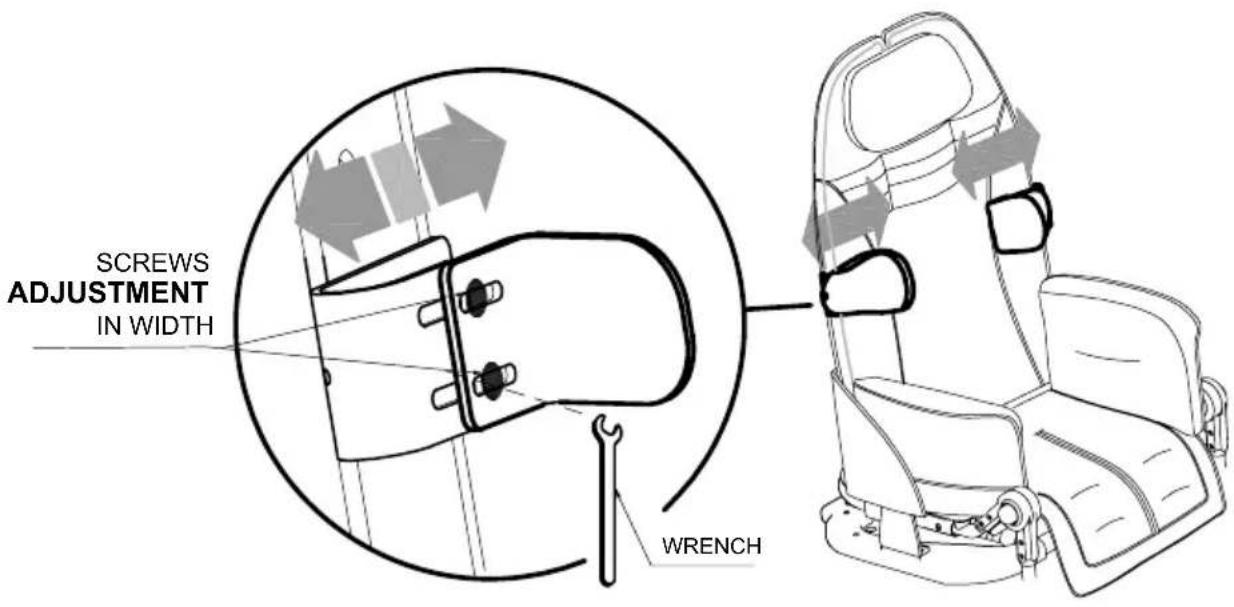
VIEW FROM BEHIND
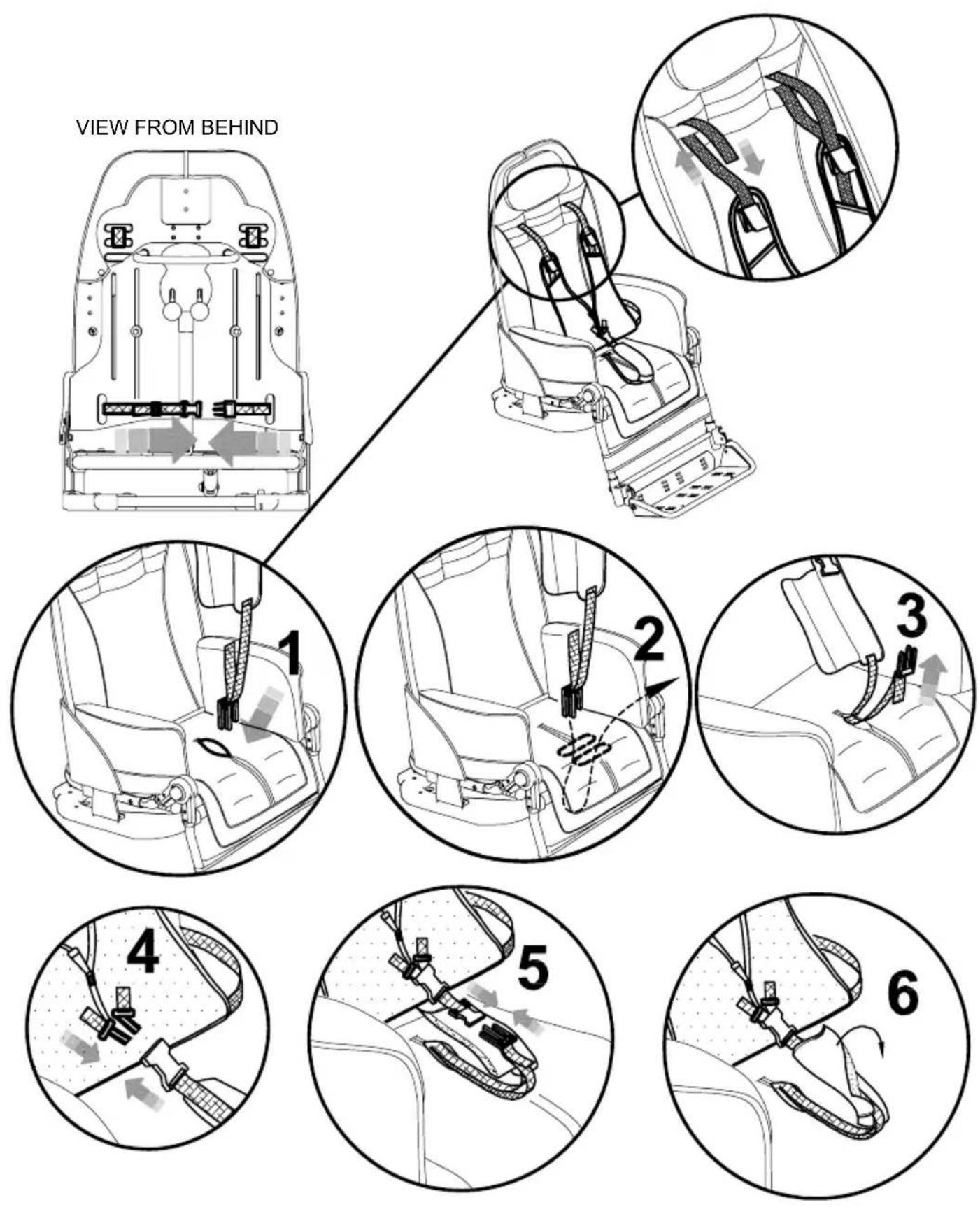
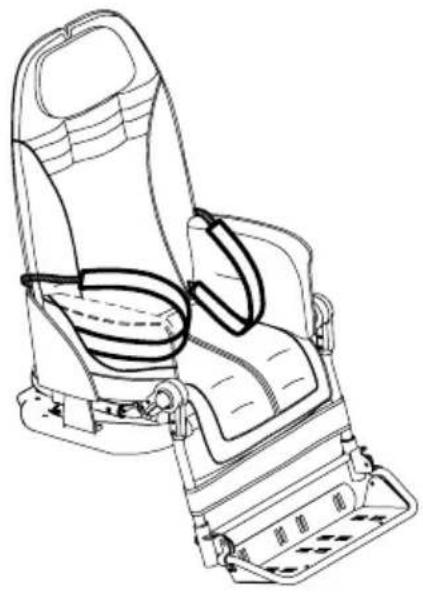
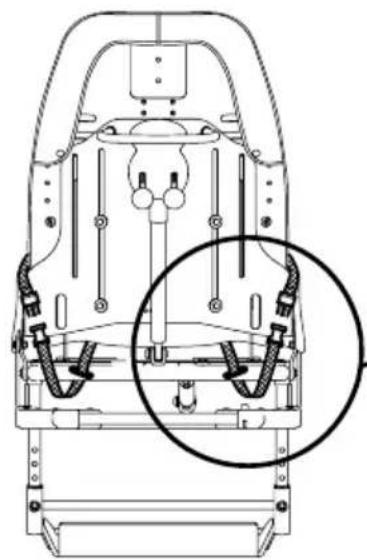
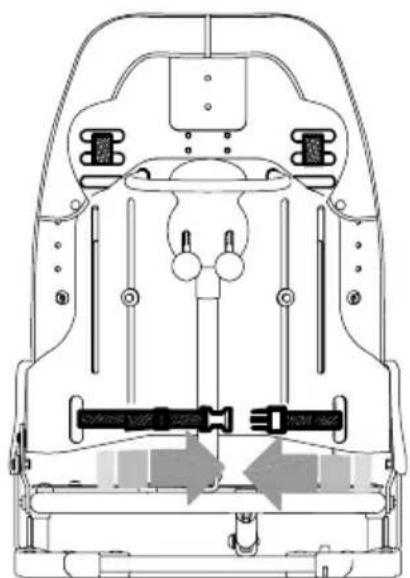
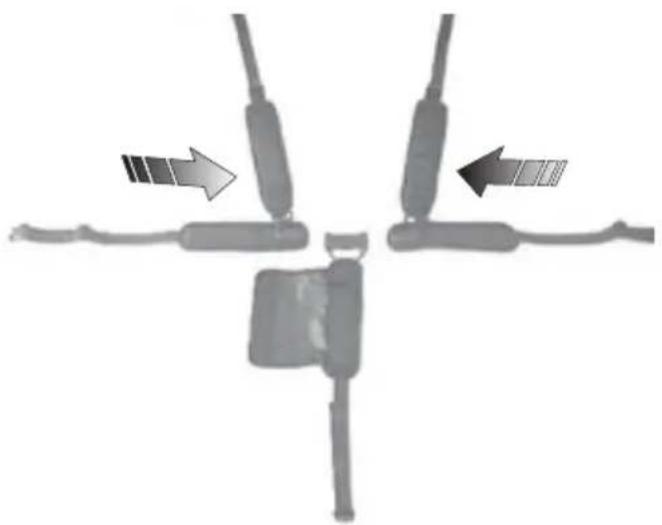
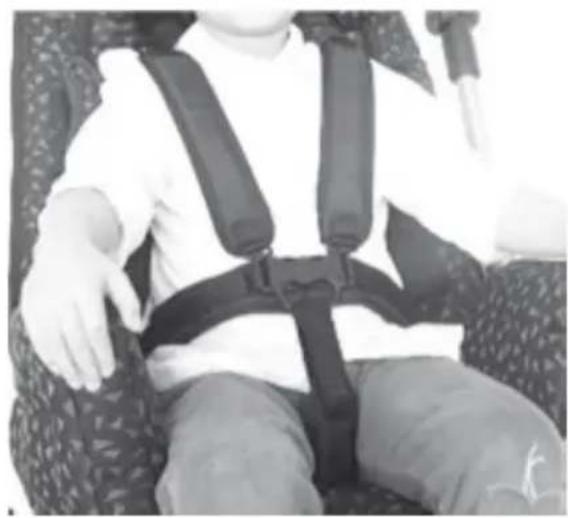
5-POINT HARNESS 906
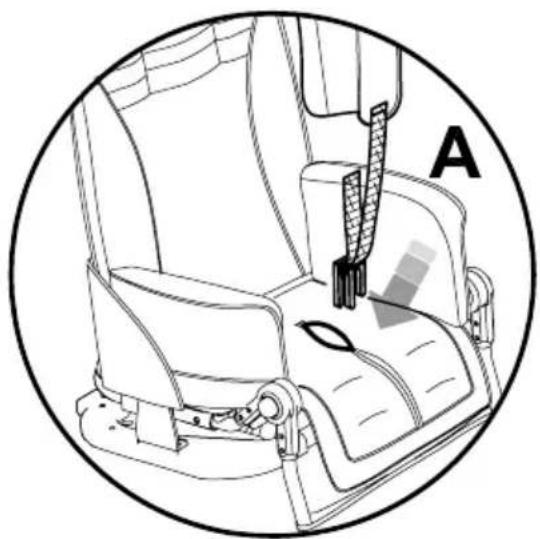
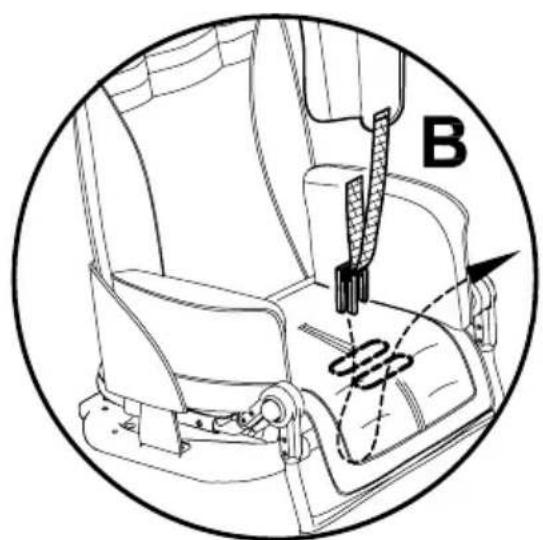
1 FIXING THE STRAP ON THE BOTTOM OF THE SEAT
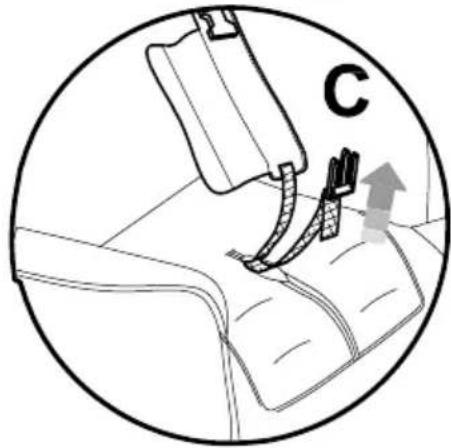
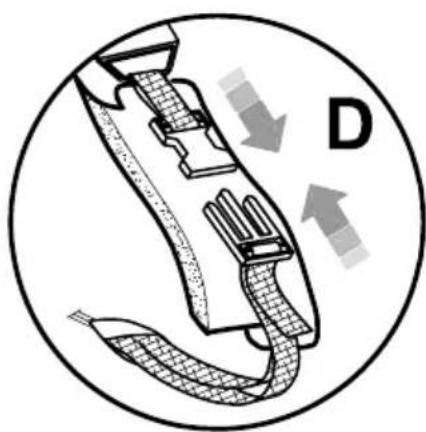
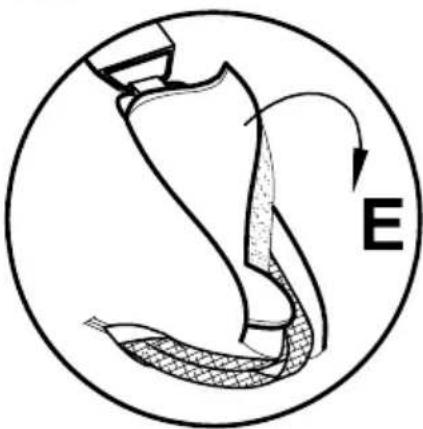
3 FIXING THE BACK BUCKLES
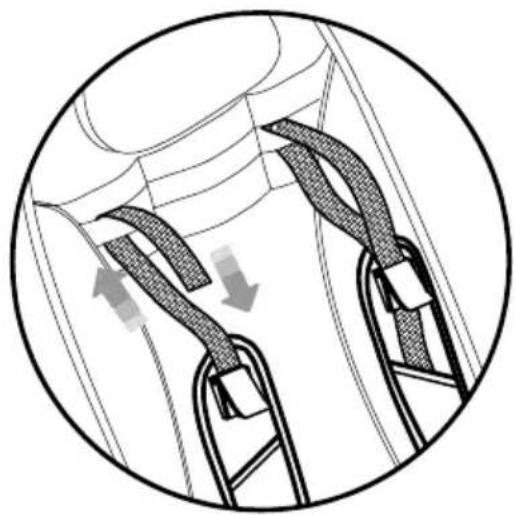
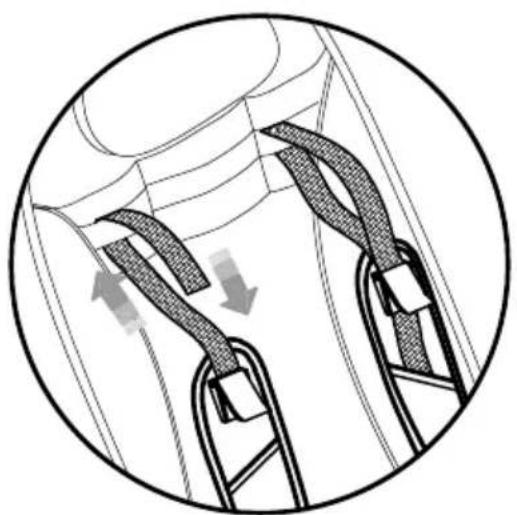
2 FIXING THE STRAPS ON THE UPPER PART OF THE BACKREST
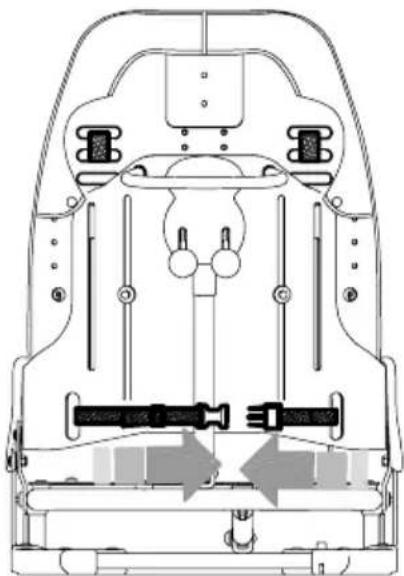
VIEW FROM BEHIND
ORNE
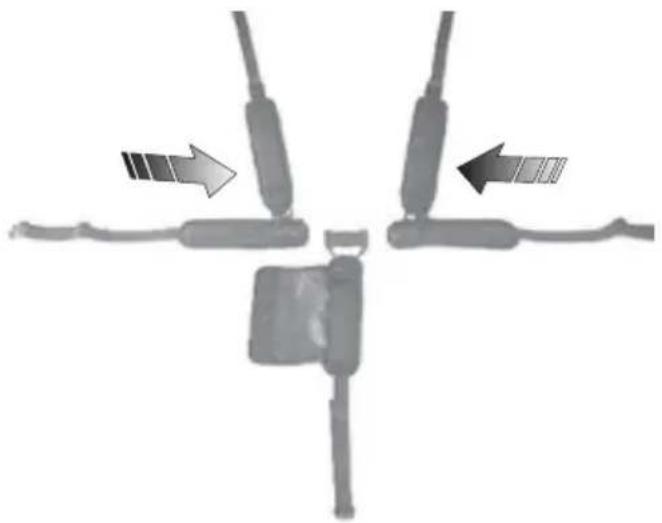
4 FIXING THE FRONT BUCKLES
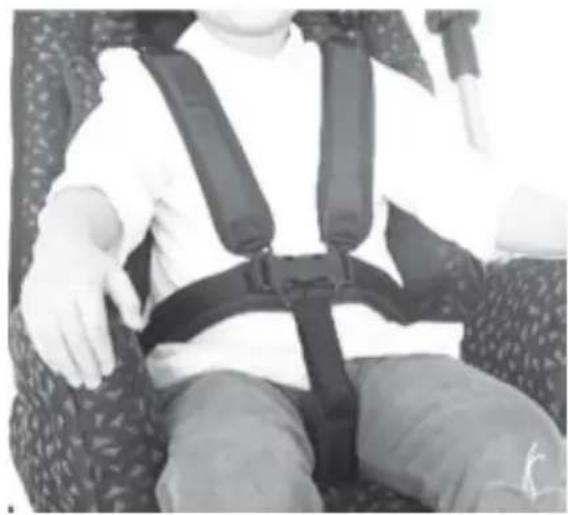
5 ASSEMBLED HARNESS
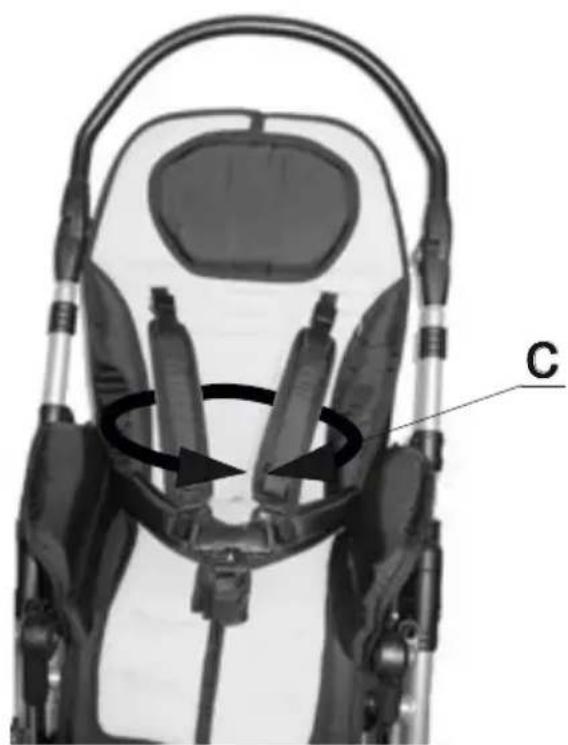
| BUG sizes | Circumference Min. max. (cm) |
| 1-2 57-84 | |
| 3-4 80-108 |
The numbers divided by the dash specify a minimum and a maximum adjustment
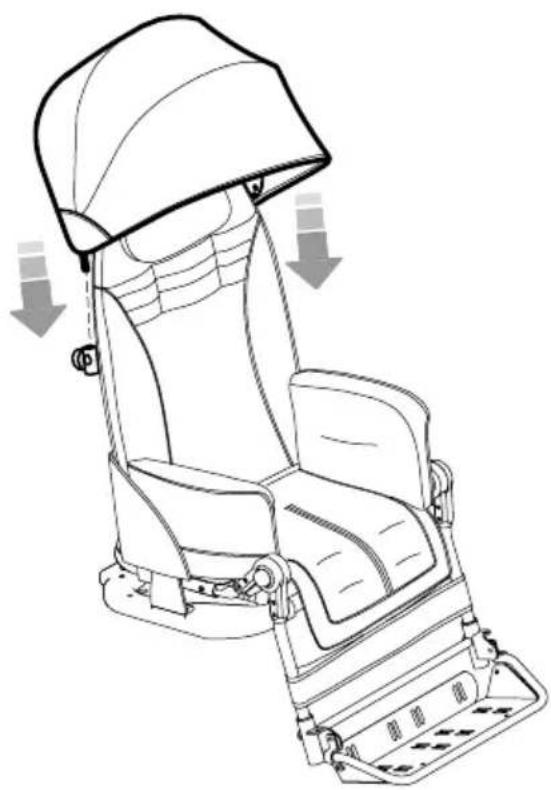
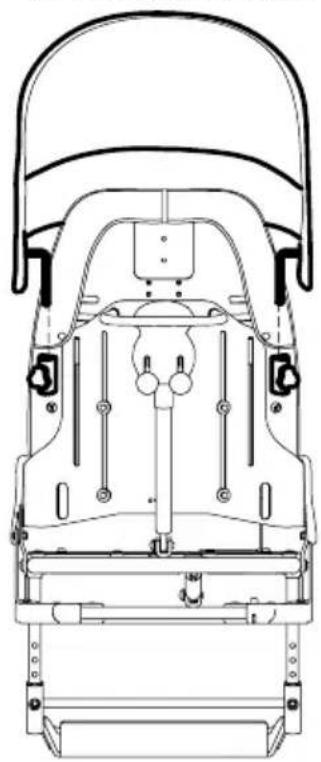
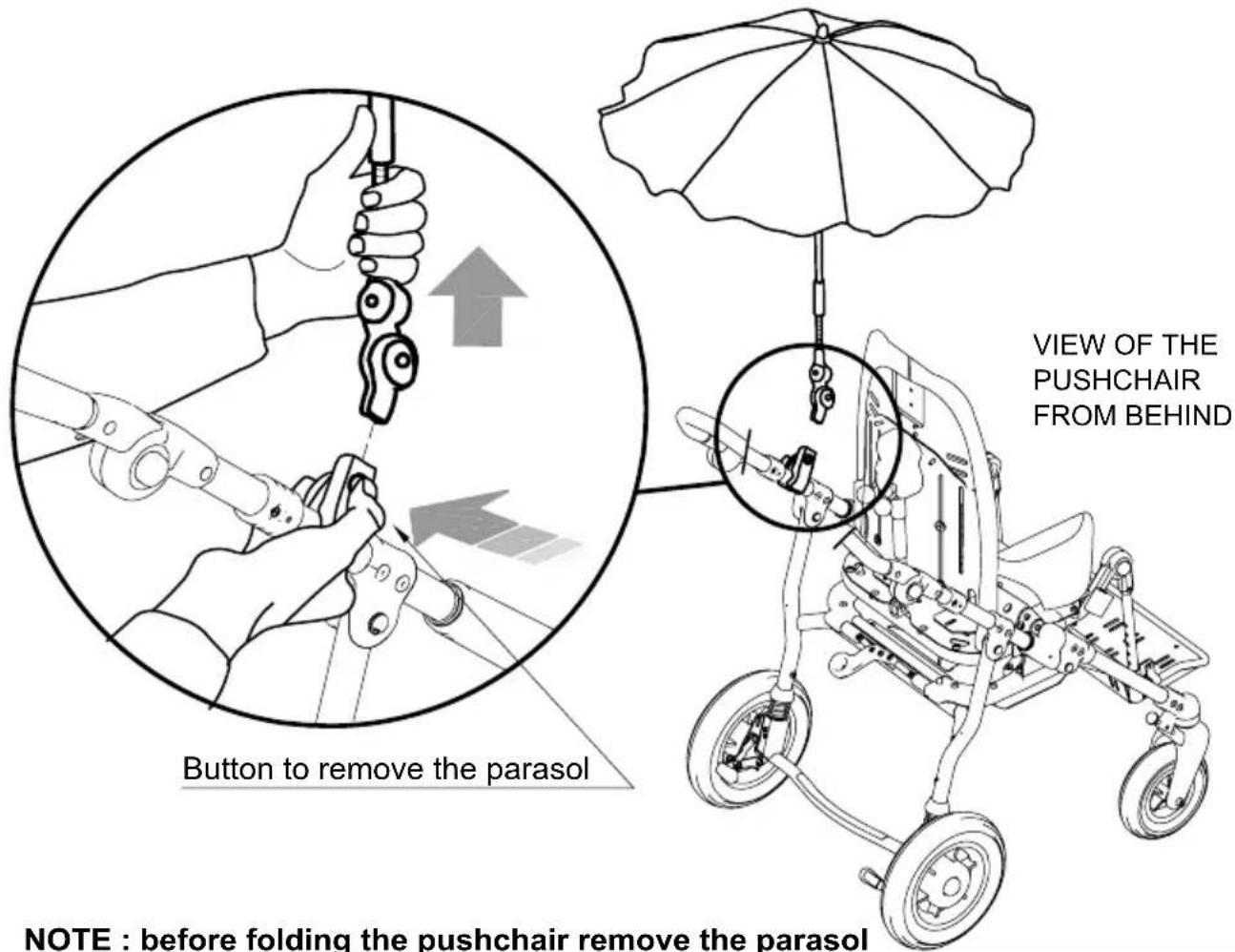
PARASOL 854
A - PLACEMENT and MOUNTING
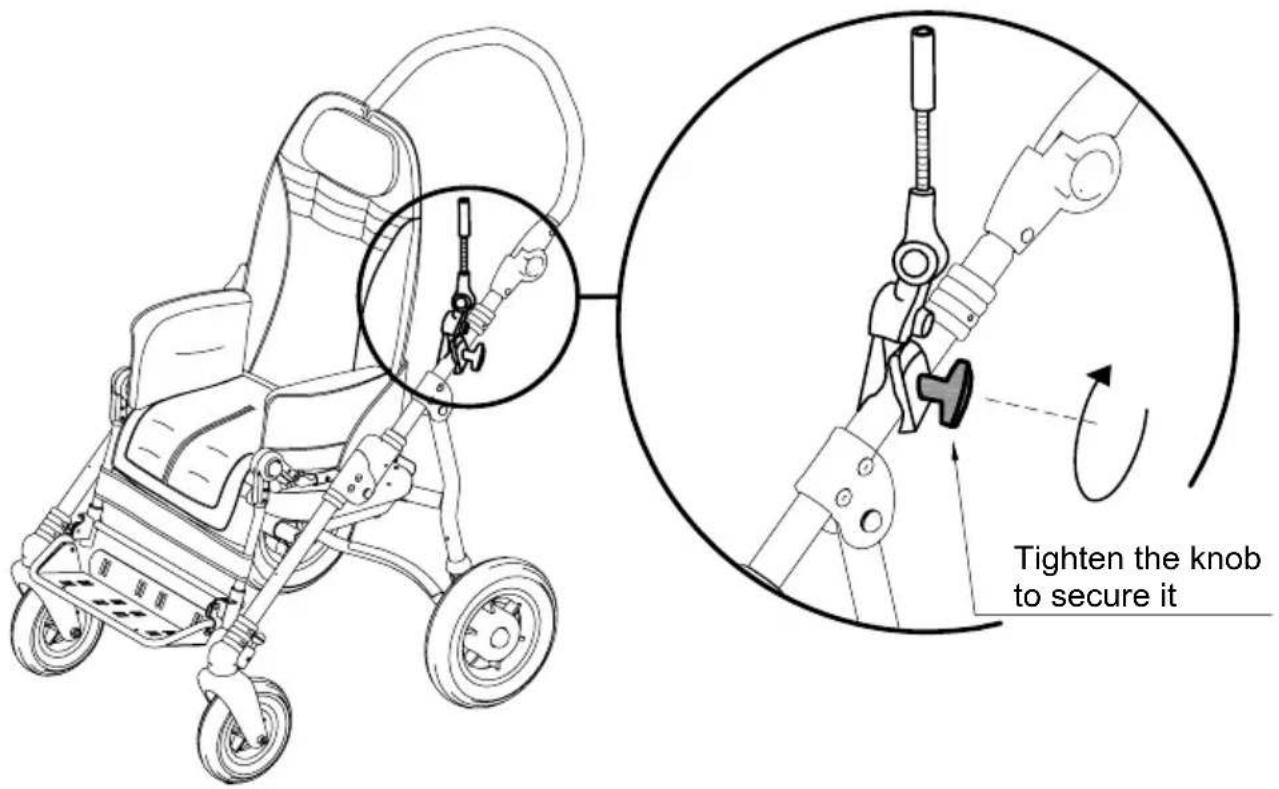
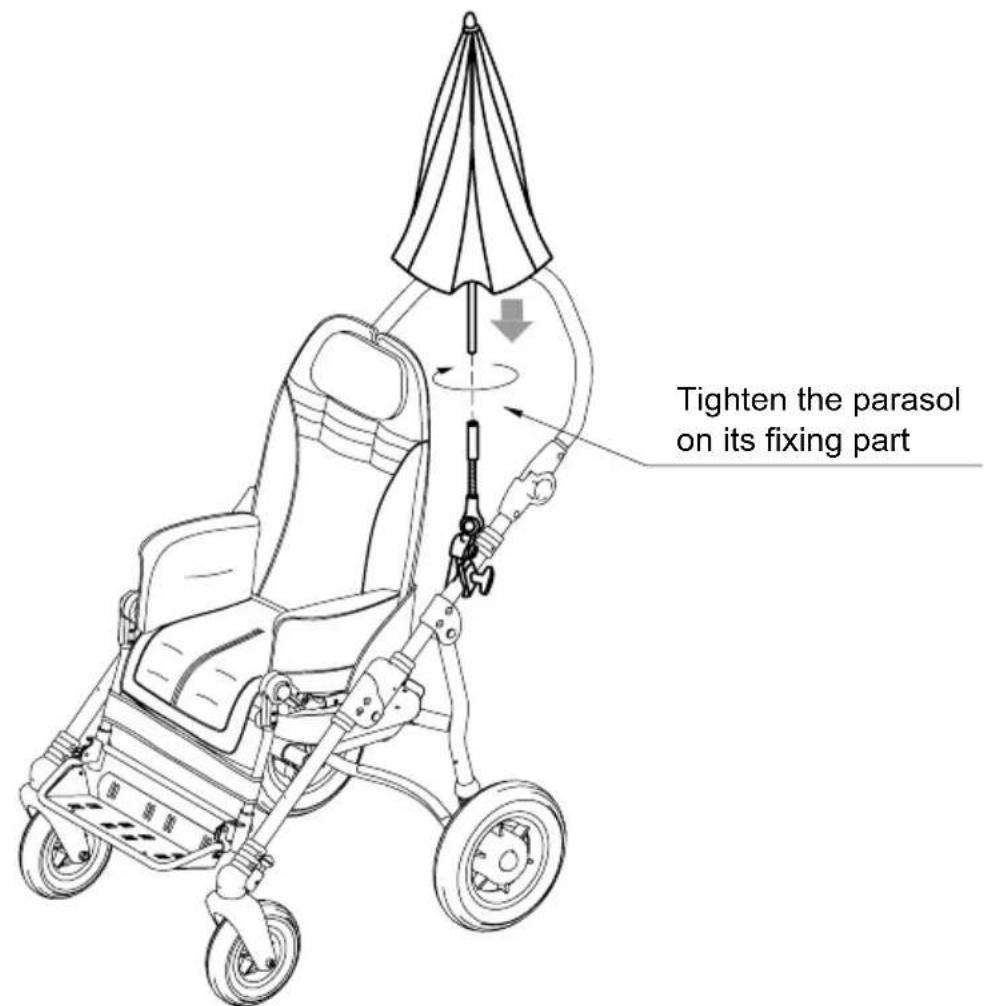
ORMED
B-ADJUSTMENT WITH BUTTONS
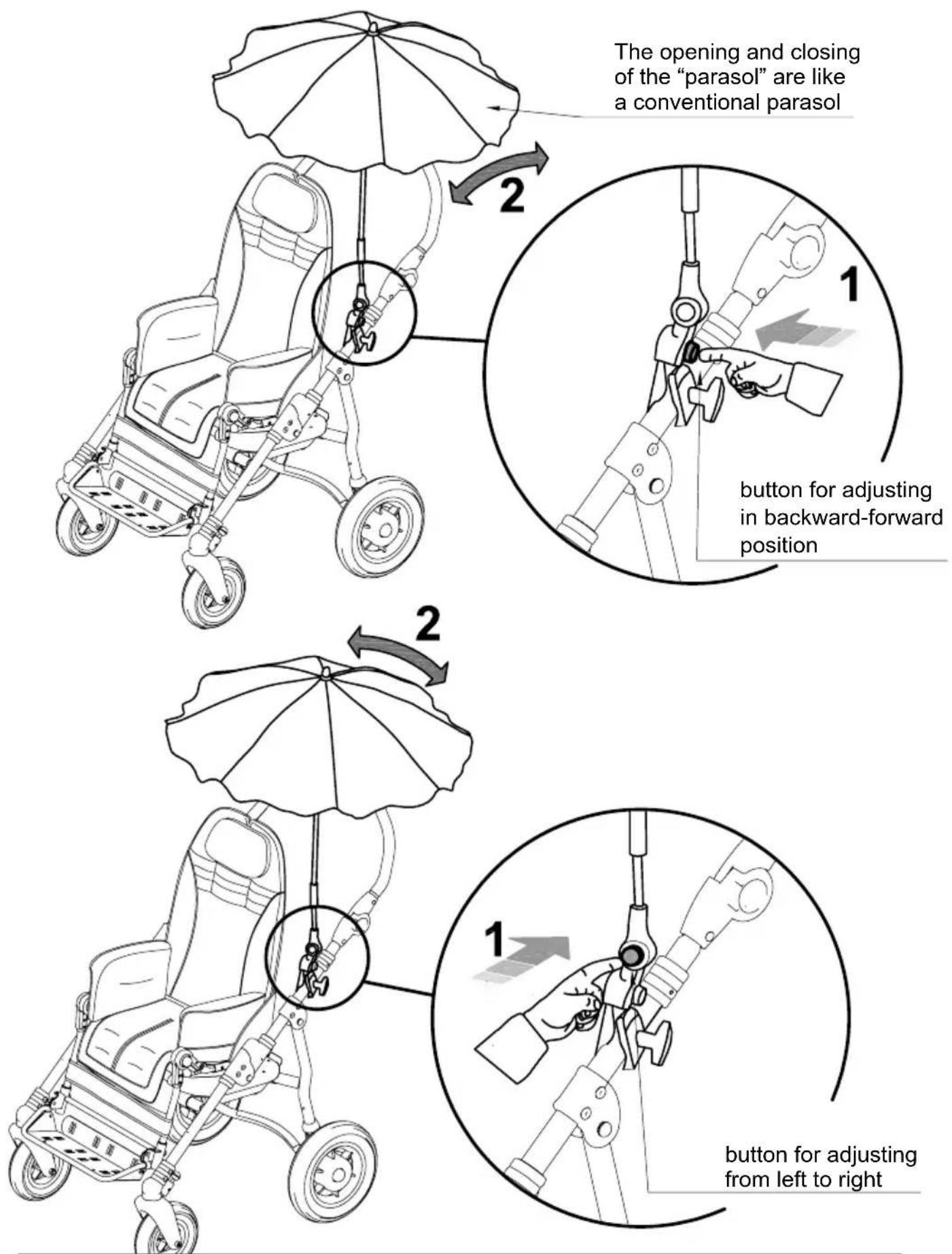
ORMED
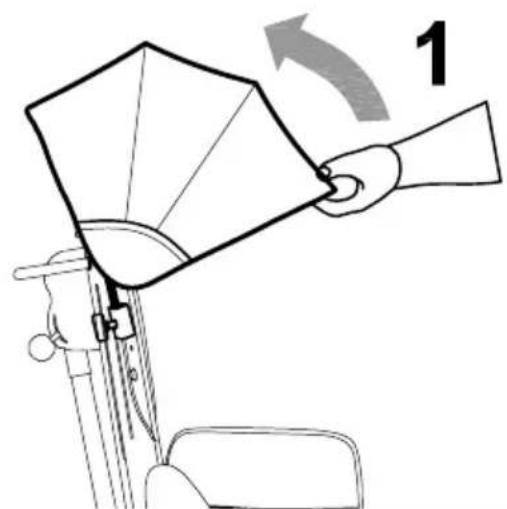
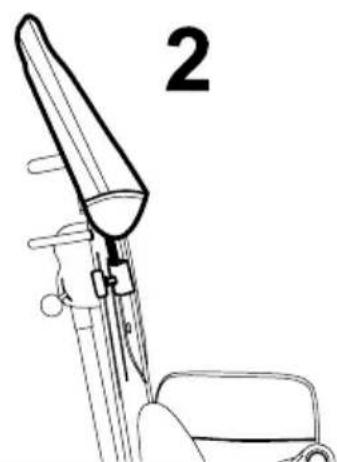
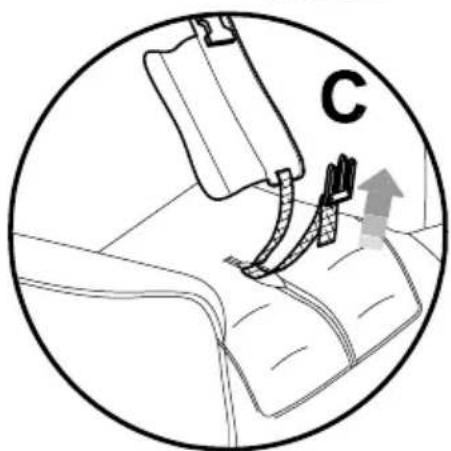
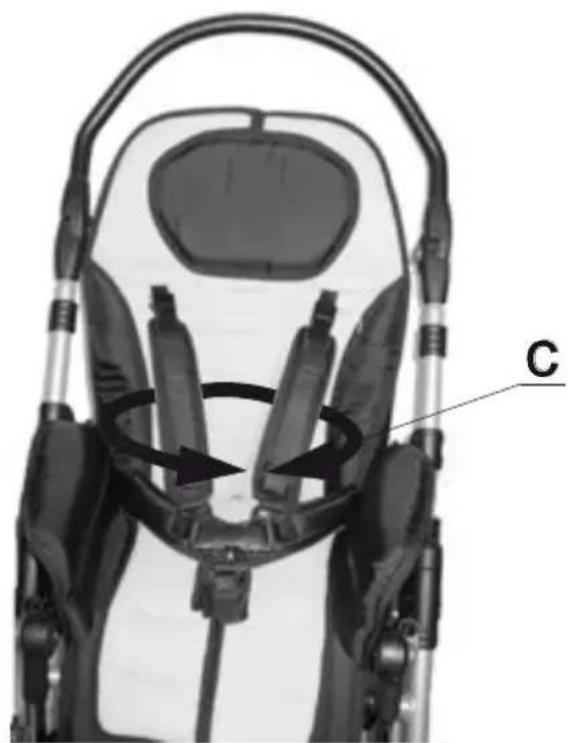
C - ADJUSTMENT WITH THE FLEXIBLE PARTS
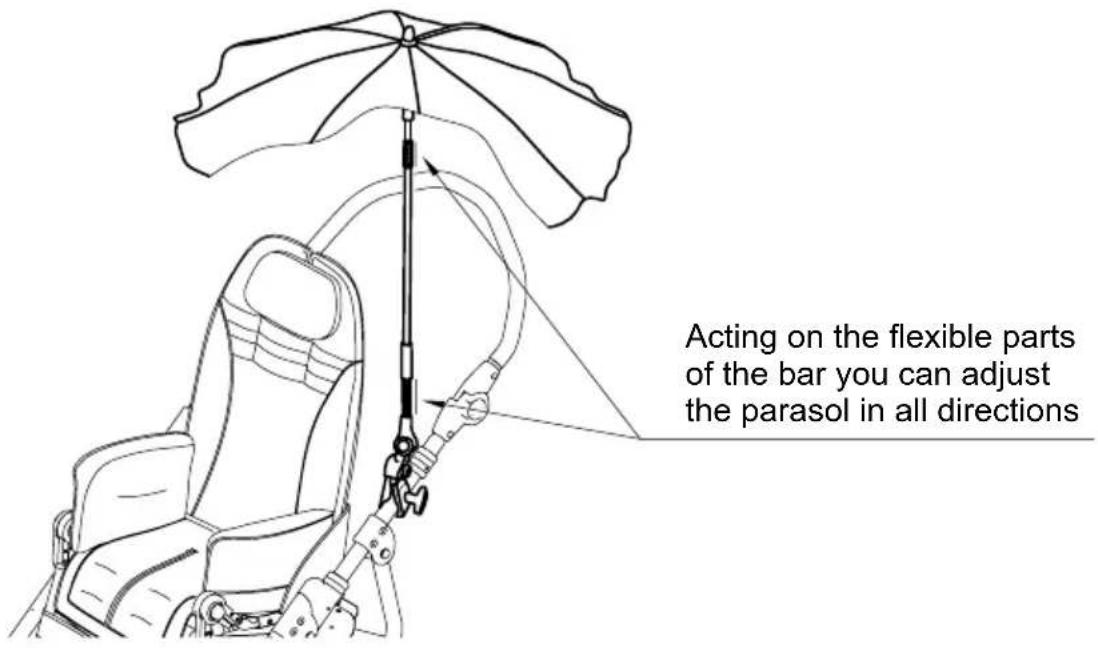
D - REMOVING THE PARASOL
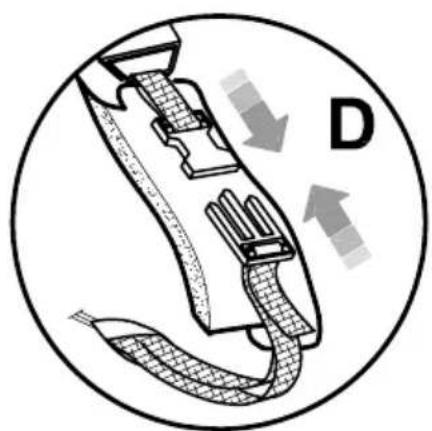
To remove it PRESS the button and SIMULTANEOUSLY PULL the Parasol To reinsert the parasol it is not necessary to press the button
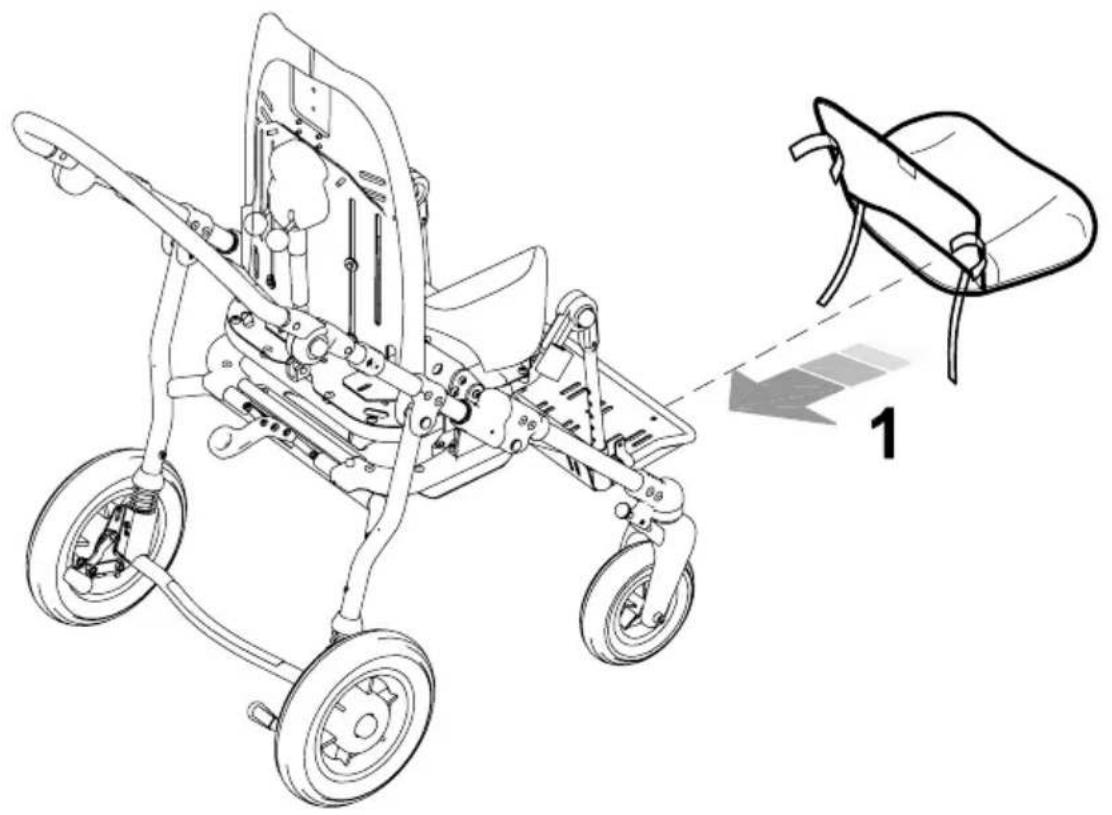
A - TAKE THE SEAT OUT OF THE FRAME

BEWARE ! The hand brake must be installed by qualified personnel, the manufacturer or the dealer who sold the product or a specialized technical company
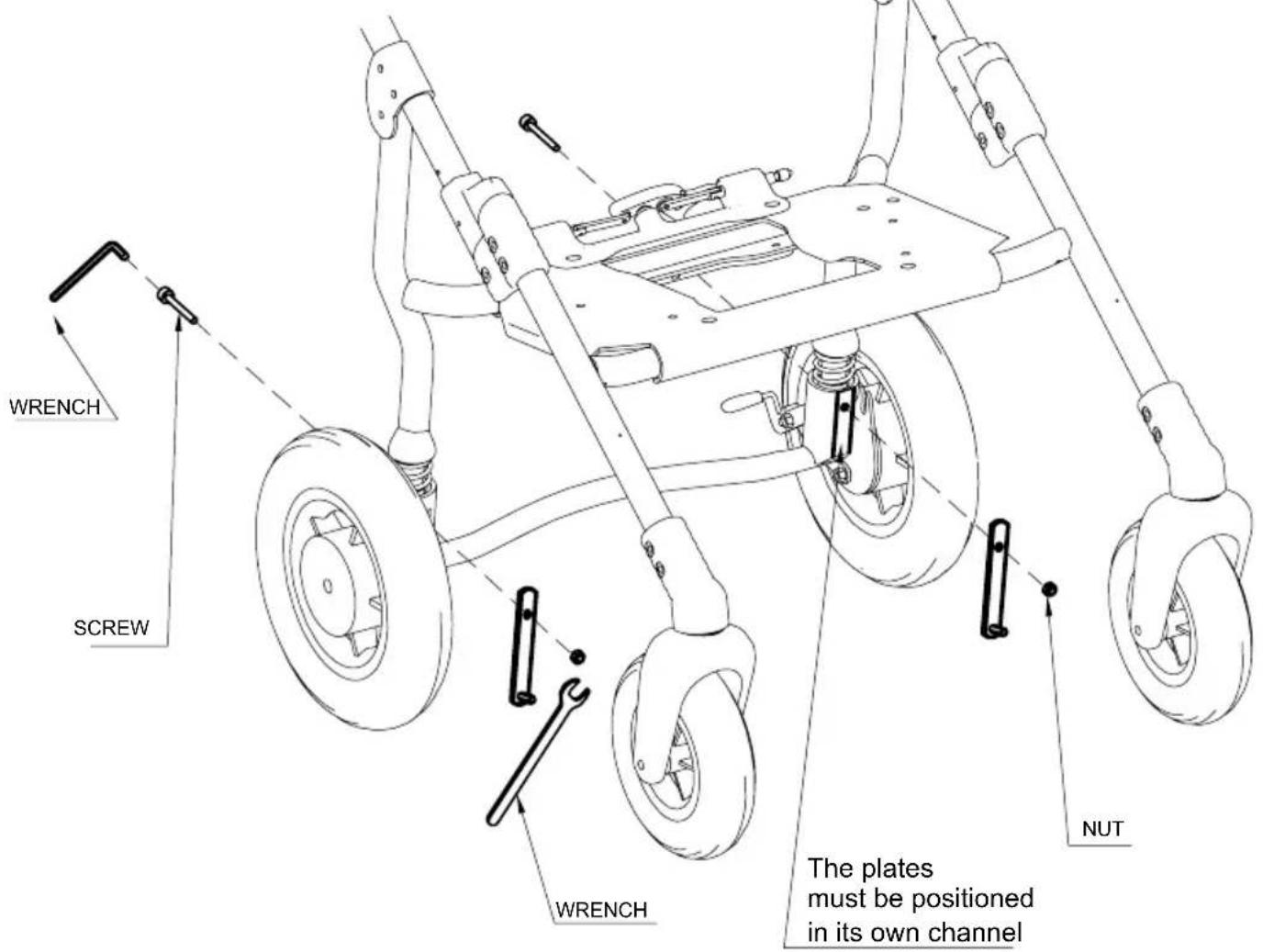
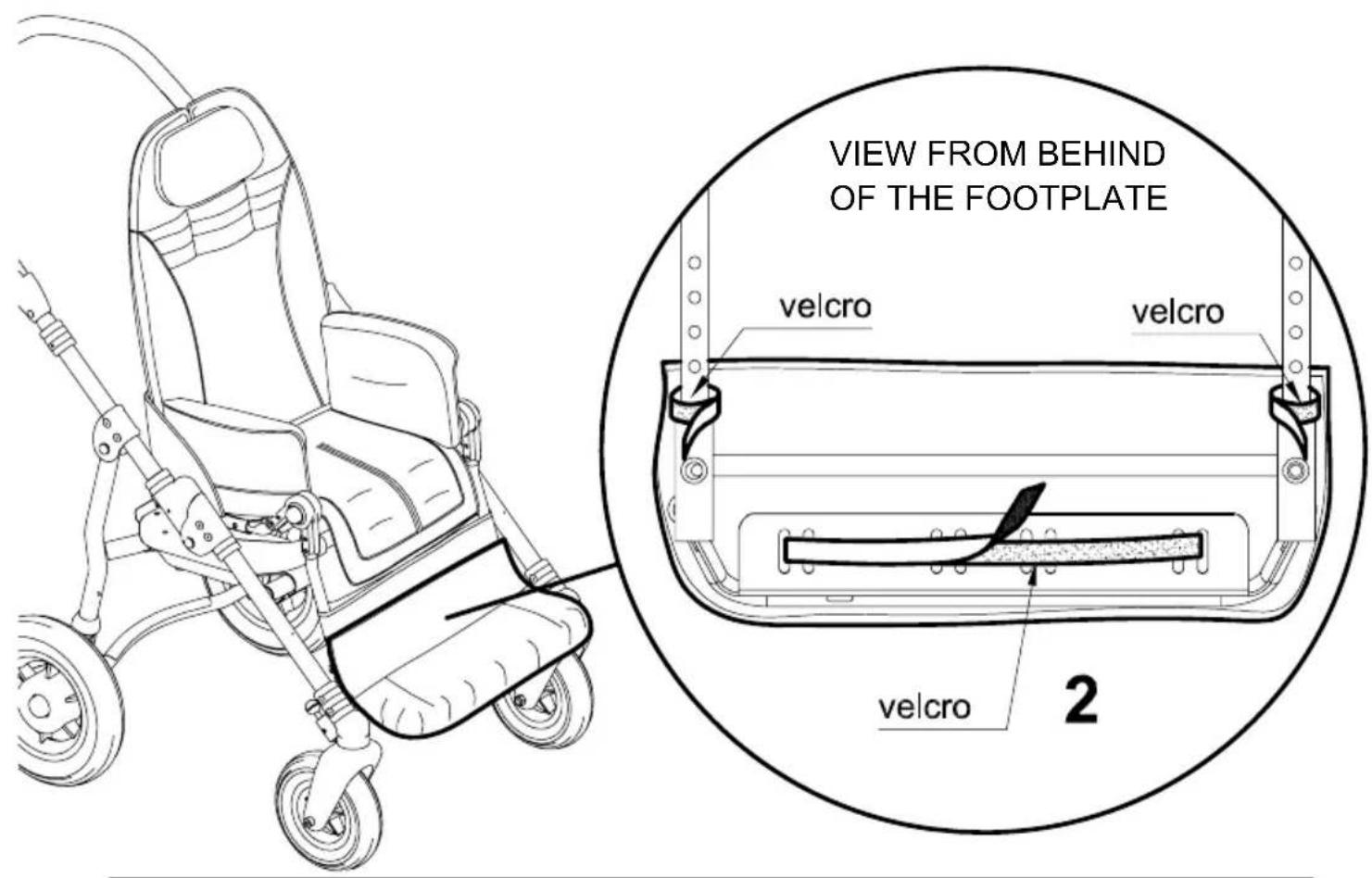
B - ASSEMBLING THE TWO PLATES
Available only for 869 and 901 external bases
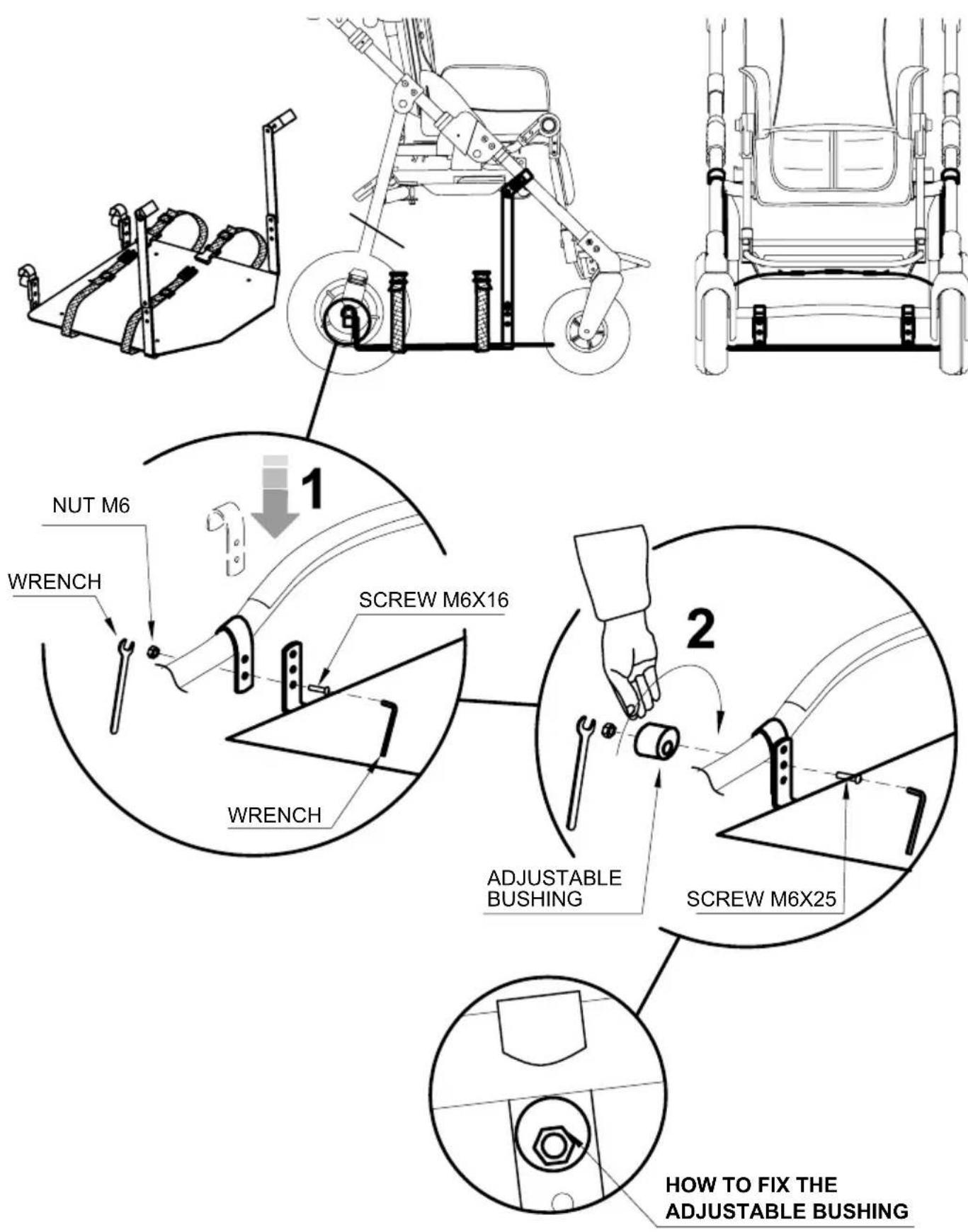
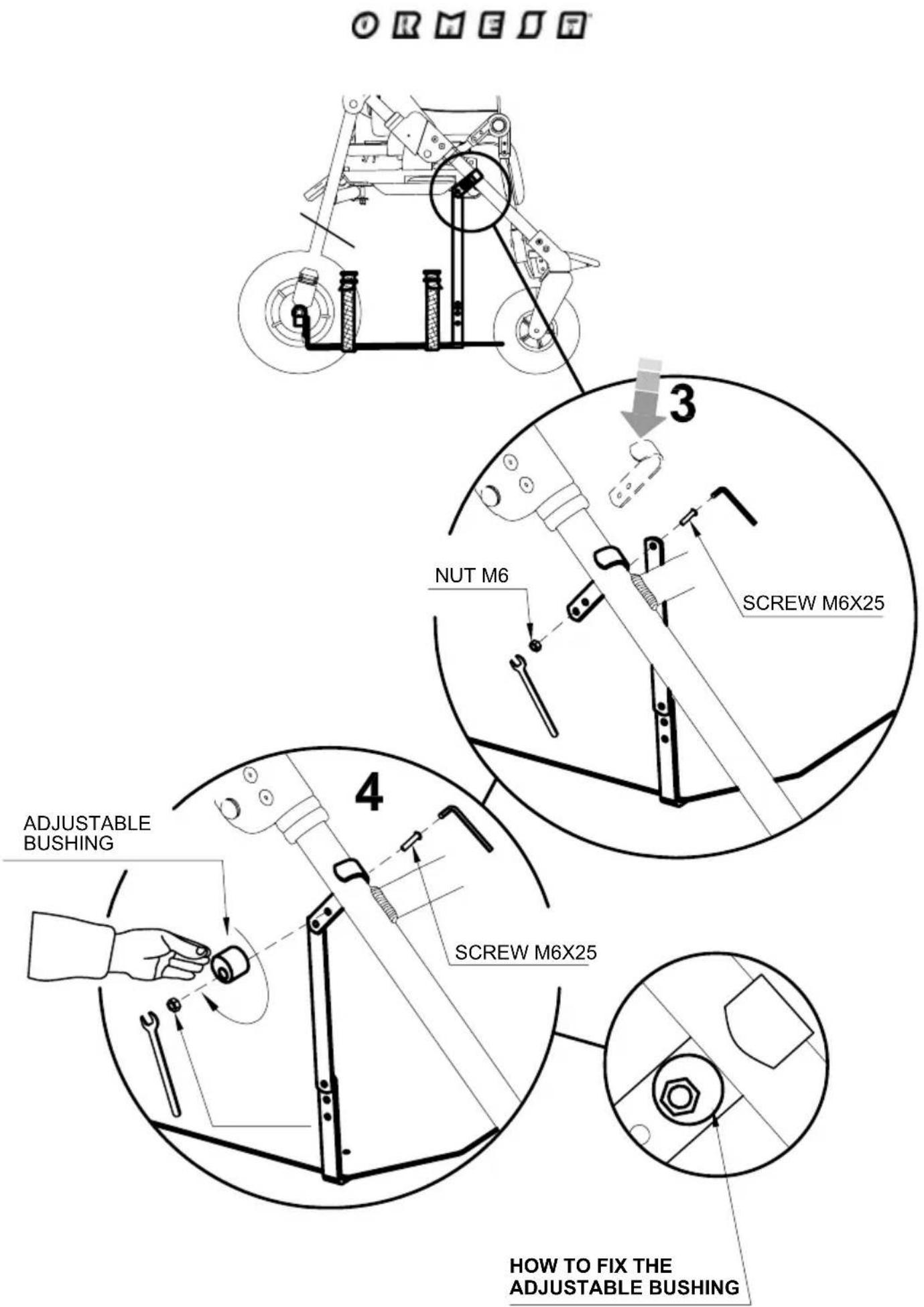
4-POINT SEAT BELT 920
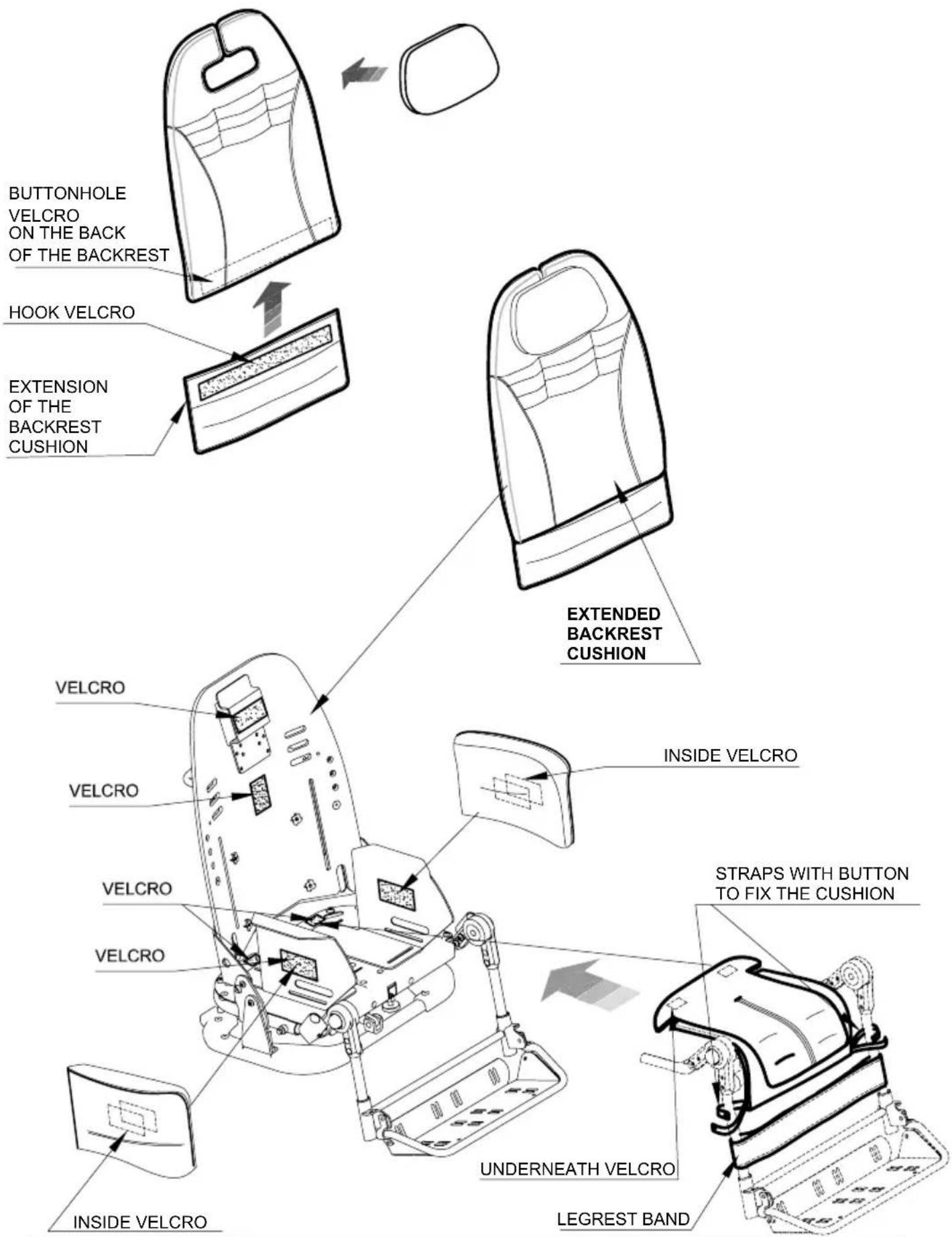
BEFORE FIXING THE 4-POINT SEAT BELT REMOVE THE SIDE UPHOLSTERIES (SEE PAGE 88)
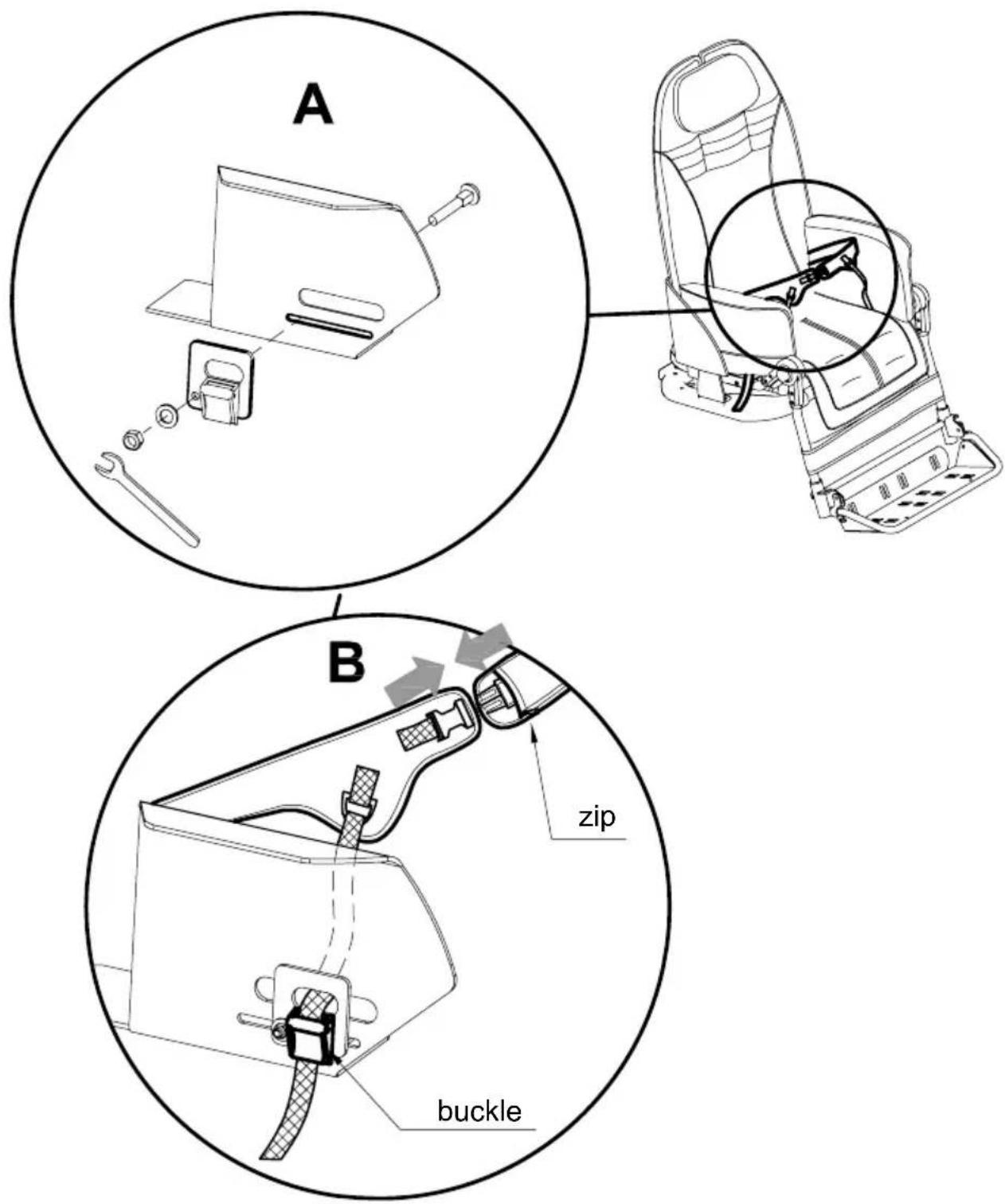
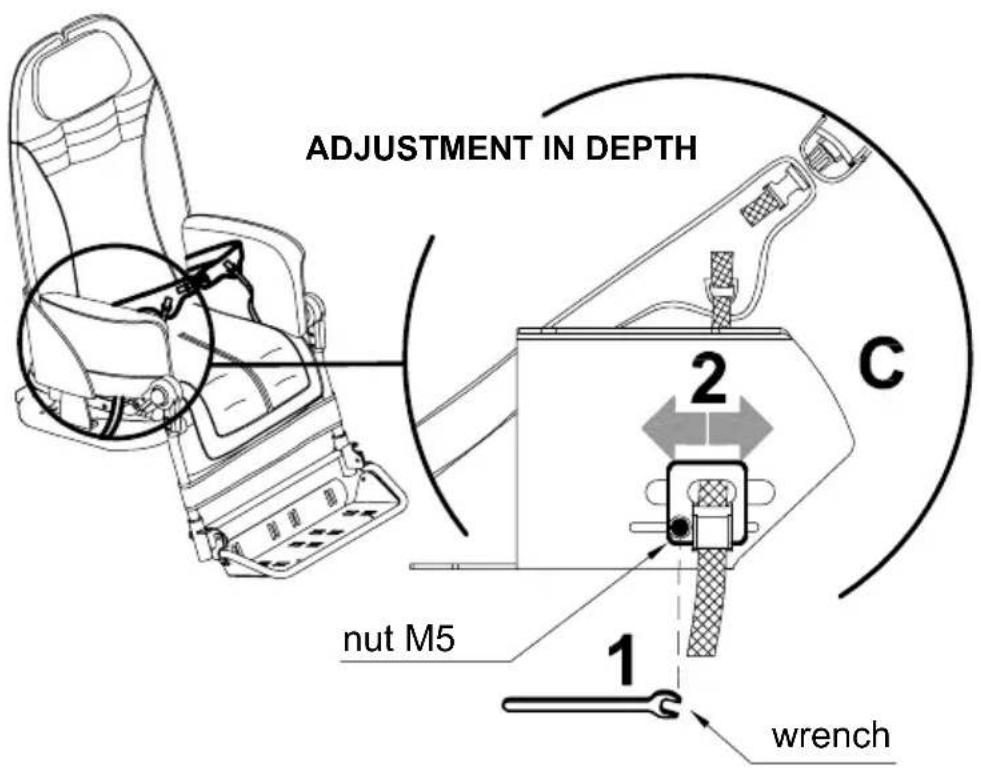
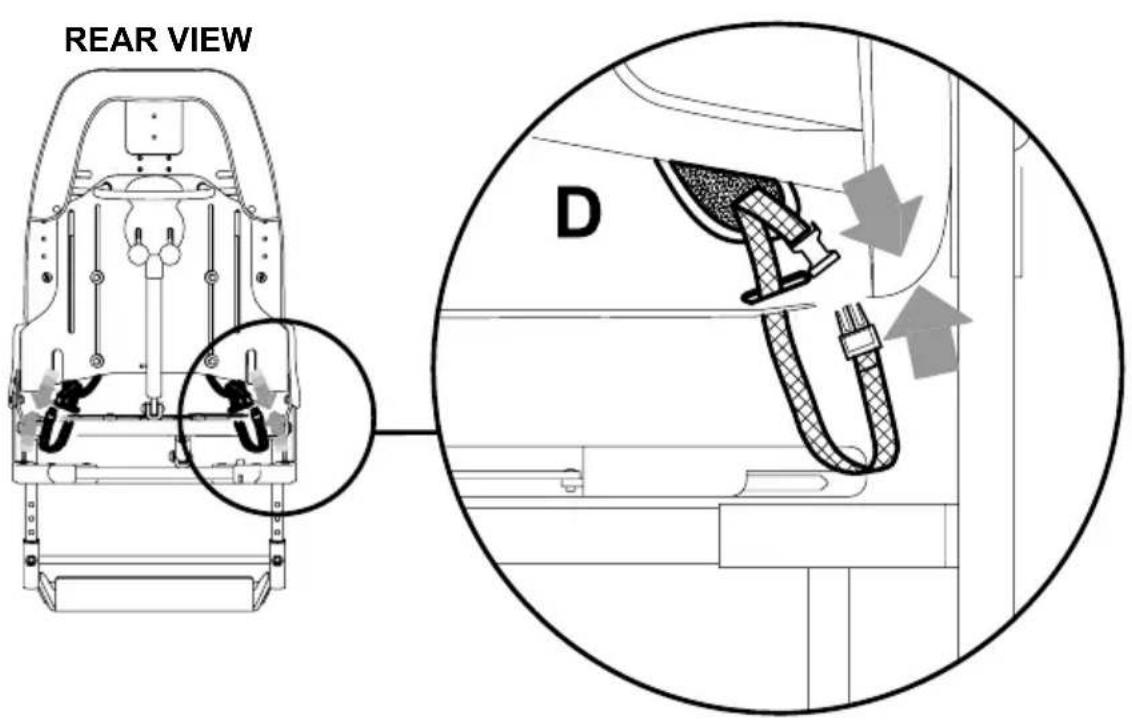
Available only for 869 and 901 external bases
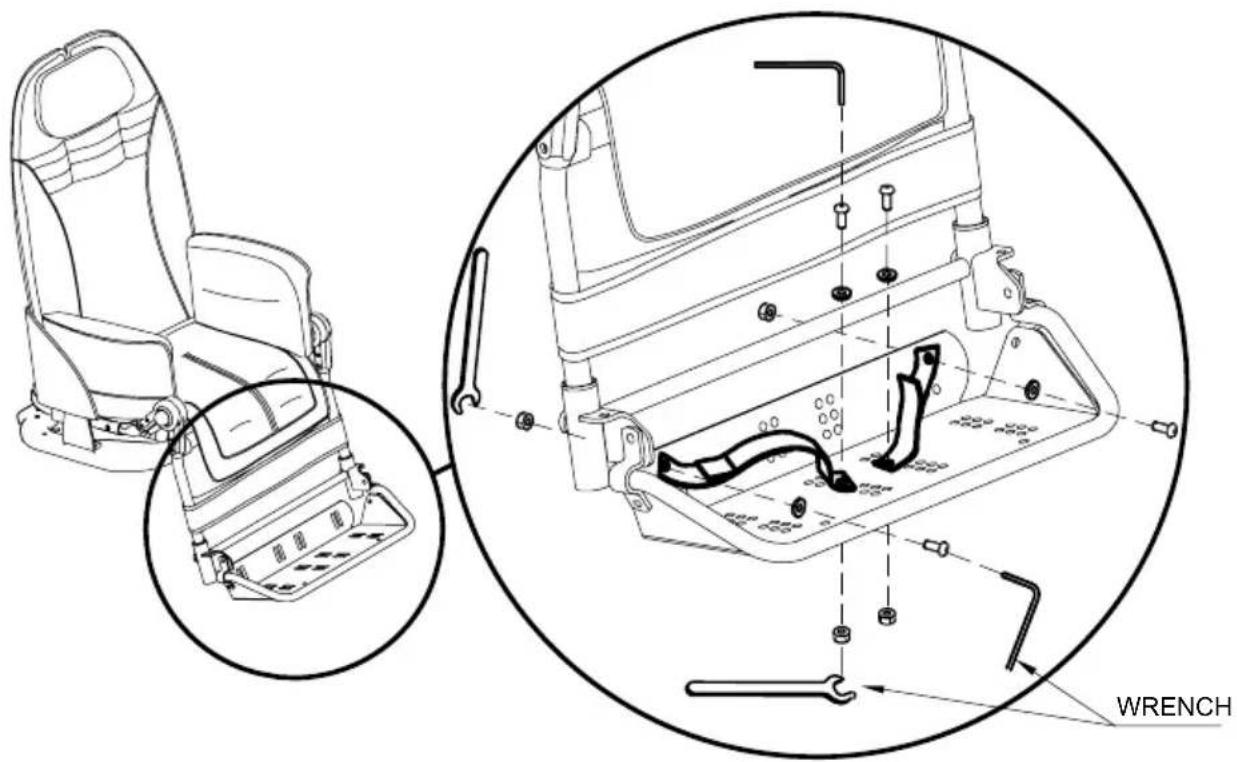
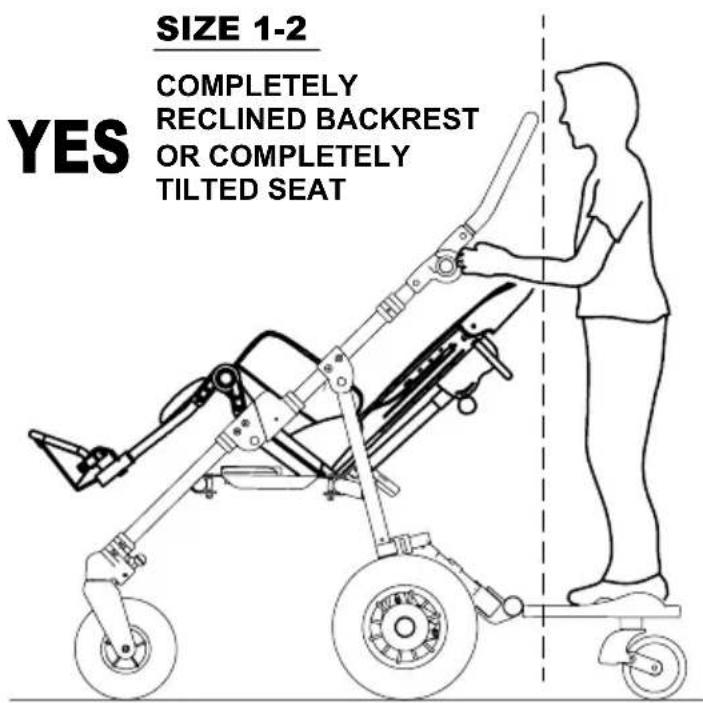
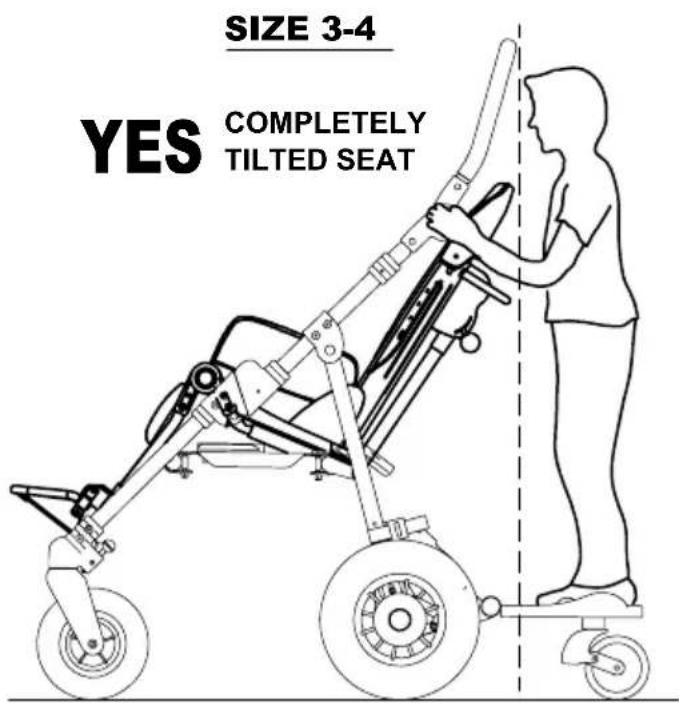
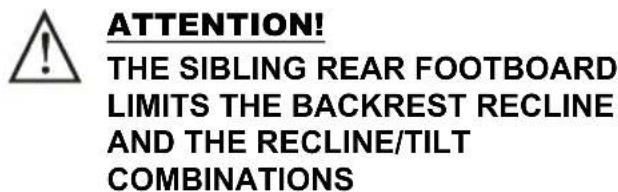
The 921 sibling rear footboard must be fixed on the back thanks to the plastic straps. It has a telescopic arm to adjust the footboard in depth, screws to adjust the tilt and two pivoting wheels.
the board is suitable for children from 2 to 5 years old, weighing less than 20kg
WARNING:
-
Never leave the child unattended
-
Make sure all the blocking devices are correctly installed before use.
- Do not use the board if your child cannot walk independently and without help.
- The footboard can be tipped up (see the Manufacturer Manual). However remove the board before folding the pushchair.
- Children must only be transported on the footboard in a standing position.
-Allow your child to alight from the board, before reaching pavement edges, stairs, steep paths, tight corners, as well as when maneuvering backwards.
- The use of the board is only admissible if there is a second child in the pushchair.
- This products is not suitable for the while running or skating.

Notes:
-For more information on the adjustment, closure, maintenance of the board, refer to the user manual of the manufacturer, supplied with the footboard.
RME
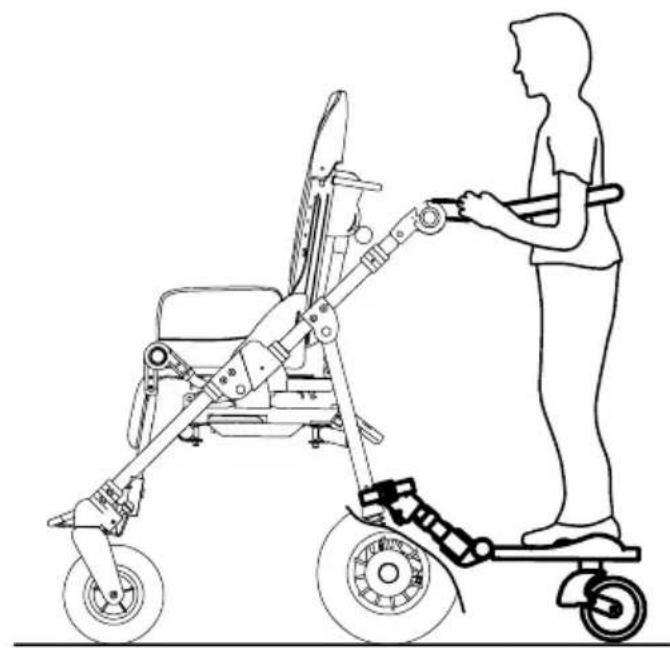
A - PLACEMENT OF THE CHILD ON THE BOARD
It is recommended to adjust the push handle and the telescopic arms in order to guarantee the comfort both of the child on the rear footboard and the driver. In effect, adjusting the telescopic arms to their maximum extension, could reduce the available space inside the push handle excessively and/or the footboard could hinder the driver.
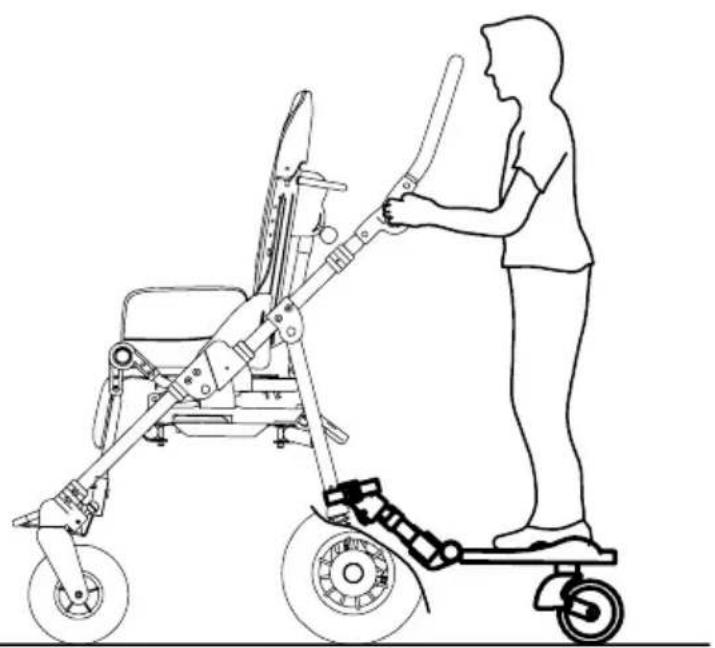
a) BUG seat with 4 wheel base 869
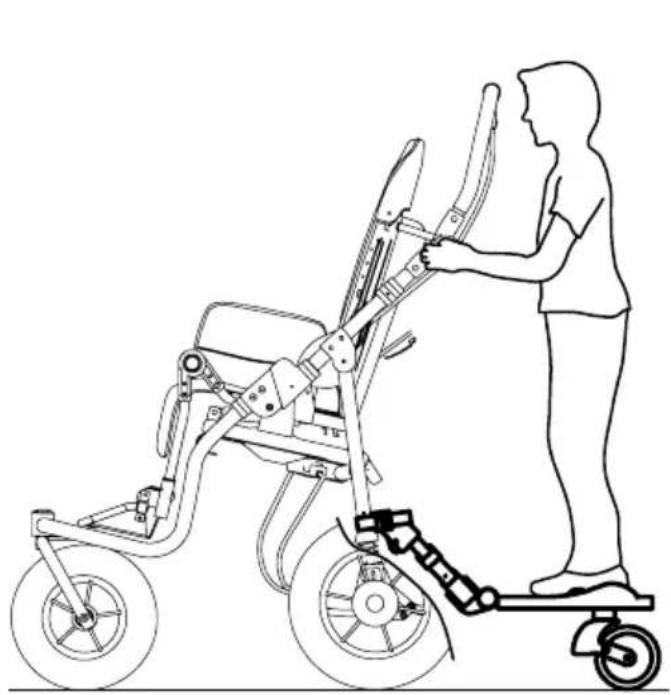
b) BUG seat with 3 wheel base 901
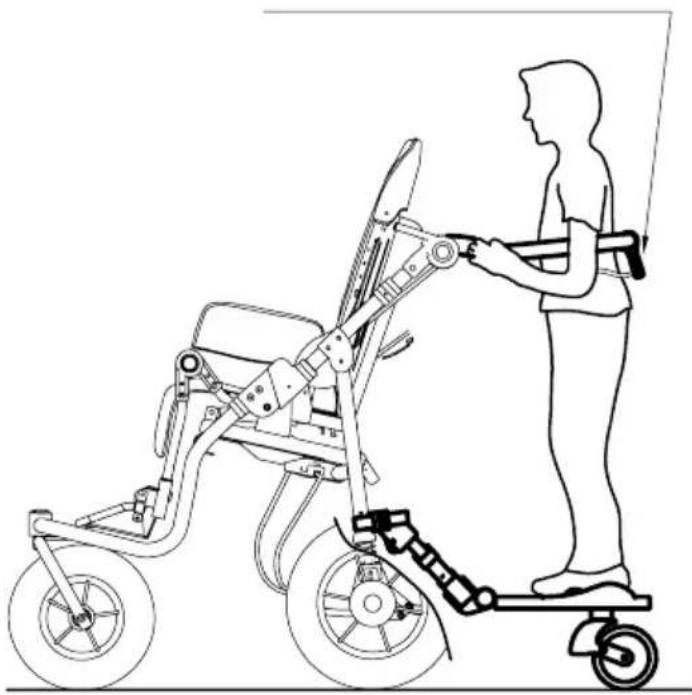
Turn the brake lever to make the child's position more comfortable
B - MOUNTING
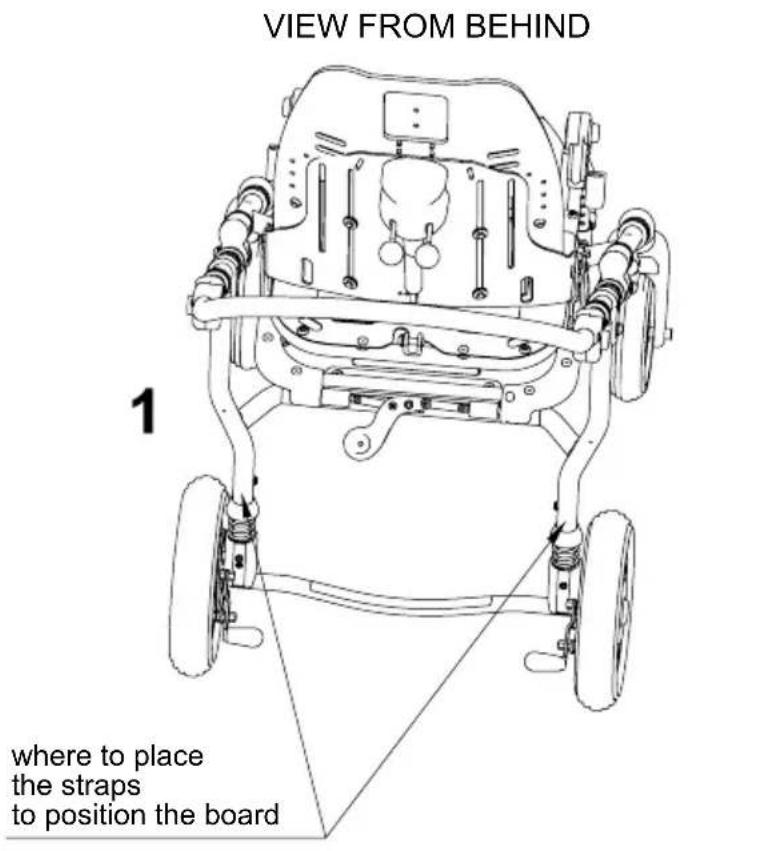
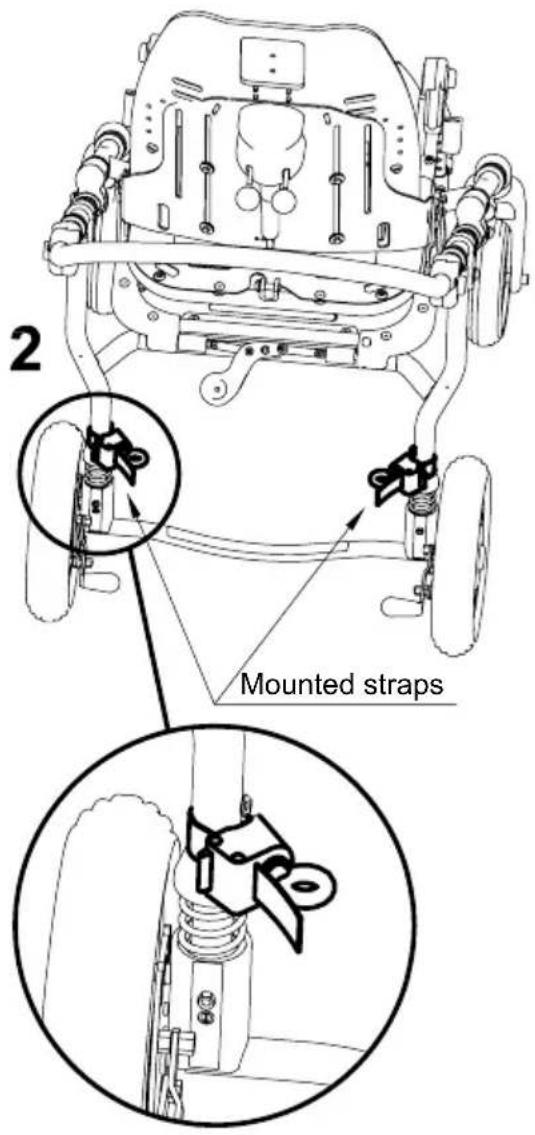
TO MOUNT THE STRAPS FOLLOW THE INSTRUCTIONS OF THE MANUFACTURER OF THE BOARD
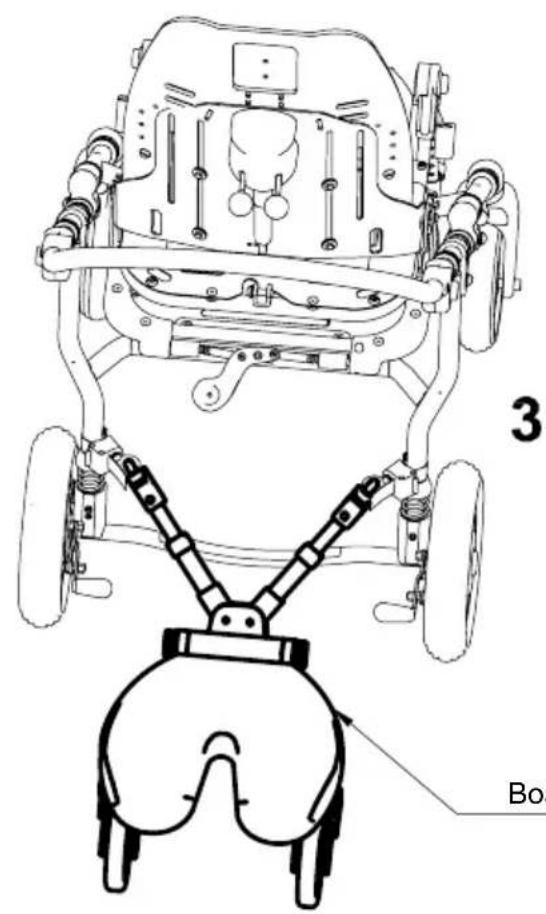
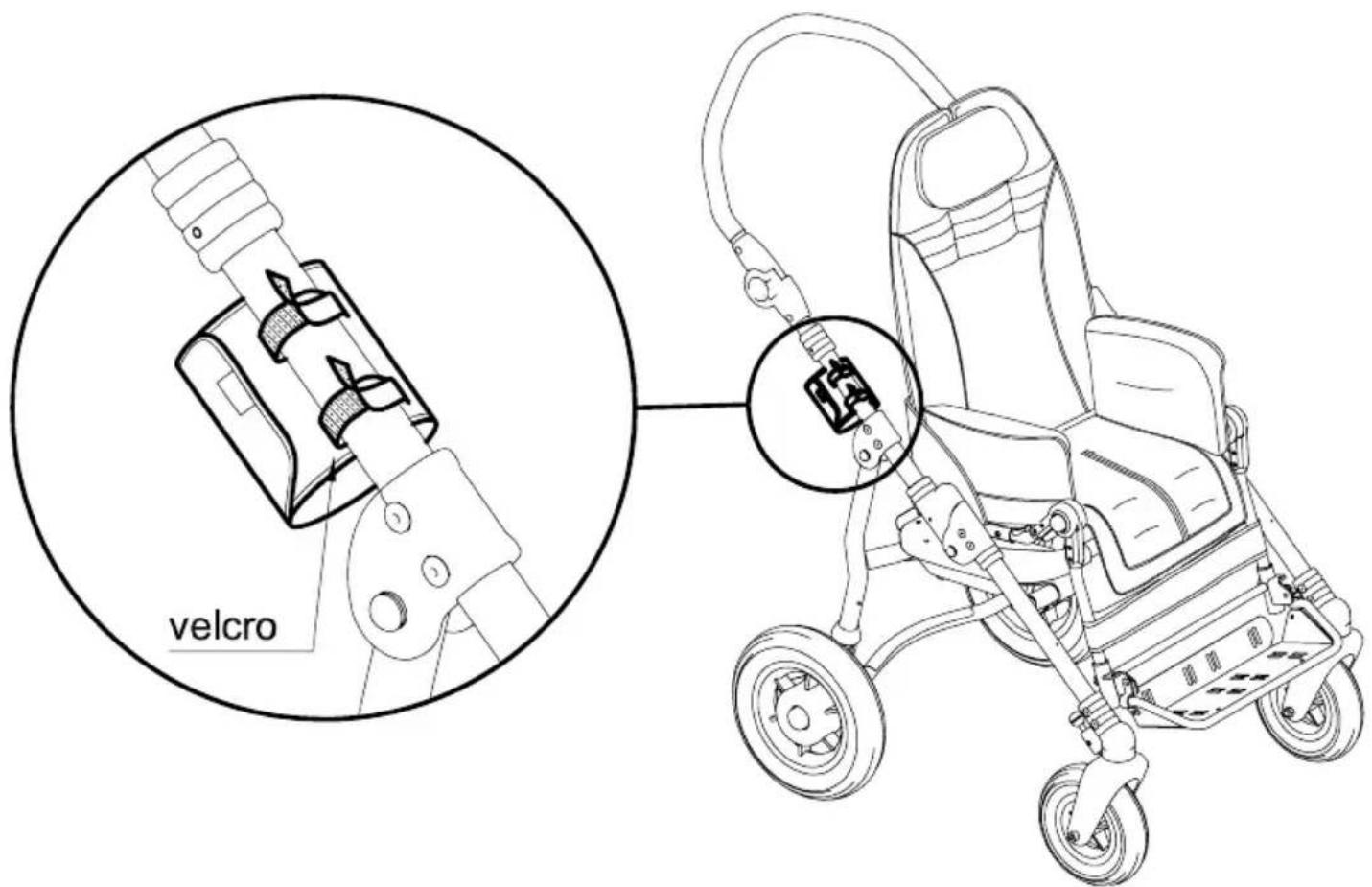
TO ATTACH THE STRAPS FOLLOW THE INSTRUCTIONS OF THE MANUFACTURER OF THE BOARD
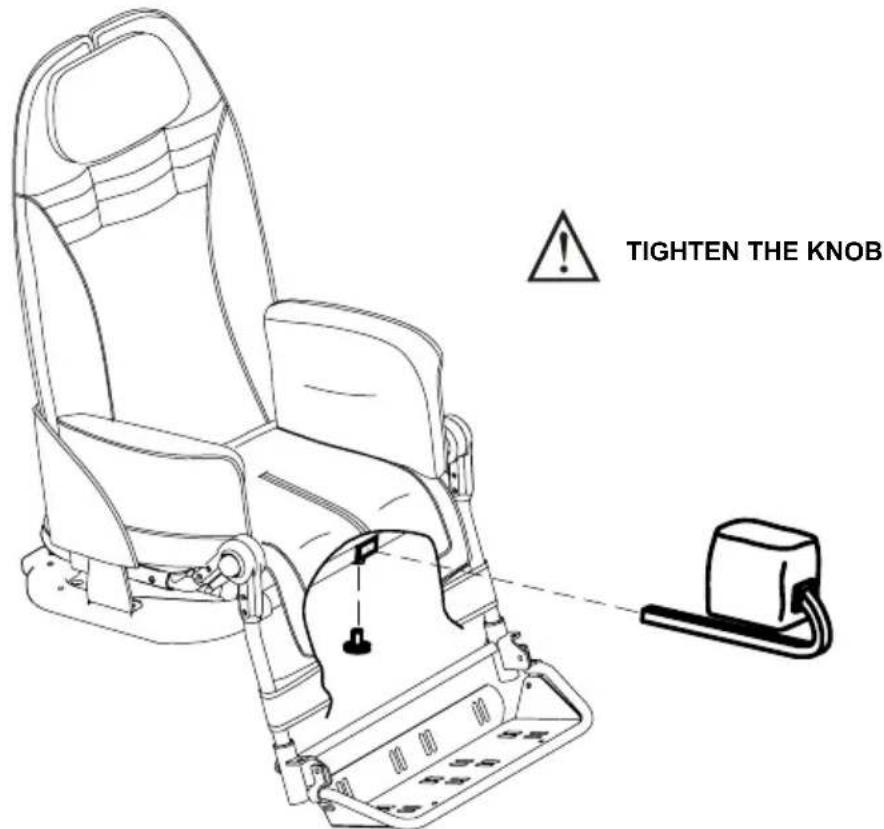
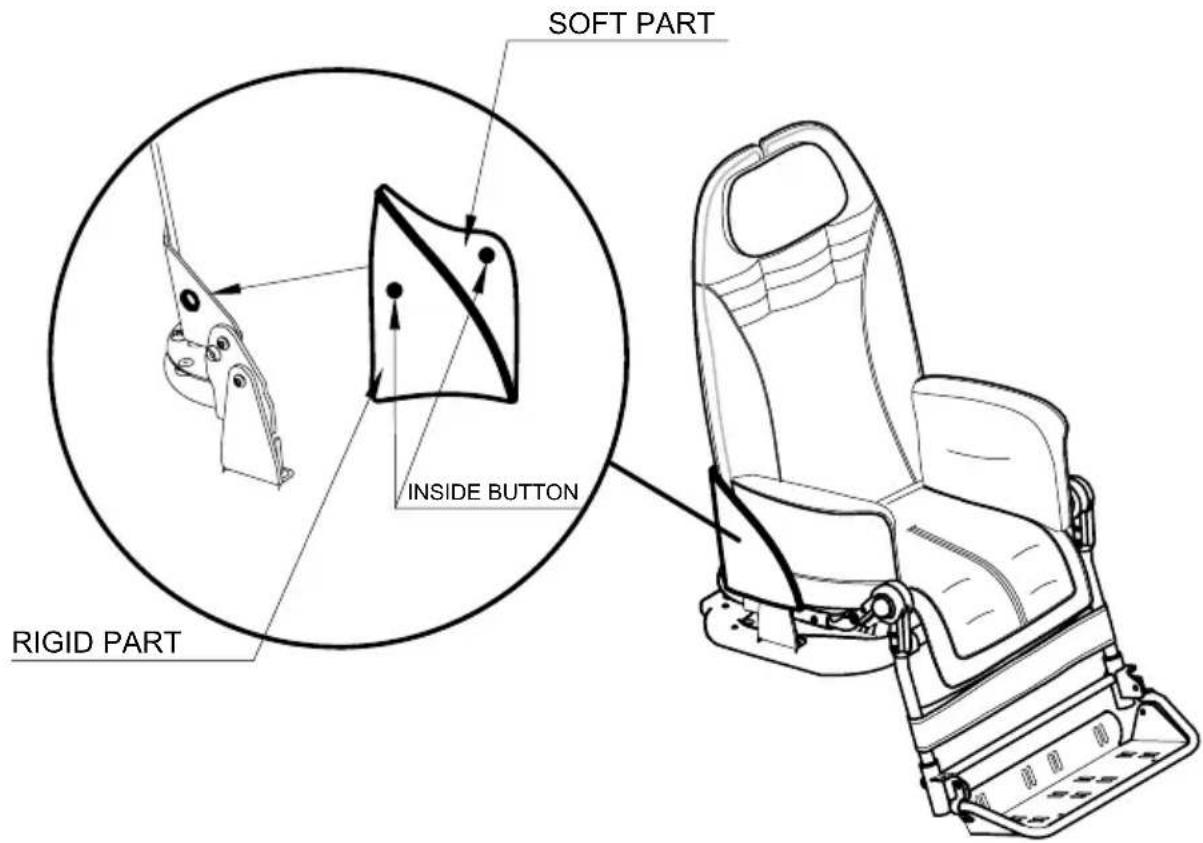
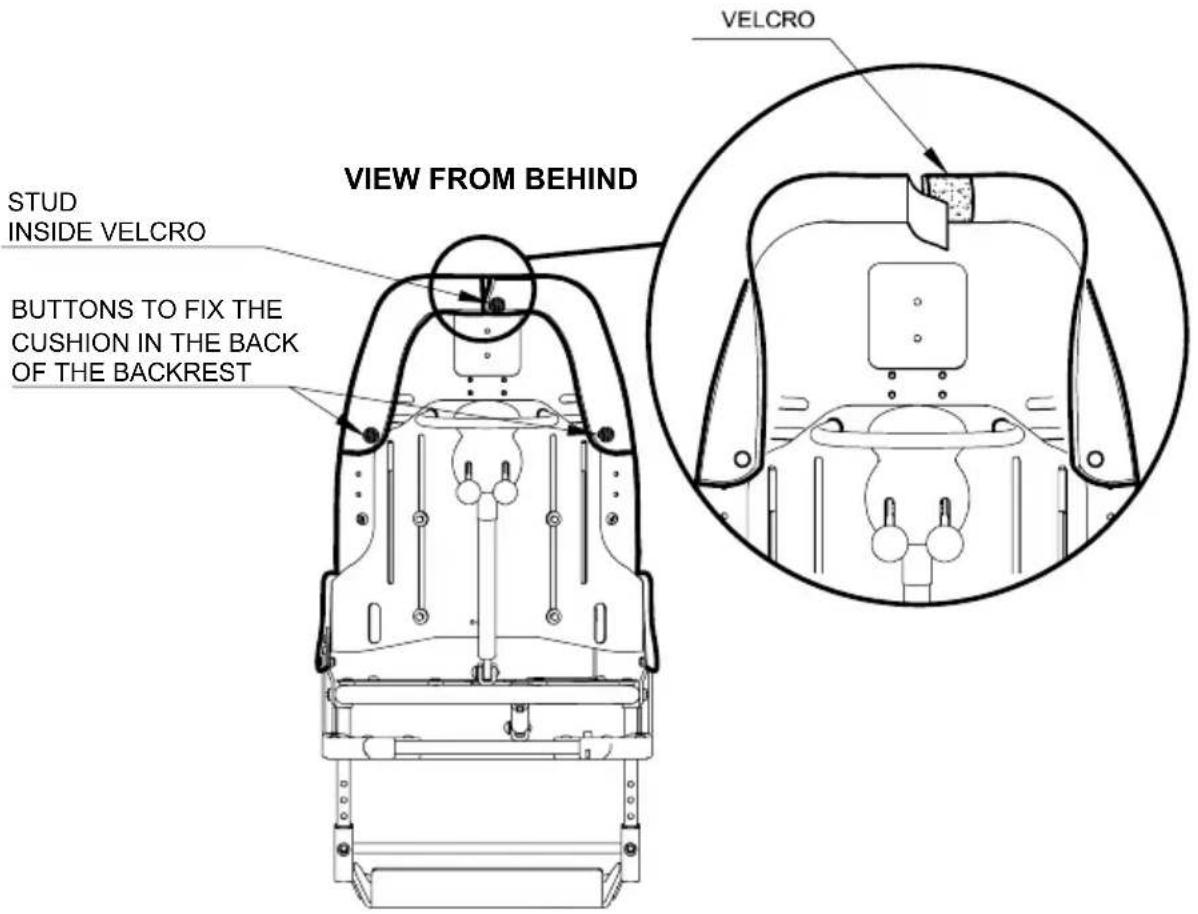
ATTACHING THE CUSHION
MAINTENANCE, CLEANING AND DISINFECTION
REGULAR (OR PREVENTIVE) MAINTENANCE
ORDINARY MAINTENANCE OF THE AID AND ITS ACCESSORIES MUST BE PERFORMED MONTHLY. REGULAR MAINTENANCE IS REQUIRED TO KEEP THE PRODUCT WORKING PROPERLY AND SAFELY AND IT IS ESSENTIAL FOR KEEPING THE CE MARK.
THE MANUFACTURER IS NOT LIABLE FOR THE PERFORMANCE OF THE PRODUCT UNLESS REGULAR MAINTENANCE IS PERFORMED (ATTACHMENT I, DIRECTIVE 2007/47/EC). THE MANUFACTURER ALSO RECOMMENDS THE CARE GIVER TO CONTACT A SERVICE CENTER SPECIALIZED IN THE MAINTENANCE OF MECHANICAL AIDS FOR DISABLES IN ORDER TO PERFORMS A COMPLETE REVIEW OF THE PRODUCT'S OPERATION AND SAFETY WITH THE FOLLOWING FREQUENCIES:
1) at three months from purchase;
2) at six months from purchase;
3) once a year for subsequent years after that of purchase.
Clean and disinfect the device and its accessories regularly, following the instructions provided below.
CLEANING AND DISINFECTING THE FRAME
Clean and disinfect the painted and chromium plated parts of the seat and base with a soft cloth dipped in a household detergent and disinfectant, such as alcohol diluted in water.
CLEANING AND DISINFECTING THE UPHOLSTERIES
Clean Canopy 819, Rain Cover 825 and the Padded Abduction Block 834 with a damp sponge and water. Carefully follow the instructions below for washing the upholstery and cushions of the seat unit with neutral household soap:
- detach the five parts of the cushion from the backrest and seat bottom;
- slip off the covers on the accessories Headrest 863, Headrest 852, Side Supports 868, Side Supports 838;
- wash upholstered accessories, covers and cushions respecting the following symbols:
| Machine wash with neutral soap (Max. temperature 30℃) Do not spin dry | Do not bleach | Dry clean with perchloroethylene | Do not iron | Do not tumble dry |
- Once dried, reattach the cushions to the frame using the buttons.
CLEANING THE TRAY
Clean tray 824 with a sponge wet with detergent or household disinfectant. After rinsing, dry well with a soft cloth.
ORME
LUBRICATION
The product does not need any special lubrication. DO NOT GREASE THE REAR WHEELS because this could make the BRAKES INEFFICIENT.
MAINTAINING THE WHEELS
At least once a month, clean the wheels of residues (threads, hair, etc.) that can build up on rotating parts. Maintain a constant pressure in the tires of 2.5 atm (only for alternative pneumatic wheels, base 869 and 901 for outdoor use)

If you notice any INEFFICIENCY, even partial, of the BRAKES, immediately contact a specialized service center or the reseller where you purchased the product, who will determine whether they need to be repaired or replaced to avoid dangerous situations that could cause accidents.

Do NOT perform maintenance or replace parts or accessories when the user is sitting on the device

Intensify all checks in marine environments, clean more often, anoint the parts exposed to salt corrosion (such as chrome, bolts and screws)
EXTRAORDINARY (OR CORRECTIVE) MAINTENANCE
EXTRAORDINARY MAINTENANCE MEANS ANYTHING DONE TO THE PRODUCT THAT IS NOT MENTIONED ABOVE.
WE RECOMMEND THAT THE USER, RETAILER AND HEALTH FACILITIES ENTRUST ALL EXTRAORDINARY OR CORRECTIVE MAINTENANCE TO THE MANUFACTURER OR OTHER FACTORY-AUTHORIZED SERVICE CENTRE.
ANY OTHER SOLUTION WILL RESULT IN THE USER AND THE THIRD-PARTY MAINTAINER FULLY RESPONSIBLE FOR THE RESULTS OF THEIR WORK AND THE MANUFACTURER WILL ONLY BE LIABLE FOR ORIGINAL DEFECTS OF MATERIALS OR WORKMANSHIP.

If the product is to be disposed of, it must be done according to the law in the country of destination
CUSTOMER SERVICE AND SPARE PARTS
Only contact the retailer where you purchased the product for service and replacement with original spare parts.
CONDITIONS FOR DURABILITY, REUSE AND REASSIGNMENT TO A NEW USER
Granted that Ormesa products should be selected, evaluated and ordered for the needs of an individual user, reuse is however possible with the respect the following conditions.
Based on the experience of other similar sold models, on technological progress, on the guarantees of the Quality Management System certificated in 1998 according to ISO 9001, there is adequate confidence that the average lifespan of the BUG is about 5 years, on condition that it is used according to the directions given in the user manual.
Only when the conditions for storage and transport of chapter HOW TO STORE AND TRANSPORT THE MEDICAL DEVICE" are followed, the periods in which the product is stored at the dealer should not be considered in that time period
Factors unrelated to the product such as the development of the user, its diseases, the use and the surrounding environment can make significantly lower the duration of life of the product; on the contrary, if the indications on the use and maintenance are properly observed, the reliability of the product can extend well beyond the lifetime average above.
Prior to recycling or reassignment an already used Ormesa product, it is required that:
- a doctor or therapist verifies that the aid is appropriate and adequate to meet the dimensional, functional and postural needs of the new user, and if all its components are suitable / appropriate for him. You should also consider that the marking and the manufacturer's responsibility for safety requirements for the product remain only if the original product still has not changed and only original accessories or spare parts have been applied
- qualified technical personnel of a company specialized in the maintenance of technical aids for disabled people performs a detailed technical inspection to verify its condition and wear, the absence of any damage and failure of all components / adjustments, the presence of the user's manual, of the label with the date and serial number. A copy of the manual and maintenance may be always requested to the retailer that supplied the product or directly to Ormesa
- The product has been thoroughly cleaned and disinfected following the directions given in the "MAINTENANCE, CLEANING AND DISINFECTION" Chapter
We recommend you keep written records on all inspections performed on the product before any assignment to the new user.

In case of doubt about the safety of the product or damage to parts or components, you are urged to immediately discontinue use and contact a specialized service center in the maintenance of mechanical aids for disable, or directly ORMESA

COMPANY WITH QUALITY MANAGEMENT
SYSTEM CERTIFIED BY DNV
=ISO9001:2008=

PRODUCT CERTIFIED BY
CERAH FRANCE
PRODUCT TESTED
BY BERLIN CERT GmbH
AND LISTED IN THE GERMAN HMV (Technical Aids Listing)

REGISTERED - USA
BUG WITH 869 BASE PASSES
CRASH TEST
ACCORDING TO THE ISO 7176-19 AND ANSI RESNA WC/19
Authorized Dealer
The technical Data and information given in this handbook are not binding. ORMESA reserves the right to carry out any necessary change without prior notice or replacements
Terms and Conditions of Warranty
The Life & Mobility products are made with care and are carefully inspected before leaving the factory. Should it emerge that a product does not meet expectations please contact the party where you purchased the product.
Life & Mobility respects the laws and regulations that protect the consumer and that apply in the country in which the product is purchased.
The warranty does not apply to defects caused by: failure to observe the instructions for use and maintenance, use other than normal use, wear and tear, negligence, overloading, third-party accidents, non-original parts used and defects not caused by the product.
This warranty replaces any other warranty, either stipulated by law or communicated verbally, except for anything guaranteed in writing by Life & Mobility.
Warranties are only valid within the EU.
BUG.
FAIRE AVEC LE DISPOSITIF 10
ACCROCHE' AU CHASSIS
HARNAIS 5 POINTS 906
1- INSERTION DE L'HARNAIS SUR LE FOND DE L'ASSISE

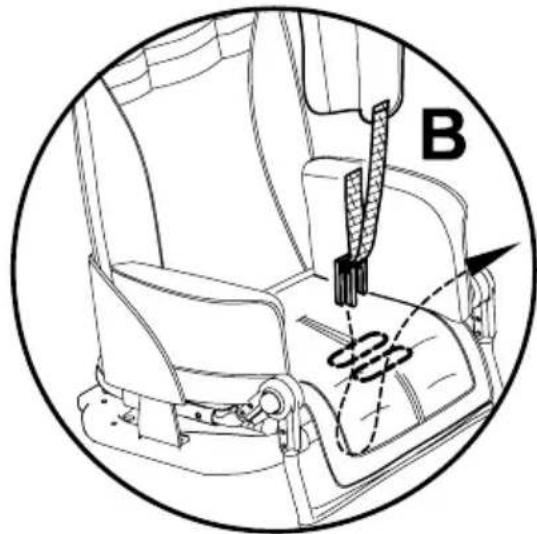
2- INSERTION DES SANGLES SUR LA PARTIE SUPérieURE DU DOSSIER
3- INSERTION DES ATTACHES ARRIÈRE
VUE ARRIERE
4- INSERTION DES ATTACHES AVANT
5-HARNAIS MONTÉ
COMPANY WITH QUALITY MANAGEMENT
SYSTEM CERTIFIED BY DNV
= ISO 9001:2008 =

PRODUIT CERTIFIE
PAR CERAH FRANCE
PRODUIT CERTIFIE
BERLIN CERT GmbH
É DANS LA LISTE ALLEMANDE DES AIDES TECHNIQUES HMV
PRODUIT ENREGISTRE FDA (USA)
FIXATIONSWESTE 853 64
ABLAGEKORB 858 65
BECKENGURT 45° 894 65
SEITENPELOTTE 838 66
THERAPIETISCH 824 67
5-PUNKT-FIXATIONSWESTE 903 68
5-PUNKT-HOSENTRAGERGURT 906 69
ONNENSCHIRM 854 71
SCHUTZPOLSTER FÜR FUSSSTÜTZE 892 74
HANDBREMSGRIFF 905 75
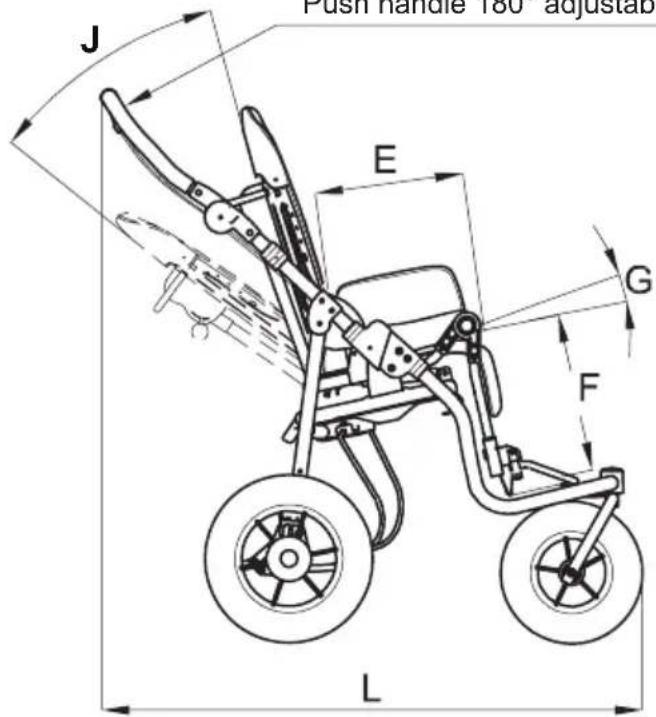
Push handle 180^ adjustable
COMPANY WITH QUALITY
MANAGEMENT SYSTEM
CERTIFIED BY
=ISO9001=

DIESES PRODUKT IST VON
FOLGENDEM INSTITUT
GEPRÜFT WORDEN:
DIESES PRODUKT IST VON
FOLGENDEM INSTITUT
GEPRÜFT WORDEN:
CERAH Frankreich