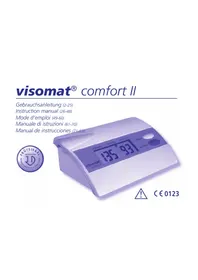
Comfort II - Blood pressure monitor Visomat - Free user manual and instructions
Find the device manual for free Comfort II Visomat in PDF.



| Product type | Automatic upper arm blood pressure monitor |
| Brand | Visomat |
| Model | Comfort II |
| Power supply | 4 AAA 1.5 V batteries (not included) |
| Measurement method | Oscillometric |
| Pressure measurement range | 0 – 300 mmHg |
| Accuracy | ±3 mmHg |
| Memory | Last 30 measurements + average value |
| Standard cuff | Circumference 22 – 31 cm |
| Large cuff (optional) | Circumference 32 – 42 cm |
| Inflation | Automatic, electric pump |
| Deflation | Automatic |
| Dimensions (approx.) | 150 × 100 × 60 mm |
| Weight (approx.) | 300 g |
| Care and cleaning | Clean with a soft, dry cloth. Do not immerse. |
| Safety | Consult a doctor in case of arrhythmia, pregnancy, or anticoagulant therapy. Do not change dosages. |
| Spare parts and repairability | Repair only by the manufacturer or authorized service. Contact UEBE Medical GmbH (info@uebe.com). |
| Warranty | 3 years from date of purchase, upon presentation of receipt. |
Frequently Asked Questions - Comfort II Visomat
User questions about Comfort II Visomat
0 question about this device. Answer the ones you know or ask your own.
Ask a new question about this device
Download the instructions for your Blood pressure monitor in PDF format for free! Find your manual Comfort II - Visomat and take your electronic device back in hand. On this page are published all the documents necessary for the use of your device. Comfort II by Visomat.
USER MANUAL Comfort II Visomat
- Setting up the display unit 33
- Fitting the cuff 34
- Inflating the cuff 35
- Blood pressure measurement 36
- Memory recall 37
DImportant information
- Basic rules for blood pressure measurement 38
- Other points to note 38
Circumference of arm 38
Heart rhythm malfunctions 38
Frequency of cardiac pacemaker 38
Pregnancy 39
Medicines 39
GB-26
What you should know about blood pressure
- Systolic and diastolic blood pressure values 39
- Reasons for measuring different values 40
- Why you should measure regularly 40
4.What are standard values? 40
F Maintenance
- Battery Replacement 41
- Cleaning and disinfection 41
- After-sales service 42
Appendix
Malfunctions 42
Technical specifications/accessories/replacement parts 44
CE-mark 46
Measurement technique control 47
Warranty information
48
GB-27
A
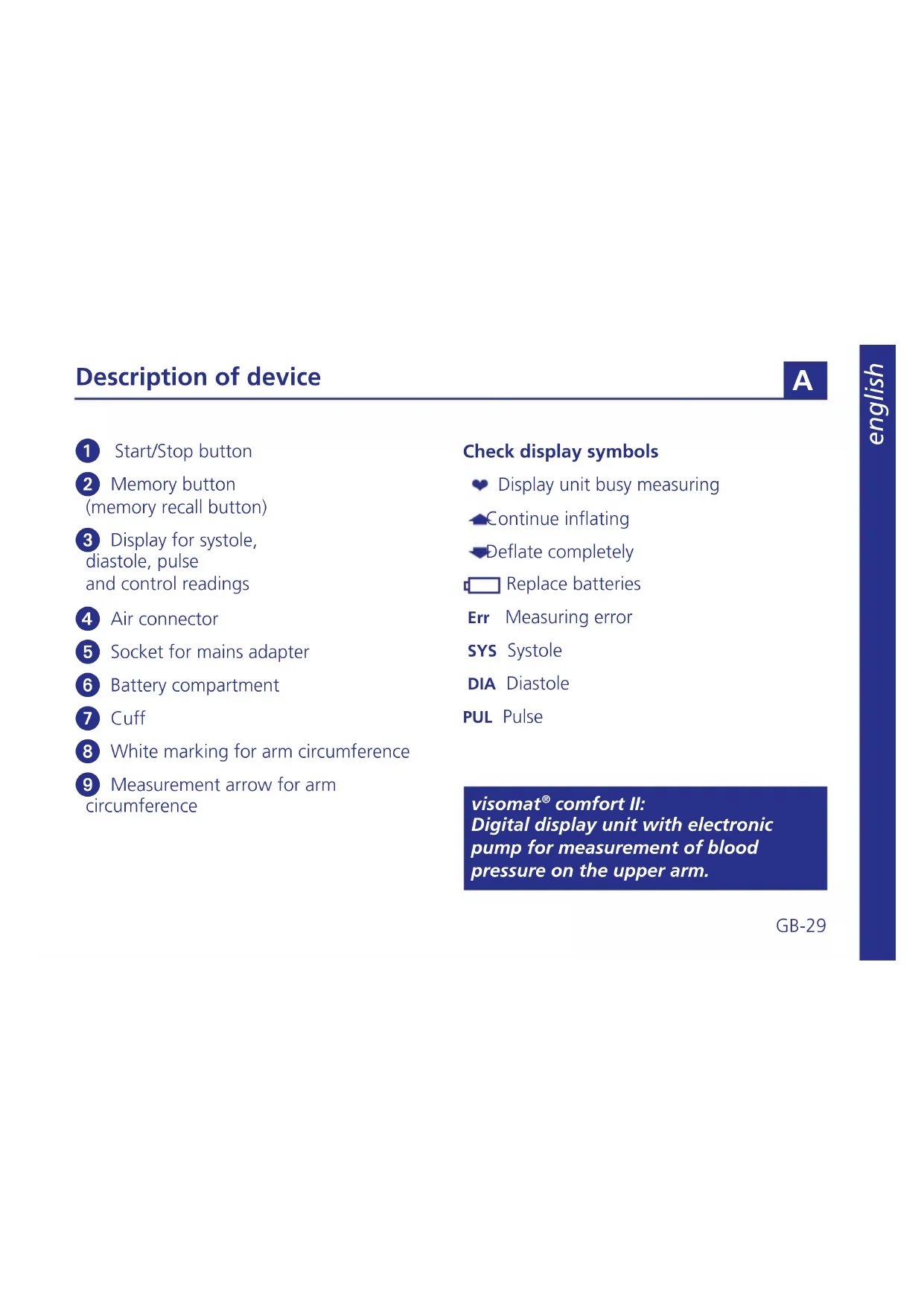
Description of device
GB-28
Description of device
A
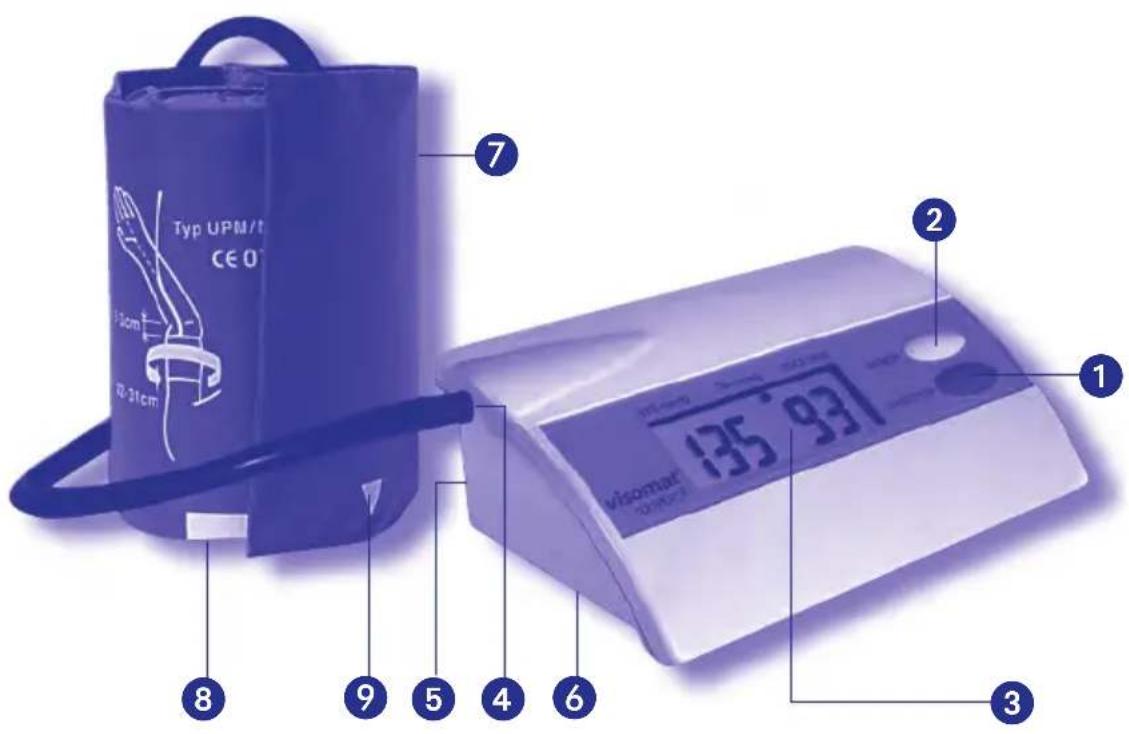
1 Start/Stop button
2 Memory button (memory recall button)
3 Display for systole, diastole, pulse and control readings
4 Air connector
5 Socket for mains adapter
6 Battery compartment
Cuff
White marking for arm circumference
Measurement arrow for arm circumference
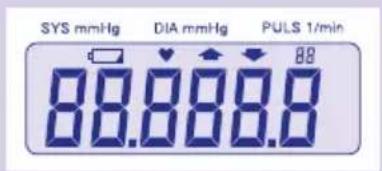
Check display symbols
Display unit busy measuring
Continue inflating
Deflate completely
Replace batteries
Err Measuring error
SYS Systole
DIA Diastole
PUL Pulse
visomat® comfort II: Digital display unit with electronic pump for measurement of blood pressure on the upper arm.
GB-29
B
Brief instructions for use
Please read detailed instructions prior to first measurement! (Page 33)
1. Insert batteries
2. Fitting the cuff
Bare your left arm.
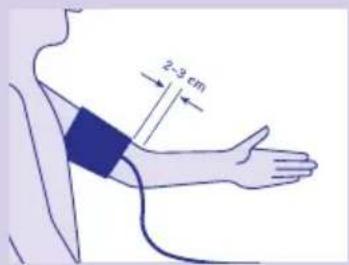
Place the cuff on the upper arm with its lower edge 2 to 3cm (about 1 inch) above the elbow and the pipe lying in the middle of the crook of the arm.
Close the cuff and connect it to machine.
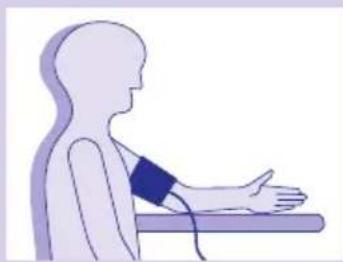
Stretch your left arm out and rest it on the table with your palm facing upwards.
Keep your arm still, and do not talk.
Brief instructions for use
B
3. Pumping up the cuff
Press the "Start" button.
The machine will carry out a function test, and all display elements will be visible
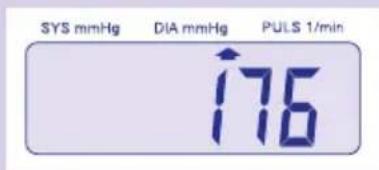
The cuff will be pumped up automatically to about 180mmHg . If the pressure in the cuff is still too low, the machine will continue to pump it up in steps of about 30mmHg at a time.
4. Blood pressure measurement
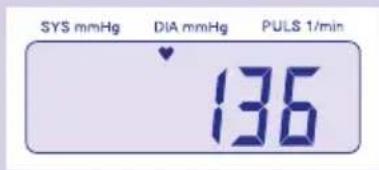
After inflation, the cuff deflates automatically, the falling pressure in the cuff will be shown automatically, and the 心 symbol will flash and beep as soon as the instrument has registered the pulse.
The automatic release of the air from the cuff will show the end of the measuring cycle.
GB-31
B
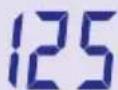
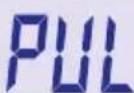
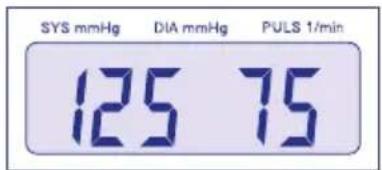
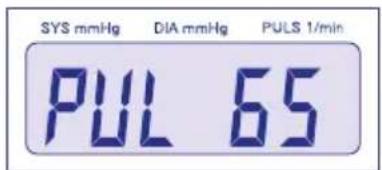
The systolic and diastolic blood pressure readings will appear in the display alternating in time with your pulse.
Brief instructions for use
SYS mmHg
DIA mmHg
PULS 1/min

SYS mmHg
DIA mmHg
PULS 1/min

5. Switching the machine off
Press the Start/Stop button.
The readings will be stored in the memory automatically.
GB-32
Display unit operation
C
1. Setting up the display unit
Load enclosed batteries, if this has not already been done (see "battery replacement").
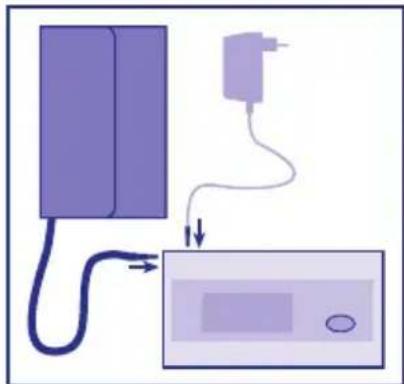
If you want to use mains electricity, insert the plug of the mains adapter into the socket on the back of the display unit.
The batteries will be switched off automatically. (The mains adapter is an optional accessory.)
GB-33
C
Display unit operation
2. Fitting the cuff
Bare your left arm. Fit the cuff to your arm placing its lower end 2 to 3cm (about 1 inch) above the elbow and the pipe lying in the middle of the crook of the arm. Left-handed users can fit the cuff to their right arm (observing the general sense of instructions).
Tighten the cuff by pulling its free end and placing it over the Velcro fastener. After applying the cuff, you should be able to insert two fingers between arm and cuff. Insert the air plug of the cuff into the display unit's air socket on the left.
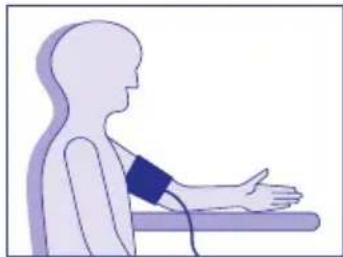
Stretch out your arm on the table, with the palm turned upwards. It is necessary to keep it still during the measurement. Do not talk.
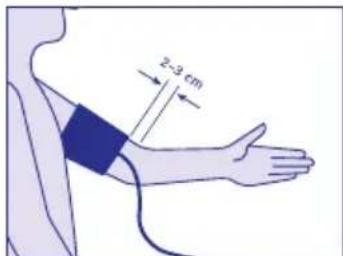
Please check to ensure that the arrow on the cuff is positioned in between the white marking on the cuff edge. (circumference 22-31 cm).
Display unit operation
C
3. Inflating the cuff
Press the Start/Stop-button. The machine will carry out a function test, and all display elements will be visible.
The display shows "0" and the cuff will be pumped up automatically to about 180 mmHg. If the pressure in the cuff is too low, the machine will continue to pump it up in steps of 30 mmHg at a time.
Inflation of the cuff and measuring can be stopped at any time by pressing the Start/Stop-button again.
To manually control pressurization, hold down the power button immediately after the start of inflation and release it when the pressure reaches the level 30mmHg higher than the expected maximum systolic pressure. If the pressure value has exceeded 180mmHg the inflation will stop
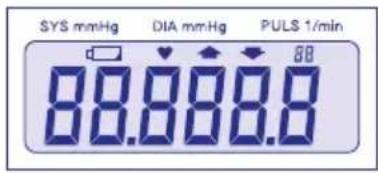
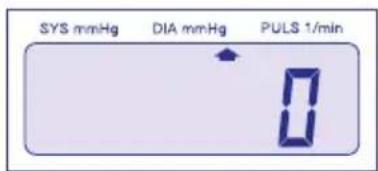
when the key is released. Pressure can be increased to approximately 300mmHg
Attention: Do not inflate the cuff if it is not fitted to your arm.
GB-35
C
Display unit operation
4. Blood pressure measurement
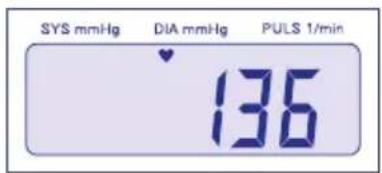
Once the necessary pressure in the cuff is reached, the pump stops and the air escapes automatically. The falling cuff pressure appears in the display. After a short time, the symbol “♥” flashes and beep in time with your pulse. At the end of the measurement the air escapes automatically from the cuff.
The display unit than shows the measured value of the blood pressure alternating in time with the pulse speed.
When a new measurement is started, or the device is switched off, the values of systolic and diastolic blood pressure are automatically stored in the memory of the instrument.
Please wait 3 minutes before taking a new measurement.
Display unit operation
C
5. Memory recall
The device is equipped with a memory which is able to show the last 30 values of the blood pressure measurements as well as an average value.
When the memory button is pressed, the last measured value appears. When the button is pressed again, the additional measured values and the average value are recalled.
The number of the measurement (last measured value smallest figure (1), first measured value highest figure (30) and an "A" for average value appear on the display unit.
After the 30th measurement, the oldest measurement will be deleted and the latest measured value will be memorised.
Enter the memorised value in your blood pressure chart. This will provide you with an overview of your blood pressure situation for a longer period, which you can discuss with your doctor if necessary.
Attention
The memory will be deleted when the batteries are changed or when disconnecting the mains adapter from the mains electricity when no batteries are inserted. Please note these values beforehand.
D
Important information
1. Basic rules for blood pressure measurement
- The measurement must be carried out whilst you are relaxed. Walking or going upstairs increases the blood pressure. Please wait at least 5 minutes until your pulse rate has returned to normal.
- Check your blood pressure twice a day – in the morning after getting up and in the evening after work when you are relaxed.
- To carry out the measurement, sit down at your dining table. This ensures that the cuff is kept at heart level.
- Perform the measurement on your bare arm to reach exact values.
-
Do not move the arm while wearing the cuff.
-
Please wait at least 3 minutes between successive measurements in order to avoid measurement errors.
2. Other points to note
- Circumference of arm
The cuff is made to fit an arm circumference of 22-31 cm. Where the circumference is greater, use an extra large cuff (32-42 cm)
- Heart rhythm malfunctions
False results can be obtained if you are suffering from heart rhythm malfunctions or arrhythmia
Frequency of cardiac pacemaker
The pulse frequency display is not suitable for checking the frequency of cardiac pacemakers.
GB-38
What you should know about blood pressure
E
Pregnancy
During pregnancy blood pressure measurement should not be performed without prior consultation of your doctor since the pregnancy might affect the blood pressure levels.
Medicines
If you are taking blood-thinning/anti-coagulating drugs (clot prevention) you should only make a measurement after consulting your doctor.
Warning:
Measuring your own blood pressure is not the same as treatment! Do not change any drug dosage determined by your doctor.
1. Systolic and diastolic blood pressure values
The cardio vascular system has the important function of supplying all organs and tissue in the body with sufficient blood and of eliminating the products of metabolism. The heart contracts and relaxes in a regular rhythm around 60-80 times per minute.
The pressure of the blood applied to the artery walls during contraction of the heart is described as systolic. The pressure in the subsequent relaxed phase, when the heart fills up with blood again, is described as diastolic.
You determine both values in your daily measurements.
E
What you should know about blood pressure
2. Reasons for measuring different values?
Our blood pressure reacts like a sensitive measurement instrument to external and internal influences. Even slight alterations can have an effect. This explains why measurements taken at your doctor's or chemist's are often higher than those taken at home. But also such factors as weather changes, change of climate, physical and mental stress can affect the measurements.
3. Why you should measure regularly?
Even the time of day has an influence on your blood pressure. During the day the values are generally higher than during the period of relaxation at night. One-off and irregular measurements therefore say little about your daily blood pressure. A reliable
assessment is possible only when measurements are taken regularly. Speak to your doctor about the results.
4. What are standard values?
The World Health Organization (WHO) has drawn up the following overview for assessing blood pressure values:
| High blood pressure | Borderline No | normal pressure |
| systolic pres-sure >140* and/or** diastolic pres-sure >90 | systolic pres-sure 130-140 diastolic pres-sure 85-90 | systolic pres-sure 110-130 diastolic pres-sure 60-85 |
- mmHg = millimetre mercury
** It suffices for one of the values to be raised
Maintenance
F
1. Battery replacement
Batteries must be replaced, when the battery symbol is blinking. Please proceed as follows:
- Open battery compartment
Open the cover of the battery compartment on the underside of the display unit by applying light pressure and pushing in the direction of the arrow.
- Insert batteries
Remove the old batteries from the display unit and insert the new ones. Make sure that the polarity is correct (marks inside of the battery compartment).
- Close battery compartment
Close the battery compartment by replacing the cover.
- Please note:
Always exchange all four batteries. Use
only high quality batteries as indicated in the technical specifications. If the display unit is not going to be used for a longer period, remove the batteries to prevent leakage.
Dispose of the batteries at a recycling point in your area.

2. Cleaning and disinfecting
Clean the display unit only by using a soft, slightly damp cloth and some detergent. Stains on the cuff can be removed carefully in the same way.
The cuff should not be cleaned using chemical cleaning materials.
Please note: Do not wash or dry-clean the cuff.
GB-41
F
Maintenance
3. After-sales service
Any repairs to the display unit may only be carried out by the manufacturer/supplier or by an authorised service centre.
See your warranty card for your local service centre.
Or please contact
Uebe Medical GmbH
Zum Ottersberg 9
97877 Wertheim
Germany
Phone: +49 9342/92 40 40
Fax: +49 9342/92 40 80
E-mail: info@uebe.com
In rare cases, you may receive no results or false results of measurements. Your display unit shows you a code which will help you to rectify malfunctions
Appendix
G
| Malfunctions shown Reasons | Corrective Action | |
| Symbol Err is displayed Movement | of the arm or body during the measurement. Do not talk during the measurement | Repeat the measurement. Don’t move the arm and don’t talk. In case of recurrence please contact our aftersales service |
| No measuring or check displays on the screen | No batteries inserted Batteries incorrectly inserted Flat batteries | Please check batteries and replace if necessary |
| Battery symbol ☐ | Batteries are flat Please check batteries and replace if necessary | |
| Faulty measurement values Moving | your arm or body during the measurement. | Repeat the measurement. Don’t move the arm and don’t talk. |
| Wrong cuff size Measure circumference of upper arm and if measurement is in the range (32 – 42 cm) use UL/NL-cuff | ||
| Cuff is not pumped Batteries are | flat Please check batteries and replace if necessary. | |
GB-43
G
Appendix
Technical specifications/ accessories/replacement parts
- Display unit type:
Digital display unit with electric pump for measurement of blood pressure on the arm
- Measuring system:
Oscillometric determination of systole, diastole and pulse value
Reference procedure of clinical investigation:
Auscultatory measurement
- Display:
LCD-display for 6-digit measuring parameters and check display
Memory:
30 measurements (saved automatically) and the average value
GB-44
- Measuring range
Blood pressure measurement:
0-300 mmHg
Pulse measurement: 40-160 pulse/min
- Error range:
Blood pressure measurement:
correspond to EN 1060 Part 3
Pressure measurement: ± 3mmHg
Pulse measurement: < 10%
- Type of cuff:
Special shell-shaped cuff
- Deflation valve:
Electronically regulated linear valve
- Deflation rate:
Approx. 4mmHg / s
- Inflating pressure:
Approx. 180mmHg
Appendix
G
- Batteries:
Battery type: 4 × 1.5 ~V alkaline-manganate block cell (LR 6) or lithium (FR 6) size AA
- Durability: More than 800 measurements in 2 years
-Battery check: Display, "means exchange batteries
Automatic power-off: About 3 minutes after end of measurement
- Conditions of use:
Temperature between 10 - 40°C Humidity 10-85%
- Accessory:
Connection socket for power supply (Please use power supply visomat Type "A1")
The right to make technical alterations is reserved.
Important: Use the display unit only with original cuffs type "UPM" or extra large cuffs type "UL/NL".
Accessories / spare parts
The following spare parts or accessories are available from specialised dealers.
- visoFORM cuff type "UPM" (22 - 31 cm)
- Extra large ^ visoRING cuff type "UL/NL" (32 - 42 cm)
GB-45
G
Appendix
CE-mark
This blood pressure display unit corresponds to the European regulation of EC directive 93/42/EEC on medical devices and bears the CE-mark "CE 0123".
Reference procedure of clinical investigation: auscultatory measurement.

Protection grade against electric shock: Type BF
Take notice of instruction manual
Applied standards:
DIN EN 1060 Part 1: 1995
Non-invasive sphygmomanometers
Part 1: General requirements
DIN EN 1060 Part 3: 1997
Non-invasive sphygmomanometers
Part 3: Supplementary requirements for electro-mechanical blood pressure measuring systems
DIN EN 60601-1: 1990
- A1: 1993
-
A2: 1995
-
Medical electrical devices
- General commitment for safety
Medical electrical devices
Electromagnetic tolerance
Appendix
G
DIN 58130:1996-12 non-invasive sphygmomanometers clinical investigations
ANSI/AAMI SP10-1992
- Tested in a special clinical trial according to the rules of German Hypertension Society
Manufacturer:
UEBE Medical GmbH
Zum Ottersberg 9
97877 Wertheim
Germany
Metrological inspection (previously calibration)
For professional users, a metrological inspection corresponding to the "Regulations for the Retail of Medical Products" should be carried out every two years either by Uebe Medical GmbH, a public authority responsible for weights and measures or by an authorized maintenance service centre.
On request, the responsible authority or maintenance service will be sent a copy of the "Instructions for metrological inspections" by the manufacturer.
G
Appendix
Manufacturer's guarantee
The equipment was manufactured and tested with great care. However, in the unlikely event of a defect being detected after delivery, we are prepared to give a guarantee in accordance with the following conditions:
- During the guarantee period of 3 years from the date of purchase, we reserve the right to either repair any such defect at our expense or supply a perfect replacement unit (in any case the defective equipment must be returned to our factory).
- Excluded from the guarantee are parts subject to normal wear and tear as well as damage caused by non-compliance with the operating instructions, improper handling (for example: unsuitable supply mains, breakages, leaking batteries) and/or dismantling of the unit by the purchaser. Furthermore, no claims for damages
against us can be justified through the guarantee.
- Claims under the guarantee can only be made during the guarantee period by presentation of the purchase receipt. In the case of claim under the guarantee, the equipment together with the purchase receipt and a written justification of the claim are to be sent to UEBE Medical GmbH, Service-Center, Zum Schlag 18, 97877 Wertheim, Germany.
- In the case of defectiveness of the goods, the contractual rights of the purchaser to claim against the supplier/salesman in accordance with § 437 BGB (The German Civil Code) are not limited by the guarantee.
Please note: In a warranty case, please return the entire unit together with the sales slip.