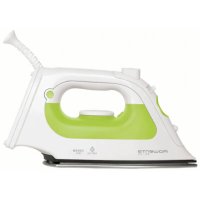
Effective DX1100 - Iron ROWENTA - Free user manual and instructions
Find the device manual for free Effective DX1100 ROWENTA in PDF.



| Product Type | Steam Iron |
| Brand | Rowenta |
| Model | Effective DX1100 |
| Power Supply | 220-240 V ~ 50/60 Hz |
| Power | 2400 W (estimation) |
| Tank Capacity | 300 ml (estimation) |
| Soleplate | Stainless Steel (estimation) |
| Steam Functions | Continuous steam, steam shot, spray |
| Self-Clean | Yes, recommended every two weeks |
| Recommended Water Type | Tap water, or a 50% tap water + 50% demineralized water mixture |
| Waters to Avoid | Pure demineralized water, dryer water, perfumed waters, softened water, refrigerator water, battery water, air conditioner water, distilled water, rainwater |
| Soleplate Cleaning | Clean with a soft cloth after cooling; avoid abrasive products |
| Safety | Do not leave unattended; unplug before filling/cleaning; use on a stable surface |
| Thermal Protection | Hot soleplate: do not touch during use |
| Usage | Household use only |
| Warranty | Warranty voided in case of commercial or non-compliant use |
Frequently Asked Questions - Effective DX1100 ROWENTA
User questions about Effective DX1100 ROWENTA
0 question about this device. Answer the ones you know or ask your own.
Ask a new question about this device
Download the instructions for your Iron in PDF format for free! Find your manual Effective DX1100 - ROWENTA and take your electronic device back in hand. On this page are published all the documents necessary for the use of your device. Effective DX1100 by ROWENTA.
USER MANUAL Effective DX1100 ROWENTA
natural_image
White Rowenta iron iron with a black handle and visible brand logo (no text or symbols on the iron itself)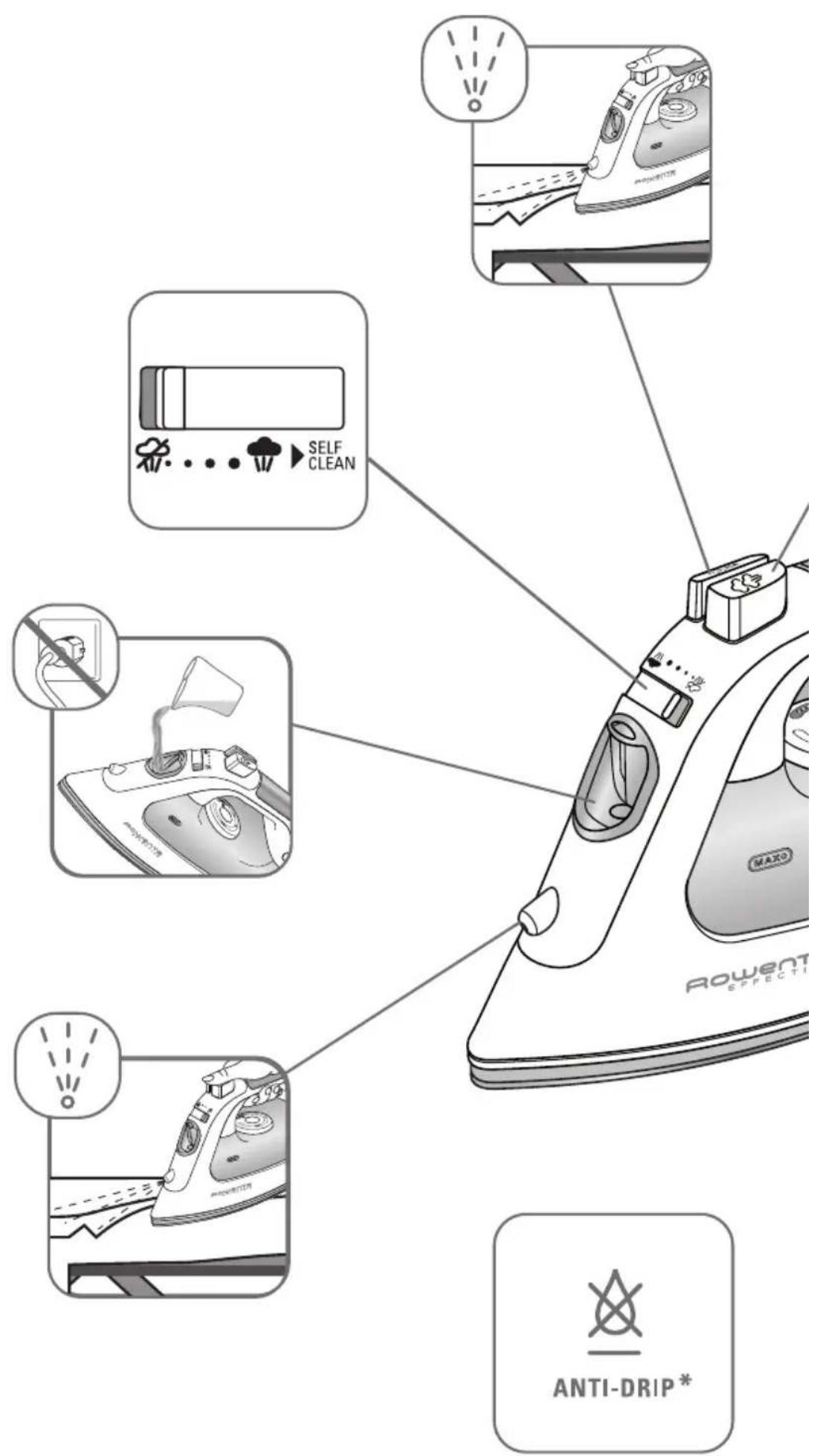
* FR Selon modèle - NL Afhankelijk van het model - DE Je nach Modell - EN depend EL ανάλογα με το μοντέλο - TR Modele göre - DA Afhængig af model - SV Beroene SR Zavisno od modela - BG в зависимост от модела - SL Odvisno od modela - PL W za RU В зависимости от модели - UK Залежно від моделі - RO Ovisno o modelu -
ling on model - IT Secondo i modelli - ES Según modelo - PT Consoante o modelo - le på modell - NO Avhenger av modell - FI Mallista riippuen - HR Ovisno o modelu - leności od typu - CS Podle modelu - SK V závislosti od modelu - HU Modelltől függően - ET Sõltuvalt mudelist - LV Atbilstoši modelim - LT Pagal modelj - AR حسب الموديل
1. FIRST USE \*
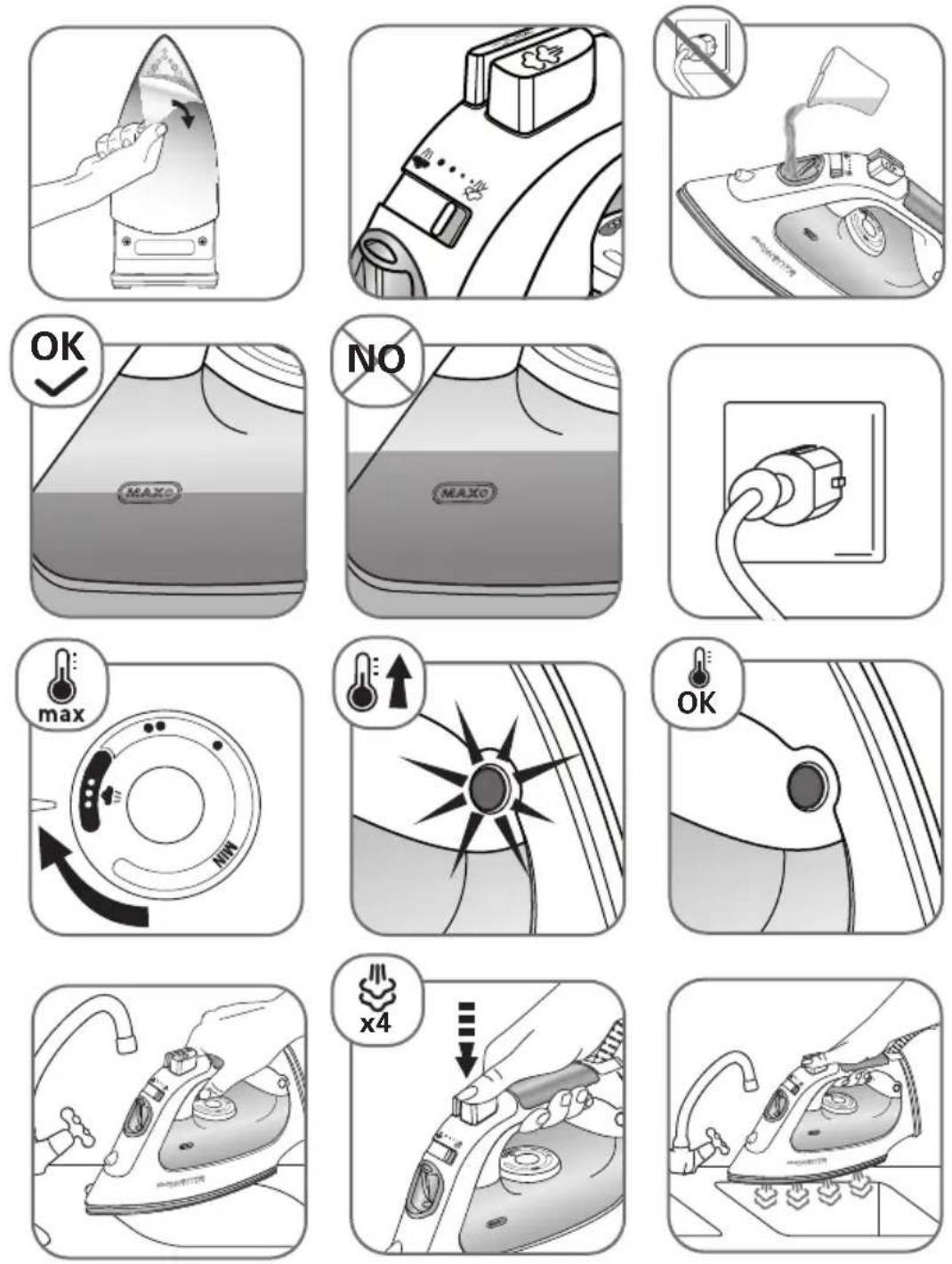
* FR Première utilisation • NL Voor het eerste gebruik • DE Erstgebrauch • EN First use • IT Primo utilizzo • ES Primer uso • PT Primeira utilização • EL Прώτη χρήση • TR İlk kullanım • DA Første brug • SV Första användningen • NO Før første bruk • FI Ensimmäinen käyttökerta • HR Prva uporaba • SR Prva upotreba • BG Първа употреба • SL Prva uporaba • PL Pierwsze użycie • CS První použití • SK Prvé použitie • HU Első használat • RU Первое использование • UK Перед першим використанням • RO Prima utilizare • ET esmane kasutamine • LV Pirmā izmantošana • LT Pirmąkartą naudojant • AR alاستعمال للمرة الأولى
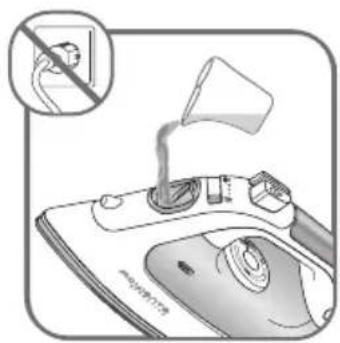
2. WATER TANK FILLING \*
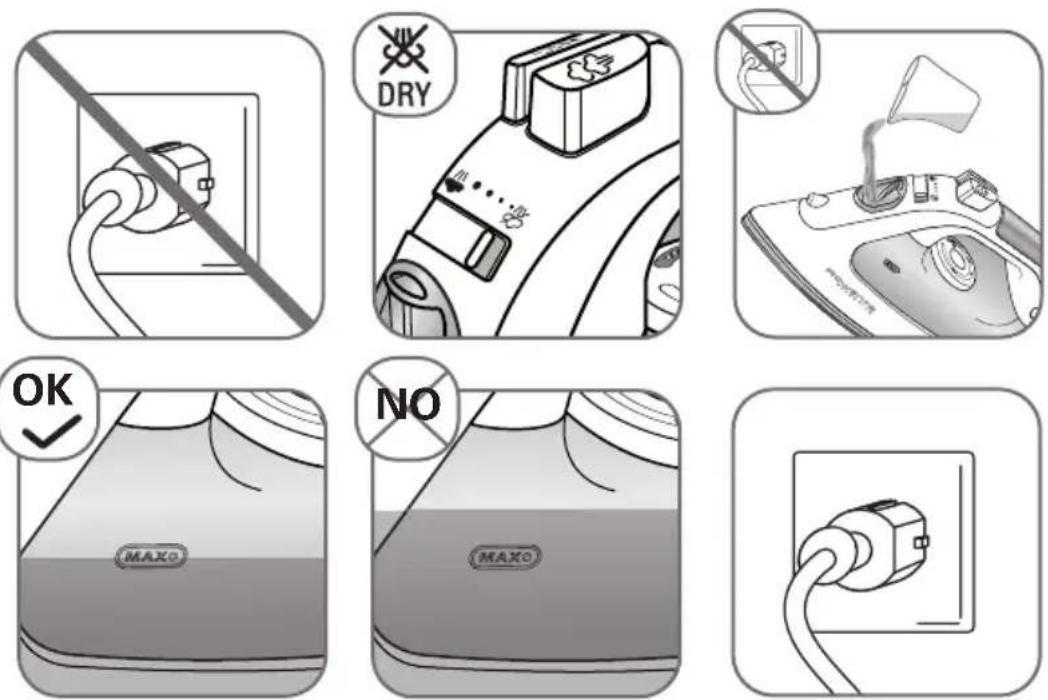
* FR Remplissage du réservoir d'eau • NL Vullen van het waterreservoir • DE Wassertankkapazität • EN Water tank filling • IT Riempimento del serbatoio • ES Llenado del tanque de agua • PT Encher o reservatório de água • EL Γέμομα του δοχείου νερού • TR Su haznesini doldurma • DA Vandpåfyldning • SV Påfyllning av vattentank • NO Fylle vanntanken • FI Vesisäiliön täyttö • HR Otvor za punjenje spremnika vode • SR Punjenje rezervoara za vodu • BG Пълнене на резервоара с вода • SL Polnjenje rezervoarja • PL Napełnianie zbiornika • CS Naplnění vodní nádržky • SK Naplnenie vodnej nádržky • HU Víztartály feltöltése • RU Заполнение резервуара для воды • UK Наповнить резервуар водою • RO Umplere rezervor de apă • ET Veepaagi täitmine • LV Üdens tvertnes uzpildišana • LT Vandens talpos pildymas • AR تعبثة خزان الماء
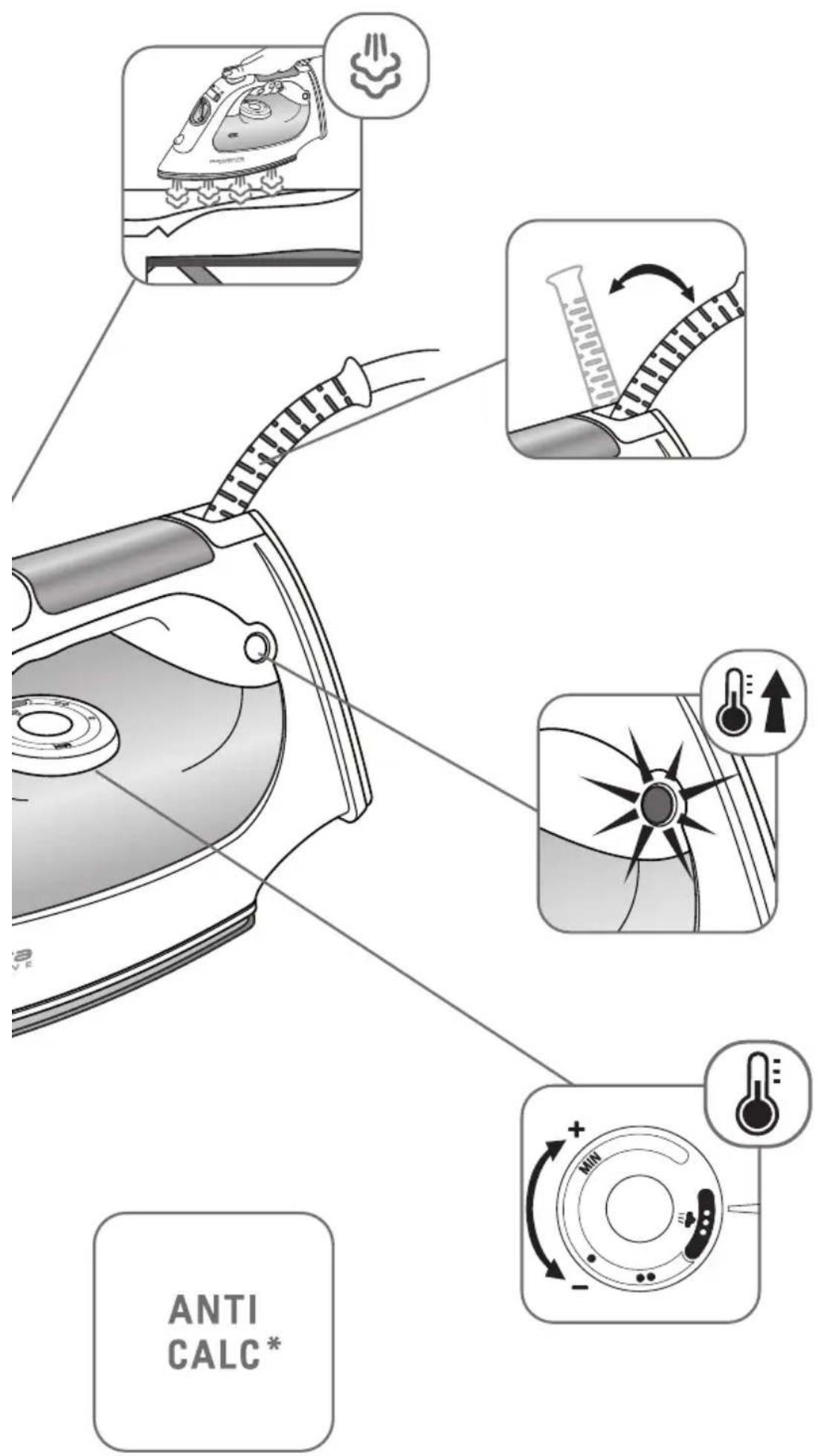
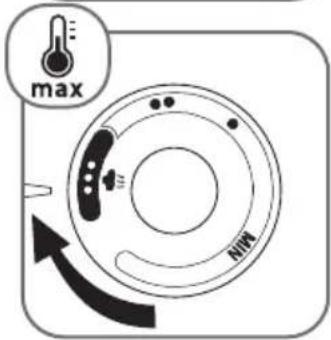
SETTING THE TEMPERATURE3.
| Ironing label Fabrics | Temperature Control | |
 | NYLON - NYLON - NYLON - NYLON - NYLON - NYLON - NAÏLON - NAYLON - NYLON - NYLON - NYLON - NAJLON - NAJLON - HAIJLOH - NAJLON - NYLON - NYLÓN - NEJLON - HEÏ- ЛОН - HEÏLON - NAILON - NAILON - NEILONS - NAILONAS - نايلون | ● |
 | LAINE - WOL - WOLLE - WOOL - LANA - LANA - LÄ - MAAAINA - YÜN - ULD - YLLE - ULL - VILLA - VUNA - VUNA - ВЪЛНА - VOLNA - WEŁNA - VLNA - VLNA - GYAPJÚ - ШЕРСТЬ - ШЕРСТЬ - LÂNÄ - VILLANE - VILNA - VILNA - صوفSOIE - ZIJDE - SEIDE - SILK - SETA - SEDA - SEDA - META- ΞΩTA - İPEK - SILKE - SILKE - SILKE - SILKKI - SVILA - SVILA - КОПРИНА - SVILA - JEDWAB - HEDVÁBÍ - HOD- VÁB - SELYEM - ШЁЛК - ШОВК - MÄTASE - SIID - ZīDS - ŠILKAS - ح >=ر | ●● |
 | LIN - LINNEN - LEINEN - LINEN - LINO - LINO - LINHO - AINA - KETEN - H∅R - LINNE - LIN - PELLAVA - LAN - LAN - ЛEH - LAN - LEN - LEN - LAN - VÁSZON - ЛЁH - ЛЬОН - IN - LINANE - LINS - LINAS کtanCOTON - KATOEN - BAUMWOLLE - COTTON - COTONE - ALGODÓN - ALGODÃO - BAMBAKEPA - PAMUK - BO- MULD - BOMULL - BOMULL - PUUVILLA - PAMUK - PAMUK - ПАМУК - BOMBAŽ - BAWEŁNA - BAVLNA - BAVLNA - PAMUT - ХЛОПОК - БАВОВНА - BUMBAC - PUUVILLANE - KOKVILNA - MEDVILNÉ - قطن | ●●● |
* FR Réglez la température de repassage • NL Temperatuur instellen • DE Temperatur einstellen • EN Setting the temperature • IT Selezionare la temperatura di stiratura • ES Ajustar la temperatura • PT Ajustar a temperatura • EL Púθμιση θερμοκρασίας • TR Isi Ayari • DA Indstilling af strygetemperatur • SV Inställning av temperatur • NO Innstille stryketemperaturen • FI Säädä silityslämpötila • HR Podešavanje temperature • SR Kako se postavlja temperatura • BG Регулиране на температурата • SL Nastavitev temperature • PL Nastawienie temperatury • CS Nastavení teploty • SK Nastavenie teploty • HU A h mérséklet beállitása • RU Установка температуры • UK Регулювання температури RO Reglarea temperaturii • ET Triikimistemperatuuri seadistamine • LV Regul jiet gludin šanas temperat ru • LT Lyginimo temperat ros nustatymas • AR قابعها تيッチ
DRY IRONING4.
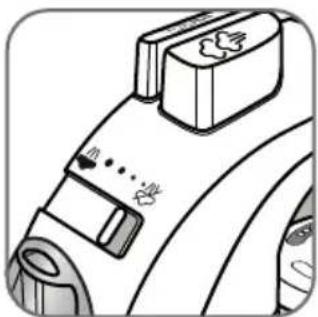
natural_image
Line drawing of a mechanical device with adjustment knobs and a handle (no text or symbols)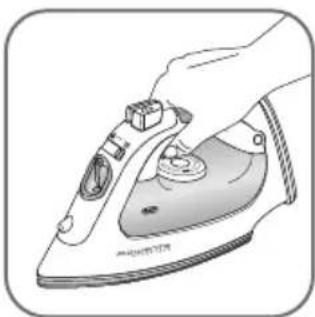
natural_image
Illustration of a hand using an iron iron to clean a surface (no text or symbols visible)* FR Repassez sans vapeur • NL Strijken en stoomfuncties • DE Trockenbügeln • EN Dry ironing • IT Stirare senza vapore • ES Planchado sin vapor • PT Engomar SEM vapor • EL Σιδέρωμα ΧΩΡΙΣ ατμό • TR Buharsız Ütuleme • DA Tørstrygning • SV Strykning utan ånga • NO Stryke uten damp • FI Silitä ilmanhöyryä • HR Gla anje bez pare • SR Peglanje na suvo • BG сухо гладенę • SL Suho likanje • PL Prasowanie bez wytwarzania pary • CS Žehlení bez páry • SK Žehlenie nasucho • HU Száraz vasalás • RU Глажение БЕЗ пара • UK Cyxe прасування • RO C Icatul f r abur • ET Auruta triikimine • LV Gludiniet bez tvaïka • LT Lyginimas be gar • AR الكى الجاف
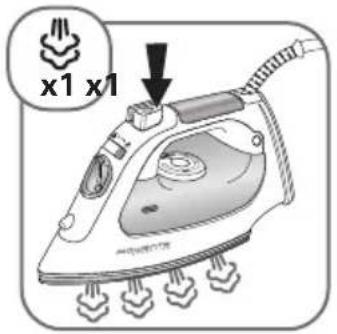
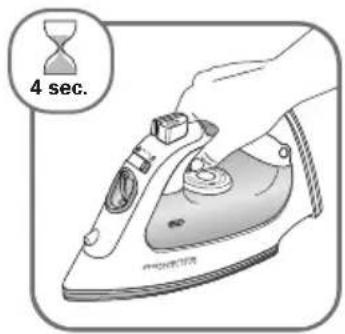
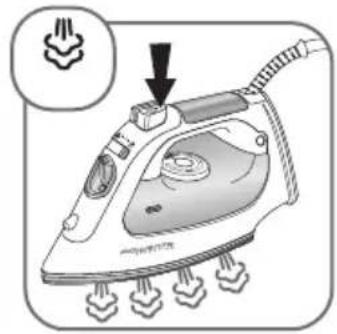
5. SHOT OF STEAM \*
natural_image
Illustration of an iron iron being installed with a power plug (no text or symbols)* FR Jet de vapeur • NL Stoomshot • DE Dampfstoss • EN Shot of steam • IT Getto di vapore • ES Chorro de vapor • PT Jacto de vapor • EL PIPH ATMOY • TR Buhar atimi • DA Dampskud • SV Ångpuff • NO Dampstråle • FI Höyrysuihke • HR Udar pare • SR Izbacivanje pare • BG Паров удар • SL Izpust pare • PL Strumień pary • CS Parní ráz • SK Parný ráz • HU Gözlövet • RU Паровой удар • UK Подача пари • RO Jet de abur • ET Aurupahvak • LV Tvaika strükla • LT Garų pliūpsnis • AR نفث البخار
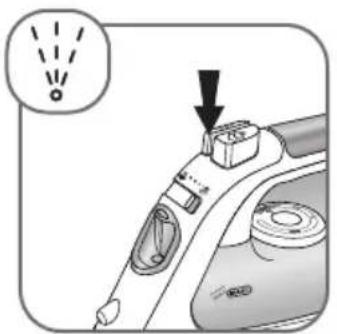
6. SPRAY \*
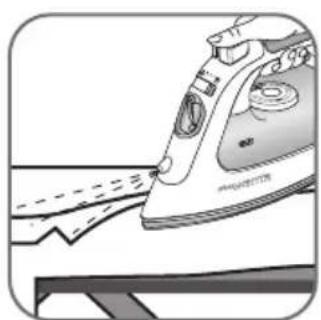
natural_image
Illustration of a hand ironing an iron with steam rising, showing mechanical components (no text or symbols)* FR Spray • NL Spray • DE Spray • EN Spray • IT Spray • ES Spray • PT Spray • EL Σπρέλ • TR Sprey • DA Spray • SV Sprej • NO Spray • FI Suihke • HR Raspršivač • SR Sprej • BG Спрей • SL Razpršilo • PL Spryskiwacz • CS Kropení • SK Kropenie • HU Spriccelés • RU Спрэй • UK Зволоження ілизни • RO Jet de apă • ET Pihusti • LV Smidzinātājs • LT Purkštukas • AR ^البح
7. VERTICAL STEAM (●●●) \*
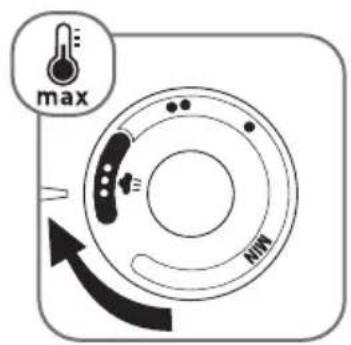
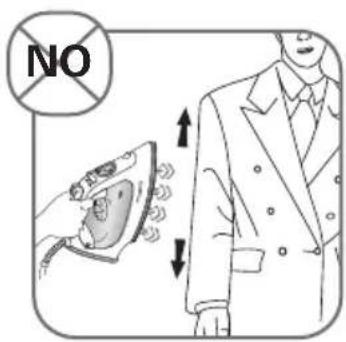
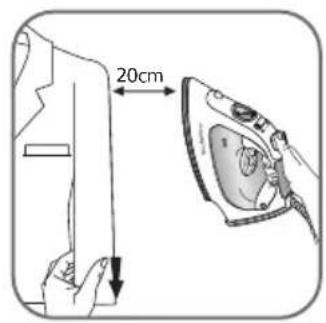
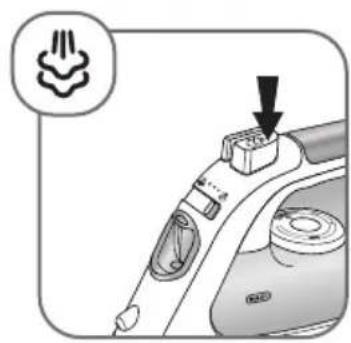
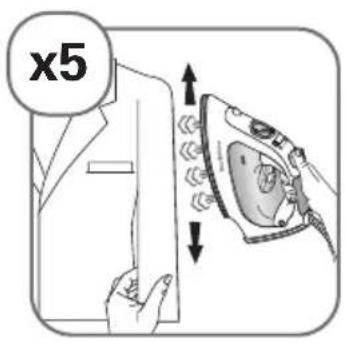
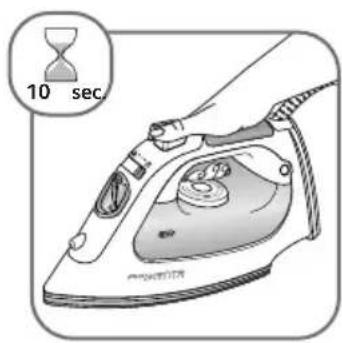
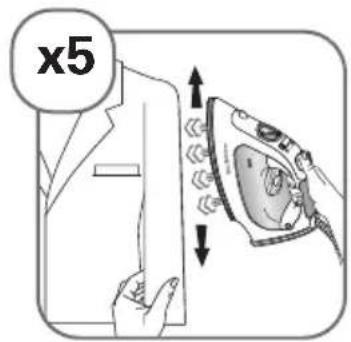
* FR Vapeur verticale • NL Verticale stoom • DE Vertikaldampf • EN Vertical steam • IT Vapore verticale • ES Vapor vertical • PT Engomar na vertical • EL Кáθετος ατμός • TR Dikey ütüleme • DA Lodret damp • SV Vertikal ånga • NO Vertikal damp • FI Pystyhöyrytys • HR Okomiti udar pare • SR Vertikalna para • BG Вертикална пара • SL Vertikalna para • PL Prasowanie w pionie • CS Svislé napařování • SK Zvislé naparovanie • HU Függőleges gőzölés • RU Вертикальный пар • UK Вертикальне відпарювання • RO Abur vertical • ET Vertikaalaur • LV Vertikăls tvaiks • LT Vertikalus garų srautas • AR بخار عمودی
8. IRON STORAGE \*
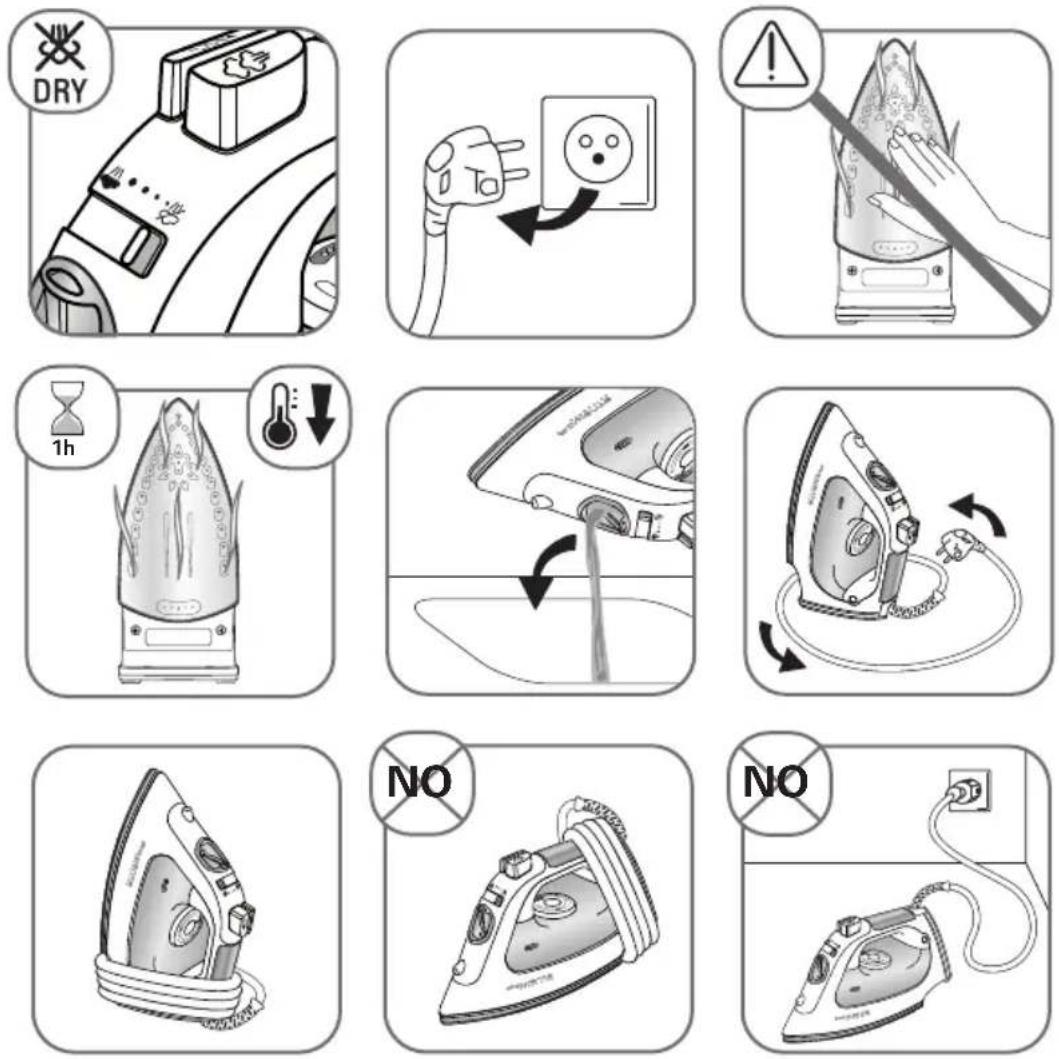
* FR Rangement du fer • NL Opbergen van het strijkijzer • DE Aufbewahrung des Bügelautomaten • EN Iron storage • IT Alloggio del ferro • ES Almacenamiento de la plancha • PT Arrumar o ferro • EL Αποθήκευση του σίδερου • TR Ütü'nün saklanması • DA Opbevaring af strygejern • SV Förvaring av strykjärnet • NO Oppbevaring av jernet • FI Silitysraudan säilytys • HR Pohrana glačala • SR Odlaganje pegle • BG Съхранение на ютията • SL Spravljanje likalnika • PL Przechowywanie želazka • CS Uskladnění žehličky • SK Uskladnenie žehličky • HU Vasaló tároló • RU Хранение утюга • UK берігання праски • RO Depozitarea fierului • ET Triikaraua hoidmine • LV Gludekla uzglabăšana • LT Lygintuvo laikymas • AR تخزين المكواة
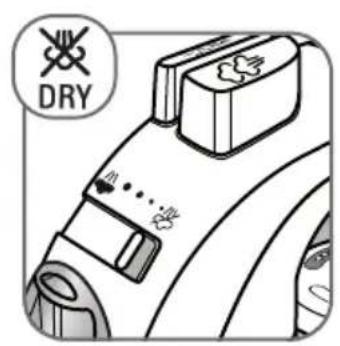
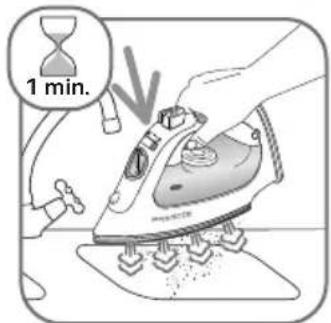
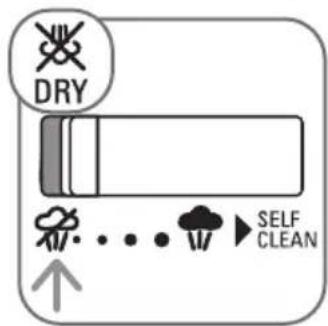
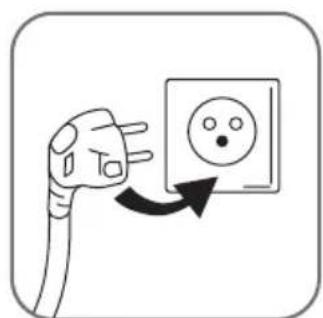
9. SELF-CLEANING (EVERY 2 WEEKS) \*
natural_image
Illustration of a kitchen sink with a lamp and a stopper, showing no text or symbols on the diagram itself.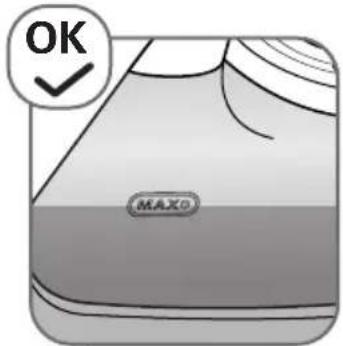
natural_image
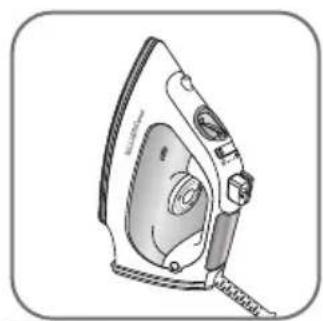
Line drawing of a steam iron with control panel and handle (no text or symbols)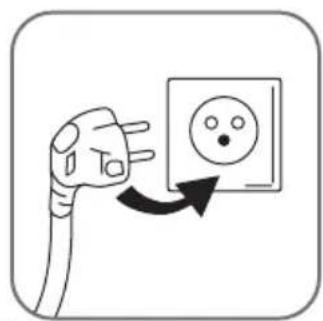
natural_image
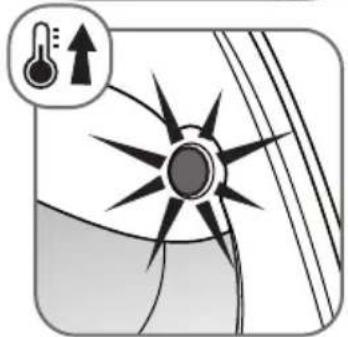
Diagram showing a sunburst pattern with temperature and upward arrow indicators (no text or symbols)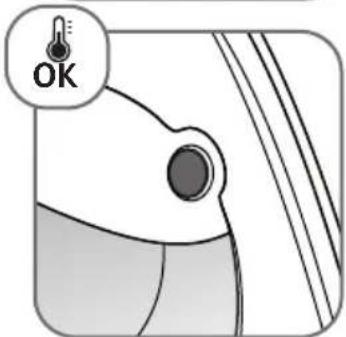
natural_image
Close-up of a mechanical component with a circular opening and a thermometer icon labeled 'OK' (no text or symbols on the main diagram)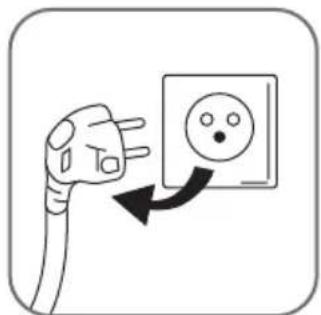
natural_image
Simple line drawing of an electric plug connected to a wall socket with a smiley face (no text or symbols)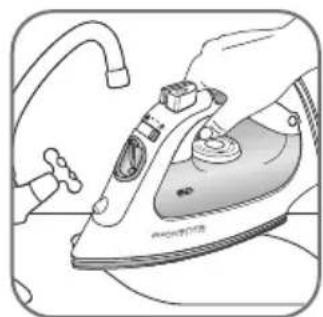
natural_image
Illustration of a hand ironing an air conditioner with steam rising (no text or symbols)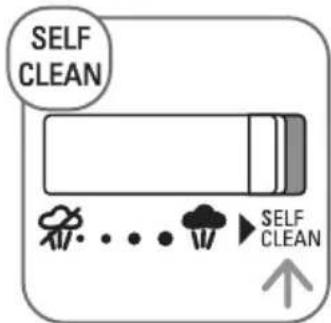
natural_image
Simple line drawing of a plug with a square outlet and a smiley face, connected by an arrow (no text or symbols)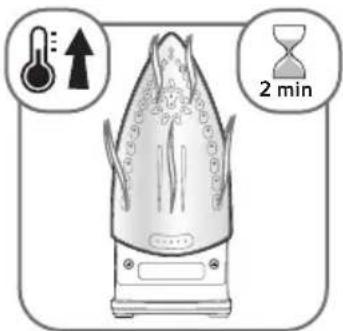
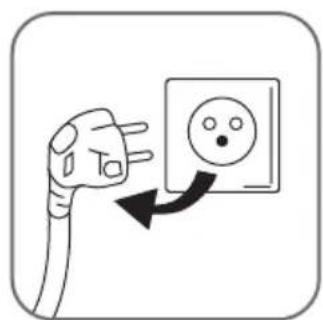
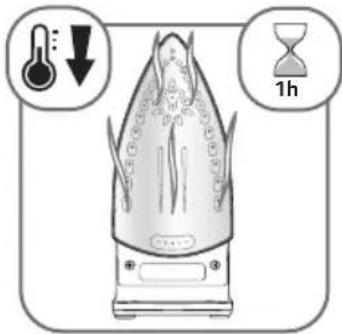
* FR AUTO NETTOYAGE (toutes les 2 semaines) • NL ZELFREINIGEND (elke 2 weken) • DE SELBSTREINIGUNG (alle 2 wochen) • EN CLEAN (every 2 weeks) • IT AUTOPULIZIA (ogni 2 settimane) • ES AUTO-LIMPIEZA (cada 2 semanas) • PT AUTO-LIMPEZA (de 2 em 2 semanas) • EL AUTOKKKKριΚμός (KAΘΕ 2 EBΔΟΜΑΔΕΣ) • TR KENDI KENDINI TEMIZLEME (her 2 haftada bir) • DA SELVRENSNING (hver 2. uge) • SV SELF-CLEAN (varannan vecka) • NO SELVRENSING (Hver 2. uke) • FI ITSEPUHDISTUSKÄYTTÖ (joka 2. viikkoo) • HR SAMOČIŠĆENJE (svaka 2 tjedna) • SR SAMOČIŠĆENJE (na svake 2 nedelje) • BG CAMOΠΟЧnCTBAHE (HA BCEKn 2 CEDMnЦn) • SL SAMODEJNO ČIŠĆENJE (vsaka dva tedna) • PL FUNKCJA SAMOCZYSZCZENIA (co 2 tygodnie) • CS SAMOČIŠTĚNÍ (každé 2 týdny) • SK SAMOČISTENIE (každé 2 týždne) • HU ÖNTISZTÍTÁS (minden két hétben) • RU ФУНКЦпЯ АВТОМАТпЧЕСКОЙ ОЧпСТКпа(раз в 2 недели)a• UK ФУНКЦІЯ АВТОМАТпЧНОГО ЧнЩЕННЯ (раз в 2 тижні) • RO AUTO-CURĂTARE (o dată la două săptămâni) • ET ISEPUHASTUS (iga 2 nädala tagant) • LV PAŠATTİRİŞANĀS FUNKCIJA (ik pēc 2 nedēlām) • LT AUTOMATINIS VALYMAS (kas 2 savaites) • AR (التنظيف الذاتي (كل أسبوعين
10. SOLEPLATE CLEANING \*
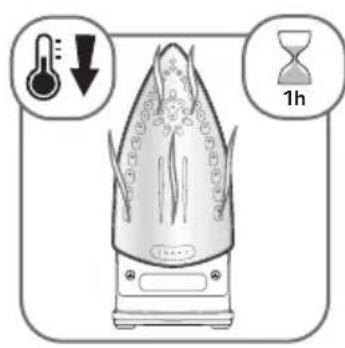
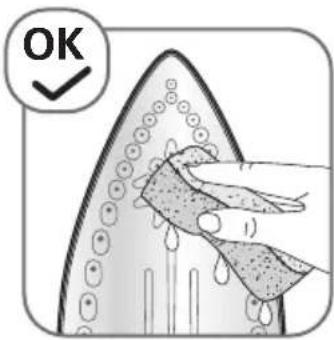
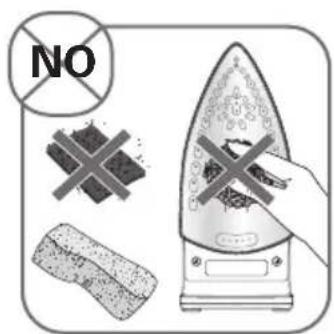
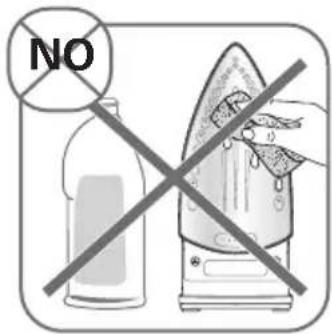
* FR Nettoyage de la semelle • NL Reinigen van de strijkzool • DE Reinigung der Bügelsohle • EN Soleplate cleaning • IT Pulizia della piastra • ES Única placa de limpieza • PT Limpeza da base • EL Kaθαρισμός της πλάκας • TR Taban temizliği • DA Rengöring af strygesål • SV Rengöring av stryksulan • NO Rensing av strykesålen • FI Pohjan puhdistus • HR Čišćenje podnice • SR Čišćenje grejne ploče • BG Почистване на плочата • SL Čiščenje likalne plošče • PL Czyszczenie stopy • CS Čištění žehlicí plochy • SK Čistenie žehliacej plochy • HU Vasalótalp tisztítása • RU Очистка подошвы • UK Очищення підошви • RO Curățtarea tălpii • ET Talla puhastus • LV Pamatnes tîrîšana • LT Pado valymas • AR تنظيفIPA قاعدة
CONSIGNES DE SÉCURITÉ
RECOMMANDATIONS IMPORTANTES
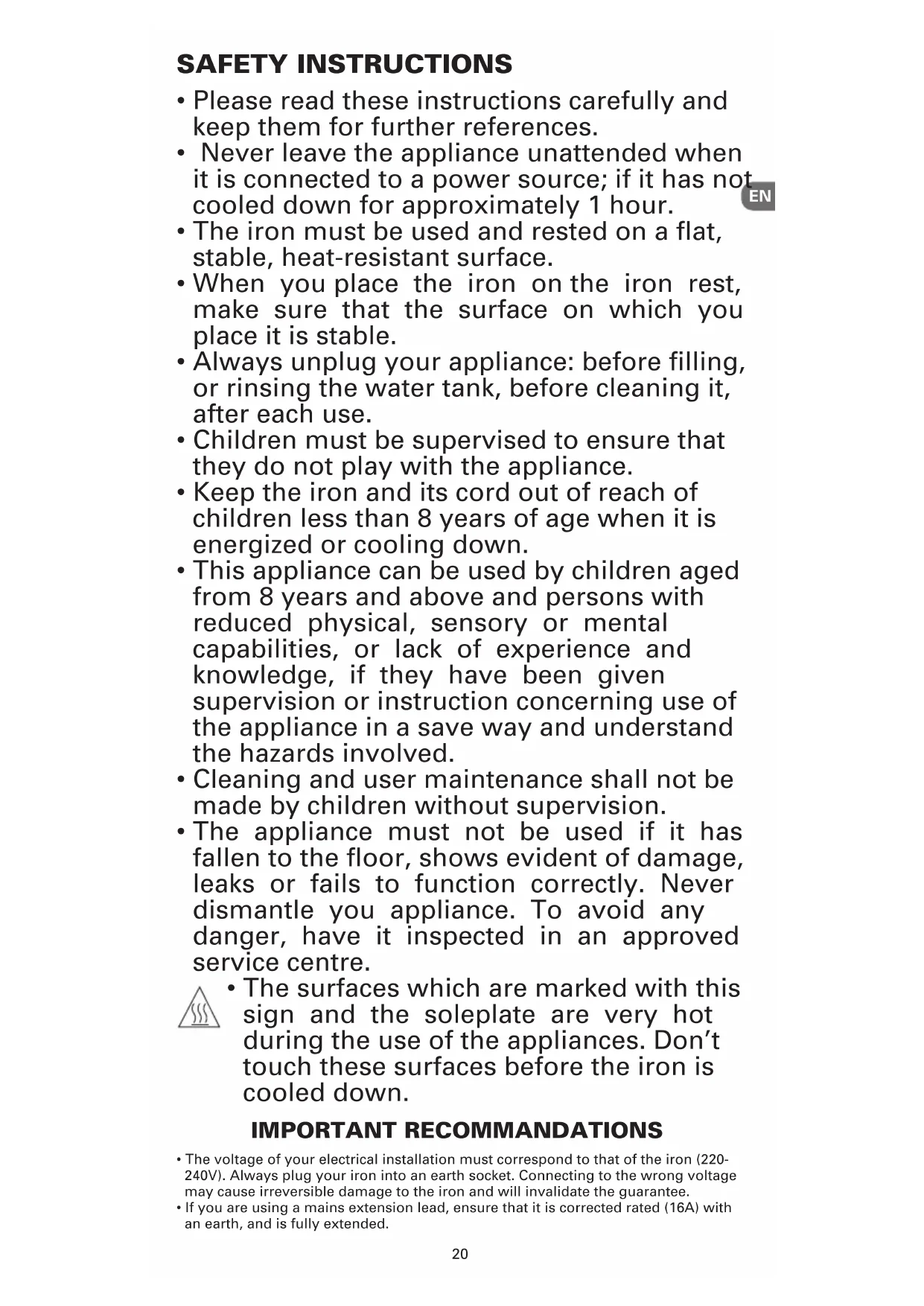
- Please read these instructions carefully and keep them for further references.
- Never leave the appliance unattended when it is connected to a power source; if it has not cooled down for approximately 1 hour.
- The iron must be used and rested on a flat, stable, heat-resistant surface.
- When you place the iron on the iron rest, make sure that the surface on which you place it is stable.
• Always unplug your appliance: before filling, or rinsing the water tank, before cleaning it, after each use.
• Children must be supervised to ensure that they do not play with the appliance. - Keep the iron and its cord out of reach of children less than 8 years of age when it is energized or cooling down.
- This appliance can be used by children aged from 8 years and above and persons with reduced physical, sensory or mental capabilities, or lack of experience and knowledge, if they have been given supervision or instruction concerning use of the appliance in a save way and understand the hazards involved.
- Cleaning and user maintenance shall not be made by children without supervision.
- The appliance must not be used if it has fallen to the floor, shows evident of damage, leaks or fails to function correctly. Never dismantle you appliance. To avoid any danger, have it inspected in an approved service centre.

- The surfaces which are marked with this sign and the soleplate are very hot during the use of the appliances. Don't touch these surfaces before the iron is cooled down.
IMPORTANT RECOMMANDATIONS
- The voltage of your electrical installation must correspond to that of the iron (220-240V). Always plug your iron into an earth socket. Connecting to the wrong voltage may cause irreversible damage to the iron and will invalidate the guarantee.
-
If you are using a mains extension lead, ensure that it is corrected rated (16A) with an earth, and is fully extended.
-
If the electric power cord is damaged, it must be replaced by an Approved Service Centre in order to prevent any danger.
- Do not unplug your appliance by pulling on the cord.
- Never immerse your steam iron in water or any other liquid. Never hold it under the water tap.
- Never touch the electric cord with the soleplate of the iron.
- Your appliance gives off steam, which may cause burns, especially when you are ironing close to the edge of your ironing board.
- Never direct the steam towards people or animals.
- For your saftey, this appliance conforms to the applicable standards and regulations (Low Voltage, Electromagnetic Compatibility, Environmental Directives).
- This product has been designed for domestic use only. Any commercial use, inappropriate use or failure to comply with the instructions, the manufacturer accepts no responsibility and the guarantee will not apply.
What water to use?
Your appliance has been designed to function with untreated tap water. If your water is very hard (check with your local water authority), it is possible to mix untreated tap water with store-bought distilled or demineralised water in the following proportions: - 50% tap water, - 50% distilled or demineralised water.
However, it is necessary to operate the Self-Clean function regularly in order to eliminate hard water deposits from the steam chamber.
Use the self-clean function approximately every 2 weeks. If the water is very hard clean the iron weekly
Types of water not to use?
Heat concentrates the elements contained in water during evaporation. The types of water listed below contain organic waste or mineral elements that can cause spitting, brown staining, or premature wear of the appliance: water from clothes dryers, scented or softened water, water from refrigerators, batteries or air conditioners, pure distilled or demineralised water or rain water should not be used in your Rowenta iron. Also do not use boiled, filtered or bottled water.
If there is a problem?
| PROBLEM | POSSIBLE CAUSE SOLUTION | |
| Water drips from the holes in the soleplate. | You are using steam while the iron is not hot enough. | Wait until the thermostat light goes out. |
| You are using the shot of steam button too often. | Wait a few seconds between each use of the button. | |
| You have stored the iron horizontally, without emptying it and without setting it to 📋 | See the section "Storing your iron". | |
| Brown streaks come through the holes in the soleplate and stain the linen. | You are using chemical descaling agents. | Do not add any descaling agents to the water in the water tank. |
| You are not using the right type of water. | Perform a self-cleaning operation and consult the chapter "What water should I use?". | |
| Your linen has not been rinsed sufficiently or you have ironed a new garment before washing it. | Make sure that your laundry is rinsed sufficiently in order to remove any deposits of soap or chemical products on new clothes. | |
| The soleplate is dirty or brown and can stain the linen. | Your are ironing with an inappropriate temperature selection (temperature too high). | Clean the soleplate as indicated above. Select the appropriate program. |
| You are using starch. Clean the | the soleplate as indicated above. Always spray starch onto the reverse side of the fabric to be ironed. | |
| There is little or no steam. | The water tank is empty. Fill the water tank. | |
| Your iron has been used dry for too long. | Carry out a self-clean. | |
| The soleplate is scratched or damaged. | You have placed your iron flat on a metallic rest-plate or ironed over a zip. | Always set your iron on its heel.Do not iron over zips. |
| Steam or water come from the iron as you finish filling the tank. | The steam control is not set to the position. | Check that the steam control is set to the position. |
| The water tank is overfilled. | Never exceed the Max level. | |
| The spray does not spray. | The water tank is not filled enough. | Fill up the water tank. |
EN
Environnement
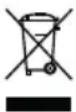
Environment protection first!
① Your appliance contains valuable materials which can be recovered or recycled.
Leave it at a local civic waste collection point.
PER LA VOSTRA SICUREZZA
BEZBEDNOSNA UPUTSTVA
- Pročitajte pažljivo ova uputstva i sačuvajte ih za slučaj da vam ponovo zatrebaju.

- FIRST USE \*
- WATER TANK FILLING \*
- SETTING THE TEMPERATURE3.
- DRY IRONING4.
- SHOT OF STEAM \*
- SPRAY \*
- VERTICAL STEAM (●●●) \*
- IRON STORAGE \*
- SELF-CLEANING (EVERY 2 WEEKS) \*
- SOLEPLATE CLEANING \*
- CONSIGNES DE SÉCURITÉ
- RECOMMANDATIONS IMPORTANTES
- IMPORTANT RECOMMANDATIONS
- What water to use?
- Types of water not to use?
- Environnement
- Environment protection first!
- PER LA VOSTRA SICUREZZA
- BEZBEDNOSNA UPUTSTVA
Brand : ROWENTA
Model : Effective DX1100
Category : Iron