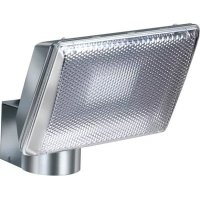
1173340 - Lighting BRENNENSTUHL - Free user manual and instructions
Find the device manual for free 1173340 BRENNENSTUHL in PDF.


| Product type | Outdoor LED lamp with motion detector (model L2705 and L2705 PIR) |
| Brand | Brennenstuhl |
| Model | 1173340 |
| Dimensions (approx.) | 200 mm × 150 mm × 100 mm |
| Weight (approx.) | 0.5 kg |
| Power supply | 220-240 V ~ 50/60 Hz |
| Nominal power | 13.5 W (27 × 0.5 W LED) |
| Protection class | I |
| Protection rating | IP44 (suitable for outdoor use) |
| Color temperature | Not specified (typical white) |
| Luminous flux | Not specified |
| Detection angle (PIR model) | 130° |
| Detection range (PIR model) | Max. 10 m (adjustable) |
| Time delay (PIR model) | Adjustable from 10 (±5) seconds to 4 (±1) minutes |
| Day/night threshold (PIR model) | Adjustable via LUX potentiometer |
| Sensitivity (PIR model) | Adjustable via SENS potentiometer |
| Main functions | LED lighting, motion detection, adjustment of time delay and brightness threshold |
| Maintenance and cleaning | Clean with a dry or slightly damp cloth, without solvent or corrosive cleaner. LEDs are not replaceable. |
| Safety | Installation by a qualified technician. Disconnect power before maintenance. Do not look directly into the beam. Minimum distance of 1 m from illuminated objects. Replace glass if broken. |
| Spare parts and repairability | Parts not available separately. In case of failure, replace the device. Recycle according to WEEE directive. |
| General information | Manufacturer: Brennenstuhl. For more information, visit www.brennenstuhl.com |
Frequently Asked Questions - 1173340 BRENNENSTUHL
User questions about 1173340 BRENNENSTUHL
0 question about this device. Answer the ones you know or ask your own.
Ask a new question about this device
Download the instructions for your Lighting in PDF format for free! Find your manual 1173340 - BRENNENSTUHL and take your electronic device back in hand. On this page are published all the documents necessary for the use of your device. 1173340 by BRENNENSTUHL.
USER MANUAL 1173340 BRENNENSTUHL
Operation and Safety Notes
M
LED-Lamp
GB Operation and Safety Notes Page 8
LED-light (Models L2705 and L2705 PIR)
- Parts description
1
Screw for connector box
2
Screw terminal
3
Release button
4
Mounting plate
5
Screws for mounting plate
6
Cable feed-through
7
Wall plug

Safety notes
Note: Please ensure you read the following notes before installing the light. Make sure the power is switched off, before you install the light. The installation of the light should only be carried out by a qualified expert.
WARNING! This light may not be operated unless all sealing rings are located properly!
LED-lights are extremely bright. Under no circumstances look into the light beam of the LED lights, as this may cause permanent damage to your eyes.

FIRE HAZARD! Fit the light so that it is at least 1 m away from the material being illuminated. Excessive heat can a fire.
。

If the glass is broken, it must be replaced with a new original Brennenstuhl protective glass before further use.
RISK OF INJURY FROM BURNS! Ensure the lamp has been switched off and allowed to cool before you touch it.
- Technical data
Voltage: 220-240V 50 / 60Hz
Wattage: 27 × 0.5 W LED
Weatherproof: IP44
Protection: Class I
This luminaire is only intended for normal use, must not be used for rough service.
Only for model L2705 PIR:
Detection area
movement detector: 130^ and max. 10 metres, adjustable
Time span: adjustable from 10 (±5) seconds to 4 (±1) minutes
Installation
Note: The light must be fitted to a dry, sturdy and stable surface according to the notes in Fig. B.
Ideally the LED light should be fitted at a height of 1.8 bis 2.5 metres off the ground (see Fig. B).
Only for model L2705 PIR:
The movement detector should not be directed towards heat sources, such as barbecues, air condition units, other outside lights, passing cars or ventilation openings, to avoid annoying unwanted activation.
The movement detector should not be fitted in an area with strong electromagnetic interferences, to avoid annoying unwanted activation.
Do not point the appliance towards reflective surfaces such as smooth white walls, swimming pools, etc. The technical specifications for the detection area (max. 10 metres at 130^ ) may vary depending on fitting height and place. The detection area of the appliance can also differ with changing temperature. Before you choose where to fit the appliance, you should take into consideration that movements perpendicular to the movement detector are more effective than movements straight towards or
away from the movement detector (see Fig. C). If the movement is straight to or away from the movement detector, the detection area is considerably reduced (see Fig. C).
Installation of the light (see Fig. A)
Loosen the screw 1 on the connector box, press the release button 3 and then remove the mounting plate 4.
Use the mounting plate to mark the position for the screw holes on the mounting surface. Important: Ensure that you do not drill into hidden cables or pipes.
Lead the power cable through the cable feedthrough 6 of the mounting plate and then affix the plate to the wall, using screws 5 and wall plugs 7.
Then connect the power cable to the screw terminal 2 according to Fig. A. (N = blue cable, earth symbol = green /yellow cable, L = brown cable).
- Refit the light body to the mounting plate. To do so, press the release button 3 and push the light onto the mounting plate until the release button snaps into place 3 again. Secure the connection with the screw on the connector box 1. Adjust the desired light direction and tighten the screws.
Switch mains power back on.
Only for model L2705 PIR (see Fig. D):
Setting the timer (TIME):
The length of time the light stays switched on after activation can be adjusted to between 10 (± 5) seconds and 4 (± 1) minutes. The time span can be shortened by turning the TIME control from (+) to (-).
Note: Once the light has been triggered by the movement sensor, the time span starts anew with every new detection.
Light adjustment (LUX):
The LUX control module features an integrated scanner (photocell), which can differentiate between day light and darkness. The symbol denotes that the movement sensor is triggered day and night, where as the symbol means that it only reacts at night.
Sensitivity (SENS):
Sensitivity means the maximum area where the movement sensor is triggered by movements. Turning the SENS-control from (+) to (-) decreases the sensitivity.
Setting the control (see Fig. D)
Set the LUX-control to the symbol and wait for half a minute until the control cycle is stabilised. When doing so, ensure that the TIME-control is set to minimum (-). The light switches on and stays on for a few seconds.
Now adjust the movement sensor in such a way that the desired area is included.
Get someone to run through the area to be scanned and adjust the sensor angle until the appliance registers the presence of the person by switching the light on (see Fig. C).
Switch the TIME-control to the desired activation time.
In order to adjust the LUX threshold, where the light switches on automatically during the night, turn the LUX-control from daylight to night.
Note: Should it be necessary to switch the light on earlier, i.e. at dusk, wait for the desired light level, turn the LUX-control direction daylight position, while someone runs through the middle of the detection area. Let go of the LUX-control once the light is switched on.
- Troubleshooting and user notices
| Problem Possible | cause Recommended solution | |
| Light does not switch on for movements in the detection area. | 1. No grid power Please check all | connections and fuses / switches. |
| 2. Lighting close by is too bright. Please reposition the motion detector newly or change mounting area. | ||
| 3. Control set wrongly. Reset sensor angle or readjust control. | ||
| Light switches itself on for no obvious reason (wrong trigger) | 1. Heat sources such as air condition units, ventilation openings, outlets from heating units, barbecues, other outside lights or passing cars activate the movement sensor. | Align the sensor head away from these sources. |
| 2. Animals / birds or pets. A new alignment of the sensor head can be helpful. | ||
| 3. Reflections from swimming pools or other reflecting surfaces. | Realign movement sensor. | |
| Note: All devices with a PIR sensor react more sensitively in colder weather than in warm weather. | ||
- Maintenance and Cleaning
The LED spotlight does not contain any serviceable components. The LEDs cannot be exchanged. Please only use a dry or damp cloth for cleaning and do not use solvents, acidic cleaners etc.
- Disposal
Dispose of electrical goods in an environmentally friendly way!

Do not dispose of electrical equipment in the household waste!
In accordance with European Directive 2002 / 96 / EC relating to old electrical and electronic appliances, used electrical equipment must be collected separately and recycled in an ecologically compatible way.
Contact your local authorities for information on how to dispose of the appliance at the end of product life.
Manufacturer
For further information, we recommend you visit the service section / the FAQs on our homepage www.brennenstuhl.com

Indices de protection: IP44
Endast for modell L2705 PIR:
Rörelsedetektorns
Endast for modell L2705 PIR:
(Model L2705 i L2705 PIR)
Opisczeci
Nominal guc: 27 × 0.5 W LED
Koruma türü: IP 44
Koruma sinifi: I
Móvo yia to movtão L2705 PIR:
πεδιο καλυψης
aiohtnpa kivnongc: 130^ kai y 10 t p a puOmuZoEvoc
Xpovikδiapkeia: puθμiζóμevn ano 10 (±5)
Móvo yia to movtio L2705 PIR:
O aiothnpac kivnnc, anayopeueta va eutypaumizetai o nyec 0epmuotntac, kivoume autokivnta kai katvodoxous, yia va atofouyovtai evoxlambdakec eoalvec evpyotoinoeic.
O aoentnpac kivnons anayopeuetai va eapuoZetai oepioxcs me ixupcns nektpo-payvntikcs npaeboles, yia va atofouyovtai evoxlambdaeves evpyotoinoeic.
Mny eUthetapaumietai nvy oukeun oe avakla-OTIKES,ETIHAPVEIECOTIWc LEIOUC LEUKOUc Toioux, TIAIVEc, kTλ. OI TeVIXECEvDEEIGYia TO TEIDIO KAUyns (eY. 10 mepa e 130°) mTOpEi va TOnikilouv EAaPwC avuoc kai toToeia Eykataoana. To TEIDIO KAUynC TNC OUsKEUNc MTOpei va aAaZei Exiouu e aaayec
.PpOu EIIAE\xEToV TOI ToT OyKaataaon, PpTeVAxipeTe,OTIKVnOeIC SIaywia pOc Tov aIOoNtpa KIVNOC eivai nIo aOnTEoMaTIkeC aTO KIVNOEi cAnUEoiaC npoc hakpi aTO autov (B.Eik.C).Av n KIVnONn nYaiveaaneUeOeiac pOc n aTO v AIOoNTpa KIVNOC, auo oNuaive iA ONaavTKn meiwn Tou TEsiou kALuynC (B.Eik.C).
Eykataaon (B.Eik.A)
Xaapwote tyn biδa 1 oTo kouti ouvδeoc, nioTe to nnktpo xekleidoguatoC 3 kai ano- kaipuveTe mTa tny nkaevkataotaonC 4.
Xpnoiopoioiote Tny nlaKa EYkataoataoNc, yia va onneiewoete Tc eoeic Tov otov otepeownc OTNV ETTiAveia EykataoataoNc.
Poooxh: PooeTe wote va uny TpuTTnoTe kpuoc npoxc.
O8nynto kaawdo puepatoc eowtno odynn 6 nC PAKAC EYKATAOaONc KAI OTEWOTI NAI PE TNV BOnEIA TwV BiDov 5 KAI TIVAPeBuaotwv7 OTOV Toixo.
一 v 出 出 出 出 出 出 to Kaawio peuapatoacviotoiaa 2 N= 1nV EIK.AOTov nivaka ouvseonc (N= 1nE kaawio, evseixyewiowcn = npaoivo / KITpivo kaawio, L = kae kaawio).
一 TEPEWOTTOwma EYkataoana. Niote yia auto TAI TO PAnKtpo 5EKAEIDWpatoc 3 kai OTPOWTE TO WCS OTN V NAKA EYkataaotaon wotou To PAnKTPO 5EKEI- 6Wpatoc 3 va KLEIDWoei nai.Aofoaiote Tnv Ouvdean mew tnc Biac oTo kouti ouvdean 1.PuOmuTe TNY eTIuuntn dIEUthetaVOn fWTOc kai OphiTE Tny BIDA.
EepyoToinote nV Kupia npoxn peuatoC.
Móvo yia to muovtélo L2705 PIR (βλεπε Eik. D):
Puroxov (TIME):
To HKOC Tou Xpovikoudeltaohtnauoc, oTO onIO TO npapauei avaevo eTA tnv evepyotoinan,
TIOpei va puOHTe iEaXu 10 (±5) dEUTEPOAEITTWV
kai 4 (±1) AETW. Meow nEPiOTpoHc Tou puOHTN
XPONOS aTO to (+) npoc to (-) eivvtaI TO Xpovik
deltaeta.
YnoBcIg:Av evpyoioinOKe to ia oopa meo Tou aio npa kivnoc, Eeivaei To xpoviko diaotma oe kaotepeaiepw lamni nai ek vou.
Puroion (LUX):
H mva da puohiotn LUX diaotei pia evomegaatweyn
diataqn capwn (fwtokutapo), to otoio avaywpiZe1 fwc nepac kai okaTabi. To uipo 0
oetaive, ot o avxveutnc kivnonc epeyotnoieitai
kata tvn npepa kai tn vxta, evkata tnv diapkeia
tou ouofoalou cavipaei movo tn vxta.
Euaooetaia (SENS):
Euiooetaia n euaia o npaiivei tv neiyiotn peipox, ony oioia o aiothnpac kivnnc mtopei va evpyoioinoi eow kivnoewv awpatoc. Meow nepi-otpohcsoupuoioht-SENS an to (+) npoc to (-) meiwetai n euaooia.
Puθμiαn puθμiστη (β. Eik. D)
BATEOVpuOHTI-NLUXoTO OuBo KAI TEPiEvETe pO AETIO,OTIOU O KukLoCpuOHTI VA OTAePoTOnIOEi. BeAoiOeIe OE auto,OTIO puOHTNCS-TIME eivai puOioEvoc oTo ElambdaioTO(-). To C EVpyoTIOeITAI KAI IapapVEEVeyoYia pepiKa DEUTEPOeTTA.
Euypauiote tv avixveut kivnnc meowpuOuionc etai, wote va kauntei tny emtuunnt nepiox.
AfoEva npoowto va nepiataoei diayvi aewtnc ntpoateuovcnpioxnc kai aalacTe nvywvia aohtpa yia too, wotou n oukeun va avaywpiZei tny napouia tou npoownou, e to va avaBcI to c (B. Eik. C).
PuOmuTe tvpuOmuTn-TIME otnv emuunn npa evpyooinns.
Tia va puOmuete to opio-LUX, oTo oToio To "avaei" Tn vuxta autoata, OTepeyTe Tov puOmuotnLUX ano nepac oe vuxta.
YnoBxi: Av npEeTto va evepyoton
_1 vwpitepa, , . to ooupouto, nepiEvete _S
Tny eTIuHTn OaO uN FOToC, OTeyE KATOTIV apya Tov puOHTnLUX oTny SIEUHTuvon Tns TE- onc fTOtoc nepac, Evw KaTIOc KIVEiTai MeoT nTc Peons Tnc TEPIOXNC KAUync. EAEuEepwote Tov puOHTnLUX, otav to evai EvpyoTOnInevo.
Avtipetwnon ophiatoKai unnoeicns xpnt
He pa3pewaaetcnoB3OBaTbcra,ecn He yctaHOBneHbHaJnxKaunm 6pa3oM BCE yIInOTHntelhble konba!
CBeToOnIOHbIe OOHApn Upe3BbUaHNo IpKHe. Hn npn KaKnx 06CToAteNbCTbax He CMOtpnte Ha CBeTOBbIe Nuyn CBeToOnIOHbIX FOHapei, NOckOblkY 3TO MOKeT PnUHHITb HEnpoXoJa- mN BpeI dIraIa3.

ONACHOCTb NOKAPA! OHaPb
yctaHabnBaHTe Ha pacCToRHH 1 MOT MaTePnaIOB,
npe6bBAIOxN IOI LyuAMN. Upe3MePHOe Ha- rpeBaHne MOXET npINBecTN K BO3HNKHOBeHNI ONoXapa.

Pa36nToe cTeKNo nepa daIbHeiHMMcnoNb3OBaHHeM oHaapcneNyET
3aMeHHTbOpHHaJIbHbIM 3aUHTbIM
Iba pre model L2705 PIR:
Oblast dosahu
senzora pohybu: 130^ a max. 10 metrov, nastavitel'ne
Casovy interval: nastavitelny od 10 (±5) sekund do 4 (±1) minut
Montáz
Iba pre model L2705 PIR:
Senzor pohybu nesmie byt' umiestneny na tepelnych zdrojoch ako grily, klimatizacia, ine vonkajsie osvetlenia, jazdiace auta a vydu-sné jamy, aby nedochadzalo k neprijemnemu nesprav-nemu zapinaniu.
Senzor pohybu nesmie byt' umiestneny v oblastiach so silnymi elektromagnetickymi interferenciam, aby nedochadzalo k neprijemnému nesprávnemu zapínaniu.
Nenasmerujte pristroj na zrkadliace povrchy akosu biele steny, bazeny atd. Technické udaje predosah (max. 10 metrov pri 130^ ) sa mozuzavisle od montaznej vysky a miesta montaze zlahma odchylovat. Dosah pristroja sa mozeznimeni pri teplotnych zmenach. Pred vyberom montazneho miesta by ste mali vedief, ze
LED svetilka (Model L2705 in L2705 PIR)
Opisdelov

Tikai modelim L2705 PIR:
Kusfbu sensora
uztversanas zona: iestatama 130^ lenki,
10 metru radiusa
Laika spridis:
iestatams amplituda no
Tikai modelim L2705 PIR:
Kustibu sensors nedrikst but ververs pret siltuma avotiem, piemeram, pret griliem, kondictionieriem, citu ara apgaismojumu, braucošam automasinam un izpludes gazu šahtam, lai tiktu noversta maldinoša lampas aktivizësanas, ko izraisa nepareizi aktivizetaji.
Kustibu sensoru nedrikst uzstadit vietas ar stipriem elektromagnetiska lauka raditiem traucejumiem, lai noverstu maldinošu lampas aktivizesanos, ko izraisa nepareizi aktivizetaji.
Nenostatiet ieri iepretim atstarojosam virsmam, piemeram, gludam, baltam sienam, peldatabase-niem utt. Uztversanas zonas (maks. 10 metri pie 130^ ) tehniskie parametri atkaribn no montazas augstuma un atrasanas vietas var nedaudz atskirties. Ari eries uzversanas zona temperaturas svarstibu rezultata var mainities. Pirms eries montazas vietas noteiksanas jums der zinat, ka kustibas, kas notiek perpendiculari kustibu sensorim ir efektivak uzveramas nekauustibas, kas