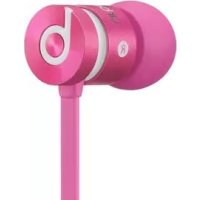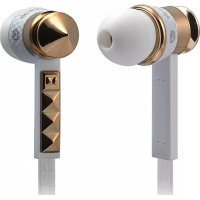
Heartbeats by Lady Gaga - Earphones BEATS - Free user manual and instructions
Find the device manual for free Heartbeats by Lady Gaga BEATS in PDF.



User questions about Heartbeats by Lady Gaga BEATS
0 question about this device. Answer the ones you know or ask your own.
Ask a new question about this device
Download the instructions for your Earphones in PDF format for free! Find your manual Heartbeats by Lady Gaga - BEATS and take your electronic device back in hand. On this page are published all the documents necessary for the use of your device. Heartbeats by Lady Gaga by BEATS.
USER MANUAL Heartbeats by Lady Gaga BEATS
Eartips and Maintenance 5
Using the Remote Mic 9
Care and Storage 10
Select, Connect, Listen 11
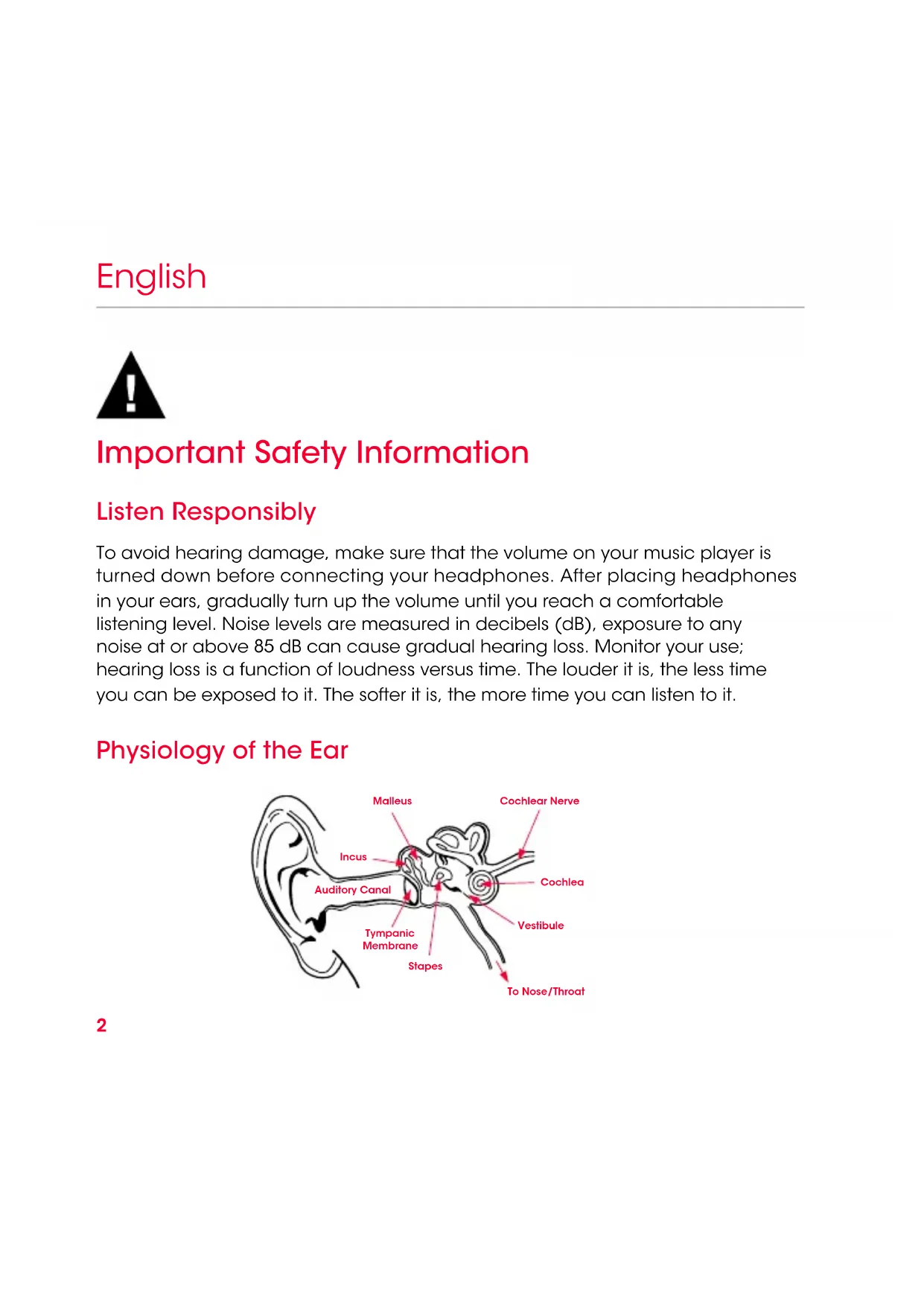
To avoid hearing damage, make sure that the volume on your music player is turned down before connecting your headphones. After placing headphones in your ears, gradually turn up the volume until you reach a comfortable listening level. Noise levels are measured in decibels (dB), exposure to any noise at or above 85 dB can cause gradual hearing loss. Monitor your use; hearing loss is a function of loudness versus time. The louder it is, the less time you can be exposed to it. The softer it is, the more time you can listen to it.
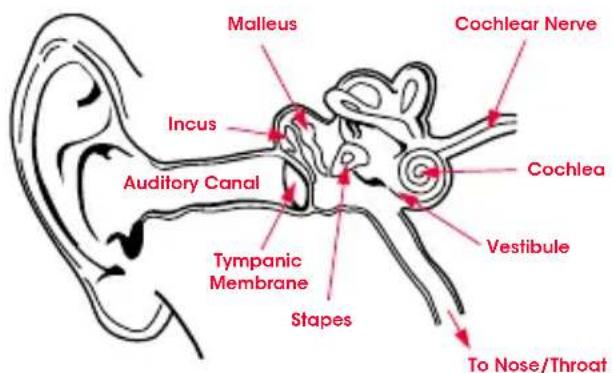
Physiology of the Ear
This decibel (dB) table compares some common sounds and shows how they rank in potential harm to hearing.
| SOUND NOISE LEVEL | (dB) | EFFECT |
| Whisper 30 Very quiet | ||
| Quiet Office 50-60 comfortable hearing levels are under 60dB | ||
| Vacuum Cleaner, Hair Dryer | 70 Intrusive; interferes with telephone conversations | |
| Food Blender 85-90 85 dB is the level at which hearing damage (8 hrs.) begins | ||
| Garbage Truck, Cement Mixer | 100 No more than 15 minutes of unprotected exposure recommended for sounds between 90-100 dB | |
| Power Saw, Drill/Jackhammer | 110Regular exposure to sound over 100 dB of more than 1 minute risks permanent hearing loss | |
| Rock Concert (varies) | 110-140 | Threshold of pain begins around 125 dB |
- Chart information from http://www.nidcd.nih.gov/health/education/teachers/pages/common_sounds.aspx
English
"... a typical person can safely listen to an iPod for 4.6 hours per day at 70% volume."
"... knowing the levels one is listening to music at, and for how long is extremely important."
From http://www.cbc.ca/health/story/2006/10/19/music-earphones.html
Get the most out of your equipment and enjoy great audio performance even at safe levels. Our headphones will allow you to hear more details at lower volume levels than ever before.
Use Responsibly
Do not use headphones when it's unsafe to do so—while operating a vehicle, crossing streets, or during any activity or in an environment where your full attention to your surroundings is required. It's dangerous to drive while wearing headphones, and in many places, illegal because it decreases your chances of hearing life-saving sounds outside of your vehicle, such as another car's horn and emergency vehicle sirens. Please avoid wearing your headphones while driving. Use an FM transmitter to listen to your mobile media devices instead. Learn how to establish a safe listening level and review other important safety guidelines from the Consumer Electronics Association at www.ce.org and the Deafness Research Foundation at www.drf.org.
Eartips and Maintenance
Earpip Selection
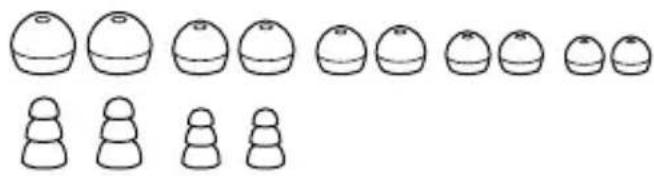
The tips on the ends of your Heartbeats headphones make the difference between good sound and great sound. With the right fit, you'll get better isolation from unwanted outside noise, increased bass response, better tonal balance and the headphones will stay in your ears better. Of course, the right fit will also feel more comfortable. Because everyone's ears are unique, Beats supplies several sizes and designs of eartips. Getting the perfect fit with the correct tip is a matter of experimentation. Try out all the eartips included with your Heartbeats headphones to find the best fit for the size and shape of your ear canal. We recommend that you try the smallest tip first and work upwards in size until you find a comfortable fit that has a good seal and also stays in your ears without falling out. Also try different style tips to see which works best for you.
Earpit Fit Testing
A good way to gauge whether or not the eartip is sealing properly in your ear canal is by snapping your fingers right next to your ear. If the seal is proper, your ear will not feel "plugged," yet the snapping of your fingers will sound dull and distant. If you hear your finger snaps distinctly, the seal is probably not adequate. If the sound of your finger snapping is dull and distant, but your ear feels plugged up, like you're on an airplane preparing to land, then you've over-inserted the eartip.
English
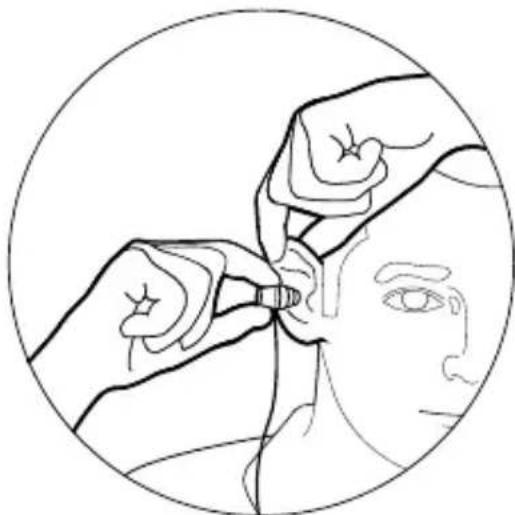
Proper Insertion and Removal of Eartips
-
You may wish to lightly moisten your eartips for easier insertion.
-
Using your right hand, grasp the right headphone.
-
With your left hand, pull up and back on your right ear to straighten your ear canal.
-
Carefully insert your right headphone, rubber eartip first, so that it seals completely and comfortably in your ear. DO NOT insert the eartip so deeply that your ear canal feels completely "plugged."
-
Repeat this procedure for your left ear.
-
When you've finished your listening session, remove your in-ear headphones slowly with a twisting motion to gradually break the seal.
English
Earpip Cleaning
Keeping your Heartbeats eartips clean is essential for safe, hygienic use.
IMPORTANT: DO NOT attempt to clean the eartips without first removing them from the headphones. Getting the delicate circuitry inside your Heartbeats headphones wet may cause permanent damage.
- Firmly grip the eartip with one hand and the earphone with the other. Carefully remove the eartip from the ear tube.
- Use warm water and mild soap on a damp cloth to remove dirt and earwax from the eartip. Do NOT use harsh cleaning agents.
- Rinse and completely dry your eartips before placing them back on your headphones.
- Carefully push the eartips back onto the Heartbeats headphones, making sure they are on the ear tube completely.
English
Using the Remote Mic
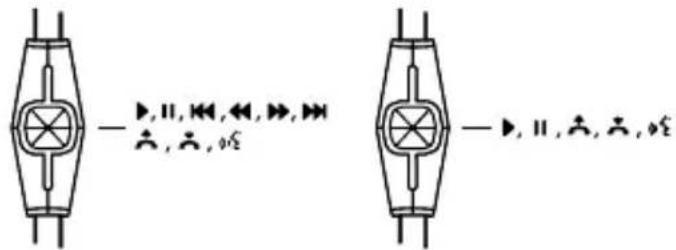
Heartbeats has a built-in remote mic feature for use with phones and music players.
Answer or end a call
Press and release the center button once to answer. Repeat to end the call.
Decline an incoming call
Press and hold the center button for two seconds, then release. There will be two beeps when you let go to indicate successful operation.
Using call waiting
To switch to an incoming call and put an in-progress call on hold, press and release the center button. Repeat to switch back to the previous call and put the newer call on hold. To switch to an incoming call and end an in-progress call, press and hold the center button for two seconds. You will hear two low beeps when you let go to indicate successful operation.
Play or pause a song or video
Press and release the center button. Repeat to resume.
HTC, Blackberry & AndroidiPod, iPhone
Care and Storage
- Keeping Heartbeats headphones clean is essential for safe, hygienic use.
- Never wear in-ear headphones if they appear dirty.
- When not in use, always store your Heartbeats headphones in the protective case provided.
- Keep case closed, and store in a clean, dry environment.
- Do not store other items in the case, as this may result in contamination.
- Avoid storage in extreme heat or cold.
- Avoid exposure to liquids, temperature extremes and high humidity.
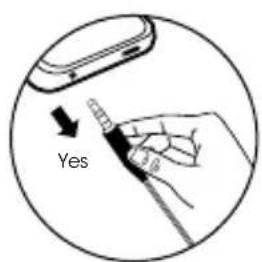
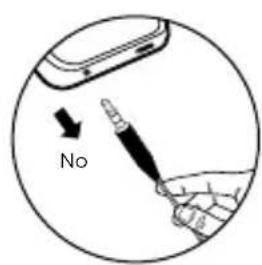
- Never pull on the cable to disconnect Heartbeats headphones from your music player. Grasp the plug at the end of the cable and pull to disconnect.
Select, Connect, Listen
Select
Beats in-ear headphones feature multiple pairs of ear tips, designed to fit securely and block out external sound. Choose the pair that fits most comfortably and best seals out noise.
Connect
Plug the Heartbeats cable into the 1/8'' (3.5mm) stereo plug on your music player.
Listen
Turn down the volume on your music player before inserting Heartbeats headphones. IMPORTANT: Left and Right Headphone: Having the correct headphone side in the correct ear does affect the listening experience. Note the "L" and "R" markings on the side of each headphone. "L" is for the left ear. "R" is for the right ear. Excessive listening levels can cause permanent hearing damage. Avoid loud listening, especially for extended periods of time.
Register Your Beats Today
www.beatsbydre.com/register

Utilisation responsible
Tiré du site http://www.cbc.ca/health/story/2006/10/19/music-earphones.html
Utilisation responsible
De http://www.cbc.ca/health/story/2006/10/19/music-earphones.html
*Informacoes da tabela em http://www.nidcd.nih.gov/health/education/teachers/pages/common_sounds.aspx
Português
Fonte http://www.cbc.ca/health/story/2006/10/19/music-earphones.html
Beats Electronics, LLC
1601 Cloverfield Blvd
Suite 5000N
Santa Monica
CA 90404