USER MANUAL 4D 516 D X625C VALBERG
This product has a 2-year warranty as of the date of purchase*, covering any fault resulting from a manufacturing or material defect. This warranty does not cover defects or damage resulting from incorrect installation, improper use or abnormal wear of the appliance.
*upon presentation of the sales receipt.
WARRANTY CONDITIONS
FR
French door refrigerator
Thank you for choosing this VALBERG product. Chosen, tested and recommended by ELECTRO DEPOT, the products of the VALBERG brand are easy to use, reliable and of an impeccable standard. Thanks to this appliance, you can be sure that each use will bring you satisfaction.
Welcome to ELECTRO DEPOT.
Visit our website: www.electrodepot.fr

Preview of the appliance
Description of the appliance

Using the appliance
Using the refrigerator

Useful information
Cleaning and maintenance Troubleshooting
Description of the appliance
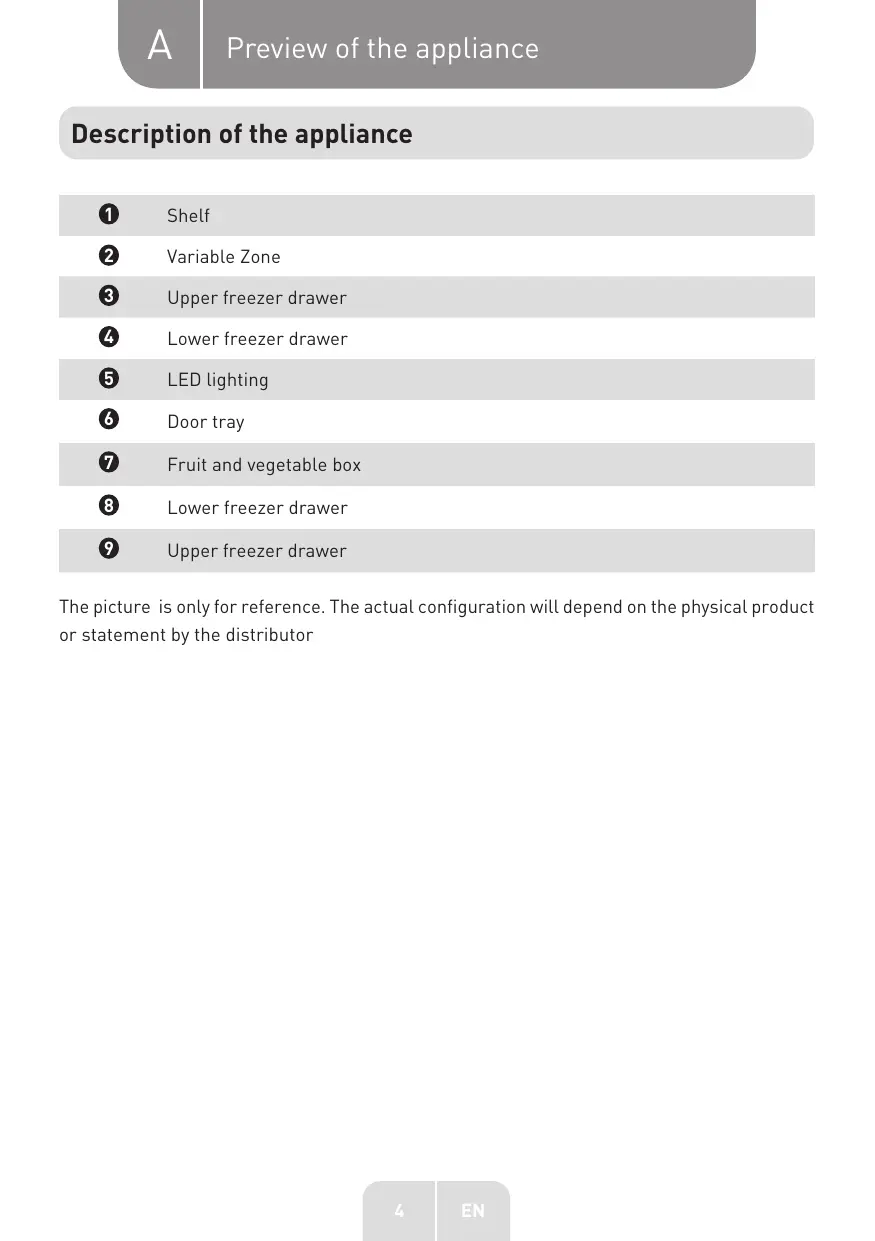
1 Shelf 2 Variable Zone 3 Upper freezer drawer 4 Lower freezer drawer 5 LED lighting 6 Door tray 7 Fruit and vegetable box 8 Lower freezer drawer 9 Upper freezer drawer
The picture is for reference only. The actual configuration will depend on the physical product or the distributor's statement.
Using the refrigerator
Placement
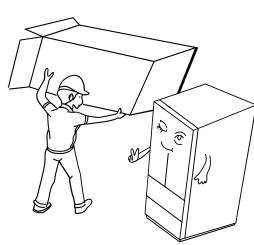
Before use, remove all packing materials, including bottom pads, foam pads, and tapes inside the refrigerator; tear off the protective film on the doors and the refrigerator body.
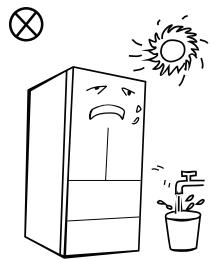
- Keep away from heat and avoid direct sunlight. Do not place the freezer in moist or wet places to prevent rust or reduction of the insulating effect.
- Do not spray or wash the refrigerator; do not put the refrigerator in moist places that are easy to be splashed with water, so as not to affect the electrical insulation properties of the refrigerator.
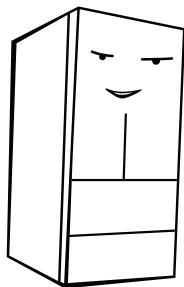
- The space on top of the refrigerator shall be greater than 10 cm, and the refrigerator should be placed against a wall with a distance of more than 10 cm to facilitate heat dissipation.
Spare enough space for convenient opening of the doors and drawers or the distributor's statement.
Front view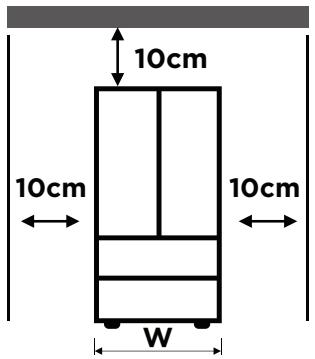
Side view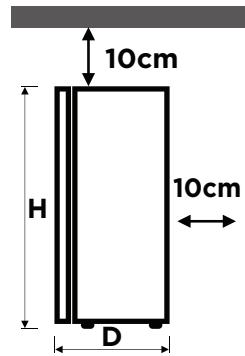
Top view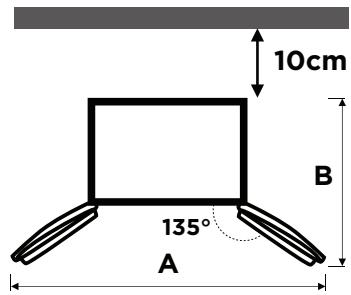
| Width "w" | 833 mm |
| Depth "D" (without handle) | 653 mm |
| Height "H" | 1898 mm |
| A | 1400 mm |
| B | 1000 mm |
The measurements in the above table may differ, depending on the measuring method.
NOTE
This refrigerator needs to be installed independently and cannot be used as a built-in. Otherwise, it will cause problems such as failure to install into the cabinet, and the performance and life of the product will be reduced. The manufacturer does not provide basic product warranty.
Energy saving tips
- The appliance should be located in the coolest area of the room, away from heat producing appliances or heating ducts, and out of the direct sunlight.
- Let hot foods cool down to room temperature before placing it in the appliance. Overloading the appliance forces the compressor to run longer. Foods that freeze too slowly may lose quality, or spoil.
- Be sure to wrap foods properly, and wipe containers dry before placing them in the appliance. This cuts down on frost build-up inside the appliance.
- Appliance storage bins should not be lined with tin foil, wax paper, or paper toweling. Liners interfere with cold air circulation, making the appliance less efficient.
- Organize and label food to reduce door openings and extended searches. Remove as many items as needed at one time, and close the door as soon as possible.
Changing the light
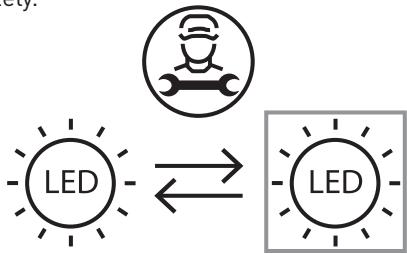
This product contains a light source of energy efficiency class G. Light source in this product can only be replaced by qualified professionals. - Please contact after-sales service if the light source fails. - The light source shall be removed at the end of the product's useful life, with sorting and recycling done separately.
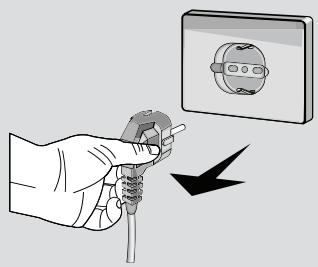
- Please take out the plug before removal.
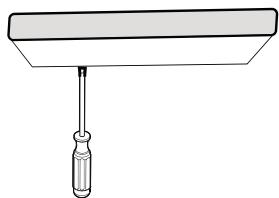
- Remove the lampshade with a screwdriver.
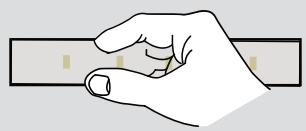
- Take down the lamp panel.
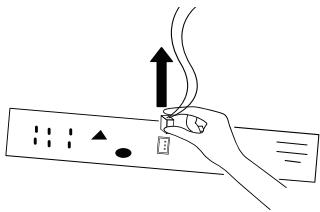
- Remove the connection terminal.
Start to use
- Before initial start, keep the refrigerator still for two hours before connecting it to power supply.
- Before placing any fresh or frozen foods, the refrigerator should have run for 2 - 3 hours, or for above 4 hours in summer when the ambient temperature is high.
NOTE
This product is not recommended for use with sockets or main switches with the A/GFCI function, otherwise it may cause false tripping.
- It does not pose a safety risk when tripped.
- If tripping persists, it is recommended to replace the sockets or main switch without the A/GFCI function.
Refrigerating chamber
- The refrigerating chamber is suitable for storage of a variety of fruits, vegetables, beverages, and other food consumed in the short term. Suggested storage time is 3 to 5 days.
- Cooking foods shall not be put in the refrigerating chamber until cooled to room temperature.
- Foods are recommended to be sealed up before putting into the refrigerator.
- The glass shelves can be adjusted up or down for a reasonable amount of storage space and easy use.
Freezing chamber
- The low-temperature freezing chamber may keep food fresh for a long time and is mainly used to store frozen foods and make ice.
- The freezing chamber is suitable for storage of meat, fish, rice balls, and other foods not to be consumed in the short term.
- Chunks of meat are preferably divided into small pieces. Please note that food shall be consumed within the shelf time.
Drawers, food boxes, shelves, etc., placed according to the position in the picture above are the most energy-efficient.
NOTE
Storing too much food during operation after the initial connection to power may adversely affect the freezing effect of the refrigerator. Foods stored shall not block the air outlet; otherwise, the freezing effect will also be adversely affected.
Functions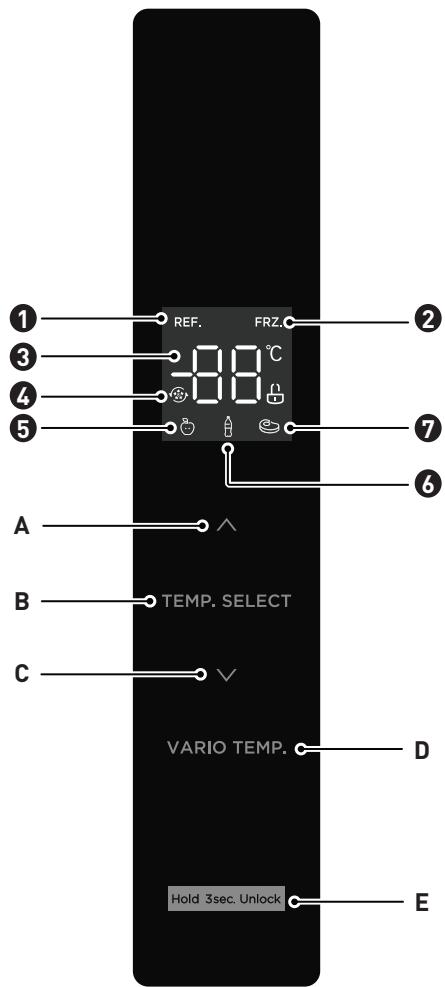
1 Refrigerating icon 2 Freezer icon 3 Temperature display icon Super cool / freezing icon Fruit/vegetable icon Drink icon Chilled icon
A Temperature up button B Temperature zone selection button C Temperature down button D Vario temp select E Lock/Unlock button
Operation instructions
Display
- When the refrigerator is electrified, the display screen will show all indicators for 3 seconds. Meanwhile, the startup bell rings, and then the screen enters the normal display of operation.
- For the first use of the refrigerator, the default set temperatures of the refrigerating chamber and freezing chamber are 4°C / -18°C respectively.
- When an error occurs, the display shows the error code (see next page); during normal running, the display shows the set temperature of the refrigerating chamber or freezing chamber.
- Under normal circumstances, if there is no operation on the display panel or door opening action within 30 seconds, the display locks, and the state goes out.
Lock/unlock
- In the unlocked state, long press the lock button for 3 seconds to enter the locked state. The logo goes out and the buzzer sounds, indicating the display panel is locked. At this time, button operations cannot be implemented.
- In the locked state, long press the lock button for 3 seconds to enter the unlocked state. The logo lights up and the buzzer sounds, indicating the display panel is unlocked. At this time, button operations can be implemented.
Temperature setting of refrigerating chamber
- Press the temperature zone selection button to select the setting temperature zone of the refrigerating chamber, and then press the up or down button to adjust the setting temperature. The temperature setting range for the refrigerating chamber is 2°C to 8°C.
Thermostat setting for ambient T°C: NORMAL ≈ +24°C (±4°C): 3°C
Thermostat setting for ambient T°C: COLD ≈ +16°C (±4°C): 3°C
Thermostat setting for ambient T°C: HOT ≈ +32°C (±4°C): 3°C
Temperature setting of freezing chamber
- Press temperature zone selection button temp, select to choose the setting temperature zone of freezing chamber, and then press ∧ or ∨ to adjust the setting temperature of freezing chamber. The temperature setting range for refrigerating chamber is -24°C~-16°C.
Thermostat setting for ambient T°C: NORMAL ≈ +24°C (±4°C): -19°C
Thermostat setting for ambient T°C: COLD ≈ +16°C (±4°C): -19°C
Thermostat setting for ambient T°C: HOT ≈ +32°C (±4°C): -19°C
Temperature setting of variable temperature chamber
- Press Variable temperature button VARIO TEMP, to adjust the setting temperature of the chamber, the adjusting range is Fruit/vegetable, drink and chilled.
Mode setting
- Set the Super cooling mode: after the temperature of the refrigeration room is adjusted to 2°C, press the temperature down button ∨ to enter the super cooling mode. In the super
cooling mode, the temperature of the refrigerating chamber is automatically set to 2°C.
- Exit the Super cooling mode: press the temperature up button ∧ to exit the super cooling mode or automatically exit the super cooling mode after 6h. After exiting the super cooling mode, the temperature of the refrigerator will automatically return to the temperature set before the super cooling mode
- Set the super freezing mode: after the temperature of the freezing chamber is adjusted to -24°C, press the temperature down button ∧ to enter the super freezing mode. In the super freezing mode, the temperature of the freezing chamber is automatically set to -24°C
- Exit the super freezing mode: press the temperature up button to exit the super freezing mode or automatically exit the super freezing mode after 32h. After exiting the super freezing mode, the freezing chamber temperature will automatically return to the temperature set before the super freezing mode.
According to IEC62552:2007, the test condition is as follows: start the super freezer mode in advance, and wait until the fridge enters automatic defrosting after 18 hours, and then apply the freezer load. The maximum defrosting time is 72 hours and the minimum is 12 hours at 32°C.
NOTE
The quick-freezing function is designed to maintain the nutritional value of the food in the freezer. It can freeze the food in the shortest time. If a large amount of food is frozen at one time, it is recommended that the user turn on the quick-freezing function and put the food in. At this time, the freezing speed of the freezer compartment is increased, which can quickly freeze the food, effectively lock the nutrition of the food, and facilitate storage.
Storage upon power failure
In case of power failure, the instant working state will be locked and maintained until re-electrification.
Fault indication
The following warnings appearing on the display indicate corresponding faults of the refrigerator. Though the refrigerator may still have cold storage function with the following faults, the user shall contact a maintenance specialist for maintenance, so as to ensure optimized operation of the appliance.
| Fault Code | Fault Description |
| E1 | Temperature sensor failure of refrigerating chamber |
| E2 | Temperature sensor failure of freezing chamber |
| E3 | Temperature sensor failure of variable temperature chamber |
| E5 | Freezing defrost sensor detection circuit error |
| E6 | Communication error |
| E7 | Circulation of temperature detection circuit error |
| EH | Moisture sensor error |
Leveling feet
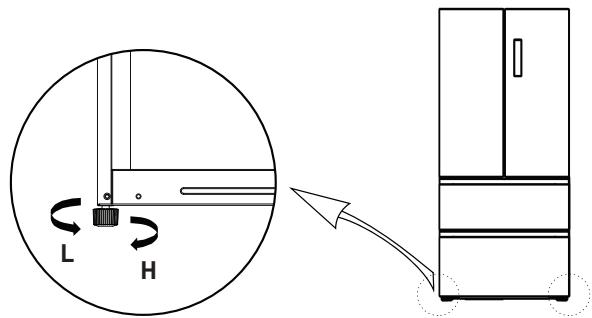
Schematic diagram of the levelling feet.
Adjusting procedures
- Turn the feet clockwise to raise the refrigerator;
- Turn the feet counterclockwise to lower the refrigerator;
- Adjust the right and left feet based on the procedures above to a horizontal level.
The picture above is only for reference. The actual configuration will depend on the physical product or statement by the distributor.
Levelling door
Schematic diagram of leveling the door.
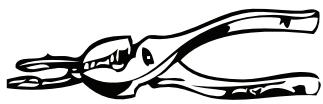
Plier
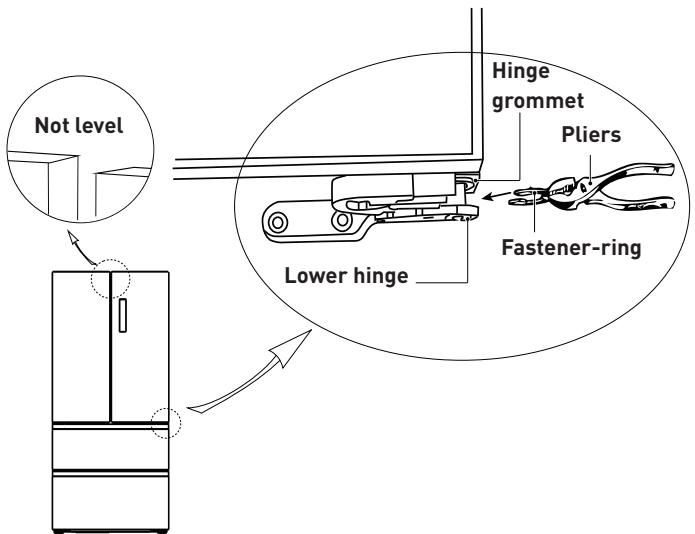
- Raise the lower door up to the level of the higher door.
- Insert the supplied fastener-ring by using plier in the gap between the hinge-grommet and the lower hinge. The number of fastener-rings you will need to insert depends on the gap.
The picture above is only for reference. The actual configuration will depend on the physical product or statement by the distributor.
Cleaning and maintenance
Overall cleaning
- Dust behind the refrigerator and on the floor must be cleaned to improve the cooling effect and energy saving.
- Check the door gasket regularly to make sure there is no debris. Clean the door gasket with a soft cloth dampened with soapy water or diluted detergent.
- The interior of the refrigerator should be cleaned regularly to avoid odors.
- Please turn off the power before cleaning the interior, remove all foods, drinks, shelves, drawers, etc.
- Use a soft cloth or sponge to clean the inside of the refrigerator, with two tablespoons of baking soda and a quart of warm water. Then rinse with water and wipe clean. After cleaning, open the door and let it dry naturally before turning on the power.
- For areas that are difficult to clean inside the refrigerator (such as narrow places, gaps or corners), we recommend to wipe them regularly with a soft rag, soft brush, etc. and when necessary, with some tools (such as thin sticks) to ensure no contaminants or bacterial accumulation in these areas.
- Do not use soap, detergent, scrub powder, spray cleaner, etc., as these may cause odors inside the refrigerator or contaminate food.
- Clean the door tray, shelves and drawers with a soft cloth dampened with soapy water or diluted detergent. Dry with a soft cloth or let them dry naturally.
- Wipe the outer surface of the refrigerator with a soft cloth dampened with soapy water, detergent, etc., and then wipe dry.
- Do not use hard brushes, scouring pads, wire brushes, abrasives (such as toothpaste), organic solvents (such as alcohol, acetone, banana oil, etc.), boiling water, acid or alkaline items, which may damage the fridge surface and interior. Boiling water and organic solvents such as benzene may deform or damage plastic parts.
- Do not rinse directly with water or other liquids during cleaning to avoid short circuit or affect electrical insulation after immersion.
WARNING
Please unplug the refrigerator for defrosting and cleaning.
Defrosting
- The refrigerator is made based on the air-cooling principle and thus has automatic defrosting function. Frost formed due to change of season or temperature may also be manually removed by disconnection of the appliance from power supply or by wiping with a dry towel.
Out of operation
- Power failure: In case of power failure, even if it is in summer, foods inside the appliance can be kept for several hours; during the power failure, the times of door opening shall be reduced, and no more fresh food shall be put into the appliance.
- Long-time nonuse: The appliance shall be unplugged and then cleaned; then the doors are left open to prevent odor.
- Moving: Before the refrigerator is moved, take all objects inside out, fix the glass partitions, vegetable holder, freezing chamber drawers and etc. with tape, and tighten the leveling feet; close the doors and seal them with tape. During moving, the appliance shall not be laid upside down or horizontally, or be vibrated; the inclination during movement shall be no more than 45 degrees.
WARNING
The appliance shall run continuously once it is started. Generally, the operation of the appliance shall not be interrupted; otherwise the service life may be impaired.
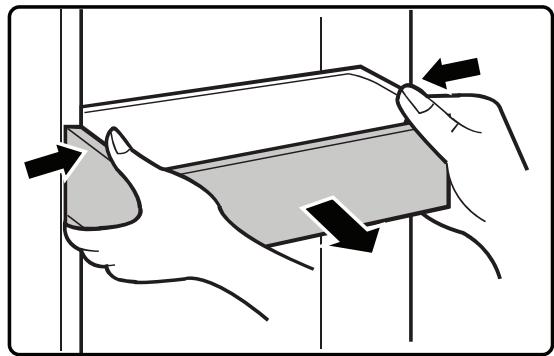
Cleaning of door tray
- According to the direction arrow in the figure below, use both hands to squeeze the tray, and push it upward, then you can take it out.
- After washing the tray having been taken out, you can adjust its installing height in accordance with your requirement.
- Soft towels or sponge dipped in water and non-corrosive neutral detergents are suggested for cleaning. The freezer shall be finally cleaned with clean water and dry cloth. Open the door for natural drying before the power is turned on.
- Do not use hard brushes, clean steel balls, wire brushes, abrasives, such as toothpastes, organic solvents (such as alcohol, acetone, banana oil, etc.), boiling water, acid or alkaline items to clean the refrigerator, considering that this may damage the fridge surface and interior.
How to store for best preservation (applicable models only)
Cover foods to retain moisture and prevent them from picking up odors from other foods. A large pot of food like soup or stew should be divided into small portions and put in shallow containers before being refrigerated. A large cut of meat or whole poultry should be divided into smaller pieces or placed in shallow containers before being refrigerated.
Placement of Foods
| Shelves | Shelves are adjustable to accommodate a variety of packages. |
| Specialized compartment (applicable models only) | Sealed risper drawers provide an optimal storage environment for fruit and vegetables. Vegetables require higher humidity while fruit requires lower humidity. Crisers are equipped with control devices to control the humidity level. (*Depending on model and options) An adjustable temperature meat drawer maximizes the storage time of meats and cheeses. |
| Stored on the door | Don't store perishable foods in the door. Eggs should be stored in the carton on a shelf. The temperature of the storage bins in the door fluctuate more than the temperature in the cabinet. Keep the door closed as much as possible. |
| Freezer Compartment | You can store frozen food, make ice cubes and freeze fresh food in the freezer compartment. |
NOTE
Freezer fresh, undamaged food only. Keep food which is to be frozen away from food which is already frozen. To prevent food from losing its flavour or drying out, place in airtight containers.
Refrigerator & Freezer Storage Chart
The freshness longevity depends on temperature and exposure to moisture.
Since product dates aren't a guide for safe use of a product, consult this chart and follow these tips.
| Product | Refrigerator | Freezer |
| Milk products |
| Milk | 1 week | 1 month |
| Butter | 2 weeks | 12 months |
| Ice cream | - | 2-3 weeks |
| Natural cheese | 1 month | 4-6 months |
| Cream cheese | 2 weeks | Not recommended |
| Yogurt | 1 month | - |
| Meat |
| Fresh roasts, steaks, chops | 3-4 days | 2-3 months |
| Fresh ground meat, stew meat | 1-2 days | 3-4 months |
| Bacon | 7 days | 1 month |
| Sausage, Raw from pork, beef, turkey | 1-2 days | 1-2 months |
| Poultry / Eggs |
| Fresh poultry | 2 days | 6-8 months |
| Poultry salad | 1 day | - |
| Eggs, Fresh in shell | 2-4 weeks | Not recommended |
| Fish / Seafood |
| Fresh fish | 1-2 days | 3-6 months |
| Cooked fish | 3-4 days | 1 month |
| Fish salad | 1 day | Not recommended |
| Dried or pickled fish | 3-4 weeks | - |
| Fruits |
| Apples | 1 month | - |
| Peaches | 2-3 weeks | - |
| Pineapple | 1 week | - |
| Other fresh fruit | 3-5 days | 9-12 months |
| Vegetables |
| Asparagus | 2-3 days | - |
| Broccoli, Brussels sprouts, green peas, mushrooms | 3-5 days | - |
| Cabbage, cauliflower, celery, cucumbers, lettuce | 1 week | - |
| Carrots, beets, radishes | 2 weeks | - |
Troubleshooting
The following simple issues can be handled by the user. Please call the after-sale service department if the issues are not solved.
| Problem | Solution |
| Failed operation | Check whether the appliance is connected to power or whether the plug is in well contact. |
| Check whether the voltage is too low. |
| Check whether there is a power failure or partial circuits have tripped. |
| Odor | Odorous foods shall be tightly wrapped. |
| Check whether there is any rotten food. |
| Clean the inside of the refrigerator. |
| Long-time operation of the compressor | Long operation of the refrigerator is normal in summer. |
| When the ambient temperature is high It is not suggestible having too much food in the appliance at the same time. |
| Food shall get cool before being put into the appliance. |
| The doors are opened too frequently. |
| Light fails to get lit Side panels are hot. | Check whether the refrigerator is connected to power supply and whether the illuminating light is damaged. |
| Have the light replaced by a specialist. |
| Door can not be properly closed | The door is stuck by food packages. Too much food is placed. |
| The refrigerator is tilted. |
| Loud noises | Check whether the floor is level and whether the refrigerator is placed stably. |
| Check whether accessories are placed at proper locations. |
| Door seal fails to be tight | Remove foreign matters on the door seal. |
| Heat the door seal and then cool it for restoration (or blow it with an electrical drier or use a hot towel for heating). |
| Water pan overflows | There is too much food in the chamber or food stored contains too much water, resulting in heavy defrosting. |
| The doors are not closed properly, resulting in frosting due to entry of air and increased water due to defrosting. |
| Hot housing | Heat dissipation of the built-in condenser via the housing, which is normal. |
| When housing becomes hot due to high ambient temperature, storage of too much food or shutdown of the compressor is shut down, provide sound ventilation to facilitate heat dissipation |
| Surface condensation | Condensation on the exterior surface and door seals of the refrigerator is normal when the ambient humidity is too high. Just wipe the condensate with a clean towel. |
| Abnormal noise | Buzz: The compressor may produce buzzes during operation, and the buzzes are loud particularly upon start or stop. This is normal. Creak: Refrigerant flowing inside of the appliance may produce creak, which is normal. |
Thank you!
Freezer compartment