
MHT 1660 Pressione - Multicooker ECG - Free user manual and instructions
Find the device manual for free MHT 1660 Pressione ECG in PDF.


| Product Type | Electric Pressure Cooker / Multicooker |
| Brand | ECG |
| Model | MHT 1660 Pressione |
| Power Supply | 220–240 V ~ 50/60 Hz |
| Power Consumption | 1000 W |
| Capacity (Total Volume) | 5.7 L |
| Maximum Pressure | 105 kPa |
| Operating Pressure | 50 kPa (adjustable 49–90 kPa) |
| Cooking Programs | Rice, Soup, Stew, Slow Cooking, Multicook, Jam, Porridge, Cake, Crispy, Fry, Steam, Beans, Keep Warm |
| Temperature Range | 40–160 °C (program dependent) |
| Cooking Time Range | 1 minute to 2 hours (some programs up to 12 hours) |
| Delayed Start | Up to 24 hours |
| Keep Warm Duration | Up to 12 hours |
| Pressure Levels | High, Medium, Low |
| Safety Features | Overheating protection, automatic pressure release, lid lock, floating pressure indicator |
| Included Accessories | Inner pot, plastic steamer basket, measuring cup, spoon, power cable, pressure valve, frying basket with removable holder |
| Inner Pot Material | Non-stick coating (aluminum) |
| Cleaning & Maintenance | Removable lid, seal, pressure valve, floating indicator; hand wash with mild detergent; do not immerse base |
| Condensation Collector | Removable, located at back |
Frequently Asked Questions - MHT 1660 Pressione ECG
User questions about MHT 1660 Pressione ECG
0 question about this device. Answer the ones you know or ask your own.
Ask a new question about this device
Download the instructions for your Multicooker in PDF format for free! Find your manual MHT 1660 Pressione - ECG and take your electronic device back in hand. On this page are published all the documents necessary for the use of your device. MHT 1660 Pressione by ECG.
USER MANUAL MHT 1660 Pressione ECG
natural_image
Exterior view of a modern electric rice cooker (ECG) with digital display and control knobs (no visible text or symbols on main body)English
Deutsch
Čeština
Slovenčina
Ελληνικά
Read carefully and save for future use! FOLLOW THESE INSTRUCTIONS.
Warning: The safety precautions and instructions in this manual do not cover all possible conditions and situations that may occur. The user must understand that common sense, caution and care are factors that cannot be incorporated into any of the products. These factors must therefore be provided by the user(s) using and operating this appliance. We are not liable for damages caused during shipping, by incorrect use, or the modification or adjustment of any part of the appliance.
Fundamental precautions shall be observed when using the product, including the following:
- Make sure the voltage in your outlet corresponds to the voltage provided on the appliance label and that the socket is properly grounded. The outlet must be installed in accordance with applicable electrical codes according to EN.
- This appliance may not be plugged in an outlet controlled by a timer or controlled remotely.
- Do not immerse the appliance and the power cord in liquids, do not expose to rain or humidity and use water only for cooking in accordance with this operating manual.
- Do not immerse the base in water or pour liquid into the body of the cooker. Only the cooking vessel is designed for liquids.
- The appliance must not be used close to water, in bathrooms, showers or close to pools, where it might fall in water or water may splash the product.
- Do not bend the power cord over the edge of a table or other sharp edges, do not twist it or leave it in the vicinity of hot surfaces.
-
Check the power cord, the plug and whole appliance regularly for any damage. If you find any damage stop using the appliance immediately and contact the service centre.
-
Never use the appliance if the power cord or plug is damaged, if it has been dropped or damaged in any way, or if the appliance does not work properly. All repairs, including cord replacements, must be carried out at a professional service centre! Do not remove the protective covers from the appliance; there is a risk of electric shock!
- Do not use a damaged or cracked lid or cooking vessel.
- Do not try to repair or modify the appliance or change its parts. There are no parts inside repairable by the user.
- Using accessories and attachments not recommended by the manufacturer may endanger persons and property.
- Use only spare parts from the manufacturer for the corresponding model. Always use a body and lid from the same manufacturer that is marked as compatible.
- Do not tamper with any safety system beyond the instructions specified in the manual.
- Always use the appliance on a level, stable surface to prevent it from tipping over and to prevent spillage of hot liquids. Do not use the product in sinks, dripping off areas and other places with uneven surface.
- Do not put the appliance in places where it could be exposed to high temperatures from stoves, radiators, gas appliances, etc.
- Do not place the appliance on top of electrical or gas stoves and ovens. Do not put the pressure cooker in a preheated oven.
- Do not place other objects on the appliance, and do not use it near walls, curtains, etc.
- Do not use outside. Store the appliance inside in a dry place.
- This appliance is intended for household use and similar areas, including:
- kitchenettes in shops, offices and other workplaces,
- appliances used in agriculture,
- appliances used by guests in hotels, motels and other residential facilities,
- Appliances used in Bed and Breakfast accommodations.
- The appliance warms up during operation. There is a risk of burns. Handle a pressure cooker that is under pressure with the utmost care and only when absolutely necessary. Do not touch hot surfaces. Always use handles and buttons. Use suitable protection, such as kitchen gloves.
- Do not try to carry the appliance when it is in operation or hot.
- Be careful, the steam escaping from the appliance is very hot! If steam escapes from the valve, keep the appliance in safe distance from yourself to avoid being burned. Do not cover any openings.
- Lift the lid carefully and incline so that the leaking steam is away from you or scalding may occur. Allow the water from the lid to drip only into the cooking container, not in the body of the appliance.
- If you do not use the appliance, switch it off and unplug it from power. Disconnect the power cord by pulling the plug – never by pulling the power cord.
- Before cleaning and storing, switch off the cooker, unplug it and let it cool down.
- ECG is not liable for damage or injury caused by negligence or improper use. Prior to use do not forget to read carefully all instructions and information.
- If the appliance is in operation:
- Do not leave it unattended.
- Do not leave children unattended near the pressure cooker.
-
This appliance should not be used by children. Keep the appliance and its power supply out of reach of children. The appliance may be used by persons with reduced physical, sensory or mental capacities or lack of experience and knowledge, if they are supervised or if they were instructed how to use the appliance safely and understand potential dangers. Children shall not play with the appliance.
-
Do not use the appliance for any other purpose than it is designed for.
Do not immerse in water! – Do not immerse in water!
ATTENTION
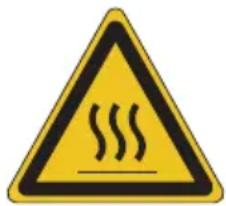
The surfaces marked in this way become hot during use.
DANGER for children: Children may not play with the packaging material. Do not let the children play with plastic bags. Risk of suffocation.
ADDITIONAL SAFETY INSTRUCTIONS
Read carefully and follow them
- The pressure regulator lines that allow steam to escape should be checked before each use to ensure that they are not blocked, see use and maintenance instructions.
- The use of a pressure cooker with the lid closed without a seal is prohibited.
- Never force the pressure cooker to open. Do not open the pressure cooker without making sure that its internal pressure has dropped completely. See Operating instructions.
This device cooks under pressure.
- Incorrect use of the pressure cooker can cause scalding. Make sure that the pressure valve is not clogged before each use, see "Operating instructions".
- Before each use make sure that the cooker is properly closed and the pressure valve is fitted correctly, see Operating instructions.
- Never connect or switch on the appliance without a properly inserted cooking vessel in the appliance body.
- Do not turn on the appliance with an empty container (without water). It could be seriously damaged.
- Frying or deep frying under pressure (or with the lid closed) is prohibited.
-
Do not overfill the inner pot. The total amount of food must not exceed the MAX line (2/3 of the volume) or the maximum allowed amount of oil is 3 l.
-
The total amount of food that easily increases in volume (such as legumes, rice or dehydrated vegetables) must not exceed 12 the volume of the pot.
- Foods that have a top layer to be peeled (eg sausages, chicken or fruit) MUST be pierced before cooking. Failure to puncture the layer can lead to a significant increase in the volume of the food and splashing of hot food after opening the lid. You could be scalded. Never pierce swollen skin or peel, you may get scalded.
- When cooking pasta, gently shake the pressure cooker before opening it to avoid ejecting of the food.
- Take extra care when preparing certain types of food, such as peas, apples, berries, oatmeal, cereals or pasta, which foam during cooking. The foam could clog the safety valve.
Pressure release methods
When the cooking program is completed and the pressure release starts, press the button Cancel to cancel the Keep warm function.
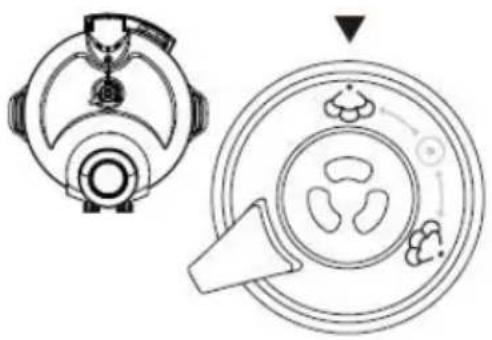
Always use kitchen tongs when releasing the pressure valve, and use protective kitchen gloves to turn the pressure valve to the "OPEN" position. This protects you from hot steam. The valve rises slightly and steam is released. The lid will not open until the steam is released and the pressure is released.
Once the pressure in the cooker drops to a safe value, the floating valve fits back into the lid and the pin from the back of the lid is pushed out.
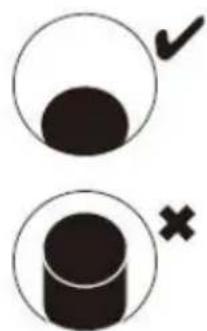
As soon as the steam stops coming out of the floating valve, make sure that the valve is fully lowered before opening the lid, see the picture on the right.
When you open the lid the food will be hot. Always wear gloves and an apron to protect yourselves from splashing of hot food.
Quick release
Recommended for fast cooking and steaming, including vegetables and seafood.
After canceling the Keep warm function, move the pressure
valve to the open position and try to open the lid only when all the steam is released and the floating pressure indicator drops. Let the pressure cooker stand for 1-2 minutes. Now you can open the lid. If the lid does not open, wait a few more minutes and try again. Never try to force the lid open, as a locked lid is a sign that there is still high pressure inside the cooker.
Slow release
Recommended for foods with a peeling layer (e.g. sausages, chicken or fruit) and foods high in liquid or starch (e.g. oatmeal, soups, pasta, rice and fruit, as well as delicate foods such as meat and potatoes).
These foods can greatly increase their volume under pressure, which can cause a hot liquid or food to splash out when the lid is opened. To prevent splashing, leave the pressure relief valve closed after completing the
natural_image
Technical line drawing of a mechanical component with top and side views (no text or symbols)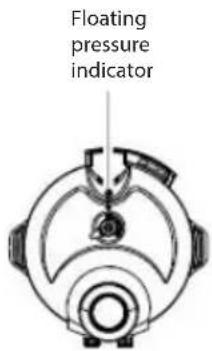
natural_image
Two circular icons with checkmark and cross symbols, no text or labels presentKeep warm function and allow the pressure to drop naturally. This may last up to 15 minutes. It depends on the specific food. Once the floating pressure indicator drops, open the pressure relief valve and make sure that all pressure is released. Now you can open the lid. If the lid does not open, wait a few more minutes and try again. Never try to force the lid open, as a locked lid is a sign that there is still high pressure inside the cooker. Wait at least 15 minutes.
For both methods, gently shake the cooker and hold the handle of the cooker to release any residual steam before opening the lid. Remember that residual steam may also be under the finished food. Without shaking this steam could reach the surface even a few seconds after removing the lid.
NEVER OPEN THE LID BY FORCE!
Safety functions
The pressure relief valve opens automatically when the pressure inside the cooker rises above a certain level. If the pressure valve fails, the lid opens to release the pressure inside the cooker. In this case, the pressure valve is defective and must be replaced.
The cooker is equipped with a safety shut-off if the temperature rises too high. Heating then does not start again until the temperature returns to a normal level.
If this function fails, the pressure cooker switches off, does not restart and needs to be replaced.
You cannot open the lid if the pressure inside is too high.
PACKAGE CONTENTS
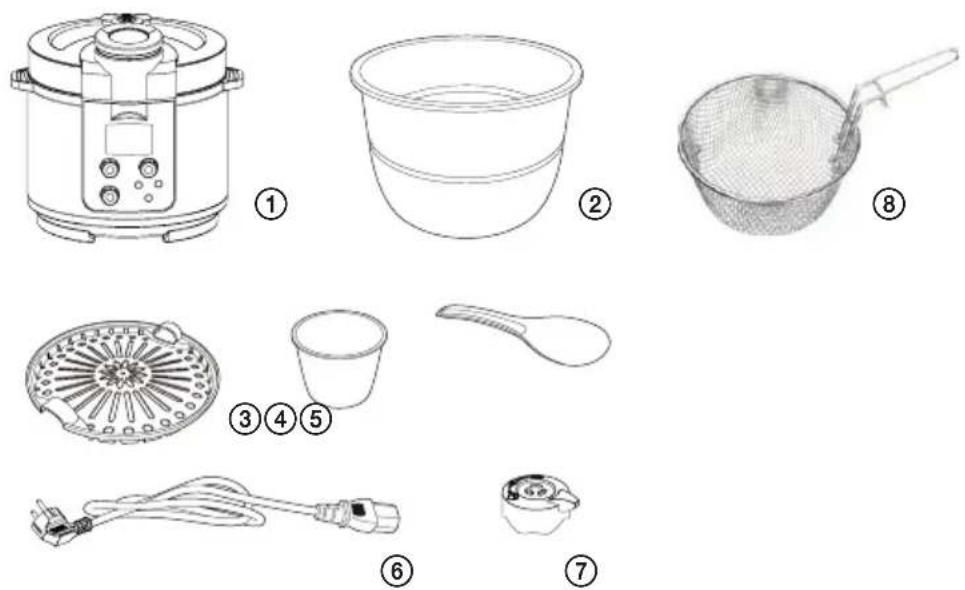
- Pressure cooker
- Inner pot
- Plastic steamer basket
- Measuring cup
- Spoon
- Power cable
- Pressure valve
- Frying basket with removable holder
LET'S START
Read all the instructions and important safety information.
Remove all packaging, including labels and stickers and wipe the surface with a damp dishwashing cloth. Make sure that all the parts were supplied in good condition.
Note: All accessories are placed inside the cooker. Remove it from the inner pot and wash in warm water with a sponge. Rinse off the detergent well and dry everything thoroughly. Do not use abrasive cleaning products, scrubbers or metal utensils, the non-stick surface could be damaged. Do not use dishwasher.
- Never immerse the appliance, cable or plug in water.
- Place the pressure cooker on a flat, heat resistant and non flammable surface.
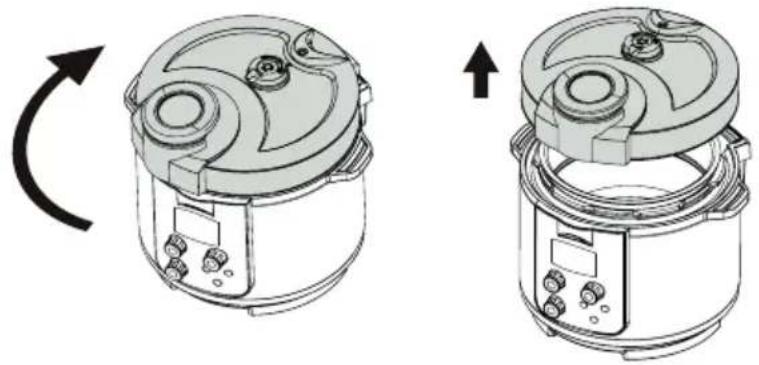
Opening the pressure cooker
natural_image
Technical illustration of a mechanical device showing a rotating component before and after assembly (no text or symbols)To open the lid, turn the handle on the top clockwise. Then lift the lid.
Pressure cooker assembly
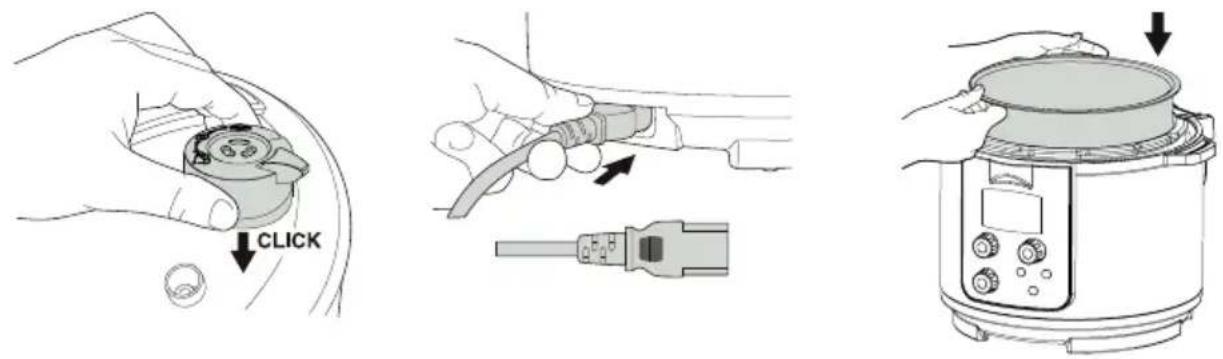
- Insert the pressure valve into the large recess in the upper part of the pressure cooker lid.
- Push the valve down until it fits into place with an audible click.
- Plug the power cord into the outlet on the back of the pressure cooker as shown in the picture. Plug the other end of the power cord into an electrical outlet.
- Insert the inner pot into the pressure cooker.
• Always connect the cord to the body of the cooker first, then to the outlet.
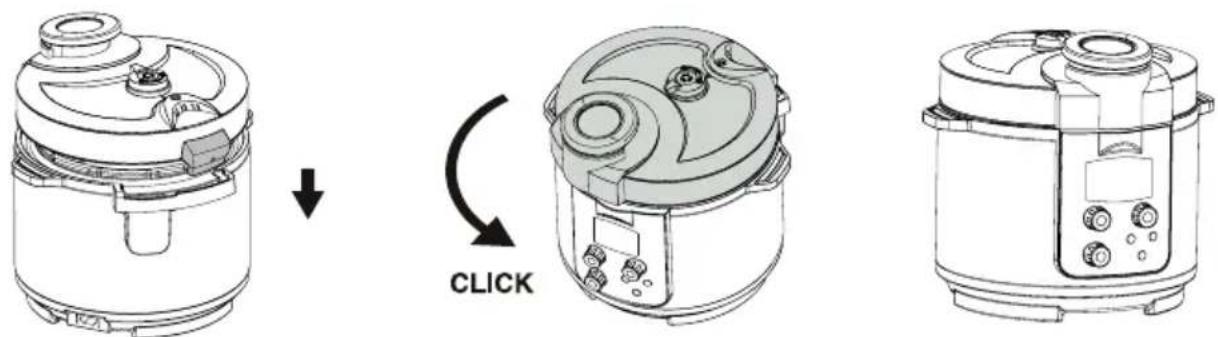
- Put the lid back on the pressure cooker.
• Make sure the latch on the back of the lid holes is inserted into the rail on the back of the pressure cooker. - Check that the safety pin, which is located on the back of the lid, is locked inwards after closing.
- Turn the lid counterclockwise until it clicks into place.
• The pressure cooker is now ready for use.
Before first use
- Remove the lid and pour 2 liters of water into the inner pot of the cooker.
- Replace the lid and secure it by turning it counterclockwise.
- If necessary, switch on the pressure cooker at the rear of the power cable connection.
- Switch the pressure valve to the "CLOSED" position.
- Turn the control knob to select program STEW/SOUP.
- Press the button START to start the selected program.
- When the program is completed, the pressure cooker will beep.
- Press the button CANCEL to turn off the Keep warm function.
Releasing steam
- Now you need to open the steam release valve. Before you start, put on protective gloves or something similar or use kitchen tongs. Turn the valve into "OPEN" position.
- Allow the pressure cooker to cool for 15 minutes.
- Open the lid by turning it clockwise and then remove it.
- Remove and empty the inner pot using gloves or a heat-resistant cloth.
• The inner valves and the lid of the pressure cooker are now thoroughly cleaned.
USING THE PRESSURE COOKER
IMPORTANT SAFETY INSTRUCTIONS THAT MUST BE FOLLOWED:
ALWAYS check before cooking if:
• the INNER POT is well seated in place;
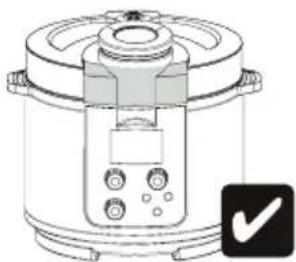
- the lid is properly closed, see the picture and instructions below;
- the total amount of food:
- does not exceed the max. line (2/3 of the volume of the pot)
- it does not exceed 12 the volume of the pot in the case of foods which easily increase in volume (legumes, fruit...)
- it does not exceed 3 l of oil
- the pot is filled up to at least the MIN line.
- All safety elements (valve and pressure indicator) are free and clean.
Remove the inner vessel and place food in it. Do not use the inner vessel to rinse the food. Rinse foods such as rice or legumes under running water in a strainer.
natural_image
Line drawing of a rice cooker with control panel and buttons (no text or symbols)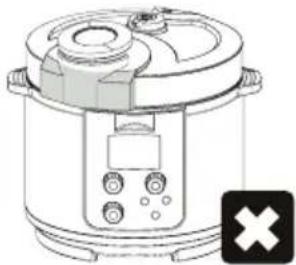
natural_image
Line drawing of a rice cooker with control panel and digital display (no text or symbols)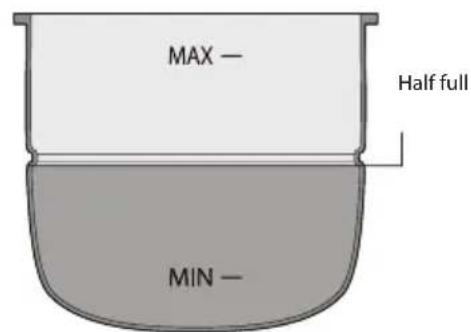
Beans, rice, pasta legumes and porridge Everything else
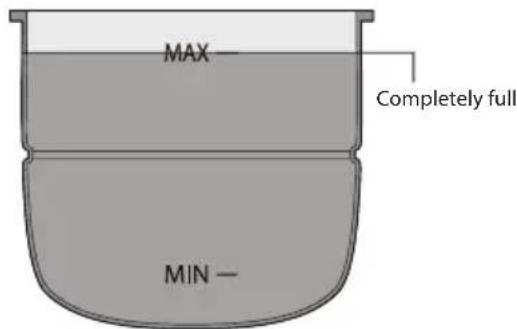
In most food cases, the amount of water and raw food is 1: 1. When preparing oatmeal, the ratio of water to oatmeal is 8: 1. Of course, with different foods ratio may vary slightly, and based on experience and taste, you can adjust the water and raw food ratio.
Before putting the inner vessel back into the pressure cooker, clean the surface of the heater, the outer surface and the bottom of the vessel, and make sure that nothing is stuck on the surfaces. Rotate the inner pot after placing it in the pressure cooker to make sure that the inner container has come into proper contact with the surface of the heating element.
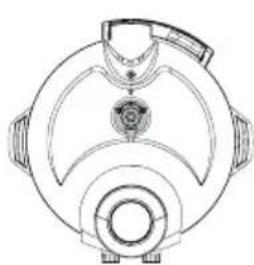
Close the lid. Before closing, make sure that the seal is inserted correctly and turn the anti-blocking shield slightly (see chapter Cleaning and maintenance) to make sure that it is correctly fitted on the intermediate steel ring. Close the lid by turning it counterclockwise until you hear a "click"
natural_image
Technical line drawing of a mechanical component with no visible text or symbols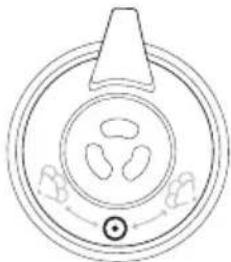
natural_image
Simple line drawing of a circular object with internal components and a central dot (no text or symbols)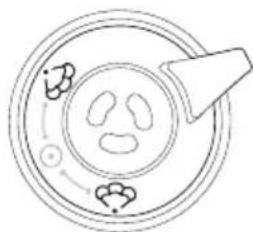
natural_image
Simple line drawing of a circular object with internal shapes and a triangular pointer (no text or symbols)▲ CLOSED OPEN
▲
The lid must be completely closed before cooking. Carefully lower the lid and turn it counterclockwise until it clicks into place.
Make sure that the pressure valve is in the closed position (during pressure cooking) and check that it is fitted correctly.
To cook under pressure, you MUST turn the pressure release valve to the closed position as indicated on the valve.
Cooking program selection
Select the cooking program you want to use using the control panel described in the following chapter.
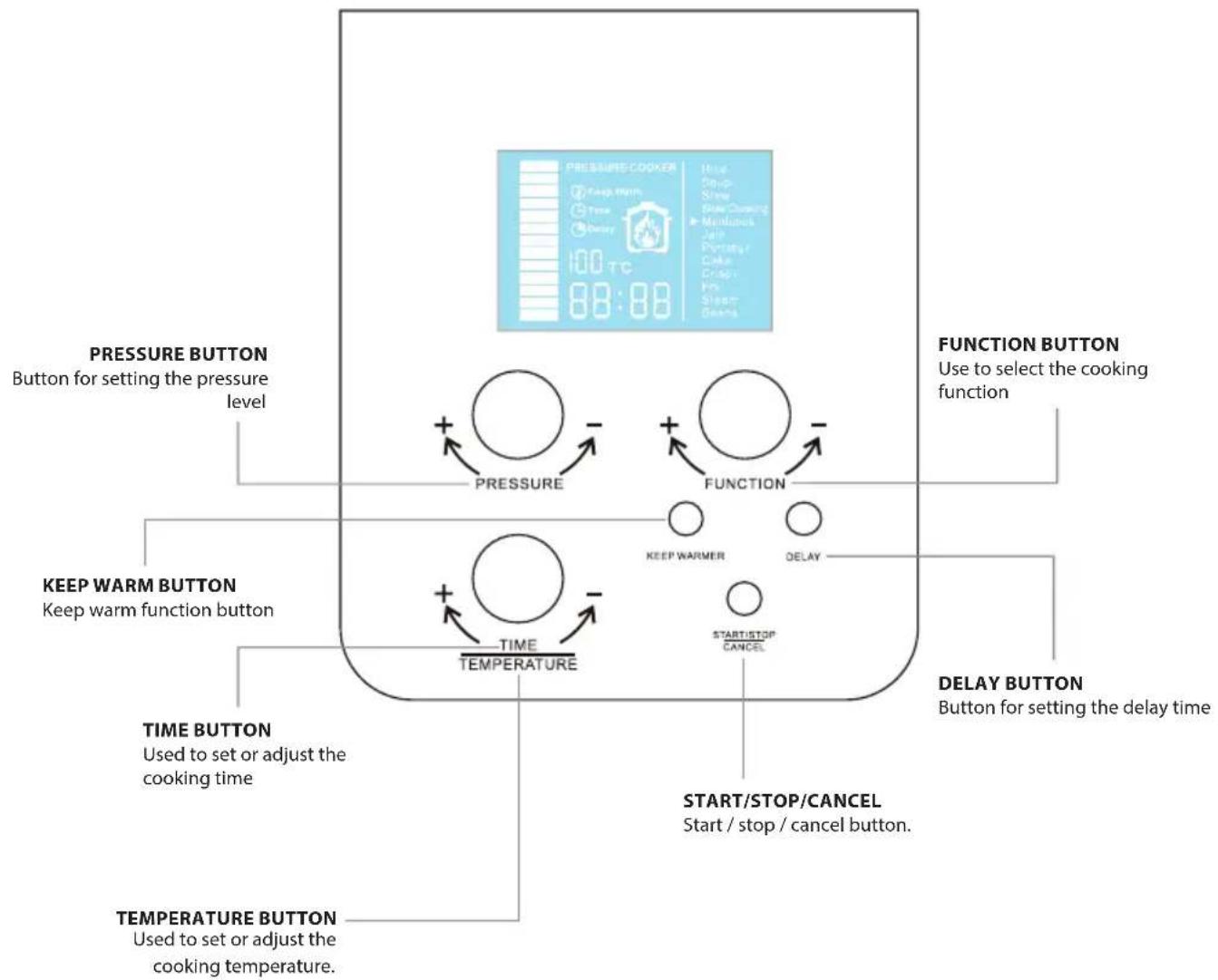
Control panel
English
flowchart
graph TD
    A["PRESSURE BUTTON Button for setting the pressure level"] --> B["+"]
    B --> C["TIME"]
    C --> D["Temperature"]
    D --> E["START/STOP/CANCEL Start / stop / cancel button."]
    F["FUNCTION BUTTON Use to select the cooking function"] --> G["+"]
    G --> H["TIME"]
    H --> I["Temperature"]
    I --> J["START/STOP/CANCEL Start / stop / cancel button."]
    K["KEEP WARM BUTTON Keep warm function button"] --> L["+"]
    L --> M["TIME"]
    M --> N["Temperature"]
    N --> O["START/STOP/CANCEL Start / stop / cancel button."]
    P["DELAY BUTTON Button for setting the delay time"] --> Q["+"]
    Q --> R["TIME"]
    R --> S["Temperature"]
    S --> T["START/STOP/CANCEL Start / stop / cancel button."]
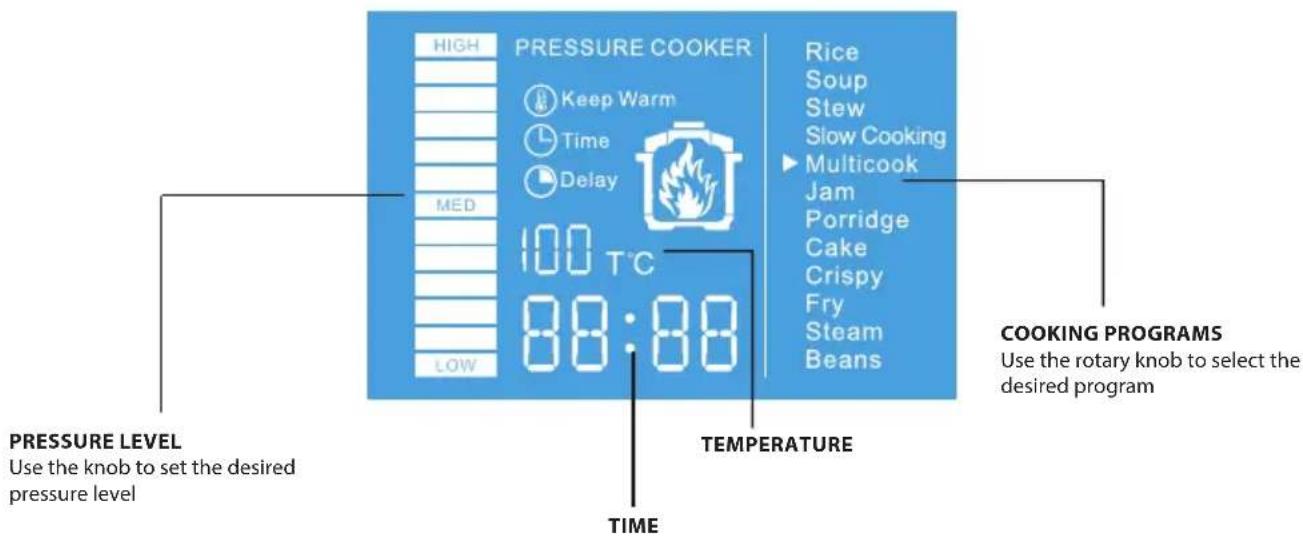

Keep Warm
Indicates that the "keep warm" function is running.

Time
Time setting indicator. The indicator flashes while being set.

Delay
Delayed start mode.
If the delayed start is activated, the countdown time is running on the display.
Note: Delayed start mode can only be set for some programs, see Program table.

View set temperature.

Note: Temperature setting is only possible for some programs, see Program table.
Temperature setting indicator. The indicator flashes while the temperature is being set.
Note: The temperature setting mode can only be set for some programs, see Program table.
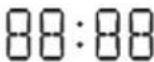
Display of time information. Displays the preset time and countdown time during food preparation or delayed start, or the time for which the food is kept warm by the „Keep warm“ program.

After starting the program, it indicates that the cooker is in operation.
Cooking time and temperature setting - TIME / TEMPERATURE control
- The time setting is in the range of 1 minute to 2 hours (in minute steps)
- The temperature setting is in the range of 40 - 160 °C (in steps of 1 °C). It can only be set for some programs, see table below.
If a time setting is available, turn the rotary selector to set the desired cooking time.
First press the rotary control and then turn it to increase / decrease the number of minutes. Press the same control again to skip to the temperature setting (if available). Turn again to increase / decrease the temperature to the desired value.
Cooking delay setting - DELAY button + control
- Range 1 minute to 24 hours, step by minute / hour
If you want that the cooking starts later in the day, press the button DELAY.
Then use again the rotary control Time/Temperature. Turn it to increase / decrease the number of minutes.
Pressing the same control again will move you from the minute setting to the hour setting.
Pressure intensity setting - PRESSURE control
After pressing this control, turn it to set the desired pressure intensity, see the recommendations in the table below.
When cooking under pressure, do not forget to set the valve to the "CLOSED" position.
Starting the cooking program
Press START to start the delay timer or start cooking. Now the arrows on the bottom of the display will start to show that the pressure cooker is working. When the cooking is completed, the program will automatically switcxh to the Keep Warm mode, which will continue until you stop the program by pressing the button CANCEL.
ATTENTION: When using in the pressure cooker mode, always pour liquid into the inside pot. The liquid should reach always the MIN mark.
Insert the inner pot into the pressure cooker. When inserting the pot into the pressure cooker be careful not to spill any liquid. Wiped the spilled liquid with a dampened cloth.
Releasing steam
When you complete the cooking it is necessary to open the valve to release the steam. Before you start, put on protective gloves or something similar or use kitchen tongs. Turn the valve to one of the steam release positions.
After the steam stops coming out of the steam release valve, make sure that the floating pressure indicator has dropped before opening the lid of the pressure cooker.
You can now open the pressure cooker lid turning it clockwise and lifting it. Remove the inner pot using a heat-resistant cloth or kitchen gloves. After using the pressure cooker, please clean it according to the instructions in the Maintenance chapter of this manual.
NEVER TOUCH THE FLOATING PRESSURE INDICATOR DURING COOKING OR IMMEDIATELY AFTER COOKING.
ATTENTION: Immediately after cooking, the lid, the inner pot, the cooker as such and the prepared food will be very hot and should be handled with caution.
Using the frying function
IMPORTANT: Never cover the pressure cooker with a lid during frying. If the lid is on the pressure cooker, you cannot select the FRY function.
- Turn the lid clockwise and remove it.
- Pour a little amount of oil into the inner pot.
- Turn the control knob to select the FRY function.
- Plug in the pressure cooker and, if necessary, turn on the power switch.
- You can now set the temperature and cooking time as you wish by turning the control knob clockwise to increase it or counterclockwise to decrease it.
- Press START to start cooking. If you want to end the cooking cycle, press the CANCEL button.
- Keep in mind that when the lid is removed you can select only the FRY and Keep Warm functions.
PRESSURE COOKER COOKING PROGRAMS
| Functions Default | time | Adjustable time | Default temperature | Temperature control | Pressure level | Delayed cooking |
| RICE Cooking risotto and other rice dishes | 10 1 min - 2 hrs | 145 40 - 160 °C | High 1-59 min, | 1 -24 hrs | ||
| SOUP Cooking of soups and broths | 25 1 min - 2 hrs | 140 Not possible | High / | medium / low | 1-59 min, 1 -24 hrs | |
| SIMMER/STEW Cooking stewed vegetables, meats and sauces | 25 1 min - 2 hrs | 140 Not possible | High / | medium / low | 1-59 min, 1 -24 hrs | |
| SLOWCOOKING Cooking food just below the boiling point without using the increased pressure function, suitable for many types of various dishes, see below | 3 hours 3-12 hrs | 90 65 - 95 °C | Not | possible | 1-59 min, 1 -24 hrs |
| MULTICOOKCooking meals without the use of pressure with the possibility of setting the time, temperature and delayed start. | 20 1 min - 8 hrs | 140 40 - 180 °C Not | possible | 1-59 min, 1 -24 hrs | |
| JAMCooking jams, ketchup or chutney | 45 1 min -12 hrs | 98 40 - 160 °C Low Not | possible | ||
| PORRIDGECooking oatmeal, rice paste, etc. | 8 1 min - 2 hrs | 90 90 - 140 °C Low 1-59 min, | 1 -24 hrs | ||
| CAKEBaking sponge cakes. | 40 1 min - 2 hrs | 140 40 - 180 °C Not | possible | 1-59 min, 1 -24 hrs | |
| CRISPINGFor cooking of baked dishes such as baked pasta, potatoes with meat, Vegetables with cheese, moussaka, etc. | 45 1 min - 2 hrs | 140 40 - 180 °C Not | possible | 1-59 min, 1 -24 hrs | |
| FRYFor the cooking of fried cheeses, schnitzels, mushrooms, hamburgers, cauliflower and other foods or frying french fries, croquets or American fries. | 30 1 min - 2 hrs | 160 40 - 160 °C Not | possible | Not possible | |
| STEAMSuitable for cooking vegetable dishes or cooking dumplings.When using this cooking method a substantial amount of flavor components and water soluble vitamins and trace elements remain In the cooked food | 5 1 min - 2 hrs | 140 Not possible | High 1-59 min, | 1 -24 hrs | |
| LEGUMESSuitable for cooking legumes | 25 1 min - 2 hrs | 145 Not possible | High / | medium / low |
| KEEP WARMIt keeps thedish warm aftercompletion of theprogram. | max. 12 hr Not possible 70 Not possible Not | possible | Notpossible |
Recommended temperatures for cooking different foods
| Temperature (°C) | Food/Cooking method |
| 40 Dough rising | yoghurt preparation |
| 45 - 50 Fermentation | |
| 55 - 60 Cooking | green tea, warming food for children |
| 65 - 70 Slow cooking of meat in a bag (sous-vide), making a punch | |
| 75 - 80 Pasteurization, cooking white tea, cooking mulled wine | |
| 85 - 90 Cooking | red tea, cooking foods which require long-time cooking |
| 95 - 100 Cooking porridge, making jams | |
| 105 - 110 Sterilization, cooking of aspics and dishes with gelatine | |
| 115 - 120 Cooking "shank", preparation of sweetened syrups | |
| 125 - 130 Baking | |
| 135 - 140 Preparation of pre-fried foods | |
| 145 - 150 Cooking vegetables and fish, roasting meat in foil | |
| 155 Frying vegetables and fish | |
| 160 Frying meat and poultry | |
MAINTENANCE AND CLEANING
Important: After each use of the pressure cooker, you must clean any food residue or moisture from all parts.
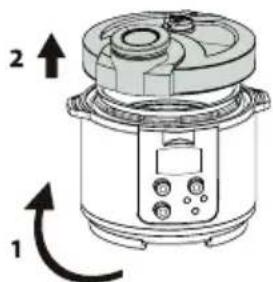
Removal of the lid
- You must remove the lid before cleaning the pressure cooker.
- Turn the lid clockwise as far as it will go (1).
- Lift the lid (2).
natural_image
Illustration of a hand holding a small mechanical component with an arrow indicating upward motion (no text or symbols)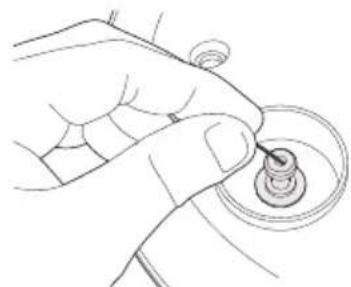
natural_image
Line drawing of a hand holding a small mechanical component (no text or symbols)Pressure valve removal
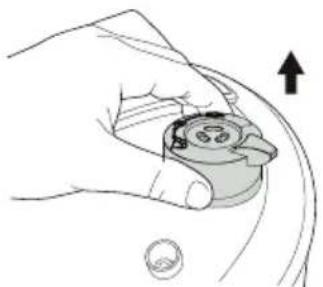
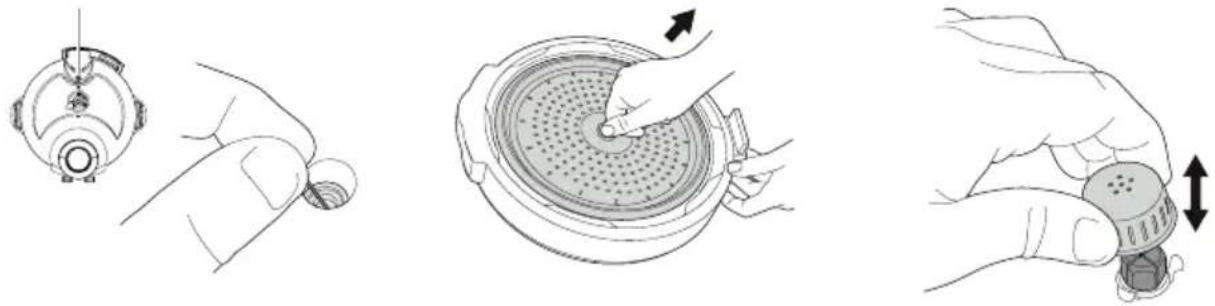
- Grasp the sides of the pressure valve and pull it up until you manage to pull it out. Use a thin object to remove any dirt clogging the valve.
-
Before disassembly, always make sure that there is no pressure in the cooker.
-
Insert the valve by pushing it back into the recess.
- Use a thin object to remove any dirt around the valve.
- Insert the pressure valve by pushing it back into the recess.
- Push until it clicks into place.
Cleaning the floating pressure indicator
- Clean the floating pressure indicator with a thin object to make sure there is no dirt in or around it.
- Check that the valve can be lifted and that it falls back down without getting stuck.
natural_image
Illustration showing three steps of a hand holding a device, with no visible text or symbols.Removing the inside of the lid
- Grasp the rubber knob in the center of the inside of the lid and pull it out.
- Clean the inside of the lid in warm soapy water.
- Clean the lid with warm soapy water as well. Do not use aggressive cleaners.
Seal removal
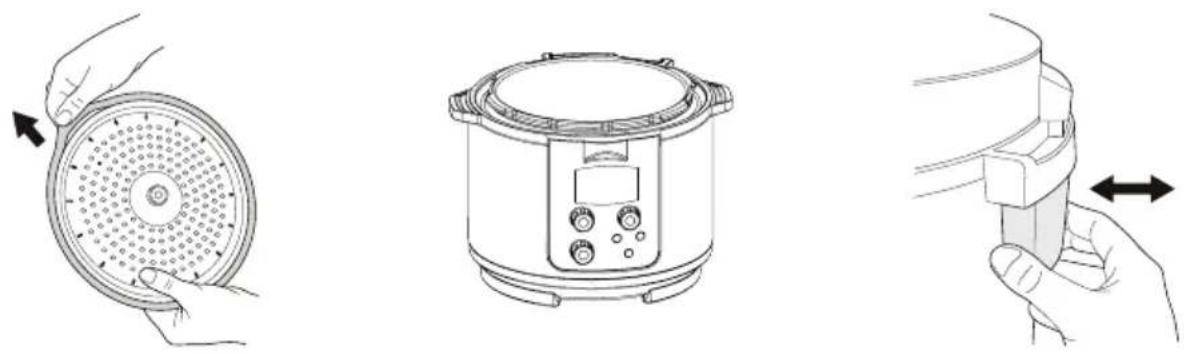
- Pull the rubber seal from the sides of the inside of the lid.
- Wash the seal with warm sapy water.
- Replace the seal around the edge of the inner lid.
- Slide the rubber knob back into place on the inside of the lid.
- Put the inside of the lid back on the pin in the middle of the lid.
- Cleaning the pressure cooker body: Never immerse the body of the pot in water or other liquids.
- Wipe the outer surface with a damp cloth and dry thoroughly with a soft dry cloth. Do not use aggressive cleaners.
natural_image
Line drawings of three kitchen appliances: a circular fan, a digital rice cooker, and a hand holding a tool (no text or symbols)Condensation container
- There is a condensation container on the back of the pressure cooker.
- Pull the condensation container out of the mounting under the hinge.
- Wash the container with warm soapy water and then dry it with a soft cloth.
- Slide the condensation container back onto the underside of the hinge.
Additional notes on cleaning
• Make sure that the floating pressure indicator on the lid of the pressure cooker is not clogged and can move freely up and down, wipe it if necessary.
- You can immerse the inner pot and lid fully in water during cleaning. Rinse the inner pot and lid under running hot water using only a mild detergent and a soft cloth or sponge.
- Do not use powder cleaners, sodium bicarbonate or bleach. Never use cleaning pads.
- Wipe the body of the appliance with a soft damp cloth and make sure to remove all greasy food remains.
- PROTECT THE BODY OF THE APPLIANCE FROM DIRECT CONTACT WITH WATER AND OTHER LIQUIDS.
TROUBLESHOOTING
| Problem Solution | |
| The lid does not close properly. Check if the inner part of the lid and seal are fitted properly in place. | |
| It is difficult to remove the lid Floating pressure indicator did not drop Make sure that the pressure dropped to a normal level. NEVER OPEN THE LID BY FORCE | |
| Steam is released under the lid during cooking. | Make sure that the seal is installed correctly and is not worn. Make sure that all the food remains were removed from the seal. |
| The floating valve does not rise. There is not enough food or liquid in the inner pot. | |
| The display shows E1, E2, E3 or E4. This is a system error – disconnect the pressure cooker, allow it to cool down and close the lid.E1: Sensor circuit is openE2: Sensor short circuitE3: OverheatingE4: Signal switch malfunction | |
TECHNICAL SPECIFICATIONS
Power source 220–240 V \~ 50/60 Hz
Output 1000 W
Maximum total volume 5,7 l
Pressure 49-90 kPa
Operating pressure 50 kPa
Maximum pressure PS 105 kPa
USE AND DISPOSAL OF WASTE
Wrapping paper and corrugated paperboard – deliver to scrapyard. Packing foil, PE bags, plastic elements – throw into plastic recycling containers.
DISPOSAL OF PRODUCTS AT THE END OF LIFETIME
Disposal of electric and electronic equipment (valid in EU member countries and other European countries with an implemented recycling system)
The represented symbol on the product or package means the product shall not be treated as domestic waste. Hand over the product to the specified location for recycling electric and electronic equipment. Prevent negative impacts on human health and the environment by properly recycling your product. Recycling contributes to preserving natural resources. For more information on the recycling of this product, refer to your local authority, domestic waste processing organization or store, where you purchased the product.
This product complies with EU directives on electromagnetic compatibility and electrical safety.
The operating manual is available at www.ecg-electro.eu.
Changes of text and technical parameters reserved.
08/05

SICHERHEITSHINWEISE
natural_image
Technical line drawing of a mechanical component with circular features and a triangular pointer (no text or symbols)natural_image
Pure technical diagram of a mechanical component without any text, numbers, or symbols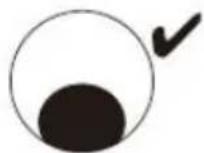

Schnelles Ablassen
natural_image
Technical illustration of a mechanical device showing a rotating component before and after assembly (no text or symbols)natural_image
Line drawing of a rice cooker with control panel and digital display (no text or symbols)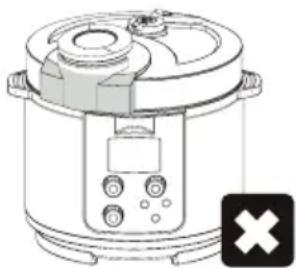
natural_image
Line drawing of a rice cooker with control panel and buttons (no text or symbols)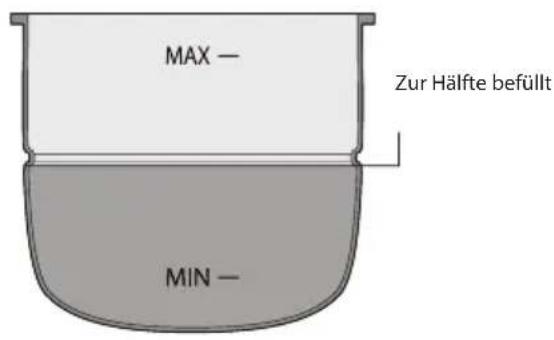
natural_image
Technical line drawing of a mechanical component with no visible text or symbols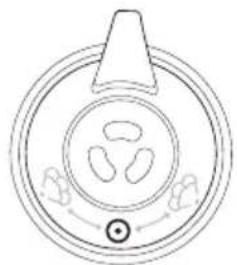
natural_image
Diagram of a circular structure with internal components and directional arrows, no text or symbols present
natural_image
Simple line drawing of a circular object with internal components and a triangular pointer (no text or symbols)natural_image
Illustration of a hand holding a small mechanical component with an arrow indicating upward motion (no text or symbols)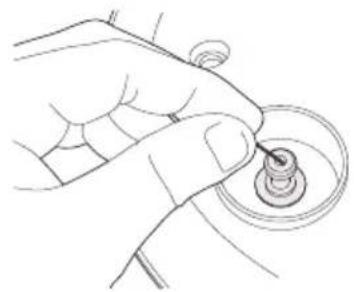
natural_image
Line drawing of a hand holding a circular mechanical component (no text or symbols)Demontage des Druckventils
natural_image
Line drawing of a hand holding a small mechanical component, with no visible text or symbols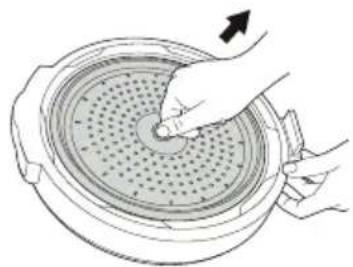
natural_image
Illustration of hands stirring a circular object on a steamer (no text or symbols)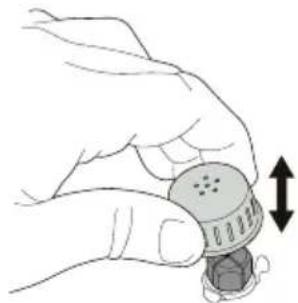
natural_image
Illustration of a hand holding a small device with a double-headed arrow indicating rotation (no text or symbols)natural_image
Illustration of hands holding a circular mechanical component with evenly spaced holes and a central hub (no text or symbols)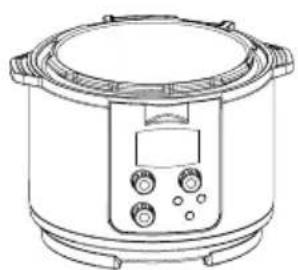
natural_image
Line drawing of a rice cooker with control panel and digital display (no text or symbols)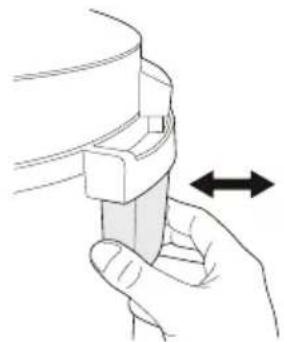
natural_image
Hand holding a mechanical component with an arrow indicating direction (no text or symbols)Do not immerse in water! – Neponořovat do vody!
UPOZORNĚNÍ
natural_image
Technical line drawing of a mechanical component with top and side views (no text or symbols)natural_image
Pure technical diagram of a mechanical component without any text, numbers, or symbols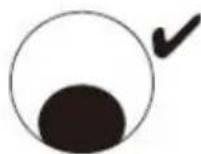

natural_image
Technical illustration of a mechanical component before and after rotation, showing internal components and housing (no text or symbols)DŮLEŽITÉ BEZPEČNOSTNÍ POKYNY, KTERÉ JE NUTNO DORŽOVAT:
natural_image
Line drawing of a rice cooker with control panel and buttons (no text or symbols)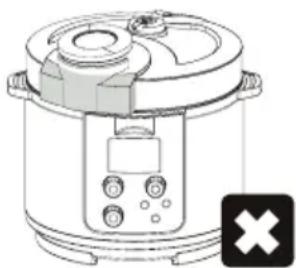
natural_image
Line drawing of a rice cooker with control panel and buttons (no text or symbols)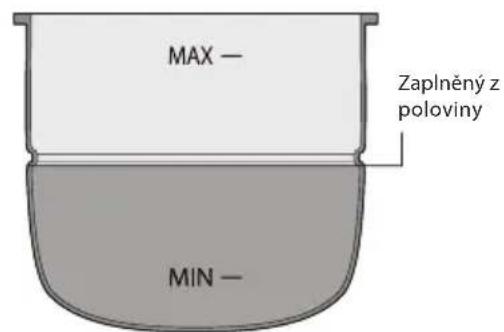
natural_image
Illustration of a hand holding a small mechanical component with an arrow indicating upward motion (no text or symbols)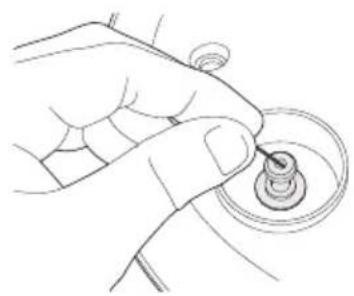
natural_image
Line drawing of a hand holding a circular mechanical component (no text or symbols)natural_image
Line drawing of a hand holding a small mechanical component (no text or symbols)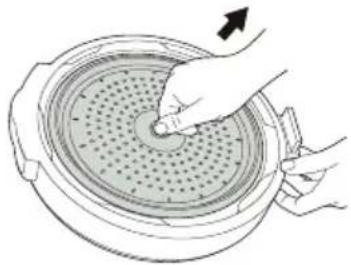
natural_image
Illustration of hands holding a circular object inside a perforated container (no text or symbols)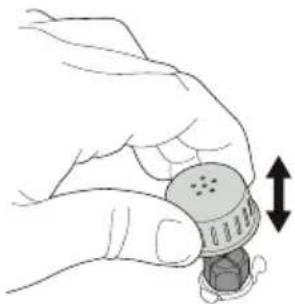
natural_image
Illustration of a hand holding a small electronic device with a double-headed arrow indicating rotation (no text or symbols)natural_image
Illustration of hands holding a circular mechanical component with evenly spaced holes (no text or symbols)
natural_image
Line drawing of a rice cooker with control panel and digital display (no text or symbols)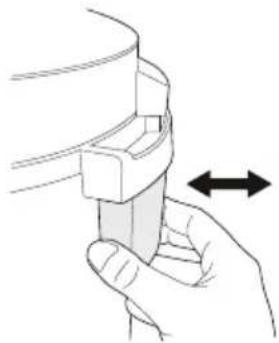
natural_image
Hand holding a mechanical component with an arrow indicating direction (no text or symbols)Kondenzační nádoba
Do not immerse in water! – Neponárat do vody!
UPOZORNENIE
ĎALŠIE BEZPEČNOSTNÉ POKYNY
natural_image
Technical line drawing of a mechanical component with top and side views (no text or symbols)natural_image
Pure mechanical component diagram without any text, numbers, or symbols

natural_image
Technical illustration of a mechanical component before and after rotation, showing internal components without any text or symbols.DÔLEŽITÉ BEZPEČNOSTNÉ POKYNY, KTORÉ JE NUTNÉ DODRŽIAVAŤ:
natural_image
Line drawing of a rice cooker with control panel and buttons (no text or symbols)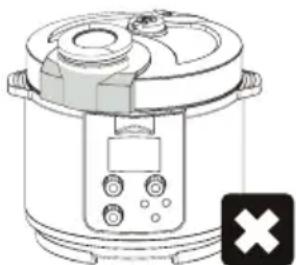
natural_image
Line drawing of a rice cooker with control panel and buttons (no text or symbols)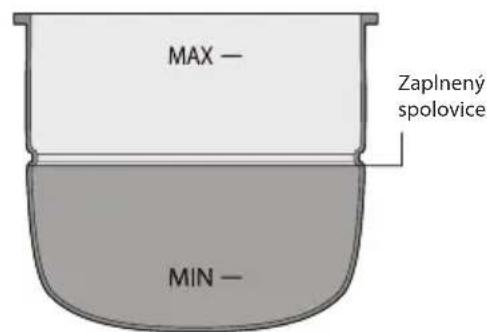
natural_image
Illustration of a hand holding a small mechanical component with an arrow indicating upward motion (no text or symbols)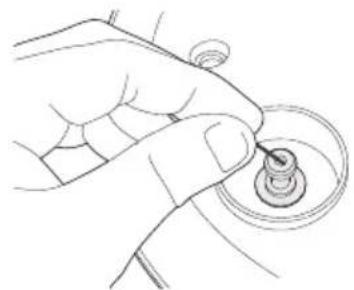
natural_image
Line drawing of a hand holding a circular mechanical component (no text or symbols)natural_image
Line drawing of a hand holding a small mechanical component, showing a circular dial and a handle (no text or symbols)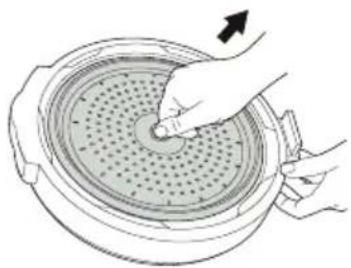
natural_image
Illustration of hands holding a circular object with a pointer, no text or symbols present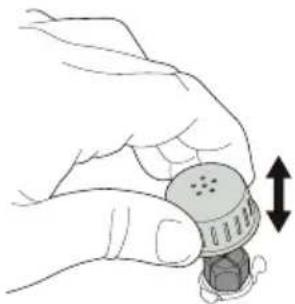
natural_image
Illustration of a hand holding a small electronic device with a double-headed arrow indicating rotation (no text or symbols)natural_image
Illustration of hands holding a circular mechanical component with evenly spaced holes (no text or symbols)
natural_image
Line drawing of a rice cooker with control panel and digital display (no text or symbols)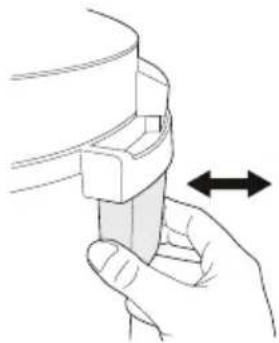
natural_image
Hand holding a mechanical component with an arrow indicating direction (no text or symbols)Kondenzačná nádoba
natural_image
Technical line drawing of a mechanical component with top and side views (no text or symbols)natural_image
Pure mechanical component diagram without any text, numbers, or symbols

Γρήγορη ελευθέρωση
natural_image
Technical illustration of a mechanical device showing a rotating component before and after assembly (no text or symbols)natural_image
Line drawing of a rice cooker with control panel and buttons (no text or symbols)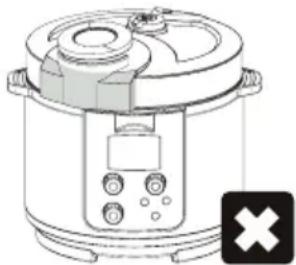
natural_image
Line drawing of a rice cooker with control panel and digital display (no text or symbols)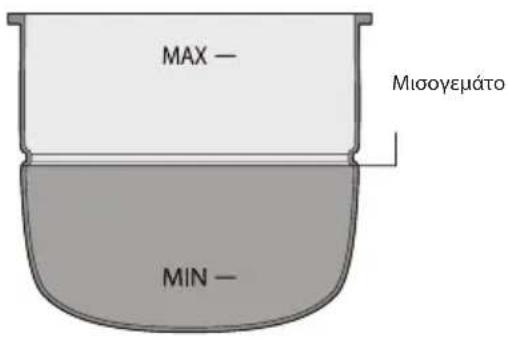
natural_image
Technical line drawing of a mechanical component with no visible text or symbols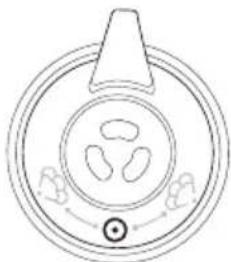
natural_image
Simple line drawing of a circular object with internal components and a central arrow (no text or symbols)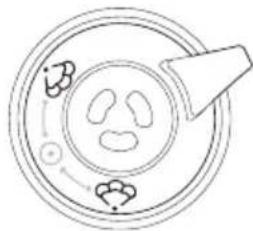
natural_image
Simple line drawing of a circular object with internal shapes and a triangular pointer (no text or symbols)▲ ΚΛΕΙΣΤΟ ΑΝΟΙΚΤΟ

natural_image
Illustration of a hand holding a small mechanical component with an arrow indicating upward motion (no text or symbols)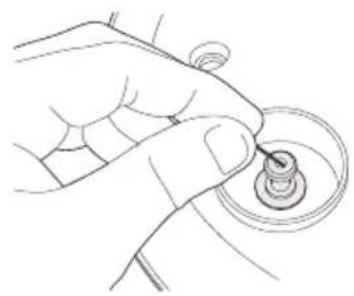
natural_image
Line drawing of a hand holding a circular mechanical component (no text or symbols)natural_image
Line drawing of a mechanical component with a circular head and a hand holding a small circular part (no text or symbols)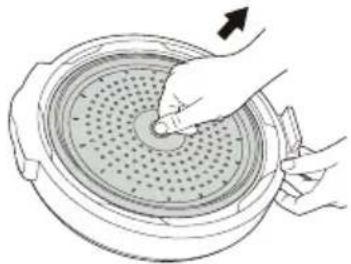
natural_image
Illustration of hands stirring a circular object on a perforated plate (no text or symbols)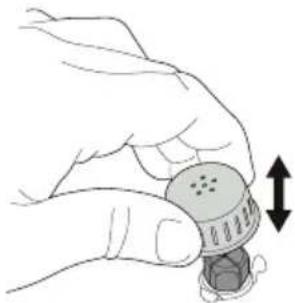
natural_image
Illustration of a hand holding a small device with a double-headed arrow indicating rotation (no text or symbols)natural_image
Illustration of hands holding a circular object with evenly spaced dots, no text or symbols present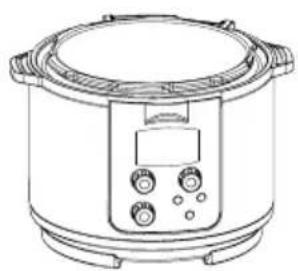
natural_image
Line drawing of a rice cooker with control panel and digital display (no text or symbols)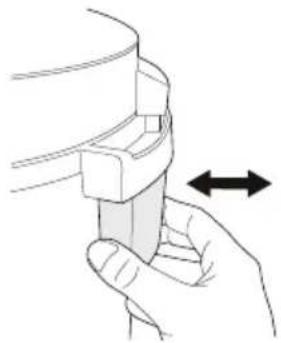
natural_image
Hand holding a mechanical component with an arrow indicating direction (no text or symbols)Δοχείο συμπύκνωσης
- Read carefully and save for future use! FOLLOW THESE INSTRUCTIONS.
- ATTENTION
- ADDITIONAL SAFETY INSTRUCTIONS
- This device cooks under pressure.
- Pressure release methods
- Quick release
- Slow release
- NEVER OPEN THE LID BY FORCE!
- Safety functions
- PACKAGE CONTENTS
- LET'S START
- Opening the pressure cooker
- Pressure cooker assembly
- Before first use
- Releasing steam
- USING THE PRESSURE COOKER
- IMPORTANT SAFETY INSTRUCTIONS THAT MUST BE FOLLOWED:
- Cooking program selection
- Keep Warm
- Time
- Delay
- Cooking time and temperature setting - TIME / TEMPERATURE control
- Cooking delay setting - DELAY button + control
- Pressure intensity setting - PRESSURE control
- Starting the cooking program
- NEVER TOUCH THE FLOATING PRESSURE INDICATOR DURING COOKING OR IMMEDIATELY AFTER COOKING.
- Using the frying function
- Recommended temperatures for cooking different foods
- MAINTENANCE AND CLEANING
- Removal of the lid
- Pressure valve removal
- Cleaning the floating pressure indicator
- Removing the inside of the lid
- Seal removal
- Condensation container
- Additional notes on cleaning
- TECHNICAL SPECIFICATIONS
- USE AND DISPOSAL OF WASTE
- DISPOSAL OF PRODUCTS AT THE END OF LIFETIME
- SICHERHEITSHINWEISE
- Schnelles Ablassen
- Demontage des Druckventils
- Do not immerse in water! – Neponořovat do vody!
- UPOZORNĚNÍ
- DŮLEŽITÉ BEZPEČNOSTNÍ POKYNY, KTERÉ JE NUTNO DORŽOVAT:
- Kondenzační nádoba
- Do not immerse in water! – Neponárat do vody!
- UPOZORNENIE
- ĎALŠIE BEZPEČNOSTNÉ POKYNY
- DÔLEŽITÉ BEZPEČNOSTNÉ POKYNY, KTORÉ JE NUTNÉ DODRŽIAVAŤ:
- Kondenzačná nádoba
- Γρήγορη ελευθέρωση
- Δοχείο συμπύκνωσης
Brand : ECG
Model : MHT 1660 Pressione
Category : Multicooker