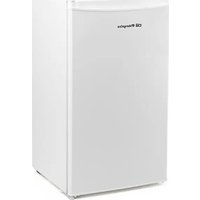
NCO 3090 - Refrigerator Orbegozo - Free user manual and instructions
Find the device manual for free NCO 3090 Orbegozo in PDF.


| Brand | Orbegozo |
| Model | NCO 3090 |
| Appliance type | Refrigerator with freezer compartment |
| Refrigerant | R600a (isobutane) |
| Climate class | SN, N, ST, T |
| Ambient temperature range | +10°C to +43°C depending on class |
| Temperature adjustment | Rotary thermostat (positions 1 to 5) |
| Defrosting | Manual (do not use metal objects) |
| Door reversal | Possible, requires tools (screwdriver, hex key) |
| Number of adjustable feet | 2 (front) |
| Compartments | Refrigerator, freezer (stars not specified) |
| Included accessories | Glass shelf, vegetable basket, egg tray, door racks |
| Maintenance | Interior cleaning with baking soda, exterior cleaning with mild detergent |
| Safety | Do not use electrical devices inside, do not damage the cooling circuit |
| Warranty | Legal warranty according to current legislation |
| After-sales service | Via the Orbegozo website (https://orbegozo.com/asistencia-tecnica/) |
Frequently Asked Questions - NCO 3090 Orbegozo
User questions about NCO 3090 Orbegozo
0 question about this device. Answer the ones you know or ask your own.
Ask a new question about this device
Download the instructions for your Refrigerator in PDF format for free! Find your manual NCO 3090 - Orbegozo and take your electronic device back in hand. On this page are published all the documents necessary for the use of your device. NCO 3090 by Orbegozo.
USER MANUAL NCO 3090 Orbegozo
natural_image
Line drawing of a single refrigerator with 'CS Rangsha' label on the front panel (no other text or symbols)NCO 3090
Sonifer, S.A.
Read this manual carefully before running this appliance and save it for reference in order to obtain the best results and ensure safe use.
Dear Customer: If you follow the recommendations included in this instruction manual, your appliance will offer you consistently high performance and operate correctly for many years.
Before using this appliance, read the instruction manual carefully and keep it, including the warranty, the receipt, and, if possible, the shipping carton with the inner packaging. If you transfer the appliance to a third party, also provide the instruction manual.
GENERAL
- This appliance can be used by children aged 8 years and over and persons with reduced physical, sensory, or mental capabilities or lack of experience and knowledge if they have been given appropriate supervision or training concerning use of the appliance in a safe way and understand the hazards involved. Children should not play with the appliance. Cleaning and user maintenance shall not be made by children without supervision.
- Children should be supervised to ensure that they do not play with this appliance.
-
Keep the appliance and its cable out of the reach of children under 8 years of age.
-
CAUTION: For the safety of your children, do not leave packaging material (plastic bags, cardboard, polyethylene, etc.) within their reach.
- If the power cord is damaged, it must be replaced by the manufacturer, service center, or other qualified personnel.
- Never disconnect by pulling on the cable.
- Do not operate if the cord or plug is damaged or if you notice that the appliance is not working properly.
- Do not handle the appliance with wet hands.
- Do not immerse the appliance in water or any other liquid.
- Before cleaning, make sure the appliance is disconnected.
- The appliance must be installed in accordance with national regulations for electrical installations.
- This appliance is for domestic use only.
- If you need a copy of the instruction manual, you can find it at www.orbegozo.com.
- WARNING: In case of misuse, there is a risk of possible injury.
- DANGER or WARNING: A child could become trapped. Child entrapment and suffocation are not problems of the past. Abandoned or unused appliances are still
dangerous even if they've been sitting in storage for only a few days.
- Before throwing away an old refrigerator: Remove the door. Leave the shelving in place so children can't easily climb inside.
- Never allow children to play with the refrigerator, climb inside it, or use it.
- Never clean the refrigerator with flammable liquids. The gases can cause a fire or explosion.
- Do not store or use gasoline or other flammable vapors or liquids near this or any other refrigerator. The fumes could cause a fire or explosion.
- Do not repair or replace any part of the refrigerator or attempt any maintenance unless specifically recommended in the instruction manual or user's repair manual.
- The device must not be exposed to atmospheric agents (rain, sun, ice, etc.)
- WARNING: Keep the appliance vents clear.
- WARNING: Do not use electrical appliances inside compartments intended for food storage.
- To avoid food contamination, please follow the instructions below:
○ Prolonged door openings can lead to a significant increase in the temperature of the appliance compartments.
-
Regularly clean surfaces that may come into contact with food and accessible drainage systems.
○ If the freezer remains empty for a long time, disconnect it and defrost, clean, dry it, leaving the door open to prevent mold from growing inside the appliance. -
WARNING: When positioning the appliance, ensure that the power cord is not trapped or damaged. A crushed or damaged connector can become hot and cause a fire.
- Make sure you can access the main connector of the appliance after installing it.
- WARNING: Do not place multiple power strips or multiple power supplies on the back of the appliance.
- WARNING: Keep the ventilation grilles on the appliance enclosure or in the cabinet where the appliance is located clear.
- WARNING: Do not use electrical appliances inside the refrigerator.
- WARNING: Do not damage the cooling circuit.
- If the cable is damaged, it must be replaced by the manufacturer, distributor or similarly qualified personnel to avoid danger.
-
It is advisable to regularly check the power cord for any signs of possible deterioration; do not use the appliance if the cord is damaged.
-
WARNING: To avoid risk due to instability of the refrigerator, you must install it according to the instructions.
- WARNING! It is dangerous for anyone other than authorized personnel to perform maintenance or repairs that involve removing covers. To avoid the risk of electric shock, do not attempt to repair the appliance yourself.
- Do not place carbonated or fizzy drinks in the freezer compartment. Popsicles can cause freezer burn. This can happen if you eat them after removing them from the freezer.
- Do not remove items from the freezer with damp/wet hands, as this could cause skin abrasions or "freezer burns." Bottles and cans should not be placed in the freezer, as they may burst when their contents freeze.
- Frozen foods can cause freezer burn if consumed immediately after removing them from the freezer compartment.
- Observe the storage times recommended by the manufacturer.
-
Do not allow children to manipulate the controls or play with the freezer. The freezer is a heavy appliance. Take care when moving or transporting it. It is dangerous to alter the specifications or attempt to modify this product in any way.
-
WARNING: The refrigerant used in your appliance and the insulation materials must be disposed of correctly.
- Keep packaging material out of reach of children, as there is a risk of suffocation.
- Make sure you can access the main connector of the appliance after installing it.
- Do not place food directly against the air outlet inside the appliance.
- Do not place hot food or drinks in the refrigerator; allow them to cool to room temperature first.
- This appliance has a built-in grounding plug.
- Make sure your home's electrical outlet is properly grounded.
- Keep the product's ventilation openings free from obstruction.
- Wait 5 minutes after a power outage before reconnecting the appliance. Otherwise, the compressor may be damaged.
- Do not place carbonated or effervescent drinks in the
- freezer compartment as pressure builds up in the container and it could explode and damage the appliance.
-
To avoid injury or death from electric shock, do not operate the appliance with wet hands or on a wet surface.
-
Do not use this refrigerator with an extension cord or power strip. Make sure the appliance is plugged directly into the wall outlet.
- When positioning the appliance, make sure there's free space at the back, as this is the main heat outlet. This will allow for proper ventilation.
- Do not place any other appliance on top of the refrigerator and do not get it wet.
- This appliance is not designed to be operated via external timers or remote control systems.
- It is advisable to wait at least four hours before connecting the appliance to allow the oil to flow into the compressor.
- Do not use outdoors or in humid environments.
- Always handle the appliance carefully to avoid damage.
- Never use the base, drawers or door as support.
- Do not overload the door shelves or place too much food in the drawers to prevent items from falling and causing damage to the appliance.
- Store raw meat and fish in suitable containers in the refrigerator so that they do not come into contact with or drip onto other foods.
-
The two-star frozen food compartments are suitable for storing pre-frozen foods, storing or making ice cream, and making ice cubes.
-
Compartments with one, two or three stars are not suitable for freezing fresh food.
- Air must circulate around the appliance; a lack of air can cause overheating. For proper ventilation, follow the installation instructions.
- Ensure that the power plug is accessible after installing the appliance.
- All electrical work required to service this appliance must be performed by a qualified electrician.
Refrigerant
- Isobutane refrigerant (R600a) is found in the appliance's refrigerant circuit; it is a natural gas with a high level of environmental compatibility, but it is flammable. Ensure that no components of the refrigerant circuit have been damaged during the appliance's transport and installation.
- WARNING: The refrigerant and insulation gas are flammable. When disposing of the appliance, do so only at an authorized waste disposal center. Do not expose it to flames.
- WARNING: The appliances contain refrigerant and gases in their insulation. The appliance and the gases must be disposed of professionally, as they can cause eye injury or ignition. Ensure the refrigerant circuit piping is not damaged before disposing of it properly.
- WARNING: Risk of fire/flammable materials.
- If the refrigerant circuit is damaged:
- Avoid open flames and ignition sources.
- Thoroughly ventilate the room where the appliance is located.
Temperature range
- Information on the appliance's temperature range can be found on the product label. It indicates the optimal ambient temperature (at which the appliance operates) for proper operation.
| Climate range | Permissible ambient temperature |
| SN | From +10°C to +32°C |
| N | From +16°C to +32°C |
| ST | From +16°C to +38°C |
| T | From +16°C to +43°C |
- Considering the ambient temperature range limits for the climates for which the appliance is designed and that internal temperatures could be affected by factors such as the location of the appliance, ambient temperature, and frequency of door openings, it may be necessary to adjust the setting of any temperature control device according to these factors.
- If the appliance is operated in an environment other than the specified climate type (i.e., beyond the rated ambient temperature range), it may not be able to maintain the desired indoor temperatures.
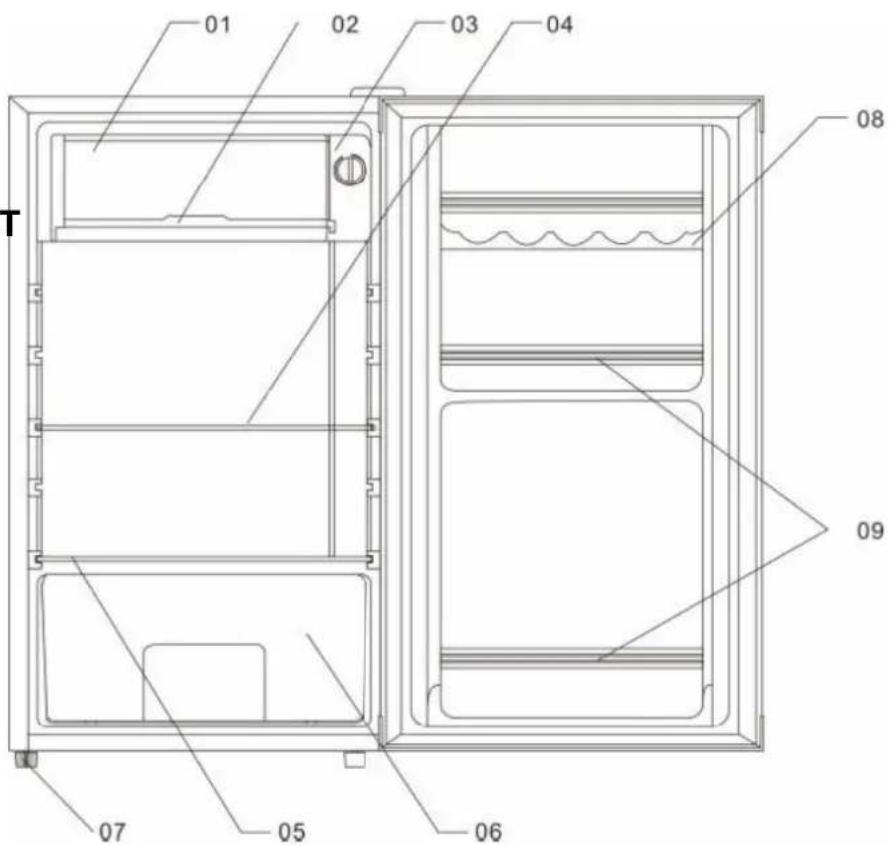
DESCRIPTION OF THE PART
- Refrigerator compartment
- Water drip tray
- Thermostat
- Glass shelf
- Basket lid
- Vegetable basket
- Adjustable feet
- Egg rack
- Door grilles
TRANSPORT AND HANDLING
When transporting, hold the refrigerator by the base and carefully lift it at an angle less than 45 degrees. Never hold it by the door. Never place it upside down or horizontally.
FACILITY
For a stable mount, the appliance must be placed on a flat, solid surface. It should not rest on any soft material.
The device must be installed in a well-ventilated room, at a temperature between 16 °C and 38 °C.
Choose a location free from heat sources. Keep the refrigerator away from direct sunlight and other heat-generating appliances.
Choose a dry, well-ventilated location where there is no corrosive air.
To improve the efficiency of the cooling system and save energy, good ventilation is essential around the appliance to dissipate heat. Therefore, there should be sufficient free space around the refrigerator.
Place the appliance against a wall with a 15 cm clearance. You should leave a 30 cm clearance on each side and 20 cm at the top.
Level the unit
- To level the unit, adjust the 2 front legs of the device.
- If the unit is not level, the door and the magnetic seal will not match.
Door opening direction
Tools needed: Phillips screwdriver/Flathead screwdriver/Hex wrench.
Warning
- If you wish to reverse the door swing, we recommend that you contact a qualified technician. You should only attempt to reverse the door if you believe you are qualified to do so.
- Make sure the unit is unplugged and empty.
- Adjust the two leveling legs to their highest position.
- To remove the door, if necessary, tilt the unit backward. Rest the unit on a solid object to prevent it from sliding during the door reversal process.
- All removed parts must be saved for reinstallation of the door.
- Do not place the unit horizontally, as this may damage the cooling system.
-
It is recommended that 2 people operate the appliance during assembly.
-
Remove the plastic cover from the top door hinge.
- Loosen the three screws on the bottom bracket.
- Remove the leg from the opposite side.
- Slide the appliance door about 15 cm off the top hinge pin and remove it from the appliance.
- Remove the two screws from the top bracket and replace it on the other side. First, remove the plastic caps from the other side.
- Slide the appliance door back onto the top hinge. Make sure it's in the correct position.
- Screw the bottom hinge into position on the new side.
- Replace the plastic cover, snapping it back into position on the door hinge until it clicks.
- Check that the door is aligned horizontally and vertically and that the seals are closed on all sides before tightening the bottom hinge.
- Readjust the leveling legs.
BEFORE START-UP
- This product comes in packaging designed to protect it during shipping.
- Remove the device from its box and store the original box and other packaging in a safe place. This will help prevent damage to the product if you need to transport it in the future. If you wish to dispose of the original packaging, be sure to recycle all items properly.
○ Make sure all parts and components are included and in good condition. If any are missing or in poor condition, contact our technical support immediately. - Keep the appliance upright for at least two hours before connecting it to the power outlet. This will reduce the possibility of the cooling system malfunctioning after transport.
- Clean the interior surface with warm water, a soft cloth, and a mild baking soda solution. Then, rinse with warm water and use a paper towel to remove excess water.
- Clean the shelves and drawers.
- Place the device on a surface hard enough to support its weight when charged.
Before placing food in the appliance, turn it on and wait at least 24 hours to ensure it is working properly and reaching the optimal temperature. Do not overload the unit.
FUNCTIONAL TEST
- Clean the refrigerator parts with warm water on a soft cloth or with a neutral detergent and clean water, then dry them.
Notes: The electrical parts of the refrigerator can only be cleaned with a dry cloth.
- Turn the thermostat knob to position "3" and turn on the electricity.
- Close the door and wait 30 minutes.
- If the freezer temperature has dropped considerably, it means the refrigerator system is working properly.
- When the refrigerator is running for a while, the temperature controller will automatically adjust the temperature as long as the door is not opened too frequently.
- If the above steps are correct, the tests will be complete.
- The refrigerator is working normally.
TEMPERATURE CONTROL
The refrigerator temperature can be adjusted by turning the thermostat knob. The closer to the "5" position, the lower the temperature. A medium temperature is best for general operation. Position "5" is colder than position "3".
The refrigerator temperature will vary depending on the amount of food stored and how often the door is opened. To maintain good cooling efficiency and save energy, we recommend not storing too much food or opening the door too frequently.
CAUTION: Once you have turned the thermostat clockwise to the "5" position, do not attempt to turn it further. Otherwise, it will be damaged.
ANTI-ICE
CAUTION: Never use sharp metal instruments (e.g., knives) to remove frost or ice from the evaporator, as this will damage it. A punctured evaporator will cause serious problems.
Note: Keep the condensation channel and drain hole clean so that condensation can drain away.
USEFUL TIPS AND SUGGESTIONS
We recommend that you follow these tips to save energy:
- Try to avoid keeping the door open for long periods to conserve energy.
○ Make sure the appliance is away from any heat source (direct sunlight, oven or electric stove, etc.). - Do not set the temperature colder than necessary.
- Do not store hot food or evaporating liquids inside the appliance.
- Place the appliance in a well-ventilated, dry room. See the "Installation" chapter.
Tips for refrigerating fresh foods
Do not place hot food directly into the refrigerator or freezer, as the internal temperature will rise, causing the compressor to work harder and consuming more energy.
- Do not cover or wrap foods, especially if they have a strong flavor.
- Place food properly so that air can circulate freely around it.
Turn off the device
If the appliance must be switched off for an extended period, the following measures should be taken to prevent mold growth in the appliance.
- Remove all food;
- Remove the entire plug from the power outlet;
- Clean and dry the interior thoroughly;
- Make sure the door is slightly open to allow air to circulate.
CLEANING AND CARE
For hygiene reasons, the appliance (including exterior and interior accessories) should be cleaned periodically at least every two months.
WARNING: The appliance must not be connected to the mains power supply during cleaning. Risk of electric shock! Before cleaning, turn off the appliance and unplug it from the power outlet.
Exterior cleaning
To maintain your appliance's good appearance, you should clean it periodically.
- Spray water onto the cleaning cloth instead of directly onto the appliance's surface. This helps ensure even moisture distribution.
- Clean doors and surfaces with a mild detergent and then dry with a soft cloth.
Caution!
- Do not use sharp objects as they may scratch the surface.
- Do not use thinners, car detergents, chlorine bleach, essential oils, abrasive cleaners, or organic solvents such as benzene for cleaning. They may damage the surface of the appliance and cause a fire.
Cleaning the interior
Clean the inside of the appliance regularly. It will be easier to clean when there is little food left. Wipe the inside of the refrigerator with a diluted baking soda solution and then rinse with warm water using a well-wrung sponge or cloth. Dry it completely before replacing the shelves and baskets. Dry all surfaces and removable parts thoroughly.
Caution! Do not use sharp objects to remove ice from the freezer.
Only after the interior is completely dry, turn the appliance back on and plug it into the power outlet.
Cleaning door seals
Make sure to keep the door seals clean. Sticky foods and drinks can cause the seal to stick to the refrigerator body and break when you open the door. Wash the seal with a mild detergent and warm water. Rinse and dry it thoroughly after cleaning.
Caution! The appliance should only be switched on after the door seals are completely dry.
TROUBLESHOOTING
Some faults can be easily resolved. Before calling customer service or a repairer, please consult the following table:
| Symptom | Cause | Solution |
| The refrigerator doesn't work. | There is no electricity supply. | Not connected.The circuit breaker is tripped or the fuse is damaged.Check if the outlet is receiving power by plugging in another electrical appliance. |
| The fuse is out of order. | Replace the fuse. | |
| The appliance makes a lot of noise. | The appliance is too close to the wall, is not stable, or the refrigerator accessories are incorrectly positioned. | Stabilize the base of the refrigerator by adjusting the position of the legs, remove the appliance from the wall, and properly position the accessories inside the refrigerator. |
| The appliance does not cool enough. | The door is opened too frequently or has been left open for too long.The refrigerator is too close to the wall. | Close the door and do not open it too often.Move the appliance away from the wall to facilitate ventilation. |
| The refrigerator is too full. | Remove food from the appliance. | |
| The appliance does not cool enough. | The temperature is set incorrectly. | Turn the temperature regulator to "3" or higher. |
| There are odors in the device. | Expired food in the refrigerator. | Discard expired food and rewrap it. |
| The inside of the appliance needs cleaning. | Clean the inside of the refrigerator. |
The following symptoms are not faults:
- You can hear the noise of the coolant circulating through the pipes, this is normal.
- Moisture on the outer surface of the device during humid seasons is not a problem for the device, just clean it with a soft, dry cloth.
— The compressor and condenser may become hotter during periods of intense heat. - The door frame is a little warm, which means the condenser is working to remove moisture from the air.
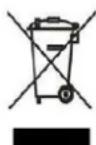
ELIMINATION OF THE APPLIANCE OLD
In base to the Rule European 2012/19/EU of Waste of devices Electrical and Electronics (WEEE), the household appliances old people No they can be thrown in the regular municipal containers; they must be collected selectively to optimize the recovery and recycling of the components and materials that the constitute, and reduce he impact in the health human and he environment. He symbol of the cube of trash crossed out HE brand about all the products for remember to the consumer the obligation of separate them for collection Selective. The consumer should contact the local authority or the seller for information regarding the correct elimination of his household appliance old.
STATEMENT OF ACCORDANCE:
This device complies with the requirements of the Low Voltage Directive 2014/35/EU and the requirements of the directive Compatibility Electromagnetics 2014/30/EU.
WARRANTY
This appliance is covered by the legal warranty in accordance with current legislation from the date of purchase. Please retain the purchase receipt to claim your warranty claim. To find the service center nearest to you, please contact us via the following web link: https://orbegozo.com/asistencia-tecnica/
For any questions, concerns, or incidents, you can contact us via our email address on the main page of this manual or through our technical support service at https://orbegozo.com/contacto/
Orbegozo is not responsible for components and accessories that are subject to wear and tear due to use, as well as perishable components or those that have deteriorated due to improper use. It also accepts no liability if the owner has technically modified the appliance. See the legal terms on our website.
CONSIGNES DE SÉCURITÉ
TRANSPORT ET MANUTENTION
TRANSPORTE E MANUSEIO
- GENERAL
- Refrigerant
- Temperature range
- DESCRIPTION OF THE PART
- TRANSPORT AND HANDLING
- FACILITY
- Level the unit
- Door opening direction
- Warning
- BEFORE START-UP
- FUNCTIONAL TEST
- TEMPERATURE CONTROL
- ANTI-ICE
- USEFUL TIPS AND SUGGESTIONS
- Tips for refrigerating fresh foods
- Turn off the device
- CLEANING AND CARE
- Exterior cleaning
- Caution!
- Cleaning the interior
- Cleaning door seals
- TROUBLESHOOTING
- The following symptoms are not faults:
- ELIMINATION OF THE APPLIANCE OLD
- STATEMENT OF ACCORDANCE:
- WARRANTY
- CONSIGNES DE SÉCURITÉ
- TRANSPORT ET MANUTENTION
- TRANSPORTE E MANUSEIO
Brand : Orbegozo
Model : NCO 3090
Category : Refrigerator