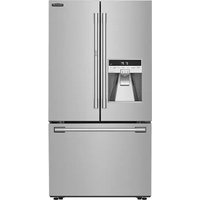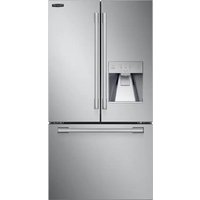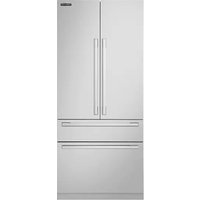
SRB2500DX - Fridge SIGNATURE - Free user manual and instructions
Find the device manual for free SRB2500DX SIGNATURE in PDF.


Pick your language and provide your email: we'll send you a specifically translated version.
| Product type | Combined refrigerator |
| Brand | SIGNATURE |
| Model | SRB2500DX |
| Dimensions (H x W x D) | 1800 x 540 x 600 mm |
| Total volume | 253 L |
| Refrigerator volume | 182 L |
| Freezer volume | 71 L |
| Energy class | E |
| Annual consumption | 220 kWh/year |
| Climate class | N, ST |
| Recommended ambient temperature | 16 °C to 38 °C |
| Refrigerant | R600a (37 g) |
| Voltage / Frequency | 220-240 V~ / 50 Hz |
| Rated current | 0.9 A |
| Freezing capacity | 3.2 kg/24 h |
| Defrost type | Automatic (refrigerator and freezer) |
| Installation type | Freestanding |
| Door reversal | Possible |
| Lighting | LED (replacement by professional) |
| Noise level | 40 dB(A) – Class C |
| Warranty | 2 years |
| Spare parts availability | 10 years |
| Power supply | Mains with earth connection |
| Safety | Child lock not present, many safety warnings |
Frequently Asked Questions - SRB2500DX SIGNATURE
How to adjust the temperature of the refrigerator and freezer?
The refrigerator has a button with 4 positions: OFF, COLD, COLDER and COLDEST. The freezer is adjusted via a slider in the refrigerator compartment. The central position of the slider is recommended for normal use. In summer, set the refrigerator to COLDER to COLDEST and the slider to the coldest position.
How to reverse the door opening direction?
Door reversal is possible. Follow the steps in the manual: unscrew the top, middle and bottom hinges, remove the doors, install the door helpers on the opposite side, then reassemble the doors ensuring alignment. Refer to the 'Installation' section for details.
How to clean the inside of the refrigerator?
Before cleaning, unplug the appliance. Use a soft cloth with lukewarm water and mild soap. Never use abrasive detergents or solvents. Rinse with clean water and dry thoroughly before plugging back in.
How to defrost the freezer?
The freezer defrost is automatic (auto-defrost). However, if a thick layer of frost forms, check the door seal or contact customer service. Manual defrost can be done by unplugging the appliance and leaving the door open.
What is the annual energy consumption?
The annual energy consumption is 220 kWh/year, which corresponds to energy class E.
How to store food for optimal freshness?
Place perishable foods in the coldest zone (indicated by a symbol). Fruits and vegetables in the crisper, dairy products on the middle shelf, and raw meat/fish in sealed containers. Do not overload the appliance and close the door quickly.
What to do in case of a power outage?
Wait at least 5 minutes before reconnecting the appliance to avoid damaging the compressor. If the outage lasts longer than the indicated 'rise time', quickly consume thawed foods or cook and refreeze them.
How to replace the LED bulb?
The LED lighting is not user-replaceable. If the LED light is defective, contact an authorized professional or customer service.
Why is my refrigerator making noise?
Normal noises can come from the compressor and refrigerant circulation. If abnormal noises occur, check that the appliance is level, not touching a wall or other object, and that the pipes at the back are not in contact.
How to dispose of the appliance at the end of its life?
Do not dispose of the appliance with household waste. In accordance with the WEEE directive (2012/19/EU), take it to a public collection point or contact your BUT store. Remove the doors before disposal to avoid any risk.
User questions about SRB2500DX SIGNATURE
0 question about this device. Answer the ones you know or ask your own.
Ask a new question about this device
No questions yet. Be the first to ask one.
Download the instructions for your Fridge in PDF format for free! Find your manual SRB2500DX - SIGNATURE and take your electronic device back in hand. On this page are published all the documents necessary for the use of your device. SRB2500DX by SIGNATURE.
USER MANUAL SRB2500DX SIGNATURE
SIGN
RéFRIGÉRATEUR COMBINÉ
SRB2500DX
Table des matieres
CONSIGNES DE SECURITÉ -1-
DESCRIPTION DE L'APPAREIL -8-
INSTALLATION -9-
UTILISER LE PANNEAU DE CONTROLLE -15-
USAGE QUOTIDIEN -17-
GUIDE DE DÉPANNAGE -23-
SPECIFICATIONS TECHNIQUES -24-
ENLEVEMENT DES APPAREILS -27-
MENAGERS USAGES

CET APPAREIL EST DESTINE A UN USAGE DOMESTIQUE
UNIQUEMENT!
Veuillez lire attentivement toutes les instructions avant la première utilisation et conservez-les pour une reférence ultérieure.
CONSIGNES DE SECURITE
Lorsque vous utilisez un apparéil électrique, les précautions de sécurité de base doivent toujours être respectées, y compris ce qui suit :
1. Cet apparéil peut être utilisé par des enfants à partir de 8 ans et par des personnes ayant des capacities physiques, sensorielles ou mentales réduites ou un manque d'expérience ou de connaissances à condition qu'elles aient été placées sous surveillance ou qu'elles aient reçu des instructions concernant l'utilisation de l' apparéil en toute sécurité et qu'elles comprehennent les dangers encourus. Les enfants ne doivent pas jouer avec l' apparéil. Le nettoyage et l'entretien par l'usager ne doivent pas être effectuels par des enfants, sans surveillance.
2. Les enfants âgés de 3 à 8 ans sont autorisés à charger et décharger les appareils de réfrigération.
3. Si le cable d'alimentation est endommagé, il doit être remplace par le fabricant, son service après-vente ou des personnes de qualification similaire afin d'éviter un danger.

CONSIGNES DE SECURITE
4. AVER TISSEMENT: Maintenir dégagées les ouvertures de ventilation dans l'enceinte de l'appareil ou dans la structure d'encastrement.
5. AVERTISSEMENT: Ne pas utiliser de dispositifs mécaniques ou autres moyens pour accélérer le processus de dégivrage autres que ceux recommendés par le fabricant.
6. AVERTISSEMENT: Ne pas endommager le circuit de réfrigération.
7. AVERTISSEMENT: Ne pas utiliser d'appareils électriques à l'intérieur du compartment de stockage des denrées, à moins qu'ils ne soient du type recommendé par le fabricant.
8. Ne pas stocker dans cet apparéil des substances explosives telles que des aérosols contenant des gaz propulseurs inflammables.
9. Cet apparéil est destiné à être utilisé dans des applications domestiques et similaires telles que:
- Les coins cuisines réservés au personnel des magasins, bureaux et autres environnementes professionnels;
- Les fermes et l'utilisation par les clients des hotels, motels et autres environnementés à caractère résidentiel;
- Les environnements de type chambres d'hôtes;
- La restauration et autres applications similaires Hormis la vente au détail.
10. Placer l'appareil contre un mur avec une distance n'excedant pas 75 mm et plus de 50 mm.
11. AVENTISSEMENT : Lors du positionnement de l'appareil, s'assurer que le cordon d'alimentation n'est pas coincide ni endommagé.

CONSIGNES DE SECURITE
12. AVERTISSEMENT: Ne pas placer de socles mobiles de prises multiples ni de blocs d'alimentation portables à l'arrière de l'appareil.
13. Pour éviter la contamination des aliments, veuilles respecter les instructions suivantes:
- L'ouverture prolongée de la porte peut entrainer une augmentation importante de la température dans les compartments de l'appareil.
- Nettoyez régulièrement les surfaces pouvant entraire en contact avec des alimentents et les systèmes de vidange accessibles.
- Conservez la viande et le poisson crus dans des recipients appropriés au réfrigérateur, de manière à ce qu'ils ne soient pas mis en contact avec d'autres alimentents ni ne s'égouttent dessus.
- Les compartments pour aliments surgelés à deux étoiles convennent au stockage des aliments pré-congelés, au stockage ou à la fabrication de crème glacée et à la fabrication de glaçons.
- Les compartments à une, deux et trois étoiles ne conviennent pas pour la congélation d'aliments frais.
- Si l'appareil de réfrigération reste vidependant de longues périodes, éteignez, décongelez, nettoyez, séchez et laissez la porte ouverte pour éviter la formation de moisissure dans l'appareil.
14. Débranchez l'appareil de la prise de courant lors de non-utilisation, avant dinstaller ou de démonter les pièces, avant tout nettoyage.

CONSIGNES DE SECURITE
15. Veillez à bien insérer la fiche dans la prise de courant lorsque vous branchez l'appareil.
16. Insérez la fiche dans la prise unique ayant une mise à la terre.
17. N'utilisez jamais l'appareil dans un endroit où des matières combustibles et inflammables sont conservées.
18. Pour les raisons de sécurité, assurez-vous de réparer ou remplaçer les pieces dans un agent de service/agréé.
19. Le moteur doit être lubrifié en permanence et ne nécessite aucune huile.
20. L'appareil doit être place de façon à ce que la prise de courant soit facilement accessible.
21. Référez-vous à la reglementation locale concernant l'élimination de l'appareil, car il contient du gaz inflammable. Avant de jeter votre apparéil use, assurez-vous dePTRirer les portes pour éviter que les enfants ne soient coincés.
22. Assurez-vous que l'appareil soit débranché avant de le nettoyer.
23. Pour nettoyer cet apparéil, utilisez un chiffon humide ou bien un produit de nettoyage pour les vitres. N'employez jamais de détergent abrasif ou de dissolvant.
24. Il est recommandé de ne pas utiliser ce réfrigérateur avec une rallonge électrique. Assurez-vous que la fiche du cordon d'alimentation soit insérée directement dans la prise de courant.
25. Ne pas placer de boisson ou plat chaud dans l'appareil.
26. Refermez la porte après utilisation afin d'eviter l'augmentation importante de température.

CONSIGNES DE SECURITE
27. Ne pas placer l'appareil à proximé d'une source de chaleur ou directement à la lumière du soleil.
28. L'appareil doit être place sur une surface plane et stable.
29. Ne pas poser d'objet lourd sur le réfrigérateur et ne pas le mouiller.
30. Pour éviter tout risque d'électrocution, n'utilisez jamais cet apparéil avec les mains humides, en vous tenant sur une surface humide ou dans l'eau.
31. Cet apparéil ne doit pas être utilisé à l'extérieur et ne doit pas être exposé à la pluie.
32. Ne jamais tirer sur le cable d'alimentation pour débrancher l'appareil. Saisissez la fiche et tirez-la de la prise de courant.
33. Gardez le cable d'alimentation éloigné des surfaces chauffées.
34. Avant de brancher l'appareil, assurez-vous que la tension de la prise secteur à votre domicile correspond à celle montrée sur la plaque signalétique de l'appareil.
35. Branchez votre réfrigérateur dans une prise de courant indépendante et utilisez un fil de terre pour assurer la sécurité.
36. Quand le dégivrage a été effectué, ou quand le réfrigerateur cesse d'être utilisé, nettoyez l'appareil pour empêcher la propagation d'odeur.
37. Dégivrez le compartment de congélation au moins une fois par mois, car un surplus de givre peut affecter la réfrigération.

CONSIGNES DE SECURITE
38. En cas d'une coupure d'électricité, rebranche l'appareil à l'alimentation électrique après 5 minutes afin d'éviter d'endommager le compresseur.
39. Il convient de surveiller les enfants pour s'assurer qu'ils ne jouent pas avec l'appareil.
40. Les apparêils ne sont pas destinés à être mis en fonctionnement au moyen d'une minutes extérieure ou par un système de commande à distance séparé.
41. L'appareil est équiné d'une prise de terre pour vous protégger d'eventuels risques électriques et doit être branché sur un socle de prise de courant compteant un contact de terre.
42. Il est recommendé d'examiner régulièrement le cable d'alimentation pour déceler tout signe de détérioration eventuelle, et l'appareil ne doit pas être utilisé si le cable est endommagé.
43. Mise au rebut de l'appareil : Pour éviter toute nuisance envers l'environnement ou la santé humaine causée par la mise au rebut non contrôle de déchets électriques, recyclez l'appareil de façon responsable pour promouvoir la réutilisation des ressources matérielles. La mise au rebut doit être faite de façon sure dans des points de collecte publique prévus à cet effet. Les ancients réfrigérateurs peuvent containir des CFC qui détruisent la couche d'ozone ; contactez le centre de traitement des déchets le plusprés de chez vous pour plus de détails sur les procédures correctes de mise au rebut.

CONSIGNES DE SECURITE

44. AVENTSSEMENT! Risque d'incendie/matières inflammables. Maintenir votre appareil éloigné de toutes sources de flamme durant l'installation, l'entretien et l'utilisation.
45. Cet apparéil de réfrigération n'est pas destiné à être utilisé comme un apparéil intégrable.
46. Évitez demettre des alimentstrop volumineux,le fonctionnement de l'appareil risquerait d'être affecté.
47. Faites extrémement attention quand vous déplacez l'appareil.
48. Évitez de donner aux enfants des crèmes glacées ou des glaces à l'eau sortant juste du congélateur; la base température risquerait de leur brûler les levres.
49. L'appareil doit être installé sur le sol, sur une surface plane et horizontale en s'assurant que les ouvertures d'aération sont correctement dégagées.
50. En ce qui concerne les informations pour l'installation, la manipulation, l'entretien et la mise au rebut de l'appareil, reférez-vous au paragraph ci-après de la notice.
51. Le changement de certaines pieces de votre apparéil électro-menager peut entraîner un danger. Assurez-vous de désposer de toutes les compétences requises et des outils nécessaires pour effectuer les operations d'autoréparation en toute sécurité. Dans le cas contraire, faites appel à un professionnel agréé.

REMARQUE: Le design est susceptible d'être modifié sans préavis
Besoin d'espace
- Sélectionnez un emplacement sans exposition directe au soleil;
- Sélectionnez un emplacement avec suffisamment d'espace pour que les portes du réfrigérateur s'ouvrent facilement;
- Sélectionnez un emplacement avec un sol de niveau (ou presque);
- Laissez suffisamment d'espace pour installer le réfrigérateur sur une surface plane;
Laisser un espace à droite, à gauche, à l'arrière et en haut lors de l'installation. Cela contribuera à réduire la consommation d'énergie et à réduire vos factures d'énergie.
- Gardez un espace d'au moins 50 mm sur les deux cots et à l'arrière.
Emplacement
L'appareil doit être installé loin des sources de chaleur telles que radiateurs, chaudières, lumière directe du soleil, etc. Assurez-vous que l'air peut circuler librement à l'arrière de l'armoire. Pour garantir les importantes performances, si l'appareil est placé sous une unité murale en surplomb, la distance minimale entre le haut du cabi-net et l'unité murale doit être d'au moins 50~mm . Dans l'idéal, cependant, l'appareil ne doit pas être placé sous des éléments suspendus. Une mise à niveau précise est assurée par un ou plusieurs pieds régables à la base de l'armoire.
Cet apparéil de réfrigération n'est pas destiné à être utilisé comme un apparéil encasirable.

Avertissement! Il doit être possible de débrancher l'appareil du secteur; la fiche doit donc être facilement accessible après l'installation.
Connexion électrique
Avant de brancher, assurez-vous que la tension et la fréquence indiquées sur la plaque signalétique correspondent à votre alimentation électrique domestique. L'appareil doit être mis à la terre. La fiche du cable d'alimentation est munie d'un contact à cet effet. Si la prise d'alimentation domestique n'est pas mise à la terre, connectez l'appareil à une terre séparée conformément aux réglementations en vigueur, en consultant un electricien qualifié.
Le fabricant decline toute responsabilité si les précautions de sécurité cédessus ne sont pas respectées.
Cet apparéil est conforme aux normes E.E.C. Directives.
INSTALLATION
DéPOSE DES PORTES
Avant d'inverser la porte, veuillez vous munir du matériel et des outils suivants : tournevis droit, tournevis cruciforme, clé et les composants inclus dans le sac:
Cache charnière de porte gauche x 1
Aide-fermeture gauche sur la porte SupérieurE x 1
Aide-fermeture gauche sur la porte inférieure x 1


1. Dévissez le couvercle de la charnière supérieure, puis dévissez la charnière supérieure. Soulevez ensuite la porte supérieure et placez-la sur un coussin couple pour éviter les rayures et les dommages.


2. Retirez le cache-vis supérieur gauche


INSTALLATION
3. Retirez la porte supérieure, retirez la vis de la charnière centrale à l'aide d'un tournevis cruciforme, puis retirez la porte inférieure.

4. Coucher le réfrigérateur, retirer les pieds de réglage comme ci-dessous, puis retirer la charnière inférieure à l'aide d'un tournevis cruciforme. Retirez la vis de la charnière inférieure et le remonter sur le côte opposé.

5. Régler la position centrale de la charnière de la charnière inférieure et de la charnière supérieure en position opposée.


6. Installez la charnière inférieure sous le réfrigérateur comme ci-dessous, en vissant les pieds de réglage, assurez-vous de la position à l'horizon.

INSTALLATION
7. Detacher les joints des portes du réfrigerateur et du congelateur puis fixezles après inversion.n.

8. Retirez les fermétures d'aide d'origine des portes supérieure et inférieure, puis installez les fermétures d'aide du sac interne (avec les manuels d'instructions) du côté opposé.


9. Installez la porte inférieure, ajustez et fixez la charnière centrale sur l'armoire.

INSTALLATION
10. Remettez la porte supérieure en place. Assurez-vous que la porte est alignée horizontally et verticalément afin que le joint soit fermé de tous les côtes avant de finalement serrer la charnière supérieure. Insérez ensuite la charnière supérieure et vissez-la en haut de l'unité, puis fixez le couvercle de la charnière (dans le sac d'accessoires) à l'aide de vis.


11. Fixez le couvercle à vis.

Emplacement
Gardez suffisamment d'espace pour assurer l'ouverture complete de la porte.


A 540 B 600 C 1800 D min=ρ0 E min=50 F min=50 G 100 H 140 I 63ρΣ
Mise a niveau
Pour ce faire, ajustez les deux pieds de mise a niveau a l'avant de l'appareil.
Si l'appareil n'est pas mis a niveau correctement, les portes et les alignements du joint magnetique ne seront pas couverts correctement.


1. Réglage de la température du compartment réfrigérateur
Le bouton de réglage de la température du réfrigérateur

- Le bouton du compartmenté réfrigérateur sert à régler la température du compartmenté réfrigérateur.
- La température interne est contrôle par un capteur. Il y a 4 réglages : OFF, COLD, COLDER et COLDEST. COLD est le réglage le plus chaud et COLDEST est le réglage le plus froid.
- L'appareil peut ne pas fonctionner à la bonne température s'il fait particulièrement chaud ou si vous ouyrez souvent la porte.
- Ni le réfrigerateur, ni le compartmenténgélateur ne fonctionnent lorsqu'eléglage est sur OFF.
2. Réglage de la température du compartmenting concélateur
Le réglage de la température du congélateur en slider:

FREEZER CONTROL
- Ce curseur dans le compartment réfrigérateur est utilisé pour régler la température du compartment congélateur.
- Le curseur est positionné vers *la température dans le compartment congélateur sera plus élevé. Au contraire, la température dans le
UTILISER LE PANNEAU DE CONTROLLE
- La position centrale* du curseur est recommandée pour une utilisation normale.
- Pour obtenir la température la plus BASSE dans le compartment congestionelateur, vous pouvez regler le bouton de réglage au plus froid et positionner le curseur sur.
3.Temperature setting recommendation
Température de l'environnement Compartment de congélateur Compartment de réfrigérateur Eté(Au dessus de 38°C) * Régler à * Régler à colder ~ coldestt Normal * Régler à * Régler à colder Hiver(Au dessus de 16°C) * Régler à * Régler à colder ~ coldest
- Les informations ci-dessus donnent aux utilisateurs une commande de réglage de la température.
- En hiver ou à une température inférieure à 16^ , les utilisateurs doivent éviter de régler sur * et COLD.
Pour economiser de l'énergie et COLDEST ne s'applique qu'aux besoin spéciaux (teils que la congélation rapide ou la fabrication de glacons) et doit faire demi-tour après un besoin spécial.
USAGE QUOTIDIEN
Première utilisation
Nettoyage de l'intérieur
Avant la première utilisation de l'appareil, lavez l'intérieur et les accessoires internes avec de l'eau tiède et du savon neutre afin d'éliminer l'odeur typique des produits neufs, et séchez-les bien.
Important! N'utilisez pas de détergents ou de nettoyants abrasifs, ils rendommageraient le revêtement.
Conservation des aliments dans le compartment du réfrigérateur
Chambre de réfrigération Type d'aliment Durée de conservation Porte ou balconnets du réfrigérateur • Aliments avec conservateurs naturels tels que confitures, jus, boissons, condiments.
• Ne pas y conserver d'aliments périsibles. 3 jours Bac à légumes • Les fruits, herbes aromatiques et légumes doivent être placés séparément dans ce bac.
• Ne pasmettre de bananes, oignons, pommes de terre et ail au réfrigérateur. Une semaine Clayette intermédiaire • Produits laitiers, øeufs Une semaine Clayette supérieure • Aliments ne nécessitant pas de cuisson tels que plats préparés, charcuterie, restes. Une semaine
Congeler des aliments frais
- Le compartment congestioneur convient à la congestion d'aliments frais et à la conservation d'aliments surgeés pendant une longue période.
- Posez les alimentes frais dans le compartment le plus bas.
- La quantité d'aliments maximale que vous pouvezCongeler dans un délambda de 24 heures est indiquée sur la plaque signalétique.
- Le processus de congélation dure 24 heures : pendant cette période, il convient de ne pas ajouter d'autres alimentés à congeler.
USAGE QUOTIDIEN
Stockage d'aliments surgelés
Lors du premier démarrage ou après une période prolongée sans utiliser l'appareil, il est recommandé de le laisser fonctionné au moins deux heures à la température la plus BASSE (cf. page 15) avant demettre des alimentés.
Important! En cas de dégivrage accidentel, par exemple à cause d'une coupure de courant dépassant les heures indiquées dans les caractéristiques techniques sous "temps de montée", les alimentés décongelés doivent être consommésrapidement ou cuitimmédiatement et puis recongelés (apres cuisson)
Aliments Durée de conservation Lard, ragoût, lait 1 mois Pain, crème glacée, saucisses, tartes, crustacés cuisinés, poisson gras 2 mois Poisson maigre, crustacés, pizza, scones et muffins 3 mois Jambons, gâteaux, biscuits, côtes de bœuf et de mouton, pièces de volaille 4 mois Beurre, légumes (blanchis), øeufs entiers et jaunes d'œuf, écrevisses cuites, viande hachée(crue), porc (cru) 6 mois Fruits (en sirop ou séchés), blancs d'œuf, bœuf (cru), poulet entier, mouton (cru), gâteaux aux fruits 12 mois
Décongélation
Avant d'être utilisés, les alimentés surgelés ou congelés peuvent être décongelés dans le compartment réfrigérateur ou à température ambiente, selon le temps nécessaire à cette opération.
USAGE QUOTIDIEN
Accessoires Étagères mobiles
Les parois du réfrigerateur sont équipées d'une série de glissières afin que les étagères puissant être positionnées selon vos besoins.
Positionnement des balconnets de porte
Les balconnets peuvent être démontés pour le nettoyage. Pour le démontage, comme suit : tirer progressivement le balconnets dans le sens de flèches jusqu'à ce qu'il se libère, après nettoyage, le repositionner.
Démonter le tiroir du bas


1.Tirez le tiroir inférieur en position d'arrêt.
2.Soulevez l'avant du tiroir.
3.Tirez le tiroir du bas.

Conseils et astuces
Conseils de congélation
Afin de vous aider à optimiser le processus de congélation, voici quelques conseils importants :
- La quantité maximale d'aliments que vous pouvezCongeler par tranche de 24 heures figure sur la plaque signalétique ;
- Le processus de congélation dure 24 heures. N'ajoutez aucun autre aliment à congeler pendant cette période;
- Congelez uniquement des alimentes de bonne qualite, frais et bien lavés ;
- Répartissez les alimentes en petites portions afin qu'ils soient plus rapidement et intégralement congelés et que vous puissiez décongeler uniquement la quantité nécessaire ;
- Emballez les aliments dans un papier d'aluminium ou un sac polyéthylène étanche ;
- Les aliments frais ou décongelés ne doivent jamais entraîre en contact avec les alimentés déjà congelés afin d'éviter une augmentation de leur température ;
- Les aliments maigres se conservent比较好 et plus longtemps que les alimentés gras ; le sel réduit la durée de conservation d'un aliment ;
USAGE QUOTIDIEN
- Ne consommez pas de sorbets directement après leur sortie du congélateur pour éviter toute brûlure ;
- Nous vous recommendons d'étiqueter et de dater chaque sachet d'aliments congélés afin de pouvoir les retirer du congélateur;
- Nous vous recommendons d'étiqueter et de dater chaque sachet d'aliments congelés afin de pouvoir vous souvent de la date de stockage. Nettoyage Pour des raisons d'hygiene, nettoyer régulièrement l'appareil (accessoires interieurs et extérieurs compris).

Attention! Ne procédez au nettoyage qu'après avoir débranché l'appareil.
Risque de chic électrique! Avant de nettoyer l'appareil, arrêtez-le et débranchez-le du secteur, ou éteignez le disjoncteur ou le fusible. Ne nettoyez jamais l'appareil avec un nettoyeur à vapeur. L'humidité pourrait s'accumuler dans les composants électriques, entraînant un risque de chic électrique!
Les vapeurs chaudes peuvent endommager les pièces en plastique.
L'appareil doit être sec avant de le remettre en marche.
Important! Les huiles éthérées et les solvants organiques peuvent endommager les pieces en plastique, p. ex. jus de citron ou jus de peau d'orange, acide butyrique, détergents contenant de l'acide acétique.
- Ne laisses pas ce type de substances entre en contact avec les pieces de l'appareil.
- N'utilisez pas de détergents abrasifs.
- Enlevez la nourriture du congelatour. Stockez-la dans un endroit frais, bien emballée.
- Avant de nettoyer l'appareil, arrêtez-le et débranchez-le du secteur, ou éteignez le disjoncteur ou le fusible.
- Nettoyez l'appareil et les accessoires interieurs à l'aide d'un chiffon et de l'eau tiède. Àpres les avoir nettoyés, rincez les surfaces avec de l'eau douce et séchez-les.
- Une fois que tout est sec, rebranche l'appareil.
Remplacement de la lumière LED


Source lumineuse LED
Remplaçable par un professionnel
Attention : l'éclairage LED ne doit pas être remplaced par l'utilisateur !
Si la lumière LED est endommagée, contactez un représentant de service/agréé pour la réparation.
ZONE LA PLUS FROIDE DU REFRIGERATEUR
Ce symbole ci-dessous indique l'emplacement de la zone la plus froide dans votre réfrigérateur

Afin de garantir les températures dans cette zone, veillez à ne pas modifier le positionnement de cette clayette.
INSTALLATION DE L'INDICATEUR DE TEMPERATURE
Pour vous aider à bien régler votre réfrigérateur, celui-ci est équipe d'un indicateur de tempéature qui permettra de contrôler la tempéature moyenne dans la zone la plus froide. AVERTISSEMENT: Cet indicateur est seulement prévu pour être utilisé avec votre réfrigérateur. Veillez à ne pas l'utiliser dans un autre réfrigérateur (en effet, la zone la plus froide n'est la identique), ou pour une autre utilisation.
Vérification de la températe dans la zone la plus froide
Une fois que l'installation de l'indicateur de température est réalisée, vous pourrez vérifier régulièrement que la température de la zone la plus froide est correcte. Le cas
USAGE QUOTIDIEN
échéant, ajustez le thermostat en conséquence comme indiqué précédiment. La température interieure du réfrigérateur est influencée par plusieurs facteurs tels que la température ambiente de la pierce, la quantité d'almen stockés et la fréquence d'ouverture de la porte. Prenez ces facteurs en compte lors du réglage de la température.
Pour la bonne conservation des denrées dans votre réfrigérateur et notamment dans la zone la plus froide, voirlez à ce que l'indicateur de température apparaisse «OK».


Si «OK» n'apparaissé pas, la température de la zone est trop elevée. Réglez le thermostat sur une position supérieure. Attendez au mois 12 heures avant de réajuster le thermostat. ÀpRES le chargement des denrées fraîches dans l'appléil ou après les ouvertures repétées (ou ouverture prolongée) de la porté, il est normal que l'inscription «OK» n'apparaissé dans l'indicateur de température.
Dépannage
Attention! Avant de procéder au dépannage, débranchez la prise. Seul un électricien qualifié ou une personne compétente peut procéder au dépannage.
Important! Certains bruits peuvent être entendus pendant l'usage normal (compresseur, circulation réfrigérante).
Problème Cause possible Solution L'appareil ne fonctionne pas Le bouton de régulation de la température est régé au plus froid Réglez le bouton sur l'autre interrupteur duurreuil Le cable d'alimentation principal n'est pas ou mal branché. Branchez le cable d'alimentation principal Le fusible a sauté ou est défectueux Vérifiez le fusible, remplacez-le si nécessaire. La prise de courant est défectueuse Les dysfonctionnements électriques doit être corrigés par un électricien. L'appareil congèle ou refroidit trop La température est régée à un niveau trop bas ou l'appareil est régé en mode SUPER. Réglez temporatorium lethermostat sur une températureplus elevée. La nourriture n'est pas assez congélée. La température n'est pas régé correctement. Veuillez vous reférer au chapitre concernant le réglage de la température. La porte est restée ouvertependant longtemps. Ouvrez la porte uniquement lorsque c'est nécessaire. Une grande quantité de nourriture tiède a été placédans l'appareil ces dernières 24 heures Réglez temporatorium lethermostat sur une températuremoins elevée. L'appareil se trouve à proximétèd'une source de chaleur Veuillez vous reférer au chapitre concernant l'emplacement de l'installation. Une couche de givre épaisse s'accumule sur le joint de la porte Le joint de la porte n'est pas hermétique. Réchauffez avec précaution les parties qui fuent du joint de la porte avec un sèche-cheveux (à température basse).En même temps, manipuez le joint de la porte chauffé avec les mains afin d'assurer l'étanchéité de l'appareil . Bruits anormaux L'appareil n'est pas à niveau. Réajustez les pieds. L'appareil touche le mur ou d'autres objets. Déplacez légèrement l'appareil. Un composant, par ex. un tuyau, à l'arrête de l'appareil touche un autre élément de l'appareil ou le mur. Si nécessaire, pliez le composant avec précaution afin de libérer l'espace. L'eau sur le sol L'eau sur le trou de pluie du sol est bloquée Voir la section Nettoyage et entretien Eau sur le sol Le trou de vidange d'eau est obstrué Voir la section Nettoyage
Si le problème persististe, contactez le service après-vente.
Ces données sont elaborées afin de vous aider rapidement et efficacement. Écrivez les informations nécessaires ici, reféréz-vous à la plaque signalétique..
SPECIFICATIONS TECHNIQUES
Fiche d'information produit Nom du fournisseur ou marque commerciale: SIGNATURE Adresse du fournisseur : BUT INTERNATIONAL 1 Avenue Spinoza 77184 Emerainville, France Référence du modele: SRB2500DX Type d'appareil de réfrigération: Appareil à faible niveau de bruit: non Type de construction: à pose libre Appareil de stockage du vin: non Autre appareil de réfrigération: oui Paramètres généraux du produit: Paramètre Valeur Paramètre Valeur Dimensions hors tout (millimétrres) Hauteur 1800 Volume total (dm3 ou l) 253 Largeur 540 Profondeur 600 IEE 100 Classe d'éfficacité énergétique E Émissions de bruit acoustique dans l'air [dB(A) re 1 pW] 40 Classe d'émission de bruit acoustique dans l'air C Consommation d'énergie annuelle (kWh/an) 220 Classe climatique: N,ST Température ambiente minimale (°C) à laquelle l'appareil de réfrigération est adapté 16 Température ambiente maximaile (°C) à laquelle l'appareil de réfrigération est adapté 38 Réglage hiver non Paramètres des compartments: Type de compartment Paramètres et valeurs de compartment Volume du rapport (dm3 ou l) Réglage de température recommandi pour un stockage optimisé des denrées alimentaires (°C) Ces régles ne doivent pas été en contradiction avec les conditions de stockage prévues à l'annexe IV, tableau 3 Pouvoir de congélation spécifique (kg/24 h) Mode de dégivrage (dégivrage automatique = A, dégivrage manuel = M) Garde-manger non - - - - Stockage du vin non - - - - Cave non - - - -
SPECIFICATIONS TECHNIQUES
Type de compartment Paramètres et valeurs de compartment Volume du compartment (dm3 ou l) Réglage de température recommédate pour un stockage optimisé des denrées alimentaires (°C) Ces régles ne doivent pas été en contradiction avec les conditions de stockage prévues à l'annexe IV, tableau 3 Pouvoir de congélation spécifique (kg/24 h) Mode de dégivrage (dégivrage automatique = A, dégivrage manuel = M) Denrées alimentaires fraîches oui 182 4 — A Denrées hautement périsibles non — — — — Sans étoile ou fabrication de glace non — — — — 1 étoile non — — — — 2 étoiles non — — — — 3 étoiles non — — — — 4 étoiles oui 71 -18 3.2 A Zone 2 étoiles non — — — — Compartment à température variable non — — — — Compartments « quatre étoiles» Dispositif de congélation rapide oui Paramètres de la source lumineuse : Type de source lumineuse N/A Classe d'efficacité energétique N/A Durée minimale de la garantie offerte par le fabricant : 2 ans Informations supplémentaires: N/A Lien internet vers le site web du fabricant où se trouvent les informations visées au point 4 a) de l'annexe du règlement (UE) 2019/2019 de la Commission: www.but.fr
SPECIFICATIONS TECHNIQUES
Référence: SRB2500DX Tension nominale: 220V-240V~ Courant nominal: 0.9A Fréquence nominale: 50Hz Classe climatique: N,ST Gaz réfrigérant: R600a (37g) Classe de protection contre choc électrique: I Mousse d'iso1ation: CYCLOPENTANE
Classe climatique :
- Tempéré étendu (SN): «cet apparéil frigorifique est destiné à être utilisé à des températures ambantes comprises entre 10^ C et 32^ C»;
- Tempéré (N): «ce apparéil frigorifique est destiné à être utilisé à des températures ambiantes comprises entre 16^ C et 32^ C»;
- Subtropical (ST): «cet apparéil frigorifique est destiné à être utilisé à des températures ambiantes comprises entre 16^ C et 38^ C».
- Tropical(T): «cet apparéil frigorifique est destiné à être utilisé à des températures ambiantes comprises entre 16^ C et 43^ C»;
Remarque: Plus d'informations sur les données, veuilles scanner le code QR sur l'étiquette énergétique.
ENLEVEMENT DES APPAREILS MENAGERS USAGES
Le fabriquant et le revendeur ne peuvent pas etre tenus responsable de tout accident ou dommage cause par une utilisation impropre de l'appareil, ou si les instructions données dans le present manuel n'ont pas ete respectees.

La directive européenne 2012/19/UE sur les déchets d'equipements électriques etlectroniques (DEEE) exige que les apparciels menagers usages ne soient pas jetés dans le flux normal des déchets municipaux. Les apparciels usages doivent être collectés séparément afin d'optimiser le taux de valorisation et de recyclage des matérieliaux qui les composent, et de réduire l'impact sur la santé humaine et sur l'environnement. Le symbole de la poubelle barrée est apposé sur tous les produits pour vous rappeler les obligations de collecte sélective.
Attention:
- Conformément à l'Article L. 217 du code de la consommation, votre produit bénéficiaie d'une garantie légale de conformité de 2 ans.
Durée de disponibilité des pieces détaches de dépannage : 10 ans.
Pour contacter notre Service ÀpRES-Vente, avant de vous déplacer à votre magasin BUT,appelez le 09 78 97 97 97,Du Lundi au Samedi de 08h00 à 20h00 (Prix d'un appel local).

SIGN
REFRIGERATOR
COMBI
SRB2500D X
Content
SAFETY INFORMATION -1-
OVERVIEW -7-
INSTALLATION -8-
USERCONTROL PANEL -14-
DAILY USE -16-
TROUBLESHOOTING INFORMATION -23-
CORRECT DISPOSAL OF THIS PRODUCT -27-

This product is for household use only! Please read these instructions carefully before the first use of this product and save this manual for your future reference

SAFETY INFORMATION
When using an electrical appliance, basic precautions should always be followed, including the following:
1. This appliance can be used by children aged from 8 years and above and persons with reduced physical, sensory or mental capabilities or lack of experience and knowledge if they have been given supervision or instruction concerning use of the appliance in a safe way and understand the hazards involved. Children shall not play with the appliance. Cleaning and user maintenance shall not be made by children without supervision.
2. Children aged from 3 to 8 years are allowed to load and unload refrigerating appliances.
3. If the supply cord is damaged, it must be replaced by the manufacturer, its service agent or similarly qualified persons in order to avoid a hazard.
4. WARNING: Keep ventilation openings, in the appliance enclosure or in the built-in structure, clear of obstruction.
5. WARNING: Do not use mechanical devices or other means to accelerate the defrosting process, other than those recommended by the manufacturer.
6. WARNING: Do not damage the refrigerant circuit.
7. WARNING: Do not use electrical appliances inside the food storage compartments of the appliance, unless they are of the type recommended by the manufacturer.
8. Do not store explosive substances such as aerosol cans with a flammable propellant in this appliance.
9. This appliance is intended to be used in household and similar applications such as
- staff kitchen areas in shops, offices and other working environments;
- farmhouses and by clients in hotels, motels and other residential type environments;
- bed and breakfast type environments;
- catering and similar non-retail applications.
10. Placed the appliance against a wall with a free distance not exceeding 75mm and more than 50mm
11. WARNING: When positioning the appliance, ensure the supply cord is not trapped or damaged.
12. WARNING: Do not locate multiple portable socket-outlets or portable power supplies at the rear of the appliance.
13. To avoid contamination of food, please respect the following instructions:
- Opening the door for long periods can cause a significant increase of the temperature in the compartments of the appliance.
- Clean regularly surfaces that can come in contact with food and accessible drainage systems.
- Store raw meat and fish in suitable containers in the refrigerator, so that it is not in contact with or drip onto other food.
- Two-star frozen-food compartments are suitable for storing pre-frozen food, storing or making ice cream and making ice cubes.
- One-, two- and three-star compartments are not suitable for the freezing of fresh food.
- If the refrigerating appliance is left empty for long periods, switch off, defrost, clean, dry, and leave the door open to prevent mould developing within the appliance.
14. Unplug the appliance from outlet when not in use, before putting on or taking off parts, before cleaning.
15. Make sure to place the plug all the way into socket when connecting your appliance.
16. Insert the plug into a single grounded socket.
17. Never use the appliance in place where combustible and inflammable materials are kept.
18. For safety reason, be sure to repair or replace parts at an authorized service dealer.
19. The motor is permanently lubricated and will require no oil.
20. The appliance must be positioned so that the plug is accessible.
21. Please according to local regulations regarding disposal of the appliance for its flammable blowing gas. Before you scrap the appliance, please take off the doors to prevent children trapped.
22. Ensure the refrigerator is unplugged before cleaning or if the product is not in use.
23. To clean the appliance use only mild detergents or glass cleaning products. Never use harsh detergents or solvents.
24. It is not recommended to use this refrigerator with an extension cord or power board. Please ensure that the appliance is plugged directly into the electrical outlet.
25. Do not place hot food or drink into the refrigerator before it cools down to room temperature.
26. Close the door immediately after putting in any items so the inside temperature will not rise dramatically.
27. Keep appliance away from any heat source or direct sunlight.
28. To fix stably, the appliance must be placed on a flat and solid surface. It should not be laid on any soft material.
29. Do not place any other appliance on top of the refrigerator, and do not wet it.
30. To avoid injury or death from electrical shock do not operate the appliance with wet hands, while standing on a wet surface or while standing in water.
31. Do not use outdoors or in wet conditions.
32. Never pull the cord to disconnect it from the outlet. Grasp the plug and pull it from the outlet.
33. Keep the cord away from heated surfaces.
34. Check that the voltage of the power supply in your home is the same as the voltage shown on the rating label of this product.
35. Connect your refrigerator to an independent electrical socket and use a safe ground wire.
36. When the frost in freezer is removed, or when there is no electricity or when refrigerator ceases to be used, it should be cleaned in order to prevent it from smelling.
37. Defrost the freezer at least once a month because too much frost may affect refrigeration.
38. Turn on electricity only 5 minutes later after electricity goes off. Otherwise, the compressor may be damaged.
39. Children should be supervised to ensure that they do not play with the appliance.
40. The appliance is not intended to be operated by means of an external timer or a separate remote-control system.
41. This appliance has been incorporated with a grounded plug. Please ensure the wall outlet in your house is well earthed.
42. It is recommended to check regularly the supply cord for any sign of possible deterioration, and the appliance should not be used if the cable is damaged.
43. Disposal of the appliance: To prevent possible harm to the environment or human health from uncontrolled waste disposal, recycle it responsibly to promote the sustainable reuse of material resources. And the disposal should only be done through public collection points. Old refrigerators can contain CFC that destroy the ozone; contact the waste treatment center nearest your home for more details on the correct procedures for disposal.
44. WARNING! Risk of fire flammable material.
Please keep the product far away fire source during using, service and disposal. There are flammable materials at the back of the appliance.
45. This refrigerating appliance is not intended to be used as a built-in appliance.
46. Do not insert oversized food as this could cause incorrect operation.
47. Extreme caution must be used when moving the appliance.
48. Do not give children ice-cream and water ices direct from the freezer as the low temperature may cause "freezer burns" on the lips.
49. This appliance must be installed on the ground, on a flat, horizontal surface, making sure that the ventilation openings are completely clear.
50. Regarding the information pertaining to the installation, handling, servicing and disposal of the appliance, thanks to refer to the below paragraph of the manual.
51. Replacing certain parts of your household electrical appliance may lead to a danger. Please ensure that you have the necessary skills and own all tools required to carry out the self-repair operations safely. Otherwise, please contact a qualified professional.

Note: Above picture is for reference only. Real appliance probably is different.
Space Requirement
- Select a location without direct exposure to sunlight;
- Select a location with enough space for the refrigerator doors to open easily;
- Select a location with level (or nearly level) flooring;
- Allow sufficient space to install the refrigerator on a flat surface;
- Allow clearance to the right, left, back and top when installing. This will help reduce power consumption and keep your energy bills lower.
- Keep at lest 50mm gap at two sides and back.
Location
The appliance should be installed well away from source of heat such as radiators, boilers, direct sunlight etc. Ensure that air can circulate freely around the back of the cabinet. To ensure best performance, if the appliance is positioned below an overhanging wall unit, the minimum distance between the top of the cabinet and the wall unit must be at least 50~mm . Ideally, however, the appliance should not be positioned below overhanding wall unit. Accurate leveling is ensured by one or more adjustable feet at the base of the cabinet.
The refrigerator appliance is not intended to be used as a built-in appliance.

Warning! It must be possible to disconnect the appliance from the mains power supply; the plug must therefore be easily accessible after installation.
Electrical connection
Before plugging in, ensure that the voltage and frequency shown on the rating plate correspond to your domestic power supply. The appliance must be earthed. The power supply cable plug is provided with a contact for this purpose. If the domestic power supply socket is not earthed, connect the appliance to a separate earth in compliance with current regulations, consulting a qualified electrician.
The manufacturer declines all responsibility if the above safety precautions are not observed.
This appliance complies with the E.E.C. Directives.
INSTALLATION
Door Reversibility
Before reversing the door, please be prepared below tools and material: straight screwdriver, cross screwdriver, spanner and the componentsCincluded in the poly bag:
Left Door Hinge Cover x 1
Left aid closer on upper door left aid closer on lower door x 1


1. Unscrew top hinge cover and then unscrew the top hinge. Then lift upper door and place it on a soft pad to avoid scratch and damage.


2. Remove the top left screw cover.


INSTALLATION
3. Take off the upper door, take out the screw from the middle hinge by cross screwdriver, then take off the lower door.

4. Laying down the refrigerator, take out the adjusting feet as below, then take off the lower hinge by cross screwdriver.

5. Adjusting the hinge core position of the lower hinge and upper hinge to opposite position.


6. Install the lower hinge under to the refrigerator like below, screwing in the adjusting feet, make sure the position in horizon.

INSTALLATION
7. Detech the fridge and freezer door gaskets and then attach them after rotating.

8. Remove the original aid-closers from upper and lower door, then install the aid-closers from the internal bag (with instruction manuals) to the opposite side.


9. Install the lower door, adjust and fix the middle hinge onto the cabinet.

INSTALLATION
10. Place the upper door back on. Ensure the door is aligned horizontally and vertically so that the seal are closed on all sides before finally tightening the top hinge. Then inert the top hinge and screw it to the top of unit and then fix hinge cover (in accessory bag) by screw.


11. Fix the screw cover.

Space Requirement
- Keep enough space of door open.
- Keep at least 50mm gap at two sides and back.


A 540 B 600 C 1800 D min=90 E min=50 F min=50 G 6100 H 140 I 63Ω
Levelling the unit
To do this adjust the two levelling feet at front of the unit.
If the unit is not level, the doors and magnetic seal alignments will not be covered properly.


1. Temperature setting of the Fridge Compartment The fridge temperature setting knob

- The knob in fridge compartment is used to adjust temperature of fridge compartment.
- The internal temperature is controlled by a sensor. There are 4 settings: OFF, COLD, COLDER and COLDEST. COLD is warmest setting and COLDEST is coldest setting.
- The appliance may not operate at the correct temperature if it is in,
particularly hot or if you open the door often.
- Neither fridge, nor freezer compartment works when the setting is OFF.
2. Temperature setting of the Freezer Compartment The freezer temperature setting slider

FREEZER CONTROL
- This slider in fridge compartment is used to adjust temperature of freezer compartment.
- Slider is positioned toward *, the temperature in freezer compartment will be higher. Contrarily, the temperature in freezer compartment will be lower if the slider is moved toward
- Middle position * of slider is advised position for normal using.
- To get lowest temperature in freezer compartment, you can adjust setting knob at coldest and position the slider at
3.Temperature setting recommendation
Environment Temperature Freezer compartment Fridge compartment Summer (Above 38°C) * > * Set on * OFF-COLD COLDER RECHNEDC OILREST Set on colder~coldest Normal * > * Set on * OFF-COLD COLDER RECHNEDC OILREST Set on colder Winter (Below 16°C) * > * Set on * OFF-COLD COLDER RECHNEDC OILREST Set on colder~coldest
Information above give users recommendation of temperature setting.
- In winter or temperature below 16C ,users should avoid set on * and cold.
- For energy saving, the and the coldest set only apply to special need(such as quick-freezing or ice making), and need turn back after special need.
First use
Cleaning the interior
Before using the appliance for the first time, wash the interior and all internal accessories with lukewarm water and some neutral soap so as to remove the typical smell of a brand new product, then dry thoroughly. Important! Do not use detergents or abrasive powders, as these will damage the finish.
Fridge food
Storage time of different food in different compartments according to be below table.
Refridgeratac portions Type of food Storage time Door or balconies of fridge compartment ·Food with natural preservatives, such jams, juices, drinks, condiments.
·Do not store perishable foods. 3 days Crisper drawer (salad drawer) ·Fruits, herbs and vegetables should be placed separately in the risper bin.
·Do not store bananas, onions, potatoes, garlic in the refrigerator. 1 week Fridge shelf - middle · Fridge shelf shelf - middle 1 week Fridge shelf - top ·Foods that do not need cooking, such as ready-to-eat food, deli meats, leftovers 1 week
Freezing fresh food
- The freezer compartment is suitable for freezing fresh food and storing frozen and deep-frozen food for a long time.
- Place the fresh food to be frozen in the bottom compartment.
- The maximum amount of food that can be frozen in 24 hours is specified on the rating plate.
- The freezing process lasts 24 hours: during this period do not add other food to be frozen.
Storing frozen food
When first starting-up or after a period out of use. Before putting the product in the compartment, let the appliance run at least 2 hours on the lowest temperature(cf. page 14).
Important! In the event of accidental defrosting, for example the power has been off for longer than the value shown in the technical characteristics chart under "rising time", the defrosted food must be consumed quickly or cooked immediately and then re-frozen (after cooked).
Food Storage time Bacon, casseroles, milk 1 month Bread, ice cream, sausages, pies, prepared shellfish, oily fish 2 month Non-oily fish, shellfish, pizza, scones and muffins 3 month Ham, cakes, biscuits, beef and lamb chops, poultry pieces 4 month Butter, vegetables (blanched), eggs whale and yolks, cooked crayfish, minced meat (raw), pork (raw) 6 month Fruit (dry ar in syrup), egg whites, beef (raw), whole chicken, lamb (raw), fruit cakes 12 month
Thawing
Deep-frozen or frozen food, prior to be used, can be thawed in the freezer compartment or at room temperature, depending on the time available for this operation.
DAILYUSE
Movable shelves
The walls of the refrigerator are equipped with a series of runners so that the shelves can be positioned as desired.
Positioning the door balconies
To permit storage of food packages of various sizes, the door balconies can be placed at different heights. To make these adjustments proceed as follows: gradually pull the balcony in the direction of the arrows until it comes free, then reposition as required.
Disassemble the bottom drawer
1. Pull out the bottom drawer to stopper position.
2. Lift up the front of drawer.
3. Pull out the bottom drawer.


Helpful hints and tips Hints for freezing
To help you make the most of the freezing process, here are some important hints:
- the maximum quantity of food which can be frozen in 24 hrs. is shown on the rating plate,
- the freezing process takes 24 hours. No further food to be frozen should be added during this period;
- only freeze top quality, fresh and thoroughly cleaned, foodstuffs;
- prepare food in small portions to enable it to be rapidly and completely frozen and to make it possible subsequently to thaw only the quantity required;
- wrap up the food in aluminium foil or polythene and make sure that the packages are airtight,
DAILYUSE
- do not allow fresh, unfrozen food to touch food which 1s already frozen, thus avoiding a rise in temperature of the latter;
- lean foods store better and longer than fatty ones; salt reduces the storage life of food,
- water ices, if consumed immediately after removal from the freezer compartment, can possibly cause the skin to be freeze burnt;
- it is advisable to show the freezing in date on each individual pack to enable you removal from the freezer compartment, can possibly cause the skin to be freeze burnt;
- it is advisable to show the freezing in date on each individual pack to enable you to keep tab of the storage time.
Cleaning
For hygienic reasons the appliance interior, including interior accessories, should be cleaned regularly.

Caution! The appliance may not be connected to the mains during cleaning. Danger of electrical shock! Before cleaning switch the appliance off and remove the plug from the mains, or switch off or turn out the circuit breaker or fuse. Never clean the appliance with a steam cleaner. Moisture could accumulate in electrical components, danger of electrical shock! Hot vapors can lead to the damage of plastic parts The appliance must be dry before it is placed back into service.
Important! Ethereal oils and organic solvents can attack plastic parts, e.g. lemon juice or the juice form orange peel, butyric acid, cleanser that contain acetic acid
- Do not allow such substances to come into contact the appliance parts;
- Do not use any abrasive cleaners;
- Remove the food from the freezer. Store them in a cool place, well covered;
- Switch the appliance off and remove the plug from the mains, or switch off or turn out the circuit breaker of fuse;
- Clean the appliance and the interior accessories with a cloth and lukewarm water. After cleaning wipe with fresh water and rub dry;
After everything is dry place appliance back into service
LED light replacement

LED lighting source Replaceable by professional
Warning: the LED light must not be replaced by the user! If the LED light is damaged, contact an authorized service representative for repairing.
DAILYUSE
COLDEST ZONE IN THE REFRIGERATOR
This symbol indicates the location of the coldest zone of the refrigerator,

To ensure the temperatures in this area, do not change the positioning of the shelf.
TEMPERATURE INDICATOR SETTING
To help you set your refrigerator well, it is equipped with temperature indicator that will monitor the average temperature in the coldest zone. WARNING: This indicator is intended to work only with your refrigerator, do not use it in another refrigerator (in fact, the coldest zone is not the same), or for any other use.
CHECKING THE TEMPERATURE IN THE COLDEST ZONE
With the temperature indicator, you can check regularly that the temperature of the coldest zone is correct. Indeed, the internal temperature of the refrigerator depends on several factors such as the ambient temperature of the room, amount of food stored and the frequency of door opening.
Take these factors into consideration when setting the device.
DAILYUSE
When the indicator shows « OK », this means that you thermostat is well adjusted and the internal temperature correct.


If the indicator of temperature turns WHITE, this means the temperature is too high; in this case, increase the refrigerator temperature control setting and wait for 12 hours before performing a new visual inspection of the indicator.

Caution! Before troubleshooting, disconnect the power supply. Only a qualified electrician of competent person must do the troubleshooting that is not in this manual.
Important! There are some sounds during normal use (compressor, refrigerant circulation).
Problem Possible cause Solution Appliance does not work Temperature regulation knob is set at coldest Set the knob at other switch on the appliance. Mains plug is not plugged in or is loose Insert mains plug. Fuse has blown or is defective Check fuse, replace if necessary. Socket is defective Mains malfunctions are to be corrected by an electrician. Appliance freezes or cools too much Temperature is set too cold or the appliance runs at coldest. Turn the temperature regulator to a warmersettingtemporarily. The food is not frozen enough. Temperature is not properly adjusted. Please look in the initial Temperature Setting section. Door was open for an extended period. Open the door only as long as necessary. Alarge quantity of warm food was placed in the appliance within the last 24 hours. Turn the temperature regulation to a colder setting temporarily. The appliance is near a heat source. Please look in the installation location section. Heavy build up of frost on the door seal. Door seal is not air tight. Carefully warm the leaking sections of the door seal with a hair dryer (on a cool setting). At the same time shape the warmed door seal by hand such that it sits correctly. Unusual noises Appliance is not level. Re-adjust the feet. The appliance is touching the wall or other objects. Move the appliance slightly. A component, e.g. a pipe, on the rear of the appliance is touching another part of the appliance or the wall. If necessary, carefully bend the component out of the way. Water on the floor Water d rain hole is blocked. See the Cleaning and Care section. Side panels are hot. It's normal. Heat exchange parts are in the sides. Take gloves to touch sides if needed.
If the malfunction shows again, contact the Service Center.
These data are necessary to help you quickly and correctly. Write the necessary data here, refer to the rating plate.
TECHNICAL SPECIFICATION
General information cooling Supplier's name or trade mark: SIGNATURE Supplier's address: BUT INTERNATIONAL 1 Avenue Spinoza 77184 Emerainville, France Model Identifier: SRB2500DX Type of refrigerating appliance Low-noise appliance: no Design type: Free standing Wine storage a pplance: no Other refrigerating appliance: Yes General product parameters: Parameter Value Parameter Value Overall dimensions (millimeter) Height 1800 Total volume (dm3or l) 253 Width 540 Depth 600 EEI 100 Energy Efficiency Class E Airborne acoustical noise emissions (dB(A) re1pW) 40 Airborne acoustical noise emission class C Annual energy consumption (kWh/a) 220 Climate class N,ST Minimum ambient temperature (℃), for which the refrigerating appliance is suitable 16 Maximum ambient temperature (℃), for which the refrigerating appliance is suitable 38 Winter setting No Comportment Parameters: Comportment type Comportment parameters and values Compartment Volume (dm3or l) Recommended temperature setting for optimised food storage (℃) These settings shall not contradict the storage conditions set out in Annex IV, Table 3 Freezing capacity (Kg/24h) Defrosting type (outofdefrost=A, manual defrost=M) Pantry no - - - - Wine storage no - - - - Cellar no - - - - Fresh food yes 182 4 - A Chill no - - - -
TECHNICAL SPECIFICATION
Comportment type Comportment parameters and values Compartment Volume (dm3 or l) Recommended temperature setting for optimised food storage (℃) These settings shall not contradict the storage conditions set out in Annex IV, Table 3 Freezing capacity (Kg/24h) Defrosting type (outofefrost=A, manual defrost=M) 0-star or ice no - - - - 1-star no - - - - 2-star no - - - - 3-star no - - - - 4-star yes 71 -18 3.2 A 2-star section non no - - - - Variable temperature - - - - For 4-star compartment: Fast freeze facility: Yes Light source parameters: Type of light source N/A Energy efficiency class N/A Minimum duration of the guarantee offered by the manufacturer: 24 Months Additional information: N/A Weblink to the manufacturer's website, where the information in point 4(a) Annex of Commission Regulation (EU) 2019/2019 is found: www.but.fr
TECHNICAL SPECIFICATION
Reference: SRB2500DX Rated voltage: 220-240V~ Ampere: 0.9A Rated frequency 50Hz Climate class: N,ST Refrigerant: R600a(37g) Protection against electrical shock: I Insulation foam: CYCLOPENTANE
Climate class:
- Extended temperate(SN): 'this refrigerating appliance is intended to be used at ambient temperatures ranging from 10^ to 32^' ;
- Temperate(N): 'this refrigerating appliance is intended to be used at ambient temperatures ranging from 16 °C to 32 °C';
- Subtropical(ST): 'this refrigerating appliance is intended to be used at ambient temperatures ranging from 16 °C to 38 °C'.
- Tropical(T): 'this refrigerating appliance is intended to be used at ambient temperatures ranging from 16 °C to 43 °C'.
Note: More data information, please scan the QR code on the energy label.
CORRECT DISPOSAL OF THIS PRODUCT
We decline liability for any damage or accident derived from any use of this product which is not in conformity with the instructions contained in this booklet.

European directive 2012/19/EU on Waste from Electrical and Electronic Equipment (WEEE), requires that used household appliances are not thrown into the normal municipal waste stream. Used appliances must be collected separately in order to optimize the rate of recovery and recycling of materials that compose them, and to reduce the impact on human health and on the environment. The crossed bin symbol is affixed to all the products to remind you of the obligations of separated collection.
Note:
In accordance with Article L. 217 of the Consumer Code, your product has 2 year legal guarantee of conformity.
Period of availability of repair spare parts: 10 years.
- To contact our After-Sales Service, before going to BUT store, call 09 78 97 97 97, from Monday to Saturday from 8:00 a.m. to 8:00 p.m. (Price of a local call).

LE TRI
FACILE


Séparez les éléments avant de trier
BUT INTERNATIONAL
1 Avenue Spinoza
77184 Emerainville, France
Table des matieres
CONSIGNES DE SECURITÉ -1- DESCRIPTION DE L'APPAREIL -8- INSTALLATION -9- UTILISER LE PANNEAU DE CONTROLLE -15- USAGE QUOTIDIEN -17- GUIDE DE DÉPANNAGE -23- SPECIFICATIONS TECHNIQUES -24- ENLEVEMENT DES APPAREILS -27- MENAGERS USAGES  CET APPAREIL EST DESTINE A UN USAGE DOMESTIQUE UNIQUEMENT! Veuillez lire attentivement toutes les instructions avant la première utilisation et conservez-les pour une reférence ultérieure.CONSIGNES DE SECURITE
Lorsque vous utilisez un apparéil électrique, les précautions de sécurité de base doivent toujours être respectées, y compris ce qui suit : 1. Cet apparéil peut être utilisé par des enfants à partir de 8 ans et par des personnes ayant des capacities physiques, sensorielles ou mentales réduites ou un manque d'expérience ou de connaissances à condition qu'elles aient été placées sous surveillance ou qu'elles aient reçu des instructions concernant l'utilisation de l' apparéil en toute sécurité et qu'elles comprehennent les dangers encourus. Les enfants ne doivent pas jouer avec l' apparéil. Le nettoyage et l'entretien par l'usager ne doivent pas être effectuels par des enfants, sans surveillance. 2. Les enfants âgés de 3 à 8 ans sont autorisés à charger et décharger les appareils de réfrigération. 3. Si le cable d'alimentation est endommagé, il doit être remplace par le fabricant, son service après-vente ou des personnes de qualification similaire afin d'éviter un danger. CONSIGNES DE SECURITE
4. AVER TISSEMENT: Maintenir dégagées les ouvertures de ventilation dans l'enceinte de l'appareil ou dans la structure d'encastrement. 5. AVERTISSEMENT: Ne pas utiliser de dispositifs mécaniques ou autres moyens pour accélérer le processus de dégivrage autres que ceux recommendés par le fabricant. 6. AVERTISSEMENT: Ne pas endommager le circuit de réfrigération. 7. AVERTISSEMENT: Ne pas utiliser d'appareils électriques à l'intérieur du compartment de stockage des denrées, à moins qu'ils ne soient du type recommendé par le fabricant. 8. Ne pas stocker dans cet apparéil des substances explosives telles que des aérosols contenant des gaz propulseurs inflammables. 9. Cet apparéil est destiné à être utilisé dans des applications domestiques et similaires telles que: - Les coins cuisines réservés au personnel des magasins, bureaux et autres environnementes professionnels; - Les fermes et l'utilisation par les clients des hotels, motels et autres environnementés à caractère résidentiel; - Les environnements de type chambres d'hôtes; - La restauration et autres applications similaires Hormis la vente au détail. 10. Placer l'appareil contre un mur avec une distance n'excedant pas 75 mm et plus de 50 mm. 11. AVENTISSEMENT : Lors du positionnement de l'appareil, s'assurer que le cordon d'alimentation n'est pas coincide ni endommagé. CONSIGNES DE SECURITE
12. AVERTISSEMENT: Ne pas placer de socles mobiles de prises multiples ni de blocs d'alimentation portables à l'arrière de l'appareil. 13. Pour éviter la contamination des aliments, veuilles respecter les instructions suivantes: - L'ouverture prolongée de la porte peut entrainer une augmentation importante de la température dans les compartments de l'appareil. - Nettoyez régulièrement les surfaces pouvant entraire en contact avec des alimentents et les systèmes de vidange accessibles. - Conservez la viande et le poisson crus dans des recipients appropriés au réfrigérateur, de manière à ce qu'ils ne soient pas mis en contact avec d'autres alimentents ni ne s'égouttent dessus. - Les compartments pour aliments surgelés à deux étoiles convennent au stockage des aliments pré-congelés, au stockage ou à la fabrication de crème glacée et à la fabrication de glaçons. - Les compartments à une, deux et trois étoiles ne conviennent pas pour la congélation d'aliments frais. - Si l'appareil de réfrigération reste vidependant de longues périodes, éteignez, décongelez, nettoyez, séchez et laissez la porte ouverte pour éviter la formation de moisissure dans l'appareil. 14. Débranchez l'appareil de la prise de courant lors de non-utilisation, avant dinstaller ou de démonter les pièces, avant tout nettoyage. CONSIGNES DE SECURITE
15. Veillez à bien insérer la fiche dans la prise de courant lorsque vous branchez l'appareil. 16. Insérez la fiche dans la prise unique ayant une mise à la terre. 17. N'utilisez jamais l'appareil dans un endroit où des matières combustibles et inflammables sont conservées. 18. Pour les raisons de sécurité, assurez-vous de réparer ou remplaçer les pieces dans un agent de service/agréé. 19. Le moteur doit être lubrifié en permanence et ne nécessite aucune huile. 20. L'appareil doit être place de façon à ce que la prise de courant soit facilement accessible. 21. Référez-vous à la reglementation locale concernant l'élimination de l'appareil, car il contient du gaz inflammable. Avant de jeter votre apparéil use, assurez-vous dePTRirer les portes pour éviter que les enfants ne soient coincés. 22. Assurez-vous que l'appareil soit débranché avant de le nettoyer. 23. Pour nettoyer cet apparéil, utilisez un chiffon humide ou bien un produit de nettoyage pour les vitres. N'employez jamais de détergent abrasif ou de dissolvant. 24. Il est recommandé de ne pas utiliser ce réfrigérateur avec une rallonge électrique. Assurez-vous que la fiche du cordon d'alimentation soit insérée directement dans la prise de courant. 25. Ne pas placer de boisson ou plat chaud dans l'appareil. 26. Refermez la porte après utilisation afin d'eviter l'augmentation importante de température. CONSIGNES DE SECURITE
27. Ne pas placer l'appareil à proximé d'une source de chaleur ou directement à la lumière du soleil. 28. L'appareil doit être place sur une surface plane et stable. 29. Ne pas poser d'objet lourd sur le réfrigérateur et ne pas le mouiller. 30. Pour éviter tout risque d'électrocution, n'utilisez jamais cet apparéil avec les mains humides, en vous tenant sur une surface humide ou dans l'eau. 31. Cet apparéil ne doit pas être utilisé à l'extérieur et ne doit pas être exposé à la pluie. 32. Ne jamais tirer sur le cable d'alimentation pour débrancher l'appareil. Saisissez la fiche et tirez-la de la prise de courant. 33. Gardez le cable d'alimentation éloigné des surfaces chauffées. 34. Avant de brancher l'appareil, assurez-vous que la tension de la prise secteur à votre domicile correspond à celle montrée sur la plaque signalétique de l'appareil. 35. Branchez votre réfrigérateur dans une prise de courant indépendante et utilisez un fil de terre pour assurer la sécurité. 36. Quand le dégivrage a été effectué, ou quand le réfrigerateur cesse d'être utilisé, nettoyez l'appareil pour empêcher la propagation d'odeur. 37. Dégivrez le compartment de congélation au moins une fois par mois, car un surplus de givre peut affecter la réfrigération. CONSIGNES DE SECURITE
38. En cas d'une coupure d'électricité, rebranche l'appareil à l'alimentation électrique après 5 minutes afin d'éviter d'endommager le compresseur. 39. Il convient de surveiller les enfants pour s'assurer qu'ils ne jouent pas avec l'appareil. 40. Les apparêils ne sont pas destinés à être mis en fonctionnement au moyen d'une minutes extérieure ou par un système de commande à distance séparé. 41. L'appareil est équiné d'une prise de terre pour vous protégger d'eventuels risques électriques et doit être branché sur un socle de prise de courant compteant un contact de terre. 42. Il est recommendé d'examiner régulièrement le cable d'alimentation pour déceler tout signe de détérioration eventuelle, et l'appareil ne doit pas être utilisé si le cable est endommagé. 43. Mise au rebut de l'appareil : Pour éviter toute nuisance envers l'environnement ou la santé humaine causée par la mise au rebut non contrôle de déchets électriques, recyclez l'appareil de façon responsable pour promouvoir la réutilisation des ressources matérielles. La mise au rebut doit être faite de façon sure dans des points de collecte publique prévus à cet effet. Les ancients réfrigérateurs peuvent containir des CFC qui détruisent la couche d'ozone ; contactez le centre de traitement des déchets le plusprés de chez vous pour plus de détails sur les procédures correctes de mise au rebut. CONSIGNES DE SECURITE
 44. AVENTSSEMENT! Risque d'incendie/matières inflammables. Maintenir votre appareil éloigné de toutes sources de flamme durant l'installation, l'entretien et l'utilisation. 45. Cet apparéil de réfrigération n'est pas destiné à être utilisé comme un apparéil intégrable. 46. Évitez demettre des alimentstrop volumineux,le fonctionnement de l'appareil risquerait d'être affecté. 47. Faites extrémement attention quand vous déplacez l'appareil. 48. Évitez de donner aux enfants des crèmes glacées ou des glaces à l'eau sortant juste du congélateur; la base température risquerait de leur brûler les levres. 49. L'appareil doit être installé sur le sol, sur une surface plane et horizontale en s'assurant que les ouvertures d'aération sont correctement dégagées. 50. En ce qui concerne les informations pour l'installation, la manipulation, l'entretien et la mise au rebut de l'appareil, reférez-vous au paragraph ci-après de la notice. 51. Le changement de certaines pieces de votre apparéil électro-menager peut entraîner un danger. Assurez-vous de désposer de toutes les compétences requises et des outils nécessaires pour effectuer les operations d'autoréparation en toute sécurité. Dans le cas contraire, faites appel à un professionnel agréé.  REMARQUE: Le design est susceptible d'être modifié sans préavisBesoin d'espace
- Sélectionnez un emplacement sans exposition directe au soleil; - Sélectionnez un emplacement avec suffisamment d'espace pour que les portes du réfrigérateur s'ouvrent facilement; - Sélectionnez un emplacement avec un sol de niveau (ou presque); - Laissez suffisamment d'espace pour installer le réfrigérateur sur une surface plane; Laisser un espace à droite, à gauche, à l'arrière et en haut lors de l'installation. Cela contribuera à réduire la consommation d'énergie et à réduire vos factures d'énergie. - Gardez un espace d'au moins 50 mm sur les deux cots et à l'arrière.Emplacement
L'appareil doit être installé loin des sources de chaleur telles que radiateurs, chaudières, lumière directe du soleil, etc. Assurez-vous que l'air peut circuler librement à l'arrière de l'armoire. Pour garantir les importantes performances, si l'appareil est placé sous une unité murale en surplomb, la distance minimale entre le haut du cabi-net et l'unité murale doit être d'au moins 50~mm . Dans l'idéal, cependant, l'appareil ne doit pas être placé sous des éléments suspendus. Une mise à niveau précise est assurée par un ou plusieurs pieds régables à la base de l'armoire. Cet apparéil de réfrigération n'est pas destiné à être utilisé comme un apparéil encasirable.  Avertissement! Il doit être possible de débrancher l'appareil du secteur; la fiche doit donc être facilement accessible après l'installation.Connexion électrique
Avant de brancher, assurez-vous que la tension et la fréquence indiquées sur la plaque signalétique correspondent à votre alimentation électrique domestique. L'appareil doit être mis à la terre. La fiche du cable d'alimentation est munie d'un contact à cet effet. Si la prise d'alimentation domestique n'est pas mise à la terre, connectez l'appareil à une terre séparée conformément aux réglementations en vigueur, en consultant un electricien qualifié. Le fabricant decline toute responsabilité si les précautions de sécurité cédessus ne sont pas respectées. Cet apparéil est conforme aux normes E.E.C. Directives.INSTALLATION
DéPOSE DES PORTES
Avant d'inverser la porte, veuillez vous munir du matériel et des outils suivants : tournevis droit, tournevis cruciforme, clé et les composants inclus dans le sac: Cache charnière de porte gauche x 1 Aide-fermeture gauche sur la porte SupérieurE x 1 Aide-fermeture gauche sur la porte inférieure x 1    1. Dévissez le couvercle de la charnière supérieure, puis dévissez la charnière supérieure. Soulevez ensuite la porte supérieure et placez-la sur un coussin couple pour éviter les rayures et les dommages.      2. Retirez le cache-vis supérieur gauche  INSTALLATION
3. Retirez la porte supérieure, retirez la vis de la charnière centrale à l'aide d'un tournevis cruciforme, puis retirez la porte inférieure.  4. Coucher le réfrigérateur, retirer les pieds de réglage comme ci-dessous, puis retirer la charnière inférieure à l'aide d'un tournevis cruciforme. Retirez la vis de la charnière inférieure et le remonter sur le côte opposé.  5. Régler la position centrale de la charnière de la charnière inférieure et de la charnière supérieure en position opposée.   6. Installez la charnière inférieure sous le réfrigérateur comme ci-dessous, en vissant les pieds de réglage, assurez-vous de la position à l'horizon. INSTALLATION
7. Detacher les joints des portes du réfrigerateur et du congelateur puis fixezles après inversion.n.  8. Retirez les fermétures d'aide d'origine des portes supérieure et inférieure, puis installez les fermétures d'aide du sac interne (avec les manuels d'instructions) du côté opposé.   9. Installez la porte inférieure, ajustez et fixez la charnière centrale sur l'armoire. INSTALLATION
10. Remettez la porte supérieure en place. Assurez-vous que la porte est alignée horizontally et verticalément afin que le joint soit fermé de tous les côtes avant de finalement serrer la charnière supérieure. Insérez ensuite la charnière supérieure et vissez-la en haut de l'unité, puis fixez le couvercle de la charnière (dans le sac d'accessoires) à l'aide de vis.    11. Fixez le couvercle à vis. Emplacement
Gardez suffisamment d'espace pour assurer l'ouverture complete de la porte.  | A | 540 |
| B | 600 |
| C | 1800 |
| D | min=ρ0 |
| E | min=50 |
| F | min=50 |
| G | 100 |
| H | 140 |
| I | 63ρΣ |
Mise a niveau
Pour ce faire, ajustez les deux pieds de mise a niveau a l'avant de l'appareil. Si l'appareil n'est pas mis a niveau correctement, les portes et les alignements du joint magnetique ne seront pas couverts correctement.  1. Réglage de la température du compartment réfrigérateur
Le bouton de réglage de la température du réfrigérateur  - Le bouton du compartmenté réfrigérateur sert à régler la température du compartmenté réfrigérateur. - La température interne est contrôle par un capteur. Il y a 4 réglages : OFF, COLD, COLDER et COLDEST. COLD est le réglage le plus chaud et COLDEST est le réglage le plus froid. - L'appareil peut ne pas fonctionner à la bonne température s'il fait particulièrement chaud ou si vous ouyrez souvent la porte. - Ni le réfrigerateur, ni le compartmenténgélateur ne fonctionnent lorsqu'eléglage est sur OFF.2. Réglage de la température du compartmenting concélateur
Le réglage de la température du congélateur en slider:  FREEZER CONTROL - Ce curseur dans le compartment réfrigérateur est utilisé pour régler la température du compartment congélateur. - Le curseur est positionné vers *la température dans le compartment congélateur sera plus élevé. Au contraire, la température dans leUTILISER LE PANNEAU DE CONTROLLE
- La position centrale* du curseur est recommandée pour une utilisation normale. - Pour obtenir la température la plus BASSE dans le compartment congestionelateur, vous pouvez regler le bouton de réglage au plus froid et positionner le curseur sur.3.Temperature setting recommendation
| Température de l'environnement | Compartment de congélateur | Compartment de réfrigérateur | |
| Eté(Au dessus de 38°C) | * | Régler à | * |
| Régler à colder ~ coldestt | |||
| Normal | * | Régler à | * |
| Régler à colder | |||
| Hiver(Au dessus de 16°C) | * | Régler à | * |
| Régler à colder ~ coldest | |||
USAGE QUOTIDIEN
Première utilisation
Nettoyage de l'intérieur
Avant la première utilisation de l'appareil, lavez l'intérieur et les accessoires internes avec de l'eau tiède et du savon neutre afin d'éliminer l'odeur typique des produits neufs, et séchez-les bien. Important! N'utilisez pas de détergents ou de nettoyants abrasifs, ils rendommageraient le revêtement. Conservation des aliments dans le compartment du réfrigérateur| Chambre de réfrigération | Type d'aliment | Durée de conservation |
| Porte ou balconnets du réfrigérateur | • Aliments avec conservateurs naturels tels que confitures, jus, boissons, condiments. • Ne pas y conserver d'aliments périsibles. | 3 jours |
| Bac à légumes | • Les fruits, herbes aromatiques et légumes doivent être placés séparément dans ce bac. • Ne pasmettre de bananes, oignons, pommes de terre et ail au réfrigérateur. | Une semaine |
| Clayette intermédiaire | • Produits laitiers, øeufs | Une semaine |
| Clayette supérieure | • Aliments ne nécessitant pas de cuisson tels que plats préparés, charcuterie, restes. | Une semaine |
Congeler des aliments frais
- Le compartment congestioneur convient à la congestion d'aliments frais et à la conservation d'aliments surgeés pendant une longue période. - Posez les alimentes frais dans le compartment le plus bas. - La quantité d'aliments maximale que vous pouvezCongeler dans un délambda de 24 heures est indiquée sur la plaque signalétique. - Le processus de congélation dure 24 heures : pendant cette période, il convient de ne pas ajouter d'autres alimentés à congeler.USAGE QUOTIDIEN
Stockage d'aliments surgelés
Lors du premier démarrage ou après une période prolongée sans utiliser l'appareil, il est recommandé de le laisser fonctionné au moins deux heures à la température la plus BASSE (cf. page 15) avant demettre des alimentés. Important! En cas de dégivrage accidentel, par exemple à cause d'une coupure de courant dépassant les heures indiquées dans les caractéristiques techniques sous "temps de montée", les alimentés décongelés doivent être consommésrapidement ou cuitimmédiatement et puis recongelés (apres cuisson)| Aliments | Durée de conservation |
| Lard, ragoût, lait | 1 mois |
| Pain, crème glacée, saucisses, tartes, crustacés cuisinés, poisson gras | 2 mois |
| Poisson maigre, crustacés, pizza, scones et muffins | 3 mois |
| Jambons, gâteaux, biscuits, côtes de bœuf et de mouton, pièces de volaille | 4 mois |
| Beurre, légumes (blanchis), øeufs entiers et jaunes d'œuf, écrevisses cuites, viande hachée(crue), porc (cru) | 6 mois |
| Fruits (en sirop ou séchés), blancs d'œuf, bœuf (cru), poulet entier, mouton (cru), gâteaux aux fruits | 12 mois |
Décongélation
Avant d'être utilisés, les alimentés surgelés ou congelés peuvent être décongelés dans le compartment réfrigérateur ou à température ambiente, selon le temps nécessaire à cette opération.USAGE QUOTIDIEN
Accessoires Étagères mobiles
Les parois du réfrigerateur sont équipées d'une série de glissières afin que les étagères puissant être positionnées selon vos besoins.Positionnement des balconnets de porte
Les balconnets peuvent être démontés pour le nettoyage. Pour le démontage, comme suit : tirer progressivement le balconnets dans le sens de flèches jusqu'à ce qu'il se libère, après nettoyage, le repositionner.Démonter le tiroir du bas
  1.Tirez le tiroir inférieur en position d'arrêt. 2.Soulevez l'avant du tiroir. 3.Tirez le tiroir du bas. Conseils et astuces
Conseils de congélation
Afin de vous aider à optimiser le processus de congélation, voici quelques conseils importants : - La quantité maximale d'aliments que vous pouvezCongeler par tranche de 24 heures figure sur la plaque signalétique ; - Le processus de congélation dure 24 heures. N'ajoutez aucun autre aliment à congeler pendant cette période; - Congelez uniquement des alimentes de bonne qualite, frais et bien lavés ; - Répartissez les alimentes en petites portions afin qu'ils soient plus rapidement et intégralement congelés et que vous puissiez décongeler uniquement la quantité nécessaire ; - Emballez les aliments dans un papier d'aluminium ou un sac polyéthylène étanche ; - Les aliments frais ou décongelés ne doivent jamais entraîre en contact avec les alimentés déjà congelés afin d'éviter une augmentation de leur température ; - Les aliments maigres se conservent比较好 et plus longtemps que les alimentés gras ; le sel réduit la durée de conservation d'un aliment ;USAGE QUOTIDIEN
- Ne consommez pas de sorbets directement après leur sortie du congélateur pour éviter toute brûlure ; - Nous vous recommendons d'étiqueter et de dater chaque sachet d'aliments congélés afin de pouvoir les retirer du congélateur; - Nous vous recommendons d'étiqueter et de dater chaque sachet d'aliments congelés afin de pouvoir vous souvent de la date de stockage. Nettoyage Pour des raisons d'hygiene, nettoyer régulièrement l'appareil (accessoires interieurs et extérieurs compris). Attention! Ne procédez au nettoyage qu'après avoir débranché l'appareil.
Risque de chic électrique! Avant de nettoyer l'appareil, arrêtez-le et débranchez-le du secteur, ou éteignez le disjoncteur ou le fusible. Ne nettoyez jamais l'appareil avec un nettoyeur à vapeur. L'humidité pourrait s'accumuler dans les composants électriques, entraînant un risque de chic électrique! Les vapeurs chaudes peuvent endommager les pièces en plastique. L'appareil doit être sec avant de le remettre en marche. Important! Les huiles éthérées et les solvants organiques peuvent endommager les pieces en plastique, p. ex. jus de citron ou jus de peau d'orange, acide butyrique, détergents contenant de l'acide acétique. - Ne laisses pas ce type de substances entre en contact avec les pieces de l'appareil. - N'utilisez pas de détergents abrasifs. - Enlevez la nourriture du congelatour. Stockez-la dans un endroit frais, bien emballée. - Avant de nettoyer l'appareil, arrêtez-le et débranchez-le du secteur, ou éteignez le disjoncteur ou le fusible. - Nettoyez l'appareil et les accessoires interieurs à l'aide d'un chiffon et de l'eau tiède. Àpres les avoir nettoyés, rincez les surfaces avec de l'eau douce et séchez-les. - Une fois que tout est sec, rebranche l'appareil.Remplacement de la lumière LED
   Source lumineuse LED Remplaçable par un professionnel Attention : l'éclairage LED ne doit pas être remplaced par l'utilisateur ! Si la lumière LED est endommagée, contactez un représentant de service/agréé pour la réparation.ZONE LA PLUS FROIDE DU REFRIGERATEUR
Ce symbole ci-dessous indique l'emplacement de la zone la plus froide dans votre réfrigérateur  Afin de garantir les températures dans cette zone, veillez à ne pas modifier le positionnement de cette clayette.INSTALLATION DE L'INDICATEUR DE TEMPERATURE
Pour vous aider à bien régler votre réfrigérateur, celui-ci est équipe d'un indicateur de tempéature qui permettra de contrôler la tempéature moyenne dans la zone la plus froide. AVERTISSEMENT: Cet indicateur est seulement prévu pour être utilisé avec votre réfrigérateur. Veillez à ne pas l'utiliser dans un autre réfrigérateur (en effet, la zone la plus froide n'est la identique), ou pour une autre utilisation.Vérification de la températe dans la zone la plus froide
Une fois que l'installation de l'indicateur de température est réalisée, vous pourrez vérifier régulièrement que la température de la zone la plus froide est correcte. Le casUSAGE QUOTIDIEN
échéant, ajustez le thermostat en conséquence comme indiqué précédiment. La température interieure du réfrigérateur est influencée par plusieurs facteurs tels que la température ambiente de la pierce, la quantité d'almen stockés et la fréquence d'ouverture de la porte. Prenez ces facteurs en compte lors du réglage de la température. Pour la bonne conservation des denrées dans votre réfrigérateur et notamment dans la zone la plus froide, voirlez à ce que l'indicateur de température apparaisse «OK».   Si «OK» n'apparaissé pas, la température de la zone est trop elevée. Réglez le thermostat sur une position supérieure. Attendez au mois 12 heures avant de réajuster le thermostat. ÀpRES le chargement des denrées fraîches dans l'appléil ou après les ouvertures repétées (ou ouverture prolongée) de la porté, il est normal que l'inscription «OK» n'apparaissé dans l'indicateur de température.Dépannage
Attention! Avant de procéder au dépannage, débranchez la prise. Seul un électricien qualifié ou une personne compétente peut procéder au dépannage. Important! Certains bruits peuvent être entendus pendant l'usage normal (compresseur, circulation réfrigérante).| Problème | Cause possible | Solution |
| L'appareil ne fonctionne pas | Le bouton de régulation de la température est régé au plus froid | Réglez le bouton sur l'autre interrupteur duurreuil |
| Le cable d'alimentation principal n'est pas ou mal branché. | Branchez le cable d'alimentation principal | |
| Le fusible a sauté ou est défectueux | Vérifiez le fusible, remplacez-le si nécessaire. | |
| La prise de courant est défectueuse | Les dysfonctionnements électriques doit être corrigés par un électricien. | |
| L'appareil congèle ou refroidit trop | La température est régée à un niveau trop bas ou l'appareil est régé en mode SUPER. | Réglez temporatorium lethermostat sur une températureplus elevée. |
| La nourriture n'est pas assez congélée. | La température n'est pas régé correctement. | Veuillez vous reférer au chapitre concernant le réglage de la température. |
| La porte est restée ouvertependant longtemps. | Ouvrez la porte uniquement lorsque c'est nécessaire. | |
| Une grande quantité de nourriture tiède a été placédans l'appareil ces dernières 24 heures | Réglez temporatorium lethermostat sur une températuremoins elevée. | |
| L'appareil se trouve à proximétèd'une source de chaleur | Veuillez vous reférer au chapitre concernant l'emplacement de l'installation. | |
| Une couche de givre épaisse s'accumule sur le joint de la porte | Le joint de la porte n'est pas hermétique. | Réchauffez avec précaution les parties qui fuent du joint de la porte avec un sèche-cheveux (à température basse).En même temps, manipuez le joint de la porte chauffé avec les mains afin d'assurer l'étanchéité de l'appareil . |
| Bruits anormaux | L'appareil n'est pas à niveau. | Réajustez les pieds. |
| L'appareil touche le mur ou d'autres objets. | Déplacez légèrement l'appareil. | |
| Un composant, par ex. un tuyau, à l'arrête de l'appareil touche un autre élément de l'appareil ou le mur. | Si nécessaire, pliez le composant avec précaution afin de libérer l'espace. | |
| L'eau sur le sol | L'eau sur le trou de pluie du sol est bloquée | Voir la section Nettoyage et entretien |
| Eau sur le sol | Le trou de vidange d'eau est obstrué | Voir la section Nettoyage |
SPECIFICATIONS TECHNIQUES
| Fiche d'information produit | |||||
| Nom du fournisseur ou marque commerciale: SIGNATURE | |||||
| Adresse du fournisseur : BUT INTERNATIONAL 1 Avenue Spinoza 77184 Emerainville, France | |||||
| Référence du modele: SRB2500DX | |||||
| Type d'appareil de réfrigération: | |||||
| Appareil à faible niveau de bruit: | non | Type de construction: | à pose libre | ||
| Appareil de stockage du vin: | non | Autre appareil de réfrigération: | oui | ||
| Paramètres généraux du produit: | |||||
| Paramètre | Valeur | Paramètre | Valeur | ||
| Dimensions hors tout (millimétrres) | Hauteur | 1800 | Volume total (dm3 ou l) | 253 | |
| Largeur | 540 | ||||
| Profondeur | 600 | ||||
| IEE | 100 | Classe d'éfficacité énergétique | E | ||
| Émissions de bruit acoustique dans l'air [dB(A) re 1 pW] | 40 | Classe d'émission de bruit acoustique dans l'air | C | ||
| Consommation d'énergie annuelle (kWh/an) | 220 | Classe climatique: | N,ST | ||
| Température ambiente minimale (°C) à laquelle l'appareil de réfrigération est adapté | 16 | Température ambiente maximaile (°C) à laquelle l'appareil de réfrigération est adapté | 38 | ||
| Réglage hiver | non | ||||
| Paramètres des compartments: | |||||
| Type de compartment | Paramètres et valeurs de compartment | ||||
| Volume du rapport (dm3 ou l) | Réglage de température recommandi pour un stockage optimisé des denrées alimentaires (°C) Ces régles ne doivent pas été en contradiction avec les conditions de stockage prévues à l'annexe IV, tableau 3 | Pouvoir de congélation spécifique (kg/24 h) | Mode de dégivrage (dégivrage automatique = A, dégivrage manuel = M) | ||
| Garde-manger | non | - | - | - | - |
| Stockage du vin | non | - | - | - | - |
| Cave | non | - | - | - | - |
| Type de compartment | Paramètres et valeurs de compartment | ||||
| Volume du compartment (dm3 ou l) | Réglage de température recommédate pour un stockage optimisé des denrées alimentaires (°C) Ces régles ne doivent pas été en contradiction avec les conditions de stockage prévues à l'annexe IV, tableau 3 | Pouvoir de congélation spécifique (kg/24 h) | Mode de dégivrage (dégivrage automatique = A, dégivrage manuel = M) | ||
| Denrées alimentaires fraîches | oui | 182 | 4 | — | A |
| Denrées hautement périsibles | non | — | — | — | — |
| Sans étoile ou fabrication de glace | non | — | — | — | — |
| 1 étoile | non | — | — | — | — |
| 2 étoiles | non | — | — | — | — |
| 3 étoiles | non | — | — | — | — |
| 4 étoiles | oui | 71 | -18 | 3.2 | A |
| Zone 2 étoiles | non | — | — | — | — |
| Compartment à température variable | non | — | — | — | — |
| Compartments « quatre étoiles» | |||||
| Dispositif de congélation rapide | oui | ||||
| Paramètres de la source lumineuse : | |||||
| Type de source lumineuse | N/A | ||||
| Classe d'efficacité energétique | N/A | ||||
| Durée minimale de la garantie offerte par le fabricant : 2 ans | |||||
| Informations supplémentaires: N/A | |||||
| Lien internet vers le site web du fabricant où se trouvent les informations visées au point 4 a) de l'annexe du règlement (UE) 2019/2019 de la Commission: www.but.fr | |||||
SPECIFICATIONS TECHNIQUES
| Référence: | SRB2500DX |
| Tension nominale: | 220V-240V~ |
| Courant nominal: | 0.9A |
| Fréquence nominale: | 50Hz |
| Classe climatique: | N,ST |
| Gaz réfrigérant: | R600a (37g) |
| Classe de protection contre choc électrique: | I |
| Mousse d'iso1ation: | CYCLOPENTANE |
Classe climatique :
- Tempéré étendu (SN): «cet apparéil frigorifique est destiné à être utilisé à des températures ambantes comprises entre 10^ C et 32^ C»; - Tempéré (N): «ce apparéil frigorifique est destiné à être utilisé à des températures ambiantes comprises entre 16^ C et 32^ C»; - Subtropical (ST): «cet apparéil frigorifique est destiné à être utilisé à des températures ambiantes comprises entre 16^ C et 38^ C». - Tropical(T): «cet apparéil frigorifique est destiné à être utilisé à des températures ambiantes comprises entre 16^ C et 43^ C»; Remarque: Plus d'informations sur les données, veuilles scanner le code QR sur l'étiquette énergétique.ENLEVEMENT DES APPAREILS MENAGERS USAGES
Le fabriquant et le revendeur ne peuvent pas etre tenus responsable de tout accident ou dommage cause par une utilisation impropre de l'appareil, ou si les instructions données dans le present manuel n'ont pas ete respectees.  La directive européenne 2012/19/UE sur les déchets d'equipements électriques etlectroniques (DEEE) exige que les apparciels menagers usages ne soient pas jetés dans le flux normal des déchets municipaux. Les apparciels usages doivent être collectés séparément afin d'optimiser le taux de valorisation et de recyclage des matérieliaux qui les composent, et de réduire l'impact sur la santé humaine et sur l'environnement. Le symbole de la poubelle barrée est apposé sur tous les produits pour vous rappeler les obligations de collecte sélective.Attention:
- Conformément à l'Article L. 217 du code de la consommation, votre produit bénéficiaie d'une garantie légale de conformité de 2 ans. Durée de disponibilité des pieces détaches de dépannage : 10 ans. Pour contacter notre Service ÀpRES-Vente, avant de vous déplacer à votre magasin BUT,appelez le 09 78 97 97 97,Du Lundi au Samedi de 08h00 à 20h00 (Prix d'un appel local). SIGN
REFRIGERATOR
COMBI
SRB2500D X
Content
SAFETY INFORMATION -1-
OVERVIEW -7-
INSTALLATION -8-
USERCONTROL PANEL -14-
DAILY USE -16-
TROUBLESHOOTING INFORMATION -23-
CORRECT DISPOSAL OF THIS PRODUCT -27-

This product is for household use only! Please read these instructions carefully before the first use of this product and save this manual for your future reference

SAFETY INFORMATION
When using an electrical appliance, basic precautions should always be followed, including the following:
1. This appliance can be used by children aged from 8 years and above and persons with reduced physical, sensory or mental capabilities or lack of experience and knowledge if they have been given supervision or instruction concerning use of the appliance in a safe way and understand the hazards involved. Children shall not play with the appliance. Cleaning and user maintenance shall not be made by children without supervision.
2. Children aged from 3 to 8 years are allowed to load and unload refrigerating appliances.
3. If the supply cord is damaged, it must be replaced by the manufacturer, its service agent or similarly qualified persons in order to avoid a hazard.
4. WARNING: Keep ventilation openings, in the appliance enclosure or in the built-in structure, clear of obstruction.
5. WARNING: Do not use mechanical devices or other means to accelerate the defrosting process, other than those recommended by the manufacturer.
6. WARNING: Do not damage the refrigerant circuit.
7. WARNING: Do not use electrical appliances inside the food storage compartments of the appliance, unless they are of the type recommended by the manufacturer.
8. Do not store explosive substances such as aerosol cans with a flammable propellant in this appliance.
9. This appliance is intended to be used in household and similar applications such as
- staff kitchen areas in shops, offices and other working environments;
- farmhouses and by clients in hotels, motels and other residential type environments;
- bed and breakfast type environments;
- catering and similar non-retail applications.
10. Placed the appliance against a wall with a free distance not exceeding 75mm and more than 50mm
11. WARNING: When positioning the appliance, ensure the supply cord is not trapped or damaged.
12. WARNING: Do not locate multiple portable socket-outlets or portable power supplies at the rear of the appliance.
13. To avoid contamination of food, please respect the following instructions:
- Opening the door for long periods can cause a significant increase of the temperature in the compartments of the appliance.
- Clean regularly surfaces that can come in contact with food and accessible drainage systems.
- Store raw meat and fish in suitable containers in the refrigerator, so that it is not in contact with or drip onto other food.
- Two-star frozen-food compartments are suitable for storing pre-frozen food, storing or making ice cream and making ice cubes.
- One-, two- and three-star compartments are not suitable for the freezing of fresh food.
- If the refrigerating appliance is left empty for long periods, switch off, defrost, clean, dry, and leave the door open to prevent mould developing within the appliance.
14. Unplug the appliance from outlet when not in use, before putting on or taking off parts, before cleaning.
15. Make sure to place the plug all the way into socket when connecting your appliance.
16. Insert the plug into a single grounded socket.
17. Never use the appliance in place where combustible and inflammable materials are kept.
18. For safety reason, be sure to repair or replace parts at an authorized service dealer.
19. The motor is permanently lubricated and will require no oil.
20. The appliance must be positioned so that the plug is accessible.
21. Please according to local regulations regarding disposal of the appliance for its flammable blowing gas. Before you scrap the appliance, please take off the doors to prevent children trapped.
22. Ensure the refrigerator is unplugged before cleaning or if the product is not in use.
23. To clean the appliance use only mild detergents or glass cleaning products. Never use harsh detergents or solvents.
24. It is not recommended to use this refrigerator with an extension cord or power board. Please ensure that the appliance is plugged directly into the electrical outlet.
25. Do not place hot food or drink into the refrigerator before it cools down to room temperature.
26. Close the door immediately after putting in any items so the inside temperature will not rise dramatically.
27. Keep appliance away from any heat source or direct sunlight.
28. To fix stably, the appliance must be placed on a flat and solid surface. It should not be laid on any soft material.
29. Do not place any other appliance on top of the refrigerator, and do not wet it.
30. To avoid injury or death from electrical shock do not operate the appliance with wet hands, while standing on a wet surface or while standing in water.
31. Do not use outdoors or in wet conditions.
32. Never pull the cord to disconnect it from the outlet. Grasp the plug and pull it from the outlet.
33. Keep the cord away from heated surfaces.
34. Check that the voltage of the power supply in your home is the same as the voltage shown on the rating label of this product.
35. Connect your refrigerator to an independent electrical socket and use a safe ground wire.
36. When the frost in freezer is removed, or when there is no electricity or when refrigerator ceases to be used, it should be cleaned in order to prevent it from smelling.
37. Defrost the freezer at least once a month because too much frost may affect refrigeration.
38. Turn on electricity only 5 minutes later after electricity goes off. Otherwise, the compressor may be damaged.
39. Children should be supervised to ensure that they do not play with the appliance.
40. The appliance is not intended to be operated by means of an external timer or a separate remote-control system.
41. This appliance has been incorporated with a grounded plug. Please ensure the wall outlet in your house is well earthed.
42. It is recommended to check regularly the supply cord for any sign of possible deterioration, and the appliance should not be used if the cable is damaged.
43. Disposal of the appliance: To prevent possible harm to the environment or human health from uncontrolled waste disposal, recycle it responsibly to promote the sustainable reuse of material resources. And the disposal should only be done through public collection points. Old refrigerators can contain CFC that destroy the ozone; contact the waste treatment center nearest your home for more details on the correct procedures for disposal.
44. WARNING! Risk of fire flammable material.
Please keep the product far away fire source during using, service and disposal. There are flammable materials at the back of the appliance.
45. This refrigerating appliance is not intended to be used as a built-in appliance.
46. Do not insert oversized food as this could cause incorrect operation.
47. Extreme caution must be used when moving the appliance.
48. Do not give children ice-cream and water ices direct from the freezer as the low temperature may cause "freezer burns" on the lips.
49. This appliance must be installed on the ground, on a flat, horizontal surface, making sure that the ventilation openings are completely clear.
50. Regarding the information pertaining to the installation, handling, servicing and disposal of the appliance, thanks to refer to the below paragraph of the manual.
51. Replacing certain parts of your household electrical appliance may lead to a danger. Please ensure that you have the necessary skills and own all tools required to carry out the self-repair operations safely. Otherwise, please contact a qualified professional.

Note: Above picture is for reference only. Real appliance probably is different.
Space Requirement
- Select a location without direct exposure to sunlight;
- Select a location with enough space for the refrigerator doors to open easily;
- Select a location with level (or nearly level) flooring;
- Allow sufficient space to install the refrigerator on a flat surface;
- Allow clearance to the right, left, back and top when installing. This will help reduce power consumption and keep your energy bills lower.
- Keep at lest 50mm gap at two sides and back.
Location
The appliance should be installed well away from source of heat such as radiators, boilers, direct sunlight etc. Ensure that air can circulate freely around the back of the cabinet. To ensure best performance, if the appliance is positioned below an overhanging wall unit, the minimum distance between the top of the cabinet and the wall unit must be at least 50~mm . Ideally, however, the appliance should not be positioned below overhanding wall unit. Accurate leveling is ensured by one or more adjustable feet at the base of the cabinet.
The refrigerator appliance is not intended to be used as a built-in appliance.

Warning! It must be possible to disconnect the appliance from the mains power supply; the plug must therefore be easily accessible after installation.
Electrical connection
Before plugging in, ensure that the voltage and frequency shown on the rating plate correspond to your domestic power supply. The appliance must be earthed. The power supply cable plug is provided with a contact for this purpose. If the domestic power supply socket is not earthed, connect the appliance to a separate earth in compliance with current regulations, consulting a qualified electrician.
The manufacturer declines all responsibility if the above safety precautions are not observed.
This appliance complies with the E.E.C. Directives.
INSTALLATION
Door Reversibility
Before reversing the door, please be prepared below tools and material: straight screwdriver, cross screwdriver, spanner and the componentsCincluded in the poly bag:
Left Door Hinge Cover x 1
Left aid closer on upper door left aid closer on lower door x 1


1. Unscrew top hinge cover and then unscrew the top hinge. Then lift upper door and place it on a soft pad to avoid scratch and damage.


2. Remove the top left screw cover.


INSTALLATION
3. Take off the upper door, take out the screw from the middle hinge by cross screwdriver, then take off the lower door.

4. Laying down the refrigerator, take out the adjusting feet as below, then take off the lower hinge by cross screwdriver.

5. Adjusting the hinge core position of the lower hinge and upper hinge to opposite position.


6. Install the lower hinge under to the refrigerator like below, screwing in the adjusting feet, make sure the position in horizon.

INSTALLATION
7. Detech the fridge and freezer door gaskets and then attach them after rotating.

8. Remove the original aid-closers from upper and lower door, then install the aid-closers from the internal bag (with instruction manuals) to the opposite side.


9. Install the lower door, adjust and fix the middle hinge onto the cabinet.

INSTALLATION
10. Place the upper door back on. Ensure the door is aligned horizontally and vertically so that the seal are closed on all sides before finally tightening the top hinge. Then inert the top hinge and screw it to the top of unit and then fix hinge cover (in accessory bag) by screw.


11. Fix the screw cover.

Space Requirement
- Keep enough space of door open.
- Keep at least 50mm gap at two sides and back.


A 540 B 600 C 1800 D min=90 E min=50 F min=50 G 6100 H 140 I 63Ω
Levelling the unit
To do this adjust the two levelling feet at front of the unit.
If the unit is not level, the doors and magnetic seal alignments will not be covered properly.


1. Temperature setting of the Fridge Compartment The fridge temperature setting knob

- The knob in fridge compartment is used to adjust temperature of fridge compartment.
- The internal temperature is controlled by a sensor. There are 4 settings: OFF, COLD, COLDER and COLDEST. COLD is warmest setting and COLDEST is coldest setting.
- The appliance may not operate at the correct temperature if it is in,
particularly hot or if you open the door often.
- Neither fridge, nor freezer compartment works when the setting is OFF.
2. Temperature setting of the Freezer Compartment The freezer temperature setting slider

FREEZER CONTROL
- This slider in fridge compartment is used to adjust temperature of freezer compartment.
- Slider is positioned toward *, the temperature in freezer compartment will be higher. Contrarily, the temperature in freezer compartment will be lower if the slider is moved toward
- Middle position * of slider is advised position for normal using.
- To get lowest temperature in freezer compartment, you can adjust setting knob at coldest and position the slider at
3.Temperature setting recommendation
Environment Temperature Freezer compartment Fridge compartment Summer (Above 38°C) * > * Set on * OFF-COLD COLDER RECHNEDC OILREST Set on colder~coldest Normal * > * Set on * OFF-COLD COLDER RECHNEDC OILREST Set on colder Winter (Below 16°C) * > * Set on * OFF-COLD COLDER RECHNEDC OILREST Set on colder~coldest
Information above give users recommendation of temperature setting.
- In winter or temperature below 16C ,users should avoid set on * and cold.
- For energy saving, the and the coldest set only apply to special need(such as quick-freezing or ice making), and need turn back after special need.
First use
Cleaning the interior
Before using the appliance for the first time, wash the interior and all internal accessories with lukewarm water and some neutral soap so as to remove the typical smell of a brand new product, then dry thoroughly. Important! Do not use detergents or abrasive powders, as these will damage the finish.
Fridge food
Storage time of different food in different compartments according to be below table.
Refridgeratac portions Type of food Storage time Door or balconies of fridge compartment ·Food with natural preservatives, such jams, juices, drinks, condiments.
·Do not store perishable foods. 3 days Crisper drawer (salad drawer) ·Fruits, herbs and vegetables should be placed separately in the risper bin.
·Do not store bananas, onions, potatoes, garlic in the refrigerator. 1 week Fridge shelf - middle · Fridge shelf shelf - middle 1 week Fridge shelf - top ·Foods that do not need cooking, such as ready-to-eat food, deli meats, leftovers 1 week
Freezing fresh food
- The freezer compartment is suitable for freezing fresh food and storing frozen and deep-frozen food for a long time.
- Place the fresh food to be frozen in the bottom compartment.
- The maximum amount of food that can be frozen in 24 hours is specified on the rating plate.
- The freezing process lasts 24 hours: during this period do not add other food to be frozen.
Storing frozen food
When first starting-up or after a period out of use. Before putting the product in the compartment, let the appliance run at least 2 hours on the lowest temperature(cf. page 14).
Important! In the event of accidental defrosting, for example the power has been off for longer than the value shown in the technical characteristics chart under "rising time", the defrosted food must be consumed quickly or cooked immediately and then re-frozen (after cooked).
Food Storage time Bacon, casseroles, milk 1 month Bread, ice cream, sausages, pies, prepared shellfish, oily fish 2 month Non-oily fish, shellfish, pizza, scones and muffins 3 month Ham, cakes, biscuits, beef and lamb chops, poultry pieces 4 month Butter, vegetables (blanched), eggs whale and yolks, cooked crayfish, minced meat (raw), pork (raw) 6 month Fruit (dry ar in syrup), egg whites, beef (raw), whole chicken, lamb (raw), fruit cakes 12 month
Thawing
Deep-frozen or frozen food, prior to be used, can be thawed in the freezer compartment or at room temperature, depending on the time available for this operation.
DAILYUSE
Movable shelves
The walls of the refrigerator are equipped with a series of runners so that the shelves can be positioned as desired.
Positioning the door balconies
To permit storage of food packages of various sizes, the door balconies can be placed at different heights. To make these adjustments proceed as follows: gradually pull the balcony in the direction of the arrows until it comes free, then reposition as required.
Disassemble the bottom drawer
1. Pull out the bottom drawer to stopper position.
2. Lift up the front of drawer.
3. Pull out the bottom drawer.


Helpful hints and tips Hints for freezing
To help you make the most of the freezing process, here are some important hints:
- the maximum quantity of food which can be frozen in 24 hrs. is shown on the rating plate,
- the freezing process takes 24 hours. No further food to be frozen should be added during this period;
- only freeze top quality, fresh and thoroughly cleaned, foodstuffs;
- prepare food in small portions to enable it to be rapidly and completely frozen and to make it possible subsequently to thaw only the quantity required;
- wrap up the food in aluminium foil or polythene and make sure that the packages are airtight,
DAILYUSE
- do not allow fresh, unfrozen food to touch food which 1s already frozen, thus avoiding a rise in temperature of the latter;
- lean foods store better and longer than fatty ones; salt reduces the storage life of food,
- water ices, if consumed immediately after removal from the freezer compartment, can possibly cause the skin to be freeze burnt;
- it is advisable to show the freezing in date on each individual pack to enable you removal from the freezer compartment, can possibly cause the skin to be freeze burnt;
- it is advisable to show the freezing in date on each individual pack to enable you to keep tab of the storage time.
Cleaning
For hygienic reasons the appliance interior, including interior accessories, should be cleaned regularly.

Caution! The appliance may not be connected to the mains during cleaning. Danger of electrical shock! Before cleaning switch the appliance off and remove the plug from the mains, or switch off or turn out the circuit breaker or fuse. Never clean the appliance with a steam cleaner. Moisture could accumulate in electrical components, danger of electrical shock! Hot vapors can lead to the damage of plastic parts The appliance must be dry before it is placed back into service.
Important! Ethereal oils and organic solvents can attack plastic parts, e.g. lemon juice or the juice form orange peel, butyric acid, cleanser that contain acetic acid
- Do not allow such substances to come into contact the appliance parts;
- Do not use any abrasive cleaners;
- Remove the food from the freezer. Store them in a cool place, well covered;
- Switch the appliance off and remove the plug from the mains, or switch off or turn out the circuit breaker of fuse;
- Clean the appliance and the interior accessories with a cloth and lukewarm water. After cleaning wipe with fresh water and rub dry;
After everything is dry place appliance back into service
LED light replacement

LED lighting source Replaceable by professional
Warning: the LED light must not be replaced by the user! If the LED light is damaged, contact an authorized service representative for repairing.
DAILYUSE
COLDEST ZONE IN THE REFRIGERATOR
This symbol indicates the location of the coldest zone of the refrigerator,

To ensure the temperatures in this area, do not change the positioning of the shelf.
TEMPERATURE INDICATOR SETTING
To help you set your refrigerator well, it is equipped with temperature indicator that will monitor the average temperature in the coldest zone. WARNING: This indicator is intended to work only with your refrigerator, do not use it in another refrigerator (in fact, the coldest zone is not the same), or for any other use.
CHECKING THE TEMPERATURE IN THE COLDEST ZONE
With the temperature indicator, you can check regularly that the temperature of the coldest zone is correct. Indeed, the internal temperature of the refrigerator depends on several factors such as the ambient temperature of the room, amount of food stored and the frequency of door opening.
Take these factors into consideration when setting the device.
DAILYUSE
When the indicator shows « OK », this means that you thermostat is well adjusted and the internal temperature correct.


If the indicator of temperature turns WHITE, this means the temperature is too high; in this case, increase the refrigerator temperature control setting and wait for 12 hours before performing a new visual inspection of the indicator.

Caution! Before troubleshooting, disconnect the power supply. Only a qualified electrician of competent person must do the troubleshooting that is not in this manual.
Important! There are some sounds during normal use (compressor, refrigerant circulation).
Problem Possible cause Solution Appliance does not work Temperature regulation knob is set at coldest Set the knob at other switch on the appliance. Mains plug is not plugged in or is loose Insert mains plug. Fuse has blown or is defective Check fuse, replace if necessary. Socket is defective Mains malfunctions are to be corrected by an electrician. Appliance freezes or cools too much Temperature is set too cold or the appliance runs at coldest. Turn the temperature regulator to a warmersettingtemporarily. The food is not frozen enough. Temperature is not properly adjusted. Please look in the initial Temperature Setting section. Door was open for an extended period. Open the door only as long as necessary. Alarge quantity of warm food was placed in the appliance within the last 24 hours. Turn the temperature regulation to a colder setting temporarily. The appliance is near a heat source. Please look in the installation location section. Heavy build up of frost on the door seal. Door seal is not air tight. Carefully warm the leaking sections of the door seal with a hair dryer (on a cool setting). At the same time shape the warmed door seal by hand such that it sits correctly. Unusual noises Appliance is not level. Re-adjust the feet. The appliance is touching the wall or other objects. Move the appliance slightly. A component, e.g. a pipe, on the rear of the appliance is touching another part of the appliance or the wall. If necessary, carefully bend the component out of the way. Water on the floor Water d rain hole is blocked. See the Cleaning and Care section. Side panels are hot. It's normal. Heat exchange parts are in the sides. Take gloves to touch sides if needed.
If the malfunction shows again, contact the Service Center.
These data are necessary to help you quickly and correctly. Write the necessary data here, refer to the rating plate.
TECHNICAL SPECIFICATION
General information cooling Supplier's name or trade mark: SIGNATURE Supplier's address: BUT INTERNATIONAL 1 Avenue Spinoza 77184 Emerainville, France Model Identifier: SRB2500DX Type of refrigerating appliance Low-noise appliance: no Design type: Free standing Wine storage a pplance: no Other refrigerating appliance: Yes General product parameters: Parameter Value Parameter Value Overall dimensions (millimeter) Height 1800 Total volume (dm3or l) 253 Width 540 Depth 600 EEI 100 Energy Efficiency Class E Airborne acoustical noise emissions (dB(A) re1pW) 40 Airborne acoustical noise emission class C Annual energy consumption (kWh/a) 220 Climate class N,ST Minimum ambient temperature (℃), for which the refrigerating appliance is suitable 16 Maximum ambient temperature (℃), for which the refrigerating appliance is suitable 38 Winter setting No Comportment Parameters: Comportment type Comportment parameters and values Compartment Volume (dm3or l) Recommended temperature setting for optimised food storage (℃) These settings shall not contradict the storage conditions set out in Annex IV, Table 3 Freezing capacity (Kg/24h) Defrosting type (outofdefrost=A, manual defrost=M) Pantry no - - - - Wine storage no - - - - Cellar no - - - - Fresh food yes 182 4 - A Chill no - - - -
TECHNICAL SPECIFICATION
Comportment type Comportment parameters and values Compartment Volume (dm3 or l) Recommended temperature setting for optimised food storage (℃) These settings shall not contradict the storage conditions set out in Annex IV, Table 3 Freezing capacity (Kg/24h) Defrosting type (outofefrost=A, manual defrost=M) 0-star or ice no - - - - 1-star no - - - - 2-star no - - - - 3-star no - - - - 4-star yes 71 -18 3.2 A 2-star section non no - - - - Variable temperature - - - - For 4-star compartment: Fast freeze facility: Yes Light source parameters: Type of light source N/A Energy efficiency class N/A Minimum duration of the guarantee offered by the manufacturer: 24 Months Additional information: N/A Weblink to the manufacturer's website, where the information in point 4(a) Annex of Commission Regulation (EU) 2019/2019 is found: www.but.fr
TECHNICAL SPECIFICATION
Reference: SRB2500DX Rated voltage: 220-240V~ Ampere: 0.9A Rated frequency 50Hz Climate class: N,ST Refrigerant: R600a(37g) Protection against electrical shock: I Insulation foam: CYCLOPENTANE
Climate class:
- Extended temperate(SN): 'this refrigerating appliance is intended to be used at ambient temperatures ranging from 10^ to 32^' ;
- Temperate(N): 'this refrigerating appliance is intended to be used at ambient temperatures ranging from 16 °C to 32 °C';
- Subtropical(ST): 'this refrigerating appliance is intended to be used at ambient temperatures ranging from 16 °C to 38 °C'.
- Tropical(T): 'this refrigerating appliance is intended to be used at ambient temperatures ranging from 16 °C to 43 °C'.
Note: More data information, please scan the QR code on the energy label.
CORRECT DISPOSAL OF THIS PRODUCT
We decline liability for any damage or accident derived from any use of this product which is not in conformity with the instructions contained in this booklet.

European directive 2012/19/EU on Waste from Electrical and Electronic Equipment (WEEE), requires that used household appliances are not thrown into the normal municipal waste stream. Used appliances must be collected separately in order to optimize the rate of recovery and recycling of materials that compose them, and to reduce the impact on human health and on the environment. The crossed bin symbol is affixed to all the products to remind you of the obligations of separated collection.
Note:
In accordance with Article L. 217 of the Consumer Code, your product has 2 year legal guarantee of conformity.
Period of availability of repair spare parts: 10 years.
- To contact our After-Sales Service, before going to BUT store, call 09 78 97 97 97, from Monday to Saturday from 8:00 a.m. to 8:00 p.m. (Price of a local call).

LE TRI
FACILE


Séparez les éléments avant de trier
BUT INTERNATIONAL
1 Avenue Spinoza
77184 Emerainville, France
REFRIGERATOR
COMBI
SRB2500D XContent
SAFETY INFORMATION -1- OVERVIEW -7- INSTALLATION -8- USERCONTROL PANEL -14- DAILY USE -16- TROUBLESHOOTING INFORMATION -23- CORRECT DISPOSAL OF THIS PRODUCT -27-  This product is for household use only! Please read these instructions carefully before the first use of this product and save this manual for your future reference SAFETY INFORMATION
When using an electrical appliance, basic precautions should always be followed, including the following: 1. This appliance can be used by children aged from 8 years and above and persons with reduced physical, sensory or mental capabilities or lack of experience and knowledge if they have been given supervision or instruction concerning use of the appliance in a safe way and understand the hazards involved. Children shall not play with the appliance. Cleaning and user maintenance shall not be made by children without supervision. 2. Children aged from 3 to 8 years are allowed to load and unload refrigerating appliances. 3. If the supply cord is damaged, it must be replaced by the manufacturer, its service agent or similarly qualified persons in order to avoid a hazard. 4. WARNING: Keep ventilation openings, in the appliance enclosure or in the built-in structure, clear of obstruction. 5. WARNING: Do not use mechanical devices or other means to accelerate the defrosting process, other than those recommended by the manufacturer. 6. WARNING: Do not damage the refrigerant circuit. 7. WARNING: Do not use electrical appliances inside the food storage compartments of the appliance, unless they are of the type recommended by the manufacturer. 8. Do not store explosive substances such as aerosol cans with a flammable propellant in this appliance. 9. This appliance is intended to be used in household and similar applications such as - staff kitchen areas in shops, offices and other working environments; - farmhouses and by clients in hotels, motels and other residential type environments; - bed and breakfast type environments; - catering and similar non-retail applications. 10. Placed the appliance against a wall with a free distance not exceeding 75mm and more than 50mm 11. WARNING: When positioning the appliance, ensure the supply cord is not trapped or damaged. 12. WARNING: Do not locate multiple portable socket-outlets or portable power supplies at the rear of the appliance. 13. To avoid contamination of food, please respect the following instructions: - Opening the door for long periods can cause a significant increase of the temperature in the compartments of the appliance. - Clean regularly surfaces that can come in contact with food and accessible drainage systems. - Store raw meat and fish in suitable containers in the refrigerator, so that it is not in contact with or drip onto other food. - Two-star frozen-food compartments are suitable for storing pre-frozen food, storing or making ice cream and making ice cubes. - One-, two- and three-star compartments are not suitable for the freezing of fresh food. - If the refrigerating appliance is left empty for long periods, switch off, defrost, clean, dry, and leave the door open to prevent mould developing within the appliance. 14. Unplug the appliance from outlet when not in use, before putting on or taking off parts, before cleaning. 15. Make sure to place the plug all the way into socket when connecting your appliance. 16. Insert the plug into a single grounded socket. 17. Never use the appliance in place where combustible and inflammable materials are kept. 18. For safety reason, be sure to repair or replace parts at an authorized service dealer. 19. The motor is permanently lubricated and will require no oil. 20. The appliance must be positioned so that the plug is accessible. 21. Please according to local regulations regarding disposal of the appliance for its flammable blowing gas. Before you scrap the appliance, please take off the doors to prevent children trapped. 22. Ensure the refrigerator is unplugged before cleaning or if the product is not in use. 23. To clean the appliance use only mild detergents or glass cleaning products. Never use harsh detergents or solvents. 24. It is not recommended to use this refrigerator with an extension cord or power board. Please ensure that the appliance is plugged directly into the electrical outlet. 25. Do not place hot food or drink into the refrigerator before it cools down to room temperature. 26. Close the door immediately after putting in any items so the inside temperature will not rise dramatically. 27. Keep appliance away from any heat source or direct sunlight. 28. To fix stably, the appliance must be placed on a flat and solid surface. It should not be laid on any soft material. 29. Do not place any other appliance on top of the refrigerator, and do not wet it. 30. To avoid injury or death from electrical shock do not operate the appliance with wet hands, while standing on a wet surface or while standing in water. 31. Do not use outdoors or in wet conditions. 32. Never pull the cord to disconnect it from the outlet. Grasp the plug and pull it from the outlet. 33. Keep the cord away from heated surfaces. 34. Check that the voltage of the power supply in your home is the same as the voltage shown on the rating label of this product. 35. Connect your refrigerator to an independent electrical socket and use a safe ground wire. 36. When the frost in freezer is removed, or when there is no electricity or when refrigerator ceases to be used, it should be cleaned in order to prevent it from smelling. 37. Defrost the freezer at least once a month because too much frost may affect refrigeration. 38. Turn on electricity only 5 minutes later after electricity goes off. Otherwise, the compressor may be damaged. 39. Children should be supervised to ensure that they do not play with the appliance. 40. The appliance is not intended to be operated by means of an external timer or a separate remote-control system. 41. This appliance has been incorporated with a grounded plug. Please ensure the wall outlet in your house is well earthed. 42. It is recommended to check regularly the supply cord for any sign of possible deterioration, and the appliance should not be used if the cable is damaged. 43. Disposal of the appliance: To prevent possible harm to the environment or human health from uncontrolled waste disposal, recycle it responsibly to promote the sustainable reuse of material resources. And the disposal should only be done through public collection points. Old refrigerators can contain CFC that destroy the ozone; contact the waste treatment center nearest your home for more details on the correct procedures for disposal. 44. WARNING! Risk of fire flammable material. Please keep the product far away fire source during using, service and disposal. There are flammable materials at the back of the appliance. 45. This refrigerating appliance is not intended to be used as a built-in appliance. 46. Do not insert oversized food as this could cause incorrect operation. 47. Extreme caution must be used when moving the appliance. 48. Do not give children ice-cream and water ices direct from the freezer as the low temperature may cause "freezer burns" on the lips. 49. This appliance must be installed on the ground, on a flat, horizontal surface, making sure that the ventilation openings are completely clear. 50. Regarding the information pertaining to the installation, handling, servicing and disposal of the appliance, thanks to refer to the below paragraph of the manual. 51. Replacing certain parts of your household electrical appliance may lead to a danger. Please ensure that you have the necessary skills and own all tools required to carry out the self-repair operations safely. Otherwise, please contact a qualified professional.  Note: Above picture is for reference only. Real appliance probably is different.Space Requirement
- Select a location without direct exposure to sunlight; - Select a location with enough space for the refrigerator doors to open easily; - Select a location with level (or nearly level) flooring; - Allow sufficient space to install the refrigerator on a flat surface; - Allow clearance to the right, left, back and top when installing. This will help reduce power consumption and keep your energy bills lower. - Keep at lest 50mm gap at two sides and back.Location
The appliance should be installed well away from source of heat such as radiators, boilers, direct sunlight etc. Ensure that air can circulate freely around the back of the cabinet. To ensure best performance, if the appliance is positioned below an overhanging wall unit, the minimum distance between the top of the cabinet and the wall unit must be at least 50~mm . Ideally, however, the appliance should not be positioned below overhanding wall unit. Accurate leveling is ensured by one or more adjustable feet at the base of the cabinet. The refrigerator appliance is not intended to be used as a built-in appliance.  Warning! It must be possible to disconnect the appliance from the mains power supply; the plug must therefore be easily accessible after installation.Electrical connection
Before plugging in, ensure that the voltage and frequency shown on the rating plate correspond to your domestic power supply. The appliance must be earthed. The power supply cable plug is provided with a contact for this purpose. If the domestic power supply socket is not earthed, connect the appliance to a separate earth in compliance with current regulations, consulting a qualified electrician. The manufacturer declines all responsibility if the above safety precautions are not observed. This appliance complies with the E.E.C. Directives.INSTALLATION
Door Reversibility
Before reversing the door, please be prepared below tools and material: straight screwdriver, cross screwdriver, spanner and the componentsCincluded in the poly bag: Left Door Hinge Cover x 1 Left aid closer on upper door left aid closer on lower door x 1    1. Unscrew top hinge cover and then unscrew the top hinge. Then lift upper door and place it on a soft pad to avoid scratch and damage.      2. Remove the top left screw cover.  INSTALLATION
3. Take off the upper door, take out the screw from the middle hinge by cross screwdriver, then take off the lower door.  4. Laying down the refrigerator, take out the adjusting feet as below, then take off the lower hinge by cross screwdriver.  5. Adjusting the hinge core position of the lower hinge and upper hinge to opposite position.   6. Install the lower hinge under to the refrigerator like below, screwing in the adjusting feet, make sure the position in horizon. INSTALLATION
7. Detech the fridge and freezer door gaskets and then attach them after rotating.  8. Remove the original aid-closers from upper and lower door, then install the aid-closers from the internal bag (with instruction manuals) to the opposite side.   9. Install the lower door, adjust and fix the middle hinge onto the cabinet. INSTALLATION
10. Place the upper door back on. Ensure the door is aligned horizontally and vertically so that the seal are closed on all sides before finally tightening the top hinge. Then inert the top hinge and screw it to the top of unit and then fix hinge cover (in accessory bag) by screw.    11. Fix the screw cover. Space Requirement
- Keep enough space of door open. - Keep at least 50mm gap at two sides and back.  | A | 540 |
| B | 600 |
| C | 1800 |
| D | min=90 |
| E | min=50 |
| F | min=50 |
| G | 6100 |
| H | 140 |
| I | 63Ω |
Levelling the unit
To do this adjust the two levelling feet at front of the unit. If the unit is not level, the doors and magnetic seal alignments will not be covered properly.   1. Temperature setting of the Fridge Compartment The fridge temperature setting knob  - The knob in fridge compartment is used to adjust temperature of fridge compartment. - The internal temperature is controlled by a sensor. There are 4 settings: OFF, COLD, COLDER and COLDEST. COLD is warmest setting and COLDEST is coldest setting. - The appliance may not operate at the correct temperature if it is in, particularly hot or if you open the door often. - Neither fridge, nor freezer compartment works when the setting is OFF. 2. Temperature setting of the Freezer Compartment The freezer temperature setting slider  FREEZER CONTROL - This slider in fridge compartment is used to adjust temperature of freezer compartment. - Slider is positioned toward *, the temperature in freezer compartment will be higher. Contrarily, the temperature in freezer compartment will be lower if the slider is moved toward - Middle position * of slider is advised position for normal using. - To get lowest temperature in freezer compartment, you can adjust setting knob at coldest and position the slider at3.Temperature setting recommendation
| Environment Temperature | Freezer compartment | Fridge compartment | |
| Summer (Above 38°C) | * > * | Set on * | OFF-COLD COLDER RECHNEDC OILREST |
| Set on colder~coldest | |||
| Normal | * > * | Set on * | OFF-COLD COLDER RECHNEDC OILREST |
| Set on colder | |||
| Winter (Below 16°C) | * > * | Set on * | OFF-COLD COLDER RECHNEDC OILREST |
| Set on colder~coldest | |||
First use
Cleaning the interior Before using the appliance for the first time, wash the interior and all internal accessories with lukewarm water and some neutral soap so as to remove the typical smell of a brand new product, then dry thoroughly. Important! Do not use detergents or abrasive powders, as these will damage the finish.Fridge food
Storage time of different food in different compartments according to be below table.| Refridgeratac portions | Type of food | Storage time |
| Door or balconies of fridge compartment | ·Food with natural preservatives, such jams, juices, drinks, condiments. ·Do not store perishable foods. | 3 days |
| Crisper drawer (salad drawer) | ·Fruits, herbs and vegetables should be placed separately in the risper bin. ·Do not store bananas, onions, potatoes, garlic in the refrigerator. | 1 week |
| Fridge shelf - middle · Fridge shelf | shelf - middle 1 week | |
| Fridge shelf - top | ·Foods that do not need cooking, such as ready-to-eat food, deli meats, leftovers | 1 week |
Freezing fresh food
- The freezer compartment is suitable for freezing fresh food and storing frozen and deep-frozen food for a long time. - Place the fresh food to be frozen in the bottom compartment. - The maximum amount of food that can be frozen in 24 hours is specified on the rating plate. - The freezing process lasts 24 hours: during this period do not add other food to be frozen.Storing frozen food
When first starting-up or after a period out of use. Before putting the product in the compartment, let the appliance run at least 2 hours on the lowest temperature(cf. page 14). Important! In the event of accidental defrosting, for example the power has been off for longer than the value shown in the technical characteristics chart under "rising time", the defrosted food must be consumed quickly or cooked immediately and then re-frozen (after cooked).| Food Storage time | |
| Bacon, casseroles, milk 1 month | |
| Bread, ice cream, sausages, pies, prepared shellfish, oily fish 2 month | |
| Non-oily fish, shellfish, pizza, scones and muffins 3 month | |
| Ham, cakes, biscuits, beef and lamb chops, poultry pieces 4 month | |
| Butter, vegetables (blanched), eggs whale and yolks, cooked crayfish, minced meat (raw), pork (raw) | 6 month |
| Fruit (dry ar in syrup), egg whites, beef (raw), whole chicken, lamb (raw), fruit cakes | 12 month |
Thawing
Deep-frozen or frozen food, prior to be used, can be thawed in the freezer compartment or at room temperature, depending on the time available for this operation.DAILYUSE
Movable shelves
The walls of the refrigerator are equipped with a series of runners so that the shelves can be positioned as desired.Positioning the door balconies
To permit storage of food packages of various sizes, the door balconies can be placed at different heights. To make these adjustments proceed as follows: gradually pull the balcony in the direction of the arrows until it comes free, then reposition as required.Disassemble the bottom drawer
1. Pull out the bottom drawer to stopper position. 2. Lift up the front of drawer. 3. Pull out the bottom drawer.   Helpful hints and tips Hints for freezing
To help you make the most of the freezing process, here are some important hints: - the maximum quantity of food which can be frozen in 24 hrs. is shown on the rating plate, - the freezing process takes 24 hours. No further food to be frozen should be added during this period; - only freeze top quality, fresh and thoroughly cleaned, foodstuffs; - prepare food in small portions to enable it to be rapidly and completely frozen and to make it possible subsequently to thaw only the quantity required; - wrap up the food in aluminium foil or polythene and make sure that the packages are airtight,DAILYUSE
- do not allow fresh, unfrozen food to touch food which 1s already frozen, thus avoiding a rise in temperature of the latter; - lean foods store better and longer than fatty ones; salt reduces the storage life of food, - water ices, if consumed immediately after removal from the freezer compartment, can possibly cause the skin to be freeze burnt; - it is advisable to show the freezing in date on each individual pack to enable you removal from the freezer compartment, can possibly cause the skin to be freeze burnt; - it is advisable to show the freezing in date on each individual pack to enable you to keep tab of the storage time.Cleaning
For hygienic reasons the appliance interior, including interior accessories, should be cleaned regularly.  Caution! The appliance may not be connected to the mains during cleaning. Danger of electrical shock! Before cleaning switch the appliance off and remove the plug from the mains, or switch off or turn out the circuit breaker or fuse. Never clean the appliance with a steam cleaner. Moisture could accumulate in electrical components, danger of electrical shock! Hot vapors can lead to the damage of plastic parts The appliance must be dry before it is placed back into service. Important! Ethereal oils and organic solvents can attack plastic parts, e.g. lemon juice or the juice form orange peel, butyric acid, cleanser that contain acetic acid - Do not allow such substances to come into contact the appliance parts; - Do not use any abrasive cleaners; - Remove the food from the freezer. Store them in a cool place, well covered; - Switch the appliance off and remove the plug from the mains, or switch off or turn out the circuit breaker of fuse; - Clean the appliance and the interior accessories with a cloth and lukewarm water. After cleaning wipe with fresh water and rub dry; After everything is dry place appliance back into serviceLED light replacement
 LED lighting source Replaceable by professional Warning: the LED light must not be replaced by the user! If the LED light is damaged, contact an authorized service representative for repairing.DAILYUSE
COLDEST ZONE IN THE REFRIGERATOR
This symbol indicates the location of the coldest zone of the refrigerator,  To ensure the temperatures in this area, do not change the positioning of the shelf.TEMPERATURE INDICATOR SETTING
To help you set your refrigerator well, it is equipped with temperature indicator that will monitor the average temperature in the coldest zone. WARNING: This indicator is intended to work only with your refrigerator, do not use it in another refrigerator (in fact, the coldest zone is not the same), or for any other use.CHECKING THE TEMPERATURE IN THE COLDEST ZONE
With the temperature indicator, you can check regularly that the temperature of the coldest zone is correct. Indeed, the internal temperature of the refrigerator depends on several factors such as the ambient temperature of the room, amount of food stored and the frequency of door opening. Take these factors into consideration when setting the device.DAILYUSE
When the indicator shows « OK », this means that you thermostat is well adjusted and the internal temperature correct.   If the indicator of temperature turns WHITE, this means the temperature is too high; in this case, increase the refrigerator temperature control setting and wait for 12 hours before performing a new visual inspection of the indicator.  Caution! Before troubleshooting, disconnect the power supply. Only a qualified electrician of competent person must do the troubleshooting that is not in this manual. Important! There are some sounds during normal use (compressor, refrigerant circulation).| Problem | Possible cause | Solution |
| Appliance does not work | Temperature regulation knob is set at coldest | Set the knob at other switch on the appliance. |
| Mains plug is not plugged in or is loose | Insert mains plug. | |
| Fuse has blown or is defective | Check fuse, replace if necessary. | |
| Socket is defective | Mains malfunctions are to be corrected by an electrician. | |
| Appliance freezes or cools too much | Temperature is set too cold or the appliance runs at coldest. | Turn the temperature regulator to a warmersettingtemporarily. |
| The food is not frozen enough. | Temperature is not properly adjusted. | Please look in the initial Temperature Setting section. |
| Door was open for an extended period. | Open the door only as long as necessary. | |
| Alarge quantity of warm food was placed in the appliance within the last 24 hours. | Turn the temperature regulation to a colder setting temporarily. | |
| The appliance is near a heat source. | Please look in the installation location section. | |
| Heavy build up of frost on the door seal. | Door seal is not air tight. | Carefully warm the leaking sections of the door seal with a hair dryer (on a cool setting). At the same time shape the warmed door seal by hand such that it sits correctly. |
| Unusual noises | Appliance is not level. | Re-adjust the feet. |
| The appliance is touching the wall or other objects. | Move the appliance slightly. | |
| A component, e.g. a pipe, on the rear of the appliance is touching another part of the appliance or the wall. | If necessary, carefully bend the component out of the way. | |
| Water on the floor | Water d rain hole is blocked. | See the Cleaning and Care section. |
| Side panels are hot. | It's normal. Heat exchange parts are in the sides. | Take gloves to touch sides if needed. |
TECHNICAL SPECIFICATION
| General information cooling | |||||
| Supplier's name or trade mark: SIGNATURE | |||||
| Supplier's address: BUT INTERNATIONAL 1 Avenue Spinoza 77184 Emerainville, France | |||||
| Model Identifier: SRB2500DX | |||||
| Type of refrigerating appliance | |||||
| Low-noise appliance: no Design type: Free standing | |||||
| Wine storage a pplance: no Other refrigerating appliance: Yes | |||||
| General product parameters: | |||||
| Parameter Value Parameter Value | |||||
| Overall dimensions (millimeter) | Height | 1800 | Total volume (dm3or l) | 253 | |
| Width 540 | |||||
| Depth 600 | |||||
| EEI 100 Energy Efficiency Class E | |||||
| Airborne acoustical noise emissions (dB(A) re1pW) | 40 | Airborne acoustical noise emission class | C | ||
| Annual energy consumption (kWh/a) | 220 | Climate class | N,ST | ||
| Minimum ambient temperature (℃), for which the refrigerating appliance is suitable | 16 | Maximum ambient temperature (℃), for which the refrigerating appliance is suitable | 38 | ||
| Winter setting | No | ||||
| Comportment Parameters: | |||||
| Comportment type | Comportment parameters and values | ||||
| Compartment Volume (dm3or l) | Recommended temperature setting for optimised food storage (℃) These settings shall not contradict the storage conditions set out in Annex IV, Table 3 | Freezing capacity (Kg/24h) | Defrosting type (outofdefrost=A, manual defrost=M) | ||
| Pantry | no | - | - | - | - |
| Wine storage | no | - | - | - | - |
| Cellar | no | - | - | - | - |
| Fresh food | yes | 182 | 4 | - | A |
| Chill | no | - | - | - | - |
TECHNICAL SPECIFICATION
| Comportment type | Comportment parameters and values | ||||
| Compartment Volume (dm3 or l) | Recommended temperature setting for optimised food storage (℃) These settings shall not contradict the storage conditions set out in Annex IV, Table 3 | Freezing capacity (Kg/24h) | Defrosting type (outofefrost=A, manual defrost=M) | ||
| 0-star or ice no - - - - | |||||
| 1-star no - - - - | |||||
| 2-star no - - - - | |||||
| 3-star no - - - - | |||||
| 4-star yes | 71 | -18 | 3.2 | A | |
| 2-star section non no - - - - | |||||
| Variable temperature - - - - | |||||
| For 4-star compartment: | |||||
| Fast freeze facility: Yes | |||||
| Light source parameters: | |||||
| Type of light source | N/A | ||||
| Energy efficiency class | N/A | ||||
| Minimum duration of the guarantee offered by the manufacturer: 24 Months | |||||
| Additional information: N/A | |||||
| Weblink to the manufacturer's website, where the information in point 4(a) Annex of Commission Regulation (EU) 2019/2019 is found: www.but.fr | |||||
TECHNICAL SPECIFICATION
| Reference: | SRB2500DX |
| Rated voltage: 220-240V~ | |
| Ampere: | 0.9A |
| Rated frequency 50Hz | |
| Climate class: | N,ST |
| Refrigerant: | R600a(37g) |
| Protection against electrical shock: I | |
| Insulation foam: CYCLOPENTANE |