Home Barista 46251 - Coffee machine HAMILTON BEACH - Free user manual and instructions
Find the device manual for free Home Barista 46251 HAMILTON BEACH in PDF.


User questions about Home Barista 46251 HAMILTON BEACH
0 question about this device. Answer the ones you know or ask your own.
Ask a new question about this device
Download the instructions for your Coffee machine in PDF format for free! Find your manual Home Barista 46251 - HAMILTON BEACH and take your electronic device back in hand. On this page are published all the documents necessary for the use of your device. Home Barista 46251 by HAMILTON BEACH.
USER MANUAL Home Barista 46251 HAMILTON BEACH
For recipes, tips and product information.
hamiltonbeach.ca
natural_image
Hamilton Beach coffee maker with clear glass and black casing (no visible text or symbols)When using electrical appliances, basic safety precautions should always be followed to reduce the risk of fire, electric shock, and/or injury to persons, including the following:
- Read all instructions.
- This appliance is not intended for use by persons (including children) with reduced physical, sensory, or mental capabilities, or lack of experience and knowledge, unless they are closely supervised and instructed concerning use of the appliance by a person responsible for their safety.
- Close supervision is necessary when any appliance is used by or near children. Cleaning and user maintenance shall not be made by children without supervision. Children should be supervised to ensure that they do not play with the appliance.
- Do not touch hot surfaces. Use handles or knobs. Care must be taken, as burns can occur from touching hot parts or from spilled, hot liquid.
- To protect against electric shock, do not place cord, plug or coffee maker in water or other liquid.
- Unplug from outlet when the coffee maker is not in use and before cleaning. Allow to cool before putting on or taking off parts and before cleaning the appliance.
- Coffee maker must be operated on a flat surface away from the edge of counter to prevent accidental tipping.
- The use of accessory attachments not recommended by the appliance manufacturer may cause injuries.
- Do not operate any appliance with a damaged supply cord or plug, or after the appliance malfunctions or has been dropped or damaged in any manner. Supply cord replacement and repairs must be conducted by the manufacturer, its service agent, or similarly qualified persons in order to avoid a hazard.
Contact Customer Service for information on examination, repair, or adjustment as set forth in the Limited Warranty.
-
Do not use outdoors.
-
Do not let cord hang over edge of table or counter or touch hot surfaces, including the stove.
-
Do not place coffee maker on or near a hot gas or electric burner or in a heated oven.
-
To disconnect coffee maker, turn controls to OFF ☐ and then remove plug from wall outlet. To unplug, grasp the plug and pull from the outlet. Never pull from the power cord.
-
Scalding may occur if the lid is lifted during the brewing cycle.
-
Do not use appliance for other than intended use.
-
WARNING: Risk of Fire or Electric Shock. Do not remove the cover. No user serviceable parts inside. Repair should be done by authorized service personnel only.
-
Use only the carafe provided with the appliance.
-
The carafe is designed for use with this coffee maker. It must never be used on a range top or in a microwave oven.
-
Do not set hot carafe on a wet or cold surface.
-
Do not use a cracked carafe or one with a loose or weakened handle.
-
Do not clean carafe with cleansers, steel wool pads, or other abrasive materials.
-
Be certain carafe lid is securely in place during brew cycle and when pouring coffee. Do not use force when placing lid on carafe.
-
Do not place coffee maker in a cabinet when in use.
SAVE THESE INSTRUCTIONS
Other Consumer Safety Information
This appliance is intended for household use only.
⚠ WARNING Electrical Shock Hazard: This appliance is provided with a polarized plug (one wide blade) to reduce the risk of electric shock. The plug fits only one way into a polarized outlet. Do not defeat the safety purpose of the plug by modifying the plug in any way or by using an adapter. If the plug does not fit fully into the outlet, reverse the plug. If it still does not fit, have an electrician replace the outlet.
The length of the cord used on this appliance was selected to reduce the hazards of becoming tangled in or tripping over a longer cord. If a longer cord is necessary, an approved extension cord may be used. The electrical rating of the extension cord must be equal to or greater than the rating of the appliance. Care must be taken to arrange the extension cord so that it will not drape over the countertop or tabletop where it can be pulled on by children or accidentally tripped over.
To avoid an electrical circuit overload, do not use another high-wattage appliance on the same circuit with this appliance.
Carafe Safety Tips

This symbol alerts you to the potential danger for personal injury if you fail to read and follow these safety precautions.

This symbol reminds you that glass is fragile and can break, which could result in personal injury.

This symbol instructs you to read the use and care manual before operating the coffee maker.
- Do not use a cracked carafe or a carafe having a loose or weakened handle.
- This carafe is designed to be used only on the keep warm plate of your coffee maker. Do not use on a gas or electric rangetop, or in a microwave or conventional oven.
- To avoid breakage, handle carafe with care. Avoid impact. Glass will break as a result of impact. Use care when filling with water to avoid hitting faucet.
- Do not place hot carafe on cool or wet surface. Allow to cool before washing or adding liquids.
- Do not set empty carafe on a hot heating surface.
-
Do not clean with steel wool pads, abrasive cleanser, or any other materials that may scratch.
-
Do not place hands inside carafe. When handling, be careful if wearing any hand jewelry, especially diamond rings. Jewelry can scratch the glass, which increases possibility of breakage.
- Do not bump or scratch.
- Discard carafe if it is cracked or scratched.
- To avoid accidents, do not pour in the direction of people.
- If stirring in the carafe, use only wooden, plastic, or rubber utensils. Do not use metal utensils.
- Follow the above safety precautions carefully to avoid serious burn injuries which may result if breakage occurs while carafe holds heated liquids.
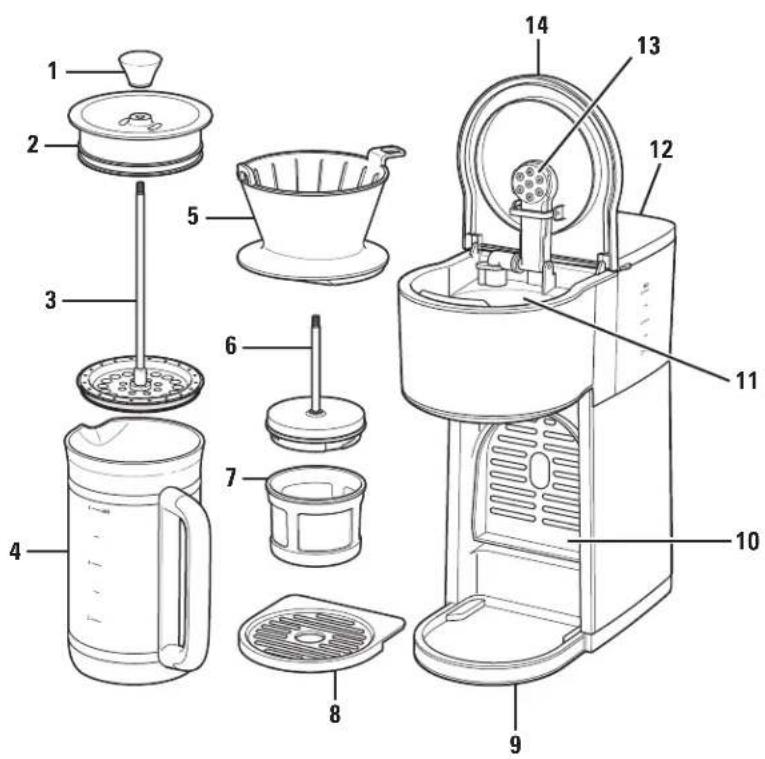
Parts and Features
Before first use: Wash all removable parts in hot, soapy water. Rinse and dry.
To order parts, visit:
hamiltonbeach.com/parts
| 1 | Removable Knob |
| 2 | Carafe Lid with Strainer |
| 3 | French Press Attachment |
| 4 | Glass Carafe (6 cups) |
| 5 | Removable Brew/Pour Over Basket (holds #2 cone paper filter) |
| 6 | Cold Brew Basket Lid |
| 7 | Mesh Cold Brew Basket (for ground coffee) |
| 8 | Removable Carafe/Travel Mug Rest |
| 9 | Carafe/Travel Mug Stand |
| 10 | Folding Cup Stand |
| 11 | Brew Basket Holder |
| 12 | Water Reservoir with Removable Lid |
| 13 | Showerhead |
| 14 | Lid |
| 15 | Water Filter Holder with Filter (optional accessory) |
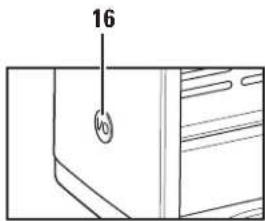
| 16 | ON/OFF (I/O)Button |
text_image
Exploded diagram of a coffee maker with numbered parts for identification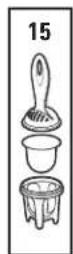
Optional Accessory
(Stored in Water
Reservoir to filter water)
text_image
16How to Assemble for French Press or Cold Brew
natural_image
Diagram of a mechanical device with a funnel and rotating shaft, showing directional arrows (no text or symbols)French Press Attachment Assembly
text_image
Diagram of a mechanical device with labeled parts and directional arrows indicating motion or movement.Cold Brew Basket Assembly
Tips for Best-Tasting Coffee
- All coffees are made from either arabica beans or robusta beans, or some combination of both. Arabica beans are slightly more expensive, but tend to produce better-tasting coffee.
- Ground coffee will become stale much faster than whole beans. If buying preground coffee, choose a package with the latest expiration date, or buy a smaller quantity.
- If grinding whole beans, set your coffee grinder on a medium grind. This will yield best-tasting grounds. Try to use freshly ground coffee within about a week of grinding.
- Using a water filter, filtered water, or bottled water will yield better-tasting coffee than tap water.
- Use approximately 1 tablespoon (5 g) of grounds for each cup of coffee being made. To avoid overflow, use slightly less grounds (3/4 tablespoon [4 g]) when brewing decaf or flavored coffees. Be aware that using coffee that is ground too finely may also cause Filter Basket to overflow.
- Make sure your Coffee Maker is clean. See "Care and Cleaning" section.
- Grind coffee beans shortly before brewing.
- If grinding whole coffee beans, always use fresh beans.
- Finely ground coffee will make it difficult to press the coffee.
- Only buy the amount of coarsely ground coffee that you think you will use in one week. This will ensure you have the freshest coffee.
- Never store coffee grounds in the freezer. Moisture and air change its flavor.
Carafe
Marking Water
Ground Coffee (Carafe,
Mug, Travel Mug, French
Press, or Pour Over)
Ground Coffee
(Iced Coffee)
Ground
Coffee
(Cold Brew)
| 2 | 10 oz.(296 mL) | 10 g = 2 tbsp. 20 g = 4 tbsp. N/A | |
| 3 | 15 oz.(444 mL) | 15 g = 3 tbsp. 30 g = 6 tbsp. N/A | |
| 4 | 20 oz.(591 mL) | 20 g = 4 tbsp. 40 g = 8 tbsp. | 50 g =10 tbsp. |
| 5 | 25 oz.(739 mL) | 25 g = 5 tbsp. N/A | |
| 6 | 30 oz.(887 mL) | 30 g = 6 tbsp. N/A N/A |
NOTE: Measurements are recommendations only. Types of ground coffee vary in grind and flavor. Adjust to your taste preference.
How to Brew Coffee into Carafe
⚠ WARNING Burn Hazard. If filter basket overflow occurs, unplug coffee maker and allow coffee in filter basket to cool before removing filter basket. To avoid hot coffee overflowing from the filter basket:
- When using decaffeinated coffee, do not exceed the coffee manufacturer's recommended serving amount.
- Plug into outlet.
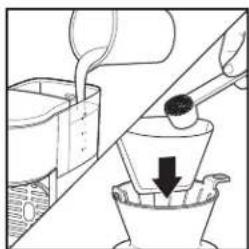
- Remove Water Reservoir Lid and add cold water up to MAX fill line (6 cups). Place Water Reservoir Lid securely on Water Reservoir.
- Lift Lid. Remove Brew/Pour Over Basket and place on countertop. Add a #2 cone paper filter to Brew Basket. Measure coffee and add to paper filter. For each cup of coffee being made, place one level tablespoon (5 g) of ground coffee into paper filter.
- Add Brew Basket back into Coffee Maker. Close Lid.
- Place Carafe Lid on Carafe with Strainer aligned with Carafe Handle. Place Carafe on Carafe/Travel Mug Stand. Press I/OButton to start brewing and Button will illuminate. Coffee Maker will automatically shut off when brewing is complete.
natural_image
Illustration of a chemical process showing pouring liquid into a container and pouring another into a funnel (no text or symbols)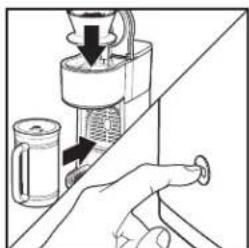
natural_image
Diagram of a hand operating a mechanical device with a mug and lever (no text or symbols)How to Brew Coffee into a Mug or Travel Mug
WARNING Burn Hazard.
If overflow occurs, unplug and allow coffee maker to cool. To avoid hot coffee overflowing:
• Fully insert mug or travel mug on cup rest.
- Do not lift lid during the brewing process.
- If brew cycle is stopped early, the coffee must be drained. Return cup or travel mug to cup rest. Press desired cup size button. Discard coffee. Failure to drain the cup or travel mug can cause the next cup brewed to overflow.
- Plug into outlet.
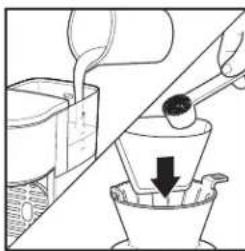
- Remove Water Reservoir Lid and add desired amount of cold water. Place Water Reservoir Lid securely on Water Reservoir.
- Lift Lid. Remove Brew/Pour Over Basket and place on countertop. Add a #2 cone paper filter to Brew Basket. Measure coffee and add to paper filter. For each cup of coffee being made, place one level tablespoon (5 g) of ground coffee into paper filter.
- Add Brew Basket back into Coffee Maker. Close Lid.
- Fold Cup Stand down and place mug on Stand. Or, place travel mug on Carafe/Travel Mug Stand. Press I/O Button to start brewing and Button will illuminate. Coffee Maker will automatically shut off when brewing is complete.
natural_image
Illustration of a coffee maker pouring liquid into a funnel using a stand mixer (no text or symbols)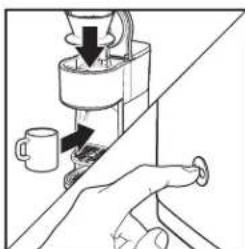
natural_image
Diagram of a hand using a presser to lift a mug, with no visible text or symbolsHow to Make Iced Coffee
⚠ WARNING Burn Hazard. If filter basket overflow occurs, unplug coffee maker and allow coffee in filter basket to cool before removing filter basket. To avoid hot coffee overflowing from the filter basket:
- When using decaffeinated coffee, do not exceed the coffee manufacturer's recommended serving amount.
- Plug into outlet.
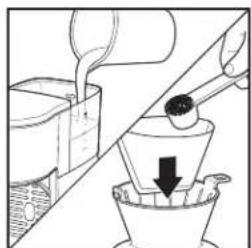
- Remove Water Reservoir Lid and add cold water to 4-cup fill line (maximum amount for iced coffee). Place Water Reservoir Lid securely on Water Reservoir.
- Lift Lid. Remove Brew/Pour Over Basket and place on countertop. Add a #2 cone paper filter to Brew Basket. Measure coffee (up to 10 tablespoons [50 g]) and add to paper filter. To brew double-strength coffee for iced coffee, add 2 level tablespoons (10 g) ground coffee per cup, and no more than 10 tablespoons (50 g) to Removable Brew/ Pour Over Basket.
- Place Brew Basket back into Coffee Maker and close Lid.
- Fill Carafe with ice to 4-cup fill line.
- Place Carafe Lid on carafe with Strainer aligned with spout of Carafe. Place Carafe on Carafe/Travel Mug Stand. Press IOButton to start brewing and Button will illuminate. Coffee Maker will automatically shut off when brewing is complete.
natural_image
Illustration of a chemical experiment showing pouring liquid into a beaker and dropping into a funnel with a downward arrow (no text or symbols)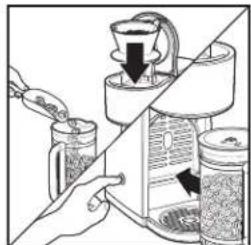
natural_image
Illustration of a hand pouring liquid into a container using a filter, with another container partially visible (no text or symbols)How to Cold Brew Ground Coffee
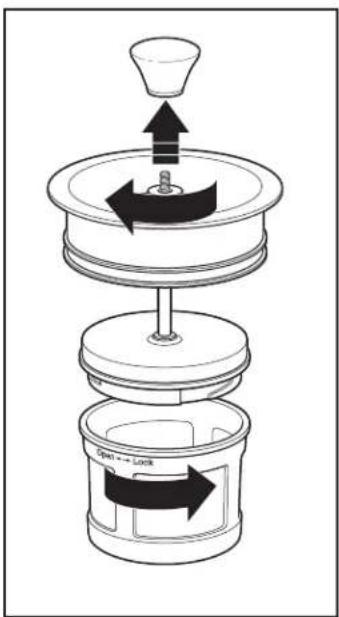
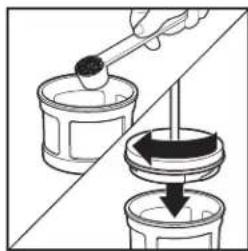
- With one hand holding stem of Cold Brew Basket, turn counterclockwise to remove Basket from Lid. Add ground coffee (up to 50 g) to Cold Brew Basket. See chart on page 5.
- While holding stem of Cold Brew Basket, lower onto Cold Brew Basket and turn clockwise to lock in place.
- Insert stem of Cold Brew Basket into opening in Carafe Lid until threads are above opening. Place Lid Knob on stem and turn clockwise until tightened.
- Fill Carafe with cold water to 5-cup fill line.
- Align arrow of Carafe Lid with Carafe Handle, then slowly lower Carafe Lid with attached Cold Brew Basket into water. Ensure Lid is completely pushed down.
- To saturate grounds, rotate or slide Cold Brew Basket up and down until water is a cloudy brown.
- Place Carafe in refrigerator for no less than 12 hours and no more than 24 hours.
- When ready to serve, remove Cold Brew Basket from Carafe. Place Lid on Carafe with arrow aligned with Spout of Carafe to allow coffee to pour.
text_image
Diagram illustrating a chemical process with a container being added to a lid, showing step-by-step transformation.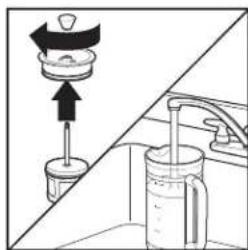
natural_image
Diagram showing a mechanical setup with a piston and lever, alongside a glass pitcher filled with liquid (no text or symbols)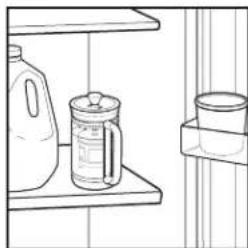
natural_image
Line drawing of a shelf with a jar, milk dispenser, and a cup (no text or symbols)How to Make French Press Coffee
⚠ WARNING Burn Hazard. Decaffeinated and/or coffee ground too finely can cause overflow. Use slightly less grounds when brewing decaffeinated, flavored, or finely ground coffee. Or, use medium-ground coffee.
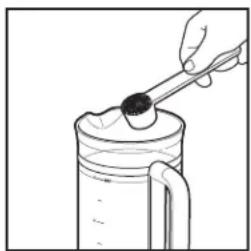
- Remove Carafe Lid from Carafe. Place Carafe on a dry, clean, heat-resistant counter. Add coarsely ground coffee to bottom of Carafe (1 tablespoon [5 g] coarsely ground coffee for every 5 ounces/147 mL water).
- Using a kettle, pour hot water (195°–205°F [91°–96°C]) into Carafe, leaving space at top. Quickly stir mixture with a long-handled wooden spoon or a heat proof plastic spatula. Do not press. Let stand 4 minutes for coffee to steep.
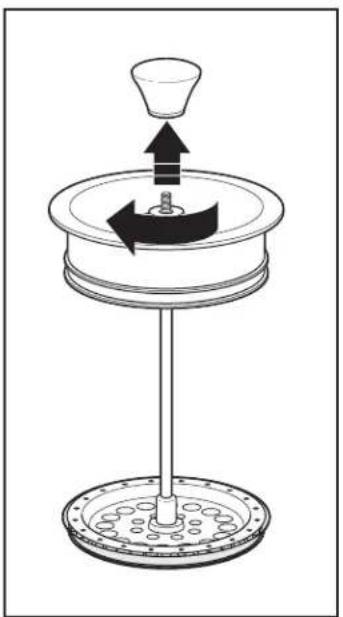
- Insert threaded end of French Press Attachment into opening of Lid and turn Knob clockwise until tightened.
- Hold Carafe handle with one hand, with spout facing away from you. Slowly insert French Press Attachment onto Carafe. To seal spout, turn Lid so Strainer opening in Lid does not overlap pour spout. Place other hand on Knob and slowly press down to lower to bottom of Carafe.
- Turn Lid to align Strainer opening in Lid with pour spout of Carafe to allow coffee to pour.
NOTES:
- If Attachment becomes difficult to push down or bottom of French Press Attachment gets clogged, remove Attachment. Stir coffee and insert Attachment again.
- Only use coarsely ground coffee; finely ground coffee will cause Attachment to clog.
natural_image
Illustration of a hand pouring a dark liquid into a glass jar (no text or symbols)
text_image
4 MINHow to Make Pour Over Coffee
⚠ WARNING Burn Hazard. If filter basket overflow occurs, unplug coffee maker and allow coffee in filter basket to cool before removing filter basket. To avoid hot coffee overflowing from the filter basket:
- When using decaffeinated coffee, do not exceed the coffee manufacturer's recommended serving amount.
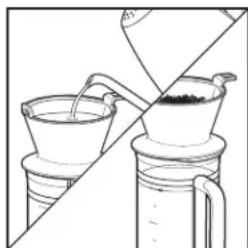
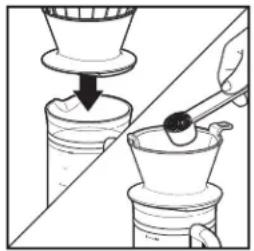
- Place Carafe without Carafe Lid (or mug/travel mug) on a dry, clean, heat-resistant counter for brewing. While holding handle, place Removable Brew/Pour Over Basket onto Carafe, mug, or travel mug.
- Add a #2 cone paper filter to Basket. Pour boiling water over filter to wet it and to heat Carafe (mug or travel mug), then remove Brew/Pour Over Basket and discard water. Replace Brew/Pour Over Basket and add medium-ground coffee to filter.
- Slowly wet grounds by pouring 195–205°F (90–95°C) water in a circular motion. Pour enough to completely saturate grounds. Wait 30 seconds, allowing coffee to "bloom" until dripping stops. See Chart on page 5.
- Finish brewing by slowly adding enough water to maintain a thin layer of water on top of grounds, pausing briefly between pours to allow water to drip through filter. Total brew time should be 3 to 4 minutes.
NOTE: If boiling water in a kettle, allow water to sit 1 minute to allow water to cool to proper temperature of 195–205°F (90–95°C).
natural_image
Illustration of a coffee maker using a pour-overing machine, showing the process from dropping funnel to feeding into a stand (no text or symbols)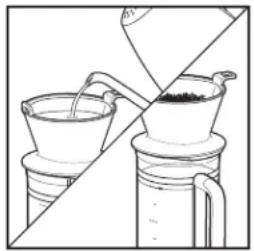
natural_image
Simple line drawing of a coffee machine with a straw being poured into it (no text or symbols)Care and Cleaning
WARNING Electrical Shock Hazard.
Do not immerse cord, plug, or coffee maker in any liquid.
Do not use abrasive scouring pads or powders on Carafe since they may scratch Carafe surface, causing glass to break suddenly during use or cleaning.
- Unplug and cool completely.
- All removable parts are dishwasher safe, or wash all removable parts in hot, soapy water. Rinse and dry.
- DO NOT use "SANITIZE" setting when washing in dishwasher. "SANITIZE" cycle temperatures could damage your product.
- Wipe Coffee Maker with a damp cloth or sponge and dry. Do not use abrasive cleansers or sponges, which will damage Coffee Maker finish.
How to Disassemble French Press Attachment to Clean
- Turn Knob counterclockwise to remove from French Press Attachment.
- Slide Attachment out from Lid.
- Note how bottom is assembled before removing. Turn bottom of Attachment counterclockwise to remove from Shaft to clean parts.
- Rinse parts with running water and dry.
How to Assemble French Press Attachment
- Hold bottom piece with six large holes and Center Post.
- Align mesh screen (curved edge facing upwards) over Center Post.
- Place Spring onto mesh screen, and then add Top Piece with round holes over Center Post and Spring.
- Add wider end of Shaft to Center Post and turn Shaft clockwise to tighten. Insert top end of French Press Attachment through Lid.
- Add Knob to Shaft and turn clockwise until tightened.
Routine Cleaning
All coffee makers should be cleaned at least once a month (once a week for areas with hard water).
- Lift up Water Reservoir Lid and discard water from Water Reservoir. Add plain white vinegar to 2-cup fill line on Water Reservoir. Add Water Reservoir Lid.
- Place Carafe with Carafe Lid on Carafe/Travel Mug Stand to collect vinegar.
- Plug into outlet.
- Press I/O Button to begin brewing and Button will illuminate. When vinegar starts dispensing, press I/O Button to stop brewing and allow vinegar to clean. After 30 minutes, press I/O Button again and allow to finish brewing. Empty Carafe.
- Repeat Steps 1 to 4 two times, using cold water only.
- Coffee Maker is clean and ready to brew.
How to Replace Water Filter (Optional Accessory)
For better-tasting coffee, use a water filter. Filter should be replaced every 3 months for best-tasting coffee. If you have hard water or use your Coffee Maker often, Filter should be replaced more frequently.
- Soak Filter in cold water for 15 minutes.
- Add Filter to bottom half of Water Filter Holder.
- Snap top half of Water Filter Holder onto bottom half.
- Remove Water Reservoir Lid and insert Water Filter Holder, Filter side down, into opening at bottom of Water Reservoir.
- Fill Water Reservoir with cold water. Do not fill above 6-cup MAX fill line. Place Water Reservoir Lid on Water Reservoir.
Troubleshooting
Coffee tastes bad.
- Coffee Maker needs cleaning. See "Care and Cleaning".
- Coffee ground too coarsely or too finely. Set coffee grinder to automatic drip grind.
• Poor coffee quality and freshness. - Soft water causes poor coffee extraction, leading to poor-tasting coffee. Use filtered, spring or bottled water if your water is soft.
Water on counter under unit.
• Overfilled Water Reservoir. Do not fill water above 6-cup MAX fill line on Water Reservoir.
Coffee Maker will not brew.
- Add water. If there is no water in Water Reservoir and I/O Button is pressed, unit will not brew.
Weak coffee.
- Adjust water/coffee ratio by using slightly less water and/or more grounds.
Coffee is too strong.
- Reduce amount of ground coffee used in Brew Basket, or use more water. Maximum amount of water is 30 oz. (887 mL).
• Coffee Maker needs cleaning. - Coffee ground too coarsely or too finely. Set Coffee Grinder according to type of brewing.
Sediment in coffee cup or Carafe.
- Sediment can result when using fine grounds. To reduce sediment amount, use a coarser grind of coffee.
Iced Coffee
Coffee overflows from Carafe while making Iced Coffee.
- Too much ice was added to Carafe. Reduce amount of ice.
- Too much water was added to Water Reservoir. Do not add water above 4-cup fill line.
Cold Brew
Coffee not strong.
- Use a finer grind coffee and/or increase steeping time in refrigerator.
French Press
French Press not strong.
- Use a different coffee and/or adjust water/coffee ratio by using slightly less water and/or more grounds.
Pour Over
Coffee not strong.
- Water wasn't hot enough. Make sure water temperature is at least 185^ (85°C).
- Too much water was used. Reduce amount of water for next pour over.
- Grounds are too fine. Increase grind size when grinding beans, or buy a coarser grind.
- Water wasn't poured slowly over grounds, and did not allow time to bloom. Gradually pour water over grounds and allow 30 seconds to bloom before adding remaining water.
Limited Warranty
This warranty applies to products purchased and used in the U.S. and Canada. This is the only express warranty for this product and is in lieu of any other warranty or condition.
This product is warranted to be free from defects in material and workmanship for a period of five (5) years from the date of original purchase in Canada and one (1) year from the date of original purchase in the U.S. During this period, your exclusive remedy is repair or replacement of this product or any component found to be defective, at our option; however, you are responsible for all costs associated with returning the product to us and our returning a product or component under this warranty to you. If the product or component is no longer available, we will replace with a similar one of equal or greater value.
This warranty does not cover glass, filters, wear from normal use, use not in conformity with the printed directions, or damage to the product resulting from accident, alteration, abuse, or misuse. This warranty extends only to the original consumer purchaser or gift recipient. Keep the original sales receipt, as proof of purchase is required to make a warranty claim. This warranty is void if the product is used for other than single-family household use or subjected to any voltage and waveform other than as specified on the rating label (e.g., 120V \~ 60 Hz).
We exclude all claims for special, incidental, and consequential damages caused by breach of express or implied warranty. All liability is limited to the amount of the purchase price. Every implied warranty, including any statutory warranty or condition of merchantability or fitness for a particular purpose, is disclaimed except to the extent prohibited by law, in which case such warranty or condition is limited to the duration of this written warranty. This warranty gives you specific legal rights. You may have other legal rights that vary depending on where you live. Some states or provinces do not allow limitations on implied warranties or special, incidental, or consequential damages, so the foregoing limitations may not apply to you.
To make warranty claim, do not return this appliance to the store. Please write Hamilton Beach Brands, Inc., Customer Service Department, 4421 Waterfront Dr., Glen Allen, VA 23060, or visit hamiltonbeach.com/customer-service in the U.S. or hamiltonbeach.ca/ customer-service in Canada. For faster service, locate the model, type, and series numbers on your appliance.
PRÉCAUTIONS IMPORTANTES
text_image
Exploded diagram of a coffee maker with numbered parts for identificationnatural_image
Diagram of a mechanical device with a conical top and rotating shaft, showing directional arrows (no text or symbols)natural_image
Illustration of a chemical experiment showing pouring liquid from a beaker into a funnel with a downward arrow (no text or symbols)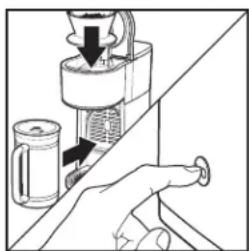
natural_image
Diagram of a hand operating a mechanical device with a mug and lever, no text or symbols presentnatural_image
Illustration of a chemical process showing a container being poured into a funnel with a downward arrow indicating flow (no text or symbols)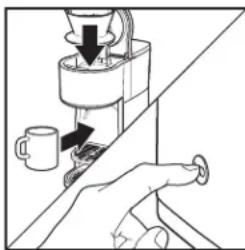
natural_image
Diagram of a hand operating a machine with a mug and directional arrow (no text or symbols)natural_image
Illustration of a chemical process showing pouring liquid into a container and adding a funnel (no text or symbols)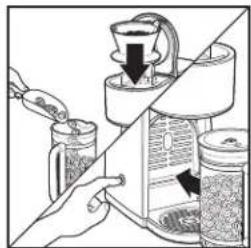
text_image
Diagram illustrating a food processing or storage procedure with labeled components and directional arrows indicating flow or movement.natural_image
Diagram showing a hand pouring liquid into a jar with an arrow indicating flow or process (no text or symbols)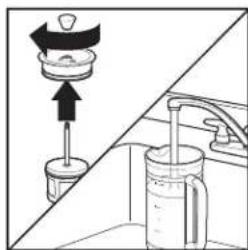
natural_image
Diagram showing a mechanical setup with a lever and a glass pitcher, no text or symbols present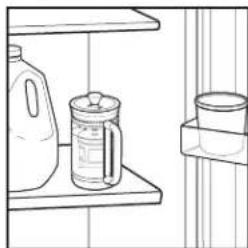
natural_image
Line drawing of a shelf with a jar, water dispenser, and a cup (no text or symbols)natural_image
Line drawing of a hand pouring liquid into a glass jar (no text or symbols)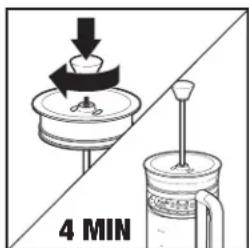
text_image
4 MINnatural_image
Illustration of a coffee maker using a pour-overing machine to generate a coffee bean (no text or symbols present)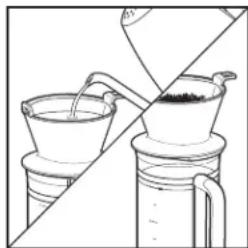
natural_image
Simple line drawing of a coffee machine with a funnel and side filter (no text or symbols)text_image
Exploded diagram of a coffee maker with numbered parts for identificationnatural_image
Diagram of a mechanical device with a conical top and rotating shaft, showing directional arrows (no text or symbols)natural_image
Illustration of a chemical process showing pouring liquid into a container and dropping into a funnel (no text or symbols)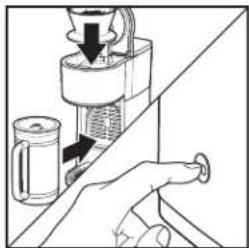
natural_image
Diagram of a hand operating a cleaning or cleaning machine with a glass mug and handle (no text or symbols)natural_image
Illustration of a chemical process showing pouring liquid into a container and adding a funnel (no text or symbols)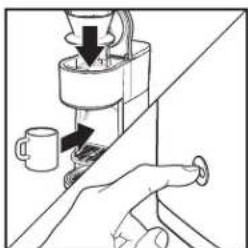
natural_image
Diagram of a hand operating a coffee machine with a mug, showing mechanical components and a downward arrow (no text or symbols)natural_image
Illustration of a chemical experiment showing pouring liquid into a container and adding a funnel (no text or symbols)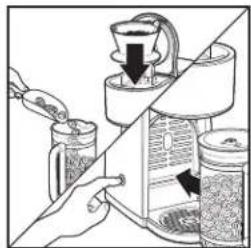
text_image
Diagram illustrating a food processing or storage procedure with labeled components and directional arrows indicating flow or movement.natural_image
Illustration of a hand pouring liquid into a jar with an arrow indicating process (no text or symbols)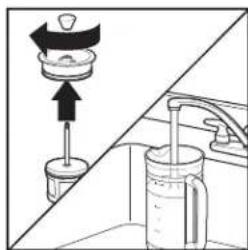
natural_image
Diagram showing a mechanical setup with a piston and lever, alongside a glass pitcher (no text or symbols)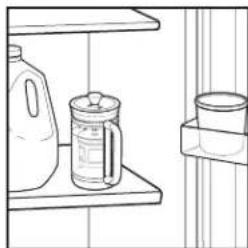
natural_image
Line drawing of a shelf with a jar, milk dispenser, and a cup (no text or symbols)natural_image
Illustration of a hand pouring liquid into a glass jar with a spoon (no text or symbols)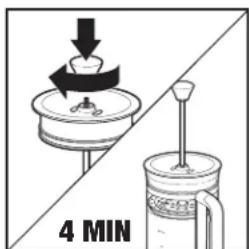
text_image
4 MINCómo usar la cafetera manual (Pour Over)
natural_image
Illustration of a coffee maker using a pour-overing machine to process a coffee cup (no text or symbols present)