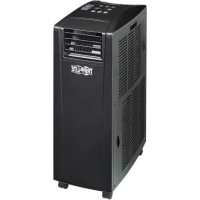
SRXCOOL12KEUB - Air Conditioning Tripp Lite - Free user manual and instructions
Find the device manual for free SRXCOOL12KEUB Tripp Lite in PDF.


| Product type | Portable air conditioner |
| Brand | Tripp Lite |
| Model | SRXCOOL12KEUB |
| Cooling capacity | 12,000 BTU (up to 3.4 kW) |
| Refrigerant | R290 (environmentally friendly, flammable) |
| Power supply | 230 V, 50 Hz, 3.5 A |
| Operating modes | Cooling, Dehumidification, Fan, Silent mode |
| Fan speed | High, Medium, Low, Auto |
| Operating temperature range | 17 °C to 35 °C |
| Minimum room area | 13 m² |
| Compressor protection delay | 3 minutes |
| Auto restart | Yes |
| Timer | Delayed on/off (1-24 hours) |
| Condensate management | Built-in re-evaporation or external drain (plugs) |
| Air filters | Washable (evaporator filter and condenser filter) |
| Included ducts | Flexible exhaust duct (max 300 cm) and cooling duct |
| Adjustable exhaust panel | 52.1 to 104.1 cm |
| Optional accessories | Remote management module SRCOOLNETLX |
| Error codes | E1 (indoor sensor), E2 (outdoor sensor), E3 (refrigerant), E4 (full tank), dF (frost) |
| Warranty | 1 year limited |
Frequently Asked Questions - SRXCOOL12KEUB Tripp Lite
User questions about SRXCOOL12KEUB Tripp Lite
0 question about this device. Answer the ones you know or ask your own.
Ask a new question about this device
Download the instructions for your Air Conditioning in PDF format for free! Find your manual SRXCOOL12KEUB - Tripp Lite and take your electronic device back in hand. On this page are published all the documents necessary for the use of your device. SRXCOOL12KEUB by Tripp Lite.
USER MANUAL SRXCOOL12KEUB Tripp Lite
Portable Air Conditioning Unit
SRXCOOL12KEU - Series Number: AG-0677 (230V, 50 Hz)
SRXCOOL12KEUB - Series Number: AG-0677 (230V, 50 Hz)
Introduction 2
Important Safety Instructions 2
Features 4
Installation 5
Operation 9
Cleaning and Maintenance 10
Troubleshooting 11
Optional Accessories 11
Storage and Transportation 12
Service and Service Precautions 12
Circuit Diagrams 15
Warranty and Product Registration 15
Regulatory Compliance 16
Espanol 17
Français 33
Pycckn 49
Introduction
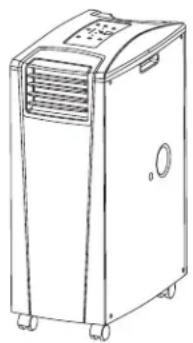
The self-contained Portable Air Conditioning Unit provides 12,000 BTU (up to 3.4kW ) of supplemental cooling capacity. Designed for IT environments, it's ideal for cooling overheated rack enclosures, IT equipment hot spots and network closets without access to facility air conditioning. The Portable Air Conditioning Unit can focus cool air through its flexible cooling duct or cool a small room through its louvered vent. It also filters and dehumidifies air to improve operating conditions and equipment reliability. Condensate is re-evaporated for drip-free operation, so you won't waste time emptying water collection tanks. The self-contained design does not require any plumbing or special circuits, so setup is quick and easy. Eco-friendly R290 refrigerant meets environmental standards.
Recommended Applications:
Cooling an overheated rack enclosure.
- Cooling an equipment hot spot inside or outside a rack enclosure.
Cooling a small room.
Important Safety Instructions

VERY IMPORTANT - SAVE THESE INSTRUCTIONS
Do not install and use your portable air conditioner unit before carefully reading this instruction guide.
Please retain this manual brochure for product warranty and future reference.
This manual contains instructions and warnings that should be followed during the installation, operation and storage of this product. Failure to heed these warnings may affect your warranty.
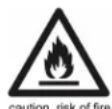


Warnings
The individual user should determine prior to use whether this device is suitable, adequate or safe for the use intended. Since individual applications are subject to great variation, the manufacturer makes no representation or warranty as to the suitability or fitness of this device for any specific application.
Install the unit indoors, away from extreme temperatures or humidity, direct sunlight, dust and conductive contaminants.
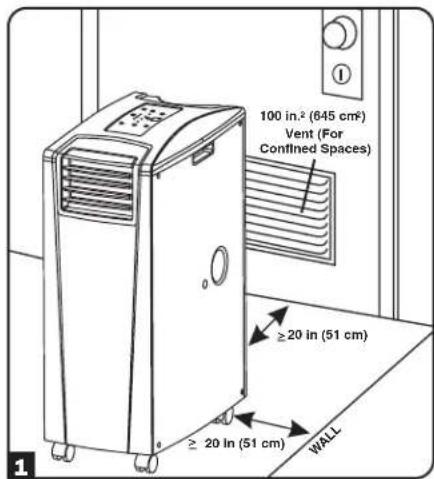
- Leave adequate space around the unit for ventilation, with rear and vented sides not less than 20 inches (51 cm) from walls or other obstacles.
Install the unit on a flat surface with a gradient no more than 10^
- Connect the unit directly to a grounded AC power outlet. Failure to do so may cause an electric shock or fire.
- This unit is designed to supply supplemental cooling for localized hot spots.
- The power supply for the unit must be rated in accordance with the unit's nameplate.
- Do not modify the plug nor use an adapter that would eliminate the ground connection.
- Do not use an extension cord to connect the unit to an AC outlet. Use only the power cord that came with the unit.
- This appliance shall be installed in accordance with national wiring regulations.
- Do not plug additional equipment into the outlet where the unit is plugged in. Overloading the outlet may cause an electric shock or fire.
- Do not attempt to turn the unit on or off by connecting or disconnecting the AC plug. A serious electric shock may occur. Use the ON/OFF button to turn the unit on or off.
- Turn the unit off and unplug it from the AC outlet before performing maintenance.
- Before connecting the unit to a dedicated drainage system, turn it off and unplug it. There is a risk of electric shock while the unit is plugged in.
- Do not use thinners, alcohol, detergents or abrasive brushes to clean the unit's cabinet. These items may damage the cabinet.
- Do not pour water over the unit. This may cause an electric shock and damage the unit.
- Do not operate the unit without the air filter. This may cause dust accumulation that may damage the unit.
- Do not attempt to operate the unit in a room with inadequate air circulation. Provide makeup air in accordance with applicable building codes.
- Do not place objects on top of the unit.
- Do not operate your air conditioner in a wet room, such as a bathroom or laundry room. Do not attempt to install this appliance as a window air conditioner.
- Do not exceed operating temperature range for this unit is 17^ - 35^ .
- Do not use any means to accelerate the defrosting process or to clean, other than those recommended by the manufacturer.
Important Safety Instructions
The appliance must be stored in a room without continuously operating ignition sources (for example: open flames, an operating gas appliance or an operating electric heater.)
- Do not dispose of any part of this unit in a fire.
- Be aware that refrigerants used may not contain an odor.
- Appliance should be installed, operated and stored in a room with a floor area larger than 13m^2
Servicing should be performed only as recommended by the manufacturer.
The appliance shall be stored in a well-ventilated area where the room size corresponds to the room area as specified for operation.
All working procedure that affects safety means should only be carried by competent persons.
- Please make sure the inlet and outlet ventilation are not blocked at all times.
- Do not operate this unit in an explosive or corrosive atmosphere.
- Clean air filter periodically for the most efficient cooling.
- When the unit is shut off, please wait at least 3.5 minutes before restarting this is to prevent the compressor from being damaged.
This unit needs at least 7 Amps of electricity to have its compressor operational. Do not use any extension cord with this unit.
- When the supply cord is damaged, it must be replaced by the manufacturer, its service agent or similarly qualified persons in order to avoid hazard.
- This appliance is suitable for use in locations where children are likely to be present.
This appliance can be used by children aged from 8 years and above and persons with lack of experience and knowledge if they have been given supervision or instruction concerning the use of the appliance in a safe way and understand the hazards involved.
Children must be supervised to ensure that they do not use the device as a toy.
- Cleaning and user maintenance should not be made by children without supervision.
- Use of this equipment in life support applications where failure of this equipment can reasonably be expected to cause the failure of the life support equipment or to significantly affect its safety or effectiveness is not recommended.
Impedance Declaration
We declare these models be connected only to a supply with the relevant system impedance no more than 0.219 ohm. Restrictions to connection may be imposed by the supply authority on the use of equipment if the actual relevant system impedance at the interface point on the user's premise exceeds 0.219 ohm. If necessary, consult your supply authority for system impedance information.
Features
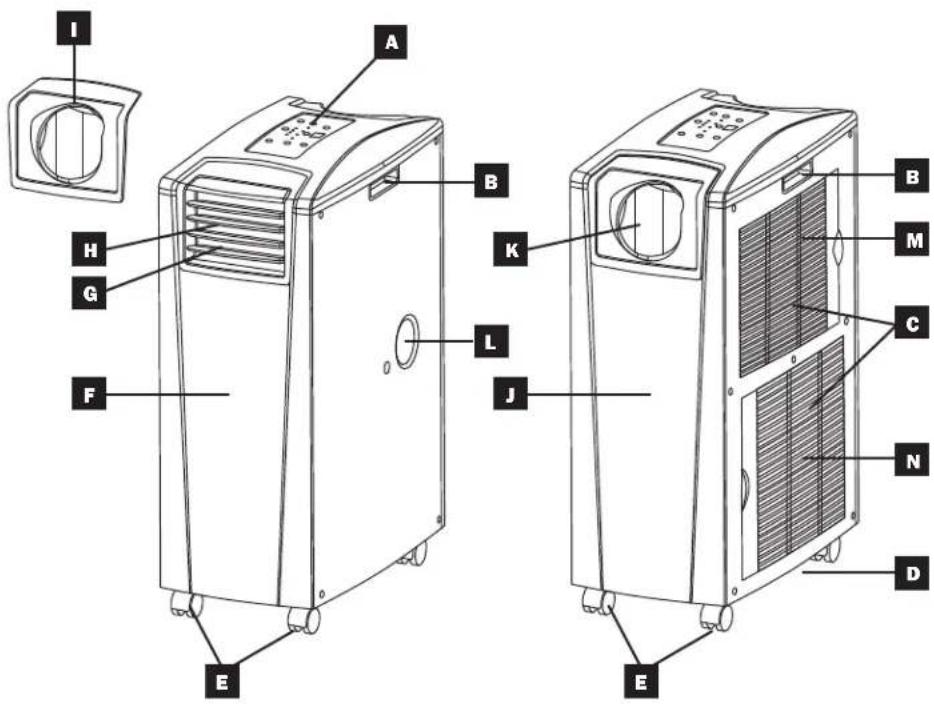
Front View
A Control Panel
B Recessed Handles
Air Filter Covers
Drainage Outlet
E Casters
F Front Panel
Cool Air Output
H Louvered Vent Insert (Pre-Installed)
Cooling Duct Adapter (Optional)
Rear Panel
Warm Air Exhaust
Evaporator Drainage Outlet
M Evaporator Filter
N Condenser Filter
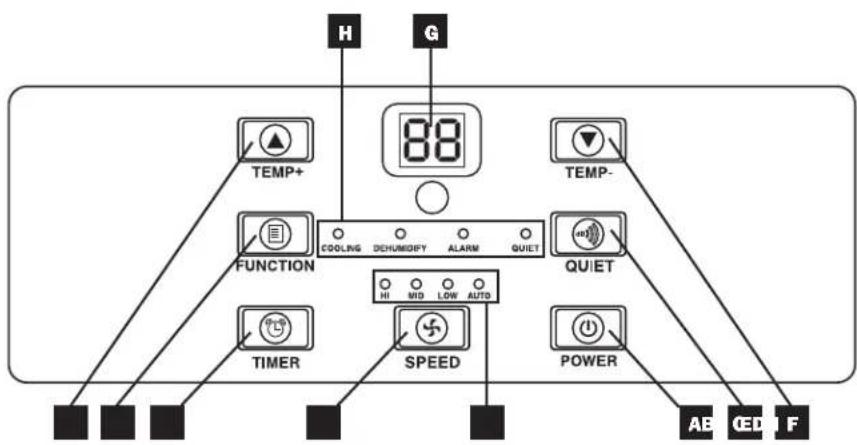
Control Panel
A "POWER" Button
B FUNCTION"Button
C "TIMER"Button
D "FAN SPEED" Button
E“QUIET”Button
Temperature Control Buttons
Numeric Display
H Operating Mode LEDs
Fan Speed Mode LEDs
Installation
Warning: After removing the unit from the shipping container, check for damage or missing parts. (Refer to the parts list below.) If you notice a problem, visit triplite.com/support for service. Do not attempt to operate a damaged unit.
Accessory Parts List:
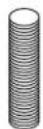
Exhaust Duct (Longer Tube)

Cooling Duct (Shorter Tube)
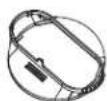
Exhaust Duct Adapter
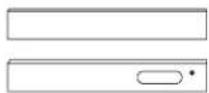
Adjustable Exhaust Panel (2 Sections)

Self-Tapping Screw 2 Duct Adapters (1 Pre-Installed)
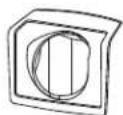
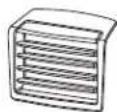
Louvered Vent Insert (Pre-Installed)
Unit Placement
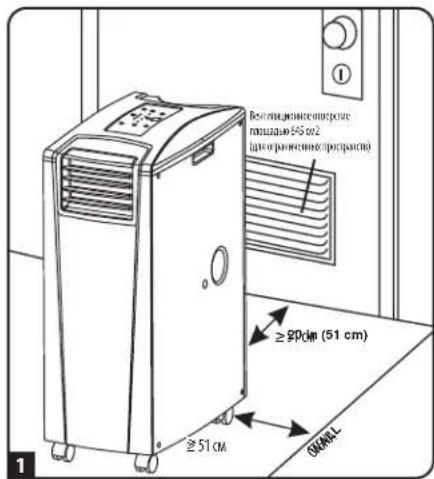
Place the unit on a flat, level surface near a grounded AC outlet rated in accordance with the unit nameplate (90-110% of specified voltage). Leave adequate space around the unit for ventilation, with rear and vented sides not less than 20 inches (51 cm) from walls or other obstacles. Place the unit in a location with convenient access to a drop ceiling or window to provide the straightest, shortest path available for the flexible exhaust duct. If you plan to use the flexible cooling duct to focus cool air on a specific rack enclosure or device, place the unit near the targeted rack enclosure or device to provide the straightest, shortest path available for the cooling duct.
Warning: Do not use an extension cord to connect the unit to an AC outlet. Use only the power cord that came with the unit.
Note: If the unit will operate in a confined space (such as a closet), you must supply makeup air in order to maintain airflow efficiency. A 100 in.² (645 cm²) or larger vent installed near the bottom of the door should supply adequate makeup air for a typical closet. Consult applicable building codes for more information.
Exhaust hose not shown—see Section 3.
Cooling Duct Connection (Optional)
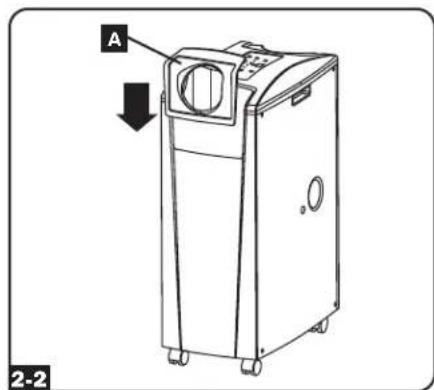
The pre-installed louvered vent insert is appropriate for room cooling applications. If you plan to cool a room, skip step 2 and proceed to step 3. If you plan to use the flexible cooling duct to focus cool air on a specific device or rack enclosure, follow the instructions below.
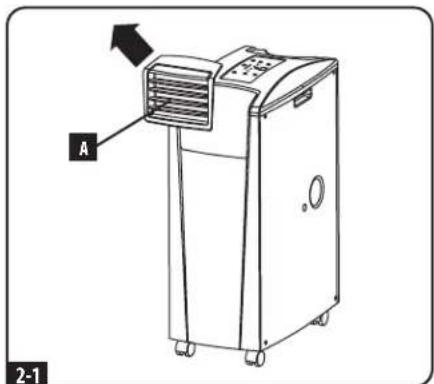
2-1 Remove the louvered vent insert A by pulling it outward and upward.
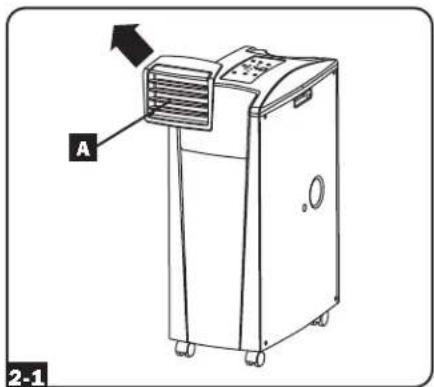
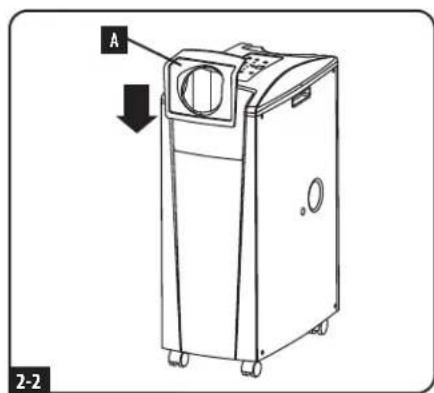
2-2 Align the cooling duct adapter A in the vent opening and push it downward until it snaps into place.
Installation
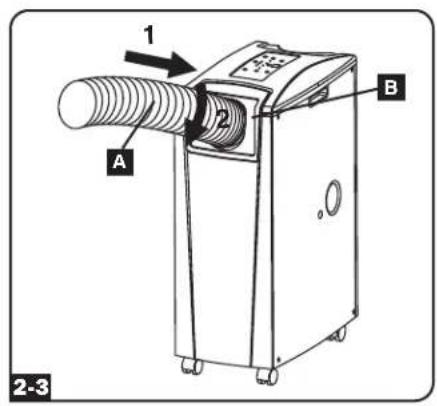
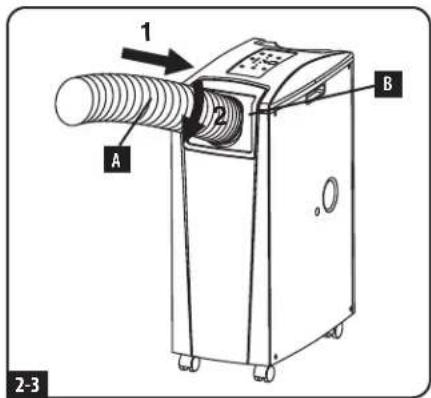
2-3 Connect the flexible cooling duct (shorter tube A) to the cooling duct adapter B. Align the duct with the circular adapter opening, push the duct downward and turn the duct clockwise to screw it into the adapter until it reaches the stop. Do not over-tighten or force past the stop.
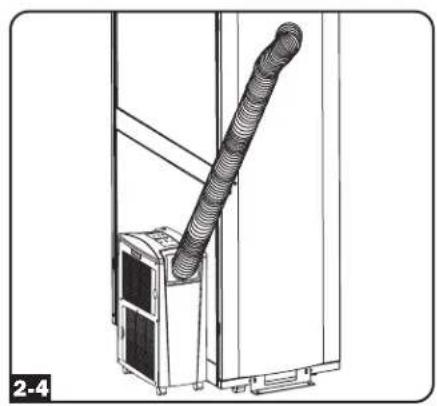
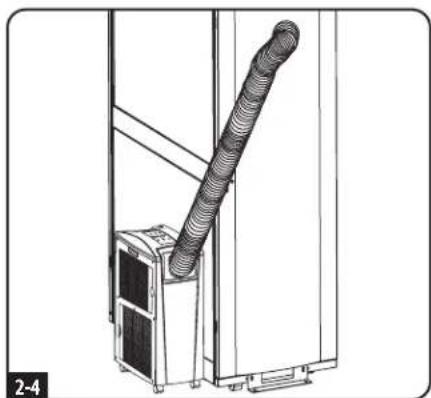
2-4 Place the other end of the cooling duct near the air intake of the target device or rack enclosure, using the straightest, shortest path available. If you plan to cool a rack enclosure, place the end of the cooling duct over a perforated area near the top of the enclosure's front door (or near the top of the bank of equipment that requires cooling). Cool air will sink and spread across the air intakes at the front of the rack enclosure.
3 Exhaust Duct Connection (Required)
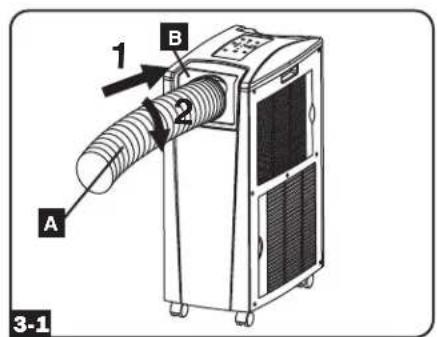
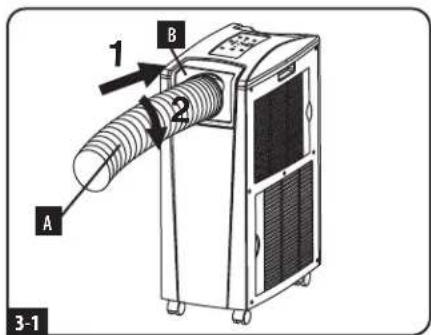
3-1 Connect the flexible exhaust duct (longer tube A) to the warm air exhaust vent on the rear panel of the unit B. Align the duct with the circular vent opening, push the duct inward and turn the duct clockwise until it contacts the stop.
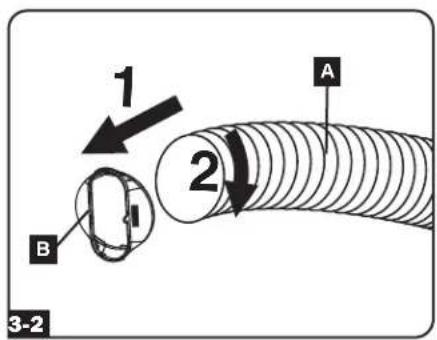
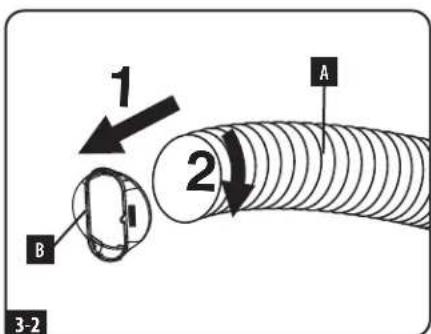
3-2 Connect the other end of the exhaust duct A to the exhaust duct adapter B. Align the duct with the circular adapter opening, push the duct inward and turn the duct clockwise until it screws into the adapter solidly.
If you plan to connect the exhaust duct to a drop ceiling, proceed to step connect the exhaust duct to a window, proceed to step 5.
- If you plan to
Installation
4 Drop Ceiling Exhaust Connection
Warning: Some ceilings may require modified installation procedures. The user must determine the fitness of hardware and procedures before installing. The procedures described in this manual may not be appropriate for all applications.
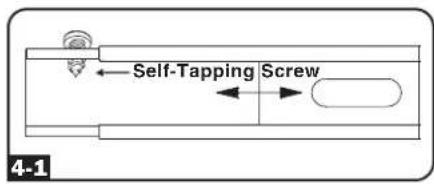
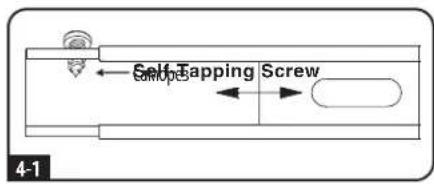
4-1 Choose a removable drop ceiling panel near the unit to provide the straightest, shortest path available for the flexible exhaust duct. Measure the width of the ceiling panel, including the portion that rests on the ceiling grid. Combine the two sections of the adjustable exhaust panel, then adjust the exhaust panel to match the width of the ceiling panel. After the exhaust panel is set to the correct width, use the included self-tapping screw to lock it in place.
Note: The exhaust panel can adjust from 20.5 to 49.2 inches (52.1 to 104.1 cm).
Certain installations may require trimming the exhaust panel for a proper fit.
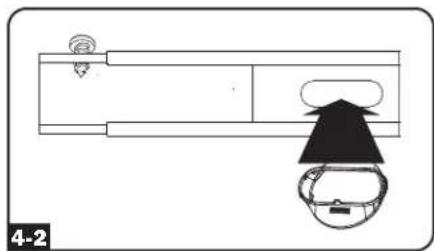
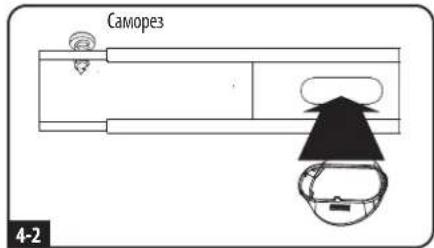
4-2 Insert the exhaust duct adapter into the oblong hole in the adjustable exhaust panel. The adapter will snap into place.
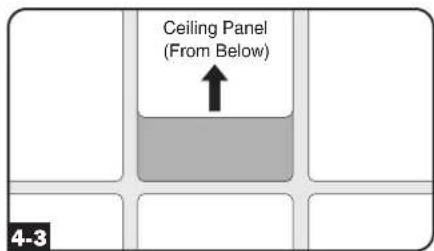
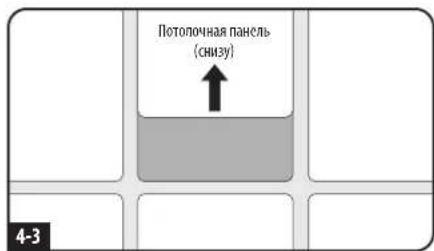
4-3 Slide the ceiling panel out of the way and place the exhaust panel inside the ceiling space. Allow the exhaust panel to rest on top of the ceiling grid.
Note: There must be at least 10 inches (25.4 cm) of open space above the exhaust panel to allow adequate airflow.
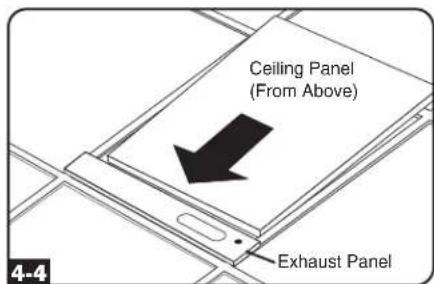
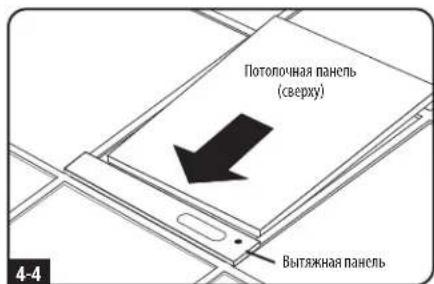
4-4 Slide the ceiling panel back into place so that it adjoins the exhaust panel and closes any gaps in the ceiling. A tight seal will permit maximum cooling efficiency. If the installation is permanent, trim the ceiling panel so it doesn't overlap the ceiling grid.
Note: The flexible exhaust duct can extend to a maximum length of 118 inches (300 cm). Provide the straightest, shortest path available. Excessive bending or stretching of the duct will reduce cooling efficiency.
After completing step 4, proceed to step 6.
5 Window Exhaust Connection
Warning: Some windows may require modified installation procedures. The user must determine the fitness of hardware and procedures before installing. The procedures described in this manual may not be appropriate for all applications.
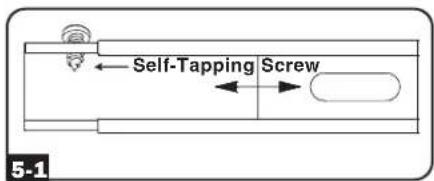
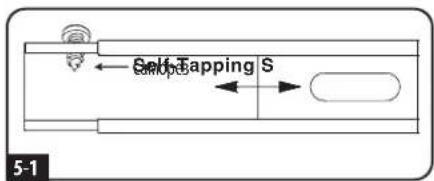
Measure the window opening. Combine the two sections of the adjustable exhaust panel, then adjust the exhaust panel to match the width of the window opening. After the exhaust panel is set to the correct width, use the included self-tapping screw to lock it in place.
Note: The exhaust panel can adjust from 20.5 to 49.2 inches (52.1 to 104.1 cm). It is compatible with vertical and horizontal mounting.
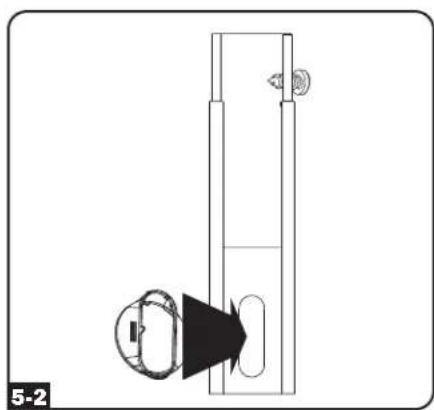
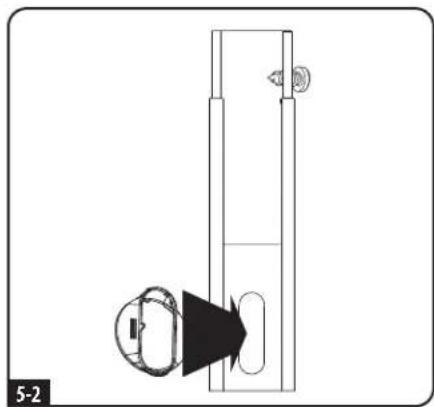
5-2 Insert the exhaust duct adapter into the oblong hole in the adjustable exhaust panel. The adapter will snap into place.
Installation
5-3 Insert the exhaust panel into the window opening, then close the window against the exhaust panel. A tight seal will permit maximum cooling efficiency. Note: There must be at least 10 inches (25.4 cm) of open space behind the exhaust panel to allow adequate airflow.
Note: The flexible exhaust duct can extend to a maximum length of 118 inches (300 cm). Provide the straightest, shortest path available. Excessive bending or stretching of the duct will reduce cooling efficiency.
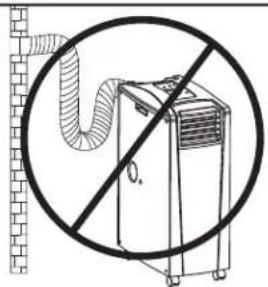
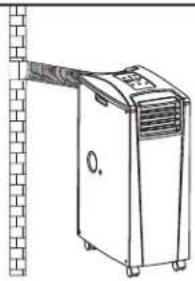
INCORRECTCORRECT
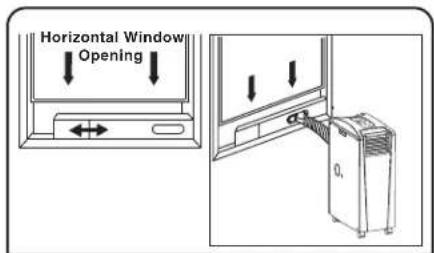
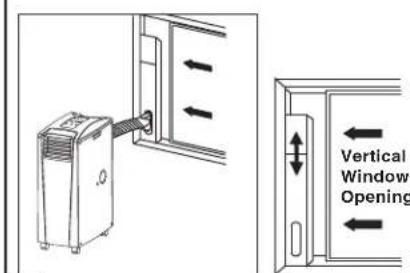
5-3
6 Drainage Plug Insertion
Warning: The unit's built-in re-evaporator will not function until you insert the drainage plug into the drainage outlet.
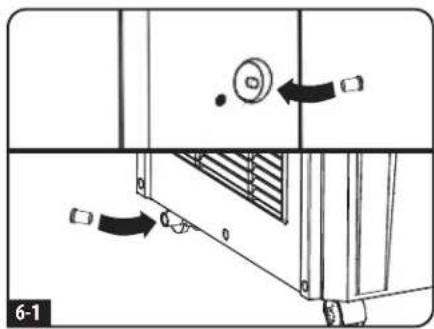
When the unit cools or dehumidifies, condensation forms. The unit has a built-in re-evaporator that allows it to expel condensation through the warm air exhaust stream. This feature allows the unit to operate indefinitely without requiring you to empty a water collection tank. The unit ships with both the upper and lower drainage plugs installed.
Cooling Mode with Re-Evaporation
Both plugs must remain installed to enable re-evaporation of condensation.
Cooling Mode without Re-Evaporation
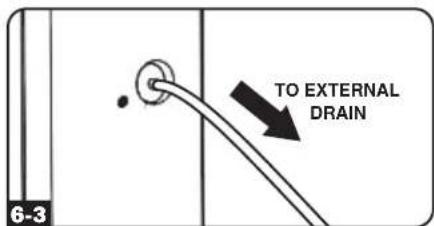
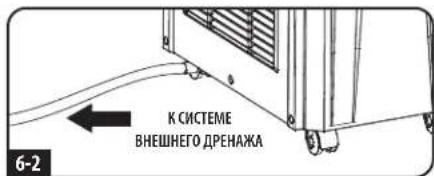
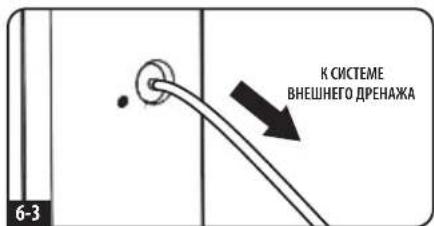
To use Cooling mode without re-evaporating condensation, remove the bottom drain plug and route user-supplied drain line to external drainage. The top drain plug must remain installed.
6-3 Dehumidify Mode
When using the unit in Dehumidify mode, remove the top drain plug and route user-supplied drain line to external drainage. The bottom drain must remain installed. This will maximize the amount of water removed from the air.
Note: If the drainage system becomes clogged, a small internal reservoir will collect condensation. If the drainage system is not cleared before the internal reservoir fills, the unit will shut down automatically.
Warning: Before connecting the unit to a dedicated drainage system, turn it off and unplug it. There is a risk of electric shock while the unit is plugged in.
Note: If your building's cooling system has night or weekend thermostat setbacks, has periodic shutdowns or has limited cooling capacity, you may need to consider alternatives to the standard installation. This product is meant to be used as a supplemental cooling device and cannot make up for significant fluctuations in building temperature or humidity.

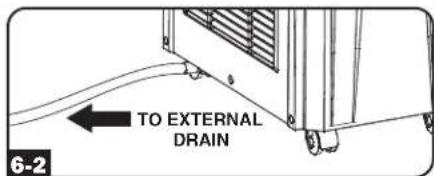
Low Temperature Operation
The air conditioner is a high-performance cooler, capable of producing very cold air output. When using the unit in environments that are already cold (20°C or less), Tripp Lite recommends using the Dehumidify mode only. This will allow the unit to continue to provide the supplemental cooling while preventing any evaporator icing issues caused by the low room temperature.
Operation
Warning: Install the unit according to the instructions in the "Installation" section before attempting to operate it.
Power
Turn the unit on or off by pressing the "POWER" button.
The unit has a three-minute compressor delay in order to prevent potential circuit overloads at start up.
Automatic Restart Feature
The unit will turn on and resume operation automatically when power is restored after a power outage. The unit will use the same settings that it used immediately before the power outage occurred. Note: If the power outage is brief, the unit will run the fan alone for three minutes before resuming normal operation. The delay allows the compressor to depressurize so the unit will function properly when it enters Cool mode.
Cool Mode
Pressing the "FUNCTION" button cycles between Cool mode and Dehumidify mode. The "COOLING" LED illuminates when Cool mode is active.
Press the TEMP+ and TEMP- buttons to set the temperature in Cool mode. The selected temperature is shown on the numeric display. Once set, the desired temperature will blink five times after which the display will show the current room temperature.
Press the "FAN SPEED" button to cycle between high, medium and low fan speeds. An LED illuminates to indicate the selected fan speed. When speed is set on AUTO, the unit will automatically select a fan speed based on the set and ambient temperatures. If ambient temperature is lower than the set temperature, the fan will run and the "COOLING" LED will blink to indicate that the compressor is off. When cooling resumes, the "COOLING" LED will remain illuminated.


Dehumidify Mode
Pressing the "FUNCTION" button cycles between Cool mode and Dehumidify mode.
The "DEHUMIDIFY" LED illuminates when Dehumidify mode is active. In Dehumidify mode, the fan runs at a fixed speed and temperature controls are irrelevant. For optimal performance in Dehumidify mode, close windows and doors, remove the top drain plug and route user-supplied drain line to external drainage.


Timer
The "TIMER" button allows you to schedule the unit to turn on or off automatically.
Timer On (Note: The unit must be off to activate the Timer On function. Confirm that mode, temperature and fan speed settings are correct before activating the Timer On function.) Activate the timer by pressing the "TIMER" button. Press the TEMP+ and TEMP- buttons to set the delay (in hours) before the unit will turn on. The number of hours is shown on the numeric display. The number will flash on the screen five times before returning to the current temperature.
Timer Off (Note: The unit must be on to activate the Timer Off function.) Activate the timer by pressing the "TIMER" button. Press the TEMP + and TEMP- buttons to set the delay (in hours) before the unit will turn off. The number of hours is shown on the numeric display. The number will flash on the screen five times before returning to the current temperature.
Quiet Control Mode
The unit includes a Quiet Control mode which regulates the cooling via the timer and microprocessor to achieve quieter operation levels when noise is an issue.
To activate, press the "QUIET" button. The Quiet LED will turn on. Set the desired temperature and then set the timer to the duration of the Quiet Control mode cycle. During the course of the cycle, the microprocessor memory will adjust the preset temperature by 1^ after one hour to 2^ after two hours. Once the temperature is reached, the unit will maintain the temperature for the duration of the set time.
TIMER

Operation
Changing Degree Units
The unit can display temperature in both Celsius and Fahrenheit. The default setting for the SRXCOOL12KEU and SRXCOOL12KEUB are Celsius.
To toggle between temperature modes, put the unit in standby mode. The air conditioner is in standby mode when it is plugged into live AC power, but powered off. Then, hold the "FUNCTION" key for 10 seconds. To verify the degree units have changed, power on the unit.

Alarm
When the water tank is full, the unit will display the message "E4" on its screen. To resume normal function, turn the unit off, remove the drainage plug and drain the excess water from the unit. Replace the plug and turn the unit on to begin cooling.
O ALARM
Cleaning and Maintenance
Clean the air conditioner and clean or replace the filters regularly to maximize performance and efficiency, prolong the unit's life and qualify for warranty if there is a performance issue.
Note: Always unplug the air conditioner from the power outlet before cleaning.
Cleaning the Air Filters
It is important to keep the air filters clean and free of dust. When the filters are dirty or clogged with dust, it decreases cooling efficiency and can threaten air quality. Tripp Lite recommends cleaning the filters at least once every two weeks. If the unit is used in a dusty environment, the filters may need to be cleaned or replaced weekly.
Before cleaning the filters, turn the unit off and unplug it! There is a risk of electric shock while the unit is plugged in.
Never run the cooling unit without the filter.
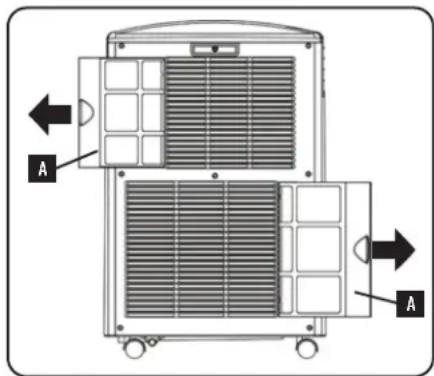
- Turn the unit off and unplug it.
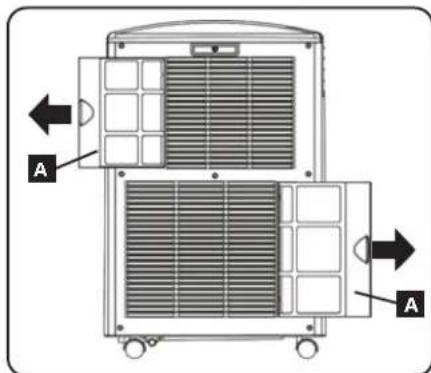
- Remove the filters by sliding them out of the cabinet.
- Use a vacuum cleaner or tap the filter lightly to remove loose dust and dirt.
- Wash the filters in warm water with a neutral detergent. Do not put the filters into a dishwasher or use harsh detergents or chemicals. Allow the filters to air dry completely after washing.
Note: Do not use water hotter than 40^ to clean the filters.
- Replace the filters by sliding them back into their original position.
- Plug the unit in and resume normal operation.
Cleaning the Cabinet

Before cleaning the cabinet, turn the unit off and unplug it! There is a risk of electric shock while the unit is plugged in.
- Turn the unit off and unplug it.
- Use a dry, non-abrasive cloth to wipe the cabinet. If necessary, use lukewarm water to dampen the cloth. Never use abrasive chemicals, volatile substances, gasoline, benzene, thinners, detergents, chemically treated cloths or other harsh chemicals or cleaning solvents that may damage the cabinet exterior. Do not pour water directly over the unit or into the working parts. This causes a risk of electrical shock and deterioration of electrical components and wiring insulation.
- Use a soft bristle brush to clean between the vents.
- Carefully use a vacuum cleaner to clean the condenser coils.
Troubleshooting
Review the possible solutions below. If the problem persists, please visit triplite.com/support for service.
| Problem Possible Cause Possible Solution | ||
| The unit does not function. The unit is turn | ed off. Turn the unit on. (See "Operation" section.) | |
| The unit is not plugged in. Plug the unit into a su | table outlet. | |
| Main power is off. Check fuses or circuit breaker. | ||
| Cooling performance is unsatisfactory. | The air exhaust or intake is blocked. | Confirm that all ducts and intakes are clear of obstructions. |
| The temperature setting is too high. Adjust the temperatur setting. | ||
| The fan speed setting is too low. Adjust the fan setting. | ||
| The air filters are dirty. Clean the air filters. | ||
| The wattage of the rack enclosure, the size of the room or the ambient temperature exceeds the cooling capacity of a single unit. | Install additional units or contact Tripp Lite for additional cooling solutions suitable for your application. | |
| The unit leaks water. | The drainage plug is not installed. | Insert the drainage plug in the drainage outlet. (See "Installation" section.) |
| The unit generates excessive noise or vibration. | The unit is on an uneven or unstable surface. | Move the unit to a level, stable surface. |
| The unit has ice or frost buildup. | The unit is operating in an environment with excess humidity. | OPTION 1: Turn off the unit, and let the unit defrost. Once defrosted, ensure the unit is operating with the fan speed set on HIGH. OPTION 2: Turn off the unit, and let the unit defrost. Once defrosted, operate the unit in DEHUMIDIFY MODE, or increase the desired temperature setpoint. |
Additional Display Codes
Error Codes
The Tripp Lite SRXCOOL12KEU and SRXCOOL12KEUB have the ability to continually monitor themselves. Should an error occur, the display will show one of 4 error codes below:
| Error Code Description |
| E1 Indoor Temperature Sensor Error |
| E2 Internal Temperature Sensor Error |
| E3 Refrigerant Error |
| E4 Water Full |
Code E4 can be cleared by emptying the water tank. Consult the Alarm entry in the Operation section for details.
For Codes E1, E2, and E3, follow these steps:
- Power-cycle the unit by unplugging it from the source for 5 minutes.
- Plug the unit back in.
- Restart the unit.
If the code remains clear, continue to operate the unit as normal. If the code returns, please contact Tripp Lite for further instructions.
dF Code
"dF" will display when the SRXCOOL12KEU or SRXCOOL12KEUB detects a condition in which the coil is operating below 1^ C for more than 15 minutes.
During a dF code event, the unit's fans will run without the compressor to prevent the evaporator from freezing up. Once the coil temperature is above 1^ , the compressor will resume normal operation.
If this condition persists, the unit is operating in an environment that is too cold. Tripp Lite recommends that the unit operate in Dehumidify mode only if operating temperatures are below 20^ C. See Low Temperature Operation in section 6-3 for more information.
Optional Accessories
Remote Cooling Management
Add remote cooling management with the optional SRCOOLNETLX module. It allows you full remote access for status monitoring, event notifications and device management on your network. With the SRCOOLNETLX installed, you can:
- Change settings and monitor temperature and humidity from any location
Receive alerts via web browser, SNMP, SSH, Telnet or command line interfaces - Access detailed condition and event logs
Learn more about the SRCOOLNETLX at tripplite.com.
Storage and Transportation
Storage
Before storing the unit, confirm that the ducts and vents are secured or removed and cared for properly. Also confirm that the unit is drained of condensation.
Transportation, Marking and Storage of Units
- Transport of equipment containing flammable refrigerants must be conducted in compliance with all local transport regulations.
- Marking of equipment using signs for the type of refrigerant must be in place and in compliance with local regulations.
- The storage of equipment should be in accordance with the manufacturer's instructions.
- Storage of packed (unsold) equipment. Protection should be provided in such that mechanical damage to the equipment inside the package will not cause a leak of the refrigerant charge. The maximum number of pieces of equipment permitted to be stored together is determined by local regulations and must not be exceeded.
- The appliance should be stored properly to prevent mechanical damage from occurring.
Service and Service Precautions
Service
Your Tripp Lite product is covered by the warranty described in this manual. A variety of Extended Warranty and On-Site Service Programs are also available from Tripp Lite. For more information on service, visit triplite.com/support. Before returning your product for service, follow these steps:
- Review the installation and operation procedures in this manual to insure that the service problem does not originate from a misreading of the instructions.
- If the problem continues, do not contact or return the product to the dealer. Instead, visit triplite.com/support.
- If the problem requires service, visit tripplite.com/support and click the Product Returns link. From here, you can request a Returned Material Authorization (RMA) number, which is required for service. This simple online form will ask for your unit's model and serial numbers, along with other general purchaser information. The RMA number, along with shipping instructions will be emailed to you. Any damages (direct, indirect, special or consequential) to the product incurred during shipment to Tripp Lite or an authorized Tripp Lite service center are not covered under warranty. Products shipped to Tripp Lite or an authorized Tripp Lite service center must have transportation charges prepaid. Mark the RMA number on the outside of the package. If the product is within its warranty period, enclose a copy of your sales receipt. Return the product for service using an insured carrier to the address given to you when you request the RMA.
Service Precautions
General work area precaution: All maintenance staff and others working in the local area should be instructed on the nature of work being carried out. Work in confined spaces should be avoided. The area around the workspace should be sectioned off. Ensure that the conditions within the area have been made safe by control of flammable material. Proper ventilation must be provided. Prior to starting any service:
1. Check the Area
Prior to beginning work on systems containing flammable refrigerants, safety checks are necessary to ensure that the risk of ignition is minimized. For repair to the refrigerating system, the following precautions should be complied with prior to conducting work on the system.
Work should be undertaken under a controlled procedure to minimize the risk of a flammable gas or vapor being present while the work is being performed.
- Checking for presence of refrigerant: The area should be checked with an appropriate refrigerant detector prior to and during work, to ensure the technician is aware of potentially flammable atmospheres. Ensure that the leak detection equipment being used is suitable for use with flammable refrigerants, i.e., non-sparking, adequately sealed or intrinsically safe.
- Presence of fire extinguisher: If any hot work is to be conducted on the refrigeration equipment or any associated parts, appropriate fire extinguishing equipment should be available to hand. Have a dry powder or CO2 fire extinguisher adjacent to the charging area.
- No ignition sources: No person carrying out work in relation to a refrigeration system which involves exposing any pipe work that contains or has contained flammable refrigerant should use any sources of ignition in such a manner that it may lead to the risk of fire or explosion. All possible ignition sources, including cigarette smoking, should be kept sufficiently far away from the site of installation, repairing, removing and disposal, during which flammable refrigerant can possibly be released to the surrounding space. Prior to work taking place, the area around the equipment is to be surveyed to make sure that there are no flammable hazards or ignition risks. "No Smoking" signs should be displayed.
- Ventilated area: Ensure that the area is in the open or that it is adequately ventilated before breaking into the system or conducting any hot work. A degree of ventilation should continue during the period that the work is carried out. The ventilation should safely disperse any released refrigerant and preferably expel it externally into the atmosphere.
- Checks to the refrigeration equipment: Where electrical components are being changed, they should be fit for the purpose and to the correct specification. At all times, the manufacturer's maintenance and service guidelines should be followed. If in doubt, consult the manufacturer's technical department for assistance.
The following checks should be applied to installations using flammable refrigerants:
- The charge size is in accordance with the room size within which the refrigerant containing parts are installed.
- The ventilation machinery and outlets are operating adequately and are not obstructed.
- If an indirect refrigerating circuit is being used, the secondary circuit should be checked for the presence of refrigerant.
Service and Service Precautions
- Marking to the equipment continues to be visible and legible. Markings and signs that are illegible should be corrected.
- Refrigeration pipe or components are installed in a position where they are unlikely to be exposed to any substance which may corrode refrigerant containing components, unless the components are constructed of materials which are inherently resistant to being corroded or are suitably protected against being so corroded.
2. Check Electrical Devices
Repair and maintenance to electrical components should include initial safety checks and component inspection procedures. If a fault exists that could compromise safety, no electrical supply should be connected to the circuit until it is satisfactorily dealt with. If the fault cannot be corrected immediately but it is necessary to continue operation, an adequate temporary solution should be used. This should be reported to the owner of the equipment, so all parties are advised.
Initial safety checks should include:
- That capacitors are discharged. This should be done in a safe manner to avoid possibility of sparking.
- That there are no live electrical components and no wiring is exposed while charging, recovering or purging the system.
- That there is continuity of earth bonding.
3. Repairs to Sealed Components
- During repairs to sealed components, all electrical supplies should be disconnected from the equipment being serviced prior to any removal of sealed covers, etc. If it is absolutely necessary to have an electrical supply to equipment during servicing, then a permanently operating form of leak detection should be located at the most critical point to warn of a potentially hazardous situation.
- Particular attention should be paid to the following to ensure that by working on electrical components, the casing is not altered in such a way that the level of protection is affected. This should include damage to cables, excessive number of connections, terminals not made to original specification, damage to seals, incorrect fitting of glands, etc.
- Ensure the apparatus is mounted securely.
- Ensure seals or sealing materials have not degraded such that they no longer serve the purpose of preventing the ingress of flammable atmospheres. Replacement parts should be in accordance with the manufacturer's specifications.
Note: The use of silicon sealant may inhibit the effectiveness of some types of leak detection equipment. Intrinsically safe components do not have to be isolated prior to working on them.
4. Repair to Intrinsically Safe Components
- Do not apply any permanent inductive or capacitance loads to the circuit without ensuring that this will not exceed the permissible voltage and current permitted for the equipment in use.
- Intrinsically safe components are the only types that can be worked on while live in the presence of a flammable atmosphere. The test apparatus should be at the correct rating. Replace components only with parts specified by the manufacturer. Other parts may result in the ignition of refrigerant in the atmosphere from a leak.
5. Cabling
- Check that cabling will not be subject to wear, corrosion, excessive pressure, vibration, sharp edges or any other adverse environmental effects. The check should also take into account the effects of aging or continual vibration from sources such as compressors or fans.
6. Detection of Flammable Refrigerants
- Under no circumstances should potentially sources of ignition be used in the searching for or detection of refrigerant leaks. A halide torch (or any other detector using a naked flame) should not be used.
7. Leak Detection Methods
The following leak detection methods are deemed acceptable for systems containing flammable refrigerants.
- Electronic leak detectors should be used to detect flammable refrigerants, but the sensitivity may not be adequate or may need re-calibration (detection equipment should be calibrated in a refrigerant-free area). Ensure the detector is not a potential source of ignition and is suitable for the refrigerant used. Leak detection equipment should be set at a percentage of the LFL of the refrigerant and calibrated to the refrigerant employed and the appropriate percentage of gas (25% maximum) is confirmed.
- Leak detection fluids are suitable for use with most refrigerants, but the use of detergents containing chlorine should be avoided as the chlorine may react with the refrigerant and corrode the copper pipe-work.
If a leak is suspected, all naked flames should be removed/extinguished. - If leakage of refrigerant is found which requires brazing, all refrigerant should be recovered from the system or isolated (by means of shutoff valves) in a part of the system remote from the leak. Oxygen-free nitrogen (OFN) should then be purged through the system both before and during the brazing process.
8. Removal and Evacuation
When accessing the refrigerant circuit to make repairs (or for any other purpose), conventional procedures should be used. However, it is important to follow best practice, since flammability is a consideration. The following procedure should be adhered to:
- Remove refrigerant.
- Purge the circuit with inert gas.
Evacuate. - Purge again with inert gas.
- Open the circuit by cutting or brazing.
Service and Service Precautions
The refrigerant charge should be recovered into the correct recovery cylinders. The system should be "flushed" with OFN to render the unit safe. This process may need to be repeated several times. Compressed air or oxygen should not be used for this task. Flushing is achieved by breaking the vacuum in the system with OFN and continuing to fill until the working pressure is achieved, then venting to atmosphere and finally pulling down to a vacuum. This process should be repeated until no refrigerant is within the system. When the final OFN charge is used, the system should be vented down to atmospheric pressure to enable work to take place. This operation is absolutely vital if brazing operations on the pipe-work are to take place. Ensure that the outlet for the vacuum pump is not close to any ignition sources and there is ventilation available.
9. Charging Procedures
In addition to conventional charging procedures, the following requirements should be followed.
- Ensure that contamination of different refrigerants does not occur when using charging equipment. Hoses or lines should be as short as possible so as to minimise the amount of refrigerant contained in them.
- Cylinders should be kept upright.
- Ensure the refrigeration system is earthed prior to charging the system with refrigerant.
- Label the system when charging is complete (if not already).
Extreme care should be taken not to overfill the refrigeration system. Prior to recharging the system, it should be pressure tested with OFN. The system should be leak tested on completion of charging but prior to commissioning. A follow-up leak test should be carried out prior to leaving the site.
10. Decommissioning
Before carrying out this procedure, it is essential the technician is completely familiar with the equipment and all its detail. It is recommended good practice that all refrigerants are recovered safely. Prior to the task being carried out, an oil and refrigerant sample should be taken in case analysis is required prior to re-use of reclaimed refrigerant. It is essential that electrical power is available before the task is commenced.
A) Become familiar with the equipment and its operation.
B) Isolate the system electrically.
C) Before attempting the procedure, ensure that:
- Mechanical handling equipment is available (if required) for handling refrigerant cylinders.
- All personal protective equipment is available and being used correctly.
The recovery process is supervised at all times by a competent person. - Recovery equipment and cylinders conform to the appropriate standards.
D) Pump down the refrigerant system, if possible.
E) If a vacuum is not possible, make a manifold so that the refrigerant can be removed from various parts of the system.
F) Make sure that cylinder is situated on the scales before recovery takes place.
G) Start the recovery machine and operate it in accordance with the manufacturer's instructions.
H) Do not overfill cylinders (no more than 80% volume liquid charge).
1) Do not exceed the maximum working pressure of the cylinder, even temporarily.
J) When the cylinders have been filled correctly and the process completed, make sure the cylinders and the equipment are removed from site promptly and all isolation valves on the equipment are closed off.
K) Recovered refrigerant should not be charged into another refrigeration system unless it has been cleaned and checked.
11. Labeling
- Equipment should be labeled stating that it has been de-commissioned and emptied of refrigerant. The label should be dated and signed. Ensure that there are labels on the equipment stating the equipment contains flammable refrigerant.
12. Recovery
- When removing refrigerant from a system, either for servicing or decommissioning, it is recommended good practice that all refrigerants are removed safely.
- When transferring refrigerant into cylinders, ensure only appropriate refrigerant recovery cylinders are employed. Ensure the correct number of cylinders for holding the total system charge is available. All cylinders to be used are designated for the recovered refrigerant and labeled for that refrigerant (i.e. special cylinders for the recovery of refrigerant). Cylinders should be complete with the pressure relief valve and associated shut-off valves in good working order. Empty recovery cylinders are evacuated and (if possible) cooled before recovery occurs.
The recovery equipment should be in good working order with a set of instructions concerning the equipment that is at hand and should be suitable for the recovery of flammable refrigerants. In addition, a set of calibrated weighing scales should be available and in good working order. Hoses should be complete with leak-free disconnect couplings and in good condition. Before using the recovery machine, check that it is in satisfactory working order, has been properly maintained and that any associated electrical components are sealed to prevent ignition in the event of a refrigerant release. If in doubt, consult the manufacturer. - The recovered refrigerant should be returned to the refrigerant supplier in the correct recovery cylinder, and the relevant Waste Transfer Note arranged. Do not mix refrigerants in recovery units and especially not in cylinders.
- If compressors or compressor oils are to be removed, ensure that they have been evacuated to an acceptable level to make certain that flammable refrigerant does not remain within the lubricant. The evacuation process should be carried out prior to returning the compressor to the suppliers. Only electric heating to the compressor body should be employed to accelerate this process. When oil is drained from a system, it should be carried out safely.
Service and Service Precautions
13. Fuse Parameters of the Machine
Type: 5ET or SMT Voltage: 250V Current: 3.15A
Circuit Diagrams
The following diagram is for reference only. There are no user-serviceable parts inside the unit.
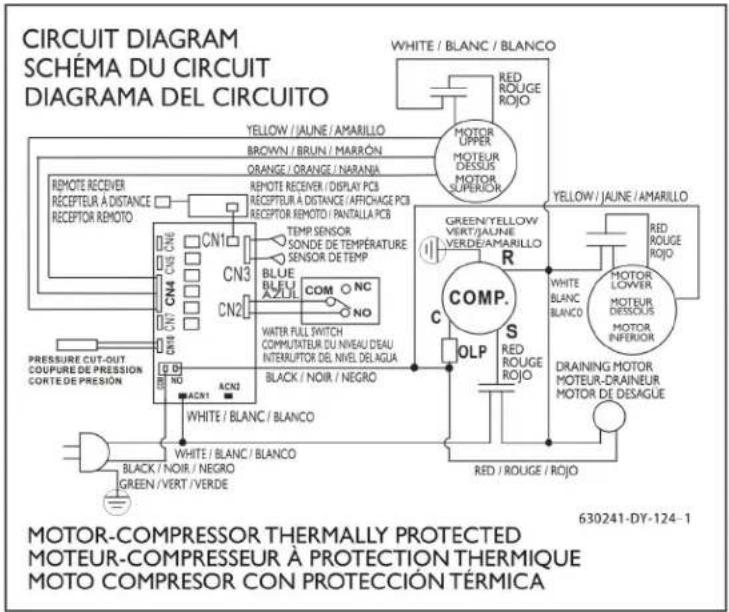
Circuit Diagram
Warranty and Product Registration
1-YEAR LIMITED WARRANTY
e
The following limitations apply to the coverage of this warranty. This warranty does not cover:
Labor charges for installation, setup or training to use the product
Handling or usage
Cosmetic damage such as scratches and dents
- Normal wear and tear on parts or replacement of parts designed to be replaced, e.g. filters, cartridges, batteries
Service trips to deliver, pick-up or repair, install the product or to instruct in proper usage of the product
- Damages or operating problems resulting from misuse, abuse, operation outside environmental specifications, uses contrary to instructions provided in the owner's manual, accidents, acts of God, vermin, fire, flood, improper installation, unauthorized service, maintenance negligence, unauthorized installation or modification or rental or commercial use
The use of the product in commercial or rental settings
- Optional accessories, attachments and appearance items
- Products that have been modified to perform outside of specifications
- Products that have had their serial numbers removed or defaced
- Products with serial numbers that have been invalidated
- Damage to personal property from use of the product
- Replacement of repair of facility fuses, circuit breakers, wiring, or plumbing
Regulatory Compliance
Visit triplite.com/warranty today to register your new Tripp Lite product. You'll be automatically entered into a drawing for a chance to win a FREE Tripp Lite product!
* No purchase necessary. Void where prohibited. Some restrictions apply. Open to U.S. residents only. See tripplite.com for details.
Regulatory Compliance Identification Numbers
For the purpose of regulatory compliance certifications and identification, your Tripp Lite product has been assigned a unique series number. The series number can be found on the product nameplate label, along with all required approval markings and information. When requesting compliance information for this product, always refer to the series number. The series number should not be confused with the marking name or model number of the product.

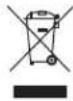
WEEE Compliance Information for Tripp Lite Customers and Recyclers (European Union)
Note: This statement applies to products marked with the WEEE logo.
Under the Waste Electrical and Electronic Equipment (WEEE) Directive and implementing regulations, when customers buy new electrical and electronic equipment from Tripp Lite they are entitled to:
-
Send old equipment for recycling on a one-for-one, like-for-like basis (this varies depending on the country)
-
Send the new equipment back for recycling when this ultimately becomes waste
Use of this equipment in life support applications where failure of this equipment can reasonably be expected to cause the failure of the life support equipment or to significantly affect its safety or effectiveness is not recommended.
Tripp Lite has a policy of continuous improvement. Product specifications are subject to change without notice. Photos and illustrations may differ slightly from actual products.


1111 W. 35th Street, Chicago, IL 60609 USA · triplite.com/support
1111 W. 35th Street, Chicago, IL 60609 EE UU • triplite.com/support
6-3 Mode Deshumidification
Mode Deshumidification
PykoBODCTBO N0JIb30BaTeЯ
Ipehenochoe yctpoiCTBO KOHdNcHnOBoHaHna B03dyxa
SRXCOOL12KEU -Homep cepnu:AG-0677(230B,50Tc)
SRXCOOL12KEUB -Homep cepun: AG-0677 (230 B, 50 Tú)
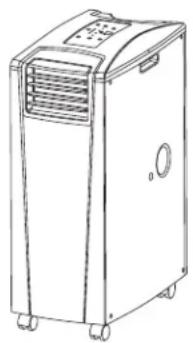
BVeJeHne 50
Baxhble yka3aHn no texnke 6e30nacchoctn 50
ⅢaHr nIaTbOa Opa6oTaHnro Bo3dyHa He noKa3aH (cm.pa3den 3).
2 PoiocoeiHHeHne Bo3yXoB0a oxlaKdEHH (onuHOHaNbHo)
KaHnHaBCTaBA, yTaHOBnEHn B bXoHnOe OBePCTHe Ha 3aBoe-130ToBmTe, paccHTaHa Ha oxnAeHne NomeuH. Ecn Bbl nAnpyte OxnaDab KaoKe-Nb60 NOMEueHme, nepexOnite K Wary 3, MHHy Wari 2. Ecm Bbl nAnpyte NcNtob30aBb Tn6kM Bo3dyoxoBd OxJaeHnI DnCocPeTOUeHn IOTAO XoIOHOBO3NyXa H KaKOM-Nb60 KOHKpETHom 3JeMeHE ToOpdyBaHn IM NkAky, CneYInr Te npBedeHHbIM HKe Yka3AHAM.
2-1 BbHbTeKaJIIMO3MHyIOCTABKByA H3BbIXoIHOrTOBtEPcTm,NOTaHyB 3a Hee no HanpaBJeHHo HapyyK bBepx.
2-2 COBmCTIe nepeoxoHnK BO3xOxyOba OXaJckHnA C bBXOdbHM OTBePCTHeM H BCTabbe ETO CHaKIMOM DO ueJIHa.
YCTaHOBKa
2-3 NIOcoeHnTE RMOkHNBO3yXOBOD OXnAaJedHeN (KoPOTKa Tpy6Ka A Kero nepeoxDnky CObMeCTNE B03yXOBOD c KpyTbIM OTBepCTHE MEPexOHNiKA, HADABHTE Ha HrO BHN3 H BpaaiTe erno yacobn CTpenKe DnBBHHBaHn B nepeoxDHn Do ynpa. He nepETAHBAte Hne npnilaraityeu nocneynopa.
2-4 PaCnOJXHNEIPOITMBONIOKHNKOHeu BO3dyXOBoDAoxNkDenHbB6n3HBO3dyXo3abOpHOrO TBepCTHOxNkAaMero yctpoTcBA Hnn KOPynCHOn CT0KN, PNOBEDAeroNo HA6oleePnAMOMy H KOPIKOMYpyTN. ECN Bbl PAANHPye OxNkDenHEe KopnyCHOn CT0KN, paCnOJXHNEI KOHeu BO3dyXOBoDAoxNkDenHbHd NEPpOPmPoBaHNOBepXHObTOB6n3H BepxHrO KpapeNepDHe DBepuB KoPnCa (INM y BepxHrO Kpa rpyPiBy cTpoTB, HyjdaioUxxCB OxNkDenH). Xo1oHb Bo3dyxOyCTNTCA BH3 n paCnpeDnNTCA NO BO3dyXo3abOpHbIM OTBepCTNM B NepeHd Nactn KopnyCHOn CoNN.
3IopKIOUeHHe BbITaXHOrO Bo3dYxOBoa (o63aTeNbHO)
3-1 BCTabBe Tn6KnBbTAAHNOB3DyXBOO[BnOTBepCTNE DnAOTBODA OTPoTAHO B,paNOnKeHHeB 3a4HeNaHEn YcTPOCTBA.COBMeCTe BO3DyXBOO C KpyTbIM OTBepCTmE NnAOTBODA,HaDaBITE H Hero BHTpbN BpaauTe erno noacobontne do ynpa.
3-2 Ha npotBnONOJHb KOHeu BbTJHKHO Bo3dyXoBOaA HaneHeIe ero nepexoDnHk CObMeCTHc BO3dyXoBOc KpyTbIM OTBepCTHMnepeoxDMHa, HaaBHTe HrEo BHytpb H BpaauHte ero no YacOBn CTpeKe Do TEP NOP, NOK OHpOHO He BBNTTCB NEpexODmK.
EcnblnpanhyptepnoBOKy BbTTKHOBO 03DxyOoDA qeep3 noDBecHOH notIOK, nepexoHnte K wary npobokny BbTJKRHO BO3DxyOoDA qeep3 0kHO, nepexoHnte K wary
EcmBbIaHpye
YcTaHOBKa
4 PpOBoKa BbITaXHOrO Bo3dYxOBoDaYepe3 nOdBecHOI noTOnOK
BHHMaHHe!Ia HeKOTOpbIX NtOIOKB MoKet Ntpe6oBaTc H3MeHenHbN nopAIOK yCTaHOBKn. NpIb30BaTeJIb DOnJKeH yCTaHOBnBtpnroDIOHctb OChAcTKN npePONaRaEMbIX npOeUepydo Hauana YCTaHOBKn. IpOeUpybl, ONHCahHbE B HactOHTeM pyKOBOCTBe, MOrY Te NoXoINTB dNr BCEx BapHaNTOB pImMeHENHn.
4-1 Bb6epnte CbeMHyno haneh noDBeCHOrO noTOHkA B6n3n yCToPCTBa cIeBIO oBecepeHHBO3MOKHOCTN npOBOKn Rm6KO rBbTJHO BO3DxyoBOaNo haHbOee nPROMOMy HKOPOKOMY pTN. 3M3peTe uHpHny NOTOOHOH naHEn, BKIOaH TY eeHaCTb, KOTOPa paONolaraetc H aPeWte NOIJI. CoeHNHTe DBe CEKUNI peryHpyEMo BbTTKHOH naHEn, a 3aTeM OTPERHynpye Te e No IINPHne NOTOOHOH naHEn. Nocne YcTAHOKN HxHKn bHInb BytAKHOH naHEn 3aHKnCpYte ee npn NOMOni Camope3a, NOCTABnE moR BO KOMnNEKe.
Ppumuehue. Uupuha bmyxho naenu pezynnpyemc8 duana3ohe om 52,1 do 104,1 cm. B hekomopbix ycmaoekax Moxem mpe6oambca nod20Hka pa3Mepoe bmyxho naenu.
4-2 BCTABbTe NEPEXOHNK BITRAHHO BO3DyXOBoBA OBaIbHoe OTBepCTHe perynpyEmoB BtTAAHOI NaHEN. IpexOHNK 3aueKNETcB HyyxHom NOONKeHHN.
4-3 CbHnBtE NOToOnUHyNo HaeN B CTOpOHy NOMeCTHte BbITJxHy NoAeNb B MExNtOnOuHoe IpocTpaHCTBO. BbITJxHa naHb DoJIKHa pa3MeCTHbCra Nobepx NoToOnUHO peWTeKN.
Ppmeue. Jn 6eceuHua docmouHOo 603dyXoo6MeHa bYcma cO60dHOo npocmpaHcMa H aod bmyho naenbdoanka cocmabnnb He MeHee 25,4 cm.
4-4 NepeBnHbTe nToIOnyHO naHb oBaTHo HA CBOE MeTO TAKM Opa3OM, YTObIa OHpIIMKHyN K BtTJxHOBn HApENm 3akpbna cO60BCEIINB NOTOKe. MaKcMaIbHyIO OeFkETMBHOCTb OxJaXeHnO IocEnHIT repMeTNUHoe yNIOTHEHe. EynCytAHOBKa PnOIBODHTCA Ha DInTeBHe BpEm, NOpBeKbTe nToIOnOHy IOHaNb TaKIM O6pa3OM, YTObIa OH He nepeKpbBa ncoB noToIOnOHy peWetky.
IpumueaHue. 16kui bttmKou 803dyxoBod moxem paamzuaabmc ha dnuy He 6one 300 cm. 06ceeybme e2o npoxokdeue no hauboee npamomy u kopomkomy nymu. 4pe3mpoe u32ubae unu hamraubae 803dyxoboda byem chuXambe 3phiKmubhoctb oxnaxdeuHa.
No 3abepweenn wara nepexoDnE K wary 6.
5 BbITaKka qepe3 OKHO
BHHMaHHe!Ia HeKOTOpbIX OOK MoKET Ntpe6oBaTcN 3MeHeHHb IopnOkyCTaHOBKn. NOnb3oBaTeNb DOJXeHcyTAHOBNTpnproHOCTb OCHKTN INpEINOLarAembIX npoeDyP Do Hauana yCTaHOBKn. IpOceDpybl, ONcaHHBe BHaCToAeMpyKOBOCTBe, MOrTy HE NOxOHTb DnBCEx BApHaHOBn PnmuMeHHra.
5-1 N3mepe ToKOHbHn pnoem. CoeHNHTe DBe CEKUN peryNpyeMoB BtJHKHO NaHEA, a 3aTe mOtperyNpyeTE ee No
IupHe OOKHOro Ipoema. Pocne yCTAHOBKn HxKHO IIUPHHb BbTJHKHO NaHEN 3aΦIKCpUte EE npn nOMou n camope3a,
NoCTABREMO B KOMNKeTe.
Pumueanue. UupuHa bttJHKHO naHEn pezynpyeMc e duana3Ohe om 52,1 do 104,1 cm. OHa nodXodum KaK dna
eePMkaJIbHO2O, ma u daZopU3OhMaJIbHO2O MoHmka.
5-2 BCTABBTE nepexoHnK BtIaHKnHO BO3dyXoBOda B OaIbHoe OTbEpCTMe peryNpyeMoB bITaXHo nAeHH. NepexoHnK 3aUeKNHTcB HYxHOM NIOJKeHNH.
yctahOBka
5-3 BCTaBbTe BbTgKHy0 NaHbB 0OKHbI npOeM 3AkpoIte OKHO npYcTaHOBneHOB bItxKHO naHE. MAcummalhyo 0fpeKTHBnOCTb OXnAkeHHe oEceHHT repMeTHHoe yNtOHHe. PmuMeueHae. Jna ObecneHHe DocmAmooH2O 03dyXoo6MeHa ZyBuHa CboDho2o npocmpaHcMb 3a BbMaHKO naHEbOdoJHc CoMaBnBHe Me He MeHe 25,4 cm.
PpumueaHue. 16kui 8bmaKho 803dyXoB oMoe pacmzuaabmc ha dnuhy He 6one 300 cm. Oecneyme e2npoxxohene no hauboee npamomy u Kopomkomy nymu. Ype3mphoe u3uabaue unu hamraubahue 803dyxobda ydemchuxambe afoekmuhoocmb oxnaxdeHua
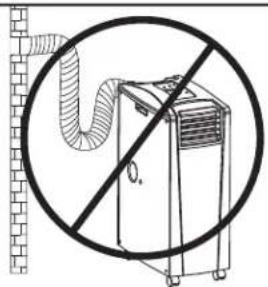
HEPABUNbHO INPABUNbHO
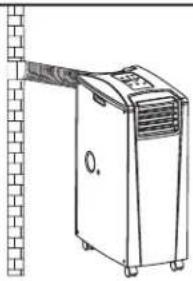
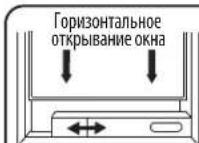
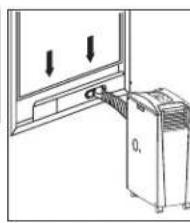
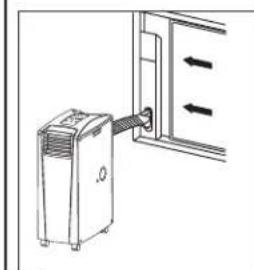
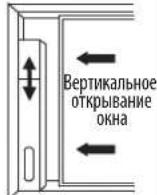
5-3
6 YctaHOBKa CnBHOI Ipo6Ku
BHHMaHHe BCTpoeHHb OcyuHTenb yCTPOHCTBa He 6ydt FyHKUHOHPoBaT b Do Tex nOp, noka cHbHa np6Ka H 6ydt BCTaBHeBA BDObByIncKHe OTBePTne.
Ipn pa6oTe yctpoiCTBa B pexnme OxnaXeHn Hm OcyHHe N 6bpa3yTe KOHeDcHt. YcTPOIE TBO IMeET BCTPOEHHbO cyHInTeB, NO3BOJIOUHm OTBOHTb KOHeDcHc C bBTARBAeMbIM NOTOKOM Otpa6oTaHHOr BO3dyxa. DAnHAR BO3MOxHOCTb NO3BOJrE YcTPOIcTBp6oTaB B TeueHHe HeorpaHneHHOro BpeMeHn Be3 Heo6xoDMocTH OnopoxHeHn pe3epByapa Ira c6oPa Bobl. YcTPOIE TBO NoCTaJIeTc B KOMnIKeTe C bepxHn HnHXHe PboKaAM, YcTAHOJIeHHBMn Ha 3ABOe-H3rTOBNTe.
6-1 Pexmm oxnaxdennc nobtopnhm nnapenem
Ia oecneueHH BO3MOXHO CTIO NOBTOPO HO HcNApeHNO KOHcHcTA Oe Ipo6Kd OJINHKbOCTaBaTcBA H CBOHX MeCTax.
6-2 Pekmm oxnackdien 6e3 noBtphoTo ncapeneh
IINCNIOB3OBAHNApeKIMAAOJXeHNeH6E3NOBTOPHoNcnapEHnKOnHeCATABbHbTe HxHHKOcIMBHHy np6kny I camOCTOBaTbHO pOBeDHTeOTBoDHyIOHNHIO KcCTeMe BHeHrero DpeHaJa. PpH 3OM BepxHra CnHBna np6ka DoJHKa OCTBaTaCb Ha CBOEm MeCTe.
6-3 PeknMocyuHnn
PnHcNtOBaHHyYCTPOJCTBA BpKMMMEOyUeHHBbTEBepXHOIO CINHBHyIpo6KyIcMAOTeBbHOIpoBEiTe OTBOHNOHNHO KCTTEMBe BHeHreroDpeHaxa. PnTOM HNNHRA CNBHaIpo6Ka DOnxHaOCTaBaTBcHa CBOEm MeTe. 3ToNo3BOInuT UdAnrBb303dyxA MAKCMAMbHO BO3MOXHoe KOINueCTBO BnA.
IpumueHae. B cyuea 3acopnHAp npexakho cuiembe kohdehcam hakannuabaemc a hebnoi bhympenHe emkocmu. Ecn npexakna cuiemema He bdyem npouueta do MOMehma zanonne HbympeHne EMKOCMu, mo npouoied omomamueeoe omknueheye ycmpoiaea.
BHMHHe! Ppeo nokknoeHHem yctpoCTBa K cneuaan3npoBaHH opeaHXHO cnCTeMe erO cneYet BbIKNoHT b OTOcEHNHTb OT cETh 3NeKtPOnTAnHn. YcToPcIbTO, BKNIOeHHoe B cTe, npedCTabJIeT NOteuHaNbHyO anachOb TnpaKeHn 3NeKtpueckm TokOM.
PpumueaHue. Echu ycmahobenHHa 3dahu cucme bemnunu 3anpozpaMupoaba H CHUKeHue 3fpekmubnoMu oxakdenb H oohoe brem u bixohbne dhu, fykuohuyepm c nepduuchekmu omkmoehymu unu umeem ozpanuHHyxo onodopuz30doumbehocmb, mo kemomnp6oabmc paccmmpehue bapuaHMO, npedcmaaHoox csob anmephamuuy wamHMou ycmahOBke. DAnhoe u3deue npedhaunhe do nucnolsoaHua B Kauecmtse BCnOZamBeBHO xaoJiaoze ycmpoiCmbu H Meokem konmenncupoabmy cyuecmbHe B KOeBaHua Memnepamybu UNU eJXHOCMI BO aECM 3dahu.
Pa6ota npn Hn3kX TemnepaTypax
yctpoiCTBO KOHNIMHOHPOBAHn BO3dyxa ppeCTabnraeT cobO bblcokpOnr3BODntbHbKoONHIOHep, CTOc0bHb BbIaBaTaHb NaBxOde Bo3DyX, OxnaJdHbNdo OOhb H3KHX TeMnpaTyp. Pnncnbo3OBAHm yctpoiCTBA B nomeuhenax C yye oxnaxDeHHBM BO3DyXOM (MMEOUHM Tempeatpy He Bblue 20^) KOMNAHTRipp Lite pekomeHcyet NcnoB3OBATb TOnbko peHHM Ocyuen HA (Dehumidify). 3To no3BONHT yctpoiCTb npodonkatb npoccc BCNOmOrTehBHO oxnaxDeHHa, H36erpaPn ETo m npo6neCM o6nedeHHem MCnapHTen, Bbl3bBAEBmx H3KoT MeNPaTpy B nomeuHm.
NopraokxKcnnyaTaumn
BHMaHHe! IpeE hauJOM EKIIpyaTuaIIN daHHoro yCTPOIECTBA pnoH3BeIte eO rO tAchOBky cornacho yka3AHm, npHBeIeHbIM B pa3dene "YctahOBka".
Питунке
BKNIOHAYIte M BYKIOHAYIteYCTPOCTBOITYEIM HAXATMKHONIK"POWER".
BoI36JbAHMe BO3MOHbIXepepy30KcIeB MoMomet NcKa yctpoTcBO HMeET TpExMNHyTHyO 3aedjcky BKIOUeHnKOMnPceccopa.
Bo3MOxHOCTb abTomathueckoro noBtOpHOro nycka
PnB BOCCTAHOBENH NHTAHN NOcNE pKePAUeHN NOaDyN 3NeKTPo3EHrIN pOHOxCODAT ABOTAMueckoe BKUeHHeN H 0306HOBENHpebOtby UcTPOCTBA. PnI 3TOM UcTPOCTBO bdyTe uCNOb3oBAt Te Jc HcTPOK, KOTOpBe IcNOb3oBaNbIc MM HeNocpeDCBHENo nepd pKePAUeHNEM NOaDyN 3NeKTPo3EHrIN. IpumeyAue. B Cnyae kPamKoepemHHo 0npKauaHEnu noaDu 3NeKTPo3EHpUu, nepeo 0306HOBENHEm HopMaIbHO npobom BycmpoICMBo bdyem B meeyHue mpex MuHym monko Boaumab EBMunHMop. 3ma Zadepka daem 0306HOBENHcB cOpca daBneHua B Kompeceope ciBIO beocneHu rpaBUNHOzo fHykuuOHpoBAHua ycmpoiCMA npu nepeXode B pekUM axkAnxHcHua.
Pekm oxlaKeHn
Hakatne KhoNNK "FUNCTION" o6ceueuBaet uKmUeCKoe u3MeHeHMe MeKdy peKMMaMn oxNaJKeHn HocUeHn. Pp np a6ote yctpoictba B peKIMe OXnAKeHn ropmt CBtoDnHOHn HnHKaTOp "COOLING".
IyctahOBKn Tpe6yemOi TemepaTybB PexkMme OxnaJcHEmnoNOb3yIteCb KhoNtKaMNTEMP+ITEMP-.YCTahOBHeHoe 3HaueHMe TEMepaTybOTobpaKaTeCA HcNpOBoM NmDkaTope.HenocpeCTBeHHoNocye CTahOBKn JekaEmoe 3HaueHne NoTBPckJaETCR nTikPaThBM MmRanHMe,Noce Heo Ha INdkaTope OTobpaKaTe CekuJe 3HaueHne KomMaTHoN TMepaTybl.
LcKlueckoe nepekloeHme Meyky BbcokO, CpdeH N H3KO CKopoCTMn BpaUeHn BEHTmIaTopa POn3B0DITCA HaKaTHMe KHONK "FAN SPEED".Bb6pAHNaC KOpocTb BpaUeHn BEHTmIaTopa NoDTBepXdaTc BKIOeHHe CMOTBETCTByuOero CBTODHOHO HmIKaTopa.
Pn yctahOBke cKOpOCTB PEXMM AUTO YcTPOCTBO BbIbPAET CKOpCTB BpaAeHHe BENTHTOPa ABToMaTHueckM XCOJHa 33aHHeHH N aKaTtueckoi Tempepatpybokpykaioero BO3Dyxa.Ecn TmpepaTypekpykaioero BO3Dyxa HaxoNTCHNKe 3aHaHHor 3aHaHHor TO BeHTHnTOp 6yTeBpaAaTbca, aCBTeODmHbHmHdkatop "COOLING" 6yTeT MAtb, yka3bBaHa To, 40 KOMnPecCOP OTKIOUeH. Pn Bo306HOBneHm PEXMA OxIAxEHEmA CBeTOHOHb HmHdkatop "COOLING" HENpepbIBHO rOpHT.




PexmmocyuweHn
Hakatthe KhoNkn "FUNCTION" o6eceNeMaBaT mKKnIueckoe M3MeHeHne MeJkypeKmMaMOn OxJaEHHn OocUeHn.
Pn npepexoB pexmOcysHm3aIopaeTcBetoDIOhbl HINkAtop "DEHUMIDIFY". B pexmOE cySHeMBEHTNlAeTb BPaaetcN cNoctOHHKcOKoPcTbO, apeyIaTOpTe TMnePaTybHeJeCTByOT. Ira oBeceueHmOnTTMaBHO paBoTb B pexmOE cySHeMBAKPOTe OKHa NDBepH, BbytBeBepxHIO CImBHNO IpO6Ky HnpoeDITE OTBDHyIO INHMIO K CNTMeE BHeHero DpeHaxa.


Taimep
Khoika "TIMER" no30b0aet 3adababb Bpema abTOMATHuecKO RbkUOeHn INI OTKIOUeHn YCTPcTBa.
Taimep BknoeHnra (Pmuueaueae b de cmebue yHKuun "Taimep BknoeHnue"ycmpoBdo jokho 6bmbbKIOeHn.
Ipejde yem npueeembu de cmebue yHKuun "Taimep BknoeHnue",ybeumcB npabunbOy CMAHOBE peKUMa, ypoNBmMeNepampyu bckocmo BPauenHn BEMHmuaopora).3aayCTME Taimep HAKATM Me KONIK "TIMER".YCTAHOBTE BPEMa 3aepKKBkNOeHn yctpoCTBa (B uacax) c nomoubKOHNOK TEMP+ H TEM-. Ha uippOBOM MNDKAtope OTObaNTCR YCTAHOBNEHOE KOJIeCBO YACOB. UCTAHOBKa daHORO 3HAeHnBuET NOITBEPKDEHa ERO PANTMKPAthBM MRaHmE HA kPaHE, NOCNE Yo OH BO3BPaTNC B PekMM OTbpaKeHHN TEKUeim TempeapTybl.
TaimepotknoeHn (PpumueaHne. nnpueeHn e decmue bye fynkuu "TaimepomknnoeHn"ymptoicmbdoKno hbo knoeHO. 3anyCTte Taimep Hakatme KNHKn "TIMER". YctahOBITE BPmE 3aepKKn OTKIOHcHn yCtpoCTBa (B vacax) c nomoubKOHNOTEMP+ NTMP-. Ha nphiobOM mNikatope oTo6pa3ntCAytaHOBNHeHO KOINcTeBOacOB. YcTahOBKa dAnHOrO 3naHEny Bdyet noTBePckDeHa er OTHKpAthBM MIM RAHnEM HA EKPAHE, NOCE YEO OH BO3BPATNTB B PEKM OT6paKeHH NekuE TEKUeTE TMpePaTybl.
PexHM 6ecwymHno pa6oTbI
ByctpoCTBe npdycmoTpepKmBecuMHOHpaobTo,pernmpyouin oxnaKeHme cnoMOpbTOaMePA MmKpnpoeccopa BuePAX ocepeHHMaBoXOpaobToYCTPOCTBaTBexClyuaX,KOda yPoBeHBuMAABNTCAKPMTHMbIM NOKa3aTeEM.
I npBHeHn DaHOrO pexmHa B dEChTBe HxMHTe KHOIT" Ipn 3OM zaropAeC BcTeoHNOH MHNKAtop Qiet. YCTAHOBITE Jeaemb yOpobEnb Tempeatpyb, a 3aTeM yCTAHOBIne TaImeP npDOnKtEnbHOCTN cKna6ecuymHOpaBoBy tcypoCTBa.B XOJe daHnOcKNa nMaTb MMKnpOpoecCop A KopkeTHpyET npDeBaHTenbHo yCTAHOBnEHNo TEMepatpy H BAeMHny O1 ^ C Chee3 OINHac Do 2°C Chee3 Dya caca. Nocie doctHXeHn ETo TEmnepaTyb yCTPOCTBO NOdepXkBaet ee H pOtaJKeHH mYCTAHOBnHOro nepmoDA BpeMeHN.



NopdokKcnnyataun
I3MeHeHHe TEMpepaTpybIX eHNHc
UCTBO MOKET OTOBAPKaTb TEMNEPATy KaK B rpaDyac LcBcH, TaK N B rpaDyac ApeHReHtA. IIO yMOJIaHNO DnI MoJeN E SRXCOOL12KEU M SRXCOOL 12KEUB yTaHOBHeBb 3HaueHIneB B rpaDyac LcBcH.
Длп пошуочиMuMeJy peKIMMaMнОвбрахенMuTe mNepaTpypeNepeBdHTe yCTpoIcTB OBy pKmOxHaHn. YCTpoIcTB KOHmIOHNHOpBaHn BO3Dyxa HaxoMDTCB OpeKIMme OxHDAHnA, KOr Da OHO BKNIOUeHo B CTe bpeMeHnHO TOKa 6e3 NODaun NTaHnMn. 3aTeM NaKIMTe KOnkny "FUNCTION" n UdeprKbainte eB TeueHne 10 cekHyd. Длп порЕрkn H3MeHnEу mTepepaTyphbix eDHHuC BKIOUHTe YCTpoIcTB.

IpeDynpexkdeHne
Pn3 3aONHENm EMKoTHn DnA BOyI yCTPOBtBO OTObpaKaET Na CBOeM KpaaHe COooJIeHnE“E4".NIO BOCCTAHOBNEHn HOPMaJIbHOI paOto bOKIOUHTe YcTPOCTBO, BbIbTe cIMBHyo nPoKky NblJeITe H3 Hero H36bIOTHy BOy. BCTabBe IpoKky Ha MeTo N BKIOUHTe yCTPOCTBO DnA hAna oxlaJxDHeHn.
O ALARM
OuNTka N TexHnueckoe 06CnyXnBaHne
Perynphno npo3B0Dme ouchkky KOHmucnohepa, a taKke ouhctky m 3aMeHy fIbTpoB dny oecneeyra erO MAKcmaIbHO npo3BouTeBHOCTN KII, npoJHeHc poka erO cyjkbmy coxpaehn rapaHTM HA cnayai BbyxoA n3 cTPO.
PpumueaHne. Pepo ouuKoi KOnduoohepa oBa3aemelbno omKIOauMe e20 om EAnkmpocem.
OuNCTKa BO3DyUHbIX ΦnIbTpOB
Bo3yHbE hOe6xmoCoepKbT B uCtote H 63 nbI. Pn3aqr3HeHN3THX hNtBPOB H Nx 3abHbAHN bIbIbCHNkaeTc3oekTHBOCTb OxnaJdeHn MoKeT yUdTa KaeeT Bo 03dyxa. KomnHa Tripp Lite peKoMeHnyet OuHauTb hNtBpbl C npnoDnuHctbo He 6oJe eBux HeJeB. B clyuae nnonb3oBAHn ycPoTBa BycNoBnx 3aIbneHoctn MoKe T noTe6oBaTbcr EeHeJeBNa OHTcKa Hnn 3aMeHa oHtpob.

Ipeod ouCTKoi 0nblTPOB BBkHIOHTe yCTpOCTBO N OTKIOHTe ero ot cetN! YcTPOCTBO, BKIOUeHHoe B Cetb, IpeCDaBnaTe NOteHuaJIbHyO ONaCHocTb nopaKeHHA 3NeKTpUneCKM TOKOM.

HbKoem cnyae He 3aynckaiTe KOHNIOHOHe 6e3 HnIbTpa.
- BbIKIOHHTe yCTPOIcTBO HOTKIOHHTeEROOTcEH
- ⅢBnEKeNTeΦHbTpbA, BbDINHbYbXH3KOpNycA.
3.YaIaIte cKoNbUIMeCA BnIbIpe bIbI n Ipr3b npn NMOOu IIbIeOCa HII BbIeIe Ix NyTe IyTeKOro NoCTykBaHna. - Ipnomoe fHnIbtpb TenoB OBOi C doabneHem HeItpaIbHoro MOIOeOcre pCedTba. He MoTe fHnIbtpb B nocydoMeHO MAuHHe HcNIOJIb3YNe arpeCCHNBte MOIOUe cpeCDTBa HIN XMMueckne IpOdyKtbl. Iocne npomlbAHna daite fHnIbtpam BO3MOXHOCTb IOHOCb10 BblCOxHTb Ha BO3DyXe.
PpumueaHue. He uonbtyme dna aucmku pfmbpoe bdy cmemnpamypou bhy 40C
5.YcTahOBHTe QmIbTpBCHOBa3aDBHbYbHXo6paTHa CBOINepBOHaayabHbIeMeCTA.
6. PnoknHHTyeCTPOHCTBO K cETN n npOdoJkaTe MCNOb3oBaT KaK obHyHO.
OuHCTKa Kopnyca

Ipeod ouhctkoi Kopnyca Bbiknouite yctpoictBO H ot kknouite ero ot cetH! UcpoictBO, BKIOUeHHoe B cetb, npdeCTabJIET noTeHauNbHyIO naChOCTb nopAkeHNe 3NEKTPnuECKHM TOKOM.
- BbIKIOHTAE yCTPOICTBO IOTKIOHTAE ERO OT cETM.
- IpnptnE Kopnyc cyxoi MrgkOy TpAIOKIOI PnI Heo6XIOHMOCTM CMOHTe TpAky TeTNOI BOIOH.NB KIOEM CIpyae He IcnoIb3yIte a6pa3INbIbe XIMNUeCKMe cpeCTBA,JeTyUHe BceCTBa,6EH3N,6EH3OJI,p43abNTeTI,MOHOSe cpeCTBa,TKaHN C XIMNUeCKO6pAbOTKO H DpyTne arpeccNBHBe XIMNKaTbI NII INCCTAue pactBOpbl,KOTOpbl MOrPTtB HWeHNI BmKOpNyCa.He npelmbaiTe BOy HenoCpeCTBENHO NaYcTPOCTBOM N He 3aIWBaiTe ee B paOHy eJemEnbI.3To npIBODIT K ONaCHOIT yDapa 3JIeKTPNueckMM TOKOM N NobpeJedHNA 3JIeKTPNeCKHX Detanien I N3OJIaUNI 3JIeTKponpoBDKN.
- OuchTHe npocctpaHCTBO MeKdy DeeNekTOpaMn pHi NmOoOnu TcKm C mKarOnu TcHNOH.
- Octopokho ouchtte 3meeBkn KOHdehcataopa c nOmoaio bno neceoca.
BbIaBHeHne uYcTpaHHeHne HncnpaBHOcte
O3NaKoMbtec b npBBeHbIMn Hxke Bo3MOXhblMn BapnaHTaMM peHHe NpO6IeM. B cnyae coXpaHHeN BO3HKnweepo6IeMbl NoCetHtE CtpHmty triplite.com/support dnnnoJyueHHex TExNHuecko noDpeKKn.
| Побиема Взможима рпшина Взмоухима Балдага | Балдага релоча | |
| Устрийстvo не павotasг. Устрийстvo вьклдага | Чтоно. Валоче устрийстvo. (Сам радун "Зклоуатаян") | |
| Устрийстvo не валоче в сétов. Валоче устрийстvo в похоншудог范围内 на Hero рazelу злесчимец сети. | ||
| Осутcastуг сетеве Злесчимитане. Поберъные сенисторь падохраhal'tял. | Полочене AVTOMATЧЕСТОВ Вьклоча.TEL. | |
| Heydownotberigнать зафektshungstob oxлajdenham. | Заблковоган可以kanalдддддддддддддддддддддддддддддддддддддддддддддддддддддддддддддддддддддддддддддддддддддддддддддддддддд徳. | Убейн��ь в том, чу оке вьздхьоюь вьздхьохзборьные ольерстя сбобды ot калх-пбб оретпсгов. |
| Устовленьоне з havачни Стейсяне Semпера typы симшокь вьсоко. Otryperшуръ 흐сторь hyн Tempeparatypь. | ||
| Устовленьона сбокость вразшени вовинларота Симшокь Низka. Otryperшуръ 흐сторь hyн Tempeparatypь. | ||
| Возшунь лььлълььлълььлълььлълььлълььлълььлълььлълььлълььлълььлълььлълььлълььлълььлълььлълььлълььлълььлълььлълььлънocухлар. Балдага релоча вьклдага релоча вьклдага релоча вьклдага релоча вьклдага релоча вьклдага релоча вьклдага релоча вьклдага релоча вьклдага релоча вьклдага релоча вьклdага релоча вьклdага релоча вьклdага релоча вьклdага релоча вьклdага релоча вьклdага релоча вьклdага релоча вьклdага релоча вьклdага релоча вьклdtagа релоча вьклdtagа релоча вьклdtagа релоча вьклdtagа релоча вьклdtagа релоча вьклdtagа релоча вьклdtagа релоча вьклdtagа релоча вьклdtagа релоча вьклdtaga Балдага релоча вьклдага релоча вьклdtagа релоча вьклdtagа релоча вьклdtagа релоча вьклdtagа релоча вьклdtagа релоча вьклdtagа релоча вьклdtagа релоча вьклdtagа релоча вьклdTaga Балдага релоча вьклдага релоча вьклdtagа релоча вьклdtagа релоча вьклdtagа релоча вьклdtagа релоча вьклdtagа релоча вьклdtagа релоча вьклdtagа релоча Балдага релоча вьклдага релоча вьклdtagа релоча вьклdtagа релоча вьклdtagа релоча вьклdtagа релоча Балдага релоча вьклдага релоча вьклdtagа релоча вьклdtagа релоча вьклdtagа pелоча Балдага релоча вьклдага релоча вьклdtagа релоча вьклdtagа релоча Балдага релоча вьклдага релоча вьклdtagа релоча Балдага релоча вьклдага релоча вьклdtagа релоча Балдага релоча вьклдага релоча вьклdtagа релоча Балдага релоча вьклдага релochь Балдага релоча вьклдага релochь Балдага релоча вьклдага релochь Балдага релоча вьклдага релochь Балдага релоча вьклдага релochь Балдага релоча вьклдtagа релochь Балдага релоча вьклдtagа релochь Балдага релоча вьклдtagа релochь Балдага релоча вьклдtagа релochь Балдага релоча вьклдtagа релochь Балдага релоча wokho Балдага релоча wokho Балдага релоча wokho Балдага релоча wokho Балдага релоча wokho Балдага релоча wokho Балдага релоча wokho Балдага релоча wokho Балдага релochь Балдага релochь Балдага релochь Балдага релochь Балдага релochь Балдага релochь Балдага релochь Балдага релochь Балдага релochь Балдага релochь Балдага релochв Балдага релochь Балдага релochь Балдага релochь Балдага релochь Балдага релochь Балдага релochь Балдага релochь Балдага релochь Балдага релochь Балдага релochы Балдага релochь Балдага релochь Балдага релochь Балдага релochь Балдага релochь Балдага релochь Балдага релochь Балдага релochь Балдага релochь Балдага релoch二是 Балдага релochь Балдага релochь Балдага релochь Балдага релochь Балдага релochь Балдага релochь Балдага релochь Балдага релochь Балдага релochь Балдага релoch. Балдага релochь Балдага релochь Балдага релochь Балдага релochь Балдага релochь Балдага релochь Балдага релochь Балдага релochь Балдага релochь Балдага релochь |
DOnonHnTeIbHbIe KOBbl, BbIBOIMMbIe Ha nCnnne
KoDbI OoHbOk
MoDen Tripp Lite SRXCOOL12KEU HSRXCOOL12KEUB HMEHOT BO3MOKHOCTB HENpepbIBHO KOHTPOINPOBaTcbOHNapAMETbI. B Cnyaue Bo3HKnHOBeHH OUn6Kn Ha DnCnEe OTbpaKaetc OAnH 34 NepuCnEHHbIX HNKe KOJOB OUn6ok:
| Кoord美学бк Onncaиhe |
| E1 OTKa3 dattNka Temepatryb nOmeuHnIe |
| E2 OTKa3 BHTyPENHeTc dattNka Temepatryb |
| E3 OTKa3 ChTeMbl cIpykUHnIe XnaIaTeNTHa |
| E4 3anolnHeHne emKoTch dnn c6oRaBoNl |
Iy 0060mIO oopKbEeKbI bObI.Boie noopbHnHnOpMaunpeDctabHeaBnyKeTcMHaH3aunaPaaDeaKcnpyataua.
PnB03NKNHOBeHHOoi6oK cKaDAMn E1, E2 nE 3BbIOnNHHe cIeDyOnHneJeCTBnA:
- Npe3anyCTte yctpoTcBO,OTKIOOHBEero OT HTOOHHKA TnTAHNA Ha 5 MHHYT.
- Choba nodknoute yctpoiCTBO KHTOUYHKI NITAHIA
3.BKIOUHTNEyCTPOINCTBO.
B cnuyae Hcye3HOBeHnO oH6Kn npoJolkaIte 3KcnIyatauH yctpoIcTBa B o6bIHyOM nopAke. B cnuyae NobtropHoro BO3HNKOBeHn OoH6Kn oH6Kn 6paTHTecb B KOMnHaHIO Tripp Lite 3a daNbHeHIMM Ko dF
Ko d f Oto6paKaetcB Tex clyuayx, KOrda yctpoiCTBO SRXCOOL12KEU mN SRXCOOL12KEUB bblniet Kaoe-nb6 ycnobne, npN KOtOpom 3Meebn pa60tae npN TempeaType Hmke 1^ B TeueHne 6bonee qem 15 mnHyT.
Bo Bpema c6bthra, o106paKaemoro kOdom dF, BeHTnIATOpby UcTPOIHCTBa BpaauHOTc 6e3 nOdklnouehm KOMPecccopa BO H36exAHHe 3aMepeaHn HcnapTeJI. Pocne noBema TempeaTypbl 3MeEBAK bIwe 1^ KOMPecccop Bo3o6HOBJIET CBOO O6bHypoPaOTo.
Pn coxpanen yka3aHoro ycnoyctpoCTBO yHKUHOpyet B Cmukom xoJIOHOI cpe. Pn Tmepatypax kcnnyataun Hmke 20C KOMNAHTRipp Lite pekomdyet mnonb30BaT bycpOCTBO ToIbKO B pexHMe ocyuHMA (Dehumidify).
Bone noopbnohy Hnfoepmaaio CM. B nHyKe TKnnyataua npn Hn3Knx Tempepatypax pa3daena 6-3.
OnuHaJIbHbIe KOMJIeKTyIOUne
HnctaunohoeynpaBHeHneoxnaKeHHem
06ecneyte yctpohtbOdoonHnTeBhoHcStcEmoHdctaunHOHoro ynpabHeMoxAaKHeMcNpOBo3oBaHMemOnuHObHOroMoJySRCOOLNETLX.OhOeceuMaetBO3MOxHoCTbNoHoro ydaenHoro doctynaB cetaX KOtprno CTatyc, OtnpaBKM ybeDomeHm ocbblnx H npapBHeM yctpoHTbAMn BbaeI cTm. YctahOBKa Mdyra SRCOOLNETLX no3BOnlnt:
- MeHrTa hAcToPouKn H KOHTpOJIHPOBaT bTeMpeaTyu N BnaJXHOCTb H3 IIO6oR O MeTa
Pnyuatb npdynpdtBHe CmHbIepe3 Be6-6pay3ep, npotokolb SNMP, SSH, Telnet HnHHTepcckoKOMaHNOI CTPOKIN
-IMMeTbdoCTynKNoDpo6HbIMJyPhaHAMCoCToAHN Hco6bItn
Bone noipobnna Hnfoopmaa o moynr SROOLNETLX npedctabneHa caTte triplite.com.
XpaheHne n TpaHCnOpTnpOBKa
Xpanenne
Ipeed nomeeHem dAnHoro yctpoCTBa HxpaHHeHme y6eHNTecb B TOM, TTo erO TPy6oPBOdbu Bo3dyXOBObuHaNeKHO 3aKpEnneBn Hm DeMOHTPOBaHb NxaHrTcH aDnEkaUHM Obpa3OM. TaKke y6eHNTecb B OTCYCTBn BHyTm yctpoCTBa OCTaTKOB KOHNcHcATA.
TpaHcnpToPbOKa,MapKpObKa nXpaHenHeMoDynei
- IpeBoska o6oDyOBaHIM, CoepKAsero BoCnIaMeHAnOuEeXc XJaAaeHTbI, DoJNkHa PmO3B0dMTCBcB COOTBECTCBM CBOEM MeCTbIM NpABINAMT TpaHCIOPTPOBKM.
2.Должнба 6ьтпрсмтpeнам Маркшорваис OБОунбогань И снлгьзоваим ЗИКИМТПИЗАгERTA IN COOTBETCTBYKUHIM MeCTHbIM HOPMaH n npabINaM.
3.XpaHHeN6obpyOboaHmIOJNOKHOOCYUeCTBnTBcBA COOTBTCTBNM CINHCTpyKUMM NPOUM3BODHTeJI. - XpaHHeMeYnakOBaHOrO (HepnoDHaHO) OobpyoBaHm. 3aunTdoJnKHe oBceuHbTaC TaKIM oBpa3OM, YO6b MeXAHueCKeO NoBpeJeHMe OobpyoBaHm, HxOJaIeTOcB BHTpN yNaokBk, He npMbOduNIO K yteKe 3anPabNeHOrO xnaIaeTeT. MaKcMmaJIbHoE KOJIYeCTBO eDHHUc OobpyoBaHm, DOnyCTMMe Dn OBMcTHOrO XpaHHeN, ONpeJeTReTC MeCTbIMn HOpMaMn H neDIOHXo PpeBbIaTb.CR.
5.YcTpoCTBO doJnKHO xpaHmTBcra HndIeXaAMM Obpa3oM Bo u36eXaHMe MEXaHmYeCKOrO NOBpeXeHnHa.
TexHnueckoe 6cbnyxHBaHne n Mepbl npedeOToP0XHOCTn npn TexHnueckom 6cbnyxBaHH
Texnueckoe 60nymbaHne
Ha npno6pctehnoe BAMn H3dJIe MapKu Tripp Lite paCnpOCTPAHReTcA DeHCTBHe rapaHTTH, yCNIOBA KOtOp0 n3IOJKeHb B HAcTOIe pyKOBOCTBe. KpOme TOrO, KOMNaHm Tripp Lite npednaer pRd IporpMM paSpuHHo rapAHTTH n 0cbnykmbaHn Ha o6bkeTe. Boone nOpaOBn MfOpMaun O TexHueckom oCbNyKmbaHm 3IOJKeHa h CTpaHnue triplite.com/support. PpeD Bo3BpAton m3dENB B cIax TeHNueckoro 0cbnykmbaHn BblONHtne cIeDyUOHe deCTBn:
- BHMMATEJIbHO N3yWTE nopAOK MOHTaKa I 3KCTIYATAUIM yCTPOCTBA, pNMBeEHbI B HAcTOniE pyKOBoDCTBE, BO I36BeHMe npOBeM, KOtOpBIE MOrTy Bo3HNKHyTB B XoTe pa60Tb I3-3a HnPaBInbHoro NOHMMAHNI pNMBeEHbIX B PkyOBQDCTBE yKa3AHMI.
- Ecm npobemy peunbHe ydaneB, He obaaaiTcB K npdoabuH He BO3BaiaAte Hne Ie MEmy B 3omCnyae nocetme Hntepnet-ctpnaHou no apecy triplite.com/support.
- EIN BO3HNIa np6bEma Tpe6yet npoeDnma pemOnHa HmTexHueckoro 0cIyXhBaHm, 3aJHe Ha cTpaHmU tripplite.com/support n HaxMMte Ha Cblyky ProoRructs (Bo3Bpat N3denn). 3deCb Bbl MoKete 3anpocntb Homep Rerumed Material Authorization (RMA - pa3peuHne Ha Bo3Bpat MaTePbnAO), KOTOpB Heo6xoDMn DnnpoBeHnA TexHueckoro 0cbNyKbHAn. Dn 3aONHeHn 3to npOCTO OHain-foPMbNtpo6yETc yka3aTb Homep moEHN HcpeHHb Hmepm H3dJIa, a TaKHe O6uHne CbeDEHn O NOkynATEe. Homep RMA BmeC t yka3aHNMn No TPAChnpTropBke 6dyet HapabEn Bam no 3JeKTPOHOH NoCTe. Ha KaKHe 6bTo Hn 6bIto y6bTKn (npAble, KOCBeHNbIe, NoCNDyouHe MIn Bb3BaHNbE oOc6bIMn 0ctOeTbeTBAMn), CBzAAHBe C TPAChnpTropBKO m3dEHN B aDpc KOMPAHN Tripp Lite eee yonIOHMOeHHORo cepBHCORo CEHTPa, DeCTBHe rapeTnH Me pacnOCTpAraHReTc. CTMOCTb TpaCHNPtROPKBm H3dEHN B aDpc KOMPAHN Tripp Lite Hm ee yonIOHMOeHHORo cepBHCORo CEHTPDA ONJHKa 6bTo IOnaeha abAHCOM. Homep RMA DoJKeH 6bTu bKa3aHn Ha BHeHHe CTOpOEYaNokOBKn. ECLB 03Bpat N3dEHN POn3BOIDNTKn B nePHOD dEeCTBnRApaHTMN, To Heo6xOIMO npinOJKNMb TOINIOHMy ToNIOH My ToBPABHO 8eka IpOauBa. Bo3Bpat N3dEHN dnn npoeDeHHMa PemOnHa IN TexHueckoro 0cbNyKbHAn DIOJEN KepnO3BOIDNTCB aactpaxOBaHm IMpeBoc3HMKmno aDpcy, Yka3aHOMy B oTBeHa 3anpoc homep RA.
MepblnpedocopoxknoT npuTexnueckom 06cnyxnbAHm
06Ime MeBpI pIeOCTOPOKHOCTM B paOoHx 30aX: BCE cIeuaIaMCTb IIO TeHXueCKOMy OcbnyKBAHIMn HpyHe COTpyHN, paOtoAIOuHE Ha MeCTHom yOpBE, dONKbI b6ItbnpOHCTpyKTHPOBaHbO xapakTepe BblnoIaEMbIX paOot. CneYET M36eRaTb paOToB I BOrpaHINHbIX PocTaPcHbX 30Ha BOKpy rpaOoero MeCta DOJNka 6bItbOnEHa. 06ceNuBAHTe 630NaCHOBt yCIOBn B paOoey 30He NocpeCTBOM KOHTPOI 3a BOCIIaMeHReIOUIMCM MaepHAnAMn. HeoXoOImo o6ceNeHTb NaIeKaUy BoHTINUIMIO. PepeI hauanom IIO6oTO texHKeCKOrO 6cNYKBAHIM
Ppaeepaepneppeeppeeppeeppeeppeeppeeppeeppeeppeeppeeppeeppeeppeeppeeppeeppeeppeeppeeppeeppeeppeeppeeppeeppeeppeeppeeppeeppeeppeeppeeppeeppeeppeeppeeppeeppeeppeeppeeppeeppeeppeeppeeppeeppeeppeeppeeppeeppeeppeeppeepeeppeeppeeppeeppeeppeeppeeppeeppeeppeeppeeppeeppeeppeeppeeppeeppeeppeeppeeppeeppeeppeeppeeppeeppeeppeeppeeppeeppeeppeeppeeppeeppe
B OTHOeHHN DAHHOI RAPANTM DEEYOT CNEyIOUne OpAHHN. DeECTBE DAHHOI RAPATNNHE paCnpoCTPAHETCAH:
-3aPbMa MoTak HactpoKy dAHHoro Kdennn mnn oOyHepe paOte cmm
PnKnnnnnnnnnnnnnnnnnnnnnnnnnnnnnnnnnnnnnnnnnnnnnnnnnnnnnnnnnnnnnnnnnnnnnnnnnnnnnnnnnnnnnnnnnnnnnnnnnnnnnnnnnnnnnnnnnnnnnnnnnnnnnnnnnnnnnnnnnnnnnnnnnnnnnnnnnnnnnnnnnnnnnnnnnn
HeshaKtenbHbe noepxhothe noepxdeHH (Haipnpe,apannnne Hnnn nn nnnn
EctetBHeHHn K3HcO detane Hnn Sameny Detane, NannuWxck paocDhbM MaatepAnam (Taknx KaK fNbtpb, Kaptnk, Batape)
Cnykebhe KOAMHApOBKB Bcnpk DoCTABKB, BBIOBA NnpeMOHTA, MOHTAa KsDnNn MHHTpyKTHPOBAAH No sponpOer HndneKaUeRKnONbS0AHIN
NIOBENHINM KNTYATAKONHIE NPOBNXn, B3AIBAHNE HNDAKKUNKNCN03BANHE, HAPUENHE NPAHNCN03BUNH, KCNTOZADAE C HAPUENHE NPEOHNH KEE YCNOBHNR, KNOB 302BAHHE B HAPUENHE YK3A3N, KLONKHNHBOB X BYKOBQCTBE ABAHNN, CTKKNHBMDECTBNN, BEPDHTANNA, HAOBHNHNN, HNDAKKUNKNCN03BANHE, HAPUENHE NPAHNCN03BUNH, KCNTOZADAE C HAPUENHE NPEOHNH KEEYCNOBHNR, HAPUENHE YK3A3N, KLONKHNHBOB X BYKOBQCTBE ABAHNN, CTKKNHBMDECTBNN, BEPDHTANNA, HAOBHNHNN, HNDAKKUNKNCN03BANHE, HAPUENHE NPAHNCN03BUNH, KCNTOZADAE C HAPUENHE NPE0HNH KEEYCNOBHNR, HAPUENHE YK3A3N, KLONKHNHBOB X BYKOBQCTBE ABAHNN, CTKKNHBMDECTBNN, BEPDHTANNA, HAOBHNHNN, HNDAKKUNKNCN03BANHE, HAPUENHE NPAHNCN03BUNH, KCNTOZABE C HAPUENHE NPE0HNH KEEYCNOBHNR, HAPUENHE YK3A3N, KLONKHNHBOB X BYKOBQCTBE ABAHNN, CTKKNHBMDECTBNN, BEPDHTANNA, HAOBHNHNN, HNDAKKUNKNCN03BANHE, HAPUENHE NPAHNCN0
HcHb30AHHEKJEMR KOMMAePUEKRAK KIApeHbIXeBx
+ DononHttnbHbe KOMnKekTyKuine, BcNOMoTaTeBHyD OChACTy M HBeLHJHe DekopatBHBie 3neMeHTb
-139n75,8KCHpyknoKOtoPbIbHbEChpUaMHeHcCbeBbKtmyaTpaHbHapymeYctahonHHbXtpboaHH
Hdpey cydneHHbnnn Hepaanmmbnnnncn Hnoepann
H3PACCEPHHBMHNHOAepnHPSHHBMHNHEEPCTBENHBHM
yuepe6, npHHHHeHb HnHNOy HmUeCTBy B CBAH CMOHb30aHEM M#denn
- 3amEnHmpeOHnTnpdoxpanHeTeN, ABOWATHEeCKK BbIKIOaTeNeH, npOBOkHmBDOpOBoHO-KaHANMaONHHK KOMAYINKAUH, yCTAHOBNEHHBaHa 06Eke
Co6IIOJENHe yCTaHOBJIeHHbIX HopM
HdENTnKauHbHe Homepa COOTBcTBHa HopMaTHBbIM Tpe6oBaHHa
Buennc ceptnmkaan ha cooertctne HopmatvihnnTrepe60aamn noonohabnaen pnoepenow aamn hndmo Mapkn Tripp Lte npckoeon yhckabnbckn cepnhbnn Hwep paonanaetc n a zabodckoa tabnneke Amece co aecnn neobdoemmmn omTtMeKAM
I 1000000000000000000000000000000000000000000000000000
HOpMaun no bnnneHHn Tpe6oabHm HnpeKTHBb WEEa nokynateneu nepepaotukn KOMnann TrippLite (rBnnoxncpe3nentam Ebponeckoro coo3a)
Pnueoae. Hacmuaa deknapauon omocumc n depuocod, cdepoedol noomun WEE
Cnnaa nnoeepnna 06ytnaun aonpok nckpncnro aobpyanana (WEE) a konnnnehnnn pachopnnae no npnnnepeaaen Hooia eepnnpnra aoeppn
np0380DcBakmnaHn Tipp lte OHn nOyaaot np80Ha
PpOdaXy craporo obopyoobAHn no pHnHny"OaH3 aOHH"WuHn Ha 3KbBauhen OOHoe (B 3abHMOCTN OT KOHPeTHO CTpaHx)
-01PdABkyHO3ROO6pOyOBAHnHaNpepea60KnyNooeOKHuaTeBbHbPab60KraEOpeCypca
Hepe 300000000000000000000000000000000000000000000000000000000000
KoHnHn HnHn HnHn HnHn HnHn HnHn HnHn HnHn HnHn HnHn HnHn HnHn HnHn HnHn HnHn HnHn HnHn HnHn HnHn HnHn HnHn HnHn HnHn HnHn HnHn HnHn


1111 W. 35th Street, Chicago, IL 60609 USA - triplite.com/support

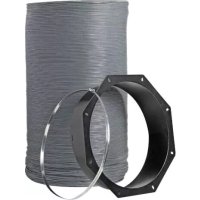
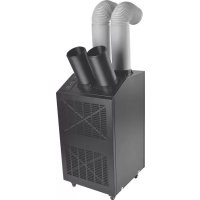
- Portable Air Conditioning Unit
- Introduction
- Recommended Applications:
- Important Safety Instructions
- VERY IMPORTANT - SAVE THESE INSTRUCTIONS
- Warnings
- Impedance Declaration
- Features
- Front View
- Control Panel
- Installation
- Accessory Parts List:
- Unit Placement
- Warning: Do not use an extension cord to connect the unit to an AC outlet. Use only the power cord that came with the unit.
- Cooling Duct Connection (Optional)
- Drop Ceiling Exhaust Connection
- Window Exhaust Connection
- Drainage Plug Insertion
- Cooling Mode with Re-Evaporation
- Cooling Mode without Re-Evaporation
- 6-3 Dehumidify Mode
- Low Temperature Operation
- Operation
- Power
- Automatic Restart Feature
- Cool Mode
- Dehumidify Mode
- Timer
- Quiet Control Mode
- Changing Degree Units
- Alarm
- Cleaning and Maintenance
- Cleaning the Air Filters
- Cleaning the Cabinet
- Troubleshooting
- Additional Display Codes
- Error Codes
- dF Code
- Optional Accessories
- Remote Cooling Management
- Storage and Transportation
- Storage
- Transportation, Marking and Storage of Units
- Service and Service Precautions
- Service
- Service Precautions
- Check the Area
- Check Electrical Devices
- Repairs to Sealed Components
- Repair to Intrinsically Safe Components
- Cabling
- Detection of Flammable Refrigerants
- Leak Detection Methods
- Removal and Evacuation
- Charging Procedures
- Decommissioning
- Labeling
- Recovery
- Fuse Parameters of the Machine
- Circuit Diagrams
- Warranty and Product Registration
- 1-YEAR LIMITED WARRANTY
- The following limitations apply to the coverage of this warranty. This warranty does not cover:
- Regulatory Compliance
- Regulatory Compliance Identification Numbers
- 6-3 Mode Deshumidification
- Mode Deshumidification
- PykoBODCTBO N0JIb30BaTeЯ
- Ipehenochoe yctpoiCTBO KOHdNcHnOBoHaHna B03dyxa
- PoiocoeiHHeHne Bo3yXoB0a oxlaKdEHH (onuHOHaNbHo)
- YCTaHOBKa
- PpOBoKa BbITaXHOrO Bo3dYxOBoDaYepe3 nOdBecHOI noTOnOK
- BbITaKka qepe3 OKHO
- YctaHOBKa CnBHOI Ipo6Ku
- 6-1 Pexmm oxnaxdennc nobtopnhm nnapenem
- 6-2 Pekmm oxnackdien 6e3 noBtphoTo ncapeneh
- 6-3 PeknMocyuHnn
- Pa6ota npn Hn3kX TemnepaTypax
- NopraokxKcnnyaTaumn
- Питунке
- Bo3MOxHOCTb abTomathueckoro noBtOpHOro nycka
- Pekm oxlaKeHn
- PexmmocyuweHn
- Taimep
- PexHM 6ecwymHno pa6oTbI
- NopdokKcnnyataun
- I3MeHeHHe TEMpepaTpybIX eHNHc
- IpeDynpexkdeHne
- OuNTka N TexHnueckoe 06CnyXnBaHne
- OuNCTKa BO3DyUHbIX ΦnIbTpOB
- OuHCTKa Kopnyca
- BbIaBHeHne uYcTpaHHeHne HncnpaBHOcte
- DOnonHnTeIbHbIe KOBbl, BbIBOIMMbIe Ha nCnnne
- KoDbI OoHbOk
- OnuHaJIbHbIe KOMJIeKTyIOUne
- HnctaunohoeynpaBHeHneoxnaKeHHem
- XpaheHne n TpaHCnOpTnpOBKa
- Xpanenne
- TpaHcnpToPbOKa,MapKpObKa nXpaHenHeMoDynei
- TexHnueckoe 6cbnyxHBaHne n Mepbl npedeOToP0XHOCTn npn TexHnueckom 6cbnyxBaHH
- Texnueckoe 60nymbaHne
- MepblnpedocopoxknoT npuTexnueckom 06cnyxnbAHm
- Co6IIOJENHe yCTaHOBJIeHHbIX HopM
Brand : Tripp Lite
Model : SRXCOOL12KEUB
Category : Air Conditioning