H2OGO! 53301 - Inflatable pool BESTWAY - Free user manual and instructions
Find the device manual for free H2OGO! 53301 BESTWAY in PDF.



| Product type | Inflatable pool |
| Brand | Bestway |
| Model | H2OGO! 53301 |
| Recommended age | 5 to 10 years |
| Maximum number of users | 5 |
| Maximum load capacity | 270 kg |
| Maximum fall height | 192 cm |
| Material | Reinforced vinyl |
| Blower power supply | Electric 220-240 V |
| Recommended surface | Flat grass, at least 3 m from obstacles |
| Maintenance | Clean with a dry cloth or non-toxic neutral solution |
| Safety | Constant adult supervision, mandatory ground anchoring, do not use in strong wind |
| Repairability | Adhesive patches or patches with glue (not included) |
| Usage | Domestic, outdoor |
Frequently Asked Questions - H2OGO! 53301 BESTWAY
User questions about H2OGO! 53301 BESTWAY
0 question about this device. Answer the ones you know or ask your own.
Ask a new question about this device
Download the instructions for your Inflatable pool in PDF format for free! Find your manual H2OGO! 53301 - BESTWAY and take your electronic device back in hand. On this page are published all the documents necessary for the use of your device. H2OGO! 53301 by BESTWAY.
USER MANUAL H2OGO! 53301 BESTWAY
text_image
Visit w. www.bestwaycorp.com/support for help WE SUGGEST NOT TO RETURN THE PRODUCT TO THE STORE QUESTIONS? PROBLEMS? MISSING PARTS? For FAQ, Manuals, Videos Or Spare Parts, Please Visit bestwaycorp.com/supportOWNER'S MANUAL
bestwaycorp.com/support
Visit Bestway YouTube channel YouTube
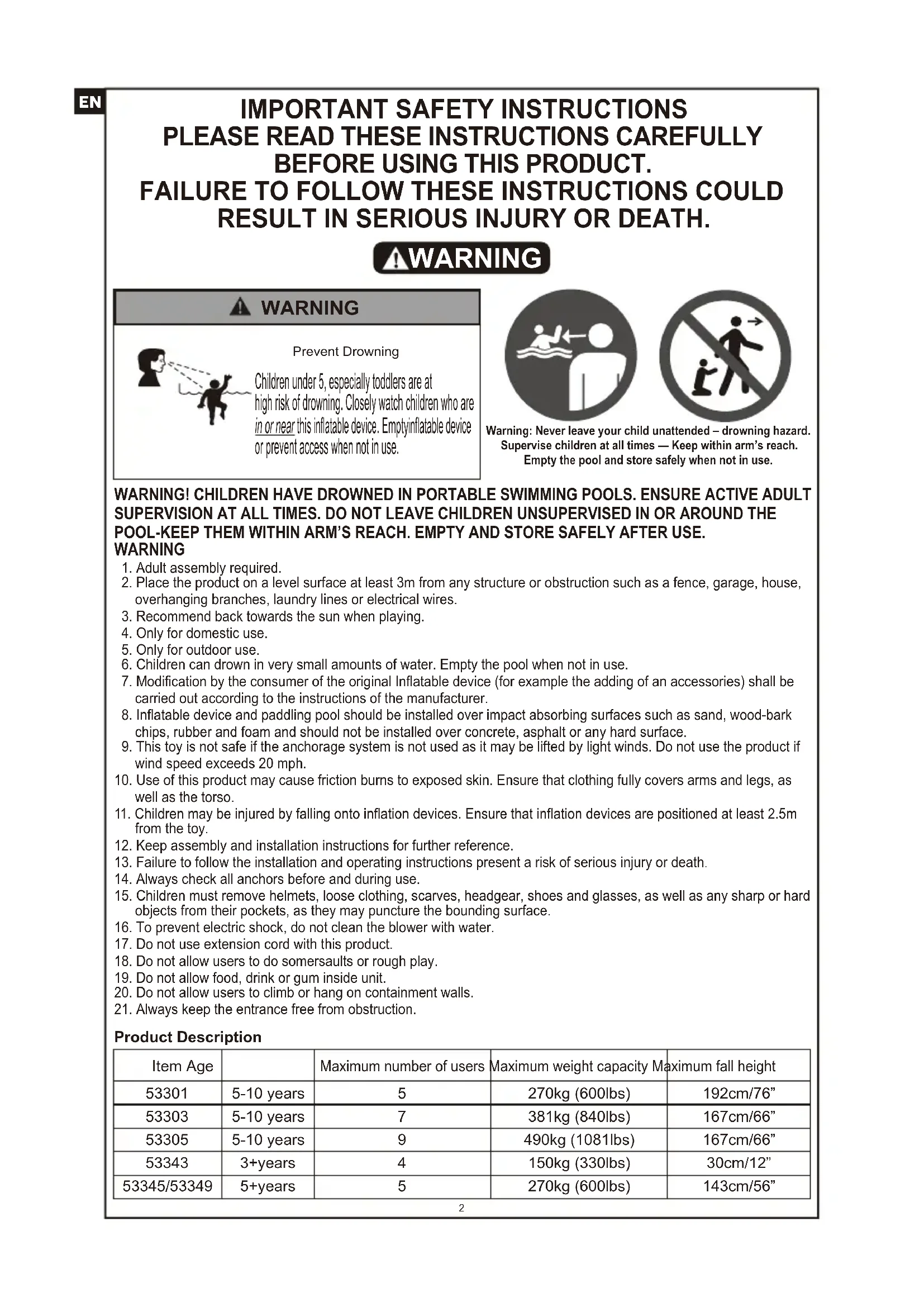
IMPORTANT SAFETY INSTRUCTIONS PLEASE READ THESE INSTRUCTIONS CAREFULLY BEFORE USING THIS PRODUCT. FAILURE TO FOLLOW THESE INSTRUCTIONS COULD RESULT IN SERIOUS INJURY OR DEATH.
WARNING

WARNING

Prevent Drowning
Children under 5, especially toddlers are at high risk of drowning. Closely watch children who are in or near this inflatable device. Emptyinflatable device or prevent access when not in use.
natural_image
Icon depicting a person using a water spray device to interact with another person (no text or symbols)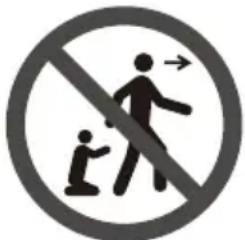
natural_image
Prohibition sign showing a person walking with a child below, no text or symbols presentWarning: Never leave your child unattended – drowning hazard. Supervise children at all times — Keep within arm's reach. Empty the pool and store safely when not in use.
WARNING! CHILDREN HAVE DROWNED IN PORTABLE SWIMMING POOLS. ENSURE ACTIVE ADULT SUPERVISION AT ALL TIMES. DO NOT LEAVE CHILDREN UNSUPERVISED IN OR AROUND THE POOL-KEEP THEM WITHIN ARM'S REACH. EMPTY AND STORE SAFELY AFTER USE. WARNING
- Adult assembly required.
- Place the product on a level surface at least 3m from any structure or obstruction such as a fence, garage, house, overhanging branches, laundry lines or electrical wires.
- Recommend back towards the sun when playing.
- Only for domestic use.
- Only for outdoor use.
- Children can drown in very small amounts of water. Empty the pool when not in use.
- Modification by the consumer of the original Inflatable device (for example the adding of an accessories) shall be carried out according to the instructions of the manufacturer.
- Inflatable device and paddling pool should be installed over impact absorbing surfaces such as sand, wood-bark chips, rubber and foam and should not be installed over concrete, asphalt or any hard surface.
- This toy is not safe if the anchorage system is not used as it may be lifted by light winds. Do not use the product if wind speed exceeds 20 mph.
- Use of this product may cause friction burns to exposed skin. Ensure that clothing fully covers arms and legs, as well as the torso.
- Children may be injured by falling onto inflation devices. Ensure that inflation devices are positioned at least 2.5m from the toy.
- Keep assembly and installation instructions for further reference.
- Failure to follow the installation and operating instructions present a risk of serious injury or death.
- Always check all anchors before and during use.
- Children must remove helmets, loose clothing, scarves, headgear, shoes and glasses, as well as any sharp or hard objects from their pockets, as they may puncture the bounding surface.
- To prevent electric shock, do not clean the blower with water.
- Do not use extension cord with this product.
- Do not allow users to do somersaults or rough play.
- Do not allow food, drink or gum inside unit.
- Do not allow users to climb or hang on containment walls.
- Always keep the entrance free from obstruction.
Product Description
| Item Age | Maximum number of users | Maximum weight capacity | Maximum fall height | |
| 53301 | 5-10 years | 5 | 270kg (600lbs) | 192cm/76” |
| 53303 | 5-10 years | 7 | 381kg (840lbs) | 167cm/66” |
| 53305 | 5-10 years | 9 | 490kg (1081lbs) | 167cm/66” |
| 53343 | 3+years | 4 | 150kg (330lbs) | 30cm/12” |
| 53345/53349 | 5+years | 5 | 270kg (600lbs) | 143cm/56” |
| 53347 | 5+years | 3 | 162kg (360lbs) | 135cm/53” |
| 53351 | 5+years | 9 | 490kg(1080lbs) | 145cm/57” |
WARNING FOR AIR BLOWER
- When the appliance is not in use and before cleaning, unplug the appliance from the outlet.
- To protect against the risk of electrical shock, do not immerse the unit, cord or plug in water or other liquid.
- DANGER! Unplug or disconnect the appliance from the power supply before maintenance.
- This appliance is not intended for use by persons (including children) with reduced physical, sensory or mental capabilities, or lack of experience and knowledge, unless they have been given supervision or instruction concerning use of the appliance by a person responsible for their safety. Children should be supervised to ensure that they do not play with the appliance. (For market other than EU).
This appliance can be used by children aged from 8 years and above and persons with reduced physical, sensory or mental capabilities or lack of experience and knowledge if they have been given supervision or instruction concerning use of the appliance in a safe way and understand the hazards involved. Children shall not play with the appliance. Cleaning and user maintenance shall not be made by children without supervision. (For EU market) - If the supply cord is damaged, it must be replaced by the manufacturer, its service agent or similarly qualified persons in order to avoid a hazard.
BLOWER OPERATION
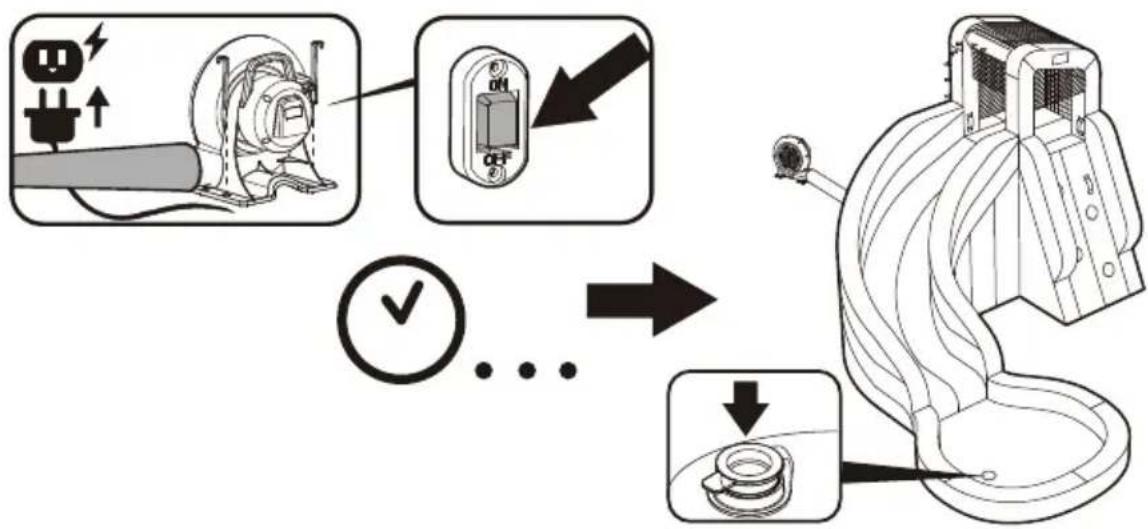
ON/OFF SWITCH
OFF — O
ON — I
Consumer information sheet for playground surfacing materials
The US Consumer Product Safety Commission (CPSC) estimates that about 100 000 playground equipment-related injuries resulting from falls to the ground surface are treated annually in US hospital emergency rooms. Injuries involving this hazard pattern tend to be among the most serious of all playground injuries, and have the potential to be fatal, particularly when the injury is to the head. The surface under and around playground equipment can be a major factor in determining the injury-causing potential of a fall. It is self-evident that a fall on to a shock-absorbing surface is less likely to cause a serious injury than a fall onto a hard surface. Playground equipment should never be placed on hard surfaces, such as concrete or asphalt, and while grass may appear to be acceptable, it may quickly turn to hard-packed earth in areas of high traffic. Shredded bark mulch, wood chips, fine sand or fine gravel are considered to be acceptable shock absorbing surfaces when installed and maintained at a sufficient depth under and around playground equipment.
Below lists the maximum height from which a child would not be expected to sustain a life-threatening head injury in a fall on to four different loose-fill surfacing materials if they are installed and maintained at depths of 150mm, 225mm and 300mm.
Fall height in millimeters from which a life-threatening head injury would not be expected
| Type of material | Depth of surfacing material | ||
| 150 mm | 225 mm | 300 mm | |
| Double shredded bark mulch | 1800 | 3000 | 3300 |
| Wood chips | 1800 | 2100 | 3600 |
| Fine sand | 1500 | 1500 | 2700 |
| Fine gravel | 1800 | 2100 | 3000 |
However, it should be recognized that all injuries due to falls cannot be prevented, no matter what surfacing material is used. It is recommended that a shock absorbing material extend a minimum of 1800mm in all directions from the perimeter of stationary equipment such as climbing frames and slides. However, because children may deliberately jump from a moving swing, the shock absorbing material should extend in the front and rear of a swing a minimum distance of twice the height of the pivot point measured from a point directly beneath the pivot on the supporting structure. This information is intended to assist in comparing the relative shock-absorbing properties of various materials. No particular material is recommended over another. However, each material is only effective when properly maintained. Materials should be checked periodically and replenished to maintain correct depth as determined necessary for the equipment in question. The choice of a material depends on the type and height of the playground equipment, the availability of the material in a particular area, and its cost.
This information has been extracted from the CPSC publications "Playground Surfacing — Technical Information Guide" and "Handbook for Public Playground Safety".
DISPOSAL

Meaning of crossed -out wheeled dustbin:
Do not dispose of electrical appliances as unsorted municipal waste, use separate collection facilities. Contact your local government for information regarding the collection systems available.
If electrical appliances are disposed of in landfills or dumps, hazardous substances can leak into the groundwater and get into the food chain, damaging your health and well-being.
When replacing old appliances with new ones, the retailer is legally obligated to take back your old appliance for disposals at least free of charge.
Setup Instruction
Placement:
Use on a flat, grassy area only. Do not use on pavement or hard surfaces. Usage area should be free of rocks, bumps, holes, sticks, etc. The water park setup location should have a minimum distance of 10ft (305cm) from any free-standing structures or obstructions. This include: houses, garages, fences, trees, playground equipment, large rocks, etc.

text_image
10ft.(305cm)10ft.(305cm) safety areaAssembly
Note:
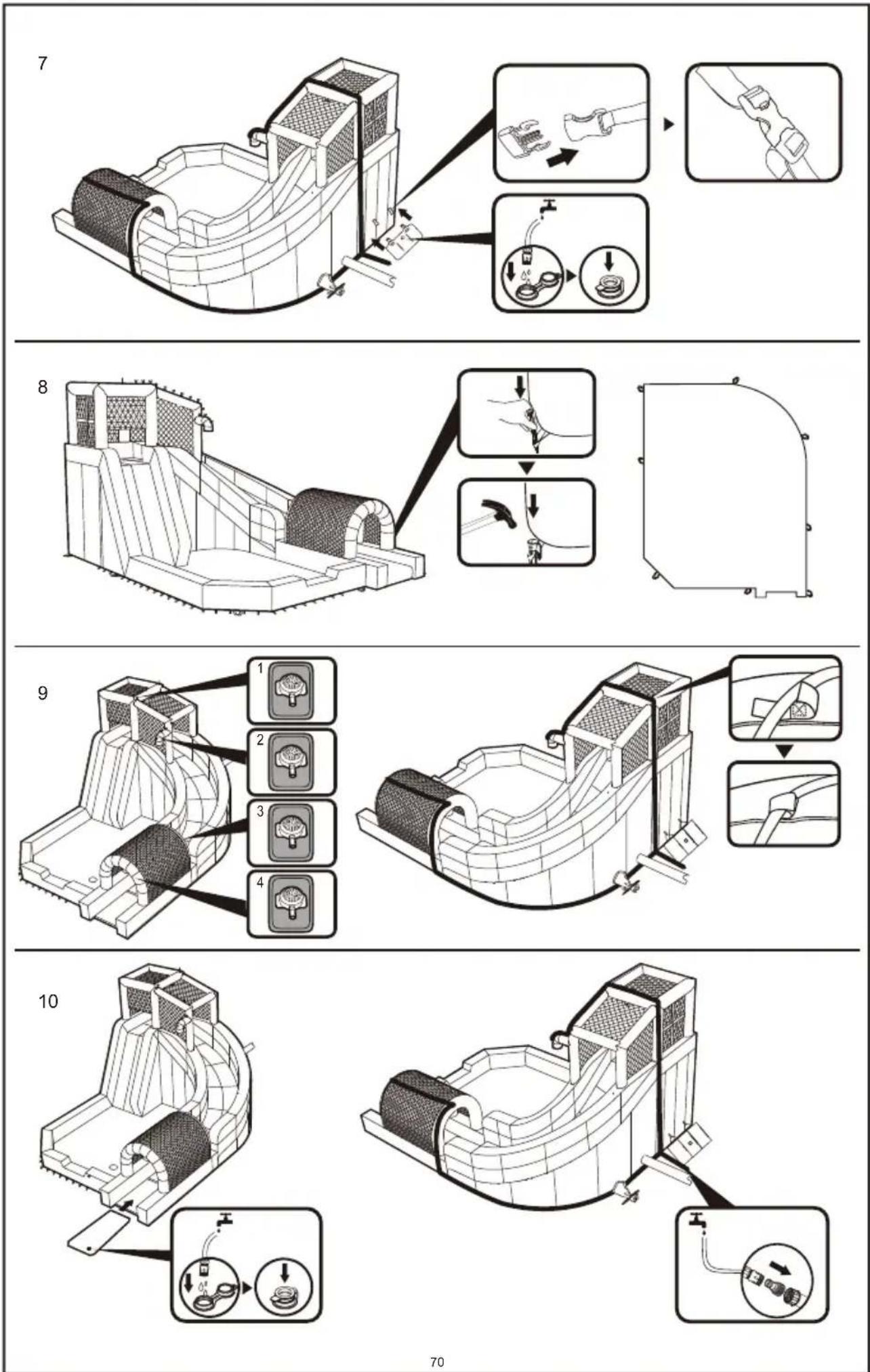
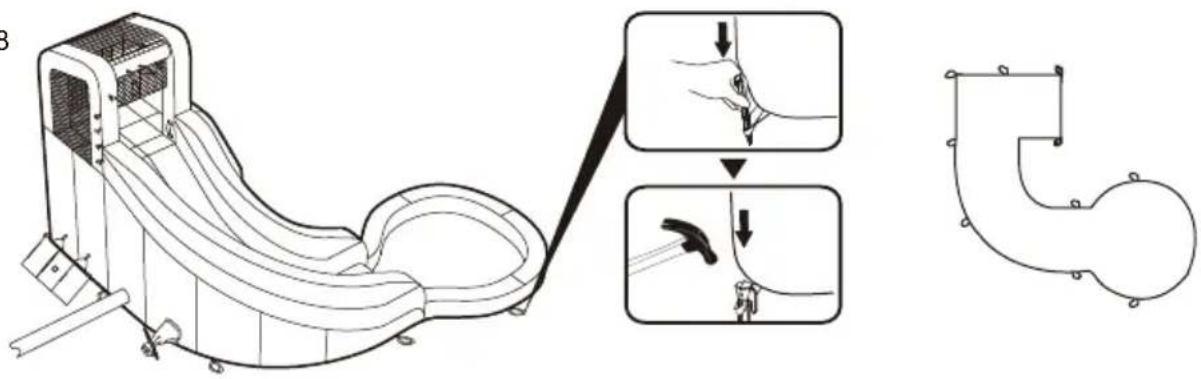
- Place on level ground and firm grass or soil to allow proper use of stakes.
- Stakes should be placed at an angle for better anchorage, should be driven under the ground to reduce tripping and tipping hazards.
- Anchor points: #53301,#53303: 8; #53305,#53349: 9; #53343,#53345,#53347:10; #53351:11.
Attention: Each anchor bag should be filled to 40lbs.(18kg) of water. Each anchor bag must be attached while using the park (Only for #53301;#53303;#53345;#53347).
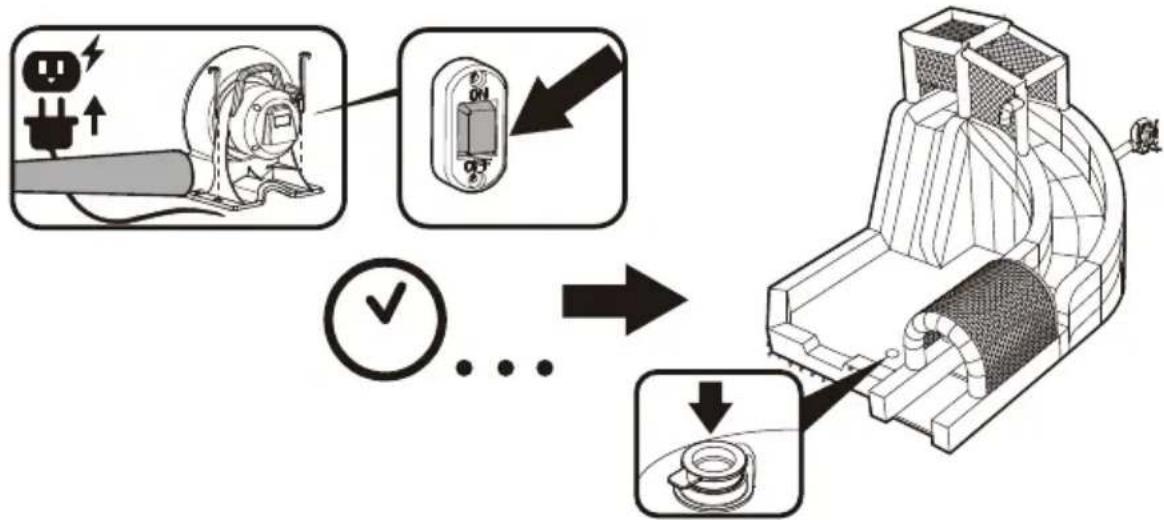
After inflation, the blower should run continuously while children are playing.
Draining & Deflation
IMPORTANT: Drain the water park of all water to prevent mold and mildew. Product should be completely dry before storage. Do not fold and store water park if any moisture remains.
IMPORTANT: All children must exit the water park before deflation or draining.
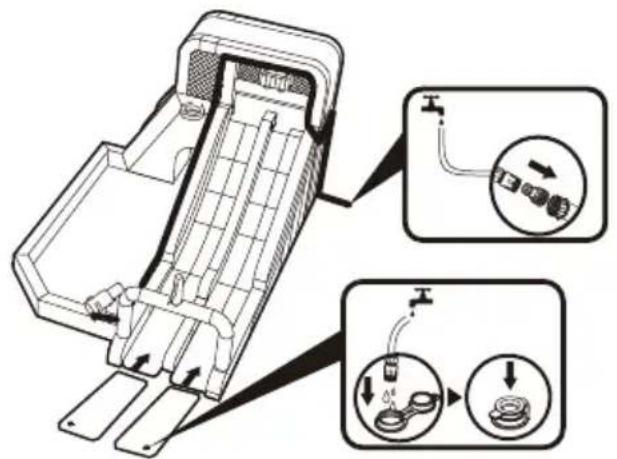
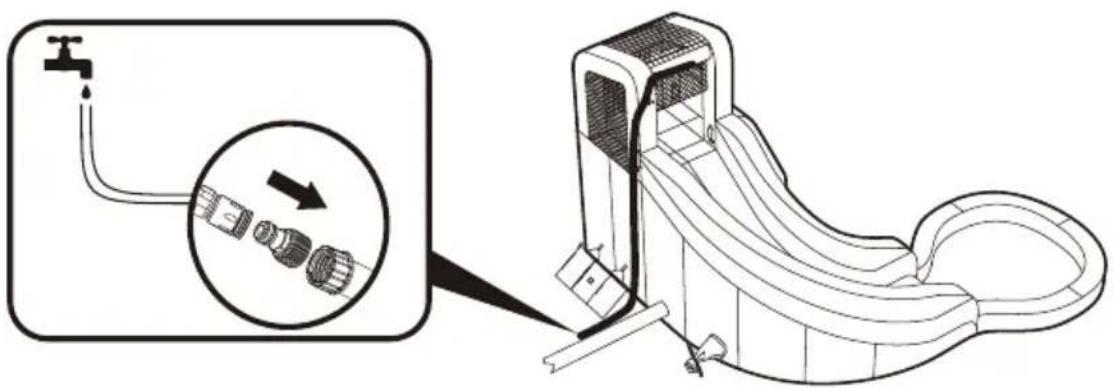
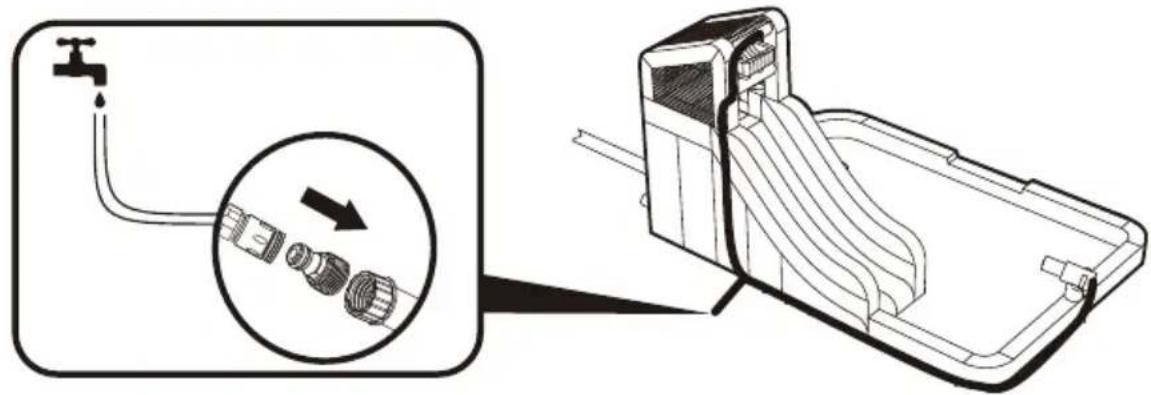
- Turn off the garden hose and disconnect it from the tube.
- Turn off the blower motor and unplug it from the outlet. Move the blower to dry ground if it appears that it will get wet from draining water.
- Open the water valve and drain the water.
- Remove stakes and drag water park away from the drained water to a dry area.
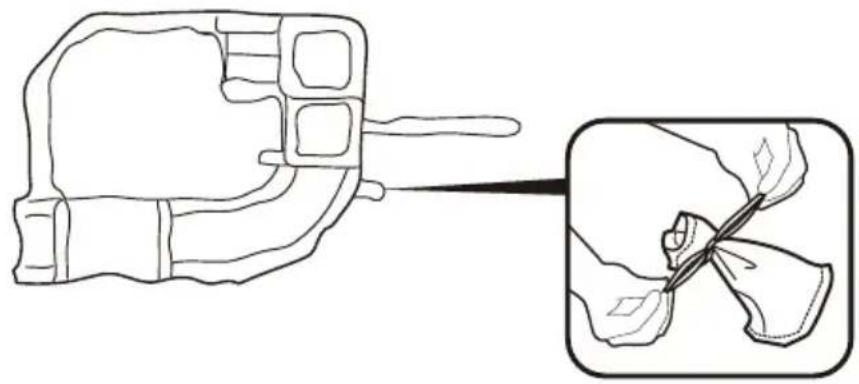
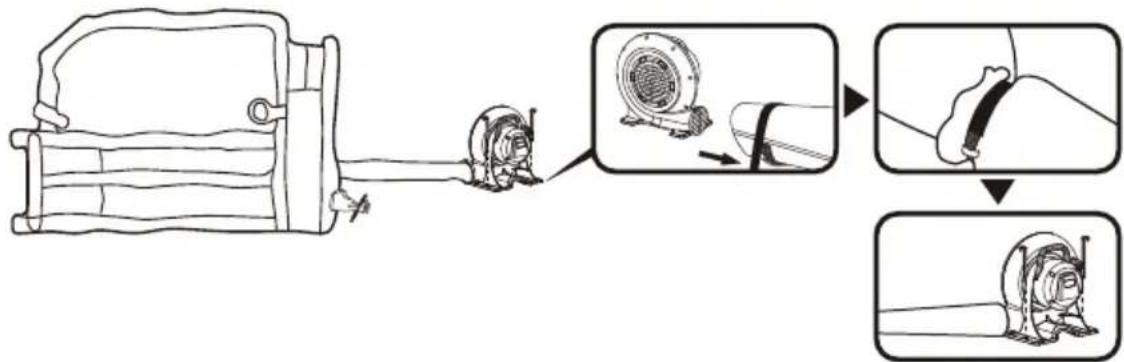
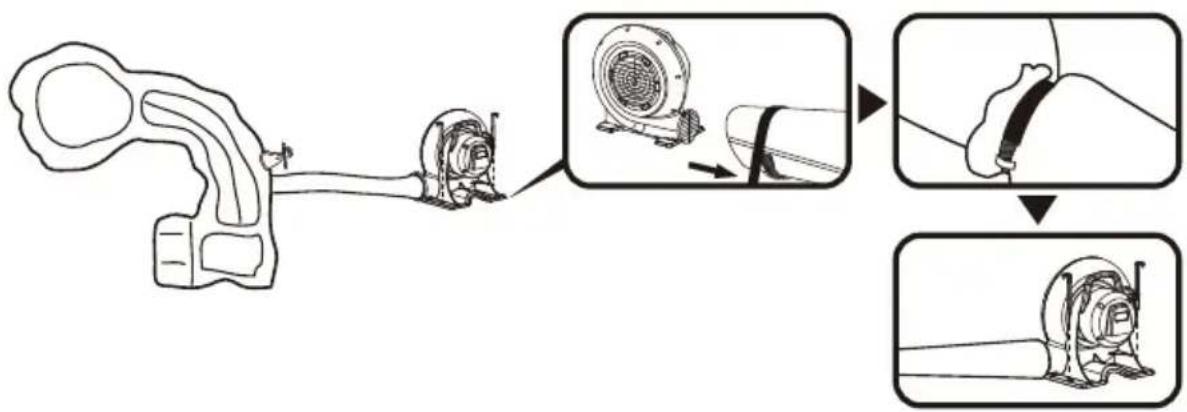
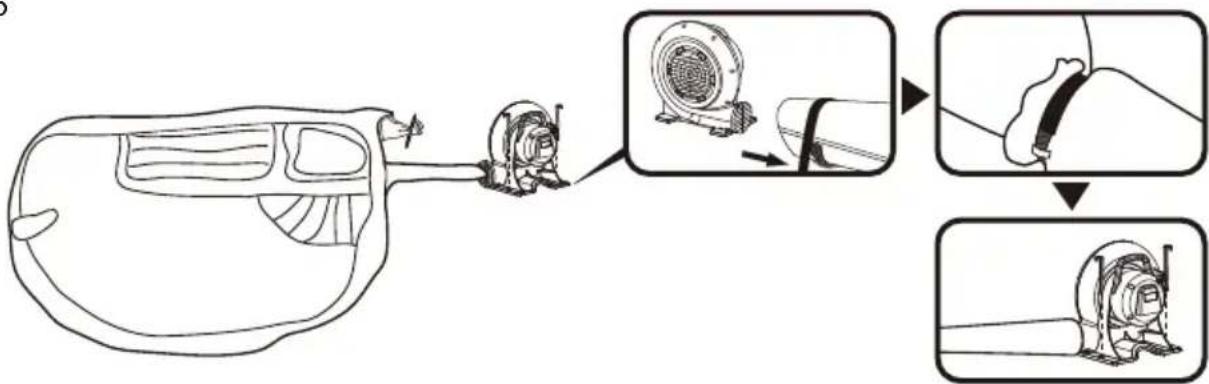
- Re-stake the water park and blower, tie the inflation tube to the blower, then reconnect and power up the blower.
- Leave the water park inflated until all remaining water has evaporated and the water park is dry.
- Once water park is completely dry, turn off the blower and unplug it from the outlet.
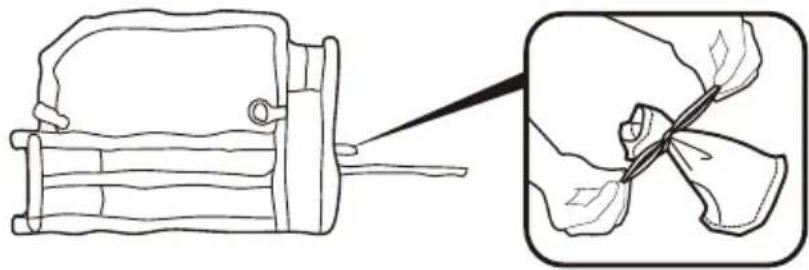
- Remove and drain the hose assembly from the Water park. Untie the drawstring from the short outlet tube and allow the water park to fully deflate. Remove the hose assembly and wrap it up with no kinks.
MAINTENANCE OF WATER PARK
- Change the water of pools frequently (particularly in hot weather) or when noticeably contaminated, unclean water is harmful to the user's health.
- Check the product for damage at the beginning of each season and at regular intervals when in use. If these checks are not carried out, the activity toy could overturn or otherwise become a hazard.
- Clean the product and remove any accumulated debris before each use. Wipe the product using a dry cloth or a cloth dampened with a neutral, non-flammable, non-toxic cleaning and sanitizing solution or pure water.
MAINTENANCE OF AIR BLOWER
THE SOURCE OF ELECTRICAL SUPPLY MUST BE DISCONNECTED PRIOR TO ANY SERVICING OR CLEANING.
- USE A DRY CLOTH TO GENTLY CLEAN ALL SURFACES.
- STORE IN A COOL, DRY PLACE AND OUT OF CHILDREN'S REACH.
Storage
IMPORTANT: 1. Never store the water park when wet. Allow to dry before folding for storage. Follow all previous instructions each use.
- Store park in a secure place away from children to prevent suffocation hazards. Never leave either the park or the blower outside when not in use.
1

natural_image
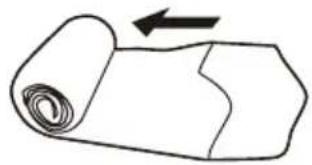
Illustration of a mechanical clamp or bracket with no visible text or symbolsFold all pieces of the water park toward the center. Note: If bottom surface is still moist, allow it to air dry prior to folding.
2

text_image
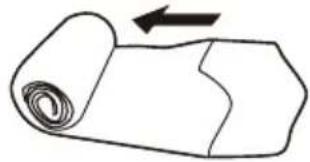
Note: Do not p the water spray tubing inside th water park whe rolling it up water and he fabric of the air.Note: Do not place the water spray tubing inside the water park when rolling it up
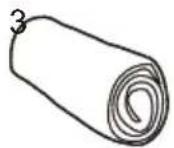
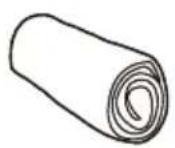
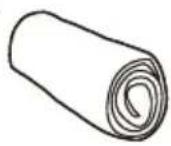
3 Slip the carrying bag over the rolled-up inflatable park. Flip the bag and the park over, close the bag, and store the park and the blower in a dry place. To extend the life of the water spraying hose assembly, store it in a adequately ventilated area. Do not store them together with the park.

natural_image
Illustration of a hand holding a rolled-up sheet of paper (no text or symbols)
natural_image
Illustration of hands holding a rolled-up blanket (no text or symbols)Repair Patch Instructions
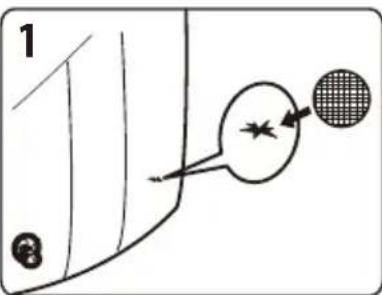
Replace defective parts in accordance with the instructions. Please keep for future reference.
text_image
1 3
text_image
2 correct or incorrect- Deflate the item, clean the area and allow to dry thoroughly.
- Cut a portion of the patch to the size needed and round the corners.(See Fig.1&2).
- Apply the repair patch: Option #1: Using the vinyl patch. Remove the adhesive backing from the patch material, position the patch over the damaged area and smooth out any bubbles. Option #2: Using the fabric patch and the glue (not included). Apply only the amount of glue(not included) needed to cover the repair site and press patch firmly over the puncture.
- Allow to sit for 30 minutes before re-inflating.
Warning: Repair patched must be applied by an adult only. Keep out of children.
Troubleshooting
| PROBLEM CAUSE | |
| Motor won't run | 1. Switch not turned on.2. The circuit is opened or it is poor contact.3. Electric capacity is damaged.4. Choked up by hard objects. |
| Motor runs but wheel makes a scraping noise | 1. Screws on the vaned wheel are loose.2. Foreign objects in air-blower. |
| Motor is unable to run normally | 1. The voltage is unstable.2. Motor is affected with damp.3. Electric capacity is failure.4. The impeller is loose. |
MANUAL DO PROPRIETÁRIO
Visite o canal da Bestway no YouTube YouTube

natural_image
Icon depicting a person using a water spray device to interact with another person (no text or symbols)
natural_image
Prohibition sign showing a person walking away from a child, enclosed in a circle (no text or symbols)natural_image
Illustration of a mechanical component with a curved handle and central shaft (no text or symbols)natural_image
Illustration of a hand holding a rolled-up sheet of paper (no text or symbols)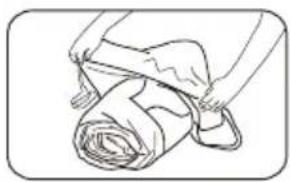
natural_image
Illustration of hands folding a rolled-up fabric or cloth (no text or symbols)natural_image
Icon depicting a person swimming with a person pulling a wave, no text or symbols present
natural_image
Prohibition sign showing a person running away from a civilian (no text or symbols)natural_image
Simple line drawing of a mechanical component or bracket (no text or symbols)natural_image
Illustration of a hand holding a rolled-up sheet of paper (no text or symbols)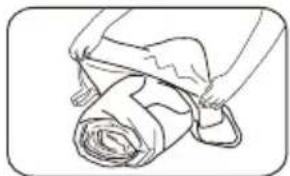
natural_image
Illustration of hands holding a rolled-up blanket (no text or symbols)natural_image
Icon depicting a person using a water spray device to interact with another person (no text or symbols)
text_image
Prohibition sign with pictograms of a person and a child walking, indicating no movement or avoidance.natural_image
Illustration of a mechanical component with curved and straight sections (no text or symbols)natural_image
Illustration of hands holding a rolled-up cloth or towel, no text or symbols presentnatural_image
Icon depicting a person using a water spray device to interact with another person (no text or symbols)
natural_image
Prohibition sign showing a person walking away from a child, no text or symbols presentnatural_image
Simple line drawing of a mechanical component or tool (no text or symbols)natural_image
Illustration of a hand holding a rolled-up sheet of paper (no text or symbols)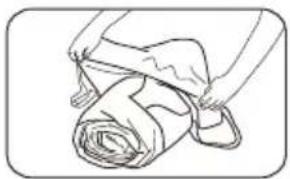
natural_image
Illustration of hands holding a rolled-up cloth or towel (no text or symbols)Korjauspaikkaohjeet
natural_image
Icon depicting a person swimming with water and a person holding an arrow, enclosed in a dark circular frame (no text or symbols)
natural_image
Prohibition sign showing a person walking with a child, no text or symbols presentnatural_image
Illustration of a mechanical component with a handle and base (no text or symbols)natural_image
Illustration of a hand holding a rolled-up sheet of paper (no text or symbols)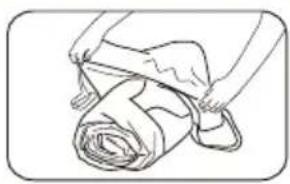
natural_image
Illustration of hands folding a rolled-up fabric or rope (no text or symbols)natural_image
Icon depicting a person swimming with a person pulling a wave, symbolizing water rescue or water rescue (no text present)
natural_image
Prohibition sign showing a person walking with a right arrow and a child below (no text)natural_image
Simple line drawing of a mechanical component or bracket (no text or symbols)natural_image
Illustration of a hand holding a rolled-up sheet of paper (no text or symbols)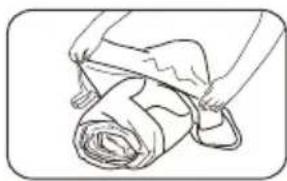
natural_image
Illustration of hands folding a rolled-up fabric or cloth (no text or symbols)natural_image
Icon depicting a person swimming with a person pulling a wave, no text or symbols present
natural_image
Prohibition sign showing a person walking with a right arrow and a child below, enclosed in a circle (no text)natural_image
Simple line drawing of a mechanical component or bracket (no text or symbols)natural_image
Illustration of a hand pressing down on a rolled-up sheet of dough (no text or symbols)
natural_image
Illustration of hands holding a rolled-up cloth or towel, no text or symbols presentnatural_image
Icon depicting a person using a water device to reach for the sea, with no text or symbols present.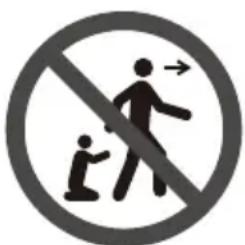
text_image
Prohibition sign with pictograms of a person and child under a diagonal line, indicating no movement or avoidance.natural_image
Technical line drawing of a mechanical device with no visible text or symbolsnatural_image
Simple line drawing of a mechanical component or bracket (no text or symbols)natural_image
Illustration of a hand holding a rolled-up sheet of material (no text or symbols)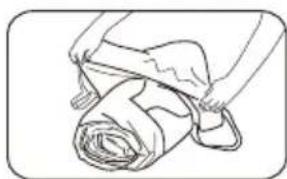
natural_image
Illustration of hands holding a rolled-up cloth or towel, no text or symbols presentnatural_image
Icon depicting a person using a water rod to walk, symbolizing swimming or diving (no text or symbols present)
natural_image
Prohibition sign showing a person walking away from a child, no text or symbols presentnatural_image
Simple line drawing of a mechanical component or tool (no text or symbols)natural_image
Illustration of hands holding a rolled-up cloth or towel, no text or symbols presentnatural_image
Icon depicting a person with a person holding a water object, symbolizing water safety or emergency response (no text present)
natural_image
Prohibition sign showing a person walking with a right arrow and a child below, enclosed in a circle (no text)natural_image
Simple line drawing of a mechanical component or bracket (no text or symbols)natural_image
Simple line drawing of a hand holding a rolled-up sheet of paper (no text or symbols)
natural_image
Illustration of hands holding a rolled-up cloth or towel, no text or symbols presentnatural_image
Icon depicting a person swimming with a person pulling a wave, no text or symbols present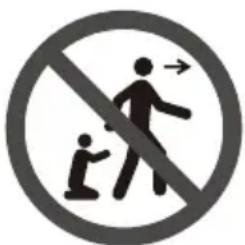
natural_image
Prohibition sign showing a person walking with a right arrow and a child below (no text or symbols)natural_image
Illustration of a mechanical clamp or bracket with no text or symbolsnatural_image
Illustration of hands folding a rolled-up fabric or rope (no text or symbols)natural_image
Icon depicting a person using a water spray device to interact with another person (no text or symbols)
natural_image
Prohibition sign showing a person walking away from a child, no text or symbols presentnatural_image
Simple line drawing of a mechanical component or bracket (no text or symbols)natural_image
Illustration of a hand holding a rolled-up sheet of paper (no text or symbols)
natural_image
Illustration of hands folding a rolled-up fabric or towel (no text or symbols)natural_image
Simple line drawing of a rolled-up document with an arrow indicating rotation (no text or symbols)
natural_image
Simple line drawing of a mechanical component with handle and internal channels (no text or symbols)4

natural_image
Line drawing of a mechanical component with an inset showing a close-up of a tool interacting with a piece of leaf (no text or symbols present)5

flowchart
graph TD
    A["Start"] --> B["Close-up of tool"]
    B --> C["Step 1: Top view, Inner part, Outer part"]
    C --> D["Step 2: Top view, Inner part, Outer part"]
    D --> E["Step 3: Top view, Inner part, Outer part"]
6

flowchart
graph TD
    A["Power Source"] --> B["Switch"]
    B --> C["Battery"]
    C --> D["Motor"]
    D --> E["Motor"]
    style A fill:#f9f,stroke:#333
    style B fill:#ccf,stroke:#333
    style C fill:#cfc,stroke:#333
    style D fill:#fcc,stroke:#333
    style E fill:#ffc,stroke:#333
53303
1 2 3


natural_image
Diagram showing a rolled-up object transforming into a mechanical component with a handle (no text or symbols)4
natural_image
Diagram showing a mechanical component being cut with scissors, alongside a magnified view of a leaf-like structure (no text or symbols)5

text_image
Technical diagram illustrating a mechanical assembly process with three sequential steps showing tool positioning and assembly details.6
flowchart
graph TD
    A["Power Input"] --> B["Switch"]
    B --> C["Timer"]
    C --> D["Battery"]
    D --> E["Check Check"]
    E --> F["..."]
53305
123

natural_image
Simple line drawing of a rolled-up document with an arrow indicating rotation (no text or symbols)
natural_image
Simple line drawing of a mechanical device with no text or symbols4
natural_image
Line drawing of a mechanical device with a magnified inset showing a cutting tool interacting with a piece of paper (no text or symbols)5
text_image
Diagram illustrating a mechanical assembly process with three sequential steps showing tool positioning and component alignment.6

flowchart
graph TD
    A["Power Input"] --> B["Switch"]
    B --> C["Timer"]
    C --> D["Output"]
    style A fill:#f9f,stroke:#333
    style B fill:#ccf,stroke:#333
    style C fill:#cfc,stroke:#333
    style D fill:#fcc,stroke:#333
7

text_image
Technical diagram showing a mechanical device with labeled parts and two action buttons for cable or cable fastening.8

text_image
Technical diagram showing exploded view of a device with labeled parts and steps, including a connector and cable assembly.9
text_image
Technical diagram of a device with labeled components and three-step assembly steps showing fluid flow and component placement.53343
123
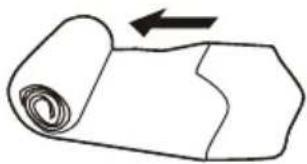
natural_image
Simple line drawing of a rolled-up document with an arrow indicating direction (no text or symbols)
natural_image
Simple line drawing of a mechanical device with no text or symbols4

flowchart
graph LR
    A["Device Input"] --> B{Surgical Placement}
    B -->|Yes| C["Check for Surgery"]
    B -->|No| D["End of Surgery"]
    C --> E["Surgical Closed"]
    D --> F["Surgical Closed"]
5
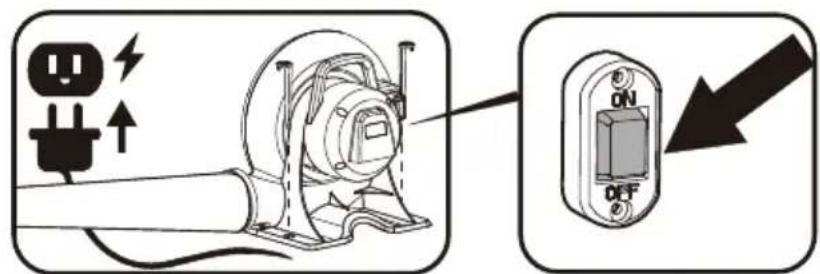
text_image
Diagram showing electrical plug connection to a motor with ON/OFF switch, indicating power or current direction.6

flowchart
graph LR
    A["Clock Icon"] --> B["3D Building with Stair and Sensor"]
7

text_image
Technical diagram showing a 3D box structure with internal mesh structure, before-and-after close-ups of a hand holding a tool, and a close-up of a tool tip.8
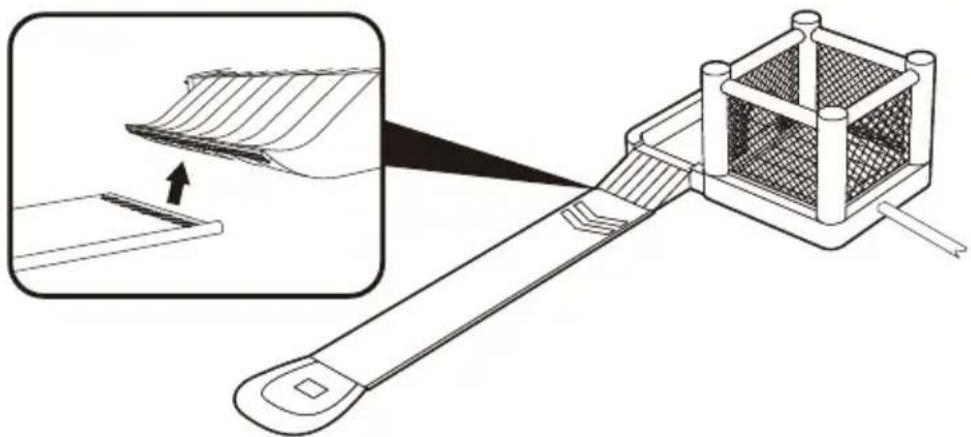
natural_image
Technical illustration of a mechanical device with a meshed grid structure, showing a lever and a close-up inset of the component (no text or symbols)9

natural_image
Technical line drawing of a mechanical device with a grid box and lever mechanism, showing internal components and wiring (no text or symbols)53347
123
natural_image
Simple line drawing of a rolled-up document with an arrow indicating rotation (no text or symbols)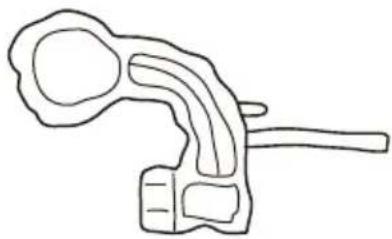
natural_image
Simple line drawing of a mechanical or architectural component (no text or symbols)4

natural_image
Medical illustration showing a surgical tool interacting with a patient's hip joint, with an inset close-up of the instrument (no text or labels)5
text_image
Diagram illustrating a mechanical assembly process with three sequential steps showing tool positioning and component alignment.6
flowchart
graph TD
    A["Electrical plug"] --> B["Switch"]
    B --> C["Fuse"]
    C --> D["Device with fuse"]
    D --> E["Checkmark"]
    E --> F["Download"]
7

text_image
Diagram illustrating cable fastening steps with labeled illustrations and component diagrams8
text_image
Technical diagram illustrating a mechanical device with labeled parts and two-step instructions for tool manipulation.9

text_image
Technical diagram showing two stages of a mechanical device with labeled parts and a close-up inset showing the component being inserted.10
text_image
Diagram illustrating a mechanical device with a water tap and a magnified inset showing internal components and directional arrows.53349
123

natural_image
Simple line drawing of a rolled-up document with an arrow indicating direction (no text or symbols)
natural_image
Simple line drawing of a door handle with two boxes inside, no text or symbols present4
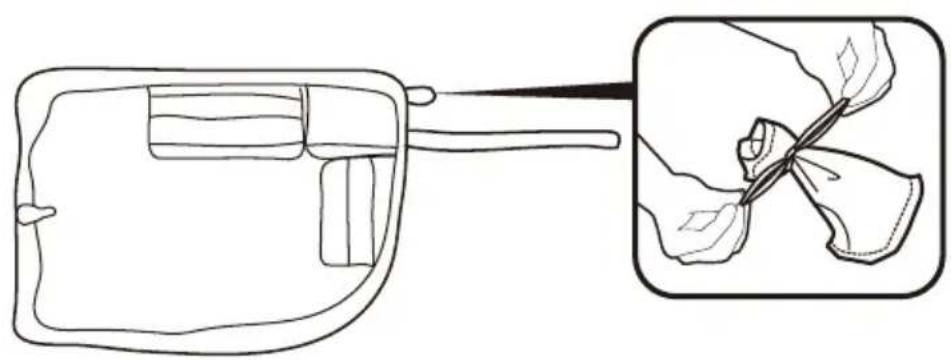
natural_image
Line drawing of a medical device with a magnified inset showing a surgical tool interacting with tissue (no text or symbols)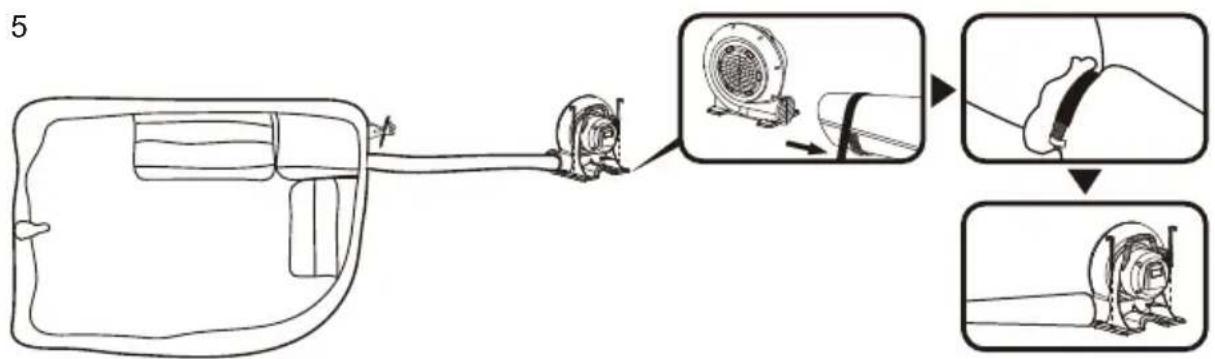
text_image
56
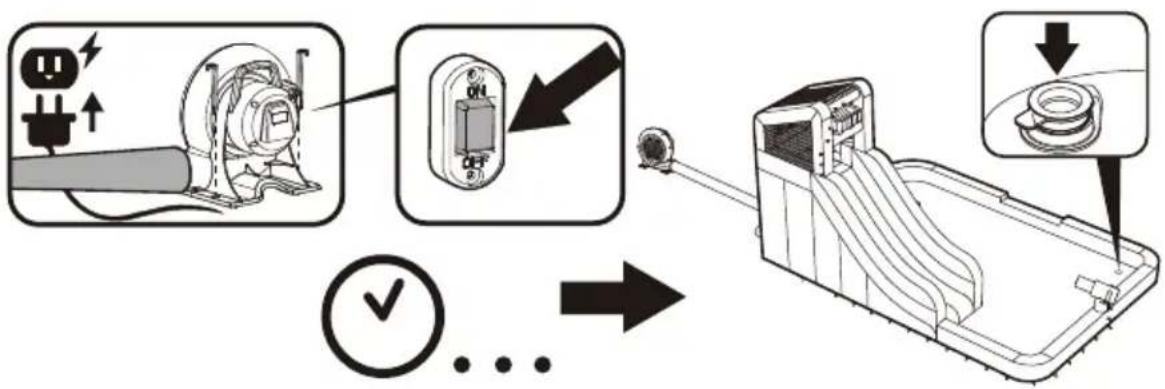
flowchart
graph TD
    A["Electrical Shock"] --> B["Switch"]
    B --> C["Battery"]
    C --> D["Capacifier"]
    D --> E["Check Valve"]
    style A fill:#f9f,stroke:#333
    style B fill:#ccf,stroke:#333
    style C fill:#cfc,stroke:#333
    style D fill:#fcc,stroke:#333
7

text_image
Technical diagram showing a device with internal components and two steps of tool application, including a close-up view of the component.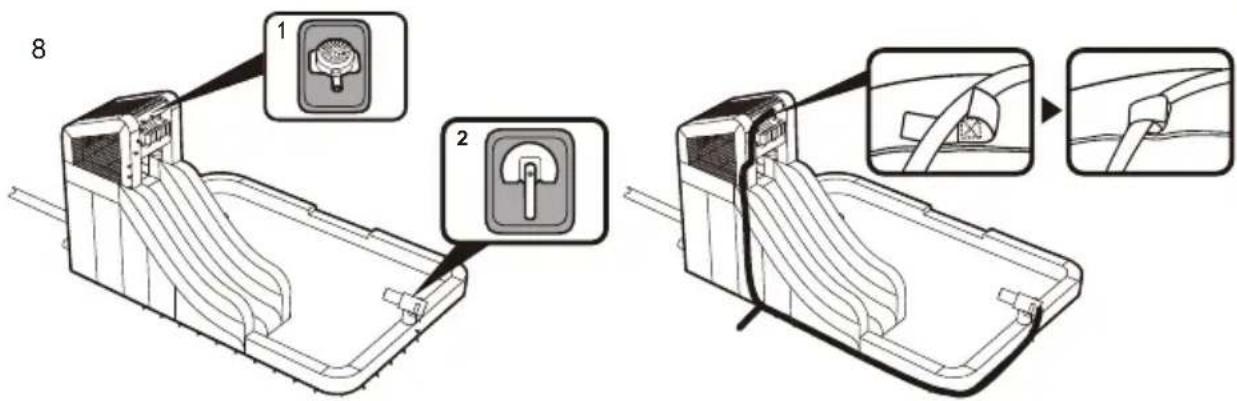
text_image
8 1 29
text_image
Diagram showing a pipe connection and component assembly with magnified detail view53345
123

natural_image
Simple line drawing of a rolled-up document with an arrow indicating direction (no text or symbols)
natural_image
Simple line drawing of a stylized object resembling a helmet or device, with no text or symbols present.4

natural_image
Line drawing of a mechanical component with an inset showing a close-up of a tool interacting with a leaf-like structure (no text or symbols)5
text_image
Diagram illustrating a medical procedure for using a device to interact with a patient, showing steps from initial contact to final treatment.6

flowchart
graph TD
    A["Electrical Shock"] --> B["Switch"]
    B --> C["Check Check"]
    C --> D["Mechanical Component"]
7

text_image
Technical diagram showing cable fastening steps with labeled components and directional arrows8

text_image
Technical diagram illustrating a mechanical assembly with labeled parts and step-by-step instructions for tool manipulation.
text_image
Technical diagram showing two stages of a mechanical device with labeled parts and close-up views10
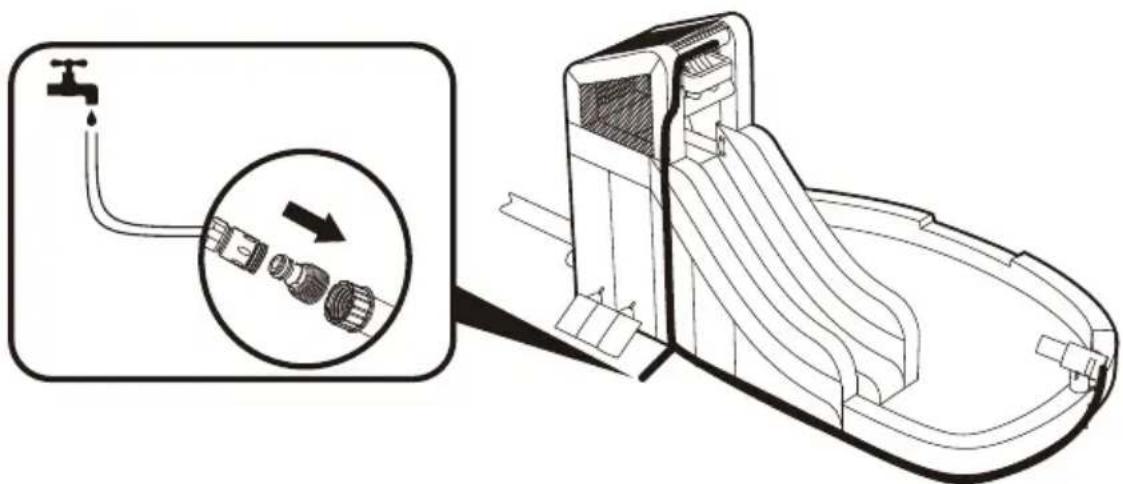
text_image
Technical diagram showing a water pump connected to a water dispenser with a magnified inset illustrating the process.53351
123


natural_image
Simple line drawing of a rolled-up document or scroll with an arrow indicating rotation (no text or symbols)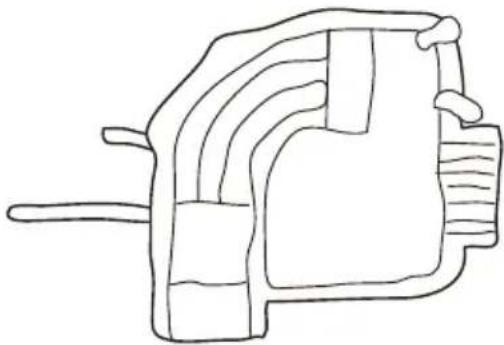
natural_image
Simple line drawing of a mechanical component or housing (no text or symbols)4

natural_image
Diagram showing a mechanical component being cut with scissors, alongside a magnified view of the tool tip (no text or symbols present)5

text_image
Diagram illustrating a mechanical assembly process with three sequential steps showing tool positioning and component alignment.6
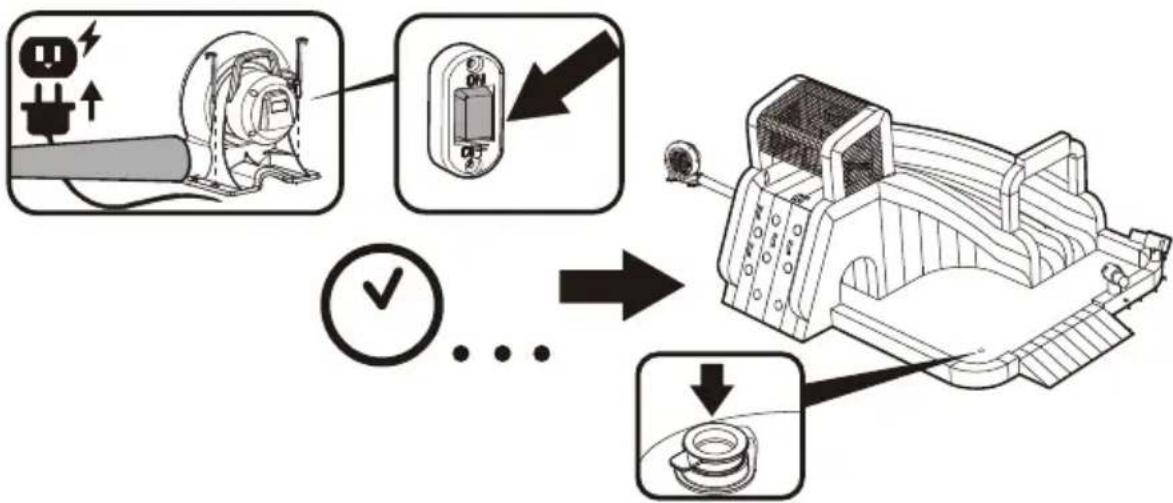
flowchart
graph TD
    A["Motor with power plug"] --> B["Switch"]
    B --> C["Battery with ON/OFF"]
    C --> D["Checkmark"]
    D --> E["Download"]
7

text_image
Technical diagram illustrating a mechanical assembly with labeled parts and directional arrows indicating force or movement.8

natural_image
Technical illustration of a mechanical device with an inset showing a close-up of its internal structure (no text or symbols present)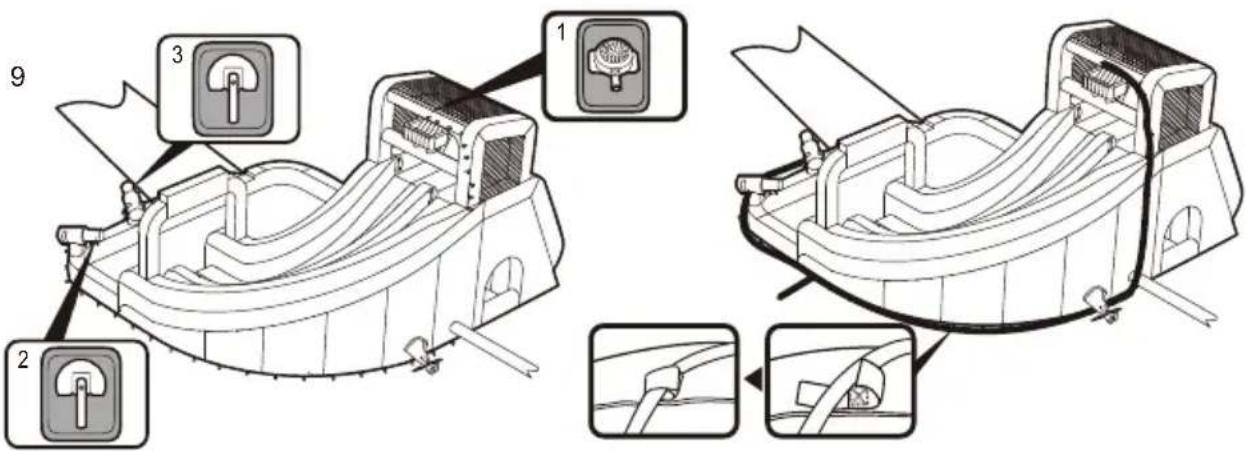
text_image
Technical diagram showing exploded view of a mechanical component with labeled parts and assembly steps10.1 10.2

text_image
1 10.253301
| 001 | P04882 | 1 |
| 002 | P04515P04517(GB) | 1 |
| 003 | P04562 | 2 |
| 004 | P00320 | 1 |
| 005 | P03862 | 8 |
| 006 | P00323 | 1 |
| 007 | / | 1 |
| 008 | P03885 | 1 |

53303
| 001 | P03883 | 1 |
| 002 | P04515P04517(GB) | 1 |
| 003 | P04562 | 2 |
| 004 | P00321 | 1 |
| 005 | P03862 | 8 |
| 006 | P00324 | 1 |
| 007 | / | 1 |
| 008 | P03885 | 1 |
| 009 | P03886 | 1 |

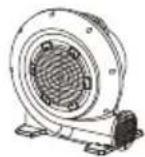
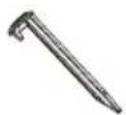
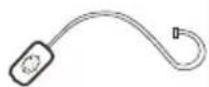
001 002 003 004


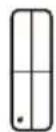
009
005 006 007 008
53305
| 001 | P03884 | 1 |
| 002 | P04524P04526(GB) | 1 |
| 003 | P04562 | 2 |
| 004 | P00322 | 1 |
| 005 | P03862 | 9 |
| 006 | P00325 | 1 |
| 007 | / | 1 |
| 008 | P03887 | 2 |
| 009 | P00326 | 1 |
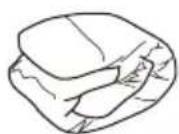

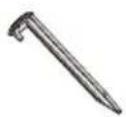

001 002 003 004


009
005 006 007 008
53343
| 001 | P04686 | 1 |
| 002 | P04532P04535(GB) | 1 |
| 003 | P04559 | 2 |
| 004 | P04687 | 1 |
| 005 | P03862 | 10 |
| 006 | P04443 | 1 |
| 007 | / | 1 |
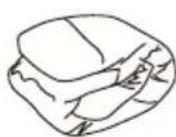


001 002 003 004

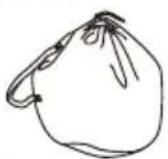

005 006 007
53347
| 001 | P04692 | 1 |
| 002 | P04532P04535(GB) | 1 |
| 003 | P04559 | 2 |
| 004 | P04693 | 1 |
| 005 | P03862 | 10 |
| 006 | P00323 | 1 |
| 007 | / | 1 |
| 008 | P03885 | 1 |

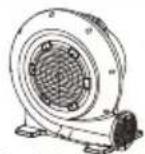


001 002 003 004



005 006 007 008
53349
| 001 | P04694 | 1 |
| 002 | P04541P04543(GB) | 1 |
| 003 | P04559 | 2 |
| 004 | P04695 | 1 |
| 005 | P03862 | 9 |
| 006 | P00323 | 1 |
| 007 | / | 1 |
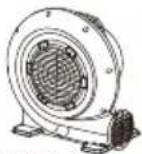

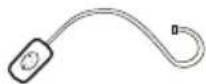
001 002 003 004

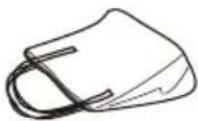
005 006 007
53345
| 001 | P04689 | 1 |
| 002 | P04541P04543(GB) | 1 |
| 003 | P04559 | 2 |
| 004 | P04691 | 1 |
| 005 | P03862 | 10 |
| 006 | P00323 | 1 |
| 007 | / | 1 |
| 008 | P03885 | 1 |
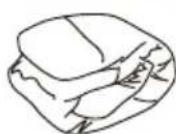

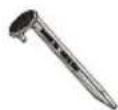

001 002 003 004

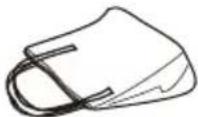

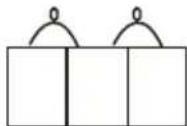
008
005 006 007
53351
| 001 | P04696 | 1 |
| 002 | P04549P04551(GB) | 1 |
| 003 | P04559 | 2 |
| 004 | P04698 | 1 |
| 005 | P03862 | 11 |
| 006 | P00325 | 1 |
| 007 | / | 1 |
| 008 | P04697 | 1 |
| 009 | P04699 | 1 |


001 002 003 004


005 006 007
008
009
Bestway®
For support please visit us at:
bestwaycorp.com/support
©2020 Bestway Inflatables & Material Corp.
All rights reserved/Tous droits réservés/Todos los derechos reservados/Alle Rechte vorbehalten/Tutti i diritti riservati ®™ Trademarks used in some countries under license to/
Bestway Inflatables & Material Corp., No.3065 Cao An Road, Shanghai, 201812, China.
Manufactured, distributed and represented in the European Union by/
Bestway (USA) Inc., 3411 E. Harbour Drive, Phoenix, Arizona 85034, United States of America
Tel: +86 21 69135588 (For U.S. and Canada)
Distributed in Australia & New Zealand by Bestway Australia Pty Ltd, Unit 2/98-104 Carnarvon St Silverwater, NSW 2128, Australia
Tel: Australia: (+61) 29 0371 388; New Zealand: 0800 142 101
Exported by/Exporté par/Exportado por/Exportiert von/Esportato da
Bestway (Hong Kong) International Ltd./Bestway Enterprise Company Limited
Suite 713, 7/Floor, East Wing, Tsim Sha Tsui Centre, 66 Mody Road, Kowloon, Hong Kong
www.bestwaycorp.com