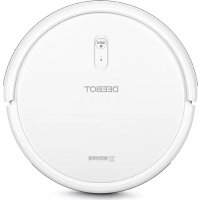
DEEBOT N79T - Vacuum Cleaner ECOVACS - Free user manual and instructions
Find the device manual for free DEEBOT N79T ECOVACS in PDF.



| Product type | Robot vacuum cleaner |
| Brand | ECOVACS |
| Model | DEEBOT N79T (DN622.21) |
| Dimensions (diameter x height) | Approximately 350 mm x 80 mm |
| Weight | Approximately 3 kg |
| Operating voltage | 14.4 V DC |
| Nominal power | 25 W |
| Battery type | Rechargeable lithium-ion |
| Typical runtime | Approximately 100 minutes |
| Charging time | Approximately 4 hours (first charge) |
| Cleaning modes | Auto, Spot, Edge, Single Room, Return to Charger |
| Scheduling | Yes, via remote control and ECOVACS app |
| Sensors | Anti-collision, anti-drop |
| Connectivity | Wi-Fi 2.4 GHz (19 dBm max) |
| Estimated noise level | Approximately 55 dB |
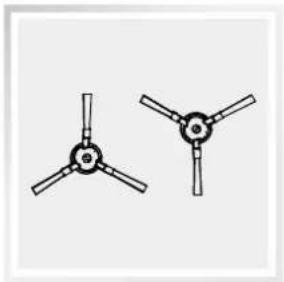
| Package contents | Robot, charging station, adapter, remote control, 2 side brushes, multifunction cleaning tool, manual |
| Recommended maintenance | Empty dustbin after each use, clean brushes and filters weekly |
| Filters | Sponge filter and high-efficiency filter (replace every 4-6 months) |
| Safety | Use by children aged 8 and above; do not use on wet surfaces |
| Station power supply | Adapter 100-240 V AC => 19 V DC, 0.6 A |
Frequently Asked Questions - DEEBOT N79T ECOVACS
User questions about DEEBOT N79T ECOVACS
0 question about this device. Answer the ones you know or ask your own.
Ask a new question about this device
Download the instructions for your Vacuum Cleaner in PDF format for free! Find your manual DEEBOT N79T - ECOVACS and take your electronic device back in hand. On this page are published all the documents necessary for the use of your device. DEEBOT N79T by ECOVACS.
USER MANUAL DEEBOT N79T ECOVACS
EN Instruction Manual
DE Benutzerhandbuch
natural_image
Close-up of a white robotic vacuum cleaner with black and white casing, no visible text or symbols on the device itself.EN Instruction Manual 2
DE Benutzerhandbuch....26
ES Manual de instrucciones....50
FR Manuel d'instructions....74
IT Manuale d'uso 98
EU-Declaration of conformity 122
Congratulations on the purchase of your ECOVACS ROBOTICS DEEBOT! We hope it brings you many years of satisfaction. We trust the purchase of your new robot will help keep your home clean and provide you more quality time to do other things.
Live Smart. Enjoy Life.
Should you encounter situations that have not been properly addressed in this Instruction Manual, please contact our Customer Service Center where a technician can address your specific problem or question.
For more information, please visit the ECOVACS ROBOTICS official website: www.ecovacs.com
The Company reserves the right to make technological and/or design changes to this product for continuous improvement.
Thank you for choosing DEEBOT!
Contents
- Important Safety Instructions ....4
- Package Contents and Technical Specifications....8
2.1 Package Contents ....8
2.2 Specifications ....8
2.3 Product Diagram....9
- Operating and Programming ....11
3.1 Notes Before Cleaning 11
3.2 Quick Start 12
3.3 Cleaning Mode Selection....15
3.4 Programming the Robot ....17
3.5 Indicator Light and Alarm Sounds....19
- Maintenance ....20
4.1 Dust Bin and Filters ....20
4.2 Main Brush and Side Brushes 21
4.3 Other Components ......22
4.4 Regular Maintenance ....23
- Troubleshooting ....24
1. Important Safety Instructions
When using an electrical appliance, basic precautions should always be followed, including the following:
READ ALL INSTRUCTIONS BEFORE USING THIS APPLIANCE.
SAVE THESE INSTRUCTIONS
- This Appliance can be used by children aged from 8 years and above and persons with reduced physical, sensory or mental capabilities or lack of experience and knowledge if they have been given supervision or instruction concerning use of the Appliance in a safe way and understand the hazards involved. Children shall not play with the Appliance. Cleaning and user maintenance shall not be made by children without supervision.
- Clear the area to be cleaned. Remove power cords and small objects from the floor that could entangle the Appliance. Tuck rug fringe under the rug base, and lift items such as curtains and tablecloths off the floor.
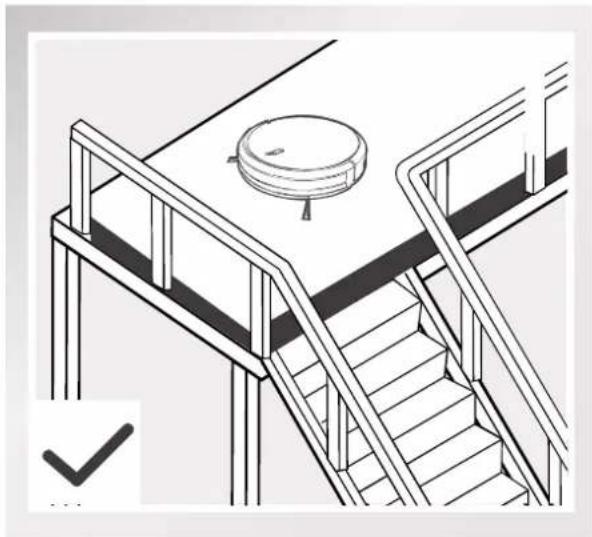
- If there is a drop off in the cleaning area due to a step or stairs, you should operate the Appliance to ensure that it can detect the step without falling over the edge. It may become necessary to place a physical barrier at the edge to keep the unit from falling. Make sure the physical barrier is not a trip hazard.
- Only use as described in this manual. Only use attachments recommended or sold by the manufacturer.
- Please make sure your power supply voltage matches the power voltage marked on the Charging Dock.
- For INDOOR household use ONLY. Do not use the Appliance in outdoor, commercial or industrial environments.
- Non-rechargeable batteries are prohibited.
- Do not use without dust bin and/or filters in place.
- Do not operate the Appliance in an area where there are lit candles or fragile objects.
- Do not use in extremely hot or cold environments (below -5^/23^ or above 40^/104^ ).
- Keep hair, loose clothing, fingers, and all parts of body away from any openings and moving parts.
1. Important Safety Instructions
- Do not operate the Appliance in a room where an infant or child is sleeping.
- Do not use Appliance on wet surfaces or surfaces with standing water.
- Do not allow the Appliance to pick up large objects like stones, large pieces of paper or any item that may clog the Appliance.
- Do not use Appliance to pick up flammable or combustible materials such as gasoline, printer or copier toner, or use in areas where they may be present.
- Do not use Appliance to pick up anything that is burning or smoking, such as cigarettes, matches, hot ashes, or anything that could cause a fire.
- Do not put objects into the suction intake. Do not use if the suction intake is blocked. Keep the intake clear of dust, lint, hair, or anything that may reduce air flow.
- Take care not to damage the power cord. Do not pull on or carry the Appliance or Charging Dock by the power cord, use the power cord as a handle, close a door on the power cord, or pull power cord around sharp edges or corners. Do not run Appliance over the power cord. Keep power cord away from hot surfaces.
- If the power cord is damaged, it must be replaced by the manufacturer or its service agent in order to avoid a hazard.
- Do not use the Charging Dock if it is damaged.
- Do not use with a damaged power cord or receptacle. Do not use the Appliance or Charging Dock if it is not working properly, has been dropped, damaged, left outdoors, or come in contact with water. It must be repaired by the manufacturer or its service agent in order to avoid a hazard.
- Turn OFF the power switch before cleaning or maintaining the Appliance.
- The plug must be removed from the receptacle before cleaning or maintaining the Charging Dock.
- Remove the Appliance from the Charging Dock, and turn OFF the power switch to the Appliance before removing the battery for disposal of the Appliance.
1. Important Safety Instructions
- The battery must be removed and discarded according to local laws and regulations before disposal of the Appliance.
- Please dispose of used batteries according to local laws and regulations.
- Do not incinerate the Appliance even if it is severely damaged. The batteries can explode in a fire.
- When not using the Charging Dock for a long period of time, please unplug it.
- The Appliance must be used in accordance with the directions in this Instruction Manual. ECOVACS ROBOTICS cannot be held liable or responsible for any damages or injuries caused by improper use.
- The robot contains batteries that are only replaceable by skilled persons. To replace or remove the battery, please contact Customer Service.
- If the robot will not be used for a long time, fully charge the robot and power OFF for storage and unplug the Charging Dock.
- WARNING: For the purposes of recharging the battery, only use the detachable supply unit DK18-190060H-V provided with this appliance.
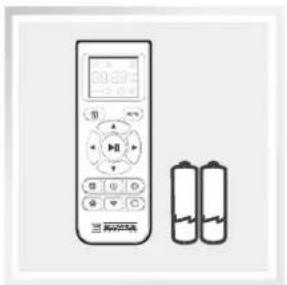
- The Remote Control requires two non-rechargeable AAA batteries. To replace the battery of the Remote Control, please turn over the Remote Control, press and remove its Battery Cover. Remove the batteries, and insert the new batteries with the correct polarity. Reassemble the Battery Cover.
- Non-rechargeable batteries are not to be recharged.
- Different types of batteries or new and used batteries are not to be mixed.
- Batteries of the Remote Control are to be inserted with the correct polarity.
- Exhausted batteries are to be removed from the Appliance and safely disposed of.
- If the Remote Control is to be stored unused for a long period, the batteries should be removed.
- The supply terminals are not to be short-circuited.
1. Important Safety Instructions
To disable Wi-Fi module on DEEBOT, power the robot ON.
Place the robot on the Docking Station making sure the Charging Contacts on DEEBOT and the Docking Station Pins make a connection.
Press and hold the AUTO Mode Button on the robot for 10 seconds until DEEBOT emits 3 beeps.
To enable Wi-Fi module on DEEBOT, power the robot OFF and then power ON. The Wi-Fi module is turned on when DEEBOT is restarted.
For EU Countries
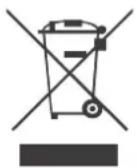
Correct Disposal of this Product
This marking indicates that this product should not be disposed of with other household wastes throughout the EU. To prevent possible harm to the environment or human health from uncontrolled waste disposal, recycle it responsibly to promote the sustainable reuse of material resources. To recycle your used device, please use the return and collection systems or contact the retailer where the product was purchased. They can safely recycle this product.
2. Package Contents and Technical Specifications
2.1 Package Contents
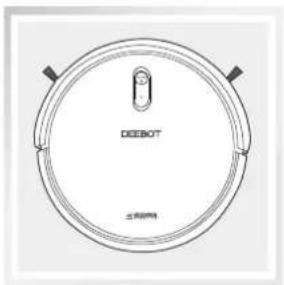
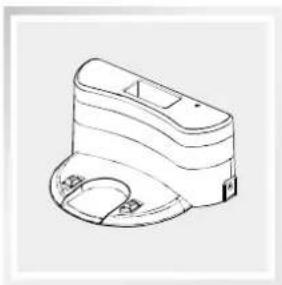
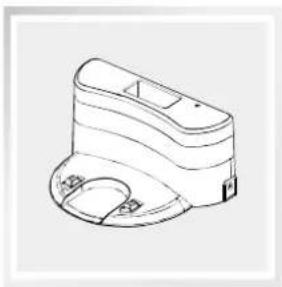
Robot
natural_image
Line drawing of a mechanical component with layered structure (no text or symbols)Charging Dock with Power Adapter
natural_image
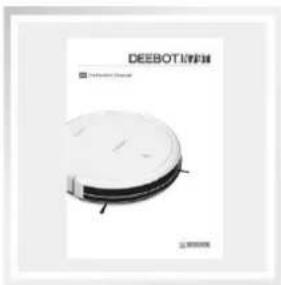
Illustration of a remote control device with two batteries (no text or symbols)Remote Control Instruction Manual (with battery)
natural_image
Two identical mechanical components with three blades, no text or symbols visible(2) Side Extrater
natural_image
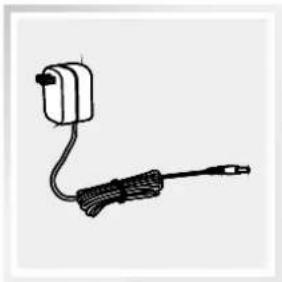
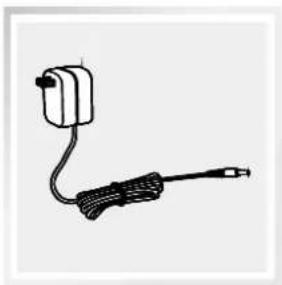
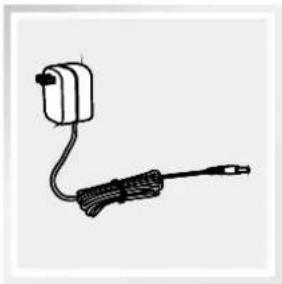
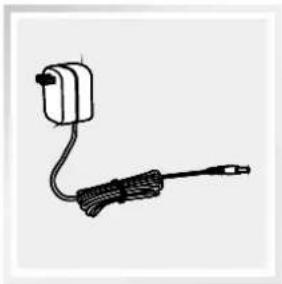
Simple line drawing of a handheld electrical plug with a coiled cable (no text or symbols)Power Adapter
2.2 Specifications
| Model DN622.21 | |||
| Working Voltage 14.4V DC Rated Power 25W | |||
| Charging Dock | |||
| Rated Input Voltage 19V DC Rated output current | 0.6A | ||
| Power Adapter Model DK18-190060H-V | |||
| Rated Input Voltage 100-240V AC Rated Input Current | 0.5A | ||
| Rated output Voltage 19V DC Rated output current | 0.6A | ||
| Remote Control Model RC1507 Input Voltage | 3V DC | ||
| Off/Standby Mode Power | Less than 0.50 W | ||
| Networked Standby Power | Less than 2.00 W | ||
| Frequency Bands and power | Operating frequency: 2412MHz - 2472MHz | ||
| Maximum transmitting power: 19 dBm. | |||
* Technical and design specifications may be changed in the course of continuous product improvement.
* This equipment should be operated with a minimum distance of 20cm between the radiator and your body.
2. Package Contents and Technical Specifications
2.3 Product Diagram
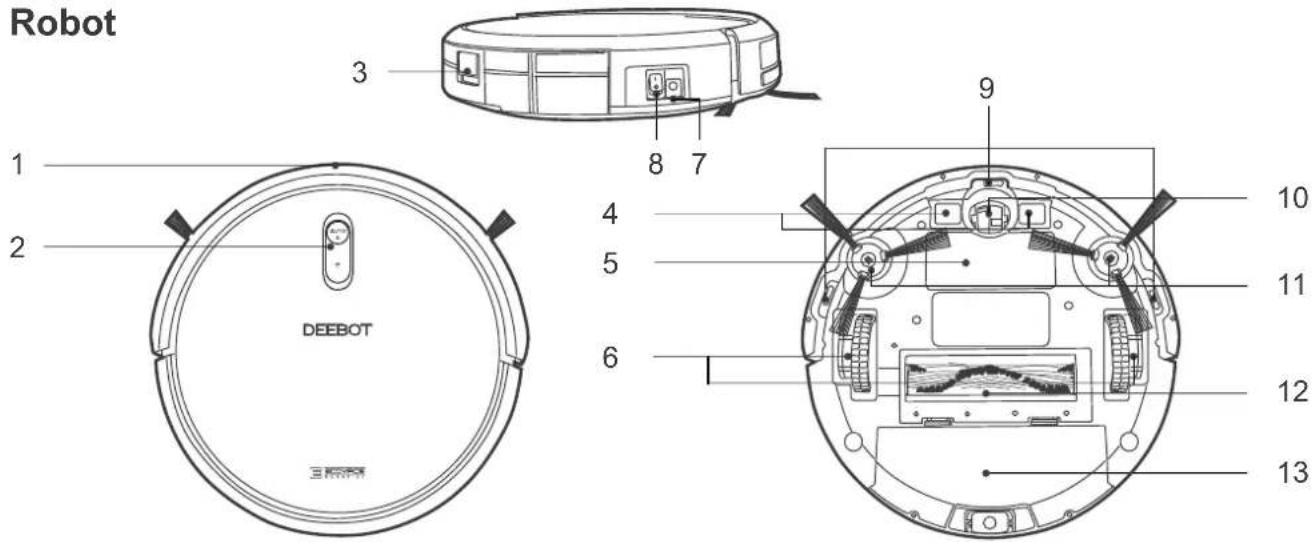
-
Anti-Collision Sensors and Bumper
-
Control Panel
-
Dust Bin Release Button
-
Charging Contacts
-
Battery Cover
-
Driving Wheels
-
Power Adapter Port
-
Power Switch
-
Anti-Drop Sensors
-
Universal Wheel
-
Side Brushes
-
Main Brush
-
Dust Bin
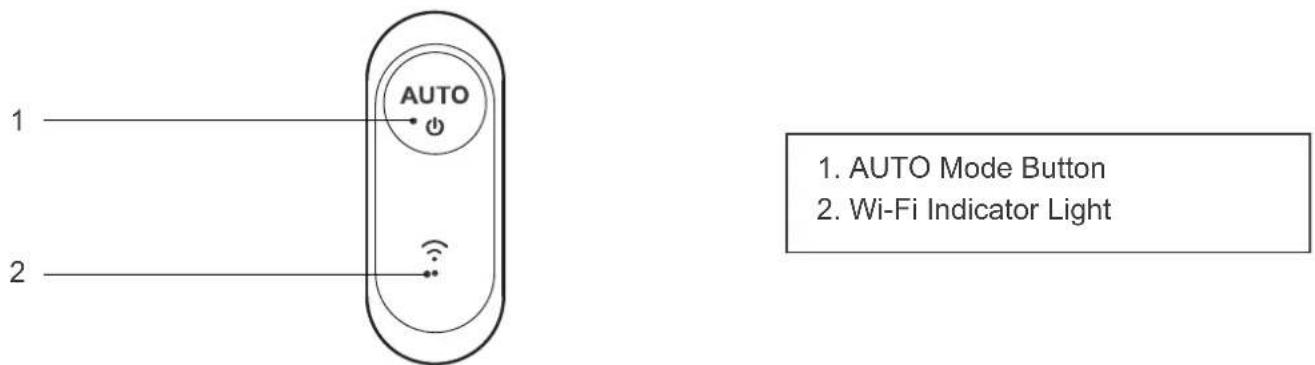
Control Panel
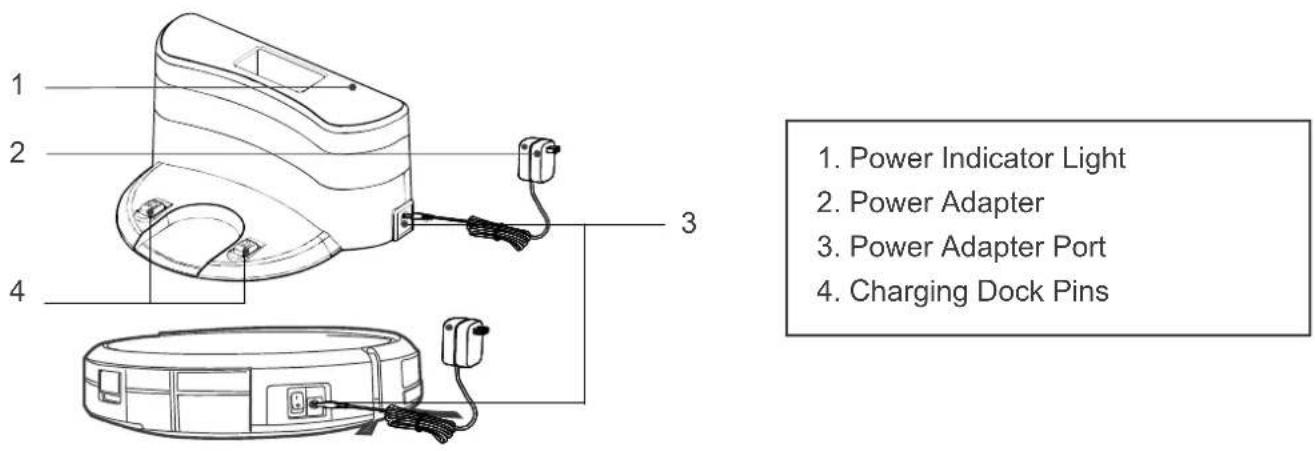
Charging Dock
-
AUTO Mode Button
-
Wi-Fi Indicator Light
-
Power Indicator Light
-
Power Adapter
-
Power Adapter Port
-
Charging Dock Pins
2. Package Contents and Technical Specifications
Remote Control
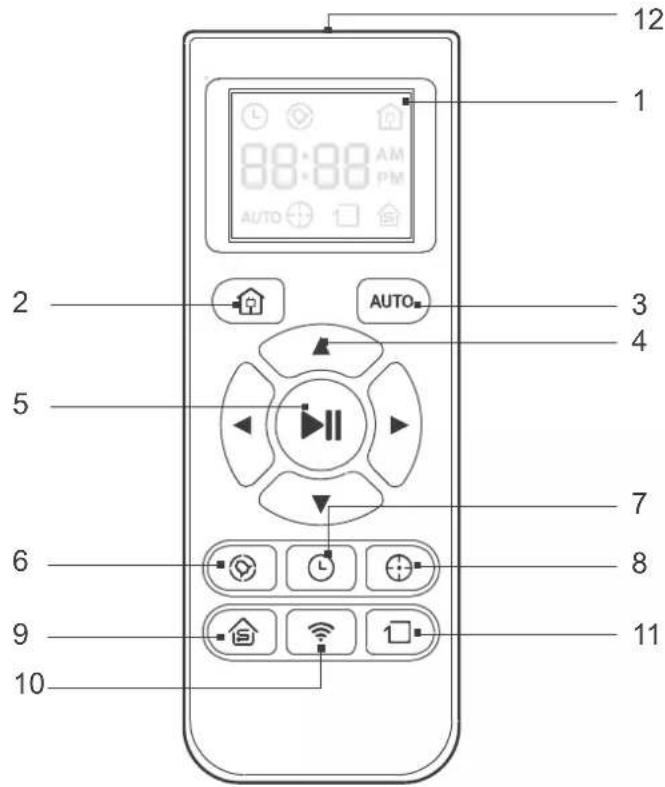
- LCD Screen
- Return to Charger Mode Button
- AUTO Mode Button
- Direction Control Buttons
- START/PAUSE Button
- Time Scheduling Button
- Set Current Time Button
- Spot Cleaning Mode Button
- Single Room Mode Button
- Network Setup Button
- Edge Cleaning Mode Button
- Infrared Emitter
Dust Bin
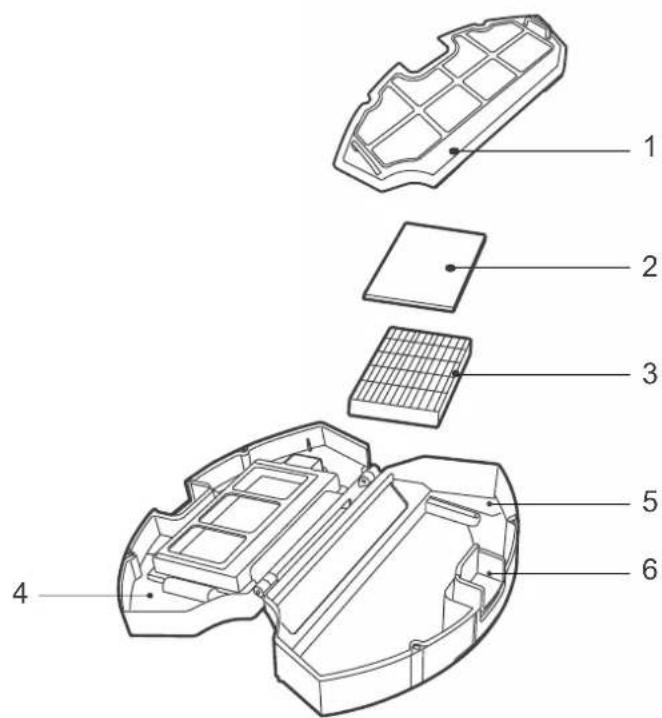
- Filter Net
- Sponge Filter
- High Efficiency Filter
- Dust Bin Cover
- Dust Bin
- Dust Bin Release Button
3. Operating and Programming
3.1 Notes Before Cleaning
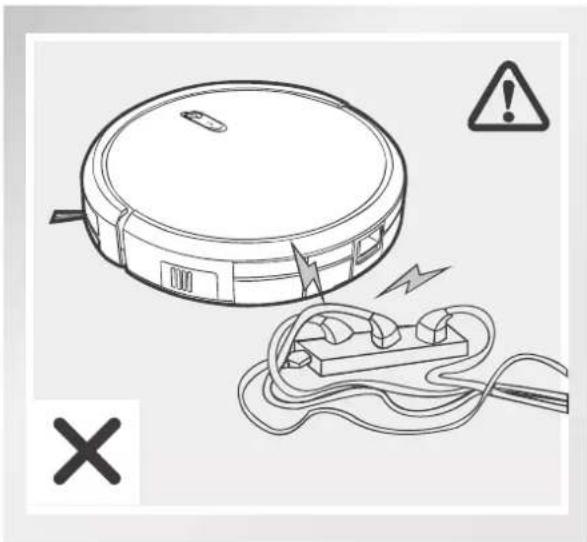
Before operating DEEBOT, take a few moments to survey the area to be cleaned and remove any obstacles.
natural_image
Line drawing of a robotic vacuum cleaner with warning symbols and electrical wiring (no text or labels)Remove power cords and small objects from the floor that could entangle the product.
natural_image
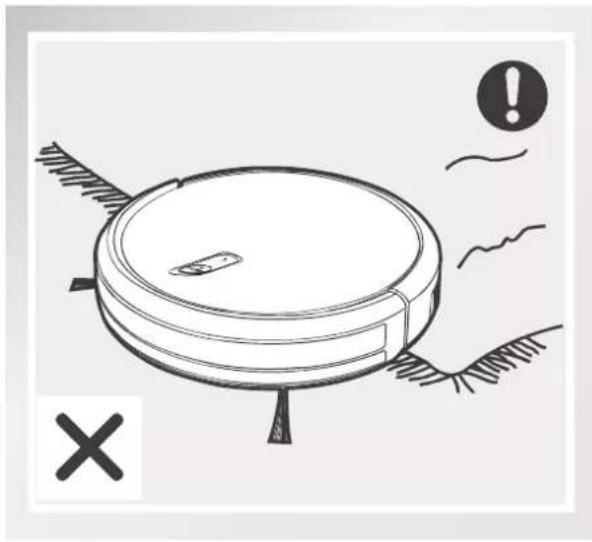
Illustration of a robotic vacuum cleaner with warning symbols and an 'X' mark (no text or labels on the diagram itself)The product is not suitable for use on long-pile carpet. Before using the product near an area rug or on a short-pile area rug with tasseled edges, please fold area rug edges under themselves.
natural_image
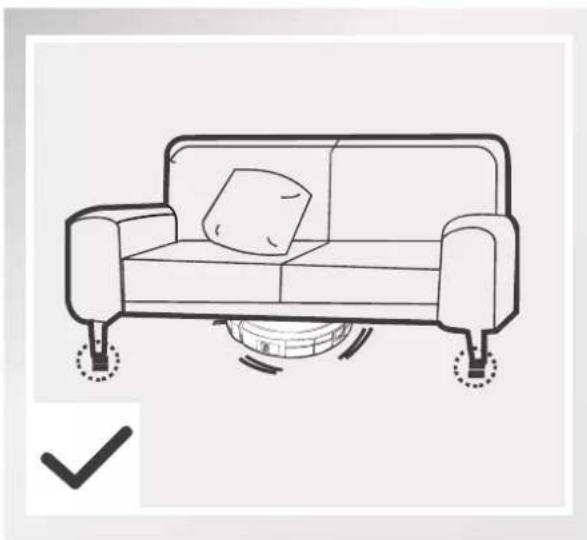
Line drawing of a sofa with a pillow placed on the back and wheels attached, indicating robotic arm or floor (no text or symbols)Please be aware that the robot needs at least an 8 cm (3") clearance to clean under furniture without complications.
natural_image
Line drawing of a staircase with a circular vent on top, no text or symbols presentIf there is a step or stairs in the cleaning area, please operate DEEBOT to ensure its Anti-Drop Sensors can detect the drop off. It may be necessary to place a physical barrier at the edge of the drop off to keep the unit from falling over the edge.
3. Operating and Programming
3.2 Quick Start
1 Charging Dock Placement
■ Connect the Power Adapter to the Charging Dock.
■ Place the Charging Dock on a level floor surface against the wall with the base perpendicular to the ground. Keep the immediate area 2m (6.6') in front of the charger and 1 m (3.3') on both sides of the charger clear of objects and reflective surfaces.
■ Plug the Charging Dock in. The Power Indicator Light on the Charging Dock glows.
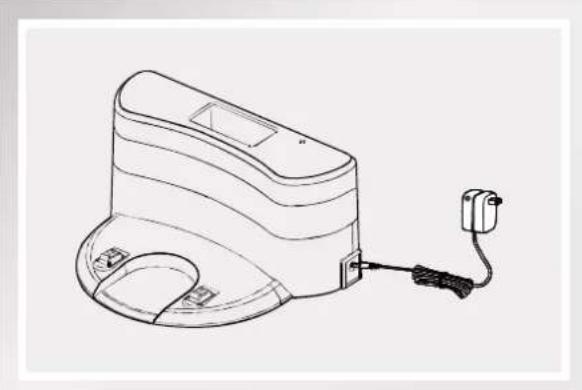
natural_image
Line drawing of a portable electronic device with a cable and plug, no text or symbols present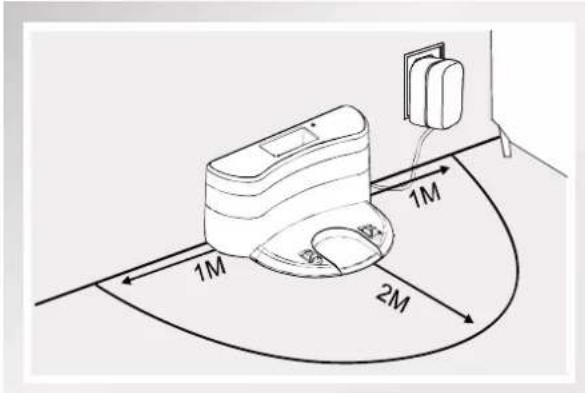
2 Install Side Brushes
■ Attach Side Brushes to the bottom of DEEBOT by pressing a brush into each slot until it clicks.
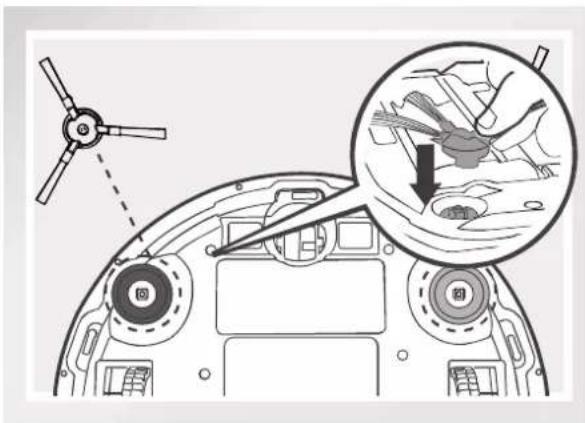
3 Power ON
■ Turn the robot's Side Power Switch to the ON position. "I" indicates ON and "O" indicates OFF. DEEBOT is powered ON when button glows a continuous BLUE.
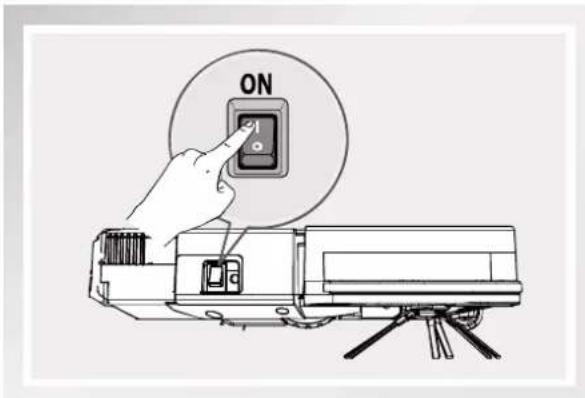
* When DEEBOT is not cleaning, it is suggested to keep it powered ON and charging instead of powered OFF.
3. Operating and Programming
4 Charge DEEBOT
■ Place DEEBOT on the Charging Dock making sure the Charging Contacts on DEEBOT and the Charging Dock Pins make a connection.
■ Charge DEEBOT for at least 4 hours before the first use.
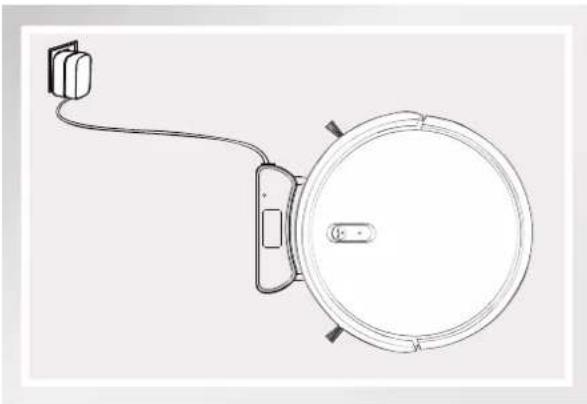
natural_image
Line drawing of a circular device with a cable and connector, no text or symbols present* Make sure to turn the robot's Power Switch on before charging.
* 📄 button blinks when DEEBOT is charging. button stops glowing after DEEBOT is fully charged.
5 Start
■ Press the 📋 button on DEEBOT or the AUTO Mode Button on the Remote Control. DEEBOT starts to work immediately in AUTO Cleaning Mode.
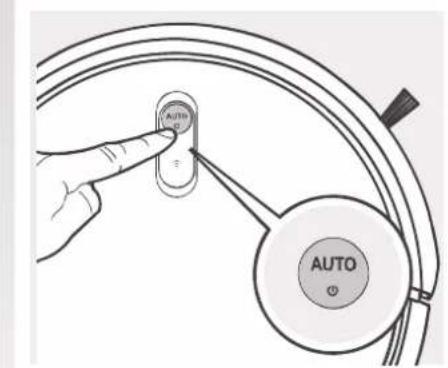
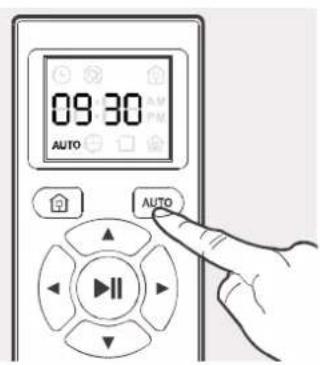
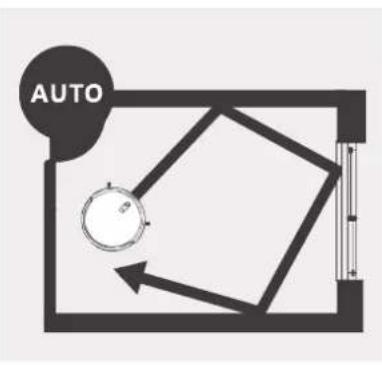
* To choose another Cleaning Mode, please refer to section 3.3 Cleaning Mode Selection for details.
* DEEBOT can be directed using the Direction Control Buttons on the Remote Control when it is paused.
3. Operating and Programming
6 Pause
■ Pause DEEBOT by pressing the button on DEEBOT or the START/PAUSE Button on the Remote Control.
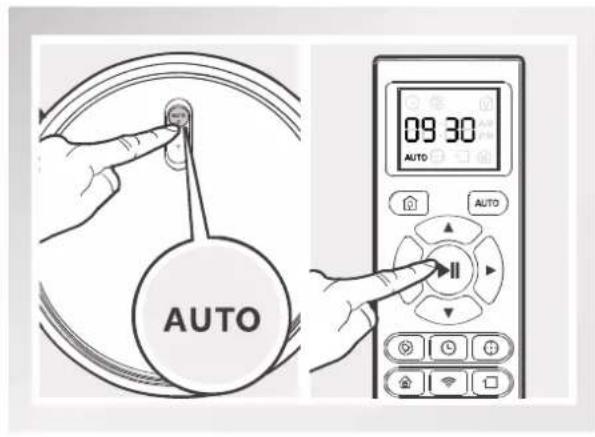
* The AUTO Mode Button on the robot's Control Panel stops glowing when the robot is paused for more than 10 minutes. Press AUTO Mode Button on the robot or press any button on the Remote Control to start the DEEBOT immediately.
7 Power OFF
■ Turn the robot's Side Power Switch to the ON position. "I" indicates ON and "O" indicates OFF.
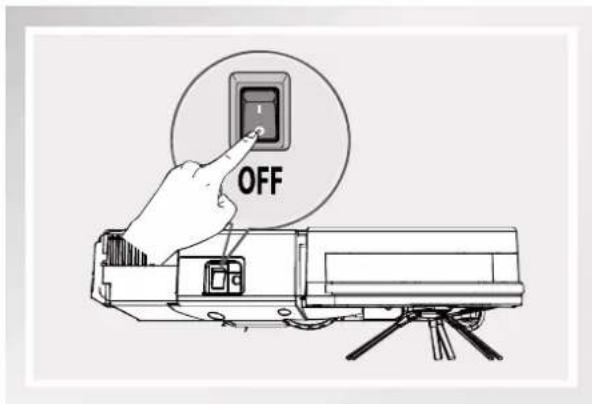
* When DEEBOT is not cleaning, it is suggested to keep it powered ON and charging instead of powered OFF.
3. Operating and Programming
* For models with app-connectivity, various functions can be performed using the ECOVACS App.
3.3 Cleaning Mode Selection
DEEBOT has several cleaning modes to choose from to effectively clean different floors. Cleaning modes are selected using the Remote Control.
1 AUTO Cleaning Mode
This is the most commonly used mode. In AUTO Cleaning Mode, DEEBOT cleans in a straight line and changes direction when it meets an obstacle.
■ To start AUTO Cleaning Mode, Press the button on DEEBOT or the AUTO Mode Button on the Remote Control.
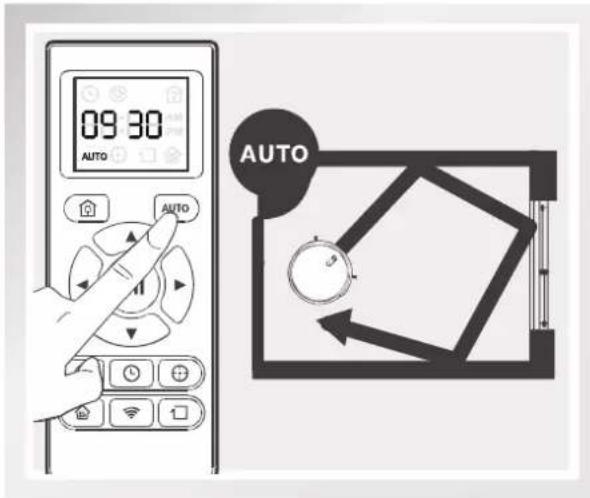
2 Spot Cleaning Mode (Less than 3 minutes)
This mode is applicable for an area of highly concentrated dirt or dust. In Spot Cleaning Mode, DEEBOT focuses on a specific area to clean. DEEBOT cleans the area in a spiral pattern using MAX suction power and stops when it completes Spot Cleaning.
■ To start Spot Cleaning Mode, press Spot Cleaning Mode Button on the Remote Control.
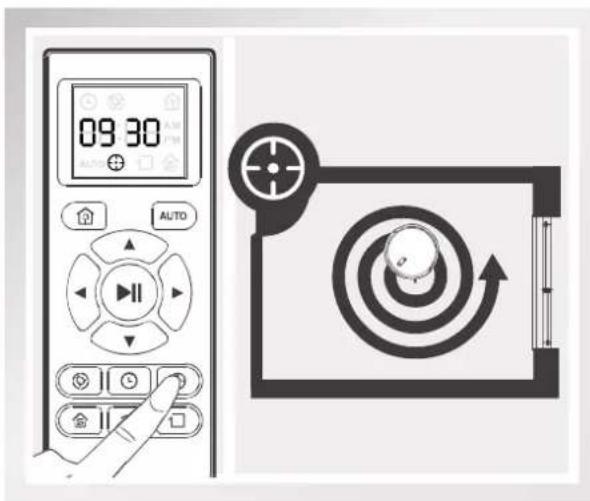
3. Operating and Programming
This mode is good for cleaning the edges and corners of a room. In Edge Cleaning Mode, DEEBOT cleans along a border using MAX suction power (e.g. wall).
■ To start Edge Cleaning Mode, press the Edge Cleaning Mode Button on the Remote Control.
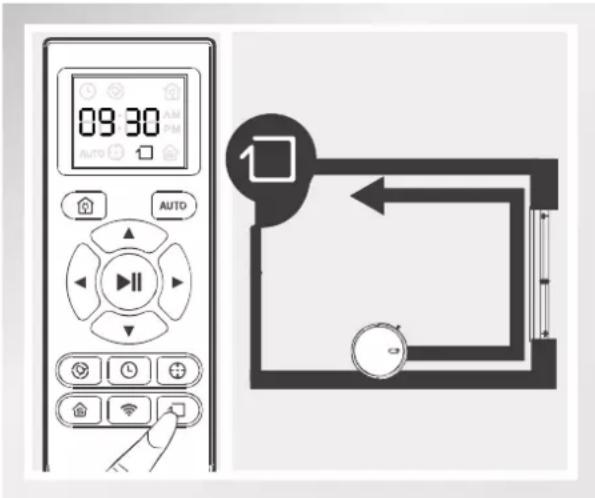
4 Single Room Mode
This mode is used when DEEBOT only needs to clean a single room. To start Single Room Cleaning Mode, press the Single Room Mode Button on the Remote Control.
* The room must be contained for Single Room Mode to function properly. Close doors to the room entrance and exit to contain the room.
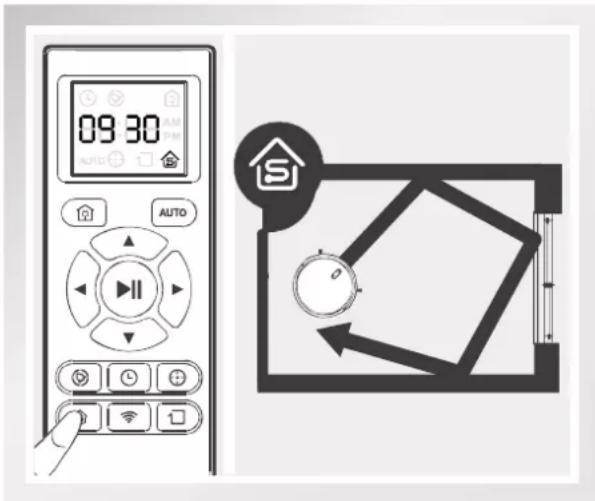
* Use the App to adjust the suction power of any Cleaning Mode already in process.
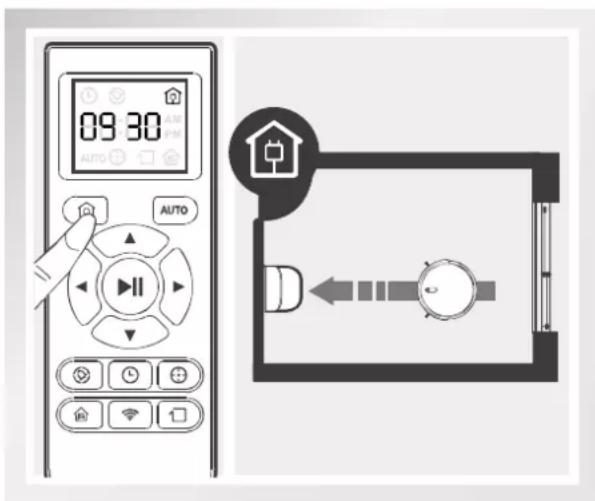
5 Return to Charger Mode
■ When battery power gets low, DEEBOT automatically switches to Return to Charger Mode and returns to the Charging Dock to recharge itself.
* DEEBOT can also be sent back to the Charging Dock at any time by pressing the Return to Charger Button on the Remote Control.
3. Operating and Programming
3.4 Programming the Robot
DEEBOT has a Time Scheduling function. DEEBOT can be programmed to automatically clean at a specific time using the Remote Control, even if nobody is at home. The current time of day and the cleaning times are scheduled using the Remote Control.
* All scheduled cleanings are performed in AUTO Cleaning Mode.
* The Remote Control uses a 12-hour clock with "AM" and "PM" indicators.
* DEEBOT loses the current time of day and schedule once it is powered OFF. Reset the current time of day and schedule the cleaning time when power on the DEEBOT again.
* It is suggested to keep it powered ON and charging instead of powered OFF.
Set the Current Time of Day
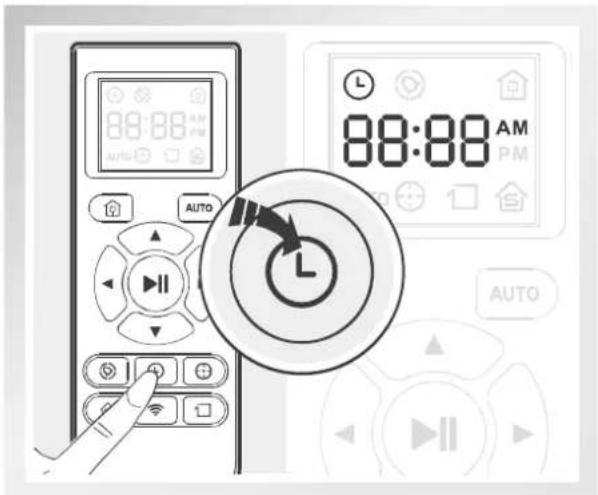
Press Ⓑ button on the Remote Control and the "hour" (first two digits) flashes on the Remote Control LCD Screen.
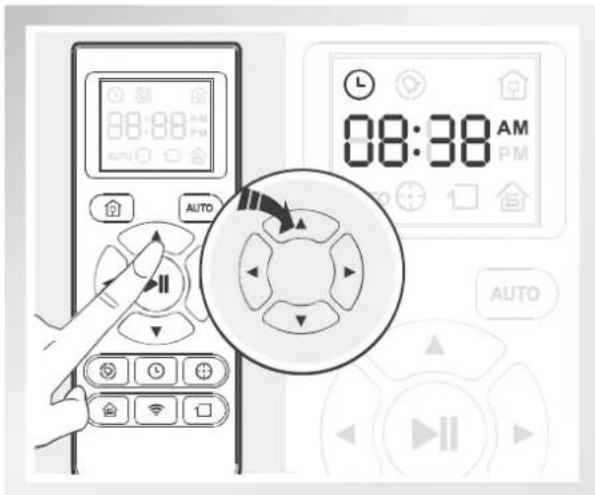
Press the up and down Direction Control Buttons ◆ to adjust "hour" and "minute" number. Press the left and right Direction Control Buttons ◆ to switch between "hour" and "minute."
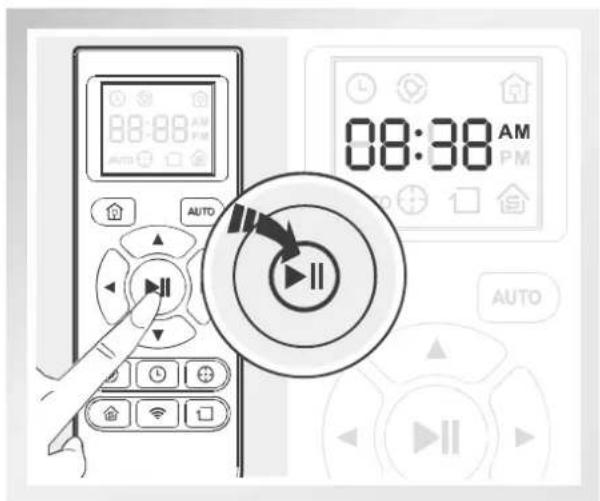
Press ▶ button on the Remote Control to confirm and save the current time of day.
3. Operating and Programming
Schedule the Cleaning Time using Remote Control
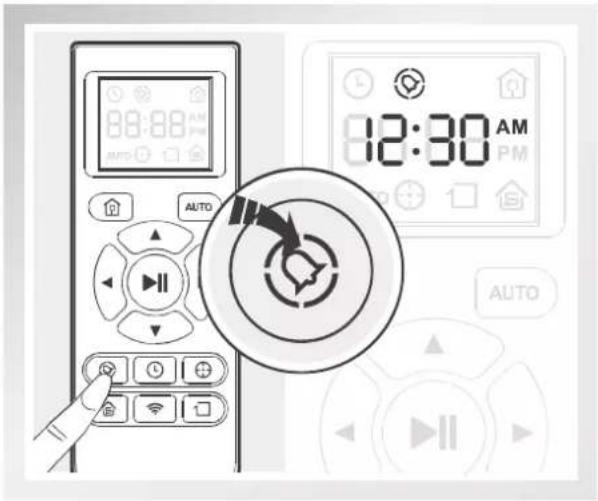
Press 📷 button on the Remote Control and the "hour" (first two digits) flashes on the Remote Control Screen.
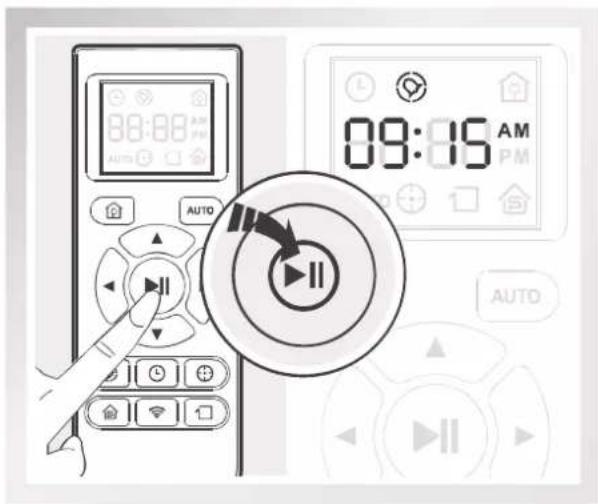
Press ▶ button on the Remote Control to confirm and save the scheduled cleaning time. DEEBOT beeps. DEEBOT automatically cleans at the scheduled cleaning time every day.
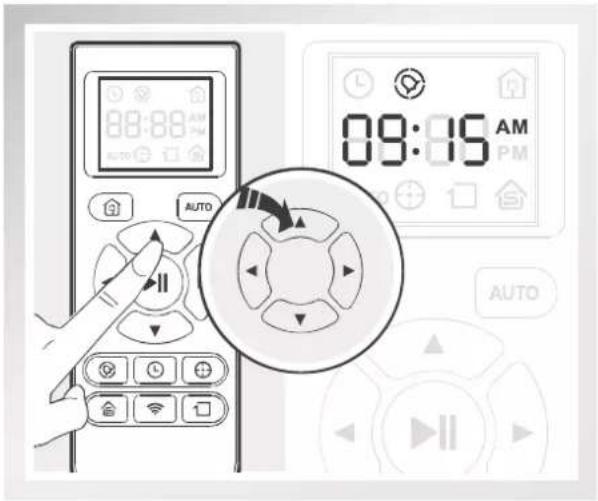
Press the up and down Direction Control Buttons ↕ to adjust "hour" and "minute" number. Press the left and right Direction Control Buttons ↕ switch between "hour" and "minute."
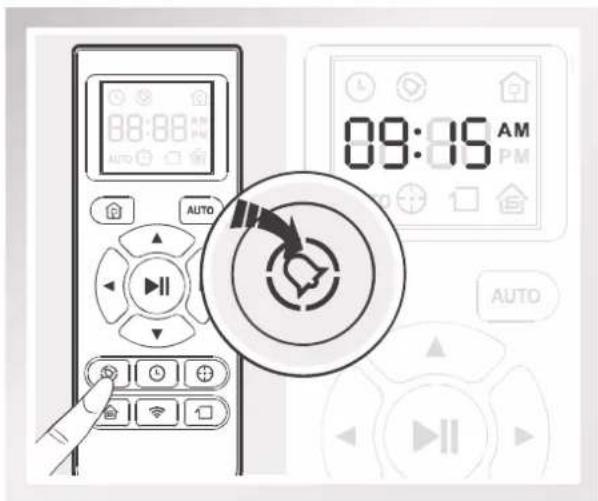
Cancel Scheduled Cleaning Time using Remote Control
To cancel the scheduled cleaning time, press and hold button for 3 seconds until disappears from the Remote Control LED Screen and the robot beeps. The scheduled cleaning time is cancelled.
3. Operating and Programming
3.5 Indicator Light and Alarm Sounds
Indicator Light
| AUTO Mode Button Status | |
| Flashes BLUE The robot is charging. | |
| Flashes RED or glows a continuous RED The robot has a problem. | |
| Glows a continuous RED The robot has low battery. | |
| Glows a continuous BLUE The robot is cleaning. | |
Alarm Sounds
If DEEBOT detects a problem, it emits alarm beeps and the AUTO Mode Button flashes RED or glows RED.
Flashing RED:
| Alarm Sound Problems Solution | ||
| One Beep | The robot is suspended or stuck. | Place the robot on an even surface, or remove the obstacles, and restart the robot. |
| Two Beeps | Anti-Collision Bumper Malfunction | Check the Anti-Collision Bumper for debris and remove the debris. |
| Three Beeps Anti-Drop Sensors Malfunction | Clean Anti-Drop Sensors as described in section 4 Maintenance. | |
| Four Beeps Low Battery | Manually place the robot on the Charging Dock to charge. | |
Glowing a continuous RED:
| Alarm Sound Problems Solution | |
| One Beep Driving Wheel malfunction | Check Driving Wheel for tangled hair or debris and clean as described in section 4 Maintenance. |
| Two Beeps Side Brush malfunction | Check Side Brushes for tangled hair or debris and clean as described in section 4 Maintenance. |
| Three Beeps Dust Bin malfunction | Empty the Dust Bin as described in section 4 Maintenance. |
| Four Beeps Main Brush malfunction | Check Main Brush for tangled hair or debris and clean as described in section 4 Maintenance. |
4. Maintenance
Before performing cleaning and maintenance, power OFF DEEBOT and unplug the Charging Dock.
4.1 Dust Bin and Filters
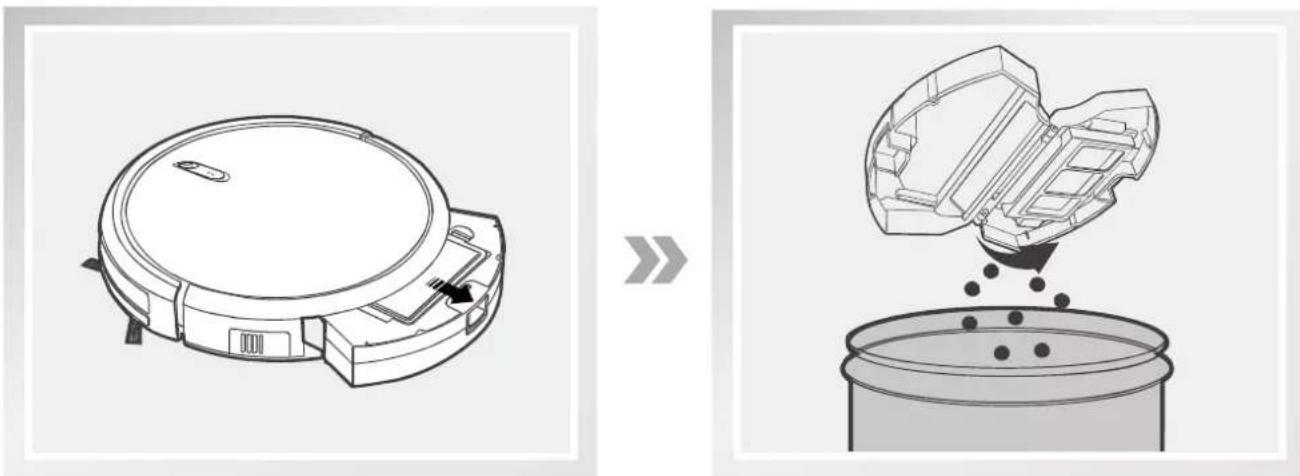
Remove the Dust Bin. Open the Dust Bin Cover and empty the Dust Bin.
natural_image
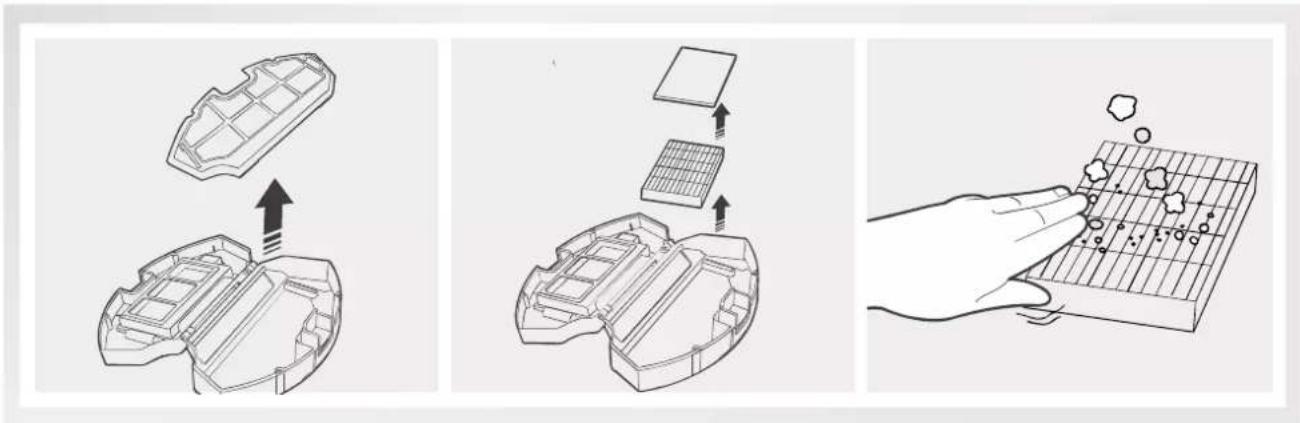
Diagram showing a robotic vacuum cleaner transforming into a container with particles (no text or symbols)Remove the Sponge Filter and High Efficiency Filter. Pat the High Efficiency Filter clean. Do not rinse the High Efficiency Filter under water.
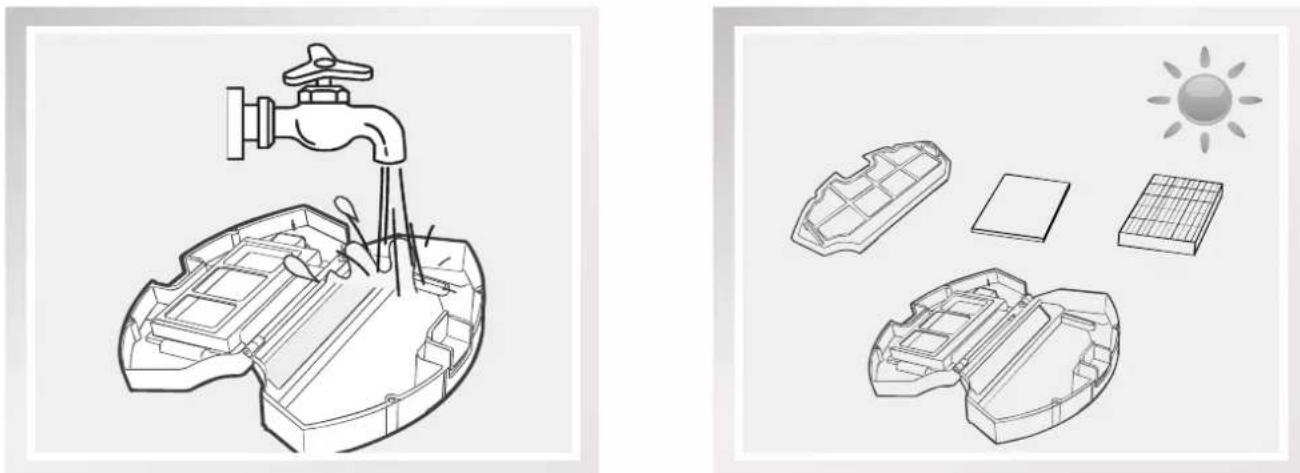
Rinse the Sponge Filter, Dust Bin and Filter Net under running water.
Dry the Sponge Filter, Dust Bin and Filter Net completely before reinstalling.
natural_image
Two technical diagrams showing a water tap and its internal components, with no visible text or symbols.4. Maintenance
4.2 Main Brush and Side Brushes
* A Multi-Function Cleaning Tool is provided for easy maintenance. Handle with care, this cleaning tool has sharp edges.
Cleaning the Main Brush
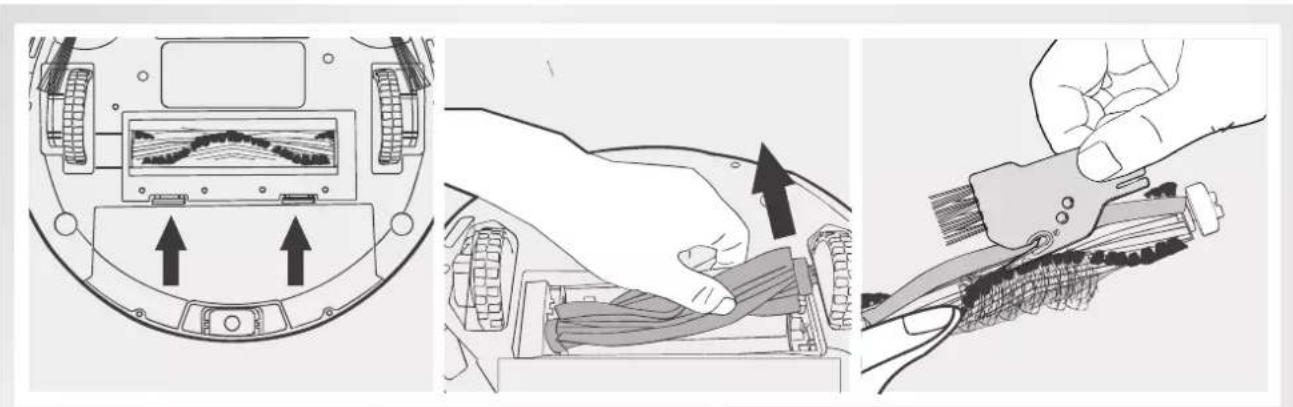
Turn the robot over. Push both buttons on the Main Brush Cover and remove it.
Remove the Main Brush.
Use the Multi-Function Cleaning Tool to cut off and remove any hair tangled around the Main Brush.
natural_image
Three-step diagram showing a device's internal components: top view with waveform display, hand inserting cable, and close-up of connector plug (no text or symbols)Cleaning the Side Brushes
Remove the Side Brushes. Wipe the Side Brushes and their slots with a dry cloth.
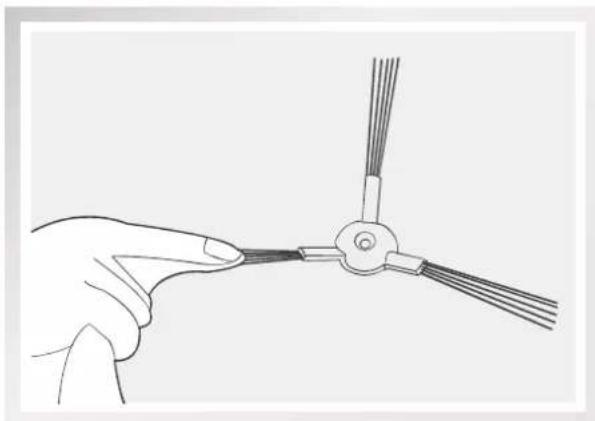
natural_image
Line drawing of a hand holding a tool with three blades, no text or symbols present4. Maintenance
4.3 Other Components
Use the Multi-Function Cleaning Tool to cut off and remove any hair tangled around the Universal Wheel.
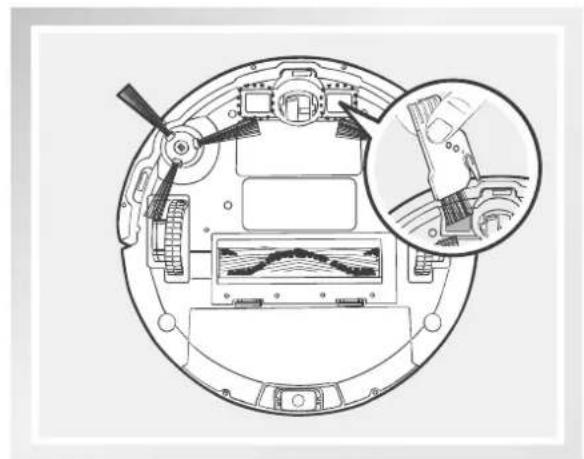
Wipe the Anti-Drop Sensors with the brush or the felt side of the Multi-Function Cleaning Tool to maintain their effectiveness.

natural_image
Top-down schematic of a mechanical device with internal components and an inset showing a close-up of a component (no text or symbols)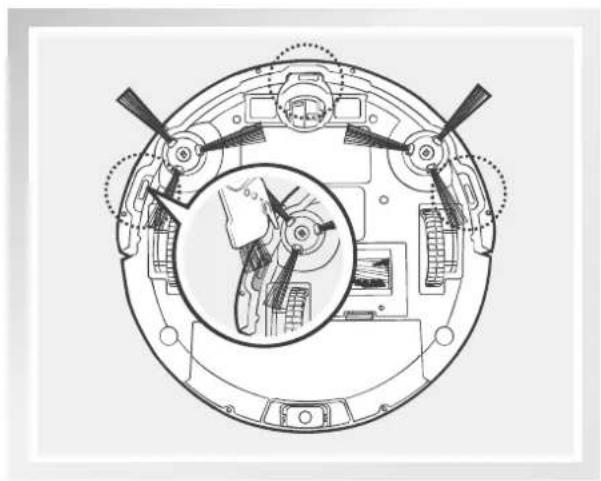
natural_image
Technical diagram of a mechanical device with internal components and a magnified inset showing internal components (no text or labels)Wipe the Charging Contacts and Charging Dock Pins with the brush of the Multi-Function Cleaning Tool or a dry clean cloth to maintain their effectiveness.
natural_image
Top-down technical diagram of a car dashboard and steering wheel, showing internal components and a close-up inset (no text or labels)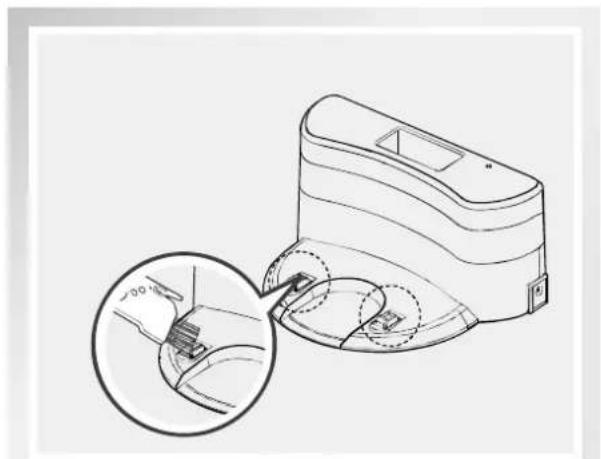
natural_image
Line drawing of a device with a magnified inset showing a close-up of the interior component (no text or symbols)4. Maintenance
4.4 Regular Maintenance
To keep DEEBOT running at peak performance, perform the maintenance and replacement according to the following frequency. A multi-Function Cleaning Tool is provided for easy maintenance. Handle with care, this cleaning tool has sharp edges.
| Robot Part Maintenance Frequency Replacement Frequency | ||
| Dust Bin After each use / | ||
| Side brush Once every 2 weeks Every 3-6 months | ||
| Main Brush Once per week Every 6-12 months | ||
| Sponge Filter/ High Efficiency Filter | Once per week (twice per week with pets in home) | Every 4-6 months |
| Universal Wheel Anti-Drop Sensors Charging Contacts Charging Dock Pins | Once per week | / |
Note: ECOVACS manufactures various replacement parts and assemblies. Please contact Customer Service for more information on replacement parts.
5. Troubleshooting
Please use this chart to troubleshoot common problems using DEEBOT.
| No. | Malfunction Possible Causes Solutions | ||
| 1 | DEEBOT will not charge. | DEEBOT is not powered ON. | Press and hold AUTO Mode Button on DEEBOT to power ON. |
| DEEBOT has not made a connection with the Charging Dock. | Be sure that DEEBOT's Charging Contacts have made a connection with the Charging Dock Pins. You may move the robot manually to make the connection if necessary. | ||
| Charging Dock is unplugged while DEEBOT is powered ON, which causes battery consumption. | Plug in the Charging Dock and ensure DEEBOT is powered ON. Keep DEEBOT on the Charging Dock to make sure it has a full battery to work at any time. | ||
| 2 | DEEBOT gets into trouble while working and stops. | DEEBOT is tangled with something on the floor (electrical cords, drooping curtains, carpet fringe etc.). | DEEBOT will try various ways to get itself out of trouble. If it is unsuccessful, manually remove the obstacles and restart. |
| Side Brush is stuck or the rotation speed of the Side Brush decreases. | Remove the debris tangled around the Side Brush. If the Side Brush still rotates slowly, contact Customer Service. | ||
| Main Brush is stuck or the rotation speed of the Main Brush decreases. | Remove the debris tangled around the Main Brush with the provided Multi-Function Cleaning Tool. If the Main Brush still rotates slowly, contact Customer Service. | ||
| 3 | DEEBOT returns to the Charging Dock before it finishes cleaning. | When battery power gets low, DEEBOT automatically switches to Return to Charger Mode and returns to the Charging Dock to recharge itself. | This is normal. No solution necessary. |
| Working time varies according to floor surface, room complexity and the selected Cleaning Mode. | This is normal. No solution necessary. |
5. Troubleshooting
| No. | Malfunction Possible Causes Solutions | ||
| 4 | DEEBOT will not clean automatically at scheduled time. | Time Scheduling function is cancelled. | Set Time Scheduling function as described in section 3.4. |
| DEEBOT is powered OFF. Power ON DEEBOT. | |||
| The robot's battery is low. | Keep DEEBOT powered ON and on the Charging Dock to make sure it has a full battery to work at any time. | ||
| The robot's components are tangled with debris. | Power OFF DEEBOT, clean the Dust Bin, and invert the robot. Clean Side Brushes and the Main Brush as described in section 4. | ||
| 5 | Remote Control failure (effective control range of Remote Control is 5m (16'). | The batteries in the Remote Control need to be replaced. | Replace with new batteries making sure they are installed correctly. |
| DEEBOT is powered OFF or DEEBOT's battery is low. | Make sure DEEBOT is powered ON and fully charged. | ||
| The infrared signal cannot be transmitted because the Infrared Emitter on the Remote Control or DEEBOT's Infrared Receiver on DEEBOT is dirty. | Use a dry cloth or the Multi-Function Cleaning Tool to wipe the Infrared Emitter on Remote Control and the Infrared Receiver on DEEBOT. | ||
| There is other equipment interfering with the infrared signal to DEEBOT. | Avoid using the Remote Control near other equipment using infrared signals. |
natural_image
Line drawing of a mechanical component with layered structure and mounting holes (no text or symbols)natural_image
Illustration of a remote control with two batteries, one displaying a display and the other showing charging (no text or symbols)natural_image
Two identical mechanical components with three blades, no text or symbols visible
② _i=1^n C_i | 12 _i=1^n C_i | = _i=1^n | 12 _i=1^n C_i |
natural_image
Simple line drawing of a handheld electric motor with a cable and terminal connector (no text or symbols)Netzteiladapter
natural_image
Line drawing of a circular vacuum cleaner with wiring and warning symbols (no text or labels)natural_image
Illustration of a robotic vacuum cleaner with warning symbols and a 'X' mark (no text or labels)natural_image
Line drawing of a sofa with a pillow placed on top, connected to a robot arm (no text or symbols)natural_image
Line drawing of a staircase with railings and a circular vent on top (no text or symbols)natural_image
Line drawing of a portable electronic device with a cable and connector (no text or symbols)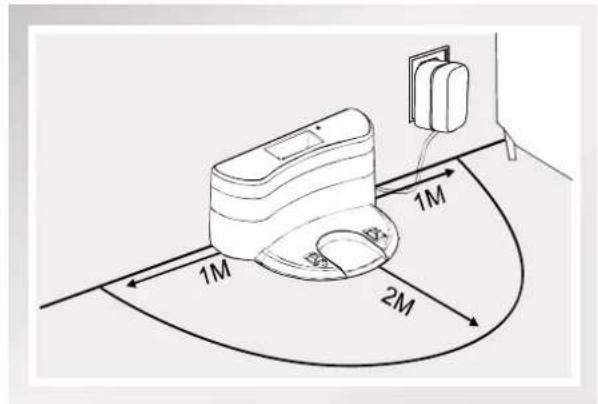
natural_image
Line drawing of a circular device with a cable and connector, no text or symbols presentnatural_image
Diagram showing a robotic vacuum cleaner transforming into a container with particles (no text or symbols)natural_image
Two technical diagrams showing a water tap and its internal components, with no text or symbols present.4. Wartung
natural_image
Three-step diagram showing a device interior with labeled parts: top view, hand holding cable, and close-up of tool (no text or symbols)natural_image
Illustration of a hand holding a tool with multiple wires attached to a central connector (no text or symbols)4. Wartung
4.3 Sonstige Teile
natural_image
Top-down schematic of a vehicle dashboard with internal components and a magnified inset showing hand tool placement (no text or symbols)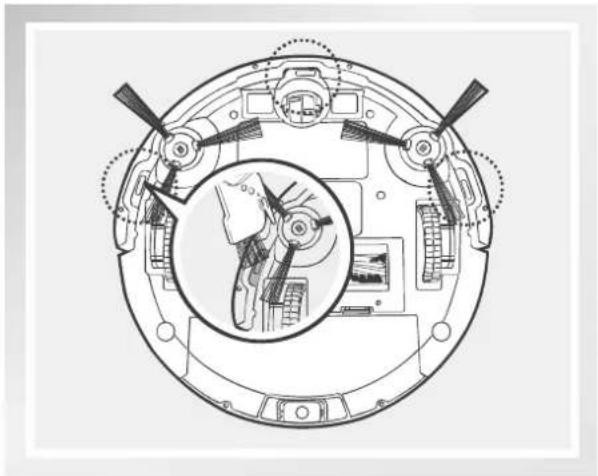
natural_image
Technical diagram of a mechanical device with internal components and a circular inset showing a hand operating a device (no text or labels)natural_image
Top-down schematic of a mechanical device with internal components and a magnified inset showing internal structure (no text or symbols)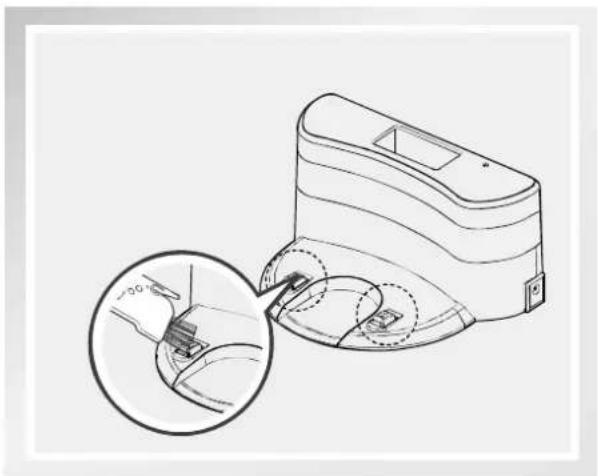
natural_image
Line drawing of a medical device with an inset showing a close-up of the internal components (no text or symbols present)natural_image
Line drawing of a mechanical component with layered structure (no text or symbols)natural_image
Illustration of a remote control device with two batteries (no text or symbols)natural_image
Two identical mechanical propeller designs with three blades and central hub (no text or symbols)2013年1月1日
natural_image
Simple line drawing of a handheld electrical plug with a cable (no text or symbols)Adaptador de red
natural_image
Line drawing of a robotic vacuum cleaner with warning symbols and electrical wiring (no text or labels)natural_image
Illustration of a robotic vacuum cleaner with warning symbols and an 'X' mark (no text or labels on the diagram itself)natural_image
Line drawing of a sofa with a pillow placed on the back and wheels attached, showing motion indicators (no text or symbols)natural_image
Isometric line drawing of a staircase with a circular vent on top, no text or symbols presentnatural_image
Line drawing of a portable electronic device with a cable and power outlet (no text or symbols)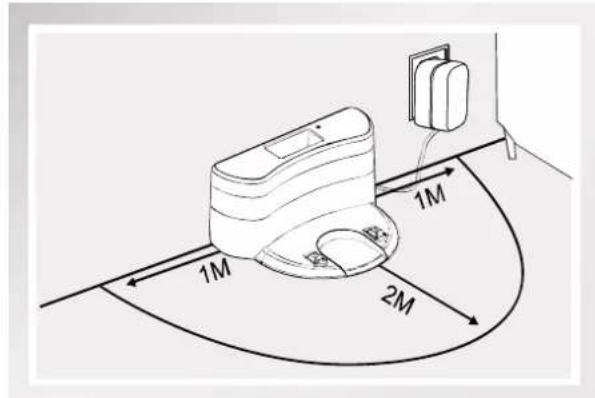
3 Encendido
natural_image
Line drawing of a circular device with a cable and connector, no text or symbols presentnatural_image
Diagram showing a robotic vacuum cleaner transforming into a container with particles (no text or symbols)natural_image
Two technical diagrams showing a water tap and solar panel installation, with no text or symbols present.4. Mantenimiento
4.2 Cepillo principal y laterales
natural_image
Three-step diagram showing a device interior with labeled parts: top view, hand holding cable, and close-up of tool (no text or symbols)natural_image
Illustration of a hand holding a tool with multiple blades, no text or symbols present4. Mantenimiento
natural_image
Top-down schematic of a robotic device with a close-up inset showing internal components (no text or symbols)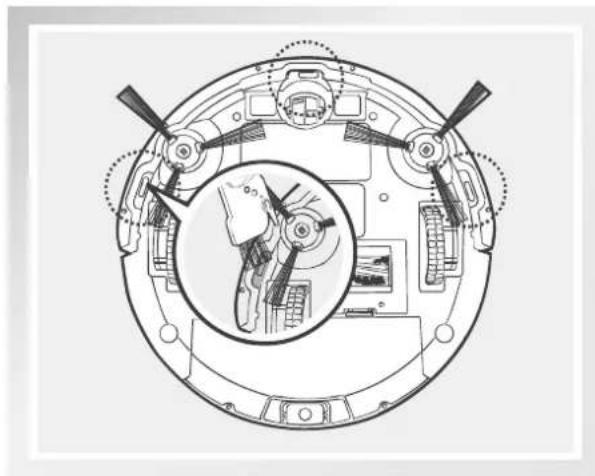
natural_image
Technical diagram of a mechanical device with internal components and a magnified inset showing internal components (no text or labels)natural_image
Top-down schematic of a car dashboard with internal components and a close-up inset showing hand placement (no text or symbols)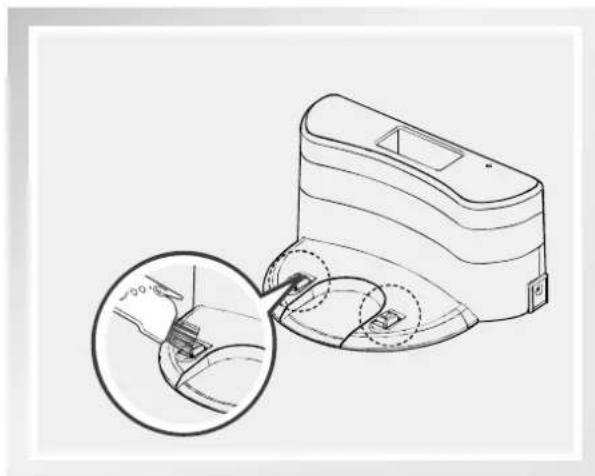
natural_image
Line drawing of a smart device with a close-up inset showing a hand inserting a cable into a cable (no text or symbols)4. Mantenimiento
natural_image
Line drawing of a mechanical component with layered structure and mounting points (no text or symbols)natural_image
Illustration of a remote control with a digital display and two batteries (no text or symbols)natural_image
Two identical mechanical components with three blades, no text or symbols visible
12 12 12 12 12 12 12 12 12 12

natural_image
Simple line drawing of a handheld electrical plug with a cable (no text or symbols)natural_image
Line drawing of a robotic vacuum cleaner with warning symbols and electrical wiring (no text or labels)natural_image
Illustration of a robotic vacuum cleaner with warning symbols and an 'X' mark (no text or labels on the diagram itself)natural_image
Line drawing of a sofa with a pillow placed on top, connected to a robotic vacuum cleaner (no text or symbols)natural_image
Line drawing of a staircase with a circular vent on top, no text or symbols presentnatural_image
Line drawing of a portable electronic device with a cable and connector (no text or symbols)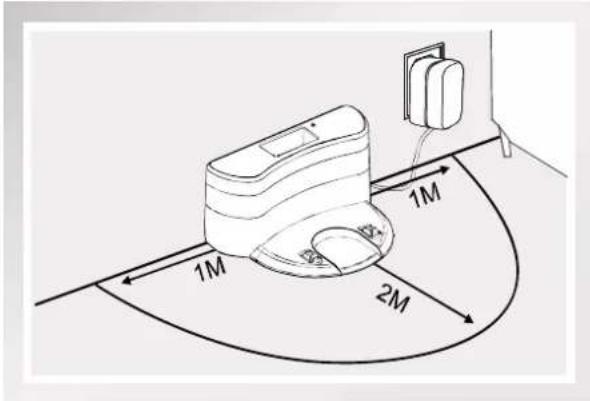
3 Mise sous tension
natural_image
Line drawing of a circular device with a cable and connector, no text or symbols present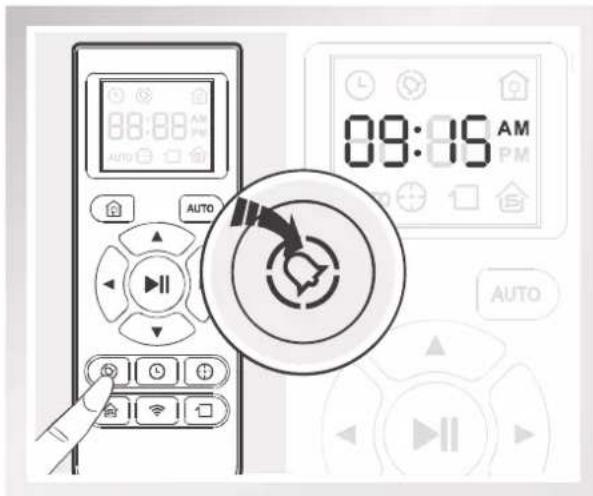
natural_image
Diagram showing a robotic vacuum cleaner transforming into a container with particles (no text or symbols)natural_image
Two technical diagrams showing a water tap and solar panel installation, with no text or symbols present.4. Entretien
natural_image
Three-step diagram showing a device interior with an analog display, hand inserting cable, and tool interacting with a connector (no text or symbols present)natural_image
Hand holding a tool with wires, no text or symbols visible4. Entretien
natural_image
Top-down technical diagram of a mechanical device with internal components and a magnified inset showing a tool interacting with a surface (no text or symbols present)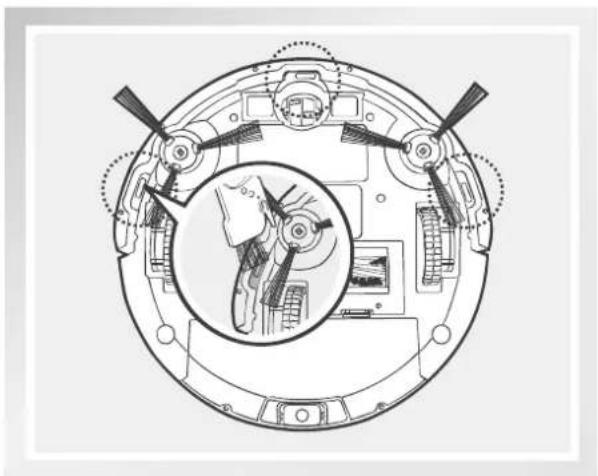
natural_image
Technical diagram of a mechanical assembly with internal components and a magnified inset showing a hand operating a device (no text or labels)natural_image
Top-down schematic of a vehicle dashboard with internal components and a close-up inset showing the dashboard interior (no text or labels)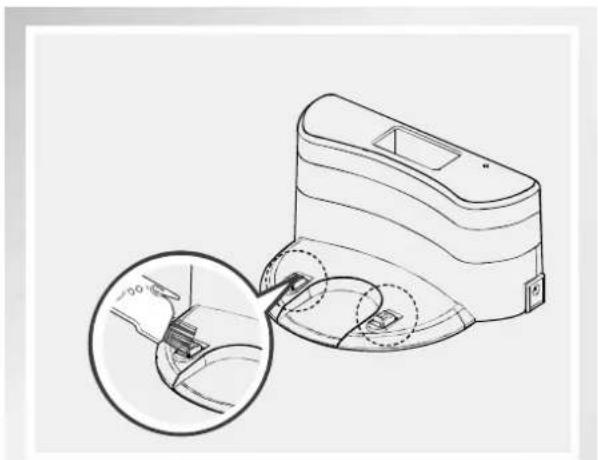
natural_image
Line drawing of a device with a close-up inset showing a hand inserting a cable into a socket (no text or symbols)natural_image
Top-down schematic of a circular device with labeled components (no text or symbols beyond branding)Robot
natural_image
Line drawing of a mechanical component with layered structure (no text or symbols)natural_image
Two identical mechanical propeller designs with three blades, shown in side profile (no text or symbols)(2) S###
natural_image
Simple line drawing of a handheld electric shock absorber with a coiled cable (no text or symbols)natural_image
Line drawing of a robotic vacuum cleaner with warning symbols and electrical wiring (no text or labels)natural_image
Illustration of a robotic vacuum cleaner with warning symbols and an 'X' mark (no text or labels on the diagram itself)natural_image
Line drawing of a sofa with a pillow placed on top, connected to a robotic vacuum cleaner (no text or symbols)natural_image
Line drawing of a staircase with a circular vent on top, no text or symbols presentnatural_image
Line drawing of a portable electronic device with a cable and power cord (no text or symbols)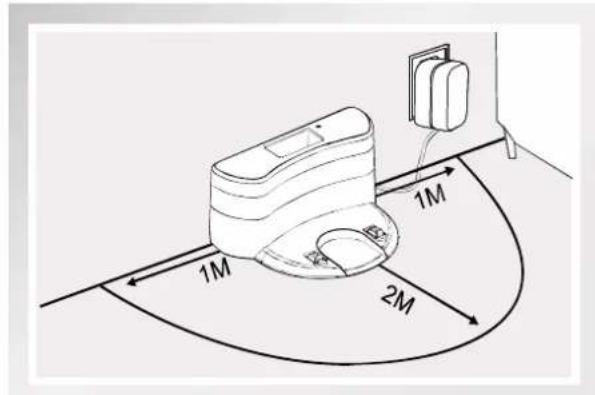
3 Accensione (ON)
natural_image
Line drawing of a circular device with a cable and connector, no text or symbols presentnatural_image
Diagram showing a robotic vacuum cleaner transforming into a container with particles (no text or symbols)natural_image
Two technical diagrams showing a water tap and solar panel installation, with no text or symbols present.4. Manutenzione
natural_image
Three-step diagram showing a device interior with an analog display, hand inserting cable, and close-up of cable being inserted (no text or symbols)natural_image
Line drawing of a hand holding a tool with multiple blades, no text or symbols present4. Manutenzione
natural_image
Top-down technical diagram of a vehicle's internal components, showing dashboard and steering wheel (no text or labels)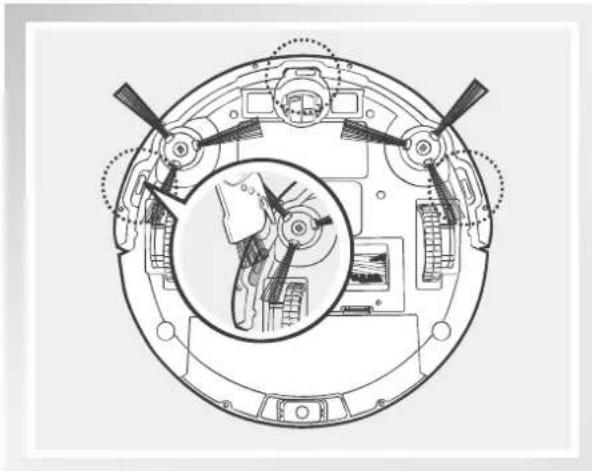
natural_image
Technical diagram of a mechanical assembly with internal components and a magnified inset showing a hand operating a device (no text or labels)natural_image
Top-down schematic of a car interior showing dashboard, steering wheel, and dashboard with a magnified inset detail (no text or labels)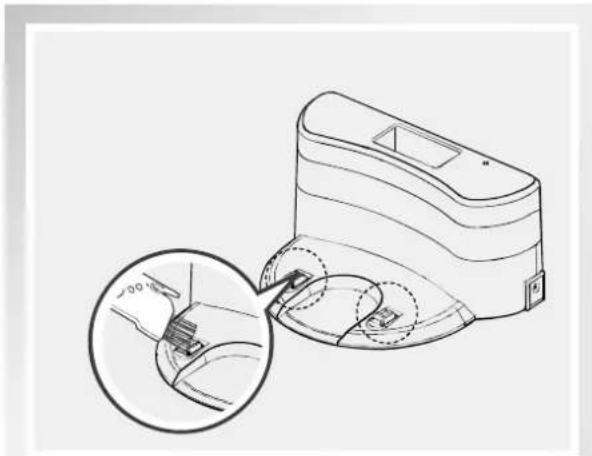
natural_image
Line drawing of a smart air purifier device with an inset showing the interior component (no text or symbols)4. Manutenzione
EU-Declaration of conformity
Document number: 0015
Manufacturer: Ecovacs Robotics Co., Ltd.
Address: No.18, Youxiang Road, Wuzhong District, Suzhou City, Jiangsu Province, China.
We hereby declare that the following products listed below are in accordance with the provisions in the latest version of EC in this document.
Product designation:
Brand:
Automatic battery-operated cleaner

Model:
DN622, DN622.XX(X=0-9, presents different color / accessories)
Specification:
Electrical appliances for household and similar purposes
EC Regulations or Directives:
| RED | Directive 2014/53/EU |
| RoHS | Directive 2011/65/EU |
| WEEE | Directive 2002/96/EC |
| REACH | Directive1907/2006/EC |
| Eco-design | Directive 2009/125/EC |
Standards the product is in conformity with:
EN 60335-2-2:2010 + A11:2012 + A1:2013
EN 60335-1:2012+A11:2014+AC:2014
EN 60335-2-29:2004 + A2:2010
EN 62233:2008
EN 55014-1:2006+A1:2009+A2:2011
EN 55014-2:2015
EN 61000-3-2:2014
EN 61000-3-3:2013
EN 300 328 V2.1.1
EN301 489-1 V2.2.0(2017-03)
EN301 489-17 V3.2.0(2017-03)
EN 62311:2008
IEC62321:2008
EN 50564: 2011
Signature:
General Manager: Zhuang Jianhua
Date: 2018-02-07

natural_image
Close-up of a white circular object with black and white markings, possibly a device or component (no visible text or symbols)
- Contents
- Important Safety Instructions
- READ ALL INSTRUCTIONS BEFORE USING THIS APPLIANCE.
- SAVE THESE INSTRUCTIONS
- Correct Disposal of this Product
- Package Contents and Technical Specifications
- Package Contents
- Specifications
- Product Diagram
- Operating and Programming
- Notes Before Cleaning
- Quick Start
- Charging Dock Placement
- Install Side Brushes
- Power ON
- Charge DEEBOT
- Start
- Pause
- Power OFF
- Cleaning Mode Selection
- AUTO Cleaning Mode
- Spot Cleaning Mode (Less than 3 minutes)
- Single Room Mode
- Return to Charger Mode
- Programming the Robot
- Cancel Scheduled Cleaning Time using Remote Control
- Indicator Light and Alarm Sounds
- Alarm Sounds
- Maintenance
- Dust Bin and Filters
- Main Brush and Side Brushes
- Cleaning the Main Brush
- Cleaning the Side Brushes
- Other Components
- Regular Maintenance
- Troubleshooting
- Wartung
- Sonstige Teile
- Encendido
- Mantenimiento
- Cepillo principal y laterales
- Mise sous tension
- Entretien
- Accensione (ON)
- Manutenzione
- EU-Declaration of conformity
- Product designation:
- Automatic battery-operated cleaner
- Standards the product is in conformity with:
Brand : ECOVACS
Model : DEEBOT N79T
Category : Vacuum Cleaner