RBBF 178 T - Fridge ROSIERES - Free user manual and instructions
Find the device manual for free RBBF 178 T ROSIERES in PDF.



| Product type | Refrigerator with freezer compartment |
| Brand | Rosieres |
| Model | RBBF 178 T |
| Power supply | 220-240 V, 50 Hz |
| Climate class | SN, N, ST, T |
| Refrigerant | R600a (isobutane), cyclopentane |
| Temperature adjustment | Electronic, levels 1 to 4 with sub-levels |
| Open door alarm | Yes, after 90 seconds |
| Internal fan | Optional, can be activated by switch |
| Lighting | LED, replacement by after-sales service |
| Refrigerator defrost | Automatic |
| Freezer defrost | Manual (without No Frost technology) |
| Reversible door opening | Yes, by qualified personnel |
| Installation | Built-in in column, requires rear ventilation |
| Cleaning | Warm water and neutral soap, baking soda |
| Safety instructions | Do not use flames or sharp objects to defrost |
| Power failure | Keep doors closed to preserve cold |
| After-sales service | Contact for any repair or replacement of parts |
| Warranty | Conditions not specified in the manual |
Frequently Asked Questions - RBBF 178 T ROSIERES
User questions about RBBF 178 T ROSIERES
0 question about this device. Answer the ones you know or ask your own.
Ask a new question about this device
Download the instructions for your Fridge in PDF format for free! Find your manual RBBF 178 T - ROSIERES and take your electronic device back in hand. On this page are published all the documents necessary for the use of your device. RBBF 178 T by ROSIERES.
USER MANUAL RBBF 178 T ROSIERES
GUIDA RAPIDA DI MANUTEZIONE E D'USO IT
MAINTENANCE AND USER'S GUIDE EN
MANUEL D'ENTRETIEN ET D'UTILISATION FR
GUIA RAPIDA DE USO Y MANTENIMIENTO ES
BEDIENUNGS-UND INSTALLATIONSANLEITUNG DE
GUIA RAPIDO DE MANUTENÇÃO E DE USO PT
HANDLEIDING VOOR ONDERHOUD EN GEBRUIK NL
ΓPHΓOPOΣ OΔHΓΟΣ ΣYNTHPHEKAI XPHEHL
KROTKA INSTRUKCJA KONSERWACJI UZYTKOWANIA PL
STRUCNY NAVOD PRO POUZITI A UDRZBU CZ
MHCTPYKUN3A EKCINIOATAUIN 5
COMBINE FRIGORIFICE MANUAL DE UTILIZARE RO
NAVODILA ZA UPORABO SL
ITALIANO pag. 1--10
Congratulations on purchasing this fridge, which has been designed using the latest technologies for an easy-to-use, environmentally friendly appliance.
We recommend you read this guide and the technical datasheet carefully to find out everything you need to know about your new fridge.
FRANÇAIS
page 21--30
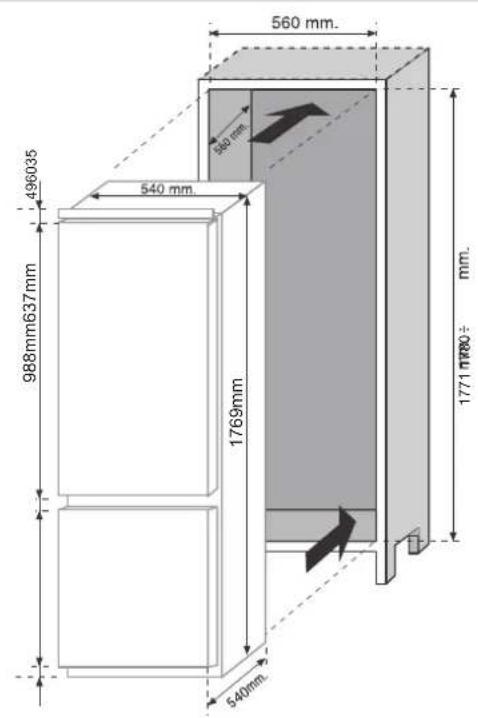
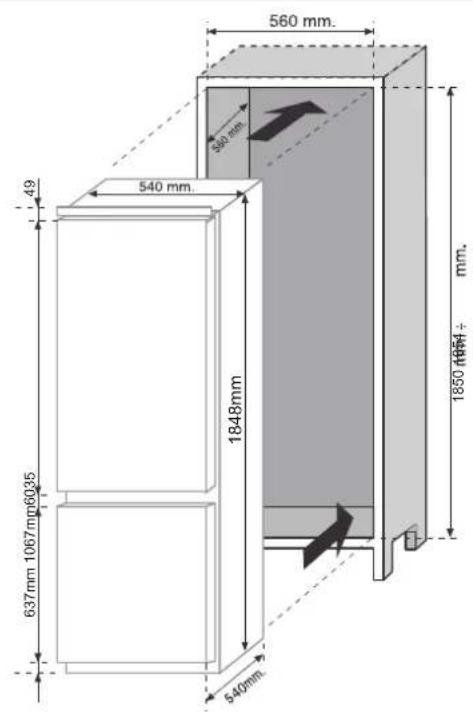
PRODUCT DIMENSION AND BUILT-IN COMPARTMENT.. 17--18
INSTALLATION OF THE APPLIANCE IN THE COLUMN.... 18--18
COPLING OF THE PANELS OF THE BUILT-IN COLUMN
OF THE APPLIANCE DOORS 19--19
PRECAUTIONS FOR THE CORRECT OPERATION 19--19
SUSPENDING USE OF THE APPLIANCE 19--19
TROUBLESHOOTING 20--20
Thank you for purchasing this product.
Before using your refrigerator, please carefully read this instruction manual in order to maximize its performance. Store all documentation for subsequent use or for other owners. This product is intended solely for household use or similar applications such as:
- the kitchen area for personnel in shops, offi ces and other working environments
- on farms, by clientele of hotels, motels and other environments of a residential type
- at bed and breakfasts (B & B)
- for catering services and simil ar applications not for retail sale.
This appliance must be used only for purposes of storage of food, any other use is considered dangerous and the manufacturer will not be responsible for any omissions. Also, it is recommended that you take note of the warranty conditions.
SAFETY INFORMATION
The refrigerator contains a refrigerant gas (R600a: isobutane) and insulating gas (cyclopentane), with high compatibility with the environment, that are, however, inflammable.
We recommend that you follow the following regulations so as to avoid situations dangerous to you:
- Before performing any operation, unplug the power cord from the power socket.
- The refrigeration system positioned behind and inside the refrigerator contains refrigerant. Therefore, avoid damaging the tubes.
- If in the refrigeration system a leak is noted, do not touch the wall outlet and do not use open flames. Open the window and let air into the room. Then call a service centre to ask for repair.
- Do not scrape with a knife or sharp object to remove frost or ice that occurs. With these, the refrigerant circuit can be damaged, the spill from which can cause a fire or damage your eyes.
- Do not install the appliance in humid, oily or dusty places, nor expose it to direct sunlight and to water.
- Do not install the appliance near heaters or inflammable materials.
- Do not use extension cords or adapters.
- Do not excessively pull or fold the power cord or touch the plug with wet hands.
- Do not damage the plug and/or the power cord; this could cause electrical shocks or fires.
- It is recommended to keep the plug clean, any excessive dust residues on the plug can be the cause fire.
- Do not use mechanical devices or other equipment to hasten the defrosting process.
- Absolutely avoid the use of open flame or electrical equipment, such as heaters, steam cleaners, candles, oil lamps and the like in order to speed up the defrosting phase.
- Do not use or store inflammable sprays, such as spray paint, near the refrigerator. It could cause an explosion or fire.
- Do not use electrical appliances inside the food storage compartments, unless they are of the type recommended by the manufacturer.
- Do not place or store inflammable and highly volatile materials such as ether, petrol, LPG, propane gas, aerosol spray cans, adhesives, pure alcohol, etc. These materials may cause an explosion.
- Do not store medicine or research materials in the refrigerator. When the material that requires a strict control of storage temperatures is to be stored, it is possible that it will deteriorate or an uncontrolled reaction may occur that can cause risks.
- Maintain the ventilation openings in the appliance enclosure or in the built-in structure, free of obstruction.
- Do not place objects and/or containers filled with water on the top of the appliance.
- Do not perform repairs on this refrigerator. All interventions must be performed solely by qualified personnel.
- This appliance can be used by children aged from 8 years and above and by persons with reduced physical, sensory or mental capabilities or with a lack of experience and knowledge, provided that they have been given adequate supervision or instruction concerning how to use the appliance in a safe way and understand the hazards involved.
Children should not play with the appliance. Cleaning and user maintenance should not be made by children without supervision.
Turning the knob fully counterclockwise, you will hear a click which corresponds to the switch-off of the product.
When the appliance is installed, the electrical cord and the current socket must be easily reached.
The socket is compatible with the plug of the appliance. If not, request replacement of the plug by an authorized technician; do not use extension cords and/or multiple connectors.
Do not touch the internal parts or frozen food with moist or wet hands as it can cause burns.
Scrapbing old appliance

This appliance is marked according to the European directive 2012/19/EU on Waste Electrical and Electronic Equipment (WEEE). WEEE contains both polluting substances (which can cause negative consequences for the environment) and basic components (which can be re-used). It is important to have WEEE subjected to specific treatments, in order to remove and dispose properly all pollutants, and recover and recycle all materials. Individuals can play an important role in ensuring that WEEE does not become an environmental issue; it is essential to follow some basic rules:
- WEEE should not be treated as household waste;
- WEEE should be handed over to the relevant collection points managed by the municipality or by registered companies. In many countries, for large WEEE, home collection could be present.
In many countries, when you buy a new appliance, the old one may be returned to the retailer who has to collect it free of charge on a one-to-one basis, as long as the equipment is of equivalent type and has the same functions as the supplied equipment.
Conformity
By placing the C mark on this product, we are confirming compliance to all relevant European safety, health and environmental requirements which are applicable in legislation for this product.
INSTALLATION
WARNING:
- Do not install the appliance in a damp or wet location as this could compromise the insulation and result in leakage.
Furthermore, on the exterior of the same, condensate could accumulate - Do not place the appliance in locations outside or near sources of heat or exposed to direct sunlight.
The appliance operates properly within the range of environmental temperatures indicated:
+10 +32°C for the climatic class SN
+16 +32°C for the climatic class N
+16 +38°C for the climatic class ST
+16 +43°C for the climatic class T
(See the nameplate of the product)
- Do not place containers with liquids on top of the appliance.
- Wait at least 3 hours after final placement before placing the appliance in operation.
Electrical connection
After shipping, place the appliance vertically and wait at least 2 - 3 hours before connecting it to the electrical system. Before inserting the plug into the electrical socket, make sure that:
- The socket is earthed and in compliance with the law.
- The socket can withstand the maximum power load of the appliance, as indicated on the nameplate of the refrigerator.
- The power supply voltage is within the amounts indicated on the nameplate of the refrigerator.
The cord must not be folded or compressed. - The cord must be checked regularly and replaced solely by authorized technicians.
- The manufacturer declines any liability whenever these safety measures are not respected.
Appliance start-up
Remove all wrapping/packaging present inside the appliance and clean with water and baking soda or neutral soap.
After the installation, wait 2 - 3 hours to allow time for the refrigerator/ freezer to stabilize at normal working temperature, before placing fresh or frozen foods inside.
If the power cord becomes disconnected, wait at least five minutes before restarting the refrigerator/ freezer. At this point, the appliance is ready for use.
OPERATION
Turning On/Off
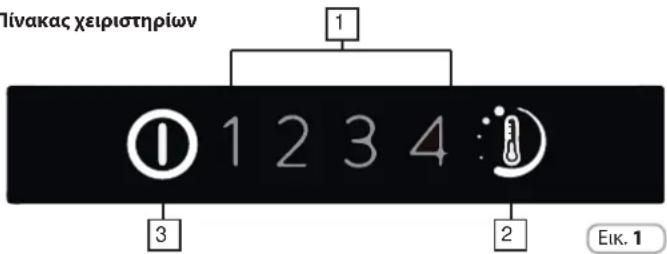
Control panel
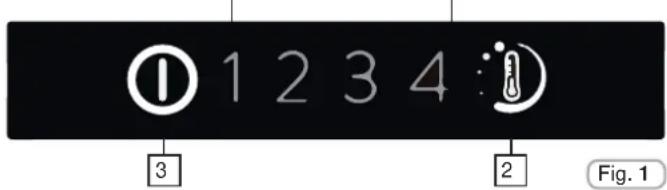
- Temperature indicator LED
- Temperature control
- ON/OFF button
Fig.1
Turning the appliance ON:
Plug the appliance in, if all the temperature indicators LEDs are off, press ON/OFF (3) for 1 second. When you release the ON/OFF button (3) a temperature light will come on and the appliance will beep.
Turning the appliance OFF:
Press the ON/OFF button (3) for 1 second, when you release it, the temperature light will go out and the appliance will beep. In the event of a power failure, when the power comes back on, the appliance will run using the last saved setting.
Setting the temperature
Press the button for setting the temperature until you reach the level you want where level 1 is the warmest and level 4 is the coldest. Under normal operating conditions, we recommend using an intermediate setting (level 2)
On/Off 1 2 3 4
Press button (2) for less than 2 seconds to change the temperature level.
On/Off 1 2 3 4
Advanced settings menu:
Use this menu to set an intermediate level.
On/Off 1 2 3 4
Press button (2) for more than 2 seconds. When you release it, LED 2 will flash
On/Off 1 2 3 4
The next time you press button (2) for less than 2 seconds, the intermediate level will be set. This operation works in cycles every time you press the button.
On/Off 1 2 3 4
On/Off 1 2 3 4
If you do not press the button (2) for more than 5 seconds, the settings will be saved.
The temperature levels in advanced settings are set from warmest to coldest e.g. 2/2.1/2.3/2.4 which means there are 4 sub-levels for every main level.
Door open alarm
If the door is left open for longer than 90 seconds, an alarm is sounded. To turn it off, simply close the door or press button 2.
| Position Conditions | |
| 1-2 Summer or ambient temperature between 25-35 °C | |
| 2-3 Spring, autumn or ambient temperature between 15-25 °C | |
| 3-4 Winter, or ambient temperature between 5-15 °C | |
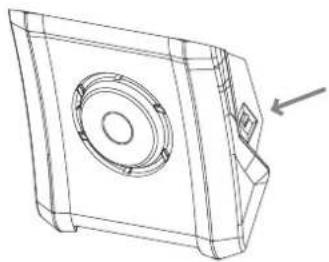
Refrigerator Compartment Fan (if present)
The fan is preset to OFF.
To activate, press the switch (Fig. 2).
To optimize energy consumption, it is recommended that you turn the fan on only when the ambient air temperature exceeds 28 to 30^ .
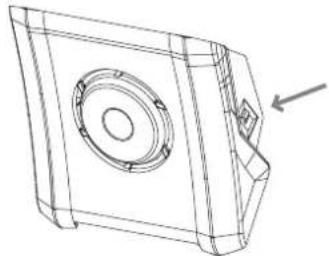
Fig. 2
CONSERVATION
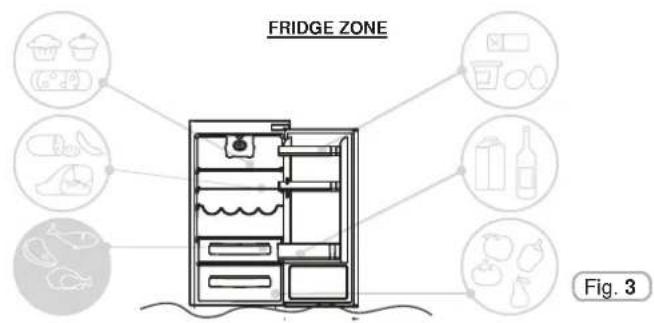
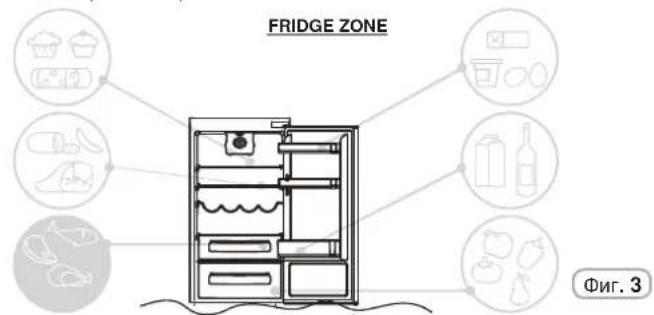
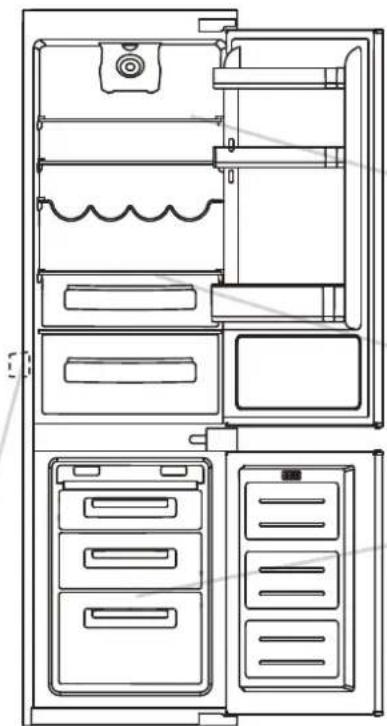
- To maintain the best flavour, nourishment and freshness of foods, it is advisable to store them in the refrigerator compartment as shown in Fig. 5 below, making sure to wrap them in aluminium or plastic sheets or in appropriate covered containers to avoid cross-contamination.
Refrigerator zone
Fruit / Vegetables
- To decrease fruit and vegetable moisture losses they must be wrapped in plastic materials such as, for example, films or bags and then inserted in the fruit/vegetable zone. In this way rapid deterioration is avoided.
Refrigerated section fresh zone
(not all models)
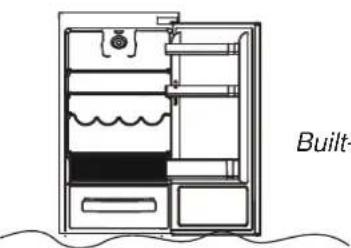
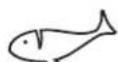
The zone shown below is recommended for meat, fish, poultry, etc.; do not store fruit and vegetables because they can freeze;
Indicator of the temperature in the coldest zone
(not all models)
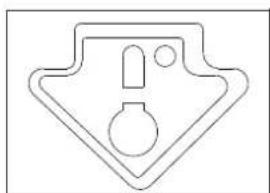
Some models are equipped with an indicator of the temperature in the refrigerator compartment in the coldest zone, for you to be able to control the average temperature.
This symbol indicates the coldest zone of the refrigerator (Fig. 4).
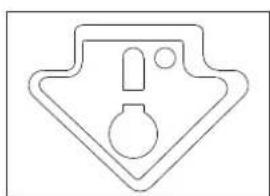
Fig. 4
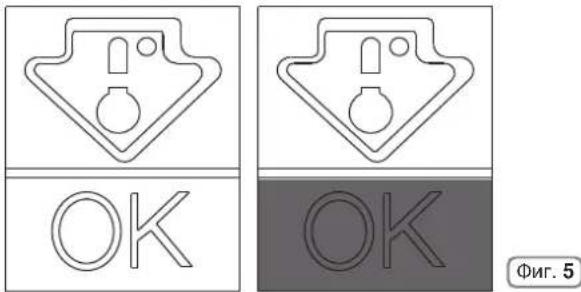
Check that on the indicator of the temperature, the word OK is clearly shown (Fig. 5). If the word does not appear, this means that the temperature is too high: adjust the temperature to a cooler setting and wait for about 10 hours.
Recheck the indicator: if necessary, proceed with a new adjustment.
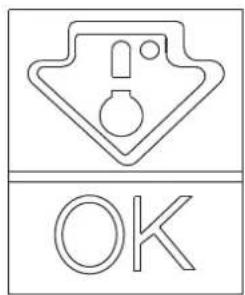
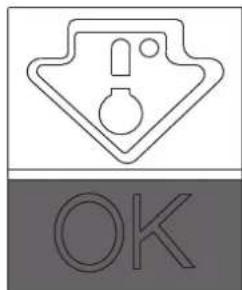
Fig.5
NOTE:
If large quantities of food are inserted or the refrigerator door frequently opened, it is normal for the indicator fails to show OK. Wait for at least 10 hours before setting the temperature at its coldest levels (3,4).
Freezer zone
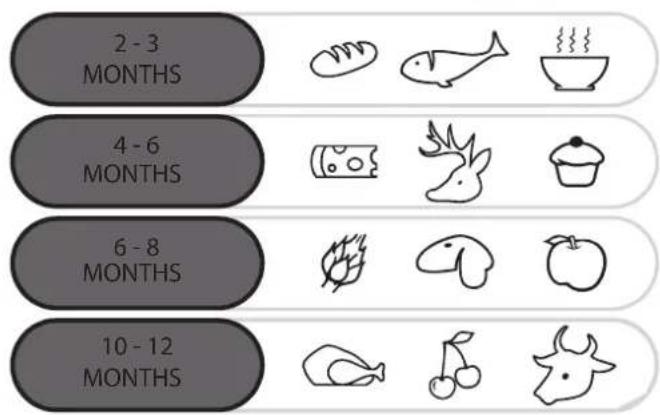
Use the table below for the compartments

Freezing process can only occur in the compartments
***
Practical recommendations
Place food on the shelves in a homogeneous manner to allow air to circulate properly and to cool it.
- Avoid contact between the food and the far end walls of the refrigerator compartment.
- Do not introduce hot foods as they can cause deterioration of existing ones and increase energy consumption.
- Remove the wrappings of foods before inserting them.
- Do not put in dishes or other containers unless previously washed.
- Do not obstruct the cold air ventilator openings with food.
- Do not cover the glass shelf of the vegetable bin to allow for proper air circulation.
- Do not store bottles in the freezer compartment as they can burst when frozen.
- In the case of prolonged power outage, keep the doors closed so that foods remain cold as long as possible.
- The installation of the appliance in a hot and humid location, with frequent door openings and storing large amounts of vegetables can cause the formation of condensate and affect the performance of the unit itself.
- To prevent excessive energy consumption, the frequent or prolonged opening of the doors is not recommended.
FREEZING
DEFROSTING
- Foods must be fresh.
- Freeze small amounts of food at a time in order to freeze quickly. Never exceed the maximum amount indicated on the rating label.
- During freezing, do not open the freezer door.
- Food must be sealed, airtight.
- Separate food to be frozen by those already frozen.
- Label bags or containers to keep an inventory of frozen foods.
- Once defrosted, do not ever refreeze foods and consume them promptly.
Defrosting the refrigerator compartment
During normal functioning, the refrigerator is automatically defrosted. There is no need to dry the drops of water present on the rear wall or to eliminate the frost (depending on functioning).
The water is conveyed to the rear part through the drain hole found there and the heat of the compressor causes it to evaporate.
- Keep the drainage pipe (Fig. 6) clean in the refrigerator compartment to keep it free of water.
NOTE:
The temperature doesn't usually need to be adjusted. Only in case you find excessive cooling of the products contained in the refrigerator compartment, gently set the warmest temperature levels (1,2). On completion of freezing, set the warmest temperature levels (1,2).
The rating plate states the maximum quantity of foods that can be frozen, (see Figure 6).
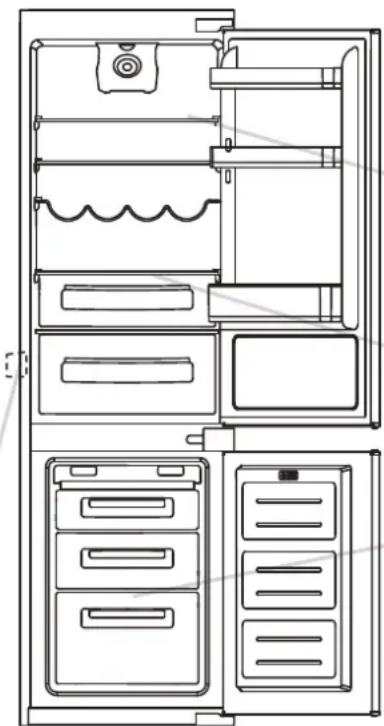
(Figure 6)
Defrosting of the fridge compartment occurs automatically in this product.
A small amount of frost or drops of water on the back of the fridge compartment when the fridge is working is normal.
Make sure the water outlet is always clean and make sure foods do not touch the back or sides of the freezer compartment.
We recommend you defrost the freezer area when the layer of frost is more than 3mm thick.
N.B. Here you will find your appliance rating plate: it includes all the data to be transmitted to the Customer Service should a fault arise.
Important: if your ambient temperature is high, the appliance may operate continuously, thus building up excessive frost on the inner wall of the fridge. Set the warmest temperature levels (1,2).
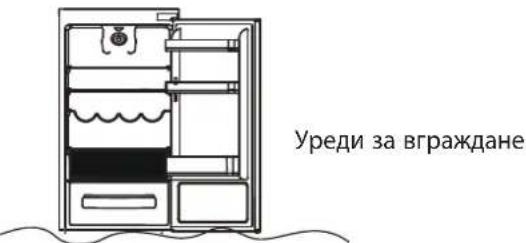
The most energy-saving configuration requires drawers, food box and shelves to be positioned in the product, please refer to the above pictures
Defrosting the freezer compartment (static products without NO-FROST technology)
When the layer of frost present in the freezer compartment exceeds 3mm it is recommended to proceed with the defrosting as it increases energy consumption.
1) Press the ON/OFF button (3) for 1 second.
2) Disconnect the power cord.
3) Remove the frozen food and temporarily place them in a cool place.
4) Leave the freezer door open to speed defrosting.
5) Collect the water on the bottom of the product.
6) Dry the freezer.
7) Reconnect the power cord and set the desired values.
8) Wait a moment and reintroduce the frozen foods.
WARNING:
Absolutely avoid the use of open flames or electrical appliances, such as heaters, steam cleaners, candles, oil lamps and the like to accelerate the defrosting phase.
Do not scrape with a knife or sharp object to remove frost or ice present. These can damage the refrigerant circuit, the leakage of which can cause a fire or damage your eyes.d.
Defrosting the freezer compartment (NO-FROST products)
Defrosting is automatic.
MAINTENANCE AND CLEANING
Lighting
LED lighting
The product is equipped with LED lights, please contact the Technical Assistance Service in case of replacement.
Compared to traditional light bulbs, the LEDs last longer and are environmentally friendly.
Cleaning
NOTICE:
- Before each operation, remove the refrigerator plug from the power socket to prevent electric shocks.
- Do not pour water directly on the outside or inside of the refrigerator itself. This could lead to oxidation and damaging of the electrical insulation.
IMPORTANT:
To prevent cracking of the inside surfaces and plastic parts, follow these suggestions:
- Wipe away any food oils adhered to plastic components.
- The internal parts, gaskets and external parts can be cleaned with a cloth with warm water and baking soda or a neutral soap. Do not use solvents, ammonia, bleach or abrasives.
- Remove the accessories, for example, the shelves, from the refrigerator and from the door. Wash in hot soapy water. Rinse and thoroughly dry.
- The back of the appliance tends to accumulate dust which can be eliminated with the use of a vacuum cleaner, after having switched off and disconnected the appliance from the electrical outlet. This provides greater energy efficiency.
ENERGY SAVINGS
For better energy savings, we suggest:
- Installing the appliance away from heat sources and not exposed to direct sunlight and in a well ventilated room.
- Avoid putting hot food into the refrigerator to avoid increasing the internal temperature and therefore causing continuous functioning of the compressor.
- Do not excessively stuff foods so as to ensure proper air circulation.
- Defrost the appliance in case there is ice (see DEFROSTING) to facilitate the transfer of cold.
- In case of absence of electrical energy, it is advisable to keep the refrigerator door closed.
- Open or keep the doors of the appliance open as little as possible
- Avoid adjusting the thermostat to temperatures too cold.
- Remove dust present on the rear of the appliance (see CLEANING).
AVOIDING NOISES
During its operation, the refrigerator emits some absolutely normal noises, such as:
HUMMING, the compressor is running.
- RUMBLINGS, RUSTLINGS and HISSING, the refrigerant is flowing through the tubes.
- TICKS and Clicks, the operation shutdown of the compressor. Small measures to r ed uce the vibration nois es:
- Containers touch each other: Avoid contact between containers and glass recipients.
- Drawers, shelves, bins vibrate: Check the proper installation of internal accessories.
NOTE:
The refrigerant gas produces noise even when the compressor is off; it is not a defect, it is normal.
If you hear a clicking sound inside the appliance, it is normal as due to expansion of the various materials.
REVERSIBILITY OF THE DOOR
The doors of the appliance can be reversed so as to allow the opening to the right or left according to exigency.
NOTE:
- Inversion of the doors must be performed by qualified technical personnel.
Inversion of the doors is not covered by the warranty.
REVERSING THE OPENING OF THE DOORS
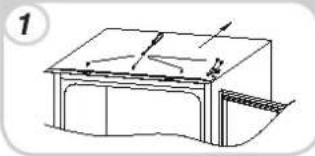
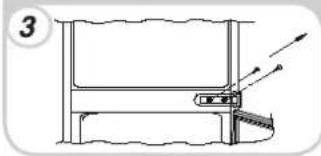
Remove the upper plate and hinge by screw driver.
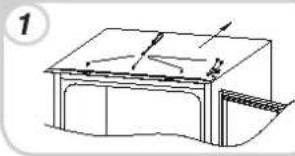
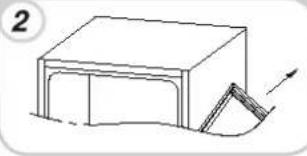
Remove the upper door. Remove the middle hinge and its connecting pin underneath.
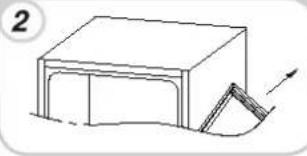
the middle hinge and its connecting pin underneath.
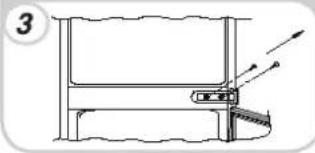
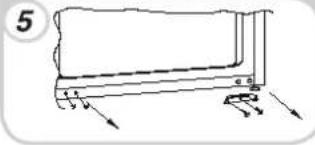
Remove the bottom door.
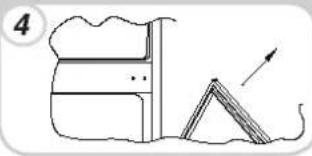
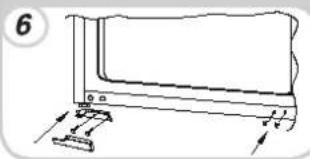
Remove the right bottom hinge and left plastic plugs, and refit them onto the opposite side.
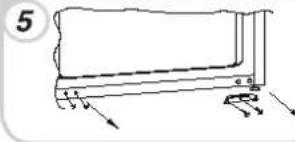
Use the opposite hinge and cover and fit into the left bottom.
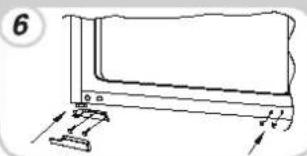
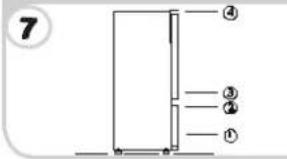
Reassemble the doors and hinges.
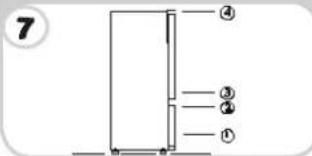
workings from bottom to top, from 1-4.
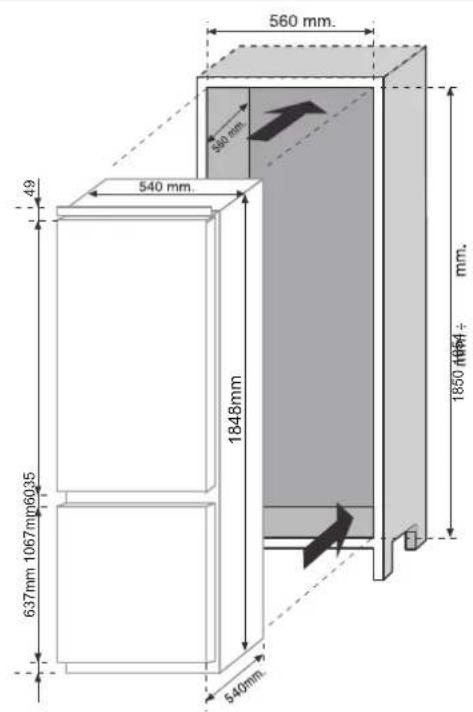
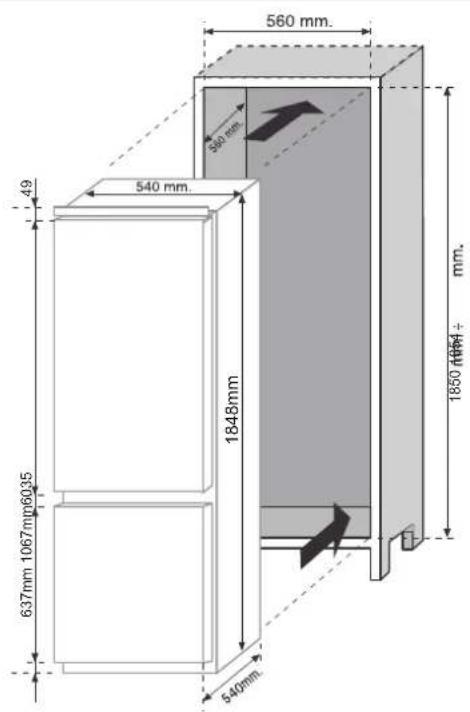
PRODUCT DIMENSIONS AND BUILT-IN COMPARTMENT
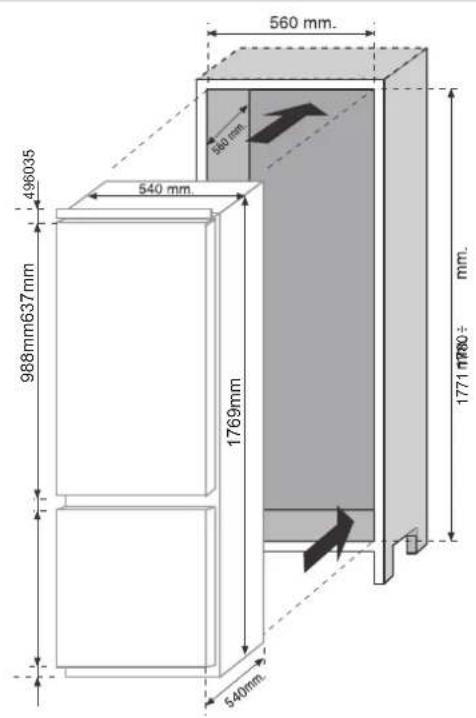
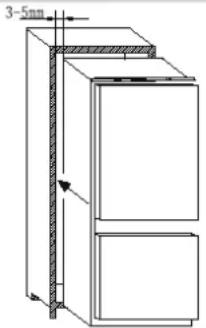
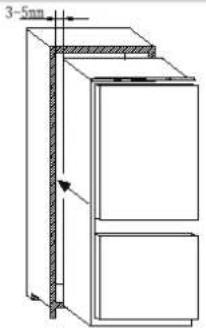
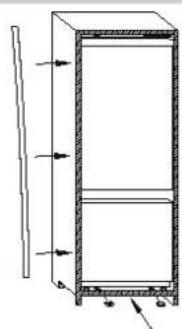
Insert the appliance into the column, placing it on the opposite site of the hinges, and make sure 3-5 mm distance gap.
1
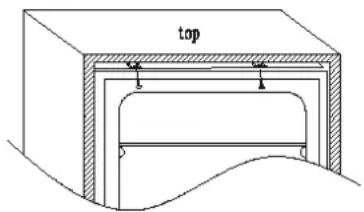
After ensuring the match between appliance door and column door, then screw the appliance upper part to the cabinet
2
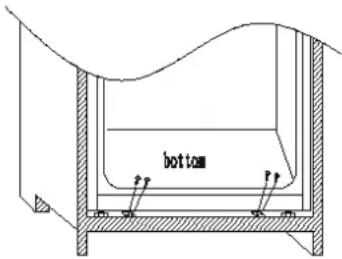
Screw the appliance lower part.
3
Fit the seal to the appliance, cut off the excessive part if necessary. Fit the bottom parts with plastic covers.
4
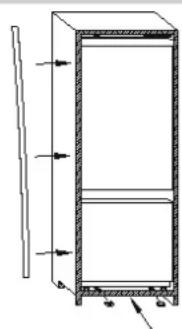
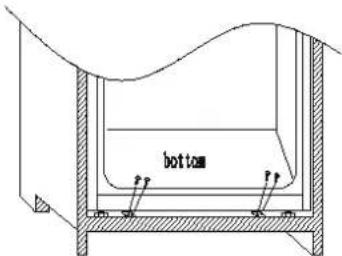
Use a cross-screwdriver to loosen the connecting pin underneath the right middle hinge, and adjust to screw onto the right cabinet wall.
5
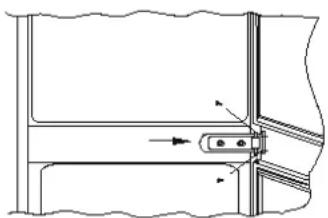
COUPLING OF THE PANELS OF THE BUILT-IN COLUMN OF THE APPLIANCE DOORS
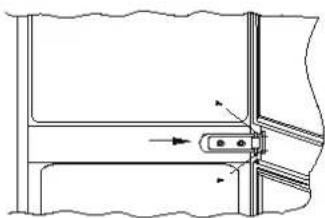
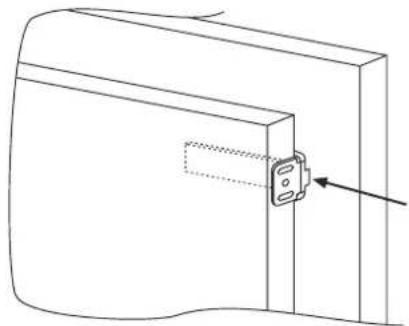
The appliance is equipped with coupling devices for the appliance doors with the column panels (loader slide).
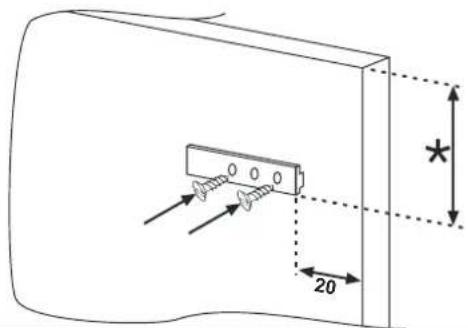
Secure the slide in the inner part of the panel of the built-in column at the desired height and at approx. 20mm . From the outer wire of the door.
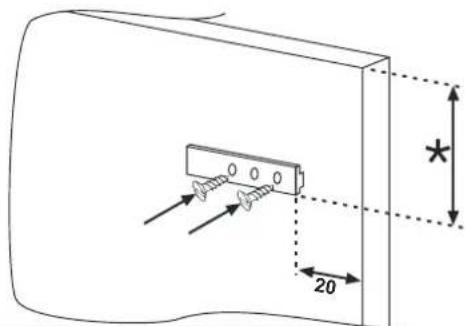
Open the doors of the built-in column and the fridge. Position the built-in loader in the slide, then fit it into the fridge door.
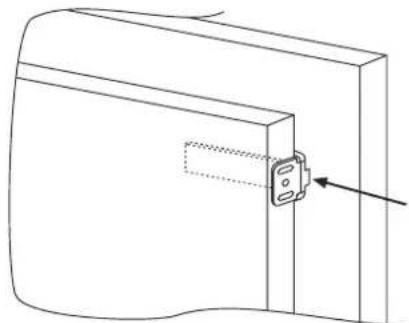
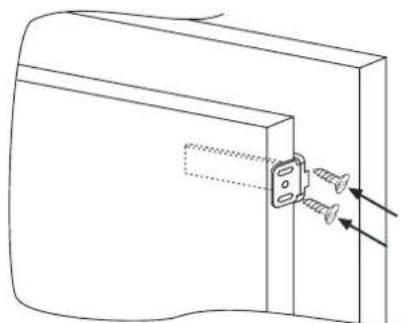
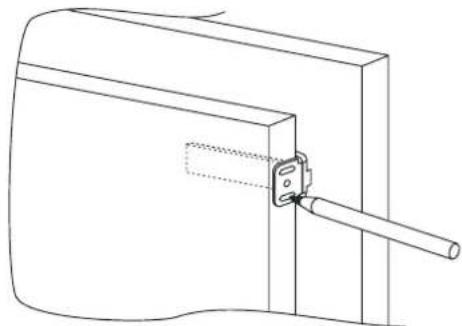
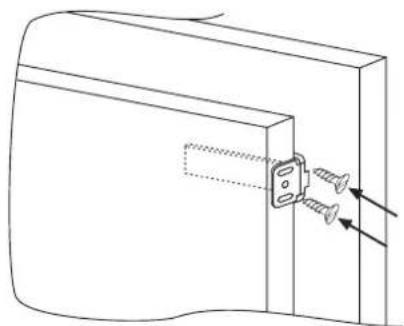
Mark the fixing points for the screws and drill with a bit of a diameter of 2.5mm.
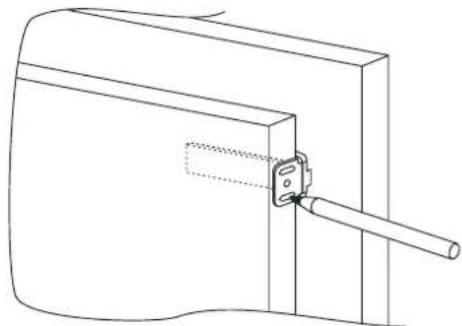
Connect the appliance door to the cabinet panel keeping the loader slots as guidelines.
PRECAUTIONS FOR THE CORRECT OPERATION
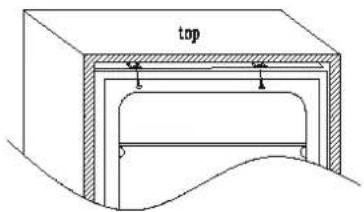
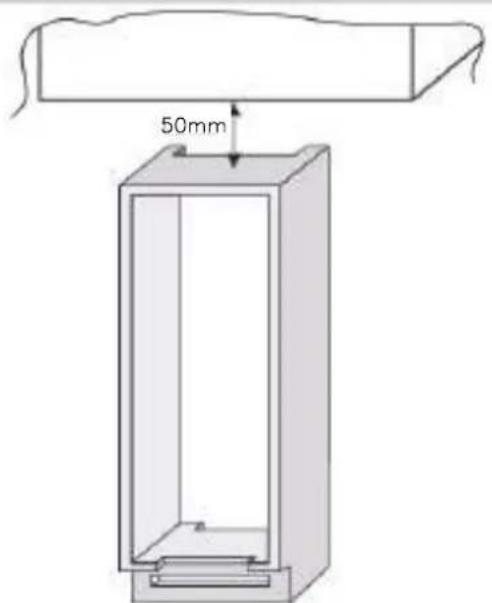
Once the product has been embedded, place the rear part of the column in contact with the wall so as to prevent access to the compressor compartment.
For the product to operate correctly it is essential to allow adequate air circulation so as to cool down the condenser located in the rear part of the appliance.
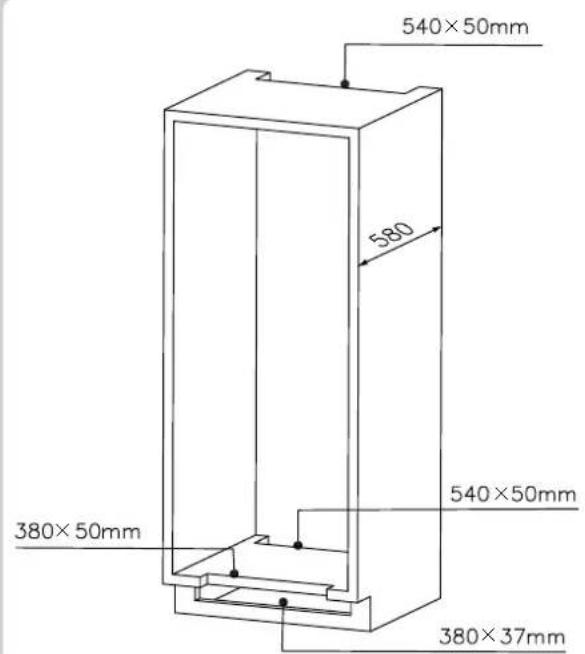
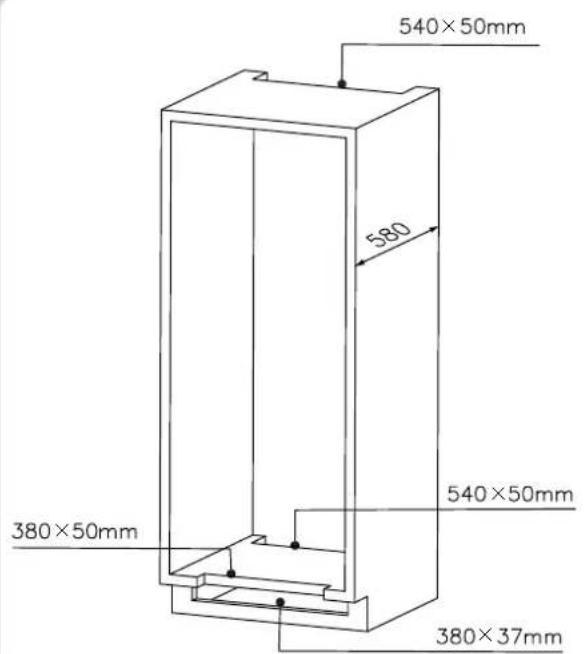
For this reason, the column must be equipped with a rear chimney, whose upper opening must not be blocked and with a front slot which will be covered with a ventilation grill.
Size of the unit cut outs.
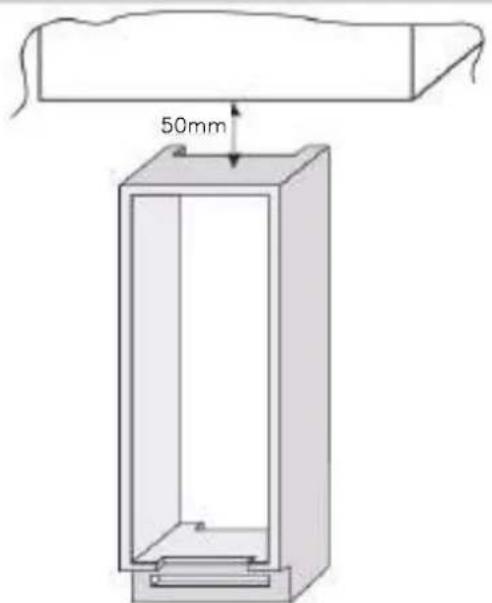
Room to leave between the unit and ceiling.
SUSPENDING USE OF THE APPLIANCE
If the appliance is not to be used for a long time:
1) Turn the appliance OFF (see Operation)
2) Extract the plug or remove the safety device.
3) Clean the appliance
4) Leave the doors of the appliance open.
TROUBLESHOOTING
CAUSEPROBLEM REMEDY
| The inside illumination light bulb does not turn on. | ·Electricity absence. | ·The power cord is not properly plugged in. ·Check whether the appliance is switched off. (see Temperature Adjustment). ·Ensure that there is a current in the house. ·Check that it is active. |
| ·Door switch is blocked. | ||
| The refrigerator and freezer do not sufficiently cool. | ·The doors are not closed. ·The doors are frequently opened | ·Check that the door and gaskets close properly. ·Avoid unnecessary opening of the doors for a period of time. ·Check the temperature setting and, if it is possible, cool even more (see Temperature adjustment) |
| ·Erroneous setting of the temperature. ·The refrigerator and freezer have been excessively filled. ·Surrounding temperature is too low. | ·Wait for the stabilization of the temperature of the refrigerator or freezer. ·Check that the ambient temperature is in accordance with what is indicated on the nameplate (see Installation). ·The power cord is not properly plugged in. ·Check whether the appliance is switched off (see Temperature adjustment) ·Ensure that in the home there is current. | |
| ·No electrical power. | ||
| The food in the refrigerator freezes. | ·Erroneous setting of the temperature. ·Food in contact with the back wall. ·The freezing of too much fresh food causes a lowering of the temperature of the refrigerator | ·Check the temperature setting (see Temperature Adjustment) and, if possible, decrease temperature setting. ·Separate the food from the back wall of the refrigerator. ·Do not exceed the maximum amount to be frozen (see Freezing). |
| The bottom of the refrigerator compartment is wet or droplets are present. | The drain tube could be clogged. | ·Clean the drain tube with a stick or the like to allow the discharge of water. |
| Presence of drops or water on the back wall of the refrigerator. | ·Normal operation of the refrigerator. | ·It is not a defect (see Defrosting). |
| Presence of water in the vegetable drawer. | ·Lack of air circulation. ·Vegetables and fruits with too much moisture. | ·Verify that your glass shelf tray vegetables are not put foods that prevent air circulation. ·Wrap the fruit and vegetable materials plastic such as, for example, films, bags or containers. |
| The motor runs continuously. | ·The doors are not closed. ·The doors are opened frequently. ·Ambient temperature is very high. | ·Make sure the doors are closed and if the seals close properly. ·Avoid unnecessary open ports for a certain period. ·Verify that the ambient temperature is in accordance with the specifications on the nameplate (see Installation). ·Set the display/thermostat a warmer temperature. ·Defrost the unit (see Defrosting). |
| ·Thickness of frost than 3mm. | ||
| The frozen food is thawing. | ·The ambient temperature range below climate class of the product. The compressor starts rarely ·The freezer door is not closed. | ·Move the unit to a warmer or heat the room. ·Make sure the door is closed and that the gasket is sealing properly. |
| WI-FI light flashes 3 sec on - 1 sec off. | ·Router off. ·Lacking connection. | ·Switch the router on. ·Reset the product (see WI-FI) |
IF YOU ARE NOT SOLVED THE PROBLEM, CONTACT THE SERVICE CENTER, PLEASE GIVE THE TYPE OF FAULT AND THE INFORMATION ON THE PLATE OF THIS APPARATUS TO INSIDE THE REFRIGERATOR COMPARTMENT:
The model of equipment.
The number of series.
CONTENU
FR
INFORMATIONS SUR LA SECURITE 22--22
INSTALLATION 23--23
FONCTIONNEMENT 23--23
CONSERVATION 24-24
CONGELATION 25-25
DEGIVRAGE 25--25
MAINTENANCE ET NETTOYAGE 26--26
ECONOMIES D'ENERGIE 26--26
DIMENSIONS DU PRODUIT ET COMPARTIMENT
ENCASTRE 27--28
INSTALLATION DE L'APPAREIL DANS LA COLONNE .... 28--28
ASSEMBLAGE DES PANNEAUX DE LA COLONNE
ENCASTREMENT DES PORTES DE L'APPAREIL 29--29
PRECAUTIONS RELATIVES AU FONCTIONNEMENT
CORRECT 29--29
SUSPENDRE L'UTILISATION DE L'APPAREIL 29--29
DEPANNAGE 30-30
DIMENSIONS DU PRODUIT ET COMPARTIMENT ENCASTRE

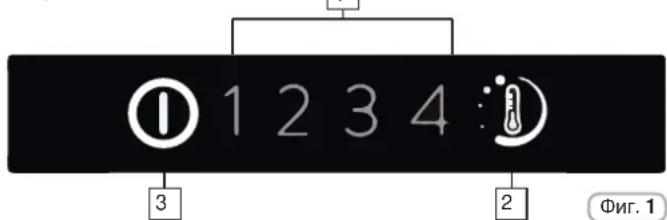
CAUSEPROBLEM CORRECTION
On/Off 1 2 3 4 On/Off 1 2 3 4
ACOPLAMENTO DOS PAINEIS NA COLUNA EMBUTIDA
DAS PORTAS DO APARELHO 59-59
CAUSAPROBLEMASOLUÇAO
EvpyooinAnevepyooin (On/Off)
Nivakac xeiipotnpiwv
He nHCTaIpaTte XlaIINHkA BbB BnaXHH, npaHn nn Ma3HN NOMEeHn. He n3PNaarTe Ha npKa CbHueBa CBETnHa nn DxKd.
-
He nHCTaInpaIte yCtpoNcTBOTo B 6n3OcT do HArpeBaTeIIN nn neCHO 3anaJIIMMaTePnaJI.
-
He n3noJ3BaIte ydbJxKnteIu nn pa3KIOHnTeI.
He doKocBaIte c Mokpn pue n 3dpbBaIte 3axpaHbau n Ka6e I camo 3a eceJa.
BHNMaBaTe Da He NobpeDInTe 3axpaHbAaun Ka6en. Toba MoKe da npuHnTOKOB yap nIIN noXap.
He noctabrai Te Hkabn npedmetn u/nn KOteHepn C TeuhoCT Ha rOpHaTa qact Ha ypeda
He ce onntbaite da peMOHTnpate ypeda camn. Bcnukn peMOHTn deHoctn Tp6Ba da ce n3BbPsaT ot KBaIIuOuIupaHe texnK.
To3n ypeJ moKe da ce n3noJ3Ba OT dea Ha Bb3pact OT 8 roDHH no-rope, n ot Jnua c HamaJeHn fN3nueckn, cetNBn nn yMCTBeHN CnOCO6HOCTn, nn C nnca Ha ONIT n 3HaHn, npu ycIOBne ye Te ca Na6IIOJaBAHn nn INCTpyKTIpaHn 3a TOBa KaK da n3noJ3BaTe ypeJa no 6e3oJaceHauHn n da pa36epaT onaCHOCTnte, CBbp3aHn C TOBa.
IeuaTHe Tpa6Ba Da cn nrgaT C ypea. NocCTBaHe I noDpBxka He Tpa6Ba Da ce npabn OT
Ieata 6e3 Hnd3op.
3aBbptaikn Ha KOJIeTO DOKpaI o6paTHo Ha YacOBHnKOBaTa CTpeNka, Ie Ce Uye ⅢKIOUyBaHeTo Ha npOdyKTa.
Korato ypeBt ce nHctaIInpa, eNeKtpnueckn Ka6en n uenca Ta6Ba da ca nechooocbHN.
KoHTaKaT a Tpa6Ba Da e CbBMeCTnM C 7e nceHa ypeA. B npOTIBen Cnyaai Toi Tpa6Ba da ce 3aMeHn OT OToPi3uPAH TexHnK; He n3PON3BaIte YdbJXHTeNn / nn pa3KnOHTeNn
He dokocbaite Bbtpeunthe qactn nn 3ampa3ehn xpaHn C BnaJHn nn MOKpn pbue, Tb' KaTO MoKe da npuHHn n3rapaHn.
13XbpbJHeHa CTap ypeI

m = 311 ;
To3n ypeTe e MapKnpaH B cBtBeTcTBne C EbponeNcKa DnpeKtnBa 2012/19/EC 3a OTnadbucn ot EneKtpnuecko n EneKtpoHnO6OpyDbaHe (OEEO).
OEOBcIbprkataKTO3aMbpcBaunBeuecCTBa(KoTOMoRtdaIOBepaTdoHeraTINNOCNEiU3aOKOnHaTaCpeA),TakaNOCHOHNKOHOENTN(KOToMOratDa6bDAtN3NO3BAHnNOBOTOPHO)BaKHOeOEOJaCaobKeHaCneuHaHaOpa6OtKa,3a Da ce npemaxHATn daCeJeONHapTnpABUNHOBCNUK3aMbpcNTEN,NuCeBb3CTaHOBTnPeeKINPAPBCNUMaTePAuN.
IpaKaHnTe Moar da irpaT BaxHa poRaB rapaHTnpaHeTo, ye OEEO HMaT Da CTAHaT np6bEm 3a OKoHnTa CpeDa;OT CbueCTBeHO 3HaueHne e Da ce CneDbat HkOu OCHOBn npabuna:
- OEOE He Tpra6Ba da ce tpeTpapat KaTo 6HtOB (DomaknHcKn) OTnAbK;
- OEEO Tp6BaJa 6bDat npedabAHN B Cb0TBeTHTE NyHKTOBe 3a Cb6npaHe, ynpabJIraBAHn OT 6uHaHATA uIN OT pernCTpnpaHn KOMnAHn. B MHOrO cTpaHn MoKeJa mMa Cb6npaHe ot Doma Ha rolemn OEEO.
B MHOrO CTpaHn, KOraTO cN KyNTe HOb ypeD, CTapNt MoKe da 6bDe BbpHa Na npOabaua, KoITo TpA6Ba Da ro B3eMe 6e3nnAto Ho 6a3a eHNO-KbM-EdHO, aKO o6OpdyBaHeTo e O T CXOJeH BuN N IMA CbUInTe ΦyHKuIN KaTO 3aKynEHO To 6OpdyBaHe.
CbotBetCTBNE
IocTabaKn Cn MapKnpaKaTo3n npOdyKT, Hne DeKnapnpame HaHa7a OTROBOPHOCT, Ye ToE B CbOTBeCTBnE Cbc BCuKN Ebponeckn N3NCKBAHn 3a 6e3oNaCTHOCT, 3dpabHN eKOJOnuHn HOpMN.
HcTaIpaHe
PNEyIPEKDEHnA
- He INHCTaIIpaIte ypeDa BvB BlJaxHo IIN MOKpo NOMeueHne, TbN KaTOMoKe Da HApUWTe N3OnaunrTa I Da ce CTnHr Do yTeuKa. OCBet TOBaHa BbHwHATA NOBbPxHOCT MoKe Da Ce 6p3yBa KOHNHe3aT.
He nocTabaTe ypeHa MeTa 6n3Kn Do n3ToCHK Ha TOnnHa nn H0xKeHn Ha npKa CbHueBa TonnHa
YpeBbT Tp6Ba Da fynKcnoHnpa B CneDnHTe TemnepaTpHn Dnaana3OHN KaKTo e yKa3aHO OT KNaCa:
+10 +32°C 3a KJIMMaTmUeH KJIac SN
+16 +32°C 3a KlnMaTnueH Knac N
+16 +38°C 3a KlnMaTmUeH KJac ST
+16 +43°C 3a KJImMaTnueH Knac T (BnKTe Ta6eKkata Ha N3dEInMeTo)
He noctabTHe HnKABncbDoBe C TeuHcT Ha rOpHaTa YaCT Ha ypea
-ИЗчakайононэза OKOHЧATEHOTОпреметваеHaуpeдппрди ДАгВКЛЮЧИТЕ
EneKtpnuecko Cbbp3BaHe
CneI noCTabHe Ha ypeHa HnpeBnHcHTo 3a Hero MrcTo, ro octabeTe nohe 3a 2-3 yaca npeDn da Ro BKIOHTe B KOHTa. PpeDn da N3BpWNTe TOBa ce yBepeTe:
-KoHTaKbTe npabUNHO 3aEMeH.
KoHTaTKbT MoKe Ja 3dpbKIMaKcMmaHaTa MOHocT Ha ypeKaKTo e yka3aHO Ha Ta6eKata My
3axpaHbAaTo HnpeXeHne eB rpaHnTe nocOeHn Ha Ta6JIkata Ha XnaDnHnKa
Ka6eBbT He Tp8Ba Da 6bJe npeBbAH nn npueunbaH
-Пюовераяпгдбн Кабета 3а Heизправсгт И ппуждд
OTЗAMHA ceobpHete KbM CNEuaJIaNT.
-ПОНБODINTEH HOCN OTROBOPHOC3a NOBpeN INI TpaBMn,akOTe3N N3NCKBaHN He Ca CNa3eHN.
H03HnYJIOBn
| 1- | ПЯтуна Или Okола Temпегатура мекду 25-35 °C |
| 2-3 | Пюлелота, сесена Или Okола Temпегатура мекду 15-25 °C |
| 3-4 | Знма Или Okолаата Temпегатура мекду 5-15 °C |
BkIIOUbaHe Ha ypeHa
Ppemaxhete BcunkOnakOBKn Ha ypeDa BBn H3BbH Hero. Nounctete BbTpuuHCTa C Boga nXne6Ha coda nn Heytpanen CanyH. Cnede BknouBaHTo, daTe BpeMe (2-3 Yaca) Ha ypeDa na Temnepnpa XnaIINHATA n PpIePha TcM act nped Da noCTabNTe pceHn IIN 3ampaHHe npOdyTu B Hero.
Ako Ka6ena ce n3BaAnOT KOHTaKaTe NoHe 5 MIn, npen OTHObdo BKnIOHTe ypea.
Xnaaunnnae roTOB 3a ynoTpe6a.
EKCPIIOATAUIA
BkIIOUyBaHe/V3KJIIOUyBaHe
KoHTpOen nHaHEn
- INHINKAtop LED 3a HNBO Ha TEMNEpaTpa
- PerylaTop Ha HnBOTo Ha TempepaTpa
- ByToH ON / OFF
BkIOuBaHe:
Ioctabete Ⅲe ncaB KOhtakta, ako BCnKuLED INHnkaTOpn 3a HNBOTo Ha TEmpepatypata ca mKnOHeHn HnatcHete 6yToHa ON/OFF (3) 3a 1 cekyHda. KoraTo OTnycHe 6yToHa ON/OFF (3) BKIOUbaHeTo e nocneBaHO n NOTBbPDeHO OT AKTNbPAHTo Ho eHNO HNBO HA TEmpePaTy pNOTAKNBpAHeTo Ha 3ByKOB CnHaJ.
M3KIOUBAHe:
HaTnchete 6yToHa ON/OFF (3) 3a 1 ckyHda, npn ocbo6oxkaabaHeTo Ha 6yToHa ON/OFF (3) n3KnIOUbaHeTo e noCleBaHO nOTbPdeHO ot n3KnIOUbaHeTo HA LED nHnIKAtoprte 3a HOBO h TemnepaTa n ot AKTNbPAHeTo HA 3ByKOBNA CnHai. B cnuyaHa npeKbCBAHe Ha 3axPaHbAHeTo npn NOBtOPHO BKNIOVA He, npOyKTbT Ie Ce BbPhe KbM nocneHa T3ana3eHa HAcTpOJa.
Hactpoika Ha TemnepaTypata
HaTnCHete 6yToHa 3a peYInpaHe HA HNBO TmNepaTypo Do DCtNraHe Ha CbOTBeTHOTHO HNBO 1 No-TOIIa HAcTpoKa, HNBO 4 No-CTUeHa HAcTpoKa, pHn HopMaHnHu YCNOBu, ce IpePOpbYBa da ce N3NoI3Ba EaHa MeXdHHa NaCtpoKa (HNO 2)
On/Off 1234
HaTnCKaHeTo Ha 6yToH (2) 3a no-MaNko ot 2 cek, ce npOMEHa HbOTo Ha Temn.
On/Off 1234
MehuHa pa3upeHn HacTpoKn:
Toba MeHIO No3BOJBA eHa HaCTpoIka Ha MeKdINHHO HnBO MeKdy pa3JIuHHTe HnBa.
On/Off 1 2 3
HaTnCKaHTo Ha 6yToH (2) 3a NoBuee OT 2 cek., npn OTnyckaHe Ha 6yToHa, nHdNkAtOpbT led 2 mna.
On/Off 1 2 3 4

PnCnEaHToHaTnCKaHe Ha 6yToHa (2)3a No-MaNkoOT 2 cek,ceakTNbpa MEXDHNO HINBO NTAkUKNNUHO 3a BCAKo HA TnCKaHe.
On/Off 1234
On/Off 1234

B cnuyaHa nnca Ha Hauckane Ha 6ytoHa (2) 3a noBeue ot 5 ceK, HactpoKnTe ce 3ana3BaT.
Hbata Ha TemnepaTpaB a 43uHpeHHTe HAcTPOKn Ca b peD ot Hau-TornoTo Ho Hau-CTyEHO, KaTO B npMep 2/2,1/2,3/4, KOeTO No80BnAbapeYnnpaHETO Ha 4 NO-HBa 3 BA CBOO OCHOBHO HNO.
AnapMa oTBopeHa BpaTa:
OTbapraHTo Ha BpTaTa 3a NoBue O T 90 cek. Ce CnHaJIIm3npa OT npOyKt Ta CbC 3BykOBa CnHaJIIm3auJ, 3a Da Ro N3KnIOUHTe, IpocTo 3aTBOpTe BpTaTa HnATChETe 6yToHa (2).
BeHTnlaTOp Ha XnaIINHOTO OTdeneHne (aKO nMa)
BentnataTopa nnpesymuee n3KIOUey
3a da ro aKTNBnpuTe, HATNCHeTe 6yToHa (DmR 2).
3a ONTNIMn3npaHe NaOTpe6BnHEMeTo Ha eHeprna, e npenopbHuTeNHO da BKNUHTe BENTnlaTopa cAmo KOrATo TemnepaTypaTa Ha Bb3dyxa e HAd 28 do 30^
Φnr.2
CbXPAHEHNE
- 3a da ce noDbPkaT Han-dobpnte BkycOBn KaecTBn CBexEcTa Ha xpaHNTe, npenopbUbaMe Da ce cbo6p3nTe C THXOTO pa3noJoxHe, kaTo e noka3Ho No-dony Ha fInr 5. MoKe da rnu NOCTaBNTe B OTdenn Kyttn Nn Da rynBvNeTe C fOnnO, 3a da He ce NOyUcMecBaHe Ha apOMATNE.
XnaHnHa 3oHa
Плобов/Зеленчуи
3a da ceHAMann 3ary6ata Ha Bnara B nnoobete n 3enehyuite, Te Tprba da 6bdat oakOBaHn B Topnukn nn PVC fOnno n Tp8ba da 6bdat noCTabeHn B OTJeHneHnTo 3a nnoObe n 3eneHuyu, 3a da ce N36erHe 6bp30TO m pa3BaJIaHE
XnaunHaΦpew 3oHa
(He npn BcnuKmoJeN)
30nata nokaana dony ce npenopbya 3a pnb, meo, niu np. He ce npenopbya cbxpaheHneTo Ha IIOObe u 3eHeuyn 3a da He 3aMp3HaT
HnKaTopHa TempePaTaB Hau-CTydeHaTa
30Ha (He 3a BCNUKMOden)
HЯко модел са Chбден C INДКATOP 3a TempepaTypaВ Hа CTyDEHOT OTOДЕнHe NaIaINHaTa 3OHa, 3a Da MoKe da 6bde KOHTponpapa CpeHATA TempepaTpa.
To3n CmBON NOKa3Ba Hai-CTyDHeHata 3oHa Ha xnaJnHnka (fur.4).
Φnr.4
YBepTe Ce He Ha HnDnKaTopa Ha TempePatpa Ta Ce BnKJa RCHO
dymata OK (Fir. 5) Ako Ta3n DmHa He ce Np8n, 3NaHr TempePatpa e TBbpDe BnCoka.PerynnpaiTe Tempepatpata n N3uKaaiTe 10 caca.
PiobepTe HnDnKaTopa n npn Heo6xOdmocT, HanpaBe HOBA
hactpoKa.
3A6EJIEXKA
Ako YecTo ce OTbapra BpaTHa XnaDnHnka NnCe NOCTABT No-ROlemN KOINueCTBa XpaHa, e HopMaHNO HnDnKaTopa Da He nokaxe OK.
I3yakaTe nohe 10 caca npedn no3nHnpaHe Ha HnBaHa no-CTydeHa TempepaTypa (3,4).
Φpns3epHa 30Ha
N3no13BaTe nok3aHaTa no-dony Ta6nua 3a oteneHnra 3ampa3raBaHEMOKe da ce N3BpWbCa mBoTneHnra


2-3 MECELJA


4-6 MECELIA


6-8 MECELIA


10-12 MECELIA


IIPAKTINUeCKN CbBETN
IocTbTexpaHata Ha pafoBete TaKa,ue Bb3dyxbT da uPkynnpaMexy He n da MoKe 6bp3o Da a Oxna.
- ɪnɜːrɪbætɪe Kɔntaɪt Mɛkjʌy Xpɑhʌtə n ἀπeʊhɪŋ Kpən H a xɪaɪnɪhata kʌmepa
He noctabnre ropeu npodykTbTb KaTo Te MoKe Ja pa3BaIaT Te3N KOnTO ca B KaMepaTa N da YBeHnuAT Notpe6neHnEto Ha eHeprna.
MaxaTe onakOBKnTe Ha xpaHnTe npdN cbxpaHeHneTo
He noctabTte B cbdoBe nn KyTN, aKO He ca do6pe n3MNTn
-He3akpnaBte C npOdykTN BeHTnlaHmOHnTe OTbOpN - He nokpmbaTe cTBKeHata nonuHa OTeJeHMeTo 3a 3eJeHcyu 3a da He Hapuynte npabnHata uPKynaqna Ha Bb3dyxa
Ja He Ce CbXpaHbAT 6yTnKn BbB φpN3epa, 3aUTo npn 3Ampa3HaHeTo Te Morat Da ce npbCHaT
BcnyaHa npOdbnKHTeHNO npeKcbAHe Ha en. 3axpaHbAHeTo,dpkTe BpataTne 3aTBOpEHn Bb3MOKHO Hai-DJIro - MohtnpaHTo Ha ypeHa RaopeIo N BnaXHo MrcTo, C qecTo O TBapAne Ha BpaTn IcbxpaHeHHe Ha rOJIeMn KOJIueCTBa 3eNeHyU MoKe Da DOBePeIdo Obpa3yBaHceto Ha KOHN3 N BInre Ha pa6oTaHa CaMOTo YCTpoiCTBO.
3a da ce npedotbpaTn npekomephata KOHCymauHa eheprna, He ce npenopbya cheToTO mnpoBjNKeIHO OTbapHRe Ha BpaTne
3AMPA3RAHE
PA3MPA3RABAHE
XpaHaTa Tp86Ba Da 6bde CBeKa
3ampa3BaBteMaMKKoNuecTbXpHa,3aDa ce 3mpa3n6bp30 He npBnWabTe MaKcMAmHTo KOInueCTBO NocOeHO Ha etKeTa
-Повбеме Ha 3ampa3raBaHeTo He OTbapnTe BpTaTaHa XlaanHnKa
XpaHnTe Tp86Ba Da ca 3aneaTaHn, XepMeTuHNo
-ПoctabraHTe HOBHTe xpaHn OTdJIHO OT Bue 3aMPa3EHNTe
- OncBaIte CbIbPkaHHeTo Ha 3aMpa3eHITe npOdykTN
- BeHbX pa3Mpa3eHN, KOHCyMnpaIte xpaHHTe BeHara, a He rN 3ampa3raIte OTHBO
Pa3mpa3raBaHe Ha xnaDnHTo OTeJeHne
IbBpeHa HopMaHNo yHKUHOHpaHe, XnaJINnKa ce pa3mpa3raBA abTomatno. He e Heo6xOIMO da noCyuBaTe kaKN Ha3aHata aact Ha otJeHneHTo nn Da noocCTBaTe cKpeX (B 3aBNCMOCT OT yHKUHOHpaHe)
Bodata ce Hacouba KbM 3aHaTa Yact Ha ypeHa N3TuHa npe3 OTbopa Ta, CneI KOeTO TOnnHATAOT KOMnPecOpa N3napBa.
ПодьржаTe OTbpa 3a OTTuHane (ФИг.6)ЧИСТ,ЗАД MaMOжБODATAбeпpoбиЕмно ДИЗТУАОТТAM
3A6EJIEXKKA:
ToBa obukhoBeno He e Heo6xOIMO peryInpaHe Ha TempepaTpaTa.
Camo B cnuyaHa npekomepHo 3ampa3BaHe Ha npodykTu B
OTdelenHnTo Ha oip3epa, e Hau-dobpe da Ce n3Bbpuu
no3nHnPaHe Ha no-TOnnn HnBa Ha TempepaTpa (1,2).
B KpaHa 3ampa3BaHaTe, Da ce n3Bbpwn no3nOHHpaHe Ha
no-TOnnn HnBa Ha TempepaTpa (1,2).
Ha Ta6nnte e yka3aHO MaKcMaHHTO KOJIueCTBO npOdyKTU KOnTO MoKe Da 3ampa3NTe (BxKΦnR.6)
BTo3n npOdykT,pa3mpa3BaHHeTo Ha xHaIINHOTo OTdeneHne ce N3BbpuBa ABOTMaTHUHO
(φnr.6)
HaHnueMeTo Ha MaIKN KOINueCTBa BODa INN CKpeK Ha 3aHaTa
Yact Ha XnaIaIIHnO To DTeJIeHne e HOpMaIIHO.
YbepTe Ce Ke KaHana 3a OTBeXkaHe Ha BOda BnHa n e cTn He noCTabAte XpaHn Taka, Ye Da ce DOKOCBaT Do CTeHnTe Hn 3aHaTa YacT Ha ypeDa
IpenopbUbaMe da pa3mpa3nTe pnp3epHTo OTdeneHne, Korato cnoJe n e no de6en ot 3 MM
N.B.Ha ToBa MRCTo 1e HamePte Ta6enKa: Ta BKNIOUoBa BCNUKn DaHH, KOHTo TPOB6Ba Da 6bDaT Ka3HN Ha CepBUN3Hn TEXHnB Cnyuay Ha NOBpeJa.
Baxho: Ako okonha Te mtnepaTpa e MHoro BncoKa, ypea ige pa60n 6e3 da cnnpa n ige ce opazyba roanuecTbo nei. IooznoHpaTe ce Ha Hau-ropeuTE temnepaTpHn HnuBa (1,2).
Hai - INKOHOMNHTA KOHNpyaun H3NCKBa YekMeJKeTata, KytTATA 3a xpaHa n paTOBete da 6bDat no3nOHHpaHn B npOykTa, MoIa, BNKe TROPHTe CHIMKIN
Pa3mpa3BaHe Ha 0p3epHOTo OTdeneHne (3a npodyktn 6e3 NO-FROST texhONorna
Korato cnoarIeBvBfpu3epHToO tJeHHe NaDBuIN 3 MMde6eInHa, ce npenopbUba pa3mpa3raBaHTo My, 3aIoTO ce yBeInuaba Notpe6neHHeTo Ha en. eHepnir
1) HatncheTe 6yToHa ON/OFF (3) 3a 1 cekyHda.
2) N3knoute 3axpaHbaunka6en
3)ИЗваде Замраэнataхраи Ия постаытaelу STYDEHOMRCTO.
4)Octabete BpaTata Ha pU3epa OTbopeHa
5)Pa3mpa3ehata BOda ce cb6npa Ha IbHOTo Ha ype
6) PocyuweTe ppu3epa
7) BkIIOUcTe 3axpaHbAHeTo n 136epeTe 3anaHaTa CTOHOCT
8)ИЗчakайтЕ ИЗвecTHО Врeme,празд OTнOBО ДА NOCTABITE npodyKTITe
BHIMAHHE:
A6coIHOce 3a6paHraBa n3NoI3BaHeTo OTKpuT nnAmbK HnHaRpeBaTeHNu ypeDn (neuk,napoNCTaKn np) 3a No-6bp3OTo pa3mpa3raHe Ha ypeDa.
He ctbpxte c hox nnn dpyr octpb npedMeT o6pa3ybaan r ce ne. Taka moke da nobpeinte trpbnte cxnaunen arentn da npedn3bnkate nokap nn da ybpeinte ounte cn!
Pa3mpa3BaHe Ha pnu3epHOTo OTdeJeHne (NO-FROST npoduktn)
Pa3mpa3raBaHeTo e BaBTOMaTnUHO
IOnuHCTBAHE NIOdPbJKA
OcbetJIeHne
LEDOCBETNEHNE
3a neodyntu 60bpydha n c LED ocBteHne, moNc CbpxKeTe ce cbc cepBu3HaTcnyk6a 3a 3amHa
BcpaBHeHne cTpaDnHOnHHte eneKtpuyeckn kpykN, CBeToDnOHTe 13bPjxAT No-DbIro N ca ekoloruHNo YnCTN.
Почистван.
3A6EJIEXKA:
-Ппсдв BCяко DeиCTBne,ИЗБаDEte ueHcena OТ KOHTaKTA 3aДа
ceппсдOTbPAtOn onaCHocTTo AT TOKOB ydap
He n3nBaIte BOda dIpEeKTHO tBbHUnata nI bTpeWHaTa ctpaHa hCa mna XlaDnHnK. TOBA Moke da OBege do OKiCneHMe uYepzJaHe a eneKtprueckata n3oLaJma.
BAXHO:
3aДпгдТВРNTe HanyKBAHe Na BbTpewHInTe NOBbpXHOCTN INIaCTMaCObYuACTN, CNeBaTte Te3N CbBetN:
-Ⅲ6bpseTe BCNUKn pa3NeTm Ma3HmH NTJaaTaMaCOBtte Actn
BbTpewHnTe qactn, ynnbTheHNrTa n BbHwHnTe NOBbpxHOCTn, MORa Da ce nooCTBaT c Kpbna C ToNla BOda n CoDa 3a Xn6 HnH HeyTPanEH canyn. He n3no13BaVe pa3bOpNTenn, aMOHk, 6eHHu nn abpa3nBn. MaxheTe akcecoapnte, hnapmpe, pa40betoe ot xnaDnHnka HbPata. N3mnEe TOnncaHyHeMa BOda. N3nnakKhete nNoCyuWte.
Ha 3aHata qact Ha ypeDa 06nKHOBeHc Ce HATpyNbA npax, KOITo MoKe da 6bJe n3uCteH c npaxocMykaKa, pni N3KnIOueH OT KOHTaTxaIINHk. ToB e do6pe 3a NOBIIaBaHe Ha eheprnHaTa eEeKTHBOCT.
NKOHOMNA HAEHEPTNIA
3a da IKOHOMNcate eHepn, BN npenopbBame:
- HCTaIpaTyepe DaaneOTn3TOUHnHa ToTnHa,6e3 npKa CbUHeBa CBtInHa N B Do6pe nPoBETPnBO NOMEueHne.
- ɪn36ərBaɪte ᵠ cnaɪaTe TOnna XpɑhA B XlaɪdɪNɪHɪka. Toba ηe Nobɪnɪn
BbTpeɪnHaTæmɪpePAtypaɪ N Μe DɒBede Σ HŋpeKbCHTa pa6Ota Ha
komnPecopa
-HeHaTpynBaIteMnHOxpaHa,3aDaocnpynteIO6paCpkynauaHaB3dyxa
Pa3mpa3BaHe Ha ypea B cnuya, Ye nMa nei (BnK PA3MPA3BAHE) 3a Da rapaHTnpate Do6pna npehoc Ha cydeHHa
B cnuyaHa npekbcbae Ha en, eheprnra npenopbubame da He OTbaprTe BpTaTa Ha XlaDunHnka.
-ДрькTe BpaTata OTBpeHa 3a MaKcMmaHNo KpaTko BpeMe
- He 3aBbP TaIe TepMoCTaTa KbM npeKaJeHo CtyeHO.
- PpemaxBaIte npaxa cb6paH ha Ib6a Ha ypeDa (BIX NOUYCTBAHE)
WYMOBE
IIO Bpeme Ha CBOra Ta p6Ota, B XnAaHInHka HMa HAKoN a6coNIOTHO HOpMaJIHN WymOBe, KATO HApPmEp:
-5PbMuyeH-Komnpecopa pa6oTu
- WUMOJIHE, CbCKAHE - xnaHnna areHT ce npndBnKba B Tpb6nte
- PA3TPNCAHINu LbKAHIN - npn n3KIOUbaHe Na KOMPecopa MoKe da Ce B3emAT MaKN MePKn 3a HAmJIaBAHe aH BN6BaUNTE
CbdoBe ce doKocBaT eINH Do dpyr: 1368raTe KOHTaHa OTdennHe CbdoBe
- YeKMeJxeta, pafoBe, KoUyeta Bn6pupat: PnpOpeTe daHn ca npaBUNHO MOHTnpuHn akcecoapute
3AEBJEKKA:
XnaHnHnAreHT npOn3BekJa 7yM, IOpN KOraTo KOMnPecopa e n3KnUeH; TOBa He e DeΦeKt N e HOpMaHNo.
Ako yyeTe 1bKaa 3Byk B XnaDnHnka, TOBa MoKe 6n Ce DblKn Ha pa3wnpaBaHe h pa3NnuHmATEpmaHn n e HopMaHNO
OBPbUAHHE HABPATATA
BpataHa ypeMa MoKe da ce MOHTnpa TaKa Ye da ce OTbApHa IABO nn Ha nCno Cnped BaWnte npednoHTanHn
3A6EJIEXKKA
- 06pbuahetoHaBpaTata, Tp8Ba da ce n3Bbpyn OT KBaHnHpuH cnueuaHCT
- 06pbuHaHe Ha BpaTne He ce NOKpnuBa OT rapaHnraTa.
OBPbUaHE OTBAPHETO HA BPATNTE
Maxheterophaannahan naHTaTacOTBeptKa
MaxHeterOpHaTaBpaTAppeMaXBaHeHacpeHaTanaHTa NCbbp3BaUuHΦToTOny.

MaxhenenHaTabpata
CbaeneteepChataDanaTaanBnEe3aynwBaan TaannmmpaMeHETEMecTa
IocTaBeTeaHaTataaKaNaaKInTe DOnyBnBO
Cnlo6eTenaHTneBpaNTne, kato cnedeBaTeCTbKnOT 1do4
PA3MEPN HA IPOyKTA HnIATA 3A BTPAKDAHE
Bpapnpe ypa B KOHATA, NOCTABETo Ha pOITBOONKHA TACT HA NaHTNE CE YEbEeTe ye nma pa3cTOnHe NoHE 3-5 MM
1
3aBnTe DOnHaTa qact Ha ypeLa
3
V3non3BaIe KpbCTaO TBepTKa 3a Da Pa43XnabNTc Cbbp3Baunn BHT NOd CpEDHATA DcHa NaHTa N da perynpate BHTA Ha dnchaTb Apa HkaKa
5
Hanachete Bpaata Ha ypea KbM Me6enHata Bpata N 3aBInTe roPHaTa Yaypea
2
Nocateye ynnTHeHMeToHaypea, KATO Otpekete HnMhHaT aact Ako e Heo6xmo. Nocateye Dony nnaCTAMCOBITE kanaKHN
4
CBbP3BAHE HA BPATATA HA BTPADEHNYPED CMEBENHATABPATA
YpeBTeO6OpyDbaHcyCtpoCTb0a3akpenBaHeHaMe6eHnHata BpataKmbpataTaHaXnaIINHka
3aKpeTeTnHaHkTaHaBbTpEwHaTaAcThAme6eHnHaTaPaTaHa KENaHATABuCOnuHNHaOko 20 MMOTBbHmHnRpb6.
OTbOpTeBpaTHehaxnIaHnNkAHaNkaFaanNoCTabe TnaHKAtaHabPaTaTaTa3HnHaMe6eHnHaTaYact.
MapKntaIteMeCTataHaOHTBOpNTpu3nPo3nTeCbc CpeNIO 2,5MM
3aBnTennNaHkataHabpataaNoCTabeTeBnHaNKataHaMe6eHata Bpata3aDAMoratadacenb3rataednKaMpyra
ПРавиJA 3A ПРавиЛHA PABOTA
CneKaToypeaBErpaDeH,Onpe3aHaTacteHaHame6eHnHkaΦ NtBTHOBCTeHata,TakaueDacenpeoTbPaTuOcTbNaOoTeJeHHeTOKOMnPecopa
3a4aYhKnOHNpaPABNnHOpyeda, eOTcIeCTBHeo3HaueHne, dace daEeb3MOKHOCTHaAKeBnAuaNpKyaNaunHBab3dyxa, 3aJace OxAnJaONOHc3ATOpAanMnApUc6Ba3dHaataCt
3aTObAKoONHTaTpa6BaDaeOp6OpyDbaHAcBHeNTnlaUauHOHHNtBOPn B3aHaTACNuACT, KOnTOHETPra6BaDa6BaTa6NoKnpaHmC npeDeHOTBP, HAKOITOCENoCTaBBeHTNaUauHOHHaTepeWetKa
Pa3mepnHaBeHTnlaHMOHHTeOTbOpN
Pa3cTOnHMeMeJxMyOyAnTaBaHa
M3KJIIOUBAHE HA YPEDA
AkoypaHaMaHa6b6n3No3BaHnBnTROpeMe:
1)N3KnHoueTe ypea(BnE EKCJIIOATAUIN)
2)N3KNIOUeTeUeIeNcEaOTKoHTaKaTa
3)NouchTeUpeDa
4) OctabeteBparntTeoTbopeHH
OTCTPAHRABE HA HEN3INPABHOCTN
ПОНБЕМ OTСТРАНЯВАЕ ПИЧИHA
| He ce bknlochva b'treepnohto ocbetlenne Ha ypeda | • Hama 3axpanbahe | • He e bknoyen 3azpaanbae ha kabel • Bvjiote daJIHne He iKKnIOyEN ypeDa (npobepete noIoojhenTo hA termoctata) • Ybepete ce ye B xJinluneto HA TOK • YbeTe ce ye KIOUa e AkTINBEN | |
| • Bnokipal e kIIOUa Ha Bpatala | |||
| Xladnilnka i φprizepa He npom3Bvejdat doctatbUHO CTudEnHa | • Bpatite He ca 3aTbopehi • Bpatite ce otBaprt cheTo | • Ybepete ce ye BpATITE uYIIbTHENHHTA ce 3aTbparrt do6pe • N36bRaiTe Da OTbparTe BpATITE 3a Dblr T neipodot O BrpeMe • Ppobepete nactpoiKaTa 3a TempePAtyra u Ako e Bb3MOnJO yBcIeHNe TceNtEHa na NDABAHne Ha CTUDeHNHa • N3uakaiTe 3a CTaBnIzHnPaHe TempePAtyata Ha XlaDnllnHa i φprizepaHa • BbniHnei TEmpePAtypa e TBbPrde HNCKa • Hma en. 3axpanBaHe | • Ybepete cye BpATITE uYIIbTHENHHTA ce 3aTbparrt do6pe • N36bRaiTe Da OTbparTe BpATITE 3a Dblr T neipodot O BrpeMe • Ppobepete nactpoiKaTa 3a TempePAtyra u Ako e Bb3MOnJO yBcIeHNe TceNlTa • N34uakaiTe 3a CTaBnIzHnPaHe TempePAtyata Ha CPOAHO BA, KOeTO e UkAZAOHa (BvIXte IINCTALPiAnHe). • Ybepete ce ye TcKPNOeHnTe Ha OKOIHa TcPeDA e BcOTBETCTBNE C TOBA, KOeTO e UkAZAOHa (BvIXte IINCTALPiAnHe). • Ybepete cye B pAVINHO BKNIOeH. • Ppobepete daJIYrpeBt e I3KIOUeH (npobepete noIooJeHnTe Ha termoCTata) • Ybepete cye B xJinluneto HmToK |
| XpaHata B XlaDnllnka 3amptb3Ba. | • POrpeiHa NaCTPOIKA Ha TEMpePAtypa. | • Ppobepete nactpoiKaTa 3a TempePAtyra ako e Bb3MOnJO yBcIeHNe TceNtEHa na NDABAHne Ha CTUDeHNHa • Pa3daneuTe XpAHaTA oT 3aHaTATA CTeHa na XlaDnllnHa | |
| • XpaHata e DonpIHa Do 3aHaTATA CTeHa | |||
| • 3aMpa3ZBaHae To Ha TBbPrde MHO rpeChn XpaHn NoHnKaba TempePAtypa BxlaDnllnHa | |||
| B dlhoto Ha XlaDnllnka ImA Bnara un kanuichi Boda | Дрenvacknata Trpb6a moote da e 3aunuSha | • PocHCTe dePrenHnHnA Tp6b, 3a da moote da n3TuHa CbOBoDn BOData | |
| Hannue Ha Bnara un Kaikn Boda Ha 3aDnata Stena Ha XlaDnllnHa | • Toba e HOpMaHNo 3a XlaDnllnHa | • Toba He e DeΦeKT (BvIX PA3MPA3RABAHE) | |
| Hannue Ha Boda B chekmedKeTo 3a ZelenHcyu. | • LioIpca Ha zIrpKUnauuHa Ha Bb3Dux | • Ybepete ce ye Ha CTbKleHnata noIuua He ca noCTABeHn PpOduKTI pIpuChuHa Ha zIrpKUnauuHa • I30IpaIaTe pIpoDobete u ZelenHcyuTe, KaTO rHyBHeTe BbB φOLOUu un IRI NoCTABe T in Top6uMnK | |
| • PIoDoBe Ha ZelenHcyuC n PpeKaiHe MHO rBnAra. | |||
| MottpIt pa60ti 6e3 ppeKbCBAHe | • BpATite He ca 3aTbpeHn | • Ybepete ce ye BpATITE uYIIbTHENHHTA ce 3aTbparrt do6pe • N36bRaBte Da OTbparTe BpATITE 3a Dblr T neipodot O BrpeMe • Ybepete ce, ye TempePAtypa Ha OKOIHa TcPeDA e BcOTBETCTB He CbC cIeUdHn KaUInTe Ha TaBekKata (BvIX InHCTAN IpuHe). • HacTPO Ite Ha DcIePbIaT/termPoCTa T noOByncko TempePAtypa | |
| • De6eHnHata Ha Neda e Haid 3 MM | • Pa3mpa 3eTe ypeDA | ||
| 3aMpa3eHata Xpana 3aIouCb Da ce pa3mpa3Ba | • TempePAtyrHn DaIaIa3oH Ha OKOIHa TcPeDA e NOD KIIMAtuHc KIAc Ha npOduKt. KomnpecorpBt pa60ti prIaKo | • PpemecTe te UpeDA Ha No-TopIO lnn 3aTolIe T cTAYa | |
| • BpataHs φprzepnata quch He e 3aTbpeHn | |||
| Wi-F1 Icbetlinnata Mira 3 cekBkn - 1 sec n3Kn | • Pytepa e I3KIOUeH • Hama Bp3ka | • BkvOuyete pytepa • Pectaptnaiye TpoDyKta (BvIX Wi-Fl) |
Ako He CTpepewnn npo6nema, moJc CbpxKeTe cbc cepBn3Hn ceHTbp. Pocoye BnaHa nobpeDATA HnHphiOpMaunra, Ha perntpaonnoHata Ta6ena Ha yctpoNCTBOTo Ha BbTpeHnata Yacr Ha XnaaHnHOTO OTdeneHe:
- Moenda ha ypeda
CepHHHHOmeP
CUPRINS
RO
MÁSURI PRIVIND SIGURANTA 112--112
INSTALARE. 113--113
FUNCTIONARE 113--113
CONSERVAREA ALIMENTELOR 114-114
CONGELARE. 115--215
DECONGELARE 115--115
INTRETINERE SICURATARE 116--116
REDUCEREA CONSUMULUI DE ENERGIE 116--116
ZGOMOTE PRODUSE DE APARAT. 116--116
MODIFICAREA SENSULUI DE DESCIDERE A UŞII... 116--117
DIMENSIUNI ALE PRODUSULUI SIALE SPATIULUI
DE INCORPORARE 117--118
INSTALLAREA APARATULUI IN CORP DE MOBILIER
TIP COLOANÄ 118--118
FIXAREA PANOURILOR DE MOBILIER PE USILE
APARATULUI 119--119
MÁSURI DE SIGURANTA PENTRU O FUNCTIONARE
CORECTA A APARATULUI 119--119
PERIOADE INDELUNGATE DE NEUTILIZARE. 119--119
PROBLEM IN FUNCTIONARE 120--120
CAUZAPROBLEMA REMEDIU
NAVODILA ZA VARNO UPORABO

- ITALIANO pag. 1--10
- FRANÇAIS
- page 21--30
- SAFETY INFORMATION
- Scrapbing old appliance
- Conformity
- INSTALLATION
- WARNING:
- Electrical connection
- Appliance start-up
- OPERATION
- Turning On/Off
- Turning the appliance ON:
- Turning the appliance OFF:
- Setting the temperature
- Advanced settings menu:
- Door open alarm
- Refrigerator Compartment Fan (if present)
- CONSERVATION
- Refrigerator zone
- Fruit / Vegetables
- Refrigerated section fresh zone
- Indicator of the temperature in the coldest zone
- NOTE:
- Freezer zone
- Practical recommendations
- FREEZING
- DEFROSTING
- Defrosting the refrigerator compartment
- Defrosting the freezer compartment (static products without NO-FROST technology)
- Defrosting the freezer compartment (NO-FROST products)
- MAINTENANCE AND CLEANING
- Lighting
- LED lighting
- Cleaning
- NOTICE:
- IMPORTANT:
- ENERGY SAVINGS
- AVOIDING NOISES
- REVERSIBILITY OF THE DOOR
- REVERSING THE OPENING OF THE DOORS
- PRODUCT DIMENSIONS AND BUILT-IN COMPARTMENT
- COUPLING OF THE PANELS OF THE BUILT-IN COLUMN OF THE APPLIANCE DOORS
- PRECAUTIONS FOR THE CORRECT OPERATION
- SUSPENDING USE OF THE APPLIANCE
- TROUBLESHOOTING
- CAUSEPROBLEM REMEDY
- CONTENU
- FR
- DIMENSIONS DU PRODUIT ET COMPARTIMENT ENCASTRE
- CAUSEPROBLEM CORRECTION
- CAUSAPROBLEMASOLUÇAO
- EvpyooinAnevepyooin (On/Off)
- 13XbpbJHeHa CTap ypeI
- CbotBetCTBNE
- HcTaIpaHe
- PNEyIPEKDEHnA
- EneKtpnuecko Cbbp3BaHe
- BkIIOUbaHe Ha ypeHa
- EKCPIIOATAUIA
- BkIIOUyBaHe/V3KJIIOUyBaHe
- BkIOuBaHe:
- M3KIOUBAHe:
- Hactpoika Ha TemnepaTypata
- MehuHa pa3upeHn HacTpoKn:
- AnapMa oTBopeHa BpaTa:
- BeHTnlaTOp Ha XnaIINHOTO OTdeneHne (aKO nMa)
- CbXPAHEHNE
- XnaHnHa 3oHa
- Плобов/Зеленчуи
- XnaunHaΦpew 3oHa
- HnKaTopHa TempePaTaB Hau-CTydeHaTa
- 3A6EJIEXKA
- Φpns3epHa 30Ha
- IIPAKTINUeCKN CbBETN
- 3AMPA3RAHE
- PA3MPA3RABAHE
- Pa3mpa3raBaHe Ha xnaDnHTo OTeJeHne
- 3A6EJIEXKKA:
- Pa3mpa3BaHe Ha 0p3epHOTo OTdeneHne (3a npodyktn 6e3 NO-FROST texhONorna
- BHIMAHHE:
- Pa3mpa3BaHe Ha pnu3epHOTo OTdeJeHne (NO-FROST npoduktn)
- IOnuHCTBAHE NIOdPbJKA
- OcbetJIeHne
- LEDOCBETNEHNE
- Почистван.
- 3A6EJIEXKA:
- BAXHO:
- NKOHOMNA HAEHEPTNIA
- WYMOBE
- 3AEBJEKKA:
- OBPbUAHHE HABPATATA
- 3A6EJIEXKKA
- OBPbUaHE OTBAPHETO HA BPATNTE
- PA3MEPN HA IPOyKTA HnIATA 3A BTPAKDAHE
- CBbP3BAHE HA BPATATA HA BTPADEHNYPED CMEBENHATABPATA
- ПРавиJA 3A ПРавиЛHA PABOTA
- M3KJIIOUBAHE HA YPEDA
- OTCTPAHRABE HA HEN3INPABHOCTN
- ПОНБЕМ OTСТРАНЯВАЕ ПИЧИHA
- CUPRINS
- RO
- CAUZAPROBLEMA REMEDIU
- NAVODILA ZA VARNO UPORABO
Brand : ROSIERES
Model : RBBF 178 T
Category : Fridge