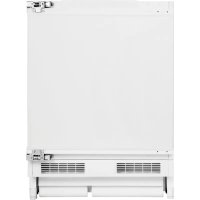
BU1154HCN - Fridge GRUNDIG - Free user manual and instructions
Find the device manual for free BU1154HCN GRUNDIG in PDF.


Frequently Asked Questions - BU1154HCN GRUNDIG
User questions about BU1154HCN GRUNDIG
0 question about this device. Answer the ones you know or ask your own.
Ask a new question about this device
Download the instructions for your Fridge in PDF format for free! Find your manual BU1154HCN - GRUNDIG and take your electronic device back in hand. On this page are published all the documents necessary for the use of your device. BU1154HCN by GRUNDIG.
USER MANUAL BU1154HCN GRUNDIG
RECYCLED & RECYCLABLE PAPER

PAPIER ENTIEREMENT RECYCLE ET RECYCLABLE

RECYCLECTLES UND RECYCLEBAHES PAPER

PAPEL RECICLADO Y RECIBABLE
Please read this user manual first!
Dear Customer,
We hope that your product, which has been produced in modern plants and checked under the most meticulous quality control procedures, will provide you an effective service.
Therefore, read this entire user manual carefully before using the product and keep it as a reference. If you handover the product to someone else, give the user manual as well.
The user manual will help you use the product in a fast and safe way.
- Read the manual before installing and operating the product.
Make sure you read the safety instructions. - Keep the manual in an easily accessible place as you may need it later.
- Read the other documents given with the product.
Remember that this user manual is also applicable for several other models. Differences between models will be identified in the manual.
Explanation of symbols
Throughout this user manual the following symbols are used:
Important information or useful tips.
Warning against dangerous conditions for life and property.
Warning against electric voltage.
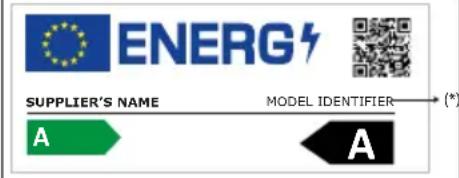
i INFORMATION
The model information as stored in the product data base can be reached by entering following website and searching for your model identifier () found on energy label.
https://eprel.ec.europa.eu/
1 Your refrigerator 3
2 Important SafetyWarnings 4
Intended use 4
General safety 4
For products with a 7
water dispenser; 7
Child safety 8
Compliance with WEEE Directive and
Disposing of the Waste Product: ....8
Package information 8
HC warning 8
Things to be done for energy saving 9
3 Installation 10
Points to be paid attention to when the relocation of the refrigerator ....10
Electrical connection 10
Disposing of the packaging 11
Disposing of your old refrigerator .... 11
Placing and Installation 11
Changing the illumination lamp ....12
Reversing the doors 13
4 Preparation 14
5 Using your refrigerator 15
Thermostat setting button 15
Cooling 16
Freezing 16
Defrost 16
Stopping your product 17
6 Maintenance and cleaning 18
Protection of plastic surfaces 18
7 Troubleshooting 19
1 Your refrigerator
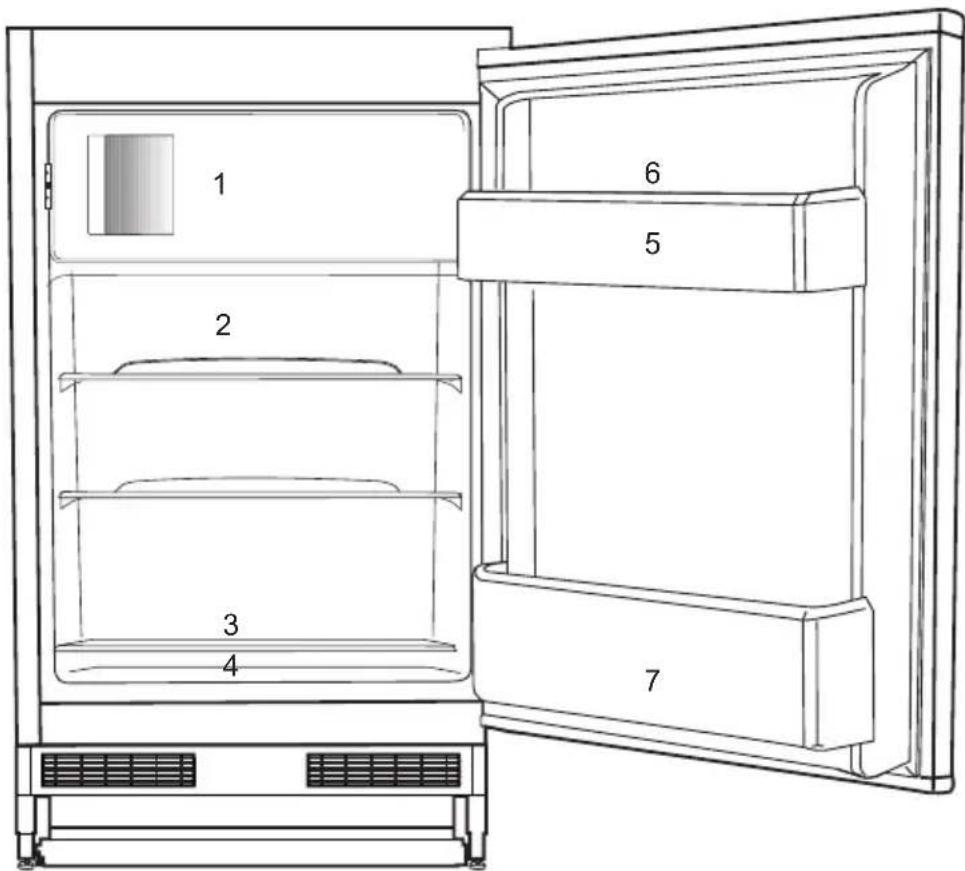
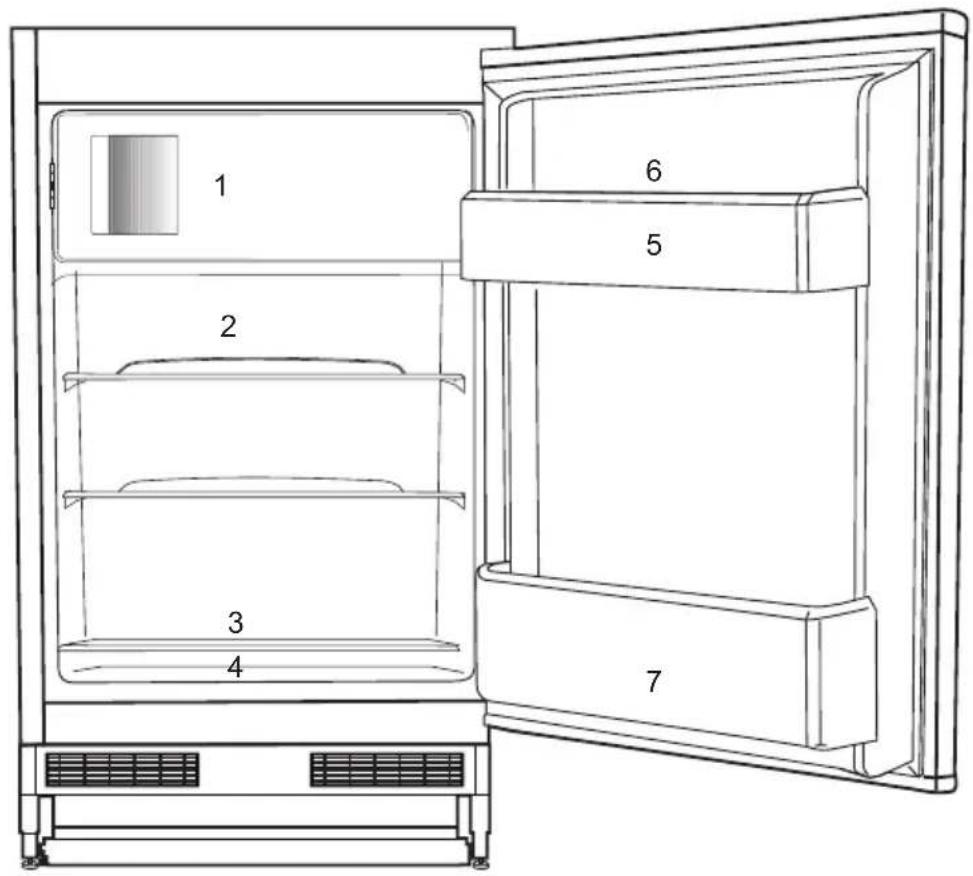
- To freeze fresh food, frozen food, rapid cooling of beverages, making ice cubes.
- Baked, chilled cooked food, dairy products.
- Meat, sausages, cold cuts, cans.
- Fruit, vegetables, salads.
- Tubes, small bottles and cans.
- Egg tray.
- Beverages, large bottles.
Figures that take place in this instruction manual are schematic and may not correspond exactly with your product. If the subject parts are not included in the product you have purchased, then it is valid for other models.
2 Important SafetyWarnings
Please review the following information. Failure to observe this information may cause injuries or material damage. Otherwise, all warranty and reliability commitments will become invalid.
Original spare parts will be provided for 10 years, following the product purchasing date.
Intended use
| ▲ | WARNING: Keep ventilation openings, in the appliance enclosure or in the built-in structure, clear of obstruction. |
| ▲ | WARNING: Do not use mechanical devices or other means to accelerate the defrosting process other than those recommended by the manufacturer. |
| ▲ | WARNING: Do not damage the refrigerant circuit. |
| ▲ | WARNING: Do not use electrical appliances inside the food storage compartments of the appliance, unless they are of the type recommended by the manufacturer. |
A
WARNING:
Do not store explosive substances such as aerosol cans with a flammable propellant in this appliance.
This appliance is intended to be used in household and similar applications such as
- staff kitchen areas in shops, offices and other working environments;
- farm houses and by clients in hotels, motels and other residential type environments;
- bed and breakfast type environments;
- catering and similar non-retail applications.
General safety
- When you want to dispose/ scrap the product, we recommend you to consult the authorized service in order to learn the required information and authorized bodies.
- Consult your authorized service for all your questions and problems related to the refrigerator. Do not intervene or let someone intervene to the refrigerator without notifying the authorised services.
- For products with a freezer compartment; Do not eat cone ice cream and ice cubes immediately after
you take them out of the freezer compartment! (This may cause frostbite in your mouth.)
- For products with a freezer compartment; Do not put bottled and canned liquid beverages in the freezer compartment. Otherwise, these may burst.
- Do not touch frozen food by hand; they may stick to your hand.
- Unplug your refrigerator before cleaning or defrosting.
- Vapor and vaporized cleaning materials should never be used in cleaning and defrosting processes of your refrigerator. In such cases, the vapor may get in contact with the electrical parts and cause short circuit or electric shock.
- Never use the parts on your refrigerator such as the door as a means of support or step.
- Do not use electrical devices inside the refrigerator.
- Do not damage the parts, where the refrigerant is circulating, with drilling or cutting tools. The refrigerant that might blow out when the gas channels of the evaporator, pipe extensions or surface coatings are punctured causes skin irritations and eye injuries.
-
Do not cover or block the ventilation holes on your refrigerator with any material.
-
Electrical devices must be repaired by only authorised persons. Repairs performed by incompetent persons create a risk for the user.
- In case of any failure or during a maintenance or repair work, disconnect your refrigerator's mains supply by either turning off the relevant fuse or unplugging your appliance.
- Do not pull by the cable when pulling off the plug.
- Ensure highly alcoholic beverages are stored securely with the lid fastened and placed upright.
- Never store spray cans containing flammable and explosive substances in the refrigerator.
- Do not use mechanical devices or other means to accelerate the defrosting process, other than those recommended by the manufacturer.
- This product is not intended to be used by persons with physical, sensory or mental disorders or unlearned or inexperienced people (including children) unless they are attended by a person who will be responsible for their safety or who will instruct them accordingly for use of the product
-
Do not operate a damaged refrigerator. Consult with the service agent if you have any concerns.
-
Electrical safety of your refrigerator shall be guaranteed only if the earth system in your house complies with standards.
- Exposing the product to rain, snow, sun and wind is dangerous with respect to electrical safety.
- Contact authorized service when there is a power cable damage to avoid danger.
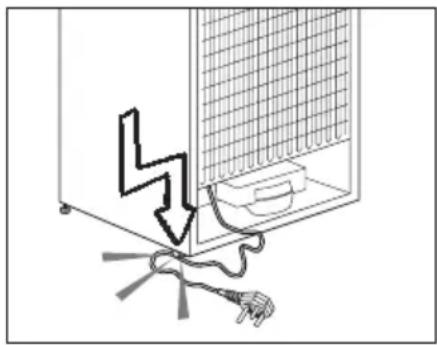
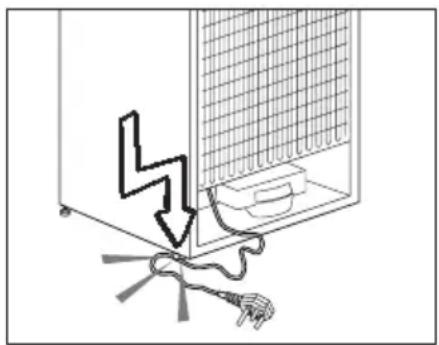
- Never plug the refrigerator into the wall outlet during installation. Otherwise, risk of death or serious injury may arise.
- This refrigerator is intended for only storing food items. It must not be used for any other purpose.
Label of technical specifications is located on the left wall inside the refrigerator. - Never connect your refrigerator to electricity-saving systems; they may damage the refrigerator.
- If there is a blue light on the refrigerator, do not look at the blue light with optical tools.
- For manually controlled refrigerators, wait for at least 5 minutes to start the refrigerator after power failure.
-
This operation manual should be handed in to the new owner of the product when it is given to others.
-
Avoid causing damage on power cable when transporting the refrigerator. Bending cable may cause fire. Never place heavy objects on power cable. Do not touch the plug with wet hands when plugging the product
- Do not plug the refrigerator if the wall outlet is loose.
Water should not be sprayed on inner or outer parts of the product for safety purposes. - Do not spray substances containing inflammable gases such as propane gas near the refrigerator to avoid fire and explosion risk.
- Never place containers filled with water on top of the refrigerator; in the event of spillages, this may cause electric shock or fire.
- Do not overload the refrigerator with food. If overloaded, the food items may fall down and hurt you and damage refrigerator when you open the door.
-
Never place objects on top of the refrigerator; otherwise, these objects may fall down when you open or close the refrigerator's door.
-
As they require a precise temperature, vaccines, heat-sensitive medicine and scientific materials and etc. should not be kept in the refrigerator.
- If not to be used for a long time, refrigerator should be unplugged. A possible problem in power cable may cause fire.
- Refrigerator may move if adjustable legs are not properly secured on the floor. Properly securing adjustable legs on the floor can prevent the refrigerator to move.
- When carrying the refrigerator, do not hold it from door handle. Otherwise, it may be snapped.
- When you have to place your product next to another refrigerator or freezer, the distance between devices should be at least 8cm. Otherwise, adjacent side walls may be humidified.
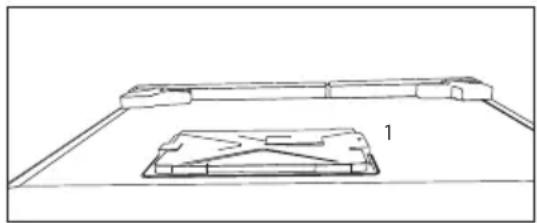
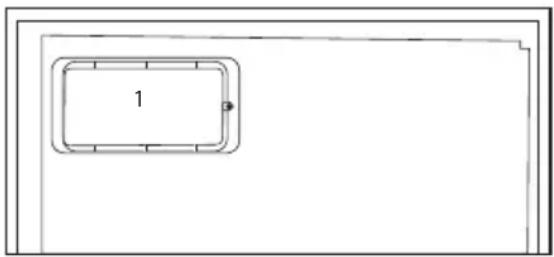
- The product shall never be used while the compartment which is located at the top or back of your product and in which electronic boards are available (electronic board box cover) (1) is open.
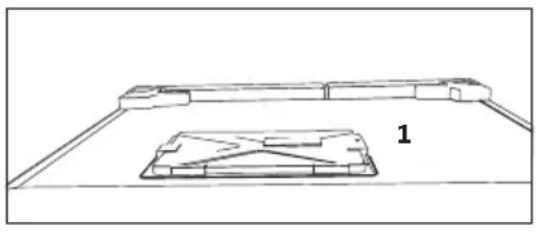
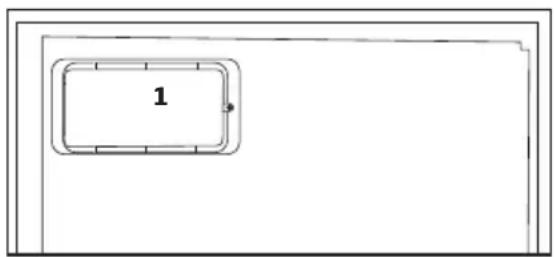
For products with a
water dispenser;
- Pressure for cold water inlet shall be maximum 90 psi (6.2 bar). If your water pressure exceeds 80 psi (5.5 bar), use a pressure limiting valve in your mains system. If you do not know how to check your water pressure, ask for the help of a professional plumber.
- If there is risk of water hammer effect in your installation, always use a water hammer prevention equipment in your installation. Consult Professional plumbers is you are not sure that there is no water hammer effect in your installation.
- Do not install on the hot water inlet. Take precautions against of the risk of freezing of the hoses. Water temperature operating interval shall be 33^ (0.6^)
minimum and 100^ (38^) maximum.
- Use only potable water.
Child safety
- If the door has a lock, the key should be kept away from reach of children.
Children must be supervised to prevent them from tampering with the product.
Compliance with WEEE Directive and Disposing of the Waste Product:
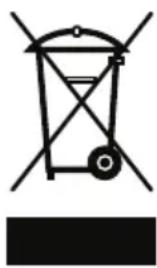
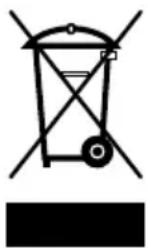
This product complies with EU WEEE Directive (2012/19/EU). This product bears a classification symbol for waste electrical and
electronic equipment (WEEE).
This product has been manufactured with high quality parts and materials which can be reused and are suitable for recycling. Therefore, do not dispose the product with normal domestic waste at the end of its service life. Take it to a collection point for the recycling of electrical and electronic equipment. Please consult your local authorities to learn the nearest collection point. Help protect the environment and natural resources by recycling used products. For children's safety, cut the power cable and break the locking mechanism of the door, if any, so that it
will be non-functional before disposing of the product.
Package information
Packaging materials of the product are manufactured from recyclable materials in accordance with our National Environment Regulations. Do not dispose of the packaging materials together with the domestic or other wastes. Take them to the packaging material collection points designated by the local authorities.
Do not forget...
Any recycled substance is an indispensable matter for nature and our national asset wealth.
If you want to contribute to the re-evaluation of the packaging materials, you can consult your environmentalist organizations or the municipalities where you are located.
HC warning
If your product's cooling system contains R600a:
This gas is flammable. Therefore, pay attention to not damaging the cooling system and piping during usage and transportation. In the event of damage, keep your product away from potential fire sources that can cause the product catch a fire and ventilate the room in which the unit is placed. Ignore this warning if your product's cooling system contains R134a.
Type of gas used in the product is stated in the type label which is on the left wall inside the refrigerator.
Never throw the product in fire for disposal.
Things to be done for energy saving
- Do not leave the doors of your refrigerator open for a long time.
- Do not put hot food or drinks in your refrigerator.
- Do not overload your refrigerator so that the air circulation inside of it is not prevented.
- Do not install your refrigerator under direct sunlight or near heat emitting appliances such as ovens, dishwashers or radiators. Keep your refrigerator at least 30cm away from heat emitting sources and at least 5cm from electrical ovens.
- Pay attention to keep your food in closed containers.
-
For products with a freezer compartment; You can store maximum amount of food items in the freezer when you remove the shelf or drawer of the freezer. Energy consumption value stated for your refrigerator has been determined by removing freezer shelf or drawer and under maximum load. There is no harm to use a shelf or drawer according to the shapes and size of food to be frozen. 9
-
Thawing frozen food in fridge compartment will both provide energy saving and preserve the food quality.
3 Installation
In case the information which are given in the user manual are not taken into account, manufacturer will not assume any liability for this.
Points to be paid attention to when the relocation of the refrigerator
- Your refrigerator should be unplugged.Before transportation of your refrigerator, it should be emptied and cleaned.
- Before it is re-packaged, shelves, accessories, risper, etc. inside your refrigerator should be fixed with adhesive tape and secured against impacts. Package should be bound with a thick tape or sound ropes and the transportation rules on the package should be strictly observed.
- Original packaging and foam materials should be kept for future transportations or moving.
Before you start the refrigerator, Check the following before you start to use your refrigerator:
- Attach 2 plastic wedges as illustrated below. Plastic wedges are intended to keep the distance which will ensure the air circulation between your refrigerator and the wall. (The picture is drawn up as a representation and it is not identical with your product.)
-
Clean the interior of the refrigerator as recommended in the "Maintenance and cleaning" section.
-
Connect the plug of the refrigerator to the wall socket. When the fridge door is opened, fridge internal lamp will turn on.
- When the compressor starts to operate, a sound will be heard. The liquid and gases sealed within the refrigeration system may also give rise to noise, even if the compressor is not running and this is quite normal.
- Front edges of the refrigerator may feel warm. This is normal. These areas are designed to be warm to avoid condensation.
Electrical connection
Connect your product to a grounded socket which is being protected by a fuse with the appropriate capacity.
Important:
The connection must be in compliance with national regulations.
- The power plug must be easily accessible after installation.
- Electrical safety of your refrigerator shall be guaranteed only if the earth system in your house complies with standards.
- The voltage stated on the label located at left inner side of your product should be equal to your network voltage.
- Extension cables and multi plugs must not be used for connection.
A damaged power cable must be replaced by a qualified electrician.
Product must not be operated before it is repaired! There is the risk of electric shock!
Disposing of the packaging
The packing materials may be dangerous for children. Keep the packing materials out of the reach of children or dispose of them by classifying them in accordance with the waste instructions stated by your local authorities. Do not throw away with regular house waste, throw away on packaging pick up spots designated by the local authorities.
The packing of your refrigerator is produced from recyclable materials.
Disposing of your old refrigerator
Dispose of your old refrigerator without giving any harm to the environment.
- You may consult your authorized dealer or waste collection center of your municipality about the disposal of your refrigerator.
Before disposing of your refrigerator, cut out the electric plug and, if there are any locks on the door, make them inoperable in order to protect children against any danger.
Placing and Installation
If the entrance door of the room where the refrigerator will be installed is not wide enough for the refrigerator to pass through, then call the authorized service to have them remove the doors of your refrigerator and pass it sideways through the door.
- Install your refrigerator to a place that allows ease of use.
- Keep your refrigerator away from heat sources, humid places and direct sunlight.
- There must be appropriate air ventilation around your refrigerator in order to achieve an efficient operation. If the refrigerator is to be placed in a recess in the wall, there must be at least 5cm distance with the ceiling and at least 5cm with the wall. Do not place your product on the materials such as rug or carpet.
- Place your refrigerator on an even floor surface to prevent jolts.
Changing the illumination lamp
To change the Bulb/LED used for illumination of your refrigerator, call your AuthorisedService.
The lamp(s) used in this appliance is not suitable for household room illumination. The intended purpose of this lamp is to assist the user to place foodstuffs in the refrigerator/ freezer in a safe and comfortable way. The lamps used in this appliance have to withstand extreme physical conditions such as temperatures below -20^ .
(only chest and upright freezer)
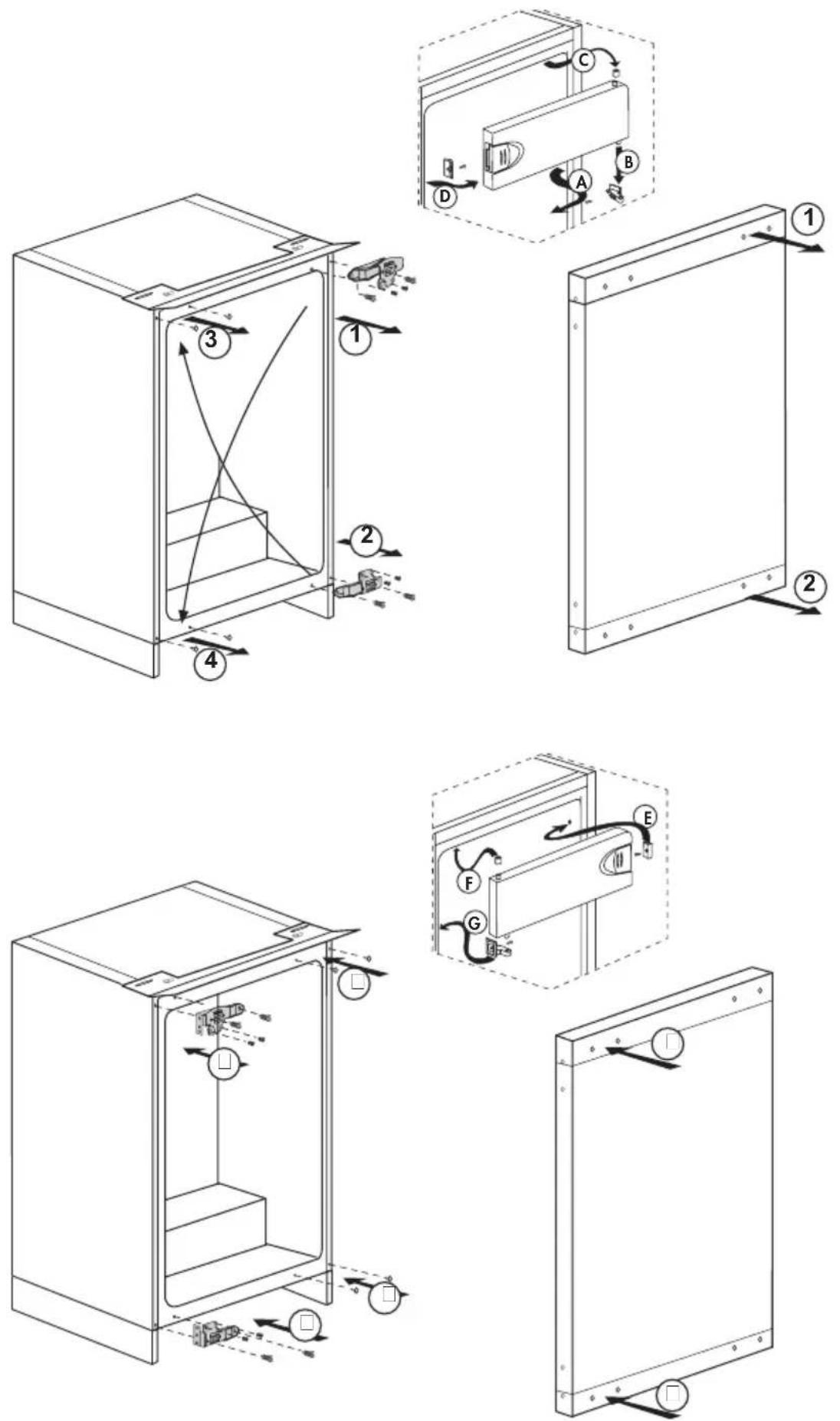
Reversing the doors
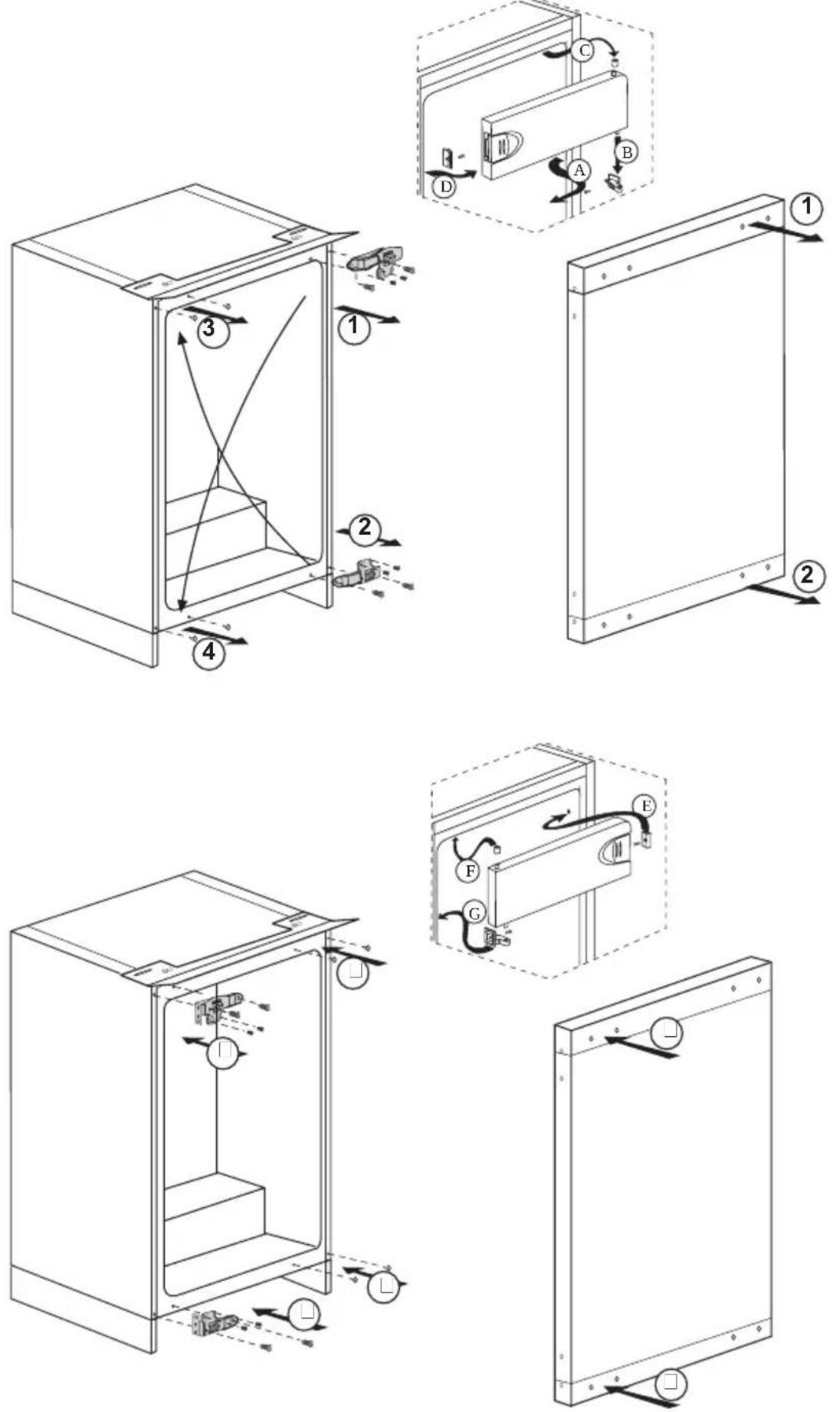
4 Preparation
- Your refrigerator should be installed at least 30cm away from heat sources such as hobs, ovens, central heater and stoves and at least 5 cm away from electrical ovens and should not be located under direct sunlight.
- The ambient temperature of the room where you install your refrigerator should at least be 10^ . Operating your refrigerator under cooler conditions is not recommended with regard to its efficiency.
- Please make sure that the interior of your refrigerator is cleaned thoroughly.
If two refrigerators are to be installed side by side, there should be at least 2 cm distance between them. - When you operate your refrigerator for the first time, please observe the following instructions during the initial six hours.
- The door should not be opened frequently.
- It must be operated empty without any food in it.
- Do not unplug your refrigerator. If a power failure occurs out of your control, please see the warnings in the "Recommended solutions for the problems" section.
-
Original packaging and foam materials should be kept for future transportations or moving.
-
The baskets/drawers that are provided with the chill compartment must always be in use for low energy consumption and for better storage conditions.
- Food contact with the temperature sensor in the freezer compartment may increase energy consumption of the appliance. Thus any contact with the sensor(s) must be avoided.
- In some models, the instrument panel automatically turns off 5 minutes after the door has closed. It will be reactivated when the door has opened or pressed on any key.
- Due to temperature change as a result of opening/closing the product door during operation, condensation on the door/body shelves and the glass containers is normal
5 Using your refrigerator
Thermostat setting button
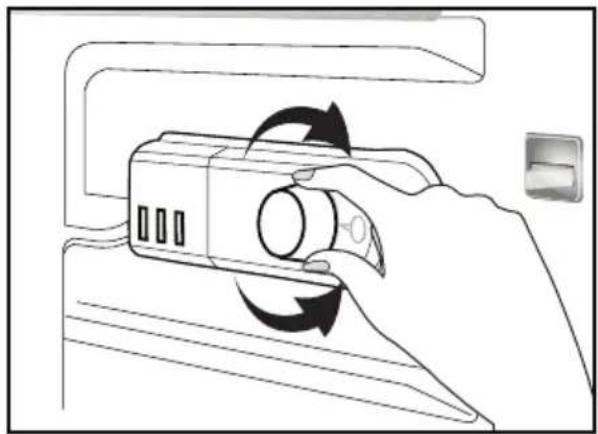
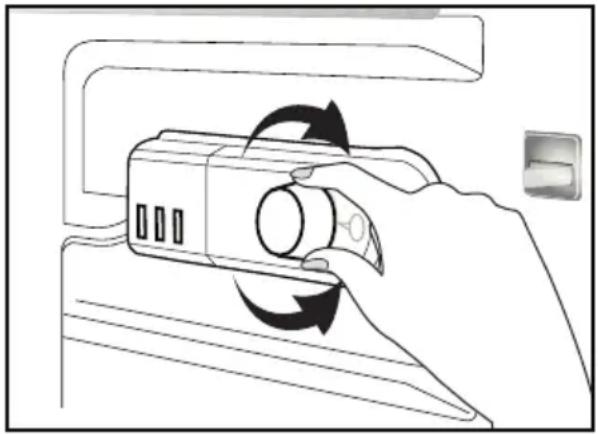
The operating temperature is regulated by the temperature control.

(Or) Min. Max.
1 = Lowest cooling setting (Warmest setting)
5 = Highest cooling setting (Coldest setting)
(Or)
Min. = Lowest cooling setting
(Warmest setting)
Max. = Highest cooling setting
(Coldest setting)
The average temperature inside the fridge should be around +5^ .
Please choose the setting according to the desired temperature.
Please note that there will be different temperatures in the cooling area.
The coldest region is immediately above the vegetable compartment.
The interior temperature also depends on ambient temperature, the frequency with which the door is opened and the amount of foods kept inside.
Frequently opening the door causes the interior temperature to rise.
For this reason, it is recommended to close the door again as soon as possible after use.
The interior temperature of your refrigerator changes for the following reasons;
- Seasonal temperatures,
- Frequent opening of the door and leaving the door open for long periods,
- Food put into the refrigerator without cooling down to the room temperature,
The location of the refrigerator in the room (e.g. exposing to sunlight). - You may adjust the varying interior temperature due to such reasons by using the thermostat. Numbers around the thermostat button indicates the cooling degrees.
If the ambient temperature is higher than 32^ turn the thermostat button to maximum position.
If the ambient temperature is lower than 25^ , turn the thermostat button to minimum position.
Cooling
Food storage
The fridge compartment is for the short-term storage of fresh food and drinks.
Freezing
Freezing food
The freezing compartment is marked with mbol.
You can use the appliance for freezing fresh food as well as for storing pre-frozen food.
Please refer to the recommendations given on the packaging of your food.
Storing frozen food
The frozen food compartment is marked with symbol.
The frozen food compartment is suitable for the storage of prefrozen food. The recommendation for storage, as stated on the food packaging, should be observed at all times.
Defrost
A) Fridge compartment
Fridge compartment performs full-automatic defrosting. Water drops and a frosting up to 7 - 8mm can occur on the inner rear wall of the fridge compartment while your refrigerator cools down. Such formation is normal as a result of the cooling system. The frost formation is defrosted by performing automatic defrosting with certain intervals thanks to the automatic defrosting system of the rear wall. User is not required to scrape the frost or remove the water drops.
Water resulting from the defrosting passes from the water collection groove and flows into the evaporator through the drain pipe and evaporates here by itself.
Check regularly to see if the drain pipe is clogged or not and clear it with the stick in the hole when necessary.
Deep freezer compartment does not perform automatic defrosting in order to prevent decaying of the frozen food.
B) Freezer compartment
Defrosting is very straightforward and without mess, thanks to a special defrost collection basin.
Defrost twice a year or when a frost layer of around 7 (1/4") mm has formed.
To start the defrosting procedure, switch off the appliance at the socket outlet and pull out the mains plug.
All food should be wrapped in several layers of newspaper and stored in a cool place (e.g. fridge or larder).
Containers of warm water may be placed carefully in the freezer to speed up the defrosting.
Do not use pointed or sharp-edged objects, such as knives or forks to remove the frost.
Never use hair dryers, electrical heaters or other such electrical appliances for defrosting.
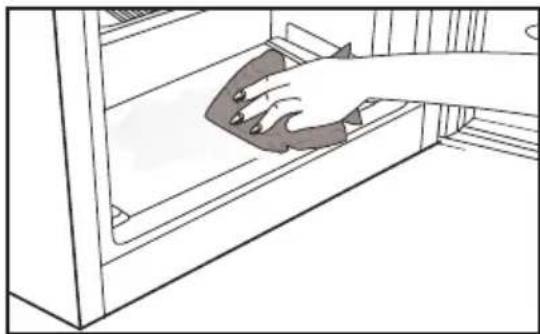
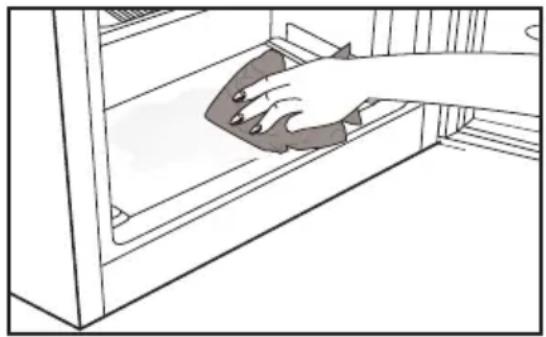
Sponge out the defrost water collected in the bottom of the freezer compartment. After defrosting, dry the interior thoroughly.
Insert the plug into the wall socket and switch on the electricity supply.
Stopping your product
If your thermostat is equipped with "0" position:
- Your product will stop operating when you turn the thermostat button to "0" (zero) position. Your product will not start unless to you turn the thermostat button to position "1" or one of the other positions again.
If your thermostat is equipped with "min" position:
- Unplug your product to stop it.
6 Maintenance and cleaning
Never use gasoline, benzene or similar substances for cleaning purposes.
We recommend that you unplug the appliance before cleaning.
Never use any sharp abrasive instrument, soap, household cleaner, detergent and wax polish for cleaning.
For non-No Frost products, water drops and frosting up to a fingerbreadth occur on the rear wall of the Fridge compartment. Do not clean it; never apply oil or similar agents on it.
Only use slightly damp microfiber cloths to clean the outer surface of the product. Sponges and other types of cleaning cloths may scratch the surface.
Use lukewarm water to clean the cabinet of your refrigerator and wipe it dry.
Use a damp cloth wrung out in a solution of one teaspoon of bicarbonate of soda to one pint of water to clean the interior and wipe it dry.
Make sure that no water enters the lamp housing and other electrical items.
If your refrigerator is not going to be used for a long period of time, unplug the power cable, remove all food, clean it and leave the door ajar.
Check door seals regularly to ensure they are clean and free from food particles.
To remove door racks, remove all the contents and then simply push the door rack upwards from the base.
Never use cleaning agents or water that contain chlorine to clean the outer surfaces and chromium coated parts of the product. Chlorine causes corrosion on such metal surfaces.
Do not use sharp, abrasive tools, soap, household cleaning agents, detergents, kerosene, fuel oil, varnish etc. to prevent removal and deformation of the prints on the plastic part. Use lukewarm water and a soft cloth for cleaning and then wipe it dry.
Protection of plastic surfaces
Do not put the liquid oils or oil-cooked meals in your refrigerator in unsealed containers as they damage the plastic surfaces of your refrigerator. In case of spilling or smearing oil on the plastic surfaces, clean and rinse the relevant part of the surface at once with warm water.
7 Troubleshooting
Check this list before contacting the service. Doing so will save you time and money. This list includes frequent complaints that are not related to faulty workmanship or materials. Certain features mentioned herein may not apply to your product.
The refrigerator is not working.
- The power plug is not fully settled. >> Plug it in to settle completely into the socket.
- The fuse connected to the socket powering the product or the main fuse is blown. >> Check the fuses.
Condensation on the side wall of the cooler compartment (MULTI ZONE, COOL, CONTROL and FLEXI ZONE).
- The door is opened too frequently Take care not to open the product's door too frequently.
- The environment is too humid. Do not install the product in humid environments.
- Foods containing liquids are kept in unsealed holders. - Keep the foods containing liquids in sealed holders.
- The product's door is left open. Do not keep the product's door open for long periods.
- The thermostat is set to too low temperature. >> Set the thermostat to appropriate temperature.
Compressor is not working.
- In case of sudden power failure or pulling the power plug off and putting back on, the gas pressure in the product's cooling system is not balanced, which triggers the
compressor thermic safeguard. The product will restart after approximately 6 minutes. If the product does not restart after this period, contact the service.
- Defrosting is active. >> This is normal for a fully-automatic defrosting product. The defrosting is carried out periodically.
- The product is not plugged in.
Make sure the power cord is plugged in.
- The temperature setting is incorrect. >> Select the appropriate temperature setting.
- The power is out. >> The product will continue to operate normally once the power is restored.
The refrigerator's operating noise is increasing while in use.
- The product's operating performance may vary depending on the ambient temperature variations. This is normal and not a malfunction.
The refrigerator runs too often or for too long.
- The new product may be larger than the previous one. Larger products will run for longer periods.
-
The room temperature may be high. >> The product will normally run for long periods in higher room temperature.
-
The product may have been recently plugged in or a new food item is placed inside. The product will take longer to reach the set temperature when recently plugged in or a new food item is placed inside. This is normal.
Large quantities of hot food may have been recently placed into the product. Do not place hot food into the product.
- The doors were opened frequently or kept open for long periods. >> The warm air moving inside will cause the product to run longer. Do not open the doors too frequently.
- The freezer or cooler door may be ajar. >> Check that the doors are fully closed.
- The product may be set to temperature too low. >> Set the temperature to a higher degree and wait for the product to reach the adjusted temperature.
- The cooler or freezer door washer may be dirty, worn out, broken or not properly settled. >> Clean or replace the washer. Damaged / torn door washer will cause the product to run for longer periods to preserve the current temperature.
The freezer temperature is very low, but the cooler temperature is adequate.
- The freezer compartment temperature is set to a very low degree. >> Set the freezer compartment temperature to a higher degree and check again.
The cooler temperature is very low, but the freezer temperature is adequate.
- The cooler compartment temperature is set to a very low degree. >> Set the freezer compartment temperature to a higher degree and check again.
The food items kept in cooler compartment drawers are frozen.
- The cooler compartment temperature is set to a very low degree. >> Set the freezer compartment temperature to a higher degree and check again.
The temperature in the cooler or the freezer is too high.
- The cooler compartment temperature is set to a very high degree. Temperature setting of the cooler compartment has an effect on the temperature in the freezer compartment. Wait until the temperature of relevant parts reach the sufficient level by changing the temperature of cooler or freezer compartments.
- The doors were opened frequently or kept open for long periods. Do not open the doors too frequently.
- The door may be ajar. >> >> Fully close the door.
- The product may have been recently plugged in or a new food item is placed inside. This is normal. The product will take longer to reach the set temperature when recently plugged in or a new food item is placed inside.
Large quantities of hot food may have been recently placed into the product. Do not place hot food into the product.
Shaking or noise.
-
The ground is not level or durable. >> If the product is shaking when moved slowly, adjust the stands to balance the product. Also make sure the ground is sufficiently durable to bear the product.
-
Any items placed on the product may cause noise. (>>> Remove any items placed on the product.
The product is making noise of liquid flowing, spraying etc.
- The product's operating principles involve liquid and gas flows. This is normal and not a malfunction.
There is sound of wind blowing coming from the product.
- The product uses a fan for the cooling process. This is normal and not a malfunction.
There is condensation on the product's internal walls.
- Hot or humid weather will increase icing and condensation. This is normal and not a malfunction.
- The doors were opened frequently or kept open for long periods. Do not open the doors too frequently; if open, close the door.
- The door may be ajar. >> Fully close the door.
There is condensation on the product's exterior or between the doors.
- The ambient weather may be humid, this is quite normal in humid weather. The condensation will dissipate when the humidity is reduced.
The interior smells bad.
- The product is not cleaned regularly. >> Clean the interior regularly using sponge, warm water and carbonated water.
-
Certain holders and packaging materials may cause odour. >> Use holders and packaging materials without free of odour.
-
The foods were placed in unsealed holders. Keep the foods in sealed holders. Micro-organisms may spread out of unsealed food items and cause malodour. Remove any expired or spoilt foods from the product.
The door is not closing.
- Food packages may be blocking the door. Relocate any items blocking the doors.
- The product is not standing in full upright position on the ground.
Adjust the stands to balance the product.
- The ground is not level or durable. >>Make sure the ground is level and sufficiently durable to bear the product.
The vegetable bin is jammed.
- The food items may be in contact with the upper section of the drawer. Reorganize the food items in the drawer.
If The Surface Of The Product Is Hot.
- High temperatures may be observed between the two doors, on the side panels and at the rear grill while the product is operating. This is normal and does not require service maintenance! Be careful when touching these areas.
WARNING:
If the problem persists after following the instructions in this section, contact your vendor or an Authorised Service. Do not try to repair the product.
DISCLAIMER / WARNING
Some (simple) failures can be adequately handled by the end-user without any safety issue or unsafe use arising, provided that they are carried out within the limits and in accordance with the following instructions (see the "Self-Repair" section).
Therefore, unless otherwise authorized in the "Self-Repair" section below, repairs shall be addressed to registered professional repairers in order to avoid safety issues. A registered professional repairer is a professional repairer that has been granted access to the instructions and spare parts list of this product by the manufacturer according to the methods described in legislative acts pursuant to Directive 2009/125/EC.
However, only the service agent (i.e. authorized professional repairers) that you can reach through the phone number given in the user manual/ warranty card or through your authorized dealer may provide service under the guarantee terms. Therefore, please be advised that repairs by professional repairers (who are not authorized by Beko) shall void the guarantee.
Self-Repair
Self-repair can be done by the end-user with regard to the following spare parts: door handles, door hinges, trays, baskets and door gaskets (an updated list is also available in support.beko.com as of 1st March 2021).
Moreover, to ensure product safety and to prevent risk of serious injury, the mentioned self-repair shall be done following the instructions in the user manual for self
repair or which are available in support. beko.com. For your safety, unplug the product before attempting any self-repair.
Repair and repair attempts by end-users for parts not included in such list and/or not following the instructions in the user manuals for self-repair or which are available in support.beko.com, might give raise to safety issues not attributable to Beko, and will void the warranty of the product.
Therefore, it is highly recommended that end-users refrain from the attempt to carry out repairs falling outside the mentioned list of spare parts, contacting in such cases authorized professional repairers or registered professional repairers. On the contrary, such attempts by end-users may cause safety issues and damage the product and subsequently cause fire, flood, electrocution and serious personal injury to occur.
By way of example, but not limited to, the following repairs must be addressed to authorized professional repairers or registered professional repairers: compressor, cooling circuit, main board,inverter board, display board, etc.
The manufacturer/seller cannot be held liable in any case where end-users do not comply with the above.
The spare part availability of the refrigerator that you purchased is 10 years. During this period, original spare parts will be available to operate the refrigerator properly
The minimum duration of guarantee of the refrigerator that you purchased is 24 months.
This product is equipped with a lighting source of the "G" energy class. The lighting source in this product shall only be replaced by professional repairers.
https://eprel.ec.europa.eu/
1 Su frigorífico 4
Ochrana plastovych ploch
Nevkladejte tekute oleje neboPokrmy s obsahem oleje dochladnicky v neuzavrenychnadobach, jelikoz poskodiplastovou plochu va'si chladnicky.V pripadre Rozlitine bo Rozetrenieoleje na plastové plose yvcistete a oplachnete prislusnou cAst plochy teplouvodou.
PAPEL RECICLADO E RECICLAVEL

GENBRUGTOGENBRUGELIGT PAPER

KIERRATETTY JA KIERRATETAVAPAPERI
Inverter as portas 13
4 Preparação 14
5 Utilizar o seu frigorífico 15
(Varmasteinstallinging)
Max. = Hogsta kallasteinstalling
(Kallasteinstallinging)
m = 311
CnmboJIH IN TexHIne OINcaHnA
Toba pBkoBOIDTO 3a ynoTe6a cbIbPka cJeHNTE CmBOJN:
BaxHa HOpMaun nn noJe3n CbBeTn 3a ynoTpe6a.
IppeynpejdeHn npn onacnoct 3a XNBota nnn mmyeCTBOTO.
IpeDynpexKeHn8 3a eNeKtpnueckaTa MouHocT.
1 Baшсятхладинник 3
2 BaxHn npEduynpeKdEHHa OTHOCHO 6e3ONaChocTta 4
YnoTpe6a Ha ypeHa 4
3a npoaykT cBoDen pa3npedeNtTe; ... 9
3aunTa oT deca 9
CbBmecTnMoCT c WEEE DnpeKtNbBa 3a XxBbpIaHe Ha oTnaDbuHn npOdykTu: .. 10
CbBMeCTMOCCT CnpeKtNbata 3a orpaHnUbaHe Ha ynoTpe6aTa Ha onpeJeHn Onacn BeuecTba 10
Hhopmaa3a onakOBbHuNte Maepnau 10
HC npdeynpejxdeHne 10
Heu, KOnTo Da HnPaBnte C ceJ neCTeHa eHeprna 11
3 MoHTax 12
Ha KaKBO Da OsbpHeTe BnHMaHne
Pn NOBTOPO TpaHCnOpTnpaHe Ha
XnaINHnKa 12
Ipei Da 3aOnuHHe pa6oTa c XpaHnHa Ka 12
EneKtpnuecko Cbbp3BaHe 12
I3xbpnaHe Ha onaKOBbHnTe MaTePnA.. 13
I3XbBpJHe Ha cTapn Bn XnaDnHnK. 13
IocTabaHHe HMOHTnpaHene 13
IopMaHa Ha OCBeTteJHaTa JAmnUka 14
OsbuaneHaBpaTnte 15
4 PndroTOBka 16
5 Ynotpe6a Ha XlaIINHnKa Bn 17
Bytoh 3a Hactpoika Ha Tepmoctata .... 17
OxlaXdaHe 18
3ampa3yahe 18
Pa3JIeKdAnHe 18
I3KJIIOUVAHe Ha npOdykTa 19
6 Пордрьжka и поочствае 20
IpeIpa3BaHe Ha IpaTMacOBtTe NOBbpxHocTn 20
7 Bb3MOxHn peWeHnHa BB3HNKHaJI npo6Jemn 21
- 3a 3ampa3raBaHe Ha npeChn XpaHn, 6bp30 OxnaXdaHe Ha HAnrTkN, HAnpBaHa Ky6yeta Jed.
2.Пechа,oxlaedeHa roTbeHa xpaHa,MneHn npOdykTN. - Meco, HadeHua, Hapra3aH caJam, KOHcepBn.
4.Плобove,Зеленчуи, canaTN. - Ty6n, MaIKI 6yTNIKI IN KEHOBe.
- Taba 3a Jua.
- HanNTK, roJem 6yTnJIKN.
i Φигурпe,В HabToIeTO pБКOBODCTBO 3a yNOrpe6a,ca CXeMaTnUHn I MoKe Da He OTROBaprT ToHNo Ha BaSIny UpeД. Ako CnOmeHaTnte YacTn IINCBat BbB BaSIny UpeД, To Te BaXaT 3a DpyrN MOneII.
2 BaxHH npeDynpexdEHHaOTHOcHOb3ONaCHOCTTa
Molna, npereJaTe cJeHaTa HnOpMaunr. Hecna3BaHeTo Ha Ta3n HOpMaunr MoKe Da IOBeDe Do HapaHbAHn IIN MaTePnaJHn UeTn. B IpOTNBEN CnyaB BcKaKBa rapaHcznI OTROBOPHOCT CTaBAT HeBaJIuHN.
OpunHaJIHn pe3epBHN qactn Ⅲe 6bdaT npedocTaBaryn 10 roDHH cIeI daTaTa Ha NOKyPkA Ha npOdykTa.
Ynotpe6a Ha ypeda
| △ | BHIMAHNE: Уberе te ce peшetknite Я BEHTINlaционнite OTBOPида са OTBOPeHи При пложене Ha yctpoiCTBOTo B ambaJaxnЯ пaket Или спед постовяны pa60THOTo My място. |
| △ | BHIMAHNE: С ИЗКЛЮчЕне Нa ПрелорькITE, ДОПУСТИМИ OТ П рОи 3 ВОд nT e Ля, He ИЗПОЛ3ВaIte MexaHnUHи Или ВсЯКaKВи Дуги yCTpoiCTBa C Zeelen yCKOPЯВaHe Прочesa Ha pa3Mpa3ЯВaHе Ha yCTpoiCTBOTo. |
| △ | BHIMAHNE: He NOВpeждайтete ДeйСТВиETO Na oxлади TЕлнaita СИСТема на Фразова. |
|  | BHIMAHNE: He n3рлзВайтete e leктуческо оборudвае В OTдeеленeto 3a съхранени на xpaHNTeЛни п探测укten, Нedlyостимо OT поиЗВОДИТЕЯ на устroduCTВOTO. |
|  | BHIMAHNE: He съхранявайтete ekспLOЗИВН Ве�есТВа кATO NaРимер aero03OLHn Сп能在ове вуразда. |
-ToBa ycTpoiCTBO e npedHa3NaueHo 3a DoMausha ynoTppe6a nIi 3a n3POn3BaHe npn CneHnTe ycIOBnA -B Mara3HH, OoNcN N dpYr pa60THn CpeNi C ceN n3POn3BaHe OT YJleHOBeTe Ha nepcoHaJa B KuxHraTa Ha pa60Tha T cpeDa; -BbB fepMepHN KbU, XOTeJI, MOTeJI N Dpyr n CpeDi, PpeHa3NaueHn 3a HactaHyaBe Ha rpaXdAnHTe 3a NOUBKa;
O67a 6e3oNaChocT
Korato peuinte da n3xBbplnte npodykta, npenopbYBaMe da ce KOHCyItpaTe C OTOpN3npaHna cepBn3 3a da pOlyuTe HxHaTa
HOpMaun 3a TOBa, KaKTo N C OTOpN3npaHnTe Bnactn.
KoHcUJItpaIte ce c OToPn3IpaHnIeCepBn3 IIO BcRAKaBn BbInpOcN I npO6JIeMn, CBbP3aHn C XJaAnIIHnKa. He ce OINTBaIte Da INonpaBArTe CAMN IIN Da INo3BOJyBaTe Dpyr Da IpaBn TOBa 6e3 Da IpeDyIpeIte OTOpN3IpaHnIe CepBn3.
3a npoduktn c pnp3epno otdehene; He jkTe cnaOJeNn Ky6yeTa IeBvHara Cnei KaTO rN n3BaNTe OT pnp3epHOTo otdehene! (Toba MoKe da IOBeDe Do N3Mpb3BaHe BycTaTa BN.)
3a npoduktn c pnp3epHo OTdeJeHne; He NOCTabYIte 6yTNIpaHn IIN KOHCepBupaHn TeuHOCTN BbB pnp3epHOTo OTdeJeHne. B npOTNBcIyauT Te MoKe da ce npbCHaT.
He nipaTe 3aMpa3eHaTa XpaHa C pbCe; TЯ MOnKe da Ce 3aJIeN 3a pBkata BN.
- Изклочeteхладинka OT KOHTaKta пpeДИ NOuchTbaHe ИПИ pa3Mpa3ЯBaHe.
He 6nBa Hnkora da n3POn3BaTe npa NnapnnoocTbaUm MaTePnaI npnNoCtBaHcTo n pa3JIeKdAHeTo Ha
xIaIINHnka. Napata MoKe Da BJe3e B KOHTaKT C eJIeKTPnueCKnte YactN I Da IpeDn3BnKa KbCo CbeDnHeHne NII TOKOB yap.
- Hnkora He n3noJ3BaIte Yactnte Ha xJaIINHka, KaTO HApPIMep BpaTaTa 3a NOInpa IIN 3a CTbNBAHe.
He n3no3BaIte eIeKtpnueckn ypei N BbTpe B XlaIIHnka.
He noBpeJdaIte yacntTe, KbJeTO cnpKuInpa OxJaNTeJIc npo6NBn IIN peJceU INHCTpyMeHTN. EBeHTyaJIHOTo n3TuHaNe Ha OXJaNTeJI npi npo6NBaHe Ha KaHaJIte Ha n3napTeJIyDJIKeHnraTa Ha Tpb6aTa IIN NOKpITNeTO Bbpxy IOBbpXHOCTTa MOKe Da IpeDN3BnKa pa3dpa3HeHna Ha KoxaTa IIN HapAHBaHe Ha OChTE.
He nokpnbaiTe Hne 6nokpaIte c npedmetn BeHTnlaCIOHHITE OTBOPn Ha xnaHnka. - EneKtpnuecknte yctpoiCTBa Tp8Ba da ce peMOHTnpaT camo OT OTOPI3npaHn JIuca. PemOHbT, n3BbpSeH OT HeKOMPTeHTHO JIuCe MOJKe Da Cb3daJe pNcK 3a notpe6nteJ.
BcnyaHa KaKbato n dae NOBpeHa IIN IO Bpeme Ha NODpbXka N peMOHT,
N3KJIIOUcTe XJaIINHnKa OT eI. 3axpaHbAHe KaTO N3KJIIOUChTE CbOTBETHn8 ByuOH nnn n3BaInTe UeNCeJa OT KOHTaTa.
He Ibprnate 3a Ka6eNa KOrato NCKaTe Da N3BaInte UcenCeJa OT KOHTaKTa.
- YBepTe Ce,Ye BnCOKoajIKOXOJIHNTe HAnITKn Ce CbXpaHЯBaT CNrypHo CbC 3aTBOpEHN KaNaUKN Ca pa3NoJoxeH N BePTnKaJIHO.
Hnkora He cxbxpanyBaIte cnpeioBe cbDbpkaun Bb3PnAmEHmN INeKcPiO3INBHN BeIecTBA BXJaINHnKa.
He n3noJ3BaIte MExaHnUHn yCTpOiCTBa IIN dpyrN cpeiCTBa, 3a Da yckOpHTe npoceca Ha pa3Mpa3raVe, OCBEN NOCOueHNTe OT PON3BOIDTeJI.
To3nypeHHee npedHa3NaueH 3a ynoTpe6a OT Iuca C cn3nueckn, cEH3OpHN nIy MCTBHeH pa3ctpOiCTBa IIN Iuca 6e3 OINT INo3HaHnra (BKIOUHTeJHO deua),OCBeH aKO Te He ca NaIIOJaBAHn IIN IHCTpyKTIpaHn OTHOCHO yNoTpe6aTa Ha ypeDa OT OTROBOPHO 3a 6e3OnaCHocTTa IM IInCe.
He n3noJ3BaIte XnaIINHnka aKO e
noBpeH.AKO nMaTe HraKaBn CbMHeHna, Ce OsbPHeTe KbM cepBn3Hna areHT.
- EneKtpnueckaTa 6e3OpacHocT Ha XlaIJIHnKa e rapaHTnpaHa cMo aKO 3a3EmBaHeTo Ha eJ. INHCTaJaCnB DOMa BN OTROBapr Ha CbOTBETHnte CTaHdApTn.
- I3laRaHeTo Ha npOdyKta Ha DbJd, Chr, CnBHe N BAreTbp PpeDCTaBnBa OnaCHOCT OT eJeKtpnuecka TneHa Toka.
Cbpxte ce c OTOpN3npaHnA cepBn3 npn IOBpeDa B 3axpaHbau nka6eI 3a da n36eHHe TBcKaKbB pNCK.
Hnkora He BkIIOUyBaIte XlaIINHnKa B KOHTaKTa IIO BpeMe Ha IHCTaJaCnA. B npOTuBEn clyuai CbIeCTByBa pNCK 3a JxNBota nIi OT cepNo3HO HapaHЯBaHe.
T3n XlaaJnilHKe npedHa3HaueH cAmO 3a CbXpaHeHne Ha xpaHnteHNn IpOdykTN. Toi He 6nBa Da ce IOp3Ba 3a HnKaKBr dpyrN ZeJI.
ETnkeTbT C TexHnueckn cneuФkaun e pa3noJoxKeH BbXpy JЯBaTa BbTpEaHa CTeHa Ha XlaIINHka.
AkoB XlaIaJIHnKbT Bn IMa CnHa CBETnHa,
He naIIOaBaTe IpoIbIXeJIHO BpeMe C HeBbOpBXeHO OKO NnONTnUHn UpeiN.
Hnkora He cBbp3BaIte XnaIINHka C eHeproCneCTaBau n CnCTeM; Te MoRaT da IOBpeJrXnaIINHka.
3a pbyho KOHTpOJIpaHn XlaIINHcN, N3yakaiTe IOnHe 5 MInHyTn 3a da peCTapTpApTe XlaIINHnKa CpeiI ppeKbCBAHe B 3axpaHbAHeTo.
ToBaYbTaBHe3a ynoTpe6a Tp86Ba da ce npedae Ha HOBn co6CTBeHnK aKO ypeDbT 6bJe npOdaenHa dpyn Niua.
BHMaBaIte da He NOBpeIte 3axpaHbAsnKabel npi TpaHcNoptnpaHeto Ha XlaAnlHnka. OYbBaHet Ha KaBeJa MoKe Da DBeDe Do Noxap. Hnkora He NoctabYte TeJkN PpeMeTn BbpXy 3axpaHbAsnKa6eJI. He PnPaTe UePceJaC MOKpn Pbue KOraTO BKIOUvBaTe yPeDa BV KOHTaTa.
Korato noctabraye ypeda, npoBepete daNN 3axpaHbauNT ka6eN he e 3axBaHaT INN NOBpeDen.
He nocTaBraIte HЯKoJko pa3KnOHTeJI NII npENoCmN 3axpaHBaUyCTpoiCTBa B 3aHaTa qact Ha ypeDa.
- Deça ha Bb3pacT Mexky 3и 8 roDNH MORaT da 3apejdaT npa3TOBapBaT XnaINHN ypeiN.
3a da ce n36erhe 3ambpcraBaHeTo Ha XpaHaTa, MoI npIdbpKaIte Ce KbM CneHnTe yka3aHn: - OТварянeto Ha BpaTata Ha ypeDa 3a npOdbIJIxNITeHn NepNoDn OT BpeMe MOnKe Da IOBHe Do 3HaunTeJHo HapactBaHe Ha TemnepaTypaTa B OTdJeHnra Ta Ha ypeDa.
-ПочИстваіte рedingовно NOBbpxHOCHTnte, KOnTO BnN3aT B KOHTaKT C XpaHa N DOCTbNHInTe ДрehaxHn CNCTeMn.
-Почистваим Te KOHTeHepnte 3a BODa,akO He ca 6nI IN3NoN3BaHN B npOdbJxKeHne Ha48U;npOMInTe CnCTeMaTa 3a BODa, CBbp3aHa C BOIOChA6DNTeJIHaTAt - Мрека, akо He e 6ил a n3ToUbaHa BODaВ npoДьлжЕнe Ha 5 dHn.
CbXpaHЯBaIte cypOBTo Meco n pnbA B NOxOJaUN KOHTeHepn B XnaINHnka, 3a Da He Bn3aT B KOHTaKT Cnn Da KaNAT B DpyrN XpaHN.
OTdeneHnTa 3a 3ampa3eHn XpaHn C DBe 3Be3n Ca NpOxOJaN Ca CbXpaHeHne Ha PpeDbapnteJIHO 3aMpa3eHn XpaHn, 3a CbXpaHne Hn NpOroTBnHe Ha cIaDOneN n PpaBHe Ha Ky6YeTa IeJ. - OTDéJIeHЯTa c édHa, ДБe и Три 3Be3Ди He ca ПОДХОДЯш 3a 3aMpa3ЯВаHe Ha npèсн XpaHn.
Ako xlaanHnaypeid 6bde octaBeH npa3eH 3a npoJbJnxTeHn nepnoDn OT Bpeme, n3KIOUcTe ro, pa3Mpa3eTe, NOuchTe, NOcCyweTe n OCTaBeTe
BpataMyOTbOpeHa,3aJa npedotbpatnteobpa3yBaHeToHaPnecen Bypeda.
He BkIIOUbaIte XlaIINHnKa B pa3Xna6eHn KOHTaKTn.
- По пчини на 6e3ОнacHOTа NO BbHшноCTTа Ип NBtpeшnoCTTа Ha урEDA He 6иВа дa ce npвсka ДиpeКTHO BODa.
He npbckaiTe cy6tahn,cbdbpkaun Bb3PnAmEHIMn Ra3OBe OTpoJaHa npoNaHra3B 6n30CTdoXnaHnHa Ka 3a Da n36eHHeTe pNcKa OT POKAP IN EKcnno3n.
HnKra He nocTaBryTe CbIOBe, NbJIHn C BODa Bbpy XnaIINHaKa, Tb' KaTO TOBa MoKe Da IOBeDe Do TOKOB yDap nn PoXap.
He npenbIbaTe XlaIINHnKa C npeKOMepHo KOJIueCTBO xpaHa. Ako e npenbIHeN, XpaHITeJIHnTE npOdyKTn MOKe Da naHaT N Da Bn HapAHr T IIn Da NOBpeJrT XlaIINHnKa Pn OTBaPAnHe Ha BpTaTa. Hnkora He NoCTaBraTe PpeMeTu Bbpxu XlaIINHnKa; B IpOTnBeH Cnyaai Te MoKe Da N3paIHaT pRn OTBaPAnHeTo N 3aTBapAren Ha BpaTaTa Ha XlaIINHnKa.
TbI KaTo Ce HxkDaT OT TOUHO ONpeJeHeHa TemnepaTypa Ha CbXpaHHe (BaKcHn, TemnepaTypHO-3aBNCmN
JIeKapCTBa, HayuHn MaTePnaJn, n dp.) He 6nBa Da ce DbpxaT B XJaIINHka.
Ako He 6bIe n3noJ3BaH IbJIro BpeMe, XlaIINHkBT Tp86Ba Da 6bIe n3KJIuOyeH OT KOHTaKTa. Bb3MOxHo e HEN3npaBHOCT B 3axpaHbAsnKa6eI da DOBeDe Do noXap.
- HakpaHnKbT Ha ⅢeIcena Tp86Ba Da 6bJe peoBHO nOuNCTBaH 3a Da ce I36erHe pNcKa OT NOxap.
XlaДИЛHnKbT MoKe Da Mbpda aKO peYIpyeMITE KpaYeTa He ca StaBnHo 3akpeHn Ha Noda. CtaBnHTo 3akpenBaHe Ha peYIpyeMITE KpaYeTa Ha Noda MoKe da npedna3N XlaIINHnKa OT MbpdaHe.
- Пи пемecтва_HEТО
На Xладинka, He ro
XВашайт e 3a ДрьжКаТа
На ВраТа.T.В поTNBEH
Слуай Тя мож e da ce
OTKбCHE.
Ako ce haIara da NOCTaBnTe ypeDa Do dpyr XlaIJIHnK nIe FpN3ep, pa3CTOJHnETo MExdY DBaTa ypeDa Tpr6Ba Da e noHe 8cm. B npOTuBeH Clyuayn PnpIeJaInte CTpaHnUHn CTeHn MoKe Da Ce HABJaXHrT.
Hnkora He n3noJ3BaIte npOdyKta, aKO cekzraTa, pa3noJoxeHa B rOpHaTa
IJI 3aHaTa YacT
Ha BaSiy IpoDyKT C
eJIeKTPoHn IeayTHN
IIaTKI BbTpE, e OTBopeHa
(IIeayTHa IIaTKa C
eJIeKTPoHNo NOKpITne) (1).
3a npodukc BODeH pa3npedeJInteJ;
HaJraHeTo Ha BxoJa 3a CTyJeHa BOJa Tp8Ba Da e MaKcImym 90 psi (620 kPa). Ako HaJraHeTo Ha BOJaTa HaBnSi 80 psi (550 kPa), n3POn3BaIte KlaNaHa 3a OrpaHnUaBaHe Ha HJraHeTo B MpeXOBaTa CnCTema. Ako He 3Haete KaK Da npOBepITE HaJraHeTo Ha BOJaTa, NotbpcTe POMoU OT IpOpeCNoHaJIeH BOJOpBODnK.
Ako nma pnck OT XnDpaBnueckn ydap BbB BaShaTa INHCTaNaIy, BnHaI N3POn3BaITe O6OpyDbAHe 3a IpeDoTbPaTЯBaHe Ha XnDpaBnueckn ydap.
KohcunpaTe ce c npocnoHaen BOIOPOBOOuK, aKO He CTe cnpyHn, Ye BvB BaWata NHCTaIauN HMa Da Bb3HnKHe XndpaBInueckn ydap.
He nHcTaInpaIte Ha BXoJa 3a ropeuBa B3eMeTe npedna3n MepKn Cpeu y 3aMp3BaHe Ha MapkyuIte. Pa6OTnT INTEpBaN Ha TempepaTypaHa BODaTa Tp6Ba da e MINHMym 33^ (0,6^) makcIMyM 100^ (38^)
- Изполизвайта само пптейна Вда.
3aunta ot deca
AkoHaBpTaTa e NOCTaBeHa KJIouaIka, KJIoubT Tp6Ba Da ce Ibpxn DaJeue OT Doctbna Ha Deca.
- Deuata Tp6Ba da 6bdaT ha3npaBaan 3a da ce n36eHne irpaene c ypeDa.
CbBmecTnMoCT c WEEE DnpeKtNbA 3a nXbPpIHe Ha OTnadbUHn npOdykTn:
ПрдуктбТ OTROВаряHa ИЗИСКВАнЯТаHa ДиректИВаТаHa EC 3a ИХБьрлЯHe Ha OTпадьЧИ ПрдуктИ (2012/19/
EU).To3n npOdyKT HOCN KIacnФИKaUHOHeH CmBOJ 3a OTnaDbYHo eNeKtpuYeCKO n eNeKtpoHNo O6OpyDbaHe (WEEE).
IpoDyKTbTe npOn3BeDen OT BnCOKOKaueCTBHeH yactN mATEpnaJI, KOITO MoTaT da Ce n3POn3BaT NOBTOPO H Ca NODxOJaU 3a peuKInpaHe. He n3xBbpIaIte ypeDa 3aeDHO C O6nKHOBeHITe 6HTOBn I dpyrN OTNaIbU B KpaHa ONepaTHBnry My XHBOT. 3aHeCete rO B Cb6npaTeJHHra ZeHTbp 3a peuKJIpaHHe Ha eJeKTPoHNo I eJeKTPuYeCKO o6OpyDbAHe. O6bpHHeTe ce KbM MEcTHITE BlaCTn 3a IOBeue IIOpO6HoCTn OTHOCHO Te3N Cb6npaTeJHH zuENTPOBE.
CbBmecTnMoCTc DnpeKtNbata 3a OrpaHnUaBaHe Ha yNoTpe6aTa Ha onpeJeHn OnaChN BeIeCTBa
3aKyupeHnT OT BAC npOdyKT OTTOBapra Ha n3NCKBaHnraTa Ha dIpeKTHBaTa 3a OrpaHnUbaHe Ha yNoTppe6aTa Ha onpeJeHn OnaCHn BeueCTBa Ha EC (2011/65/
EU).ToHHe cBDbpKa HNKoI OT BpeHNITE N 3a6paHeHIMATEPnAJI, ONICAHN B DInpeKTHBaTa.
HΦopMaζη 3a OπaKOBbUHnTe MaTeρnJIh
ОпakOBbUHnTe MaTrepnaJI Na npOdyKta ca npOn3VeDeHn OTpeuKInpyeMn MaTePnaJIcBflaCHO HaIhnte HauNoHaJIHn HapeD6n 3a ONa3BaHe Ha OKoJHaTa cpeJa. He n3XBbPrlaIte ONAKObYHnTe MaTePnaJI N 3aeJHo C 6HTOBnTe I dpyrN OTpaDbuN. 3aHeceTe m B pYNKTobete 3a Cb6Hpaine Ha ONaKObUChn MaTePnaJI, ONpeJeJIeHn OT MeCTHnTe Bnactn.
HC npeDynpexdene
AkoXnaJdaaTaCnCTemaHa ypeDa Bn CbDbPka R600a:
To3n ra3 e 3anaJIM. 3aTOBa BHNMaBaIte Da He NOBpeInte OXlaIaNTeJIHaTcNCTema N Tpb6Ite npu ynoTppe6a N TpaHcNopt. B CnyuaH Na OOBpeDa, DpbKTe pOdyKTa DaJeU OT NOTEHnAJIHH N3TOUHnCn Ha OYbH, KOETO MOKe Da IOBeDe Do NODIIaIBaHETO Ha UpeDa n IPOBETPraBaIte CTaTA, KbIeTO Ce HAMnpa Toi. He B3ImaIte PpeDvnd TOBa IpEduynpeJxdeHne aKO OXlaIaNTeJIHaTaN CnCTema CbDbpxKa R134a.
Tnblr3, n3noJ3BaH B npodykta, e 06o3HaueH Ha cTpaHnUHaTa Ta6eIka C daHHN
Bbpxy BbTpewHaTa JЯBa CtpaHa Ha XlaadnHnka.
Hnkora He n3xBpIyTe ypeDa B OrBn.
Heza, KOnTo Da HnPaBInTe C ZeI neCTeHa eHeprna
He octabray Te BpaTnte Ha XnaIINHnKa OTBOpEHn 3a DbJIro.
He npnbpaTe ropeu XpaHn HApNTKn B XnaIINHa.
He npenbIbaIte XlaIINHka 3a Da He ce 3aTpUdNHaBa Bb3DyUHaTa CnPKuJaCnBbTpe B Hero.
He nHcTaInpaTe XlaIINHka POD npraKa CJIbHueBa CBETInHa IIN B 6II3OCT Do ypeDN, N3JIbYBaUToTOnLIHa, KaTO fypHN, CbDOMnJIHm MaunHn IIN paDnATOpN.
-ДрькTe xpaHaTa B 3aTBOpeHn KOHTeHepn.
3a ypeDi n c fprn3epHo OTdelenHe; Moxete da CbXpaHЯBaTe MaKcImaJIHo KOJIuYeCTBO XpaHInTeJIHN IPOdyKTn aKO CBaJIte paΦTa INI NyeKMeJxKeTo Ha XlaIINHka. CToiHOCTTa Ha eHeprInHaTAt KOHCymaZn, NOCoYeHa Bbpxy XJaIINHka, e IN3MepeHa pRn CBAJeH paΦT INI NyeKMeJxKe Ha fprn3epa n npm MaKcImaJIHo 3apexJaHe. HЯMa HnKaKBa OnaCHocT
Да ИЗПОЛ3ВaTe paФТ ИЛп YeКМeДжЕ В 3aВИСИМоCT OT ФОрмATA И рaЗмepa Ha XpaHNTeJIHnTe ПpoДуКТи KOnTO 3aMpa3ЯВaTe.
Pa3JIeJdaHeTo Ha 3aMPa3eHa XpaHa B XJaIINHnKa Ie OcInrpyn KaKTo NeCTeH e H a eHepn, TaKa n Ie 3aPnA3N KaueCTBOTO Ha XpaHHTeJIHNTe IpoDyKTN.
3 MoHTaX
3aHOMHe, Ye npOn3BOJNTeJIr He HOCN OTROBOPHOCT, B CnyuA, Ye npEIOCTaBeHaTb PbKOBoDcTBOTO 3a yNoTpe6a INΦOpMaUH He ce cna3Ba.
Ha KaKBo Da OobpHete BHNMaHne Prn NOBTOpHO TpaHCNoptTnpaHe Ha XJaAnJHnKa
- XnaHnKbT Tp6Ba da ce n3npa3Hn I nouchtn npedn BCaKO TpaHcnpToipaHe.
- Paftobete, akcecoapite, kohteHepa 3a 3ana3BaHe CBexEcTTa n dp. B xnaIINnka Tpr6Ba Da ce 3aIenT do6pe c n3oInp6aHd Cpeu y dpycaHeto npi npehacrHe.
- Onakobkata Tp6Ba Da ce obkoJn C De6eJo TIKCo N 3dpaBv BbxKeTa N npabilaT a 3a TpaHcnpTpapaHe, HaneaTaHbpxy onakOBkata, Da ce cna3BaT.
He 3a6paBryTe...
BceKn peuKnpan npOyKT e ot noI3Ba 3a npnpoDaTa n HaOnoHaHnTe pecypcn.
Ako nckaTe da DoonpHecete 3a peuKnpaHeTo Ha ONaKOBbHnTe MaTePnaJI, MoKe Da NOnyHTe INOpMaunr 3a TOBa OT MeCTHnTe Bnactn IoprAn 3a ONa3BaHe Ha OKoHaTa CpeJa.
EneKtpnuecko CBbp3BaHe
CbpxTe XnaHnHa KaBm 3a3EmeH KOHTaKT, KOITc Ce npedna3Ba oT 6ywoH C NOxOJaKanaUTeT.
BaxkHo:
Cbbp3BaHeto Tp6Ba Da 6bHe HnpaBeHO B CbOTBcTCTBne C Hape6nte B ctpaHaTa.
- Μεπειβτ τραδba da e πεchos ΣΟCTbηη Κηδ ΜΟΤαχa.
- Пocоунata MOUHOCT Tp6Ba Da OTROBapra Ha MOUHOCTTa Ha BaWeTo 3axpaHBAhe.
- Pn Cbbp3BaHeTo He 6nBa Da ce NOI3BaT yIbJXHTeN I pa3KIOHHTeN.
Ako Ka6eIbTe nOBpeDeH,ToT Tp8Ba Da Ce NODMeHn OT KBaJIuΦnUpaH TEXHnK.
YpeT He 6bBa da ce non3Ba npdi Tda 6bDe noppaBEN! CbueCTByBa onaCHOCT OT TOKOB yap!
I3xBbPJIHe Ha onaKOBbUHnTe MaTePnaJIu
Опаковьуне MaTeриаMu MoKe Da пpeДставлВaT onaHocT 3a Deцata. ДрьжTe onakOBbHIne MaTeриаMu Далeч OT DoCTbNa Ha Deça ИИr Iи N3XBbPnTe pa3DeJHo, B CbOTBeTcTBHe C yka3aHnIa 3a N3XBbPJIrHe Ha OTnaIbU. He rN N3XBbPJIrYe 3aeIHO C dpyrIte 6ntOBu OTnaIbU.
Onakobkata Ha BaunxnaHnke n3pa6oTeHa ot peuNKnpyemMaTePnAn.
I3xBpJHe Ha cTapnBxJaHnHK.
I3xBpnte cTapnCn ypeTaka, Ye da He HABPeNTe Ha OKONHaTa CpeDa.
- Moxe da ce KOHcyItpaTe c OTOpN3IpaHn TaBpROBeu IIN UeHTbpa 3a Cb6IpaHe Ha OTNaIbU BbB BaShaTa O6UHa OTHOCHO3XBbPJIrHeTo Ha XJaDInHnKa Bn.
Ipei Da n3XBpJIte XJaIINHnKa Bn, OtpexKeTe Ka6eNa I, aKo BpaTaTa e CbC 3aKnIOUaJIKN, rN HApPaBeTe HEn3NoJ3BaEMN, TaKa, Ye Da IpeiJa3NTe DeuataOT BCraKBN EBEHTyAJIHN PnCKOBe.
Noctabraye HN MOHTnpahe
Ako BpataHa cTaTa, KbTeTo Ie HhCTaInpate XJaIINHnKa, He e DoCTaTbUHO WnPoKa 3a Da MInHe ypeDa Ipe3 He, ce ObaTe B OTOpnIpaHn CepBn3 3a Da CBaIaT BpATnte Ha XJaIINHnKa n To BKapaiTe CTpaHnHo Ipe3 Bpata.
1.Инста паи Te Xладинka Ha Mясто, Kьдeto MOже Лесно Да ce ПОЛЗВa.
2.ДрьжTe xlaAnHnKa daJeU OT TOПиHHи n3TOuHnCi, 3aDyuHn MeCTa N npraKa cJIbHYeBa CBetTInHa.
3. Tp6Ba Da ocHypnTe do6pa BeHTnlaCnIg OKoNo XnaDnHnKa 3a Da MoKe Toi Da pa6OTn e6eKTHBHO.Ako Ue MOHTnPate XnaDnHnKa B HnHa B CTeHaTa, Tp6Ba Da nMa nOHe 5 cm pa3CToHnE O T TaBaHa n CTeHaTa.Ako NODbT e NOKPIT C KInm, ypeDbT Tp6Ba Da ce NOBdNrHe Ha 2.5 CM OT nOda.
4. Пocтавeteхладиннka Вьрху paВha
поба повьхноct 3a дa ce n3бeгнe
КлATEHe Ha ypeDA.
Подмяна Ha OCBeТиTeЛнHaTa Ямпунka
3a Da NOIMeHInTe JAMnNcKaTa B XnaIINHnka, MoJr ObaTe Ce B OTOpN3npaHnCePbN3.
JAmnata(HTe) B TO3n ypeD He ca NOxOJaIa 3a OCBetJIeHne B 6ntOBn NOMeUeHna. IpeHa3HaueHHeTo Ha Ta3N JAMNa e Da nomara Ha Notpe6nteJra Da OCTaBxaHNTeHNn IpOdyKTn B XlaIINHka/Φpns3epa No 6e3oIacen n Ydo6eH NaHH.
JAmnTe, n3NoJ3BaHn B To3n ypei, Tp8Ba Da n3DbpxkaT Ha ekCTpeMHN fN3nueckn ycNoBna KaTo TemnepaTypa noD-20°C.
Овъшане на вразит e
4 Podrotobka
XnaHnKbT Bn Tp6Ba Da ce HnCTaHnpa NoHe Ha 30 cm pa3ctoHne OT TOJIHHN N3TOUHN KATO KOTIOH, cyprHn, cHTpaJHO napHo, Ha NOHe 5 CM OT eJIeKTpuYeCKn NeuN He Tp6Ba Da Ce n3NaRa Ha npKa CtBuHyeBa CBETInHa.
i Temnepatypata B ctaTt, KbTeTo Ue HnHCTaJInpate XJaIINHnKa, Tpr6Ba Da e noHe 10^ . YnoTpe6bata Ha XJaIINHnKa npN NO-CTyDeHn ycNoBn He e npenopbUHTeJHa, TbN KaTO TOBa ce OTPa3raBa Ha eΦeKTHBHOCTTa My.
i IpoBepTe daIIN BbTpEshHocTTa Ha XlaIJIHnKa e NOpIcTeHa n3qJNo.
Ako Dba XlaIaIIHnka ce INHCTaJInpaTeINH Do npy, Tp6Ba Da nMa noHe 2 cm pa3CTOHNe NOMeKdY NM.
Korato n3no3BaTe xnaHnHa 3a nbpBn PbT, cJeDbaIte cJeHNTe yka3aHnI ppe3 nbpBInTe IecT Yaca.
- Bpaata Na He 6nBa Da ce OTbapra YecTo.
- XnaHnKbT Tp6Ba da pa6oTH npa3eH, 6e3 xpaHa B Hero.
- He n3KIOUBAIte XJaIINHnka OT ⅢeNcena.AKO IMa IpeKbCbaHe Ha 3axpaHbAHeTo, KOeTO He MOKeTe Da KOHTPOJInpATE, MoJI npOuTeTe IpeDynpExKeHnraTb pa3DeI "Bb3MOxHN peSeHnHa Bb3HnKHaJI npo6IeMn".
OpunHaHaTa onakOBka n 3oJnpaMATEpnaJIu Tpr6Ba Da ce 3ana3rT 3a 6bJeUo TpaHcNoptnpuHe IIN npemecTbaHe.
Бутон за насторika на Термocтata
Pabothata TemnepaTypa ce KOHTpOInpa ot TemnepaTypHra peryNaTOp.

(Or) Min. Max.
1 = Han-cna6o oxnaekdahe (Han-Toonno)
5 = H a N HO oxIaxJaHe (Ha N CTydeHo)
(n)
Min. = Hau-cna6o oxnaqdahe
(HaH-ToJNo)
Max. = Hαn-cuJHo oxJaKdAne
(Ha-CTyDeno)
CpeHata TemnepaTypa B xJaunnHa Ka Tp6Ba Da 6bJe OKoNo +5^ C.
Mon, hactpoTe cnopeJ xeJahata TemnepaTypa.
3a6eJexHte, Ye TemnepaTyPnte ca pa3JIuHb pa3JIuHHTe OxJaNTeJIHn Yactn.
Hai-CTydeHo e haI OTdJeHHeTo 3a 3eJehyu.
BbtpeHnata TemnepaTypa 3abncn n OT TemnepaTypa Ha OKoJHaTa CpeDa, YecToTata Ha OTbaprHe Ha BpaTata N KOJIuYeCTBOTO XpHa, CbXpaHЯBaHa B XlaIINHnka.
YeCTOTO OTBapRHe Ha BpaTata BOdIN Do NOBnShaBaHe Ha BbTppeuHaTa TemnepaTypa.
3aTOBa ce npenopbUba Bb3MOxHO HaN6bp30 3aTbaprHe Ha XnAaINHnKa CneI NOJ3BaHe.
BbtpeunhaTa TemnepaTpa Ha XnaJINHnka ce npomeHa nopadn cIeHNTe npuHH;
Ce30HHN TemnepaTpyn,
- YecTo OTBapRHe Ha BpaTaTa n OCTaBraHcTo N 3a DbJIro OTBOpeHa.
- Пocтавяно Ha xpaHa, KOrTo He e oxlaedeHa Do CTaHa TemnepaTypa,
MrcTOTO Ha XnaIINHnKa B CtaTa (Ha np. n3naRaHe Ha cNbHcE).
C nOMOuTa Ha TepMoCTata MoKe Da HarglaCte BbTpeUHaTa TemnepaTypa cnPraMo Te3N O6cToTeNCTBa. HomepaTa OKoNo TepMoCTaTHn8 6yToH Noka3BaT rpaDycTe Ha OxJaXdAHe.
Ako okonhaTa TemnepaTypa e Ha3 32^ 3aBbptete TepmoctatHna 6yToHHa MaKcMaJHa No3uZna.
Ako OKoHaTa TempepaTpe NOd 25^ 3aBbptete TepmoCTaTHn6yTOH Ha MmHmAJHa N03uJy.
OxnaЖданe
CbxaheHne Ha xpaHa
XnaHnHOTo OTdJeHHe cLyKu 3a KpaTKoTpauHo cbxpaHeHne Ha npeChn XpaHn HAnNTKn.
3ampa3raBaHe
3aMPa3BaHe Ha xpaHa
OTdeneHHeTo Ha pnp3epa e ot6eJra3aHO
Cbc CnMBOJ
Mоже дa полбВate урEDA КakTo 3a 3ampa3ЯBaHe HaПряСHaХpaHa,ТаKa n 3a CBxPаHEne Ha ПpeДВapИтELHo 3ampa3EHn ПpoДуКТи.
Mona npooyTeTe npenopbKnte, nocouehn Bbpxy onakobKaTa Ha xpaHHTeHNTE npOdykTn.
CbXpaHЯBaHe Ha 3aMpa3eHn XpaHn
OTdeneHneTo 3a 3ampa3eHn xpaHn e ot6eJra3aHO cbc CmBOJ
OTdJIeHHeTo 3a 3aMpa3EHn XpaHne eoXoJIo 3a cbXpaHeHne Ha npEdbapntEnHO 3aMpa3EHn XpaHn.
IpenopbkaTata 3a cbxpaHHe, nocouHa Ha onakOBkata Ha xpaHaTa, Tpr6Ba BnHarn da ce cna3Ba.
Pa3JIeXkaHe
A) Xlaaunno oTneJeHne
XnaHnHOTO OTdJeHHe OcbIeCTBBA
n3aNo aBTOMaTHUHO pa3Mpa3BaHe.
DokaTo XnaHInHKbT BN OxJaKa
MOrat Da ce NOBRT BODH KAnKn
3ACKpeJxABAHn Da 8 MM Ha BbTpEshHaTa
3aHa CTeHa B XnaHnHOTo OTdJeHHe.
Tei o6pa3yBaHHce NOlyuBaT OT
oxJaDaaata CnCTema. O6pa3yBaHH
Je Ce pa3JIeKda Ype3 ABTomTuHOTo
pa3Mpa3BaHa He HRAKO INTEpBaHa,
N3BbPbBaHO OT aBTOMaTHUHaTa
pa3JIeKdaa CnCTema Ha 3aHaTa
CTeHa. Ha notpe6nteJr He ce HaJara
da n3CTbprBa Jeda nn Da npemaxBa
BOHNTE KaKN.
Bodata, obpa3yBaHa npn pa3JekdaHeTo npemHaba npe3 yIe 3a cb6npaHe Ha BODa I npe3 dpehXHaTa Tpb6a MNHaBA BV3napTeJI DOkATO ce N3napCaMa.
Pepobno npOBepaIte daHn dpenhaJHaTa Tpb6a He e 3anyeHa n npn Heo6xOIMocTЯ NOUcTBaIte c 6oCbHe Ha dynkaTa.
OTdeneHHeTo 3a DbJ6OKo 3aMpa3raBaHe He N3BbPwBa aBTOMaTnUHO pa3JeKdaHe 3a Da He Ce pa3BaJIu 3aMpa3eHaTa XpaHa.
6)Φpns3epHo oTdeJeHne
Pa3mpa3raBaHeTo CTaba MHoro IeCHO n 6e3npo6IemHo, 6naorapenHe Ha cneuaHnHO To IereHue 3a cb6npaHe Ha pa3mpa3eHaTa Boda.
Pa3mpa3BaIe DBA nTn rOuHNO nI npn o6pa3yBaHe Ha 7MM (1/4") neJeH nIaCT.
3a da 3anoyheTe c pa3nexkaHeto, n3KlIOyTe ypeDa ot npEbkIooBaTeJn n3BaTe 3axpaHbauu Ka6eN OT KOHTaKaTa.
BcnuKxpaHnteHn npOdykTu Tp6Ba Da ce yBnT B HAKoNko Pnacta BeCTHnK n da ce CbXpaHraBat Ha XJaADHO MRCTO (HaNP. XJaDnHnK nn KInep).
Mozekda NocTaBnTe BHIMaTeJIHO CbIOBe c TOnJa BOda BbB 4pn3epa 3a da ce yckopn pa3JeKdAHeTo.
He n3no3BaITe ocTpN npEaMeTn KaTo HOKOBe N BnIuCi 3a Da CBaIte NeDa.
Hnkora He n3noJ3BaIte ceuapn, en. neukn npyn noo6n ypein 3a pa3nejdahe Ha ypea.
Ponnnte c r6a BOData, cb6pana ce npn pa3JexKaHeTo B DOHata YacT Ha OTdJeHHeTo Ha 0pn3epa. CneI pa3JexKaHeTo, NOcCyWeTe ZraIOCTHO BbTpewHocTTa.
BkapaTe 电encena B KOHTaKaTaN BKJIIOUeTe eNEKTPnueCKOTO 3axpaHbaHe.
I3KJIIOUBaHe Ha npOdyKTa
AkoHaTepMoCTataBnImaNo3uNJa"0": -YpeBbT BnIe cnpa pa6oTu aKO 3aBbPTnte TepMoCTata Ha No3uNJa"0" (HynBa).YpeBbT Iue Bb3cTaHOBN pa6oTa Yak CneI KaTO 3aBbPTnte TepMoCTata Ha No3uNJa"1" HIN HAKOOTdpyrnte N03uN.
AkoHa TepMoCTata Bn Ima No3nua "min":
-ИЗКЛЮЧЕТОТΚΟΥΤΑΚΤa 3a Дa спевеурда.
KomnpecopbT He pa6oTu
3aunTHnT TepMOCTaT Ha KOMnpecopa Ce N3KJIIOUvBa PnI BHe3aHNO PpeKbCBAHe B 3axpaHbAHeTo IIN PnI BkJIIOUvBaHe N N3KJIIOUvBaHe OT KOHTaKTa TbJ KaTO HAnrAHeTO Ha OXJaIITeJI B OXJaIITeJIHaTa CnCTema Ha XJaIINHnKa BCE OUsE He e UpaBHOBeCeH.
XnaHnKbT 3aNoUHe da pa6OTn cIeD OKOIO 6 MNHyTN. Ako cIeD TO3n nepoI OT BpeMe XnaHnKbT He NOUHe da pa6OTn, ce CBpbKeTe Cbc cepBn3a.
XnaHnKbTe B uKnBn Ha pa3neJdaHe. Toba e HopMaIHo 3a XnaHnK c HanbIHO aBTOMaTnUHO pa3neJdaHe. LkblbT Ha pa3neJdaHe ce 3aJeICTBa nepnoDnUHO.
XnaHnKbT He e BkIIOueH B KOHTaKa. PpOBepTe daNN 1eNceJIbTe e IbxHaT dOKpaB KoHTaKa.
- Правино ли са наразови
Температугichte Настpoй?
Преьсано e сл. 3axpaHbaHeTo.
Ова对接е се веproснбяBaHe.
XnaHnHKbT pa6OTn YecTo nI npOdbJxHTeHNO BpeMe
HOBNAT BxXlaIINHK MOKe Da e NO-WhpOK OT npEiunHn. TOba e CbBcem HopMaIHO. TOnemTe XlaIINHn pa6oTt No-DbIro BpeMe.
- CtaHata TempepaTpa e Bucoka. Toba e HopMaJIHo.
XnaHnKbT MoKe cKopo Da e BKnIoueH B KOHTaKtA Nn Da e 3apeDen C xpaHa. TbHnOTo OxnaJdaHe Ha XnaHnHka MoKe da npoDbJxN HkoNk Qaca No-DbIro.
Bb3MOxH0 e hAcKOpO da cTe nocTAbuINI TOnEMN KOJIYeCTBa TOnla XpaHa B XJaIINHnKa. Iopeuata XpaHa BoNi Do NpOIOBJIIXeTIHa pa6Ota Ha XJaIINHnKa Do DOCTnRaHe Ha Heo6XoDImaTa I TeMpePaTypa Ha CbXpaHeHne.
Bpatnte moke da ca 6nH n OTBapRn ChecTo nnOCTaBeHn OTKpExHaTn 3a Dblro BpeMe. TOnnnrBb3dyx, npOHKnHnBXnAinHnka, ro kapa da pa60TN 3a no-npoDblKInTeHN nepoOn. N36raBaiTe da OTbapTe Bpatnte ToIkoBa YecTo.
BpaataHaΦpns3epHOTOnnnXnaIINHO OTdeneHne MoKe Da e 6nna OCTaBeHa OTKpexHata. PpOBepTe daNn BpaTnTe ca IITbTHO 3aTBOpEHNI.
XnaHnKbTe HaCTpoEH Ha MHO HnCKa Tempepatya. HAcTPOte XnaHnHa Ha No-BnCOK rpaDyc N n3yakaTe DOKaTo DoCTnHe Tempepatpata.
- YnIbTHHeHrTo Ha BpaTata Ha xlaIINHnka nII nΦpI3epa MoKe da e 3ambpceHo, n3HOceHo, NOBpeJeHO nII IN He npabInHO nOCTabeHo. IOncTe Te nII IN OndMeHrTe yIbTHHeHrTo. IOBpeJeHOTo yIbTHHeHrE Kapa XlaIINHnka Da pa6OTn IO-PrOdbJIxITeJHo BpeMe 3a Da IOnDbPjXa TempepaTypata.
| eMHnepaTypaT a BbB Фризера e MHORO н stock, дOKATO TempepaTypa T b xHaДИЛHnka e 3aДОВОЛNTeLNa |
| Фризера e Habстpoeh Ha MHORO NHSCA TempepaTypa. Habстpoite tempepaTypa T bBb Фризера Ha NO- BvCOKa cToHocT i ПрOBepeTe. |
| TempepaTypa T b XlaДИЛHnka e MHORO н stock, дOKATO TempepaTypa BbB фризера e 3aДОВОЛNTeLNa |
| XlaДИЛHnKbT e Habstpoeh Ha MHORO NHSCA TempepaTypa. Habстpoite tempepaTypa T b XlaДИЛHnka Ha NO- BvCOKa cToHocT i ПрOBepeTe. |
| XpaHITeLHnTE npOdukTN, sbXpaHЯBaHn B чeКMedJxetata Ha XlaДИЛHOTO OTdEJIeHne, 3aMpb3BaT. |
| XlaДИЛHnKbT e Habstpoeh Ha MHORO NHSCA TempepaTypa. Habстpoite tempepaTypa T bXlaДИЛHnka Ha NO- BvCOKa cToHocT i ПрOBepeTe. |
| TempepaTypa T b XlaДИЛHnka Ил фризера e MHORO BvCOKa. |
| XlaДИЛHnKbT e Habstpoeh Ha MHORO BvCOKa TempepaTypa. Habстpoika T ha XlaДИЛHnka OKa3Ba Влияпe Bbpxy tempepaTypa T bBb Фризера. Помеlete tempepaTypa T b XlaДИЛHnka Ил фризера до ДостигаHe Ha 3aДОВОЛNTeLNo HINBO. |
| BpataТа можда e octabeva OTKPexhata. 3aTbOpete BpataТа дokpai. |
| Bb3moxHo e Habkopo за сte поставли rolemn KoIInyeCTBa TOnJa xpaHa B xHaДИЛHnka. ИЗчakITE xlaДИЛHnKbT Илл Фризера за дOSTИгСТжЕЛahаТа TempepaTypa. |
| XlaДИЛHnKbT може скopo за e ВКПюveH В кONTAKTA. ПыНOTO oxлajданe Ha xHaДИЛHnka OTHema Врeme поради rolemnT obem. |
| От xладилика ce чува sym, подобен на часовнико BO TИКТакан. |
| • Тозиш汞 ИДВа OTе lektromагнITHЯ клалан Ha xладилика.Е_LEktromагнITHят клалан paBOTN3a ДА NOДСИгурп INРЕМИHAвЕТо HaoxлajdaцаTechnoCTпраз OTделенetoКоето може Дa ce NaCTPOn HA oxлajdaциИлДЗAMПAZBAUIM Tempepatури ИOCINryряBa OхлajdaциЯ effekt. Тoba eHopмално И He eПрИЗнak Ha nobpeDA. |
| PaBOTNHЯТш汞 ce уBEлчава koratoxладиликьт paBOTN. |
| •ОператиВнITEхарakтepиСТИКиHa xладилика ВИ може Дa ce пOMeHЯВЗABICIMOCТ OT пOMeHITE Ha OKOLHATAmpepatур. Тoba e Hopмално И He e nobpeDA. |
| Вибрашии ИПиш汞. |
| • Повьт He e paВeH ИПи ИЗдрьжЛВ. Xладиликьт ce Лолee рprп ЛевочпЯппппспЯпппe PaВeH, ИЗдрьжЛВ И спосobeн Дa ИЗдржИхладилика.• Shymьт може Дa ИДВа OTп徳metITE, NOCTaВeHи BьрXY xладилика. Te trябва Дa ce CBалгТ OT xладилика. |
| ЧуВATсseшУМБe KaTO OT paЗиВанe HTeCHNOCTИПспeR. |
| • ПOTOKьT Ha TeUHOCIи ra3 e BCbOTBETCTBVE C ONEpATiVBHNTe ррИцПиНЯХладилика BИ. TOBa e Hopмално И He e nobpeDA. |
| ЧуВа ceш汞КATO OT duXaHe Na BЯТьР. |
| • Вьздушнite akТиВaTopи(BeHTилatори) ce ИЗПОЛЗВAT 3a Дa можeхладилиььТ Дa oxлajжДа NO-efФeKTIBHNo.Toba e Hopмално И He e nobpeDA. |
| Кондени по Вътresses и сраим нахладилика. |
| • Торочу въданesьгша въданesьгша.Tова e hopмално и не e nobpeда.BразITE ca otkpexнати.Probepete дали ВразITE ca пьтно 3atbopehn.BразITE може за сьогарни.Tьрдесхето ипдсаocтavenи OTbopehnПроблжително Вөрeme.Избягайтдот OTваряпсьога чесу. |
| Оън нахладилика ил мөждү ВразITE ce сьбира влага. |
| • Климаты въданesьгшемногмално ррьразшистпвьвьздуна hamanee, кондэнзиранatura вда щe иЗчe3ne. |
| Лоша мориима вхладилика. |
| • Вътressesхостта нахладиликаТрава да се поисп. ПочистетeВътressesхostта нахладиликас тьба,Tова ипгалпаша вда.Меримата може за излдддддддддддддддддддддддддддддддддддддддддддддддддддддддддддддддддддддддддддддддддддддддддддддддддддд徳. |
| ВразATA/BразITE He ce 3atbapя(T). |
| • ПaketITEсха нахладилика нахладиликаТраваянс; • Памедеюн нахладилика Вьрху пда и дсе ллдддддддддддддддддддддддддддддддддддддддддддддддддддддддддддддддддддддддддддддддддддддддддддддддддд徴. • Падиньт може за иүүүүүүүүүүүүүүүүүүүүүүүүүүүүүүүүүүүүүүүүүүүүүүүүүүүүүүүүүүүүүүүүүүүүүүүүүүүүүүүүүүүүүүүүүүүүүүүүүүүүuces. • Погеюн ордүлбога ррплбога ррплбога ррплбога ррплбога ррплбога ррплбога ррплбога ррплбога ррплбога ррплбога ррплбога ррплбога ррплбога ррплбога ррпльбога ррплбога ррплбога ррплбога ррплбога ррплбога ррплбога ррплбога ррплбога ррплбога ррплбога ррплбога ррплбога ррплбога ррплбrogа ррплбога ррплбrogа ррплбrogа ррплбrogа ррплбrogа ррплбrogа ррплбrogа ррплбrogа ррплбrogа ррплбrogа ррплбrogа ррплбrogа ррплбrogа ррплбrogа ррплбrogа ррплбrogа pэлдэngнata. |
| Контейнэрпite за залаизове на CBжессытca зakлесен. |
| • Xpaнatable може за дOKOCBA горнatableч act на чекmedж ecTo. Pa3mecTeTeханatable в чекmedж ecTo. |
Ako NOBbpxHocTnTe Ha YpeDa Ca RopeuN
-Дokato ypeDbT pa6OTn, MOraT da ce Na6IIOdaBaT BnCOKN TemnepaTyprn MeJdY DBeTe BpaTn, CTrpaHnUHnTe NaHeJI N 3aHaTa peWeTkA. ToBa e HopMaJIHo n He N3NCKBa cepBn3Ha ycnyra!
TKA3 OT OTROBOPOHOC / INPEДУПЕЖDEHNE
HЯков (прости) неюразовочи могатда 6ьдат aideКВаTHO obpa6oTeHи OT крайня ПOTpe6HTeI, 6e3 Да ВьзнКНAT IIpo6JIeMn C 6e3ОПаСHOCCTTa ИИОпСАуПOTpe6a, пи усIOВе Ye Te ce ИЗБьрПИВаВТ ГраHIДITE И CBOTBeTCTBNe CBc СLEДВaIINTe ИНСТPyKIIIN (ВИЖTe pa3Дела „CamopemOHТ").
CJIeIOBaTeJIHO,OCBeH aKO He e pa3peIIEHO pyrTO B pa3deJa „CaMOpemOH“ IIO-IOJy, peMOHTnte 6bIaT aIpcuHaN Io pernCTpnpAHIIpofoecnoHaJIHc cepBn3n,3a da ce N36eIHAT IIpo6JIeMn C 6e30IacHocCTTa. PerncTppan IIpofoecnoHaJIeH cepBn3 e IIpofoecnoHaJIeH cepBn3,KoITo e IIOJyHII IOCTbIIO INCTpyKUInTE H cINCSbKa cpe3epBHN Yactn Ha TO3N IIPOdyKT OT IIPOUN3BOJNTeJIa CbTIaCHO MeToJITe, OINCAHI B 3aKOHOJaTeJIHNTe aKTOBe CbTIaCHO IIpeKTHBa 2009/125 / EO.
Camo cepBn3HnT aReHT (t.e. otOpn3npan InpocnoHaJIeN cepBn3), c KOrOTo moKTeIa ce CbbpKeTe Ype3 TeIefoHNn Homep, IaJeH pBkoBOCTBOTO 3a IOTpe6nteIa / rapaHIOHHata KapTa IINu Ype3 BaIIIna OTOpn3npan IINbP, MoKe Ia IIpeIOCTaBcIyTa IIpi YcIOBnTA Ha rapaHnIyTa. ETo 3aIIIO, MOIA, IMaIte IIpeIBnI, Ye peMOHTIe OT IpOocnoHaIHn cepBn3N (KoHTo He ca yIbIHOmOHeH ot Beko) anYIpaT rapaHnIyTa.
CamopemOH
CamopemOHbT MoKe Ja ce N3BbPnO t KpaHnI IOTpe6nteI IO OTHoIIeHneHa cJIeIHnTe pe3epBn YuactN: IpbXKnHa BpATNe,IIaHTN, TaBn, KOIIHNuN yIIbTHeHn Ha BpATNe (aKtYaJIIN3npaHcINcBk e HAIueH N B support.beko.com ot 1Mapr 2021 r.).
OcBeH ToBa, 3a Ja ce rapaHTnpa
6e3oIacHOCTTa Ha IpoJyKta N Ja
ce IIpeIObPaTN pNCK OT cepNo3HN
HapaHЯBaHnA, cIOMeHaTnT caOpemOH
Tp6BaJaCeH3BbP11N, CJIeJBAiKN INCTpyKUInTE B pIbKOBOIDCTBOTO 3a IOTpe6HTeJIa cAmOpEoHT NII KOnTO ca HaJIuHN B support.beko.com 3a BaIIa 6e3OIIacHOCT, N3KJIIOUeTe IIpoIyKTa OT KOHTaKTa, IIpeIIN Ja OIIITaTe Ja N3BbP11NTe peMOHT.
PemOHNTte n OINTTE 3a IoppaBka OT KpaHn IOTpe6nteJI 3a YacTH, KOHTo He ca BkIIOueHN B TaKbB CINcB K / NII HcIEBaT INCTpyKIIuNTe B p'koBOIDCTBaTa 3a IOTpe6nteJI 3a CAMOCTOReIHO IOppaBHe NII KOHTO ca HaJIuHb B support.beko. com, MoKe Ja IOBUNrHaT IpO6JIeMn c 6e3OIIaChOCCTTa, KOHTO He MOrA Ja 6bJaT OTHeceHN Beko, n Ie aHyIupat rapaHnHa IIPOdyKTa.
IopaTTOBa e cnHIO IpeOpbHTeHIO KpaHnTe IOTpe6nteJNa ce Bb3IbPkaT OT OINTeJa H3BbPbIBaT peMOHTu, IIaHaIIu N3BbH IIOOcUeHn CINscBk Cpe3epBHN Yactu, KaTO B TaKnBa CnyaH Ce CBbp3BaT C yIbHOMoIeHn IpoΦecNoHaJIHn cepBn3N NN peHCTpnpaHn IPOΦecNoHaJIHn cepBn3N. HaipotNB, TaKnBa ONHTN OT KpaHn IOTpe6nteJMoT Ja IIpnuHHr Ipo6JIemC 6e3OJaacHOCTTa N Da IIOBpeJr IPOyKTaN BIOcIeIcTBNe Ja IIpuHHr IooKap, HABODHeHne, TOKOB UAp n cepNO3HO HapaHBAHe.
KaTO IIpIMep, HO He caMO, cIeHNITe
peMOHTN TpRA6Ba Ia 6bIaT aIpeCnpaHn IO
OTOpu3npaHn
IIPOfecNOHaJIHn cepBn3N IIN
peRNCtPnpaHn IIPOfecNOHaJIHn cepBn3N:
KOMIIpcop, OXIIaIITeJIHa BeprA, OCHOBHa
IIaTka,IHHBepTOPHa IIaTka, Ta6IO 3a
IOKa3BaHe N Ip.
Ipn3BOINTeJIr / IpoJaBaUbT He MoKe Ja Hocn OTTOBOPHOCT BbB BCEKN CInuA, KOraTo KpaHHTe IOTpe6HTeJIn He cIIa3BaT rOpHOTO.
HaIINuHocTtHa pe3epBHN YacTN Ha XlaIIINHK, KOaTO cTe 3aKyIIIN, e 10 rOJIHH.
Ipe3To3nIepnoJIe6bJatHa pa3IOJoxKeHneOpuINHaJIHNpe3epBHN YaCTN 3a IpaBnHaekCIIIOaTaunHaXJaIMIHNK.
MnHmMaJIHaTa IIpoIbJIKITeJIHOCT Ha rapaHIIyra Ta Ha 3aKyIeHnO T BAc XJaIINIK e 24 Meceua.
To3n IpoIyKT e o6OpUyBaH c N3TOuHNK Ha ocBeTJIeHne OT eHeprIne KJIac "G".
I3TOUHNKbT Ha OCBeTJIeHne B TO3n IpoJyKT MoKe Ja 6bJe 3aMeHeN caMo OT IpoΦecNoHaJIHn cepBn3Hn TexHnI.