ManualGo.com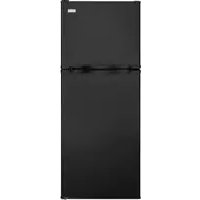
HA10TG21SB - Fridge HAIER - Free user manual and instructions
Find the device manual for free HA10TG21SB HAIER in PDF.



Download the instructions for your Fridge in PDF format for free! Find your manual HA10TG21SB - HAIER and take your electronic device back in hand. On this page are published all the documents necessary for the use of your device. HA10TG21SB by HAIER.
USER MANUAL HA10TG21SB HAIER
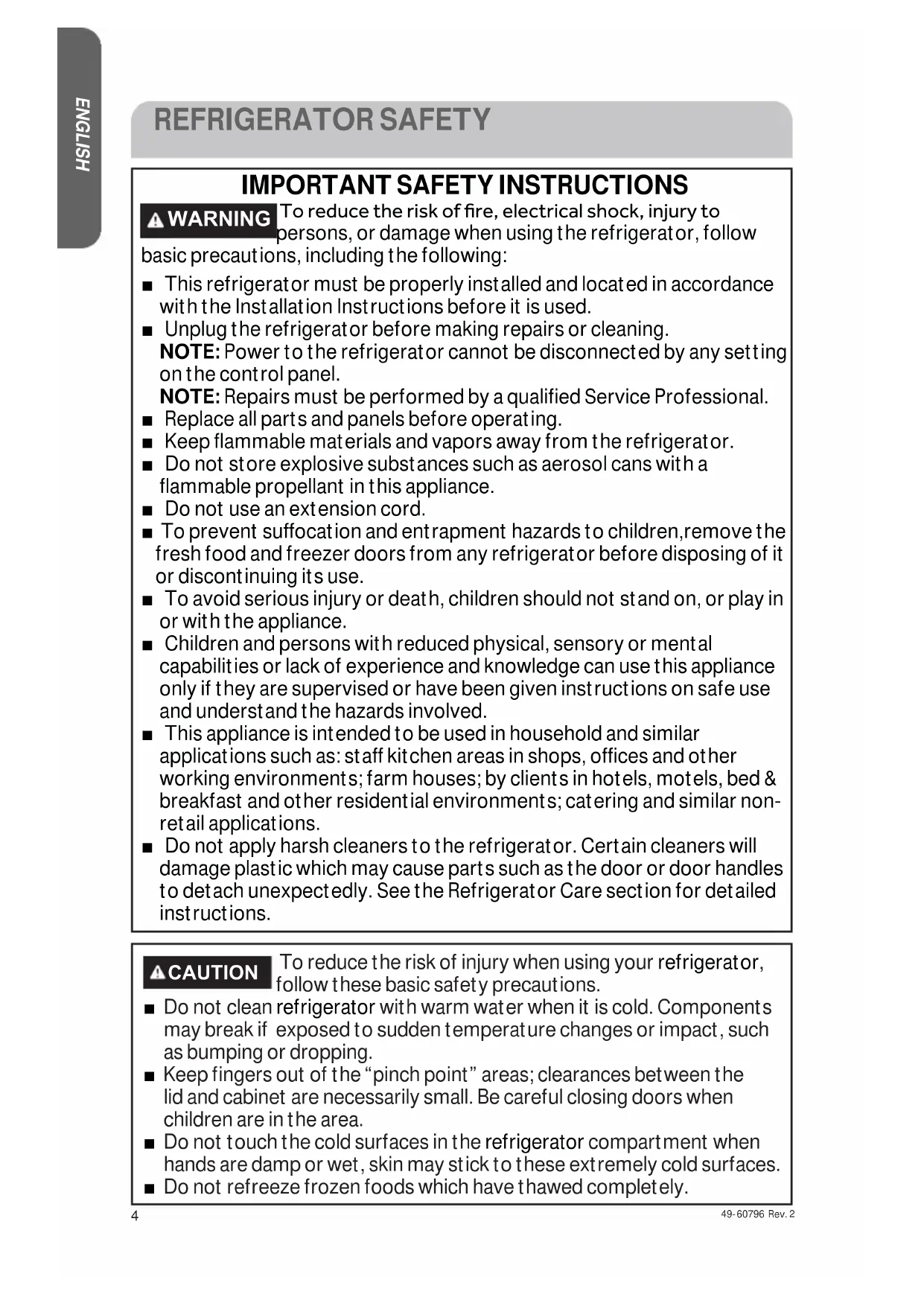
IMPORTANT SAFETY INSTRUCTIONS
WARNING Ýòõèçøæè÷ëèõìöîòéĤõèèïèæ÷õìæäïöëòæîìñíøõü÷ò persons, or damage when using the refrigerator, follow basic precautions, including the following: Ŷ This refrigerator must be properly installed and located in accordance with the Installation Instructions before it is used. Ŷ Unplug the refrigerator before making repairs or cleaning. NOTE: Power to the refrigerator cannot be disconnected by any setting on the control panel. NOTE: Repairs must be performed by a qualified Service Professional. Ŷ Replace all parts and panels before operating. Ŷ Keep flammable materials and vapors away from the refrigerator. Ŷ Do not store explosive substances such as aerosol cans with a flammable propellant in this appliance. Ŷ Do not use an extension cord. Ŷ To prevent suffocation and entrapment hazards to children,remove the fresh food and freezer doors from any refrigerator before disposing of it or discontinuing its use. Ŷ To avoid serious injury or death, children should not stand on, or play in or with the appliance. Ŷ Children and persons with reduced physical, sensory or mental capabilities or lack of experience and knowledge can use this appliance only if they are supervised or have been given instructions on safe use and understand the hazards involved. Ŷ This appliance is intended to be used in household and similar applications such as: staff kitchen areas in shops, offices and other working environments; farm houses; by clients in hotels, motels, bed & breakfast and other residential environments; catering and similar non- retail applications. Ŷ Do not apply harsh cleaners to the refrigerator. Certain cleaners will damage plastic which may cause parts such as the door or door handles to detach unexpectedly. See the Refrigerator Care section for detailed instructions.5 49-60796 Rev. 2ENGLISH REFRIGERATOR SAFETY WARNING EXPLOSION HAZARD Flammable Refrigerant This appliance contains isobutane refrigerant, also known as R600a, a natural gas with high environmental compatibility. However, it is also combustible. Adhere to the warnings below to reduce the risk of injury or property damage.
1. When handling, installing and operating the appliance, care should be
taken to avoid damage to the refrigerant tubing.
2. Service shall only be performed by authorized service personnel. Use
only manufacturer-authorized service parts.
3. Dispose of refrigerator in accordance with the Federal and Local
Regulations. The flammable refrigerant and insulation material used in this product require special disposal procedures. Contact your local authorities for the environmentally safe disposal of your refrigerator
4. Keep ventilation openings in the appliance enclosures or in the built-in
structure clear of obstruction.
5. To remove frost, scrape with a plastic or wood spatula or scraper. Do
not use an ice pick or a metal or sharp-edged instrument as it may puncture the freezer liner and then the flammable refrigerant tubing behind it.
6. Do not use electrical appliances inside the food storage compartment
of the appliance.7. Do not use any electrical device to defrost your freezer.
PROPER DISPOSAL OF YOUR OLD APPLIANCE
Failure to follow these disposal instructions can result in death or serious injury.IMPORTANT: Child entrapment and suffocation are not problems of the past. Junked or abandoned appliances are still dangerous even if they will sit for “just a few days.” If you are getting rid of your old appliance, please follow the instructions below to help prevent accidents.Before You Throw Away Your Old Appliance:Ŷ Take off the doors. Ŷ Leave the shelves in place so that children may not easily climb inside.49-60796 Rev. 2
Refrigerant and Foam Disposal: Dispose of refrigerator in accordance with Federal and Local Regulations. Flammable refrigerant and insulation material used require special disposal procedures. Contact your local authorities for the environmentally safe disposal of your refrigerator.
READ AND SAVE THESE INSTRUCTIONS
REFRIGERATOR SAFETY PROPER DISPOSAL OF YOUR OLD APPLIANCE (Cont.) Leveling LegsClear CrisperClear Glass Crisper CoverAdjustable Temperature ControlFull-Width Freezer Door ShelfFull-Width Door ShelfFreezer Temperature ControlFreezer ShelfLED LightFull-Width Glass ShelvesCrisper Humidity ControlFull-Width Door ShelfLight SwitchGallon Storage Compartment2 Liter Bottle Storage CompartmentFull-Width Door Shelf (only on HA12TG21S)7 49-60796 Rev. 2 ENGLISH INSTALLATION REQUIREMENTS WARNING LOCATION REQUIREMENTS IMPORTANT: This refrigerator is designed for freestanding installation only. It should not be recessed or built-in an enclosed cabinet. To ensure your refrigerator works at optimum efficiency, you should install it in a location where there is proper air circulation, and electrical connections. Fire or Explosion Hazard Keep flammable materials and vapors away from appliance. Failure to do so can result in death, explosion or fire. LOCATION REQUIREMENTS
- Do not install the refrigerator where the temperature will go below 60°F (16°C) because it will not run often enough to maintain proper temperatures.
- Do not install the refrigerator where the temperature will go above 100°F (37°C) because it will not perform properly.
- Install it on a floor strong enough to support it fully loaded.
- Do not install the refrigerator in a location exposed to water (rain, etc.) or direct sunlight.49-60796 Rev. 2
INSTALLATION REQUIREMENTS ENGLISH Do not, under any circumstances, cut or remove the third (ground) prong from the power cord. For personal safety, this appliance must be properly grounded. The power cord of this appliance is equipped with a 3-prong (grounding) plug which mates with a standard 3-prong (grounding) wall outlet to minimize the possibility of electric shock hazard from this appliance. Have the wall outlet and circuit checked by a qualified electrician to make sure the outlet is properly grounded. Where a standard 2-prong wall outlet is encountered, it is your personal responsibility and obligation to have it replaced with a properly grounded 3-prong wall outlet. The refrigerator should always be plugged into its own individual electrical outlet which has a voltage rating that matches the rating plate. A 115 Volt AC, 60 Hz, 15- or 20-amp fused, grounded electrical supply is required. This provides the best performance and also prevents overloading house wiring circuits which could cause a fire hazard from overheated wires. Never unplug your refrigerator by pulling on the power cord. Always grip plug firmly and pull straight out from the outlet. Immediately discontinue use of a damaged supply cord. If the supply cord is damaged, it must be replaced by a qualified service professional with an authorized service part from the manufacturer. When moving the refrigerator away from the wall, be careful not to roll over or damage the power cord. CONNECTING ELECTRICITY WARNING
ELECTRICAL SHOCK HAZARD
Plug into a grounded 3-prong outlet. Do not remove the ground prong. Do not use an adapter. Do not use an extension cord. Failure to follow these instructions can result in death, fire, or electrical shock.9 49-60796 Rev. 2 IMPORTANT: Handle with care when moving refrigerator to avoid either damaging the refrigerant tubing or increasing the risk of a leak. IMPORTANT: When moving the refrigerator, never tilt it more than a 45° angle. This could damage the compressor and the sealed system. If the refrigerator has been placed in a horizontal position for any period of time, wait 24 hours before plugging in the refrigerator to allow the refrigerant to settle.
1. Remove all packaging material. This includes the corrugated base and all
adhesive tape holding the refrigerator accessories inside and outside.
2. Inspect and remove any remains of packing, tape or printed materials
before powering on the refrigerator.
3. If your refrigerator comes with smooth or stainless steel doors, please
remove the clear film before turning it on for the first time. When removing the film, do not pull the film straight down as this could result in misaligned doors.
4. It is normal for the freezer door to be positioned slightly higher than the
top of the cabinet when the refrigerator is first installed. This positioning is done at the factory to ensure a proper gasket seal once the door is weighted with food items. ENGLISH INSTALLATION INSTRUCTIONS WARNING UNPACKING REFRIGERATOR Fire or Explosion Hazard Do not puncture refrigerant tubing. Follow handling instructions carefully. Flammable refrigerant used. Failure to do so can result in death, explosion or fire.49-60796 Rev. 2
INSTALLATION INSTRUCTIONS ENGLISH LEVELING REFRIGERATOR
- Your refrigerator has two leveling legs that are located in the front bottom corners of your refrigerator. After properly placing your refrigerator under its final position, you can level your refrigerator.
- Leveling legs can be adjusted by turning them clockwise to raise your refrigerator or by turning them counterclockwise to lower your refrigerator. The refrigerator door will close easier when the leveling legs are extended.
PROPER AIR CIRCULATION
- To ensure your refrigerator works at the maximum efficiency it was designed for, you should install it in a location where there is proper air circulation, plumbing and electrical connections. Your refrigerator is not designed to òóèõä÷èìñ÷èðóèõä÷øõèöåèïòú& ȋϤ!&ȋÌ¥òõäåòùè! ȋϤ#'ȋÌ¥
- Do not install your refrigerator in any location not properly insulated or heated, e.g. garage, etc. Keep out of direct sunlight and away from heating sources such as radiators, heaters, and cooking appliances.
- The following are recommended clearances around the refrigerator: Sides……………1” (25 mm) Top....................1” (25 mm) Back..................2” (50mm) DOOR ALIGNMENT Freezer Door
hex-head screwdriver.
3. Adjust the door or put a spacer in
between and then tighten the screws.
4. Replace the top hinge cover.
LowerRaise Hinge Cover Fig. 1 Top Hinge11 49-60796 Rev. 2
Left/Right Door Opening Method This product allows you to reverse the door opening from left to right and back. You can select your preference of door opening by following the procedure to make the change. Tools Required Phillips and Flat Head Screwdrivers, Ratchet Wrench with 8 mm and 10 mm sockets. Dismantling
1. Affix refrigerator and freezer door by sticking adhesive
tape on both sides to hold doors in place.
2. As shown in Fig. 2, remove the upper hinge cover by using
flat head screwdriver. Then remove three screws using ratchet wrench with 10 mm head. Take out hinge by pulling it vertically and keep it in safe place. Remove the top hinge plug from the opposite side of the cabinet top.
3. Remove the adhesive tape on freezer door, lift it and take
off the door and carefully put it aside.
4. Remove two screws of middle hinge using ratchet wrench
with 8 mm socket, and keep them in a safe place (Fig. 3)
5. Remove the adhesive tape on refrigerator door, lift it and
take refrigerator door, and carefully put it aside.
6. Remove the doorstoppers from the
refrigerator and freezer doors. (Fig. 4)
7. Insert left side doorstoppers (provided
in your packing) on the left side bottom hole of the refrigerator door and on the left side bottom hole of the freezer door. Fasten with screws provided. (Fig. 5) ENGLISH INSTALLATION INSTRUCTIONS WARNING Follow all steps when reversing the door swing. Failure to follow these instructions, leaving off parts, or overtightening screws, can lead to the door falling off and result in injury and property damage. Fig. 2 Fig. 3 Fig.
Fig. 549-60796 Rev. 2
1. Remove the lower hinge pin from
the lower hinge by turning counter clockwise. Move the pin to the opposite hole and tighten. (see Fig. 6 and Fig. 7)
2. Tilt refrigerator on a 45-degree angle
to have access to the bottom front.
3. Remove both left and right front feet
hinge and remove it. (see Fig. 7)
5. Align the holes in the bottom hinge
to the corresponding holes on the opposite side of the cabinet. Insert and tighten the screws. Reinstall both front feet.
6. To install refrigerator door: Line up the
left bottom hole of the refrigerator compartment door over the bottom hinge pin. Move door forward to make it straight and align with middle hinge. Install the middle hinge again, and turn the hinge pin until it completely enters the door body. Secure it with the screws provided. (see Fig. 8) NOTE: Remove plugs from doorframe and install on other side.
7. To install freezer door: Line up left
bottom hole of the door over the middle hinge middle pin. Move door forward to make it straight and align with freezer compartment. Place the hinge cover over the left side of the top hinge, align holes with hole on the refrigerator top and tighten with the screws provided. Insert the top hinge plug into the holes on the cabinet top from which you previously removed the 3 hinge screws INSTALLATION INSTRUCTIONS ENGLISH Bottom of Unit Bottom Hinge Lower Hinge Pin Fig. 6 Fig. 7 Fig. 8 CAUTION Two People Required Screw Holes Doorstopper (left side) Middle Hinge Pin Middle Hinge13 49-60796 Rev. 2 ENGLISH REFRIGERATOR USE ADJUSTABLE TEMPERATURE DIAL Your refrigerator will automatically maintain the temperature level you select. The temperature control dial has 7 settings. 1 is the warmest. 7 is the coldest. At first, set the dial to 4 and allow 24 hours to pass before adjusting the temperature to your needs. To adjust the temperature range in the cold setting, turn the temperature dial in a clockwise direction. For normal operating conditions, keep the dial halfway between cold and coldest. For your convenience, the factory presets the control at normal operating conditions. NOTE: If the refrigerator has been placed in a horizontal or tilted position for any period of time wait 24 hours before plugging the unit in. Freezer Section Your freezer compartment is equipped with adjustable temperature control. For your convenience, temperature is preset by the factory to the colder setting. There is also an option to adjust the settings, either to cold or to coldest. REFRIGERATOR SECTION INTERIOR LIGHT Your refrigerator is equipped with an interior light in the fresh food section for you to easily locate your food. FROST- FREE REFRIGERATOR-FREEZER You should never need to defrost your freezer, as it automatically defrosts any ice build-up that may occur. REFRIGERATOR INTERIOR SHELVES (Shelves may vary by model) The shelves of your refrigerator were designed with you in mind. Their varied adjustability allows you to satisfy your personal storage needs. To remove or adjust a full-width slide- out shelf: (see Fig. 9)
1. Gently tilt the shelf up and slide
forward until the shelf has been completely removed.
2. To replace the shelf, select the desired
setting and gently slide the shelf back until it rests in the locking position. DANGER
OR EXPLOSION Flammable refrigerant used. Do not use mechanical devices to defrost refrigerator or freezer. Do not puncture refrigerant tubing. Fig. 949-60796 Rev. 2
1. Grip the crisper firmly and slide out
2. Replace the crisper by placing the
crisper properly in position and gently sliding it back into place. Your refrigerator may be equipped with a slide control to raise or lower the humidity levels or your crispers. This feature will increase the storage life of your fruits and vegetables. Simply adjust the controls to the appropriate setting for items you are storing in the crispers. Low settings allow moist air to exit the crisper, for optimum storage of fruit and/or vegetables that have skins. High settings retains moist air in the crisper, for optimum storage of leafy fresh vegetables.
REMOVING OR REPLACING
1. Carefully grasp the crisper cover and
slide out to remove. (Fig. 12)
2. To replace, slide the rear of the crisper
cover into the right and left slots above the crisper area and gently slide back into place. Fig. 10 Fig. 11 Fig. 1215 49-60796 Rev. 2 ENGLISH REFRIGERATOR CARE NOTE: Before using any cleaning products, be sure to read the manufacturer’s instructions and warnings. This will help avoid personal injury or damage to property. INTERIOR CLEANING Prepare a cleaning solution of 3-4 tablespoons of baking soda mixed with warm water. Use a sponge or soft cloth, dampened with the cleaning solution, to wipe the inside of your refrigerator. Do not use harsh chemicals, ammonia, chlorine bleach, concentrated detergent, solvents, abrasives or metal scouring pads to clean your refrigerator, inside or out. They can damage and/or discolor the refrigerator finish. WARNING Before cleaning your refrigerator, ALWAYS unplug it from the power source. Failure to heed this warning could result in injury or death from electric shock. CAUTION Do not clean glass shelves or covers with warm water when they are cold. Glass shelves and covers may break if exposed to sudden temperature changes or impact, such as bumping or dropping. Tempered glass is designed to shatter into many small pieces if it breaks. Do not wash any plastic refrigerator/ freezer parts in the dishwasher.49-60796 Rev. 2
REFRIGERATOR CARE ENGLISH Directions for Cleaning Outside Surfaces, Door Handles, and Trim
Soft, clean cloth or sponge Abrasive cloths, scrubbing sponges, scouring or steel wool pads Mild detergent mixed with warm water Approved stainless steel cleaners; Visit Haier.com for approved stainless steel cleaners. Cleaners with oxalic acid such as Bar Keepers Friend Soft Cleanser™ can be used to remove surface rust, tarnish and small blemishes on stainless steel surfaces only. Abrasive powders or sprays Window Sprays or Ammonia Citrus or plant oil-based cleaners Acidic or vinegar-based cleaners Oven cleaners Cleaners containing acetone (propanone) Any cleaner with WARNING about plastic contact NOTE: DO NOT allow stainless steel cleaner to come in contact with any plastic parts such as trim pieces, handle hardware and liners. If unintentional contact of cleaners with plastic parts does occur, clean plastic part with a sponge and mild detergent mixed with warm water. EXTERIOR CLEANING WARNING Do not change the LED light by yourself. Please contact the after-sales service for replacement. Failure to heed this warning could result in injury or death from electric shock. LED LIGHTING REPLACEMENT17 49-60796 Rev. 2 ENGLISH REFRIGERATOR CARE POWER INTERRUPTIONS In the event of a power interruption, unplug your refrigerator from the power source. Avoid opening the doors until after power has been restored. Your refrigerator will maintain a cold temperature for longer if door opening is avoided or kept to a minimum. Once power has been restored, plug your refrigerator back into the power source and inspect food in the refrigerator for spoilage or thawing. Cleaning your refrigerator after a prolonged power outage is strongly recommended to avoid odors and potential health hazards due to thawing. VACATION For long vacations or absences, unplug your refrigerator and remove all food from it. Clean the refrigerator, including the gaskets, according to the Proper Care and Maintenance section. Leave the doors propped open to allow air to circulate inside the refrigerator. MOVING Before moving your refrigerator, empty the food from it and use adhesive tape to secure all loose items such as shelves, door bins and racks, crispers and pans, etc. Unplug the refrigerator. Always move the refrigerator in an upright position in order to avoid damaging the sealed refrigerant system.49-60796 Rev. 2
ENGLISH TROUBLESHOOTING HUMMM... WHOOSH... ¿ The new high efficiency compressor may run faster and longer than your old refrigerator and you may hear a high-pitched hum or pulsating sound while it is operating. ¿ You may hear a whooshing sound when the doors close. This is due to pressure equalizing within the refrigerator. ¿ You may hear the fans spinning at high speeds. This happens when the refrigerator is first plugged in, when the doors are opened frequently or when a large amount of food is added to the refrigerator or freezer compartments. The fans are helping to maintain the correct temperatures. ¿ The fans change speeds in order to provide optimal cooling and energy savings. CLICKS, POPS, CRACKS and SNAPS ¿ You may hear cracking or popping sounds when the refrigerator is first plugged in. This happens as the refrigerator cools to the correct temperature. ¿ Expansion and contraction of cooling coils during and after defrost can cause a cracking or popping sound. WATERÜØÞ×ÍÜ ¿ The flow of refrigerant through the cooling coils may make a gurgling noise like boiling water. ¿ Water dropping on the defrost heater can cause a sizzling, popping or buzzing sound during the defrost cycle. ¿ A water dripping noise may occur during the defrost cycle as ice melts from the evaporator and flows into the drain pan. ¿ Closing the door may cause a gurgling sound due to pressure equalization. If the refrigerator has been placed in a horizontal position for any period of time, wait 24 hours after returning it to the upright position before plugging it in. IMPORTANT During the automatic defrost cycle, you may notice a red glow in the vents on the back wall of your freezer compartment. This is normal during the defrost cycle.
NORMAL OPERATING SOUNDS19
49-60796 Rev. 2 ENGLISH TROUBLESHOOTING First try the solutions suggested here to possibly avoid the cost of a service call.
PROBLEM POSSIBLE CAUSE(S) SOLUTION
Refrigerator does not run. Refrigerator is unplugged. Plug refrigerator into power source The circuit breaker is tripped/ turned off or the fuse is blown. Reset/Turn on circuit breaker or replace fuse. Refrigerator is in defrost mode Wait about 30 minutes for defrost cycle to end and cooling system to restart Refrigerator or freezer is too warm Temperature control is not set low enough Turn temperature knob clockwise to adjust to a lower temperature; allow 24 hours to adjust Doors opened frequently or left open Keep door closed / Check that a package isn’t preventing door from closing Warm food added recently Allow time for food and refrigerator to cool Items against back of compartments are blocking óõòóèõäìõĥòú Store items only inside the trim of the glass shelves; don’t place items against sides of the compartments or directly in front of any vents Refrigerator is in adaptive defrost mode This is normal. Defrost cycle lasts about 30 minutes Refrigerator or freezer is too cold Temperature control is set too low Turn knob counter-clockwise to change to a warmer setting; allow 24 hours to adjust Refrigerator compressor runs frequently or for long periods of time ×òõðäïúëèñĤõö÷óïøêêèçìñ Allow 24 hours for the refrigerator to cool down Warm or large amounts of food added This is normal Door is left open Ensure that door is not being held open by an item Hot weather or frequent openings This is normal Temperature control set to coldest setting Adjust knob to a warmer setting Moisture on exterior/interior of refrigerator High humidity This is normal; Dry surface and adjust temperature knob to slightly colder setting Doors opened frequently or left open Keep door closed / Check that a package isn’t preventing door from closing Open container of water in refrigerator Cover or seal container49-60796 Rev. 2
ENGLISH TROUBLESHOOTING First try the solutions suggested here to possibly avoid the cost of a service call.
PROBLEM POSSIBLE CAUSE(S) SOLUTION
Refrigerator has an odor Food is not sealed or packaged properly Re-seal packaging / Place an opened box of baking soda in the refrigerator, replace every three months Interior needs to be cleaned Follow cleaning instructions in Proper Care and Maintenance section Light does not come on Refrigerator is unplugged Plug refrigerator in to power source Light switch gets stuck Switch located at the right of Fresh Food Compartment. Make sure it moves freely when manually pressed in and out LED light broken Contact after-sale service for replacement Frost or ice crystals on frozen food Freezer door left open or opened frequently Turn temperature knob counter- clockwise to change to a warmer setting; allow 24 hours to adjust Items blocking freezer air vents and preventing proper äìõĥòú Move items away from rear wall Hot or warm air from bottom of refrigerator Êìõĥòúæòðìñêéõòð compressor during refrigeration process This is normal Food freezing in refrigerator Food placed too close to the air vent Move items away from the air vents at the top and rear wall of the Fresh Food section Temperature control knob set too low Adjust the knob counter-clockwise to a warmer setting Freezer door pops open when closing the refrigerator door Normal if freezer door closes afterwards on its own This indicates a good seal if freezer door closes on its own If freezer doesn’t close on its own after popping open, adjust leveling legs See leveling leg feature instructions in Installing Your Refrigerator section Door does not close properly Refrigerator isn’t level See leveling leg feature instructions in Installing Your Refrigerator section Something is obstructing door closure Check for and remove obstructions Vibration or rattling Refrigerator is not resting Ĥõðïüòñĥòòõ See leveling leg feature instructions in Installing Your Refrigerator section21 49-60796 Rev. 2 ENGLISH ENGLISH LIMITED WARRANTY 12 Months on Parts and Labor For 12 months from the date of original retail purchase, GE Appliances will replace any part of the refrigerator that fails due to a defect in materials or workmanship. GE Appliances will choose, at its discretion, to replace or service the defective unit. Should GE Appliances decide to service the unit, GE Appliances will provide any part which fails due to a defect in materials or workmanship free of charge, along with any labor and related service costs to replace the defective part. During this period, should GE Appliances choose to replace the unit, it may do so by providing you with a certificate redeemable at a retailer for a replacement product. Product must be accessible, without encumbrance and installed properly to receive warranty repair service. NOTE: This warranty commences on the date the item was purchased, and the original purchase receipt must be presented to the authorized service representative before warranty repairs are rendered.
FOR WARRANTY SERVICE
For US Customers, all warranty service must be performed by our Factory Service centers or an authorized Customer Care Technician. To schedule service, call 1.877.337.3639. Please have serial number and model number available when calling for service. In Canada, call 1.877.470.9174. EXCLUSION OF IMPLIED WARRANTIES - Your sole and exclusive remedy is product repair as provided in this Limited Warranty. Any implied warranties, including the implied warranties of merchantability or fitness for a particular purpose, are limited to one year or the shortest period allowed by law. What is not covered by this warranty: Service trips to your home to teach you how to use the product. Improper installation, delivery, or maintenance. Failure of the product if it is abused, misused, or used for other that the intended purpose or used commercially. Loss of food due to spoilage. Damage caused after delivery. Replacement of house fuses or resetting of circuit breakers. Replacement of the light bulbs. Damage to the product caused by accident, fire, floods or acts of God. Incidental or consequential damage caused by possible defects in this appliance. Product not accessible to provide required service. Associated costs when GE Appliances chooses to issue the consumer a certificate as a form of product replacement.49-60796 Rev. 2
LIMITED WARRANTY RECORD KEEPING For US Customers: This warranty is extended to the original purchaser and any succeeding owner for products purchased for home use within the USA. If the product is located in an area where service by a GE Appliances Authorized Servicer is not available, you may be responsible for a trip charge or you may be required to bring the product to an Authorized GE Appliances Service location for service. In Alaska, the warranty excludes the cost of shipping or service calls to your home. Some states do not allow the exclusion or limitation of incidental or consequential çäðäêèöÝëìöúäõõäñ÷üêìùèöüòøöóèæìĤæ legal rights, and you may also have other rights which vary from state to state. To know what your legal rights are, consult your local òõö÷ä÷èæòñöøðèõäģäìõöòĦæèòõüòøõö÷ä÷èđö Attorney General. Warrantor US: GE Appliances, a Haier company Louisvelle, KY 40225 For Customers in Canada: This warranty is extended to the original purchaser and any succeeding owner for products purchased in Canada for home use within Canada. In-home warranty service will be provided in areas where it is available and deemed reasonable by Mabe to provide. Warrantor Canada: MC Commercial, Inc. Burllington, Ontario, L7R 5B6 Thank you for purchasing this Haier product. This user manual will help you get the best performance from your new refrigerator. For future reference, record the model number, serial number, and the date of purchase. The model/serial number plate is located on the inside wall of the refrigerator. Staple your proof of purchase to this manual to aid in obtaining warranty service if needed.
Date of purchase ENGLISH23 49-60796 Rev. 2
FRANÇAIS49-60796 Rev. 2
Fig. 549-60796 Rev. 2
Fig. 549-60796 Rev. 2
NOTES63 49-60796 Rev. 2 NOTES49-60796 Rev. 2