PN5000 - Bread maker UFESA - Free user manual and instructions
Find the device manual for free PN5000 UFESA in PDF.



| Product type | Bread machine |
| Brand | UFESA |
| Model | PN5000 |
| Power supply | 220-240 V, 50 Hz, earthed plug |
| Protection class | Class I |
| Maximum capacity | Up to 1000 g of bread |
| Cooking programs | Basic, French, Whole wheat, Rapid, Gluten-free, Dough, Fresh pasta, Jam, Baguette, Bake |
| Crust degree | Light, Medium, Dark, Rapid |
| Selectable weights | 500 g, 750 g, 1000 g |
| Timer function | Yes, up to 15 hours |
| Automatic ingredient dosing | Yes, via built-in dispenser in the lid |
| Keep warm | Yes, 1 hour after baking |
| Program memory | Yes, up to 15 minutes during power outage |
| Display | LCD screen with time and phases |
| Pan material | Non-stick |
| Included accessories | Bread pan, 2 baguette pans, kneading paddle, measuring spoon, measuring cup, paddle hook |
| Cleaning | Pan and accessories hand-washable, do not immerse in water |
| Safety | Overheat protection, automatic shutdown |
| Warranty | Conforms to CE standards |
Frequently Asked Questions - PN5000 UFESA
User questions about PN5000 UFESA
0 question about this device. Answer the ones you know or ask your own.
Ask a new question about this device
Download the instructions for your Bread maker in PDF format for free! Find your manual PN5000 - UFESA and take your electronic device back in hand. On this page are published all the documents necessary for the use of your device. PN5000 by UFESA.
USER MANUAL PN5000 UFESA
PROBLEMA POSIBLE CAUSA
SOLUCION (DESCRIPCION MÁS ABAJO)
Congratulations on your choice of our appliance, and welcome among the users of Zelmer products. Please read these instructions carefully. Pay special attention to important safety instructions in order to prevent accidents and/or avoid damage. Keep this User's Guide for future reference.
Safety operation instructions
Before starting to use the appliance, become familiar with the whole content of this user manual.
Make sure that you understand the instructions given below.
DANGER! / WARNING! Risk of injury

This appliance can be used by children aged from 8 years and above and persons with reduced physical, sensory or mental capabilities or lack of experience and knowledge if they have been given supervision or instruction concerning use of the appliance in a safe way and understand the hazards involved. Children shall not play with the appliance. Cleaning and user maintenance shall not be made by children without supervision.
- Keep the appliance and its cord out of reach of children less than 8 years.
Do not operate the appliance if it has a damaged cord or if the housing is visibly damaged.
If the supply cord is damaged,
it must be replaced by the manufacturer, its service agent or similarly qualified persons in order to avoid a hazard.
The appliance can only be repaired by qualified service personnel. Improper servicing may cause a serious hazard to the user. In case of defects please contact a qualified service center.
Unplug the appliance when not in use and before cleaning.
- Switch off the appliance before handling movable parts.
The cord cannot hang over the edge of the table or counter and cannot touch hot surfaces.
Use special pot holders or a protective cloth while removing the baking tin with the bread from the appliance. The baking tin and the bread are very hot.
- Do not touch hot surfaces of the appliance, particularly dry product dispenser and areas around the vents. Use pot holders. The appliance is very hot after the end of the baking process.
The temperature of accessible surfaces may be high when the appliance is operating.
- Allow the appliance to cool before dismantling and cleaning. The appliance has a heat-insulated cool touch housing. The metal parts become hot during use.
Pay special attention while handling the appliance, especially if it is full of hot substances.
WARNING! Risk of property damage

Plug the appliance only to a grounded electrical outlet with the voltage corresponding to the voltage indicated on the rating plate.
The appliance is not intended to be operated by means of an external timer or separate remote-control system. Always place the appliance on a flat, even surface so it does not fall during the kneading process of thick dough. It is especially important while using the programmed functions and when the appliance is left unattended. In case of extremely smooth surfaces, place the appliance on a thin rubber pad. When in operation, the unit should be placed at least 10 cm from other objects.
Never place the appliance near a gas or electric cooker or hot oven.
Never remove the baking tin while the appliance is working.
Never put into the unit any aluminium foil or any materials other than baking products, as this can cause a fire or short circuit.
Never cover the appliance with towels or other materials during use. The heat and steam must be free to escape. Danger of fire arises if the appliance is covered with flammable materials or comes in contact with curtains, etc.
Do not wash under running water. Do not immerse the appliance and the cord into water.
Do not use abrasive detergents such as emulsions, cream cleaners, polishes, etc. to clean the housing. They may remove the graphic information symbols such as: scales, marks, warning signs etc. Do not wash metal parts in the dishwasher.
Aggressive detergents used in the dishwasher cause these parts to darken. Wash them manually using traditional dishwashing liquids. The use of accessories not recommended by the manufacturer may cause damage to the appliance. Bread can catch fire, therefore never use the unit near any inflammable materials or beneath anything that can catch fire (for example curtains).
Do not unplug by pulling on cord.
HINT Information on the product and hints on its use

The appliance is intended for household use only. The warranty conditions change if the appliance is used in gastronomic business.
Never use more ingredients than given in the recipes provided in these instructions. Otherwise bread will be baked unevenly or dough will spill over. Follow the recommendations in these instructions. Before trying to bake a given type of bread overnight, first try the recipe while keeping an eye on the appliance to make sure that the doses of ingredients are correct, the dough is not too thick or thin, its quantity is appropriate and the dough does not overflow.
When finished baking, unplug the unit from the mains socket.
Technical parameters
#
The technical parameters are indicated on the rating label. The bread baking machine is a I class appliance equipped with a cord having a grounding wire with a grounding plug.
The appliance meets the requirements of the applicable norms.
The appliance is in conformity with the requirements of the directives:
- Electrical equipment designed for use within specific voltage limits (LVD) - 2006/95/EC.
Electromagnetic compatibility (EMC) - 2004/108/EC.
The appliance was marked by a CE sign on the rating label.
Appliance features

Appliance elements
1 Removable cover
2 Handle
Viewing window
4 Loose ingredients dispenser
5 Vents
6 Baking tin
7 Kneading peg
Baking compartment
9 Bottom mould for baking baguettes
10 Upper mould for baking baguettes
11 Control panel
Accessories
12 Spoon to measure the components
13 Container to measure the components
14 Hook for taking out the kneading paddle
Control panel
15 LCD display
After connecting the bread maker to power, the display shows a symbol "1 3:25". The number "1" indicates the selected program, the symbol "3:25" indicates the duration of the selected program. The position of the two markings indicates the selected browning level and the weight. The default setting after switching the appliance on is "superior weight" (1000 g) and "medium browning level" (medio). Information concerning the baking process will be shown on the display while the appliance is operating. The time shown on the display will gradually decrease. Other information concerning the timer (tiempo), preheating (precalentar), kneading (amasar), pause (reposo), dough rising (fermentar), baking (cocer), the keep warm function (templar) and the end of the program (fin) will also appear on the display.
16 start/stop button - starts and stops the program.
17 timer - sets the clock.
18 dorado button - is used to set the desired browning level.
19 menu button - is used to select the program.
20 cargo button - setting the weight according to the description below.
Appliance functions

Buzzer function
The buzzer goes off:
- When pressing the program buttons.
- During operation a sound signal will come off informing and reminding the user to add nuts, sunflower seeds, raisins etc.
- When the end of the program is reached.
After pressing the start/stop button you can turn off the sound. In order to do this press and hold both of the timer buttons for approx. 2 seconds. If you press and hold both of the timer buttons for a second time, you will hear a sound signal informing that sound is on again.
Memory function
If there is a brief power cut of up to approximately 15 minutes the program position is stored and the machine can continue from this position when power
is restored. This is possible only if the program was stopped before the kneading phase was reached. Otherwise you will have to start from the beginning.
Auto dosing of loose additives
Within the cover of this device there is a dispenser of bulk additives (4). Loose ingredients, such as fruits, nuts, raisins, grains, may be added to baking. In order to this, you have to place a given product in the dispenser before the baking process (details provided in paragraph 4). The device automatically adds products to a cake in an appropriate moment during cake mixing and kneading.
Additional ingredients may also be added to sprinkle the upper part of the cake. It is best to place these ingredients into the dispenser for loose ingredients ca. 30 minutes before the end of the baking process. Adding the additional ingredients shall be indicated by a sound signal. Programs in which this feature is used, are described in tables referring to phases of device operation.
Safety functions
If the temperature of the appliance is still too high to start a new program after using the appliance previously, the symbol E 01 will appear on the display after you press the start button again, you will also hear a beep. In such a case, press and hold the start/stop button until the E 01 symbol disappears from the display and the basic setting appears on the display. Remove the baking tin and wait for the appliance to cool.
The cocer program can be started immediately even if the appliance is still hot.

Operating instructions
Insert the baking tin.

The baking tin is covered with a non-stick layer. Place the baking tin exactly in the middle of the base inside the appliance. Turn gently the container clockwise until it is blocked.
The handle is hot after baking. Use pot holders.

2 Insert the kneading peg.
Insert the kneading peg by placing the shank of the baking tin in the opening of the kneading peg.
3 Put the ingredients.
The ingredients must be put into the baking tin the order specified in the relevant recipe. Examples of recipes can be found in this instruction manual.
4 Fill in the bulk additive dispenser (optional).
In order to complement the dispenser, lift the lid of dispenser and pour the optimum amount of additives (fruit, nuts, raisins, beans). The quantity of additives depends on individual preferences. Then close the lid until you hear a click.
5 Plug in the appliance.
Select the desired program using the menu button.
The menu button is used to select the programs described below.
1.bASIC(basic)
For white, wheat and rye bread. This is the most commonly used program.
2.francés (french)
For the preparation of a particularly light white bread.
- integral (whole wheat)
For whole meal bread.
4.dulce (sweet)
For preparing e.g. sweet leavened dough.
-
rápido (super)
-
sin gluten (gluten free)
For making gluten free bread.
7.masa (dough)
For making dough.
- pasta (pasta dough) fresca
9.mermelada (jam)
10.hnear (bake)
To brown bread or cakes.
11.baguette (baguette)
7 Select the weight appropriate for the given program.
carga button is used to set the weight of the bread (see table):
$$ 5 0 0 \mathrm {g} = \text {f o r s m a l l b r e a d u p t o} 5 0 0 \mathrm {g} $$
$$ 7 5 0 \mathrm {g} = \text {f o r m e d i u m b r e a d u p t o} 7 5 0 \mathrm {g} $$
$$ 1 0 0 0 \mathrm {g} = \text {f o r l a r g e b r e a d u p t o 1 0 0 0 g} $$
8 Select the desired browning level.
The dorado button is used to set the desired browning level. claro (light), medio (medium), tostado (dark), rápido (rapid).
9 Set the program start time by means of timer program selector buttons.
Example:
It is 8.30 p.m. and the bread must be ready for the next morning by 7.00 a.m., i.e, in 10 hours and 30 minutes. Press the TIME button until the symbol 10.30 appears on Press the program selector buttons, until you see 10:30 on the LCD - it is the time from now (20:30) to the moment, when the bread is ready. When working with the timing function never use perishable ingredients such as milk, eggs, fruits, yogurt, onions, etc.
10 Press the start/stop button.
After pressing the start/stop button you can turn off the sound. In order to do this press and hold both of the timer buttons for approx. 2 seconds. if you press and hold both of the timer buttons for a second time, you will hear a sound signal informing that sound is on again.
The start/stop button is also used to stop the program at any time. In order to do so, press and hold the start/stop button for about 3 seconds until you hear a beep. The initial position of the selected program will show on the display. If you want to use a different program, select the program using the menu button.
11 Mix and knead the dough.
The bread baking machine mixes and kneads the dough automatically until it reaches the right consistency.
During the phase of stirring and kneading of dough, the lid of the appliance should be closed. During this phase it is possible to add small amounts of water, liquid or other ingredients.

Leave the dough to rise.
After the last kneading cycle the bread baking machine is heated to the optimal temperature for the rising of the dough.
During the dough growing phase close the lid and do not open it until the end of baking bread. The photos are only intended to present the phases of the dough growth.

Baking.
The bread baking machine automatically sets the baking temperature and time. If the bread is too light at the end of program, use the cocer program to brown the bread. In order to do so, press and hold the start/stop button for about 3 seconds (until you hear a beep). Then press the cocer button. When the desired browning level is reached, stop the process by pressing and holding the start/stop button for about 3 seconds (until you hear a beep).
During dough baking phase lose the lid and do not open it until the end of baking bread. The photos are only intended to present the phase of baking.


Warming.
Once the baking process is over, the buzzer goes off to signal that the bread can be taken out from the appliance. The 1 hour warming time starts immediately.

End of the program phases.
After the end of operation, unplug the appliance.
Take out the baking tin using pot holders and turn the baking tin over.
17 If the bread does not fall out of the baking tin, gently shake the baking tin until the bread falls out.
If the kneading peg remains inside the bread, slightly cut the bread and remove the peg. You can also use the hook for taking out the kneading paddle.


Preparation baguettes.
After preparing the dough using the program 7 masa, it should be put into the a mould cups for baguette baking (9) and (10). Then, the moulds filled with the dough should be placed in cooking chamber instead of the container for baking.

Placing the bottom baking mould (9) into bread oraker.
After removing the container for baking, cake mould with the containing dough should be pressed between the lower catches in the baking chamber so as to firmly adhered to the catches.
When placing the molds in the breadmaker make sure all the handles are
lifted (perpendicularly to the surface of
molds). This will facilitate taking the molds out of the device.


- Placing the upper mould for baking (10) into bread oraker.
The upper mould for baking should be hung on metal hooks at the top of the baking chamber. Next close the lid and follow the steps as in case of baking bread (phases 13 to 15) or start the 10 hornear program.
In order to prepare baguettes, you can also use the 11 baguette program. This

program is divided into two stages. In the
first stage the dough is stirred and kneaded, and then risen. In the second stage the baguettes still are risen, and then finally baked until crusty. After the first stage the device stops, and emits a sound signal informing the user to put the dough into baguette molds. After putting the dough into the molds (detailed description of the process can be found in paragraphs 18, 19, and 20), it is necessary to resume the program by pressing the start/stop button. This starts the second stage. Detailed information concerning the individual stages of the program are presented in the table entitled Device work stages.
Phases of device operation
| FUNCTION | 1 | ||||||||||
| básico* | |||||||||||
| baking | claro (light) | medió (medium) | tostado (dark) | rápido (rapid) | |||||||
| carga (loaf) | 500 g | 750 g | 1000 g | 500 g | 750 g | 1000 g | 500 g | 750 g | 1000 g | ||
| delay time | 15:00 | 15:00 | 15:00 | 15:00 | 15:00 | 15:00 | 15:00 | 15:00 | 15:00 | ||
| precalentar(preheat) | |||||||||||
| amasar 1 (knead 1) | 5 m | 5 m | 5 m | 5 m | 5 m | 5 m | 5 m | 5 m | 5 m | ||
| reposo (rest) | 5 m | 5 m | 5 m | 5 m | 5 m | 5 m | 5 m | 5 m | |||
| amasar 2 (knead 2) | 20 m | 20 m | 20 m | 20 m | 20 m | 20 m | 20 m | 20 m | 20 m | 20 m | 20 m |
| fermentar 1 (rise 1) | 40 m | 40 m | 40 m | 40 m | 40 m | 40 m | 40 m | 40 m | 40 m | 15 m | 15 m |
| amasar 3(knead 3) | 10 s | 10 s | 10 s | 10 s | 10 s | 10 s | 10 s | 10 s | 10 s | 10 s | 10 s |
| fermentar 2(rise 2) | 25 m | 25 m | 25 m | 25 m | 25 m | 25 m | 25 m | 25 m | 25 m | 9 m | 9 m |
| amasar 4(knead 4) | 10 s | 10 s | 10 s | 10 s | 10 s | 10 s | 10 s | 10 s | 10 s | 10 s | 10 s |
| fermentar 3(rise 3) | 50 m | 50 m | 50 m | 50 m | 50 m | 50 m | 50 m | 30 m | 30 m | ||
| cocer (bake) | 46 m | 51m | 58 m | 48 m | 53 m | 60 m | 53 m | 58 m | 65 m | 48 m | 53 m |
| templar (warm) | 1 h | 1 h | 1 h | 1 h | 1 h | 1 h | 1 h | 1 h | 1 h | 1 h | 1 h |
| total time | 3:11 | 3:16 | 3:23 | 3:13 | 3:18 | 3:25 | 3:18 | 3:23 | 3:30 | 2:12 | 2:17 |
| FUNCTION | 2 | ||||||||||
| francés* | |||||||||||
| baking | claro (light) | medio (medium) | tostado (dark) | rápido (rapid) | |||||||
| carga (loaf) | 500 g | 750 g | 1000 g | 500 g | 750 g | 1000 g | 500 g | 750 g | 1000 g | ||
| delay time | 15:00 | 15:00 | 15:00 | 15:00 | 15:00 | 15:00 | 15:00 | 15:00 | 15:00 | ||
| precalentar (preheat) | |||||||||||
| amasar 1 (knead 1) | 5 m | 5 m | 5 m | 5 m | 5 m | 5 m | 5 m | 5 m | 5 m | ||
| reposo (rest) | 5 m | 5 m | 5 m | 5 m | 5 m | 5 m | 5 m | 5 m | |||
| amasar 2 (knead 2) | 20 m | 20 m | 20 m | 20 m | 20 m | 20 m | 20 m | 20 m | 20 m | 20 m | 20 m |
| fermentar 1 (rise 1) | 39 m | 39 m | 39 m | 39 m | 39 m | 39 m | 39 m | 39 m | 39 m | 15 m | 15 m |
| amasar 3 (knead 3) | 10 s | 10 s | 10 s | 10 s | 10 s | 10 s | 10 s | 10 s | 10 s | 10 s | 10 s |
| fermentar 2 (rise 2) | 31 m | 31 m | 31 m | 31 m | 31 m | 31 m | 31 m | 31 m | 31 m | 15 m | 15 m |
| amasar 4(knead 4) | 10 s 10 s 10 s 10 s 10 s 10 s 10 s 5 s 5 s 5 s | ||||||||||
| fermentar 3(rise 3) | 60 m 60 m 60 m 60 m 60 m 60 m 60 m 60 m 60 m 60 m 60 m 60 m 60 m 60 m 60 m 60 m 60 m 60 m 60 m 60 m 60 m 60 m 60 m 60 m 60 m 60 m | ||||||||||
| cocer (bake) | 48 m | 50 m | 53 m | 50 m | 52 m | 55 m | 55 m | 57 m | 60 m | 50 m | 52 m |
| templar (warm) 1 h 1 h 1 h 1 h 1 h 1 h 1 h 1 h 1 h 1 h 1 h 1 h 1 h 1 h 1 h 1 h 1 h 1 h 1 h 1 h 1 h 1 h 1 h 1 h 1 h 1 h 1 h 1 h 1 h 1 h 1 h 1 h 1 h 1 h | 3:28 | 3:30 | 3:33 | 3:30 | 3:32 | 3:35 | 3:35 | 3:37 | 3:40 | 2:35 | 2:37 |
| total time | |||||||||||
| FUNCTION | 3 | |||||||||||
| integral* | ||||||||||||
| baking | claro (light) | medio (medium) | tostado (dark) | rápido (rapid) | ||||||||
| carga (loaf) | 500 g | 750 g | 1000 g | 500 g | 750 g | 1000 g | 500 g | 750 g | 1000 g | 500 g | 750 g | 1000 g |
| delay time | 15:00 | 15:00 | 15:00 | 15:00 | 15:00 | 15:00 | 15:00 | 15:00 | 15:00 | 15:00 | 15:00 | 15:00 |
| precalentar(preheat) | 30 m 30 m 30 m | 30 m 30 m | 30 m 30 m | 30 m 30 m | 30 m 30 m | 30 m 30 m | 5 m 5 m | 5 m | ||||
| amasar 1 (knead 1) | 5 m | 5 m | 5 m | 5 m | 5 m | 5 m | 5 m | 5 m | 5 m | 5 m | 5 m | 5 m |
| reposo (rest) | 5 m | 5 m | 5 m | 5 m | 5 m | 5 m | 5 m | 5 m | 5 m | 5 m | 5 m | 5 m |
| amasar 2 (knead 2) | 15 m | 15 m | 15 m | 15 m | 15 m | 15 m | 15 m | 15 m | 15 m | 15 m | 15 m | 15 m |
| fermentar 1 (rise 1) | 49 m | 49 m | 49 m | 49 m | 49 m | 49 m | 49 m | 49 m | 49 m | 24 m | 24 m | 24 m |
| amasar 3(knead 3) | 10 s 10 s 10 s 10 s 10 s 10 s 10 s 10 s 10 s | |||||||||||
| fermentar 2(rise 2) | 26 m | 26 m | 26 m | 26 m | 26 m | 26 m | 26 m | 26 m | 26 m | 11 m | 11 m | 11 m |
| amasar 4(knead 4) | 10 s 10 s 10 s 10 s 10 s 10 s 10 s 10 s 10 s | |||||||||||
| fermentar 3(rise 3) | 45 m 45 m 45 m | 45 m 45 m | 45 m 45 m | 45 m 45 m | 45 m 45 m | 45 m 45 m | 35 m 35 m | 35 m | ||||
| cocer (bake) | 48 m | 50 m | 53 m | 50 m | 52 m | 55 m | 55 m | 57 m | 60 m | 50 m | 52m | 55 m |
| templar (warm) 1 h 1 h 1 h | 1 h 1 h 1 h 1 h 1 h 1 h 1 h | |||||||||||
| total time | 3:43 | 3:45 | 3:48 | 3:45 | 3:47 | 3:50 | 3:50 | 3:52 | 3:55 | 2:30 | 2:32 | 2:35 |
| FUNCTION | 4 | 5 | 6 | 7 | 8 | 9 | 10 | 11 | ||||
| dulce* | rápido* | sin gluten* | masa* | pasta fresca | marmelada | hornear | baguette* | |||||
| claro | medio | tostado | ||||||||||
| carga (loaf) | 500 g | 750 g | 1000 g | 1000 g | - | - | - | - | - | - | - | - |
| delay time | 15:00 | 15:00 | 15:00 | - | - | 15:00 | - | 15:00 | - | 15:00 | 15:00 | 15:00 |
| FUNCTION | 4567891011 | ||||||||||
| dulce* | rápido* | sin gluten* | masa* | pasta fresca | marmelada | hornear | baguette* | ||||
| claro | medio | ||||||||||
| precalentar(preheat) | 0 m | ||||||||||
| amasar 1 (knead 1) 5 m 5 m 5 m 5 m 5 m 5 m 5 m 5 m | |||||||||||
| reposo (rest) 5 m 5 m 0 m 5 m 0 m 0 m 0 m | |||||||||||
| amasar 2 (knead 2) | 20 m | 20 m | 20 m | 15 m | 10 m | 20 m | 11 m | 10 m | 20 m | 20 m | |
| fermentar 1 (rise 1) | 39 m | 39 m | 39 m | 12 m | 0 m | 60 m | 0 m | 55 m | 55 m | ||
| amasar 3(knead 3) | 10 s | 10 s | 10 s | 0 | 0 s | 0 s | 0 s | ||||
| fermentar 2(rise 2) | 26 m | 26 m | 26 m | 0 | 0 | 0 m | 0 m | ||||
| amasar 4(knead 4) | 5 s | 5 s | 5 s | 0 | 0 s | 0 s | 0 s | ||||
| fermentar 3(rise 3) | 52 m | 52 m | 52 m | 60 m | 0 m | 0 | 15 m | 15 m | |||
| cocer (bake) | 50 m | 55 m | 60 m | 48 m | 55 m | 0 m | 70 m | 60-90m | 52 m 57 m | 62 m | |
| templar (warm) | 1 h | 1 h | 1 h | 1 h | 1 h | - | - | 1 h | 1 h | 1 h | |
| total time | 3:17 | 3:22 | 3:27 | 1:20 | 2:10 | 1:30 | 0:14 | 1:25 | 1:00 | 2:27 | 2:32 |
-
- Automatic dispenser for loose ingredients is available as an option.
Cleaning and maintenance
- Before using the device for the first time, clean the baking container, the molds, and the stirring spatula by means of a gentle detergent (do not immerse the baking container in water).
- Before using the device for the first time, grease the new baking container, the molds, and the stirring spatula with a heat-resistant grease, and preheat them in the oven for ca. 10 minutes. After cooling down, remove the fat from the baking tin using a paper towel. Thanks to this operation, the non-stick coating will be protected. Repeat this operation from time to time.
- Before storing or cleaning wait to cool down the bread maker. It takes about half an hour for the appliance to cool and to be ready again for baking and kneading.
-
Unplug the appliance and wait until it cools down before cleaning. Use a mild detergent. Never use chemical cleaning agents, gasoline, oven cleaners or any detergent that can scratch or damage the coating.
-
Remove all the ingredients and crumbs from the lid, casing and baking compartment with a moist towel. Never immerse the appliance into water or fill the baking compartment with water!
- For easy cleaning the lid can be removed by positioning it vertically and pulling it out.
- Wipe the outside of the baking tin with a damp cloth. The inside of the tin can be washed with dishwashing liquid. Do not immerse the tin into water.
- Clean the kneading pegs and the drive shaft immediately after use. If the kneading pegs remain in the tin, it will be difficult to remove them afterwards. In such a case fill the container with warm water and leave for 30 minutes. Next remove the kneading pegs.
- The baking tin has a non-stick coating. Do not use metal objects that could scratch the coating. The color of the coating will change during the course of use. This is a normal situation. This change does not affect the effectiveness of the coating in any way.
- Make sure the appliance has completely cooled down and is dry before storing. Store the appliance with the lid closed.
Questions and answers concerning the appliance
| PROBLEM CAUSE SOLUTION | ||
| Smoke comes out of the baking compartment or the vents. | The ingredients stuck to the baking compartment or to the outside of the baking tin. | Unplug the appliance and clean the outside of the baking tin or the baking compartment. |
| The ingredients are not mixed or the bread is not baked properly. | Incorrect program setting. Check the selected menu and other settings. | |
| The start/stop button was pressed while the machine was working. | Do not use the ingredients and start the whole process again. | |
| The lid opened several times while the machine was working. | The lid can only be opened if the time left on the display is more than 1:30 (this concerns only programs 1,2,3,4)Make sure the lid was closed properly. | |
| Long blackout while the machine was working. | Do not use the ingredients and start the whole process again. | |
| The rotation of the kneading pegs is blocked. | Check if the kneading pegs are not blocked by for example grains, etc. Pull out the baking tin and check if the drivers turn. If this is not the case, return the appliance to a service point. | |
| The bread goes down in the middle and is moist on the bottom. | The bread was left for too long in the baking tin after baking and warming. | Take the bread out off the baking tin before the end of the warming function. |
| It is difficult to take the bread out of the baking tin. | The bottom of the total is stuck to the kneading peg. | Clean the kneading peg and shaft before the next time you bake bread. If necessary, fill the container with warm water and leave for 30 minutes. This way the kneading pegs can be easily removed and cleaned. |
| The appliance does not start. The audible signal goes off. The display shows the symbol E 01. | The appliance is still hot after the previous baking process. | Press and hold the start/stop button until the normal program code appears on the display. Unplug the appliance. Take out the baking tin and leave to cool at room temperature. Plug in and restart the appliance. |
| The display shows the symbol "EEE". | Program or electronic error. | Start the test run. Press and hold the menu button, unplug the appliance and then plug it in again. Release the button. The appliance will perform a test run. Unplug the appliance again. The normal program code should appear on the display. If this is not the case, return the appliance to a service point. |
Classic recipes
| WHITE BREAD (bread weight approx. 900 g) | BUTTERMILK BREAD (bread weight approx. 900 g) | |||
| Ready-made bread mixtures available in shops can be especially used in the appliance. | Ingredients Water or milk Salt Sugar Flour type 500 Dry yeast | 425 ml 1½ teaspoon 1½ teaspoon 600 g 1 teaspoon | Ingredients Buttermilk Salt Sugar Flour type 500 Dry yeast | 375 ml 1 teaspoon 1 teaspoon 500 g 1 teaspoon |
| Program: Basics or français | Program: Basics or français | |||
NUT AND RAISIN BREAD
(bread weight approx. 900 g)
Ingredients
Water or milk
Margarine or
butter
Salt
Sugar
Flour type 500
Dry yeast
Raisins
Crushed nuts
350 ml
112 tablespoon
1 teaspoon
2 tablespoons
540g
1 teaspoon
100g
3 tablespoons
SUNFLOWER BREAD
(bread weight approx. 900 g)
Ingredients
Water
Butter
Flour type 550
Sunflower seeds
Salt
Sugar
Dry yeast
350 ml
1 tablespoon
540g
5 tablespoons
1 teaspoon
1 tablespoon
1 teaspoon
7 GRAIN Cereal Bread
(bread weight approx. 700g )
Ingredients
Water or milk
Margarine or
butter
Salt
Sugar
Flour type 550
Whole wheat flour
7-grain flakes
Dry yeast
300 ml
1½ tablespoon
1 teaspoon
2½ tablespoon
240g
240g
60g
1 teaspoon
Program: Basics Program: Basics
Tip: Sunflower seeds can be replaced with pumpkin seeds. Toast the seeds in a frying pan to give them a more intense flavor.
Program: integral
When using whole grains, soak them first.
ONION BREAD
(bread weight approx. 900 g)
Ingredients
Water or milk
Margarine or
butter
Salt
Sugar
Large, chopped
onion
Flour type 550
Dry yeast
250 ml
1 tablespoon
1 teaspoon
2 tablespoons
1
540g
1 teaspoon
WHOLE WHEAT BREAD
(bread weight approx. 900 g)
Ingredients
Water or milk
Margarine or
butter
Eggs
Salt
Sugar
Flour type 550
Whole wheat flour
Dry yeast
300 ml
1½ tablespoon
1
1 teaspoon
2 teaspoons
360g
180g
1 teaspoon
CHOCOLATE AND NUT BREAD
(bread weight approx. 700g )
Program: integral
NOTE: While using the "delay time" program, add more water instead of eggs.
Ingredients
Water
Chocolate-nut
spread
Salt
Caster sugar
Flour type 500
Plain flour
Dry yeast
275 ml
90 ml
112 teaspoons
112 teaspoons
300g
150g
1 teaspoon
Program: Basics
Bake this bread immediately.
FRENCH BAUGETTES
(bread weight approx. 900 g)
Program:francés
PIZZA DOUGH
(ingredients for 3 pizzas)
BREAD
Ingredients
Water
Olive oil
Fresh, chopped
rosemary
Garlic, peeled and
crushed
Flour type 500
Salt
Dry yeast
200 ml
1 tablespoon
2 tablespoons
m - 1 0 ;
3 cloves
350g
1 teaspoon
teaspoon
Ingredients
Water
Honey
Salt
Sugar
Flour type 550
Dry yeast
300 ml
1 tablespoon
1 teaspoon
1 teaspoon
540g
1 teaspoon
Ingredients
Water
Salt
Olive oil
Flour type 500
Sugar
Dry yeast
300 ml
teaspoon
1 tablespoon
450g
2 teaspoons
1 teaspoon
Program: masa Program: baguette
After kneading split the prepared dough into 2-4 pieces. Form long loaves, and place them in molds. Make the diagonal incises on the dough and place it in bread maker.
Program:masa
After the kneading process, spread the dough, form a round shape and leave to rest for 10 minutes. Spread the sauce and add the desired filling. Bake in the oven for 20 minutes.
2:1 jellifying sugar
400g
100g
250g
Ingredients
Strawberries, washed and stalk removed
Jellifying sugar
450g
450g
Ingredients
Fresh raspberries, washed
Jellifying sugar
450g
450g
Program marmelada
Programmarmelada
Program marmelada
| APRICOT JAM CHERRY BREAD | (bread weight ca. 700 g) | BREAD OF GLUTEN-FREE FLOUR (bread weight approx. 900 g) | |||
| Ingredients Fresh apricots, washed Cold water Jellifying sugar Grated rind and juice | 450 g 2 tablespoons 450 g from 1/2 lemon | Ingredients: Cherry juice Milk Honey Butter Cherry yoghurt Cherries without stones Flour of 550 type Dried yeast Baking powder Salt Sugar | 75 ml 20 ml 15 g 15 g 135 g 20 g 410 g 1 tsp 1/2 tbsp 1/2 tsp 1 tsp | Ingredients Water or milk Salt Sugar Flour type 500 Dry yeast | 425 ml 1½ teaspoon 1½ teaspoon Gluten-free flour 500 g 1 teaspoon |
| Program marmelada | Program: Basics or dulce | Program: Basics or francés | |||
The tables include examples of recipes and approximate amounts of ingredients. These information should not be treated as a cookery book. While baking we encourage everyone to use their own recipes or these found in specialist literature, and stick to one's likings.
When to adjust recipes
| PROBLEM PROBABLE CAUSE | SOLUTION (DESCRIPTION BELOW) |
| The bread rises too fast. - Too much yeast, too much flour, not enough salt. a/b | |
| - No or too little yeast. a/b | |
| - Old or stale yeast. e | |
| - Liquid too hot. c | |
| - The yeast has come into contact with the liquid. d | |
| - Wrong flour type or stale flour. e | |
| - Too much or not enough liquid. a/b/g | |
| - Not enough sugar. a/b | |
| The dough rises too much and spills over the baking tin. | - If the water is too soft the yeast ferments more. f |
| - Too much milk affects the fermentation of the yeast. c | |
| The bread goes down in the middle. | - The dough volume is larger than the tin and the bread goes down. a/f |
| - The fermentation is too short or too fast due to the excessive temperature of the water or the baking chamber or due to the excessive moistness. | |
| - No salt or not enough sugar. a/b | |
| - Too much liquid. | |
| Heavy, lumpy structure of bread. | - Too much flour or not enough liquid. |
| - Not enough yeast or sugar. | |
| - Too much fruit, whole meal flour or another ingredient. | |
| - Old or stale flour. |
| PROBLEM PROBABLE CAUSE | SOLUTION (DESCRIPTION BELOW) | |
| The bread is not baked in the center. | - Too much or not enough liquid. a/b/g | |
| - Too much humidity. h | ||
| - Recipes with moist ingredients, e.g. yogurt. g | ||
| Coarse structure or too many holes in bread. | - Too much water. g | |
| - No salt. b | ||
| - Great humidity, too hot water. h/i | ||
| - Too much liquid. c | ||
| Mushroom-like, unbaked surface. | - Bread volume too big for the tin. a/f | |
| - Too much flour, especially for white bread. f | ||
| - Too much yeast or not enough salt. a/b | ||
| - Too much sugar. a/b | ||
| - Other sweet ingredients apart from sugar. b | ||
| The slices are uneven or there lumps in the middle. | - The bread did not cool enough (the vapor has not escaped). j | |
| Flour deposits on the bread crust. | - The flour was not worked well on the sides during kneading. | g/i |
Solutions to the above problems
a) Measure the ingredients correctly.
b) Adjust the ingredient doses and check that all the ingredients have been added.
c) Use another liquid or leave it to cool at room temperature. The ingredients must added the order specified in the relevant recipe. Make a small ditch in the middle of the flour and put crumbled or dry yeast inside. Do not allow the yeast to come into direct contact with the liquid.
d) Use only fresh and properly stored ingredients.
e) Reduce the total amount of the ingredients, do not use more flour than specified in the recipe. Reduce all the ingredients by 1/3 .
f) Reduce the amount of liquid. Reduce the amount of liquid, if ingredients containing water are used.
g) In case of very humid weather add 1-2 tablespoons of water less.
h) In case of warm weather do not use the timing function. Use cool liquids.
i) Take the bread out of the tin immediately after baking and leave to rest for at least 15 minutes before cutting.
j) Reduce the amount of yeast or all ingredients by 14 .
Remarks on recipes

1. Ingredients
- Since each ingredient plays a specific role for the successful baking of the bread, the correct measuring is just as important as the order in which the ingredients are added.
- The most important ingredients such as the liquid flour, salt, sugar and yeast (either dry or fresh yeast can be used) influence the successful outcome of the preparation of the dough and the bread. Always use the right quantities in the right proportions.
- Use lukewarm ingredients if the dough needs to be prepared immediately. If you wish to set the program phase timing function, it is advisable to use cold ingredients to avoid the yeast to start rising too soon.
- Margarine, butter and milk have an influence on the flavor of the bread.
- Sugar can be reduced by 20% to make the crust lighter and thinner without affecting the successful outcome of the baking. You can replace sugar with honey if you want the crust to be softer and lighter.
- Gluten which is produced in the flour during the kneading provides the structure of the bread. The ideal
flour mixture is composed of 40% whole meal flour and 60% of white flour.
- If you wish to add cereals grains, leave them to soak overnight. Reduce the quantity of flour and liquid (up to 1/5 less).
- It is necessary to use leaven with rye flour. It contains milk and acetobacteria thanks to which the bread is lighter and it ferments thoroughly. You can make leaven by yourself, however it is time consuming. Therefore, concentrated leaven powder is used in the recipes below. The powder is sold in 15g packets (for 1kg of flour). We recommend to follow the recipes below (1/2, 3/4 or 1 packet). The bread will crumble if you add less leaven than indicated in the recipe.
- If leaven powder with a different concentration is used (100g packet for 1 kg of flour) the quantity of flour must be reduced by 80g for 1 kg of flour.
- You can also use liquid leaven. Follow the doses indicated on the package. Fill the measuring beaker with the liquid leaven and top it up with other liquid ingredients in the right doses as specified in the recipe.
- Wheat leaven is more often sold in the dry form. It improves the workability of the dough, its freshness and taste. It is also milder than rye leaven.
- Use the Basics or integral program when baking leavened bread.
- You can replace leaven with baking ferment. The only difference is in the taste. You can use the ferment in the bread baking machine.
- You can add wheat bran to the dough if you want the bread to be lighter and richer in roughage. Add one tablespoon of bran for 500g of flour and increase the amount of liquid by 12 tablespoons.
- Wheat gluten is a natural additive obtained from wheat proteins. It makes the bread lighter, the bread also has more volume. The bread falls more rarely and is easier to digest. The effect can be easily appreciated when baking whole meal and other bakery products made of home-milled flour.
- Black malt used is some recipes is dark-roasted barley malt. It is used to obtain a darker bread crust and soft part (e.g. brown bread). You can also use rye malt, but it is not as dark. Both products can be purchased in whole food shops.
Pure lecithin powder is a natural emulsifier which improves the bread volume, makes the soft part softer and lighter. The bread retains its freshness for longer.
2. Adjusting the amount of the ingredients
If the doses need to be increased or reduced, make sure that the proportions of the original recipe are maintained. To obtain a perfect result, follow the rules on adjusting the amount of the ingredients below:
- Liquids / flour: the dough should be soft (but not too soft) and easy to knead. The dough should not be
stringy. It should be possible to easily make a ball out of the dough. This is not the case with heavy dough like rye whole meal or cereal bread. Check the dough five minutes after the first kneading phase. If it is too moist, add some flour until it reaches the right consistency. If the dough is too dry add a spoonful of water at a time during the kneading process.
- Replacing liquids: When using ingredients containing liquid (e.g. crud cheese, yoghurt, etc.) the amount of liquid added should be reduced. When adding eggs, beat them in the measuring beaker and fill the beaker with the other required liquids to control the amount. Dough prepared in a place located at a high altitude (above 750 meters) will rise faster. You can reduce the amount of yeast by 14 to 12 teaspoon, to proportionally reduce the rising of the dough. The same concerns places with particularly soft water.
3. Adding and measuring the ingredients and quantities
Always add the liquid first. Add yeast at the end.
Do not allow the yeast to come into contact with liquid to avoid fast rising of the yeast (especially when using the timing function).
- Use the same measuring units while measuring the ingredients, that is measure the ingredients with the included measuring spoon or spoons used at home, if the recipe requires measuring the ingredients in tablespoons and teaspoons.
Measure the ingredients given in grams correctly.
- For the milliliter indications you can use the supplied measuring beaker which has a graduated scale from 30 to 300ml .
- Adding fruits, nuts or cereals. You can add these ingredients while using specified programs after you hear a beep. If you add these ingredients too early, they will be crushed during the kneading process.
4. Recipes for the bread baking machine
The above-mentioned recipes are for various bread sizes. The total weight should not exceed 1000 grams. If no specific instructions concerning the weight are given, it means that both a small and a large amount of the ingredients may be used for the given program. In case of the super rapid program the recommended weight of the loaf is about 750 grams.
5. Bread weight and volume
-
The weight of the bread is precisely indicated in the recipes. It is easy to see, that the weight of the pure weight bread is lower than the weight of whole meal bread. This is because white flour rises more quickly, therefore it is necessary to control the bread during the baking process.
-
Despite the precise weight indications there may be slight differences. The actual weight of the bread depends to a large extent on the air humidity in the room at the moment of preparation.
- Breads with a large wheat content always have a large volume and they exceed the container edge after the last rising phase even if the ingredients are precisely measured. The bread does not spill over. The part of the bread outside the tin is more easily browned than the bread inside the tin.
- For the bread to be lighter, in the rápido program recommended for baking sweet bread, you can use a smaller amount of ingredients than in the dulce program.
6. Baking results
-
The result of the baking depends on the conditions (the hardness of the water, air humidity, altitude, the consistency of the ingredients, etc.). Therefore, the recipe indications should serve rather as a reference point, which can be modified depending on the given conditions. Do not get discouraged in case of unsuccessful baking attempts. Try to find the cause of the failure and try once again with changed proportions.
-
If the bread is not brown enough after baking, you can leave it in the appliance and use the browning program.
It is recommended to bake a test bread before setting the timing function for baking overnight to make the necessary adjustments if needed.
Advice on disposal
Our goods come in optimised packaging. This basically consists in using non-contaminating materials which should be handed over to the local waste disposal service as secondary raw materials.
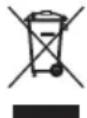
This product complies with EU Directive 2002/96/EC. The crossed wheelie bin symbol shown on the appliance indicates that when it comes to dispose of the product it
must not be included in with household refuse. It must be taken to a special refuse collection point for electric and electronic appliances or returned to the distributor when purchasing a similar appliance. Under current refuse disposal regulations, users who fail to take discarded appliances to special refuse collection points may be penalised. Correct disposal of discarded appliances means that they can be recycled and processed ecologically, helping the environment and allowing materials used in the product to be reused. For more information on available waste disposal schemes contact your local refuse service or the shop where the product was purchased. Manufacturers and importers
are responsible for ecological recycling, processing and disposal of products, whether directly or via a public system.
Your local town council can provide you with information about how to dispose of obsolete appliances.
The manufacturer/importer does not accept any liability for any damages resulting from unintended use or improper handling. The manufacturer/importer reserves his rights to modify the product any time in order to adjust it to law regulations, norms, directives, or due to construction, trade, aesthetic or other reasons, without notifying in advance.


Cher client,

3. integral (pain complete)
Pain complet.
4.dulce (brioche)
Pains brioches.
Preparation de pains sans gluten.
Preparation de pate.

(pate à spaghetti)
y j 10002/96
J
J
J
J
J
J
J
J
J
J
J
J
J
J
J
J
J
J
J
J
J
J
J
J
J
J
J
J
J
J
J
J
J
J
J
J
J
J
J
J
J
J
J
J
J
J
J
J
J
J
J
J
J
J
J
J
J
J
J
J
J
J
J
J
J
J
J
J
J
J
J
J
J
J
J
J
J
J
J
J
J
J
J
J
J
J
J
J
J
J
p 1000000000000000000000000000000000000000000000000000000000000000000000

Lgssll ggsall wgl 3
J 100000000000000000000000000000000000000000000000000000
gi jglg aiaaioll sllal aelowuogol yddy u 1
yddaagol llaI L. Jnll gaoaessssell
.0rallg sll clll tng
.
30
300
15g.0jflall elaw 2e osszoll golll pdswcll lglSoll
aLac lilpia b paaa, jilg Jc t igsooll odo aol y cdd
.
j 4
y j 1000 yj j j j j j j j j j j j j j j j j j j j j j j j j j j j j j j j j j j j j j j j j j j j j j j j j j j j j j j j j j j j j j j j j j j j
409 5
J 100000000000000000000000000000000000000000000000000000000000
al! glls (start/stop) al! / jLjss
Jolololololololololololololololololololololololololololololololololololololololololololololololololololololololololololololololololololololololololololololololololololol
11
2^2y = 4

aai 10
p 1
bai jnall jolgo
13
12.1.
jol jol jol jol jol jol jol jol jol jol jol jol jol jol jol jol jol jol jol jol jol jol jol jol jol jol jol jol jol jol jol jol jol jol jol jol jol jol jol jol jol jol jol jol jol jol jol jol jol jol jol
jll jgbcal .(ofo cdoclaw jol) 3
J/1j j 2e Jg Jrnnnll 3 (start/stop)

y 1
bui jai b
14
1 1 1 1 1 1 1 1 1 1 1 1 1 1 1 1 1 1 1 1 1 1 1 1 1 1 1 1 1 1 1 1 1
15
Jiee eae ee Juee no jieell Jaa
(1)3. integral

JolSJI coaill j
(5)4.dulce

(5. rápido
- sin

gljll jl) gluten

a
()7.masa

- pasta
(a)fresca

(9) 9. mermelada

(j)10.hornear

JSSIg jss
- baguette

20000000000000000000000000000000

:Ujzll jbj) jdl u jg bal pssu(carga)
$$ \dot {x} u = $$
$$ \bar {c} ^ {5 0 0} \bar {c} ^ {5 0 0} \bar {c} ^ {\prime} $$
$$ \dot {z} \mathbf {u} = $$
$$ \text {7 5 0} \text {7 5 0} $$
$$ \dot {a} \dot {u} = $$
$$ \tau^ {1 0 0 0} \tau^ {1 0 0 0}, $$
8
2y yu yu yu yu yu yu yu yu yu yu yu yu yu yu yu yu yu yu yu yu yu yu yu yu yu yu yu yu yu yu yu yu yu yu yu yu yu yu yu yu yu yu yu yu yu yu yu yu yu yu y
J 1
e 15
E01 jorj g jol jol sds
a start jj le b a n j o rall
b jll .al l jg. g o L a
o E01 jorll start/stop /j j
j all j j

gall lccer jol 5.
B
J

1
jlll 10 p. glwU 1u 2a. yb. 1b. jll 1c
jla c 10 10 10 10 10 10 10 10 10
#
pssu wUJ, jul 10 Jauaull oJy
2
3
- PROBLEMA POSIBLE CAUSA
- SOLUCION (DESCRIPCION MÁS ABAJO)
- Safety operation instructions
- DANGER! / WARNING! Risk of injury
- WARNING! Risk of property damage
- HINT Information on the product and hints on its use
- Technical parameters
- #
- Appliance features
- Appliance elements
- Accessories
- Control panel
- LCD display
- Appliance functions
- Buzzer function
- Memory function
- Auto dosing of loose additives
- Safety functions
- Operating instructions
- Insert the baking tin.
- Insert the kneading peg.
- Example:
- Leave the dough to rise.
- Baking.
- Warming.
- End of the program phases.
- Preparation baguettes.
- Placing the bottom baking mould (9) into bread oraker.
- - Placing the upper mould for baking (10) into bread oraker.
- Cleaning and maintenance
- Questions and answers concerning the appliance
- Classic recipes
- NUT AND RAISIN BREAD
- Ingredients
- SUNFLOWER BREAD
- GRAIN Cereal Bread
- ONION BREAD
- WHOLE WHEAT BREAD
- CHOCOLATE AND NUT BREAD
- Program: integral
- Program: Basics
- FRENCH BAUGETTES
- PIZZA DOUGH
- BREAD
- Program:masa
- Solutions to the above problems
- Remarks on recipes
- Ingredients
- Adjusting the amount of the ingredients
- Adding and measuring the ingredients and quantities
- Recipes for the bread baking machine
- Bread weight and volume
- Baking results
- Advice on disposal
- integral (pain complete)
- Lgssll ggsall wgl 3
- j 4
- 5
- J 1
- B
- J
Brand : UFESA
Model : PN5000
Category : Bread maker