CTP63SC/E1 - Induction cooktop CANDY - Free user manual and instructions
Find the device manual for free CTP63SC/E1 CANDY in PDF.



| Product type | Induction hob |
| Brand | CANDY |
| Model | CTP63SC/E1 |
| Cut-out dimensions (W x D) | 56 x 49 cm |
| Worktop thickness | Minimum 30 mm |
| Minimum distance above hob | 760 mm |
| Approximate weight | 12 kg |
| Electrical supply | 220-240 V~ or 380-415 V 3N~ (depending on connection) |
| Maximum total power | 7.2 kW (adjustable from 2.5 to 7.2 kW) |
| Number of cooking zones | 4 zones, including one flex zone |
| Zone power | Zones 1 and 2: 1900/2000 W max; zones 3 and 4: 3000/3600 W max (Boost) |
| Boost function | Yes, on each zone |
| Flex zone | Yes, can be used as a large zone or two independent zones |
| Timer | Up to 99 minutes, with automatic zone shut-off |
| Control lock | Yes (child safety) |
| Power management function | Yes (6 power limitation levels) |
| Automatic shut-off | Yes (depending on power level: 2h, 4h or 8h) |
| Pan detection | Yes (minimum diameter 80 mm, ferromagnetic material) |
| Residual heat indicator | Yes ("H" symbol) |
| Cleaning | Ceramic glass surface: special cleaner, scraper for burnt residues |
| Spare parts | Temperature sensors, power board, display board, fan |
| Repairability | Integrated self-diagnosis; replacement possible by a professional |
| General information | CE compliant, domestic use, disposal according to WEEE |
Frequently Asked Questions - CTP63SC/E1 CANDY
User questions about CTP63SC/E1 CANDY
0 question about this device. Answer the ones you know or ask your own.
Ask a new question about this device
Download the instructions for your Induction cooktop in PDF format for free! Find your manual CTP63SC/E1 - CANDY and take your electronic device back in hand. On this page are published all the documents necessary for the use of your device. CTP63SC/E1 by CANDY.
USER MANUAL CTP63SC/E1 CANDY
Thank you for purchasing the CANDY induction hob. Please read this instruction manual carefully before using the hob and keep it in a safe place for future reference.
By placing the CE CE marking on this product, we declare, on our own responsibility, compliance to all the European safety, health and environmental requirements stated in the legislation for this product.
Asapplicable, the parts of this appliance are compliant to:
REGULATION (EC) No 1935/2004 on materials and articles intended to come into contact with food.
Safety Reminding and Maintenance:
- WARNING: The appliance and its accessible parts become hot during use. Care should be taken to avoid touching heating elements.
- Children under 8 Year of age must be kept away from the appliance unless they are continuously supervised.
- This appliance can be used by children aged from 8 years and above and persons with reduced physical, sensory or mental capabilities or lack of experience and knowledge if they have been given supervision or instruction concerning use of the appliance in a safe way and understand the hazards involved.
• Children must not play with the appliance. - Cleaning and user maintenance shall not be made by children without supervision
- WARNING: Unattended cooking on a hob with fat or oil can be dangerous and may result in fire.
- NEVER try to extinguish a fire with water, but switch off the appliance and then cover flame e.g. with a lid or a fire blanket.
- WARNING: Danger of fire: do not store items on the cooking surfaces.
- WARNING: If the surface is cracked, switch off the appliance to avoid the possibility of electric shock.
-
Do not use a steam cleaner for cleaning operations
-
Metallic objects such as knives, forks, spoons and sauce pan lids must not be placed on the hob surface as they can get hot. Any spillage should be removed from the lid before opening.
- The hob surface must be allowed to cool down before closing the lid.
- After use, switch off the hob element by its control. Do not rely on the pan detector.
- This appliance is not intended to be operated by means of an external timer or separate remote - control system.
- The means for disconnection must be incorporated in the fixed wiring in accordance with the wiring rules.
- The instructions state the type of cord to be used, taking into account the temperature of the rear surface of the appliance.
- If the supply cord is damaged, it must be replaced by the manufacturer its service agent or similarly qualified persons in order to avoid a hazard.
- CAUTION: In order to avoid a hazard due to inadvertent resetting of the thermal cutout, this appliance must not be supplied through an external switching device, such as a timer, or connected to a circuit that is regularly switched on and off by the utility.
WARNING: Use oly hob guards designed by manufacturer of the cooking appliance or indicated by the manufacturer of the appliance in the instructions for use as suitable or hob guards incorporated in the appliance. The use of inappropriate guards can cause accidents. - Always use the appropriate cookware.
- Always place the pan in the center of the unit that you are cooking on.
- Do not place anything on control panel.
-
Do not use the surface as a cutting board.
-
The hob surface must be allowed to cool down before closing the lid.
- CAUTION: the cooking process must be supervised. A short term cooking process has to be supervised continuously
Dear Customer:
Thank you for purchasing the CANDY induction hob. We hope it will give many years of good service.
Please read this instruction manual carefully before using the hob and keep it in a safe place for future reference.
Product Introduction
The induction hob caters for all kind of cooking, with its electromagnetic cookingzones, and its micro-computerised controls and multi-functions, making it the ideal choice for todays family.
Manufactured with specially imported materials, the CANDY induction hob is extremely user-friendly, durable and safe.
Working Principle
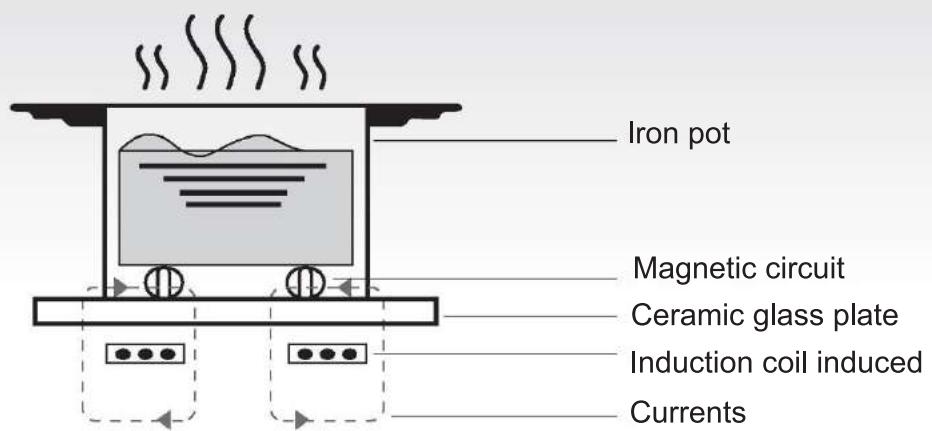
The induction hob comprises a coil, a hotplate made of ferromagnetic material and a control system. Electrical current generates a powerful magnetic field through the coil. This produces a large number of vortices which in turn generate heat which is then transmitted through the cookingzone to the cooking vessel.
Safety
This hob was specially designed for domestic use.
In its constant search to improve its products, CANDY reserves the right to modify any technical, programme or aesthetic aspects of the appliance at any time.
• Protection from over-heating
A sensor monitors the temperature in the cooking zones. When the temperature exceeds a safe level, the cooking zone is automatically switched off.
- Detection of small or non-magnetic items
When a pan with a diameter of less than 80 mm, or some other small item (e.g. knife, fork, key) or a non-magnetic pan (e.g. aluminium) has been left on the hob, a buzzer sounds for approximately one minute, after which the hob goes automatically on to standby.
• Residual heat warning
When the hob has been operating for some time, there will be some residual heat. The letter "H" appears to warn you to keep away from it.
Auto shutdown
Another safety feature of the induction hob is auto shutdown. This occurs whenever you forget to switch off a cooking zone. The default shutdown times are shown in the table below:
| Power level | The heating zone shut down automatically after |
| 1~3 | 8 hours |
| 4~6 | 4 hours |
| 7~9 | 2 hours |
When the pan is removed from the cooking zone, it stops heating immediately and switches itself off after the buzzer has sounded for one minute.
Warning: Anyone who has been fitted with a heart pacemaker should consult a doctor before using the induction hotplate.
Installation
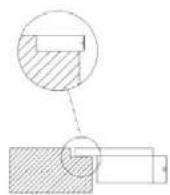
- Cut a hole in the worktop of the dimension shown in the diagram below. A minimum of 50 mm space should be left around the hole. The worktop should be at least 30 mm thick and made of heat-resistant material.
As shown in Figure (1)
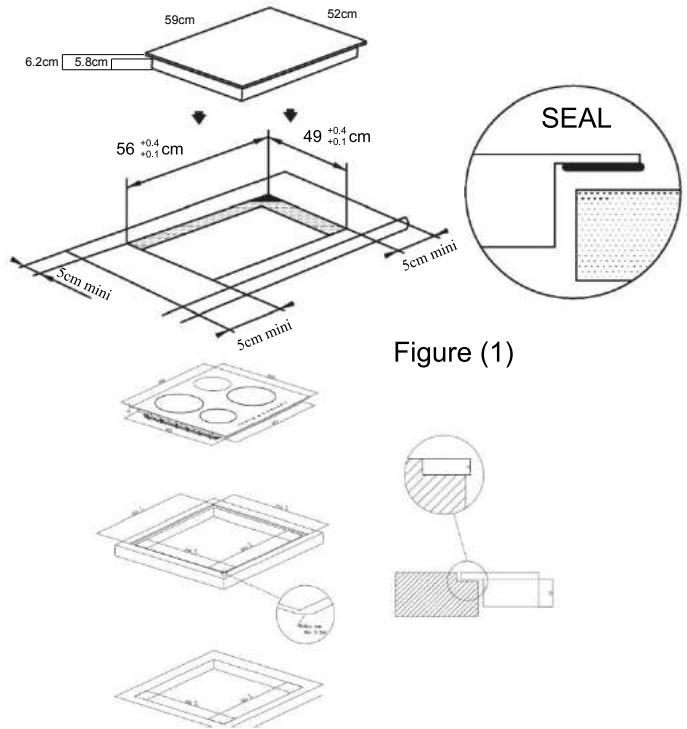
Flush installation: Feasible only if the oven is not installed under the counter
- It is essential that the induction hob is well ventilated and that the air intake and exit are not blocked.
Make sure the hob is correctly installed as shown in Figure 2.
Figure (2)
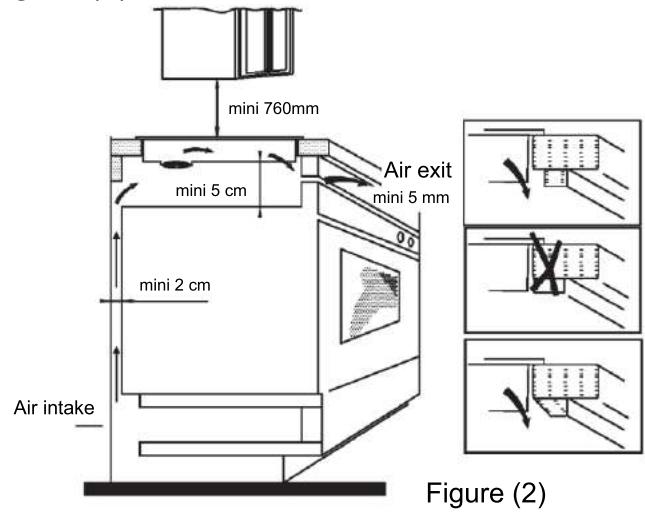
NB: For safety, the gap between the hob and any cupboard above it should be at least 760 mm.
- Fix the hob to the worktop using the four brackets on the base of the hob. The position of the brackets can be adjusted according to the thickness of the top.
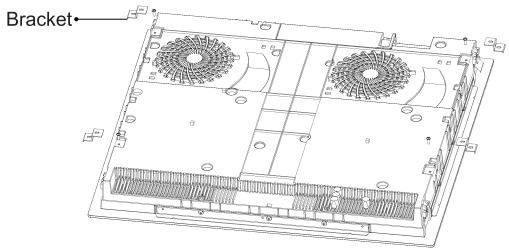
Warnings:
(1) The induction hob must be installed by a properly qualified person. We have our own qualified installers. Never try to install the appliance yourself.
(2) The induction hob must not be installed above refrigerators, freezers, dishwashers or tumble dryers.
(3) The induction hob should be installed so that optimum radiation of heat is possible.
(4) The wall and the area above the hob should be able to withstand heat.
(5) To avoid any damage, the sandwich layer and adhesive should be heat-resistant.
4. Connection to power supply
The socket should be connected in compliance with the relevant standard, to a single-pole circuit breaker. The method of connection is shown in Figure 3.
| Voltage | Wire connection | ||
| 380-415V 3N~ | 1 2 L1 L2 | 3 4 N | 5 ⊥ ≡ |
| Black Brown | Blue | Yellow/Green | |
| 220-240V~ | 1 2 L | 3 4 N | 5 ⊥ ≡ |
| Black & Brown | Blue | Yellow/Green | |
Figure (3)
If the cable is damaged or needs replacing, this should be done by an after-sales technician using the proper tools, so as to avoid any accidents.
If the appliance is being connected directly to the mains supply, an omnipolar circuit breaker must be installed with a minimum gap of 3 mm between the contacts.
The installer must ensure that the correct electrical connection has been made and that it complies with safety regulations.
The cable must not be bent or compressed.
The cable must be checked regularly and only replaced by a properly qualified person.
Diagram of induction hob:
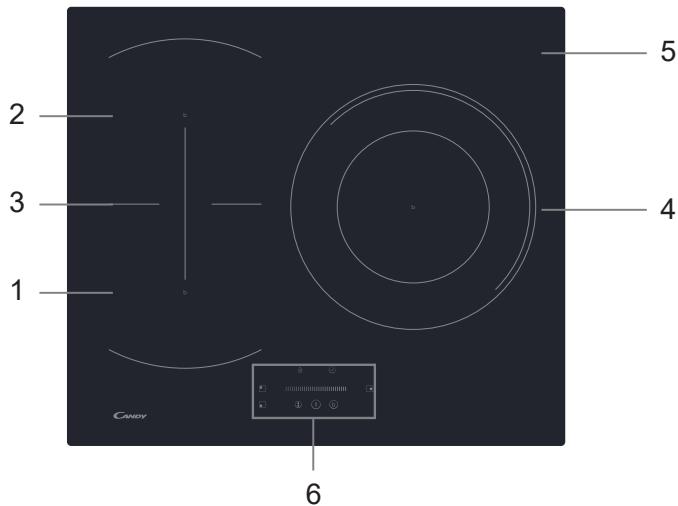
- Max. 1900/2000W zone
- Max. 3000/3600W zone
- Max. 1900/2000W zone
- Glass plate
- Max. 3000/3600W zone
- Control panel
Schematic diagram of the control panel
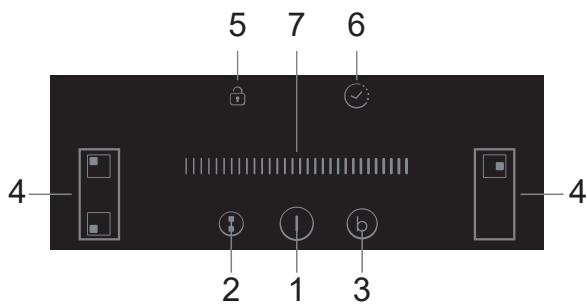
- On/Off control
- Heating zone selection controls
- Flexible Area control
- Keylock control
- Boost
- Timer control
- Power / Timer slider touch control
Touch Controls
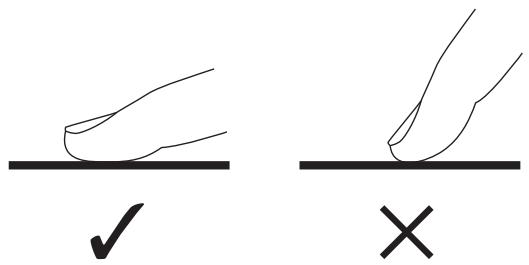
- The controls respond to touch, so you don't need to apply any pressure.
• Use the ball of your finger, not its tip.
• You will hear a beep each time a touch is registered. - Make sure the controls are always clean, dry, and that there is no object (e.g. a utensil or a cloth) covering them. Even a thin film of water may make the controls difficult to operate.
Choosing the right Cookware

- Only use cookware with a base suitable for induction cooking. Look for the induction symbol on the packaging or on the bottom of the pan.
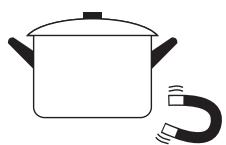
- You can check whether your cookware is suitable by carrying out a magnet test. Move a magnet towards the base of the pan. If it is attracted, the pan is suitable for induction.
- If you do not have a magnet: - Put some water in the pan you want to check. - If does not flash in the display and the water is heating, the pan is suitable. - Cookware made from the following materials is not suitable: pure stainless steel, aluminium or copper without a magnetic base, glass, wood, porcelain, ceramic, and earthenware.
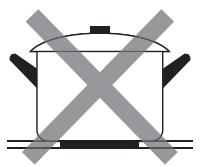
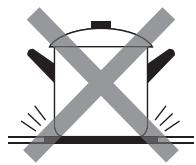
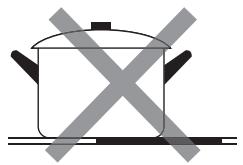
Do not use cookware with jagged edges or a curved base.
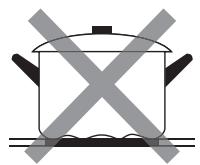
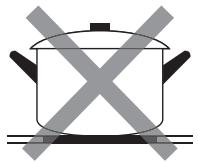
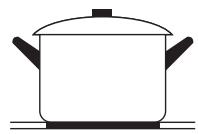
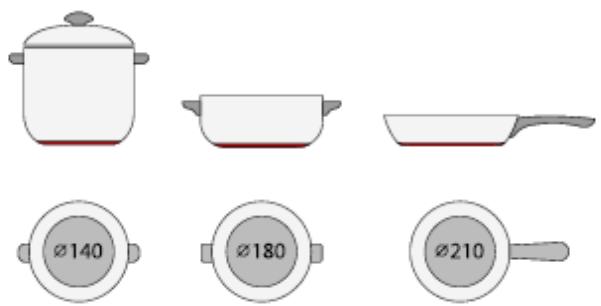
Make sure that the base of your pan is smooth, sits flat against the glass, and is the same size as the cooking zone. Use pans whose diameter is as large as the graphic of the zone selected. Using a pot a slightly wider energy will be used at its maximum efficiency. If you use smaller pot efficiency could be less than expected. Pot less than 140 mm could be undetected by the hob. Always centre your pan on the cooking zone.
natural_image
Simple line drawing of a cooking pot with crossed-out X marks (no text or symbols)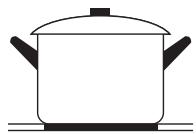
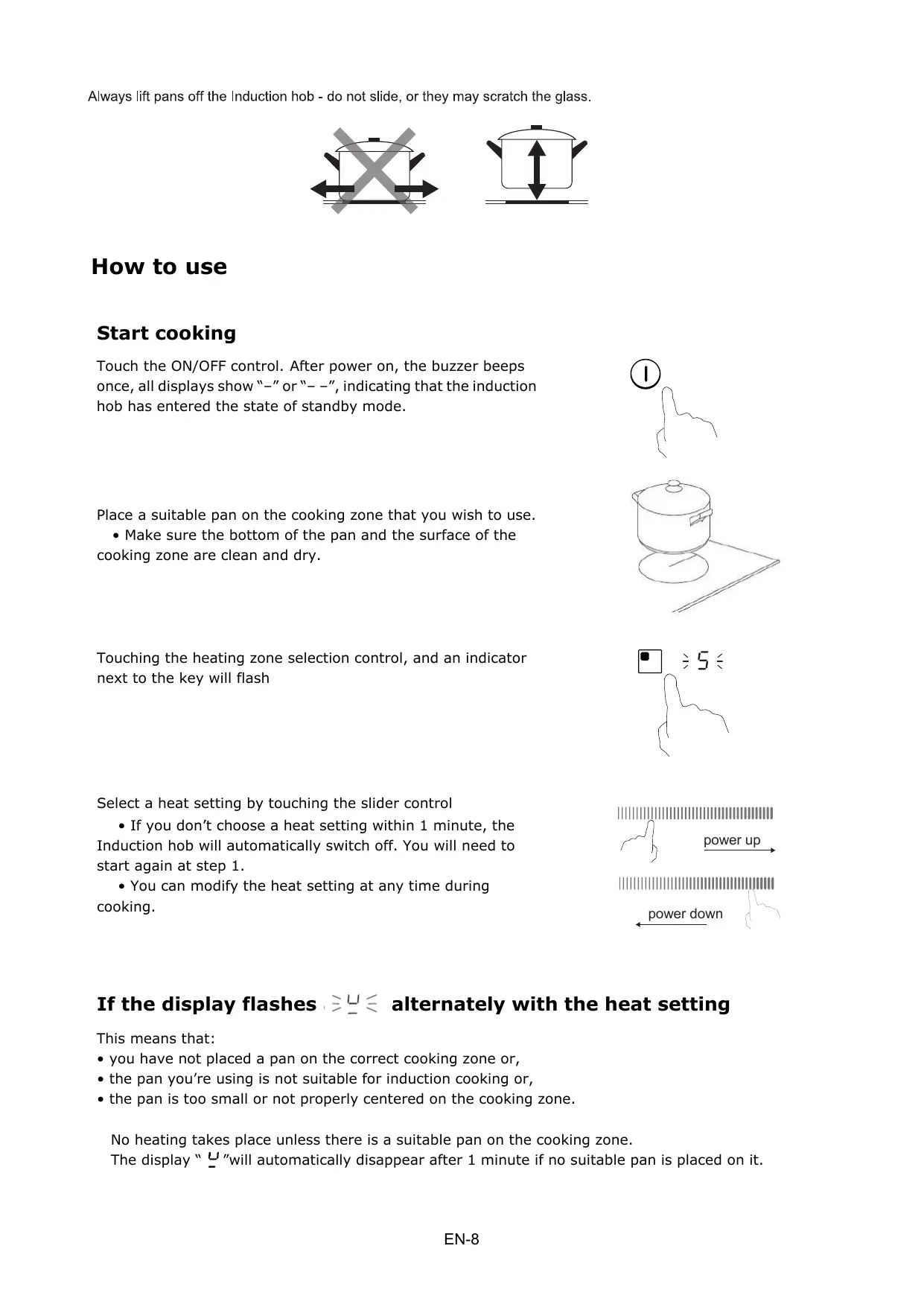
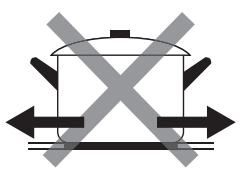
Always lift pans off the Induction hob - do not slide, or they may scratch the glass.
natural_image
Simple line drawing of a cooking pot with crossed arrows indicating pressure or resistance (no text or symbols)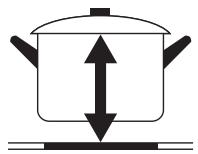
How to use
Start cooking
Touch the ON/OFF control. After power on, the buzzer beeps once, all displays show “-” or “- -”, indicating that the induction hob has entered the state of standby mode.
Place a suitable pan on the cooking zone that you wish to use.
- Make sure the bottom of the pan and the surface of the cooking zone are clean and dry.
Touching the heating zone selection control, and an indicator next to the key will flash
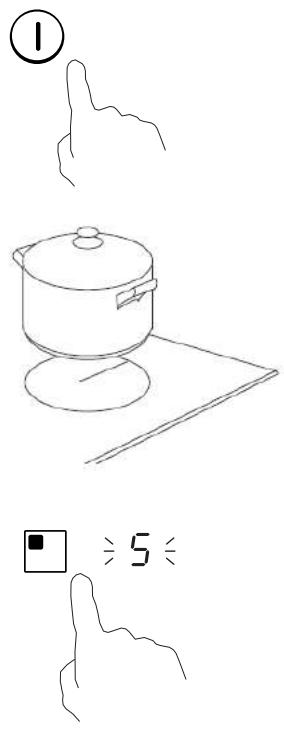
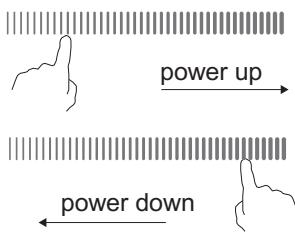
Select a heat setting by touching the slider control
- If you don't choose a heat setting within 1 minute, the Induction hob will automatically switch off. You will need to start again at step 1.
- You can modify the heat setting at any time during cooking.
If the display flashes ≥slant U ≤slant alternately with the heat setting
This means that:
- you have not placed a pan on the correct cooking zone or,
- the pan you're using is not suitable for induction cooking or,
- the pan is too small or not properly centered on the cooking zone.
No heating takes place unless there is a suitable pan on the cooking zone.
The display “ ∪” will automatically disappear after 1 minute if no suitable pan is placed on it.
Finish cooking
Touching the heating zone selection control that you wish to switch off
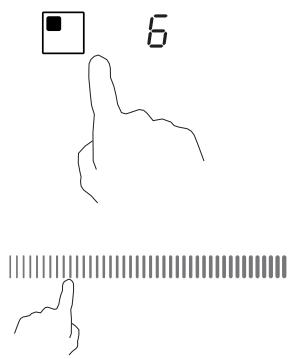
Turn the cooking zone off by touching the slider to "|". Make sure the displayshows"0"
Turn the whole cooktop off by touching the ON/OFF control.
Beware of hot surfaces
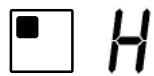
H will show which cooking zone is hot to touch. It will disappear when the surface has cooled down to a safe temperature. It can also be used as an energy saving function if you want to heat further pans, use the hotplate that is still hot.
Using the Boost function
Activate the boost function
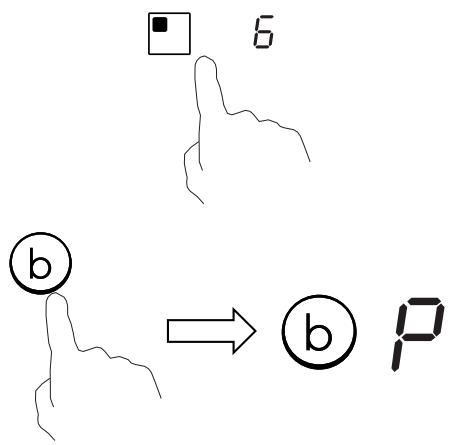
Touching the heating zone selection control.
flowchart
graph TD
    A["Square"] --> B["6"]
    C["b"] --> D["→"]
    D --> E["p"]
Touching the boost control Ⓑ, the zone indicator show "P" and the power reach Max.
Cancel the Boost function
Touching the heating zone selection control that you wish to cancel the boost function
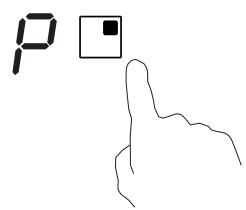
Touching the "Boost" control Ⓑ to cancel the Boost function, then the cooking zone will revert to its original setting.
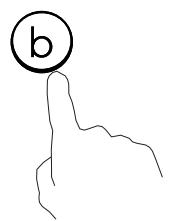
• The function can work in any cooking zone.
• The cooking zone returns to its original setting after 5 minutes.
• If the original heat setting equals 0, it will return to 9 after 5 minutes.
FLEXIBLE AREA
- This area can be used as a single zone or as two different zones, accordingly to the cooking needs anytime.
- Free area is made of two independent inductors that can be controlled separately.
As big zone
- To activate the free area as a single big zone, Touching the Flexible Area control.
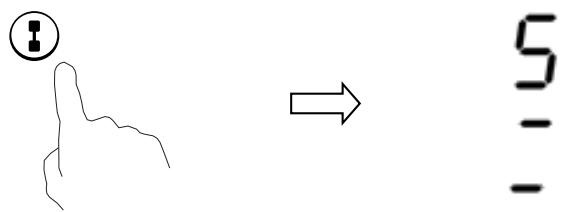
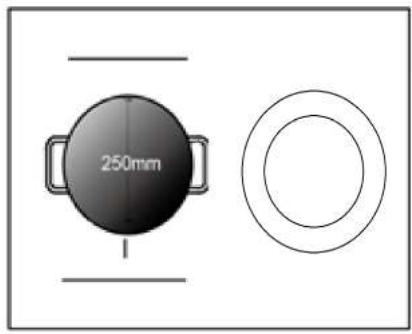
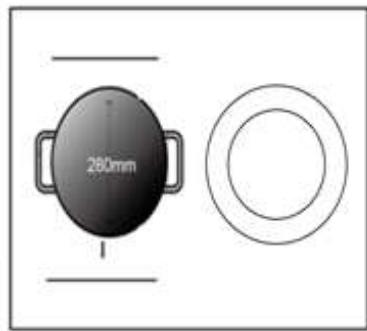
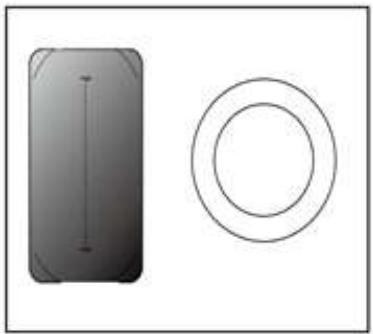
- As a big zone, we suggest the used as the follow:
Cookware: 250mm or 280mm diameter cookware (Square or Oval cookware are acceptable)
natural_image
Two simple geometric shapes: a rectangular block with a vertical line and a concentric circle (no text or symbols)We don't recommend other operations except for above mentioned three operations because it might effect the heating of appliance
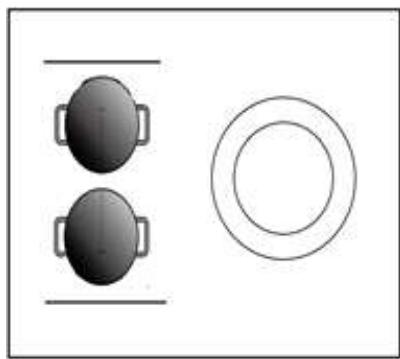
As two independent zones
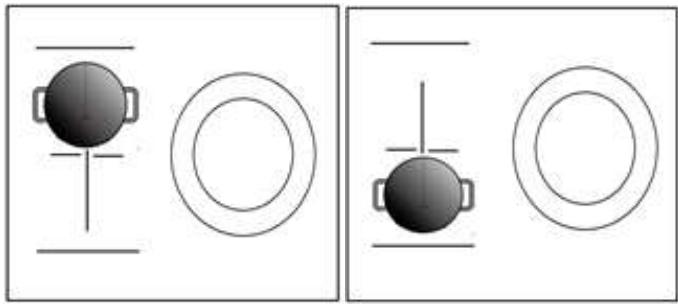
To use the flexible area as two different zones, you can have two choices of heating.
(a) Put a pan on the right up side or the right down side of the flexible zone.
natural_image
Two identical diagrams showing a black circular object with a handle and a white circle, each paired with a horizontal line and a vertical cross (no text or symbols)(b) Put two pans on both sides of the flexible zone.
natural_image
Simple diagram with two oval objects and a concentric circle, no text or symbols presentNotice: Make sure the pan is bigger than 12cm.
Locking the Controls
- You can lock the controls to prevent unintended use (for example children accidentally turning the cooking zones on).
- When the controls are locked, all the controls except the ON/OFF control are disabled.
To lock the controls
Touch the lock control
The timer indicator will show "Lo"
To unlock the controls
Touch and hold the lock control for a while.

When the hob is in the lock mode, all the controls are disable except the ON/OFF ⏻, you can always turn the induction hob off with the ON/OFF ⏻ control in an emergency, but you shall unlock the hob first in the next operation.
Timer control
You can use the timer in two different ways:
a) You can use it as a minute minder. In this case, the timer will not turn any cooking zone off when the set time is up.
b) You can set it to turn one or more cooking zones off after the set time is up.
The timer of maximum is 99 min.
a) Using the Timer as a Minute Minder
If you are not selecting any cooking zone
Make sure the cooktop is turned on.
Note: you can use the minute minder at least one zone shall be active.
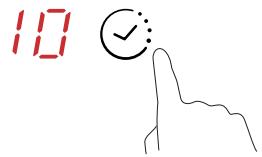
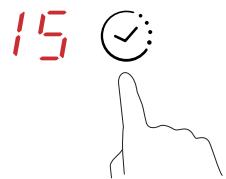
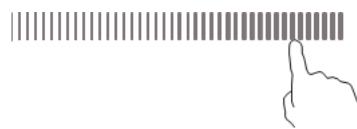
Touch timer control, the "10" will show in the timer display. and the "0" flashes.
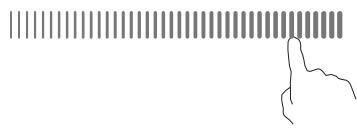
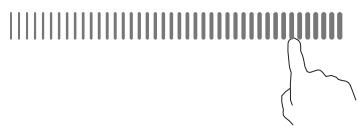
Set the time by touching the slider control. (e.g. 5)
natural_image
Simple line drawing of a hand pointing at a horizontal bar with tick marks (no text or symbols)Touch timer control again, the "1" will flash
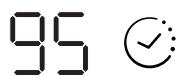
Set the time by touching the slider control (e.g.9), now the timer you set is 95 minutes.
natural_image
Simple line drawing of a hand pointing at a horizontal bar with tick marks (no text or symbols)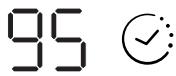
When the time is set, it will begin to count down immediately. The display will show the remaining time
Buzzer will beep for 30 seconds and the timer indicator shows "-" when the setting time finished.

b) Setting the timer to turn one cooking zone off
Set one zone
Touching the heating zone selection control that you want to set the timer for.
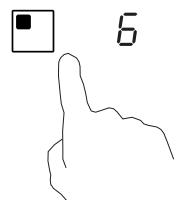
In short time, touch timer control, the "10" will show in the timer display and the "0" flashes.
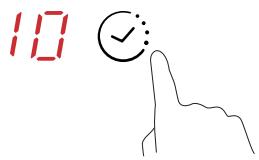
Set the time by touching the slider control. (e.g. 5)
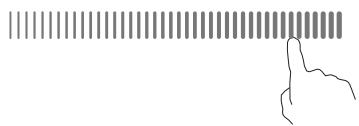
natural_image
Simple line drawing of a hand pointing at a horizontal bar with vertical tick marks (no text or symbols)Touch timer control again, the "1" will flash.
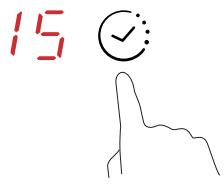
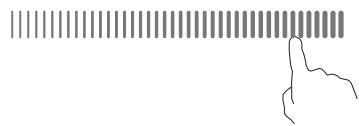
Set the time by touching the slider control (e.g.9), now the timer you set is 95 minutes.
natural_image
Simple line drawing of a hand holding a string with vertical bars (no text or symbols)When the time is set, it will begin to count down immediately. The display will show the remaining time.
NOTE: The red dot next to power level indicator will illuminate indicating that zone is selected.
When cooking timer expires, the corresponding cooking zone will be switched off automatically.
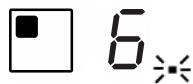
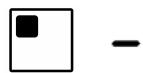

Other cooking zone will keep operating if they are turned on previously.
The pictures shown above are for reference only, and the final product shall prevail.
set more zones:
The steps for setting more zones are similar to the steps of setting one zone;
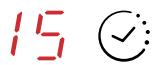
When you set the time for several cooking zones simultaneously, decimal dots of the relevant cooking zones are on. The minute display shows the min. timer. The dot of the corresponding zone flashes.
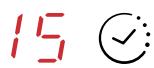
The shown as below:


(set to 15 minutes)


(set to 45 minutes)
Once the countdown timer expires, the corresponding zone will switch off. Then it will show the new min. timer and the dot of corresponding zone will flash.
The shown as right:


(set to 30 minutes)
Touch the heating zone selection control, the corresponding timer will be shown in the timer indicator.
C) Cancel the timer
Touching the heating zone selection control that you want to cancel the timer
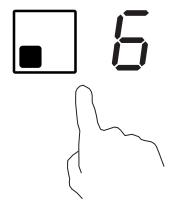
Touching the timer control, the indicator flash
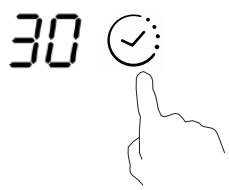
Touch the slider control to set the timer to "00", the timer is cancelled
Power Management Function
- it is possible to set a maximum power absorption level for the induction hob, choosing up to different power ranges.
- induction hobs are able to limit themselves automatically in order to work at lower power, to avoid the risk of overloading.
- It is not necessary to put any pots on the heating zones. We suggest to start setting within 5 seconds after connecting the power. You need to enter the power setting mode within 60 seconds to enter Power Management Function.
| To enter Power Management Function | |
1. Please be noted that do not turn on the hob. At this stage, press "Boost" and "Lock" at the same time.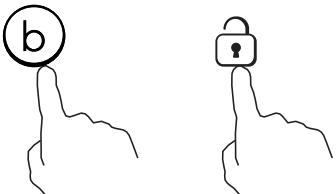 | The "S" symbol will be displayed on zone #1. |
2. Press "Lock" key.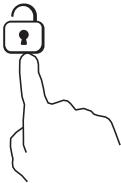 | The symbol "S" will be displayed on zone #1 and symbol "E" will be displayed on zone #2. |
3. Press "Boost" and "Lock" keys at the same time again.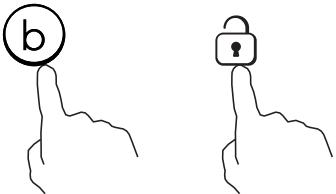 | The symbol "S" will be displayed on zone #1, "E" will be displayed on zone #2, and "t" will be displayed on zone #3. At the same time, the current maximum power mode (7.4) will be displayed on the timer indicator. |
| To switch to another level | |
short press the "Boost" key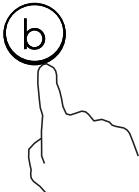 | There are 6 power levels, from "7.4" to "2.5". The timer indicator will show one of them."7.4": the maximum power is 7.4Kw."6.5": the maximum power is 6.5Kw."5.5": the maximum power is 5.5Kw."4.5": the maximum power is 4.5Kw."3.5": the maximum power is 3.5Kw."2.5": the maximum power is 2.5Kw. |
| Confirmation Power Management Function | |
After the desired power setting mode is selected, please press "Lock" key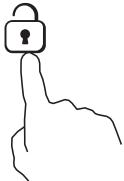 | When the timer indicator stops flickering, the power mode is set successfully. |
| Exit Power Management Function | |
| After the setting, make sure to dis-connect the power and connect it again. | Then the hob will be turned off. |
Default working times
Auto shut down is a safety protection function for your induction hob. It shut down automatically if ever you forget to turn off your cooking. The default working times for various power levels are shown in the below table:
| Power level | 1 | 2 | 3 | 4 | 5 | 6 | 7 | 8 | 9 |
| Default working timer (hour) | 8 | 8 | 8 | 4 | 4 | 4 | 2 | 2 | 2 |
When the pot is removed, the induction hob can stop heating immediately and the hob automatically switch off after 2 minutes.
Iron oil frying

Stainless steel

Iron pan

Iron kettle

Enamel
stainless steel
kettle

Enamel cooking
utesil

Iron plate
You may have a number of different cooking vessels
- This induction hob can identify a variety of cooking vessels, which you can test by one of the following methods:
Place the vessel on the cooking zone. If the corresponding cooking zone displays a power level, then the vessel is suitable. If “U” flashes, then the vessel is not suitable for use with the induction hob.
- Hold a magnet to the vessel. If the magnet is attracted to the vessel is suitable for use with the induction hob.
NB: The base of the vessel must contain magnetic material.
It must have flat bottom with a diameter according to the table 1 below.
-
Use only ferromagnetic cookwares made from enameled steel, cast iron or stainless steel but compatible with induction
-
Use pans whose diameter of the ferromagnetic area (base of the pan) is in the range of dimensions in the table below. (Table 1)
- If you use smaller pots, performance could be affected
- If you use pot with a diameter smaller than the one indicated in the table 1, pots may not be detected
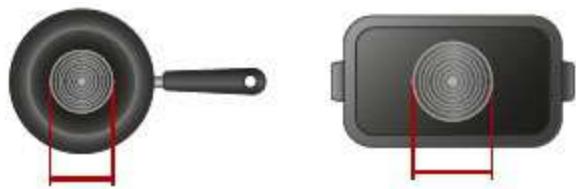
According to the dimension of the zone you can use pots of different diameters as picture below:
natural_image
Two black cooking utensils: a pan with a side handle and a rectangular plate with concentric rings (no text or symbols)- If the ferromagnetic part covers only partially the base of the pan, only the ferromagnetic area will heat up, the rest of the base may not heat up a sufficient temperature for cooking.
- If the ferromagnetic area is not homogeneous, but presents others material such as aluminum this may affect the heating up and the pan detection.
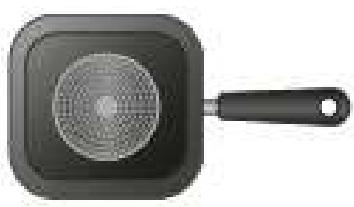
If the base of the pan is similar to the pictures below the pan could be not detected.
natural_image
Black square frying pan with a circular grille and handle (no text or symbols)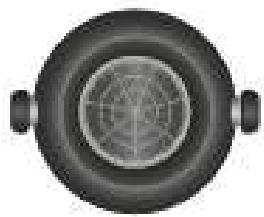
natural_image
Top-down view of a circular mechanical component with concentric rings and two side handles (no text or symbols visible)| The base diameter of induction cookware | ||
| Cooking zone | Minimum(mm) | Maximum(mm) |
| 1、2 | 140 | 180 |
| 3 | 180 | 290 |
| Flexible Area | 250 | 386*180 |
The above may vary according to the size of the pan and the material it is made from.
Cleanness and Maintenance
The surface of the induction hob may be easily cleaned in the following way:
| Type of contamination | Method of cleaning | Cleaning materials |
| Light | Immerse in hot water and wipe dry | Cleaning sponge |
| Rings and lime scale | Apply white vinegar to the area, wipe with a soft cloth or use a commercially available product | Special adhesive for ceramic glass |
| Sweetmeat, melted aluminium or plastics | Use a special scraper for ceramic glass to remove residue (a silicon product is best) | Special adhesive for ceramic glass |
NB: Disconnect the power supply before cleaning.
Failure Display and Inspection
The induction hob is equipped with a self diagnostic function. With this test the technician is able to check the function of several components without disassembling or dismounting the hob from the working surface.
Troubleshooting
1) Failure code occur during customer using & Solution;
| Failure code | Problem | Solution |
| No Auto-Recovery | ||
| E1 | Ceramic plate temperature sensor failure--open circuit. | Check the connection or replace the ceramic plate temperature sensor. |
| E2 | Ceramic plate temperature sensor failure--short circuit. | |
| Eb | Ceramic plate temperature sensor failure | |
| E3 | High temperature of ceramic plate sensor. | Wait for the temperature of ceramic plate return to normal.Touch "ON/OFF" button to restart unit. |
| E4 | Temperature sensor of the IGBT failure--open circuit. | Replace the power board. |
| E5 | Temperature sensor of the IGBT failure--short circuit | |
| E6 | High temperature of IGBT. | Wait for the temperature of IGBT return to normal.Touch "ON/OFF" button to restart unit.Check whether the fan runs smoothly; if not, replace the fan. |
| E7 | Supply voltage is below the rated voltage. | Please inspect whether power supply is normal. |
| E8 | Supply voltage is above the rated voltage. | Power on after the power supply is normal. |
| U1 | Communication error. | Reinsert the connection between the display board and the power board.Replace the power board or the display board. |
2) Specific Failure & Solution
| Failure | Problem | Solution A | Solution B |
| The LED does not come on when unit is plugged in. | No power supplied. | Check to see if plug is secured tightly in outlet and that outlet is working. | |
| The accessorial power board and the display board connected failure. | Check the connection. | ||
| The accessorial power board is damaged. | Replace the accessorial power board. | ||
| The display board is damaged. | Replace the display board. | ||
| Some buttons can't work, or the LED display is not normal. | The display board is damaged. | Replace the display board. | |
| The Cooking Mode Indicator comes on, but heating does not start. | High temperature of the hob. | Ambient temperature may be too high. Air Intake or Air Vent may be blocked. | |
| There is something wrong with the fan. | Check whether the fan runs smoothly; if not, replace the fan. | ||
| The power board is damaged. | Replace the power board. | ||
| Heating stops suddenly during operation and the display flashes "u". | Pan Type is wrong. | Use the proper pot (refer to the instruction manual.) | Pan detection circuit is damaged, replace the power board. |
| Pot diameter is too small. | |||
| Cooker has overheated; | Unit is overheated. Wait for temperature to return to normal. | ||
| Push "ON/OFF" button to restart unit. | |||
| Heating zones of the same side (Such as the first and the second zone) would display "u". | The power board and the display board connected failure; | Check the connection. | |
| The display board of communicate part is damaged. | Replace the display board. | ||
| The Main board is damaged. | Replace the power board. | ||
| Fan motor sounds abnormal. | The fan motor is damaged. | Replace the fan. |
The above are the judgment and inspection of common failures.
Please do not disassemble the unit by yourself to avoid any dangers and damages to the induction hob.
Customer Care Service
If a fault should occur, before calling After Sales Service, please do the following:
- Check that the appliance is correctly plugged in
- Read the failure and display table above
If you are still unable to resolve the problem, switch off the appliance, do not try to dismantle it, and call
After Sales Service.
Special Declaration
The contents of this manual have been carefully checked. However, the company cannot be held responsible for any misprints or omissions.
Also, any technical modifications may be included in a revised version of the manual without notice. The appearance and colour of the appliance in this manual may differ from the actual one.
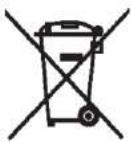

DISPOSAL: Do not dispose this product as unsorted municipal waste. Collection of such waste separately for special treatment is necessary.
This appliance is labelled in compliance with European directive 2012/19/EC for Waste Electrical and Electronic Equipment (WEEE).
By ensuring that this appliance is disposed of correctly, you will help prevent any possible damage to the environment and to human health, which might otherwise be caused if it were disposed of in the wrong way.
The symbol on the product indicates that it may not be treated as normal household waste. It should be taken to a collection point for the recycling of electrical and electronic goods.
This appliance requires specialist waste disposal. For further information regarding the treatment, recovery and recycling of this product please contact your local council, your household waste disposal service, or the shop where you purchased it.
For more detailed information about treatment, recovery and recycling of this product, please contact your local city office, your household waste disposal service or the shop where you purchased the product.

Valid only for Cyprus
Avertissements :
natural_image
Three identical cooking pots with crossed-out kitchen panes, no text or symbols presentnatural_image
Four identical illustrations of a cooking pot with crossed-out kitchen panes, no text or symbols presentComment l'utiliser
Commencer à cuire
natural_image
Line drawing of a cooking pot with a hand pointing upward, placed on a surface (no text or symbols)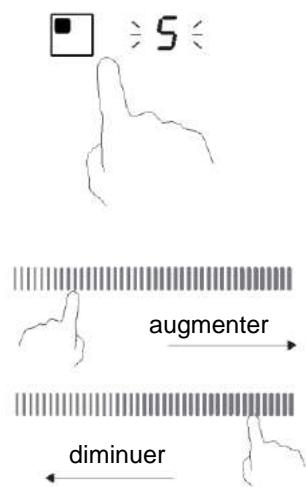
flowchart
graph TD
    A["Square"] --> B["Circle"]
    C["b"] --> D["Circle"]
    style A fill:#fff,stroke:#000
    style B fill:#fff,stroke:#000
    style C fill:#fff,stroke:#000
    style D fill:#fff,stroke:#000
natural_image
Two identical diagrams showing circular and rectangular shapes with crosshairs, no text or symbols present.natural_image
Simple diagram with two oval shapes and a concentric circle, no text or symbols presentnatural_image
Abstract diagram with vertical bars and a wavy line, no text or symbols presentnatural_image
Simple line drawing of a hand holding a ruler above a bar (no text or symbols)
natural_image
Two 3D renderings of cooking utensils: a pan with a lid and a rectangular plate with a circular vent, both shown with red stand brackets (no text or symbols)natural_image
Black square frying pan with a circular vent on top and a handle (no text or symbols)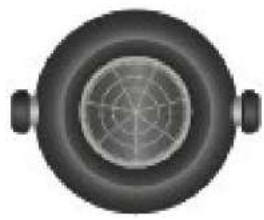
natural_image
Top-down view of a circular mechanical component with concentric rings and a central mesh pattern (no text or symbols)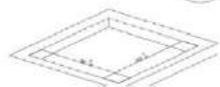
natural_image
Three identical cooking pots with crossed-out kitchen panes, no text or symbols presentnatural_image
Four identical cooking pots with crossed-out kitchen pan symbols, arranged horizontally (no text or labels)natural_image
Two cooking pots with directional arrows indicating heating or cooling (no text or symbols)Modo de empleo
Empezar a cocinar
natural_image
Line drawing of a cooking pot with a hand pointing upward, placed on a surface (no text or symbols)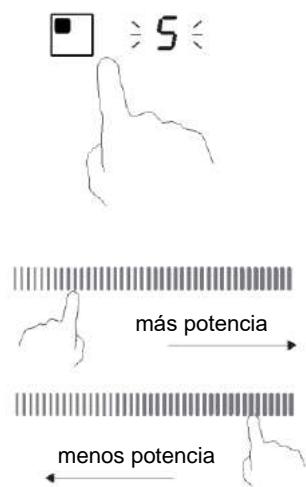
flowchart
graph TD
    A["Square 6"] --> B["Circle b"]
    B --> C["Circle b"]
    C --> D["Circle p"]
natural_image
Two abstract geometric shapes: a rectangular prism with a vertical line and a concentric circle (no text or symbols)natural_image
Two identical diagrams showing circular and rectangular shapes with crosshair indicators, no text or symbols present.natural_image
Simple diagram with two oval shapes and a concentric circle, no text or symbols presentnatural_image
Abstract pattern of vertical bars and a wavy line (no text or symbols)natural_image
Simple line drawing of a hand holding a ruler above a bar (no text or symbols)
natural_image
Simple line drawing of a hand pointing at a horizontal bar with tick marks (no text or symbols)natural_image
Simple line drawing of a hand pointing at a striped bar (no text or symbols)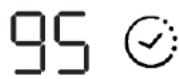
natural_image
Two 3D illustrations of cooking utensils: a pan with a lid and a rectangular plate with a circular vent, both shown with red stand brackets (no text or symbols)natural_image
Black square frying pan with a circular vent and handle (no text or symbols)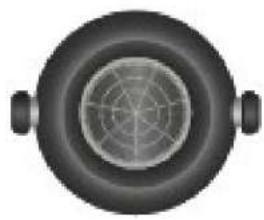
natural_image
Top-down view of a circular mechanical component with concentric rings and a central mesh pattern (no text or symbols)Выбор посуды

natural_image
Simple line drawing of a cooking pot with a coiled pipe (no text or symbols)natural_image
Simple line drawing of a cooking pot with crossed x marks (no text or symbols)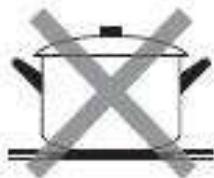
natural_image
Simple line drawing of a cooking pot with crossed x marks (no text or symbols)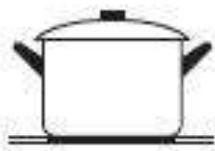
natural_image
Four identical cooking pots with crossed-out kitchen pan symbols, no text or labels presentnatural_image
Two identical diagrams showing circular and rectangular shapes with crosshairs, no text or symbols present.natural_image
Simple diagram with two oval shapes and a concentric circle, no text or symbols presentnatural_image
Simple line drawing of a hand pointing at a horizontal bar with vertical tick marks (no text or symbols)natural_image
Simple line drawing of a hand pointing at a horizontal bar with vertical bars above (no text or symbols)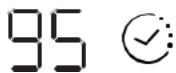
natural_image
Simple line drawing of a hand pointing at a striped bar above a horizontal line (no text or symbols)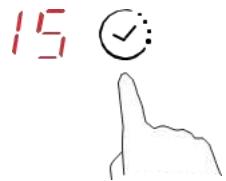
natural_image
Simple line drawing of a hand pointing at a horizontal bar with vertical tick marks (no text or symbols)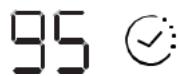
Selection of cooking vessels
natural_image
Two kitchen utensils: a pan with a lid and a rectangular plate with a speaker grille (no text or symbols)natural_image
Black square frying pan with a circular vent and handle (no text or symbols)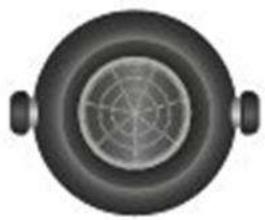
natural_image
Top-down view of a circular cooking pot with visible mesh pattern (no text or symbols)

- Safety Reminding and Maintenance:
- Dear Customer:
- Product Introduction
- Working Principle
- Safety
- • Protection from over-heating
- - Detection of small or non-magnetic items
- • Residual heat warning
- Auto shutdown
- Installation
- Warnings:
- Connection to power supply
- Touch Controls
- Choosing the right Cookware
- How to use
- Start cooking
- If the display flashes ≥slant U ≤slant alternately with the heat setting
- Finish cooking
- Using the Boost function
- Activate the boost function
- Cancel the Boost function
- FLEXIBLE AREA
- As big zone
- As two independent zones
- Locking the Controls
- To lock the controls
- To unlock the controls
- Timer control
- a) Using the Timer as a Minute Minder
- b) Setting the timer to turn one cooking zone off
- set more zones:
- C) Cancel the timer
- Power Management Function
- Default working times
- Cleanness and Maintenance
- Failure Display and Inspection
- Troubleshooting
- Customer Care Service
- Special Declaration
- Avertissements :
- Comment l'utiliser
- Commencer à cuire
- Modo de empleo
- Empezar a cocinar
- Выбор посуды
- Selection of cooking vessels
Brand : CANDY
Model : CTP63SC/E1
Category : Induction cooktop