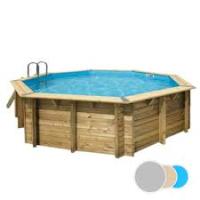
OUESSANT 580 - Swimming Pool UBBINK - Free user manual and instructions
Find the device manual for free OUESSANT 580 UBBINK in PDF.



| Product type | Above-ground pool with wooden frame |
| Model | OUESSANT 580 |
| Height | 130 cm |
| Diameter | 580 cm (OUESSANT 580 model) |
| Structure materials | Autoclave-treated wood class 4 |
| Liner material | Reinforced PVC (liner) |
| Ladder | Stainless steel ladder (removable) |
| Filtration system | Sand filter with filtration pump (class I) |
| Pump power supply | 220-240 VAC, 50 Hz, with RCD 30 mA |
| Wood structure warranty | 15 years against rot and wood-boring insects |
| Liner warranty | 2 years on watertightness and welds |
| Pump warranty | 2 years on electrical problems (normal use) |
| Filtration warranty | 2 years on tank, valve, pipes |
| Required installation | On a flat, smooth, level concrete slab (minimum thickness 10 cm) |
| Burial possibility | Yes, semi-buried or buried with HDPE waterproofing membrane and crushed gravel |
| Child safety | Constant supervision, removable ladder, recommended barrier, compliance with NF C15-100 standard |
| Water treatment | Weekly disinfectant (chlorine, bromine, active oxygen), anti-algae every 15 days, pH control (7.2-7.6) |
| Liner maintenance | Regular cleaning of the waterline, avoid solid products directly on the liner, never fully drain |
| Winterization | Do not empty, add winterizing product, remove ladder, cover with safety cover |
| Repairability | Spare parts (wood, liner, pump, filtration) available under warranty, after-sales service via point of sale |
Frequently Asked Questions - OUESSANT 580 UBBINK
User questions about OUESSANT 580 UBBINK
0 question about this device. Answer the ones you know or ask your own.
Ask a new question about this device
Download the instructions for your Swimming Pool in PDF format for free! Find your manual OUESSANT 580 - UBBINK and take your electronic device back in hand. On this page are published all the documents necessary for the use of your device. OUESSANT 580 by UBBINK.
USER MANUAL OUESSANT 580 UBBINK
natural_image
Exterior view of a wooden bathtub with a circular tank on top, situated in a grassy field with shrubs and foliage in the background (no signage or text visible)
• NOTEZ IMPERATIVEMENT CI-DESSOUS LES NUMEROS DE SERIE DE LA STRUCTURE ET DU LINER DE VOTRE PISCINE (exemple en page 8)
• STRUKTUR UND SCHWIMMBADFOLIE IHRES POOLS (Beispiel auf Seite 8)
- CONSTRUCTIE EN FOLIE VAN UW POOL(voorbeeld op blz. 8)
• STRUCTURE AND LINER OF YOUR POOL (example on page 8)
- ESTRUCTURA Y LINER DE SU PISCINA (ejemplo en la página 8)
• STRUTTURA E DEL LINER DELLA PISCINA (esempio a pag. 8)
Serial number of the structure: ....
EN: These assembly instructions are available to download in French, German, Dutch, English, Spanish and Italian on the Internet at www.outsideliving.com> Operating Instructions> Pools> Pool Installation. Here you will also find informative videos about pool construction.
Please read carefully and keep for future reference

- Maintenance and Safety Notice
FOREWORD
Wood, which is the main element used in building UBBINK ^® swimming pools, is a living substance and is liable to becoming warped if stored in adverse conditions. Make sure that you store all the wooden parts flat in a cool, well ventilated place, out of the sun and protected from bad weather.
- Whilst assembling the pool, make sure you sand down the catches on the wooden parts with a file or sandpaper in order to get rid of any potential splinters.
- Any cracks, knots and small faults on the surface of the strips do not in any way affect the wood's resistance. It certainly shouldn't be necessary to claim a replacement. Do not fill the cracks with putty or any other material.
- It is recommended that you have professional help when assembling the pool.
- The coping is a finishing element. It is strictly forbidden to run or sit on it.
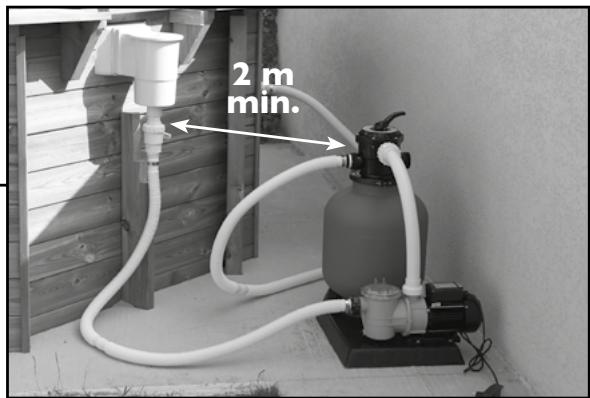
- It is essential that the filter is installed below the level of the water;
SAFETY
The safety of your children is entirely your responsibility! The risk is greatest with children under 5 years old.
Accidents do not just happen to other people! Be ready to deal with them!
be vigilant and take action:
- When using the swimming pool it is essential to comply with the safety procedures described in the handbook on maintenance and use. Failure to follow instructions regarding maintenance may endanger life, especially where children are concerned.
• children should be closely supervised at all times; - designate one person to be responsible for safety;
• have extra supervision when the pool is being used by several children;
• make sure that there is equipment to keep anyone who cannot swim afloat; - tteach your children to swim as early as possible;
- wet your neck, arms and legs before getting into the water;
- learn life-saving techniques, especially those specifically used for children;
- do not allow diving or jumping in near young children;
- do not allow running or boisterous games around the edges of the pool;
- do not allow any child who is not a strong swimmer and is unaccompanied to get into the pool without a life jacket on;
- it is a good idea to remove the outside wooden ladder each time you have finished using your pool so that there is no unsupervised access;
- do not leave any toys near or in the pool if it is not being supervised;
- keep the water crystal clear and sanitised;
- store water treatment products out of reach of children;
- do not use any sharp or pointed object in the pool (which may damage the liner);
- never put treatment products directly into the water (this may cause staining on the liner);
- It is essential that the electrical appliances must be operated with an earth leakage circuit breaker (RCD) with a rated fault current of ≤ 30 mA.
-
Do not allow anyone to go into the pool if the filtration system(s) is (are) not functioning properly.
-
All the filters conform to safety standard EN 60335-2-41 (France : NF C15-100) which stipulates that all electrical appliances installed at less than 3.5m from the pool and freely accessible must run on a very low power supply 12V. All electrical appliances that run on 220-240 VAC must be situated at least 3.5m (appliance) and 2,00m (plug) from the edge of the pool. Seek advice from the manufacturer regarding any changes to one or more elements of the filtration system.
- A Replacement of the net cable is not possible. In order to avoid any hazards, the electrical appliance must be taken out of operation in case the connecting cable gets damaged.
- Where possible check the bolts and screws (e.g. for any signs of rust).
- During the excavation phase make sure that the side walls are secured.
In your planning:
- the telephone should be positioned near the pool so that you can supervise your children whilst you are on the phone;
- an Inflatable ring and a pole should be kept near the pool;
• moreover, certain types of equipment may contribute to safety;
a) there should be a protective barrier with the gate always kept shut (e.g. a hedge cannot be regarded as a barrier); b) a manual or automatic cover should be correctly in place and secured;
c) an electronic detector which picks up anyone going in or falling in should be fitted and operating but this does not in any way replace close supervision;
If an accident occurs:
• get the child out of the water as fast as possible;
- call for help immediately and follow the advice you are given;
- remove wet clothing and wrap in warm blankets;
- memorise emergency numbers and put them on a notice near the pool :
- European emergency no: 112
- National Poisons Information Service
Leer atentamente y conservar para su consulta ulterior

- Aviso
PRÓLOGO
GARANTIES PISCINES UBBINK®
Piscine 580 - H130 cm
natural_image
Close-up of a textured surface with horizontal dark bands (no visible text or symbols)Fentes
natural_image
Close-up of a wooden surface with a small metallic object and a circular hole, no visible text or symbols.Résine
natural_image
Close-up of a wooden surface with horizontal grooves and grainy texture (no text or symbols)natural_image
A plain beige surface with a single horizontal brown line across the center (no text or symbols)natural_image
Close-up of a wooden surface with natural grain patterns and small dark inclusions (no text or symbols)Noeuds ronds
natural_image
Close-up of a wooden surface with natural grain patterns (no text or symbols)natural_image
Close-up of a wooden surface with horizontal striations and small white marks (no text or symbols visible)natural_image
Illustration of a hand using a hammer to block blocks, labeled 'PM' (no other text or symbols)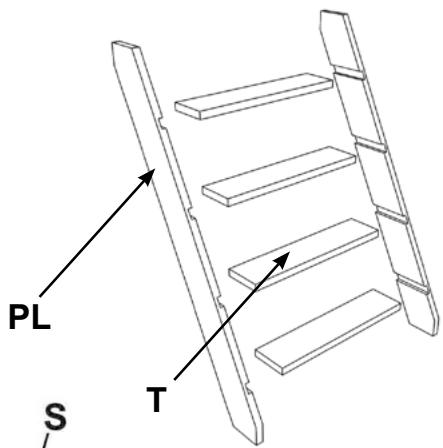
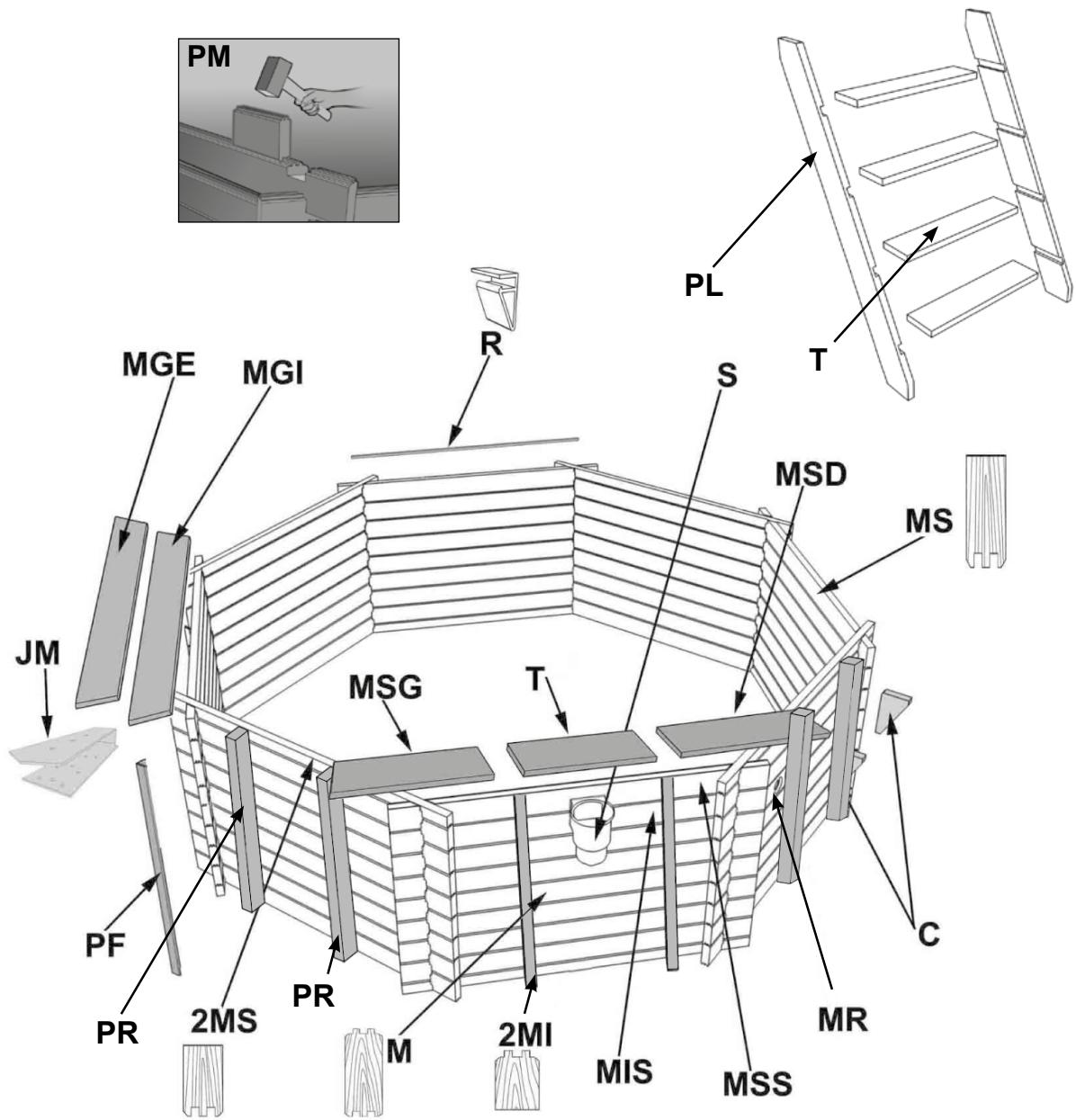
Liste des pièces :
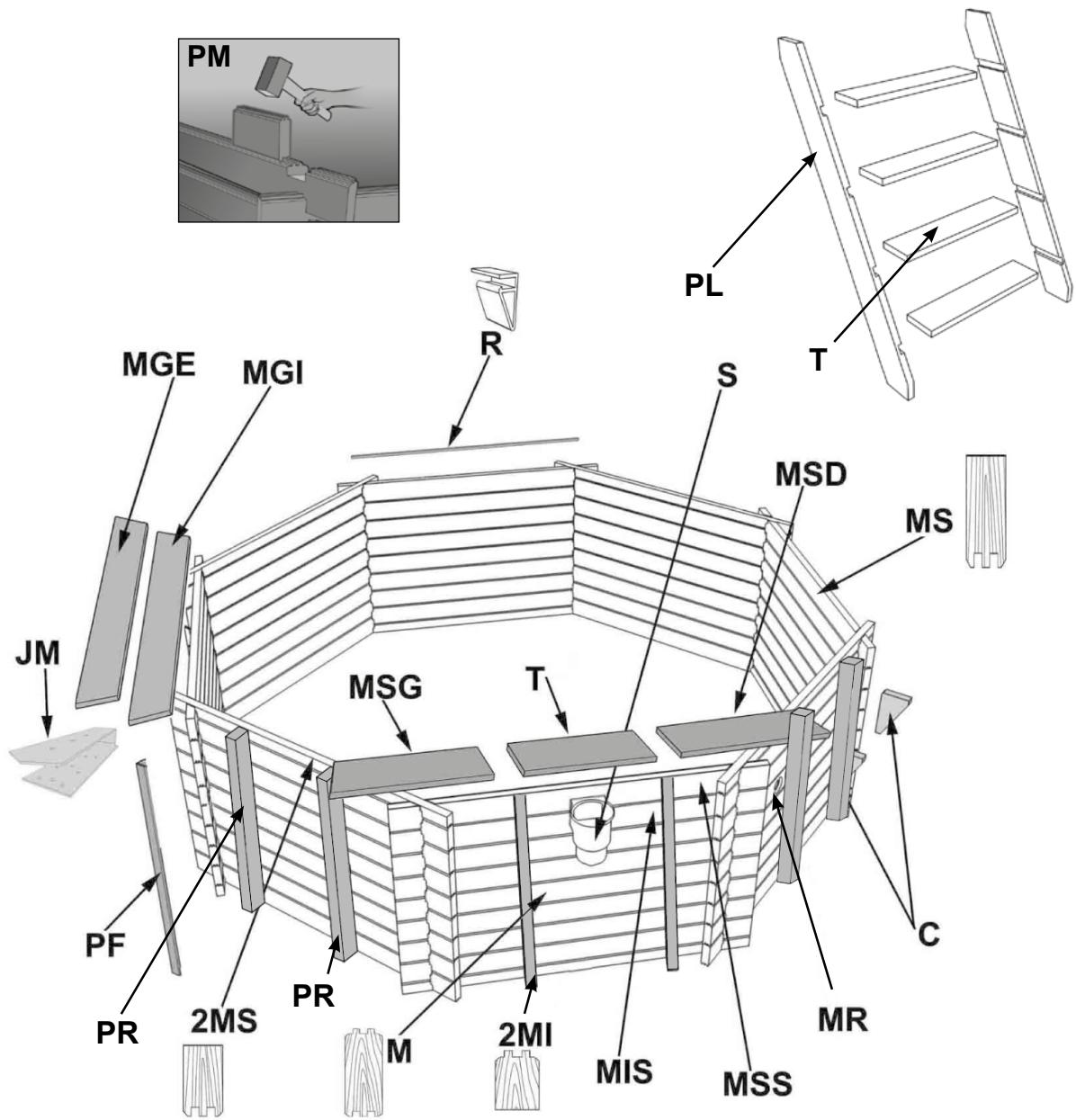
| Code | Réf. | Désignation | Qté Colis | Qté SAV |
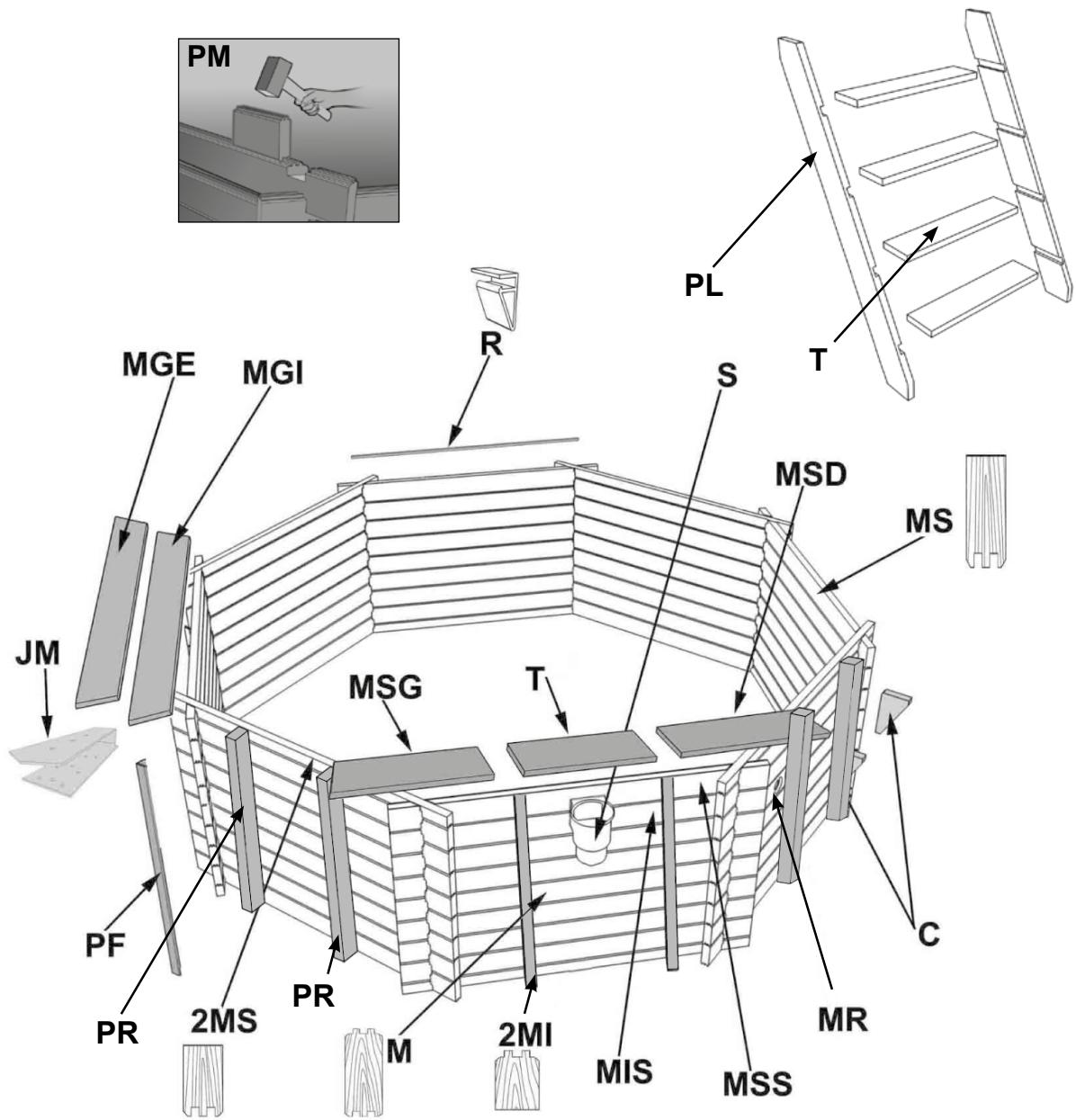
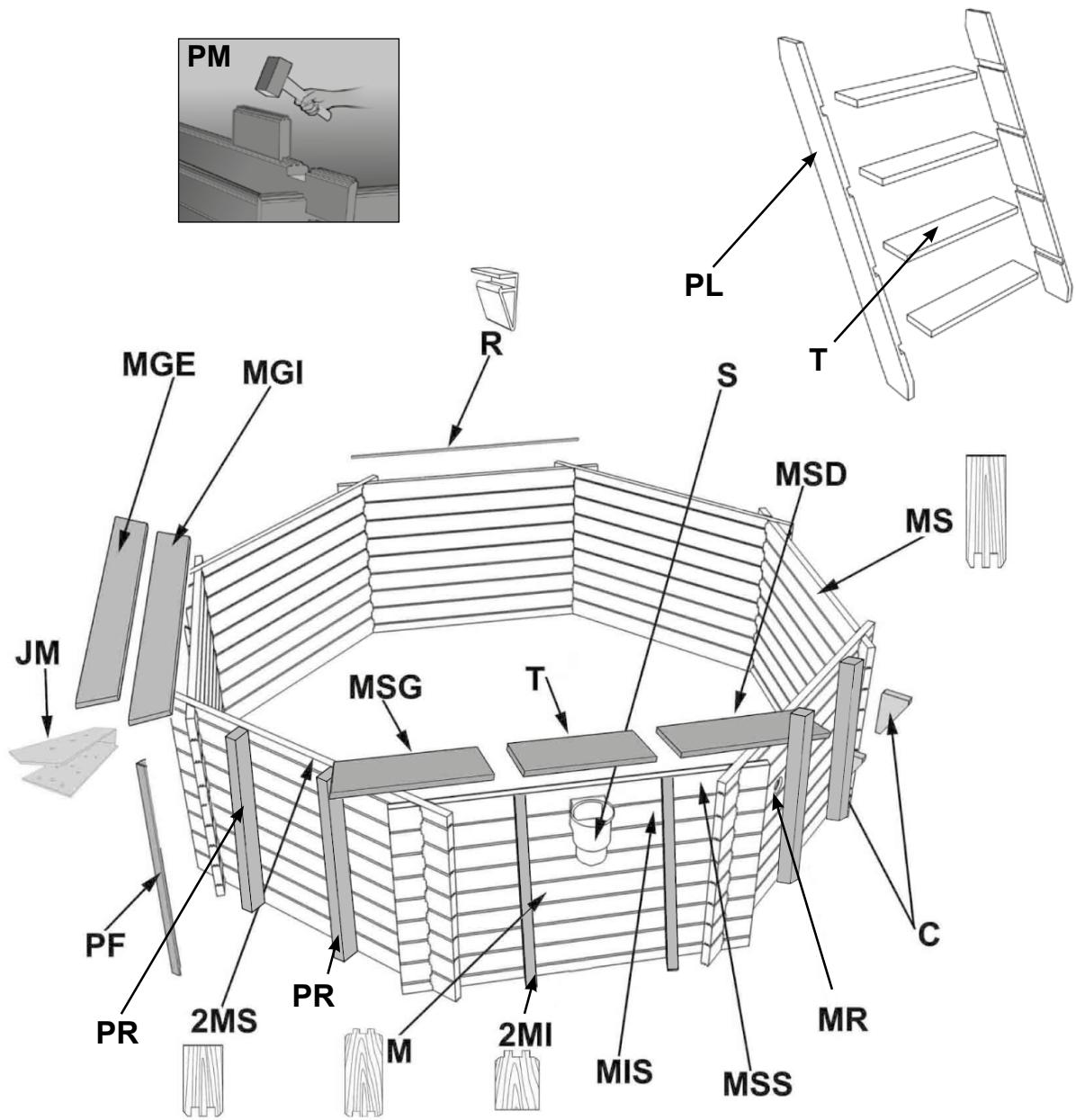
| M | 7514215 | Madrier 45 x 145 x 2380 mm | 66 | |
| MS | 7514216 | Madrier supérieur 45 x 135 x 2380 mm | 3 | |
| 2MS | 7514217 | 1/2 madrier supérieur 45 x 67 x 2380 mm | 4 | |
| 2MI | 7514218 | 1/2 madrier inférieur 45 x 77 x 2380 mm | 4 | |
| MSS | 7514219 | Madrier supérieur Skimmer 45 x 135 x 2380 mm | 1 | |
| MIS | 7514224 | Madrier inférieur Skimmer 45 x 145 x 2380 mm | 1 | |
| MR | 7504307 | Madrier Refoulement 45 x 145 x 2380 mm | 1 | |
| PR | 7514097 | Poteau 45 x 135 x 1275 mm (renfort) | 16 | |
| PM | 7514114 | Pièce martyre 45 x 135 x 280 mm | 2 | |
| PF | 7514113 | Profil en L de finition 28 x 70 x 1260 mm | 16 | |
| C | 7514048 | Console margelle 45 x 230 x 170 mm | 16 | |
| 7514049 | Butée en bois pour trappe skimmer 30 x 20 x170 mm | 2 | ||
| PL | 7100201 | Paire de limons pour échelle bois H120/130 cm | 1 | |
| T | 7514052 | Marches echelle bois/Trappe Skimmer 28 x 145 x 600 mm | 5 | |
| MSD | 7514062 | Margelle extérieure skimmer droite 28 x 145 x 826 mm | 1 | |
| MSG | 7514063 | Margelle extérieure skimmer gauche 28 x 145 x 826 mm | 1 | |
| MGI | 7100220 | Margelle intérieure 28 x 145 x 2129 mm | 8 | |
| MGE | 7100225 | Margelle extérieure 28 x 145 x 2253 mm | 7 | |
| 7514149 | Sac de sable (25 Kg) | 3 | ||
| R | 7514016 | Rails d'accrochage Hung 2.06 ml | 8 | |
| 7514750 | Echelle inox 3 marches | 1 |
| Pompe Poolmax | 1 | |||
| Filtration | 1 | |||
| Tuyau souple, 8m | 1 | |||
| S | Skimmer large | 1 | ||
| JM | Jonction aluminium anodisé | 8 | ||
| 7514818 | Feutre de protection sol 200 gr - 1x7 m | 1 | ||
| 7514822 | Feutre de protection sol 200 gr — 2x5 m | 2 | ||
| 7514028 | Feutre de protection parois 170 gr — 1.35x11.80 m | 2 |
| 7514696 | Kit quincaillerie | 1 | ||
| Code | Réf. | DÉTAIL DU KIT QUNCAILLERIE | Qté Colis | Qté SAV |
| A1 | 7514516 | Sachet consoles + renforts - Vis 6 x 90 Torx | 2 | |
| A2 | 7514606 | Sachet consoles + renforts - Vis 6 x 90 Torx | 3 | |
| B | 7514270 | Sachet caches berceaux | 1 | |
| C3 | 7514616 | Sachet rails - Hung - Vis 4 x 40 | 1 | |
| DMI | 7514553 | Sachet vissage margelles - Vis 5 x 20 Torx | 1 | |
| DMP2 | 7514618 | Sachet vis margelles - Vis 5 x 50 Torx | 1 | |
| E | 7514145 | Sachet trappe skimmer | 1 | |
| F | 7514620 | Sachet jonction margelle alu | 1 | |
| G | 7514146 | Sachet echelle bois + profile de finition | 1 | |
| 7514326 | Liner 75/100 beige 580 - H130 cm | 1 | ||
| OU | ||||
| 7514234 | Liner 75/100 bleu -580 H130 cm | 1 | ||
| OU | ||||
| 7514912 | Liner 75/100 gris -580 H130 cm | 1 | ||
Garantie UBBINK® POOL
natural_image
Close-up of a textured surface with horizontal dark bands (no visible text or symbols)natural_image
Close-up of a wooden surface with a small metallic object and a circular hole, no visible text or symbols.Spalten
natural_image
Close-up of a wooden surface with horizontal grooves and grainy texture (no text or symbols)Farbunterschiede
natural_image
A plain beige surface with a single horizontal brown line across the center (no text or symbols)lange
natural_image
Close-up of a wooden surface with visible grain patterns and texture (no text or symbols)Runde Astlöcher
natural_image
Close-up of a wooden surface with natural grain patterns (no text or symbols)natural_image
Close-up of a wooden surface with horizontal striations and small white marks (no text or symbols visible)Oberflächenschimmel
DURCH DIE GARANTIE GEDECKT
natural_image
Illustration of a hand hammering a block with a gavel, labeled 'PM' (no other text or symbols)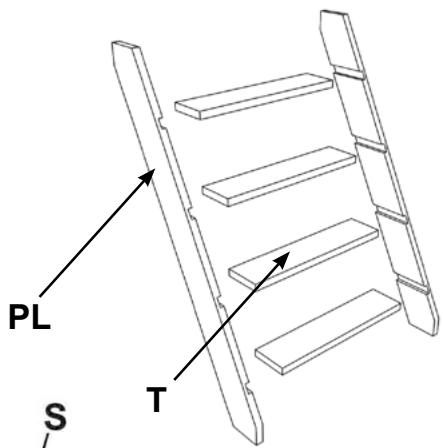
Stückliste:
natural_image
Close-up of a textured surface with horizontal dark bands (no visible text or symbols)Groeven
natural_image
Close-up of a wooden surface with a small metallic object and a hole, no visible text or symbolsHars
natural_image
Close-up of a wooden surface with horizontal grooves and grainy texture (no text or symbols)Kleurverschillen
natural_image
A plain beige surface with a single horizontal brown line across the center (no text or symbols)natural_image
Close-up of a wooden surface with natural grain patterns and no visible text or symbolsRonde kwasten
natural_image
Close-up of a wooden surface with natural grain patterns (no text or symbols)natural_image
Close-up of a wooden surface with horizontal striations and small white marks (no text or symbols visible)Oppervlakkige schimmels
After Sales service UBBINK®
Pool 580 - H130 cm
natural_image
Illustration of a hand hammering a block with a gavel, labeled 'PM' (no other text or symbols)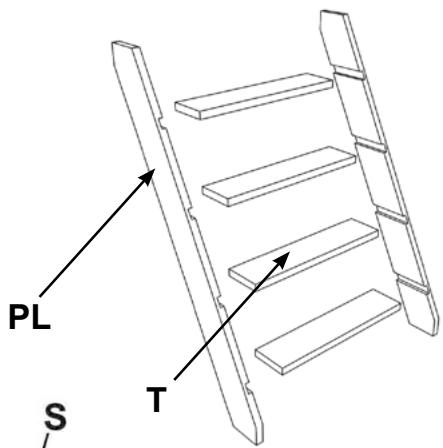
Swimming pool 580 - H130 cm
Warranty conditions:
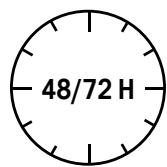
- The pool must be assembled within 48 hours after opening the package. However, if you are forced to keep your pool unpacked for an indefinite period of time before installation (e.g. after-sales service request), it is essential to keep all wooden parts flat in a dry and ventilated area, and to restrap them firmly to maintain the benefit of the warranty.
- Assembly of the pool on a flat, smooth, level concrete slab in accordance with the dimensions indicated in the instructions is mandatory for the validation of the warranty.
- Our warranty is limited to the replacement of defective parts. It does not in any way imply a claim for compensation or damage and interest.
- The general warranty does not apply in the following cases:
- Use of equipment not in accordance with our instructions.
- Damage caused by improper handling during and after assembly or any modifications made to structural components without the manufacturer's consent.
The pump:
| UNDER WARRANTY | NOT UNDER WARRANTY |
| - Electrical problem: 2 years under normal use conditions (from the date of purchase of the consumer) | - Deterioration by abrasion or corrosion (particularly in the context of water treatment by salt electrolysis)- Damage due to faulty connection or improper replacement of the cable and/or power plug- Equipment dismantled or reassembled by a third party- Breakage of parts (pump base, prefilter cover, fluted tip...) — use of the dry pump- Damage to the pump due to its immersion (flooding of the technical room for example) — damage due to freezing |
The liner:
| UNDER WARRANTY | NOT UNDER WARRANTY |
- 2-year warranty: Sealing and holding of welds under normal use conditions (from the date of purchase by the consumer)Example of warranty coverage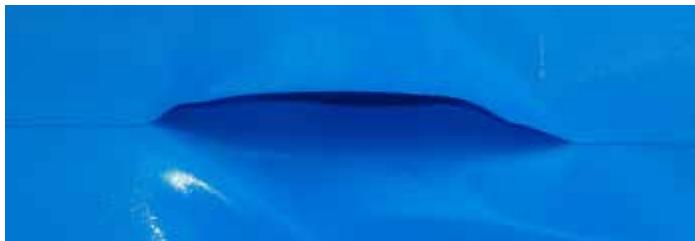 | - Deformations of the liner that has been without water for more than 24 hours (never completely drain your pool) — tasks related to algae growth- Tasks related to the decomposition of foreign bodies in contact with the liner- Stains and discolourations resulting from the action of oxidising products- Colour stability and wear due to friction of the material on various surfaces- Liner tears below the hung rail resulting from liner movement or poor water line maintenance- Holes, snags, tears or cuts- Tasks resulting from overdosing or improper handling of treatment products (poured directly into the water)- Folds or damage resulting from improper installation of the liner |
Filtration:
| UNDER WARRANTY | NOT UNDER WARRANTY |
| - 2-year warranty on: tank, drain plug, collar, multi-way valve, pump-filter connection pipe (from the date of purchase of the consumer) | - Leakage problems due to operating pressure exceeding the maximum permissible pressure (see filter instructions)- If sand with grain size less than 0.6 mm is used- Damage or inconvenience resulting from improper assembly or failure to comply with our assembly instructions- frost damage |
Wood is a material that remains natural.
Wood is a natural material; it can have imperfections. A number of them are normal and superficial. They are excluded from the warranty because they do not affect the strength and durability of your pool.
natural_image
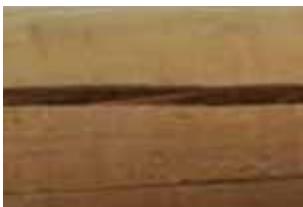
Close-up of a textured surface with horizontal dark bands (no visible text or symbols)Cracks
natural_image
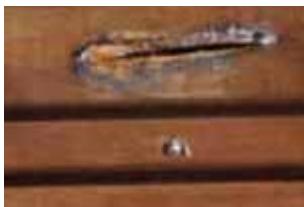
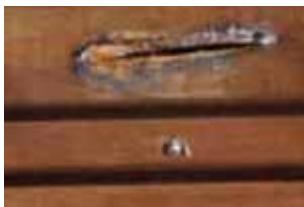
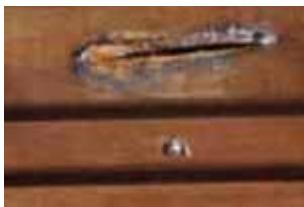
Close-up of a wooden surface with a small metallic object and a circular hole, no visible text or symbols.Resin
natural_image
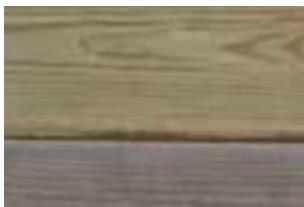
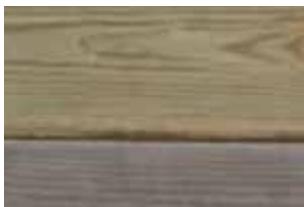
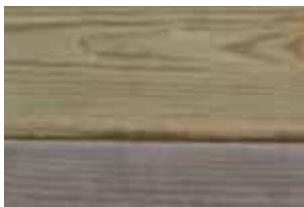
Close-up of a wooden surface with horizontal grooves and grainy texture (no text or symbols)Shade differences
natural_image
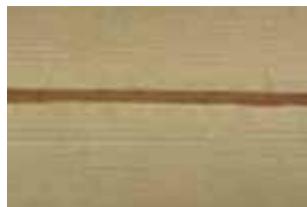
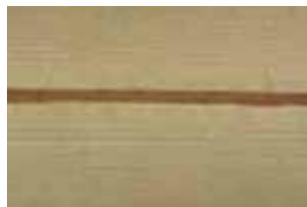
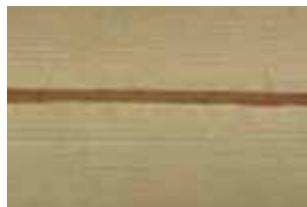
A plain beige surface with a single horizontal brown line across the center (no text or symbols)Longitudinal ribs and knots
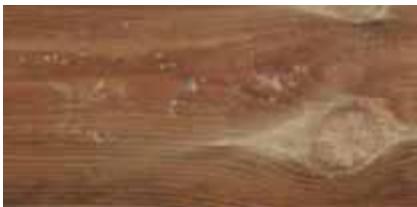
natural_image
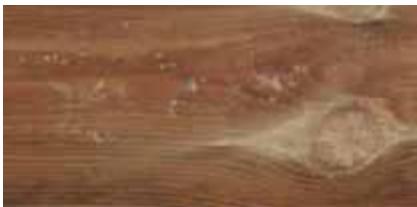
Close-up of a wooden surface with visible grain patterns and knots (no text or symbols)Round knots
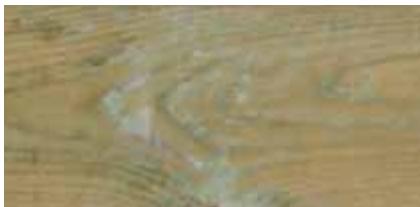
natural_image
Close-up of a wooden surface with natural grain patterns (no text or symbols)Retention of oven products
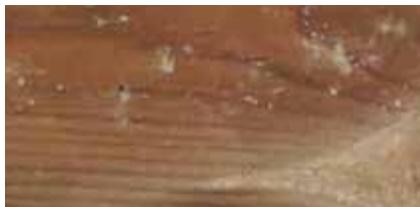
natural_image
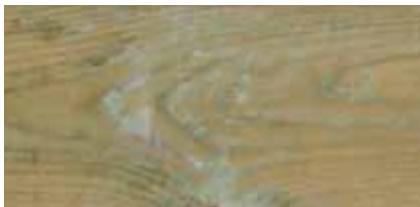
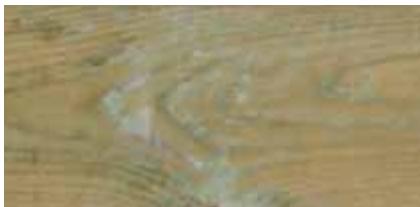
Close-up of a wooden surface with horizontal striations and small white marks (no text or symbols visible)Surface mould
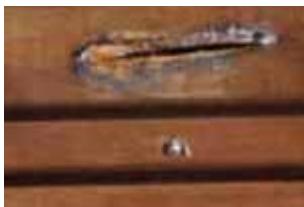
Cracks, splits and tears
Wood is subject to dimensional variations depending on humidity and temperature. When it dries, it retracts irregularly, causing cracks to appear. These can be impressive, but they do not affect the mechanical characteristics and strength of the product.
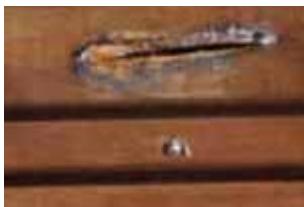
Resin upwelling
During the autoclave treatment of resinous species, the alternation of vacuum and pressure can lead to sticky resin residues on the surface of the wood. To remove them, simply scratch them gently with a suitable tool.
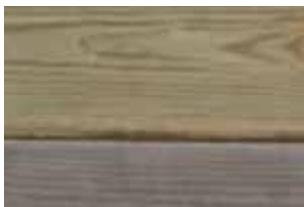
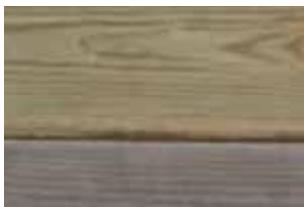
Colour differences
All wood species have variations in colour. Exposure of wood to UV rays will significantly attenuate them.
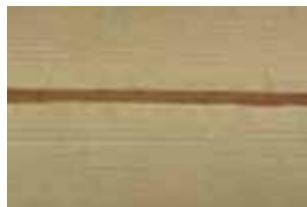
Presence of knots
The knots correspond to the trace of the branches of the tree. Our woods are selected to limit the quantity and size as much as possible.
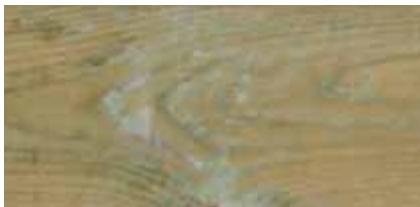
Retention of oven products
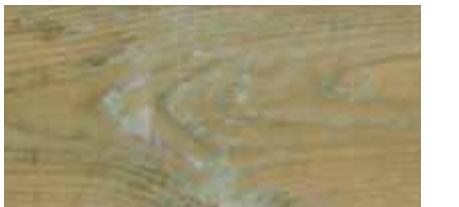
Autoclave treated wood often shows greenish or whitish traces on the surface that disappear over time.
Surface mould
Woods are prone to mould caused by microscopic fungi. This surface phenomenon, reinforced by heat, humidity and lack of ventilation, is characterised by spots ranging from light blue to black blue. A simple wiping or exposure of the wood to the outside makes it easy to remove them. It should be remembered that treated woods in class 4 are of course protected against fungal attack.
Additional processing
No additional treatment or application of a wood preservative for your Ubbink® pool is required. When exposed to UV rays, the wood will turn grey over time without affecting its durability. However, you can apply a microporous stain compatible with the autoclave treatment to preserve its original colour if you wish.
Storage and assembly of your pool
If you do not wish to install your pool immediately, it is necessary to store your package properly, without unpacking it, in a cool and well-ventilated place, or failing that, protected from the elements and the sun. If, however, you are forced to unpack your pool, it would be imperative to recondition the package, flat beams, and restrap it firmly. Once unpacked, the structure must be assembled within 48/72 hours.
UNDER WARRANTY
| - 15-year warranty against rot and attack by wood-boring insects (from the date of purchase by the consumer) when installed on a smooth, level concrete slab | - Changes in wood colour due to climatic effects- Natural deformations (cracks, splits, and knots that do not affect the mechanical resistance of the wood in any way)- Imperfections that do not affect the solidity of the structure: resin build-up, difference in colour of the beams, retention of proofer products giving the wood a greenish appearance and grey/black surface mould resulting from a lack of ventilation of the packaged structure- Assembly or storage defects resulting in deformation of the wall slats (assembly carried out long after opening the package without restraining)- Deformation of the beams caused by water pressure, which does not alter the mechanical resistance of the pool in any way- Deformation of the structure resulting from non-compliant slab assembly- Deterioration of the structure resulting from semi-underground or non-compliant underground installation (waterproofing sheet and gravel backfill mandatory)- Structural degradation resulting from treatment of the wood with aquaphobic products that do not allow the wood to breathe: tar, varnish, glaze....- Breaks or missing tabs of less than 30 cm that do not affect the mechanical resistance of the pool- Slight deformations that do not prevent the interlocking of the beams |
UBBINK® After-Sales Service
Swimming pool 580 - H130 cm
IMPORTANT: After-sales service will only be processed with points of sale.
- Mandatory parts to apply the warranty:
√ Checkout ticket/proof of purchase
√ Photo of the damaged part or problem encountered
√ Warranty form below duly completed
√ Serial number
Example of a structural problem:
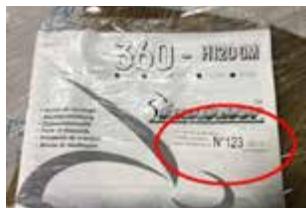
No. appearing on notice
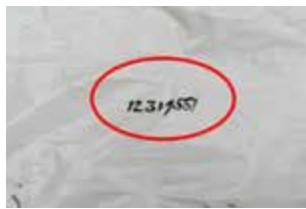
No. appearing on white tarpaulin
Example of a liner problem:
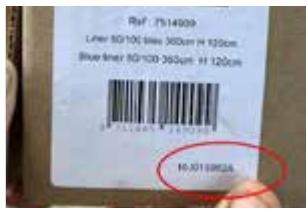
No. appearing on packaging board
| Store: | Client: |
| City: | Address: |
| Contact: | City: |
| Direct phone: | Tel: |
natural_image
Illustration of a hand hammering a block labeled 'PM' (no other text or symbols)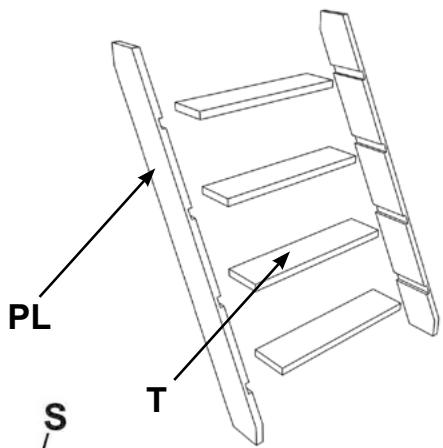
Parts list:
| Code | Ref. | Designation | Service Qty | SAV Qty |
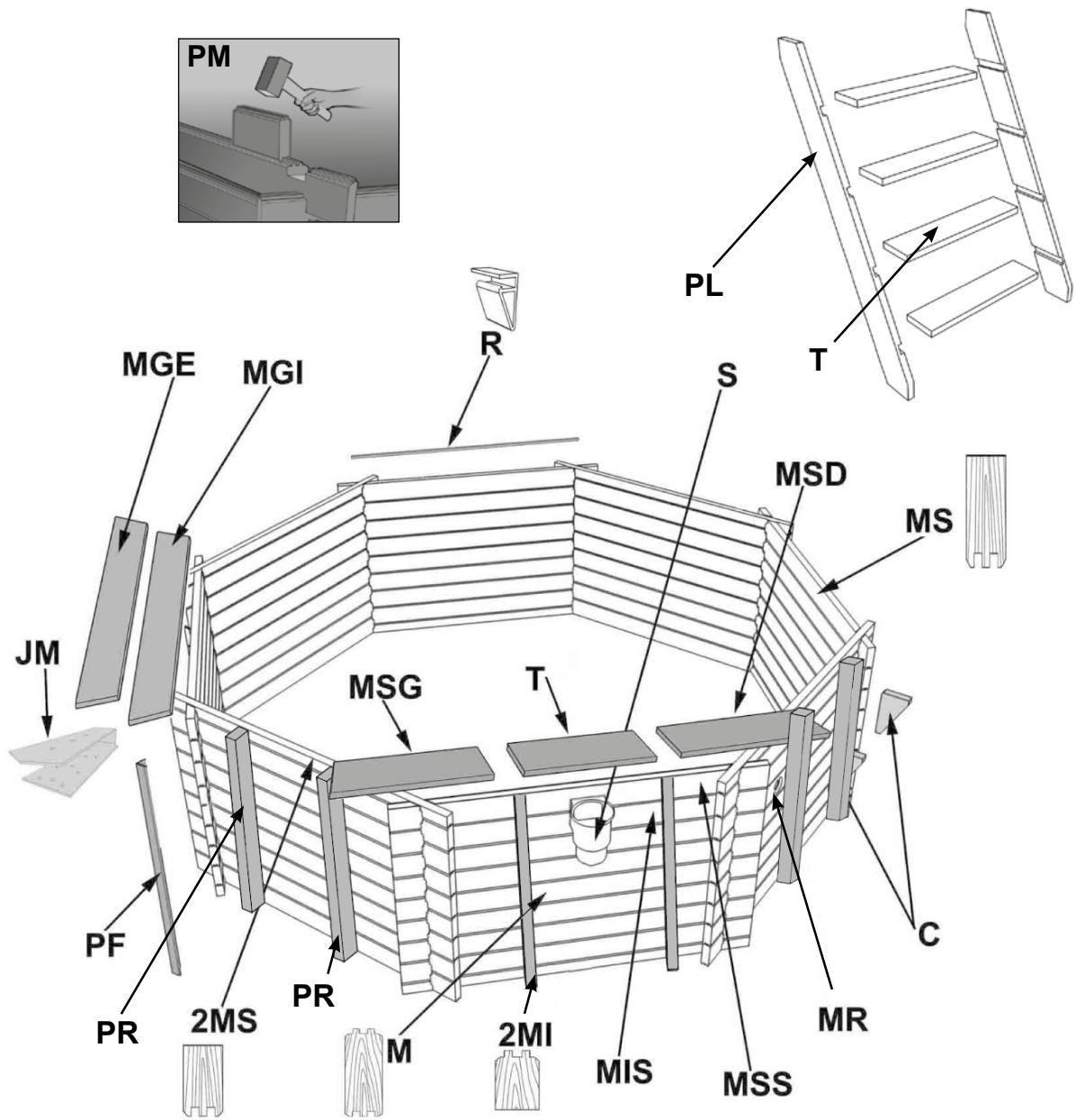
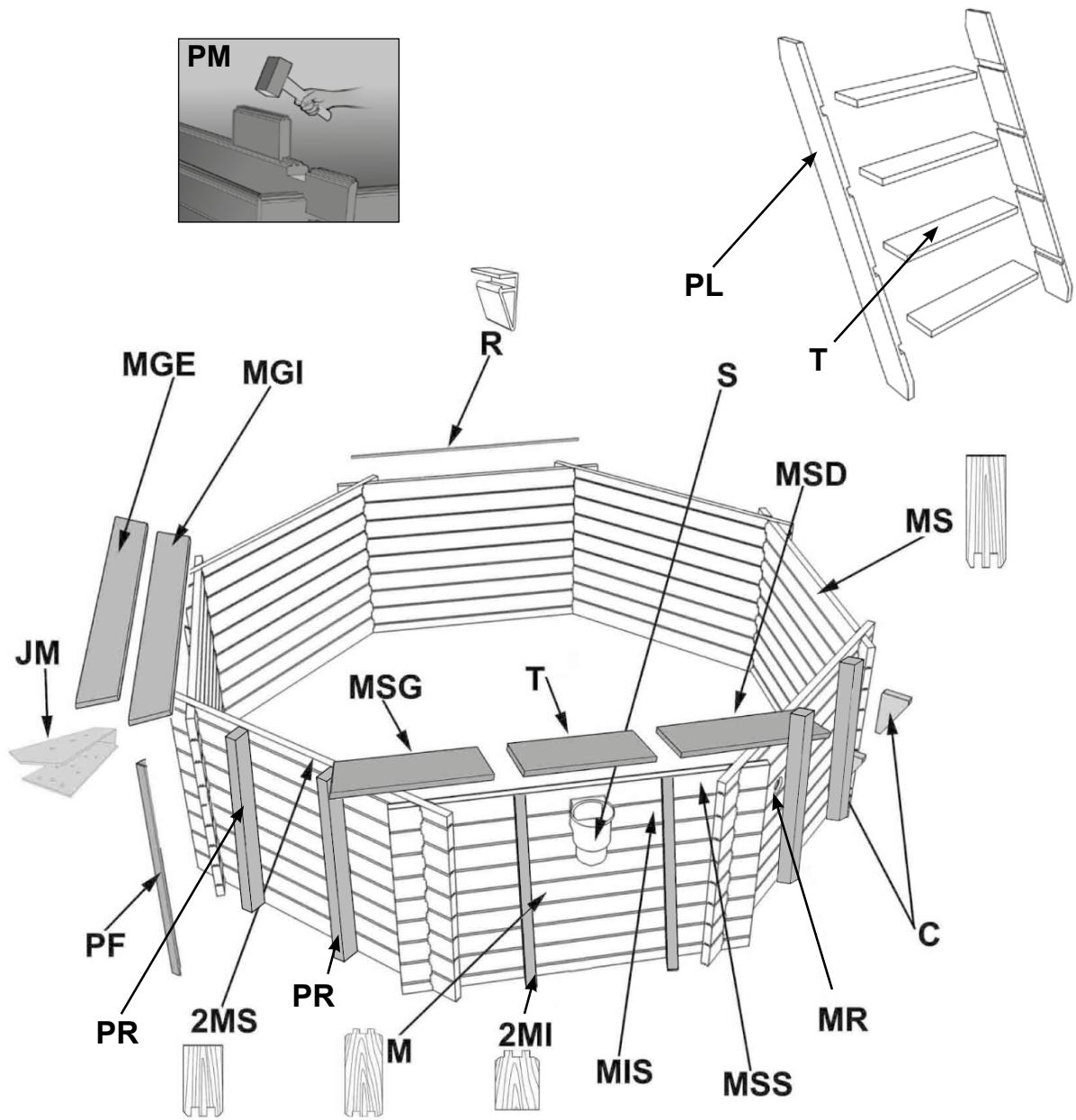
| M | 7514215 | Beam 45 x 145 x 2380 mm | 66 | |
| MS | 7514216 | Upper beam 45 x 135 x 2380 mm | 3 | |
| 2MS | 7514217 | 1/2 Upper beam 45 x 67 x 2380 mm | 4 | |
| 2MI | 7514218 | 1/2 Lower beam 45 x 77 x 2380 mm | 4 | |
| MSS | 7514219 | Upper skimmer beam 45 x 135 x 2380 mm | 1 | |
| MIS | 7514224 | Lower skimmer beam 45 x 145 x 2380 mm | 1 | |
| MR | 7504307 | Beam discharge 45 x 145 x 2380 mm | 1 | |
| PR | 7514097 | Post 45 x 135 x 1275 mm (reinforcement) | 16 | |
| PM | 7514114 | Martyr piece 45 x 135 x 280 mm | 2 | |
| PF | 7514113 | L-shaped finishing profile 28 x 70 x 1260 mm | 16 | |
| C | 7514048 | Edge bracket 45 x 230 x 170 x 170 mm | 16 | |
| 7514049 | Wooden stop for skimmer flap 30 x 20 x170 mm | 2 | ||
| PL | 7100201 | Pair of rungs for wooden ladder H120/130 cm | 1 | |
| T | 7514052 | Wooden ladder steps/skimmer flap 28 x 145 x 600 mm | 5 | |
| MSD | 7514062 | Outer skimmer coping stone right 28 x 145 x 826 mm | 1 | |
| MSG | 7514063 | Outer skimmer coping stone left 28 x 145 x 826 mm | 1 | |
| MGI | 7100220 | Inner edge 28 x 145 x 2129 mm | 8 | |
| MGE | 7100225 | Outer edge 28 x 145 x 2253 mm | 7 | |
| 7514149 | Sand bag (25 kg) | 3 | ||
| R | 7514016 | Hung hanging rails 2.06 ml | 8 | |
| 7514750 | Stainless steel ladder 3 steps | 1 |
| Poolmax 1 pump | 1 | |||
| Filtration | 1 | |||
| Flexible hose, 8m | 1 | |||
| S | Skimmer wide | 1 | ||
| JM | Anodised aluminium junction | 8 | ||
| 7514818 | Floor protection felt 200 gr – 1x7 m | 1 | ||
| 7514822 | Floor protection felt 200 gr – 2x5 m | 2 | ||
| 7514028 | Protective felt walls 170 gr – 1.35x11.80 m | 2 |
| 7514696 | Hardware kit | 1 | ||
| Code | Réf. | DETAIL OF THE KIT QUNCAILLERIE | Service Qty | SAV Qty |
| A1 | 7514516 | Bracket bag + reinforcements – 6 x 90 Torx 2 screws | 2 | |
| A2 | 7514606 | Bracket bag + reinforcements – 6 x 90 Torx 3 screws | 3 | |
| B | 7514270 | Cradle cover bag | 1 | |
| C3 | 7514616 | Rail bag – hung – 4 x 40 1 screws | 1 | |
| DMI | 7514553 | Screw bag with coping screws – 5 x 20 Torx 1 screws | 1 | |
| DMP2 | 7514618 | Bag of coping stone screws – 5 x 50 Torx 1 screws | 1 | |
| E | 7514145 | Skimmer flap bag | 1 | |
| F | 7514620 | Bag for coping stone junction aluminium | 1 | |
| G | 7514146 | Wooden ladder bag + finishing profile | 1 | |
| 7514326 | Liner 75/100 beige -580 H130 cm | 1 | ||
| or | ||||
| 7514234 | Liner 75/100 blue -580 H130 cm | 1 | ||
| or | ||||
| 7514912 | Liner 75/100 grey -580 H130 cm | 1 | ||
GARANTÍA DE LAS PISCINAS UBBINK®
Piscina 580 - A130 cm
natural_image
Close-up of a textured surface with horizontal dark bands (no visible text or symbols)Ranuras
natural_image
Close-up of a wooden surface with a small metallic object and a circular hole, no visible text or symbols.Resina
natural_image
Close-up of a wooden surface with horizontal grooves and grainy texture (no text or symbols)natural_image
A plain beige surface with a single horizontal brown line across the center (no text or symbols)natural_image
Close-up of a wooden surface with visible grain patterns and texture (no text or symbols)Nudos redondos
natural_image
Close-up of a wooden surface with natural grain patterns (no text or symbols)natural_image
Close-up of a wooden surface with horizontal striations and small white marks (no text or symbols visible)natural_image
Illustration of a hand using a hammer to block blocks, labeled 'PM' (no other text or symbols)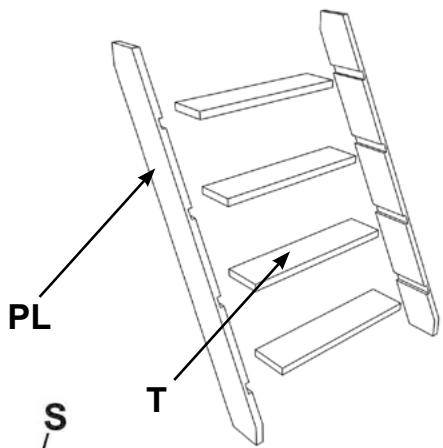
Lista de piezas:
| Código | Ref. | Designación | Cantidad de paquetes | Cantidad servicio posventa |
| M | 7514215 | Madero 45 x 145 x 2380 mm | 66 | |
| MS | 7514216 | Madero superior 45 x 135 x 2380 mm | 3 | |
| 2MS | 7514217 | 1/2 madero superior 45 x 67 x 2380 mm | 4 | |
| 2MI | 7514218 | 1/2 madero inferior 45 x 77 x 2380 mm | 4 | |
| MSS | 7514219 | Madero superior del skimmer 45 x 135 x 2380 mm | 1 | |
| MIS | 7514224 | Madero inferior del skimmer 45 x 145 x 2380 mm | 1 | |
| MR | 7504307 | Madero de descarga 45 x 145 x 2380 mm | 1 | |
| PR | 7514097 | Poste 45 x 135 x 1275 mm (refuerzo) | 16 | |
| PM | 7514114 | Pieza de descarte 45 x 135 x 280 mm | 2 | |
| PF | 7514113 | Perfil en L de acabado 28 x 70 x 1260 mm | 16 | |
| C | 7514048 | Consola del borde 45 x 230 x 170 mm | 16 | |
| 7514049 | Tope de madera para trampilla del skimmer 30 x 20 x170 mm | 2 | ||
| PL | 7100201 | Par de zancas para escalera de madera A 120/130 cm | 1 | |
| T | 7514052 | Peldaños de la escalera de madera/Trampilla del skimmer 28 x 145 x 600 mm | 5 | |
| MSD | 7514062 | Borde exterior del skimmer derecho 28 x 145 x 826 mm | 1 | |
| MSG | 7514063 | Borde exterior del skimmer izquierdo 28 x 145 x 826 mm | 1 | |
| MGI | 7100220 | Borde interior 28 x 145 x 2129 mm | 8 | |
| MGE | 7100225 | Borde exterior 28 x 145 x 2253 mm | 7 | |
| 7514149 | Bolsa de arena (25 Kg) | 3 | ||
| R | 7514016 | Raíles de enganche Hung 2,06 ml | 8 | |
| 7514750 | Escalera de acero inoxidable 3 peldaños | 1 |
natural_image
Close-up of a textured surface with horizontal dark bands (no visible text or symbols)Fessurazioni
natural_image
Close-up of a wooden surface with a small metallic object and a circular hole, no visible text or symbols.Resina
natural_image
Close-up of a wooden surface with horizontal grooves and grainy texture (no text or symbols)Discromie
natural_image
A plain beige surface with a single horizontal brown line across the center (no text or symbols)natural_image
Close-up of a wooden surface with natural grain patterns and small dark inclusions (no text or symbols)Nodi rotondi
natural_image
Close-up of a wooden surface with natural grain patterns (no text or symbols)natural_image
Close-up of a wooden surface with horizontal striations and small white marks (no text or symbols visible)Muffe superficiali
natural_image
Illustration of a hand hammering a block with a gavel, labeled 'PM' (no other text or symbols)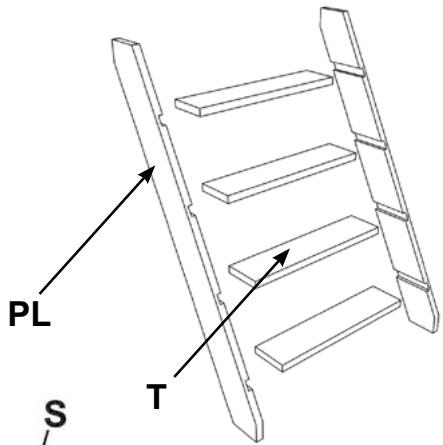
Elenco dei pezzi:
| Codice | Ref. | Designación | Qità conf. | Qità SPV |
| M | 7514215 | Asse 45x145x2380 mm | 66 | |
| MS | 7514216 | Asse superiore 45x135x2380 mm | 3 | |
| 2MS | 7514217 | Semiasse superiore 45x67x2380 mm | 4 | |
| 2MI | 7514218 | Semiasse inferiore 45x77x2380 mm | 4 | |
| MSS | 7514219 | Asse superiore skimmer 45x135x2380 mm | 1 | |
| MIS | 7514224 | Asse inferiore skimmer 45x145x2380 mm | 1 | |
| MR | 7504307 | Asse con foro di mandata 45x145x2380 mm | 1 | |
| PR | 7514097 | Palo 45x135x1275 mm (rinforzo) | 16 | |
| PM | 7514114 | Pezzo martire 45x135x280 mm | 2 | |
| PF | 7514113 | Profilo di finitura a L 28x70x1260 mm | 16 | |
| C | 7514048 | Mensola bordo 45x230x170 mm | 16 | |
| 7514049 | Arresto in legno per bocca skimmer 30x20x170 mm | 2 | ||
| PL | 7100201 | Coppia di montanti per scala in legno H120/130 cm | 1 | |
| T | 7514052 | Gradino per scala in legno/bocca skimmer 28x145x600 mm | 5 | |
| MSD | 7514062 | Bordo esterno destro skimmer 28x145x826 mm | 1 | |
| MSG | 7514063 | Bordo esterno sinistro skimmer 28x145x826 mm | 1 | |
| MGI | 7100220 | Bordo interno 28x145x2129 mm | 8 | |
| MGE | 7100225 | Bordo esterno 28x145x2253 mm | 7 | |
| 7514149 | Sacco di sabbia (25 Kg) | 3 | ||
| R | 7514016 | Guide di agganciamento Hung 2,06 ml | 8 | |
| 7514750 | Scala in acciaio inox a 3 gradini | 1 |
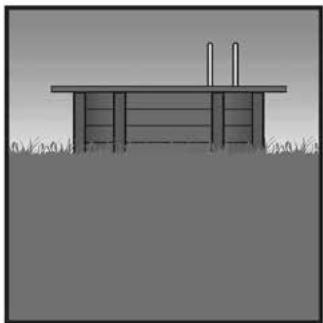
natural_image
Architectural diagram of a two-story building with vertical slats and two vertical posts, set against a grassy background (no text or symbols)- Installation hors-sol (sur dalle béton)
• Montage auf Grund (auf Betonbodenplatte) - Bovengrondse installatie (op betonnen bodemplaat)
- Out-of-ground installation (on concrete slab)
- Instalación sobre suelo (en hormigón)
- Installazione fuori terra (su lastra in cemente)
natural_image
Simple line drawing of a wooden structure with vertical supports and grass at the base (no text or symbols)- Installation semi-enterrée (sur dalle béton)
ATTENTION : Dispositif de sécurité obligatoire (bâche, alarme, barrière...) - Halb versenktes Schwimmbad (auf Betonbodenplatte)
ACHTUNG: Obligatorische Sicherheitsvorrichtung (Plane, Alarm, Absperrung, ...) - Halfingebouwde installatie (op betonnen bodemplaat)
LET OP: veiligheidsvoorziening verplicht (afdekzeil, alarm, hek...)
• Half-buried installation (on concrete slab)
NOTE: Compulsory safety equipment (tarpaulin, alarm, barrier...) - Instalación semienterrada (en hormigón)
ATENCIÓN: Dispositivo de seguridad obligatorio (toldo, alarma, barrera...) - Installazione semi-interrata (su lastra in cemente)
natural_image
Simple line drawing of a flatbed structure with two vertical posts on top, set against a grassy background (no text or symbols)- Installation enterrée (sur dalle béton)
ATTENTION : Dispositif de sécurité obligatoire (bâche, alarme, barrière...) - Eingebautes Schwimmbad (auf Betonbodenplatte)
ACHTUNG: Obligatorische Sicherheitsvorrichtung (Plane, Alarm, Absperrung, ...) - Ingebouwde installatie (op betonnen bodemplaat)
LET OP: veiligheidsvoorziening verplicht (afdekzeil, alarm, hek...) - In-ground installation (on concrete slab)
NOTE: Compulsory safety equipment (tarpaulin, alarm, barrier...) - Instalación enterrada (en hormigón)
ATENCIÓN: Dispositivo de seguridad obligatorio (toldo, alarma, barrera...) - Installazione interrata (su lastra in cemente)
natural_image
3D rendering of a small rectangular enclosure with a tiled roof and mesh structure, placed on grassy ground (no text or symbols visible)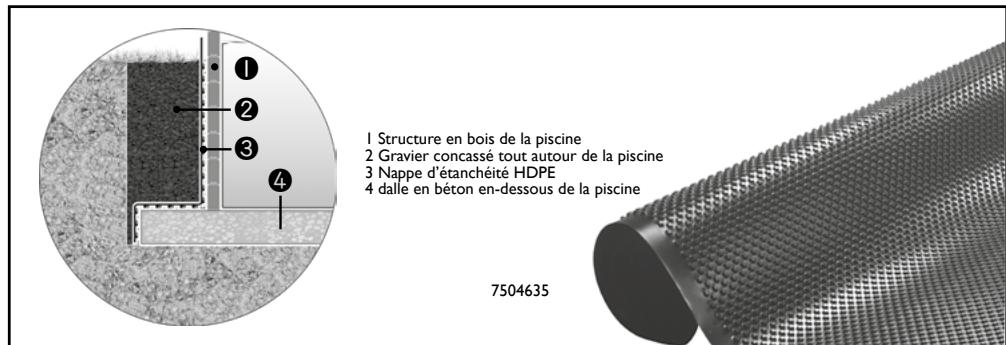
natural_image
3D rendering of a small rectangular enclosure with a tiled roof and mesh structure, placed on grassy ground (no text or symbols visible)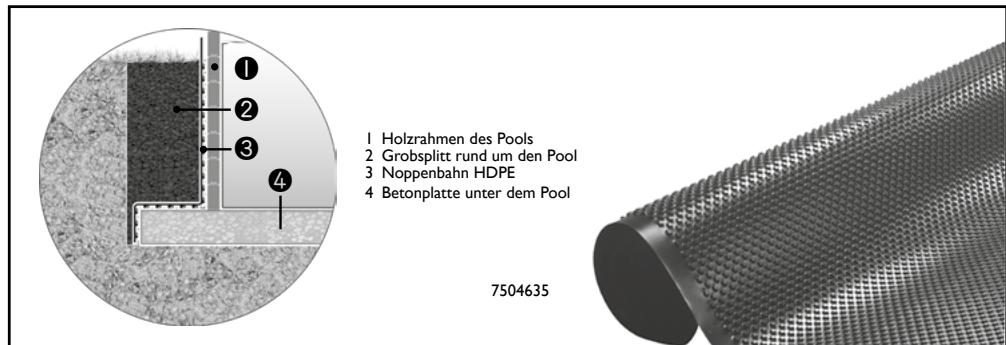
natural_image
3D rendering of a small rectangular enclosure with a tiled roof and mesh structure, placed on grassy ground (no text or symbols visible)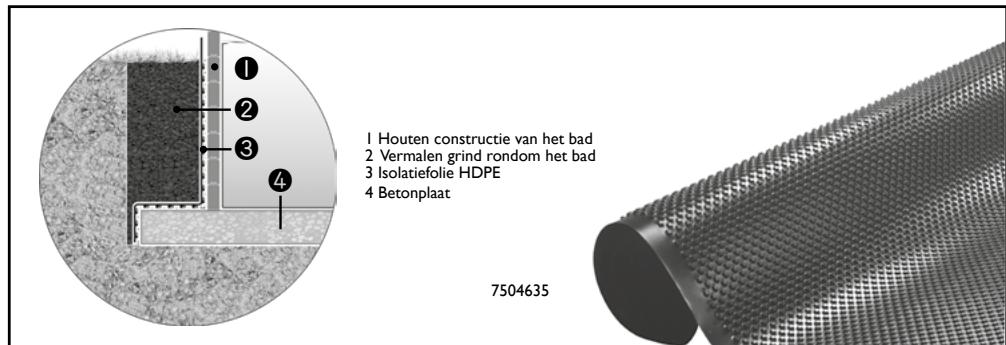
• Key points on the partially sunk swimming pool or on the inground installation
Before you begin to assemble the pool, make sure that you have all the necessary parts.
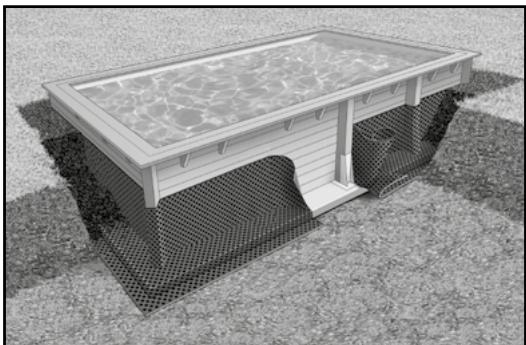
IMPORTANT: If you choose to partially sink your swimming pool, make sure that you embed the pump and the filtration unit at the same level as the pool in an enclosed, waterproof place. To ensure that the filtration unit works efficiently, it must always be positioned below the level of the water.
CAUTION: In the case of a partially sunk swimming pool, before you put any water into the pool, you must have a safety system in place for the prevention of drowning, which complies with your national safety standards

During the excavation phase make sure that the side walls are secured.
natural_image
3D rendering of a small rectangular enclosure with a tiled roof and mesh structure, placed on grassy ground (no text or symbols visible)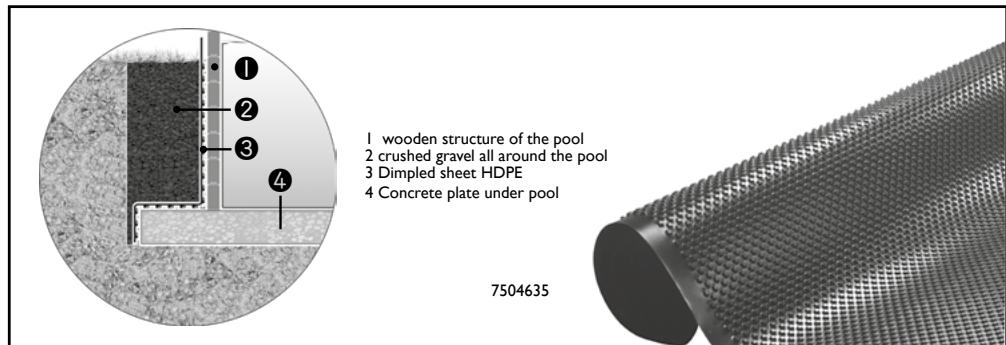
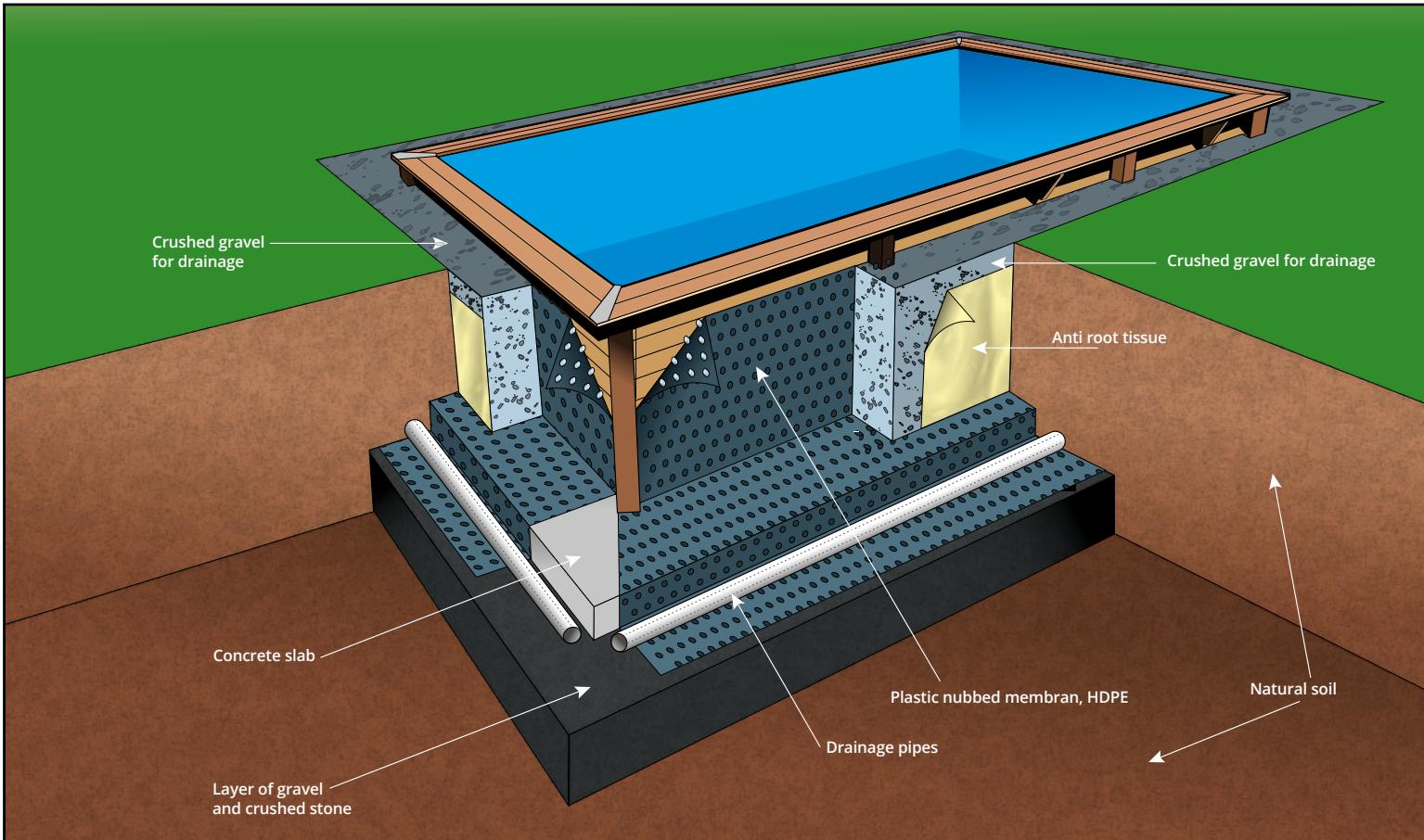
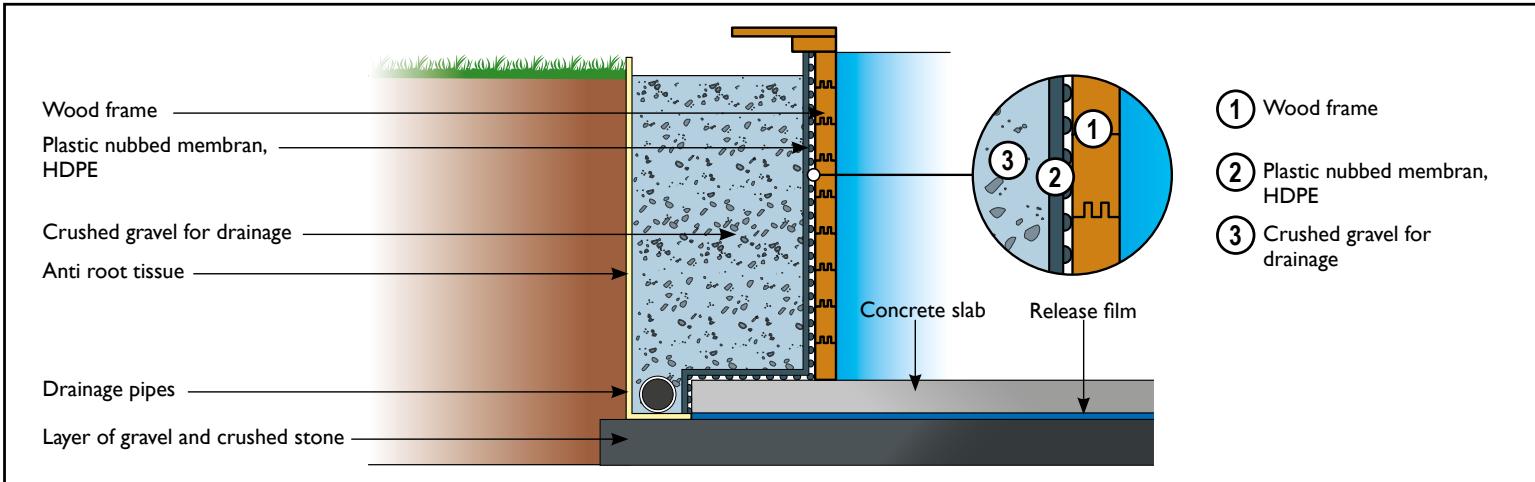
• Install the waterproofing sheet (not provided) on the outer sides of the pool to drain off rainwater. The height of the liner must correspond to the level of the bank of gravel.
- The dimpled side is to be placed against the pool structure, leaving an air gap between the wet slope and the pool walls. The dimpled structure provides for a convenient distribution of the slope pressure, und at the same time for a low point load (compresive strength: 250kN / m^2 )
- Fill the pool with water before backfilling the circumference with gravel. Fill the circumference of the pool with gravel. Be careful not to destort the structure when backfilling.
natural_image
3D rendering of a small rectangular enclosure with a tiled roof and mesh structure, placed on grassy ground (no text or symbols visible)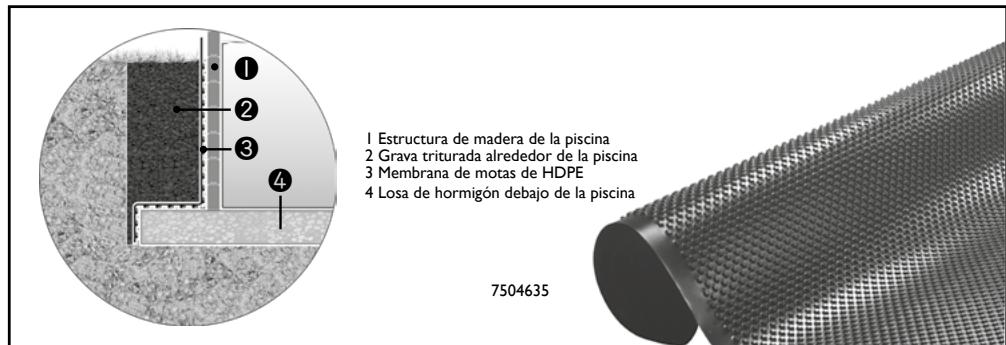
natural_image
3D rendering of a small rectangular enclosure with a tiled roof and mesh structure, placed on grassy ground (no text or symbols visible)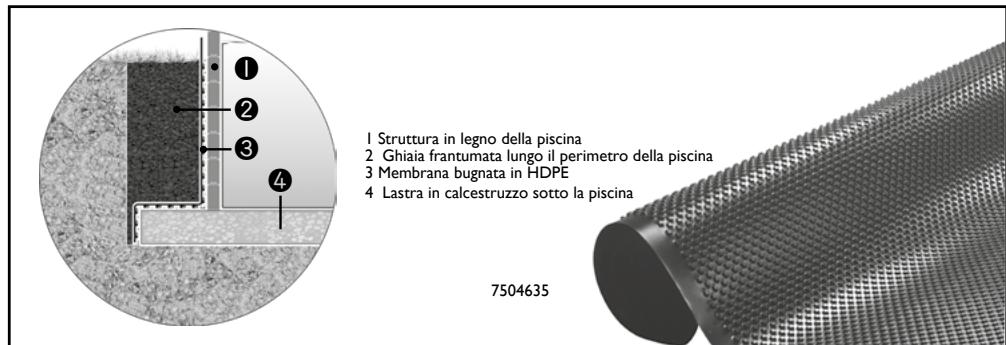
natural_image
Collection of various hand tools including hammers, pliers, screwdriver, and cutting tool (no text or labels visible)
• Hors mise en eau et dalle béton
• Ohne Wasserbefüllung und Bodenplatte
- Aanleg betonnen fundering en vullen niet inbegrepen
- Excluding filling with water and installation of concrete slab
- Fuera de puesta en agua y base de hormigón
- Escluso immersione in acqua e lastra in cemento
natural_image
3D rendering of a rectangular mechanical component with flanges and mounting holes (no text or symbols)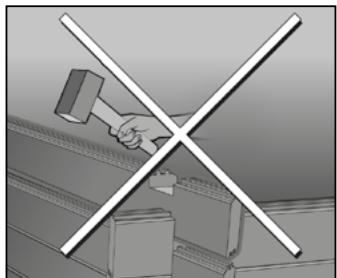
natural_image
Illustration of a hand using a hammer to cut a cross over a wall, with no text or symbols present.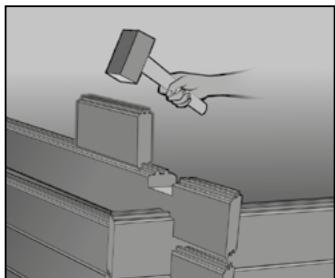
natural_image
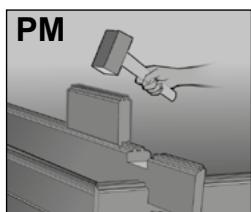
Illustration of a hand hammering a wooden structure with blocks (no text or symbols)- Vous trouverez dans votre colis une pièce de bois de longueur 30cm environ à utiliser en intermédiaire entre la masse et les madriers de votre piscine. Celle-ci permet d'éviter l'écrasement des rainures du bois, c'est pourquoi on l'appelle "pièce martyre".
- Sie finden in Ihrem Frachtstück ein Stück Holz von etwa 30 cm Länge, das zwischen Hammer und den Bohlen Ihres Beckens zu setzen ist. Es ermöglicht Beschädigungen der Nuten des Holzes zu vermeiden, deshalb wird es „Schlagklotz“ genannt.
-
In het geleverde pakket zult u een houten hulpstuk vinden ongeveer 30cm lengte dat op de planken van het bad geplaatst moet worden zodra u er met de moker op gaat slaan. Zo wordt voorkomen dat de groeven van het hout beschadigd raken.
-
In your package, you will find a piece of wood approximately 30cm in length for using as a protective wedge between the hammer and the planks of your swimming pool. This enables you to avoid crushing the grooves in the wood, which is why it is called a “sacrifice piece”.
- En su paquete encontrará una pieza de madera de aproximadamente 30 cm de longitud para utilizar como intermediario entre la masa y las tablas de la piscina. Esto permite evitar el aplastamiento de las ranuras de madera, por esta razón se le llama «pieza».
- Nella confezione è disponibile un pezzo di legno lungo circa 30 cm, da impiegare come intermezzo tra la massa e le assi della piscina. Ciò consente di impedire lo schiacciamento delle scanalature del legno e da qui deriva il nome “martire”.

- Comment interpréter cette notice • So ist diese Anleitung zu lesen
- Uitleg bij deze handleiding • How to interpret this notice
- Interpretación de estas instrucciones • Come interpretare il foglietto illustrativo
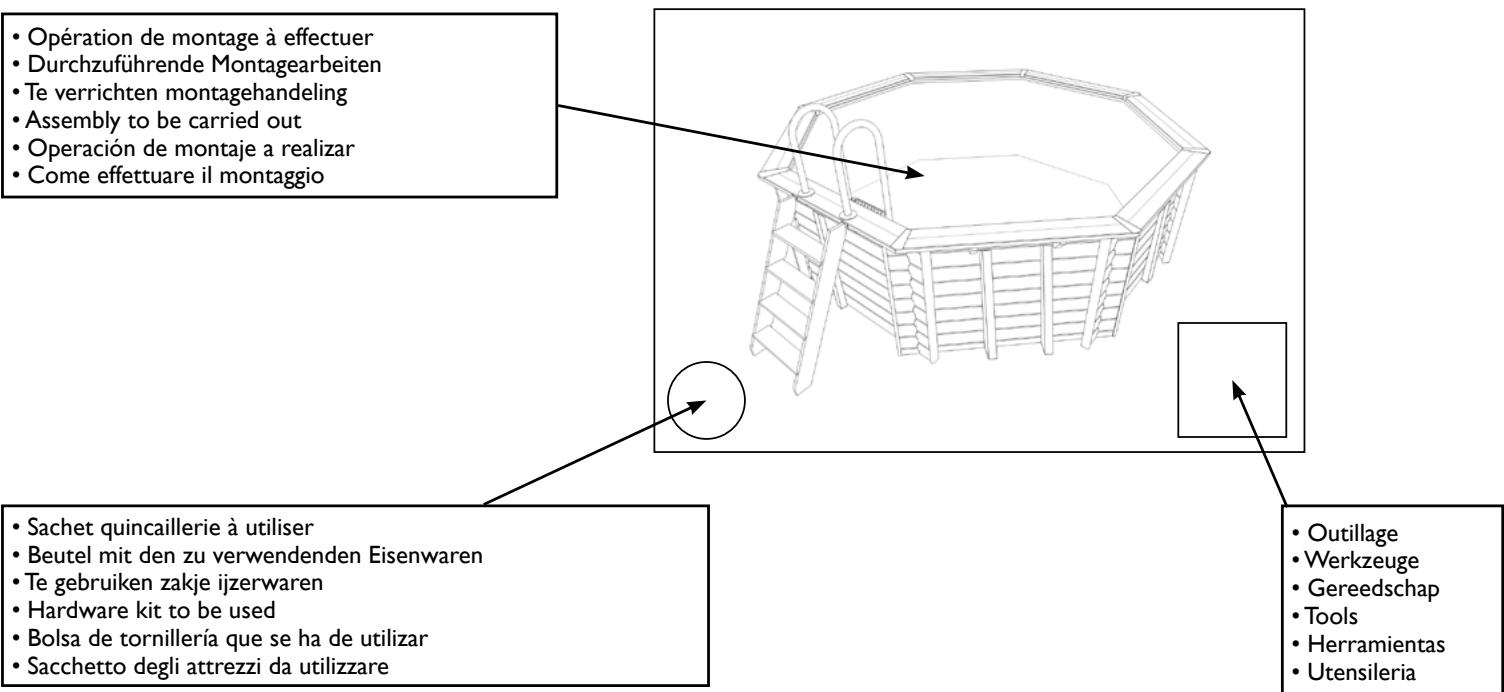
- Installation on concrete slab is mandatory and imperative for warranty validation. Thickness: 10 cm minimum. Make sure that the slab is perfectly flat, smooth and level.
SUMMARY:
1 – Preparation of the concrete slab
2 – Wall assembly
3 – Bracket screwing
4 – Mounting wall reinforcements
5 – Preparation of the walls
6 – Felt and liner installation
7 – Nozzles and skimmer cutting
8 – Mounting the pine coping stones
9 – Ladders
1 Ia - Mark the positioning of the structure on the ground with a margin of 50 cm to facilitate the control of the geometry.
1b - For a concrete slab to the size specified on page 10, with a minimum thickness of 10 cm.
Ic - Align the pool so as to position the skimmer entrance facing the prevailing winds in order to optimise the removal of particles from the surface. For this purpose, use the first row of beams temporarily.
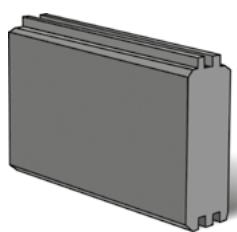
2* - IMPORTANT: It is important that the beams are properly nested, especially those at the bottom (where the water pressure will be highest). TO INTERLOCK A WARPED BEAM: Even when packed on pallets, it is possible that some beams may be warped. This is quite normal, since wood is a living material. To mount a warped beam, position and snap one side of the beam on both sides. Straighten up the other side with 2 wooden shims and the attached clamp. Engage it with the mass and the martyr piece.
2a – Assembly principle. Use the martyr piece to interlock all the beams. The tabs are intended to correctly align the beams when they are interlocked, missing or broken small sizes do not in any way affect the mechanical resistance of the wood, the strength and assembly of the swimming pool.
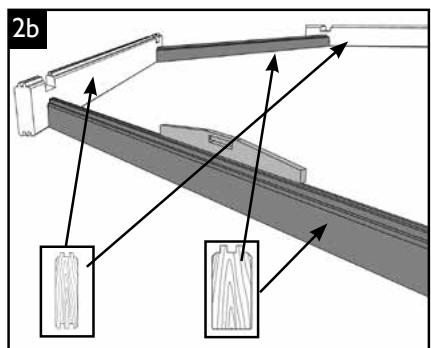
2b - Retrofit the first row of beams.
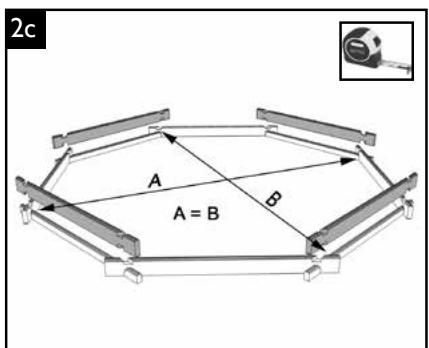
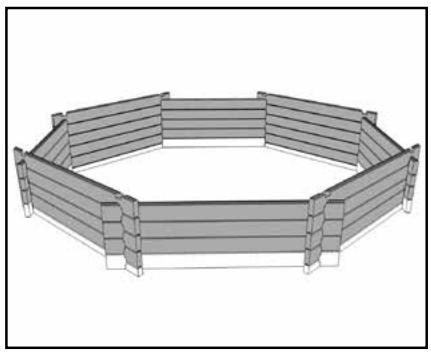
2c - Check the geometry with a tape measure (10 m) and continue assembling the beams until the 5th full row.
2d - Check the geometry using a tape measure (10m).
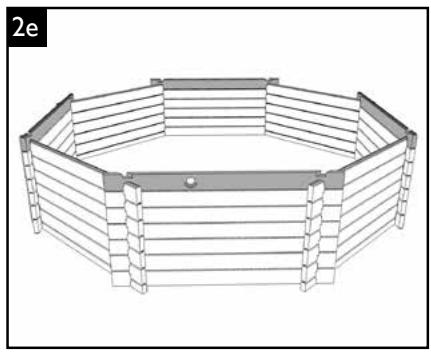
2e - Position the delivery beam in the 6th row. It can be placed on the right or left of the skimmer.
2f - Position the lower skimmer beam in the 7th row after the lower half beam.
2g - Position the upper skimmer beam and the 3 upper beams.
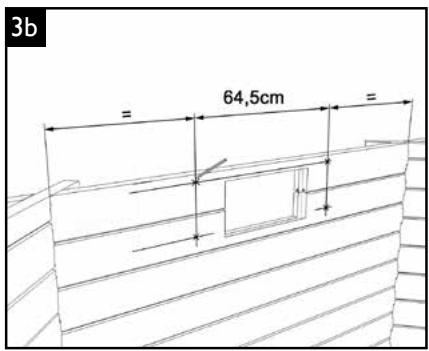
3a – Draw the locations of the pre-drilling on the 7 solid walls.
3b - Draw the locations of the pre-drilling on the skimmer wall.
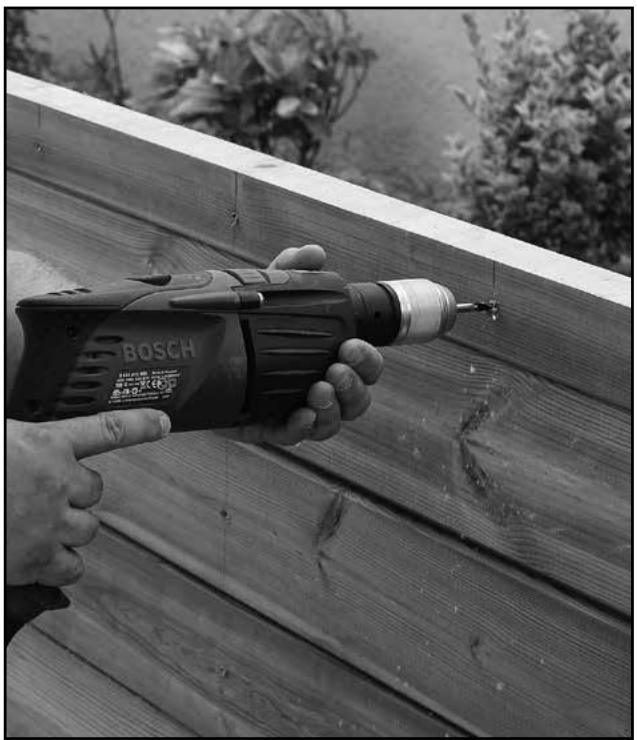
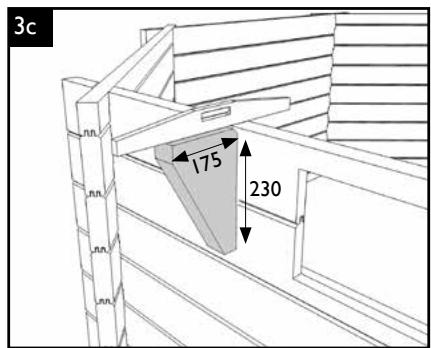
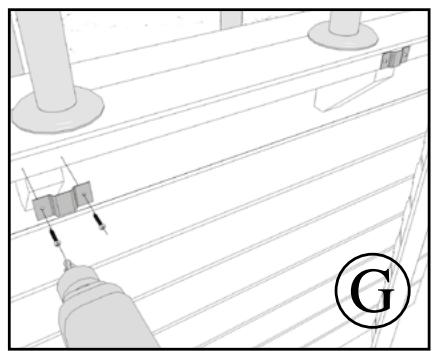
3c - Positioning of the brackets in the up - down direction. Adapt the brackets and screw them until the screw heads are embedded in the wood.
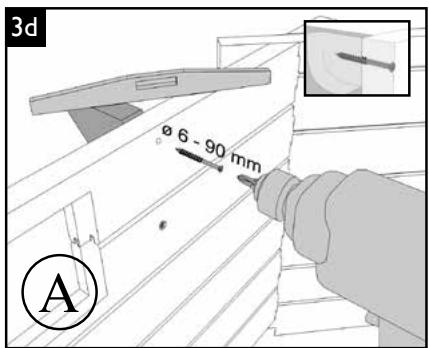
3d – Level the brackets and screw them until the screw heads are embedded in the wood.
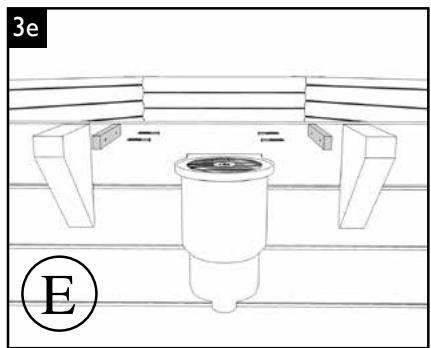
3e - Attach the wooden stops for the skimmer flap
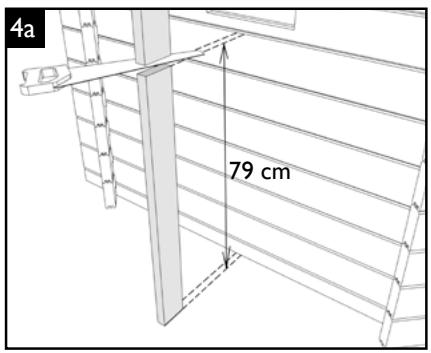
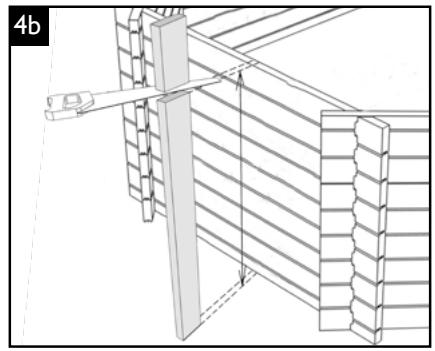
4a – Cut the 45x135 section pole to length for the skimmer.
4b - Cut the 45x135 section wall reinforcement posts at the pool level
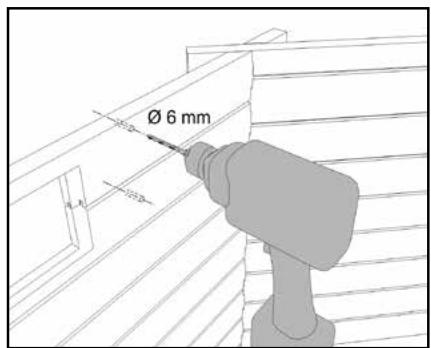
4c - Mark the location of the holes and drill the walls.
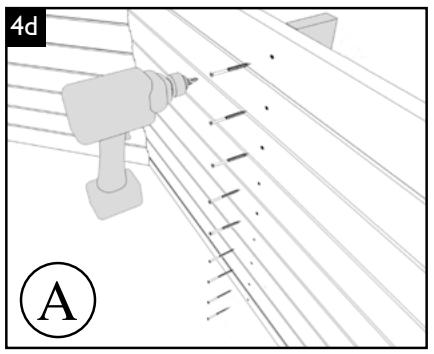
4d - Screw all beams to the wall reinforcement and embed the screw heads in the wood.
5a – Screw the skimmer vent into the upper beam using 2 round head screws to be removed from the screw bag provided in the skimmer box.
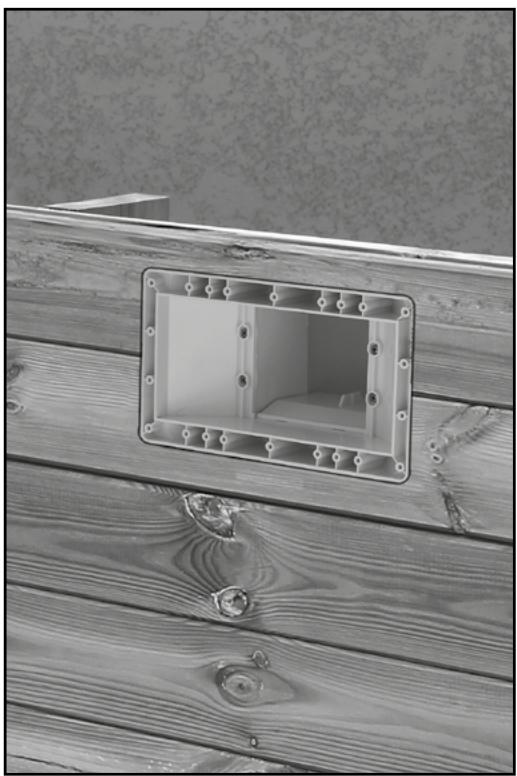
5b – Install the skimmer square outer seal and the skimmer body.
5c – Fix the assembly with the 8 round head screws to be removed from the screw bag provided in the skimmer box, tightening effectively for a good seal.
5d – After covering the Teflon threaded part, screw the threaded stop valve into the skimmer body. If the reinforcement post hinders its positioning, provide
a cut-out to free up the necessary space. Close the valve.
5e - Drill the rails to size (3 cm from the ends and then every 20 cm approximately). The rail of a wall can be composed of several segments placed end to end.
Before the next step, carefully clean the concrete slab and remove shards or splinters from the walls with abrasive paper in order to make all supports clean and smooth.
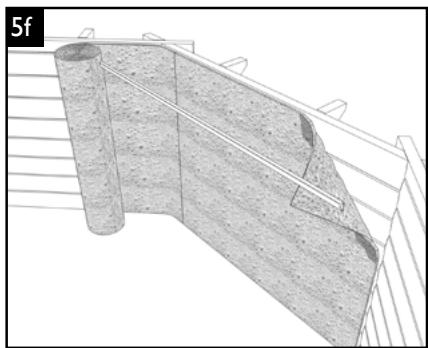
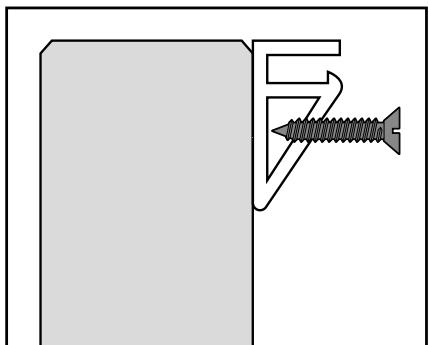
5f – Unwind the wall felt and place the plastic rail on top flush with the upper beam.
5g – Screw on the first rail liner.
5h – Draw the angle to be cut.
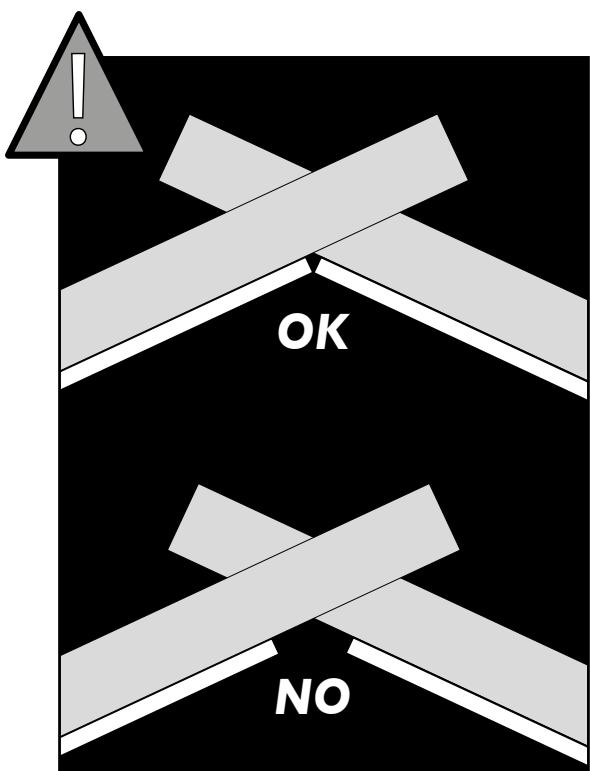
5i - Cut the corners according to the diagram. Screw all rails together.
5j - Find the skimmer frame by trial and error.
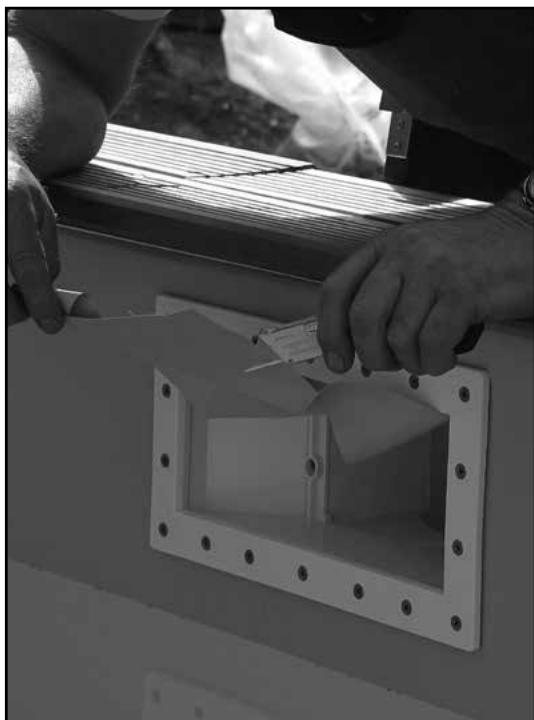
5k – Cut the felt outside the frame.
51 – Proceed in the same way with the discharge.
5m – Seals. Place a rectangular joint on the skimmer frame, making sure it adheres well. At the outlet, install the cork seal (A) at the contact with the wall and then superimpose one of the 2 white round joints (B), making sure that they adhere well.
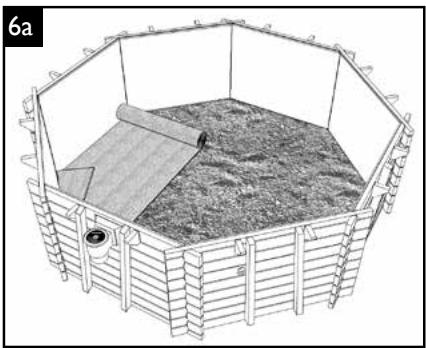
6a – Install the protective felt for the floor.
6b - Cut the protective felt with a cutter or a pair of scissors.
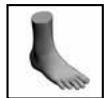
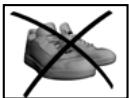
6c – Place the liner in place at an outside temperature between 20 and 25°C.
6d - Match the corners of the liner with the bottom corners of the pool.
6e – Hang the liner in the lip of the rail.
6f - Monitor the positioning of the liner and remove the coarser folds.
6g - Adjust the angles of the liner with those of the structure.
6h – Put in 2 cm of water.
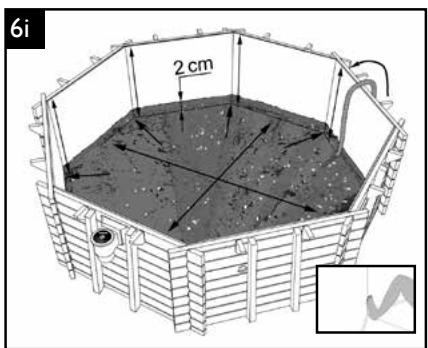
6i - Remove folds.
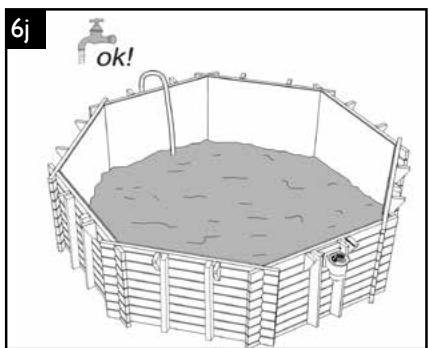
6j - Fill up to 5 cm below the discharge nozzle.
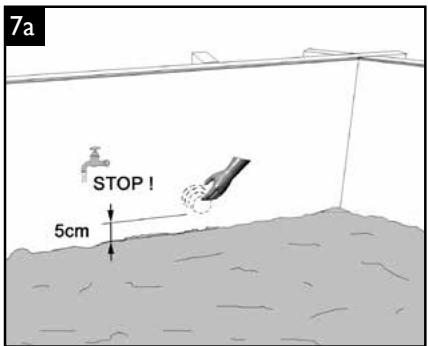
7a – Stop the impoundment 5 cm below the discharge nozzle.
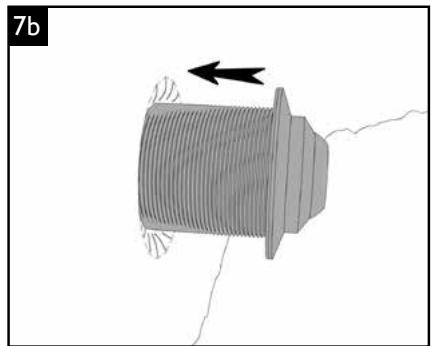
7b - Position the discharge nozzle from inside the pool.
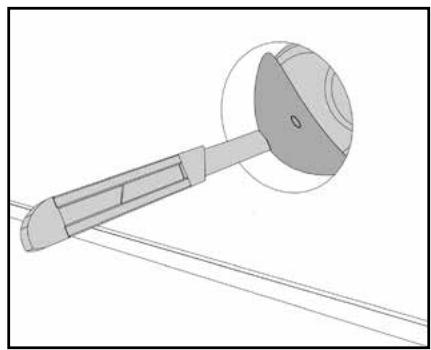
7c - Cut the liner at the nozzle, leaving a gap of around 2 mm. Insert the white gasket (B) and the discharge nozzle.
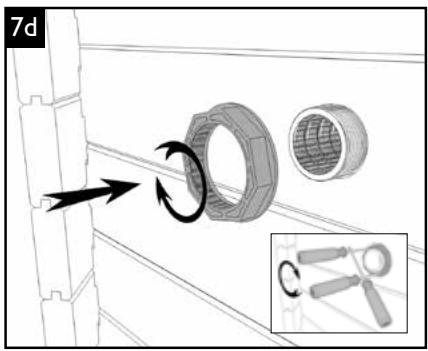
7d - Tighten the outer nut of the nozzle to ensure tightness by means, if necessary, of the tip mentioned in the diagram.
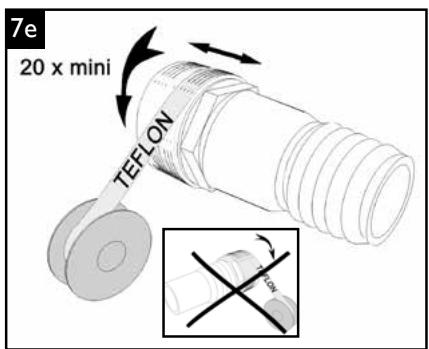
7e - Cover the threaded part of the end caps with Teflon tape in a counter-clockwise direction. Minimum 20 revolutions.
7f – Screw one end cap to the discharge and the other below the skimmer valve.
7g – Install one of the pipes at the outlet and secure it with a metal clamp.
7h – Place the other end of the pipe in the pool and refill up to 5 cm below the skimmer.
7i - Mark the location of the skimmer joint.
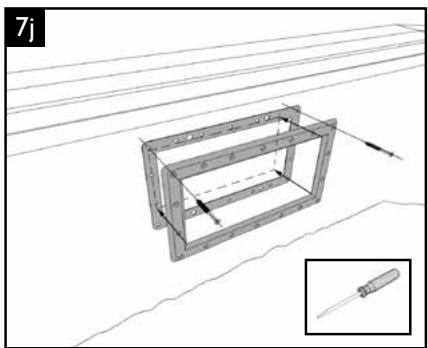
7j – Install the seal and skimmer frame using the 18 flat head screws to be removed from the screw bag provided in the skimmer box.
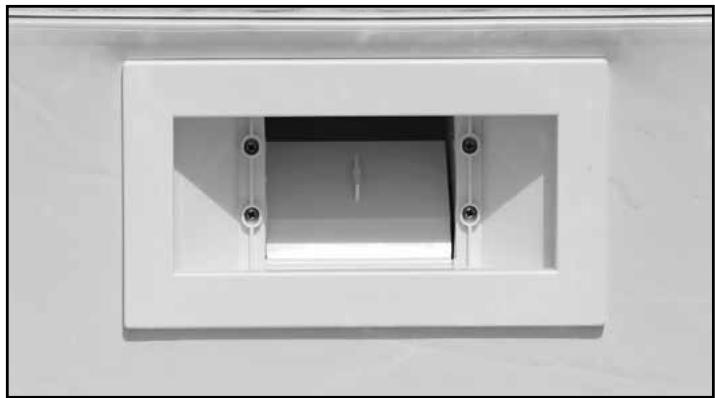
7k - Cut the liner inside the skimmer frame. Finally, place the flange cover by clipping it into place.
71 - Correct water level at mid-height of the skimmer (after setting up the filtration).
7m – Cut the finishing profiles to pool height and fix them with the nails provided, leaving a gap of 2 cm between the end of the profile and the finishing of the coping stone.
8 • (see page 28)
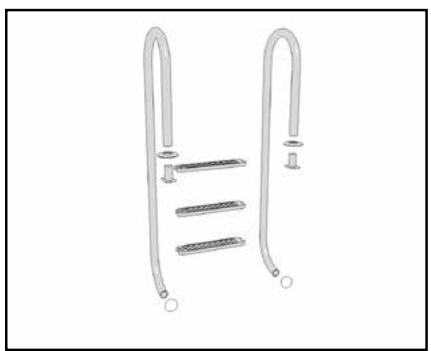
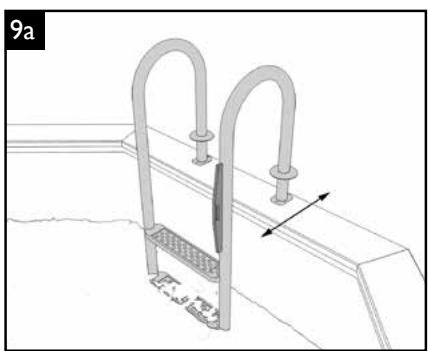
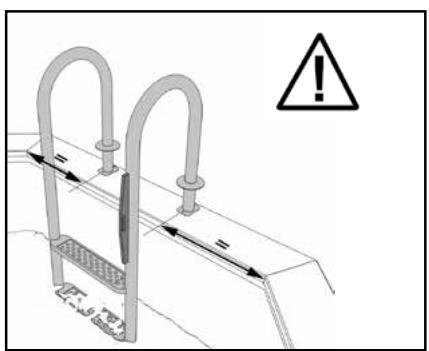
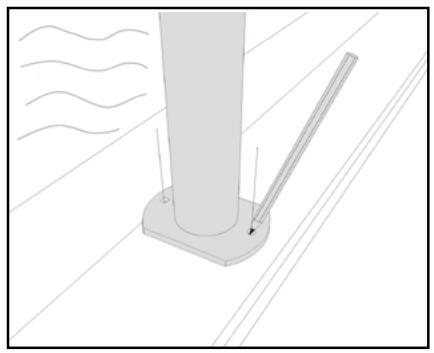
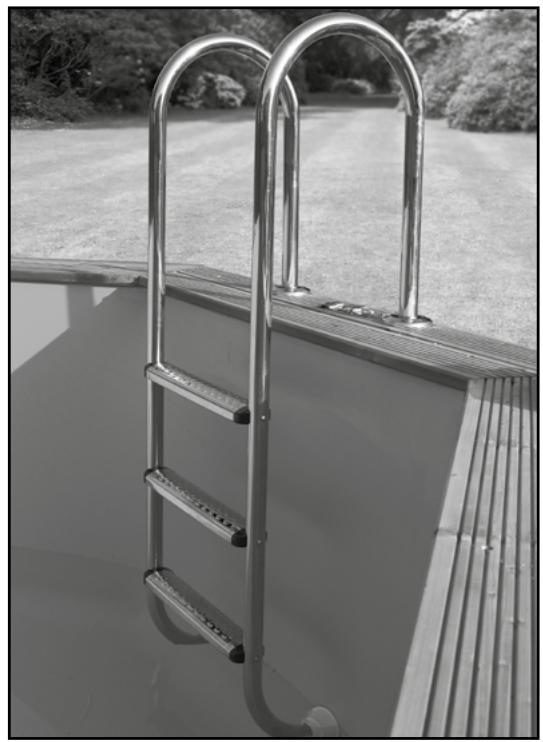
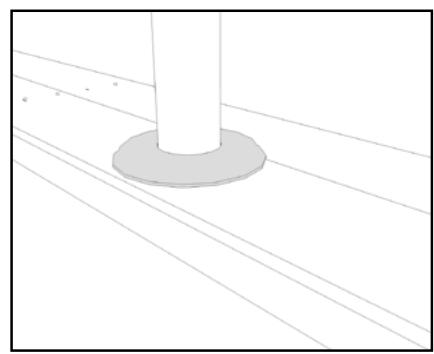
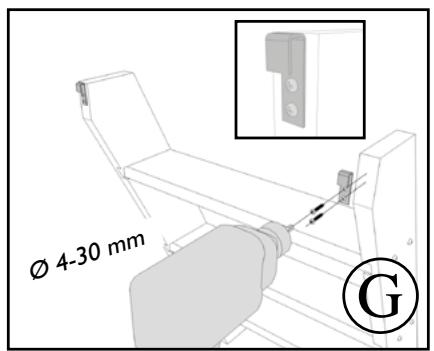
9a – Retrofit the ladder. To do this, flush the air below the steps if necessary. 9b – Attach the stainless steel supports using the bolts provided in the stainless steel ladder box. Set up the stainless steel ladder.
natural_image
Architectural diagram of a hexagonal building structure with internal beams and supports, set against a speckled background (no text or symbols)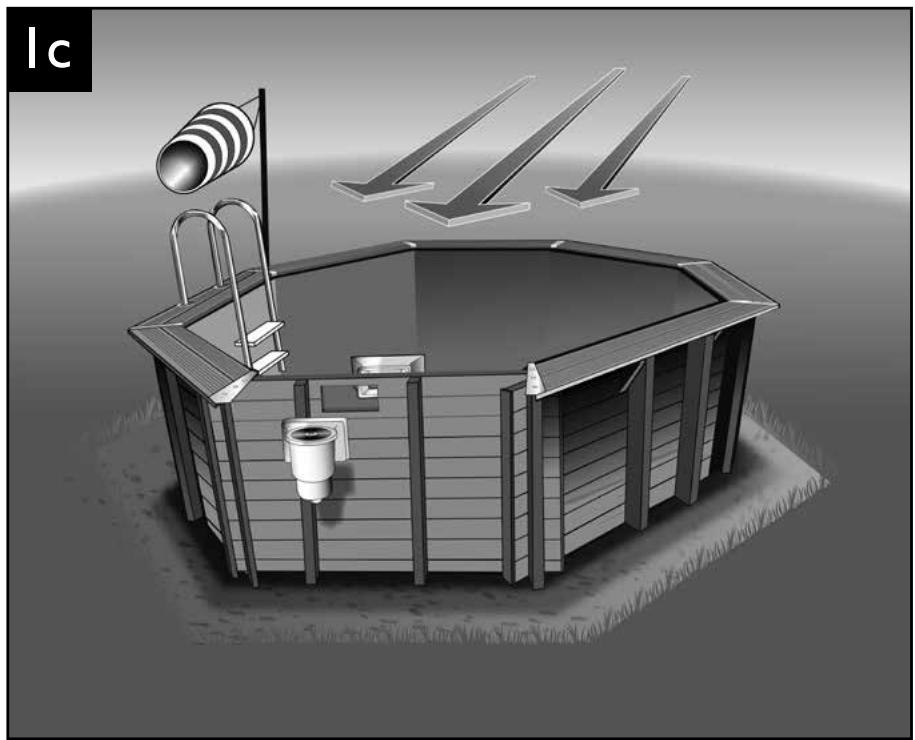
natural_image
Illustration of a hexagonal bathtub with water spray and directional arrows, no text or symbols present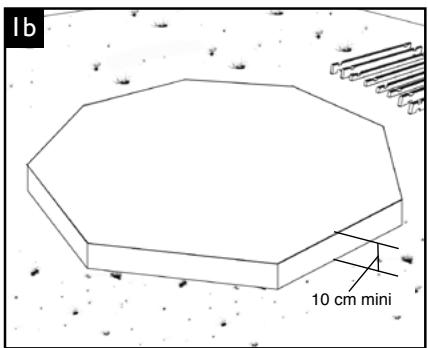
natural_image
Illustration of a hand hammering a block with a gavel, no text or symbols present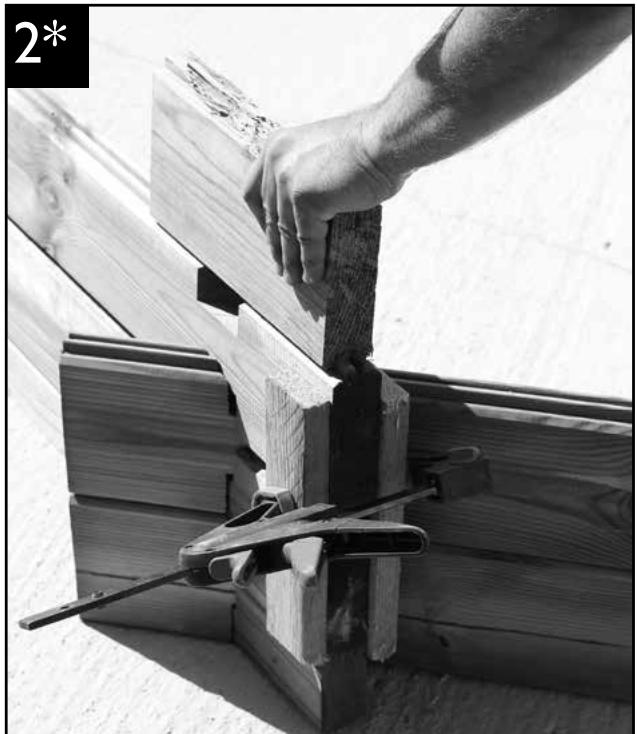
natural_image
Black-and-white photo of a hand using a wooden clamp to cut or install wood, no text or symbols visible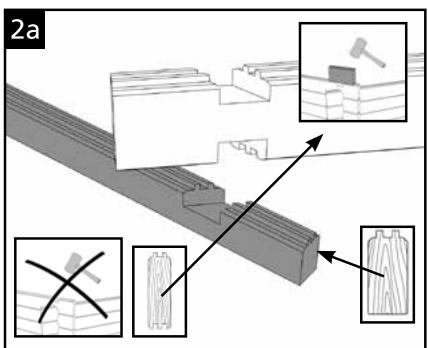
natural_image
3D rendering of a hexagonal fence structure with horizontal slats (no text or symbols)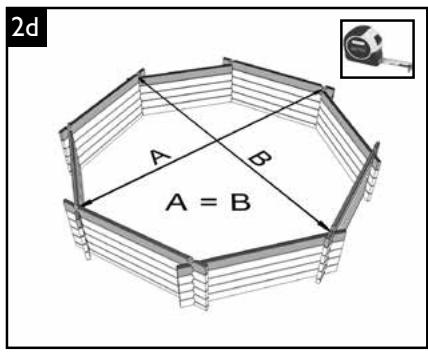
natural_image
3D architectural rendering of a hexagonal lattice structure with horizontal beams and a central platform (no text or symbols)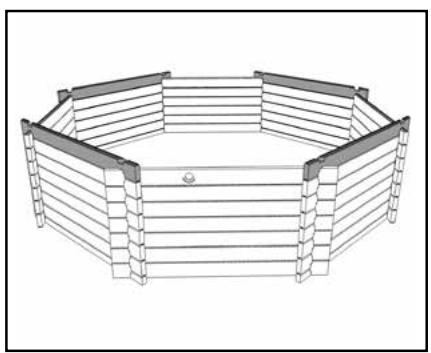
natural_image
3D architectural rendering of a hexagonal lattice structure with horizontal panels and a central circular feature (no text or symbols)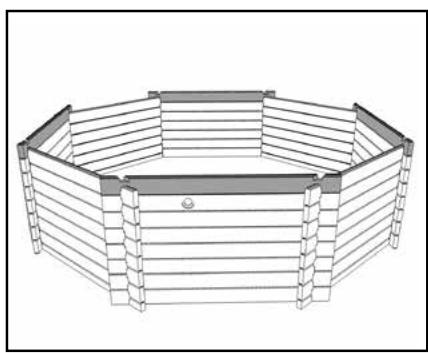
natural_image
3D architectural rendering of a hexagonal lattice structure with horizontal slats and a central platform (no text or symbols)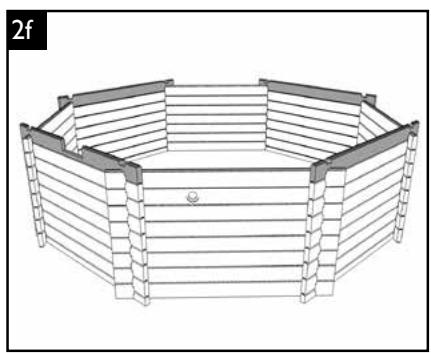
natural_image
3D architectural rendering of a hexagonal lattice structure with horizontal beams and a central circular hole (no text or symbols)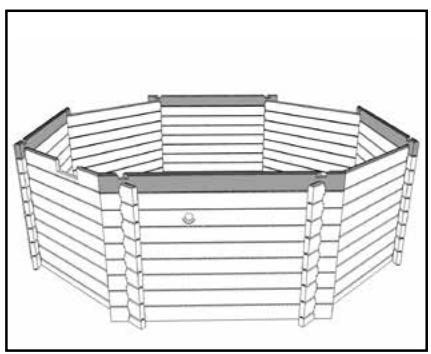
natural_image
Architectural diagram of a hexagonal stone structure with horizontal slats and a central base (no text or symbols)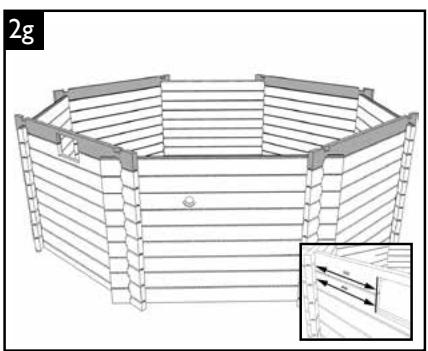
natural_image
Architectural diagram of a hexagonal building structure with horizontal beams and a small inset showing internal flow direction (no text or symbols)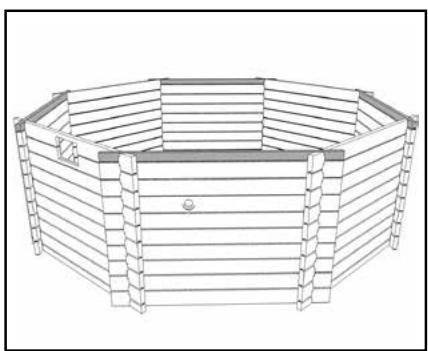
natural_image
Architectural diagram of a hexagonal stone structure with horizontal slats and a central hole (no text or symbols)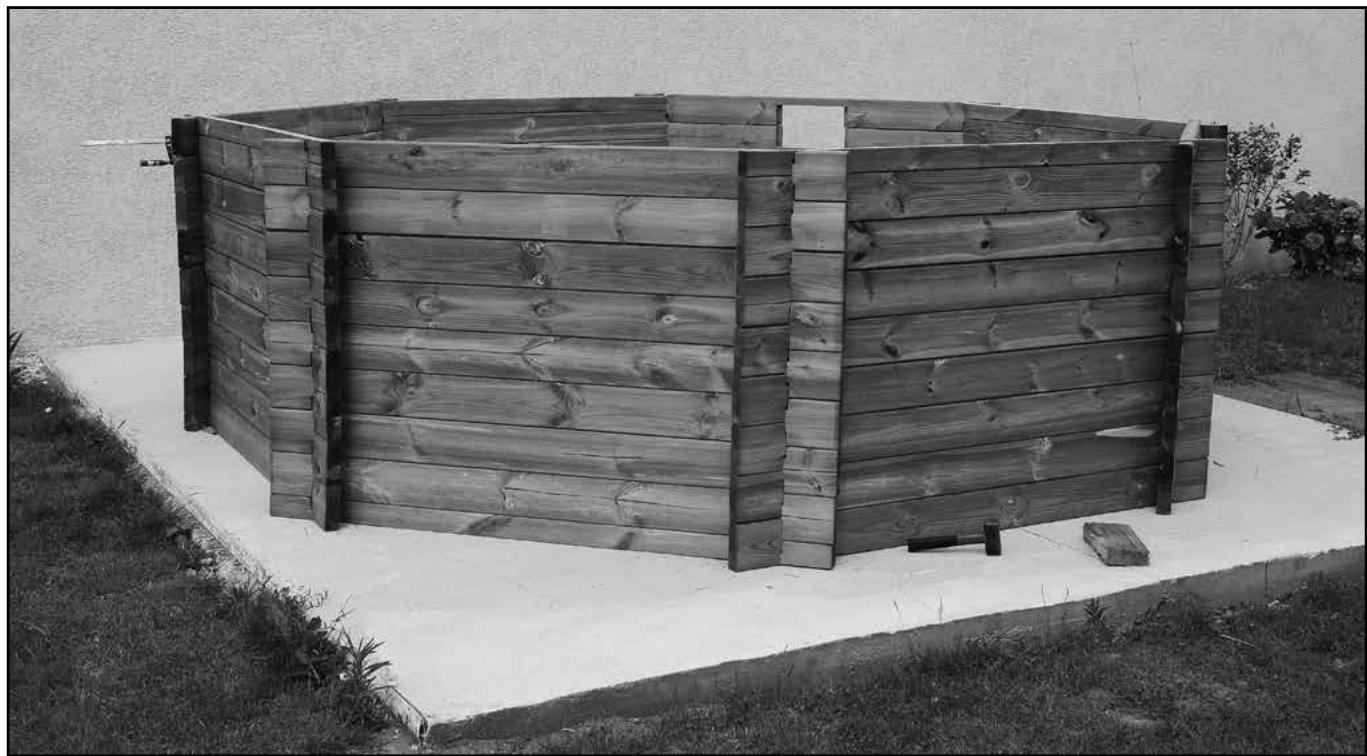
natural_image
Exterior view of a large wooden structure with vertical supports, set against a plain wall and grassy ground (no text or symbols visible)3
- Vissage consoles • Verschraubung der Konsolen • Bevestigen van de draagsteunen
- Screwing in the brackets • Atornillado de las consolas • Avvitamento delle mensole
natural_image
Black-and-white photo of a hand using a Bosch electric drill on a wooden deck, no visible text or symbols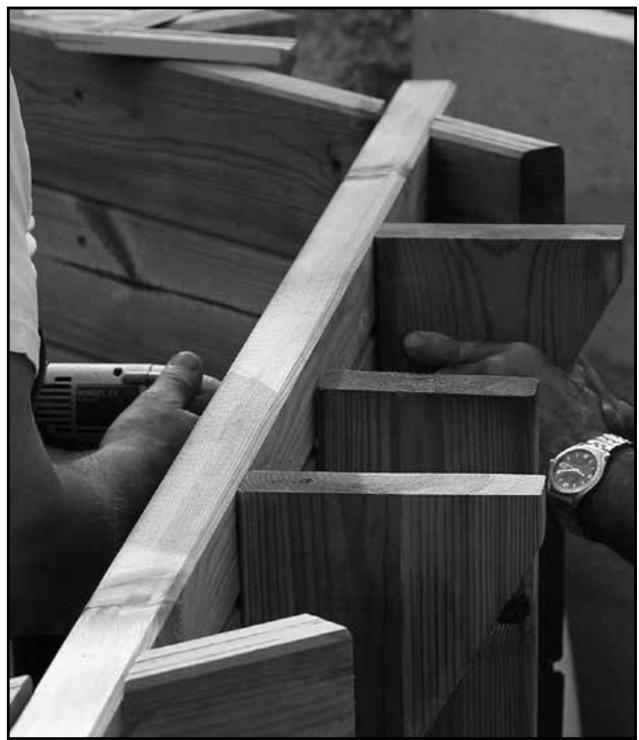
natural_image
Close-up of hands assembling wooden crates with visible grain and structural details (no text or symbols)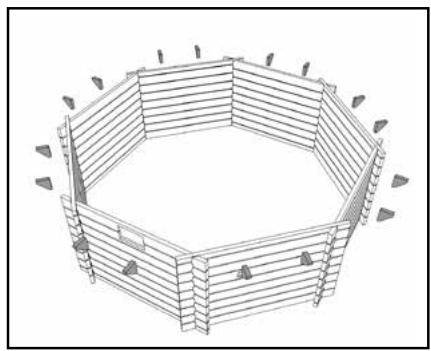
natural_image
3D wireframe diagram of a hexagonal mechanical structure with no visible text or symbols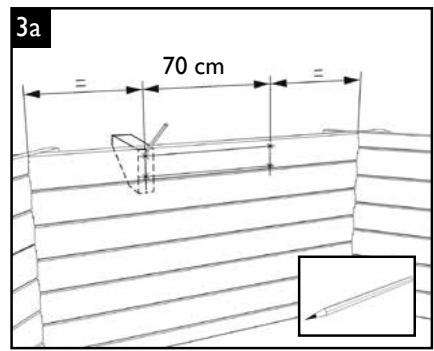
natural_image
Technical line drawing of a mechanical component with supports and a central hub, labeled 'E' (no text or symbols on the diagram itself)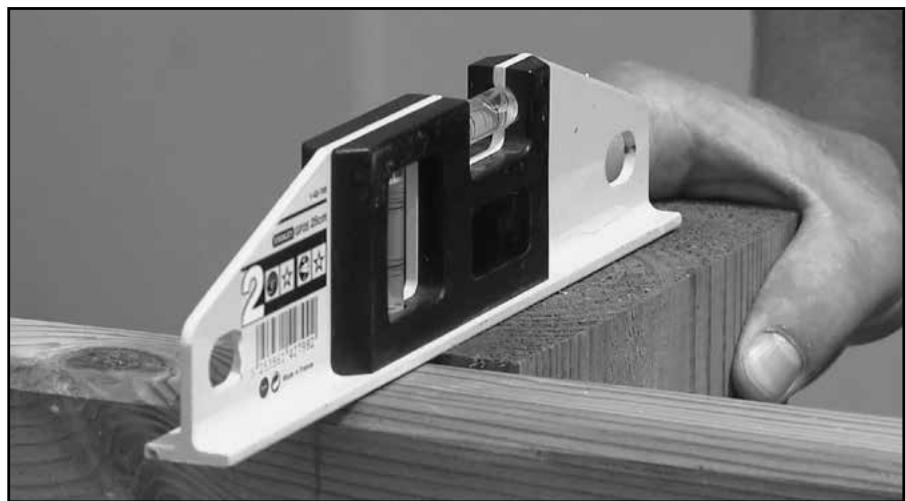
natural_image
Close-up of a hand holding a white metal clamp or bracket mounted on a wooden surface, with no visible text or symbols.4
- Montage des renforts de parois • Montage der Wandverstärkungen • Monteren van de steunbalken
- Putting up the side supports • Montaje de los refuerzos de las paredes • Montaggio dei rinforzi delle pareti
natural_image
Technical line drawing of a structural joint or panel assembly (no text or symbols)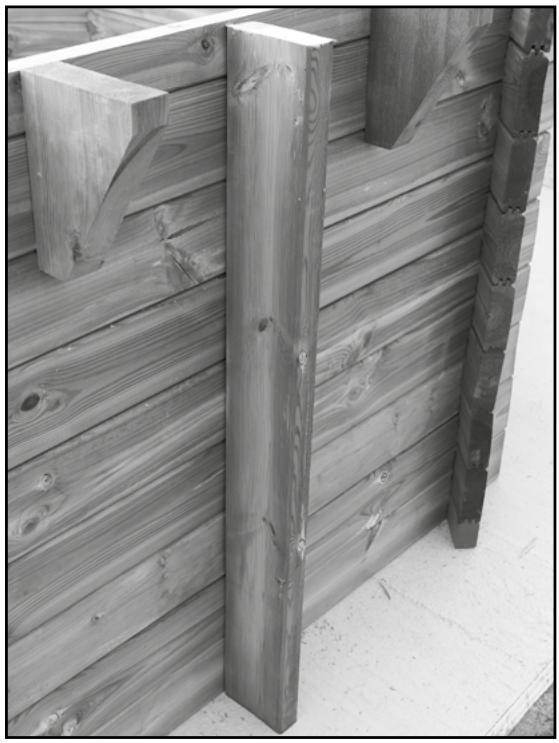
natural_image
Close-up of wooden beams and columns with visible grain patterns (no text or symbols)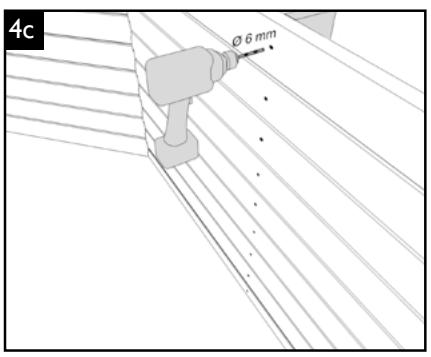
5
natural_image
Architectural diagram of a window frame structure with no visible text or symbols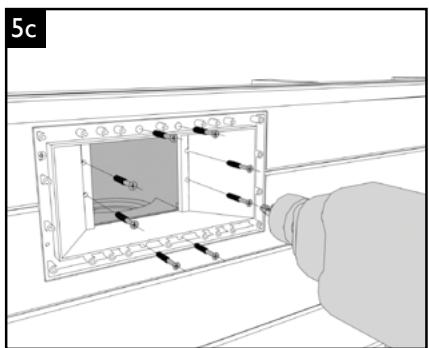
natural_image
Exterior view of a wooden wall corner with an open electrical outlet (no text or symbols visible)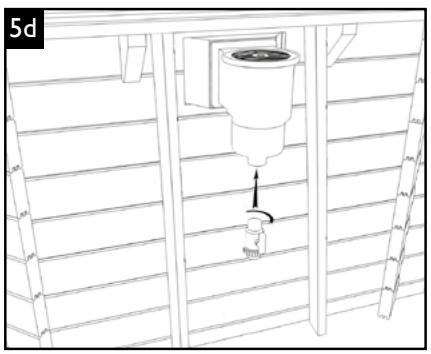
natural_image
Line drawing of a window with a cylindrical component inserted into a slatted cabinet (no text or symbols)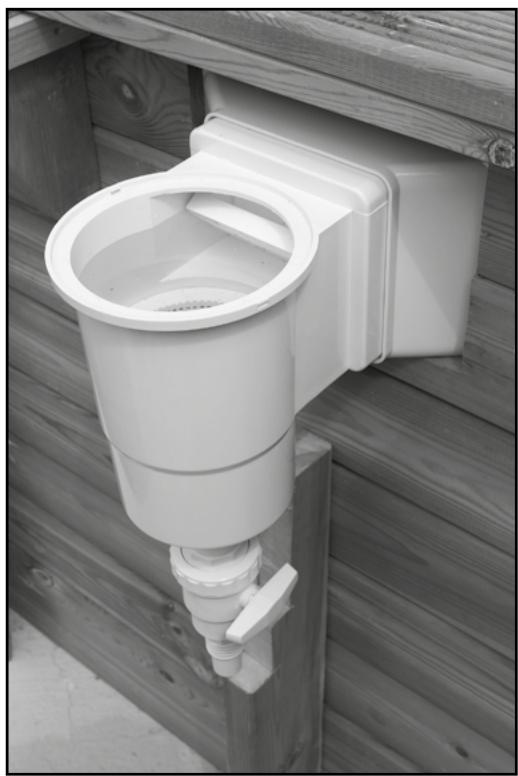
natural_image
Close-up of a white plastic water dispenser mounted on a wooden post, no text or symbols visible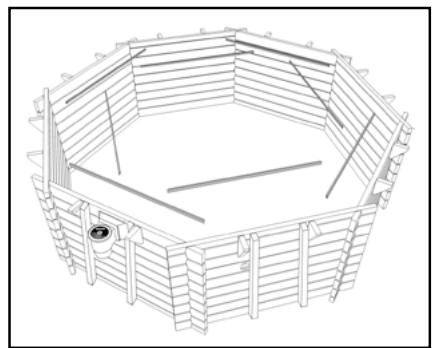
natural_image
Technical line drawing of a hexagonal metal enclosure with internal structure (no text or symbols)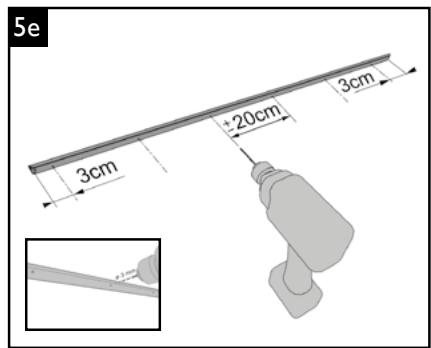
natural_image
Architectural cross-section diagram of a structural beam or support structure (no text or symbols)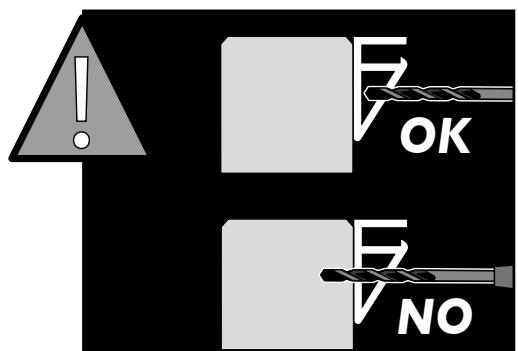
natural_image
Diagram showing a screw fastening into a bracket (no text or symbols)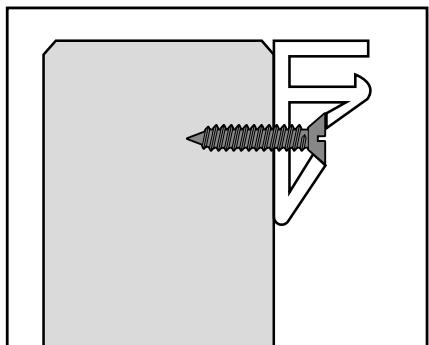
natural_image
Technical diagram showing a screw fastening into a mechanical bracket (no text or symbols)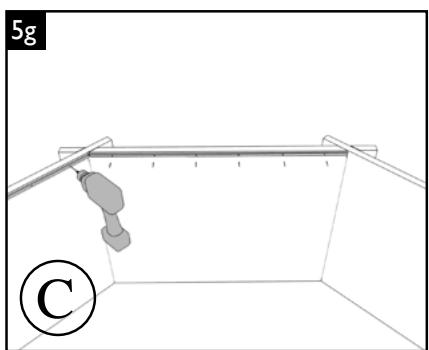
natural_image
Simple line drawing of a 5g horizontal support structure with a hanging object, no text or symbols present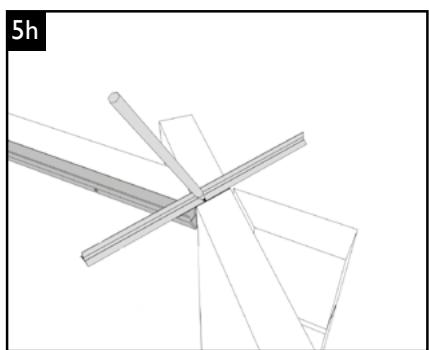
natural_image
Pure technical line drawing of intersecting beams and rods without any text, numbers, or symbols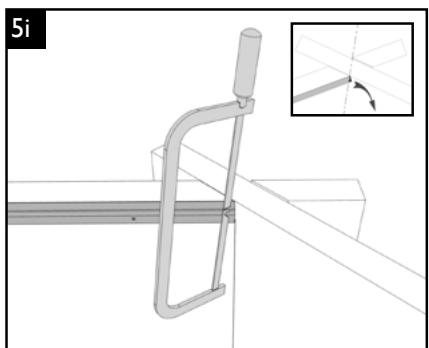
natural_image
Technical diagram of a mechanical clamp or bracket assembly with an inset showing a cross-section view (no text or symbols)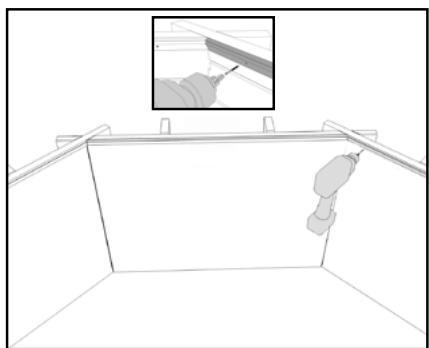
natural_image
3D wireframe diagram of a room with a wall-mounted device and an inset showing a mechanical component (no text or symbols)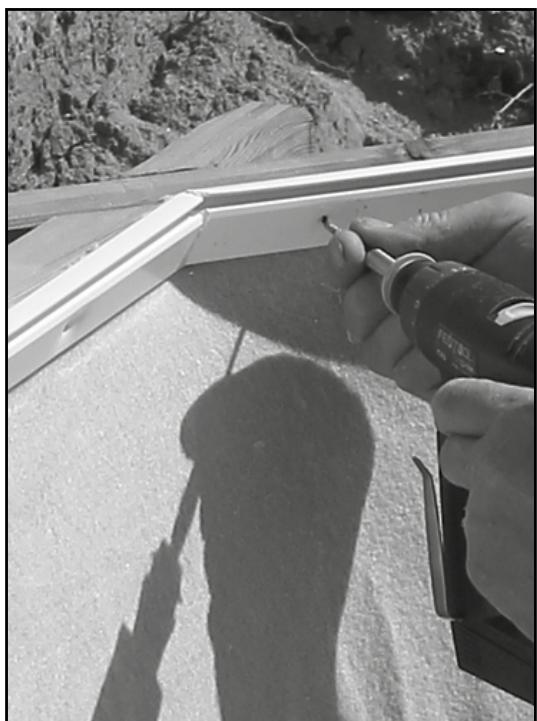
natural_image
Close-up of a hand using a power tool to clean or store floor panels, with a shadow cast on the ground (no visible text or symbols)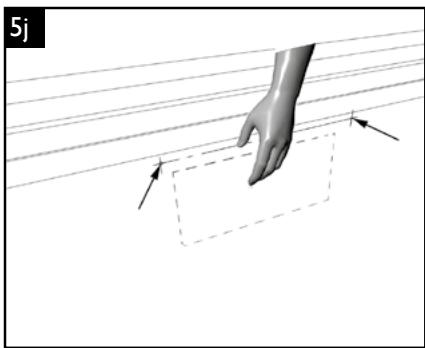
natural_image
3D rendered hand holding a rectangular object with directional arrows, set against a grid of parallel lines (no text or symbols)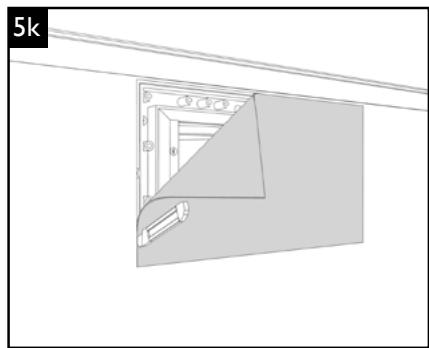
natural_image
Architectural diagram showing a window frame with diagonal lines and a tool, no text or symbols present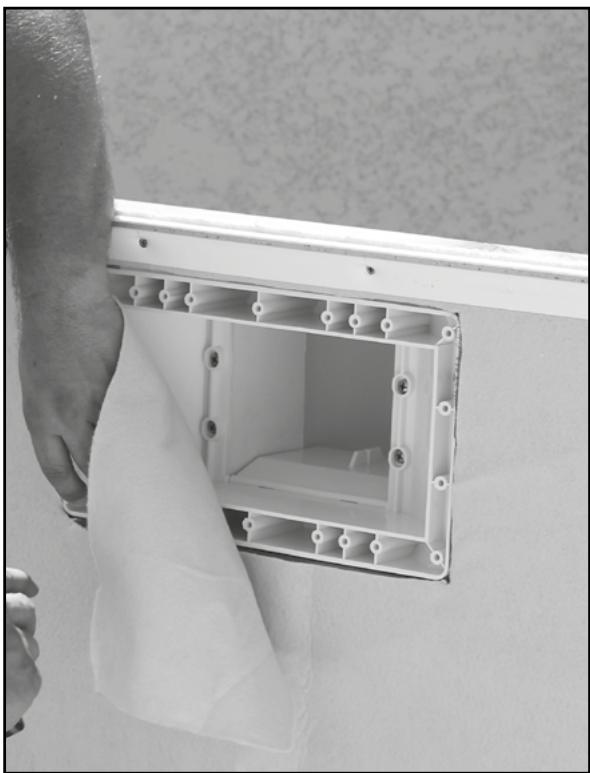
natural_image
Person installing or maintaining a white electrical outlet panel on a wall, no text or symbols visible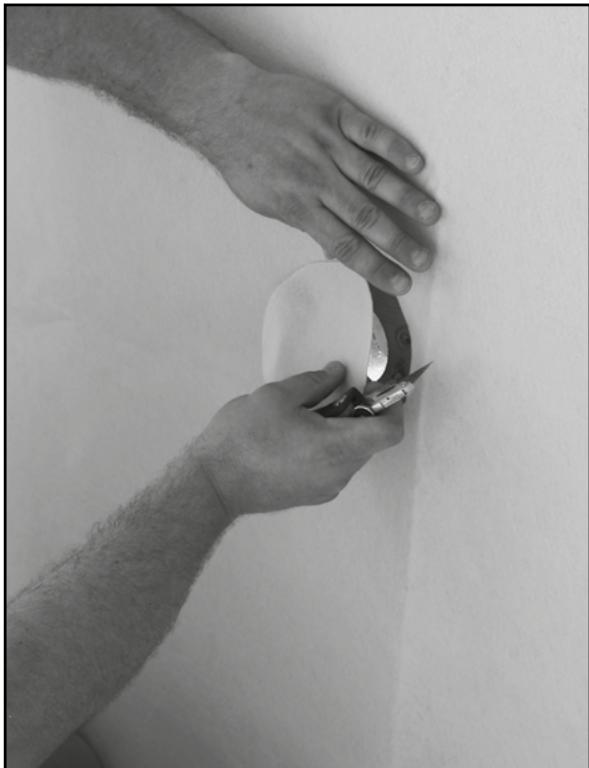
natural_image
Close-up of hands using a tool to cut or mark a white surface, no text or symbols visible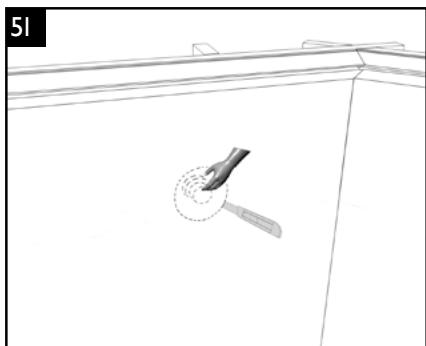
natural_image
Line drawing of a tool interacting with a surface, no text or symbols present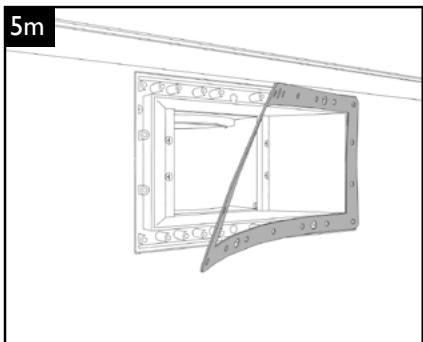
natural_image
Diagram of a rectangular frame with a curved arrow and numbered components, no readable text or symbols present.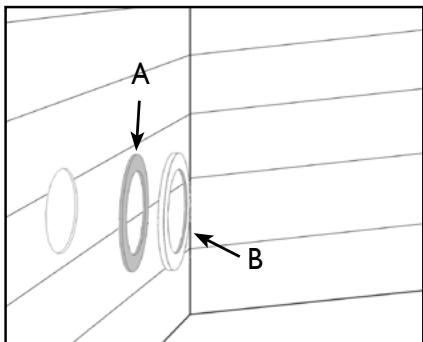
- Installation feutre et liner • Installation von Vlies und Schwimmbadfolie
- Aanbrengen van vilt en folie • Installing the felting and the liner
- Instalación del fieltro y del revestimiento • Installazione del feltro e del rivestimento
natural_image
Architectural diagram of a hexagonal metal structure with internal bedding and supports (no text or symbols)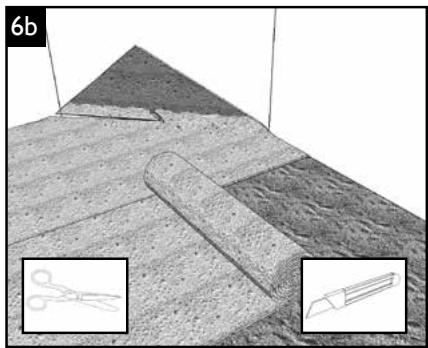
natural_image
Architectural sketch of a wooden structure with two inset diagrams showing different tool configurations (no text or symbols)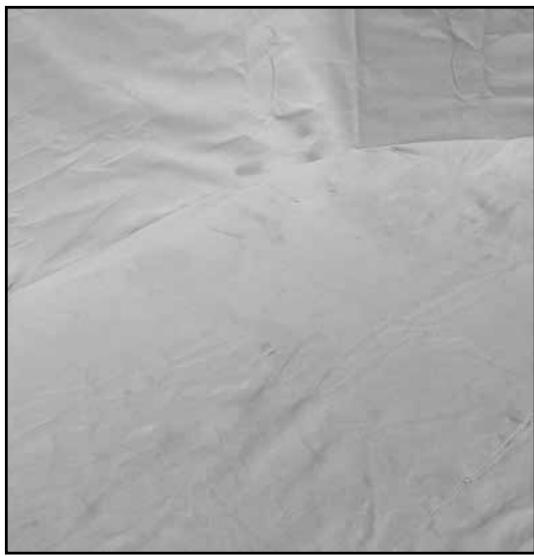
natural_image
Close-up of a textured surface with faint linear patterns and no visible text or symbols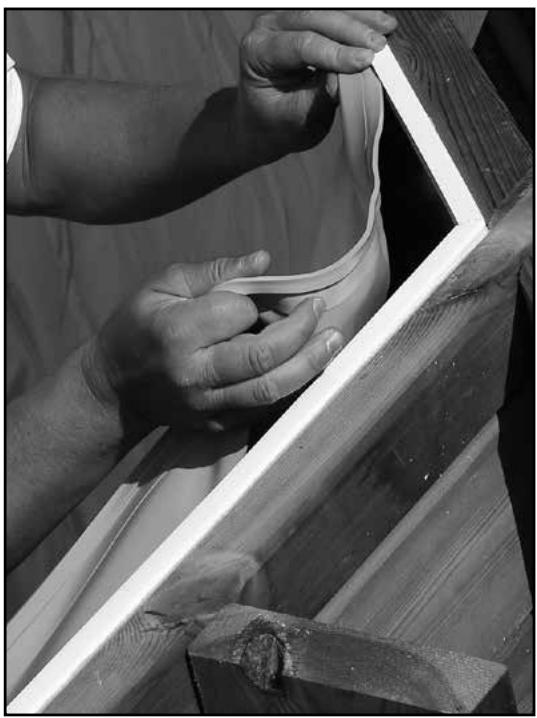
natural_image
Close-up of hands adjusting a white strip on wooden beams (no text or symbols visible)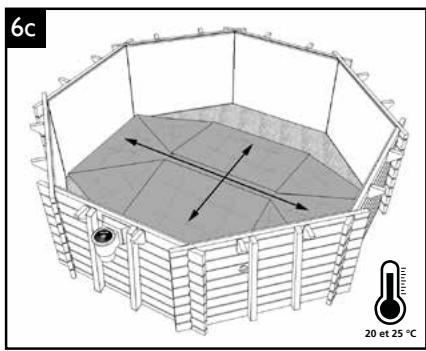
natural_image
Diagram of a hexagonal metal enclosure with internal structure and directional arrows, labeled '6c' and '20 et 25 °C' (no text or symbols on the diagram itself)
natural_image
3D architectural rendering of a hexagonal metal structure with internal grid and directional arrows (no text or symbols)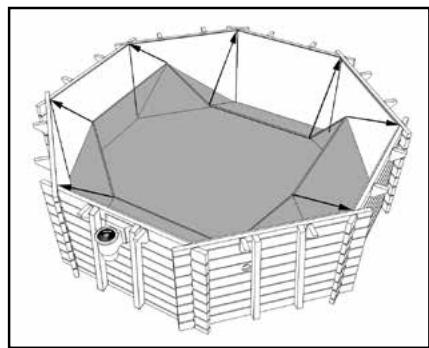
natural_image
3D architectural rendering of a hexagonal building structure with internal framework (no text or symbols)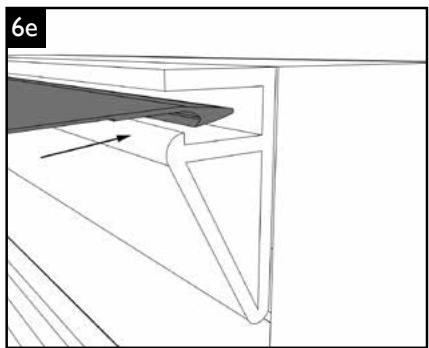
natural_image
Technical line drawing of a structural component with an arrow indicating direction (no text or symbols)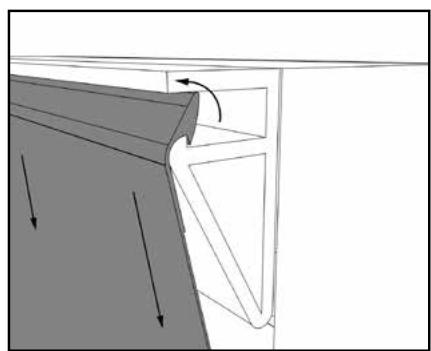
natural_image
Architectural diagram showing a door frame with directional arrows indicating movement or force (no text or symbols)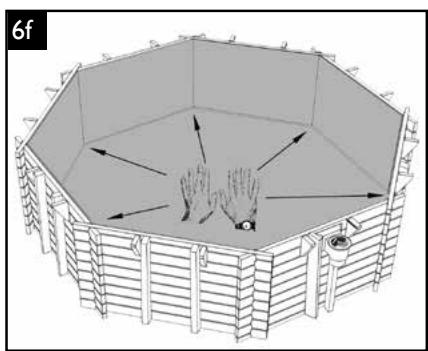
natural_image
3D diagram of a hexagonal chamber with internal hand gestures and control panel (no text or symbols)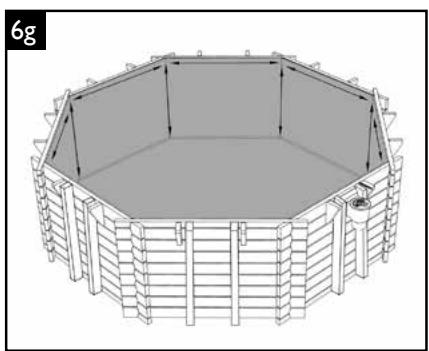
natural_image
3D architectural rendering of a hexagonal building structure with vertical supports and horizontal beams (no text or symbols)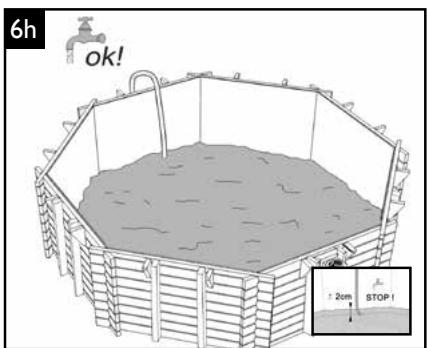
7
- Découpe buse et skimmer • Zuschnitt der Düse und des Skimmers • Uitsnijden van instroomopening en skimmer
- Cutting the liner and fitting the backflow inlet nozzle and the skimmer • Recorte para tobera y skimmer
- Taglio per condotto e skimmer
natural_image
Diagram of a mechanical component with a threaded shaft and directional arrow, no text or symbols present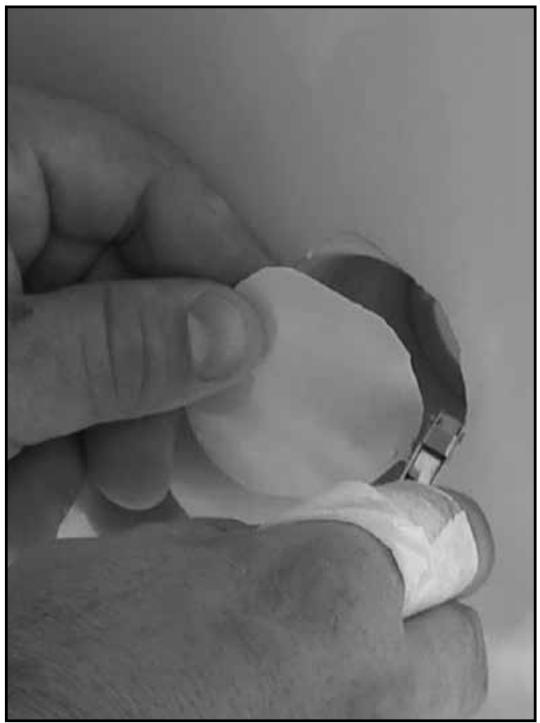
natural_image
Close-up of a hand holding a small white object with a metallic clip, possibly part of a mechanical or electronic component (no visible text or symbols)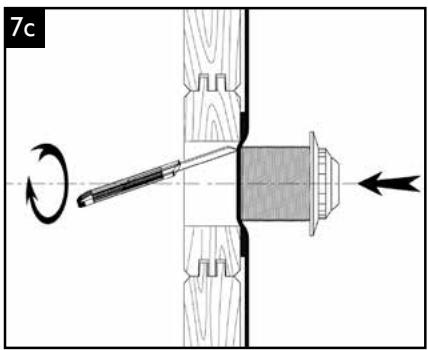
natural_image
Technical line drawing of a mechanical component with a circular head and shaft, no text or symbols present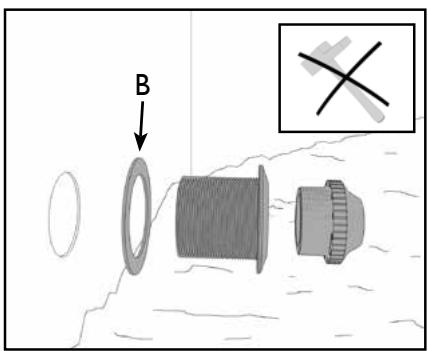
natural_image
Technical diagram showing a mechanical component with a circular arrow indicating rotation and a hexagonal nut inserted into a housing (no text or symbols present)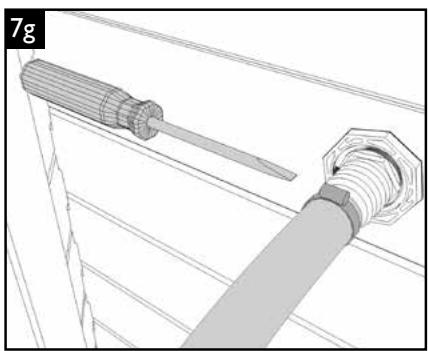
natural_image
Technical illustration of a screwdriver and a threaded bolt assembly (no text or symbols)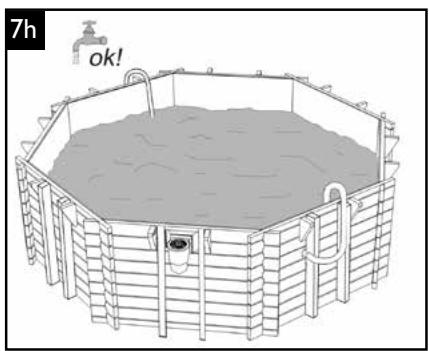
natural_image
Illustration of a hexagonal water tank with pipes and a faucet, no text or symbols present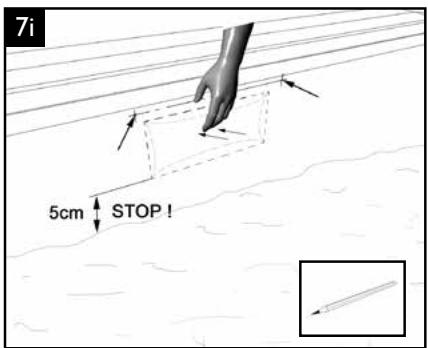
natural_image
Technical line drawing of a rectangular frame with internal components and a separate inset showing a screwdriver (no text or symbols)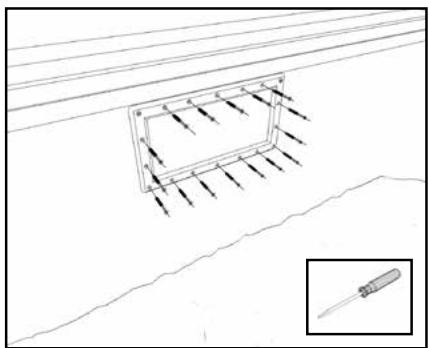
natural_image
Diagram showing a rectangular structure with arrows indicating direction and a magnified inset of a screwdriver (no text or symbols)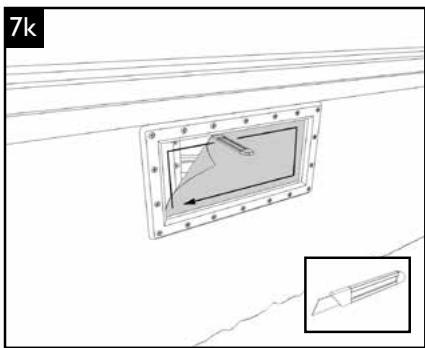
natural_image
Technical line drawing of a mechanical assembly with a rectangular frame and an inset showing a tool (no text or symbols)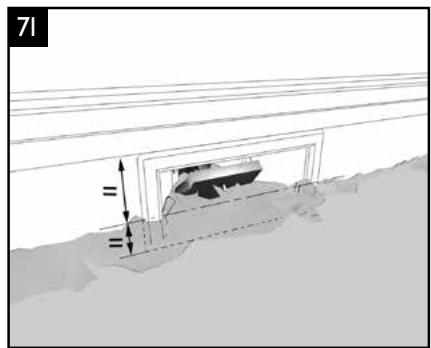
natural_image
Close-up of hands installing or adjusting a white plastic panel with a metal bracket (no visible text or symbols)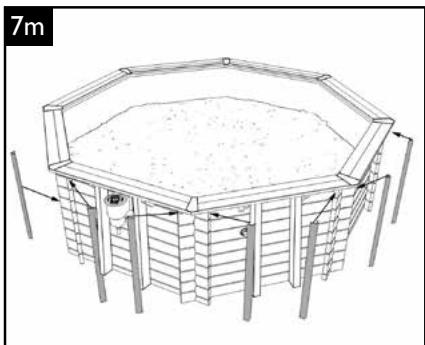
natural_image
Architectural diagram of a building structure with an octagonal roof and vertical supports (no text or symbols)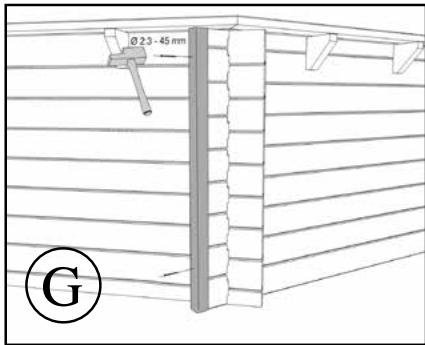
natural_image
Exterior view of a white rectangular ceiling fixture with internal components and mounting holes (no text or symbols)
- Montage des margelles pin • Montage der Randplatten aus Kiefernholz • Montage van de grenen zwembadrand
- Assembly of the pine edging • Montaje de los bordes de pino • Montaggio dei bordi in abete

the coping is a trimming element. You must not walk, run or sit on it. Not covered by the warranty: changes in colour, distortions (splits, crevices, cracks, knots or splinters) occurring naturally or as the result of incorrect installation.
8a - Position the inner edging leaving a 5-8mm expansion gap between each edging part.
8b - Detail of the position of the inner coping
8c - Assemble the joining plates without screwing them in.
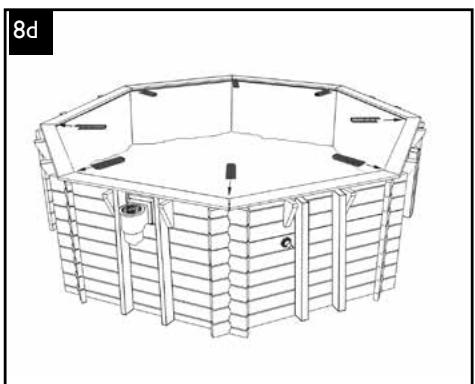
8d - Insert the joining plates between each section of coping.
8e - Position the pieces of the outer coping on the skimmer side.
8f - Align the skimmer flap with the stops.
8g - Position the remaining outer edging, maintaining a 5-8mm clearance between them and between the inner edging.
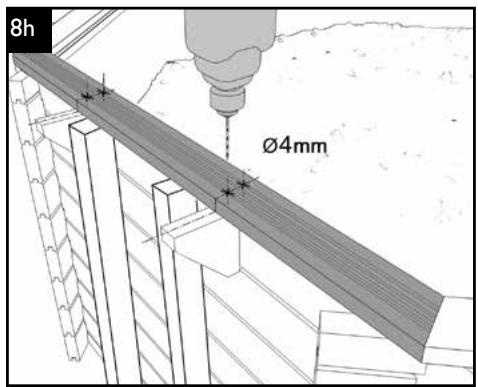
8h - Pre-drill the inner coping where it is to be fixed to the brackets and the planks.
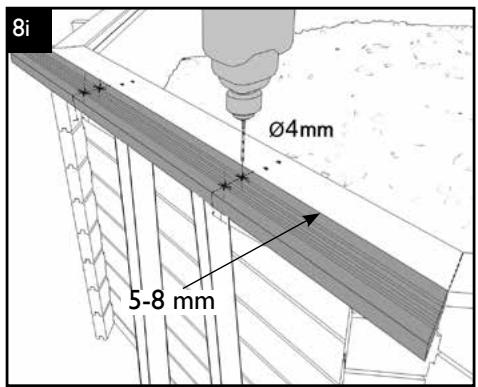
8i - Pre-drill the outer coping where the brackets will be fixed.
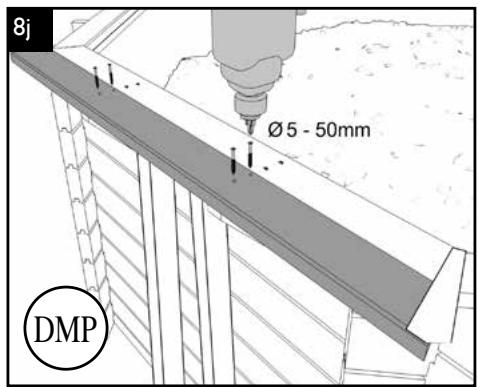
8j - Screw in the coping.
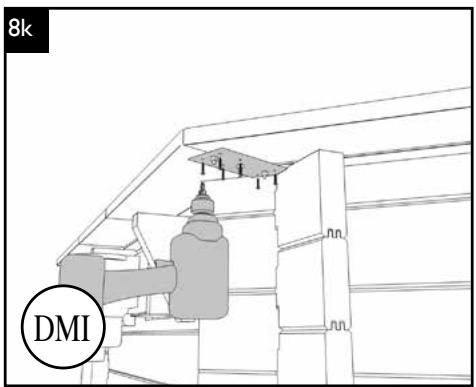
8k - Screw in the flat joining plates and fully tighten up the bolts.
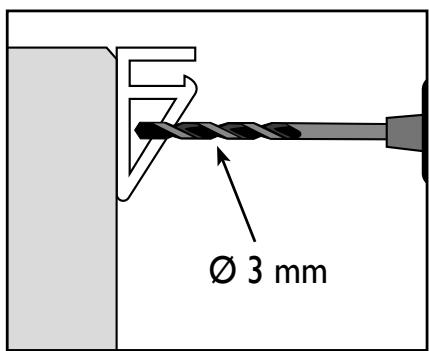
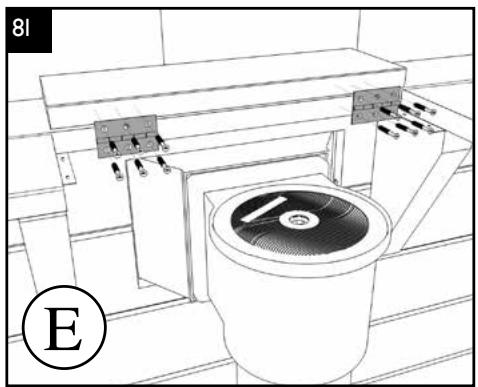
8l - Fix the hinges on to the coping above the skimmer after you have done the pre-drilling with a 2 mm drill bit.
8j - 8j - Screw in the inner and outer copings.
natural_image
Technical line drawing of a mechanical assembly with wooden components and a bracket (no text or symbols)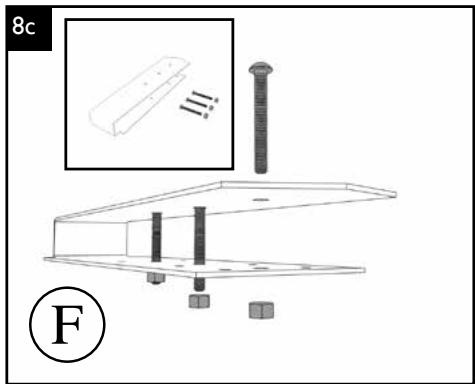
natural_image
Line drawing of a hexagonal metal structure with internal supports and mounting points (no text or symbols)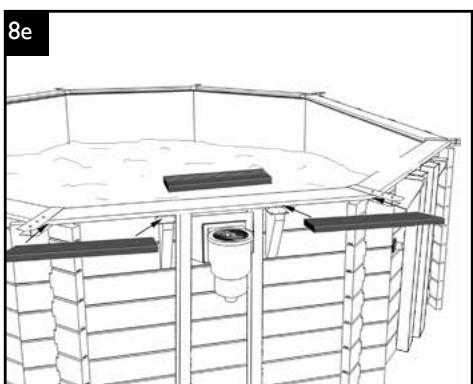
natural_image
Architectural line drawing of a two-story building with structural beams and a central vent (no text or symbols)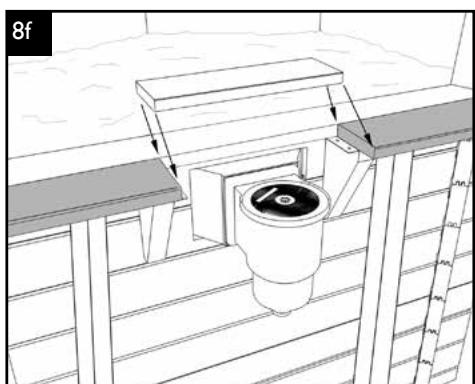
natural_image
Technical line drawing of a mechanical assembly with a central component and two horizontal supports (no text or symbols)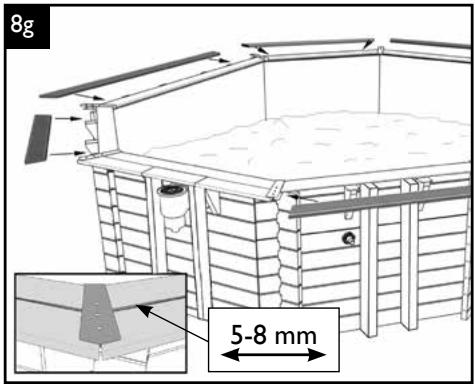
natural_image
Technical line drawing of a mechanical device with labeled components (no readable text or symbols)
natural_image
Exterior view of a hexagonal outdoor structure with wooden panels and a circular top, situated on grassy ground (no signage or text visible)
- Echelles • Leitern • Trappen • The ladders • Escaleras • Scale
natural_image
Illustration of a double-up ladder with three horizontal bars and circular base markers (no text or symbols)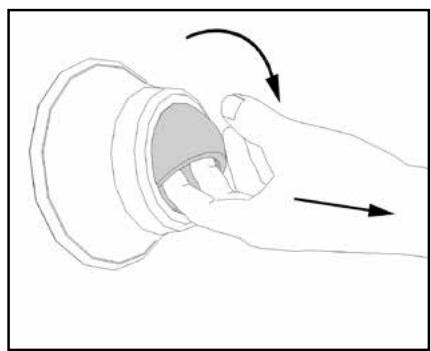
natural_image
Illustration of a hand holding a mechanical component with directional arrows indicating motion (no text or symbols)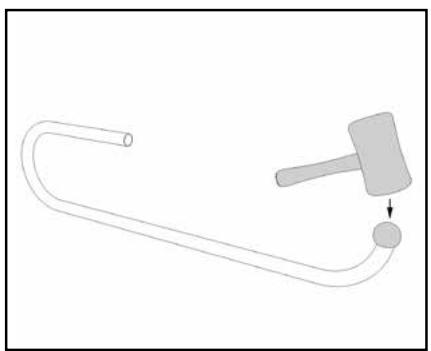
natural_image
Simple line drawing of a gavel and sound wave device (no text or symbols)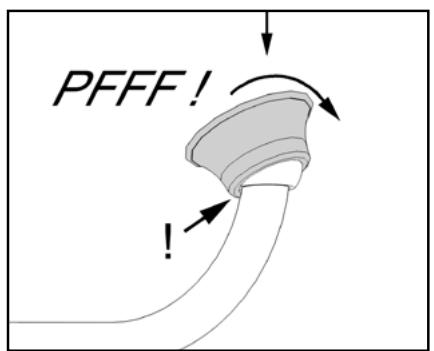
natural_image
Diagram of a vertical column mounted on a base with a diagonal rod inserted, against a grid background (no text or symbols)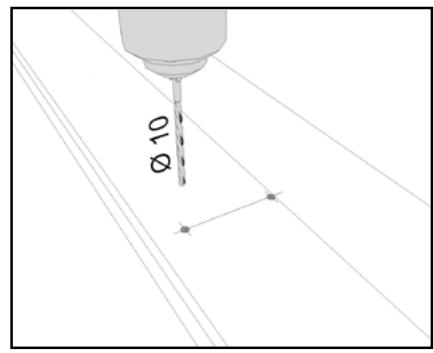
natural_image
Black and white photo of a metal ladder leaning against a window, with grassy background (no text or symbols visible)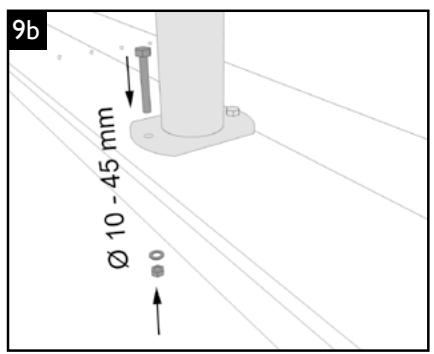
natural_image
Pure technical diagram of a mechanical assembly with a central column and base plate, no text or symbols present.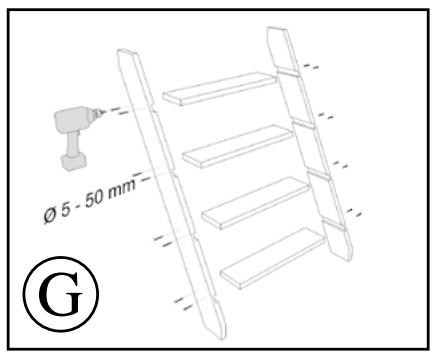
natural_image
Architectural line drawing of a window with structural supports and a tool, no text or symbols present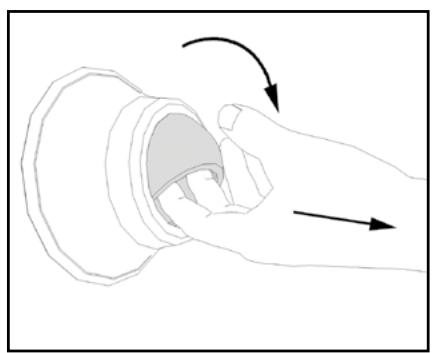
natural_image
Line drawing of a hand holding a mechanical component with directional arrows indicating motion (no text or symbols)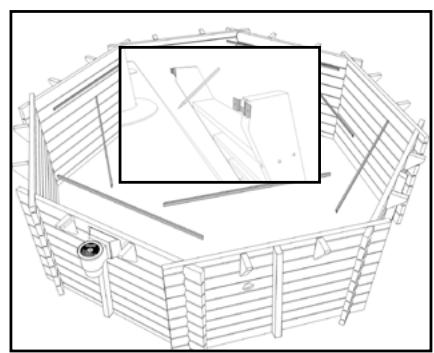
natural_image
Architectural line drawing of a hexagonal building interior with structural beams and windows (no text or symbols)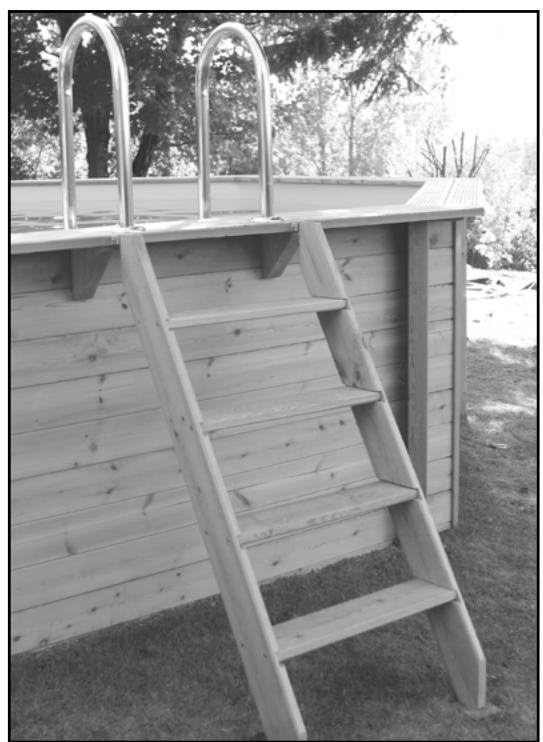
natural_image
Exterior view of a wooden play structure with metal railings and ladder, set against trees and grass (no signage or text)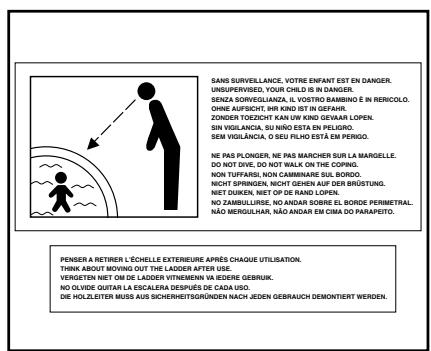
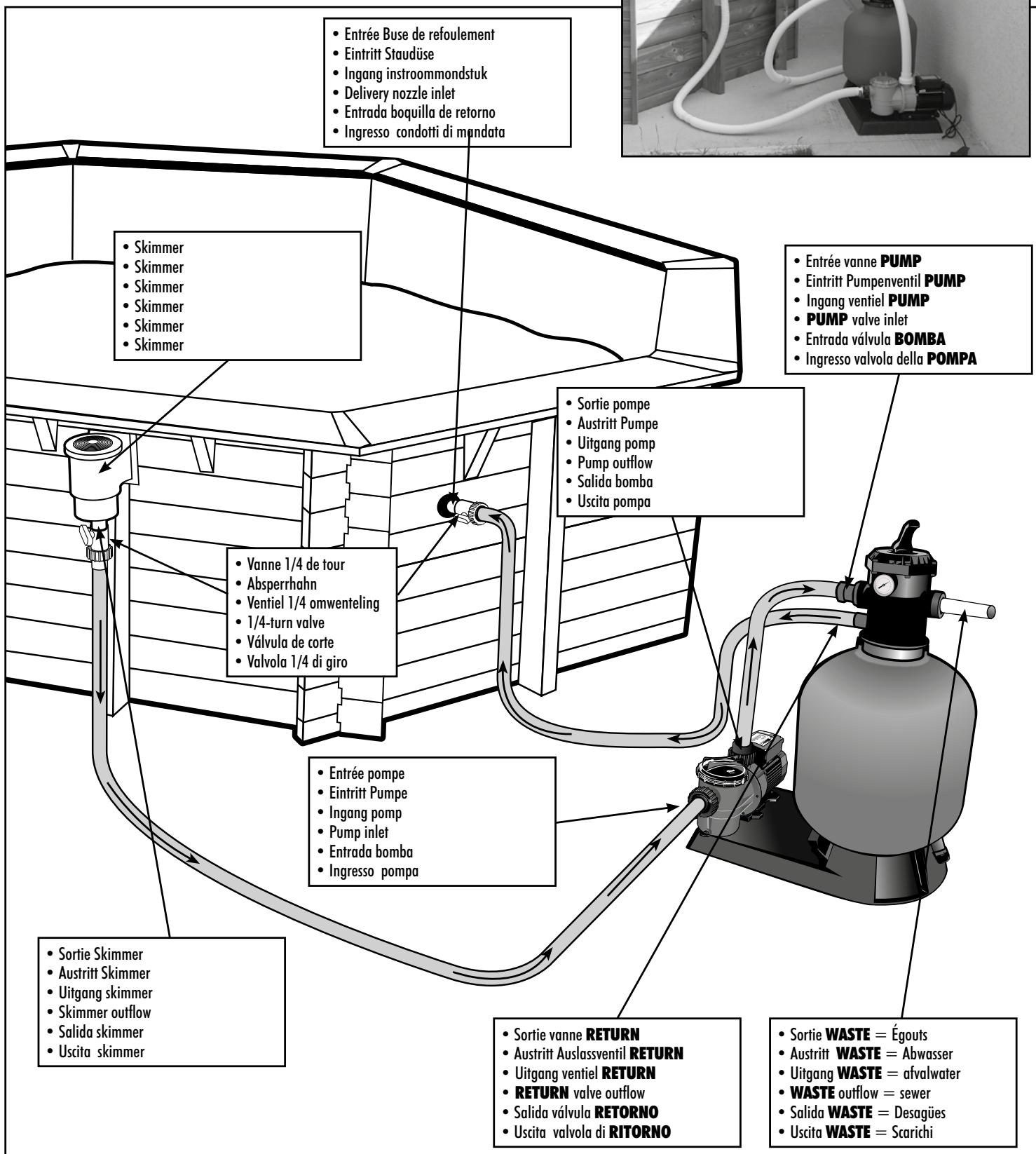
- Attention à respecter scrupuleusement les indications de montage hydraulique mentionnées dans la notice accompagnant le groupe de filtration
- Auf die gewissenhafte Einhaltung der Hinweise für die hydraulische Montage in der Anleitung achten, die der Filtergruppe beigefügt ist
- Let op: neem de aanwijzingen voor de hydraulische montage genoemd in de handleiding bij de filters nauwgezet in acht"
- Ensure that scrupulous attention is paid to the instructions for installing the hydraulics; these are given in the leaflet which comes with the filtration unit.
- Cumpla estrictamente las indicaciones de montaje hidráulico mencionadas en las instrucciones que acompañan al grupo de filtración
- Attenersi scrupolosamente alle indicazioni di montaggio idrauliche riportate nelle istruzioni accluse al gruppo di filtrazione

- Annexe Notice de montage - Kit Plomberie
- Anhang Montageanleitung - Zubehör-Set
- Bijlage bij de montagehandleiding - Leidingenset
- Appendix to construction notes - Plumbing kit
- Anexo Instrucciones de montaje - Kit de fontanería
- Allegato Avvertenza di montaggio - Kit impianto idraulico
UTILISATION ET ENTRETIEN DES PISCINES BOIS
① Failure to comply with the maintenance instructions may lead to serious risks to health, particularly where children are concerned.
1. TREATING THE WATER
Your swimming pool installation is complete! Before you get into the pool for the first time, it is essential to “prepare” the water. Bathing often leads to a good deal of pollution caused by things like vegetation, earth, dust, sweat, saliva, hair, grease, etc. The swimming pool water must be protected from these substances in order to avoid various micro-organisms developing.
In order to do this, a few simple rules may be applied:
- It is a good idea to have the filter running during the day, as it is bathing that causes most of the pollution. Regulate the timing of the filter according to the temperature of the water. The higher the temperature of the water, the more easily bacteria will grow.
| Water Temperature | < 10° | 10-12° | 12-16° | 16-24° | 24-27° | 27-30° |
| Filtration time | 2h | 4h | 6h | 8h | 10-12h | -> 20h |
Generally speaking, whatever type of system you have, any impurities should be removed if the pool is cleaned regularly using the filter.
The sand filter: When the amount of impurities in the sand increases, the circulation of the water becomes less efficient and consequently the pressure increases. Refer to the notes on maintaining the filtration unit for cleaning it.
- Analyse the water in your swimming pool: it is a worth checking the pH level (degree of acidity or alkalinity of the water) every week. It should always range between 7.2 and 7.6. An incorrect pH level may result in the water treatment products working less efficiently, may accelerate the development of chloramines (causing unpleasant odours and irritation of the mucous membranes...) and the corrosion of any metal parts..
- Treat the water regularly: a weekly disinfectant treatment (bromine, chlorine and active oxygen...) against bacteria will avoid all the problems caused by poor quality water. One treatment every fortnight with an algaecide effectively combats the initial appearance and further development of algae.
① Using and storing chlorinated products
Remember that these are dangerous products that must be stored and used only as directed by the manufacturers. Do not mix chemical products with each other. Store products in tightly closed containers in a cool and well ventilated place; do not expose to direct sunlight. If using a container for measuring out chemicals, rinse thoroughly after each use. Read the safety information and instructions provided on each label carefully. Keep all chemicals out of reach of children..
- Everyday remove as much dirty matter from the pool as possible with a fishing net (fallen leaves, dead insects...) and clean the surface of the water regularly to remove greasy deposits.
- Empty the pump container. Just like the skimmer container, it is a good idea to empty it regularly to maintain the optimum filtration level.
Annual treatment: In order to have clean water all the time, clean the filter, change about to 12 of the water in the pool and look after it properly through the winter. Change all the water in your pool every 3 to 4 years.
Problems and solutions :
| PROBLEMS | CAUSES | SOLUTIONS |
| 1. Water clear with greenish or brownish tint.Large number of brown stains on the sides of the pool. | Oxidation of metallic salts (iron or copper) present in the water used to fill the pool | Check the pH level. Put in a calcium and metal stabiliser when you fill the pool. Clean out the filter. Remove sediment and filter continuously. |
| pH level too low. Corrosion of metal parts. | ||
| 2. Water has a yellow or brownish tint | Water being used to fill the pool is high in iron or manganese | See 1. |
| 3. Water milky and cloudy | Organic and colloidal impurities | Chlorinate thoroughly. Clean the filter. Remove sediment and filter well. |
| Inorganic substancesincreasing the hardness of the water | Check the pH level. Put in a calcium and metal stabiliser when you fill the pool. | |
| 4. Slimy green deposits on the sides of the pool | Build up of algae | Chlorinate thoroughly. Treat with an algaecide |
| 5. Sides of the pool have an uneven appearance | Calcium deposits caused by hard water | Check the pH level. Put in a calcium and metal stabiliser. If the pool is empty clean with a pool descaler. |
| 6. Irritation to skin and eyes, unpleasant odour | Presence of combined chlorine (chloramine) | Adjust the pH level. Chlorinate thoroughly. Put in fresh water |
| 7. Evidence of corrosion | pH level too low | Increase the pH level to 7.0 – 7.4 |
2. TAKING CARE OF THE STRUCTURE OF THE POOL
- The wood
Wood is a living substance which is subject to variations in humidity and temperature. Over the course of time wood is liable to swell, tiny cracks or splits may appear. Such occurrences do not in any way alter the wood's resistance or the durability of our materials.
Furthermore, a deformity in the sides of the pool caused by the pressure of the water may occur, mainly on the central and lower planks (under maximum water pressure) – this is normal.
On the understanding that the pool has been assembled according to the instructions provided, there is no cause for concern here regarding the stability of the structure.
The sterilising high pressure steam treatment of all the timber parts protects the wood from being attacked by insects and fungi. This treatment gives the timber a greenish hue which does not pose any danger to humans. At any rate, this colour will fade with time. According to how much it is exposed to direct sunlight, the wood will gradually take on a silvery grey appearance. This process can be slowed down by using a glaze or protective oil, which ideally should be applied a few weeks after the swimming pool has been installed (this will stabilise the structure and reduce the greenish tinge caused by the steam treatment...).
- The liner
The liner is a flexible PVC membrane and is exceptionally fragile. Therefore make sure that the water in the swimming pool is absolutely clean and that the pH level is not too high.
- The surface of the water is the most exposed to a variety of deposits so it must be cleaned regularly with the appropriate products (no solvents and no abrasives should be used).
- Never put any undiluted treatment product directly on to the liner as this may cause discoloration. The solid blocks of these products must be dissolved in a chlorine diffuser or ion the skimmer basket.
- When you pause the filtration system, particularly in winter, it is essential to treat the pool to prevent the build up of moss and calcium.
① Never completely drain the pool. You must never allow the liner to be left for more than 24 hours without water in the pool otherwise it may change shape, cracks may appear, etc.
Stains on the liner: causes and solutions
| COLORS OF THE SPOTS | POSSIBLE CAUSES | WHAT SHOULD YOU DO |
| White | 1. Discoloration of the material due to contact with a chemical (chlorine...) | 1. No solution |
| White /grey | 1. Calcium deposits | 1. Drain the pool, have it cleaned by machine, refill the basin, get the water balance right and put in an anti-calcium treatment. |
| Pink | 1. Migration of bacteria which have developed underneath the membrane as a result of an underlying humidity | 1) Lower the pH level and the temperature of the water. Carry out a high- power cleaning treatment and run the filter for 48 hours non-stop. To prevent this recurring keep the pH level between 7 and 7.4 |
| Green | 1. Algae2. accelerated deterioration of the surface of the water due to sun and oxidising products | 1. Correct the pH level, Carry out a high- power cleaning treatment and run the filter for 48 hours non-stop, have the pool cleaned by machine.2. Use a descaler, brush the stains then vacuum the deposits. |
| Orange/brown | 1. Dead algae2. Water contains iron oxide or copper | 1. Brush the sides of the pool and vacuum the deposits.2. Lower the pH level and the temperature of the water, brush the stains then vacuum the deposits. |
| Black | 1. Migration of bacteria which have developed underneath the membrane as a result of an underlying humidity 2. Water contains heavy metals (iron, silver ...) | 1. Lower the pH level and the temperature of the water. Carry out a high- power cleaning treatment and run the filter for 48 hours non-stop. To prevent this recurring keep the pH level between 6.8 and 7.02. Lower the pH level and the temperature of the water, brush the stains then vacuum the deposits |
| Liner is sticky or has grease deposits | 1. Algae2. Water contains heavy metals (iron, silver ...) | 1. Correct the pH level, Carry out a high- power cleaning treatment and run the filter for 48 hours non-stop, have the pool cleaned by machine.2. . Lower the pH level and the temperature of the water, brush the stains then vacuum the deposits |
3. WINTER CARE AND SAFETY
Winter care is an essential element of maintaining the pool. The aim of this operation is to avoid the build up of too many algae and calcium deposits inside the basin during the winter. By adding a winter care product you will be protecting the water and your pool in winter, thus making it easier to clean at the start of the new season.
It is imperative that you do not completely drain the pool in the winter (or for a long period of time). In fact totally draining the pool does not improve the condition either of the liner or of the structure of the basin, since the water plays a dual role, providing thermal insulation and ballast. The pool is better protected from weather hasards, the water pressure prevents anything going through the sides of the pool (in case of ground movement) and offsets the pressure of soil and groundwater.
Details about winter care of the filter are given in the notes provided with the tank.
It is a good idea to remove the ladder and put it away in a safe place. For safety reasons, this ladder must only be used for accessing the pool. You should cover the swimming pool with a winter canvas cover or better still a tarpaulin safety cover certified according to safety standard NF P 90 308. In this case you will have to remove any snow from the cover regularly. But having a cover over the pool does not mean that you do not need to be vigilant. You will have to check the state of the water regularly and if the water is turning green you will have to treat it using a chlorine solution.
Finally, make sure that rainwater can drain away properly around the pool.
4. DISMANTLING THE POOL
Whilst it is possible to do so, dismantling the pool is not recommended. In fact, it may cause damage to the component parts and repositioning the liner when reassembling the pool is a very delicate operation.
natural_image
Exterior view of a modern swimming pool with a wooden deck, surrounded by rocks and trees under a clear blue sky (no signage or text visible)contact@outsideliving.com
(F) Outside Living Industries France SARL
(B) / (L) Outside Living Industries BeLux BVNR
Wondelgemkaai 10
B - 9000 Gent
Assembly Assistance – Only for France – Belgium – Luxembourg
Our assistance service is available from Monday to Saturday from 9am to 6pm, except on public holidays, at the indigo number:
www.outsideliving.com
Ref. 7524580
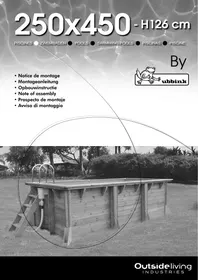
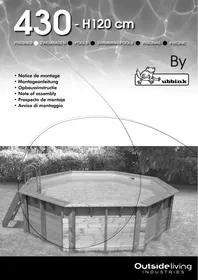
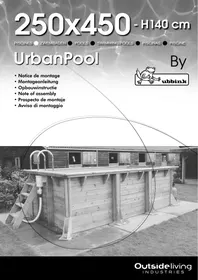
- Please read carefully and keep for future reference
- - Maintenance and Safety Notice
- FOREWORD
- SAFETY
- Leer atentamente y conservar para su consulta ulterior
- - Aviso
- PRÓLOGO
- GARANTIES PISCINES UBBINK®
- Garantie UBBINK® POOL
- DURCH DIE GARANTIE GEDECKT
- After Sales service UBBINK®
- Warranty conditions:
- Wood is a material that remains natural.
- Cracks, splits and tears
- Resin upwelling
- Colour differences
- Presence of knots
- Retention of oven products
- Surface mould
- Additional processing
- Storage and assembly of your pool
- UBBINK® After-Sales Service
- IMPORTANT: After-sales service will only be processed with points of sale.
- GARANTÍA DE LAS PISCINAS UBBINK®
- • Key points on the partially sunk swimming pool or on the inground installation
- SUMMARY:
- UTILISATION ET ENTRETIEN DES PISCINES BOIS
- ① Failure to comply with the maintenance instructions may lead to serious risks to health, particularly where children are concerned.
- TREATING THE WATER
- ① Using and storing chlorinated products
- TAKING CARE OF THE STRUCTURE OF THE POOL
- - The wood
- - The liner
- ① Never completely drain the pool. You must never allow the liner to be left for more than 24 hours without water in the pool otherwise it may change shape, cracks may appear, etc.
- WINTER CARE AND SAFETY
- DISMANTLING THE POOL
- Outside Living Industries France SARL
- / (L) Outside Living Industries BeLux BVNR
- Assembly Assistance – Only for France – Belgium – Luxembourg
Brand : UBBINK
Model : OUESSANT 580
Category : Swimming Pool