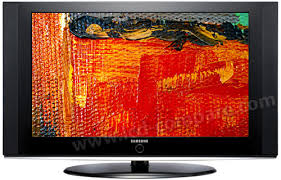
USER MANUAL LE26S81B SAMSUNG
Owner's Instructions
Before operating the unit, please read this manual thoroughly, and retain it for future reference.
ON-SCREEN MENUS
PC DISPLAY
PICTURE IN PICTURE (PIP)
TELETEXT
Register your product at www.samsung.com/global/register
Record your Model and Serial number here for future reference.
- Model ____ - Serial No. ____
Precautions When Displaying a Still Image
A still image may cause permanent damage to the TV screen.
• Do not display a still image on the LCD panel for more than 2 hours as it can cause screen image retention.
This image retention is also known as "screen burn".
To avoid such image retention, reduce the degree of brightness and contrast of the screen when displaying a still image.
- Watching the LCD TV in 4:3 format for a long period of time may leave traces of borders displayed on the left, right and center of the screen caused by the difference of light emission on the screen. Playing a DVD or a game console may cause a similar effect to the screen. Damages caused by the above effect are not covered by the Warranty.
• Displaying still images from Video games and PC for longer than a certain period of time may produce partial after-images.
To prevent this effect, reduce the 'brightness' and 'contrast' when displaying still images.
Contents
CONNECTING AND PREPARING YOUR TV
◆ List of Parts 2
◆ Installing the Stand 2
◆ Installing the Wall Mount Kit....2
◆ Viewing the Control Panel....3
◆ Viewing the Connection Panel 4
◆ Viewing the Remote Control ....7
◆ Installing Batteries in the Remote Control......8
◆ Switching On and Off 8
◆ Placing Your Television in Standby Mode .....8
◆ Plug & Play ......9
SETTING THE CHANNELS
◆ Storing Channels Automatically .....10
◆ Storing Channels Manually....11
◆ Setting the Channel Lists 12
◆ Activating the Child Lock....12
◆ Sorting the Stored Channels....13
◆ Assigning Channels Names......13
◆ Fine Tuning Channel Reception......14
SETTING THE PICTURE
◆ Changing the Picture Standard....14
◆ Adjusting the Custom Picture....15
◆ Changing the Colour Tone ....15
◆ Activating Backlight....16
◆ Configuring Detailed Settings on the Picture ..17
◆ Changing the Picture Size ....18
◆ Freezing the Current Picture....19
◆ Selecting the Screen Mode....19
◆ Resetting the Picture Settings to the Factory Defaults....19
◆ Digital NR / Active Colour / DNle .....20
◆ Viewing the Picture In Picture (PIP)......21
◆ HDMI Black Level 22
SETTING THE SOUND
◆ Changing the Sound Standard....22
◆ Adjusting the Sound Settings......23
◆ Setting the TruSurround XT (SRS TS XT) .....23
◆ Connecting Headphones ......24
◆ Selecting the Sound Mode......24
◆ Adjusting the Volume Automatically .....24
◆ Selecting the Internal Mute .....25
◆ Listening to the Sound of the Sub Picture......25
◆ Resetting the Sound Settings to the Factory Defaults....26

Symbol
Press

Important

Note

One-Touch Button
SETTING THE TIME
◆ Setting and Displaying the Current Time .....26
◆ Setting the Sleep Timer....27
◆ Switching the Television On and Off Automatically....27
FUNCTION DESCRIPTION
◆ Choosing Your Language......28
◆ Using Game Mode....28
Setting the Blue Screen Mode / Selecting the Melody 29
Setting the Home Theater PC 29
◆ Using the Energy Saving Feature ....30
◆ Selecting the Source....31
◆ Editing the Input Source Names ....31
USING THE TELETEXT FEATURE
◆ Teletext Decoder....32
◆ Displaying the Teletext Information ......32
◆ Selecting a Specific Teletext Page....33
◆ Using Fastext to Select a Teletext Page ......33
SETTING THE PC
Setting up Your PC Software (Based on Windows XP)....34
◆ Display Modes ....34
Setting the PC....35
◆ Wall-Mount Adjustment
(LE40S8 LE46S8) (Sold separately)......36
RECOMMENDATIONS FOR USE
◆ Using the Anti-Theft Kensington Lock......37
◆ Troubleshooting: Before Contacting Service Personnel....37
◆ Technical and Environmental Specifications ..38
List of Parts
Please make sure the following items are included with your LCD TV. If any items are missing, contact your dealer.
| Remote Control & Batteries (AAA x 2) | Power Cord | Cover-Bottom | Stand Screw X 4 | Stand | Cleaning Cloth |
| ◆Owner's Instructions | ◆Warranty card | ◆Safety Guide | ◆Registration Card |
Warranty card / Safety Guide / Registration Cards (Not available in all locations)
The stand and stand screw may not be included depending on the model.
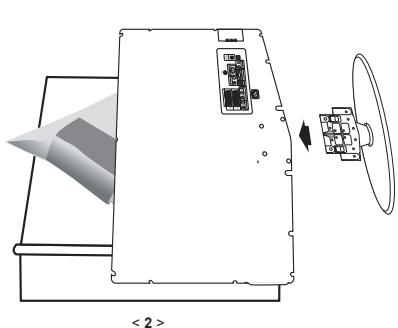
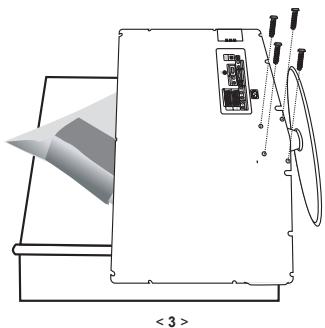
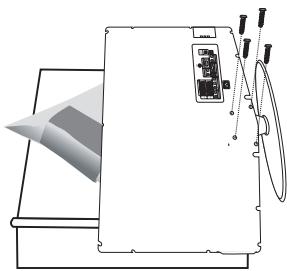
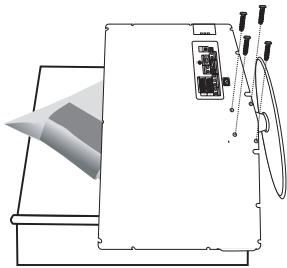
Installing the Stand
natural_image
Diagram showing a device with a lens and internal components, no text or symbols present
natural_image
Diagram of a camera setup with lens, screen, and antenna components (no text or symbols)
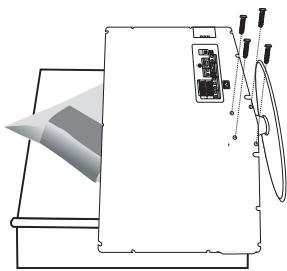
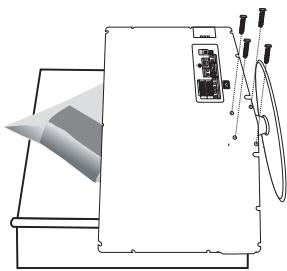
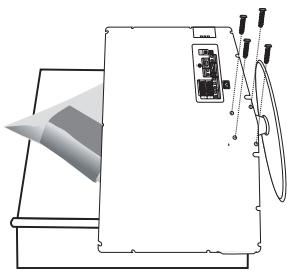
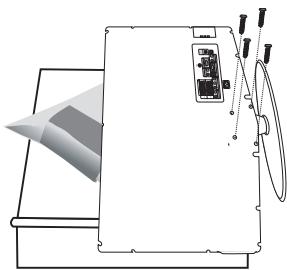
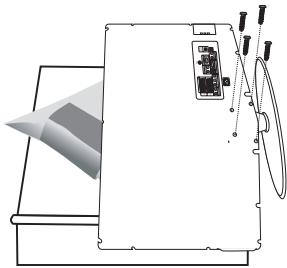
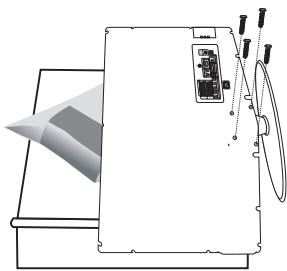
- Place the TV faced down on a soft cloth or cushion on a table.
- Put the stand into the hole at the bottom of the TV.
- Insert screw into the hole indicated and tighten.
The stand is installed for models with the screen size of 37 inch and above.
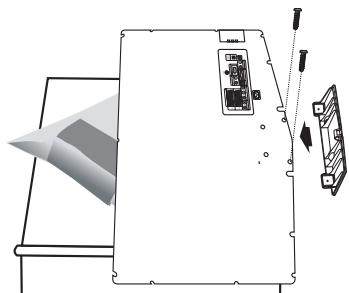
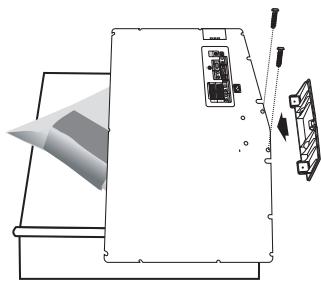
Installing the Wall Mount Kit
natural_image
Diagram of a device layout with labeled components and directional arrows (no text or symbols)
Wall mount items (sold separately) allow you to mount the TV on the wall.
For detailed information on installing the wall mount, see the instructions provided with the Wall Mount items. Contact a technician for assistance when installing the wall mounted bracket.
Samsung Electronics is not responsible for any damage to the product or injury to yourself or others if you elect to install the TV on your own.
➢ Remove the stand and cover the bottom hole with a cap and fasten with two screws.
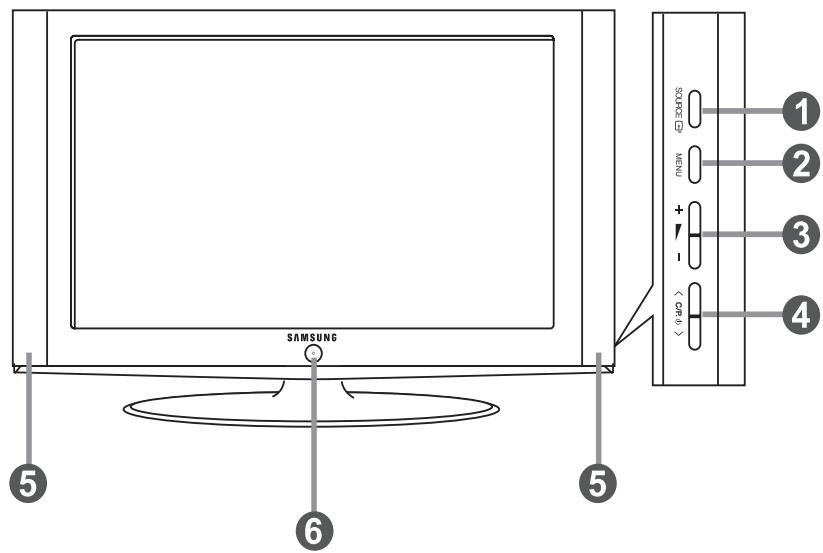
The product colour and shape may vary depending on the model.
① SOURCE
Toggles between all the available input sources (TV, Ext.1, Ext.2, AV, S-Video, Component, PC, HDMI1, HDMI2).
In the on-screen menu, use this button as you use the ENTER button on the remote control.
Press to see an on-screen menu of your TV's features.
③ + ▲ -
Press to decrease or increase the volume.
In the on-screen menu, use the + ▶ - buttons as you use the ◀ and ▶ buttons on the remote control.
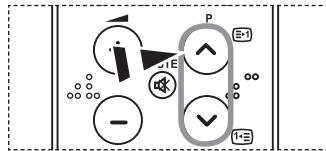
4 < C/P. ⊙ >
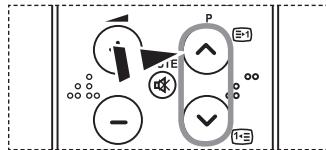
Press to change channels.
In the on-screen menu, use the < C/P. ⏻> buttons as you use the ▲ and ▼ buttons on the remote control.
(Without the Remote Control, you can turn on the TV by using the Channel buttons.)
⑤ Speakers
6 ⏻ (Power)
Press to turn the TV on and off.
Power Indicator
Blinks and turns off when the power is on and lights up in stand-by mode.
Remote Control Sensor
Aim the remote control towards this spot on the TV.
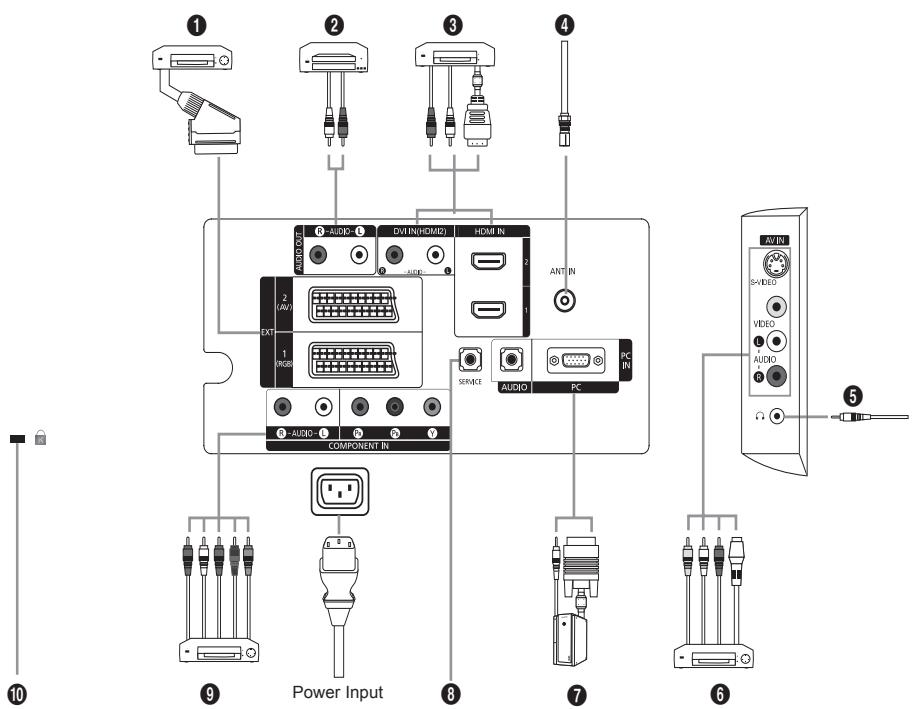
➢ Whenever you connect an external device to your TV, make sure that power on the unit is turned off.
When connecting an external device, match the colour of the connection terminal to the cable.
① Connecting Set-Top Box, VCR or DVD
| Connector | Input | Output |
| Video | Audio (L/R) | RGB | Video + Audio (L/R) |
| EXT 1 | O | O | O | Only TV |
| EXT 2 | O | O | | Output you can choose. |
-Inputs or outputs for external devices, such as VCR, DVD, video game device or video disc players.
② Connecting AUDIO
- Connect RCA audio cables to "R - AUDIO - L" on the rear of your set and the other ends to corresponding audio in connectors on the Amplifier or DVD Home Theater.
③ HDMI IN 1, HDMI IN 2
- Supports connections between HDMI-connection-enabled AV devices (Set-Top Boxes, DVD players)
- No additional Audio connection is needed for an HDMI to HDMI connection.
What is HDMI?
- "High Definition Multimedia interface" allows the transmission of high definition digital video data and multiple channels of digital audio (5.1 channels).
- The HDMI/DVI terminal supports DVI connection to an extended device with the appropriate cable (not supplied). The difference between HDMI and DVI is that the HDMI device is smaller in size, has the HDCP (High Bandwidth Digital Copy Protection) coding feature installed, and supports multi-channel digital audio.
DVI IN (HDMI2) / (AUDIO R/L)
- When connecting this product via HDMI or DVI to a Set Top Box, DVD Player or Games Console etc, make sure that it has been set to a compatible video output mode as shown in the table below. Failure to observe this may result in picture distortion, image breakup or no picture.
- When using an HDMI/DVI cable connection, it is only possible from the HDMI2 terminal.
You should use the DVI-to-HDMI cable or DVI-HDMI Adapter for the connection, and the "R- AUDIO - L" terminal on DVI for sound output.
➢ Supported modes for HDMI/DVI and Component
| 480i | 480p | 576i | 576p | 720p | 1080i |
| HDMI/DVI 50Hz | X | X | X | O | O | O |
| HDMI/DVI 60Hz | X | O | X | X | O | O |
| Component | O | O | O | O | O | O |
④ Connecting an Aerial or Cable Television Network
To view television channels correctly, a signal must be received by the set from one of the following sources:
- An outdoor aerial / A cable television network / A satellite network
⑥ Connecting External A/V Devices
- Connect RCA or S-VIDEO cable to an appropriate external A/V device such as VCR, DVD or Camcorder.
- Connect RCA audio cables to "R - AUDIO - L" on the rear of your set and the other ends to corresponding audio out connectors on the A/V device.
- Headphone may be connected to the headphone output (5) on the rear of your set. While the head phone is connected, the sound from the built-in speakers will be disabled.
⑦ Connecting Computer
- Connect the D- Sub cable (optional) to "PC (PC IN)" on the rear of your set and the other end to the Video Card of your computer.
- Connect the stereo audio cable (optional) to "AUDIO (PC IN)" on the rear of your set and the other end to "Audio Out" of the sound card on your computer.
8 SERVICE
- Service connection for qualified service engineer.
⑨ Connecting Component Devices (DTV/DVD)
- Connect component video cables (optional) to component connector ("P R ", "P B ", "Y") on the rear of your set and the other ends to corresponding component video out connectors on the DTV or DVD.
- If you wish to connect both the Set-Top Box and DTV (or DVD), you should connect the Set-Top Box to the DTV (or DVD) and connect the DTV (or DVD) to component connector ("P R ", "P B ", "Y") on your set.
- The P_R , P_B and Y connectors on your component devices (DTV or DVD) are sometimes labeled Y, B-Y and R-Y or Y, Cb and Cr.
- Connect RCA audio cables (optional) to "R - AUDIO - L" on the rear of your set and the other ends to corresponding audio out connectors on the DTV or DVD.
- This LCD TV displays its optimum picture resolution in 720p mode.
- This LCD TV displays its maximum picture resolution in 1080i mode.
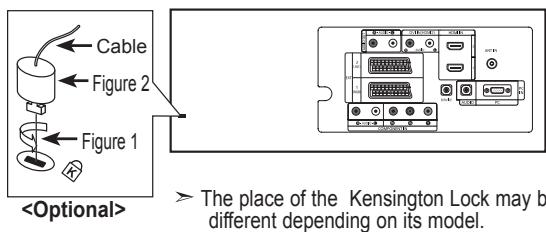
⑩ Kensington Lock
- The Kensington lock (optional) is a device used to physically fix the system when used in a public place.
- If you want to use a locking device, contact the dealer where you purchased the TV.
- The place of the Kensington Lock may be different depending on its model.
Viewing the Remote Control
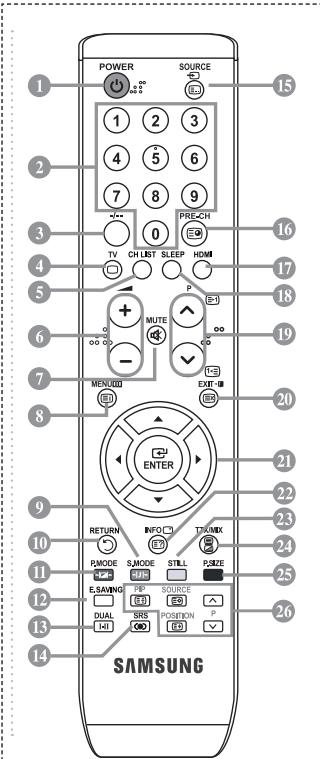
① Television Standby button
② Number buttons for direct channel access
③ One/Two-digit channel selection
4 Selects the TV mode directly
⑤ Used to display Channel Lists on the screen.
6 + Volume increase
- Volume decrease
⑦ Temporary sound switch-off
8 Menu display and change confirmation
9 Sound mode selection
10 Returns to the previous menu.
11 Picture effect selection
12 Adjusts screen brightness to save energy.
13 Sound effect selection
14 SRS TS XT selection
15 Available source selection
16 Previous channel
17 Selects the HDMI mode directly.
18 Automatic Power-off
19 P ⬇: Next channel
P ⬇: Previous channel
20 Exit the OSD
21 Control the cursor in the menu
22 Use to see information on the current broadcast
23 Picture freeze
25 Picture size selection
26 PIP:Picture-In-Picture On / Off
SOURCE: Input source selection
POSITION: PIP position selection
P□: Next channel
P▼: Previous channel
Teletext Functions
④ Exit from the teletext display
8 Teletext index
15 Teletext mode selection (LIST/FLOF)
16 Teletext sub page
19 P ⬇: Teletext next page
P ⬇: Teletext previous page
20 Teletext cancel
22 Teletext reveal
24 Alternately select Teletext, Double, or Mix.
9112325
Fastext topic selection
26 PIP:Teletext Hold
26 SOURCE: Teletext Store
26 POSITION: Teletext size selection
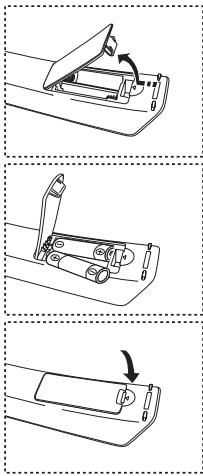
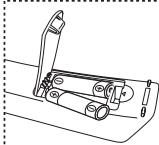
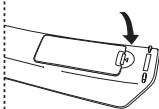
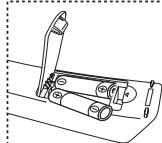
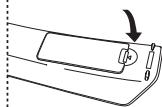
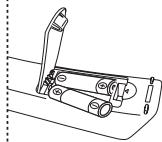
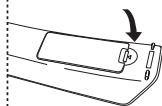
Installing Batteries in the Remote Control
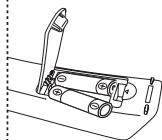
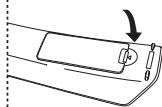
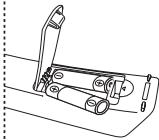
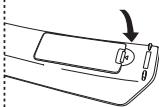
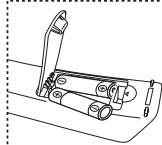
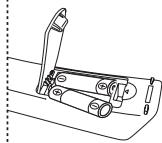
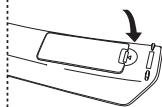
- Lift the cover at the back of the remote control upward as shown in the figure.
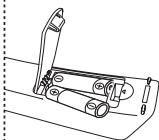
- Install two AAA size batteries.
Make sure to match the "+" and "-" ends of the batteries with the diagram inside the compartment.
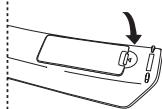
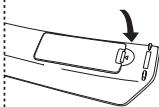
- Replace the cover.
Remove the batteries and store them in a cool, dry place if you won't be using the remote control for a long time. The remote control can be used up to about 23 feet from the TV.
(Assuming typical TV usage, the batteries last for about one year.)
If the remote control doesn't work, check the following:
- Is the TV power on?
- Are the plus and minus ends of the batteries reversed?
- Are the batteries drained?
- Is there a power outage, or is the power cord unplugged?
- Is there a special fluorescent light or neon sign nearby?
Switching On and Off
The mains lead is attached to the rear of your set.
- Plug the mains lead into an appropriate socket.
The standby indicator lights up on the front of the set.
- Press the ⏻ button on the front of the set.
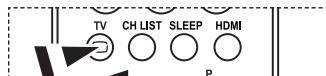
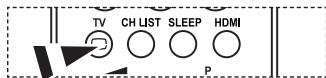
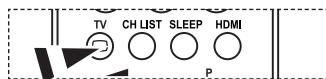
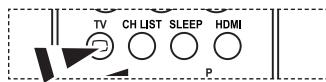
➢ You also can press the POWER ⏻ button or the TV button on the remote control to turn the TV on.
The programme that you were watching last is reselected automatically.
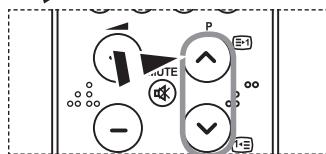
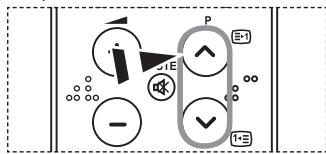
- Press the numeric button (0\~9) or channel up/down (◎/◎) button on the remote control or button on the right side of the set.
When you switch the set on for the very first time, you will be asked to choose language in which the menus are to be displayed.
- To switch your set off, press the POWER ⏻ button again.
Placing Your Television in Standby Mode
Your set can be placed in standby mode in order to reduce the power consumption. The standby mode can be useful when you wish to interrupt viewing temporarily (during a meal, for example).
- Press the POWER button on the remote control.
The screen is turned off and a red standby indicator appears on the front of your set.
- To switch your set back on, simply press the POWER, numeric buttons (0\~9), TV button or channel up/down (∅/∅) button again.
Do not leave your set in standby mode for long periods of time (when you are away on holiday, for example).
It is best to unplug the set from the mains and aerial.
When the TV is initially powered on, several basic settings proceed automatically and subsequently. The following settings are available.
- Press the POWER button on the remote control. The message "Start Plug & Play" is displayed with "OK" selected.
- Select the appropriate language by pressing the ▲ or ▼ buttons. Press the ENTER button to confirm your choice.
- Press the ◀ or ▶ buttons to select "Shop" or "Home", then the ENTER button.
We recommend setting the TV to Home mode for the best picture in your home environment.
➢ Shop mode is only intended for use in retail environments.
If the unit is accidentally set to Shop mode and you want to return to Dynamic (Home) mode, press the Volume button and then hold down the MENU button for five seconds on the side panel of the TV.
- The message "Check antenna input." is displayed with "OK" selected.
Press the ENTER button.
➢ Please check that the antenna cable is connected correctly.
- Select the appropriate country by pressing the ▲ or ▼ button.
Press the ENTER button to confirm your choice.
- The "Auto Store" menu is displayed with the "Start" selected. Press the ENTER button.
➢ The channel search will start and end automatically.
After all the available channels are stored, the "Clock Set" menu appears.
➢ Press the ENTER button at any time to interrupt the memorization process.
- Press the ENTER button.
Select the "Month", Year", "Day", Hour" or "Minute" by pressing the ◀ or ▶ buttons.
Set the "Month", Year", "Day", Hour" or "Minute" by pressing the ▲ or ▼ buttons.
➢ You can also set the hour and minute by pressing the number buttons on the remote control.
- Press the ENTER button to confirm your setting.
♦ Language: Select your language.
♦ Country: Select your country.
- Auto Store: Automatically scans for and stores channels available in the local area.
♦ Clock Set: Sets the current time for the TV clock.
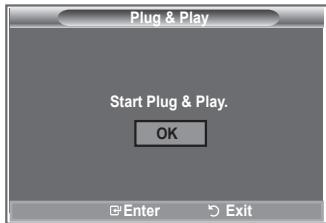
If you want to reset this feature...
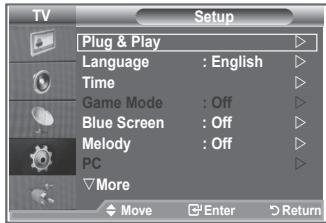
- Press the MENU button to display the menu.
Press the ▲ or ▼ button to select "Setup", then press the ENTER button.
- Press the ENTER button again, to select "Plug & Play".
- The message to "Start Plug & Play" is displayed.
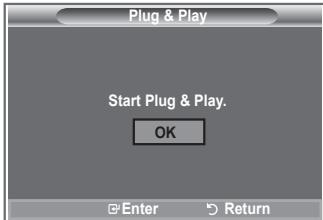
- Storing Channels Automatically
- Storing Channels Manually
Storing Channels Automatically
You can scan for the frequency ranges available to you (and availability depends on your country). Automatically allocated programme numbers may not correspond to actual or desired programme numbers. However, you can sort numbers manually and clear any channels you do not wish to watch.
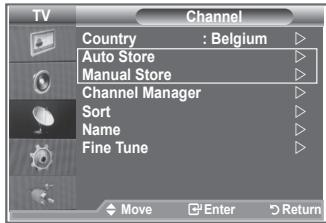
- Press the MENU button to display the menu.
Press the ▲ or ▼ button to select "Channel", then press the ENTER button.
- Press the ENTER button to select "Country".
-
Select the appropriate country by pressing the ▲ or ▼ button.
Press the ENTER button to confirm your choice.
-
Press the ▲ or ▼ button to select "Auto Store", then press the ENTER button.
-
Press the ENTER button.
The TV will begin memorizing all of the available channels.
➢ Press the ENTER button at any time to interrupt the memorization process and return to the "Channel" menu.
- After all the available channels are stored, the "Sort" menu appears.
Storing Channels Manually
You can store up to 100 channels, including those received via cable networks.
When storing channels manually, you can choose:
◆Whether or not to store each of the channels found.
◆The programme number of each stored channel which you wish to identify.
- Press the MENU button to display the menu.
Press the ▲ or ▼ button to select "Channel", then press the ENTER button.
- Press the ▲ or ▼ button to select "Manual Store", then press the ENTER button.
- Press the ENTER button to select "Programme".
- To assign a programme number to a channel, find the correct number by pressing the ▲ or ▼ button and then press the ENTER button.
➢ You can also set a programme number by pressing number buttons on the remote control.
- Press the ▲ or ▼ button to select "Colour System", then press the ENTER button.
- Select the colour standard required by pressing the ▲ or ▼ button then, press the ENTER button.
- Press the ▲ or ▼ button to select "Sound System", then press the ENTER button.
- Select the sound standard required by pressing the ▲ or ▼ button, then press the ENTER button. ➤ If there is an abnormal sound or no sound, re-select the sound system required.
- If you know the number of the channel to be stored, press the ▲ or ▼ button to select "Channel". Press the ENTER button. Select C (Air channel) or S (Cable channel) by pressing the ▲ or ▼ button. Press the ▶ button to select channel.
Select the required number by pressing the ▲ or ▼ button and then press the ENTER button.
➢ Channel mode: P (Programme mode), C (Air channel mode), S (Cable channel mode)
➢ You can also set a channel number by pressing number buttons on the remote control.
- If you do not know the channel numbers, press the ▲ or ▼ button to select "Search".
Press the ENTER button. Search by pressing the ▲ or ▼ button and then press the ENTER button.
- Press the ▲ or ▼ button to select "Store". Press the ENTER button to select "OK".
-
Repeat steps 3 to 11 for each channel to be stored.
-
Programme: Selects a program number for the channel.
♦ Colour System: Sets the colour supporting system.
- Sound System: Sets the sound supporting system.
- Channel: Selects a channel.
♦ Search: Scans for the frequency value for the channel.
- Store: Saves your settings.
Setting the Channel Lists
Set the channels according to your preference.
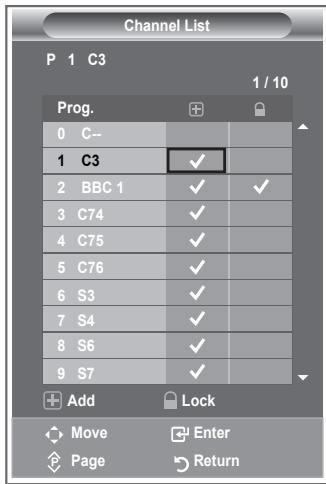
You can easily delete, add, or lock the channel you want.
- Press the MENU button to display the menu.
Press the ▲ or ▼ button to select "Channel", then press the ENTER button.
- Press the ▲ or ▼ button to select "Channel Manager", then press the ENTER button.
- Press the ENTER button again, to select "Channel List".
- Press the ▶ button to select "⊕" line.
- Press the ▲ or ▼ button to select the undesired channel, then press the ENTER button to cancel.
- Repeat steps 5 for each channel to be selected or canceled
- Press the EXIT button to exit.
"> " 🔍 " is active when "Child Lock" is selected to "On".
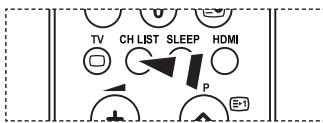
You can select these options by simply pressing the CH LIST button on the remote control.
Activating the Child Lock
This feature allows you to prevent unauthorized users, such as children, from watching unsuitable programmes by muting out video and audio.
Child Lock cannot be released using the buttons on the side. Only the remote control can release the Child Lock setting, so keep the remote control away from children.
- Press the MENU button to display the menu.
Press the ▲ or ▼ button to select "Channel", then press the ENTER button.
- Press the ▲ or ▼ button to select "Channel Manager", then press the ENTER button.
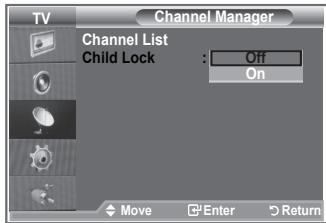
- Press the ▲ or ▼ button to select "Child Lock", then press the ENTER button.
- Press the ▲ or ▼ button to select "On" or "Off". Press the ENTER button.
- Press the ▲ or ▼ button to select "Channel List", then press the ENTER button.
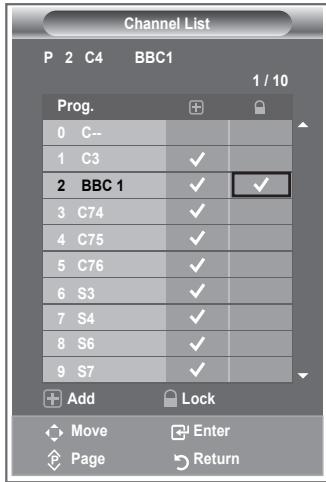
- Press the ▶ button to select "☐" line.
- Press the ▲ or ▼ button to select the channels you want to lock, then press the ENTER button.
- Repeat steps 7 for each channel to be locked or unlocked.
- Press the EXIT button to exit.
➢ Select "On" or "Off" in "Child Lock" to easily turn the channels which selected on "☐" to be active or inactive.
Sorting the Stored Channels
You can exchange the numbers of two channels, in order to:
◆ Modify the numeric order in which the channels have been automatically stored.
- Give easily remembered numbers to the channels that you watch most often.
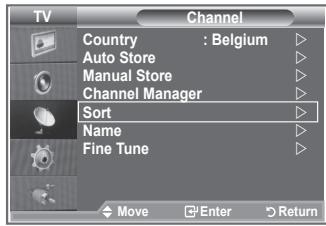
- Press the MENU button to display the menu. Press the ▲ or ▼ button to select "Channel", then press the ENTER button.
- Press the ▲ or ▼ button to select "Sort", then press the ENTER button.
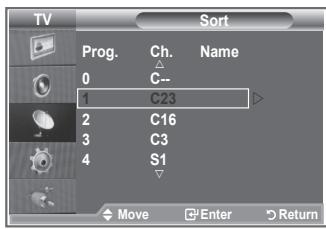
- Select the channel number that you wish to change by pressing the ▲ or ▼ button repeatedly. Press the ENTER button.
The selected channel number and name are moved to right side.
- Press the ▲ or ▼ button to move to the position in which you would like to change and then press the ENTER button.
The selected channel is exchanged with the one previously stored to the chosen number.
- Repeat steps 3 to 4 for another channel to be sorted.
- Press the EXIT button to exit.
Assigning Channels Names
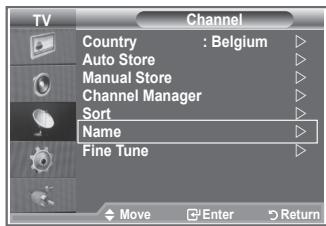
- Press the MENU button to display the menu.
Press the ▲ or ▼ button to select "Channel", then press the ENTER button.
- Press the ▲ or ▼ button to select "Name", then press the ENTER button.
- If necessary, select the channel to be assigned to a new name by pressing the ▲ or ▼ button. Press the ENTER button.
The selection bar is displayed around the name box.
| 4. | To... | Then... |
| Select a letter, number or symbol | Press the ▲ or ▼ button |
| Move on the next letter | Press the ▶ button |
| Move back the previous letter | Press the ◀ button |
| Confirm the name | Press the ENTER button |
The characters available are : Letters of the alphabet (A\~Z) / Numbers (0\~9) / Special characters (-, space)
- Repeat steps 3 to 4 for each channel to be assigned to a new name.
- Press the EXIT button to exit.

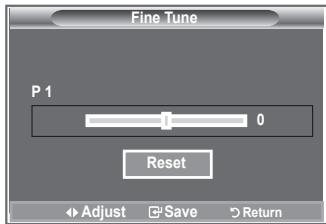
Fine Tuning Channel Reception
Use fine tuning to manually adjust a particular channel for optimal reception.
- Use the number buttons to directly select the channel that you want to fine tune.
- Press the MENU button to display the menu.
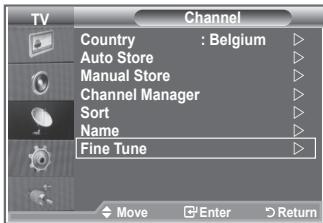
Press the ▲ or ▼ button to select "Channel", then press the ENTER button.
- Press the ▲ or ▼ button to select "Fine Tune", then press the ENTER button.
- Press the ◀ or ▶ button to adjust the fine tuning. Press the ENTER button.
- Press the EXIT button to exit.
Fine tuned channels that have been saved are marked with an asterisk "*" on the right-hand side of the channel number in the channel banner. And the channel number turns red.
To reset the fine-tuning, select "Reset" by pressing the ▲ or ▼ button and then press the ENTER button.
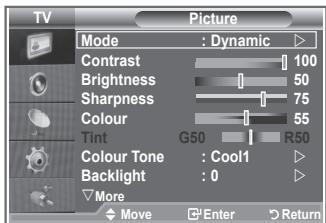
Changing the Picture Standard
You can select the type of picture which best corresponds to your viewing requirements.
- Press the MENU button to display the menu. Press the ENTER button to select "Picture".
- Press the ENTER button again, to select "Mode".
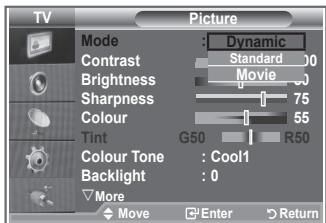
- Press the ▲ or ▼ button to select the desired picture effect. Press the ENTER button.
-
Press the EXIT button to exit.
-
Dynamic: Selects the picture for high-definition in a bright room.
- Standard: Selects the picture for optimum display in a normal environment.
♦ Movie: Selects the picture for comfortable display in a dark room.
The Picture mode must be adjusted separately for each input source.
➢ You can return to the factory defaults picture settings by selecting the "Reset".
(Refer to "Resetting the Picture Settings to the Factory Defaults" on page 19)
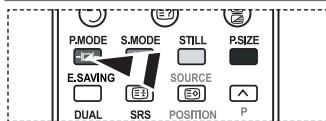
You can also press the P.MODE button on the remote control to select one of the picture settings.
Adjusting the Custom Picture
Your set has several settings which allow you to control picture quality.
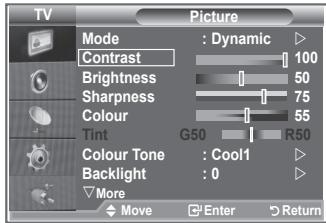
- To select the desired picture effect, follow the "Changing the Picture Standard" instructions number 1 to 3. (on page 14)
- Press the ▲ or ▼ button to select a particular item. Press the ENTER button.
- Press the ◀ or ▶ button to decrease or increase the value of a particular item. Press the ENTER button.
-
Press the EXIT button to exit.
-
Contrast: Adjusts the lightness and darkness between objects and the background.
♦ Brightness: Adjusts the brightness of the whole screen.
- Sharpness: Adjusts the outline of objects to either sharpen them or make them more dull.
♦ Colour: Adjusts the colours, making them lighter or darker.
- Tint(NTSC Only): Adjusts the colour of objects, making them more red or green for a more natural look.
The adjusted values are stored according to the selected Picture mode.
In PC Mode, Only "Contrast" and "Brightness" can be adjusted.
“Tint” function is available only in “HDMI” and “Component” mode.
Changing the Colour Tone
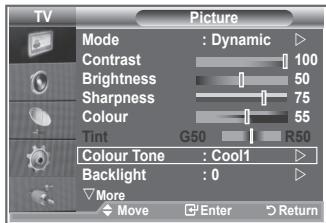
You can select the most comfortable colour tone to your eyes.
- To select the desired picture effect, follow the "Changing the Picture Standard" instructions number 1 to 3. (on page 14)
- Press the ▲ or ▼ button to select "Colour Tone", then press the ENTER button.
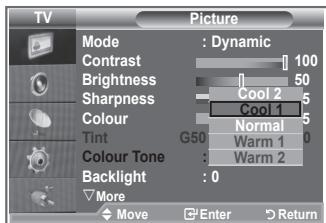
- Press the ▲ or ▼ button to select the desired colour tone setting. Press the ENTER button.
-
Press the EXIT button to exit.
-
Cool2: Makes the colour temperature bluer than "Cool1" menu.
♦ Cool1: Makes whites bluish.
♦ Normal: Keeps whites white.
♦ Warm1: Makes whites reddish.
♦ Warm2: Makes the colour temperature redder than "Warm1" menu.
The adjusted values are stored according to the selected Picture mode.
When the picture mode is set to Dynamic or Standard, Warm1 and Warm2 cannot be selected.
Activating Backlight.
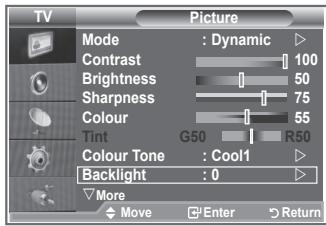
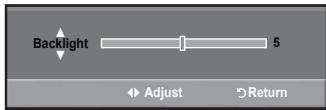
You can adjust the screen brightness by adjusting the LCD backlight brightness. (0\~10)
- To select the desired picture effect, follow the "Changing the Picture Standard" instructions number 1 to 3. (On page 14)
- Press the ▲ or ▼ button to select "Backlight", then press the ENTER button.
- Press the ◀ or ▶ button to decrease or increase the value of a particular item.
Press the ENTER button.
- Press the EXIT button to exit.
Configuring Detailed Settings on the Picture
You can set detailed picture settings.
- Press the MENU button to display the menu.
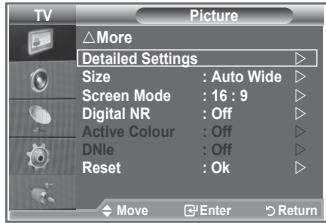
- Press the ENTER button, to select "Picture".
- Press the ▲ or ▼ button to select "Detail Settings", then press the ENTER button.
- Select the required option by pressing the ▲ or ▼ button, then press the ENTER button.
Available options: Black Adjust, Dynamic Contrast, Gamma, Color Space, White Balance, My Colour Control, Edge Enhancement
- When you are satisfied with your setting, press the ENTER button.
- Press the EXIT button to exit.
When the picture mode is set to Movie or Standard, Detailed Settings can be selected.
➢ If DNle is Off, the Detailed Settings cannot be selected when the Picture mode is in Standard mode.
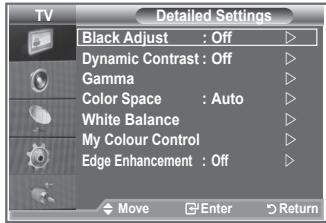
◆ Black Adjust: Off/Low/Medium/High
You can directly select the black level on the screen to adjust the screen depth.
◆ Dynamic Contrast: Off/Low/Medium/High
You can adjust the screen contrast so that the optimal contrast is provided.
♦ Gamma : -3 \~ 3
You can adjust the middle brightness of pictures.
Press the ◀ or ▶ button until you reach the optimal setting.
◆ Color Space: Auto/Wide
You can set the color reproduction space for the input signal to Auto or Wide.
◆ White Balance: R Offset/G Offset/B Offset/R Gain/G Gain/B Gain/Reset
You can adjust the color temperature for more natural picture colors.
R Offset/G Offset/B Offset/R Gain/G Gain/B Gain: Changing the adjustment value will refresh the adjusted screen.
Select the required option by pressing the ▲ or ▼ button, then press the ENTER button.
Press the ◀ or ▶ button until you reach the optimal setting.
Reset: The previously adjusted white balance will be reset to the factory defaults.
◆ My colour Control: Pink/Green/Blue/White/Reset
This setting can be adjusted to suit your personal preferences.
Pink/Green/Blue/White: Changing the adjustment value will refresh the adjusted screen.
Select the required option by pressing the ▲ or ▼ button, then press the ENTER button.
Press the ◀ or ▶ button until you reach the optimal setting.
➢ Reset: The previously adjusted colours will be reset to the factory defaults.
◆ Edge Enhancement: Off/On
You can emphasize object boundaries.
Changing the Picture Size
You can select the picture size which best corresponds to your viewing requirements.
-
Press the MENU button to display the menu. Press the ENTER button, to select "Picture"
-
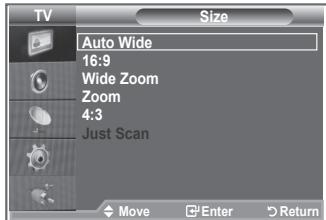
Press the ▲ or ▼ button to select "Size", then press the ENTER button.
-
Select the required option by pressing the ▲ or ▼ button. Press the ENTER button.
-
Press the EXIT button to exit.
-
Auto Wide: Automatically adjusts the picture size to the "16:9" aspect ratio.
- 16:9: Adjusts the picture size to 16:9 appropriate for DVDs or wide broadcasting.
- Wide Zoom: Magnify the size of the picture more than 4:3.
- Zoom: Magnifies the 16:9 wide picture (in the vertical direction) to fit the screen size.
♦ 4:3: This is the default setting for a video movie or normal broadcasting.
- Just Scan : Displays the input scenes as they are without any cutoff when HDMI 720p,1080i signals are input.
➢ "Auto Wide" function is available only in "TV", "Ext1", "Ext2", "AV", and "S-Video" mode.
➢ In PC Mode, only "16:9" or "4:3" mode can be adjusted.
Zoom : Select □ by pressing the ◀ or ▶ buttons.
Use the ▲ or ▼ button to move the picture up and down. After selecting □, use the ▲ or ▼ button to magnify or reduce the picture size in the vertical direction.
Wide Zoom : Move the screen up/down using the ▲ or ▼ buttons after selecting the ☐ by pressing the ▶ or ENTER button.
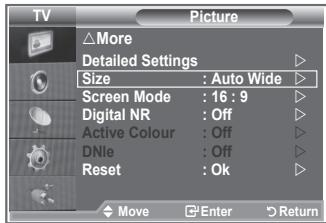
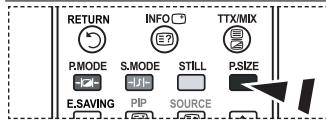
You can select these options by simply pressing the P.SIZE button on the remote control.
Freezing the Current Picture
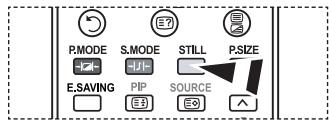
Press the STILL button to freeze a moving picture into a still one. Press again to cancel.
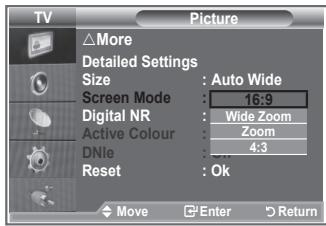
Selecting the Screen Mode
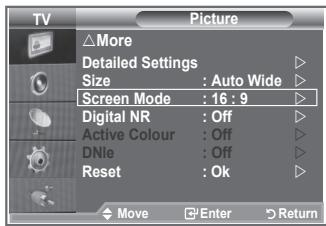
When setting the picture size to Auto Wide in a 16:9 wide TV, you can determine the picture size you want to see the 4:3 WSS (Wide Screen Service) image or nothing. Each individual European country requires different picture size so this function is intended for users to select it.
- Press the MENU button to display the menu.
Press the ENTER button, to select "Picture".
- Press the ▲ or ▼ button to select "Screen Mode", then press the ENTER button.
-
Select the required option by pressing the ▲ or ▼ button. Press the ENTER button.
Available options: 16:9, Wide Zoom, Zoom, 4:3
◆ 16:9: Sets the picture to 16:9 wide mode.
◆ Wide Zoom: Magnify the size of the picture more than 4:3.
◆ Zoom: Magnify the size of the picture vertically on screen.
◆ 4:3: Sets the picture to 4:3 normal mode.
-
Press the EXIT button to exit.
➢ Picture Size is available in Auto Wide mode.
This function is not available in PC or Component, HDMI mode.
Resetting the Picture Settings to the Factory Defaults
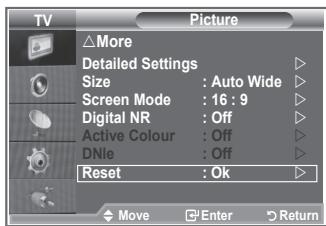
You can return to the factory defaults picture settings.
- To select the desired picture effect, follow the "Changing the Picture Standard" instructions number 1 to 3 on page 14.
- Press the ▲ or ▼ button to select "Reset", then press the ENTER button.
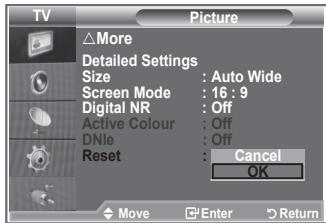
- Press the ▲ or ▼ button to select "OK" or "Cancel". Press the ENTER button.
- Press the EXIT button to exit.
➢ The "Reset" will be set for each picture mode.
Digital NR / Active Colour / DNle
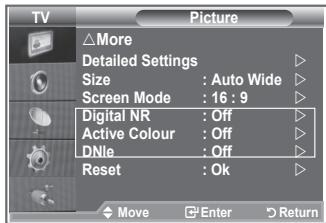
If the broadcast signal received by your TV is weak, you can activate the Digital Noise Reduction feature to help reduce any static and ghosting that may appear on the screen.
- Press the MENU button to display the menu.
Press the ENTER button to select "Picture".
- Select the required option by pressing the ▲ or ▼ button, then press the ENTER button.
Available options: Digital NR, Active Colour, DNle.
- When you are satisfied with your setting, press the ENTER button.
- Press the EXIT button to exit.
◆ Digital NR: Off/Low/Medium/High/Auto
If the signal received by the television is weak, you can activate this feature to reduce any static and ghosting that may appear on the screen.
This function is not available in PC mode.
Active Colour: Off/On
If you turn on this option, the colors of the sky and grass will be stronger and clearer for a more vivid on-screen picture.
This function is not available in PC mode.
This function is not available in Movie mode.
DNle : Off/Demo/On
This TV includes the DNle function so as to provide a high visual quality. If you set DNle to on, you can view the screen with the DNle feature activated. If you set the DNle to Demo, you can view the applied DNle and normal pictures on the screen, for demonstration purposes. Using this function, you can view the difference in the visual quality.
DNle^TM (Digital Natural Image engine) DNle^TM
This feature brings you more detailed image with 3D noise reduction, detail enhancement, contrast enhancement and white enhancement. New image compensation Algorithm gives brighter, clearer, more detailed image to you. DNle™ technology will fit every signal into your eyes.
This function is not available in PC mode.
This function is not available in Movie mode.
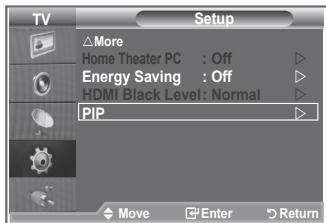
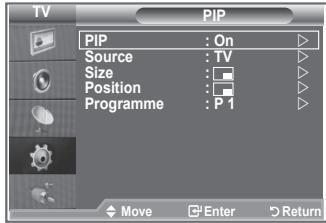
You can display a sub picture within the main picture of set programme or video input. In this way, you can watch the picture of set programme or video input from any connected equipment while watching the main picture.
- Press the MENU button to display the menu.
Press the ▲ or ▼ button to select "Setup", then press the ENTER button.
- Press the ▲ or ▼ button to select "PIP", then press the ENTER button.
- Press the ENTER button again.
Press the ▲ or ▼ button to select "On", then press ENTER button.
➢ If the PIP is activated, the size of the main picture turns to "16:9".
- Press the ▲ or ▼ button to select "Source", then press ENTER button. Select a source of the sub picture by pressing the ▲ or ▼ button and press the ENTER button.
The sub picture can serve different source selections based on what the main picture is set to.
- Press the ▲ or ▼ button to select "Size" of the sub picture and then press the ENTER button.
Select a size of the sub picture by pressing the ▲ or ▼ button and then press the ENTER button.
If main picture is in "Component" and "PC" mode, "Size" is not available.
- Press the ▲ or ▼ button to select "Position", then press the ENTER button. Select the position of the sub picture by pressing the ▲ or ▼ button and then press the ENTER button.
- Press the ▲ or ▼ button to select "Programme" and then press the ENTER button. You can select the channel that you want to view through sub picture by pressing the ▲ or ▼ button. Press the ENTER button.
The "Programme" can be active when the sub picture is set to TV.
- Press the EXIT button to exit.
You may notice that the picture in the PIP window becomes slightly unnatural when you use the main screen to view a game or karaoke.
- Source: Used to select a source of the sub picture.
♦ Size: Used to select a size of the sub picture.
♦ Position: Used to move the sub picture.
♦ Programme: Used to Change the sub picture.
PIP Settings
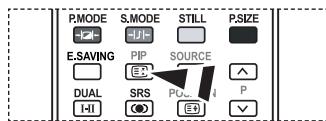
Press the PIP button on the remote control repeatedly to activate or deactivate the "PIP".
O: PIP operates, X: PIP doesn't operate
| Main\Sub | TV analog | Ext.1 | Ext.2 | AV | S-Video | Component | HDMI | PC | TV digital |
| Component | O | O | O | O | X | X | X | X | X |
| HDMI | O | O | O | O | X | X | X | X | X |
| PC | O | O | O | O | X | X | X | X | X |
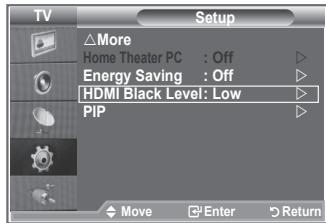
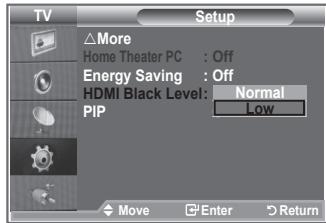
You can directly select the black level on the screen to adjust the screen depth.
- Press the MENU button to display the menu.
Press the ▲ or ▼ button to select "Setup", then press the ENTER button.
- Press the ▲ or ▼ button to select "HDMI Black Level", then press the ENTER button.
- Press the ▲ or ▼ button to select "Normal" or "Low", then press the ENTER button.
- Press the EXIT button to exit.
This Function is active only when the external input connects HDMI(RGB signal).
♦ Normal: The screen gets brighter.
- Low: The screen gets darker.
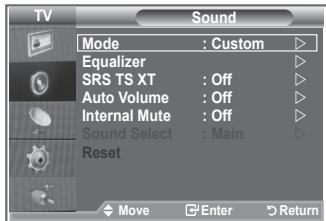
Changing the Sound Standard
You can select the type of the special sound effect to be used when watching a given broadcast.
- Press the MENU button to display the menu.
Press the ▲ or ▼ button to select "Sound", then press the ENTER button.
- Press the ENTER button again, to select "Mode".
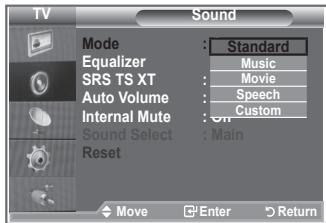
- Select the required sound effect by pressing the ▲ or ▼ button repeatedly and then press the ENTER button.
-
Press the EXIT button to exit.
-
Standard: Selects the normal sound mode.
♦ Music: Emphasizes music over voices.
♦ Movie: Provides live and full sound for movies.
♦ Speech: Emphasizes voices over other sounds.
- Custom: Selects your custom sound settings. (Refer to "Adjusting the Sound Settings")
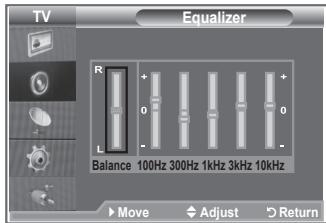
Adjusting the Sound Settings
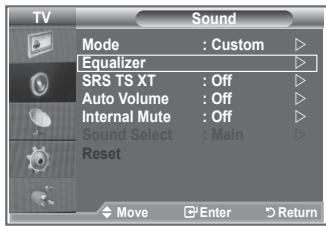
The sound settings can be adjusted to suit your personal preferences.
- Press the MENU button to display the menu.
Press the ▲ or ▼ button to select "Sound", then press the ENTER button.
- Press the ▲ or ▼ button to select "Equalizer", then press the ENTER button.
- Press the ◀ or ▶ button to select a particular item. Press the ENTER button.
- Press the ▲ or ▼ button to reach the required setting. Press the ENTER button.
- Press the EXIT button to exit.
If you make any changes to these settings, the Sound Mode is automatically switched to "Custom".
Setting the TruSurround XT (SRS TS XT)
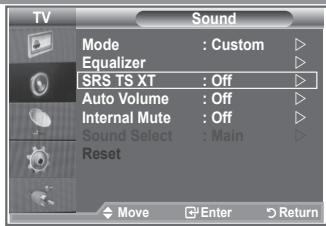
TruSurround XT is a patented SRS technology that solves the problem of playing 5.1 multichannel content over two speakers. TruSurround delivers a compelling, virtual surround sound experience through any two-speaker playback system, including internal television speakers. It is fully compatible with all multichannel formats.
- Press the MENU button to display the menu.
Press the ▲ or ▼ button to select "Sound", then press the ENTER button.
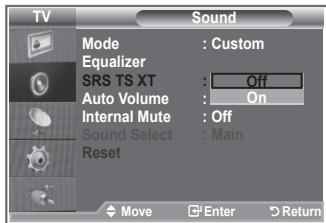
- Press the ▲ or ▼ button to select "SRS TS XT", then press the ENTER button.
- Press the ▲ or ▼ button to select "On" or "Off". Press the ENTER button.
- Press the EXIT button to exit.

TruSurround XT, SRS and ⬇ symbol are trademarks of SRS Labs, Inc. TruSurround XT technology is incorporated under license from SRS Labs, Inc.
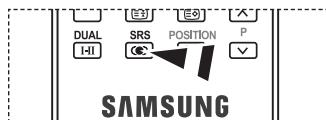
You can also set these options simply by pressing the SRS button on remote control.
Connecting Headphones
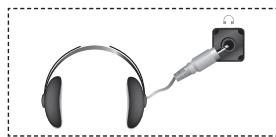
You can connect a set of headphones to your set if you wish to watch a TV programme without disturbing the other people in the room.
When you insert the head set jack into the corresponding port, you can operate only "SRS TS XT" and "Auto Volume" in Sound menu.
➢ Prolonged use of headphones at a high volume may damage your hearing.
The headphone volume and TV volume are adjusted differently.
➢ You will not receive sound from the speakers when you connect headphones to the system.
natural_image
Illustration of a pair of headphones connected to a wall-mounted device (no text or symbols visible)
Selecting the Sound Mode
You can set the sound mode by pressing the "DUAL" button. When you press it, the current sound mode is displayed on the screen.
| Audio Type | DUAL 1/2 | Default |
| FM Stereo | Mono | MONO | Automatic change |
| Stereo | STEREO ↔ MONO |
| Dual | DUAL 1 ↔ DUAL 2 | DUAL 1 |
| NICAM Stereo | Mono | MONO | Automatic change |
| Stereo | MONO ↔ STEREO |
| Dual | MONO ↔ DUAL 1 DUAL 2← | DUAL 1 |
If the stereo signal is weak and an automatic switching occurs, then switch to the Mono.
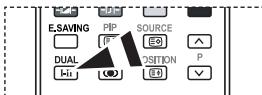
You can also set these options simply by pressing the DUAL button on remote control.
Adjusting the Volume Automatically
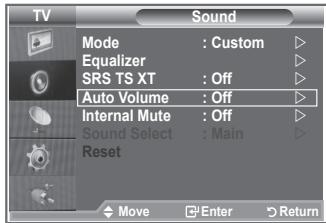
Each broadcasting station has its own signal conditions, and so it is not easy for you to adjust the volume every time the channel is changed. This feature allows you to automatically adjust the volume of the desired channel by lowering the sound output when the modulation signal is high or by raising the sound output when the modulation signal is low.
- Press the MENU button to display the menu.
Press the ▲ or ▼ button to select "Sound", then press the ENTER button.
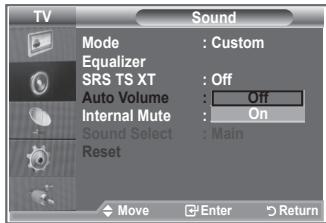
- Press the ▲ or ▼ button to select "Auto Volume", then press the ENTER button.
- Press the ▲ or ▼ button to select "On" or "Off". Press the ENTER button.
- Press the EXIT button to exit.
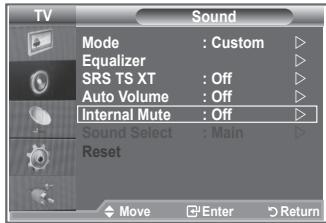
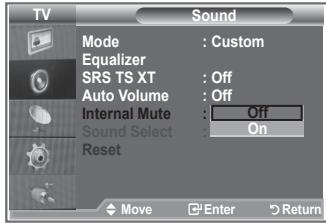
Selecting the Internal Mute
If you want to hear the sound through separate speakers, cancel the internal amplifier.
- Press the MENU button to display the menu.
Press the ▲ or ▼ button to select "Sound", then press the ENTER button.
- Press the ▲ or ▼ button to select "Internal Mute", then press the ENTER button.
- Press the ▲ or ▼ button to select "On" or "Off". Press the ENTER button.
- Press the EXIT button to exit.
When "Internal Mute" is set to "On", the Sound menus except for "Sound Select" (in PIP mode) cannot be adjusted.
Listening to the Sound of the Sub Picture
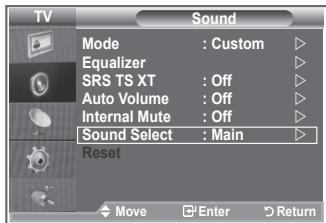
During the PIP features activation, you can listen to the sound of the sub picture.
- Press the MENU button to display the menu.
Press the ▲ or ▼ button to select "Sound", then press the ENTER button.
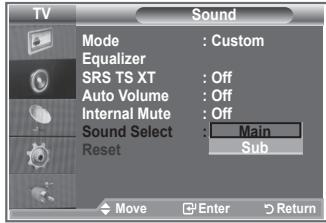
- Press the ▲ or ▼ button to select "Sound Select", then press the ENTER button.
- Press the ▲ or ▼ button to select "Sub".
Press the ENTER button.
-
Press the EXIT button to exit.
-
Main : Used to listen to the sound of the main picture.
Sub : Used to listen to the sound of the sub picture.
➢ You can select this option when the “PIP” is set to “On”. (on page 21)
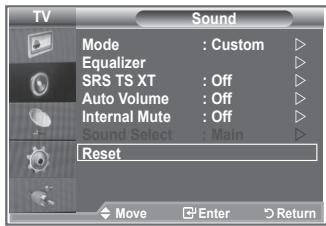
Resetting the Sound Settings to the Factory Defaults
If Game Mode is On, the Reset Sound function is activated. Selecting the Reset function after setting the equalizer resets the equalizer setting to the factory defaults.
- Press the MENU button to display the menu.
Press the ▲ or ▼ button to select "Sound", then press the ENTER button.
-
Press the ▲ or ▼ button to select "Reset", then press the ENTER button.
-
Press the EXIT button to exit.
➢ You can select this option when the "Game Mode" is set to "On".
Setting and Displaying the Current Time
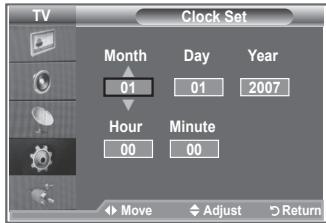
You can set the TV's clock so that the current time is displayed when you press the INFO button. You must also set the time if you wish to use the automatic On/Off timers.
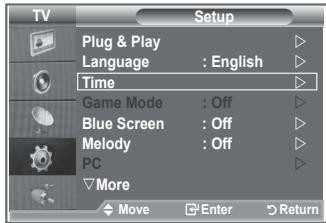
- Press the MENU button to display the menu.
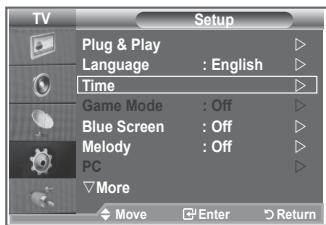
Press the ▲ or ▼ button to select "Setup", then press the ENTER button.
- Press the ▲ or ▼ button to select "Time", then press the ENTER button.
- Press the ENTER button to select "Clock Set".
4.
| To... | Press the... |
| Move to Month, Day, Year, Hou or Minute | ◀ or ▶ button. |
| Set the Month, Day, Year, Hou or Minute | ▲ or ▼ button. |
| Press the ENTER button. | |
- Press the EXIT button to exit.
➢ If you disconnect the power cord, you have to set the clock again.
➢ You can also set Year, Month, Date, Hour and Minute by pressing the number buttons on the remote control.
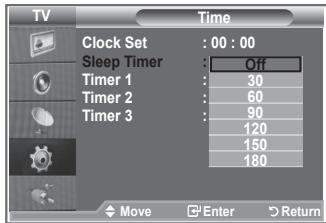
Setting the Sleep Timer
You can select a time period of between 30 and 180 minutes after which the television automatically switches to standby mode.
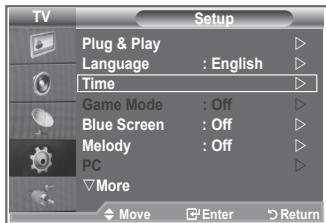
- Press the MENU button to display the menu.
Press the ▲ or ▼ button to select "Setup", then press the ENTER button.
- Press the ▲ or ▼ button to select "Time", then press the ENTER button.
- Press the ▲ or ▼ button to select "Sleep Timer", then press the ENTER button.
- Press the ▲ or ▼ button repeatedly until the desired time appears (Off, 30, 60, 90, 120, 150, 180).
Press the ENTER button.
- Press the EXIT button to exit.
The TV automatically switches to standby mode when the timer reaches 0.
Switching the Television On and Off Automatically
- Press the MENU button to display the menu.
Press the ▲ or ▼ button to select "Setup", then press the ENTER button.
- Press the ▲ or ▼ button to select "Time", then press the ENTER button.
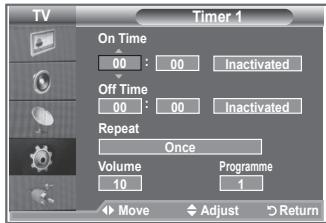
- Press the ▲ or ▼ button to select "Timer 1", "Timer 2", "Timer 3", then press the ENTER button.
- Press the ▲ or ▼ buttons to adjust "Hour", then press the ▶ button to move to the next step.
Set other items using the same method as above.
| Activate or Inactivate | Press the ▲or▼ button |
| Repeat | Select a Once, Everyday, Mon-Fri, Mon-Sat, Sat-Sun | Press the ▲or▼ button |
| Volume | Adjust a 0~100 | Press the ▲or▼ button |
| Programme | Adjust a Programme | Press the ▲or▼ button |
When finished, press the RETURN button to return.
- The current time will appear every time you press the INFO button.
-
You can set the hour, minute, channel, and directly by pressing the number buttons on the remote control.
-
Press the EXIT button to exit.
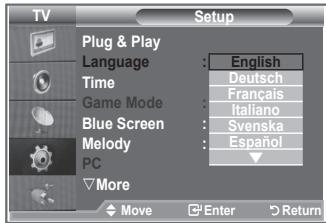
Choosing Your Language
When you start using your set for the first time, you must select the language which will be used for displaying menus and indications.
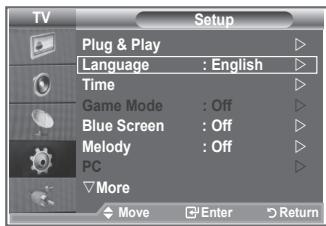
- Press the MENU button to display the on-screen menu. Press the ▲ or ▼ button to select "Setup", then press the ENTER button.
- Press the ▲ or ▼ button to select "Language", then press the ENTER button.
- Select a particular language by pressing the ▲ or ▼ button repeatedly. Press the ENTER button.
➤ You can choose one of 21 languages.
- Press the EXIT button to exit.
Using Game Mode
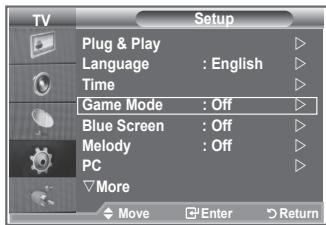
When connecting to a game console such as PlayStation ^™ or Xbox ^™ , you can enjoy a more realistic gaming experience by selecting game menu.
- Press the MENU button to display the menu.
Press the ▲ or ▼ button to select "Setup", then press the ENTER button.
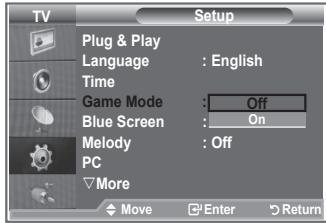
- Press the ▲ or ▼ button to select "Game Mode", then press the ENTER button.
-
Press the ▲ or ▼ button to select "On" or "Off". Press the ENTER button.
-
Press the EXIT button to exit.
To disconnect the game console and connect another external device, cancel game mode.
➢ If you display the TV menu in Game mode, the screen shakes slightly.
➢ Game Mode is not available in TV mode.
▶ If Game Mode is On:
- Picture Mode changes to Standard and Sound Mode changes to Custom automatically. So users cannot change the mode.
- Sound Mode in the Sound menu is deactivated. Adjust the sound using the equalizer.
- The Reset Sound function is activated. Selecting the Reset function after setting the equalizer resets the equalizer setting to the factory defaults.
Setting the Blue Screen Mode / Selecting the Melody
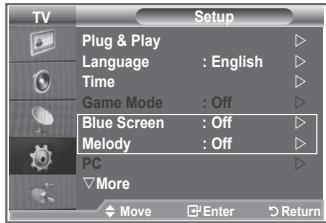
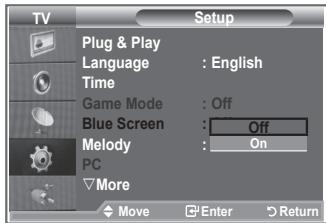
Blue Screen:
If no signal is being received or the signal is very weak, a blue screen automatically replaces the noisy picture background. If you wish to continue viewing the poor picture, you must set the "Blue Screen" mode to "Off".
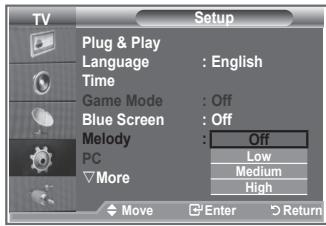
Melody:
You can hear melody sound when the television is powered on or off.
- Press the MENU button to display the menu.
Press the ▲ or ▼ button to select "Setup", then press the ENTER button.
- Press the ▲ or ▼ button to select "Blue Screen" or "Melody". Press the ENTER button.
- When you are satisfied with your setting, press the ENTER button.
Blue Screen: Off/On
◆ Melody: Off/Low/Medium/High
- Press the EXIT button to exit.
Setting the Home Theater PC
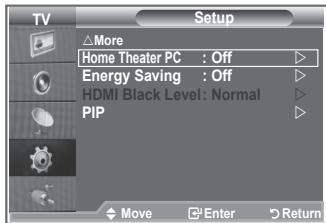
You can view higher quality pictures by configuring the screen settings in PC Mode.
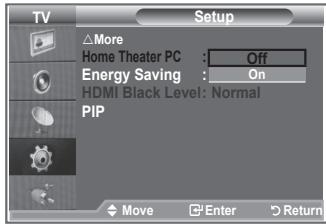
If you set the Home Theater PC function to On, you can configure the Detail Settings (when Picture Mode is set to Standard or Movie) as in PC Mode.
- Press the MENU button to display the menu.
Press the ▲ or ▼ button to select "Setup", then press the ENTER button.
- Press the ▲ or ▼ button to select "Home Theater PC". Press the ENTER button.
- Press the ▲ or ▼ button to select "Off" or "On". Press the ENTER button.
- Press the EXIT button to exit.
- This function is available only in PC mode.
Using the Energy Saving Feature
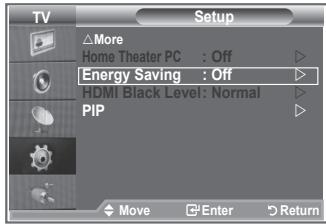
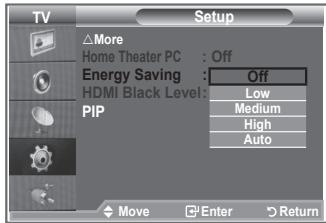
This function adjusts the brightness of the TV so as to reduce power consumption. When you watching TV at night, set the "Energy Saving" mode option to "High" so as to reduce the dazzling of your eyes as well as the power consumption.
- Press the MENU button to display the on-screen menu. Press the ▲ or ▼ button to select "Setup", then press the ENTER button.
- Press the ▲ or ▼ button to select "Energy Saving", then press the ENTER button.
- Select the required option (Off, Low, Medium, High, Auto) by pressing the ▲ or ▼ button. Press the ENTER button.
- Press the EXIT button to exit.
Selecting the Source
You can select among external sources connected to your TV's input jacks.
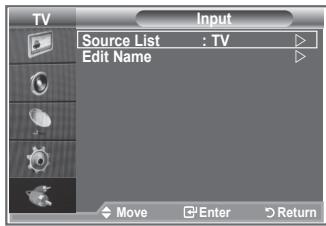
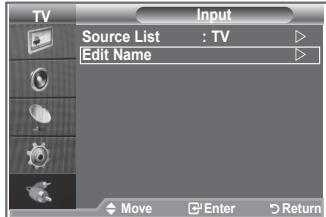
- Press the MENU button to display the menu. Press the ENTER button, to select "Input".
- Press the ENTER button again, to select "Source List".
➢ When no external device is connected to your set, only "TV", "Ext.1", "Ext.2" are activated in the "Source List".
"AV", "S-Video", "Component", "PC", "HDMI1",
"HDMI2", are activated only when they are connected to your set.
- Select the required device by pressing the ▲ or ▼ button. Press the ENTER button.
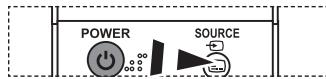
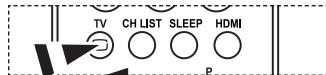
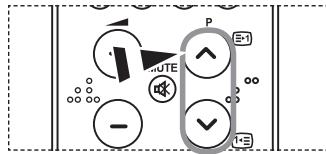
Press the SOURCE button on the remote control to toggle between all the available source. TV mode can be selected by pressing the TV button, number buttons(0\~9), and the P◎/◎ button on the remote control. But it cannot be selected using the SOURCE button.

flowchart
graph LR
    A["POWER"] --> B["SOURCE"]
    B --> C["Power Circle Icon"]
    style A fill:#f9f,stroke:#333
    style B fill:#ccf,stroke:#333
flowchart
graph TD
    A["Start"] --> B["Directional Arrow 1"]
    B --> C["+1"]
    B --> D["+2"]
    B --> E["-"]
    C --> F["Output"]
    D --> G["Output"]
    E --> H["Output"]
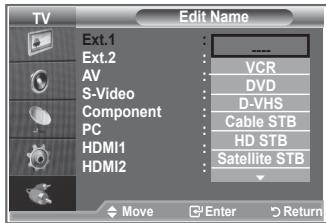
Name the device connected to the input jacks to make your input source selection easier.
- Press the MENU button to display the menu. Press the ENTER button, to select "Input".
- Press the ▲ or ▼ button to select "Edit Name", then press the ENTER button
- Press the ▲ or ▼ button to select the device that you wish to edit.
Press the ENTER button.
- Press the ▲ or ▼ button to select the required device. Press the ENTER button.
- Press the EXIT button to exit.
Teletext Decoder
Most set channels carry "teletext", pages of written information that provide information such as:
◆Television programme times.
◆News bulletins and Weather forecasts.
◆Sports results.
◆ Subtitles for the hard of hearing.
The teletext pages are organized according to six categories:
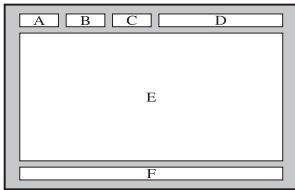
| Part | Contents |
| A | Selected page number. |
| B | Broadcasting station identity. |
| C | Current page number or search status. |
| D | Date and time. |
| E | Text. |
| F | Status information. |
Displaying the Teletext Information
You can display teletext information at any time, but signal reception must be good. Otherwise:
◆Information may be missing.
◆Some pages may not be displayed.
To activate the teletext mode and display the contents page:
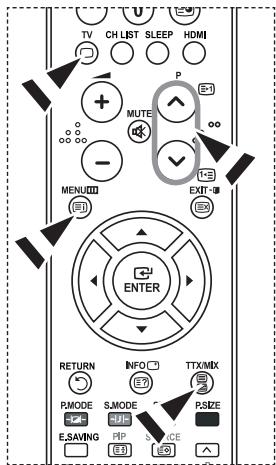
- Using the P ⚙ (≡1) or P ⚙ (1≡) button, select the channel providing the teletext service.
- Press the TTX/MIX (☐/☐) button to activate the teletext mode.
➢ The contents page is displayed. It can be redisplayed at any time by pressing the MENU (☐) button.
- Press the TTX/MIX (☑/☑) button again.
➢ The actual broadcast will be displayed with "Teletext", "Double", and "Mix" in order on the screen.
- Press the TV button to exit from the Text display.
If any broken character appears while Text is being viewed, make sure that the Text language is identical with the language in the
"Setup" menu mode. If both languages are different, select the same language with the Text language on the "Setup" menu.
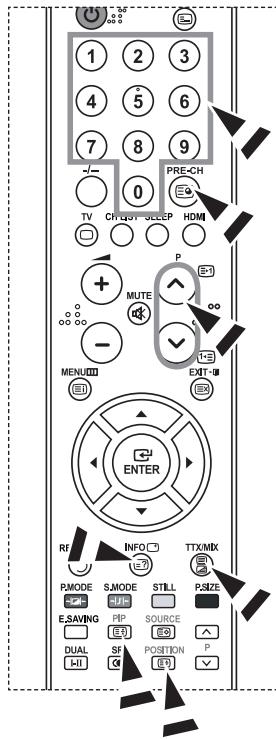
Press the number buttons on the remote control to enter the page number directly:
- Enter the three-digit page number listed in the contents by pressing the corresponding numeric buttons.
-
If the selected page is linked with several secondary pages, the secondary pages are displayed in sequence. To freeze the display on a given page, press the PIP (≡) . Press the PIP (≡) button again to resume.
-
Using the various display options:
| To display... | Press the... |
| Both teletext information and the normal broadcast | TTX/MIX (≡/∅) |
| Hidden text (answers to quiz games, for example) | INFO (∃?) |
| The normal screen | INFO (∃?) |
| A secondary page, by entering its 4-digit number | PRE-CH (≡) |
| The next pageThe previous page | P ⬇ (≡)P ⬇ (≡) |
| Double-size letters in the:• Upper half of the screen• Lower half of the screen | POSITION (≡)♦ Once♦ Twice |
| Normal screen | ♦ Three times |
Using Fastext to Select a Teletext Page
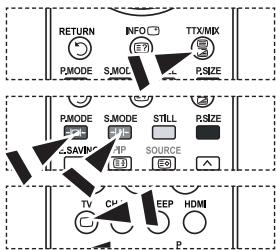
The various topics included in the teletext pages are colour-coded, and can be selected by pressing the coloured buttons on the remote control.
- Display the teletext contents page by pressing the TTX/MIX (☐/☒) button.
- Press the coloured button corresponding to the topic that you wish to select (The available topics are listed on the status information line).
- Press the Red button to display the previous page. Press the Green button to display the next page.
- Press the TV button to exit from the Text display.
Setting up Your PC Software (Based on Windows XP)
The Windows display-settings for a typical computer are shown below. The actual screens on your PC may be different depending upon your particular version of Windows and your particular video card. Even if your actual screens look different, the same, basic set-up information will apply in almost all cases. (If not, contact your computer manufacturer or Samsung Dealer.)
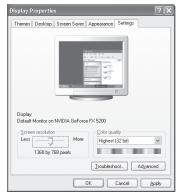
- First, click on "Control Panel" on the Windows start menu.
- When the control panel window appears, click on "Appearance and Themes" and a display dialog-box will appear.
-
When the control panel window appears, click on "Display" and a display dialog-box will appear.
-
Navigate to the "Settings" tab on the display dialog-box.
The correct size setting (resolution): Optimum-1360 X 768
If a vertical-frequency option exists on your display settings dialog box, the correct value is "60" or "60 Hz". Otherwise, just click "OK" and exit the dialog box.
Display Modes
Both screen position and size will vary depending on the type of PC monitor and its resolution. The resolutions in the table are recommended. (All resolutions between the supported limits are supported)
D-Sub Input
| Mode | Resolution | H-Freq.(kHz) | V-Freq.(Hz) | Pixel Clock Freq.(MHz) | Sync Polarity (H/V) |
| IBM | 640×350 | 31.469 | 70.086 | 25.175 | +/- |
| 720×400 | 31.469 | 70.087 | 28.322 | -/+ |
| 640×480 | 31.469 | 59.940 | 25.175 | -/- |
| VESA | 640×480 | 37.861 | 72.809 | 31.500 | -/- |
| 640×480 | 37.500 | 75.000 | 31.500 | -/- |
| 640×480 | 43.269 | 85.008 | 36.000 | -/- |
| 800×600 | 37.879 | 60.317 | 40.000 | +/+ |
| 800×600 | 48.077 | 72.188 | 50.000 | +/+ |
| 800×600 | 46.875 | 75.000 | 49.500 | +/+ |
| 800×600 | 53.674 | 85.061 | 56.250 | +/+ |
| 1024×768 | 48.363 | 60.004 | 65.000 | -/- |
| 1024×768 | 56.476 | 70.069 | 75.000 | -/- |
| 1024×768 | 60.875 | 75.029 | 78.750 | +/+ |
| 1024×768 | 68.677 | 84.997 | 94.500 | +/+ |
| 1024×768 | 48.364 | 60.000 | 65.000 | - / - |
| 1024×768 | 60.023 | 75.029 | 78.750 | +/+ |
| 1360×768 | 47.712 | 60.015 | 85.800 | +/+ |
| 1152×864 | 53.783 | 59.959 | 81.750 | -/+ |
| VESA GTF | 640×480 | 35.000 | 70.000 | 28.560 | -/+ |
| 800×600 | 43.750 | 70.000 | 45.500 | -/+ |
| 1024×768 | 57.672 | 72.000 | 78.434 | -/- |
HDMI/DVI Input
| Mode | Resolution | H-Freq.(kHz) | V-Freq.(Hz) | Pixel Clock Freq.(MHz) | Sync Polarity (H/V) |
| IBM | 640×350 | 31.469 | 70.086 | 25.175 | +/- |
| 720×400 | 31.469 | 70.087 | 28.322 | -/+ |
| 640×480 | 31.469 | 59.940 | 25.175 | -/- |
| VESA | 800×600 | 37.879 | 60.317 | 40.000 | +/+ |
| 1024×768 | 48.364 | 60.000 | 65.000 | -/- |
| 1360×768 | 47.712 | 60.015 | 85.800 | +/+ |
The interlace mode is not supported.
The set might operate abnormally if a non-standard video format is selected.
Separate and Composite modes are supported. SOG is not supported.
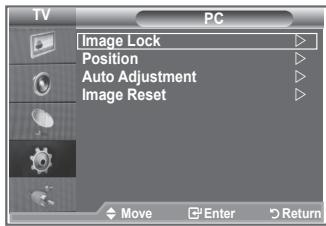
Setting the PC
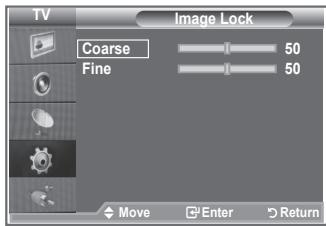
Coarse and Fine Tuning of the Image (Image Lock):
The purpose of picture quality adjustment is to remove or reduce picture noise.
If the noise is not removed by Fine-tuning alone, then adjust the frequency as best as possible (coarse) and Fine-tune again.
After the noise has been reduced, re-adjust the picture so that it is aligned on the center of screen.
- Preset: Press the SOURCE button to select PC mode.
- Press the MENU button to display the menu.
Press the ▲ or ▼ button to select "Setup", then press the ENTER button.
- Press the ▲ or ▼ button to select "PC", then press the ENTER button.
- Press the ENTER button to select "Image Lock".
- Press the ▲ or ▼ button to select "Coarse" or "Fine", then press the ENTER button.
- Press the ◀ or ▶ button to adjust the screen quality. Press the ENTER button.
- Press the EXIT button to exit.
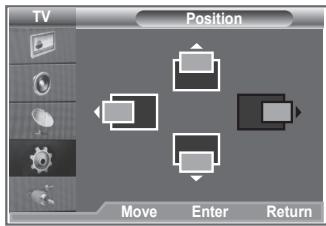
Changing the Image Position: Adjust the PC's screen positioning if it does not fit the TV screen.
- Follow the "Coarse and Fine Tuning of the Image (Image Lock)"
instructions number 1 to 3.
- Press the ▲ or ▼ button to select "Position", then press the ENTER button.
- Press the ▲ or ▼ button to adjusting the Vertical-Position. Press the ◀ or ▶ button to adjust the Horizontal-Position. Press the ENTER button.
- Press the EXIT button to exit.
Adjusting the PC Screen Automatically (Auto Adjustment): Auto adjustment allows the PC screen of set to self-adjust to the incoming PC video signal. The values of fine, coarse and position are adjusted automatically.
- Follow the "Coarse and Fine Tuning of the Image (Image Lock)" instructions number 1 to 3.
- Press the ▲ or ▼ button to select "Auto Adjustment", then press the ENTER button.
- Press the EXIT button to exit.
Initializing the Image Settings (Image Reset):
You can replace all image settings with the factory default values.
- Follow the "Coarse and Fine Tuning of the Image (Image Lock)" instructions number 1 to 3.
- Press the ▲ or ▼ button to select "Image Reset", then press the ENTER button.
- Press the EXIT button to exit.
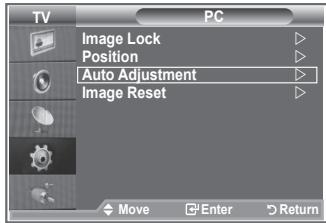
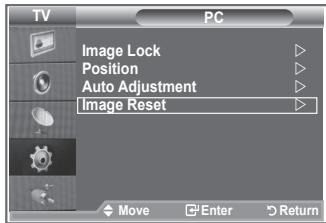
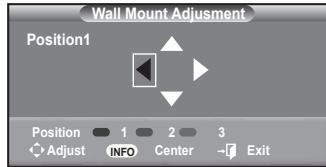
Wall-Mount Adjustment (LE40S8 LE46S8) (Sold separately)
Once the wall mount is installed, the position of your TV can be easily adjustable.
- Press the MENU button to display the menu.
Press the ▲ or ▼ button to select "Setup", then press the ENTER button.
- Press the ▲ or ▼ buttons to select "Wall-Mount Adjustment", then press the ENTER button.
-
Adjust to the desired position using the ▲,▼,◀,▶ buttons.
-
Press the EXIT button to exit.
If you press an arrow button when no OSD is displayed on the TV screen, the Adjustment screen appears.
➢ When you turn the power off, your TV moves to the initial installation position.
When you turn the power on, your TV moves to the last remembered position you adjusted.
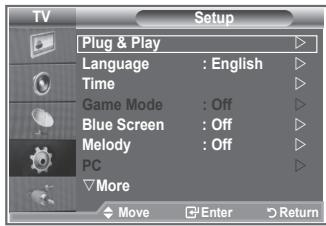
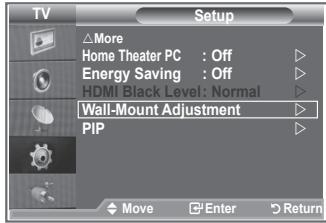
Using the Remote Control Buttons
| Button | Operations |
 | Wall-mount angle adjustment | Tilt Up, Tilt Down, Move right, Move left |
| [0x42] | Reset | Moves to the initial installation position |
 | Remembering the position and moving to the remembered position | Remembers 3 positions with the Red, Green and Yellow buttons.Moves to the remembered position using these 3 color buttons. |
For installation, refer to the Installation Manual provided.
For product installation and the installation and moving of the wall mount, make sure to consult a specialized installation company.
This installation manual is to be used when attaching the wall mount to a wall.
When attaching to other building materials, please contact your nearest dealer
Using the Anti-Theft Kensington Lock
The Kensington lock is a device used to physically fix the system when using it in a public place. The locking device has to be purchased separately. The appearance and locking method may differ from the illustration depending on the manufacturer. Please refer to the manual provided with the Kensington lock for proper use.
- Insert the locking device into the Kensington slot on the LCD TV (Figure 1), and turn it in the locking direction (Figure 2).
- Connect the Kensington lock cable.
- Fix the Kensington lock to a desk or a heavy stationary object.
| No sound or picture | Check that the mains lead has been connected to a wall socket.Check that you have pressed the POWERbuttons on the front of the set.Check the picture contrast and brightness settings.Check the volume. |
| Normal picture but no sound | Check the volume.Check whether the MUTEbutton has been pressed on the remote control.Check if "Internal Mute" is off |
| No picture or black and white picture | Adjust the colour settings.Check that the broadcast system selected is correct. |
| Sound and picture interference | Try to identify the electrical appliance that is affecting the set and move it further away.Plug your set into a different mains socket. |
| Blurred or snowy picture, distorted sound | Check the direction, location and connections of your aerial.This interference is often due to the use of an indoor aerial. |
| Remote control malfunctions | Replace the remote control batteries.Clean the upper edge of the remote control (transmission window).Check the battery terminals. |
| "Check signal cable." message is displayed. | Check that the signal cable is firmly connected to the PC or video sources.Check that the PC or video sources are turned on. |
| On PC mode, "Not Supported Mode." message is displayed. | Check the maximum resolution and the frequency of the video adaptor.Compare these values with the data in the Display Modes. |
| The TFT LCD panel uses a panel consisting of sub pixels (3,133,440) which require sophisticated technology to produce. However, there may be few bright or dark pixels on the screen.These pixels will have no impact on the performance of the product. |
Technical and Environmental Specifications
| Model Name | LE26S8 | LE32S8 | LE37S8 |
| Screen Size (Diagonal) | 26 inch | 32 inch | 37 inch |
| Power Consumption | 120 W | 150 W | 170 W |
| PC Resolution | 1360 x 768 @ 60 Hz | 1360 x 768 @ 60 Hz | 1360 x 768 @ 60 Hz |
| Sound Output | 5W x 2 | 10W x 2 | 10W x 2 |
| Dimension (WxDxH) Body With stand | 743.8 X 80.0 X 447.4 mm 743.8 X 232.0 X 506.5 mm | 874.3 X 80.8 X 530.7 mm 874.3 X 291.3 X 577.2 mm | 1012.8 X 92.9 X 602.3 mm 1012.8 X 300.0 X 651.7 mm |
| Weight With stand | 10.5 kg | 15kg | 20.5 kg |
| Environmental Considerations Operating Temperature Operating Humidity Storage Temperature Storage Humidity | 10 °C to 40 °C (50 °F to 104 °F) 10 % to 80 %, non-condensing -20 °C to 45 °C (-4 °F to 113 °F) 5 % to 95 %, non-condensing | 10 °C to 40 °C (50 °F to 104 °F) 10 % to 80 %, non-condensing -20 °C to 45 °C (-4 °F to 113 °F) 5 % to 95 %, non-condensing | 10 °C to 40 °C (50 °F to 104 °F) 10% to 80%, non-condensing -20 °C to 45 °C (-4 °F to 113 °F) 5% to 95%, non-condensing |
| Model Name | LE40S8 | LE46S8 |
| Screen Size (Diagonal) | 40 inch | 46 inch |
| Power Consumption | 210 W | 260 W |
| PC Resolution | 1360 x 768 @ 60 Hz | 1360 x 768 @ 60 Hz |
| Sound Output | 10W x 2 | 10W x 2 |
| Dimension (WxDxH) | | |
| Body | 1083.8 x 94.9 x 638.5 mm | 1220.2 X 110.9 X 709.0 mm |
| With stand | 1083.8 x 300.0 x 690.0 mm | 1220.2 X 326.0 X 776.0 mm |
| Weight With stand | 21.5 kg | 29.8 kg |
| Environmental Considerations | | |
| Operating Temperature | 10 °C to 40 °C (50 °F to 104 °F) | 10 °C to 40 °C (50 °F to 104 °F) |
| Operating Humidity | 10 % to 80 %, non-condensing | 10 % to 80 %, non-condensing |
| Storage Temperature | -20 °C to 45 °C (-4 °F to 113 °F) | -20 °C to 45 °C (-4 °F to 113 °F) |
| Storage Humidity | 5 % to 95 %, non-condensing | 5 % to 95 %, non-condensing |
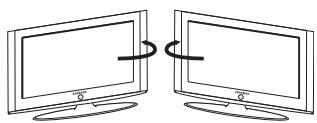
Stand Swivel (Left / Right)(LE32S8, LE37S8, LE40S8, LE46S8)
natural_image
Two identical computer monitors connected by a circular arrow, no text or symbols present
-20^ 20^
➢ Design and specifications are subject to change without prior notice.
This device is a Class B digital apparatus.
For the power supply, refer to the label attached to the product.
This page is intentionally left blank.
natural_image
Diagram showing a device with a screen and a speaker, no text or symbols present
<2>
natural_image
Diagram of a camera setup with lens, screen, and camera components (no text or labels)
<3>
Installation du support mural
natural_image
Diagram of a printer with a paper cone and internal components, no text or symbols present
natural_image
Diagram of a mechanical device with an arrow indicating rotation or movement (no text or symbols present)
natural_image
Technical line drawing of a mechanical assembly with no visible text or symbols
natural_image
Illustration of a pair of headphones connected to a power cord (no text or symbols)
natural_image
Two identical computer monitors connected by a circular arrow, no text or symbols present
-20^ 20^
natural_image
Diagram showing a device with a screen and a speaker, no text or symbols present
<2>
natural_image
Diagram of a camera setup with lens, screen, and camera components (no text or labels)
<3>
natural_image
Diagram of a printer with a paper cone and internal components, no text or symbols present
The product colour and shape may vary depending on the model.
① SOURCE
natural_image
Diagram of a mechanical device with an open lid and a curved arrow indicating rotation (no text or symbols)
natural_image
Technical line drawing of a mechanical assembly with no visible text or symbols
Ein-und Ausschalten
natural_image
Illustration of a pair of headphones connected to a small electronic device (no text or symbols visible)
Tonmodus wählen
flowchart
graph TD
    A["Start"] --> B{Condition}
    B -->|Yes| C["State"]
    B -->|No| D["State"]
    C --> E["Directional Control"]
    D --> F["Directional Control"]
    E --> G["State P"]
    F --> H["State I+2"]
    style A fill:#f9f,stroke:#333
    style G fill:#ccf,stroke:#333
    style H fill:#ccf,stroke:#333
Anzeigemodi
natural_image
Two computer monitors connected by a circular arrow, no text or symbols present
-20^ 20^
natural_image
Diagram showing a device with a screen and a speaker, no text or symbols present
<2>
natural_image
Diagram of a camera setup with lens, screen, and camera components (no text or labels)
<3>
natural_image
Diagram of a printer with a paper cone and internal components, no text or symbols present
natural_image
Diagram of a mechanical device with an open lid and a curved arrow indicating rotation (no text or symbols)
natural_image
Technical line drawing of a mechanical assembly with no visible text or symbols
In- en uitschakelen
Picture in Picture (PIP)
natural_image
Close-up of a pair of headphones connected to a small electronic device (no text or symbols visible)
Weergavestanden
natural_image
Two computer monitors connected by a circular arrow, no text or symbols present
-20^ 20^
natural_image
Diagram showing a device with a screen and a speaker, no text or symbols present
<2>
natural_image
Diagram of a camera setup with lens, screen, and camera components (no text or symbols)
<3>
natural_image
Diagram of a printer with a paper cone and internal components, no text or symbols present
natural_image
Diagram of a mechanical device with an open lid and a curved arrow indicating rotation (no text or symbols)
natural_image
Technical line drawing of a mechanical assembly with no visible text or symbols
◆ Bilan bianco: R Offset/G Offset/B Offset/R Gain/G Gain/B Gain/Reset
◆ Active Colour: Off/On
natural_image
Illustration of a pair of headphones connected to a cable with a connector (no text or symbols)
flowchart
graph LR
    A["POWER"] --> B["SOURCE"]
    B --> C["Power Supply"]
flowchart
graph TD
    A["Start"] --> B{Condition}
    B -->|Yes| C["Process"]
    B -->|No| D["End"]
    C --> E["P"]
    E --> F["E-1"]
    E --> G["E"]
    E --> H["✓"]
    H --> I["I-3"]
    I --> J["End"]
natural_image
Two identical computer monitors connected by a circular arrow, no text or symbols present
-20^ 20^
flowchart
System architecture flowchart of a video signal processing system, showing data flow from input jack through HDMI, audio, and display panel to speaker output.
natural_image
Diagram showing a device with a screen and a speaker, no text or symbols present
<2>
natural_image
Diagram of a camera setup with lens, screen, and camera module (no text or symbols)
<3>
natural_image
Diagram of a printer with a paper cone and internal components, no text or symbols present
natural_image
Diagram of a mechanical device with an open lid and rotating arm (no text or symbols)
natural_image
Technical line drawing of a mechanical assembly with no visible text or symbols
Encendido y apagado
natural_image
Illustration of a pair of headphones connected to a small electronic device (no text or symbols visible)
flowchart
graph TD
    A["Start"] --> B{Condition}
    B -->|Yes| C["Process"]
    B -->|No| D["End"]
    C --> E["✓"]
    E --> F["Output"]
    D --> G["✓"]
    G --> H["Output"]
    style A fill:#f9f,stroke:#333
    style H fill:#f9f,stroke:#333
natural_image
Two identical computer monitors connected by a circular arrow, no text or symbols present
-20^ 20^
natural_image
Diagram showing a device with a screen and a speaker, no text or symbols present
<2>
natural_image
Diagram of a camera setup with lens, screen, and camera components (no text or labels)
<3>
natural_image
Diagram of a printer with a paper airplane and a separate printer, showing no text or symbols.
natural_image
Diagram of a mechanical device with an arrow indicating rotation or movement (no text or symbols present)
natural_image
Technical line drawing of a mechanical assembly with no visible text or symbols
Ligar e desligar
natural_image
Illustration of a pair of headphones connected by a cable to a wall-mounted connector (no text or symbols)
Seleccionar o modo de som
flowchart
graph LR
    A["POWER"] --> B["SOURCE"]
    B --> C["Power Supply Icon"]
flowchart
graph TD
    A["Start"] --> B{Condition}
    B -->|Yes| C["State E-1"]
    B -->|No| D["State E-2"]
    C --> E["End"]
    D --> F["End"]
    G["Start"] --> H{Condition}
    H -->|Yes| I["State E+1"]
    H -->|No| J["State E+2"]
    I --> K["End"]
Editar os nomes das fontes de entrada
flowchart
graph TD
    A["RETURN"] --> B["P.MODE"]
    B --> C["S.MO."]
    C --> D["INFO"]
    D --> E["INFO"]
    E --> F["INFO"]
    F --> G["INFO"]
    G --> H["INFO"]
    H --> I["INFO"]
    I --> J["INFO"]
    J --> K["INFO"]
    K --> L["INFO"]
    L --> M["INFO"]
    M --> N["INFO"]
    N --> O["INFO"]
    O --> P["INFO"]
    P --> Q["INFO"]
    Q --> R["INFO"]
    R --> S["INFO"]
    S --> T["INFO"]
    T --> U["INFO"]
    U --> V["INFO"]
    V --> W["INFO"]
    W --> X["INFO"]
    X --> Y["INFO"]
    Y --> Z["INFO"]
    Z --> AA["INFO"]
    AA --> AB["INFO"]
    AB --> AC["INFO"]
    AC --> AD["INFO"]
    AD --> AE["INFO"]
    AE --> AF["INFO"]
    AF --> AG["INFO"]
    AG --> AH["INFO"]
    AH --> AI["INFO"]
    AI --> AJ["INFO"]
    AJ --> AK["INFO"]
    AK --> AL["INFO"]
    AL --> AM["INFO"]
    AM --> AN["INFO"]
    AN --> AO["INFO"]
    AO --> AP["INFO"]
    AP --> AQ["INFO"]
    AQ --> AR["INFO"]
    AR --> AS["INFO"]
    AS --> AT["INFO"]
    AT --> AU["INFO"]
    AU --> AV["INFO"]
    AV --> AW["INFO"]
    AW --> AX["INFO"]
natural_image
Two identical computer monitors connected by a circular arrow, no text or symbols present
-20^ 20^
natural_image
Diagram showing a device with a screen and a speaker, no text or symbols present
<2>
natural_image
Diagram of a camera setup with lens, screen, and camera components (no text or symbols)
<3>
natural_image
Diagram of a printer with a paper cone and internal components, no text or symbols present
natural_image
Diagram of a mechanical device with an arrow indicating rotation or movement (no text or symbols present)
natural_image
Technical line drawing of a mechanical assembly with no visible text or symbols
natural_image
Illustration of a pair of headphones connected to a small electronic device (no text or symbols visible)
natural_image
Two identical flat-screen monitors connected by a circular arrow, no text or symbols present
-20^ 20^
natural_image
Diagram of a device with a speaker emitting sound waves, showing components like a screen and antenna (no text or symbols)
<2>
natural_image
Diagram of a camera setup with lens, screen, and camera components (no text or labels)
<3>
natural_image
Diagram of a printer with a paper plane and internal components, no text or symbols present
natural_image
Diagram of a mechanical device with an open lid and a curved arrow indicating rotation (no text or symbols)
natural_image
Technical line drawing of a mechanical assembly with no visible text or symbols
natural_image
Illustration of a pair of headphones connected by a cable to a wall-mounted connector (no text or symbols)
flowchart
graph LR
    A["POWER"] --> B["SOURCE"]
    B --> C["Power Supply Icon"]
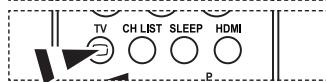
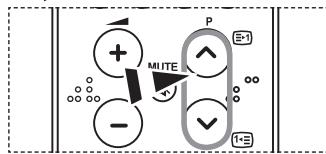
flowchart
graph TD
    P["Point P"] -->|+| A["+"]
    P -->|-| B["-"]
    A --> C["MITE"]
    B --> C
    C --> D["+"]
    C --> E["-"]
    style P fill:#f9f,stroke:#333
    style A fill:#ccf,stroke:#333
    style B fill:#ccf,stroke:#333
    style C fill:#cfc,stroke:#333
    style D fill:#fcc,stroke:#333
    style E fill:#fcc,stroke:#333
natural_image
Two identical computer monitors connected by a circular arrow, no text or symbols present
-20^ 20^
natural_image
Diagram showing a device with a screen and a speaker, no text or symbols present
<2>
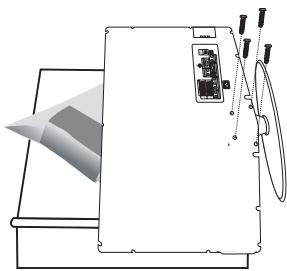
natural_image
Diagram of a camera setup with lens, screen, and camera components (no text or labels)
<3>
natural_image
Diagram of a printer with a paper cone and internal components, no text or symbols present
natural_image
Diagram of a mechanical device with an arrow indicating rotation or movement (no text or symbols present)
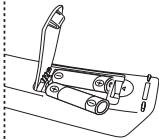
natural_image
Technical line drawing of a mechanical assembly with no visible text or symbols
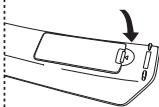
Zapnutí a vypnutí
natural_image
Illustration of a pair of headphones connected to a power cord (no text or symbols)
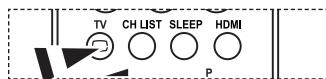
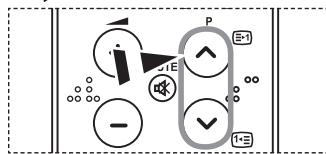
flowchart
graph TD
    A["i"] --> B["E"]
    B --> C["P"]
    C --> D["✓"]
    D --> E["+1"]
    E --> F["∞"]
    F --> G["+2"]
    G --> H["+3"]
    H --> I["-"]
natural_image
Two identical computer monitors connected by a circular arrow, no text or symbols present
-20^ 20^
natural_image
Diagram showing a device with a screen and a speaker, no text or symbols present
<2>
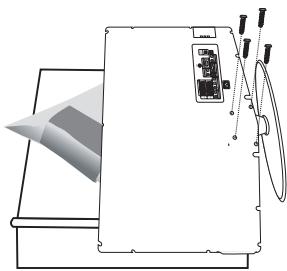
natural_image
Diagram of a camera setup with lens, screen, and camera components (no text or labels)
<3>
natural_image
Diagram of a printer with a paper cone and internal components, no text or symbols present
natural_image
Diagram of a mechanical device with an arrow indicating rotation or movement (no text or symbols present)
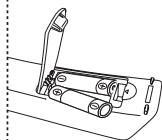
natural_image
Technical line drawing of a mechanical assembly with no visible text or symbols
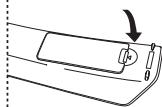
Zapínanie a vypínanie
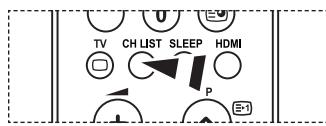
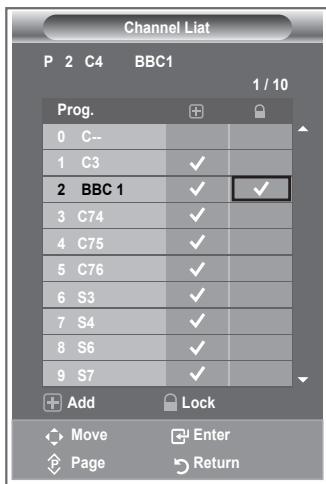
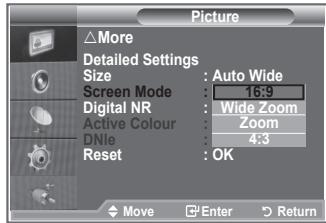
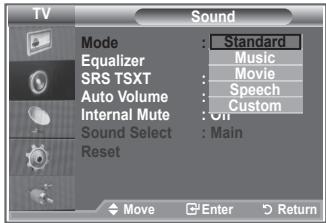
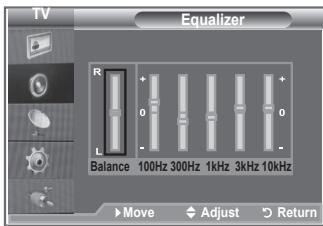
Nastavenie funkcie TruSurround XT (SRS TS XT)
natural_image
Illustration of a pair of headphones connected by a cable to a lock (no text or symbols)
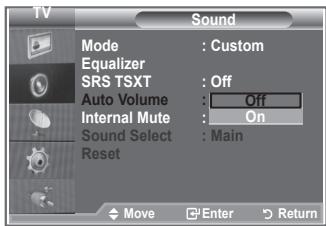
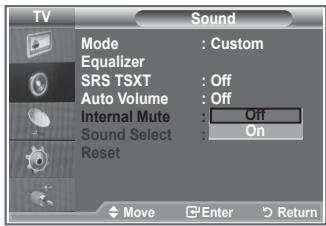
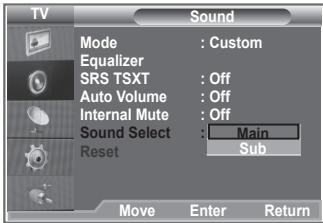
Výber zdroja
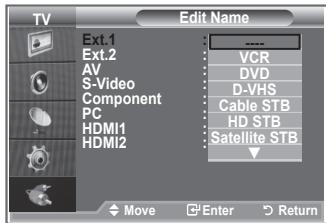
Dekodér teletextu
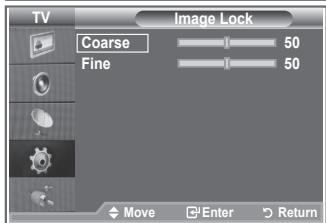
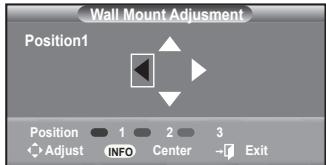
natural_image
Two identical computer monitors connected by a circular arrow, no text or symbols present
-20^ 20^
natural_image
Diagram showing a device with a screen and a speaker, no text or symbols present
<2>
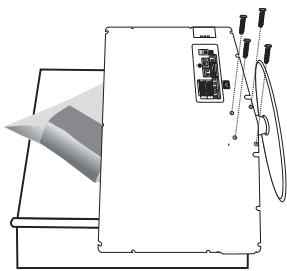
natural_image
Diagram of a camera setup with lens, screen, and camera components (no text or symbols)
<3>
natural_image
Diagram of a printer with a paper cone and internal components, showing no text or symbols
natural_image
Diagram of a mechanical device with an open lid and internal components, showing a rotation arrow (no text or symbols)
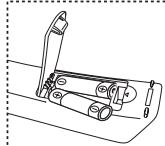
natural_image
Technical line drawing of a mechanical assembly with no visible text or symbols
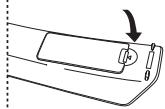
Vklop in izklop
- S pritiskom gumba ▲ ali ▼izberite ustrezni jezik.
Za potrditev izbora pritisnite gumb ENTER (ENTER/V REDU).
- Prikaže se sporočilo "Check antenna input." (Preverite vhod antene.) s potrjenim "OK" (V redu). Pritisnite gumb ENTER (ENTER/V REDU).
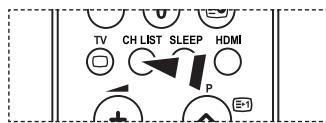
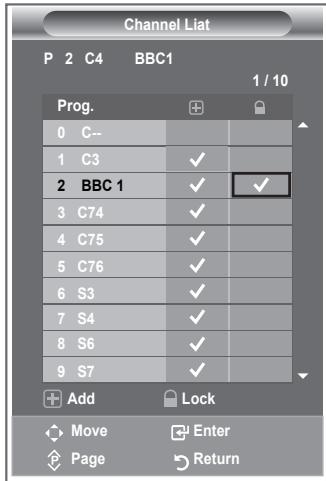
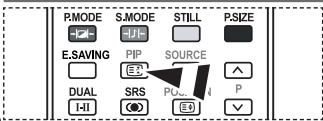
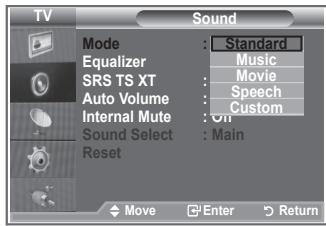
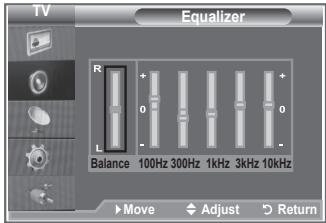
Nastavitev TruSurround XT (SRS TS XT)
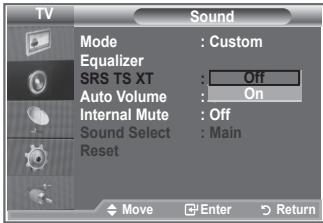
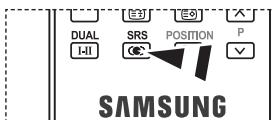

natural_image
Illustration of a pair of headphones connected by a cable to a lock (no text or symbols)
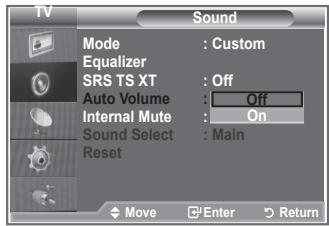
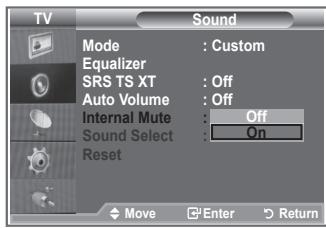
Izbira vira
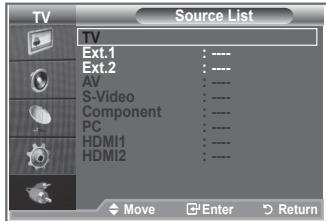
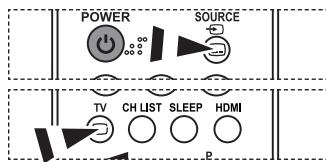
flowchart
graph TD
    A["POWER"] --> B["SOURCE"]
    B --> C["TV"]
    C --> D["CH LIST"]
    D --> E["SLEEP"]
    E --> F["HDMI"]
    F --> G["P"]
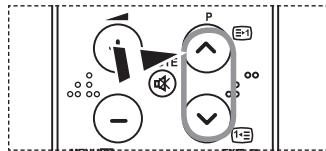
flowchart
graph TD
    A["Start"] --> B{Condition}
    B -->|Yes| C["Control"]
    B -->|No| D["Output"]
    C --> E["Load"]
    D --> F["Feedback"]
    E --> G["Control Button"]
    F --> H["Control Button"]
    G --> I["Load"]
    H --> J["Output"]
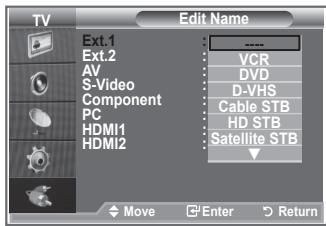
Dekoder teleteksta
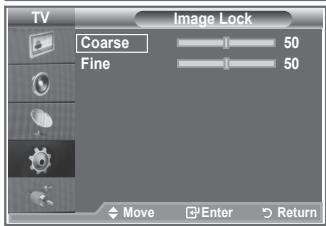
Inicializiranje slikovnih nastavitev (ponastavitev slike):
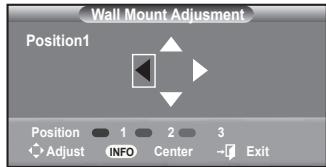
natural_image
Two computer monitors connected by a circular arrow, no text or symbols present
-20^ 20^
natural_image
Symbol of a trash bin crossed with a diagonal line, no text or labels present
Correct Disposal of This Product (Waste Electrical & Electronic Equipment)
(Applicable in the European Union and other European countries with separate collection systems)
This marking shown on the product or its literature, indicates that it should not be disposed with other household wastes at the end of its working life. To prevent possible harm to the environment or human health from uncontrolled waste disposal, please separate this from other types of wastes and recycle it responsibly to promote the sustainable reuse of material resources. Household users should contact either the retailer where they purchased this product, or their local government office, for details of where and how they can take this item for environmentally safe recycling. Business users should contact their supplier and check the terms and conditions of the purchase contract. This product should not be mixed with other commercial wastes for disposal.

natural_image
Symbol of a trash bin crossed with a diagonal line, no text or labels present
natural_image
Symbol of a trash bin crossed with a diagonal line, no text or labels present
natural_image
Symbol of a trash bin crossed with a diagonal line, no text or numbers present
natural_image
Symbol of a trash bin crossed out by a diagonal line, no text or labels present
natural_image
Symbol of a trash bin crossed out by a diagonal line, with no text or labels present.
natural_image
Symbol of a trash bin with no visible text or labels
natural_image
Symbol of a trash bin crossed with a diagonal line, no text or labels present
natural_image
Symbol of a trash bin crossed with a diagonal line, no text or labels present
natural_image
Symbol of a trash bin crossed with a diagonal line, no text or numbers present
natural_image
Symbol of a trash bin crossed out by a diagonal line, no text or labels present
natural_image
Symbol of a trash bin crossed out by a diagonal line, with no text or labels present.
If you have any questions or comments relating to Samsung products, please contact the SAMSUNG customer care centre.