
DMM 4-2-4 STEREO - Audio Equipment AKG - Free user manual and instructions
Find the device manual for free DMM 4-2-4 STEREO AKG in PDF.


| Product Type | 19" Automatic Microphone Mixer with Stereo Digital Processing |
| Brand | AKG |
| Model | DMM 4-2-4 STEREO |
| Dimensions (L x H x P) | 483 x 44 x 203 mm |
| Weight (with packaging) | 3.5 kg |
| Power supply | 100-240 V AC, 50-60 Hz, max. 35 W |
| Operating temperature | +5 to +45 °C |
| MIC/LINE inputs | 4 balanced XLR inputs (switchable Mic/Line, phantom +48 V) |
| AUX inputs | 2 unbalanced RCA inputs |
| Stereo outputs (MASTER) | 2 XLR outputs (left/right) |
| Recording output (REC) | 1 RCA output |
| Headphone output | 1 6.35 mm jack output |
| DSP functions | LEVEL, TREBLE, BASS, LOW CUT, LIMITER, PAN/BALANCE |
| Automatic mixing functions | AUTOMIXING (NST, Best Mic On, Noise Detect), DUCKING, NOM-ATT, LAST MIC ON |
| Locking | LOCKED (buttons or full), PC LOCKED (via software) |
| Cascading | Up to 5 units via mini-DIN 8-pin connectors |
| External control connector | Sub-D 26-pin connector (Force On/Off, VCA, logic outputs) |
| PC connection | Sub-D connector for PC lock/control |
| Cleaning | Slightly damp cloth (water only), unplug before |
| Safety | Do not expose to moisture, dust, shocks; mains voltage 90-240 V AC |
| Repairability | Opening and repair only by authorized technical personnel |
Frequently Asked Questions - DMM 4-2-4 STEREO AKG
User questions about DMM 4-2-4 STEREO AKG
0 question about this device. Answer the ones you know or ask your own.
Ask a new question about this device
Download the instructions for your Audio Equipment in PDF format for free! Find your manual DMM 4-2-4 STEREO - AKG and take your electronic device back in hand. On this page are published all the documents necessary for the use of your device. DMM 4-2-4 STEREO by AKG.
USER MANUAL DMM 4-2-4 STEREO AKG
Please read the manual before using the equipment!
MODE D'EMPLOI 54
1 Safety and Environment. 30
Safety 30
Environment 30
2 Description 31
Introduction. 31
Scope of supply. 31
Optional Accessories 31
Summary 31
Front panel 31
MIC/LINE inputs. 32
AUX inputs 32
Operating mode 32
Output 32
LEDs for stereo output 32
Headphone output 32
Back 33
Input channels 33
AUX channels 33
Recording output 33
Output channel 34
Connection for external control 34
PC connection 35
Expansion connectors. 36
Ground Lift switch. 36
Power switch. 36
Automatic mixing functions 36
3 Installation and Connection 37
Rack mounting. 37
Cascading 37
Connecting microphones and accessories 38
Connecting external controls 38
Mains connection 38
4 Operation 39
Control concept. 39
Configuring DMM 4/2/4 39
DMM 4/2/4 operation 40
DSP functions 41
LEVEL. 41
TREBLE 42
BASS. 43
LOW CUT 44
LIMITER 45
AUTOMIXING. 45
DUCKING 46
NOM-ATT. 46
LAST MIC ON 47
PAN/BALANCE. 47
LOCKED 48
PC LOCKED. 48
Cascaded device operation 49
5 Cleaning 51
6 Specifications 52
General 52
Power supply unit 52
Inputs. 52
Outputs 52
7 Troubleshooting 53
1 Safety and Environment
Safety
- Do not expose the unit to direct sunlight, excessive dust or moisture, rain, vibrations or shocks.
- Do not spill any liquids on the unit or drop any objects through the vents into the unit.
- The unit may be used in dry rooms only.
- The unit may be opened, serviced and repaired by authorised personnel only. The unit contains no user-serviceable parts.
- Before starting up the unit, check that the operating voltage indicated on the unit is the same as the mains voltage where you will be using the unit.
- Only operate the unit with a mains voltage of between 90 and 240V AC. Other types of current and voltages may cause serious damage to the unit!
- Immediately disconnect the unit if a solid object or liquid enters the interior of the unit. In this case, immediately disconnect the power cord of the power supply unit from the socket and have the unit checked by our customer service personnel.
- Do not place the unit close to heat sources such as radiators, heating ducts or amplifiers, etc. and do not expose it to direct sunlight, excessive dust or moisture, rain, vibrations or shocks.
- To avoid interference, position all cables, in particular those of the microphone inputs, away from power lines. If cables are to be installed in channels or cable ducts, be sure to place the transmission lines in a separate duct.
- Clean the unit with a moistened (not wet) cloth only. Before doing so, it is essential to unplug the unit's power cord from the socket! Never use caustic or scouring cleaners or cleaning agents containing alcohol or solvents, since these may damage the enamel and plastic parts.
- Use the unit only for the purposes described in these operating instructions. AKG will accept no liability for damage caused by incorrect handling or improper use.
Environment

- The power supply unit consumes a small amount of electricity even when the unit is switched off. To save energy, unplug the power supply unit from the socket if you are not going to be using the unit for some time.
- The packaging is recyclable. Dispos of the packaging in an appropriate recycling collection system.
- If you scrap the unit, separate the case, electronics and cables and dispose of all the components in accordance with the appropriate waste disposal regulations.
2 Description
Introduction
Thank you for purchasing an AKG product. This Manual contains important instructions for setting up and operating your equipment. Please take a few minutes to read the instructions below carefully before operating the equipment. Please keep the Manual for future reference. Have fun and impress your audience!
Scope of supply
Please check that the packaging contains all the components. If anything is missing, please contact your AKG dealer.
1 x DMM 4/2/4
- 1 x mains plug
- 1 x Quick Setup Guide
Optional Accessories
For optional accessories, refer to the current AKG catalog or folder, or visit www.akg.com. Your dealer will be glad to help.
Summary
The DMM 4/2/4 is a 19" automatic microphone mixer. Internal signal processing takes place digitally and on two main buses (stereo). The mixer has analog inputs and outputs.
It also has four balanced inputs, which can be configured as microphone inputs or line inputs (e.g. for wireless microphone receivers), and two unbalanced AUX inputs.
On the output side it has two stereo channels, a recording output and a headphone output.
Inputs and outputs are controlled by the rotary knobs and circular LED displays on the front panel. The device has a wide-range power supply unit and is connected to the mains using the mains cable supplied.
In addition to many digital signal processing functions, the DMM 4/2/4 also has innovative automatic mixing functions. These mixing functions can be configured via a hardware remote control.
Up to five DMM 4/2/4 can be cascaded if the four balanced inputs are not sufficient for your application.
Front panel
There are nine rotary knobs on the front panel.

Figure 1: Front of DMM 4/2/4
1 to 4: Microphone or line inputs
5,6: AUX inputs
7: Operating mode
8: Stereo output
9: LEDs for stereo outputs
10: Headphone output
11: Headphone connection
The rotary controls can be used to adjust the parameters of the selected audio function.
Each input channel has a green LED "ON" and a red LED "PEAK". "ON" lights up when the input channel is connected. If the Automix function (see "Automatic mixing functions" Page 36) is switched off, "ON" lights continuously. "PEAK" lights up when the signal on an input channel is close to the maximum control limit. In this case, the level should be turned down or the input sensitivity should be changed.

NOTE
The input sensitivity is adjusted using the DIP switches (see "Input channels" Page 33) on the rear panel of the connected unit.

NOTE
MUTE function:
Briefly pressing a rotary control causes the corresponding channel to be muted. The MUTE function is indicated by the steady flashing of the LED ring. Another brief press of the rotary control removes the MUTE function.
VU function:
The "SYSTEM CONTROL" rotary control can be used to display the current audio level of the inputs and outputs, see Operating DMM 4/2/4.
MIC/LINE inputs
The DMM 4/2/4 has four balanced input channels for connecting low-impedance dynamic or condenser microphones and other audio sources, e.g. receivers for wireless microphones. A rotary control is available for each input channel. These are labelled "IN 1 - MIC/LINE" to "IN 4 - MIC/LINE".
AUX inputs
The DMM 4/2/4 has two AUX inputs for connecting external audio sources, e.g. a CD player. A rotary control is available for each input channel. These are labelled "IN 5 - AUX" and "IN 6 - AUX".
Operating mode
The DMM 4/2/4 has a large number of functions (see "DSP functions" Page 41), such as volume, treble ranges, bass, auto-mix functions, etc. The "LOCKED" function can be used to lock the entire unit. These functions can be selected using the "SYSTEM CONTROL" rotary control.
Output
The rotary knob for the stereo output channels is labelled "OUT MASTER". This rotary knob adjusts volume, treble and bass range, limiting behaviour, attenuation and balance in the output channel.
LEDs for stereo output
The sets of LEDs under the rotary knob for the stereo output channels indicate the decibel level.
Headphone output
The rotary knob for the headphones is labelled "HEADPHONE". This output is always in LEVEL mode for volume control. Press this knob briefly to mute the headphone output. Press it briefly again to cancel the MUTE function.
Back

Figure 2: Back of DMM 4/2/4
1,3,4,6: Input channels
2,5: DIP switch
7,8: AUX channels
9: Recording output
10a: Stereo output channel, left
10b: Stereo output channel, right
11a: External control connection
11b: PC connection
12: Expansion connectors
13: Ground lift switch
14: Mains switch
15: Mains connection
Input channels
The four balanced input channels can be accessed via 3-pin XLR sockets. These are labelled "IN 1 - MIC/LINE" to "IN 4 - MIC/LINE". The input levels can be adjusted using the rotary controls "IN 1 - MIC/LINE" to "IN 4 - MIC/LINE" on the front panel.
Between two XLR sockets there are 6-way DIP switches. This can be used to configure two input channels in each case.
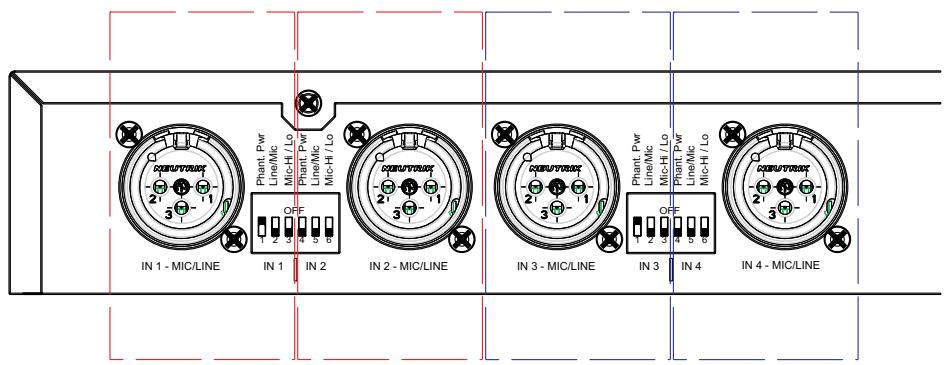
Figure 3: DIP switches for the input channels
"Phantom Pwr" - switch phantom power on/off on both audio wires of the selected channel.
"Line/Mic" - switch preamp from microphone to line input. In that case the gain is 0 dB.
"Mic-Hi/Lo" - switch gain from +60 dB to +40 dB.
AUX channels
The two auxiliary input channels can be accessed via two RCA jacks. The RCA jacks are labelled "IN 5 - AUX" and "IN 6 - AUX". The input levels can be adjusted with the rotary controls "IN 5 - AUX" and "IN 6 - AUX" on the front panel.
Recording output
Two RCA jacks, labelled "OUT REC", are available for connecting recording equipment. A mono signal is present at each of the two jacks.
Output channel
The stereo output channels are realised as XLR plugs and are labelled "OUT - MASTER L" and "OUT - MASTER R". When headphones are in use, they should be connected to both XLR plugs. The "OUT MASTER" rotary knob on the front is used to adjust the output level settings for both stereo output channels.
Connection for external control
The Control In/Out jack is a 26-pin D-sub high density connector. This jack is used for connecting external units, such as keys of microphone stations, microphone LED rings or camera control systems.
The following table shows the pin assignments of the D-sub high density jack:
| 01: FORCE ON 1 | 08: GND | 15: +3V3 | 22: LOGIC OUT 4 |
| 02: FORCE ON 2 | 09: GND | 16: +5V | 23: +3V3 |
| 03: FORCE ON 3 | 10: FORCE OFF 1 | 17: +12V | 24: +5V |
| 04: FORCE ON 4 | 11: FORCE OFF 2 | 18: GND | 25: -12V |
| 05: VCA IN | 12: FORCE OFF 3 | 19: LOGIC OUT 1 | 26: +48V |
| 06: GND | 13: FORCE OFF 4 | 20: LOGIC OUT 2 | |
| 07: GND | 14: GND | 21: LOGIC OUT 3 |
FORCE ON/Override
With a HI level at the FORCE ON input, a channel is manually forced to switch on.
- Overrides a disconnection by the automatic mixing functions
- Overriding of DUCKING function (see "DUCKING" Page 46)! Channel is not attenuated by 10 dB
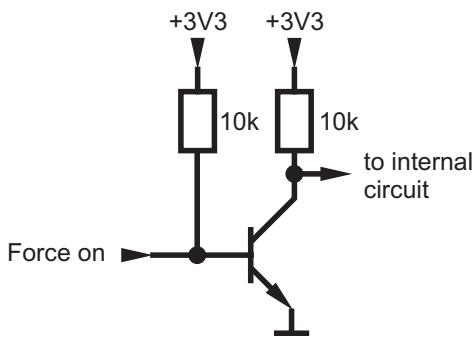
Figure 4: FORCE ON diagram

NOTE
A channel activated by Force On has no effect on the automix algorithm (see "Automatic mixing functions" Page 36) Noise Detect, NST and Best Mic On.
FORCE OFF
With a HI level at the FORCE OFF input, a channel is manually forced to switch off. This input has the highest priority:
- Overrides FORCE ON
- Overrides the activation of a channel by the automatic mixing functions
- Overrides the holding of a channel by Last Mic On (see "Automatic mixing functions" Page 36)
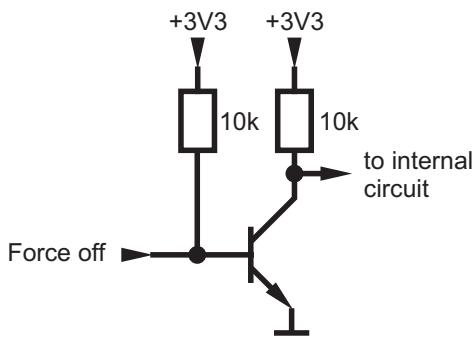
Figure 5: FORCE OFF diagram

NOTE
A channel switched off by Force Off has no effect on the automix algorithm (see "Automatic mixing functions" Page 36) Noise Detect, NST and Best Mic On.
VCA IN
With a DC signal, the overall volume can be varied. This jack allows you to externally adjust or mute the output level. Depending on the application, you can use potentiometers, switches or external control voltages for this.
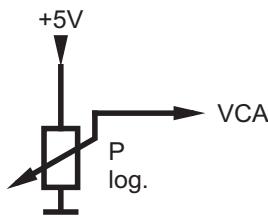
Figure 6: VCA IN diagram

NOTE
If you are using an external potentiometer, the maximum adjustable volume will be determined by the "OUT MASTER" rotary control. For the correct adjustment, the potentiometer must be set to 100% . Thereafter, the maximum adjustable volume is limited on the "OUT MASTER" rotary control. The potentiometer can now be used to adjust the volume below the set maximum value. This procedure prevents unwanted feedback.
LOGIC OUT
As soon as the microphone associated with the channel is activated, this output is set to 5V . It can then be used, for example, to trigger a camera control or activate the LED ring of a microphone.
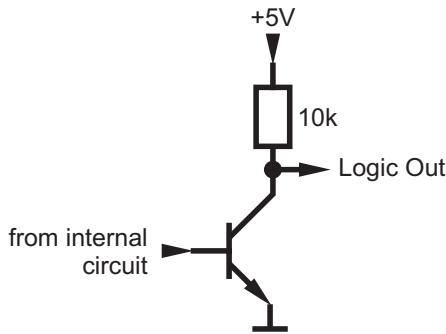
Figure 7: LOGIC OUT diagram
PC connection

NOTE
This connection is for use by authorised specialist staff only!
The service connector is a sub-D high-density connector. This connection links to the PC to prevent control from the DMM 4/2/4 or to operate the DMM 4/2/4 in parallel using the PC software.
Expansion connectors
If four microphone channels are not sufficient, several DMM 4/2/4 can be connected together (up to a maximum of 5). The expansion connectors TO MASTER and TO SLAVE can be used for daisy-chaining. These are two 8-pin mini-DIN jacks labelled "EXPANSION".
Ground Lift switch
The Ground Lift switch connects or isolates the case with 0V potential of the power supply.
Power switch
The power switch is used to turn on the unit.
Automatic mixing functions
The innovative automatic mixing functions of the DMM 4/2/4 assess whether a channel is switched on and adjust the level of the output signal.
The automix algorithm is composed of the following functions, among others:
- NST (Noise Sensitive Threshold)
The threshold that must be exceeded in order to activate a microphone adapts automatically to the ambient noise level. In other words, the louder the environment, the louder you will need to speak into a microphone in order to activate it. This prevents microphones from activating when they are not required.
Best Mic On
Comb filter effects may arise when two microphones are positioned close to each other. To suppress these unnaturally muffled or hollow signals, only the microphone channel with the highest level is switched on.
- Noise Detect
Continuous interfering signals such as noise from fans or air-conditioning units are recognised and not used as activation criteria for microphone channels.
- LMON (Last Mic On)
The most recently switched on input signal is maintained until the next channel is activated.
NOM Attenuation (Number of Open Microphones Attenuation)
On account of the risk of feedback from multiple open microphone channels, the master output signal is attenuated by an adjustable factor for each activated channel.
3 Installation and Connection
Rack mounting
Cascading
Mount the DMM 4/2/4 in your 19" rack.
Up to five DMM 4/2/4 can be cascaded using the two 8-pole mini DIN connectors on the back of the device. The two connectors are labelled "TO MASTER" and "TO SLAVE".

Only AKG accessory cables should be used for cascading.
When cascading several devices, the OV potential must be connected via the Phoenix terminals.
The individual devices must be connected to the expansion connectors as follows:
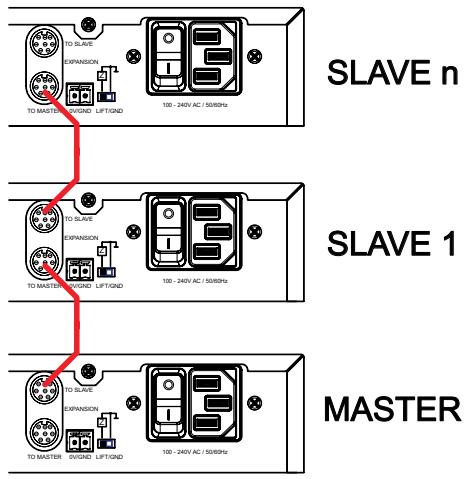
Figure 8: daisy-chaining multiple units
On the first device (MASTER), the "TO SLAVE" connector must be connected to the "TO MASTER" connector on the second device. Then on the second device, the "TO SLAVE" connector must be connected to the "TO MASTER" connector on the third device. All further devices are connected in the same way.
Control of the system does not rely on a master or slave device. For the user, the function and behaviour of all the devices are the same.
The main signal for the channels from all the cascaded devices is available at Record Out, Master Out and Phones Out on each device. In this document, this main signal will be referred to as the "system main". This means that cascading expands not only the inputs but also, in parallel, the recording outputs, the main outputs and the headphone outputs.
The available "SYSTEM CONTROL" functions associated with cascading are described in the section Cascaded device operation (Page 49).
Connecting microphones and accessories

NOTE
Before connecting, read the operating instructions for your microphones and accessories.
Connect microphones and accessories to the back of the DMM 4/2/4:
1) Connect microphones and other signal sources (e.g. wireless microphone receivers) to the "MIC/LINE" input channels.
2) Connect your accessories (CD player, etc.) to the "AUX" inputs using the cinch cables.
3) Connect the "OUT - MASTER L" and "OUT - MASTER R" output channels to a mixing desk or amplifier.
4) Connect the cinch connectors on the recording output "OUT - REC" to a recording device.
Connecting external controls
Connect the hardware (that you want to remotely control using the DMM 4/2/4) to the DMM 4/2/4 via the 26-pin D-sub "CONTROL IN/OUT" high density jack.
Mains connection

ATTENTION
Do not connect the unit to the mains power supply until you have made all the audio connections!
1) Connect the power supply unit cable to the appropriate socket on the rear panel of the DMM 4/2/4.
2) Plug the power supply unit into a mains socket.
4 Operation
Control concept
The DMM 4/2/4 has two main buses on which the input channels are mixed and the output channels are picked up.
The individual input and output channels have some configuration options that can be set via a DIP switch. Other adjustment options for the input and output channels are controlled using the rotary knobs. Select the function to be changed using the "SYSTEM CONTROL" knob. If a function of an input or output channel selected in this way can be changed, at least one LED in the relevant circular LED display will light up.
The relevant input and output audio level can also be displayed using the "SYSTEM CONTROL" knob, see DMM 4/2/4 operation (Page 40).
The home position of the "SYSTEM CONTROL" knob is the "LEVEL" setting. If the "SYSTEM CONTROL" knob has been moved to a different position and no settings have been changed on any rotary knob for more than 30 seconds, it automatically returns to the "LEVEL" position.
Configuring DMM 4/2/4

NOTE
Please read the instructions for connecting your microphones and auxiliary equipment under Installation and Connection (Page 37).
Configure the connected microphones and auxiliary equipment using the DIP switches on the rear panel of the DMM 4/2/4:
1) If you use condenser microphones, check what supply voltage or what type of power supply they require. If your condenser microphones are suitable for phantom power, switch on the phantom power. To do so, set the "Phantom Pwr" DIP switch to "ON".

ATTENTION
If you are using wireless microphones, it is essential to switch off the phantom power on those inputs to which you have connected a receiver, in order to avoid damaging the receiver.
2) Use the "Line/Mic" DIP switch to set the preamp to "Mic" if you are using a microphone, and to "Line" if you are using other connected audio sources, such as receivers for wireless microphones.
3) For the gain of the input signals, choose between +40 dB and +60 dB. To do so, set the DIP switch to "Mic-Lo" or "Mic-Hi".

NOTE
The setting "Mic-Hi" results in a greater gain of the input signals. This setting is suitable for microphones with a low output level.
For microphones with a high output level the "Mic-Lo" setting is recommended.
4) Turn the unit on with the power switch.
DMM 4/2/4 operation
The rotary knobs on the front panel of the DMM 4/2/4 are operated as follows:
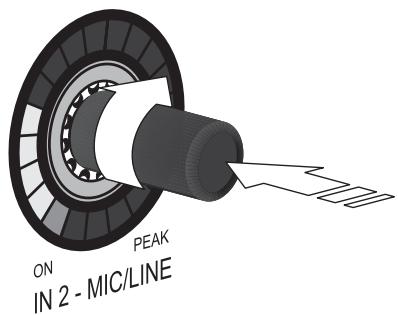
Figure 9: Operation of the rotary control
Turn the rotary control clockwise or counter-clockwise to make changes to inputs and outputs and function settings (see "DSP functions" Page 41). These changes are shown on the LED ring around the rotary control. The starting point and the increments on the LED ring will vary according to function.
Audio level display:

NOTE
If the LEVEL (Page 41) function is selected, the set level is displayed on the LED rings of the inputs and outputs.
Briefly pressing the "SYSTEM CONTROL" rotary control switches the display on the LED rings to VU meter, the display of the actual audio level present. As long as the VU meter mode is activated, the LEVEL LED flashes on the "SYSTEM CONTROL" rotary control. Pressing the "SYSTEM CONTROL" rotary control again deactivates the VU meter mode.
Control the properties of an input or output signal using the Functions (see "DSP functions" Page 41) provided:
1) Select the function you require using the "SYSTEM CONTROL" knob. Turn the knob until the LED for the required function lights up.
2) Control the input channels by means of the function selected using the rotary knobs.
3) Control the output channel by means of the function selected using the "OUT MASTER" rotary knob.
4) Control the headphone stereo output channels using the "HEADPHONE" rotary knob.
The recording output has no adjustment options.

NOTE
The "SYSTEM CONTROL" knob returns to the "LEVEL" function ten seconds after the last change.
DSP functions
The following signal processing functions are available for the input channels and the output channel on the "SYSTEM CONTROL" rotary control:
LEVEL
In LEVEL mode the following channels can be changed in volume:
- all MIC/LINE input channels
- all AUX input channels
- master output
With a clockwise rotation, the adjustment range extends from - to +12 dB (0 dBFS). The adjustment takes place in the appropriate increments.
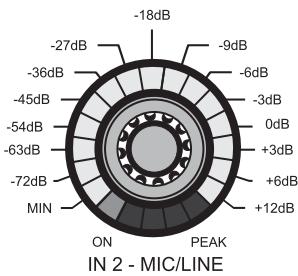
Figure 10: Division of the LED ring for the LEVEL function
At - one LED lights up, at +12 dB (0 dBFS) the entire LED ring lights up.
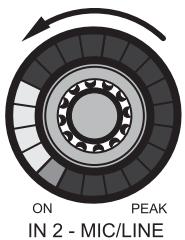
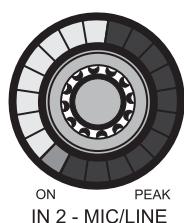
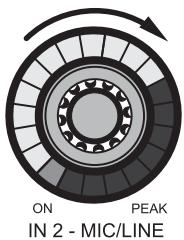
Figure 11: Adjustment range for the LEVEL function

NOTE
MUTE function:
Briefly pressing a rotary control causes the corresponding channel to be muted. The MUTE function is indicated by the steady flashing of the LED ring. Another brief press of the rotary control removes the MUTE function.
VU function:
The "SYSTEM CONTROL" rotary control can be used to display the current audio level of the inputs and outputs, see Operating DMM 4/2/4.
TREBLE
In TREBLE mode the treble range of the following channels can be adjusted:
- all MIC/LINE input channels
- all AUX input channels
- master output
The filter is designed as a second order treble shelving filter. The cut-off frequency is 10kHz . With a clockwise rotation, the adjustment range extends from -14dB to +14dB in increments of 2dB .
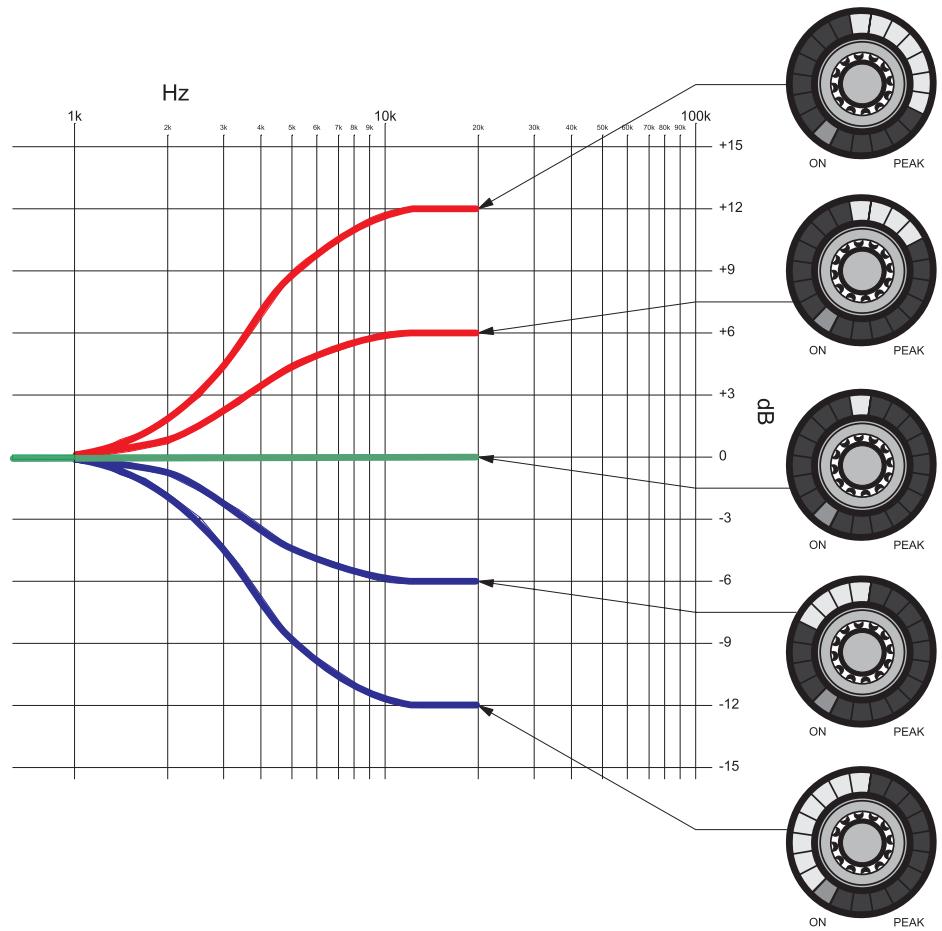
Figure 12: Adjustment range for the TREBLE function
With linear adjustment, only the upper middle LED lights up. This LED (0 db) is also considered to be the starting point for a clockwise or counter-clockwise rotation.
BASS
In BASS mode the bass range of the following channels can be adjusted:
- all MIC/LINE input channels
- all AUX input channels
- master output
The filter is designed as a second order bass shelving filter. The cut-off frequency is 100Hz . With a clockwise rotation, the adjustment range extends from -14 dB to +14 dB in increments of 2 dB.
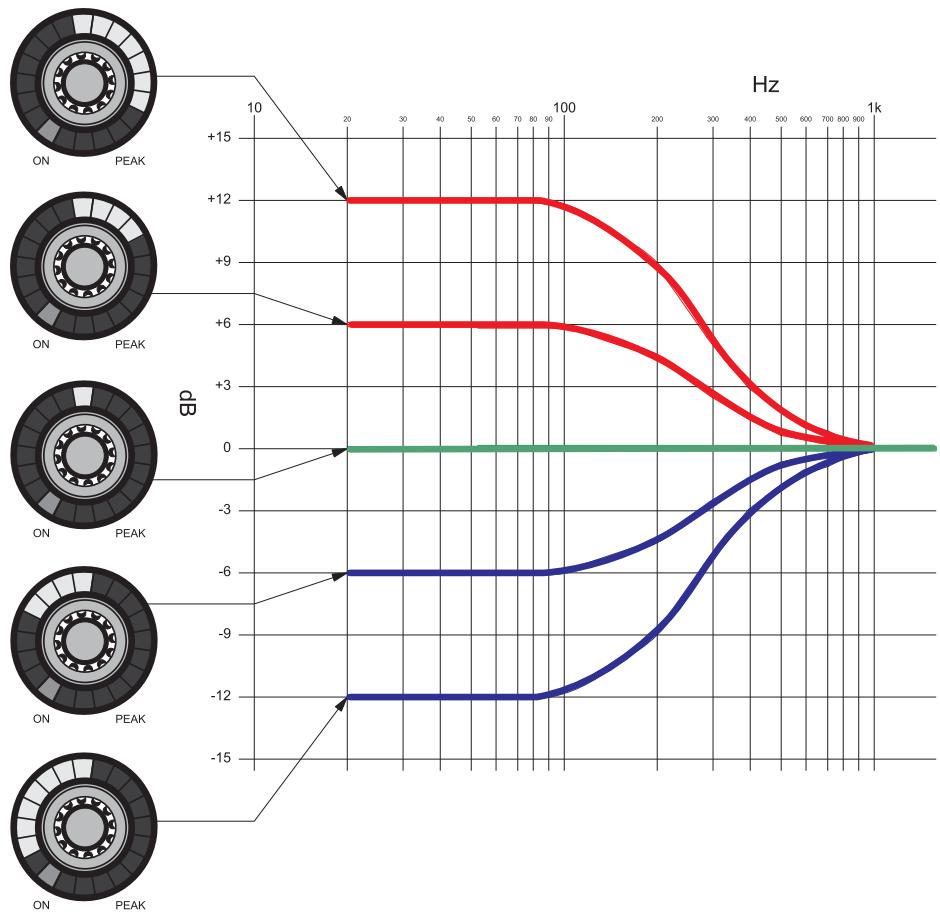
Figure 13: Adjustment range for the BASS function
With linear adjustment, only the upper middle LED lights up. This LED (0 db) is also considered to be the starting point for a clockwise or counter-clockwise rotation.
LOW CUT
In LOW CUT mode the bass range of the following channels can be adjusted:
- all MIC/LINE input channels
- all AUX input channels
The filter is designed as a second order bass cut filter. With a clockwise rotation, the cut-off frequency adjustment range extends from 0Hz (no bass cut) to 140Hz (severe attenuation). At 140Hz the entire LED ring lights up, at 0Hz one LED is illuminated.
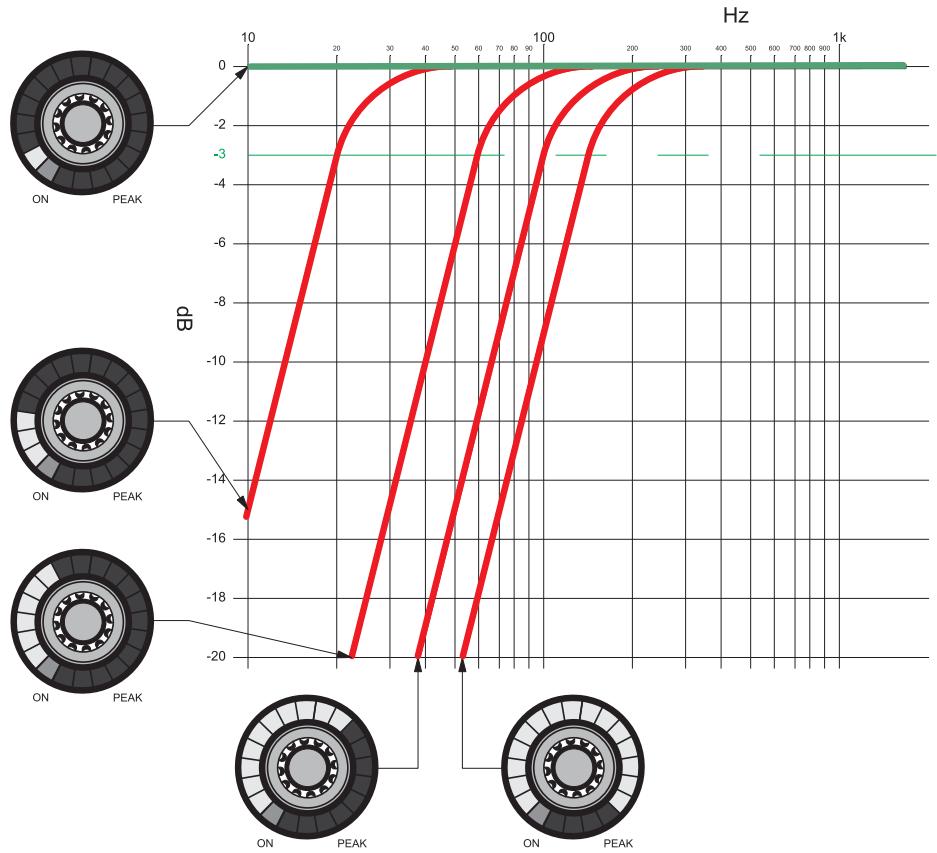
Figure 14: Adjustment range for the LOW CUT function
LIMITER
In LIMITER mode the limiting behaviour of the master output is changed.
Turning the "OUT MASTER" rotary control clockwise increases the threshold of the limiter. Turning it counter-clockwise decreases the threshold.
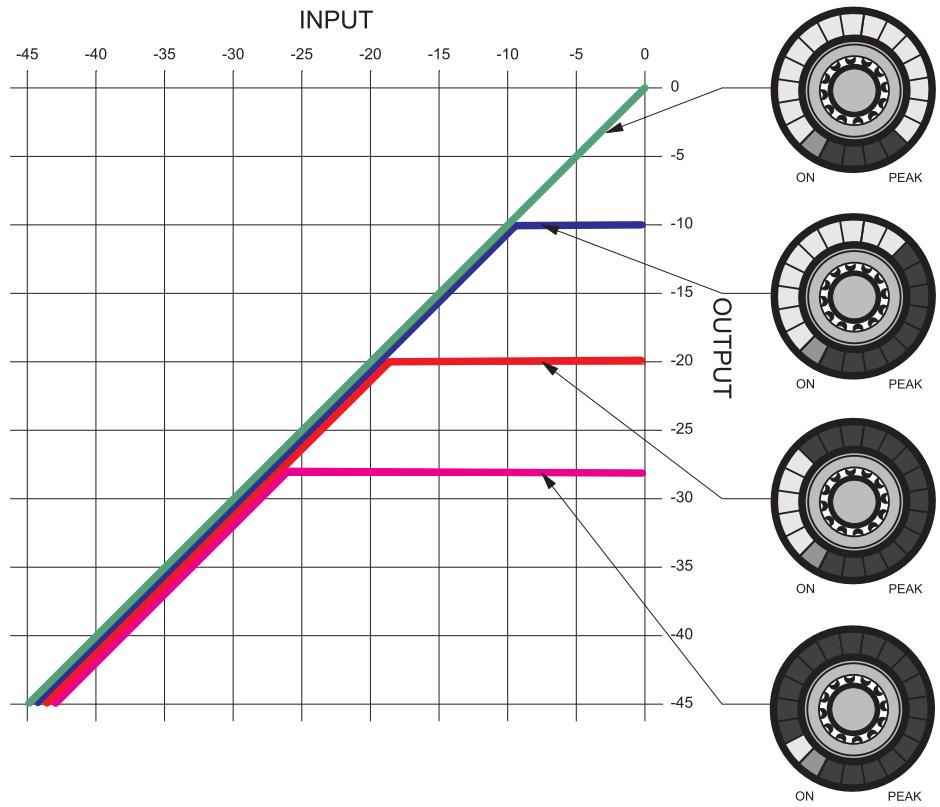
Figure 15: Adjustment range for the LIMITER function
A low threshold setting (in this case: -28 dBFS and one illuminated LED) results in a very powerful limitation, while the output level remains relatively small. A higher threshold setting (in this case: 0 dBFS and a fully illuminated LED ring) means there is no limitation.
AUTOMIXING
In AUTOMIXING mode the automatic mixing functions (Page 36) can be switched on or off for the input channels.
Turning the control clockwise switches the function on, and the LED ring lights up completely.
Turning the control counter-clockwise switches the function off, and only one LED lights up.

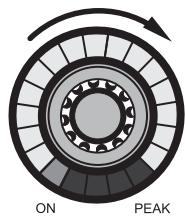
Figure 16: LED ring when switching a function off/on

NOTE
Pressing the rotary control also switches the function on or off.
DUCKING
In DUCKING mode it is determined which MIC/LINE or AUX input channel can attenuate the other channels by 10 dB when it is active. This mode works independently of the enabled or disabled automatic mixing functions.

NOTE
This function can only be active on a single input channel. Enabling the DUCKING function on another input channel causes the function to be disabled on the previous channel.
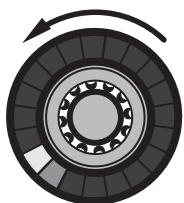
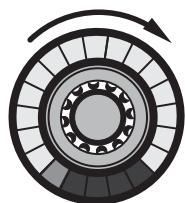
Turning the control clockwise switches the function on, and the LED ring lights up completely.
Turning the control counter-clockwise switches the function off, and only one LED lights up.
PEAK
一
Figure 17: LED ring when switching a function off/on

NOTE
Pressing the rotary control also switches the function on or off.
NOM-ATT.
In NOM ATTENUATION mode the "OUT MASTER" rotary control is used to set the attenuation by which the master signal is attenuated per connected input channel.
NOM ATTENUATION only works for channels that are set to AUTOMIXING mode!

NOTE
With manual operation, NOM ATTENUATION would not make sense, since in this case all the channels are connected and therefore a constant attenuation would be present. The automatic mixing functions and the logic functions Force On and Force Off can affect this mode!
With a clockwise rotation, the adjustment range extends from 0 dB to 3 dB, in increments of 1 dB. The adjustment takes place in the appropriate increments.
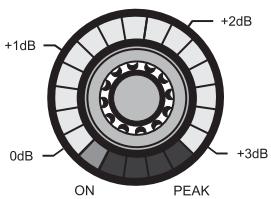
Figure 18: Division of the LED ring of the NOM-ATT function
LAST MIC ON
In LAST MIC ON mode you can set whether the most recently active microphone channel remains open.
The function is set by turning the "OUT MASTER" rotary control. Turning the control clockwise switches the function on, and the LED ring lights up completely. Turning the control counterclockwise switches the function off, and only one LED lights up.
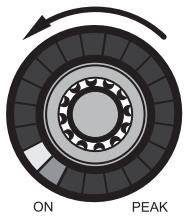
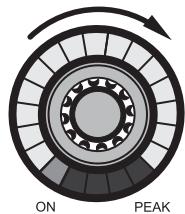
Figure 19: LED ring when switching a function off/on

Pressing the rotary control also switches the function on or off.
PAN/BALANCE
In PAN / BALANCE mode the balance or panorama assignment (PAN) of the following channels is adjusted:
- all MIC/LINE input channels (PAN function)
- all AUX input channels (PAN function)
- Main output (BALANCE function)

Balance means assignment of a main signal to the output. Changes to the channels just cause attenuation!
If no further output is required from the left stereo channel of an output, turn the balance controller to the right.
In mono inputs, the signal is assigned equally to stereo left and right as standard. If the input is to be assigned to the left only, turn the rotary knob for the input to the left when the PAN function is active.
The control option is sufficient when turning clockwise from 0 dB to - dB, increment: 2 dB.
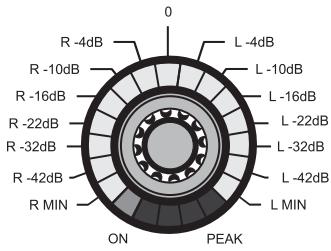
Figure 20: Increments on the circular LED display for the BALANCE function
For linear adjustment, only the top middle LED lights up. This LED (0 db) is also the starting point for clockwise or anti-clockwise rotation.
LOCKED
In LOCKED mode the rotary controls or the entire unit are protected against improper use by means of locking.
Locking the "SYSTEM CONTROL" rotary control
The "SYSTEM CONTROL" rotary control is locked by pressing it (for longer than 2 seconds). The "LOCKED" and "LEVEL" LEDs will light up. Turning the rotary control allows you to review all the channel settings, but only the setting of the input and output levels can be changed. All other functions are locked against input. Briefly pressing the control in LEVEL mode allows the display to be toggled between VU meter and setting mode.
Pressing the "SYSTEM CONTROL" rotary control for longer than 1.5 seconds removes the locking. The rotary control will be positioned in the default setting "LEVEL".
Locking the entire unit
The entire unit can be completely locked by simultaneously pressing the "SYSTEM CONTROL" and "OUT MASTER" rotary controls (for longer than 2 seconds). The original settings will be saved. The "LOCKED" and "LEVEL" LEDs will light up. Turning the rotary control only allows you to review all the channel settings. All functions are locked against input. Briefly pressing the control in LEVEL mode allows the display to be toggled between VU meter and setting mode.
Pressing the "SYSTEM CONTROL" and "OUT MASTER" rotary controls for longer than 1.5 seconds removes the locking. The "SYSTEM CONTROL" rotary control will be positioned in the default setting "LEVEL".
Exempting individual channels from the locking
If the entire unit has been locked, as described above, individual input channels and the "OUT MASTER" channel can be exempted from the locking. The excluded channels can then only be adjusted in volume. Pressing the rotary control of the desired channel (for more than 2 seconds) excludes the channel from the locking. Pressing the control again (for longer than 1.5 seconds) relocks the channel.

NOTE
The set LOCK states are retained even after switching the DMM 4/2/4 off and on again!
PC LOCKED
In PC LOCKED mode, the DMM 4/2/4 is locked and can only be operated via the PC software.
The "PC LOCKED" LED on the "SYSTEM CONTROL" knob lights up. No LEDs light up on the circular LED displays. Turning a knob has no effect!

NOTE
The DMM 4/2/4 is connected to the PC via the PC connection (see "Back" Page 33).
Cascaded device operation
This section describes the available "SYSTEM CONTROL" functions associated with cascading and their impact on the cascaded system.
The meanings of the two terms local and system-wide are as follows:
local
The effect of this function/setting is limited to the device concerned within the cascaded system.
system-wide
The effect of this function/setting acts on all the devices in the cascaded system, normally on the "system main".
Record Out
The volume level of Record Out cannot be controlled. It carries the main for all system-wide input channels ("system main") and has equal value in each device in the system.
Level
The rotary knobs for the input channels act locally on the input to the relevant device and adjust the volume of the corresponding input signal in the "system main".
The "system main" is available on all devices.
The rotary knobs for Master Out and Phones only act locally, i.e. headphone volume and main output can be set differently for each device.
Treble
The rotary knobs for the input channels act locally on the input to the relevant device and adjust the treble playback of the corresponding input signal in the "system main".
The rotary knob for Master Out controls treble playback of the local main.
Bass
The rotary knobs for the input channels act locally on the input to the relevant device and adjust the bass playback of the corresponding input signal in the "system main".
The rotary knob for Master Out controls bass playback of the local main.
Low Cut
The rotary knobs for the input channels act locally on the input to the relevant device and adjust the low cut of the corresponding input signal in the "system main".
The rotary knob for Master Out controls the low cut of the local main.
Limiter
The limiter can only be adjusted for Master Out and is therefore local. Each device can therefore be operated with different limiter settings.
Automix
Each channel can play a part in the system-wide automix. Analysis, enabling and disabling take place both locally and system-wide. All channels involved in the automix have equal access system-wide.
Ducking
Only one ducking master at a time can be defined locally. However, one ducking master per available device can be defined system-wide. If a channel that is a ducking master is enabled, all channels that are not ducking masters are attenuated by 10dB. All other ducking masters are unaffected.
NOM Attenuation
The number of enabled channels is known system-wide. The attenuation per enabled channel can be adjusted individually on each device and is therefore local.
Last Mic On
This function forces the system to leave the last enabled channel activated and not to disable it. This means that after at least one channel has been enabled, one channel in the system is always active. This function acts system-wide. Last Mic On can be set on each device. The devices are OR connected according to this function. This means that if you wish to switch off this function in a cascaded system, this function must be deactivated on all devices on which the user has activated them.
Pan/Balance
The rotary knobs for the input channels act locally on the input to the relevant device and adjust the panorama setting of the corresponding input signal in the "system main".
The rotary knob for Master Out controls the panorama setting of the local main.
5 Cleaning
Unplug the power supply unit from the socket.
Clean the surface of the unit with a moistened (not wet) cloth.

ATTENTION
Never use caustic or scouring cleaners or cleaning agents containing alcohol or solvents, since these may damage the enamel and plastic parts.
6 Specifications
| General | Dimensions of unit W x H x D | 483 x 44 x 203 mm |
| Weight of unit (with packaging) | 3.5 kg | |
| Permissible ambient temperature in operation | +5 ... +45°C | |
| Minimum humidity in operation | 20 % | |
| Maximum humidity in operation (non-condensing) | 83 % | |
| Power supply unit | Input voltage: | 100 ... 240 V AC |
| Mains frequency: | 50 ... 60 Hz | |
| Power consumption max.: | 35 W | |
| Output voltages: | +5 V DC / +12 VDC / -12 VDC | |
| The 3.3 V DC supply voltages for microcontrollers and FPGA are generated internally from the available +5 V by means of an additional DC/DC converter. The supply voltage for the phantom power of +48 V is generated from the available +5 V with an additional DC/DC converter. | ||
| Inputs | Balanced inputs - preamp | |
| Line / Mic Lo / Mic Hi | 0 dB / +40 dB / +60 dB | |
| Input level max.: | +15 dBu | |
| Common-mode rejection: | >70 dB | |
| Dynamic: | >90 dB | |
| Input impedance: | >8 kOhm | |
| Balanced inputs - phantom power | ||
| Phantom power: | +48 V DC | |
| Supply current per input max.: | 10 mA | |
| Feed resistances: | 2 x 6.8 kOhm | |
| Balanced and AUX inputs - Analogue Digital Converter | ||
| Data format: | 24 bit | |
| Sample frequency: | 48 kHz | |
| AUX inputs - preamp | ||
| Input level max.: | +15 dBu | |
| Dynamic: | >90 dB | |
| Input impedance: | >15 kOhm | |
Outputs
Recording and master output
| Output level max.: | +10 dBu |
| Dynamic: | >90 dB |
| Load impedance min.: | < 100 Ohm |
| Digital analogue conversion for recording and master output | |
| Data format: | 24 bit |
| Sample frequency: | 48 kHz |
This product conforms to the standards listed in the Declaration of Conformity. To order a free copy of the Declaration of Conformity, visit http://www.akg.com or contact sales@akg.com.
7 Troubleshooting

DANGER OF INJURY! The unit may be opened for troubleshooting by authorised personnel only!
| Problem | Possible cause | Remedy |
| No sound | Power supply unit is not connected to unit | Connect power supply unit to unit |
| Power switch off | Turn power switch to on position | |
| Unit is not connected to amplifier | Connect output channel to amplifier | |
| Microphone or auxiliary equipment not connected to unit | Connect microphone or auxiliary equipment to unit | |
| Volume controls set to minimum | Turn up volume control | |
| Volume controls set to mute | Cancel muting by pressing rotary control | |
| Pre-amplification not set correctly | Set DIP switch on rear panel to correct pre-amplification | |
| Phantom power switched off | Switch on phantom power for condenser microphones | |
| External potentiometer set to minimum | Turn up external potentiometer | |
| No sound with sinusoidal feed | Automix algorithm suppressing constant signal | Exclude channel from automix algorithm |
| Distorted signal reproduction | Pre-amplification not set correctly | Set DIP switch on rear panel to correct pre-amplification |
| Volume controls turned up too far | Turn down volume | |
| Level of input signal too high | Attenuate input signal | |
| Microphone channel does not automatically switch itself off | LMON function enabled | Disable LMON function |
| FORCE ON active on this channel | Deactivate FORCE ON | |
| Microphone channel does not automatically switch itself on | FORCE OFF active on this channel | Deactivate FORCE OFF |
If, in spite of these instructions, the error persists, the DMM 4/2/4 should be sent to AKG GmbH for checking!
Sommaire
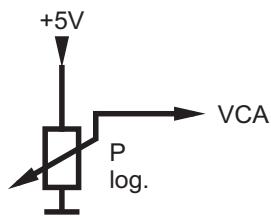
Figure 6: Diagramme VCA IN

REMARQUE
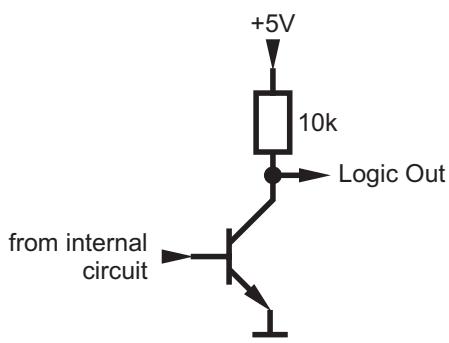
Figure 7: Diagramme LOGIC OUT

REMARQUE
Raccord PC
Interruptor Ground Lift. 87
Interruptordere. 87
Interruptor Ground Lift
For other products and distributors worldwide visit www.akg.com


ROHS OK
H A Harman International Company
Technische Änderungen vorbehalten. Specifications subject to change without notice. Ces caractéristiques sont susceptibles de modifications. Ci riserviamo il diritto di effettuare modifiche tecniche. Nos reservamos el correcho de introducir modificaciones sociales. Especificações sujeitas a mudanças sem avis previo.
Printed in Austria on recycled paper
12/09/9100 U 13220
- Safety and Environment. 30
- Description 31
- Installation and Connection 37
- Operation 39
- Safety and Environment
- Safety
- Environment
- Description
- Introduction
- Scope of supply
- Optional Accessories
- Summary
- Front panel
- MUTE function:
- VU function:
- MIC/LINE inputs
- AUX inputs
- Operating mode
- Output
- LEDs for stereo output
- Headphone output
- Back
- Input channels
- AUX channels
- Recording output
- Output channel
- Connection for external control
- FORCE ON/Override
- FORCE OFF
- VCA IN
- LOGIC OUT
- PC connection
- Expansion connectors
- Ground Lift switch
- Power switch
- Automatic mixing functions
- Installation and Connection
- Connecting microphones and accessories
- Connecting external controls
- Mains connection
- Operation
- Control concept
- Configuring DMM 4/2/4
- DMM 4/2/4 operation
- Audio level display:
- DSP functions
- LEVEL
- TREBLE
- BASS
- LOW CUT
- LIMITER
- AUTOMIXING
- DUCKING
- NOM-ATT.
- LAST MIC ON
- PAN/BALANCE
- LOCKED
- Locking the "SYSTEM CONTROL" rotary control
- Locking the entire unit
- Exempting individual channels from the locking
- PC LOCKED
- Cascaded device operation
- local
- system-wide
- Record Out
- Automix
- NOM Attenuation
- Cleaning
- Specifications
- Outputs
- Recording and master output
- Troubleshooting
- Sommaire
- Raccord PC
- Interruptor Ground Lift
- H A Harman International Company
Brand : AKG
Model : DMM 4-2-4 STEREO
Category : Audio Equipment