
STEREOZOOM - Microscope LEICA - Free user manual and instructions
Find the device manual for free STEREOZOOM LEICA in PDF.


| Product Type | Stereo Microscope |
| Brand | Leica |
| Series | StereoZoom |
| Available Models | Leica S4 E, S6 E, S6, S6 D, S6 T, S8 APO |
| Zoom | 4.8:1 (S4 E), 6.3:1 (S6), 8:1 (S8 APO) |
| Standard Magnification | 6.3× to 40× (S6); 10× to 80× (S8 APO) |
| Maximum Field of View | 36.5 mm |
| Working Distance | 110 mm (except S8 APO: 75 mm) |
| Viewing Angle | 38° (S4 E, S6 E, S6 D, S6 T) or 60° (S6) |
| Optical System | Greenough dual beam |
| Optical Correction | Standard achromatic; apochromatic (S8 APO) |
| Maximum Resolution | 600 line pairs/mm (S8 APO) |
| Antistatic Housing | Yes (except S6 T: electrostatic dissipative) |
| Eyepieces | Eyepieces for eyeglass wearers (×10, ×20, ×40) |
| Objectives | Achromatic objectives; variable distance ErgoObjectives (0.6×-0.75×, 0.7×-1.0×) |
| Video/Photo Output | Integrated on S6 D and S8 APO |
| Illumination | Compatibility with LED sources (KL200 LED, LED1000, LED3000 NVI) and L2 cold light source |
| Stands | Incident light stand, articulating stand (ESD, standard, large); transmitted light base with moving reflector |
| Power Supply | Via external light source (100-240 V AC) |
Frequently Asked Questions - STEREOZOOM LEICA
User questions about STEREOZOOM LEICA
0 question about this device. Answer the ones you know or ask your own.
Ask a new question about this device
Download the instructions for your Microscope in PDF format for free! Find your manual STEREOZOOM - LEICA and take your electronic device back in hand. On this page are published all the documents necessary for the use of your device. STEREOZOOM by LEICA.
USER MANUAL STEREOZOOM LEICA
natural_image
Close-up of a microscope with dual lenses and a green glass base (no visible text or symbols)Leica Stereozoom ^® Line
Complete solutions for assembly, quality control, OEM, research, and training
Living up to Life
natural_image
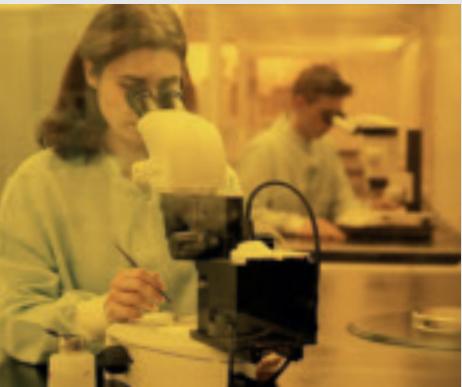
Two scientists in lab coats working with microscopes and equipment in a laboratory setting (no visible text or symbols)Leica S6 E with 38° viewing angle on a transmitted light stand
natural_image
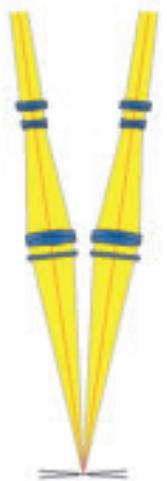
Pure diagram of two yellow trapezoidal shapes with blue horizontal bars, no text or symbols presentThe optical system of the StereoZoom® line consists of two beam paths converging at 12^ . The objective pairs of each optical path are positioned close together, so the stereomicroscopes are slim in design, especially toward the base. The advantages of this design are the small space requirement for use on bonders and in machine applications, unobstructed access to sample, plenty of space for tools, and a completely clear view of the object field. The Greenough optical system enables the correction of aberrations such as chromasia, image field curvature, and distortion with minimal effort. The StereoZoom® line uses the optimally corrected center of the objective for imaging. The result: superior optical performance; large, level, and undistorted fields of view; and chromatically optimized, high-contrast images.
Cost-effective, Leading Edge Technology
Microscopes and imaging systems by Leica Microsystems are highly regarded by technology companies and scientists worldwide. Innovative, high-quality, and precisely manufactured instruments offer users a technological edge, increased performance capacity, and greater success in their work. With the StereoZoom® line, Leica Microsystems presents a comprehensive stereomicroscope product range for a wide range of applications.
Leica StereoZoom® – the complete stereomicroscope line
Choose the best optical performance for current and future tasks from among six models and an extensive range of accessories. Application areas served by the StereoZoom ^® line range from quality inspection during manufacturing and assembly, OEM integration and training, to advanced analysis and documentation for R&D. The StereoZoom ^® models Leica S4 E, S6 E, S6, S6 D, and S8 APO, including the stand and cold light source, are encased in a patented antistatic housing. For inspecting highly sensitive electronic components, an electrostatic-dissipative model, the Leica S6 T, is also available.
Fully apochromatic, economical research stereomicroscope
The one-of-a-kind Leica S8 APO is the first stereomicroscope on the market with a fully apochromatically-corrected Greenough optical system. This unrivaled instrument offers outstanding resolution of 600 lp/mm (approx. 1 micrometer) and maximum magnification of 640×. Never before has such high performance been available in a cost-effective instrument with a Greenough optical design.
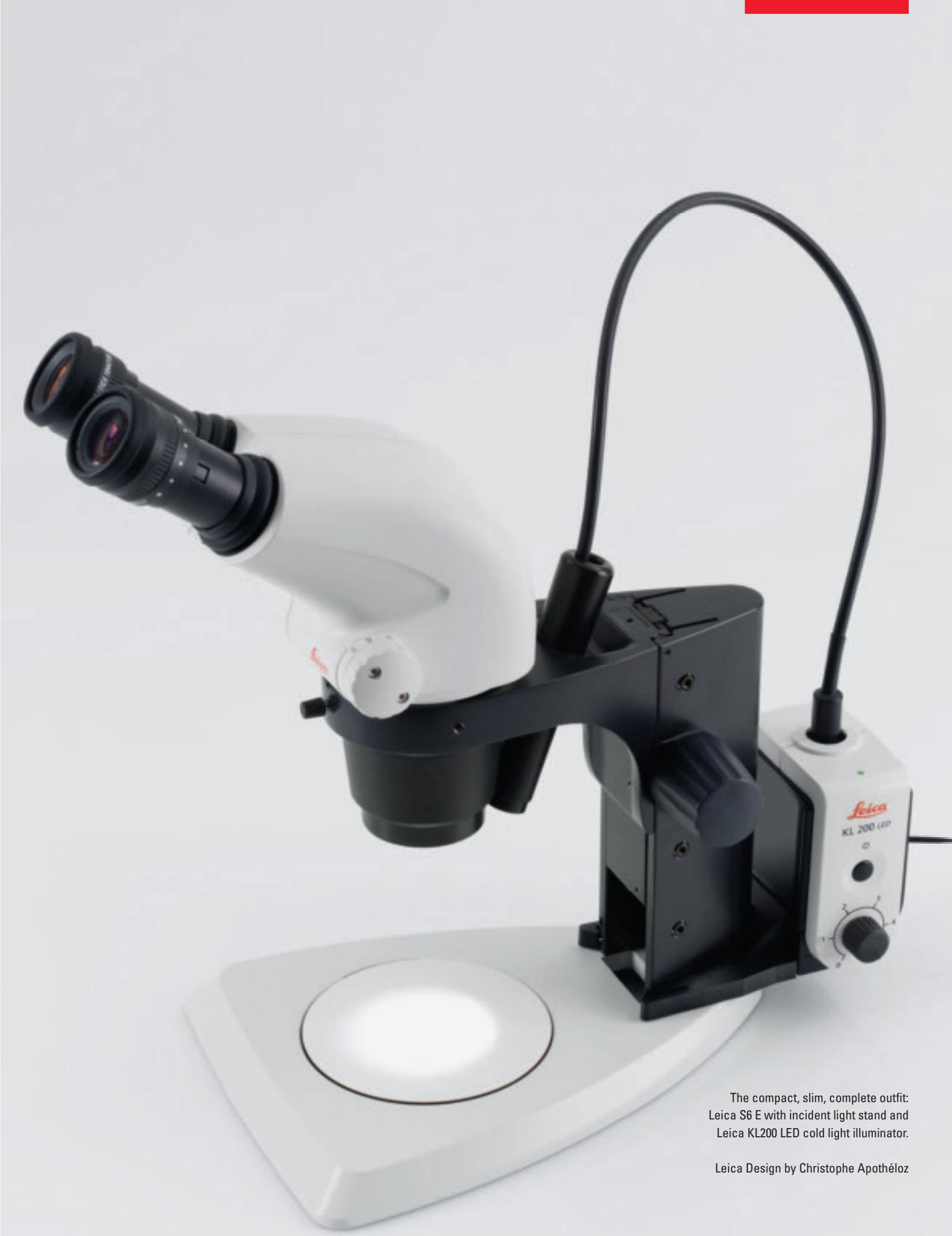
The compact, slim, complete outfit: Leica S6 E with incident light stand and Leica KL200 LED cold light illuminator.
Leica Design by Christophe Apothéloz
natural_image
Microscopic view of a microscope with dual lenses and a base mount (no visible text or labels)Leica S8 APO
Economical, high-perfor-
mance stereomicroscope
with 8:1 apochromatic zoom
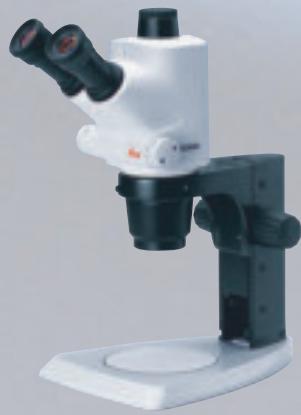
natural_image
Microscopic view of a microscope with dual lenses and a base mount (no text or symbols visible)Leica S6 D
High resolution for video and
photography
Only the StereoZoom® line offers:
• Largest object field diameter of 36.5 mm
- Versions with 38^ and 60^ viewing angles
- ErgoObjectives for comfortable viewing
• Electrostatic-dissipative version
• Transmitted light base with movable reflector
• 40× eyepieces for eyeglass wearers
• Video and photography with coaxial illuminator
• Leica S8 APO with apochromatic Greenough optical system
Leica S8 APO with 8:1 apochromatic zoom for highest requirements
- Apochromatic optical system
- Apochromatic objectives
• Maximum resolution 600 lp/mm - Magnification 10× to 80×, working distance 75 mm*
- Video/photo output
- Adjustable zoom limits
• Eyepieces for eyeglass wearers - Antistatic
Leica S6 D with 6.3:1 zoom and video/photo output
- 38^ ergonomic viewing angle
- Magnification 6.3× to 40×, working distance 110 mm, object field diameter 36.5 mm*
- Adjustable zoom limits
• Achromatic standard objectives - ErgoObjectives for variable viewing height, magnification, working distance
• Eyepieces for eyeglass wearers - Antistatic
Leica S6 T with 6.3:1 zoom
- 38^ ergonomic viewing angle
- Magnification 6.3× to 40×, working distance 110 mm, object field diameter 36.5 mm*
• Electro-dissipative surface for optimum protection against ESD - Adjustable zoom limits
• Achromatic standard objectives - ErgoObjectives for variable viewing height, magnification, working distance
• Eyepieces for eyeglass wearers
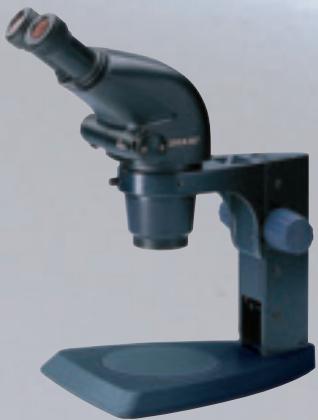
natural_image
Microscopic view of a black-and-white microscope with adjustable lens and base (no text or symbols visible)Leica S6 T
Voltage dissipation for inspecting sensitive electronics
One Stereomicroscope
Platform, Countless
Applications
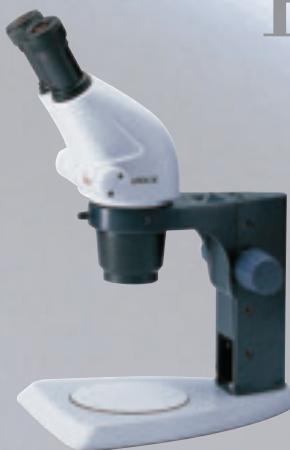
natural_image
Microscopic view of a microscope with black and white components (no visible text or symbols)Leica S6
For OEM, features ergonomic viewing angle
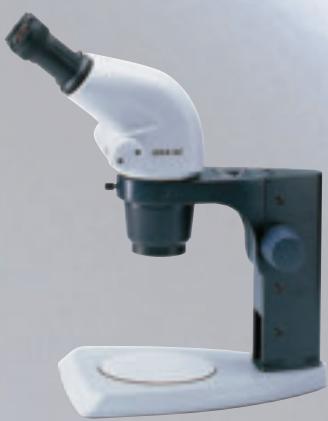
natural_image
Close-up of a microscope with black and white components (no visible text or symbols)Leica S6 E
High productivity for routine tasks
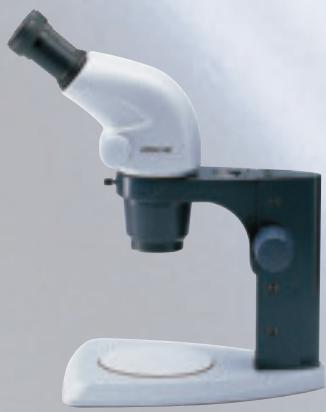
natural_image
Close-up of a small laboratory microscope with black and white components (no visible text or labels)Leica S4 E
Affordable, expandable, powerful
for industrial assembly and
education
Leica S6 E with 6.3:1 zoom
- 38^ ergonomic viewing angle
- Magnification 6.3× to 40×, working distance 110 mm, object field diameter 36.5 mm*
- Adjustable zoom limits
• Achromatic standard objectives - ErgoObjectives for variable viewing height, magnification, working distance
• Eyepieces for eyeglass wearers - Antistatic
Leica S6 with 6.3:1 zoom and 60° viewing angle
- Ergonomic 60^ viewing angle on the inclined stereomicroscope
- Magnification 6.3× to 40×, working distance 110 mm, object field diameter 36.5 mm*
- Adjustable zoom limits
• Achromatic standard objectives - ErgoObjectives for variable viewing height, magnification, working distance
• Eyepieces for eyeglass wearers - Antistatic
Leica S4 E with 4.8:1 zoom
- 38^ ergonomic viewing angle
- Magnification 6.3× to 30×, working distance 110 mm, object field diameter 36.5 mm*
- The only stereomicroscope in its class with two ErgoObjectives for variable viewing height, magnification, working distance
- Achromatic standard objectives
• Eyepieces for eyeglass wearers - Antistatic
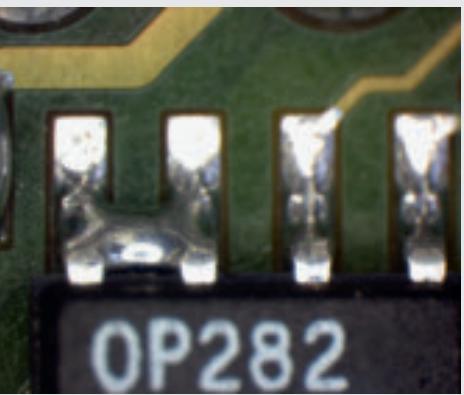
natural_image
Close-up of a green circuit board with four metallic components and visible pin labels (OP282), no readable text beyond the label.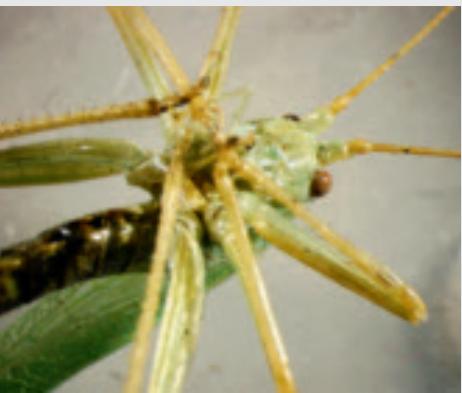
natural_image
Close-up of a grasshopper perched on a leaf, showing detailed body structure and segmented legs (no text or symbols visible)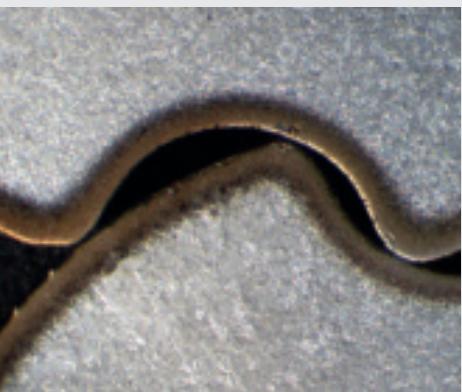
natural_image
Close-up of a curved, wavy brown object on a textured gray surface (no text or symbols visible)Successful Work with Precision Optics
Business success relies on profitable, market-driven, and competitive production. Consistent quality management, including visual quality inspection using high-performance stereomicroscopes, can help eliminate the high cost of quality defects, waste, and insufficient productivity. The high-quality optics and durability of the StereoZoom ^® line can create cost savings for your work.
Researchers place high demands on instruments while searching for more and more detailed data. The world-class optics and comfortable, versatile StereoZoom® workstations can assist in the next great scientific discovery.
High-quality optics
The optically powerful and sophisticated StereoZoom ^® line provides fast and precise viewing, positive and effortless identification of microscopic details, and reliable results in repetitive tasks. Providing clear, sharp, non-distorted, flat, high-contrast images with optimal chromatic correction, the StereoZoom ^® line offers very large fields of view and long working distances.
Durability
The StereoZoom ^® line is reliable, easy to use, and rugged. Its versatility is based on an extensive assortment of accessories. The microscope easily integrates with machines and laminar flow cabinets while taking up very little space.
Increased productivity
The StereoZoom ^® line can increase productivity with fatigue-free, easy operation. Leica Microsystems also provides first class consultation to fit the stereomicroscope to individual needs, rapid delivery, and prompt application and technical assistance.
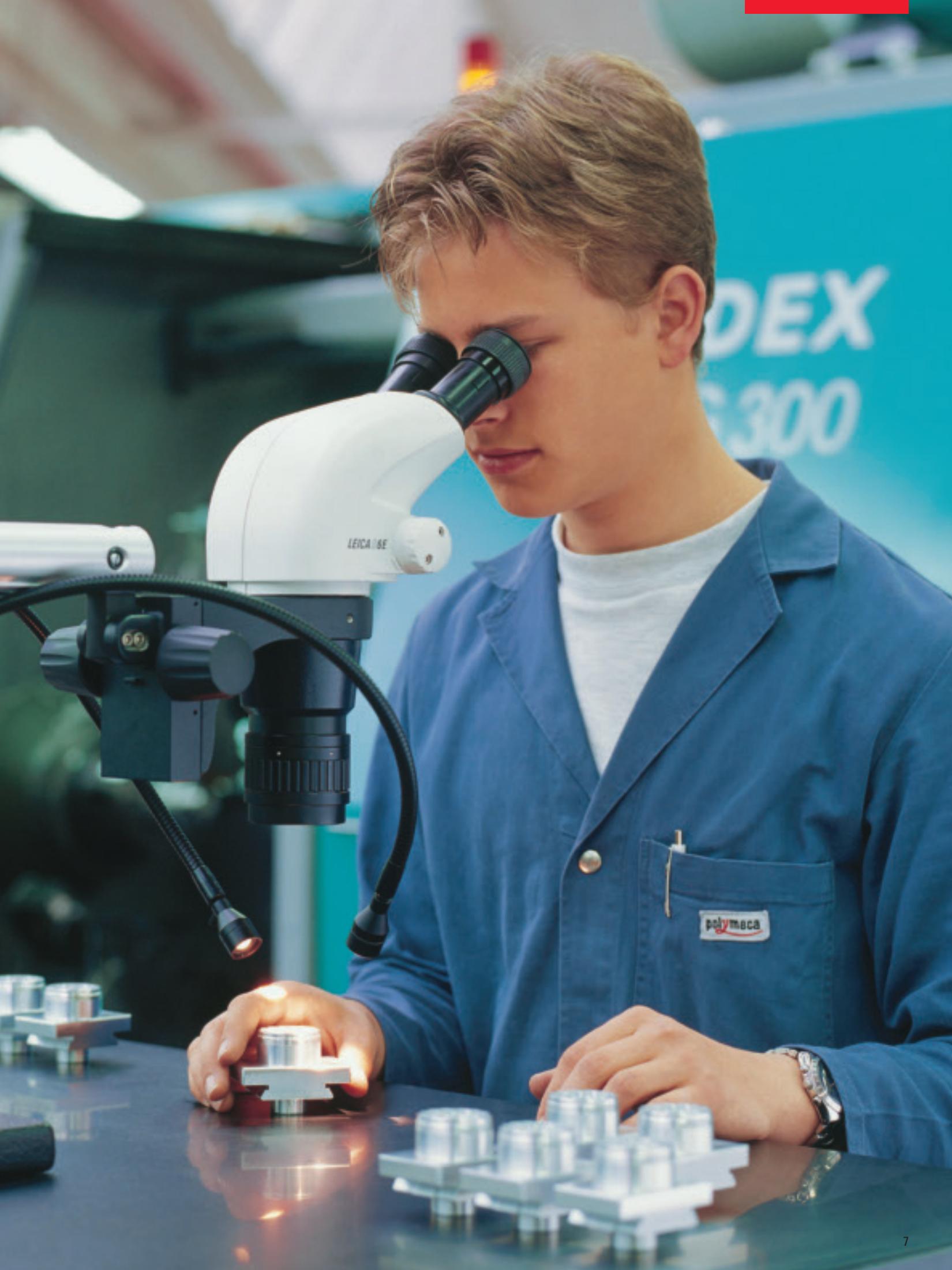
natural_image
Scientist in blue lab coat using a microscope in a laboratory setting (no visible text or symbols)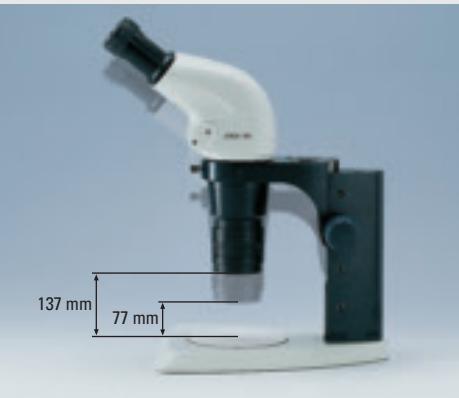
ErgoObjective 0.6× to 0.75×, working distance variable from 77 mm to 137 mm
natural_image
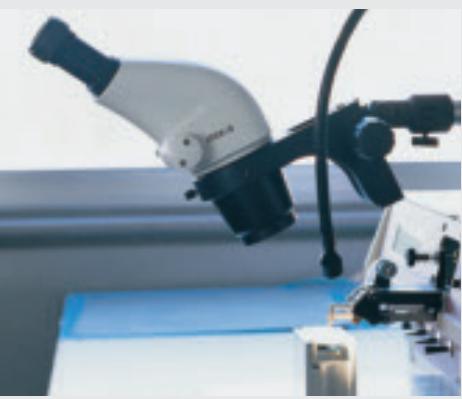
Close-up of a microscope in operation with blue paper and metallic components (no visible text or symbols)Leica S6 with 60° ergonomic viewing angle on the inclinable focus drive, for OEM
natural_image
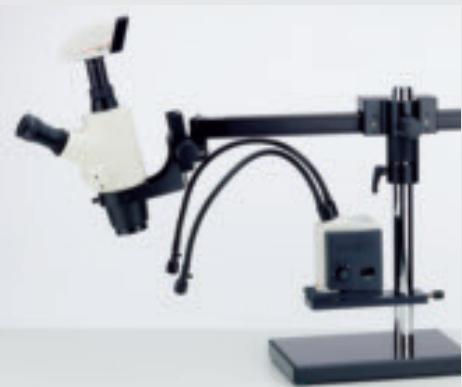
Laboratory microscope setup with mounted optical bench and base mount (no visible text or labels)Standard swingarm stand
The Best Choice for the Long Term
For the best performance for a particular task, Leica Microsystems' flexible, modular design enables users to customize the stereomicroscope for countless applications.
Performance made to order
With the StereoZoom ^® line, the user selects the configuration needed. Even the basic Leica S4 E with 4.8:1 zoom for routine inspection gives access to the StereoZoom ^® line's entire assortment of objectives, eyepieces, stands, and illuminators. The Leica S6 models with 6.3:1 zoom are optionally available with 38° (S6 E/S6 D/S6 T) or 60° (S6) viewing angle. The patented Leica S6 T is available with an incident light or swingarm stand for work areas subject to ESD. The one-of-a-kind Leica S8 APO with apochromatic 8:1 zoom, apochromatic objectives, and video/photo output is the ideal platform for advanced applications, specifically digital documentation and analysis.
Stands for a wide variety of applications
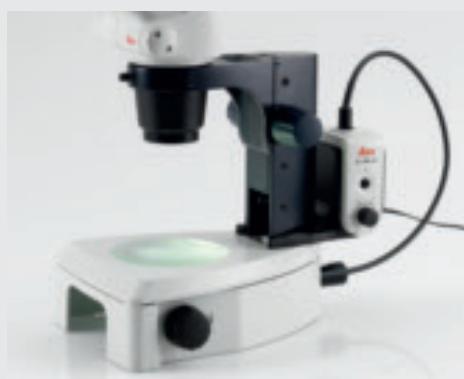
The stable incident light stand is available in antistatic and electro-dissipative versions. Using a sub-base for transmitted light, the base can be affordably equipped for viewing transparent objects. Using a deflection mirror, the light can be guided through objects at any angle, from vertical to nearly horizontal. Oblique to darkfield-like transmitted light provides contrast to observe certain specimen structures and contours. Semitransparent objects, e.g., foraminifera and fish eggs, gain resolution and information content.
Three swingarm stands for ergonomic working conditions
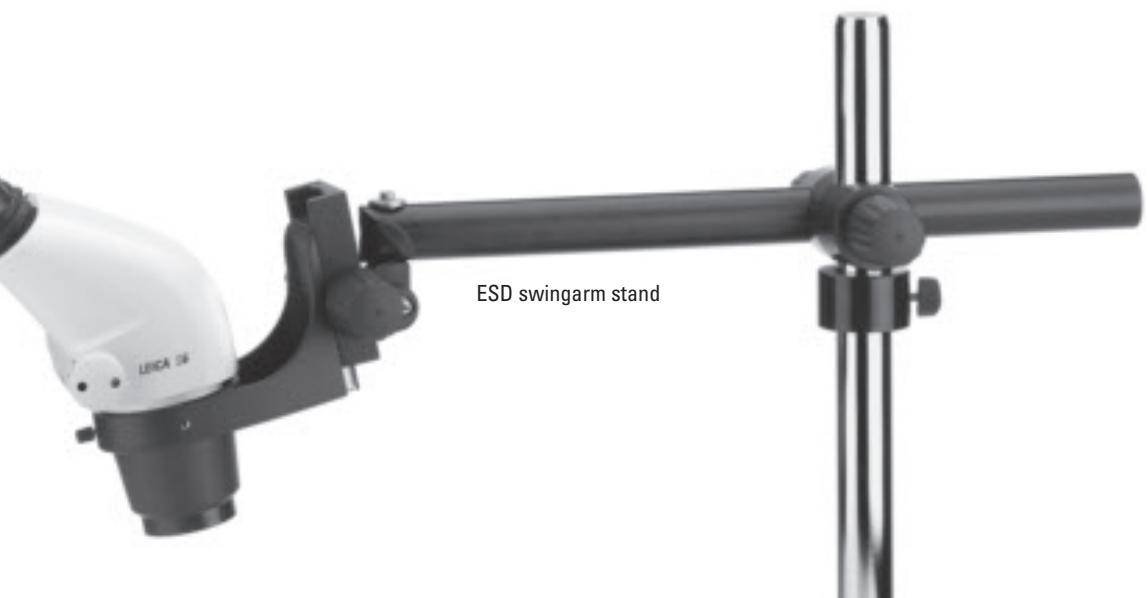
The StereoZoom ^® line offers three modular swingarm stands: the ESD swingarm stand, the standard swingarm stand with easy-to-move horizontal arm, and the large swingarm stand with easy-to-move horizontal arm and convenient height positioning. They offer plenty of room for examining and processing large samples (drill cores, workpieces, printed circuit boards, works of art, dental work). The large extension, available load capacity, wide range of adapter options for the focus arm and stereomicroscope, and outstanding electrostatic dissipation are only a few of the swingarms' many benefits.
Convenience
The StereoZoom ^® line provides large, clear object fields and sharp images. Even inspecting the finest microscopic detail is easy. The standard Leica S4 E and S6 models offer the largest object field diameter in their product class, 36.5 mm, which provides faster and more convenient inspection. Attachable, comfortable soft eyecups prevent lateral stray light and avoid eye infections.
ErgoObjectives with variable working distance
The Leica S4 E and S6 models provide a fatigue-free head posture. The 0.6× to 0.75× Ergo objectives with variable working distances of 77 mm to 137 mm; and 0.7× to 1.0× objectives with variable working distances of 48 mm to 98 mm; allow fine adjustments of magnification and working distance and simultaneously, the viewing height, without time-consuming objective changes. The Leica S6 with 60° viewing angle offers a comfortable posture using the tilted stereomicroscope objectives.
Ease of use
For repetitive inspections at identical magnification, the zoom range can be individually limited on the Leica S6 and Leica S8 APO. Focus and zoom are moved smoothly and precisely, and the controls provide a good grip with a convenient feature: large zoom buttons. The focus drive's movement can be set according to personal preference. For applications that require a lateral working position, the stereomicroscope can be laterally rotated 360°.
Modest space requirements
The slim StereoZoom ^® with incident or transmitted light stand and the Leica L2 or KL200 LED cold light source, requires minimal space on a work surface, in laminar flow cabinets, or when used for OEM applications.
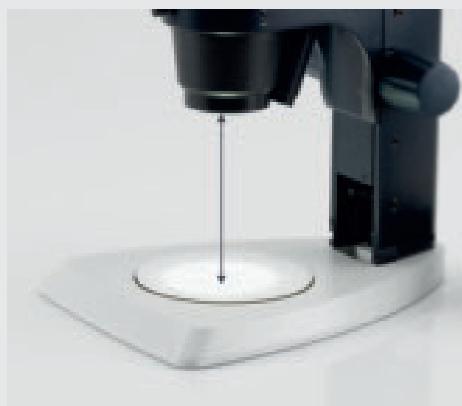
The lightweight StereoZoom ^® with outstanding 110 mm working distance provides easy access to the sample, plenty of space for tools, and an unobstructed view. It is readily integrated with machines and easily carried from one workstation to another.
natural_image
Close-up of a precision optical instrument with a central droplet and a vertical arrow, no visible text or symbolsLong working distance and good accessibility
natural_image
Close-up of a microscope with objective lens and control unit (no visible text or symbols)Sub-base for transmitted light and universal light guide for oblique transmitted illumination
natural_image
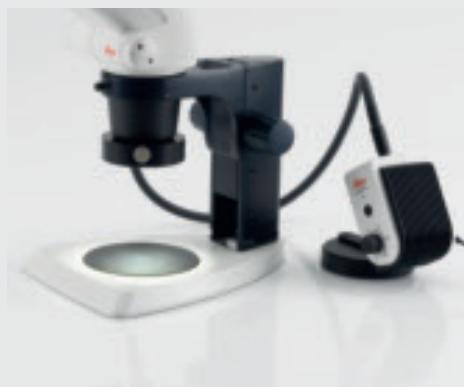
Close-up of a microscope and a small electronic device with a circular base (no visible text or symbols)6-point ring illuminator with Leica KL200 LED (tabletop version)
natural_image
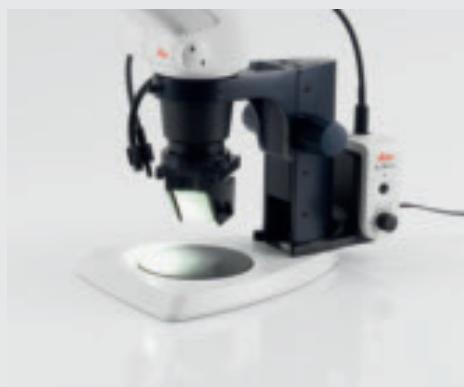
Close-up of a robotic arm operating a circular base with a probe, no visible text or symbolsAttachment for vertical/oblique observation: all-around visibility without tilting and turning the sample
natural_image
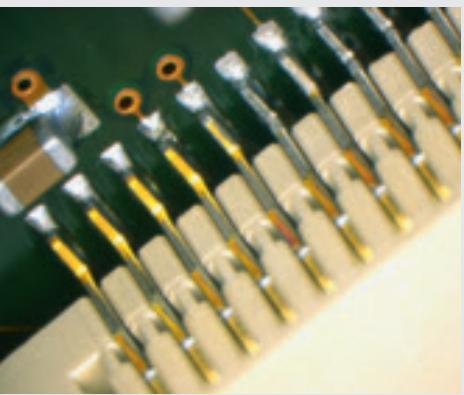
Close-up of electronic circuit board components with gold contacts and traces (no visible text or symbols)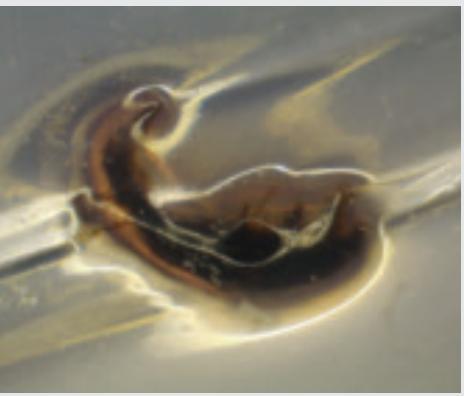
natural_image
Microscopic view of a biological structure with a curved, dark brown form embedded in a lighter matrix (no visible text or symbols)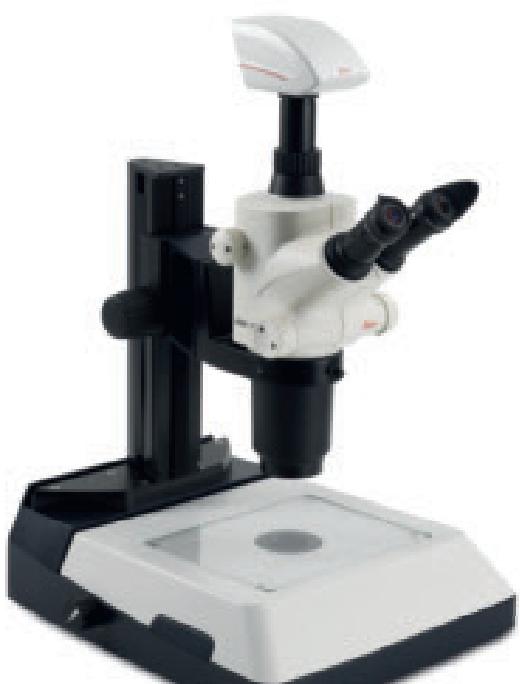
natural_image
Close-up of a microscope with black and white components, no visible text or symbolsLeica S8 APO Top of the Line
The Leica S8 APO's high performance is unrivaled on every level. As the only Greenough stereomicroscope available on the market, the Leica S8 APO is equipped with a fully apochromatically-corrected optical system, apochromatic 8:1 zoom, and apochromatic objectives.
The Leica S8 APO is a cost-effective, high-performance stereomicroscope with great user benefits for demanding quality control and research and development tasks in industry, science, and education.
Precise detail
Apochromatic optics provide the user with the most precise data. The Leica S8 APO corrects chromatic aberration, removes bothersome color seams, and displays ultra-sharp images of even the finest structural detail. Contrast, brilliance, image sharpness, resolution, and color fidelity are unsurpassed. The benefit of apochromatic correction is best seen in specimens that have a fine, low-contrast structure such as large animal cells, cilia plants, or metallic microelectronic structures.
The Leica S8 APO offers magnifications of 3.2 to 640× (10 to 80× standard magnification) and attains an outstanding resolution of 600 lp/mm, at an affordable price.
Easy documentation
The user can document valuable work results and photograph, film, record or transfer important processes. With the built-in video/phototube, the user can add a professional digital image capture system by Leica Microsystems at any time.
Leica S8 APO with Leica TL BFDF transmitted-light base
natural_image
Laboratory setup with a microscope and computer monitor displaying a 3D microstructure image (no visible text or symbols on the main components)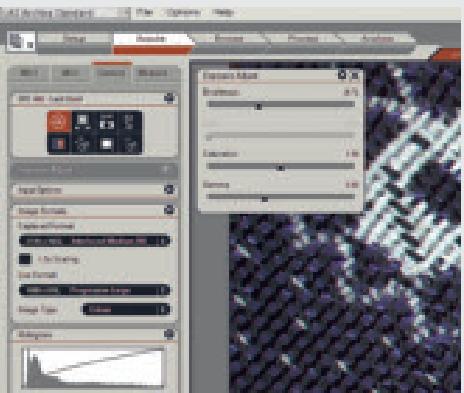
Leica Application Suite: Easy camera operation
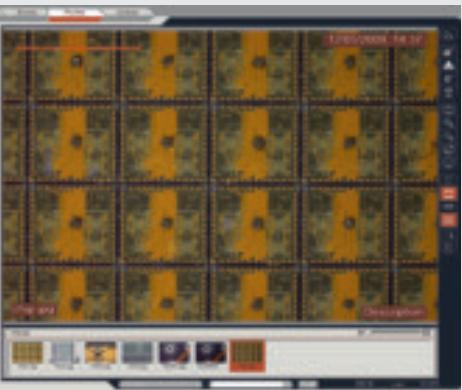
Leica Application Suite: Intuitive image captions
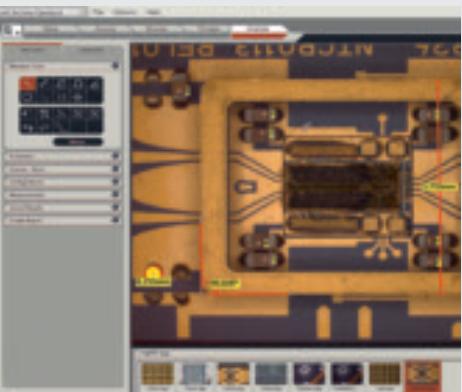
Leica Application Suite: Easy measurement
Professional System Solutions
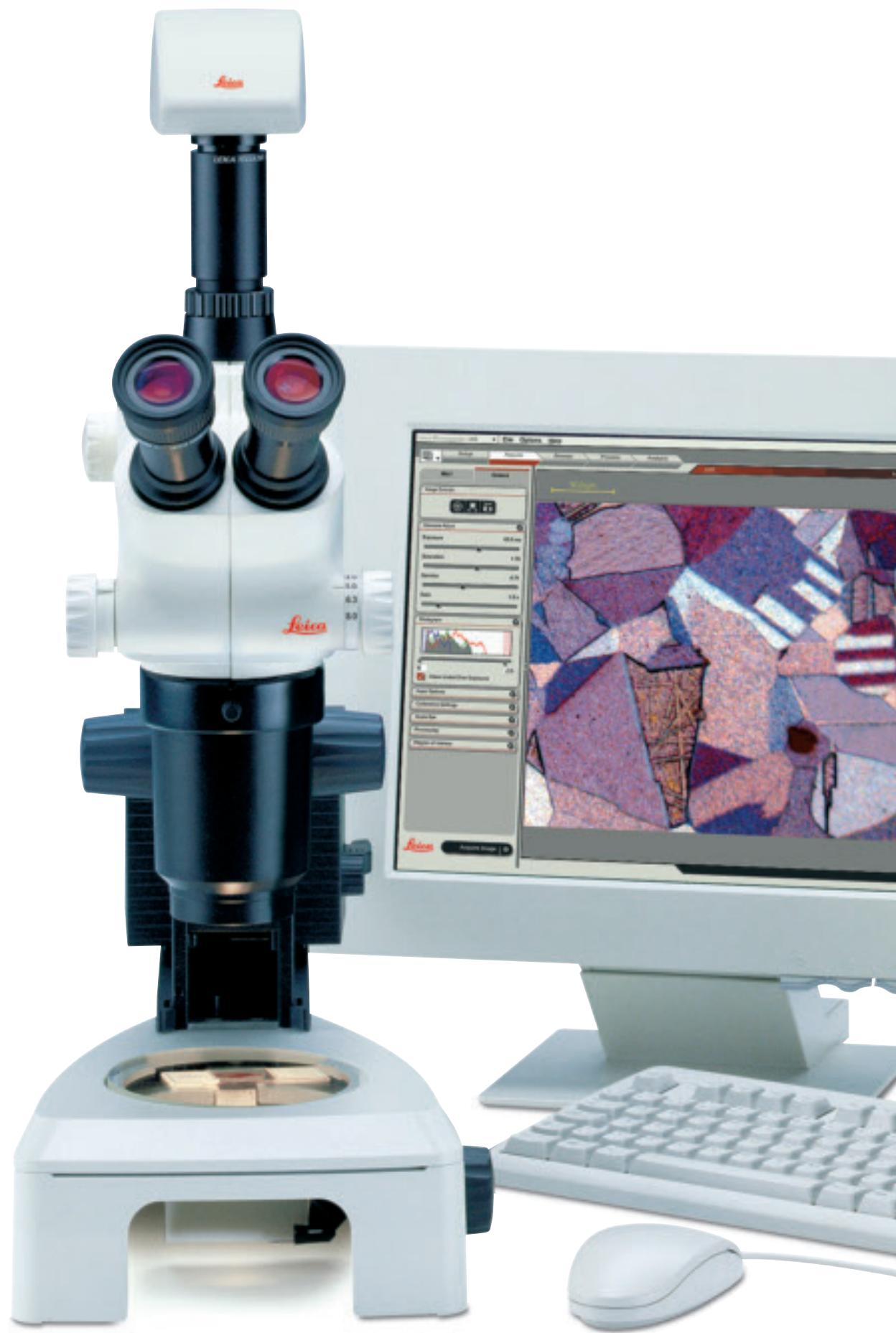
The Leica S6 D and S8 APO with integrated video/phototube are equipped for all modern documentation and image transmission techniques and for easy, fast setup of conventional video and analog video cameras. The integrated beam splitter guides 100% of the existing light into the camera.
Digital image acquisition and analysis
From stereomicroscope to digital camera, including image management and analysis software, Leica Microsystems offers application-specific, complete solutions for professional image acquisition, archiving, analysis, processing, presentation, and print. The product range extends from standard cameras for universal use to high-end camera software for image management and analysis.
Leica Application Suite – high-performance software
LAS configures a connected digital camera for capturing, analyzing, and processing high-quality digital images in the life science, clinical, and industrial fields. With its modular, scalable design, LAS is easy to learn and use and provides outstanding performance at an affordable price.
The Best Light
Compact Leica L2 cold light source
The Leica L2 modular cold light source is powerful, compact, and can be used for many different applications. Suitable accessories for coaxial and vertical illumination as well as transmitted light are available in addition to diagonal illumination with single-arm or dual-arm light guides.
Leica KL200 LED – fiber optic light source
The range also includes the powerful Leica KL200 LED. Like the Leica L2, the Leica KL200 LED works by coupling directly to the microscope or as stand-alone illumination, but generates extremely bright, natural light via its LEDs (for detailed information, see brochure M1-288-0).
Leica LED1000 – the modular illumination solution
LED illumination is ideal for routine tasks where high light intensity with minimum heat development is required. The following advantages distinguish this technology: color temperature 5,000°K (daylight), no UV radiation, extremely long life, nearly maintenance-free, free of ripple and flicker, noise-free, vibration-free operation, and a compact lightweight design. The Leica LED1000 product line includes a ring illuminator and spotlight and extensive accessories for a variety of applications. The LED ring illuminator (40 LEDs) provides a very bright and homogenous illuminated specimen area. The LED spotlight (19 LEDs) can be attached directly onto the StereoZoom® or used stand-alone. The ring illuminator and spotlight are antistatic.
Leica LED3000 NVI™ – one-of-a-kind
Optimized for stereomicroscopy, this illumination source is ideal for studying bores and recesses during sample preparation. It provides shadowless lighting for precise manipulation and preparation of even difficult-to-access sample areas.
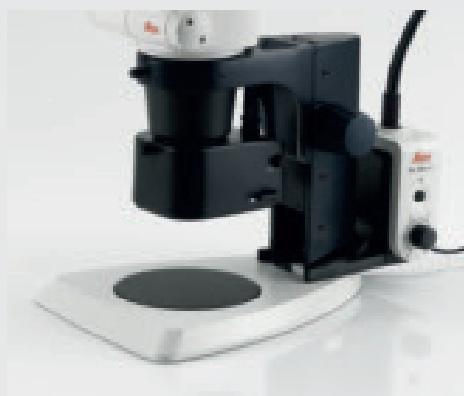
natural_image
Close-up of a precision optical instrument with black components and a circular base (no visible text or symbols)Coaxial illuminator for reflective, flat specimens such as ground pieces of metal, wafers, chips, and coated surfaces
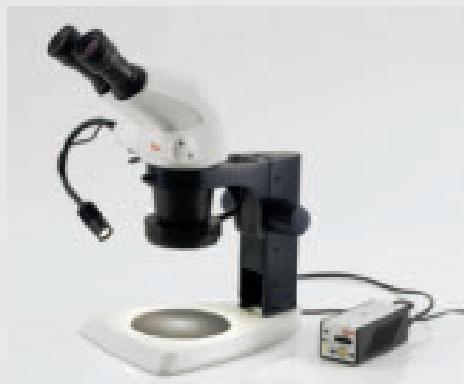
natural_image
Microscopic view of a microscope with mounted optical components (no visible text or labels)Leica LED1000 combination control unit – spotlight and ring illuminator
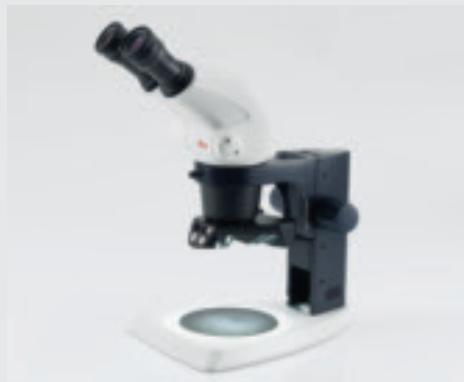
natural_image
Microscopic view of a microscope with dual glass lenses and a circular base (no text or symbols visible)Leica LED3000 NVI ^™ – vertical illuminator for highly structured sample and for illuminating recesses and bores
natural_image
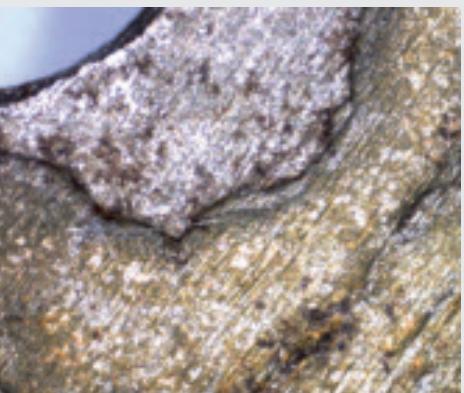
Close-up of a textured rock surface with visible mineral or mineral deposits (no text or symbols)Metal corrosion
natural_image
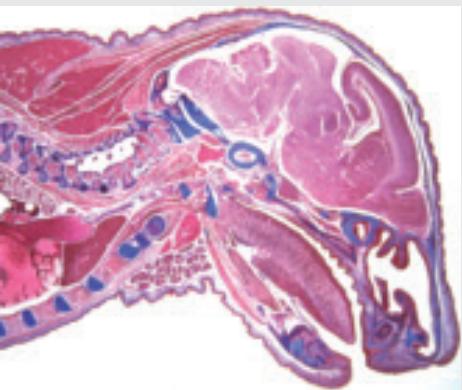
Microscopic tissue section showing layered cellular structures with pink and blue staining (no text or labels visible)Mouse (cross-section)

Passport inspection
High-performance LED Illumination
The high-quality Leica LED2000/LED2500 illumination stands are robust and suitable for almost any inspection task.
The Leica LED2000 stand is suitable for all incident light applications and is a cost-effective solution when transmitted light is not required. With five illumination options available, the user can choose exactly where and how much light should be applied to a sample. The options include the use of all seven available LEDs for optimum illumination, 4-point incident light for shadowless illumination, two side LEDs for improved contrast, or one oblique LED if low illumination is required. Each illumination option also features dimmer control so that the brightness levels can be adapted to individual requirements. With the light manager touch panel, each setting can be easily selected and reproduced.
The Leica LED2500 includes both incident and transmitted light capabilities, which can be used together or controlled individually. With a 60 mm active light diameter, the Leica LED2500 is perfect for performing detailed inspections at consistent light levels with a large field of view. The 6500°K color temperature means that samples can be examined with true color reproduction.
Moveable arc illumination
The Leica LED2000/LED2500 provides an adjustable arc illumination, which allows the user to increase the contrast level to meet individual requirements. Arc illumination can be optimized for 1.0×, 1.6×, and 2.0× additional objectives.
Maintenance-free
LEDs have a service life of at least 25,000 hours and maintain a constant color temperature, which makes them preferable to conventional light bulbs. With their heat dissipation, the Leica LED2000/LED2500 bases do not require a fan so light vibrations do not interfere.
Daylight quality
The Leica LED2000 and LED2500 illumination stands use state-of-the-art LED technology that closely resembles the light spectrum of daylight. As a result of pulse width modulation (PWM), color temperature remains constant over the entire dimming range. There is no need to readjust the camera's white balance, which makes the complete system easier to handle.
Complete solution
- Easy transport
- Sturdy, compact design
- Integrated power supply
• (100–240V) - Vibration-free (no fan)
- Adjustable focus torque
State-of-the-art LEDs
- 4-point incident light
- Bright and uniform
- Shadow-free
Integrated LED illumination
• Service life of 25,000 hours
- No bulb changing required
• Natural light quality at 6500°K
- True color reproduction
- Constant color temperature
- Flicker-free
- 5 programmed illumination settings
• Reproducible light conditions
Transmitted light
- Bright and uniform
- 60 mm active light diameter
3-point arc light
• Shows more structures of a sample
Easy illumination control
• 5 different programmed settings
"With the user, for the user" Leica Microsystems
Leica Microsystems operates globally in four divisions, where we rank with the market leaders.
• Life Science Division
The Leica Microsystems Life Science Division supports the imaging needs of the scientific community with advanced innovation and technical expertise for the visualization, measurement, and analysis of microstructures. Our strong focus on understanding scientific applications puts Leica Microsystems' customers at the leading edge of science.
- Industry Division
The Leica Microsystems Industry Division's focus is to support customers' pursuit of the highest quality end result. Leica Microsystems provide the best and most innovative imaging systems to see, measure, and analyze the microstructures in routine and research industrial applications, materials science, quality control, forensic science investigation, and educational applications.
- Biosystems Division
The Leica Microsystems Biosystems Division brings histopathology labs and researchers the highest-quality, most comprehensive product range. From patient to pathologist, the range includes the ideal product for each histology step and high-productivity workflow solutions for the entire lab. With complete histology systems featuring innovative automation and Novocastra™ reagents, Leica Microsystems creates better patient care through rapid turnaround, diagnostic confidence, and close customer collaboration.
- Surgical Division
The Leica Microsystems Surgical Division's focus is to partner with and support surgeons and their care of patients with the highest-quality, most innovative surgical microscope technology today and into the future.
The statement by Ernst Leitz in 1907, “with the user, for the user,” describes the fruitful collaboration with end users and driving force of innovation at Leica Microsystems. We have developed five brand values to live up to this tradition: Pioneering, High-end Quality, Team Spirit, Dedication to Science, and Continuous Improvement. For us, living up to these values means: Living up to Life.
Active worldwide
| Australia: | North Ryde | Tel. +61 2 8870 3500 | Fax +61 2 9878 1055 |
| Austria: | Vienna | Tel. +43 1 486 80 50 0 | Fax +43 1 486 80 50 30 |
| Belgium: | Groot Bijgaarden | Tel. +32 2 790 98 50 | Fax +32 2 790 98 68 |
| Canada: | Richmond Hill/Ontario | Tel. +1 905 762 2000 | Fax +1 905 762 8937 |
| Denmark: | Herlev | Tel. +45 4454 0101 | Fax +45 4454 0111 |
| France: | Nanterre Cedex | Tel. +33 811 000 664 | Fax +33 1 56 05 23 23 |
| Germany: | Wetzlar | Tel. +49 64 41 29 40 00 | Fax +49 64 41 29 41 55 |
| Italy: | Milan | Tel. +39 02 574 861 | Fax +39 02 574 03392 |
| Japan: | Tokyo | Tel. +81 3 5421 2800 | Fax +81 3 5421 2896 |
| Korea: | Seoul | Tel. +82 2 514 65 43 | Fax +82 2 514 65 48 |
| Netherlands: | Rijswijk | Tel. +31 70 4132 100 | Fax +31 70 4132 109 |
| People’s Rep. of China: | Hong Kong | Tel. +852 2564 6699 | Fax +852 2564 4163 |
| Portugal: | Lisbon | Tel. +351 21 388 9112 | Fax +351 21 385 4668 |
| Singapore | Tel. +65 6779 7823 | Fax +65 6773 0628 | |
| Spain: | Barcelona | Tel. +34 93 494 95 30 | Fax +34 93 494 95 32 |
| Sweden: | Kista | Tel. +46 8 625 45 45 | Fax +46 8 625 45 10 |
| Switzerland: | Heerbrugg | Tel. +41 71 726 34 34 | Fax +41 71 726 34 44 |
| United Kingdom: | Milton Keynes | Tel. +44 1908 246 246 | Fax +44 1908 609 992 |
| USA: | Bannockburn/Illinois | Tel. +1 847 405 0123 | Fax +1 847 405 0164 |
and representatives in more than 100 countries
In accordance with the ISO 9001 certificate, Leica Microsystems (Switzerland) Ltd, Industry Division, has at its disposal a management system that meets the requirements of the international standard for quality management. In addition, production meets the requirements of the international standard ISO 14001 for environmental management.
- Leica Stereozoom ® Line
- Cost-effective, Leading Edge Technology
- Leica StereoZoom® – the complete stereomicroscope line
- Fully apochromatic, economical research stereomicroscope
- Only the StereoZoom® line offers:
- Leica S8 APO with 8:1 apochromatic zoom for highest requirements
- Leica S6 D with 6.3:1 zoom and video/photo output
- Leica S6 T with 6.3:1 zoom
- One Stereomicroscope
- Platform, Countless
- Applications
- Leica S6 E with 6.3:1 zoom
- Leica S6 with 6.3:1 zoom and 60° viewing angle
- Leica S4 E with 4.8:1 zoom
- Successful Work with Precision Optics
- High-quality optics
- Durability
- Increased productivity
- The Best Choice for the Long Term
- Performance made to order
- Stands for a wide variety of applications
- Three swingarm stands for ergonomic working conditions
- Convenience
- ErgoObjectives with variable working distance
- Ease of use
- Modest space requirements
- Leica S8 APO Top of the Line
- Precise detail
- Easy documentation
- Professional System Solutions
- Digital image acquisition and analysis
- Leica Application Suite – high-performance software
- The Best Light
- Compact Leica L2 cold light source
- Leica KL200 LED – fiber optic light source
- Leica LED1000 – the modular illumination solution
- Leica LED3000 NVI™ – one-of-a-kind
- High-performance LED Illumination
- Moveable arc illumination
- Maintenance-free
- Daylight quality
- Complete solution
- State-of-the-art LEDs
- Integrated LED illumination
- Transmitted light
- 3-point arc light
- "With the user, for the user" Leica Microsystems
- • Life Science Division
- - Industry Division
- - Biosystems Division
- - Surgical Division
- and representatives in more than 100 countries
Brand : LEICA
Model : STEREOZOOM
Category : Microscope