
MX450 - Lawn mower MURRAY - Free user manual and instructions
Find the device manual for free MX450 MURRAY in PDF.

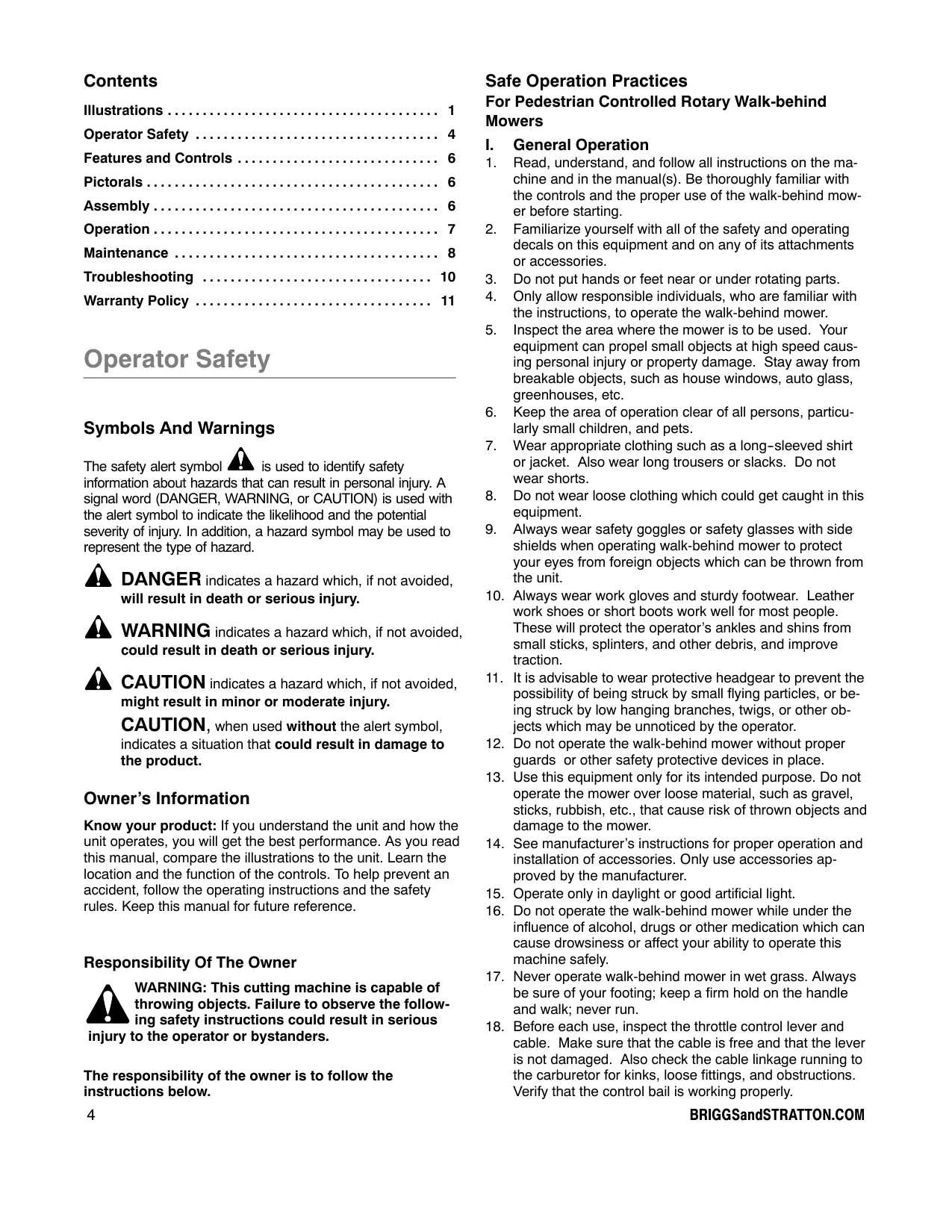


| Brand | MURRAY |
| Model | MX450 |
| Product type | Walk-behind lawn mower |
| Power source | Gasoline |
| Engine | 4-stroke (refer to engine manual) |
| Cutting height | Adjustable, multiple positions |
| Drive system | Self-propelled or push model depending on version |
| Grass catcher | Yes, rear-mounted |
| Cutting blade | Sharpenable, replace every 2 years |
| Maintenance | Clean after each use, lubricate every 25 hours |
| Safety | Engine stop lever, blade guards |
| Spare parts | Use only approved original parts |
| Weight | Not specified |
| Dimensions | Not specified |
Frequently Asked Questions - MX450 MURRAY
User questions about MX450 MURRAY
0 question about this device. Answer the ones you know or ask your own.
Ask a new question about this device
Download the instructions for your Lawn mower in PDF format for free! Find your manual MX450 - MURRAY and take your electronic device back in hand. On this page are published all the documents necessary for the use of your device. MX450 by MURRAY.
USER MANUAL MX450 MURRAY
Features and Controls 6
Pictorals 6
Assembly 6
Operation 7
Maintenance 8
Troubleshooting 10
Warranty Policy 11
Operator Safety
Symbols AndWarnings
The safety alert symbol is used to identify safety information about hazards that can result in personal injury. A signal word (DANGER, WARNING, or CAUTION) is used with the alert symbol to indicate the likelihood and the potential severity of injury. In addition, a hazard symbol may be used to represent the type of hazard.

DANGER indicates a hazard which, if not avoided, will result in death or serious injury.

WARNING indicates a hazard which, if not avoided, could result in death or serious injury.

CAUTION indicates a hazard which, if not avoided, might result in minor or moderate injury.
CAUTION, when used without the alert symbol, indicates a situation that could result in damage to the product.
Owner's Information
Know your product: If you understand the unit and how the unit operates, you will get the best performance. As you read this manual, compare the illustrations to the unit. Learn the location and the function of the controls. To help prevent an accident, follow the operating instructions and the safety rules. Keep this manual for future reference.
Responsibility Of The Owner

WARNING: This cutting machine is capable of throwing objects. Failure to observe the following safety instructions could result in serious
injury to the operator or bystanders.
The responsibility of the owner is to follow the instructions below.
Safe Operation Practices
For Pedestrian Controlled Rotary Walk-behind Mowers
I. General Operation
- Read, understand, and follow all instructions on the machine and in the manual(s). Be thoroughly familiar with the controls and the proper use of the walk-behind mower before starting.
- Familiarize yourself with all of the safety and operating decals on this equipment and on any of its attachments or accessories.
- Do not put hands or feet near or under rotating parts.
- Only allow responsible individuals, who are familiar with the instructions, to operate the walk-behind mower.
- Inspect the area where the mower is to be used. Your equipment can propel small objects at high speed causing personal injury or property damage. Stay away from breakable objects, such as house windows, auto glass, greenhouses, etc.
- Keep the area of operation clear of all persons, particularly small children, and pets.
- Wear appropriate clothing such as a long-sleeved shirt or jacket. Also wear long trousers or slacks. Do not wear shorts.
- Do not wear loose clothing which could get caught in this equipment.
- Always wear safety goggles or safety glasses with side shields when operating walk-behind mower to protect your eyes from foreign objects which can be thrown from the unit.
- Always wear work gloves and sturdy footwear. Leather work shoes or short boots work well for most people. These will protect the operator's ankles and shins from small sticks, splinters, and other debris, and improve traction.
- It is advisable to wear protective headgear to prevent the possibility of being struck by small flying particles, or being struck by low hanging branches, twigs, or other objects which may be unnoticed by the operator.
- Do not operate the walk-behind mower without proper guards or other safety protective devices in place.
- Use this equipment only for its intended purpose. Do not operate the mower over loose material, such as gravel, sticks, rubbish, etc., that cause risk of thrown objects and damage to the mower.
- See manufacturer's instructions for proper operation and installation of accessories. Only use accessories approved by the manufacturer.
- Operate only in daylight or good artificial light.
- Do not operate the walk-behind mower while under the influence of alcohol, drugs or other medication which can cause drowsiness or affect your ability to operate this machine safely.
- Never operate walk-behind mower in wet grass. Always be sure of your footing; keep a firm hold on the handle and walk; never run.
- Before each use, inspect the throttle control lever and cable. Make sure that the cable is free and that the lever is not damaged. Also check the cable linkage running to the carburetor for kinks, loose fittings, and obstructions. Verify that the control bail is working properly.
BRIGGSandSTRATTON.COM
- Stop the engine (motor) when crossing gravel drives, walks, or roads.
- Watch for traffic when operating near, or when crossing roads.
- Stop the engine (motor) whenever you leave the equipment, before cleaning repairing or inspecting the unit, be sure that all moving parts have stopped. Let the engine cool, disconnect the spark plug wire and move it away from the spark plug.
- If the equipment should start to vibrate abnormally, stop the engine (motor), disconnect the spark plug wire and prevent it from touching the spark plug. Check immediately for the cause. Vibration is generally a warning of trouble.
- After striking a foreign object, stop the engine (motor). Remove the wire from the spark plug. Inspect the walkbehind mower for damage. If damaged, repair before starting and operating the walk-behind mower.
- Regularly inspect the walk-behind mower. Make sure parts are not bent, damaged or loose.
- Never pick up or carry the walk-behind mower while the engine is running.
- Prolonged exposure to noise and vibration from petrol engine powered equipment should be avoided. Take intermittent breaks and/or wear ear protection from engine noise as well as heavy work gloves to reduce vibration in the hands.
II. Slope Operation
Slopes are a major factor related to slip and fall accidents which can result in severe injury. All slopes require extra caution. If you feel uneasy on a slope, do not mow it.
Do mow across the face of slopes; never up and down.
Do remove objects such as rocks, tree limbs, etc.
Do watch for holes, ruts, or bumps. Tall grass can hide obstacles.
Do not mow near drop-offs, ditches, or embankments. The operator could lose footing or balance.
Do not mow excessively steep slopes.
Do not mow excessively steep slopes (maximum 15 degrees) or areas where the ground is very rough. Exercise extreme caution when changing direction on slopes.
Do not mow on wet grass. Reduced footing could cause slipping.
III. Children
Tragic accidents can occur if the operator is not alert to the presence of children. Children are often attracted to the mower and the mowing activity. Never assume that children will remain where you last saw them.
- Keep children out of the mowing area and under the watchful care of a responsible adult.
- Be alert and turn walk-behind mower off if children enter the area.
- Before and while moving backwards, look behind and down for small children.
- Never allow children to operate the walk-behind mower.
- Use extra care when approaching blind corners, shrubs, trees, or other objects that may obscure vision.
en
IV. Service
- Use extra care in handling petrol and other fuels. They are flammable and vapors are explosive.
a. Use only an approved container.
b. Never remove fuel cap or add fuel with the engine running. Allow engine to cool before refueling. Do not smoke.
c. Never refuel the machine indoors.
d. Never store the machine or fuel container inside where there is an open flame, such as a water heater.
e. If the fuel tank has to be drained, this should be done outdoors. The drained fuel should be stored in a container specifically designed for fuel storage or it should be disposed of carefully.
f. Old oil and petrol should be carefully poured into containers especially designed for oil and fuel.
g. Filled containers should be carefully transported to a collection center for proper recycling.
- Never run an engine indoors or inside a closed area.
- Never make adjustments or repairs with the engine (motor) running. Disconnect the spark plug wire, and keep the wire away from the plug to prevent accidental starting (remove the ignition key if equipped with an electric start). Always wear eye protection when you make adjustments or repairs.
- Check the engine mounting bolts at frequent intervals for proper tightness.
- Keep all nuts and bolts tight and keep equipment in good condition. If items are replaced, make sure the mounting fasteners are tight.
- Never tamper with safety devices. Check their proper operation regularly.
- When servicing or repairing the walk-behind mower, do not tip the machine over or up unless specifically instructed to do so in this Manual. Service and repair procedures can be done with the walk-behind mower in an upright position. Some procedures will be easier if the machine is lifted on a raised platform or working surface.
- To reduce fire hazard, keep walk-behind mower free of grass, leaves, or other debris build-up. Clean up oil or fuel spillage. Allow walk-behind mower to cool before storing.
- Stop and inspect the equipment if you strike an object. Repair, if necessary, before restarting.
- Always disconnect spark plug wire before cleaning, repairing, or adjusting.
- Do not change the engine governor setting or over-speed the engine.
- Clean and replace safety and instruction decals as necessary.
- To guard against engine over-heating, always have engine debris filter mounted and clean.
- Inspect walk-behind mower before storage.
- Use only original equipment or authorized replacement parts.
- Replace the cutting blade with factory authorized part.
Description
The walk-behind lawn mower is an engine powered rotary type mower. The engine drives a cutting blade located under the mower housing. The blade lifts and cuts through the grass. The height of cut can be adjusted to give the lawn the desired finish. The cut pieces of grass are either collected into a rear mounted grass bag or, on some mowers, it can be recycled to feed the lawn. Recycling the cut grass is known as "mulching". Push models require the operator to push the mower. Self-propelled models have a rear wheel drive system to make mowing easier.
Intended Use/Limits Of Use
The walk-behind lawn mower is designed to cut lawn grass. Any other use is not permitted. It is not designed to cut grass over 15cm in length or grass mixed with tall weeds. The lawn mower is only suitable for private use in a domestic garden. It is not suitable for cutting grass in public parks or playing fields.
Features and Controls
(Figure 1) Compare the following features and controls with your model. Make sure that you know the location and understand their purpose.
A. Engine Stop Lever
B. Upper Handle
C. Knob or Locking Lever
D. Lower Handle
E. Rear Door
F. Engine
G. Height Adjuster
H. Nameplate
I. Grass Bag
J. Recoil Starter Handle
K. Drive Lever (Self-propelled model)
L. Mulcher Plug
Pictorals
IMPORTANT: The following pictorials are located on your unit or on literature supplied with the product. Before you operate the unit, learn and understand the purpose for each pictorial.
Safety Warning Pictorials (Figure 23)
A. WARNING
B. IMPORTANT: Read Owner's Manual Before Operating This Machine.
C. WARNING: Thrown Objects. Keep Bystanders Away. Read User Instructions Before Operating This Machine.
D. WARNING: Do Not Use This Machine On Slopes Greater Than 10 Degrees.
E. WARNING: No Step.
F. WARNING: Keep Feet And Hands Away From Rotating Blade.
G. CAUTION: Disconnect Spark Plug Wire Before Servicing Unit.
H. WARNING: Crushed Fingers.
Control And Operating Pictorials (Figure 24)
I. Slow
J. Fast
K. Oil
L. Fuel
M. Engine - Start/Run/Stop
N. Drive Control Lever - Engaged/Disenaged
Assembly
Illustrations and pictorialis begin on page 1.
Unpacking instructions
The mower was fully assembled at the factory. When the mower was put in the carton, the handle was put in the storage position. To put the handle in the operating position, follow the steps below.
- Remove the mower from the carton.
- (Figure 2) Raise the lower handle (A) until the ends of the lower handle are locked in the operating position (B). Tighten knob (D) until the lower handle is secure.
- (Figure 3) Remove knob (A) and the fasteners from the lower handle (C) Put the upper handle (B) in the operating position. Tighten the knobs (A) until the upper handle and lower handle are locked in place.
- (Figure 4) To mount the recoil starter rope, you must first engage the engine stop lever (F). Slowly pull the recoil starter handle (G) and install the recoil starter rope into the rope guide (H).
- (Figure 2) On self-propelled models, secure the cables to the handle with the cable retainers (F)
CAUTION: Be careful when you fold or raise the handle. Do not damage the cables. A cable that is bent will not work correctly. Before you use the unit, replace a bent or damaged cable.
How To Assemble The Grass Bag
- (Figure 5) Slide the frame assembly (A) into the open end of the grass bag (B).
- (Figure 6) Make sure the handle (C) is on the outside of the grass bag. Attach the clips (D) to the frame assembly (E).
How To Mount The Grass Bag (Figure 7)
- To mount the grass bag on the mower, raise the rear door (F). Hold the handle (G) of the grass bag and mount the grass bag hooks (H) onto the rear door pivot rod (I). Lower the rear door.
IMPORTANT: Make sure the grass bag hooks (H), are mounted on the rear door pivot rod (I).
How To Prepare The Engine

WARNING: For the type of petrol and oil to use, see the Operator's Manual for the engine. Always use a safety petrol container. Do not
smoke when adding petrol to the engine. When inside an enclosure, do not fill with petrol. Before you add petrol, stop the engine. Let the engine cool for several minutes.
CAUTION: The engine does not contain OIL or PETROL. Before you start the engine, make sure you add oil according to the instructions in the Operator's Manual for the engine. If you start the engine without oil, it will be damaged beyond repair and will not be covered under warranty.
For the type of petrol and oil to use, see the Operator's Manual for the engine. Before you use the unit, read the information on Safety, Operation, Maintenance, and Storage.
How To Change The Mulcher Plug

WARNING: Before you remove or install the mulcher plug, disconnect the spark plug wire and keep it away from the spark plug.
(Figure 8) Some models have an optional mulcher plug. Use the mulcher plug (A) to mulch the grass for a clean, fine cut. To discharge the grass into the grass bagger, remove the mulcher plug as follows.
How To Remove The Mulcher Plug
- (Figure 9) Raise the rear door (B).
- Remove the mulcher plug (A) from the discharge opening.
How To Install The Mulcher Plug
- (Figure 9) Raise the rear door (B).
- Slide the mulcher plug (A) into the discharge opening.
Operation
Illustrations and pictorialis begin on page 1.
Engine Stop Lever (Figure 10)
Release the engine stop lever (A) and the engine and the blade will automatically stop. To start and run the engine, hold the engine stop lever (A) in the operating position (B).
Before you start the engine, operate the engine stop lever several times. Make sure that the engine stop cable moves freely and that the engine stop lever operates correctly.
How To Stop The Engine (Figure 10)
To stop the engine, release the engine stop lever (A). Disconnect the wire and keep it away from the spark plug to keep the engine from starting.
en
Rear Wheel Drive System (Figure 11)

WARNING: For safe operation, the drive system must immediately disengage when the drive lever is released. If the drive system does not engage correctly, do not operate the mower until the system is adjusted or repaired by an authorized centre.
Self-propelled models have a rear wheel drive system. Operate the drive system as follows.
- Hold the engine stop lever (A) in the operating position. Start the engine.
NOTE: To stop the engine, release the engine stop lever (A). - Push the drive lever (C) completely forward. The drive system is now engaged and the mower will move forward.
- To disengage only the drive system, release the drive lever (C). In the disengaged position (D), the mower will stop moving forward but the engine will continue to run.
- To disengage both the drive system and also to stop the engine, completely release the engine stop lever (A).
NOTE: When the drive system is disengaged on a new unit, it is possible for the rear wheels to rotate if lifted off the ground. This is normal with a new belt and will stop after one or two hours of operation.
How To Start The Engine

WARNING: The blade will rotate when the engine runs.
IMPORTANT: Before you start the engine, operate the engine stop lever several times. Make sure that the engine stop cable moves freely and that the engine stop lever operates correctly.
- Check the oil. See the Operator's Manual for the engine.
- Fill the fuel tank with regular unleaded petrol. See "How To Prepare The Engine".
- Make sure the spark plug wire is connected to the spark plug.
- (Figure 12) Engines with primer: For most temperature conditions, firmly push the primer bulb (E) three times. In cooler weather, additional priming may be needed. A warm engine will usually not require priming. Every time you push the primer button, wait two seconds.
NOTE: When starting a new engine for the first time, push the primer bulb five times.
NOTE: Excessive priming can flood the carburettor with fuel. See "The Engine Will Not Start" in the Troubleshooting section.
- (Figure 11) Self-propelled models: Make sure the drive lever (C) is in the disengaged position (D).
- (Figure 13) Stand behind the mower. Use one hand to hold the engine stop lever (A) in the operating position as shown. Use the other hand to hold the recoil starter handle (F).
- Slowly pull the recoil starter handle until resistance is felt, then pull quickly to start the engine. Slowly return the recoil starter handle.
- If the engine does not start in 5 or 6 tries, see the Troubleshooting section.
Before Operation Of The Mower

WARNING: Check the condition of the grass bag for wear or deterioration. If worn or damaged, replace the parts only with approved factory re
placement parts.
To completely fill the grass bag, operate the engine with the throttle control (if equipped) in the fast position.
- To completely fill the grass bag (if equipped) operate the engine with the throttle control (if equipped) in the fast position.
- Make sure the grass bag (if equipped) is properly mounted.
- Check the condition of the grass bag for wear or deterioration. If worn or damaged, replace the parts only with approved factory replacement parts.
How To Adjust The Height Of Cut

WARNING: The blade will rotate when the engine runs. Before you change the height of cut, disconnect the spark plug wire and keep it away
from the spark plug.
Models With Individual Wheel Adjusters (Figure 15)
To change the height of cut, move the position of the adjuster arm (A) at each wheel as follows.
- Disengage the adjuster arm (A).
- Move the adjuster arm to another position.
- Make sure that each adjuster arm is in the same position so that the mower will cut level.
Models With Single-Lever Adjuster (Figure 16 and Figure 17)
To change the height of cut, move the position of the adjuster arm (B) as follows.
- Disengage the adjuster arm (B).
- Move the adjuster arm to another position.
How To Empty The Grass Bag

WARNING: Before you remove the grass bag, stop the engine. Before you remove any grass from the mower housing, disconnect the spark
plug wire and keep it away from the spark plug.
- (Figure 7) Raise the rear door (A).
- Hold the handle (B) of the grass bag. Lift the frame assembly (C) over the rear door pivot rod (D).
- (Figure 13) Empty the grass from the grass bag (E).
Mowing Tips
Some models have an optional mulcher plug. If the mulcher plug is installed, the grass is finely cut and will easily recycle. Because the nutrients are returned to the soil, the lawn will need less fertilizer.
The following tips will increase performance and improve the appearance of the lawn.
- The grass must be dry. If the grass is wet, it will be difficult to cut and cause heavy clumps of grass.
- The grass must not be too tall. The maximum height to effectively cut is 9.8cm . Set the height adjusters so that only the top third of the grass is cut.
- If the grass is more than 9.8cm high, two mowings will be necessary. For the first mowing, set the height adjusters in the highest position. Then, lower the height adjusters for the second mowing.
- Keep a sharp edge on the blade. A blade that is not sharp will cause the ends of the grass to become brown.
- Clean the bottom of the mower housing. If grass and other debris accumulate on the bottom of the mower housing, performance will be reduced.
To improve the quality of cut, try the following:
- raise height of cut
cut more frequently - operate at a slower ground speed
reduce width of cut - change direction
- mow a second time
Maintenance
Engine Maintenance
Illustrations and pictorialis begin on page 1.
Use the following maintenance section to keep your unit in good operating condition. Before you start the engine, read this manual and also the Operator's Manual for the engine. All the maintenance information for the engine is in the Operator's Manual for the engine.

WARNING: Before you make an inspection, adjustment, or repair, disconnect the spark plug wire and keep it away from the spark plug.
Engine Tipping
(Figure 14) Caution: Do not tip the engine with the spark plug down.
When you service the engine, inspect the blade, or clean the bottom of the mower housing; make sure to always tip the engine with the spark plug up. Transporting or tipping the engine with the spark plug down will cause the following.
hard starting
- engine smoking
spark plug fouling.
- oil or fuel saturation of the air filter
Lubrication
- For maximum performance, lubricate the wheels and all pivot points with engine oil every 25 hours.
- To lubricate the engine, refer to the Operator's Manual for the engine.
NOTE: Do not lubricate the engine stop cable. Lubricants will damage the cable and prevent the cable from moving freely. Replace the cable if bent or damaged.
How To Clean The Mower Housing

WARNING: The blade will rotate when the engine runs. Before you clean the mower housing, stop the engine and disconnect the spark plug wire
and keep it away from the spark plug.
If grass and other debris accumulate on the bottom of the mower housing, performance will be reduced. After you mow, clean the mower housing as follows.
- Stop the engine.
- Disconnect the wire from the spark plug.
- Clean the top and the bottom of the mower housing.
How To Remove The Drive Belt
To remove or service the drive belt, take the mower to an approved service dealer.
How To Adjust The Drive Cable (Figure 19)

WARNING: Before you adjust the drive cable, release the engine stop lever and wait for the engine to stop.
If the drive system does not engage and disengage correctly, check the handle for correct assembly. Make sure that all parts are in good condition, not broken or bent, and that all fasteners are tight.
Worn parts will change the performance of the drive system. When you mow in high thick grass or on hills, the drive system can slip if the drive cable is too loose. If the drive system slips, adjust as follows or take the mower to an authorized service centre.
- (Figure 19) If the drive system slips, turn the cable adjuster (A) one turn in the direction as shown in the illustration. Operate the mower and test the drive system.
- If the drive system still slips, turn the cable adjuster one more turn to shorten the cable. Again, test the drive system.
- Repeat the adjustment and test until the drive system does not slip.
- Before you begin to mow, make sure the drive system will correctly disengage and that the mower will stop. If the drive system will not disengage, take the mower to an authorized service centre before you operate the mower.
Blade Service (Figure 20)

WARNING: Before you inspect the blade (B) or the blade adapter (E), disconnect the spark plug wire and keep it away from the spark plug. If the
blade hits an object, stop the engine. Disconnect the wire to the spark plug. Check the unit for damage.
Frequently check the blade (B) for wear or damage such as cracks. Frequently check the bolt (A) that holds the blade. Keep the bolt tight. If the blade hits an object, stop the engine. Disconnect the wire to the spark plug. Check the blade adapter (E) for damage. Check for a bent or damaged blade, a badly worn blade, or other damage. Before you operate the unit, damaged parts must be replaced with factory replacement parts. For safety, replace the blade every two years. Keep a sharp edge on the blade. A blade that is not sharp will cause the ends of the grass to become brown. To remove or service the blade, take the mower to an approved service dealer.
en
Check The Level Of Cut (Figure 20)
Test the unit in a small area. If the height of cut is not level or if the cut grass is not discharged or does not cut even, see the Troubleshooting section.
Folding Handle Storage
CAUTION: Be careful when you fold or raise the handle. Do not damage the cables. A cable that is bent will not work correctly. Before you use the unit, replace a bent or damaged cable.
How To Fold The Handle
- (Figure 21) On models with knobs (A), loosen the knobs (A) that hold the upper handle (B) to the lower handle (C). CAUTION: As you fold or raise the handle, make sure that the cables are not caught between the upper and lower handles or around the handle fasteners.
- (Figure 22) Rotate the upper handle (B) toward the back of the unit.
- Push in on the ends of the lower handle (C).
- Rotate the handle forward over the engine as shown. Make sure that the cables are not damaged.
How To Raise The Handle
- (Figure 22) Pull the lower handle (C) back until the ends of the lower handle lock into the operating position. Then secure with fasteners.
- Lift the upper handle (B) into the operator's position.
- (Figure 21) On model with knobs (A), tighten the knobs.
How To Prepare The Mower For Storage

WARNING: Do not remove petrol while inside a building, near a fire, or while you smoke. Petrol fumes can cause an explosion or a fire.
- Drain the fuel tank.
- Let the engine run until it is out of petrol.
- Drain the oil from the warm engine. Fill the engine crank-case with new oil.
- Remove the spark plug from the cylinder. Pour one ounce of oil into the cylinder. Slowly pull the recoil starter handle so that the oil will protect the cylinder. Install a new spark plug in the cylinder.
- Clean the dirt and debris from the cylinder cooling fins and the engine housing.
- Clean the bottom of the mower housing.
- Completely clean the mower to protect the paint.
- Put the unit in a building that has good ventilation.
- Make sure the grass bag is empty of grass. Grass remaining in the bag during storage will damage the bag.
How To Order Replacement Parts
Use only manufacturer's authorized or approved replacement parts. Do not use attachments or accessories not specifically recommended for this product. In order to obtain proper replacement parts you must supply the model number which is located on the product nameplate.
When ordering the following information is required:
Model Number
Serial Number
Part Number
Quantity
If you are not able to get parts or service in the manner given above, then contact:
Briggs & Stratton UK Ltd
Road Four, Winsford Industrial Estate, Winsford, Cheshire, CW7 3QN
United Kingdom
www.BRIGGSandSTRATTON.COM
Troubleshooting
The Engine will not start.
- Make sure the fuel tank is filled with clean petrol. Do not use old petrol.
- On a cold engine, push the primer button (optional on some models) five times.
- Make sure the wire for the spark plug is connected to the spark plug.
- Adjust the carburettor. See the Operator's Manual for the engine.
- There is too much petrol in the engine cylinder. Remove and dry the spark plug. Pull the recoil starter handle several times. Install the spark plug. Connect the wire to the spark plug. Start the engine.
- The engine is difficult to start in heavy or high grass. Move the mower to a clean dry surface.
- Make sure the engine stop lever is in the operating position.
- Make sure the fuel valve is in the ON position. See the Operator's Manual for the engine.
The Engine will not stop.
- Release the engine stop lever.
- Check the engine stop cable. Replace the cable if bent or damaged.
The Engine performance is bad.
- Check the height of cut settings. Raise the height of cut if the grass is high.
- Check the bottom of the blade housing. Clean the blade housing of grass and other debris.
- Check the wire to the spark plug. Make sure the wire is connected.
- Clean the engine cooling fins of grass and other debris.
- Check the carburettor adjustments. See the Operator's Manual for the engine.
- Check the spark plug gap. Set the spark plug gap at 0.76 mm (0.030 in).
- Check the amount of oil in the engine. Fill with oil if necessary.
- Check the engine air cleaner. See the Operator's Manual for the engine.
- The petrol is bad. Drain and clean the fuel tank. Fill the fuel tank with clean petrol.
Excessive Vibration.
- The blade is not balanced. Remove the blade and replace with a factory replacement blade.
- Check for a bent or broken blade. A damaged blade is dangerous and must be replaced.
- Check the blade adapter. Replace a broken blade adapter.
- If the vibration continues, take the mower to an authorized service centre.
The grass will not discharge correctly.
- Clean the bottom of the mower housing.
- Check for a badly worn blade. Remove and sharpen the blade. For safety, replace the blade every two years with a factory replacement blade.
The grass is not cut even.
- Check the height adjustment at each wheel. The height adjustment must be the same for each wheel.
- Make sure the blade is sharp.
- Check for a bent or broken blade. A damaged blade is dangerous and must be replaced.
- Check for a broken blade adapter. Replace a broken blade adapter.
- Move the throttle control (if equipped) to the fast or start position.
- Check the throttle control (if equipped). Make sure that the throttle control is not in the choke position.
- Move the throttle control (if equipped) to the fast position. Check the speed of the engine according to the Operator's Manual for the engine.
LIMITED WARRANTY
Briggs & Stratton Power Products Group, LLC will repair or replace, free of charge, any part(s) of the product that is defective in material or workmanship or both. Transportation charges on product submitted for repair or replacement under this warranty must be borne by purchaser. This warranty is effective for and is subject to the time periods and conditions stated below. For warranty service, find the nearest Authorized Service Dealer in your area. For warranty service, find the nearest Authorized Service Dealer in our dealer locator map at www.murray.com.
There is no other express warranty. Implied warranties, including those of merchantability and fitness for a particular purpose, are limited to one year from purchase, or to the extent permitted by law and and all implied warranties are excluded. Liability for incidental or consequential damages are excluded to the extent exclusion is permitted by law. Some states or countries do not allow limitations on how long an implied warranty lasts, and some states or countries do not allow the exclusion or limitation of incidental or consequential damages, so the above limitation and exclusion may not apply to you. This warranty gives you specific legal rights and you may also have other rights which vary from state to state or country to country.
WARRANTY TERMS
Product Type
Walk-behind Lawn Mower
Consumer Use
2 years
Commercial Use
90 days
The warranty period begins on the date of purchase by the first retail consumer or commercial end user, and continues for the period of time stated in the table above. "Consumer use" means personal residential household use by a retail consumer. "Commercial use" means all other uses, including use for commercial, income producing or rental purposes. Once product has experienced commercial use, it shall thereafter be considered as commercial use for purposes of this warranty.
No warranty registration is necessary to obtain warranty. Save your proof of purchase receipt. If you do not provide proof of the initial purchase date at the time warranty service is requested, the manufacturing date of the product will be used to determine the warranty.
ABOUT YOUR WARRANTY
We welcome warranty repair and apologize to you for being inconvenienceed. Any Authorized Service Dealer may perform warranty repairs. Most warranty repairs are handled routinely, but sometimes requests for warranty service may not be appropriate. For example, warranty service would not apply to the product if damage occurred because of misuse, lack of routine maintenance, shipping, handling, warehousing or improper installation. Similarly, the warranty is void if the serial number on the product has been removed or the product has been altered or modified.
This warranty covers product related defective material and/or workmanship only. To avoid misunderstanding which might occur between the customer and the Dealer, listed below are some of the causes of product failure that the warranty does not cover.
- Normal Wear: Small Engine Powered Equipment, like all mechanical devices, needs periodic parts and service to perform well. Warranty does not cover repair when normal use has exhausted the life of the product or part.
- Installation: This warranty does not apply to product that has been subjected to improper or unauthorized installation, alteration or modification. Nor installations that prevent starting, cause unsatisfactory engine performance.
- Improper Maintenance: The life of this product depends upon the conditions under which it operates, and the care it receives. Recommended maintenance and adjustment intervals are stated in the Operator's Manual. Often product, such as tillers, edgers, rotary mowers, are used in dusty or dirty conditions, which can cause what appears to be premature wear. Such wear, when caused by dirt, dust, or other abrasive material entering the product because of improper maintenance is not covered by warranty. The warranty will not cover repairs due to problems caused by replacement parts that are not original manufactured part(s).
Incorrect and/or insufficient fuel or lubrication: This warranty does not cover damage caused by the use of stale fuel, or altered gaslines. Damage to engine or engine components ie, combustion chamber, valves, valve seats, valve guides, burned starter motor windings caused by use of alternate fuels such as liquified petroleum, natural gas, are not covered unless engine is certified for this operation. Parts which are scored or broken because product was operated with insufficient, contaminated or incorrect grade of lubricating oil as well as product components damaged due to lack of lubrication are not covered. - Operational Misuse: Proper operation of the product is stated in the Operator's Manual. Product damaged by overspeeding, overheating, or operation in a confined area without sufficient ventilation. Product broken by excessive vibration caused by a loose engine mounting, loose or unbalanced blades, impellers, overspeeding, or bent crankshaft due to striking of solid object. Damage or malfunctions resulting from accidents, abuse, or improper servicing or freezing or chemical deterioration, as well as operating in excess of recommended capacities as outlined in the Operator's Manual are not covered.
Routine tune-up, wear items or adjustments: This warranty excludes wear items such as oil, belts, blades, o-rings, filters, etc. - Other exclusions: Repair or adjustments for part(s) that are not manufactured by Briggs & Stratton are not covered. This warranty excludes failures due to acts of God and other force majeure events beyond the manufacturers control. Also excluded are used, reconditioned, and demonstration products.
Warranty service is available only through Authorized Service Dealers. Locate your nearest dealer in our locator map at BRIGGSandSTRATTON.COM.
en
Indholdsfortegnelse
Illustrationer 1
Sikkerhed for operatoren 12
Briggs & Stratton UK Ltd
Road Four, Winsford Industrial Estate, Winsford, Cheshire, CW7 3QN
United Kingdom
www.BRIGGSandSTRATTON.COM
Fejlfinding
Motoren vil参加会议.
Briggs & Stratton UK Ltd
Road Four, Winsford Industrial Estate, Winsford, Cheshire, CW7 3QN
United Kingdom
www.BRIGGSandSTRATTON.COM
Fehlersuche
Briggs & Stratton UK Ltd
Road Four, Winsford Industrial Estate, Winsford, Cheshire, CW7 3QN
United Kingdom
www.BRIGGSandSTRATTON.COM
Avíxvεuση Bλαβών
O kivntipac 8v naipvei npoosta.
Briggs & Stratton UK Ltd
Road Four, Winsford Industrial Estate, Winsford, Cheshire, CW7 3QN
United Kingdom
www.BRIGGSandSTRATTON.COM
Briggs & Stratton UK Ltd
Road Four, Winsford Industrial Estate, Winsford, Cheshire, CW7 3QN
United Kingdom
www.BRIGGSandSTRATTON.COM
Vianetsintä
Briggs & Stratton UK Ltd
Road Four, Winsford Industrial Estate, Winsford, Cheshire, CW7 3QN
United Kingdom
www.BRIGGSandSTRATTON.COM
Dépannage
Vibrations excessives.
CONDITIONS DE LA GARANTIE
Type de produit
Briggs & Stratton UK Ltd
Road Four, Winsford Industrial Estate, Winsford, Cheshire, CW7 3QN
United Kingdom
www.BRIGGSandSTRATTON.COM
Ricerca dei guasti
Briggs & Stratton UK Ltd
Road Four, Winsford Industrial Estate, Winsford, Cheshire, CW7 3QN
United Kingdom
www.BRIGGSandSTRATTON.COM
Storingzoeken
Briggs & Stratton UK Ltd
Road Four, Winsford Industrial Estate, Winsford, Cheshire, CW7 3QN
United Kingdom
www.BRIGGSandSTRATTON.COM
Motoren starter nikke.
- Sjekk at drivstofftanken er fylt med fersk bensin. Bruk ikke gammel bensin.
- Hvis motoren er kald, trykkes primerballongen inn (valgfri på enkelte modeller) fem ganger.
- Sjekk at pennpluggkabelen sitter på pennpluggen.
- Juster forgasseren. Se Operatorens handbok som tilhorer motoren.
- Det er for mye bensin i motorens cylinder. Ta ut pennpluggen og tork den. Trekk flere ganger i startsnoren. Sett inn pennpluggen. Sett kabelen pa pennpluggen. Start motoren.
- Motoren er vanskelig Å starte i tungt eller høyt gress. Flytt gressklipperen til et rent og tørt underlag.
- Sjekk at motorens stoppespak stär i kjorestilling.
- Sjekk at drivstoffkranen stär i stillingen ON (på). Se Operatørens handbok som tilhører motoren.
Motoren stopper jak.
Briggs & Stratton UK Ltd
Road Four, Winsford Industrial Estate, Winsford, Cheshire, CW7 3QN
United Kingdom
www.BRIGGSandSTRATTON.COM
Briggs & Stratton UK Ltd
Road Four, Winsford Industrial Estate, Winsford, Cheshire, CW7 3QN
United Kingdom
www.BRIGGSandSTRATTON.COM
Felsökning
Motorn startar inte.
N3BbPwBaIte KOceHeTO HAppeH0 Ha NOBbPxHOCTTa Ha NaKIOHnTe; HNKORA HaDoJy N Harope.
N3BbPwBaIte OTCTpaHЯBaHe Ha IpeДmEt N KaTo CkaJIHn KbCOBe, eIrpN KIOHn I dp.
N3BbPwBaIte Na6IIIOJeHHe 3a DnyKIn, 6pa3dN ININ N3dyTnHN. Bucoka TpeBa MoKe Da cKpNbA npenrTCTBnTa.
He KOCete pR3KO HaKJIOHEH NIOU, KaHaBKn JIN 6aHKETN. OepaTopbT MoKe Da 3aRy6n CTa6nIHoCT NIN paBHOBecne. He KOCete N3KNIOHTeJIHO CTpBMHN HaKJIOHN.
He KOCeTe N3KJIIOUHTeJIHO CTpBmHn HAKJIOHn (MaKcMym 15 rpaIyca) INI TEpeHN, B KOINTO 3eMra T e MHORo HepaBHn. IpoRBAuTE N3KJIIOUHTeJIHO BHIMAHne, KORATo IpOMeHrTe NocOKaTa Ha KOCeHe B HAKJIOHa.
He KOCeTe MOKpa TpeBa. 3a6abeHTo CTbIbaHe MOKe Da IOBeDe Do IIOxJIb3BaHe.
III. Deua
TpaunHn Heuactn CnyaH MoTa Da Ce CnyaT, aKO OepaTopbT He e npdeynpeDeH 3a npcsbCTBneTO Ha Deca. Deata YecTo 6NBat npnbniuaHn OT KocaykaTa n HneHOTo DeiCTBne.Hnkora He npneMaIte, ye Deuata uCe OCTaHaT Ha MICTOTO, Ha KOETO CTe Tn BIndJIa 3a NocleDeH PtTb.
1.ДрьжTe DeцаTaN3BbN IpoCTpaHCTBOTo Ha KocHe N NOd rpnKHTe Ha OTROBOpEn Bb3pacteH.
2.БbTe BnMaTeJIHn nI3KlHouTe KocaKaTAt, aKO Deua HABJ3aT B pa60THOTnpOCTpaHCTBO.
3. Ппени КогаTO се пидвЖВATE Hea3aД ce OrleJaTe HaOKOLO 3a MaJIkn Deua.
4. HnKora He no3B0JIbAaIe Ha MaJIKN Deua Da pa6oTATC KocaykaTa 3a onepaTOp, XODeu 3aJ HeJ.
5. 06pbuaTe DoIbHHTeHOBHMaHHe KOraTo DObJnxKaBaTe bJIn, 3aD KOtO HMA BnIMoCT, Uy6paU, DpbBeTa NIN dpyrN Obektu, KOtO MoTAT Da R HAmaJIrT.
IV. 06cnyxBaHe
- 06pbuayTe DoOpbHnTeJHo BnHMaHne Pnp 6opabHeTo C 6eH3nH n Dpyr npRupBa. Te ca 3anaJIIMn, a N3napeHnra IM ca EKcPiO3NBHn.
a. ɪnəʊnʒBaɪte ᵠeɪnHCTBænoOdo6peŋ Kɔnteɪneɪp.
b. HNKORA He cBaNJIte KaNAcKaTa 3a rOpNBOTo n He HANIBaIte rOpNBO npn pa6oTeu. OCTaBeTe DBNrAteJNa da ce OxlaDi, ppei Da ro 3apeDInTe OTHOBO. He nyweTe B 6bn3OCT.
c. HnKora He 3apeXdaIe MaunHaTa B 3aTBopeHo NOMEUeHne.
d. HnKora He cKlaIpaIte MaunHaTa IJN KOHTeHep 3a rOpIBO B NOMEueHne, B KOETO IMA OTKpIT PnAmbK, HanpImEp C BODoHarpeBaTeJ.
e. Ako pe3epBoApbT 3a ropNbOTo Tpr6Ba da 6bJe n3TOueH, TOBA Tpr6Ba Da CTaba Ha OTKpIto. V3TOyeHOTo ropNbO Tpr6Ba Da ce CxbpaHra BA CneuHaIO npoeKTupan KOHTeHep 3a CKlaDnpaHe Ha ropNb IIN Tpr6Ba da 6bJe BHNMaTeJIHO NIKBnDnPaHO.
f. OctapnTo MaCNo 6eH3nTp6Ba BHMaTeJHO Da Ce HaneT B KOHTeHepn, CneuaJIHO npoeKtpaHn 3a T8X.
g. ΠbJIHnTe KOHTeHnEepr76Ba Da ce TpaHcNOpTnpaT BHIMaTeJHo B cHTbPa 3a Cb6npaHETo IM 3a NOxOJaIO peuKJInpaHe.
- HnKora He cTapTnpaIte DnIraTeIaBbTppe IIN B 3aTBoPeHO npOcTpaHCTBO.
- HnKora He npaBeTe peRyIinpoBKn nIIN nonpaBKn c pa60Teu DnIraTeN.Pa3KaueTe Ka6eNa 3a CBeuTa I ro DpBXTe Ha pa3CTOHNe OT He, 3a Da IpeDToTbPaTInTe cnUaHIO CTapTnpAHe (OTCTpaHETe KJIoua 3a 3aAnBaHe, aKO nMa eJKeTpuHecKO CTapTnpAHe). BnHarn Hocete 3aunTHn Oouna, KOraTO N3BbPbBaTe peRyIinpaHene nIIN nonpaBKn.
- Поберразе дani мотажнite boITOBe Ha DBiRaTeJIca do6pe 3aterHaTn Ha YecTe n HInTEpbAи OT Bpeme.
5.ДрьжTe BCNUKn raKNи 6OJITOBE 3aTeHaTu n I na3eTe CbOpBXKeHNeTO B Do6Po CbCToRHe. AKO ca CMeHeH NHKOn YactN, yBepTe Ce, yeФнCaTopnPte NM ca 3aTeHaTu. - Подьржай Te BCnKn RaKn n 6OЛТОБе 3aTeHаТи n Подьржай Te OБоруДВаHTo B DoБpo CbCTОHHe. ПоберяBAйTe MOHTaxHаТа KOHCTpyKцЯ BCEкп ПБТ, КORATO CMeHЯВaTe Ил 3aTOUbATE HOЖa.
- HnKora He 3aMeHnTe yCTpoiCTBaTa 3a 6e30nacHa pa6ota. PpOBepraBaiTe rI peDobHO 3a npabuHaTa IM pa6ota.
- Korato obcnykbaTe nIIN nonpaBte KocaykaTa, ynpabnBaHa ot OepaTOp 3ad He, He NaIOHbAite MaunHata Ha d IINI B NOBEe OT CneuaJIHO yKa3aHOTOKa Ka de HApBn B HAcToJIoTO PbKOBOCTBO. IpOceDpynte No noDbPbXkTa a pEmoHTa Ha KocaykaTa MORat Da ce N3BpUWBaT B N3npaBeHa N03uY. HAKO ONepaunCa PO-JeCHN 3a N3IbJIHeHne, aKO MaunHata Ce noCTaBn Ha N3dInHATA PNaTcOpMa IINI pa6OTHa NOBbpxHOCT.
- 3a da ce hamajn nojkapHaTa onachoct, noiBpKaIte KocaykaT a uCTa OT TpeBa, IuCTa nn dpyr HATpynHOTNOMKn. IooNCTBaIe 6paKyBaHITe MacNo nn rOpNbO. Octabete KOcaykata da ce oxJaDi npeDn da J CKlaInpate.
- Cnpete n npOBepTe o6OpyDbaHeTo, aKo yIapnte HЯKaKBb IpeJMeT. Ako e HeO6xOДmO, HanpaBete nonpaBka, ppeDi d CTapTnpaTe OTHOBO.
- BnHaHr OTKaUBaTe Ka6eNa Ha CBeuTa Ipei noOuHCTBaHe, NoPpaBHe NJI peYJInpaHe.
- He npomehyTe ynpaBnBaAsaTa HacpoKa Ha DnIraTeJI N He yBeJIuHaBaIte OobOpTNe MY.
- Почистваite и Сменивайтpeдунретелнтete Ta6eКи 3a ИСТрукшии 6e3Опана pa6Ota, KOrato e Heo6xOДИМо.
- 3a da ce npedna3n DnBiratela OT nperepahe, pntbpbT 3a OTLOMKn BnHaRn da 6bJe MOHTnpaH n nouchTeH.
- Поверразытewocакетапpeидаясклдиратe.
- Използваши само оригинално оборудваши。(н добреви pe3eрвни чаши.
- CmehaTe HOka 3a KOceHe c Odo6peHa OT 3aOda pe3epBHa Yact.
OncanHe
Kocaykata 3a onepaTop, KoTo ce dBNcxn CneI He, e Kocayka potaOnoHEn TIn, 3aDbNxBbHa hO T DnBtAeI.
DnBtAEJIAT 3aDbNxBba peKeuH NOK, pa3noJIOxH IOd KOxyHa Ha Kocaykata. HoXbT NobDnRa H KOCn TpeBaTa.
BnCOunHata Ha KocHe MoKe Da ce perylnipa, 3a da npndaHe Ha Mopabata XeLaHn OKOHcATEJeH n3rIeI.
Okocenite Otp3bUOn OT TpeBaTa 6NBat IIN Cb6npaHn B pa3noJoxEHa OT3aD Top6a 3a TpeBa, INI, PnHKOI KocauKn, MoKe Da 6bDaT peuKlnpaHn 3a HATOpBAHe Ha Mopabata. PeuKlnpaHeto Ha OTP3aHaT a TpeBa e no3hato KaTO "MUnpHaNe" (NOKPbAHe Ha NoCbTa). ModeNte 3a 6yTahe HanaRat onepaTopbT da n36bYtBa HAnpei Kocaykata. CamOXoDNHTe MoDeI NImat 3aJaHa CnCTema 3a 3aDbNxBaHe, KOTo yJleChra BA KOCHeTO.
ZeIeBa yIooTpe6a/ΓpaHnCi Ha yIooTpe6a
Kocaykata 3a onepaTOp, KoITo ce DnJxN cIeI HeI, e npoeKTnpaHa da Kocn IInBaIHa TpeBa. He ce pa3peWaba HnKaBa dpyra ynoTpe6a. Ta He e npoeKTnpaHa 3a Kocnt6a Ha TpeBa, no-DbIra oT 15 cm nII npimeCeHa C BnCOKn nIeBEn. Kocaykata e noDxoIyua eINHCTBeHO 3a InuHo nOJ3BaHe B DomAunHaTa rpaIHa. He e noDxoIyua 3a KocHe Ha TpeBa B OoIeCTBeHn napKOBe nII nIrpuIa.
Elenentnyynpablenya
(Фура 1) CpaBHeTe cIeIbauIte eIemEHTn I ynpaBLeHnIcBaIIMMOJI. Y6eIeTe Ce,YeNo3HaBaTe pa3noJIOxKeHNeTO IM n pa3bIpaTe TxAHOTO npedHa3NaueHne.
A. JIoCT 3a cnipahe Ha DnBiratela
B. TogHa npbXkKa
C. Byton nii 6nokupa JIOCT
D.Долнадрьхka
E. Kanak Ha IIpeJaBaTeJIHr MExaHn3bM
F.Диогател
G. Perynatop Ha BncoHnHaTa
H.ИнформадионнаТабелka
I. Top6a 3a TpeBaTa
J. PbkoXBaTKa 3a pbuHnA CTapTeP
K. 3aДвиЖВац loCT (CamaXOДeH moДeJI)
L. Kow 3a haTopraBaHe
Yka3aTeJIHnФngypn
BAJHO: CneHnTe yka3aTeHn fHyprn ca pa3noJoxeHn Bbpy Ba7aTa MaunHa nIb DocTabeHnTe C HeN HCTpyKuIn. PpeDi Na PoohHeTe Da pa6OTnTe C MaunHaTa, pa3yHeT e N pa36epTe ppeHa3NaeHneTo Ha BCraKa yka3aTeHa fHypra.
PpeDynpTeJHn Hnrgp 3a TexHnuecka 6e3onacnoct (Figure 23)
A. ПЕДУПЕХДЕНЕ
B. BAXKHO: PpoTeTe PbKOBoIDCTBOTO 3a noTpe6nTeJna, npeDn da pa6OTnte C Ta3n MaunHa.
bg
C. ПЕДУПЕЖDEHIE:ИЗXBьрЯнпpeДмETи.ДрБжTe
Набл�дателte Ha pa3CTОгнIE.Пpoчтete
Инструкципte 3a NOTpe6итЯ пpeДида pa6OTITE c
Та3и Maшинla.
D. ПЕДУПЕЖДЕНЕ: He n3ползвайтЯзmaшина рни наклоны по-rogелени OT 10 rpaуca.
E. IPEyIPEXDEHNE: He cTbnaite.
F. IPEДУПЕЖДЕНЕ: ДьжTe кракаТи рьцTe си на pa3CTOЯне OT Вьртушия СЕ HOX.
G. BHIMAHNE: OTKaueTe Kaebela Ha CBeuTa npdeN o6cnyxbaHe Ha MaunHaTa.
H. IPEyIPEXJEHIE: IpeMa3aHn npbCTn.
YkaTeJIHnФИrpyn 3a ynpabIeHne npa6Ota (Figure 24)
I. BaBHe(6aBHO)
J. 5bp3(6bp30)
K. MacNo
L. TopuBO
M.Диогatel-Стар/Pабota/Стон
N. JIoCT 3a yypabJIeHHe Ha 3aIbIXBaHeTo - BkIIOUeH/IV3KlIOUeH
MONTAXEN pOuec
NIIIOCTpaunTe n yKa3aTeJHnTe fIgypn 3anOuBaT Ha cTpaHnca 1.
Hnctpykun 3a pa3oNaKOBaHe
KocaykaTa e HanbIHO crIo6eHa B 3aBoJa. IpnIOCTaBArHeTo n B ONaKOBKaTa, dpBXKaTa Ce IOCTaBnB PO3uJra 3a cKlaIaIpaHe. 3a da IOCTaBnTe dpBXKaTa B pa60Tha PO3uJra, cIeDBAIte CTbKnTe NO-DoJy.
- N3baTe KocauKaTa OT ONaKOBKaTa.
- (Фигра 2) Издгөт eдогна тдрьхка (A) дokato краица тбдат bлорани в работна поиця (B). 3aterнete nepaTkata (D), dokato дрьхкага 6ыд зakpenega.
- (Фигра 3) Сваileтешпатka(TA) и скобит ot Долнота дрьжka (C) Пocstавete roрнata Дрьжka (B) в работна позиця. 3aTeHete песраткite (A),doKaTo roрнata и Долнота дрьжки бдат SFOKИРани на мecтata IM.
- (Фиура 4) 3a Да моHTирate ВьжETO Ha рчня CTapTeP,пьрв ТрбБа Да ВКЛIOHITe ЛСТа 3a СИраHe Na DBIraTeJI (F).ИЗТERЛeТe 6aBHO рькoxВaTKaTа Ha рчня CTapTeP (G) И NOCTaBeTe ВьжETO 3a CTapTePa BbB BOДаЧа My (H).
- (Фигра 2) Рпс самохонне модел, закpenete Kaбелnte Кьм рьковатkaТа с Kaбелн'te Фнкатори (F).
BHIMAHHE: BbTeB HmMaTeHn, KOraTo CbBaTe nIu n3DnRaTe pbKoXBaTkata. He nobpeJdaTe Ka6eJIte. Ka6eI, KoITo e npErbHaT, Hma da paBoTn npaBnHO. Ppei Da non3BaTe MaunHaTa, CmeHeTe npErbHaTn IINI NobpeDen Ka6eI.
Kak da crIobm Top6ata 3a TpeBaTa
-
(Фура 5) ПлбзHeTe pamKaTa (A)В OTBopeHЯ Краз ha Top6aTa 3a TpeBa (B).
-
(Фигура 6) YбeДeTe ce, Ye ДрБжКаТa (С) e OT BьншATA CTpaHa Ha TOp6aTa 3a TpeBa. ПрИВьрЖeTe CkoБиTe (D) КьМ рamKaTа (E).
Kak da mOnTnpuMe Top6aTa 3a TpeBaTa (Furpa 7)
- 3a Да моHTираTe TOp6aТа 3a TpeBaTа Bbpxy KocaykaTа, NOBdHrHeTe KanaKa Ha IpeDaBaTeHnHa MexaHn3bM (F). 3aIpbKte IpbKkTa (G) Ha TOp6aTа 3a TpeBa, MOHTipaIte KyKIne n (H) BbPxy OCTa Ha KanaKa Ha IpeDaBaTeJHnMa MexaHn3bM (I). IpnTicHeTe KanaKa Ha IpeDaBaTeJHnMa MexaHn3bM.
BAXHO: Y6eTeCe, Ye KyKeIte Ha TOp6aTa 3a TpeBa (H), ca MOHTnpaHI BbpxOCTa Ha KAnaKa Ha npedabateJIHHm MexAHn3bM (I).
Kak da noDrotBm Dnuratela

PPEyIPEXJEHHe: 3a BnHa Ha n3NoJ3BaHnTe Macno n 6eH3nH, BnKTe PbKOBOcTBOTo 3a pa6ota c DnBraTeJ. BnHarn n3NoJ3BaJte
06e3onaceH KOHTeHep 3a 6eH3nH. He nywete, KORATO HANBATE 6eH3nH B DnurataTeJ. Korato cTe B 3aTBOpEHO NOMEuHHe HAnBaTe 6eH3nH. PpeiN 3apeXdahe C 6eH3nH, Cnpete DnurataTeJ. Heka Toi ce OXlaDN B npOdbJIxKeHne Ha HAKoIKO MmHyTuN.
BHIMAHHE: DnBraTeJrHe CbDpKJa MACIO nIIN
BEH3NH. Ipei Da cTaptnape DnBraTeJIe Ce yBepTe, ye
CTe Hanei MacNo B Hero Cnpoe INHCTpykUnITE B
PbKOBOdCTBOTO 3a pa60Ta C DnBraTeJIa. Ako ro CTaptnape
6e3 MaCNO, ToI Za CE NOBpeiN 6e3 Da 6bDe Bb3MOxHO da
ce PemOHTnPa i rapaHcNtA HrMa Da NOKpNBa UeTaTA.
3a BnDa Ha N3PiJ3BaHnTE MacNo N 6eH3IH, BIXKe
PbKOBOdCTBOTO 3a pa60Ta C DnBraTeJIa. Ipei Da
n3PiJ3BaTe MaunHaT, IpOyETe INHΦopMaunTa OTHOCHO
TexHnueckata 6e3OnaChOCT, EKcnIoatauHrTa,
IOpIpbXkKaTaN CbxpaHeneTo n.
Kak da ce cmeHa Kowa 3a HaTopBaHe

ПЕДУПЕХДECHNE: Ппедида CBаЛNTe ИлmoHTираTe Коша 3a HaTOРЯВанe, CBaJIteKeKaбела Na CbeцтaN ro ДьЖТe Ha pa3СTOHnE
OTHER.
(Фура 8) HЯко модели Имат кош 3а HaTopяBaHe NO onця.ИЗнOLЗВайт КОWA 3a HaTopяBaHe (A)Да пОюбрЯВate TpeBaTA 3a NOЛУЧАВе На УпсTo, paBHomeрно КOCе.3a Да pa3TOВapиTe TpeBaTA B ChvBaJa, CBaJIeTe KOWa 3a HaTopяBaHe KaKTo CNeДBA.
Kak da cBaInTe KOwa 3a HaTopraBaHe
- (Фигура 9) Повдигнеле Кана Ка на прда Вателп МEXАнИЗБМ(B).
- CbaIeTe KoIa 3a HaTOpRABaHe (A) npE3 OTBopa 3a n3npa3BaHe.
Kak da mONTnPate KoWa 3a HaTopBaHe
- (Фигура 9) Повдигнеле Капа Ка на прда вател NMEXAHIN3bM (B).
- Плбзerte Коаа 3a Наторяbahe (A) пез OTbopa 3a ИзпраЗван.
NJIIOCTpaunTe n yKa3aTeJHnTe fHyprn 3anOyBaT Ha cTpaHnca 1.
JIoct 3a cnipaHe Ha IbnuRatela (Furpa 10)
Ocbo6oTe IocTa 3a CnnpaHe Ha DnirataTne (A) n Toi n HOxbt KbM Hero ue CnpaT aBtOMaTuHNo. 3a Da cTaptnpate n pa6OTnte C DnirataTne, 3aApbXte NoCTa 3a CnnpaHe Ha DnirataTeJI (A) Ha pa6OTHaT aNo3uZn (B).
Ipei Da CTapTnpate DBrataJIa, 3aJeCTBaIte HrKOJIko PtNIOCTa 3a CnipaHTo My. Y6eTe CE, ye KaBeJIbT 3a CnIPAhe Ha DBrataJIe Ce DBrJXn CBO6OJHO N Ye IocTbT 3a CnIPAhe paBOTn npabINHO.
Kak da cnpete Dbratela (Figure 10)
3a da cnpeTe DniratEn,OCBO6OJeTe NocTa 3a CNipaHTo My (A).Pa3KaueTe Ka6eNa 3a CBeuTa n ro npjxTe daneye OT He, 3a da npedeTbpatnte CTaptnpaHe Ha DniratEn.
CnCTema 3a 3aDnKBaHe Ha 3aHnTe KOJIeJa (Фигра 11)

I PNEДУПЕЖДEHNE: 3a 6e3oNaHа pa6oTa 3aADBnKBaAcaTaNCTema Tpr6Ba Da ce N3KJIOnu He3a6aBHO, IOM loCTbT 3aADBnKBaHe e OdoH. Ako 3aADBnKBaAcaTaNCTema He ce OyBa npaBnJIHo, He pa6oTeTe c KocayKaTa, To TЯ He 6bJe peRyJInpapaHa IJI NOppaBeHa OT 3mpan cepBn3eH ueHTbp.
CamaoxoHnTe moJeIN nMaT cNCTema 3a 3aBnKBaHe Ha 3aDnHTe KOJIeJa. Pa6oTeTe CbC cNCTeMaTa 3a 3aBnKBaHe KaKTo CJIeJBa.
- 3aɪpʰjxTe lʊcta 3a cnpaHe ha dBɪrataJIe (A)В pa6θhata nɔsɪŋ. Cṭapɪnpaɪte dBɪrataJIe. 3A5EJIEXKKA: 3a da cnpTe dBɪrataJIe, oCbo6oJTe lʊcta 3a cnpaHe ha dBɪrataJIe (A).
- HatncheIocTa 3a 3aBnKBaHeTo (C) HnblHo Hanpei. 3aDbNkBaAata CnCTema cera e BkJIouyeHa i KocayKaTa ige ce npDnBxBa Hanpei.
- 3a da ce n3KnIOUcmaO 3aIbNKBaUcaTcNCTema, OCB06oTeJeocTa 3a 3aBnKBaHeTO (C). B no3uYraHa NkLIOUbaHe (D), KocaykaTa Ie cnpe npIbNKBaHETo Cn Happe,IHO dBiratEnr T Ie npOdbJXkaba Da pa6OTn.
- 3aДаИЗКЛЮЧNTe ИЗДВИЖБА上诉ССТЕмИДa Cпгетe ДВИralteЯ,наньлно OCBOбоDEтЕ loCTa 3a Cпираны Ha DVBIRATEЯ (A).
3A5EJIEXKA: KoraTo 3aDbNkBaAsTa cIcTeMa e n3KJIIOUeHa npu HOBa MaUNHa, Bb3MOXHO e 3aJHInTe KOJena Da ce BbPTrT npu NOBmraHe OT 3emrTa. ToBa e HOPMaHNo npu HOB peMbK N Ie Cnpe CJIeE EDIN JIN DBA yaca pa6Ota.
Kak da cnapate DnurataeJia

ПЕДУПЕЖДEHWE: HOЖБТСЕ ВьрTN, KORATO DBURATENAT pa6OTN.
BAJKHO:Предидастарпа te DBIgATEJIЯ,ЗадиctBaIte HANKOIO nbTn loCTa 3a cnIPAhe Ha DBIgATEJIЯ. Y6eTeCe, Ye Ka6eJIbT 3a cnIPAhe Ha DBIgATEJIЯ ce DBIXN CBO6oJHO nYe loCTbT 3a cnIPAHETO MyФункUnOHnp npabINHO.
- Поберете macIoTo. HanpaBeTe cnpaBka B PbKOBoIDCTBOTO 3a pa60Ta C dBnIraTeH.
- HanbJIHHeTe pe3epBoapa 3a roPnBOTO C 6oNkHOBeH 6e3oJOBeH 6eH3uH. HanpaBeTe cnpaBka B "KaK da NOIqTBMm DnBraTeJIa".
- YBepeTe Ce, Ye Ka6eIbT 3a CBeIa e CBbP3aH KbM HeA.
- (Фигра 12) Двигаелс подаувашиnomma: Пп поь ueTo Tempeatypn YuCIOBn,HaTNCHTe CINHOТрп пьтNi рОдkaчbaaata nomna (E).Пп NO-xlaHNOВеMe, може да ce HaIOnxN DoJIbHLNTenHO рОдkaчBaHe.ToIbIДвигаелобИКнOBЕНо He ce HuxdAe OT pOДkaчBaHe ha ropIBO.Пп BCЯКо habИСKaHHe Na ByToHa 3a рОдkaчBaHe,ИЗЧАКВайTe DBe CEkyнД.
3A5EJIEXKA: Korato CTapTnpaTe HOB DnBraTeJ 3a npbB nbT,HaTNCHeTe NOkauBaUaTa NOMNa NET NbTN.
3A5EJIEXKKA: П配电мерно Кауне можда зади Kapbypatopa c ropuBO. BuxTe "ДвгateJrT He CTaptnpa"В раздela OTkpnbHe n OTCpnaHBAhe Ha Hen3npaBHOCTN.
- (Фигра 11) CamoxoHm MoeHn: Y6eTe ce ye loCTbT 3a 3aDbNkBaHe (C) e Ha n3KJIuOyeHa n03nUra (D).
- (Фигра13) 3aCTaHete 3aД KOCaYkata. ИЗнOLЗВаNTe eДн haTа cn pьka, 3a Д aД bPxNte loCTa 3a CnIpaHe Ha DBnIraTeJI (A)В pa6OTha ПОЗИЯ, KaKTo e POKa3aHo. C Dpyrata pьka ДрьЖTe pьkoXbTaKaTaHa pBCHnIcTapTeP(F).
- TerIe6abHO pkoXBaTKaTaHa pUHnA cTapTepeKATO yCeTne CbnpOTNBHeHne, a CneT TOBa p3KOdpbnHeTe, 3a Da cTApTnpate DniratEn. BaHObOTnyChTe pkoXBaTKaTaHa pUHnA cTapTep.
- Ako DnurataJIrHt He cTapIpa oT 5 nnn 6 Onnta, HnnpaBeTe CnpaBka B pa3dena OctpaHraBaHe Ha HEn3npaBHOCTn.
Ipei da ce pa60tn c Kocaykata

IPEyIpyEKeXDEHHe: IpoBepTe cbycToHHeTo Ha Top6aTa 3a TpeBa 3a n3HocBahe nn Nobpeda. Ako e n3HocHa nn nobpedeHa,
3aMeHete YacHTe cAmO Cpe3epBHN YactN, Ipon3BeDeH N 3aBOda.
3aДаНадуeteНаньлноТорбаТаЗТpeBa,ВКЛЮчete ДВИГАТЕЦСРБУнгaЗ(aKOимa)Ha ПОЗИцЯЗa 6БрзИ оборOTи.
3a da HanbJIHInTe n3zIIO TOp6aTa 3a TpeBa, (ako IMa TaKaba) pa6oTeC dBnraTeJ npu pBuHa ra3 (ako IMa TaKaba) Ha no3nua fast (6bprn o6opotn).
- Y6eTeCe, Ye Top6aTa 3a TpeBa (aKO Ima TaKaBa) e npabuHNo NoCTaBeHa.
- Пюверете сбсторно на Торба та 3a Трва знзовсану Ако e n3нocehа Или повразда, заMuнeteЧастпсамо c peЗерВи части, пониьдени в 3aBOda.
N3npo6BaIte yctpoiCtBOTo Bbpxy OrpaHnueHa nIoU. Ako BnCOuHaTa Ha KOceHe He e paBHomepHa nIn OkOceHaTa TpeBa He ce pa3TOBapBa nIn IpocTo HMa KOceHe, HanpaBeTe cnpaBA Ka B pa3dEn Hen3npaBHOCTn N OcTpaHbAHeTo mM.
CrbBaHe Ha npbXkata npn cKnaDnpaHe
BHIMAHHE: BbTeB HmAteJIHn, KOraTO cBbATE nIIN 3dngate pkoXbaKata. He nobpeJdaIte ka6JIte. Ka6eJ, KOTo e npereBHaT, Hma da pa6OTn npabNIHO. PpeJn da noJ3BaTe MaunHaT, CMeHete npereBHaTn IIN NOpeDen Ka6eJ.
Kak da cbrBaTe npBXkata
- (Фиура 21) Рп моделпс с bлораши 6утони (A),да ce pa3хлабват 6утони (A), коют заьржат roрнata част на дръккata (В) Кьм долнати част (С).BHIMAHINE: Рп сгвае пп па3гвае на дръкката ce уberete, che kaбелпс не са зхваати мжду roрнata и долната част на дръжкatura пп Okоло.TexнITE скооби.
- (Фигура 22) 3abptete rohpata yact ha npbkkata (B) KbM 3aHaT a yact Ha MaunHaT a.
- HatncheTe B KpaunataHa DoJIHaTa Yact Ha dpbXkata (C).
- 3aBbPTeTe DpbXkata Hanpei Bbpx MaunHaTa KaKTo e noka3aHo. YBepeTe ce, Ye KaBeJInte He ca NobpeDeHn.
Kak da n3dnghe Te npkKaTa
- (Фура 22) Итглеле долнота чаrt Ha дрьжкata (C) Na3aД, ДOKATO краицати се блOKират в работ ha позия. След това я закpenete ссс Кбoste.
- Повдигнелу rat haцгьхкata (B)do pa60THata nO3nua Ha onepaTopa.
- (Фиура 21) Вьрху модел с诫ун (A), застене诫ун. 6诫ун.
Kak da nojrotbnte kocaykata 3a cknaDnpahe
I PPEyIpyEeHHe: He n3ToBaIte 6eH3nHa, DOKaTO cTe BbTpE B crpaIata, 6JI3O cTe do orbH nn DOKaTO npuInTe BeH3nHOBInTe napi
MOrat Da npUHHr EKcnIO3n IJN NOxkap.
- Μιθουτητε pe3ερBoapa 3a rρούBOTO.
- Octabete IdbirateJIa pa6oTn, IOKaTO n3YeepnI 6eH3nHa.
3.ИЗтуе MacNoTo OT TOnJIЯ DBuRatEn.HaNbIhete KapTepa Ha DBuRatEn C HOBO MacNo.
4.ИЗваде ZeanJIteJIHATA CBeU O TcIINHbpa.ДоелTe eHa yHcIg MacNo B cIINHbpa.BaBHO npITeJIte PbKOxBaTKaTa Ha pHyHn CTapTep, TaKa Ye macIoTO Da 3aIHTn cIINHbpa.MOnTpauTe HOBa CBeU B cIINHbpa.
5.Почирете Heчиротип e n OTлOMКнe OT OxlaNTeHnTe ПЛactHnИ KOKyxa HaДВИгаTeЯ.
6.Почирете долнота ча't ha кокуха ha Кocayka-ta. - HanbJIno noHcTe Te KocauKaTa, 3a Da npEJa3nTe 6oTa n.
- NocTaBaTe MaunHaTb Crpada C do6pa BENTnnaIaIaIaIaIaIaIaIaIaIaIaIaIaIaIaIaIaIaIaIaIaIaIaIaIaIaIaIaIaIaIaIaIaIaIaIaIaIaIaIaIaIaIaIaIaIaIaIaIaIaI
- YbepeTe ce, ye Top6aTa 3a TpeBa e n3npa3HeHa. OctabaUaTAt TpeBa B Top6aTa NO Bpeme Ha CbXpaHHeIeЯ NOBpeDi.
Kak da nopbyame pe3epBnuntary
N3PON3BaIte cAmO OTOpn3IpaHNI OIO6peHNIOTPON3BOIDTEJIpe3epBHNuCTN.He N3PON3BaItePnCTaBKNI INPiHaJDNEXKHOCTN,KoNTO He Ca CNEUHaNHOpeOpbHaHNI TO3N pOdyKT.3a Da IOnyUHTePOXODAHTe pe3epBHNuACTN Bne TPr6Ba DaPpeIOCTaBNTe HOMepa Ha MoJeLa, KOITo e pa3NOLOKeHBbpyΦnpMeHaTa Yka3aTeJHa TabenKa Ha npOdyKTA.Korato nopbVate, ce N3NCBAcEHaTaNfOpMaun:
HomepHaMoDena
- CepneH Homep
- Kataioxeh Nha YaactTa
KoJIneCTBO
Ako He CTe B CbCToHne Da noJyUHTe YactnTe nJIn ycIyraTcBflacHO OINCAHN NO-rope NaHn, CBbpxKeTe Ce C:
Briggs & Stratton UK Ltd
Road Four, Winsford Industrial Estate, Winsford, Cheshire, CW7 3QN
United Kingdom
www.BRIGGSandSTRATTON.COM
OTKpNbAHe N OTCTpaHЯBaHe Ha Hen3npaBHOCTN
Дигагелт Нама д CTapтupa.
- YbepeTe ce, ye pe3epBoapbT 3a rOpINBOTo e HnblHeN C uNCT 6eH3uH. He n3IOn3BaJte OCTApJIO rOpINBO.
- Ппс CTуден DBИгATEЛ, HAtИСHETe.net ПБТи 6уTOHa 3a NOДКаЧВАне Ha rOрИВО (no OПцИ рпн HЯКоN MОdELI).
- YBepeTe Ce, Ye Ka6eIbT 3a CBeUta E CbP3aH KbM HeA.
- PerynipaTe Kap6bpaTopa. HanpaBeTe cnpaBka B PbkOBoNDCTBOTO 3a pa60Ta C DnBraTeJI.
- Има ТБьрд Много БEH3ин BцлнДьра Ha DBИгATEЛЯ. OТстранete Ги ИЗсушete 3аалNTeJIHATA CBEИ. ИЗтгле Te HAKOLKO ПБТи рБКoxВaTKaTЯ Ha pBCHN CTapTeP. Пoctabe Te 3anALTEJIHATA CBEИ. CBbpxKeTe Ka6eJa KbM HeI. CTapTupaIte DBИгATEЛЯ.
- Дигаел.Tудно CTapТира рп Deбela Ил Висока Трев. Ппемecтete КocaykaТа на чИста cyха NOВьрхНСТ.
- YBepete ce, Ye loctbT 3a cnipaHe Ha IBNrataTeHa ha pa60Tha nO3nua.
- YbepeTe ce, ye KlananaHa 3a rOpBOTO e Ha nO3nIaON. HanpaBeTe cnpabKa B PbKOBoDCTBOTO 3a pa60Ta C DBrIgataJIa.
Дигагеллт He cnupa.
- Ocbobode Te IocTa 3a cnipaHe Ha DbVaTeJIa.
- Поверете Кабела за сиране на двигатуг. Смehete ro, akо e огьнат плповеден.
TexHnuecknte noka3aTeJn Ha dBnraTeJr ca louN.
- Поберете Вионинота На Habсторкite 3а Косяе. NOBДИГETe Вионинота На Ксесе На ТpeBaTа, aKO ТЯ e BИСОКa.
- Повере Te ДолнаТа CTраHA Na KOKyxa 3a HOxa. Почисте TE KOKyxa OT TpeBa NДугИ OTJOMKn.
- Поверете Кабела на залипелна с蜱. Уверете ce, Ye e CBbp3aH KBM HeЯ.
4.ПочиретеoxладитейнITE Пл actинHaДВИгаTeЯ OT TpeBa n dpyrN OTJLOMKn. -
Повереperateулковынту на karбураюп. HanpaBetecnpabkaВ Рьковдъно 3а pa6оТС двигаеля.
-
Повере te Искрва т мждина на С蜱цта. Perулар TEЯHA 0.76 MM (0.030 nHua).
- Поберете КолучесьOTO на MacIoTO BДВИгATEЛЯ. Дoleйт macno,aco e Heo6xOДМо.
- Поверете Вьздушни Фнлтbp на двогаел. Нанравete справka в Ръковомсгвоюпсьо та работа с Двогаел.
- Бензиньт e HekaueCTbeH. ИЗтуе Te rи почстete pe3epBoapa 3a ropnbOTO. HanbIhete rO c uIcT 6eH3nH.
П配电мерна Вибрацnia.
- HoxbT He e 6aJHaHcnpaH. CbaJeTe ro n ro cMeHeTe pe3epBHe, npOn3BeDeH B 3aBOJa.
- Поберете за пэрьнат и сунен HOX. Поврedingун HOX e onaceн И Тразбвда SFbde cmehen.
- Поберете щадпера за пома. Смehete счунения щадпера.
- Ako Bn6paunra TpOdbJnx, 3aHece Te KocaykaTa B OToPn3npaH cepBn3eH ueTbp.
TpeBaTa He e npaBnJHo pa3ToBapeHa.
1.Поочтete Долнота ча't ha кокуха Ha KocaЧкata.
2. Пюверете за многиизносян HOK. Сваile сююпостре. 3a 6e3oNaChа pa6Ota cMeHЯВaiTe HOЖа на ВсЕКИ DBe ГДиНС HOЖ, пОИЗБeDEн B 3aBOДa-пюзВоДиТел.
TpeBaTa DOpH He e OkOceHa.
- Поберете Нстюкata Ha вионида пп BCЯКО колJO. Habстюкata Ha вионида ТябWA DA БдЕ enda n cba пп BCЯKO KOJIeJO.
- YBepeTeCe,YeHOXbTeOcTbp.
- Поверете за огнат посумен HOж. Поврedingуп HOж e onaceн и Трябвда 6бдemehen.
- Поберете за сунен щадпесу щога.Cмeheteсуненя щадпес.
- Ппемесе Te loCTa ha pbuHaTa ra3 (ako nma TaKbB) Ha no3nucr fast nnn start.
- Поберете рьчна та ra3 (ako Иma Тakaba).Уверете ce, Ye рьчна та ra3 He e Ha поця CMyka.
- Ппемесе Te рьнота ra3 (ako Иma TaKaBa) Ha lo3nци fast. Проверete оборOTITE Ha DBIrataTeЯ CnopeД PьКOBODTBOTO 3a pa6OtaTa My.
OΓPAHnueHa ΓAPAHnY
Kopnpaunn Briggs & Stratton, rpynata 3a npon3BOcTBO ha eheprocb3daBau n npodykTu LLC, ue nonpaBn nn 3amEn 6e3nIaTHo BCnukn) uact(ua) Ha npodykTa, KOrTO(KoITo) e(ca) c depekeTeH MaepnaI nn n3pa6OTka, nn C dBete. TpahcnoptnHe pa3xoJn 3a npodykTa, BbPrat 3a peMOHT nn 3amHa n o Ta3n rapaHn, Tp6Ba da ce noemAT OT KynbUba. Ta3n rapaHn e BaJIndHa 3a n e oBeKT Ha nepnoDnte n yCNoBnra, nocOeHn no-dony. 3a rapaHOnHO bcnyBaHe ce obphte KbM hai 6bn3kn YpbHOMoE h cepBn3e H pdeCTabNTel BB BA7n pernoh. OTHOCO rapaHOnHO TO bcnyBaHe otKpnite Hai 6bn3kn YpbHOMoE h cepBn3e H pdeCTabNTel B hawata KapTa 3a MeCTOnIOJoxEHneTo Ha npedctabNTeJIte Ha aDpec www.murray.com.
HЯma dpyra cneuajna rapaunia. Nopda3bnpaunite ce rapanui, BKJIOUHTeHIO Te3n 3a npodabaemocT I roHOCCT 3a cneuaJHa zeI, ca orpaHnueHn do edHa roDInHa ot daTaTa Ha KUnyBaHe nIi Do cPoka, No3BOJeH B 3aKoHa, KaTO BCNUKn podpa3bnpaun ce rapanui ce n3KJIOUcBat. OTROBOPHOCT 3a clyaHn nIi NocJedBaun 3e Tn CHe n3KJIIOUvBA B CTeneH, no3BOJEna OH 3aKOHa. HkON uATn nIi CTpaHn He nO3BOJRAb AT orpaHnueHn 3a BpeMeTPaeheto Ha noDpa3bnpaunata ce rapanui, a HAKON uatn nIi CTpaHn He no3BOJRAb NT3KJIIOUVAHETo nIi OrapanuvaBHeTO Ha cLuyaHn nIi NocJedBaun 3eTn, Taka ye e Bb3MOXHO ropHOTo orpaHnueHne n3KJIIOUeHne Da He e BaJIndHO 3a Bac. Ta3n rapaunian Bu daBa cneuФuHn 3aKOHOBn npaba, a BVE MOKeTe Da IMATE N Dpyrnpaba, KOINTO CE n3MeHJT B EDIN nIi dpyr 5t, nII B eDa nIi dpyra CTpHa.
TAPAHUNOHN CPOKOBE
TnHa npodykta
Kocayka c onepaTop 3aI HeI
3a noJI3BaHe 3a co6CTBEn HUxKm
2TODNH
3a noJI3BaHe 3a npOMuJleHn HxKd
90 dHn
FapauHIOOHnI TepnoID 3aOuBa O T daTAt Ha KynBaHe OT pBnI NOTpe6nteHa dpe6HO nIOn O KpaHnI NOTpe6nte 3a npOMnJIeHN HxJdN I npOdbLnKaba 3a nepnoD, nocouen B Ta6nucata rope. "3a noL3BaHe 3a cObCTBeHN HyxDi" O3NaHabA IINHO n3NoL3BaHe B DOMaKnHCTBOTo OT NOTpe6nteHa dpe6HO. "3a noL3BaHe 3a npOMnJIeHN HxJdi" O3NaHabA BCNUKn Dpyr uNtpe6b, BKJIOHTeHNO TBpOBcKa yNtpe6a, KaTO n TaKaBA, fOpMnpaUa doXoD nIOn OT daBaHe nOd Haem. CJeI KaTO BeDHbX DVBraTeJIaT E bII NOJ3BaH 3a npOMnJIeHN HxJdi, ToI ue 6bJe CHTan 3a ceJIte Ha Ta3n rapaHua, KaTO npOdyKT C TbPROBCKO nO3BaHe.
He e Heo6xOIma pernctpaun Ha rapaunrta, 3a da ce nolynr rapaunohno obcnykbahe. Na3eTe KbntahnraTa OT NOKyNkata 3a doka3aTeICTBO. Pn nnckBaHe Ha rapaunho o6cnjxkBaHe, ako He ocInpyrnte doka3aTeJICTBO 3a hauHaHaTa DaTt Ha KyNyBaHe, DaTATA Ha npOn3BODCTBO Ha npOkyTA ue 6bde n3PON3BaHa 3a onpeJenHe Ha rapaunOHnnn nepNoD.
OTHOCHO BAWATA TAPAHUN
Hne npnbETCTbame rapaunohnpeMOHT n Ce n3BnHBaMe 3a Cb3daeHOTo Heydo6TBO. BceKu Ynlhmoen cepBn3eH npedctabnte moxe da n3Bbprba rapaunohnnpoHTn. IOBeHTO rapaunOHn pmoHTn ce npobexkdt pytnHO, Ho noHrkora e Bb3MOxHO uckanra 3a rapaunOHNO bcnyXBaHe da He 6bDat cbOTBeTCTBaU. Haprimep, rapaunOHNO bcnyXBaHe He ce npnilara, aKO npBpeDATA ha npodykTa ce e cnUHnla nopadn HnpaBnHnOTo My nol3BaHe, HnpoBexKahe Ha onepauuNo pyTHNaT a NoDPBXKa, npEBO3BaHe, HnpaBnHa EKCnloatau, CbXpaHEHne NIn HnpaBnEn MOtax. AnaloruyHo rapaunHnTa OTnda, aKO cepniHnat Homep Ha npodykTa e bnil n3TpNT pnoDyKbT e npetbpIJI npomEni NIn KOHcTpyKTNBnMoNiΦkaU.
IrapaunrTa nokpmbEeHCTBHeO Cbbp3aHnTe C npOyKta DepekTeH MaepnA I/nn IpOn3BOcTBeHO KaecTBo. 3a da n36erHe HeOpa3ymHe, KoETO MoKe Da Ce POBn MeJy KyuBaHa I pOdaBaa, No-doJy ca N36poEHn HraKoN OT PnUHNHe 3a NobpejDaHe Ha npOyKTA, KOINTo rapaunrTa He nOKpmba.
- HopmaHIO n3HocBaHe: 3aIbNIXBAHOTO OT MaJIbK IDbIraTeI CbOpBXeHne, KaKTO BCnUKN MExaHNUHN yCTpoiCTBa, nepIOduHc Ce HxJdae OT pe3epBHi uactu N cepBn3HO o6ClyXbaHe, 3a Ja pa6oTn do6pe. FapauHnraTa He NOKpNbapeMOHTa, KORATO HopmaHOTO n3HocBaHe e I3YeepnaJo XKnBota Ha npOdyKTA nIN HerOba Yact.
- MoNTaX: Ta3n rapaHcIe e HeBaJIiNDHa 3a npOdyKT, KOTo e 6nil nOIoXeH Ha HEnpaBUNeH iINn Hepa3peWeH MOHTaX, ppeyCTpOJCTBO iINn KOHCTpyKtNBHa moNΦnKaUZ. ToBa ce OTHacr N 3a MOHTaXn, KOTo npEPIrTCTBaT CTapTnpaHETo n BOJr Tdo He3aIOBOJInTeJIHa pa60THa XapaKTePrcntka Ha DnBraTeJI.
- Henpabunha noDpBka: EKcnpoataaOnOHnT JxOBt Ha To3n npOyKT 3aBnCn OT yCNOBnTa, npN KOINTO pa60nt n ot rpnknte, kONTO noJyUaba. PpenopbYBaHnTe nHTepBaIi NT BpeMe 3a NOdpBjKka n peyUnpaHe ca fOpMynpaHn BV PkoBOdCTBO t3 oepaTopa. YecTo npOyKtn KATO KUYINBaTOPI, uJaΦ-MaunHn, potaonHHN KocAChn Ce n3noBHa H cIgMa 3aPapweHOCT N 3aMbpcBAHe, KOINTO BOJr TIO TOBA, KOETe CpOABBA KAto npedBapInHo n3NoCBaHe. TaKOBa n3NoCBaHe, npuHHe O T aMbpcBAHe, npax IJIpy abpa3nBEH MaTePnA, Bn3bl B npOyKta nopAdn HnpePabUNHa ekCpIoataaun, He ce NOKpINAOT. FapAnzraTHe NOKPbApeMOHTN, DbljkaunCe Ha np6blemn, npuHHeHn OT pe3epBn qactn, KONTO He ca opRnHnHO pON3BOdCTBO Ha npOn3BODNTeJIa.
bg
- HenpaBnHNO n/nn HeoctbHOr npBIO nIc m3BaHe: Ta3n rapaHnHe NOKpBa NOpeHa, npuHHeHa OT n3PON3BaHe Ha OCTaRJIO rOPIBO nI npOMeHEn 6eH3HH. NobpeHa Ha DnRaTeJI nn HAKOn OT HeOBnTE eJeMeHTn KaTO rOpBnHATA KAMEPA, KJanaHnTE, JERlATo HA KJanaHnTE, BOdAHTNE Ha KJanaHnTE, N3ROPENnHAMOTKN Ha CTApTepa, pnpHHeNt OYnoTpeBA tHa aIANTepHaTUBn rOpiBa KaTO BteHnE ra3 npOanH nPiPOdoH ra3, He ca rapaHNoHO NOKpHTN, OCBeH aKo DBrAtenT hMa cTeINΦkAT 3a Takaba EKcnIooatauNTy. AChTne, KOntO ca NaDpaHn IIN ChyPeHn, NopdAn ToBA, Ye PNOyKTbT e pa60TNI C HeoCTaBtHo, 3AmbpceHO nC MacNo C HnPaBInHe BnCKO3HTET, KaKTo n IOBpeHn Yactn, nopadAn IINCa Ha Cm3BaHe, He ca rapaHNoOHn POkpHTn.
- Henpabunha ekcnnoatau: IpaBnHaTa ekCnnoatauHa npOyKta e foOpmylnpaHa B PkoBOdCTBoto 3a onepaTopa. IpOdyKT, nobpeDen OT npBnSeHn Oobotn, ppePraBaHe nI npabota B 3aTbOpeHo NOMEeHne 6e3 docTaTbHa BeHTnlaucn. IpOdyKT, cUynen OT pekOMepRa Bnbpau, npmHHeHa XTxaab MoTAtx Ha DnraTeJ, xla6abN iIi HebaanHCnpaHn HoxkOBe, nepKn, npBnSeHn Oobotn nIi N3KpNBEN KOJAHOB BaI, npaDi yApB TbBpD npedMeT. NobpeDa nn HEn3npaBnOCTn B pe3yUntat Ha IHcndEHTN, 3NoYnTopeBa, HnpabUnHO oCbNyXbaHe nIi Ha n3Mp3BaHe nIi XmNueeCKo B3dEeCTBne, CbIo KAKTo nIHa paObaT N3BbN ppeopbYBaHNte OeBMn, KaKTo e noDyepTaHO PkoBOdCTBOTO 3a onepaTopa, He ca rapaHcNOH NoKpnTu.
-PyTHHNO peryInpaHe, n3HOceHN deTaJIIN nJIn HacTpoKn: Ta3n rapaHcHn n3HOceHN deTaJIIN KATO MaCNo, peMbci, HOXOBe, O-IPbCTeHn, cHJItpn I T. H.
-ДугуниЗклioчени: Ремонт улп Настюй КЗа acst(И), кото He ca npo3beeHи OT Briggs & Stratton He ca nokpintu OT rapaunrta. Ta3и rapaunru ИЗклioчba He3npaBHOCTn, Дьжаши ce Ha Bora (прирогнite сilи)и дугу Форсmaхорни CB6ntna, кOTо ca u3BbH KOHTpoJa Na npo3BOJNTeJIte. ИЗклioчени ca cbsoи3noJ3BaHInTe, ремontpaHInTeПрodykTи, KaKToи Te3и 3a demOHcTpaCIOHn zuIeN.
TapaHIOHOTo 06cIyKBaHe e DocbHcMo cmo Upe3 YIbHOMOeHInTe cepBn3Hn IpeDCTaBnteH. OTkpiTe Baunr Hauh6bn3bKnpeDctabNTeB n HaShaTa KaPa Ta 3a MeCtOnoJooKeHneTo Ha IpeDCTaBnteHnTe Ha aDpec BRIGGSandSTRATTON.COM.
Obsah
Briggs & Stratton UK Ltd
Road Four, Winsford Industrial Estate, Winsford, Cheshire, CW7 3QN
United Kingdom
www.BRIGGSandSTRATTON.COM
Briggs & Stratton UK Ltd
Road Four, Winsford Industrial Estate, Winsford, Cheshire, CW7 3QN
United Kingdom
www.BRIGGSandSTRATTON.COM
Mootor ei käivitu.
Briggs & Stratton UK Ltd
Road Four, Winsford Industrial Estate, Winsford, Cheshire, CW7 3QN
United Kingdom
www.BRIGGSandSTRATTON.COM
Dijagnostika kvarova
Motor se ne doit korekrenuti.
- Provjerite je li u spremniku za gorivo Čisti benzin. Ne koristite stari benzin.
- Na hladnom motoru pritsinite pumpicu za gorivo (opcija na nekim modelima) pet puta.
- Pazite da je visokonaponski kabel spojen na svjecicu.
- Podesite rasplinjač. Pogledajte Priručnik rukovatelja za motor.
- Ima previše benzina u cilindru motora. Izvadite i osušite svjećicu. Nekoliko puta povucite konopac zaPokretanje motora. Vratite svjećicu na njeno mjesto. Spojite kabel na svjećicu. Pokrenite (startajte) motor.
- Motor se teškoPokrece (starta) na gustoj ičvrstoj ili visokoj travi. Pomaknite kosilicu na Čistu, suhu površinu.
- Provjerite je li poluga za zaustavljanje motora u radnom položaju.
- Provjerite je li ventil (slavina) za gorivo u položaju ON. Pogledajte Priručnik rukovatelja za motor.
Motor se nece zaustaviti.
- Otpustite polugu za zaustavljanje motora.
- Provjerite ispravnost sajie za zaustavljanje motora. Zamijenite sajlu ak je svinuta ili ostecena.
Motor lose radi.
Briggs & Stratton UK Ltd
Road Four, Winsford Industrial Estate, Winsford, Cheshire, CW7 3QN
United Kingdom
www.BRIGGSandSTRATTON.COM
Hibakeresés
A motor nem indul.
Briggs & Stratton UK Ltd
Road Four, Winsford Industrial Estate, Winsford, Cheshire, CW7 3QN
United Kingdom
www.BRIGGSandSTRATTON.COM
Variklis neuzsiveda.
Briggs & Stratton UK Ltd
Road Four, Winsford Industrial Estate, Winsford, Cheshire, CW7 3QN
United Kingdom
www.BRIGGSandSTRATTON.COM
Bojáumu novéršana
Briggs & Stratton UK Ltd
Road Four, Winsford Industrial Estate, Winsford, Cheshire, CW7 3QN
United Kingdom
www.BRIGGSandSTRATTON.COM
Wykrywanie usterek
Briggs & Stratton UK Ltd
Road Four, Winsford Industrial Estate, Winsford, Cheshire, CW7 3QN
United Kingdom
www.BRIGGSandSTRATTON.COM
Depanare
TAPAHINHOEOB3ATEJIbCTBO 183
Бezoinachoctb onepaTopa
Cnmbolbl npedynpeKdeneH
IpeDynpdntelhBn3NaK NcNoJIb3yETcI nI O6O3HaeHnIHOpmaun 06 OAnChbIX CNTyaunX, KOTOpBIE MOrYT PnIBecTn KTPaBMe.C 3tHM 3NaKOM INcNoJIb3yETcRnHaNJIbHOe CNOBO (ONACHO, OCTOPOXHO nN BHIMAHVE), yKa3bIbaIOUee Ha BepoAHTOcTB nNOTeHuaJIbHyTO TjXeCTb TpaBmI. B DOnOIHeHn, CMMBOn OAnCHOCTMOxET cNcNoJIb3OBaTbCn Dny kYa3aHn BNda OAnCHOCTn.

ONACHO yka3bIbaeT Ha onachnyo cHTyaunio, KOtopa, ecn ee He n36ekatb, npuBeTeK CmepTeBHomy nCxOdy nIN cepbe3HOn TpaBMe.

OCTPOXKHO yka3bIbaet Ha onachyio cnTyaauIO, KOtopaa, ecn ee He n36eXaTb, MOxET npuBecTN K CmepTeNbHOMy nCxOdy nIe cepBe3HOn TpaBMe.

BHUMAHNE yka3bIbAeT Ha onaChyIO cHTyaCuIO, KOtOpaI, ecn ee He n36ExKaTb, MoXeT npuBcTe N TpaBMe cpeHne HJI neKoN TAAKeCTn.
BHIMAHNE, KORda mCOnNoB3yeTc8 6e3 npedynpeDntelHoro 3HaKa, yKa3bIbAet Ha CNTyaIIO, KOtopar MOKET npINBeCTN K NOBpeXdeHIO u3dJIIn.
HΦopMaunIaBlaJeIbua
3HaIte BO3MOXHOCTN BaWero n3dJIe: EcIn BbO 03HaKOMITecb C n3dJIeHem m oJMeTe, KAK OHO pa6oTaet, To BbI nOlyHTe OT hEr oMaKcImaJIbHyIO OTdAUY. NOp Mepe YTeHnI HAcTOnUe rpyKOBoDCTBa, cpaBnBaIe INlloCTpauCm CpeaJIbHbIM arperaTOM. N3yUHTe paCnOLOXeHne I Na3NaUeHne OprAHOB UnpaBLeHn. YTo6bl NCKLIQUHTb BO3MOXHOCTb HeCCHaTHOrO cNpya, Co6JIHOJaTe IHCTpyKuMn PO pa6Ote I npaBnla TEXnIK 6e3ONaCHOCTN. CoxpaHHe HAcTOnUe ee pyKoBOdCTBO dIra ObpaUeHn K HEmy B 6byUeM.
06raHHocTbBnaJeIbua

OCTOPOXKHO: 3Ta MaunHa c pejxumn pa6oymn opraHamc cnoc6ha amnytupobaT pykn nIn Horn, a TAKKe OT6paCbIBaTb C cnIoN ppeMeTbl.
Heco6IIOJeHHe INcHTpyKuI N IO TeXnKe 6e3OnaChocTm MoKet IprNBecTe K cepBe3HbIM TpaBMam OpeaTopa NJI Na6JIoudaTeJei.
063aHHOCtB BlaJeIbIca 3aKJIIOyaeTcB B bInOJIHeHm yKa3aHHbIX HNKe IHNCTpyKcN.
YbpaTe NocToPOHHne IpeDMeTbI, KaK HApPIMep, KAMH, CTBOJIyNABWHx DepeBBeB IN T.I.
CneIte 3a yrJy6JIeHnAMn, KaHaBaMn nnn KOnIO6nAmn. BbICOKaTpaBA MOKeT CkpbIBaTB npEnTCTBnI.
3anpeaetcKaaunBaHne B6JIn3n CTOKOB,KaHaB INI DanM6. Onepatop moKet notepArb onOpy IINr HOr INI paBHObecne.
3anpeaaetcckaunBaHne Ha OueHb Kpytbix CKJIOhax.
3anpeuaetcKaaunBaHne Ha OueHb KpyTbIX CKNoHax (C KpyTu3HOJ 60nee 15 rpaDycB) IuHa NpOuaDKkX, rIe NOUBA RABnETcra OueHb HEPBOH. CoJIIOdaIte MaKcMmaJIbHyIO OCTOpOXHOCTb PnI CMeHe HnAPBAnHEH Na CkNOHAX.
3anpeaetcKaaunBaHnne no MOKpO TpaBe. HeyctOnuBoe nIOJoxHe HOr MoKET CTaTb pInuHoi NODcKaIb3bIBaHnI.
III. Detn
Tparnueckn Heecuacthble clyuaan Moryt npon3oyn, ecnn onepaTop He yuHTbIaE anPncytCTBna Detei. Detien qacto npnbnekaet pa60taouaon KocinKa n npoueCC kAsWbAHn. HkoJa He npednonaraate, TTO deTn octaInCb ha TOM MeTe, rDe Bbynx BuJeN B nocleDn paa.
- He donnyckaTte npnbnxKeHnJeTei K 3OHe cKaunBaHn, n OCTabJIaIe Ix IOJ pNcMOTpOM OTBETBeHHORO B3POCJoro.
- ByIbTe BHNMaTeJIbHbI N BBIKIOaJte KOCNIky npN BXOJKeHHn DeTeB pa6Ouyo 30Hy.
- Ipeed Haayalom N BO Bpemr DnBxKeHn Ha3a, CMOTpuTe Ha3aN BHN3 B OTHOWeHn PnpCyTCTBn MaJeHbKnx DeTei.
- HnkOrda He no3BolnTe DeTAM pa6oTaTb C KocnIkoN.
- Пювлгийт ecobуо OCTOPOKHOCTh npи NOxOde K TluymM NOBOpOTam, KcTAm, DepeBbMa IMIIM dpyrIm O6beKtAm, KOtOpbie MOrTy 3acIOHnTb 063Op.
IV. 06cnykBaHne
- Co6IIOdaIte MaKcImaJIbHyIO octOpoxHocTb npn O6paueHmC 6eH3INOM I dpyrIMM TOnJIbAMn. OHn JERKO BOCIIaMeHraOTcN INx napbl ABJIAOTcB3pbIBOONaCHbIMN.
a. IcnoJIb3yIte TOnIbKO pa3peUeHHyIO KaHnCTpy dIa TOnJIuBa.
b. HnKOrIa He ChmMaIte KpbIuKy ToTOnIIIBHOro 6aka IJIH He DIOBaJnIte 6eH3nH npri pa6OtaOuIeM dBvRAtene. DaJIte DBNrAteIIO OCTbITb nepeI dO3anpaBko. Kypntb BOCnPeeuaTeCJ.
c. HnKOrJa He 3a npabTne MaunHy B 3akpytOM nOmeueHIn.
d. HnKOrJa He XpaHnte MaShuHy nJIn KaHnCTpy C TOnJIINBOM BHTPN 3daHnI, rJe MOKeT HaXoDnTBcA NCTOCHNK OTKpbITOrO pIaMeHH, KaK HanpImEp, BODoHarpeBaTeJIb.
e. EcIn Heo6xOIMO ONOpOXHnTB TOnJIbHBiB 6aK, TO CInB TOnJIbBa HUXHO BbIOnJHnTb HA OTKpbITOM BO3dyXe. CInTOE TOnJIbBO DOJXHO XpaHtCBsB K KaHnCTpe, CneuAIBHO NpeHa3HaueHHo Dnla XpaHeHn TOnJIbBa, INN ODoJIXHO 6bITb YTNl3nPObaHo HaJnEkaumm 06pa3OM.
f. Ctapoe cma30Hoe MacNo I TOJINBO DOJXHbI 6bITb CInTbI B KaHcTpbl, CneuaJIbHO PpeHa3HaueHHbIe DnI XpaHeHnCMA3OuHOro MaCna NII TOnJIbA.
g. 3aONHeHHbIe KaHnCTpbl DoJIxHbI 6bITb OCTOpOxHO TpaHCnOpTnPoBaHbI Ha c6OpHbI pyHKT dJa HaNLeKauei nepepa60TKI.
- HnKoIa He donyckaIte pa60Tu Dnuratena BHytpn NOMEuHnI INB OOrpaHnEHHOM IpocTpaHCTBe.
- HnKOrJa He BbIOpHЯTe peryIpyOBKn IInIpeMOHT npiaPabOtaIoUeM DBrIaTeNe (3JIeKTPOMTope).OTcoEiINHte npOBoD CBeuN 3axIgAHH N yDaJIte Ero OT CBeeu 3axIgAHH IAnI ppeJOTBpaUeHnC LyuayHoRO 3aNyCKa (BbITaUITE KIOU 3axIgAHH IAn MoDeJe C 3JIeKTPuYeCKm CTapTepOM). Bcerda Hocite 3aUnTHbIe OChn npBbIOpHeHH peryIpyOBKn IInIpeMOHTa.
- Perynphno npOBepaTe KpeenKhbIe 6oNTbI DnurataTna Ha HndJeKaUyO 3aTJkky.
- Пдержаваite BCE raйи 60Льы 3aTЯныIM, a obopydobaaHne B ИсрпаBHOM COSTOHIN.Есл кakne-Jin6o deTaJIи 6blIи 3aMeHbI,TO npOBePBte,уTO КрЕнжHbIe 3JNeMeHTbI 3aTЯнHYtI DoJXHbIM O6pa3OM.
- HnKoIa He BMeuBaIeTcB Ba60Ty npEdoXpaHntEnbHbix yctpoiCTB.PeryIaPHO npOBepaTe Ix HaIeXaUyIO pa60Ty.
- Пи Тхнчeckomобслжьани Ип ремог Кocилк, He NaKLOHЯТЕИ He nepeBovapuBaIte MaunHy, ecI 3TO Tobilko CneuaJIbHO He OROBOpEHO B HAcTOnIeM pyKOBoDCTBE. ПоцурblNoObcLJyKuBaHIO n pemOHTy KocNlKm MOrTy BbINOLHATbC B eE BepTnKaJIbHom NIOJKeHIM. BbINONHeHne HeKOTOpbIX onepaui MoKet 6bITb OSeIerYeHO npTeM noDbemaMaunHbI Ha npINOdHaTyU paOboYIO pNaTcOpMy IINI PNOCKOCTb.
- Дя умьшени рпсka bo3ннковеня пожара, удягтс кослку Траву, Лсты плл друго сkonишир cop. Удягш лролитoe macno плл торлво. Даду Кослко OCTытб петерхаоним.
- OctaHOBIne pa60Tu obOpyIOBAnHn I npOBepbTe erO nocJe yIapa O kaKo-Im6o IpEdmET. PpN Heo6xOIMMOCTn, BbINOJIHIne peMOHT nepeD IOBtOpHbIM 3aNyCKOM.
- Bcerda oTcoeHNHnIte npOBoCbeu 3axiruaHnI nepeD OCHKTOK, pemOHToM nIN peryInpOBKoN.
- 3aPpeaaetcHmMeHb HAcTPOky peryIaTopa XoJa DBrTaTeJI NII INI PpeBbIaTb HOMHaJIbHOe YnCNo O6OpOTOB DBrTaTeJI.
- Пин HeобхODIMOCTN, Oчиаite NIM 3amehaite NaKJIeNKu C nHCTpyKUJMAI NO TExNHKn 6e3oNaChOCTN u KcCnlyaTaUIM.
13.ДЯЗИNTBIДВIraTeJIOT nepeRpeBa, BcerJa nCNoNb3yIte copo3aIepKJBauOJnФnIbTp DVBIraTeJI N OuIuaJIte erO. - Ocmotpnte kocnilky neped xpaenHem.
- ИспόльзуйтToЛьКО opин haьhoe obopуdoBaHne nIpa3peSeHHbIe 3aNaChbIe YacTn.
- 3aMeHnItepejxuHnHOJOpunHaJIbHOJ3aIacHOJcAChO H3rTOBHTeJIa.
OncanHe
UnpabHemaHnDyumC3aOnepaTOpOMra3OHOKocnKa npedctabJreTco6oPOTOpHyIO KOCnIKy C npBODom OT DbratJI. DbratJIb BpaAaet pexyuiN HOK, KOtobip pacnoIooXe NOD KopnycOM KOCnIKN.Hox NOHMaeT Tpaby N BblONHReT ee cKaunBaHne. BbcOTy Cpe3a MoxHOb perynipoBaTb, YTObI npuDaTb rAOHy JeNaembBHeuHm BnD. Cpe3aHHa Tpaba JIn60 Co6nPaETCB N PnKpEnHHom C3aDN MeWKe dN TpAbi, JIN60, KaN dN HeKOTOpBX MOJeNe KOCnIKN, MOKeT nCNoJb3OBaTbCn IOBtOPHO dNPOkOpMkn Ra3OHa. NOBtOpHoe nCNoJb3OBaHne Cpe3aHHo TpAbi NOLyHnO Ha3BaHne «MylbHpoBaHne» HecamoxoNDhie MOneTIpe6yIOT OT OpeaTopa ycNINr TOJKAHN IIN nepemeueHn KOCnIKN.CamoxoNDhie MODeHn IMeIOT CSCTEmy PnpBOda 3aDHnx KOleC dNr 6bnErHnO nepaunnCKaunBaHn.
IcnoJb3ObaHne no Ha3HaueHnIO/OrpaHnueHnNo IcnoJb3ObaHnIO
UnpaBnIeMaN iNyuM C3aDi N OpeaTOpom Ra30HOKoCNJa
PpeHa3NaHeHa DJI KcAsuBaHnra3OHNo TpaBb. IIO6oe
HHOe PpimEnHe He DoynCkaeTc. KocNJka He paccHTaHa
DJI KcAsuBaHnra TpaBb C DInHO 6OJe 15 CM INIe TpaBb,
CMeuHHo C BbICOKmN CopHAKAM. DaHHa
ra3OHOKoCNJka PnroDnA ToIbKO DJI INHINBnDuAalbHO
NCnOJIb3OBaHN B PnpyCaDe6Hom CaHy. OHa He NOxOJIT
DJI CKauBaHnra TpaBb B O6ueCTBeHHbIX NapKax INIe Ha
IrPOBbIX PINOuaDKaX.
OTdJIbHbIe y3JIbI n opraHbI ynpaBJIeHnI
(Pnc.1) CpaBnIte cneIyIOJIe y3JIbI n oprAHIynpaBHeHnC BaWei moJenbIy. Y6eIITcB, yTO Bbl 3HaTe INxpacNoIoxKeHHe I IOHMAeTe INx Ha3HaueHHe.
A. Pbyar octaHOba DBnIaTeJIa
B. Bēpxhā pykɔrTaKa
C. Kpyrla pyka unn 6jloKnpoBouHbI pbUar
D. HIXKHЯ pyKoRTka
E. 3aɪnɪrɪdɪBεpɪza
F.ДВИГАТЕЛБ
G. Perynatop Bicotbl
H. PácnopTnHa Ta6nUka
I. TpaBoc6bOpHbIM MeuOK
J. RykoRTka pyuHoro cTapTepa
K. Pbyar npBODa (cAmOXoHaHa MoJeIb)
L. 3aŋnyuška dny MylbvnpoBaHnA
I3o6pa3nteJIbHbIe 3HaKn
BAKHO:Ha BaWem arperate nnn B NOCTaBnAeMoC daHHbIM n3DeJIeNEM DOKyMeHTaUIN NCNOJb3yIOTc CneDyUOuHne N3o6pa3nteJBHbIe 3NaKn. IpeE, nHaJaLOM pa60tbcTm arperaTOM, n3yUIne nNoiMITE Ha3HaueHne KaKdOrO n3o6pa3nteJbHorO 3HaKa.
Ipeynpekdaioune n3o6pa3nteJbHbIe 3HaKn (Pnc.23)
A. OCTOPOXHO
B. BAXKHO: Пеег Налов рабыс с зто машино почтinte руковдосто по зацinn.
C. OCTOPOXKHO: Bb6poeHbIe C cInoI ppeMeTbI. He dOnyckaIte np6JInxKeHnHa6JIIOaTeJe.IpOHTnte HNCTpyKUnI DnI IOnb3OBaTeJInepeD 3KcPnyataune 3TOJ MaunHbI.
D. OCTOPOXHO: He Дусякай сюльбоваиме доMuшины на склохс крутузног boлгem 10rpaусов.
E. OCTOPOXHO: 3anpeaetca Hactynatb Horoi.
F. OCTOPOXKHO: He npnbIgkaIte HOrn i pykn K BpaUIOeMcy HOky.
G. BHIMAHHE: OToeDInHte npoBOD OT CBeuN 3axnraHnI nepeTexHnueCKm O6CnyXnBaHnem arperata.
H. OCTOPOXHO: Onachoctb pa3daBnBaHnnaIbceB.
N3o6pa3nteHbIe 3HaKn no ynpaBHeHIO n 3Kcnpyatau (Pnc.24)
I. Slow (MeДЛЕнHo)
J. Fast (EblcTpo)
K. Motophoe maclo
L. TOnJIuBO
M.Дигагель-Пуск/Pабota/Octанов
N. Pbyar ynpaBHeH npuBoDom - BkIIOyeHO/BbIKIOyeHO
C6opka
IJIIOCTpaunn n pncyHKn HaunhaIoTc co CtpaHnIcb1.
CoBeTbI NO cKaaUNBaHnIO
HekotopbIe MoJIEN IMeIOT DOJONJIHTeJIbHyIO 3aJIyUkky IJIa MyJbHINPOBaHnE. EcII 3aJIyUkKa IJIa MYJbUHINPOBaHnY cTaHOBJIeHa, TO Tpaba N3MeJIbUaETcR, I MOKeT 6bITb
IcnoJb3ObaHa NOBTOPO. NocOJIbky NiTaTeJIbHbIe BeueCTBa BO3BpaAuaOTcB INoUBy, To JyXaKe IOTpe6yeTcMeHbSe yDo6peHn.
CneIyUOuNE COBETbI yBEnuHAT Ipon3BOIDTeJIbHOCTb CkaUNBaHnI uIyUHaT BHeuHn BnI LyXaKn.
Tpaba donxha 6bIb cyxO. Ecn TpaBa MOKpa, TO OHa C TpydOM cpe3aETc, n 6yDet o6pa3OBbIBaTb TjXeIbIe KOMKn TpaBbl.
Tpaba He DoJIxHa 6bITb CInuKOM BbICOKo. MakcmaIbHaB BbICota dJa 3ΦΦeKTHBHO cKaunBaHncoCTabJIaER T9,8 CM.YCTaHOBtpepyJlTOpbl BbICOTb TaKIM O6pa3OM, YTO6bl cKaunBaJAcB TOlbKO BepXHr TpeTb TpaBbl.
- EcIn BBICota TpaBbI 6oJIe 9,8 cm,TO NOTpe6yETcR DaBa cKaunBaHn.ДЯпрВOrO cKaunBaHn,уCTaHOBtpepyJrTOpbl BICOTbl CBamOE BlicOKOE NOLOXeHne. 3aTeM onyCTHTpe pyJrTOpbl BlicOTbl DЯ BTOPO rCKaunBaHn.
HoxdOJIxeh BcERda NmEtb XOpOio 3aToUeHHoe JIe3BVE. N3HOWeHHoe JIe3BVE MoXe CTaTb PnUHHo IOnKeJTeHnKOHUnKOB TpaBnHOK.
OuHCTnTE HNKHIOU qACTb KOCNJIK. EcIN B HNXHei qactn Kopnyca KOCJIKC kapanlBaHOc octaTKn TpaBbl n dpyroM yCop,To ee npOn3BOIDTeJIbHOCTb 6yJeT CHNXeHa.
Дяучшенkahectba ckaunBaHЯ,NonbTaIteCb CdeJaTb CNeDyUoOee:
- yBéNiuYbTe BbICOTy cpe3a
- 60onepeyIaRHO BbIOnHnTe cKaunBaHne
pa6oTaIe C KocnIKoN npn He6oJIbIoN cKOpOCTn nepemeeHn - yMehbHnTE shnpHy 3axBaTa
MeHnTe HappaBJeHne
CKaUBAIteB DbA pInema
TexHnueckoe obcIyXnBaHne
Texnueckoe 06cnykubHne DnurTaTeJr
IJIIOCTpaunn n pncyHKn HaunhaOTc co cTpaHcbl 1.
O6paauTecb K daHHOMy pa3deNy no texHnueckomy
obcnyxnbAHIO dIaNoIepXaHnBaawero arperata B
xopoWeM pa6ooyem coCToHm. IpexJe yem Bby 3anyctnte
dBnraTeJI, npOHTte HAcToHsE pyKOBODCTBO, a TaKke
pyKOBOdCTBO NO 3KcnnyatauIM nDburatela. Bcra
HHOpMaunno TExHHueCKOMy o6cnyxnbAHIO dBuratela
CoDEpXNTCB BY pKOBODCTBE NO 3KcnnyatauIM DBrarateJIa.

OCTOPOXHO:Пелед Вьл�нHeHnemпpoBepKn,peryInpOBKиИпpeMOHTa,OTcoeINHITepnoBOd CBeuN 3aJxIrAHHN I OTBeDInTe erO B
CTOPOHYOT CBeu3aXnraHn.
HaKNoH DvBraTeJIa
(Pnc.14) BHIMaHHe: He donyckaetcHaKIOH DnIRaTeJIc HAnpaBHeHHoB BnI3 CBeOH 3axirAHnI.
PnO6cIyKuBaHnn DnBraTeJIa, IpoBepRrTe COCTOHNHe HOXa NII OUnIaIe HNXHIOU Yactb KOpNyca KocUNK;PiN
HaKJIOHe DnIraTeJIa, BCERda KOHTpOJIpyUte, YTO CBeya 3aXnIRaHnHa nPapBNeHa BBepx. TpaHCnOpTnpOBKa INn HaKJIOH DnIraTeJIc HnPaBJIeHHoB BHN3 CBeyo3aXnIRaHn MoKeT CTaTb PnUnHOJ CJeDyUOJeO.
TpydnoctnC3aynyckOM
-ДыIMЛЕнUEДВИТЕТЯ
- 06pa3OBAHnHaIrapaHaCBeYe3axKurHnA
HacbIeHnMaCJOMnnTOJIINBOMBO3dyuHOrO cnIbTpa
Cma3bBaHne
- Дли мakсимальног пюзвдпьhoeч, смаьи Te KОлеса и BCE TOЧКИ NOВОРТа Maшинhhim MacJOM uepe3 кжды 25 уacob pa60тbl.
2.Информачию NO cma3bBaHnIO DBnIaTeJIa CMOTpNTeВpykoBoIDCTBE NO 3KcNJIyatauIN DBnIaTeJIa.
OCTOPOXHO: Ipeep perylnpOBKoTPOscKa npBODa, OTNcyTte pbIar OCTaHOBa DBnraTeJI N DOxKnTEcb NOJHoro OCTaHOBa
Bala Dbratela.
Ecnn CnCTema npBBOa He BkJIIOuaTcN He BbIKIOaETcN
DOnKhbIM Obpa3OM,TO npOBepbTe npABINbHOCTb C6OpKn
y3na pyKOHTkn. Y6eDiNTecb, yTO BCE DeTaN HaxOJrTcN B
XoPoHEm COCTOHN, He NOLOMaHbI INn HE CoHytbl, n TTO
Bce KpeENEXKhble 3JIEMENTbl 3aTAnHytbl.
N3HOWeHHbIe DetAIn MOrTy NOBNIaTB Ha
pa6OTOCnoc6HOCTb CnCTembl npBBOda. KorDa Bbl
BbINOHNReTE cKaUnBaHne B BbICOKO, rGToTpaBe INn Ha
CKJIOHax, CNCTema npBBOda MOKeT npOByKCOBBaTb, ecnI
TPocNK npBBOda CnIshKOM pOcNa6JeH. Ecnn CnCTema
npBBOda npOByKCOBBaET, TO OTrpyUnpuye ee
CneDuOUM Obpa3OM INn OTPiApBbTe KocNIky B
CEptNuPunpOBaHHbI IN3ROTOBITeLEM UeHTp TEXHueCKOTO
06CnYxNBaHHa.
- (Puc. 19) EcIn CnCTema npuBOda npo6yKCOBBiBaET, To npoBepHnte peryJIaTOp TPOcNka (A) Ha Odn HOBOPOT B HApRaBJIeHN, NOKa3aHHOM Ha NJIJIIOCTpaCIN. IopabotaiTe c KocNilkOи npoBepbTe CnCTEmy npuBOda.
- EcIn CnCTeMa npBODa no-npexKHeMy npObyKcOBbIbAeT, To npOBepHnTe peryJrTOp TpOcNka eue Ha OIN H oBopOT dIy yKopauHbAHn TpOcNka. ChOba npOBepbTe pa60Ty cnCTeMbI npBODa.
- Повторгейперауларову и поверку до Тх пос各项工作 вд. Достigated work of the work of the work of the work of the work of the work of the work of the work of the work of the work of the work of the work of the work of the work of the work of the work of the work of the work of the work of the work of the work of the work of the work of the work of the work of the work of the work of the work of the work of the work of the work of the work of the work of the work of the
4.Перед началом сkaшиваня,провьтс,чTO сntema npINBOda BbIKJIIOUaETcДоЛЖнIM O6pa3OM,IчTO KOCNJka OCTaHaBnIBaETc.ЕсИСNTEMAnpINBOda He BbIKJIIOUaETc,TOTNpAbTeKOCJNKy B cepTnФицИрOBaHHI N3rOToBnTEJIeM CEHTP TexHnueckORO O6ClyjxuBaHNЯ,прждчEM пpoJOnJaTb 3KcNJyaTaUIO KOCNJkn.
O6cIyKuBaHne HOxA (Pnc. 20)

OCTOPOXKHO:Ппебпюверковhoа(B)илппөрхODнka Hoха(E),OTCOeHNHTe ПювODСBEчзЗжURAнИиУдАЛNTe ERоТСBEч.
EcnHox yapreTcO kaKoJ-NI6o npeMeT,TO octaHOBnTe pa6Oty dBnraTeJI. OTCoeHNHTe npOBOD OT CBeu 3axnHaH.NpOBepbTe arperat Ha OTCyTCTBne NOBpeKdHn.
PepnoDnueckn npOBepaTe HOK (B) Ha n3Hoc nnn
NoBPexKeHHN, KaK HanpImep, TpeuHNbI. PepnoDnueckn npOBepaTe 6oNT (A), KOTOpbK pKeiHT HOK. PnpOBepaTe HADJExkaUO 3aTAAKKy 6oNTa. Ecnn HOX ydapaeTcO kaKo-1n60 IpEaMeT, TO OCTaHOBte pa6O TY dBNrAteHJ. OToeDInHTE npOBoD OT CBeu 3axnraHJ. PnpOBepTe npExoDHNK HOKa (E) Ha OTCyTCTBne NOBPexKeHHN. PnpOBepTe OTCyTCTBne COHyTORO COCTOAHN nn
NoBPexKeHHN HOKa, CNlbHOro n3HOCA HOKa nIN dpynx
NoBPexKeHHN. Ipeed 3KcNpyatauNe IOBpexKeHHN.
NoBPexKeHHbIe DeTaN DOnNXbI 6bITb 3aMeHeHbI
OpRnHaJIbHbIM N3aNaChbIM NaCTAMN IN3ROTOBtEN. JIa
6e3OpaCHO pa6ObI, 3aMeHnTe HOX Yepe3 KaKdbIe Dba roJa. HOX dONxhen Bcerda IMeTB XopoWIO 3aTOeHHoe ne3BVe. IN3HOse HHoe Je3BVe MOxET CTaTB npuHNO IOXeJIteHHN KOHKnOB TpaBnHOK. JIra CHaTnI nn
06ClyXHBaHHN HOXa CJeDeYET DOCTABnTb 3Ty ra3OHOKOCnIKy YNOJHOMOeHHOMY cepBNCOMY dInlepy.
Briggs & Stratton UK Ltd
Road Four, Winsford Industrial Estate, Winsford, Cheshire, CW7 3QN
United Kingdom
www.BRIGGSandSTRATTON.COM
YcTpaHenne HencnpaBHOCTeI
TpaBa He Bbl6pacbIbaeTc DOJIIXHbIM 06pa3OM.
- Ouchntte HxhhIOu Yaactb Kopnyca KocnIkn.
- Поберп Te HOK Ha CINbHbI n3HOC.CHMnTe n 3aToUHe JezBHe HOXa.ДЯ 6e3OpanCho pa60TbI, 3aMeHnTe HOK Yepe3 KaJdIe DBa rOda OprInHaJIbHOJ 3aNaCHOH YaCTbIO n3rOTOBtEnI.
Hepobhoe cpe3aHne TpaBbl.
Briggs & Stratton UK Ltd
Road Four, Winsford Industrial Estate, Winsford, Cheshire, CW7 3QN
United Kingdom
www.BRIGGSandSTRATTON.COM
Riešenie problemov
Motor nešartuje.
- Uistite sa, ze v palivovej nadrži je Čistý benzín. Nepoužívajte starý benzín.
- Na studenom motore pātkrát stlačte tlacidlo palivovej pumpy (nastrekovač) (doplnkový na niedtorych modeloch).
- Uistite sa, ze zapalovaci kabel je nasadeny na zapalovacej sviecke.
- Nastavte karburátor. Pozrite si námod na obsluhu motora.
- Vo valci motora je prilis vela benzinu. Vyskrutkujte a osuste zapal'ovaciu sviechu. Niekol'kokrát potiahnite za rukovat lanka navijacieho štartéra. Zaskrutkujte zapal'ovaciu sviechu. Nasad'te zapal'ovaci kabel na zapal'ovaciu sviechu. Našartujte motor.
- Motor sa t'azko startuju v t'azkej, alebo vysokej trave. Premiestnite kosačku na Čistú, suchu plochu.
-
Zabezpečte, aby páka pre zastavenie motora bola v pracovnej polohe.
-
Zabezpečte, aby palivový ventil bol v polohe ON (otvorený). Pozrite si námod na obsluhu motora.
Motor sa nezastavuje.
- Uvolnite páku pre zastavenie motora.
- Skontrolujte bovden pre zastavenie motora. Ak je bovden ohnuty, alebo poškodený, tak ho vyměnte.
Briggs & Stratton UK Ltd
Road Four, Winsford Industrial Estate, Winsford, Cheshire, CW7 3QN
United Kingdom
www.BRIGGSandSTRATTON.COM
Motor se ne zažene.
Briggs & Stratton UK Ltd
Road Four, Winsford Industrial Estate, Winsford, Cheshire, CW7 3QN
United Kingdom
www.BRIGGSandSTRATTON.COM
Ariza Tespit
Motor calismiyor.


- OPERATOR SAFETY
- SYMBOLS ANDWARNINGS
- OWNER'S INFORMATION
- RESPONSIBILITY OF THE OWNER
- SAFE OPERATION PRACTICES
- FOR PEDESTRIAN CONTROLLED ROTARY WALK-BEHIND MOWERS
- GENERAL OPERATION
- SLOPE OPERATION
- CHILDREN
- SERVICE
- DESCRIPTION
- INTENDED USE/LIMITS OF USE
- FEATURES AND CONTROLS
- PICTORALS
- SAFETY WARNING PICTORIALS (FIGURE 23)
- CONTROL AND OPERATING PICTORIALS (FIGURE 24)
- ASSEMBLY
- UNPACKING INSTRUCTIONS
- HOW TO ASSEMBLE THE GRASS BAG
- HOW TO MOUNT THE GRASS BAG (FIGURE 7)
- HOW TO PREPARE THE ENGINE
- HOW TO CHANGE THE MULCHER PLUG
- HOW TO REMOVE THE MULCHER PLUG
- HOW TO INSTALL THE MULCHER PLUG
- OPERATION
- ENGINE STOP LEVER (FIGURE 10)
- HOW TO STOP THE ENGINE (FIGURE 10)
- REAR WHEEL DRIVE SYSTEM (FIGURE 11)
- HOW TO START THE ENGINE
- BEFORE OPERATION OF THE MOWER
- HOW TO ADJUST THE HEIGHT OF CUT
- MODELS WITH INDIVIDUAL WHEEL ADJUSTERS (FIGURE 15)
- MODELS WITH SINGLE-LEVER ADJUSTER (FIGURE 16 AND FIGURE 17)
- HOW TO EMPTY THE GRASS BAG
- MOWING TIPS
- MAINTENANCE
- ENGINE MAINTENANCE
- ILLUSTRATIONS AND PICTORIALIS BEGIN ON PAGE 1
- ENGINE TIPPING
- LUBRICATION
- HOW TO CLEAN THE MOWER HOUSING
- AND KEEP IT AWAY FROM THE SPARK PLUG
- HOW TO REMOVE THE DRIVE BELT
- HOW TO ADJUST THE DRIVE CABLE (FIGURE 19)
- BLADE SERVICE (FIGURE 20)
- CHECK THE LEVEL OF CUT (FIGURE 20)
- FOLDING HANDLE STORAGE
- HOW TO FOLD THE HANDLE
- HOW TO RAISE THE HANDLE
- HOW TO PREPARE THE MOWER FOR STORAGE
- HOW TO ORDER REPLACEMENT PARTS
- BRIGGS & STRATTON UK LTD
- TROUBLESHOOTING
- THE ENGINE WILL NOT START
- THE ENGINE WILL NOT STOP
- THE ENGINE PERFORMANCE IS BAD
- EXCESSIVE VIBRATION
- THE GRASS WILL NOT DISCHARGE CORRECTLY
- THE GRASS IS NOT CUT EVEN
- LIMITED WARRANTY
- WARRANTY TERMS
- PRODUCT TYPE
- CONSUMER USE
- COMMERCIAL USE
- ABOUT YOUR WARRANTY
- INDHOLDSFORTEGNELSE
- FEJLFINDING
- MOTOREN VIL参加会议
- FEHLERSUCHE
- AVÍXVΕUΣΗ BΛΑΒΏΝ
- O KIVNTIPAC 8V NAIPVEI NPOOSTA
- VIANETSINTÄ
- DÉPANNAGE
- VIBRATIONS EXCESSIVES
- CONDITIONS DE LA GARANTIE
- TYPE DE PRODUIT
- RICERCA DEI GUASTI
- STORINGZOEKEN
- MOTOREN STARTER NIKKE
- MOTOREN STOPPER JAK
- FELSÖKNING
- MOTORN STARTAR INTE
- DEUA
- 06CNYXBAHE
- ONCANHE
- ZEIEBA YIOOTPE6A/ΓPAHNCI HA YIOOTPE6A
- ELENENTNYYNPABLENYA
- YKA3ATEJIHNФNGYPN
- PPEDYNPTEJHN HNRGP 3A TEXHNUECKA 6E3ONACNOCT (FIGURE 23)
- YKATEJIHNФИRPYN 3A YNPABIEHNE NPA6OTA (FIGURE 24)
- MONTAXEN POUEC
- HNCTPYKUN 3A PA3ONAKOBAHE
- KAK DA CRIOBM TOP6ATA 3A TPEBATA
- KAK DA MONTNPUME TOP6ATA 3A TPEBATA (FURPA 7)
- KAK DA NODROTBM DNURATELA
- KAK DA CE CMEHA KOWA 3A HATOPBAHE
- KAK DA CBAINTE KOWA 3A HATOPRABAHE
- KAK DA MONTNPATE KOWA 3A HATOPBAHE
- JIOCT 3A CNIPAHE HA IBNURATELA (FURPA 10)
- KAK DA CNPETE DBRATELA (FIGURE 10)
- CNCTEMA 3A 3ADNKBAHE HA 3AHNTE KOJIEJA (ФИГРА 11)
- KAK DA CNAPATE DNURATAEJIA
- IPEI DA CE PA60TN C KOCAYKATA
- IPEYIPYEKEXDEHHE: IPOBEPTE CBYCTOHHETO HA TOP6ATA 3A TPEBA 3A N3HOCBAHE NN NOBPEDA. AKO E N3HOCHA NN NOBPEDEHA
- CRBBAHE HA NPBXKATA NPN CKNADNPAHE
- KAK DA CBRBATE NPBXKATA
- KAK DA N3DNGHE TE NPKKATA
- KAK DA NOJROTBNTE KOCAYKATA 3A CKNADNPAHE
- I PPEYIPYEEHHE: HE N3TOBAITE 6EH3NHA, DOKATO CTE BBTPE B CRPAIATA, 6JI3O CTE DO ORBH NN DOKATO NPUINTE BEH3NHOBINTE NAPI
- KAK DA NOPBYAME PE3EPBNUNTARY
- OTKPNBAHE N OTCTPAHЯBAHE HA HEN3NPABHOCTN
- ДИГАГЕЛТ НАМА Д CTAPТUPA
- ДИГАГЕЛЛТ HE CNUPA
- TEXHNUECKNTE NOKA3ATEJN HA DBNRATEJR CA LOUN
- П配电МЕРНА ВИБРАЦNIA
- TPEBATA HE E NPABNJHO PA3TOBAPEHA
- TPEBATA DOPH HE E OKOCEHA
- OΓPAHNUEHA ΓAPAHNY
- TAPAHUNOHN CPOKOBE
- TNHA NPODYKTA
- 3A NOJI3BAHE 3A CO6CTBEN HUXKM
- 3A NOJI3BAHE 3A NPOMUJLEHN HXKD
- OTHOCHO BAWATA TAPAHUN
- OBSAH
- MOOTOR EI KÄIVITU
- DIJAGNOSTIKA KVAROVA
- MOTOR SE NE DOIT KOREKRENUTI
- MOTOR SE NECE ZAUSTAVITI
- MOTOR LOSE RADI
- HIBAKERESÉS
- A MOTOR NEM INDUL
- VARIKLIS NEUZSIVEDA
- BOJÁUMU NOVÉRŠANA
- WYKRYWANIE USTEREK
- DEPANARE
- БEZOINACHOCTB ONEPATOPA
- CNMBOLBL NPEDYNPEKDENEH
- HΦOPMAUNIABLAJEIBUA
- 06RAHHOCTBBNAJEIBUA
- DETN
- 06CNYKBAHNE
- ICNOJB3OBAHNE NO HA3HAUEHNIO/ORPAHNUEHNNO ICNOJB3OBAHNIO
- OTDJIBHBIE Y3JIBI N OPRAHBI YNPABJIEHNI
- I3O6PA3NTEJIBHBIE 3HAKN
- IPEYNPEKDAIOUNE N3O6PA3NTEJBHBIE 3HAKN (PNC.23)
- N3O6PA3NTEHBIE 3HAKN NO YNPABHEHIO N 3KCNPYATAU (PNC.24)
- C6OPKA
- COBETBI NO CKAAUNBAHNIO
- TEXHNUECKOE OBCIYXNBAHNE
- TEXNUECKOE 06CNYKUBHNE DNURTATEJR
- IJIIOCTPAUNN N PNCYHKN HAUNHAOTC CO CTPAHCBL 1
- OCTOPOXHO:ПЕЛЕД ВЬЛ�НHEHNEMПPOBEPKN,PERYINPOBKИИПPEMOHTA,OTCOEINHITEPNOBOD CBEUN 3AJXIRAHHN I OTBEDINTE ERO B
- HAKNOH DVBRATEJIA
- CMA3BBAHNE
- OCTOPOXHO: IPEEP PERYLNPOBKOTPOSCKA NPBODA, OTNCYTTE PBIAR OCTAHOBA DBNRATEJI N DOXKNTECB NOJHORO OCTAHOBA
- O6CIYKUBAHNE HOXA (PNC. 20)
- YCTPAHENNE HENCNPABHOCTEI
- TPABA HE BBL6PACBIBAETC DOJIIXHBIM 06PA3OM
- HEPOBHOE CPE3AHNE TPABBL
- RIEŠENIE PROBLEMOV
- MOTOR NEŠARTUJE
- MOTOR SA NEZASTAVUJE
- MOTOR SE NE ZAŽENE
- ARIZA TESPIT
- MOTOR CALISMIYOR
Brand : MURRAY
Model : MX450
Category : Lawn mower