
SBB 850 C1 - Bread maker SILVERCREST - Free user manual and instructions
Find the device manual for free SBB 850 C1 SILVERCREST in PDF.


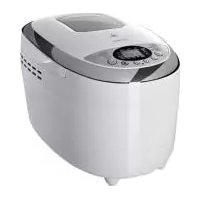
| Product Type | Bread Maker |
| Brand | SilverCrest |
| Model | SBB 850 C1 |
| Power | 850 W |
| Capacity | 1.5 lb (750 g) |
| Dimensions (L x W x H) | 30 x 25 x 35 cm |
| Weight | 5.2 kg |
| Number of Programs | 12 |
| Crust Control | Light, Medium, Dark |
| Timer Delay | Up to 13 hours |
| Keep Warm Function | Yes, up to 1 hour |
| Viewing Window | Yes |
| Non-Stick Pan | Yes |
| Auto Fruit/Nut Dispenser | Yes |
| Cool-Touch Handle | Yes |
| Auto Shut-Off | Yes |
| Cleaning | Wipe with damp cloth; pan and kneading blade hand wash only |
| Spare Parts Availability | Available from manufacturer or authorized service centers |
| Repairability Index | 7.5 / 10 |
| User Manual Languages | DE, EL, EN, FR, IT, NL, etc. |
Frequently Asked Questions - SBB 850 C1 SILVERCREST
User questions about SBB 850 C1 SILVERCREST
0 question about this device. Answer the ones you know or ask your own.
Ask a new question about this device
Download the instructions for your Bread maker in PDF format for free! Find your manual SBB 850 C1 - SILVERCREST and take your electronic device back in hand. On this page are published all the documents necessary for the use of your device. SBB 850 C1 by SILVERCREST.
USER MANUAL SBB 850 C1 SILVERCREST
BREAD MAKER SBB 850 F2
GB IE NI CY
RECIPE BOOKLET
GR CY
RECIPE BOOKLET
DE AT CH
RECIPE BOOKLET
IAN 337874_1910
GB/IE/NI/CY Recipe Booklet Page 1
What you need to know about baking ingredients 2
Flour 2
Yeast 3
Salt 3
Liquids 3
Eggs 3
Fats 4
Gluten-free 4
Measuring the ingredients 4
Baking mixes 5
Cutting and storing bread 5
Recipes for a 1000 g, 1250 g and 1500 g loaf....6
Programme 1: Regular 7
Programme 2: French 11
Programme 3: Whole-wheat 13
Programme 4: Sweet 17
Programme 5: Low carb 19
Programme 6: Gluten-free 22
Programme 7: Express 24
Programme 8: Cake 25
Programme 9: Kneading 25
Programme 10: Dough 26
Programme 11: Pasta-dough 27
Programme 12: Pizza-dough 27
Programme 13: Yoghurt....28
Programme 14: Jam 30
Programme 15: Bake 31
Programme 16: Homemade .... 31
Troubleshooting 32
What you need to know about baking ingredients
Flour
Most commercially available flours such as wheat or rye flour are suitable.
Using the "Gluten-free" baking programme allows you to use gluten-free flours such as cornflour, buckwheat or potato flour. You can also use ready-to-use baking mixtures. Programmes 1 and 2 are suitable for adding small proportions (10–20%) of grains or shredded grain. For larger portions of wholemeal (whole-wheat) flour (70–95%) use programme 3.
The following types of flour are used in the recipes.
| Flour type Description | |
| Soft flour Fine wheat flour for cakes or pastries | |
| Plain flour Plain wheat flour, for fine-pored doughs | |
| Rye flour Normal rye flour | |
| Strong/hard flour | Dark wheat flour, for brown breads or savoury pastries |
| Dark rye flour Rye flour with high mineral content | |
Yeast
During the rising process, yeast breaks down the sugar and carbohydrates and generates carbon dioxide, which causes the bread dough to rise. Yeast is available in various forms: as dry yeast, fresh yeast and also as quick-fermenting yeast. We recommend using dry yeast, as it produces the best results.
If you are using fresh yeast instead of dry yeast, follow the instructions on the packaging.
Generally, 1 sachet of dry yeast corresponds to about 21 g of fresh yeast and is suitable for about 500 g of flour. Always store your yeast in the refrigerator as it spoils in warm temperatures. Check whether the expiry date has passed. After opening the package, unused yeast should be carefully wrapped and stored in the refrigerator.
NOTE
The recipes in these operating instructions are based on using dry yeast.
Salt
Salt is important for the taste and the level of browning. Salt also inhibits the fermentation of the yeast. Therefore, do not exceed the quantities specified in the recipes.
For dietary reasons, salt can be omitted. If you do this, the bread may rise more than usual. Therefore, only bake breads with a bread weight of 1000 g or 1250 g with reduced salt. Otherwise the baking tin may overflow.
Liquids
Liquids such as milk, water, or milk powder dissolved in water can be used to make bread. Milk enhances the flavour of the bread and softens the crust, while pure water produces a crispier crust. Some recipes specify the use of fruit juices that give the bread a special flavour.
Eggs
Eggs give the bread a richer taste and a softer structure. Use large eggs for all of the baking recipes in this booklet.
Fats
Baking fats, butter and oil make yeasty bread more crumbly. French bread gets its unique crust and structure thanks to its low-fat ingredients. However, bread that is made using fat stays fresh longer. If you use butter straight from the refrigerator, you should cut it into small pieces to achieve optimum mixing during kneading.
Gluten-free
Coeliac disease, also called sprue, is a chronic disease that is triggered by eating foods containing gluten. The gluten (gliadin) contained in wheat and spelt and similar protein-containing grains such as rye, barley and oats trigger damage to the mucous membranes in the small intestine. Sufferers can only eat special breads from health food shops or homemade breads using gluten-free flours.
However, baking bread and cakes with gluten-free flours takes a bit of practice. Gluten-free flours take longer to absorb liquids and they have differing rising properties. Gluten-free flours also need to be combined or raised with gluten-free raising agents. These include cream of tartar, yeast, sourdough made of cornflour or rice flour, corn-based baking enzymes or binding agents such as guar gum, locust bean gum, kudzu, pectin, arrowroot or carrageenan. The bread will also have a different flavour compared to regular bread. The consistency of gluten-free breads is different to that of breads made with wheat flour.
Measuring the ingredients
This breadmaker is delivered with the following measuring utensils that will help you measure your ingredients:
1 measuring cup with quantity specifications 1 large measuring spoon, corresponds to one tablespoon (tbsp.) 1 small measuring spoon, corresponds to one teaspoon (tsp.)
Place the measuring cup on a level surface. Ensure that the measured quantities match the measurement lines precisely. When measuring dry ingredients, make sure that the measuring cup is dry.
Baking mixes
You can also use ready-made baking mixes in this breadmaker.
Observe the manufacturer's information on the packaging.
NOTE
When using baking mixes in this appliance, never exceed 900 g of baking mix.
The bread mixes available at Lidl are ideal for use in this breadmaker. Follow the preparation guidelines provided on the packaging.
Cutting and storing bread
You will achieve the best results if you place the freshly baked bread on a rack and allow it to cool down for 15 to 30 minutes before slicing. Use a bread slicer or a bread knife to cut the bread.
Leftover bread can be stored at room temperature for up to three days in a plastic bag or a plastic container. If you want to keep the bread for longer periods (up to 1 month) you should freeze it.
As homemade bread contains no preservatives, it spoils faster than industrially manufactured bread.
Recipes for a 1000 g, 1250 g and 1500 g loaf
The specified weights refer to the quantity of ingredients placed in the baking tin.
Choose a bread weight and fill the ingredients into the baking tin in the indicated order and quantity. Make sure to set the appropriate bread weight on the appliance.
The quantities stated in the recipes are approximate values. Sometimes you might need to slightly adjust individual quantities of ingredients to optimise the baking result to your preferences. Please note that adjustment to the quantity of one of the ingredients may, under certain circumstances, also have a negative effect on the baking result.
The abbreviations used in the recipes are as follows:
| tbsp. Level tablespoon (or large measuring spoon) | |
| tsp. Level teaspoon (or small measuring spoon) | |
| g Grammes | |
| ml Millilitres | |
| Pck. | Pack or sachet, e.g. dry yeast (7 g) for 500 g flour - equivalent to 21 g fresh yeast. |
Programme 1: Regular
Sunflower seed bread
| Ingredients 1000 g 1250 g 1500 g | |||
| Lukewarm milk 300 ml 375 ml 450 ml | |||
| Wheat flour(plain flour) | 540 g 675 g 810 g | ||
| Butter/margarine 1 tbsp. 1,5 tbsp. 1,5 tbsp. | |||
| Sunflower seeds 5 tbsp. 6 tbsp. 7 tbsp. | |||
| Table salt 1 tsp. 1 tsp. 1,5 tsp. | |||
| Sugar 0,5 tsp. 0,5 tsp. 1 tsp. | |||
| Dry yeast 1 pck. (7 g) 1 pck. (7 g) 1 pck. (7 g) | |||
Sourdough bread
| Ingredients 1000 g 1250 g 1500 g | |||
| Sourdough | 50 g | 63 g | 75 g |
| Water 350 ml 415 ml 480 ml | |||
| Table salt | 1,5 tsp. 1,5 tsp. 2 tsp. | ||
| Butter/margarine | 1,5 tbsp. 2 tbsp. 2,5 tbsp. | ||
| Sugar | 1 tsp. 1 tsp. 1,5 tsp. | ||
| Rye flour(rye flour) | 180 g 215 g 250 g | ||
| Wheat flour(strong/hard flour) | 360 g 430 g 500 g | ||
| Dry yeast | 1 Pck. (7 g) 8 g | 9 g | |
Farmhouse bread
| Ingredients 1000 g 1250 g 1500 g | |||
| Milk 300 ml 350 ml 410 ml | |||
| Eggs 2 pieces 2 pieces 3 pieces | |||
| Butter/margarine 1,5 tbsp. 2 tbsp. 2,5 tbsp. | |||
| Table salt 1,5 tsp. 1,5 tsp. 2 tsp. | |||
| Sugar 1 tbsp. 1 tbsp. 1,5 tbsp. | |||
| Wheat flour(strong/hard flour) | 540 g 640 g 740 g | ||
| Dry yeast | 1 Pck. (7 g) 8 g | 9 g | |
Potato bread
| Ingredients 1000 g 1250 g 1500 g | |||
| Milk/water | 300 ml 350 ml 400 ml | ||
| Butter/margarine 2 tbsp. 2,5 tbsp. 3 tbsp. | |||
| Sugar 2 tbsp. 2 tbsp. 2 tbsp. | |||
| Cooked, mashed potatoes | 90 g | 95 g | 100 g |
| Table salt | 1 tsp. 1,5 tsp. 1,5 tsp. | ||
| Wheat flour (plain flour) | 540 g 645 g 750 g | ||
| Dry yeast | 1 Pck. (7 g) | 1 Pck. (7 g) | 1 Pck. (7 g) |
Herb bread
| Ingredients 1000 g 1250 g 1500 g | |||
| Buttermilk 350 ml 440 ml 530 ml | |||
| Table salt 1 tsp. 1 tsp. 1,5 tsp. | |||
| Wheat flour(plain flour) | 540 g 675 g 810 g | ||
| Butter/margarine 1,5 tbsp. 2 tbsp. 2,5 tbsp. | |||
| Finely chopped herbs(parsley, chives, etc.) | 4 tbsp. 5 tbsp. 6 tbsp. | ||
| Sugar 1 tbsp. 1 tbsp. 1,5 tbsp. | |||
| Dry yeast 5 g | 6 g | 1 Pck. (7 g) | |
Pizza
| Ingredients 1000 g 1250 g 1500 g | |||
| Water | 300 ml 375 ml 450 ml | ||
| Cooking oil | 1 tbsp. 1,5 tbsp. | 1,5 tbsp. | |
| Table salt 1 tsp. 1 tsp. 1,5 tsp. | |||
| Sugar | 1 tsp. 1 tsp. 1,5 tsp. | ||
| Wheat flour (plain flour) | 540 g 675 g 810 g | ||
| Dried oregano | 1 tsp. 1,5 tsp. | 1,5 tsp. | |
| Parmesan (grated) 2 tbsp. 2,5 tbsp. 3 tbsp. | |||
| Salami (finely chopped) | 50 g | 65 g | 75 g |
| Dry yeast 5 g | 6 g | 1 Pck. (7 g) | |
Brewery bread
| Ingredients 1000 g 1250 g 1500 g | ||
| Water 150 ml 185 ml 225 ml | ||
| Pale ale 150 ml 185 ml 225 ml | ||
| Malt extract (syrup) 1,5 tbsp. 1,5 tbsp. 2 tbsp. | ||
| Sourdough base 100 ml 130 ml 150 ml | ||
| Wheat flour(plain flour) | 540 g 675 g 810 g | |
| Buckwheat flour 3 tbsp. 4 tbsp. 5 tbsp. | ||
| Bran 1,5 tbsp. 2 tbsp. 2 tbsp. | ||
| Table salt 1 tsp. 1 tsp. 1,5 tsp. | ||
| Sesame seeds | 3 tbsp. 4 tbsp. 5 tbsp. | |
| Dry yeast | 1 Pck. (7 g) | 8 g |
Apple-corn bread
| Ingredients 1000 g 1250 g 1500 g | |||
| Water 350 ml 440 ml 530 ml | |||
| Wheat flour(plain flour) | 540 g 675 g 810 g | ||
| Semolina | 3 tbsp. 4 tbsp. 5 tbsp. | ||
| Butter/margarine 1 tbsp. 1,5 tbsp. 1,5 tbsp. | |||
| Finely chopped apple with skin | 1/2 piece | 3/4 pieces | 1 pieces |
| Dry yeast | 5 g | 6 g | 1 Pck. (7 g) |
Programme 2: French
"Light" white bread
| Ingredients 1000 g 1250 g 1500 g | |||
| Water 320 ml 370 ml 420 ml | |||
| Butter/margarine 20 g 20 g 25 g | |||
| Table salt 1,5 tsp. 1,5 tsp. 2 tsp. | |||
| Eggs 1 piece 1 pieces 2 pieces | |||
| Sugar 1,5 tsp. 1,5 tsp. 2 tsp. | |||
| Wheat flour (soft flour) | 600 g 690 g 780 g | ||
| Dry yeast 1 Pck. (7 g) 1 Pck. (7 g) 1 Pck. (7 g) | |||
Pepper bread
| Ingredients 1000 g 1250 g 1500 g | |||
| Water 310 ml | - | - | |
| Spelt flour | 530 g | - | - |
| Table salt 1,5 tsp. | - | - | |
| Cooking oil | 1,5 tsp. | - | - |
| Paprika powder | 1,5 tsp. | - | - |
| Red peppers (finely diced) | 130 g | - | - |
| Dry yeast 1 Pck. (7 g) - | - | ||
"Classic" white bread
| Ingredients 1000 g 1250 g 1500 g | ||
| Milk or water 320 ml 360 ml 400 ml | ||
| Butter/margarine 2 tbsp. 2,5 tbsp. 3 tbsp. | ||
| Table salt 1,5 tsp. 1,5 tsp. 2 tsp. | ||
| Wheat flour(plain flour) | 600 g 675 g 750 g | |
| Sugar 2 tbsp. 2 tbsp. 2,5 tbsp. | ||
| Dry yeast 6 g 6 g 6 g |
Honey bread
| Ingredients 1000 g 1250 g 1500 g | |||
| Water 320 ml 400 ml 480 ml | |||
| Honey 2 tbsp. 2,5 tbsp. 3 tbsp. | |||
| Olive oil | 2,5 tsp. 3 tsp. 3,5 tsp. | ||
| Table salt 1,5 tsp. 1,5 tsp. 2 tsp. | |||
| Wheat flour(plain flour) | 600 g 750 g 900 g | ||
| Dry yeast | 1 Pck. (7 g) | 1 Pck. (7 g) | 1 Pck. (7 g) |
Poppy seed bread
| Ingredients 1000 g 1250 g 1500 g | ||
| Water 300 ml 375 ml 450 ml | ||
| Butter/margarine 1 tbsp. 1,5 tbsp. 1,5 tbsp. | ||
| Wheat flour(plain flour) | 540 g 675 g 810 g | |
| Sugar 1 tsp. 1 tsp. 1,5 tsp. | ||
| Table salt 1 tsp. 1 tsp. 1,5 tsp. | ||
| Poppy (ground) 75 g | 95 g 110 g | |
| Nutmeg 1 Prise 1 pinch 1 Prise | ||
| Grated parmesan 1 tbsp. 1,5 tbsp. | 1,5 tbsp. | |
| Dry yeast | 5 g | 6 g |
Programme 3: Whole-wheat
Wholemeal bread
| Ingredients 1000 g 1250 g 1500 g | |||
| Water 350 ml 440 ml 530 ml | |||
| Butter/margarine | 25 g 35 g | 40 g | |
| Table salt 1 tsp. 1 tsp. 1,5 tsp. | |||
| Sugar 1 tsp. 1 tsp. 1,5 tsp. | |||
| Wheat flour(strong/hard flour) | 270 g 340 g | 405 g | |
| Wholewheat/whole-meal flour | 270 g 340 g | 405 g | |
| Dry yeast | 5 g | 6 g | 1 Pck. (7 g) |
Seven-grain bread
| Ingredients 1000 g 1250 g 1500 g | ||
| Water 300 ml 375 ml 450 ml | ||
| Butter/margarine 1,5 tbsp. 2 tbsp. 2,5 tbsp. | ||
| Table salt 1 tsp. 1 tsp. 1,5 tsp. | ||
| Sugar 2,5 tbsp. 3 tbsp. 3,5 tbsp. | ||
| Wheat flour(strong/hard flour) | 240 g 300 g 360 g | |
| Wholewheat/wholemeal flour | 240 g 300 g 360 g | |
| 7-grain flakes 60 g 75 g 90 g | ||
| Dry yeast 5 g 6 g 1 Pck. (7 g) |
Wholemeal rye bread
| Ingredients 1000 g 1250 g 1500 g | |||
| Water (warm) | 325 ml 410 ml 490 ml | ||
| Sourdough | 75 g 95 g | 115 g | |
| Fir honey | 2 tbsp. 2,5 tbsp. 3 tbsp. | ||
| Eggs | 1 piece | 1 piece | 2 pieces |
| Wholemeal rye flour | 350 g 450 g 540 g | ||
| Wholewheat/wholemeal flour | 150 g 225 g 270 g | ||
| Locust bean gum | 1 tbsp. | 1 tbsp. 1,5 tbsp. | |
| Table salt 0,5 tbsp. | 0,5 tbsp. | 0,5 tbsp. | |
| Dry yeast | 1 Pck. (7 g) | 8 g | 10 g |
Spelt bread
| Ingredients 1000 g 1250 g 1500 g | |||
| Buttermilk 350 ml 440 ml 500 ml | |||
| Sourdough base 75 ml 95 ml 115 ml | |||
| Table salt 1 tsp. 1 tsp. 1,5 tsp. | |||
| Sugar 0,5 tsp. 0,5 tsp. 1 tsp. | |||
| Wholemeal spelt flour 360 g 450 g 540 g | |||
| Spelt meal 90 g 115 g 135 g | |||
| Wholemeal rye flour | 90 g 115 g 135 g | ||
| Sunflower seeds | 50 g | 60 g | 75 g |
| Dry yeast | 5 g | 6 g 1 Pck. (7 g) | |
Wheat meal bread
| Ingredients 1000 g 1250 g 1500 g | |||
| Water 350 ml 410 ml 475 ml | |||
| Butter/margarine 2 tbsp. | 2,5 tbsp. | 3 tbsp. | |
| Table salt 1 tsp. 1 tsp. 1,5 tsp. | |||
| Honey | 1,5 tbsp. 1,5 tbsp. | 2 tbsp. | |
| Wheat flour(strong/hard flour) | 360 g 425 g 490 g | ||
| Wholewheat/wholemeal flour | 180 g 210 g 240 g | ||
| Wheat meal | 50 g | 55 g | 65 g |
| Dry yeast | 5 g | 5 g | 6 g |
Black bread
| Ingredients 1000 g 1250 g 1500 g | |
| Water (warm) 400 ml 500 ml 600 ml | |
| Black treacle 100 ml 125 ml 150 ml | |
| Table salt 1 tsp. 1 tsp. 1,5 tsp. | |
| Wheat flour(plain flour) 160 g 200 g 240 g | |
| Coarse wholemeal rye 200 g 250 g 300 g | |
| Dry sourdough 1 Pck. 1 Pck. 1,5 Pck. | |
| Sunflower seeds 100 g 125 g 150 g | |
| Fine rye meal 180 g 225 g 270 g | |
| Dry yeast 1 Pck. (7 g) 8 g 10 g |
Rye bread
| Ingredients 1000 g 1250 g 1500 g | |||
| Water | 300 ml 375 ml 450 ml | ||
| Butter/margarine | 1,5 tbsp. | 2 tbsp. | 2,5 tbsp. |
| Table salt 1 tsp. 1 tsp. 1,5 tsp. | |||
| Vinegar | 1,5 tbsp. 1,5 tbsp. | 2 tbsp. | |
| Sugar 1,5 tbsp. | 2 tbsp. | 2,5 tbsp. | |
| Rye flour (dark rye flour) | 180 g 225 g 270 g | ||
| Wheat flour (strong/hard flour) | 360 g 450 g 540 g | ||
| Dry yeast 1 Pck. (7 g) | 8 g 10 g | ||
Programme 4: Sweet
Raisin-nut bread
| Ingredients 1000 g 1250 g 1500 g | ||
| Water 300 ml 375 ml 450 ml | ||
| Butter 1,5 tbsp. 2 tbsp. 2,5 tbsp. | ||
| Table salt 1 tsp. 1 tsp. 1,5 tsp. | ||
| Sugar 1 tbsp. 1 tbsp. 1,5 tbsp. | ||
| Wheat flour (soft flour) | 540 g 675 g 810 g | |
| Raisins 100 g 125 g 150 g | ||
| Walnuts (chopped) 3 tbsp. 4 tbsp. 5 tbsp. | ||
| Dry yeast 5 g 6 g | 1 Pck. (7 g) | |
Sweet bread
| Ingredients 1000 g 1250 g 1500 g | |||
| Milk/water | 300 ml 350 ml 400 ml | ||
| Butter/margarine 2 tbsp. 2 tbsp. 2 tbsp. | |||
| Table salt | 1,5 tsp. | 1,5 tsp. | 1,5 tsp. |
| Eggs | 2 pieces | 2 pieces | 2 pieces |
| Honey | 1,5 tbsp. 1,5 tbsp. 2 tbsp. | ||
| Wheat flour(plain flour) | 600 g 675 g 750 g | ||
| Dry yeast 6 g 6 g 6 g | |||
Raisin bread
| Ingredients 1000 g 1250 g 1500 g | ||
| Water 300 ml 350 ml 410 ml | ||
| Butter 2,5 tbsp. 2,5 tbsp. 3 tbsp. | ||
| Table salt 1 tsp. 1 tsp. 1,5 tsp. | ||
| Honey 1,5 tbsp. 2 tbsp. 2,5 tbsp. | ||
| Wheat flour (soft flour) | 540 g 640 g 740 g | |
| Raisins 100 g 115 g 130 g | ||
| Dry yeast 5 g 5 g 6 g | ||
Chocolate bread
| Ingredients 1000 g 1250 g 1500 g | |||
| Milk | 400 ml 450 ml 500 ml | ||
| Low-fat curd | 100 g 115 g 130 g | ||
| Table salt | 1,5 tsp. | 1,5 tsp. 2 tsp. | |
| Sugar 1,5 tsp. 2 tsp. 2,5 tsp. | |||
| Wholewheat/whole-meal flour | 600 g 700 g 800 g | ||
| Cocoa | 10 tbsp. | 10 tbsp. | 13 tbsp. |
| Milk chocolate(chopped) | 100 g 115 g 130 g | ||
| Dry yeast | 1 Pck. (7 g) | 1 Pck. (7 g) | 8 g |
Use milk or dark chocolate according to taste. If you brush the dough with 1 to 2 tbsp. of milk after kneading, the crust will become darker.
Programme 5: Low carb
NOTES
▶ Use only fresh ingredients. ▶ Eggs should be whisked before processing. ▶ Since some types of flour extract a lot of moisture from the bread, make sure that there is enough liquid during the kneading process. Add some mineral water or milk if necessary. ▶ If your bread is too moist and/or sticky, you can cut it into slices and toast it in a toaster. ▶ Some of the ingredients are highly perishable. Therefore, store your low-carb bread in the refrigerator or in a cool place and consume it promptly.
Coconut bread
| Ingredients 1000 g 1250 g 1500 g | |||
| Eggs 5 pieces. 6 pieces 7 pieces | |||
| Butter (melted) 180 g | 250 g 280 g | ||
| Coconut flour 100 g | 125 g 150 g | ||
| Sweetener (liquid) 30 ml | 40 ml 50 ml | ||
| Coconut purée 50 g | 50 g 50 g | ||
| Coconut oil 75 ml | 100 ml | 120 ml | |
| Table salt | 1 tsp. | 1 tsp. | 1 tsp. |
| Whole milk | 100 ml | 125 ml | 150 ml |
| Baking powder | 1 Pck. (16 g) | 1 Pck. (16 g) | 1 Pck. (16 g) |
Peanut bread
| Ingredients 1000 g 1250 g 1500 g | |||
| Eggs 5 pieces 5 pieces 6 pieces | |||
| Quark 300 g 400 g 500 g | |||
| Peanut butter 100 g 125 g 150 g | |||
| Soya flour 50 g 75 g 100 g | |||
| Mineral water 75 ml 120 ml 150 ml | |||
| Peanuts(roasted, not salted) | 75 g 90 g 125 g | ||
| Table salt 1 tsp. 1 tsp. 1 tsp. | |||
| Butter-vanilla flavouring 2 ml | 2 ml | 2 ml | |
| Baking powder | 1 Pck. (16 g) | 1 Pck. (16 g) | 2 Pck. (32 g) |
Almond bread
| Ingredients 1000 g 1250 g 1500 g | |||
| Eggs 3 pieces 4 pieces 4 pieces | |||
| Butter (melted) | 75 g 100 g 100 g | ||
| Quark 150 g 200 g 250 g | |||
| Whole milk | 200 ml 250 ml 300 ml | ||
| Almond flour | 100 g 150 g 200 g | ||
| Table salt 1 tsp. 1 tsp. 1 tsp. | |||
| Lemon flavouring | 2 ml | 2 ml | 2 ml |
| Ingredients 1000 g 1250 g 1500 g | |
| Almonds (slivers) 100 g 150 g 200 g | |
| Baking powder 1 Pck. (16 g) 2 Pck. (32 g) 2 Pck. (32 g) |
Protein bread
| Ingredients 1000 g 1250 g 1500 g | |||
| Eggs 6 pieces 7 pieces 8 pieces | |||
| Whole milk 100 ml | 100 ml 100 ml | ||
| Regular quark/low-fatquark | 300 g 400 g 500 g | ||
| Table salt 1 tsp. 1 tsp. 1 tsp. | |||
| Wheat bran 50 g 75 g 100 g | |||
| Linseeds | 50 g 75 g | 100 g | |
| Almond flour | 50 g 75 g | 100 g | |
| Protein powder (neutral) | 30 g 40 g 50 g | ||
| Dry yeast | 1 Pck. (7 g) | 1 Pck. (7 g) | 1 Pck. (7 g) |
Programme 6: Gluten-free
NOTE
If you want to bake gluten-free bread, clean the baking tin, the dough hooks and the appliance particularly thoroughly. Even small residual quantities of flour dust can cause an allergic reaction in people with a gluten intolerance.
Gluten-free white bread
| Ingredients 1000 g 1250 g 1500 g | |||
| Water(warm, about 40°C) | 550 ml 570 ml 590 ml | ||
| Butter (soft) 30 g 35 g 35 g | |||
| Gluten-free flour mixture 700 g 750 g 800 g | |||
| Salt 0,5 tsp. 0,5 tsp. 0,5 tsp. | |||
| Dry yeast | 2 Pck.(14 g) | 2 Pck.(14 g) | 2 Pck.(14 g) |
Gluten-free grain bread
| Ingredients 1000 g 1250 g 1500 g | |||
| Water 250 ml 310 ml 375 ml | |||
| Milk 200 ml 250 ml 300 ml | |||
| Sunflower oil 1,5 tbsp. 2 tbsp. 2,5 tbsp. | |||
| Table salt 1,5 tsp. 1,5 tsp. | 2 tsp. | ||
| Sugar 1,5 tsp. 1,5 tsp. | 2 tsp. | ||
| Gluten-free flour mixture 500 g 625 g 750 g | |||
| Seeds (e.g. sunflower seeds) | 100 g 125 g 150 g | ||
| Dry yeast | 9 g | 12 g 14 g | |
Gluten-free potato bread
| Ingredients 1000 g 1250 g 1500 g | |||
| Water/milk 440 ml 520 ml 600 ml | |||
| Sunflower oil 1,5 tbsp. 2 tbsp. 2,5 tbsp. | |||
| Table salt 1,5 tsp. 1,5 tsp. 2 tsp. | |||
| Sugar 1,5 tsp. 1,5 tsp. 2 tsp. | |||
| Gluten-free flour mixture 400 g 470 g 540 g | |||
| Potatoes (boiled, peeled, mashed) | 230 g 260 g 300 g | ||
| Dry yeast 1 Pck. (7 g) 1 Pck. (7 g) 1 Pck. (7 g) | |||
Gluten-free yoghurt bread
| Ingredients 1000 g 1250 g 1500 g | |||
| Water 350 ml 440 ml 600 ml | |||
| Natural yoghurt 150 g 190 g | 300 g | ||
| Sunflower oil 1,5 tbsp. 2 tbsp. 2,5 tbsp. | |||
| Vinegar | 1,5 tbsp. 1,5 tbsp. 2 tbsp. | ||
| Table salt 1,5 tsp. 1,5 tsp. 2 tsp. | |||
| Sugar 1,5 tsp. 1,5 tsp. 2 tsp. | |||
| Gluten-free flour (e.g.millet or rice flour) | 100 g 125 g 150 g | ||
| Gluten-free flour mixture 400 g 500 g 600 g | |||
| Guar gum or locustbean gum | 1 tsp. 1,5 tsp. 2 tsp. | ||
| Dry yeast 1 Pck. (7 g) 1 Pck. (7 g) 1 Pck. (7 g) | |||
Programme 7: Express
"Express" white bread
| Ingredients 1000 g 1250 g 1500 g | ||
| Water 360 ml 450 ml 540 ml | ||
| Cooking oil 5 tbsp. 6 tbsp. 7 tbsp. | ||
| Table salt 3 tsp. 3 tsp. 4 tsp. | ||
| Sugar 4 tsp. 5 tsp. 6 tsp. | ||
| Wheat flour (soft flour) | 630 g 790 g 900 g | |
| Dry yeast 1 Pck. (7 g) 8 g 10 g | ||
Carrot bread
| Ingredients 1000 g 1250 g 1500 g | |||
| Water 330 ml 410 ml 500 ml | |||
| Butter 1,5 tbsp. | 2 tbsp. | 2,5 tbsp. | |
| Table salt 2 tsp. | 2,5 tsp. | 3 tsp. | |
| Sugar 1,5 tsp. | 2 tsp. | 2,5 tsp. | |
| Wheat flour(plain flour) | 600 g 750 g 900 g | ||
| Carrots (finely chopped) | 90 g | 115 g 135 g | |
| Dry yeast 1 Pck. (7 g) 8 g 10 g | |||
Pepper-almond bread
| Ingredients 1000 g 1250 g 1500 g | ||
| Water 300 ml 375 ml 450 ml | ||
| Butter/margarine 2 tbsp. 2,5 tbsp. 3 tbsp. | ||
| Table salt 1 tsp. 1 tsp. 1,5 tsp. | ||
| Sugar 1 tsp. 1,5 tsp. 2 tsp. | ||
| Wheat flour(plain flour) | 540 g 675 g 810 g | |
| Flaked almonds(roasted) | 100 g 125 g 150 g | |
| Pickled greenpeppercorns | 1 tbsp. 1 tbsp. 1,5 tbsp. | |
| Dry yeast 5 g 6 g 1 Pck. (7 g) | ||
Programme 8: Cake
This programme is ideal for baking ready-made cake mixtures. It includes a kneading and a baking phase. The cake can then be kept warm for 60 minutes. For cake mixes, it is essential to follow the preparation instructions on the packaging. Never exceed the maximum amount of 900 g flour/baking mix.
Programme 9: Kneading
Use this programme if you only want to knead some dough. The programme does not include a rising or baking phase.
Programme 10: Dough
Bran rolls
| 200 ml water |
| 1 egg |
| 3 tbsp. sugar |
| 50 g wheat bran |
| 50 g butter/margarine |
| 3/4 tsp. table salt |
| 500 g wheat flour (strong/hard flour) |
| 1 pck. dry yeast (7 g) |
French-style baguettes
| 300 ml water |
| 1 tsp. salt |
| 540 g wheat flour (plain flour) |
| 1 tbsp. honey |
| 1 tsp. sugar |
| 1 pck. dry yeast (7 g) |
Form loaves of bread from the finished dough and cut the tops of the formed loaves (baguettes) diagonally. Let the dough rise on the baking tray for about 30 to 40 minutes and then bake in the oven at 175°C for about 25 minutes.
Pretzels
| 200 ml water |
| 1/2 tsp. sugar |
| 1/2 pck. dry yeast (3.5 g) |
| 1/4 tsp. table salt |
| 360 g wheat flour (soft flour) |
Form the finished dough into pretzels. Brush the pretzels with a whisked egg and then sprinkle coarse salt over them (2 tablespoons of coarse salt for 12 pretzels). Place the pretzels on a prepared baking tray and bake in the oven at 230°C for 15–20 minutes.
Programme 11: Pasta-dough
Egg pasta dough
| 5 eggs (room temperature) |
| 250 g soft wheat flour (soft flour) |
| 250 g durum wheat flour (strong/hard flour) |
Pasta dough
| 300 ml water |
| 250 g soft wheat flour (soft flour) |
| 250 g durum wheat flour (strong/hard flour) |
Programme 12: Pizza-dough
NOTE
Once the pizza dough is kneaded: let the dough rise for about 15 minutes after rolling it out on the baking tray. Then add toppings as desired and bake the pizza in the oven at 180–200°C for about 15–20 minutes.
Italian pizza dough
| 100 ml water (lukewarm) 3 tbsp. olive oil | |
| 100 ml wheat beer 2 tsp. salt | |
| 50 g semolina (durum wheat) 400 g pizza flour | |
| 15 g fresh yeast(Dissolve the fresh yeast in the lukewarm water and then wait 10 minutes until you add the solution into the baking tin) | |
Pizza dough (for 2 pizzas)
| 300 ml water 1 tbsp. olive oil | |
| 3/4 tsp. table salt 2 tsp. sugar | |
| 450 g wheat flour (soft flour) 1 pck. dry yeast (7 g) | |
Wholemeal pizza dough
| 300 ml water 1 tbsp. olive oil | |
| 1 tbsp. honey 3/4 tsp. table salt | |
| 50 g wheatgerm 450 g wholemeal wheat flour | |
| 1 pck. dry yeast (7 g) |
Programme 13: Yoghurt
NOTES
▶ If you use whole milk or raw milk, you need to boil it once just before use to kill germs and bacteria. Let the milk cool down afterwards. ▶ UHT milk does not have to be boiled beforehand, as it has already been heated to a very high temperature during production. For best results, the milk should be at room temperature. The yoghurt for preparation must contain living yoghurt cultures; otherwise, the production of your own yoghurt will not work. Whether a yoghurt contains living cultures can be found on the yoghurt packaging. The milk and the yoghurt should be at roughly the same temperature (room temperature).
Pour the milk into the baking tin.
Pour the yoghurt with the live yoghurt culture into the baking tin and stir briefly.
NOTE
The ratio of yoghurt to milk must always be 1:10, i.e. for every 1 litre of milk you should add 100 ml yoghurt.
CAUTION - PROPERTY DAMAGE!
▶ Never use more than 1.8 litres of milk with 180 ml yoghurt. The maximum filling quantity of the baking tin is 2 litres. Otherwise the appliance may boil over.
◆ Start programme 13.
NOTE
▶ We recommend that you adjust the preset programme duration of 8 hours as follows, depending on the quantity filled:
| Qty. Programme duration | |
| up to 1000 ml 8 to 10 hours | |
| 1000 ml to 1500 ml 9 to 11 hours | |
| more than 1500 ml 10 to 12 hours |
Allow the yoghurt to cool down a little after the programme has finished. Pour it into small jars and then store the yoghurt in the refrigerator for about 24 hours before consuming it. Stir before eating.
Tips and tricks
If you prefer the yoghurt a little firmer, you can add about 2 tablespoons of milk powder per 1 litre of milk.
To make the yoghurt creamier, add 1-2 tablespoons of inulin to the yoghurt. Inulin is a dietary fibre obtained mainly from the chicory root and is flavourless. Inulin can be bought in health food shops or similar.
■ To make sure your homemade yoghurt lasts as long as possible, use the freshest ingredients you can find.
After making your yoghurt, you can refine it according to your taste:
Fruit yoghurt
Mix jam or fruit into the yoghurt.
Sweet yoghurt
Mix chocolate sprinkles, nougat, vanilla, honey, nuts, marzipan or other ingredients to taste into the yoghurt.
Yoghurt dressing
Stir some cream and sugar into the yoghurt. Add a few fresh chopped herbs. Season to taste with a little salt and pepper. Add some lemon juice or lime juice as desired.
Yoghurt from soy milk
As an alternative to yoghurt made from cow's milk, you can also make yoghurt from soy milk.
Proceed in the same way as for making yoghurt from cow's milk, but use soy drink (natural) and soy yoghurt for the preparation. Again, make sure that the soy yoghurt contains live yoghurt cultures.
Programme 14: Jam
Jams and marmalades can be prepared quickly and easily in the breadmaker.
Proceed as follows:
♦ Wash some fresh, ripe fruit. ◆ Peel apples, peaches and other hard-skinned fruits and remove the stones, if necessary. It is essential that you adhere strictly to the specified quantities in order to avoid premature boiling and possible overflow. The programme is precisely tailored to the specified quantities. ◆ Cut the fruit into small pieces (max. 1 cm) or purée it before putting it into the baking tin. - Add the indicated quantity of jam sugar.
NOTE
Only use "jam sugar 1:1". Normal household sugar or "jam sugar 2:1" are not suitable, as the jam will not become firm.
- Thoroughly mix the fruit in the baking tin with the jam sugar and start the programme, which now runs fully automatically.
◆ Fill the finished jam into jars at the end of the programme and close them tightly.
Strawberry jam
500 g strawberries
500 g jam sugar
3-4 tbsp. lemon juice
Blueberry jam
500 g blueberries
500 g jam sugar
1 tbsp. lemon juice
Orange and lemon marmalade
400 g oranges
100 g lemons
500 g jam sugar
Berry jam
500 g mixed berries
500 g jam sugar
2-3 tbsp. lemon juice
Programme 15: Bake
You can use this programme to rebake breads that are too light or not baked all the way through. The programme does not include a kneading and rising phase. You can choose from three different temperatures.
Programme 16: Homemade
You can set up this programme yourself according to your preferences and experience. You can programme individual times for each phase of the baking process (kneading, rising, baking, keeping warm).
Bon appetit!
These recipes are provided without guarantee. All information regarding ingredients and preparation is provided as guide values. Modify the suggested recipes to your personal taste. We hope you enjoy the recipes and wish you "bon appetit"!
Troubleshooting
| Why does my bread sometimes have a little flour on the side crust? | Your dough may be too dry. Next time, be especially careful when measuring the ingredients. Add up to 1 tbsp. of extra liquid. |
| Why do the ingredients have to be added in a certain order? | This achieves the best results for your dough. The timer function prevents the yeast from mixing with the liquid before the dough is stirred. |
| Why is the dough only partially kneaded? | Check whether the kneading hook and the baking mould are properly fitted. Also check the consistency of the dough and add 1⁄2 to 1 tbsp. liquid or flour after kneading (repeat if necessary).With baking mixes The quantity of the ready-made baking mix and the ingredients have not been adapted for the capacity of the baking mould. Decrease the quantity of ingredients. |
| Why has the bread not risen? | The yeast you have added was too old, or no yeast was added. |
| When did you add nuts and fruit to the dough? | You will hear a beep when it is time to add the ingredients. If you add these ingredients to the dough at the very beginning, the nuts or fruit could be crushed during the kneading process. |
| The baked bread is too moist. | Check the dough consistency after about 5 mins of kneading and add a little extra flour if necessary. |
| There are bubbles on the surface of the bread. | You may have used too much yeast. |
| The bread rises and then collapses. | Possibly the bread has risen too quickly. To avoid this, reduce the amount of water and/or increase the amount of salt and/or the amount of yeast. |
| Can I use other recipes? | You can use other recipes, but take the quantities involved into account. Get to know your appliance and practice with the supplied recipes before you try out your own recipes.Never exceed the max. quantity of 900 g flour.When adapting your recipes, use the quantities in the recipes provided as an orientation aid. |
Programme 6: Gluten-free 86
Programme 7: Express 88
Programme 8: Cake 89
Programme 9: Kneading 89
Programme 6: Gluten-free
NOTE
KOMPERNASS HANDELS GMBH
BURGSTRASSE 21
44867 BOCHUM
GERMANY
www.kompernass.com
Last Information Update


- BREAD MAKER SBB 850 F
- WHAT YOU NEED TO KNOW ABOUT BAKING INGREDIENTS
- GLUTEN-FREE
- MEASURING THE INGREDIENTS
- BAKING MIXES
- CUTTING AND STORING BREAD
- RECIPES FOR A 1000 G, 1250 G AND 1500 G LOAF
- TROUBLESHOOTING
- FLOUR
- YEAST
- NOTE
- SALT
- LIQUIDS
- EGGS
- FATS
- PROGRAMME 1: REGULAR
- PROGRAMME 2: FRENCH
- PROGRAMME 3: WHOLE-WHEAT
- PROGRAMME 4: SWEET
- PROGRAMME 5: LOW CARB
- NOTES
- PROGRAMME 6: GLUTEN-FREE
- PROGRAMME 7: EXPRESS
- PROGRAMME 8: CAKE
- PROGRAMME 9: KNEADING
- PROGRAMME 10: DOUGH
- BRAN ROLLS
- FRENCH-STYLE BAGUETTES
- PRETZELS
- PROGRAMME 11: PASTA-DOUGH
- EGG PASTA DOUGH
- PASTA DOUGH
- PROGRAMME 12: PIZZA-DOUGH
- ITALIAN PIZZA DOUGH
- PIZZA DOUGH (FOR 2 PIZZAS)
- WHOLEMEAL PIZZA DOUGH
- PROGRAMME 13: YOGHURT
- CAUTION - PROPERTY DAMAGE
- TIPS AND TRICKS
- FRUIT YOGHURT
- SWEET YOGHURT
- YOGHURT DRESSING
- YOGHURT FROM SOY MILK
- PROGRAMME 14: JAM
- STRAWBERRY JAM
- BLUEBERRY JAM
- ORANGE AND LEMON MARMALADE
- BERRY JAM
- PROGRAMME 15: BAKE
- PROGRAMME 16: HOMEMADE
- BON APPETIT
Brand : SILVERCREST
Model : SBB 850 C1
Category : Bread maker