SB-400 SPEEDLIGHT - Flash externe NIKON - Free user manual and instructions
Find the device manual for free SB-400 SPEEDLIGHT NIKON in PDF.
Download the instructions for your Flash externe in PDF format for free! Find your manual SB-400 SPEEDLIGHT - NIKON and take your electronic device back in hand. On this page are published all the documents necessary for the use of your device. SB-400 SPEEDLIGHT by NIKON.
USER MANUAL SB-400 SPEEDLIGHT NIKON
Capture NX Wireless Remote Speedlight SB-R200 Wireless Speedlight Commander SU-800
If your Nikon digital SLR adopts Nikon’s exclusive i-TTL flash control of the Nikon Creative Lighting System, you can attach SB-800/SU-800 and control up to 3 wireless remote groups, with each group consisting of any number of SB-800, SB-600, or SB-R200 Speedlight units.
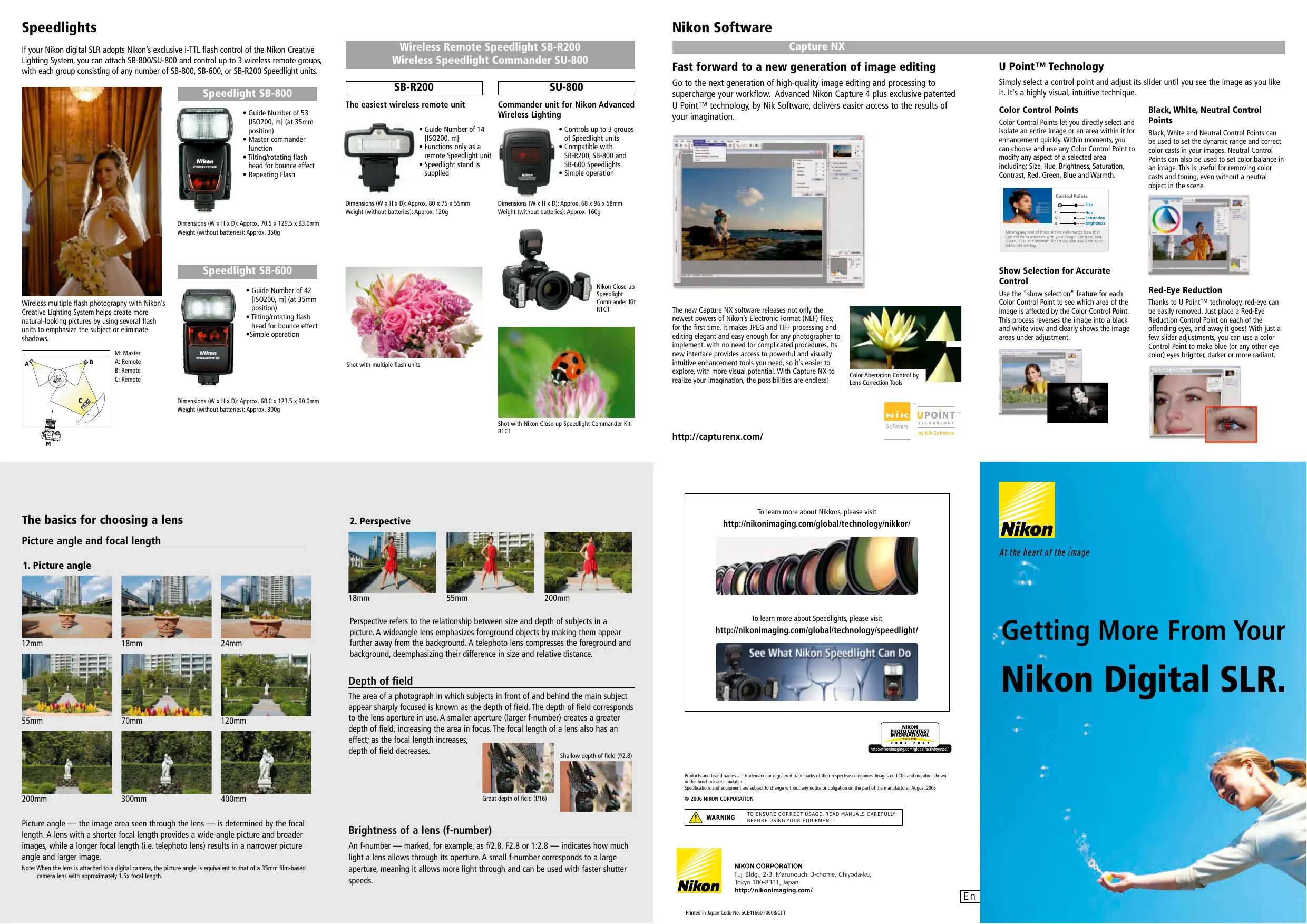
The easiest wireless remote unit • Guide Number of 53 [ISO200, m] (at 35mm position) • Master commander function • Tilting/rotating flash head for bounce effect • Repeating Flash
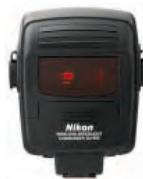
Commander unit for Nikon Advanced Wireless Lighting
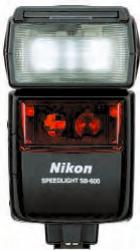
• Guide Number of 14 [ISO200, m] • Functions only as a remote Speedlight unit • Speedlight stand is supplied
Fast forward to a new generation of image editing
Go to the next generation of high-quality image editing and processing to supercharge your workflow. Advanced Nikon Capture 4 plus exclusive patented U Point™ technology, by Nik Software, delivers easier access to the results of your imagination.
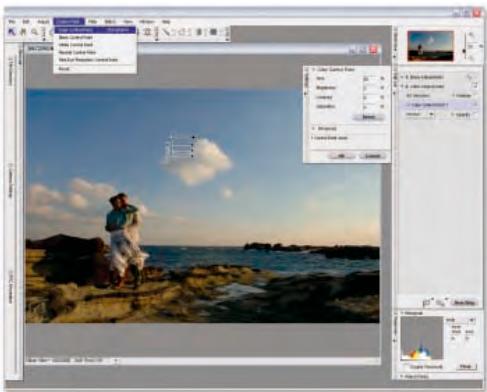
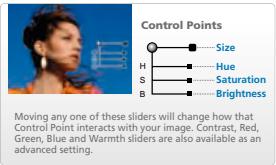
Simply select a control point and adjust its slider until you see the image as you like it. It's a highly visual, intuitive technique. Color Control Points Color Control Points let you directly select and isolate an entire image or an area within it for enhancement quickly. Within moments, you can choose and use any Color Control Point to modify any aspect of a selected area including: Size, Hue, Brightness, Saturation, Contrast, Red, Green, Blue and Warmth.
• Controls up to 3 groups of Speedlight units • Compatible with SB-R200, SB-800 and SB-600 Speedlights • Simple operation
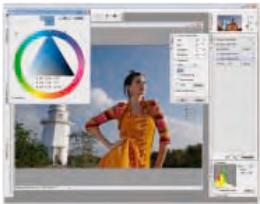
Black, White, Neutral Control Points Black, White and Neutral Control Points can be used to set the dynamic range and correct color casts in your images. Neutral Control Points can also be used to set color balance in an image. This is useful for removing color casts and toning, even without a neutral object in the scene.
Dimensions (W x H x D): Approx. 80 x 75 x 55mm Weight (without batteries): Approx. 120g
Dimensions (W x H x D): Approx. 68 x 96 x 58mm Weight (without batteries): Approx. 160g
H S Dimensions (W x H x D): Approx. 70.5 x 129.5 x 93.0mm Weight (without batteries): Approx. 350g
B Moving any one of these sliders will change how that Control Point interacts with your image. Contrast, Red, Green, Blue and Warmth sliders are also available as an advanced setting.
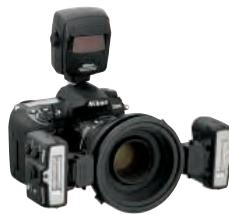
B A Nikon Close-up Speedlight Commander Kit R1C1
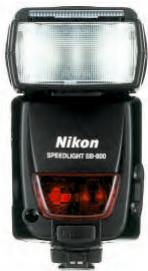
• Guide Number of 42 [ISO200, m] (at 35mm position) • Tilting/rotating flash head for bounce effect •Simple operation
Wireless multiple flash photography with Nikon’s Creative Lighting System helps create more natural-looking pictures by using several flash units to emphasize the subject or eliminate shadows. M: Master A: Remote B: Remote C: Remote
Hue Saturation Brightness
Shot with multiple flash units
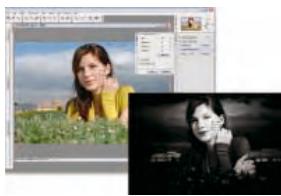
Show Selection for Accurate Control The new Capture NX software releases not only the newest powers of Nikon’s Electronic Format (NEF) files; for the first time, it makes JPEG and TIFF processing and editing elegant and easy enough for any photographer to implement, with no need for complicated procedures. Its new interface provides access to powerful and visually intuitive enhancement tools you need, so it’s easier to explore, with more visual potential. With Capture NX to realize your imagination, the possibilities are endless!
Use the "show selection" feature for each Color Control Point to see which area of the image is affected by the Color Control Point. This process reverses the image into a black and white view and clearly shows the image areas under adjustment.
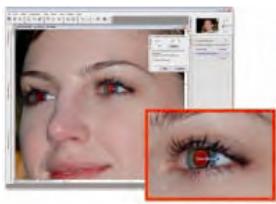
Red-Eye Reduction Thanks to U Point™ technology, red-eye can be easily removed. Just place a Red-Eye Reduction Control Point on each of the offending eyes, and away it goes! With just a few slider adjustments, you can use a color Control Point to make blue (or any other eye color) eyes brighter, darker or more radiant.
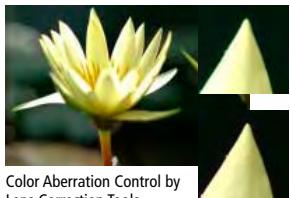
Color Aberration Control by Lens Correction Tools
Dimensions (W x H x D): Approx. 68.0 x 123.5 x 90.0mm Weight (without batteries): Approx. 300g
C Shot with Nikon Close-up Speedlight Commander Kit R1C1
http://capturenx.com/
M To learn more about Nikkors, please visit
The basics for choosing a lens
Perspective refers to the relationship between size and depth of subjects in a picture. A wideangle lens emphasizes foreground objects by making them appear further away from the background. A telephoto lens compresses the foreground and background, deemphasizing their difference in size and relative distance.
To learn more about Speedlights, please visit
Getting More From Your
http://nikonimaging.com/global/technology/speedlight/
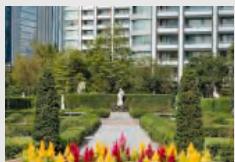
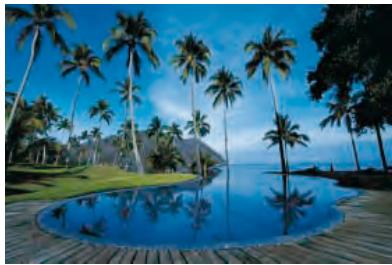
The area of a photograph in which subjects in front of and behind the main subject appear sharply focused is known as the depth of field. The depth of field corresponds to the lens aperture in use. A smaller aperture (larger f-number) creates a greater depth of field, increasing the area in focus. The focal length of a lens also has an effect; as the focal length increases, depth of field decreases. Shallow depth of field (f/2.8)
http://nikonimaging.com/global/activity/npci/
Products and brand names are trademarks or registered trademarks of their respective companies. Images on LCDs and monitors shown in this brochure are simulated. Specifications and equipment are subject to change without any notice or obligation on the part of the manufacturer. August 2006
Picture angle — the image area seen through the lens — is determined by the focal length. A lens with a shorter focal length provides a wide-angle picture and broader images, while a longer focal length (i.e. telephoto lens) results in a narrower picture angle and larger image. Note: When the lens is attached to a digital camera, the picture angle is equivalent to that of a 35mm film-based camera lens with approximately 1.5x focal length.
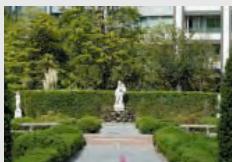
Great depth of field (f/16)
© 2006 NIKON CORPORATION WARNING TO ENSURE CORRECT USAGE, READ MANUALS CAREFULLY BEFORE USING YOUR EQUIPMENT.
Brightness of a lens (f-number) An f-number — marked, for example, as f/2.8, F2.8 or 1:2.8 — indicates how much light a lens allows through its aperture. A small f-number corresponds to a large aperture, meaning it allows more light through and can be used with faster shutter speeds.
Capture NX Wireless Remote Speedlight SB-R200 Wireless Speedlight Commander SU-800
If your Nikon digital SLR adopts Nikon’s exclusive i-TTL flash control of the Nikon Creative Lighting System, you can attach SB-800/SU-800 and control up to 3 wireless remote groups, with each group consisting of any number of SB-800, SB-600, or SB-R200 Speedlight units.
The easiest wireless remote unit • Guide Number of 53 [ISO200, m] (at 35mm position) • Master commander function • Tilting/rotating flash head for bounce effect • Repeating Flash
Commander unit for Nikon Advanced Wireless Lighting
• Guide Number of 14 [ISO200, m] • Functions only as a remote Speedlight unit • Speedlight stand is supplied
Fast forward to a new generation of image editing
Go to the next generation of high-quality image editing and processing to supercharge your workflow. Advanced Nikon Capture 4 plus exclusive patented U Point™ technology, by Nik Software, delivers easier access to the results of your imagination.
Simply select a control point and adjust its slider until you see the image as you like it. It's a highly visual, intuitive technique. Color Control Points Color Control Points let you directly select and isolate an entire image or an area within it for enhancement quickly. Within moments, you can choose and use any Color Control Point to modify any aspect of a selected area including: Size, Hue, Brightness, Saturation, Contrast, Red, Green, Blue and Warmth.
• Controls up to 3 groups of Speedlight units • Compatible with SB-R200, SB-800 and SB-600 Speedlights • Simple operation
Black, White, Neutral Control Points Black, White and Neutral Control Points can be used to set the dynamic range and correct color casts in your images. Neutral Control Points can also be used to set color balance in an image. This is useful for removing color casts and toning, even without a neutral object in the scene.
Dimensions (W x H x D): Approx. 80 x 75 x 55mm Weight (without batteries): Approx. 120g
Dimensions (W x H x D): Approx. 68 x 96 x 58mm Weight (without batteries): Approx. 160g
H S Dimensions (W x H x D): Approx. 70.5 x 129.5 x 93.0mm Weight (without batteries): Approx. 350g
B Moving any one of these sliders will change how that Control Point interacts with your image. Contrast, Red, Green, Blue and Warmth sliders are also available as an advanced setting.
B A Nikon Close-up Speedlight Commander Kit R1C1
• Guide Number of 42 [ISO200, m] (at 35mm position) • Tilting/rotating flash head for bounce effect •Simple operation
Wireless multiple flash photography with Nikon’s Creative Lighting System helps create more natural-looking pictures by using several flash units to emphasize the subject or eliminate shadows. M: Master A: Remote B: Remote C: Remote
Hue Saturation Brightness
Shot with multiple flash units
Show Selection for Accurate Control The new Capture NX software releases not only the newest powers of Nikon’s Electronic Format (NEF) files; for the first time, it makes JPEG and TIFF processing and editing elegant and easy enough for any photographer to implement, with no need for complicated procedures. Its new interface provides access to powerful and visually intuitive enhancement tools you need, so it’s easier to explore, with more visual potential. With Capture NX to realize your imagination, the possibilities are endless!

Use the "show selection" feature for each Color Control Point to see which area of the image is affected by the Color Control Point. This process reverses the image into a black and white view and clearly shows the image areas under adjustment.
Red-Eye Reduction Thanks to U Point™ technology, red-eye can be easily removed. Just place a Red-Eye Reduction Control Point on each of the offending eyes, and away it goes! With just a few slider adjustments, you can use a color Control Point to make blue (or any other eye color) eyes brighter, darker or more radiant.
Color Aberration Control by Lens Correction Tools
Dimensions (W x H x D): Approx. 68.0 x 123.5 x 90.0mm Weight (without batteries): Approx. 300g
C Shot with Nikon Close-up Speedlight Commander Kit R1C1
http://capturenx.com/
M To learn more about Nikkors, please visit
The basics for choosing a lens
Perspective refers to the relationship between size and depth of subjects in a picture. A wideangle lens emphasizes foreground objects by making them appear further away from the background. A telephoto lens compresses the foreground and background, deemphasizing their difference in size and relative distance.
To learn more about Speedlights, please visit
Getting More From Your
http://nikonimaging.com/global/technology/speedlight/
The area of a photograph in which subjects in front of and behind the main subject appear sharply focused is known as the depth of field. The depth of field corresponds to the lens aperture in use. A smaller aperture (larger f-number) creates a greater depth of field, increasing the area in focus. The focal length of a lens also has an effect; as the focal length increases, depth of field decreases. Shallow depth of field (f/2.8)
http://nikonimaging.com/global/activity/npci/
Products and brand names are trademarks or registered trademarks of their respective companies. Images on LCDs and monitors shown in this brochure are simulated. Specifications and equipment are subject to change without any notice or obligation on the part of the manufacturer. August 2006
Picture angle — the image area seen through the lens — is determined by the focal length. A lens with a shorter focal length provides a wide-angle picture and broader images, while a longer focal length (i.e. telephoto lens) results in a narrower picture angle and larger image. Note: When the lens is attached to a digital camera, the picture angle is equivalent to that of a 35mm film-based camera lens with approximately 1.5x focal length.
Great depth of field (f/16)
© 2006 NIKON CORPORATION WARNING TO ENSURE CORRECT USAGE, READ MANUALS CAREFULLY BEFORE USING YOUR EQUIPMENT.
Brightness of a lens (f-number) An f-number — marked, for example, as f/2.8, F2.8 or 1:2.8 — indicates how much light a lens allows through its aperture. A small f-number corresponds to a large aperture, meaning it allows more light through and can be used with faster shutter speeds.
Capture NX Wireless Remote Speedlight SB-R200 Wireless Speedlight Commander SU-800
If your Nikon digital SLR adopts Nikon’s exclusive i-TTL flash control of the Nikon Creative Lighting System, you can attach SB-800/SU-800 and control up to 3 wireless remote groups, with each group consisting of any number of SB-800, SB-600, or SB-R200 Speedlight units.
The easiest wireless remote unit • Guide Number of 53 [ISO200, m] (at 35mm position) • Master commander function • Tilting/rotating flash head for bounce effect • Repeating Flash
Commander unit for Nikon Advanced Wireless Lighting
• Guide Number of 14 [ISO200, m] • Functions only as a remote Speedlight unit • Speedlight stand is supplied
Fast forward to a new generation of image editing
Go to the next generation of high-quality image editing and processing to supercharge your workflow. Advanced Nikon Capture 4 plus exclusive patented U Point™ technology, by Nik Software, delivers easier access to the results of your imagination.
Simply select a control point and adjust its slider until you see the image as you like it. It's a highly visual, intuitive technique. Color Control Points Color Control Points let you directly select and isolate an entire image or an area within it for enhancement quickly. Within moments, you can choose and use any Color Control Point to modify any aspect of a selected area including: Size, Hue, Brightness, Saturation, Contrast, Red, Green, Blue and Warmth.
• Controls up to 3 groups of Speedlight units • Compatible with SB-R200, SB-800 and SB-600 Speedlights • Simple operation
Black, White, Neutral Control Points Black, White and Neutral Control Points can be used to set the dynamic range and correct color casts in your images. Neutral Control Points can also be used to set color balance in an image. This is useful for removing color casts and toning, even without a neutral object in the scene.
Dimensions (W x H x D): Approx. 80 x 75 x 55mm Weight (without batteries): Approx. 120g
Dimensions (W x H x D): Approx. 68 x 96 x 58mm Weight (without batteries): Approx. 160g
H S Dimensions (W x H x D): Approx. 70.5 x 129.5 x 93.0mm Weight (without batteries): Approx. 350g
B Moving any one of these sliders will change how that Control Point interacts with your image. Contrast, Red, Green, Blue and Warmth sliders are also available as an advanced setting.
B A Nikon Close-up Speedlight Commander Kit R1C1
• Guide Number of 42 [ISO200, m] (at 35mm position) • Tilting/rotating flash head for bounce effect •Simple operation
Wireless multiple flash photography with Nikon’s Creative Lighting System helps create more natural-looking pictures by using several flash units to emphasize the subject or eliminate shadows. M: Master A: Remote B: Remote C: Remote
Hue Saturation Brightness
Shot with multiple flash units
Show Selection for Accurate Control The new Capture NX software releases not only the newest powers of Nikon’s Electronic Format (NEF) files; for the first time, it makes JPEG and TIFF processing and editing elegant and easy enough for any photographer to implement, with no need for complicated procedures. Its new interface provides access to powerful and visually intuitive enhancement tools you need, so it’s easier to explore, with more visual potential. With Capture NX to realize your imagination, the possibilities are endless!
Use the "show selection" feature for each Color Control Point to see which area of the image is affected by the Color Control Point. This process reverses the image into a black and white view and clearly shows the image areas under adjustment.
Red-Eye Reduction Thanks to U Point™ technology, red-eye can be easily removed. Just place a Red-Eye Reduction Control Point on each of the offending eyes, and away it goes! With just a few slider adjustments, you can use a color Control Point to make blue (or any other eye color) eyes brighter, darker or more radiant.
Color Aberration Control by Lens Correction Tools
Dimensions (W x H x D): Approx. 68.0 x 123.5 x 90.0mm Weight (without batteries): Approx. 300g
C Shot with Nikon Close-up Speedlight Commander Kit R1C1
http://capturenx.com/
M To learn more about Nikkors, please visit
The basics for choosing a lens
Perspective refers to the relationship between size and depth of subjects in a picture. A wideangle lens emphasizes foreground objects by making them appear further away from the background. A telephoto lens compresses the foreground and background, deemphasizing their difference in size and relative distance.
To learn more about Speedlights, please visit
Getting More From Your
http://nikonimaging.com/global/technology/speedlight/
The area of a photograph in which subjects in front of and behind the main subject appear sharply focused is known as the depth of field. The depth of field corresponds to the lens aperture in use. A smaller aperture (larger f-number) creates a greater depth of field, increasing the area in focus. The focal length of a lens also has an effect; as the focal length increases, depth of field decreases. Shallow depth of field (f/2.8)
http://nikonimaging.com/global/activity/npci/
Products and brand names are trademarks or registered trademarks of their respective companies. Images on LCDs and monitors shown in this brochure are simulated. Specifications and equipment are subject to change without any notice or obligation on the part of the manufacturer. August 2006
Picture angle — the image area seen through the lens — is determined by the focal length. A lens with a shorter focal length provides a wide-angle picture and broader images, while a longer focal length (i.e. telephoto lens) results in a narrower picture angle and larger image. Note: When the lens is attached to a digital camera, the picture angle is equivalent to that of a 35mm film-based camera lens with approximately 1.5x focal length.
Great depth of field (f/16)
© 2006 NIKON CORPORATION WARNING TO ENSURE CORRECT USAGE, READ MANUALS CAREFULLY BEFORE USING YOUR EQUIPMENT.
Brightness of a lens (f-number) An f-number — marked, for example, as f/2.8, F2.8 or 1:2.8 — indicates how much light a lens allows through its aperture. A small f-number corresponds to a large aperture, meaning it allows more light through and can be used with faster shutter speeds.
Capture NX Wireless Remote Speedlight SB-R200 Wireless Speedlight Commander SU-800
If your Nikon digital SLR adopts Nikon’s exclusive i-TTL flash control of the Nikon Creative Lighting System, you can attach SB-800/SU-800 and control up to 3 wireless remote groups, with each group consisting of any number of SB-800, SB-600, or SB-R200 Speedlight units.
The easiest wireless remote unit • Guide Number of 53 [ISO200, m] (at 35mm position) • Master commander function • Tilting/rotating flash head for bounce effect • Repeating Flash
Commander unit for Nikon Advanced Wireless Lighting
• Guide Number of 14 [ISO200, m] • Functions only as a remote Speedlight unit • Speedlight stand is supplied
Fast forward to a new generation of image editing
Go to the next generation of high-quality image editing and processing to supercharge your workflow. Advanced Nikon Capture 4 plus exclusive patented U Point™ technology, by Nik Software, delivers easier access to the results of your imagination.
Simply select a control point and adjust its slider until you see the image as you like it. It's a highly visual, intuitive technique. Color Control Points Color Control Points let you directly select and isolate an entire image or an area within it for enhancement quickly. Within moments, you can choose and use any Color Control Point to modify any aspect of a selected area including: Size, Hue, Brightness, Saturation, Contrast, Red, Green, Blue and Warmth.
• Controls up to 3 groups of Speedlight units • Compatible with SB-R200, SB-800 and SB-600 Speedlights • Simple operation
Black, White, Neutral Control Points Black, White and Neutral Control Points can be used to set the dynamic range and correct color casts in your images. Neutral Control Points can also be used to set color balance in an image. This is useful for removing color casts and toning, even without a neutral object in the scene.
Dimensions (W x H x D): Approx. 80 x 75 x 55mm Weight (without batteries): Approx. 120g
Dimensions (W x H x D): Approx. 68 x 96 x 58mm Weight (without batteries): Approx. 160g
H S Dimensions (W x H x D): Approx. 70.5 x 129.5 x 93.0mm Weight (without batteries): Approx. 350g
B Moving any one of these sliders will change how that Control Point interacts with your image. Contrast, Red, Green, Blue and Warmth sliders are also available as an advanced setting.
B A Nikon Close-up Speedlight Commander Kit R1C1
• Guide Number of 42 [ISO200, m] (at 35mm position) • Tilting/rotating flash head for bounce effect •Simple operation
Wireless multiple flash photography with Nikon’s Creative Lighting System helps create more natural-looking pictures by using several flash units to emphasize the subject or eliminate shadows. M: Master A: Remote B: Remote C: Remote
Hue Saturation Brightness
Shot with multiple flash units
Show Selection for Accurate Control The new Capture NX software releases not only the newest powers of Nikon’s Electronic Format (NEF) files; for the first time, it makes JPEG and TIFF processing and editing elegant and easy enough for any photographer to implement, with no need for complicated procedures. Its new interface provides access to powerful and visually intuitive enhancement tools you need, so it’s easier to explore, with more visual potential. With Capture NX to realize your imagination, the possibilities are endless!
Use the "show selection" feature for each Color Control Point to see which area of the image is affected by the Color Control Point. This process reverses the image into a black and white view and clearly shows the image areas under adjustment.
Red-Eye Reduction Thanks to U Point™ technology, red-eye can be easily removed. Just place a Red-Eye Reduction Control Point on each of the offending eyes, and away it goes! With just a few slider adjustments, you can use a color Control Point to make blue (or any other eye color) eyes brighter, darker or more radiant.
Color Aberration Control by Lens Correction Tools
Dimensions (W x H x D): Approx. 68.0 x 123.5 x 90.0mm Weight (without batteries): Approx. 300g
C Shot with Nikon Close-up Speedlight Commander Kit R1C1
http://capturenx.com/
M To learn more about Nikkors, please visit
The basics for choosing a lens
Perspective refers to the relationship between size and depth of subjects in a picture. A wideangle lens emphasizes foreground objects by making them appear further away from the background. A telephoto lens compresses the foreground and background, deemphasizing their difference in size and relative distance.
To learn more about Speedlights, please visit
Getting More From Your
http://nikonimaging.com/global/technology/speedlight/
The area of a photograph in which subjects in front of and behind the main subject appear sharply focused is known as the depth of field. The depth of field corresponds to the lens aperture in use. A smaller aperture (larger f-number) creates a greater depth of field, increasing the area in focus. The focal length of a lens also has an effect; as the focal length increases, depth of field decreases. Shallow depth of field (f/2.8)
http://nikonimaging.com/global/activity/npci/
Products and brand names are trademarks or registered trademarks of their respective companies. Images on LCDs and monitors shown in this brochure are simulated. Specifications and equipment are subject to change without any notice or obligation on the part of the manufacturer. August 2006
Picture angle — the image area seen through the lens — is determined by the focal length. A lens with a shorter focal length provides a wide-angle picture and broader images, while a longer focal length (i.e. telephoto lens) results in a narrower picture angle and larger image. Note: When the lens is attached to a digital camera, the picture angle is equivalent to that of a 35mm film-based camera lens with approximately 1.5x focal length.
Great depth of field (f/16)
© 2006 NIKON CORPORATION WARNING TO ENSURE CORRECT USAGE, READ MANUALS CAREFULLY BEFORE USING YOUR EQUIPMENT.
Brightness of a lens (f-number) An f-number — marked, for example, as f/2.8, F2.8 or 1:2.8 — indicates how much light a lens allows through its aperture. A small f-number corresponds to a large aperture, meaning it allows more light through and can be used with faster shutter speeds.
Printed in Japan Code No. 6CE41660 (0608/C) T En
VR (Vibration Reduction) Nikkor lenses
VR II High-power zoom with VR system
— minimize image blur caused by camera shake.
VR II Micro Nikkor for dramatic close-ups
VR II Supertelephoto zoom with VR system
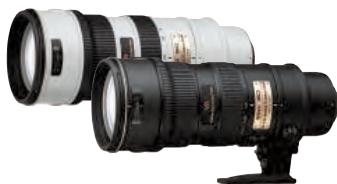
High-speed telephoto zoom lens with VR system
AF-S VR Zoom-Nikkor 70-200mm f/2.8G IF-ED (2.8x)
•VR minimizes image blur caused by camera shake •SWM for fast and accurate autofocusing Dimensions: Approx. 87 x 215mm, Weight: 1,470g
Supertelephoto zoom with VR system
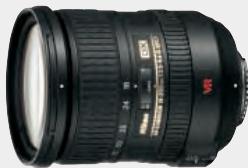
AF-S DX VR Zoom-Nikkor 18-200mm f/3.5-5.6G IF-ED (11.1x)
•Improved VR II minimizes image blur caused by camera shake •11.1x zoom covers most shooting situations Dimensions: Approx. 77 x 96.5mm, Weight: 560g
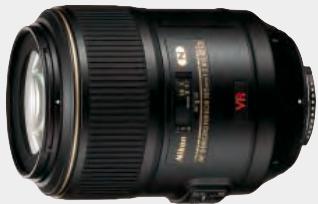
AF-S VR Micro-Nikkor
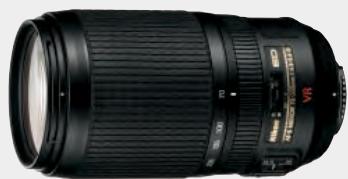
105mm f/2.8G IF-ED AF-S VR Zoom-Nikkor 70-300mm f/4.5-5.6G IF-ED (4.3x)
•Improved VR II minimizes image blur caused by camera shake •Lets you shoot as close as 31.4cm
•Improved VR II minimizes image blur caused by camera shake •SWM for fast and accurate autofocusing
Dimensions: Approx. 83 x 116mm, Weight: 790g
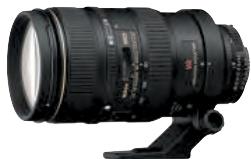
AF VR Zoom-Nikkor 80-400mm f/4.5-5.6D ED (5.0x)
•VR enables handheld supertelephoto shooting •Useful for candid shots
Dimensions: Approx. 80 x 143.5mm, Weight: 745g
Dimensions: Approx. 91 x 171mm, Weight: 1,360g
Ultra-wideangle lenses
Single-focal, portrait lenses
Fisheye lens to give you unique perspective
Portable telephoto zoom to bring your subjects closer
Portable standard lens — great for portraits
Compact, high-power standard zoom
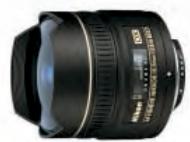
AF DX Fisheye-Nikkor 10.5mm f/2.8G ED
•Reproduces distorted images with exaggerated perspective •180° picture angle captures everything in front of you. Dimensions: Approx. 63 x 62.5mm, Weight: 305g
Ultra-wideangle zoom to capture great landscapes
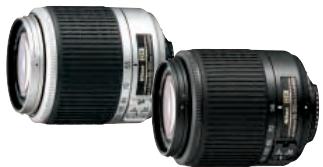
AF-S DX Zoom-Nikkor 55-200mm f/4-5.6G ED (3.6x)
•Great companion for your AF-S DX Zoom-Nikkor 18-55mm f/3.5-5.6G ED •Compact and lightweight Dimensions: Approx. 68 x 79mm, Weight: 255g
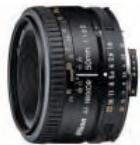
AF Nikkor 50mm f/1.8D •Bright standard lens for professional-looking portraits •Ultracompact and lightweight Dimensions: Approx. 63.5 x 39mm, Weight: 155g
Supertelephoto for creative opportunities
Portable medium telephoto — for intimate portraits
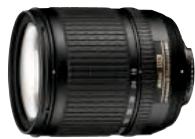
AF-S DX Zoom-Nikkor 18-135mm f/3.5-5.6G IF-ED (7.5x)
•7.5x zoom for use in a variety of situations •Compact and lightweight design Dimensions: Approx. 73.5 x 86.5mm Weight: Approx. 385g
Features Specifically developed for use with sophisticated Nikon digital SLR cameras. Employs an ED (Extra-low Dispersion) glass element, which minimizes chromatic aberration and offers superior color and image sharpness. Employs an aspherical lens, which corrects image distortion in wideangle lenses. Distance information. Relays subject-to-camera distance information to the camera and enables Nikon’s advanced metering and flash control. Silent Wave Motor for ultra-quiet and ultra-fast focusing.
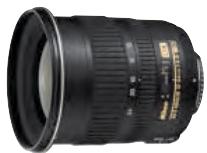
AF-S DX Zoom-Nikkor 12-24mm f/4G IF-ED (2.0x)
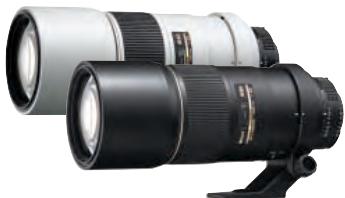
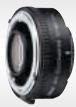
f/4D IF-ED + TC-14E II AF Nikkor 85mm
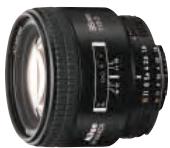
f/1.8D Internal Focusing (IF) design* prevents lens front rotation, thus enables use of circular polarizing filters Nano Crystal Coat employs multiple layers of Nikon’s outstanding extra-low refractive index coating, which features ultra-fine crystallized particles of nano. Features Nikon Super Integrated Coating to minimize ghost and flare.
•Frame great panoramas •Useful for shooting group shots in confined spaces Dimensions: Approx. 82.5 x 90mm, Weight: 465g
•SWM for fast and accurate autofocusing •You can easily capture supertelephoto (420mm) images with the TC-14E II
•High-speed telephoto for professional-looking portraits •Compact and lightweight
Dimensions: Approx. 90 x 222.5mm, Weight: 1,440g
Dimensions: Approx. 71.5 x 58.5mm, Weight: 380g
Equipped with Nikon’s innovative Vibration Reduction system to minimize image blur caused by camera shake. *With IF, focal length becomes slightly shorter when shooting at closest focusing distance.
VR (Vibration Reduction) Nikkor lenses
VR II High-power zoom with VR system
— minimize image blur caused by camera shake.
VR II Micro Nikkor for dramatic close-ups
VR II Supertelephoto zoom with VR system
High-speed telephoto zoom lens with VR system
AF-S VR Zoom-Nikkor 70-200mm f/2.8G IF-ED (2.8x)
•VR minimizes image blur caused by camera shake •SWM for fast and accurate autofocusing Dimensions: Approx. 87 x 215mm, Weight: 1,470g
Supertelephoto zoom with VR system
AF-S DX VR Zoom-Nikkor 18-200mm f/3.5-5.6G IF-ED (11.1x)
•Improved VR II minimizes image blur caused by camera shake •11.1x zoom covers most shooting situations Dimensions: Approx. 77 x 96.5mm, Weight: 560g
AF-S VR Micro-Nikkor
105mm f/2.8G IF-ED AF-S VR Zoom-Nikkor 70-300mm f/4.5-5.6G IF-ED (4.3x)
•Improved VR II minimizes image blur caused by camera shake •Lets you shoot as close as 31.4cm
•Improved VR II minimizes image blur caused by camera shake •SWM for fast and accurate autofocusing
Dimensions: Approx. 83 x 116mm, Weight: 790g
AF VR Zoom-Nikkor 80-400mm f/4.5-5.6D ED (5.0x)
•VR enables handheld supertelephoto shooting •Useful for candid shots
Dimensions: Approx. 80 x 143.5mm, Weight: 745g
Dimensions: Approx. 91 x 171mm, Weight: 1,360g
Ultra-wideangle lenses
Single-focal, portrait lenses
Fisheye lens to give you unique perspective
Portable telephoto zoom to bring your subjects closer
Portable standard lens — great for portraits
Compact, high-power standard zoom
AF DX Fisheye-Nikkor 10.5mm f/2.8G ED
•Reproduces distorted images with exaggerated perspective •180° picture angle captures everything in front of you. Dimensions: Approx. 63 x 62.5mm, Weight: 305g
Ultra-wideangle zoom to capture great landscapes
AF-S DX Zoom-Nikkor 55-200mm f/4-5.6G ED (3.6x)
•Great companion for your AF-S DX Zoom-Nikkor 18-55mm f/3.5-5.6G ED •Compact and lightweight Dimensions: Approx. 68 x 79mm, Weight: 255g
AF Nikkor 50mm f/1.8D •Bright standard lens for professional-looking portraits •Ultracompact and lightweight Dimensions: Approx. 63.5 x 39mm, Weight: 155g
Supertelephoto for creative opportunities
Portable medium telephoto — for intimate portraits
AF-S DX Zoom-Nikkor 18-135mm f/3.5-5.6G IF-ED (7.5x)
•7.5x zoom for use in a variety of situations •Compact and lightweight design Dimensions: Approx. 73.5 x 86.5mm Weight: Approx. 385g
Features Specifically developed for use with sophisticated Nikon digital SLR cameras. Employs an ED (Extra-low Dispersion) glass element, which minimizes chromatic aberration and offers superior color and image sharpness. Employs an aspherical lens, which corrects image distortion in wideangle lenses. Distance information. Relays subject-to-camera distance information to the camera and enables Nikon’s advanced metering and flash control. Silent Wave Motor for ultra-quiet and ultra-fast focusing.
AF-S DX Zoom-Nikkor 12-24mm f/4G IF-ED (2.0x)
f/4D IF-ED + TC-14E II AF Nikkor 85mm
f/1.8D Internal Focusing (IF) design* prevents lens front rotation, thus enables use of circular polarizing filters Nano Crystal Coat employs multiple layers of Nikon’s outstanding extra-low refractive index coating, which features ultra-fine crystallized particles of nano. Features Nikon Super Integrated Coating to minimize ghost and flare.
•Frame great panoramas •Useful for shooting group shots in confined spaces Dimensions: Approx. 82.5 x 90mm, Weight: 465g
•SWM for fast and accurate autofocusing •You can easily capture supertelephoto (420mm) images with the TC-14E II
•High-speed telephoto for professional-looking portraits •Compact and lightweight
Dimensions: Approx. 90 x 222.5mm, Weight: 1,440g
Dimensions: Approx. 71.5 x 58.5mm, Weight: 380g
Equipped with Nikon’s innovative Vibration Reduction system to minimize image blur caused by camera shake. *With IF, focal length becomes slightly shorter when shooting at closest focusing distance.
VR (Vibration Reduction) Nikkor lenses
VR II High-power zoom with VR system
— minimize image blur caused by camera shake.
VR II Micro Nikkor for dramatic close-ups
VR II Supertelephoto zoom with VR system
High-speed telephoto zoom lens with VR system
AF-S VR Zoom-Nikkor 70-200mm f/2.8G IF-ED (2.8x)
•VR minimizes image blur caused by camera shake •SWM for fast and accurate autofocusing Dimensions: Approx. 87 x 215mm, Weight: 1,470g
Supertelephoto zoom with VR system
AF-S DX VR Zoom-Nikkor 18-200mm f/3.5-5.6G IF-ED (11.1x)
•Improved VR II minimizes image blur caused by camera shake •11.1x zoom covers most shooting situations Dimensions: Approx. 77 x 96.5mm, Weight: 560g
AF-S VR Micro-Nikkor
105mm f/2.8G IF-ED AF-S VR Zoom-Nikkor 70-300mm f/4.5-5.6G IF-ED (4.3x)
•Improved VR II minimizes image blur caused by camera shake •Lets you shoot as close as 31.4cm
•Improved VR II minimizes image blur caused by camera shake •SWM for fast and accurate autofocusing
Dimensions: Approx. 83 x 116mm, Weight: 790g
AF VR Zoom-Nikkor 80-400mm f/4.5-5.6D ED (5.0x)
•VR enables handheld supertelephoto shooting •Useful for candid shots
Dimensions: Approx. 80 x 143.5mm, Weight: 745g
Dimensions: Approx. 91 x 171mm, Weight: 1,360g
Ultra-wideangle lenses
Single-focal, portrait lenses
Fisheye lens to give you unique perspective
Portable telephoto zoom to bring your subjects closer
Portable standard lens — great for portraits
Compact, high-power standard zoom
AF DX Fisheye-Nikkor 10.5mm f/2.8G ED
•Reproduces distorted images with exaggerated perspective •180° picture angle captures everything in front of you. Dimensions: Approx. 63 x 62.5mm, Weight: 305g
Ultra-wideangle zoom to capture great landscapes
AF-S DX Zoom-Nikkor 55-200mm f/4-5.6G ED (3.6x)
•Great companion for your AF-S DX Zoom-Nikkor 18-55mm f/3.5-5.6G ED •Compact and lightweight Dimensions: Approx. 68 x 79mm, Weight: 255g
AF Nikkor 50mm f/1.8D •Bright standard lens for professional-looking portraits •Ultracompact and lightweight Dimensions: Approx. 63.5 x 39mm, Weight: 155g
Supertelephoto for creative opportunities
Portable medium telephoto — for intimate portraits
AF-S DX Zoom-Nikkor 18-135mm f/3.5-5.6G IF-ED (7.5x)
•7.5x zoom for use in a variety of situations •Compact and lightweight design Dimensions: Approx. 73.5 x 86.5mm Weight: Approx. 385g
Features Specifically developed for use with sophisticated Nikon digital SLR cameras. Employs an ED (Extra-low Dispersion) glass element, which minimizes chromatic aberration and offers superior color and image sharpness. Employs an aspherical lens, which corrects image distortion in wideangle lenses. Distance information. Relays subject-to-camera distance information to the camera and enables Nikon’s advanced metering and flash control. Silent Wave Motor for ultra-quiet and ultra-fast focusing.
AF-S DX Zoom-Nikkor 12-24mm f/4G IF-ED (2.0x)
f/4D IF-ED + TC-14E II AF Nikkor 85mm
f/1.8D Internal Focusing (IF) design* prevents lens front rotation, thus enables use of circular polarizing filters Nano Crystal Coat employs multiple layers of Nikon’s outstanding extra-low refractive index coating, which features ultra-fine crystallized particles of nano. Features Nikon Super Integrated Coating to minimize ghost and flare.
•Frame great panoramas •Useful for shooting group shots in confined spaces Dimensions: Approx. 82.5 x 90mm, Weight: 465g
•SWM for fast and accurate autofocusing •You can easily capture supertelephoto (420mm) images with the TC-14E II
•High-speed telephoto for professional-looking portraits •Compact and lightweight
Dimensions: Approx. 90 x 222.5mm, Weight: 1,440g
Dimensions: Approx. 71.5 x 58.5mm, Weight: 380g
Equipped with Nikon’s innovative Vibration Reduction system to minimize image blur caused by camera shake. *With IF, focal length becomes slightly shorter when shooting at closest focusing distance.
VR (Vibration Reduction) Nikkor lenses
VR II High-power zoom with VR system
— minimize image blur caused by camera shake.
VR II Micro Nikkor for dramatic close-ups
VR II Supertelephoto zoom with VR system
High-speed telephoto zoom lens with VR system
AF-S VR Zoom-Nikkor 70-200mm f/2.8G IF-ED (2.8x)
•VR minimizes image blur caused by camera shake •SWM for fast and accurate autofocusing Dimensions: Approx. 87 x 215mm, Weight: 1,470g
Supertelephoto zoom with VR system
AF-S DX VR Zoom-Nikkor 18-200mm f/3.5-5.6G IF-ED (11.1x)
•Improved VR II minimizes image blur caused by camera shake •11.1x zoom covers most shooting situations Dimensions: Approx. 77 x 96.5mm, Weight: 560g
AF-S VR Micro-Nikkor
105mm f/2.8G IF-ED AF-S VR Zoom-Nikkor 70-300mm f/4.5-5.6G IF-ED (4.3x)
•Improved VR II minimizes image blur caused by camera shake •Lets you shoot as close as 31.4cm
•Improved VR II minimizes image blur caused by camera shake •SWM for fast and accurate autofocusing
Dimensions: Approx. 83 x 116mm, Weight: 790g
AF VR Zoom-Nikkor 80-400mm f/4.5-5.6D ED (5.0x)
•VR enables handheld supertelephoto shooting •Useful for candid shots
Dimensions: Approx. 80 x 143.5mm, Weight: 745g
Dimensions: Approx. 91 x 171mm, Weight: 1,360g
Ultra-wideangle lenses
Single-focal, portrait lenses
Fisheye lens to give you unique perspective
Portable telephoto zoom to bring your subjects closer
Portable standard lens — great for portraits
Compact, high-power standard zoom
AF DX Fisheye-Nikkor 10.5mm f/2.8G ED
•Reproduces distorted images with exaggerated perspective •180° picture angle captures everything in front of you. Dimensions: Approx. 63 x 62.5mm, Weight: 305g
Ultra-wideangle zoom to capture great landscapes
AF-S DX Zoom-Nikkor 55-200mm f/4-5.6G ED (3.6x)
•Great companion for your AF-S DX Zoom-Nikkor 18-55mm f/3.5-5.6G ED •Compact and lightweight Dimensions: Approx. 68 x 79mm, Weight: 255g
AF Nikkor 50mm f/1.8D •Bright standard lens for professional-looking portraits •Ultracompact and lightweight Dimensions: Approx. 63.5 x 39mm, Weight: 155g
Supertelephoto for creative opportunities
Portable medium telephoto — for intimate portraits
AF-S DX Zoom-Nikkor 18-135mm f/3.5-5.6G IF-ED (7.5x)
•7.5x zoom for use in a variety of situations •Compact and lightweight design Dimensions: Approx. 73.5 x 86.5mm Weight: Approx. 385g
Features Specifically developed for use with sophisticated Nikon digital SLR cameras. Employs an ED (Extra-low Dispersion) glass element, which minimizes chromatic aberration and offers superior color and image sharpness. Employs an aspherical lens, which corrects image distortion in wideangle lenses. Distance information. Relays subject-to-camera distance information to the camera and enables Nikon’s advanced metering and flash control. Silent Wave Motor for ultra-quiet and ultra-fast focusing.
AF-S DX Zoom-Nikkor 12-24mm f/4G IF-ED (2.0x)
f/4D IF-ED + TC-14E II AF Nikkor 85mm
f/1.8D Internal Focusing (IF) design* prevents lens front rotation, thus enables use of circular polarizing filters Nano Crystal Coat employs multiple layers of Nikon’s outstanding extra-low refractive index coating, which features ultra-fine crystallized particles of nano. Features Nikon Super Integrated Coating to minimize ghost and flare.
•Frame great panoramas •Useful for shooting group shots in confined spaces Dimensions: Approx. 82.5 x 90mm, Weight: 465g
•SWM for fast and accurate autofocusing •You can easily capture supertelephoto (420mm) images with the TC-14E II
•High-speed telephoto for professional-looking portraits •Compact and lightweight
Dimensions: Approx. 90 x 222.5mm, Weight: 1,440g
Dimensions: Approx. 71.5 x 58.5mm, Weight: 380g
Equipped with Nikon’s innovative Vibration Reduction system to minimize image blur caused by camera shake. *With IF, focal length becomes slightly shorter when shooting at closest focusing distance.
Capture NX Wireless Remote Speedlight SB-R200 Wireless Speedlight Commander SU-800
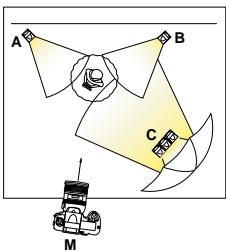
If your Nikon digital SLR adopts Nikon’s exclusive i-TTL flash control of the Nikon Creative Lighting System, you can attach SB-800/SU-800 and control up to 3 wireless remote groups, with each group consisting of any number of SB-800, SB-600, or SB-R200 Speedlight units.
The easiest wireless remote unit • Guide Number of 53 [ISO200, m] (at 35mm position) • Master commander function • Tilting/rotating flash head for bounce effect • Repeating Flash
Commander unit for Nikon Advanced Wireless Lighting
• Guide Number of 14 [ISO200, m] • Functions only as a remote Speedlight unit • Speedlight stand is supplied
Fast forward to a new generation of image editing
Go to the next generation of high-quality image editing and processing to supercharge your workflow. Advanced Nikon Capture 4 plus exclusive patented U Point™ technology, by Nik Software, delivers easier access to the results of your imagination.
Simply select a control point and adjust its slider until you see the image as you like it. It's a highly visual, intuitive technique. Color Control Points Color Control Points let you directly select and isolate an entire image or an area within it for enhancement quickly. Within moments, you can choose and use any Color Control Point to modify any aspect of a selected area including: Size, Hue, Brightness, Saturation, Contrast, Red, Green, Blue and Warmth.
• Controls up to 3 groups of Speedlight units • Compatible with SB-R200, SB-800 and SB-600 Speedlights • Simple operation
Black, White, Neutral Control Points Black, White and Neutral Control Points can be used to set the dynamic range and correct color casts in your images. Neutral Control Points can also be used to set color balance in an image. This is useful for removing color casts and toning, even without a neutral object in the scene.
Dimensions (W x H x D): Approx. 80 x 75 x 55mm Weight (without batteries): Approx. 120g
Dimensions (W x H x D): Approx. 68 x 96 x 58mm Weight (without batteries): Approx. 160g
H S Dimensions (W x H x D): Approx. 70.5 x 129.5 x 93.0mm Weight (without batteries): Approx. 350g
B Moving any one of these sliders will change how that Control Point interacts with your image. Contrast, Red, Green, Blue and Warmth sliders are also available as an advanced setting.
B A Nikon Close-up Speedlight Commander Kit R1C1
• Guide Number of 42 [ISO200, m] (at 35mm position) • Tilting/rotating flash head for bounce effect •Simple operation
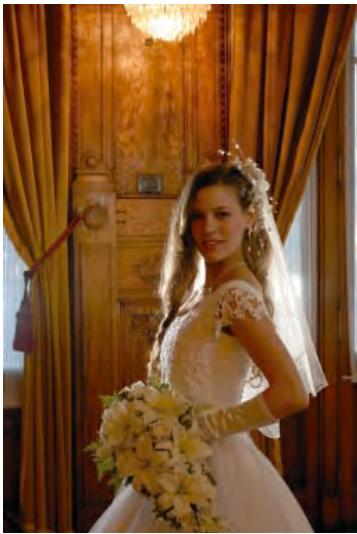
Wireless multiple flash photography with Nikon’s Creative Lighting System helps create more natural-looking pictures by using several flash units to emphasize the subject or eliminate shadows. M: Master A: Remote B: Remote C: Remote
Hue Saturation Brightness
Shot with multiple flash units
Show Selection for Accurate Control The new Capture NX software releases not only the newest powers of Nikon’s Electronic Format (NEF) files; for the first time, it makes JPEG and TIFF processing and editing elegant and easy enough for any photographer to implement, with no need for complicated procedures. Its new interface provides access to powerful and visually intuitive enhancement tools you need, so it’s easier to explore, with more visual potential. With Capture NX to realize your imagination, the possibilities are endless!
Use the "show selection" feature for each Color Control Point to see which area of the image is affected by the Color Control Point. This process reverses the image into a black and white view and clearly shows the image areas under adjustment.
Red-Eye Reduction Thanks to U Point™ technology, red-eye can be easily removed. Just place a Red-Eye Reduction Control Point on each of the offending eyes, and away it goes! With just a few slider adjustments, you can use a color Control Point to make blue (or any other eye color) eyes brighter, darker or more radiant.
Color Aberration Control by Lens Correction Tools
Dimensions (W x H x D): Approx. 68.0 x 123.5 x 90.0mm Weight (without batteries): Approx. 300g
C Shot with Nikon Close-up Speedlight Commander Kit R1C1

http://capturenx.com/
M To learn more about Nikkors, please visit
The basics for choosing a lens
Perspective refers to the relationship between size and depth of subjects in a picture. A wideangle lens emphasizes foreground objects by making them appear further away from the background. A telephoto lens compresses the foreground and background, deemphasizing their difference in size and relative distance.
To learn more about Speedlights, please visit
Getting More From Your
http://nikonimaging.com/global/technology/speedlight/
The area of a photograph in which subjects in front of and behind the main subject appear sharply focused is known as the depth of field. The depth of field corresponds to the lens aperture in use. A smaller aperture (larger f-number) creates a greater depth of field, increasing the area in focus. The focal length of a lens also has an effect; as the focal length increases, depth of field decreases. Shallow depth of field (f/2.8)
http://nikonimaging.com/global/activity/npci/
Products and brand names are trademarks or registered trademarks of their respective companies. Images on LCDs and monitors shown in this brochure are simulated. Specifications and equipment are subject to change without any notice or obligation on the part of the manufacturer. August 2006
Picture angle — the image area seen through the lens — is determined by the focal length. A lens with a shorter focal length provides a wide-angle picture and broader images, while a longer focal length (i.e. telephoto lens) results in a narrower picture angle and larger image. Note: When the lens is attached to a digital camera, the picture angle is equivalent to that of a 35mm film-based camera lens with approximately 1.5x focal length.
Great depth of field (f/16)
© 2006 NIKON CORPORATION WARNING TO ENSURE CORRECT USAGE, READ MANUALS CAREFULLY BEFORE USING YOUR EQUIPMENT.

Brightness of a lens (f-number) An f-number — marked, for example, as f/2.8, F2.8 or 1:2.8 — indicates how much light a lens allows through its aperture. A small f-number corresponds to a large aperture, meaning it allows more light through and can be used with faster shutter speeds.
ManualGo.com