
MZ-R90 - Lecteur MiniDisc SONY - Notice d'utilisation et mode d'emploi gratuit
Retrouvez gratuitement la notice de l'appareil MZ-R90 SONY au format PDF.



| Type de produit | Lecteur/enregistreur MiniDisc portable |
| Marque | Sony |
| Modèle | MZ-R90 |
| Dimensions (MZ-R90) | 78,9 × 17,3 × 72,0 mm (L×H×P) |
| Dimensions (MZ-R91) | 78,9 × 18,0 × 72,0 mm |
| Poids (MZ-R90, nu) | 105 g |
| Poids (MZ-R90, avec batterie NH-14WM) | 148 g |
| Poids (MZ-R91, nu) | 110 g |
| Poids (MZ-R91, avec batterie NH-14WM) | 153 g |
| Alimentation | Adaptateur secteur AC 100-240V, batterie rechargeable Ni-MH NH-14WM, piles AA LR6(SG) |
| Autonomie (batterie NH-14WM) | Enregistrement : env. 6,5 h ; Lecture : env. 12 h |
| Autonomie (pile alcaline AA LR6) | Enregistrement : env. 4 h ; Lecture : env. 16,5 h |
| Autonomie (batterie + pile combinée) | Enregistrement : env. 14,5 h ; Lecture : env. 29 h |
| Mémoire antichoc | Jusqu'à 40 secondes d'erreurs de lecture optique |
| Réponse en fréquence | 20 – 20 000 Hz ±3 dB |
| Entrées | Line IN (optique), MIC (Plug-in Power), DC IN 3V |
| Sorties | Prise O/LINE OUT (casque/ligne) |
| Puissance de sortie (casque) | 5 mW + 5 mW sous 16 Ω |
| Formats d'enregistrement | Stéréo et mono (ATRAC) |
| Télécommande | Télécommande LCD avec fonctions d'édition |
| Fonctions principales | Enregistrement numérique/analogique, synchro-enregistrement, copie de texte CD, édition de pistes (nommer, déplacer, effacer, diviser/combiner), banque de phrases, horodatage |
| Entretien | Nettoyer avec un chiffon doux et sec. Ne pas utiliser de solvants. |
| Pièces détachées / réparabilité | Adaptateur secteur AC, batterie NH-14WM, chargeur BC-9HM, câbles optiques/ligne, télécommande RM-MZE1, micros ECM. Les réparations doivent être effectuées par un technicien agréé Sony. |
| Informations générales | Notice disponible en téléchargement PDF. Questions des utilisateurs via le site. |
FOIRE AUX QUESTIONS - MZ-R90 SONY
Questions des utilisateurs sur MZ-R90 SONY
0 question sur cet appareil. Repondez a celles que vous connaissez ou posez la votre.
Poser une nouvelle question sur cet appareil
Téléchargez la notice de votre Lecteur MiniDisc au format PDF gratuitement ! Retrouvez votre notice MZ-R90 - SONY et reprennez votre appareil électronique en main. Sur cette page sont publiés tous les documents nécessaires à l'utilisation de votre appareil MZ-R90 de la marque SONY.
MODE D'EMPLOI MZ-R90 SONY
/Mode d'emploi



MZ-R90
MZ-R91
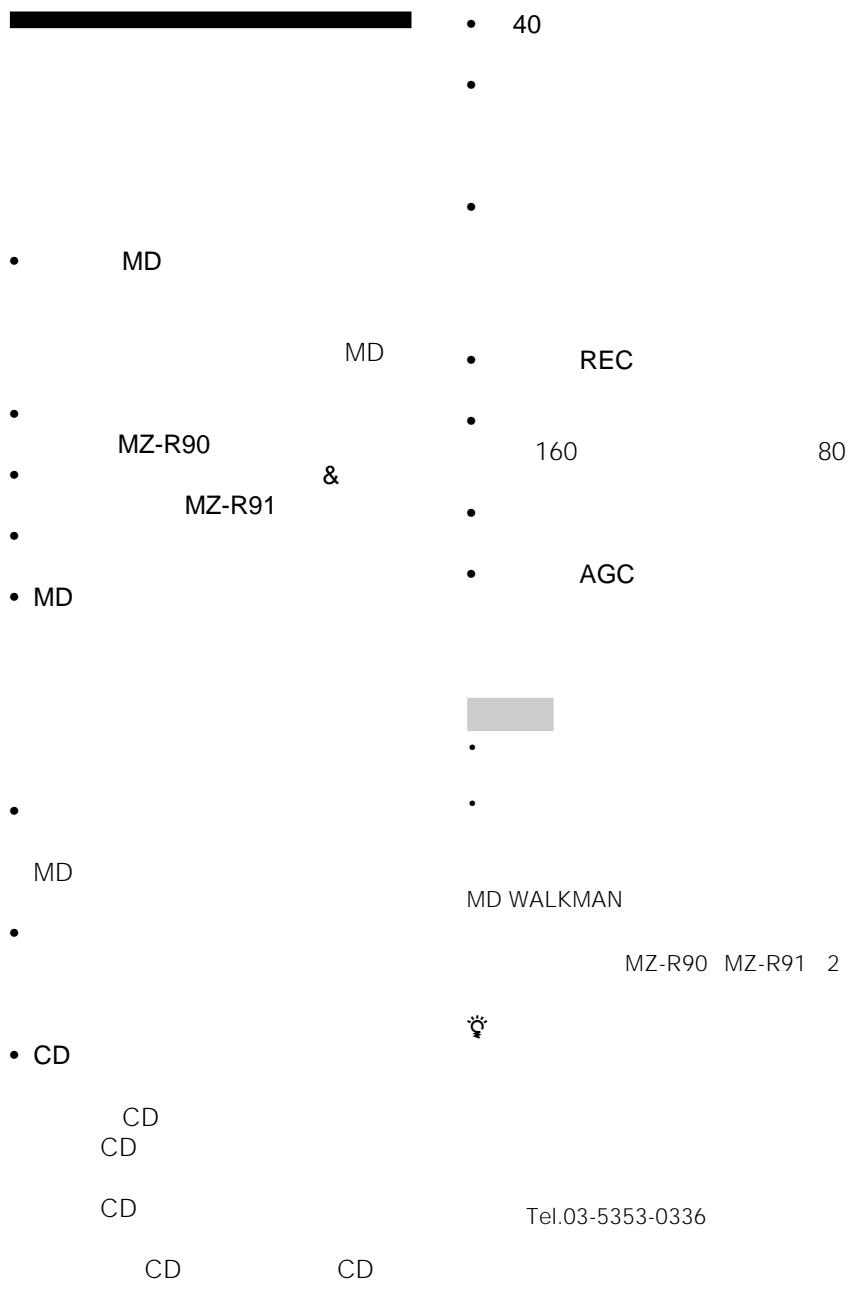

68
1 AC
AC
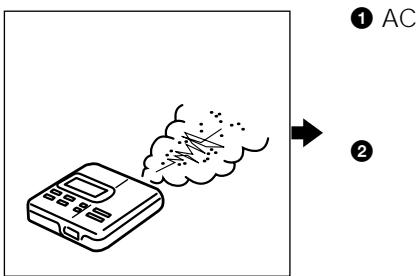
Avertissement
Attention


Interdit
Interdiction de démontage
Interdiction de contact
Avertissement Attention 6
10
12
-AVLS 27
27
28
LINE OUT 29

30 30 31 32 32 33 37

40 41 41 41

42
Mode d'emploi
44
46
47
49
50
52
54
Instructions d'utilisation 57
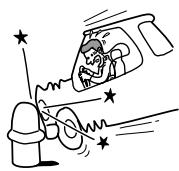
Interdit
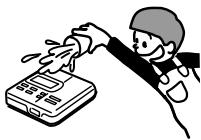
Interdit
CA
100 V
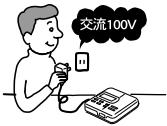
Obligatoire
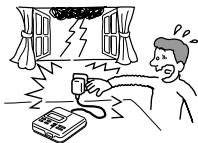
Contact interdit
CA
Interdit
Attention
CA


Contact interdit


Interdit
MD CD DAT

Interdit
AC

Interdit
AC
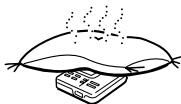

Interdit

MZ-R90 MZ-R91 2
MZ-R90
2
50
MZ-R90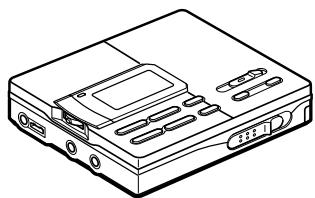
MZ-R91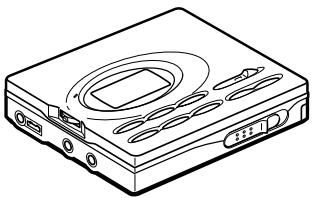
O/LINE OUT
O/LINE OUT
AUDIO OUT
Casque
SORTIE LIGNE
SORTIE LIGNE
CASQUE
CASQUE
SORTIE LIGNE
SORTIE AUDIO
1
SORTIE AUDIO
2
CASQUE
SORTIE LIGNE
3
SORTIE LIGNE
SORTIE AUDIO
SORTIE LIGNE
VOL+/-
Casque
.
O/LIGNE SORTIE
SORTIE AUDIO
Casque
16
MD MD
53
1
①
RK-G129
CD
RK-G136
2
① OUVERT
2
3 AC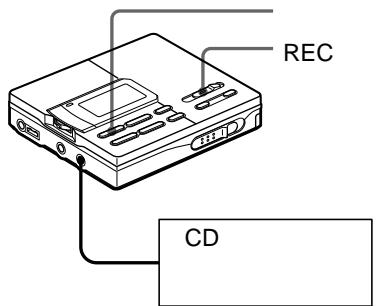
10
5
Data Save TOC Edit
①REC REC
TOC Edit
② CD
END SEARCH REC
REC
1)
2) TOC Edit
1)
2)
28
53

19
O/LINE OUT
TOC Edit
AC
VOL /
1
40
① AC
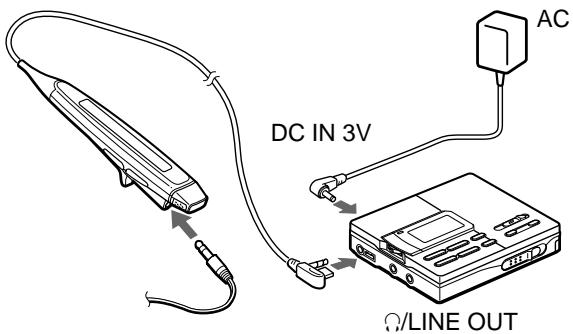
② O/LINE OUT
2
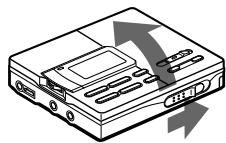
① OPEN
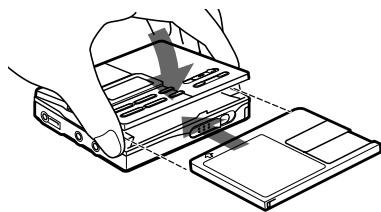
(2)
3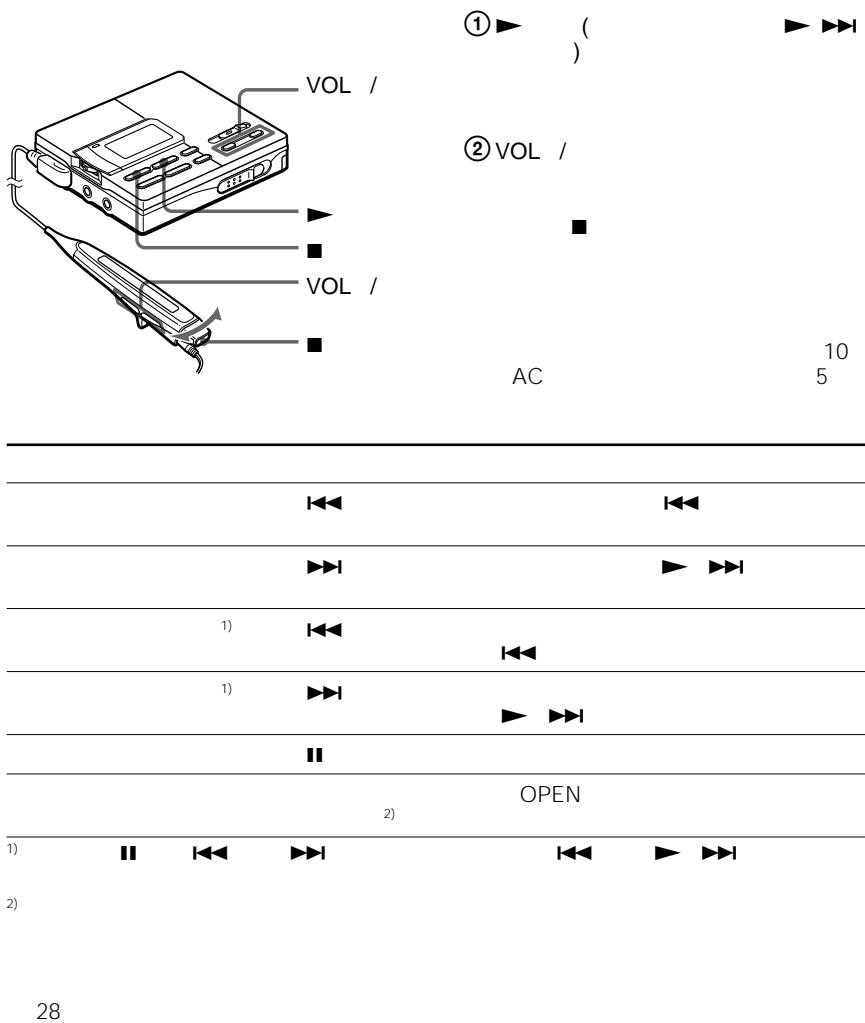
VOL + / -
1 AUDIO
OUT
LINE OUT
2 HeadPhone
3


.
.
AC
2
CD
LINE IN 2
16
LINE IN 10
| LINE IN | ||
| LINE OUT | ||
| 16 | 10 | |
| CD | ||
| · | ·2 | |
| ·2 | · | |
| · | ||
| ( ) 32 | ( ) 32 | |
| REC | 19 | |
| 19 | ||
| CD MD | CD MD | |
CD CD MD
BSCS
DAT
CD CD 10 CD MD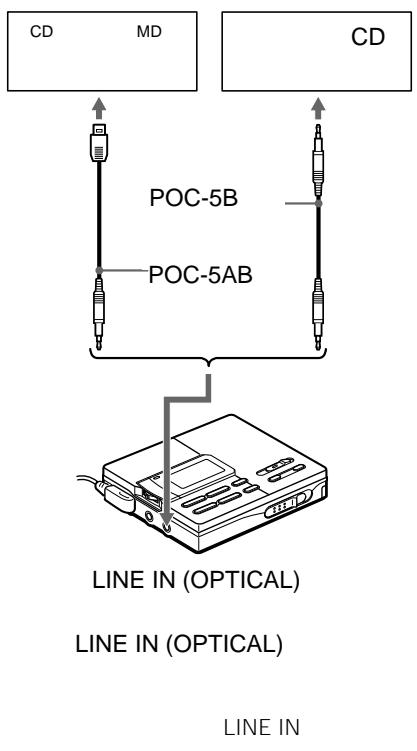
3 CD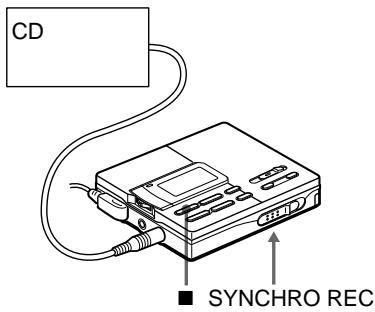


3
SYNCHROREC
18
13
13
1 SYNCHRO RECON
2REC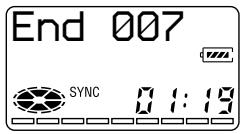
SYNC
SYNC
2
1
- MIC PLUG IN POWER
ECM-717
ECM-MS907 ECM-MS957
MIC (PLUG IN POWER)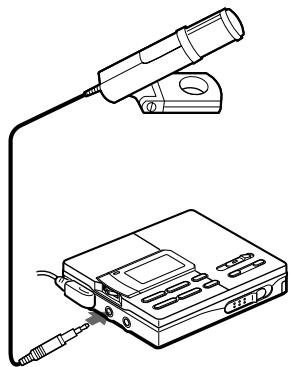
1
REC
10
(OPTICAL)
LINE IN
1
REC
2
REC MODE
3
MonoREC
Stéréo
ENR
4 II 5
ARRÊT
MARCHE
5 -12dB
OVER 1 ENR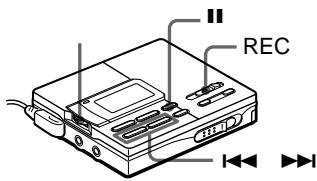
2 5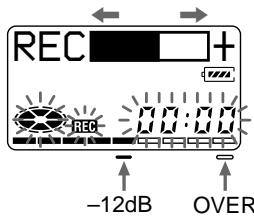
6 II
Volume d'enregistrement
3
Enregistrement manuel
Enregistrement automatique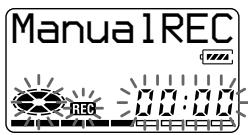
4 56
1 2
AFFICHAGE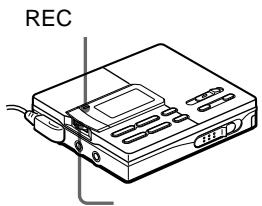
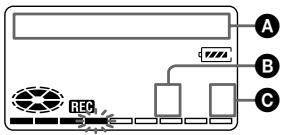
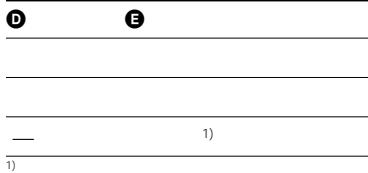
| A | B1) | C2) |
| LapTime | 1 | 3 |
| RecRemain | 2 | 3 |
| Clock | 3 | 3 |
1) 2)
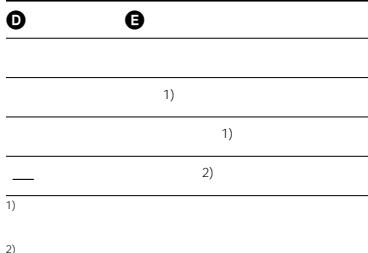
| A | B1) | C2) |
| LapTime | 1 | 4 |
| RecRemain | 2 | 4 |
| AllRemain | 3 | 4 |
| Clock | 4 | 4 |
1) 2)
3
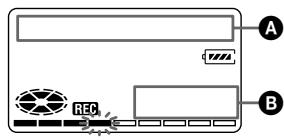
| A | B | |
| 1) | 1) | |
| 1) | ||
| A | B | |
| 1) | ||
| 1) | ||
| 2) | 2) | |
| 1) | ||
| 2) | ||

ENREGISTREMENT
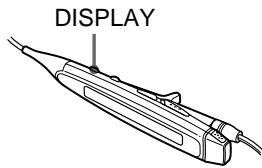
1 AFFICHAGE AFFICHAGE
3
( )
ENREGISTREMENT

27 28
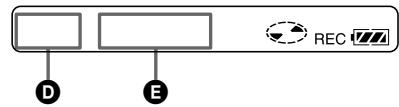

27 28
20
AC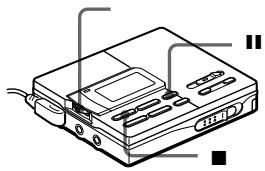
RÉGLAGE DE L'HORLOGE
0
2
AFFICHAGE
HORLOGE
24
12
CA
2
6
Appuyez sur ENTRÉE
7
Édition TOC
CD
1
CD
Édition TOC
.
CD

RK-TXT1 MD
VOL + / -
D-E01
JOINT TEXT
CD→MD
CD
TEXT
CD
TEXT

CD
RK-TXT1
D-E01

CD
RK-TXT1

CD

MD
1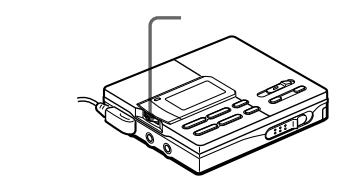
1
1 MODE LECTURE 2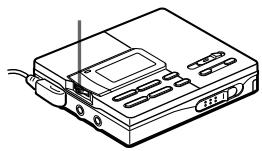
A A B A/B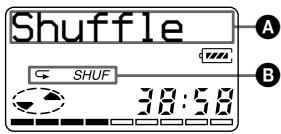
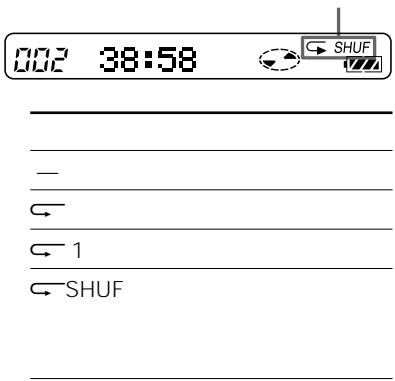
Pas de répétition/
Répéter tout/
Répéter 1/ 1
Aléatoire/SHUF
1 MODE LECTURE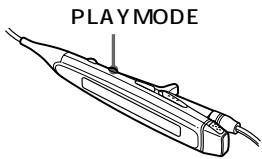
MEGA BASS 2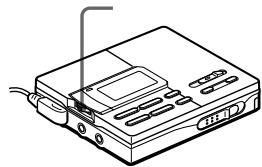
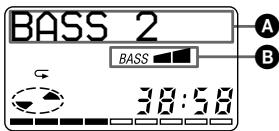
A/B
BASS 0/—
BASS 1/BASS
BASS 2/BASS
LINE OUT AUDIO OUT LINE OUT
SORRY
-AVLS
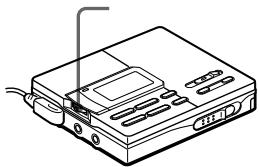
1 AVLS 2 ON
AVLS
AVLS
AVLS OFF
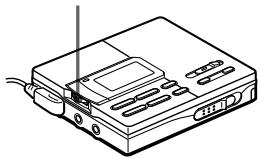
DISPLAY
1
2
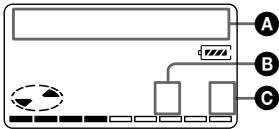
| A | B1) | C2) |
| LapTime | 1 | 4 |
| 1 Remain 1 | 2 | 4 |
| AllRemain | 3 | 4 |
| RecDate | 4 | 4 |
1) 2)
3 A B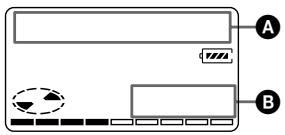
1)
1)
2)
2)
1)
2 1 DISPLAY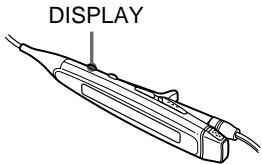
DISPLAY
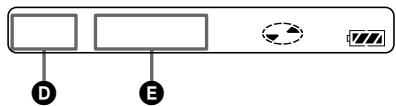
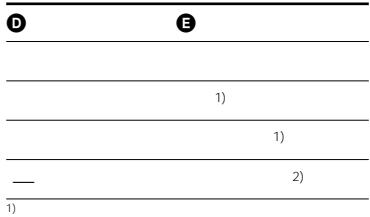

21
27

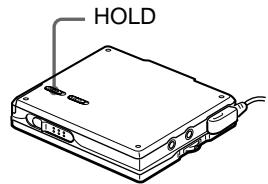
1 HOLD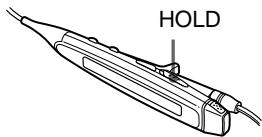
HOLD
HOLD
LINE OUT
RK-G129 RK-G136 LINE OUT
- /LINE OUT AUDIO OUT LINE OUT OUT AUDIO OUT HeadPhone
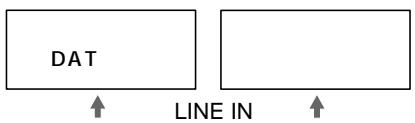
O/LINE OUT LINEOUT AUDIOOUT
1 AUDIO OUT 2 LINE OUT

1
EDIT

Name
1
2

Erase
Erase OK?
PushENTER
TMARK
TOC Edit
TOC Edit
TOC Edit
3
1
31
1
EDIT

Name
2

Erase
AllErase?
PushENTER
TMARK
3
TOC Edit
BLANKDISC
1
TMARK
MARK ON
TMARK
LINE IN
2 00:00 MARK 2
3 TMARK MARK OFF

2 1
C 2
1

Name
1
2 Move 003

3
MV003
002
MV003
TMARK
4
1 DISPLAY 2
Name 1
2 Move 3 003 003 4
003 002 DISPLAY 2
5
200 1 1700 800
1 EDIT 2 Name 3
4
1
2

Name
3
4
4 6
VOL /-

1


↔
END SEARCH/VOL
END SEARCH/VOL -
T MARK
1)
37
5
4
TMARK
6
2
1

Name

Nom
3
4
6
TMARK
1)
VOL /-


2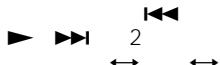
←→
AFFICHAGE 2
MODE DE LECTURE
1
2 AFFICHAGE 2

Nom
3
4
38
2
AFFICHAGE
6 2
1 2 AFFICHAGE 2

Nom
AFFICHAGE
2
3 4
35
4
.
A Z
1 DISPLAY 2
1 3
2.

Name
2
•


Name
3 35 4 6

200
3
3 Erase!
1
4 T MARK 1 VOL +/− 1 2 1 3 2 Entrée ! 1 EDIT 2 BankErase VOL+/- 1 2
EDIT
1 AFFICHAGE 2 1 +/− VOL 2 1
Banque de noms
3 2
Entrée !
2 II
3
1 MD Nom Nom 2 3
Effacer !
4 AFFICHAGE 2

NH-14WM
3
Chargement
3 CHARGE
3
CHARGE
4 AC 1 AC 2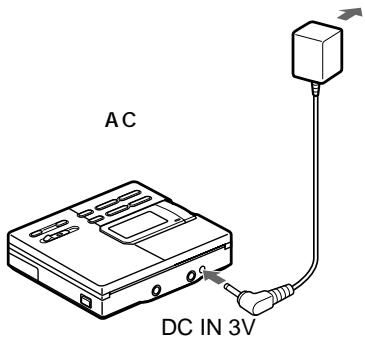
CHARGE
AC
1)
1
/
| 2) | ||
| NH-14WM | 6.5 | 12 |
| LR6(SG)1 | 4 | 16.5 |
| NH-14WM | 14.5 | 29 |
| LR6(SG)1 | ||
1)
2)
1

LOW
BATT
2
AC
AC
EIAJ
AC
.
• .
(

Ni-MH
TEL: 03-3434-0261
: http://www.baj.or.jp
HOLD (28 HOLD ) ( )
AC DC IN 3V
(40 41 )
- (41
(DISQUE VIERGE)
1 30 2 3 3
1
MODE LECTURE (25)
1 1

| AC | (40 ) | ||||
| CD | (10 16 ) | ||||
| CD | |||||
| (ESP | |||||
| ( ) | |||||
| PROTECTED | |||||
| ( ) | (19 ) | ||||
| (P/B ONLY ) | |||||
| ( DISC FULL ) | |||||
| II | |||||
| /LINE OUT | |||||
| VOL / | |||||
| (27 ) | AVLS OFF | ||||
| AC | |||||
| ) | 2 (22 | ||||
| --y--m--d | (22 ) | ||||
| (22 ) | |||||
| CD | 16 | ||||
| CD D-E01 | CD | CD D-E01 | CD 23 | ||
| CD | CD | CD | CD | ||
| Ω/LINE OUT OUT | AUDIO LINE OUT | Ω/LINE OUT HeadPhone | AUDIO OUT 9 |
| DAT |
| (60 74 25480)TR FULL | |||||
| TR FULL | 1 | ||||
| 254 | 1 | ||||
| ( ) | |||||
| 12 | |||||
| 12 | |||||
| (60 74 80) | 2 | 2 | |||
| 2 | |||||
| 6 | |||||
DISQUE VIERGE
ERREUR DISQUE
DISQUE PLEIN 12
Sauvegarde de données ( )
Édition TOC ( ) (52
OCCUPÉ 1
NOM COMPLET 200
1700
Hi DC in AC AC
HOLD HOLD
(28) LOW BATT (40 41
MEM OVER
NO COPY (SCMS) (LINE IN)
NO DISC
NO SIGNAL LINE IN
| P/B ONLY | ( ) | |||
| PROTECTED | ||||
| SORRY | Ω/LINE OUT | AUDIO | OUT | Ω/LINE |
| OUT | LINE OUT | HeadPhone | 9 | |
| 14 | ||||
| 1 | - | |||
| CD | ||||
| II | T | |||
| MARK | ||||
| TEMP OVER | ||||
| TR FULL | 254 | 254 | ||
| TrPROTECT | ) | ( | ||
| EDITING | ||||
| MENU | ||||
| LINE OUT | Ω/LINE OUT | AUDIO | OUT | Ω/LINE |
| OUT | LINE OUT | HeadPhone | 9 | |
| VOL +/- | 14 | |||
| NO TEXT | CD | |||
| EMPTY | ||||
| BANK FULL | 600 | |||
8
( )
1
20 Hz à 20 000 Hz ± 3 dB
0,35 à 1,38 mV
69 à 194 mV
(
GaAlAs
= 790 nm
160 (MDW-80)
80 (MDW-80)
148 (MDW-74)
74 (MDW-74)
400 tr/min 1800 tr/min (CLV)
(ACIRC)
44,1 kHz
32 kHz/44,1 kHz/48 kHz
(ATRAC)
EFM
2
1
O/LINE OUT
5 mW + 5 mW
16 Ω
SORTIE LIGNE
194 mV
10 kΩ
SORTIE LIGNE
NH-14WM (
31 (
(41
MZ-R90
78,9 × 17,3 × 72,0 mm
MZ-R91
78,9 × 18,0 × 72,0 mm
(/1
MZ-R90
105 g
148 g (
NH-14WM
MZ-R91
110 g
153 g (
NH-14WM
AC
(1)
(1)
(1)
3
(1)
(1)
(1)
(1)
(1)
(1)
O/LINE OUT
NH-14WM
BC-9HM
POC-5/10/15AB
POC-5/10/15B
↔ L 7 POC-DA12SP
(
(X2) RK-G129
RK-G136
CD
RK-TXT1
CPA-8
DCC-E230
RM-MZE1
ECM-717 ECM
MS907 ECM-MS957
MDR-D77/D55
MDR-E888SP
SRS-Z500/Z750/
Z1000
( )ES
MD MD-4CPMN/V
MD MD-4SCPL/N
MD MZP-1
64mm
(MD)
(CD)
ATRAC (Adaptive TRansform Acoustic Coding) CD
(BS : 32 kHz, DAT : 48 kHz, MD : 44.1 kHz)
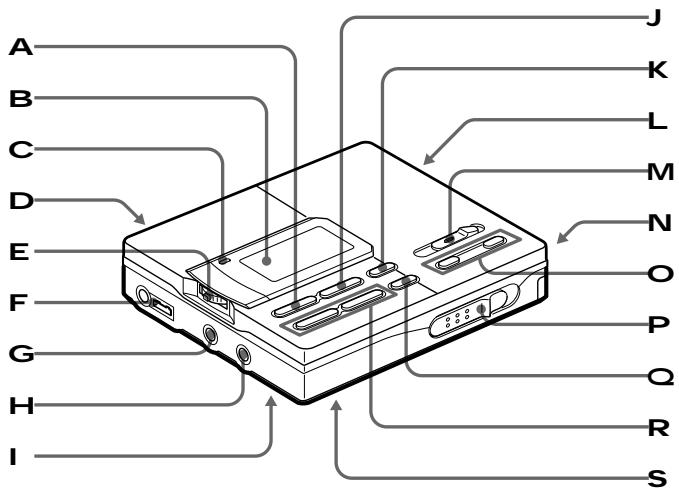
2 17 25
REC 21
4 DC IN 3V 10
12 40
5 9182533
6 Ω/LINE OUT 9 12
23 29
MIC (PLUG IN POWER)
18
8 LINE IN (OPTICAL)
10 16
HOLD 28
10 11 13 38
11 13
22 34 37
T MARK 30
13 REC 11
14 40
15 VOL/ 13 34
16 OPEN 10 12
17 END SEARCH 11 34
18 1
11 13 32 34 37
19 SYNCHRO REC ON/OFF
17
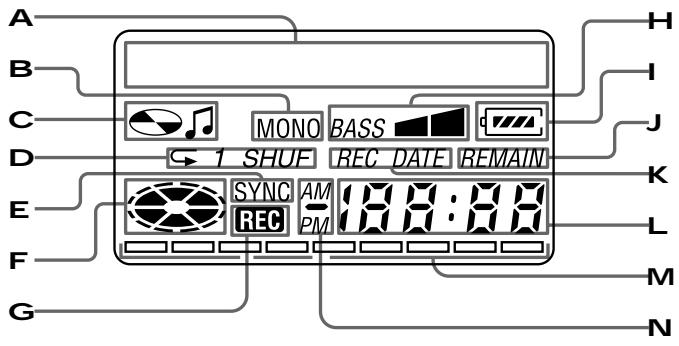
1
17 25
9
40
2
10 RESTE
20 27
3
4
25
11 DATE DE RÉCEPTION
27
5
17
12
20 27
6
7
11
13 19
8
26
14 22
12
1
5
HOLD
28
2 3 4


Mode d'emploi
Bienvenue !
Bienvenue dans le monde du MiniDisc ! Voici quelques-unes des capacités et fonctionnalités que vous découvrirez avec le nouveau magnétophone MiniDisc.
- Enregistreur MD Walkman dans un corps ultra-compact — Presque aussi petit qu'un MD Walkman de lecture seule ; facile à transporter dans votre poche ou votre sac.
- Corps ultra-léger (MZ-R90) — Couvercle en magnésium pour une légèreté supplémentaire.
- Corps ultra-compact (MZ-R91) — Design et couleurs à la mode.
- Conception à faible consommation d'énergie — Moins de décharge et une durée de vie plus longue pour la batterie rechargeable.
- Télécommande LCD rétroéclairée à 9 caractères avec fonctions d'édition — Vous pouvez maintenant étiqueter les pistes et les disques, modifier l'ordre des pistes, etc., avec la télécommande à molette facile à utiliser.
- Fonction d'étiquetage simultané — Plus besoin d'attendre la fin de l'enregistrement ; vous pouvez étiqueter les pistes et les disques pendant que le MD est en cours d'enregistrement.
- Fonction banque de phrases — Les phrases que vous utilisez souvent dans les noms de pistes ou de disques peuvent être stockées dans la mémoire de l'enregistreur et récupérées à tout moment.
- Copie de texte CD — Si vous utilisez un câble de connexion de texte CD (non fourni) pour connecter un lecteur CD portable compatible Joint Text à l'enregistreur, les données de texte CD (telles que les noms de pistes et de disques) sur le CD compatible avec l'affichage CD-TEXT seront enregistrées automatiquement pendant l'enregistrement.
- Mémoire anti-choc — Compense jusqu'à 40 secondes d'erreurs de lecture optique.
- Enregistrement haute fidélité — Enregistrement haute fidélité à faible bruit et faible distorsion via la prise d'entrée numérique optique.
- Enregistrement synchro-numérique — Lors de l'enregistrement à partir d'un équipement numérique avec sortie optique, l'enregistreur démarre et met en pause automatiquement l'enregistrement en synchronisation avec le fonctionnement de la source numérique.
- Contrôle du niveau d'enregistrement numérique.
- Longue durée d'enregistrement en son monaural — Vous pouvez enregistrer jusqu'à 160 minutes (en utilisant un MD enregistrable de 80 minutes) sur un disque en utilisant l'enregistrement monaural.
- Fonction d'horodatage — L'horloge intégrée enregistre automatiquement la date et l'heure à chaque enregistrement.
- AGC numérique (Contrôle automatique du gain) — Ajustement automatique du niveau d'enregistrement sans sacrifier la qualité sonore numérique exceptionnelle.
Ce manuel concerne les modèles MZ-R90 et MZ-R91
Le MZ-R90 apparaît dans les instructions à titre d'illustration. Bien qu'ils diffèrent par leur apparence, les modèles partagent les mêmes fonctions et sont utilisés de la même manière.
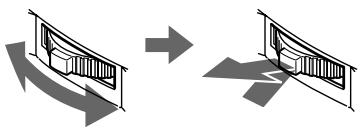
Utilisation de la molette jog
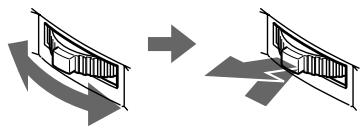
La molette jog peut être utilisée pour effectuer diverses opérations pendant la lecture, l'enregistrement et le montage, ainsi que lorsque le magnétophone est arrêté. Basculez la molette jog pour sélectionner un élément dans l'affichage. Appuyez ensuite sur la molette jog pour valider votre sélection.
À propos de la prise LINE OUT du magnétophone.
Le paramètre ("AUDIO OUT") pour la prise / LINE OUT doit être réglé sur "HeadPhone" si vous souhaitez connecter des écouteurs autres que ceux fournis, ou sur "LINE OUT" si vous souhaitez connecter un autre composant au magnétophone via un câble de ligne. Il n'est pas nécessaire de le faire lors de l'utilisation des écouteurs fournis avec télécommande, car cela se fait automatiquement.
Pour régler le paramètre "AUDIO OUT" pour la prise / LINE OUT, procédez comme suit :
1 Appuyez sur la molette jog, basculez jusqu'à ce que "AUDIO OUT" clignote dans l'affichage, puis appuyez à nouveau sur la molette. 2 Basculez la molette jog jusqu'à ce que "HeadPhone" ou "LINE OUT" clignote dans l'affichage. 3 Appuyez sur la molette jog lorsque l'élément que vous souhaitez sélectionner clignote.
Remarques
- Lorsque le paramètre "AUDIO OUT" est réglé sur "LINE OUT", les boutons VOL +/- et la fonction Mega Bass deviennent inopérants. Pour les rendre opérationnels, réglez le paramètre "AUDIO OUT" sur "HeadPhone".
- Le paramètre "AUDIO OUT" est automatiquement réglé sur "HeadPhone" lorsque vous coupez l'alimentation.
Examen des commandes
Les numéros correspondent aux illustrations du texte japonais (pages 54 à 56).
Le magnétophone
1 Bouton (stop) /CHARGE 2 Fenêtre d'affichage 3 Voyant REC 4 Prise DC IN 3V 5 Molette jog 6 Prise LINE OUT (casque/sortie ligne) Prise MIC (PLUG IN POWER) 8 Prise LINE IN (OPTICAL) Interrupteur HOLD Faites glisser pour verrouiller les commandes du magnétophone. 10 Bouton (lecture) 11 Bouton (pause) 12 Bouton T MARK (marque de piste) Interrupteur REC (enregistrement) 14 Compartiment à piles 15 Boutons VOL (volume) + / - 16 Interrupteur OPEN 17 Bouton END SEARCH 18 Boutons I/ (recherche/AMS) 19 Interrupteur SYNCHRO REC (enregistrement synchronisé) ON/OFF
La fenêtre d'affichage du magnétophone
1 Affichage des informations : affiche le nom du disque et de la piste*, la date, les messages d'erreur, les numéros de piste, etc.
- Les noms de disque et de piste n'apparaissent que sur les MD qui ont été étiquetés électroniquement.
2 Indication MONO (mono) 3 Indications de nom de disque/nom de piste : apparaissent lors de l'étiquetage du disque ou de la piste respectivement. 4 Indication du mode de lecture : affiche le mode de lecture du MD.
(répétition de tout) : toutes les pistes sont lues en boucle. 1 (répétition d'une seule) : une piste est lue en boucle. SHUF (répétition aléatoire) : les pistes sont répétées dans un ordre aléatoire.
Indication SYNC (enregistrement synchronisé) : s'allume pendant l'enregistrement synchronisé. 6 Indication de disque
Indique que le disque tourne pour l'enregistrement, la lecture ou l'édition d'un MD.
7 Indication REC : s'allume pendant l'enregistrement. Clignote en mode veille d'enregistrement. 8 Indication Mega bass 9 Indication de batterie
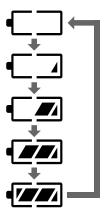
Affiche l'état approximatif de la batterie. Pendant la charge de la batterie rechargeable, cette indication montre l'état de charge.
10 Indication REMAIN (temps/pistes restants)
S'allume avec le temps restant de la piste, le temps restant du MD ou le nombre de pistes restantes.
11 Indication REC DATE (date d'enregistrement/date actuelle)
S'allume avec la date et l'heure d'enregistrement du MD. Lorsque seul "DATE" est allumé, la date et l'heure actuelles sont affichées.
Affichage du temps
Affiche le temps écoulé de la piste en cours d'enregistrement ou de lecture.
13 Niveau du compteur
Indique le niveau du MD en cours de lecture ou d'enregistrement.
14 Indication AM/PM
S'allume en même temps que l'indication de l'heure en système 12 heures.
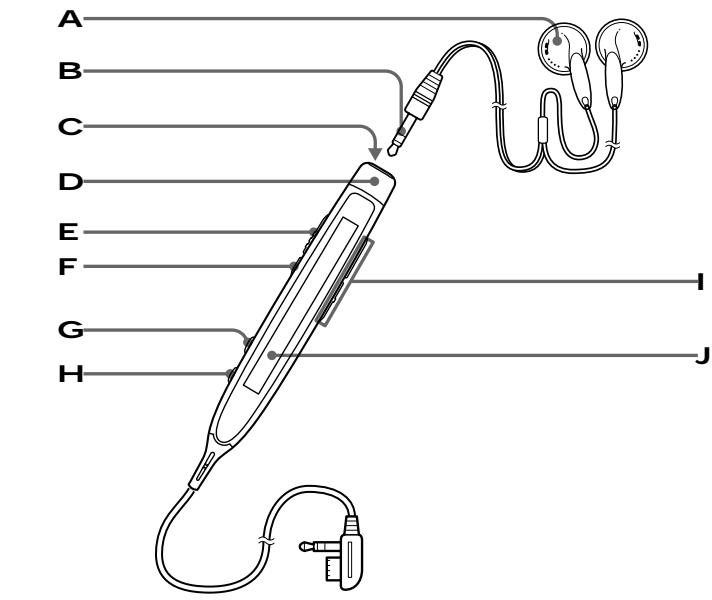
Le casque avec télécommande
1 Casque
Peut être remplacé par un casque en option.
2 Mini prise stéréo 3 Bouton (stop) 4 Commande
Pour la lecture, appuyez sur la commande vers
· en mode arrêt. Pendant la lecture, appuyez sur la commande vers · pour rechercher le début de la plage suivante ; maintenez cette position pour avance rapide. Pendant la lecture, appuyez vers pour rechercher le début de la plage précédente ; maintenez cette position pour retour rapide.
5 Interrupteur HOLD Faites glisser pour verrouiller les commandes de la télécommande. [6] Bouton (pause) 7 Bouton PLAY MODE 8 Bouton DISPLAY 9 Boutons VOL (volume) + /-
Lorsque l'AVLS est activé, vous ne pouvez pas augmenter le volume au maximum. Pour augmenter le volume au-delà du niveau limité, désactivez l'AVLS à l'aide de la molette jog.
10 Fenêtre d'affichage
Enregistrez un MD immédiatement !
Voir les illustrations dans le texte japonais (pages 10 et 11).
Utilisez un câble de ligne (non fourni) pour connecter une source analogique. Le son sera envoyé depuis l'équipement connecté en signal analogique mais sera enregistré numériquement sur le disque. Si vous souhaitez enregistrer des programmes provenant d'équipements numériques ou d'un microphone, voir "Différentes façons d'enregistrer".
Les MD prémasterisés ne peuvent pas être enregistrés par-dessus.
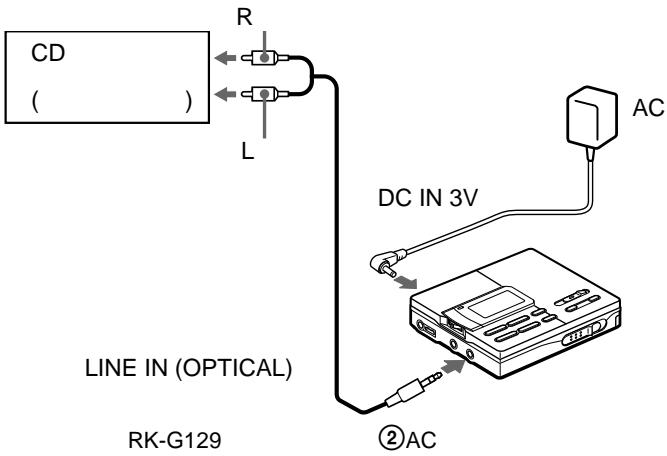
1 Effectuez les connexions. (Insérez fermement et complètement les câbles dans les prises appropriées.)
① Connectez la prise LINE IN (OPTICAL) de l'enregistreur aux prises LINE OUT R(rouge)/L(blanc) de la source avec un câble ligne. L'enregistreur passe automatiquement en entrée analogique. ② Connectez la prise DC IN 3V de l'enregistreur à une prise murale avec l'adaptateur secteur fourni.
Lorsque l'enregistreur a différentes sources sonores connectées en même temps, il bascule sur l'entrée numérique, microphone ou analogique dans cet ordre de priorité.
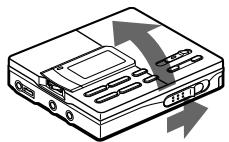
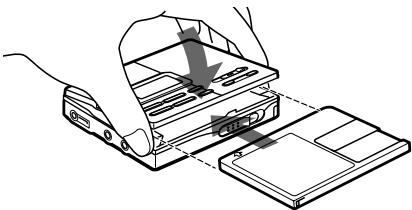
2 Insérez un MD enregistrable.
① Faites glisser OPEN pour ouvrir le couvercle. ② Insérez un MD enregistrable avec le côté étiquette vers le haut, puis appuyez sur le couvercle pour le fermer.
3 Sélectionnez le point de départ de l'enregistrement.
Si vous souhaitez ajouter un enregistrement à la fin de l'enregistrement précédent, appuyez sur END SEARCH.
(Si vous souhaitez commencer l'enregistrement depuis le début, ignorez cette étape).
4 Démarrez l'enregistrement.
① Faites glisser REC vers la droite.
"REC" s'allume et l'enregistrement commence.
② Lisez la source sonore.
Le niveau du son enregistré est ajusté automatiquement.
Pour arrêter l'enregistrement, appuyez sur ■.
Après avoir appuyé, l'enregistreur s'éteindra automatiquement dans environ 10 secondes (avec piles) ou environ 5 minutes (avec adaptateur secteur).
Remarques
- Ne déplacez pas ou ne secouez pas l'enregistreur et ne débranchez pas la source d'alimentation pendant que l'indication "Data Save" ou "TOC Edit" clignote à l'écran.
- Le couvercle ne s'ouvre pas tant que "TOC Edit" n'a pas disparu de l'écran.
| To | Press |
| Record over partway through the previous recording | ▶, ➔ or ⇌ to find the start point of recording and press ■ to stop. Then slide the REC switch. |
| Pause | ■.1) Press ■ again to resume recording. |
| Remove the MD | ■, then slide OPEN to open the lid.2) |
1) Un nouveau repère de piste est ajouté à l'endroit où vous avez appuyé à nouveau sur I pour reprendre l'enregistrement pendant la pause, et l'enregistrement sera marqué avec le nouveau numéro de piste lorsque vous reprendrez l'enregistrement. 2) Une fois le couvercle ouvert, le point de départ de l'enregistrement sera le début de la première piste. Lors de l'enregistrement sur un MD déjà enregistré, vérifiez le point de départ à l'écran.
Si l'enregistrement ne démarre pas
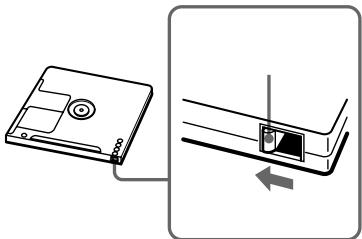
- Assurez-vous que le MD n'est pas protégé contre l'écriture.
- Assurez-vous que l'enregistreur n'est pas verrouillé.
- Les MD prémasterisés ne peuvent pas être enregistrés.
Remarque
Si l'alimentation est interrompue (par exemple, la pile est retirée ou épuisée, ou l'adaptateur secteur est débranché) pendant une opération d'enregistrement ou d'édition, ou pendant que "TOC Edit" apparaît à l'écran, il ne sera pas possible d'ouvrir le couvercle tant que l'alimentation n'est pas rétablie.
Lire un MD tout de suite !
Voir les illustrations dans le texte japonais (pages 12 et 13).
Si vous souhaitez utiliser la batterie rechargeable, assurez-vous de la recharger avant de lire (voir page 72).
1 Effectuez les connexions. (Insérez fermement et complètement les câbles dans les prises appropriées.)
① Connectez le casque avec télécommande (fourni) à la prise LINE OUT. ② Connectez la prise DC IN 3V de l'enregistreur à une prise murale à l'aide de l'adaptateur secteur fourni.
2 Insérez un MD.
① Faites glisser OPEN pour ouvrir le couvercle. ② Insérez un MD avec le côté étiquette vers le haut, puis appuyez sur le couvercle pour le fermer.
3 Commencez la lecture.
① Appuyez sur ▶ (appuyez sur la commande vers ▶▶▶ sur la télécommande).
Un bref bip retentit dans le casque.
② Appuyez sur VOL + / - pour régler le volume.
Pour arrêter la lecture, appuyez sur
| To | Do this (Beeps in the headphones) |
| Find the beginning of the current track | Press once. Press the control towards on the remote control. (Three short beeps) |
| Find the beginning of the next track | Press once. Press the control towards on the remote control. (Two short beeps) |
| Go backwards while playing1) | Keep pressing. Keep pressing the control towards on the remote control. |
| Go forward while playing1) | Keep pressing ➔. Keep pressing the control towards ➔•▶ on the remote control. |
| Pause | Press ■. (Continuous short beeps) Press ■ again to resume play. |
| Remove the MD | Press ■, then slide OPEN to open the lid.2) |
1) Pour reculer ou avancer rapidement sans écouter, appuyez sur ⏮ et maintenez enfoncé ⏮ ou ▶ (maintenez la commande sur la télécommande). 2) Une fois le couvercle ouvert, le point de départ de la lecture reviendra au début de la première plage.
Si la lecture ne démarre pas
Assurez-vous que l'enregistreur n'est pas verrouillé. S'il est verrouillé, faites glisser l'interrupteur HOLD dans le sens opposé à la flèche.
Lors de l'utilisation d'un casque en option
- Utilisez un casque avec une mini-prise stéréo. Vous ne pouvez pas utiliser un casque avec une micro-prise.
- Les boutons VOL + / - et la fonction Mega Bass peuvent devenir inopérants. Dans ce cas, procédez comme suit.
1 Appuyez sur le levier jog, faites-le pivoter jusqu'à ce que "AUDIO OUT" clignote à l'écran, puis appuyez à nouveau sur le levier. "LINE OUT" clignote à l'écran. 2 Faites pivoter le levier jog jusqu'à ce que "HeadPhone" apparaisse à l'écran. 3 Appuyez à nouveau sur le levier jog.
Notes
- Le son peut sauter pendant la lecture lorsque l'enregistreur est exposé à des vibrations continues, par exemple lors d'un jogging.
- Si l'alimentation est interrompue (par exemple, si la pile est retirée ou épuisée, ou si l'adaptateur secteur est débranché) pendant que l'enregistreur fonctionne, le couvercle ne s'ouvrira pas tant que l'alimentation n'est pas rétablie.
Différentes méthodes d'enregistrement
Connexion des entrées numérique (optique) et analogique (ligne)
L'enregistreur sélectionne l'entrée numérique ou analogique selon la manière dont la source sonore est connectée.
| Input Difference | Digital (optical) input | Analog (line) input |
| Connectable source | Equipment with an digital (optical) output jack | Equipment with an analog (line) output jack |
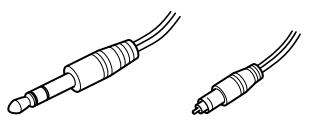
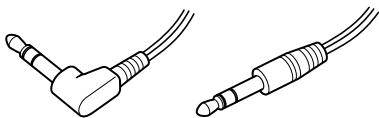
| Usable cord | Optical cable (with an optical or an optical-mini plug) | Line cable (with 2 phono plugs or a stereo-mini plug) |
| Signal from the source | Digital | Analog Even when a digital source (such as a CD) is connected, the signal sent to the recorder is analog. |
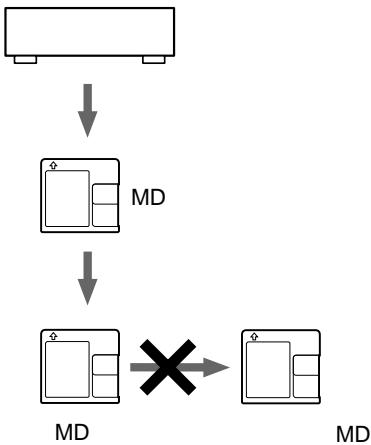
| Recorded track numbers | Marked (copied) automatically •at the same positions as the source. •after more than 2 seconds of silence1). •when recording is paused. | Marked •after more than 2 seconds of silence. •when recording is paused. You can erase unnecessary marks after recording. |
| Recorded sound level | Same as the source. You can also adjust it manually (Digital REC level control). | Adjusted auto-matically. You can also adjust it manually. |
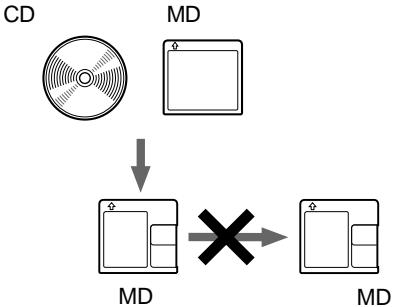
1) Lors de l'enregistrement d'un CD ou d'un MD, les numéros de plage sont automatiquement marqués dans l'ordre du disque d'origine.
Enregistrement avec entrée numérique (optique) (câble optique requis)
Voir l'illustration dans le texte japonais (page 16).
Connectez une source numérique à l'aide d'un câble optique (POC-5B ou POC-5AB, non fourni) pour effectuer des enregistrements numériques. L'enregistrement numérique est possible même à partir d'équipements numériques avec des fréquences d'échantillonnage différentes, comme un magnétophone DAT ou un tuner BS, grâce au convertisseur de fréquence d'échantillonnage intégré.
1 Connectez la prise LINE IN (OPTICAL) de l'enregistreur à la sortie numérique optique de la source avec un câble optique (non fourni). L'enregistreur passe automatiquement en entrée numérique. 2 Connectez la source d'alimentation. Pour utiliser le courant alternatif, voir "Enregistrement d'un MD immédiatement !". Pour utiliser d'autres sources d'alimentation, voir pages 72 et 73. 3 Insérez un MD enregistrable. Faites glisser OPEN pour ouvrir le couvercle, insérez un MD enregistrable, puis fermez le couvercle. 4 Appuyez sur REC et faites-le glisser vers la droite. "REC" s'allume et l'enregistrement commence. 5 Lancez la lecture de la source sonore.
Pour arrêter l'enregistrement, appuyez sur ■.
Remarques
- Vous ne pouvez effectuer un enregistrement numérique qu'à partir d'une sortie de type optique.
- Lors de l'enregistrement à partir d'un lecteur CD portable, faites-le fonctionner sur courant alternatif et désactivez la fonction anti-saut (telle que ESP*).
- La sortie numérique peut être désactivée sur certains lecteurs de CD portables lorsque le lecteur n'est pas alimenté par le secteur.
- Protection contre les chocs électroniques
- Protection contre les chocs électroniques
Enregistrement synchronisé à partir d'une source numérique
Voir l'illustration dans le texte japonais (page 17).
Vous pouvez facilement copier une source numérique sur un MD en utilisant l'interrupteur SYNCHRO REC. Avant l'enregistrement synchronisé, assurez-vous de faire la connexion numérique et d'insérer un MD enregistrable. Notez que les marques de piste sont automatiquement placées aux mêmes positions que la source.
1 Faites glisser l'interrupteur SYNCHRO REC sur ON.
« SYNC » s'allume dans l'afficheur.
2 Faites glisser REC vers la droite.
« REC » s'allume dans l'afficheur.
L'enregistreur commence l'enregistrement lorsque vous démarrez la lecture sur le lecteur source.
Pour arrêter l'enregistrement, appuyez sur ■.
Remarques
- Ne changez pas SYNCHRO REC après l'étape 2. L'enregistrement pourrait ne pas se faire correctement.
- Pour un enregistrement en monaural, suivez les étapes 1 à 3 de « Enregistrement en monaural pour doubler la durée d'enregistrement normale » (page 63), puis effectuez les étapes de l'enregistrement synchronisé.
- Même lorsqu'il n'y a aucun son enregistré sur la source sonore, il peut arriver que l'enregistrement ne fasse pas de pause automatique pendant l'enregistrement synchronisé en raison du niveau de bruit émis par la source sonore.
- Si une portion silencieuse dure 2 secondes ou plus pendant l'enregistrement synchronisé, un nouveau repère de piste est automatiquement ajouté au point où la portion silencieuse se termine.
- L'enregistrement synchronisé ne peut pas être effectué si le câble de connexion n'est pas un câble optique, ou si le câble est connecté à la prise MIC (PLUG IN POWER).
- Vous ne pouvez pas régler manuellement le niveau d'enregistrement pendant l'enregistrement synchronisé.
Enregistrement à partir d'un microphone
Voir l'illustration dans le texte japonais (page 18).
Connectez un microphone à la prise MIC (PLUG IN POWER). Utilisez un microphone stéréo (ECM-717, ECM-MS907, ECM-MS957, etc., non fourni).
1 Insérez un MD enregistrable.
Faites glisser OPEN pour ouvrir le couvercle, insérez un MD enregistrable, puis fermez le couvercle.
2 Faites glisser REC vers la droite.
« REC » s'allume et l'enregistrement commence.
Pour arrêter l'enregistrement, appuyez sur
Remarques
- Vous ne pouvez pas enregistrer via le microphone lorsqu'un câble optique est connecté à la prise LINE IN (OPTICAL). L'enregistreur commute automatiquement l'entrée dans l'ordre suivant : entrée optique, entrée microphone et entrée analogique.
- Le microphone peut capter le bruit de fonctionnement de l'enregistreur lui-même. Dans ce cas, éloignez le microphone de l'enregistreur.
Enregistrement en monaural pour doubler la durée normale d'enregistrement d'un MD
Voir l'illustration dans le texte japonais (page 18).
Pour des enregistrements plus longs, choisissez d'enregistrer en monaural. La durée d'enregistrement devient le double de la normale.
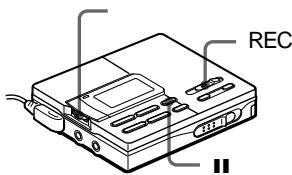
1 Tout en appuyant, faites glisser REC vers la droite. L'enregistreur se met en attente d'enregistrement. 2 Appuyez sur le levier de jog, faites-le basculer jusqu'à ce que "REC MODE" clignote à l'écran, puis appuyez à nouveau sur le levier. 3 Faites basculer le levier de jog jusqu'à ce que "Mono REC" clignote à l'écran, puis appuyez sur le levier. Pour revenir à l'enregistrement stéréo, appuyez sur le levier pendant que "Stereo REC" clignote à l'écran à cette étape. 4 Appuyez à nouveau pour commencer l'enregistrement. 5 Démarrez la source sonore.
Pour arrêter l'enregistrement, appuyez sur
L'enregistreur revient à l'enregistrement stéréo lors du prochain enregistrement.
Remarques
- Si vous enregistrez en monaural à partir d'une source stéréo, les sons de gauche et de droite seront mélangés.
- Vous ne pouvez pas enregistrer en monaural si SYNCHRO REC est réglé sur ON. Si vous enregistrez une entrée numérique, assurez-vous de régler SYNCHRO REC sur OFF avant de commencer l'enregistrement.
- Les MD enregistrés en monaural ne peuvent être lus qu'avec un lecteur/enregistreur MD doté de la fonction de lecture monaurale.
- Le son enregistré via une entrée numérique (optique) peut être surveillé en stéréo via un casque, etc.
Réglage du niveau d'enregistrement (enregistrement manuel)
Voir l'illustration dans le texte japonais (page 19).
Lorsque vous enregistrez avec une entrée analogique (ligne), le niveau sonore est ajusté automatiquement. Si nécessaire, vous pouvez régler le niveau manuellement.
1 Tout en maintenant I enfoncé, faites glisser REC vers la droite. L'enregistreur se met en attente d'enregistrement. 2 Appuyez sur le levier de jog, faites-le basculer jusqu'à ce que "RecVolume" clignote à l'écran, puis appuyez à nouveau sur le levier. 3 Faites basculer le levier de jog jusqu'à ce que "ManualREC" clignote à l'écran, puis appuyez sur le levier. Pour revenir au réglage automatique du niveau, appuyez sur le levier pendant que "Auto REC" clignote à l'écran. 4 Lancez la source du programme. 5 Tout en observant le vumètre à l'écran, ajustez le niveau d'enregistrement en faisant basculer le levier ou en appuyant sur 1(+) ou | (-) .
Réglez le niveau de sorte que le compteur de niveau atteigne environ la marque -12dB sous la fenêtre d'affichage. Si le son est trop fort, baissez le niveau d'enregistrement jusqu'à ce que le compteur de niveau atteigne à peine la marque (OVER) sous la fenêtre d'affichage. L'enregistrement ne démarre pas à cette étape. Si votre source est un composant connecté en externe, assurez-vous de repérer le début du matériel à enregistrer avant de lancer la lecture.
6 Appuyez à nouveau sur pour démarrer l'enregistrement.
Pour arrêter l'enregistrement, appuyez sur ■.
Remarques
- Le niveau d'enregistrement ne peut pas être ajusté pendant l'enregistrement. Si vous souhaitez ajuster le niveau d'enregistrement après avoir commencé l'enregistrement, appuyez sur I pour mettre le magnétophone en pause. Ensuite, suivez la procédure à partir de l'étape 5.
- Vous ne pouvez pas ajuster manuellement le niveau d'enregistrement pendant l'enregistrement synchronisé.
Réglage de l'horloge pour horodater l'heure d'enregistrement
Voir les illustrations dans le texte japonais (page 22).
Pour horodater la date et l'heure sur le MD lors de l'enregistrement, vous devez régler l'horloge.
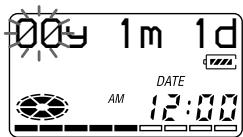
1 Connectez l'adaptateur secteur fourni. 2 Appuyez sur le levier jogging lorsqu'aucun disque n'est inséré ou que le magnétophone est arrêté. 3 Faites basculer le levier jogging jusqu'à ce que "CLOCK SET" clignote à l'écran, puis appuyez sur le levier. Les chiffres de l'année clignotent. 4 Changez l'année en cours en faisant basculer le levier jogging et appuyez pour valider. Le chiffre du mois clignote. 5 Répétez l'étape 4 pour saisir le mois, la date, l'heure et les minutes actuels. Lorsque vous appuyez sur le levier jogging pour saisir les minutes, l'horloge démarre.
Si vous faites une erreur lors du réglage de l'horloge
Appuyez sur , et répétez les étapes ci-dessus. Appuyez sur le levier jogging pour localiser le chiffre à modifier.
Pour afficher l'heure au format 24 heures
Appuyez sur pendant le réglage de l'horloge. Pour passer à l'horloge au format 12 heures, appuyez à nouveau.
Chargement de la batterie interne pour l'horloge
Après avoir réglé l'horloge, laissez l'enregistreur branché sur le secteur pendant environ 2 heures pour charger la batterie interne de l'horloge. Une fois chargée, la batterie interne durera environ un mois sans être connectée à aucune source d'alimentation. L'enregistreur chargera automatiquement la batterie interne lorsqu'il fonctionne sur secteur, sur batterie rechargeable ou sur piles sèches.
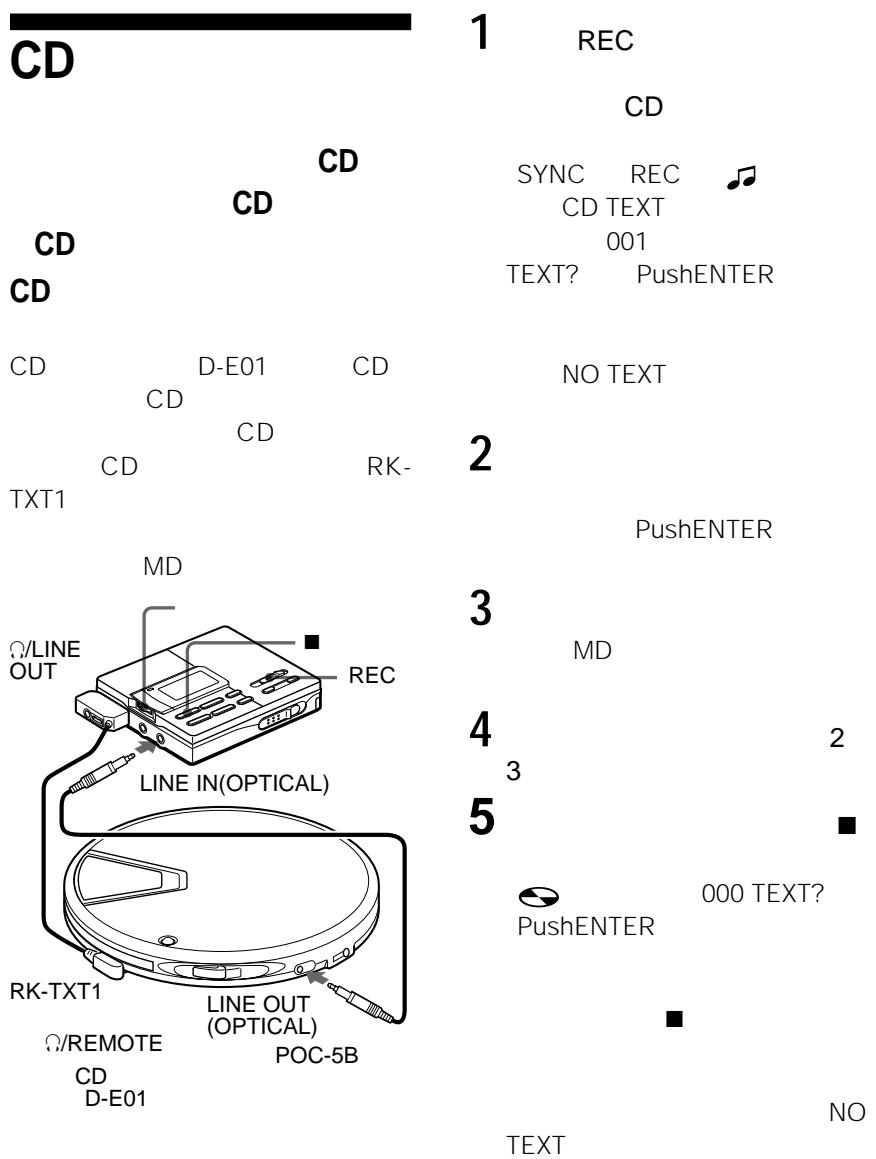
Copie des informations de texte CD pendant l'enregistrement (Joint Text)
Câble de connexion de texte CD, CD prenant en charge CD-TEXT et lecteur CD prenant en charge Joint Text requis.
Voir l'illustration dans le texte japonais (page 23)
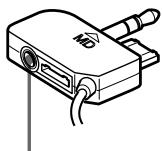
En connectant l'enregistreur à un lecteur CD portable Sony prenant en charge Joint Text (la fonction de copie de texte CD) (D-E01), vous pouvez copier automatiquement les noms de plage et de disque pendant l'enregistrement. En plus du câble de connexion de texte CD (RK-TXT1), assurez-vous de connecter l'enregistreur au lecteur CD portable avec un câble optique.
1 Faites glisser REC vers la droite pour commencer l'enregistrement sur l'enregistreur, et commencez à lire le CD dans le lecteur CD portable. "SYNC", "REC" et " " s'allument dans l'afficheur. "CD TEXT" apparaît pendant quelques secondes, puis "001 TEXT?" et "PushENTER" alternent dans l'afficheur. "NO TEXT" apparaît à ce moment si aucune information de nom de plage n'existe dans le CD. Dans ce cas, le nom de plage ne sera pas copié. 2 Appuyez sur la molette de commande. Le nom de plage défile, puis le nom de plage et "PushENTER" alternent dans l'afficheur. 3 Appuyez sur la molette de commande. Le nom de plage défile dans l'afficheur pendant que le nom est copié. 4 Suivez les étapes 2 et 3 pour copier chaque nouveau nom de plage qui apparaît.
5 Appuyez sur sur l'enregistreur au point où vous voulez arrêter l'enregistrement.
" s'allume, puis "000 TEXT" et "PushENTER" alternent dans l'afficheur.
Si vous ne voulez pas copier les informations de nom de disque, appuyez à nouveau sur . Le nom de disque n'est pas copié et l'opération se termine.
"NO TEXT" apparaît à ce moment si aucune information de nom de disque n'existe dans le CD. Dans ce cas, l'opération se termine sans copier le nom de disque.
6 Appuyez sur la molette de commande.
Le nom de disque défile, puis le nom de disque et "PushENTER" alternent dans l'afficheur.
7 Appuyez sur la molette de commande.
"TOC Edit" clignote.
Ensuite, le nom de disque défile dans l'afficheur.
Notes
- Si vous copiez des informations de nom de disque sur un disque dont le nom a déjà été enregistré, l'ancien nom de disque sera remplacé par le nouveau.
- Lorsque la fonction de copie de texte CD est activée, divers réglages et fonctions d'édition ne sont pas accessibles avec la molette jog.
- La fonction de copie de texte CD (texte conjoint) ne peut être utilisée qu'avec le composant (D-E01) portant le logo texte conjoint.
- La fonction de copie de texte CD ne peut être utilisée qu'avec les CD et le composant (D-E01). La fonction de copie de texte CD ne peut être utilisée qu'avec les CD prenant en charge CD-TEXT.
- Le câble de connexion de texte CD RK-TXT1 est conçu pour une utilisation exclusive avec cet enregistreur et le lecteur CD portable Sony (D-E01). N'utilisez pas un câble de connexion d'une autre marque pour copier les informations de texte CD.
- La télécommande devient inopérante lorsque le câble de connexion de texte CD (RK-TXT1) est connecté à l'enregistreur.
- L'arrêt ou la pause de la lecture sur le lecteur CD provoque automatiquement la pause de l'enregistrement sur l'enregistreur. Une nouvelle marque de piste est automatiquement ajoutée lorsque vous reprenez l'enregistrement.
- Le nom de la piste en cours de lecture ne sera pas enregistré si vous arrêtez ou mettez en pause la lecture du CD au milieu du processus de copie sur l'enregistreur.
Différentes façons de lecture
Lecture répétée des pistes
Voir les illustrations dans le texte japonais (page 25).
1 Pendant que l'enregistreur lit un MD ou est arrêté, appuyez sur la molette jog, faites-la défiler jusqu'à ce que "PLAY MODE" clignote à l'écran, puis appuyez à nouveau sur la molette. 2 Faites défiler la molette jog pour sélectionner le mode de lecture, puis appuyez sur la molette. Chaque fois que vous faites défiler la molette, le mode de lecture change et lorsque vous appuyez sur la molette pour sélectionner, l'indication apparaît à l'écran comme suit.
"No Repeat/(none)" Toutes les pistes sont lues une fois.
"AllRepeat/ Toutes les pistes sont lues en répétition. 1 Repeat/1 Une seule piste est lue en répétition. "Shuffle/SHUF" Après la fin de la piste sélectionnée, les pistes restantes sont lues en répétition dans un ordre aléatoire.
Connexion à un système stéréo (LINE OUT)
Voir l'illustration dans le texte japonais (page 29).
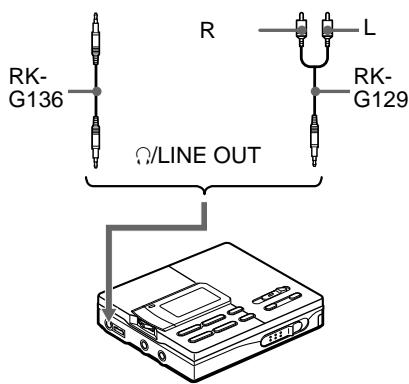
Branchez la prise O/LINE OUT de l'enregistreur aux prises LINE IN d'un amplificateur ou d'un lecteur de cassettes avec un câble ligne (non fourni).
La sortie est analogique. L'enregistreur lit le MD numériquement et envoie des signaux analogiques à l'équipement connecté.
Lors du branchement d'un câble ligne à la prise O/LINE OUT
Lors du branchement d'un câble ligne (non fourni), assurez-vous de régler le paramètre "AUDIO OUT" pour la prise O/LINE OUT.
1 Appuyez sur le levier de commande, faites-le basculer jusqu'à ce que "AUDIO OUT" clignote à l'écran, puis appuyez à nouveau sur le levier. 2 Faites basculer le levier jusqu'à ce que "LINE OUT" clignote à l'écran, puis appuyez à nouveau sur le levier.
Remarques
- Si le paramètre "AUDIO OUT" pour la prise O/LINE OUT est réglé sur "LINE OUT", les touches VOL + / - ou DIGITAL MEGA BASS ne fonctionneront pas.
- Le paramètre "AUDIO OUT" pour la prise O/LINE OUT ne peut pas être réglé sur "LINE OUT" lorsque la télécommande fournie est connectée.
- Lorsque vous coupez l'alimentation, le paramètre "AUDIO OUT" pour la prise O/LINE OUT bascule automatiquement sur "HeadPhone".
Édition des plages enregistrées
Vous pouvez modifier vos enregistrements. Les MD prémasterisés ne peuvent pas être modifiés.
Remarques sur l'édition
- Ne déplacez pas et ne faites pas vibrer l'enregistreur pendant que "TOC Edit"* clignote à l'écran.
- Vous ne pouvez pas modifier des plages sur un MD protégé en écriture. Avant de modifier des plages, fermez l'onglet sur le côté du MD.
- Si vous effectuez une opération de modification pendant la lecture, veillez à ne pas couper l'alimentation tant que « TOC Edit » n'a pas disparu de l'affichage.
- Le couvercle ne s'ouvre pas tant que « TOC Edit » n'a pas disparu de l'affichage après la modification.
- TOC = Table des matières
Effacement d'une plage
Voir l'illustration dans le texte japonais (page 30).
Vous pouvez effacer rapidement une plage enregistrée. Notez qu'une fois un enregistrement effacé, vous ne pouvez pas le récupérer.
1 Pendant la lecture de la plage à effacer, appuyez sur le levier jog pour que « EDIT » clignote à l'écran, puis appuyez à nouveau sur le levier.
« : Name » clignote à l'écran et le lecteur répète la plage sélectionnée.
2 Basculez le levier jog jusqu'à ce que « : Erase » clignote à l'écran, puis appuyez sur le levier.
« Erase OK? » et « PushENTER » apparaissent en alternance à l'écran. Pour annuler l'effacement, appuyez sur ou TMARK.
3 Appuyez à nouveau sur le levier jog.
La plage est effacée et la plage suivante commence à jouer. Toutes les plages après celle effacée sont automatiquement renumérotées.
Pour effacer une partie d'un morceau
Ajoutez des marques de piste au début et à la fin de la partie que vous souhaitez effacer, puis effacez cette partie.
Effacement d'un disque entier
Voir l'illustration dans le texte japonais (page 31).
Vous pouvez effacer rapidement toutes les pistes et les données du MD en même temps. Notez qu'une fois un enregistrement effacé, vous ne pouvez pas le récupérer.
1 Lorsque le lecteur est arrêté, appuyez sur le levier de jogging pour que « EDIT » clignote à l'écran, puis appuyez à nouveau sur le levier.
« :Name » clignote à l'écran.
2 Faites basculer le levier de jogging jusqu'à ce que « Erase » clignote à l'écran, puis appuyez sur le levier.
« AllErase? » et « PushENTER » apparaissent en alternance à l'écran.
Pour annuler l'effacement, appuyez sur ou T MARK.
3 Appuyez à nouveau sur le levier de jogging.
« TOC Edit » clignote à l'écran, et toutes les pistes seront effacées.
Lorsque l'effacement est terminé,
« BLANKDISC » apparaît à l'écran.
Ajout d'une marque de piste
Voir l'illustration dans le texte japonais (page 31).
Vous pouvez insérer un repère de piste dans une piste.
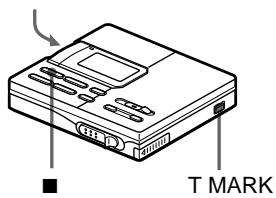
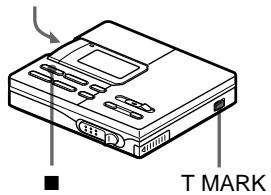
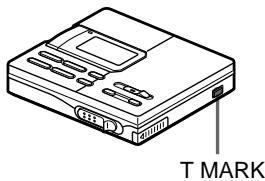
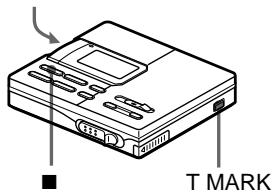
1 Pendant que l'enregistreur lit ou met en pause un MD, appuyez sur T MARK sur l'enregistreur au point où vous voulez marquer.
"MARK ON" apparaît à l'écran et le repère de piste est ajouté.
Pour ajouter des repères de piste pendant l'enregistrement (sauf pendant l'enregistrement synchronisé)
Appuyez sur T MARK au point où vous voulez ajouter un repère de piste.
Effacement d'un repère de piste
Voir les illustrations dans le texte japonais (page 32).
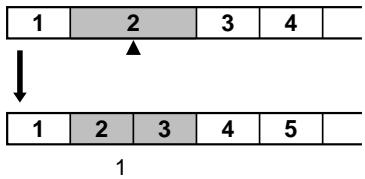
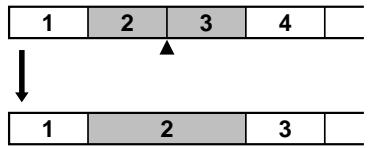
Lorsque vous enregistrez avec une entrée analogique (ligne), des repères de piste inutiles peuvent être enregistrés là où le niveau d'enregistrement est faible. Vous pouvez effacer un repère de piste pour combiner les pistes avant et après le repère.
1 Pendant la lecture de la piste avec le repère de piste à effacer, appuyez pour mettre en pause. 2 Trouvez le repère de piste en appuyant légèrement. "00:00" clignote à l'écran. 3 Appuyez sur T MARK pour effacer le repère. "MARK OFF" apparaît à l'écran. Le repère de piste est effacé et les deux pistes sont combinées. Le numéro de la nouvelle piste combinée sera celui de la première piste et les pistes suivantes seront renumérotées.
Déplacement des pistes enregistrées
Voir les illustrations dans le texte japonais (page 32).
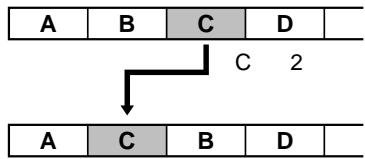
Vous pouvez changer l'ordre des pistes enregistrées.
Sur l'enregistreur
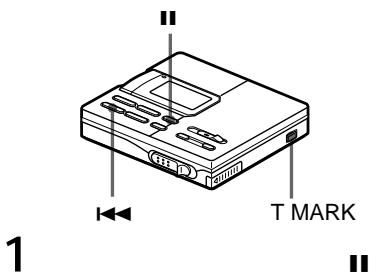
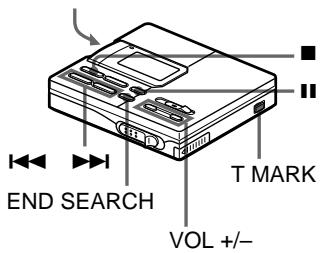
1 Pendant la lecture de la piste à déplacer, appuyez sur le levier jog pour que "EDIT" clignote à l'écran, puis appuyez à nouveau sur le levier. " : Name" clignote à l'écran et l'enregistreur lit la piste sélectionnée en boucle. 2 Faites basculer le levier jog jusqu'à ce que "Move" clignote à l'écran, puis appuyez sur le levier. 3 Faites basculer le levier jog pour sélectionner le numéro de la piste de destination. Pour annuler le déplacement, appuyez sur ou T MARK. 4 Appuyez à nouveau sur le levier jog. La piste se déplace vers la piste de destination sélectionnée.
Sur la télécommande
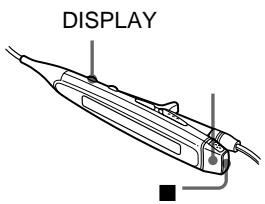
1 Appuyez sur DISPLAY pendant 2 secondes ou plus pendant la lecture de la plage à déplacer. « : Name » clignote à l'écran et l'enregistreur lit la plage sélectionnée en boucle. 2 Appuyez sur la commande vers ou vers à plusieurs reprises jusqu'à ce que « Move » apparaisse à l'écran. 3 Appuyez sur ■. 4 Appuyez sur la commande vers ou vers à plusieurs reprises pour sélectionner le numéro de la plage de destination. 5 Appuyez à nouveau. La plage sélectionnée se déplace juste avant la plage de destination.
Nommer les enregistrements
Voir l'illustration dans le texte japonais (page 33).
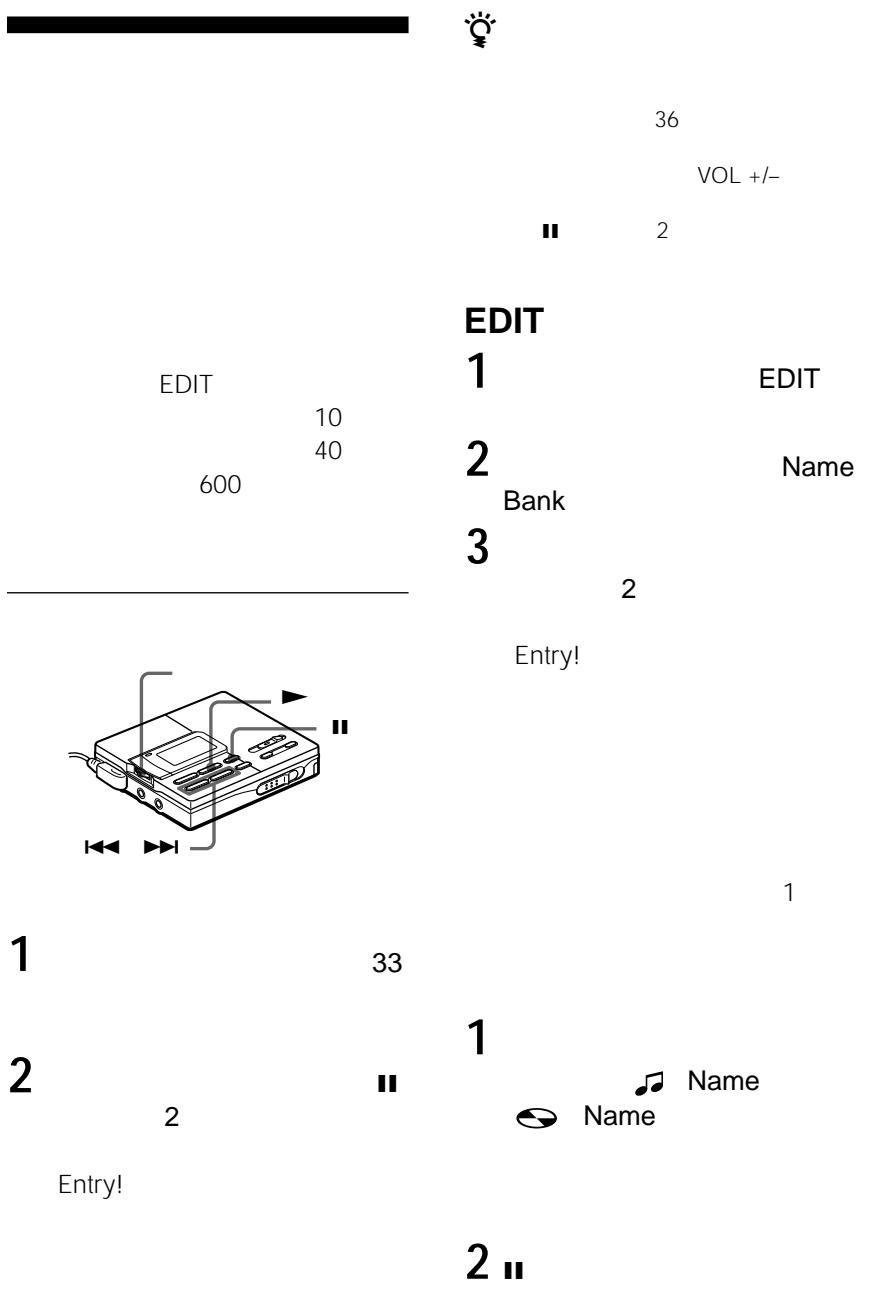
Vous pouvez nommer les plages pendant la lecture, les disques à l'arrêt, et les deux pendant l'enregistrement. Chaque nom peut contenir jusqu'à 200 lettres.
Chaque disque peut contenir jusqu'à 1700 caractères alphanumériques ou 800 caractères katakana pendant la lecture ou à l'arrêt.
Nommer sur l'enregistreur Nommer un disque à l'arrêt
1 Insérez un disque. Pour nommer un disque déjà dans l'enregistreur, appuyez sur ■ pour arrêter. 2 Appuyez sur le levier de jogging pour que « EDIT » clignote à l'écran, puis appuyez à nouveau sur le levier. « :Name » clignote à l'écran. 3 Appuyez à nouveau sur le levier de jogging. 4 Basculez le levier de jogging pour sélectionner une lettre et appuyez sur le levier pour la saisir.
La lettre sélectionnée cesse de clignoter et le curseur se déplace à la position de saisie suivante.
Appuyez pour basculer entre katakana, alphabet, symboles/chiffres et phrases (si des phrases sont stockées dans la banque de phrases).
Appuyez sur VOL + / - pour déplacer le curseur à gauche ou à droite.
Appuyez sur lors de la saisie de l'alphabet, des symboles ou des chiffres pour changer la lettre en la précédente/suivante. Appuyez sur pour revenir en arrière.
Appuyez sur END SEARCH avec VOL + pour insérer un espace et taper une nouvelle lettre.
Appuyez sur END SEARCH avec VOL - pour supprimer une lettre et décaler toutes les lettres suivantes vers la gauche.
Appuyez sur ou T MARK pour annuler le nommage.
5 Répétez l'étape 4 et saisissez tous les caractères du nom du label. 6 Appuyez sur le levier de jog pendant 2 secondes ou plus.
Le titre ou le disque est étiqueté.
Étiquetage d'un titre pendant la lecture
1 Insérez un disque et lisez le titre que vous souhaitez étiqueter. 2 Appuyez sur le levier de jog pour que "EDIT" clignote à l'écran, puis appuyez à nouveau sur le levier.
« :Name » clignote à l'écran.
3 Appuyez à nouveau sur le levier de jog. 4 Suivez les étapes 4 à 6 de « Étiquetage d'un disque en mode arrêt » ci-dessus.
Étiquetage d'un titre ou d'un disque pendant l'enregistrement
1 Pendant l'enregistrement, appuyez sur le levier de jog pour que "EDIT" clignote à l'écran, puis appuyez à nouveau sur le levier. « :Name » clignote à l'écran. 2 Pour étiqueter un titre, appuyez à nouveau sur le levier de jog. Pour étiqueter un disque, basculez le levier jusqu'à ce que « :Name » clignote à l'écran, puis appuyez sur le levier. 3 Suivez les étapes 4 à 6 de « Étiquetage d'un disque en mode arrêt » ci-dessus.
Remarque
Si l'enregistrement est arrêté pendant l'étiquetage d'un titre ou d'un disque pendant l'enregistrement, ou si la lecture passe au titre suivant pendant l'étiquetage d'un titre pendant la lecture, la saisie effectuée à ce moment est entrée automatiquement.
Étiquetage à l'aide de la télécommande
Voir l'illustration dans le texte japonais (page 35)
Étiquetage d'un disque en mode arrêt
1 Insérez un disque.
Pour étiqueter un disque déjà dans l'enregistreur, appuyez sur ■ pour arrêter.
2 Appuyez sur DISPLAY pendant 2 secondes ou plus.
« :Name » clignote à l'écran.
3 Appuyez sur ■.
Le disque est prêt à être étiqueté.
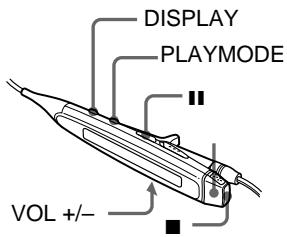
4 Dirigez la commande vers ou vers à plusieurs reprises pour sélectionner une lettre, puis appuyez sur pour la valider.
La lettre sélectionnée cesse de clignoter et le curseur passe à la position de saisie suivante.
Appuyez pour basculer entre le katakana, l'alphabet, les symboles/chiffres et les phrases (si des phrases sont enregistrées dans la banque de phrases).
Appuyez sur VOL + / - pour déplacer le curseur vers la gauche ou la droite.
Dirigez la commande vers lors de la saisie de l'alphabet, des symboles ou des chiffres pour passer à la lettre précédente/suivante. Dirigez-la vers pour revenir en arrière.
Appuyez sur DISPLAY pour insérer un espace et saisir une nouvelle lettre.
Appuyez sur DISPLAY pendant 2 secondes ou plus pour annuler l'étiquetage.
Appuyez sur PLAY MODE pour supprimer une lettre et décaler toutes les lettres suivantes vers la gauche.
5 Répétez l'étape 4 et saisissez tous les caractères du nom de l'étiquette. 6 Maintenez la pression pendant 2 secondes ou plus.
La piste ou le disque est étiqueté.
Étiquetage d'une piste pendant la lecture
1 Insérez un disque et lancez la lecture du titre que vous souhaitez nommer. 2 Appuyez sur DISPLAY pendant 2 secondes ou plus.
« :Name » clignote à l'écran.
3 Appuyez sur ■. Le disque est prêt à être nommé. 4 Suivez les étapes 4 à 6 de « Nommer un disque en mode arrêt » ci-dessus.
Nommer un titre ou un disque pendant l'enregistrement
1 Pendant l'enregistrement, appuyez sur DISPLAY pendant 2 secondes ou plus. « : Name » clignote à l'écran. 2 Pour nommer un titre, appuyez sur ■. Pour nommer un disque, orientez la commande vers ou vers jusqu'à ce que « :Name » clignote à l'écran, puis appuyez sur ■. 3 Suivez les étapes 4 à 6 de « Nommer un disque en mode arrêt » ci-dessus.
Pour annuler la nomination, appuyez sur DISPLAY pendant 2 secondes ou plus.
Remarque
Si l'enregistrement est arrêté pendant la nomination d'un titre ou d'un disque en cours d'enregistrement, ou si la lecture passe au titre suivant pendant la nomination d'un titre en cours de lecture, la saisie effectuée à ce moment est entrée automatiquement.
Renommer des enregistrements
Suivez les étapes correspondant à la méthode de nomination jusqu'à ce que le disque ou le titre soit prêt à être nommé. Saisissez un nouveau caractère sur celui que vous souhaitez modifier, puis appuyez sur la molette (maintenez enfoncée pendant 2 secondes ou plus sur la télécommande).
Mémorisation de phrases fréquemment utilisées pour la nomination (Phrase Bank)
Voir l'illustration dans le texte japonais (page 37)
Les phrases que vous utilisez souvent pour nommer des titres ou des disques peuvent être mémorisées dans le lecteur. Environ 40 phrases d'environ 10 caractères chacune (avec un nombre total de caractères d'environ 600) peuvent être mémorisées dans la banque de phrases. Le nombre réel dépendra de la longueur de chaque phrase.
Sur l'enregistreur
Mémorisation de phrases lors de la nomination d'un titre ou d'un disque
1 Effectuez la procédure « Étiquetage des enregistrements » (page 68) pour saisir une phrase. 2 Après avoir saisi la phrase, appuyez pendant 2 secondes ou plus.
« Entrée ! » apparaît à l'écran et le curseur clignote après la phrase que vous venez de mémoriser. Vous pouvez alors continuer l'opération d'étiquetage.
Mémorisation de phrases à l'aide du menu EDIT
1 Appuyez sur le levier de défilement pour que « EDIT » clignote à l'écran, puis appuyez à nouveau sur le levier. 2 Faites basculer le levier de défilement jusqu'à ce que « Name Bank » clignote à l'écran, puis appuyez sur le levier de défilement. 3 Saisissez la phrase que vous souhaitez mémoriser, puis appuyez sur le levier de défilement pendant 2 secondes ou plus. « Entrée » apparaît à l'écran et la phrase est mémorisée.
Récupération des phrases mémorisées dans la banque de phrases
Vous pouvez récupérer une phrase mémorisée dans la banque de phrases à tout moment pour l'utiliser dans un nom de piste ou de disque.
Recherche d'une phrase en affichant les phrases mémorisées une par une
1 Effectuez la procédure « Étiquetage des enregistrements » (page 68) jusqu'à ce que « :Name » ou « :Name » clignote à l'écran. Appuyez ensuite sur le levier de défilement. 2 Appuyez sur I à plusieurs reprises jusqu'à ce que la première phrase mémorisée dans la banque de phrases apparaisse à l'écran. 3 Faites basculer le levier de défilement ou appuyez sur / à plusieurs reprises. Le fait de basculer le levier de défilement ou d'appuyer sur les boutons fait apparaître les phrases mémorisées dans la banque de phrases une par une dans l'ordre séquentiel. Si vous appuyez sur 1 à ce moment, la première phrase mémorisée dans la banque de phrases est récupérée. 4 Appuyez sur le levier de défilement lorsque la phrase souhaitée est affichée à l'écran. Le curseur clignote après la phrase que vous venez de récupérer. Vous pouvez alors continuer l'opération d'étiquetage.
Recherche d'une phrase par sa première lettre
1 Lors de l'étiquetage d'une piste ou d'un disque, utilisez VOL + / - pour déplacer le curseur sur la lettre par laquelle commence la phrase souhaitée. 2 Appuyez pour rechercher.
La phrase correspondant à cette lettre apparaît à l'écran. S'il y a deux phrases ou plus commençant par cette lettre, appuyez pour voir la phrase suivante. 3 Appuyez sur le levier de défilement lorsque la phrase souhaitée est affichée à l'écran. Le curseur clignote après la phrase que vous venez de récupérer. Vous pouvez alors continuer l'opération d'étiquetage.
Effacement de phrases
Vous pouvez effacer des phrases de la banque de phrases lorsque l'enregistreur est arrêté. Vous pouvez également effacer des phrases lorsque l'enregistreur est vide.
1 Appuyez sur le levier de défilement pour que « EDIT » apparaisse, puis appuyez à nouveau sur le levier. 2 Faites basculer le levier de défilement jusqu'à ce que « BankErase » apparaisse, puis appuyez sur le levier.
3 Faites basculer le levier de défilement jusqu'à ce que la phrase à effacer apparaisse, puis appuyez sur le levier. « Effacer ! » apparaît et la phrase est effacée. Si aucune phrase n'est mémorisée dans la banque de phrases, « VIDE » apparaît à l'écran.
Pour annuler l'opération, appuyez sur ou T MARK.
Sur la télécommande
Mémorisation de phrases lors de l'étiquetage
1 Effectuez la procédure "Étiquetage sur la télécommande" dans "Étiquetage des enregistrements" (page 69) pour saisir une phrase. 2 Après avoir saisi la phrase, appuyez sur I pendant 2 secondes ou plus. "Entrée !" apparaît à l'écran et le curseur clignote après la phrase que vous venez de mémoriser. Vous pouvez ensuite continuer l'opération d'étiquetage.
Mémorisation de phrases à l'aide du menu EDIT
1 Appuyez sur DISPLAY pendant 2 secondes ou plus. 2 Appuyez sur la commande vers | | | | | | ou vers | | → · → à plusieurs reprises jusqu'à ce que "Name Bank" clignote à l'écran, puis appuyez. 3 Saisissez la phrase que vous souhaitez mémoriser, puis appuyez pendant 2 secondes ou plus. "Entrée" apparaît à l'écran et la phrase est mémorisée.
Récupération des phrases mémorisées dans la banque de phrases
Recherche d'une phrase en affichant les phrases mémorisées une par une
1 Effectuez la procédure "Étiquetage sur la télécommande" dans "Étiquetage des enregistrements" (page 69) jusqu'à ce que " :Name" ou " :Name" apparaisse à l'écran. Puis appuyez sur ■. 2 Appuyez sur I à plusieurs reprises jusqu'à ce que la première phrase mémorisée dans la banque de phrases apparaisse à l'écran.
3 Appuyez sur la commande vers 1 ou vers → à plusieurs reprises. Appuyer sur la commande vers 1 ou vers → fait apparaître les phrases mémorisées dans la banque de phrases une par une. Si vous appuyez à ce moment, la première phrase mémorisée dans la banque de phrases est récupérée. 4 Appuyez pendant que la phrase souhaitée est affichée à l'écran. Le curseur clignote après la phrase que vous venez de récupérer. Vous pouvez ensuite continuer l'opération d'étiquetage.
Recherche par la première lettre d'une phrase
1 Lors de l'étiquetage d'une piste ou d'un disque, utilisez VOL + / - pour déplacer le curseur sur la lettre par laquelle commence la phrase souhaitée. 2 Appuyez pour rechercher. La phrase correspondant à cette lettre apparaît à l'écran. S'il y a deux phrases ou plus commençant par cette lettre, appuyez pour voir la phrase suivante. 3 Appuyez pendant que la phrase souhaitée est affichée à l'écran. Le curseur clignote après la phrase que vous venez de récupérer. Vous pouvez ensuite continuer l'opération d'étiquetage.
Effacement de phrases
1 Appuyez sur DISPLAY pendant 2 secondes ou plus. 2 Appuyez sur la commande vers ou vers à plusieurs reprises jusqu'à ce que "BankErase" apparaisse à l'écran, puis appuyez. 3 Appuyez sur la commande vers 14 ou vers 14 · 14 à plusieurs reprises jusqu'à ce que la phrase à effacer apparaisse, puis appuyez. "Effacer !" apparaît à l'écran et la phrase est effacée. S'il n'y a aucune phrase mémorisée dans la banque de phrases, "VIDE" apparaît à l'écran.
Pour annuler l'opération, appuyez sur DISPLAY pendant 2 secondes ou plus.
Sources d'alimentation
Vous pouvez utiliser l'enregistreur sur...
courant secteur. - une batterie rechargeable nickel-hydrure métallique (fournie). - une pile sèche (non fournie).
Il est préférable d'utiliser l'enregistreur sur courant secteur lors d'un enregistrement de longue durée.
Chargement d'une batterie rechargeable nickel-hydrure métallique
Voir les illustrations dans le texte japonais (page 40).
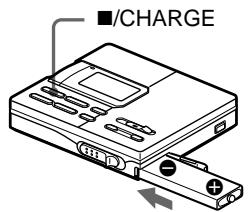
Avant d'utiliser la batterie rechargeable nickel-hydrure métallique fournie pour la première fois, vous devez la charger.
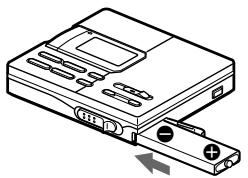
1 Connectez l'adaptateur secteur fourni. 2 Insérez la NH-14WM dans l'enregistreur et fermez le couvercle. 3 Appuyez sur /CHARGE. "Charging" clignote, apparaît à l'écran et la charge commence. Lorsque la charge est terminée, l'indication de batterie disparaît. Une batterie complètement déchargée met environ 3 heures à se charger complètement.
Utilisation avec une batterie rechargeable nickel-hydrure métallique
Voir l'illustration dans le texte japonais (page 41).
Assurez-vous que la batterie rechargeable est complètement chargée.
1 Insérez la batterie rechargeable nickel-hydrure métallique complètement chargée en respectant la polarité.
Utilisation avec une pile sèche
Voir l'illustration dans le texte japonais (page 41).
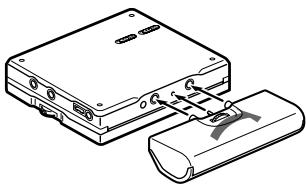
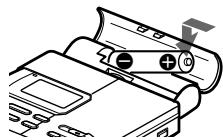
Utilisez le boîtier de piles.
1 Fixez le boîtier de piles fourni. 2 Insérez la pile sèche en respectant la polarité.
Remarques
Arrêtez l'appareil avant de remplacer la pile.
Durée de vie de la pile
| Batteries | Recording | Playback |
| NH-14WM nickel metal hydride rechargeable battery | Approx. 6.5 hours | Approx. 12 hours |
| R6(size AA) Sony alkaline dry battery LR6(SG) | Approx. 4 hours | Approx. 16.5 hours |
| NH-14WM +LR6(SG) | Approx. 14.5 hours | Approx. 29 hours |
Quand remplacer les piles
Lorsque les piles sèches ou la batterie rechargeable sont faibles, le symbole clignotant ou "LOW BATT" apparaît à l'écran. Remplacez les piles sèches ou rechargez la batterie rechargeable.
L'indicateur de niveau de batterie est approximatif.
Remarques concernant les piles sèches
Une utilisation incorrecte des piles peut entraîner une fuite du liquide ou l'éclatement des piles. Pour éviter de tels accidents, respectez les précautions suivantes :
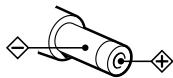
- Insérez correctement les pôles + et - des piles.
- N'essayez pas de recharger les piles.
- Si l'enregistreur n'est pas utilisé pendant une longue période, retirez les piles.
- En cas de fuite d'une pile, essuyez soigneusement et complètement le liquide de la pile du compartiment à piles avant d'insérer de nouvelles piles.
Informations complémentaires
Messages
Si l'enregistreur ne peut pas effectuer une opération, des messages d'erreur peuvent s'afficher dans la fenêtre comme suit.
DISQUE VIERGE :
Vous avez essayé de lire un MD sans enregistrement.
ERREUR DISQUE :
L'enregistreur ne peut pas lire le MD (il est rayé ou sale). Réinsérez le MD. Si le même message apparaît encore, remplacez le MD.
DISQUE PLEIN :
Il n'y a plus d'espace pour enregistrer sur le MD (moins de 12 secondes disponibles).
Sauvegarde des données :
Le lecteur MD enregistre des informations (sons) de la mémoire sur le disque.
Attendez que ce processus soit terminé. N'exposez pas le lecteur à des chocs physiques, ni ne coupez l'alimentation.
Édition TOC :
Le lecteur MD enregistre des informations (positions de début et de fin de piste) de la mémoire sur le disque. Attendez que ce processus soit terminé. N'exposez pas le lecteur à des chocs physiques, ni ne coupez l'alimentation.
OCCUPÉ :
Vous avez essayé d'utiliser l'enregistreur pendant qu'il accédait aux données enregistrées. Attendez que le message disparaisse (dans de rares cas, cela peut prendre environ 2 à 3 minutes).
NOM PLEIN :
Vous avez essayé de saisir plus de 200 caractères pour étiqueter une piste ou un disque.
Vous avez essayé de saisir un total de plus de 1700 caractères pour les noms de pistes ou de disques pendant la lecture ou l'arrêt.
Hi DC in :
L'alimentation est supérieure à celle requise. Utilisez les sources d'alimentation recommandées.
HOLD :
Vous avez essayé d'utiliser l'enregistreur avec l'interrupteur HOLD glissé dans le sens de la flèche. Replacez l'interrupteur.
LOW BATT :
La batterie rechargeable ou les piles sèches sont faibles. Chargez la batterie rechargeable ou remplacez les piles sèches.
MEMOVER :
Vous avez commencé l'enregistrement alors que l'enregistreur recevait des vibrations continues. Placez l'enregistreur sur une surface stable et recommencez l'enregistrement.
NO COPY :
Vous avez essayé de faire une copie à partir d'un disque protégé par le système de gestion de copie en série. Vous ne pouvez pas faire de copies à partir d'une source connectée numériquement qui a elle-même été enregistrée via la connexion numérique. Utilisez plutôt la connexion analogique.
NO DISC :
Vous avez essayé de lire ou d'enregistrer sans disque dans l'enregistreur.
NO SIGNAL :
L'enregistreur n'a pas pu détecter les signaux d'entrée numériques. Assurez-vous que la source est connectée fermement. Si le message apparaît pendant l'enregistrement, appuyez pour terminer l'enregistrement.
LECTURE SEULE :
Vous avez essayé d'enregistrer ou de modifier un MD préenregistré (P/B signifie lecture).
PROTÉGÉ :
Vous avez essayé d'enregistrer ou de modifier un MD dont la languette est en position de protection contre l'enregistrement.
DÉSOLÉ :
Vous avez essayé de régler DIGITAL MEGA BASS alors que le paramètre "AUDIO OUT" est réglé sur "LINE OUT". Utilisez la molette de commande pour régler le paramètre "AUDIO OUT" sur "HeadPhone".
Vous avez essayé d'effacer un repère de piste pendant la lecture du MD ou au début de la première piste.
Vous avez essayé d'effacer un repère de piste pour combiner des pistes que l'enregistreur ne peut pas combiner*.
Vous avez essayé d'appuyer sur I ou T MARK pendant l'enregistrement synchronisé ou lorsque la fonction de texte joint est active.
- Si vous avez enregistré ou effacé de nombreuses fois sur le même MD, les données d'une seule piste peuvent être dispersées sur tout le MD. Lorsque les données sont dispersées en groupes de moins de 12 secondes, l'enregistreur ne pourra pas combiner les pistes.
SURCHAUFFE :
La chaleur s'est accumulée dans l'enregistreur. Attendez que l'enregistreur refroidisse.
PISTES PLEINES :
Vous avez essayé d'enregistrer plus de 254 pistes.
TrPROTECT :
Vous avez essayé d'enregistrer par-dessus ou de modifier une piste qui a été protégée contre l'enregistrement par-dessus*.
- MiniDiscs à pistes protégées — Certains enregistreurs MD permettent de protéger des pistes individuelles contre l'enregistrement par-dessus. Cet enregistreur, cependant, n'offre pas cette fonctionnalité.
ÉDITION
Vous avez appuyé sur une touche de l'enregistreur pendant une édition sur la télécommande, ou vice versa.
SORTIE LIGNE
Vous avez appuyé sur VOL + / - alors que le paramètre "AUDIO OUT" est réglé sur "LINE OUT". Utilisez le levier de commande pour régler le paramètre "AUDIO OUT" sur "HeadPhone".
PAS DE TEXTE
Vous avez essayé d'utiliser la fonction de copie de texte CD pour copier un nom de piste ou de disque à partir d'un CD qui ne contient pas de données texte.
VIDE
Vous avez essayé d'effacer des données dans la banque de phrases mais aucune donnée n'a été enregistrée.
BANQUE PLEINE
La banque de phrases est presque pleine et ne peut pas stocker la phrase que vous avez essayé de saisir. Supprimez quelques phrases de la banque de phrases, puis saisissez à nouveau la nouvelle phrase.
MZ-R90/R91
048 794 5194
9
5
1
MZ-R90/R91

http://www.world.sony.com/
Sony en ligne
Sony Corporation 141-0001 Tokyo, Shinagawa-ku, Kita-Shinagawa 6-7-35
Pour toute question, contactez le service clientèle
- Numéro d'assistance… 0570-00-3311
(Disponible partout au Japon au tarif d'un appel local)
• Pour téléphones mobiles et PHS… 03-5448-3311
Fax 0466-31-2595
Heures d'ouverture :
Lundi – vendredi
9:00 –
20:00
samedi, dimanche et jours fériés
9:00~
17:00
- MODE D'EMPLOI
- ATTENTION
- MZ-R90 MZ-R
- O/LINE OUT
- SORTIE AUDIO
- JOINT TEXT
- A/B
- LINE OUT
- EDIT
- AC
- NI-MH
- BIENVENUE
- CE MANUEL CONCERNE LES MODÈLES MZ-R90 ET MZ-R
- UTILISATION DE LA MOLETTE JOG
- À PROPOS DE LA PRISE LINE OUT DU MAGNÉTOPHONE
- REMARQUES
- EXAMEN DES COMMANDES
- LE MAGNÉTOPHONE
- LA FENÊTRE D'AFFICHAGE DU MAGNÉTOPHONE
- LE CASQUE AVEC TÉLÉCOMMANDE
- ENREGISTREZ UN MD IMMÉDIATEMENT
- POUR ARRÊTER L'ENREGISTREMENT, APPUYEZ SUR
- SI L'ENREGISTREMENT NE DÉMARRE PAS
- REMARQUE
- LIRE UN MD TOUT DE SUITE
- SI LA LECTURE NE DÉMARRE PAS
- LORS DE L'UTILISATION D'UN CASQUE EN OPTION
- NOTES
- DIFFÉRENTES MÉTHODES D'ENREGISTREMENT
- CONNEXION DES ENTRÉES NUMÉRIQUE (OPTIQUE) ET ANALOGIQUE (LIGNE)
- ENREGISTREMENT AVEC ENTRÉE NUMÉRIQUE (OPTIQUE) (CÂBLE OPTIQUE REQUIS)
- ENREGISTREMENT SYNCHRONISÉ À PARTIR D'UNE SOURCE NUMÉRIQUE
- ENREGISTREMENT À PARTIR D'UN MICROPHONE
- ENREGISTREMENT EN MONAURAL POUR DOUBLER LA DURÉE NORMALE D'ENREGISTREMENT D'UN MD
- RÉGLAGE DU NIVEAU D'ENREGISTREMENT (ENREGISTREMENT MANUEL)
- RÉGLAGE DE L'HORLOGE POUR HORODATER L'HEURE D'ENREGISTREMENT
- SI VOUS FAITES UNE ERREUR LORS DU RÉGLAGE DE L'HORLOGE
- POUR AFFICHER L'HEURE AU FORMAT 24 HEURES
- CHARGEMENT DE LA BATTERIE INTERNE POUR L'HORLOGE
- COPIE DES INFORMATIONS DE TEXTE CD PENDANT L'ENREGISTREMENT (JOINT TEXT)
- DIFFÉRENTES FAÇONS DE LECTURE
- LECTURE RÉPÉTÉE DES PISTES
- CONNEXION À UN SYSTÈME STÉRÉO (LINE OUT)
- LORS DU BRANCHEMENT D'UN CÂBLE LIGNE À LA PRISE O/LINE OUT
- ÉDITION DES PLAGES ENREGISTRÉES
- REMARQUES SUR L'ÉDITION
- EFFACEMENT D'UNE PLAGE
- POUR EFFACER UNE PARTIE D'UN MORCEAU
- EFFACEMENT D'UN DISQUE ENTIER
- AJOUT D'UNE MARQUE DE PISTE
- POUR AJOUTER DES REPÈRES DE PISTE PENDANT L'ENREGISTREMENT (SAUF PENDANT L'ENREGISTREMENT SYNCHRONISÉ)
- EFFACEMENT D'UN REPÈRE DE PISTE
- DÉPLACEMENT DES PISTES ENREGISTRÉES
- SUR L'ENREGISTREUR
- SUR LA TÉLÉCOMMANDE
- NOMMER LES ENREGISTREMENTS
- NOMMER SUR L'ENREGISTREUR NOMMER UN DISQUE À L'ARRÊT
- ÉTIQUETAGE D'UN TITRE PENDANT LA LECTURE
- ÉTIQUETAGE D'UN TITRE OU D'UN DISQUE PENDANT L'ENREGISTREMENT
- ÉTIQUETAGE À L'AIDE DE LA TÉLÉCOMMANDE
- ÉTIQUETAGE D'UN DISQUE EN MODE ARRÊT
- NOMMER UN TITRE OU UN DISQUE PENDANT L'ENREGISTREMENT
- RENOMMER DES ENREGISTREMENTS
- MÉMORISATION DE PHRASES FRÉQUEMMENT UTILISÉES POUR LA NOMINATION (PHRASE BANK)
- MÉMORISATION DE PHRASES À L'AIDE DU MENU EDIT
- RÉCUPÉRATION DES PHRASES MÉMORISÉES DANS LA BANQUE DE PHRASES
- EFFACEMENT DE PHRASES
- POUR ANNULER L'OPÉRATION, APPUYEZ SUR OU T MARK
- MÉMORISATION DE PHRASES LORS DE L'ÉTIQUETAGE
- RECHERCHE PAR LA PREMIÈRE LETTRE D'UNE PHRASE
- SOURCES D'ALIMENTATION
- CHARGEMENT D'UNE BATTERIE RECHARGEABLE NICKEL-HYDRURE MÉTALLIQUE
- UTILISATION AVEC UNE BATTERIE RECHARGEABLE NICKEL-HYDRURE MÉTALLIQUE
- UTILISATION AVEC UNE PILE SÈCHE
- QUAND REMPLACER LES PILES
- REMARQUES CONCERNANT LES PILES SÈCHES
- INFORMATIONS COMPLÉMENTAIRES
- MESSAGES
- DISQUE VIERGE
- ERREUR DISQUE
- DISQUE PLEIN
- SAUVEGARDE DES DONNÉES
- ÉDITION TOC
- OCCUPÉ
- NOM PLEIN
- HI DC IN
- HOLD
- LOW BATT
- MEMOVER
- NO COPY
- NO DISC
- NO SIGNAL
- LECTURE SEULE
- PROTÉGÉ
- DÉSOLÉ
- SURCHAUFFE
- PISTES PLEINES
- TRPROTECT
- ÉDITION
- SORTIE LIGNE
- PAS DE TEXTE
- VIDE
- BANQUE PLEINE
- SONY CORPORATION 141-0001 TOKYO, SHINAGAWA-KU, KITA-SHINAGAWA
Marque : SONY
Modèle : MZ-R90
Catégorie : Lecteur MiniDisc