
OVATOR S-400 - Enceinte acoustique NAIM1 - Notice d'utilisation et mode d'emploi gratuit
Retrouvez gratuitement la notice de l'appareil OVATOR S-400 NAIM1 au format PDF.

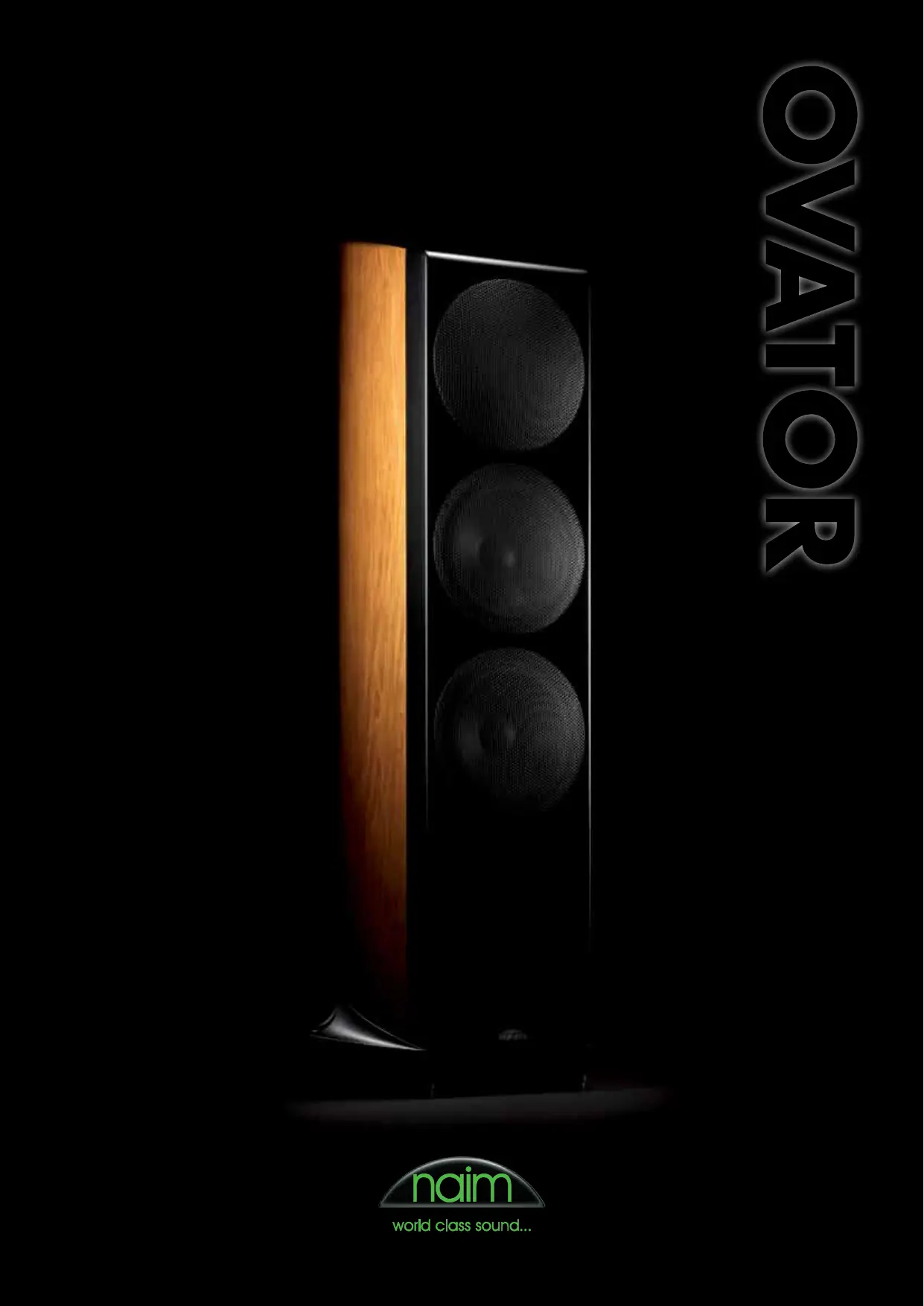

| Type de produit | Enceinte acoustique |
| Marque | NAIM1 |
| Modèle | OVATOR S-400 |
| Dimensions (avec pointes et grilles) | 1060 x 330 x 345 mm (H x L x P) |
| Poids | 31 kg |
| Réponse en fréquence (dans la pièce) | 36 Hz – 35 kHz |
| Impédance nominale | 4 Ω (minimum 3,8 Ω) |
| Sensibilité | 88 dB pour 2,83 Vrms |
| Puissance d'amplification recommandée | 25 – 130 W sous 8 Ω |
| Type de haut-parleurs | 2 x 165 mm graves à cône papier, 1 x 46 mm BMR (mid/hautes fréquences) |
| Technologie clé | Balanced Mode Radiator (BMR) pour une dispersion large et une réponse plate |
| Filtre (crossover) | 4e ordre acoustique à 700 Hz, avec composants de qualité (inductances à air, condensateurs polypropylène) |
| Enceinte | Multicouche composite rigide avec contreventement interne, volume 40 litres |
| Socle | Aluminium moulé sous pression avec pointes en acier inoxydable |
| Découplage | Ressort à lame entre l’enceinte et le socle (découplage > 12 Hz) |
| Finitions disponibles | 4 finitions bois véritable et 1 couleur unie |
| Bi-amplification / tri-amplification active | Possible après retrait du module de filtre (crossover actif disponible ultérieurement) |
| Entretien et nettoyage | Nettoyer avec un chiffon doux et sec. Ne pas utiliser de produits chimiques. |
| Sécurité | Pointes de sol en acier inoxydable pour une stabilité optimale. Éviter de placer l'enceinte sur des surfaces instables. |
| Pièces détachées et réparabilité | Les haut-parleurs et le filtre sont accessibles par un technicien qualifié. Contacter le service après-vente NAIM1. |
FOIRE AUX QUESTIONS - OVATOR S-400 NAIM1
Questions des utilisateurs sur OVATOR S-400 NAIM1
0 question sur cet appareil. Repondez a celles que vous connaissez ou posez la votre.
Poser une nouvelle question sur cet appareil
Téléchargez la notice de votre Enceinte acoustique au format PDF gratuitement ! Retrouvez votre notice OVATOR S-400 - NAIM1 et reprennez votre appareil électronique en main. Sur cette page sont publiés tous les documents nécessaires à l'utilisation de votre appareil OVATOR S-400 de la marque NAIM1.
MODE D'EMPLOI OVATOR S-400 NAIM1
OVATOR

The story of the
OVATOR
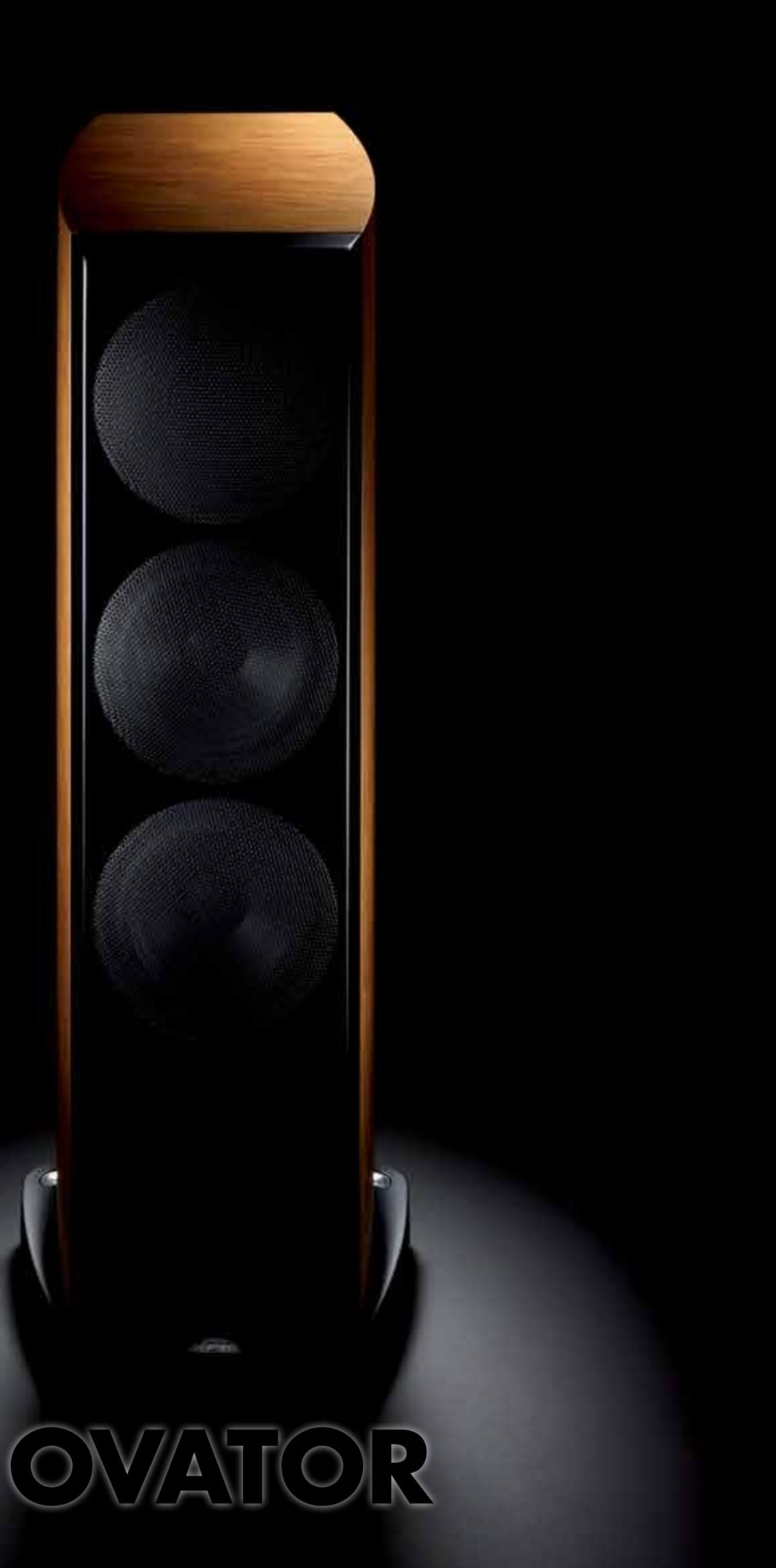
Constructed on the rigid foundation of a pressure die-cast aluminium plinth, the Ovator S-400 and S-600 comprise visually stunning leaf-spring decoupled enclosures fitted with two custom designed rigid paper cone bass drivers. Located above the bass drivers, within nested and decoupled enclosures, is a uniquely advanced Balanced Mode Radiator. The Balanced Mode Radiator (BMR) drive unit reproduces the full bandwidth from the low midrange crossover point to well above audibility with a flat frequency response, minimal distortion and consistently wide dispersion.
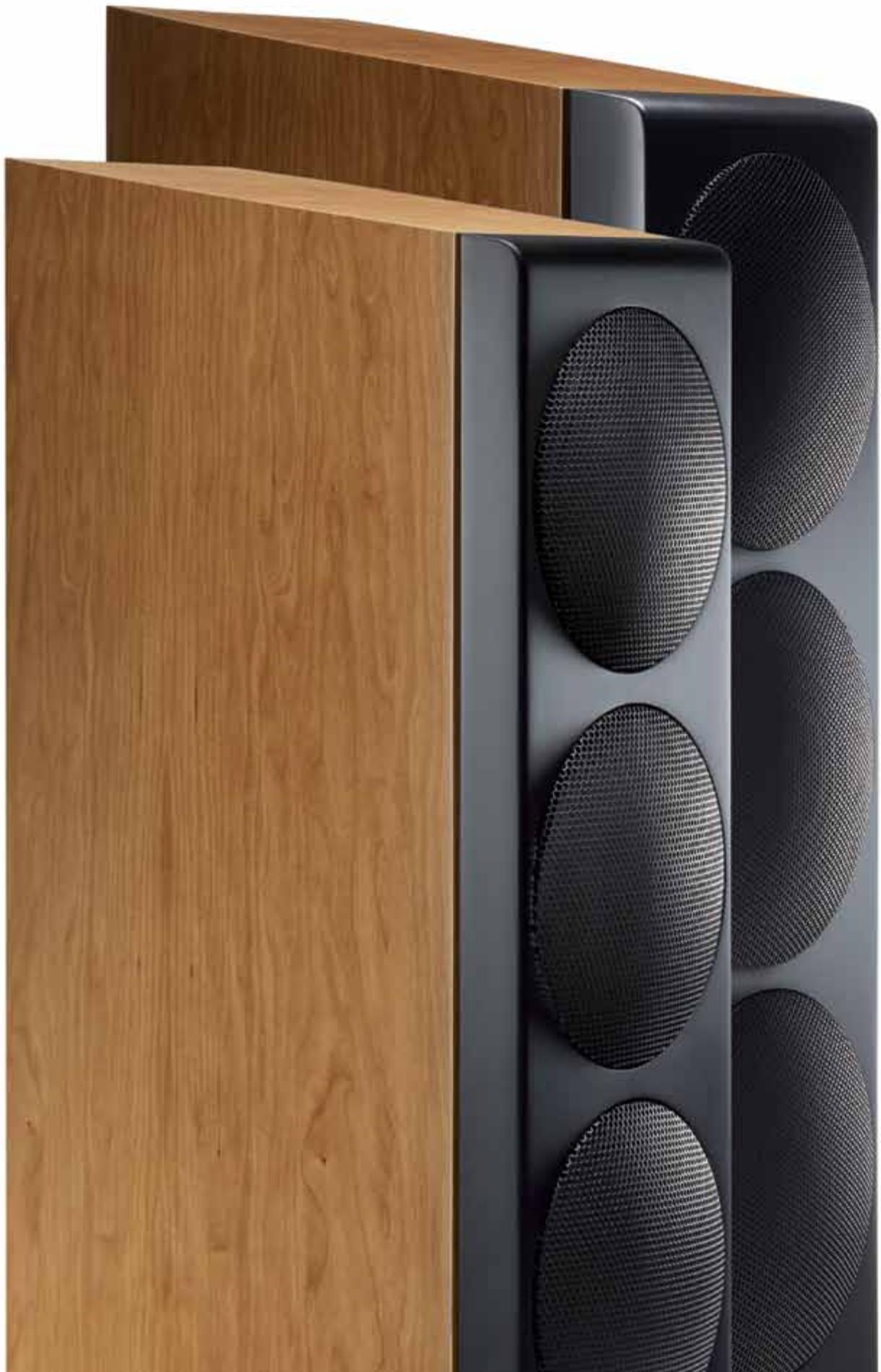
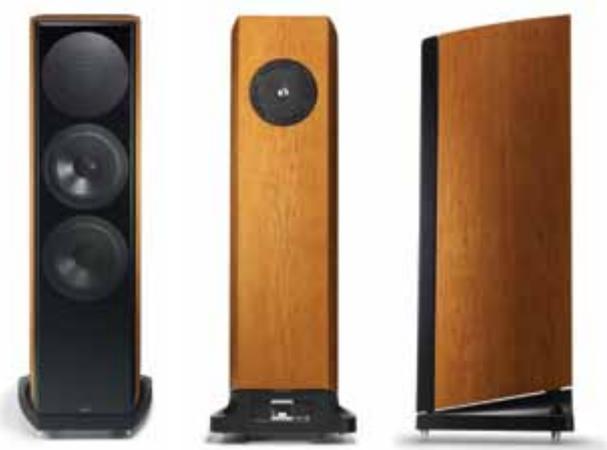
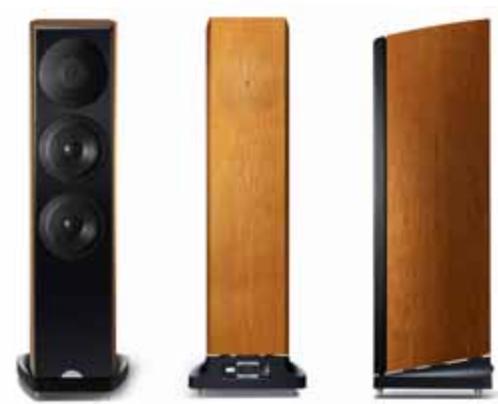
Encasing all of this, each stunning Ovator curved-panel enclosure is an outstanding example of contemporary aesthetic industrial design. The form is striking yet subtle and with four real wood and one solid colour finishes available, it integrates effortlessly into domestic settings of any style.
Music played from the Ovator is a revelation. The uncoloured, detailed and natural coherence of the Balanced Mode Radiator combines with the rhythmic clarity and accuracy of the twin bass driver system endlessly to reveal previously unheard musical details and insight. Stereo imagery and recorded ambience are portrayed with scale and depth that remains consistent across the listening room, and with either Ovator model, an entire music collection becomes new again. The speaker is the point at which recorded music leaves the world of electronics and becomes real. With the Ovator, the reality is a musical experience that sounds live and real.
OVATOR
The Range
Beginning with the S-600 and now joined by the S-400, the Ovator Range is the result of a four-year development programme and represents both a remarkable new expression of proven Naim speaker engineering and a technological advance that, quite literally, recasts the accepted ground rules of electro-acoustics.
S-600
Featuring twin 200mm bass drivers and an 85mm BMR in a 60 Litre enclosure, the S-600 is designed for larger listening rooms and for use with upper echelon Naim amplification. With bass extension down to 28Hz and maximum levels that can do full justice to the dynamic range of live music up close, the S-600 offers the ultimate in wide bandwidth and dynamic music making.
S-400
With twin 165mm bass drivers and a 46mm BMR in a 40 Litre enclosure, the S-400 is designed for more modest listening rooms and can be used with less ambitious Naim amplification. Low frequency response still reaches down to 36Hz however and the S-400 gives only very little away to the S-600 in terms of dynamics and maximum level. The S-400 gives nothing away in music making however.

Surgical grade, antimagnetic, stainless steel M8 floor spikes define the vital mechanical interface between speaker and the floor of the listening environment.
Hardened Floor Spikes
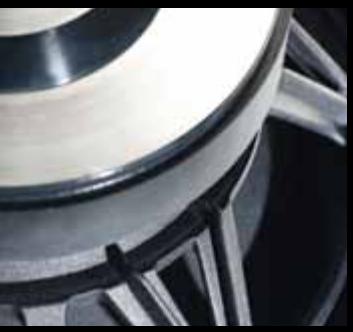
Incorporates features on its mating surface that consistently define its interface with the cabinet and help manage vibrational energy.
FEA Modelled Driver Chassis
The crossover incorporates state of the art components including laminated and air-cored inductors, and metallised polypropylene capacitors.
Computer-modelled Crossover
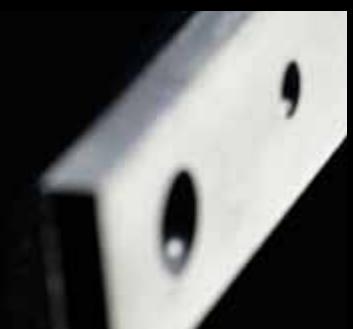
A steel leaf-spring defines the interface between enclosure and plinth and decouples above 12Hz.
Decoupling Leaf Spring
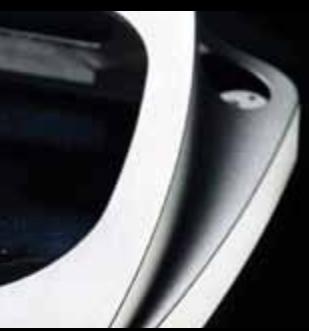
The pressure die-cast plinth incorporates enclosure interface locations, housing for the crossover, and flop spike fittings with top-access adjustment.
Die-cast Plinth
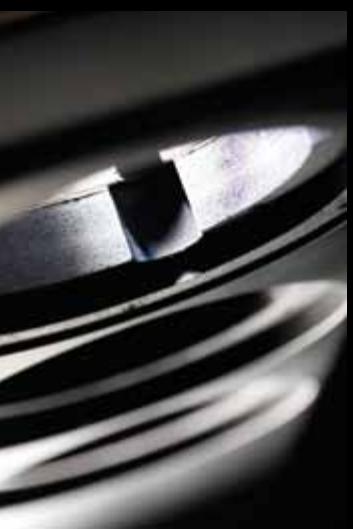
The enclosure is constructed from a combination of 25mm and 50mm panels comprehensively braced to provide a rigid, non-resonant and low diffraction reference plane for the drivers. Selected panels also benefit from strategic mass-damping, and the internal bracing includes a division that creates separate loading volumes for each bass driver.
Rigid Multi-composite Enclosure
The Ovator up close
The Ovator Balanced Mode Radiator (BMR) constitutes its most visible technological advance, yet its performance is equally the result of painstaking refinement in numerous elements of design, construction and material selection. For example, there is so much more to the musical reproduction of bass than low frequency extension, so the Ovator LF drivers are designed not simply to play bass, but to do so with faultless musical accuracy. They incorporate a multitude of electro-acoustic details aimed at minimising distortion and compression, and the result is extended bass with peerless timing, dynamics and pitch accuracy. One vital element in the design of a high performance bass driver is its chassis. Great rigidity and an open structure are vital but potentially conflicting requirements, so the Ovator pressure die-cast bass driver chassis incorporates a triangulated framework, the product of finite-element analysis, that ensures both rigidity and unimpeded air passage.
Ovator crossover networks are housed within the plinth and divide the audio signal between bass drivers and BMR with fourth order acoustic slopes at 380Hz in the case of the S-600 and 700Hz in the case of the S-400. Each component selection is the result of intense technical analysis and significant listening, and the component arrangement is fundamentally informed by the layout and earthing techniques developed for Naim power amplifiers. A crossover module suspension system and individual component decoupling ensures any chance of microphony is minimised. Conversion to either bi-amp or tri-amp active drive is easily achieved through removal of the crossover module*.
Just as much as it is BMR technology, it is the fine detail and the sum of the parts – the result of decades of speaker experience and development – that make the Ovator S-600 and S-400 so remarkable.
*Please note that the S-400 active crossover will not be available until late 2011.
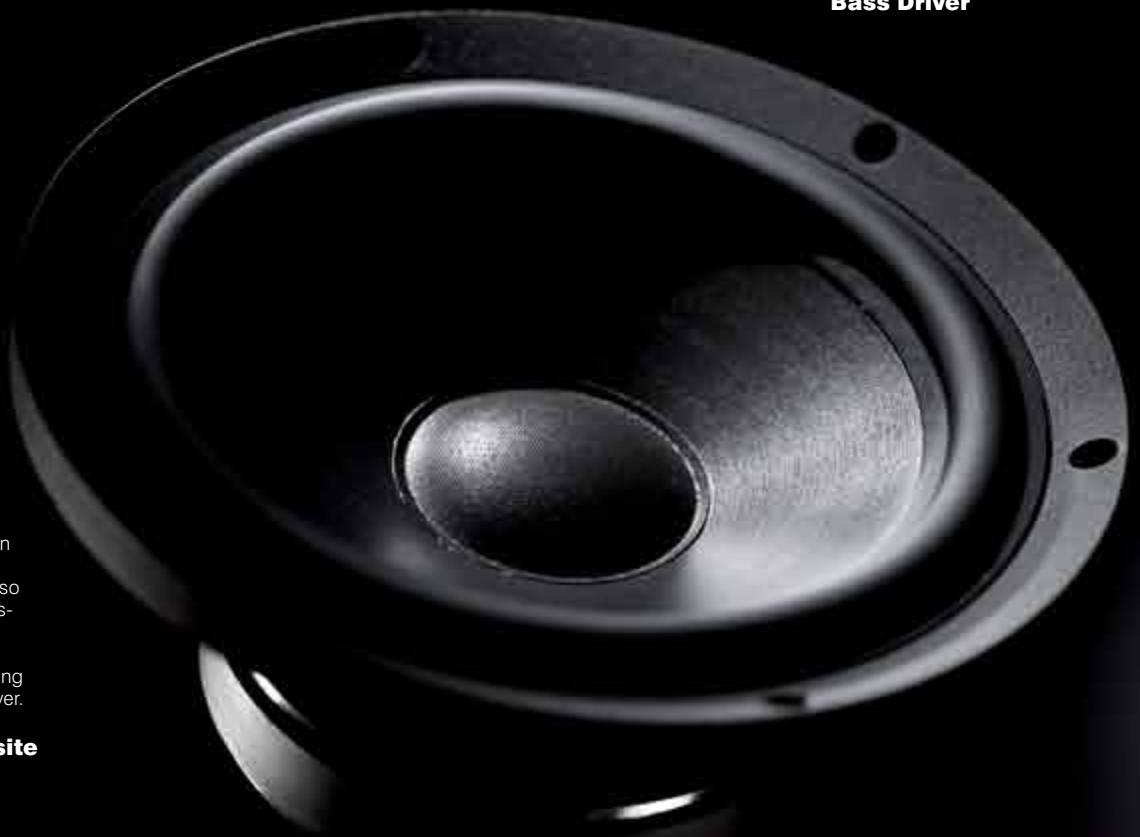
Ovator bass drivers feature rigid paper cones, natural rubber surrounds and aluminium demodulations rings within their neodymium magnet systems. The S-600 bass drivers additionally incorporate generous pole-piece ventilation. The linearity and resistance to compression of both Ovator bass drivers is outstanding.
Computer Optimised Bass Driver
Balanced Mode Radiator explained
The Ovator Balanced Mode Radiator (BMR) is the result of many years of intense effort in both development and manufacture. Not only does the design of such a driver demand great intellectual understanding, but consistent manufacture requires extraordinarily fine specification and control of the physical characteristics of its components. The underlying concept of the BMR is to engineer a practical implementation of the theoretically wide bandwidth and linear acoustic output of an unconstrained vibrating diaphragm. In practice, this is achieved by attaching balancing masses to a constrained diaphragm in carefully calculated locations. Such "mode balancing" modifies the diaphragm's vibrational behaviour so that it simultaneously operates in pistonic and vibrational modes to generate wide-bandwidth acoustic output with a flat frequency response, consistent dispersion and low distortion. Thanks both to the BMR's exceptional inherent performance and to the absence of any mid/high frequency crossover discontinuity, it takes just a moment's listening to appreciate the Ovator breakthrough levels of musical coherence, timing and clarity.
The BMR units in both the S-600 and S-400 are isolated in their own nested enclosures, a 12.7mm wall thickness extruded aluminium tube in the case of a the S-600 and a 10mm wall thickness composite tube in the case of the S-400. Both the S-600 and S-400 BMR isolation tubes extend the full depth of the enclosure and are gradient filled with damping materials selected through technical analysis and critical listening.
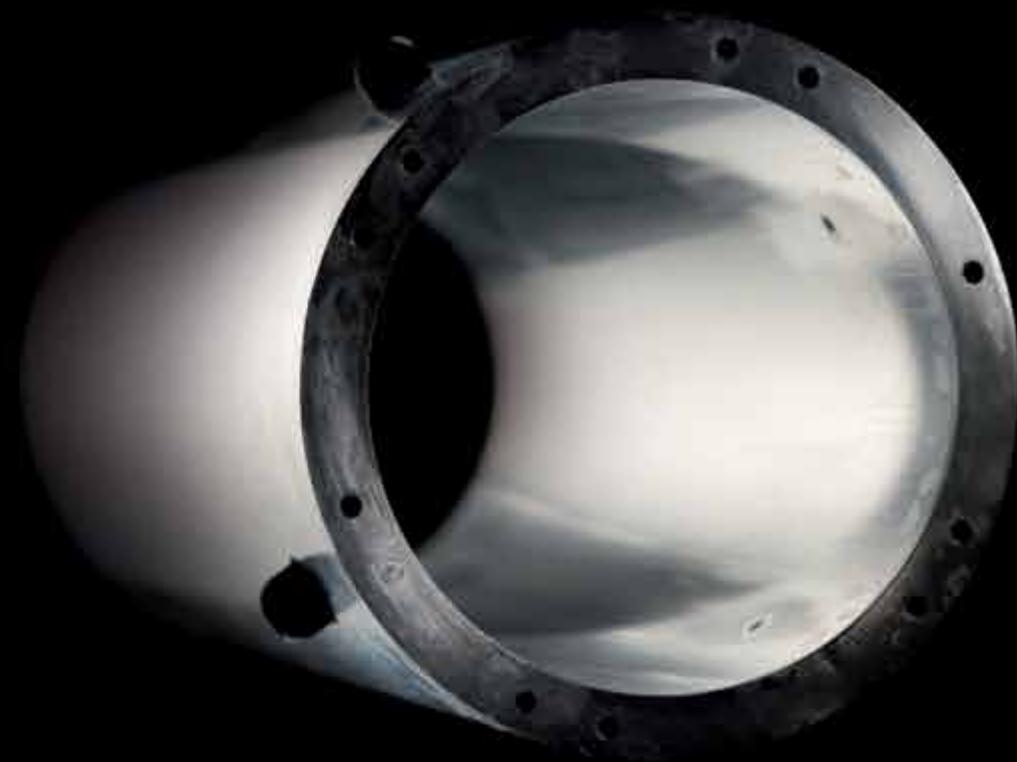
BMR Isolating Enclosure
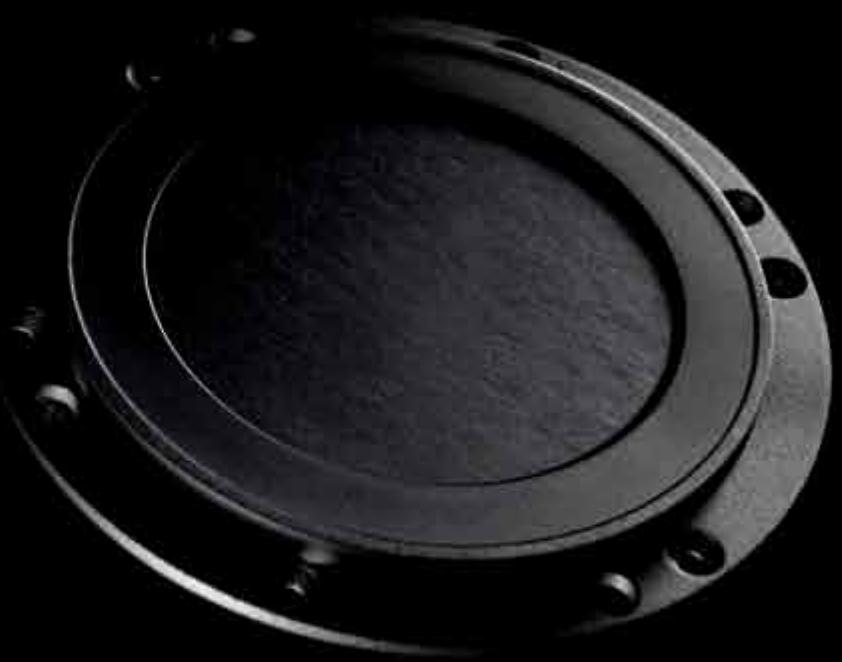
The S-600 and S-400 BMR drivers comprise a honeycomb diaphragm driven by a voice-coil immersed in a twin neocymium magnet system optimised for linearity through finite element analysis. The pressure die-cast chassis provides the rigidity necessary to ensure that every last note of musical detail is accurately reproduced.
BMR Driver
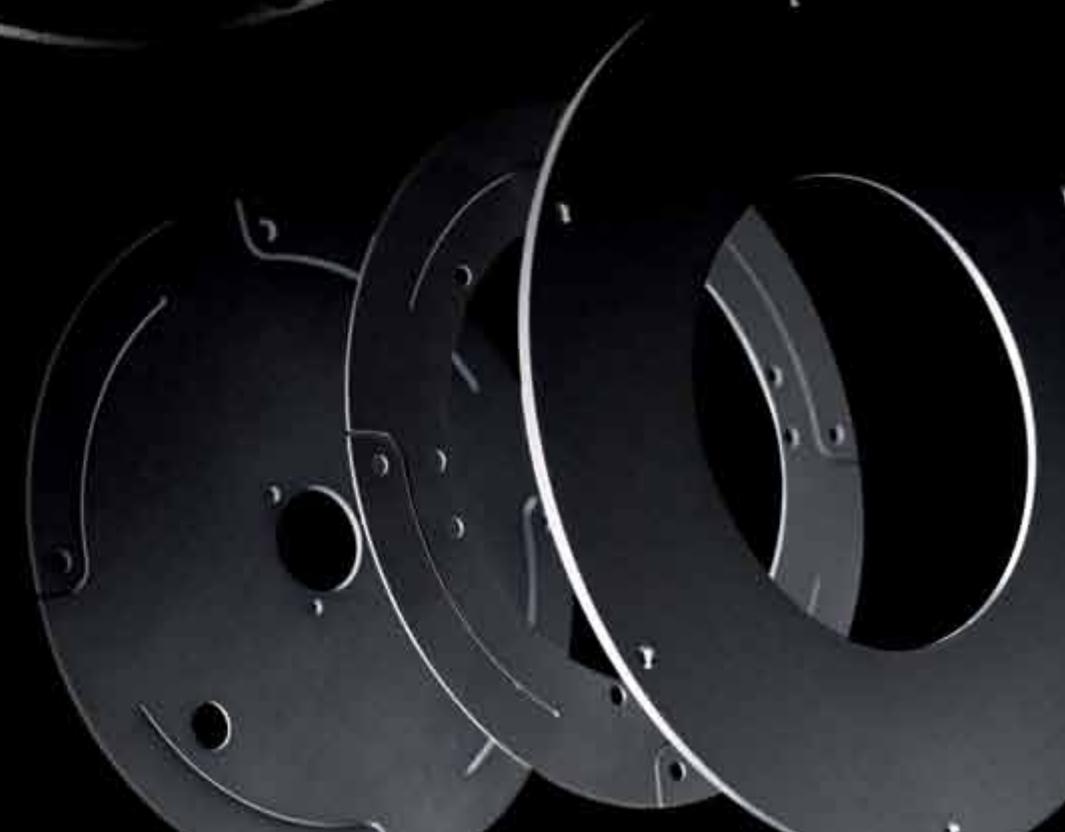
The S-600 BMR module, comprising the driver and its enclosure, is suspended within the main enclosure by circular front and rear duralumin leaf-springs, while the S-400 BMR itself incorporates a high-Q elastomeric suspension system The resulting isolation in both systems decouples at a frequency many octaves below the BMR pass-band.
BMR Suspension
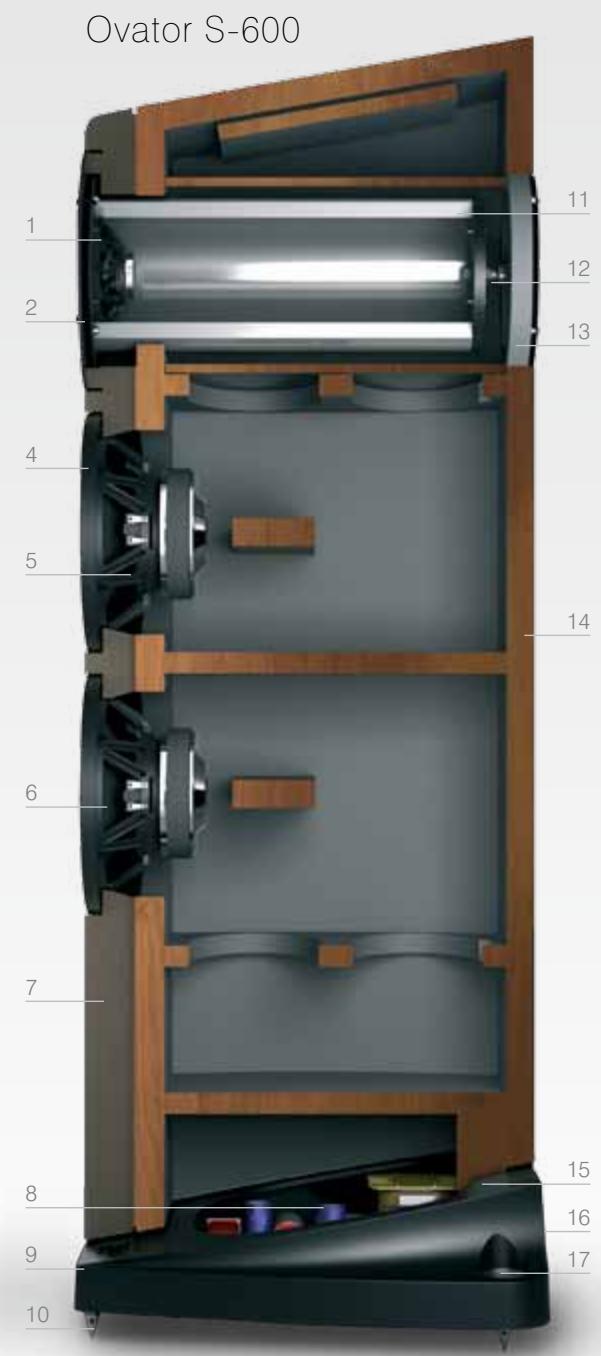
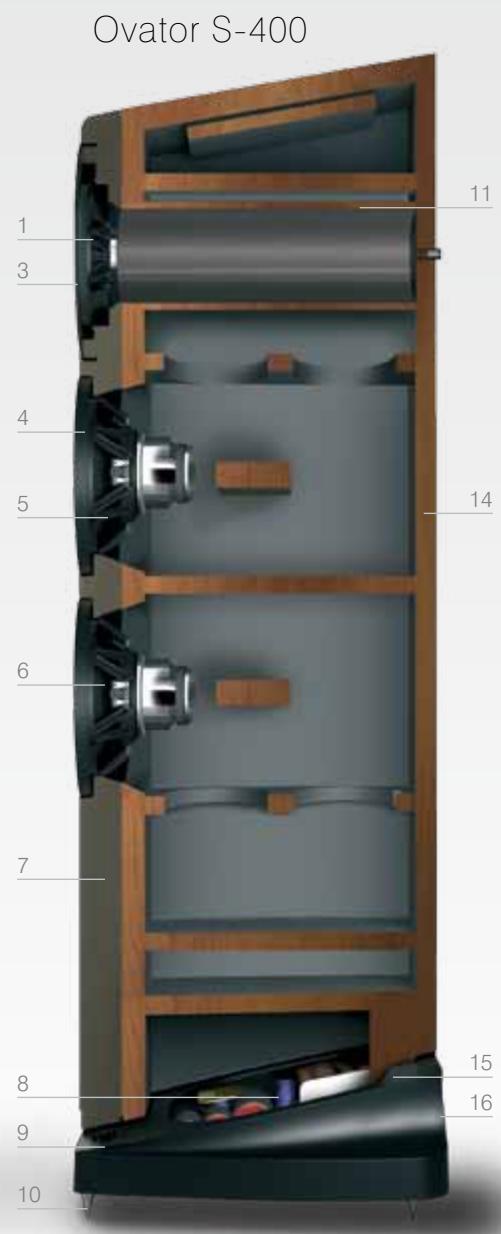
1 Balanced Mode Radiator (BMR) driver for mid and high frequencies
2 Front BMR suspension plate
3 Elastomeric decoupling system
4 Rigid grilles with high percentage open area
5 Pressure die-cast drive unit chassis with FEA-designed triangular rear section
6 Bass drivers with computer-optimised motor systems
7 Low diffraction baffle
8 Computer-modelled crossover
9 High-pressure die-cast plinth
10 Hardened stainless-steel spikes
11 BMR isolating enclosure
12 BMR suspension system to reduce cross coupling
13 Rear BMR suspension plate
14 Mass damped multicomposite panel enclosure with internal bracing
15 Decoupling leaf spring between enclosure and plinth
16 Custom input terminal system
17 Rear spike adjustment system
Specifications
Ovator S-600
| Frequency Response (in room) | 28Hz - 35kHz |
| Sensitivity | 88dB for 2.83Vrms i/p |
| Nominal Impedance | 4Ω (Minimum Impedance 3.2Ω) |
| Suggested Power Amplifier Rating | 25 - 150W (8Ω rating) |
| Weight | 61 kg |
| Dimensions (inc. spikes and grilles) | 1168 x 401 x 434mm (H x W x D) |
Ovator S-400
| Frequency Response (in room) | 36Hz - 35kHz |
| Sensitivity | 88dB for 2.83Vrms i/p |
| Nominal Impedance | 4Ω (Minimum Impedance 3.8Ω) |
| Suggested Power Amplifier Rating | 25 - 130W (8Ω rating) |
| Weight | 31 kg |
| Dimensions (inc. spikes and grilles) | 1060 x 330 x 345mm (H x W x D) |
Finishes
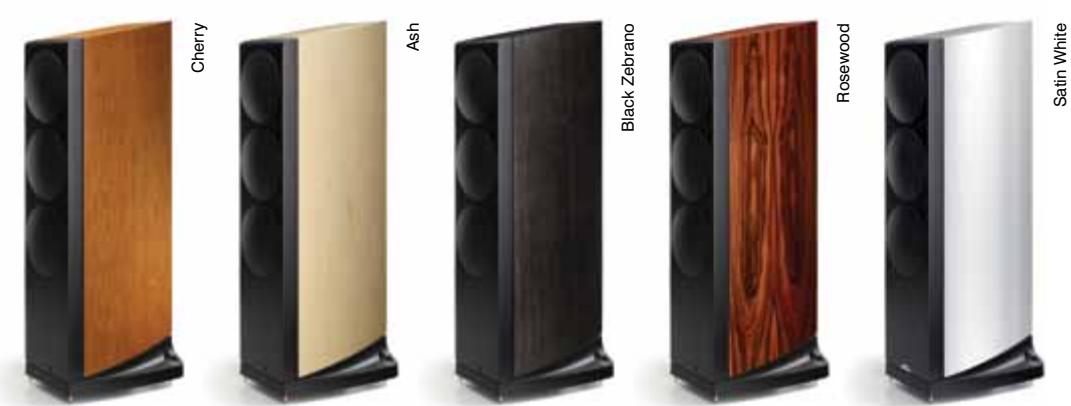
Please note due to the nature of wood, actual finishes may vary slightly to those photographed.
OVATOR

world class sound...
Marque : NAIM1
Modèle : OVATOR S-400
Catégorie : Enceinte acoustique