
TELEVID 62 - Télescope LEICA - Notice d'utilisation et mode d'emploi gratuit
Retrouvez gratuitement la notice de l'appareil TELEVID 62 LEICA au format PDF.


| Marque | Leica |
| Modèle | Televid 62 |
| Type de produit | Longue-vue terrestre |
| Diamètre de l'objectif | 62 mm |
| Longueur focale | 352 mm |
| Mise au point | Interne avec dispositif de double mise au point breveté |
| Système de prismes | Porro |
| Distance minimale de mise au point | 3,5 m |
| Monture d'oculaire | Baïonnette rapide |
| Étanchéité | Étanche jusqu'à 3 m |
| Remplissage d'azote | Oui |
| Aptitude à la digiscopie | Oui, via adaptateur numérique 2 |
| Matériau du boîtier | Aluminium moulé sous pression et plastique renforcé de fibres de verre |
| Dimensions (version droite partiellement armée) | 305 × 94 × 87 mm |
| Poids (version droite partiellement armée) | 910 g |
| Filetage pour filtre | E 62 |
| Pas de vis pour trépied | 1/4" (version droite) / 1/2" rotatif (version inclinée) |
| Entretien et nettoyage | Nettoyer les lentilles avec un chiffon doux et sec ; utiliser un soufflet pour les poussières ; éviter les solvants |
| Consignes de sécurité | Ne pas regarder le soleil directement ; ranger dans un endroit sec ; utiliser le pare-soleil coulissant |
| Accessoires inclus | Bouchons avant et arrière |
FOIRE AUX QUESTIONS - TELEVID 62 LEICA
Questions des utilisateurs sur TELEVID 62 LEICA
0 question sur cet appareil. Repondez a celles que vous connaissez ou posez la votre.
Poser une nouvelle question sur cet appareil
Téléchargez la notice de votre Télescope au format PDF gratuitement ! Retrouvez votre notice TELEVID 62 - LEICA et reprennez votre appareil électronique en main. Sur cette page sont publiés tous les documents nécessaires à l'utilisation de votre appareil TELEVID 62 de la marque LEICA.
MODE D'EMPLOI TELEVID 62 LEICA
Leica Sport Optics
Jumelles, télémètres et longues-vues pour une chasse réussie
Voir plus / L'expérience de la chasse / Observer et préserver Chasse au Royaume-Uni 13 La classe Duovid 16 LEICA DUOVID 10 + 15 × 50 / 17 LEICA DUOVID 8 + 12 × 42 18 La classe Duovid : caractéristiques essentielles en un coup d'œil 21 La classe Ultravid 24 LEICA ULTRAVID BR série 50 / 25 LEICA ULTRAVID BR série 42 / 26 LEICA ULTRAVID BL série 42 / 27 LEICA ULTRAVID BR série 32 / 28 LEICA ULTRAVID BR série 25 / 29 LEICA ULTRAVID BL série 25 / 30 LEICA ULTRAVID BR série 20 / 31 LEICA ULTRAVID BL série 20 32 La classe Ultravid : caractéristiques essentielles en un coup d'œil 37 La classe Trinovid 40 LEICA TRINOVID BN série 42 / 41 LEICA TRINOVID BN série 32 / 42 LEICA TRINOVID BCA série 25 et LEICA TRINOVID BCA série 20 43 La classe Trinovid : caractéristiques essentielles en un coup d'œil 47 La classe Televid 50 LEICA TELEVID série 77 / 51 LEICA APO-TELEVID série 77 / 52 LEICA TELEVID série 62 / 53 LEICA APO-TELEVID série 62 54 La classe Televid : caractéristiques essentielles en un coup d'œil 56 Leica Digiscopie 59 La classe Geovid 62 LEICA GEOVID BRF série 56 / 63 LEICA GEOVID BRF série 42 64 La classe Geovid : caractéristiques essentielles en un coup d'œil 67 La classe Rangemaster 70 LEICA RANGEMASTER CRF 1200 / 71 LEICA RANGEMASTER 1200 scan 72 La classe Rangemaster : caractéristiques essentielles en un coup d'œil 75 Données techniques 87 Équipement de jumelles très utile 91 Glossaire
Voir plus Ce sont nos yeux qui nous guident à travers le monde. Ils façonnent notre perception de notre environnement et de tout ce que nous rencontrons. Surtout lors de la chasse, il devient évident que notre vision naturelle est insuffisante pour répondre à nos exigences. Leica s'est consacré à offrir au chasseur exigeant la plus haute qualité d'instruments optiques. Lorsque les distances sont trop grandes ou que les conditions de lumière sont mauvaises, la large sélection d'optiques de sport innovantes ouvre de nouvelles dimensions à la vision humaine. Elles ouvrent de nouvelles dimensions de performance optique et dépassent les limites naturelles, tout en garantissant la qualité Leica indéniable. Nos ingénieurs et développeurs se nourrissent du défi lancé par des personnes ayant les normes et les attentes les plus élevées en matière de performance optique. Aussi variées que leurs applications, les méthodes utilisées pour créer des produits d'optique de sport qui affichent des images riches en contraste et avec un rendu des couleurs exceptionnel. Le verre contenant de la fluorite ou ceux avec une dispersion spectrale corrigée, les lentilles asphériques et achromatiques, ainsi que les revêtements multicouches modernes comme HDC™ et le système HighLux HLSTM permettent des expériences visuelles inoubliables. Grâce à nos normes élevées, nos connaissances et notre dévouement, nous créons des chefs-d'œuvre optiques qui deviennent la référence de leur catégorie.
L'expérience de la chasse La conservation, la préservation et la gestion de la faune sont des principes importants de la chasse. Cependant, pour vous, chasseur, la chasse signifie bien plus. Elle signifie le respect de la faune et de la nature, ainsi qu'une véritable passion. Outre l'expérience, les connaissances et un peu de chance, un chasseur a besoin d'optiques de haute qualité pour poursuivre le gibier dans des conditions de faible luminosité. Notre quête est de rapprocher les passionnés de la nature, et grâce à notre expertise Leica, de faire de nos instruments optiques des compagnons de terrain idéaux. Même dans les conditions les plus éprouvantes, telles que les variations extrêmes de température et les contraintes physiques constantes, nos produits dépassent les attentes. La raison en est que les jumelles, longues-vues et télémètres laser Leica sont le fruit de nombreuses années d'expérience, de normes de qualité sans compromis et d'un dévouement constant à l'excellence. Le développement des produits Leica est motivé par des "équipes d'innovation" internationales composées d'experts et d'utilisateurs. Cette approche a abouti à de nombreux brevets, par exemple la commande centrale multifonction de nos jumelles pleine taille, le dispositif de double mise au point de nos longues-vues et notre technologie unique de télémétrie laser.
Observer et préserver Nous considérons qu'il est de notre devoir de protéger l'environnement. Par conséquent, Leica n'utilise que des matériaux et des technologies respectueux de l'environnement. Ainsi, tout le verre est sans plomb et sans arsenic, et ce depuis des années. Leica est également actif dans le monde entier pour protéger les espèces menacées et conserver les habitats essentiels.

La chasse au Royaume-Uni Chaque pays a ses propres lois sur la chasse et, pour le visiteur, le Royaume-Uni peut sembler restrictif et traditionnel, mais en réalité, c'est tout le contraire ! Premièrement et surtout, vous n'avez pas besoin d'un permis de chasse, comme vous pourriez en avoir besoin en Amérique.
Par exemple, aux États-Unis, vous achèteriez un permis pour un cerf, qui vous permettait de chasser un seul animal. Techniquement, le nombre d'animaux que vous pouvez tirer ici est illimité ; mais comme toujours, le bon sens, l'opportunité et la modération prévalent. Et tout ce dont vous avez besoin, c'est d'un endroit pour tirer et de la permission de le faire.
Cela peut prendre la forme d'un terrain dont vous avez la permission du propriétaire d'utiliser, ou qui a été réservé à la chasse commerciale au cerf (un domaine), où vous payez au propriétaire un montant par animal ou par jour. Plus petit mais similaire, il peut y avoir un chasseur qui possède ses propres terres et les loue à des tireurs. Assez souvent, des frais de trophée et de guide s'ajoutent à cela. Et bien que la majorité des chasseurs possèdent leurs propres fusils, vous n'en avez pas besoin, car si vous décidez d'aller dans un domaine, vous pouvez louer une arme et des munitions auprès d'eux.
En ce qui concerne les espèces, nous avons le cerf élaphe, le daim, le cerf sika, le chevreuil, le muntjac et le cerf d'eau chinois, seuls le cerf élaphe et le chevreuil étant de véritables animaux indigènes. Les autres ont été importés au fil des ans, certains comme animaux ornementaux pour les parcs à cerfs, d'autres pour la chasse. Un bon exemple pourrait être le daim, qui aurait été introduit après la conquête normande de 1066. Nous avons également un animal hybride, le croisement cerf élaphe/sika, qui, selon l'endroit et le point de vue, est considéré par beaucoup comme nuisible, affaiblissant la souche traditionnelle du cerf élaphe en raison du croisement. Par conséquent, en Angleterre et au Pays de Galles, il n'y a pas de période de fermeture pour cette espèce.
Le cerf élaphe est perçu comme le trophée le plus recherché au Royaume-Uni, et les gens paient beaucoup d'argent pour se rendre dans les Highlands écossais pour le plaisir d'une approche dans les collines et la bruyère. L'approche peut y être difficile, avec des tirs potentiellement longs et beaucoup de rampements et d'escalades pour se mettre en position en raison du manque de couverture.
Cependant, et malgré leur réputation apparente, le cerf élaphe écossais n'est pas aussi grand qu'on pourrait l'imaginer, surtout en comparaison avec les cerfs du sud qui ont de meilleurs pâturages sur les cultures arables. Alors que leur nourriture est de qualité bien inférieure.
Dans la région de l'Anglie, une bonne biche élaphe qui s'est nourrie de plantes-racines égalera souvent le poids d'un prétendument grand cerf écossais.
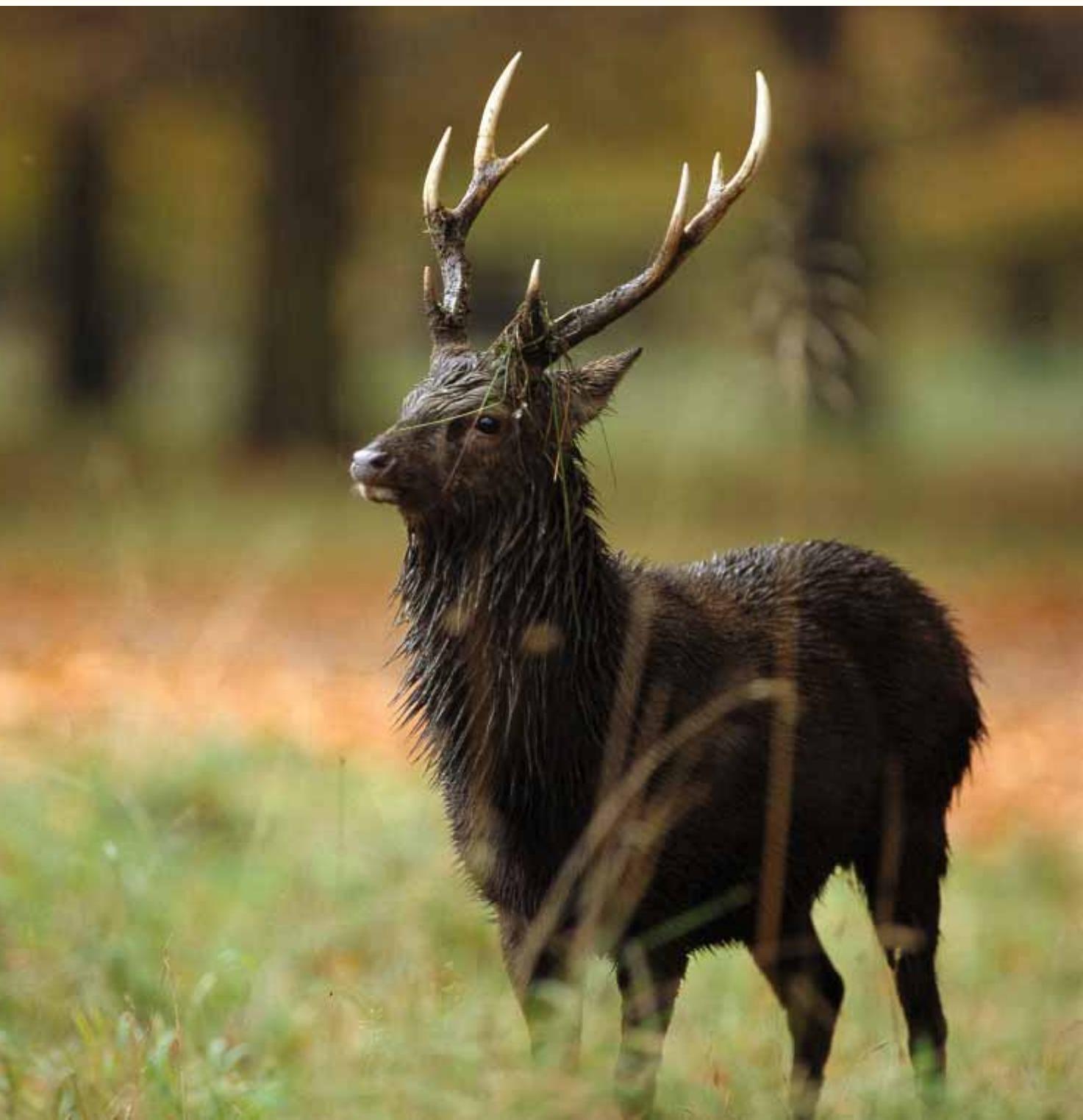
Le daim, qui est un animal de taille moyenne, a tendance à être grégaire et également migrateur. Des hardes de 20 à 40 individus sont assez courantes. La souche mélanique est également frappante, pouvant être dans certains cas d'un noir pur, ce qui en fait un animal et un trophée très impressionnants.
Les chevreuils ont tendance à se déplacer en petits groupes, avec un brocard et quelques chevrettes, parfois, ou des chevrettes et leurs faons à d'autres moments. Les muntjacs et les cerfs d'eau chinois sont plus solitaires par nature et se rencontrent plus dans les forêts denses qu'en terrain découvert. Quoi qu'il en soit, ce n'est pas une question de taille ou de bois, car toutes les espèces vous offriront une chasse décente et stimulante.
Il y a des sangliers au Royaume-Uni et ils sont chassés, bien qu'ils ne soient pas très répandus, mais ils se reproduisent et se développent à un rythme soutenu. Et dans un avenir pas si lointain, ils deviendront probablement une espèce de gibier comme les cerfs.
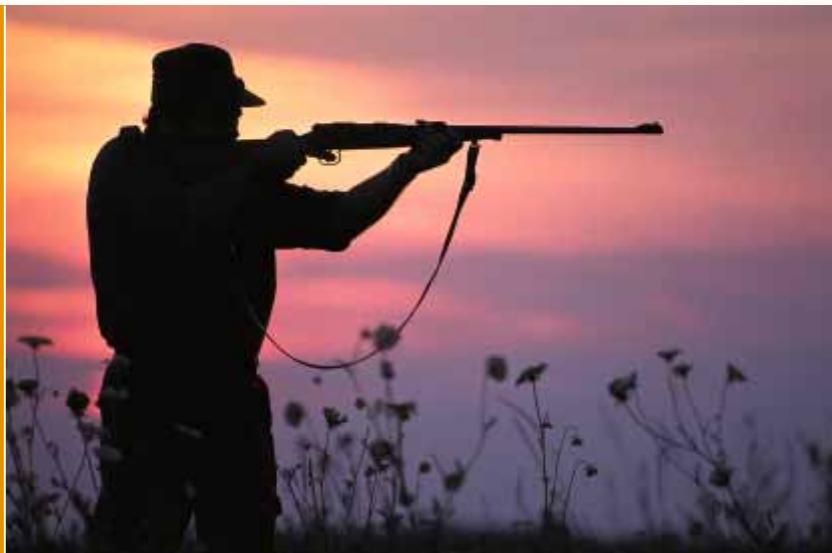
La chasse au Royaume-Uni se pratique beaucoup depuis des miradors, ce qui est une méthode très pratique. Tirer vers le bas offre un butoir sûr, de sorte que les miradors peuvent être placés dans des zones où un tir horizontal pourrait ne pas être sûr. De plus, généralement sur les domaines, ils peuvent être positionnés pour surplomber l'endroit où les cerfs apparaîtront pour se nourrir, garantissant ainsi au client la possibilité de voir un animal. Mais il y a aussi beaucoup de chasse à pied si vous préférez le frisson de la poursuite. Mais les deux méthodes ont leurs avantages et leurs inconvénients. Cependant, tirer sur des cerfs depuis un véhicule n'est pas autorisé, pas plus que les chasser la nuit avec une lampe. Il est toutefois possible de demander une licence de tir de nuit, mais pas à des fins sportives, seulement si vous devez effectuer un abattage pour des raisons de surpopulation ou de dégâts excessifs aux cultures.
Mais pour le tireur sportif, la chasse au cerf ne se pratique que de l'aube au crépuscule. De plus, pour des raisons de sécurité, aucun tir ne peut être effectué à moins de 100 yards d'une route.
En termes de terrain, le Royaume-Uni a beaucoup à offrir avec des bois, des landes, des forêts, des collines et même des montagnes. Les tirs peuvent être à courte ou à longue portée, les plus expérimentés considérant 300 à 400 yards comme une distance acceptable. Comme les Européens et les Américains, nous chassons par tous les temps et en toutes saisons ; soyez donc prêt...
Les exigences légales sont simples en ce qui concerne le fusil et les munitions : il doit s'agir d'un calibre à percussion centrale, d'un minimum de 6 mm, capable de produire une énergie minimale à la bouche de 1700 ft/lbs. Et la balle doit être de type expansif – pointe molle, pointe creuse ou pointe balistique. Pour la plupart des chasseurs débutants, le choix principal est soit le 243, soit le 308 Winchester. Également populaires, bien que peut-être moins répandus, sont le 6,5 × 55 mm suédois, le 30-06 Springfield et, dans une moindre mesure, le 270 Winchester. Tous ces calibres sont plus que capables de prélever un grand cerf élaphe, à condition d'un placement et d'un choix de balle corrects. On voit aussi quelques 25-06 et même des 7 × 57 mm Mauser, etc., et les calibres basés sur le 308 comme le 260 Remington ou le 7 mm-08 Remington deviennent plus populaires.
Actuellement, il existe une exception à la loi du 6 mm/1700 ft/lbs, et c'est en Écosse où il est permis de prélever des espèces plus petites comme le chevreuil avec un 22 à percussion centrale. Ici, les calibres comme le 222, le 223 et le 22-250 Remington, et dans une moindre mesure le 220 Swift, sont privilégiés. Actuellement, cela n'est pas autorisé en Angleterre ou au Pays de Galles, qui maintiennent toujours le minimum de 6 mm. Cependant, cela pourrait changer dans un avenir proche, avec le chevreuil, le muntjac et le cerf d'eau chinois autorisés à être prélevés avec un 22 à percussion centrale.
Il n'y a pas de restrictions sur les systèmes de visée, bien que la lunette de visée soit universellement préférée et qu'il soit rare de voir un chasseur utiliser des mires métalliques, contrairement à l'Europe. Pour la chasse au cerf au Royaume-Uni, le fusil le plus populaire est un fusil à verrou à répétition, avec très peu de tireurs optant pour des leviers, des canons doubles ou simples, ou même des combinaisons. Les pompes et les semi-automatiques sont interdits à la possession depuis 1988. Cependant, ils sont toujours légaux à posséder en format .22 LR dans toutes les actions ci-dessus.
la chaîne alimentaire, alors il doit se conformer aux directives européennes, quant à la façon dont il est préparé et offert à un négociant en gibier. Et il doit également être vérifié par un vétérinaire pour les maladies et les infections. Actuellement, le chasseur privé n'est pas soumis à une telle obligation, car sa viande est destinée à la consommation privée uniquement. Cependant, encore une fois, le bon sens devrait prévaloir et suivre un cours BDS ou BASC vous montrera quoi faire et, plus important encore, quoi surveiller.
Les espèces de cerfs sont réparties assez uniformément au Royaume-Uni, bien que certains endroits
en Angleterre/Pays de Galles (pas de saison de fermeture), mais pas en Écosse, bien que le muntjac et le cerf d'eau chinois puissent être tirés à tout moment de l'année partout où ils se trouvent au Royaume-Uni. Les cerfs au Royaume-Uni sont tirés pour un certain nombre de raisons et à différents niveaux, notamment pour les trophées et la viande, qui devient de plus en plus populaire dans les restaurants, les supermarchés, ainsi que chez les bouchers spécialisés. Mais aussi pour maintenir les populations à un niveau raisonnable, car nous avons une énorme population d'animaux sauvages qui causent beaucoup de dégâts aux cultures et aux forêts.
Les tireurs se répartissent généralement en trois groupes principaux : en bas, ceux qui veulent simplement vivre l'expérience de tirer un cerf une ou deux fois par an et peut-être obtenir un peu de viande. Ensuite, il y a les chasseurs à l'approche plus traditionnels qui tirent principalement pour les trophées et qui abordent cela de manière plus stylisée, y compris le choix de l'équipement. Enfin, il y a les tireurs professionnels qui en vivent ou qui considèrent cela comme un travail à faire. Ils abordent cela de manière plus technique avec des carabines semi-automatiques ou entièrement personnalisées avec bipieds, télémètres et même des vêtements de camouflage. Leur travail consiste à maintenir les populations à un niveau raisonnable et à vendre la viande à des négociants en gibier. Et c'est ce besoin de carabines bien faites, robustes et précises

Chasse ou tir sur cible ? La loi exige un permis d'armes à feu pour que le citoyen privé puisse posséder des armes et considère les tireurs sur cible et les chasseurs comme deux entités distinctes. Ces derniers doivent désigner un terrain sur lequel tirer ou montrer qu'ils ont accès à un terrain, par exemple en achetant une journée de chasse à l'approche sur un domaine. Ainsi, posséder un fusil pour tirer sur un pas de tir ne vous permet pas nécessairement de l'emmener à la chasse...
Cependant, en tant que particulier, une fois que la permission de chasser a été accordée, il n'y a aucune exigence légale de montrer combien d'animaux vous avez tirés. De même, les cours de formation ne sont pas obligatoires. Mais notre propre British Deer Society (BDS) propose des niveaux de formation pour les chasseurs à l'approche novices et plus expérimentés, tout comme la British Association for Shooting & Conservation (BASC). Ils enseignent des choses comme la reconnaissance des cerfs, le choix du fusil/calibre, le placement du tir, le tir de précision, l'éviscération, le dépouillement et les techniques de préparation de la viande. Ce n'est pas obligatoire, mais une bonne formation donne toujours un meilleur tireur, quelle que soit sa discipline. Depuis 2006, si vous gérez une chasse commerciale, comme un domaine, et vendez la viande de gibier sauvage dans
| Closed saisons | |||
| Species | Sex | England/Wales | Scotland |
| Red | M | May 1 – July 1 | Oct 21 – June 30 |
| Red | F | March 1 – Oct 31 | Feb 16 – Oct 20 |
| Fallow | M | May 1 – July 31 | May 1 – July 31 |
| Fallow | F | March 1 – Oct 31 | Feb 16 – Oct 20 |
| Sika | M | May 1 – July 31 | Oct 21 – June 30 |
| Sika | F | March 1 – Oct 31 | Feb 16 – Oct 20 |
| Roe | M | Nov 1 – March 31 | Oct 21 – March 31 |
| Roe | F | March 1 – Oct 31 | April 1 – Oct 20 |
| Red/Sika | |||
| Hybrids | M | no closed season | Oct 21 – June 30 |
| Red/Sika | |||
| Hybrids | F | no closed season | Feb 16 – Oct 20 |
| Muntjac | M/F | no closed season England, Wales and Scotland | |
| Chinese Water | |||
| Deer | M/F | no closed season England, Wales and Scotland | |
comme l'Écosse sont considérés comme le berceau du cerf élaphe, ce qui est en réalité loin de la vérité car ils sont assez répandus. Peut-être le plus spécialisé est le cerf d'eau chinois, qui reste dans les zones humides comme son nom l'indique. Nous avons naturellement des saisons d'ouverture (chasse) et de fermeture (pas de chasse), selon le sexe et l'espèce, qui diffèrent selon le pays, l'Angleterre et le Pays de Galles étant les mêmes, bien que l'Écosse soit différente. Il est intéressant de noter que les hybrides cerf élaphe/sika sont traités comme des espèces nuisibles.
C'est ce qui a contribué à la diffusion des armuriers les plus avancés techniquement. Chasseurs et tireurs eux-mêmes, ils savent ce que le client veut et sont capables de le lui donner. La chasse au cerf est très certainement en augmentation dans tout le Royaume-Uni et, du point de vue d'un chasseur européen, le pays offre un sport fin et stimulant !
Peter Moore, rédacteur en chef de Shooting Sports, Royaume-Uni
Cerf noir : Le cerf le plus frappant du Royaume-Uni est le daim mélanique, qui, en raison de sa génétique, produit un animal qui, dans les cas extrêmes, est noir pur. Physiquement, ils ne diffèrent pas de la variété tachetée traditionnelle en taille, sexe, forme ou bois, mais leur coloration est étonnante. Et j'ai eu le plaisir de voir ces animaux de près.
Un de mes amis possède un grand domaine près de Stratford-upon-Avon et a un grand troupeau de daims, maintenu uniquement pour la chasse. Et de nombreux Européens viennent pour le plaisir de traquer ces bêtes noires. Il élève aussi des faisans, donc comme vous pouvez l'imaginer, les cerfs se nourrissent bien du maïs qu'il met pour les oiseaux, car ils renversent les mangeoires à cette fin.
déjà été réservé pour un client suédois, donc j'observais simplement.
Les miradors de tir sont installés partout sur le terrain, qui est fortement boisé, et j'étais dans un autre avec le garde-chasse pour éclaircir un peu la population de daims standard. Typiquement, les cerfs s'habituent aux miradors et s'approchent très près. Nous avons repéré un petit groupe familial - un jeune
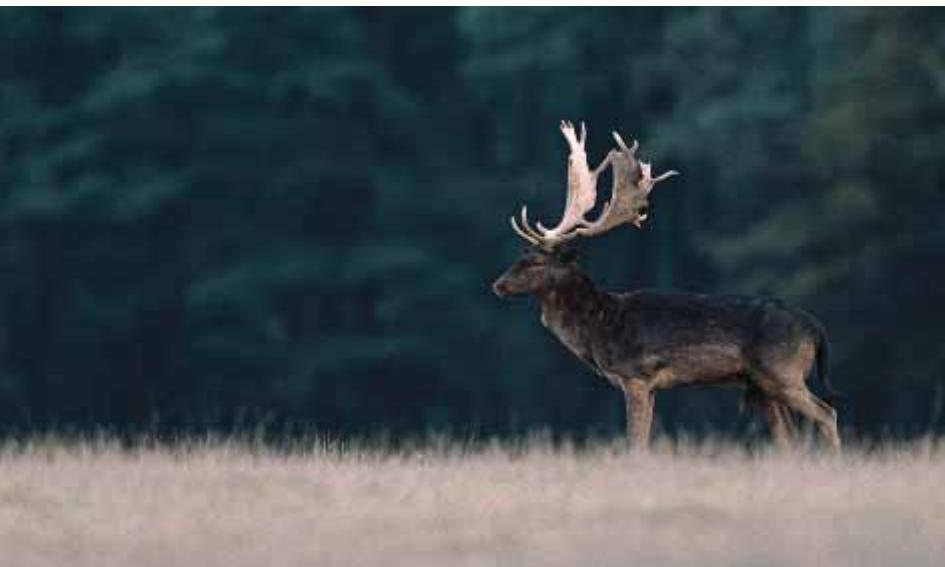
Tout le tir se fait non pas depuis des miradors élevés, mais depuis des cabines surélevées, ce qui, comme j'allais le découvrir, est une façon plutôt agréable de chasser, bien qu'un peu paresseuse. J'appellerais cela le pistage du riche...
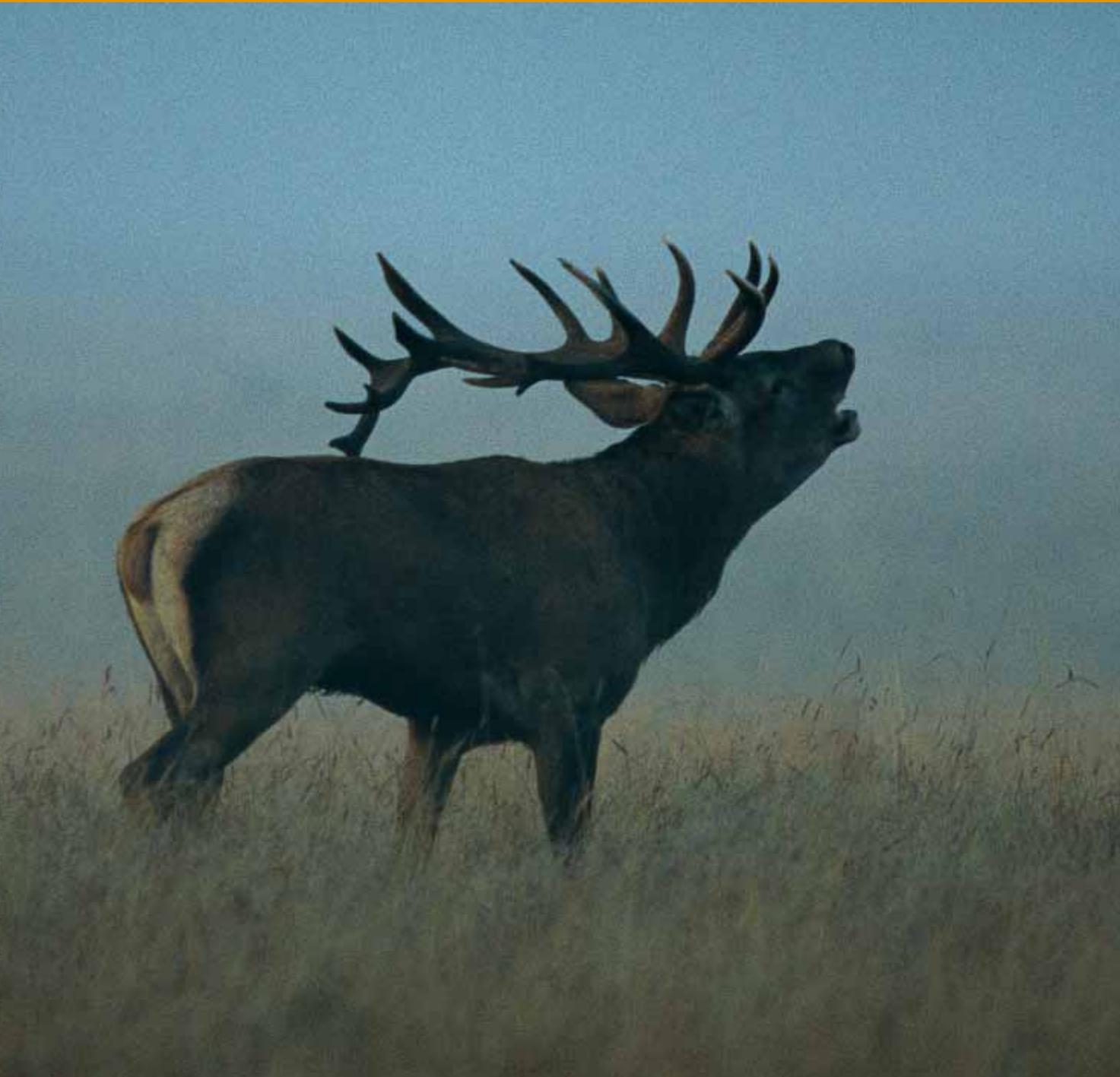
J'étais là-haut pendant le rut et la première fois que j'ai vu un des grands mâles mélaniques, c'était depuis une tour de tir de 6 mètres de haut. Ce bruit presque primordial, ce grognement qu'ils font pour appeler les biches et lancer des défis aux autres mâles est un peu effrayant et vous rend un peu mal à l'aise et très proche de la nature. Un très beau mâle est passé juste à côté de la tour et j'ai eu une très bonne vue de lui. Cependant, il avait
mâle, une biche et deux faons, qui se sont approchés du mirador. Le mâle était en très belle condition et son pelage était aussi riche et brillant que celui d'une taupe. Il était si proche que j'aurais pu tendre la main pour le toucher. J'ai déjà eu des moments comme celui-ci où l'on peut s'approcher vraiment près des cerfs sauvages et ils n'ont pas peur. Et sans aucun doute, celui-ci restera avec moi pour toujours...
Mais c'étaient les biches que nous recherchions ce jour-là et dans un autre mirador, nous nous sommes assis au bout d'une allée dans un bois. Le mirador est couvert, donc pas de problème de pluie, et il a trois meurtrières. Nous avons vu un
Ce jour-là, beaucoup de cerfs, principalement des mâles, et alors que la lumière déclinait, j'ai repéré une biche qui montait à travers le feuillage. Elle était avec d'autres qui avaient des faons, mais nous ne pouvions pas voir si elle en avait un à sa suite ; en tout cas, ils étaient sevrés, mais pour la même raison, nous ne voulions pas prendre de risque. Contrairement à la plupart de mes tirs, c'était à courte portée et je la suivais dans la lunette pendant que le garde-chasse me disait de me tenir prêt à tirer s'il le disait. Pendant qu'il vérifiait si elle avait un petit.
Le groupe avançait et le garde-chasse n'était toujours pas sûr ; bientôt, l'occasion de tirer disparaîtrait. Malgré le nombre de cerfs que j'ai tirés, je reste tendu dans des moments comme celui-ci, car c'est vraiment une situation de oui/non/attente. Finalement, le garde-chasse a dit qu'elle était seule et que je pouvais procéder ; vérifiant les viseurs, j'ai enlevé la sécurité et bang, elle est tombée. Tout cela s'est passé au ralenti et pendant que j'actionnais la culasse pour recharger, je me souviens d'avoir vu l'étui vide s'éjecter, heurter la meurtrière et se mettre à tournoyer avant de s'immobiliser en parfait équilibre sur le bord du boisé. Comme voir le Daim mélanistique de près, la chasse est définie pour moi par des moments comme celui-ci, c'est pourquoi elle est si spéciale...
Peter Moore, rédacteur en chef de Shooting Sports, Royaume-Uni
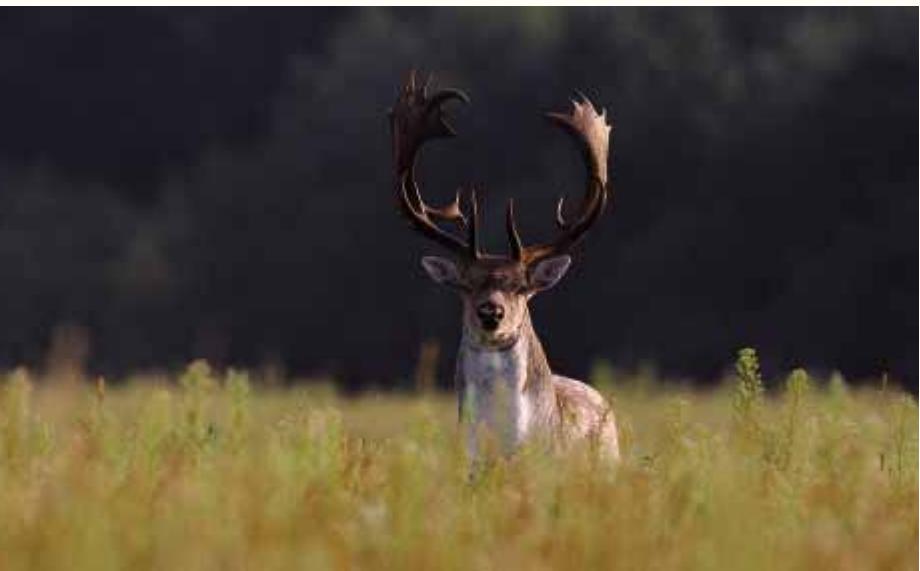
L'appel de la nature Contrairement aux chevreuils, qui ont tendance à se déplacer en très petits groupes ou seuls, les daims sont beaucoup plus grégaires et je les ai vus en troupeaux allant jusqu'à 40 animaux. Comme pour les chevreuils, j'en ai tiré beaucoup, et les grands mâles avec leurs grands bois font de beaux trophées. Assez souvent, le mâle dominant chasse les jeunes mâles matures du troupeau et ils ont tendance à se regrouper pour former des groupes de célibataires.
Un groupe particulier de six avait festoyé sur la betterave sucrière dans l'une des fermes où je fais du contrôle des cervidés, et l'agriculteur attendait des résultats de ma part. Les tirs sur ces terres sont nécessairement longs car les champs sont grands et le seul couvert se trouve dans les bois qui les bordent. C'est donc plus un tir d'embuscade, car s'approcher d'un groupe de daims alertes regardant dans toutes les directions sur un terrain plat et ouvert n'est jamais facile ! J'ai donc tendance à utiliser des calibres plus puissants et plus plats, mon préféré étant le 270WSM.
La semaine précédente, j'en avais prélevé deux du groupe et je m'étais levé très tôt le dimanche suivant pour continuer le travail. Avec près de deux miles de marche de la cour de la ferme aux champs, j'ai longé les bois en restant couvert autant que possible. Juste au lever du soleil, j'ai observé à la jumelle de l'autre côté du
j'avais fini, j'ai levé les yeux pour les voir à environ 200 mètres dans le même champ. Heureusement, j'étais à couvert, alors je me suis baissé pour mettre ma veste et préparer mon fusil. En levant les yeux à nouveau, ils avaient disparu, c'était comme si la terre les avait avalés. C'est comme ça que ça se passe parfois...
Pas en colère, mais déçu d'avoir attendu au cas où, mais après environ 30 minutes, j'ai réalisé que c'était fini pour la matinée et j'ai commencé à revenir à pied autour du champ jusqu'à la ferme. Le champ descend vers un fossé profond puis remonte dans un autre champ en colline de betteraves sucrières. À ma grande surprise, un autre grand daim mâle est apparu en haut à gauche du champ lointain. Instinctivement, je me suis jeté à terre et, par chance, il ne m'a pas vu.
Si je le voulais, j'allais devoir
hors de question. J'ai déployé mon bipied et j'ai attendu, espérant qu'il se déplace assez vers la gauche pour que je puisse pointer mon fusil à travers le couvert pour tirer. En attendant, j'entendais les moustiques bourdonner et ils ont commencé à me piquer, mais je suis resté immobile. Il a commencé à aller vers la gauche comme je l'espérais et a finalement marché dans la zone où je pouvais voir pour tirer, et ce fut tout...
Une journée amusante : j'ai raté ma cible principale à cause de circonstances imprévues et incontrôlables, mais par pure chance, j'ai réussi à attraper un autre cerf dans le sac grâce à un peu de travail acharné et de patience. C'est ça, la chasse.
Peter Moore, rédacteur en chef de Shooting Sports, Royaume-Uni
champ et j'ai vu que le groupe de quatre mâles se dirigeait vers moi. C'est à ce moment-là que mon corps a décidé qu'il devait répondre à un appel important de la nature, et qui ne pouvait pas être retardé.
Avec un dernier regard plein de regret vers les animaux qui approchaient, je me suis glissé dans les bois et me suis occupé de mes besoins. Fusil posé, sac et manteau enlevés, et pendant tout ce temps, les cerfs se rapprochaient. Quand je
travailler pour cela, car il était dans une position de 'non-tir' étant devant une route. Une fois, et s'il se déplaçait vers sa gauche d'environ 50 yards, il serait sur la colline, ce qui était un arrêt de sécurité. La seule solution était de ramper de là où j'étais pour atteindre le fossé. En glissant le long de la pente, j'ai atteint le couvert seulement pour découvrir qu'il était un peu haut. Je ne voulais pas être vu, donc installer mes bâtons de tir pour un tir assis était hors
La classe Duovid : deux jumelles en une
Les LEICA DUOVID 8 + 12 × 42 et 10 + 15 × 50 sont les seules jumelles haut de gamme avec deux grossissements. Quelle que soit la situation, que ce soit sur de longues distances ou dans des conditions de faible luminosité critiques, la Leica Duovid s'y adapte parfaitement. Le grossissement inférieur (8 x avec le 42 Duovid ou 10 × avec le 50) permet une vision sans tremblement et un large champ de vision. En passant au grossissement supérieur (12 x ou 15 × respectivement), on obtient une meilleure reconnaissance des détails. Contrairement aux boosters de puissance monoculaires, un booster binoculaire est déjà intégré dans le Duovid – léger, facile à utiliser et avec un large champ de vision. Les deux modèles sont bien équilibrés et présentent un design ergonomique exceptionnel, permettant ainsi une vision pratiquement sans tremblement, même à fort grossissement. D'autres innovations techniques, telles que le système Leica HighLux-System HLSTTM et la compensation automatique de dioptrie ADCTM lors du changement de puissance, font du Duovid un instrument unique et polyvalent.
LEICA DUOVID 10 + 15 × 50
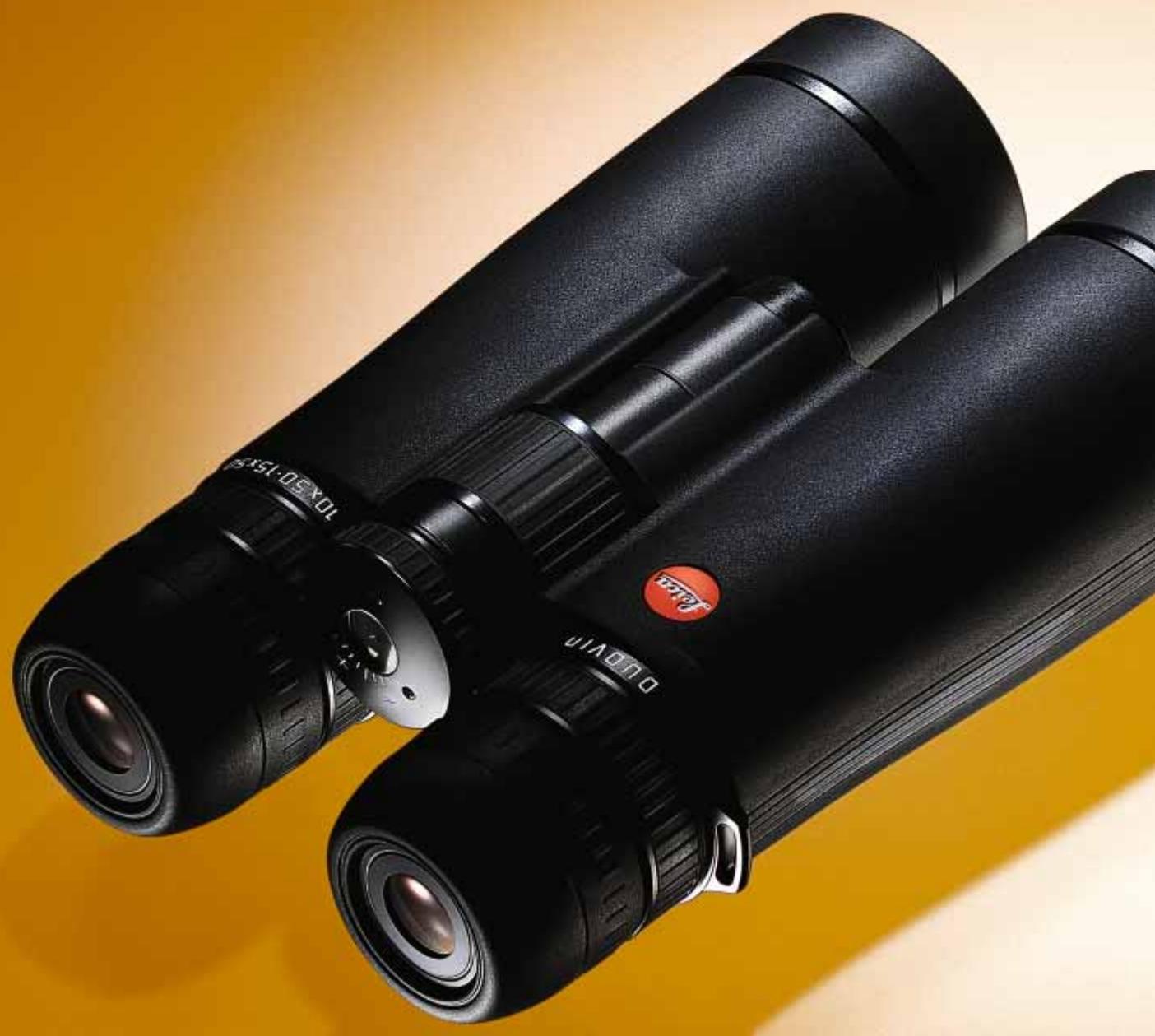
LEICA DUOVID 10 + 15 × 50 – la lunette d'observation jumelle. Avec son grossissement de 15 ×, la Duovid avec objectif de 50 mm comble le fossé entre jumelles et lunette d'observation.
LEICA DUOVID 10 + 15 × 50
Cette Duovid est une jumelle haute performance qui, d'un simple geste du poignet, se transforme en lunette d'observation. Le grossissement de 10 × permet une observation sans tremblement et un champ de vision plus large. En passant à 15 ×, on atteint un niveau de reconnaissance des détails auparavant réservé aux lunettes d'observation. Grâce à son excellente qualité d'image, la Duovid de 50 mm est idéale pour la chasse à faible luminosité. Pour permettre une observation plus longue et sans fatigue, un trépied est inclus avec la jumelle.
Le design ergonomique et le revêtement en caoutchouc soft-touch assurent une prise en main sûre et sans tremblement, même avec des gants.
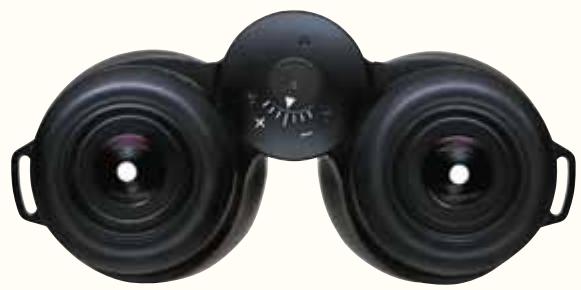
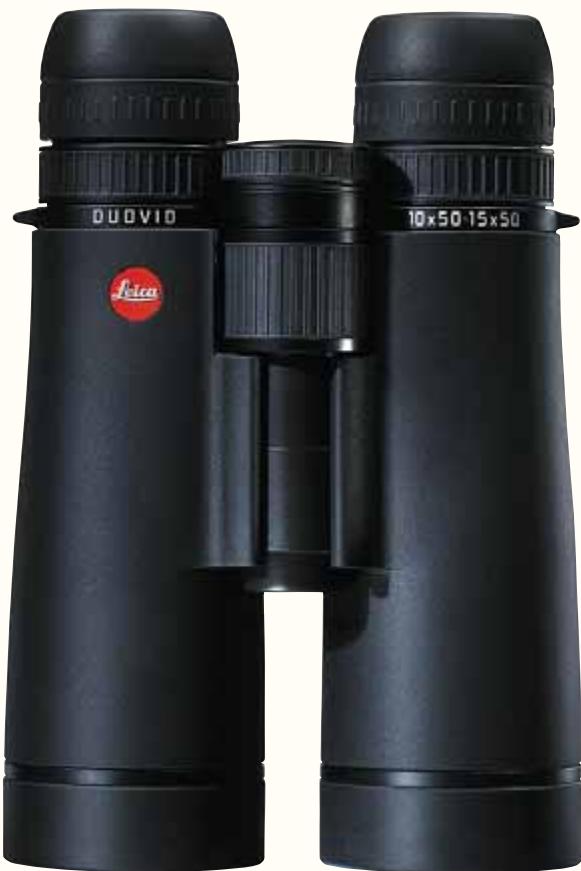
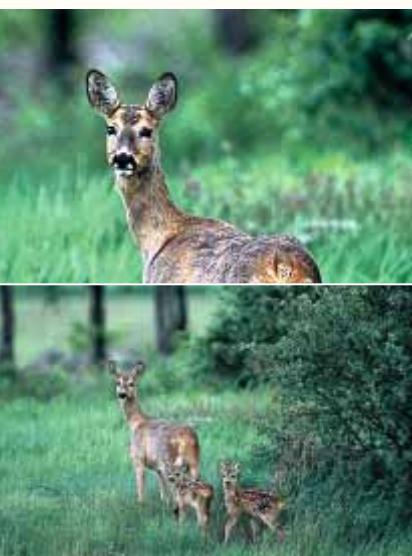
La jumelle de chasse la plus flexible : les grossissements de 12 × et 15 × de la Duovid sont idéaux pour observer le gibier à grande distance, tout en offrant une image riche en détails. D'autre part, les grossissements de 8 × et 10 × permettent un large champ de vision lors de l'observation d'une zone pour repérer le gibier.
« Ma Duovid est indispensable lors de la chasse au sanglier. C'est fantastique comme elle facilite l'observation de nuit. »
(Peter Grieder, chasseur et journaliste indépendant, Suisse)
LEICA DUOVID 8 + 12 × 42 – la jumelle 42 mm la plus flexible
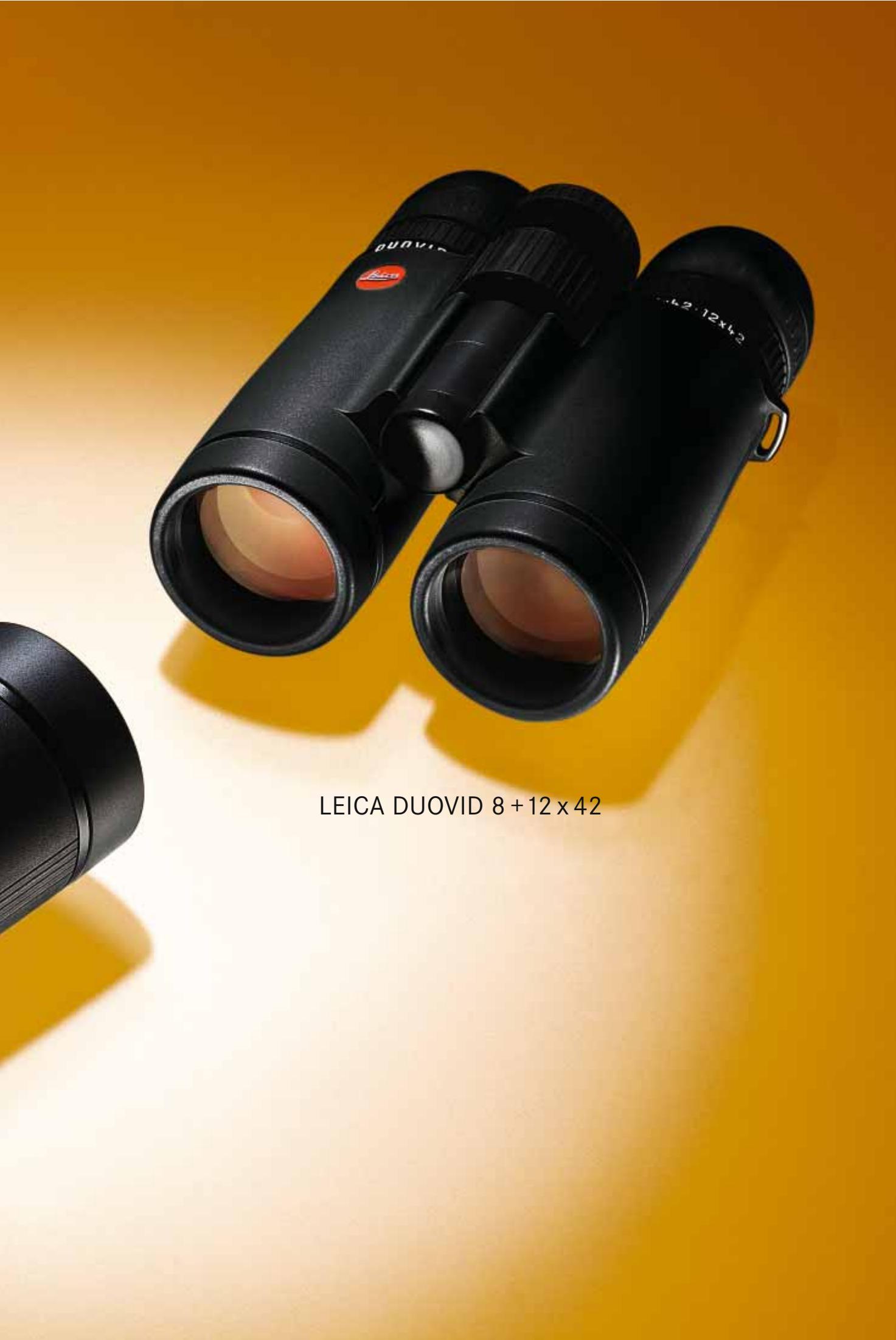
Grossissement unique de 12 × dans un verre de 42 mm, permettant une excellente reconnaissance des détails.
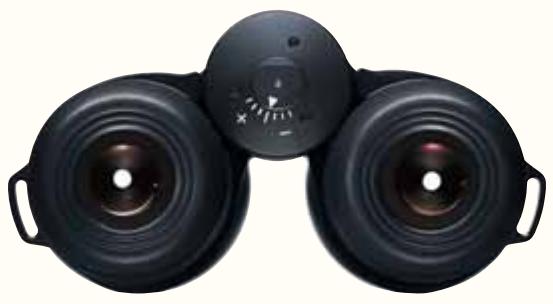
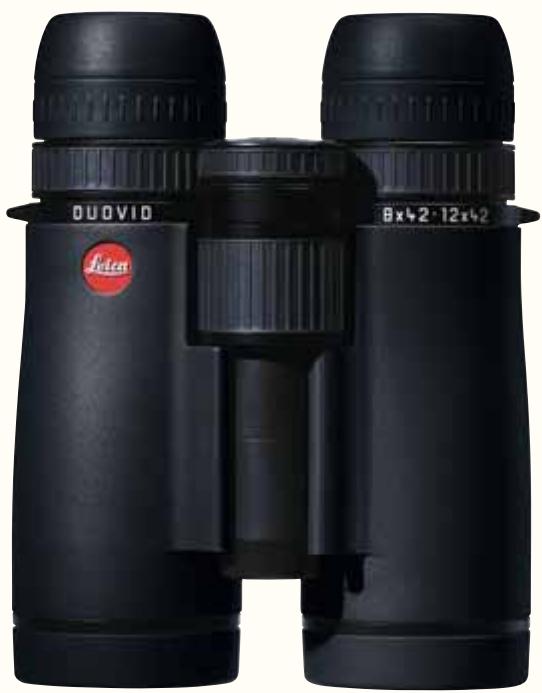
LEICA DUOVID 8 + 12 × 42
La Duovid 42 compacte offre un grossissement de 8 × pour un large champ de vision, ainsi qu'un grossissement de 12 × pour une meilleure reconnaissance des détails. Comme pour le modèle 50 mm, cette Duovid est équipée d'œilletons coulissants avec deux crans d'arrêt, garantissant une distance pupillaire idéale pour chaque utilisateur.
Pour changer de grossissement, il faut ajuster la bague sur chaque tube en conséquence. Grâce à la compensation automatique de dioptrie ADC™, votre dioptrie précédemment réglée s'ajustera automatiquement au nouveau grossissement.
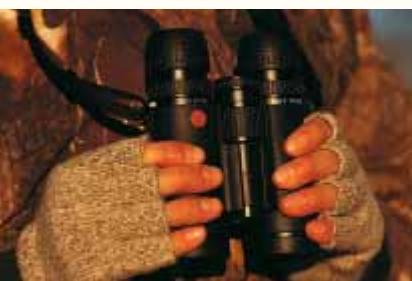
« La Duovid est la jumelle de chasse la plus polyvalente. Quelle que soit la situation ou le gibier, la Duovid offre la solution optique parfaite. »
(Matthias Suuck, directeur des ventes Leica Sport Optics)
Grâce à ses performances exceptionnelles au crépuscule, la Duovid permet une excellente reconnaissance des détails aux grossissements de 12× et 15×, même dans des conditions de faible luminosité. Cependant, lorsque la luminosité continue de se dégrader, il convient de passer à un grossissement de 8× ou 10×, car les jumelles offrent une image plus lumineuse à des puissances inférieures.
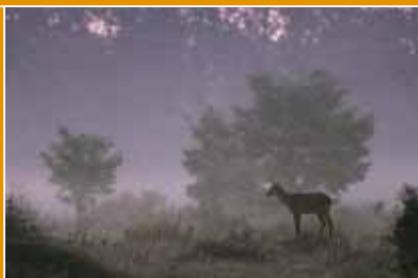
Deux grossissements
La classe de jumelles flexible avec à la fois un fort grossissement et un large champ de vision dans un seul produit. Un fort grossissement pour les longues distances et les détails minutieux. Un faible grossissement pour la stabilisation de l'image et un large champ de vision.
Brillance extrême
Résolution extrêmement élevée et image sans franges de couleur grâce au système Leica HighLux-System HLST™, un revêtement de lentilles multicouche innovant avec Leica HDC™ et un objectif à quatre lentilles avec achromat.
Facile à utiliser
Compensation dioptrique automatique ADC™ : lors du changement de grossissement, la dioptrie s'ajuste automatiquement. Molette centrale multifonction : mise au point confortable et fluide, réglage dioptrique facile.
Robuste
Le boîtier robuste en aluminium moulé sous pression et l'armure en caoutchouc soft-touch protègent les jumelles contre les dommages, tout en assurant une prise en main sûre, même avec des gants. Fonctionne parfaitement dans toutes les conditions environnementales de -25 °C à +55 °C (-13 °F à +131 °F), étanche jusqu'à 5 m (16,4 pi), rempli d'azote.
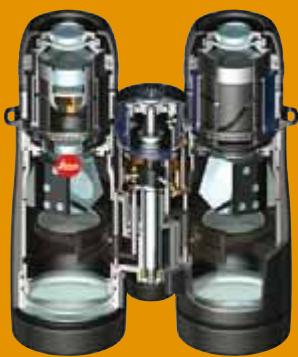
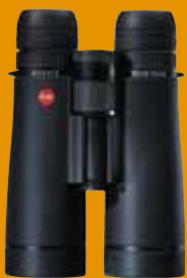
LEICA DUOVID 10 + 15 × 50 - les jumelles-longue-vue.
Avec armure en caoutchouc noire : Réf. 40 420
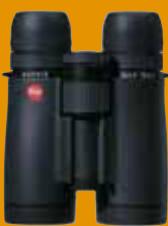
LEICA DUOVID 8 + 12 × 42 - les jumelles 42 mm les plus flexibles.
Avec armure en caoutchouc noire : Réf. 40 400
La classe Ultravid : des jumelles pour les exigences extrêmes
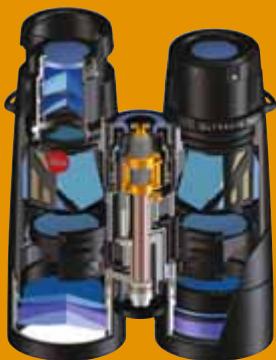
Rien ne démontre mieux ce qui est techniquement possible aujourd'hui que les produits phares de la classe Ultravid. Le boîtier et l'axe central des modèles 50 mm, 42 mm et 32 mm sont fabriqués en magnésium et titane, ultra-légers mais extrêmement durables. Deux finitions extérieures légères sont disponibles : un revêtement en caoutchouc soft-touch ou un élégant cuir. L'utilisation de ces matériaux ultra-légers, associée à des composants parfaitement alignés, garantit une durabilité à long terme avec un poids minimal. Les appuis-pouces des modèles 50 mm et 42 mm et les œilletons coulissants à deux crans de tous les modèles Ultravid assurent un confort d'observation optimal. Leur élément en caoutchouc souple et amortissant permet un positionnement confortable de l'œil, et grâce aux crans, ils peuvent être réglés individuellement pour un dégagement oculaire parfait. La force de la classe Ultravid est due, en grande partie, à sa haute qualité d'image. Le système Leica HighLux-System HLST™ rend cela possible. Ce système innovant – composé d'un nouveau revêtement miroir hautement réfléchissant sur les surfaces des prismes et d'une conception optique et mécanique optimisée – réduit davantage la lumière parasite et augmente la transmission de la lumière et le contraste, créant ainsi une expérience d'observation inoubliable. Ces avancées techniques et d'autres rendent évident que la classe Ultravid est la nouvelle classe de référence en matière de jumelles.
LEICA ULTRAVID 8x20 BL
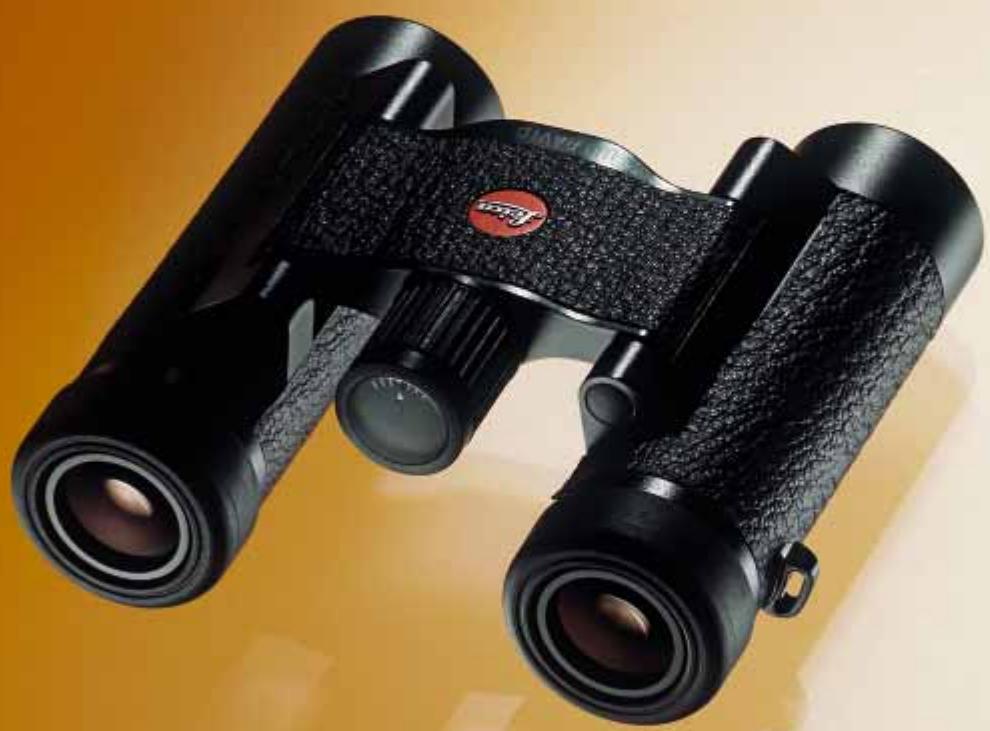
LEICA ULTRAVID BR 50 mm – prêt pour toutes les conditions de lumière. Les Ultravid 50 mm atteignent une richesse de contraste et de brillance qui, jusqu'à présent, était difficile à obtenir, même avec une lentille d'objectif plus grande. Tous les modèles 50 mm sont disponibles avec un revêtement en caoutchouc noir ou vert.
LEICA ULTRAVID 8x50 BR
Observation sans fatigue, même dans des conditions de faible luminosité. Le grossissement 8x garantit une image stable et nette, sans avoir à refaire constamment la mise au point.
LEICA ULTRAVID 10x50 BR
La jumelle à haute transmission de lumière, la meilleure de sa catégorie. Grâce à ses performances exceptionnelles au crépuscule, les détails fins peuvent être observés jusqu'à la tombée de la nuit.
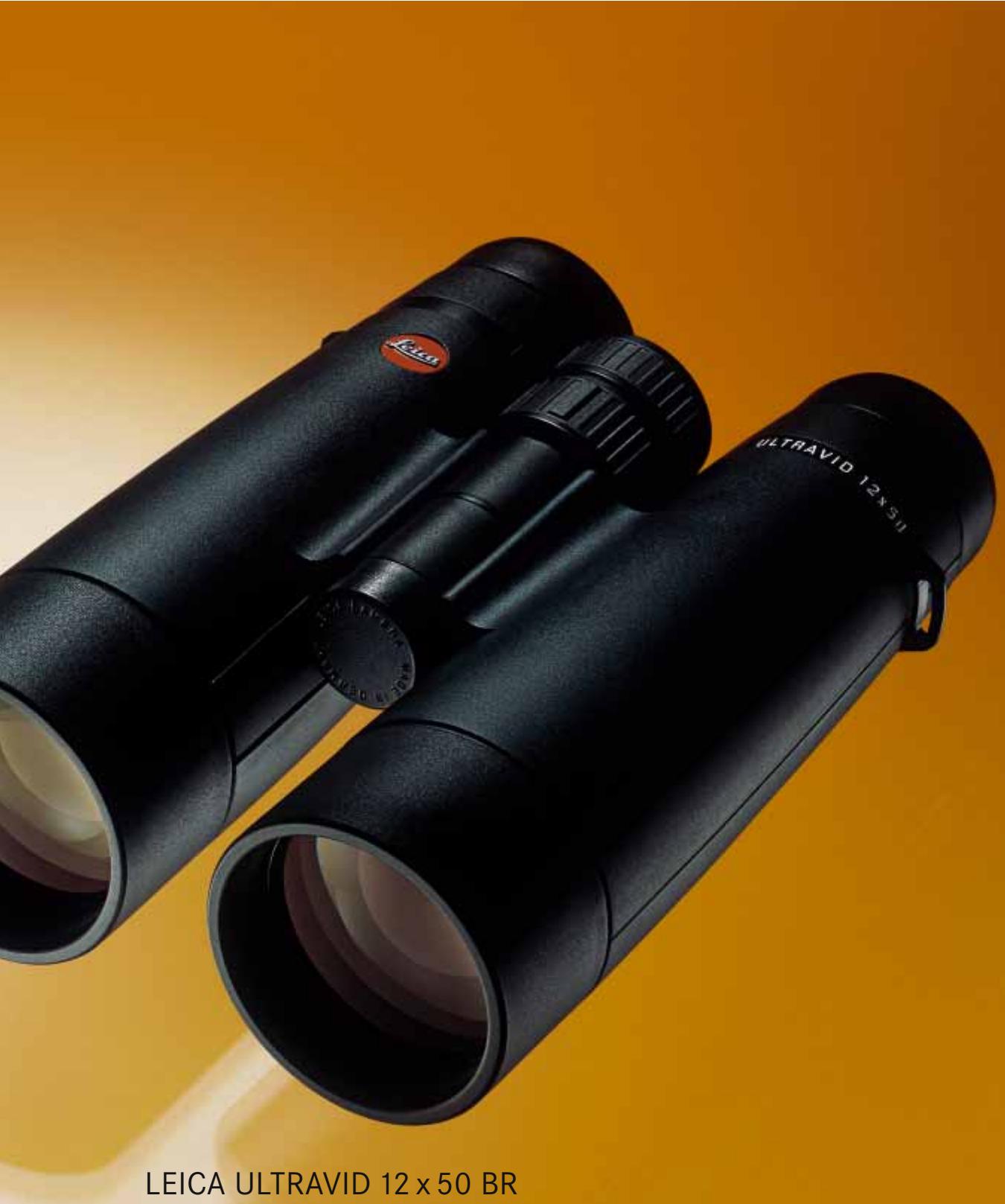
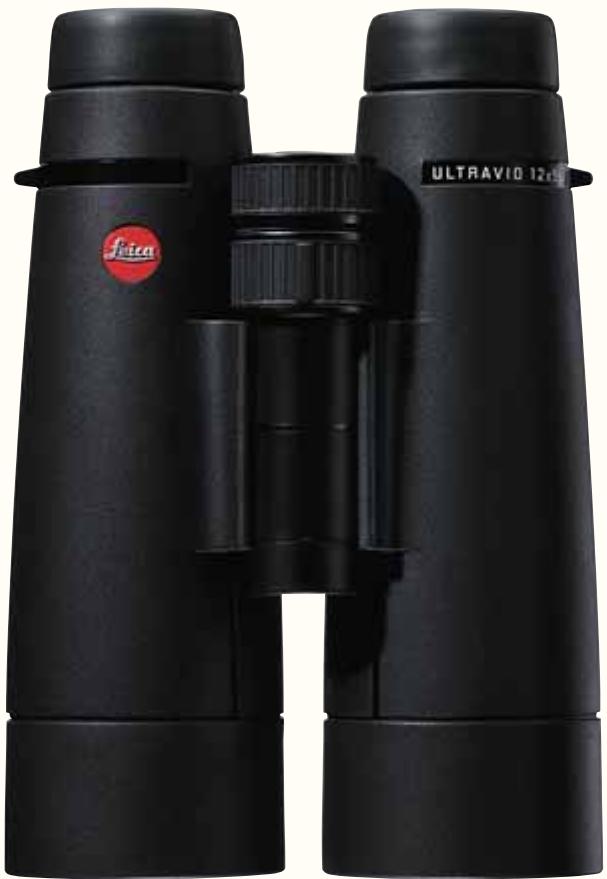
LEICA ULTRAVID 12x50 BR
Le grossissement 12x permet une excellente reconnaissance des détails sur de longues distances. De plus, cette jumelle haute performance offre une mise au point rapprochée exceptionnelle de 3,2 m (10,7 pieds).
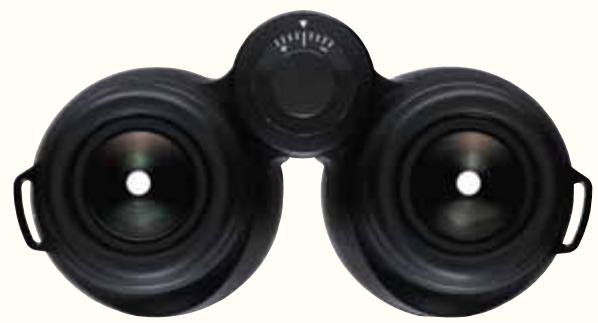
Même le froid extrême n'empêche pas l'Ultravid de fournir des expériences d'observation impressionnantes. Fonctionnant jusqu'à des températures de -25°C (-13°F), il atteint un niveau de performance que presque aucune autre jumelle ne peut égaler. Ultravid : la combinaison de la précision et de la robustesse.
LEICA ULTRAVID BR 42 mm – le polyvalent robuste. Ils sont presque aussi compacts qu'un 32 mm et presque aussi lumineux qu'un 50 mm. En ce qui concerne le facteur crépusculaire, le 8x42 et le 8x50 ne sont même pas à 10% d'écart. Les modèles BR sont équipés d'un revêtement en caoutchouc amortissant les chocs, en vert ou en noir.
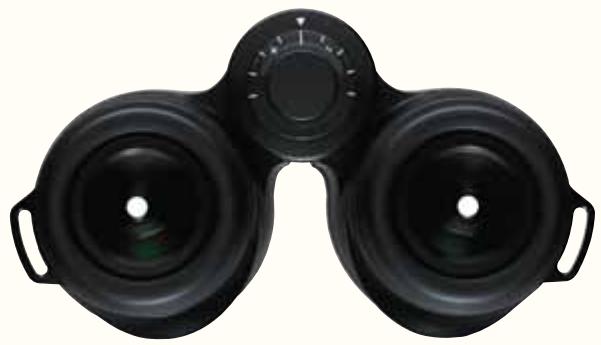
LEICA ULTRAVID 7x42 BR
Un large champ de vision avec une excellente netteté sur les bords, associé à une image lumineuse et stable, caractérise cette jumelle.
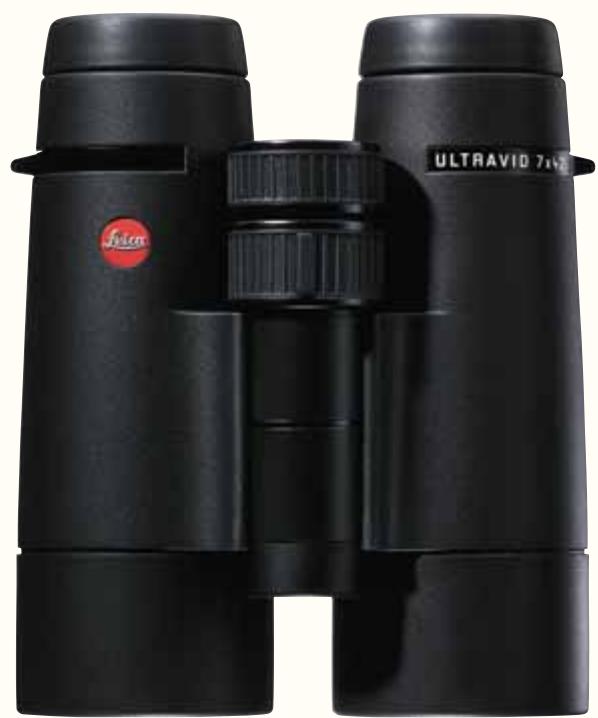
LEICA ULTRAVID 8 x 42 BR
La jumelle polyvalente qui offre des images riches en contraste aussi bien de jour qu'au crépuscule. Le rapport luminosité/poids, grossissement/champ de vision, fait de ce modèle l'outil idéal pour toutes les utilisations.
LEICA ULTRAVID 10 x 42 BR
La jumelle la plus puissante de la classe Ultravid 42 mm. Les oculaires redessinés permettent un positionnement très confortable de l'œil. Cela devient très apparent avec l'amélioration de la stabilité de l'image lors de l'observation sur de grandes distances.
La nouvelle ergonomie permet une manipulation détendue. Les appuis-pouces des modèles BR 50 mm et 42 mm assurent une tenue sans tremblement et antidérapante. La grande molette centrale offre une prise confortable et naturelle.
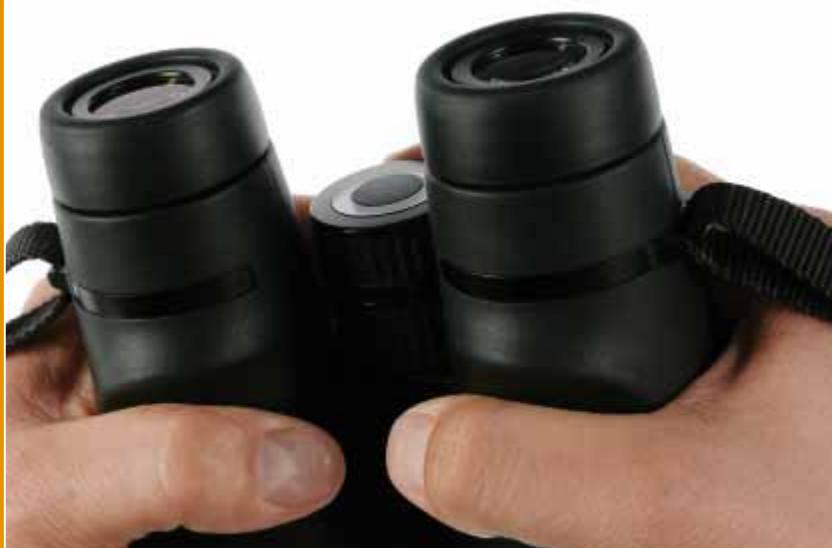
LEICA ULTRAVID BL 42 mm - légère et au design classique. Les modèles BL 42 mm recouverts de cuir sont particulièrement élégants, rappelant les jumelles et appareils photo classiques qui ont rendu Leica célèbre. Grâce au revêtement en cuir, ils pèsent moins de 700 g (24,7 oz).
LEICA ULTRAVID 8 x 42 BL
Un champ de vision de 130 m (389 pieds) avec un grossissement de 8x. Une image riche en contraste aussi bien de jour qu'au crépuscule.
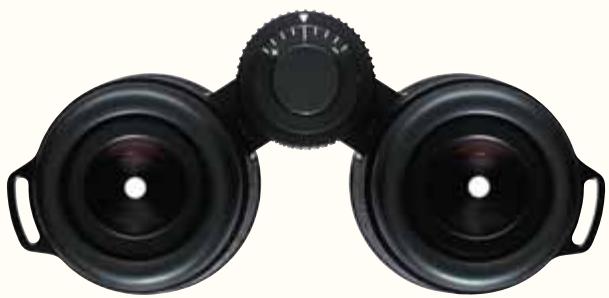
LEICA ULTRAVID 10 x 42 BL
La jumelle la plus puissante de la classe Ultravid 42 mm. Les oculaires redessinés permettent un positionnement très confortable de l'œil. Cela devient très apparent avec l'amélioration de la stabilité de l'image lors de l'observation sur de grandes distances. Cette jumelle à fort grossissement est, tout comme le modèle 10 x 42 BR, équipée de nouveaux oculaires conçus pour accommoder confortablement les porteurs de lunettes.
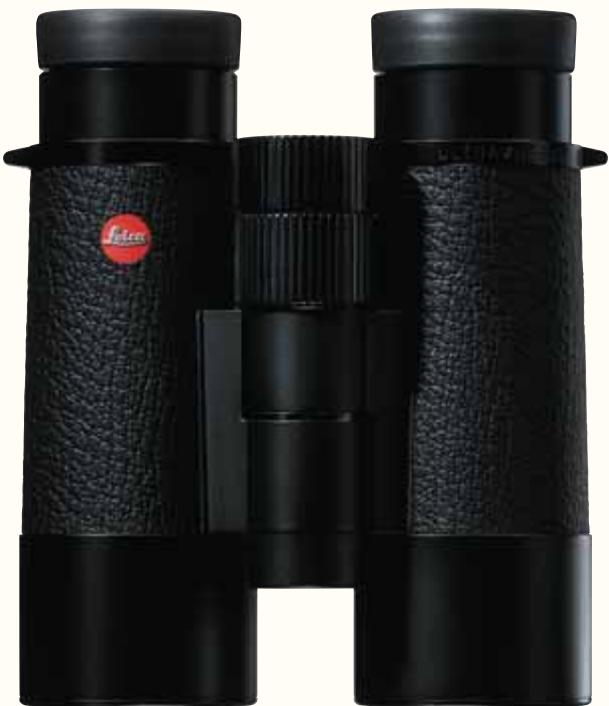
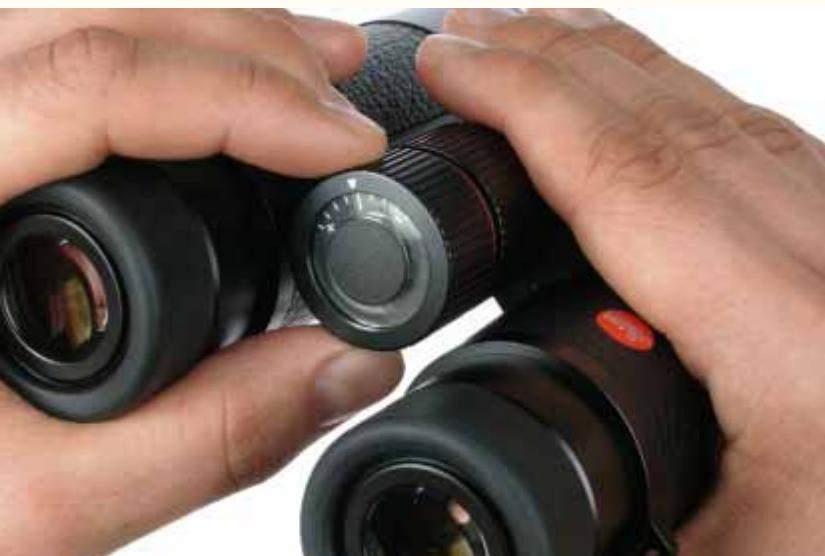
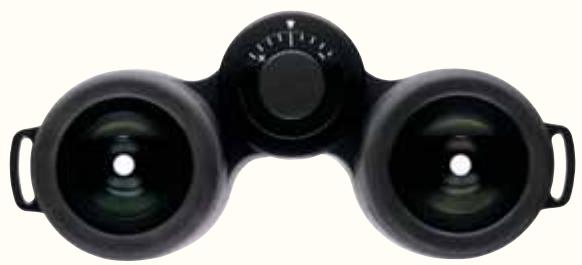
Le magnésium et le titane sont les atouts des Ultravid légers de 50 mm, 42 mm et 32 mm. Un boîtier entièrement en magnésium et un axe central en titane garantissent la longévité et permettent le poids très faible des modèles Ultravid. Faciles à utiliser et agréables à regarder : la molette centrale redessinée est un exploit d'ingénierie Leica. La nouvelle fenêtre en forme d'anneau est facile à lire et la molette de mise au point est douce et facile à utiliser. Grâce à la courte course de mise au point d'un peu plus d'un tour, le point de netteté optimal est facilement trouvé.
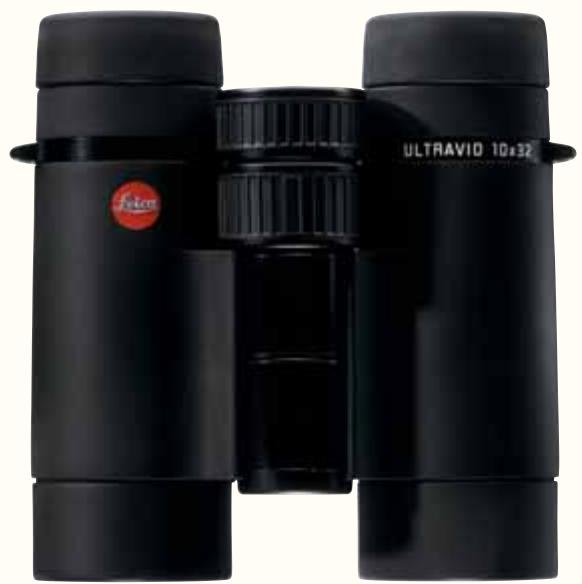
LEICA ULTRAVID BR 32 mm – toujours avec vous. Les modèles 32 mm sont une continuation des normes établies en matière de design, de fonction, de mécanique et d'optique de la classe Ultravid. Ils redéfinissent les jumelles 32 mm.
LEICA ULTRAVID 8 x 32 BR
Jumelle haute performance avec un diamètre d'objectif de 32 mm, un grossissement de 8x et un grand champ de vision de 135 m (404 pieds) permettant une excellente vue d'ensemble et une grande stabilité de l'image. La jumelle idéale pour l'affût grâce à son poids minimal et ses performances optiques maximales.
LEICA ULTRAVID 10 x 32 BR
Le modèle 32 mm le plus puissant impressionne non seulement sur de grandes distances, mais grâce à sa mise au point rapprochée de 2,1 m (6,9 pieds), il permet également d'observer les plus petits détails.
En termes de performance optique et de maniabilité, on pourrait croire que l'on tient une jumelle de 42 mm, alors qu'il s'agit en réalité d'une jumelle de 32 mm.
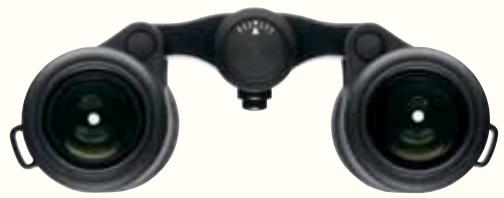
LEICA ULTRAVID BR 25 mm – les stars parmi les compacts
Les modèles 25 mm allient robustesse et luminosité dans un format de poche : le revêtement en caoutchouc protège la jumelle lors des sorties difficiles, le système HighLux-System HLS™ permet des images fascinantes.
LEICA ULTRAVID 10×25 BR
Grâce à son fort grossissement, cette jumelle compacte légère au revêtement en caoutchouc noir affiche les objets éloignés avec une netteté et un contraste extrêmes. La jumelle idéale pour les moments inattendus sur le terrain.
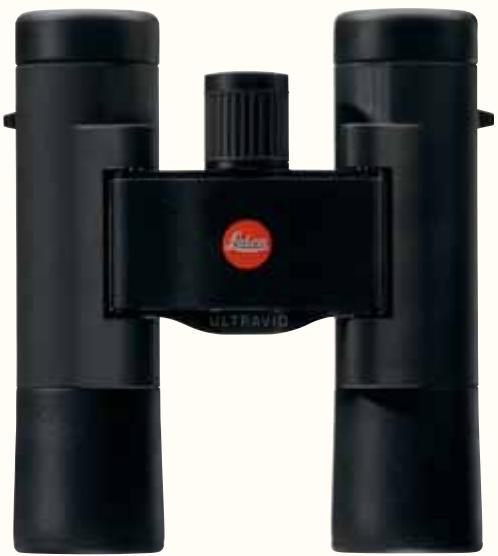
Les nouveaux modèles 25 mm et 20 mm perpétuent les standards élevés de la classe Ultravid : grâce à un procédé de vulcanisation innovant, le revêtement en caoutchouc est fusionné à la jumelle, ce qui la rend extrêmement durable. Elle est étanche jusqu'à 5 m (16,4 pieds) et remplie d'azote pour empêcher la buée interne. Elle est livrée avec des accessoires de haute qualité : protège-objectifs, courroie de transport et étui Cordura (BR), étui en cuir (BL).
LEICA ULTRAVID BL 25 mm – une élégance brillante. Ces jumelles légères au revêtement en cuir classique sont les compagnes idéales pour tous ceux qui attendent un niveau élevé de performance optique, que ce soit dans la nature ou en ville.
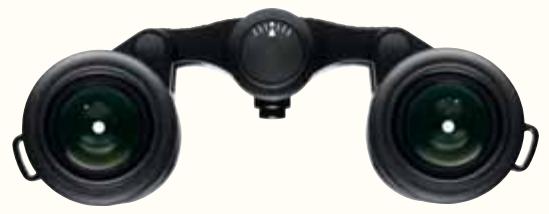
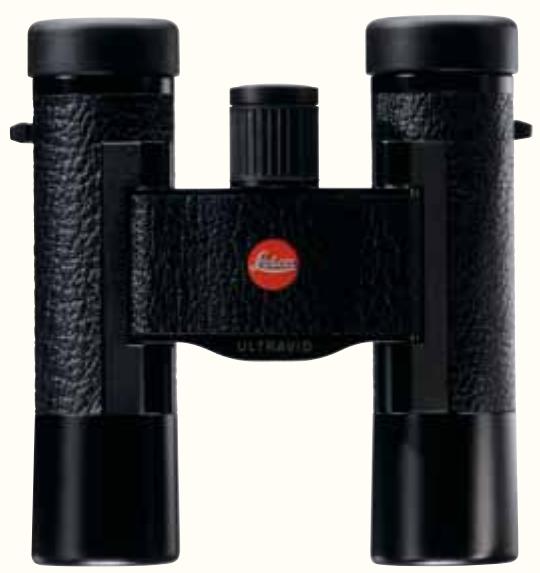
LEICA ULTRAVID 10×25 BL
C'est la combinaison parfaite d'élégance classique et de robustesse. Le poids extrêmement réduit de 255 g (9,3 oz) et le design élégant permettent de toujours l'emporter avec soi, même à l'opéra ou lors d'un événement en plein air.
Presque tous les éléments Ultravid ont pu être miniaturisés pour s'adapter à ce plus petit modèle de la classe Ultravid. De ce fait, même ces « minis » atteignent les standards les plus élevés de cette classe de référence. Plus lumineuses, plus nettes, plus compactes et plus robustes que toutes les jumelles précédentes avec ces diamètres d'objectif.

LEICA ULTRAVID BR 20 mm – des mini High-Tech robustes. Les petits modèles Ultravid BR ne sont pas seulement ultra-robustes et ultra-lumineux, ce sont de petites jumelles haut de gamme que l'on peut toujours emporter avec soi.
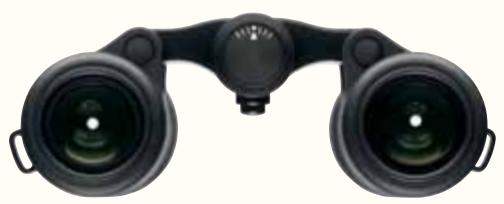
LEICA ULTRAVID 8 x 20 BR
Jumelle étanche et résistante aux chocs avec un champ de vision de 110 m (331 pieds) et une mise au point rapprochée de 2,2 m (7,2 pieds). Vision sans tremblement grâce au grossissement 8×. Le système Leica HighLux-System HLS™ garantit une image lumineuse. Elle ne pèse que 240 g (8,5 oz).
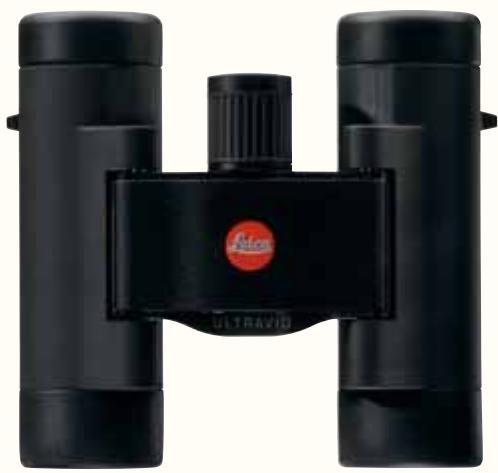
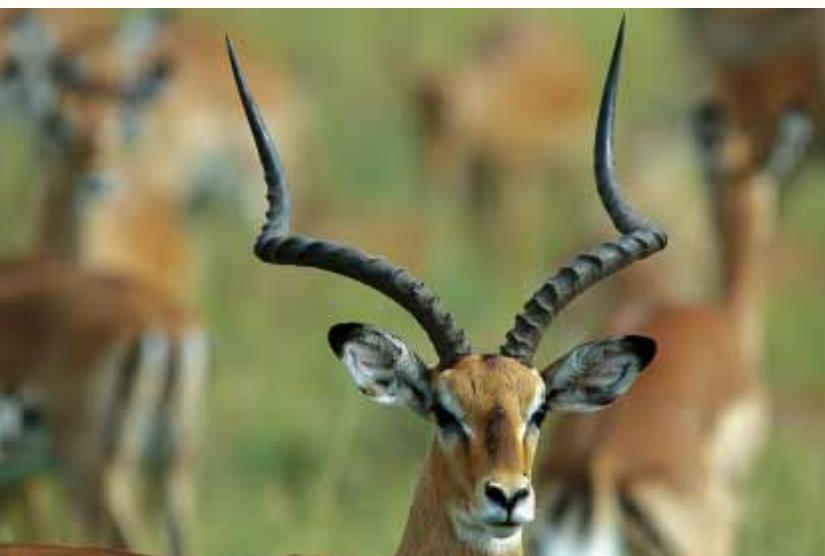
Grande optique dans sa plus petite taille. Non seulement les Ultravids de 25 mm et 20 mm sont ultra-robustes, mais grâce à leurs lentilles asphériques, ils sont aussi ultra-lumineux. Cela permet une netteté d'un bord à l'autre et une image sans franges de couleur, jusqu'ici inaccessibles dans cette taille d'objectif.
LEICA ULTRAVID BL 20 mm – les plus grands des petits. Avec leur revêtement en cuir noir, les plus petits « packs de puissance » Leica sont à la fois élégants et puissants.
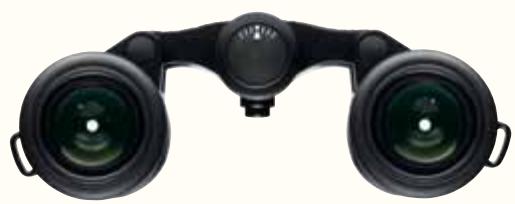
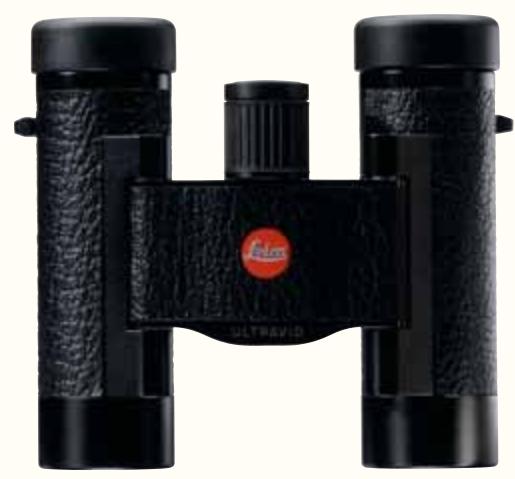
LEICA ULTRAVID 8 x 20 BL
Ils peuvent être facilement pliés et rangés, de sorte que lors de longues randonnées, ils ne se remarquent que par leur haute qualité d'image.
La compensation dioptrique nouvellement développée avec son « fonctionnement à un bouton » et sa grande molette de mise au point rendent les plus petits Ultravids faciles à manipuler. Naturellement, ces jumelles les plus petites conviennent parfaitement aux porteurs de lunettes.
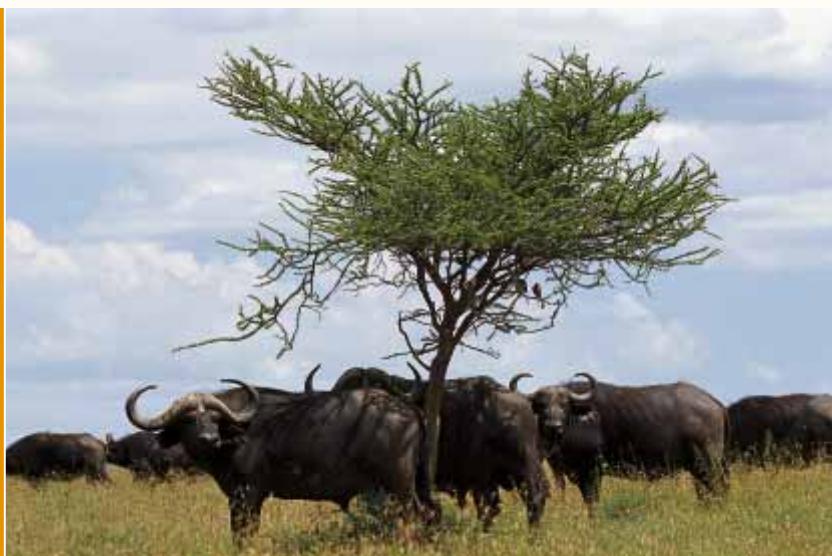
Ultra-légères
Boîtier en alliage de magnésium moulé sous pression et charnière centrale en titane pour une légèreté et une robustesse optimales. Les lentilles asphériques permettent la légèreté des modèles 20 mm et 25 mm.
Ultra-lumineuses
Résolution extrêmement élevée et image sans franges de couleur grâce au système Leica HighLux-System HLS™, un revêtement multicouche innovant avec Leica HDC™ et un objectif à quatre lentilles avec un achromat (technologie de lentille asphérique dans les modèles 8x20 et 10x25).
Ultra-ergonomiques
Design fonctionnel avec repose-pouces intégrés (modèles BR 50 mm et 42 mm), placement naturel du mécanisme de mise au point et équilibre parfait pour une observation longue et détendue. Entraînement central multifonction : mise au point et réglage dioptrique confortables et faciles.
Ultra-robustes
Le revêtement en caoutchouc soft-touch protège les jumelles et assure une prise antidérapante, même avec des gants ou par temps humide. Fonctionne parfaitement dans toutes les conditions environnementales de -25 °C à +55 °C (-13 °F à +113 °F), étanche jusqu'à 5 m (16,4 pi), rempli d'azote, résistant aux chocs.
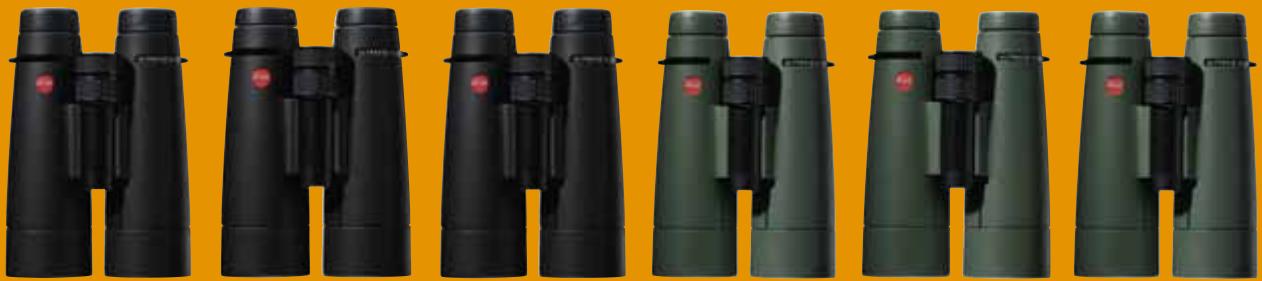
LEICA ULTRAVID BR 50 mm - prêtes pour toutes les conditions de lumière.
En caoutchouc noir ou vert :
noir 8 x 50 Réf. 40275 / 10 x 50 Réf. 40276 / 12 x 50 Réf. 40277
vert 8 x 50 Réf. 40280 / 10 x 50 Réf. 40281 / 12 x 50 Réf. 40282
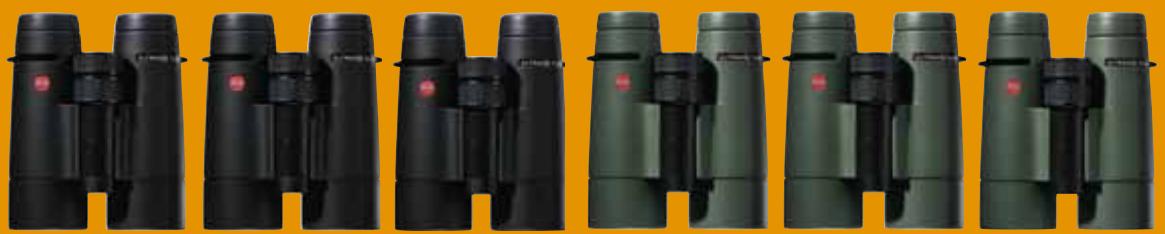
LEICA ULTRAVID BR 42 mm - le polyvalent robuste.
En caoutchouc noir ou vert :
noir 7 x 42 Réf. 40260 / 8 x 42 Réf. 40261 / 10 x 42 Réf. 40262
vert 7 x 42 Réf. 40265 / 8 x 42 Réf. 40266 / 10 x 42 Réf. 40267
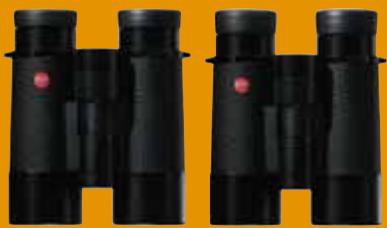
LEICA ULTRAVID BL 42 mm - léger et de design classique.
En cuir noir élégant :
8 x 42 Réf. 40271 / 10 x 42 Réf. 40272
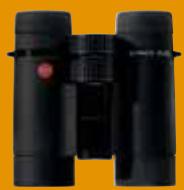
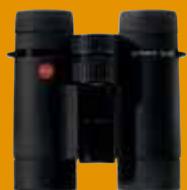
LEICA ULTRAVID BR 32 mm - toujours avec vous.
En caoutchouc noir :
8 x 32 BR Réf. 40258 / 10 x 32 BR Réf. 40259
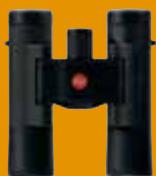
LEICA ULTRAVID BR 25 mm - les stars parmi les compacts.
En caoutchouc noir :
10 x 25 BR Réf. 40253
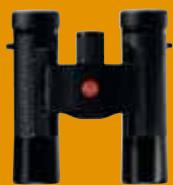
LEICA ULTRAVID BL 25 mm - brillante élégance.
Dans un élégant habillage en cuir noir :
10x25BL Réf. 40257
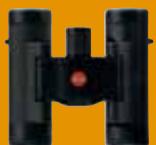
LEICA ULTRAVID BR 20 mm - robustes mini-jumelles haute technologie.
Avec armure en caoutchouc noir :
8x20BR Réf. 40252
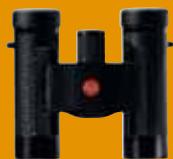
LEICA ULTRAVID BL 20 mm - les plus grandes petites.
Dans un élégant habillage en cuir noir :
8x20BL Réf. 40256
La classe Trinovid : une technologie éprouvée pour l'amateur exigeant. Les jumelles et longues-vues Leica sont depuis longtemps synonymes de performance optique et de qualité mécanique. Depuis des années, les jumelles LEICA TRINOVID BN prouvent leur valeur en tant que compagnons fiables offrant d'excellentes performances optiques. À l'avenir, elles continueront d'être le choix judicieux pour les amoureux de la nature qui souhaitent débuter avec une optique haute performance. Des optiques de premier ordre associées à une mécanique robuste et précise font de chaque modèle LEICA TRINOVID BN le compagnon idéal pour toutes les activités de plein air. Un boîtier en aluminium moulé sous pression quasi indestructible qui résiste aux températures les plus extrêmes, la molette centrale multifonction brevetée avec compensation dioptrique intégrée et le traitement de lentilles multicouches innovant Leica HDCTM ne sont que quelques caractéristiques qui distinguent la série LEICA TRINOVID BN. L'image lumineuse et nette, ainsi que la prise en main confortable des jumelles, vous permettent de vous rapprocher au plus près de la nature, même dans les pires conditions. Et lorsque la technologie éprouvée devient un critère, les jumelles Trinovid BCA sont la réponse, en particulier pour les longues randonnées.
LEICA TRINOVID 8 × 20 BCA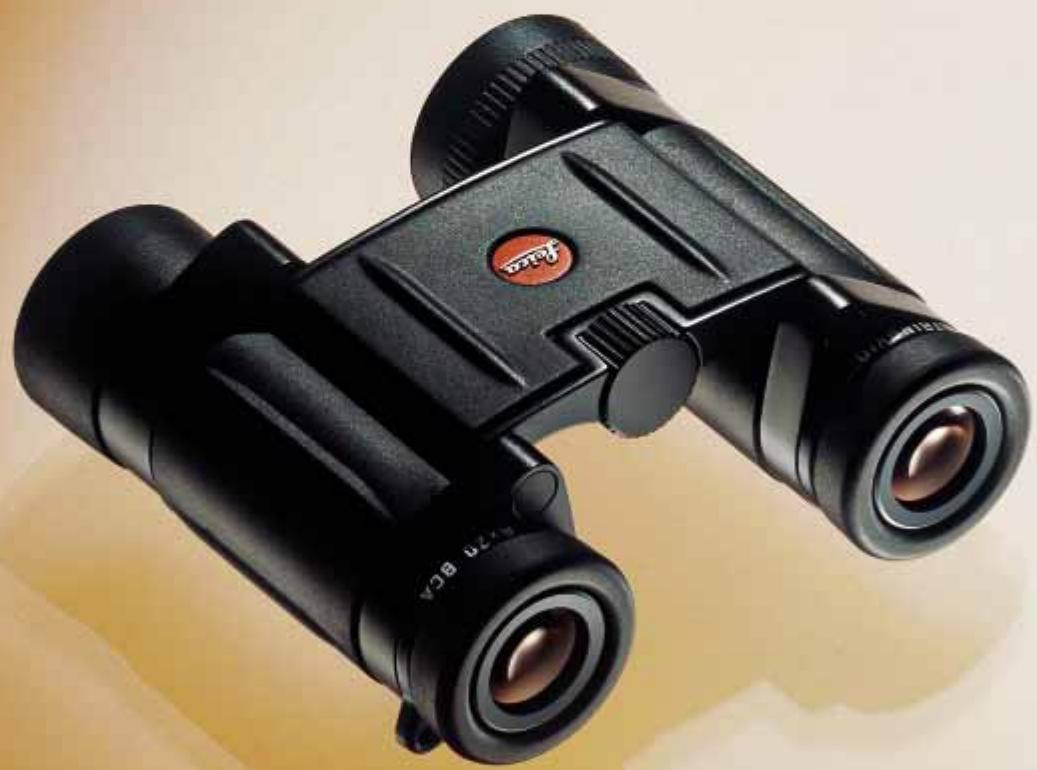

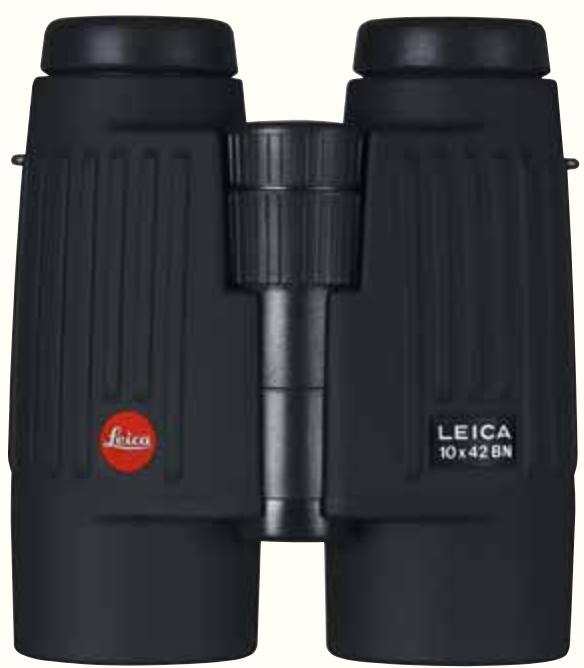
LEICA TRINOVID 10 x 42 BN
LEICA TRINOVID BN 42 mm – des multi-talents éprouvés. Vous recherchez des jumelles dont les applications sont aussi variées que la nature ? Les modèles 42 mm sont des jumelles universelles avec d'excellentes capacités de collecte de lumière et des dimensions compactes – idéales pour l'affût en montagne.
LEICA TRINOVID 8x42 BN
Ces jumelles polyvalentes avec un champ de vision de 130 m (389 pieds) offrent un niveau de performance élevé aussi bien de jour qu'au crépuscule. Le grossissement de 8x offre une stabilité idéale pour toutes les situations.
LEICA TRINOVID 10 x 42 BN
Grâce à son contraste élevé et à son grossissement de 10x, cette puissante jumelle de 42 mm est idéale pour l'observation sur de grandes distances. Elle possède également une très bonne mise au point rapprochée de 2,9 m (9,7 pi).
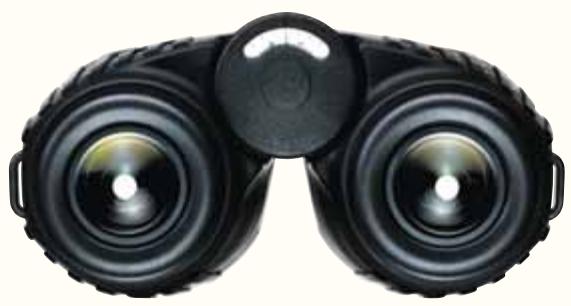
« La Trinovid 42 a beaucoup d'amis en Italie. Grâce à sa taille compacte, elle convient vraiment à la chasse en montagne. De plus, nos clients apprécient la qualité optique typique de Leica et l'excellent rapport qualité-prix. » (Luciano Berti, chasseur, Bignami SPA, Italie)
Que ce soit pour la chasse en montagne ou en Afrique, les modèles de la série TRINOVID BN de 42 mm sont de véritables multitâches. Leur grande résolution alliée à une construction robuste séduiront tous ceux qui veulent se rapprocher de la nature.
LEICA TRINOVID BN 32 mm – les compagnons constants. Taille compacte et excellente qualité d'image font de la 32 mm le compagnon idéal pour tout type de chasse. La manière légère de vous rapprocher de votre gibier !
LEICA TRINOVID 8 x 32 BN
La jumelle polyvalente idéale avec un grossissement de 8x et un champ de vision de 135 m (404 pi). Une jumelle puissante et légère pour tous ceux qui passent du temps en plein air.
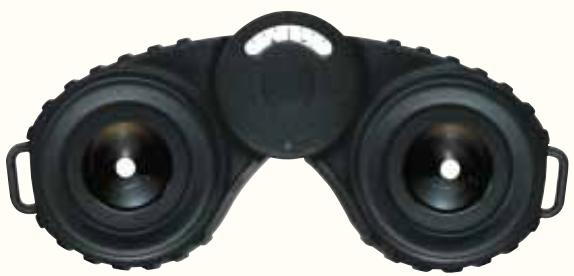
LEICA TRINOVID 10 x 32 BN
Cette jumelle compacte à grand angle et à fort grossissement permet non seulement une observation de haute qualité sur de grandes distances, mais possède également une mise au point rapprochée de 2,1 m (6,9 pi).
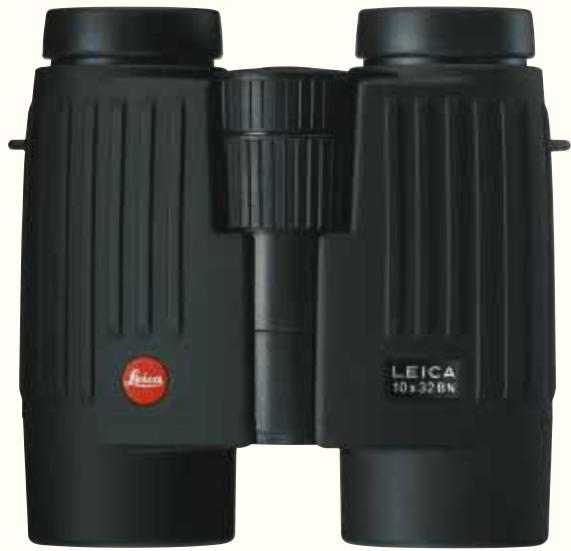
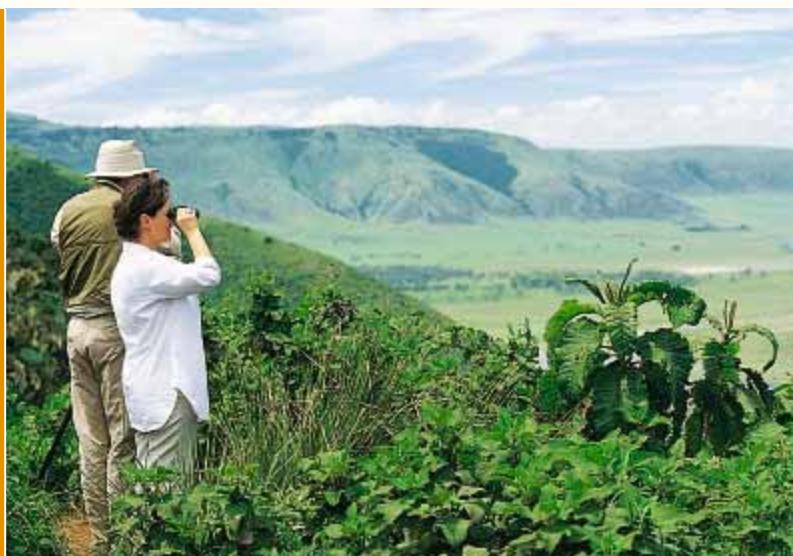
Quelle que soit la situation de chasse, les jumelles de 32 mm de la classe Trinovid BN vous rapprochent de l'action. On peut le faire sans se charger, car une jumelle plus lourde et plus grande n'est pas nécessaire pour l'observation de jour.
LEICA TRINOVID BCA 25 mm et 20 mm – compact distingué. Il est facile de reconnaître des jumelles de haute qualité. Par exemple, parce qu'elles peuvent être pliées à une taille très pratique, et aussi parce que la fondation allemande indépendante « Warentest » les a jugées « Très bien ».
LEICA TRINOVID 10 x 25 BCA
Une jumelle compacte ne pesant que 255 g (9,0 oz) qui produit des images nettes et contrastées. Excellente reconnaissance des détails sur de longues distances, grâce à son fort grossissement.
LEICA TRINOVID 8 x 20 BCA
Une jumelle polyvalente avec un champ de vision de 110 m (331 pi) et une mise au point rapprochée de 3 m (9,8 pi). Une image stable grâce au grossissement de 8x. Une fois pliée, elle ne mesure que 9 x 6 cm (3,5 x 2,4 po).
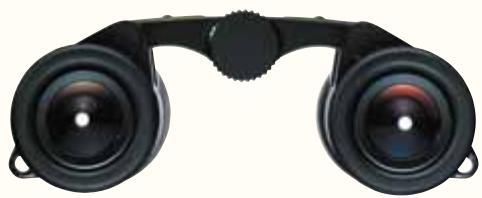
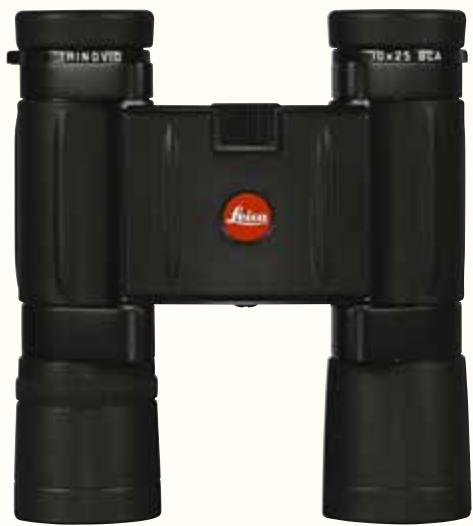

"... best 10 × 25 of its class with greatest ease of handling." (Stiftung Warentest)
"One of the very best in test, especially durable ..." (Stiftung Warentest)
" Impossible to improve - the Leica dominates the competitors in almost all categories ..." (Outdoor-Magazin.com winner : Trinovid 8 x 20 BCA)
La classe Trinovid : une technologie éprouvée pour l'observateur exigeant
Caractéristiques principales en un coup d'œil
Éprouvée
Des jumelles légendaires avec d'excellentes performances optiques et mécaniques.
Lumineuse
Revêtement de lentilles multicouche innovant avec Leica HDC™. Un objectif à quatre lentilles avec un achromat garantit une image riche en contraste et une excellente restitution des couleurs.
Facile à utiliser
Molette centrale multifonction : mise au point confortable et fluide, réglage dioptrique facile. Le réglage dioptrique sur les modèles 25 mm et 20 mm se fait facilement sur l'objectif droit.
Robuste
Boîtier robuste en aluminium moulé sous pression et armure soft-touch protège les jumelles et assure une prise en main antidérapante, même avec des gants ou par temps humide. Fonctionne parfaitement dans toutes les conditions environnementales de -25°C à +55°C (-13°F à +113°F), étanche jusqu'à 5 m (16,4 pi), rempli d'azote (modèles BN), résistant aux chocs.
LEICA TRINOVID BN 42 mm - des talents multiples éprouvés.
Avec armure en caoutchouc noir :
8x42 BN Réf. 40017
10x42 BN Réf. 40019
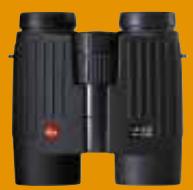
LEICA TRINOVID BN 32 mm – les compagnons constants. Avec armure en caoutchouc noir : 8x32 BN Réf. 40 016 / 10x32 BN Réf. 40 015
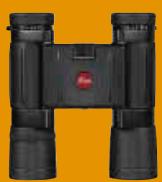
LEICA TRINOVID BCA 25 mm – parfaitement compacts. Avec armure en caoutchouc noir : 10x25 BCA Réf. 40 343
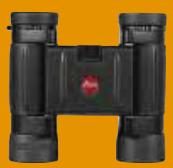
LEICA TRINOVID BCA 20 mm – les petits puissants. Avec armure en caoutchouc noir : 8x20 BCA Réf. 40 342
La classe Televid : des longues-vues haute performance pour les professionnels. Vivre la nature intensément permet de mieux la comprendre. Les longues-vues haute performance de Leica garantissent une expérience intense. Les légendaires modèles 77 mm, avec leur grande lentille d'objectif, offrent une image lumineuse et contrastée, même dans des conditions de faible luminosité. La gamme s'est élargie avec les modèles 62 mm, plus petits et plus légers. Disponibles en six modèles, les 62 mm sont faciles à transporter et à manipuler, pesant environ 1 000 g (34 oz) et mesurant 300 mm (moins de 12 pouces) de long. Leur qualité d'image établit de nouvelles normes dans cette classe compacte. Les versions APO améliorent l'expérience visuelle en utilisant du verre contenant de la fluorite. Cette caractéristique produit une image sans franges colorées qui satisfait les attentes les plus élevées. Les modèles 77 mm et 62 mm sont équipés du dispositif de mise au point double breveté et d'une construction ergonomique et étanche. Grâce à une monture à baïonnette uniforme, la large gamme d'oculaires grand angle et variables peut être utilisée sur tous les modèles Televid. Ils sont conçus pour offrir le rapport idéal entre grossissement et luminosité pour chaque modèle.
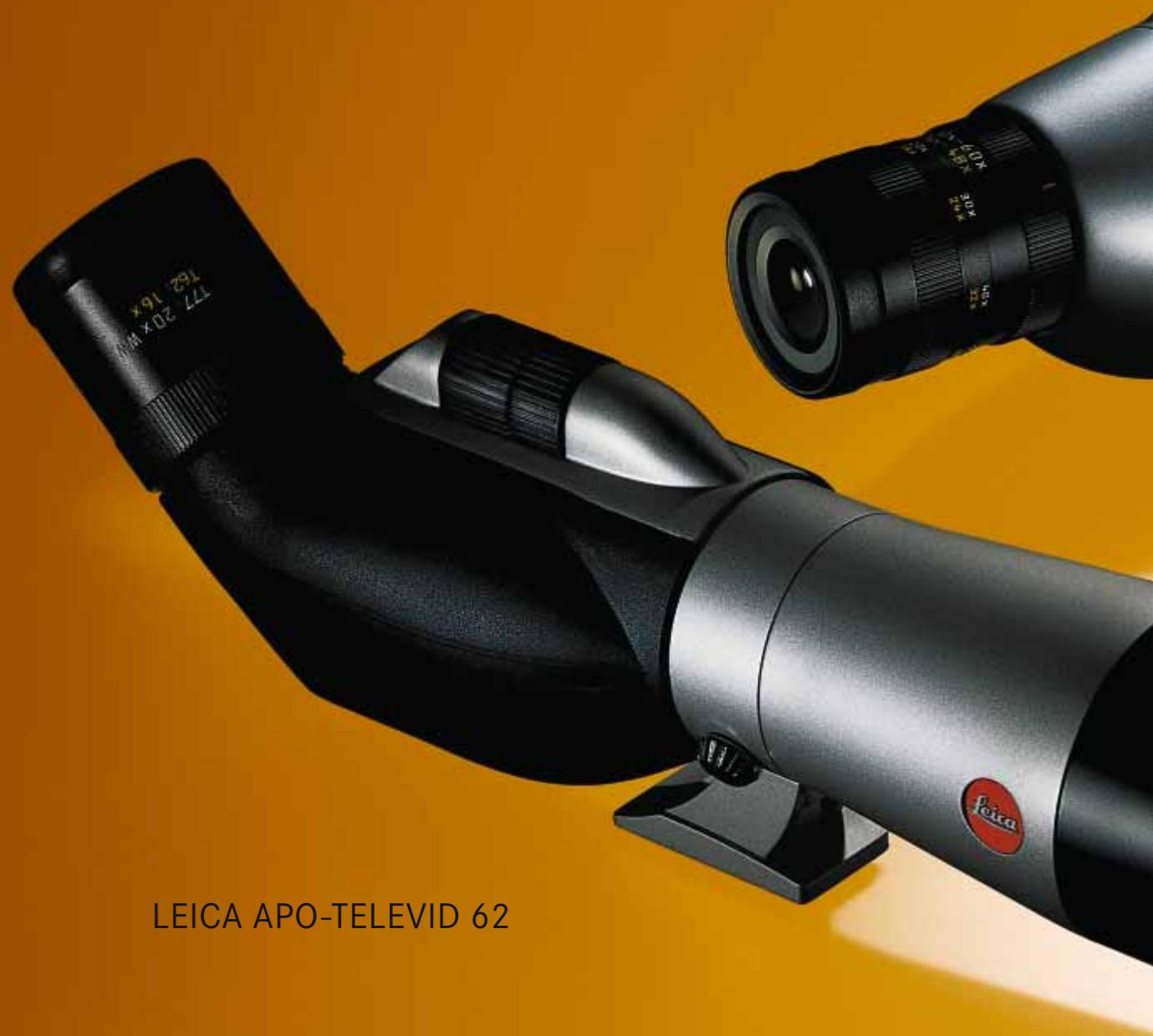
LEICA APO-TELEVID 62
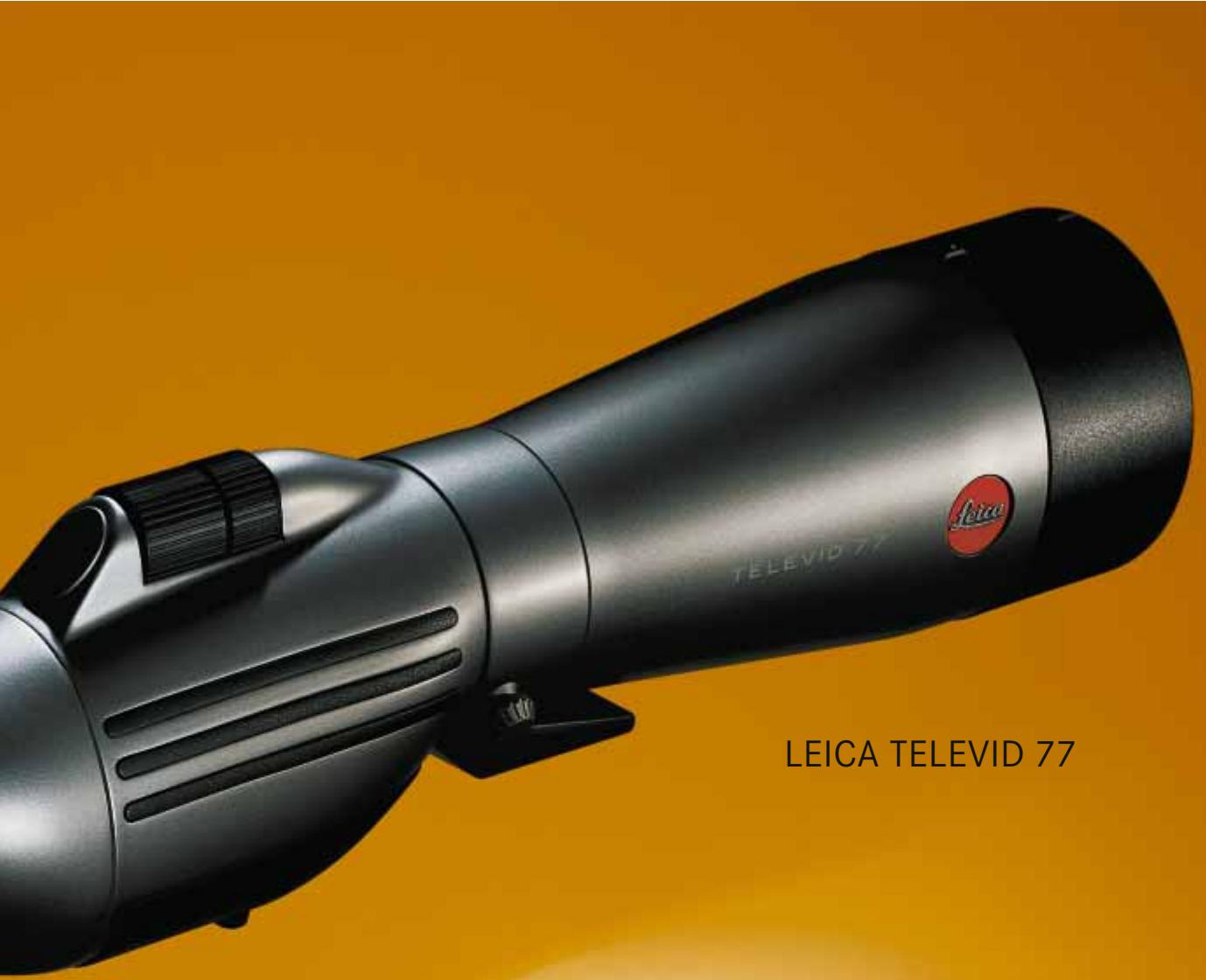
LEICA TELEVID 77
LEICA TELEVID 77 mm – des longues-vues puissantes pour toutes les conditions de lumière
Qu'il s'agisse de la version droite ou coudée, la LEICA TELEVID 77 garantit une expérience d'observation puissante avec la plus haute qualité d'image, de l'aube au crépuscule.
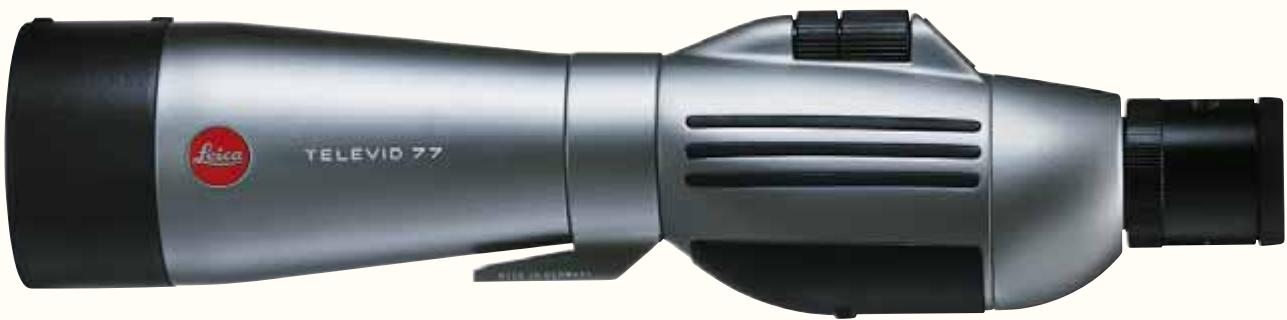
LEICA TELEVID 77
Une longue-vue avec une excellente restitution des couleurs, riche en contraste et affichant une image lumineuse. Une mise au point rapprochée de 3,9 m (13 pi) garantit une expérience d'observation fantastique même à courte distance. Cinq oculaires de précision avec une grande variété de grossissements sont disponibles.
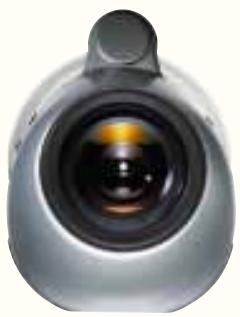
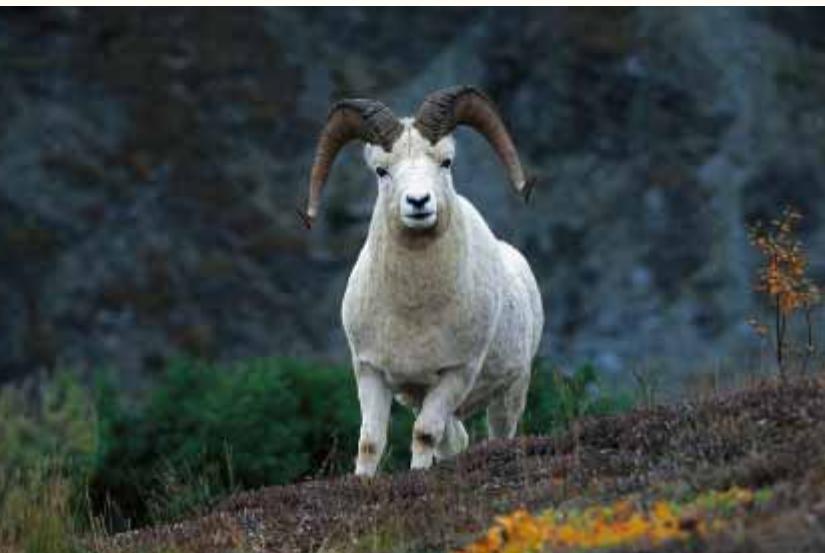
Particulièrement dans des conditions de faible luminosité et sur de grandes distances, la LEICA TELEVID 77 permet au chasseur de voir même les détails les plus petits et les plus cruciaux.
LEICA APO-TELEVID 77 mm – une restitution des couleurs fidèle. Ceux qui recherchent une longue-vue haut de gamme pour une observation exigeante l'ont trouvée dans la LEICA APO-TELEVID 77. Même les détails les plus infimes sont affichés naturellement et avec la plus haute résolution.
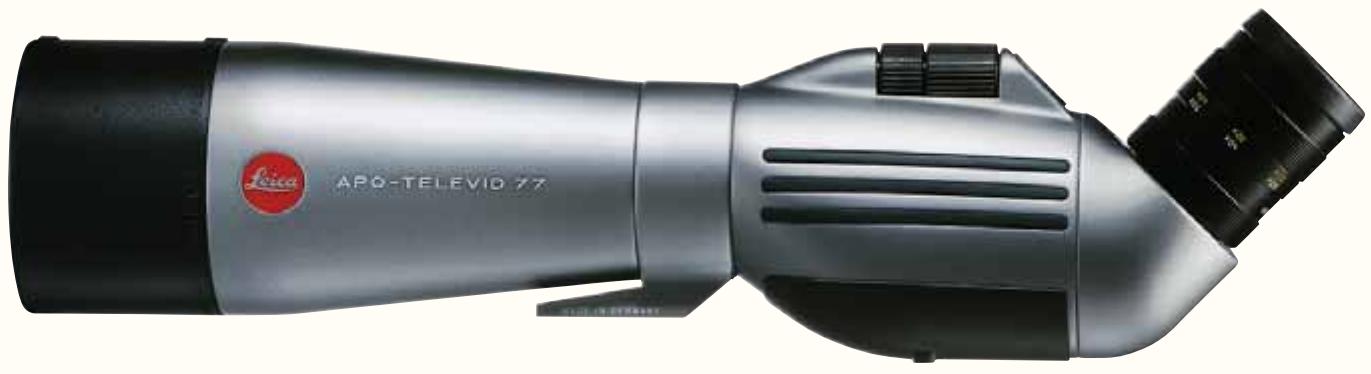
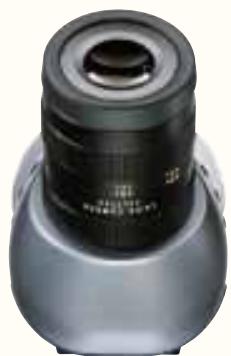
LEICA APO-TELEVID 77
Lunette d'observation haut de gamme pour professionnels. Le verre contenant de la fluorite offre une image sans franges chromatiques avec une netteté inégalée. Mise au point minimale de 3,9 m (13 pi). Les cinq oculaires de précision, offrant de nombreux grossissements différents, permettent une large gamme d'applications.
« Parfois, le grossissement d'une jumelle est insuffisant pour observer sur de grandes distances. Pour être sûr à plus de 200 mètres, j'ai besoin d'une lunette d'observation haute performance sans compromis, comme la Leica APO-Televid 77 avec l'oculaire Vario. » (Frank Heiml, champion national allemand avec le « Dienstgewehr 2 », Allemagne)
La LEICA APO-TELEVID 77 est conçue pour vivre la nature dans sa forme la plus pure. Ceux qui souhaitent capturer ces images via un adaptateur photo ou numérique peuvent le faire.
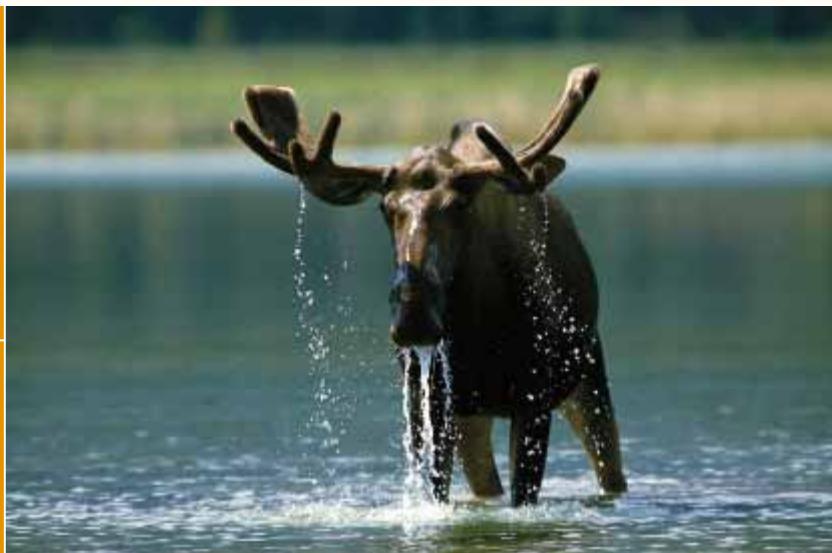
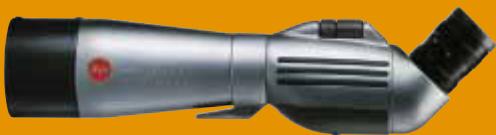
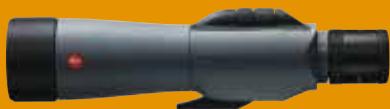
LEICA TELEVID 62 mm – des lunettes d'observation légères pour toutes les conditions de lumière. La LEICA TELEVID 62, compacte, légère et haute performance, est idéale pour les voyages de chasse en pleine nature.
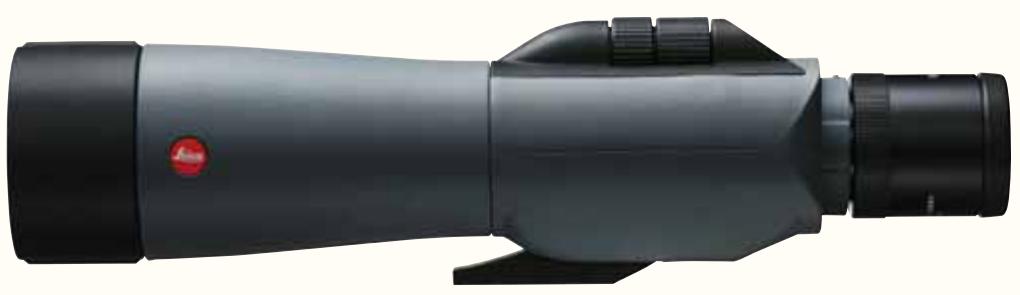
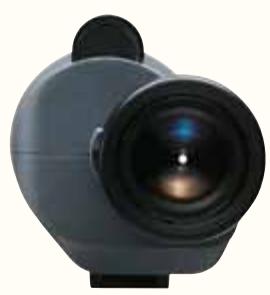
LEICA TELEVID 62
Une lunette d'observation compacte, droite ou inclinée, qui affiche des images de haute qualité. Bien équilibrée pour une stabilité maximale. Le poids commence à 910 g (32,1 oz) (selon le modèle). Outre les modèles partiellement caoutchoutés, la version droite de la LEICA TELEVID 62 et de la LEICA APO-TELEVID 62 est également disponible en version entièrement caoutchoutée et robuste.
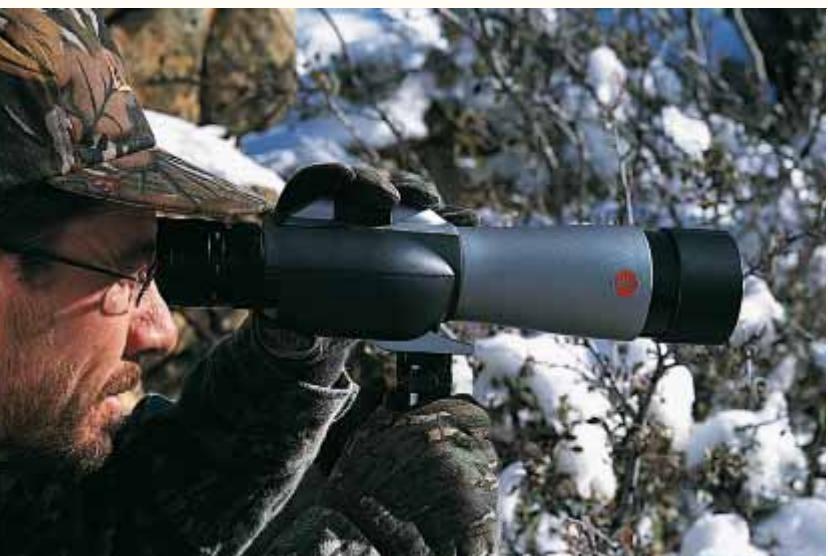
Une bonne lunette d'observation ne devient un outil d'observation parfait que lorsqu'elle est combinée avec le bon oculaire et les bons accessoires. Leica propose une large sélection d'oculaires, idéalement adaptés à chaque application.
« La Televid 62 offre une netteté d'image exceptionnelle avec un poids réduit et une taille compacte. Sa construction robuste et étanche en fait le compagnon idéal pour tous ceux qui voyagent en plein air. » (Terry Moore, chasseur, États-Unis)
LEICA APO-TELEVID 62 mm – un rendu des couleurs fidèle dans un format compact. La version APO rehausse la qualité d'image déjà exceptionnellement élevée pour une lunette compacte. Et avec la grande sélection d'oculaires standard, variables et grand angle, la LEICA APO-TELEVID 62 peut être utilisée pour de nombreuses applications.
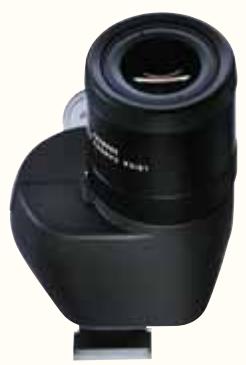
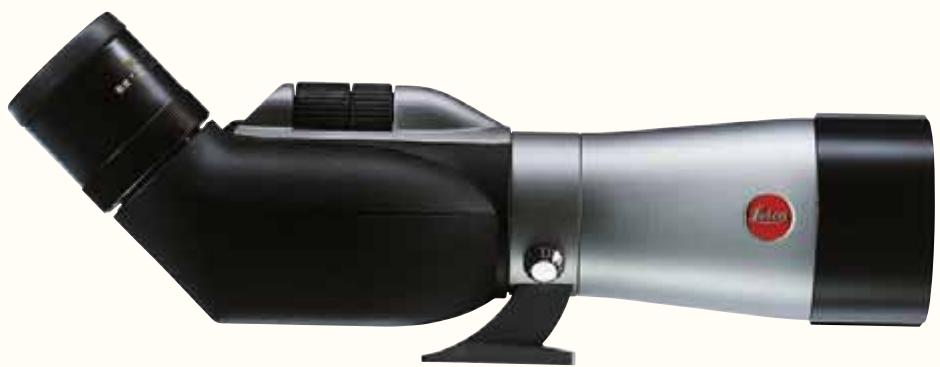
LEICA APO-TELEVID 62
Une lunette d'observation compacte haut de gamme avec correction apochromatique des couleurs grâce au verre contenant de la fluorite, produisant une image sans franges chromatiques avec une netteté inégalée. Un boîtier très durable renforcé par un caoutchoutage stratégiquement placé.
« Une lunette d'observation de la plus haute qualité, qui grâce à l'utilisation de fluorite atteint le plus haut niveau de qualité d'image. » (Thomas Iwan dans : « Wild und Hund », Allemagne)
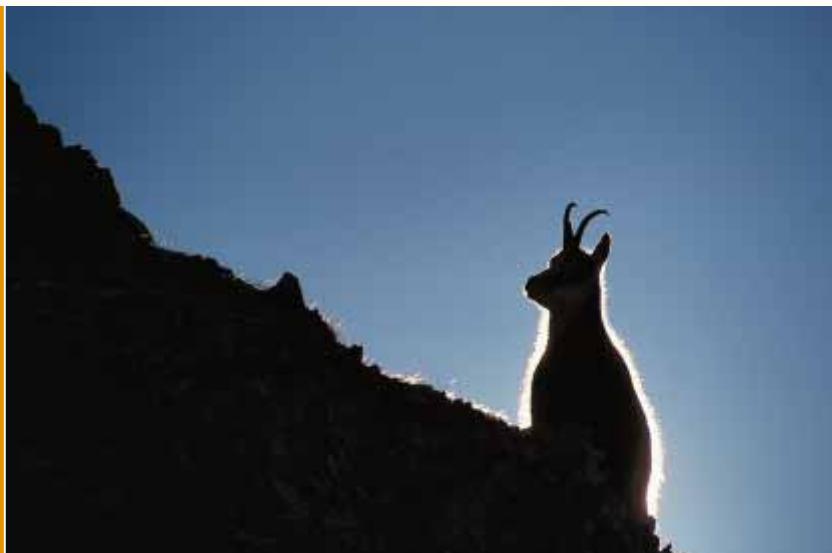
Performances optiques supérieures
Unique dans la classe des lunettes d'observation haut de gamme. Rendu des couleurs naturel et riche en contraste, surtout lors de l'observation de détails infimes dans des conditions de faible luminosité.
Facile à utiliser
Dispositif de mise au point double breveté pour une mise au point rapide et précise.
Pare-soleil extensible pour réduire l'éblouissement.
Très flexible
La mise au point rapprochée de 3,5 m (11,5 pi) (Televid 62) et de 3,9 m (13,0 pi) (Televid 77) permet à l'utilisateur de faire la mise au point sur chaque objet individuellement. Une large sélection d'oculaires pour diverses applications d'observation est disponible.
Robuste
Un boîtier robuste en aluminium moulé sous pression protège la lunette d'observation.
Le matériau en aluminium/fibre de carbone du Televid 62 garantit à la fois solidité et poids minimal. Fonctionne parfaitement dans toutes les conditions environnementales, de -25 °C à +55 °C (-13 °F à +131 °F), étanche jusqu'à 3 m (9,8 pi) de profondeur, rempli d'azote.
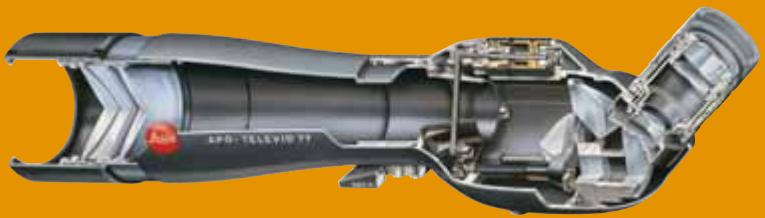
LEICA TELEVID 77 - des lunettes d'observation puissantes pour toutes les conditions de lumière.
Vision droite Réf. 40 103 / Vision inclinée Réf. 40 101
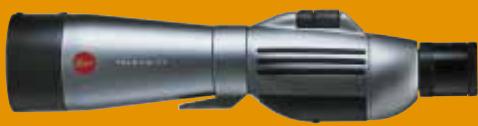
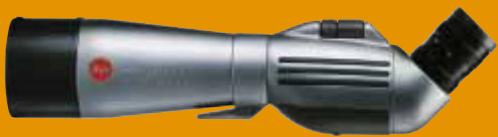
LEICA APO-TELEVID 77 - rendu des couleurs fidèle.
Vision droite Réf. 40 104 / Vision inclinée Réf. 40 102
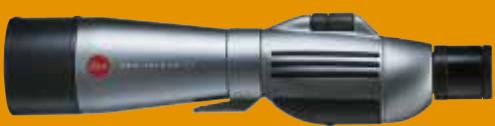
Quatre oculaires sont disponibles pour les lunettes d'observation de 77 mm et de 62 mm. Grâce à la monture à baïonnette uniforme, ils sont interchangeables entre les lunettes. Comme la distance focale du Televid 62 est 20 % plus courte que celle du Televid 77, le grossissement est 20 % inférieur avec le même oculaire (par exemple, un oculaire 20× WW sur le Televid 77 sera un oculaire 16× sur le Televid 62). Cette caractéristique garantit le rapport idéal grossissement/luminosité pour chaque lunette. L'oculaire variable offre la plus large sélection de grossissements 20 - 60× / 16 - 48×. Les oculaires 20× WW / 16× WW, 32× WW / 26× WW et 40× WW / 32× WW offrent le plus grand champ de vision grand angle. Tous les oculaires sont marqués de deux séries de chiffres, ce qui vous permet de toujours savoir quel grossissement vous utilisez.

20xWW/16x
Réf. 41009
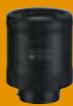
32 × WW / 26 × WW
Réf. 41011
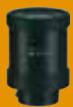
40 × WW / 32 × WW
Réf. 41007
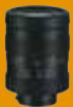
20-60x/16-48x
Réf. 41012
LEICA TELEVID 62 - longues-vues légères pour toutes les conditions de lumière.
Vision droite, armure partielle Réf. 40 108 / Vision droite, armure complète Réf. 40 113
Vision inclinée Réf. 40 109
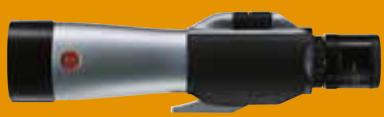
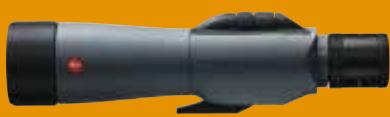
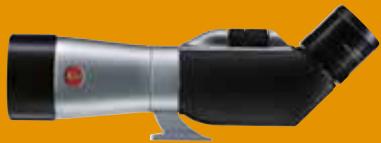
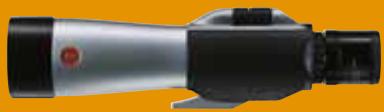
LEICA APO-TELEVID 62 - restitution fidèle des couleurs dans un format compact.
Vision droite, armure partielle Réf. 40 106 / Vision droite, armure complète Réf. 40 114
Vision inclinée Réf. 40 107

Leica Digiscoping Capturez des vues rapprochées des spectacles fascinants de la nature en images. Pour cela, il suffit de combiner une longue-vue Leica Televid avec un appareil photo numérique compact et vous obtenez un équipement photographique avec un super téléobjectif ! La digiscopie élargira considérablement votre capacité à observer la grandeur de la nature.
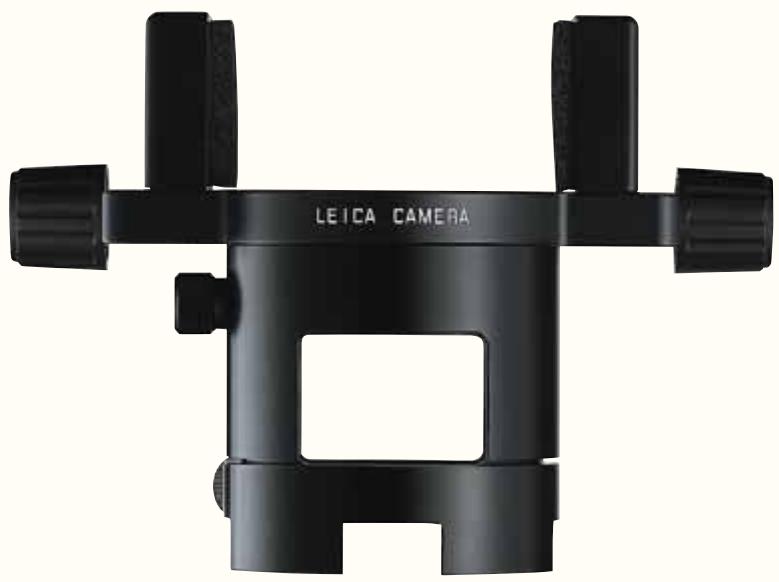
ADAPTATEUR NUMÉRIQUE LEICA 2
Il s'agit d'un adaptateur particulièrement compact et léger pour fixer divers appareils photo numériques compacts, tels que le LEICA D-LUX 2 et les téléphones avec appareil photo, aux oculaires des longues-vues Leica Televid. Le passage de l'observation à la prise de vue peut se faire facilement et rapidement sans modifier les réglages de l'appareil photo.
Format vertical ou horizontal - le
Le choix vous appartient : il vous suffit de desserrer la fixation de l'oculaire sur l'adaptateur numérique 2 et de faire pivoter l'ensemble adaptateur/appareil photo pour décider vous-même si la prochaine photo sera meilleure en composition verticale ou horizontale. L'adaptateur numérique LEICA 2 vous offre une grande liberté pour la composition créative de vos images.
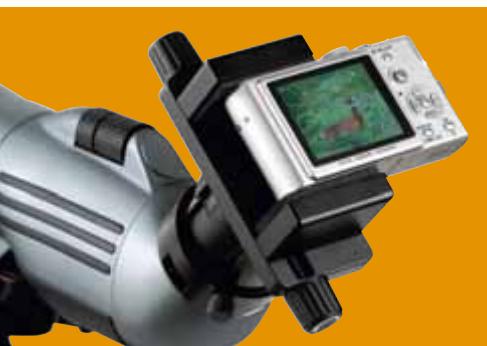
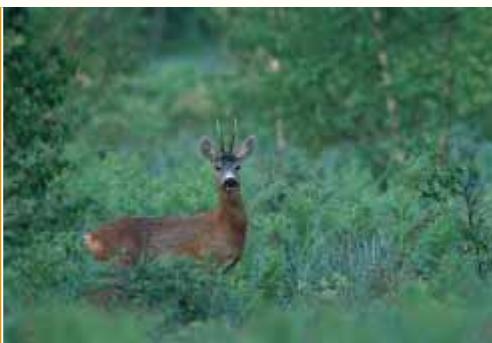
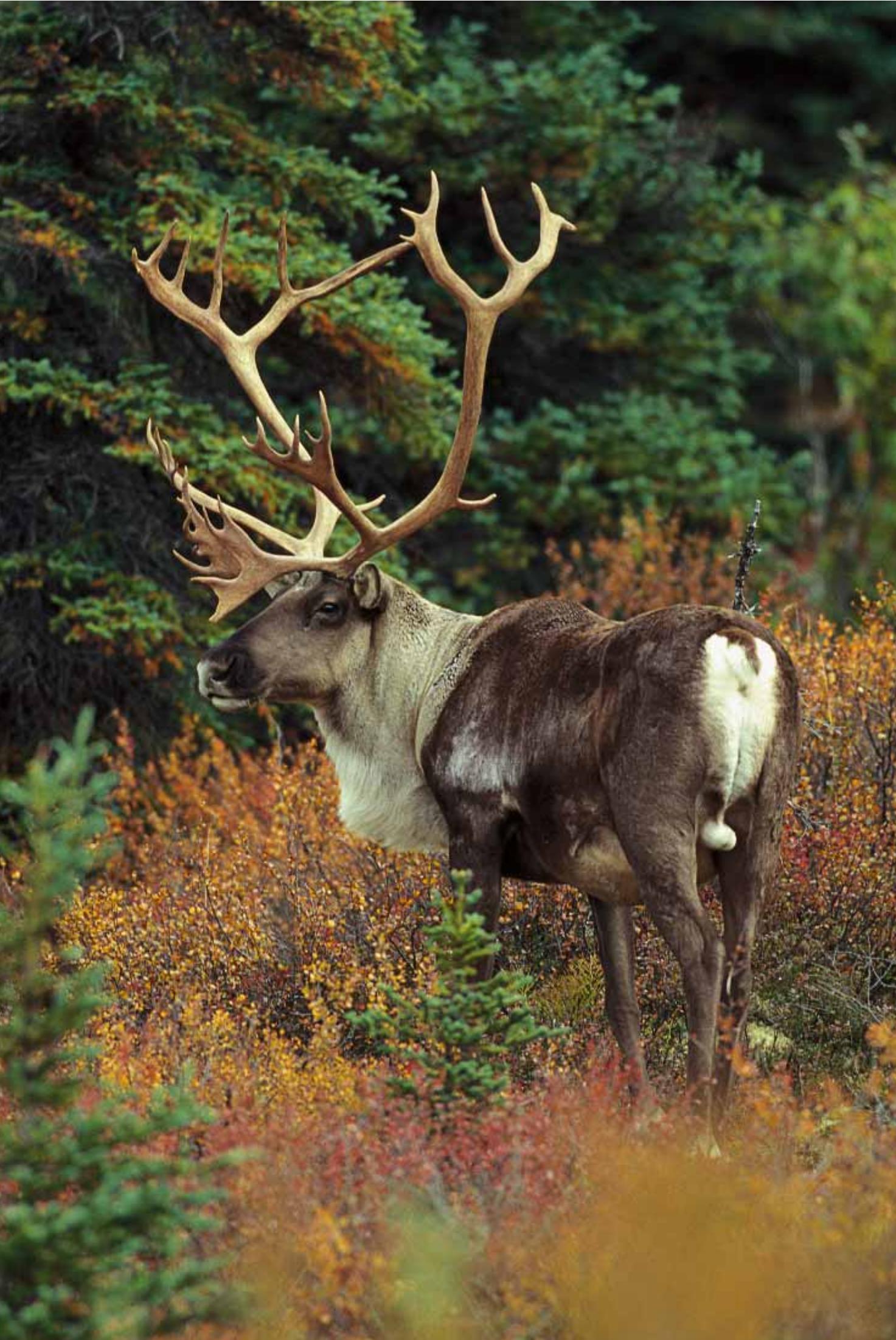
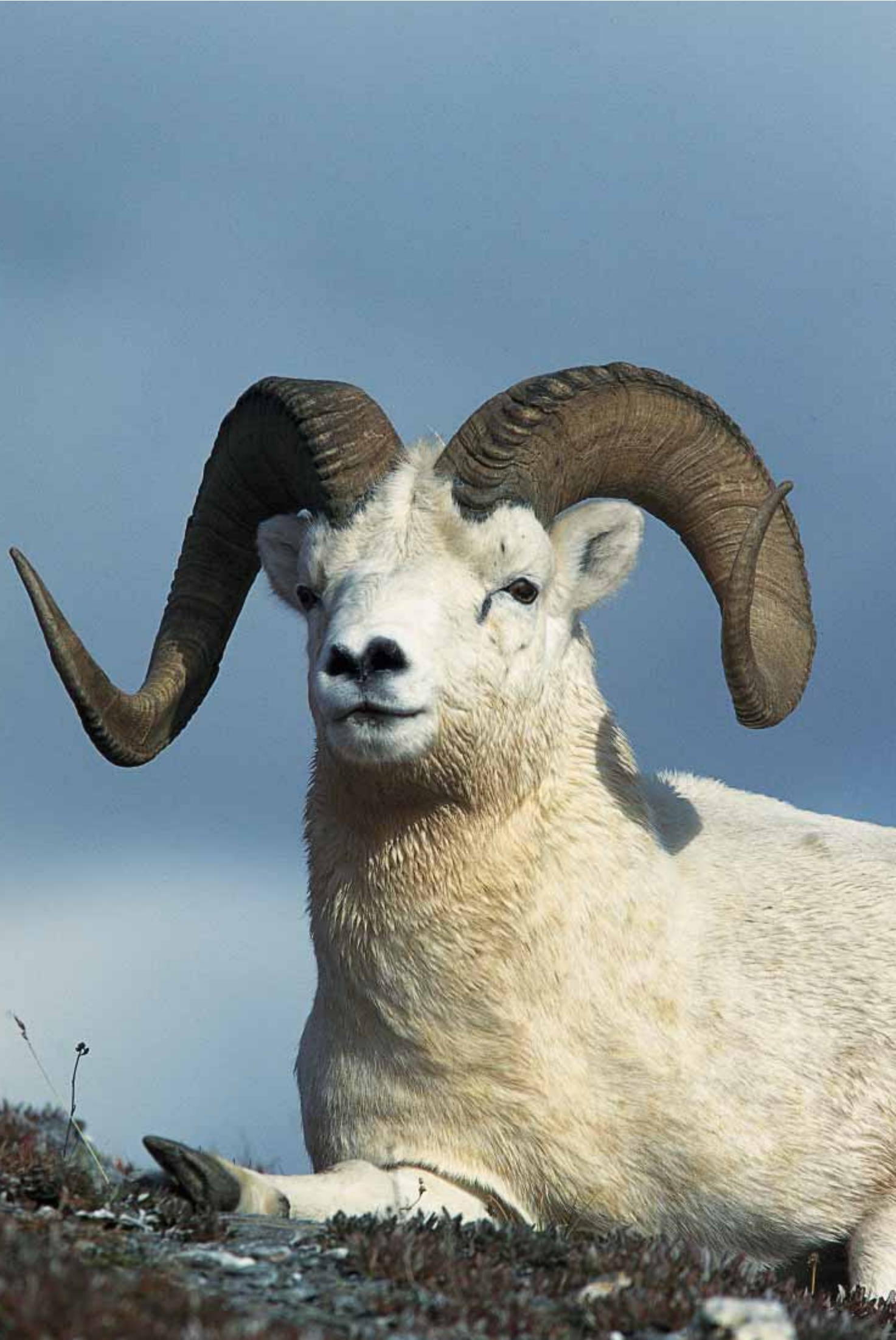
Leica Digiscoping - Utiliser un appareil photo numérique pour prendre des photos à travers l'oculaire d'une longue-vue Televid 62 ou 77 vous offre la possibilité fantastique de prendre des photos en très gros plan de sujets éloignés dans la nature sans les déranger. Le nouvel adaptateur numérique LEICA 2 permet de combiner une longue-vue et un appareil photo numérique en un ensemble super-téléobjectif avec des focales de plus de 2 000 mm. Leica vous propose tout ce dont vous avez besoin, d'une seule source, pour une expérience de digiscopie optimale, avec tous les composants en parfaite harmonie optique. Grâce à leurs éléments en fluorite, les longues-vues haute performance LEICA APO-TELEVID 77 sont particulièrement bien adaptées pour des photos de digiscopie parfaites, riches en détails et sans franges de couleur. L'appareil photo numérique LEICA D-LUX 2 avec Mega O.I.S. (stabilisateur optique d'image) garantit que votre photo de rêve ne soit pas gâchée par le bougé de l'appareil, même en cas de faible luminosité et lors de l'utilisation de focales extrêmes.
Les photos peuvent ensuite être retouchées sur un ordinateur à l'aide d'un programme de traitement d'image. Ce logiciel est fourni avec l'appareil photo LEICA D-LUX 2. Vous pouvez classer vos meilleures photos sur votre ordinateur, les imprimer pour votre album, les faire imprimer sur du papier photo de haute qualité, les intégrer à votre site web ou les soumettre à des magazines photo - la digiscopie rend toutes ces applications possibles ! Les photos présentées ici ont pour but de vous donner un aperçu de la qualité des images que vous pouvez obtenir si facilement avec la digiscopie Leica.
La classe Geovid : observer et télémétrer avec perfection. De véritables outils d'orientation haut de gamme seraient une définition appropriée des jumelles LEICA GEOVID BRF. Ce sont les toutes premières jumelles haute performance avec un télémètre laser intégré qui peut mesurer des distances allant jusqu'à 1 200 m / 1 300 yards. Avec une Geovid, en tant que chasseur sérieux, vous savez précisément à quelle distance se trouve votre gibier sur n'importe quel terrain de chasse. Et malgré le télémètre intégré, les jumelles Geovid BRF ne sont pas plus grandes que des jumelles classiques. De plus, grâce à leur construction robuste et à leur armure en caoutchouc pratique, elles sont à la hauteur des défis les plus difficiles de la chasse moderne. Les nouvelles jumelles Geovid 15 × 56 BRF, extrêmement lumineuses, permettent aux chasseurs exigeants d'observer des sujets à grande distance avec un niveau de détail sans précédent.
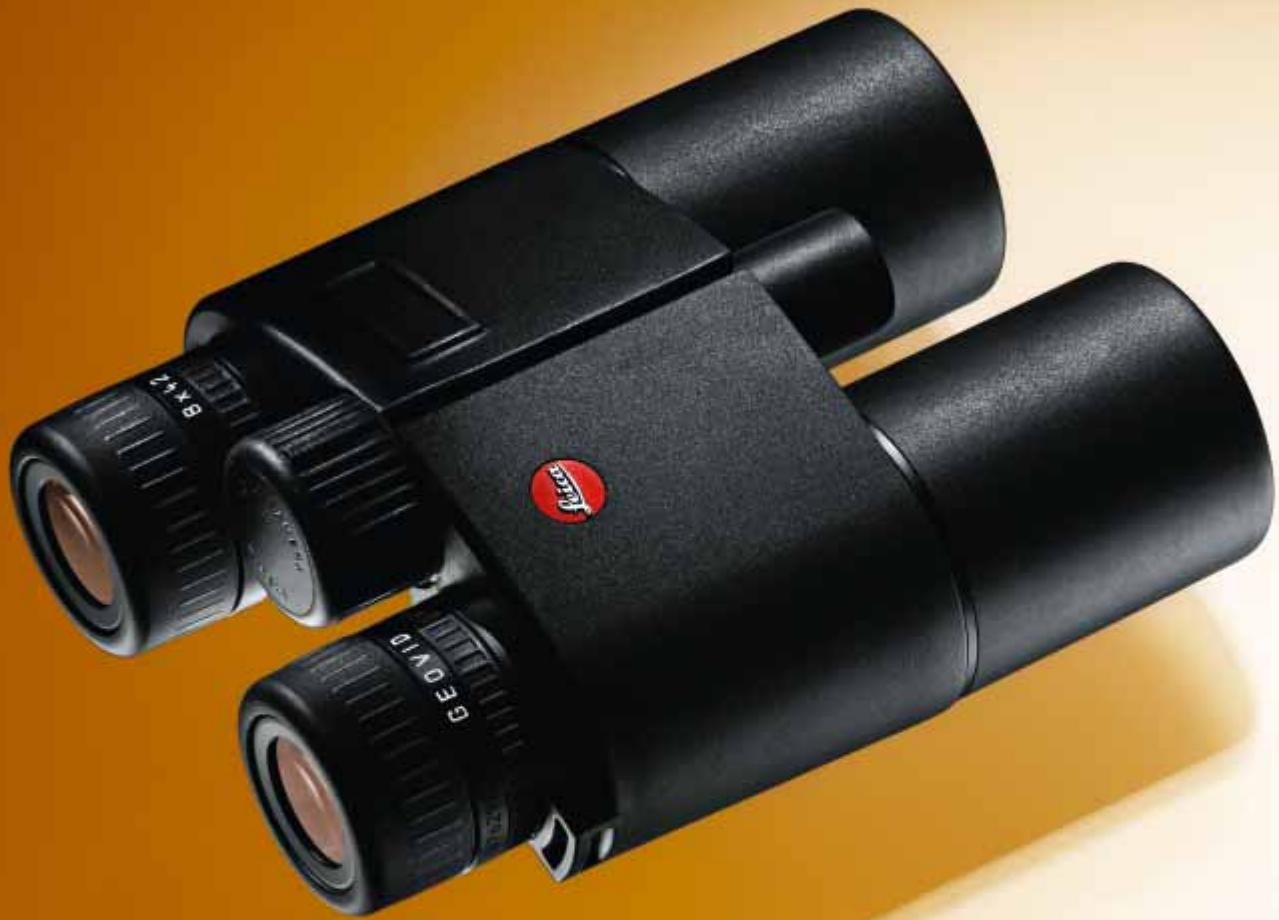
LEICA GEOVID 8 x 42 BRF
LEICA GEOVID 15 x 56 BRF
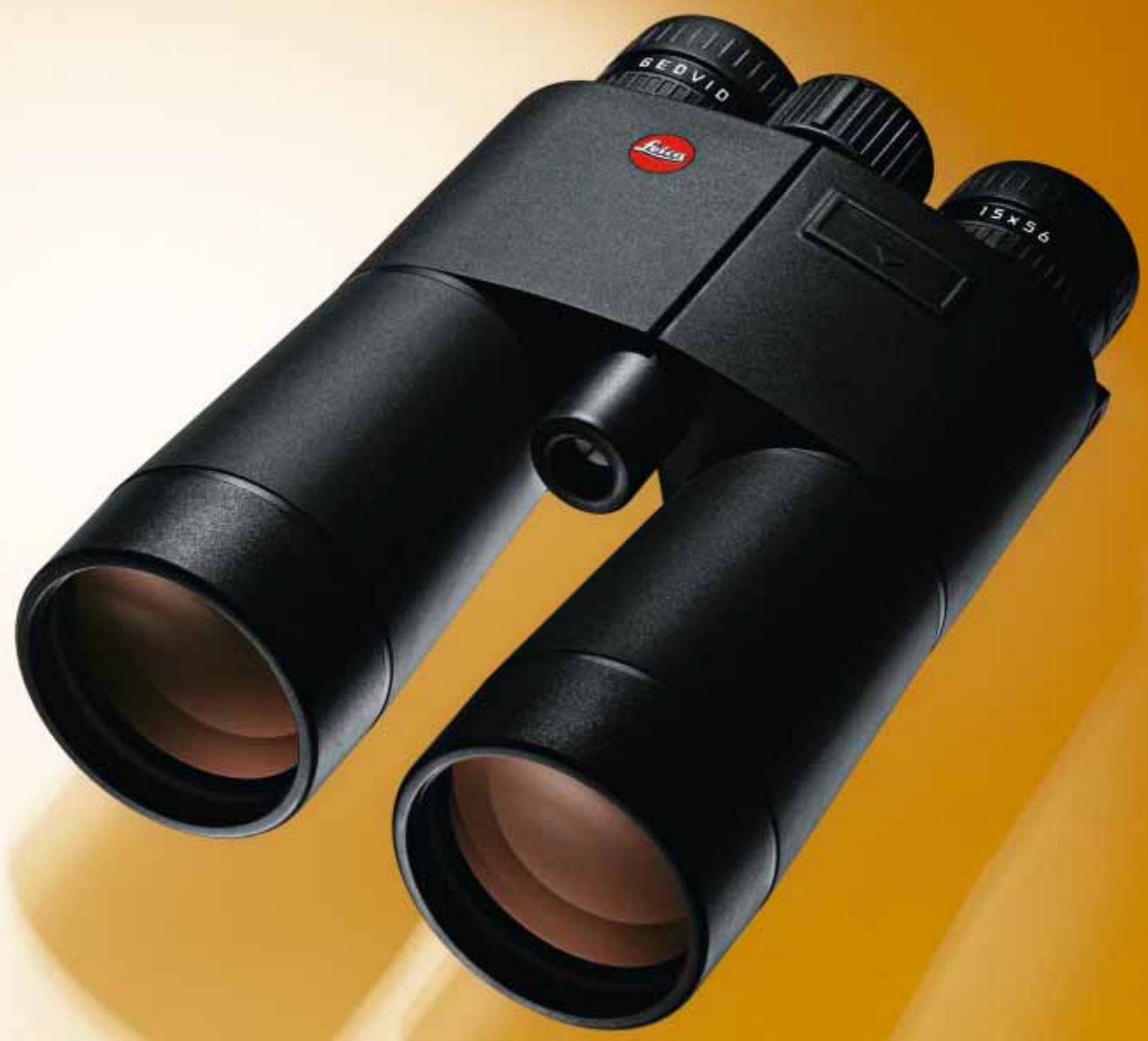
LEICA GEOVID BRF 56 mm – observation et télémétrie dans des conditions de faible luminosité. Leica est le premier spécialiste de l'optique à avoir réussi à combiner des performances optiques haut de gamme sans compromis avec un télémètre laser dans des jumelles particulièrement compactes avec un diamètre de lentille frontale de 56 mm.
LEICA GEOVID 8 x 56 BRF
Jumelles haute performance avec une pupille de sortie de 7 mm, une grande stabilité d'image grâce au grossissement 8x, une transmission de lumière extrêmement élevée grâce au traitement multicouche Leica HDC™ et au diamètre de lentille frontale de 56 mm, ainsi qu'une télémétrie précise. Hauteur de seulement 182 mm et poids de 1 100 g.
LEICA GEOVID 15 x 56 BRF
Des jumelles spécialement conçues pour les besoins des tireurs à longue distance. Le grossissement 15x permet au chasseur de discerner les détails les plus éloignés. Une stabilité d'image optimale est assurée par l'adaptateur trépied Leica disponible en accessoire.
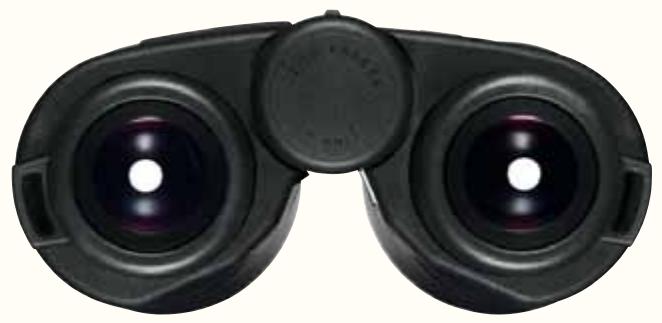

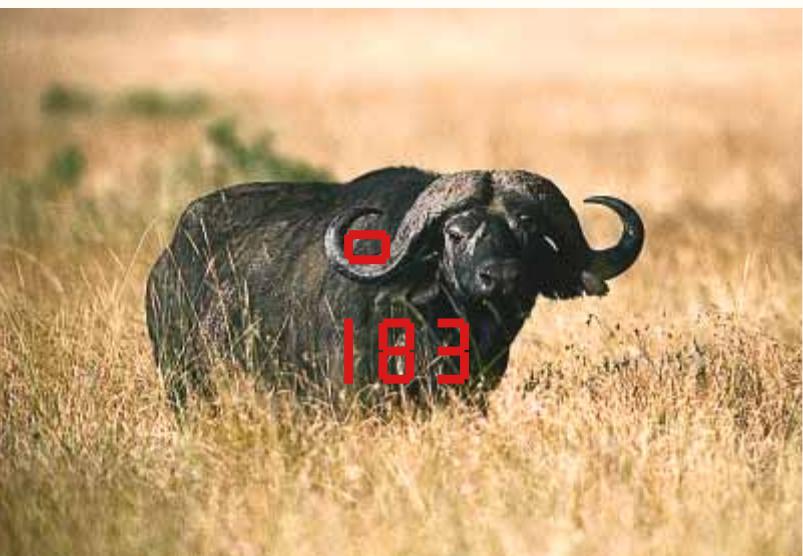
Avec les LEICA GEOVID 8 x 56 et 15 x 56 BRF, Leica a élargi la gamme des jumelles Geovid avec deux modèles compacts et optimisés pour l'observation au crépuscule et à longue distance. Des images au contraste extrêmement riche, à la restitution des couleurs neutre et à la netteté jusqu'aux bords créent une nouvelle dimension dans l'observation et la résolution des détails les plus fins – en particulier dans des conditions de faible luminosité.
LEICA GEOVID BRF 42 mm – les spécialistes compacts de l'orientation
Les modèles avec un diamètre de lentille frontale de 42 mm combinent non seulement les fonctions 'Observation' et 'Télémétrie' à la perfection optique et électronique – leur maniabilité les rend éminemment adaptés à une grande variété d'applications.
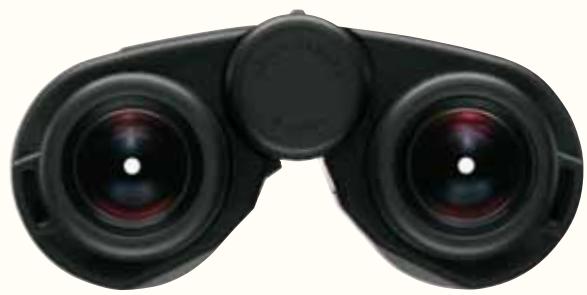
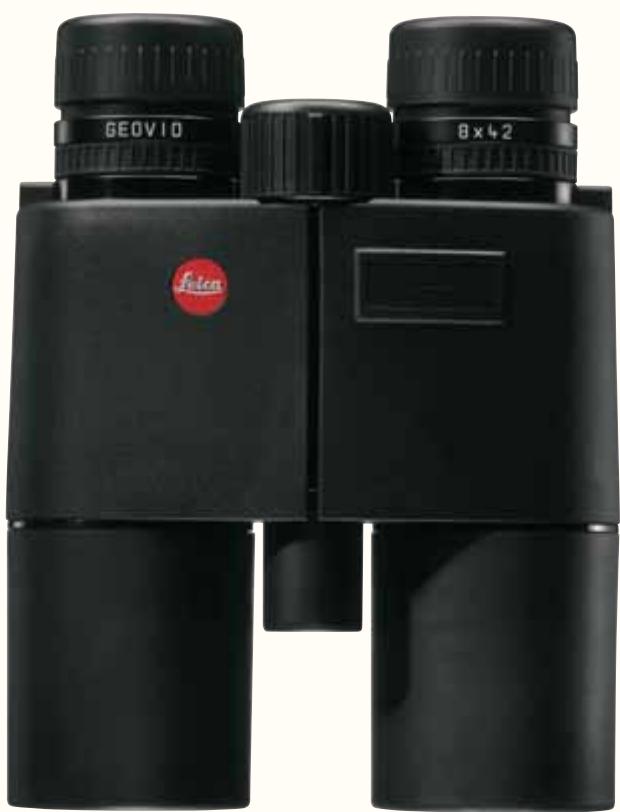
LEICA GEOVID 8 x 42 BRF
Le grossissement 8x garantit une image stable. La combinaison d'un champ de vision de 125 m et de mesures de précision fait du 8 x 42 le compagnon polyvalent compact.
LEICA GEOVID 10 x 42 BRF
Le puissant Geovid est bien adapté aux observations détaillées et aux mesures de précision sur de grandes distances.
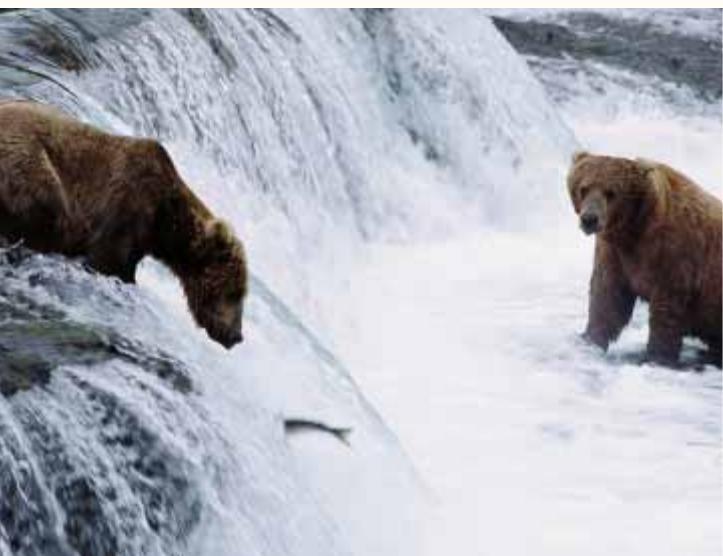
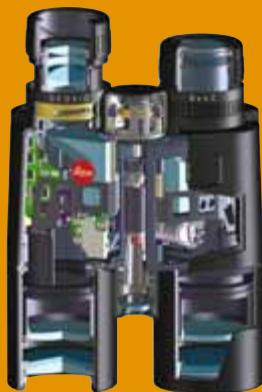
Un LEICA GEOVID BRF vous accompagnera dans toutes les conditions. Ce produit robuste présente un boîtier en aluminium moulé sous pression et est rempli d'azote. Grâce à la précision de fabrication de Leica, le LEICA GEOVID BRF résistera aux conditions environnementales les plus éprouvantes et est étanche jusqu'à une profondeur de 5 m. Grâce à l'articulation centrale et à la conception ergonomique, le Geovid est un produit très compact et peu encombrant. Sa prise en main confortable vous garantira de nombreuses années de plaisir.
Jumelles haut de gamme avec télémètre laser intégré.
Gagnez du temps et du poids par rapport à l'utilisation de deux produits séparés (jumelles et télémètre).
Compact
Intégration de tous les composants électriques dans un corps de jumelles classique avec charnière centrale et mise au point centrale.
Robuste
Le boîtier en aluminium moulé sous pression et l'armure en caoutchouc souple protègent les jumelles contre les chocs, tout en assurant une prise en main sûre, même avec des gants ou par temps humide. Fonctionne parfaitement dans toutes les conditions environnementales, de -15 °C à +55 °C (-13 °F à +131 °F), étanche jusqu'à 5 m (16,4 pi), rempli d'azote, résistant aux chocs. Portée
10 - 1 200 m (10 - 1 300 yd)

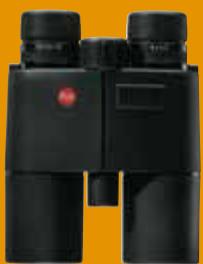
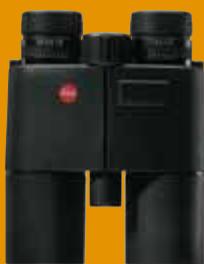
LEICA GEOVID BRF 56 mm - observation et télémétrie dans des conditions de faible luminosité.
Avec armure en caoutchouc noir :
15x56 BRF, version mètres N° de commande 40 035 / version yards N° de commande 40 034
8x56 BRF, version mètres N° de commande 40 031 / version yards N° de commande 40 032
LEICA GEOVID BRF 42 mm - les spécialistes compacts de l'orientation.
Avec armure en caoutchouc noir :
8x42 BRF, version mètres N° de commande 40 026 / version yards N° de commande 40 028
10x42 BRF, version mètres N° de commande 40 027 / version yards N° de commande 40 029
La classe Rangemaster : de petits instruments aux grandes performances. La technologie laser des jumelles Geovid est également utilisée dans les télémètres monoculaires de la classe Leica Rangemaster, tels que le LEICA RANGEMASTER 1200 scan et le nouveau LEICA RANGEMASTER CRF 1200. Les chasseurs qui privilégient un équipement minimal mais ne veulent aucun compromis sur les performances sont parfaitement servis avec les modèles Leica Rangemaster. Le CRF compact ne pèse que 220 grammes (moins de 8 oz), pile comprise ! Les deux modèles Rangemaster ont une portée allant jusqu'à 1 100 m / 1 200 yd et disposent également d'un mode scan qui fournit des mesures de distance continuellement mises à jour en maintenant simplement le bouton d'activation enfoncé. Ce mode est particulièrement utile pour observer du gibier en mouvement à grande distance. De plus, les Rangemaster se distinguent dans leur catégorie par leur optique exceptionnellement lumineuse, leur grossissement 7x et la compensation dioptrique intégrée.
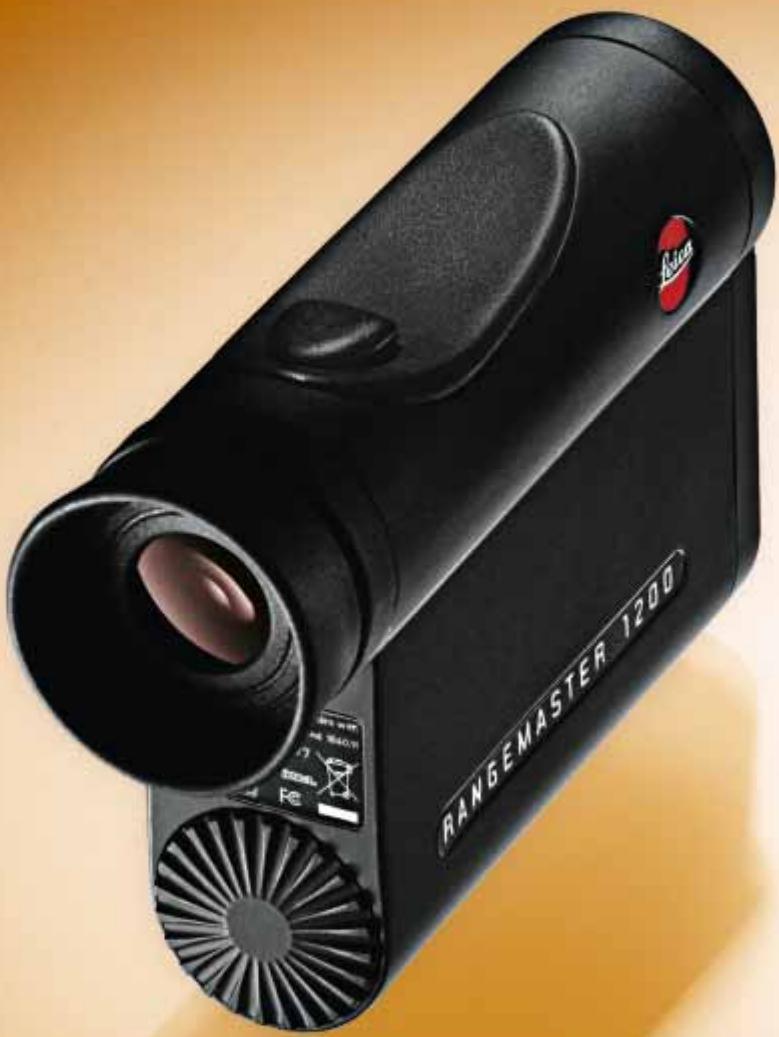
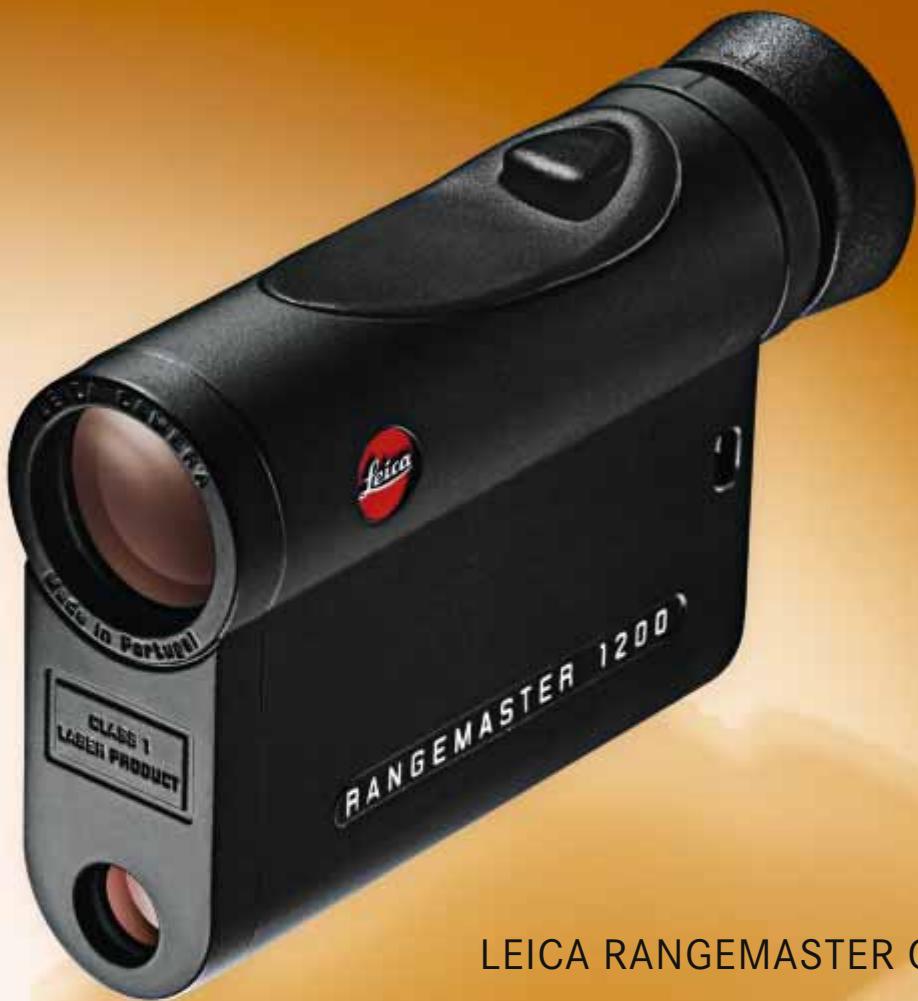
LEICA RANGEMASTER CRF 1200
LEICA RANGEMASTER CRF 1200 - taille minimale, performances maximales. Pour les chasseurs qui veulent un minimum d'équipement et un maximum de performances, l'élégant CRF est la solution ultime. Il établit de nouvelles normes pour la classe Rangemaster - avec son extraordinaire compacité, sa légèreté et ses performances optiques et mécaniques améliorées.
LEICA RANGEMASTER CRF 1200
Extrêmement petit et léger, il disparaît comme un portefeuille dans la poche de votre manteau. Son poids de 220 g (moins de 8 oz) et ses dimensions de 113 × 75 × 34 mm (environ 4 1/2 × 2 1/4 × 1 1/4 po) parlent d'eux-mêmes.
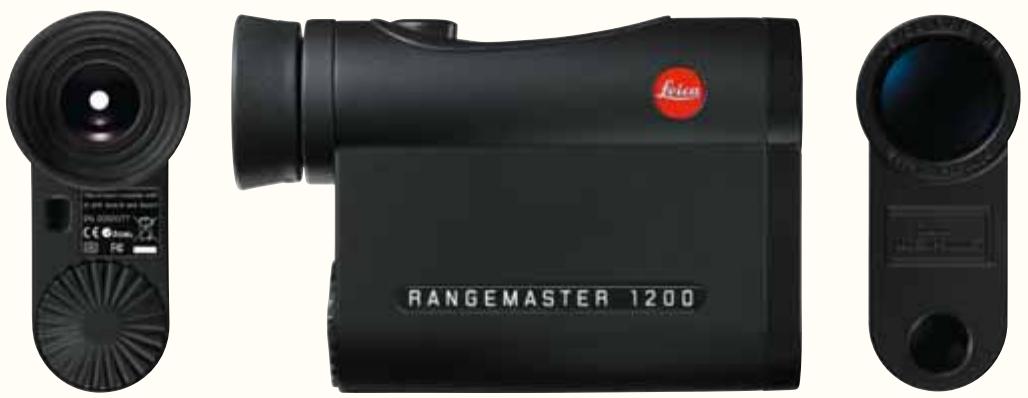
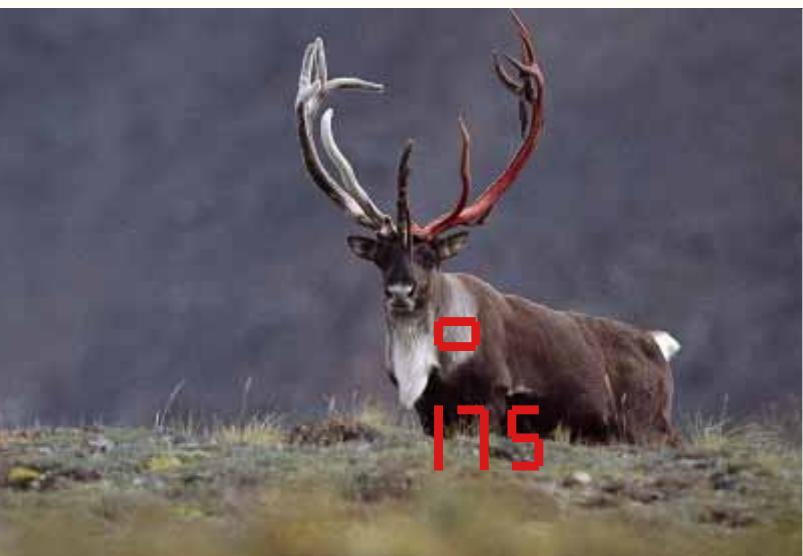
Des optiques particulièrement lumineuses, un grossissement de 7x et un large champ de vision offrent une orientation optimale sur le terrain. Son boîtier étanche donne au nouveau CRF la meilleure protection contre les conditions météorologiques les plus rudes.
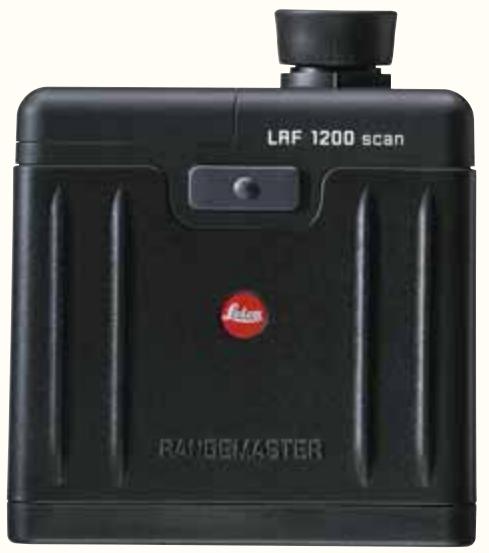
LEICA RANGEMASTER 1200 scan – le compagnon de chasse éprouvé. En appuyant sur la touche d'activation, ce télémètre laser vous indique exactement la distance qui vous sépare de votre cible – en mètres ou en yards ! Le mode scan fournit des mesures précises, même pour des sujets difficiles.
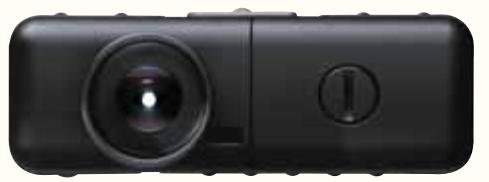
- LEICA RANGEMASTER 1200 scan, avec ses hautes performances et une portée d'environ 1 100 m / 1 200 yd, ce télémètre laser fournit des mesures précises, même par mauvais temps. Son affichage LED à compensation automatique offre la meilleure visibilité de jour comme au crépuscule.
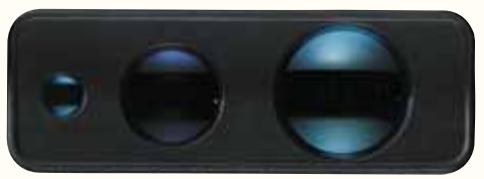
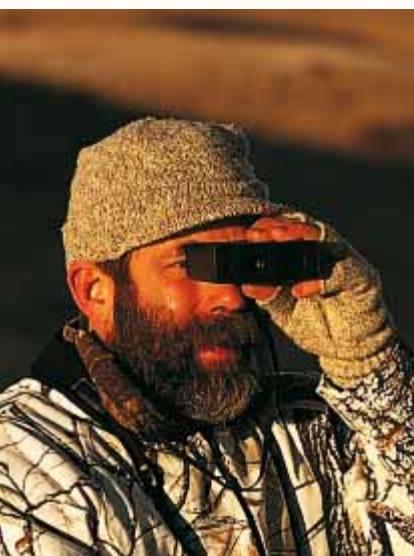
Performances sans compromis : la précision de la technologie laser haut de gamme basée sur la longue expérience de Leica dans les télémètres laser premium. La large plage d'utilisation jusqu'à environ 1 100 m / 1 200 yd offre une grande flexibilité, en monoculaire ou en binoculaire. La manipulation est rapide et simple. Le mode scan intégré permet de mesurer avec précision des cibles plus petites ou en mouvement.
Télémètres laser monoculaires haut de gamme
Télémètres légers et compacts pour une variété de distances et d'applications.
Compact
Le compagnon monoculaire qui trouve sa place partout.
Robuste
Le boîtier en plastique renforcé de fibres de carbone et un laquage soft-touch spécial protègent le CRF 1200 avec un poids minimal (LRF 1200 scan : armure en caoutchouc). Le nouveau CRF 1200 est étanche jusqu'à une profondeur de 1 m / yd (LRF 1200 scan : résistant aux éclaboussures).
Portées
LEICA RANGEMASTER CRF 1200 : environ 10-1 100 m (10-1 200 yd) / LEICA RANGEMASTER 1200 scan : environ 15-1 100 m (16,4-1 200 yd)
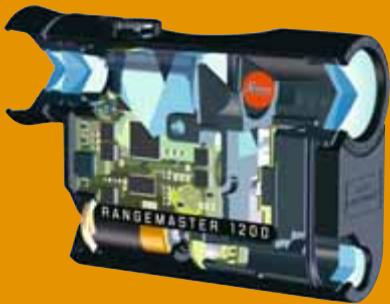
LEICA RANGEMASTER CRF 1200 - taille minimale, performances maximales.
Version mètre N° de commande 40 527 / Version yard N° de commande 40 523
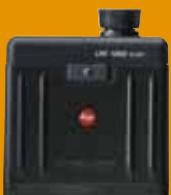
LEICA RANGEMASTER 1200 scan - le compagnon de chasse éprouvé.
Noir N° de commande 40 525
Jumelles
LEICA DUOVID
10 + 15 × 50
LEICA DUOVID
8 + 12 × 42
N° de commande Produit
Caoutchouc armé, noir 40420
40400
Contenu de livraison : sangle de transport en néoprène, profilée, cache-oculaire, étui en cuir nappa, adaptateur trépied
Sangle de transport en néoprène, profilée, cache-oculaire, étui en cuir nappa
Grossissement 10x/15x
Diamètre de la lentille frontale : 50 mm
42 mm
Pupille de sortie : 5,0 mm / 3,3 mm
5,1 mm / 3,5 mm
Facteur crépusculaire : 22,4 / 27,4
18,33 / 22,5
Champ de vision à 1 000 m : 92 m / 70 m
118 m / 90 m
Champ de vision à 1 000 yards : 274 pieds / 208 pieds
351 pieds / 268 pieds
Dégagement oculaire : 14,5 mm
14,5 mm
Angle de champ objectif : 5,3° / 4,0°
6,7° / 5,1°
Distance minimale de mise au point env. 3,7 m / 12,9 pi
env. 3,5 m / 11,1 pi
Compensation dioptrique ± 3 dioptries
±3 dioptries
Compensation dioptrique automatique ADC™ oui oui
Oculaires pour porteurs de lunettes
oui oui
porteurs de lunettes oui oui
Distance interpupillaire réglable
59-74 mm 55-74
Œilletons coulissants oui, amovibles,
oui, amovibles,
avec deux crans d'arrêt avec deux crans d'arrêt
Mise au point interne via molette centrale
Mise au point interne via molette centrale
dispositif de mise au point
dispositif de mise au point
Nombre d'éléments de lentille
(de chaque côté) 11, tous avec revêtement HDCTM
11, tous avec revêtement HDC™
Système de prisme Prisme en toit avec revêtement de correction de phase P40 et système HighLux-System HLSTM
Prisme en toit avec revêtement de correction de phase P40 et système HighLux-System H
Étanchéité Étanche jusqu'à une profondeur de 5 m / 16,5 pi
Étanche jusqu'à une profondeur de 5 m / 16,5 pi
Boîtier Aluminium moulé sous pression, rempli d'azote
Aluminium moulé sous pression, rempli d'azote
Dimensions (L × H × P) 125 × 192 × 78 mm
123 × 156 × 68 mm
4¾ × 7½ × 3⅛ po
4¾ × 6 3/16 × 2 5/8 po
Poids approx. 1 270 g / 44 oz
approx. 1 045 g / 37 oz
N° de commande Accessoires
Sangle de transport en néoprène, profilée incluse
incluse
Sangle de transport flottante, orange 42163 Adaptateur trépied inclus 42 220
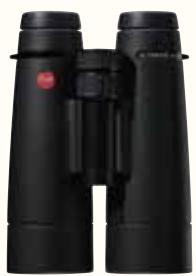
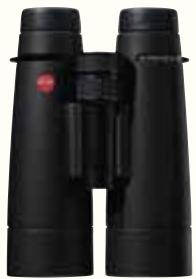
| Binocular | LEICA ULTRAVID 12 x 50 BR | LEICA ULTRAVID 10 x 50 BR | LEICA ULTRAVID 8 x 50 BR |
| Order No. Product | |||
| Leather design, black | - | - | - |
| Rubber armored, black | 40 277 | 40 276 | 40 275 |
| Rubber armored, green | 40 282 | 40 281 | 40 280 |
| Delivery scope | Neoprene carrying strap, contoured, eyepiece cover, protective front lens cover, Cordura case | Neoprene carrying strap, contoured, eyepiece cover, protective front lens cover, Cordura case | Neoprene carrying strap, contoured, eyepiece cover, protective front lens cover, Cordura case |
| Magnification | 12 x | 10 x | 8 x |
| Front lens diameter | 50 mm | 50 mm | 50 mm |
| Exit pupil | 4.2 mm | 5 mm | 6.2 mm |
| Twilight factor | 24.5 | 22.4 | 20 |
| Field of view at 1,000 m | 100 m | 117 m | 117 m |
| Field of view at 1,000 yds | 299 ft | 352 ft | 352 ft |
| Eye-relief | 13.0 mm | 15 mm | 17 mm |
| Objective angle of view | 5.7° | 6.7° | 6.7° |
| Close focusing distance | approx. 3.2 m / 10.5 ft | approx. 3.3 m / 10.8 ft | approx. 3.5 m / 11.5 ft |
| Diopter compensation | ± 4 diopters | ± 4 diopters | ± 4 diopters |
| Automatic diopter compensation ADC™ | yes | yes | yes |
| Eyepieces for eyeglass wearers | yes, removable, with two click stops | yes, removable, with two click stops | yes, removable, with two click stops |
| Adjustable interpupillary distance | 58-75 mm | 58-74 mm | 58-74 mm |
| Focusing | Internal focusing via central focusing device | Internal focusing via central focusing device | Internal focusing via central focusing device |
| No. of lens elements (each side) | 11, all with HDC™ coating | 9, all with HDC™ coating | 8, all with HDC™ coating |
| Prism system | Roof prism with phase correcting coating P 40 and HighLux-System HLSTM | Roof prism with phase correcting coating P 40 and HighLux-System HLSTM | Roof prism with phase correcting coating P 40 and HighLux-System HLSTM |
| Watertightness | Watertight to a depth of 5 m/16.5 ft | Watertight to a depth of 5 m/16.5 ft | Watertight to a depth of 5 m/16.5 ft |
| Housing | Die-cast magnesium, nitrogen-filled | Die-cast magnesium, nitrogen-filled | Die-cast magnesium, nitrogen-filled |
| Dimensions (W x H x D) | 120 x 182 x 78 mm 43⁄4 x 71⁄8 x 23⁄4 in | 125 x 178 x 70 mm 43⁄4 x 7 x 23⁄4 in | 120 x 182 x 68 mm 43⁄4 x 71⁄8 x 23⁄4 in |
| Weight | approx. 1,040 g / 36.7 oz | approx. 1,000 g / 35.3 oz | approx. 1,000 g / 35.3 oz |
| Order No. Accessories | |||
| Neoprene carrying strap, contoured | included | included | included |
| Floating carrying strap, orange | 42 163 | 42 163 | 42 163 |
| Tripod adapter | 42 220 | 42 220 | 42 220 |
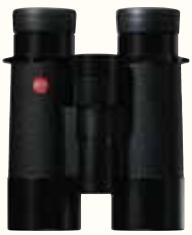
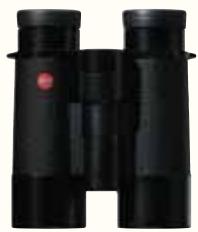
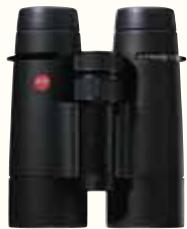
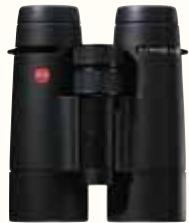
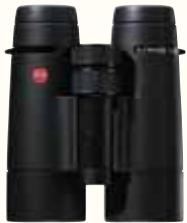
LEICA ULTRAVID 10x42BR/BL
LEICA ULTRAVID 8x42BR/BL
LEICA ULTRAVID 7x42BR
40272 40262 40267
40271 40261 40266
-
BR : Sangle de transport en néoprène, profilée, cache-oculaire, cache-objectif protecteur, étui Cordura
BR : Sangle de transport en néoprène, profilée, cache-oculaire, cache-objectif protecteur, étui Cordura
40260 40265
BL : sangle de transport en cuir, profilée, cache-oculaire, étui en cuir embouti
BL : sangle de transport en cuir, profilée, cache-oculaire, étui en cuir embouti
Sangle de transport en néoprène, profilée, cache-oculaire, cache-objectif avant protecteur, étui en Cordura
10x
8x
7x
42 mm
42 mm
42 mm
4,2 mm
5,2 mm
6 mm
20,5
18,3
17,1
112 m
130 m
14
336 ft
389 ft
420 ft
16 mm
15.5 mm
17.0 mm
6.4°
7.4°
8.0°
environ 2,9 m / 9,5 ft
environ 3 m / 9,8 ft
environ 3,3 m / 10,8 ft
±4 dioptries
±4 dioptries
±4 dioptries
oui
oui
oui
oui, amovible, avec deux crans d'arrêt
oui, amovible, avec deux crans d'arrêt
oui, amovible, avec deux crans d'arrêt
55-75 mm
55-75 mm
55-75 mm
Mise au point interne via le dispositif central de mise au point
Mise au point interne via le dispositif central de mise au point
Mise au point interne via le dispositif central de mise au point
9, all with HDC™ coating
9, all with HDC™ coating
8, all with HDC™ coating
Prisme en toit avec traitement de correction de phase P40 et système HighLux-System HLSTM
Prisme en toit avec traitement de correction de phase P40 et système HighLux-System HLSTM
Prisme en toit avec traitement de correction de phase P40 et système HighLux-System HLSTM
Étanche jusqu'à une profondeur de 5 m / 16,5 pi
Étanche jusqu'à une profondeur de 5 m / 16,5 pi
Étanche jusqu'à une profondeur de 5 m / 16,5 pi
Magnésium moulé sous pression, rempli d'azote
Magnésium moulé sous pression, rempli d'azote
Magnésium moulé sous pression, rempli d'azote
BR : 120 × 147 × 68 mm, 4¾ × 5¾ × 2¾ po
BR : 121 × 142 × 67 mm
120 × 141 × 68 mm
BL : 120 × 146 × 62 mm (4 3/4 × 5 3/4 × 2 1/2 po)
4 3/4 × 5 3/4 × 2 5/8 po
4 3/4 × 5 5/8 × 2 5/8 po
BR : environ 750 g / 26,5 oz
BL : 121 × 141 × 63 mm (4 3/4 × 5 1/2 × 2 1/2 po)
environ 770 g / 27,2 oz
BL : environ 695 g / 24,7 oz
BL : environ 710 g / 25 oz
inclus (BR)
inclus (BR)
inclus
42163
42163
42163
42220
42220
42220
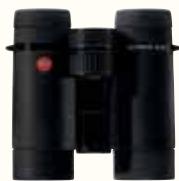
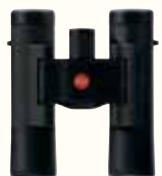
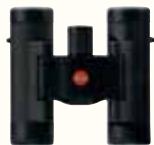
| Binocular | LEICA ULTRAVID 10 x 32 BR | LEICA ULTRAVID 8 x 32 BR | LEICA ULTRAVID 10 x 25 BR/BL | LEICA ULTRAVID 8 x 20 BR/BL |
| Order No. Product | ||||
| Leather design, black | - | - | 40 253 | 40 252 |
| Rubber armored, black | 40 259 | 40 258 | 40 257 | 40 256 |
| Armored, black | - | - | - | - |
| Delivery scope | Neoprene carrying strap, contoured, eyepiece cover, protective front lens cover, Cordura case | Neoprene carrying strap, contoured, eyepiece cover, protective front lens cover, Cordura case | BR : Woven carrying strap, eyepiece cover, Cordura case with belt loop BL : Woven carrying strap, eyepiece cover, deep-drawn leather case | BR : Woven carrying strap, eyepiece cover, Cordura case with belt loop BL : Woven carrying strap, eyepiece cover, deep-drawn leather case |
| Magnification | 10 x | 8 x | 10 x | 8 x |
| Front lens diameter | 32 mm | 32 mm | 25 mm | 20 mm |
| Exit pupil | 3.2 mm | 4 mm | 2.5 mm | 2.5 mm |
| Twilight factor | 17.9 | 16 | 15.8 | 12.7 |
| Field of view at 1,000 m | 118 m | 135 m | 90 m | 113 m |
| Field of view at 1,000 yds | 352 ft | 404 ft | 273 ft | 341 ft |
| Eye-relief | 13.2 mm | 13.3 mm | 15 mm | 16 mm |
| Objective angle of view | 6.7° | 7.7° | 5.2° | 6.5° |
| Close focusing distance | approx. 2 m / 6.6 ft | approx. 2.1 m / 6.9 ft | approx. 3.2 m / 10.5 ft | approx. 1.8 m / 7.2 ft |
| Diopter compensation | ± 4 diopters | ± 4 diopters | ± 3.5 diopters | ± 3.5 diopters |
| Automatic diopter compensation ADC™ | yes | yes | yes | yes |
| Eyepieces for eyeglass wearers | yes, removable, with two click stops | yes, removable, with two click stops | yes | yes |
| Adjustable interpupillary distance | 52-74 mm | 52-74 mm | 34-74 mm | 34-74 mm |
| Focusing | Internal focusing via central focusing device | Internal focusing via central focusing device | Internal focusing via central focusing knob | Internal focusing via central focusing knob |
| No. of lens elements (each side) | 11, all with HDC™ coating | 9, all with HDC™ coating | 6, all with HDC™ coating | 6, all with HDC™ coating |
| Prism system | Roof prism with phase correcting coating P40 and HighLux-System HLSTM | Roof prism with phase correcting coating P40 and HighLux-System HLSTM | Roof prism with phase correcting coating P40 and HighLux-System HLSTM | Roof prism with phase correcting coating P40 and HighLux-System HLSTM |
| Watertightness | Watertight to a depth of 5 m/16.5 ft | Watertight to a depth of 5 m/16.5 ft | Watertight to a depth of 5 m/16.5 ft | Watertight to a depth of 5 m/16.5 ft |
| Housing | Magnesium, nitrogen-filled | Magnesium, nitrogen-filled | Aluminum, nitrogen-filled | Aluminum, nitrogen-filled |
| Dimensions (W x H x D) | 116 x 120 x 56 mm 4% x 4% x 2% in | 116 x 116 x 56 mm 4% x 4% x 2% in | 111 x 112 x 39 mm 4% x 4% x 1% in | 111 x 93 x 39 mm 4% x 3% x 1% in |
| Weight | approx. 565 g / 19.9 oz | approx. 535 g / 18.9 oz | BR : approx. 265 g / 9.4 oz BL : approx. 255 g / 9.0 oz | BR : approx. 240 g / 8.5 oz BL : approx. 230 g / 8.1 oz |
| Order No. Accessories | ||||
| Neoprene carrying strap, contoured | included | included | - | - |
| Floating carrying strap, orange | 42163 | 42163 | - | - |
| Tripod adapter | 42220 | 42220 | - | - |
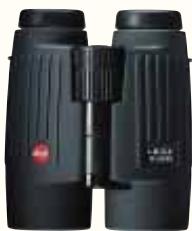
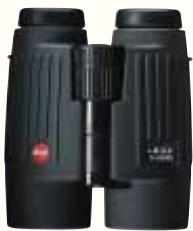
LEICA TRINOVID 10 x 42 BN
LEICA TRINOVID 8x42 BN
40019 40017
Sangle en néoprène, sangle en néoprène, cache-oculaire, cache-oculaire, étui en cuir nappa, étui en cuir nappa
10x 8x
42 mm 42 mm
4,2 mm 5,2 mm
20,5 18,3
111 m 130 m
331 pi 389 pi
15,5 mm 15,5 mm
6,3° 7,4°
env. 2,8 m / 9,2 pi env. 3,1 m / 10,2 pi
±4 dioptries ±4 dioptries
oui oui
oui oui
53-76 mm 55-75 mm
Mise au point interne Mise au point interne via dispositif de mise au point centrale via dispositif de mise au point centrale
9, tous avec traitement HDCTM 9, tous avec traitement HDCTM
Prisme en toit avec Prisme en toit avec traitement de correction de phase P40 traitement de correction de phase P40
Étanche jusqu'à une profondeur de 5 m / 16,5 pi Étanche jusqu'à une profondeur de 5 m / 16,5 pi
Aluminium moulé sous pression, Aluminium moulé sous pression, rempli d'azote rempli d'azote
120 × 137 × 66 mm 119 × 141 × 66 mm 4¾ × 5½ × 2¾ po 4¾ × 5½ × 2¾ po
env. 910 g / 32,1 oz env. 940 g / 33,2 oz
inclus inclus
42163 42163
42220 42220
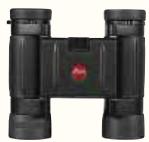
| Binocular | LEICA TRINOVID 10 x 32 BN | LEICA TRINOVID 8 x 32 BN | LEICA TRINOVID 10 x 25 BCA | LEICA TRINOVID 8 x 20 BCA |
| Order No. Product | ||||
| Rubber armored, black | - | - | 40 343 | 40 354 |
| Armored, black | 40 015 | 40 016 | - | - |
| Delivery scope | Carrying strap with non-slip pad, eyepiece cover, soft leather case | Carrying strap with non-slip pad, eyepiece cover, soft leather case | Carrying cord, Cordular case with belt loop | Carrying cord, Cordular case with belt loop |
| Magnification | 10 x | 8 x | 10 x | 8 x |
| Front lens diameter | 32 mm | 32 mm | 25 mm | 20 mm |
| Exit pupil | 3.2 mm | 4 mm | 2.5 mm | 2.5 mm |
| Twilight factor | 17.9 | 16.0 | 15.8 | 12.65 |
| Field of view at 1,000 m | 117 m | 135 m | 90 m | 113 m |
| Field of view at 1,000 yds | 352 ft | 404 ft | 273 ft | 341 ft |
| Eye-relief | 13.5 mm | 14.6 mm | 14.6 mm | 14 mm |
| Objective angle of view | 6.7° | 7.7° | 5.2° | 6.5° |
| Close focusing distance | approx. 2.1 m / 6.9 ft | approx. 2.1 m / 7.2 ft | approx. 5 m / 16.4 ft | approx. 3 m / 9.8 ft |
| Diopter compensation | ± 4 diopters | ± 4 diopters | ± 3.5 diopters | ± 3.5 diopters |
| Eyepieces for eyeglass wearers | yes | yes | yes | yes |
| Sliding Eyecups | extendable eyecups | extendable eyecups | extendable eyecups | extendable eyecups |
| Adjustable interpupillary distance | 56-74 mm | 57-74 mm | 32-74 mm | 32-74 mm |
| Focusing | Internal focusing via central focusing device | Internal focusing via central focusing device | Internal focusing via central focusing knob | Internal focusing via central focusing knob |
| No. of lens elements (each side) | 11, all with HDC™ coating | 9, all with HDC™ coating | 6, all with HDC™ coating | 6, all with HDC™ coating |
| Prism system | Roof prism with phase correcting coating P40 | Roof prism with phase correcting coating P40 | Roof prism with phase correcting coating P40 | Roof prism with phase correcting coating P40 |
| Watertightness | Watertight to a depth of 5 m/16.5 ft | Watertight to a depth of 5 m/16.5 ft | Waterspray resistant | Waterspray resistant |
| Housing | Die-cast aluminum, nitrogen-filled | Die-cast aluminum, nitrogen-filled | Aluminum, nitrogen-filled | Aluminum, nitrogen-filled |
| Dimensions (W x H x D) | 119 x 118 x 57 mm | 119 x 116 x 57 mm | 110 x 92 x 37 mm | 96 x 92 x 37 mm |
| 4 3/4 x 4 3/8 x 2 1/4 in | 4 3/4 x 4 3/8 x 2 1/4 in | 4 3/8 x 3 3/8 x 1 1/2 in | 3 3/4 x 3 3/8 x 1 1/2 in | |
| Weight | approx. 635 g / 22.4 oz | approx. 635 g / 22.4 oz | approx. 255 g / 9.0 oz | approx. 235 g / 8.3 oz |
| Order No. Accessories | ||||
| Neoprene carrying strap, contoured | included | 42 146 | - | - |
| Floating carrying strap, orange | 42 163 | 42 163 | - | - |
| Tripod adapter | 42 220 | 42 220 | - | - |
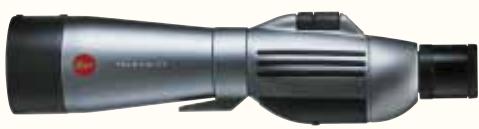
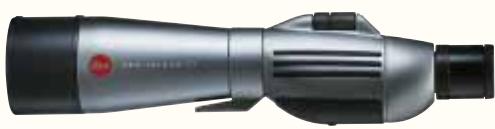
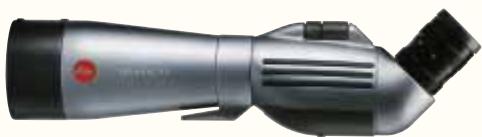
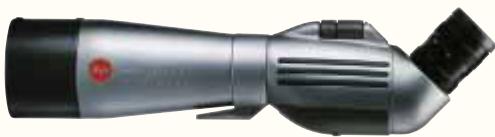
Longue-vue LEICA TELEVID 77
Référence produit
Vision droite 40103
Vision inclinée (45°) 40101
Contenu de livraison Capuchons avant et arrière
Diamètre de la lentille frontale 77 mm
Longueur focale de l'objectif 440 mm
Distance minimale de mise au point environ 3.9m / 12.8 pi
Pupille de sortie, facteur crépusculaire et champ de vision Voir tableau des oculaires page 83
Mise au point Mise au point interne avec dispositif de mise au point double breveté
Nombre d'éléments de lentille
(hors oculaire) 2, tous multicouches
Système de prisme Système de prisme de Porro
Étanchéité Étanche jusqu'à une profondeur de 3m / 10 pi
Boîtier Aluminium moulé sous pression, rempli d'azote
Connexion de l'oculaire Baïonnette à changement rapide
Embase trépied 1/4, rotative avec vis de blocage
Pare-soleil Pare-soleil coulissant avec viseur
Filetage de filtre E77
Dimensions (L × H × P) 390 × 105 × 93 mm / 15,4 × 4,1 × 3,7 po
Poids environ 1 495 g / 52,7 oz
N° de commande Accessoires
Oculaire 20xWW 41009
Oculaire 32xWW 41011
Oculaire 40xWW 41007
Oculaire zoom 20-60x 41012
Adaptateur numérique 2 42303
Adaptateur photo
1:10,4/800 mm 42300
1:13,0/1 000 mm 42301
Adaptateur T2 pour
Système Leica R 42305
Filtre UVa 13337
Étui en Cordura
pour lunette d'observation à vision droite 42315
pour lunette d'observation à vision inclinée 42310
Étui de transport 42316
LEICA APO-TELEVID 77
40104
40102
Bouchons avant et arrière
77 mm
440 mm
env. 3,9 m / 12,8 pi
Voir tableau des oculaires page 83
Mise au point interne avec double dispositif de mise au point breveté
3 (fluorite), tous multicouches
Système de prismes de Porro
Étanche jusqu'à une profondeur de 3 m / 10 pi
Aluminium moulé sous pression, rempli d'azote
Baïonnette à changement rapide
1/4, rotatif avec vis de blocage
Pare-soleil coulissant avec aide à la visée
E77
410 × 105 × 93 mm / 16 % × 4 % × 3 % po
environ 1 695 g / 59,8 oz
41009
41011
41007
41012
42303
42300
42301
42305
13 337
42315
42310
42316
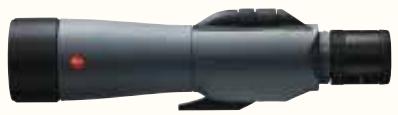
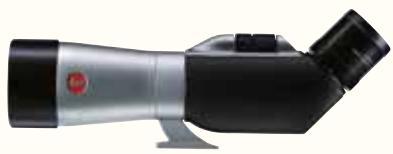
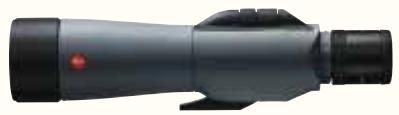
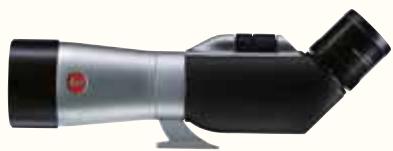
| Spotting scope | LEICA TELEVID 62 | LEICA APO-TELEVID 62 |
| Order No. Product | ||
| Straight viewing | ||
| partially armored, black | 40 108 | 40 106 |
| fully armored, grey | 40 113 | 40 114 |
| Angled viewing (45°) | 40 109 | 40 107 |
| Delivery scope | Front and rear caps | Front and rear caps |
| Front lens diameter | 62 mm | 62 mm |
| Focal length of the lens | 352 mm | 352 mm |
| Close focusing distance | approx. 3.5 m / 11.5 ft | approx. 3.5 m / 11.5 ft |
| Exit pupil, twilight factor and field of view | See eyepiece chart page 83 | See eyepiece chart page 83 |
| Focusing | Internal focusing with patented dual focusing device | Internal focusing with patented dual focusing device |
| No. of lens elements (excluding the eyepiece) | 2, all multi-coated | 3 (fluorite), all multi-coated |
| Prism system | Porro prism system | Porro prism system |
| Watertightness | Watertight to a depth of 3 m / 10 ft | Watertight to a depth of 3 m / 10 ft |
| Housing | Die-cast aluminum and fiberglass-reinforced plastic material, nitrogen-filled | Die-cast aluminum and fiberglass-reinforced plastic material, nitrogen-filled |
| Eyepiece connection | Rapid-change bayonet | Rapid-change bayonet |
| Tripod base | ||
| for straight viewing scope | ¼" | ¼" |
| for angled viewing scope | ½", rotating with locking screw | ½", rotating with locking screw |
| Lens hood | Sliding lens hood with sighting aid | Sliding lens hood with sighting aid |
| Filter thread | E 62 | E 62 |
| Dimensions (W x H x D) | ||
| partially armored, angled | 295 x 95 x 87 mm / 11 % x 3¾ x 3¾ in | 295 x 95 x 87 mm / 11 % x 3¾ x 3¾ in |
| partially armored, straight | 305 x 94 x 87 mm / 12 x 3¾ x 3¾ in | 305 x 94 x 87 mm / 12 x 3¾ x 3¾ in |
| fully armored, straight | 305 x 94 x 89 mm / 12 x 3¾ x 3½ in | 305 x 94 x 89 mm / 12 x 3¾ x 3½ in |
| Weight | ||
| partially armored, angled | approx. 980 g / 34.6 oz | approx. 1,070 g / 37.7 oz |
| partially armored, straight | approx. 910 g / 32.1 oz | approx. 990 g / 34.9 oz |
| fully armored, straight | approx. 980 g / 34.6 oz | approx. 1,070 g / 34.4 oz |
| Order No. Accessories | ||
| Eyepiece 16 x | 41 009 | 41 009 |
| Eyepiece 26 x WW | 41 011 | 41 011 |
| Eyepiece 32 x WW | 41 007 | 41 007 |
| Zoom eyepiece16-48 x | 41 012 | 41 012 |
| Digital adapter 2 | 42 303 | 42 303 |
| Photo adapter (1:12.9/800mm) | 42 301 | 42 301 |
| T2 adapter for Leica R system | 42 305 | 42 305 |
| Cordura ever-ready case | ||
| for straight viewing scope | 42 319 | 42 319 |
| for angled viewing scope | 42 318 | 42 318 |
| Eyepiece for LEICA TELEVID 77 | 20 x WW | 32 x WW | 40 x WW | 20-60 x (Vario) |
| Order No. Eyepiece | 41009 | 41011 | 41007 | 41012 |
| No. of lens elements | 6 elements | 7 elements | 6 elements | 7 elements |
| Magnification | 20 x | 32 x | 40 x | 20-60 x |
| Focal length | 22 mm | 14 mm | 11 mm | 22-7.4 mm |
| Exit pupil | 3.9 mm | 2.4 mm | 1.9 mm | 3.8 - 1.3 mm |
| Angle of view | 3.4° | 2.3° | 1.8° | 2.0°-1.2° |
| Field of view at 1,000 m | 60 m | 40 m | 32 m | 34-20 m |
| Field of view at 1,000 yds | 179 ft | 121 ft | 95 ft | 105-63 ft |
| Eye-relief | 20 mm | 19 mm | 16.5 mm | 22 - 16 mm |
| Length | 67 mm | 70 mm | 71 mm | 78 mm |
| Diameter | 53 mm | 53 mm | 50 mm | 53 mm |
| Weight | approx. 246 g / 8.6 oz | approx. 285 g / 10 oz | approx. 230 g / 8 oz | approx. 280 g / 9.8 oz |

Oculaire pour LEICA TELEVID 62
Réf. de commande Oculaire 41
Nombre d'éléments de lentille 6 éléments
Grossissement 16x (avec champ de vision réduit)
Longueur focale 22 mm
Pupille de sortie 3,8 mm
Angle de champ 3,1°
Champ de vision à 1 000 m 54 m
Champ de vision à 1 000 yards : 163 pieds
Dégagement oculaire : 20,4 mm
Longueur : 67 mm
Diamètre : 53 mm
Poids approximatif : 246 g / 8,6 oz
26 × WW
41011
7 éléments
26x
14 mm
2,4 mm
2,9°
50 m
152 pieds
19 mm
70mm
53mm
environ 285 g / 10 oz
32xWW
41007
6 éléments
32x
11mm
1,9 mm
2,3°
40m
121 pi
16,3 mm
71mm
50mm
environ 230 g / 8 oz
16-48 x (Vario)
41012
7 éléments
16-48x
22-7,3 mm
3,8-1,3 mm
2,5° - 1,4°
44-24 m
131-74 pi
22-16 mm
78 mm
53 mm
environ 280 g / 9,8 oz
Adaptateur photo 1:10,4/800 (Televid 77)
Référence 42300
Longueur focale
avec LEICA TELEVID 77
avec LEICA TELEVID 62
42300
800 mm
640 mm (avec champ de vision réduit)
Ouverture
avec LEICA TELEVID 77 1:10,4
avec LEICA TELEVID 62 1:10,6
1:13,0/1 000 (Televid 77)
1:12,9 / 800 (Televid 62)
42301
1 000 mm
800 mm
1:13.0
1:12.9
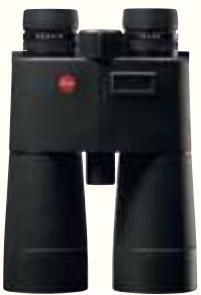
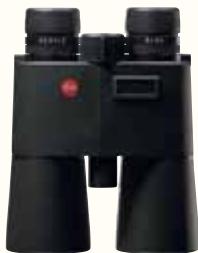
| Binocular | LEICA GEOVID 15 x 56 BRF | LEICA GEOVID 8 x 56 BRF |
| Order No. Product | 40035 (Meter-Version) | 40031 (Meter-Version) |
| 40034 (Yard-Version) | 40032 (Yard-Version) | |
| Delivery scope | Neoprene carrying strap, eyepiece cover,protective front lens cover, battery, Cordura case | Neoprene carrying strap, eyepiece cover,protective front lens cover, battery, Cordura case |
| Magnification | 15 x | 8 x |
| Front lens diameter | 56 mm | 56 mm |
| Exit pupil | 3.7 mm | 7 mm |
| Twilight factor | 28.2 | 21.2 |
| Field of view at 1,000 m | 75 m | 118 m |
| Field of view at 1,000 yds | 225 ft | 357 ft |
| Eye-relief | 15.5 mm | 18.5 mm |
| Objective angle of view | 4.3° | 6.8° |
| Close focusing distance | approx. 5.9 m / 19.45 ft | approx. 5.6 m / 18.4 ft |
| Diopter compensation | ± 4 diopters | ± 3.5 diopters |
| Distance measurement | ||
| Range | 10 m to approx. 1,200 m / 10 yds to approx. 1,300 yds | 10 m to approx. 1,200 m / 10 yds to approx. 1,300 yds |
| Accuracy | ± 1 m/yd up to 366 m / 400 yds | ± 1 m/yd up to 350 m / 380 yds |
| ± 2 m/yds up to 732 m / 800 yds | ± 2 m/yds up to 700 m / 763 yds | |
| ± 0.5 % beyond 732 m / 800 yds | ± 0.5 % beyond 700 m / 763 yds | |
| Read-outs | LED display with four digits, easily legible in any light | LED display with four digits, easily legible in any light |
| Eyepieces foreyeglass wearers | yes | yes |
| Sliding eyecups | yes, removable, with two click stops | yes, removable, with two click stops |
| Adjustable interpupillarystance | 56-74 mm | 56-74 mm |
| Focusing | Internal focusing viacentral focusing device | Internal focusing viacentral focusing device |
| No. of lens elements(each side) | 7, all with HDC™ coating | 7, all with HDC™ coating |
| Prism system | Roof prism with phasecorrection coating P 40 | Roof prism with phasecorrection coating P 40 |
| Watertightness | Watertightto a depth of 5 m / 16.5 ft | Watertightto a depth of 5 m / 16.5 ft |
| Housing | Die-cast aluminium,nitrogen-filled | Die-cast aluminium,nitrogen-filled |
| Dimensions (W x H x D) | 134 x 210 x 70 mm / 5 1/4 x 7 1/8 x 2 1⁄2 in | 135 x 182 x 68 mm / 5 1/4 x 7 1/8 x 2 1⁄2 in |
| Weight | approx. 1,300 g / 45.9 oz incl. batteries | approx. 1,100 g / 38.8 oz incl. batteries |
| Meter / Yard selector | no | no |
| Laser | Eye-safe invisible laseraccording to EN and FDA class1 | Eye-safe invisible laseraccording to EN and FDA class1 |
| Laser beam divergence | 2.5 x 0.5 mrad | 2.5 x 0.5 mrad |
| Measuring time | max. approx. 1.4 s | max. approx. 1.4 s |
| Measuring mode | Scanning mode | Scanning mode |
| Power supply | 1 x 3V/Lithium-type C2R | 1 x 3V/Lithium-type C2R |
| Battery lifetime | approx. 2,000 measurements at 20 °C/68 °F | approx. 2,000 measurements at 20 °C/68 °F |
| Order No. Accessories | ||
| Neopren carrying strap,contoured | included | included |
| Floating carrying strap,orange | 42 163 | 42 163 |
| Tripod adapter | 42 220 | 42 220 |
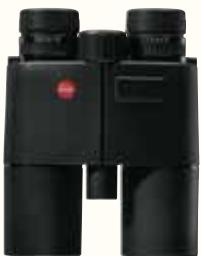
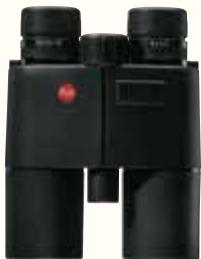
| Binocular | LEICA GEOVID 10 x 42 BRF | LEICA GEOVID 8 x 42 BRF |
| Order No. product | 40027 (Meter-Version) | 40026 (Meter-Version) |
| 40029 (Yard-Version) | 40028 (Yard-Version) | |
| Delivery Scope | Neoprene carrying strap, eyepiece cover, protective front lens cover, battery, Cordura case | Neoprene carrying strap, eyepiece cover, protective front lens cover, battery, Cordura case |
| Magnification | 10 x | 8 x |
| Front lens diameter | 42 mm | 42 mm |
| Exit pupil | 4.2 mm | 5.3 mm |
| Twilight factor | 20.5 | 18.3 |
| Field of view at 1,000 m | 110 m | 125 m |
| Field of view at 1,000 yds | 331 ft | 368 ft |
| Eye-relief | 15.6 mm | 18 mm |
| Objective angle of view | 6.3° | 7° |
| Close focusing distance | approx. 5.6 m / 18.4 ft | approx. 5.6 m / 18.4 ft |
| Diopter compensation | ±3.5 diopters | ±3.5 diopters |
| Distance measurement | ||
| Range | 10 m to approx. 1,200 m / 10 yds to approx. 1,300 yds | 10 m up to approx. 1,200 m / 10 yds to approx. 1,300 yds |
| Accuracy | ±1 m/yd up to 350 m / 380 yds | ±1 m/yd up to 350 m / 380 yds |
| ±2 m/yds up to 700 m / 763 yds | ±2 m/yds up to 700 m / 763 yds | |
| ±0.5% beyond 700 m / 763 yds | ±0.5% beyond 700 m / 763 yds | |
| Read-outs | LED display with four digits, easily legible in any light | LED display with four digits, easily legible in any light |
| Eyepieces for eyeglass wearers | yes | yes |
| Sliding eyecups | yes, removable, with two click stops | yes, removable, with two click stops |
| Adjustable interpupillary distance | 56-74 mm | 56-74 mm |
| Focusing | Internal focusing via central focusing device | Internal focusing via central focusing device |
| No. of lens elements (each side) | 7, all with HDCTM coating | 7, all with HDCTM coating |
| Prism system | Roof prism with phase correction coating P 40 | Roof prism with phase correction coating P 40 |
| Watertightness | Watertight to a depth of 5 m / 16.5 ft | Watertight to a depth of 5 m / 16.5 ft |
| Housing | Die-cast aluminium, nitrogen-filled | Die-cast aluminium, nitrogen-filled |
| Dimensions (W x H x D) | 125 x 168 x 70 mm / 47% x 6% x 2% in | 125 x 173 x 70 mm / 47% x 6% x 2% in |
| Weight | approx. 945 g / 33.3 oz incl. batteries | approx. 950 g / 33.5 oz incl. batteries |
| Meter / Yard selector | no | no |
| Laser | Eye-safe invisible laser according to EN and FDA class 1 | Eye-safe invisible laser according to EN and FDA class 1 |
| Laser beam divergence | 2.5 x 0.5 mrad | 2.5 x 0.5 mrad |
| Measuring time | max. approx. 1.4 s | max. approx. 1.4 s |
| Measuring mode | Scanning mode | Scanning mode |
| Power supply | 1 x 3V/Lithium-type C2R | 1 x 3V/Lithium-type C2R |
| Battery lifetime | approx. 2,000 measurements at 20 °C/68 °F | approx. 2,000 measurements at 20 °C/68 °F |
| Order No. Accessories | ||
| Neopren carrying strap, contoured | included | included |
| Floating carrying strap, orange | 42 163 | 42 163 |
| Tripod adapter | 42 220 | 42 220 |
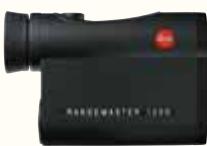
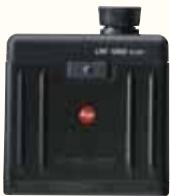
| Product | LEICA RANGEMASTER CRF 1200 | LEICA RANGEMASTER 1200 scan |
| Order No. Product | 40 527 (Meter-Version) 40 523 (Yard-Version) | 40 525 (black) |
| Delivery scope | Carrying cord, battery, Cordura case | Carrying cord, battery, Cordura case |
| Magnification | 7 x | 7 x |
| Front lens diameter | 24 mm | 21 mm |
| Exit pupil | 3.4 mm | 3 mm |
| Twilight factor | 13 | 12.1 |
| Field of view at 1,000 m | 115 m | 112 m |
| Field of view at 1,000 yds | 347 ft | 336 ft |
| Eye-relief | 15 mm | 14 mm |
| Objective angle of view | 6.6° | 6.4° |
| Diopter compensation | ±3.5 diopters | ±4 diopters |
| Distance measurement | ||
| Range | 10 to 1,100 m 10 to 1,200 yds | 15 to approx. 1,100 m 16.4 to 1,200 yds |
| Accuracy | ±1 m/yd to 366 m/400 yds, ±2 m/yds to 732 m/800 yds, ±0.5% over 732 m/800 yds | ±1 m/yds to 366 m/400 yds, ±2 m/yds to 732 m/800 yds, ±0.5% over 732 m/800 yds |
| Read-outs | LED display with four digits, easily legible in any light | LED display with four digits, easily legible in any light |
| Eyepieces for eyeglass wearers | yes | yes |
| Eyecups | turn down rubber eyecups | turn down rubber eyecups |
| Prism system | Roof prism with phase correction coating P40 | Roof prism with phase correction coating P40 |
| Watertightness | Watertight to a depth of 1m/3.2ft | Water spray resistant |
| Housing | Carbon fiber-reinforced plastic material | Carbon fiber-reinforced plastic material |
| Dimensions (W x H x D) | 113 x 75 x 34 mm 4 1⁄2 x 2 1⁄4 x 1 1⁄4 in | 105 x 120 x 40 mm 4 1⁄8 x 4 1⁄4 x 1 1⁄4 in |
| Weight | approx. 220 g/7.8 oz incl. battery | approx. 320 g/11.3 oz incl. battery |
| Meter/Yard Selector | no | yes |
| Laser | Eye-safe invisible laser according to EN and FDA class1 | Eye-safe invisible laser according to EN and FDA class1 |
| Laser beam divergence | approx. 0.5 x 2.5 mrad | approx. 0.5 x 2.5 mrad |
| Measuring time | maximum approx. 0.85 s | maximum approx. 0.85 s |
| Measuring mode | Scanning mode | Scanning mode |
| Power supply | 1 x 3V/Lithium-type C2R | Battery 9 V/alkaline manganese E block (6LR 61) |
| Battery lifetime | approx. 2,000 measurements at 20 °C/68 °F | approx. 1,000 measurements at 20 °C/68 °F |
Équipement binoculaire très utile
Accessoires pratiques pour une observation plus confortable lors de la chasse
Inclus dans la livraison et disponibles comme pièces de rechange
| Nappa leather case for Duovid 42 and 50, Trinovid BN 32 and 42 | Cordura case for Rangemaster 1200 scan | Cordura case for Ultravid BR 32, 42 and 50, Geovid BRF 42 and Geovid BRF 56 | |
| Deep-drawn leather case for Ultravid BL 42 | Deep-drawn leather case with belt loop for Ultravid BL 20 and 25 | Cordura case with belt loop for Ultravid BR 20 and 25, Trinovid BCA 20 and 25 and Rangemaster CRF 1200 | |
| Contoured Leather carrying strap for Ultravid BL 42 | |||
| Contoured Neoprene carrying strap for Duovid 42 and 50, Ultravid BR 32, 42 and 50, Trinovid 42, Geovid BRF 42 | |||
| Cordura case with belt loop for Trinovid BN 32 | Carrying cord for Trinovid BCA 20 and 25 | Woven carrying strap for Ultravid BR 20 and 25, Ultravid BL 20 and 25 | |
| Front caps for all Ultravids, Geovids | Protective front lens cover for all Televids and APO-Televids | ||
| Eyepiece cover for all Duovids, Ultravids, Trinovids, Geovids | Rear caps for Televids and APO-Televids | ||
| You can complete your products with the following accessories: | |||
| Floating carrying strap, orange for Duovid 42, Ultravid BR 32, Ultravid BR / BL 42, Ultravid BR 50, Trinovid BN 32, 42, Geovid BRF 42 and Geovid 8 x 56 BRF Order No. 42 163 | |||
| Contoured Neoprene carrying strap for Duovid 42 and 50, Ultravid BR 32 and 50, Ultravid BR / BL 42, Trinovid BN 32, 42, Geovid BRF 42 and 56 Order No. 42 146 | |||
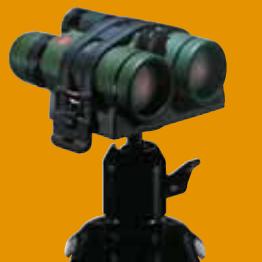
Adaptateur trépied pour jumelles
pour Duovid 50 et 42, Ultravid BR 32 et 50,
Ultravid BR / BL 42, Trinovid BN 32, 32 et 42
Geovid BRF 56 et 42
N° de commande 42 220
Étui de transport pour Televid 77
pour Televid et APO-Televid 77 à vision droite
N° de commande 42 316
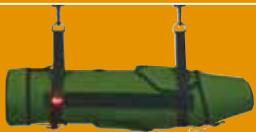
Étui rigide pour Televid 77
Vision droite pour Televid et APO-Televid 77 à vision droite
Commande n° 42 315
Étui rigide pour Televid 77 à visée coudée
pour Televid et APO-Televid 77 à visée coudée
Commande n° 42310
Étui rigide pour Televid 62 à visée coudée
pour Televid et APO-Televid 62 à visée coudée
Commande n° 42 318
Étui rigide pour Televid 62 à visée droite
pour Televid 62 et APO-Televid 62 à visée droite
Commande n° 42319
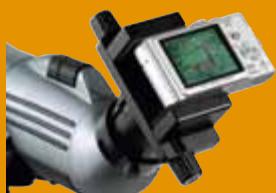
Adaptateur numérique 2
pour tous les Televids
Commande n° 42303
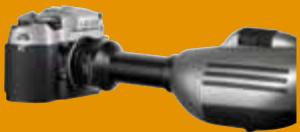
Adaptateur photo pour longues-vues 77 mm, 1:10,4/800 mm
pour Televid et APO-Televid 77
Réf. 42300
Adaptateur photo pour lunettes d'observation 77er 1:13,0/1000 mm - Adaptateur photo pour lunettes d'observation 62er 1:12,9/800 mm
pour toutes les Televids, Réf. 42301
Adaptateur T2 pour le système Leica R pour toutes les Televids, Réf. 42305
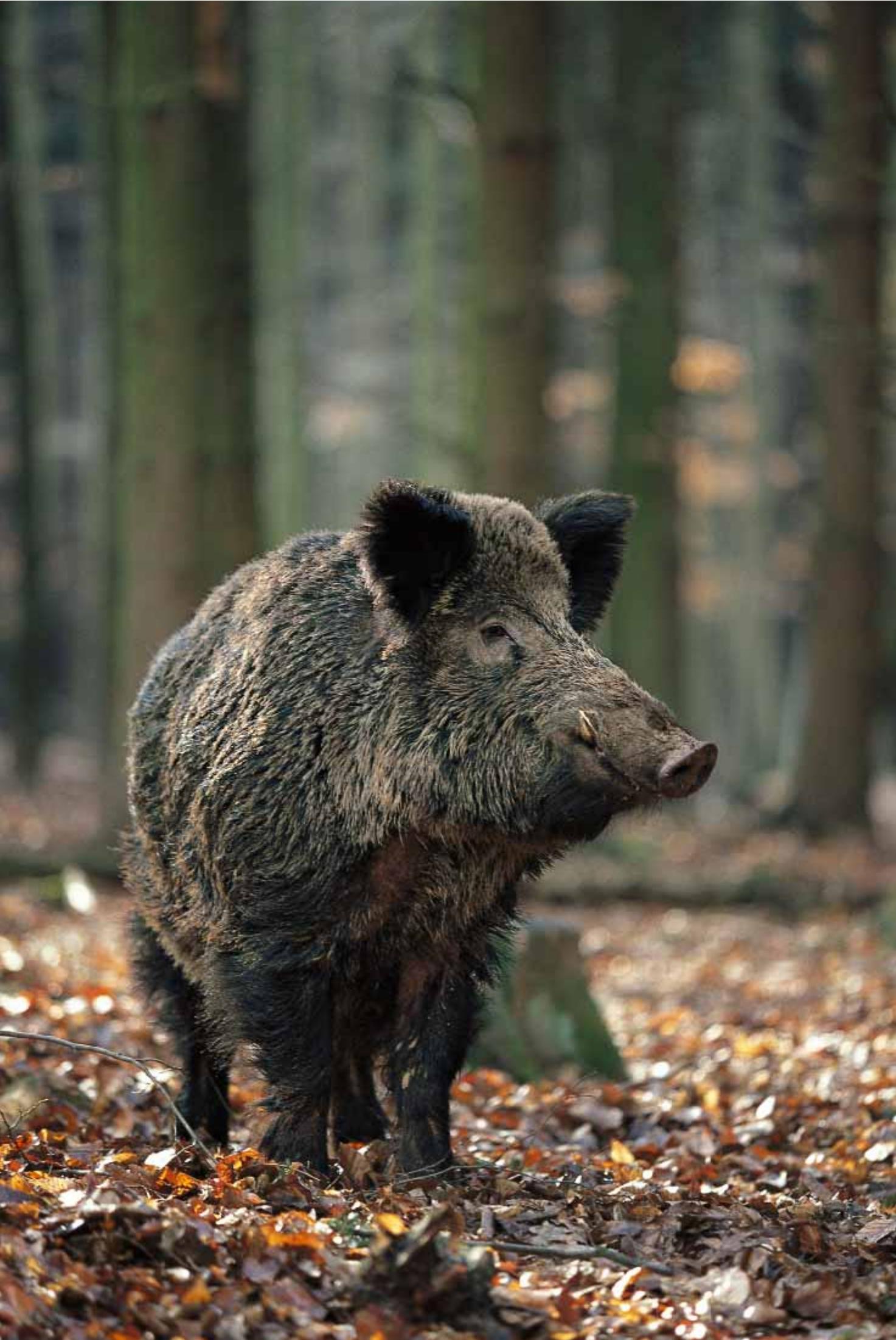
Glossaire Nous espérons que le glossaire suivant des principaux termes et critères de qualité pour l'évaluation des jumelles et lunettes d'observation vous sera utile lors de votre décision d'achat. De plus, des revendeurs et représentants Leica agréés dans le monde entier se feront un plaisir de vous assister. Ils disposent d'une large sélection de produits.
Termes techniques des jumelles
Grossissement Chaque paire de jumelles est spécifiée par deux nombres, dont le premier indique toujours le grossissement. Le grossissement indique à quel point un objet apparaît plus proche à l'observateur lorsqu'il est vu à travers les jumelles. Par exemple : à un grossissement de 8x, un oiseau situé à 328 pieds/100 m semble n'être qu'à 41 pieds/12,5 m (328 pi : 8 = 41 pi).
Diamètre de la lentille frontale Le deuxième chiffre caractéristique d'une paire de jumelles est le diamètre de la lentille frontale (la pupille d'entrée des jumelles) exprimé en millimètres. Une paire de jumelles désignée 10 × 50 a un diamètre de lentille frontale de 50 mm. Plus le diamètre de la lentille frontale est grand, plus les jumelles peuvent capter de lumière. Si l'observation doit être effectuée au crépuscule ou la nuit, le choix idéal est un diamètre de lentille frontale de 42 ou 50 mm. Les jumelles avec un diamètre de lentille frontale de 20 à 32 mm conviennent principalement à l'observation de jour.
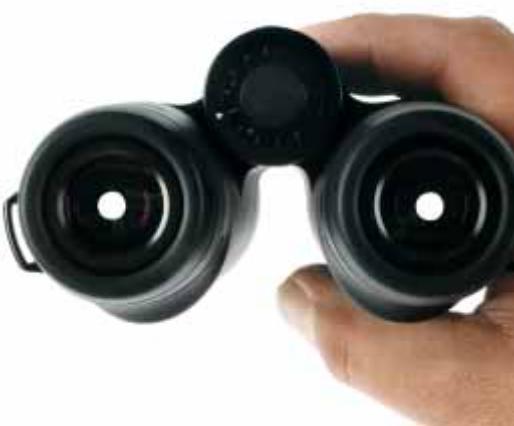
Pupille de sortie Les deux zones circulaires brillantes que l'on peut voir lorsque l'on regarde l'oculaire d'une paire de jumelles à une distance d'environ 12 pouces/30 cm. (Pupille de sortie = diamètre de la lentille frontale en mm : facteur de grossissement). Une indication de qualité est que ces zones doivent être exactement circulaires et avoir des bords nets. La pupille de l'œil change de diamètre en fonction de l'intensité lumineuse (petite en lumière vive, grande dans l'obscurité). Par exemple, un observateur de 40 ans a généralement un diamètre maximal de pupille de 6 mm. Une règle empirique pour l'observation en basse lumière est que la pupille de sortie d'une paire de jumelles doit être au moins aussi grande que la pupille de l'œil à son diamètre maximal. Les pupilles de sortie et d'entrée ne sont cependant pas les seules caractéristiques de qualité décisives pour l'évaluation de la luminosité de l'image : des facteurs tels que le contraste, le pouvoir de résolution et la transmission de la lumière d'une paire de jumelles ou d'une lunette d'observation sont tout aussi importants.
Facteur crépusculaire Le facteur crépusculaire est un nombre calculé qui décrit la capacité de performance théorique d'une paire de jumelles au crépuscule. Il est calculé en prenant la racine carrée du produit du facteur de grossissement et du diamètre de la lentille frontale. Le facteur crépusculaire est une valeur purement mathématique qui ne dit rien sur la qualité optique d'une paire de jumelles, comme le contraste, le rendu des couleurs neutre, le pouvoir de résolution, etc.
Champ de vision objectif : Cette valeur définit la largeur du champ de vision à une distance de 1 000 mètres ou 1 000 yards. En général, plus le grossissement est élevé, plus le champ de vision est petit. Des jumelles avec un grand champ de vision permettent à l'observateur de couvrir une grande surface et de suivre facilement des sujets en mouvement, comme une volée d'oiseaux. Un critère de qualité important des jumelles Leica est une image dont le champ de vision est net et précis jusqu'à ses bords, et riche en contraste.
Exemple : LEICA ULTRAVID 10 x 42 BR
Grossissement = 10x, diamètre de la lentille frontale = 42 mm
Pupille de sortie = diamètre de la lentille frontale / grossissement = 4,2 mm
Facteur crépusculaire = √(diamètre de la lentille frontale × facteur de grossissement) = 20,5
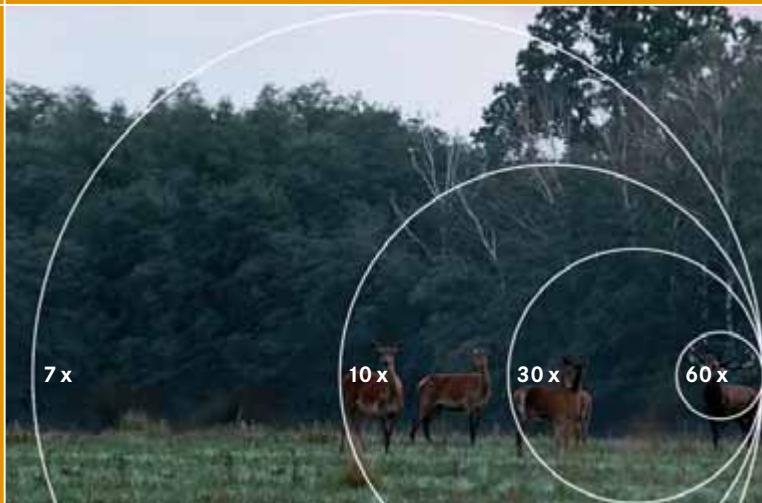
Glossaire : À des fins d'illustration, les exemples picturaux montrent des effets fortement exagérés des différents types d'erreurs d'imagerie ou d'aberrations.
Qualité optique
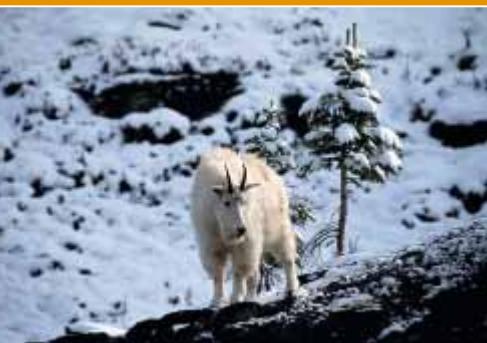
Contraste et pouvoir de résolution : Le contraste est défini comme la différence de luminosité entre les zones claires et sombres de l'image. Plus cette différence est grande, plus le contraste est élevé. Une image riche en contraste est perçue subjectivement comme plus nette et plus brillante. Le pouvoir de résolution est la capacité d'un système optique à reproduire les structures les plus fines. Plus le pouvoir de résolution est grand, mieux les détails les plus fins sont rendus, même dans des conditions de lumière difficiles. Exemples illustrés : Dans les images rendues de manière optimale (à gauche), le contraste et la résolution sont tous deux élevés. Si le contraste est trop faible, l'image est plate (au centre). Si la résolution est trop faible, l'image est floue, on ne peut plus discerner les détails de la fourrure (à droite).
Réflexions et voile : Lorsque les rayons lumineux sont réfléchis par les surfaces des lentilles et/ou les composants structurels, ou diffusés par les montures des lentilles, ils arrivent à un endroit de l'image différent de celui où ils sont censés arriver. Des réflexions indésirables et des zones lumineuses qui peuvent dégrader considérablement l'image et altérer l'impression visuelle se produisent surtout lorsque le soleil brille directement dans la lentille frontale. Pour prévenir les réflexions et le voile causés par les rayons de lumière parasite, Leica prend de nombreuses mesures spécifiques. Tout d'abord, les formes des surfaces des lentilles, des composants de montage et des pièges à lumière sont déjà optimisées lors de la phase de conception afin qu'aucun effet extrêmement gênant ne soit à prévoir. De plus, une réduction significative des réflexions et des composantes de lumière parasite est obtenue grâce à des revêtements spéciaux des éléments de lentille (dépôt en phase vapeur de couches spéciales anti-réflexion) et par la finition noire mate des composants mécaniques internes.
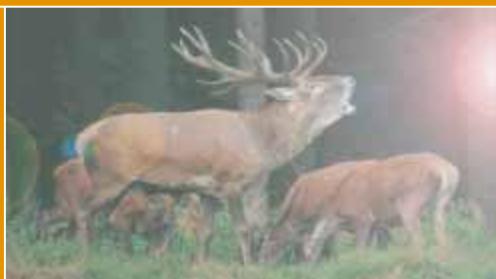
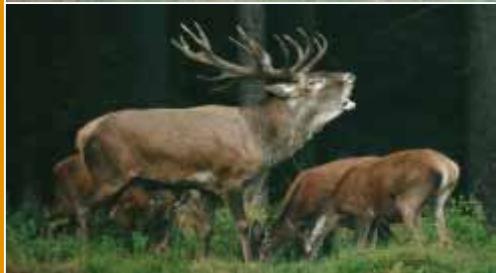
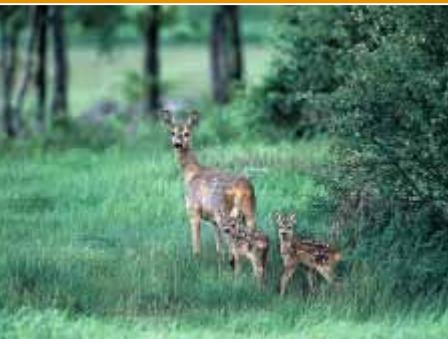
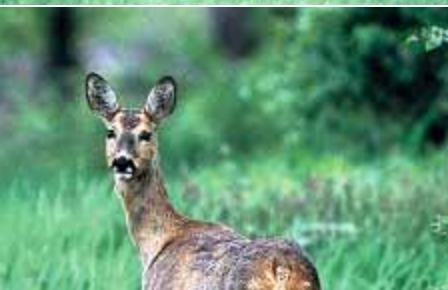
Profondeur de champ La profondeur de champ est la distance entre les objets les plus proches et les plus éloignés qui peuvent encore être perçus comme nets à un réglage de mise au point donné, sans avoir besoin de refaire la mise au point. La profondeur de champ dépend du grossissement d'une jumelle ou d'une lunette d'observation. Plus le grossissement est faible, plus la profondeur de champ est grande. Par conséquent, si l'on souhaite voir plusieurs objets à des distances différentes avec la même netteté (comme illustré en haut), on préférera une jumelle avec un grossissement de 7× ou 8×, ce qui présente également de grands avantages pour l'observation au crépuscule ou dans de mauvaises conditions de lumière, car on n'aurait pas à refaire constamment la mise au point pour maintenir une image nette. Plus le grossissement est élevé, plus la profondeur de champ est petite. Les grossissements plus élevés sont avantageux lorsque l'on souhaite discerner plus de détails ou des objets plus petits, comme illustré en bas.
Erreurs d'imagerie (aberrations) Pour qu'une image nette soit créée, la lumière provenant d'un point du sujet doit se reconcentrer en un point dans l'image. En règle générale, un seul élément de lentille ne suffit pas à cet effet, car il présente des déviations inhérentes (erreurs d'imagerie ou aberrations), décrites comme suit : En sélectionnant des types appropriés de verre optique et de traitements de lentilles, en combinant les bons éléments de lentille et en convertissant la conception de lentille calculée en réalité aussi précisément que possible, Leica parvient à maintenir toutes les aberrations résiduelles à un niveau très bas. À cette fin, toutes les phases, de la conception optique à la fabrication, sont optimisées pour la meilleure qualité d'imagerie possible à tout moment.
Erreurs d'ouverture - aberration sphérique Plus les rayons lumineux passent près du bord d'une lentille, plus ils ont tendance à arriver loin du point d'image réel. Comme cet effet devient plus fort à mesure que le diamètre de la lentille frontale augmente, on parle d'erreur d'ouverture, également appelée aberration sphérique. L'erreur d'ouverture provoque une perte de netteté et de contraste dans l'image. Dans les cas extrêmes, un flare devient perceptible - des halos se forment autour des sources de lumière ponctuelles, comme illustré dans l'exemple pictural ci-dessus.
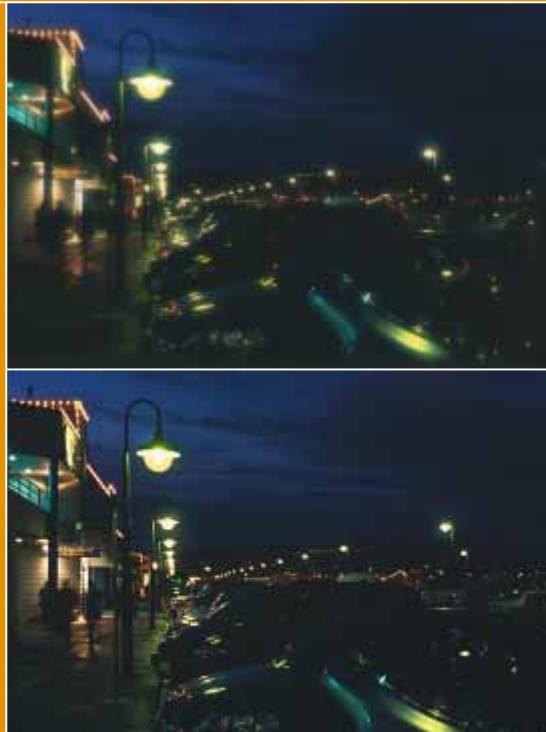
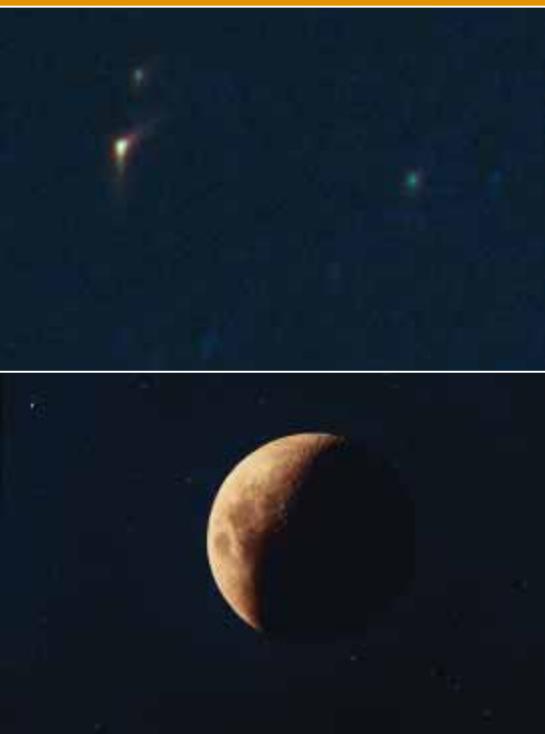
Coma Lorsqu'il y a de la coma, les rayons lumineux dévient d'un côté de leur point d'image prévu. Le point d'image gagne une queue comme une comète. Cet effet se produit davantage vers les bords de l'image et non en son centre. Une coma forte entraîne une perte de netteté et de contraste ; dans les cas extrêmes, la queue de coma devient perceptible dans les sources de lumière ponctuelles, comme illustré dans la section agrandie d'une image d'étoile. Cette section a été recadrée à partir du coin supérieur gauche de l'image de la lune.
Astigmatisme : En raison de la forme naturellement incurvée d'une lentille, tous les rayons lumineux ne convergent pas sur le même plan. Alors que le centre de l'image est net, le bord de l'image semble flou. En refaisant la mise au point, on peut rendre nets les objets situés dans l'un ou l'autre plan. De plus, l'astigmatisme fait que la netteté d'un détail d'objet est influencée par son orientation. Cet effet s'intensifie vers les bords de l'image. Par exemple, si l'on regarde le coin d'une image de grillage à mailles losangées, on remarquera (si l'astigmatisme est présent) que les fils qui pointent vers le centre de l'image sont reproduits avec un degré de netteté différent de ceux qui sont orientés à angle droit par rapport à eux. En refaisant la mise au point, on peut rendre nets les fils dans une direction ou dans l'autre, mais pas les deux en même temps. Cet effet peut être réduit par des mesures appropriées de conception optique, mais il ne peut pas être complètement éliminé. L'astigmatisme entraîne une dégradation significative de la qualité d'image.
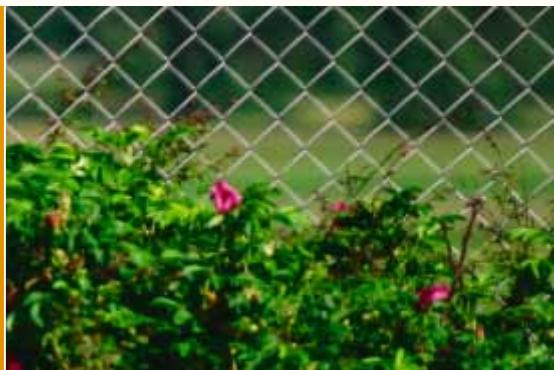

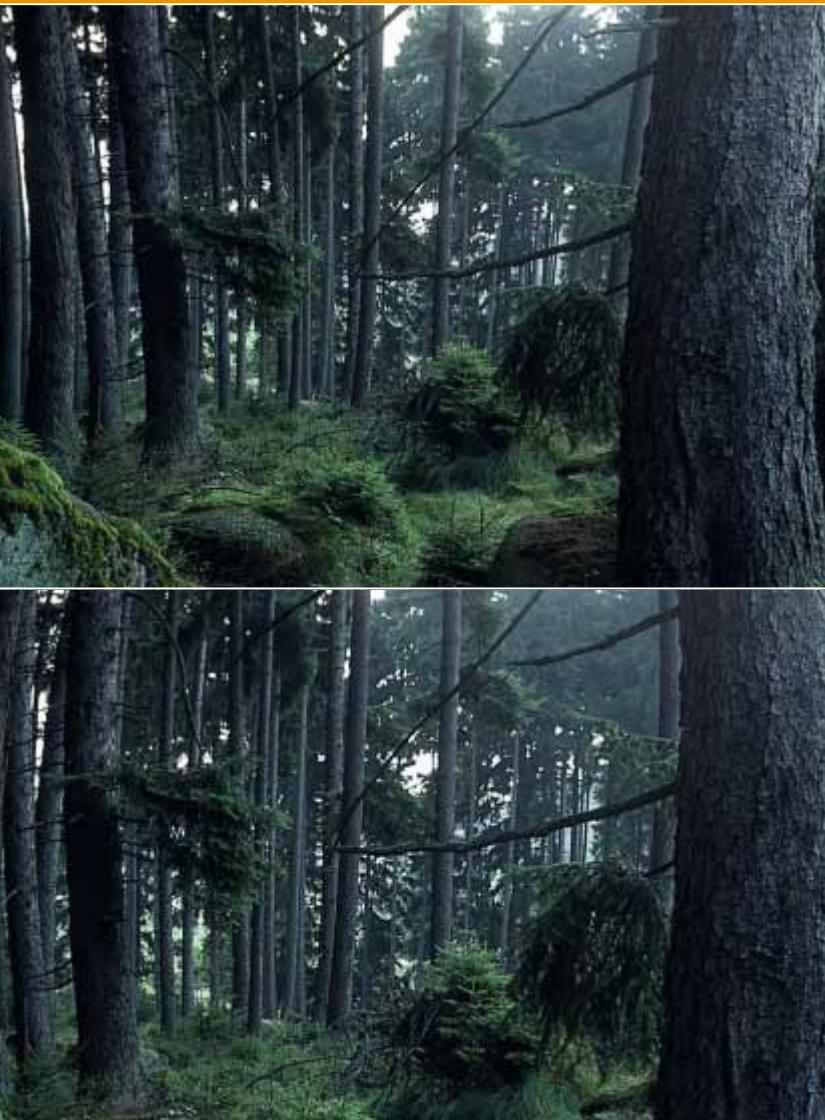
Distorsion : Le terme distorsion décrit l'effet qui fait que l'image d'un objet est rendue avec un rapport de reproduction non uniforme. Pour l'observation binoculaire, contrairement à la photographie, cet effet est appliqué délibérément pour réduire le soi-disant « effet de globe » causé par l'observation en perspective et par le balancement de la jumelle. Pour l'observateur, l'image créée de cette manière semble redressée. Il existe deux types de distorsion : la distorsion en coussinet (illustrée en haut) et la distorsion en barillet (illustrée en bas). L'observation à travers une jumelle qui n'a pas de distorsion judicieusement implémentée est assez désagréable.
Erreurs de couleur (aberrations chromatiques) : Tout composant formant une image en verre – comme les éléments de lentille – réfracte les rayons lumineux de différentes couleurs à des angles différents. Cela a pour conséquence que tous les rayons lumineux qui émanent d'un point multicolore de l'objet ne sont pas réunis en un seul point de l'image. Cela entraîne des erreurs de couleur pour l'observateur. Les erreurs de couleur deviennent particulièrement évidentes pour l'observateur sous forme de franges colorées lorsque de forts grossissements et de longues focales sont utilisés, comme c'est le cas dans les longues-vues. Exemples illustrés : Les erreurs de couleur apparaissent principalement sous forme de franges colorées autour d'objets sombres devant des fonds clairs, comme l'illustre l'exemple de gauche avec la plume rouge frangée. Avec la correction APO de Leica (illustration de droite), de tels effets de couleur ne sont plus discernables.
Verres optiques à dispersion partielle anormale
Les rayons lumineux de différentes couleurs sont réfractés à des angles différents à travers les éléments de lentille. Cet effet est appelé dispersion et, selon les types de verre, il est présent à des degrés divers. La plupart des types de verre présentent des caractéristiques typiques, "normales". Les verres spéciaux à "dispersion partielle anormale", en revanche, ont des caractéristiques différentes dans certaines gammes de couleurs, ce qui permet une correction spéciale des aberrations chromatiques impossible à obtenir avec des verres optiques normaux. Les verres à dispersion partielle anormale sont utilisés pour améliorer la qualité d'image, et ils sont employés dans toutes les jumelles et longues-vues Leica.
Correction des aberrations chromatiques APO APO signifie correction apochromatique des aberrations chromatiques. Elle n'est bénéfique que pour les objectifs à longue focale et les forts grossissements, comme dans les longues-vues. La correction apochromatique est obtenue grâce à l'utilisation de verres optiques spéciaux à dispersion partielle anormale et de verres contenant de la fluorite. Cette correction donne des images plus nettes, avec un contraste accru et un rendu des couleurs extrêmement naturel.
Verres à haute réfraction Les éléments de lentille en verre à haute réfraction courbent les rayons lumineux plus fortement que des lentilles de même forme en verres standard. Par conséquent, l'utilisation d'un élément de lentille en verre à haute réfraction permet d'obtenir un effet puissant sans avoir besoin de lentilles aux courbures de surface excessivement prononcées. Cela aide à prévenir les erreurs d'imagerie, conduisant ainsi à de meilleures performances optiques. Les verres optiques à haute réfraction sont utilisés dans toutes les jumelles et longues-vues Leica afin de permettre leur construction compacte.
ASPH. ASPH. est une abréviation qui indique l'utilisation d'au moins une surface de lentille asphérique dans un système optique. Contrairement aux surfaces de lentille sphériques régulières, les lentilles asphériques ont une courbure près de leurs bords qui diffère de celle du centre de la lentille. Cela permet d'influencer les rayons lumineux passant par les bords de la lentille différemment de ceux passant par la partie centrale. Cela permet également d'atteindre plusieurs objectifs de correction simultanément avec un seul élément de lentille. De plus, cela contribue à réduire le poids et la taille physique d'un système optique et rend possibles certaines caractéristiques d'imagerie. Ces surfaces aident à augmenter la qualité d'image ou à influencer la distorsion. Cependant, la fabrication et la manipulation des éléments de lentille asphériques sont nettement plus coûteuses que celles des lentilles sphériques conventionnelles. Afin d'assurer la qualité d'image extrêmement élevée de tous les modèles de jumelles Ultravid, des lentilles asphériques sont utilisées efficacement dans les modèles BR/BL de 25 mm et 20 mm. Dans les autres modèles, la haute qualité d'image est obtenue grâce à des systèmes optiques complexes composés de plusieurs éléments de lentille.
Transmission de la lumière, degré de transmission. Lorsque des rayons lumineux frappent une surface en verre, seule une partie d'entre eux pénètre dans le verre, les autres sont réfléchis. Plus la lumière pénètre dans un élément de lentille ou un système optique, plus leur transmission est élevée. En règle générale, il y a environ 4 % de réflexion de la lumière à chaque surface verre/air d'une lentille non traitée. Cet effet augmente de manière exponentielle avec le nombre d'éléments de lentille dans un système optique (dans les jumelles Leica, il y a jusqu'à 11 éléments optiques = 22 surfaces verre/air).
Lentille sans traitement 100 % de lumière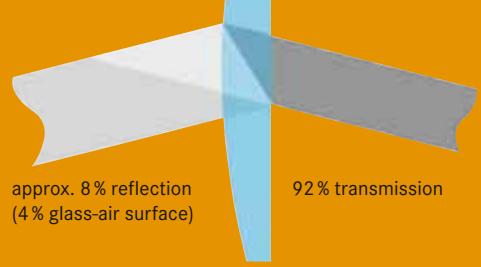
Traitements Afin de minimiser la réflexion des rayons lumineux, des procédures complexes sont employées, impliquant le dépôt en phase vapeur sous vide de nombreuses couches extrêmement minces d'environ 0,000125 millimètres, ce qui correspond à 1/500 de l'épaisseur d'un cheveu humain. Chez Leica, des traitements à large bande haute performance sont appliqués, adaptés spécifiquement aux types de verre utilisés. Non seulement ils ont pour tâche d'élever la transmission d'un système optique à un niveau aussi proche que possible de 100 %, mais ils ont aussi la tâche importante de protéger, dans la mesure du possible, les surfaces de lentilles externes particulièrement exposées des influences environnementales et des dommages tels que les rayures. Ces deux exigences – transmission élevée et résistance élevée à l'environnement et aux rayures – sont combinées dans le revêtement multicouche innovant Leica HDC™.
Lentille avec revêtement multicouche Leica HDC™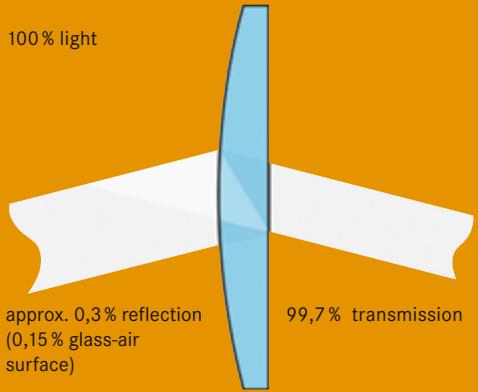
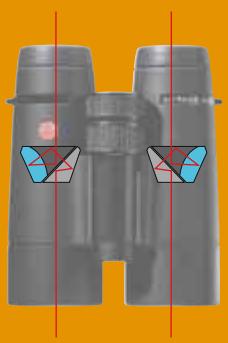
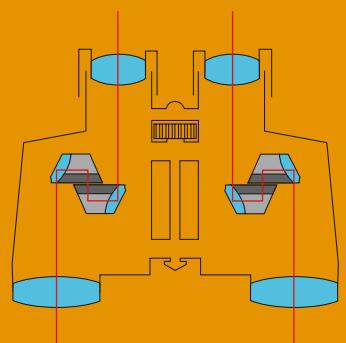
Systèmes de prismes Les prismes ont pour tâche de remettre dans la bonne position les images inversées et latéralement inversées d'un objet (c'est pourquoi ils sont aussi appelés systèmes de redressement). Les prismes utilisés dans de tels systèmes ont une influence décisive sur la construction et la compacité d'une jumelle. Il existe deux types de systèmes de prismes, tels que le toit (à gauche) et le porro (à droite).
Revêtement de correction de phase P40 La couche P40 sur les prismes en toit a pour tâche d'augmenter la netteté de l'image et de réduire les réflexions gênantes et la lumière parasite. Sans un revêtement P40 sur les prismes, les sources de lumière sont rendues avec des effets d'étoiles rayonnantes. Avec un revêtement P40, elles sont reproduites de manière très naturelle. À cet égard et en comparaison directe, les différences qualitatives des différentes marques optiques deviennent très vite évidentes.
Qualité mécanique
Pour répondre aux exigences d'une utilisation intensive en pleine nature, les jumelles et longues-vues haute performance doivent pouvoir résister à des contraintes mécaniques extrêmes sur de longues périodes. À cette fin, les composants optiques et mécaniques sont montés dans le corps d'une jumelle ou d'une longue-vue Leica de manière à ne pas pouvoir se déplacer. Les tolérances des mécanismes utilisés pour déplacer les groupes de lentilles sont fixées à un niveau très bas et sont strictement respectées. Un paramètre important dans le choix des matériaux est leur extrême longévité, et ils doivent également garantir le plus haut degré de précision. Leica répond à ces exigences avec des matériaux éprouvés et durables tels que les pièces moulées en aluminium et l'acier. Afin d'obtenir une réduction significative du poids - par exemple dans les modèles Ultravid - Leica utilise également des matériaux haute technologie spéciaux tels que le magnésium et le titane. Dans la planification de tous ces aspects, la longévité des produits et les avantages pour les clients sont toujours au premier plan.
Mise au point : Pour faire la mise au point sur un objet avec la jumelle ou la longue-vue, des groupes optiques doivent être déplacés les uns par rapport aux autres. Lorsque la mise au point est effectuée en déplaçant un groupe de lentilles à l'intérieur de l'instrument, on parle de mise au point interne. Cette construction fermée et le remplissage supplémentaire à l'azote permettent de concevoir des jumelles et longues-vues étanches qui garantissent une qualité d'image uniformément élevée qui dure toute la vie de l'instrument, même dans les conditions climatiques les plus défavorables. La course de mise au point particulièrement courte de la proximité à l'infini sur les jumelles Leica (sur les modèles Ultra-vid, elle représente un peu plus d'un tour) permet à l'observateur de garder rapidement le sujet net.
Innovations et brevets Leica
La capacité d'innovation de Leica est démontrée notamment par les innombrables solutions brevetées appréciées des clients, qui ont été développées en étroite coopération et coordination avec des équipes d'innovation internationales composées d'utilisateurs de divers domaines.
Leica HDC™ (High Durable Coating) : HDC™ est la désignation propriétaire d'un procédé de revêtement multicouche anti-abrasion et améliorant la transmission développé par Leica, composé de 7 à 10 couches extrêmement fines, selon le type de verre sur lequel elles sont appliquées. HDC™ signifie une transmission lumineuse élevée combinée à une résistance élevée aux rayures et aux effets environnementaux, ce qui se traduit par des images brillantes et une durabilité, même en cas d'utilisation intensive en extérieur.
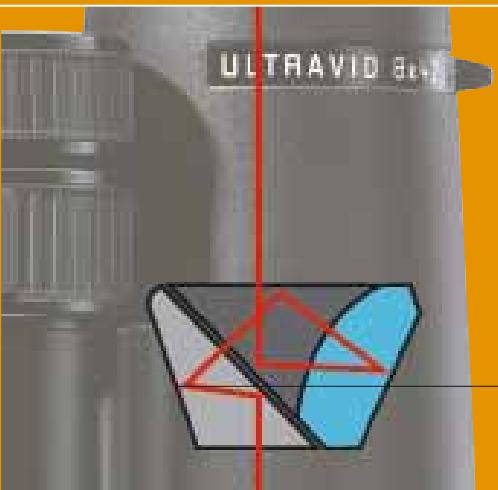
Système HighLux Leica HLST™ Le système HighLux HLST™ combine des étapes mécaniques approfondies pour la réduction de la lumière parasite (telles que des pièges à lumière, un vernis noir mat, etc.) et une couche de miroir spécialement développée pour les prismes, le tout formant un système parfaitement adapté. Le système HighLux HLST™ est utilisé dans les jumelles Duovid et Ultravid. La couche de miroir diélectrique hautement réfléchissante est constituée de 42 couches individuelles extrêmement fines qui produisent un degré de réflexion de plus de 99,5 %. Ce système permet d'augmenter considérablement la transmission, le contraste et la netteté – l'observateur obtient une impression d'image extrêmement lumineuse et naturelle avec un rendu des couleurs neutre.
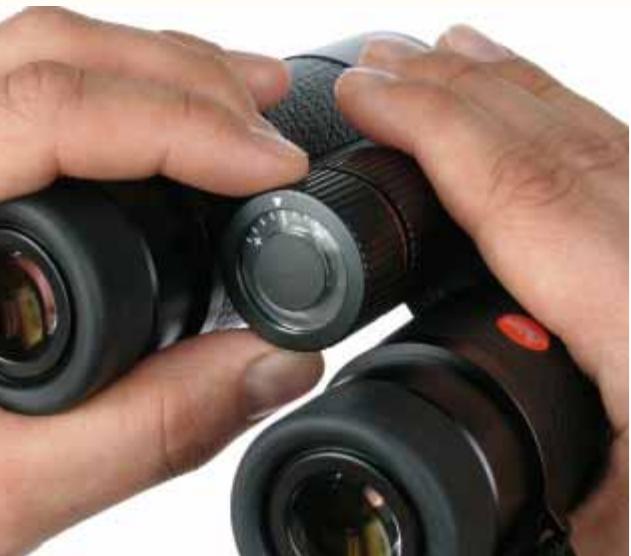
Commande centrale multifonction Le bouton combiné de la commande centrale Leica remplit deux fonctions importantes : la compensation dioptrique et la mise au point. Grâce à sa taille, il est toujours facile à utiliser comme molette de mise au point et offre une manipulation ergonomique et une observation stable. La grande échelle dioptrique permet un réglage rapide et pratique de votre valeur dioptrique personnelle.
ADC™ (compensation dioptrique automatique) ADC™ (compensation dioptrique automatique) est l'innovation majeure des jumelles Duovid. ADC™ maintient le réglage dioptrique d'origine lorsque vous changez le grossissement (de 8× à 12×, ou de 10× à 15× selon le cas).
Compensation dioptrique automatique ADC™
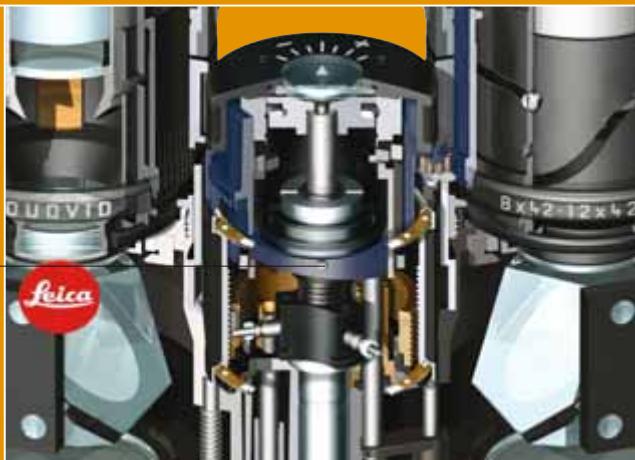
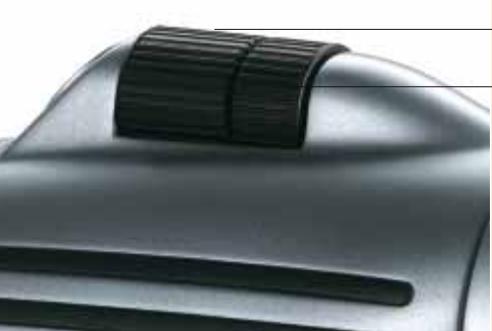
mise au point initiale rapide
mise au point fine
Double mise au point Televid Le dispositif de double mise au point breveté par Leica est intégré aux longues-vues Leica. Deux tambours de mise au point séparés permettent à l'observateur d'effectuer une mise au point initiale rapide suivie d'une mise au point fine précise pour obtenir une image toujours parfaitement nette.
Œilletons coulissants amovibles avec deux crans d'arrêt Un œilleton coulissant rotatif nouvellement conçu est utilisé sur les modèles de jumelles Duovid 50 et 42, Ultravid 50, 42 et 32 et Geovid. Il peut être facilement retiré pour le nettoyage à tout moment et il possède deux crans d'arrêt avec lesquels différentes distances de dégagement oculaire (positions AP) peuvent être réglées individuellement (avec lunettes = rétracté ; sans lunettes = déployé). Grâce à son élément en caoutchouc amortissant, il garantit une observation longue et relaxante et, pour les porteurs de lunettes, il offre un positionnement sûr sans endommager les lunettes. Les autres jumelles Leica sont équipées d'œilletons coulissants qui garantissent un dégagement oculaire optimal.
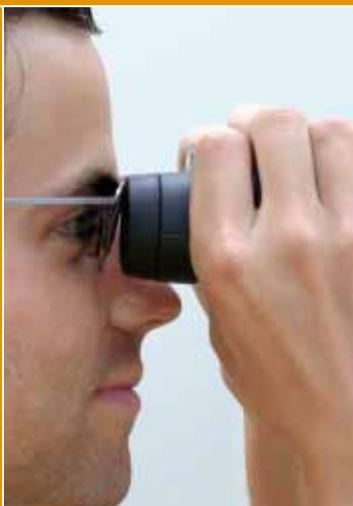
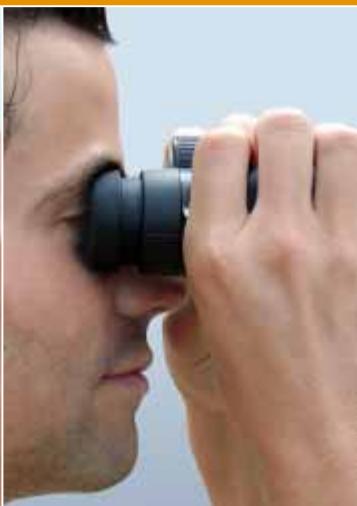
Affichages LED dans les télémètres Les affichages LED actifs dans les modèles Rangemaster et Geovid utilisent un capteur qui adapte automatiquement leur intensité à la lumière ambiante à tout moment. Cette fonction assure une lisibilité parfaite dans toutes les conditions de lumière et empêche surtout l'éblouissement des yeux lors d'observations nocturnes.
Technologie de télémétrie Leica - d'une simple pression sur le bouton
Les télémètres Leica se distinguent principalement par leur utilisation intuitive, l'excellente lisibilité de leurs affichages LED et leurs optiques lumineuses. Une simple pression sur le bouton de mesure allume l'instrument, la mire apparaît dans le viseur et l'objet peut être visé. Une deuxième pression affiche la distance mesurée. En maintenant le bouton enfoncé, l'instrument passe automatiquement en mode balayage, indiqué par un affichage clignotant. L'instrument fournit alors des valeurs de mesure continuellement mises à jour. Le mode balayage est particulièrement utile pour mesurer avec précision des distances vers des cibles petites ou en mouvement rapide.
La mesure des distances repose sur une impulsion lumineuse sans danger pour les yeux, réfléchie par l'objet visé. Un microprocesseur calcule la distance à partir du temps écoulé jusqu'au retour de l'impulsion et l'affiche sur l'écran de l'instrument.
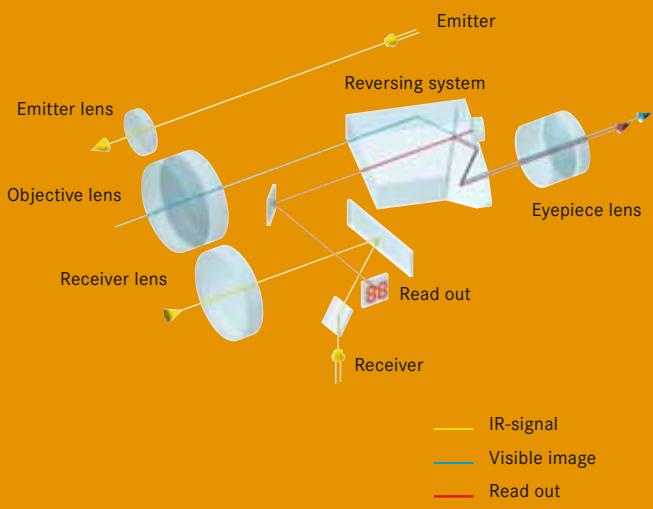
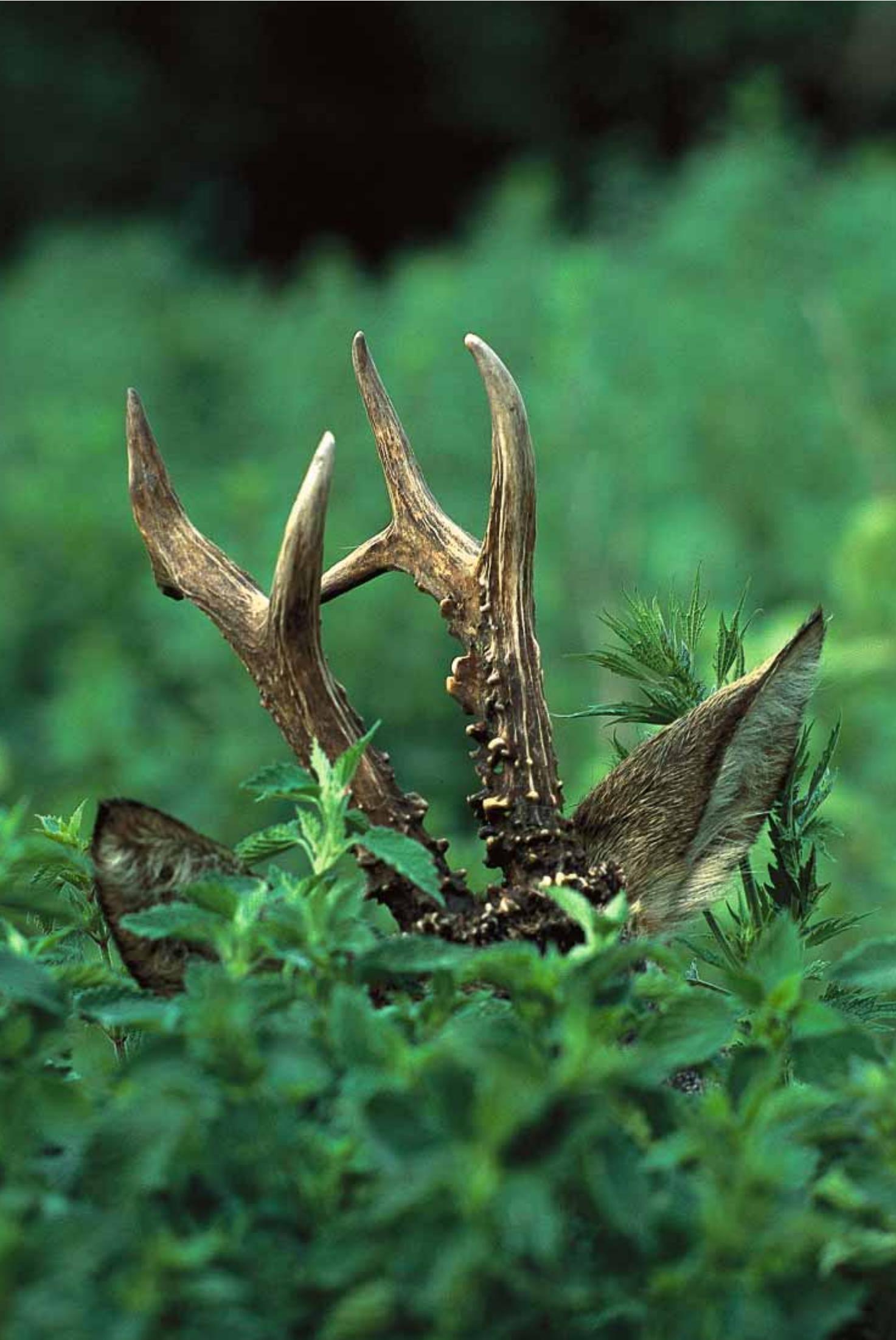
Pour les autres gammes de produits Leica également, l'homme et sa perception sont la considération principale : ainsi, les appareils photo et projecteurs Leica haut de gamme offrent une expérience visuelle très particulière. De nombreuses activités culturelles, des concours photo et des séminaires, ainsi qu'un service client technique compétent, complètent notre programme. Des informations plus détaillées sont disponibles sur Internet ou auprès de votre revendeur agréé.
Système Leica R
Système Leica M
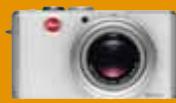
Appareils photo numériques Leica
Projecteurs Leica

Marque déposée du groupe Leica Camera
"Leica" et les noms de produits =® Marques déposées
© 2006 Leica Camera AG
Tous droits de modification de construction, de conception et de gamme réservés
Conception et design : Heine/Lenz/Zizka, Francfort-sur-le-Main
Indication d'image :
Photographie de produit :
Tom Vack, Alexander Gohr
Photographie de nature :
Hansgeorg Arndt
Franz Bagy
Stefan Meyers
Oliver Richter, Leica Akademie
Udo Zell, Leica Akademie
Numéro de commande de la brochure :
Allemand 91192, anglais 91193, français 91194, italien 91195
Leica Camera AG / Oskar-Barnack-Straße 11 / D-35606 Solms
www.leica-camera.com / info@leica-camera.com
Téléphone +49(0)6442-208-0 / Fax +49(0)6442-208-333


- LEICA SPORT OPTICS
- PAR EXEMPLE, AUX ÉTATS-UNIS, VOUS ACHÈTERIEZ UN PERMIS POUR UN CERF, QUI VOUS PERMETTAIT DE CHASSER UN SEUL ANIMAL. TECHNIQUEMENT, LE NOMBRE D'ANIMAUX QUE VOUS POUVEZ TIRER ICI EST ILLIMITÉ ; MAIS COMME TOUJOURS, LE BON SENS, L'OPPORTUNITÉ ET LA MODÉRATION PRÉVALENT. ET TOUT CE DONT VOUS AVEZ BESOIN, C'EST D'UN ENDROIT POUR TIRER ET DE LA PERMISSION DE LE FAIRE
- CERF NOIR : LE CERF LE PLUS FRAPPANT DU ROYAUME-UNI EST LE DAIM MÉLANIQUE, QUI, EN RAISON DE SA GÉNÉTIQUE, PRODUIT UN ANIMAL QUI, DANS LES CAS EXTRÊMES, EST NOIR PUR. PHYSIQUEMENT, ILS NE DIFFÈRENT PAS DE LA VARIÉTÉ TACHETÉE TRADITIONNELLE EN TAILLE, SEXE, FORME OU BOIS, MAIS LEUR COLORATION EST ÉTONNANTE. ET J'AI EU LE PLAISIR DE VOIR CES ANIMAUX DE PRÈS
- L'APPEL DE LA NATURE CONTRAIREMENT AUX CHEVREUILS, QUI ONT TENDANCE À SE DÉPLACER EN TRÈS PETITS GROUPES OU SEULS, LES DAIMS SONT BEAUCOUP PLUS GRÉGAIRES ET JE LES AI VUS EN TROUPEAUX ALLANT JUSQU'À 40 ANIMAUX. COMME POUR LES CHEVREUILS, J'EN AI TIRÉ BEAUCOUP, ET LES GRANDS MÂLES AVEC LEURS GRANDS BOIS FONT DE BEAUX TROPHÉES. ASSEZ SOUVENT, LE MÂLE DOMINANT CHASSE LES JEUNES MÂLES MATURES DU TROUPEAU ET ILS ONT TENDANCE À SE REGROUPER POUR FORMER DES GROUPES DE CÉLIBATAIRES
- LA CLASSE DUOVID : DEUX JUMELLES EN UNE
- LEICA DUOVID 10 + 15 × 50 – LA LUNETTE D'OBSERVATION JUMELLE. AVEC SON GROSSISSEMENT DE 15 ×, LA DUOVID AVEC OBJECTIF DE 50 MM COMBLE LE FOSSÉ ENTRE JUMELLES ET LUNETTE D'OBSERVATION
- LEICA DUOVID 10 + 15 ×
- LEICA DUOVID 8 + 12 × 42 – LA JUMELLE 42 MM LA PLUS FLEXIBLE
- LEICA DUOVID 8 + 12 ×
- DEUX GROSSISSEMENTS
- BRILLANCE EXTRÊME
- FACILE À UTILISER
- ROBUSTE
- LA CLASSE ULTRAVID : DES JUMELLES POUR LES EXIGENCES EXTRÊMES
- LEICA ULTRAVID 8X50 BR
- LEICA ULTRAVID 10X50 BR
- LEICA ULTRAVID 12X50 BR
- LEICA ULTRAVID 7X42 BR
- LEICA ULTRAVID 8 X 42 BR
- LEICA ULTRAVID 10 X 42 BR
- LEICA ULTRAVID 8 X 42 BL
- LEICA ULTRAVID 10 X 42 BL
- LEICA ULTRAVID BR 32 MM – TOUJOURS AVEC VOUS. LES MODÈLES 32 MM SONT UNE CONTINUATION DES NORMES ÉTABLIES EN MATIÈRE DE DESIGN, DE FONCTION, DE MÉCANIQUE ET D'OPTIQUE DE LA CLASSE ULTRAVID. ILS REDÉFINISSENT LES JUMELLES 32 MM
- LEICA ULTRAVID 8 X 32 BR
- LEICA ULTRAVID 10 X 32 BR
- LEICA ULTRAVID BR 25 MM – LES STARS PARMI LES COMPACTS
- LEICA ULTRAVID 10×25 BR
- LEICA ULTRAVID BL 25 MM – UNE ÉLÉGANCE BRILLANTE. CES JUMELLES LÉGÈRES AU REVÊTEMENT EN CUIR CLASSIQUE SONT LES COMPAGNES IDÉALES POUR TOUS CEUX QUI ATTENDENT UN NIVEAU ÉLEVÉ DE PERFORMANCE OPTIQUE, QUE CE SOIT DANS LA NATURE OU EN VILLE
- LEICA ULTRAVID 10×25 BL
- LEICA ULTRAVID BR 20 MM – DES MINI HIGH-TECH ROBUSTES. LES PETITS MODÈLES ULTRAVID BR NE SONT PAS SEULEMENT ULTRA-ROBUSTES ET ULTRA-LUMINEUX, CE SONT DE PETITES JUMELLES HAUT DE GAMME QUE L'ON PEUT TOUJOURS EMPORTER AVEC SOI
- LEICA ULTRAVID 8 X 20 BR
- LEICA ULTRAVID BL 20 MM – LES PLUS GRANDS DES PETITS. AVEC LEUR REVÊTEMENT EN CUIR NOIR, LES PLUS PETITS « PACKS DE PUISSANCE » LEICA SONT À LA FOIS ÉLÉGANTS ET PUISSANTS
- LEICA ULTRAVID 8 X 20 BL
- ULTRA-LÉGÈRES
- ULTRA-LUMINEUSES
- ULTRA-ERGONOMIQUES
- ULTRA-ROBUSTES
- LEICA TRINOVID 8X42 BN
- LEICA TRINOVID 10 X 42 BN
- LEICA TRINOVID BN 32 MM – LES COMPAGNONS CONSTANTS. TAILLE COMPACTE ET EXCELLENTE QUALITÉ D'IMAGE FONT DE LA 32 MM LE COMPAGNON IDÉAL POUR TOUT TYPE DE CHASSE. LA MANIÈRE LÉGÈRE DE VOUS RAPPROCHER DE VOTRE GIBIER
- LEICA TRINOVID 8 X 32 BN
- LEICA TRINOVID 10 X 32 BN
- LEICA TRINOVID 10 X 25 BCA
- LEICA TRINOVID 8 X 20 BCA
- LA CLASSE TRINOVID : UNE TECHNOLOGIE ÉPROUVÉE POUR L'OBSERVATEUR EXIGEANT
- ÉPROUVÉE
- LUMINEUSE
- LEICA TELEVID 77 MM – DES LONGUES-VUES PUISSANTES POUR TOUTES LES CONDITIONS DE LUMIÈRE
- LEICA TELEVID
- LEICA APO-TELEVID
- LEICA TELEVID 62 MM – DES LUNETTES D'OBSERVATION LÉGÈRES POUR TOUTES LES CONDITIONS DE LUMIÈRE. LA LEICA TELEVID 62, COMPACTE, LÉGÈRE ET HAUTE PERFORMANCE, EST IDÉALE POUR LES VOYAGES DE CHASSE EN PLEINE NATURE
- ADAPTATEUR NUMÉRIQUE LEICA
- FORMAT VERTICAL OU HORIZONTAL - LE
- LEICA GEOVID 8 X 56 BRF
- LEICA GEOVID 15 X 56 BRF
- LEICA GEOVID BRF 42 MM – LES SPÉCIALISTES COMPACTS DE L'ORIENTATION
- LEICA GEOVID 8 X 42 BRF
- LEICA GEOVID 10 X 42 BRF
- LEICA RANGEMASTER CRF 1200 - TAILLE MINIMALE, PERFORMANCES MAXIMALES. POUR LES CHASSEURS QUI VEULENT UN MINIMUM D'ÉQUIPEMENT ET UN MAXIMUM DE PERFORMANCES, L'ÉLÉGANT CRF EST LA SOLUTION ULTIME. IL ÉTABLIT DE NOUVELLES NORMES POUR LA CLASSE RANGEMASTER - AVEC SON EXTRAORDINAIRE COMPACITÉ, SA LÉGÈRETÉ ET SES PERFORMANCES OPTIQUES ET MÉCANIQUES AMÉLIORÉES
- LEICA RANGEMASTER CRF
- JUMELLES
- LEICA DUOVID
- N° DE COMMANDE PRODUIT
- N° DE COMMANDE ACCESSOIRES
- LONGUE-VUE LEICA TELEVID
- RÉFÉRENCE PRODUIT
- VISION DROITE
- VISION INCLINÉE (45°)
- CONTENU DE LIVRAISON CAPUCHONS AVANT ET ARRIÈRE
- DIAMÈTRE DE LA LENTILLE FRONTALE 77 MM
- LONGUEUR FOCALE DE L'OBJECTIF 440 MM
- DISTANCE MINIMALE DE MISE AU POINT ENVIRON 3.9M / 12.8 PI
- PUPILLE DE SORTIE, FACTEUR CRÉPUSCULAIRE ET CHAMP DE VISION VOIR TABLEAU DES OCULAIRES PAGE
- NOMBRE D'ÉLÉMENTS DE LENTILLE
- (HORS OCULAIRE) 2, TOUS MULTICOUCHES
- SYSTÈME DE PRISME SYSTÈME DE PRISME DE PORRO
- ÉTANCHÉITÉ ÉTANCHE JUSQU'À UNE PROFONDEUR DE 3M / 10 PI
- BOÎTIER ALUMINIUM MOULÉ SOUS PRESSION, REMPLI D'AZOTE
- CONNEXION DE L'OCULAIRE BAÏONNETTE À CHANGEMENT RAPIDE
- EMBASE TRÉPIED 1/4, ROTATIVE AVEC VIS DE BLOCAGE
- PARE-SOLEIL PARE-SOLEIL COULISSANT AVEC VISEUR
- FILETAGE DE FILTRE E
- DIMENSIONS (L × H × P) 390 × 105 × 93 MM / 15,4 × 4,1 × 3,7 PO
- POIDS ENVIRON 1 495 G / 52,7 OZ
- OCULAIRE ZOOM 20-60X
- ADAPTATEUR NUMÉRIQUE
- ADAPTATEUR PHOTO
- ADAPTATEUR T2 POUR
- SYSTÈME LEICA R
- FILTRE UVA
- ÉTUI EN CORDURA
- POUR LUNETTE D'OBSERVATION À VISION DROITE
- POUR LUNETTE D'OBSERVATION À VISION INCLINÉE
- ÉTUI DE TRANSPORT
- VOIR TABLEAU DES OCULAIRES PAGE
- MISE AU POINT INTERNE AVEC DOUBLE DISPOSITIF DE MISE AU POINT BREVETÉ
- (FLUORITE), TOUS MULTICOUCHES
- ÉTANCHE JUSQU'À UNE PROFONDEUR DE 3 M / 10 PI
- ALUMINIUM MOULÉ SOUS PRESSION, REMPLI D'AZOTE
- ROTATIF AVEC VIS DE BLOCAGE
- PARE-SOLEIL COULISSANT AVEC AIDE À LA VISÉE
- × 105 × 93 MM / 16 % × 4 % × 3 % PO
- OCULAIRE POUR LEICA TELEVID
- × WW
- XWW
- X (VARIO)
- LONGUEUR FOCALE
- OUVERTURE
- ÉQUIPEMENT BINOCULAIRE TRÈS UTILE
- ACCESSOIRES PRATIQUES POUR UNE OBSERVATION PLUS CONFORTABLE LORS DE LA CHASSE
- ADAPTATEUR TRÉPIED POUR JUMELLES
- ÉTUI DE TRANSPORT POUR TELEVID
- ÉTUI RIGIDE POUR TELEVID
- ÉTUI RIGIDE POUR TELEVID 77 À VISÉE COUDÉE
- ÉTUI RIGIDE POUR TELEVID 62 À VISÉE COUDÉE
- ÉTUI RIGIDE POUR TELEVID 62 À VISÉE DROITE
- ADAPTATEUR PHOTO POUR LONGUES-VUES 77 MM, 1:10,4/800 MM
- ADAPTATEUR PHOTO POUR LUNETTES D'OBSERVATION 77ER 1:13,0/1000 MM - ADAPTATEUR PHOTO POUR LUNETTES D'OBSERVATION 62ER 1:12,9/800 MM
- TERMES TECHNIQUES DES JUMELLES
- EXEMPLE : LEICA ULTRAVID 10 X 42 BR
- GLOSSAIRE : À DES FINS D'ILLUSTRATION, LES EXEMPLES PICTURAUX MONTRENT DES EFFETS FORTEMENT EXAGÉRÉS DES DIFFÉRENTS TYPES D'ERREURS D'IMAGERIE OU D'ABERRATIONS
- QUALITÉ OPTIQUE
- VERRES OPTIQUES À DISPERSION PARTIELLE ANORMALE
- QUALITÉ MÉCANIQUE
- INNOVATIONS ET BREVETS LEICA
- TECHNOLOGIE DE TÉLÉMÉTRIE LEICA - D'UNE SIMPLE PRESSION SUR LE BOUTON
Marque : LEICA
Modèle : TELEVID 62
Catégorie : Télescope