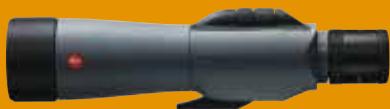
TELEVID 62 - Telescope LEICA - Free user manual and instructions
Find the device manual for free TELEVID 62 LEICA in PDF.


| Brand | Leica |
| Model | Televid 62 |
| Product type | Terrestrial spotting scope |
| Objective lens diameter | 62 mm |
| Focal length | 352 mm |
| Focusing | Internal with patented dual focusing mechanism |
| Prism system | Porro |
| Minimum focusing distance | 3.5 m |
| Eyepiece mount | Quick bayonet |
| Waterproof | Waterproof to 3 m |
| Nitrogen filling | Yes |
| Digiscoping capability | Yes, via Digital Adapter 2 |
| Housing material | Die-cast aluminum and glass fiber reinforced plastic |
| Dimensions (straight version, partially armored) | 305 × 94 × 87 mm |
| Weight (straight version, partially armored) | 910 g |
| Filter thread | E 62 |
| Tripod thread | 1/4" (straight version) / 1/2" rotating (angled version) |
| Maintenance and cleaning | Clean lenses with a soft, dry cloth; use a blower for dust; avoid solvents |
| Safety instructions | Do not look directly at the sun; store in a dry place; use the sliding sunshade |
| Included accessories | Front and rear caps |
Frequently Asked Questions - TELEVID 62 LEICA
User questions about TELEVID 62 LEICA
0 question about this device. Answer the ones you know or ask your own.
Ask a new question about this device
Download the instructions for your Telescope in PDF format for free! Find your manual TELEVID 62 - LEICA and take your electronic device back in hand. On this page are published all the documents necessary for the use of your device. TELEVID 62 by LEICA.
USER MANUAL TELEVID 62 LEICA
Binoculars, rangefinders and spotting scopes for successful hunting
See more / The hunting experience / Observe and preserve
Hunting in the United Kingdom
13 The Duovid class 16 LEICA DUOVID 10 + 15 × 50 / 17 LEICA DUOVID 8 + 12 × 42
18 The Duovid class : Key features at a glance
21 The Ultravid class 24 LEICA ULTRAVID BR 50 series / 25 LEICA ULTRAVID BR 42 series /
26 LEICA ULTRAVID BL 42 series / 27 LEICA ULTRAVID BR 32 series / 28 LEICA ULTRAVID BR 25 series /
29 LEICA ULTRAVID BL 25 series / 30 LEICA ULTRAVID BR 20 series / 31 LEICA ULTRAVID BL 20 series
32 The Ultravid class : Key features at a glance
37 The Trinovid class 40 LEICA TRINOVID BN 42 series / 41 LEICA TRINOVID BN 32 series /
42 LEICA TRINOVID BCA 25 series and LEICA TRINOVID BCA 20 series
43 The Trinovid class : Key features at a glance
47 The Televid class 50 LEICA TELEVID 77 series / 51 LEICA APO-TELEVID 77 series /
52 LEICA TELEVID 62 series / 53 LEICA APO-TELEVID 62 series
54 The Televid class : Key features at a glance
56 Leica Digiscoping
59 The Geovid class 62 LEICA GEOVID BRF 56 series / 63 LEICA GEOVID BRF 42 series
64 The Geovid class : Key features at a glance
67 The Rangemaster class 70 LEICA RANGEMASTER CRF 1200 /
71 LEICA RANGEMASTER 1200 scan
72 The rangemaster class : Key features at a glance
75 Technical Data
87 Very useful binocular equipment
91 Glossary
See more It is our eyes that guide us through the world. They shape our perception of our surroundings and all we encounter. Especially while hunting, it becomes clear that our natural sight is insufficient to meet our demands. Leica has dedicated itself to giving the discerning hunter the highest quality in optical instruments. Where distances are too great or light conditions are poor, the large selection of innovative sport optics, open new dimensions of human sight. They open new dimensions of optical performance and go beyond natural limitations, while at the same time ensuring unmistakable Leica quality. Our engineers and developers thrive on the challenge put forth by people with the highest standards and expectations in optical performance. As multi-faceted as their applications, so too are the methods used to create sport optics products that display images rich in contrast and with outstanding color rendition. Glass containing fluorite or those with corrected spectral dispersion, aspherical and achromatic lenses, as well as modern multi-layer coatings like HDC™ and HighLux-System HLSTM allow for unforgettable viewing experiences. Through our high standards, knowledge, and dedication we create optical masterpieces, which become the benchmark of their class.
The hunting experience Conservation, preservation, and wildlife management are important principles of hunting. However, for you the hunter, hunting means so much more. It means respect for wildlife and nature, as well as a true passion. Besides experience, knowledge and a bit of luck, a hunter needs high quality optics to properly pursue game during low-light conditions. Our quest is to bring enthusiasts closer to nature, and coupled with our Leica expertise, make our optical instruments the ideal field companions. Even under the most grueling conditions, such as extreme temperature changes and constant physical abuse, our products exceed expectations. The reason for this being that Leica binoculars, spotting scopes, and laser rangefinders are the result of many years of experience, uncompromising quality standards and a continuing dedication to excellence. Leica's product development is driven by international "Innovation Teams" comprised of experts and users. This approach has resulted in numerous patents, e.g. the multifunction center drive of our full-size binoculars, the dual-focusing device of our spotting scopes and our unique laser rangefinding technology.
Observe and preserve We see it as our duty to protect the environment. Therefore, Leica only uses environmentally friendly materials and technology. As such, all glass is lead- and arsenic-free, and has been so for years. Leica is also active worldwide in protecting endangered species and conserving crucial habitat.

Hunting in the United Kingdom Every country has its own hunting laws and to the visitor the UK might appear restrictive and traditional, in fact nothing could be further from the truth! First and perhaps most importantly is the fact that you don’t need a hunting permit, as you might in America.
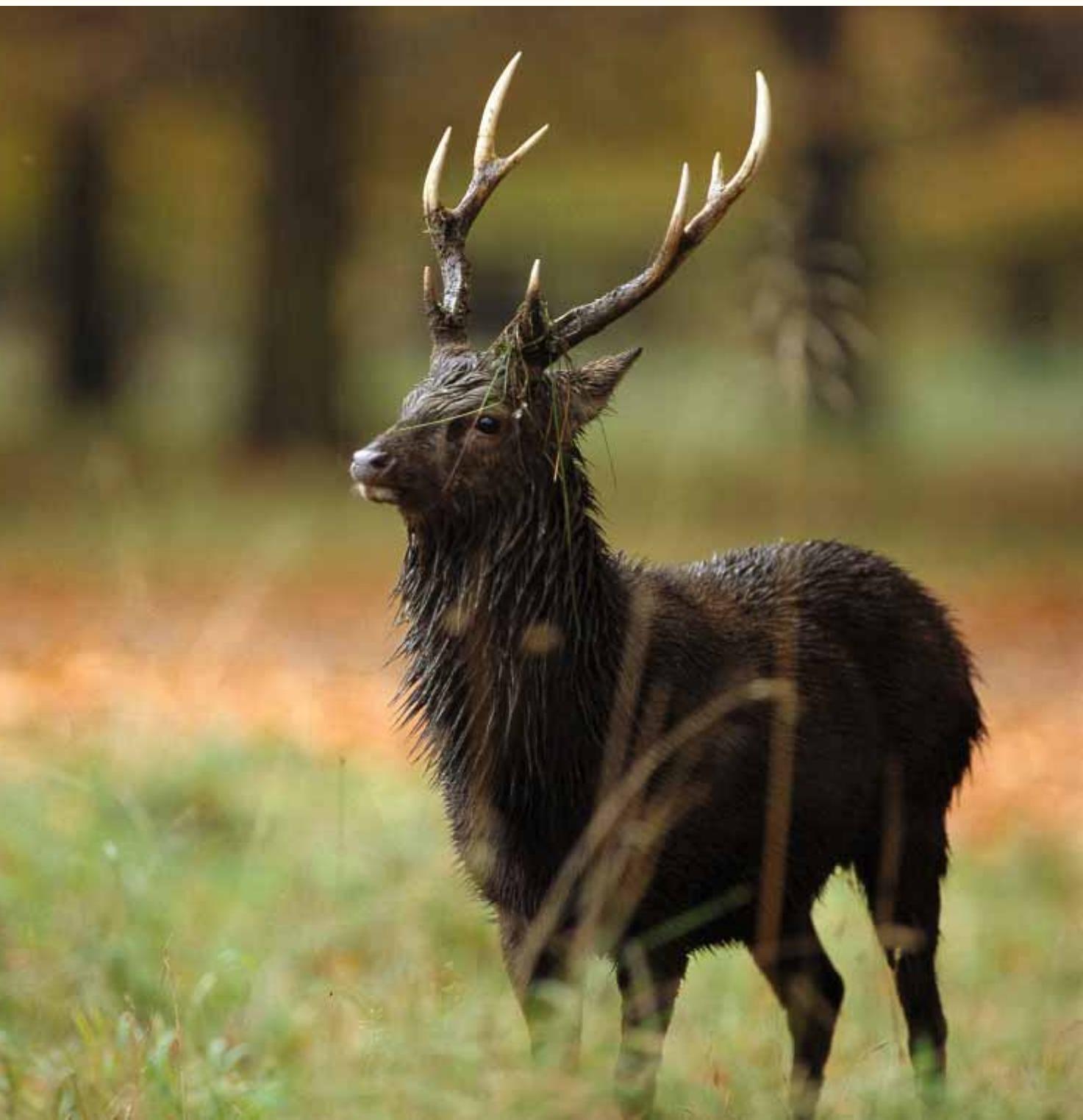
For example in the USA you would buy a deer tag, which allowed you to hunt one animal only. Technically the amount of animals you can shoot here is limitless ; though and as ever good sense, opportunity and moderation prevail. And all you need is a place to shoot and permission to do so.
This might take the form of land you have permission from the owner to use, or that has been set aside for commercial deer hunting (an estate), where you pay the owner an amount per animal or per day. Smaller but similar might be a stalker who owns their own land and hires it out to shooters. Quite often trophy and guide fees are added on top of that. And though the majority of stalkers own their own rifles, you don't need one, as if you decide to go to an estate you can hire a gun and ammunition from them.
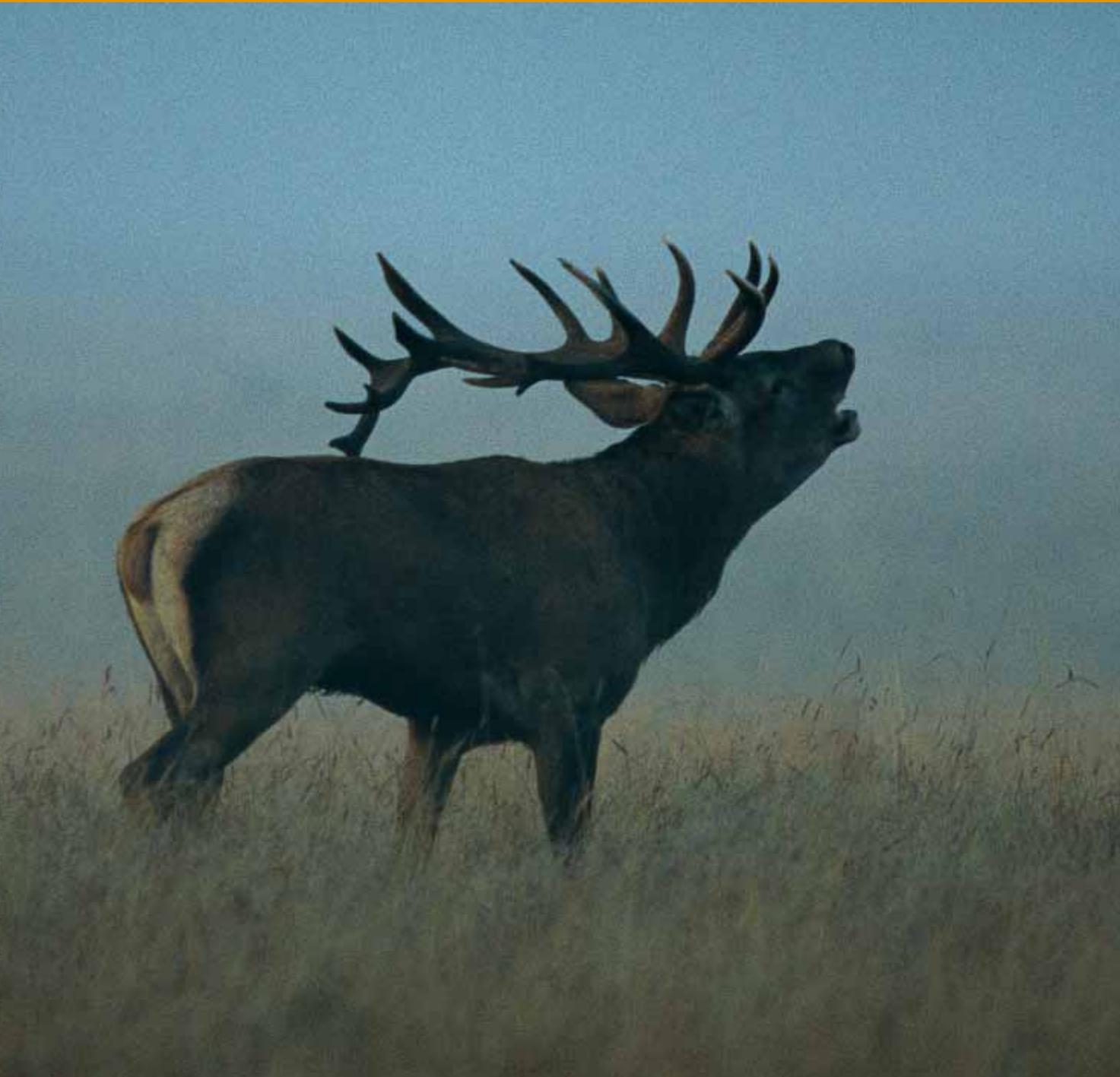
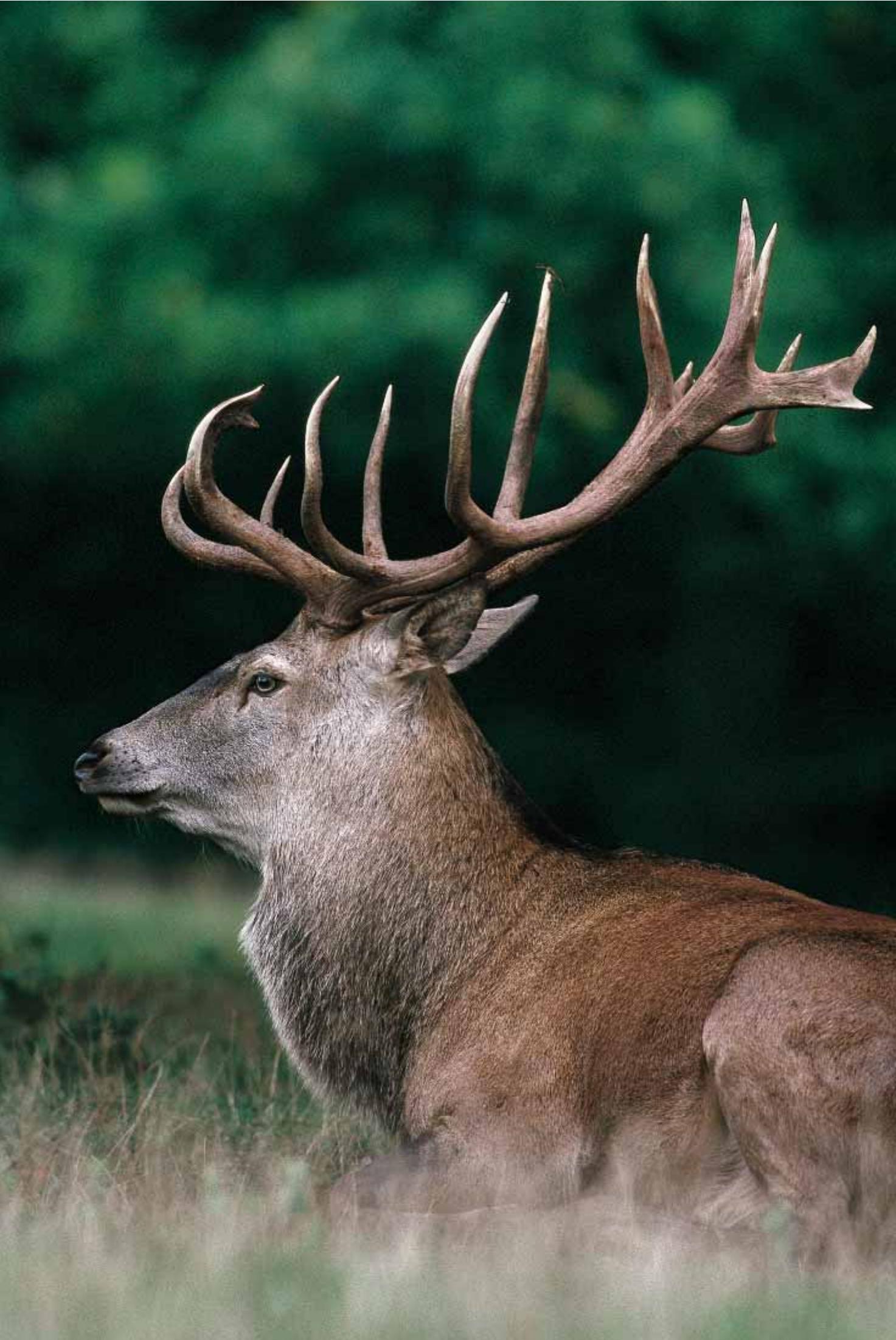
Species wise we have Red, Sika, Fallow, Roe, Muntjac and Chinese Water Deer, with only the Red and Roe being true native animals. The rest have been imported over the years, some as ornamental animals for deer parks, others for hunting. A good example might be the Fallow, which is said to have been brought over after the Norman conquest of 1066. We also have one hybrid animal the Red/Sika cross, depending on your location and view point these are seen by many as vermin that's weakening the traditional Red deer strain due to inter breeding. Hence in England and Wales there's no closed season on this species.
The Red stag is perceived as the most sought after trophy animal in the UK and people will pay a lot of money to go up to Scottish highlands for the pleasure of a stalk up on the hills and heather. Stalking can be hard up there with potentially long shots and a good deal of crawling and climbing to get into position due to the lack of cover.
However and despite their apparent reputation, the Scottish Red is not as big as you might imagine ; certainly in comparison to southern Reds who have better grazing on arable crops. Whereas their fodder is of a much lower quality.
Down in Anglia a good Red Hind that's been feeding on root crops will often match the weight of a supposedly big Scottish stag.
Fallow, which is a medium sized animal tend to be gregarious and also migratory. Herds of between 20-40 are reasonably common. Striking too are the melonistic strain, which can be in some cases pure black, which makes for a very impressive animal and trophy.
Roe tend to move in smaller groups with a buck and a few does, at sometimes, or does and their young at others. Muntjac and Chinese Water Deer are more singular by nature and are encountered more in thick woodland than in the open. Whatever, it's not about size and antler, as all species will give you a decent and challenging hunt.
There is wild boar in the UK and they are hunted, though they are not that widespread, but they are breeding and expanding at a rate. And in the not so distant future they will probably become a quarry species like deer.
Hunting in the UK is done a lot from high seats, which is a highly practical method. Firing downwards gives you a safe backstop, so the seats can be sited in areas where a horizontal shot might not be safe. Plus and usually on estates they can be positioned overlooking where the deer will appear to feed, so very much guaranteeing the client the possibility of an animal. But there is also a lot of foot stalking if you prefer the thrill of the chase. But both methods have there plus and minus points. However, shooting deer from a vehicle is not allowed, nor is taking them at night with a lamp. Though it is possible to apply for a night shooting licence, but not for sporting purposes, only if you need to cull for reasons of overpopulation of excessive crop damage.
But for the sports shooter deer hunting is dawn to dusk only. Also no shot may be taken within 100-yards of a road, for safety reasons.
Terrain-wise the UK has a lot to offer with woods, moorland, forests, hills and even mountains. Shots can be close up or long range, with the more experienced seeing 300-400-yards as an acceptable distance. Like the Europeans and Americans we hunt in all weathers and seasons; so be prepared ...
Legal requirements are simple as to the rifle and ammunition, it has to be a Centrefire calibre and a minimum of 6 mm and able to produce a minimum muzzle energy of 1700 ft/lbs. And the bullet must be of the expanding type – soft point, hollow point or ballistic tip. For most entry-level stalkers the top choice is either 243 or 308 Winchester. Also popular though perhaps less prolific are 6.5 × 55 mm Swedish, 30-06 Springfield and to a lesser degree 270 Winchester. Any and all of these are more than capable of taking a big Red stag ; given correct bullet placement and choice. You also see a few 25-06s and even 7 × 57 mm Mauser etc and the 308-based calibres like 260 Remington or 7 mm-08 Remington are becoming more popular.
Currently there is one exception to the 6mm/1700ft/lb law and that's in Scotland where you are allowed to take smaller species like Roe with a 22 Centrefire. Here calibres like 222, 223 and 22-250 Remington and to a lesser degree 220 Swift are favoured. Currently this is not allowed in England or Wales who still operate the 6mm minimum. However, this might change in the near future with Roe, Muntjac and Chinese Water Deer allowed to be taken with a 22 Centrefire.
There are no limitations on sighting systems, though the telescopic sight is universally favoured and it's rare to see a hunter using iron sights ; unlike in Europe. For deer hunting in the UK the most popular rifle is a bolt-action repeater, with very few shooters opting for lever-actions, double/single barrels or even combinations. Pump-actions and semi-automatics are banned from ownership and have been since 1988. Though they are still legal to own in 22 Rimfire format in all of the above actions.
the food chain, then it must conform to European guidelines, as to how it's be prepared and offered to a game dealer. And it also has to be checked by a vet for diseases and infection. Currently the private stalker is under no such obligation, as their meat is for private consumption only. However and again good sense should prevail and attending a BDS or BASC course will show you what to do and more importantly what to look out for.
Deer species are reasonably evenly spread around the UK, though places
in England/Wales (no closed season) though not in Scotland, yet the Muntjac and Chinese Water Deer can be shot at any time of the year wherever they are found in the UK. Deer in the UK are shot for a number of reasons and levels, which includes trophies and meat, which is becoming more popular in restaurants, super markets, as well as specialised butchers. But also to keep numbers down, as we do have a massive population of wild animals, which do a lot of damage to crops and forestry.
Shooters tend to fall into three main groups, at the bottom we have those who just want to experience shooting a deer once or twice a year and maybe get a bit of meat. Next are the more traditional stalkers who shoot mainly for trophies and tend to approach it in a more stylised manner, which includes equipment choice. Then there are the professional shooters who see it as a living, or as a job that needs doing. They tend to approach it a bit more technically with semi or full custom rifle with bipods, range finders and even camouflage clothing. They're job is to keep numbers down and sell the meat to game dealers. And it's this need for well made, tough and accurate rifles

Hunting or Target Shooting? The law insists upon a firearms licence for the private citizen to be able to own guns and sees target shooters and hunters as two separate entities. With the latter having to nominate land to shoot over or show that they have access to land, in the case of buying a day's stalking on an estate. So owning a rifle to shoot on the range does not necessarily allow you to take it hunting...
However, as a private individual; once permission to hunt has been granted there's no legal requirement to show how many animals you have shot. Likewise on training courses, which are not mandatory. But our own British Deer Society (BDS) runs levels of training for novice and more experienced stalkers, as does The British Association for Shooting & Conservation (BASC). They teach things like deer recognition, rifle/calibre choice, shot placement, marksmanship, gutting, skinning and meat preparation techniques. This is not mandatory, but good training as always turns out a better shooter not matter what their discipline. Since 2006 and if you run a commercial shoot, such as an estate and sell the wild/game meat into
| Closed saisons | |||
| Species | Sex | England/Wales | Scotland |
| Red | M | May 1 – July 1 | Oct 21 – June 30 |
| Red | F | March 1 – Oct 31 | Feb 16 – Oct 20 |
| Fallow | M | May 1 – July 31 | May 1 – July 31 |
| Fallow | F | March 1 – Oct 31 | Feb 16 – Oct 20 |
| Sika | M | May 1 – July 31 | Oct 21 – June 30 |
| Sika | F | March 1 – Oct 31 | Feb 16 – Oct 20 |
| Roe | M | Nov 1 – March 31 | Oct 21 – March 31 |
| Roe | F | March 1 – Oct 31 | April 1 – Oct 20 |
| Red/Sika | |||
| Hybrids | M | no closed season | Oct 21 – June 30 |
| Red/Sika | |||
| Hybrids | F | no closed season | Feb 16 – Oct 20 |
| Muntjac | M/F | no closed season England, Wales and Scotland | |
| Chinese Water | |||
| Deer | M/F | no closed season England, Wales and Scotland | |
like Scotland are considered the home of the Red Deer, which is in fact far from the truth as they are quite widespread. Perhaps the most specialised is the Chinese Water Deer, which sticks to wetland areas as the name suggest. We naturally have open (hunting) and closed (no hunting) seasons, as to gender and species type, these differ as to the country with England and Wales being the same, though Scotland is different. It's interesting to note that the Red/Sika hybrids are treated like vermin species
that has given rise to the spread of themore technically advanced gunsmiths.Hunters and shooters them-selves, theyknow what the customer wants and arecapable of giving it to them. Deer huntingis most definitely on the increase acrossthe whole of the UK and from a Europeanhunter's view point the country offerssome fine and challenging sport !
Peter Moore, Editor Shooting Sports, United Kingdom
Black Deer Quite the most striking looking deer in the UK is the melanistic Fallow, which due to their genetics produces an animal that in extreme case is pure black. Physically they look no different to the traditional spotted variety in size, sex, shape or antler, but their colouration is amazing. And I have had the pleasure of seeing these animals up close.
A friend of mine owns a large estate near Strafford Upon Avon and has a big Fallow heard, which is maintained purely for hunting. And many Europeans come over for the pleaser of stalking one of these black beasts. He also runs pheasants, so as you can imagine the deer feed well on the corn he puts out for the birds, as they knock over the feeders for that purpose.
already been ear marked for a Swedish client, so I was just observing.
The shooting boxes are set up all over the land, which is heavily wooded and I was in another with the keeper waiting to thin out the standard Fallow population a little. Typically the deer get used to the boxes and will approach very near. We spotted a small family group - a young
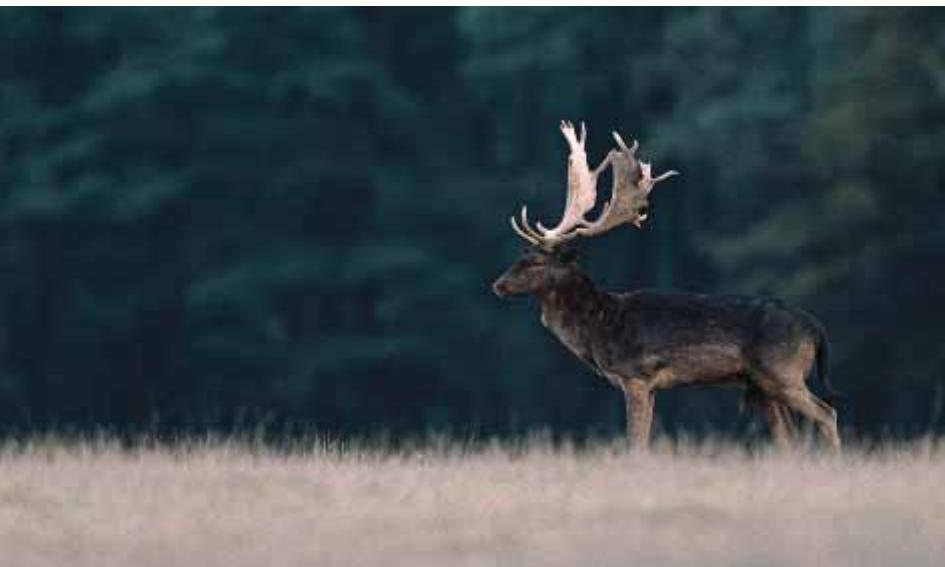
All shooting is done not from high seats, but from raised boxes, which and as I was to discover is a rather fine way of hunting, if a bit lazy. I would call it rich man's stalking ...
I was up there in the rut and the first time I saw one of the big melanistic bucks was from a 20 foot high shooting tower. That almost primordial, grunting noise they make as they call the does in and issue challenges to other males is a little chilling and makes you feel a bit unsettled and very close to nature. One really nice male walked right past the tower and I had a very good view of him. However, he had
buck, a doe and two fawns, who walked right up to the box. The male was in absolutely beautiful condition and his coat was as rich and glossy as that of a mole. He was so close that I could have put my hand out to touch him. I have had moments like this before when you can just get really close to wild deer and they are not frightened. And without doubt this one will remain with me for ever ...
But it was the does that we were after that day and in another shooting box we sat at the end of a ride in a wood. The box is roofed so no problems about the rain and has three rifle ports. We saw a
lot of deer that afternoon, mainly bucks and as the light was drawing in I spotted a doe coming up through the foliage. She was with other who had fawns but we couldn't see if she had one in tow, as it was they were weaned, but and by the same token we did not want to take the chance. Unlike most of my shooting this was close range and I tracked her through the scope with the keeper telling me to stand by to fire if he said so. As he was checking to see if she had a young one.
The group came on and the keeper was still not sure, soon the opportunity for the shot would disappear. Despite the number of deer I've shot I still get tense in moments like these, as it's very much a yes/no/wait situation. Finally the keeper said that she was alone and I could proceed; checking the sights I flipped off the safety and bang, down she went. This all happened in slow motion and as I operated the bolt to reload, I recall seeing the empty case eject and hit the shooting port and started spinning and come to rest in perfect balance on the edge of the woodwork. Like seeing the melanistic Fallow up close, hunting to me is defined by moments like this, which is why it's so special ...
Peter Moore, Editor Shooting Sports, United Kingdom
The Call of Nature Unlike Roe, which tend to move in very small groups or singly, Fallow are far more gregarious and I have seen them in herds of up to 40 animals. Like the Roe I have shot a lot of them, and the big bucks with their large antlers do make some nice trophies. Quite often the dominant male will drive the younger mature bucks out of the herd and they tend to join up to make bachelor groups.
A particular group of six had been feasting on the sugar beat on one of the farms I do deer control on and the farmer was after results from me. Shots on this land are necessarily long by nature as the fields are big and the only cover is in the wooded headlands that border them. So it's more ambush shooting, as stalking up to a group of alert Fallow looking in all directions on flat open land is never easy! So I tend to use larger and flatter-shooting calibres with my favourite being 270WSM.
The week before I had taken two out of the group and was up very early the next Sunday to carry on the work. With a near two mile walk from the farmyard to the fields I skirted the woods staying in cover as much as possible. Just as the sun was coming up I glassed across the
had finished I looked up to see them about 200-ayrds away in the same field. Luckily I was in cover so bent down to put my coat on and ready my rifle. Looking up again and they had gone, it was almost as if the earth had swallowed them up. That's how it happens sometimes...
Not angry but disappointed I waited on the off chance, but after about 30 minutes realised that it was all over for the morning and started walking back around the field to the farm. The field dips down to a deep ditch then up again into another hill field of sugar beat. To my surprise another big Fallow buck appeared at the top left of the far field, instinctively I threw myself down and as luck would have it he didn't see me.
If I wanted him I was going to have to
of the question. I deployed my bipod and waited, hoping he would move far enough left where I could point my rifle through the cover to get the shot. Waiting I heard the mosquitoes buzzing around and they started to bite me, but I kept still. He started left as I had hoped and eventually walked into the area where I could see to shoot and that was that ...
A funny day, I missed out on my main target due to unforeseen and uncontrollable circumstances, but by sheer luck managed to get another deer in the bag by a bit of hard work and patience. That's hunting.
Peter Moore, Editor Shooting Sports, United Kingdom
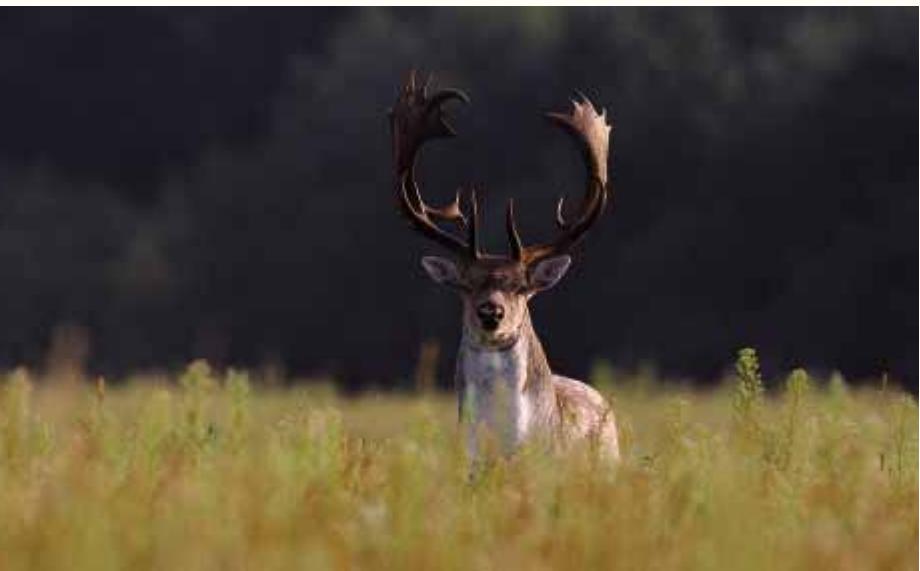
field and saw that parcel of four bucks was moving towards me. It was just then that my body decided it had to answer an important call of nature and one that would not be delayed.
With a final rueful look at the approaching animals I ducked into the woods and attended to my needs. Rifle down, pack and coat off and all the time the deer were getting nearer. When I
work for it, as he was in a 'no shoot' position being in front of a road. Once and if he moved to his left about 50-yards he would be on the hill, which was a safe back stop. The only answer was to crawl from where I was to make the ditch. Slithering down the slope I made the cover only to find it was a bit high. I didn't want to be seen so setting up my shooting sticks for a sitting shot was out
The Duovid class : Two binoculars in one
The LEICA DUOVID 8 + 12 × 42 and 10 + 15 × 50 are the only premium performance binoculars with two magnifications. No matter what the situation, whether it is over long distances or during critical lowlight conditions, the Leica Duovid adapts to it perfectly. The lower magnification (8 x with the 42 Duovid or 10 × with the 50) allows for shake-free viewing and a large field of view. By switching to the higher magnification (12 x or 15 × respectively) one achieves greater detail recognition. In contrast to monocular add-on power boosters, a binocular booster is already integrated in the Duovid – lightweight, easy to operate and with a large field of view. Both models are well balanced and feature an outstanding ergonomic design, thereby allowing for virtually shake-free viewing, even at high magnification. Other technical innovations, such as the Leica HighLux-System HLST^TM and the Automatic Diopter Compensation ADC^TM when switching between powers, make the Duovid a unique and versatile instrument.
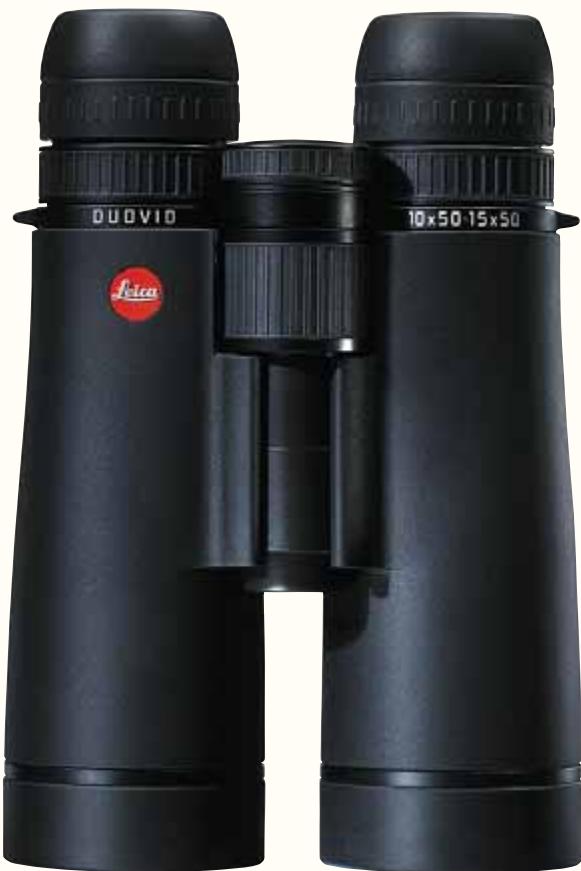
LEICA DUOVID 10 + 15 × 50
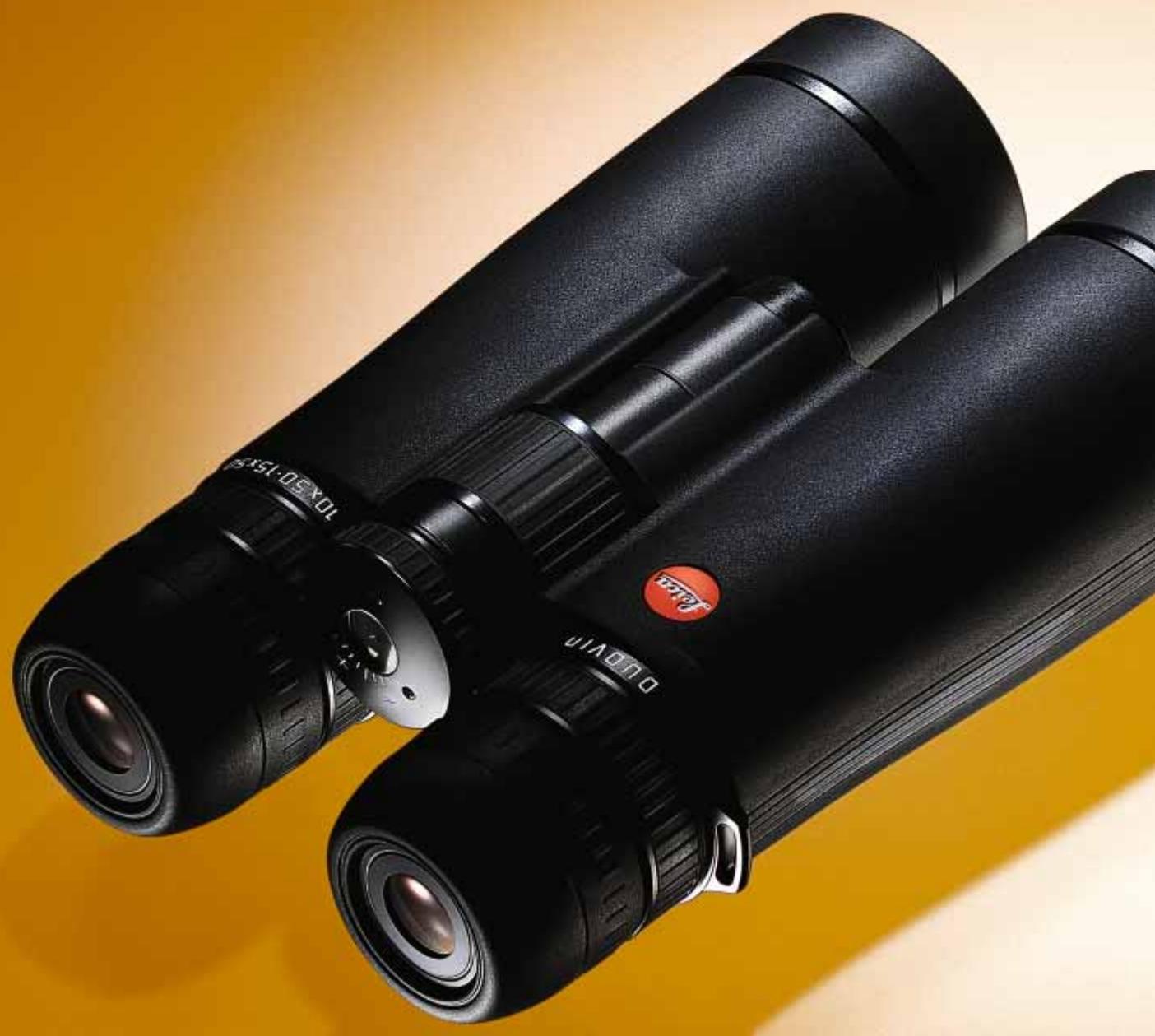
LEICA DUOVID 10 + 15 × 50 - the binocular-spotting scopes With its 15 × magnification, the Duovid with 50 ~mm objective lens bridges the gap between binocular and spotting scope.
LEICA DUOVID 10 + 15 × 50
This Duovid is a high performance binocular that, with a flick of the wrist, becomes a binocular-spotting scope. The 10 × magnification allows for shake-free viewing and a larger field of view. By switching to 15 × one achieves a level of detail recognition previously found only in spotting scopes. Due to its excellent image quality, the 50 ~mm Duovid is ideally suited for low-light hunting. To allow for longer, fatigue free viewing, a tripod is included with the binocular.
The ergonomic design and the soft-touch rubber armoring allow for a secure and shake-free handling of the binocular, even while wearing gloves.
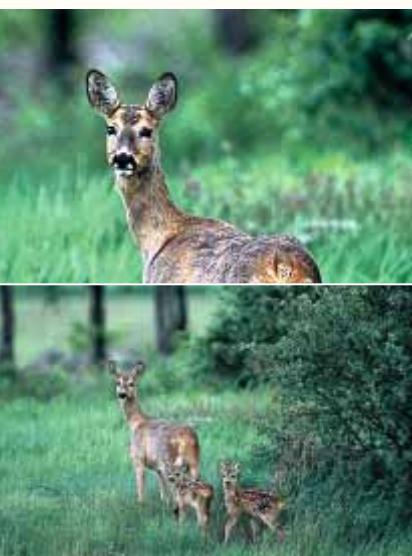
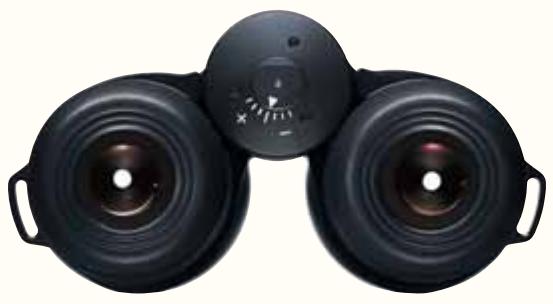
The most flexible hunting binocular : The Duovid's 12 x and 15 x magnifications are ideally suited for viewing game over great distances, as well as rendering a detail rich image. On the other hand, the 8 x and 10 x magnifications allow for a large field of view when glassing an area for game.
"My Duovid is indispensable when hunting wild boar. It is fantastic how effortless it makes nighttime viewing."
(Peter Grieder, hunter and freelance journalist, Switzerland)
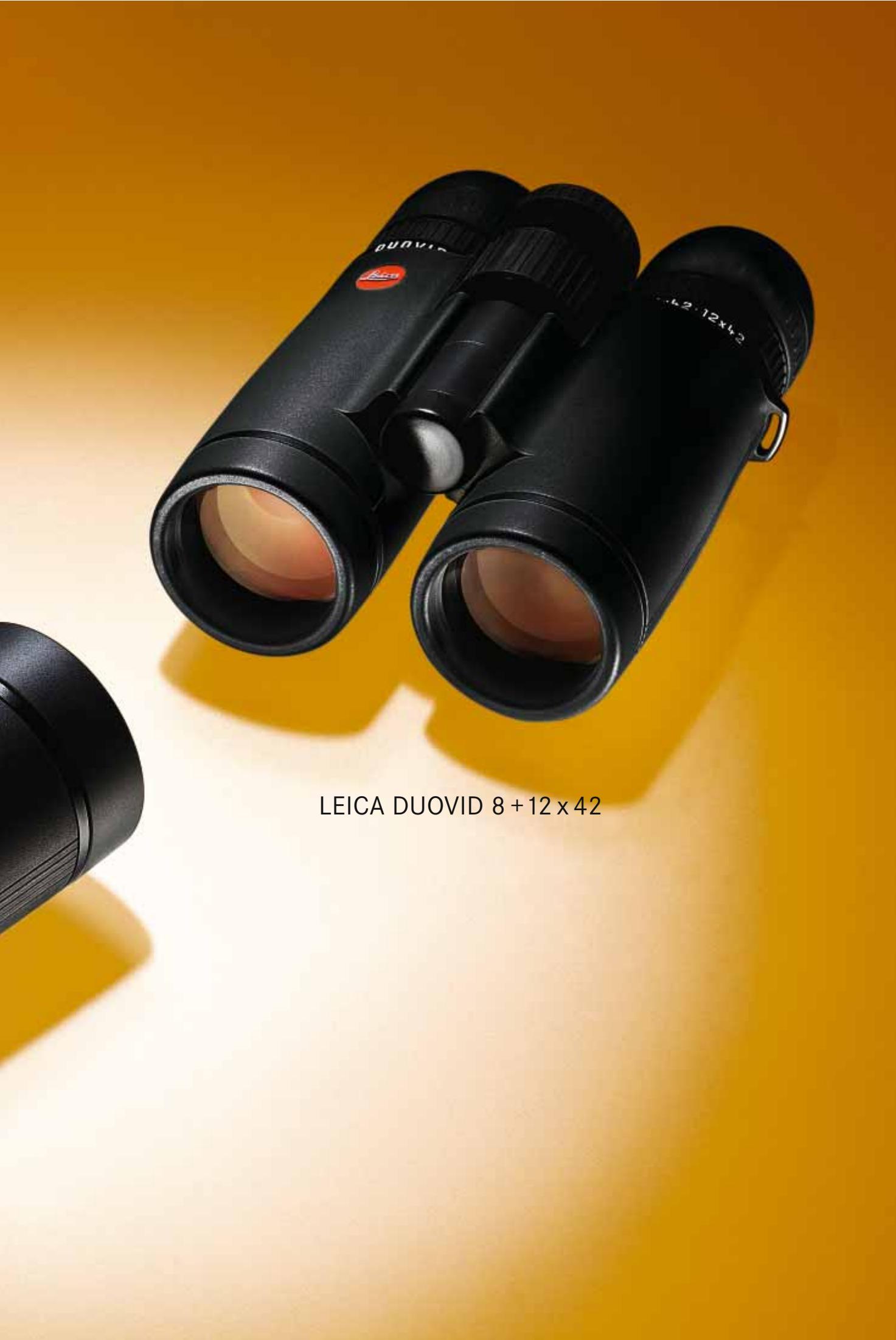
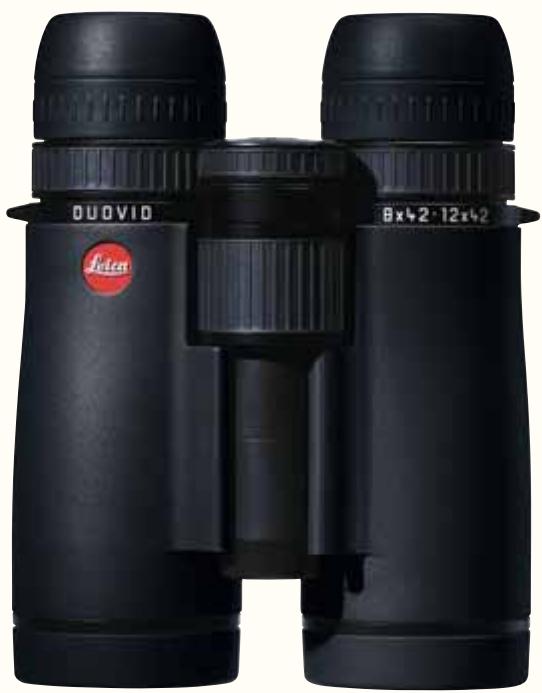
LEICA DUOVID 8 +12 x 42 - the most flexible 42 mm binoculars
Unique 12 × magnification in a 42 ~mm glass, which allows for great detail recognition.
LEICA DUOVID 8+12x42
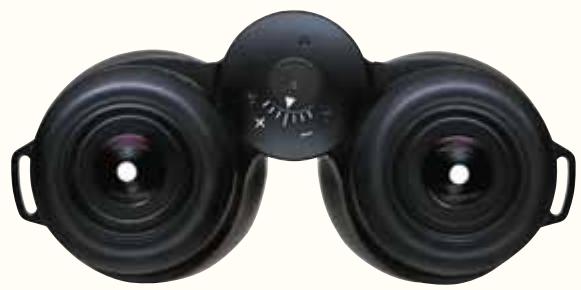
The compact 42 Duovid offers 8 × magnifica- tion for a large field of view, as well as 12 × magnification for greater detail recognition. As with the 50 ~mm model, this Duovid features the sliding eyecups with two click stops, which ensure the ideal eye relief for every user.
To switch between magnifications, one must adjust the ring on each tube accordingly. Due to the Automatic Diopter Compensation ADC™ your previously set diopter will automatically adjust itself to the new magnification.
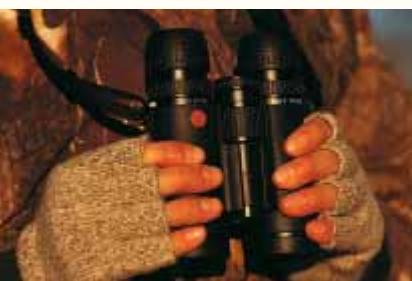
"The Duovid is the most versatile hunting binocular. No matter what the situation or the quarry, the Duovid delivers the perfect optical solution."
(Matthias Suuck, Sales Manager Leica Sport Optics)
Due to its extreme twilight performance, the Duovid achieves great detail recognition at 12 × and 15 × magnification, even under poor light conditions. However, with continued deteriorating light conditions, one should switch to 8 × or 10 × magnification, since the binoculars render brighter images at lower power settings.
Two magnifications
The flexible binocular class with both - high magnification and a large field of view - in one product. High magnification for long distances and minute details. Low magnification for image stabilization and a large field of view.
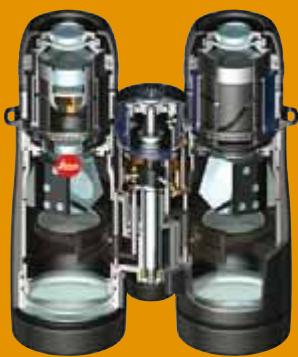
Extreme brilliance
Extremely high resolution and a color-fringe-free image due to the Leica HighLux-System HLST^TM , an innovative multi-layer lens coating with Leica HDC™ and a four-lens objective with an achromat.
Easy to use
Automatic Diopter Compensation ADC™ : when switching between magnifications the diopter automatically adjusts. Multifunction center drive : comfortable, smooth focusing and easy diopter setting.
Robust
Strong aluminum die-cast housing and soft-touch rubber armoring protect the binocular from damage, while at the same time ensuring secure handling of the product, even when wearing gloves. Functions perfectly under all environmental conditions from -25^ C to +55^ C (-13^ F to +131^ F) , waterproof to 5 ~m (16.4 ft), nitrogen-filled.
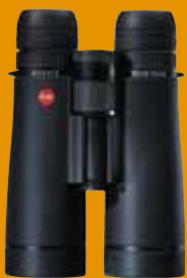
LEICA DUOVID 10 + 15 × 50 - the binocular-spotting scopes.
In black rubber armoring : Order No. 40 420
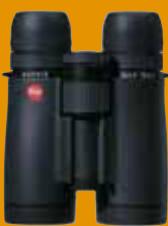
LEICA DUOVID 8 + 12 × 42 - the most flexible 42 ~mm binoculars.
In black rubber armoring : Order No. 40 400
The Ultravid class : Binoculars for extreme demands
Nothing demonstrates what is technically possible today quite as well as the flagship products of the Ultravid class. The housing and center-shaft of the 50mm , 42mm , and 32mm models are made of ultra-lightweight, yet extremely durable, magnesium and titanium. Two lightweight exterior finishes are available: soft-touch rubber armoring or elegant leather. The use of these ultra-light materials, coupled with perfectly aligned components, guarantees long-term durability at minimal weight. The thumb rests of the 50mm and 42mm models and the sliding eyecups with two click stops of all Ultravid models ensure a comfortable viewing experience. Their soft, cushioning rubber element allows for a comfortable positioning of the eye, and due to the click stops they can be individually set for the perfect eye relief. The strength of the Ultravid class is due, in large part, to its high image quality. The Leica HighLux-System HLST^TM makes that possible. This innovative system – comprised of a new highly reflective mirror coating on the prism surfaces and the optimized optical and mechanical design – further reduces stray-light and generates an increase in light-transmission and contrast, thereby creating an unforgettable viewing experience. These and other technical advances make it obvious that the Ultravid class is the new reference class in binoculars.
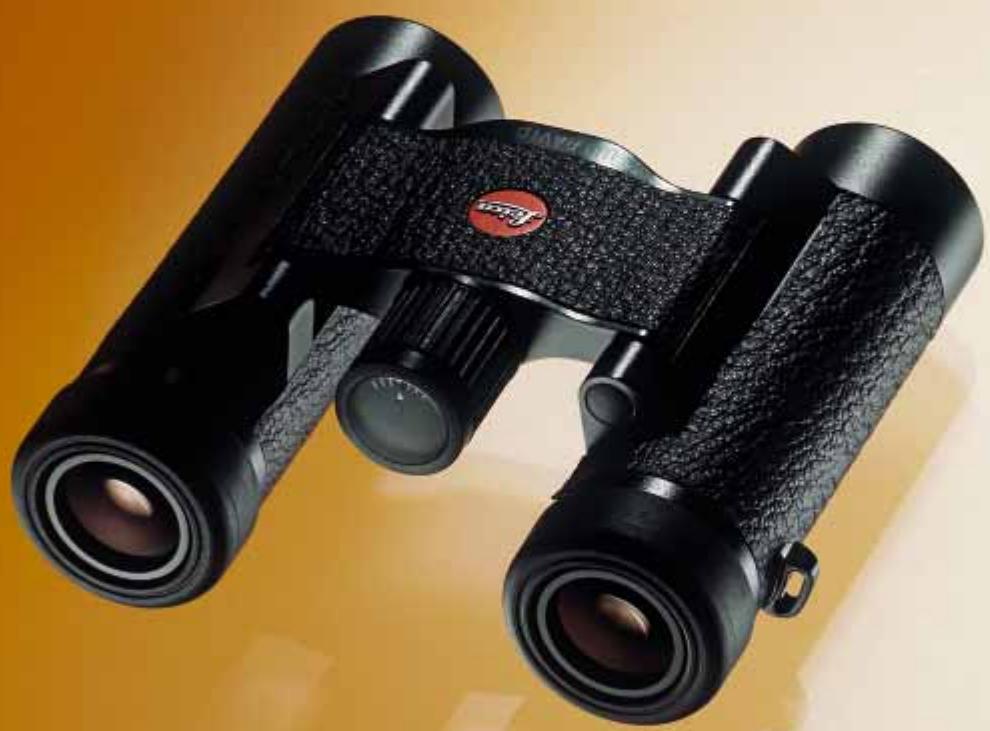
LEICA ULTRAVID 8 × 20 BL
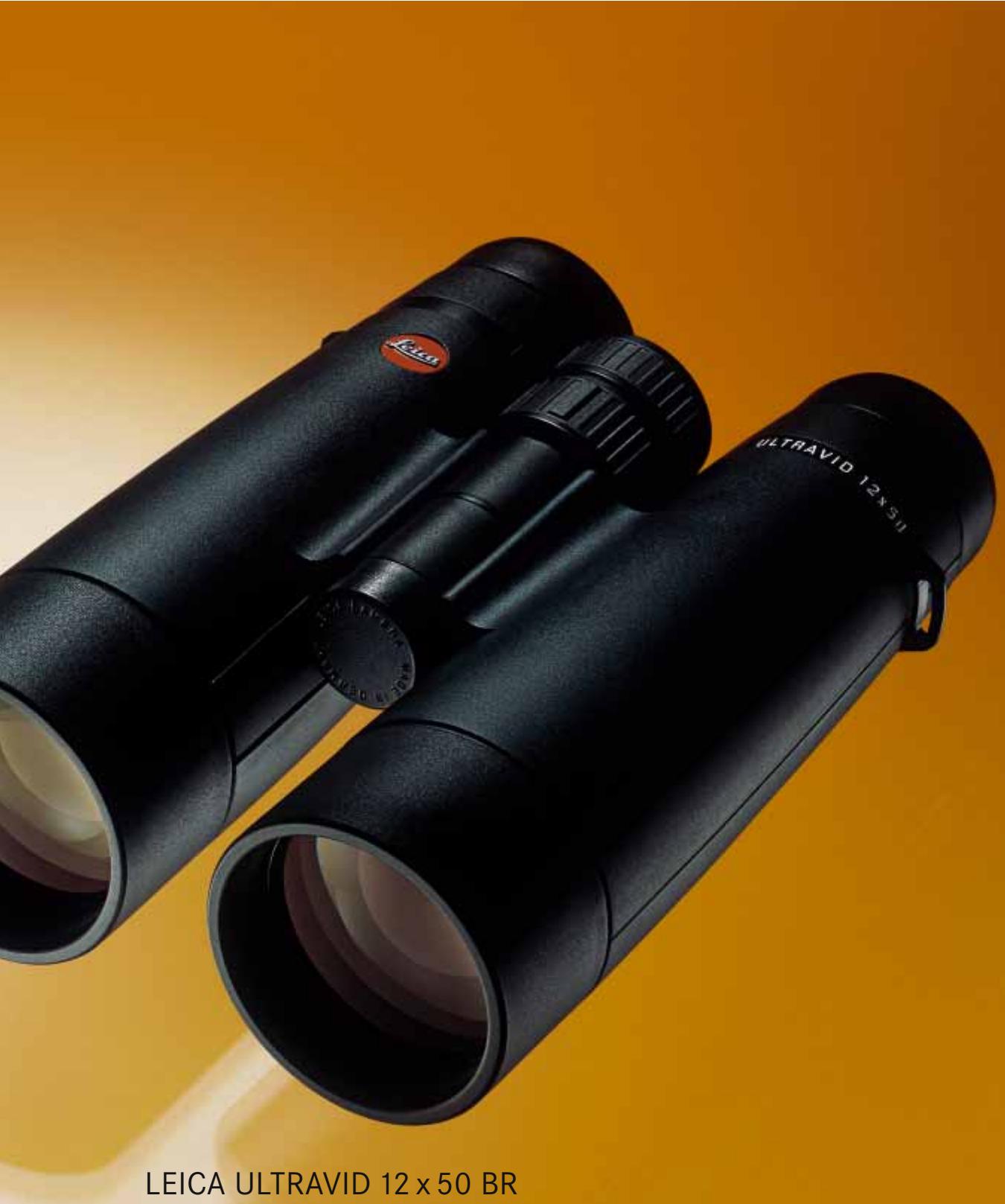
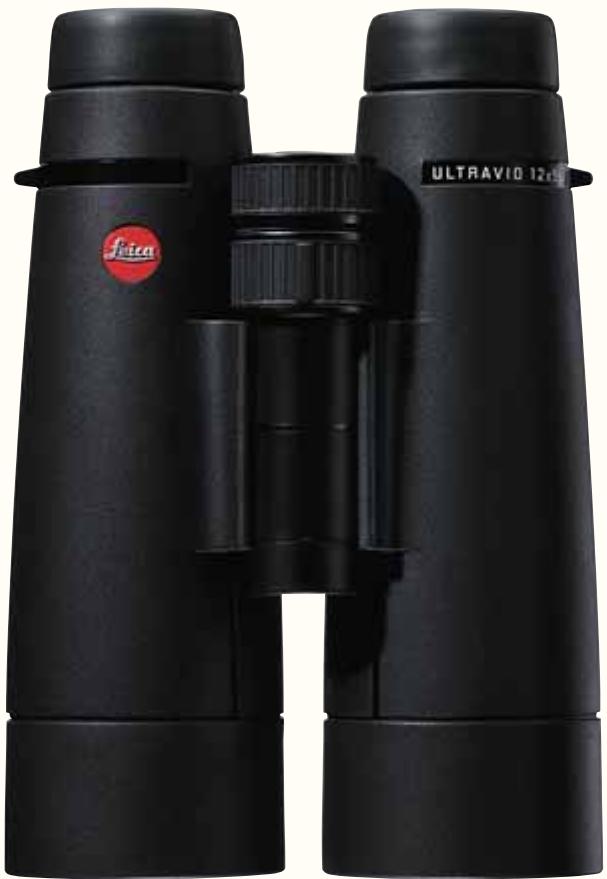
LEICA ULTRAVID BR 50 mm – ready for any light conditions The 50 mm Ultravids achieve a richness in contrast and brilliance that, up until now, has been hard to achieve, even with a larger objective lens. All 50 mm models are available in black or green rubber armoring.
LEICA ULTRAVID 8 × 50 BR
Fatigue-free viewing, even under poor light conditions. The 8 x magnification guarantees a steady, sharp image, without the need to constantly refocus.
LEICA ULTRAVID 10 x 50 BR
The high light-transmission, top-of-the-class binocular. Thanks to the outstanding twilight performance, fine details can be viewed well into darkness.
LEICA ULTRAVID 12 x 50 BR
The 12 × magnification allows for great detail recognition over long distances. Beyond that, this high-performance binocular features exceptional 3.2 ~m (10.7 ft) close focusing.
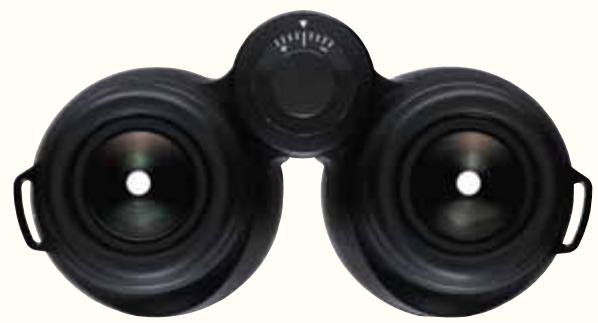
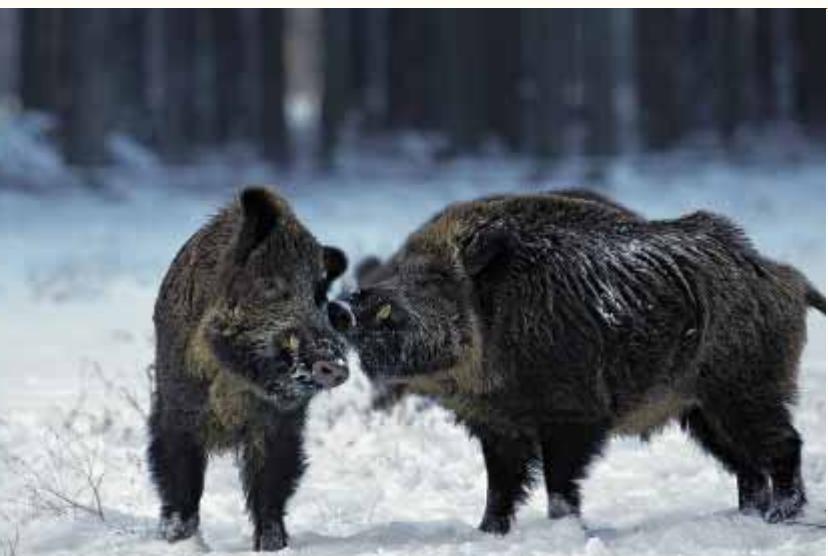
Even extreme cold does not stop the Ultravid from delivering impressive viewing experiences. Functioning down to temperatures of -25^ (-13^) it reaches a performance level that almost no other binocular can match. Ultravid : the combination of precision and ruggedness.
LEICA ULTRAVID BR 42 mm – the robust all-rounder They are almost as compact as a 32 mm and nearly as bright as a 50 mm. As far as the twilight factor is concerned, the 8 x 42 and the 8 x 50 are not even 10% apart. The BR models are equipped with a shock-absorbing rubber armoring in either green or black.
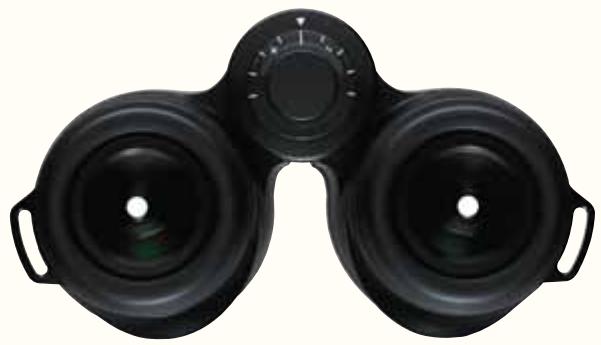
LEICA ULTRAVID 7x42 BR
A large field of view with great edge-to-edge sharpness, combined with a bright and steady image, characterize this binocular.
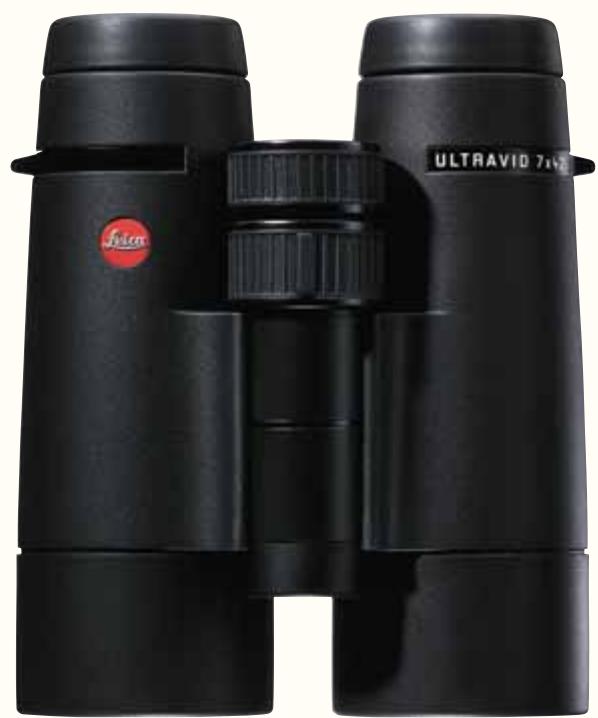
LEICA ULTRAVID 8 x 42 BR
The multi-talented binocular that delivers images rich in contrast both during the day and at twilight. The ratio of brightness and weight, of magnification and field of view, make this model perfect for any application.
LEICA ULTRAVID 10 x 42 BR
The most powerful binocular in the 42 mm Ultravid class. The redesigned eyecups allow for a very comfortable positioning of the eye. This becomes very apparent with the improved image steadiness while viewing over great distances.
The new ergonomics allow for a relaxed handling. The thumb rests of the 50mm and 42mm BR models allow for shake-free and slip-proof handling. The large center drive provides for a comfortable and natural hold.
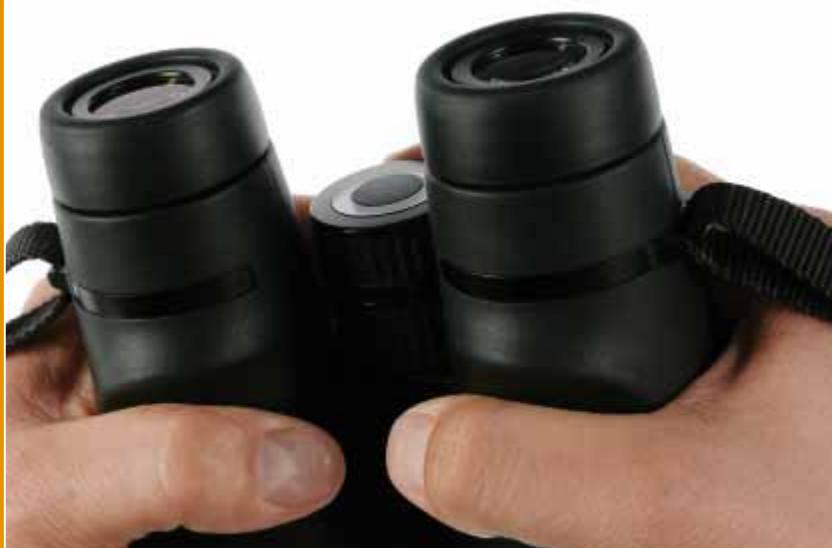
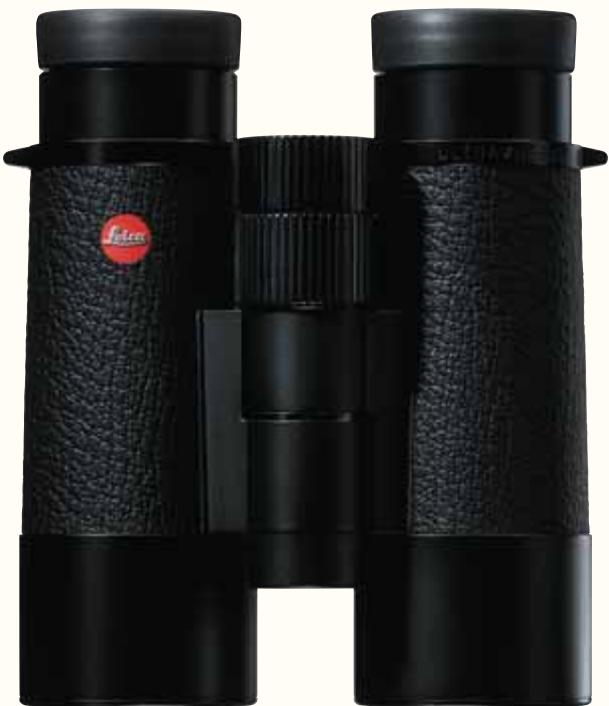
LEICA ULTRAVID BL 42 mm - lightweight in a classic design The leather covered 42 mm BL models are particularly elegant, are reminiscent of the classic binoculars and cameras that made Leica famous. Due to the leather covering, they weigh less than 700 g (24.7 oz).
LEICA ULTRAVID 8 x 42 BL
A field of view of 130m (389 ft) at an 8x magnification. An image that is rich in contrast both during the day and at twilight.
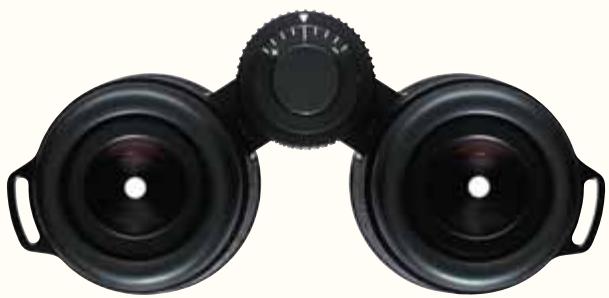
LEICA ULTRAVID 10 x 42 BL
The most powerful binocular in the 42 mm Ultravid class. The redesigned eyecups allow for a very comfortable positioning of the eye. This becomes very apparent with the improved image steadiness while viewing over great distances. This high-power binocular is, just as the 10 × 42 BR model, equipped with new eyepieces designed to comfortably accommodate eyeglass wearers.
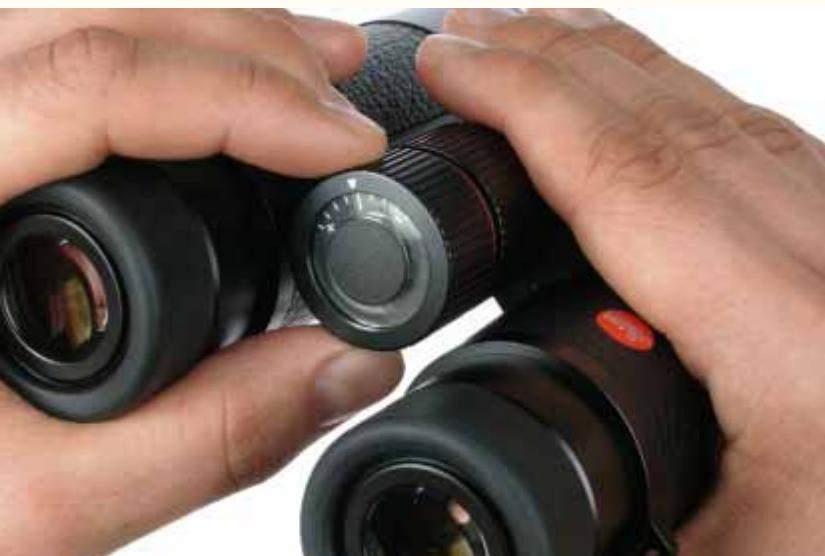
Magnesium and titanium are the strengths of the 50mm , 42mm , and 32mm lightweight Ultravids. A housing constructed entirely out of magnesium and a center-shaft made of titanium guarantee the longevity and make the very low weight of the Ultravid models possible. Easy to use and nice to look at : The newly redesigned center drive is a feat of Leica engineering. The new ring-shaped window is easy to read and the focusing wheel is smooth and easy to operate. Because of the short focusing path of just over one turn, the optimal point of sharpness is easily found.
LEICA ULTRAVID BR 32 mm – always with you The 32 mm models are a continuation of the previously established design, function, mechanical, and optical standards of the Ultravid class. They redefine 32 mm binoculars.
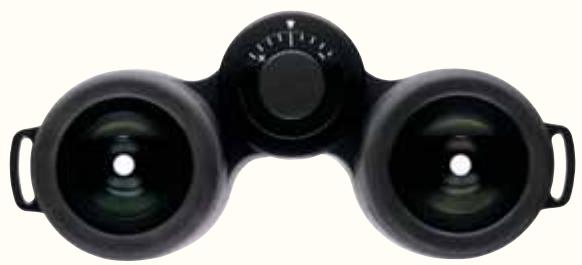
LEICA ULTRAVID 8 × 32 BR
High-performance binocular with 32mm objective lens diameter, 8× magnification and a large field of view of 135m (404 ft) allows for a great overview and steadiness of image. The ideal stalking binocular with its minimal weight and maximum optical performance.
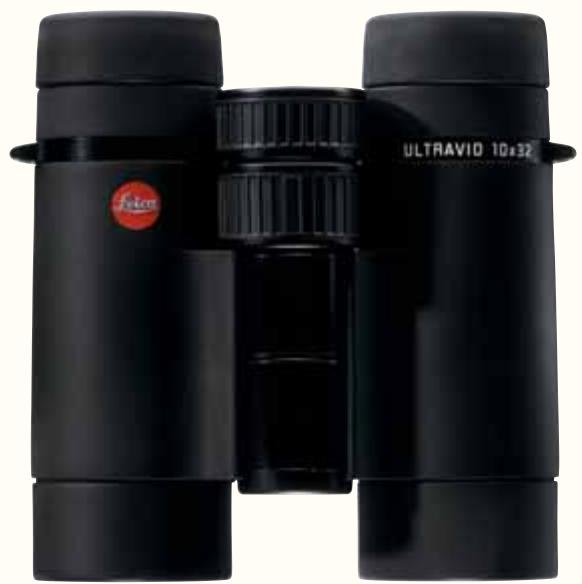
LEICA ULTRAVID 10 x 32 BR
The most powerful 32 mm model not only impresses over great distances, but due to its 2.1 m (6.9 ft) close focus also allows for viewing of even the smallest of details.
In terms of optical performance and handling, you might believe that you are holding a 42 mm binocular, when in fact it is a 32 mm binocular.
LEICA ULTRAVID BR 25 mm – the stars among the compacts
The 25 mm models combine ruggedness and brightness in a pocketsize dimension : The rubber armoring protects the binocular during tough outings, the HighLux-System HLS™ allows for fascinating images.
LEICA ULTRAVID 10× 25 BR
Due to its high magnification, the lightweight, black rubber armored compact binocular displays distant objects with extreme sharpness and contrast. The ideal binocular for those unexpected moments in the field.
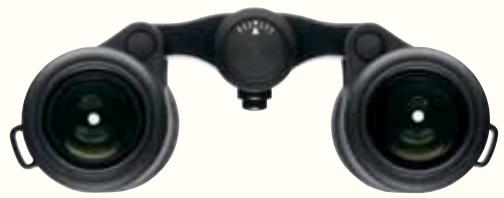
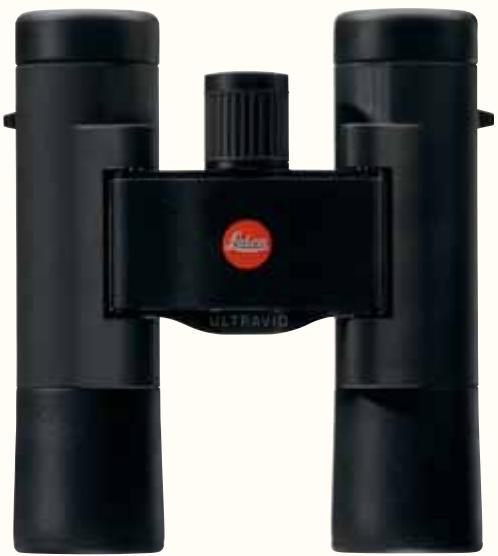
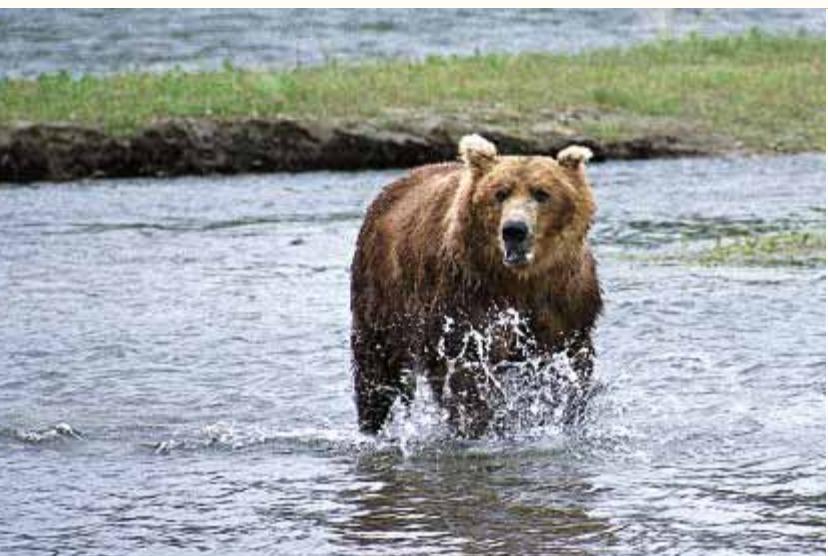
The new 25mm and 20mm models continue the high standards of the Ultravid class : Due to an innovative curing process, the rubber armoring gets fused onto the binocular, making it extremely durable. It is waterproof to a depth of 5 m (16.4 ft) and nitrogen-filled to prevent internal fogging. It comes delivered with high-quality accessories. Objective lens covers, carrying strap and Cordura case (BR), leather case (BL).
LEICA ULTRAVID BL 25 mm - brilliant elegance These lightweight binoculars with a classic leather covering are the ideal companions for all those expecting a high level of optical performance, whether it is in nature or the city.
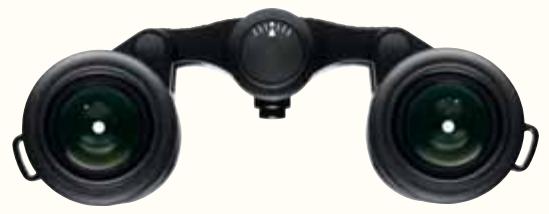
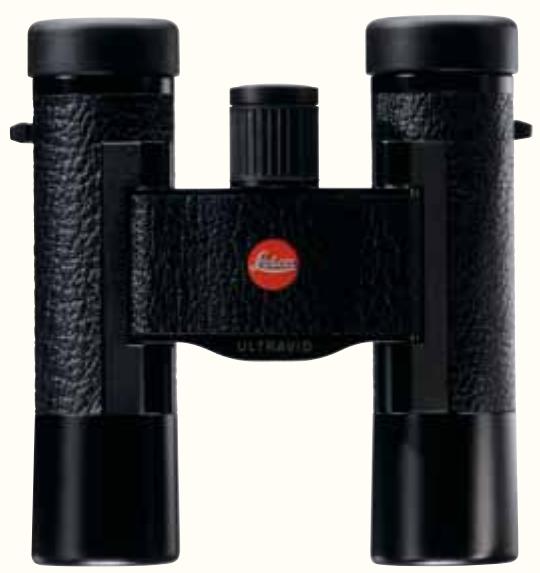
LEICA ULTRAVID 10× 25 BL
It is the perfect combination of classic elegance and toughness. The extremely minimal weight of 255g (9.3 oz) and the elegant design allow one to always carry it along, even when at the opera or the open-air event.
Almost all Ultravid elements could be miniaturized to fit into this smallest model of the Ultravid class. Due to this fact, even these "minis" achieve the highest standards set forth by this reference class. Brighter, sharper, more compact and robust than any previous binoculars with these objective lens diameters.

LEICA ULTRAVID BR 20 mm – robust High-Tech-Minis The small Ultravid BR models are not only ultra-rugged and ultra-bright, but they are small premium-performance binoculars that one can always carry around.
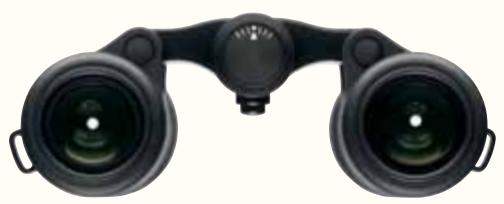
LEICA ULTRAVID 8 x 20 BR
Impact protected, water-proof binocular with a field of view of 110m (331 ft) and a close focus of 2.2m (7.2 ft). Shake-free viewing due to the 8× magnification. The Leica HighLux-System HLST^TM ensures a bright image. It only weighs 240g (8.5 oz).
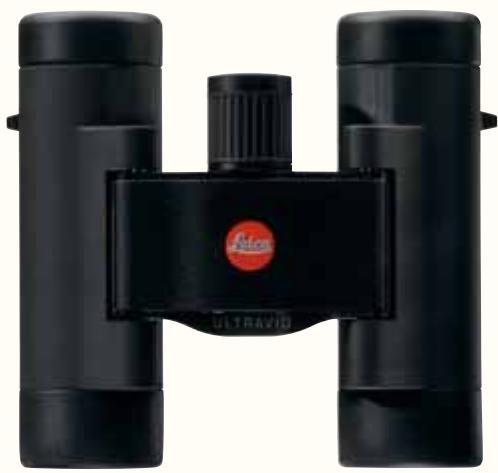
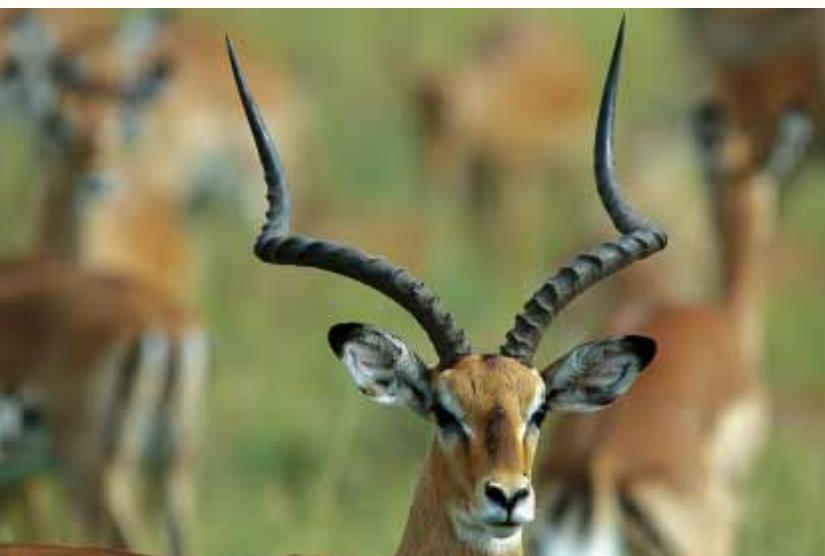
Big optic in its smallest size. Not only are the 25mm and 20mm Ultravids ultra-rugged, but due to aspherical lenses, they are also ultra-bright. This allows for edge-to-edge sharpness and a color-fringe-free image, previously unattainable in this objective size.
LEICA ULTRAVID BL 20 mm – the greatest little ones With their black leather covering, the smallest Leica “power packages” are both elegant and powerful.
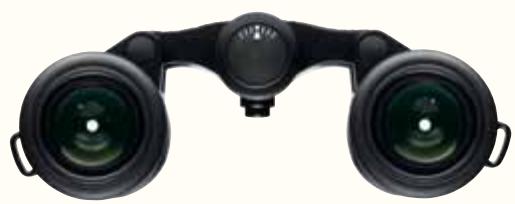
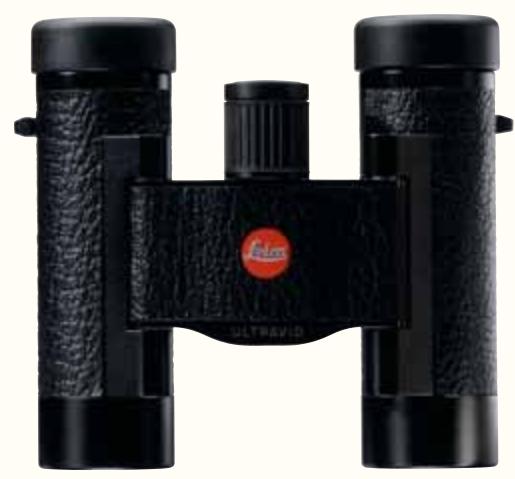
LEICA ULTRAVID 8 x 20 BL
They can easily be folded and tucked away so that on long hikes they are only noticed because of their high image quality.
The newly developed diopter compensation with its "single-button-operation" and large focusing wheel make the smallest Ultravids easy to handle. Naturally, these smallest of binoculars are ideally suited for eyeglass wearers.
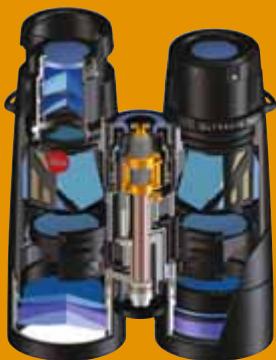
Ultra-lightweight
Magnesium die-cast housing and a titanium center-hinge for lightweight stability and strength. Aspherical lenses allow for the lightweight in the 20 mm and 25 mm models.
Ultra-bright
Extremely high resolution and a color-fringe-free image due to the Leica HighLux-System HLST^TM , an innovative multi-layer lens coating with Leica HDC™ and a four-lens objective with an achromat (aspherical lens technology in the 8x20 and 10x25 models).
Ultra-ergonomic
Functional design with integrated thumb rests (50 mm und 42 mm BR models), natural placement of focusing mechanism and perfectly balanced for long, relaxed viewing. Multifunction center drive : comfortable, easy focusing and diopter setting.
Ultra-rugged
Soft-touch rubber armoring protects the binocular and ensures a slip-proof handling, even when wearing gloves or wet. Functions perfectly under all environmental conditions from -25 °C to +55 °C (-13 °F to +113 °F), waterproof to 5 m (16.4 ft), nitrogen-filled, impact resistant.
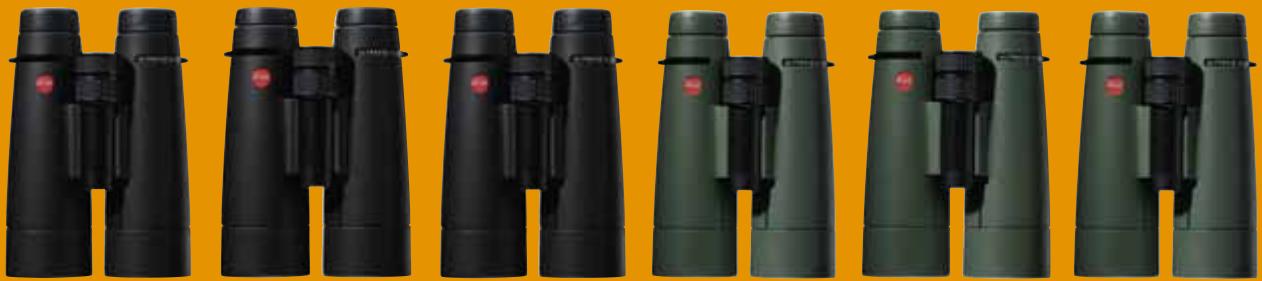
LEICA ULTRAVID BR 50 mm - ready for any light conditions.
In black or green rubber armoring :
black 8 × 50 Order No. 40275 / 10 x 50 Order No. 40276 / 12 x 50 Order No. 40277
green 8× 50 Order No.40280/10x50 Order No.40281/12x50 Order No.40282
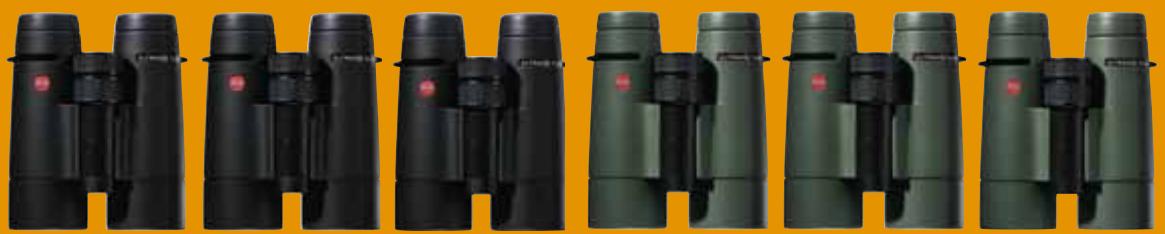
LEICA ULTRAVID BR 42 mm - the robust all-rounder.
In black or green rubber armoring :
black 7 × 42 Order No. 40260 / 8x42 Order No. 40261 / 10x42 Order No. 40262
green 7 × 42 Order No. 40 265 / 8 x 42 Order No. 40 266 / 10 x 42 Order No. 40 267
LEICA ULTRAVID BL 42 mm - lightweight in a classic design.
In elegant black leather covering :
8x42 Order No. 40 271 / 10x42 Order No. 40 272
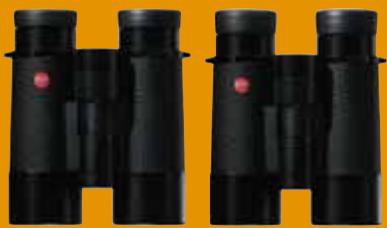
LEICA ULTRAVID BR 32 mm - always with you.
In black rubber armoring :
8x32BROrderNo.40258/10x32BROrderNo.40259
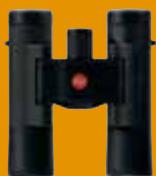
LEICA ULTRAVID BR 25 mm - the stars among the compacts.
In black rubber armoring :
10× 25 BR Order No.40253
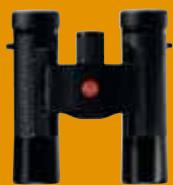
LEICA ULTRAVID BL 25 mm - brilliant elegance.
In elegant black leather covering :
10x25BLOrderNo.40257
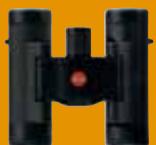
LEICA ULTRAVID BR 20 mm - robust High-Tech-Minis.
In black rubber armoring :
8x20BROrderNo.40252
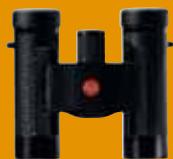
LEICA ULTRAVID BL 20 mm - the greatest little ones.
In elegant black leather covering :
8x20BLOrderNo.40256
The Trinovid class : Proven technology for the ambitious viewer Leica binoculars and spotting scopes have long since been synonymous with optical performance and mechanical quality. For years, LEICA TRINOVID BN binoculars have been proving themselves as trustworthy companions with excellent optical performance. In the future, they will continue to be the correct choice for nature lovers wanting to get started with high-performance optics. Top-notch optics coupled with robust and precision mechanics make every LEICA TRINOVID BN model the optimal companion for all outdoor activities. A nearly indestructible die-cast aluminum housing that withstands the most grueling temperatures, the patented multifunction center drive with integrated diopter compensation and the innovative Leica HDCTM multi-layer lens coating are just a few features that make the LEICA TRINOVID BN series stand out. The bright and sharp image, as well as the comfortable handling of the binocular, let you get as close to nature as possible, even under the worst conditions. And when proven technique becomes an issue, the Trinovid BCA binoculars are the answer, especially for those long hikes.
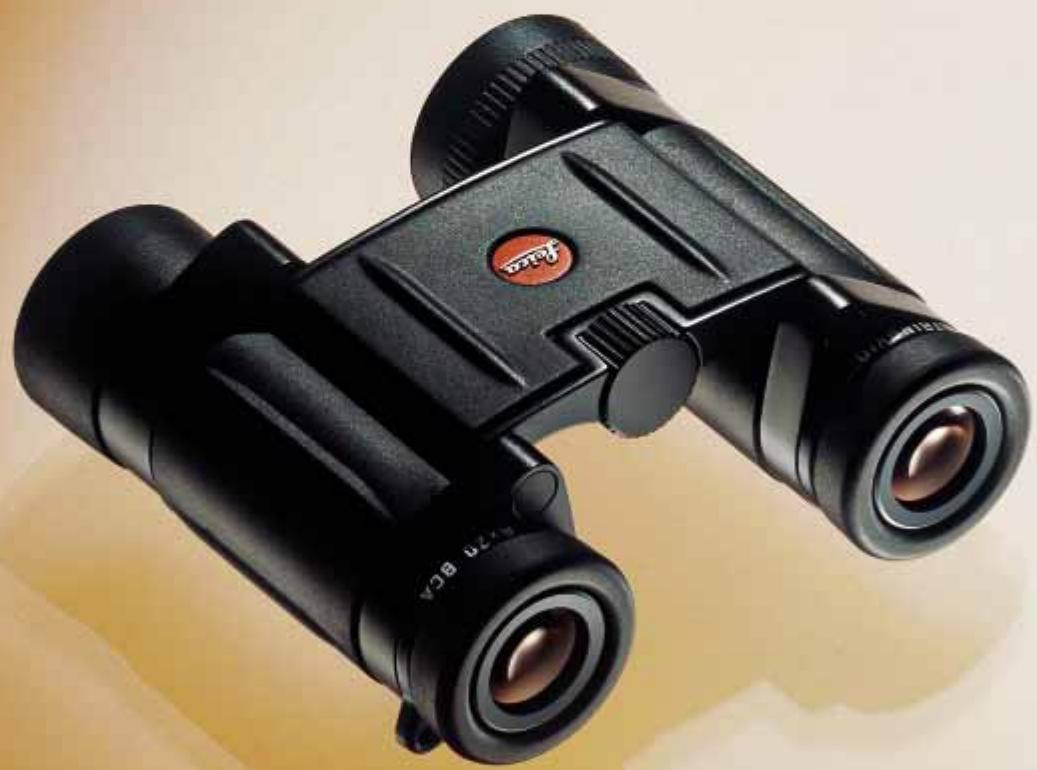
LEICA TRINOVID 8 × 20 BCA

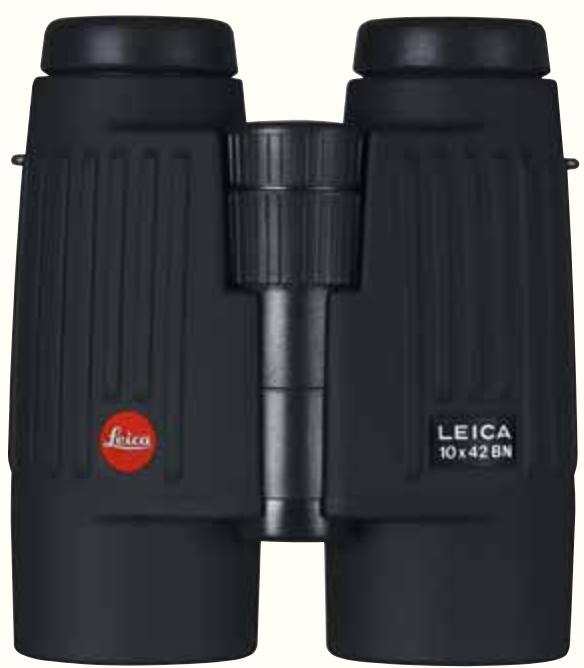
LEICA TRINOVID 10 x 42 BN
LEICA TRINOVID BN 42 mm – proven multi-talents You are looking for a binocular whose applications are as multifaceted as nature? The 42 mm models are the universal binoculars with excellent light-gathering capabilities and compact dimensions – ideal for stalking in the mountains.
LEICA TRINOVID 8x42 BN
This multi-purpose binocular with a 130m (389 ft) field of view offers a high level of performance both during the day and during twilight. The 8 x magnification provides a level of steadiness ideally suited for any situation.
LEICA TRINOVID 10 x 42 BN
With its high contrast and 10× magnification, this powerful 42 mm binocular is ideally suited for viewing over great distances. It also has a very good close focus of 2.9 m (9.7 ft).
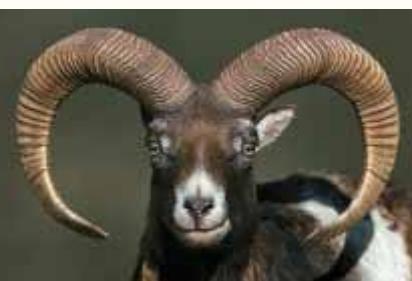
"The Trinovid 42 has many friends in Italy. Due to its compact size it is really suited for hunting in the mountains. Plus, our customers appreciate the typical Leica quality optics and the outstanding price-performance-ration." (Luciano Berti, hunter, Bignami SPA, Italy)
Whether hunting in the mountains or in Africa the models of the 42mm TRINOVID BN series are true multi-talents. Their great resolution coupled with the rugged construction will thrill all who want to get closer to nature.
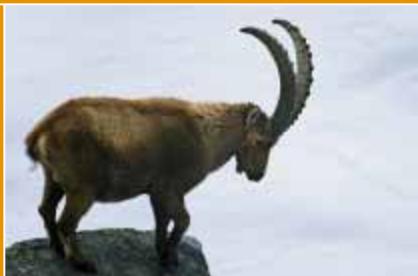
LEICA TRINOVID BN 32 mm – the constant companions Compact size and excellent image quality make the 32 mm the ideal companion for any type of hunting. The light way to get closer to your game!
LEICA TRINOVID 8 x 32 BN
The ideal all-round binocular with 8 × magnification and a field of view of 135 ~m (404 ft). A powerful lightweight binocular for all those spending time in the outdoors.
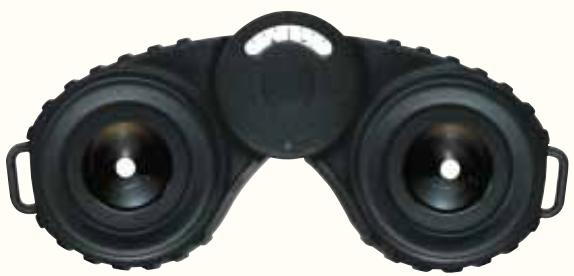
LEICA TRINOVID 10 x 32 BN
This compact, wide-angle binocular with a high magnification not only allows for high-quality viewing over great distances, but also has a close focus of 2.1m (6.9 ft).
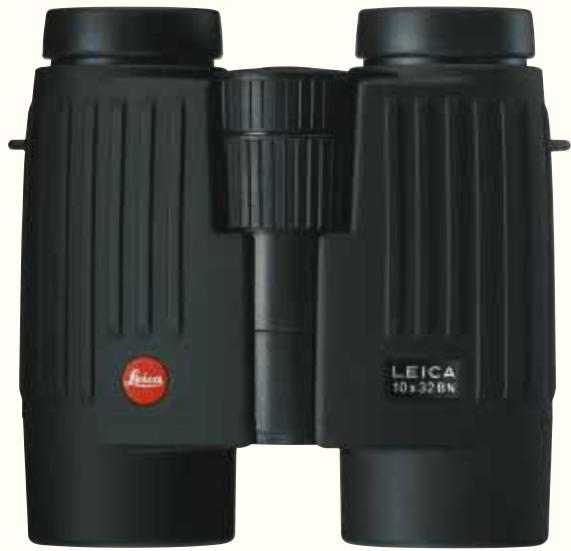
No matter what the hunting situation, the 32 mm binoculars of the Trinovid BN class get you closer to the action. One can do all that without burdening oneself, because a heavier and larger binocular is not needed for daylight observation.

LEICA TRINOVID BCA 25 mm and 20 mm – distinguished compact It's easy to recognize high-grade binoculars. For example, because they can be folded into a very convenient small size, and also because the independent German “Warentest” Foundation has judged them to be “Very Good”.
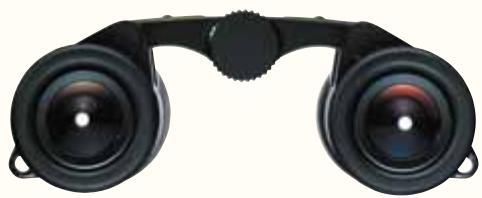
LEICA TRINOVID 10× 25 BCA
A compact binocular weighing only 255g (9.0 oz) that renders sharp, contrasty images. Great detail recognition over long distances, thanks to its high magnification.
LEICA TRINOVID 8 x 20 BCA
A versatile binocular with a field of view of 110m (331 ft) and a close focus of 3m (9.8 ft). A steady image due to the 8× magnification. When folded, it is just 9× 6cm (3%)× 2% in small.
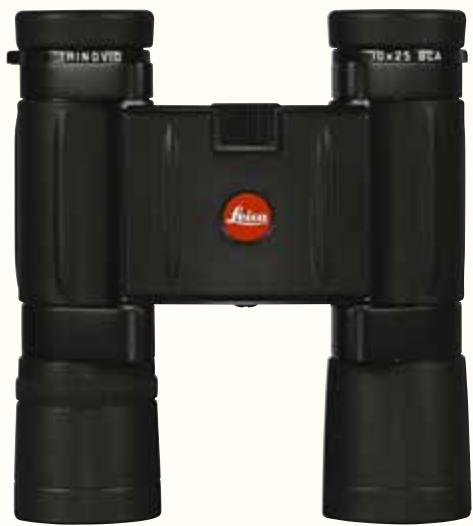

"... best 10 × 25 of its class with greatest ease of handling." (Stiftung Warentest)
"One of the very best in test, especially durable ..." (Stiftung Warentest)
" Impossible to improve - the Leica dominates the competitors in almost all categories ..." (Outdoor-Magazin.com winner : Trinovid 8 x 20 BCA)
The Trinovid class : Proven technology for the ambitious viewer
Key features at a glance
Proven
Legendary binoculars with excellent optical and mechanical performance.
Bright
Innovative multi-layer lens coating with Leica HDC™. A four-lens objective with an achromat, guarantees an image rich in contrast with great color rendition.
Easy to use
Multifunction center drive : comfortable, smooth focusing and easy diopter setting. The diopter setting on the 25 mm and 20 mm models is easily done on the right objective.
Robust
Strong aluminum die-cast housing and a soft-touch armoring protects the binocular and ensures a slip-proof handling, even when wearing gloves or wet. Functions perfectly under all environmental conditions from -25^ to +55^ (-13°F to +113°F), waterproof to 5 m (16.4 ft), nitrogenfilled (BN models), impact resistant.
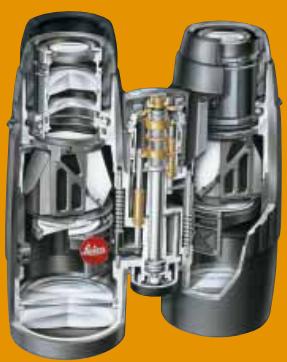
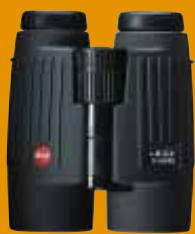
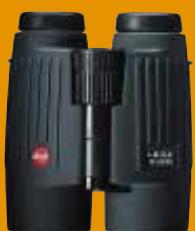
LEICA TRINOVID BN 42 mm - proven multi-talents.
In black rubber armoring :
8x42 BN Order No. 40017
10× 42 BN Order No.40019
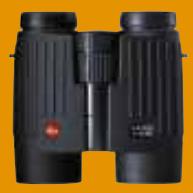
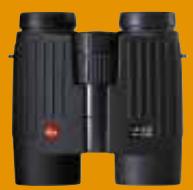
LEICA TRINOVID BN 32 mm – the constant companions. In black rubber armoring : 8 x 32 BN Order No. 40 016 / 10 x 32 BN Order No. 40 015
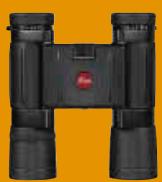
LEICA TRINOVID BCA 25 mm - perfectly compact. In black rubber armoring : 10 x 25 BCA Order No. 40 343
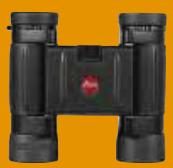
LEICA TRINOVID BCA 20 mm - the powerful little ones. In black rubber armoring : 8 x 20 BCA Order No. 40 342
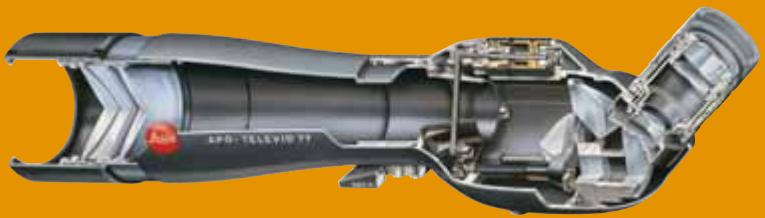
The Televid class : High-performance spotting scopes for professionals Truly experiencing nature allows one to better understand it. The high-performance spotting scopes from Leica guarantee such an intense experience. The legendary 77 mm models, with their large objective lens, offer a bright image, rich in contrast, even under poor light conditions. The line has expanded to include the smaller, lighter 62 mm models. Available in six models, the 62 mm is easy to transport and handle, weighing about 1,000 g (34 oz) with a length of 300 mm (under 12 in). Their image quality sets new standards in this compact class. The APO versions heighten the viewing experience by utilizing glass containing fluorite. This feature results in a color-fringe-free image that more than satisfies the highest expectations. Both the 77 mm and 62 mm models feature the patented dual-focusing device and an ergonomic, waterproof construction. Due to a uniform bayonet mount, the wide array of wide-angled and variable eyepieces can be used on any Televid model. They are designed to offer the ideal magnification to brightness-relation for each model.
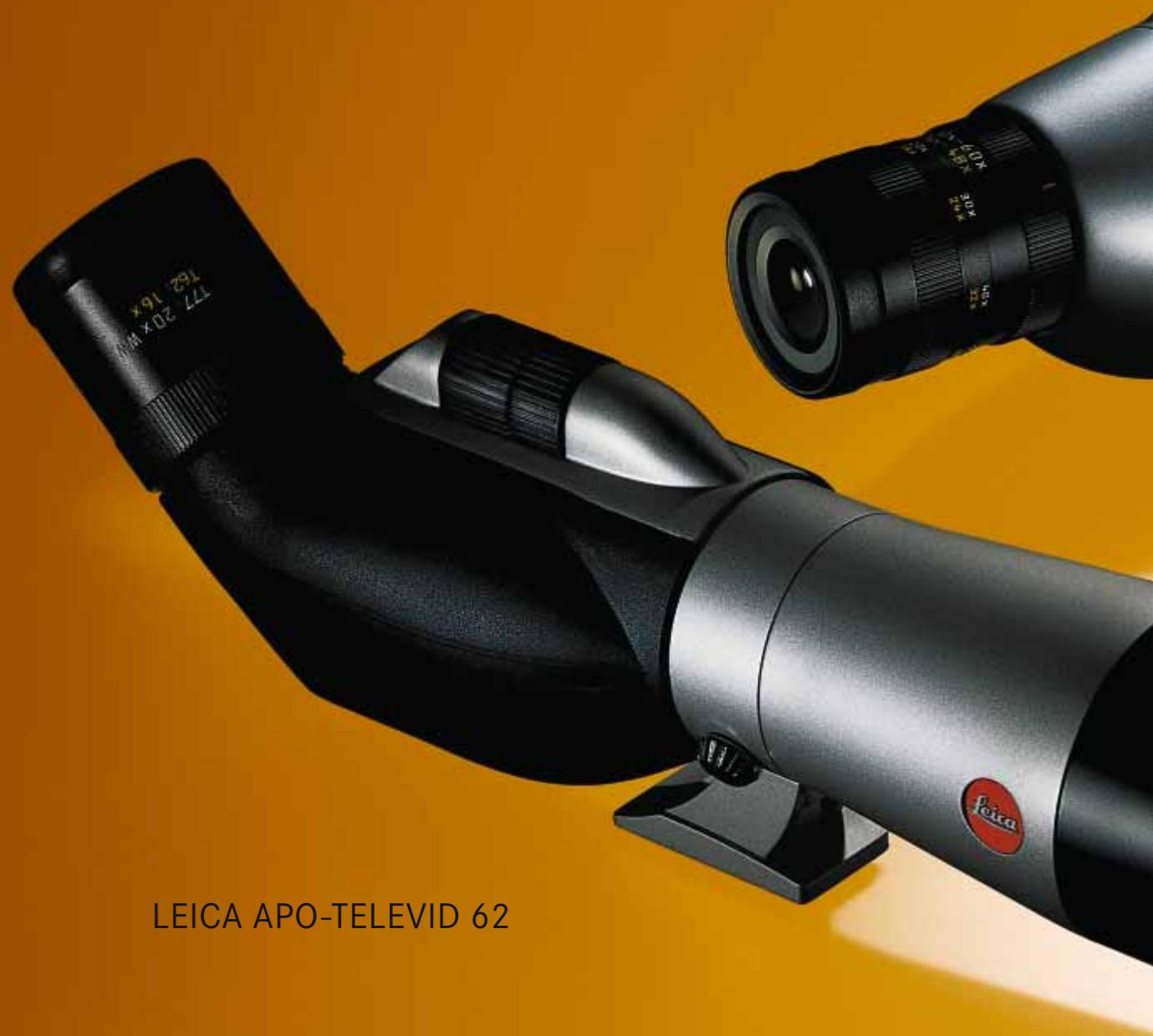
LEICA APO-TELEVID 62
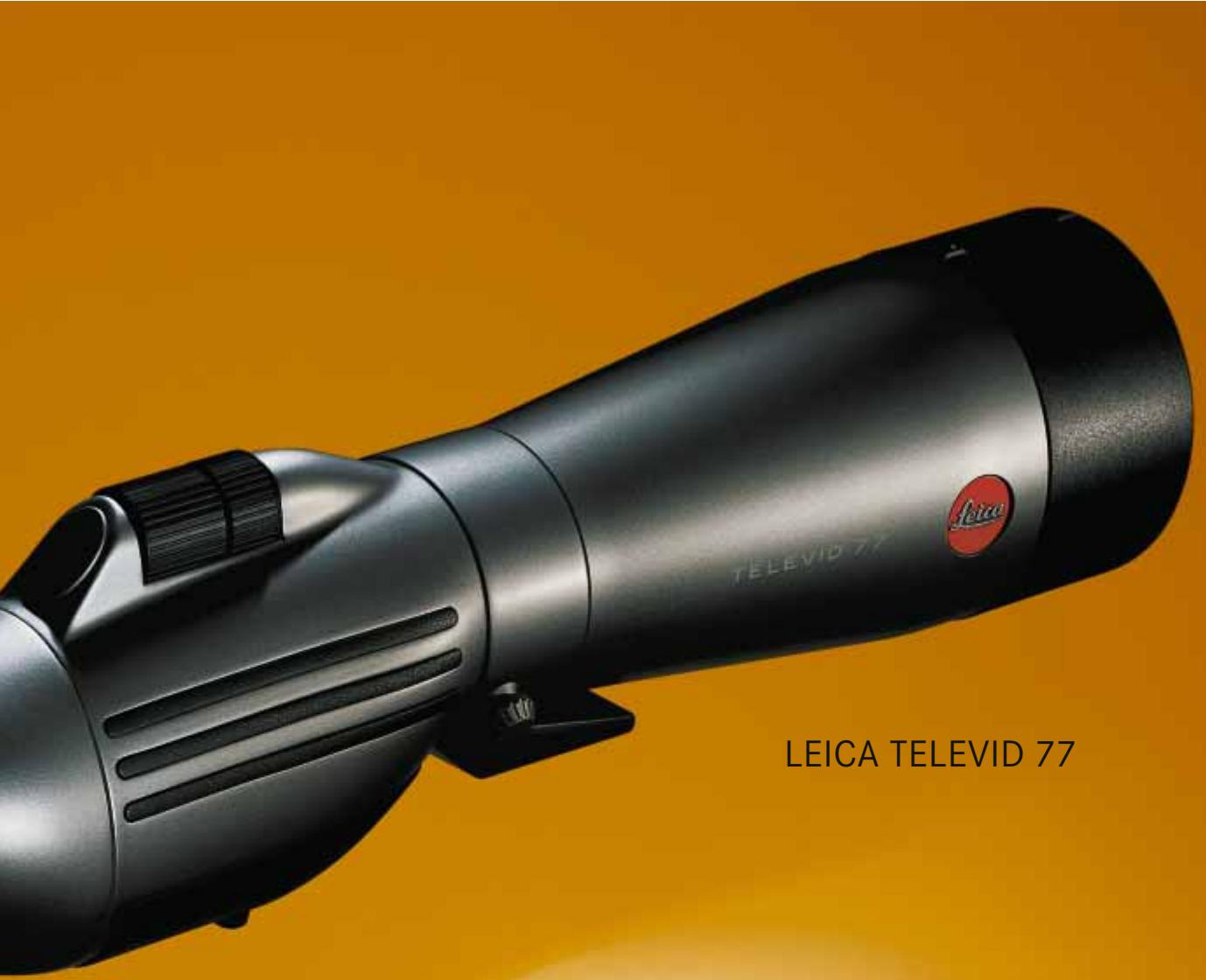
LEICA TELEVID 77
LEICA TELEVID 77 mm – powerful spotting scopes for any light condition
Whether it is the straight or the angled version, the LEICA TELEVID 77 guarantees a high-power viewing experience with the highest degree of image quality, from dawn till dusk.
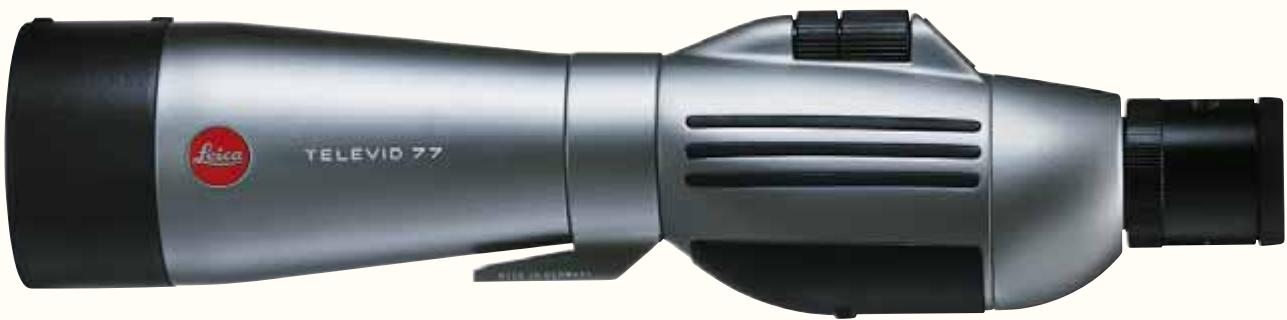
LEICA TELEVID 77
A spotting scope with excellent color rendition, rich in contrast and displays a bright image. A close focus of 3.9m (13 ft) ensures a fantastic viewing experience also at a close distance. Five precision eyepieces with a large variety of magnifications are available.
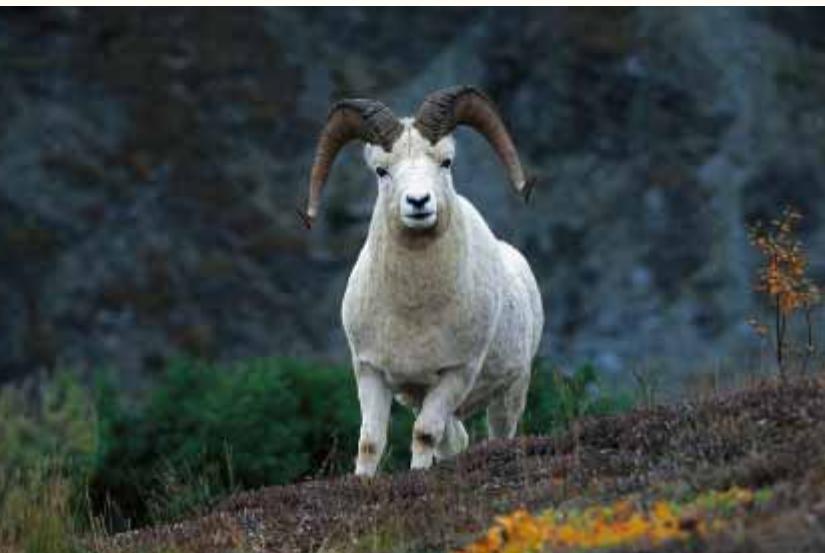
Especially during poor light conditions and over great distances the LEICA TELEVID 77 allows the hunter to view even the smallest, most crucial details.
LEICA APO-TELEVID 77 mm - true color rendition Those searching for a premium-performance spotting scope for ambitious oberservation have found it in the LEICA APO-TELEVID 77. Even the most minute details are displayed naturally and with the highest resolution.
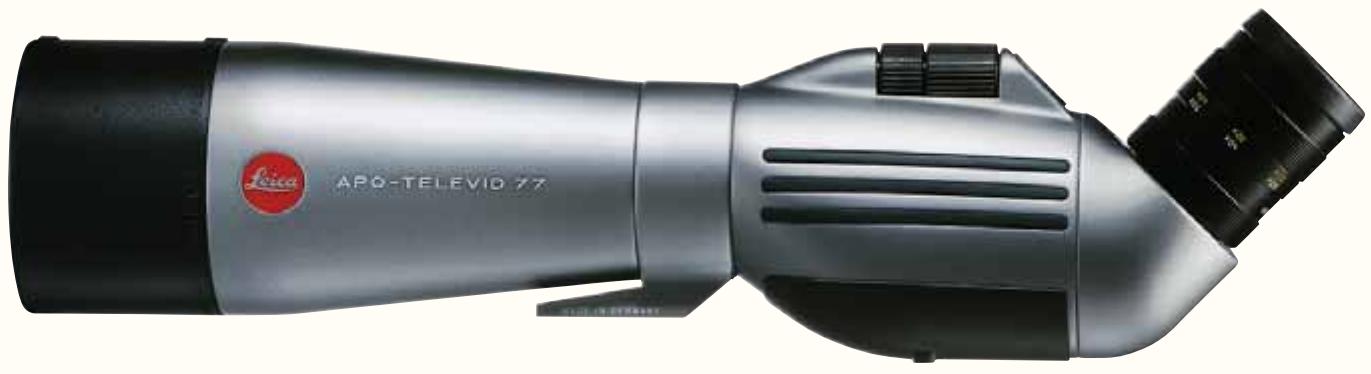
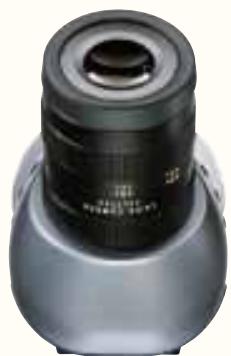
LEICA APO-TELEVID 77
Premium-performance spotting scope for professionals. The glass containing fluorite delivers a color-fringe-free image with unmatched sharpness. Close focus of 3.9m (13 ft). The five precision eyepieces, offering many different magnifications, allow for a wide array of applications.
"Sometimes the magnification of a binocular is insufficient when viewing over great distances. For me to be sure over 200 meters I need an uncompromising high-performance spotting scope, such as the Leica APO-Televid 77 with the Vario-Ocular." (Frank Heiml, German National Champion with the "Dienstgewehr 2," Germany)
The LEICA APO-TELEVID 77 is made for experiencing nature in its purest form. Those who wish to capture these images via a photo- or digital adapter can do so.
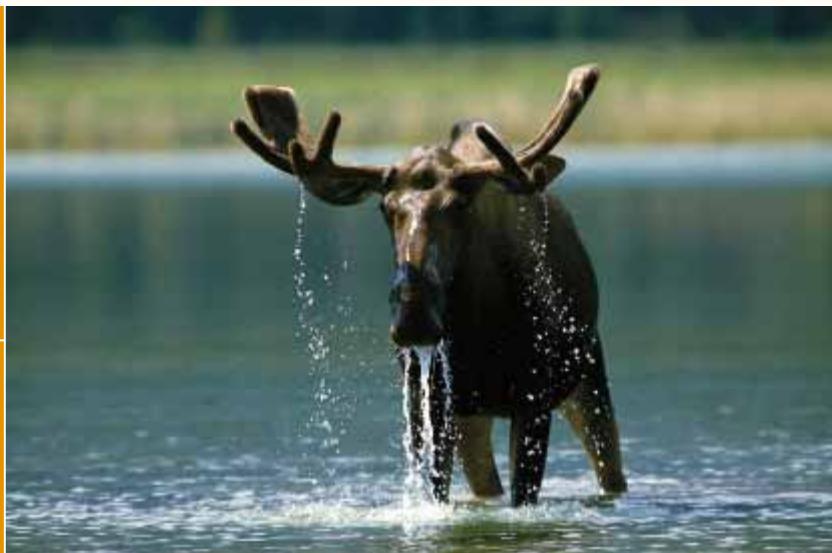
LEICA TELEVID 62 mm - lightweight spotting scopes for any light conditions The compact, lightweight, high-performance LEICA TELEVID 62 is ideal for those backcountry hunting trips.
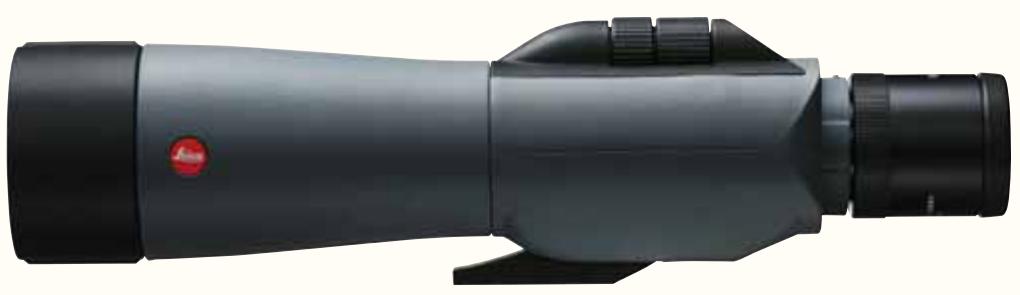
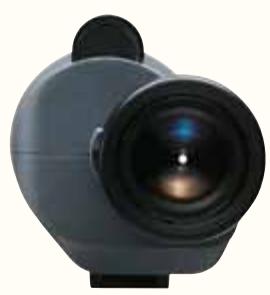
LEICA TELEVID 62
A compact, straight or angled spotting scope, which displays high quality images. Well balanced for maximum stability. The weight begins at 910g (32.1 oz) (depending on the model). Along with the partially rubber armored models, the straight version of the LEICA TELEVID 62 and LEICA APO-TELEVID 62 is also available in a rugged fully rubber armored model.
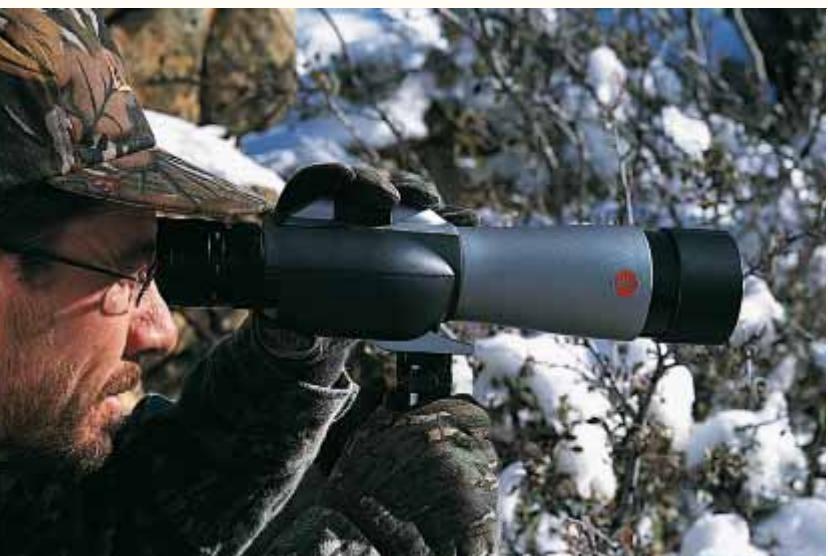
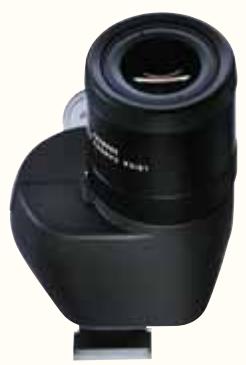
A good spotting scope only becomes a perfect observation tool when combined with the right eyepiece and accessories. Leica offers a wide selection of eyepieces, ideally suited for any application.
"The Televid 62 offers outstanding image sharpness at a reduced weight and a compact size. The waterproof, robust construction makes it the ideal companion for all those who travel in the outdoors." (Terry Moore, Hunter, USA)
LEICA APO-TELEVID 62 mm - true color rendition in a compact form
The APO version heightens the already unusually high image quality for a compact spotting scope. And with the large selection of standard, variable, and wide-angle eyepieces, the LEICA APO-TELEVID 62 can be used for a number of applications.
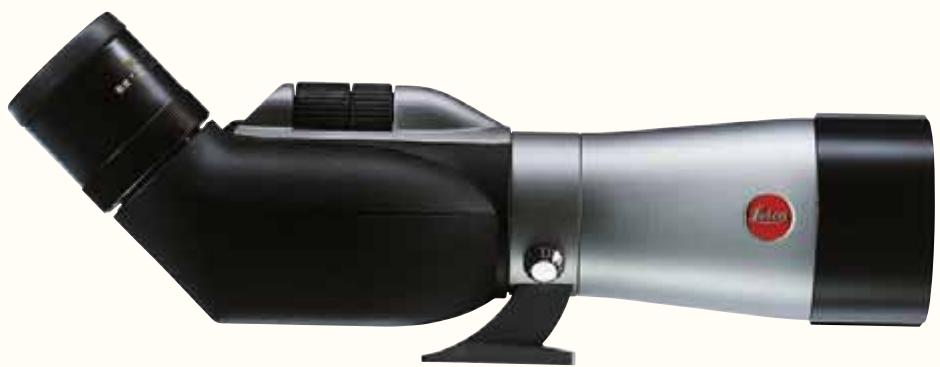
LEICA APO-TELEVID 62
A compact, premium-performance spotting scope with apochromatic color correction due to glass containing fluorite, produces a color-fringe-free image with unmatched sharpness. A highly durable housing that is enhanced with strategically placed rubber armoring.
"A spotting scope of the highest quality, which through the use of fluorite achieves the highest grade in image quality." (Thomas Iwan in: "Wild und Hund", Germany)
Top optical performance
Unique in the class of premium-performance spotting scopes. Natural color rendition that is rich in contrast, especially when viewing minute details under poor light conditions.
Easy to use
Patented dual focusing device for both fast and fine focusing.
Extendable objective cover to reduce glare.
Very flexible
The close focus of 3.5m (11.5 ft) (Televid 62) and 3.9m (13.0 ft) (Televid 77) respectively allow the user to focus on each object individually. A large selection of eyepieces for a variety of observation applications is available.
Robust
A strong aluminum die-cast housing protects the spotting scope.
The aluminum/carbon-fiber material of the Televid 62 guarantees both strength and minimal weight. Functions perfectly under all environmental conditions, from -25 °C to +55 °C (-13 °C to +131 °C), waterproof to a depth of 3 m (9.8 ft), nitrogen-filled.
LEICA TELEVID 77 - powerful spotting scopes for any light condition.
Straight view Order No. 40 103 / Angled view Order No. 40 101
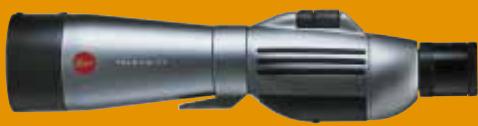
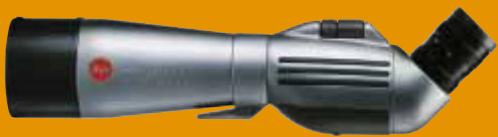
LEICA APO-TELEVID 77 - true color rendition.
Straight view Order No. 40 104 / Angled view Order No. 40 102
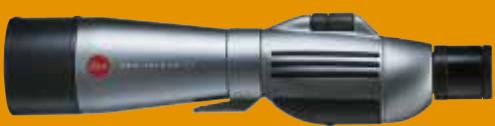
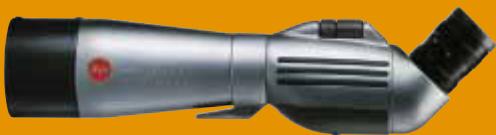
Four eyepieces are available for the 77mm and the 62mm spotting scopes. Due to the uniform bayonet mount, they are interchangeable between the spotting scopes. Since the focal length of the Televid 62 is 20% shorter than that of the Televid 77 the magnification is 20% less using the same eyepiece (e.g. a 20× WW eyepiece on the Televid 77 will be a 16× eyepiece on the Televid 62). This feature ensures the ideal magnification to brightness-relation for each spotting scope. The variable eyepiece gives you the largest selection of magnifications 20 - 60× /16 - 48× . The 20× WW / 16× WW,32× WW / 26× WW and 40× WW/ 32× WW eyepieces deliver the largest wide-angle field of view. All eyepieces are labeled with two different sets of numbers, ensuring that you always know what magnification you are using.

20xWW/16x
Order No. 41009
32 × WW / 26 × WW
Order No. 41011
40 × WW / 32 × WW
Order No. 41007
20-60x/16-48x
Order No. 41012
LEICA TELEVID 62 - lightweight spotting scopes for any light condition.
Straight view, partially armored Order No. 40 108 / Straight view, fully armored Order No. 40 113
Angled view Order No. 40 109
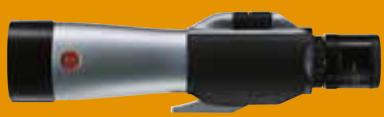
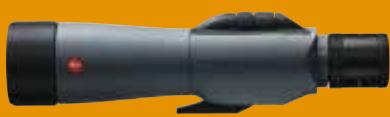
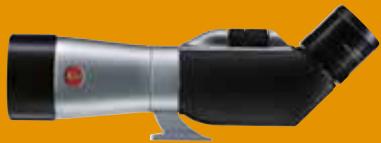
LEICA APO-TELEVID 62 - true color rendition in a compact form.
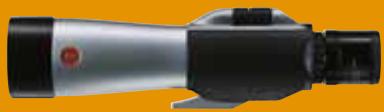
Straight view, partially armored Order No. 40 106 / Straight view, fully armored Order No. 40 114
Angled view Order No. 40 107

Leica Digiscoping Capture close-up views of the fascinating spectacles of nature in pictures. To do so, simply combine a Leica Televid spotting scope with a compact digital camera and you will have a photographic outfit with a super-telephoto lens! Digiscoping will greatly expand your ability to observe the grandeur of nature.
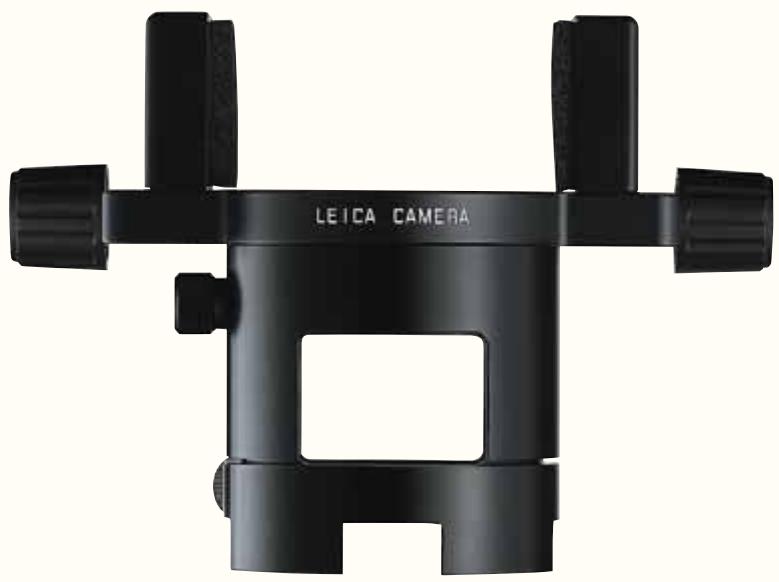
LEICA DIGITAL ADAPTER 2
This is an especially compact and lightweight adapter for attaching a variety of compact digital cameras, such as the LEICA D-LUX 2 and camera phones, to the eyepieces of Leica Televid spotting scopes. The change from observation to picture-taking can be made easily and quickly without altering the settings on the camera.
Vertical or horizontal format - the
choice is yours Simply loosen the fastening of the eyepiece at the Digital Adapter 2 and rotate the adapter/camera combination and then decide for yourself whether the next picture would look better in a vertical or a horizontal composition. The LEICA DIGITAL ADAPTER 2 provides you with great freedom for creative picture composition.
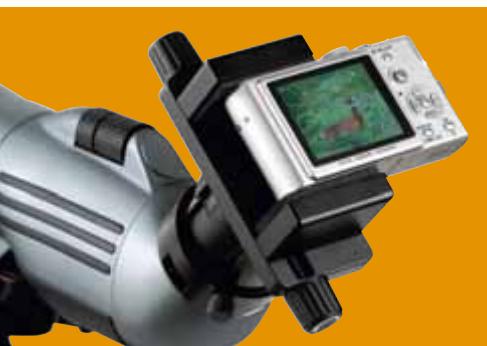
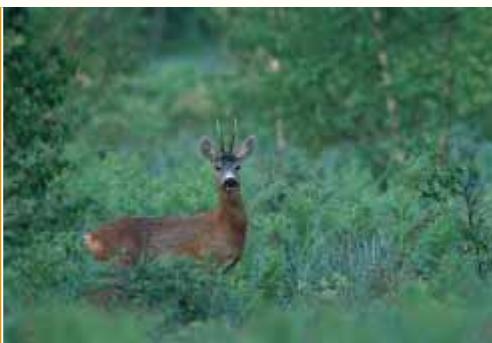
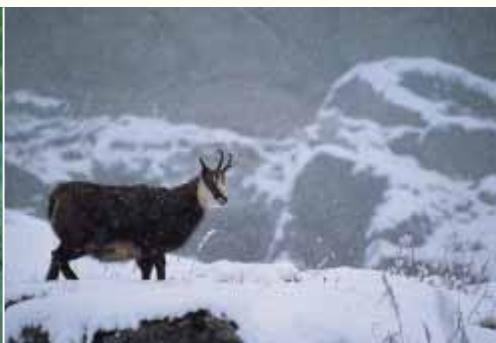
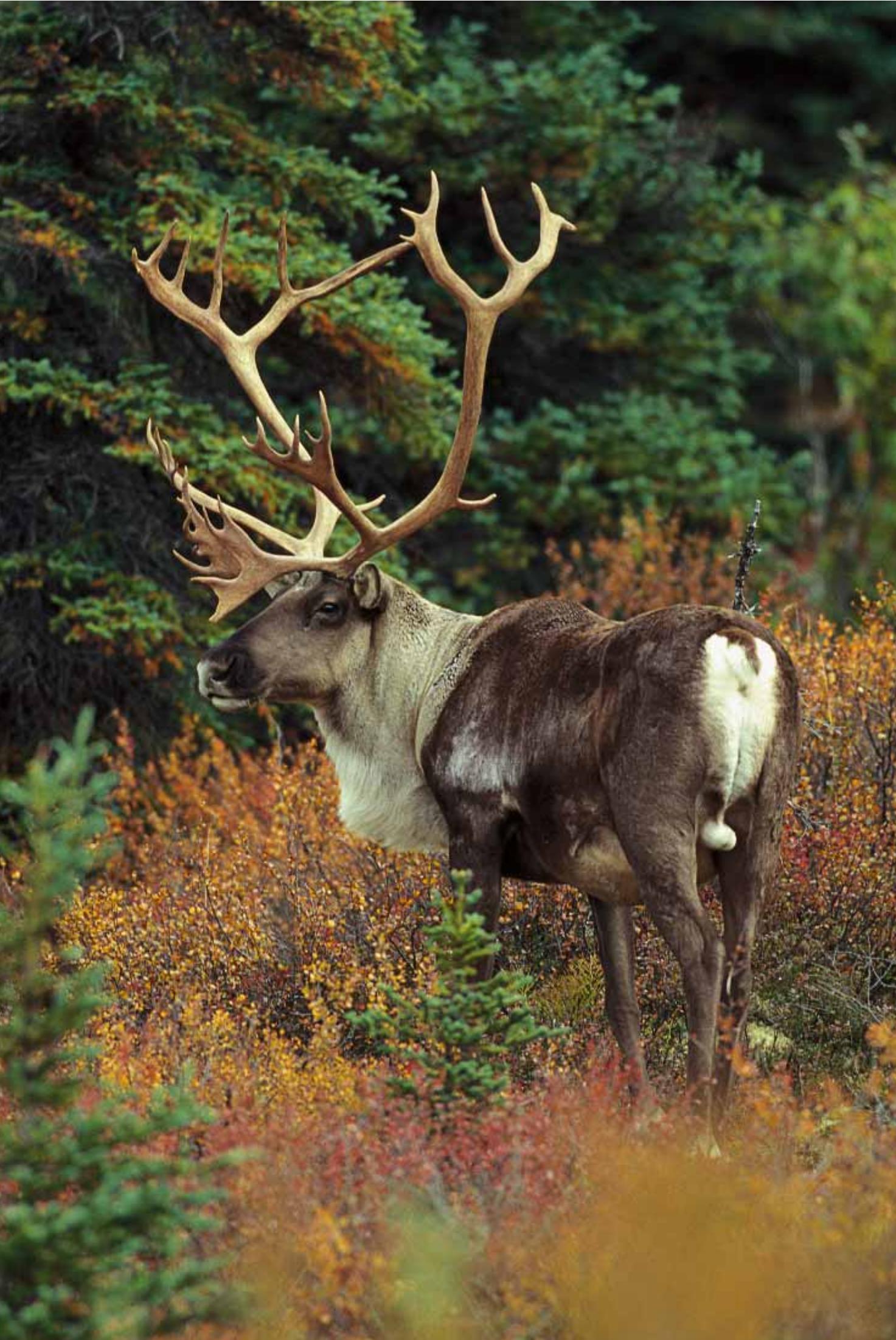
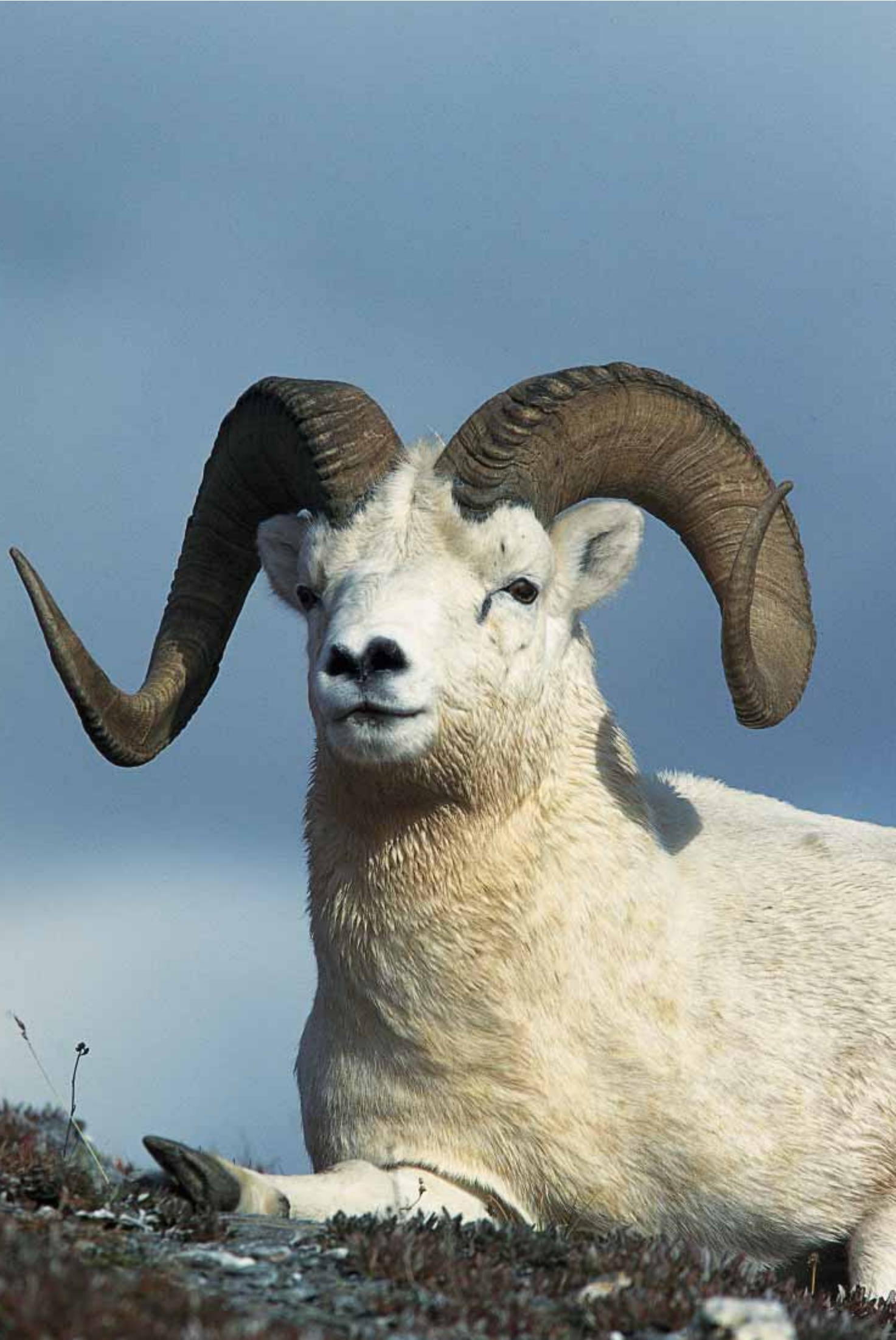
Leica Digiscoping - Using a digital camera to take pictures through the eyepiece of a Televid 62 or 77 spotting scope gives you the fantastic ability to take extreme close-up photographs of distant subjects in nature without disturbing them. The new LEICA DIGITAL ADAPTER 2 makes it possible to combine a spotting scope and a digital camera into a super-telephoto camera outfit with focal lengths of more than 2.000mm . Leica offers you everything you need from a single source for an optimal digiscoping experience, with all the components in perfect optical harmony. Because they contain fluorite lens elements, the high-performance LEICA APO-TELEVID 77 spotting scopes are especially well suited for perfect digiscoping photographs that are rich in details and free of color fringes. The LEICA D-LUX 2 digital camera with Mega O.I.S. (Optical Image Stabilization) makes sure that your dream picture is not spoiled by camera shake, even in poor light and when extreme focal lengths are being used.
The photographs can later be refined on a computer by means of an image manipulation program. This software is supplied along with the LEICA D-LUX 2 camera. You can file your best pictures on your computer, you can print them out for your album, you can have them printed on high-grade photographic paper, you can incorporate them in your website, or you can submit them to photographic magazines - Digiscoping makes all these applications possible ! The pictures shown here are intended to offer you an overview of the quality of the images that you can achieve so conveniently with Leica Digiscoping.
The Geovid class: Observing and rangefinding with perfection Genuine top-grade orientation tools would be an appropriate definition of LEICA GEOVID BRF binoculars. They are the very first high-performance binoculars with an integrated laser rangefinder that can measure distances of up to 1,200m / 1,300 yds. With a Geovid, you as a serious hunter know precisely how far away your game is in any hunting ground. And in spite of the built-in rangefinder, Geovid BRF binoculars are no larger than classic binoculars. Furthermore, with their robust construction and the handy rubber armoring, they are up to the toughest challenges of modern hunting. The new, extra-bright Geovid 15 × 56 BRF enables demanding hunters to observe subjects over great distances with unprecedented detail.
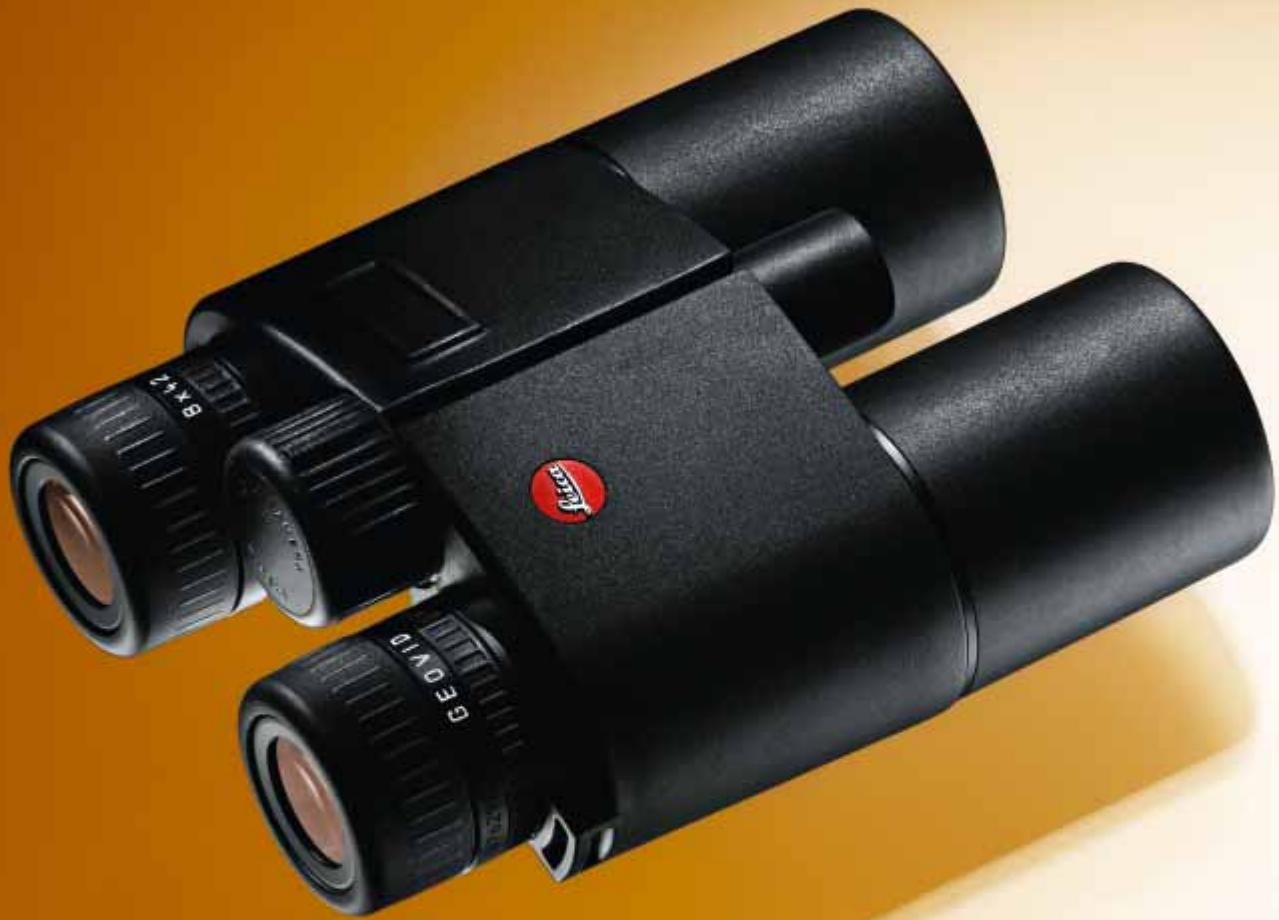
LEICA GEOVID 8 x 42 BRF
LEICA GEOVID 15 x 56 BRF
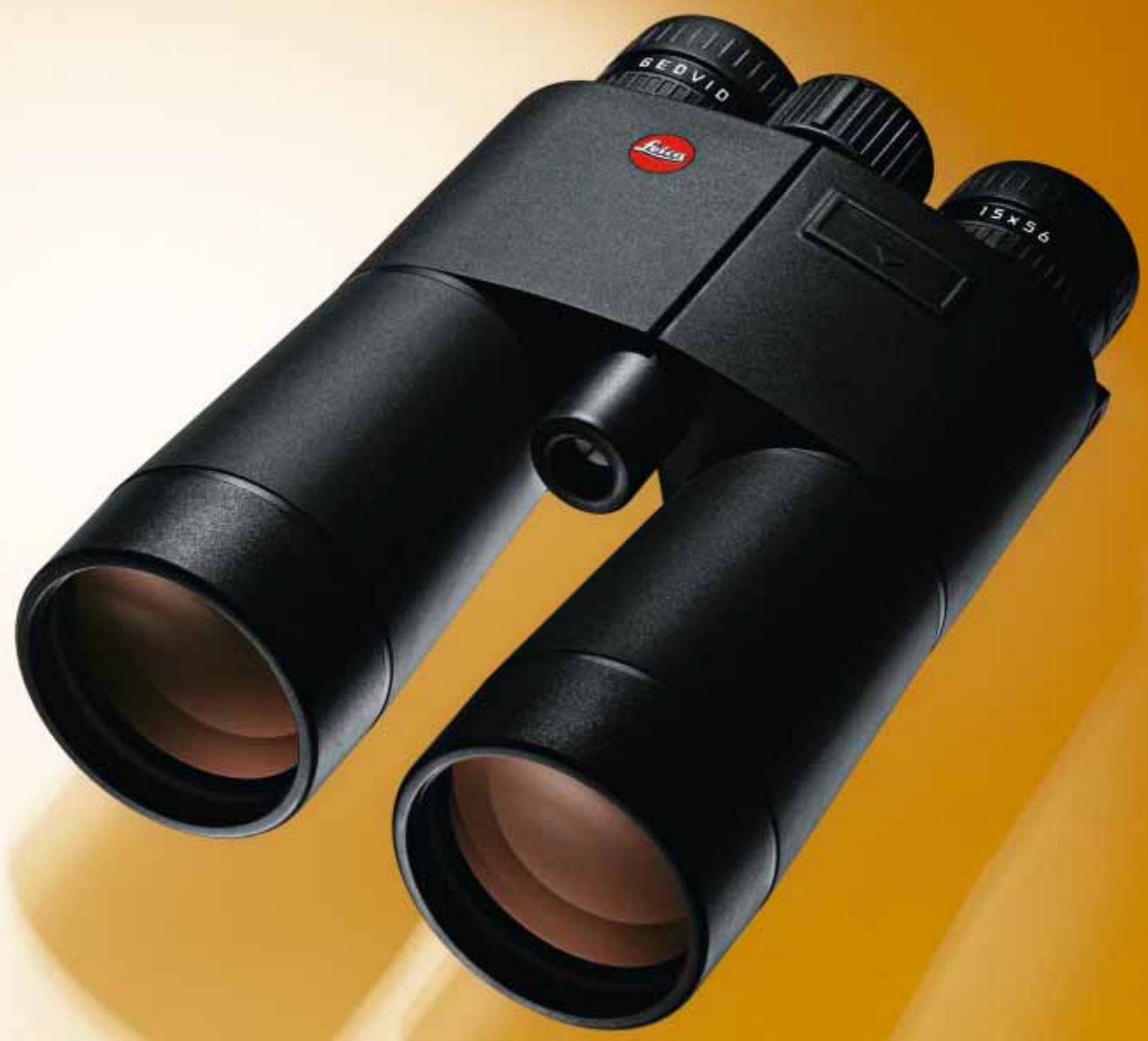
LEICA GEOVID BRF 56 mm - observing and rangefinding in poor light conditions Leica is the first optics specialist who succeeded in combining uncompromised high-performance optics with a laser rangefinder in an especially compact binocular with a front lens diameter of 56 mm.
LEICA GEOVID 8 x 56 BRF
High-performance binocular with a 7 mm exit pupil, great image steadiness because of the 8x magnification, extremely high light transmission because of Leica HDC™ multi-coating and the 56 mm front lens diameter, plus accurate rangefinding. Only 182 mm (3 in) tall and weighing a mere 1,100 g (38.8 oz).
LEICA GEOVID 15 x 56 BRF
A binocular tailored especially to the needs of long-range shooters, its 15 × magnification enables the hunter to discern even the most distant details. Optimal image steadiness is provided by the Leica tripod adapter that is available as an accessory.
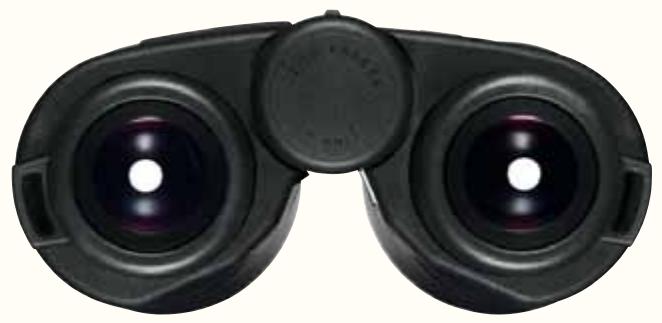

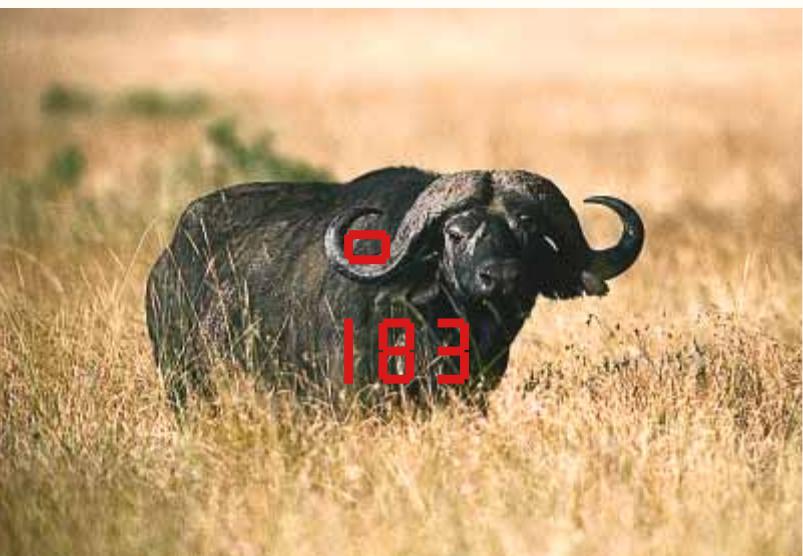
With the LEICA GEOVID 8 x 56 and 15 × 56 BRF, Leica has expanded the line of Geovid binoculars with two models that are compact and optimized for twilight and long distance observation. Images with extremely rich contrast and neutral color rendition and with sharpness to their very edges create a new dimension in observation and in the resolution of the finest details - especially under poor light conditions.
LEICA GEOVID BRF 42 mm - the compact orienteering specialists
The models with the 42mm front lens diameter not only combine the 'Observation' with the 'Rangefinding' functions to optical and electronic perfection – their handiness makes them eminently suitable for a great variety of applications.
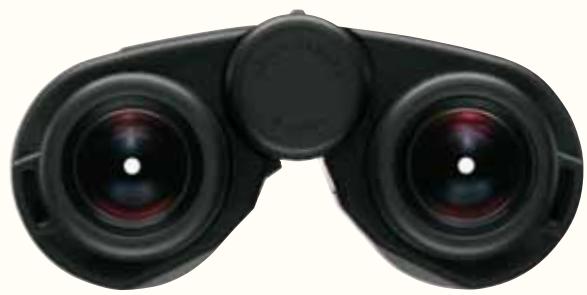
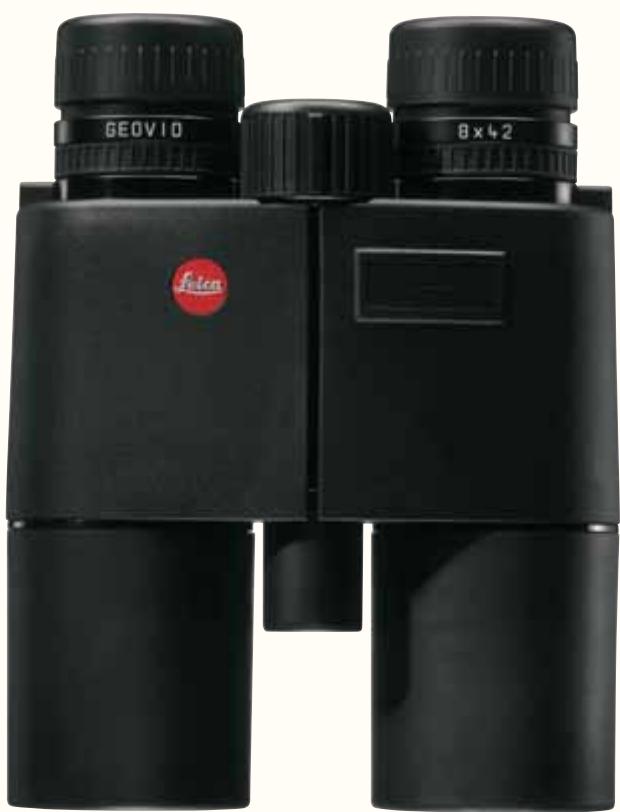
LEICA GEOVID 8 x 42 BRF
The 8 × magnification guarantees a steady image. The combination of a 125 ~m field of view and precision measurements make the 8 × 42 the compact all-round companion.
LEICA GEOVID 10× 42 BRF
The powerful Geovid is well suited for detail-oriented observations and precision measurements over great distances.
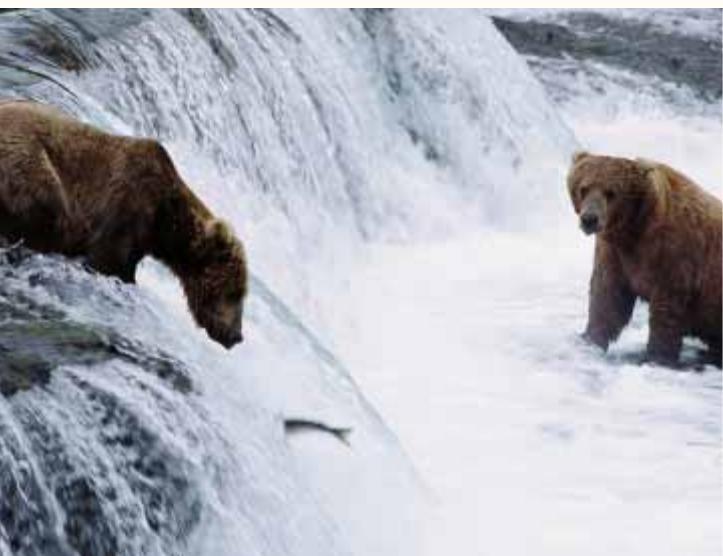
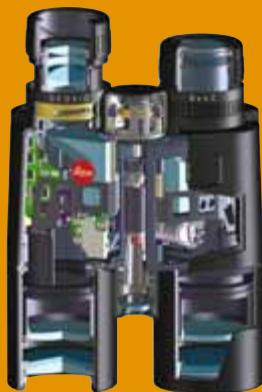
A LEICA GEOVID BRF will go with you through thick and thin. This robust product features an aluminum-die-cast housing and is nitrogen-filled. Due to the precision engineering of Leica, the LEICA GEOVID BRF will withstand even the most grueling environmental conditions and is waterproof to a depth of 5m . Thanks to the center hinge and ergonomic design the Geovid is a very compact and space saving product. The comfortable handling will ensure many years of enjoyment.
Premium-performance binocular with integrated laser rangefinder.
Saves time and weight versus using two separate products (binocular and rangefinder).
Compact
Integration of all electrical components into a classic binocular body with center hinge and center focusing device.
Robust
Strong aluminum die-cast housing and soft-touch rubber armoring protect the binocular from damage, while at the same time ensuring secure handling of the product, even when wearing gloves or wet. Functions perfectly under all environmental conditions, from -15^ to +55^ (-13^ to +131^) , waterproof to 5m (16.4 ft), nitrogen-filled, impact resistant.
Range
10 - 1,200 m (10 - 1,300 yds)

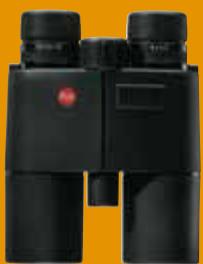
LEICA GEOVID BRF 56 mm - observing and rangefinding in poor light conditions.
In black rubber armoring :
15x56 BRF, Meter-Version Order No. 40 035 / Yard-Version Order No. 40 034
8 x 56 BRF Meter-Version Order No. 40 031 / Yard-Version Order No. 40 032
LEICA GEOVID BRF 42 mm - the compact orienteering specialists.
In black rubber armoring :
8 x 42 BRF, Meter-Version Order No. 40 026 /Yard-Version Order No. 40 028
10 x 42 BRF, Meter-Version Order No. 40 027 / Yard-Version Order No. 40 029
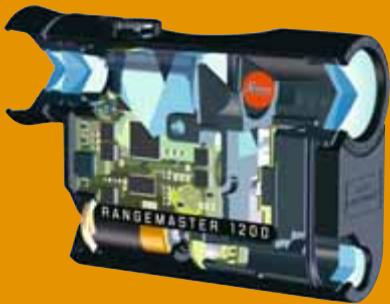
The Rangemaster class : Small instruments with great features The laser technology of Geovid binoculars is also employed in the monocular laser rangefinders of the Leica Rangemaster class, such as the LEICA RANGEMASTER 1200 scan and the new LEICA RANGEMASTER CRF 1200. Hunters who value a minimum of equipment but who do not want to make any sacrifices in performance are extremely well served with the Leica Rangemaster models. The neat CRF only weighs 220 grams (less than 8 oz), including the battery! Both Rangemaster models have a range of up to 1,100m / 1,200 yds and they also feature a scan mode that provides continuously updated distance readings by simply keeping the activation button depressed. That mode is particularly useful for observing moving game at great distances. In addition, the Rangemasters stand out in their class for their exceptionally bright optics, for their 7× magnification and for the integrated diopter compensation.
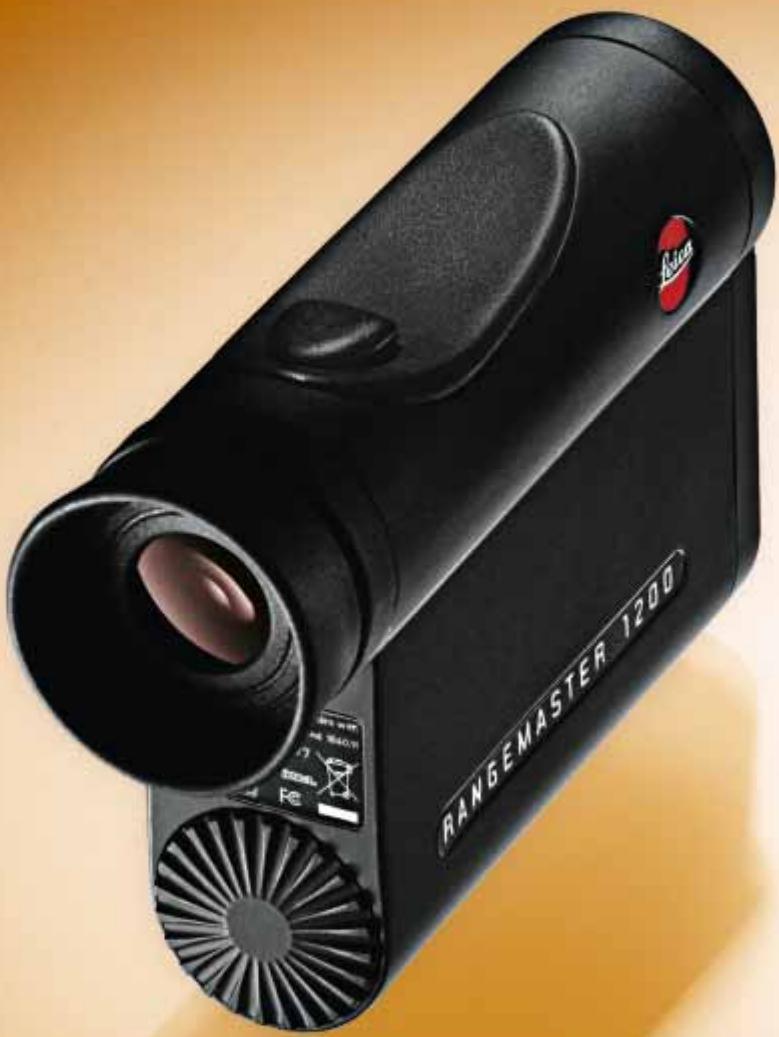
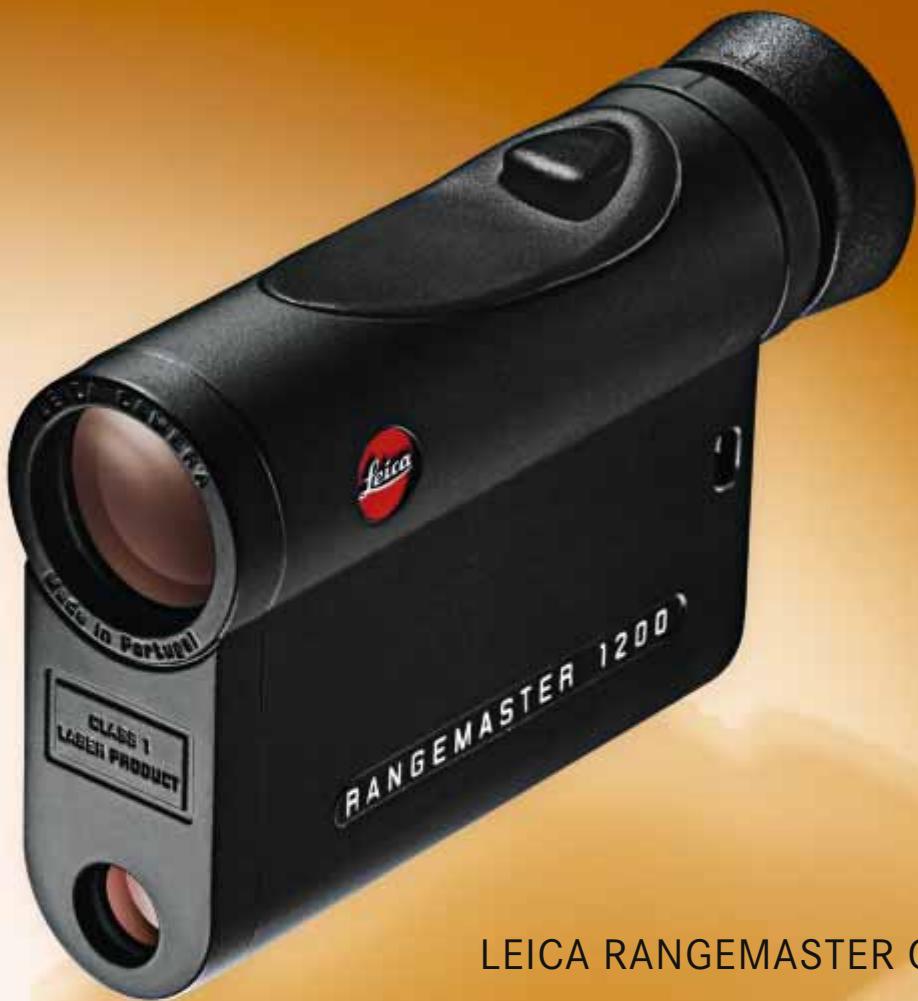
LEICA RANGEMASTER CRF 1200
LEICA RANGEMASTER CRF 1200 - minimum size, maximum performance For hunters who want a minimum of equipment and a maximum of performance, the elegant CRF is the ultimate solution. It establishes entirely new standards for the Rangemaster class - with their extraordinary compactness, lightweight and simultaneously enhanced optical and mechanical performance.
LEICA RANGEMASTER CRF 1200
Extremely small and lightweight, it disappears like a wallet in your coat pocket. Its weight of 220g (less than 8 oz) and its dimensions of 113× 75× 34mm (approx. 412× 214× 114 in) speak for themselves.
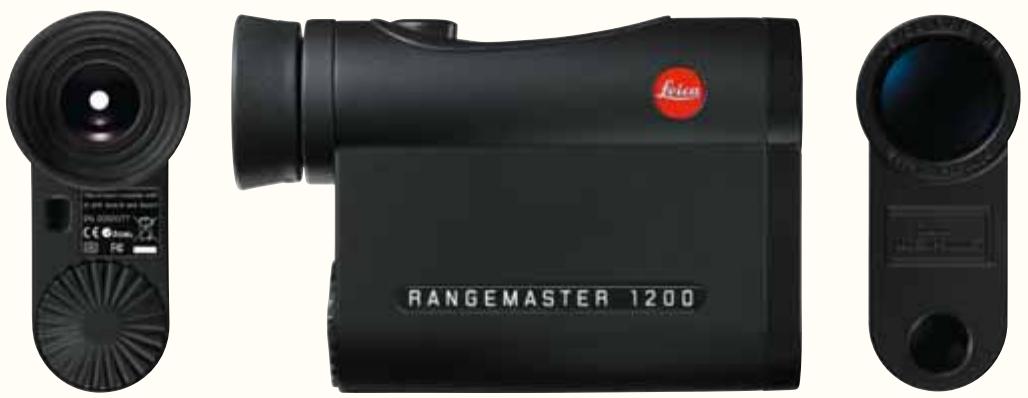
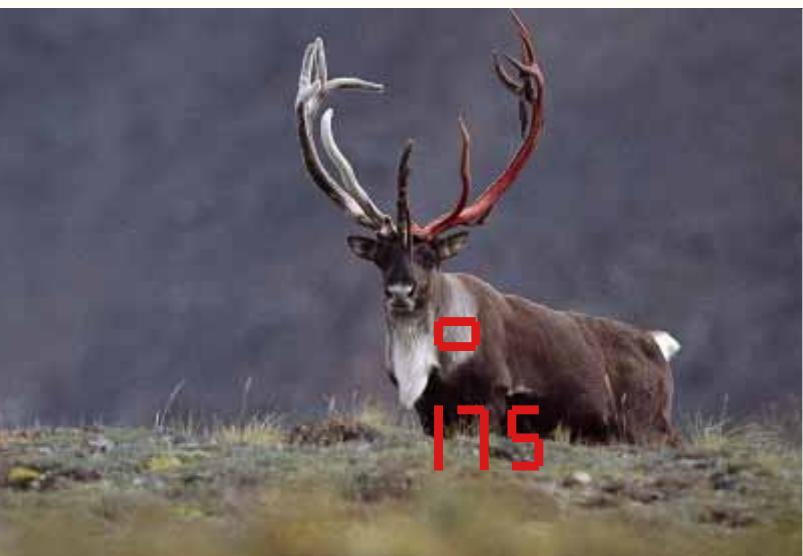
Especially bright optics, 7x magnification and a large field of view provide optimal orientation in the field. Its watertight housing gives the new CRF the best protection against the harshest weather conditions.
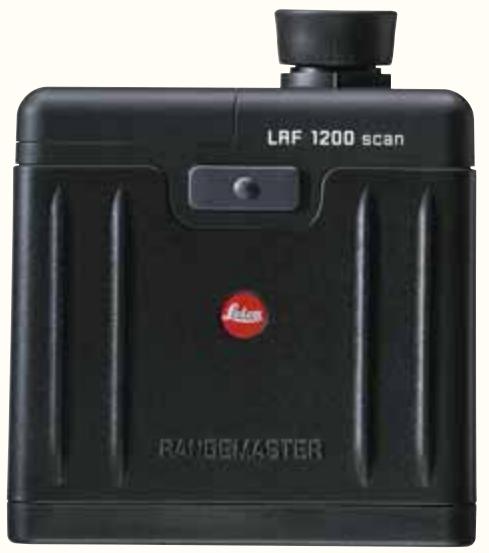
LEICA RANGEMASTER 1200 scan – the proven hunting companion By pressing the activating key, this laser rangefinder tells you exactly how far away you are from your target – in meters or in yards! The scan mode provides precise readings, even for difficult subjects.
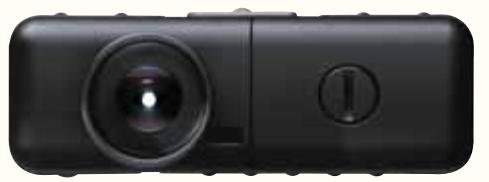
- LEICA RANGEMASTER 1200 scan in its high performance and a range of prox. 1,100m / 1,200 yds, this laser rangeer delivers accurate readings, even in or weather conditions. Its automatically compensating LED display provides the best visibility in daytime or at twilight.
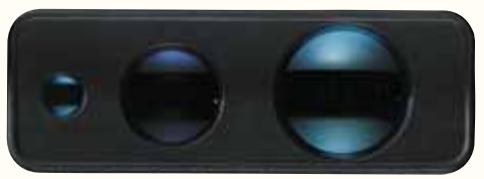
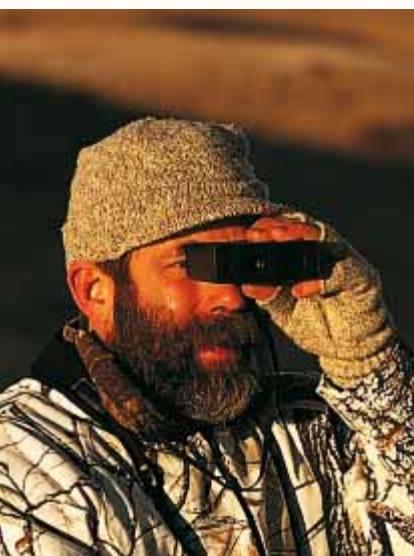
Uncompromising performance : The precision of the high-end laser technology based on the long experience of Leica in premium laser rangefinder. The extensive range of use up to approx. 1,100 m/ 1,200 yds offers a high flexibility, monocular or binocular. The handling is fast and simple. The built in scan mode enables the accurate ranging of smaller or moving targets.
Premium-performance monocular laser rangefinders
Lightweight and compact rangefinders for a variety of distances and applications.
Compact
The monocular companion that can find room anywhere.
Robust
Carbon-fiber-reinforced plastic housing and a special soft-touch laquering protect the CRF 1200 at minimal weight (LRF 1200 scan : rubber armoring). The new CRF 1200 is watertight to a depth of 1 ~m / yd (LRF 1200 scan : water-spray resistant).
Ranges
LEICA RANGEMASTER CRF 1200 : approx. 10-1,100 m (10-1,200 yds) / LEICA RANGEMASTER 1200 scan : approx. 15-1,100 m (16.4-1,200 yds)
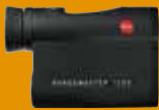
LEICA RANGEMASTER CRF 1200 - minimum size, maximum performance.
Meter-Version Order No. 40 527 / Yard-Version Order No. 40 523
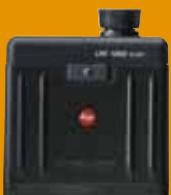
LEICA RANGEMASTER 1200 scan - the proven hunting companion.
Black Order No. 40 525
Binocular
LEICA DUOVID
10 + 15 × 50
LEICA DUOVID
8 + 12× 42
Order No. Product
Rubber armored, black 40420
40400
Delivery scope Neoprene carrying strap, contoured, eyepiece cover, Nappa leather case, Tripod adapter
Neoprene carrying strap, contoured, eyepiece cover, Nappa leather case
Magnification 10x/15x
8 × 12 ×
Front lens diameter 50 mm
42mm
Exit pupil 5.0 mm/3.3 mm
5.1 mm/3.5 mm
Twilight factor 22.4/27.4
18.33/22.5
Field of view at 1,000 m 92m / 70m
118 m/90 m
Field of view at 1,000 yds 274 ft /208 ft
351ft/268ft
Eye-relief 14.5 mm
14.5 mm
Objective angle of view 5.3^ / 4.0^
6.7^ / 5.1^
Close focusing distance approx. 3.7m / 12.9 ft
approx. 3.5m / 11.1ft
Diopter compensation ± 3 diopters
±3 diopters
Automatic diopter
mpensation ADC™ yes yes
Eyepieces for eyeglass
yes yes
wearers yes yes
Adjustable interpupillary
distance 59-74 mm 55-74
Sliding Eyecups yes, removable,
yes, removable,
with two click stops with two click stops
Focusing Internal focusing via central
Internal focusing via central
focusing device
focusing device
No. of lens elements
(each side) 11, all with HDCTM coating
11, all with HDC™ coating
Prism system Roof prism with phase correcting coating P40 and HighLux-System HLSTM
Roof prism with phase correcting coating P40 and HighLux-System H
Watertightness Watertight to a depth of 5m / 16.5ft
Watertight to a depth of 5m / 16.5ft
Housing Die-cast aluminum, nitrogen-filled
Die-cast aluminum, nitrogen-filled
Dimensions (W× H× D) 125× 192× 78mm
123 × 156 × 68 ~mm
4% × 7% × 3% in
434 × 6316 × 258 in
Weight approx.1,270 g/44 oz
approx.1,045 g / 37 oz
Order No. Accessories
Neoprene carrying strap, contoured included
included
Floating carrying strap, orange 42163
Tripod adapter included 42 220
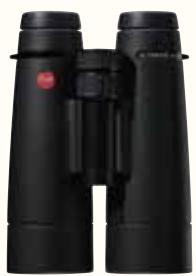
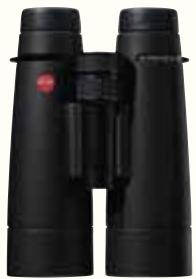
| Binocular | LEICA ULTRAVID 12 x 50 BR | LEICA ULTRAVID 10 x 50 BR | LEICA ULTRAVID 8 x 50 BR |
| Order No. Product | |||
| Leather design, black | - | - | - |
| Rubber armored, black | 40 277 | 40 276 | 40 275 |
| Rubber armored, green | 40 282 | 40 281 | 40 280 |
| Delivery scope | Neoprene carrying strap, contoured, eyepiece cover, protective front lens cover, Cordura case | Neoprene carrying strap, contoured, eyepiece cover, protective front lens cover, Cordura case | Neoprene carrying strap, contoured, eyepiece cover, protective front lens cover, Cordura case |
| Magnification | 12 x | 10 x | 8 x |
| Front lens diameter | 50 mm | 50 mm | 50 mm |
| Exit pupil | 4.2 mm | 5 mm | 6.2 mm |
| Twilight factor | 24.5 | 22.4 | 20 |
| Field of view at 1,000 m | 100 m | 117 m | 117 m |
| Field of view at 1,000 yds | 299 ft | 352 ft | 352 ft |
| Eye-relief | 13.0 mm | 15 mm | 17 mm |
| Objective angle of view | 5.7° | 6.7° | 6.7° |
| Close focusing distance | approx. 3.2 m / 10.5 ft | approx. 3.3 m / 10.8 ft | approx. 3.5 m / 11.5 ft |
| Diopter compensation | ± 4 diopters | ± 4 diopters | ± 4 diopters |
| Automatic diopter compensation ADC™ | yes | yes | yes |
| Eyepieces for eyeglass wearers | yes, removable, with two click stops | yes, removable, with two click stops | yes, removable, with two click stops |
| Adjustable interpupillary distance | 58-75 mm | 58-74 mm | 58-74 mm |
| Focusing | Internal focusing via central focusing device | Internal focusing via central focusing device | Internal focusing via central focusing device |
| No. of lens elements (each side) | 11, all with HDC™ coating | 9, all with HDC™ coating | 8, all with HDC™ coating |
| Prism system | Roof prism with phase correcting coating P 40 and HighLux-System HLSTM | Roof prism with phase correcting coating P 40 and HighLux-System HLSTM | Roof prism with phase correcting coating P 40 and HighLux-System HLSTM |
| Watertightness | Watertight to a depth of 5 m/16.5 ft | Watertight to a depth of 5 m/16.5 ft | Watertight to a depth of 5 m/16.5 ft |
| Housing | Die-cast magnesium, nitrogen-filled | Die-cast magnesium, nitrogen-filled | Die-cast magnesium, nitrogen-filled |
| Dimensions (W x H x D) | 120 x 182 x 78 mm 43⁄4 x 71⁄8 x 23⁄4 in | 125 x 178 x 70 mm 43⁄4 x 7 x 23⁄4 in | 120 x 182 x 68 mm 43⁄4 x 71⁄8 x 23⁄4 in |
| Weight | approx. 1,040 g / 36.7 oz | approx. 1,000 g / 35.3 oz | approx. 1,000 g / 35.3 oz |
| Order No. Accessories | |||
| Neoprene carrying strap, contoured | included | included | included |
| Floating carrying strap, orange | 42 163 | 42 163 | 42 163 |
| Tripod adapter | 42 220 | 42 220 | 42 220 |
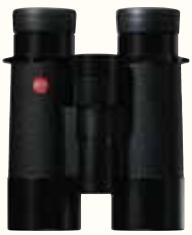
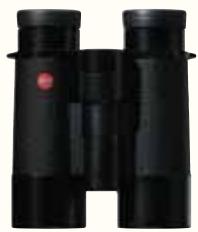
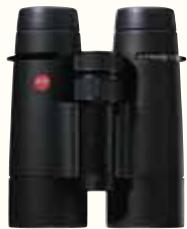
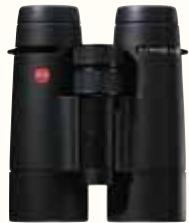
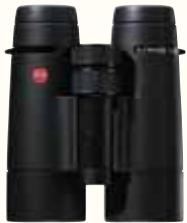
LEICA ULTRAVID 10x42BR/BL
LEICA ULTRAVID 8x42BR/BL
LEICA ULTRAVID 7x42BR
40272
40262
40267
40271
40261
40266
-
BR: Neoprene carrying strap, contoured, eyepiece cover, protective front lens cover, Cordura case
BR: Neoprene carrying strap, contoured, eyepiece cover, protective front lens cover, Cordura case
40260
40265
BL: Leather carrying strap, contoured, eyepiece cover, deep-drawn leather case
BL: Leather carrying strap, contoured, eyepiece cover, deep-drawn leather case
Neoprene carrying strap, contoured, eyepiece cover, protective front lens cover, Cordura case
10x
8x
7x
42 mm
42mm
42 mm
4.2 mm
5.2mm
6mm
20.5
18.3
17.1
112m
130 ~m
14
336ft
389 ft
420ft
16 mm
15.5 mm
17.0 mm
6.4^
7.4°
8.0^
approx. 2.9m / 9.5ft
approx. 3m / 9.8 ft
approx. 3.3m / 10.8 ft
±4 diopters
±4 diopters
±4 diopters
yes
yes
yes
yes, removable, with two click stops
yes, removable, with two click stops
yes, removable, with two click stops
55-75mm
55-75mm
55-75mm
Internal focusing via central focusing device
Internal focusing via central focusing device
Internal focusing via central focusing device
9, all with HDC™ coating
9, all with HDC™ coating
8, all with HDC™ coating
Roof prism with phase correcting coating P 40 and HighLux-System HLSTM
Roof prism with phase correcting coating P40 and HighLux-System HLSTM
Roof prism with phase correcting coating P40 and HighLux-System HLSTM
Watertight to a depth of 5m / 16.5ft
Watertight to a depth of 5m / 16.5ft
Watertight to a depth of 5m / 16.5ft
Die-cast magnesium, nitrogen-filled
Die-cast magnesium, nitrogen-filled
Die-cast magnesium, nitrogen-filled
BR:120×147×68 mm 4¾×5¾×2¾ in
BR:121×142×67mm
120 × 141 × 68 ~mm
BL:120×146×62mm 4%×5%×2½ in
4 3/4 × 5 % × 2 5% in
4 3/4 x 5 5/8 x 2 5/8 in
BR:approx. 750g / 26.5oz
BL:121x141x63mm 4% × 5% × 2% in
approx. 770g / 27.2 oz
BL : approx. 695 g / 24.7 oz
BL:approx.710g/25oz
included (BR)
included (BR)
included
42163
42163
42163
42220
42220
42220
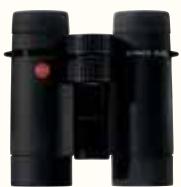
| Binocular | LEICA ULTRAVID 10 x 32 BR | LEICA ULTRAVID 8 x 32 BR | LEICA ULTRAVID 10 x 25 BR/BL | LEICA ULTRAVID 8 x 20 BR/BL |
| Order No. Product | ||||
| Leather design, black | - | - | 40 253 | 40 252 |
| Rubber armored, black | 40 259 | 40 258 | 40 257 | 40 256 |
| Armored, black | - | - | - | - |
| Delivery scope | Neoprene carrying strap, contoured, eyepiece cover, protective front lens cover, Cordura case | Neoprene carrying strap, contoured, eyepiece cover, protective front lens cover, Cordura case | BR : Woven carrying strap, eyepiece cover, Cordura case with belt loop BL : Woven carrying strap, eyepiece cover, deep-drawn leather case | BR : Woven carrying strap, eyepiece cover, Cordura case with belt loop BL : Woven carrying strap, eyepiece cover, deep-drawn leather case |
| Magnification | 10 x | 8 x | 10 x | 8 x |
| Front lens diameter | 32 mm | 32 mm | 25 mm | 20 mm |
| Exit pupil | 3.2 mm | 4 mm | 2.5 mm | 2.5 mm |
| Twilight factor | 17.9 | 16 | 15.8 | 12.7 |
| Field of view at 1,000 m | 118 m | 135 m | 90 m | 113 m |
| Field of view at 1,000 yds | 352 ft | 404 ft | 273 ft | 341 ft |
| Eye-relief | 13.2 mm | 13.3 mm | 15 mm | 16 mm |
| Objective angle of view | 6.7° | 7.7° | 5.2° | 6.5° |
| Close focusing distance | approx. 2 m / 6.6 ft | approx. 2.1 m / 6.9 ft | approx. 3.2 m / 10.5 ft | approx. 1.8 m / 7.2 ft |
| Diopter compensation | ± 4 diopters | ± 4 diopters | ± 3.5 diopters | ± 3.5 diopters |
| Automatic diopter compensation ADC™ | yes | yes | yes | yes |
| Eyepieces for eyeglass wearers | yes, removable, with two click stops | yes, removable, with two click stops | yes | yes |
| Adjustable interpupillary distance | 52-74 mm | 52-74 mm | 34-74 mm | 34-74 mm |
| Focusing | Internal focusing via central focusing device | Internal focusing via central focusing device | Internal focusing via central focusing knob | Internal focusing via central focusing knob |
| No. of lens elements (each side) | 11, all with HDC™ coating | 9, all with HDC™ coating | 6, all with HDC™ coating | 6, all with HDC™ coating |
| Prism system | Roof prism with phase correcting coating P40 and HighLux-System HLSTM | Roof prism with phase correcting coating P40 and HighLux-System HLSTM | Roof prism with phase correcting coating P40 and HighLux-System HLSTM | Roof prism with phase correcting coating P40 and HighLux-System HLSTM |
| Watertightness | Watertight to a depth of 5 m/16.5 ft | Watertight to a depth of 5 m/16.5 ft | Watertight to a depth of 5 m/16.5 ft | Watertight to a depth of 5 m/16.5 ft |
| Housing | Magnesium, nitrogen-filled | Magnesium, nitrogen-filled | Aluminum, nitrogen-filled | Aluminum, nitrogen-filled |
| Dimensions (W x H x D) | 116 x 120 x 56 mm 4% x 4% x 2% in | 116 x 116 x 56 mm 4% x 4% x 2% in | 111 x 112 x 39 mm 4% x 4% x 1% in | 111 x 93 x 39 mm 4% x 3% x 1% in |
| Weight | approx. 565 g / 19.9 oz | approx. 535 g / 18.9 oz | BR : approx. 265 g / 9.4 oz BL : approx. 255 g / 9.0 oz | BR : approx. 240 g / 8.5 oz BL : approx. 230 g / 8.1 oz |
| Order No. Accessories | ||||
| Neoprene carrying strap, contoured | included | included | - | - |
| Floating carrying strap, orange | 42163 | 42163 | - | - |
| Tripod adapter | 42220 | 42220 | - | - |
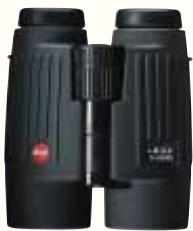
LEICA TRINOVID 10 x 42 BN
LEICA TRINOVID 8x42 BN
40019 40017
Neoprene carrying strap, Neoprene carrying strap, eyepiece cover, eyepiece cover, Nappa leather case Nappa leather case
10 × 8x
42mm 42mm
4.2 mm 5.2mm
20.5 18.3
111 m 130m
331ft 389ft
15.5 mm 15.5mm
6.3° 7.4°
approx. 2.8m / 9.2ft approx. 3.1m / 10.2ft
±4 diopters ±4 diopters
yes yes
yes yes
53-76mm 55-75mm
Internal focusing Internal focusing via central focusing device via central focusing device
9, all with HDCTM coating 9, all with HDCTM coating
Roof prism with phase Roof prism with phase correcting coating P40 correcting coating P 40
Watertight to a depth of 5m / 16.5ft Watertight to a depth of 5m / 16.5ft
Die-cast aluminum, Die-cast aluminum, nitrogen-filled nitrogen-filled
120 × 137 × 66 ~mm 119 × 141 × 66 ~mm 4% × 5% × 2% in 4% × 5% × 2% in
approx. 910g / 32.1oz approx. 940g / 33.2oz
included included
42163 42163
42220 42220
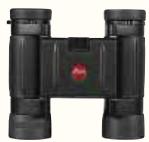
| Binocular | LEICA TRINOVID 10 x 32 BN | LEICA TRINOVID 8 x 32 BN | LEICA TRINOVID 10 x 25 BCA | LEICA TRINOVID 8 x 20 BCA |
| Order No. Product | ||||
| Rubber armored, black | - | - | 40 343 | 40 354 |
| Armored, black | 40 015 | 40 016 | - | - |
| Delivery scope | Carrying strap with non-slip pad, eyepiece cover, soft leather case | Carrying strap with non-slip pad, eyepiece cover, soft leather case | Carrying cord, Cordular case with belt loop | Carrying cord, Cordular case with belt loop |
| Magnification | 10 x | 8 x | 10 x | 8 x |
| Front lens diameter | 32 mm | 32 mm | 25 mm | 20 mm |
| Exit pupil | 3.2 mm | 4 mm | 2.5 mm | 2.5 mm |
| Twilight factor | 17.9 | 16.0 | 15.8 | 12.65 |
| Field of view at 1,000 m | 117 m | 135 m | 90 m | 113 m |
| Field of view at 1,000 yds | 352 ft | 404 ft | 273 ft | 341 ft |
| Eye-relief | 13.5 mm | 14.6 mm | 14.6 mm | 14 mm |
| Objective angle of view | 6.7° | 7.7° | 5.2° | 6.5° |
| Close focusing distance | approx. 2.1 m / 6.9 ft | approx. 2.1 m / 7.2 ft | approx. 5 m / 16.4 ft | approx. 3 m / 9.8 ft |
| Diopter compensation | ± 4 diopters | ± 4 diopters | ± 3.5 diopters | ± 3.5 diopters |
| Eyepieces for eyeglass wearers | yes | yes | yes | yes |
| Sliding Eyecups | extendable eyecups | extendable eyecups | extendable eyecups | extendable eyecups |
| Adjustable interpupillary distance | 56-74 mm | 57-74 mm | 32-74 mm | 32-74 mm |
| Focusing | Internal focusing via central focusing device | Internal focusing via central focusing device | Internal focusing via central focusing knob | Internal focusing via central focusing knob |
| No. of lens elements (each side) | 11, all with HDC™ coating | 9, all with HDC™ coating | 6, all with HDC™ coating | 6, all with HDC™ coating |
| Prism system | Roof prism with phase correcting coating P40 | Roof prism with phase correcting coating P40 | Roof prism with phase correcting coating P40 | Roof prism with phase correcting coating P40 |
| Watertightness | Watertight to a depth of 5 m/16.5 ft | Watertight to a depth of 5 m/16.5 ft | Waterspray resistant | Waterspray resistant |
| Housing | Die-cast aluminum, nitrogen-filled | Die-cast aluminum, nitrogen-filled | Aluminum, nitrogen-filled | Aluminum, nitrogen-filled |
| Dimensions (W x H x D) | 119 x 118 x 57 mm | 119 x 116 x 57 mm | 110 x 92 x 37 mm | 96 x 92 x 37 mm |
| 4 3/4 x 4 3/8 x 2 1/4 in | 4 3/4 x 4 3/8 x 2 1/4 in | 4 3/8 x 3 3/8 x 1 1/2 in | 3 3/4 x 3 3/8 x 1 1/2 in | |
| Weight | approx. 635 g / 22.4 oz | approx. 635 g / 22.4 oz | approx. 255 g / 9.0 oz | approx. 235 g / 8.3 oz |
| Order No. Accessories | ||||
| Neoprene carrying strap, contoured | included | 42 146 | - | - |
| Floating carrying strap, orange | 42 163 | 42 163 | - | - |
| Tripod adapter | 42 220 | 42 220 | - | - |
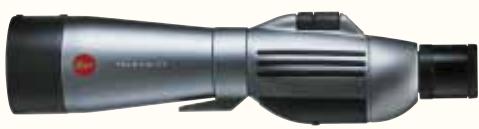
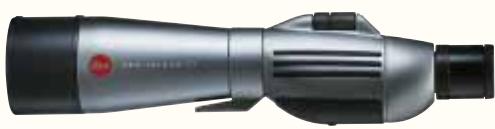
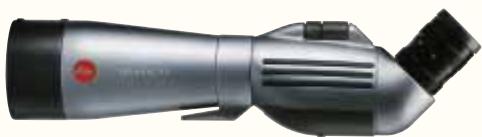
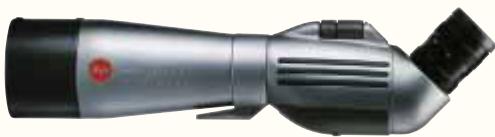
Spotting scope LEICA TELEVID 77
Order No. product
Straight viewing 40103
Angled viewing (45^) 40101
Delivery Scope Front and rear caps
Front lens diameter 77 mm
Focal length of the lens 440 mm
Close focusing distance approx. 3.9m / 12.8 ft
Exit pupil, twilight factor and field of view See eyepiece chart page 83
Focusing Internal focusing with patented dual focusing device
No. of lens elements
(excluding the eyepiece) 2, all multi-coated
Prism system Porro prism system
Watertightness Watertight to a depth of 3m / 10 ft
Housing Die-cast aluminum, nitrogen-filled
Eyepiece connection Rapid-change bayonet
Tripod base 14 , rotating with locking screw
Lens hood Sliding lens hood with sighting aid
Filter thread E77
Dimensions (W× H× D) 390× 105× 93mm / 15% × 4% × 3% in
Weight approx. 1.495g / 52.7 oz
Order No. Accessories
Eyepiece 20xWW 41009
Eyepiece 32 x WW 41011
Eyepiece 40xWW 41007
Zoom eyepiece 20-60x 41012
Digital Adapter 2 42303
Photo Adapter
1:10.4/800mm 42300
1:13.0/1,000mm 42301
T2 Adapter for
Leica R system 42305
UVa filter 13337
Cordura ever-ready case
for straight viewing scope 42315
for angled viewing scope 42310
Carrying case 42316
LEICA APO-TELEVID 77
40104
40102
Front and rear caps
77 mm
440mm
approx. 3.9m / 12.8 ft
See eyepiece chart page 83
Internal focusing with patented dual focusing device
3 (fluorite), all multi-coated
Porro prism system
Watertight to a depth of 3m / 10 ft
Die-cast aluminum, nitrogen-filled
Rapid-change bayonet
14 , rotating with locking screw
Sliding lens hood with sighting aid
E77
410 × 105 × 93 ~mm / 16% × 4% × 3% in
approx. 1,695 g / 59.8 oz
41009
41011
41007
41012
42303
42300
42301
42305
13 337
42315
42310
42316
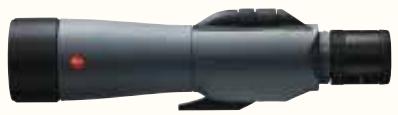
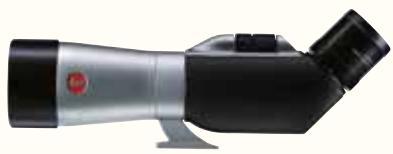
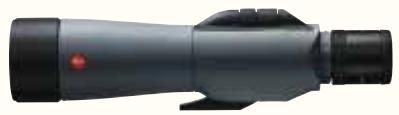
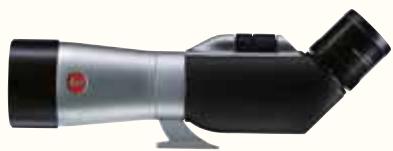
| Spotting scope | LEICA TELEVID 62 | LEICA APO-TELEVID 62 |
| Order No. Product | ||
| Straight viewing | ||
| partially armored, black | 40 108 | 40 106 |
| fully armored, grey | 40 113 | 40 114 |
| Angled viewing (45°) | 40 109 | 40 107 |
| Delivery scope | Front and rear caps | Front and rear caps |
| Front lens diameter | 62 mm | 62 mm |
| Focal length of the lens | 352 mm | 352 mm |
| Close focusing distance | approx. 3.5 m / 11.5 ft | approx. 3.5 m / 11.5 ft |
| Exit pupil, twilight factor and field of view | See eyepiece chart page 83 | See eyepiece chart page 83 |
| Focusing | Internal focusing with patented dual focusing device | Internal focusing with patented dual focusing device |
| No. of lens elements (excluding the eyepiece) | 2, all multi-coated | 3 (fluorite), all multi-coated |
| Prism system | Porro prism system | Porro prism system |
| Watertightness | Watertight to a depth of 3 m / 10 ft | Watertight to a depth of 3 m / 10 ft |
| Housing | Die-cast aluminum and fiberglass-reinforced plastic material, nitrogen-filled | Die-cast aluminum and fiberglass-reinforced plastic material, nitrogen-filled |
| Eyepiece connection | Rapid-change bayonet | Rapid-change bayonet |
| Tripod base | ||
| for straight viewing scope | ¼" | ¼" |
| for angled viewing scope | ½", rotating with locking screw | ½", rotating with locking screw |
| Lens hood | Sliding lens hood with sighting aid | Sliding lens hood with sighting aid |
| Filter thread | E 62 | E 62 |
| Dimensions (W x H x D) | ||
| partially armored, angled | 295 x 95 x 87 mm / 11 % x 3¾ x 3¾ in | 295 x 95 x 87 mm / 11 % x 3¾ x 3¾ in |
| partially armored, straight | 305 x 94 x 87 mm / 12 x 3¾ x 3¾ in | 305 x 94 x 87 mm / 12 x 3¾ x 3¾ in |
| fully armored, straight | 305 x 94 x 89 mm / 12 x 3¾ x 3½ in | 305 x 94 x 89 mm / 12 x 3¾ x 3½ in |
| Weight | ||
| partially armored, angled | approx. 980 g / 34.6 oz | approx. 1,070 g / 37.7 oz |
| partially armored, straight | approx. 910 g / 32.1 oz | approx. 990 g / 34.9 oz |
| fully armored, straight | approx. 980 g / 34.6 oz | approx. 1,070 g / 34.4 oz |
| Order No. Accessories | ||
| Eyepiece 16 x | 41 009 | 41 009 |
| Eyepiece 26 x WW | 41 011 | 41 011 |
| Eyepiece 32 x WW | 41 007 | 41 007 |
| Zoom eyepiece16-48 x | 41 012 | 41 012 |
| Digital adapter 2 | 42 303 | 42 303 |
| Photo adapter (1:12.9/800mm) | 42 301 | 42 301 |
| T2 adapter for Leica R system | 42 305 | 42 305 |
| Cordura ever-ready case | ||
| for straight viewing scope | 42 319 | 42 319 |
| for angled viewing scope | 42 318 | 42 318 |
| Eyepiece for LEICA TELEVID 77 | 20 x WW | 32 x WW | 40 x WW | 20-60 x (Vario) |
| Order No. Eyepiece | 41009 | 41011 | 41007 | 41012 |
| No. of lens elements | 6 elements | 7 elements | 6 elements | 7 elements |
| Magnification | 20 x | 32 x | 40 x | 20-60 x |
| Focal length | 22 mm | 14 mm | 11 mm | 22-7.4 mm |
| Exit pupil | 3.9 mm | 2.4 mm | 1.9 mm | 3.8 - 1.3 mm |
| Angle of view | 3.4° | 2.3° | 1.8° | 2.0°-1.2° |
| Field of view at 1,000 m | 60 m | 40 m | 32 m | 34-20 m |
| Field of view at 1,000 yds | 179 ft | 121 ft | 95 ft | 105-63 ft |
| Eye-relief | 20 mm | 19 mm | 16.5 mm | 22 - 16 mm |
| Length | 67 mm | 70 mm | 71 mm | 78 mm |
| Diameter | 53 mm | 53 mm | 50 mm | 53 mm |
| Weight | approx. 246 g / 8.6 oz | approx. 285 g / 10 oz | approx. 230 g / 8 oz | approx. 280 g / 9.8 oz |

Eyepiece for LEICA TELEVID 62
Order No. Eyepiece 41
No.of lens elements 6 elements
Magnification 16x (with reduced field of view)
Focal length 22 mm
Exit pupil 3.8 mm
Angle of view 3.1°
Field of view at 1,000 m 54 m
Field of view at 1,000 yds 163ft
Eye-relief 20.4 mm
Length 67mm
Diameter 53mm
Weight approx. 246g / 8.6 oz
26 × WW
41011
7 elements
26x
14mm
2.4 mm
2.9^
50m
152ft
19 mm
70mm
53mm
approx. 285g / 10oz
32xWW
41007
6 elements
32x
11mm
1.9 mm
2.3°
40m
121ft
16.3mm
71mm
50mm
approx. 230g / 8 oz
16-48 x (Vario)
41012
7 elements
16-48x
22-7.3 mm
3.8-1.3 mm
2.5^ - 1.4^
44-24 m
131-74 ft
22-16 mm
78mm
53mm
approx. 280g / 9.8oz
Photo Adapter 1:10.4/800 (Televid 77)
Order No. 42300
Focal length
with LEICA TELEVID 77
with LEICA TELEVID 62
42300
800mm
640mm (with reduced field of view)
Speed
with LEICA TELEVID77 1:10.4
with LEICA TELEVID 62 1:10.6
1:13,0/1.000 (Televid 77)
1:12,9 / 800 (Televid 62)
42301
1,000mm
800 mm
1:13.0
1:12.9
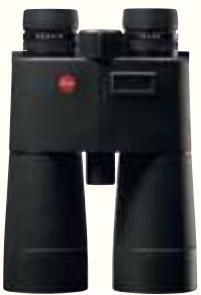
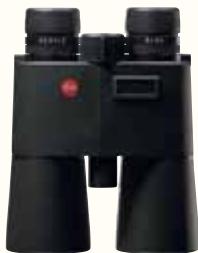
| Binocular | LEICA GEOVID 15 x 56 BRF | LEICA GEOVID 8 x 56 BRF |
| Order No. Product | 40035 (Meter-Version) | 40031 (Meter-Version) |
| 40034 (Yard-Version) | 40032 (Yard-Version) | |
| Delivery scope | Neoprene carrying strap, eyepiece cover,protective front lens cover, battery, Cordura case | Neoprene carrying strap, eyepiece cover,protective front lens cover, battery, Cordura case |
| Magnification | 15 x | 8 x |
| Front lens diameter | 56 mm | 56 mm |
| Exit pupil | 3.7 mm | 7 mm |
| Twilight factor | 28.2 | 21.2 |
| Field of view at 1,000 m | 75 m | 118 m |
| Field of view at 1,000 yds | 225 ft | 357 ft |
| Eye-relief | 15.5 mm | 18.5 mm |
| Objective angle of view | 4.3° | 6.8° |
| Close focusing distance | approx. 5.9 m / 19.45 ft | approx. 5.6 m / 18.4 ft |
| Diopter compensation | ± 4 diopters | ± 3.5 diopters |
| Distance measurement | ||
| Range | 10 m to approx. 1,200 m / 10 yds to approx. 1,300 yds | 10 m to approx. 1,200 m / 10 yds to approx. 1,300 yds |
| Accuracy | ± 1 m/yd up to 366 m / 400 yds | ± 1 m/yd up to 350 m / 380 yds |
| ± 2 m/yds up to 732 m / 800 yds | ± 2 m/yds up to 700 m / 763 yds | |
| ± 0.5 % beyond 732 m / 800 yds | ± 0.5 % beyond 700 m / 763 yds | |
| Read-outs | LED display with four digits, easily legible in any light | LED display with four digits, easily legible in any light |
| Eyepieces foreyeglass wearers | yes | yes |
| Sliding eyecups | yes, removable, with two click stops | yes, removable, with two click stops |
| Adjustable interpupillarystance | 56-74 mm | 56-74 mm |
| Focusing | Internal focusing viacentral focusing device | Internal focusing viacentral focusing device |
| No. of lens elements(each side) | 7, all with HDC™ coating | 7, all with HDC™ coating |
| Prism system | Roof prism with phasecorrection coating P 40 | Roof prism with phasecorrection coating P 40 |
| Watertightness | Watertightto a depth of 5 m / 16.5 ft | Watertightto a depth of 5 m / 16.5 ft |
| Housing | Die-cast aluminium,nitrogen-filled | Die-cast aluminium,nitrogen-filled |
| Dimensions (W x H x D) | 134 x 210 x 70 mm / 5 1/4 x 7 1/8 x 2 1⁄2 in | 135 x 182 x 68 mm / 5 1/4 x 7 1/8 x 2 1⁄2 in |
| Weight | approx. 1,300 g / 45.9 oz incl. batteries | approx. 1,100 g / 38.8 oz incl. batteries |
| Meter / Yard selector | no | no |
| Laser | Eye-safe invisible laseraccording to EN and FDA class1 | Eye-safe invisible laseraccording to EN and FDA class1 |
| Laser beam divergence | 2.5 x 0.5 mrad | 2.5 x 0.5 mrad |
| Measuring time | max. approx. 1.4 s | max. approx. 1.4 s |
| Measuring mode | Scanning mode | Scanning mode |
| Power supply | 1 x 3V/Lithium-type C2R | 1 x 3V/Lithium-type C2R |
| Battery lifetime | approx. 2,000 measurements at 20 °C/68 °F | approx. 2,000 measurements at 20 °C/68 °F |
| Order No. Accessories | ||
| Neopren carrying strap,contoured | included | included |
| Floating carrying strap,orange | 42 163 | 42 163 |
| Tripod adapter | 42 220 | 42 220 |
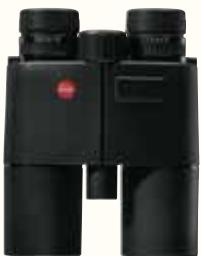
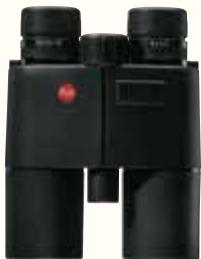
| Binocular | LEICA GEOVID 10 x 42 BRF | LEICA GEOVID 8 x 42 BRF |
| Order No. product | 40027 (Meter-Version) | 40026 (Meter-Version) |
| 40029 (Yard-Version) | 40028 (Yard-Version) | |
| Delivery Scope | Neoprene carrying strap, eyepiece cover, protective front lens cover, battery, Cordura case | Neoprene carrying strap, eyepiece cover, protective front lens cover, battery, Cordura case |
| Magnification | 10 x | 8 x |
| Front lens diameter | 42 mm | 42 mm |
| Exit pupil | 4.2 mm | 5.3 mm |
| Twilight factor | 20.5 | 18.3 |
| Field of view at 1,000 m | 110 m | 125 m |
| Field of view at 1,000 yds | 331 ft | 368 ft |
| Eye-relief | 15.6 mm | 18 mm |
| Objective angle of view | 6.3° | 7° |
| Close focusing distance | approx. 5.6 m / 18.4 ft | approx. 5.6 m / 18.4 ft |
| Diopter compensation | ±3.5 diopters | ±3.5 diopters |
| Distance measurement | ||
| Range | 10 m to approx. 1,200 m / 10 yds to approx. 1,300 yds | 10 m up to approx. 1,200 m / 10 yds to approx. 1,300 yds |
| Accuracy | ±1 m/yd up to 350 m / 380 yds | ±1 m/yd up to 350 m / 380 yds |
| ±2 m/yds up to 700 m / 763 yds | ±2 m/yds up to 700 m / 763 yds | |
| ±0.5% beyond 700 m / 763 yds | ±0.5% beyond 700 m / 763 yds | |
| Read-outs | LED display with four digits, easily legible in any light | LED display with four digits, easily legible in any light |
| Eyepieces for eyeglass wearers | yes | yes |
| Sliding eyecups | yes, removable, with two click stops | yes, removable, with two click stops |
| Adjustable interpupillary distance | 56-74 mm | 56-74 mm |
| Focusing | Internal focusing via central focusing device | Internal focusing via central focusing device |
| No. of lens elements (each side) | 7, all with HDCTM coating | 7, all with HDCTM coating |
| Prism system | Roof prism with phase correction coating P 40 | Roof prism with phase correction coating P 40 |
| Watertightness | Watertight to a depth of 5 m / 16.5 ft | Watertight to a depth of 5 m / 16.5 ft |
| Housing | Die-cast aluminium, nitrogen-filled | Die-cast aluminium, nitrogen-filled |
| Dimensions (W x H x D) | 125 x 168 x 70 mm / 47% x 6% x 2% in | 125 x 173 x 70 mm / 47% x 6% x 2% in |
| Weight | approx. 945 g / 33.3 oz incl. batteries | approx. 950 g / 33.5 oz incl. batteries |
| Meter / Yard selector | no | no |
| Laser | Eye-safe invisible laser according to EN and FDA class 1 | Eye-safe invisible laser according to EN and FDA class 1 |
| Laser beam divergence | 2.5 x 0.5 mrad | 2.5 x 0.5 mrad |
| Measuring time | max. approx. 1.4 s | max. approx. 1.4 s |
| Measuring mode | Scanning mode | Scanning mode |
| Power supply | 1 x 3V/Lithium-type C2R | 1 x 3V/Lithium-type C2R |
| Battery lifetime | approx. 2,000 measurements at 20 °C/68 °F | approx. 2,000 measurements at 20 °C/68 °F |
| Order No. Accessories | ||
| Neopren carrying strap, contoured | included | included |
| Floating carrying strap, orange | 42 163 | 42 163 |
| Tripod adapter | 42 220 | 42 220 |
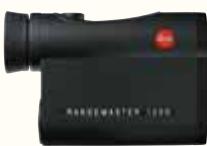
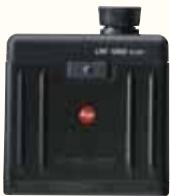
| Product | LEICA RANGEMASTER CRF 1200 | LEICA RANGEMASTER 1200 scan |
| Order No. Product | 40 527 (Meter-Version) 40 523 (Yard-Version) | 40 525 (black) |
| Delivery scope | Carrying cord, battery, Cordura case | Carrying cord, battery, Cordura case |
| Magnification | 7 x | 7 x |
| Front lens diameter | 24 mm | 21 mm |
| Exit pupil | 3.4 mm | 3 mm |
| Twilight factor | 13 | 12.1 |
| Field of view at 1,000 m | 115 m | 112 m |
| Field of view at 1,000 yds | 347 ft | 336 ft |
| Eye-relief | 15 mm | 14 mm |
| Objective angle of view | 6.6° | 6.4° |
| Diopter compensation | ±3.5 diopters | ±4 diopters |
| Distance measurement | ||
| Range | 10 to 1,100 m 10 to 1,200 yds | 15 to approx. 1,100 m 16.4 to 1,200 yds |
| Accuracy | ±1 m/yd to 366 m/400 yds, ±2 m/yds to 732 m/800 yds, ±0.5% over 732 m/800 yds | ±1 m/yds to 366 m/400 yds, ±2 m/yds to 732 m/800 yds, ±0.5% over 732 m/800 yds |
| Read-outs | LED display with four digits, easily legible in any light | LED display with four digits, easily legible in any light |
| Eyepieces for eyeglass wearers | yes | yes |
| Eyecups | turn down rubber eyecups | turn down rubber eyecups |
| Prism system | Roof prism with phase correction coating P40 | Roof prism with phase correction coating P40 |
| Watertightness | Watertight to a depth of 1m/3.2ft | Water spray resistant |
| Housing | Carbon fiber-reinforced plastic material | Carbon fiber-reinforced plastic material |
| Dimensions (W x H x D) | 113 x 75 x 34 mm 4 1⁄2 x 2 1⁄4 x 1 1⁄4 in | 105 x 120 x 40 mm 4 1⁄8 x 4 1⁄4 x 1 1⁄4 in |
| Weight | approx. 220 g/7.8 oz incl. battery | approx. 320 g/11.3 oz incl. battery |
| Meter/Yard Selector | no | yes |
| Laser | Eye-safe invisible laser according to EN and FDA class1 | Eye-safe invisible laser according to EN and FDA class1 |
| Laser beam divergence | approx. 0.5 x 2.5 mrad | approx. 0.5 x 2.5 mrad |
| Measuring time | maximum approx. 0.85 s | maximum approx. 0.85 s |
| Measuring mode | Scanning mode | Scanning mode |
| Power supply | 1 x 3V/Lithium-type C2R | Battery 9 V/alkaline manganese E block (6LR 61) |
| Battery lifetime | approx. 2,000 measurements at 20 °C/68 °F | approx. 1,000 measurements at 20 °C/68 °F |
Very useful binocular equipment
Practical accessories for more convenient observation for the hunt
Included in the delivery scope and available as a replacement
| Nappa leather case for Duovid 42 and 50, Trinovid BN 32 and 42 | Cordura case for Rangemaster 1200 scan | Cordura case for Ultravid BR 32, 42 and 50, Geovid BRF 42 and Geovid BRF 56 | |
| Deep-drawn leather case for Ultravid BL 42 | Deep-drawn leather case with belt loop for Ultravid BL 20 and 25 | Cordura case with belt loop for Ultravid BR 20 and 25, Trinovid BCA 20 and 25 and Rangemaster CRF 1200 | |
| Contoured Leather carrying strap for Ultravid BL 42 | |||
| Contoured Neoprene carrying strap for Duovid 42 and 50, Ultravid BR 32, 42 and 50, Trinovid 42, Geovid BRF 42 | |||
| Cordura case with belt loop for Trinovid BN 32 | Carrying cord for Trinovid BCA 20 and 25 | Woven carrying strap for Ultravid BR 20 and 25, Ultravid BL 20 and 25 | |
| Front caps for all Ultravids, Geovids | Protective front lens cover for all Televids and APO-Televids | ||
| Eyepiece cover for all Duovids, Ultravids, Trinovids, Geovids | Rear caps for Televids and APO-Televids | ||
| You can complete your products with the following accessories: | |||
| Floating carrying strap, orange for Duovid 42, Ultravid BR 32, Ultravid BR / BL 42, Ultravid BR 50, Trinovid BN 32, 42, Geovid BRF 42 and Geovid 8 x 56 BRF Order No. 42 163 | |||
| Contoured Neoprene carrying strap for Duovid 42 and 50, Ultravid BR 32 and 50, Ultravid BR / BL 42, Trinovid BN 32, 42, Geovid BRF 42 and 56 Order No. 42 146 | |||
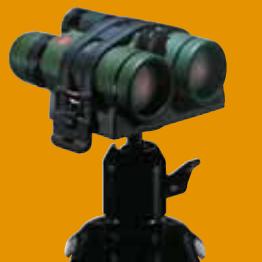
Tripod adapter for binoculars
for Duovid 50 and 42, Ultravid BR 32 and 50,
Ultravid BR / BL 42, Trinovid BN 32, 32 and 42
Geovid BRF 56 and 42
Order No. 42 220
Carrying case for Televid 77
for Televid and APO-Televid 77 straight view
Order No. 42 316
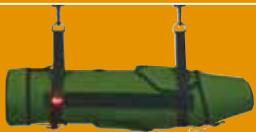
Ever-ready-case for Televid 77
Straight view for Televid and APO-Televid 77 straight view
Order No. 42 315
Ever-ready-case for Televid 77 Angled view
for Televid and APO-Televid 77 angled view
Order No. 42310
Ever-ready-case for Televid 62 angled view
for Televid and APO-Televid 62 angled view
Order No. 42 318
Ever-ready-case for Televid 62 straight view
for Televid 62 and APO Televid 62 straight view
Order No. 42319
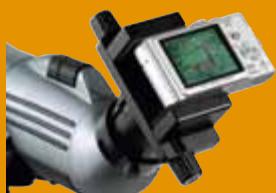
Digital adapter 2
for all Televids
Order No. 42303
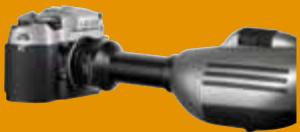
Photo adapter for 77er spotting scopes, 1:10.4/800 mm
for Televid and APO-Televid 77
Order No. 42300
Photo adapter for 77er spotting scopes 1:13.0/1,000 mm - Photo adapter for 62er spotting scopes 1:12.9/800 mm
for all Televids Order No. 42301
T2 adapter for the Leica R system for all Televids Order No. 42305
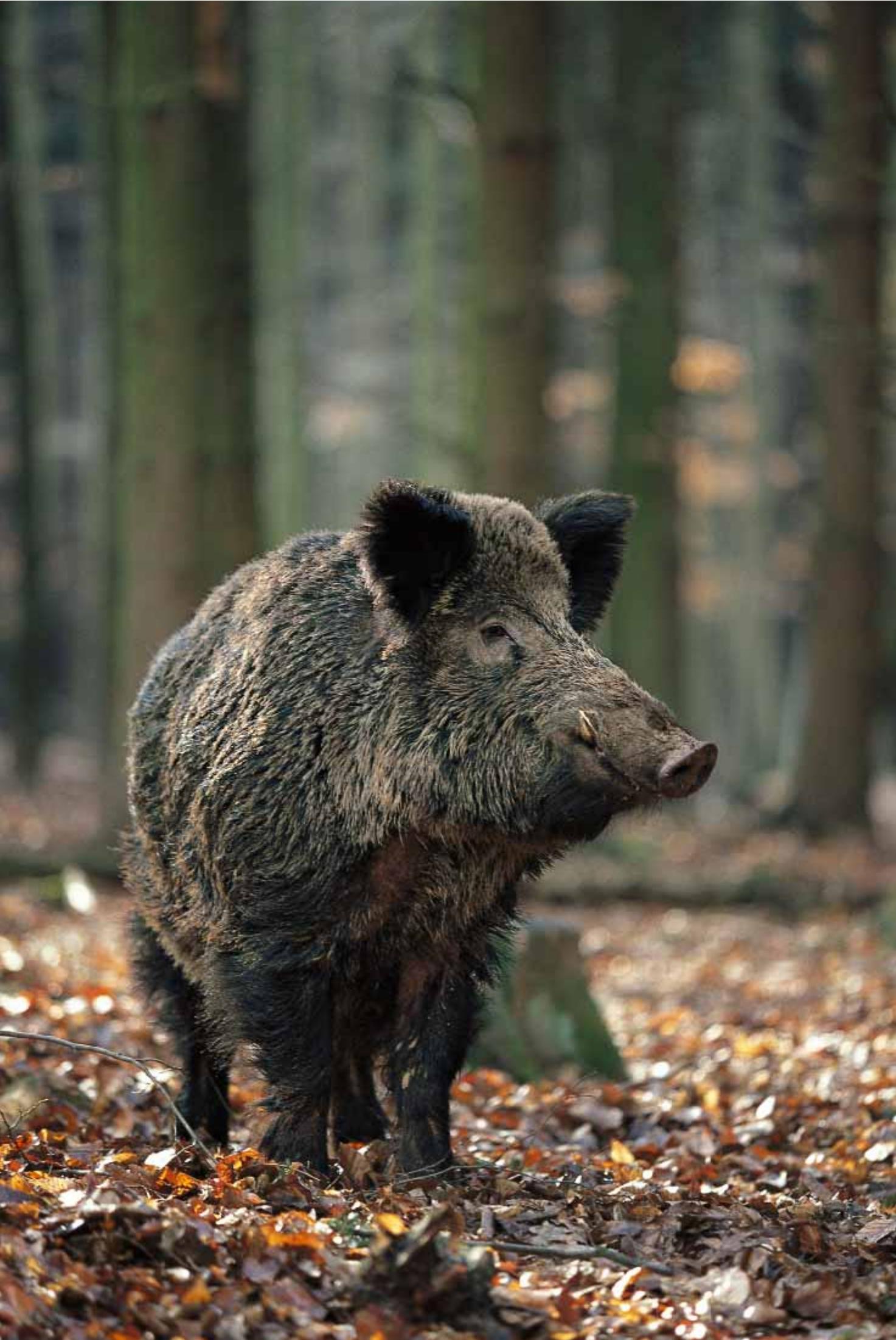
Glossary We hope that the following glossary of main terms and quality criteria for the evaluation of binoculars and spotting scopes will be helpful to you in making a purchasing decision. In addition, there are authorized Leica dealers and representatives around the world who will be pleased to assist you. They have a large selection of products.
Technical binocular terms
Magnification Every binocular is specified by two numbers, of which the first one always indicates the magnification. Magnification tells us how much closer an object appears to the observer when viewed through the binocular. For example : At 8 x magnification, a bird that is 328 feet/100 m away appears to be only 41 feet/12.5 m (328 ft : 8 = 41 ft) away.
Front lens diameter The second characteristic number of a binocular is the front lens diameter (the entry pupil of the binocular) stated in millimeters. A binocular with the designation 10 × 50 has a front lens diameter of 50mm . The larger the front lens diameter, the more light can be gathered by the binocular. If observation is to be conducted at twilight or at night, the ideal choice is a front lens diameter of 42 or 50mm . Binoculars with a front lens diameter of 20 to 32mm are suited primarily for observation in daylight.
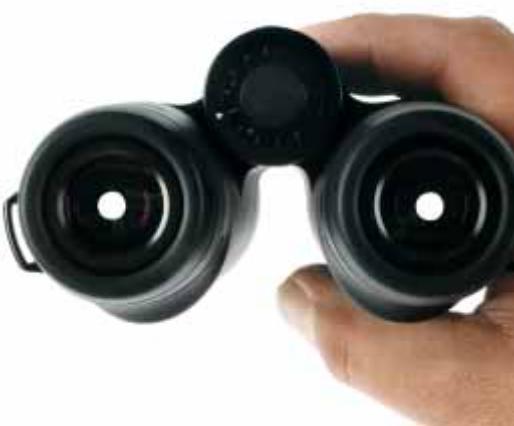
Exit pupil The two bright circular areas that can be seen when one looks at the eyepiece of a binocular from a distance of approximately 12 inches/30 cm. (Exit pupil = front lens diameter in mm : magnification factor). An indication of quality is that these areas should be exactly circular and that they should have sharp edges. The pupil of the eye changes its diameter in accordance with the light intensity (small in bright light, large in the dark). For example, a 40-year old observer typically has a maximum pupil diameter of 6 mm. A rule of thumb for low light observation is that the exit pupil of a binocular should be at least as large as the pupil of the eye at its largest diameter. The exit- and entry pupils are not, however, the only decisive quality characteristics for the evaluation of image brightness : Factors such a contrast, resolving power and light transmission of a binocular or spotting scope are just as important.
Twilight factor The twilight factor is a computed number that describes the theoretical performance capability of a binocular at twilight. It is computed by taking the square root of the product of the magnification factor and the front lens diameter. The twilight factor is a purely mathematical value that says nothing about the optical quality of a binocular, such as contrast, neutral color rendition, resolving power, etc.
Objective field of view This value defines the width of the field of view at a distance of 1,000 meters or 1,000 yards. Usually, the greater the magnification, the smaller the field of view. Binoculars with a large field of view enable the observer to cover a large area and to follow moving subjects, such as a flock of birds, conveniently. A significant quality criterion of Leica binoculars is an image that is a field of view that is crisp and sharp to its very edges and that is rich in contrast.
Example LEICA ULTRAVID 10 x 42 BR
Magnification = 10x ,front lens diameter = 42mm
Exit pupil = front lens diameter / magnification = 4.2 mm
Twilight factor = lens diameter × magnification factor = 20.5
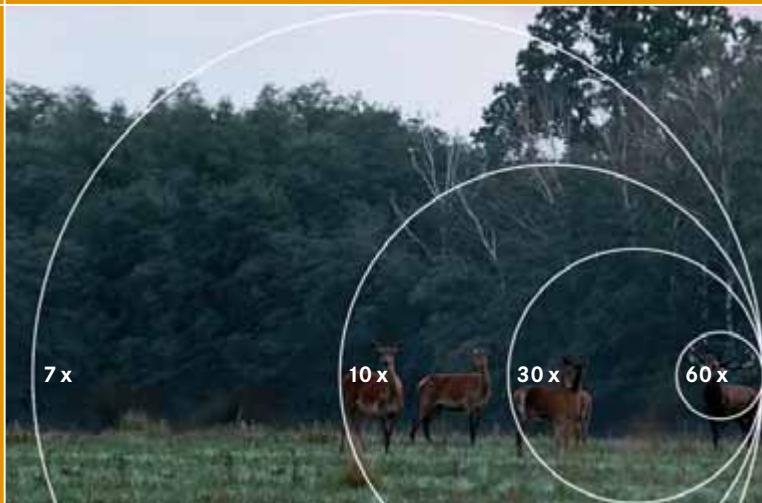
Glossary For illustration purposes, the pictorial examples show strongly exaggerated effects of the various types of imaging errors or aberrations.
Optical quality

Contrast and resolving power Contrast is defined as the difference in brightness between light and dark areas of the image. The greater this difference, the higher the contrast. An image that is rich with contrast is subjectively perceived to be sharper and more brilliant. Resolving power is the extent to which an optical system is capable of reproducing the finest structures. The greater the resolving power, the better are the finest details rendered, even under difficult light conditions. Pictorial examples : In optimally rendered images (left), both contrast and resolution are high. If the contrast is too low, the image is flat (center). If the resolution is too low, the image is unsharp, one can no longer discern details in the fur (right).
Reflections and flare When light rays are reflected by lens surfaces and/or structural components or scattered by lens mounts, they arrive at a location in the image that is different from the one where they are intended to arrive. Undesired reflections and light areas that can degrade the image significantly and that can impair the visual impression occur especially when the sun shines directly into the front lens. To prevent reflections and flare caused by stray light rays, Leica takes numerous dedicated steps. To begin with, the shapes of lens surfaces, mounting components and light traps are already optimized during the design stage so that no extremely disturbing effects are to be expected. Furthermore, a significant reduction in reflections and stray light components is achieved by means of special coatings of lens elements (vapor deposition of special reflectionreducing layers) and by the matte black finish of internal mechanical components.
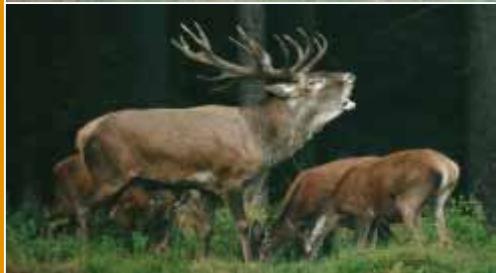

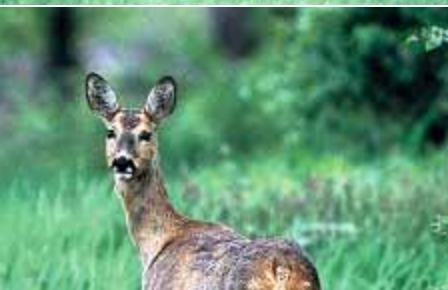
Depth of field Depth of field is the distance between the nearest and the furthest away objects that can still be perceived as being sharp at a given focus setting without the need for refocusing. The depth of field is dependent upon the magnification of a binocular or spotting scope. The lower the magnification, the greater the depth of field. Therefore, if one wishes to see several objects at different distances but with the same sharpness (as illustrated on the top), one would give preference to a binocular with a 7 × or 8 × magnification, which would also have great advantages for observation at twilight or in poor light conditions, because one would not have keep refocusing to maintain a sharp image. The greater the magnification, the smaller the depth of field. Greater magnifications are advantageous when one wishes to discern more details or smaller objects, as illustrated on the bottom.
Imaging errors (aberrations) In order for a sharp image to be created, light from a point on the subject must re-converge as a point in the picture. As a rule, a single lens element is not adequate for this purpose, because it has inherent deviations (imaging errors or aberrations), that are described a follows : By selecting appropriate types of optical glass and lens coatings, and by combining the right lens elements and by converting the computed lens design into reality a accurately as possible, Leica succeeds in keeping all the residual aberrations at a very low level. To that end all phases, from optical design to fabrication, are optimized for the always highest possible imaging quality.
Aperture errors - spherical aberration The closer to the edge light rays pass through a lens, the more they will tend to arrive away from the actual picture point. Because this effect becomes stronger as the front lens diameter increases, it is referred to as aperture error, also called spherical aberration. Aperture error causes a loss of sharpness and contrast in the image. In extreme cases, flare becomes noticeable - halos are formed around point sources of light, as illustrated in the pictorial example above.
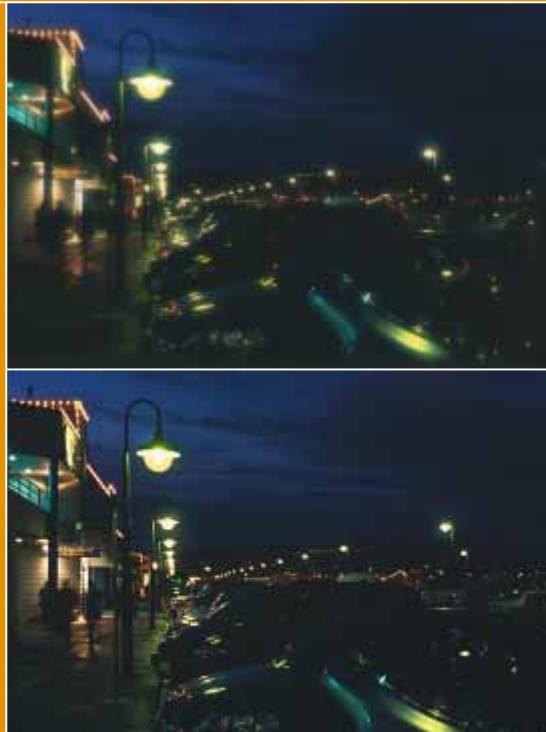
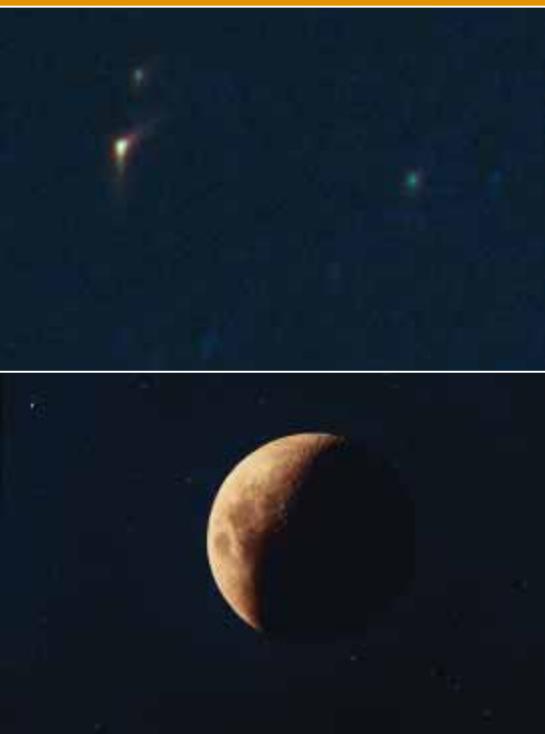
Coma When coma is present, light rays will deviate to one side of their intended picture point. The picture point will gain a tail like a comet. This effect occurs more towards the edges of the picture and not in its center. Strong coma leads to a loss in sharpness and contrast, in extreme cases the coma tail becomes noticeable in point sources of light, as illustrated in the enlarged section of a picture of a star. This section was cropped from the left upper corner of the moon picture.
Astigmatism Because of the naturally curved shape of a lens, not all light rays converge on the same plane. While the center of the picture is sharp, the edge of the picture appears to be out of focus. One can cause objects in one or the other plane to be rendered sharply by refocusing. In addition, astigmatism causes the sharpness of an object detail to be influenced by its orientation. This effect becomes stronger towards the edges of the image. For example, if we look at the corner of a picture of a chain link fence, it will be noticeable (if astigmatism is present) that the wires that point towards the center of the image are reproduced with a different degree of sharpness than those that are oriented at a right angle to them. By refocusing, one or the other wire direction can be rendered sharply, but not both of them at the same time. This effect can be reduced by appropriate optical design measures, but it cannot be eliminated completely. Astigmatism leads to a significant impairment of the image quality.

Distortion The term distortion is used to describe the effect that causes the image of an object to be rendered with a non-uniform reproduction ratio. For binocular observation, unlike in photography, this effect is applied quite deliberately to reduce the so-called "globe effect" caused by perspective observation and by swinging the binocular. To the observer, the image created in this manner appears straightened out. There are two kinds of distortion: pincushion distortion (illustrated on the top), and barrel distortion (as shown on the bottom). Observation through a binocular that does not have deliberately implemented judicious distortion is quite unpleasant.
Color errors (chromatic aberrations) Every image-forming component made of glass – such a lens elements – refracts light rays of different colors at different angles. This results in the fact that not all the light rays that emanate from a multi-colored point on the object are re-united at a single point in the image. This results in color errors for the observer. Color errors become particularly evident to the observer as color fringes when high magnifications and long focal lengths are being used, as they are in spotting scopes. Pictorial examples : Color errors appear primarily as color fringes around dark objects in front of bright backgrounds, as illustrated by the example on the left with the red-fringed feather dress. With APO correction of Leica (right illustration) such color effects are no longer discernible.
Optical glasses with anomalous partial dispersion
Light rays of different colors are refracted at different angles through the lens elements. This effect is called dispersion and in different types of glass it is present at different levels of strength. Most types of glass have typical, "normal" characteristics. Special glasses with "anomalous partial dispersion", on the other hand, have characteristics that are different in certain ranges of colors, and this makes a special color error correction possible that cannot be achieved with normal types of optical glass. Glasses with anomalous partial dispersion are used for the enhancement of image quality, and they are used in all Leica binoculars and spotting scopes.
APO color error correction APO stands for apochromatic color error correction. It is only beneficial for lenses with long focal lengths and for high magnifications, like in spotting scopes. Apochromatic color correction is achieved by the use of special types of optical glass with anomalous partial dispersion and with glasses that contain fluorite. Such correction results in images with enhanced sharpness, increased contrast and an extremely natural color rendition.
High refraction glasses Lens elements made of high refraction glasses bend light rays more strongly than lenses with the same shape that are made of standard glasses. Therefore the use of a lens element made of high refraction glass can achieve strong effect without the need for lenses with excessively strong surface curvatures. This helps to prevent imaging errors, thus leading to greater imaging performance. High refraction optical glasses are used in all Leica binoculars and spotting scopes in order to make their short construction possible.
ASPH. ASPH. is an abbreviation that denotes the use of at least one aspherical lens surface in an optical system. Unlike regular spherical lens surfaces, aspherical lenses have a curvature near their edges that is different from the curvature in the center of the lens. That makes it possible to influence light rays passing through the edges of the lens differently from light rays passing through the center portion of the lens. It also makes it possible to achieve several correction goals simultaneously with only one lens element. Furthermore it helps to reduce the weight and the physical size of an optical system and it makes certain imaging characteristics possible to begin with. Such surfaces help to increase the image quality or to influence the distortion. The fabrication and the handling of aspherical lens elements is significantly more costly, however, than that of conventional spherical lenses. In order to assure the extremely high image quality in all models of Ultravid binoculars, aspherical lenses are used effectively in the 25mm and 20mm BR/BL models. In the remaining models the high image quality is achieved by means of complex optical systems that consist of several lens elements.
Light transmission, the degree of same When light rays strike on glass surface, only some of them penetrate the glass, the others are reflected. The more light penetrates a lens element or an optical system, the higher is their transmission. As a rule, there is an approximate 4% light reflection at every glass-/air surface of an uncoated lens. This effect increases exponentially the more lens elements there are in an optical system (in Leica binoculars there are up to 11 optical elements = 22 glass-/air surfaces).
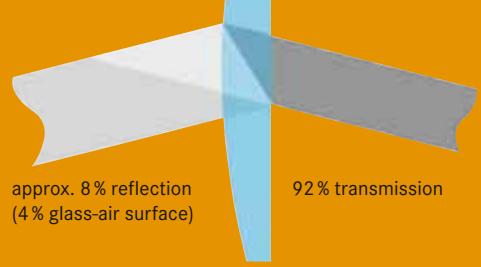
Lens without coating
100% light
Coatings In order to minimize the reflection of light rays, complex procedures are employed, involving the vapor deposition in high vacuum of numerous layers of exceedingly thin layers of approximately 0.000125 millimeters, which corresponds to 1/500 of the thickness of a human hair. At Leica, high-performance broadband coatings are applied that are tailored specifically to the types of glass that are being used. Not only do they have the task of elevating the transmission of an optical system to a close as possible to 100% , they also have the important task whenever possible to protect the particularly exposed external lens surfaces from environmental influences and from damages such as scratches. These two requirements – high transmission and high environmental- and scratch resistance – are combined in the innovative multi-layer coating Leica HDC™.
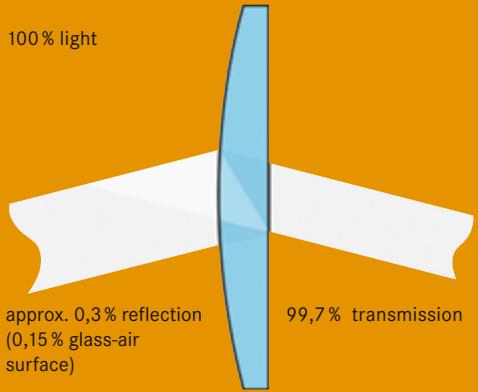
Lens with Leica HDCTM multi layer coating
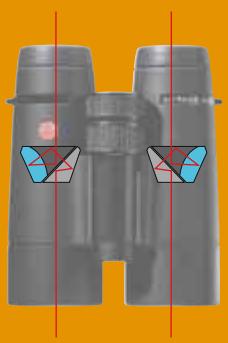
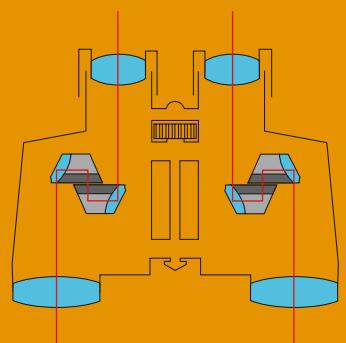
Prism systems Prisms have the task of bringing inverted and laterally reversed images of an object back into the right position (which is why they are also called reversing systems). The prisms used in such systems have a decisive influence on the construction and the compactness of a binocular. There are two several types of prism systems, such as roof (left) and porro (right).
Phase correction coating P40 The P40 layer on roof prisms has the task of increasing the sharpness of the image and reducing disturbing reflections and stray light. Without a P40 coating on the prisms, light sources are rendered with radiating star effects. With a P40 coating they are reproduced very naturally. In this regard and in direct comparison, the qualitative differences of different optical brands become obvious very quickly.
Mechanical quality
For the requirements of intensive use in nature, high-performance binoculars and spotting scopes must be able to withstand extreme mechanical demands over long periods of time. To that end, the optical and mechanical components are mounted in the body of a Leica binocular or spotting scope in such a way that they cannot shift. The tolerances for the mechanisms used for moving lens groups are set at a very minimum and they are strictly enforced. An important parameter in the selection of the right materials is their extreme longevity, and they must also safeguard the highest degree of precision. Leica meets these requirements with proven and durable materials such aluminum die-castings and steel. In order to achieve a significant reduction in weight - for instance in the Ultravid models - Leica also employs special high-tech materials such as magnesium and titanium. In the planning of all these aspects, the longevity of the products and the benefits for the customers are always in the forefront.
Focusing In order to focus the binocular or spotting scope on an object, optical groups within them have to be shifted with respect to one another. When focusing is accomplished by moving a lens group inside the instrument, this is referred to as internal focusing. This enclosed construction and the additional nitrogen filling make it possible to design watertight binoculars and spotting scopes that guarantee a uniformly high imaging performance that lasts for the entire life of the instrument, even under the most adverse climatic conditions. The particularly short focusing travel from near to infinity on Leica binoculars (on the Ultra-vid models it amounts to slightly more than a single turn) the observer can always keep the subject in sharp view very quickly.
Leica innovations and patents
The proficiency for innovations at Leica is demonstrated not least by the countless patented problem solutions that are valued by customers and that evolved in close cooperation and coordination with international innovation teams composed of users in a great variety of fields.
Leica HDC™ (High Durable Coating) HDC™ is the proprietary designation of a rub-proof and transmission-enhancing multi-layer coating process developed by Leica that consists of 7 to 10 exceedingly thin layers, depending on the type of glass to which they are applied. HDC™ signifies high light transmission combined with high resistance to scratches and environmental effects, which translates into brilliant images and durability, even in intensive outdoor use.
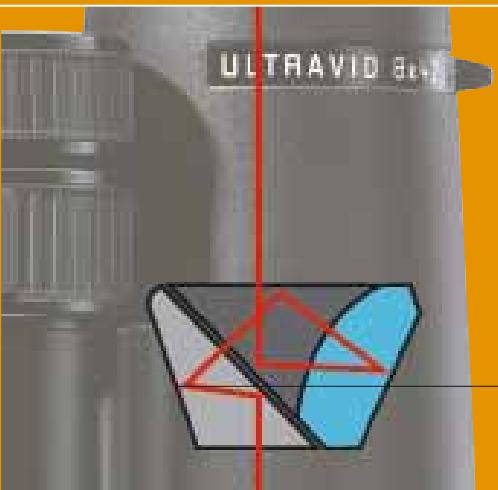
Leica HighLux-System HLST^TM The HighLux-System HLST^TM combines extensive mechanical steps for the reduction of stray light (such as light traps, matte black lacquer, etc.) and an especially developed mirror layer for prisms into an optimally tailored system. The HighLux-System HLST^TM is used in Duovid and Ultravid binoculars. The highly reflective dielectrical mirror layer consists of 42 extremely thin individual layers that produce a degree of reflection of more than 99.5% . This system makes it possible to increase transmission, contrast and sharpness significantly – the observer gains an extremely bright, natural pictorial impression with neutral color rendition.
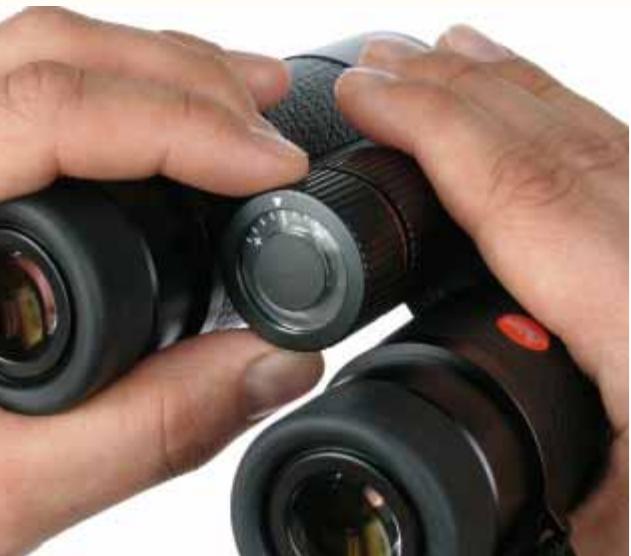
Multifunction center drive The combination knob for the Leica center drive feature performs two important functions : diopter compensation and focusing. Because of its size, it is always easy to use as a focusing wheel and it provides ergonomic handling and a steady observation. The large diopter scale allows quick and convenient setting of your personal diopter value.
ADC^TM (Automatic Diopter Compensation) ADC^TM (Automatic Diopter Compensation) is the eminent innovation in Duovid binoculars. ADC^TM maintains the original diopter setting when you change the magnification (from 8× to 12× , or from 10× to 15× as the case may be).
Automatic Diopter Compensation ADC™
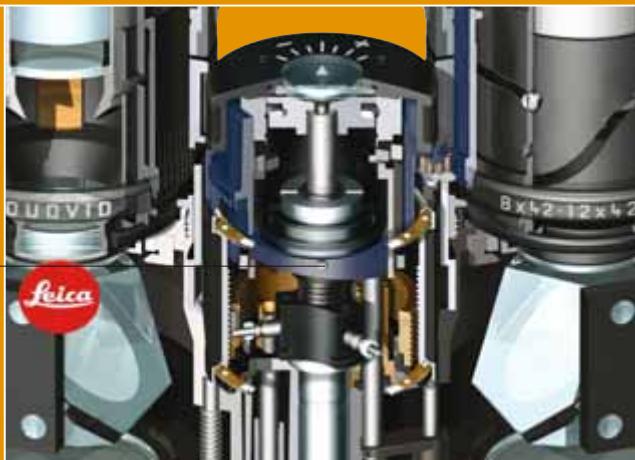
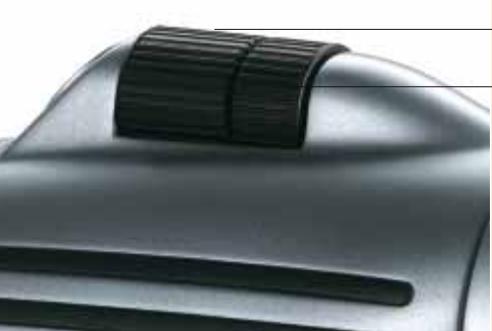
quick initial focusing
fine focusing
Televid dual focusing The dual focusing device patented by Leica is incorporated in Leica spotting scopes. Two separate focusing drums enable the observer to perform a quick initial focusing followed by an accurate fine focusing to obtain an image that is always perfectly sharp.
Removable, sliding eyecups with two click stops A newly designed rotating sliding eyecup is used on binocular models Duovid 50 and 42, Ultravid 50, 42 and 32 and Geovid. It can easily be removed for cleaning at any time and it has two click stops with which different eye relief distances (AP positions) can be set individually (with eyeglasses = retracted; without eyeglasses = pulled out). With its gently cushioning rubber element it guarantees long, relaxed observation and for eyeglass wearers it provides secure positioning without damaging the eyeglasses. The remaining Leica binoculars are equipped with sliding eyecups that guarantee an optimal eye relief.
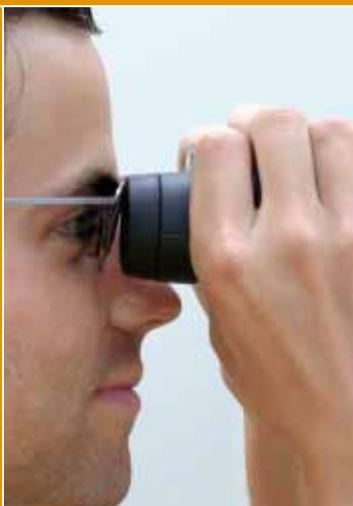
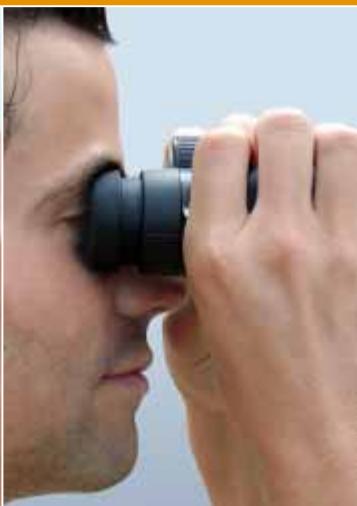
LED displays in rangefinders The actively glowing LED displays in Rangemaster and Geovid models employ a sensor that automatically tailors their intensity to the prevailing ambient light at all times. This feature assures perfect legibility in all light conditions and it especially prevents eye glare during nighttime observation.
Leica rangefinder technology - with a press of the button
Leica rangefinders distinguish themselves primarily by the fact that they can be operated intuitively, by the excellent legibility of their LED displays and by their bright optics. Pressing the measuring button just once switches the instrument on, the target sight appears in the display and the object can now be addressed. Pressing the button a second time displays the measured distance. By keeping the button pressed, the instrument automatically switches to a scan mode, which is indicated by a blinking display. The instrument now provides continually updated measurement values. The scan mode is especially helpful for the perfect measurement of distances to small or rapidly moving targets.
The measurement of distances is based on an eye-safe light pulse that is reflected by the object that is being sighted. A microprocessor uses the time elapsed until the light pulse has returned to compute the distance and then indicates it in the instrument's display.
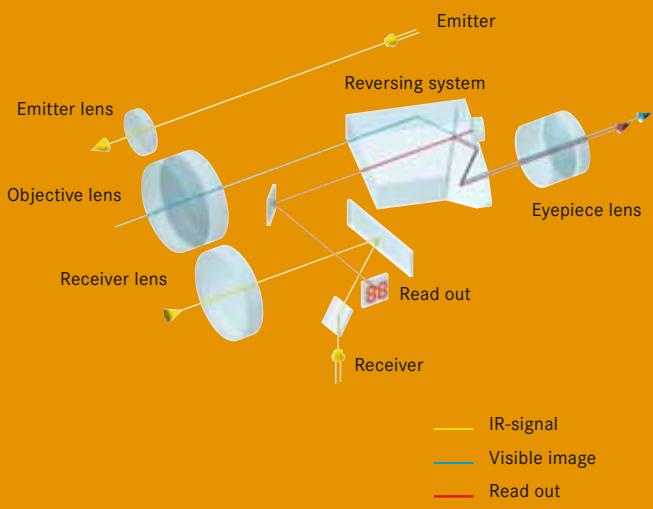
For the other lines of Leica products too, man and his perception are the main consideration : Accordingly, high-grade Leica cameras and projectors provide a very special visual experience. Numerous cultural activities, photographic competitions and seminars as well as a competent technical customer service round out our program. More detailed information is available on the internet or from your authorized dealer.
Leica R-System
Leica M-System
Leica Digital Cameras
Leica Projectors

Trademark of the Leica Camera Group
"Leica" and product names =® Registered trademarks
© 2006 Leica Camera AG
All rights to change construction, design and range reserved
Product photography :
Tom Vack, Alexander Gohr
Nature photography :
Hansgeorg Arndt
Franz Bagy
Stefan Meyers
Oliver Richter, Leica Akademie
Udo Zell, Leica Akademie
Brochure order number :
German 91192, English 91193, French 91194, Italian 91195
Leica Camera AG / Oskar-Barnack-Straße 11 / D-35606 Solms
www.leica-camera.com / info@leica-camera.com
Telephone +49(0)6442-208-0/Fax +49(0)6442-208-333
- For example in the USA you would buy a deer tag, which allowed you to hunt one animal only. Technically the amount of animals you can shoot here is limitless ; though and as ever good sense, opportunity and moderation prevail. And all you need is a place to shoot and permission to do so.
- Black Deer Quite the most striking looking deer in the UK is the melanistic Fallow, which due to their genetics produces an animal that in extreme case is pure black. Physically they look no different to the traditional spotted variety in size, sex, shape or antler, but their colouration is amazing. And I have had the pleasure of seeing these animals up close.
- The Call of Nature Unlike Roe, which tend to move in very small groups or singly, Fallow are far more gregarious and I have seen them in herds of up to 40 animals. Like the Roe I have shot a lot of them, and the big bucks with their large antlers do make some nice trophies. Quite often the dominant male will drive the younger mature bucks out of the herd and they tend to join up to make bachelor groups.
- The Duovid class : Two binoculars in one
- LEICA DUOVID 10 + 15 × 50 - the binocular-spotting scopes With its 15 × magnification, the Duovid with 50 ~mm objective lens bridges the gap between binocular and spotting scope.
- LEICA DUOVID 10 + 15 × 50
- LEICA DUOVID 8 +12 x 42 - the most flexible 42 mm binoculars
- LEICA DUOVID 8+12x42
- Two magnifications
- Extreme brilliance
- Easy to use
- Robust
- The Ultravid class : Binoculars for extreme demands
- LEICA ULTRAVID 8 × 50 BR
- LEICA ULTRAVID 10 x 50 BR
- LEICA ULTRAVID 12 x 50 BR
- LEICA ULTRAVID 7x42 BR
- LEICA ULTRAVID 8 x 42 BR
- LEICA ULTRAVID 10 x 42 BR
- LEICA ULTRAVID 8 x 42 BL
- LEICA ULTRAVID 10 x 42 BL
- LEICA ULTRAVID BR 32 mm – always with you The 32 mm models are a continuation of the previously established design, function, mechanical, and optical standards of the Ultravid class. They redefine 32 mm binoculars.
- LEICA ULTRAVID 8 × 32 BR
- LEICA ULTRAVID 10 x 32 BR
- LEICA ULTRAVID BR 25 mm – the stars among the compacts
- LEICA ULTRAVID 10× 25 BR
- LEICA ULTRAVID BL 25 mm - brilliant elegance These lightweight binoculars with a classic leather covering are the ideal companions for all those expecting a high level of optical performance, whether it is in nature or the city.
- LEICA ULTRAVID 10× 25 BL
- LEICA ULTRAVID BR 20 mm – robust High-Tech-Minis The small Ultravid BR models are not only ultra-rugged and ultra-bright, but they are small premium-performance binoculars that one can always carry around.
- LEICA ULTRAVID 8 x 20 BR
- LEICA ULTRAVID BL 20 mm – the greatest little ones With their black leather covering, the smallest Leica “power packages” are both elegant and powerful.
- LEICA ULTRAVID 8 x 20 BL
- Ultra-lightweight
- Ultra-bright
- Ultra-ergonomic
- Ultra-rugged
- LEICA TRINOVID 8x42 BN
- LEICA TRINOVID 10 x 42 BN
- LEICA TRINOVID BN 32 mm – the constant companions Compact size and excellent image quality make the 32 mm the ideal companion for any type of hunting. The light way to get closer to your game!
- LEICA TRINOVID 8 x 32 BN
- LEICA TRINOVID 10 x 32 BN
- LEICA TRINOVID 10× 25 BCA
- LEICA TRINOVID 8 x 20 BCA
- The Trinovid class : Proven technology for the ambitious viewer
- Proven
- Bright
- LEICA TELEVID 77 mm – powerful spotting scopes for any light condition
- LEICA TELEVID 77
- LEICA APO-TELEVID 77
- LEICA TELEVID 62 mm - lightweight spotting scopes for any light conditions The compact, lightweight, high-performance LEICA TELEVID 62 is ideal for those backcountry hunting trips.
- LEICA TELEVID 62
- LEICA APO-TELEVID 62
- LEICA DIGITAL ADAPTER 2
- Vertical or horizontal format - the
- LEICA GEOVID 8 x 56 BRF
- LEICA GEOVID 15 x 56 BRF
- LEICA GEOVID BRF 42 mm - the compact orienteering specialists
- LEICA GEOVID 8 x 42 BRF
- LEICA GEOVID 10× 42 BRF
- LEICA RANGEMASTER CRF 1200 - minimum size, maximum performance For hunters who want a minimum of equipment and a maximum of performance, the elegant CRF is the ultimate solution. It establishes entirely new standards for the Rangemaster class - with their extraordinary compactness, lightweight and simultaneously enhanced optical and mechanical performance.
- LEICA RANGEMASTER CRF 1200
- Binocular
- LEICA DUOVID
- Order No. Product
- Order No. Accessories
- Spotting scope LEICA TELEVID 77
- Straight viewing 40103
- Angled viewing (45°) 40101
- Delivery Scope Front and rear caps
- Front lens diameter 77 mm
- Focal length of the lens 440 mm
- Close focusing distance approx. 3.9m / 12.8 ft
- Exit pupil, twilight factor and field of view See eyepiece chart page 83
- No. of lens elements
- (excluding the eyepiece) 2, all multi-coated
- Prism system Porro prism system
- Watertightness Watertight to a depth of 3m / 10 ft
- Housing Die-cast aluminum, nitrogen-filled
- Eyepiece connection Rapid-change bayonet
- Tripod base 14 , rotating with locking screw
- Lens hood Sliding lens hood with sighting aid
- Filter thread E77
- Dimensions (W× H× D) 390× 105× 93mm / 15\% × 4\% × 3\% in
- Weight approx. 1.495g / 52.7 oz
- Zoom eyepiece 20-60x 41012
- Digital Adapter 2 42303
- Photo Adapter
- T2 Adapter for
- Leica R system 42305
- UVa filter 13337
- Cordura ever-ready case
- for straight viewing scope 42315
- for angled viewing scope 42310
- Carrying case 42316
- See eyepiece chart page 83
- Internal focusing with patented dual focusing device
- (fluorite), all multi-coated
- Watertight to a depth of 3m / 10 ft
- Die-cast aluminum, nitrogen-filled
- , rotating with locking screw
- Sliding lens hood with sighting aid
- × 105 × 93 ~mm / 16\% × 4\% × 3\% in
- Eyepiece for LEICA TELEVID 62
- × WW
- 32xWW
- 16-48 x (Vario)
- Focal length
- Speed
- Very useful binocular equipment
- Practical accessories for more convenient observation for the hunt
- Tripod adapter for binoculars
- Carrying case for Televid 77
- Ever-ready-case for Televid 77
- Ever-ready-case for Televid 77 Angled view
- Ever-ready-case for Televid 62 angled view
- Ever-ready-case for Televid 62 straight view
- Digital adapter 2
- Photo adapter for 77er spotting scopes, 1:10.4/800 mm
- Photo adapter for 77er spotting scopes 1:13.0/1,000 mm - Photo adapter for 62er spotting scopes 1:12.9/800 mm
- Technical binocular terms
- Example LEICA ULTRAVID 10 x 42 BR
- Glossary For illustration purposes, the pictorial examples show strongly exaggerated effects of the various types of imaging errors or aberrations.
- Optical quality
- Optical glasses with anomalous partial dispersion
- Mechanical quality
- Leica innovations and patents
- Leica rangefinder technology - with a press of the button
Brand : LEICA
Model : TELEVID 62
Category : Telescope