
GTW641KB - Cooker GORENJE - Free user manual and instructions
Find the device manual for free GTW641KB GORENJE in PDF.


| Product Type | Built-in gas hob |
| Brand | Gorenje |
| Model | GTW641KB |
| Number of Burners | 4 |
| Burner Types | Auxiliary (1.0 kW), Semi-rapid (2.0 kW), Rapid (2.9 kW), Wok (3.8 kW) |
| Gas Types | LPG (G30, 30 mbar) and Natural Gas (G20, 20 mbar) - convertible |
| Energy Efficiency (Gas Hob) | 56.6% (LPG), 55.5% (NG) according to EU 66/2014 |
| Dimensions (W x D x H) | 610 x 510 x 97 mm (height includes controls) |
| Cutout Dimensions (W x D) | 560 x 480 mm (min) |
| Weight | Approximately 10 kg |
| Electrical Supply | 220-240 V~, 50/60 Hz (for ignition and valve) |
| Ignition | Automatic electric ignition (battery or mains) |
| Safety Features | Flame failure safety device (thermocouple) on all burners |
| Control Type | Front-mounted knobs |
| Material | Stainless steel (inox) or glass top (varies by version) |
| Installation | Built-in, requires proper ventilation and gas connection |
| Cleaning | Wipe with damp cloth; avoid abrasive cleaners; remove burner caps for cleaning |
| Maintenance | Check injectors for clogging; periodic gas seal inspection |
| Spare Parts | Injector sets, burner caps, thermocouples, knobs (available from service) |
| Repairability | User-replaceable: injectors, burner parts; professional service for gas valves |
| Warranty | Standard 2 years (conditions apply) |
| Certifications | CE, EAC, complies with EU regulations |
Frequently Asked Questions - GTW641KB GORENJE
User questions about GTW641KB GORENJE
0 question about this device. Answer the ones you know or ask your own.
Ask a new question about this device
Download the instructions for your Cooker in PDF format for free! Find your manual GTW641KB - GORENJE and take your electronic device back in hand. On this page are published all the documents necessary for the use of your device. GTW641KB by GORENJE.
USER MANUAL GTW641KB GORENJE
Installation instruction
Conversion instruction
GT641KB
GTW641KB
Please first read this manual!
Dear Customer,
We desire you get the most out of this product which is produced in the modern facilities on basis of high-quality.
For this reason, please read this manual carefully and thoroughly prior to using the product and keep it for future reference. If you assign the product to anybody else, please give it together with the user's manual. When using the product, taken into consideration all information and cautions specified in the manual and comply with the instructions.
Symbols used in the user's manual and their corresponding meanings:
 | Important information and useful tips for use |
 | Warning against life and property risks |
 | Warnings against electric shocks |
 | Warning against fire risk |
 | Warning against hot surfaces |
The user's manual helps you use the product quickly and safely.
- Please read the user's manual prior to installation and operation of it. • Always comply with the safety-related instructions.
- Keep the user's manual at an easily accessible place as you may need it for reference in future.
- Please read the other documents provided with the product as well. Please remember that this user's manual may also be applicable for other versions. Differences between the versions are clearly indicated in the manual.
TABLE OF CONTENTS
- IMPORTANT SAFETY INSTRUCTIONS .... 3
1.1. General Safety ...... 3
1.2. Safety for children....5
1.3. Safety of the electric-related works ....5
1.4. Intended use....5
- INSTALLATION....6
2.1. Prior to use of the product ....6
2.2. Installation and connections....7
2.3. Wiring....10
2.4. Gas connection 10
2.5. Sealing inspection 12
2.6. Final inspection....12
2.7. Disposal of the product 13
- ABOUT PRODUCT: 14
3.1. General view....14
3.2. Technical specifications of your built-in range....14
- Use of the range....15
4.1. First use....15
4.2. First cleaning....15
4.3. Description of use of the gas range: 15
4.4. Gas cut-off safety apparatus....15
- Maintenance and cleaning....16
5.1. General information.... 16
5.2. Cleaning the control panel....17
5.3. Cleaning the range.... 17
- Suggested solutions for problems....18
1. IMPORTANT SAFETY INSTRUCTIONS
This section contains safety instructions to help prevent physical injury or material damage. Failure to comply with these instructions makes any warranty invalid.
1.1. General Safety
- This product is not designed for use by persons (including children) who lack knowledge or experience and have deficient physical, sensory, or cognitive skills unless they are attended by a person to take care of their safety or give necessary instructions for use of the product. Children should be supervised and never be allowed to play with the product.
- Plug the product into an outlet/mains protected by a fuse of such value as given in the table “Technical specifications”. In case of use with or without transformer, remember to have the earthing installation done by a qualified electrician. If the product is used without proper earthing as per the applicable local regulations, our firm shall not be responsible for any resulting loss.
- If the power cable/plug is damaged, do not operate the product. Contact the Authorized Service Center.
- If the product is damaged and has noticeable damage, do not operate it.
- Do not perform any repair or modification on the product. However, you may remedy some troubles; see suggested solutions for the problems, page 18.
- Never wash the product by spraying or pouring water on it! There is a risk of electric shock!
- Do not use the product under conditions where your judgment is affected due to the effect of medical drugs and/or alcohol.
- Disconnect the product from the mains during installation, maintenance, cleaning, and repair operations.
- Always have installation and repair operations done by an authorized service center. The manufacturing firm may not be held responsible for any loss that may arise due to operations performed by unauthorized persons, and consequently, the product warranty becomes invalid.
- Be careful when using alcohol in food. Alcohol evaporates at high temperatures and when it contacts hot surfaces, it may ignite and cause fire.
- Do not heat sealed cans and glass jars. The resulting pressure may cause the jar to burst.
- As the edges of the product will be hot when working, do not put any flammable substances near it.
- Keep all ventilation channels open.
- The product may be hot during use. Do not touch hot parts and heating elements, etc.
- Make sure the product is switched off after each use.
• The product and accessible parts of the product are hot during use.
- Do not touch the product while it is in use.
- Do not use sharp or piercing tools when cleaning the glass; such materials may damage your product.
- As superheated oil may cause fire, always keep watch when the product is in use.
- In case of possible fire, do not attempt to extinguish the fire with water; disconnect the power connection of the product immediately and cover the fire with a wet blanket.
- Do not use a steam cleaner.
- If the glass of the product is broken: switch off all burners and any electric heater element immediately and disconnect the power supply of the equipment; do not touch the surface of the equipment and do not use the equipment.
- To clean the glass of the range, never use abrasive agents or sharp metal scrapers that may destroy the surface and cause the glass to break.
- Do not use the product on nylon, flammable, or heat-sensitive materials.
- Pots placed on the heaters of the range should be of proper sizes.
- Do not scrub the buttons and inox surfaces of the range with scraping objects; do not use Scotch-Brite.
- If the flame of a burner is accidentally extinguished, switch off the burner in a controlled manner and do not relight it for at least 1 minute.
1.2. Safety for children
The exposed parts of the product will get heated during use and after use until it cools down; keep children away.
- CAUTION: During use of the grill, the accessible parts may be hot. Keep children away from the product.
- Children under 8 years old should not touch the product when they are unattended by an adult.
- This equipment may be used by children above 8 years old and/or persons who are physically, sensory, or cognitively impaired if they are duly informed about the risks and safe use of the product.
- Children should not play with the product. Cleaning and maintenance of the equipment must not be performed by children without supervision.
- Packaging materials may be dangerous for children. Keep packaging materials out of reach of children or dispose of them by sorting according to waste disposal instructions.
1.3. Safety of electrical work
- All work on electrical equipment and systems should be performed by an authorized and qualified person.
- This product is not suitable for use with a remote system.
- In case of any damage, switch off the product or disconnect the power supply. To do this, switch off the house fuse.
- Make sure the fuse rating is the same as the product's current.
1.4. Intended use
This product is designed for domestic use. It is not allowed for industrial use.
“CAUTION: This product should be used for cooking only. It should not be used for different purposes such as heating a room, etc.”
The manufacturer may not be held responsible for any loss that may occur due to improper use or during transportation. The service life of the product you purchase is 10 years. This is the time during which the manufacturer should make available spare parts necessary for the operation of the product in the specified way.
2. INSTALLATION
2.1. Before using the product

Make sure the power and/or gas installation is suitable. If not, make necessary arrangements through a qualified technician and installer.

The customer shall be responsible for preparing the place where the product will be placed as well as the power and/or gas installation.

For installation of the product, you should comply with the rules defined in the local standards concerning power and/or gas.

Control the product prior to installation to find out whether there is damage or not. If the product is damaged, do not make the installation. Damaged products may cause risk for your safety.

Any works on the gas equipment and system should be performed by authorized and qualified persons.

The products have no system for discharge of gas that may occur as a result of burning. The product should be installed and connected as per the applicable regulations concerning installation. You should observe the requirements regarding ventilation.

Air necessary for burning is taken from the room air and the emitted gases are directly given to the room.

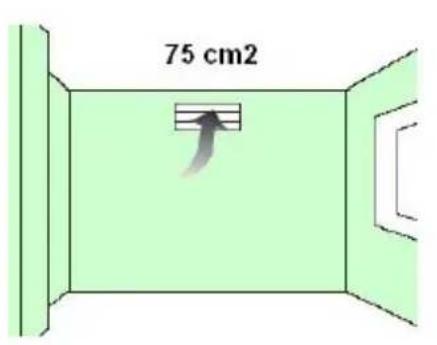
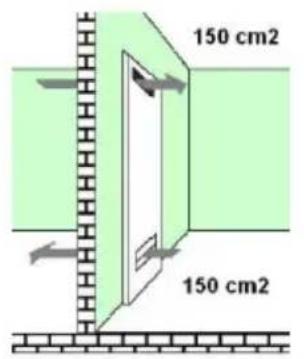
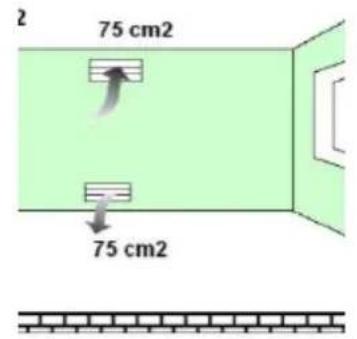
A good ventilation is required in the room for safe operation of your duct. If there is no window or door to be used for ventilation of the room, an additional ventilation system should be installed.

The floor area of the kitchen should be bigger than 8 m². Kitchen volume should be bigger than 20 m³.

The chimney outlet should be at height of 1.80 m from the floor and in diameter of 150 mm directly opening to the atmosphere.

Air vent should be near the kitchen floor and minimum 75 cm², opening to the outer atmosphere.
2.2. Installation and connections
2.2.1. Preparation of the built-in range prior to installation
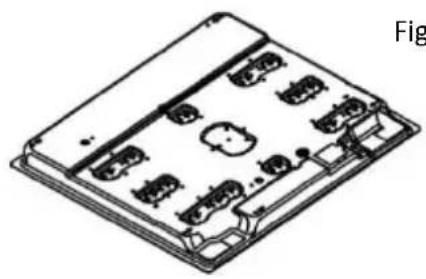
Figure 1
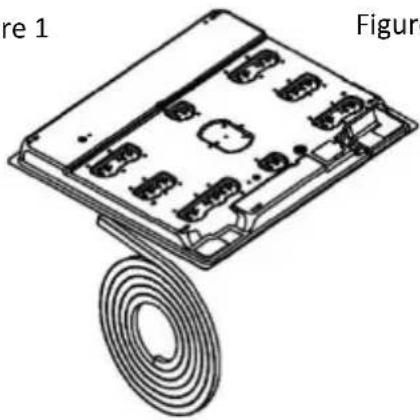
Figure 2
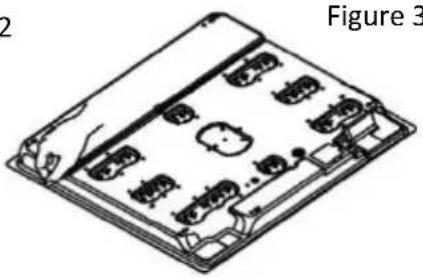
Figure 3
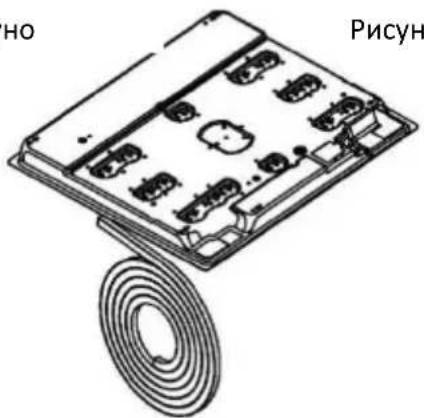
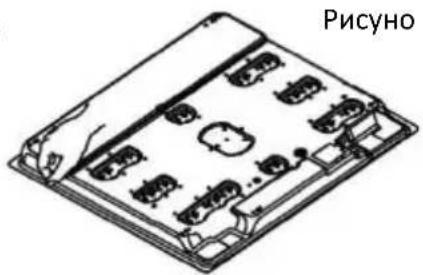
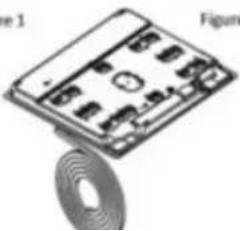
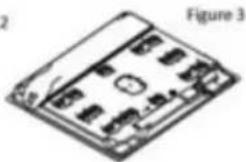
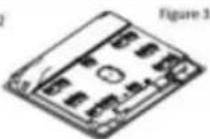
Turn upside down range in the Styrofoam in the package and apply the silicon.
In case of inox products, apply the silicon on inox surface, and in case of glass range products apply to the glass surface.
Apply the silicon supplied in the package around the range as shown in the figure.
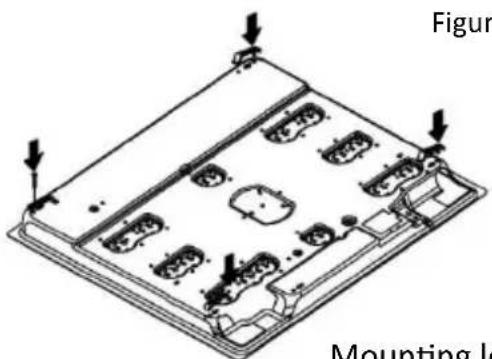
Figure 4
Mounting legs connection holes.
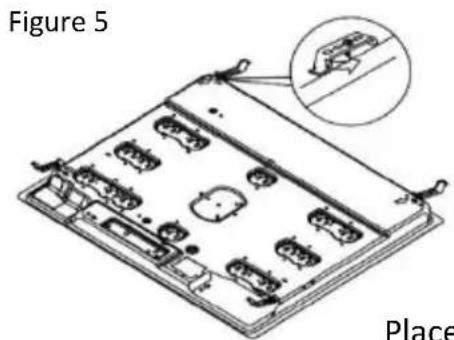
Place the mounting legs as shown in the figure.
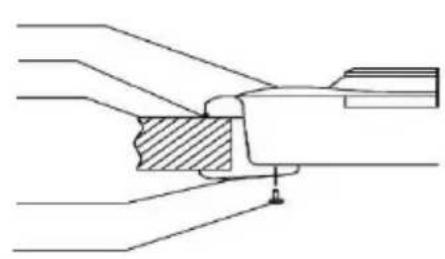
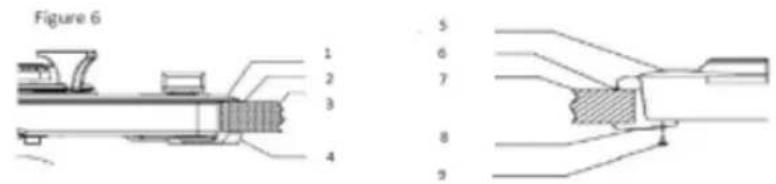
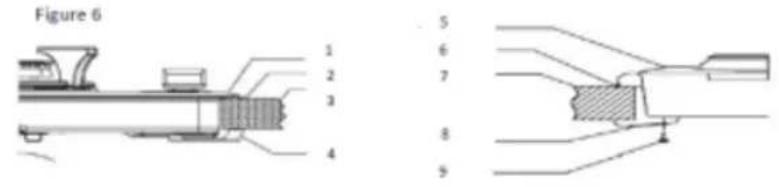
Figure 6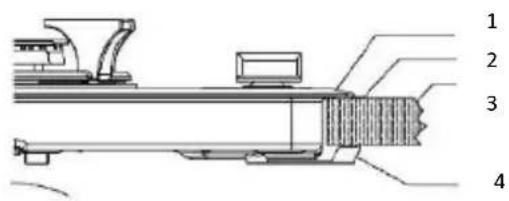
5 6 7 8 9
- Glass
- Upper Tray 2.Silicon Seal 6.Silicon Seal
- Tray 7. Counter Surface 4.Connection Element 8.Connection Clips
9.Screw
The range is equipped with a seal to prevent the liquids through the cavities into the cabinet. In order to place this seal, adhere the seal as shown in the figures above. Turn the range upside down and remove the protective tape of the rubber seal and adhere it to the range; both ends of the seal should meet each other. Install the mounting sheets as shown in figure 5 by help of screw. And place the range in the opening on the counter.
Appliance dimensions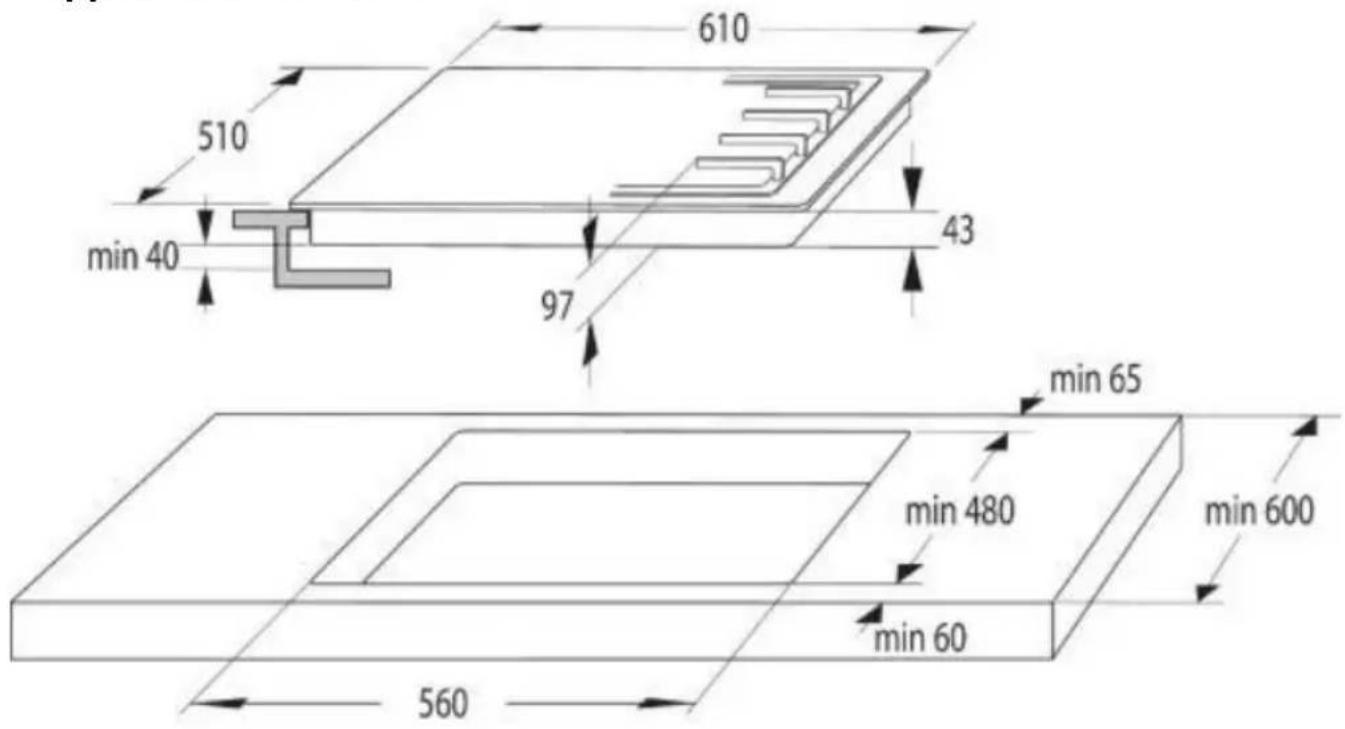
GT641KB
GTW641KB
Figure 7
Figure 7 shows the size to which the counter will be cut for installation of the range. Place the prepared range into the counter cut to these sizes. If you will use the range on the built-in oven, observe the figures 8 and 9 for proper air circulation between the oven and range.
Figure 8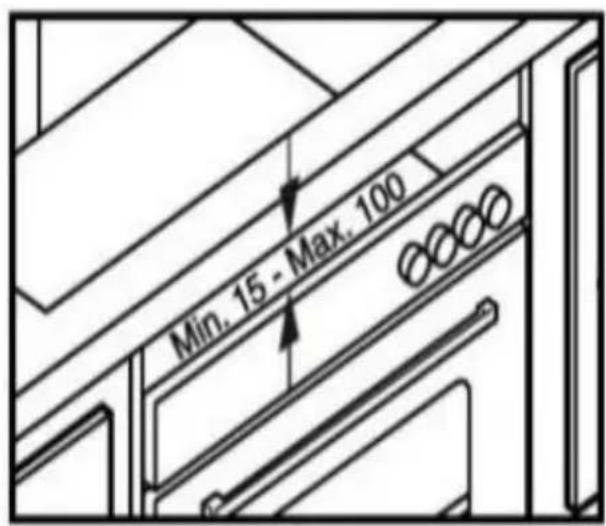
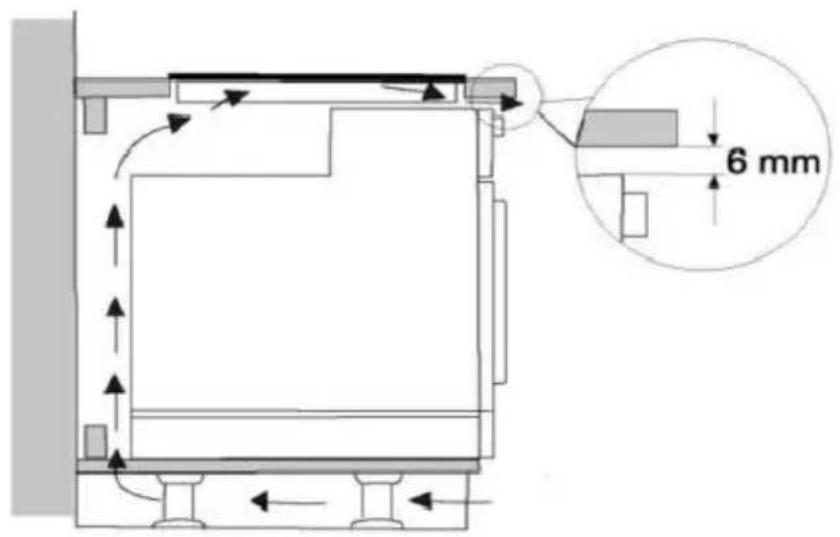
Figure 9

Start to use after you remove the protective film on Inox surface.
2.3. Wiring

You should definitely use an earthed line for the product!
The manufacturing firm shall not be responsible for any damages that may occur if the product is used without the earth.

Electric shock, short-circuit or fire risk arising from the installation performed by any unprofessional persons! The product should be connected to the mains only by an authorized and qualified person and the warranty of the product starts only after correct installation.

Power shock, short-circuit or fire risk arising from damaged power cable! The power cable should be crushed, crinkled or pinched or should not contact with the hot parts of the product. If the power cable gets damaged, it should be replaced by a qualified electrician.
- The mains supply data should be same on the data indicated on the nameplate of the unit. You may find the nameplate at the back of or under the product.
- The connection cable of the product should comply with the technical specifications and power consumption.

Risk of electric shock! Before performing any work on the electric installation, please disconnect the power supply of the product.
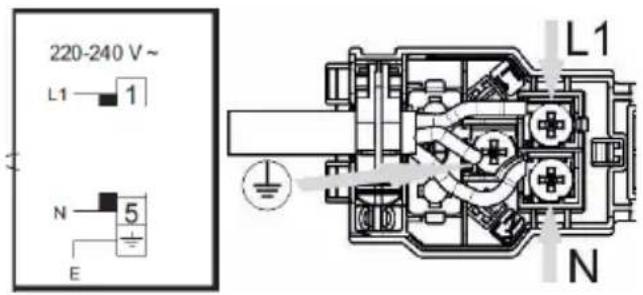
2.4. Gas connection

Any work on the gas equipment and systems should be performed by the qualified and authorized persons.
Prior to installation, make sure the conditions of local distribution (gas type and gas pressure) comply with the settings of the product.
2.4.1. LPG connection
Make sure the gas hose and gas pressure-reducing valve you use on the range are safe. Connect the gas delivery hose with the hose behind the range and tighten it by using a clamp and screwdriver (figure 10). Make sure it is firmly tightened.
Gas delivery hose of the equipment should not be longer than 1500mm. The pressure of the pressure-reducing valve to be used for LPG should be 300mmSS and certificated.

Gas delivery hose should not pass through the hot part behind the equipment. Temperature of the gas hose should not exceed 90°C (degree).
Prior to use, make sure the system does not leak any gas.
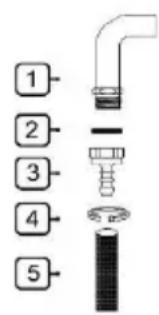
1- G1/2 Nipple) 2- Silicon seal 3- G1/2 Hose inlet (gas inlet) 4- Metal clamp 5- Gas hose (inner diameter 8mm)
Figure 10
2.4.2. NG (natural gas) connection
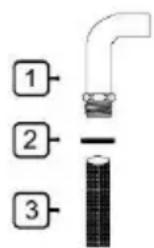
1- G1/2 Nipple) 2- Silicon seal 3- G1/2 NG hose (EN 14800 compliant natural gas hose)
Figure 11
If your equipment is set for natural gas, get the equipment connected by the installation firm of the concerned natural gas distribution
company. Natural gas connection of your equipment is 1/2”. If you desire to convert your equipment from LPG to natural gas or from natural gas to LPG, contact the nearest service centre and make them do the required gas conversion settings.
2.5. Sealing inspection
Open the pressure-reducing valve or natural gas valve and control by application of much foamy water on the connection to find out any gas leakage.
Never control by flame.
2.6. Final inspection
- Plug the power cable into the socket and activate the fuse of the equipment.
- Control the functions.
2.6.1. LPG-NG / NG-LPG conversion
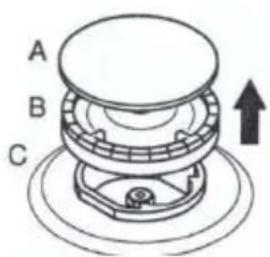
Figure 12
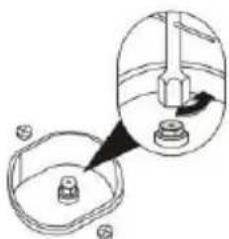
Figure 12.1
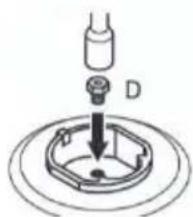
Figure 12.2
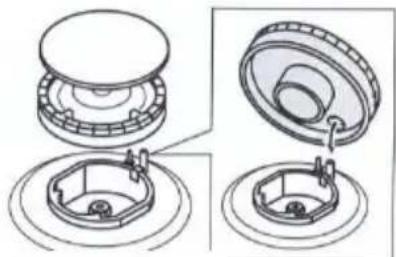
Figure 12.3
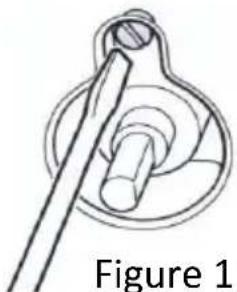
Figure 12.4
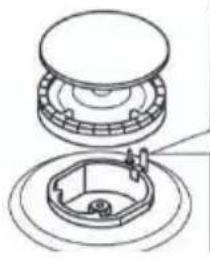
Remove the burner cover and burner as shown in Figure 12.
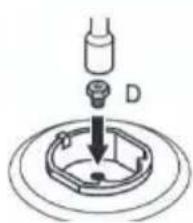
Remove the injector with a 7 mm socket screwdriver as shown in Figure 12.1.
Fix the injector (D) to be converted as shown in Figure 12.2.
(see table 1).
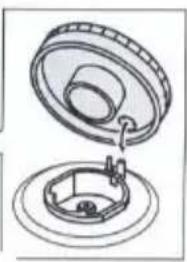
Replace the burner as shown in Figure 12.3.
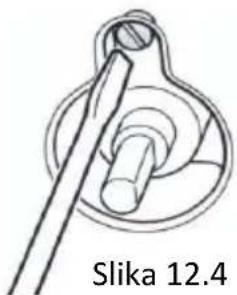
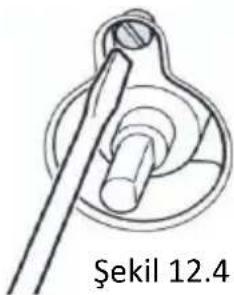
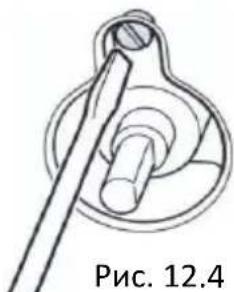
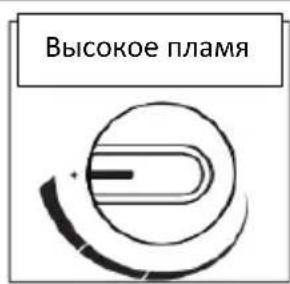
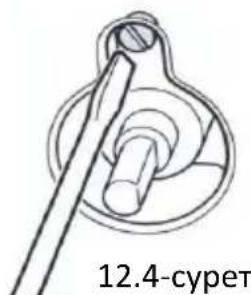
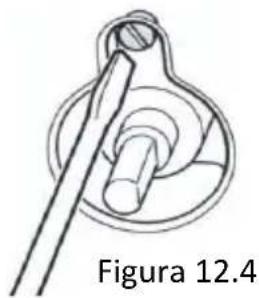
After conversion, turn on the burners respectively and remove the button on the control panel. Set the flame length by tightening or loosening the screw on the gas valve (12.4 cock) or in the valve shaft.
2.7. Disposal of the product
2.7.1. Destruction of the package
Packaging materials are dangerous for children. Keep the packaging materials at a place not accessible to children.
The packaging of the product is made of recycled materials. Dispose of them in the garbage by sorting as per the instructions on waste. Do not dispose of them together with normal domestic waste.
2.7.2. Future transportation operations
- Keep the product in its original box and carry the product in this box. Comply with the instructions given on the box. If the original carton is not available, wrap the product with blister packaging material or a thick paperboard and tape it firmly.
- Fix the heads and pot supports firmly with tape.
- Do not put any object on the product. The product should be carried upright.
- Check the general appearance of the product for any damage that might have occurred during transportation.
2.7.3. Disposal of the old product
Dispose of the old product in such a way that it will not cause damage to the environment.
A mark (WEEE) is present on this product, indicating that electric and electronic equipment waste should be collected separately. This means that the equipment should be dealt with as per EU Directive 2002/96/EC to recycle or disintegrate into parts for minimizing its effect on the environment. For further information, please contact local and regional authorities.
The electronic products which are not kept subject to the controlled waste gathering process constitute potential risk for both environment and human health due to the harmful substances they contain.
You may contact with your authorized dealer or the municipal waste collection centre to get information about how you may dispose of the product.
Before you throw the product into the garbage, cut the electrical plug and break the cover lock, if any, in order that the children are not exposed to any risk.
3. ABOUT PRODUCT:
3.1. General view
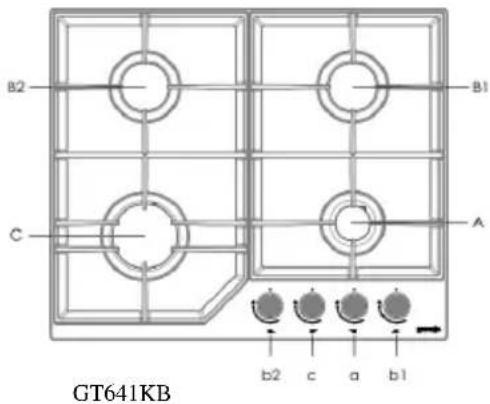
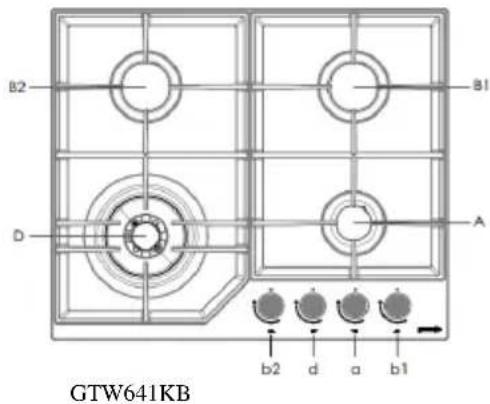
Aa - Auxiliary burner Bb - Semi-rapid burner Cc - Rapid burner Dd – Wok burner
3.2. Technical specifications of your built-in range
Consumption values
 | LPG G30 30 mbar | NG G20 20 mbar | ||||
| Injector (mm) | Power (kW) | Consumption (g/h) | Injector (mm) | Power(kW) | Consumption (m3/h) | |
| Auxiliary Burner | 0,50 | 1,00 | 73 | 0,72 | 1,00 | 0,095 |
| Semi-rapid Burner | 0,72 | 2,00 | 145 | 1,03 | 2,00 | 0,190 |
| Rapid Burner | 0,85 | 2,90 | 211 | 1,24 | 2,90 | 0,276 |
| Wok Burner | 1,00 | 3,80 | 276 | 1,50 | 3,80 | 0,362 |
Information according regulation (EU only) 66/2014 Measurements acc. EN60350-2 (G30-30 mbar)
| Model identification | GT641KB | GTW641KB | ||
| Type of hob | Gas hob | Gas hob | ||
| Number of gas burners | 4 | 4 | ||
| Heating technology | Gas burner | Gas burner | ||
| Type og gas | G20 | G30 | G20 | G30 |
| Energy efficiency per gas burner(EEgas burner) in % Semi-rapid Burner | 56,79 | 58,51 | 56,79 | 58,51 |
| Energy efficiency per gas burner(EEgas burner) in % Rapid Burner | 54,45 | 54,07 | - | - |
| Energy efficiency per gas burner(EEgas burner) in % Wok Burner | - | - | 52,99 | 52,91 |
| Energy efficiency for the gas hob (EEgas hob) in % | 56 | 57 | 55,5 | 56,6 |

The firm may make change in the technical specifications to improve quality of the product without prior notice.

The figures given in the manual are schematic and may not be exactly same with your product.

The values given on the markings on the product or in the other printed documents provided with the product are values obtained under the
laboratory conditions as per the applicable standards. These values may vary depending on the use and ambient conditions of the product.
4. Use of the range
4.1. First use
Start using the equipment after removing the protective film from the Inox surface.
4.2. First cleaning

Some detergents or cleaning agents may harm the surface.
- Remove all packaging materials.
- Wipe the product surface with a damp cloth or sponge and wipe dry with a dry cloth.
4.3. Description of use of the gas range:
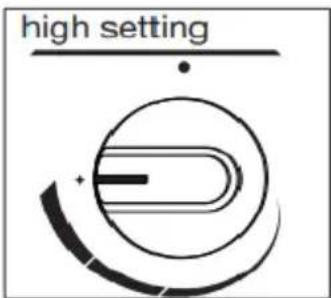
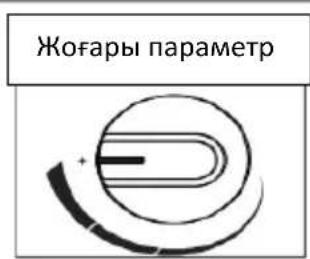
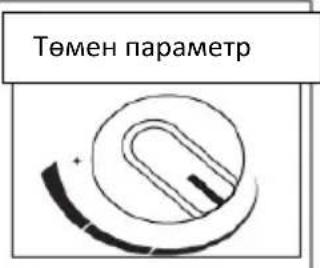
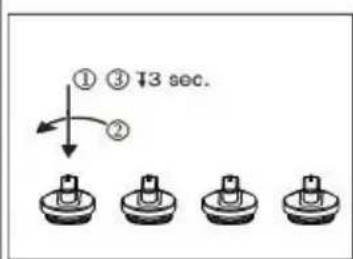
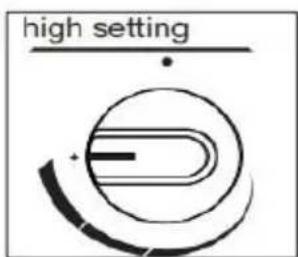
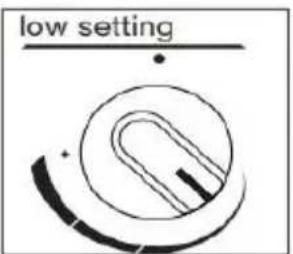
1: Push and turn anticlockwise the gas range button for setting high flame. 2: Turn on the lighter depending on the characteristics of your range. 3: Set to the desired flame position. 4: When the desired cooking operation is over, bring the range button to the top point by turning it clockwise to turn off the burner.

Control:
(1) Push
(2) Turn left + hold
(3) Hold down 3 sec.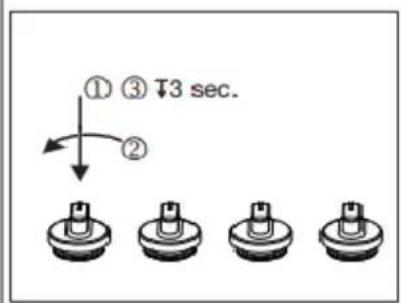
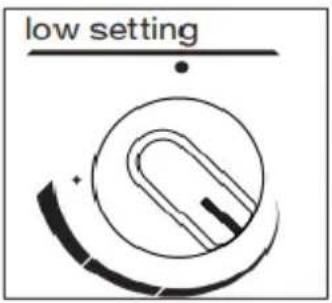
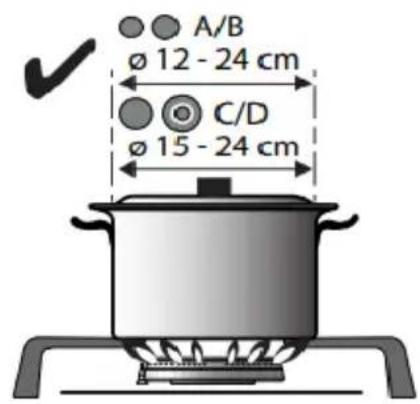
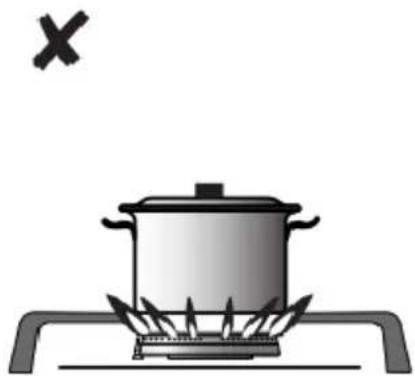
Container size and gas flame should match each other.
Gas flame should be set in such a way that it should not spread out from the container base.
Put the container as centered on the pot bearer.
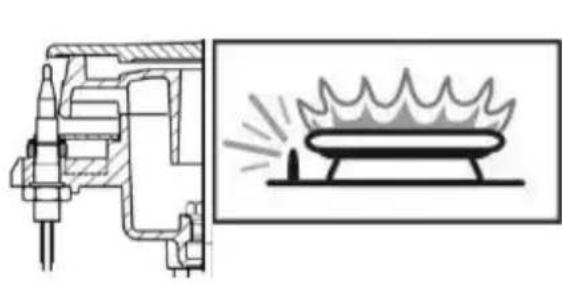
Thermal element activates as the safety mechanism activates and cuts off the gas immediately against extinguishment of the top burners due to liquid overflown.
1: Push and turn anticlockwise the gas range button for setting high flame.
2: Turn on the lighter depending on the characteristics of your range.
3: After it turns on, hold pressed the button for 3-5 seconds and ensure the safety mechanism to activate.
4: If it does not turn on after you push and release the button, repeat the same action by holding the button pressed for 15 seconds.
5: Set to the desired flame position.
6: When the desired cooking is completed, bring the range button to the top point by turning it clockwise to turn off the burner.
If the product is cleaned regularly, its service life extends and the frequently encountered problems reduce.

Risk of electric shock!
Prior to cleaning, switch off the power of the product to avoid risk of electric shock.

Hot surfaces may cause burns!
Wait for the product to cool down prior to cleaning the product.
- You should clean the product thoroughly after you use it each time. Thus the food remnants are easily cleaned and you prevent these remnants from being burnt when the product is used later on.
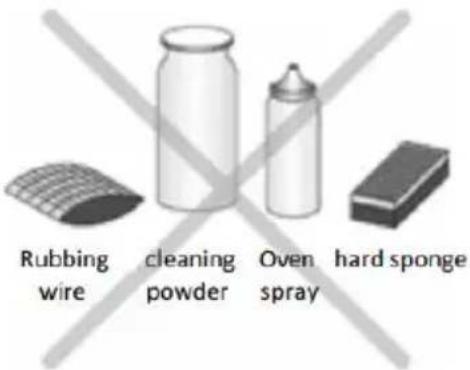
- No special cleaning agent is required for cleaning the product. Clean the product by use of dishwashing liquid, lukewarm water and a soft cloth or sponge and wipe clean with a dry cloth.
- Make sure you completely wipe off any liquid left after the cleaning and clean immediately any food around splashed during the cooking.
- Do not use any cleaning agent containing acid or chlorine for cleaning the stainless steel or inox surfaces and handle. Clean by wiping in single direction by help of a soft cloth with soap and liquid (non-scratching) detergent.

Some detergents or cleaning agents may give harm to the surface.
Do not use abrasive detergents, cleaning powders/creams or sharp objects.

Do not use steam cleaning agents for cleaning.
5.2. Cleaning the control panel
Clean the control panel and control button with a damp cloth and wipe dry with a dry cloth.

The control panel may get damaged! Do not remove the control
button to clean the control panel.
5.3. Cleaning the range
There is no need for any range cleaner or other special cleaning agent to clean the range. It is recommended to wipe the range with a damp cloth when it is still lukewarm.
6. Suggested solutions for problems
Product does not operate.
√ The product is not plugged (earthed) to the socket. Make sure the equipment is plugged. √ The fuse is burnt or broken. Check the fuse in the fuse box. If the fuse is burnt, activate it again.
The product ignites, but does not burn.
√ Gas is over. √ Cylinder valve or natural gas valve is closed. √ In case of houses with natural gas supply, if there is a gas leakage detector, the leak may be detected and gas cut off. √ Injector is clogged.
Flame burns low.
√ Cylinder is over. √ Injector is clogged.
When the product heats and cools down, metallic sounds are heard.
√ Metal parts expand when heated and cause sound. This is not a cause of failure.
If you cannot eliminate the problem although you performed the instructions given in this section, call your service to get support. Never attempt to repair the product that does not operate.
EAC
Gorenje gospodinjski aparati, d.o.o.
Partizanska cesta 12
3320 Velenje
Slovenia
738872
738867
EN(2021)
gorenje
SL
Figure 1
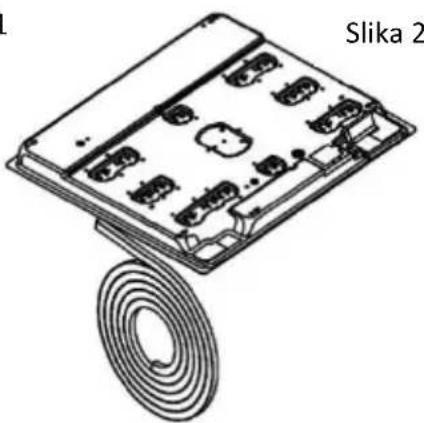
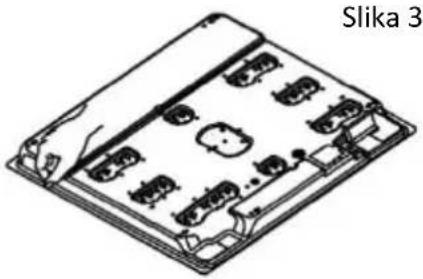
Figure 3
- Top panel
- Countertop surface
- Connection latches
Figure 12.1
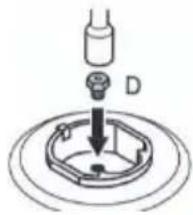
Figure 12.2
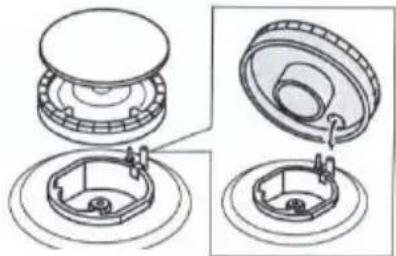
Figure 12.3
738872

738867
SL(2021)
gorenje
HR
User guide
Installation instructions
Conversion instructions
GT641KB
GTW641KB
- IMPORTANT SAFETY INSTRUCTIONS....3
1. IMPORTANT SAFETY INSTRUCTIONS
Figure 1
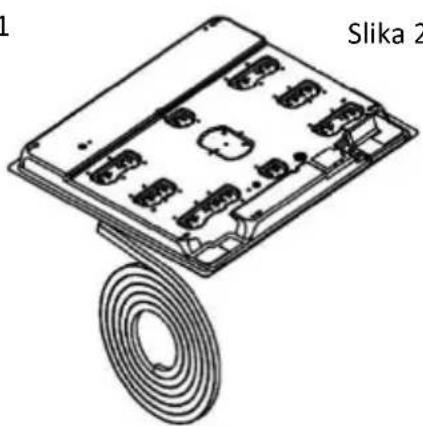
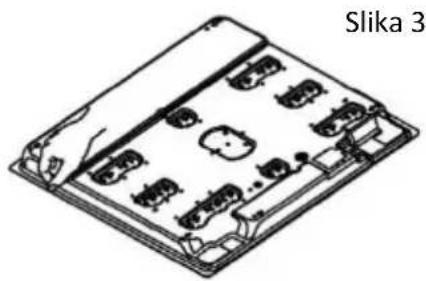
Place the hob upside down inside the polystyrene from the packaging and pull out your silicone.
Apply silicone to the stainless steel surface of the product, and for hobs with a glass surface, apply it to the glass surface.
Figure 12.1
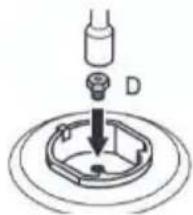
Figure 12.2
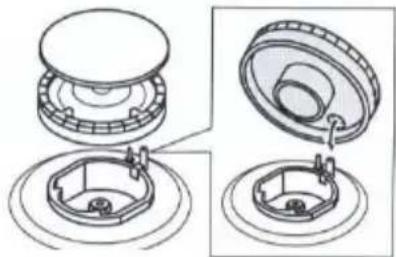
Figure 12.3
Aa - Small burner Bb - Medium burner Cc - Large burner Dd - WOK burner
The thermal appliance activates the safety mechanism and immediately cuts off the gas in case of liquid overflow and extinguishing of the top burners.
738872

738867
HR(2021)
gorenje
RU
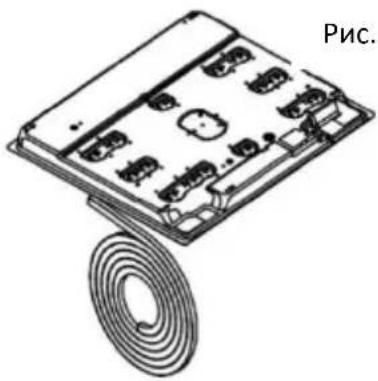
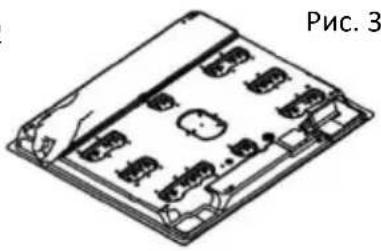
Fig. 12.1
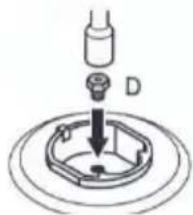
Fig. 12.2
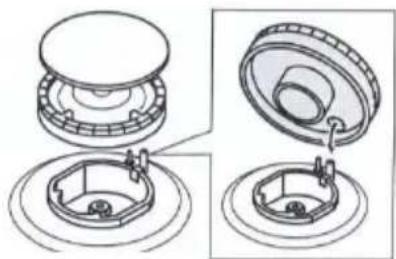
Fig. 12.3
738872

738867
RU(2021)
gorenje
KK
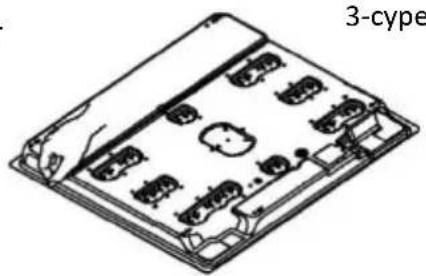
Fig. 12.1
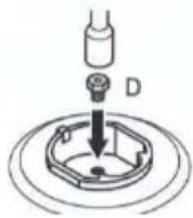
Fig. 12.2
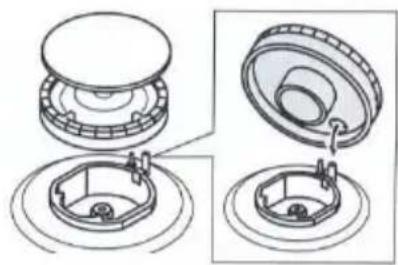
Fig. 12.3
 | Important information and useful tips for use |
 | Warning against life and property risks |
 | Warnings against electric shocks |
 | Warning against fire risk |
 | Warning against hot surfaces |
Figure
Figure
ET (2021)
gorenje
LT
Instruction manual
Installation instructions
Replacement instructions
GT641KB
GTW641KB
- Glass
- Silicone sealant
- Tray
- Connection element
- Top tray
- Silicone sealant
- Meter surface
- Connection terminals
- Screw
2.43 UC (non-chemical data)
2.5. Seal check
Figure 12.3
Figure 2
Aa - paligdeglis
If the liquid overflows, the upper part of the device, the heating element activates a safety mechanism and immediately shuts off the gas.
Figure 1
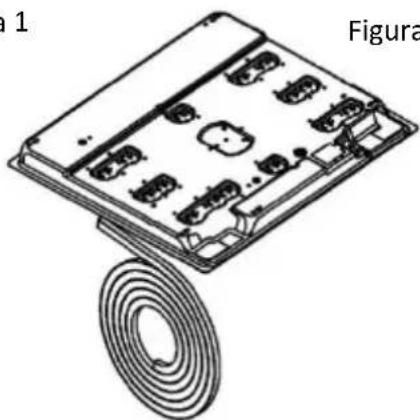
Figure 2
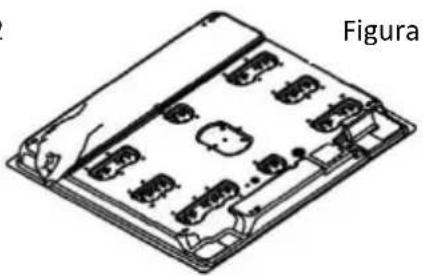
Figure 3
Figure 12.1
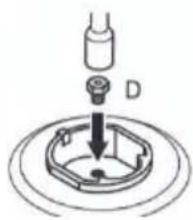
Figure 12.2
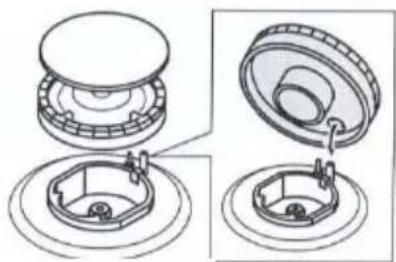
Figure 12.3
- PLEASE FIRST READ THIS MANUAL
- TABLE OF CONTENTS
- IMPORTANT SAFETY INSTRUCTIONS
- GENERAL SAFETY
- SAFETY FOR CHILDREN
- SAFETY OF ELECTRICAL WORK
- INTENDED USE
- INSTALLATION
- BEFORE USING THE PRODUCT
- INSTALLATION AND CONNECTIONS
- PREPARATION OF THE BUILT-IN RANGE PRIOR TO INSTALLATION
- WIRING
- YOU SHOULD DEFINITELY USE AN EARTHED LINE FOR THE PRODUCT
- GAS CONNECTION
- LPG CONNECTION
- GAS DELIVERY HOSE SHOULD NOT PASS THROUGH THE HOT PART BEHIND THE EQUIPMENT. TEMPERATURE OF THE GAS HOSE SHOULD NOT EXCEED 90°C (DEGREE)
- NG (NATURAL GAS) CONNECTION
- SEALING INSPECTION
- FINAL INSPECTION
- LPG-NG / NG-LPG CONVERSION
- DISPOSAL OF THE PRODUCT
- DESTRUCTION OF THE PACKAGE
- FUTURE TRANSPORTATION OPERATIONS
- DISPOSAL OF THE OLD PRODUCT
- ABOUT PRODUCT
- GENERAL VIEW
- TECHNICAL SPECIFICATIONS OF YOUR BUILT-IN RANGE
- CONSUMPTION VALUES
- USE OF THE RANGE
- FIRST USE
- FIRST CLEANING
- DESCRIPTION OF USE OF THE GAS RANGE
- CLEANING THE CONTROL PANEL
- CLEANING THE RANGE
- SUGGESTED SOLUTIONS FOR PROBLEMS
- EAC
- GORENJE
- SEAL CHECK
Brand : GORENJE
Model : GTW641KB
Category : Cooker