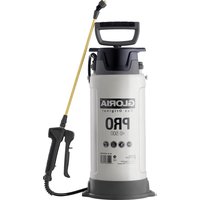
Pro 500 - Garden sprayer GLORIA - Free user manual and instructions
Find the device manual for free Pro 500 GLORIA in PDF.


| Product type | Manual pressure sprayer |
| Brand | GLORIA |
| Model | Pro 500 |
| Tank capacity | 5 liters (total capacity 7 liters) |
| Empty weight | 1.65 kg |
| Maximum service pressure | 3 bar |
| Optimal spray pressure | 1.5 to 3.0 bar |
| Average flow rate | 0.64 L/min |
| Nozzle type | Flat jet |
| Nozzle material | Brass |
| Spray angle | 80° |
| Operating temperature | 0 °C to +40 °C |
| Seal material | FKM (fluorocarbon rubber) |
| Maximum service life | 10 years |
| Power source | Manual (pressure pump) |
| Intended use | Common liquids, pH 5-9 |
| Maintenance | Clean after each use, lubricate seals |
| Safety | Pressure relief valve, handle lock |
| Spare parts | Available from GLORIA (ref. 728781.1111 for silicone grease) |
Frequently Asked Questions - Pro 500 GLORIA
User questions about Pro 500 GLORIA
0 question about this device. Answer the ones you know or ask your own.
Ask a new question about this device
Download the instructions for your Garden sprayer in PDF format for free! Find your manual Pro 500 - GLORIA and take your electronic device back in hand. On this page are published all the documents necessary for the use of your device. Pro 500 by GLORIA.
USER MANUAL Pro 500 GLORIA
Original operating instructions
Page 8
natural_image
Diagram of a mechanical device with rotating components and a base plate (no text or symbols)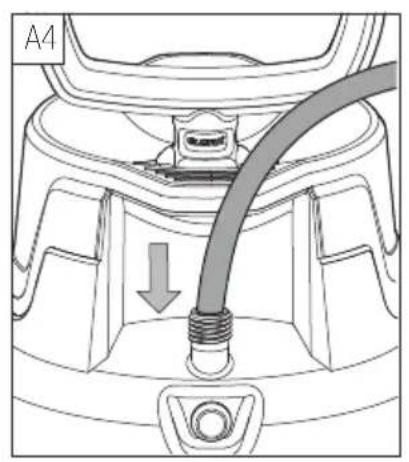
natural_image
Technical diagram of a piston-cylinder assembly with a curved pipe inserted, showing internal components and a downward arrow indicating motion (no text or symbols present)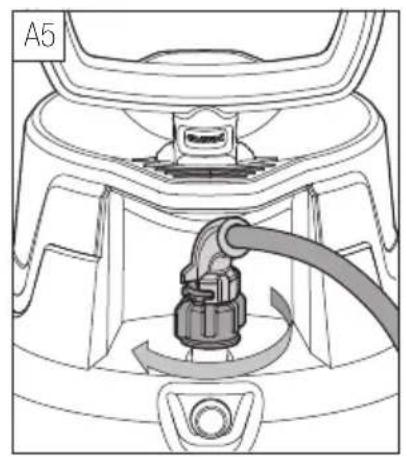
natural_image
Technical line drawing of a mechanical component with a cable and housing (no text or symbols)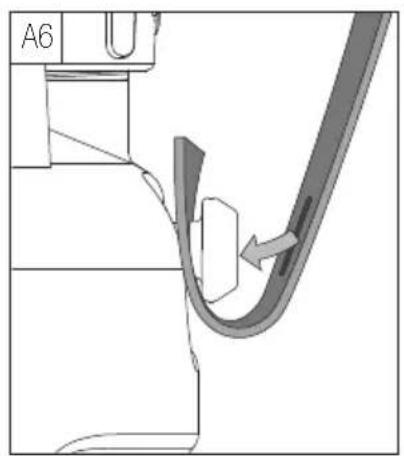
natural_image
Technical diagram of a mechanical component with a curved bracket and directional arrow (no text or symbols)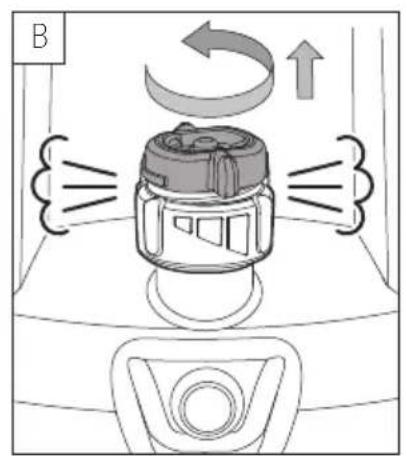
natural_image
Diagram of a mechanical device with rotating arrows and motion indicators (no text or symbols)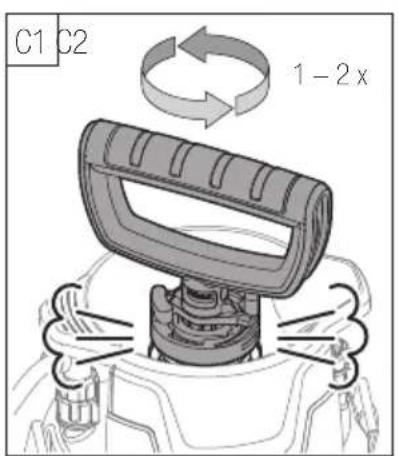
natural_image
Cross-sectional diagram of a mechanical component with layered structure (no text or symbols)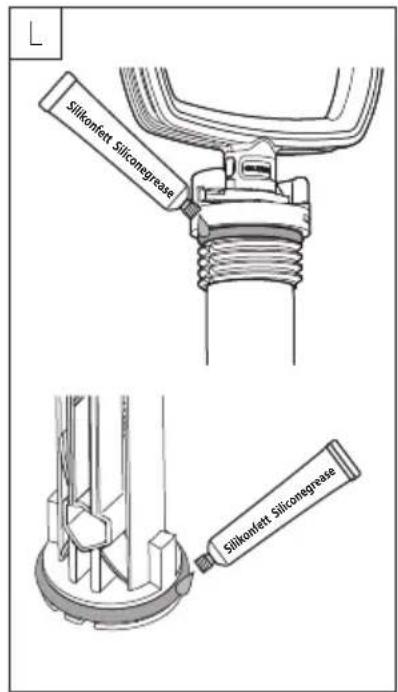
natural_image
Mechanical component diagram showing a gear assembly with no visible text or symbols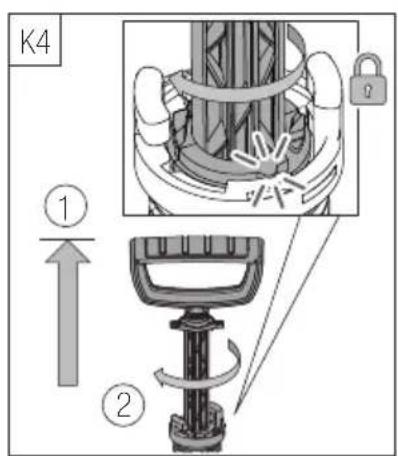
Deutsch
The pressure sprayer is designed for applying commercially available, low-viscosity and pure spraying agents and is suitable for private, professional and industrial applications.
Only spraying agents with a pH value between 5 and 9 may be used.
You may only operate the pressure sprayer within the operating temperature range (see Chapter "10 Technical data" on page 11).
2 Information for safe use

Read and observe the operating instructions and follow all safety instructions.
Keep the operating instructions in a safe place for later use. If you hand over the
pressure sprayer to someone else (for example, sell it), you must also include the operating instructions.
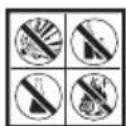
Spraying agents are mixtures of different substances whose composition is only known by the spraying agent manufacturer. Check the suitability of the spray-
ing agent before use. If you have any questions about the suitability of a spraying agent or you are unsure, please contact the spraying agent manufacturer or the Gloria Service department.
Do not fill the container with any spraying agents that contain solvents or are highly caustic. Do not mix different spraying agents. Unexpected, dangerous chemical reactions can occur.
When you use flammable, explosive spraying agents, the explosion protection guideline (Ex-RL) and the regulations for the use of flammable liquids (VbF) must be observed.
You may not use any flammable, explosive liquids in areas where there is a risk of explosion.
Do not spray any explosive, highly or easily flammable, combustible liquids with a flash point below 60 °C in areas where there is no risk of explosion.
Keep the pressure sprayer away from sources of ignition.

Observe the safety instructions of the spraying agent manufacturer. Always request a safety data sheet from the spraying agent manufacturer. Observe
the specified maximum concentration of the spraying agent. Some spraying agents require that you wear filter masks, protective goggles, protective gloves and a protective suit. Wear the required protection equipment. Do not try to clear blocked nozzles by blowing them out with your mouth.
If you come into contact with caustic or skin-irritating spraying agents, rinse the affected areas with plenty of clean water and consult a doctor.

Only eat, drink or smoke after removing your protective equipment and carefully cleaning your hands and face.
Do not modify or repair the pressure sprayer yourself. Do not modify or remove safety devices.
Faulty pressure sprayers may only be repaired by an authorised workshop.
Do not allow children to play with the pressure sprayer. Keep minors under the age of 16 away from the pressure sprayer. The pressure sprayer may be used by minors over the age of 16 and by persons with reduced physical, sensory or mental capabilities or a lack of experience and knowledge, but only if they are supervised or have been instructed in using the pressure sprayer safely and understand the risks involved. Cleaning and maintenance must not be undertaken by minors under the age of 16. Minors over the age of 16 must be supervised during cleaning and maintenance.
Residual risks: The pressure sprayer complies with the recognised rules of technology and the relevant
safety regulations. Nevertheless, some residual risks remain. Observe all safety instructions.
Limitation of liability: According to the Product Liability Act, the manufacturer is not responsible for damage caused by failure to comply with these operating instructions, by improper use or by unauthorised repairs.
3 Overview
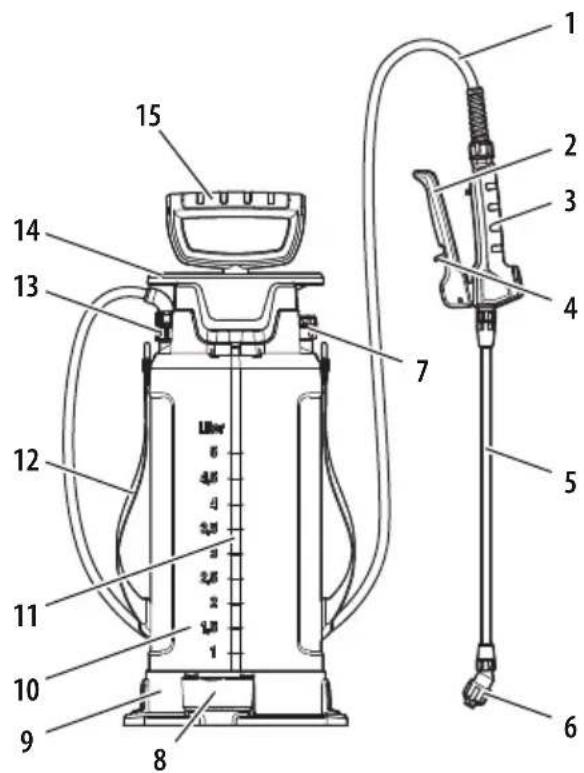
Parts of the pressure sprayer
| 1 Hose line | 9 Base ring |
| 2 Lever | 10 Container |
| 3 Quick-acting valve | 11 Filling level indicator |
| 4 Lock | 12 Shoulder strap |
| 5 Spray lance | 13 Union nut with kink protection |
| 6 Nozzle | |
| 7 Overpressure valve | 14 Filling funnel |
| 8 Receptacle | 15 Pump handle |
4 Assembly
Assemble the pressure sprayer as shown in Figures A. Make sure that you fit the union nuts on straight. The union nuts must not be cross-threaded.
After assembly, check all screw connections are secure. In particular, make sure the overpressure valve is screwed tight.
5 Operation
Opening the container
Observe the following safety information:
- You may only open the container if it has been depressurised.
- Release the pressure from the container by turning the overpressure valve left to the stop (see Figure B). Allow the pressurised air to escape completely.
- Turn the pump handle slowly to the left. Allow any pressurised air remaining in the container to escape (see Figure C1).
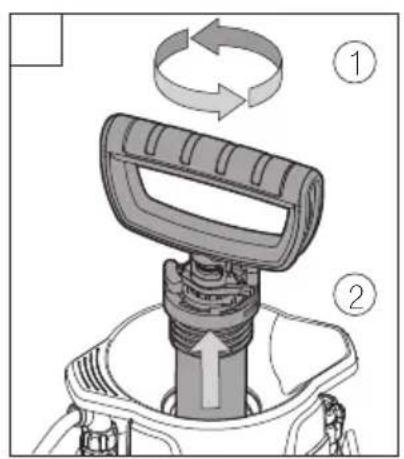
- Turn the pump handle further to the left to screw out the pump (see Figure C2).
Filling the tank
Observe the following safety instructions:
-
Check that the overpressure valve moves freely before filling.
■ Do not hold the overpressure valve closed. -
Place the pressure sprayer on a flat and level surface.
- Release the pressure from the container and open the container.
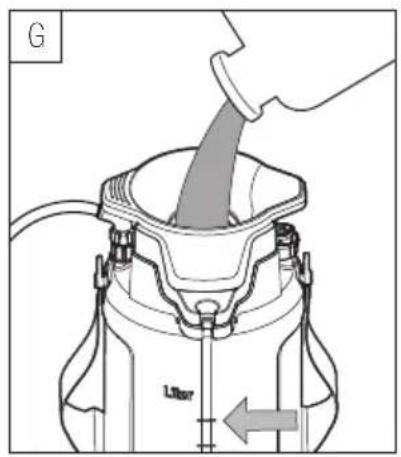
- Pour the spray liquid into the container. Observe the maximum filling quantity (see Figure G).
- Insert the pump in the filling funnel.
- Screw the pump into the container using the pump handle.
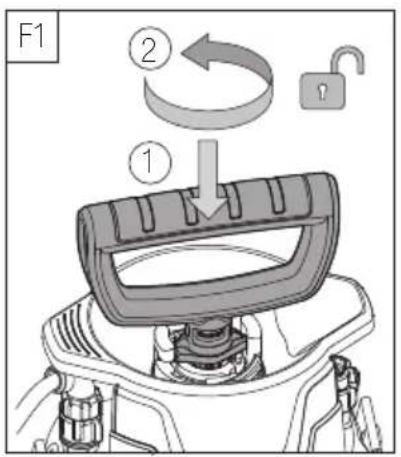
- Release the catch on the pump handle (see Figure F1).
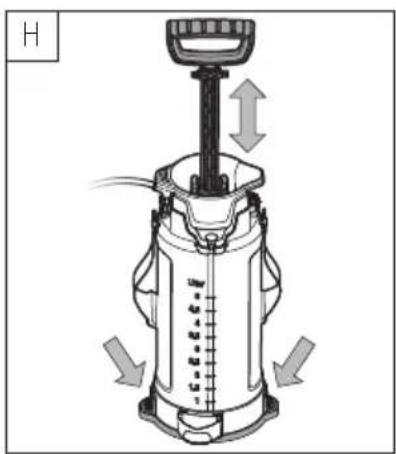
- Place both feet on the extended part of the base ring and hold the container securely between your legs.
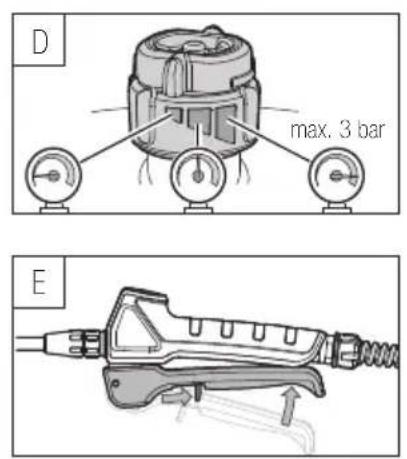
- Press the pump handle until a pressure of 3 bar is reached (see Figures H). Observe the pressure indicator on the overpressure valve (see Figures D). As the pressure rises, the overpressure valve rises and you will hear the overpressure valve release air when the maximum pressure of 3 bar is exceeded.
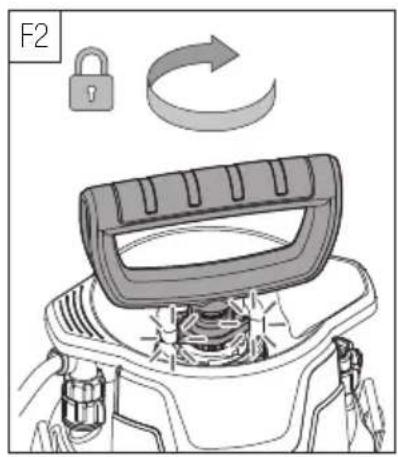
- Lock the pump handle (see Figure F2).
Spraying
Observe the following safety instructions:
■ Before use, check that all screw connections are secure. Tighten any loose screw connections.
■ Before every use, check the pressure sprayer for any damage, leaks and proper working order. Do not use the pressure sprayer if it is faulty.
- Note the direction of the wind. Do not spray into the wind.
■ Never direct the spray jet at people or animals.
■ Do not spray flammable liquids onto hot surfaces.
- If possible, spray the whole contents of the container.
Direct the nozzles at the object being sprayed and operate the lever on the quick-acting valve. The ideal spraying distance is 40 to 50 cm.
To spray continuously, you can lock the lever on the quick-acting valve (see Figure E).
Press the pump handle if spraying pressure drops.
Emptying the container
- Release the pressure from the container and open the container.
- Pour the remaining spraying agent into a suitable vessel.
- Dispose of the remaining spraying agent in accordance with applicable laws and regulations. Also, follow the disposal instructions on the spraying agent packaging.
- Clean the pressure sprayer.
6 Cleaning and maintenance
Clean the pressure sprayer thoroughly after each time you use it.
- Release the pressure from the container and open the container.
- Empty the container.
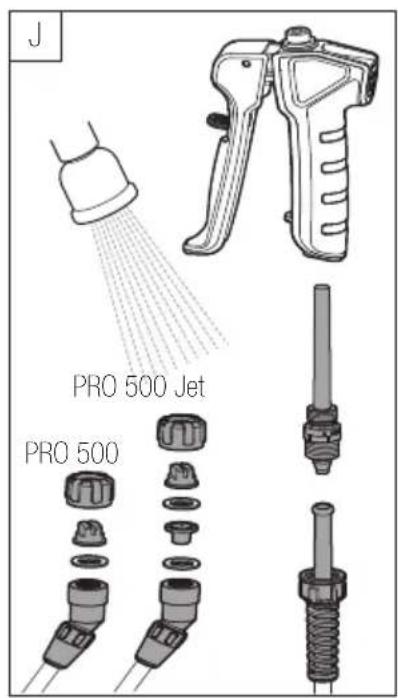
- Clean the container, the hose line, the spray lance and the filters with a suitable cleaning fluid (see Figure J). Also, follow any cleaning instructions on the spraying agent packaging.
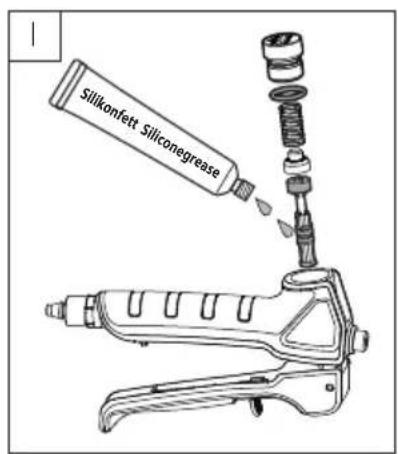
Grease the seals on the pump and on the quick-acting valve on a regular basis, but at the latest when the pressure sprayer function is impaired (see Chapter "9 Troubleshooting" on page 10).
You may only use resin- and acid-free greases. You can obtain a suitable silicone grease from GLORIA (item number 728781.1111).
7 Storage
Only store the pressure sprayer once the container has been depressurised and no longer contains any spraying agent. Store the pressure sprayer in opened state. Protect the pressure sprayer from prolonged exposure to sunlight and frost.
Keep the pressure sprayer and spraying agents out of reach of children.
8 Disposal
The pressure sprayer may be used for a maximum of 10 years.
Old sprayers must not be disposed of in normal household waste. Dispose of the pressure sprayer in accordance with applicable local regulations.
Check with your local authority to find out how to recycle the individual materials properly.
9 Troubleshooting
Spare parts
Use only original GLORIA spare parts.
Accessories and spare parts can be found at service.gloriagarten.de.
You can also use the QR code on the back of this user manual.
Table of faults
| Fault Remedy | |
| Screw connection is leaking | Tighten screw connection.Renew seal if present. |
| Spraying pattern of nozzle is uneven | Clean nozzle.Clean nozzle filter (only PRO 500 Jet). |
| Pump does not build up pressure | Renew pump seals. |
| Pump handle is stiffGrease pump seals. | Renew pump seals. |
| Lever on quick-acting valve is stiff or quick-acting valve does not close fully and the device continues to spray. | Clean valve in quick-acting valve.Grease seals in quick-acting valve.Renew seals in quick-acting valve. |
Renew seals
Release the pressure from the container.
Open the screw connection where the leak is and renew the worn seal.
Clean the nozzle and nozzle filter
Release the pressure from the container.
A blocked nozzle can be carefully pierced with a pointed object.
Only PRO 500 Jet: If you cannot rectify the fault, disassemble the nozzle and the nozzle filter. Rinse the nozzle and the nozzle filter with a suitable cleaning fluid (see Figure J).
Servicing the quick-acting valve
Release the pressure from the container.
Open the quick-acting valve and clean, grease or renew the seals (see Figure I).
Servicing pump seals
- Release the pressure from the container and open the container.
- Screw the pump out of the container.
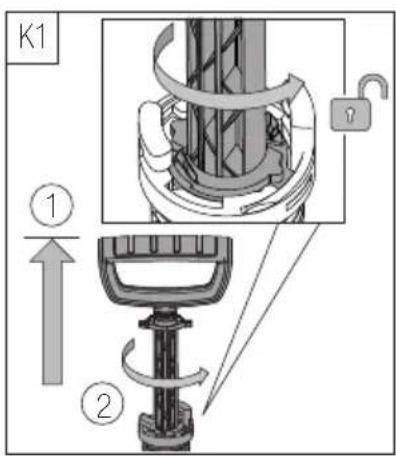
- Pull the pump out completely and turn it firmly to the left to release the catch in the pump housing (see Figure K1).
- Grease or renew the pump seals (see Figure L).
Proceed as follows to assemble:
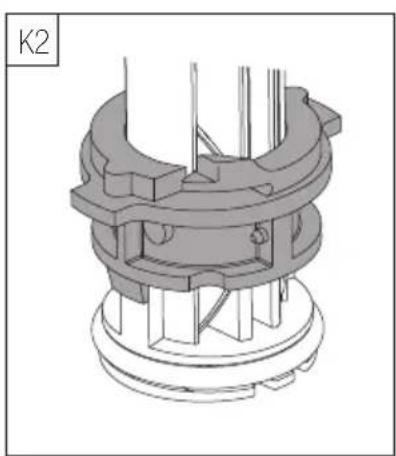
- Fit the half shells again on the pump handle (see Figure K2).
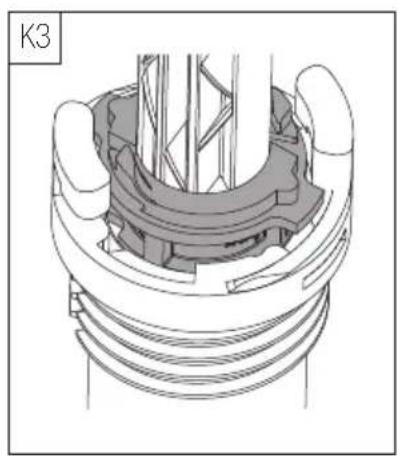
- Hold the half shells securely and push only the end of the pump handle into the pump housing. The two lugs need to engage in the guides (see Figure K3).
- Press the half shells downwards and turn the pump handle firmly to the right (see Figure K4). Make sure that you do not push the pump handle into the pump housing. The catch in the pump housing
can be released or locked only when the pump handle has been pulled out fully.
10 Technical data
| PRO 500 PRO 500 Jet | ||
| Item number 003650... | 003652... | |
| Filling capacity 5 litres | ||
| Total container capacity 7 litres | ||
| Empty weight 1.65 kg 1.67 kg | ||
| Operating temperature | 0 °C to +40 °C | |
| Maximum operating pressure | 3 bar | |
| Optimum spray pressure | 1.5 bar to 3.0 bar | |
| Average output | 0.64 l/min | 0.61 l/min |
| Nozzle | Flat jet | |
| Nozzle material | Brass | Plastic |
| Nozzle spray angle | 80° | 110° |
| Seal material | FKM (fluorine rubber) | |
| Extension | optional | yes |
11 Declaration of Conformity
We hereby confirm that the pressure sprayers with item nos. 003650... and 003652... comply with all relevant provisions from Directive 2006/42/EC.
Furthermore, all pressure-retaining components comply with Directive 2014/68/EU, Article 4, paragraph 3.
Authorised to compile the technical documentation: Daniel Lademann, Design Manager
Witten, 2025-09-01
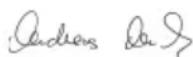
Dr. Andreas Mesch, Technical Manager
Français
Accessories and spare parts
natural_image
Simple line drawing of a shopping cart inside a square frame (no text or symbols)