
EATB28-100 - Heat exchanger Vevor - Free user manual and instructions
Find the device manual for free EATB28-100 Vevor in PDF.
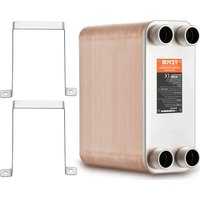


| Product Type | Brazed Plate Heat Exchanger |
| Brand | Vevor |
| Model | EATB28-100 |
| Dimensions (L × W × H) | 301 × 126 × 248 mm |
| Net Weight | 15.2 kg |
| Maximum Operating Pressure | 3.0 MPa |
| Number of Plates | 100 |
| Connector Type | 4 × 1-1/4" NPT |
| Hot Side Volume (T1-T2) | 2.8 L |
| Cold Side Volume (T3-T4) | 2.688 L |
| Main Material | Stainless Steel and Copper |
| Recommended Use | Heat exchange between water, refrigerant, oil, steam |
| Routine Maintenance | Regular backflushing |
| Chemical Cleaning | With weak acid (formic, citric) counter-current for 24 h, then rinse with clean water for 30 min |
| Frost Protection | Protection thermostat, constant water flow, drain if unused, add antifreeze |
| Maximum Brazing Temperature | 650 °C (1202 °F) |
| Tightening Torque for Connectors | 400 Nm |
| Tightening Torque for Mounting Bolts | M8: 15 Nm, M10: 18 Nm, M12: 22 Nm |
| Available Spare Parts | Heat exchanger plate (1), Installation bracket (2) |
| Repairability | Possible replacement of plates and gaskets |
| Warranty | Electronic warranty certificate at www.vevor.com/support |
Frequently Asked Questions - EATB28-100 Vevor
User questions about EATB28-100 Vevor
0 question about this device. Answer the ones you know or ask your own.
Ask a new question about this device
Download the instructions for your Heat exchanger in PDF format for free! Find your manual EATB28-100 - Vevor and take your electronic device back in hand. On this page are published all the documents necessary for the use of your device. EATB28-100 by Vevor.
USER MANUAL EATB28-100 Vevor
Technical Support and E-Warranty Certificate www.vevor.com/support
PLATE EXCHANGER
Model: EATB28-30/EATB28-50/EATB28-80/EATB28-100 EATB12-30/EATB12-40/EATB12-60
We continue to be committed to provide you tools with competitive price. "Save Half", "Half Price" or any other similar expressions used by us only represent savings you might benefit from buying certain tools with us compared to top brands and does not necessarily mean to cover all categories of tools offered. We kindly remind you to verify carefully when placing an order with us to ensure you are actually saving half in comparison with the top major brands.
Model: EATB28-30/EATB28-50/EATB28-80/EATB28-100 EATB12-30/EATB12-40/EATB12-60
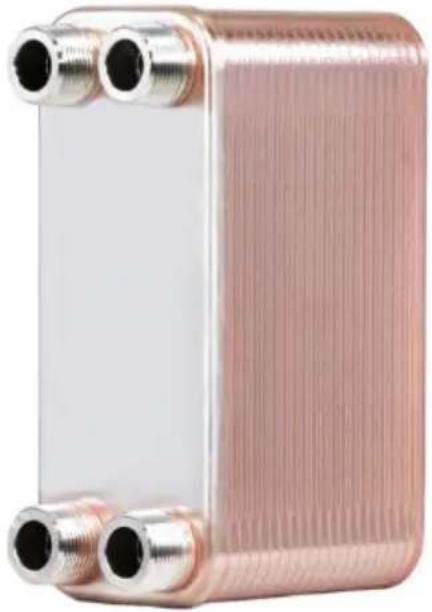
NEED HELP? CONTACT US!
Have product questions? Need technical support? Please feel free to contact us:
Technical Support and E-Warranty Certificate www.vevor.com/support
This is the original instruction. Please read all manual instructions carefully before operating. VEVOR reserves a clear interpretation of the user manual. The appearance of the product shall be subject to the product you received. Please forgive us that we won't inform you of any technology or software updates on our product.
Parameter List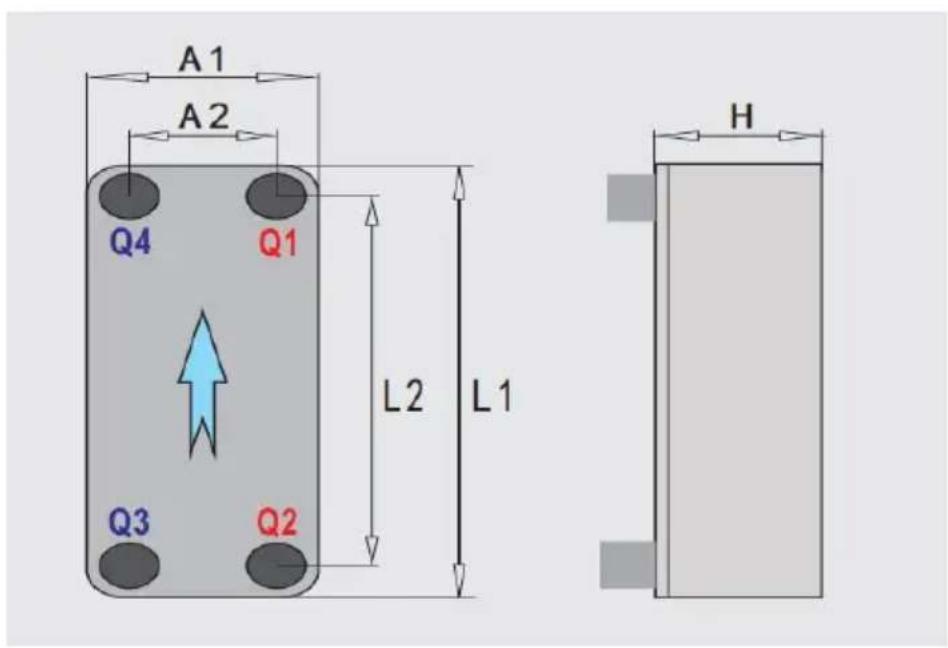
| Model | Dimension (mm) (L1*A1*H) | Maximum Working Pressure (Mpa) | Panel Quantity (pcs) | Connector (Q1Q2Q3 Q4) | Net Weight (kg) | Side Volumen (Q1-Q2/ Q3-Q4) (L) |
| EATB 28-30 | 301*126*85 | 3.0 | 30 | 4*1-1/4"N PT | 5.85 | 0.84L/0.7 28L |
| EATB 28-50 | 301*126*131 | 3.0 | 50 | 4*1-1/4"N PT | 8.52 | 1.4L/1.28 8L |
| EATB 28-80 | 301*126*201 | 3.0 | 80 | 4*1-1/4"N PT | 12.51 | 2.24L/2.1 28L |
| EATB 28-100 | 301*126*248 | 3.0 | 100 | 4*1-1/4"N PT | 15.2 | 2.8L/2.68 8L |
| EATB 12-30 | 190*76*85 | 3.0 | 30 | 4*3/4"NPT | 2.1 | 0.24L/0.2 08L |
| EATB 12-40 | 190*76*109 | 3.0 | 40 | 4*3/4"NPT | 2.5 | 0.32L/0.2 88L |
| EATB12-60 | 190*76*159 | 3.0 | 60 | 4*1/2"G | 3.3 | 0.48L/0.448L |
Part List
| Model | Picture | EATB28-30/50/80/100 | EATB12-30/40/60 |
| Plate Exchanger |  | 1 | 1 |
| Installing Support | 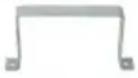 | 2 | 2 |
Security & Warnings
- This product should be used for welding spigots when using to avoid refrigerant leakage.
- If undissolved solids like sand, weeds, leaves, and other fibers are in the water, the channels are easily blocked; we recommend up to 40~70 mesh strainer to avoid blocking. 3. Any heat exchanger could freeze up when the temperature is zero. Freezing up inside the heat exchanger will result in structural damage and leaking. If leaking happens in the evaporator, ever compressor could be destroyed. In order to avoid freezing: * Use a freeze protection thermostat and flow switch to guarantee consistent water flow before, during and after compressor operation. * Avoid operating the unit during pump downtimes. Discharge the water when the exchanger is left unused and keep heating the water in use. * Use antifreeze when the evaporating temperature is close to freezing. Adding glycol or other antifreezing in the water.
- Cleaning: Regular reverse flushing in situ is the simplest option, however, if scaling has occurred, chemical cleaning will be necessary. Clean with detergents for fatty deposits (without chlorine), for he
Fouling: use chemicals compatible with copper and stainless steel, such as formic acid, citric acid, or any other organic acids. Use a weak acid solution pumped through the heat exchanger in reverse flow direction at approximately twice the normal flow rate. Remember that the acid should be circulated in reverse flow for usually 24 hours. After completion of the cleaning process, it is important that the unit is flushed with clean water for at least 30 minutes.
5. Suitable Medium:
* Any refrigerants except ammonia, chlorine, and DI water * Water, vapor * Oil, organic solvents, gas * pH 6~8
*Please pay attention to the operating temperature and design of the PHE.
Operation
1. Screw thread link
In order to avoid danger to the components, there will be no link between the BPHE and the piece; you need to use a screw airproof circle to airproof. Use the torque wrench and refer to the data table to do the screw thread link.
| Model | Torque | 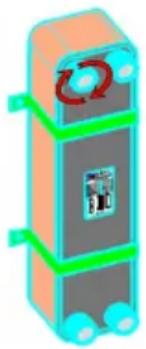 |
| EATB12-30/40/60 | 《170 Nm | |
| EATB28-30/50/80/100 | 《400 Nm | |
| 2. Copper brazing linkClean the weld surface and brush the flux, using 40-50 silver-based rods for welding; the maximum temperature does not exceed 650 (1202F); cooling water into the water-side and in the vicinity of t welding department to impose an appropriate cooling and the refrigerant-side injection with Nitrogen to avoid oxidation. | 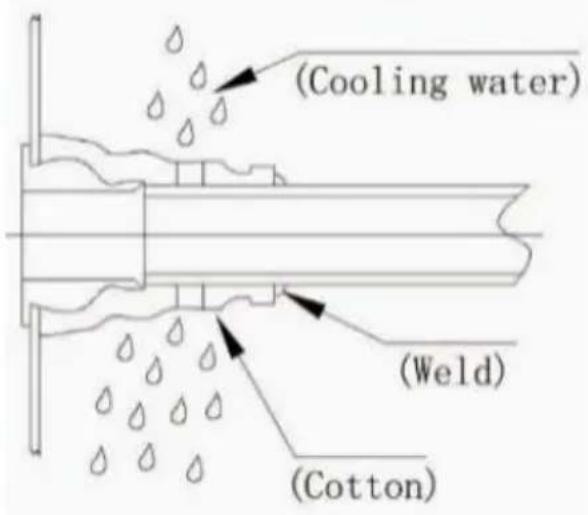 | |
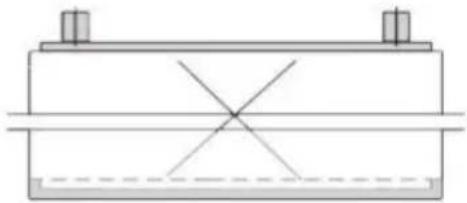
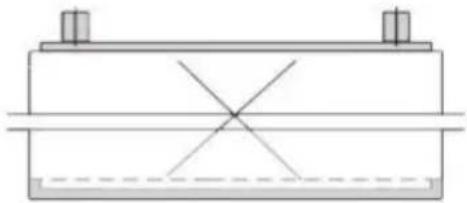
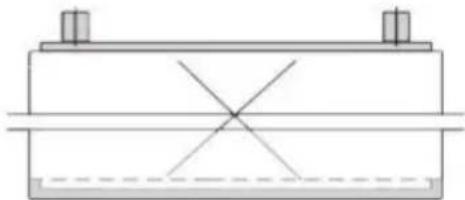
| 3. Bolt FasteningIn order to avoid excessive torque lead to bolt come off and t cover plate deformation, using the measuring wrench according t data listed on the table to fasten the bolt. | ||
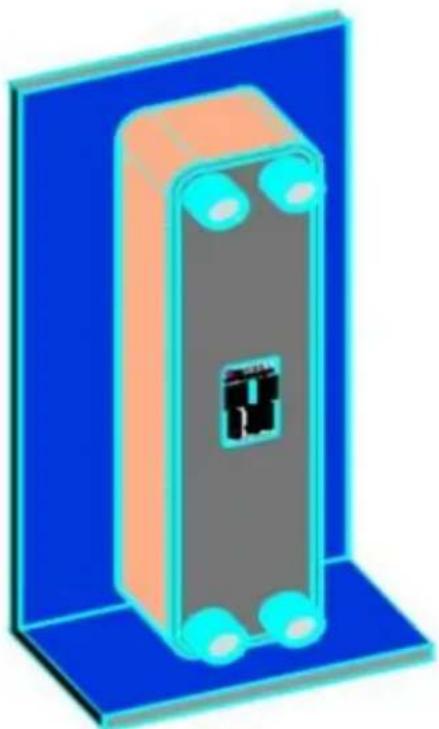
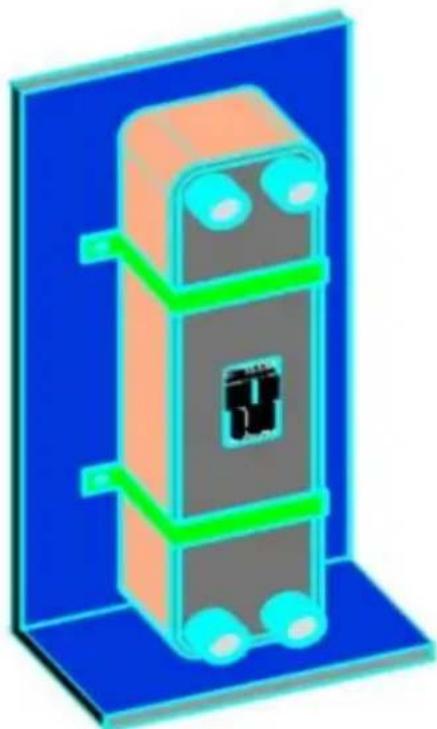
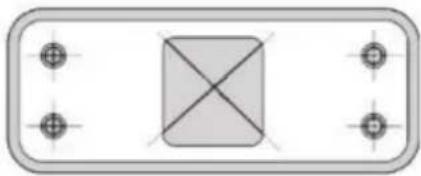
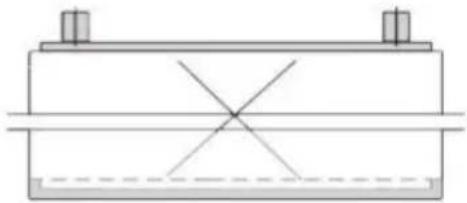
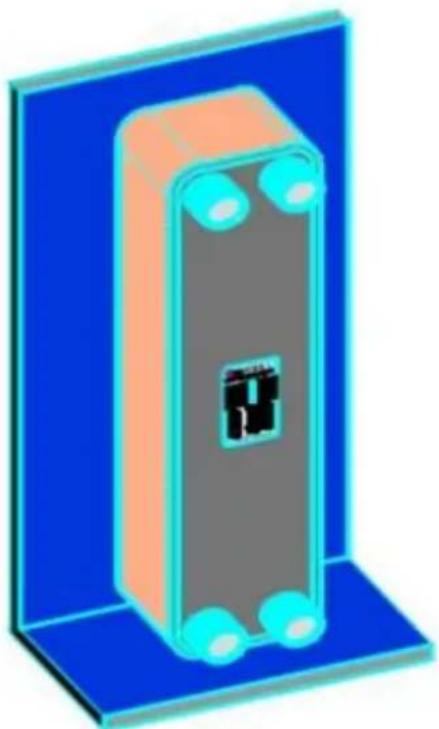
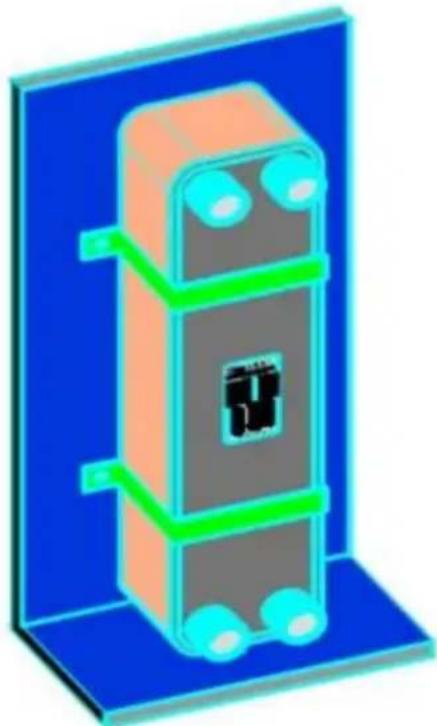
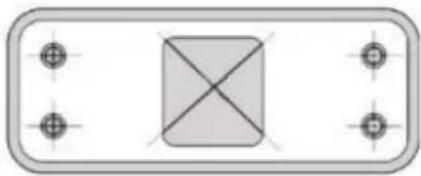
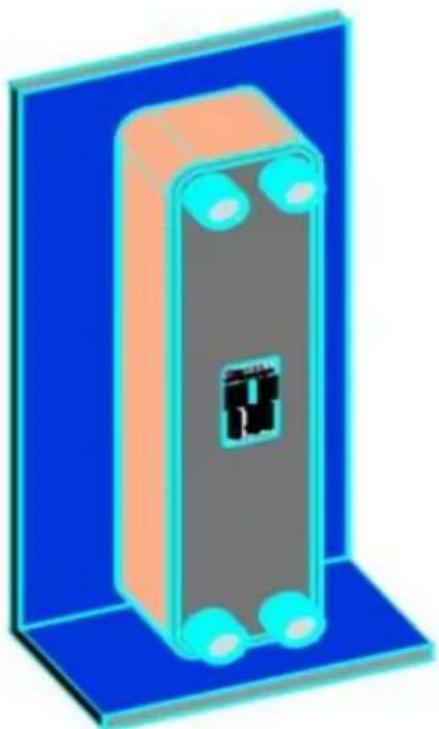
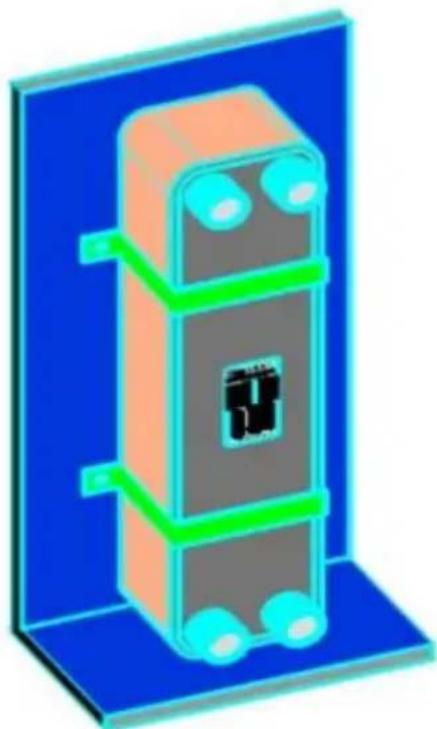
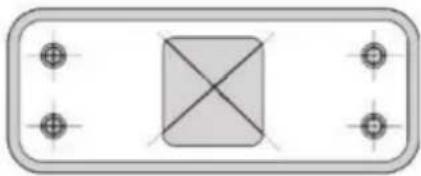
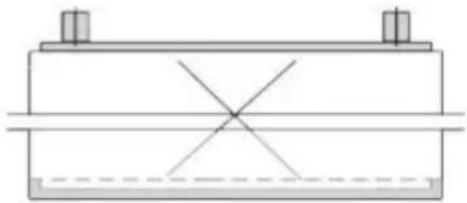
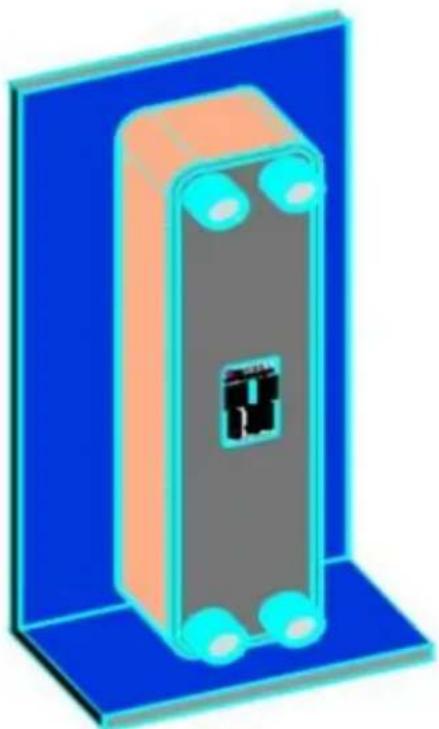
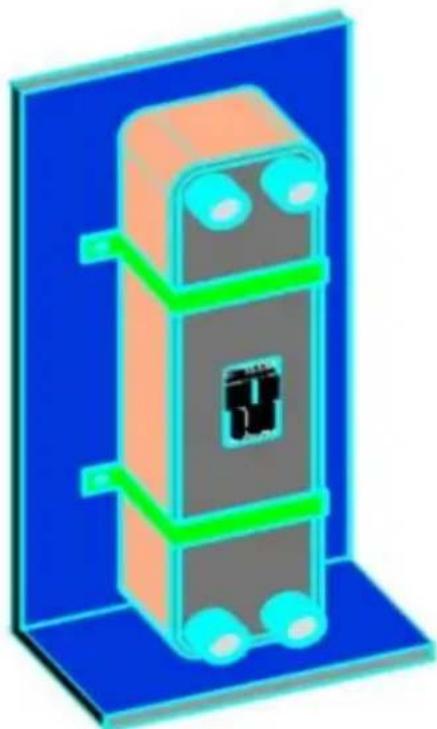
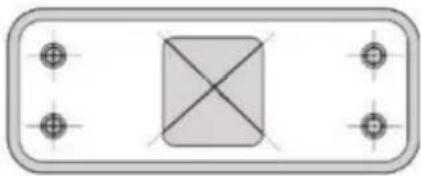
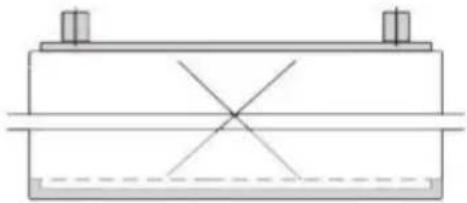
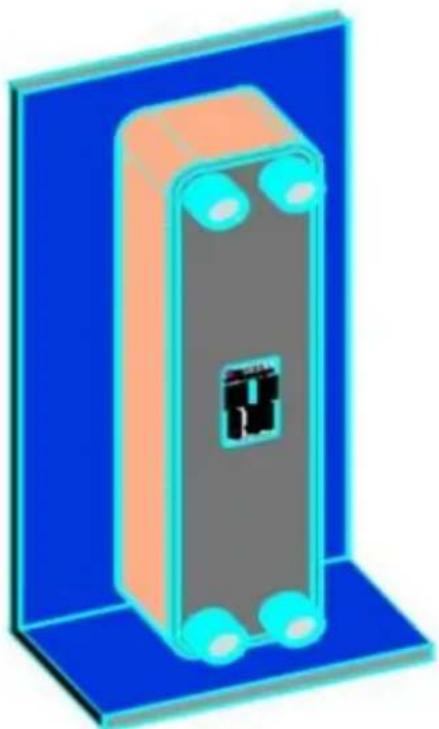
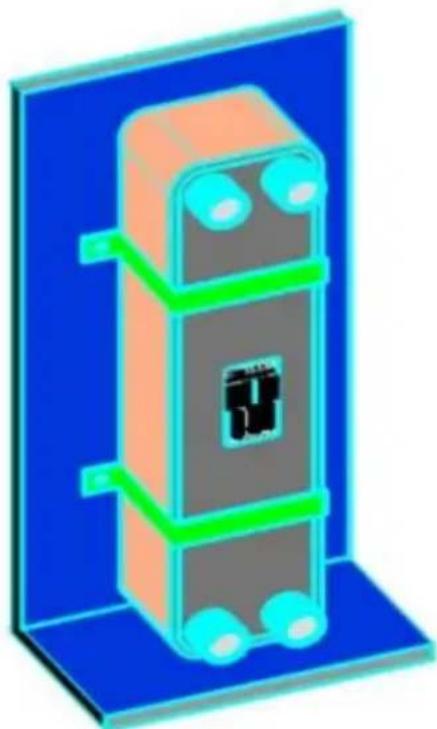
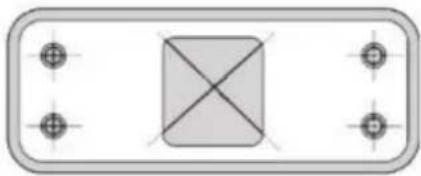
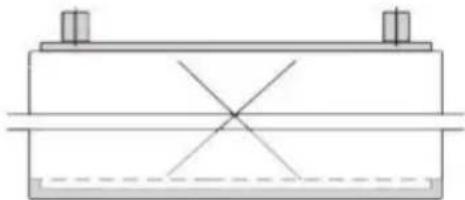
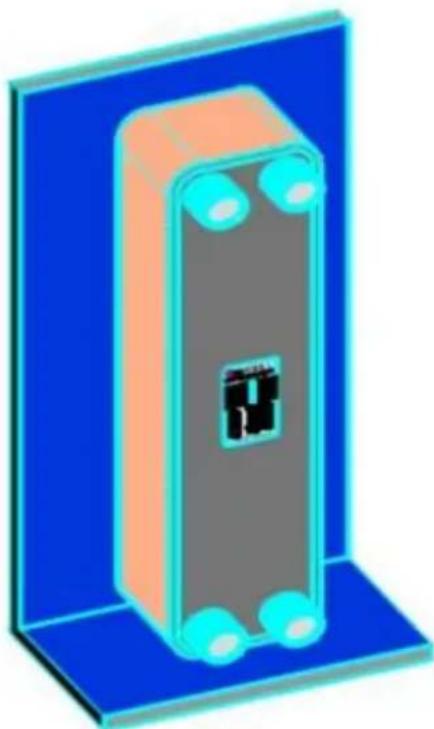
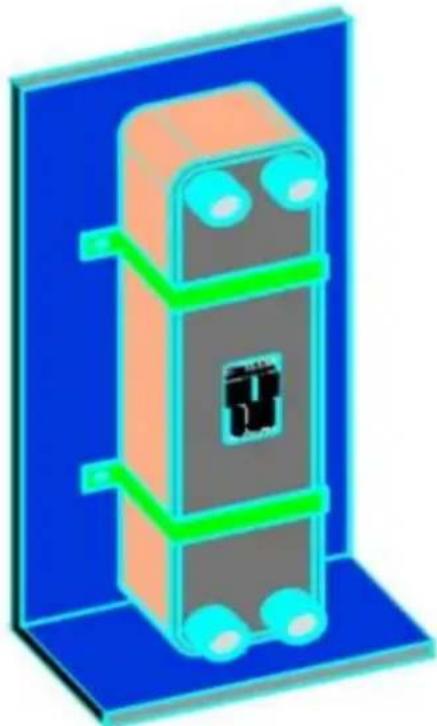
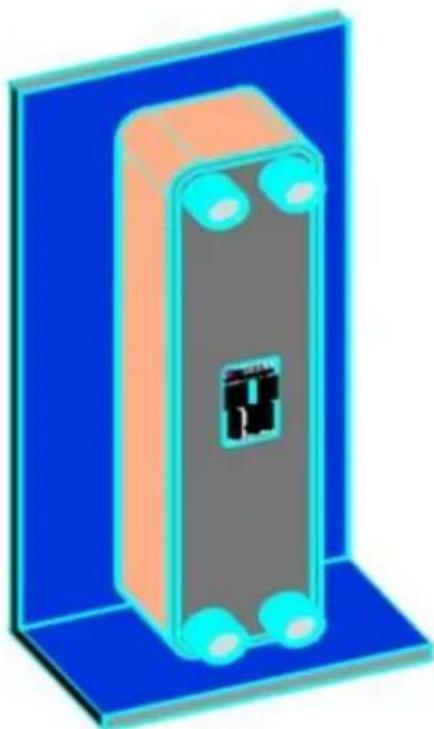
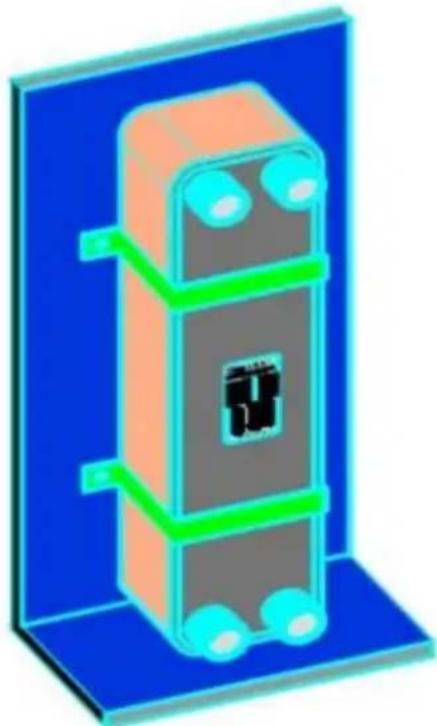
Please refer to the nameplate's connected tube sketch and installation drawing. Moreover, the customer should configure a connected tube accurately, and install the brazed plate heat exchanger vertically.
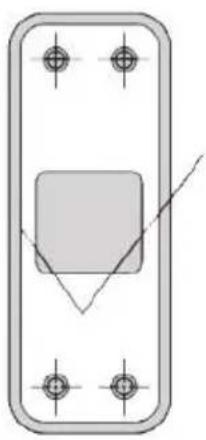
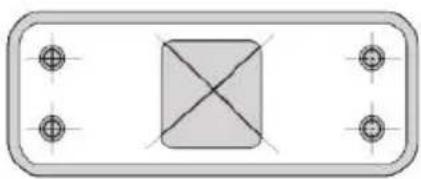
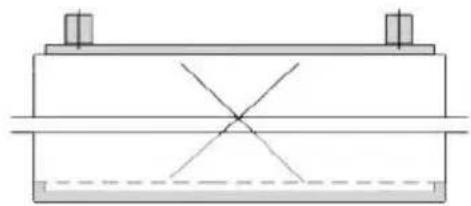
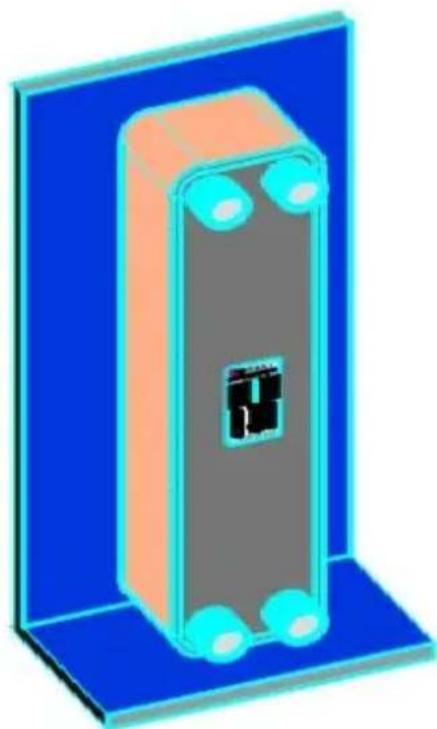
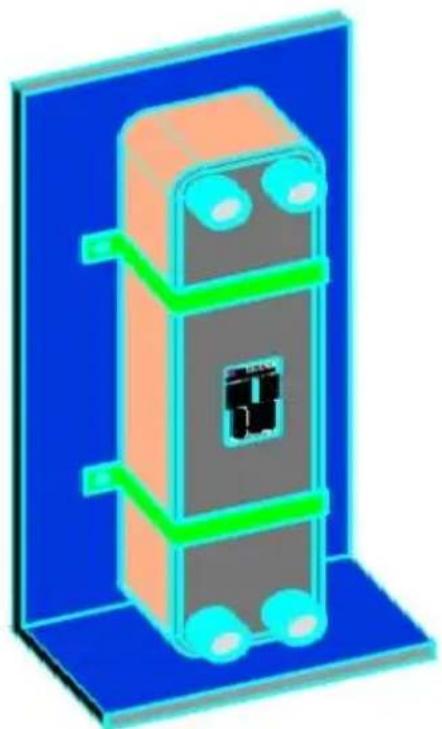
If the pipeline has vibration, longer pipe, and higher thermal expansion, which will affect the brazed plate heat exchanger. You'd better consider adopting the following devices: install rubber pad between the brazed heat exchanger and bracket; compressor with shock absorber, a corrugated pipe, or other damping devices when straight pipe is used.
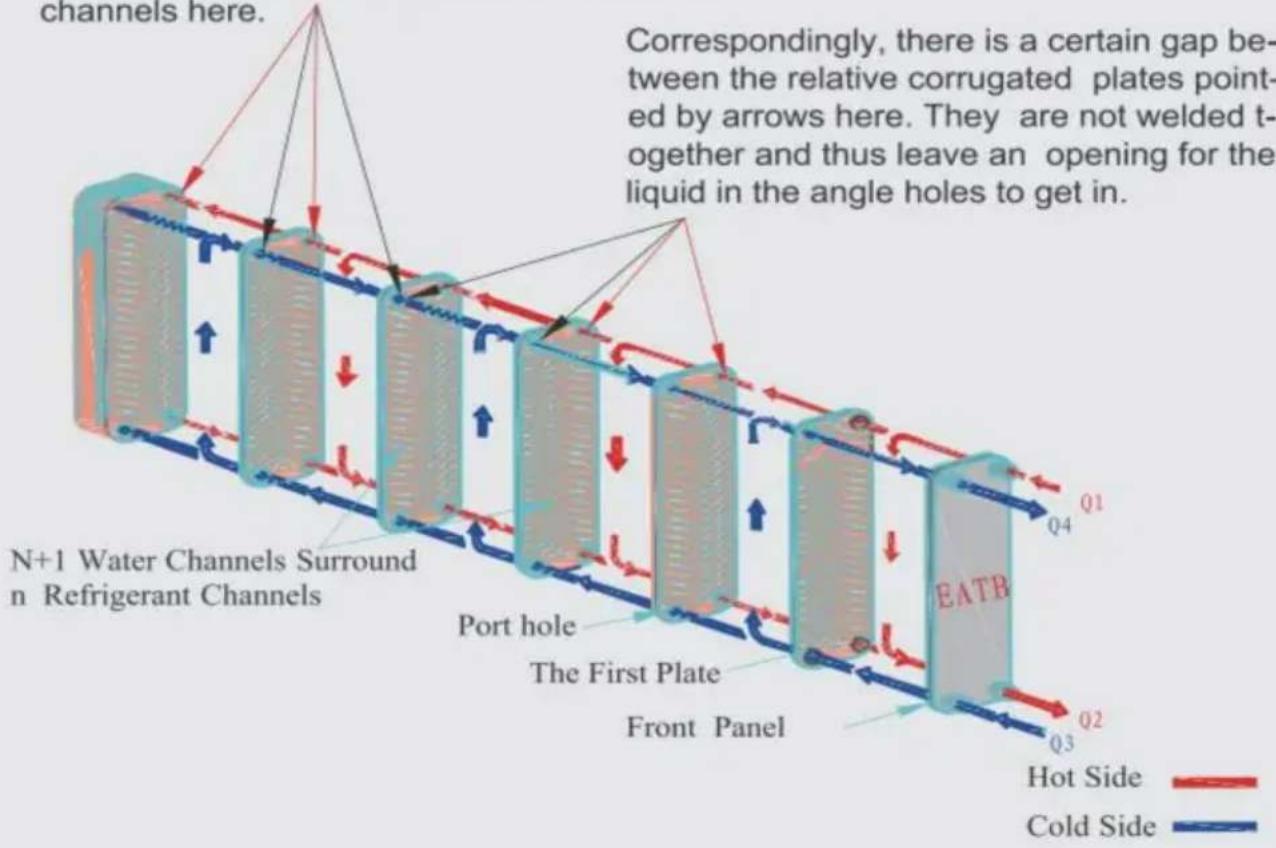
5. Working Schematic Diagram
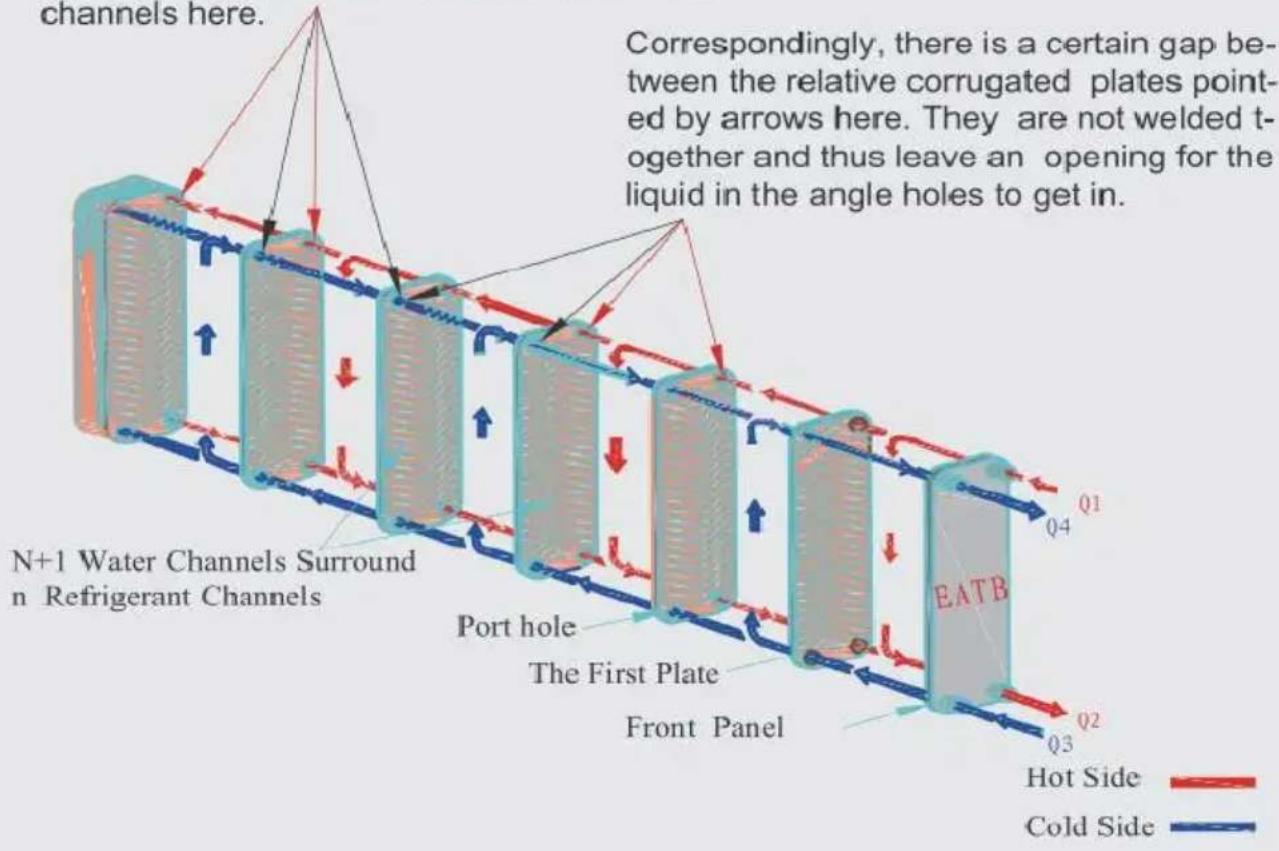
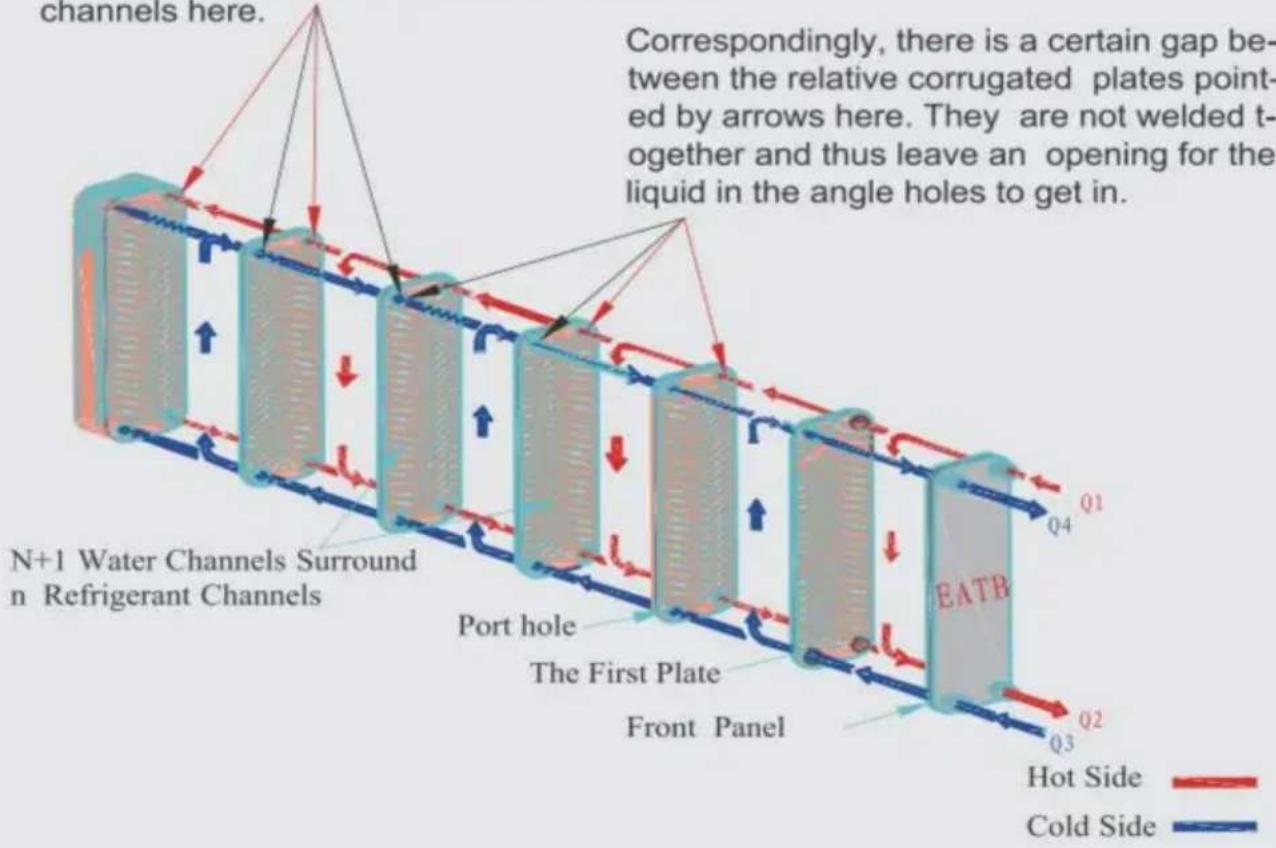
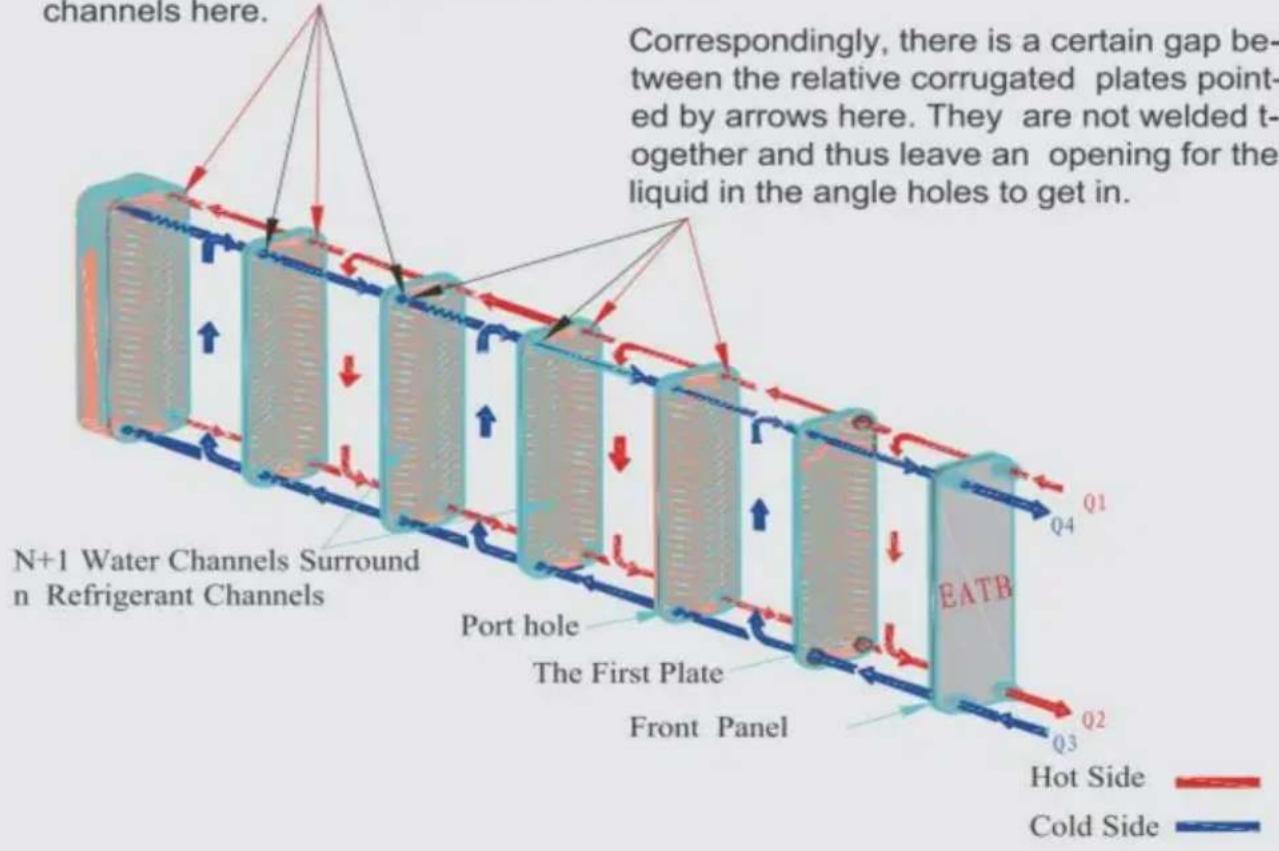
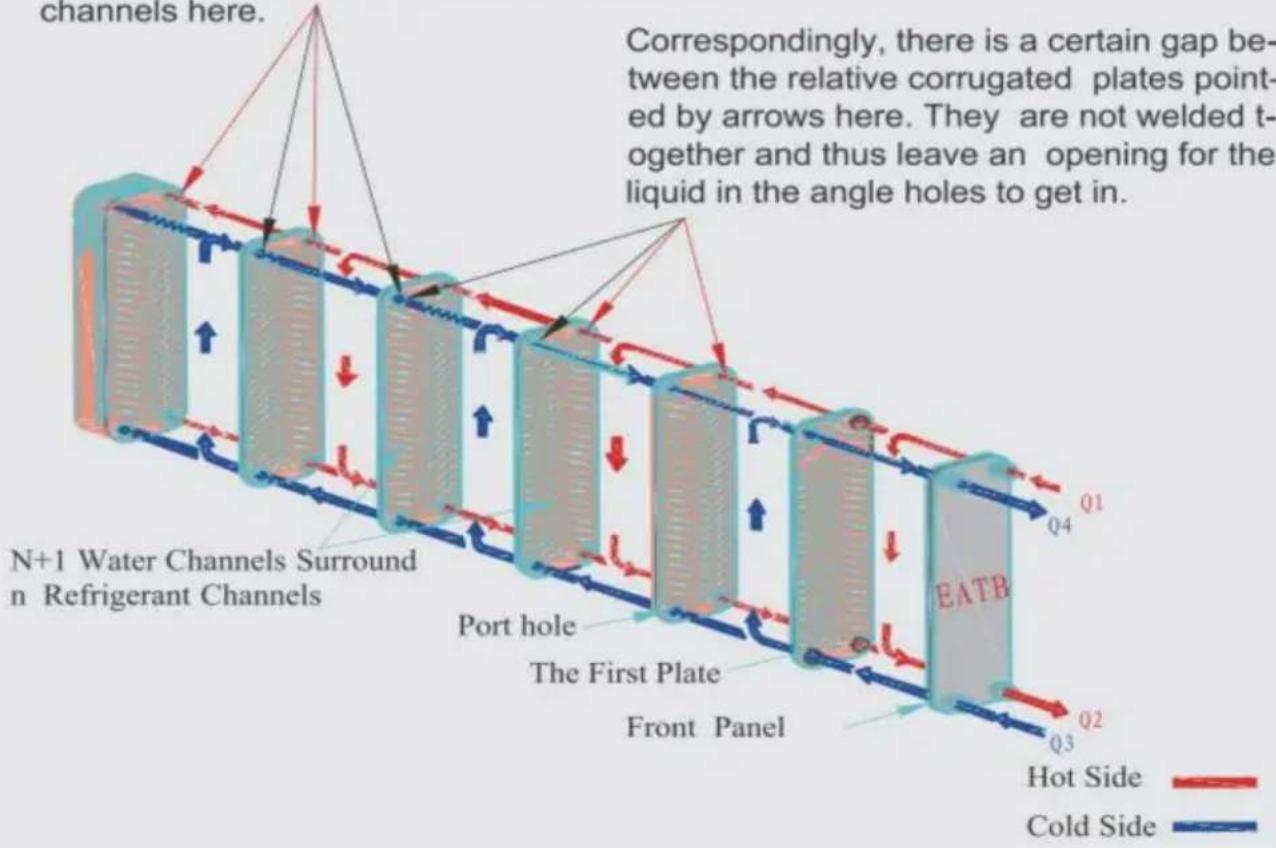
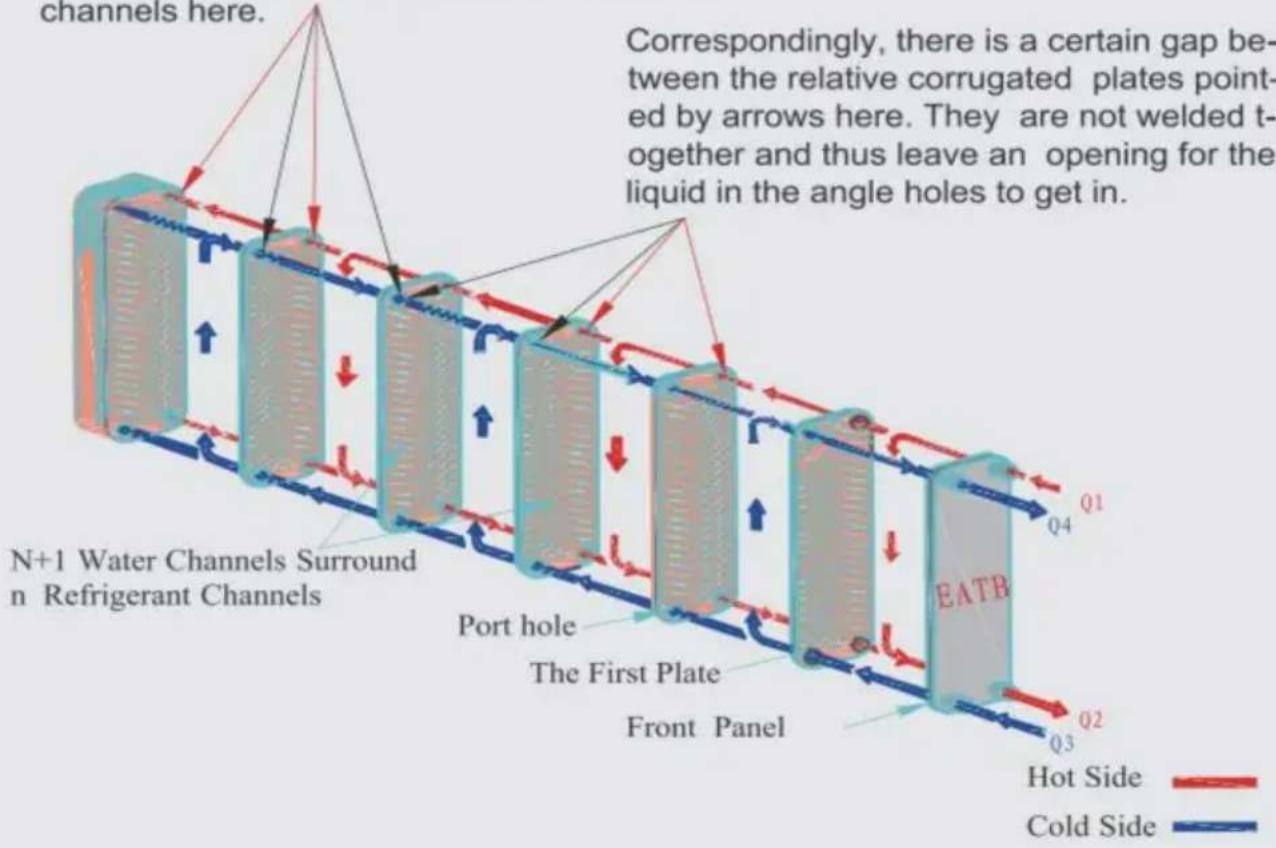
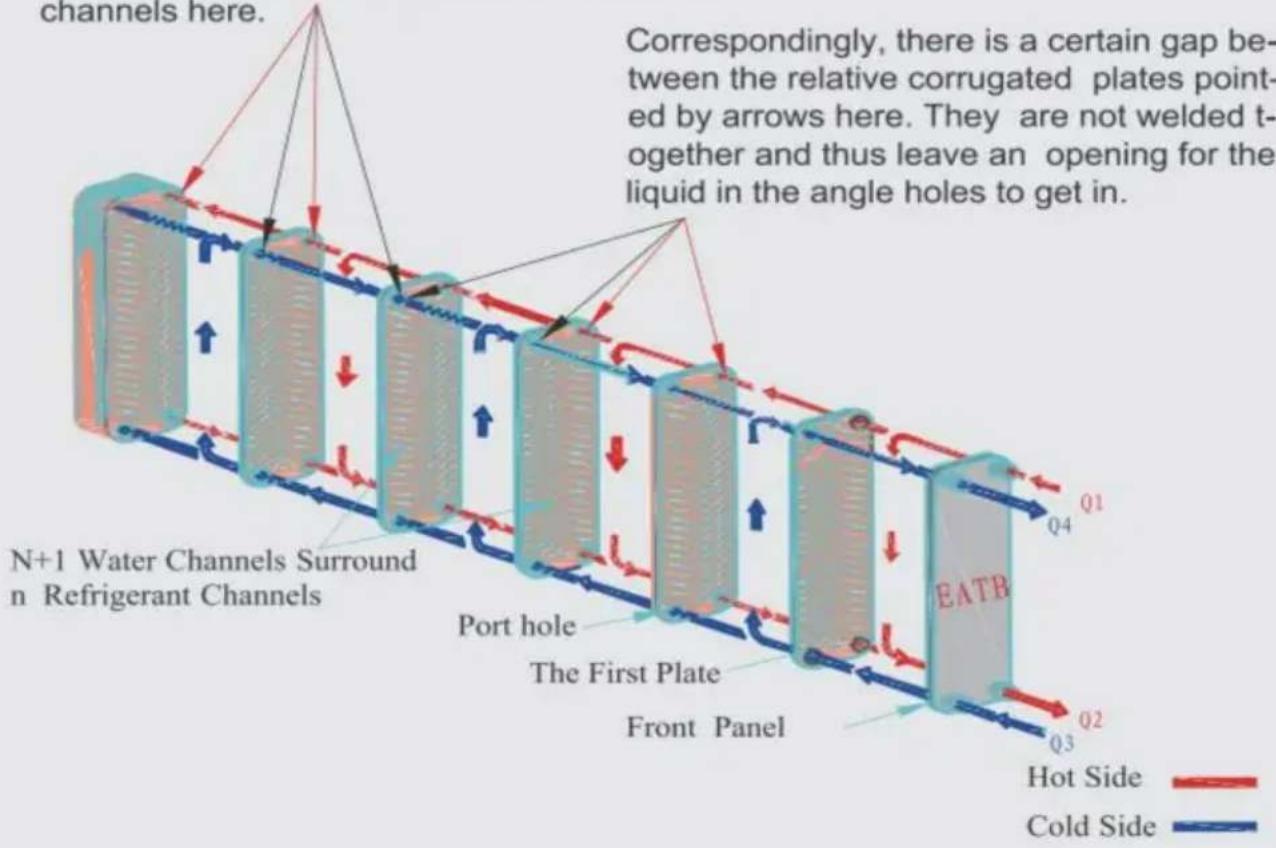
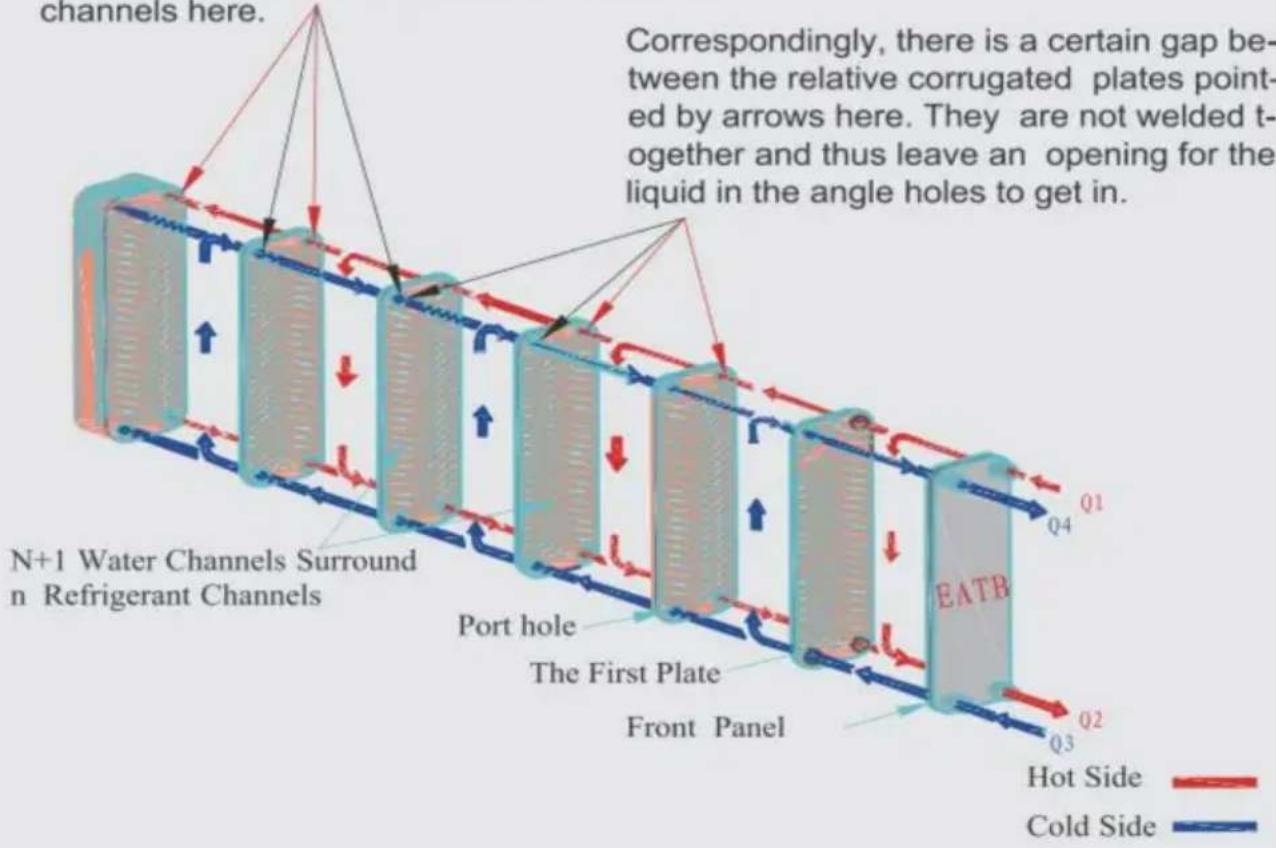
The surfaces of the corrugated plates pointed by arrows are pressed close and welded together around the angle holes, therefore the liquid in the angle holes couldn't get into the channels here.
6. Exchanger Selection
Note: The data in ( ) is the default value; you may fill in this form with appropriate data. If the heating capacity is indeterminate, please provide the Flow Rate value within the dotted line.
Exchanger Selection
Capacity
Max dp (50kPa)
Fluid 1
Side 1 Inlet Temp.
Side 1 Outlet Temp.
Flow Rate
Fluid 2
Side 2
Inlet Temp.
Side 2
Outlet Temp.
Flow Rate

VEVOR®
TOUGH TOOLS, HALF PRICE
Technical Support and E-Warranty Certificate
www.vevor.com/support
VEVOR®
TOUGH TOOLS, HALF PRICE
NEED HELP? CONTACT US!

The surfaces of the corrugated plates pointed by arrows are pressed close and welded together around the angle holes, therefore the liquid in the angle holes couldn't get into the channels here.
Correspondingly, there is a certain gap between the relative corrugated plates pointed by arrows here. They are not welded together and thus leave an opening for the liquid in the angle holes to get in.
NEED HELP? CONTACT US!
The surfaces of the corrugated plates pointed by arrows are pressed close and welded together around the angle holes, therefore the liquid in the angle holes couldn't get into the channels here.
Correspondingly, there is a certain gap between the relative corrugated plates pointed by arrows here. They are not welded together and thus leave an opening for the liquid in the angle holes to get in.
6. Note on
www.vevor.com/support
VEVOR®
TOUGH TOOLS, HALF PRICE
NEED HELP? CONTACT US!
The surfaces of the corrugated plates pointed by arrows are pressed close and welded together around the angle holes, therefore the liquid in the angle holes couldn't get into the channels here.
Correspondingly, there is a certain gap between the relative corrugated plates pointed by arrows here. They are not welded together and thus leave an opening for the liquid in the angle holes to get in.
electronics www.vevor.com/support
VEVOR®
TOUGH TOOLS, HALF PRICE
The surfaces of the corrugated plates pointed by arrows are pressed close and welded together around the angle holes, therefore the liquid in the angle holes couldn't get into the channels here.
Correspondingly, there is a certain gap between the relative corrugated plates pointed by arrows here. They are not welded together and thus leave an opening for the liquid in the angle holes to get in.
NEED HELP? CONTACT US!
The surfaces of the corrugated plates pointed by arrows are pressed close and welded together around the angle holes, therefore the liquid in the angle holes couldn't get into the channels here.
Correspondingly, there is a certain gap between the relative corrugated plates pointed by arrows here. They are not welded together and thus leave an opening for the liquid in the angle holes to get in.
www.vevor.com/support
VEVOR®
TOUGH TOOLS, HALF PRICE
Technical support and e-warranty certificate www.vevor.com/support
PLATE HEAT EXCHANGER
Model: EATB28-30/EATB28-50/EATB28-80/EATB28-100 EATB12-30/EATB12-40/EATB12-60
NEED HELP? CONTACT US!
The surfaces of the corrugated plates pointed by arrows are pressed close and welded together around the angle holes, therefore the liquid in the angle holes couldn't get into the channels here.
Correspondingly, there is a certain gap between the relative corrugated plates pointed by arrows here. They are not welded together and thus leave an opening for the liquid in the angle holes to get in.
The surfaces of the corrugated plates pointed by arrows are pressed close and welded together around the angle holes, therefore the liquid in the angle holes couldn't get into the channels here.
Correspondingly, there is a certain gap between the relative corrugated plates pointed by arrows here. They are not welded together and thus leave an opening for the liquid in the angle holes to get in.
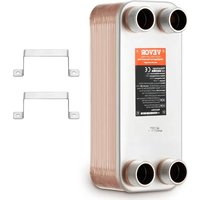
Brand : Vevor
Model : EATB28-100
Category : Heat exchanger