
DOE7900BB - Oven DE DIETRICH - Free user manual and instructions
Find the device manual for free DOE7900BB DE DIETRICH in PDF.


| Product type | Built-in electric oven 90 cm |
| Brand | De Dietrich |
| Model | DOE7900BB |
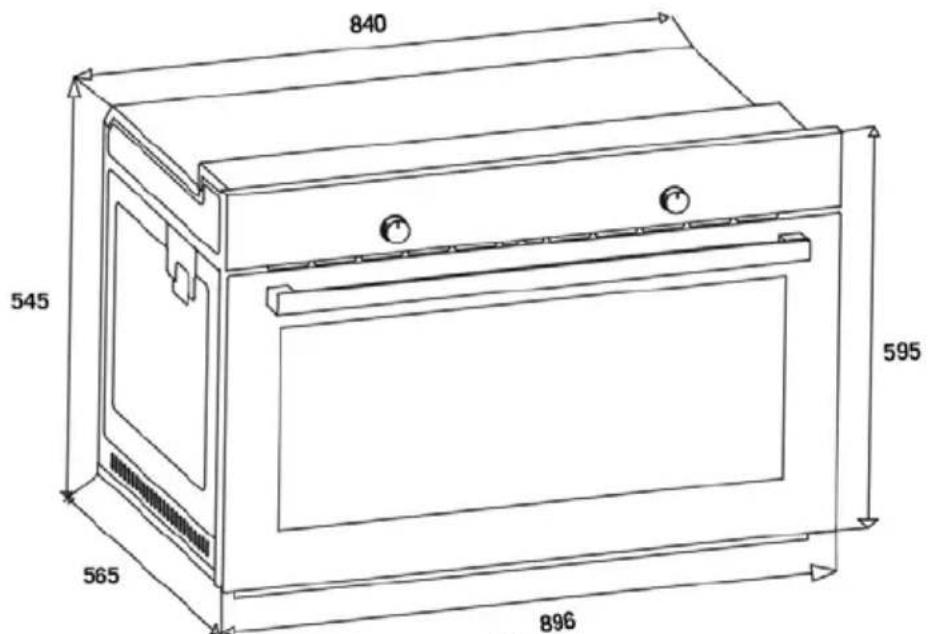
| Dimensions (H x W x D) | Approximately 45 x 90 x 55 cm |
| Net weight | Approximately 55 kg |
| Power supply | 220-240 V ~ 50/60 Hz, 16 A |
| Total power | Up to 3250 W (grill) |
| Temperature range | 40 °C to 240 °C (max) |
| Interior lighting | Bulb E14, 15-25 W |
| Cooking functions | Convection, natural convection, grill, grill + fan, steam cleaning, defrosting, rotisserie |
| Cleaning | Steam cleaning at 70 °C for 30 min |
| Child safety | Control lock |
| Automatic shut-off | Semi-automatic timer with audible alarm |
| Door | Removable (2 hinges), removable inner glass |
| Included accessories | Metal grid, drip tray, rotisserie, inner grid for drip tray |
| Installation | Built-in, rear and side clearances required (see diagram) |
| Energy class | Not specified |
| Repairability | Bulb E14, glass and door removable by user |
Frequently Asked Questions - DOE7900BB DE DIETRICH
User questions about DOE7900BB DE DIETRICH
0 question about this device. Answer the ones you know or ask your own.
Ask a new question about this device
Download the instructions for your Oven in PDF format for free! Find your manual DOE7900BB - DE DIETRICH and take your electronic device back in hand. On this page are published all the documents necessary for the use of your device. DOE7900BB by DE DIETRICH.
USER MANUAL DOE7900BB DE DIETRICH
natural_image
Simple line drawing of a rectangular frame with two horizontal bars, no text or symbols present.USER MANUAL
MANUEL DE L'UTILISATEUR
Thank you for relying on this product.
We aim to allow you to optimally and efficiently use this environment-friendly product produced in our modern facilities under precise conditions with respect to sense of quality in total.
We advise you to read these operating manual thoroughly before using the oven and keep it permanently so that the features of the built-in oven you have purchased will stay the same as the first day for a long time.
NOTE:
This Operating Manual is prepared for multiple models. Your appliance may not feature some functions specified in the manual.
The product images are schematic.
This product has been produced in modern environment-friendly facilities without adversely affecting nature.
Products marked with (*) are optional.
"Complies with AEEE Regulation"
Contents
Important warnings 4
Introducing the appliance 6
Technical specifications 7
Installation of appliance 7
Important warnings 13
Control panel 14
Program types 15
Cooking recommendations 16
Cooking table 17
Using the oven 18
Replacing oven lamp 18
Cleaning oven glass 19
Cleaning and mounting oven door 20
Maintenance and cleaning 21
Steam cleaning 21
Accessories 22
Troubleshooting 23
Environmentally-friendly disposal 23
Package information 23
Display instructions 26
IMPORTANT WARNINGS
- WARNING: To avoid electric shock, ensure that the appliance circuit is open before changing the lamp.
2 WARNING: All supply circuit connections must be disconnected before accessing terminals. - WARNING: The accessible parts may be hot during use of grid. Children must be kept away.
- WARNING: Danger of fire: do not store items on the cooking surfaces.
- WARNING: During use the appliance becomes hot. Care should be taken to avoid touching heating elements inside the oven.
- Setting conditions of this appliance are specified on the label.(Or on the data plate)
- WARNING: Appliance is intended for cooking only. It should not be used for other purposes like heating a room.
- There are additional protective tools avoiding contact with oven doors. This part must be attached when it's likely that there are children around.
- Do not use steam cleaners to clean the appliance.
- NEVER try to put out the fire with water. Only shut down the appliance circuit and then cover the flame with a cover or a fire blanket.
- Do not use harsh abrasive cleaners or sharp metal scrapers to clean the oven door glass since they can scratch the surface, which may result in shattering of the glass.
12 Ensure that door is fully closed after food is placed.
13. WARNING: Children less than 8 years of age shall be kept away unless continuously supervised.
14 Touching the heating elements should be avoided.
- This appliance can be used by children aged
from 8 years and above and persons with reduced physical, sensory or mental capabilities or lack of experience and knowledge if they have been given supervision or instruction concerning use of the appliance in a safe way and understand the hazards involved. Children shall not play with the appliance. Cleaning and user maintenance shall not be made by children without supervision.
-
The appliance hasn't been designed for operation with an external time or a separate remote control system.
-
This device has been designed for domestic use.
-
Cleaning and user maintenance can't be made by children without adult supervision.
-
Children must not play with the appliance. Cleaning and user maintenance shouldn't be made by children unless they are older than 8 years old and under adult supervision.
-
Make sure that children at and under 8 can't reach appliance and appliance cable.
-
Keep curtains, tissue paper or combustible (inflammable) materials away from appliance before starting to use it. Do not place inflammable or combustible materials in or on the appliance.
-
The appliance must not be installed behind a decorative door, in order to avoid overheating.
INTRODUCING THE APPLIANCE
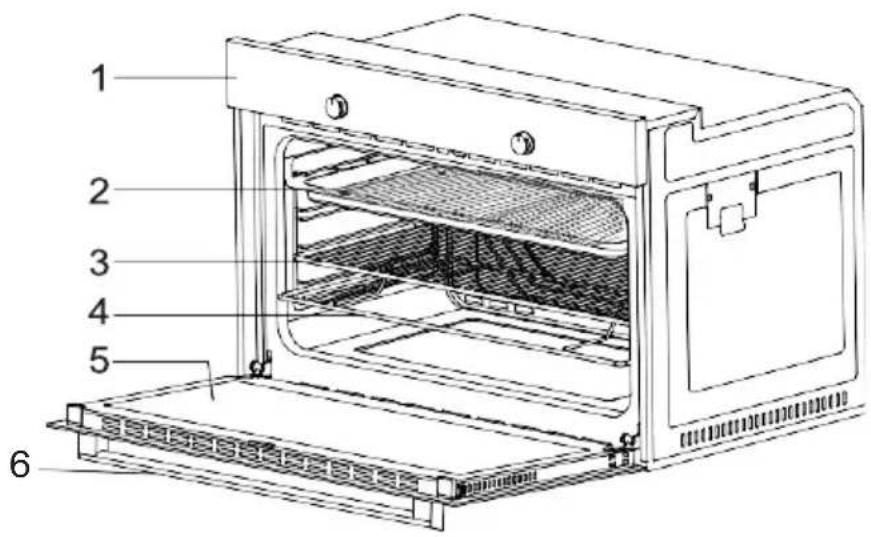
- Control panel
- Deep tray and in tray wire grill
-
Wire grill
-
Roast chicken skewer
- Oven door
6.Handle
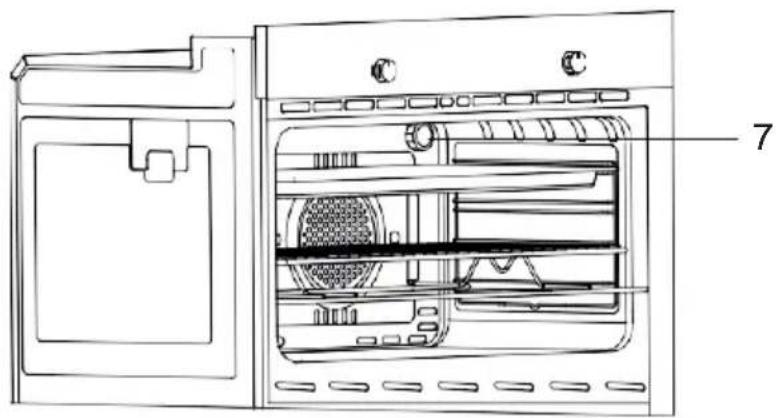
natural_image
Line drawing of an oven with internal compartments and ventilation slots (no text or symbols)- Lamp
TECHNICAL SPECIFICATIONS
| Specifications | 90 cm Built-In Oven |
| Lamp power | 15-25W |
| Thermostat | 40-240 / Max °C |
| Lower heater | 2000W |
| Upper heater | 1500W |
| Turbo heater | 1 x 2200W |
| Grill heater | 3250W |
| Supply voltage | 220-240V AC 50/60 Hz. |
Technical specifications can be changed without prior notice to improve product quality.
The values provided with the appliance or its accompanying documents are laboratory readings in accordance with the respective standards. These values may differ depending on the use and ambient conditions.
Figures in this guide are schematic and may not be exactly match your product.
INSTALLATION OF APPLIANCE
Ensure that electrical installation is suitable for operationalising the appliance. If not, call an electrician and plumber to make necessary arrangements. Manufacturing firm can't be hold responsible for damages to arise due to operations by unauthorized people and product warranty becomes void.
WARNING: It is customer's responsibility to prepare the location the product shall be placed on and also have power utility prepared.
WARNING: The rules about electrical local standards must be adhered to during product installation.
WARNING: Check for any damage on the product before installing it. Do not have product installed if it's damaged. Damaged products pose danger for your safety.
Important Warnings for Installation:
natural_image
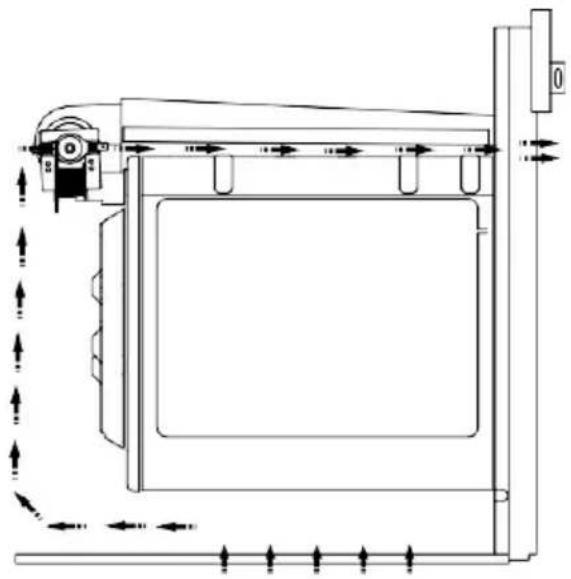
Technical line drawing of a mechanical device with directional arrows indicating motion or force (no text or symbols)Figure 1
Cooling fan shall take extra steam out and prevent outer surfaces of appliance from overheating during operation of oven.
This is a necessary condition for better appliance operation and better cooking. Cooling fan shall continue operation after cooking is finished. Fan shall automatically stop after cooling is completed.
A clearance must be left behind the enclosure where you'll place the appliance for efficient and good operation.
This clearance shouldn't be ignored as it's required for ventilation system of the appliance to operate.
Right Place For Installation
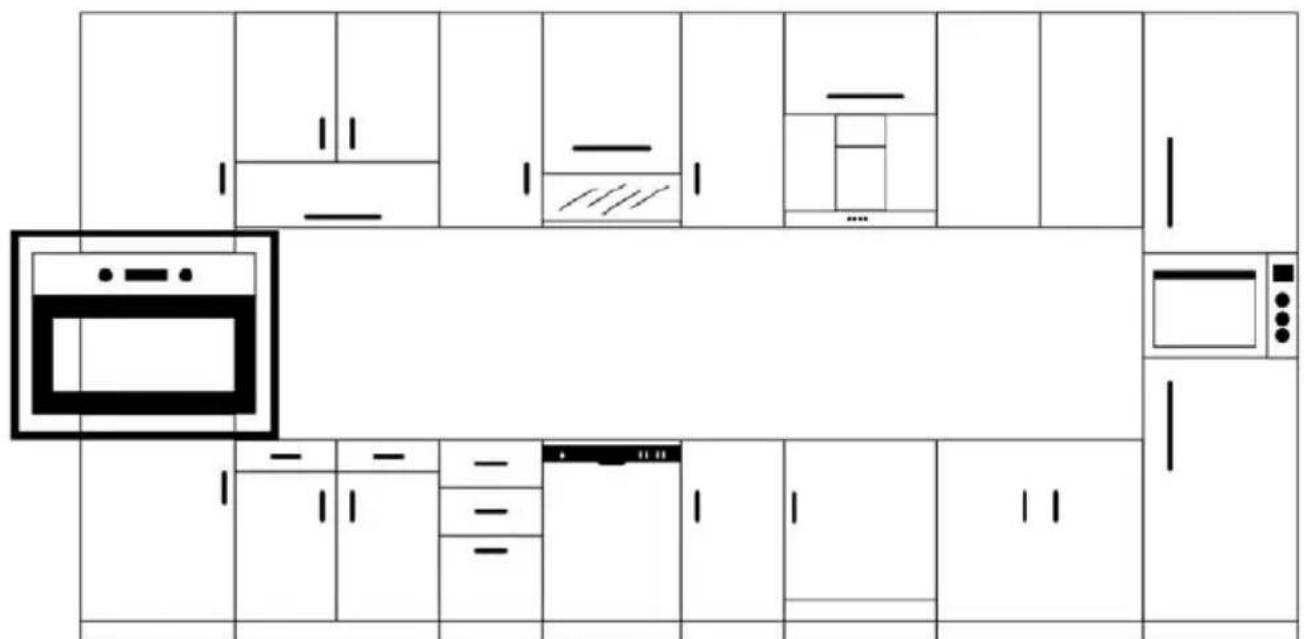
Product has been designed to be mounted to worktops procured from market. A safe distance must be left between the product and kitchen walls or furniture. See the drawing provided on the next page for proper distances. (values in mm).
- Used surfaces, synthetic laminates and adhesives must be heat resistant. (minimum 100^ C ).
- Kitchen cupboards must be level with product and secured.
- If there is a drawer below the oven, a rack must be placed between oven and drawer.
WARNING: Do not install the product next to refrigerators or coolers. The heat emitted by the product increases the energy consumption of cooling devices.
WARNING: Do not use door and/or handle to carry or move the product.
90 cm Built-In Oven Installation and Mounting
Place of use for product must be located before starting installation.
Product mustn't be installed in places which are under the effect of strong air flow.
Carry the product with minimum two people. Do not drag the product so that floor isn't damaged.
Remove all transportation materials inside and outside the product. Remove all materials and documents in the product.
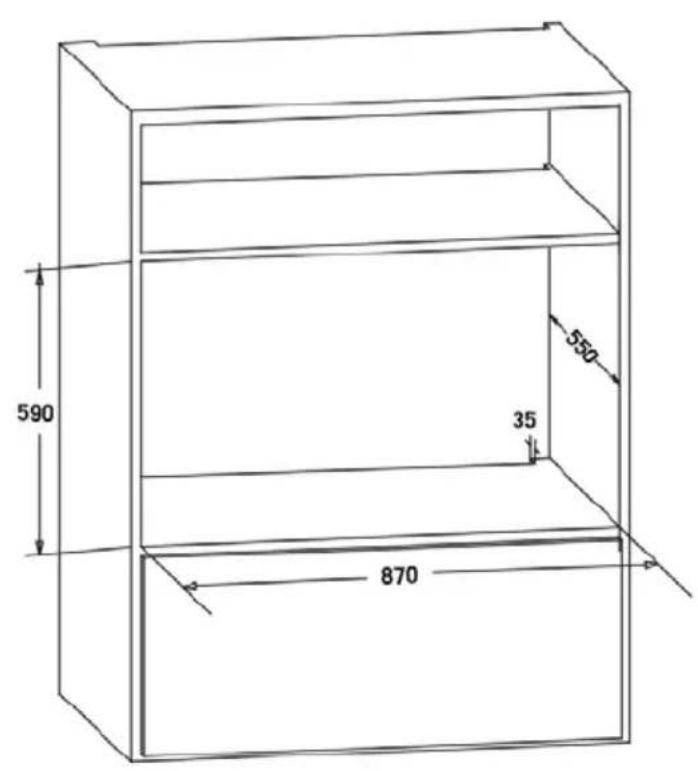
Installation Under Counter
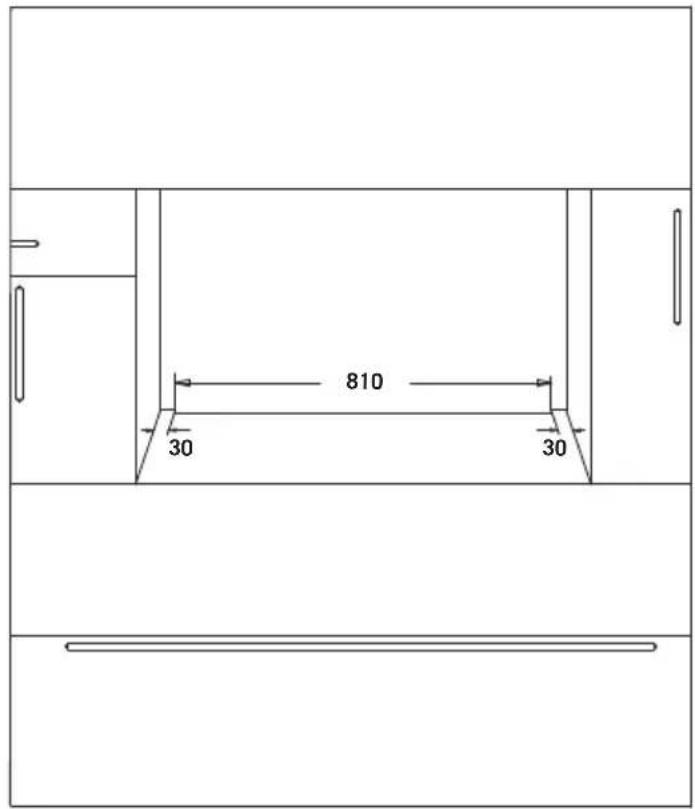
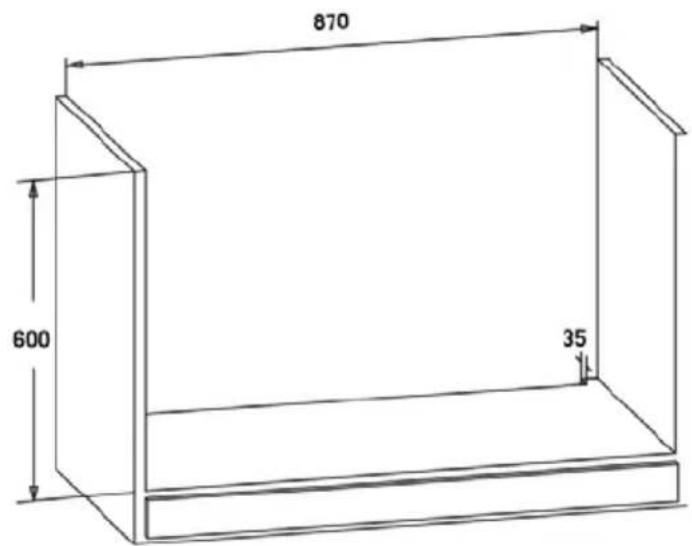
Cabin must match the dimensions provided in Figure 2.
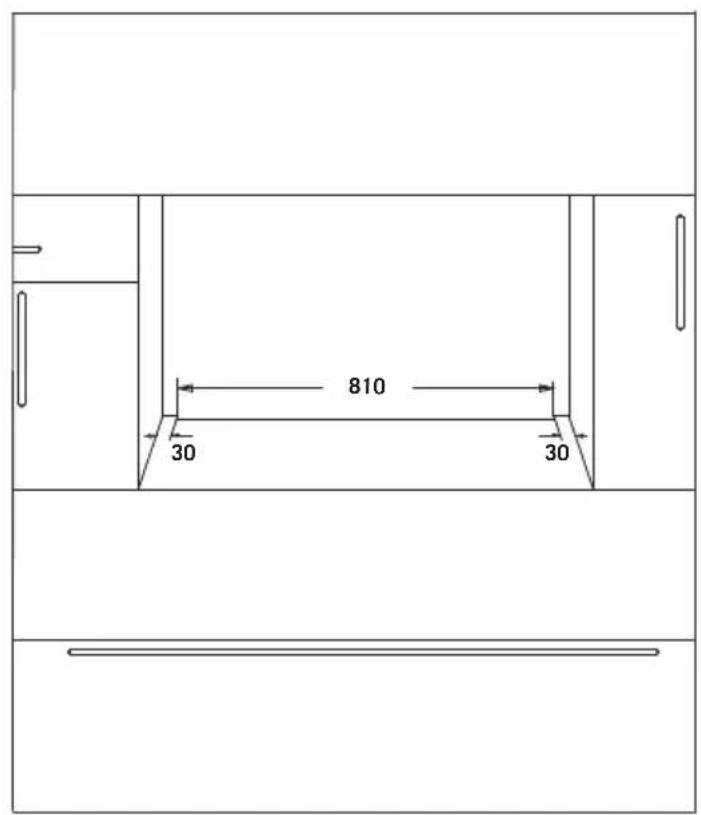
A clearance must be provided at the rear part of the cabin as indicated in the figure so that necessary ventilation can be achieved.
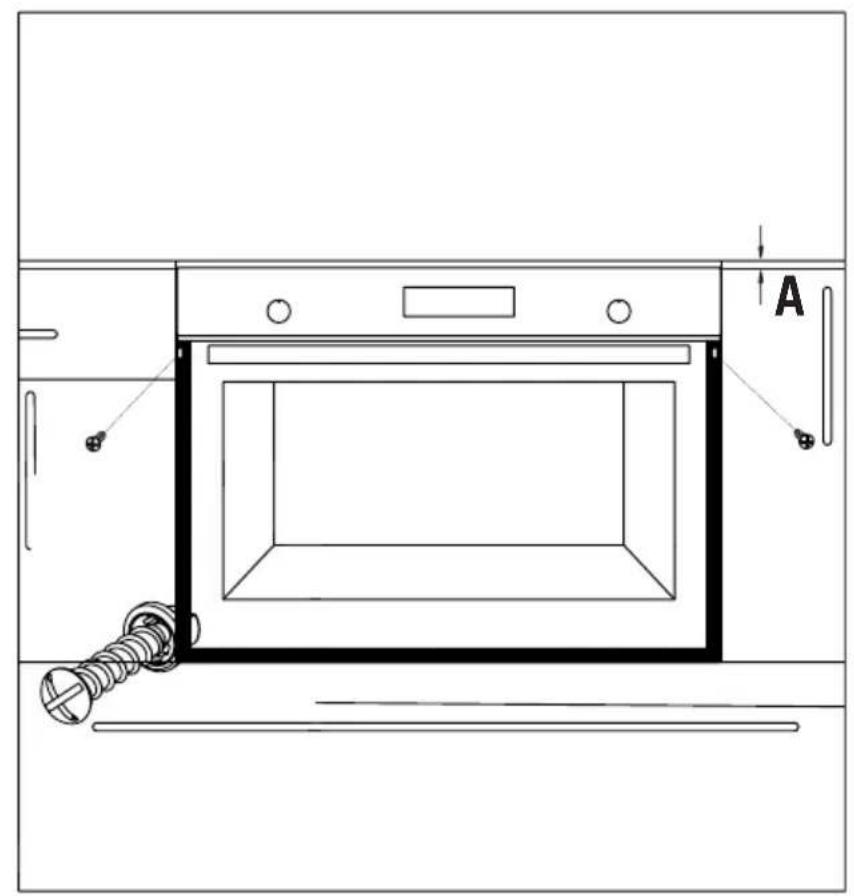
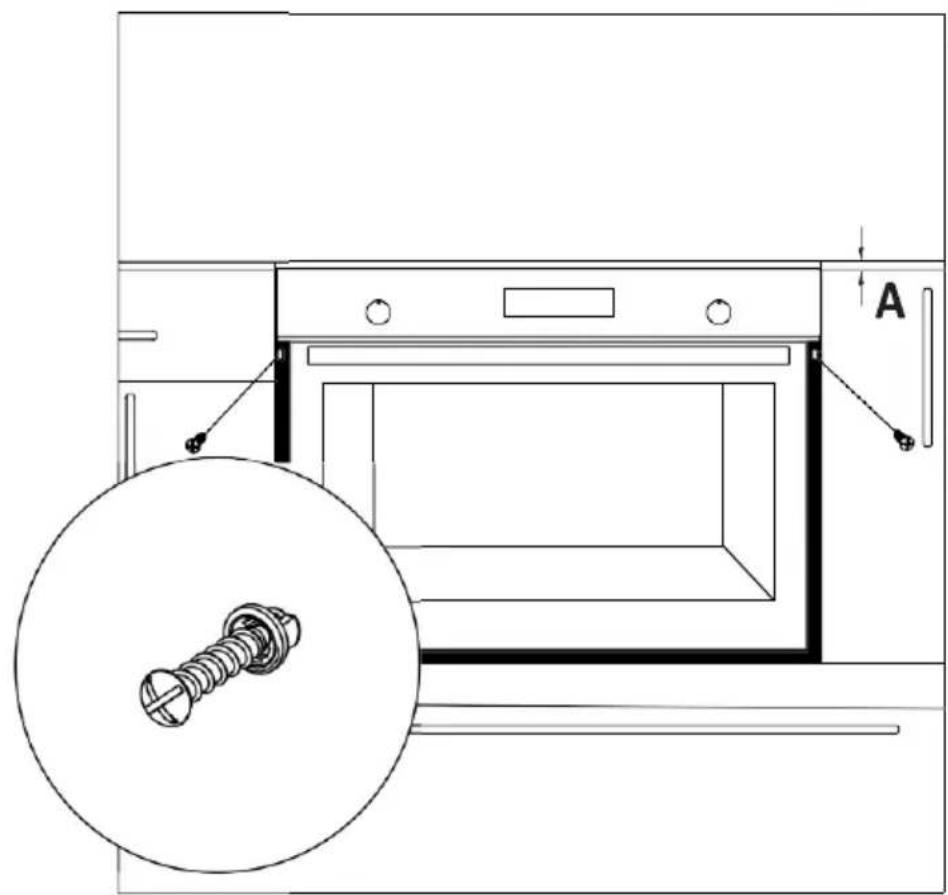
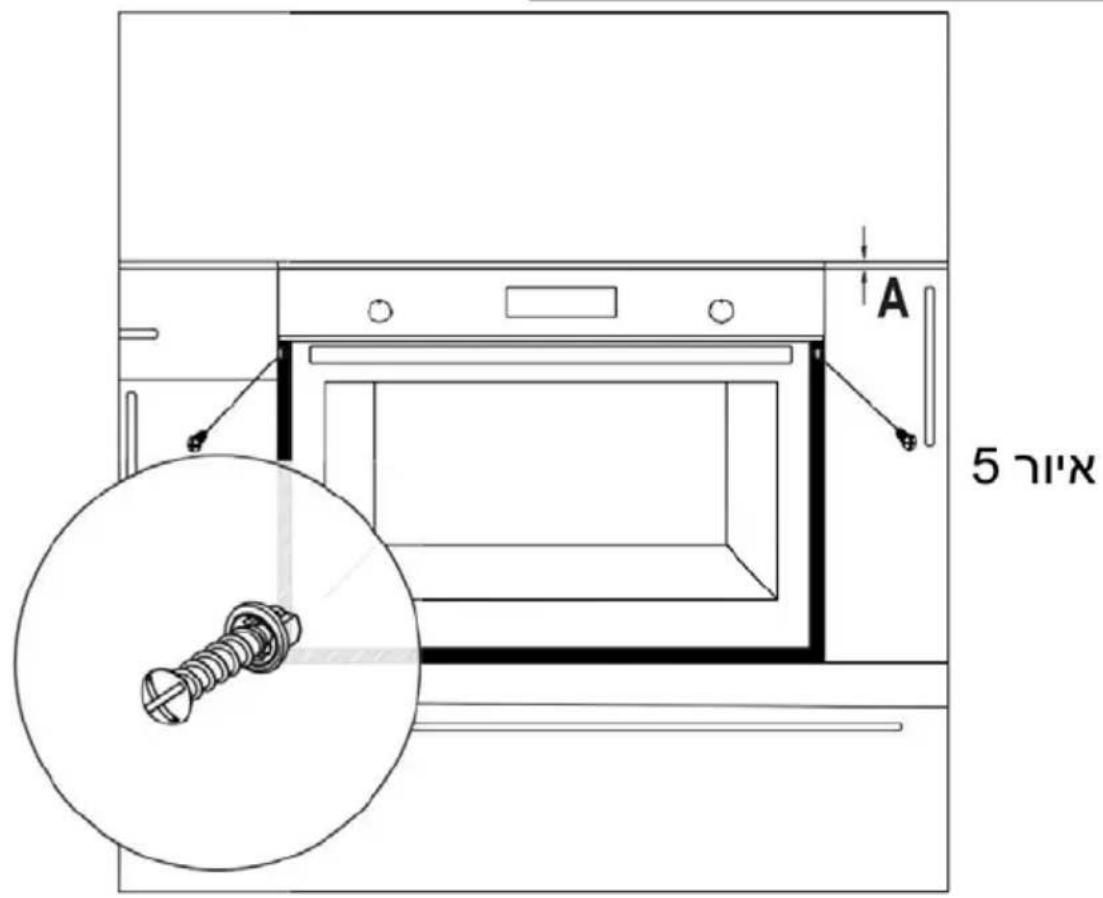
After mounting, the clearance between lower and upper part of the counter is indicated in Figure 5 with "A". It's for ventilation and shouldn't be covered.
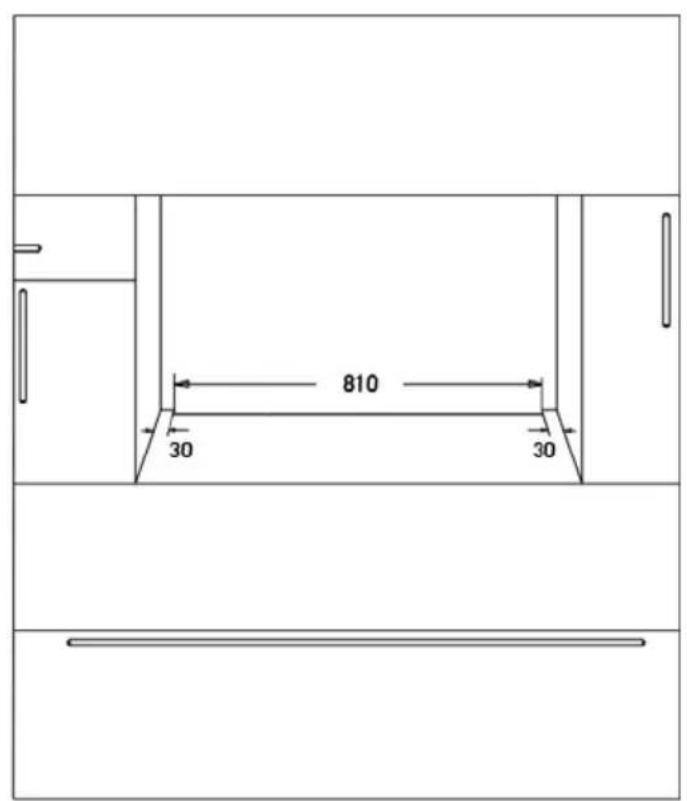
Installation In An Elevated Cabinet
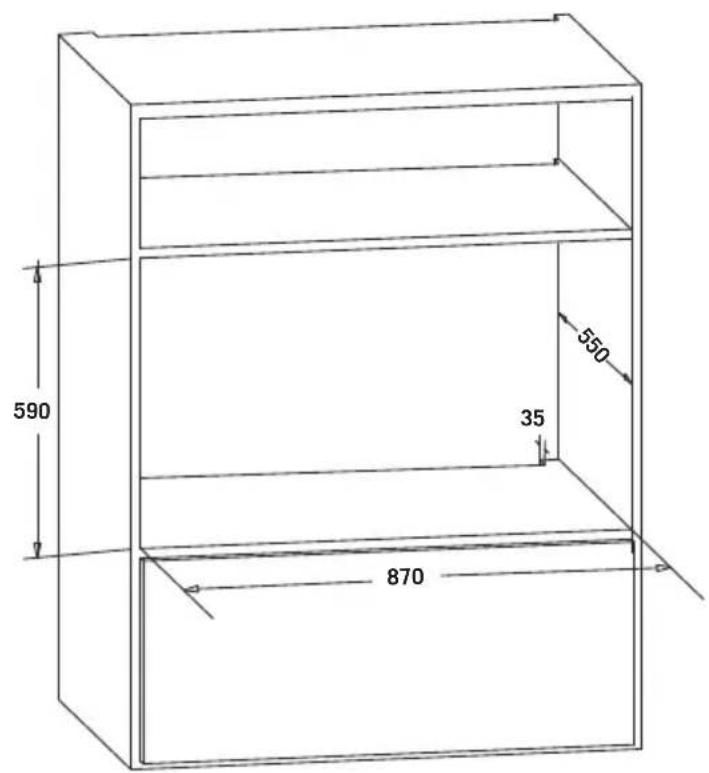
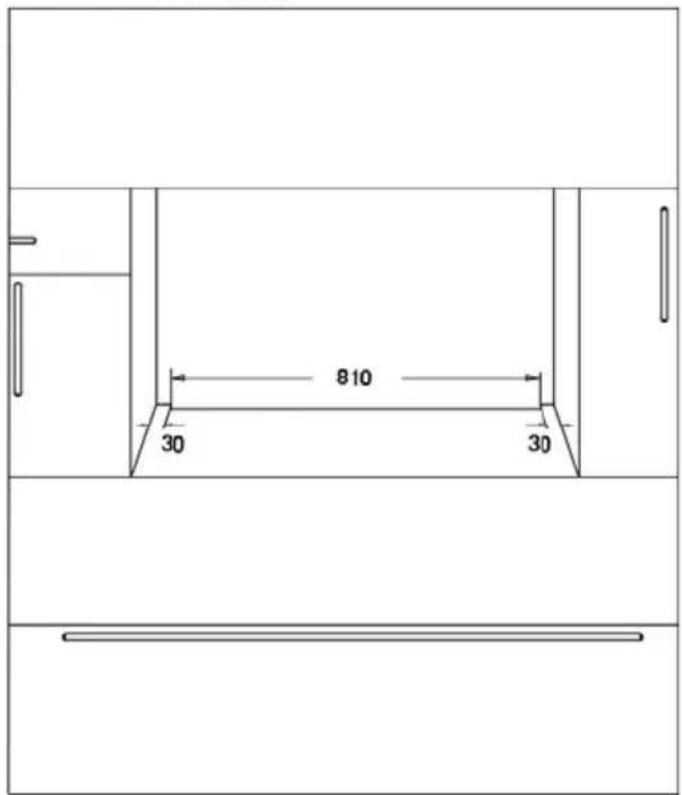
Cabin must match the dimensions provided in Figure 4.
The clearances with the dimensions indicated in the figure must be provided at the rear part of cabin, upper and lower sections so that necessary ventilation can be achieved.
Installation Requirements
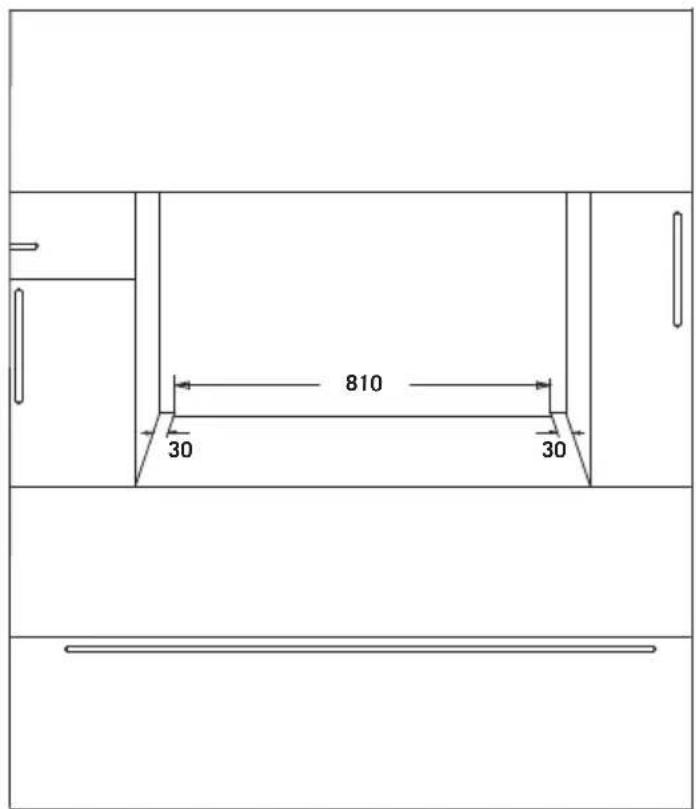
Product dimensions are provided in the Figure 3.
Furniture surfaces for mounting and mounting materials to be used must have a minimum temperature resistance of 100 °C .
Mounting cabin must be secured and its floor must be plane for product not to tilt over.
Cabin floor must have a minimum strength that would handle a load of 60 kg.
Placing and Securing the Oven
Place the oven into the cabin with two or more people.
Ensure that oven's frame and front edge of the furniture match uniformly.
Supply cord mustn't be under the oven, squeeze in between oven and furniture or bend.
Fix the oven to the furniture by using the screws provided with the product. Screws must be mounted as shown in Figure 5 by passing them through plastics attached to frame of the product. Screws mustn't be overtightened. Otherwise, screw sockets might be worn.
Check that oven doesn't move after mounting. If oven isn't mounted in accordance with instructions, there is a risk of tilt over during operation.
Electrical Connection
Mounting place of the product must have appropriate electrical installation.
Network voltage must be compatible with the values provided on type label of product.
Product connection must be made in accordance with local and national electrical requirements.
Before starting the mounting disconnect network power. Do not connect the product to network until its mounting is completed.
Mounting
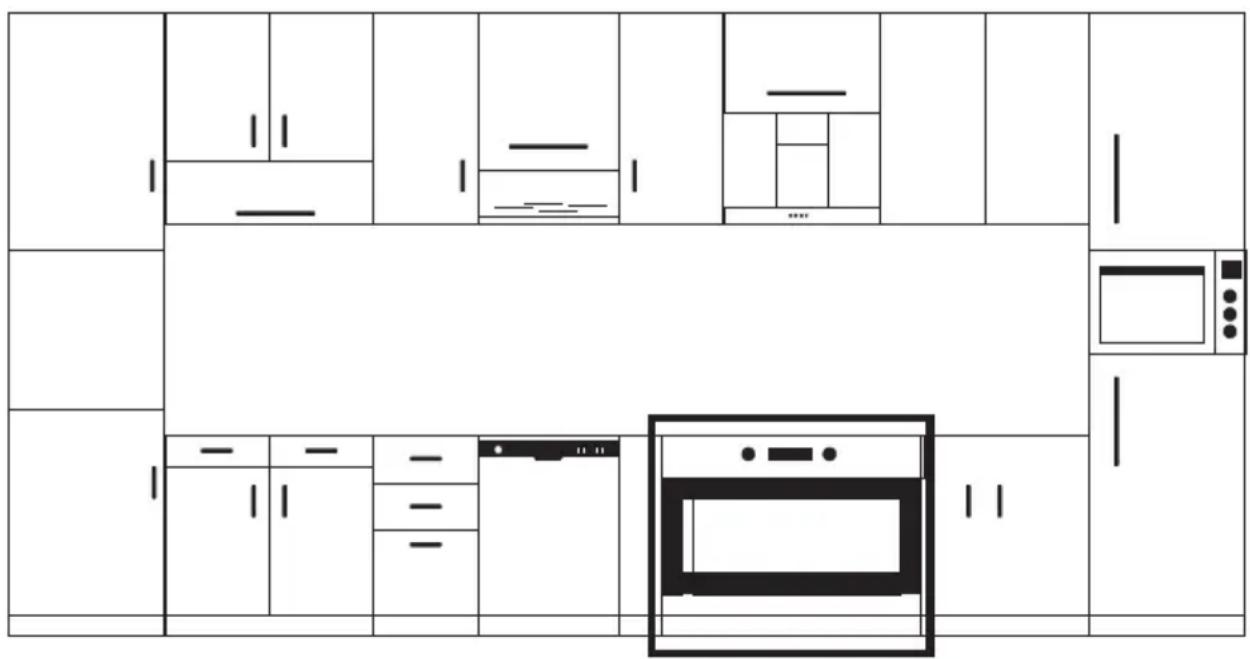
Figure 2
EN
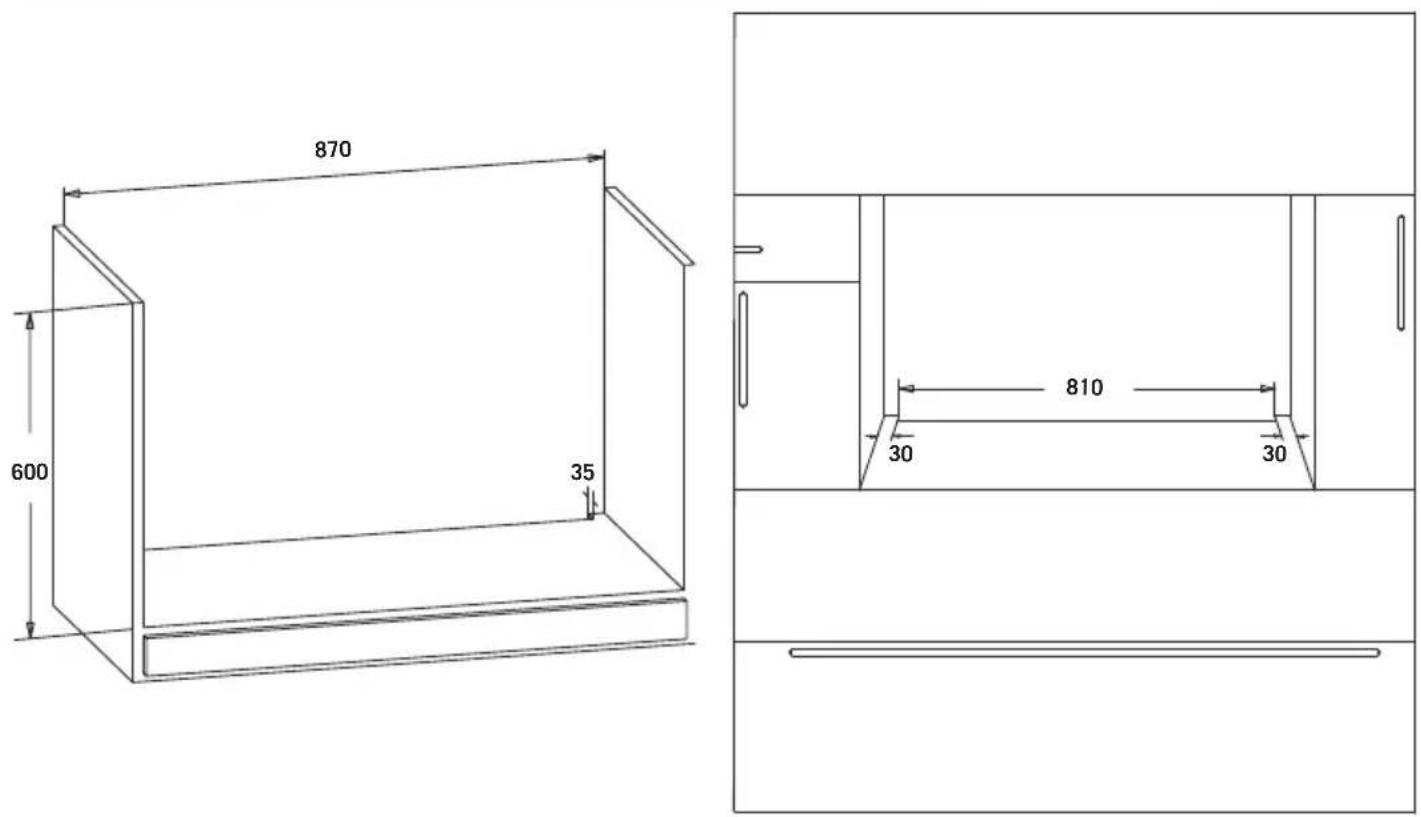
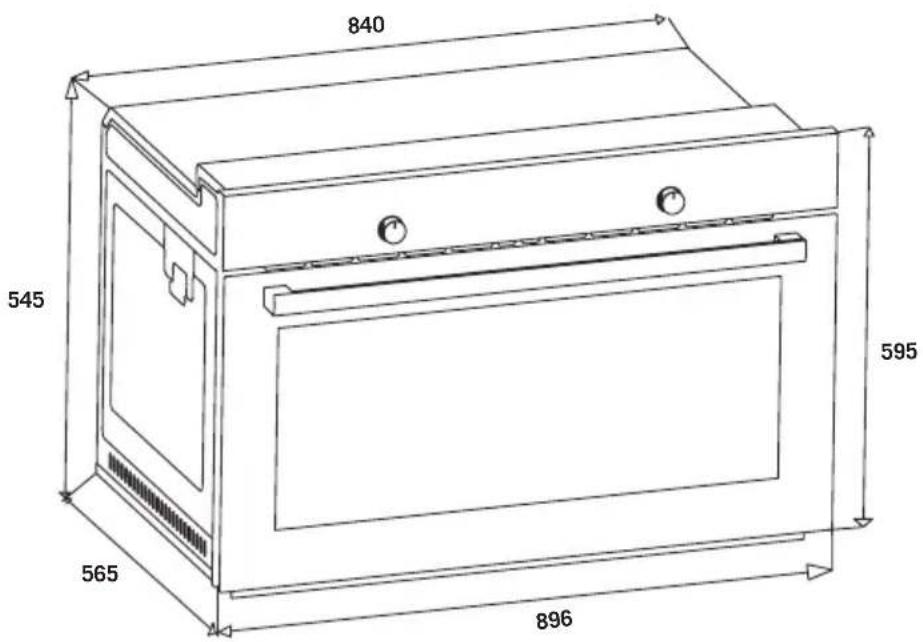
Figure 3
EN
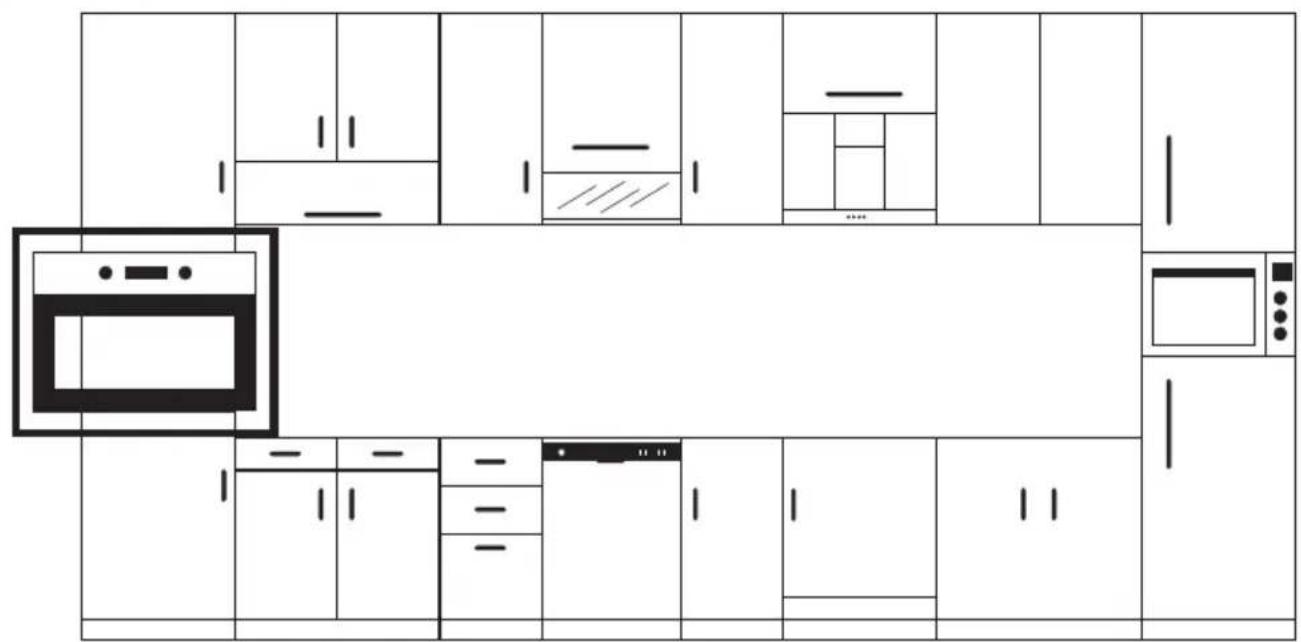
Figure 4
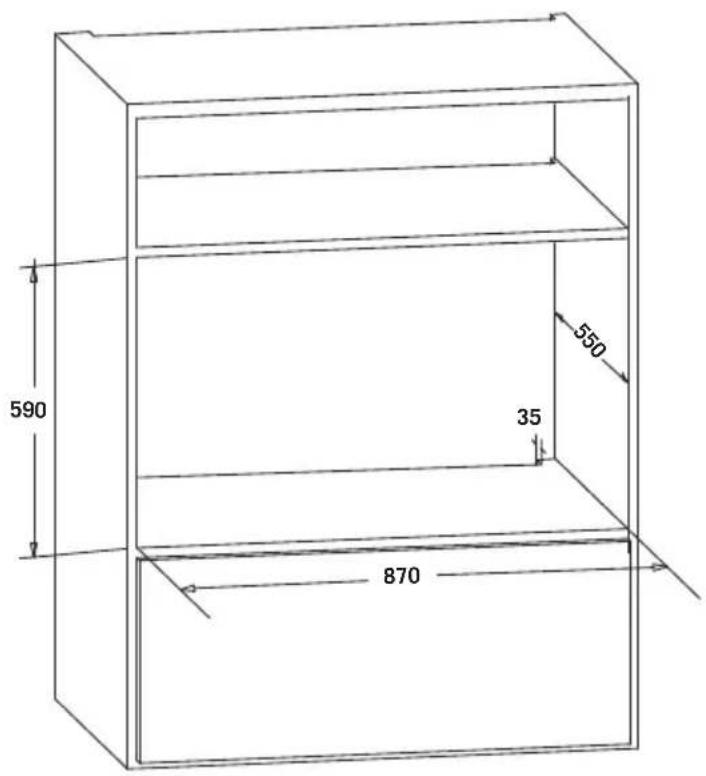
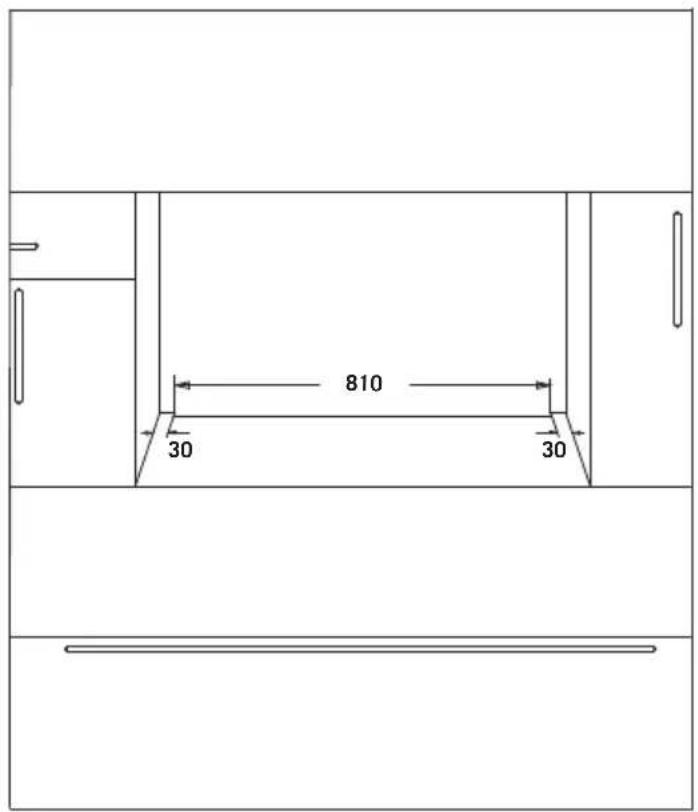
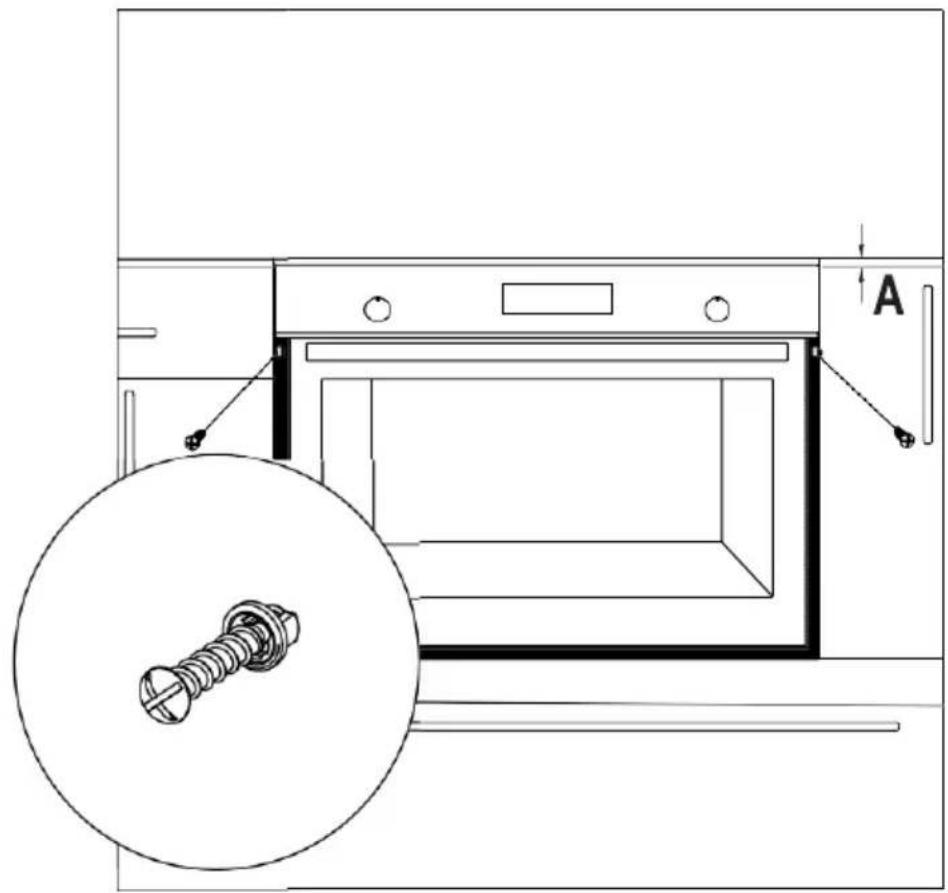
Figure 5
IMPORTANT WARNINGS
Electrical Connection and Safety
This oven must be installed and connected to its place correctly according to manufacturer instructions and by an authorized service.
Appliance must be installed in an oven enclosure providing high ventilation.
Electrical connections of the appliance must be made only via sockets having earth system furnished in compliance with rules. Contact an authorized electrician if there is no socket complying with the earthed system at where appliance will be placed. Manufacturing company is by no means responsible for damage resulting from connection of non-earthed sockets to appliance.
Plug of your oven must be earthed; ensure that socket for the plug is earthed. Plug must be located in a place that can be accessed after installation.
Your oven has been manufactured as 220-240 V 50/60 Hz. AC power supply compliant and requires a 16 Amp fuse. If your power network is different that these indicated values, refer to an electrician or your authorized service.
EN
When you need to replace the electrical fuse, please ensure that electrical connection is made as follows:
• Phase (to live terminal) brown cable
- Blue cable to neutral terminal
• Yellow-green cable to earth terminal
Oven disconnecting switches must be in an accessible place for final user while oven is in its place.
Power supply cable (plug in cable) mustn't touch hot parts of the appliance. If supply cord (plug in cable) is damaged, this cord must be replaced by the importer or its service agent or an equally competent personnel to prevent a hazardous situation.
CONTROL PANEL
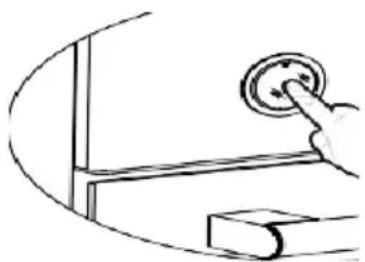
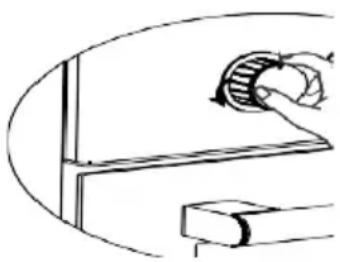
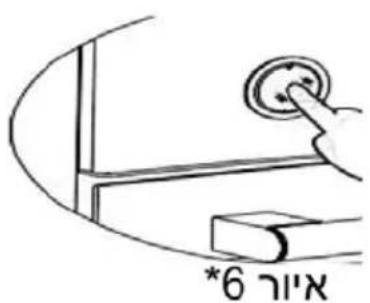
Adjustment can be made only when button is popped for models with pop-up button.
natural_image
Simple line drawing of a hand pressing a button on a wall-mounted device (no text or symbols)Figure 6 *
Make sure that button is popped by pressing on the button as shown in the figure at left side.
natural_image
Simple line drawing of a hand holding a roller, partially enclosed in a curved frame (no text or symbols)Figure 7*
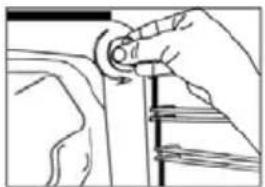
You can make necessary adjustments by turning right or left when button is popped enough.
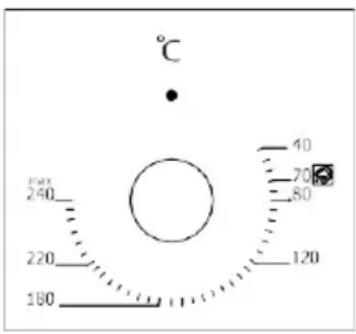
Figure 8
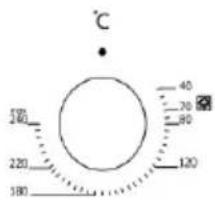
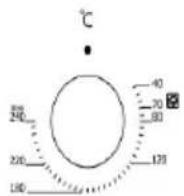
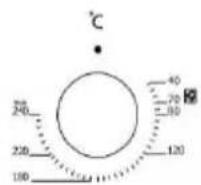
Thermostat Button: Helps to set cooking temperature of the food to be cooked in the oven. You can set the desired temperature by turning the button after placing the food into the oven. Check cooking table related to cooking temperatures of different foods.
flowchart
graph TD
    P["•"] --> A["Circle"]
    A --> B["Button 1"]
    A --> C["Button 2"]
    A --> D["Button 3"]
    A --> E["Button 4"]
    A --> F["Button 5"]
    A --> G["Button 6"]
    A --> H["Button 7"]
    A --> I["Button 8"]
Figure 9
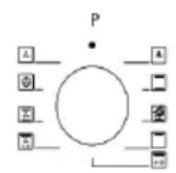
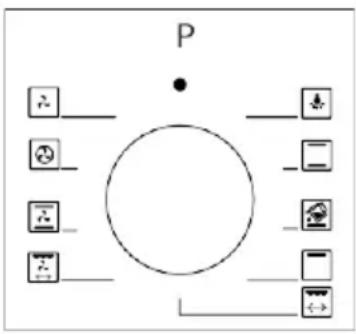
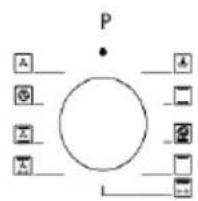
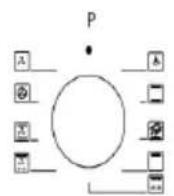
Program Button: Helps to set with which heaters the food placed in oven will be cooked. Heater program types in this button and their functions are stated below. Every model might not have all heater types and thus program types of these heaters.
PROGRAM TYPES
Heating program types in your appliance and important explanations of them are provided below for you can cook different foods appealing to your taste.
 | Fan |  | Lower and upper heating elements |
 | Turbo heater and fan Steam cleaning |  | |
 | Lower-upper heating element and fan |  | Upper heating element |
 | Grill-fan and roast chicken |  | Grill and roast chicken |
| Lamp | |||
Turbo heater and fan: Suitable for baking and roasting. Keep heat setting lower than “Lower and Upper Heater” program since heat is conveyed immediately via air flow.
Lower and upper heating element and fan: The program suitable for cooking foods like cakes, dried cakes, lasagne. Suitable for cooking meat dishes, as well.
EN
Grill-fan and roast chicken: Suitable for cooking meat type foods. Do not forget to place a cooking tray in a lower rack inside the oven and a little water in it while grilling.
Lower and upper heating elements: A program that can be used for cooking foods like cake, pizza, biscuit and cookie.
Upper heating element: Used for post heating or roasting very little pieces of foods.
Grill and roast chicken: Grill cooker is used for grilling meat like foods such as steak, sausage and fish. While grilling, tray should be placed in the lower rack and water must be placed in it.
COOKING RECOMMENDATIONS
You can find in the following table the information of food types which we tested and identified their cooking values in our labs. Cooking times can vary depending on the network voltage, quality of material to be cooked, quantity and temperature. Dishes to cook by using these values might not appeal to your taste. You can set various values for obtaining different tastes and results appealing to your taste by making tests.
WARNING: Oven must be preheated for 7-10 minutes before placing the food in it.
COOKING TABLE
| Food | Cooking Function | Cooking Temperature (°C) | Cooking Rack | Cooking Time (min.) |
| Cake Static | 180 | 2 | 70 | |
| Small cake Static | 180 | 2 | 40 | |
| Pie Static | 200 | 2 | 70 | |
| Pastry Static+Fan | 180-200 2 | 20-25 | ||
| Cookie Static | 175 | 2 | 20 | |
| Apple pie Static | 180-190 1 | 150 | ||
| Sponge cake Static | 175 | 2 | 45-50 | |
| Pizza Static | 190 | 2 | 25 | |
| Lasagne Static | 180-200 2 | 50-60 | ||
| Meringue Static | 100 | 2 | 60 | |
| Grilled chicken * | Grill+Fan | 220 | 4 | 25-35 |
| Grilled fish * | Grill+Fan | 220 | 4 | 35-40 |
| Calf steak * | Grill Max. | 4 | 30 | |
| Grilled meatball * | Grill Max. | 4 | 40 |
* Food must be turned after half of the cooking time.
USING THE OVEN
Initial Use of Oven
Here are the things you must do at first use of your oven after making its necessary connections as per instructions:
- Remove labels or accessories attached inside the oven. If any, take out the protective folio on front side of the appliance.
- Remove dust and package residues by wiping inside of the oven with a damp cloth. Inside of oven must be empty. Plug the cable of appliance into the electrical socket.
- Set the thermostat button to the highest temperature (240 Max. °C) and run the oven for 30 minutes with its door closed. Meanwhile a slight smoke and smell might occur and that's a normal situation.
- Wipe inside of the oven with a slightly warm water with detergent after it becomes cold and then dry with a clean cloth. Now you can use your oven.
Normal Use of Oven
- Adjust thermostat button and temperature at which you want to cook the food to start cooking.
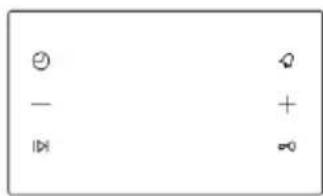
- Timer turns the heaters off and provides audible signal when cooking time expires in line with the information entered in the models with digital timer.
- Cooling system of the appliance will continue to operate after cooking is completed. Do not cut the power of appliance in this situation which is required for appliance to cool down. System will shut down after cooling is completed.
REPLACING OVEN LAMP
WARNING: To avoid electric shock, ensure that the appliance circuit is open before changing the lamp. (having circuit open means power is off) First disconnect the power of appliance and ensure that appliance is cold.
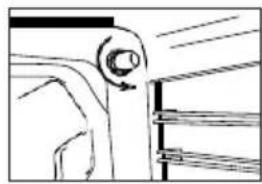
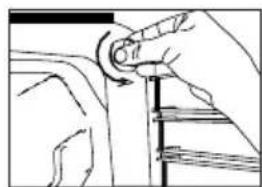
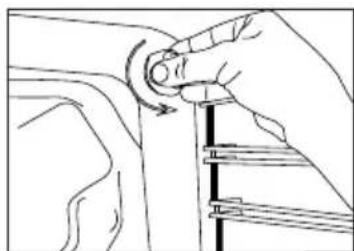
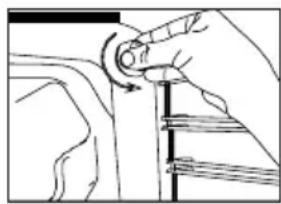
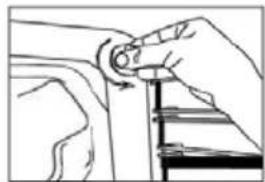
Remove the glass protection by turning as indicated in the figure on the left side. If you have difficulty in turning, then using plastic gloves will help you in turning.
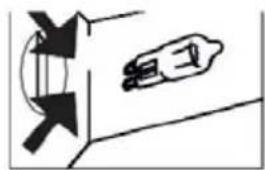
Then remove the lamp by turning, install the new lamp with same specifications.
Reinstall glass protection, plug the power cable of appliance into electrical socket and complete replacement. Now you can use your oven.
Type E14 lamp assembly:
This product contains a light source of energy efficiency class
natural_image
Pure mechanical diagram showing a rotating component with no text or symbols220-240 V, AC 15 W
natural_image
Hand holding a circular component with an arrow, next to a mechanical part (no text or symbols visible)Figure 11
CLEANING OVEN GLASS
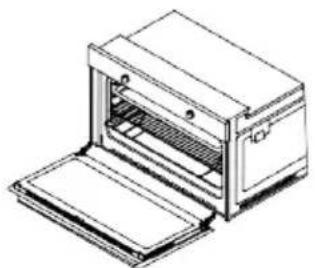
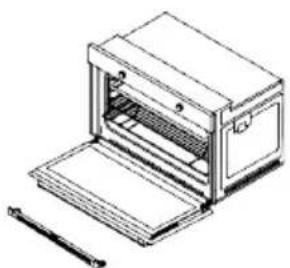
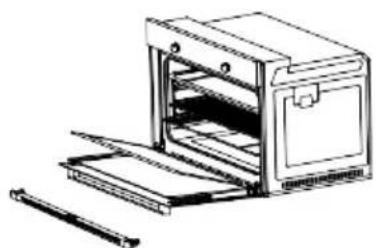
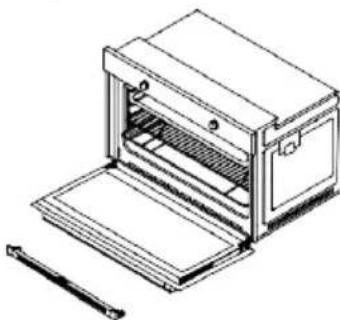
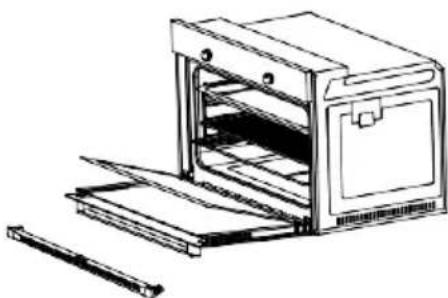
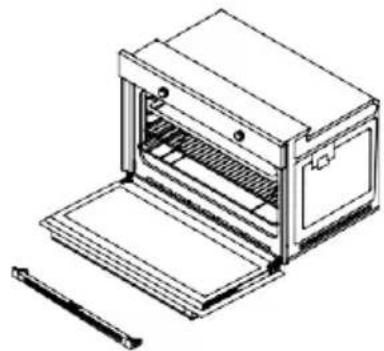
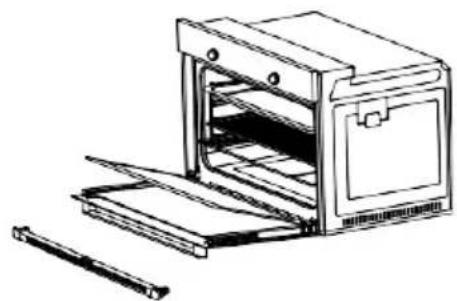
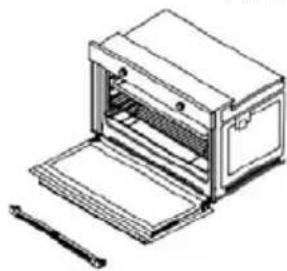
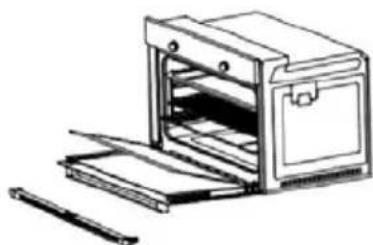
Lift by pressing on plastic latches on left and right side as shown in figure 12 and pulling the profile toward yourself as in figure 13. Glass is released after profile is removed as shown in figure 14. Remove the released glass by pulling toward yourself carefully. Outer glass is fixed to oven door profile. You can perform glass cleaning easily afterglasses are released. You can mount glasses back by performing the operations reversely after cleaning and maintenance are completed. Ensure that profile is seated properly in place.
natural_image
Line drawing of a microwave oven with lid open and side panel, no text or symbols presentFigure 12
natural_image
Line drawing of a microwave oven with lid and side panel (no text or symbols)Figure 13
natural_image
Line drawing of an open oven with a door and drawer, plus a separate rod inserted into the tray (no text or symbols)Figure 14
CLEANING AND MOUNTING OVEN DOOR
natural_image
Line drawing of an open oven with a rack and cooling unit (no text or symbols)Figure 15
natural_image
Technical line drawing of a mechanical device with internal components and a handle (no text or symbols)Figure 16
natural_image
Technical line drawing of a mechanical assembly inside a circular frame (no text or symbols)Figure 15.1
natural_image
Technical line drawing of a mechanical assembly with no visible text or symbolsFigure 15.2
natural_image
Technical line drawing of a mechanical assembly with no visible text or symbolsFigure 16.1
natural_image
Technical line drawing of a door frame with mounting bracket and side panel (no text or symbols)Figure 16.2
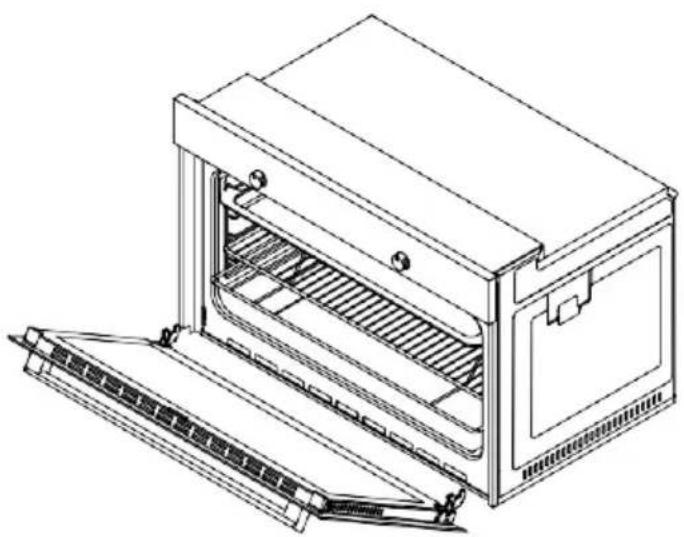
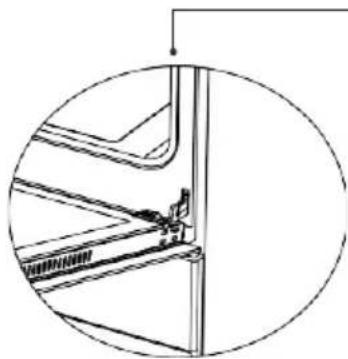
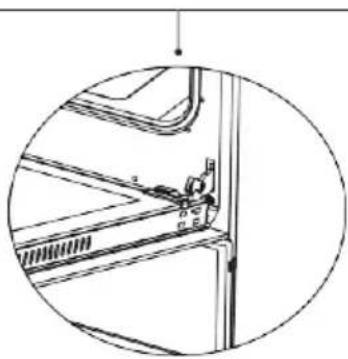
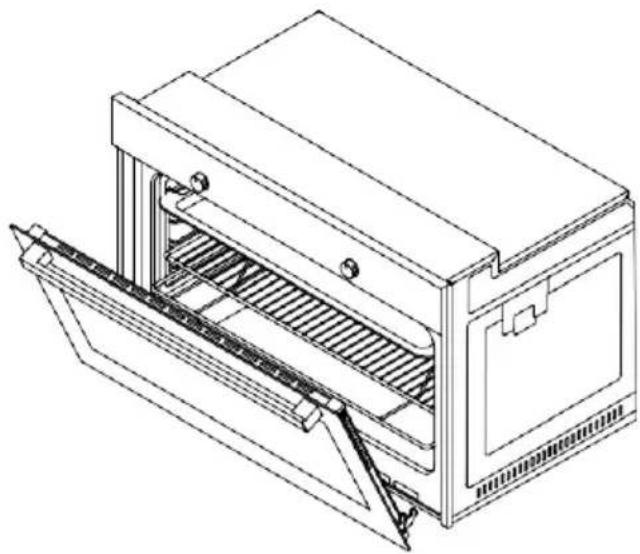
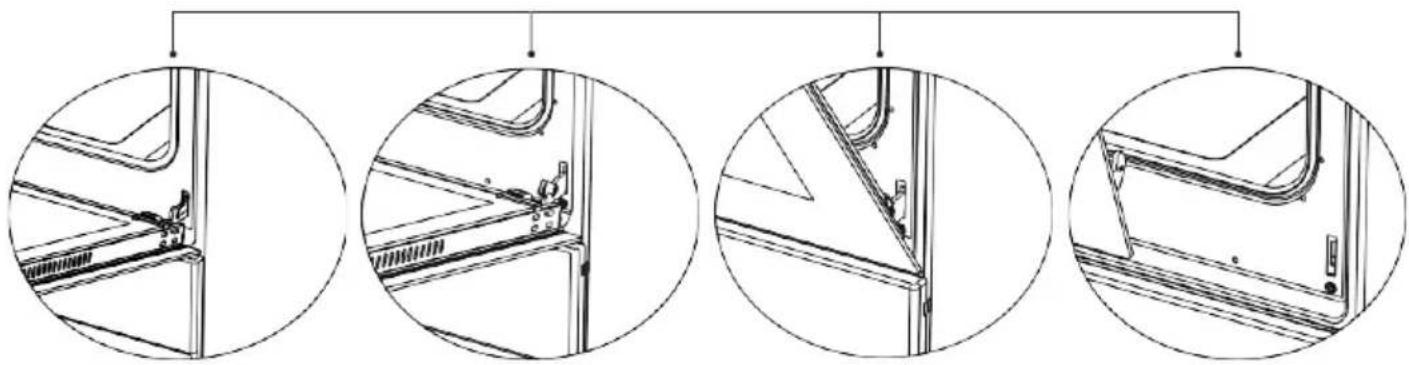
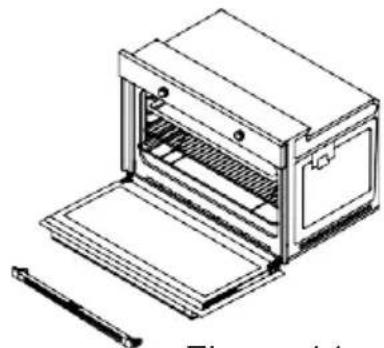
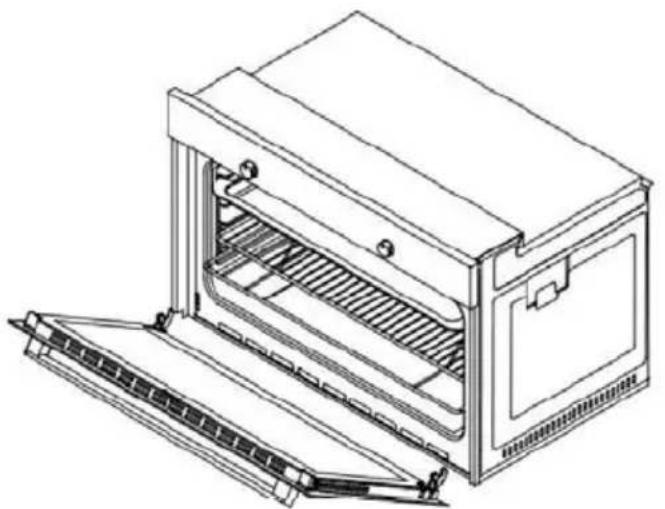
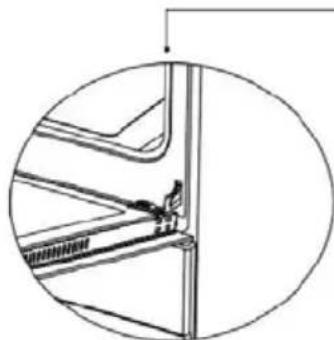
Open the door fully by pulling the oven door toward yourself. Then perform unlock operation by pulling the hinge lock upwards with the aid of screwdriver as indicated in figure 15.1.
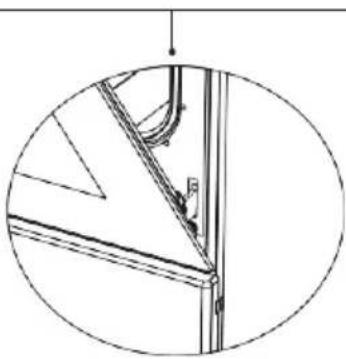
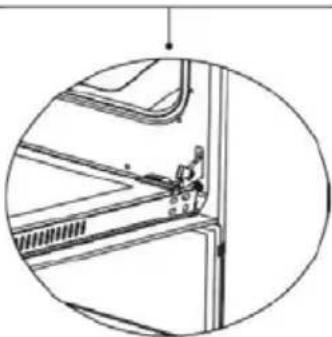
Set the hinge lock to the widest angle as in figure 15.2. Adjust both hinges connecting oven door to the oven to the same position.
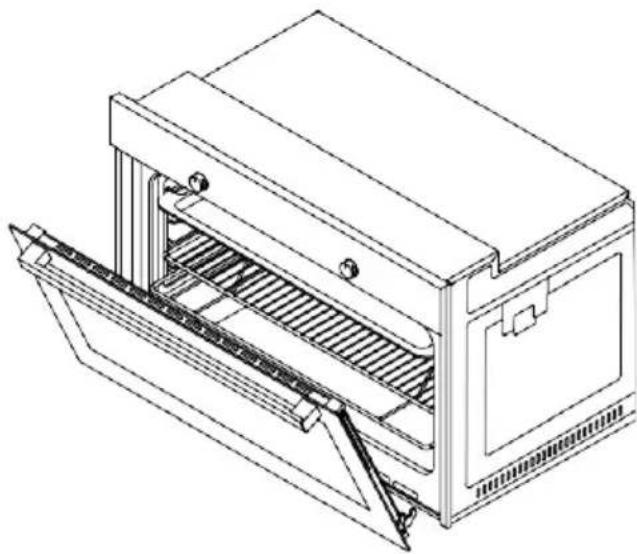
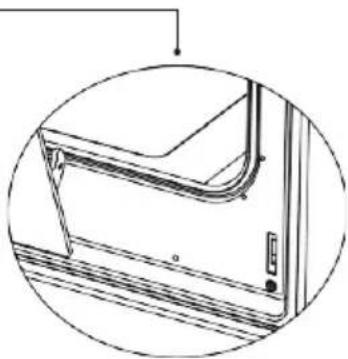
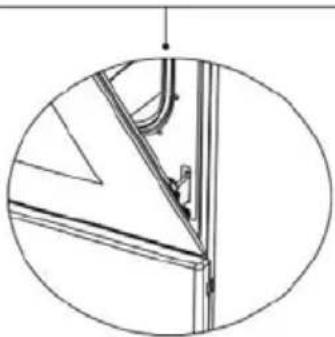
Later, close the opened oven door so that it will be in a position to contact with hinge lock as in figure 16.1.
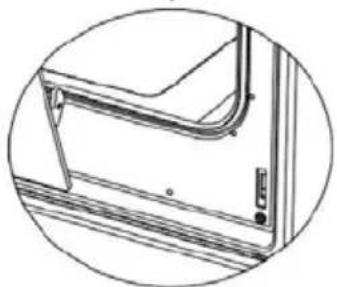
For easier removal of oven door, when it comes close to closed position, hold the cover with two hands as in figure 16.2 and pull upwards.
Reversely perform respectively what you did while opening door to reinstall oven door back.
MAINTENANCE AND CLEANING
- Remove the power plug from electrical socket.
- Do not clean inner parts, panel, trays and other parts of the product with hard tools such as bristle brush, wire wool or knife. Do not use abrasive, scratching materials or detergent.
- Rinse after wiping the parts at inner parts of the product with soapy cloth, then dry thoroughly with a soft cloth.
- Clean glass surfaces with special glass cleaning material.
- Do not clean your product with steam cleaners.
- Never use combustibles like acid, thinner and gas while cleaning your product.
- Do not wash any part of the product in dishwasher.
- "Use potassium stearate (soft soap) for dirt and stains.
You can perform cleaning with a soft textured cloth not to scratch surfaces according to the figures below.
STEAM CLEANING \*
natural_image
Line drawing of an open oven with a door and lid, showing internal structure without any text or symbols.Figure 17
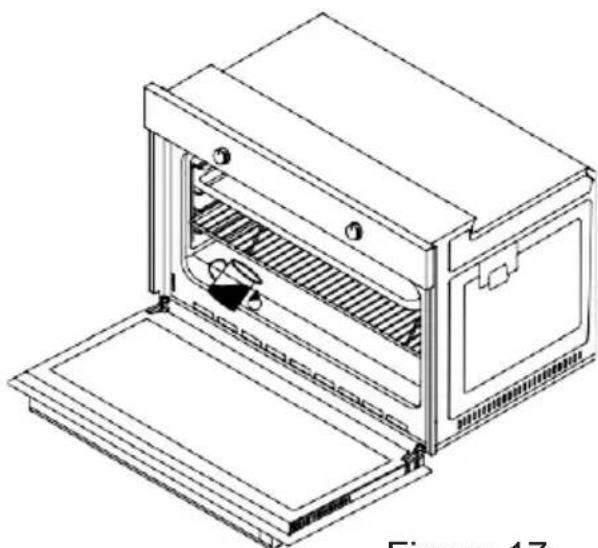
It enables cleaning the soils softened thanks to the steam to be generated in the oven.
- Remove all the accessories in the oven.
- Pour a half litre of water into the tray and Place the tray at the bottom of the boiler.
- Set the switch to the steam cleaning mode.
- Set the thermostat to 70^ C degrees
and operate the oven for 30 minutes.
- After operating the oven for 30 minutes, open the oven door and wipe the inner surfaces with a wet cloth.
- Use dish-washing liquid, warm water and a soft cloth for stubborn dirt, then dry off the area you have just cleaned with a dry cloth.
ACCESSORIES (Optional)
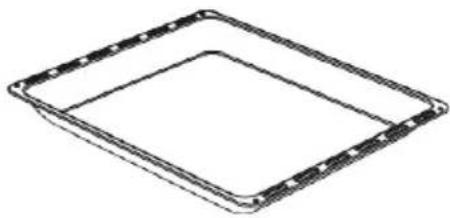
natural_image
Simple line drawing of a square frame with rounded corners and a central hole (no text or symbols)Deep tray
Used for pastry, big roasts, watery foods. It can also be used as oil collecting container if you roast directly on grill with cake, frozen foods and meat dishes.
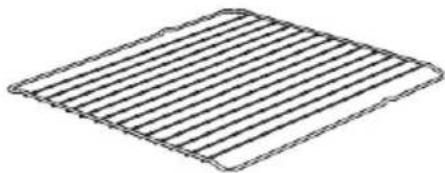
natural_image
Simple line drawing of a rectangular grid pattern with horizontal lines (no text or symbols)Wire grill
Used for roasting or placing foods to be baked, roasted and frozen into desired rack.
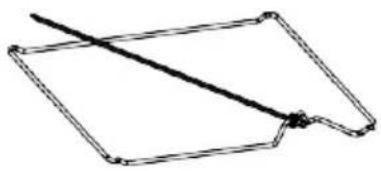
natural_image
Simple line drawing of a tilted rectangular frame with a diagonal line extending from its top (no text or symbols)Roast chicken
It is used for foods intended to be cooked by being rotated.
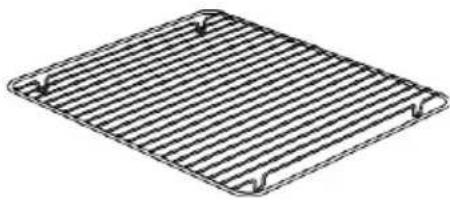
natural_image
Line drawing of a rectangular metal grate with slats and rivets (no text or symbols)In tray wire grill
Foods to stick while cooking such as steak are placed on in tray grill. Thus contact of food with tray and sticking are prevented.
natural_image
Pure electrical circuit lines without any symbolsWire racks
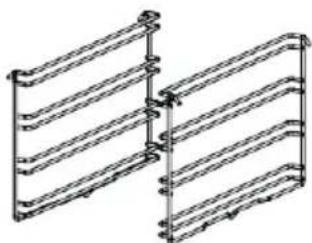
You can place deep tray and tray on lower and upper wire racks while cooking.
Rack Positions
Rack 4 Rack 3 Rack 2 Rack 1
natural_image
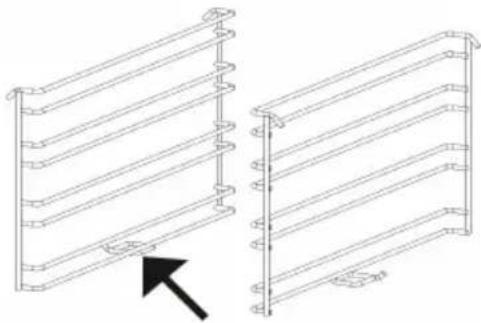
Technical line drawing of two structural panel designs with no text or symbolsIt is important to place the wire grill into the oven properly. Do not allow wire rack to touch rear wall of the oven. Rack positions are shown in the next figure. You may place a deep tray or a standard tray in the lower and upper wire racks.
Installing and removing wire racks
To remove wire racks, press the clips shown with arrows in the figure, first remove the lower, and than the upper side from installation location. To install wire racks; reverse the procedure for removing wire rack.
TROUBLESHOOTING
You can solve the problems you can face with your product by checking the following points before calling the technical service.
If Oven Doesn't Work;
- Check if electrical cable of the oven is plugged.
- Safely check if there is power in the network.
- Check the fuses.
- Check if electrical cable of the oven is damaged.
ENVIRONMENTALLY-FRIENDLY DISPOSAL
natural_image
Symbol of a trash bin crossed with diagonal lines, no text or labels presentDispose of packaging in an environmentally-friendly manner.
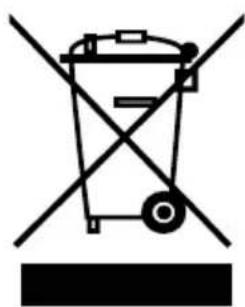
This appliance is labelled in accordance with European Directive 2012/19/EU concerning used electrical and electronic appliances (waste electrical and electronic equipment - WEEE). The guideline determines the framework for the return and recycling of used appliances as applicable throughout to the EU.
PACKAGE INFORMATION
Packaging materials of the product are manufactured from recyclable materials in accordance with our National Environment Regulations. Do not dispose of the packaging materials together with the domestic or other wastes. Take them to the packaging material collection points designated by the local authorities.
You can solve the problems you may encounter with your product by checking the following points before calling for service.
Checkpoints
In case you experience a problem with the oven, first review the table below and try the suggestions
| Problem | Probable Reason | What to do ? |
| The oven does not work | Power supply not available. | Check the power supply. |
| The oven stops during cooking. | The plug pops out of the socket. | Reinstall the plug in the outlet. |
| Turns off during cooking . | Continuous operation too long. Let the oven cool down after long cooking cycles. | |
| The fan does not work: | Listen to the sound of the cooling fan. | |
| Oven not installed in a place with good ventilation. | Ensure that the clearances specified in the operating instructions are maintained. | |
| More than one plug in a power socket. | Use only one plug for each outlet. | |
| Outer surface of the oven becomes very hot during operation. | Oven not installed in a place with good ventilation. | Make sure to keep the clearances indicated in the instruction manual. |
| The oven door does not open properly. | Food debris stuck between the door and the internal cavity. | Clean the oven well and try to reopen the door. |
| The internal light is weak or does not work. | Foreign object covering the lamp during cooking . | The lamp could be failing. |
| The lamp could be failing. | Replace with a lamp with the same technical characteristics. | |
| Electric shock when touching the oven. | Without a proper ground connection. | Make sure the electrical network is properly grounded. |
| An ungrounded outlet is used. | ||
| Dripping water | Water or steam can be generated under certain conditions depending on the food that is cooked. This is not an appliance error. | Let the oven cool and then dry it with a kitchen towel. |
| Steam is coming out of a crack in the oven door. | ||
| There is water inside the oven. | ||
| The cooling fan will continue to run after cooking is complete.. | The fan works for a certain period to ventilate the internal cavity of the oven. | The fan works for a certain period to ventilate the internal cavity of the oven. |
| The oven does not heat. | The door is open. | Close the door and restart. |
| Oven controls not set correctly. | Read the section on operating the oven and restart the oven. | |
| Tripped fuse or circuit breaker off. | Replace the fuse or reset the breaker. If this happens frequently, call an electrician. | |
| Smoke coming out during operation. | When using the oven for the first time | Smoke comes out of heaters. This is not a malfunction. After 2-3 cycles there will be no smoke. |
| Food in the heater. | Allow oven to cool and clean food residue from oven floor and top heater surface. | |
| When using the oven, there will be a burning or plastic smell. | Plastic or other non-heat resistant accessories are used inside the oven. | At high temperatures, you must use suitable glassware accessories. |
| The oven does not cook well. | The oven door is opened frequently during cooking. | Do not open the oven door frequently, if the food you are cooking does not require turning. If you open the door frequently, the internal temperature will decrease and therefore this will influence the cooking result. |
SCREEN SYMBOLS
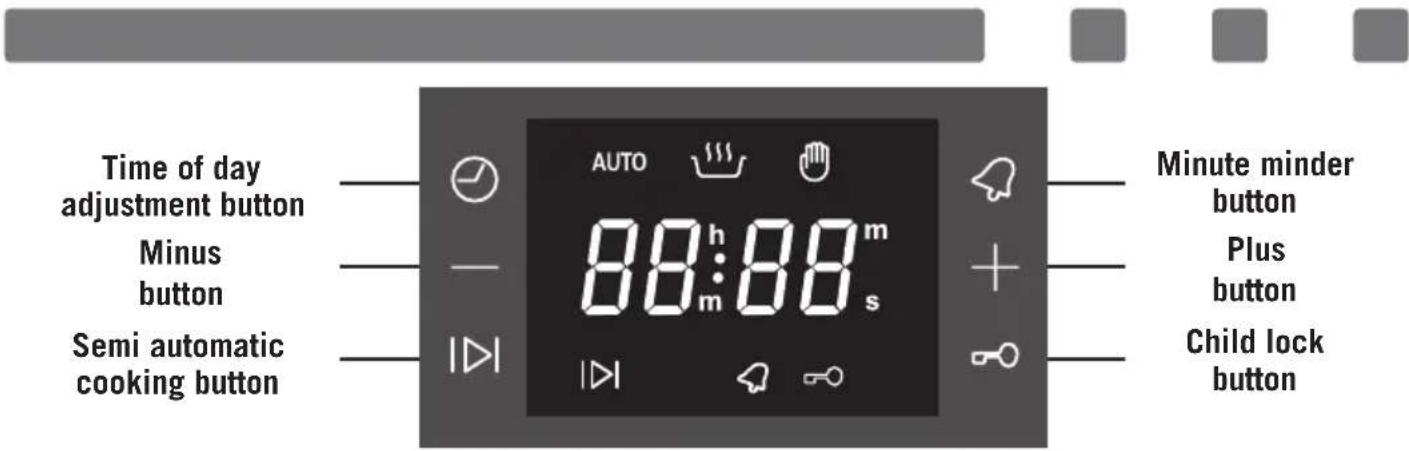
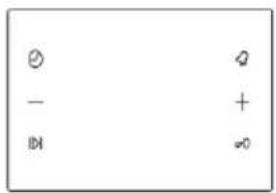
| AUTO | Semi automatic cooking status indicationOn: Semi auto-cooking active.Flashing: Semi auto cooking completed or power on condition.Off: No semi auto cooking active. |
 | Oven status indicationOn: Timer relay is closed / cooking or ready for cooking.Off: Timer relay is open / no cooking. |
 | Manual cooking status indicationOn: Manual cooking.Off: Auto cooking (auto symbol is on). |
 | Semi automatic cooking adjustment mode indicationFlashing: Cooking duration adjustment mode, adjustment possible by or + buttons. |
 | Minute minder status indicationOn: Minute minder alarm activeFlashing: Minute minder adjustment mode, adjustment possible by or + buttons or current minute minder alarm completed.Off: Minute minder is not active. |
 | Child lock indicationOn: Child lock is active.Off: Child lock is inactive. |
POWER ON
At power on, oven is inactive, time of day and AUTO symbols are flashing. The indicated (flashing) time of day is not correct and has to be adjusted. Press ☐ to activate the oven and proceed adjusting the time of day as below.
TIME OF DAY ADJUSTMENT
Time of day adjustment is only possible when no cooking program is in progress. Press ⏻ to enter the adjustment mode, the double dot symbol in between hours and minutes digits will start to flash. Using either + or - adjust the desired duration. The maximum adjustable duration is 23h 59 minutes. Adjustment mode will be abandoned within 5 seconds after the last button press or can be terminated immediately by pressing the ⏻
SETTING THE MINUTE MINDER
With this function, you can adjust a duration in minutes. After the adjusted time has been elapsed, an alarm sound will be produced. Press 🔒 to enter the minute minder adjustment mode, 🔒 symbol will start flashing on the screen. Using either or + - adjust the desired duration. The maximum adjustable duration is 23h 59 minutes. Adjustment mode will be abandoned within 5 seconds after the last button press or can be terminated immediately by pressing the 🔒 button.
CANCELLING THE MINUTE MINDER
Any active minute minder function can be cancelled by pressing and holding button for 3 seconds. The symbol on the screen, indicating the active minute minder function, will dissapear.
CANCELLING THE ALARM BUZZER SOUND
Once the adjusted minute minder duration is elapsed, the buzzer alarm will start to sound, accompanied by the flashing 🔒 symbol on the screen. Any button press will stop the alarm sound and this indication. If no button is pressed, the alarm sound will end automatically after 7 minutes, but the flashing symbol will go on.
SEMI AUTOMATIC COOKING
This cooking program is intended to start cooking immediately for a specified duration. After the oven is set to the desired function and temperature via the oven knobs:
- Press the ▶ button, ▶ symbol will flash on the screen.
- Using + or - buttons, adjust the desired cooking duration. AUTO symbol appears on the screen, whereas 🤒 disappears.
- After 5 seconds of the last button press or by pressing ▶□□ ice, the adjustment is completed. ▶□□ symbol disappears, the display shows the current time of day.
MANUAL MODE
Any automatic cooking in progress, can be cancelled by pressing and holding button for 3 seconds. AUTO symbol will disappear and 📋ll appear. In manual mode, the oven will be active depending on the status of the oven knobs.
AUTO COOKING END
After the automatic cooking has been completed, AUTO symbol will be flashing on the screen an the buzzer alarm will sound. Any button press will stop the alarm sound but the flashing symbol will go on till IDutton is pressed. The buzzer alarm will sound for 7 minutes if not stopped.
POWER INTERRUPTS
After any interrupt of mains power, your oven will be inactive after the power is restored, for safety reasons. After power on, the time of day digits and AUTO symbol will flash and the time of day has to be adjusted (see: power on).
Note: The flashing AUTO symbol indicates that the oven is inactive and you have to enter the manual mode.
CHILD LOCK
This function is intended to prevent any unauthorized modification of the timer settings. When this function is active, any button press except the 🔍 button itself, will be inactive.
To activate this function, press and hold the 📄 button until 📄 ears on the screen, approximately for 3 seconds. To deactivate it, do the same until the 📄 symbol disappears.
Note: Any alarm sound can be stopped by any button press, even the child lock function is active.
PROGRAMMABLE OPTIONS
Alarm tone:
Whenever no adjustment mode is active, pressing and holding the ⏻ button will result in the currently valid buzzer tone being produced. By releasing and pressing the same button again, you may scroll through 3 available buzzer tones. The last heard buzzer tone will be automatically recorded as the selected tone.
Note: Programmable options are nonvolatile and will be resident after any power failure.
AFTER-SALES SERVICE
INTERVENTIONS
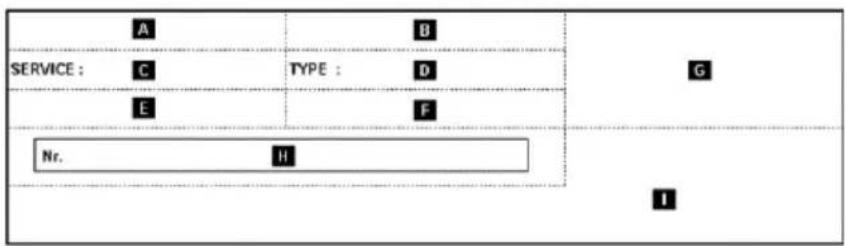
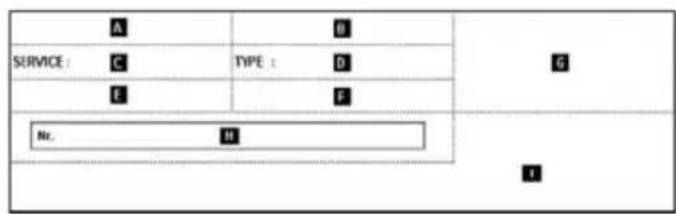
Any repairs to your appliance must be made by a qualified professional accredited to work on the brand. When calling, please provide the full references of your appliance (commercial reference, service reference, serial number), so that we can handle your call better. This information appears on the manufacturer's namepate on the equipment.
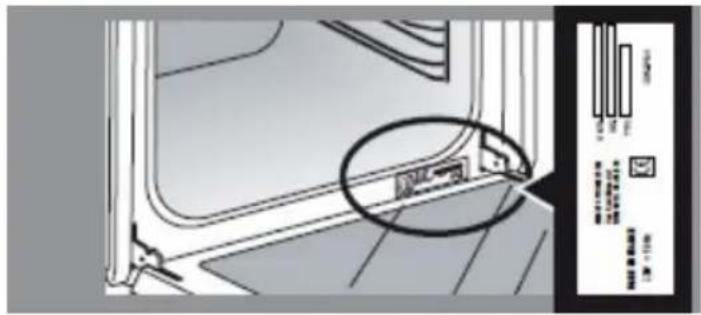
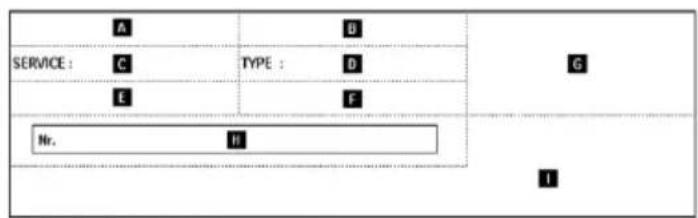
B : Commercial Reference
C: Service Reference
H: Serial Number
Note :
- With a view to constantly improving our products, we reserve the right to make changes to their technical, functional or aesthetic characteristics in line with technological progress.
- Make a note here of the reference on your appliance, so that you can readily find them in future.
Cher client, chère cliente,
natural_image
Technical line drawing of an oven with internal compartments and labeled parts (no text or symbols beyond labels)- Lampe
natural_image
Technical line drawing of a mechanical device with directional arrows indicating motion or flow (no text or symbols)Image 1
Image 2
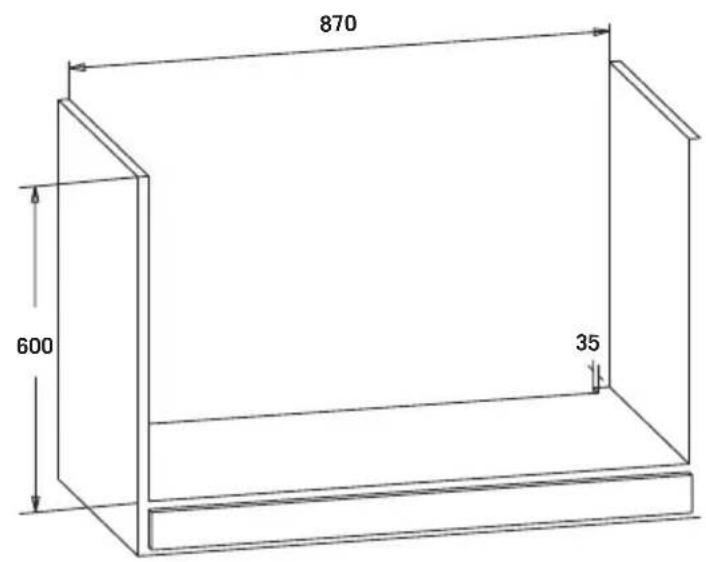
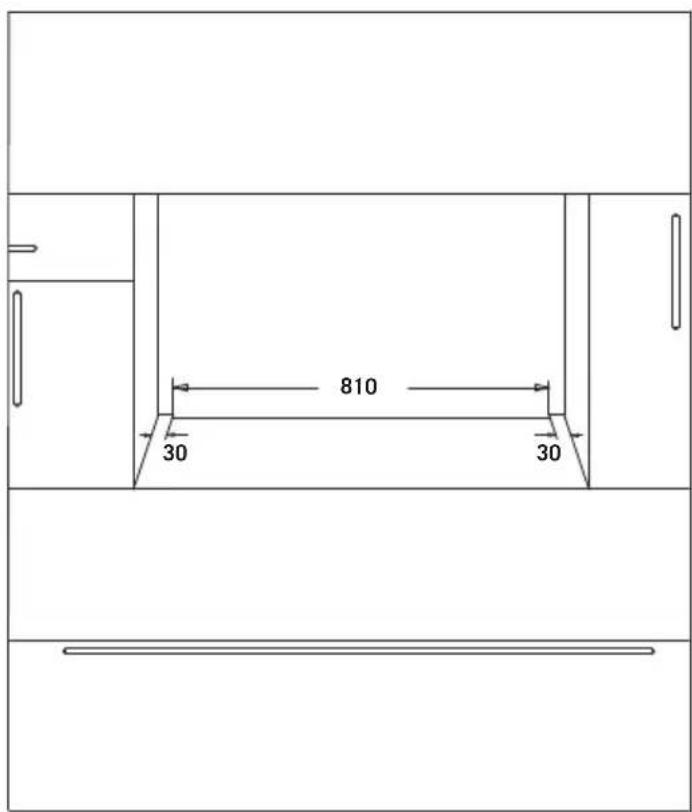
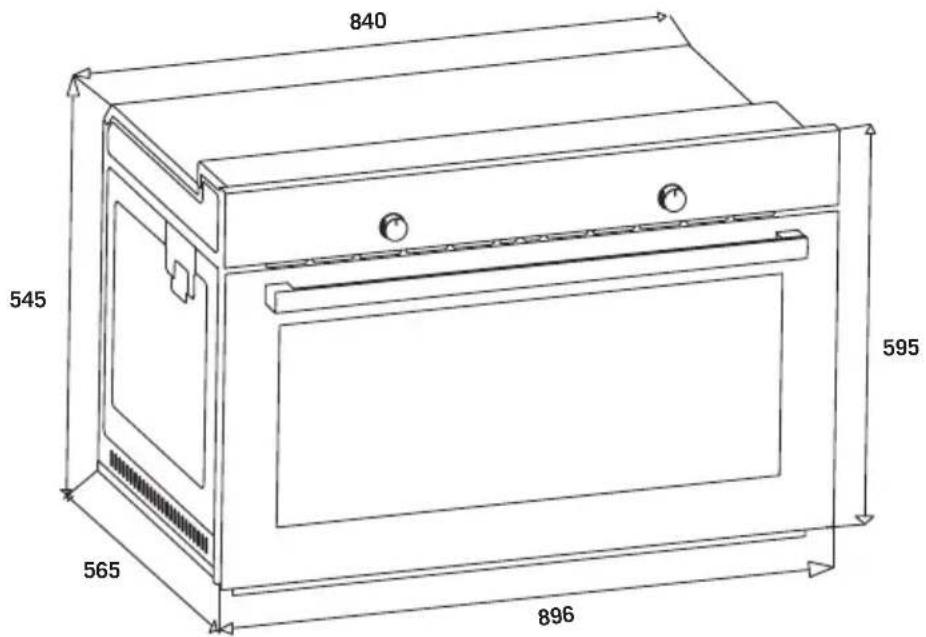
Image 3
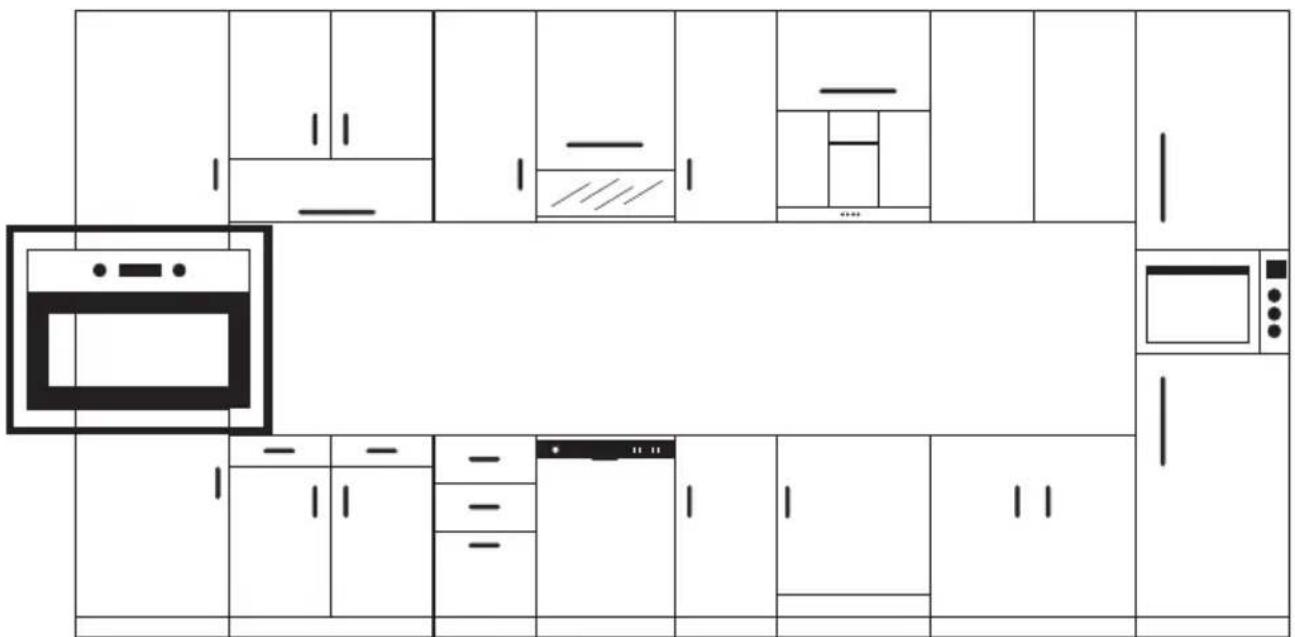
Image 4
FR
natural_image
Technical line drawing of a mechanical enclosure with screw and mounting base (no text or symbols)Image 5
AVERTISSEMENTS IMPORTANTS
natural_image
Simple line drawing of a hand pressing a button on a wall-mounted device (no text or symbols)Image 6*
natural_image
Simple line drawing of a hand holding a circular object above a rectangular base (no text or symbols)Image 7*
REEMPLACEMENT DE L'AMPOULE DU FOUR
natural_image
Two-step diagram showing a hand turning a valve on a mechanical component, with no visible text or symbols.220-240 V, AC 15 W
Image 11
NETTOYAGE DE LA VITRE DU FOUR
natural_image
Line drawing of a closed oven with lid and side slippers (no text or symbols)Image 12
natural_image
Line drawing of a mechanical device with a handle and base plate (no text or symbols)Image 13
natural_image
Line drawing of an open oven with a tray and lid, showing internal shelves and a door (no text or symbols)Image 14
NETTOYAGE ET INSTALLATION DE LA PORTE DU FOUR
natural_image
Line drawing of an open oven with a door and lid, showing internal structure without any text or symbols.Image 17
natural_image
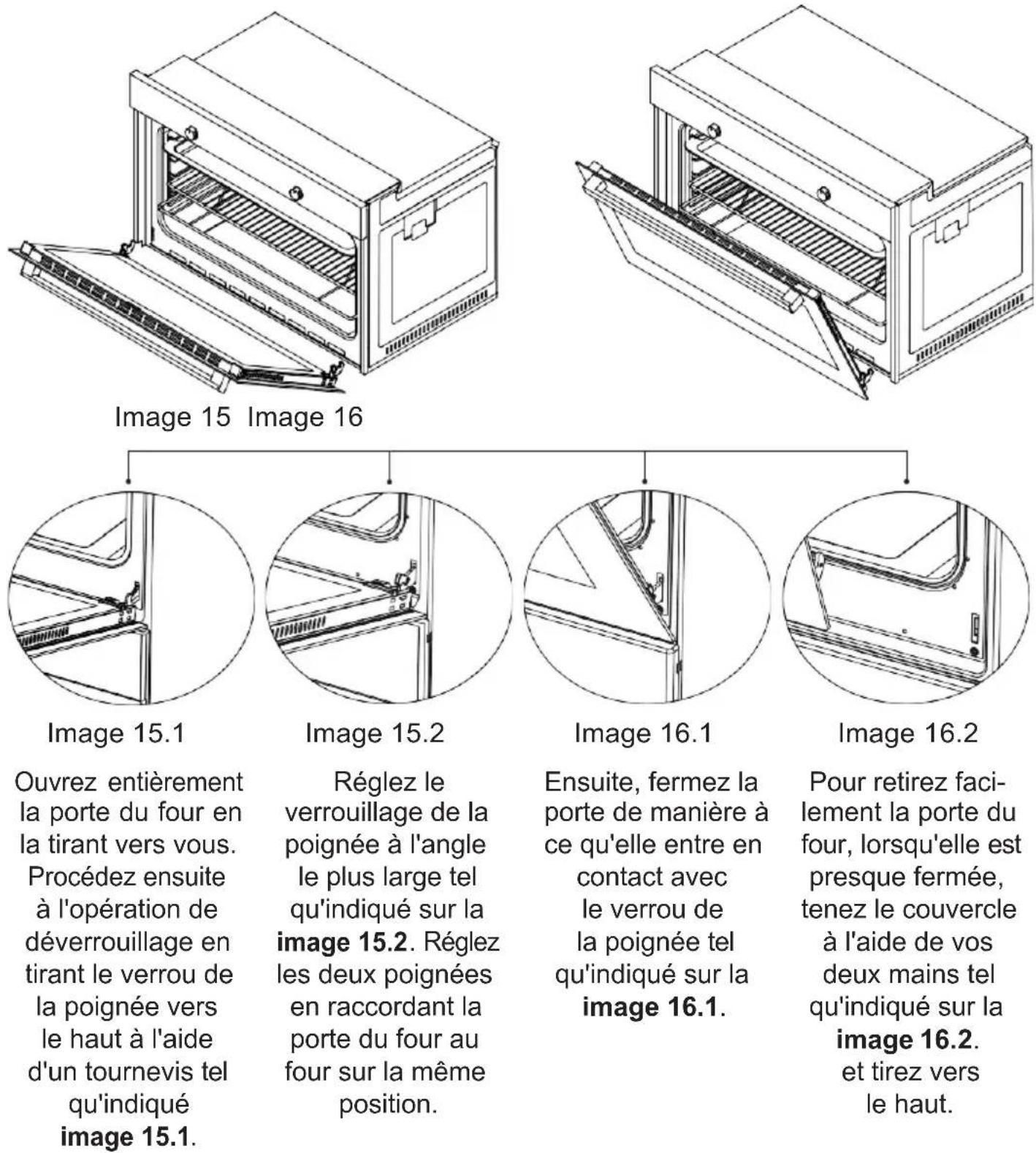
Simple line drawing of a square frame with rounded corners and a central hole (no text or symbols)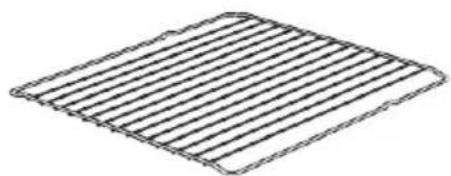
natural_image
Simple line drawing of a rectangular grid pattern with horizontal lines (no text or symbols)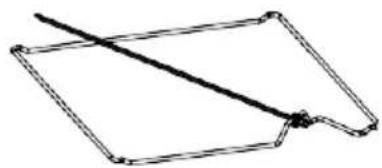
natural_image
Simple line drawing of a folded paper or sheet with a diagonal line crossing through it (no text or symbols)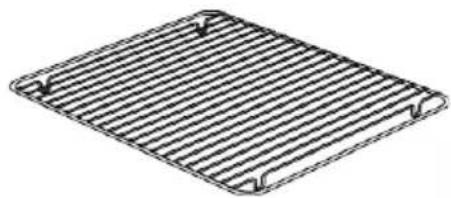
natural_image
Line drawing of a rectangular metal grate with slats and two corner fasteners (no text or symbols)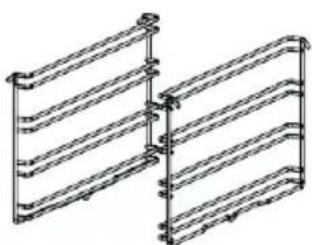
natural_image
Pure technical line drawing of two parallel metal lattice structures without any text or symbolsPlat lèchefrite
natural_image
Symbol of a trash bin crossed with diagonal lines, no text or labels presentCOUPURES D'ALIMENTATION
OPTIONS PROGRAMMABLES
RELATIONS CONSOMMATEURS FRANCE
natural_image
Line drawing of an oven with internal fan structure and labeled component (7), no text or symbols present.- Lámpara
natural_image
Simple line drawing of a square frame with rounded corners and evenly spaced edges (no text or symbols)Bandeja profunda \*
natural_image
Simple line drawing of a square frame with no text or symbolsBandeja / Bandeja vidrio \*
natural_image
Simple line drawing of a folded paper or sheet with a diagonal line crossing through it (no text or symbols)Pollo asado
natural_image
Isometric view of a rectangular metal grate with horizontal slats and two side grout (no text or symbols)natural_image
Pure technical line drawing of two parallel metal frame structures without any text or symbolsnatural_image
Technical line drawing of a mechanical device with directional arrows indicating motion or force (no text or symbols)Figura 1
ES
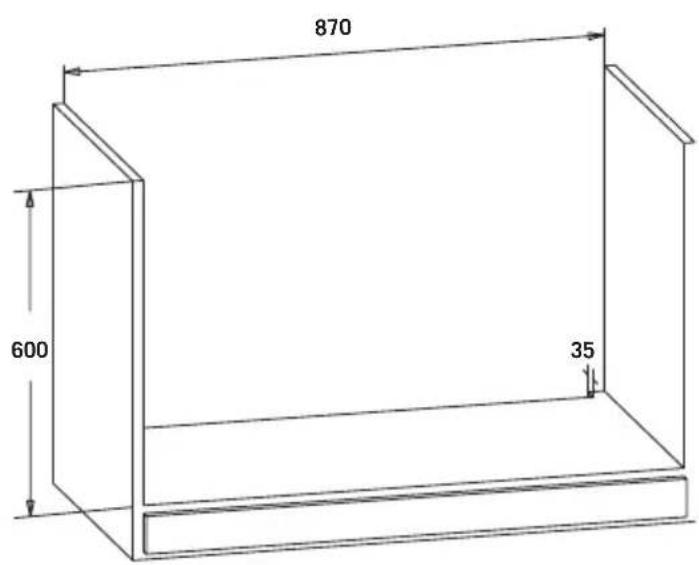
Figura 2
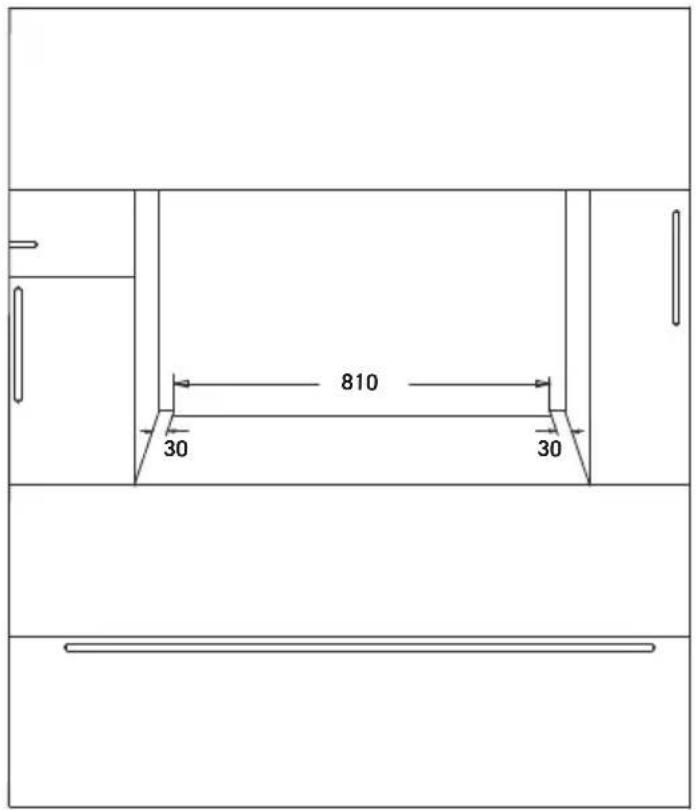
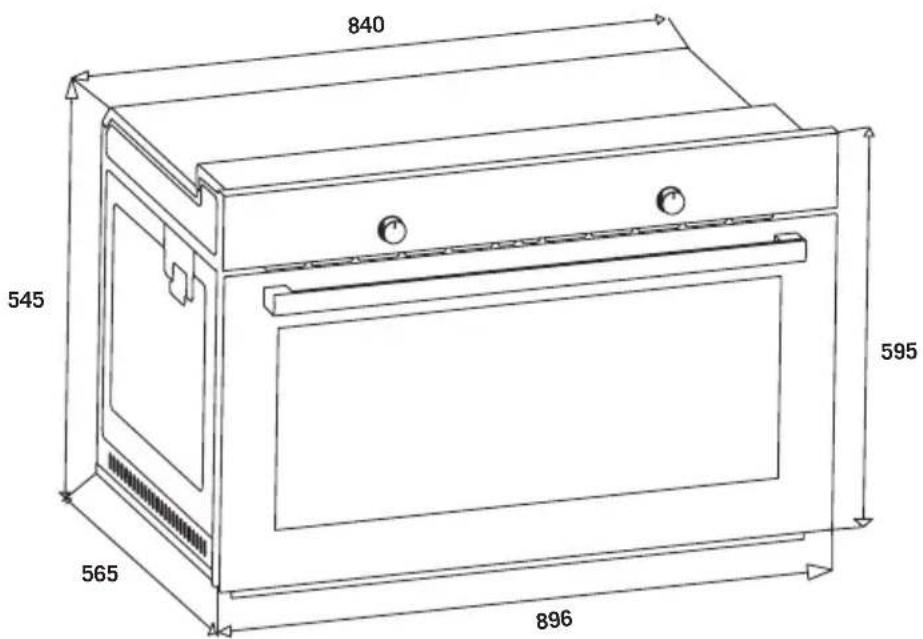
Figura 3
ES
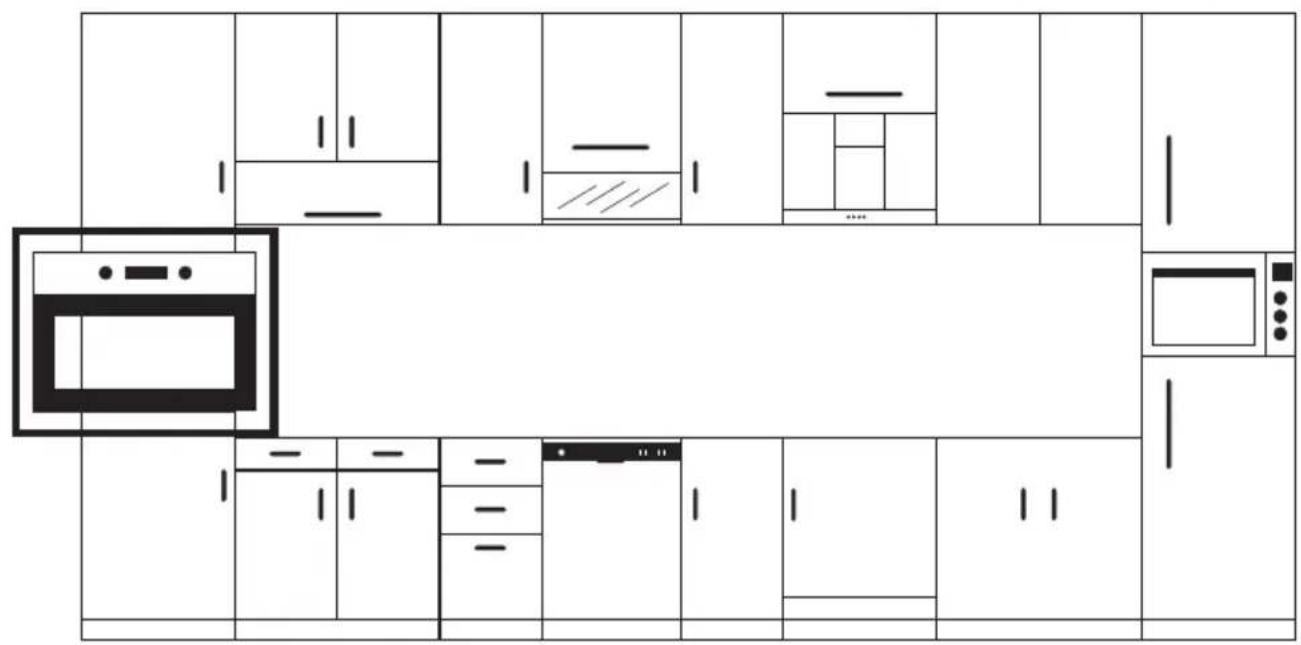
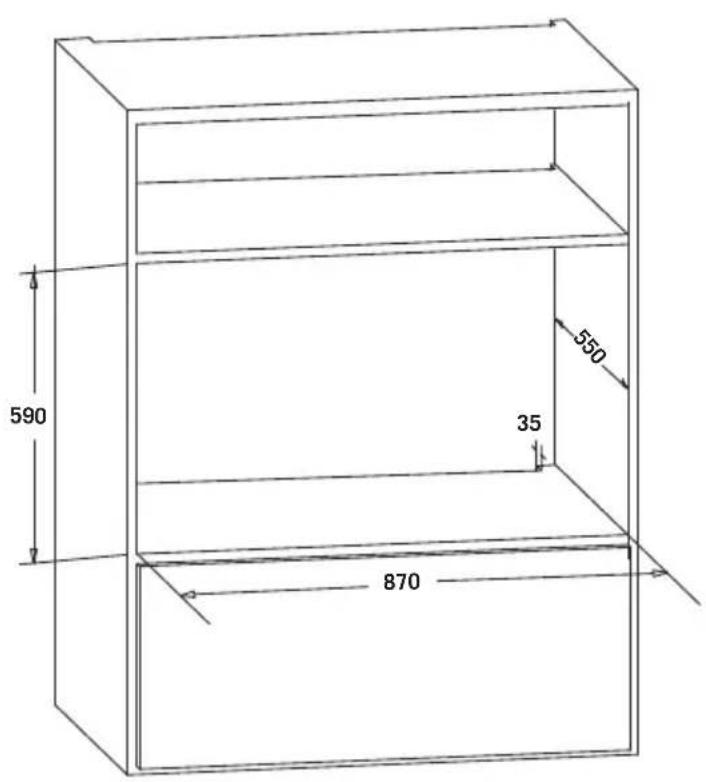
Figura 4
ES
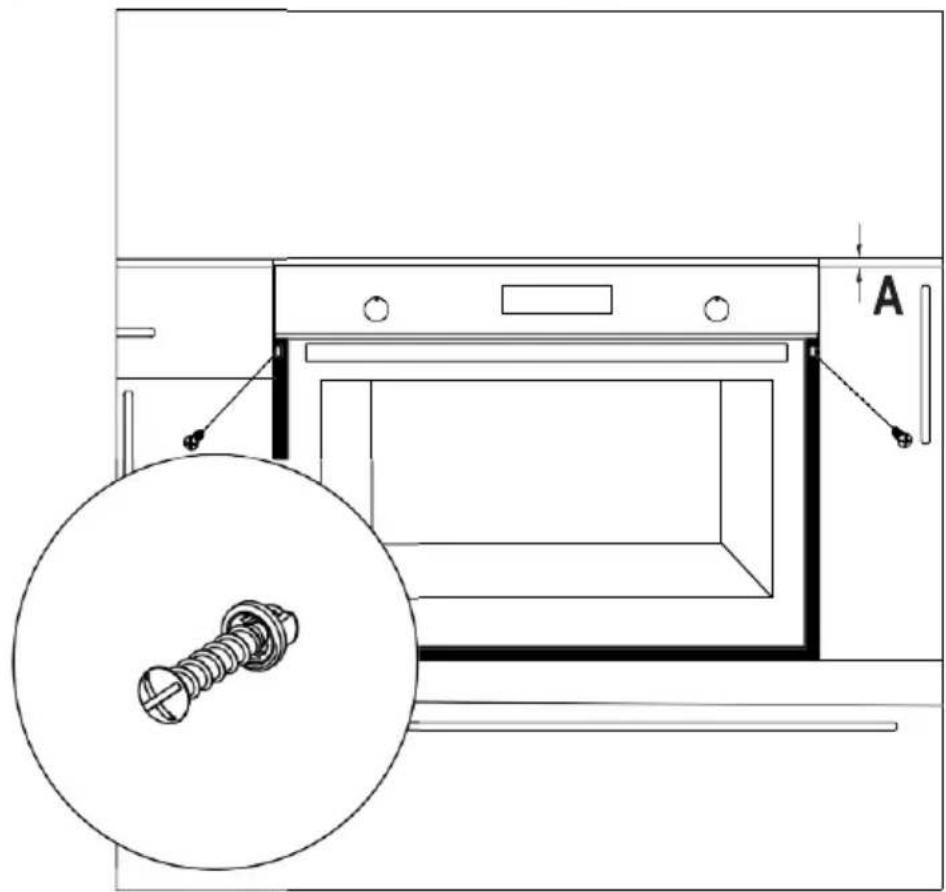
Figura 5
PANEL DE CONTROL
flowchart
graph TD
    P["•"] --> A["A"]
    P --> B["B"]
    P --> C["C"]
    P --> D["D"]
    P --> E["E"]
    P --> F["F"]
    P --> G["G"]
    P --> H["H"]
    P --> I["I"]
    P --> J["L"]
chemical
Temperature diagram showing Celsius at 40°C and 180°C with intermediate values 220, 30, 90, 120natural_image
Simple line drawing of a hand pressing a button on a door (no text or symbols)natural_image
Simple line drawing of a hand holding a circular object above a shelf (no text or symbols)natural_image
Line drawing of an open oven with a lid and ventilation slots (no text or symbols)Figura 6
natural_image
Line drawing of an open oven with internal grating and ventilation slots (no text or symbols)Figura 7
natural_image
Technical line drawing of a mechanical device with internal components and a handle (no text or symbols)Figura 8
natural_image
Four circular diagrams showing mechanical assembly steps with no visible text or symbolsFigura 7.1
natural_image
Line drawing of an open oven with a rack and door, showing internal structure (no text or symbols)Figura 9 Figura 10
natural_image
Line drawing of a microwave oven with a handle and lid, showing internal structure and base plate (no text or symbols)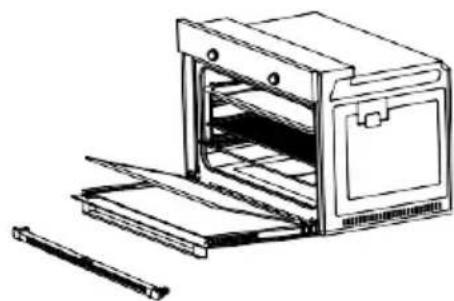
natural_image
Line drawing of an oven with a tray and drawer, no text or symbols presentFigura 11
natural_image
Line drawing of a vehicle's side profile showing the wheel and dashboard (no text or symbols)220-240 V, AC 15 W
natural_image
Line drawing of a hand holding a curved object with an arrow, next to a vertical line (no text or symbols)Figura 13
natural_image
Symbol of a trash bin crossed with no text or labels, representing waste sorting or disposal (no text present)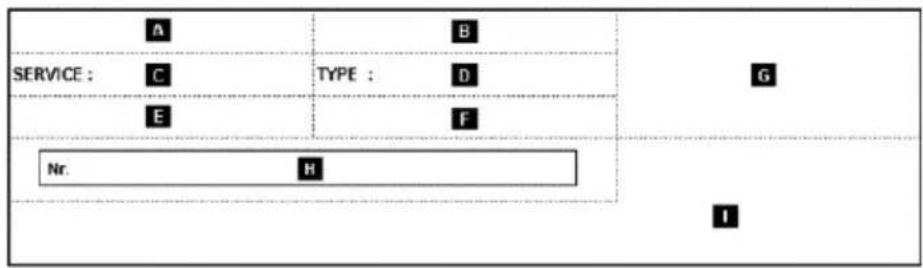
natural_image
Technical line drawing of an oven with internal compartments and ventilation slots (no text or symbols)- Lâmpada
natural_image
Simple line drawing of a square frame with rounded corners and a central hole (no text or symbols)Tabuleiro fundo \*
natural_image
Simple line drawing of a square frame with bolt holes (no text or symbols)Tabuleiro
natural_image
Simple line drawing of a rectangular grid pattern with horizontal lines (no text or symbols)Grelha de arame
natural_image
Simple line drawing of a long rectangular object with two protrusions and a small protrusion at the top (no text or symbols)natural_image
Isometric view of a rectangular metal grate with slats and two corner holes (no text or symbols)natural_image
Technical line drawing of a mechanical device with directional arrows indicating motion or flow (no text or symbols)Figura 1
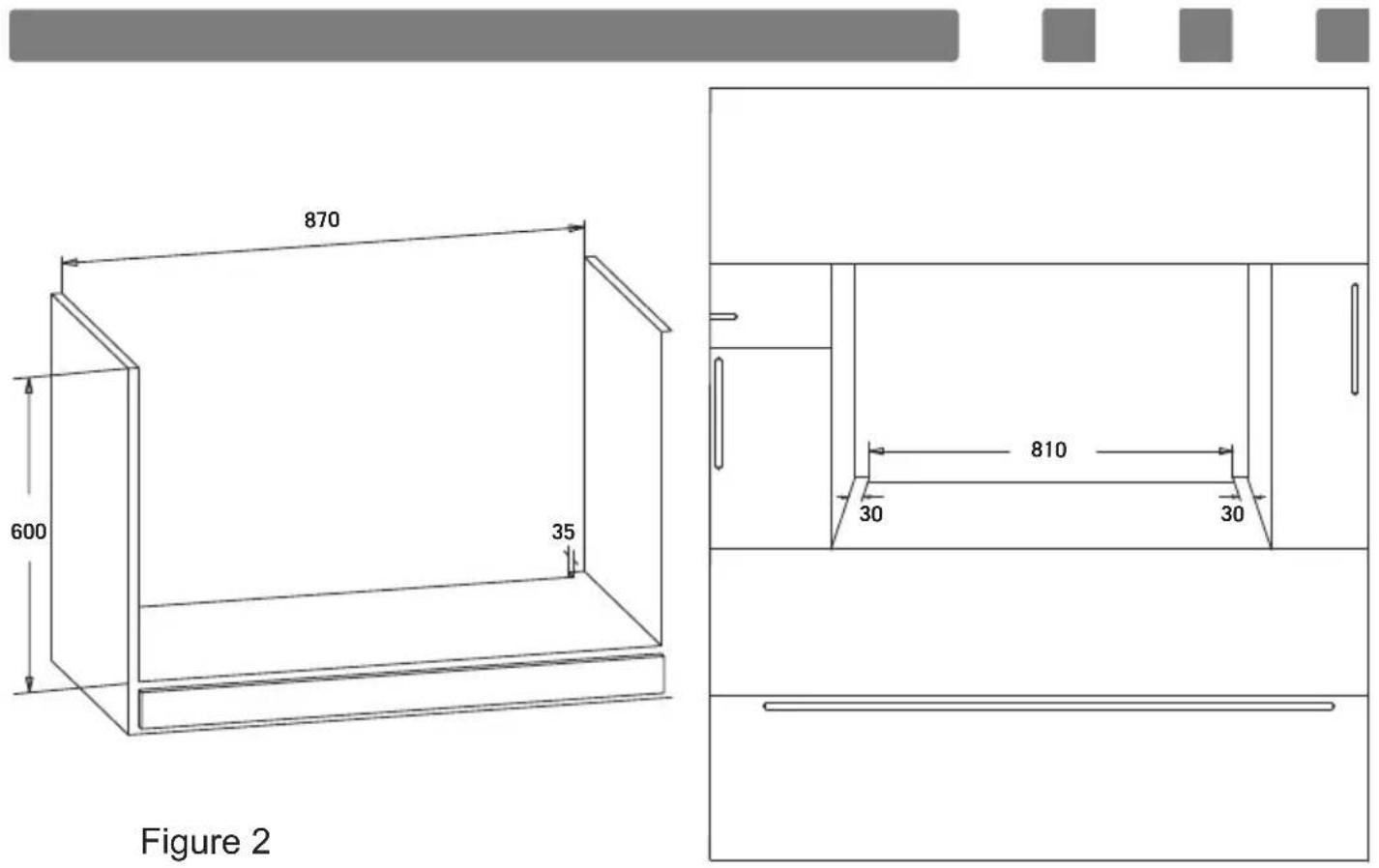
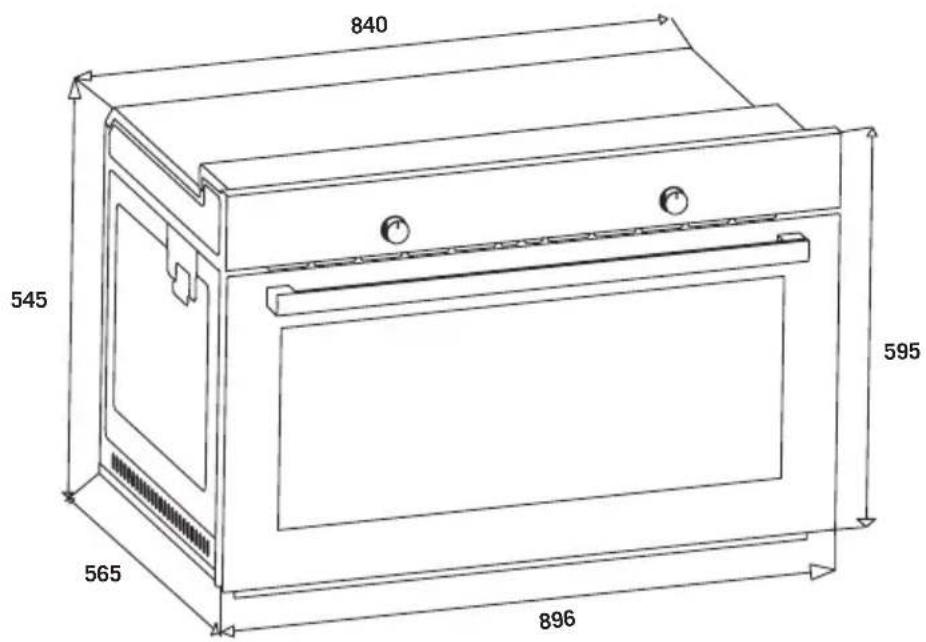
Figure 3
PO
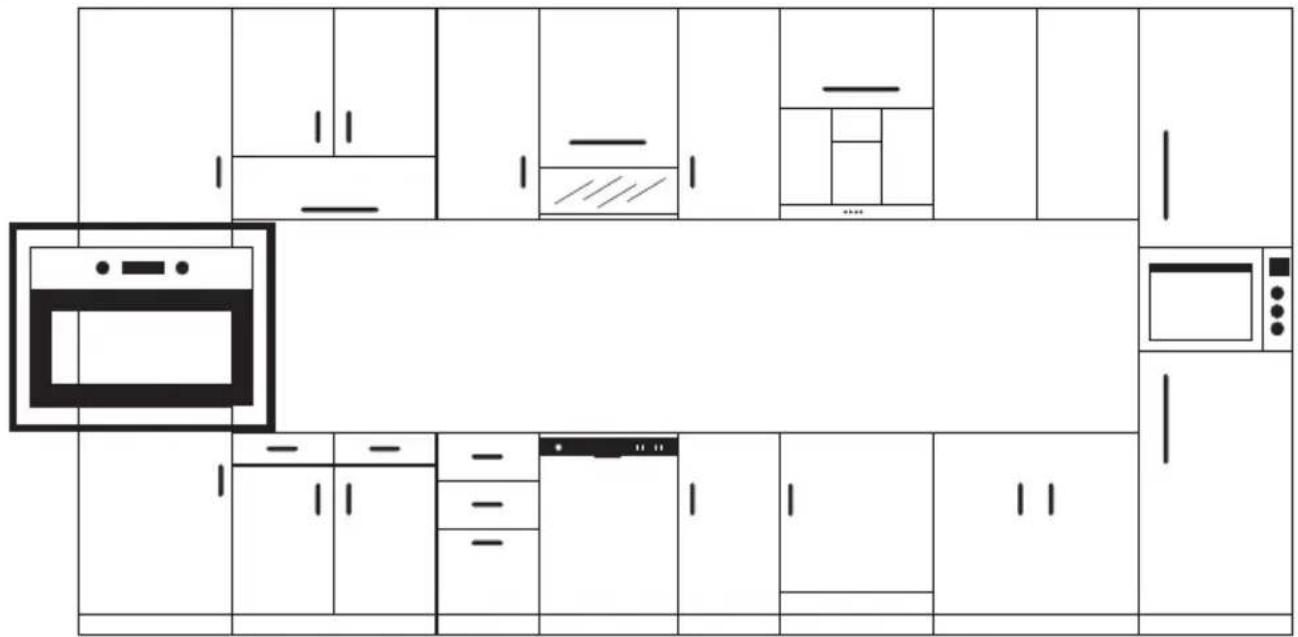
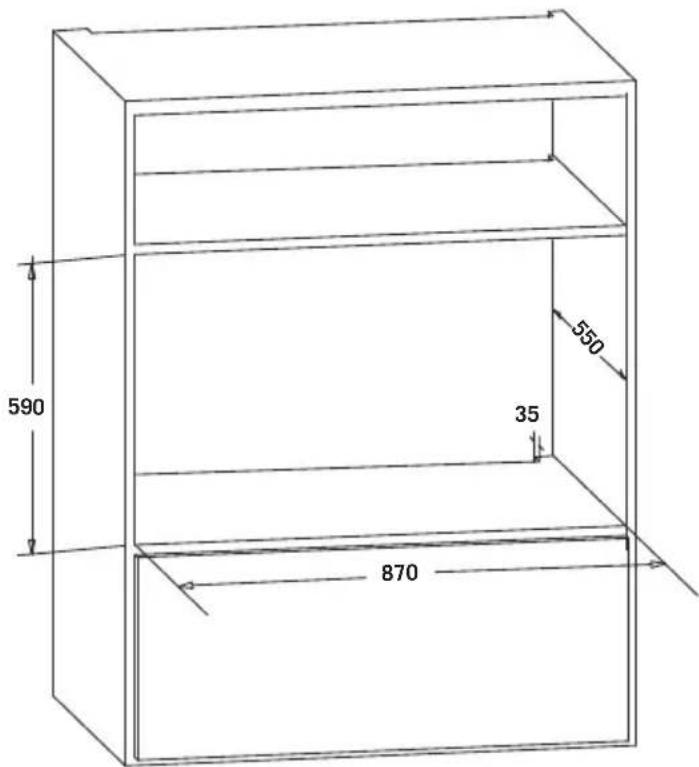
Figure 4
natural_image
Technical line drawing of a mechanical assembly with a magnified inset showing a bolt detail (no text or symbols)Figura 5
PANEL DE CONTROLO
1 2 3
natural_image
Simple line drawing of a hand pressing a circular button on a wall (no text or symbols)natural_image
Simple line drawing of a hand holding a ball near a window (no text or symbols)natural_image
Technical line drawing of an open refrigerator with internal compartments and ventilation slots (no text or symbols)natural_image
Line drawing of an open oven with a door and lid, showing internal structure without any text or symbols.Figura 7
natural_image
Line drawing of a laboratory oven with open lid and side compartments (no text or symbols)Figura 10
natural_image
Line drawing of a multi-tiered oven or rack unit with a handle and base, no text or symbols present.Figura 11
natural_image
Line drawing of an open oven with a tray and handle, no text or symbols presentFigura 12
Remover as paredes catalíticas
natural_image
Pure mechanical component diagram without any text, numbers, or symbols220-240 V, AC 15 W
natural_image
Line drawing of a hand turning a key on a mechanical component (no text or symbols)Figura 14
natural_image
Symbol of a trash bin crossed with no text or labels, representing waste sorting or disposal (no text present)natural_image
Four-panel collage of modern kitchen and dining areas, showing white and black interior layouts with appliances and appliances (no visible text or symbols)
!תְרָה בַרִי
.הכלההוּרָהוּרָהוּרָהוּרָהוּרָהוּרָהוּרָהוּרָהוּרָהוּרָהוּרָהוּרָהוּרָהוּרָהוּרָה
15
.2. 1-7-7-7-7-7-7-7-7-7-7-7-7-7-7-7-7-7-7-7-7-7-7-7-7-7-7-7-7-7-7-7-7-7-7-7-7-7-7-7-7-7-7-7-7-7-7-7-7-7-7-
2 בַרָא
3 הַרְא
4 בַּוֹת
תָרִשְׁת בַרִשְׁת
תַלְרָה בִיַעֹשָׁ
natural_image
Line drawing of a mechanical component with an arrow indicating rotation (no text or symbols)220-240 V, AC
15 W
natural_image
Line drawing of a hand turning a circular component into a mechanical part (no text or symbols)11 בַּוֹת
G9 כר בְרַעָה
natural_image
Line drawing of a hand holding a cylindrical object with a curved arrow, partially overlaid on a mechanical component (no text or symbols)220-240 V, AC
15-25 W
natural_image
Simple line drawing of a hand holding a device, with no text or symbols present.10 בְּוֹת
תַעְרָה בְּרָה
natural_image
Line drawing of a mechanical oven or rack unit with open lid and side panel (no text or symbols)12 בְּרָא
natural_image
Line drawing of a microwave oven with a tray and a tool (no text or symbols)13 א'א
natural_image
Line drawing of a closed storage cabinet with open shelves and metal components (no text or symbols)14 בְּוֹת
natural_image
Line drawing of an open oven with cooling fins and a side panel (no text or symbols)15 אַרָא
natural_image
Technical line drawing of a mechanical device with internal components and a folded panel (no text or symbols)16
natural_image
Technical line drawing of a mechanical bracket or frame assembly (no text or symbols)15.1
natural_image
Technical line drawing of a mechanical assembly or bracket (no text or symbols visible)15.2
natural_image
Pure technical line drawing of a mechanical assembly without any text, numbers, or symbols16.1 אַרָא
natural_image
Technical line drawing of a door frame with mounting bracket and side panel (no text or symbols)16.2
natural_image
Line drawing of a refrigerator with open door and side panel, no text or symbols present(אַלְרָה) כִיּוֹת
natural_image
Symbol of a trash bin with crossed lines indicating no waste or discharge (no text or labels)תְבָרִי הַלְהָם
.הכלה : B
תְרָהוֹתִים: C
'מַרְיָה 'on : H
:תָרִי
natural_image
Exterior view of two modern kitchen cabinets with open doors and a digital display (no visible text or symbols)
natural_image
Interior view of a modern building with concrete flooring and white painted lines (no text or symbols visible)תְרָה בַרִי
074-722-1020 :11970
074-722-2501:0179
תְרָה בְּרָה
:וֹרָאַעְרִי
הַעְרָה 88 הַעְרָה
:תָרְשָׁה בְּרַעֹן
Gill 33 197 196
:בְרָאִי אַלְרָה
1
תְקַרָה, מַעִיֹשְׁת