
LMO 4-18 Dual - Lawn mower Kärcher - Free user manual and instructions
Find the device manual for free LMO 4-18 Dual Kärcher in PDF.



| Brand | Kärcher |
| Model | LMO 4-18 Dual |
| Product type | Cordless lawn mower (push) |
| Cutting width | 37 cm |
| Adjustable cutting height | 25–65 mm (central adjustment) |
| Grass catcher volume | 40 L |
| Rated voltage | 36 V (2 × 18 V) |
| No-load speed | 3,500 rpm |
| Guaranteed sound power level | 94 dB(A) |
| Weight (without battery) | 14.2 kg |
| Dimensions (L × W × H) | 1,255 × 435 × 1,040 mm |
| Power source | Lithium-ion battery (Kärcher Battery Power 18 V system) |
| Battery capacity (recommended) | 2 × 5 Ah (runtime up to 450 m²) |
| Motor | iPower with intelligent control (automatic speed adaptation) |
| Cutting functions | Collection (grass catcher), mulching (shutter included) |
| Handle adjustment | Adjustable height and tilt |
| Safety | Safety key, motor stop when handlebar released, overload protection |
| Maintenance and cleaning | Cleaning after use (brush), blade replacement (screw torque 23 Nm) |
| Included accessories | Grass catcher, mulching shutter, safety key |
| Warranty | According to country conditions (see Kärcher service) |
Frequently Asked Questions - LMO 4-18 Dual Kärcher
User questions about LMO 4-18 Dual Kärcher
0 question about this device. Answer the ones you know or ask your own.
Ask a new question about this device
Download the instructions for your Lawn mower in PDF format for free! Find your manual LMO 4-18 Dual - Kärcher and take your electronic device back in hand. On this page are published all the documents necessary for the use of your device. LMO 4-18 Dual by Kärcher.
USER MANUAL LMO 4-18 Dual Kärcher
Deutsch 7
English 15
Français 23
Italiano 31
Español 39
Português 48
Nederlands 56
Türkçe 64
Svenska 72
Suomi 79
Norsk 87
Dansk 94
Eesti 102
Latviešu 109
Lietuviškai 117
Polish 125
Hungarian 133
Czech 141
Slovak 149
Slovenian 157
Romanian 164
Croatian 173
Serbian 180
Greek 188
Russian 197
Ukrainian 206
Bulgarian 215
Kazakh 224
Japanese 233
Arabic 241
Read Online

Register your product
www.kaercher.com/welcome
59911080 (03/24)
Contents
EN IEC 62841-4-3:2021+A11:2021
EN 55014-1: 2017 + A11: 2020
EN 55014-2: 1977+A1: 2001+A2: 2008
EN IEC 63000: 2018
H. Jenner Chairman of the Board of Management
S. Reiser Manager Regulatory Affairs & Certification
71364 Winnenden (Germany)
Tel.: +49 7195 14-0
Fax: +49 7195 14-2212
Winnenden, 2024/03/01
Contents
Safety instructions 15
Intended use.... 18
Environmental protection.... 19
Accessories and spare parts 19
Scope of delivery.... 19
Safety devices 19
Description of the device 19
Installation 19
Initial startup 20
Operation.... 20
Transport 21
Storage.... 21
Care and service 21
Troubleshooting guide.... 21
Technical data 22
Warranty 22
Declaration of Conformity 22
Safety instructions

Read these safety instructions, these original instructions, the safety instructions provided with the battery pack and the original instructions supplied with the battery pack/standard
charger before using the device for the first time. Act in accordance with them. Keep the booklets for future reference or for future owners.
In addition to the notes in the operating instructions, you also need to take into consideration the general safety regulations and accident prevention guidelines applicable by law.
Hazard levels
⚠️DANGER
- Indication of an imminent threat of danger that will lead to severe injuries or even death.
⚠ WARNING
- Indication of a potentially dangerous situation that may lead to severe injuries or even death.
△CAUTION
- Indication of a potentially dangerous situation that may lead to minor injuries.
ATTENTION
- Indication of a potentially dangerous situation that may lead to damage to property.
General Power Tool Safety Instructions
⚠ WARNING
- Read all safety warnings, instructions, illustrations and specifications provided with this power tool.
Failure to follow all instructions listed below may result in electric shock, fire and/or serious injury. Save all warnings and instructions for future reference.
The term "power tool" in the warnings refers to your mains-operated (corded) power tool or battery-operated (cordless) power tool.
1 Work area safety
a Keep work area clean and well lit. Cluttered or dark areas invite accidents.
b Do not operate power tools in explosive atmospheres, such as in the presence of flammable liquids, gases or dust. Power tools create sparks which may ignite the dust or fumes.
c Keep children and bystanders away while operating a power tool. Distractions can cause you to lose control.
2 Electrical safety
a Power tool plugs must match the outlet. Never modify the plug in any way. Do not use any adapter plugs with earthed (grounded) power tools. Unmodified plugs and matching outlets will reduce the risk of electric shock.
b Avoid body contact with earthed or grounded surfaces such as pipes, radiators, ranges and refrigerators. There is an increased risk of electric shock if your body is earthed or grounded.
c Do not expose power tools to rain or wet conditions. Water entering a power tool will increase the risk of electric shock.
d Do not abuse the cord. Never use the cord for carrying, pulling or unplugging the power tool. Keep cord away from heat, oil, sharp edges or moving parts. Damaged or entangled cords increase the risk of electric shock.
e When operating a power tool outdoors, use an extension cord suitable for outdoor use. Use of a cord suitable for outdoor use reduces the risk of electric shock.
If operating a power tool in a damp location is unavoidable, use a residual current device (RCD) protected supply. Use of an RCD reduces the risk of electric shock.
3 Personal safety
a Stay alert, watch what you are doing and use common sense when operating a power tool. Do not use a power tool while you are tired or under the influence of drugs, alcohol or medication. A moment of inattention while operating power tools may result in serious personal injury.
b Use personal protective equipment. Always wear eye protection. Protective equipment such as a dust mask, non-skid safety shoes, hard hat or hearing protection used for appropriate conditions will reduce personal injuries.
c Prevent unintentional starting. Ensure the switch is in the off-position before connecting to power source and/or battery pack, picking up or carrying the tool. Carrying power tools with your finger on the switch or energising power tools that have the switch on invites accidents.
d Remove any adjusting key or wrench before turning the power tool on. A wrench or a key left attached to a rotating part of the power tool may result in personal injury.
e Do not overreach. Keep proper footing and balance at all times. This enables better control of the power tool in unexpected situations.
f Dress properly. Do not wear loose clothing or jewellery. Keep your hair, clothing and gloves away from moving parts. Loose clothes, jewellery or long hair can be caught in moving parts.
g If devices are provided for the connection of dust extraction and collection facilities, ensure these are connected and properly used. Use of dust collection can reduce dust-related hazards.
h Do not let familiarity gained from frequent use of tools allow you to become complacent and ignore tool safety principles. A careless action can cause severe injury within a fraction of a second.
4 Power tool use and care
a Do not force the power tool. Use the correct power tool for your application. The correct power tool will do the job better and safer at the rate for which it was designed.
b Do not use the power tool if the switch does not turn it on and off. Any power tool that cannot be controlled with the switch is dangerous and must be repaired.
c Disconnect the plug from the power source and/or the battery pack from the power tool before making any adjustments, changing accessories, or storing power tools. Such preventive safety measures reduce the risk of starting the power tool accidentally.
d Store idle power tools out of the reach of children and do not allow persons unfamiliar with the power tool or these instructions to operate the power tool. Power tools are dangerous in the hands of untrained users.
e Maintain power tools. Check for misalignment or binding of moving parts, breakage of parts and any other condition that may affect the power tool's operation. If damaged, have the power tool repaired before use. Many accidents are caused by poorly maintained power tools.
f Keep cutting tools sharp and clean. Properly maintained cutting tools with sharp cutting edges are less likely to bind and are easier to control.
g Use the power tool, accessories and tool bits etc. in accordance with these instructions, taking into account the working conditions and the work to be performed. Use of the power tool for operations different from those intended could result in a hazardous situation.
h Keep handles and grasping surfaces dry, clean and free from oil and grease. Slippery handles and grasping surfaces do not allow for safe handling and control of the tool in unexpected situations.
5 Battery tool use and care
a Recharge only with the charger specified by the manufacturer. A charger that is suitable for one type of battery pack may create a risk of fire when used with another battery pack.
b Use power tools only with specifically designated battery packs. Use of any other battery packs may create a risk of injury and fire.
c When battery pack is not in use, keep it away from other metal objects, like paper clips, coins, keys, nails, screws or other small metal objects, that can make a connection from one terminal to another. Shorting the battery terminals together may cause burns or a fire.
d Under abusive conditions, liquid may be ejected from the battery; avoid contact. If contact accidentally occurs, flush with water. If liquid contacts eyes, additionally seek medical help. Liquid ejected from the battery may cause irritation or burns.
e Do not use a battery pack or tool that is damaged or modified. Damaged or modified batteries may exhibit unpredictable behaviour resulting in fire, explosion or risk of injury.
f Do not expose a battery pack or tool to fire or excessive temperature. Exposure to fire or temperature above 130 °C may cause explosion.
Follow all charging instructions and do not charge the battery pack or tool outside the temperature range specified in the instructions. Charging improperly or at temperatures outside the specified range may damage the battery and increase the risk of fire.
6 Service
a Have your power tool serviced by a qualified repair person using only identical replacement parts. This will ensure that the safety of the power tool is maintained.
b Never service damaged battery packs. Service of battery packs should only be performed by the manufacturer or authorized service providers.
Lawnmower safety warnings
1 Do not use the lawnmower in bad weather conditions, especially when there is a risk of lightning. This decreases the risk of being struck by lightning.
2 Thoroughly inspect the area for wildlife where the lawnmower is to be used. Wildlife may be injured by the lawnmower during operation. 3 Thoroughly inspect the area where the lawnmower is to be used and remove all stones, sticks, wires, bones, and other foreign objects. Thrown objects can cause personal injury. 4 Before using the lawnmower, always visually inspect to see that the blade and the blade assembly are not worn or damaged. Worn or damaged parts increase the risk of injury. 5 Check the grass catcher frequently for wear or deterioration. A worn or damaged grass catcher may increase the risk of personal injury. 6 Keep guards in place. Guards must be in working order and be properly mounted. A guard that is loose, damaged, or is not functioning correctly may result in personal injury. 7 Keep all cooling air inlets clear of debris. Blocked air inlets and debris may result in overheating or risk of fire. 8 While operating the lawnmower, always wear non-slip and protective footwear. Do not operate the lawnmower when barefoot or wearing open sandals. This reduces the chance of injury to the feet from contact with the moving blade. 9 Exposed skin increases the likelihood of injury from thrown objects. 10 Do not operate the lawnmower in wet grass. Walk, never run. This reduces the risk of slipping and falling which may result in personal injury. 11 Do not operate the lawnmower on excessively steep slopes. This reduces the risk of loss of control, slipping and falling which may result in personal injury. 12 When working on slopes, always be sure of your footing, always work across the face of slopes, never up or down and exercise extreme caution when changing direction. This reduces the risk of loss of control, slipping and falling which may result in personal injury. 13 Use extreme caution when reversing or pulling the lawnmower towards you. Always be aware of your surroundings. This reduces the risk of tripping during operation. 14 Do not touch blades and other hazardous moving parts while they are still in motion. This reduces the risk of injury from moving parts. 15 When clearing jammed material or cleaning the lawnmower, make sure all power switches are off and the battery pack is disconnected. Unexpected operation of the lawnmower may result in serious personal injury. 16 When clearing jammed material or cleaning the lawnmower, make sure all power switches are off and remove (or activate) the disabling device. Unexpected operation of the lawnmower may result in serious personal injury.
General safety instructions
⚠️ DANGER • The device can amputate hands and feet, causing death or severe personal injury, and can fling objects unpredictably. • Severe injuries through a lack of concentration when working. Do not use the device when under the influence of drugs, alcohol, or medication, or when you are tired.
⚠ WARNING • Children over the age of 8 and persons with reduced physical, sensory or mental capabilities, or those with a lack of experience and knowledge, are only allowed to use the appliance if they are properly supervised, have been instructed with respect to using the appliance safely by a person responsible for their safety, and understand the resultant dangers involved. • Children must not play with the appliance.
• Children must be supervised to prevent them from playing with the appliance. Use only the battery pack specified in these operating instructions with the device. Observe the basic precautionary measures when using battery operated devices, to reduce the risk of injuries, fire and a leaking battery. Wear long, heavy trousers, clothing with long arms and non-slip boots when working with the device. Do not work barefoot. Do not wear sandals or short trousers. Avoid wearing loose clothing or clothing with cords and straps. Wear protective goggles or safety goggles with side protection. Always guide the device along the face of a gradient. Danger of severe injuries when you guide the device up and down a gradient. Do not run but rather walk when working with the device. Maintain a solid and safe footing and keep your balance, especially when working on gradients. Danger of accident due to slipping. Do not use the device at the edges of steep slopes or trenches, on steep slopes or embankments.
⚠️ CAUTION • Familiarise yourself with the controls and the correct use of the device.
Occupational safety
⚠️ DANGER • Severe injuries when objects are flung by the cutting blade or when the cutting tool becomes entangled in wires or cords. Inspect the work area thoroughly for objects such as stones, sticks, metal, wires, bones or toys and remove these before using the device. • Never use the device when persons, especially children, are within a radius of 15 m of the working area, because the danger exists of objects being flung out by the cutting blade. • Danger of explosion. The device creates sparks that may ignite dust, gas or vapours. Do not operate the device in explosive atmospheres, such as in the presence of flammable liquids, gases or dusts. • Severe accidents with children. Children can be attracted by the device and your activities. Keep an eye on children because they do not always remain where you have last seen them.
⚠ WARNING • Do not operate the device on wet grass or in the rain. • Do not use the device if there is a danger of lightning. • Always mow in daylight or under good artificial lighting. • Keep children away from the mowing area and have them supervised by an adult who is not the operator, be alert and switch the device off if a child enters the mowing area. • Be careful when approaching blind corners, bushes, trees or objects that might restrict your view.
ATTENTION • The device operator is responsible for accidents with other people and their property.
Safe operation
⚠️ DANGER • Check that the blade, blade bolts and blade unit are undamaged each time before using the device. • Never lock the On/Off switch in the ON position, this is extremely dangerous. • Pull the device backwards only when absolutely necessary. If you need to pull the device away from a wall or obstacle, first pull
downwards to prevent yourself from stumbling or pulling the device over your feet. ● Danger of coming into contact with the open blade or being hit by flung objects. Do not tip the device when starting the motor or while the motor is running. If tipping is absolutely necessary, e.g. to make starting easier, then you can raise the front of the device by 5 cm. Press the handle carefully downwards for this. You must return the device to the normal operating position (i.e. all four wheels on the ground) before starting to mow. ● Knives that come into contact with a live cable may energize exposed metal parts of the device and cause an electric shock.
⚠ WARNING • The blades on the device are sharp. Wear sturdy protective gloves and work carefully when installing, replacing, cleaning or checking the seating of screws. • Replace worn or damaged parts as a complete set to maintain the correct balance. • Ensure that the device is in a safe condition by regularly checking that all bolts, nuts and screws are screwed tight. • Replace any worn or damaged parts before operating the device. • Never use the device if the on/off switch on the handle does not switch on and off correctly. • Do not forcefully operate the device. • Stop the motor, in order to stop the blade when transporting the device to and from the mowing area or when tipping the device for crossing ground that is not covered with grass. • Stop the blade before crossing gravel surfaces. - Never use the device with defective or absent protective devices, such as e.g. deflectors and/or the grass catcher. - Do not bring your hands or feet in the vicinity of, or underneath rotating parts. Switch the motor on according to the operating instructions. - Never lift or carry the device while the motor is running. - Uneven terrain carries an increased risk of slipping and accidents. Avoid holes, furrows, uneven areas, stones and other hidden objects. - Start the device only when you are positioned in the safe area behind the handle.
- All four wheels are on the ground.
- The grass ejection chute is not open but rather protected by the grass catcher or the ejection chute cover.
- The hands and feet of all persons are away from the cutting housing.
- Switch the motor off and remove the safety key. Ensure that all moving parts have completely stopped moving:
- Always when you leave the device unattended, including the periods when disposing of the mown grass.
- Before removing a blockage or cleaning the ejection chute.
- Before checking, cleaning, or working on the device.
- After hitting a foreign object. First check the device for damage and repair any damage before restarting the device.
- Before removing the grass catcher or the grass ejection chute cover.
- When the device starts to vibrate unusually. Immediately check the device:
— For loose parts. Tighten any loose parts if necessary.
— For damage, especially to the blade. Repair or replace any damaged parts.
⚠️ CAUTION • Check the grass catcher regularly for wear and tear.
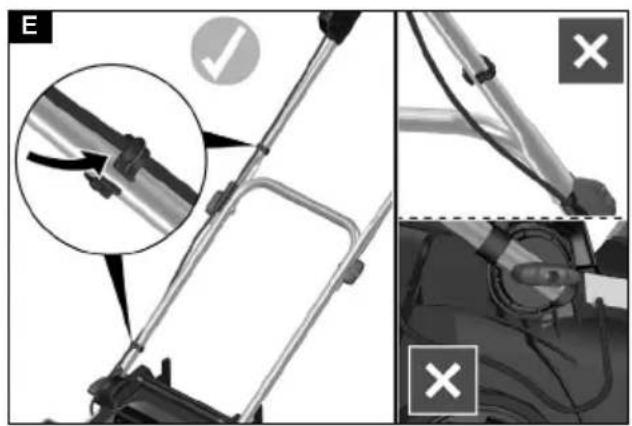
ATTENTION • Take care to ensure that the motor control cable is not jammed or damaged in any other way during installation or when folding the handle.
Residual risks
⚠ WARNING
- Certain residual risks remain present, even when the device is operated in the prescribed manner. The following dangers can be present when using the device:
- Vibration can cause injuries. Use the correct tools for the job, use the handles provided, and restrict the working time and hazard exposure time.
- Noise can cause hearing injuries. Wear hearing protection and limit the duration of exposure. • Injuries through contact with the blades. • Injuries due to flung objects.
Risk reduction
⚠ CAUTION
- Using the device for longer periods can cause poor circulation in the hands due to vibrations. A general period of use cannot be set, because this depends on several influencing factors:
- Personal tendency to suffer from poor circulation (frequently cold fingers, tingling sensation in the fingers)
- Low ambient temperature. Wear warm gloves to protect your hands.
- Holding the device too tightly hindering blood circulation.
- Continuous operation is more harmful than operation interrupted by work breaks.
You should see a doctor if using the device regularly and for lengthy periods of time, and in the event of repeated occurrences of symptoms such as tingling in the fingers or cold fingers.
Intended use
⚠️ DANGER
Improper use
Danger of death from incision injuries
Only use the device for its proper use.
- Use the battery lawnmower in private households only.
- The device is intended for outdoor use only.
- The device is designed for mowing private lawns.
- The device is designed to be pushed by hand. It must not be pulled.
- Riding on the device is prohibited.
- Transporting persons or animals is not permitted.
Any other use of the device is prohibited. The user is liable for any damage caused by improper use.
Rechargeable battery packs and chargers
Only use the device with battery packs and chargers from the KÄRCHER 18 V Battery Power (+) system.
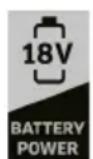
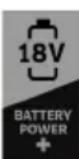
Suitable battery packs and chargers are marked with the KÄRCHER 18 V Battery Power (+) System symbol. Suitable battery packs bear the designation "Battery Power 18/... and Battery Power+ 18/...".
Suitable chargers bear the designation "BC 18 V ...".
Environmental protection

The packaging materials can be recycled. Please dispose of packaging in accordance with environmental regulations.

Electrical and electronic devices contain valuable, recyclable materials and often components such as batteries, rechargeable batteries, or oil, which - if handled or disposed of incorrectly - can pose a potential danger to human health and the environment. However, these components are required for the correct operation of the device. Devices marked by this symbol are not allowed to be disposed of together with household rubbish.
Notes on the content materials (REACH)
Current information on content materials can be found at: www.kaercher.de/REACH
Accessories and spare parts
Only use original accessories and original spare parts. They ensure that the appliance will run fault-free and safely.
Information on accessories and spare parts can be found at www.kaercher.com.
Scope of delivery
The scope of delivery for the appliance is shown on the packaging. Check the contents for completeness when unpacking. If any accessories are missing or in the event of any shipping damage, please notify your dealer.
Safety devices
Symbols on the device

General warning symbol

Read the operating instructions and all safety instructions before operating the device for the first time.
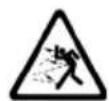
Watch out for flung or flying objects.

Keep all spectators, especially children and pets, at least 15 m away from the work area.
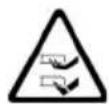
Watch out for the sharp blade. The blades continue rotating after the motor has been switched off.
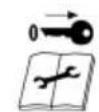
Remove the safety key before performing any maintenance.
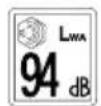
The guaranteed sound level specified on the label is 94 dB.
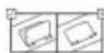
Grass catcher filling level indicator
Overload protection
The device is equipped with an overload protection system. The device switches off automatically when an overload is detected.
Description of the device
The maximum amount of equipment is described in these operating instructions. Depending on the model used, there are differences in the scope of delivery (see packaging).
For the illustrations, refer to the graphics page.
Illustration A
① Front wheel
② Battery pack release
③ Safety key
④ Battery flap
⑤ Ejection chute flap
⑥ Cable holder
⑦ Grass catcher filling level indicator
⑧ Motor control cable
⑨ Starter button
⑩ Handle
⑪ Start/stop bow
⑫ Upper quick-release screws
⑬ Grass catcher
⑭ Lower quick-release screws
⑮ Type plate
⑯ Rear wheel
⑰ Cutting height adjustment lever
⑱ Mulch plug
⑲ *Rechargeable battery packs
20 *Charger
* optional
iPower
The device is equipped with the iPower intelligent motor control system, which enables efficient mowing and optimised battery run time.
iPower adjusts the motor speed to the grass conditions:
- The motor speed is increased for long or dense grass.
- As soon as the grass density decreases, the motor speed is reduced.
Installation
Installing the handle
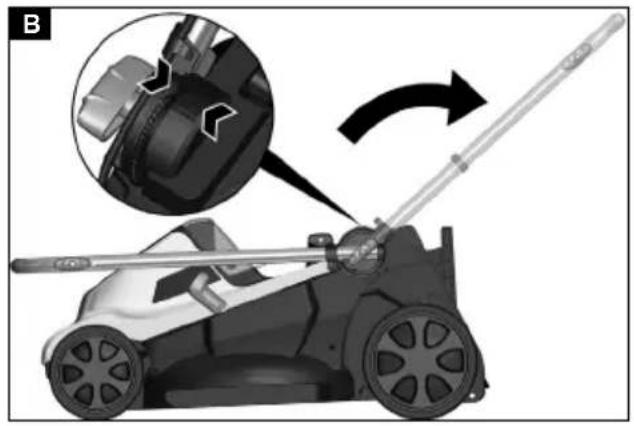
- Fold over the lower section of the handle. Illustration B
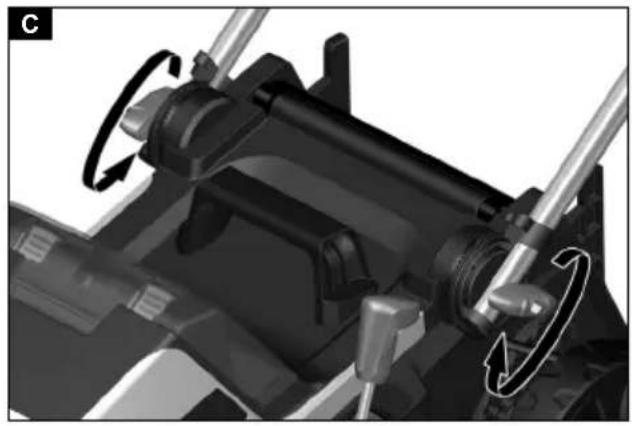
- Lock the handle with the quick-locking screws. Illustration C
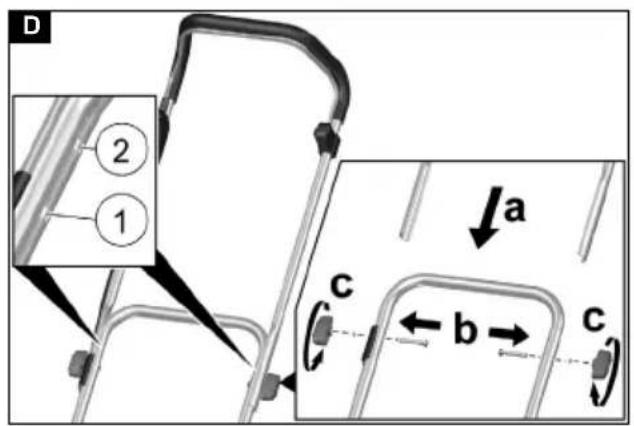
- Screw the upper section of the handle at the desired height. Illustration D
- Fasten the motor control cable using the cable holder. Illustration E
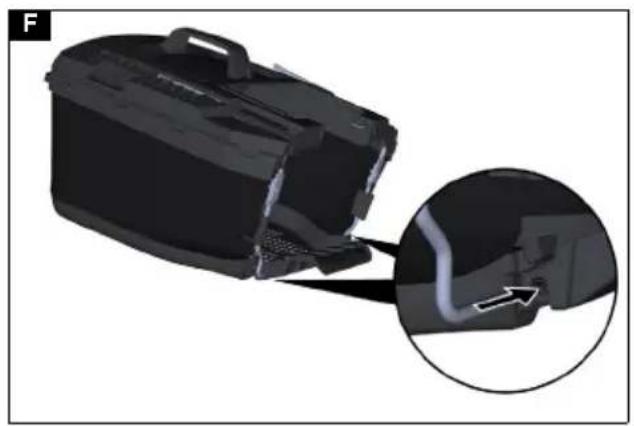
Installing the grass catcher
- Fold the rods apart.
- Insert the rods into the lower guide.
Illustration F
- Clip in the rods.
- Clip in the handle.
Initial startup
Adjusting the handle
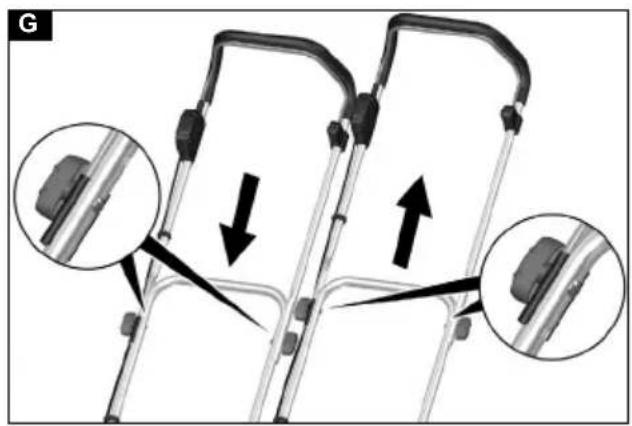
- Adjust the height of the handle.
Illustration G
a Remove the upper quick-locking screws.
b Screw the upper section of the handle at the desired height.
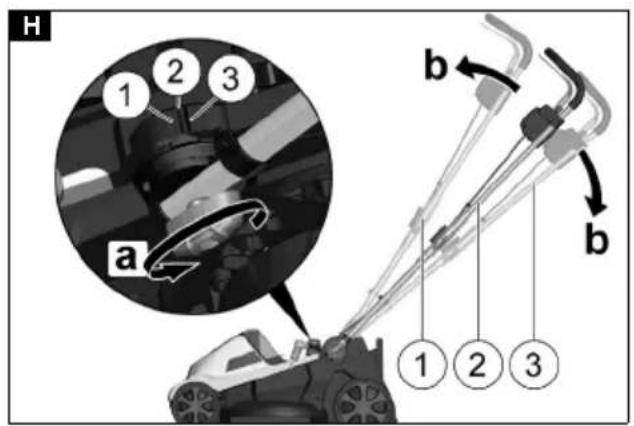
- Adjust the inclination angle of the handle.
Illustration H
a Release the lower quick-locking screws.
b Choose the inclination angle.
Screw the quick-locking screws tight.
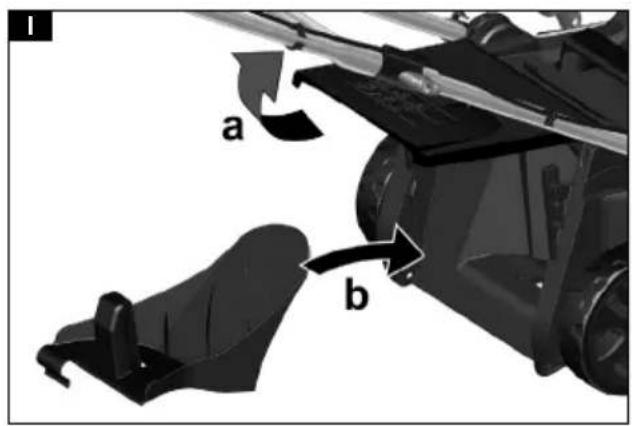
Attaching the mulch plug
The mulch plug is used when the mown grass is to remain on the lawn.
- Open the ejection chute flap.
Illustration I
- Insert the mulch plug into the ejection chute.
- Close the ejection chute flap.
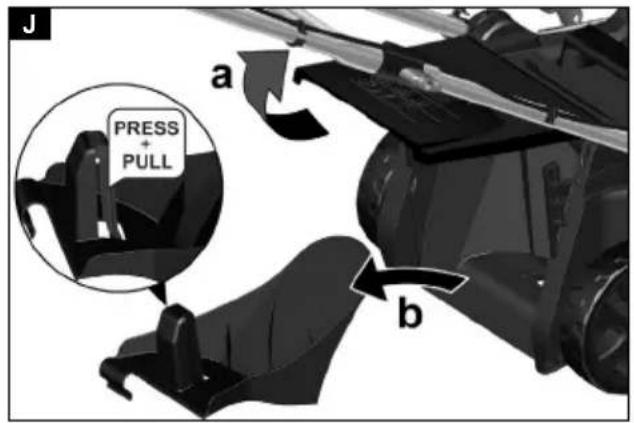
Inserting the grass catcher
The grass catcher is used when the mown grass is to be collected for disposal.
- Open the ejection chute flap.
Illustration J
- Squeeze the handle of the mulching plug and pull out the mulching plug.
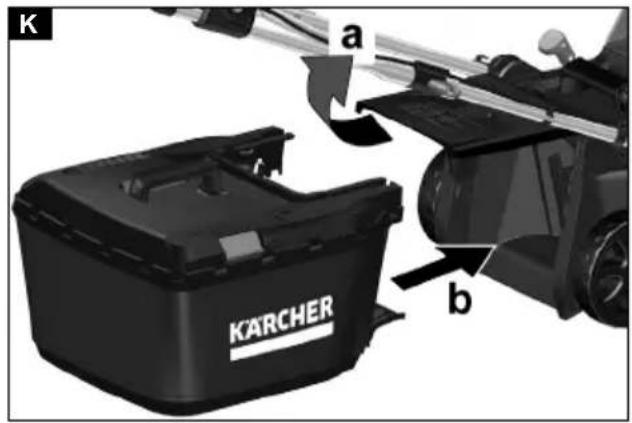
- Insert the grass catcher on the ejection chute. Take care to ensure that the ejection chute flap locks the grass catcher in place.
Illustration K
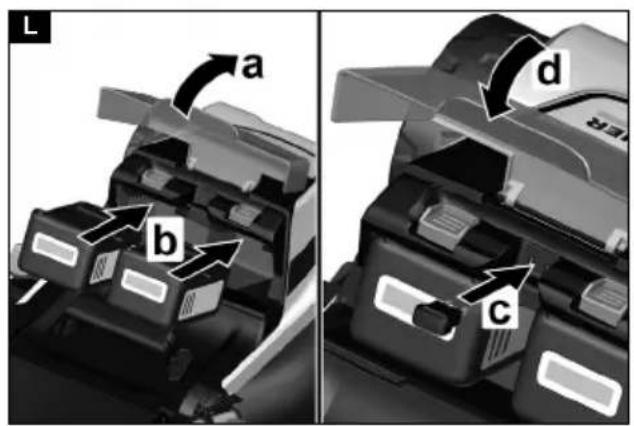
Mount the battery pack
- Open the battery flap.
Illustration L
- Push the battery pack into the mount in the device until it audibly latches into place.
- Insert the safety key.
- Close the battery flap.
Operation
General information on handling the lawnmower
The run time of the battery depends on several factors:
- The condition, length and density of the grass
• The cutting height setting
The maximum surface performance, depending on the state of the grass, with two fully charged 5 Ah battery packs: approx. 450 m².
The results of the mowing process can be optimised as follows:
- Cut at a maximum of one third of the grass height.
- Reduce the speed at which you push the device when mowing tall grass.
Note
Do not mow wet grass. Wet grass sticks to the underside of the lawnmower and prevents correct collection of the grass in the grass catcher or ejection of the grass.
Mowing lawns
⚠ WARNING
Lifting or tipping the lawnmower during operation Incision injuries
The blade of the lawnmower rotates approximately parallel to the ground over which it moves. Take care to ensure that all four wheels touch the ground when mowing.
- Install the grass catcher or mulch plug (see Chapter Initial startup).
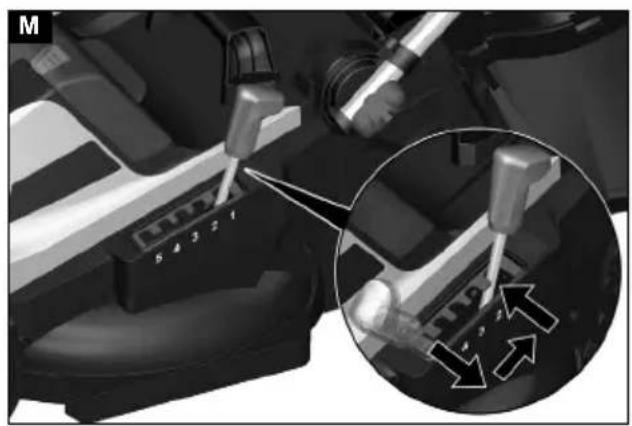
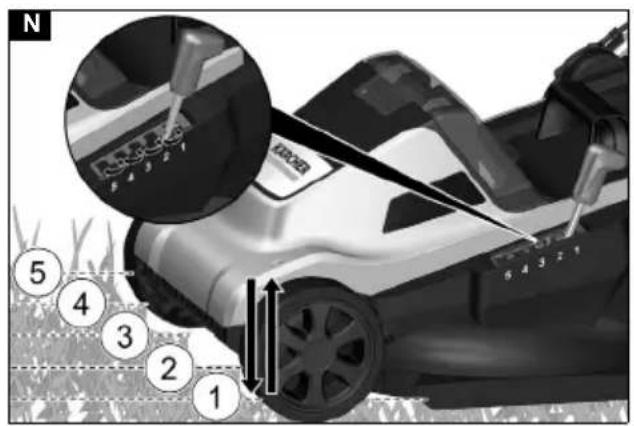
- Set the cutting height using the cutting height adjustment lever.
Illustration M
Choose the cutting height according to the condition, length and density of the grass (see Chapter General information on handling the lawnmower). Illustration N
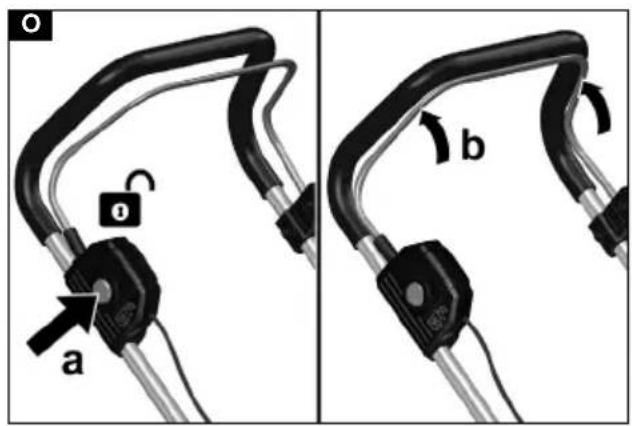
- Press and hold the start button, then immediately press the start/stop bow.
Illustration O
The device starts.
- Release the start button and continue to hold the start/stop bow until you reach the handle.
Empty the grass catcher regularly when using the grass catcher, otherwise the ejection chute can become clogged with cut grass (see Chapter Emptying the grass catcher).
Mowing edges
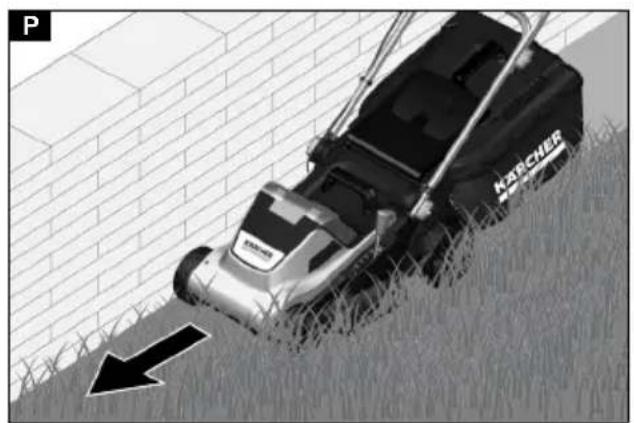
Lawn edges, e.g. along a wall, can also be mown using the device.
- Push the lawnmower along the wall, close to the wall.
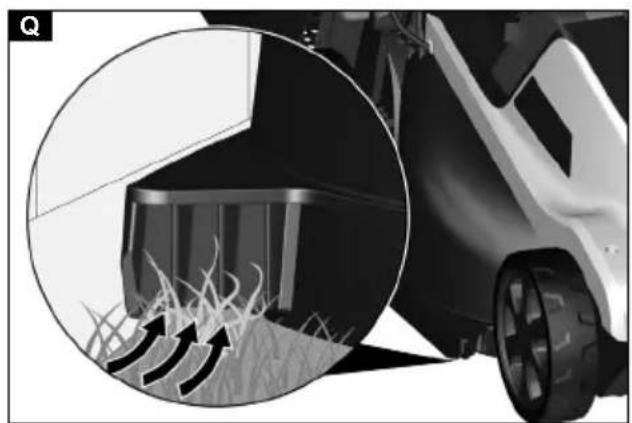
Illustration P
The side inlet ensures that the grass is pulled into the cutting zone.
Illustration Q
Ending operation
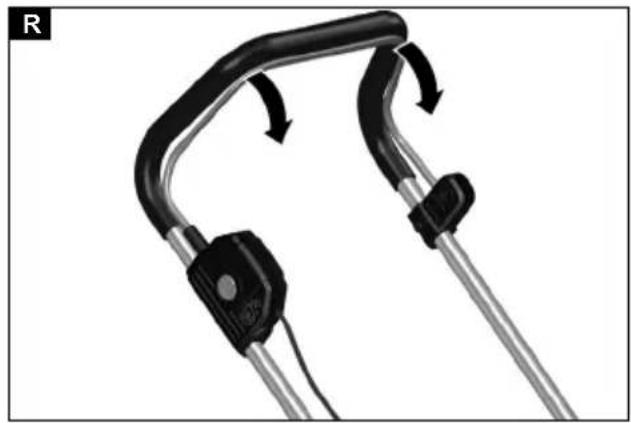
- Release the start/stop bow.
Illustration R
The motor stops.
Removing the battery pack
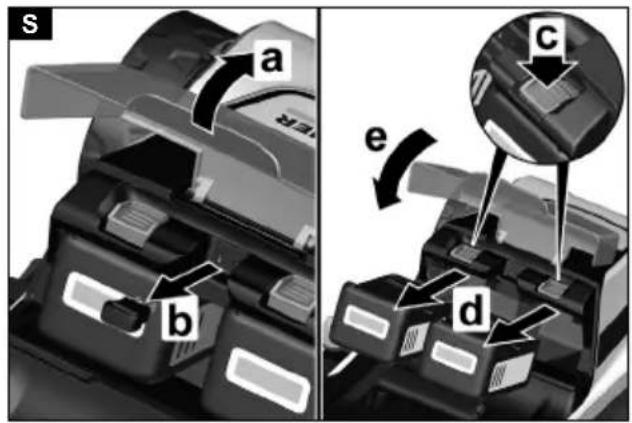
- Open the battery flap.
Illustration S
- Remove the safety key.
- Remove both battery packs. a Press the battery pack release. b Remove the battery pack.
- Close the battery flap.
Emptying the grass catcher
The flap on the grass catcher filling lever indicator closes when the grass catcher is full. Empty the grass catcher in this case.
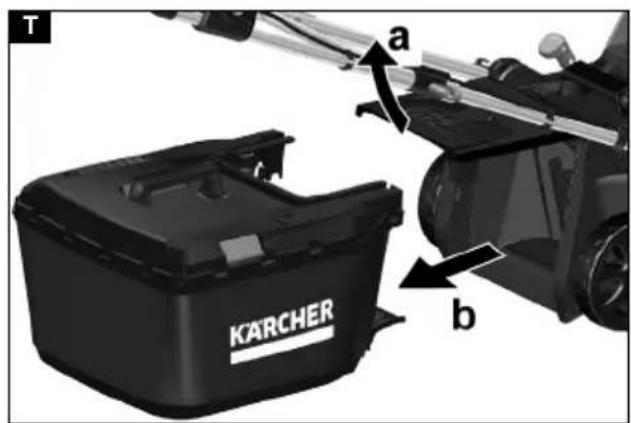
- Lift the ejection chute flap.
- Remove the grass catcher. Take care to ensure that the motor control cable remains in the cable holder when removing the grass catcher.
- Empty the grass catcher.
Transport
⚠ WARNING
Sharp blade
Incision injuries
Be careful when tipping or lifting the device.
Keep all parts of your body away from the cutting blade.
- Switch off the device (see chapter Ending operation.)
- Ensure that the blade is no longer rotating.
- Remove the safety key (see Chapter Removing the battery pack).
- Removing the battery packs.
- Allow the device to cool down.
- Secure the device against slipping and tipping over when transporting in vehicles.
Storage
Always clean the device before putting it into storage (see Chapter Cleaning the device).
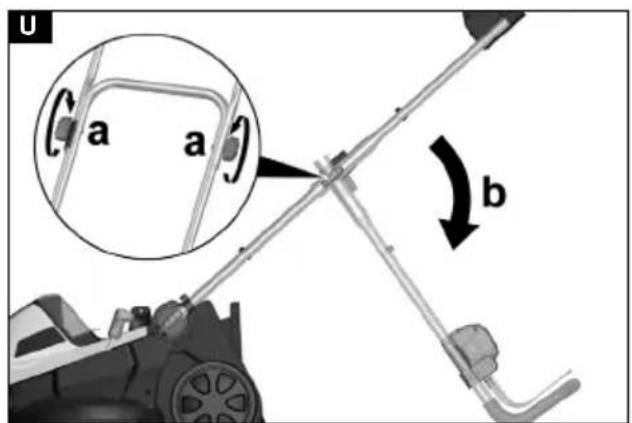
- Release the upper quick-release screws and fold down the handle.
Illustration U
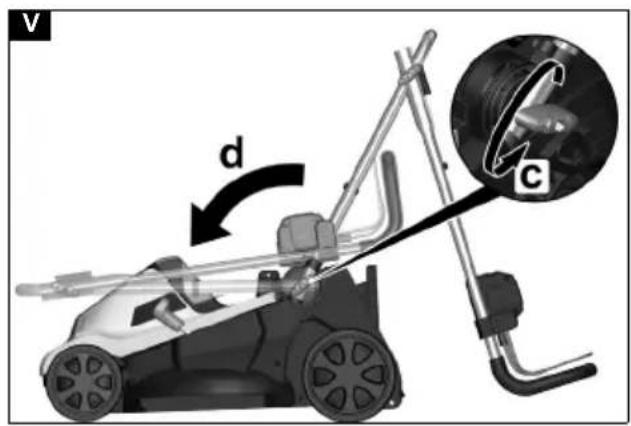
- Release the lower quick-locking screws and place the handle on the device.
Illustration V
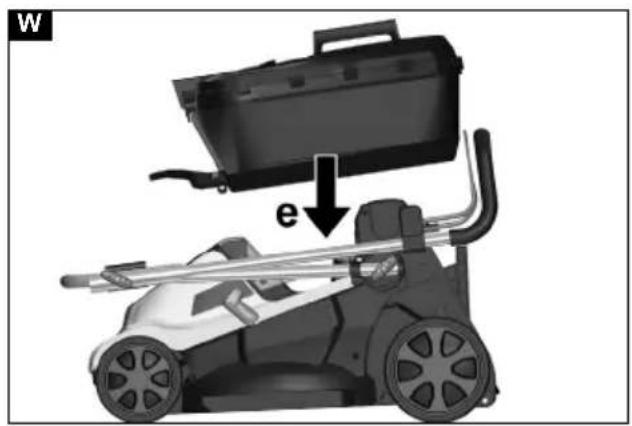
- Place the grass catcher on the handle and the device.
Illustration W
- Store the device in a dry, well ventilated location. Keep away from corrosive substances such as garden chemicals and defrosting salt. Do not store the device outdoors.
Care and service
⚠ WARNING
Sharp blade
Incision injuries
Be careful when tipping or lifting the device.
Keep all parts of your body away from the cutting blade.
Before initial startup
Before each startup, the following maintenance activities must be carried out:
- Check the device for damage.
- Check all bolts, nuts and screws for tightness; re-tighten if necessary.
- Check the sharpness of the blade. Replace a blunt blade.
Cleaning the device
- Remove the safety key.
- Remove the battery packs (see Chapter Removing the battery pack).
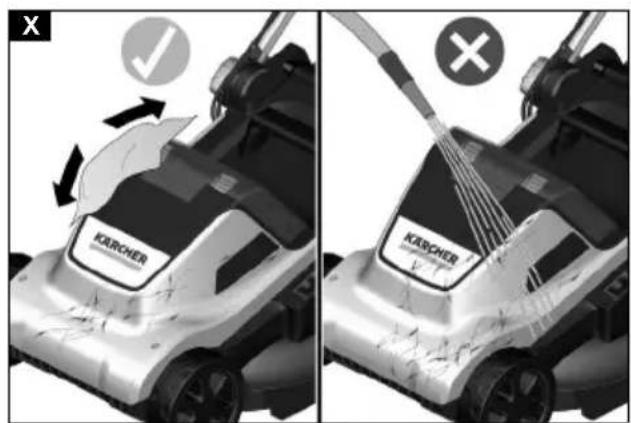
- Clean the exterior of the device with a soft, damp cloth or brush after each use.
Illustration X
Clean the blade before longer storage periods.
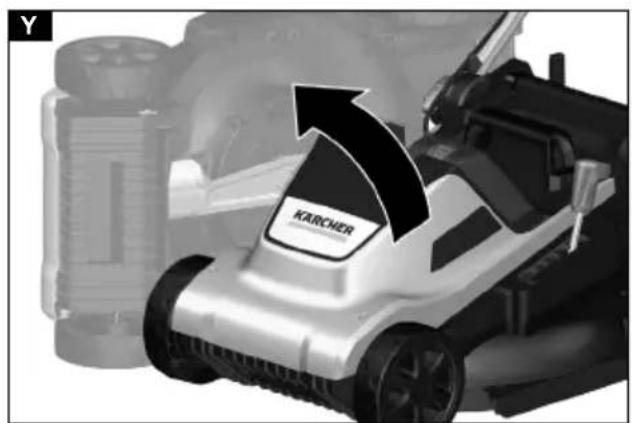
- Tip the device onto the side.
Illustration Y
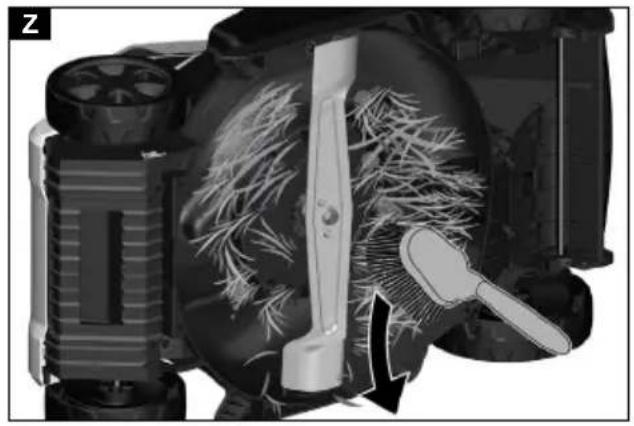
- Clean the blade and the underside of the device using a brush.
Illustration Z
Removing blockages
⚠ WARNING
Removing blockages
Incision injuries from the sharp blade or sharp-edged objects
Wear protective gloves when checking for blockages or removing blockages.
- Switch the device off and wait until the blade comes to a standstill.
- Remove the safety key.
- Remove the battery packs (see Chapter Removing the battery pack).
- Remove the grass catcher and check for blockages. Remove any blockages.
- Check the ejection shaft for blockages. Remove any blockages.
- Tip the device onto the side.
- Check the underside of the device and the blade for blockages. Be careful when removing blockages because the blade can move while doing this.
Replacing the blade
- Remove the safety key.
- Remove the battery packs (see Chapter Removing the battery pack).
- Clean the underside of the device (see Chapter Cleaning the device).
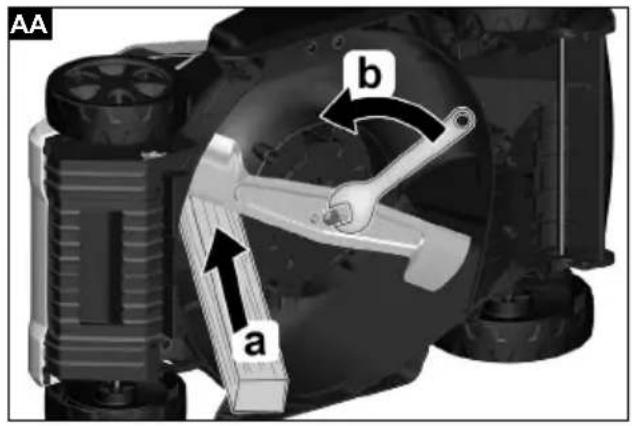
- Lock the blade and then loosen the screw. Illustration AA
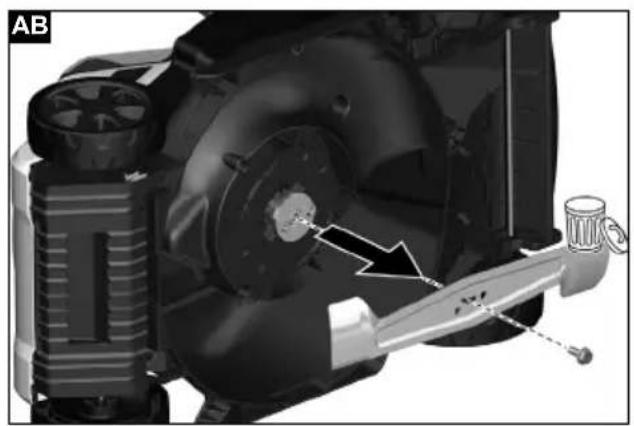
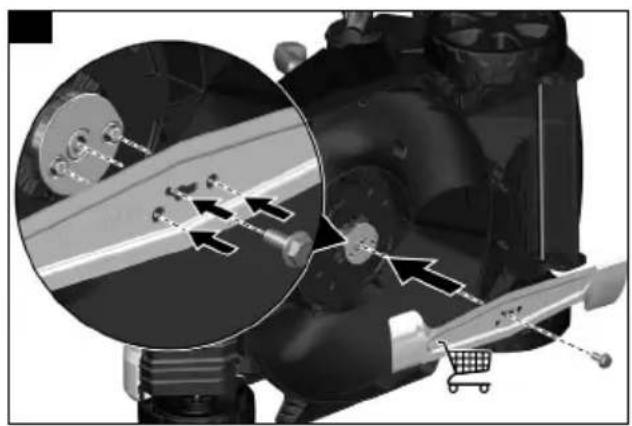
- Remove and dispose of the blade. Illustration AB
- Fit the new blade into the holder. Illustration AC
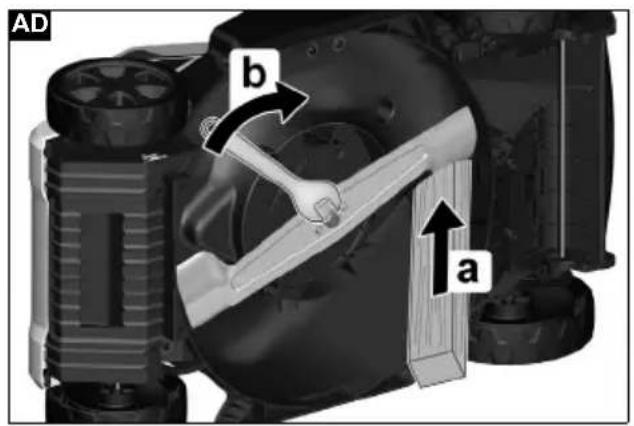
- Lock the blade and tighten the screw (23 Nm). Illustration AD
Troubleshooting guide
Malfunctions often have simple causes that you can remedy yourself using the following overview. When in
doubt, or in the case of malfunctions not mentioned here, please contact your authorised Customer Service.
| Fault Cause Rectification | ||
| The device switches off | The device overload protection system has triggered. | 1. Release the start/stop bow.2. Press the start button and the start/stop bow. |
| A battery pack overheating protection has triggered. | 1. Wait until the battery pack temperature lies within the normal range.2. Charge the battery pack if the device cannot be switched on. | |
| At least one battery pack is empty. 1. Charge the battery pack. | ||
Technical data
| Device performance data | ||
| Nominal voltage V 36 | ||
| Cutting width cm 37 | ||
| Cutting height mm 25-65 | ||
| Grass catcher volume I 40 | ||
| Idle speed (max.) min | -1 | 3500 |
| Determined values in acc. with EN 62841-4-3 | ||
| Sound pressure level LpA | dB(A) 79 | |
| Uncertainty KpA | dB(A) 3 | |
| Sound power level LwA | dB(A) 94 | |
| Uncertainty KWA | dB(A) 0,96 | |
| Right handle hand-arm vibration value | m/s2 | 1,2 |
| Left handle hand-arm vibration value | m/s2 | 1,2 |
| Uncertainty K m/s | 2 | 1,5 |
| Dimensions and weights | ||
| Length x width x height mm 1255 x | ||
| 435 x | ||
| 1040 | ||
| Weight (without battery pack) | kg | 14,2 |
Subject to technical modifications.
Warranty
The warranty conditions issued by our relevant sales company apply in all countries. We shall remedy possible malfunctions on your appliance within the warranty period free of cost, provided that a material or manufacturing flaw is the cause. In a warranty case, please contact your dealer (with the purchase receipt) or the next authorised customer service site. (See overleaf for the address) Further warranty information (if available) can be found in the service area of your local Kärcher website under "Downloads".
Declaration of Conformity
EU Declaration of Conformity
We hereby declare that the machine described below complies with the relevant basic safety and health requirements in the EU Directives, both in its basic design and construction as well as in the version placed in circulation by us. This declaration is invalidated by any changes made to the machine that are not approved by us.
Product: Battery-operated lawnmower
Type: 1.444-4xx.0
LMO 2-18,
LMO 3-18,
LMO 4-18 Dual,
LMO 5-18 Dual
Currently applicable EU Directives
2006/42/EC (+2009/127/EC)
2011/65/EU
2014/30/EU
2000/14/EC (+2005/88/EC)
Harmonised standards used
EN 62841-1:2015+A11
EN IEC 62841-4-3:2021+A11:2021
EN 55014-1: 2017 + A11: 2020
EN 55014-2: 1977+A1: 2001+A2: 2008
EN IEC 63000: 2018
Conformity evaluation procedure used
2000/14/EC: Annex VI
Name and address of the notified body involved
TÜV Rheinland LGA Products GmbH (NB 0197)
Tillystraße 2
D-90431 Nuremberg
Sound power level dB(A)
LMO 2-18
Measured: 86
Guaranteed: 88
LMO 3-18:
Measured: 87
Guaranteed: 89
LMO 4-18 Dual:
Measured: 92
Guaranteed: 94
LMO 5-18 Dual:
Measured: 95
Guaranteed: 96
The signatories act on behalf of and with the authority of the company management.
H. Jenner Chairman of the Board of Management
S. Reiser Manager Regulatory Affairs & Certification
Documentation supervisor:
S. Reiser
Alfred Kärcher SE & Co. KG
Alfred-Kärcher-Str. 28 - 40
71364 Winnenden (Germany)
Ph.: +49 7195 14-0
Fax: +49 7195 14-2212
Winnenden, 2024/03/01
Declaration of Conformity (UK)
We hereby declare that the product described below complies with the relevant provisions of the following UK Regulations, both in its basic design and construction as well as in the version put into circulation by us. This declaration shall cease to be valid if the product is modified without our prior approval.
Product: Battery-operated lawnmower
Type: 1.444-4xx.0
LMO 2-18,
LMO 3-18,
LMO 4-18 Dual,
LMO 5-18 Dual
Currently applicable UK Regulations
S.I. 2008/1597 (as amended)
S.I. 2012/3032 (as amended)
S.I. 2016/1091 (as amended)
S.I. 2001/1701 (as amended)
Designated standards used
EN 62841-1:2015+A11
EN IEC 62841-4-3:2021+A11:2021
EN 55014-1:2017+A11:2020
EN 55014-2:1977+A1:2001+A2:2008
EN IEC 63000:2018
Applied conformity assessment procedure
S.I. 2001/1701 (as amended): Schedule 9
Name and address of the notified body involved
AnP Certification Limited (NB 8500)
2 Parkfield Street
Rusholme
Manchester
M14 4PN
United Kingdom
Sound power level dB(A)
LMO 2-18:
Measured: 86
Guaranteed: 88
LMO 3-18:
Measured: 87
Guaranteed: 89
LMO 4-18 Dual:
Measured: 92
Guaranteed: 94
LMO 5-18 Dual:
Measured: 95
Guaranteed: 96
The signatories act on behalf of and with the authority of the company management.
H. Jenner
Chairman of the Board of Management
S. Reiser
Manager Regulatory Affairs & Certification
Documentation supervisor:
S. Reiser
Alfred Kärcher SE & Co. KG
Alfred-Kärcher-Str. 28 - 40
71364 Winnenden (Germany)
Ph.: +49 7195 14-0
Fax: +49 7195 14-2212
Winnenden, 2024/03/01
Content
2006/42/EC (+2009/127/EC)
2011/65/EU
2014/30/EU
2000/14/EC (+2005/88/EC)
EN IEC 62841-4-3:2021+A11:2021
EN 55014-1: 2017 + A11: 2020
EN 55014-2: 1977+A1: 2001+A2: 2008
EN IEC 63000: 2018
Chairman of the Board of Management
S. Reiser
Manager Regulatory Affairs & Certification
71364 Winnenden (Germany)
EN IEC 62841-4-3:2021+A11:2021
EN 55014-1: 2017 + A11: 2020
EN 55014-2: 1977+A1: 2001+A2: 2008
EN IEC 63000: 2018
H. Jenner Chairman of the Board of Management
S. Reiser Manager Regulatory Affairs & Certification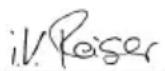
71364 Winnenden (Germany)
Tel.: +49 7195 14-0
Fax: +49 7195 14-2212
Winnenden, 01/03/2024
2006/42/CE (+2009/127/CE)
2011/65/UE
2014/30/UE
2000/14/CE (+2005/88/CE)
EN IEC 62841-4-3:2021+A11:2021
EN 55014-1: 2017 + A11: 2020
EN 55014-2: 1977+A1: 2001+A2: 2008
EN IEC 63000: 2018
H. Jenner Chairman of the Board of Management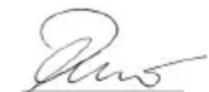
S. Reiser Manager Regulatory Affairs & Certification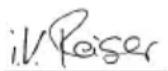
2006/42/EC (+2009/127/EC)
2011/65/EU
2014/30/EU
2000/14/EC (+2005/88/EC)
EN IEC 62841-4-3:2021+A11:2021
EN 55014-1: 2017 + A11: 2020
EN 55014-2: 1977+A1: 2001+A2: 2008
EN IEC 63000: 2018
Chairman of the Board of Management
S. Reiser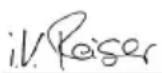
Manager Regulatory Affairs & Certification
Reducing risks
⚠CAUTION
EN IEC 62841-4-3:2021+A11:2021
EN 55014-1: 2017 + A11: 2020
EN 55014-2: 1977+A1: 2001+A2: 2008
EN IEC 63000: 2018
Chairman of the Board of Management
S. Reiser
Manager Regulatory Affairs & Certification
71364 Winnenden (Germany)
Tel.: +49 7195 14-0
Fax: +49 7195 14-2212
Winnenden, 2024/03/01
Table of Contents
2006/42/EC (+2009/127/EC)
2011/65/EU
2014/30/EU
2000/14/EC (+2005/88/EC)
EN IEC 62841-4-3:2021+A11:2021
EN 55014-1: 2017 + A11: 2020
EN 55014-2: 1977+A1: 2001+A2: 2008
EN IEC 63000: 2018
H. Jenner Chairman of the Board of Management
S. Reiser Manager Regulatory Affairs & Certification
Winnenden, 2024/03/01
Contents
Safety information 72
EN IEC 62841-4-3:2021+A11:2021
EN 55014-1: 2017 + A11: 2020
EN 55014-2: 1977+A1: 2001+A2: 2008
EN IEC 63000: 2018
Applied conformity assessment procedure
2000/14/EC: Annex VI
Chairman of the Board of Management
S. Reiser
Manager Regulatory Affairs & Certification
D-71364 Winnenden (Germany)
Tfn: +49 7195 14-0
Fax: +49 7195 14-2212
Winnenden, 01.03.2024
Contents
EN IEC 62841-4-3:2021+A11:2021
EN 55014-1: 2017 + A11: 2020
EN 55014-2: 1977+A1: 2001+A2: 2008
EN IEC 63000: 2018
Chairman of the Board of Management
S. Reiser
Manager Regulatory Affairs & Certification
71364 Winnenden (Germany)
Phone: +49 7195 14-0
2006/42/EC (+2009/127/EC)
2011/65/EU
2014/30/EU
2000/14/EC (+2005/88/EC)
Applied harmonized standards
EN 62841-1:2015+A11
EN IEC 62841-4-3:2021+A11:2021
EN 55014-1: 2017 + A11: 2020
EN 55014-2: 1977+A1: 2001+A2: 2008
EN IEC 63000: 2018
Chairman of the Board of Management
S. Reiser
Manager Regulatory Affairs & Certification
71364 Winnenden (Germany)
Tel.: +49 7195 14-0
Winnenden, 2024/03/01
Contents
2006/42/EC (+2009/127/EC)
2011/65/EU
2014/30/EU
2000/14/EC (+2005/88/EC)
EN IEC 62841-4-3:2021+A11:2021
EN 55014-1: 2017 + A11: 2020
EN 55014-2: 1977+A1: 2001+A2: 2008
EN IEC 63000: 2018
H. Jenner Chairman of the Board of Management
S. Reiser Manager Regulatory Affairs & Certification
71364 Winnenden (Germany)
Tel.: +49 7195 14-0
Fax: +49 7195 14-2212
Winnenden, 2024/03/01
Table of contents
Safety instructions 102
2006/42/EC (+2009/127/EC)
2011/65/EU
2014/30/EU
2000/14/EC (+2005/88/EC)
EN IEC 62841-4-3:2021+A11:2021
EN 55014-1: 2017 + A11: 2020
EN 55014-2: 1977+A1: 2001+A2: 2008
EN IEC 63000: 2018
Chairman of the Board of Management
S. Reiser
Manager Regulatory Affairs & Certification
71364 Winnenden (Germany)
Tel: +49 7195 14-0
Winnenden, 2024/03/01
Contents
EN IEC 62841-4-3:2021+A11:2021
EN 55014-1: 2017 + A11: 2020
EN 55014-2: 1977+A1: 2001+A2: 2008
EN IEC 63000: 2018
Chairman of the Board of Management
S. Reiser
Manager Regulatory Affairs & Certification
EN IEC 62841-4-3:2021+A11:2021
EN 55014-1: 2017 + A11: 2020
EN 55014-2: 1977+A1: 2001+A2: 2008
EN IEC 63000: 2018
H. Jenner Chairman of the Board of Management
S. Reiser Manager Regulatory Affairs & Certification
2006/42/WE (+2009/127/WE)
2011/65/UE
2014/30/UE
2000/14/WE (+2005/88/WE)
EN IEC 62841-4-3:2021+A11:2021
EN 55014-1: 2017 + A11: 2020
EN 55014-2: 1977+A1: 2001+A2: 2008
EN IEC 63000: 2018
Chairman of the Board of Management
S. Reiser
Manager Regulatory Affairs & Certification
71364 Winnenden (Germany)
Tel.: +49 7195 14-0
EN IEC 62841-4-3:2021+A11:2021
EN 55014-1: 2017 + A11: 2020
EN 55014-2: 1977+A1: 2001+A2: 2008
EN IEC 63000: 2018
Chairman of the Board of Management
S. Reiser
Manager Regulatory Affairs & Certification
Winnenden, 2024/03/01
Contents
2006/42/EC (+2009/127/EC)
2011/65/EU
2014/30/EU
2000/14/EC (+2005/88/EC)
EN IEC 62841-4-3:2021+A11:2021
EN 55014-1: 2017 + A11: 2020
EN 55014-2: 1977+A1: 2001+A2: 2008
EN IEC 63000: 2018
Chairman of the Board of Management
S. Reiser
Manager Regulatory Affairs & Certification
Winnenden, 2024/03/01
Table of contents
2006/42/EC (+2009/127/EC)
2011/65/EU
2014/30/EU
2000/14/EC (+2005/88/EC)
EN IEC 62841-4-3:2021+A11:2021
EN 55014-1: 2017 + A11: 2020
EN 55014-2: 1977+A1: 2001+A2: 2008
EN IEC 63000: 2018
Chairman of the Board of Management
S. Reiser
Manager Regulatory Affairs & Certification
71364 Winnenden (Germany)
Tel.: +49 7195 14-0
Fax: +49 7195 14-2212
Winnenden, 01.03.2024
Table of Contents
Safety instructions 157
Intended use 160
Environmental protection 161
Accessories and spare parts.... 161
Scope of delivery.... 161
Safety devices 161
Device description 161
Assembly.... 161
Start-up 162
Operation.... 162
Transport 162
Storage 163
2006/42/EC (+2009/127/EC)
2011/65/EU
2014/30/EU
2000/14/EC (+2005/88/EC)
EN IEC 62841-4-3:2021+A11:2021
EN 55014-1: 2017 + A11: 2020
EN 55014-2: 1977+A1: 2001+A2: 2008
EN IEC 63000: 2018
Valid conformity assessment procedure
2000/14/ES: Annex VI
H. Jenner Chairman of the Board of Management
S. Reiser Manager Regulatory Affairs & Certification
Winnenden, 1. 3. 2024
Table of contents
Relevant EU Directives
2006/42/EC (+2009/127/EC)
2011/65/EU
2014/30/EU
2000/14/EC (+2005/88/EC)
Harmonized standards applied
EN 62841-1:2015+A11
EN IEC 62841-4-3:2021+A11:2021
EN 55014-1: 2017 + A11: 2020
EN 55014-2: 1977+A1: 2001+A2: 2008
EN IEC 63000: 2018
H. Jenner Chairman of the Board of Management
S. Reiser Manager Regulatory Affairs & Certification
71364 Winnenden (Germany)
Tel.: +49 7195 14-0
Fax: +49 7195 14-2212
Winnenden, 2024/03/01
Contents
Safety instructions.... 173
2006/42/EC (+2009/127/EC)
2011/65/EU
2014/30/EU
2000/14/EC (+2005/88/EC)
EN IEC 62841-4-3:2021+A11:2021
EN 55014-1: 2017 + A11: 2020
EN 55014-2: 1977+A1: 2001+A2: 2008
EN IEC 63000: 2018
Chairman of the Board of Management
S. Reiser
Manager Regulatory Affairs & Certification
Authorized for documentation:
S. Reiser
Alfred Kärcher SE & Co. KG
Alfred-Kärcher-Str. 28 - 40
71364 Winnenden (Germany)
Tel.: +49 7195 14-0
Fax: +49 7195 14-2212
Winnenden, 01.03.2024.
Contents
2006/42/EZ (+2009/127/EZ)
2011/65/EU
2014/30/EU
2000/14/EC (+2005/88/EC)
Applied harmonized standards
EN 62841-1:2015+A11
EN IEC 62841-4-3:2021+A11:2021
EN 55014-1: 2017 + A11: 2020
EN 55014-2: 1977+A1: 2001+A2: 2008
EN IEC 63000: 2018
H. Jenner Chairman of the Board of Management
S. Reiser Manager Regulatory Affairs & Certification
Person authorized to compile the technical file:
S. Reiser
Alfred Kärcher SE & Co. KG
Alfred-Kärcher-Str. 28 - 40
71364 Winnenden (Germany)
Tel.: +49 7195 14-0
Winnenden, 2024/03/01
Contents
EN IEC 62841-4-3:2021+A11:2021
EN 55014-1: 2017 + A11: 2020
EN 55014-2: 1977+A1: 2001+A2: 2008
EN IEC 63000: 2018
H. Jenner Chairman of the Board of Management
S. Reiser Manager Regulatory Affairs & Certification
71364 Winnenden (Germany)
Tel.: +49 7195 14-0
Fax: +49 7195 14-2212
Winnenden, 2024/03/01
Contents
EN IEC 62841-4-3:2021+A11:2021
EN 55014-1: 2017 + A11: 2020
EN 55014-2: 1977+A1: 2001+A2: 2008
EN IEC 63000: 2018
Chairman of the Board of Management
S. Reiser
Manager Regulatory Affairs & Certification
71364 Winnenden (Germany)
Tel.: +49 7195 14-0
Fax: +49 7195 14-2212
EN IEC 62841-4-3:2021+A11:2021
EN 55014-1: 2017 + A11: 2020
EN 55014-2: 1977+A1: 2001+A2: 2008
EN IEC 63000: 2018
H. Jenner Chairman of the Board of Management
S. Reiser Manager Regulatory Affairs & Certification
71364 Winnenden (Germany)
Tel.: +49 7195 14-0
Fax: +49 7195 14-2212
EN IEC 62841-4-3:2021+A11:2021
EN 55014-1: 2017 + A11: 2020
EN 55014-2: 1977+A1: 2001+A2: 2008
EN IEC 63000: 2018
Chairman of the Board of Management
S. Reiser
Manager Regulatory Affairs & Certification
71364 Winnenden (Germany)
Tel.: +49 7195 14-0
Fax: +49 7195 14-2212
Winnenden, 2024/03/01
Table of contents
EN IEC 62841-4-3:2021+A11:2021
EN 55014-1: 2017 + A11: 2020
EN 55014-2: 1977+A1: 2001+A2: 2008
EN IEC 63000: 2018
H. Jenner Chairman of the Board of Management
S. Reiser Manager Regulatory Affairs & Certification
Winnenden, 2024/03/01
Table of contents
Safety instructions...... 233
Intended use.... 236
Environmental protection.... 236
Accessories and spare parts...... 236
Items included.... 236
Safety equipment.... 236
Description of the machine... 237
Installation... 237
Setup... 237
Operation.... 237
Transport.... 238
Storage.... 238
Care and maintenance... 238
Support in case of malfunctions... 239
Technical data 239
Warranty.... 239
EU declaration of conformity.... 240
Safety instructions

EN IEC 62841-4-3:2021+A11:2021
EN 55014-1:2017+A11:2020
EN 55014-2: 1977+A1: 2001+A2: 2008
EN TEC 63000: 2018
Applied conformity assessment procedures
2000/14/EG: Annex VT
Name and address of the notified body involved
TÜV Rheinland LGA Products GmbH (NB 0197)
Tillystraße 2
D-90431 Nürnberg
Sound power level dB(A)
LMO 2-18:
Measured value: 86
Guaranteed value: 88
LMO 3-18:
Measured value: 87
Guaranteed value: 89
LMO 4-18 Dual:
Measured value: 92
Guaranteed value: 94
LMO 5-18 Dual:
Measured value: 95
Guaranteed value: 96
H. Jenner Chairman of the Board of Management
S. Reiser Manager Regulatory Affairs & Certification
Authorized representative for documentation:
S. Reiser
Alfred Kärcher SE & Co. KG
Alfred-Kärcher-Str. 28 - 40
71364 Winnenden (Germany)
Phone: +49 7195 14-0
THANK YOU!
MERCI! DANKE! iGRACIAS!

Register your product and benefit from many advantages.
www.kaercher.com/welcome


Rate your product and tell us your opinion.
www.kaercher.com/dealersearch
Alfred Kärcher SE & Co. KG
Alfred-Kärcher-Str. 28-40
71364 Winnenden (Germany)





- CONTENTS
- SAFETY INSTRUCTIONS
- HAZARD LEVELS
- ⚠️DANGER
- ⚠ WARNING
- △CAUTION
- ATTENTION
- GENERAL POWER TOOL SAFETY INSTRUCTIONS
- ELECTRICAL SAFETY
- PERSONAL SAFETY
- POWER TOOL USE AND CARE
- BATTERY TOOL USE AND CARE
- SERVICE
- LAWNMOWER SAFETY WARNINGS
- GENERAL SAFETY INSTRUCTIONS
- OCCUPATIONAL SAFETY
- SAFE OPERATION
- RESIDUAL RISKS
- RISK REDUCTION
- ⚠ CAUTION
- INTENDED USE
- ⚠️ DANGER
- IMPROPER USE
- RECHARGEABLE BATTERY PACKS AND CHARGERS
- ENVIRONMENTAL PROTECTION
- NOTES ON THE CONTENT MATERIALS (REACH)
- ACCESSORIES AND SPARE PARTS
- SCOPE OF DELIVERY
- SAFETY DEVICES
- SYMBOLS ON THE DEVICE
- OVERLOAD PROTECTION
- DESCRIPTION OF THE DEVICE
- ILLUSTRATION A
- IPOWER
- INSTALLATION
- INSTALLING THE HANDLE
- INSTALLING THE GRASS CATCHER
- ILLUSTRATION F
- INITIAL STARTUP
- ADJUSTING THE HANDLE
- ILLUSTRATION G
- ILLUSTRATION H
- ATTACHING THE MULCH PLUG
- ILLUSTRATION I
- INSERTING THE GRASS CATCHER
- ILLUSTRATION J
- ILLUSTRATION K
- MOUNT THE BATTERY PACK
- ILLUSTRATION L
- OPERATION
- GENERAL INFORMATION ON HANDLING THE LAWNMOWER
- NOTE
- MOWING LAWNS
- ILLUSTRATION M
- ILLUSTRATION O
- MOWING EDGES
- ILLUSTRATION P
- ILLUSTRATION Q
- ENDING OPERATION
- ILLUSTRATION R
- REMOVING THE BATTERY PACK
- ILLUSTRATION S
- EMPTYING THE GRASS CATCHER
- TRANSPORT
- SHARP BLADE
- STORAGE
- ILLUSTRATION U
- ILLUSTRATION V
- ILLUSTRATION W
- CARE AND SERVICE
- BEFORE INITIAL STARTUP
- CLEANING THE DEVICE
- ILLUSTRATION X
- ILLUSTRATION Y
- ILLUSTRATION Z
- REMOVING BLOCKAGES
- REPLACING THE BLADE
- TROUBLESHOOTING GUIDE
- WARRANTY
- DECLARATION OF CONFORMITY
- EU DECLARATION OF CONFORMITY
- DECLARATION OF CONFORMITY (UK)
- APPLIED CONFORMITY ASSESSMENT PROCEDURE
- NAME AND ADDRESS OF THE NOTIFIED BODY INVOLVED
- SOUND POWER LEVEL DB(A)
- CONTENT
- REDUCING RISKS
- ⚠CAUTION
- TABLE OF CONTENTS
- APPLIED HARMONIZED STANDARDS
- THANK YOU
- MERCI! DANKE! IGRACIAS
Brand : Kärcher
Model : LMO 4-18 Dual
Category : Lawn mower