
LCLEAN MINI M - Washing machine Ulsonix - Free user manual and instructions
Find the device manual for free LCLEAN MINI M Ulsonix in PDF.
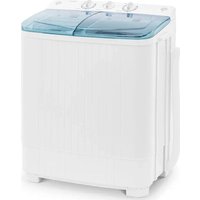


| Product type | Washing machine |
| Brand | Ulsonix |
| Model | LCLEAN MINI M |
| Rated voltage | 230 V~ / 50 Hz |
| Rated power | 280 W |
| Wash capacity | 5 kg |
| Dimensions (W × D × H) | 625 × 370 × 720 mm |
| Net weight | 12.5 kg |
| Intended use | Domestic (washing, rinsing, spinning) |
| Control type | Rotary knobs (timer, selector) |
| Maximum water temperature | 50 °C |
| Maximum tilt angle | 2° (for stable installation) |
| Minimum distance to wall | 5 cm |
| Safety | Safety lid, automatic stop, electric shock protection |
| Maintenance | Regular filter cleaning, wiping with a soft cloth |
| Included accessories | Water inlet hose, drain hose, filter bag |
| Repairability | Repair by authorized center, original spare parts |
| Country of manufacture | Not specified (imported) |
| Energy class | Not specified |
Frequently Asked Questions - LCLEAN MINI M Ulsonix
User questions about LCLEAN MINI M Ulsonix
0 question about this device. Answer the ones you know or ask your own.
Ask a new question about this device
Download the instructions for your Washing machine in PDF format for free! Find your manual LCLEAN MINI M - Ulsonix and take your electronic device back in hand. On this page are published all the documents necessary for the use of your device. LCLEAN MINI M by Ulsonix.
USER MANUAL LCLEAN MINI M Ulsonix
MINI WASHING MACHINE
| DE | Produktname | MINI WASCHMASCHINE |
| EN | Product name | MINI WASHING MACHINE |
| PL | Nazwa produktu | MINI PRALKA |
| CZ | Název výrobku | MINIPRAČKA |
| FR | Nom du produit | MINI MACHINE À LAVER |
| IT | Nome del prodotto | MINI LAVATRICE |
| ES | Nombre del producto | LAVADORA PORTÁTIL |
| HU | Termék neve | MINI MOSÓGÉP |
| DA | Produktnavn | MINI-VASKEMASKINE |
| FI | Tuotteen nimi | MINIPESUKONE |
| NL | Productnaam | MINI WASMACHINE |
| NO | Produktnavn | MINI VASKEMASKIN |
| SE | Produktnamn | PORTABEL TVÄTTMASKIN |
| PT | Nome do produto | MINI MÁQUINA DE LAVAR |
| SK | Názov produktu | MINI PRÁČKA |
| DE | Modell | LCLEAN MINI M |
| EN | Product model | |
| PL | Model produktu | |
| CZ | Model výrobku | |
| FR | Modèle | |
| IT | Modello | |
| ES | Modelo | |
| HU | Modell | |
| DA | Model | |
| FI | Tuotteen malli | |
| NL | Productmodel | |
| NO | Produktmodell | |
| SE | Produktmodell | |
| PT | Modelo do produto | |
| SK | Model | |
| DE | Hersteller | expondo Polska sp. z o.o. sp. k. |
| EN | Manufacturer | |
| PL | Producent | |
| CZ | Výrobce | |
| FR | Fabricant | |
| IT | Produttore | |
| ES | Fabricante | |
| HU | Termelő | |
| DA | Producent | |
| FI | Valmistaja | |
| NL | Producent | |
| NO | Produsent | |
| SE | Tillverkare | |
| PT | Fabricante | |
| SK | Výrobca | |
| DE | Anschrift des Herstellers | ul. Nowy Kisielin – Innowacyjna 7, 66-002 Zielona Góra | Poland, EU |
| EN | Manufacturer Address | |
| PL | Adres producenta | |
| CZ | Adresa výrobce | |
| FR | Adresse du fabricant | |
| IT | Indirizzo del produttore | |
| ES | Dirección del fabricante | |
| HU | A gyártó címe | |
| DA | Producentens adresse | |
| FI | Valmistajan osoite | |
| NL | Adres producent | |
| NO | Produsentens adresse | |
| SE | Tillverkarens adress | |
| PT | Endereço do fabricante | |
| SK | Adresa výrobcu |

This User Manual has been translated for your convenience using machine translation. Reasonable efforts have been made to provide an accurate translation; however, no automated translation is perfect nor is it intended to replace human translators. The official User Manual is the English version. Any discrepancies or differences created in the translation are not binding and have no legal effect for compliance or enforcement purposes. If any questions arise related to the accuracy of the information contained in the User Manual, please refer to the English version of those contents which is the official version.
Technical data
| Parameter description | Parameter value |
| Product name | Mini washing machine |
| Model | LCLEAN MINI M |
| Rated voltage [V~] / frequency [Hz] | 230/50 |
| Rated power [W] | 280 |
| Wash capacity [kg] | 5 |
| Dimensions [width x depth x height; mm] | 625 x 370 x 720 |
| Weight [kg] | 12.5 |
1. General description
The user manual is designed to assist in the safe and trouble-free use of the device. The product is designed and manufactured in accordance with strict technical guidelines, using state-of-the-art technologies and components. Additionally, it is produced in compliance with the most stringent quality standards.
DO NOT USE THE DEVICE UNLESS YOU HAVE THOROUGHLY READ AND UNDERSTOOD THIS USER MANUAL.
To increase the product life of the device and to ensure trouble-free operation, use it in accordance with this user manual and regularly perform maintenance tasks. The technical data and specifications in this user manual are up to date. The manufacturer reserves the right to make changes associated with quality improvement. The device is designed to reduce noise emission risks to a minimum, taking into account technological progress and noise reduction opportunities.
Legend

The product satisfies the relevant safety standards.
Read instructions before use.
The product must be recycled.
WARNING! or CAUTION! or REMEMBER! Applicable to the given situation.
(general warning sign)
ATTENTION! Electric shock warning!
Only use indoors.

PLEASE NOTE! Drawings in this manual are for illustration purposes only and in some details may differ from the actual product.
2. Usage safety

ATTENTION! Read all safety warnings and all instructions. Failure to follow the warnings and instructions may result in electric shock, fire and/or serious injury or even death.
The terms "device" or "product" are used in the warnings and instructions to refer to:
Mini washing machine
2.1. Electrical safety
a) The plug must fit the socket. Do not modify the plug in any way. Using original plugs and matching sockets reduces the risk of electric shock. b) Use the cable only for its designated use. Never use it to carry the device or to pull the plug out of a socket. Keep the cable away from heat sources, oil, sharp edges or moving parts. Damaged or tangled cables increase the risk of electric shock. c) Do not use the device if the power cord is damaged or shows obvious signs of wear. A damaged power cord should be replaced by a qualified electrician or the manufacturer's service centre. d) To avoid electric shock, do not immerse the cord, plug or device in water or other liquids. Do not use the device on wet surfaces. e) Do not use in very humid environments or in the direct vicinity of water tanks.
2.2. Safety in the workplace
a) Make sure the workplace is clean and well lit. A messy or poorly lit workplace may lead to accidents. Try to think ahead, observe what is going on and use common sense when working with the device. b) Do not use the device in a potentially explosive environment, for example in the presence of flammable liquids, gases or dust. The device generates sparks which may ignite dust or fumes. c) If you are unsure about whether the product is operating correctly or if you find damage, please contact the manufacturer's service centre. d) Only the manufacturer's service centre may make repairs to the product. Do not attempt to make repairs yourself! e) In case of fire, use a powder or carbon dioxide (CO2) fire extinguisher (one intended for use on live electrical devices) to put it out. f) Regularly inspect the condition of the safety labels. If the labels are illegible, they must be replaced. g) Please keep this manual available for future reference. If this device is passed on to a third party, the manual must be passed on with it. h) Keep packaging elements and small assembly parts in a place not available to children. i) If this device is used together with another equipment, the remaining instructions for use shall also be followed.

Remember! When using the device, protect children and other bystanders.
2.3. Personal safety
a) Do not use the device when tired, ill, or under the influence of alcohol, narcotics, or medication that can significantly impair the ability to operate the device. b) The machine may be operated by physically fit persons who are able to handle the machine, are properly trained, have reviewed this operating manual, and have received training in occupational health and safety. c) The machine is not designed to be handled by persons (including children) with limited mental and sensory functions or persons lacking relevant experience and/or knowledge unless they are supervised by a person responsible for their safety or they have received instruction on how to operate the machine. d) The device is not a toy. Children must be supervised to ensure that they do not play with the device.
2.4. Safe device use
a) Do not use the device if the ON/OFF switch does not function properly (does not switch the device on and off). Devices that cannot be switched on and off using the ON/OFF switch are hazardous, should not be operated, and must be repaired. b) Disconnect the device from the power supply before commencement of adjustment, cleaning, and maintenance. Such a preventive measure reduces the risk of accidental activation. c) Keep the device in perfect technical condition. Before each use, check for general damage and especially check for cracked parts or elements and for any other conditions that may impact the safe operation of the device. If damage is discovered, hand over the device for repair before use. d) Keep the device out of the reach of children. e) Device repair or maintenance should be carried out by qualified persons, only using original spare parts. This will ensure safe use. f) To ensure the operational integrity of the device, do not remove factory-fitted guards and do not loosen any screws. g) When transporting and handling the device between the warehouse and the destination, observe the occupational health and safety principles for manual transport operations that apply in the country where the device will be used. h) Do not move, adjust, or rotate the device in the course of work. i) Do not leave this appliance unattended while it is in use. j) Clean the device regularly to prevent stubborn grime from accumulating. k) The specified vibrations emission was measured using standard measurement methods. Vibrations emissions may change if the device is used in different surroundings. l) If you notice a leak from the device or hoses, immediately disconnect the supply and resolve the defects. m) The device is not a toy. Cleaning and maintenance may not be carried out by children without supervision by an adult person. n) It is forbidden to interfere with the structure of the device in order to change its parameters or construction. o) Keep the device away from sources of fire and heat. p) Do not overload the device. q) Do not cover the ventilation openings!

ATTENTION! Despite the safe design of the device and its protective features, and despite the use of additional elements protecting the operator, there is still a slight risk of accident or injury when using the device. Stay alert and use common sense when using the device.
3. Use guidelines
The product is a small and light device that allows you to do laundry quickly and easily in almost any place. The product is intended for home use only.
The user is liable for any damage resulting from unintended use of the device.
3.1. Device description
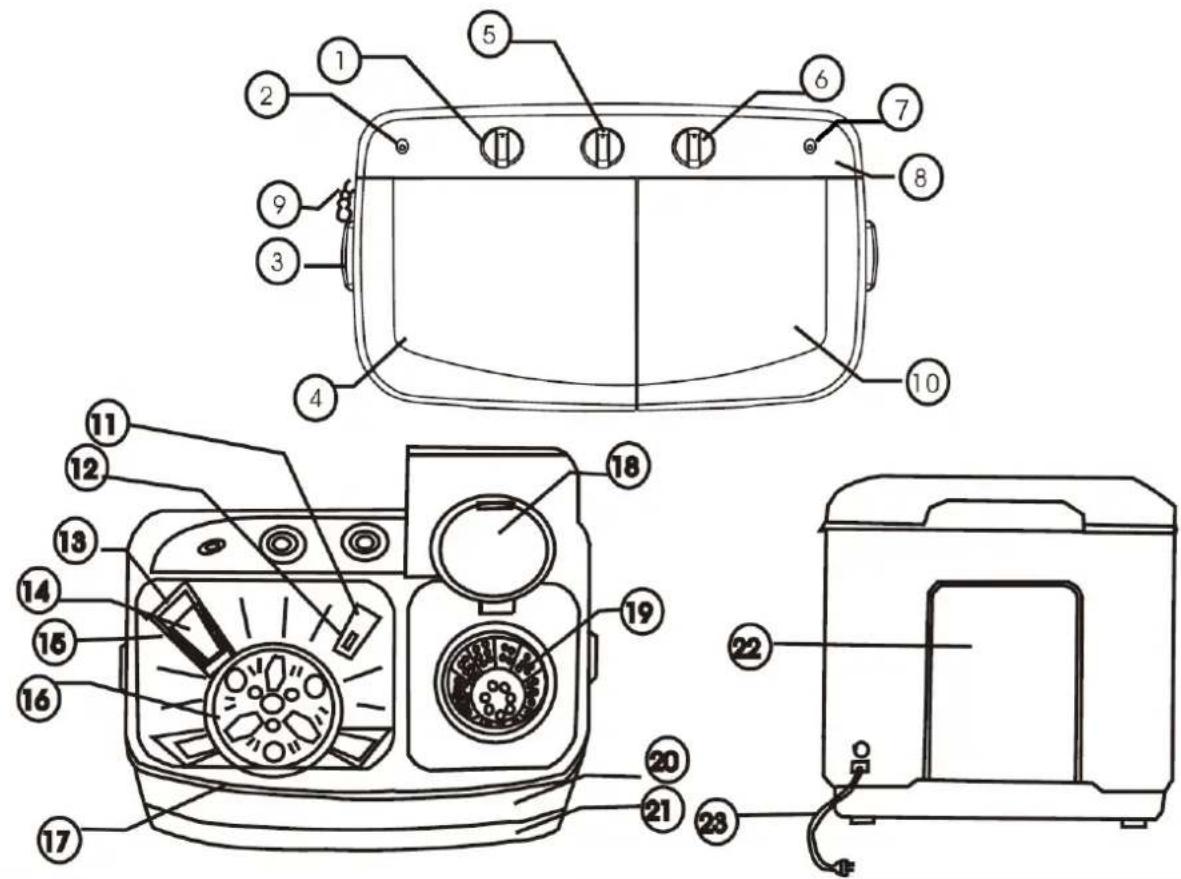
| 1. | Washing time knob | 2. | Washing machine water inlet |
| 3. | Hook | 4. | Washing machine drum cover |
| 5. | Washing / draining control knob | 6. | Spin-drier timer knob |
| 7. | Rinse water inlet | 8. | Control panel |
| 9. | Drain hose | 10. | Spin-dry cover |
| 11. | Overflow filter | 12. | Filter bag |
| 13. | Overflow water outlet | 14. | Water flow |
| 15. | Water circulate outlet | 16. | Pulsator |
| 17. | Casing | 18. | Spin-dry inner cover |
| 19. | Spin-dry basket | 20. | Outer case |
| 21. | Base | 22. | Back cover |
| 23. | Power cord | ||
3.2. Preparing for use
APPLIANCE LOCATION
The temperature of environment must not be higher than 40° C and the relative humidity should be less than 85%. Ensure good ventilation in the room in which the device is being used. There should be at least 10 cm distance between each side of the device and the wall or other objects. The device should always be used when positioned on an even, stable, clean, fireproof and dry surface, and be out of the reach of children and persons with limited mental and sensory functions. Position the device such that you always have access to the power plug. The power cord connected to the appliance must be properly grounded and correspond to the technical details on the product label.
The washing machine should be installed in a firm and flat place with a maximum allowable inclination angle of 2° . The washing machine should be placed at least 5cm away from the wall to prevent noise during operation.
- Preparation
- The washing machine must be placed on a flat surface. The lower window of the washing machine must not be blocked during use.
- To ensure the safety of the appliance during operation, the washing machine must be fitted with an ambidextrous plug. Do not connect the earth wire to a water pipe, gas pipe, heating pipe, etc.
- Lay down the overflow hose. (Do not lay the hose when the appliance is on the drain function).
- Use the water hose to connect the tap to the water inlet.
- Adjust the water level to suit the fabric and weight of the fabric.
- Turn the power on.
- Separate light-colored and faded clothes before washing.
- Empty pockets, remove coins, sand, hairpins, etc.
- Knot long straps and fasten buttons.
- Do not overload the washer; shake clothes loose before washing.
- Place thin and delicate woolen clothes in a mesh bag.
3.3 Device Use
- Washing
- Put clothes and an appropriate amount of detergent in the drum. (Excessive detergent will make it difficult to remove suds and may result in insufficient rinsing.)
- Turn on the tap valve, supply water, and adjust the water level as required.
- Set the water drain switch to standard.
- Set the wash timer knob to the correct position and start the wash.
- When washing is finished, set the water drain switch to the drain position to drain the water.
- It is strictly forbidden to put feathered clothes into the centrifuge for dehydration.
- Centrifugal drying
- After draining the water, place the clothes in the spin dryer and hold them in place.
- Lower the safety cover and the spin cover in turn.
- Set the spin time to the appropriate time for the garment.
- Draining
- When drying is complete, pour water into the spin drum for 20-30 seconds.
- According to the spinning process, dry the clothes for 1 minute and then spin again for 1-2 minutes.
- Rinsing
- After drying, when the spin-dry drum finally stops, open the spin basket, safety cover and spin-dry cover in sequence, remove the clothes to the wash tub and prepare for rinsing.
- Apart from not having to add detergent, the rinsing process is no different from the washing process.
CAUTIONS
Unplug the power cord and turn off the tap when the machine is moved, not used, or cleaned. Don't pull the plug with wet hands. Cut off the power when the machine is not being used.
Do not excessively bend, stretch, twist, tie, or modify the power cord. If the power wire is damaged, please replace it with the special one supplied by the manufacturer or service office. Clean the dirt on the plug.
Do not install in a humid place. Do not place wet clothes on top of the washing machine.
The water temperature shall not exceed 50°C when washing with warm water.
When the washing machine is installed on a carpeted floor, the carpet should not block the ventilation holes.
Do not wash raincoats, bicycle covers, down products and other waterproof clothing.
Do not reach into the appliance if the wash is operating. Do not leave children unsupervised near the washing machine. Do not let the children climb the machine.
This appliance is not intended for use by persons (including children) with reduced physical, sensory or mental capabilities, or lack of experience and knowledge, unless they have been given supervision or instruction concerning use of the appliance by a person responsible for their safety. Children should be supervised to ensure that they do not play with the appliance.
Do not place any hot or heavy things on the top of washing machine.
Do not disassemble, repair, or modify any parts of the appliance. The screws that fasten the back cover of the washing machine cannot be removed by yourself.
Do not allow direct sunlight to shine on the washing machine, and do not approach heat sources such as heaters.
Do not wash clothes stained with volatile substances (olefin materials, gasoline, etc.)
3.4. Cleaning and maintenance
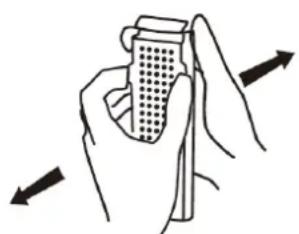
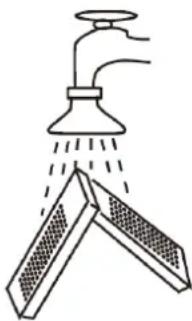
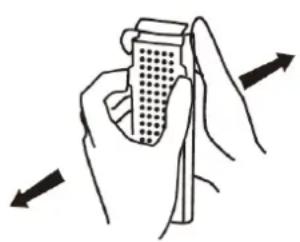
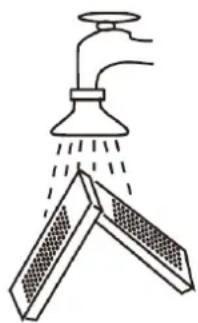
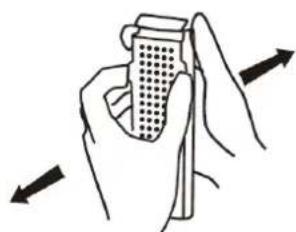
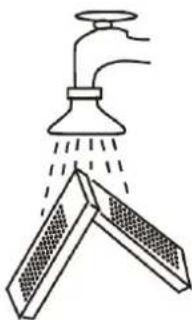
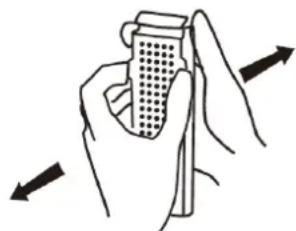
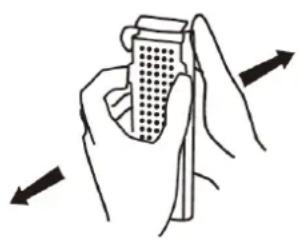
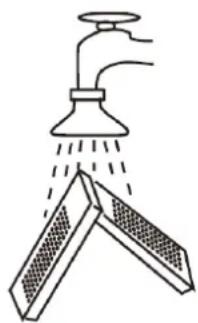
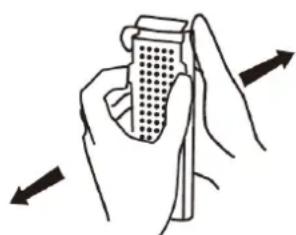
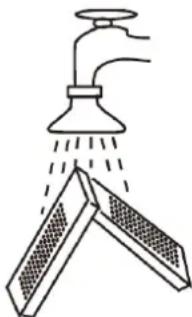
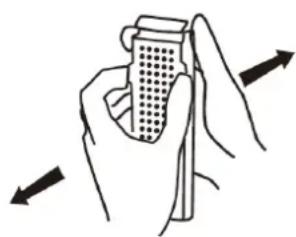
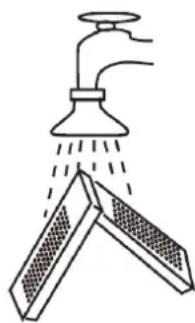
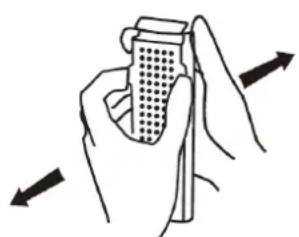
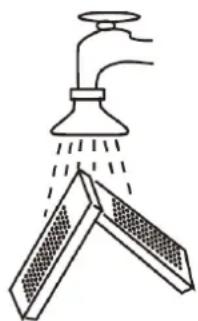
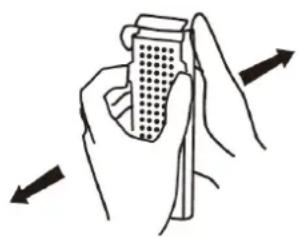
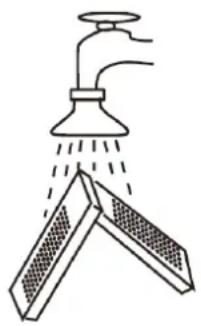
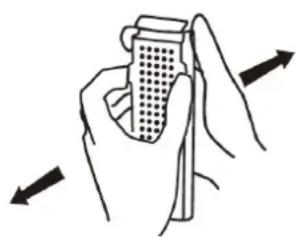
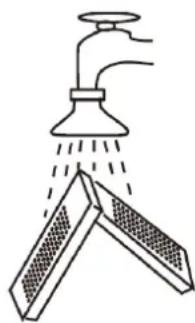
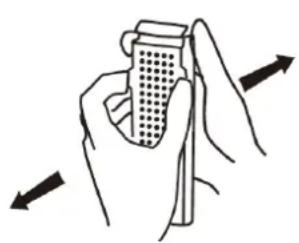
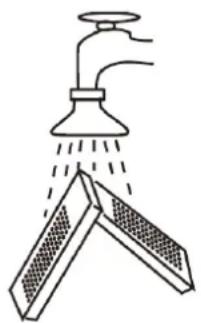
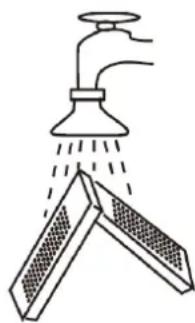
a) Unplug the mains plug and allow the device to cool completely before each cleaning, adjustment or replacement of accessories, or if the device is not being used. • Wait for the rotating elements to stop. b) Drain off the water, which remain in the drum. c) Take out the filter, turn it over and wash it.
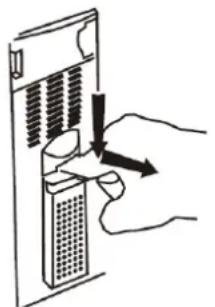
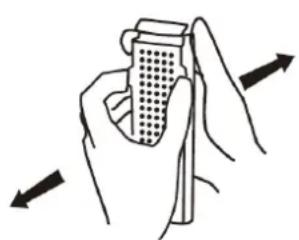
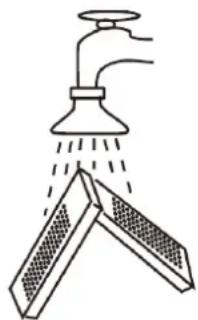
d) Use only non-corrosive cleaners to clean the surface. e) After cleaning the device, all parts should be dried completely before using it again. f) Store the unit in a dry, cool place, free from moisture and direct exposure to sunlight. g) Do not spray the device with a water jet or submerge it in water. h) Do not allow water to get inside the device through vents in the housing of the device. i) Clean the vents with a brush and compressed air. j) The device must be regularly inspected to check its technical efficiency and spot any damage. k) Use a soft cloth for cleaning. I) Do not use sharp and/or metal objects for cleaning (e.g. a wire brush or a metal spatula) because they may damage the surface material of the appliance. m) Do not clean the device with an acidic substance, agents of medical purposes, thinners, fuel, oils or other chemical substances because it may damage the device.
DISPOSING OF USED DEVICES:
Do not dispose of this device in municipal waste systems. Hand it over to an electric and electrical device recycling and collection point. Check the symbol on the product, instruction manual and packaging. The plastics used to construct the device can be recycled in accordance with their markings. By choosing to recycle you are making a significant contribution to the protection of our environment.
Contact local authorities for information on your local recycling facility.

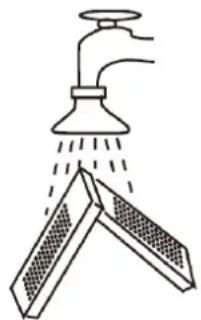
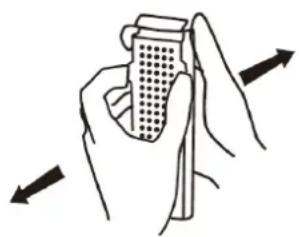

PLACEMENT OF THE APPLIANCE
LOCATION OF THE APPLIANCE
| 1. | Vasketidsknapp | 2. | Vaskemaskin vanninntak |
| 3. | Krok | 4. | Trommeltrekk til vaskemaskin |
| 5. | Kontrollknapp for vask/tømming | 6. | Timerknapp for sentrifugering |
| 7. | Skyll vanninntaket | 8. | Styrepanel |
| 9. | Avløpsslange | 10. | Sentrifugert trekk |
| 11. | Overløpsfilter | 12. | Filterpose |
| 13. | Overløpsvannuttak | 14. | Vannstrøm |
| 15. | Vann sirkulerer utløp | 16. | Pulsator |
| 17. | Hus | 18. | Sentrifugert innerdeksel |
| 19. | Sentrifugert kurv | 20. | Ytre etui |
| 21. | Ramme | 22. | Bakre omslag |
| 23. | Strømkabel | ||
DEVICE PLACEMENT

For the disposal of the device, please consider and act according to the national and local rules and regulations.
CONTACT
expondo Polska sp. z o.o. sp. k.




- MINI WASHING MACHINE
- GENERAL DESCRIPTION
- DO NOT USE THE DEVICE UNLESS YOU HAVE THOROUGHLY READ AND UNDERSTOOD THIS USER MANUAL
- LEGEND
- USAGE SAFETY
- ELECTRICAL SAFETY
- SAFETY IN THE WORKPLACE
- PERSONAL SAFETY
- SAFE DEVICE USE
- USE GUIDELINES
- DEVICE DESCRIPTION
- PREPARING FOR USE
- APPLIANCE LOCATION
- PREPARATION
- DEVICE USE
- WASHING
- CENTRIFUGAL DRYING
- DRAINING
- RINSING
- CAUTIONS
- CLEANING AND MAINTENANCE
- PLACEMENT OF THE APPLIANCE
- LOCATION OF THE APPLIANCE
- DEVICE PLACEMENT
- CONTACT
Brand : Ulsonix
Model : LCLEAN MINI M
Category : Washing machine