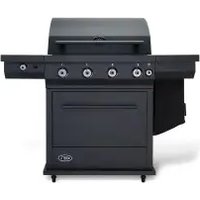
Maggiore Antraciet - Barbecue BORETTI - Free user manual and instructions
Find the device manual for free Maggiore Antraciet BORETTI in PDF.


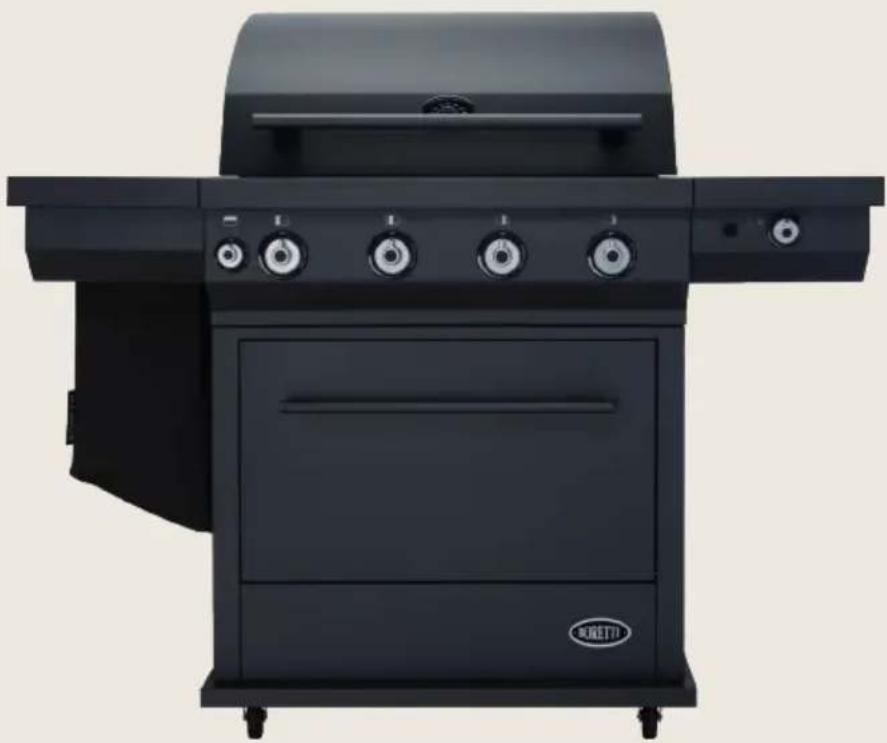
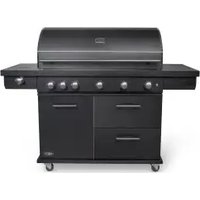
| Product type | Gas barbecue |
| Brand | Boretti |
| Model | Maggiore Anthracite |
| Color | Anthracite |
| Main material | Stainless steel and enamel |
| Power source | Butane or propane gas |
| Gas pressure (butane) | 28-30 mbar |
| Gas pressure (propane) | 37 mbar |
| Gas cylinder capacity | 5 to 6 kg |
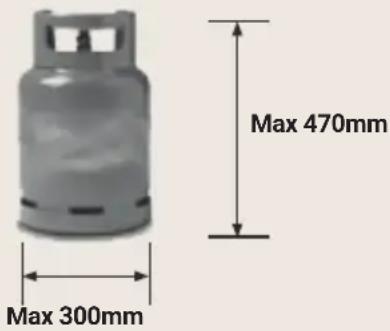
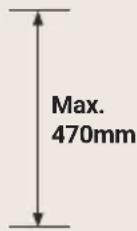
| Max. cylinder dimensions | 300 mm diameter, 470 mm height |
| Number of main burners | Not specified (multiple) |
| Side burner | Yes |
| Infrared burner | Yes |
| Ignition | Electronic (AA battery) and match |
| Cooking surface | Steel grills |
| Warming rack | Yes |
| Grease container | Yes, removable |
| Wheels | Yes |
| Use | Outdoor only |
| Usage | Domestic |
| Maintenance | Clean after each use, replace hose every 2 years |
| Safety | Leak detection, use away from flammable materials, do not move when hot |
| Ignition battery | AA (1.5V) |
| Compatible accessories | Pans from 130 to 220 mm |
Frequently Asked Questions - Maggiore Antraciet BORETTI
User questions about Maggiore Antraciet BORETTI
0 question about this device. Answer the ones you know or ask your own.
Ask a new question about this device
Download the instructions for your Barbecue in PDF format for free! Find your manual Maggiore Antraciet - BORETTI and take your electronic device back in hand. On this page are published all the documents necessary for the use of your device. Maggiore Antraciet by BORETTI.
USER MANUAL Maggiore Antraciet BORETTI
natural_image
Exterior view of a black Kretti grill with control knobs and a door panel (no visible text or symbols)MAGGIOREAN
EN | USER MANUAL
natural_image
Exterior view of a black Kretti grill with control knobs and a door panel (no visible text or symbols)MAGGIOREAN MAGGIOREAN
EN | USER MANUAL
www.boretti.com
Introduction
Congratulations on the purchase of your new barbecue. We are convinced that you, with your passion for barbecuing and the outdoor lifestyle, will transform an average summer evening into a beautiful buona sera and your garden into a giardino.
Squadra Boretti
Read this manual carefully and keep it safe!
This manual contains specific instructions for your safety, for the assembly, operation and the maintenance of your barbecue. Use the barbecue only as directed in this manual. Common sense and caution during use are an absolute must!
Contents
* 1. General safety guidelines....6
* 2. Parts list....9
* 3. Assembly drawings....11
* 4. Use of your barbecue ....18
* 5. Maintenance of your barbecue....23
* 6. Environmental guide, Conditions of warranty & Contact info....26
Important safety information
Use outdoors only!
Read the instructions before using the appliance!
WARNING: accessible parts may be very hot. Keep young children away!
Do not move the appliance during use!
Turn off the gas supply at the gas cylinder after use!
1. General safety guidelines
* Before use, first carefully read all the information contained in this manual.
* Never let children and pets come in the vicinity of this barbecue.
* This barbecue may never be used by children, people with mental impairments or people who are under the influence of mind expanding substances and/or medication.
* Always maintain as much distance as possible when lighting and operating this barbecue.
* Change the gas cylinder far away from any source of ignition.
* The gasbottle can be placed underneath the barbecue. This does not comply for a table model barbecue.
* Take care that the gashose does not fold during installation of the gasregulator.
* The supplied gasregulator should be used. If a new gasregulator is installed, take care that is complies with the EN 16129. The gaspressure must be the same as stated on the ratinglabel on the barbecue.
* Ensure that the gas valve on the gas bottle is within reach, so you can turn off the gas supply to the barbecue.
* Extinguish all flames and DO NOT SMOKE while opening the gas valve and lighting the barbecue.
* This barbecue will get extremely hot, extreme care and attention is required during its operation.
* If you smell gas, check if all fuel connections are tightened securely before use. If the gas smell persists, turn of the gas valve and contact your sales outlet directly.
* Keep flammable and/or inflammable substances, gasses, liquids and materials away from the barbecue at all times and never let them come into direct contact with the barbecue.
* Omitting and/or incorrectly following the instructions, precautions, safety guidelines, warnings and dangers that are contained in this manual can lead to fire or explosions, to material damage and may also cause physical injury or death.
* Exclusively for household use and exclusively intended for the preparation of food.
* Your barbecue can be used with gas cylinders between 5 kg and 6 kg. The maximum size of the gas cylinder should be: Dia. 300mm, Height: 470 mm. Follow the technical information as stated in the instruction manual and Check with your local gas supplier to have a suitable gas cylinder for your barbecue.
* Avoid twisting the flexible tube when the appliance is in use. The length of flexible hose shall not exceed 1.5m. In Finland, the length shall not exceed 1.2m. The hose should certified according to applicable EN Standard and comply with local code.
1.1 Assembly
* Assemble the barbecue according to the assembly drawing as contained in this manual.
* Incorrect assembly or not following the correct order of assembly, as demonstrated in the drawing, can lead to very serious situations.
* Always take care and be precise during assembly.
* All parts must be assembled as shown in the assembly drawing. If a part is missing and/or you doubt the correctness of the assembly, immediately contact your sales outlet.
* Never repair or replace parts of this equipment yourself unless this is expressly mentioned in this manual.
* Never connect a damaged gas hose to the equipment. This can lead to fire.
* In the event that the equipment is fitted with a plug, this will be an earthed main plug to protect you from electric shocks. The plug must be connected to a suitable, earthed, socket. NEVER remove the metal plates from the plug.
* DO NOT modify the appliance.
1.2 Place of use
* Only use the barbecue out of doors (outside) and in a well-ventilated space. Never use the barbecue inside or in any (partly) enclosed space. Toxic fumes may build up and these can cause serious physical injury or death.
* Never use the barbecue on a flammable or inflammable surface.
* Only use the barbecue on a hard, straight and stable surface that can take the weight.
* Keep a distance of at least 3 metres between the barbecue and all flammable and/or inflammable materials (wood, plastic, foliage etc.), when the barbecue is in use.
* Always keep the barbecue away from petrol and/or other flammable or inflammable liquids, flammable gases, flammable fumes or areas where you suspect these may be present.
* Never use the barbecue under strong wind conditions.
* Ensure that the main burner(s) and the infra-red burner at the back are NEVER switched on at the same time. This can lead to the lid of the barbecue warping or buckling.
* The barbecue becomes extremely hot, never move it during or shortly after use.
* Most of the Boretti barbecues have wheels which makes them easy to move. Take care when moving the barbecue across uneven terrain; otherwise the wheels may get damaged.
* Do not use the roasting spit in the event of rain.
* The size of cooking pans can be used in our barbecue between 130mm and 220mm.
2. Parts list
| BarbecueLeft side table Right side burner | ||
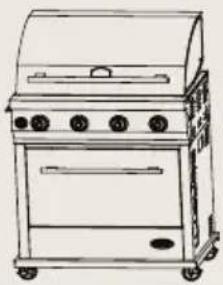 | 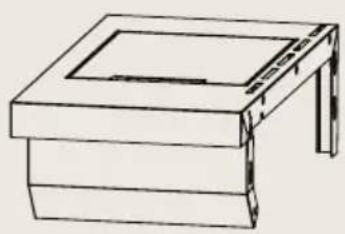 | 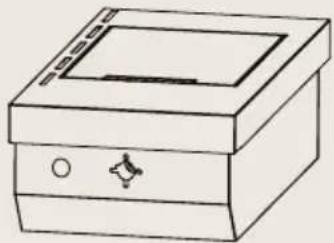 |
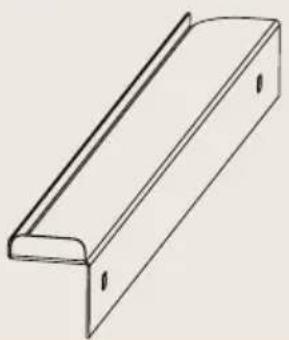
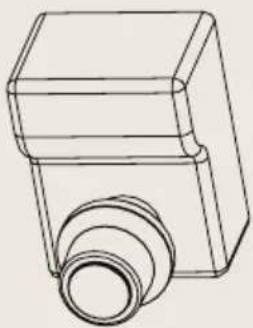
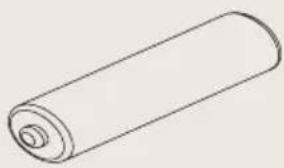
| Garbage bag guide rails Electronic igniter Battery | ||
 |  |  |
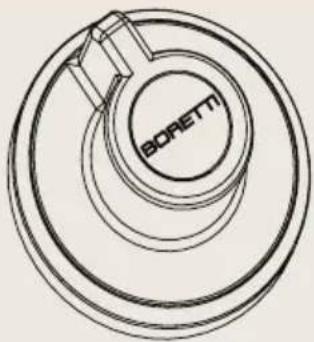
| Control ring Control button Flame tamer I | ||
 |  | 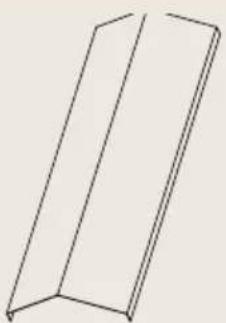 |
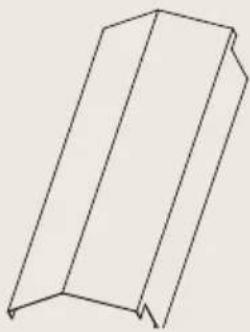
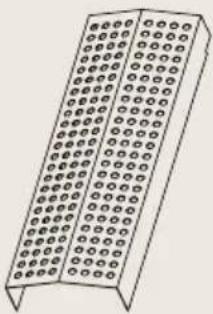
| Flame tamer II Flame tamer III Warming rack | ||
 |  |  |
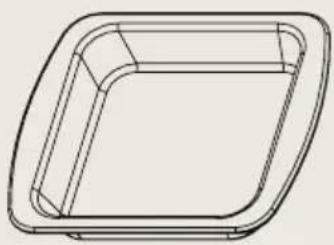
Grease tray Garbage bag frame
natural_image
Line drawing of a square container with rounded edges (no text or symbols)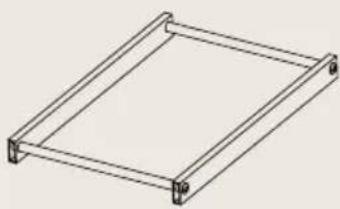
natural_image
Isometric line drawing of a rectangular frame with rounded corners and mounting holes (no text or symbols)3. Assembly drawings
Step 1
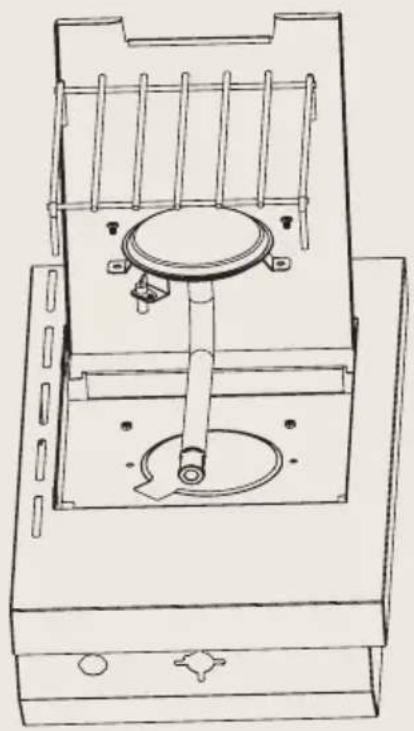
Remove the pan stand and loosen the M4 nut and screw to unfasten the side burner.
natural_image
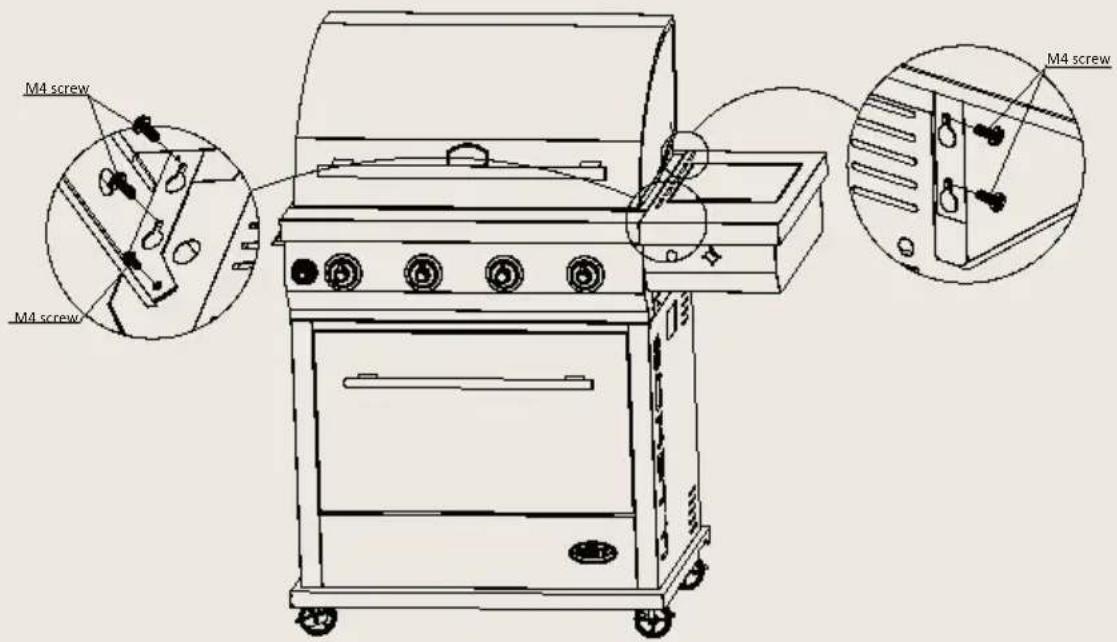
Technical line drawing of a mechanical device with internal components and mounting holes (no text or symbols)Step 2 - a) Loosen the 4x M6 and 1x M4 screws on the right side of the barbecue by about 6 mm.
b) Slide the cut-outs of the side burner over the screws that you have loosened.
c) Tighten the screws again in order to secure the side burner.
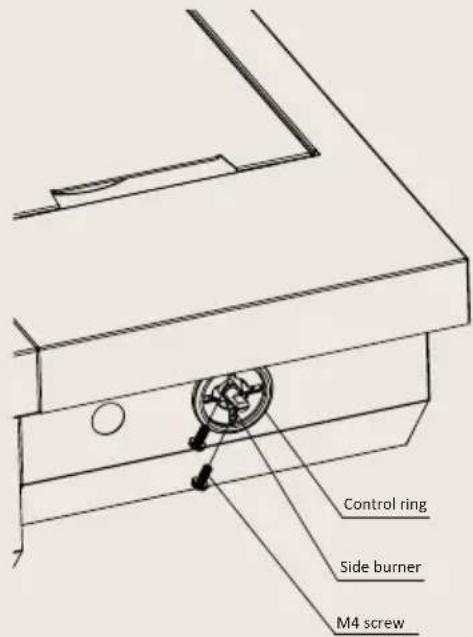
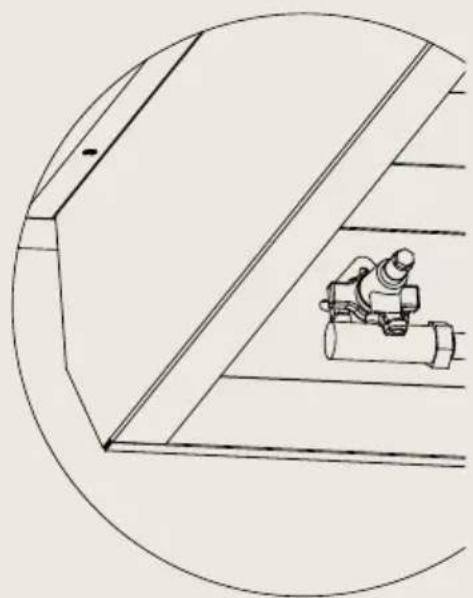
Step 3 - a) Place the control ring provided onto the side burner and tighten with the M4 screw supplied.
b) Place the second M4 screw and tighten it, ensuring that the 'H' is pointing to the ignition opening (left hand side).
natural_image
Technical line drawing of a mechanical assembly inside a circular frame (no text or symbols)Step 4 - a) Install the side burner with the 2x M4 screw. Return the pan stand into position.
b) Install the control button and ensure that the flat side of the button corresponds with the flat side of the gas valve.
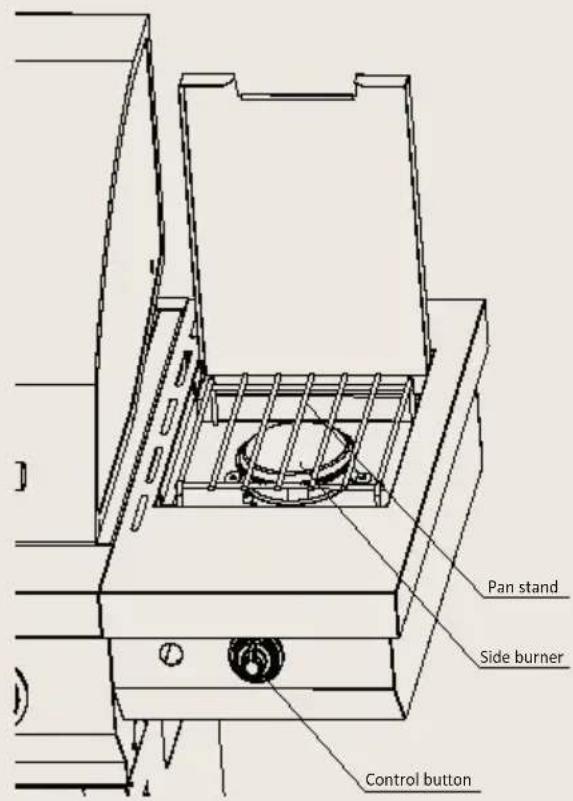
Step 5 - a) Slide the screw thread part of the igniter through the opening at the front of the side burner and install the lock nut.
b) Place the battery in the holder with the + side facing forwards.
c) Screw the top on the igniter.
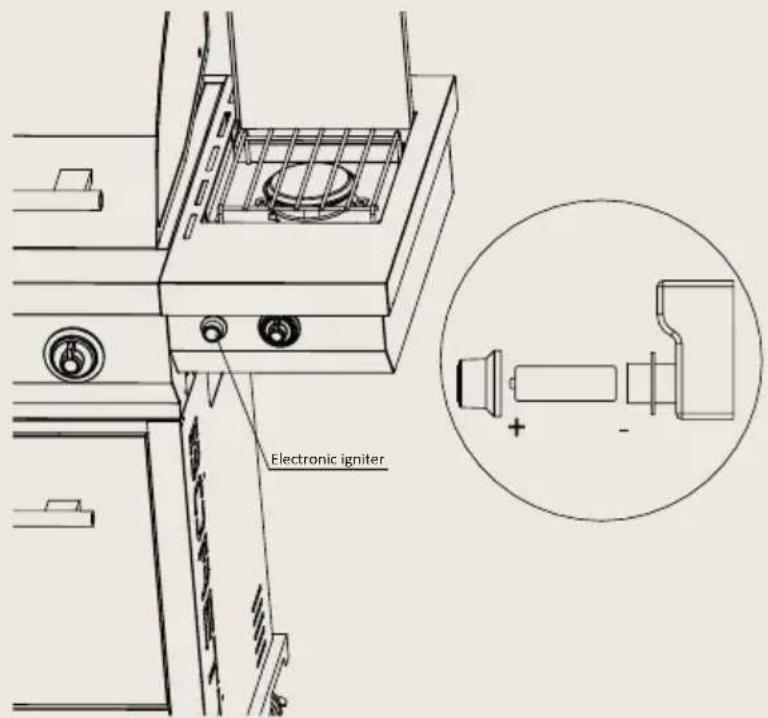
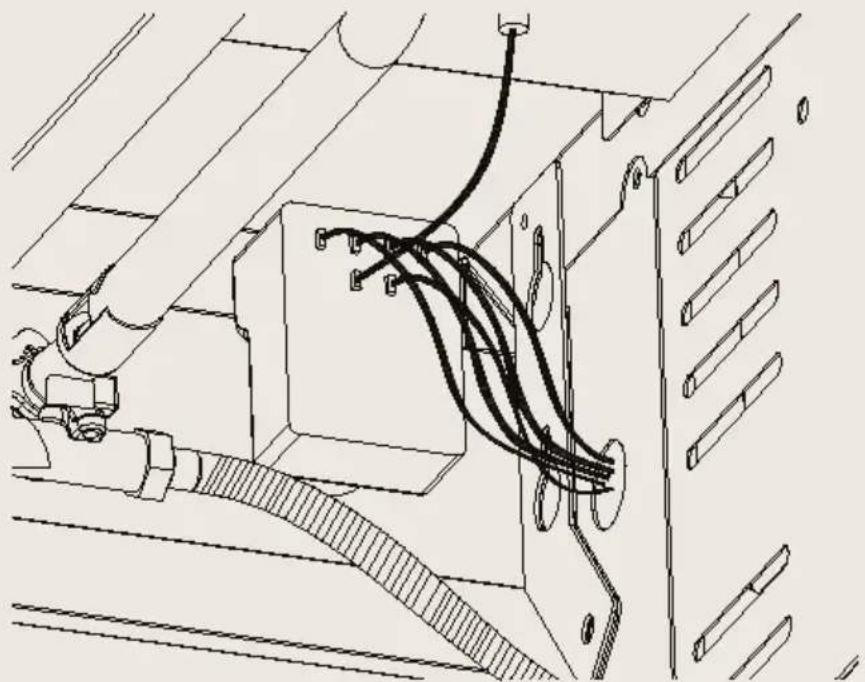
Step 6 - a) Connect the end of the side burner ignition cable with the electronic igniter.
b) Connect the five wires that protrude from the side of the BBQ with the electronic igniter.
natural_image
Technical line drawing of an electrical cabinet with coiled wires and wiring (no text or symbols)Step 7
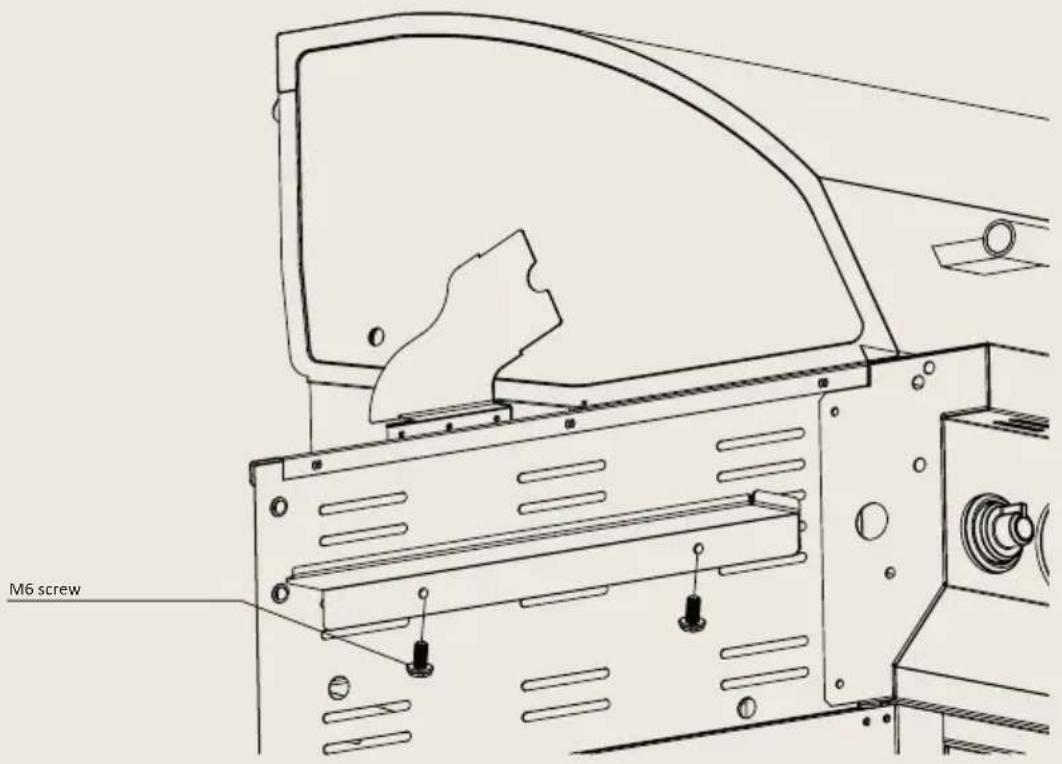
Fix the refuse bag guide rail to the left of the BBQ and fasten it with 2x M6x10 screws.
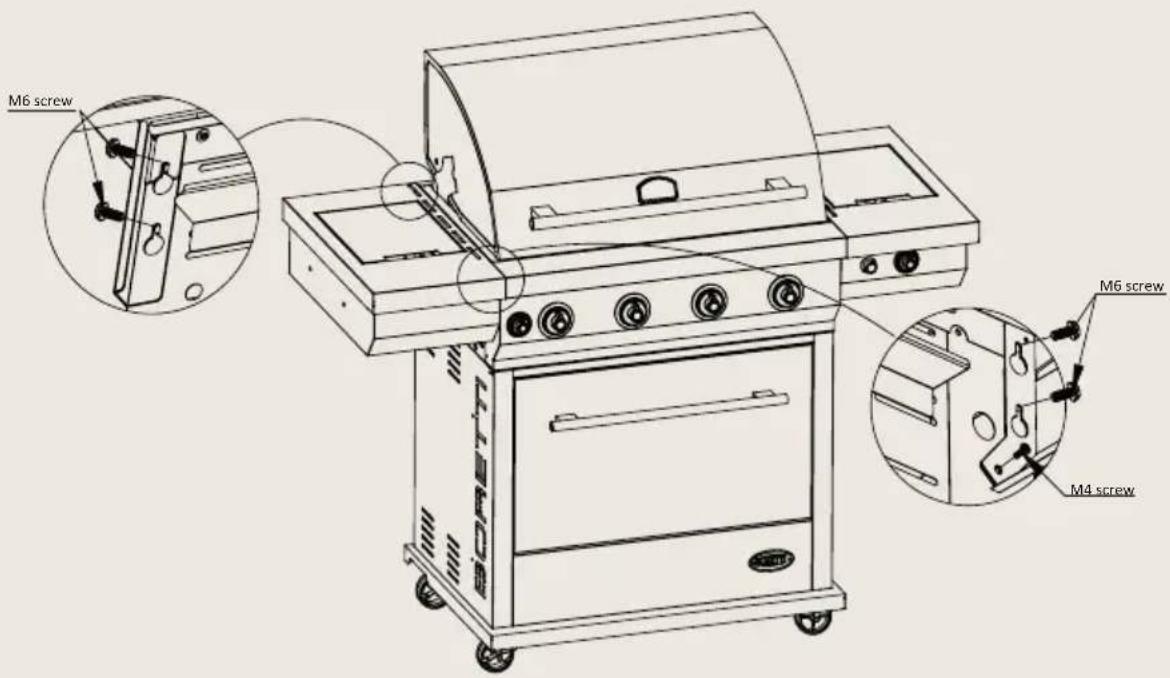
Step 8 - a) Loosen the 4 × M6 screws on the left of the barbecue by about 6 ~mm . Loosen the 1 × M4 screw completely.
b) Slide the side table over the 4 loosened M6 screws.
c) Tighten all five screws again to securely fasten the side table.
Step 9
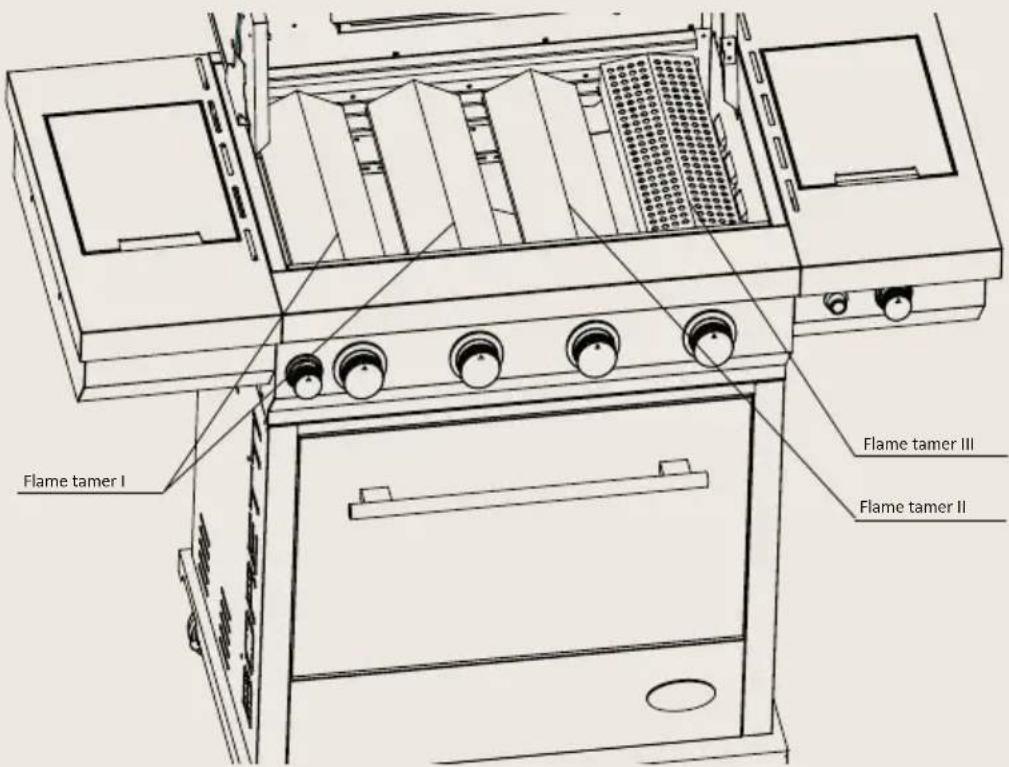
Place the flame tamers in the recesses with the triangular side facing upwards. Ensure that the flame tamer with the long side is placed next to the infrared burner.
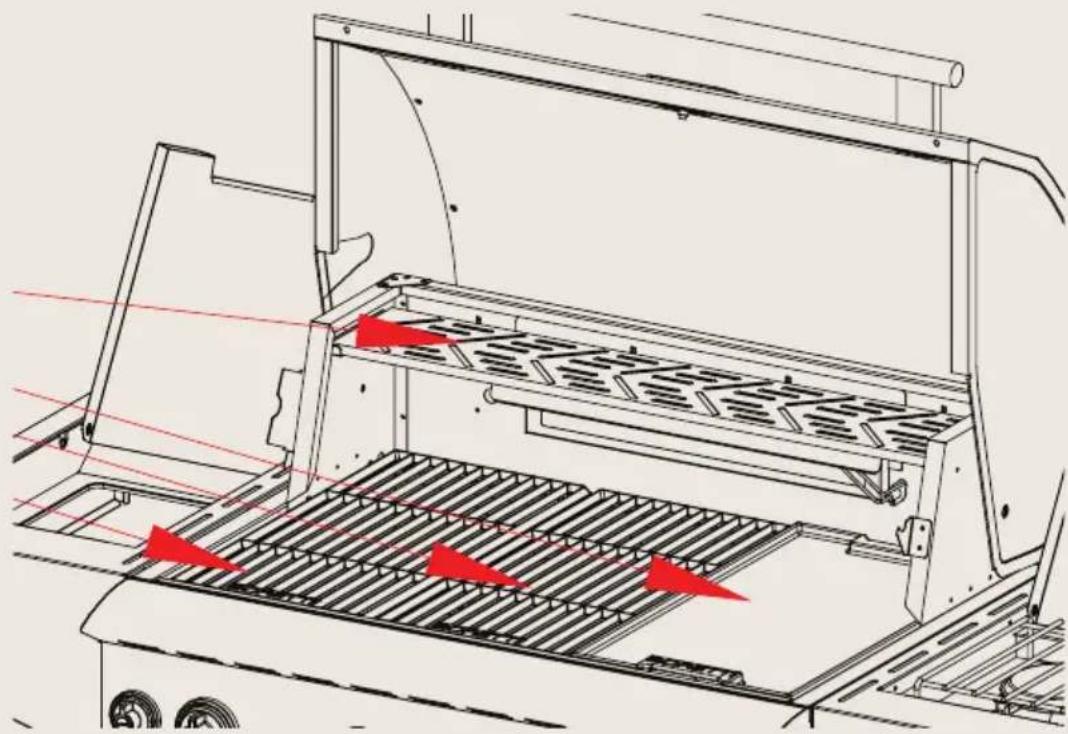
Step 10 - a) Put the racks on the ledges in the barbecue. b) Position the warming rack.
natural_image
Technical line drawing of a vehicle chassis with ventilation grilles and red directional arrows indicating airflow or flow (no text or symbols)Step 11
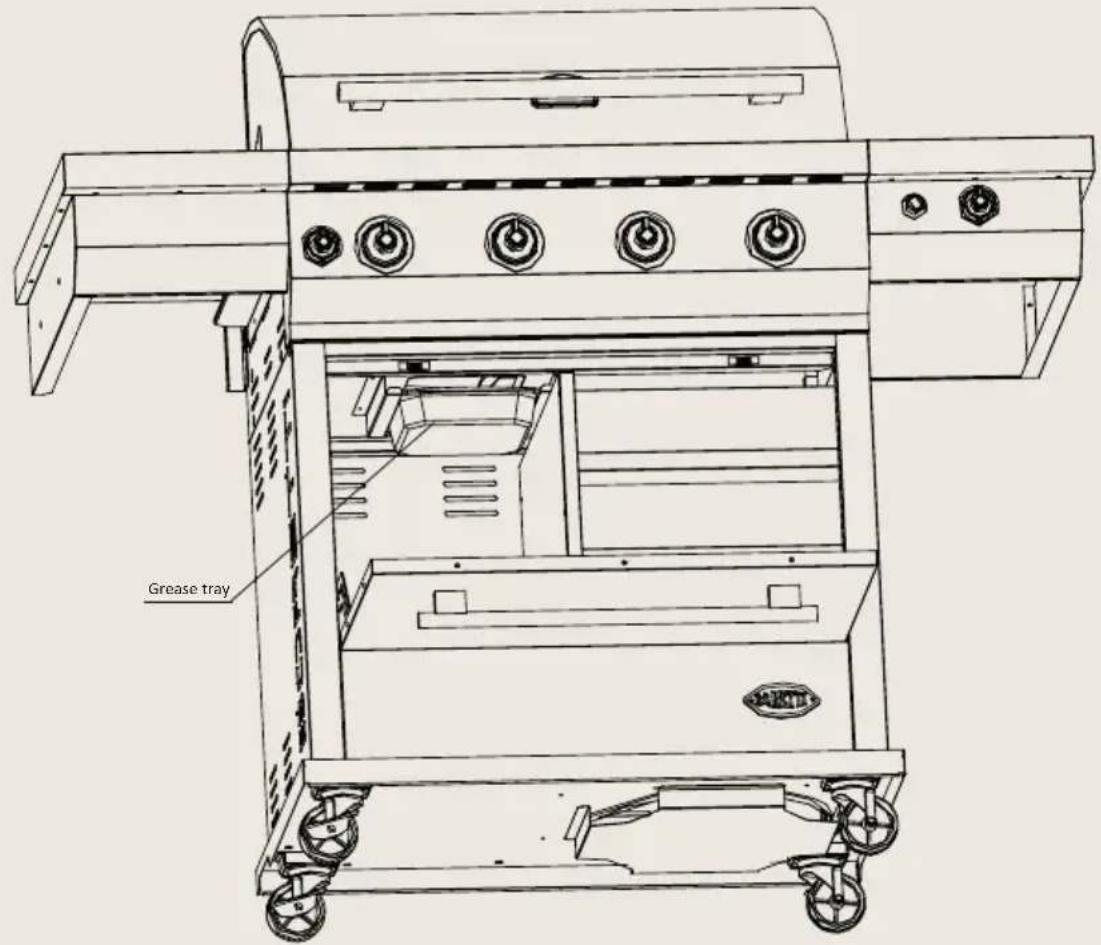
Slide the grease tray in the guide rails under the burners.
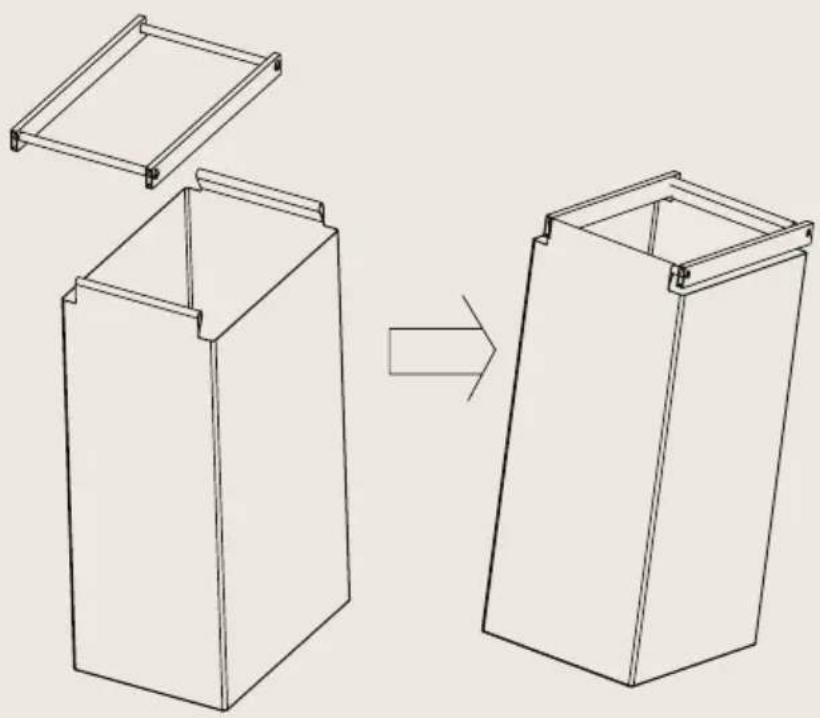
Step 12
Hang the refuse bag on its frame.
natural_image
Diagram showing a 3D box being cut into a larger rectangular frame, with an arrow indicating the process (no text or symbols present)Step 13
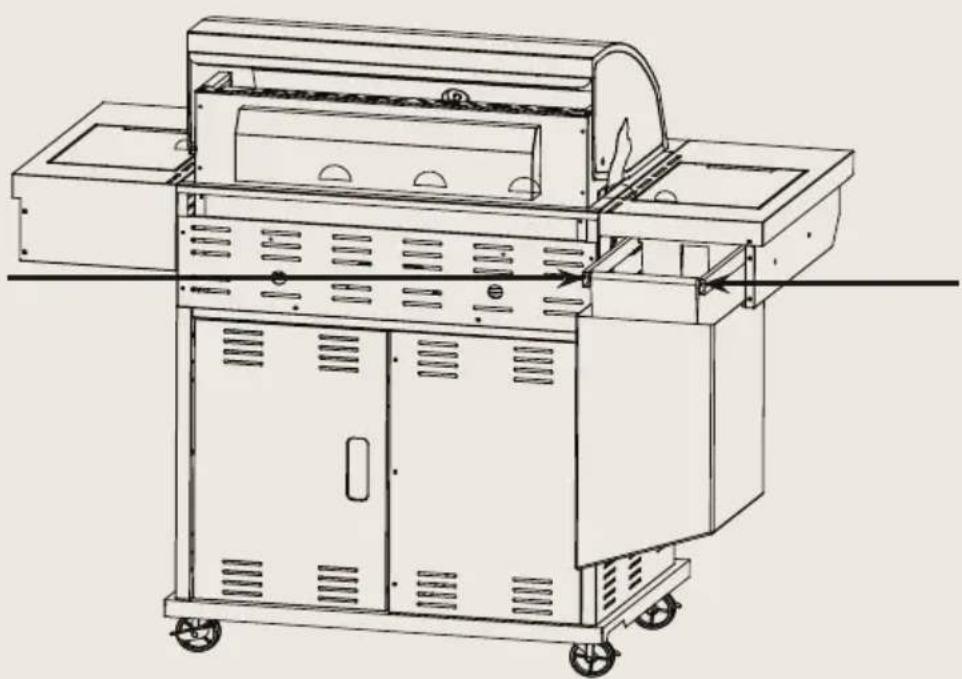
Slide the frame with the refuse bag in the guide rails.
natural_image
Technical line drawing of a portable electric stove with wheels and control panel (no text or symbols)4. Use of your barbecue
4.1 General information
Even though all gas connections on the barbecue are tested for leakages before transport, a complete test must be carried out at the assembly site. During transport or assembly, parts of the barbecue may have been moved. It is also possible that the gas pressure on the equipment is too high. Regularly inspect the entire system for leaks and check the system immediately in the event that you smell gas.
Gasbottle 5-6 kg
4.2 Gas leak test
Always carry out a gas leak test before use of the barbecue and when the barbecue has not been used for some time.
* Extinguish any open fires (DO NOT SMOKE when testing for leaks).
* Never carry out this gas leak test near open flames.
* Make a soapy solution made up from equal parts of water and liquid soap or gentle washingup liquid
* Follow the steps below:
- Turn the control knobs of the burners to off.
- Remove the battery from the electronic ignition.
- Open the gas bottle.
- Apply the soapy solution to all connections of the gas supply. If no soap bubbles are formed, there is no gas leak. If soap bubbles start to form on a connection, this indicates a leak. In the event that you detect a leak, turn the gas supply off immediately, tighten the leaking connections firmly, open the gas bottle again and repeat steps 1 through to 4.
- Turn the gas supply off.
- Turn the control knobs of the burners on for 10 seconds to let the pressure escape from the hose and then turn the control knobs to off again.
- Remove the soapy solution from the connections of the equipment with cold water and rub dry with a cloth. Check all gas supply connections before every use and do the same when the gas bottle is being connected to the gas pressure regulator.
It is recommended that you check the gas hose for leaks every year, even if the gas bottle has never been disconnected from the equipment.
Note:
Ensure that you test all loose connections (including the side burner) and, if required, tighten them again when you are testing the equipment for leaks. Even a small leak in the system can result in a dangerous situation.
Note:
These days, most gas bottles are fitted with a mechanism that detects leaks inside the container. When the gas is being released too quickly, this mechanism cuts off the gas supply. A leak can severely restrict the gas supply which will make it difficult to light the barbecue.
Note:
If you are unable to close off a gas leak, then turn off the gas supply and contact your sales outlet. Even a small leak can cause a fire.
Note:
If, after several attempts, you are unable to light the barbecue, then contact your sales outlet.
Note:
Ensure that the control knobs are in the "OFF" position when you are not using the equipment.
4.3 Lighting the barbecue
* Check the general conditions of the burners (see 0). If you are in doubt about the condition of the burners, then contact your sales outlet.
* Ensure that the barbecue is placed on a level surface.
* This appliance must be kept away from flammable materials during use.
Keep the cooking area clean and free from petrol and/or other flammable and/or inflammable substances, flammable gasses or flammable fumes.
* Ensure that nothing is blocking the burners and ventilation.
* Do not use aluminium foil in the enamel burner tray or around the flame distributors.
* Ensure there is sufficient ventilation for the gas bottle.
Warning:
* Do not light the barbecue if you can smell gas!
* Check the gas hose for cracks or wear and tear (see: GAS LEAK TEST).
* Keep your face and body as far away from the barbecue as possible when lighting it.
4.4 Lighting the burners with an electronic igniter
* Ensure that all knobs are in the "OFF" position.
* Always open the lid before you light the barbecue.
* Open the gas supply.
Note:
When opening the gas bottle, turn the valve SLOWLY two (2) whole turns to get the right gas supply.
* Press and turn one of the control knobs to the "HIGH" setting. You will hear a crackling noise. It may be necessary to keep the igniter depressed for about 10 seconds.
Note:
if the burner does not light after 10 seconds, turn the knob back to the "OFF" position and wait 1 minute before you try again.
* Repeat the above steps also for the other burners.
Note:
On some models, as well as the control knob, a separate ignition knob also needs to be pressed.
4.5 Lighting the burners with a match extender (if provided)
If the electronic igniter does not manage to light the burners, it is also possible to light the burners with the aid of a match.
* Put the match in the extension piece, if the barbecue is supplied with a match extender.
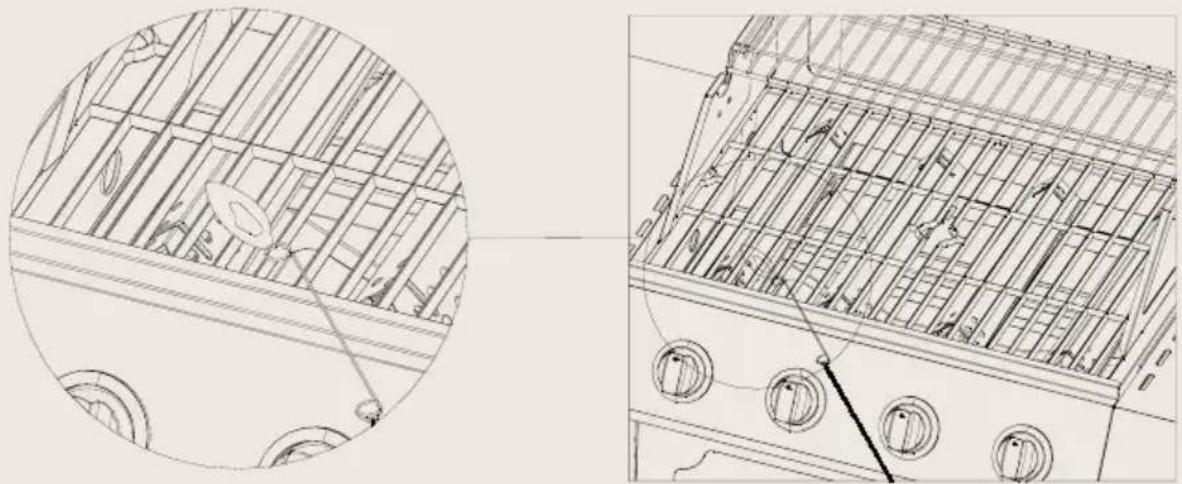
* Keep your face as far away as possible from the barbecue and point the extended match through the openings in the grille toward the burner.
* Place the match close to the burner openings and turn the control knob to the "HIGH" position.
Note:
If, after several attempts, you are still not able to light the barbecue, please contact your sales outlet.
natural_image
Technical line drawing of a vehicle interior with structural grid and mounting fixtures (no text or symbols)4.6 Lighting the side burner with the electronic igniter
* Press and turn the control knob to the "HIGH" position. You will hear a crackling noise.
* It may be necessary to keep the igniter depressed for about 10 seconds.
* If the burner does not light after 10 seconds, turn the know back to the "OFF" position and wait 1 minute before trying again.
4.7 Lighting the side burner with matches
If the electronic igniter does not manage to light the burner, it is also possible to light the burner with the aid of a match.
* Put the match in the extension piece, if the barbecue is supplied with a match extender.
* Keep your face as far away as possible from the barbecue and point the (extended) match at the burner openings.
* Press and turn the control knob to the "HIGH" position.
Note:
If, after several attempts, you are still not able to light the barbecue, please contact your sales outlet.
4.8 Storage
* After using your barbecue, close the gas supply and let the equipment cool down.
* Remove the gas bottle.
* Store the barbecue in a well-ventilated space and keep children away from the equipment.
* Do not place any easily flammable materials under the barbecue.
* If you are storing the barbecue outside, then use a cover to protect your barbecue from the elements. In the event of outside storage, remove the cover regularly to prevent excessive condensation from forming (which may lead to oxidation) on the metal components.
* Let the barbecue cool down before placing the cover over it or trying to move the equipment.
4.9 Use
* The barbecue becomes extremely hot, use heat resistant gloves when using the barbecue. Do not touch the barbecue without the correct protection.
* Use suitable barbecue utensils to prepare food on the barbecue.
5. Maintenance of your barbecue
Important:
NEVER leave the barbecue outside without covering it. Rainwater could collect in the barbecue, the frame or the grease receptacle. If the grease receptacle has not been cleaned after use and the barbecue is uncovered, the tray can fill with water, which will cause water and grease to pour into the frame. We recommend that you clean the grease receptacle after every use.
Important:
Parts sealed by the manufacturer or his agent shall not be manipulated by the user; No modifications should be made to any part of this barbecue.
5.1 Cleaning
Do not use any abrasive cleaning fluids on the barbecue. These can cause scratches or damage to the surface of the equipment.
* Warm the barbecue up by lighting the main burners on their highest setting and shutting the lid. Do not turn on the infra-red burner(s)!
* Let the barbecue warm up for about 10 minutes to 250 degrees (Celsius).
* Turn the burners off and let the machine cool down before you start cleaning.
* Clean the racks and baking trays with a suitable cleaning brush (Available from the Boretti Web shop).
* Remove the baking racks and the baking tray.
* Brush charred (food) remains towards the grease receptacle.
* Remove the grease receptacle and clean this with warm water and detergent.
* Use warm water and detergent to clean the outside of the barbecue.
* Dry the barbecue with a soft, clean cloth.
5.2 Grease receptacle
The grease receptacle must be cleaned regularly to avoid a build-up of dirt and remnants.
Note:
Ensure that the grease receptacle has cooled down before you clean it.
5.3 Grill racks
The grill racks can be cleaned immediately after cooking, once the barbecue has been switched off, with the use of an appropriate cleaning brush. Cleaning the grill racks by using water and a degreaser heightens the chance of oxidation/rust. You can counteract this by coating the grill racks with some olive oil after cleaning.
5.4 Stainless-steel
After the first time of use, parts of the barbecue may become discoloured by the intense heat that comes from the burners. This is normal.
Purchase a cleaning product for stainless steel and use this when brushing the metal down. It may be possible for grease spots to fall on the stainless-steel parts and get burnt on, which may cause some parts to look worn. Use a cleaning product that is not abrasive together with a cleaning product for stainless steel, to remove the grease.
5.5 Changing the battery on the ignition (if present)
Turn the knob on the ignition loose and remove the AA battery. Put a new AA battery in place.
5.6 Enamel parts
Some of the parts on the barbecue have an enamel coating. Enamel is a glass-based product and is very durable and resistant to wear. However, it is not resistant to shocks and knocks, which may cause hairline cracks. The hairline cracks can lead to small pieces of enamel breaking off, which leads to rust forming. The performance of your barbecue will not be affected by the broken off pieces or hairline cracks. No claims can be made regarding damages to the enamel in the cooking area after use.
5.7 Ventilation
The burners can only function properly if the heat they produce can escape as well. If this is not possible, then the burners may not get enough oxygen, which may cause backfiring, especially if the burners are set to "HIGH". If this happens regularly, it may cause the burners to develop cracks. For this reason, there are ventilation openings around the barbecue. These allow the hot air to escape.
Always ensure that there is sufficient space around the cooking area (the racks will allow sufficient space). Never cover the ventilation openings with aluminium foil or other materials that can impede the airflow. NEVER allow the cooking surface to be completely covered, for instance by a large pan or by completely filling it with grill trays.
5.8 Replacing the gas hose
The gas hose should be replaced every two years. Rubber gas hoses can dry out which may result in gas leaks.
5.9 Burners
It is normal for rust (oxidation) to form around the burners. Food remnants must be removed regularly. This can be done by means of a barbecue cleaning brush. Burners must periodically be removed for inspection and cleaning, in particular after a period of non-use/storage. The burners must be checked for their general condition and to ensure that the openings are not blocked. The burners can be cleaned with the use of a brush. When removing the burners, make sure that you do not damage the gas valve and the ignition electrode.
An opening has been placed intentionally in the first part of the burner to ensure that enough oxygen can be supplied to form a flammable mixture. This means you will see a small opening, just where the gas valve connects to the burner. No gas will leak from this.
5.10 Spiders and insects
Spiders and insects can make their nest inside the burners of the barbecue, which may cause gas to flow from the front of the burner. This is a dangerous situation that can cause a fire behind the operation panel. This will damage the barbecue, which will then no longer be safe to use. Therefore, we recommend that you check the barbecue at least once a year for spiders, insects and nests (particularly after long storage periods). You can do this by dismantling the burner tubes and blowing through them or brushing them clean.
6. Environmental guide, Conditions of warranty & Contact info
If, for whatever reason, you want to dispose of your gas barbecue, please take the following guidelines into account:
* Deliver the barbecue to the authorised local company for the collection of surplus household equipment. Contact your local council to find out where these collection points are located.
* This barbecue features the mark that complies with the European guidelines 2002/96EG relating to disposal of equipment. This guideline decides the standard for the collection and recycling of disposed equipment which apply to the whole European Union territory.
For barbecue accessories, warranty, service conditions and other questions we refer you to
www.boretti.com
You can also send questions and suggestions to
info@boretti.com
Boretti BV
Abberdaan 114
1046 AA Amsterdam
| Country | Category | Gas type | Pressure (mbar) | WARNING |
| BE | I3+ | But | 28-30 | |
| I3+ | Propaan | 37 | Il faudra utiliser un détendeur approprié. | |
| BG | I3B/P(30) бутан | 29 | ||
| I3B/P(30) пропан | 29 | |||
| CY | I3+ | βοιτάνιο | 28-30 | |
| I3+ | προπάνιο | 37 | Απαιτείται άλλος ρυθμιστής πίεσης αερίου. | |
| I3B/P(30) βοιτάνιο | 29 | |||
| I3B/P(30) προπάνιο | 29 | |||
| CZ | I3+ | Butan | 28-30 | |
| I3+ | Propan | 37 | Vyžaduje se jiný regulátor tlaku plynu. | |
| I3B/P(30) | Butan | 29 | ||
| I3B/P(30) | Propan | 29 | ||
| DK | I3B/P(30) | Butan | 29 | |
| I3B/P(30) Propan | 29 | |||
| EE | I3B/P(30) Butaani | 29 | ||
| I3B/P(30) Propaani | 29 | |||
| ES | I3+ | Butano | 28-30 | |
| I3+ | Propano | 37 | Se necesita otro regulador de presión de gas. | |
| FI | I3B/P(30) Butaani | 29 | ||
| I3B/P(30) Propaani | 29 | |||
| FR | I3+ | Butane | 28-30 | |
| I3+ | Propane | 37 | Il faudra utiliser un détendeur approprié. | |
| GB | I3+ | Butane | 28-30 | |
| I3+ | Propane | 37 | Other gas pressure regulator required. | |
| GR | I3+ | βοιτάνιο | 28-30 | |
| I3+ | προπάνιο | 37 | Απαιτείται άλλος ρυθμιστής πίεσης αερίου. | |
| HR | I3B/P(30) Butan | 29 | ||
| I3B/P(30) Propan | 29 | |||
| HU | I3B/P(30) | Butángáz | 29 | |
| I3B/P(30) Propán | 29 | |||
| IE | I3+ | Butane | 28-30 | |
| I3+ | Propane | 37 | Other gas pressure regulator required. | |
| IS | I3B/P(30) Bútán | 29 | ||
| I3B/P(30) Própan | 29 | |||
| IT | I3+ | Butano | 28-30 | |
| I3+ | Propano | 37 | È necessario un altro regolatore della pressione del gas. | |
| I3B/P(30) Butano | 29 | |||
| I3B/P(30) Propano | 29 | |||
| LT | I3+ | Butanas | 28-30 | |
| I3+ | Propano | 37 | Bütinas kitas duju slégio reguliatorius. | |
| I3B/P(30) Butanas | 29 | |||
| I3B/P(30) Propano | 29 | |||
| LV | I3+ | Butâns | 28-30 | |
| I3+ | Propâns | 37 | ||
| I3B/P(30) | Butâns | 29 | ||
| I3B/P(30) | Propâns | 29 | ||
| MT | I3B/P(30) | Butan | 29 | |
| I3B/P(30) Propan | 29 | |||
| NL | I3B/P(30) Butaan | 29 | ||
| I3B/P(30) Propaan | 29 | |||
| NO | I3B/P(30) Butan | 29 | ||
| I3B/P(30) Propan | 29 | |||
| PT | I3+ | Butano | 28-30 | |
| I3+ | Propano | 37 | Outro regulador de pressão de gás necessário. | |
| RO | I3B/P(30) Butan | 29 | ||
| I3B/P(30) Propan | 29 | |||
| SE | I3B/P(30) Butan | 29 | ||
| I3B/P(30) Propan | 29 | |||
| SI | I3+ | Butan | 28-30 | |
| I3+ | Propan | 37 | Zahtevan je drug regulator za tlak plina. | |
| I3B/P(30) Butan | 29 | |||
| I3B/P(30) Propan | 29 | |||
| TR | I3B/P(30) Bútán | 29 | ||
| I3B/P(30) Propan | 29 |

Passione in Cucina


natural_image
Exterior view of a black Roetta gas stove with control knobs and a door panel (no visible text or symbols)MAGGIOREAN MAGGIOREAN
natural_image
Line drawing of a square container with rounded edges (no text or symbols)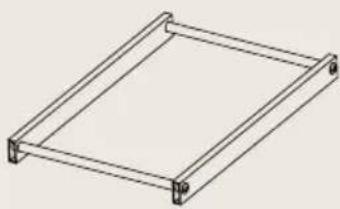
natural_image
Isometric line drawing of a rectangular frame with four corner supports (no text or symbols)3. Montagetekeningen
Stap 1
natural_image
Technical line drawing of a mechanical device with internal components and mounting base (no text or symbols)natural_image
Technical line drawing of a mechanical assembly with a worker in a gear (no text or symbols)natural_image
Technical line drawing of an electrical cabinet with coiled wires and tubing (no text or symbols)Stap 7
natural_image
Technical line drawing of a vehicle chassis with red directional arrows indicating airflow or movement (no text or symbols present)Stap 11
natural_image
Diagram showing a 3D box being cut into a larger rectangular frame, with an arrow indicating the process (no text or symbols present)Stap 13
natural_image
Technical line drawing of a portable electric stove with wheels and control panel (no text or symbols)natural_image
Simple illustration of a gas cylinder with a labeled maximum dimension (300mm), no other text or symbols present.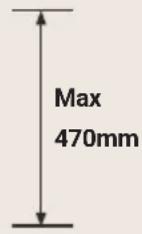
4.2 Gaslektest
natural_image
Technical line drawing of a vehicle interior with structural grid and air ducts, shown in two views (no text or symbols)natural_image
Exterior view of a black Roetta gas stove with control knobs and a door panel (no visible text or symbols)MAGGIOREAN MAGGIOREAN
FR | NOTICE D'EMPLOI
www.boretti.com
Avant-propos
natural_image
Simple line drawing of a folded paper or panel structure (no text or symbols)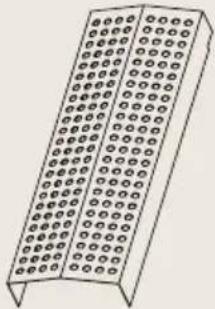
natural_image
Pure diagram of a 3D rectangular prism with evenly spaced circular holes, no text or symbols present.
natural_image
Line drawing of a rectangular tray or container with rounded corners and a flat top (no text or symbols)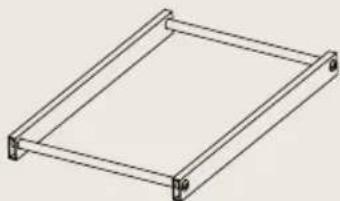
natural_image
Isometric line drawing of a rectangular frame with four corner supports (no text or symbols)natural_image
Technical line drawing of a mechanical device with internal components and mounting holes (no text or symbols)natural_image
Line drawing of a person working on a bench inside a circular frame (no text or symbols)natural_image
Technical line drawing of an electrical cabinet with coiled wires and wiring (no text or symbols)Étape 7
natural_image
Technical line drawing of a vehicle chassis with ventilation grilles and red directional arrows indicating airflow or movement (no text or symbols)Étape 11
natural_image
Diagram showing a 3D box being cut into a larger rectangular frame, with an arrow indicating the process (no text or symbols present)Étape 13
natural_image
Technical line drawing of a portable electric stove with wheels and doors (no text or symbols)natural_image
Simple illustration of a gas cylinder with a side gap, no text or symbols presentMax. 300mm
natural_image
Technical line drawing of a vehicle interior with structural grid and circular components (no text or symbols)natural_image
Exterior view of a black Kretti grill with control knobs and a door panel (no visible text or symbols)MAGGIOREAN MAGGIOREAN
DE | BENUTZERHANDBUCH
www.boretti.com
Einführung
natural_image
Line drawing of a square container with rounded edges (no text or symbols)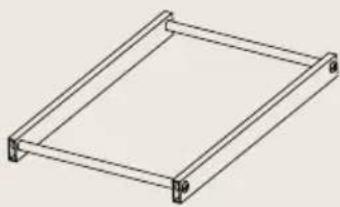
natural_image
Isometric line drawing of a rectangular frame with four corner supports (no text or symbols)natural_image
Technical line drawing of a mechanical device with internal components and mounting base (no text or symbols)natural_image
Line drawing of a mechanical device inside a circular frame, no text or symbols presentnatural_image
Technical line drawing of an electrical enclosure with coiled wires and wiring (no text or symbols)Schritt 7
natural_image
Technical line drawing of a vehicle chassis with red directional arrows indicating airflow or movement (no text or symbols)Schritt 11
natural_image
Line drawing of a rectangular frame structure transforming into a folded version (no text or symbols)Schritt 13
natural_image
Technical line drawing of a portable electric stove with wheels and doors (no text or symbols)natural_image
Simple illustration of a gas cylinder with a labeled maximum height of 300mm (no text or symbols on the object itself)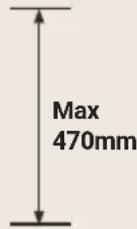
4.2 Gaslecktest
natural_image
Circular architectural sketch of a building facade with structural beams and circular elements (no text or symbols)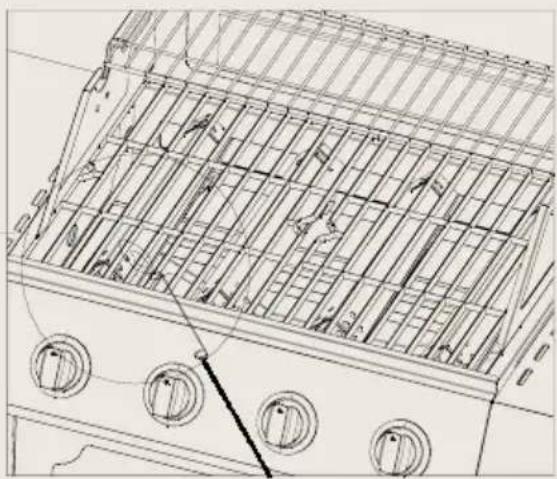
natural_image
Technical line drawing of a vehicle interior with grid lines and circular components (no text or symbols)natural_image
Exterior view of a black Kretti grill with control knobs and a door panel (no visible text or symbols)MAGGIOREAN MAGGIOREAN
DK | BRUGANVISNING
www.boretti.com
Forord
natural_image
Line drawing of a square container with rounded edges (no text or symbols)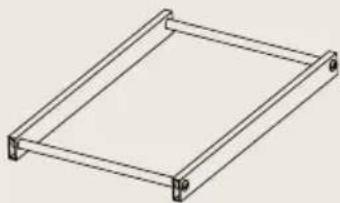
natural_image
Simple line drawing of a rectangular frame with four corner supports (no text or symbols)3. Montagetegning
Trin 1
natural_image
Technical line drawing of a mechanical device with internal components and mounting holes (no text or symbols)natural_image
Technical line drawing of a mechanical assembly with a worker in a gear (no text or symbols)natural_image
Technical line drawing of an electrical cabinet with coiled wires and tubing (no text or symbols)Trin 7
natural_image
Technical line drawing of a vehicle chassis with red arrows indicating airflow or ventilation zones (no text or symbols present)Trin 11
natural_image
Diagram showing a 3D box being cut into a larger rectangular frame, with an arrow indicating the process (no text or symbols present)Trin 13
natural_image
Technical line drawing of a portable electric stove with wheels and control panel (no text or symbols)4. Anvendelse af din grill
4.1 Generel information
4.2 Gaslækagagetest
natural_image
Technical line drawing of a vehicle cabin interior with structural grid and control panels (no text or symbols)natural_image
Exterior view of a black Kretti grill with control knobs and a door panel (no visible text or symbols)MAGGIOREAN MAGGIOREAN
FI | OHJEKIRJASSA
www.boretti.com
Esittely
natural_image
Line drawing of a square container with rounded edges (no text or symbols)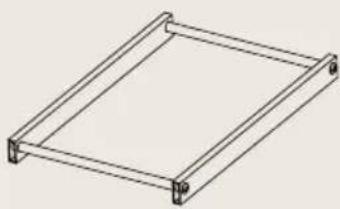
natural_image
Isometric line drawing of a rectangular frame with rounded corners and mounting holes (no text or symbols)natural_image
Technical line drawing of a mechanical device with internal components and mounting holes (no text or symbols)natural_image
Simple line drawing of a person operating machinery inside a circular frame (no text or symbols)natural_image
Technical line drawing of an electrical cabinet with coiled wires and wiring (no text or symbols)Vaihe 7
natural_image
Technical line drawing of a vehicle chassis with ventilation grilles and red directional arrows indicating airflow or movement (no text or symbols)Vaihe 11
natural_image
Diagram showing a 3D box being cut into a larger rectangular frame, with an arrow indicating the process (no text or symbols present)Vaihe 13
natural_image
Technical line drawing of a portable electric stove with wheels and doors (no text or symbols)4. Grillin käyttö
4.1 Yleistä tietoa
natural_image
Technical line drawing of a vehicle interior with structural details and control panels (no text or symbols)natural_image
Exterior view of a black Kretti grill with control knobs and a door panel (no visible text or symbols)MAGGIOREAN MAGGIOREAN
NO | DRIFTSVEILEDNING
www.boretti.com
Introduksjon
natural_image
Line drawing of a rectangular tray or container with rounded edges (no text or symbols)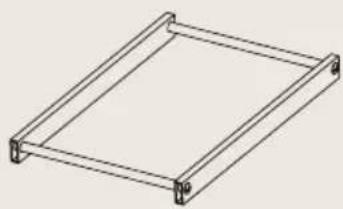
natural_image
Isometric line drawing of a rectangular frame with rounded corners and two corner holes (no text or symbols)3. Monteringstegninger
Trinn 1
natural_image
Technical line drawing of a mechanical device with internal components and mounting base (no text or symbols)natural_image
Technical line drawing of a mechanical assembly with a cylindrical component embedded in a frame (no text or symbols)natural_image
Technical line drawing of an electrical cabinet with coiled wires and wiring (no text or symbols)Trinn 7
natural_image
Technical line drawing of a vehicle chassis with red directional arrows indicating airflow or movement (no text or symbols)Trinn 11
natural_image
Diagram showing a 3D box being cut into a larger rectangular container, with an arrow indicating the process (no text or symbols present)Trinn 13
natural_image
Technical line drawing of a portable electric stove with wheels and internal compartments (no text or symbols)4. Bruk av grillen
natural_image
Technical line drawing of a vehicle interior with structural grid and control panel (no text or symbols)4.6 Antenne sidebrenneren med den elektriske tenneren
natural_image
Exterior view of a black Kretti grill with control knobs and a door panel (no visible text or symbols)MAGGIOREAN MAGGIOREAN
SE | ANVÄNDARINSTRUKTIONER
www.boretti.com
Inledning
natural_image
Line drawing of a square container with rounded edges (no text or symbols)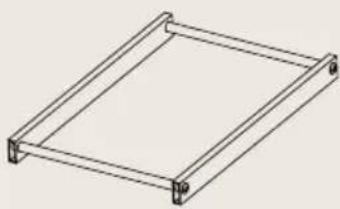
natural_image
Isometric line drawing of a rectangular frame with rounded corners and mounting holes (no text or symbols)3. Monteringsritningar
Steg 1
natural_image
Technical line drawing of a mechanical device with internal components and mounting holes (no text or symbols)natural_image
Technical line drawing of a mechanical assembly inside a circular frame (no text or symbols)natural_image
Technical line drawing of an electrical cabinet with coiled wires and tubing (no text or symbols)Steg 7
natural_image
Technical line drawing of a vehicle chassis with red arrows indicating airflow or ventilation zones (no text or symbols present)Steg 11
natural_image
Diagram showing a 3D box being cut into a larger rectangular frame, with an arrow indicating the process (no text or symbols present)Steg 13
natural_image
Technical line drawing of a portable electric stove with wheels and control panel (no text or symbols)4. Använd din grill
4.1 Allmän information
natural_image
Technical line drawing of a vehicle cabin interior with structural grid and control panels (no text or symbols)natural_image
Exterior view of a black Kretti grill with control knobs and a door panel (no visible text or symbols)MAGGIOREMAGGIORE AN
IT | MANUALE D'USO
www.boretti.com
Introduzione
natural_image
Technical line drawing of a mechanical device with internal components and mounting holes (no text or symbols)natural_image
Line drawing of a person operating machinery inside a circular frame (no text or symbols)natural_image
Technical line drawing of an electrical cabinet with coiled wires and wiring (no text or symbols)Passaggio 7
natural_image
Technical line drawing of a vehicle chassis with ventilation grilles and red directional arrows indicating airflow or flow (no text or symbols)Passaggio 11
natural_image
Diagram showing a 3D box being cut into a larger rectangular frame, with an arrow indicating the process (no text or symbols present)Passaggio 13
natural_image
Technical line drawing of a portable electric stove with wheels and control panel (no text or symbols)natural_image
Technical line drawing of a vehicle interior with structural grid and control panel (no text or symbols)
- MAGGIOREAN
- Introduction
- Read this manual carefully and keep it safe!
- Contents
- Important safety information
- General safety guidelines
- Assembly
- Place of use
- Parts list
- Grease tray Garbage bag frame
- Assembly drawings
- Step 1
- Step 7
- Step 9
- Step 11
- Step 12
- Step 13
- Use of your barbecue
- General information
- Gas leak test
- Note:
- Lighting the barbecue
- Warning:
- Lighting the burners with an electronic igniter
- Lighting the burners with a match extender (if provided)
- Lighting the side burner with the electronic igniter
- Lighting the side burner with matches
- Storage
- Use
- Maintenance of your barbecue
- Important:
- Cleaning
- Grease receptacle
- Grill racks
- Stainless-steel
- Changing the battery on the ignition (if present)
- Enamel parts
- Ventilation
- Replacing the gas hose
- Burners
- Spiders and insects
- Environmental guide, Conditions of warranty & Contact info
- For barbecue accessories, warranty, service conditions and other questions we refer you to
- You can also send questions and suggestions to
- Boretti BV
- Abberdaan 114
- AA Amsterdam
- Montagetekeningen
- Stap 1
- Stap 7
- Stap 11
- Stap 13
- Gaslektest
- Avant-propos
- Étape 7
- Étape 11
- Étape 13
- Einführung
- Schritt 7
- Schritt 11
- Schritt 13
- Gaslecktest
- Forord
- Montagetegning
- Trin 1
- Trin 7
- Trin 11
- Trin 13
- Anvendelse af din grill
- Generel information
- Gaslækagagetest
- Esittely
- Vaihe 7
- Vaihe 11
- Vaihe 13
- Grillin käyttö
- Yleistä tietoa
- Introduksjon
- Monteringstegninger
- Trinn 1
- Trinn 7
- Trinn 11
- Trinn 13
- Bruk av grillen
- Antenne sidebrenneren med den elektriske tenneren
- Inledning
- Monteringsritningar
- Steg 1
- Steg 7
- Steg 11
- Steg 13
- Använd din grill
- Allmän information
- Introduzione
- Passaggio 7
- Passaggio 11
- Passaggio 13
Brand : BORETTI
Model : Maggiore Antraciet
Category : Barbecue