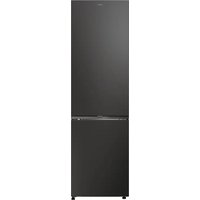
CM4SE68EWK - Fridge CANDY - Free user manual and instructions
Find the device manual for free CM4SE68EWK CANDY in PDF.


User questions about CM4SE68EWK CANDY
0 question about this device. Answer the ones you know or ask your own.
Ask a new question about this device
Download the instructions for your Fridge in PDF format for free! Find your manual CM4SE68EWK - CANDY and take your electronic device back in hand. On this page are published all the documents necessary for the use of your device. CM4SE68EWK by CANDY.
USER MANUAL CM4SE68EWK CANDY
natural_image
Technical line drawing of a mechanical or electrical enclosure with internal compartments and mounting brackets (no text or symbols)INSTRUCTION MANUAL
JAZYKY
Italiano....4
English....13
Français 22
Español....31
Deutsch....40
Portuguese....49
Nederlands 59
Ελληνικά 69
Polski....80
Čeština....89
Dansk....98
Suomi 107
Norsk 116
Svenska 125
Slovenčina 134
Italiano
text_image
Technical diagram of a mechanical or electrical component with numbered parts and labeled sectionsnatural_image
Architectural line drawing of a refrigerator interior showing door, front panel, and sideboard (no text or labels)Termostato
ISTRUZIONI
text_image
Technical diagram of a mechanical or electrical component with labeled parts and directional arrows indicating flow or movement.Thankyou for purchasing this product.
Before using your refrigerator, please carefully read this instruction manual in order to maximize its performance. Store all documentation for subsequent use or for other owners. This product is intended solely for household use or similar applicationssuchas:
- the kitchen area for personnel in shops, offices and other working environments
-on farms, by clientele of hotels, motels and other environments of a residential type
-at bed and breakfasts (B & B)
-for catering services and similar applications not for retail sale.
This appliance must be used only for purposes of storage of food, any other use is considered dangerous and the manufacturer will not be responsible for any omissions. Also, it is recommended that you take note of the warranty conditions.
SAFETY INFORMATION
Please read the operating and installation instructions carefully!
They contain important information on how to install, use and maintain the appliance.
The manufacturer is not liable if you fail to comply with the instructions and warnings.
Retain all documents for subsequent use or for the next owner.
- Do not connect the appliance to the electricity supply until all packing and transit protectors have been removed. Keep children away from packaging and its parts.
Danger of suffocation from folding cartons and plastic film!
- Leave to stand for at least 4 hours before switching on the product, to allow compressor oil to settle if transported horizontally.
- Make sure there is no transport damage.
- Do not damage the refrigerant circuit.
- Maintain the ventilation openings in the appliance enclosure or in the built-in structure, free of obstruction.
- Never use water to wash the compressor position, wipe it with
a dry cloth thoroughly after cleaning to prevent rust.
- Handle the appliance always with at least two persons because it is heavy.
- Install and level the appliance in an area suitable for its size and use.
- Make sure that the electrical information on the rating plate agrees with the power supply. If it does not, contact an electrician.
- The appliance is operated by a 220-240 VAC/50 Hz power supply. Abnormal voltage fluctuation may cause the appliance to fail to start, or damage to the temperature control or compressor, or there may be an abnormal noise when operating. In such case, an automatic regulator shall be mounted.
- Only for UK: The appliance's power cable is fitted with 3-cord (grounding) plug that fits a standard 3-cord (grounded) socket. Never cut off or dismount the third pin (grounding). After the appliance is installed, the plug should be accessible.
- Make sure that mains cable is not caught under the appliance during and after carrying/moving the appliance, to avoid the mains cable becoming cut or damaged. If the supply cord is damaged, it must be replaced by the manufacturer, its service agent or similarly qualified person in order to avoid a hazard.
- Do not install the appliance in humid, oily or dusty places, nor expose it to direct sunlight and to
water.
- Do not install the appliance near heaters or inflammable materials.
- FOR appliances with a freezer compartment: if there is a power failure do not open the lid. Frozen food should not be affected if the failure lasts for less than the hours indicated on the rating label (Temperature rise time). If the failure is longer, then the food should be checked and eaten immediately or cooked and then refrozen.
- If you find that the lid of the appliance is difficult to open just after you have closed it, don't worry. This is due to the pressure difference which will equalize and allow the lid to be opened normally after a few minutes.
- Do not store medicines, bacteria or chemical agents in the appliance. This appliance is a household appliance, it is not recommended to store materials that require strict temperatures.
- Do not excessively pull or fold the power cord or touch the plug with wet hands.
- Do not store products which contain flammable propellant (e.g. spray cans) or explosive substances in the appliance. Risk of explosion!
- Do not place unstable articles (heavy objects, containers filled with water) on top of the refrigerator, to ovoid personal injury caused by falling or electric shock caused by contact with water.
- Do not use electrical appliances inside the food storage
compartments, unless they are of the type recommended by the manufacturer.
- Do not touch internal cooling elements, especially with wet hands, to avoid cracks or injuries.
- At risk here are children, people who have limited physical, mental or sensory abilities, as well as people who have inadequate knowledge concerning safe operation of the appliance.
- Check that children and vulnerable people have understood the hazards. A person responsible for safety must supervise or instruct children and vulnerable people who are using the appliance. Only children aged 8 years and above may use the appliance.
- Children should not play with the appliance.
- Children aged from 3 to 8 years are allowed to load and unload this appliance.
- FOR appliances with a freezer compartment: do not store bottled or canned liquids (especially carbonated drinks) in the freezer compartment. Bottles and cans may burst!
- FOR appliances with a freezer compartment: never put frozen food straight from the freezer compartment in your mouth. Risk of low-temperature burns!
- Keep plastic parts and the door seal free of oil and grease. Otherwise, plastic parts and the door seal will become porous.
- Before performing any operation, unplug the power cord from the power socket.
- Do not use mechanical devices or other means to accelerate the defrosting process, other than those recommended by the manufacturer.
- Do not use pointed or sharpedged objects such as knives or forks to remove the frost.
- Never use hairdryers, electrical heaters or other such electrical appliances for defrosting.
- It is recommended to keep the plug clean, any excessive dust residues on the plug can be the cause fire.
- Do not try to repair, disassemble or modify the appliance by yourself. In case of repair please contact always our customer service.
- Supervise children while the appliance is being cleaned or maintained.
- Do not clean the cold glass shelves with hot water. Sudden temperature change may cause the glass to break.
- WARNING: The tubes of the refrigeration circuit convey a small quantity of an environmentally friendly but flammable refrigerant (R600a) and insulating gas (cyclopentane). It does not damage the ozone layer and does not increase the greenhouse effect. If refrigerant escapes, it may injure your eyes or ignite.
- If the refrigerant circuit should be damaged:
- Switch off the appliance and pull out the mains plug,
- Keep naked flames and/or ignition sources away from the appliance,
- Thoroughly ventilate the room for several minutes,
- Inform customer service.
- WARNING: Do not damage the plug and/or the power cord; this could cause electrical shocks or fires.
- WARNING: Do not use multiple portable socket-outlets or portable power supplies. We do not recommend the use of extension leads and multi-way adapters.
- Do not attempt to sit or stand on the top of the appliance. You could injure yourself or damage it. This appliance is not designed for stacking with any other ones.
- The product is designed and built for domestic household use only.
- Only original parts supplied by the manufacturer may be used. The manufacturer guarantees that only these parts satisfy the safety requirements.
- Opening the door for long periods can cause a significant increase of the temperature in the compartments of the appliance.
-Clean regularly surfaces that can come in contact with food and accessible drainage systems.
- Clean water tanks if they have not been used for 48h; flush the water system connected to a water supply if water has not been drawn for 5 days.
-Store raw meat and fish in suitable containers in the refrigerator, so that it is not in contact with or drip onto other
food.
- Two-star frozen-food compartments(if they are presented in the appliance) are suitable for storing pre-frozen food, storing or making ice-cream and making ice cubes.
-One-, two- and three -star compartments, if present in the appliance, are not suitable for the freezing of fresh food.
- If the appliance is left empty for long periods, switch off, defrost, clean, dry and leave the door open to prevent mould developing within the appliance.
- FOR Wine Coolers: this appliance is intended to be used exclusively for the storage of wine
- FOR a free standing appliance: this refrigerating appliance is not intended to be used as a built-in appliance
- FOR appliances without a 4-star compartment: this refrigerating appliance is not suitable for freezing foodstuffs
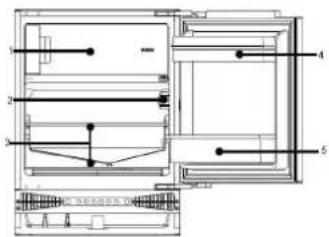
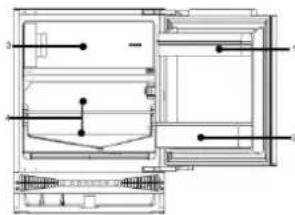
REFRIGERATOR DIAGRAM
text_image
Technical schematic diagram of a mechanical or electrical assembly with numbered components and labeled parts- Freezing compartment
- Temperature Control
3.Shelves - Egg tray/door rack
- Bottle rack
This diagram may vary slightly with the layout of the refrigerator you have just purchased due to technical improvements.
The most energy-saving configuration requires drawers, food box and shelves to be positioned in the product, please refer to the above pictures
PREPARATION
Unpacking
Remove all packaging materials.
Check attachments and materials
Please check that your appliance comes with all quoted accessories and that all components are in good condition.
Ensure proper location of the refrigerator
Clean the refrigerator before first use.
Ensure the appliance is located out of direct sunlight and away from other heat producing appliances.
See also ventilation requirements (below).
Install the appliance at a location where the ambient temperature corresponds to the climate class indicated on the rating plate of the appliance
- extended temperate (SN): 'this refrigerating appliance is intended to be used at ambient temperatures ranging from 10 °C to 32 °C';
- temperate (N): 'this refrigerating appliance is intended to be used at ambient temperatures ranging from 16 °C to 32 °C';
- subtropical (ST): 'this refrigerating appliance is intended to be used at ambient temperatures ranging from 16 °C to 38 °C'
- tropical (T): 'this refrigerating appliance is intended to be used at ambient temperatures ranging from 16 °C to 43 °C';
Idle time
After the refrigerator has been sited and cleaned, let it stand for at least 4 hours before connecting the power source.
Ventilation
* Level the appliance with a spirit level. The appliance has adjustable feet.
* A minimum gap of 38mm must be maintained at the back of the appliance for ventilation.
* Do not cover the air inlet at the front of the appliance and allow for 200cm ^2 air flow through plinth.
* Check the position of the power socket for usability and check the AC voltage is compatible with the data shown on the rating plate which can be found left inside wall of the appliance next to the salad crisper drawer(s). The power supply must be suitably earthed.
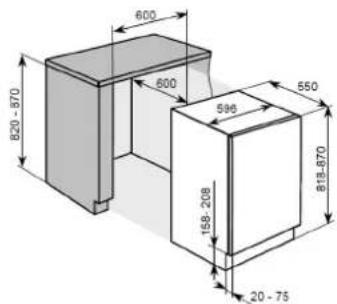
text_image
600 820 - 870 600 596 158-208 20 - 75 550 818-870Built-under Installation (Figure 2)
- Check that the kitchen unit door is in the correct operating position.
- Run the mains cable through the unit aperture so that it can be connected to the power supply after installing the appliance. Remove the cover (6) only if space is restricted.
- Place the refrigerator into the kitchen unit. Fix the mountings (1) with screws (2) onto the upper frame when two third of the refrigerator has been pushed in. Then push the refrigerator in completely, ensuring that the gib clamp of the mountings stuck on the horizontal frame of the kitchen unit. Adjust the position of the refrigerator making a 6mm space between inside wall of the kitchen unit and external sides of the refrigerators. Fix the mountings to the horizontal frame of the kitchen unit with screws.
- Insert the seal in the aperture (approx. 10mm) between the lower front frame and bottom board of the kitchen. Fix lower mountings (3) to the lower front frame with screws (2). Fix the lower mountings to the bottom board of the kitchen unit with screws (2).
- Properly insert seals in the apertures on the left, upper and right sides of the refrigerator.
- Fix the door to the holders (4) (each upper and lower position has one) with screws (2). Press close the doors of the refrigerator and of the kitchen unit, and then completely open the doors, and then place the connecting plate (5) to the corresponding holder and fix it to the door of the kitchen unit (space between the connecting plate and the edge of the kitchen unit "t" equals to the thickness of the external board of the kitchen unit, about 20mm). Adjust the connecting element so that the handle side of the kitchen unit door does not make contact with the unit body when closed. (Approximately 1mm gap for large appliances), mount the second door connecting element where appropriate.
- Plug the open hole in the appliance door.
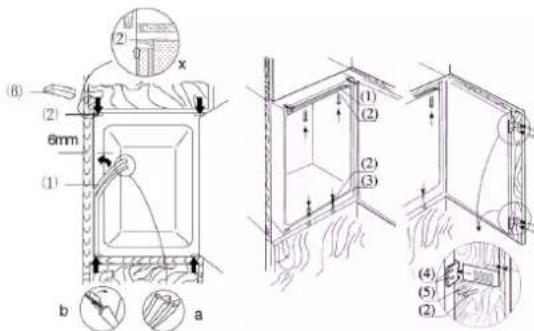
text_image
Technical diagram showing cross-sectional views of a mechanical or structural assembly with labeled components and dimensions.(Figure 2)
OPERATION
Starting the refrigerator
There are total 5 temperature settings for the refrigerator. After connecting to the power supply, the refrigerator will be set on setting 3, which is the default setting.
Button "press": Located on the left side, functioned as switching on/off the refrigerator by pressing 3s.
Button "Adjust": located on the right side, functioned as adjusting the temperature settings for the refrigerator
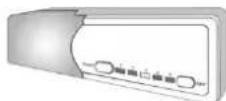
Adjusting the temperature:
The temperature inside the refrigerator is adjusted by pressing the left "adjust" button. By pressing the button, the settings 1 to 5 represent different temperatures from the highest to the lowest.
| Position | Conditions |
| 1-2 | Summer or ambient temperature between 25-35 °C |
| 3-4 | Spring, autumn or ambient temperature between 15-25 °C |
| 5 | Winter, or ambient temperature between 5-15 °C |
| Super freezing function | Quick freeze |
Caution: Some time will be required for the refrigerator to reach the set level when temperature adjustments are made. The length of this period is determined by difference in the existing and set temperatures, the ambient temperature, the frequency with which the door is opened and closed and the amount of food in storage.
Super freezing function
To activate the Super Freezing function:
- set the thermostat in position 5,
- press door switch and temperature adjustment button together, wait until the Led of position 5 blinks continuously,
• the SF function has been activated
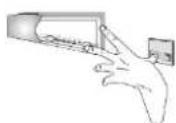
Note: During the SF period, the Led of position 5 will keep blinking.
Loading the refrigerator with food
When the refrigerator is switched on, do not load food until 1 \~ 2 hours have passed. Usually, food for cold storage or deep freezing can be loaded when the temperature inside the compartment reaches the set point.
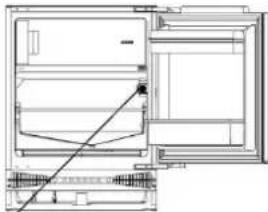
natural_image
Technical line drawing of an open refrigerator with door, drawer, and side panel (no text or symbols)Thermostat
INSTRUCTIONS
Cold storage is for short-term food
Storage or for daily consumption.
Although the temperature in most parts of the cold storage compartment can be regulated between 0 and 10 degrees Centigrade, extended periods of food storage is not recommended. Cold storage should only be used for short-term storage.
Cold storage compartment
- Eggs and butter
- Beverages and bottled drink
- Food to be frozen
- General food, meat, vegetables, etc.
natural_image
Architectural floor plan showing room layouts and structural elements (no text or labels)Cautions for cold storage
* Hot food must be cooled to room temperature before storing in the refrigerator
* Dry any water droplets on the food before placing it in the refrigerator.
* It is recommended that food be sealed in suitable storage bags before being placed in the refrigerator; this will prevent moisture in the food from evaporating and prevent vegetables and fruit from withering or altering in flavor.
* Do not store excess quantities or weights of food; food should be stored with spaces in between for better storage results. Never overload shelves, as the may collapse under excessive loads.
* Food to be stored should be sorted according to consumer requirements. Food consumed daily should be placed in the most convenient area, this will minimize opening periods for the door. Do not place food to close to the internal walls.
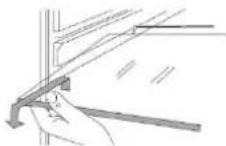
Food holder cleaning
* Food holders can be taken out for cleaning
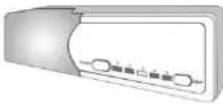
Lamp & Replacement:
Lamp: 12V 1W
* For replacement, unplug to disconnect the Power
* Replace the LED lamp board
Instructions for food storage
* It's suggested to set the temperature at 4°C in the fridge compartment, and, whether possible, at -18°C in the freezer compartment.
* For most food categories, the longest storage time in the fridge compartment is achieved with colder temperatures. Since some particular products (as fresh fruits and vegetables) may be damaged with colder temperatures, it is suggested to keep them in the crisper drawers, whenever present. If not present, maintain an average setting of the thermostat.
* For frozen food, refer to the storage time written on the food packaging. This storage time is achieved whenever the setting respects the reference temperatures of the compartment (one-star -6°C, two stars -12°C, three stars -18°C
* Storage period will be extended if vegetables are placed with their roots towards the cold source.
*Leaves of carrots of turnips should be removed before storage
* Put a wad of tissue on the bottle holder before placing bottles on it so that later cleaning is easier
* Frozen food can be placed in the cold compartment before serving, as this will conserve energy.
* Onions, garlic, ginger, water chestnuts and other root vegetables should not be stored in the refrigerator, as these foods are suitable for long-term storage at normal temperatures.
* Ripe squash, melon, papaw, bananas and pineapples should not be stored in the refrigerator. Freezing will accelerate the ripening process.
Long-term storage of food
As the freezer storage temperature is very low, fresh food can be stored in the freezer compartment for a long time. Food requiring long-term can be stored in the frozen food compartment. Attention should be paid to the storage information printed on the food packing.
Frozen food storage
* The recommend weight of fresh food is less than 2 kg.
* Hot food should not be stored in the refrigerator until it has cooled down to room temperature.
* The outside of any food packing should dried before storage in the freezer, and any packing materials should be odor-free, airtight, non-poisonous and nontoxic.
* Only remove the required amount of food from the refrigerator. Defrosted food cannot be re-stored in the freezer unless it is first cooked.
* Food cut into small portions will freeze faster and be easier to defrost and cook. The recommended weight for each portion is less than 1.5 kg.
* Do not put in bottled beer or drinks.
* Do not touch frozen food wet-handed.
Making water-Ice
* Pour water into the water ice mould up to three-quarters of the mould volume, and then place the mould in the freezing compartment.
* Do not a use knife or other metal tools to take the ice out of the mould.
* The ice can be easily removed by hand after the mould has been placed in warm water for a short time.
DEFROSTING CLEANING AND COMMISSIONING
Defrosting the cold storage compartment
The cold storage compartment is designed for automatic defrosting. Frost formed on the back wall will melt and flow via the drainpipe to the evaporating container over the compressor on the back of the refrigerator, where the heat generated by the compressor will evaporate the water.
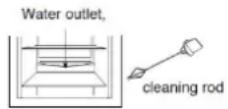
Caution: Always keep the drain over the vegetable and fruit tray clear to ensure the normal flow of defrosted water. Use the rod provided to clear any blockages.
Defrosting the freezer
After a period of operation, a layer of frost will form on the surface of the freezer. Additional electricity will be consumed if this layer becomes too thick. The defrosting process must be carried out when a thick layer of frost has been formed.
To defrost the freezer, first disconnect the power by unplugging the refrigerator, and then remove any food from the refrigerator and place it in a cool place. Use a plastic defrosting tool.
After ice and frost are melted, wipe up the inside of the freezer compartment.
Caution: Never use a metal tool or electrical heater for defrosting.
After the defrosting is completed, plug in the refrigerator and it starts operation again.
Power failure
Even in summer, food can be stored in the refrigerator for a few hours after a power failure.
* Don't put additional food into the refrigerator during a power failure.
* Avoid opening the door during power failures
* If prior notice of a power failure is given, make some ice and put it in a container in the top of the cold storage compartment.
Caution: temperature in the refrigerator will rise during a power failure or in the event of technical problems, and the storage period will be reduced.
Cleaning
The refrigerator should be cleaned regularly to prevent the formation of bad odors.
* Disconnect the power before cleaning the refrigerator.
* Do not use a hard brush, steel brush, detergent, gasoline or other solvents, hot water, acid or alkali for cleaning.
* Wipe water drops on the surface of the refrigerator with a soft cloth.
(1) Do not use excessive amounts of water for cleaning the refrigerator
(2) Use a dry cloth to clean the switch, the lamp and the temperature controller
* Always keep the rubber door seal clean
* Clean the back and sides of the refrigerator regularly.
Cessation of Operation
If the power failure lasts for an extended period, unplug the refrigerator and clean the refrigerator as previously described. Keep the door of refrigerator open when the power is turned off to prevent any food remaining in the compartment from producing bad odors.
During Vacations
* Remove any food from refrigerator is the vacation is short. Turn the temperature selection knob to the proper position, and make sure that the door of the refrigerator is properly closed.
* If the vacation is long, take out the food from the refrigerator and disconnect the power. When the frost inside melts, clean and dry the compartment.
Discarding
* Remove the door of the refrigerator when you get rid of it, in case children may get trapped in.
Moving the refrigerator
* Unplug the refrigerator
* Remove any food
* Tightly close the door with tape
QUESTIONS AND ANSWERS
Events below are the problems:
* The temperature of the refrigerator and the compressor will rise and the compressor will run for comparatively longer periods when the refrigerator is first started.
* Wipe water drops on the external surface of the refrigerator with a soft cloth.
* When the refrigerator is opened frequently or stay open too long in humid seasons, the cavity will be dampened.
* A slight sound will be heard when the liquid refrigerant circulates or when the compressor switched on and off.
* A slight sound will be heard when defrosted water drops into the evaporating dish.
* The compressor will operate for comparatively longer periods if excessive quantities of food are stored or the ambient temperature is high.
* The evaporator will produce odors if the compartment is not cleaned.
Caution: The refrigerator should never be restarted until a period of at least five minutes has elapsed.
Please determine the cause of the problem before making any repairs.
| Phenomena | Causes |
| Refrigerator will not start | * Bad connection to power source (plug, socket and fuse)* The temperature knob is at the 0 position* Low voltage |
| The lamp does not blink | *Bulb failure* Power supply not connected* The temperature knob is at the 0 position |
| Excessive noise | *Uneven placement*Contact between the refrigerator and a wall or other article |
| Compressor operates for a long period or temperature does not reach set point | * First time of operation* Excessive food stored* Frequent opening of the refrigerator door due to hot weather* The temperature controller is not set properly* Refrigerator is in direct sunlight, or close to a heat source* Poor ventilation, or dirt on the condenser |
| Food dry | * Food not properly covered or sealed |
| Thick frost on frozen food | * Door is not properly closed* Frequent opening of the refrigerator door* Frost inside food bags is normal |
| Strange odor | * Failure to seal food properly* Rotting food inside refrigerator* Refrigerator should be cleaned. See “Cleaning” |
To contact the technical assistance, visit our website: https://corporate.haier-europe.com/en/
Under the section "website", choose the brand of your product and your country. You will be redirected to the specific website where you can find the telephone number and form to contact the technical assistance
AVAILABILITY OF SPARE PARTS
Thermostats, temperature sensors, printed circuit boards and light sources are available for a minimum period of seven years after placing the last unit of the model on the market.
Door handles, door hinges, trays and baskets for a minimum period of seven years and door gaskets for a minimum period of 10 year, after placing the last unit of the model on the market
DOOR REVERSAL
-
Unplug the appliance before reversing the door opening direction.
-
Remove food from the appliance.
-
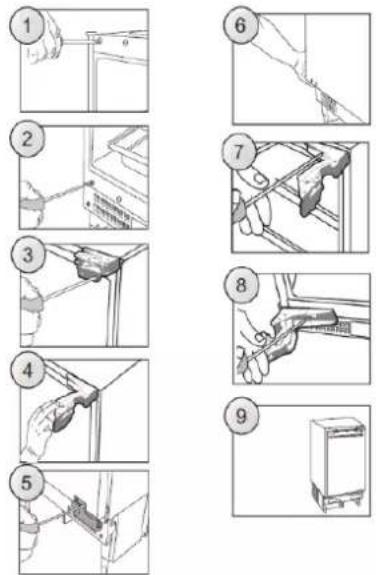
Remove caps on the front of the refrigerator body (Fig. 1, Fig 2).
-
Remove the two screws, which attach the upper hinge to the appliance
door (Fig. 3). Take special care and hold the appliance door vertically.
- Holding the door, swing the upper door hinge away from the door using the other hand (Fig. 4).
Be especially careful during this step, as the hinge may close and cause injury.
-
Remove the two screws, which attach the lower hinge to the appliance door (Fig. 5). Take special care and hold the appliance door with the other hand.
-
Holding the door, swing the lower door hinge away from the door using the other hand, then detach the door from the appliance body (Fig. 6).
-
Remove the two screws, which attach the upper hinge to the body and the two screws holding the lower hinge to the appliance body (Fig. 7).
-
Screw the upper and lower hinge on the opposite side of the appliance body using suitable screws (Fig. 8). Upper hinge should be mounted on the other side of the appliance as the lower hinge. The lower hinge should be mounted on the other side of the appliance as the upper hinge.
With the hinges open, hold the door parallel to the appliance body and screw the hinges to the door using suitable screws while taking proper care.
- Make sure that the door is properly aligned with the appliance body (Fig. 9).
INSTALLATION OF THE APPLIANCE
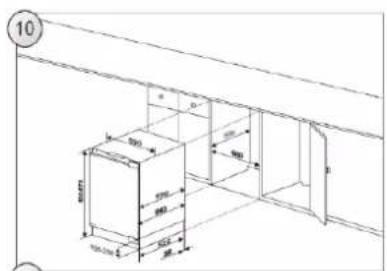
Installation of the appliance should be performed by a qualified installer. The appliance should be placed in furniture case (Fig. 10). Once the appliance is placed correctly, adjust the height of the appliance by turning the 4 adjustable feet as appropriate. If necessary, adjacent Amica appliances should be braced with a bracket fixed by screws and fitted in furniture (Fig. 11). There is a special strip at the top of the appliance. Attach it to the underside of the cabinet with appropriate screws supplied with the assembly kit (Fig. 16).
Decorative strip
must not block the vents located in the bottom casing unit, the strip must be cut to size (Fig. 17). The depth of the bottom casing unit can be adjusted by moving it forwards or backwards. Once properly adjusted, tighten the mounting screws (located in the openings on both sides of the casing unit) with a cross-head screwdriver.
This will permanently attach the casing unit (Fig. 18).
FITTING FURNITURE BOARD TO APPLIANCE DOOR
Place the mounting bracket on furniture board and position it accordingly (Fig. 12). The distance between the furniture board and the underside of the worktop should be 5 mm (Fig. 13). Attach the mounting bracket using suitable screws supplied in the installation kit. Pull out the mounting bracket cover and screw in the two special screws (2) in the appliance doors (Fig. 14). Attach furniture board with the fixed mounting bracket to the appliance door. Secure the furniture board with suitable nuts (item 3, Figure 14). Make sure the furniture board assembly is positioned correctly relative to the appliance (Fig. 15). Using the supplied screws, attach the furniture board assembly to the bottom of the appliance door (Fig. 15). Replace the mounting bracket cover in its original location.
text_image
10 500 500 500 500 500 100.2mm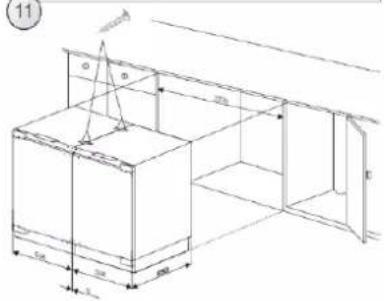
text_image
11 L0 L1 R0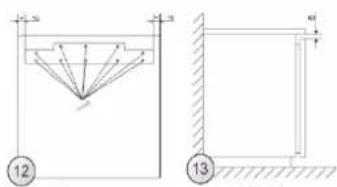
text_image
Technical diagram showing two structural cross-sections with labeled dimensions and angles, including a central triangular section and a vertical wall.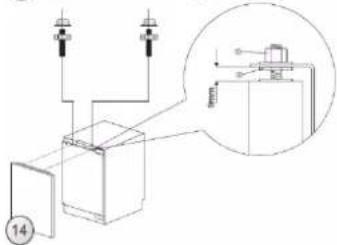
text_image
Technical diagram showing a mechanical assembly with labeled components and an inset magnified view of a device.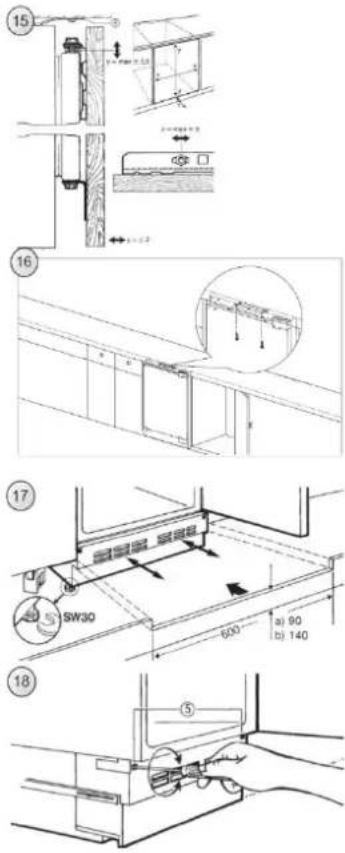
text_image
Technical diagram showing wall and floor installation details with labeled components and dimensionsSCRAPPING OLD APPLIANCES
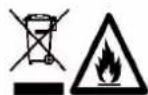
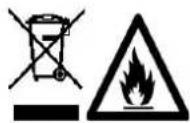
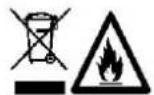
This appliance is marked according to the European directive 2012/19/EU on Waste Electrical and Electronic Equipment (WEEE).
WEEE contains both polluting substances (which can cause negative consequences for the environment) and basic components (which can be reused). It is important to have WEEE subjected to specific treatments, in order to remove and dispose properly all pollutants, and recover and recycle all materials.
Individuals can play an important role in ensuring that WEEE does not become an environmental issue; it is essential to follow some basic rules:
WEEE should not be treated as household waste.
WEEE should be handed over to the relevant collection points managed by the municipality or by registered companies. In many countries, for large WEEE, home collection could be present.
In many countries, when you buy a new appliance, the old one may be returned to the retailer who has to collect it free of charge on a one-to-one basis, as long as the equipment is of equivalent type and has the same functions as the supplied equipment.
Conformity
By placing the mark 66 in this product, we are confirming compliance to all relevant European safety, health and environmental requirements which are applicable in legislation for this product.
Guarantee
Minimum guarantee is: 2 years for EU Countries, 3 years for Turkey, 1 year for UK, 1 year for Russia, 3 years for Sweden, 2 years for Serbia, 5 years for Norway, 1 year for Morocco, 6 months for Algeria, Tunisia no legal warranty required.
For further information about the product, please consult https://eprel.ec.europa.eu/ or scan the QR on the energy label supplied with the appliance
Français
text_image
Technical schematic diagram of a mechanical or electrical component with numbered parts and labeled connectionsnatural_image
Architectural line drawing of a refrigerator interior showing door, frontrest, and side panel (no text or labels)Thermostat
INSTRUCTIONS
natural_image
Architectural floor plan showing room layouts and structural elements (no text or labels)text_image
Step-by-step instructions for installing a door panel, showing five sequential steps from opening to closing.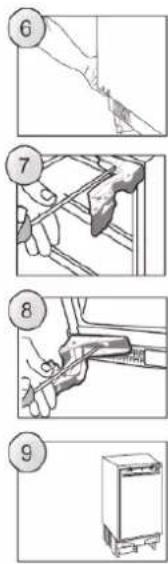
text_image
Step-by-step instructions for cleaning a kitchen appliance, showing steps from hand tool to washing machine.
MISE AU REBUT DES APPAREILS USAGES
natural_image
Architectural floor plan showing room layouts and structural elements (no text or labels)natural_image
Architectural line drawing of a refrigerator interior showing door, front panel, and side rails (no text or symbols)Termostato
INSTRUCCIONES
El compartimento refrigerado debe utilizarse para guardar
natural_image
Technical line drawing of a mechanical or architectural component with no visible text, numbers, or symbols.text_image
Technical schematic diagram of a mechanical or electrical component with labeled parts and directional arrows indicating flow or movement.natural_image
Architectural line drawing of an open refrigerator with door, drawer, and side panel (no text or symbols)Thermostat
ANWEISUNGEN
natural_image
Architectural floor plan showing room layouts and structural elements (no text or labels)natural_image
Hand holding a tool interacting with a bracket (no text or symbols visible)text_image
Technical diagram showing a mechanical assembly with labeled components and an inset view of a device with a circular detail.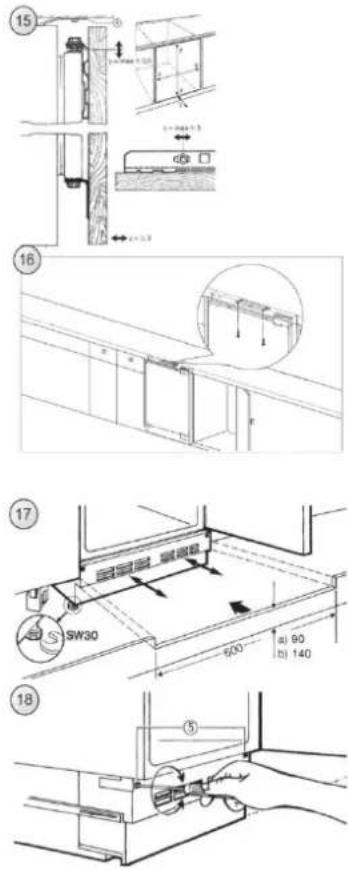
text_image
Technical diagram of a mechanical assembly with numbered components and labeled parts- Compartimento do congelador 2. Controlador de temperatura 3. Prateleiras 4. Prateleira da porta/suporte de ovos 5. Prateleira para garrafas
natural_image
Technical line drawing of an open refrigerator with internal compartments and doorways (no text or symbols)Termóstato
INSTRUÇÕES
text_image
Diagram illustrating food preparation steps with apple, apple with spider, and egg on a tray with wine glassesnatural_image
Architectural floor plan showing room layouts and structural elements (no text or labels)natural_image
Hand holding a metal bracket with a ruler, no text or symbols visiblePERGUNTAS E RESPOSTAS
natural_image
Pure structural diagram showing vertical and horizontal beams with a circular label (13) at the bottom, no text or symbols present.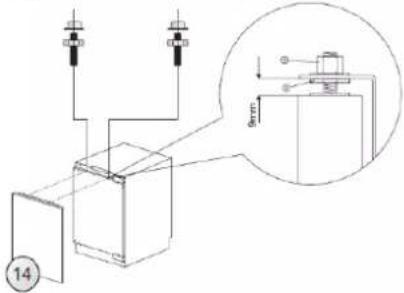
text_image
Technical diagram showing a mechanical assembly with labeled components and an inset view of a component detail.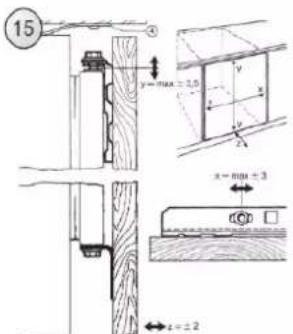
text_image
15 y = max = 1.5 x = max = 3 z = ± 2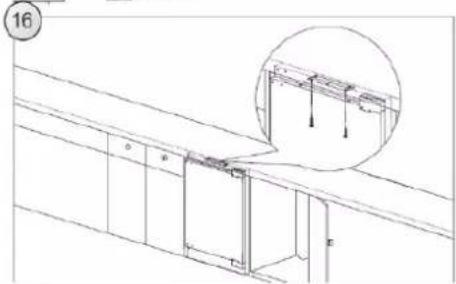
natural_image
Architectural line drawing of a multi-level kitchen or kitchen cabinet with an inset showing internal components (no text or symbols)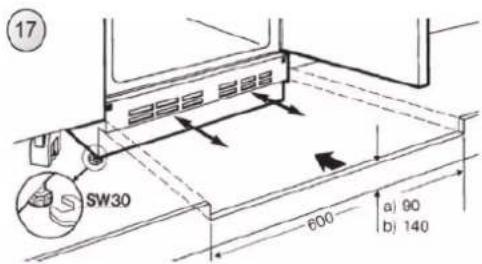
text_image
17 SW30 600 a) 90 b) 140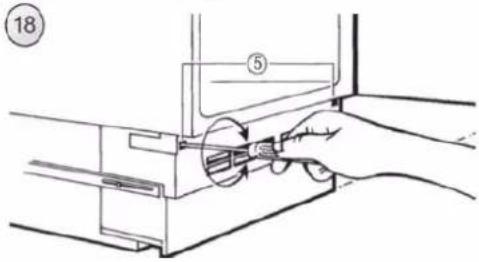
text_image
18 ⑤text_image
Technical schematic diagram of a mechanical or electrical assembly with labeled components and directional arrows- Vriesvak 2. Temperatuurregelaar 3. Legschappen 4. Eiercompartiment/deurrek 5. Flessenrek
text_image
Technical diagram showing cross-sectional views of a structural component with labeled parts and dimensions(Afbeelding 2)
WERKING
De koelkast starten
natural_image
Architectural line drawing of an open refrigerator with internal compartments and a diagonal line indicating a measurement or connection (no text or symbols)Thermostaat
INSTRUCTIES
flowchart
graph TD
    A["Apple"] --> B["Green Box"]
    B --> C["White Shell"]
    C --> D["White Egg"]
    D --> E["White Apple"]
    E --> F["White Banana"]
    F --> G["White Onion"]
    G --> H["White Potato"]
    H --> I["White Potato (Red Arrow)"]
    I --> J["White Potato (Red Arrow)"]
    J --> K["White Potato (Red Arrow)"]
natural_image
Architectural floor plan showing room layouts and structural elements (no text or labels)natural_image
Line drawing of a hand holding a tool with a bracket, no text or symbols presentLamp en vervanging:
Lamp: 12 V, 1 W
INSTALLATIE VAN HET APPARAAT
text_image
Technical diagram of a mechanical or electrical device with numbered components and labeled partsnatural_image
Architectural line drawing of a refrigerator interior showing door, front pane, and side panel (no text or symbols)Θερμοστάτης
ΟΔΗΓΙΕΣ
text_image
Technical schematic diagram of a mechanical or electrical component with labeled parts and directional arrows indicating flow or movement.natural_image
Diagram of a hand holding a tool with a bracket, no text or symbols presentnatural_image
Pure technical diagram showing a structural cross-section with hatched areas and dimension lines (no text or symbols)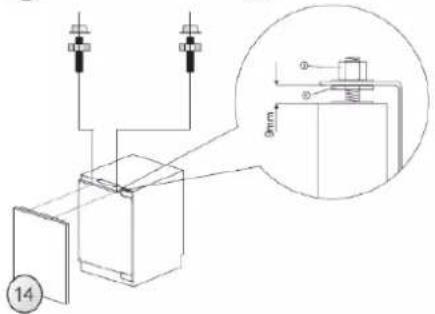
text_image
Technical diagram showing a mechanical assembly with labeled components and an inset view of a device with dimension annotation.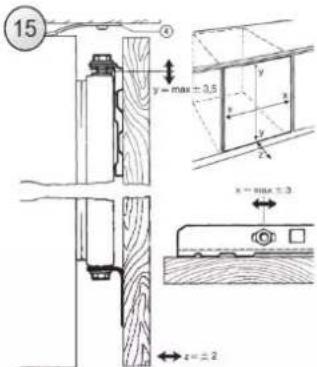
text_image
15 y = max ± 3.5 x = max ± 3 z = ± 2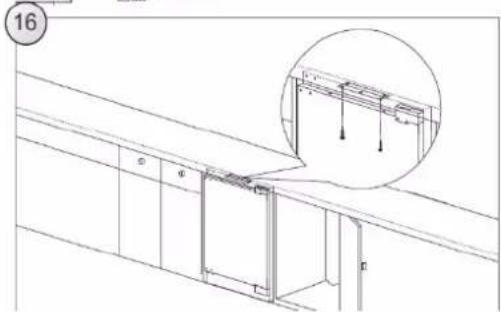
natural_image
Architectural line drawing of a cabinet or enclosure with an inset showing internal components (no text or symbols)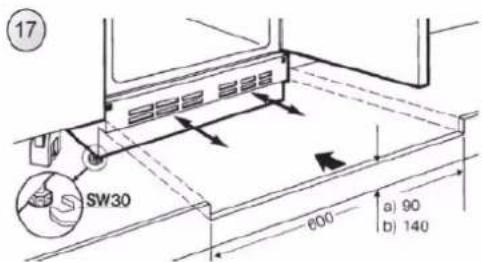
text_image
17 SW30 600 a) 90 b) 140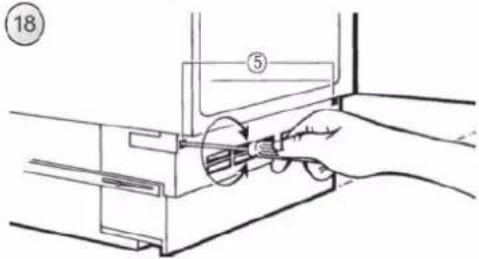
text_image
18 ⑤text_image
Technical schematic diagram of a mechanical or electrical assembly with labeled components and connectionsnatural_image
Architectural line drawing of an open refrigerator with door, drawer, and front panel (no text or symbols)Termostat
text_image
Diagram illustrating a multi-step food preparation or processing process with apples, tomatoes, and eggplants arranged in a tray.Komora chłodziarki
natural_image
Architectural floor plan showing room layouts and structural elements (no text or labels)text_image
10 50mm 100mm 20mm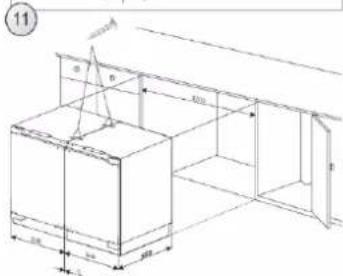
text_image
Technical diagram showing mechanical assembly with labeled components and dimensions, including cross-sectional views and a magnified inset.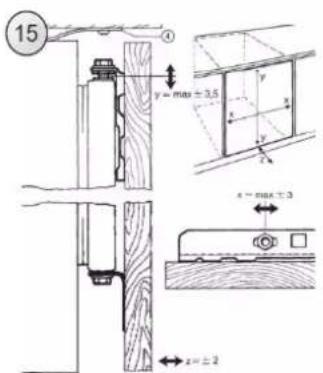
text_image
15 y = max ± 3.5 x = max ± 3 z = ± 2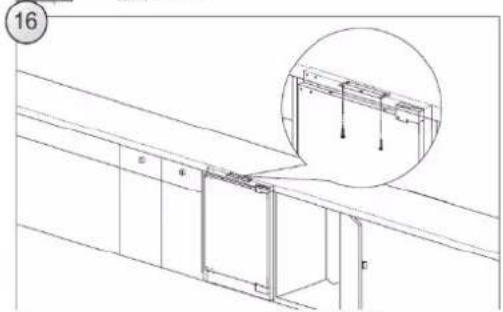
natural_image
Architectural line drawing of a kitchen cabinet with an inset showing internal fixtures (no text or symbols)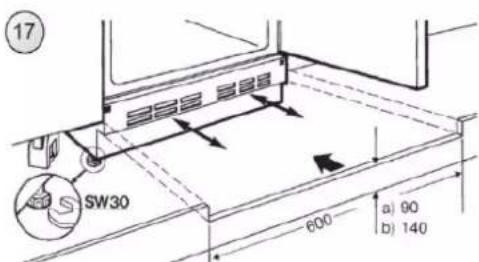
text_image
17 SW30 600 a) 90 b) 140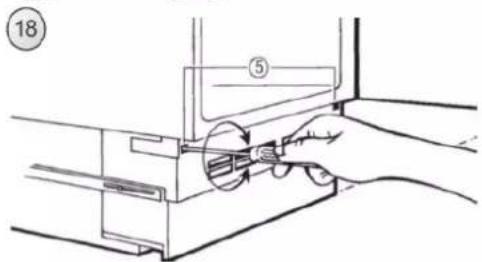
text_image
18 ⑤ZŁOMOWANIE STARYCH URZĄDZEŃ
text_image
Technical diagram of a refrigerator interior with numbered components and labeled parts in Chinesenatural_image
Architectural line drawing of an open refrigerator with door, drawer, and front panel (no text or symbols)Termostat
POKYNY
text_image
Technical diagram of an internal device with numbered components and labeled partsnatural_image
Illustration of a hand holding a metal bracket with a ruler, no text or symbols presentnatural_image
Technical line drawing of a mechanical assembly with components and an inset view (no text or symbols)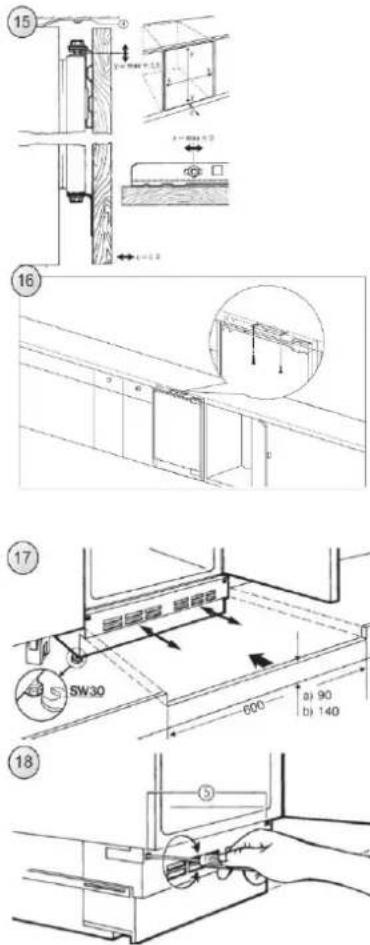
text_image
Technical diagram showing window installation details with numbered components and dimension annotationsLIKVIDACE STARÉHO SPOTŘEBIČE
text_image
Technical schematic diagram of a mechanical or electrical component with labeled parts and directional arrows indicating flow or movement.- Fryserum
- Temperaturstyring
- Hylder
- Æggebakke/dørstativ
- Flaskeholder
text_image
Technical diagram showing cross-sectional views and labeled components of a mechanical or architectural assembly, with annotations in Chinese.(Figur 2)
BETJENING
Start af køleskabet
natural_image
Technical line drawing of an open refrigerator with internal compartments and door (no text or symbols)Termostat
VEJLEDNING
natural_image
Architectural floor plan showing room layouts and structural elements (no text or labels)INSTALLATION AF APPARATET
text_image
Technical diagram showing two structural components with labeled parts and dimension annotations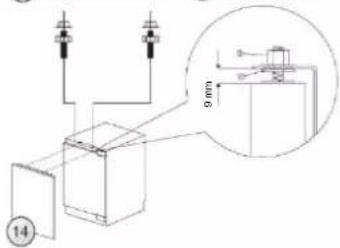
text_image
9 mm 14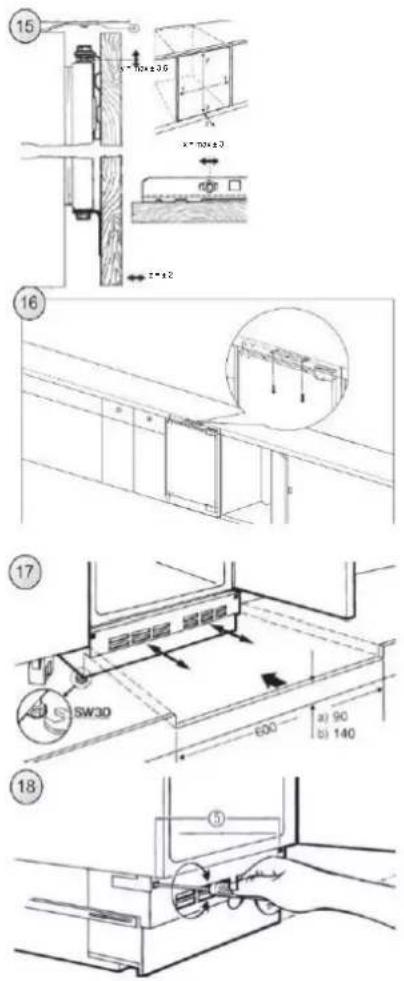
text_image
Technical diagram showing wall-mounted door frame installation with dimensions and component labelsSKROTNING AF GAMLE APPARATER
text_image
Technical schematic diagram of a mechanical or electrical component with labeled parts and directional arrows indicating flow or movement.natural_image
Technical line drawing of an open refrigerator with internal compartments and door (no text or symbols)Termostaatti
OHJEET
natural_image
Architectural floor plan showing room layouts and structural elements (no text or labels)text_image
Technical diagram showing two structural configurations with labeled components and dimensions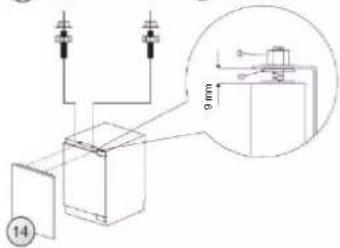
text_image
14 9 mm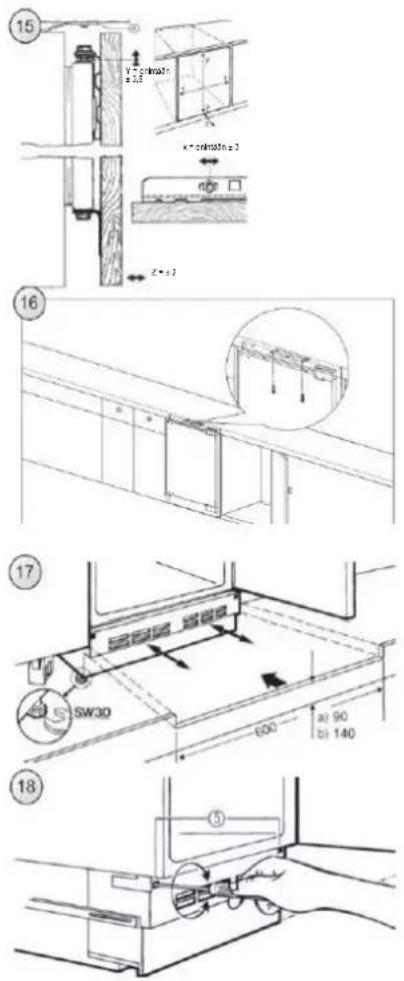
text_image
Technical diagram showing wall and floor installation details with labeled components and dimensionsVANHOJEN LAITTEIDEN HÄVITTÄMINEN
text_image
Technical schematic diagram of a mechanical or electrical component with labeled parts and directional arrows indicating flow or movement.- Fryserom
- Temperaturkontroll
- Hyller
- Eggbrett/dørstativ
- Flaskestativ
natural_image
Technical line drawing of an open refrigerator interior showing door, front panel, and side panel (no text or labels)Termostat
BRUKSANVISNING
Kjølelagring er for kortvarig mat
text_image
Technical schematic diagram of a mechanical or electrical component with labeled parts and directional arrows indicating flow or movement.text_image
Technical diagram showing two structural components with labeled parts and dimension annotations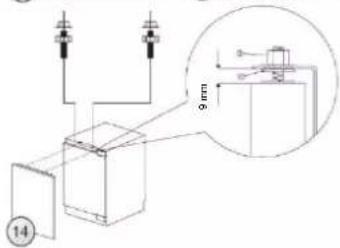
text_image
9 mm 14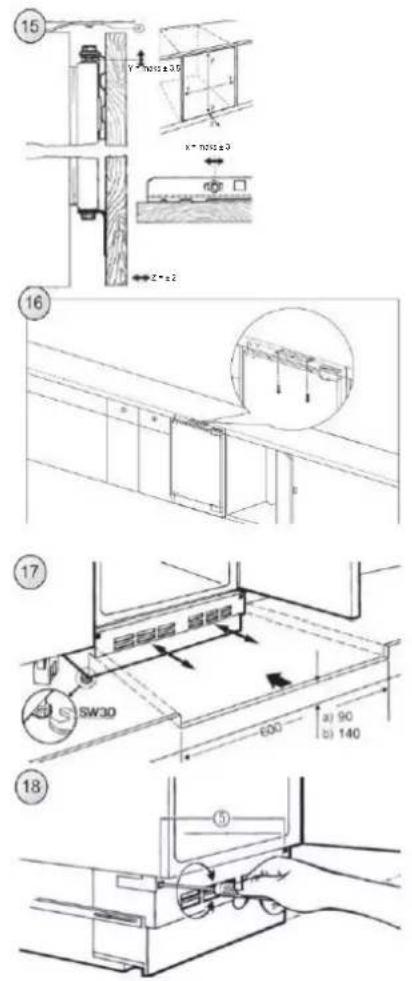
KASSERING AV GAMLE APPARATER
Dette apparatet er merket i henhold til det europeiske direktivet 2012/19/EU om elektrisk og elektronisk utstyr (WEEE).
text_image
Technical schematic diagram of a mechanical or electrical component with labeled parts and directional arrows indicating flow or movement.natural_image
Technical line drawing of an open refrigerator with internal compartments and door (no text or symbols)Termostat
INSTRUKTIONER
natural_image
Architectural floor plan showing room layouts and structural elements (no text or labels)text_image
Technical diagram showing two structural components with labeled parts and dimension annotations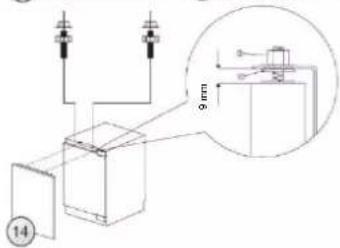
text_image
9 mm 14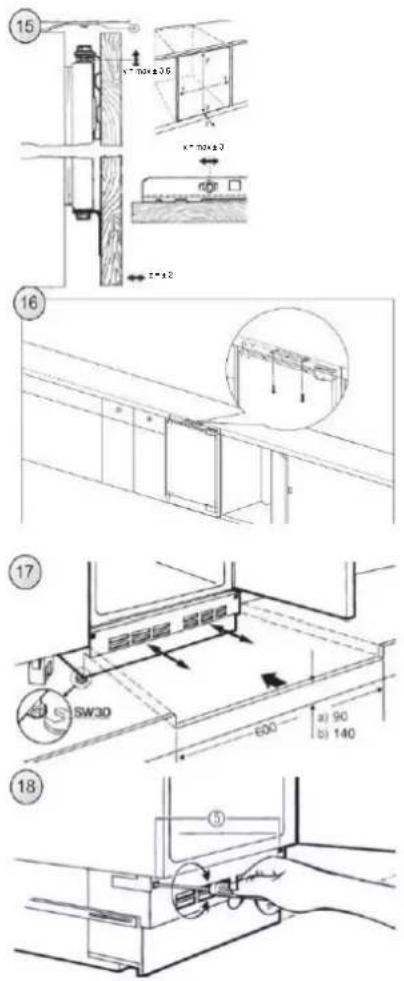
text_image
Technical diagram showing wall and floor installation details with dimension annotations and component labelsKASSERA GAMLA APPARATER
text_image
Technical schematic diagram of a mechanical or electrical component with numbered parts and internal connectionsnatural_image
Technical line drawing of an open refrigerator interior showing internal compartments and door (no text or labels)Termostat
POKYNY
text_image
Technical schematic diagram of a mechanical or electrical component with labeled parts and connection pointsOchranné opatrenia pri skladovaní v chladiacom priestore
text_image
11 L 20 40mm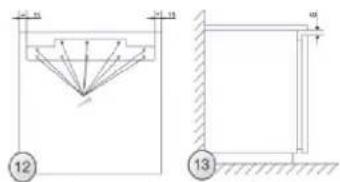
text_image
12 13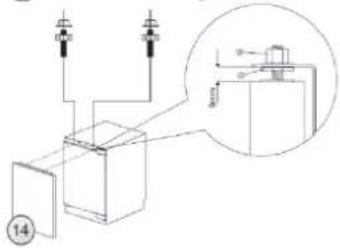
text_image
Technical diagram showing electrical connections and a magnified view of a device with labeled components and dimensions.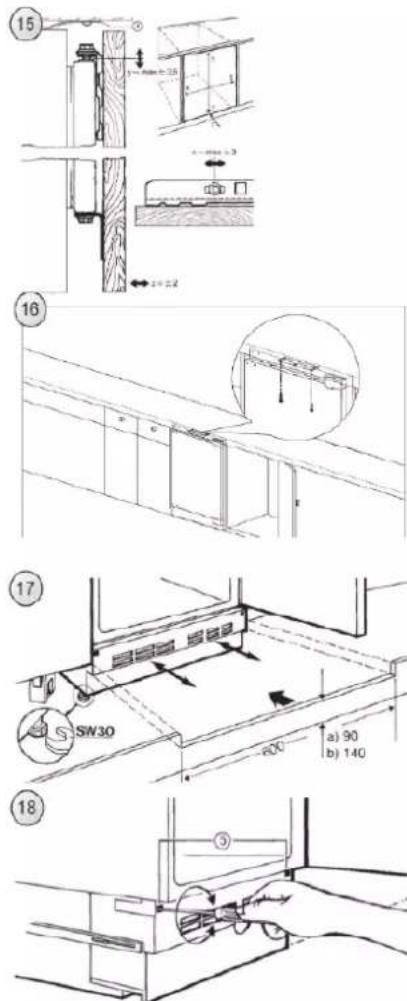
LIKVIDÁCIA STARÝCH SPOTREBIČOV