Ninjago 70751 - Toys LEGO - Free user manual and instructions
Find the device manual for free Ninjago 70751 LEGO in PDF.


| Product type | Construction set |
| Brand | LEGO |
| Model | Ninjago 70751 |
| Model name | The Temple of Airjitzu |
| Category | Construction toys |
| Recommended age | 9-14 years |
| Number of pieces | 2023 |
| Power supply | 1 CR2032 button cell for the light brick |
| Main functions | Construction of 4 buildings (temple, blacksmith's workshop, smuggler's market, etc.), shadow theater with light brick and rotating mechanism, fountain, 13 minifigures |
| Care and cleaning | Clean with a dry, soft cloth. Remove batteries if not used for a long time. |
| Safety | Do not mix different types of batteries. Use under adult supervision. |
| Spare parts and repairability | LEGO pieces are interchangeable and available on the LEGO website. |
| General information | Set from the LEGO Ninjago range, released in 2016, 2023 pieces, 13 minifigures. |
Frequently Asked Questions - Ninjago 70751 LEGO
User questions about Ninjago 70751 LEGO
0 question about this device. Answer the ones you know or ask your own.
Ask a new question about this device
Download the instructions for your Toys in PDF format for free! Find your manual Ninjago 70751 - LEGO and take your electronic device back in hand. On this page are published all the documents necessary for the use of your device. Ninjago 70751 by LEGO.
USER MANUAL Ninjago 70751 LEGO
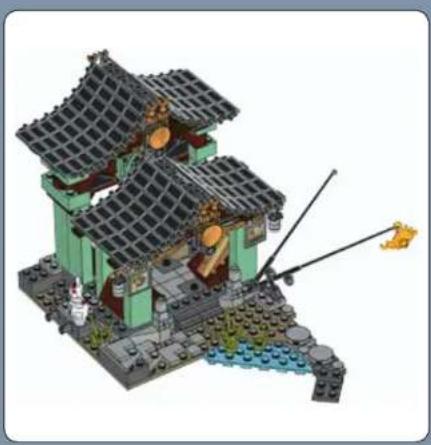
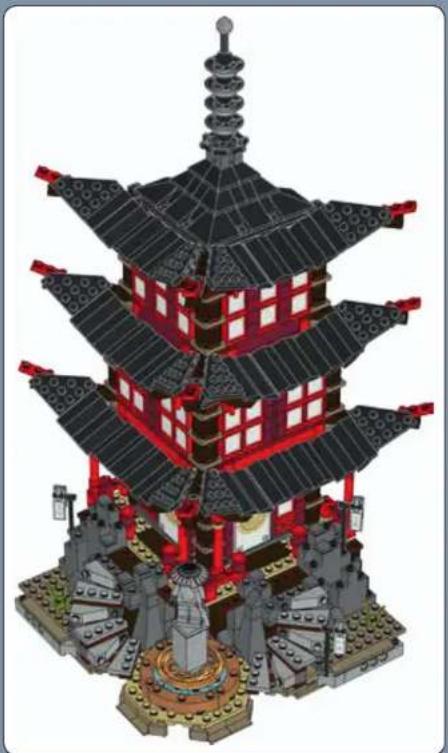
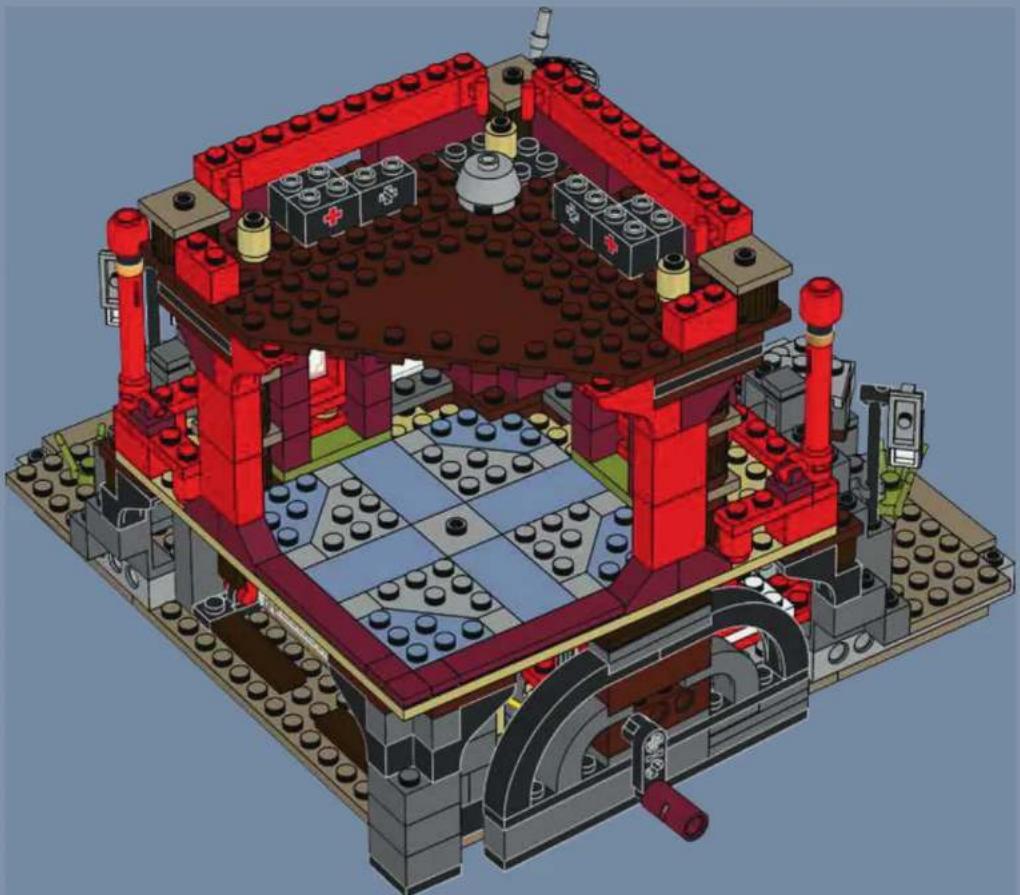
TEMPLE OF AIRJITZU
This is the place where Sensei Yang invented the lost art of Airjitzu. Sensei Yang trained for most of his life to master this airborne style of fighting, but by the time he finally did, he had become a very old man. He decided to pass on his legacy and started accepting students. In the beginning, he was a respected and admired master, and students even raised a statue in front of the temple in his honor. But knowing that his time was coming to an end, he became impatient and was very hard on students who failed to live up to his strict code of discipline and unusual training methods. A common practice was locking up his students in the attic to make sure they had time to reflect on why they failed to succeed in an Airjitzu training session.
Very little is known of what went on behind the temple walls, but the fact that none of his students ever left the temple has given rise to much speculation and many legends and rumors. Sensei Yang became known as "The Sensei without Students," and people made sure to keep their distance from the temple.
It is now believed that the ghost of Sensei Yang haunts the temple, and that anyone who enters and does not exit again before sunrise will themselves become a ghost. Over the years, the temple has fallen into disrepair and has become a popular tourist site.
That was a bit of the grim history of the Temple of Airjitzu... What will the future hold for it? You will just have to make up your own story or keep following the story of LEGO NINJAGO to find out. It would be a pretty cool headquarters for the ninja, wouldn't it?
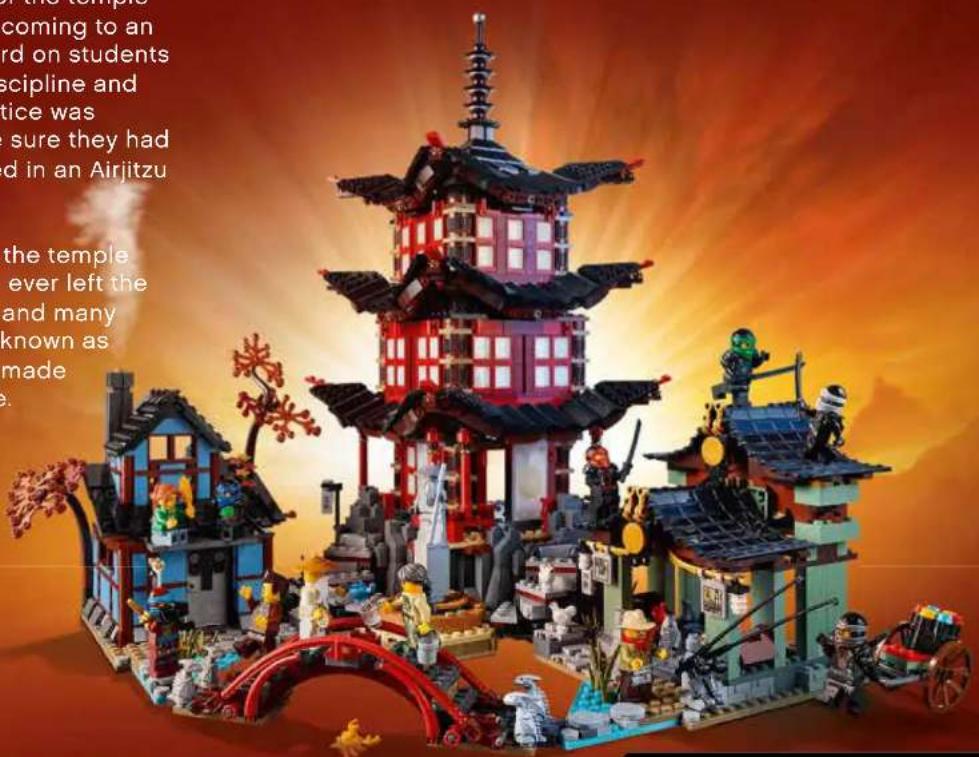
TEMPLE OF AIRJITZU
Little is known about the origin of this historic location. No one knows who built it or when, but it has been around since the EDO period. Many suspect that it is even older than that, and once was the dojo of the First Spinjitzu Master.
NINJAGO CITY
The biggest city in all of the NINJAGO world. The city has seen its share of action and was the main site of the attacks of the Great Devourer, the Overlord, the Stone Warriors, the evil Nindroids, and the Golden Master. But NINJAGO City has always prevailed, and although the city has seen much conflict, destruction, and transformation, the citizens are still honest and hard-working people.
THE WAILING ALPS
One of the highest and coldest peaks in the NINJAGO world. The chilling winds that rush this mountain range make a distinct and frightening sound. The Wailing Alps are the location of the Hypnobrai tomb, and a huge tornado that rages through the area, called the Blind Man's Eye, is said to be a passageway to another Realm.

AN INTERVIEW WITH THE DESIGNERS ADRIAN FLOREA AND THOMAS PARRY
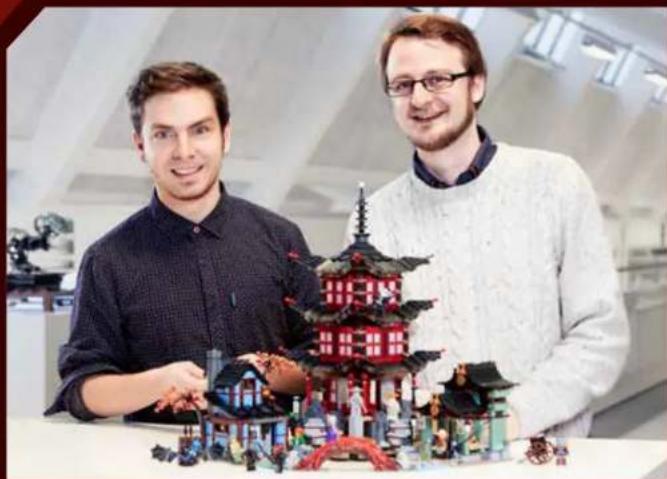
Can you explain a little about the process of designing the Temple of Airjitzu model?
Sure! When I started working on the Temple of Airjitzu, I had already been working on all things LEGO NINJAGO for more than four years, so you could say that I was very familiar with the universe, the tone of voice, and of course our team of ninjas. We have been equipping our ninjas with state-of-the-art vehicles, glorious dragons, and frightening enemies year after year, but we felt that they've been missing something to provide context. A chance to build a large model came up, and my mind was set on the direction from the start. I could finally
use all the bits and builds that I have been keeping in boxes around my desk. In the end, the model still reflects a strong LEGO NINJAGO fantasy-inspired look, with some features that might not be based on reality.
How did you get the inspiration for this set?
It's difficult not to get inspired when digging up references on Asian architecture. The main idea for the model and the layout was to provide our main characters with an environment where they could take a break from saving the NINJAGO world. The centerpiece pagoda is luxurious and intricate, while the blacksmith's shop has a humble feel to it. The contrast is clear in the differences between the buildings such as the color, roof styles, windows, and the purpose they serve. Too much contrast can cause confusion, so I set up the base layout to be visually symmetrical with the fountain serving as the center.
What were some of the challenges you faced?
Knowing when to stop! The village had the potential to grow in so many different directions, but it was important to represent the essentials. The idea of the shadow theater came later in the process, which meant that it had
to be thought out efficiently and as quickly as possible. Determining how to cast the shadows on the foil screen was a complicated process. Some of the early versions had overlapping elements that created interesting shapes and even dragons with the light-brick turned on. One version involved more movement but turned out to be too finicky. Another challenge with the theater was building the mechanism that activates the turntable and light-brick simultaneously, since we can't allow the light to be triggered constantly, which would run down the battery. Challenges like these are fun at the end of the day when it all comes together and works as it should.
What's your favorite part of the model?
It's tricky to pinpoint one favorite part, but I am definitely happy with the visual effect of the shadow play, as it's the first feature of this kind to be added in a model. I have found myself staring at it as if it's telling an old folktale with its minimal language.
What was the toughest part of the model to design?
The Temple (pagoda) has proven to be the trickiest. The unique layout it has, being situated in the corner, came with unexpected surprises. Each level had to be different in width, because the first floor has a
passage on the outside, which means the walls had to be pushed in, and they would pop out by a stud on the next floor only to be narrowed down again on the last floor. The smooth curves of the roofs that have to fit with the rigid base shape of the building were a tough challenge from day one. The temple roof layout was built very differently at first, using tiny ball joints to get the angles just right. It looked nice, but was needlessly complex.
Tell us a little about how you came to work at The LEGO Group.
I graduated with a degree in Industrial Design, and have been putting LEGO bricks together since 2010. My very first models were designed for LEGO NINJAGO. I was happy to discover that the people who were interested in hiring me had known about my models that I had been building with LEGO bricks in my spare time as an AFOL [Adult Fan Of LEGO bricks].
What's your favorite LEGO NINJAGO set?
The Fire Temple still holds a special place in my heart, and a close second would be the second Destiny's Bounty. I tend to get drawn in by ridiculous features that seem to be the signature of so many LEGO NINJAGO sets.
DESIGN PROCESS

The model is close to its final version. The symmetrical layout has started to take shape, and the different heights of the buildings make for an interesting outline. You can tell that there is a focal point where the statue is in the middle of the fountain and the sides extend to fit the two extra buildings. I really get attached to small details such as the tree shade on the rooftop of the blacksmith's shop, so I ended up adding dried leaves to get a similar effect.

Rough quick sketches that helped me get comfortable with the difficult-to-build shapes that are common to Asian-style buildings.

The smuggler's market has stayed mostly untouched with its open structure. The difficult part was deciding on a roof. The garage door segments allowed me at least two options for soft shapes that would reflect the symbolic style. In the end, the more recognizable and intricate double roof was chosen. More details were added with time, such as the fishing rods, crates, and pathway. I am very fond of the two chickens that have taken up residence in the vicinity, probably lured in by the smell of baguettes.
DESIGN FACTS

A very modest-looking house, which in the early days of development set the tone of voice all the way to the final version. At this point, I knew I wanted to include at least one building that had an interesting wooden structure in its walls. This came to life in the blue blacksmith's shop.
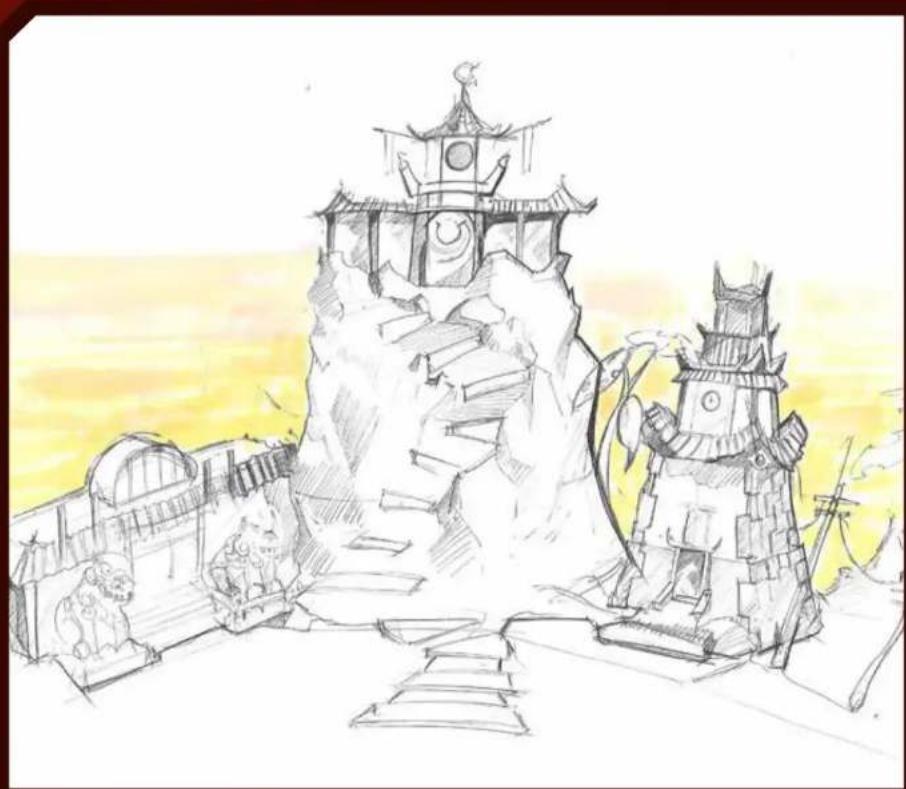
Early on in the process of designing, I was very inspired by the freedom that a model this size offers. Detailed cliffs and wild trees were something I've always wanted to build as part of a model. The cliff went down in size and was replaced by the pagoda-inspired structure. In this early sketch, the direction was different and I wanted to throw in some references to Darkley's Boarding School for Bad Boys and the NINJAGO City Museum, although it made little sense for them to stand side by side.
CHARACTER OVERVIEW
THE NINJA
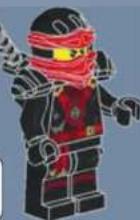
Although any one ninja is powerful, as a team, they are almost unstoppable. The ninja help each other, support each other, and in battle, they are always watching each other's backs. While they have their share of arguments, each one will risk anything for his friends and the team.

KAI JAY ZANE

[Unreadable]


COLE LLOYD NYA WU

∴ m = 3/11

The Ground Truth image displays a single, solid horizontal line. According to Rule 2 (UNDERSCORE & LINE RULES), this is a stylistic or background line, not a placeholder underscore. Therefore, the OCR result must ignore it and output nothing or only meaningful text. The provided OCR content is "____", which consists of four underscores. This is an incorrect interpretation of the line as a placeholder, violating the rule that stylistic lines must be ignored. The OCR has hallucinated underscores where none should exist based on the GT's visual context. Hence, the OCR result is inconsistent with the Ground Truth.
THE POSTMAN
The hardest-working man on NINJAGO Island.
A former post office worker, this postman decided as he
reached retirement age that he needed to get more fresh air and exercise. He started delivering the mail
(and packages with new ninja outfits) himself, but alas, he had not
taken into account how dangerous the NINJAGO world could be. That's why he has developed a wide variety of strange vehicles that can help him get the mail out to even the most remote locations.

JESPER
Employed to make
Yang's Haunted Temple into a pristine tourist attraction, he
unfortunately hasn't been doing a very good job. It's difficult to take care of a
haunted temple when you're afraid of ghosts
He is a very skilled landscaper and gard
but his fear keeps him at
a distance, so the grounds far from the temple are much better kept than the temple itself. If the temple is one day cleared of its ghoulish reputation, then he will undoubtedly do a great job. Until then, it's good that he has his daughter...

CLAIRE
The polar opposite of her father, she hangs around the Temple all the time, not afraid to do some repairs and whatever else her father is too frightened to do.
In fact, she LOVES ghost stories, and in secret she spends as much time as she can investigating the Haunted Temple.
She knows every nook and cranny, and has pretty much unraveled all of the mysteries and dark secrets of the temple...but she keeps it to herself because she doesn't want to scare anybody, especially her father.

MISAKO
Misako Is an
archaeologist for the NINJAGO
Museum of History and Lloyd's mother
Her commitment to her research,
particularly in figuring out how to prevent the prophecy of the Green Ninja from coming true kept her away from
Lloyd throughout much
of his life. Her knowledge and expertise become key to the ninja team's epic journey.

DARETH
Dareth is the owner of a small dojo called
Grand Sensei Dareth's
Mojo Dojo, where he
teaches a small group of students.
Dareth is a laid-back teacher, but a little full of himself. He often
tries to prove that he's
good enough to be one of
the ninja, though he usually fails miserably. Nonetheless
Dareth remains a devoted
friend and supporter of the team.

MOVIE THEATER
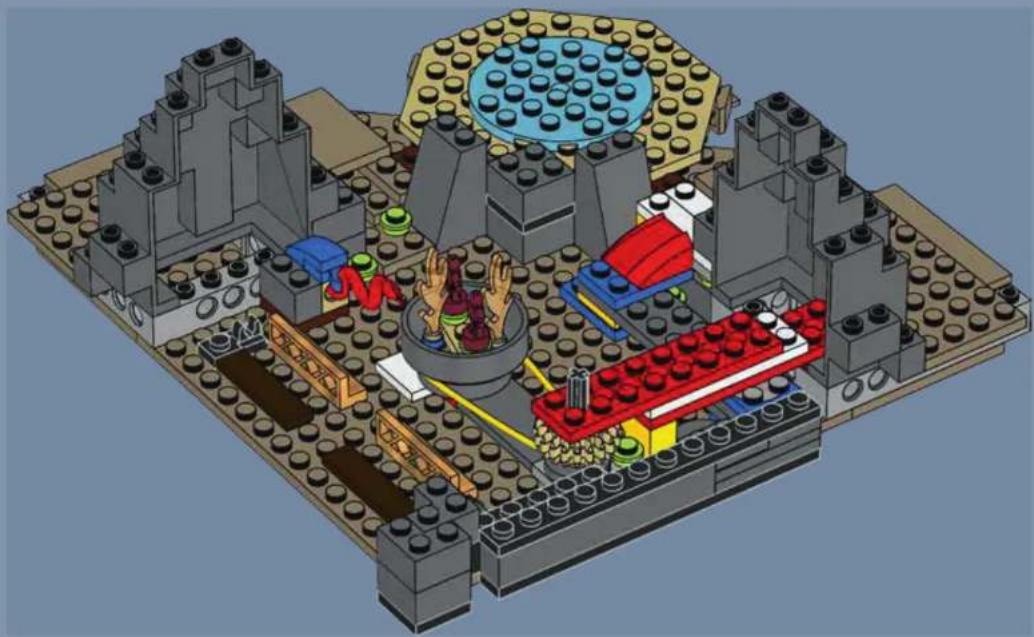
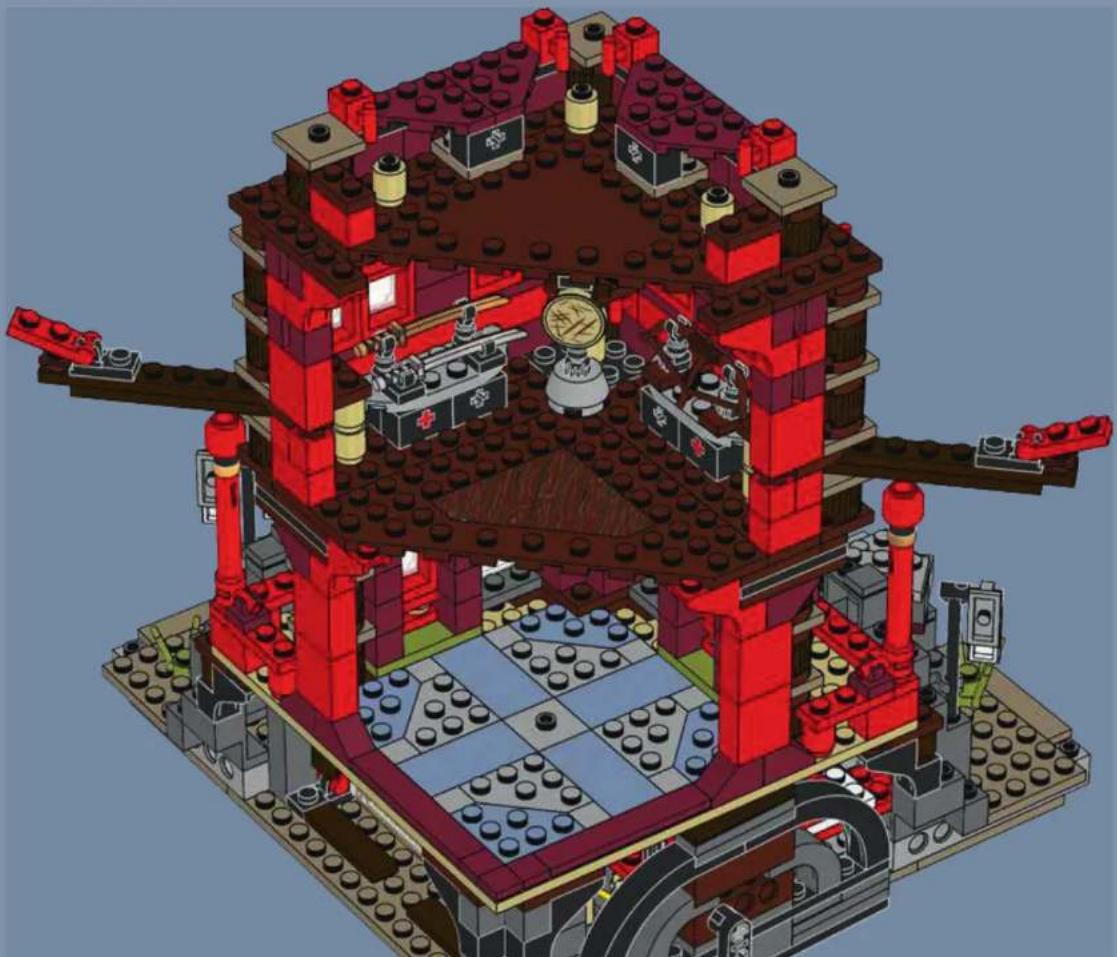
The shadow theater in the model tells a story that is simple enough to be interpreted in many different ways. The silhouettes might even be spirits trapped under the temple, forever reliving their moment of glory, learning how to master the secrets of Airjitzu in an epic fight. But was it their last fight?
The snake for me represents the Great Devourer, the ultimate baddie in the Year of the Snake, and one of the most impactful villains in the LEGO NINJAGO world. The mini Great Devourer could be sneaking in for a bite, and spinning in circles is the best way to defend against the venomous fiend. If you try moving the snake closer to the light-brick, the shadow will grow, and you can recreate a scene of Garmadon and his brother Wu fending off the powerful foe.

THEATER FACTS
It was through a coincidence that I came up with the theater. It just so happened that the Temple of Airjitzu was being designed at the same time that I stumbled upon this alternate use of the light brick, so I knew I had to add this fun new function to the model. The use of shadows can be very symbolic, and it seemed like a perfect fit in the context of the NINJAGO world. It's also an exciting new way of using the light brick, since its 2x3 size can make it a bit clumsy to fit into certain models.
In the days designing the theater and the mechanics behind it, I started playing around with different elements that had interesting effects, such as transparency or odd pieces that projected different kinds of shadows. Once I decided on using the tiny yet adorable trophy figure to represent the characters, the next step was adding movement. A fun challenge was linking the functions together, giving it this old-time kinetoscope feel. You will also notice how the shadows of the characters grow and shrink in size depending on their distance from the light. If the stone steps are removed on the left side, you can also remove the light brick


easily by tapping the wall.
The shadow play has served as a simple yet captivating form of storytelling since ancient times, and has been a part of mythology and entertainment throughout history. Long before the invention of film, the original shadow theater came to be in ancient China, and quickly spread throughout Asia as a traditional art form. Groups of traveling artists would set up plays using myths and legends as subjects and music to accompany the story. I have also heard that it brings good luck!
I think it's a very fun and original function that I hope everyone will enjoy. You can add to it to create your own story, and there are no limits to its functionality. Some say it tells the story of two brothers fighting an unstoppable foe, but I like to think of it as open to interpretation.
LE TEMPLE D'AIRJITZU
ENTREVUE AVEC LES DESIGNERS ADRIAN FLOREA ET THOMAS PARRY

KAI JAY ZANE

-



COLE LLOYD NYA WU

- 实验原理

The Ground Truth image displays a single, solid horizontal line. According to Rule 2 (UNDERSCORE & LINE RULES), this is a stylistic or background line, not a placeholder underscore. Therefore, the OCR result must ignore it and output nothing or only meaningful text. The provided OCR content is "____", which consists of four underscores. This is an incorrect interpretation of the line as a placeholder, violating the rule that stylistic lines must be ignored. The OCR has hallucinated underscores where none should exist based on the GT's visual context. Hence, the OCR result is inconsistent with the Ground Truth.
LE FACTEUR
JESPER
CLAIRE
MISAKO
DARETH
LE THÉATRE
INFORMATIONS SUR LE THÉÂTRE
ENTREVISTA CON LOS DISENADORES ADRIAN FLOREA Y THOMAS PARRY

KAI JAY ZANE

-



COLE LLOYD NYA WU

The image is too blurry to recognize any text content.

The Ground Truth image displays a single, solid horizontal line. According to Rule 2 (UNDERSCORE & LINE RULES), this is a stylistic or background line, not a placeholder underscore. Therefore, the OCR result must ignore it and output nothing or only meaningful text. The provided OCR content is "____", which consists of four underscores. This is an incorrect interpretation of the line as a placeholder, violating the rule that stylistic lines must be ignored. The OCR has hallucinated underscores where none should exist based on the GT's visual context. Hence, the OCR result is inconsistent with the Ground Truth.
EL CARTERO
JESPER
MISAKO
DARETH




1:1 ZX LR 41 1.5V
EN
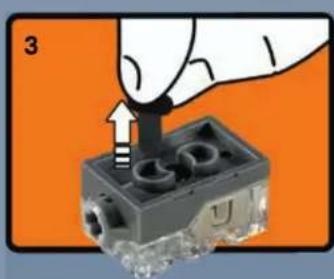
Important information about batteries. Never use different types of batteries together, or a combination of old and new batteries. Always remove the batteries if the product is not to be used for a long time or if the batteries have run down. Never use damaged batteries. This is not necessary to be used, but it is needed, or a corresponding type. Insert the batteries so that the poles are correctly positioned. Rechargeable batteries must be recharged using the correct battery charger under the supervision of an adult. You cannot recharge batteries while they are still in the product, and you must never travel. The battery will never attempt to recharge non-rechargeable batteries. Never short-circuit the battery holder.
NL


LEGO.com/brickseparator

![graph TD A["Top View"] --> B["Yellow Product"] B --> C["Product with Robot"] C --> D["Finished Product"]](/content/2026/04/654984/images/b19d7b2c64a1f2dc8bf9f175bf35f23759ae8568fc63a30b0348bc55e3bd2473.jpg)
2

3

![graph TD A["Top: Cap"] --> B["Yellow Icon"] B --> C["Red Scarf"] C --> D["Green Shirt"]](/content/2026/04/654984/images/1e2e58e189dd4bf5cc030cfb1454d814a51be3fd9617cad829df13eeee64fc98.jpg)

1


2


2x

2x

2x
4


5

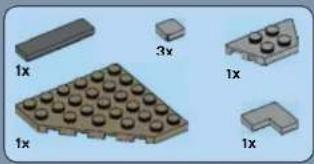
6
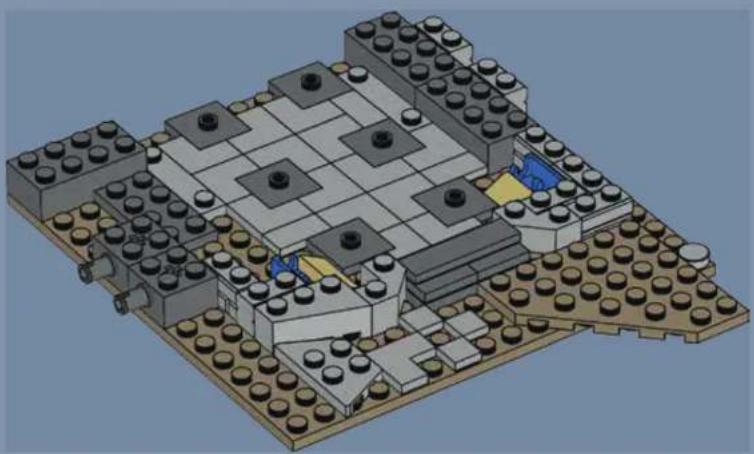

7

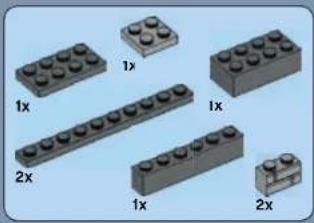


10

1x 1x 1x 1x
11
2 3
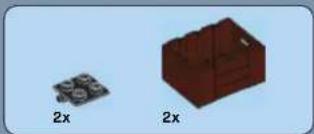
12


14


15

16


17


18


19


20


21


1

2

3


4

5


6

7


2
3

60

1:1

9

10


11


12


13

22


23

24

25

26


27

28
29


30

31


32

33


1


2
74


3

4


5

6

7

8
34

35

36


37


38

39


40
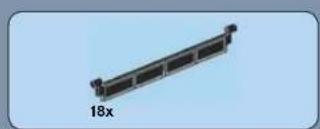
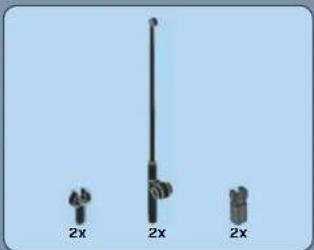
41


42


43


1
![graph TD A["Head"] --> B["Body"] B --> C["Torbot"] C --> D["Leg"] D --> E["Back"]](/content/2026/04/654984/images/92fd7a7b2c9a0be3a1f41c4e0b0e8309cdc1390df750302ae15e9a8e912d1713.jpg)
2

3


1


2
3

4
5

6


7
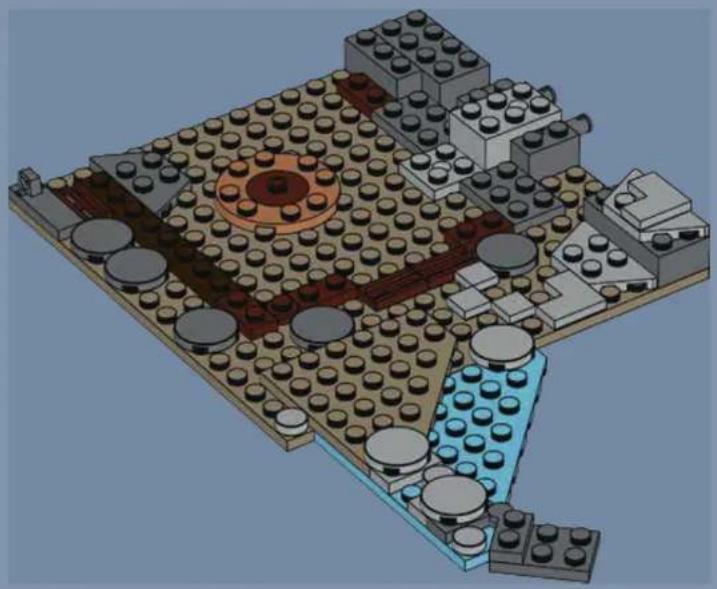

8
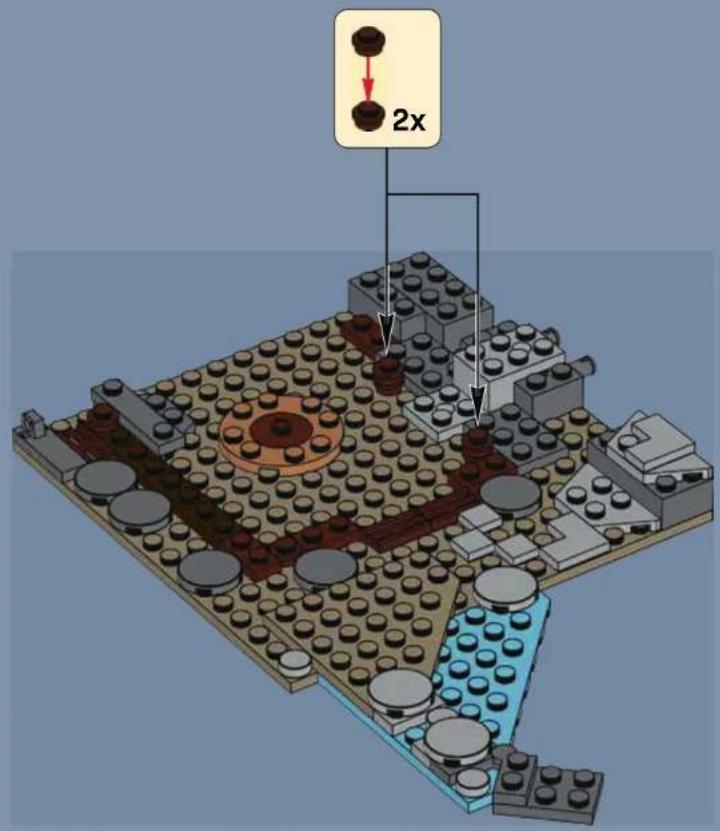

9


10


11


12


13


14
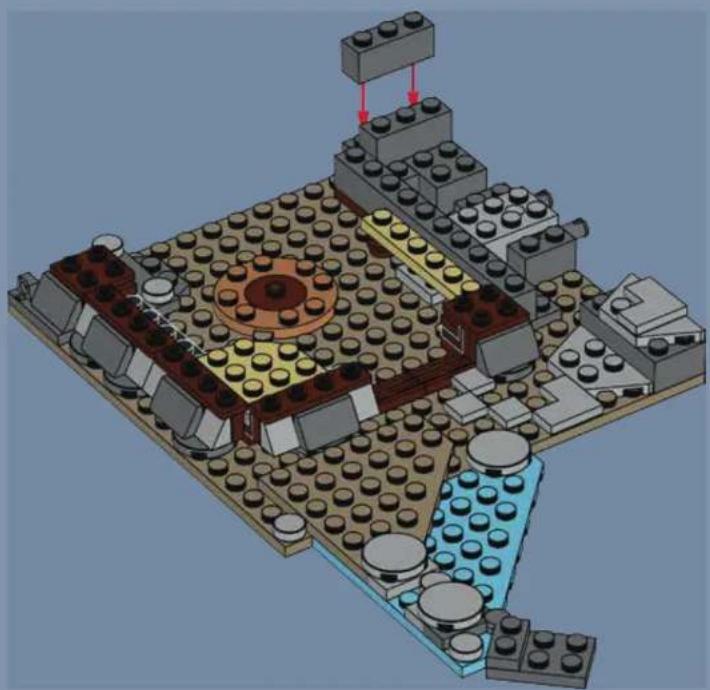

15


17


18
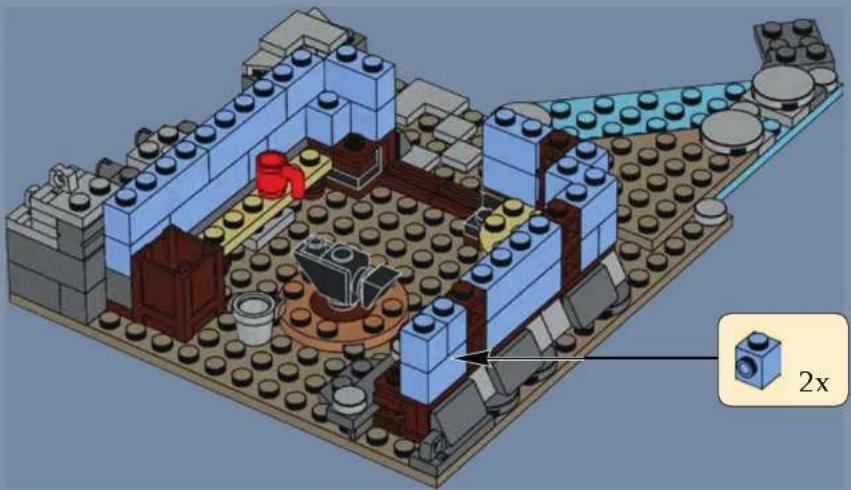
19


21

22
![graph TD A["Step 1: Stabilized Block"] --> B["Step 2: Rotation Red Arrow"] B --> C["Step 3: Rotation Blue Arrow with Shift"] C --> D["Step 4: Stabilized Block"] D --> E["Step 5: Receiving Top Box"] style A fill:#f9f,stroke:#333 style E fill:#bbf,stroke:#333](/content/2026/04/654984/images/798bf55ec7d5340e0e203299afeb49f2573f93fe8330785e862a1ffe66d988ec.jpg)


23
24

25
1
2

3


4
5

27


28


29


1


2


3


4
5
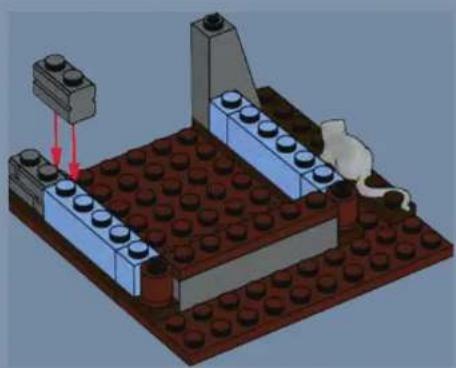

6

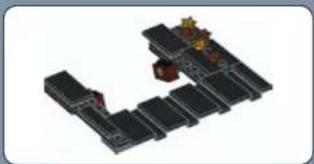

1

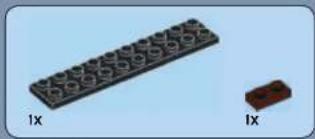
2


3

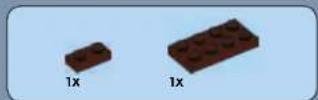
4


5

6


7


8
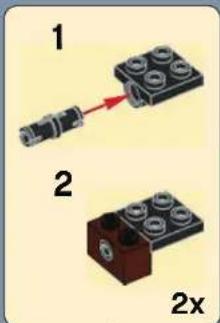

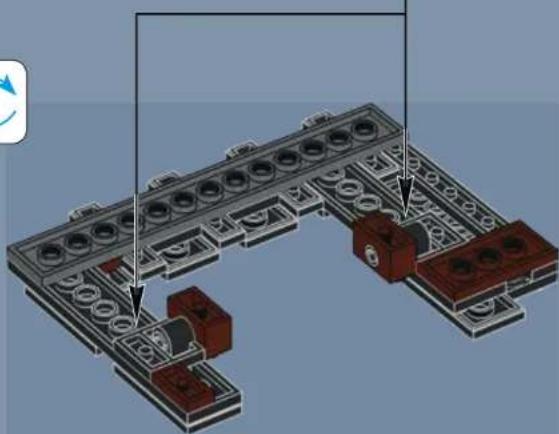

9

7
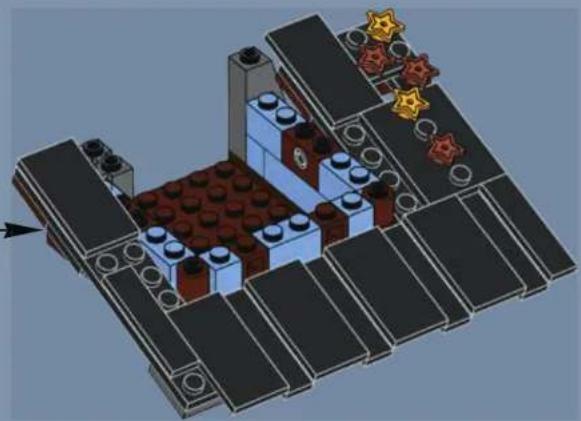


9

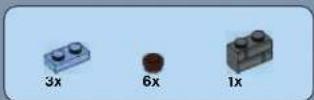
10


11


12


13


14
1
2

3


15
1

2

3

4


16

132
30


31


32

![graph TD A["Step 1: Valve and Connector"] --> B["Step 2: Connectors to Node"] B --> C["Step 3: Valve and Connector"] C --> D["Step 4: Final Assembly with Controlled Structure"]](/content/2026/04/654984/images/5e007de1792bc452e66093b7c5b5024b44662e9b845230c482016bc43e3d1f55.jpg)

33

![graph TD A["Central Component"] --> B["Assembly Step 1"] B --> C["Assembly Step 2"] C --> D["Assembly Step 3"] D --> E["Assembly Step 4"]](/content/2026/04/654984/images/c935ed652f8a7cd3a2703b5b97aa4a7f2432df99f3ae25f01d6e13a86842cd25.jpg)

34


1
![graph TD A["Assembly: Green helmet"] --> B["Yellow connector"] B --> C["Product: Robot with green gear"]](/content/2026/04/654984/images/968d960f6e1f0d4333208eab99d8ae9790d71ab21e5df9c3430b2f154cb3c978.jpg)
2

3


1


2


3


4

5


7


9


10
2x 4x 2x 4x
11
2 3
2x

12


13


14


15


16
2x 1x 2x
17
18



19


20


21


22


23
24


25


26


28
29


30


31


32


3
4

5


3x 3x 3x
33
2 3
4

5



34
1

3

4
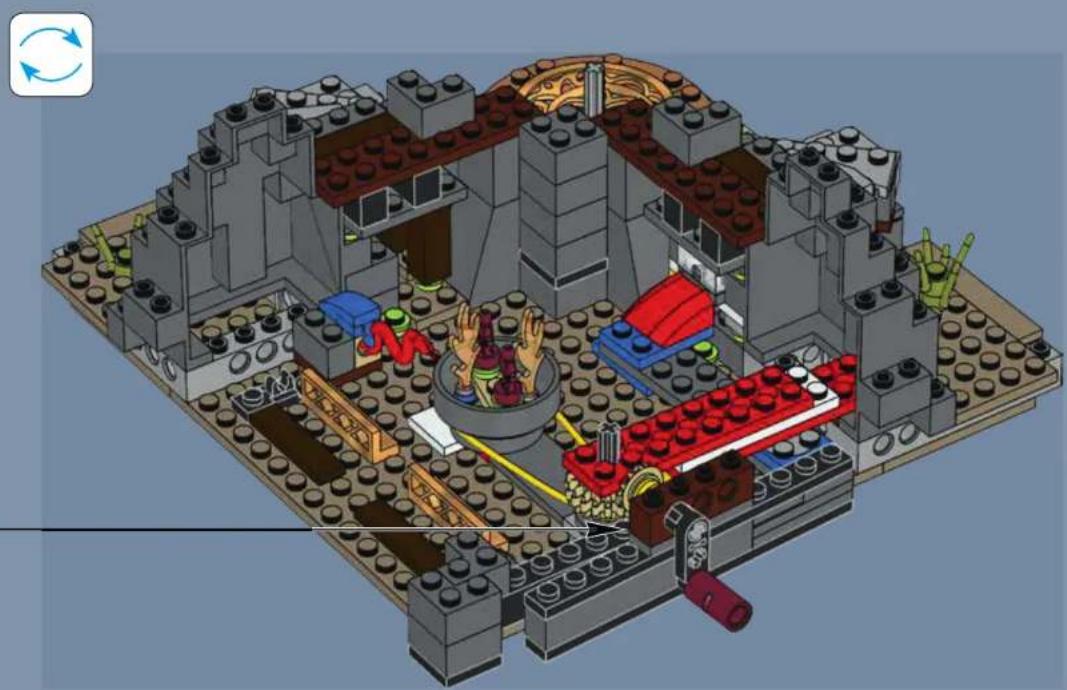
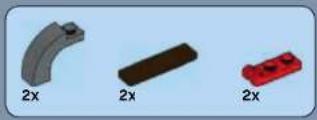
35

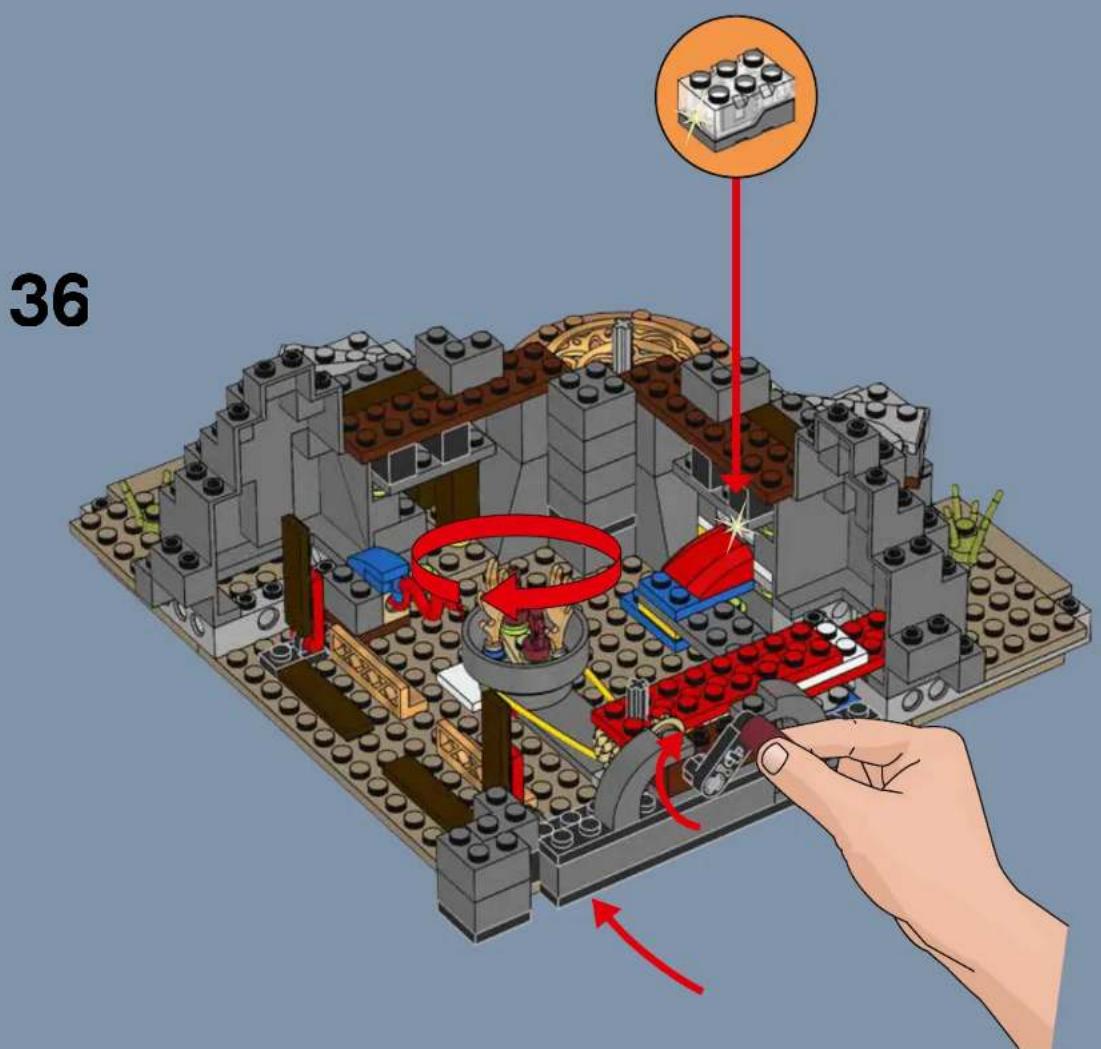
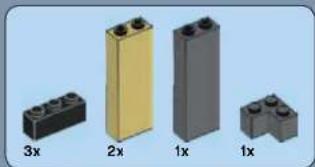
37

38

39

40

41


42


![graph TD A["Top View"] --> B["Yellow Robot"] B --> C["Bottom View"] C --> D["Bottom View"] style A fill:#f9f,stroke:#333 style B fill:#ccf,stroke:#333 style C fill:#cfc,stroke:#333 style D fill:#fcc,stroke:#333](/content/2026/04/654984/images/22f52e1df4a82631b1e533a900e44075253f9b97b67842270c1d93269575311d.jpg)

1


2


3


4

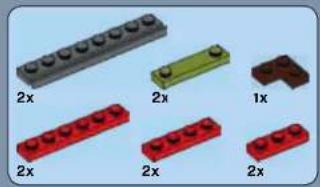
5

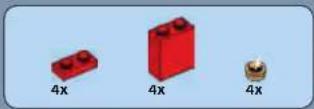


9


10
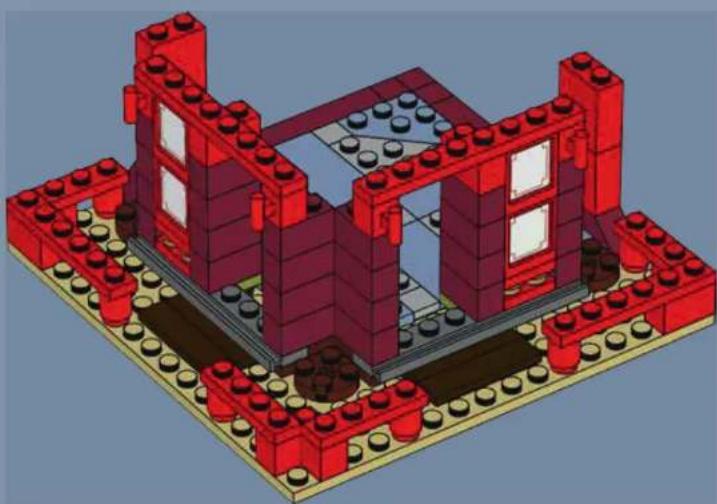


11
1
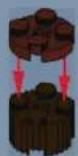
2

3

4

5

6
3x

12

13

14
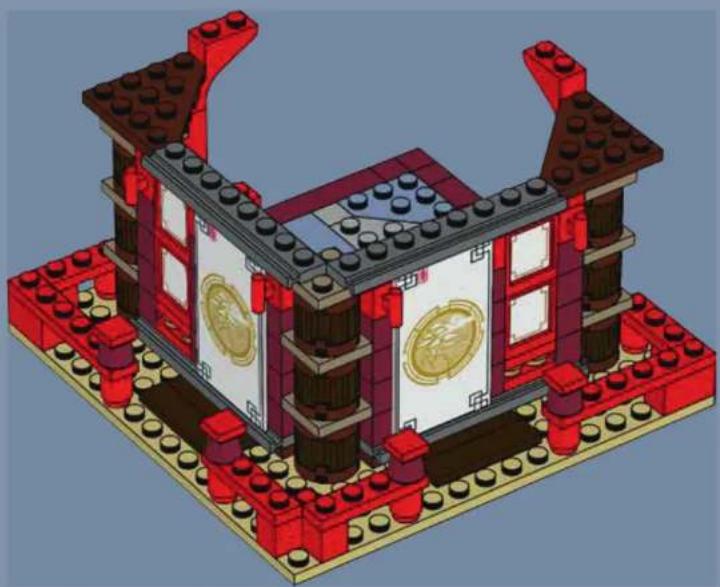


15


16


17

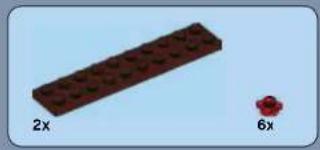
18


19


20

44


45


46
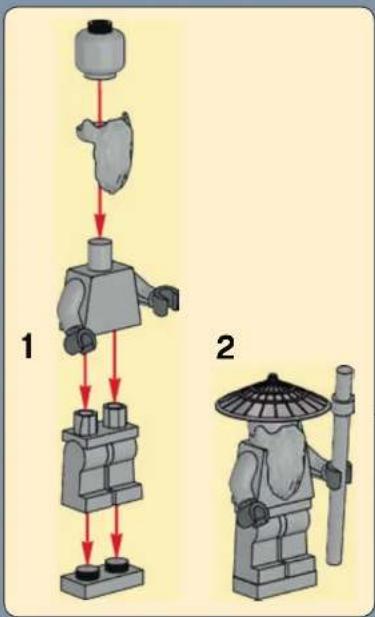
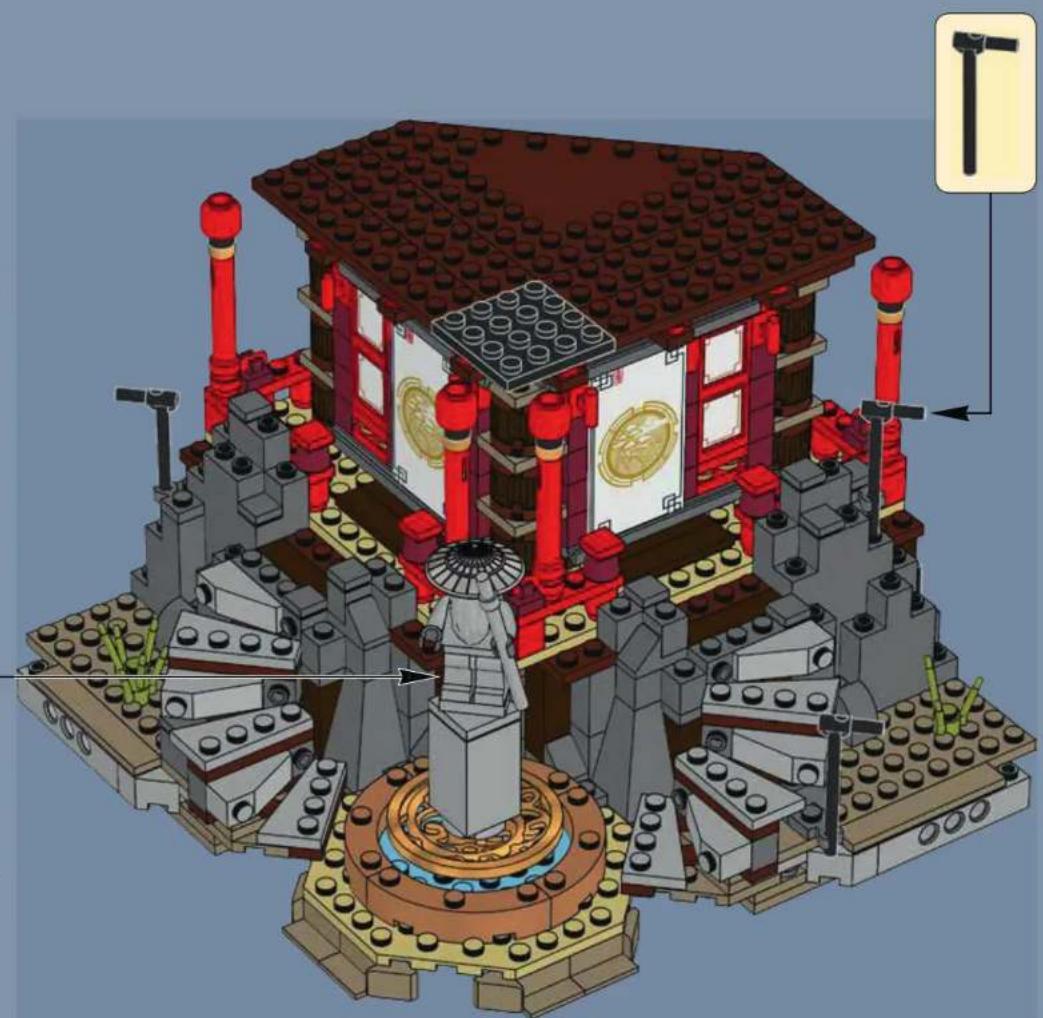
47

48

49

50
51


2x

3x

2x
52


53

54
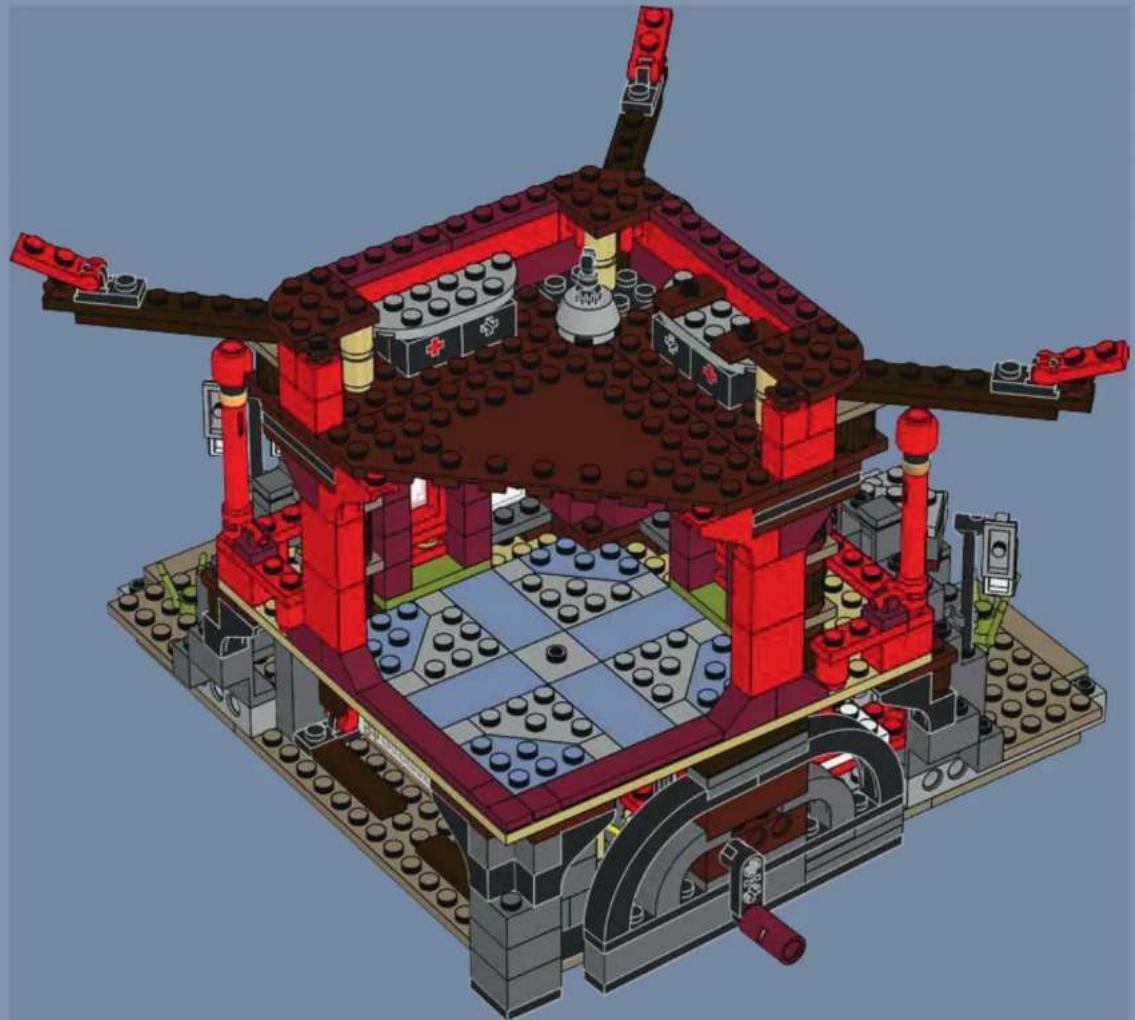

55


56

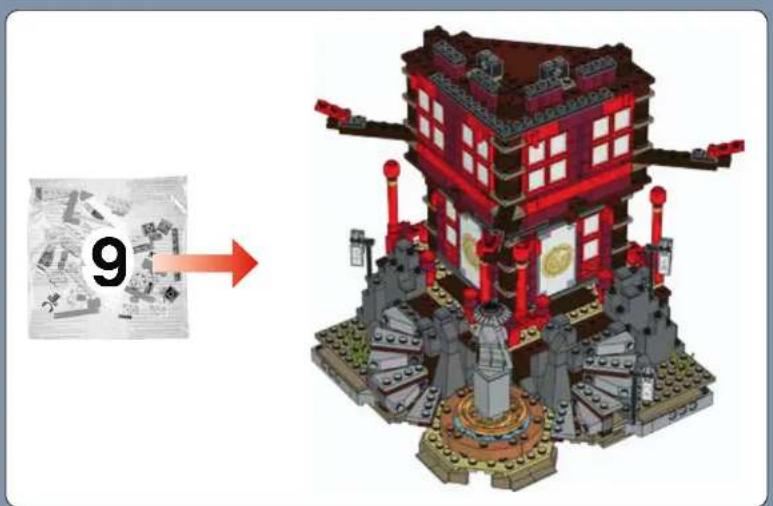

57
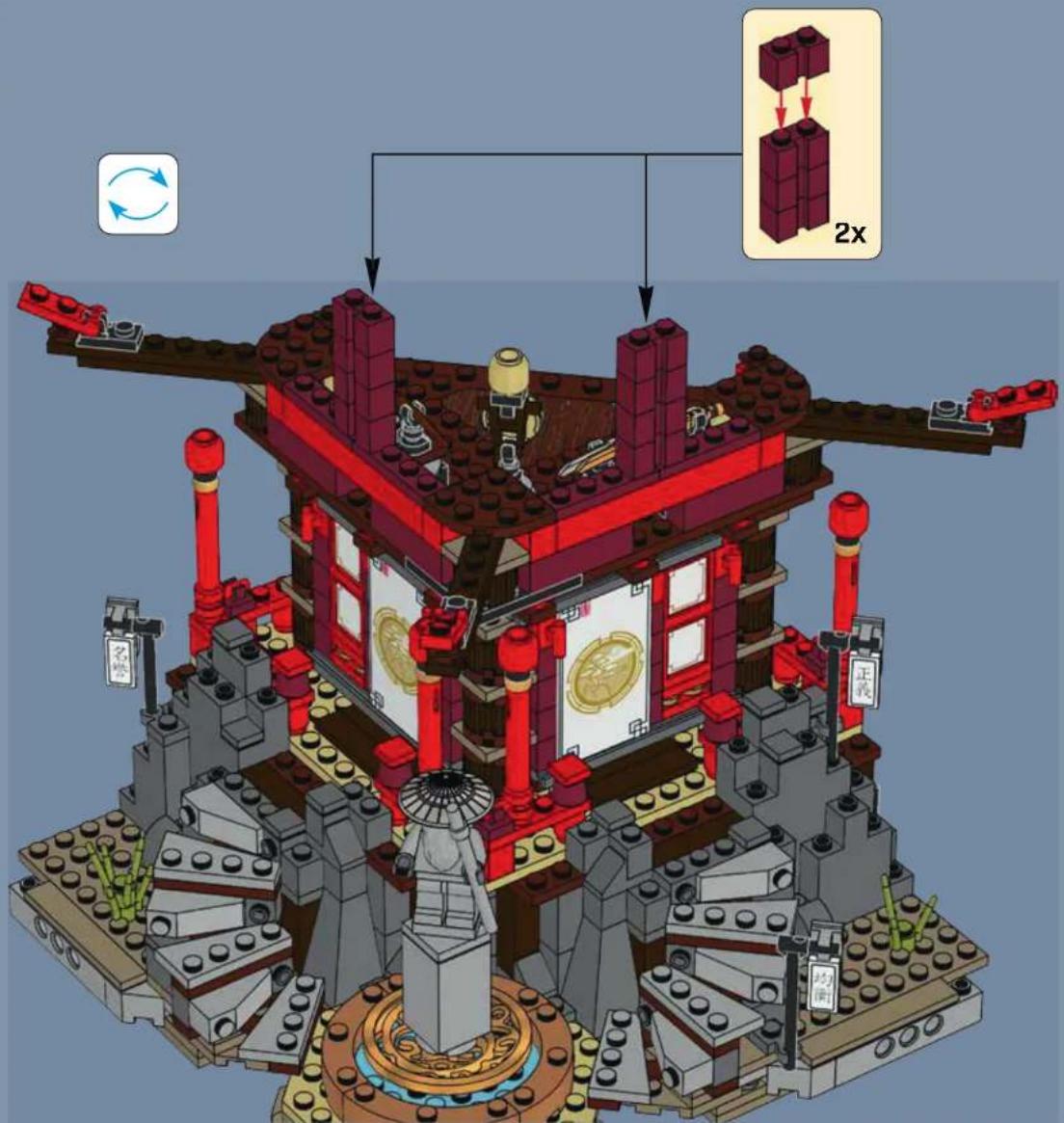

58

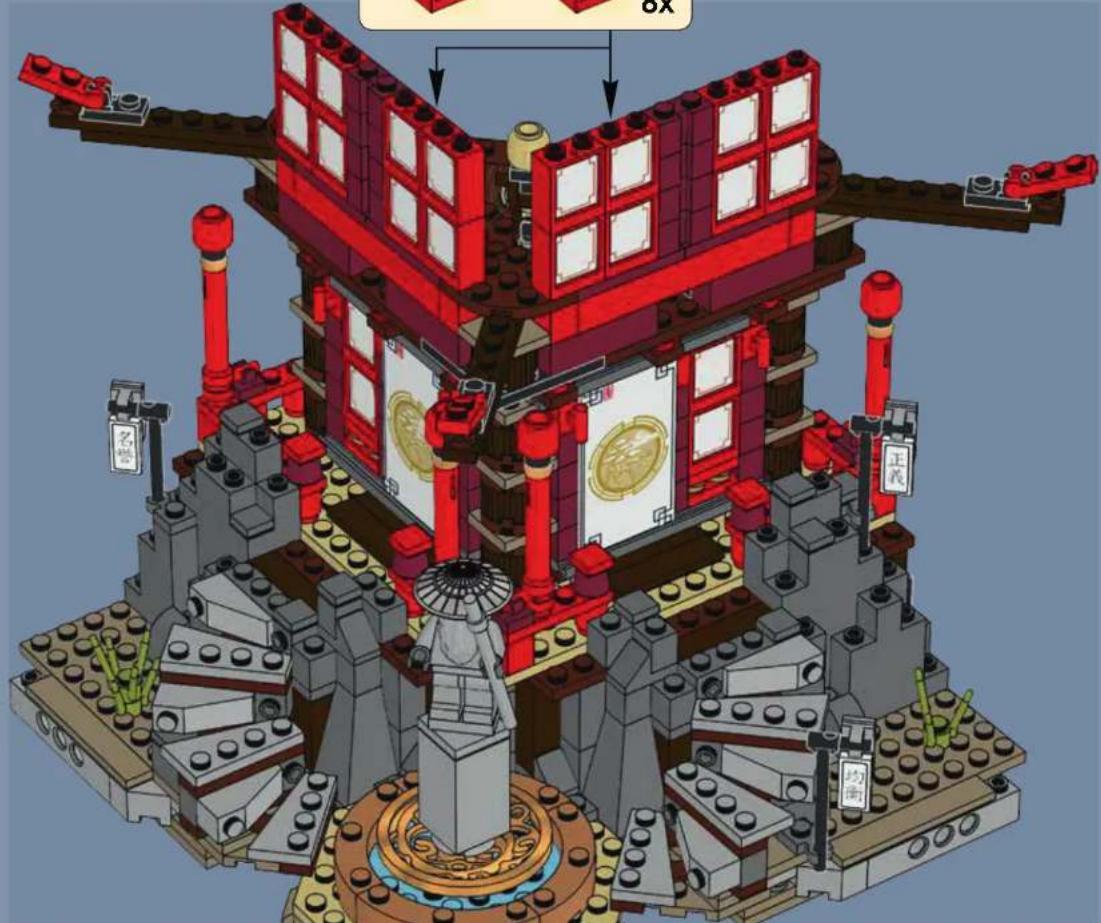

60

61


62

63

64


65


4x

2

4x

3x
66


67


68


3x

4x

2x
69


70


71


72


73


74


75
1
3
2

4

3x


12x

12x
76


78

79


80

81
82


84


85


87


88

89
1

2

3


1

2
3

4


3

4

![graph TD A["1"] --> B["2"] B --> C["3"] C --> D["4"]](/content/2026/04/654984/images/9e6feb3d1ebb8e027e6d7d12874b9e53a32ec96a1fcc436c049144e337f7b133.jpg)


93

94


2
2
3


1

2

3


4

5


6


7

8


9


10


11

12
13
27:
14
?x


1

2


3

4


5


6


7

8


9

276

10


11


12

13

96


6


7


8


9


10


11


2x
97
98
![graph TD A["2x"] --> B["+"] B --> C["13"] C --> D["Robot Arm"] C --> E["Robot Car"] C --> F["Robot Board"] C --> G["Red Bridge"] H["1"] --> I["Robot Arm"] I --> J["Robot Car"] K["2"] --> L["Robot Arm"] L --> M["Robot Car"] N["3"] --> O["Robot Arm"] O --> P["Robot Car"] Q["End"] --> R["End"]](/content/2026/04/654984/images/497e44a184c34724bcd56cc44af2068311fa81b1153a0eddc9dc1abcad079656.jpg)

![graph TD A["Beach Slice"] --> B["Yellow Smile Face"] B --> C["Character: Red Luggage"] C --> D["Arrow Down"] D --> E["Arrow Up"]](/content/2026/04/654984/images/69067656fa391173577c259561c2d74774a7e793457f8e70d83c8f4e5014f964.jpg)




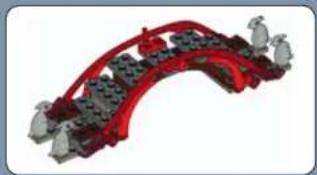

1


2


3


4
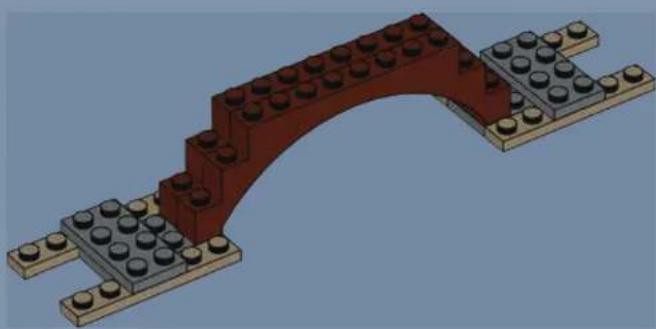

5
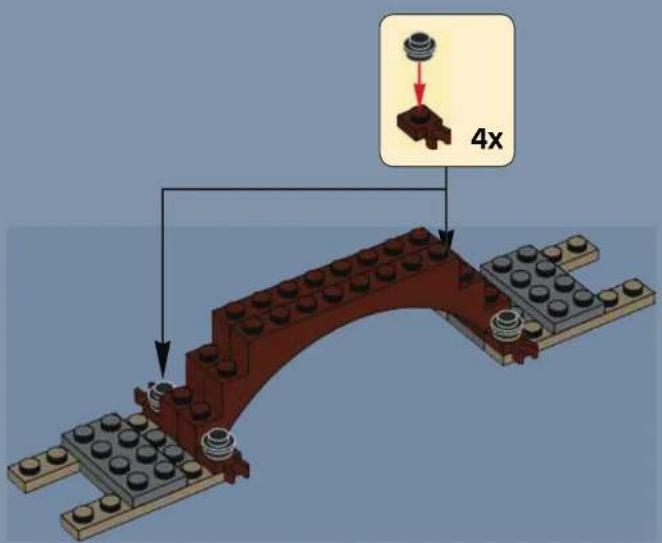

6
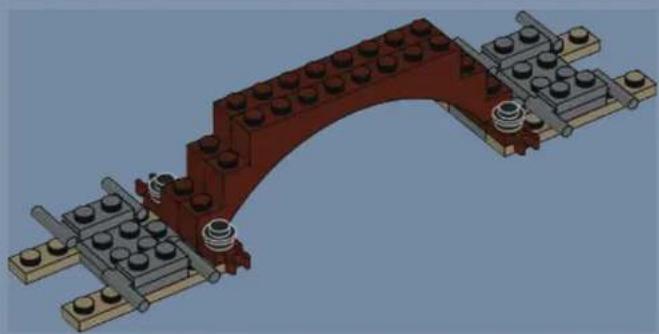

7


8
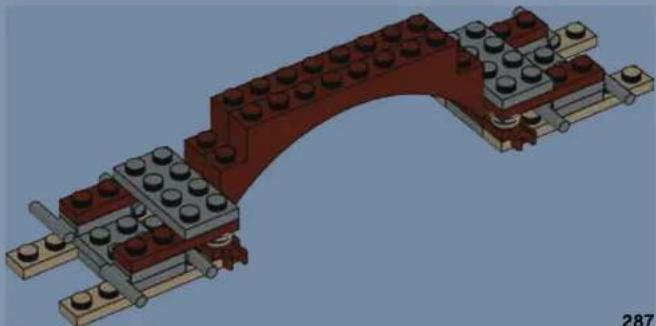

9
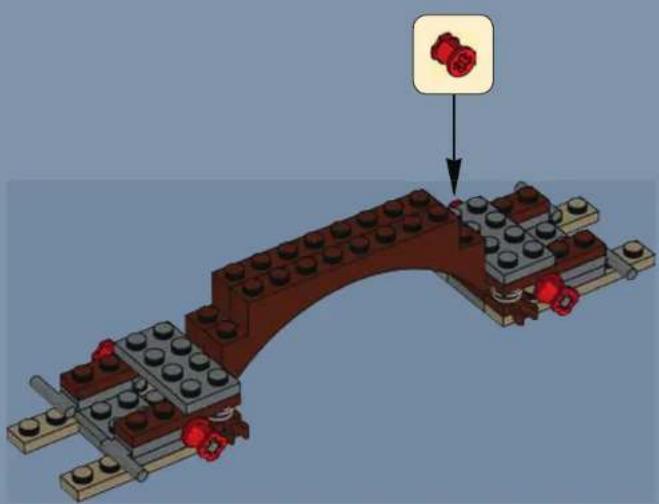
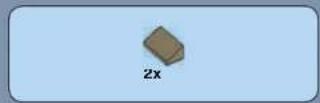
10


11

12


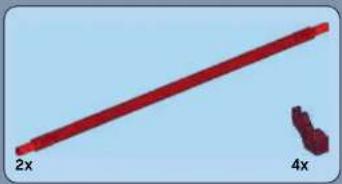
13


14


1
2


3

4

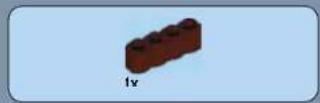
5
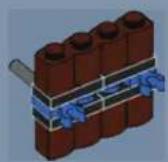

6
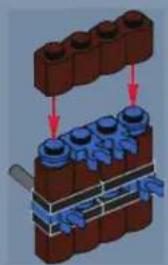
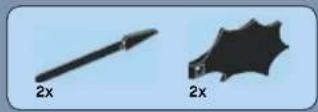
7
8


1


2

3


4




1:1

5

6


7


8


1Y.
605091
[Non-Text]
2
3
12
1x
BC69002
[Table_Title]
The image is too blurry to recognize any text content.
The image is too blurry to recognize any text content.
1x
4119410
The image is too blurry to recognize any text content.
The image is too blurry to recognize any text content.
24
ECER3
50/553
©
1
•
D
2x
459713
The image is too blurry to recognize any text content.
Rv
GX
61401
2.1.1 中国银行
[Non-Text]
[Unreadable]
15
1x
5048719
BC46385
∴ m = 3/11
∴ m = 3/11
C
1
The image is too blurry to recognize any text content.
1x
6011794
10.5%
-
国家
图4
[Unreadable]
1x
512275
612315
(1)
[Unreadable]
2018
1x
12
4609289
∴ m = 3/11
2
to
当
2x
6083275
(五)表决权
•
•
•
4x
8048905
∴ m = 3/11
-
[Unreadable]
1
1x
4526981
30.75%
300

5x 6066102

12x 4598528

6000650

fx

Δv

(1)
5x

29 663626

4243819

1x 270526

39582F

12
2x

3x
4514845

59 4500064

2x

2x 381920

1v

1x

10x 814126

1x

12v


6x 4108347

4x


1x
The image is too blurry to recognize any text content.
348 4591526

48
395726

3x
462311

[Unreadable]
1x
00742

[Unreadable]
1x
\$17,561

[Unreadable]
1x 817092

图
[Unreadable]
617(29

无法识别
1x
6117277
The image is too blurry to recognize any text content.

1x


1x
017568

1x
6117082

[Unreadable]
1x
617084

[Unreadable]
61721

[Unreadable]
613948

1x
6113987

1x
6113991

1x
6113995

1x
6113079

5x
6038493

1

1
1

2x
4656122

4106552
1

434926

1x

∴ m = 3/11

1x
6043130

1
5x 811
- 2017年1月1日

2x
449726

1x


6118839


2x
4277507
-
1 + u/1 - u/1 = ( 1 + u) u1 < u/1 = u
[Non-Text]
[Non-Text]

1x
46002E

4621116
[Unreadable]

4289538


2x 453220
1.2.2.2017


4124095

5x


12 4557044


6x
4107082

4121715

19
370526


3v
373726

∴ m = 3/11

1x
370826


1x 51/2010
2、担保人:

19
610084
∴ m = 3/11
∴ m = 3/11
[Non-Text]
[Non-Text]
[Non-Text]
[Non-Text]
[Non-Text]
[Non-Text]
[Non-Text]
[Non-Text]
[Non-Text]
[Non-Text]
[Non-Text]
[Non-Text]
[Non-Text]
[Non-Text]
[Non-Text]
[Non-Text]
[Non-Text]
[Non-Text]
[Non-Text]
[Non-Text]
[Non-Text]
[Non-Text]
[Non-Text]
[Non-Text]
[Non-Text]
[Non-Text]
[Non-Text]
[Non-Text]
[Non-Text]
[Non-Text]
[Non-Text]
[Non-Text]
[Non-Text]
[Non-Text]
[Non-Text]
[Non-Text]
[Non-Text]
[Non-Text]
[Non-Text]
[Non-Text]
[Non-Text]
[Non-Text]
[Non-Text]
[Non-Text]
[Non-Text]
[Non-Text]
[Non-Text]
[Non-Text]
[Non-Text]
[Non-Text]
[Non-Text]
[Non-Text]
[Non-Text]
[Non-Text]
[Non-Text]
[Non-Text]
[Non-Text]
[Non-Text]
[Non-Text]
[Non-Text]
[Non-Text]
[Non-Text]
[Non-Text]
[Non-Text]
[Non-Text]
[Non-Text]
[Non-Text]
[Non-Text]
[Non-Text]
[Non-Text]
[Non-Text]
[Non-Text]
[Non-Text]
[Non-Text]
[Non-Text]
[Non-Text]
[Non-Text]
[Non-Text]
[Non-Text]
[Non-Text]
[Non-Text]
[Non-Text]
[Non-Text]
[Non-Text]
[Non-Text]
[Non-Text]
[Non-Text]
[Non-Text]
[Non-Text]
[Non-Text]
[Non-Text]
[Non-Text]
[Non-Text]
[Non-Text]
[Non-Text]
[Non-Text]
[Non-Text]
[Non-Text]
[Non-Text]
[Non-Text]
[Non-Text]
[Non-Text]
[Non-Text]
[Non-Text]
[Non-Text]


2x
421097F

600031

tv
491025

11x

4211060

4X
421104

Tx

2x
421100

2x

1x

1x

10x
4583879

6x

4216709

1x
421103

4210935

4x

5x

2

12214

6069162

2x
6035351

2x

4210797

607261

fly
2A
452899
The image is too blurry to recognize any text content.
10/4
4210848

421063

Rx

8x
4210635

421133

Δy
421043

1x

ay
421001

1r
4598769

2x

14x
4211065

∴ m = 3/11
2x

2x
450991

[Unreadable]
2x

The image is too blurry to recognize any text content.
4257526

1x
4210876

4587212

1v
4210882

12Y


bx

4x
4210967

4210633

5x
6055313
∴ m = 3/11

6056295


1x


4508926
(1) 2017年1月1日


10
∴ m = 3/11
1x
4521000

1
E200145


6000970

1x
4210789

1
4549886

12
4212529

2x
suniagno

4x
4211066


Δv

1
3x
4211088


17
6083816

The image is too blurry to recognize any text content.

4556410

12
6123980

6069887

lx
6071259

[Unreadable]

4523160

The image is too blurry to recognize any text content.
6x
4523159

6066345
表决结果:
∴ m = 3/11

2x
4538675

The image is too blurry to recognize any text content.

[Unreadable]

1. 2017年

2017年


1x
45177

2.44


[Unreadable]


[Unreadable]

[Unreadable]


The image is too blurry to recognize any text content.
1x

∴ m = 3/11
5
6

2x
4

Δv
6

The image is too blurry to recognize any text content.
3

(1)
1x
6

•
2


4

5
5

6
n=5
∴ m = 3/11
- 6
2
4

19
49

•
2
4
∴ m = 3/11
- •
21
45

1x 4536
-

42
1x
40292

1x
60581

1x
60866
[Unreadable]

46573

)
The image is too blurry to recognize any text content.
2x
61093

-

LEGO.com/productfeedback
GEWINNE


- TEMPLE OF AIRJITZU
- NINJAGO CITY
- THE WAILING ALPS
- AN INTERVIEW WITH THE DESIGNERS ADRIAN FLOREA AND THOMAS PARRY
- HOW DID YOU GET THE INSPIRATION FOR THIS SET
- WHAT WERE SOME OF THE CHALLENGES YOU FACED
- WHAT'S YOUR FAVORITE PART OF THE MODEL
- WHAT WAS THE TOUGHEST PART OF THE MODEL TO DESIGN
- TELL US A LITTLE ABOUT HOW YOU CAME TO WORK AT THE LEGO GROUP
- WHAT'S YOUR FAVORITE LEGO NINJAGO SET
- DESIGN PROCESS
- DESIGN FACTS
- CHARACTER OVERVIEW
- THE NINJA
- THE POSTMAN
- JESPER
- CLAIRE
- MISAKO
- DARETH
- MOVIE THEATER
- THEATER FACTS
- LE TEMPLE D'AIRJITZU
- ENTREVUE AVEC LES DESIGNERS ADRIAN FLOREA ET THOMAS PARRY
- LE FACTEUR
- LE THÉATRE
- INFORMATIONS SUR LE THÉÂTRE
- ENTREVISTA CON LOS DISENADORES ADRIAN FLOREA Y THOMAS PARRY
- EL CARTERO
- EN
- NL
- 4
- 27
- 30
- 31
- 32
- 34
- 37
- 38
- 39
- 21
- 25
- 26
- 42
- 44
- 52
- 68
- 69
- 70
- LEGO.COM/PRODUCTFEEDBACK
- GEWINNE
Brand : LEGO
Model : Ninjago 70751
Category : Toys