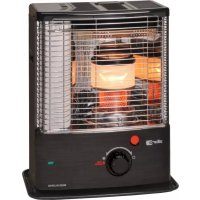
RC 270 - Heating ZIBRO - Free user manual and instructions
Find the device manual for free RC 270 ZIBRO in PDF.



| Product type | Liquid fuel mobile heater (kerosene) |
| Brand | Zibro (Toyotomi) |
| Model | RC 270 |
| Nominal heat output | 2430 W (203 g/h) |
| Maximum heat output | 2700 W (225 g/h) |
| Minimum heat output | 2160 W (180 g/h) |
| Efficiency | 100 % |
| Energy efficiency index | 95.0 % |
| Dimensions (W x D x H) | 428 x 295 x 513 mm |
| Weight | 9.0 kg |
| Fuel tank capacity | 4.0 L |
| Operating time | 14.2 to 17.7 hours |
| Fuel consumption | 180 to 225 g/h (0.225 to 0.281 L/h) |
| Recommended fuel | High quality paraffin (conforming to 2002/2010 orders, BS2869 C1) |
| Ignition | Electric (center button) |
| Batteries | 4 x LR20 (size D), 1.5 V, alkaline |
| Wick type | F |
| Recommended room volume | 45 to 95 m³ |
| Minimum room volume | 40 m³ (116 m²) |
| Safety | Auto shutdown (lack of air, tank removed), air quality control (CO₂), NF 128 |
| Included accessories | Hand pump, transport cap |
| Warranty | 4 years (excluding wear: wick, batteries, igniter, pump) |
| Energy efficiency class | A |
Frequently Asked Questions - RC 270 ZIBRO
User questions about RC 270 ZIBRO
0 question about this device. Answer the ones you know or ask your own.
Ask a new question about this device
Download the instructions for your Heating in PDF format for free! Find your manual RC 270 - ZIBRO and take your electronic device back in hand. On this page are published all the documents necessary for the use of your device. RC 270 by ZIBRO.
USER MANUAL RC 270 ZIBRO
made by TÓYÓTÓMI RC - 270
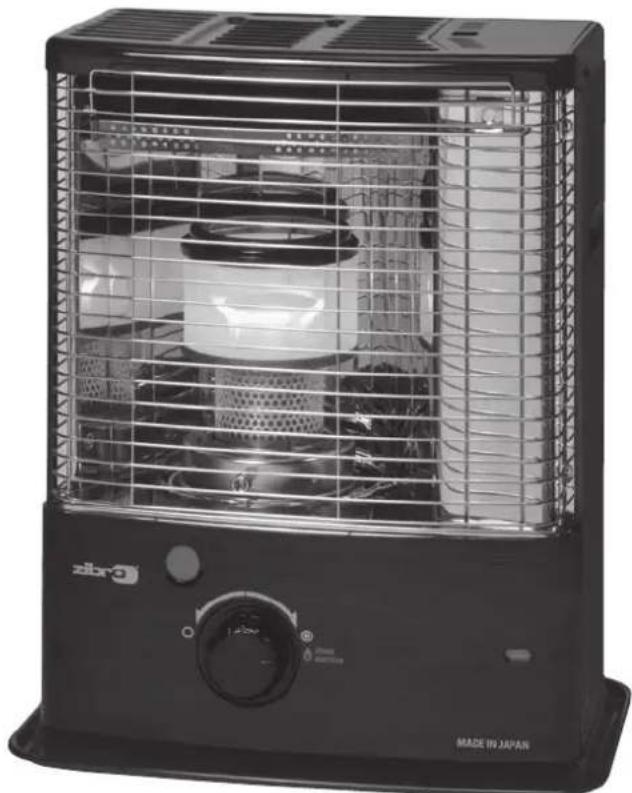
natural_image
Black industrial gas stove with cooling grilles and a control panel, no visible text or symbols on the main body.GB OPERATING MANUAL....PAGE 2
Distributed in Europe by:
TOYOTOMI EUROPE SALES B.V.
Huygensweg 10
5466 AN Veghel, The Netherlands
Email: info@toyotomi.eu Website: www.toyotomi.eu
1 Make sure that children are always aware of the presence of a burning heater.
2 DO NOT move the heater when it is burning or still hot. DO NOT refill nor service the heater when it is burning or still hot.
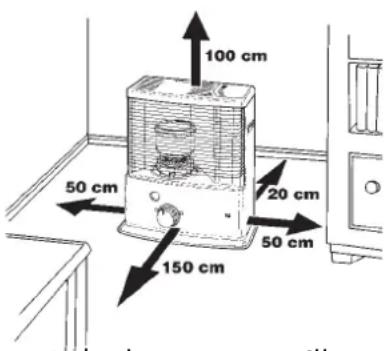
3 Position the front of the heater at a minimum distance of 1.5 metres from walls, curtains, furniture, spray can and gas cylinder. DO NOT store the fuel tank near the heater.
4 DO NOT use the heater in dusty rooms or in very draughty places. In both cases you will not have optimum burning.
5 Switch off the heater, before you go to sleep.
6 Store and move fuel only in suitable tanks and jerrycans.
7 Make sure that the fuel is not exposed to heat or extreme temperature changes. ALWAYS store the fuel in a cool, dry and dark place (sunlight will affect the quality).
8 NEVER use the heater in places where harmful gasses or fumes may be present (e.g. exhaust gasses or paint fumes).
9 The top plate of the heater becomes hot. DO NOT cover the heater (there is a risk of fire). Avoid any contact with the top plate and grille.
10 ALWAYS make sure that there is sufficient ventilation.
11 The heater must not be located immediately below a socket-outlet.
12 Children of less than 3 years should be kept away unless continuously supervised. Children aged from 3 years and less than 8 years shall only switch on/off the appliance provided that it has been placed or installed in its intended normal operating position and they have been given supervision or instruction concerning use of the appliance in a safe way and understand the hazards involved. Children aged from 3 years and less than 8 years shall not plug in, regulate and clean the appliance or perform user maintenance.
CAUTION - Some parts of this product can become very hot and cause burns. Particular attention has to be given where children and vulnerable people are present.
13 Children shall not play with the appliance.
14 Cleaning and user maintenance shall not be made by children without supervision.
15 DO NOT stay near the heater for a long time.
Thank you for choosing a "TOYOTOMI" product!
Toyotomi products are used by satisfied customers worldwide. In order to assure the comfortable and safe use of our products by customers in each country, our products conform to the safety standards not only in Japan but also in every country around the world we do business with.
Toyotomi tailors its products to satisfy its customer's needs by always pursuing our business philosophy, "sharing joys in daily living". We will continue to research, develop and manufacture products that match people's lifestyle for efficiency, safety and comfort.
We hope that you'll enjoy your Toyotomi appliance for years to come! We invite you to read this instruction manual first, to ensure the maximum lifetime for this appliance.
Get to know us better...visit us at www.toyotomi.eu for our full line of products.
1 READ THE DIRECTIONS FOR USE FIRST.
2 IN CASE OF ANY DOUBT, CONTACT YOUR DEALER.
3 BEFORE YOU START READING, CONSULT THE MAIN COMPONENTS LIST ON THE LAST PAGE.
GENERAL DIRECTIONS FOR USE
Below you will find the main steps to be taken for using your heater. For more details, please refer to the MANUAL.
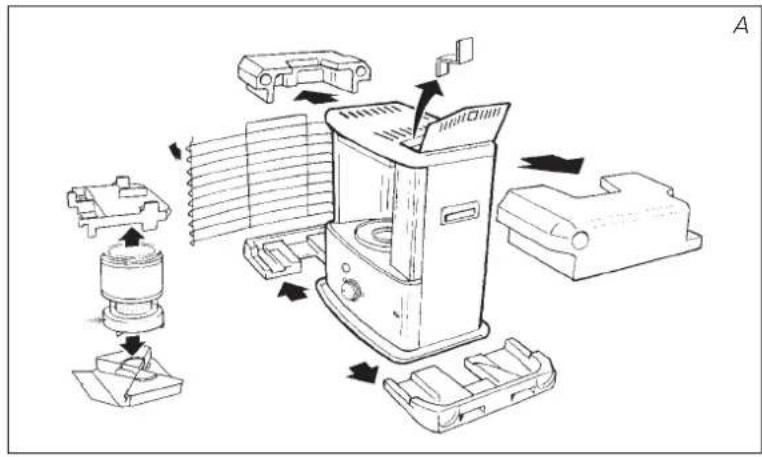
1 Remove all packaging materials (refer to Section A, Fig. A).
2 Fill the removable tank ⑨ and wait 30 minutes before you ignite the heater (refer to Section B, Fig. I).
3 Insert the batteries into the battery holder ③ (refer to Section A, Fig. F).
4 Check whether the combustion chamber ④ is fully upright (refer to Section A, Fig. E).
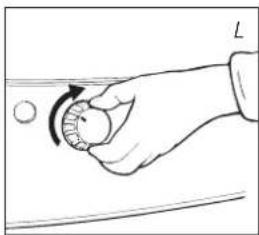
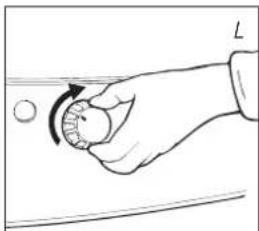
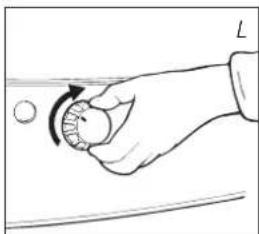
5 Ignite the heater by turning the knurled wick adjustment knob ② as far to the right as possible (refer to Section C, Fig. L).
6 After igniting the heater it will take 30 minutes before you can check if the heater burns well (refer to Section D).
7 Switch off the heater (refer to Section E).
- As a fire precaution, the tank must be filled either when the heater has been switched off or in another room than the room where the heater is installed.
- Always ensure that the tank is closed properly after filling it at a safe distance from all sources of heat and open flames (see chapter B).
- The first time you ignite your heater it will smell like 'new' for a short time.
- Store all fuel containers with their original caps and seals in a cool and dark place.
- Fuel ages. Use new fuel at the start of every heating season.
- Only use high quality and water-free pure paraffin in accordance with local legislation (TOYOTOMI fuel).
- Before changing brands and/or types of fuel make sure that the mobile heater first completely empties all of the remaining fuel inside the heater.
WHAT YOU NEED TO KNOW IN ADVANCE
ALWAYS MAKE SURE THAT THERE IS SUFFICIENT VENTILATION
Read this user manual carefully before using the appliance and keep it for future reference. Install this device only when it complies with local/national legislation, ordinances and standards. This product is intended to be used as a heater in residential houses and is only suitable for use in dry locations, in normal household conditions, indoors in living room, kitchen and garage.
This heater is equipped with an air quality control system ⑫. When there is insufficient ventilation in the room or when the heater is being used in a room which is too small, the heater will shut off automatically.
For comfortable and safe heating ensure that there is sufficient ventilation.
NOTE: To avoid unexpected shut off, we recommend to put a door or window ajar when the heater is operating.
Regardless of the model, you must always make sure that the heater is used in a room large enough to enable the heater to be used safely without extra ventilation (refer to Section K). If the room is smaller than required, you must always open a door or window slightly (ensuring an opening of approx. 2.5 cm). It is important that every room where the heater is used has sufficient air intake and efficient air outflow (both openings must have a minimum cross section of 50 cm ^4 ).
We also recommend doing this in highly insulated or draught-free rooms and/or at altitudes above 1500 metres. Do not use your heater in cellars or other underground areas.
No modifications to the safety system are allowed, as that will invalidate the guarantee that the air probe will work properly. Consult your dealer in case of doubt.
Be aware that the grid and the top plate become hot. If the appliance is covered there is a risk of fire. Due to high surface temperature, keep away from children.
ESPECIALLY FOR FRANCE: Your heater was designed to operate exclusively on fuel for liquid fuel-operated mobile heaters in accordance with the Decrees of 18-07-2002 and 25-06-2010. The use of other fuels is forbidden. Ask your dealer or check our website for the addresses of our retailers. The liquid fuel-operated mobile heater is intended as an extra heater, and not as a continuous source of heat.
ESPECIALLY FOR UNITED KINGDOM: Only use Class C1 paraffin fuel in accordance with BS2869; Part 2, or equivalent.
The user must comply with the following instructions for proper use: DO NOT
- use petrol.
- use the liquid fuel-operated mobile heater in caravans, boats, and vehicle cabins.
- use the liquid fuel-operated mobile heater in insufficiently ventilated rooms (consult the table of properties for the minimum dimensions of the room to be heated), underground rooms and / or at a height of over 1500 metres.
- modify the heater safety features.
The use of this type of heating in public rooms is subject to prior regulatory permission. Obtain proper information on this in advance.
THE RIGHT FUEL
Your heater has been designed for use with high-quality water-free pure paraffin oil (TOYOTOMI fuel). Only fuels of this kind will ensure clean and proper burning. Lower quality fuel may result in:
- increased possibility of malfunctioning
• incomplete burning
- reduced heater lifetime
- smoke and/or smells
- deposits on the grid or mantle
Using the right fuel is therefore essential for safe, efficient, and comfortable use of your heater.
Damage and/or malfunctions of the heater due to the use of other than high quality water-free pure paraffin oil is not covered by the warranty.
Always refer to (www.toyotomi.eu) for the right fuel for your heater.
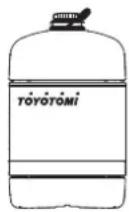
Only the use of the correct fuel will ensure safe, efficient, and comfortable use of your heater.

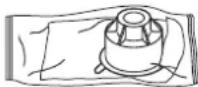
This transportation cap is packed separately in the box. Only this cap ensures trouble-free transportation of the heater after use.
Store it well!
MANUAL
A INSTALLING THE HEATER
1 Carefully remove your heater from the box and check the contents. In addition to the heater you also need to have:
- a manual fuel pump
- a transportation cap
• these directions for use
Keep the box and the packaging materials (Fig. A) for storage and/or transportation.
2 Remove the other packaging materials:
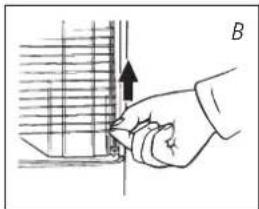
- Remove the packaging material from the grill ⑦. Lift the grill from the slot (Fig. B) and pull it forward.
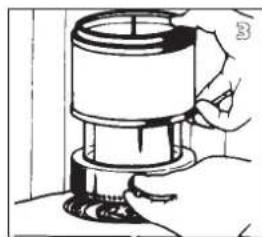
- Push the packing material on top of the combustion chamber ④ slightly down and remove it (Fig. C).
- Remove the packaging materials from under the combustion chamber as well (Fig. D).
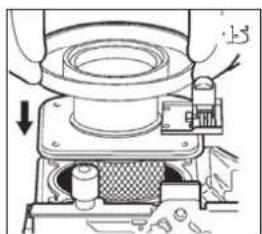
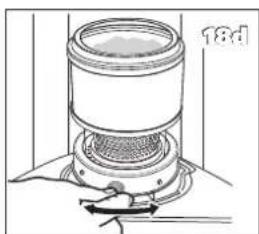
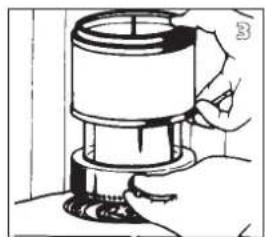
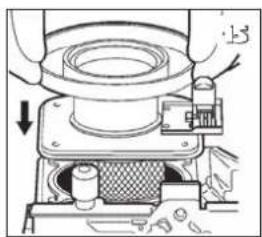
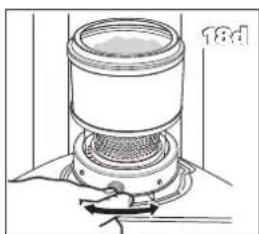
- Put the combustion chamber back into its place. The combustion chamber is positioned correctly when it can be smoothly moved a little to the left and to the right by its handle ⑤ (Fig. E). Close the grill: Slightly lift it to reposition it in its slot.
- Open the lid of the removable tank ⑧ and remove the piece of cardboard.
3 Fill the removable tank as indicated in Section B.
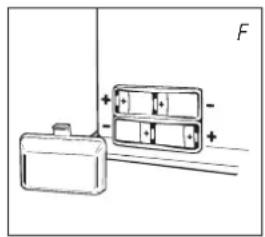
4 By removing the screw to remove the cover and insert the batteries into their holder ③ at the back of the heater (Fig. F).
Ensure that the positive and negative poles match the + and - marks indicated on the battery housing. It is best to use new alkaline batteries (4x D-size).
5 The floor should be firm and completely level. Reposition the heater, when it is not level. Do not correct the situation by placing books or other goods under the heater.
6 Your heater is now ready for use.

Do not use the heater at a height of over 1500 meters.
natural_image
Hand holding a tool interacting with a grid-like structure, no text or symbols visible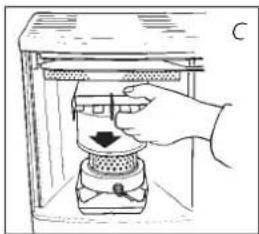
natural_image
Hand inserting a small component into a container with a lid, no text or symbols visible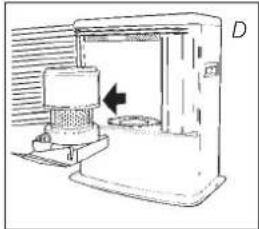
natural_image
Technical line drawing of a mechanical assembly or machine component with no visible text or symbols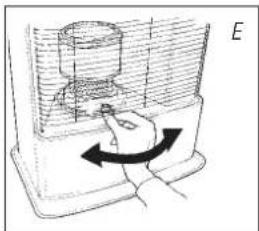
natural_image
Diagram of a hand pressing down on a device with an arrow indicating rotation (no text or symbols present)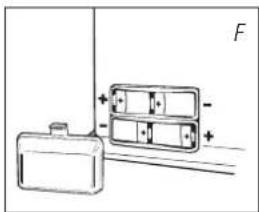
B FILLING FUEL
Fill the removable tank in a suitable place since there can always be some spillage. Follow the procedure below:
1 Make sure that the heater is switched off.
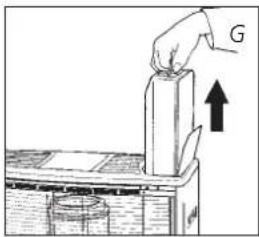
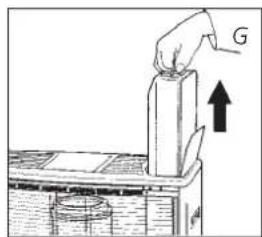
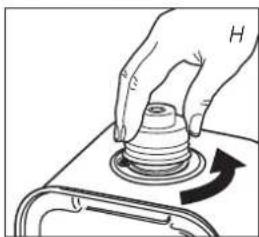
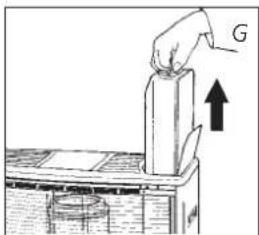
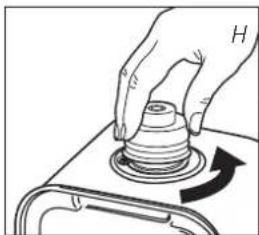
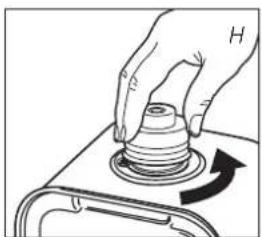
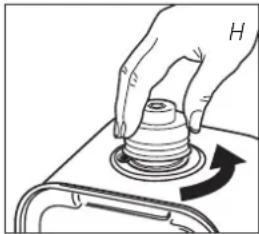
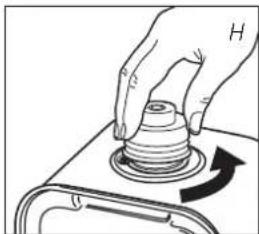
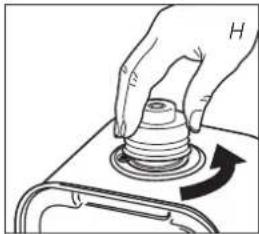
2 Open the upper lid ⑧ and lift the removable tank ⑨ out of the heater (Fig. G). Put down the removable tank (cap pointing upwards, handle on the floor) and screw off the fuel cap using the fuel cap cover (Fig. H). NOTE: Some drops may leak from the tank.
3 Take the manual fuel pump and insert the smooth, most rigid tube into the jerrycan. Make sure that it is in a higher position than the removable tank (Fig. I). Insert the ribbed hose into the opening of the removable tank.
4 Lock the valve on top of the pump (turn clockwise).
5 Squeeze the pump a few times, until fuel starts flowing into the removable tank. As soon as this happens, there is no need to press any longer.
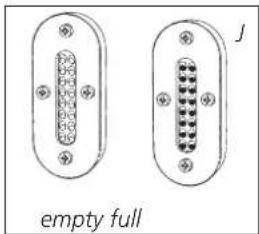
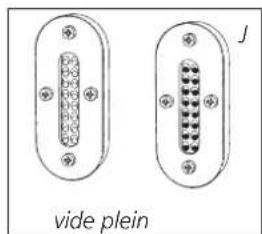
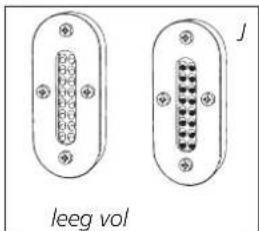
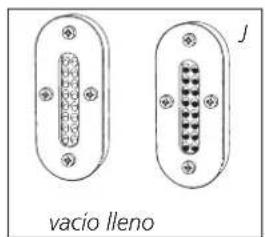
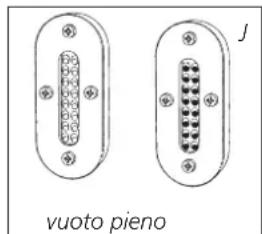
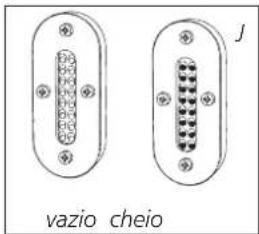
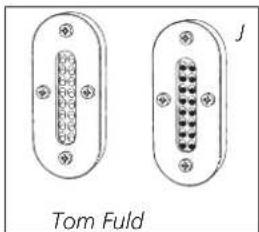
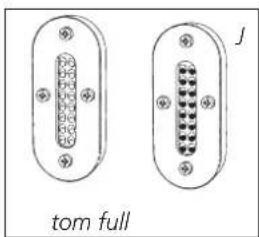
6 Check the fuel gauge of removable tank 10 while filling the tank (Fig. J). Stop filling by loosening the valve on top of the pump (turn anti-clock-wise), once the gauge indicates that the tank is full. Never overfill the tank, especially not when the fuel is very cold (fuel expands when it heats up).
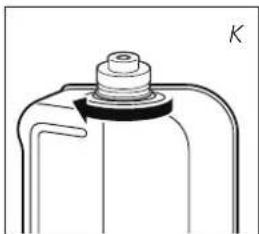
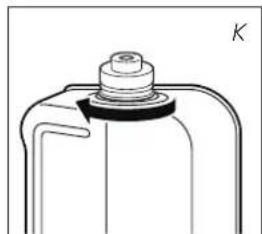
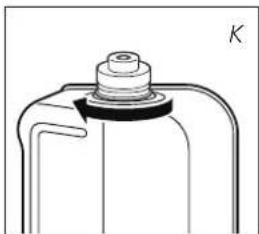
7 Let the remaining fuel in the pump flow back into the jerrycan and carefully remove the pump. Carefully screw the fuel cap back on the tank (Fig. K). Clean off any spilled fuel.
8 Check whether the fuel cap is straight and tightened properly. Reinstall the removable tank in the heater (cap down). Close the lid.
NOTE: Be sure to tighten the fuel tank cap and confirm that there is no leakage of the fuel when the cap side is placed down. Then insert the removable fuel tank into the heater.
C IGNITING THE HEATER
A new heater may give off some smells for a short while, when it is used for the first time. You should therefore provide extra ventilation or ignite the heater outside the living room.

When you use the heater for the first time, first put the filled removable tank into place, and then wait approximately 30 minutes before you ignite the heater. This allows the glass fibre wick to soak up the fuel. Follow the same procedure when you have completely burnt up all fuel from the tank, and after the glass fibre wick has been replaced.
Before igniting the heater, always check the fuel indicator ⑥ to see whether the removable tank needs filling up (Green=full, Red=empty).

Always ignite the heater with the knurled wick adjustment knob ②. Never use matches or a cigarette lighter.
Follow the procedure below:
GB
6
natural_image
Diagram of a hand pressing down a mechanical component with an upward arrow, no text or symbols present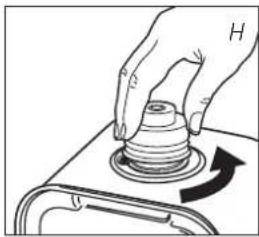
natural_image
Hand pressing a cylindrical component on a base, with an arrow indicating rotation (no text or symbols)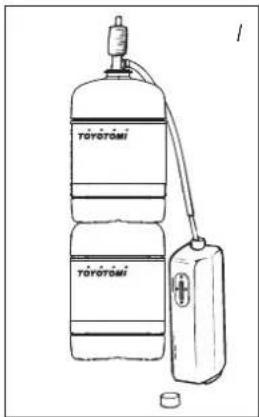
natural_image
Technical line drawing of a mechanical component with a cylindrical top and flange (no text or symbols)
natural_image
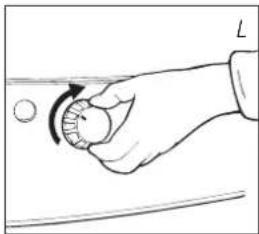
Hand holding a circular knob with a curved arrow indicating rotation (no text or symbols)1 Turn the knurled wick adjustment knob ② clockwise to its stop (Fig. L). If you apply more pressure you may turn it slightly further; however, it will automatically return to the start position. When you have set the wick to its highest position, this action will automatically activate the safety device.
When you have ignited the heater and it shuts off again shortly after, the batteries need to be replaced. It is best to use new alkaline batteries (4x D-size).

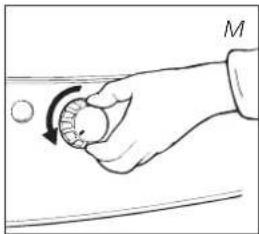
If the heater has been used only a few times and the wick adjustment knob is not locked, first turn the wick adjustment knob (Fig. M) completely left, before putting the wick in the highest position for ignition (Section C).

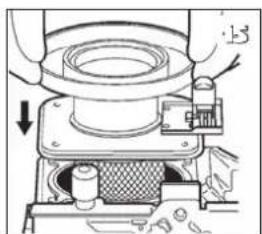
After having ignited the heater, always check whether the combustion chamber ④ is level, by sliding it slightly to the left and the right by its handle ⑤ (Fig. E). This should be a smooth movement. If the combustion chamber is not level, this will cause smoke and soot to develop.
D BURNING OF THE HEATER
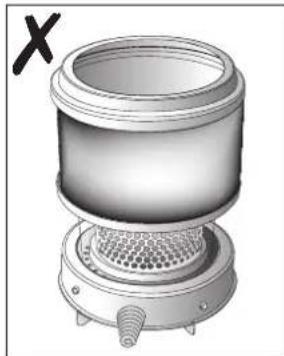
After you have ignited the heater, it will take 30 minutes before you can check whether the heater is burning well. Too high a flame may cause smoke and soot, whereas too low a flame causes smells (Fig. R).
natural_image
3D rendering of a cylindrical industrial device with a mesh base and mounting feet (no text or symbols visible)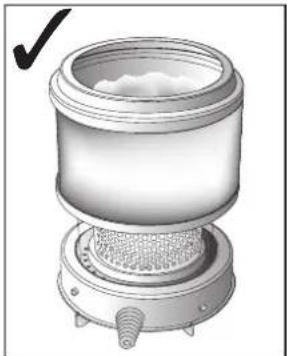
natural_image
Illustration of a portable stove or oven with a cylindrical lid and base, no text or symbols present.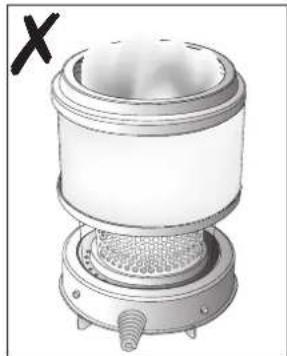
natural_image
Illustration of a cylindrical industrial or thermal device with a central chamber and base, no visible text or symbols.◀ R

If the flame remains low after the adjustment, the wick height must be adjusted (refer to Section F).
Burning that is too low may be caused by:
● insufficient fuel (fill the tank)
● poor fuel quality (contact your dealer)
● insufficient ventilation (put window or door ajar)
- wastage of the wick (contact your dealer or replace the wick, refer to Section M)
When there is insufficient ventilation in the room, the heater shuts off automatically. After improving the ventilation of the room (e.g. by opening a door or window a little more), the heater can be ignited again.

This heater is equipped with a safety mechanism which switches off the heater when the removable fuel tank is taken out of its compartment (Fig. G). To re-ignite the heater, place the removable fuel tank back in the heater and follow the instructions as described in Section C.
E SWITCHING OFF THE HEATER
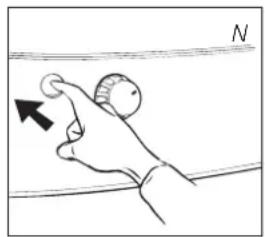
Push the OFF-button ①. The flame will extinguish after a little while (Fig. N).
natural_image
Hand holding a circular object with a curved arrow indicating rotation, no text or symbols present
natural_image
Diagram of a hand pressing down on a device with a rotating arrow indicating motion (no text or symbols)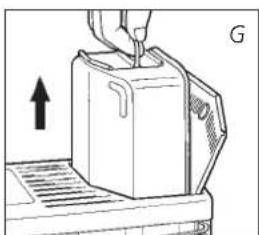
natural_image
Line drawing of a hand using a tool to press or install a container on a base, with an upward arrow indicating motion (no text or symbols present)F ADJUSTING THE WICK HEIGHT
After a period of time the combustion may no longer be high enough (Section D). In that case you can adjust the wick height to improve the flame. To do this, the heater must have been switched off. Follow the procedure below:
1 Push the OFF button ① (Fig. N).
2 Pull the knurled wick adjustment knob ② off the heater, so the wick height lock ⑪ will be visible.
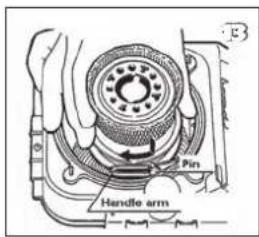
3 Take the plastic collar between your thumb and index finger and pull it out. Turn the collar up one step, to either position 2 or 3 (Fig. O). Carefully push the collar back, so the pin engages in the recess.
4 Carefully reinstall the knurled wick adjustment knob ②. This can be done in one way only - check the rear of the cap for the correct position.
If adjustment of the wick height does not have the required effect, let the heater burn until all fuel has been used up (Section H).
If the flame height is still too low and the wick is set on position 3, then contact your dealer, or replace the wick, refer to Section M.
If the flame gets too high after adjusting (Fig R), the wick height lock should be placed one position lower again. Otherwise smoke or soot may be caused.
natural_image
Hand holding a knob with an arrow pointing to the knob, against a curved surface (no text or symbols)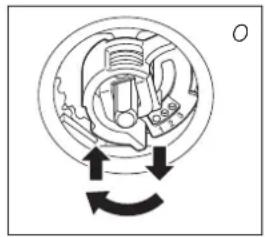
natural_image
Diagram of a mechanical or electrical component with bidirectional arrows indicating rotation or cycle (no text or symbols)G MALFUNCTION, CAUSES AND SOLUTIONS
If any malfunctioning cannot be solved from the directions below, please contact your dealer.
THE HEATER DOES NOT IGNITE
- The batteries are not positioned correctly in the holder. Check (Fig. F).
- There is not enough power left in the batteries for the ignition. Replace (Fig. F).
- You have run out of fuel from the tank or the wick has been replaced. After having refilled and replaced the removable tank, wait for 30 minutes before igniting the heater.
IRREGULAR FLAME AND/OR SOOT AND/OR SMELLS
- The combustion chamber ④ has not been positioned correctly. Use the handle ⑤ to put it level, until you can easily slide it slightly to the left and to the right and the chamber is level.
- You are using fuel which is past its 'use by' date. Start every heating season with fresh fuel.
- You are using the incorrect type of fuel. Refer to THE RIGHT FUEL (See Section 'What you need to know in advance').
- Dust has gathered in the lower part of the heater. Contact your dealer.
- Wick position wrong. See Section F.
THE HEATER SLOWLY EXTINGUISHES
● The removable tank is empty. See Section B.
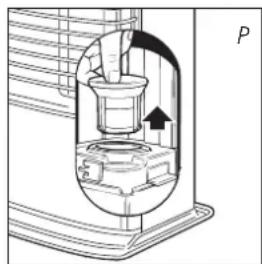
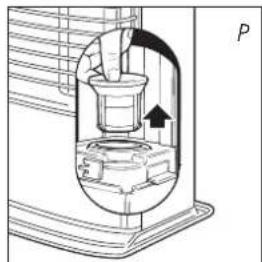
- The fuel filter is contaminated by water. Dry the fuel filter (Section H, Fig. P).
- The lower reservoir is contaminated by water. Contact your dealer.
- The wick has hardened on the upper side.
Burn the heater until all fuel is used (Section H). Use the right fuel.
- You are using fuel which is past its 'use by' date. Start every heating season with fresh fuel.
THE HEATER REMAINS BURNING LOW
- Wick position too low.
Reinstall the wick height lock (Section F). - Before you refilled the tank, the heater had burnt up almost all the fuel.
After having refilled and replaced the removable tank, wait for 30 minutes before igniting the heater. - You are using the incorrect type of fuel.
Refer to THE RIGHT FUEL (See Section 'What you need to know in advance'). - The room is insufficiently ventilated.
Leave a window or a door wide open for a while.
THE HEATER IS BURNING TOO HIGH
- The flame at the initial stage is tending to make higher flame due to the brand new components. The flame will be lower after approximately 10 hours combustion.
- You are using an incorrect, too volatile type of fuel.
Refer to THE RIGHT FUEL (See Section 'What you need to know in advance'). - Wick position too high.
Reinstall the wick height lock (Section F).
H MAINTENANCE
Your heater needs hardly any maintenance. It is, however, important that you remove dust and stains in time with a damp cloth, because otherwise these may cause stains that are hard to remove. Under normal conditions, only 4 components are subject to wear:
1. THE BATTERIES
You may replace the batteries yourself. Check the spark discharge sound. If the sound is cracked, the voltage of the battery is low. Please change the battery. Check the ignition plug following the maintenance procedure 3 if the sound does not change even after the replacement of the battery. Do not dispose of old batteries along with the other domestic waste. Follow the locally applicable regulations regarding the disposal of domestic chemical waste.
2. THE WICK
To extend the glass fibre wick life, you must occasionally let the heater burn until the tank is completely emptied and the heater extinguishes by itself. Do this when you notice that the flame is weakening. The burn-out will cause some smells, so it is recommended that you take the heater outside of the living room.
3. ELECTRODES
When the electrodes gets dirty by carbon or tar, clean the electrodes. If the electrodes digs into the wick, it may cause the ignition failure. Then fix the position of the electrodes. Be sure not to spill the water on the electrodes.
4. THE FUEL FILTER
Check the fuel filter regularly as well.
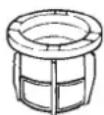
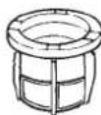
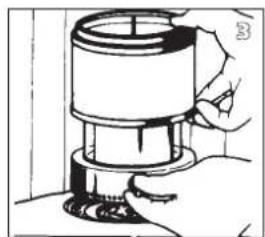
Remove the removable tank ⑨ from the heater and take out the fuel filter (Fig. P). Some drops of fuel may spill from the filter; keep a cloth at hand. Turn the fuel filter upside down and clean it from all dirt deposits by tapping it on a hard surface. (Never clean it with water!) Reposition the fuel filter in the heater.

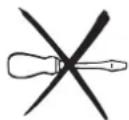
Do not remove any heater components yourself. Always contact your dealer for repairs.
fuel filter
natural_image
Diagram of a mechanical device with a piston and housing, showing internal components and an arrow indicating direction (no text or symbols)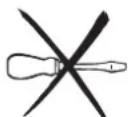

Let the heater cool down first, before you start any maintenance or service work.

For maintenance, wear gloves for your safety.
I STORAGE (END OF THE HEATING SEASON)
We recommend that you burn up all the fuel in the fuel tank at the end of the heating season and store the heater properly. Follow the procedure below:
1 Ignite the heater outside the living room and let it burn until all fuel is used.
2 Let the heater cool down.
3 Clean the heater with a damp cloth and then dry it with a dry cloth.
4 Remove the batteries from the holder ③ and store them in a dry place.
5 Clean the fuel filter (refer to Section H).
6 Store the heater in a dust-free place, if possible in its original packaging.
Unused fuel cannot be used for the next heating season. If there is still some fuel left, do not throw it away, but dispose of it in accordance with the local regulations for the disposal of domestic chemical waste. Always start the new heating season with fresh fuel. When you start re-using the heater, follow the instructions again (starting from Section A and as specified).
J TRANSPORTATION
Take the following measures to avoid fuel leakage during the transportation of the heater:
1 Let the heater cool down.
2 Remove the removable tank ⑨ from the heater and remove the fuel filter (Fig. P). Some drops may leak from the filter; keep a cloth at hand. Store the fuel filter and the removable tank outside the heater.
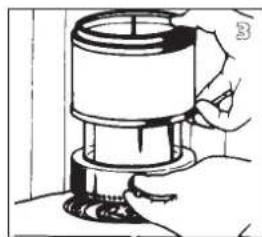
3 Place the transportation cap into the position of the fuel filter (Fig. Q). Press it tight.
4 Always move the heater in an upright position.
K SPECIFICATIONS
| Ignition electrical Dimensions (mm) width 428 | |||
| Fuel paraffin (including base plate) depth 295 | |||
| Capacity (kW) 2.16-2.70 height 513 | |||
| Suitable space (m3)** 45-95 Accessories: transportation cap | |||
| manual fuel pump | |||
| Fuel consumption (l/hr) 0.225-0.281 Required batteries 4x LR20, MN 1300 | |||
| Fuel consumption (g/hr) 180-225 1.5V, size D | |||
| Burning time per tank (hr) 14.2-17.7 Wick type F | |||
| Capacity removable tank (litres) 4.0 Weight (kg) 9.0 | |||
Monitoring of the quality of ventilation (air renewal):
Direct measurement of the CO_2 level (NDIR CO_2 sensor ⑫).
** Specified values are indicative
fuel filter
natural_image
Technical line drawing of a mechanical device with a valve and housing (no text or symbols)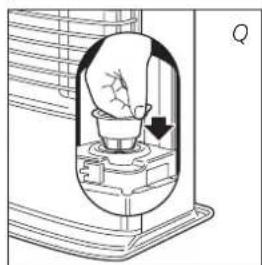
natural_image
Diagram of a mechanical device with a handle and base, showing internal components and a downward arrow (no text or symbols)
Transportation cap
L WARRANTY PROVISIONS
Your heater comes with a 48 month warranty starting on the date of purchase. Within this period all defects in material or workmanship will be repaired without any charge. The following provisions shall apply regarding this warranty:
1 We expressly dismiss all other claims for damages, including consequential damages.
2 Any repairs or replacements of components within the term of warranty will not result in an extension of the term of warranty.
3 The warranty will no longer apply, when the heater has been modified, non-original parts have been used, or when it is repaired by third parties.
4 The warranty will not apply to parts that are subject to normal wear, such as the batteries, the ignition coil, the wick and the manual fuel pump.
5 The warranty will only apply, when you present the original, dated proof of purchase, provided no changes have been made to it.
6 The warranty will not apply to damages caused by actions not in compliance with the Directions for Use, neglect, and the use of an incorrect type of fuel, or fuel past its use-by date. The use of incorrect fuel can even be dangerous*.
7 Transportation costs and the risks involved during the transportation of the heater or heater components will always be the responsibility of the purchaser.
In order to avoid unnecessary costs, we recommend that you always read the 'Directions for Use' carefully first. In case they offer no solution, please take the heater to your dealer for repair.
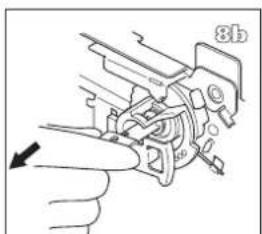
REPLACEMENT OF THE WICK
M ENSURE THAT THE HEATER IS OFF AND COMPLETELY COOL BEFORE STARTING TO REPLACE THE WICK.
1 Open the lid and remove the removable tank.
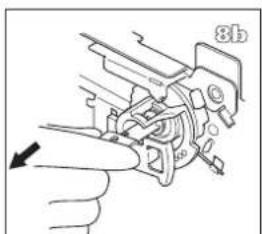
2 Remove the batteries from the battery holder 10.
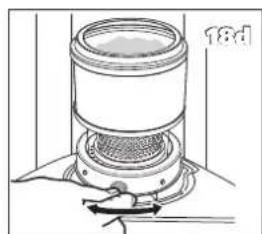
3 Open the front grill. Remove the combustion chamber from the heater. Close the grill.
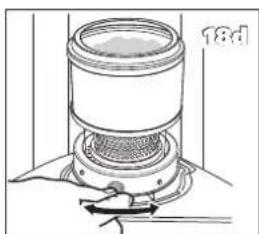
4 Pull the knurled wick adjustment knob off the heater.
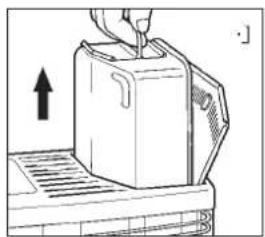
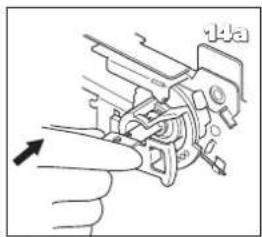
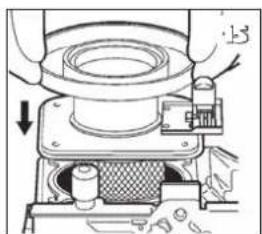
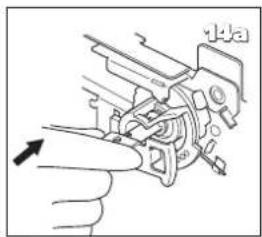
5 Unscrew the three cabinet screws on the back and sides of the heater. Pull the cabinet forward slightly, and then remove it from the base plate.
6 Unscrew the four wing nuts from the wick holder.
7 Lift the wick holder chassis up until the wick is visible. Place the burner bed next to the heater. (Ensure that the wiring does not become disconnected).
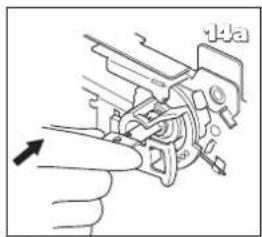
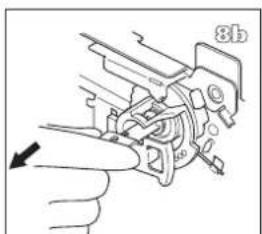
8 Remove the screw on the stem holding the bracket and remove the bracket, spring and wick height lock.
9 Turn right the stem to the end.
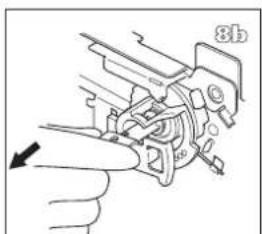
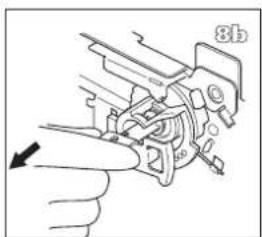
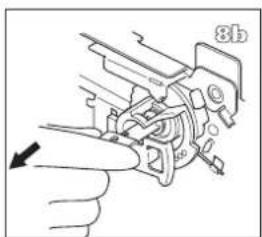
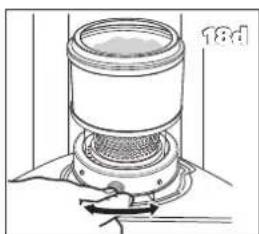
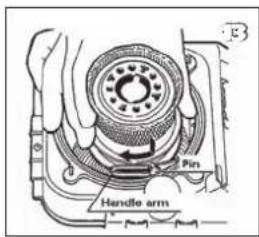
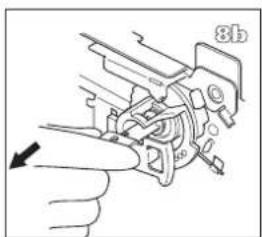
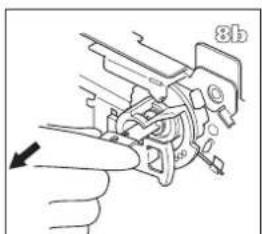
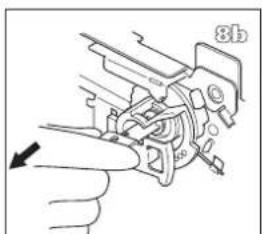
10 Turn the wick sleeve counterclockwise and lift the wick sleeve up. Remove it from the primary air tube.
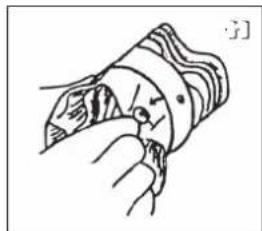
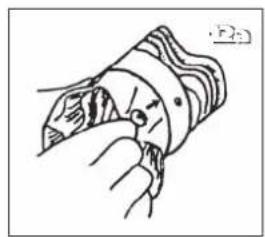
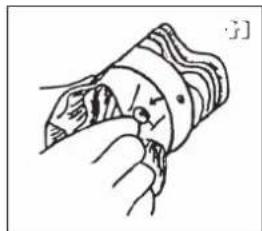
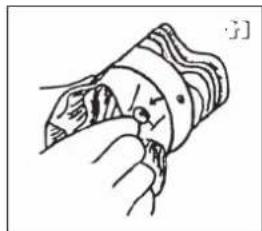
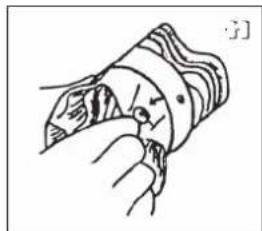
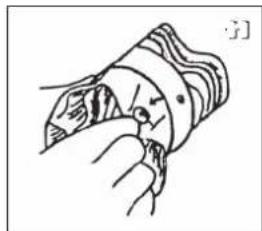
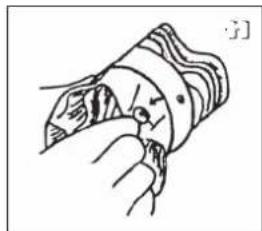
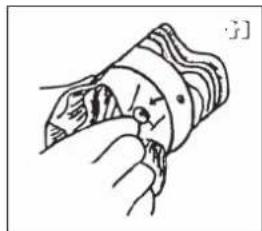
11 Squeeze the wick to loosen the three wick pins and remove the wick from the wick sleeve. Ensure that you are wearing gloves and that you have a container in which to put the old wick.
natural_image
Line drawing of a hand using a tool to press or install a container on a tray (no text or symbols)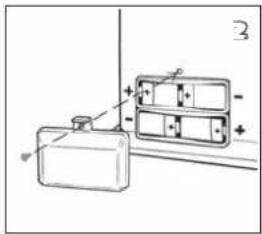
natural_image
Line drawing of a hand operating a mechanical device with a base and handle (no text or symbols)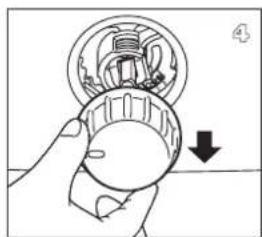
natural_image
Hand holding a mechanical component with a downward arrow indicating rotation (no text or symbols)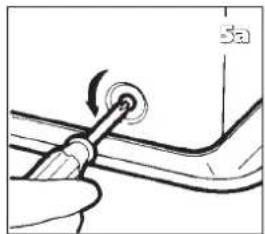
natural_image
Illustration of a hand turning a circular component with a pointer (no text or symbols)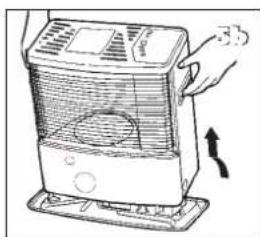
natural_image
Illustration of a portable air conditioner with a hand inserting a fan (no text or symbols)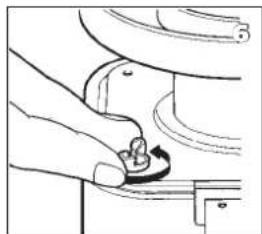
natural_image
Line drawing of a hand holding a small knob next to a curved mechanical component (no text or symbols)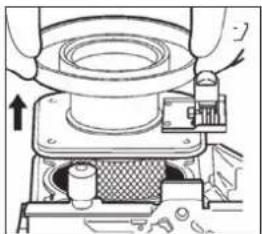
natural_image
Technical diagram of a mechanical assembly with no visible text or symbols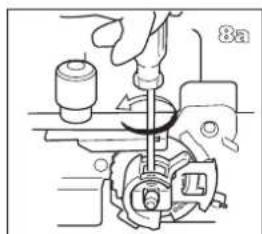
natural_image
Diagram of a mechanical assembly with a hand pointing to a component (no text or symbols visible)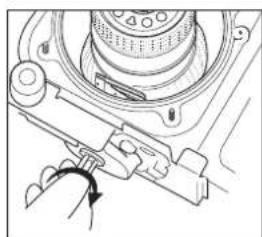
natural_image
Mechanical assembly diagram showing a rotating component with no visible text or symbols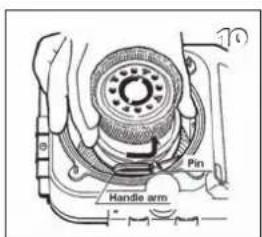
natural_image
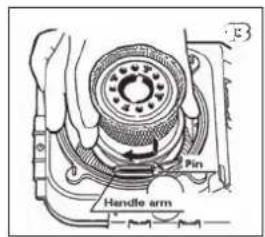
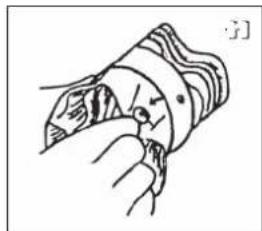
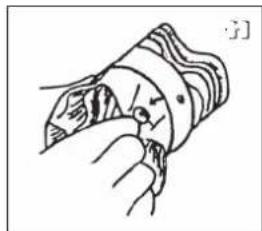
Illustration of a hand holding a fish inside a curved container (no text or symbols)12 Install the wick to the wick sleeve according to the allowed direction engraved on the wick sleeve.
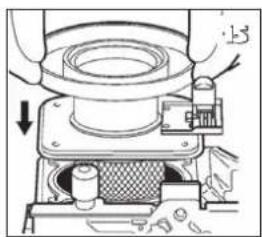
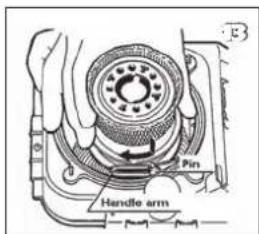
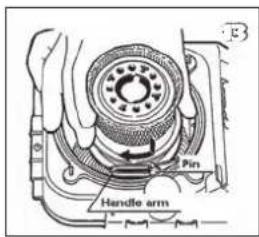
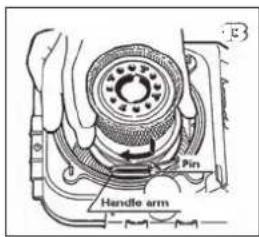
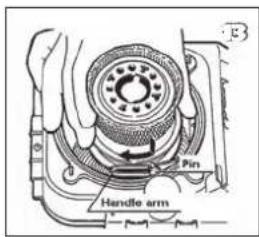
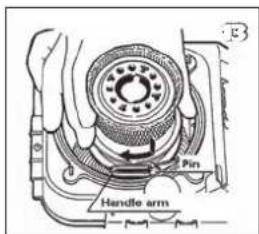
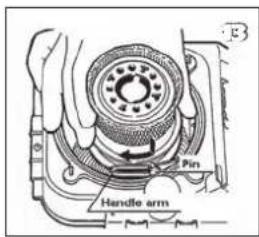
13 Install the wick sleeve (with wick) to the primary air tube. And then turn the wick sleeve clockwise to set in the handle arm.
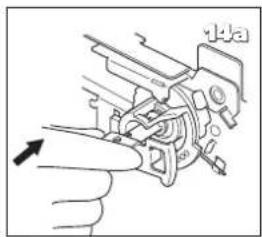
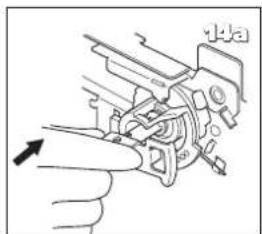
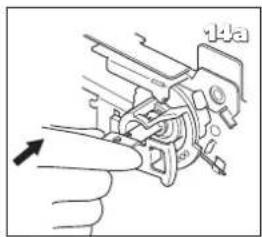
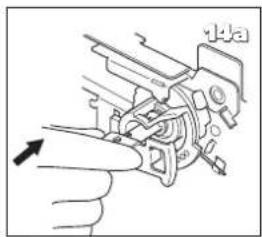
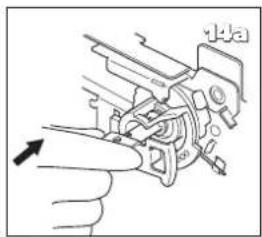
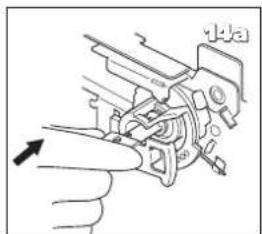
14 Install the wick height lock (the wick position should be adjusted at No. 1), spring and bracket. Then tighten the screw which is holding the stem.
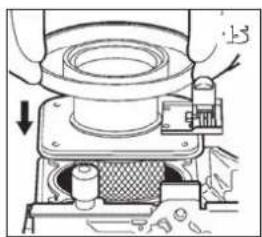
15 Put the wick holder chassis back into position.
16 Screw the four wing nuts hand tight.
17 Place the knurled wick adjustment knob on the wick mechanism. Turn the knob as far to the right as possible. Press the tip-over switch. Check that the wick can be lowered completely. Repeat this check a number of times. If the wick cannot be lowered completely it has not been placed correctly. If this is the case, repeat the procedure from No. 12. Pull the knurled wick adjustment knob off the heater.
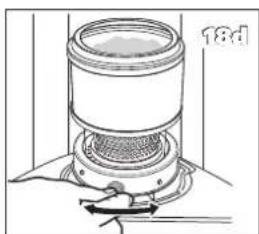
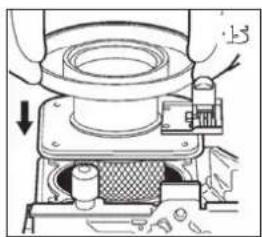
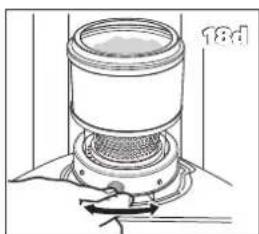
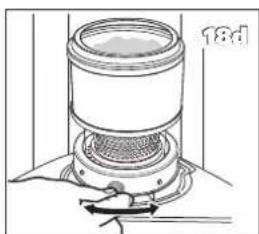
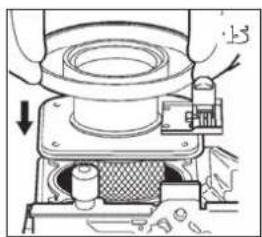
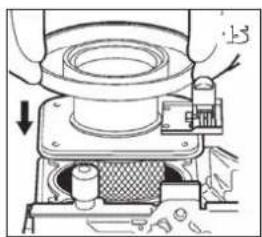
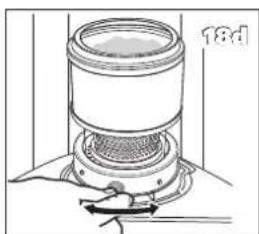
18 Put the cabinet back into position and tighten the three screws. Put the knurled wick adjustment knob back into position. Now put the combustion chamber back into position. Check that it is level by sliding it slightly to the left and the right by its handle. Close the grill.
19 Put the filled removable tank into position. Put the batteries into the battery holder (ensure that the positive and negative poles match the + and - marks indicated on the battery housing). Wait 30 minutes after replacing the tank and batteries before using the heater.
natural_image
Simple line drawing of a hand holding a rolled-up cable or pipe (no text or symbols)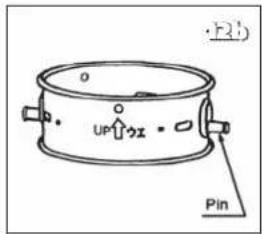
natural_image
Mechanical assembly diagram showing a hand operating a clamp or clamp device (no text or symbols visible)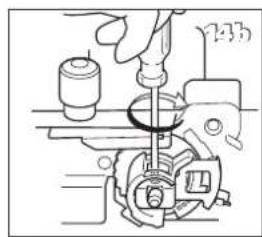
natural_image
Mechanical assembly diagram showing a presser pressing a component with arrows indicating motion (no text or symbols present)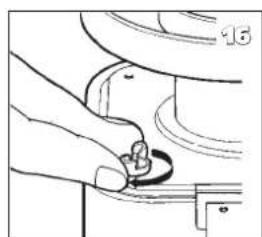
natural_image
Line drawing of a hand pressing down on a mechanical component (no text or symbols)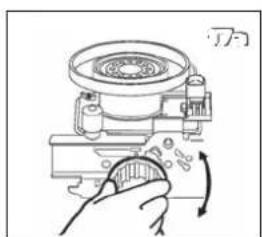
natural_image
Hand operating a mechanical device with a rotating knob (no text or symbols visible)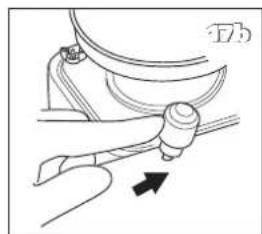
natural_image
Diagram of a mechanical component with a hand holding a tool and an arrow indicating direction (no text or symbols)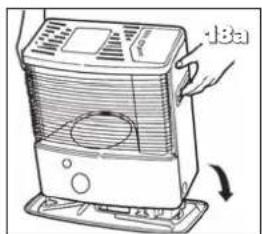
natural_image
Illustration of a portable air conditioner unit with cooling fan and heating element (no text or symbols)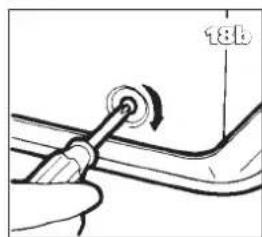
natural_image
Hand holding a tool with a circular knob, pointing to a component (no text or symbols visible)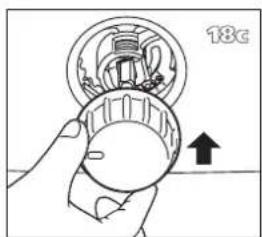
natural_image
Diagram of a cylindrical device with a mesh chamber and a 18d label, no readable text or symbols present.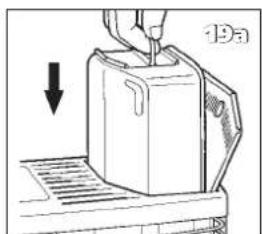
natural_image
Illustration of a hand using a tool to press or install a kettle on a tray (no text or symbols visible)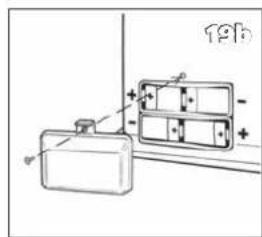

PRODUCT FICHE
(a) Supplier's name/Trademark TOYOTOMI Europe Sales B.V.
(b) Model RC-270
(c) EEC A
(e) Indirect heat output N/A
(f) EEI 95.0%
(g) Useful energy efficiency 100%
(h) Specific precaution
For assembly, installation or maintenance instructions, please refer to the operating manual.
14
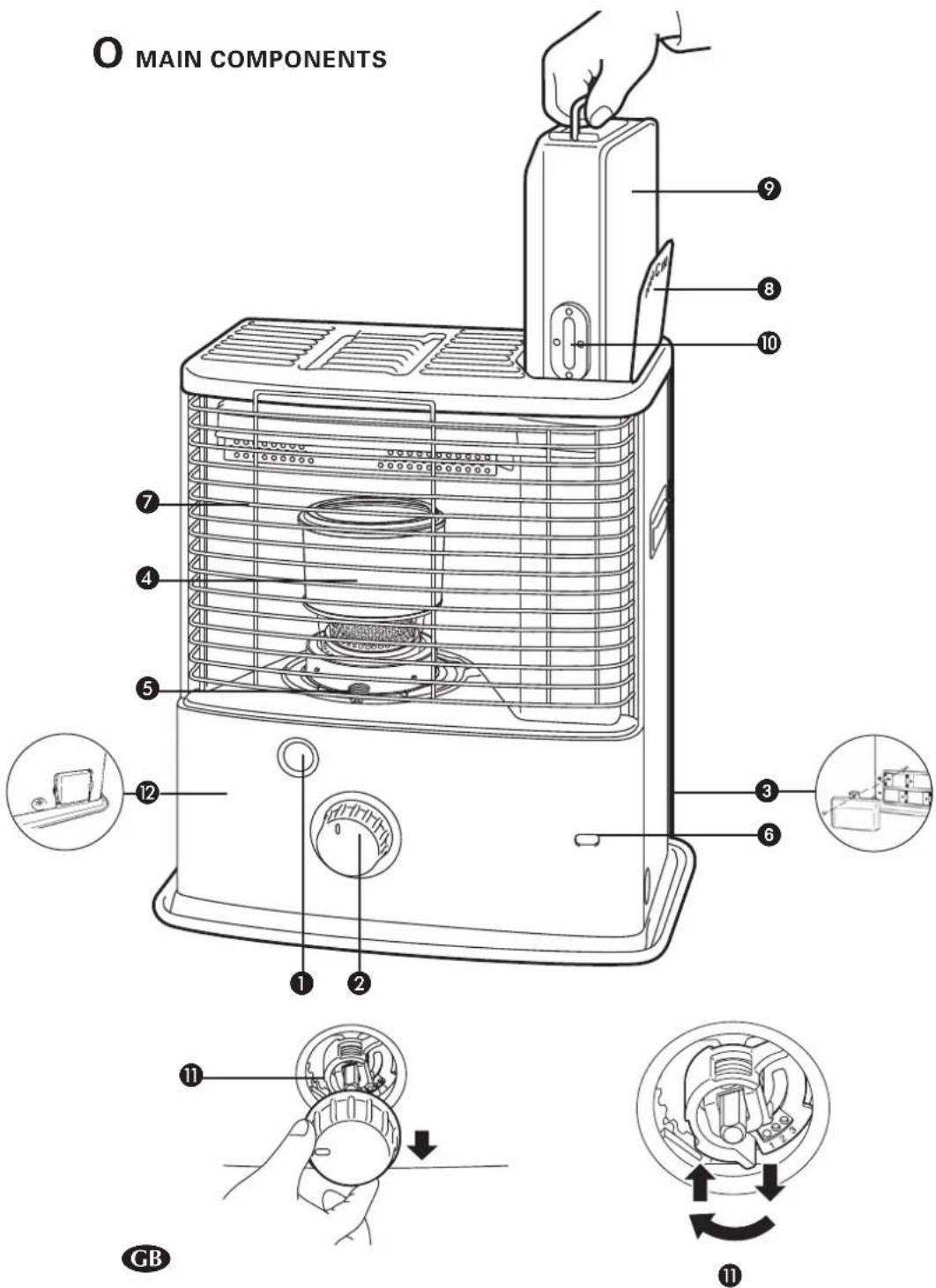
① OFF Button
② Knurled wick adjustment knob
③ Battery holder
4 Combustion chamber
⑤ Combustion chamber handle
6 Fuel indicator
7 Grill
8 Lid for removable tank
Removable tank
9 Fuel gauge of 10 removable tank
Wick height lock
Air quality control system
GEBRAUCHSANWEISUNG
natural_image
Hand holding a tool interacting with a grid-like structure, no visible text or symbols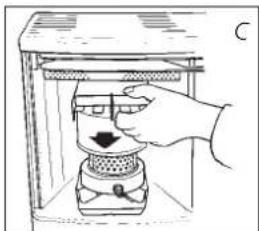
natural_image
Hand operating a portable stove burner with a lid, no text or symbols visible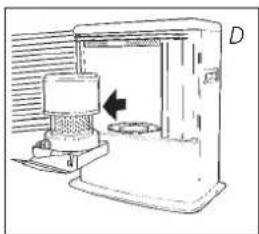
natural_image
Diagram of a mechanical device with a component and directional arrow, no visible text or symbols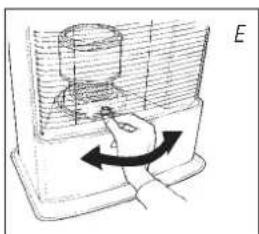
natural_image
Diagram of a hand pressing down on a device with an arrow indicating rotation (no text or symbols present)DE
natural_image
Hand pressing a button on a mechanical component with an arrow indicating rotation (no text or symbols)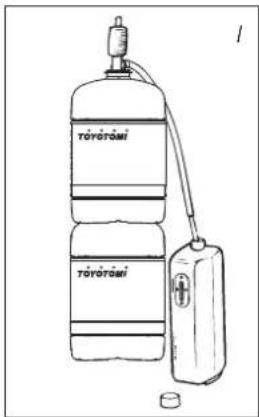
natural_image
Technical line drawing of a mechanical component with a bolt and curved base (no text or symbols)natural_image
3D rendering of a cylindrical industrial device with a perforated base and mounting base (no text or symbols visible)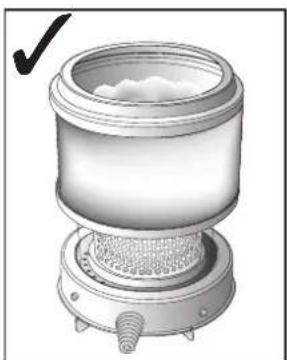
natural_image
Illustration of a cylindrical industrial or gas stove with a lid and base, showing internal components and a bolt symbol (no text or labels)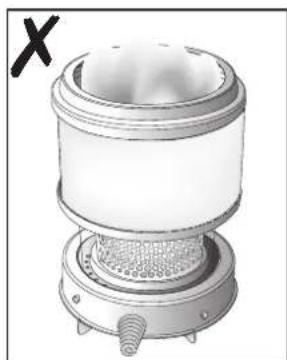
natural_image
Technical illustration of a cylindrical industrial device with a perforated base and mounting feet (no text or symbols)◀ R

natural_image
Hand holding a circular object with an arrow indicating rotation, no text or symbols present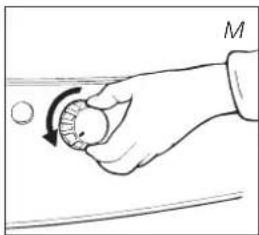
natural_image
Hand holding a circular object with a curved arrow indicating rotation (no text or symbols)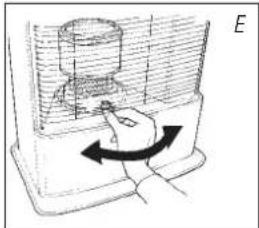
natural_image
Diagram of a hand pressing down on a device with an arrow indicating rotation (no text or symbols present)
natural_image
Line drawing of a hand using a tool to press or install a device, with an arrow indicating upward motion (no text or symbols present)natural_image
Simple line drawing of a hand holding a ball with an arrow pointing to the ball (no text or symbols)natural_image
Diagram of a mechanical or electrical component with bidirectional arrows indicating rotation (no text or symbols)
natural_image
Simple line drawing of a battery and two stacked rectangular blocks with positive charges, connected by lines (no text or symbols)natural_image
Technical diagram of a mechanical device with a valve and housing, showing no text or symbols.
natural_image
Technical line drawing of a mechanical device with a valve and housing (no text or symbols)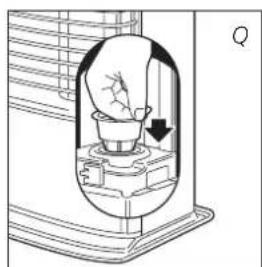
natural_image
Diagram of a hand pouring liquid into a container with an arrow indicating flow (no text or symbols)
Transportverschluß
natural_image
Illustration of a hand pouring liquid into a container with an upward arrow, placed on a grater (no text or symbols)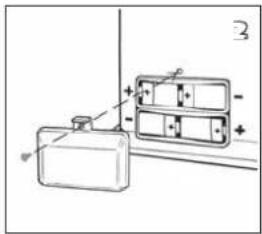
natural_image
Line drawing of a hand operating a mechanical device with a handle and base (no text or symbols)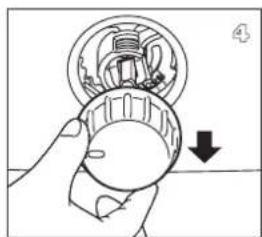
natural_image
Hand holding a mechanical component with a downward arrow indicating rotation (no text or symbols)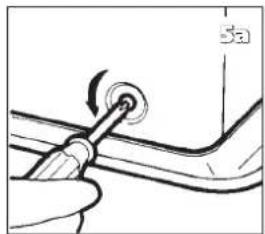
natural_image
Illustration of a hand turning a circular component with a pointer (no text or symbols)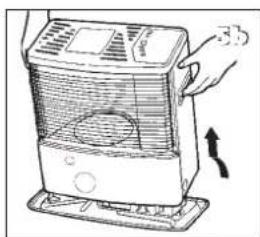
natural_image
Line drawing of a portable air conditioner with a hand holding the lid and a scroll, showing airflow direction (no text or symbols)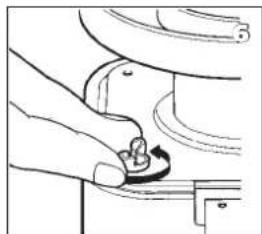
natural_image
Line drawing of a hand holding a small knob next to a curved object (no text or symbols)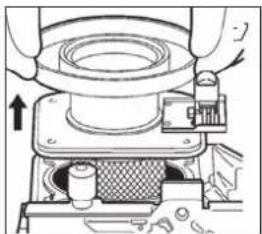
natural_image
Technical diagram of a mechanical assembly with no visible text or symbols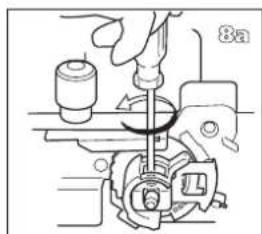
natural_image
Mechanical assembly diagram showing a hand turning a component with a 3b label (no text or symbols on the diagram itself)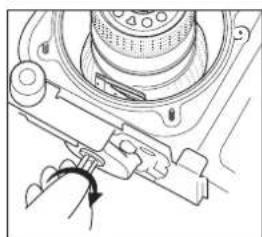
natural_image
Mechanical assembly diagram showing a rotating component with no visible text or symbols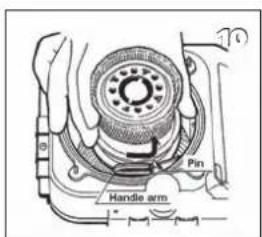
natural_image
Illustration of a hand holding a fish inside a curved container (no text or symbols)natural_image
Simple line drawing of a hand holding a coiled device (no text or symbols)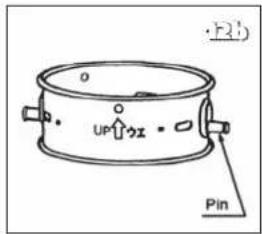
natural_image
Mechanical assembly diagram showing a hand operating a tool with a bracket and handle (no text or symbols visible)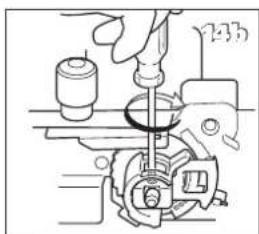
natural_image
Mechanical assembly diagram showing a presser pressing a component with directional arrows (no text or labels)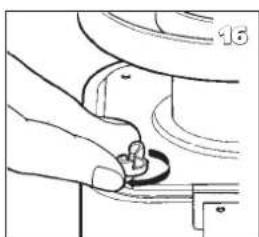
natural_image
Line drawing of a hand holding a small object, possibly a tool or component, with no visible text or symbols.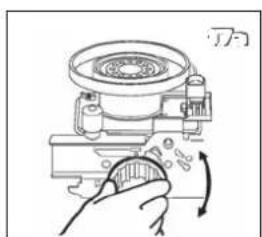
natural_image
Hand operating a mechanical device with a rotating knob (no text or symbols visible)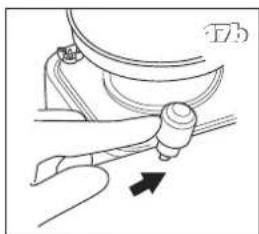
natural_image
Line drawing of a mechanical component with an arrow indicating direction (no text or symbols)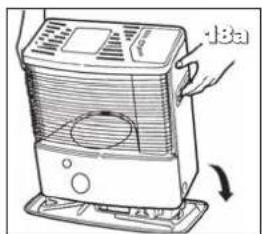
natural_image
Illustration of a portable air conditioner unit with cooling fan and heating element (no text or symbols)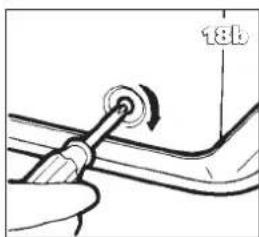
natural_image
Close-up of a hand holding a tool with a circular knob, next to a curved pipe or pipe (no text or symbols visible)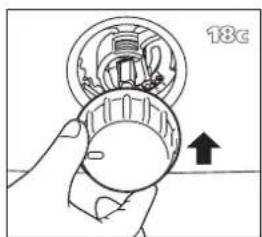
natural_image
Line drawing of a mechanical device with a base and top component, no visible text or symbols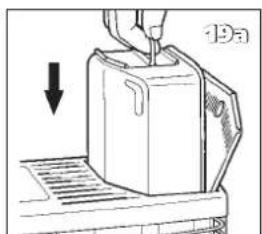
natural_image
Illustration of a hand using a tool to press a container on a tray (no text or symbols visible)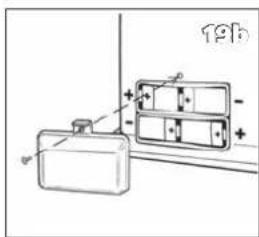

PRODUKTDATENBLATT
LE COMBUSTIBLE APPROPRIÉ
natural_image
Exploded view diagram of a kitchen appliance showing internal components and assembly (no text or labels)MANUEL
A INSTALLATION DE L'APPAREIL
natural_image
Hand holding a tool interacting with a surface, showing an upward arrow (no text or symbols present)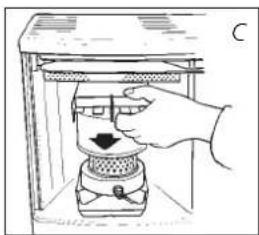
natural_image
Hand inserting a small object into a container with a hot pot (no text or symbols visible)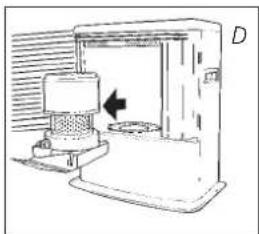
natural_image
Technical line drawing of a mechanical device with a component and directional arrow (no text or symbols)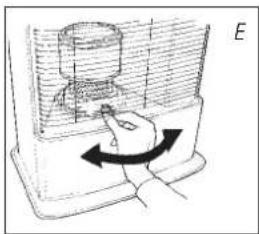
natural_image
Hand operating a refrigerator with a hand pressing down, showing airflow direction (no text or symbols)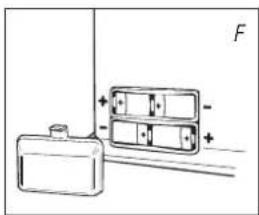
B REMPLISSAGE DU COMBUSTIBLE
natural_image
Diagram of a hand pressing down a mechanical component with an upward arrow, no text or symbols present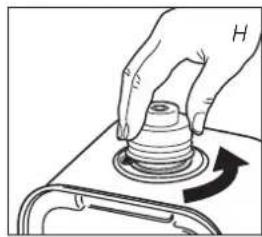
natural_image
Hand pressing a button on a cylindrical object with an arrow indicating rotation (no text or symbols)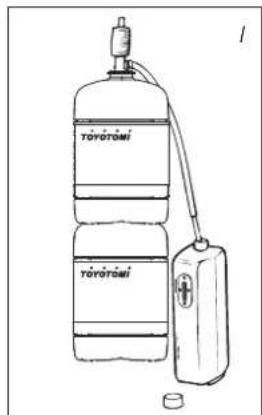
natural_image
Technical line drawing of a mechanical component with a bolt and flange (no text or symbols)
natural_image
3D rendering of a cylindrical industrial device with a perforated base and mounting feet (no text or symbols visible)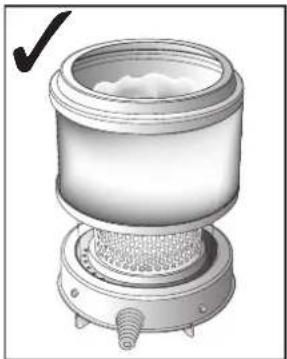
natural_image
Illustration of a cylindrical industrial or gasifier with a mesh base and top panel, no text or symbols present.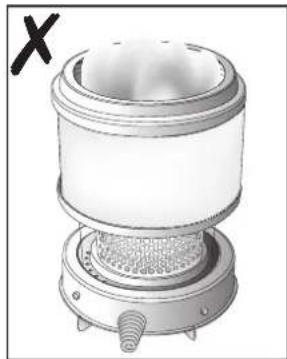
natural_image
Illustration of a cylindrical industrial device with a textured base and mounting base (no text or symbols)◀ R

natural_image
Line drawing of a hand holding a circular object with an arrow indicating rotation (no text or symbols)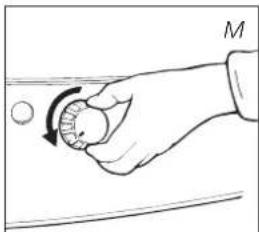
natural_image
Hand holding a circular object with a curved arrow indicating rotation, no text or symbols present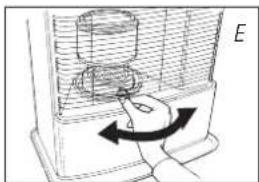
natural_image
Diagram of a refrigerator with a door handle and directional arrow indicating rotation (no text or symbols)natural_image
Line drawing of a hand using a tool to press or install a container on a tray, with an upward arrow indicating motion (no text or symbols)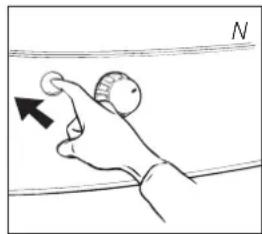
natural_image
Hand pointing at a circular object with an arrow, against a horizontal line and a vertical bar (no text or symbols)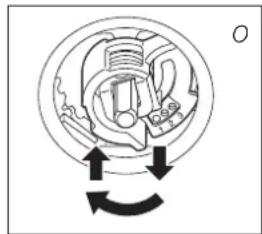
natural_image
Diagram of a mechanical or electrical component with bidirectional arrows indicating rotation (no text or symbols)G PANNES: CAUSES ET REMÈDES
natural_image
Technical line drawing of a mechanical device with a central component and an arrow indicating direction (no text or symbols)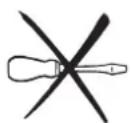
ENTREPOSAGE (FIN DE LA SAISON)
natural_image
Technical diagram of a mechanical device with internal components and directional arrow (no text or symbols)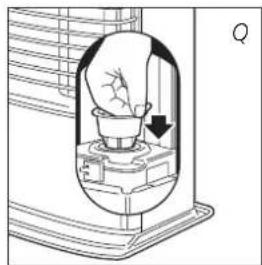
natural_image
Diagram of a light bulb inside a container with an arrow indicating direction (no text or symbols)
Bouchon de transport
L CONDITIONS DE GARANTIE
natural_image
Line drawing of a hand using a tool to press or install a container on a tray (no text or symbols)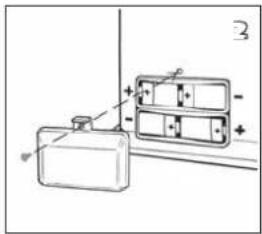
natural_image
Simple line drawing of a container with a handle and two rectangular compartments, no text or symbols present.
natural_image
Line drawing of a hand operating a portable device with a lid and base (no text or symbols)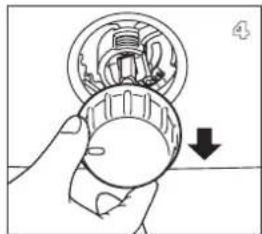
natural_image
Hand holding a mechanical component with a downward arrow indicating rotation (no text or symbols)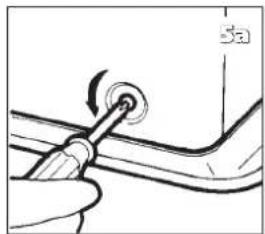
natural_image
Illustration of a hand turning a circular component with a pointer (no text or symbols)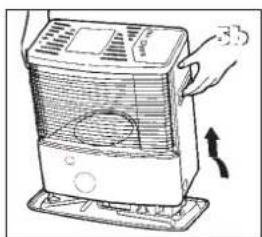
natural_image
Illustration of a portable air conditioner with a hand holding the fan (no text or symbols visible)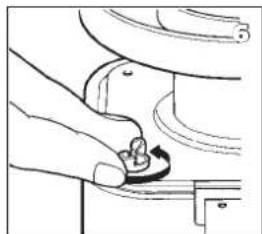
natural_image
Line drawing of a hand turning a button into a toilet (no text or symbols)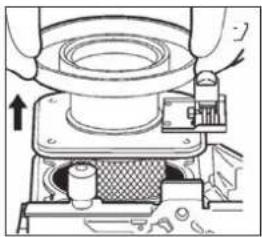
natural_image
Mechanical assembly diagram showing a presser pressing a component with a meshed base and directional arrow (no text or symbols)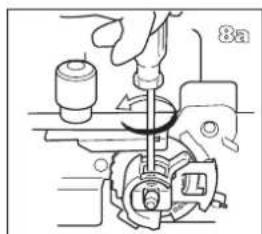
natural_image
Diagram of a hand operating a mechanical device with a tool, no visible text or symbols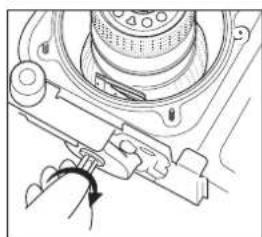
natural_image
Mechanical assembly diagram showing a rotating component with no visible text or symbols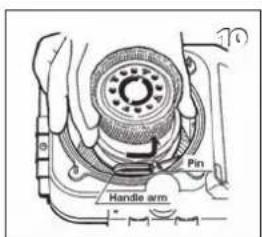
natural_image
Illustration of a hand holding a fish inside a curved container (no text or symbols)natural_image
Simple line drawing of a hand holding a coiled device (no text or symbols)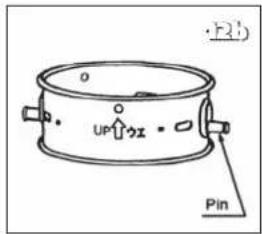
natural_image
Mechanical assembly diagram showing a hand operating a clamp or clamp device (no text or symbols visible)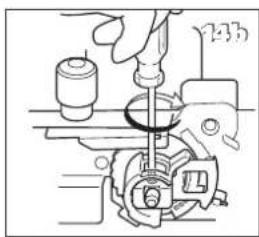
natural_image
Technical diagram of a mechanical device with a rotating component and base mount (no text or symbols)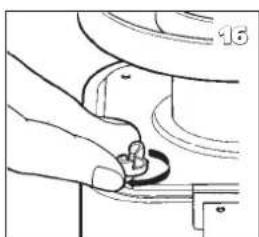
natural_image
Line drawing of a hand pressing down on a small component (no text or symbols)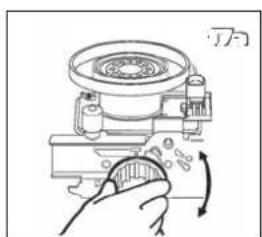
natural_image
Hand operating a mechanical device with a rotating knob (no text or symbols visible)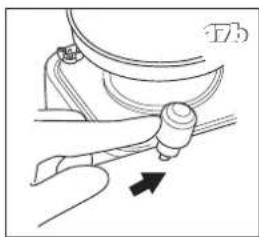
natural_image
Mechanical diagram showing a lever mechanism with a directional arrow (no text or symbols)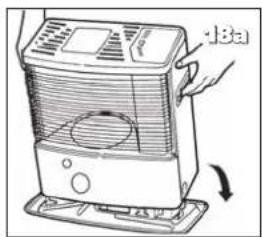
natural_image
Illustration of a portable air purifier with cooling fan and heating unit (no text or symbols)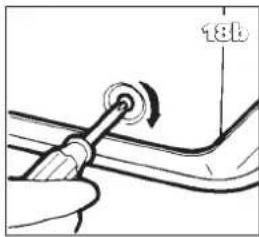
natural_image
Hand holding a tool with a circular knob, next to a curved pipe or pipe (no text or symbols visible)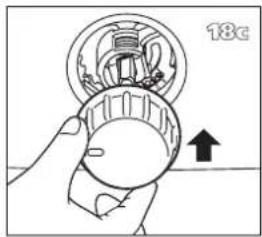
natural_image
Line drawing of a mechanical device with a base and handle, no visible text or symbols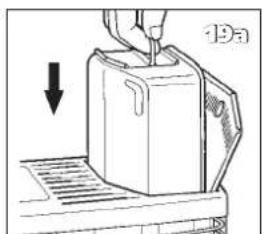
natural_image
Line drawing of a hand using a tool to press a container on a tray (no text or symbols)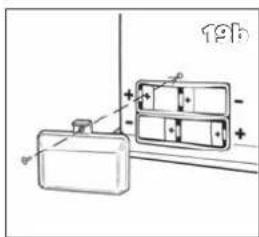

FICHE PRODUIT
WAT U VOORAF MOET WETEN
ALTIJD VOLDOENDE VENTILEREN
HANDLEIDING
A HET INSTALLEREN VAN DE KACHEL
natural_image
Hand holding a tool interacting with a grid-like structure, no text or symbols visible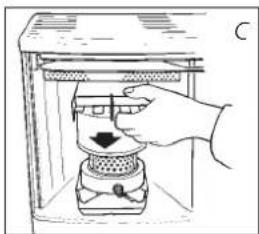
natural_image
Line drawing of a hand holding a small container with a dark liquid inside, placed inside a transparent container (no text or symbols)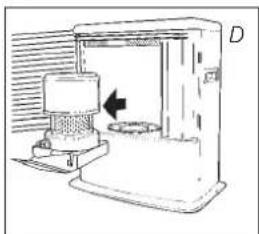
natural_image
Diagram of a mechanical device with a rotating component and labeled point D (no text or symbols present)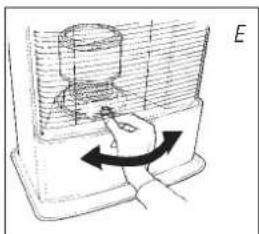
natural_image
Diagram of a hand pressing down on a device with an arrow indicating rotation (no text or symbols present)NL
natural_image
Hand pressing a button on a mechanical component with an arrow indicating rotation (no text or symbols)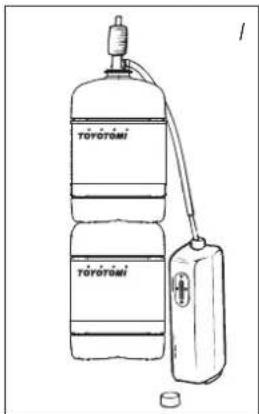
natural_image
Two identical electrical connector pinouts with terminal connectors, labeled 'leeg vol' below (no additional text or symbols)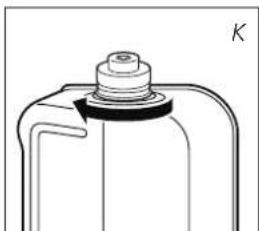
natural_image
Technical line drawing of a mechanical component with a bolt and flange (no text or symbols)C HET AANMAKEN VAN DE KACHEL
natural_image
3D rendering of a cylindrical industrial device with a perforated base and mounting feet (no text or symbols visible)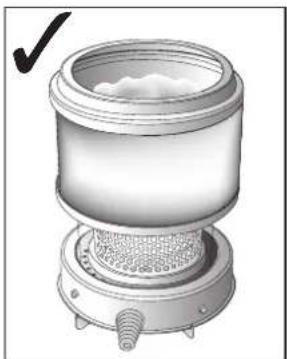
natural_image
Illustration of a portable stove or oven with a lid and base, no text or symbols present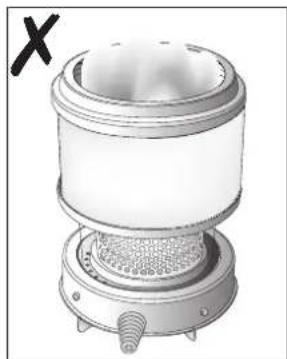
natural_image
Illustration of a cylindrical industrial device with a flanged top and base, no visible text or symbols.◀ R

natural_image
Hand holding a circular object with an arrow indicating rotation, no text or symbols present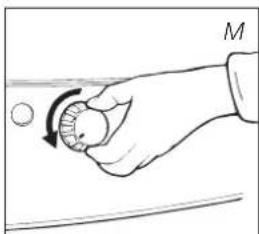
natural_image
Hand holding a circular object with a curved arrow indicating rotation (no text or symbols)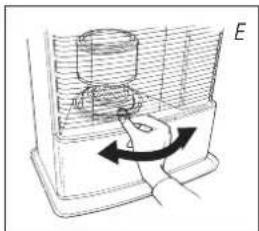
natural_image
Diagram of a refrigerator with a hand holding the lid and a curved arrow indicating rotation (no text or symbols)
natural_image
Diagram of a hand pressing down on a mechanical component with an upward arrow (no text or symbols)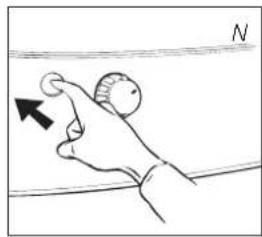
natural_image
Hand pointing at a surface with an arrow indicating direction, labeled 'N' in the corner (no text or symbols on the diagram itself)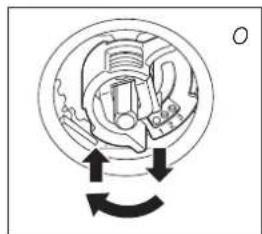
natural_image
Mechanical diagram showing a rotating component with bidirectional arrows indicating rotational motion (no text or labels)
STORINGEN, OORZAKEN EN OPLOSSINGEN
natural_image
Diagram of a mechanical device with a piston and housing, showing internal components and an arrow indicating direction (no text or symbols)
natural_image
Line drawing of a hand using a tool to press or install a container on a tray (no text or symbols)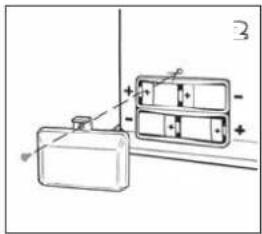
natural_image
Illustration of a hand operating a cylindrical device with a handle, no visible text or symbols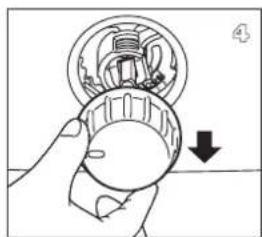
natural_image
Hand holding a mechanical component with a downward arrow indicating rotation (no text or symbols)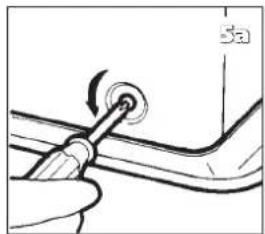
natural_image
Illustration of a hand turning a circular component with a pointer (no text or symbols)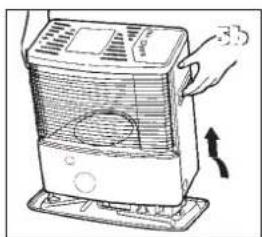
natural_image
Illustration of a portable air conditioner with a hand holding the fan (no text or symbols visible)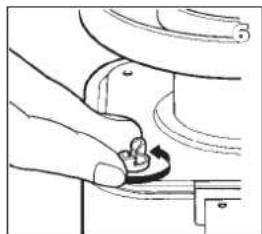
natural_image
Line drawing of a hand holding a small knob on a toilet sink (no text or symbols)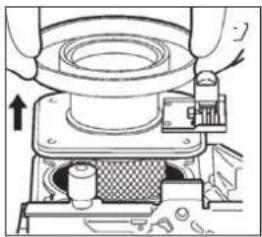
natural_image
Mechanical assembly diagram showing a presser pressing a component with a meshed base and directional arrow (no text or symbols)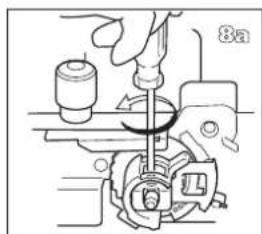
natural_image
Diagram of a hand operating a mechanical device with a tool, no visible text or symbols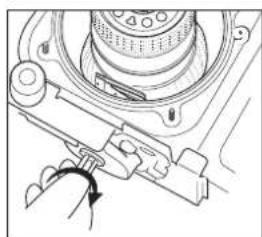
natural_image
Mechanical assembly diagram showing a rotating component with no visible text or symbols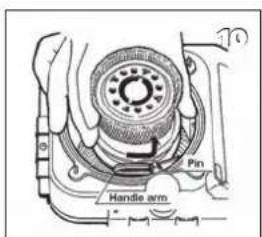
natural_image
Illustration of a hand holding a fish inside a curved container (no text or symbols)natural_image
Hand holding a coiled device with a ruler above it (no text or symbols visible)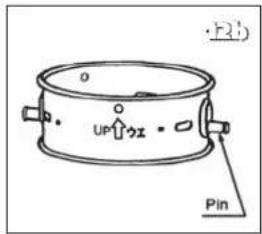
natural_image
Diagram of a mechanical clamp or bracket assembly with a hand operating it (no text or symbols visible)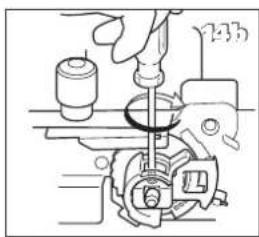
natural_image
Mechanical assembly diagram showing a presser pressing a component with arrows indicating motion (no text or symbols present)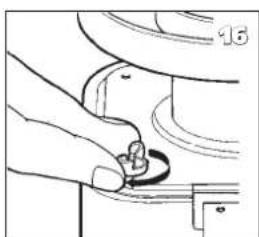
natural_image
Line drawing of a hand pressing down on a small component (no text or symbols)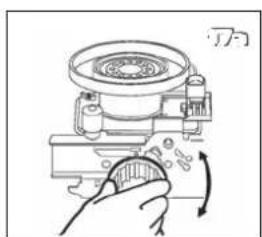
natural_image
Hand operating a mechanical device with a rotating knob (no text or symbols visible)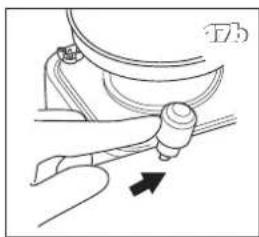
natural_image
Mechanical diagram showing a lever mechanism with an arrow indicating motion (no text or symbols present)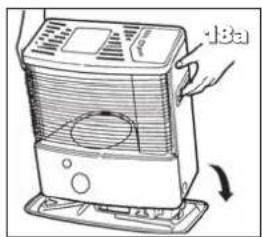
natural_image
Illustration of a portable air purifier with cooling fan and control panel (no text or symbols)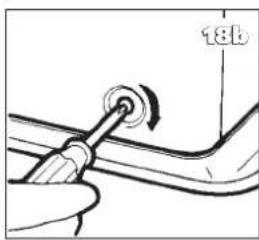
natural_image
Illustration of a hand turning a car wheel with a knob, no text or symbols present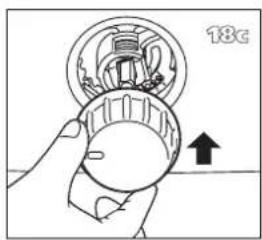
natural_image
Line drawing of a mechanical device with a base and top component, no visible text or symbols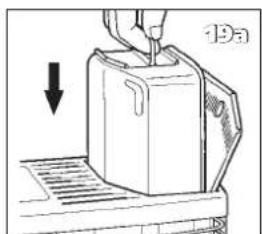
natural_image
Line drawing of a hand using a tool to press or install a container on a tray (no text or symbols)

PRODUCTKAART
MANUAL
A INSTALACION DE LA ESTUFA
natural_image
Hand holding a tool interacting with a grid-like structure, no text or symbols visible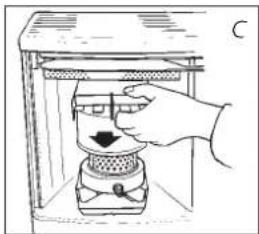
natural_image
Hand inserting a plug into a thermosette inside a container (no text or symbols visible)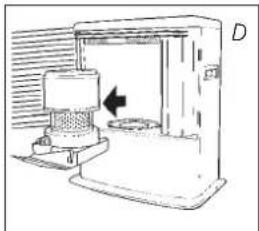
natural_image
Technical line drawing of a mechanical device with a labeled component (no text or symbols present)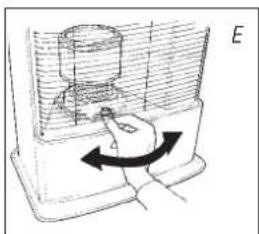
natural_image
Diagram of a refrigerator with a hand pressing a button, showing airflow direction (no text or symbols)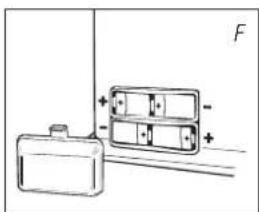

natural_image
Hand pressing a button on a mechanical component with an arrow indicating rotation (no text or symbols)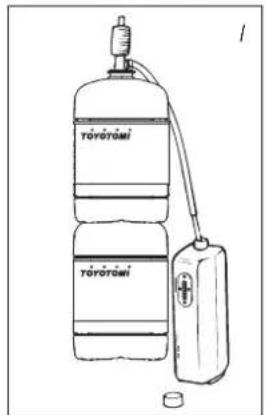
natural_image
Line drawing of a mechanical component with a central bolt and flange (no text or symbols)natural_image
Technical illustration of a cylindrical industrial device with a mesh base and mounting feet (no text or symbols)
natural_image
Illustration of a cylindrical industrial or gas stove with a perforated base and top panel, no text or symbols present.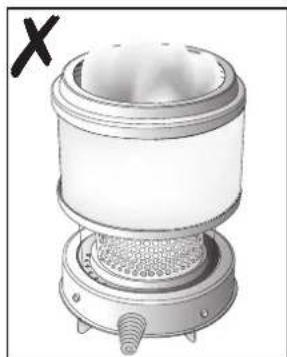
natural_image
Illustration of a cylindrical industrial or gas stove with a perforated base and top panel, no visible text or symbols.

natural_image
Hand holding a circular knob with an arrow indicating rotation (no text or symbols)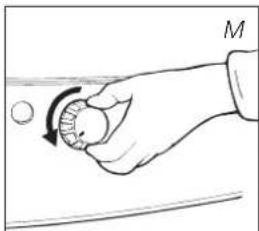
natural_image
Hand holding a circular object with an arrow indicating rotation, no text or symbols present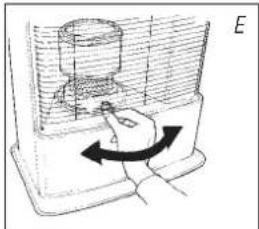
natural_image
Diagram of a hand pressing down on a device with directional arrows indicating motion (no text or symbols)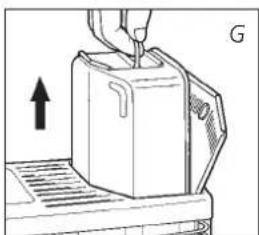
natural_image
Line drawing of a hand using a tool to press or install a container on a tray (no text or symbols)E APAGAR LA ESTUFA
natural_image
Simple line drawing of a hand holding a circular object with an arrow pointing to it, against a horizontal line (no text or symbols)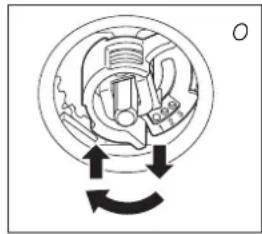
natural_image
Diagram of a mechanical or electrical component with bidirectional arrows indicating rotation (no text or symbols)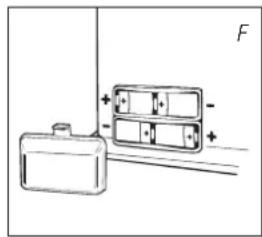
natural_image
Technical diagram of a mechanical device with a valve and housing, showing no text or symbols.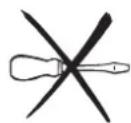

Monitoring of the quality of ventilation (air renewal):
Direct measurement of the CO ^2 level (NDIR CO ^2 sensor 12).
natural_image
Technical diagram of a mechanical device with a central component and an arrow indicating direction (no text or symbols)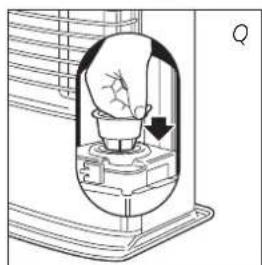
natural_image
Illustration of a hand pouring liquid into a container with an arrow indicating flow (no text or symbols)
Tapón de transporte
L CONDICIONES DE GARANTÍA
natural_image
Illustration of a hand using a tool to press or install a container on a tray (no text or symbols visible)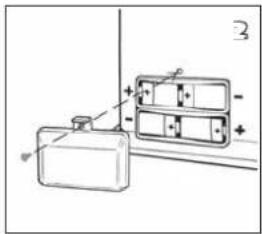
natural_image
Simple line drawing of a container with a handle and two rectangular compartments, no text or symbols present.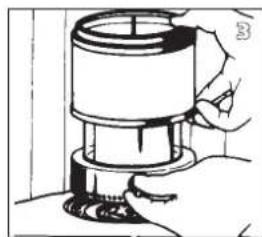
natural_image
Line drawing of a hand operating a mechanical device with a handle and base (no text or symbols)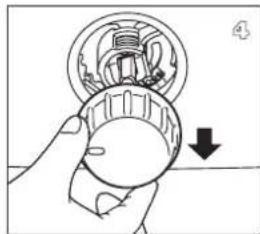
natural_image
Hand holding a ball bearing with a downward arrow indicating rotation (no text or symbols)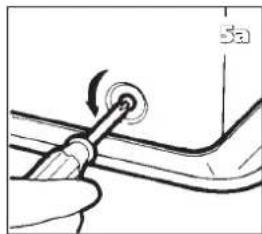
natural_image
Hand holding a tool with a circular knob, no visible text or symbols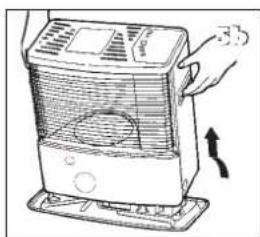
natural_image
Illustration of a portable electric heater with a hand inserting a fan (no text or symbols)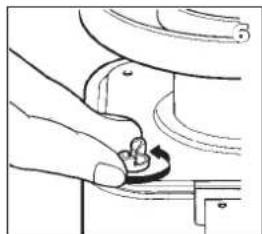
natural_image
Line drawing of a hand holding a small knob next to a curved object (no text or symbols)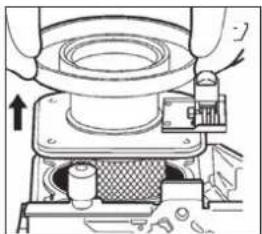
natural_image
Technical line drawing of a mechanical assembly with no visible text or symbols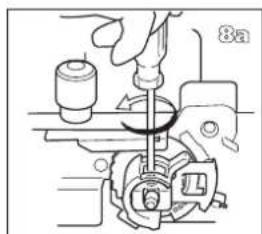
natural_image
Mechanical assembly diagram showing a hand turning a component with arrows indicating motion (no text or symbols)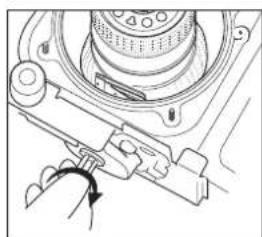
natural_image
Mechanical assembly diagram showing a rotating component with no visible text or symbols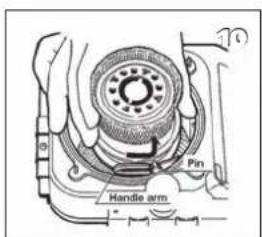
natural_image
Illustration of a hand holding a fish inside a curved container (no text or symbols)natural_image
Simple line drawing of a hand holding a coiled device (no text or symbols)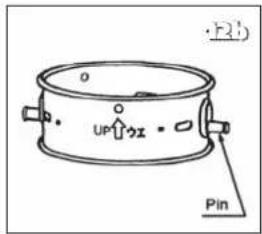
natural_image
Diagram of a mechanical clamp or bracket assembly with a hand operating it (no text or symbols visible)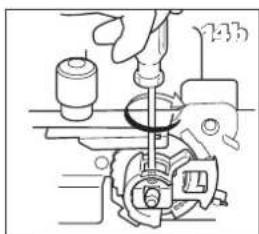
natural_image
Mechanical assembly diagram showing a presser pressing a component with arrows indicating motion (no text or symbols present)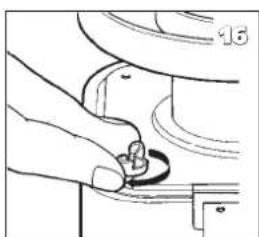
natural_image
Line drawing of a hand holding a small object, possibly a tool or component, with no visible text or symbols.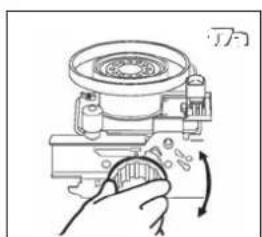
natural_image
Hand operating a mechanical device with a rotating knob (no text or symbols visible)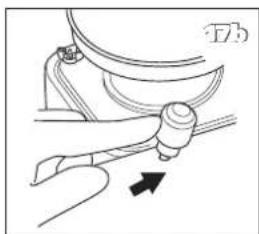
natural_image
Line drawing of a hand gripping a mechanical component with an arrow indicating direction (no text or symbols)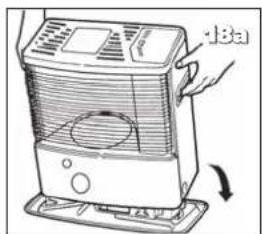
natural_image
Illustration of a portable air conditioner unit with cooling fan and heating element (no text or symbols)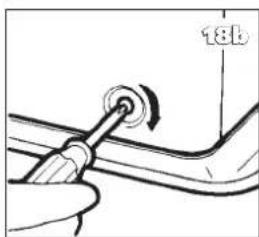
natural_image
Hand holding a tool with a circular knob, no visible text or symbols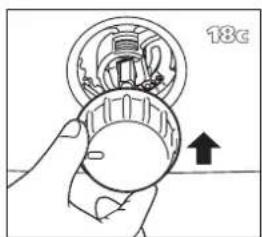
natural_image
Line drawing of a mechanical device with a base and top component, no visible text or symbols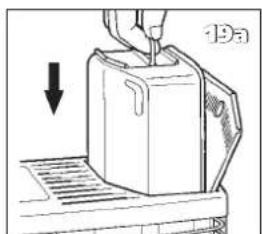
natural_image
Line drawing of a hand using a tool to press a container on a tray (no text or symbols)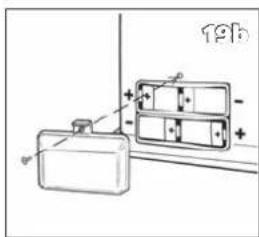

FICHA DE PRODUCTO
MANUALE
natural_image
Hand holding a tool interacting with a surface, showing a force or pressure application (no text or symbols present)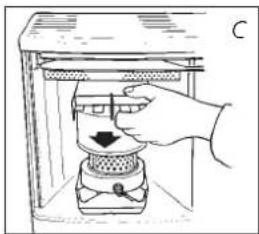
natural_image
Line drawing of a hand inserting a small container into a cooler appliance (no text or symbols)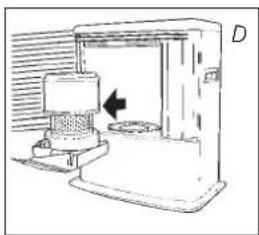
natural_image
Technical line drawing of a mechanical device with a component and directional arrow (no text or symbols)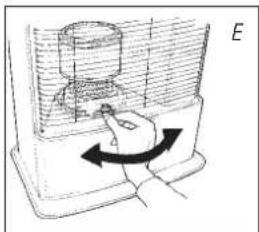
natural_image
Hand operating a refrigerator with a hand pressing down on the side panel (no text or symbols visible)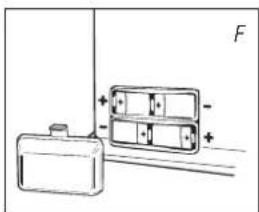
B RIFORNIMENTO DEL COMBUSTIBILE
C ACCENSIONE DELLA STUFA
natural_image
Hand pressing a cylindrical component on a base, with an arrow indicating rotation (no text or symbols)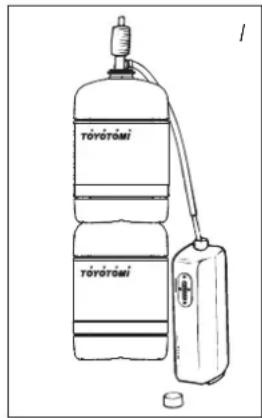
natural_image
Technical line drawing of a mechanical component with a bolt and cap (no text or symbols)
D LA COMBUSTIONE DELLA STUFA
natural_image
3D rendering of a cylindrical industrial vessel with a perforated base and mounting base (no text or symbols visible)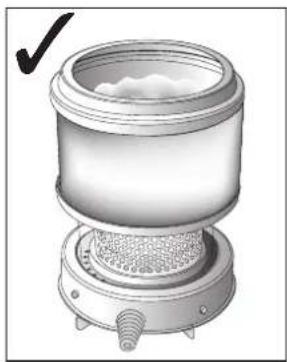
natural_image
Illustration of a portable stove or oven with a lid and cooling unit (no text or symbols visible)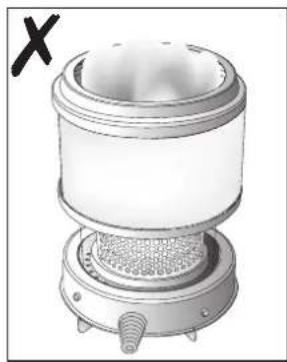
natural_image
Illustration of a cylindrical industrial device with a perforated base and central housing (no text or symbols)◀ R

natural_image
Hand holding a circular object with an arrow indicating rotation, no text or symbols present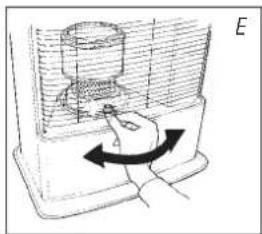
natural_image
Diagram of a hand operating a refrigerator with a circular arrow indicating rotation (no text or symbols)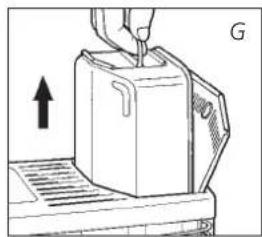
natural_image
Line drawing of a hand using a tool to press or install a container, with an arrow indicating upward motion (no text or symbols)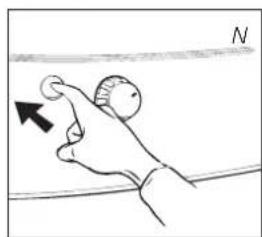
natural_image
Simple line drawing of a hand pointing at a circular object on a horizontal surface, with a black arrow indicating direction (no text or symbols)natural_image
Diagram of a mechanical or electrical component with bidirectional arrows indicating rotation or cycle (no text or symbols)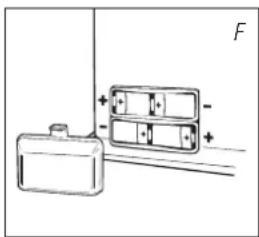
FIAMMA INCOSTANTE E/O FULIGGINE E/O CATTIVO ODORE.
natural_image
Diagram of a mechanical device with a piston and housing, showing internal components and an arrow indicating direction (no text or symbols)4. IL FILTRO
natural_image
Technical diagram of a mechanical device with internal components and an arrow indicating direction (no text or symbols)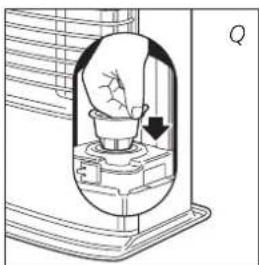
natural_image
Diagram of a hand pouring liquid into a container with an arrow indicating flow (no text or symbols)natural_image
Line drawing of a hand pressing down on a mechanical device with an upward arrow (no text or symbols)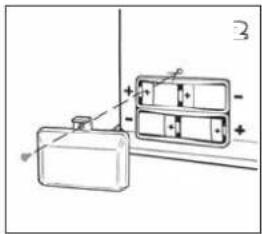
natural_image
Simple line drawing of a container with a handle and two rectangular compartments, no text or symbols present.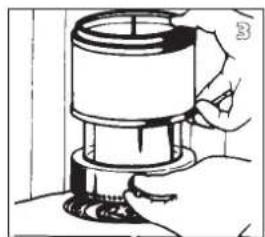
natural_image
Illustration of a hand operating a cylindrical device with a handle, no visible text or symbols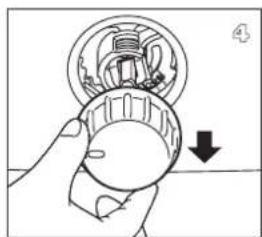
natural_image
Hand holding a mechanical component with a downward arrow indicating rotation (no text or symbols)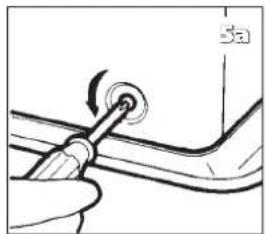
natural_image
Illustration of a hand turning a circular component with a pointer (no text or symbols)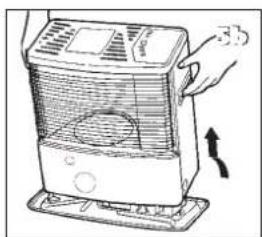
natural_image
Illustration of a portable air conditioner with a hand holding the fan (no text or symbols visible)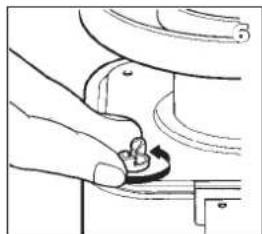
natural_image
Line drawing of a hand turning a button into a toilet (no text or symbols)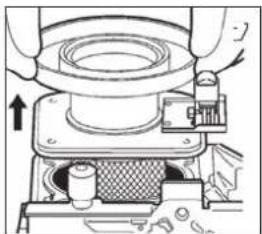
natural_image
Mechanical assembly diagram showing a presser pressing a component with a magnified inset view (no text or symbols)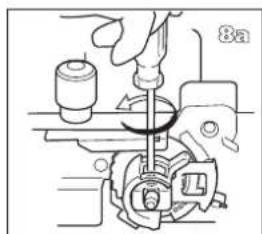
natural_image
Diagram of a mechanical assembly with a hand pointing to a component (no text or symbols visible)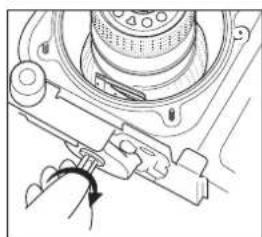
natural_image
Mechanical assembly diagram showing a rotating component with no visible text or symbols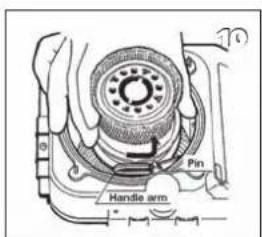
natural_image
Illustration of a hand holding a fish inside a curved container (no text or symbols)natural_image
Simple line drawing of a hand holding a coiled device (no text or symbols)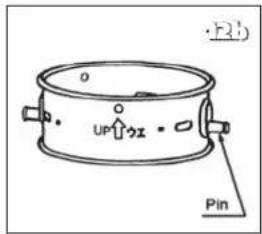
natural_image
Diagram of a mechanical clamp or bracket assembly with directional arrow (no text or symbols)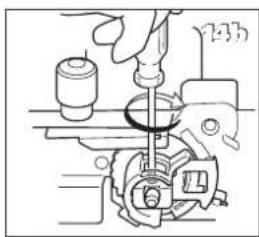
natural_image
Mechanical assembly diagram showing a presser pressing a component with arrows indicating motion (no text or symbols present)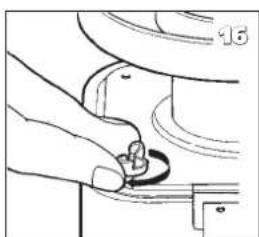
natural_image
Line drawing of a hand holding a small object, possibly a tool or component, with no visible text or symbols.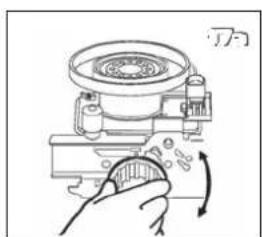
natural_image
Hand operating a mechanical device with a rotating knob (no text or symbols visible)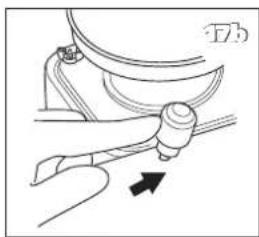
natural_image
Mechanical diagram showing a lever mechanism with an arrow indicating direction (no text or symbols present)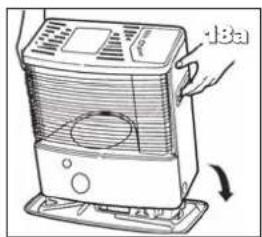
natural_image
Illustration of a portable air conditioner unit with cooling fan and heating element (no text or symbols)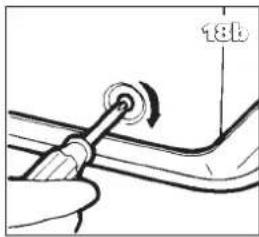
natural_image
Illustration of a hand using a tool to adjust a curved pipe or pipe fitting (no text or symbols visible)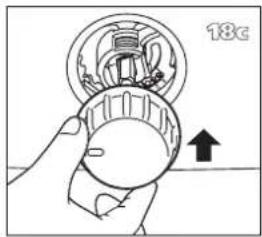
natural_image
Line drawing of a mechanical device with a base and top component, no visible text or symbols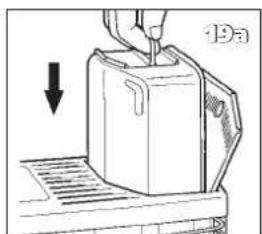
natural_image
Line drawing of a hand using a tool to press or install a container on a tray (no text or symbols)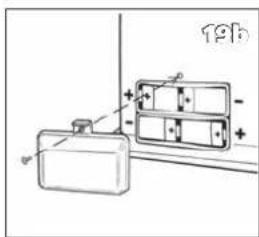

SCHEDA PRODOTTO
(a) Nome / Marchio del fornitore TOYOTOMI Europe Sales B.V.
(b) Modello RC-270
MANUAL
natural_image
Hand holding a tool interacting with a grid-like structure, no visible text or symbols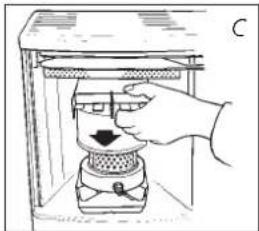
natural_image
Hand inserting a small component into a thermosette inside a container (no text or symbols visible)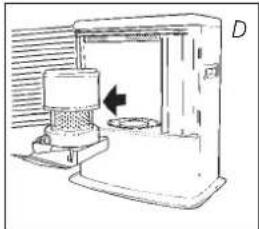
natural_image
Diagram of a mechanical device with a rotating component and labeled point D (no text or symbols present)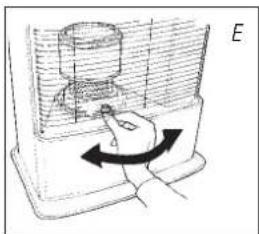
natural_image
Hand operating a refrigerator with a hand pressing down on the side panel (no text or symbols visible)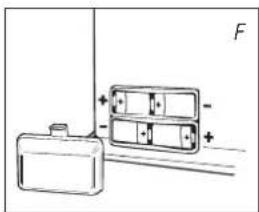
B ABASTECIMENTO DE COMBUSTÍVEL
natural_image
Hand pressing a button on a mechanical component (no text or symbols visible)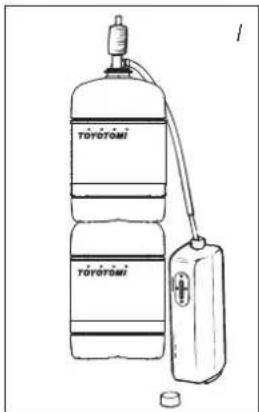
natural_image
Technical line drawing of a mechanical component with a bolt and flange (no text or symbols)
natural_image
Hand holding a circular object with an arrow indicating rotation (no text or symbols)
natural_image
Hand holding a circular object with an arrow indicating rotation, no text or symbols presentD QUEIMA DO AQUECEDOR
natural_image
Diagram of a device with a rotating arrow indicating rotation or movement (no text or symbols present)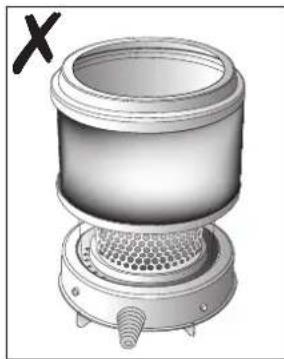
natural_image
3D rendering of a cylindrical industrial vessel with a perforated base and mounting feet (no text or symbols visible)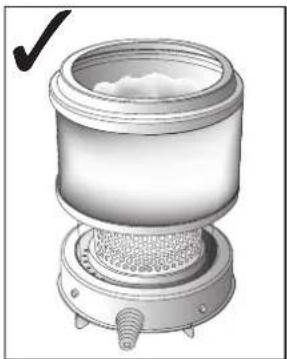
natural_image
Illustration of a portable stove or oven with a lid and base, no text or symbols present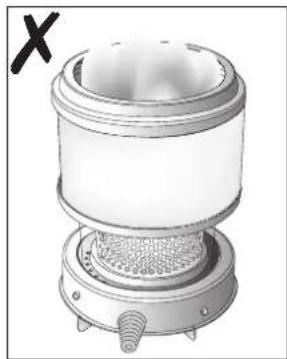
natural_image
Illustration of a cylindrical industrial device with a mesh base and top panel, no visible text or symbols.◀ R

natural_image
Illustration of a hand using a tool to press or install a container on a tray, with an upward arrow indicating motion (no text or symbols present)E DESLIGAR O AQUECEDOR
G FALHAS, CAUSAS E SOLUÇÕES
natural_image
Hand holding a knob with an arrow pointing to the knob, against a curved surface (no text or symbols)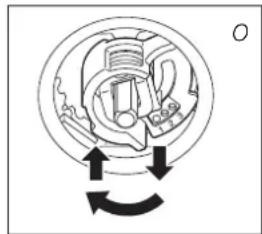
natural_image
Diagram of a mechanical or electrical component with bidirectional arrows indicating rotation (no text or symbols)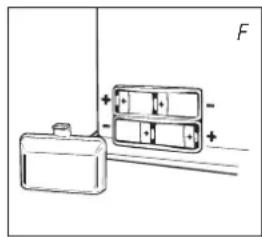
AQUECEDOR APAGA LENTAMENTE.
natural_image
Technical diagram of a mechanical device with internal components and an arrow indicating direction (no text or symbols)4. O FILTRO DE COMBUSTÍVEL
natural_image
Technical diagram of a mechanical device with a piston and housing, showing internal components and an arrow indicating motion (no text or symbols)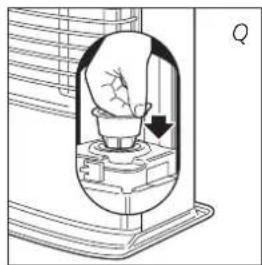
natural_image
Diagram of a light bulb inside a container with a downward arrow indicating direction (no text or symbols)
Tampa de transporte

ESPECIFICAÇÕES TÉCNICAS
natural_image
Illustration of a hand using a tool to press or install a container on a tray (no text or symbols visible)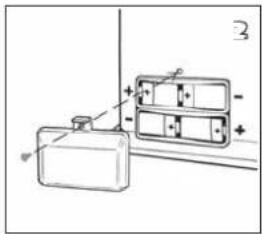
natural_image
Simple line drawing of a container with a handle and two rectangular compartments, no text or symbols present.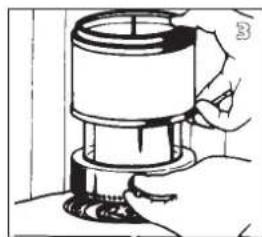
natural_image
Line drawing of a hand operating a mechanical device with a handle and base (no text or symbols)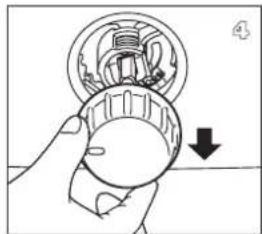
natural_image
Hand holding a mechanical component with a downward arrow indicating rotation (no text or symbols)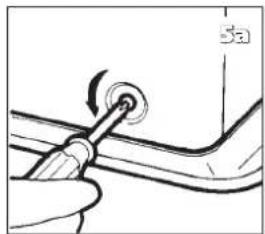
natural_image
Illustration of a hand turning a circular component with a pointer (no text or symbols)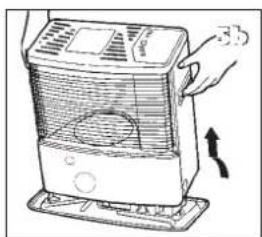
natural_image
Illustration of a hand holding a portable air conditioner with a cooling fan (no text or symbols visible)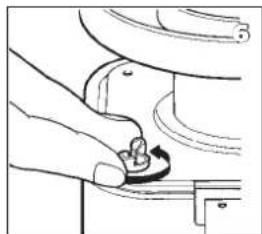
natural_image
Line drawing of a hand turning a button into a toilet (no text or symbols)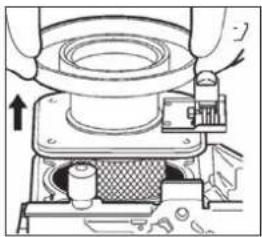
natural_image
Mechanical assembly diagram showing a presser pressing a component with a magnified inset view (no text or symbols)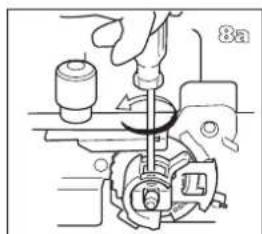
natural_image
Diagram of a hand operating a mechanical device with a tool, no visible text or symbols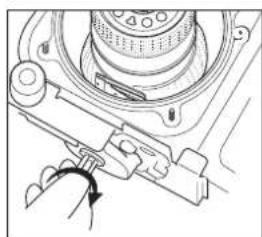
natural_image
Mechanical assembly diagram showing a rotating component with no visible text or symbols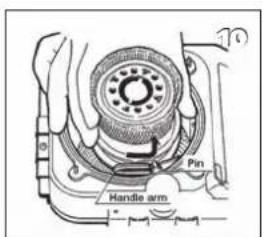
natural_image
Illustration of a hand holding a fish inside a curved container (no text or symbols)natural_image
Simple line drawing of a hand holding a coiled device with a handle (no text or symbols)
natural_image
Diagram of a mechanical clamp or bracket assembly with a hand operating it (no text or symbols visible)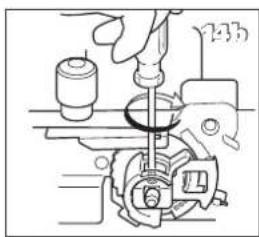
natural_image
Technical diagram of a mechanical device with no visible text or symbols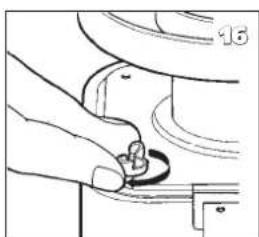
natural_image
Line drawing of a hand holding a small object, possibly a tool or component, with no visible text or symbols.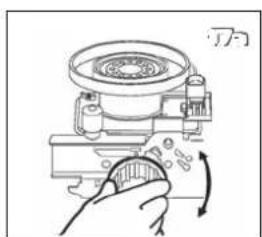
natural_image
Hand operating a mechanical device with a rotating knob (no text or symbols visible)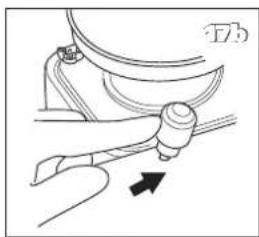
natural_image
Mechanical diagram showing a lever mechanism with an arrow indicating motion (no text or symbols present)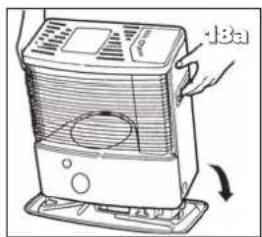
natural_image
Illustration of a portable air conditioner unit with cooling fan and heating element (no text or symbols)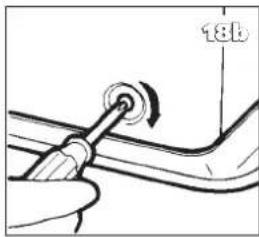
natural_image
Illustration of a hand turning a valve with a circular motion indicator (no text or symbols)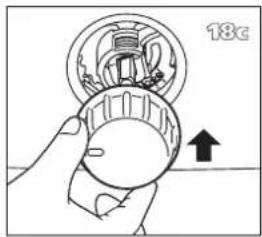
natural_image
Line drawing of a mechanical device with a cylindrical component and a base, no text or symbols present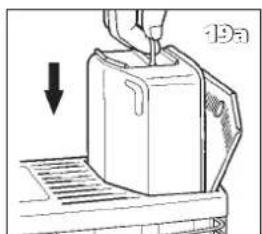
natural_image
Line drawing of a hand using a tool to press a container on a tray (no text or symbols)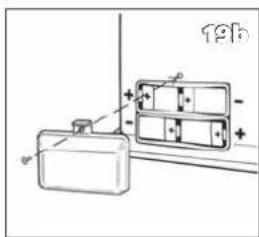

FICHA DE PRODUTO
(a) Nome do fornecedor/ marca comercial TOYOTOMI Europe Sales B.V.
(b) Modelo RC-270
HVAD MAN F∅RST SKAL VIDE
S∅RG ALTID FOR TILSTRÆKKELIG VENTILATION
natural_image
Exploded view diagram of a kitchen appliance showing internal components and airflow direction (no text or labels)VEJLEDNING
A INSTALLATION AF OVNEN
natural_image
Hand holding a tool interacting with a grid-patterned object, no visible text or symbols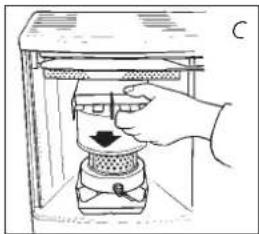
natural_image
Hand inserting a small component into a container (no text or symbols visible)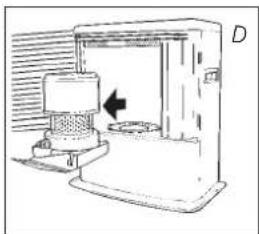
natural_image
Technical line drawing of a mechanical device with a central component and directional arrow (no text or symbols)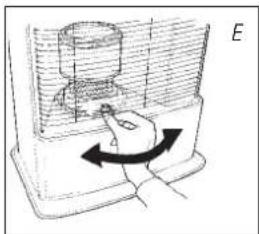
natural_image
Illustration of a hand pressing down on a fan or vent, with directional arrows indicating motion (no text or symbols)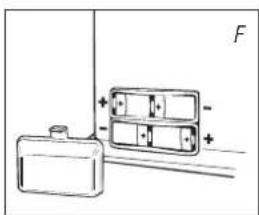
B PÄFYLDNING AF BRÄNDSTOF
natural_image
Hand pressing a button on a mechanical component with an arrow indicating rotation (no text or symbols)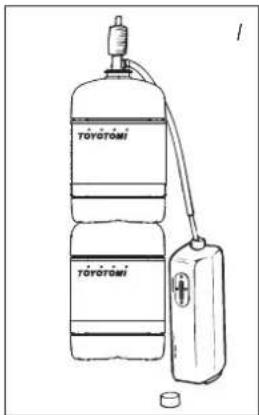
natural_image
Two identical oval-shaped electronic connectors with pins, labeled 'Tom Fuld' below (no additional text or symbols)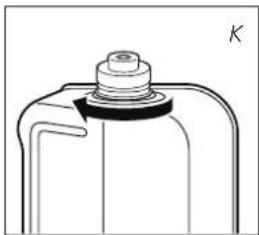
natural_image
Technical line drawing of a mechanical component with a bolt and flange (no text or symbols)
natural_image
Hand holding a circular knob with an arrow indicating rotation (no text or symbols)natural_image
Hand holding a circular object with a rotating arrow, no text or symbols present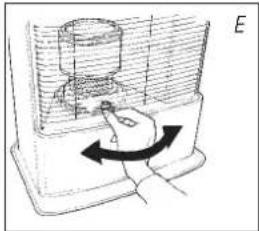
natural_image
Hand operating a refrigerator with a hand pressing down on the door (no text or symbols visible)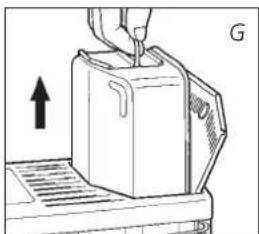
natural_image
Line drawing of a hand pressing down on a mechanical component with an arrow indicating upward motion (no text or symbols)E SÅDAN SLUKKES OVNEN
natural_image
Hand holding a ball with an arrow pointing to it, against a horizontal line and a vertical marker labeled 'N' (no text or symbols on the hand or background)
natural_image
Diagram of a mechanical or electrical component with bidirectional arrows indicating rotation or cycle (no text or symbols)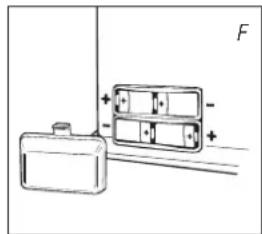
VARMELEGEMET SLUKKES
natural_image
Technical line drawing of a mechanical device with a piston and housing, no visible text or symbolsnatural_image
Technical line drawing of a mechanical device with a valve and housing (no text or symbols)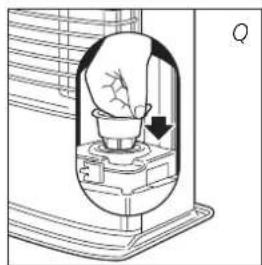
natural_image
Diagram of a light bulb inside a container with an arrow indicating direction (no text or symbols)transportprop

K SPECIFICATIONER
UDSKIFTNING AF VÄGEN
MINDEN DU PÅBEGYNDER UDSKIFTNINGEN AF VÄGEN, SKAL KAMINEN VÄRE SLUKKET OG HELT AFKÖLET.
natural_image
Line drawing of a hand using a tool to press or install a container on a tray (no text or symbols)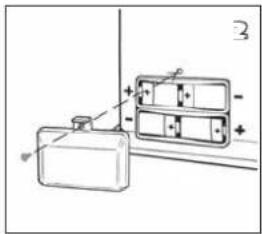
natural_image
Illustration of a hand operating a mechanical device with a cylindrical component (no text or symbols visible)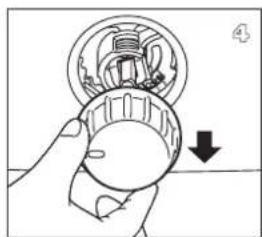
natural_image
Hand holding a mechanical component with a downward arrow indicating rotation (no text or symbols)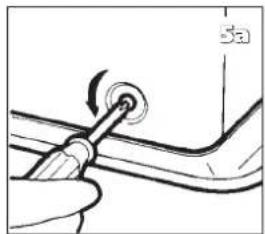
natural_image
Illustration of a hand turning a circular component with a pointer (no text or symbols)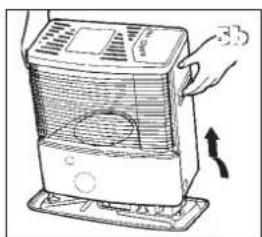
natural_image
Illustration of a portable air conditioner with a hand holding the fan (no text or symbols visible)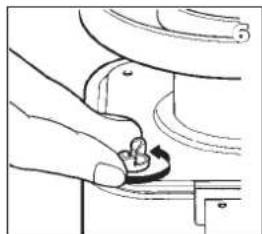
natural_image
Line drawing of a hand holding a small knob next to a curved mechanical component (no text or symbols)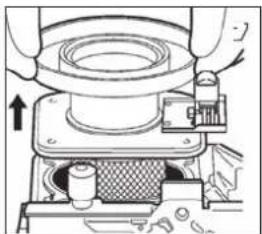
natural_image
Technical diagram of a mechanical device with no visible text or symbols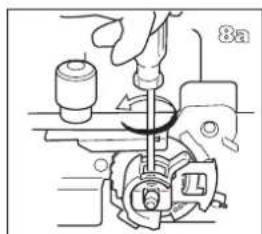
natural_image
Diagram of a mechanical assembly with a hand holding a tool, no visible text or symbols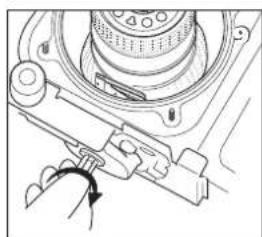
natural_image
Mechanical assembly diagram showing a rotating component with no visible text or symbols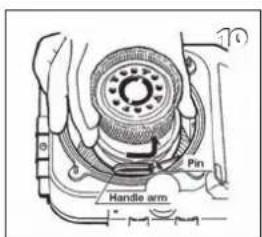
natural_image
Illustration of a hand holding a fish inside a curved container (no text or symbols)natural_image
Simple line drawing of a hand holding a coiled device (no text or symbols)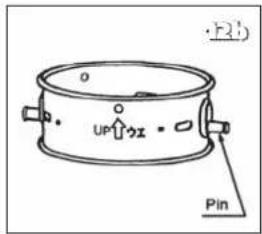
natural_image
Mechanical assembly diagram showing a hand operating a tool with a bracket and handle (no text or symbols visible)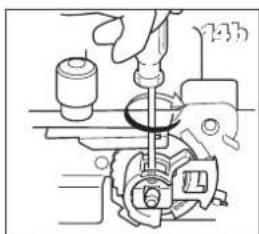
natural_image
Mechanical assembly diagram showing a presser pressing a component with arrows indicating motion (no text or symbols present)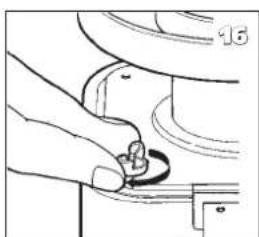
natural_image
Illustration of a hand holding a small mechanical component, no text or symbols present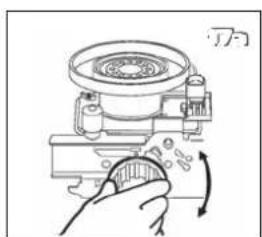
natural_image
Hand operating a mechanical device with a knob and rotating button (no text or symbols visible)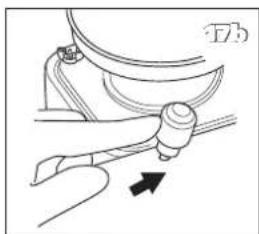
natural_image
Line drawing of a hand gripping a mechanical component with an arrow indicating direction (no text or symbols)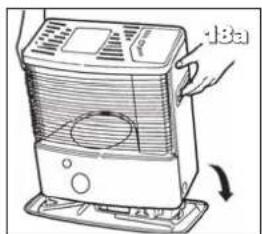
natural_image
Illustration of a portable air conditioner unit with cooling fan and door, showing airflow direction (no text or symbols)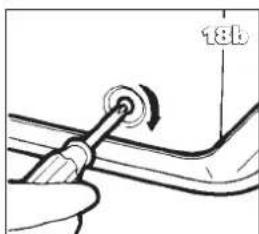
natural_image
Hand holding a tool with a circular knob, pointing to a component labeled '18b' (no text or symbols on the diagram itself)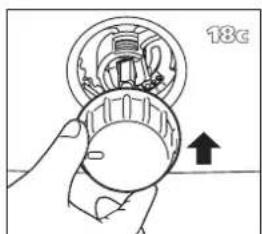
natural_image
Diagram of a cylindrical device with a mesh chamber and a handle, no visible text or symbols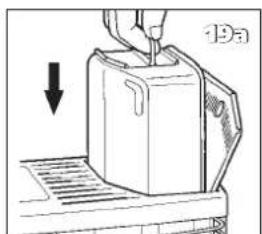
natural_image
Line drawing of a hand using a tool to press a container on a tray (no text or symbols)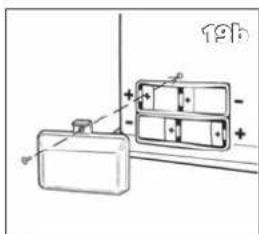

DATABLAD
HÅNDBOK
A INSTALLERE OVNEN
natural_image
Hand holding a tool interacting with a surface, showing an upward arrow (no text or symbols present)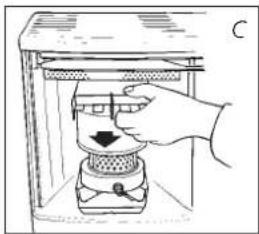
natural_image
Line drawing of a hand inserting a plug into a container with a stove inside (no text or symbols)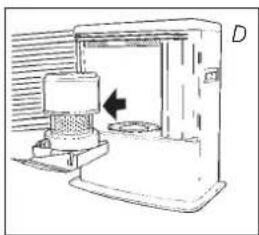
natural_image
Technical line drawing of a mechanical device with a component and directional arrow (no text or symbols)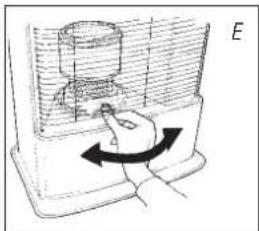
natural_image
Hand operating a refrigerator with a hand pressing down, showing a circular arrow indicating rotation (no text or symbols present)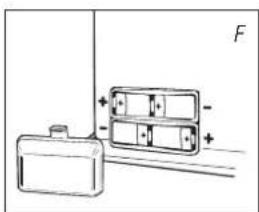
natural_image
Diagram of a hand pressing down a mechanical component with an upward arrow, no text or symbols present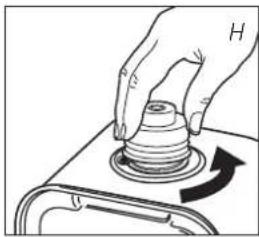
natural_image
Hand pressing a button on a mechanical component with an arrow indicating rotation (no text or symbols)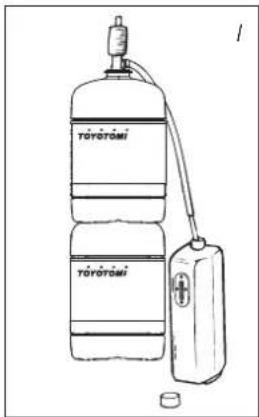
natural_image
Technical line drawing of a mechanical component with a central bolt and flange (no text or symbols)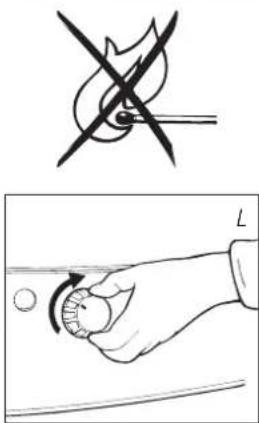

natural_image
Technical illustration of a cylindrical device with a mesh base and mounting feet (no text or symbols)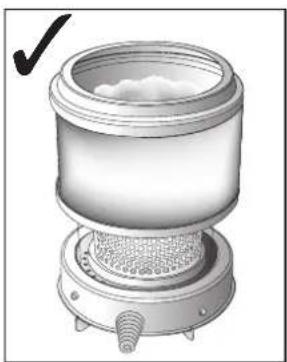
natural_image
Illustration of a cylindrical industrial or gasifier with a mesh base and a checkmark indicating the process (no text or symbols present)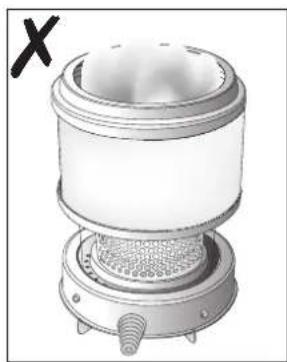
natural_image
Technical illustration of a cylindrical industrial device with a mesh base and mounting base (no text or symbols)◀ R

natural_image
Hand holding a circular object with a curved arrow indicating rotation (no text or symbols)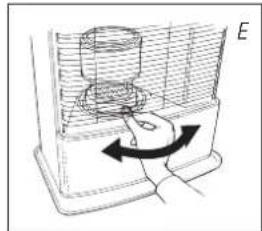
natural_image
Diagram of a heating element with a rotating arrow indicating rotation (no text or symbols)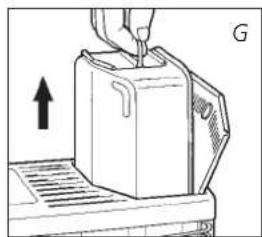
natural_image
Line drawing of a hand using a tool to press or install a container, with an upward arrow indicating motion (no text or symbols present)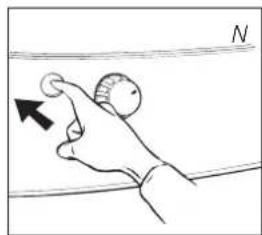
natural_image
Hand holding a circular object with an arrow pointing to it, against a horizontal line and a vertical marker labeled 'N' (no text or symbols on the object itself)NO
natural_image
Diagram of a mechanical or electrical component with two curved arrows indicating rotational motion (no text or symbols)G FUNKSJONSVIKT, ÅRSAKER OG L∅SNINGER
- Du bruker feil type drivstoff.
Se "Riktig drivstoff" i avsnittet "Viktig forhåndsinformasjon". - Rommet er ikke godt nok ventilert.
La et vindu eller en dør stå på vid gap en stund.
OVNEN HAR FOR H∅Y FLAMME
natural_image
Technical line drawing of a mechanical device with a valve and housing, no visible text or symbols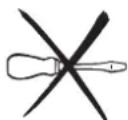
OPPBEVARING (SLUTT PÅ DEN KALDE ÅRSTIDEN)
natural_image
Line drawing of a hand pressing down on a mechanical device with an upward arrow (no text or symbols)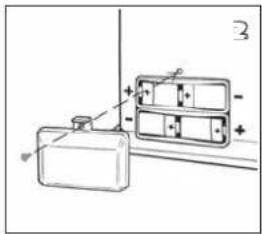
natural_image
Simple line drawing of a container with a handle and two rectangular compartments, no text or symbols present.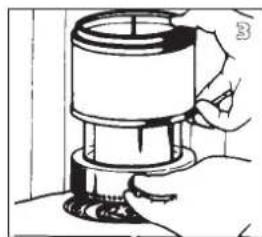
natural_image
Line drawing of a hand operating a mechanical device with a base and handle (no text or symbols)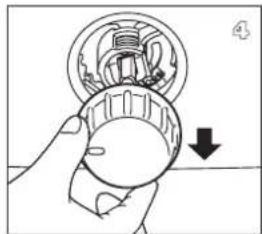
natural_image
Hand holding a mechanical component with a downward arrow indicating rotation (no text or symbols)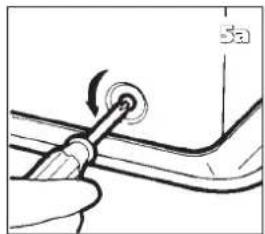
natural_image
Illustration of a hand turning a circular component with a pointer (no text or symbols)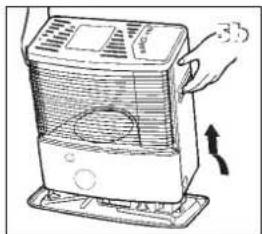
natural_image
Illustration of a portable air conditioner with a hand holding the lid and a scroll, showing airflow direction (no text or symbols)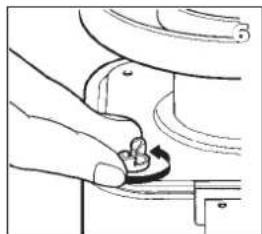
natural_image
Line drawing of a hand turning a valve into a toilet (no text or symbols)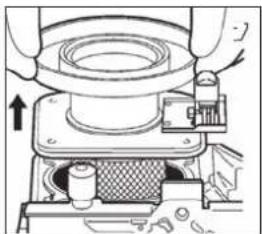
natural_image
Mechanical assembly diagram showing a presser pressing a component with a magnified inset view (no text or symbols)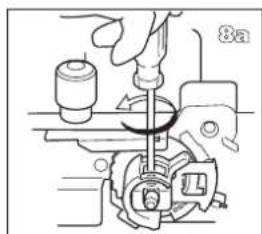
natural_image
Diagram of a mechanical assembly with a hand pointing to a component (no text or symbols visible)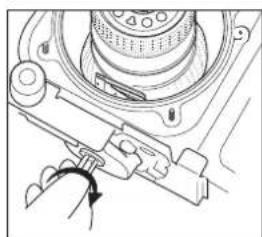
natural_image
Mechanical assembly diagram showing a rotating component with no visible text or symbols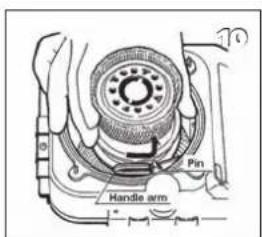
natural_image
Illustration of a hand holding a curved object with internal bands, no text or symbols presentnatural_image
Simple line drawing of a hand holding a coiled device (no text or symbols)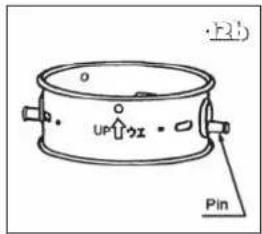
natural_image
Diagram of a mechanical clamp or bracket assembly with a hand operating it (no text or symbols visible)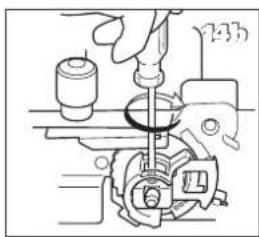
natural_image
Mechanical assembly diagram showing a presser pressing a component with arrows indicating motion (no text or symbols present)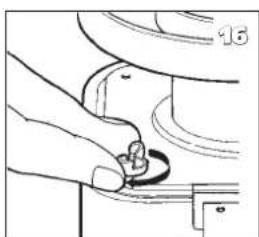
natural_image
Line drawing of a hand holding a small object, possibly a tool or component, with no visible text or symbols.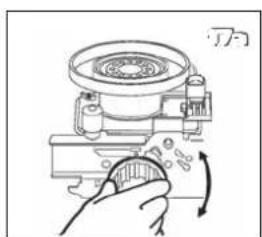
natural_image
Hand operating a mechanical device with a rotating knob (no text or symbols visible)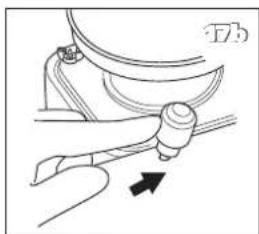
natural_image
Line drawing of a hand gripping a mechanical component with an arrow indicating direction (no text or symbols)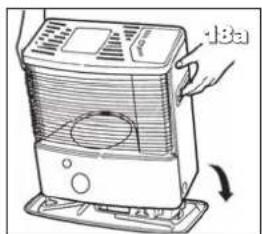
natural_image
Illustration of a portable air conditioner unit with cooling fan and door, showing airflow direction (no text or symbols)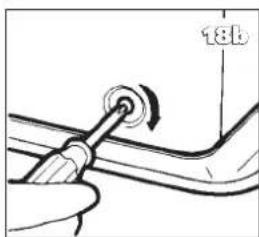
natural_image
Close-up of a hand holding a tool with a circular knob, next to a numbered label '18b' (no readable text or symbols beyond the number)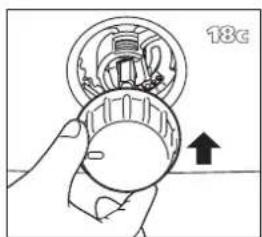
natural_image
Line drawing of a mechanical device with a base and top component, no visible text or symbols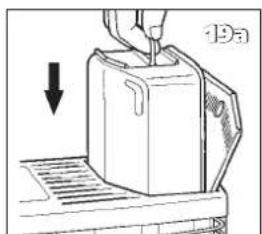
natural_image
Line drawing of a hand using a tool to press or install a container on a tray (no text or symbols)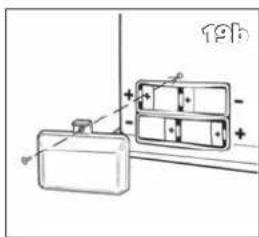

DATABLAD
(a) Leverandørens navn / varemerke TOYOTOMI Europe Sales B.V.
(b) Modell RC-270
(c) Energieffektivitetsklasse A
zibro made by TÓYÓTÓMI
Distributed in Europe by TOYOTOMI EUROPE SALES B.V.
This product is not suitable for primary heating purpose.
Should you require further information or should particular problems occur that are not dealt with in this operating manual, please visit our website www.toyotomi.eu or contact our Sales Support (you find its phone number on www.toyotomi.eu)
Kerosun, Toyostove, Toyoset, Toyotomi and Zibro for the use of paraffin heaters are all registered trademarks of TOYOTOMI Co., Ltd. - Japan.
Zibro brand paraffin heaters are made in JAPAN and imported by Toyotomi Europe Sales b.v.



- made by TÓYÓTÓMI RC - 270
- TOYOTOMI EUROPE SALES B.V.
- GENERAL DIRECTIONS FOR USE
- WHAT YOU NEED TO KNOW IN ADVANCE
- ALWAYS MAKE SURE THAT THERE IS SUFFICIENT VENTILATION
- THE RIGHT FUEL
- MANUAL
- A INSTALLING THE HEATER
- B FILLING FUEL
- C IGNITING THE HEATER
- D BURNING OF THE HEATER
- E SWITCHING OFF THE HEATER
- F ADJUSTING THE WICK HEIGHT
- G MALFUNCTION, CAUSES AND SOLUTIONS
- THE HEATER DOES NOT IGNITE
- IRREGULAR FLAME AND/OR SOOT AND/OR SMELLS
- THE HEATER SLOWLY EXTINGUISHES
- THE HEATER REMAINS BURNING LOW
- THE HEATER IS BURNING TOO HIGH
- H MAINTENANCE
- THE BATTERIES
- THE WICK
- ELECTRODES
- THE FUEL FILTER
- I STORAGE (END OF THE HEATING SEASON)
- J TRANSPORTATION
- L WARRANTY PROVISIONS
- REPLACEMENT OF THE WICK
- M ENSURE THAT THE HEATER IS OFF AND COMPLETELY COOL BEFORE STARTING TO REPLACE THE WICK.
- PRODUCT FICHE
- GEBRAUCHSANWEISUNG
- PRODUKTDATENBLATT
- LE COMBUSTIBLE APPROPRIÉ
- MANUEL
- A INSTALLATION DE L'APPAREIL
- B REMPLISSAGE DU COMBUSTIBLE
- G PANNES: CAUSES ET REMÈDES
- ENTREPOSAGE (FIN DE LA SAISON)
- L CONDITIONS DE GARANTIE
- FICHE PRODUIT
- WAT U VOORAF MOET WETEN
- ALTIJD VOLDOENDE VENTILEREN
- HANDLEIDING
- A HET INSTALLEREN VAN DE KACHEL
- C HET AANMAKEN VAN DE KACHEL
- STORINGEN, OORZAKEN EN OPLOSSINGEN
- PRODUCTKAART
- A INSTALACION DE LA ESTUFA
- E APAGAR LA ESTUFA
- L CONDICIONES DE GARANTÍA
- FICHA DE PRODUCTO
- MANUALE
- B RIFORNIMENTO DEL COMBUSTIBILE
- C ACCENSIONE DELLA STUFA
- D LA COMBUSTIONE DELLA STUFA
- FIAMMA INCOSTANTE E/O FULIGGINE E/O CATTIVO ODORE.
- IL FILTRO
- SCHEDA PRODOTTO
- B ABASTECIMENTO DE COMBUSTÍVEL
- D QUEIMA DO AQUECEDOR
- E DESLIGAR O AQUECEDOR
- G FALHAS, CAUSAS E SOLUÇÕES
- AQUECEDOR APAGA LENTAMENTE.
- O FILTRO DE COMBUSTÍVEL
- ESPECIFICAÇÕES TÉCNICAS
- FICHA DE PRODUTO
- HVAD MAN F∅RST SKAL VIDE
- S∅RG ALTID FOR TILSTRÆKKELIG VENTILATION
- VEJLEDNING
- A INSTALLATION AF OVNEN
- B PÄFYLDNING AF BRÄNDSTOF
- E SÅDAN SLUKKES OVNEN
- VARMELEGEMET SLUKKES
- UDSKIFTNING AF VÄGEN
- DATABLAD
- HÅNDBOK
- A INSTALLERE OVNEN
- G FUNKSJONSVIKT, ÅRSAKER OG L∅SNINGER
- OVNEN HAR FOR H∅Y FLAMME
- OPPBEVARING (SLUTT PÅ DEN KALDE ÅRSTIDEN)
- zibro made by TÓYÓTÓMI
- Distributed in Europe by TOYOTOMI EUROPE SALES B.V.
Brand : ZIBRO
Model : RC 270
Category : Heating