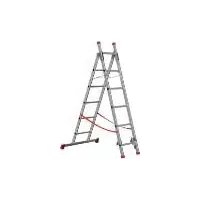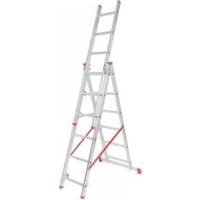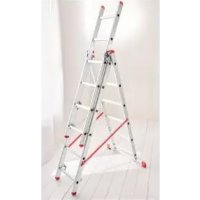
IAN 360212 - Ladder PARKSIDE - Free user manual and instructions
Find the device manual for free IAN 360212 PARKSIDE in PDF.


| Product type | Multi-purpose aluminum ladder |
| Weight | Approx. 9.8 kg |
| Maximum load | 150 kg (user + tools) |
| Material | Aluminum |
| Intended use | Private household, non-professional use |
| Configurations | Straight ladder, double ladder, transformable ladder (staircase) |
| Safety | Rubber anti-slip feet, locking devices, recommended inclination angle 1:4 |
| Maintenance | Clean with a damp cloth, lubricate joints regularly |
| Warranty | 5 years from date of purchase |
| Spare parts | Available during the warranty period |
| Customer service France | Tel. 0800 919270, Email: owim@lidl.fr |
| Customer service Belgium | Tel. 070 270 171 (0.15 EUR/min), Email: owim@lidl.be |
| Electrical conductivity | Conductive metal, do not use near live cables |
| Number of sections | 3 sections (estimate for multi-purpose ladder) |
| Maximum height (straight ladder) | Approx. 4.5 m (estimate) |
| Maximum height (double ladder) | Approx. 2.5 m (estimate) |
| Storage | In a dry, safe place, protected from weather |
| Transport | Secure and fasten the ladder during transport |
| Standards | Complies with applicable safety standards |
| Repairs | Only by a qualified professional |
Frequently Asked Questions - IAN 360212 PARKSIDE
User questions about IAN 360212 PARKSIDE
0 question about this device. Answer the ones you know or ask your own.
Ask a new question about this device
Download the instructions for your Ladder in PDF format for free! Find your manual IAN 360212 - PARKSIDE and take your electronic device back in hand. On this page are published all the documents necessary for the use of your device. IAN 360212 by PARKSIDE.
USER MANUAL IAN 360212 PARKSIDE
natural_image
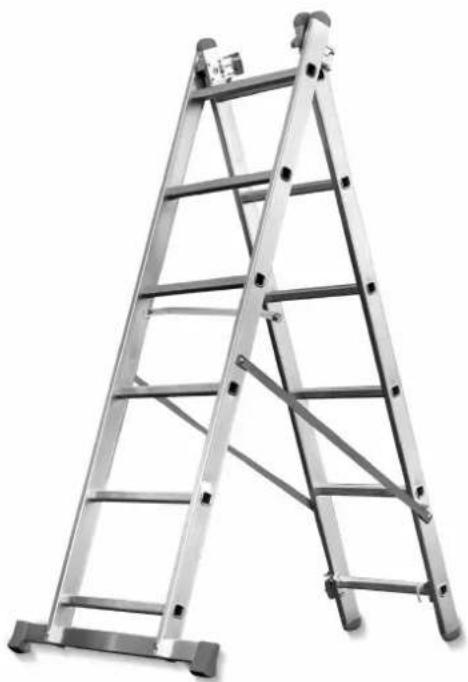
Metal ladder structure with metal frame and support legs (no text or symbols visible)ALU-MULTIFUNKTIONSLEITER / ALUMINIUM MULTI-PURPOSE LADDER / ÉCHELLE MULTIFONCTION EN ALUMINIUM
DE AT CH
Operation and safety notes
FR BE
ÉCHELLE MULTIFONCTION EN ALUMINIUM
GB/IE Operation and safety notes Page 30
natural_image
Technical line drawing of a mechanical assembly with tool and component annotations (no readable text or symbols)x2
B
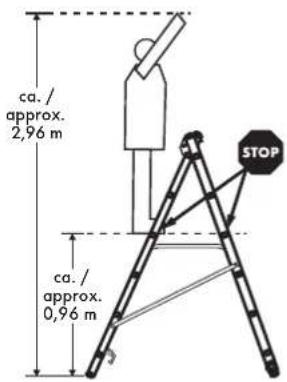
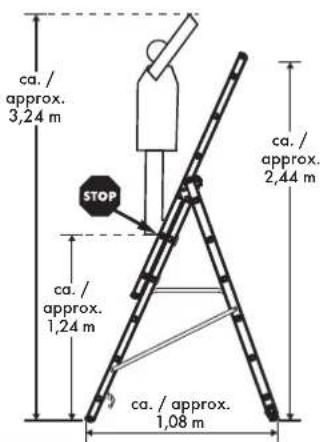
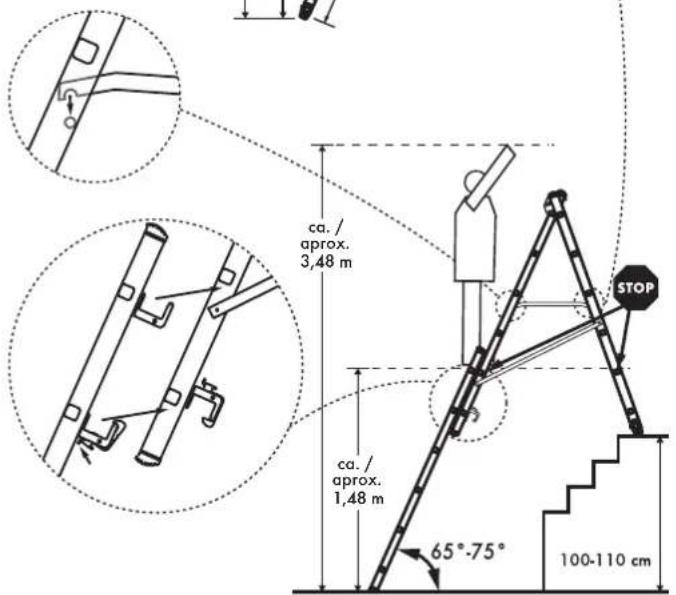
Befolgen Sie die Anweisungen auf den Piktogrammen, um Unfälle zu vermeiden: / Follow the advices on the pictograms to avoid accidents: / Respecter les indications des pictogrammes pour prévenir tout accident : / Volg de aanwijzingen op de pictogrammen op om ongevallen te voorkomen: / Postępować zgodnie z instrukcjami na rysunkach, aby uniknąć wypadku: / Řid'te se jimi co nejpřesněji, aby se zabránilo úrazům: / Riad'te sa pokynmi na piktogramoch, aby ste zabránili úrazom:
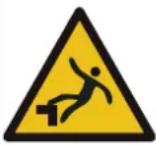 | DE AT Wörnung, Sturz von der Leiter.GB IN Warning, fall off the ladder.FR BA Avertissement, chute de l'échelle.NL BA Waarschuwing, val van de ladder.PL Ostrzeżenie przed upadkiem z drabiny.CZ Pozor, pád ze žebříku.SK Výstraha, pád z rebríka. |
 | DE AT Anleitung beachten.GB I Refer to instruction manual / booklet.FR BE Observer les instructions.NL BE Houd de hand aan de handleiding.PL Postępować zgodnie z instrukcjami.CZ Dodržujte návod.SK Rešpektujte návod. |
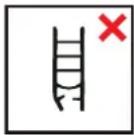 | DEATLeiter nach Lieferung überprüfen. Vor jeder Nutzung Sichtprüfung der Leiter auf Beschädigung und sichere Benutzung. Keine beschädigte Leiter benutzen.GBInspect the ladder after delivery. Before every use visually check the ladder is not damaged and is safe to use.Do not use a damaged ladder.FRBYérifier l'échelle après la livraison. Avant chaque utilisation, effectuer un contrôle visuel de l'échelle pour détecter des dégâts et assurer une utilisation sûre.Interdiction d'utiliser une échelle endommagée.NLBControleer de ladder na aflevering. Controleer telkens voor u de ladder gaat gebruiken of deze zichtbaar is beschadigd.Gebruik nooit een beschadigde trap.PL Sprawdzić drabinę po dostawie. Przed kaźdym użyciem należy wzrokowo sprawdzić drabinę pod kątem uszkodzeń i bezpiecznego użytkowania.Nie używać uszkodzonej drabiny.CZ Zkontrolujte žebřík po dodání. Před kaźdým použitím vizuálně zkontrolujte žebřík na poškození a bezpečné používání.Žádný poškozený žebřík nepoužívejte.SK Rebrík po dodaní skontrolujte. Pred kaźdým použitím rebrík vizuálne skontrolujte na poškodenie a bezpečné používanie. Poškodený rebrík nepoužívajte. |
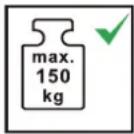 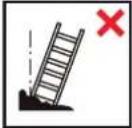 | DEATHöchstmögliche Nutzlast.GBIEMaximum total load.FRBECharge utile la plus élevée.NLBEHoogst mogelijk laadvermogen.PL Najwyższe możliwe obciążenie.CZ Nejvyšší možné užitečné zatížení.SK Maximálne užitočné zaťaženie.DEATDIELeiter nicht auf einem unebenen oder losen Untergrund benutzen.GBIDo not use the ladder on an unlevel or unfirm base.FRBENe pas utiliser l’échelle sur une surface inégale ou molle.NLGBebruik de ladder niet als deze op een oneffen of losse ondergrond staat.PLNie używać drabiny na nierównym lub lužnym podłożu.CZŽebřík nepoužívejte na nerovném či nezpevněném povrchu.SKRebrík nepoužívajte na nerovnom alebo sypkom povrchu. |
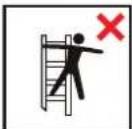 | DEATSeitliches Hinauslehnen vermeiden.GBIDo not overreach.FRBEviter tout penchement latéral.NLBEun nooit opzij vanaf een ladder.PLUnikać wychylania się w bok.CZZabraňte bočnímu vyklonění.SKVyhýbajte sa bočnému vykláňaniu. |
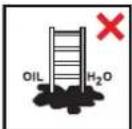 | DEATDIELeiter nicht auf verunreinigtem Untergrund aufstellen.GBIDo not erect ladder on contaminated ground.FRBENe pas positionner l’échelle sur une surface sale.NLBPlaats de ladder niet op een verontreinigde ondergrond.PLNie stawiać drabiny na zanieczyszczonym podłożu.CZNestavte žebřík na znečištěný podklad.SKRebrík nepoužívajte na znečistenom povrchu. |
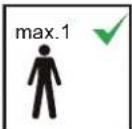 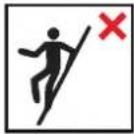 | DEATHÖCHstmögliche Anzahl der Benutzer.GBIEMaximum number of users.FRBENombre maximum d'utilisateurs.NLBGrootste aantal gebruikers.PLMaksymalna liczba użytkowników.CZCo nejvyšší počet uživatelů.SKMaximálny počet používatel’ov.DE AT MeH dem Gesicht zur Leiter aufsteigen oder absteigen.GB E Do not ascend or descend unless you are facing the ladder.FR BeI est interdit de monter ou descendre de l'échelle avec le visage détourné.NL BA Met gezicht naar de ladder gericht de ladder beklimmen of afdalen.PL Nie wchodzić na drabinę ani nie schodzić z niej tyłem.CZ Nestoupejte ani nesestupujte po žebříku s obličejem odvráceným od něj.SK Na rebrík nevystupujte a neschádzajte z neho s odvrátenou tvárou. |
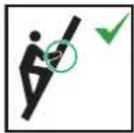 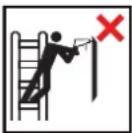 | DE AT Beim Aufsteigen und Absteigen an der Leiter gut festhalten. Bei Arbeiten auf der Leiter festhalten oder andere Sicherheitsmaßnahmen ergreifen, wenn dies nicht möglich ist.GB Keep a secure grip on the ladder when ascending and descending. Maintain a handhold whilst working from a ladder or take additional safety precautions if you cannot.FR Bien se tenir à l'échelle lors de la montée et de la descente. Lors de travaux avec l'échelle, bien se tenir et si cela n'est pas possible prendre d'autres mesures pour assurer la sécurité.NL B Loud uzelf goed vast als u de ladder opklimt of er van afdaalt. Als u werkt de ladder vasthouden of, als dat niet mogelijk is, andere veiligheidsmaatregelen nemen.PL Podczas wchodzenia na drabinę i schodzenia z niej należy się jej dobrze trzymać. Podczas pracy na drabinie należy dobrze się jej trzymać lub zapewnić inne środki bezpieczeństwa, jeśli nie jest to możliwe.CZ Při stoupání a sestupu se za žebřík pevně držte. Při práci na okruhu se pevně držte nebo, pokud to není možné, přijměte další opatření.SK Pri vystupovaní a zostupovaní z rebríka sa dobre pridržiavajte. Pri prácach na rebríku sa pridržiavajte alebo, ak to nie je možné, využite iné bezpečnostné opatrenia.DE AT Arbeiten, die eine seitliche Belastung bei Leitern bewirken, z. B. seitliches Bohren durch feste Werkstoffe, vermeiden.GB Avoid work that imposes a sideways load on ladders, such as side-on drilling through solid materials.FR Les travaux entraînant une position sur un des côtés de l'échelle par ex. perçage latéral au travers de matériaux solides, sont à éviter.NL Vermijd werk, bijv. boren in harde materialen, dat een zijwaartse belasting veroorzaakt op de trap waarop u staat.PL Unikać prac, które powodują obciążenie boczne drabiny, takich jak wiercenie z boku twardych materiałów.CZ Práce, které způsobují postranní zatížení žebříků, např. vyhnout boční vrtání do pevných materiálů, neprovádějte.SK Zabráňte prácam, ktoré sú spojené s bočným zaťažením rebríkov, napr. vítanie cez pevné materiály z bočnej strany. |
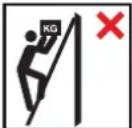 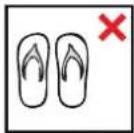 | DE AT TCH Gen Sie keine schweren oder sperrigen Gegenstände, wenn Sie die Leiter verwenden.GB Do not carry equipment which is heavy or difficult to handle while using a ladder.FR Beorsque vous utilisez une échelle, ne transportez pas d’équipement lourd ou volumineux.NL Bij gebruik van de ladder geen uitrusting dragen die zwaar of moeilijk hanteerbaar is.PL Podczas korzystania z drabiny nie wolno trzymać ciężkiego ani nieporęcznego sprzętu.CZ Při používání žebříku nenoste žádné vybavení, které je těžké nebo nepraktické.SK Pri používaní rebríka nenoste žiadne vybavenie, ktoré je t’ažké alebo zavadzia.DEATTrögen Sie immer rutschhemmende Schuhe, wenn Sie die Leiter oder die Arbeitsbühne betreten.GBIDo not wear unsuitable footwear when climbing a ladder.FRBENe montez pas à l’échelle avec des chaussures inappropriées.NLBEde ladder niet beklimmen met daarvoor ongeschikte schoenen.PLNie wchodząć na drabinę w nieodpowiednich butach.CZNelezte po žebříku v nevhodných botách.SKNa rebrík nevstupujte v nevhodnej obuvi. |
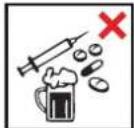 | DEATSINDIe gesundheitlich in der Lage, die Leiter zu benutzen? Bestimmte gesundheitliche Gegebenheiten, Medikamenteneinnahme, Alkohol- oder Drogenmissbrauch können bei der Benutzung der Leiter zu einer Gefährdung der Sicherheit führen.GBIDo not use the ladder if you are not fit enough. Certain medical conditions or medication, alcohol or drug abuse could make ladder use unsafe.FRBEest interdit d’utiliser l’échelle en cas de mobilité réduite. Certaines conditions de santé, la prise de médicaments, d’alcool ou de drogues peuvent présenter un risque et compromettre la sécurité lors de l’utilisation de l’échelle.NLBEde ladder niet gebruiken in geval van lichamelijke beperkingen. Bepaalde gezondheidsaandoeningen, medicijngebruik en alcohol- of drugsmisbruik kunnen bij gebruik van de ladder een veiligheidsrisico vormen.PLNie używać drabiny w przypadku ograniczeń fizycznych. Niektóre schorzenia, przyjmowanie leków, nadużywanie alkoholu lub narkotyków może stwarzać zagrożenie dla bezpieczeństwa podczas korzystania z drabiny.CZNepoužívejte žebřík v případě tělesných omezení. Určité zdravotní skutečnosti, užívání léků, zneužívání alkoholu nebo drog může při používání žebříku vést k ohrožení bezpečnosti.SKPri telesnom obmedzení rebrík nepoužívajte. Určité zdravotné skutočnosti, užívanie liekov, alkoholu a drog môžu pri používaní rebríka viest’ k ohrozeniu bezpečnosti. |
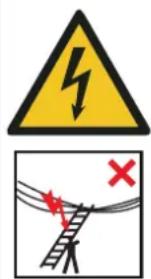
GB Warning, electricity hazard. Identify any electrical risks in the work area, such as overhead lines or other exposed electrical equipment and do not use the ladder where electrical risks occur.
GB 1 Do not stand on the top two steps / rungs of a standing ladder without a platform and a hand / knee rail.
GB If Do not climb above the top four steps / rungs of the ladder in the standing ladder position with extending ladder at the top. Do not climb above the top four steps / rungs of the ladder in the stairway position.
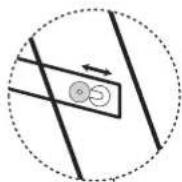
GB Ie locking devices shall be checked and be fully secured before use if not operated automatically.
Intended use Page 31
Technical data....Page 31
Safety instructions....Page 31
General safety instructions ...... Page 31
Safety instructions with regard to setting up the ladder. . . . . . . . . Page 31
Safety instructions for using the ladder . . . . . . . . . . . . . . . . . . . . . . . . . . . . . . . . . . . . . . . . . . . . . . . . . . . . . . . . . . . . . . . . . . . . . . . . . . . . . . . . . . . Page 33
Before use....Page 35
Positioning and erecting the ladder ..... Page 35
Using the ladder....Page 36
List of items to be inspected....Page 37
Repairs, maintenance and storage ...... Page 38
Cleaning and care Page 38
Disposal Page 38
Warranty Page 38
ALUMINIUM MULTI- PURPOSE LADDER
Introduction
We congratulate you on the purchase of your new product. You have chosen a high quality product. Familiarise yourself with the product before using it for the first time. In addition, please carefully refer to the operating instructions and the safety advice below. Only use the product as instructed and only for the indicated field of application. Keep these instructions in a safe place. If you pass the product on to anyone else, please ensure that you also pass on all the documentation with it.
Intended use
This product is only intended to be used as an aid to reach high objects or areas in private households. The product is not intended for commercial use.
- Technical data
Weight: approx. 9.8 kg
⚠️ Safety instructions
● General safety instructions
Inspect the ladder after delivery and before first use to confirm condition and operation of all parts;

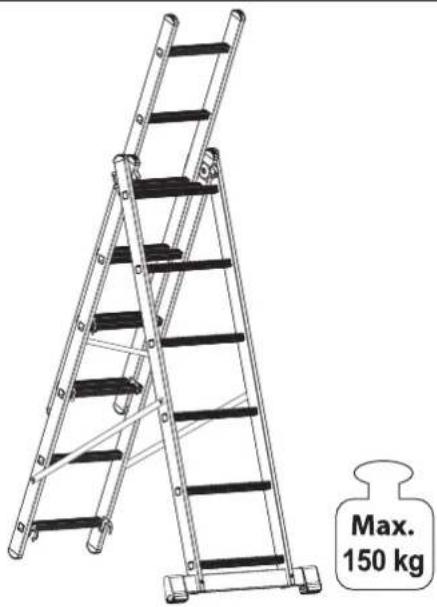
Maximum total load 150 kg. The weight of the user plus tools and other materials must not exceed 150 kg.
- Keep the ladder clean and remove any dirt. Keep the ladder dry to avoid any slippage or toppling over.
■ Before using a ladder at work a risk assessment should be carried out respecting the legislation in the country of use.
● Safety instructions with regard to setting up the ladder
- Inspect all parts prior to each use. Discontinue use if any parts of the ladder are missing, damaged or worn in any way.
-
Do not use any other attachments, components or accessories manufactured by other supplier.
■ Never attempt to fix a damaged ladder. Always have a qualified repair person fix the damaged ladder.
■ Use extreme caution when used in windy, rainy or icy conditions.
■ Always place ladder on even, firm surfaces for stability. Never try to increase the height of the ladder in any position by placing anything under the stabilizer bars.
■ Always make sure all four rubber feet of the stabilizer bars are firmly supported.
■ Always use caution when getting on or off ladder.
■ Never set up the ladder in front of doors that are not locked.
■ Always use extreme caution when using ladder on a drop cloth, carpet or other protective surface. This will prevent the rubber feet from gripping the surface properly. -
Do not use ladder jacks with this ladder.
■ Pushing or pulling anything while on the ladder or scaffold may cause the ladder to tip and you to fall. Use extreme caution if you must push or pull from the ladder.
■ Never attempt to jump, walk or move ladder while on it. If you need to move the ladder get off it first. Move it, then reposition yourself.
■ To avoid losing balance and/or tipping ladder or scaffold, never overreach. Always stay balanced while on ladder. Keep your body centered between side rails.
■ Never use ladder as a brace in any way.
■ Never place yourself or allow anyone to stand or work under scaffolding or ladder while in use.
■ Do not stand on ladder while releasing the locking mechanism.
■ Never use on stairs if they are not level. This could cause the ladder to tip or cause you to lose your balance.
■ Always wear skid resistant shoes while using this ladder or scaffold.
■ Before using it, check all parts of the ladder. Do not use the ladder if any parts are missing, damaged or worn.
- Check all locking devices. Before using the ladder, make sure that all locking devices are locked in place.
■ Place the ladder only on a horizontal, dry, immovable firm surface.
■ Ladders shall not be positioned on slippery surfaces (such as ice, shiny surfaces or significantly contaminated solid surfaces) unless additional effective measures are taken to prevent the ladder slipping or ensuring contaminated surfaces are sufficiently clean.
■ Do not use the ladder as a bridging structure.
■ Leaning ladder should lean against a flat non-fragile surface and should be secured before use, e.g. tied or use of a suitable stability device.
■ Attention! Metal is an electrical conductor! Make sure that no part of the ladder is touching a live cable.
■ When positioning the ladder take into account risk of collision with the ladder e.g. from pedestrians, vehicles or doors.
■ Ladder shall be stood on its feet, not the rungs or steps.
● Safety instructions for using the ladder
- Do not use the ladder if you are under the influence of alcohol, drugs or strong medication. Do not use the ladder if you are ill or do not feel well.
- Do not use the ladder if it is wet, damaged or if it has become slippery because of water, ice or snow.
■ Always hold on tightly to the ladder and always face the ladder when getting on and off the ladder.
■ Do not carry bulky or heavy objects when climbing up the ladder.
- Do not try to change the location of the ladder when you are standing on it or from above. Get off the ladder first and then change the position of the ladder. Then get onto the ladder again.
- Do not lean out too far when you are on the ladder. Keep the centre of your body between the ladder stringers and stand with both feet on the same rung. User should keep their belt buckle (navel) inside their stiles.
- Do not step off a leaning ladder at a higher level without additional security, such as tying off or use of a suitable stability device.
This ladder is not a toy and is not suitable for use by children. Make sure that the ladder cannot be used by children. Do not leave the ladder unattended after you have set it up.
■ Make sure that you do not get tired when working and take breaks. Tiredness represents an increased security risk and could lead to accidents.
■ Ladders should only be used for light work of short duration.
■ Use non-conductive ladders for unavoidable live electrical work.
- Do not use the ladder outside in adverse weather conditions, such as strong wind.
■ Maintain a handhold whilst working from a ladder or take additional safety precautions if you cannot.
- Avoid any tasks in which a lateral load is exerted on the standing ladder, e.g. drilling sideways into solid material (e.g. masonry or concrete).
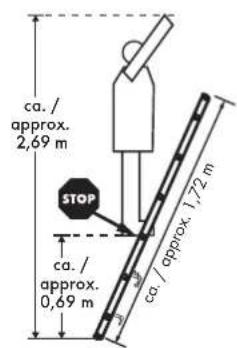
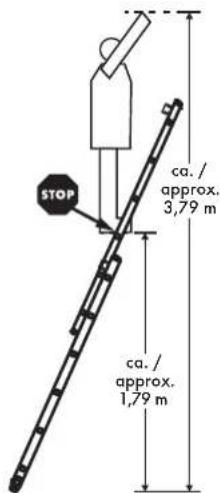
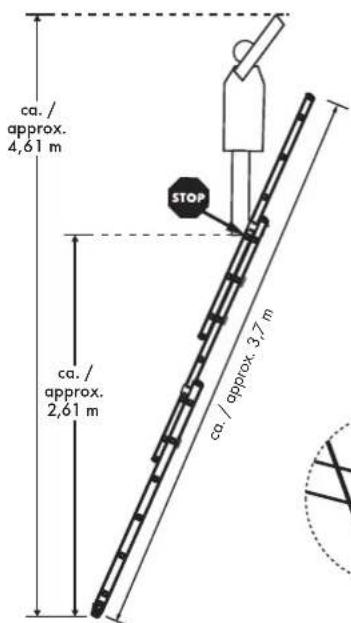
- Do not use the top three rungs of the ladder as a platform if you are using the ladder as a lean-to ladder (see Figure B).
- Do not use the top two rungs of the ladder as a platform if you are using the ladder as a stepladder (see Figure B).
- Do not stand on the top four steps / rungs of a standing ladder with an extending ladder at the top (see Figure B).
- Do not stand on the top two steps / rungs of a standing ladder without a platform and hand / knee rail.
■ Do not modify the ladder design.
■ Attached to the ladder frame you will find labels with pictograms for a safe use of the ladder.
Before use
■ Ensure that you are fit enough to use a ladder. Certain medical conditions or medication, alcohol or drug abuse could make ladder use unsafe;
■ When transporting ladders on roof bars or in a truck, ensure they are suitably placed to prevent damage;
- Inspect the ladder after delivery and before first use to confirm condition and operation of all parts;
■ Visually check the ladder is not damaged and is safe to use at the start of each working day when the ladder is to be used;
■ For professional users regular periodic inspection is required;
■ Ensure the ladder is suitable for the task;
■ Do not use a damaged ladder;
■ Remove any contamination from the ladder, such as wet paint, mud, oil or snow;
● Positioning and erecting the ladder
■ Ladder shall be erected at the correct position, such as the correct angle for a leaning ladder (angle of inclination approximately 1:4) with the rungs or treads level and complete opening of a standing ladder;
■ Locking devices shall be fully secured before use;
■ Ladder shall be on an even, level and unmoveable base;
■ Leaning ladder should lean against a flat non-fragile surface and should be secured before use, e.g. tied or use of a suitable stability device;
■ Ladder shall never be repositioned from above;
■ When positioning the ladder take into account risk of collision with the ladder e.g. from pedestrians, vehicles or doors. Secure doors (not fire exits) and windows where possible in the work area;
- Identify any electrical risks in the work area, such as overhead lines or other exposed electrical equipment;
■ Ladder shall be stood on its feet, not the rungs or steps;
Using the ladder
- Do not exceed the maximum total load for the type of ladder;
■ Do not use standing ladders for access to another level;
■ Do not stand on the top three rungs of a leaning ladder;
■ Do not stand on the top two rungs of a standing ladder without a platform and hand/knee rail; - Do not stand on the top four steps/ rungs of a standing ladder with an extending ladder at the top;
■ Take precautions against children playing on the ladder; - Secure doors (not fire exits) and windows where possible in the work area;
■ Face the ladder when ascending and descending; - Keep a secure grip on the ladder when ascending and descending;
■ Wear suitable footwear when climbing a ladder;
■ Leaning ladders used for access to a higher level should be extended at least 1 m above the landing point;
■ Equipment carried while using a ladder should be light and easy to handle;
- Avoid work that imposes a sideways load on standing ladders, such as side-on drilling through solid materials (e.g. brick or concrete);
■ Maintain a handhold whilst working from a ladder or take additional safety precautions if you cannot.
● List of items to be inspected
The ladder must be inspected before use. For regular inspection, the following items shall be taken into account:
-is the ladder tag in place and up to date?
-check that the rung hooks are not missing, damaged, loose or corroded and engage properly on the rungs;
-check that guide brackets are not missing, damaged, loose or corroded and engage property on the mating stile;
- are the instructions readable?
-check that the stiles / legs (uprights) are not bent, bowed, twisted, dented, cracked, corroded or rotten;
-check that the stiles / legs around the fixing points for other components are in good condition;
-check that fixings (usually rivets, screws or bolts) are not missing, loose, or corroded;
-check that rungs / steps are not missing, loose, excessively worn, corroded or damaged;
-check that the hinges between front and rear sections are not damaged, loose or corroded;
-check that the locking stays horizontal, back rails and corner braces are not missing, bent, loose, corroded or damaged;
-check that the stabilizer bars are fixed and in a good condition.
-check that plastic feet / end caps are not missing, loose, excessively worn, corroded or damaged;
-check that the entire ladder is free from contaminants (e.g. dirt, mud, paint, oil or grease);
-check that locking catches (if fitted) are not damaged or corroded and function correctly; -check that the platform (if fitted) has no missing parts or fixings and is not damaged or corroded.
If any of the above checks cannot be fully satisfied, you should NOT use the ladder.
● Cleaning and care
■ To do so, use a slightly damp, lint-free cloth.
● Disposal
The packaging is made entirely of recyclable materials, which you may dispose of at local recycling facilities.
Contact your local refuse disposal authority for more details of how to dispose of your worn-out product.
● Repairs, maintenance and storage
- Keep ladder clean and free of all foreign materials that could destroy hinges and ladder function.
■ Lubricate mechanism of locks regularity.
■ Property secure and support ladder while in transit.
■ Never store materials on ladder.
■ Repair and maintenance work on the ladder must be carried out by a technical expert.
■ When not using it, store the ladder in a safe, dry place.
Warranty
The product has been manufactured to strict quality guidelines and meticulously examined before delivery. In the event of product defects you have legal rights against the retailer of this product. Your legal rights are not limited in any way by our warranty detailed below.
The warranty for this product is 5 years from the date of purchase. Should this product show any fault in materials or manufacture within 5 years from the date of purchase, we will repair or replace it – at our choice – free of charge to you.
The warranty period begins on the date of purchase. Please keep the original sales receipt in a safe location. This document is required as your proof of purchase. This warranty becomes void if the product has been damaged, or used or maintained improperly.
The warranty applies to defects in material or manufacture. This warranty does not cover product parts subject to normal wear, thus possibly considered consumables (e.g. batteries) or for damage to fragile parts, e.g. switches, rechargeable batteries or glass parts.
Warranty claim procedure
To ensure quick processing of your case, please observe the following instructions:
Please have the till receipt and the item number (e.g. IAN 123456_7890) available as proof of purchase.
You will find the item number on the type plate, an engraving on the front page of the instructions (bottom left), or as a sticker on the rear or bottom of the appliance.
If functional or other defects occur, please contact the service department listed either by telephone or by e-mail.
You can return a defective product to us free of charge to the service address that will be provided to you. Ensure that you enclose the proof of purchase (till receipt) and information about what the defect is and when it occurred.
Service
GB Service Great Britain
Tel.: 0800 404 7657
E-Mail: owim@lidl.co.uk
IE Service Ireland
Tel.: 1890 930 034
(0,08 EUR/Min.,
(peak))
(0,06 EUR/Min., (off
peak))
E-Mail: owim@lidl.ie
Introduction Page 41
Utilisation conforme....Page 41