ManualGo.com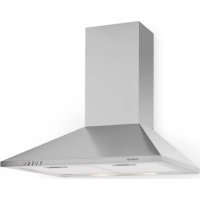
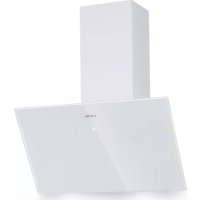
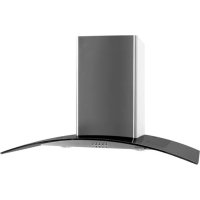
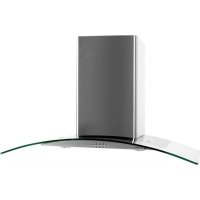
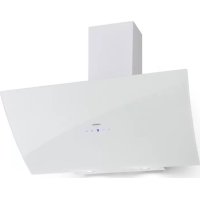
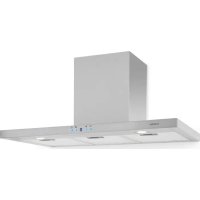
TR60WS - Basket Klarstein - Free user manual and instructions
Find the device manual for free TR60WS Klarstein in PDF.



Download the instructions for your Basket in PDF format for free! Find your manual TR60WS - Klarstein and take your electronic device back in hand. On this page are published all the documents necessary for the use of your device. TR60WS by Klarstein.
USER MANUAL TR60WS Klarstein
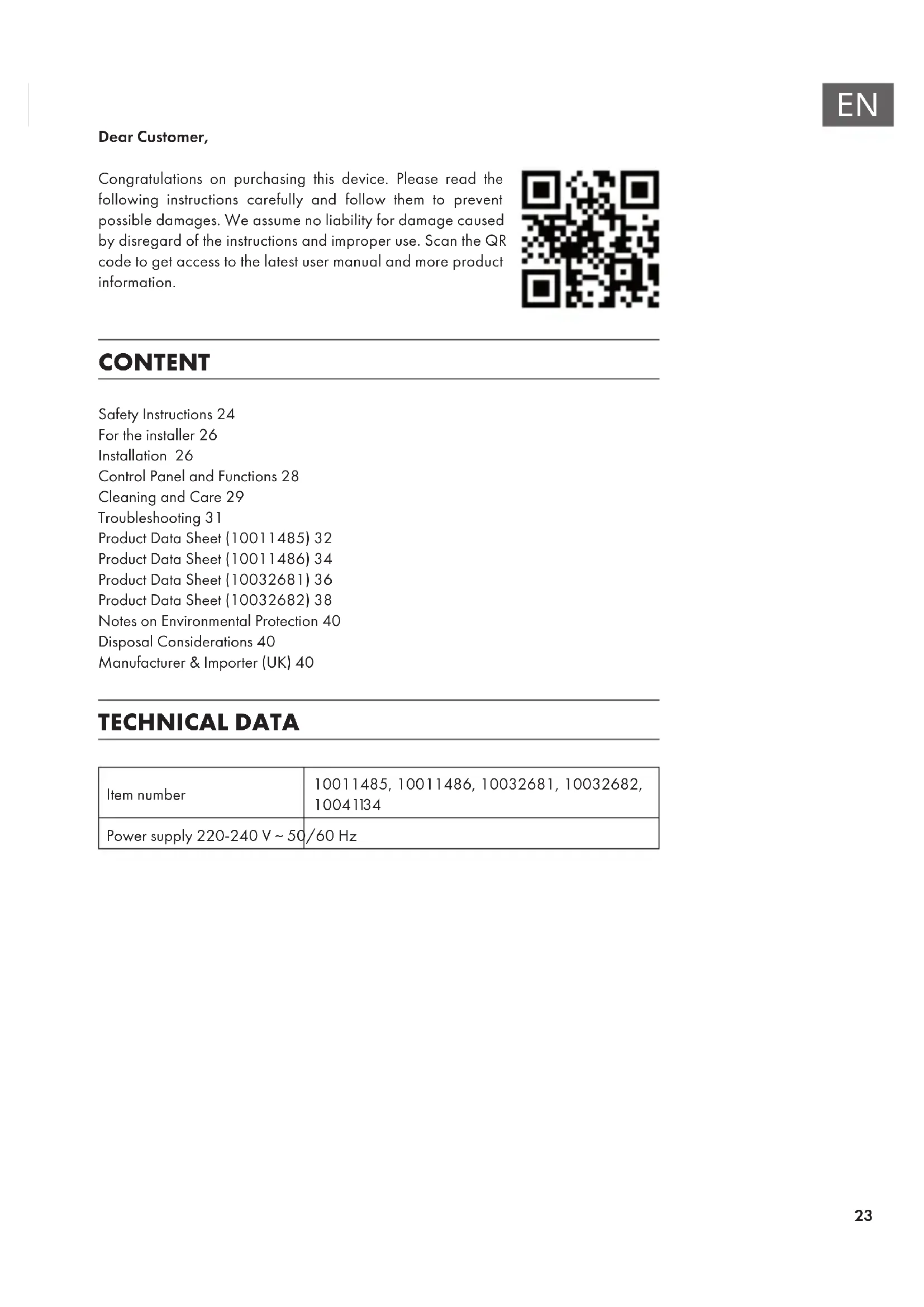
Dear Customer, Congratulations on purchasing this device. Please read the following instructions carefully and follow them to prevent possible damages. We assume no liability for damage caused by disregard of the instructions and improper use. Scan the QR code to get access to the latest user manual and more product information. CONTENT Safety Instructions24 For the installer26 Installation 26 Control Panel and Functions28 Cleaning and Care29 Troubleshooting31 Product Data Sheet (10011485)32 Product Data Sheet (10011486)34 Product Data Sheet (10032681)36 Product Data Sheet (10032682)38 Notes on Environmental Protection40 Disposal Considerations40 Manufacturer & Importer (UK)40 TECHNICAL DATA Item number 10011485, 10011486, 10032681, 10032682,
- Thank you for purchasing this cooker hood. Please read the instruction manual carefully before you use the cooker hood, and keep it in a safe place.
- The installation work must be carried out by a qualied electrician or competent person. Before you use the cooker hood, make sure that the voltage (V) and the frequency (Hz) indicated on the cooker hood are exactly the same as the voltage and the frequency in your home.
- The manufacturer and the agent will not bear any responsibility for the damage caused by inappropriate installation and usage.
- Children under the age of 8 must not use the cooker hood.
- The appliance is not intended for commercial use, but only for household and similar environments.
- The cooker hood and its lter mesh should be cleaned regularly in order to keep it in good working order.
- Before cleaning, switch the power off at the main supply.
- Clean the cooker hood according to the instruction manual and keep the cooker hood from the danger of burning.
- Prohibit putting the cooker hood by re.
- If the appliance does not function normally, contact the manufacturer or a specialist company.
- This device may be only used by children 8 years old or older and persons with limited physical, sensory and mental capabilities and / or lack of experience and knowledge, provided that they have been instructed in use of the device by a responsible person who understands the associated risks.
- If the supply cord is damaged, it must be replaced by the manufacturer, its service agent or similarly qualied persons in order to avoid a hazard.
- If the range hood is used at the same time as appliances burning gas or other fuels, the room must be adequately ventilated.
- Do not ambé under the range hood. Accessible parts may become hot when used with cooking appliances. Important hints on installation
- The air must not be discharged into a ue that is used for exhausting fumes from appliances burning gas or other fuels (not applicable to appliances that only discharge the air back into the room).
- Regulations concerning the discharge of air have to be fullled.25
Important notes about the extraction mode WARNING Risk of poisoning from exhaust gases sucked back. Never operate the device in extraction mode simultaneously with an open flue appliance when there is not adequate airflow guaranteed. Open ue combustion equipment (for example, gas, oil, wood or coal- red heaters, tankless water heaters, water heaters) pulls combustion air from the room and runs it through an exhaust pipe or chimney to the outside. In the extraction mode, indoor air is removed from the kitchen and the adjacent rooms - without suf cient air intake this creates a vacuum. Toxic gases from the chimney or extraction ue can thereby be sucked back into the living spaces.
- Always ensure that a suf cient supply of fresh air is guaranteed and that the air can circulate.
- An air supply / extractor box alone does not ensure compliance with the limit value. Safe operation is only possible when the negative pressure in the room where the appliance is located does not exceed 4 Pa (0.04 mbar). This can be achieved when the air required for combustion can ow through openings that are not closable, for example in doors, windows, in conjunction with an air supply / extractor box or through other technical measures. In any case, consult a quali ed chimney sweep who can assess the entire ventilation of your house and propose appropriate measures for adequate ventilation. If the hood is used exclusively in the recirculation mode, unrestricted operation is possible. Important note on disassembly of the device
- Disassembly is similar to installation/assembly in reverse order.
- Take a second person to help you during disassembly to avoid injuries.26
Connection to the electrical supply network
- Electrical connections may only be made in accordance with local standards and laws.
- Make sure that the supply voltage matches the nominal voltage on the nameplate of the device. If this is not the case, do not connect the device.
- Make sure that cables do not come into contact with the moving parts and are not crushed.
- The device must be connected to protective earth. INSTALLATION
1. The cooker hood should be placed at a distance of 65-75 cm (26-30 inch) from the
cooking surface for the best effect. See Pic 1.
2. Install the hook on a suitable place once the installation height is xed, and keep it
in line. The xed position of the inside chimney bracket is the place of chimney.
3. Fix the outside chimney bracket on the outside chimney, and be sure that the inside
chimney can be adjusted the height in it freely as well as xing the extensible pipe. Afterwards, install the extensible pipe and chimney on the cooker hood. See Pic 3.
4. Put the cooker hood on the hook. See Pic 4.
5. Adjust the height of the inside chimney to the position of the inside chimney bracket
and x on it by screw,after ajusting the position,x the body with safety screw. See Pic 5. Note: The two safety vents are positioned on the back casing, with diameter of 6mm.27
- Stop: the motor is stopped.
- Low: the motor is running at low speed.
- Mid: the motor is running at medium speed.
- High: the motor is running at high speed.
- Light: both lights start shining .Press the button again; the lights are switched off then.29
The cleaning of the carbon grease lter mesh The lter mesh is made of high-density stainless steel. Please do not use the corrosive detergent on it. Keeping this lter clean will keep the appliance running correctly. Please strictly follow the guidelines below. Method 1: Put the mesh into 40-50 c clean water, pour on detergent, and soak for 2-3 mins. Wear gloves and clean with a soft brush. Please do not apply too much pressure, as the mesh is delicate and will damage easy. Method 2: If instructed to do so, it can be put into a dishwasher, set the temperature at around 60 degrees.30
Cleaning the cooker hood
- To protect the main body from corrosion over a long period of time, the cooker hood should be cleaned with hot water plus non corrosive detergent every two months.
- Please do not use abrasive detergent for it will damage the body.
- Keep the motor and other spare parts free from water, as this will cause damage to the appliance.
- Before cleaning the appliance please remember to cut off power
- The carbon lter shouldn’t be exposed to heat.
- Please don’t tear open the xed bar around the carbon lter.
- If the plug or cord is damaged, please replace it with special soft cord Installation of the carbon lter
- Remove the grease lters
- The charcoal lters are located at both end of the motor. Turn the charcoal lters until they are unscrewed. Note: The carbon lters should be replaced every 3 - 6 months or if they show signs of damage. open close31
TROUBLESHOOTING Problem Possible Cause Solution Light on, but motor does not work The leaf blocked Get rid of the blocking The capacitor damaged Replace capacitor The motor jammed bearing damaged Replace motor The internal with of motor off or a bad smell from the motor Replace motor Insufcient suction. The distance between the body and the gas top too long. Readjust the distance. Too much ventilation from open doors or windows. Choose a new place and resemble the machine. Shake of the body The leaf damaged and causes shaking Replace the leaf The motor is not tightly hanged Lock the motor tightly The body is not tightly hanged Fixed the body tightly32
PRODUCT DATA SHEET (10011485) Information according to Regulation (EU) No. 65/2014 Measurement and calculation methods according to EN 61591:1997+A1:2006+A2:20 11+A11:2014+A12:2015 Item number
Description Symbol Value Unit Annual Energy Consumption AEC hood 27, 2 kWh/Jahr Energy Efciency class B Fluid Dynamic Efciency FDE hood 15,3 Fluid Dynamic Efciency class D Lighting Efciency LE hood 32,4 Lux/W Lighting Efciency class A Grease Filtering Efciency GFE hood 70,8 % Grease Filtering Efciency class D air ow at minimum and maximum speed in normal use, intensive or boost excluded 202,9 / 337,2 m³/h air ow at intensive or boost setting - m³/h airborne acoustical A-weighted sound power emissions at minimum and maximum speed available in normal use 59 / 64 dB airborne acoustical A-weighted sound power emissions at intensive or boost setting - dB power consumption in off mode P
0 W power consumption in standby mode
Information according to Regulation (EU) No. 66/2014 Measurement and calculation methods according to EN 61591:1997+A1:2006+A2:20 11+A11:2014+A12:2015 Item number
BEP 202,5 m³/h Measured air pressure at best efciency point
BEP 49,6 W Nominal power of the lighting system
2,5 W Average illumination of the lighting system on the cooking surface
middle 81 Lux Measured power consumption in standby mode
- W Measured power consumption off mode
0 W Sound power level L
PRODUCT DATA SHEET (10011486) Information according to Regulation (EU) No. 65/2014 Measurement and calculation methods according to EN 61591:1997+A1:2006+A2:20 11+A11:2014+A12:2015 Item number
Description Symbol Value Unit Annual Energy Consumption AEC hood 29,3 kWh/Jahr Energy Efciency class B Fluid Dynamic Efciency FDE hood 12,8 Fluid Dynamic Efciency class E Lighting Efciency LE hood 36,2 Lux/W Lighting Efciency class A Grease Filtering Efciency GFE hood 66,2 % Grease Filtering Efciency class D air ow at minimum and maximum speed in normal use, intensive or boost excluded 216,6 / 329,6 m³/h air ow at intensive or boost setting - m³/h airborne acoustical A-weighted sound power emissions at minimum and maximum speed available in normal use 58 / 65 dB airborne acoustical A-weighted sound power emissions at intensive or boost setting - dB power consumption in off mode P
0 W power consumption in standby mode
Information according to Regulation (EU) No. 66/2014 Measurement and calculation methods according to EN 61591:1997+A1:2006+A2:20 11+A11:2014+A12:2015 Item number
BEP 162,7 m³/h Measured air pressure at best efciency point
BEP 46,8 W Nominal power of the lighting system
5 W Average illumination of the lighting system on the cooking surface
middle 132 Lux Measured power consumption in standby mode
- W Measured power consumption off mode
0 W Sound power level L
PRODUCT DATA SHEET (10032681) Information according to Regulation (EU) No. 65/2014 Measurement and calculation methods according to EN 61591:1997+A1:2006+A2:20 11+A11:2014+A12:2015 Item number 1003268, 10041134 Description Symbol Value Unit Annual Energy Consumption AEC hood 27, 2 kWh/Jahr Energy Efciency class B Fluid Dynamic Efciency FDE hood 15,3 Fluid Dynamic Efciency class D Lighting Efciency LE hood 32,4 Lux/W Lighting Efciency class A Grease Filtering Efciency GFE hood 70,8 % Grease Filtering Efciency class D air ow at minimum and maximum speed in normal use, intensive or boost excluded 202,9 / 337,2 m³/h air ow at intensive or boost setting - m³/h airborne acoustical A-weighted sound power emissions at minimum and maximum speed available in normal use 59 / 64 dB airborne acoustical A-weighted sound power emissions at intensive or boost setting - dB power consumption in off mode P
0 W power consumption in standby mode
Information according to Regulation (EU) No. 66/2014 Measurement and calculation methods according to EN 61591:1997+A1:2006+A2:20 11+A11:2014+A12:2015 Item number
BEP 202,5 m³/h Measured air pressure at best efciency point
BEP 49,6 W Nominal power of the lighting system
2,5 W Average illumination of the lighting system on the cooking surface
middle 81 Lux Measured power consumption in standby mode
- W Measured power consumption off mode
0 W Sound power level L
PRODUCT DATA SHEET (10032682) Information according to Regulation (EU) No. 65/2014 Measurement and calculation methods according to EN 61591:1997+A1:2006+A2:20 11+A11:2014+A12:2015 Item number
Description Symbol Value Unit Annual Energy Consumption AEC hood 29,3 kWh/Jahr Energy Efciency class B Fluid Dynamic Efciency FDE hood 12,8 Fluid Dynamic Efciency class E Lighting Efciency LE hood 36,2 Lux/W Lighting Efciency class A Grease Filtering Efciency GFE hood 66,2 % Grease Filtering Efciency class D air ow at minimum and maximum speed in normal use, intensive or boost excluded 216,6 / 329,6 m³/h air ow at intensive or boost setting - m³/h airborne acoustical A-weighted sound power emissions at minimum and maximum speed available in normal use 58 / 65 dB airborne acoustical A-weighted sound power emissions at intensive or boost setting - dB power consumption in off mode P
0 W power consumption in standby mode
Information according to Regulation (EU) No. 66/2014 Measurement and calculation methods according to EN 61591:1997+A1:2006+A2:20 11+A11:2014+A12:2015 Item number
BEP 162,7 m³/h Measured air pressure at best efciency point
BEP 46,8 W Nominal power of the lighting system
5 W Average illumination of the lighting system on the cooking surface
middle 132 Lux Measured power consumption in standby mode
- W Measured power consumption off mode
0 W Sound power level L
- During cooking, make sure that there is sufcient air supply so that the cooker hood can operate efciently and with low operating noise.
- Adjust the fan speed to the amount of steam produced during cooking. Use the intensive mode only when necessary. The lower the fan speed, the less energy is consumed.
- If large amounts of steam are produced during cooking, select a higher fan speed in good time. If the cooking steam has already dispersed in the kitchen, the cooker hood must be operated longer.
- Switch off the cooker hood when you no longer need it.
- Switch off the lighting when you no longer need it.
- Clean the lter at regular intervals and replace it if necessary to increase the effectiveness of the ventilation system and prevent re hazards.
- Always put the lid on when cooking to reduce cooking steam and condensation. DISPOSAL CONSIDERATIONS If there is a legal regulation for the disposal of electrical and electronic devices in your country, this symbol on the product or on the packaging indicates that this product must not be disposed of with household waste. Instead, it must be taken to a collection point for the recycling of electrical and electronic equipment. By disposing of it in accordance with the rules, you are protecting the environment and the health of your fellow human beings from negative consequences. For information about the recycling and disposal of this product, please contact your local authority or your household waste disposal service. MANUFACTURER & IMPORTER (UK) Manufacturer: Chal-Tec GmbH, Wallstrasse 16, 10179 Berlin, Germany. Importer for Great Britain: Berlin Brands Group UK Ltd PO Box 1145 Oxford, OX1 9UW United Kingdom41