MSACUS7 - Memory reader SONY - Free user manual and instructions
Find the device manual for free MSACUS7 SONY in PDF.


| Product type | Memory Stick reader/writer with optical mouse |
| Brand | Sony |
| Model | MSACUS7 |
| Category | Memory reader |
| Dimensions (W × H × D) | 62 × 36 × 110 mm |
| Weight | 120 g (without Memory Stick) |
| Power | USB bus (4.75 V to 5.25 V) |
| Interface | USB |
| Transfer rate (reader) | 12 Mbps max |
| Transfer rate (mouse) | 1.5 Mbps max |
| Mouse resolution | 400 cpi |
| Operating consumption | 100 mA max |
| Standby consumption | 500 μA max |
| Windows compatibility | 98, 98SE, 2000, Me, XP |
| Mac compatibility | OS 8.5.1, 8.6, 9.0, 9.1, 9.2, Mac OS X v10.0/v10.1 |
| Sensor | Optical |
| Scroll wheel | Yes, with scroll, auto-scroll and zoom functions (except Mac) |
| Main functions | Memory Stick read/write, optical mouse, data transfer, included Image Transfer and PIXELA ImageMixer software |
| Maintenance and cleaning | Wipe with a soft dry cloth. Clean the sensor lens if necessary. Do not use benzine, alcohol or thinner. |
| Safety | Do not look directly at the light. Avoid excessive heat, direct sunlight, condensation. Disconnect if the lens fogs up. |
| Included accessories | CD-ROM containing USB driver, Image Transfer and PIXELA ImageMixer for Sony |
Frequently Asked Questions - MSACUS7 SONY
User questions about MSACUS7 SONY
0 question about this device. Answer the ones you know or ask your own.
Ask a new question about this device
Download the instructions for your Memory reader in PDF format for free! Find your manual MSACUS7 - SONY and take your electronic device back in hand. On this page are published all the documents necessary for the use of your device. MSACUS7 by SONY.
USER MANUAL MSACUS7 SONY
Memory Stick Reader/Writer
Operating Instructions.
Mode d'emploi
US
FR
MSAC-US7

MEMORY STICK TM
English
Before operating the unit, please read this instructions thoroughly, and retain it for future reference.
For the customers in U.S.A.
If you have any questions about this product, you may call: Sony Customer Information Center 1-800-222-SONY(7669) The number below is for the FCC related matters only. Regulatory Information
Declaration of Conformity
Trade Name : SONY
Model : MSAC-US7
Responsible Party : Sony Electronics Inc.
Address : 680 Kinderkamack Road, Oradell,
NJ, 07649 USA
Telephone number : 201-930-6972
This device complies with Part 15 of the FCC Rules. Operation is subject to the following two conditions: (1) This device may not cause harmful interference, and (2) this device must accept any interference received, including interference that may cause undesired operation.
SONY®
MSAC-US7

Tested To Comply
With FCC Standards
FOR HOME OR OFFICE USE
CAUTION
You are cautioned that any changes or modifications not expressly approved in this manual could void your authority to operate this equipment.
Note:
This equipment has been tested and found to comply with the limits for a Class B digital device, pursuant to Part 15 of the FCC Rules. These limits are designed to provide reasonable protection against harmful interference in a residential installation. This equipment generates, uses, and can radiate radio frequency energy and, if not installed and used in accordance with the instructions, may cause harmful interference to radio communications. However, there is no guarantee that interference will not occur in a particular installation. If this equipment does cause harmful interference to radio or television reception, which can be determined by turning the equipment off and on, the user is encouraged to try to correct the interference by one or more of the following measures:
- Reorient or relocate the receiving antenna.
- Increase the separation between the equipment and receiver.
- Connect the equipment into an outlet on a circuit different from that to which the receiver is connected.
- Consult the dealer or an experienced radio/TV technician for help.
For the customers in Canada
This class B digital apparatus complies with Canadian ICES-003.
This unit is the Memory Stick Reader/Writer. This reader/writer has an optical mouse function.
You can connect this unit to a personal computer so that data in a “Memory Stick” can be transferred to the personal computer at high speed. You can also use a “Memory Stick” as a removable disk.
What Is The "Optical Mouse?"
The optical mouse does not use a track ball; it uses an optical sensor. It does not need a special mouse pad, and can be used even on your lap or clothes. Maintenance is easy. Just wipe the lens.
Precautions
When using this unit, please keep the following in mind.
- When either using or storing this unit, avoid the following locations. Damage or deformation of the unit could result.
- Near open flames or in closed locations like the inside of automobiles in the summer sun where temperatures are very high.
- In direct sunlight or near heating equipment.
- If the unit becomes dirty, wipe it clean with a soft, dry cloth. Do not use benzene, alcohol, or thinners to clean it. This could lead to deformation or damage to the unit.
- This unit contains light-emitting diodes that operate by emitting extremely bright light. Do not look directly into the light on the rear of this unit.
- If the temperature of the location in which this unit is used changes suddenly, the lens of the sensor could fog over. If this happens, disconnect the device from your computer and wipe the lens clean before using it further.
- If you use the mouse on top of surfaces such as those listed below, the reading performance may be become poor and the mouse pointer may not move smoothly.
- On mirrors or glass, surfaces that reflect light, or shiny or polished surfaces.
- On surfaces where letters, diagrams, photographs, or color patterns change significantly.
- On surfaces where similar patterns are used, or the same pattern continues.
- On rough or uneven surfaces.
- If you are using a Macintosh, the left and right buttons perform the same functions, and the scroll, auto panning, and zooming functions are not available.
- If problems occur with the “Memory Stick” you are using, and recording and playback do not work properly, the images you have recorded previously are not warranted.
- If you set the switch provided on the “Memory Stick” to prevent accidental recording or erasure to the “LOCK” position, you cannot record or erase data.
- Before you set your computer to Standby/Suspend modes or reboot your computer, remove the "Memory Stick" from the unit.
"Memory Stick," "MagicGate Memory Stick," and "Memory Stick Duo," as well as MEMORY STICK, are trademarks of the Sony Corporation.
Microsoft ^® , Windows ^® and Windows Media are either registered trademarks or trademarks of Microsoft Corporation in the United States and/or other countries.
Macintosh, iMac, Mac OS and QuickTime are trademarks of Apple Computer, Inc.
QuickTime and the QuickTime logo are trademarks used under license.
QuickTime is a trademark and registered trademark in the United States and other countries.
MMX ^® and Pentium ^® are trademarks or registered trademarks of Intel Corporation.
All other company names and product names mentioned here may be the trademarks or registered trademarks of their respective companies.
PIXELA ImageMixer for Sony is produced by PIXELA Corporation.
About Formatting "Memory Stick"s
When “Memory Stick”s are shipped from the factory, they are already formatted to a special standard format. When you format “Memory Stick”s, we recommend formatting them on the device you are using so that they are compatible when used on “Memory Stick”-compatible device.
Cautions When Formatting "Memory Stick"s on a Personal Computer
Pay attention to the following points when formatting "Memory Stick"s on the personal computer, for example, that you are using.
- Operation of “Memory Stick”s formatted on Windows machines is not guaranteed on “Memory Stick”-compatible device. To use a “Memory Stick” that has been formatted on a Windows machine, the “Memory Stick” must be reformatted on “Memory Stick”-compatible device. Note, that, in this case all data stored on the “Memory Stick” will be lost.
- "Memory Stick" formatted on a Macintosh sometimes cannot be used on "Memory Stick"-compatible device. Do not format "Memory Stick" on the Macintosh.
Table of Contents
Before You Begin
Checking the accessories 7
Parts identification 8
Installation and Operation
For Windows 9
Installing USB driver software 9
Installing Image Transfer and PIXELA ImageMixer for Sony ...... 11
Connecting the unit to a personal computer 14
Recommended connections 17
Inserting a "Memory Stick" 18
Confirming the insert 18
Copying images using Image Transfer 19
Removing a "Memory Stick" 21
For Macintosh 22
Installing USB driver software 22
Inserting a "Memory Stick" 23
Removing a "Memory Stick" 23
PIXELA ImageMixer for Sony 24
Installing editorial and image materials on your computer 24
Installing images from a "Memory Stick" 25
Using the mouse 26
Scroll 26
Auto panning.... 27
Zooming 27
Additional Information
The "Memory Stick" 28
Troubleshooting 30
Specifications 32
Checking the accessories
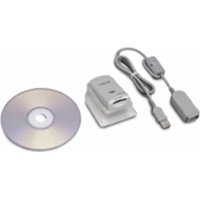
Make sure that you have all the accessories below.
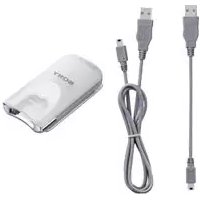
• Memory Stick Reader/Writer (1)

natural_image
Line drawing of a computer mouse with a USB cable (no text or symbols)• CD-ROM (SPVD-008 USB DRIVER) (1)
This CD-ROM contains the following software:
- USB DRIVER
- Image Transfer
- PIXELA ImageMixer for Sony
- Operating Instructions (1)
- Warranty (1)
Parts identification
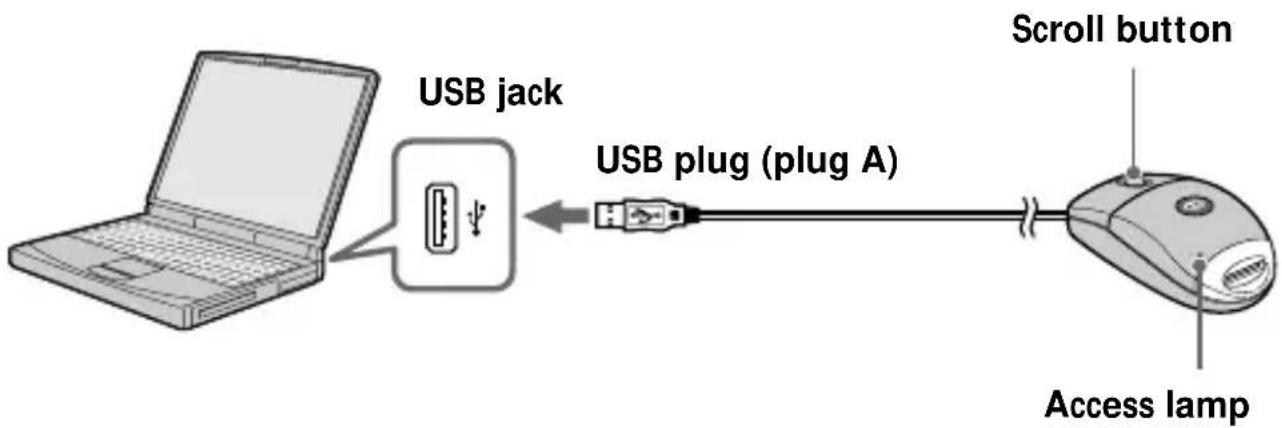
Insert the USB plug on this unit into the USB jack on the personal computer (into any USB jack on the personal computer if the personal computer has more than one USB jack).
flowchart
graph LR
    A["Laptop"] -->|USB jack| B["USB plug (plug A)"]
    B --> C["Access lamp"]
    D["Scroll button"] --> C
Notes
- The access lamp lights or flashes when you access data on a “Memory Stick.” When you are accessing data on a “Memory Stick,” never remove the “Memory Stick,” turn off the power of your computer, or disconnect the USB plug. Doing so may damage the data stored in the “Memory Stick.”
- When disconnecting this unit from a personal computer, do so by grasping the USB plug.
- Do not bend the USB cable or apply unnecessary force when using it. This could damage the cable.
For Windows
Do not disconnect the mouse from the personal computer until the installation is completed. You need the mouse for the installation.
If you disconnect the mouse from the personal computer, the operation is carried out on the keyboard.
For details on how to operate on the keyboard, refer to the operating instructions for the operating system you are using.
Installing USB driver software
Turn on the computer to start Windows.
At this stage, do not connect the unit to the personal computer yet. If any applications are running, close them down.
- For Windows Me/XP -
You do not need to install the USB driver (SPVD-008 USB DRIVER) from the CD-ROM supplied with the unit. The unit will work using the standard Windows driver.
If you are using Windows XP, you must log on using administrator's privileges.
Go on to page 11, [Installing Image Transfer and PIXELA ImageMixer for Sony].
- For Windows 98/98SE/2000 -
At this stage, do not connect the unit to the personal computer yet. If any applications are running, close them down.
If you are using Windows 2000, you must log on using administrator's privileges.
1 Insert the USB driver software CD-ROM (SPVD-008 USB DRIVER) into the CD-ROM drive.
If the title screen does not appear, follow the procedures given below.
① Double-click "My Computer."
② Double-click CD-ROM (ImageMixer [E:])*.
* The drive symbol [E:] may differ depending on your computer.
The title screen will appear after a short wait.
For Windows (continued)
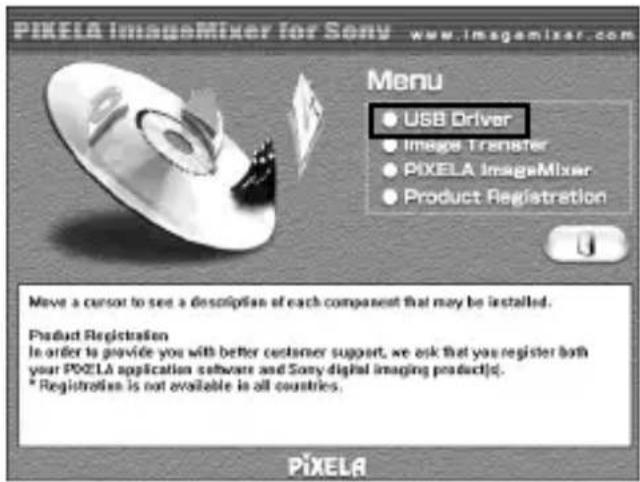
2 Click "USB Driver" on the screen.
The "Welcome to the InstallShield Wizard for the Sony USB Driver" window appears.
3 Click "Next."
The "Note on installing the USB driver" window appears.
4 After reading the information, click "Next."
5 Follow the on-screen instructions, then close the installation wizard.
Select "Yes, I want to restart my computer now."
Then, click "OK."
The USB driver will be enabled after you reboot your computer.
Do not remove CD-ROM from the CD-ROM drive yet.
Installing Image Transfer and PIXELA ImageMixer for Sony
The “Image Transfer” software enables you to automatically transfer (copy) recorded images in a “Memory Stick” to your computer.
The "PIXELA ImageMixer for Sony" software enables you to easily view the images that have been copied to your computer.
Note
You cannot register this software.
If you are using Windows 2000/XP, you must log on using administrator's privileges.
Note
Set the screen resolution of your display to 800 × 600 , and be sure the color setting is 16-bit High Color (65,000 colors or above), or above. If the resolution is less than 800 × 600 , and the color setting is 256 colors, or below, the title screen will not display at installation.
Image Transfer
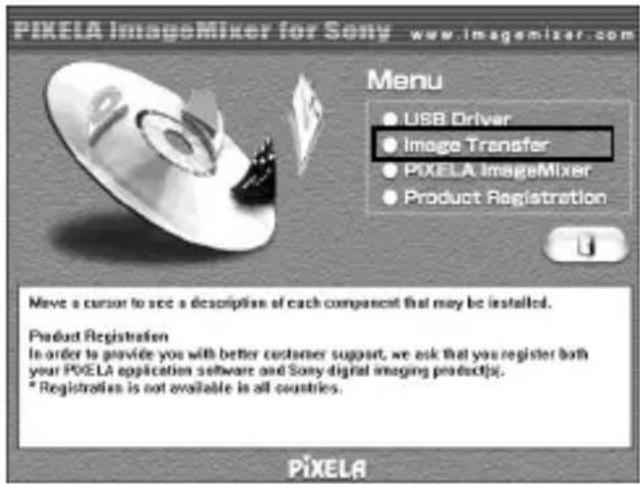
1 Display the CD-ROM's title page on your screen as follows.
① Double-click "My Computer."
② Double-click CD-ROM (ImageMixer [E:])*.
* The drive symbol [E:] may differ depending on your computer.
The title screen will appear after a short wait.
2 Click "Image Transfer" on the screen.
For Windows (continued)
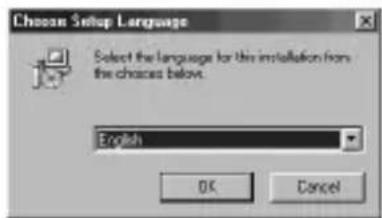
3 Select a language, then click "OK."
4 Following the on-screen instructions, install the application.
Reading the instructions carefully, proceed with the installation.
Note
Read the "License Agreement" carefully, then click "Yes" if you agree.
5 Following the on-screen instructions, click "Next" to complete the installation.
PIXELA ImageMixer for Sony
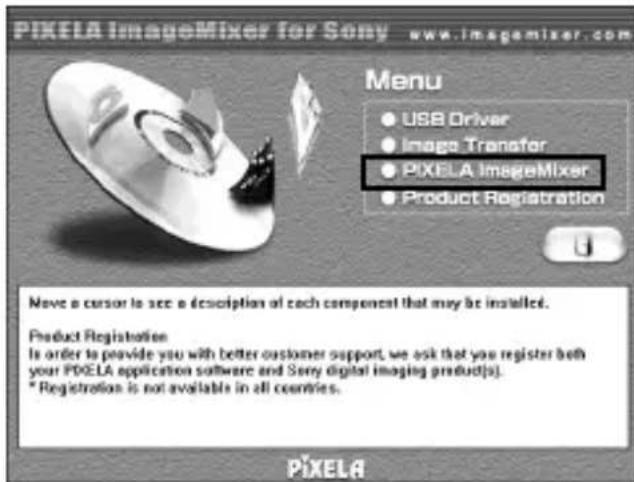
6 Click "PIXELA ImageMixer" on the screen.
7 Select a language, then click "OK."
8 Following the on-screen instructions, install the application.
Read the "License Agreement" carefully, then click "Yes" if you agree.
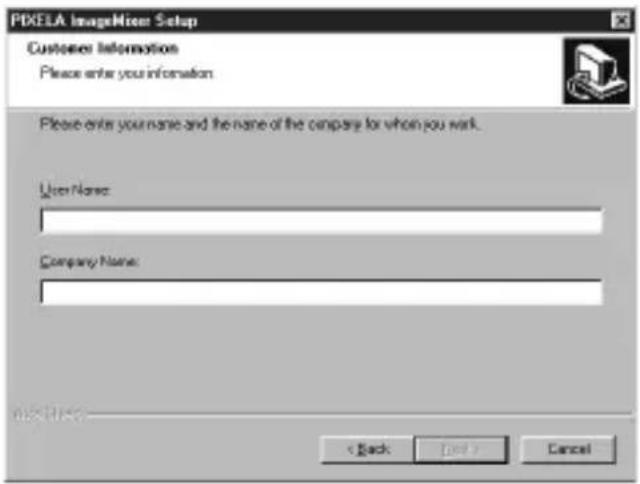
9 Enter user information.
① Enter your name and the name of the company for which you work.
Note
If you do not have a company name to enter, enter your name instead.
② Click "Next."
10 Following the on-screen instructions, complete the installation.
The title screen will appear. Close the screen, and remove the CD-ROM from your computer.
If the DirectX (Version 8.0a or higher) has not been installed on your computer, the “Information” screen will appear.
Follow the instructions starting from step 11 to complete the installation.
- For Windows XP -
Those using Windows XP do not need to install DirectX. Close the title screen, then remove the CD-ROM from your computer.
11 Click "OK."
Read "License Agreement" carefully, then click "Yes."
For Windows (continued)
12 Click "Install."
The installation begins. You may see "Installing Microsoft DirectX" displayed.
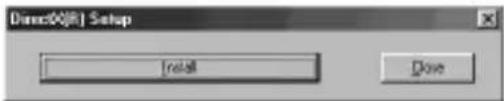
13 Confirm that the DirectX setup screen is displayed, then click "OK."
The computer will be restarted.
The "PIXELA ImageMixer for Sony" will be enabled after you reboot your computer.
14 Remove the CD-ROM from the CD-ROM drive.
Connecting the unit to a personal computer
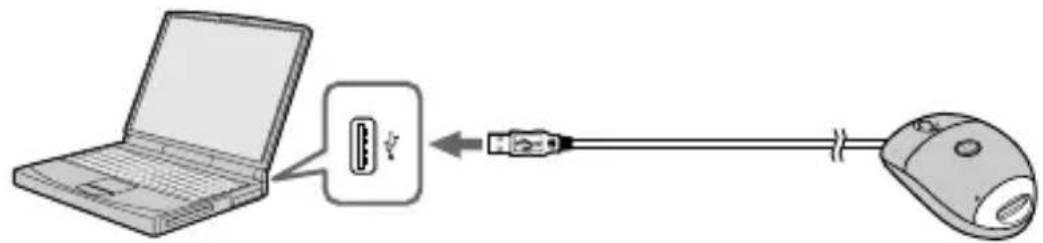
1 Connect the plug from the USB cable of this unit to the USB jack of your computer.
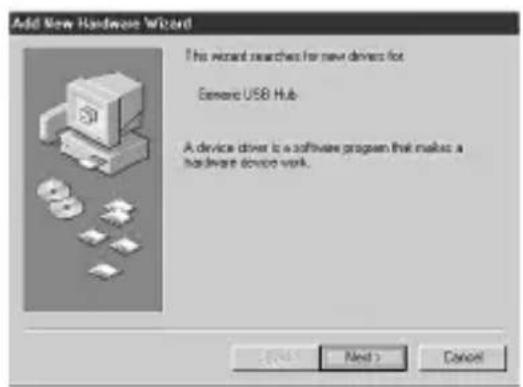
When the computer recognizes this unit, the “Add New Hardware Wizard” will start.
Notes
- Two types of drivers will be installed, so the “Add New Hardware Wizard” will start twice. Do not stop the process in the middle, and continue the installation of the software until the entire process is completed, as described below.
- Depending on your computer, the Windows 98/98SE CD-ROM may be needed as well.
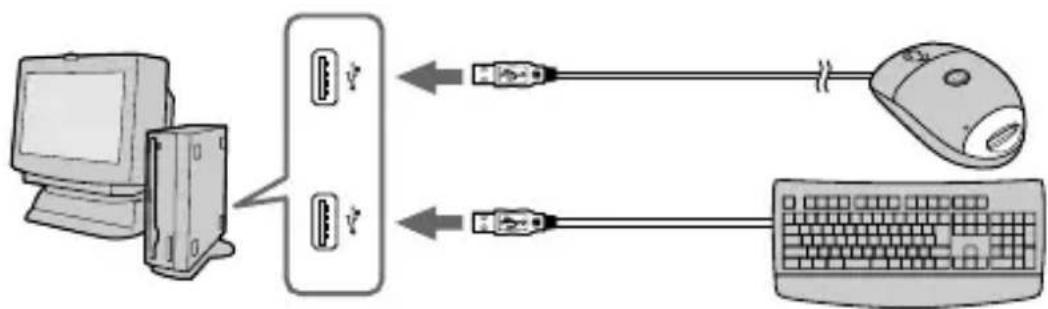
• The location of the USB jack differs depending on your computer. - If you are using a computer with more than one USB jack, do not connect any devices other than a standard mouse and a keyboard to the main computer when using this unit. Also, when using a desktop computer, connect this unit directly to one of the computer's USB jacks. For more details, see page 17, [Recommended connections].
- For Windows 2000/Me/XP -
When you connect the plug from the USB cable of this unit to the USB jack of your computer, installation of the mouse driver will begin automatically.
Go on to page 17, [Recommended connections].
- For Windows 98/98SE -
2 Click "Next."
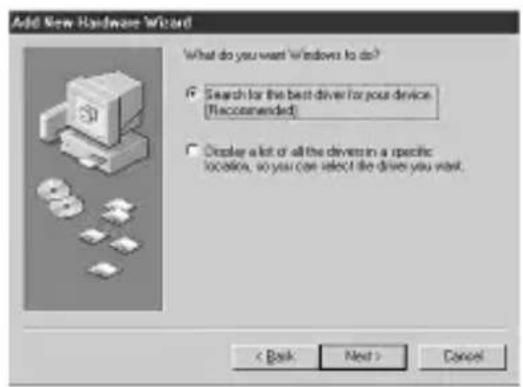
3 Select "Search for the best driver for your device (Recommended)," and click "Next."
For Windows (continued)
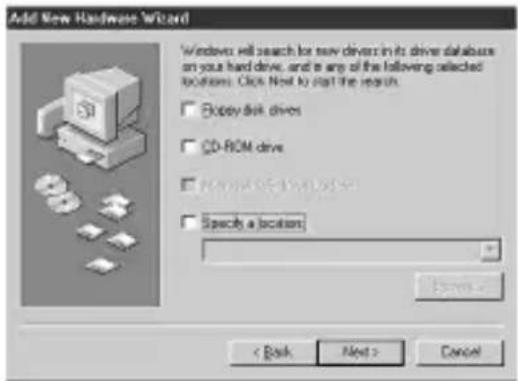
4 Click "Next" without entering any checkmarks.
The installation begins. The “Add New Hardware Wizard” starts for the second time.
5 Follow the on-screen instructions until the installation is completed.
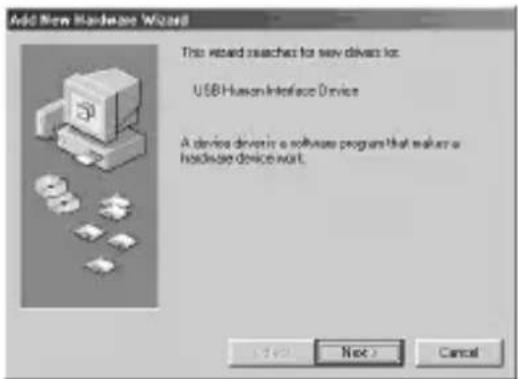
6 Confirm that the mouse works.
Recommended connections
Operation when connected as follows has been confirmed.
When this unit is connected to the USB jack on the personal computer, and nothing is connected to the other USB jack:
When a USB keyboard is connected to the USB jack on the personal computer, and this unit is connected to the other jack:
flowchart
graph LR
    A["Computer"] --> B["Switch"]
    B --> C["User Interface"]
    C --> D["User Interface"]
    D --> E["Computer"]
    C --> F["User Interface"]
Notes
- In either the Windows or Macintosh environments, proper operation cannot be guaranteed when you have two or more USB devices connected to one personal computer, depending on the USB devices that are used simultaneously.
- If you connect another “Memory Stick”-equipped device, in addition to this unit, to one personal computer, you cannot access two or more “Memory Stick”-equipped devices at the same time. Remove the “Memory Stick” from this unit, or turn the other device(s) off.
- Be sure to connect this unit directly to the USB jack of the personal computer itself. If you connect it through the USB jack of a keyboard or through a USB hub, proper operation is not guaranteed.
- Proper operation cannot be guaranteed on some computers even though they may be equipped with the recommended environment.
For Windows (continued)
Inserting a "Memory Stick"
Make sure the “Memory Stick” is pointed in the proper direction, then insert it into the slot in the unit.
When you use the unit for the first time, the installation process for the "Memory Stick" driver will automatically start.
When you insert the “Memory Stick” into the unit, the access lamp lights or flashes.
Note
The access lamp lights or flashes when the "Memory Stick" is being accessed.
Confirming the insert
1 Double click "My computer."
The "My computer" folder appears.
2 Confirm that a new "Removable Disk" icon is displayed.
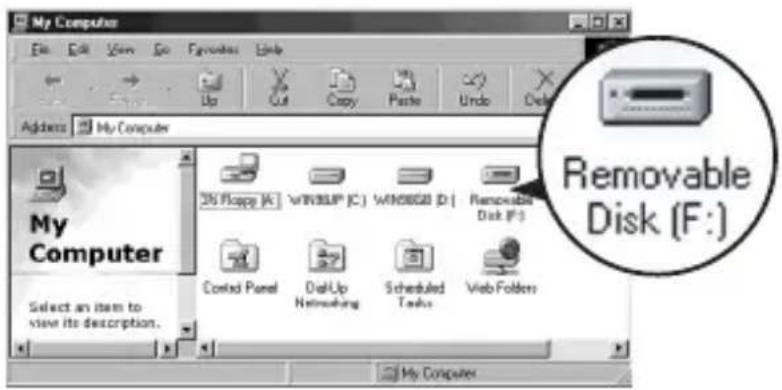
"Removable Disk (F:) " shown on the screen represents this unit, connected to your computer. Depending on the number and configuration of drives on the computer you are using, (F:) may be replaced by another letter.
If the "Removable Disk" icon is displayed, the connection process has been completed.
It may take a little time until the "Removable Disk" icon is displayed.
- For Windows XP Users -
With Windows XP, in place of a “Removable Disk” icon, a Sony Memory Stick icon appears.
Copying images using Image Transfer
- For Windows 98/98SE/2000/Me -
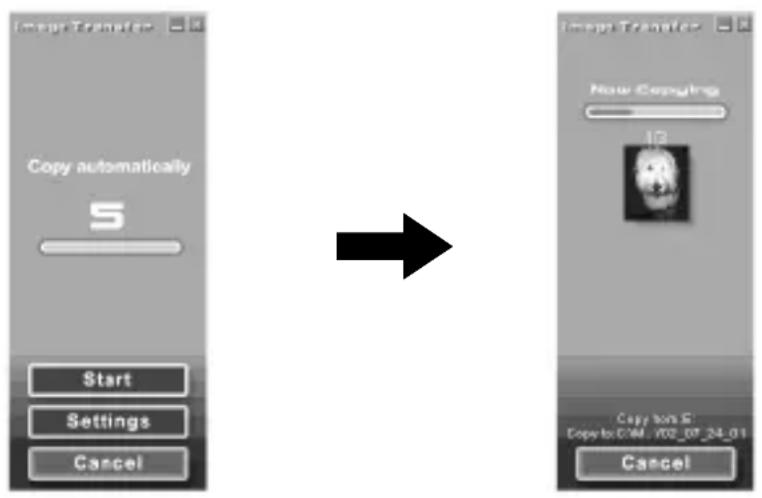
flowchart
graph LR
    A["Copy automatically"] --> B["Start"]
    A --> C["Settings"]
    A --> D["Cancel"]
    E["New Copying"] --> F["12"]
    G["Copy to CM: V02_07_24_01"] --> H["Cancel"]
After you connect the unit to your computer and insert the “Memory Stick” into the unit, “Image Transfer” launches and the images are automatically copied to your computer. When copying is complete, “Image Transfer” automatically launches and a list of images appears.
- Normally "Image Transfer" and "Date" folders are created inside the "My Documents" folder, and all of the image files are copied into these folders.
- You can change the "Image Transfer" settings on the settings screens.
Deleting Image Transfer
Select [My Computer] → [Control Panel] → [Add/Remove programs], and delete [Image Transfer].
For Windows (continued)
- For Windows XP -
Windows XP is set so that the OS Auto Playback Wizard activates. Follow the procedures below to cancel the settings.
Note
This procedure does not need to be performed for subsequent image downloads.
1 Connect the unit to your computer and insert the "Memory Stick" into the unit.
2 Click "Start," then click "My Computer."
3 Right-click "Sony Memory Stick," then click "Properties."
4 Cancel the setting.
① Set "Content type" to "Pictures."
② Check “Select an action to perform” under “Actions” select “Take no action,” then click “Apply.”
③ Set “Content type” to “Video files” and “Mixed content,” and repeat step ②.
④ Click "OK."
The "properties" screen closes.
5 Remove and then re-insert the "Memory Stick."
"Image Transfer" starts up automatically and the images are automatically copied to the computer.
Removing a "Memory Stick"
- For Windows Me/2000/XP -
After the copying of image data is complete, those using Windows Me/2000/XP must follow the procedures outlined below before removing the "Memory Stick," and before disconnecting this unit from the computer.
1 Click the "Remove Hardware" icon located in the Task tray at the bottom right-hand corner of the screen.
A message will appear.
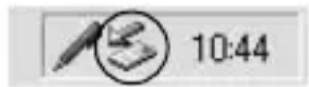
2 Click on the little message [e.g., Stop USB Disk-Drive (F:) ^* ] that appears over the Task tray. The message will differ slightly depending on which version of Windows you are using.
After a little while, a message appears.
* The drive letter that appears (e.g., (F:)) will differ depending on the configuration of the computer you are using.
3 Click "OK."
Now you can remove the “Memory Stick” from the unit, and disconnect the unit from the computer safely.
- For Windows 98/98SE -
Those using Windows 98/98SE do not need to follow above procedures.
For Macintosh
If you are using Mac OS 9.1/9.2/Mac OS X (v10.0/v10.1), you do not need to install a USB driver. Just connect this unit to your computer, and it will be recognized as a drive.
Notes
- Image Transfer does not support any version of the Mac OS.
- PIXELA ImageMixer for Sony does not support the Mac OS X operating system.
Installing USB driver software
- For Mac OS 8.5.1/8.6/9.0 -
Follow the steps outlined below.
1 Turn on your computer.
2 Insert the supplied CD-ROM (SPVD-008 USB DRIVER) into your computer's CD-ROM drive.
After a short wait, a software application screen appears.
3 On the software application screen, click the USB Driver button.
4 Double-click the hard disk icon of the device where your operating system is installed.
5 Drag the two files below from the window opened in step 3, and drop them on the system folder icon showing in the window opened in step 4.
- Sony Peripheral USB Driver
- Sony Peripheral USB Shim
6 When the message is displayed, click "OK."
The USB driver will be installed on your computer.
7 Close the software application window.
8 Remove the CD-ROM from the drive in your computer.
9 Reboot your computer.
10 Connect the USB plug on this unit to the USB jack on your computer.
Inserting a "Memory Stick"
Insert a "Memory Stick" after your Macintosh has started up.
1 When you insert a "Memory Stick" into this unit, a Memory Stick icon appears on the desktop.
2 Open the Memory Stick icon.
You can access the data.
The folders stored in the "Memory Stick" cannot be copied
You may not be able to copy the whole of folder on “Memory Stick” at once to the hard disk on the Macintosh. In this case, open the folder first and copy only the contents in the folder.
Notes
- It may take a little while until the Memory Stick icon appears.
- The icon will differ depending on which version of the Macintosh operating system you are using.
- For details on how to connect this unit and your computer, see page 17, [Recommended connections].
Removing a "Memory Stick"
When you want to remove a "Memory Stick" from this unit, follow the procedure below.
- For Mac OS 8.5.1/8.6/9.0/9.1/9.2 -
1 Close all software running on this unit.
2 Make sure that the access lamp is not lit.
3 Drag the Memory Stick icon to the trashcan. Or, while the Memory Stick icon is selected, select "Eject" from the Special menu at the top left of the screen.
4 Remove the "Memory Stick" from this unit.
- For Mac OS X (v10.0/v10.1) -
Before you remove the "Memory Stick," be sure to turn the computer off.
PIXELA ImageMixer for Sony
Installing editorial and image materials on your computer
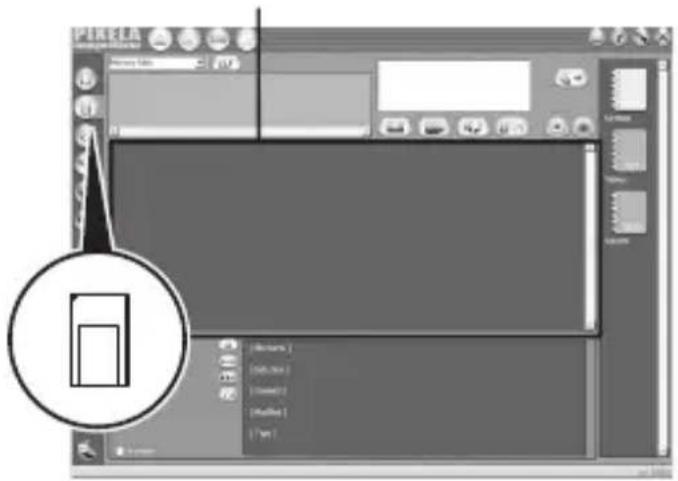
From among the images on the “Memory Stick,” you can choose editorial materials you want to use on your computer. This is done from the “Caputure mode screen.”
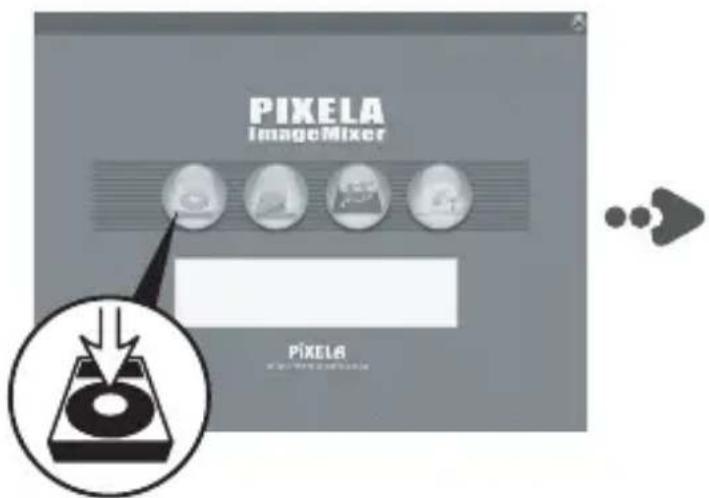
Click the Capture Environment) button on the "Main Selector" screen, and the "Capture mode screen" appears.
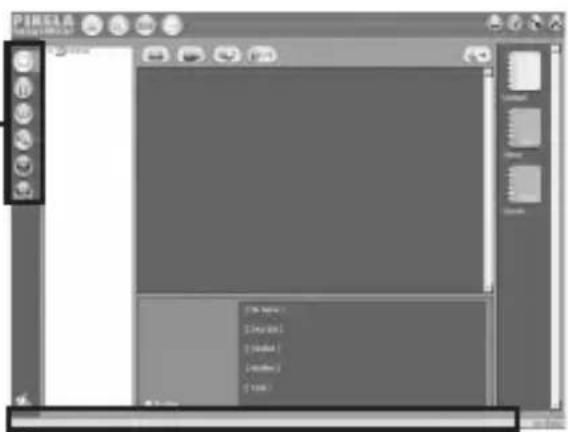
Status bar
When you place the mouse pointer over an icon or a button, an explanation of its function appears here.
Capture mode selector
Select an input mode based on the editorial materials you want to install on your computer.
Installing images from a "Memory Stick"
1 Click on the "Capture mode selector" (Digital Camera Import Mode) button.
2 Click the (Refresh) button, the thumbnails of the images stored in the "Memory Stick" will be listed.
3 Click on the images you want to install on your computer.
4 Click the album where you want to store them.
5 Click the (Import) button.
Note
No sound is emitted while the image files are being transferred.
Thumbnail list window
For details on how to edit your images, refer to the “Online Help”
Advice on how to use PIXELA ImageMixer for Sony, called "Online Help" (a set of operating instructions you can view on the screen), has been prepared for you.
Click the menu items in the following order, and the "Online Help" item you want is displayed.
1) [Start] → 2) [Programs] → 3) [PIXELA] → 4) [ImageMixer] →
5) [Image Mixer Help] → 6) the "Online Help" item you want to consult.
Using the mouse
This unit has the following three scroll functions:
1. Scroll
Easy up/down scroll Auto up/down scroll
2. Auto panning
3. Zooming
Notes
- The scroll, zooming functions, and auto panning are not supported on the Macintosh.
- You may not be able to use the scroll, zooming functions, and auto panning according to the application software. Refer to the operating instructions for respective software.
Scroll
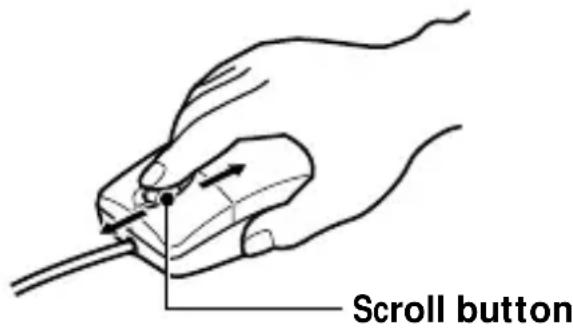
Press the scroll button forwards or backwards when the up/down scroll bar is displayed on the application.
This scrolls the window up or down.
Press the scroll button forwards or backwards and hold the button in this state when the up/down scroll bar is displayed on the application.
This scrolls the window up or down continuously.
Auto panning
1 Press the scroll button down.
The auto panning icon appears on the scroll bar.
2 When the icon appears, move this unit in the direction you want to scroll.
This scrolls large amounts of data to the left, right, up or down.
You can also freely set the scroll speed in the X or Y directions to control by how much you move this unit.
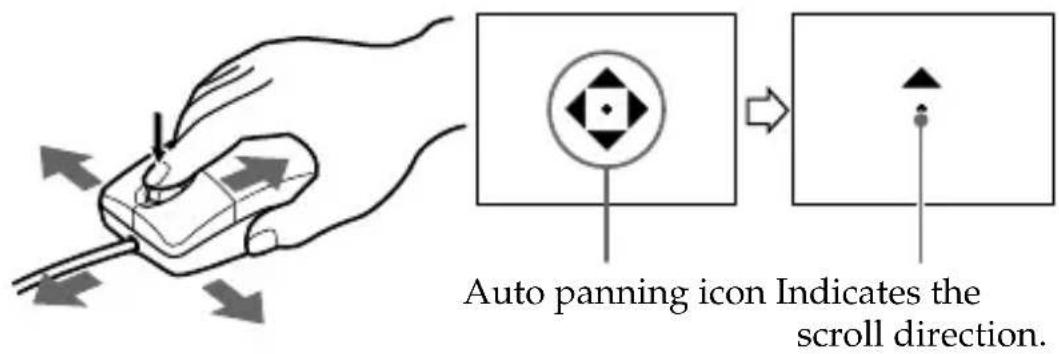
To return the cursor to its original position, either press the scroll button again, or click the left or right button.
Zooming
Press the scroll button forward or backwards while pressing the Ctrl key on the keyboard.
This enlarges or reduces the size of the application screen.
The “Memory Stick”
A “Memory Stick” is small and light, but it has far more storage capacity than a floppy diskette. It is the IC storage media for the new century. Not only can you exchange data between “Memory Stick” compatible devices, but you can also use a “Memory Stick” as a convenient external data storage device that can be easily connected and disconnected.
There are two types of “Memory Stick,” an ordinary “Memory Stick,” and a “Memory Stick” with built-in copyright protection technology (“MagicGate”*).
* "MagicGate" is a special coding technique that provides the basis for copyright protection technology.
In addition to an ordinary “Memory Stick,” there is also a “Memory Stick Duo” that is 1/3 the size and 1/2 the weight of an ordinary “Memory Stick.”
For this unit, you can use either a “Memory Stick” or a “Memory Stick Duo.”
The "MagicGate Memory Stick"
A “MagicGate Memory Stick” can record either images or music. Copyright protected music data recorded in a “MagicGate Memory Stick” cannot be transferred from this unit to a personal computer. Also, copyright protected music data saved on the hard disk of a personal computer cannot be transferred to a “Memory Stick” via this unit.
The Memory Stick Duo Adaptor
If you use a “Memory Stick Duo” in this unit, be sure to mount it in the Memory Stick Duo Adaptor supplied with the “Memory Stick Duo.”
Notes
- When you mount a "Memory Stick Duo" in a Memory Stick Duo Adaptor, be sure to mount it correctly.
- When you mount a “Memory Stick Duo” in a Memory Stick Duo Adaptor to use it in the unit, be sure to do so correctly. Mounting it the wrong way may damage the unit or any attached devices.
- Do not insert a Memory Stick Adaptor into a “Memory Stick”-compatible device when there is no “Memory Stick Duo” mounted in the adaptor. Doing so may damage the unit or any attached devices.
Keep the following in mind when using a “Memory Stick” When the access lamp is lit, or is flashing, do not remove the “Memory Stick” from this unit. Doing so may damage the data.
Troubleshooting
If you run into any problem using this unit, use the following table to troubleshoot the problem. If the problem persists, contact your Sony dealer.
Symptom
You cannot install the USB driver software.
You cannot install the "Memory Stick" driver software.
Memory Stick icon does not appear in Explorer or My computer. (Windows)
Memory Stick icon does not appear. (Macintosh)
Cause/Solution
- The connection between the personal computer and this unit is not correct.
→Connect correctly. (page 17) - Device other than this unit is connected to the USB jack on the personal computer.
→Disconnect or turn off the USB devices except this unit. - "SETUP.exe" on CD-ROM has not been carried out.
→Carry out "SETUP.exe" on CD-ROM. - "Memory Stick" is not in this unit.
→Insert "Memory Stick" into this unit. - The connection between the personal computer and this unit is not correct.
→Connect correctly. (page 17) - "Memory Stick" is not in this unit.
→Insert "Memory Stick" into this unit. - The connection between the personal computer and this unit is not correct.
→Connect correctly. (page 17) - "Memory Stick" is not in this unit.
→Insert "Memory Stick" into this unit.
| Symptom | Cause/Solution |
| You cannot scroll or zoom. | ·You are using the software that is not supported for scroll and zoom functions.→Refer to the operating instructions for your software.·Another software for the mouse is working.→Uninstall another software.·You are using a Macintosh. |
| You cannot access the “Memory Stick.” | ·Device other than this unit is connected to the USB jack on the personal computer.→Disconnect or turn off the USB devices except this unit. |
| Your personal computer cannot recover from standby state or sleep state. | ·The “Memory Stick” is in this unit.→Remove the “Memory Stick” from this unit once, and reinsert it. |
Specifications
Mouse
Interface: USB interface
Sensor: Optical
Transfer rate: Max. 1.5 Mbps
Resolution: 400 cpi
Switch: Left/Right button, scroll button
Power consumption: Action Max. 100 mA
Standby Max. 500 μA
Reader/Writer
Interface: USB interface
Transfer rate: Max. 12 Mbps
"Memory Stick" access speed: Approx. 6.4 Mbps (reading in)
(Measured using a Sony VAIO PCG-747)
Power consumption: Action 100 mA
Standby Max. 500 μA
Power, general
Operating voltage: 4.75 V to 5.25 V (Bus Power)
Dimensions: Approx. 62 × 36 × 110 mm
(Aprox. 2^1 / 2× 1^7 / 16× 4^3 / 8 in.) (w/h/d)
Mass: Approx. 120 g (4.3 oz)(not including "Memory Stick")
Environmental specification:
Temperature 0 °C to 40 °C (32 °F to 104 °F)
USB Drivers
Windows
- Compatible operating systems: Microsoft® Windows® 98/ Windows® 98SE/ Windows® 2000 Professional/ Windows® Millennium Edition/ Windows® XP Home Edition/ XP Professional All of the above must be pre-installed versions of the respective operating system.
* Proper operation of the software is not guaranteed on upgraded versions of any of the operating systems listed above.
- Recommended CPU: MMX ^ Pentium ^ 200 MHz or above.
- Other equipment required: devices equipped with a standard USB jack, a CD-ROM drive.
* To play movies saved in a “Memory Stick,” you must have Windows® Media Player installed.
* For Windows ^® Millennium Edition/ Windows ^® XP Home Edition/ XP Professional, a USB driver is not required.
Macintosh
- Compatible operating systems: A factory-installed version of Mac OS 8.5.1 / 8.6 / 9.0 / 9.1 / 9.2 / Mac OS X (v10.0/v10.1)
* However, if you have an “iBook,” or a “Power Mac G4,” with a factory-installed version of Mac OS 8.6, or an iMac with a slot-loading CD-ROM, upgrade to Mac OS 9.0/9.1.
- Other equipment required: devices equipped with a standard USB jack, a CD-ROM drive.
* To play movies saved in a “Memory Stick,” you must have QuickTime 3, or later, installed.
* For Mac OS 9.1 / 9.2 / Mac OS X (v10.0/v10.1), a USB driver is not required.
Image Transfer/PIXELA ImageMixer for Sony
- PIXELA ImageMixer for Sony does not support the Macintosh OS X operating system.
- Image Transfer is only compatible with the Windows® operating system.
Windows
- Compatible operating systems: Microsoft® Windows® 98/ Windows® 98SE/ Windows® 2000 Professional/ Windows® Millennium Edition/ Windows® XP Home Edition/ XP Professional
- Recommended CPU: MMX® Pentium® 200MHz or above.
- Software required: DirectX 8.0a, or later. (Because the application uses DirectX technology, you must have it installed when you use the software.)
• Memory: 64 MB, or more. (128 MB or more is recommended.)
- Hard disk space: the program requires about 200 MB of free disk space to install, but it is recommended that you have 1 GB or above of usable disk space. (This may change depending on the size of the movie files you want to edit.)
- Display: A video card with 4 MB or more of video RAM, a screen resolution of 800 × 600 or more, 16-bit High color (65,000 colors, or more) or higher, and support for DirectDraw drivers.
- Sound card: 16-bit stereo sound card and speakers.
- Other equipment required: devices equipped with a standard USB jack, a CD-ROM drive.
Specifications (continued)
Macintosh
- Compatible operating systems: Mac OS 8.5.1 / 8.6 / 9.0 / 9.1 / 9.2 (Mac OS X (v10.0/v10.1) is not supported.)
• Memory: 64 MB, or more. - Software required: QuickTime 4, or later.
- Hard disk space: the program requires about 100 MB of free disk space to install, but it is recommended that you have 1 GB or above of usable disk space. (This may change depending on the size of the movie files you want to edit.)
- Display: A screen resolution of 800 × 600 , or higher, with 32,000 colors, or more.
- Other equipment required: a CD-ROM drive.
Français
PIXELA ImageMixer for Sony 24
natural_image
Line drawing of a computer mouse with a USB cable (no text or symbols)• CD-ROM (SPVD-008 USB DRIVER) (1)
- PIXELA ImageMixer for Sony
- Mode d'emploi (1)
- Garantie (1)
Sélectionnez "Yes, I want to restart my computer now".
PIXELA ImageMixer for Sony
flowchart
graph LR
    A["Copy automatically"] --> B["Start"]
    A --> C["Settings"]
    A --> D["Cancel"]
    E["New Copying"] --> F["12"]
    G["Copy to CM: V02_07_24_01"] --> H["Cancel"]
PIXELA ImageMixer for Sony
Barre d'état
Image Transfer et PIXELA ImageMixer for Sony
If you have any questions/comments related to this product, please visit our Customer Support website at http://www.sel.sony.com/SEL/service/conselec/ (If you do not have internet access, please call 1-800-22 SONY.)
- Memory Stick Reader/Writer
- English
- For the customers in U.S.A.
- Declaration of Conformity
- SONY®
- MSAC-US7
- CAUTION
- Note:
- For the customers in Canada
- What Is The "Optical Mouse?"
- Precautions
- About Formatting "Memory Stick"s
- Cautions When Formatting "Memory Stick"s on a Personal Computer
- Table of Contents
- Before You Begin
- Installation and Operation
- Additional Information
- Checking the accessories
- Parts identification
- Notes
- For Windows
- Installing USB driver software
- Turn on the computer to start Windows.
- - For Windows Me/XP -
- Go on to page 11, [Installing Image Transfer and PIXELA ImageMixer for Sony].
- - For Windows 98/98SE/2000 -
- Insert the USB driver software CD-ROM (SPVD-008 USB DRIVER) into the CD-ROM drive.
- For Windows (continued)
- Click "USB Driver" on the screen.
- Click "Next."
- After reading the information, click "Next."
- Follow the on-screen instructions, then close the installation wizard.
- Installing Image Transfer and PIXELA ImageMixer for Sony
- Note
- Image Transfer
- Select a language, then click "OK."
- Following the on-screen instructions, install the application.
- Following the on-screen instructions, click "Next" to complete the installation.
- PIXELA ImageMixer for Sony
- Click "PIXELA ImageMixer" on the screen.
- Select a language, then click "OK."
- Following the on-screen instructions, install the application.
- Enter user information.
- Following the on-screen instructions, complete the installation.
- - For Windows XP -
- Click "OK."
- Click "Install."
- Confirm that the DirectX setup screen is displayed, then click "OK."
- Remove the CD-ROM from the CD-ROM drive.
- Connecting the unit to a personal computer
- Connect the plug from the USB cable of this unit to the USB jack of your computer.
- - For Windows 2000/Me/XP -
- - For Windows 98/98SE -
- Click "Next."
- Select "Search for the best driver for your device (Recommended)," and click "Next."
- Click "Next" without entering any checkmarks.
- Follow the on-screen instructions until the installation is completed.
- Confirm that the mouse works.
- Recommended connections
- Inserting a "Memory Stick"
- Confirming the insert
- - For Windows XP Users -
- Copying images using Image Transfer
- - For Windows 98/98SE/2000/Me -
- Deleting Image Transfer
- Removing a "Memory Stick"
- - For Windows Me/2000/XP -
- Click the "Remove Hardware" icon located in the Task tray at the bottom right-hand corner of the screen.
- Click on the little message [e.g., Stop USB Disk-Drive (F:) * ] that appears over the Task tray. The message will differ slightly depending on which version of Windows you are using.
- Click "OK."
- For Macintosh
- The folders stored in the "Memory Stick" cannot be copied
- Installing editorial and image materials on your computer
- Status bar
- Capture mode selector
- Installing images from a "Memory Stick"
- For details on how to edit your images, refer to the “Online Help”
- Using the mouse
- Scroll
- Auto panning
- Zooming
- Scroll
- Auto panning
- Press the scroll button down.
- When the icon appears, move this unit in the direction you want to scroll.
- Zooming
- Press the scroll button forward or backwards while pressing the Ctrl key on the keyboard.
- The “Memory Stick”
- The "MagicGate Memory Stick"
- The Memory Stick Duo Adaptor
- Troubleshooting
- Symptom
- Cause/Solution
- Specifications
- Mouse
- Reader/Writer
- Power, general
- USB Drivers
- Windows
- Macintosh
- Image Transfer/PIXELA ImageMixer for Sony
- Specifications (continued)
- Français
- Barre d'état
- Image Transfer et PIXELA ImageMixer for Sony
Brand : SONY
Model : MSACUS7
Category : Memory reader