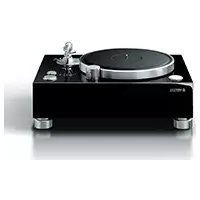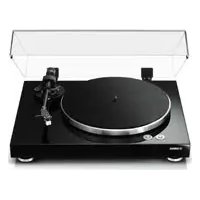
TTS303 - Turntable YAMAHA - Free user manual and instructions
Find the device manual for free TTS303 YAMAHA in PDF.



| Product Type | Vinyl Turntable |
| Brand | YAMAHA |
| Model | TTS303 |
| Dimensions (W × H × D) | 450 × 136 × 368 mm (including feet and protrusions) |
| Weight | 4.8 kg |
| Power Supply | AC adapter: input AC 100-240 V 50/60 Hz, output 12 V 0.5 A |
| Power Consumption | 1.5 W operating, 0.1 W standby |
| Drive Method | Belt Drive |
| Rotation Speeds | 33 1/3 rpm, 45 rpm |
| Wow and Flutter | 0.2% |
| Platter | Die-cast aluminum, diameter 30 cm |
| Tonearm | Straight static balance, effective length 223.5 mm |
| Stylus Pressure Adjustment Range | 0 – 4 g |
| Cartridge | MM type, output voltage 2.5 mV (1 kHz, 3.54 cm/s) |
| Recommended Stylus Force | 3.5 ± 0.5 g |
| Audio Outputs | PHONO OUT (RCA/Cinch) with PHONO EQ selector (ON/THRU) |
| Special Features | Glossy wood cabinet, anti-vibration feet, dust cover, adjustable anti-skating |
| Maintenance | Clean with a soft dry cloth; belt and stylus replacement possible |
| Included Accessories | AC adapter, RCA/Cinch stereo cable, 45 rpm adapter, stylus cover |
| Safety | Follow usage precautions: keep away from water, do not disassemble, use proper voltage |
Frequently Asked Questions - TTS303 YAMAHA
User questions about TTS303 YAMAHA
0 question about this device. Answer the ones you know or ask your own.
Ask a new question about this device
Download the instructions for your Turntable in PDF format for free! Find your manual TTS303 - YAMAHA and take your electronic device back in hand. On this page are published all the documents necessary for the use of your device. TTS303 by YAMAHA.
USER MANUAL TTS303 YAMAHA
TURNABLE / PLATINE VINYLE
BHHIOBbI npoIrpbBaTeJIb
TT-S303
Owner's Manual
Mode d'emploi
Hnctpykua no 3Kcnpyaataun

YAMAHA

This product is designed for use at home to enjoy listening to audio.
PRECAUTIONS
PLEASE READ CAREFULLY BEFORE USE. BE SURE TO FOLLOW THESE INSTRUCTIONS.
The precautions listed below are to prevent risk of harm to the user and others, as well as to prevent property damage, and to help the user use this unit properly and safely. Be sure to follow these instructions.
After reading this manual, be sure to keep it in a safe place where it can be referenced at any time.
- Be sure to request inspections or repairs from the dealer where you purchased the unit or from qualified Yamaha service personnel.
- Yamaha cannot be held responsible for injury to you or damage of the products caused by improper use or modifications to the unit.
This product is for ordinary homes. Do not use for applications requiring high reliability, such as managing lives, health care or high-value assets.
WARNING
This content indicates "risk of serious injury or death."
Power supply/AC adaptor
- Do not do anything that could damage the power cord.
-Do not place it near a heater.
- Do not bend it excessively or alter it.
- Do not scratch it.
-
Do not place it under a heavy object. Using the power cord with the core of the cord exposed could cause electric shocks or a fire.
-
Do not touch the power plug or cord if there is a chance of lightning. Failure to observe this may cause electric shocks.
- Use this unit with the power supply voltage printed on it. Failure to connect to an appropriate AC outlet may cause a fire, electric shocks, or malfunctions.
- Be sure to use the supplied AC adaptor. Failure to observe the above may cause a fire, burns, or malfunctions.
-
Check the electric plug periodically and remove any dirt or dust which may have accumulated on it. Failure to observe this may cause a fire or electric shocks.
-
When setting up the unit, make sure that the AC outlet you are using is easily accessible. If some trouble or malfunction occurs, immediately turn off the power switch and disconnect the plug from the AC outlet. Even when the power switch is turned off, as long as the power cord is not unplugged from the wall AC outlet, the unit will not be disconnected from the power source.
If you hear thunder or suspect approaching lightning, quickly turn off the power switch and pull the power plug from the AC outlet. Failure to observe this may cause a fire or malfunctions. - If not using the unit for long periods of time, be sure to pull the power plug from the AC outlet. Failure to observe this may cause a fire or malfunctions.
Do not disassemble
- Do not disassemble or modify this unit. Failure to observe this may cause a fire, electric shocks, injury, or malfunctions. If you notice any irregularities, be sure to request an inspection or repair from the dealer where you purchased the unit or from qualified Yamaha service personnel.
Water warning
- Do not expose the unit to rain, use it near water or in damp or wet conditions, or place on it any containers (such as vases, bottles or glasses) containing liquids which might spill into any openings or places where water may drop. A liquid such as water getting into the unit may cause a fire, electric shocks, or malfunctions. If any liquid such as water seeps into the device, turn off the power immediately and unplug the power cord from the AC outlet. Then, request an inspection from the dealer where you purchased the unit or from qualified Yamaha service personnel.
- Never insert or remove an electric plug with wet hands. Do not handle this unit with wet hands. Failure to observe this may cause electric shocks or malfunctions.
Fire warning
- Do not place any burning items or open flames near the unit, since they may cause a fire.
If you notice any abnormality
-
If any of the following abnormalities occur, immediately turn off the power and disconnect the power plug.
-
The power cord/plug is damaged.
- An unusual smell or smoke is emitted from the unit.
- Foreign material gets into the interior of the unit.
- There is a crack or damage in the unit.
Continued use could cause electric shocks, a fire, or malfunctions. Immediately request an inspection or repair from the dealer where you purchased the unit or from qualified Yamaha service personnel.
- Be careful not to drop or apply strong impact to this unit or the AC adaptor. If you suspect the unit may have been damaged due to dropping or impact, immediately turn off the power and pull the power plug from the AC outlet. Failure to observe this may cause electric shocks, a fire, or malfunctions. Immediately request an inspection from the dealer where you purchased the unit or from qualified Yamaha service personnel.

CAUTION
This content indicates "risk of injury."
Power supply/AC adaptor
- Do not cover or wrap the AC adaptor with a cloth or blanket. Failure to observe this may trap heat, causing deformation in the case or a fire.
- Do not use an AC outlet where the power plug fits loosely when inserted. Failure to observe this may cause a fire, electric shocks, or burns.
- When removing the electric plug from the unit or an AC outlet, always hold the plug itself and not the cord. Pulling by the cord can damage it and cause electric shocks or a fire.
- Insert the power plug firmly all the way into the AC outlet. Using the unit when it is not plugged in sufficiently can cause dust to accumulate on the plug, causing a fire or burns.
Installation
- Do not place the unit in an unstable position where it might accidentally drop or fall over and cause injuries.
- Ensure that the top is facing upwards. Failure to observe this may cause malfunctions or for the unit to fall and cause injury.
- Do not install the unit in places where it may come into contact with corrosive gases or salt air or places that have excessive smoke or steam. Doing so may result in malfunction.
-
Avoid being near the unit during a disaster, such as an earthquake. Since the unit may turn over or fall and cause injury, quickly move away from the unit and go to a safe place.
-
Before moving this unit, be sure to turn off the power switch and disconnect all connection cables. Failure to observe this may damage the cables or cause you or someone else to trip and fall.
Hearing loss
- Before connecting the unit to other devices, turn off the power for all devices. Failing to do so may result in hearing loss, electric shock, or device damage.
- When turning on the AC power in your audio system, always turn on the amplifier or receiver LAST, to avoid hearing loss and speaker damage. When turning the power off, the amplifier or receiver should be turned off FIRST for the same reason. Failure to observe the above may cause hearing impairment or speaker damage.
Maintenance
- Remove the power plug from the AC outlet before cleaning the unit. Failure to observe this may cause electric shocks.
Handling caution
- Keep small parts out of the reach of infants. Your children may accidentally swallow them.
-
Do not do the following:
-
stand on or sit on the equipment.
- put heavy items on top of the equipment.
- place the equipment in a stack.
- apply unreasonable force to buttons,
switches, input/output terminals, etc. -
lean against the equipment.
-
Avoid pulling the connected cables to prevent injuries or damage to the unit by causing it to fall.
Notice
Indicates points that you must observe in order to prevent product failure, damage, or malfunction.
Power supply/AC adaptor
- If not using the unit for a long period of time, be sure to pull the power plug from the outlet. A minute current is still flowing even if the power has been turned off (the power is in standby).
Installation
- Do not use this unit in the vicinity of other electronic equipment, such as a TV, radio, or mobile phone. Failure to observe this may cause this unit or the TV or radio to produce noise.
- Do not use this unit in a location that is exposed to direct sunlight that becomes extremely hot, such as near a heater, or extremely cold, or that is subject to excessive dust or vibration. Failure to observe this may cause the unit's panel to become deformed, the internal components to malfunction, or for operation to become unstable.
Connections
- If connecting external units, be sure to thoroughly read the manual for each unit and connect them in accordance with the instructions.
Failure to properly handle a unit in accordance with the instructions could cause malfunctions.
Handling
- Do not place plastic or rubber products on this unit. Failure to observe this may cause discoloration or deformation in the panel of this unit.
- If the ambient temperature changes drastically (such as during unit transportation or under rapid heating or cooling) and there is a chance condensation may have formed in the unit, leave the unit for several hours without turning on the power until it is completely dry before use. Using the unit while there is condensation can cause malfunctions.
Maintenance
- If the temperature or humidity changes drastically, water droplets (condensation) may form on the unit surface. If water droplets form, immediately wipe them off with a soft cloth. If water droplets are left on the unit, they may be absorbed into the wooden parts, causing deformation.
- When cleaning the unit, use a dry, soft cloth. Using chemicals such as benzine or thinner, cleaning agents, or chemical scrubbing cloths can cause discoloration or deformation.
Information
About content in this manual
The illustrations in this manual are for instructional purposes only.
- The company names and product names in this manual are the trademarks or registered trademarks of their respective companies.
About the name plate of the unit
The model number, serial number, power requirements, etc., may be found on or near the name plate, which is at the bottom of the unit. You should note this serial number in the space provided below and retain this manual as a permanent record of your purchase to aid identification in the event of theft.
Model No.
Serial No.
(bottomen_01)
Contents
Before you start 8
Features of this unit. 8
About this manual 8
Check the supplied accessories. 9
Handling records 9
Parts and their functions 10
Top panel. 10
Back panel. 11
Getting ready 12
Location 12
Assembly 12
Assembling the unit 12
Attaching the dust cover 14
Making connections 15
Making adjustments 16
Adjusting the stylus pressure 16
Adjusting the anti-skating 18
Turning the power on 18
Playback 19
When necessary 22
Care. 22
Replacement 22
Replacing the belt 22
Replacing the record stylus. 23
Moving this unit 23
Troubleshooting 24
Specifications. 26
Before you start
Features of this unit
This is a tumtable for playing analog records.
Wooden cabinet with a gloss finish
Provides both beauty and practical advantages such as high rigidity and vibrational damping
Highly rigid straight tone arm virtually eliminates any effect on the delicate musical signal
- Easy switching between LINE output equipped with a high-quality PHONO EQ circuit and PHONO direct output, giving you flexibility when setting up your record playback system
High rotational stability is achieved by using an aluminum die cast platter belt-driven by a high-torque DC motor
Feedback margin is maintained by insulators (feet) that feature excellent absorption of vibration and shock
About this manual
When reading this manual, please note the following.
- Specifications and appearance are subject to change without notice in order to improve the product.
-
Explanation of graphic symbols used in this manual:
-
"WARNING" indicates points that you must observe to avoid risk of death or serious injury.
CAUTION" indicates points that you must observe to avoid risk of injury. - indiNtioNtEs that you must observe to avoid
damaging the product or causing it to malfunction.
- indicATePplementary information that you will find
useful.
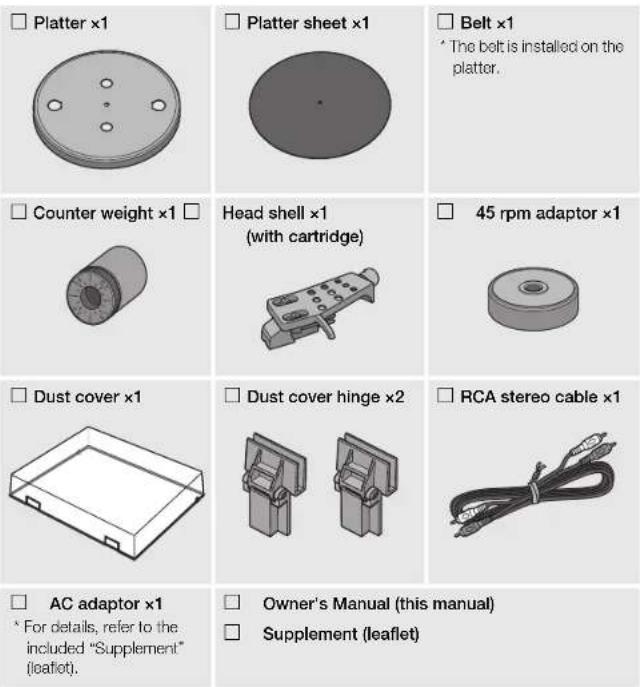
Check the supplied accessories
Make sure that all items are present.
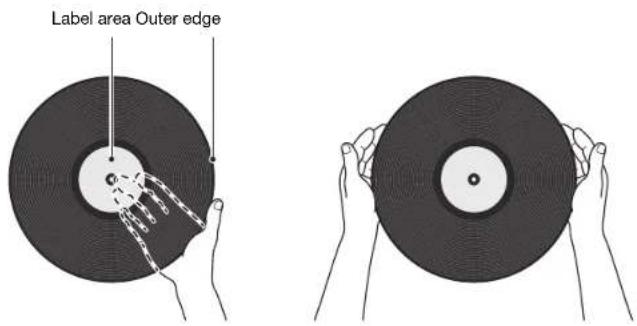
Handling records
When you hold a record, you should either support the record's label area and its outer edge, or hold the record's outer edges between your two hands.
Parts and their functions
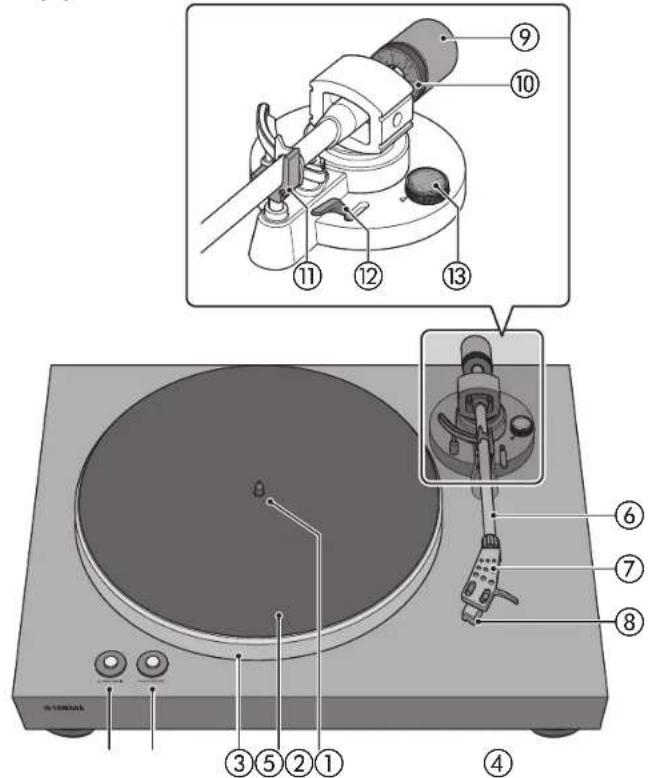
Top panel
① 33/45 (speed) (⇒ page 19)
② PLAY/STOP (play/stop) (⇒ page 19)
③ Platter (→ page 12)
④ Platter sheet (⇒ page 13)
⑤ Center spindle (⇒ page 12)
⑥ Tone arm (⇒ page 13)
⑦ Head shell (→ page 13)
⑧Cartridge
Counter weight (→ page 13)
10 Counter ring ( page 17)
⑪ Arm rest (⇒ page 16)
Lift lever (→ page 20)
13 Anti-skating ( page 18)
Back panel
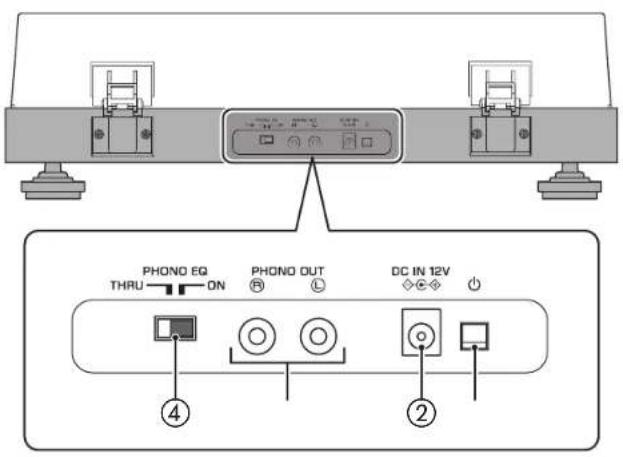
① (power)
This turns the unit's power on/off. (→ page 18)

: on : off

②DC IN jack
Connect the AC adaptor (supplied) to this jack. ( page 15
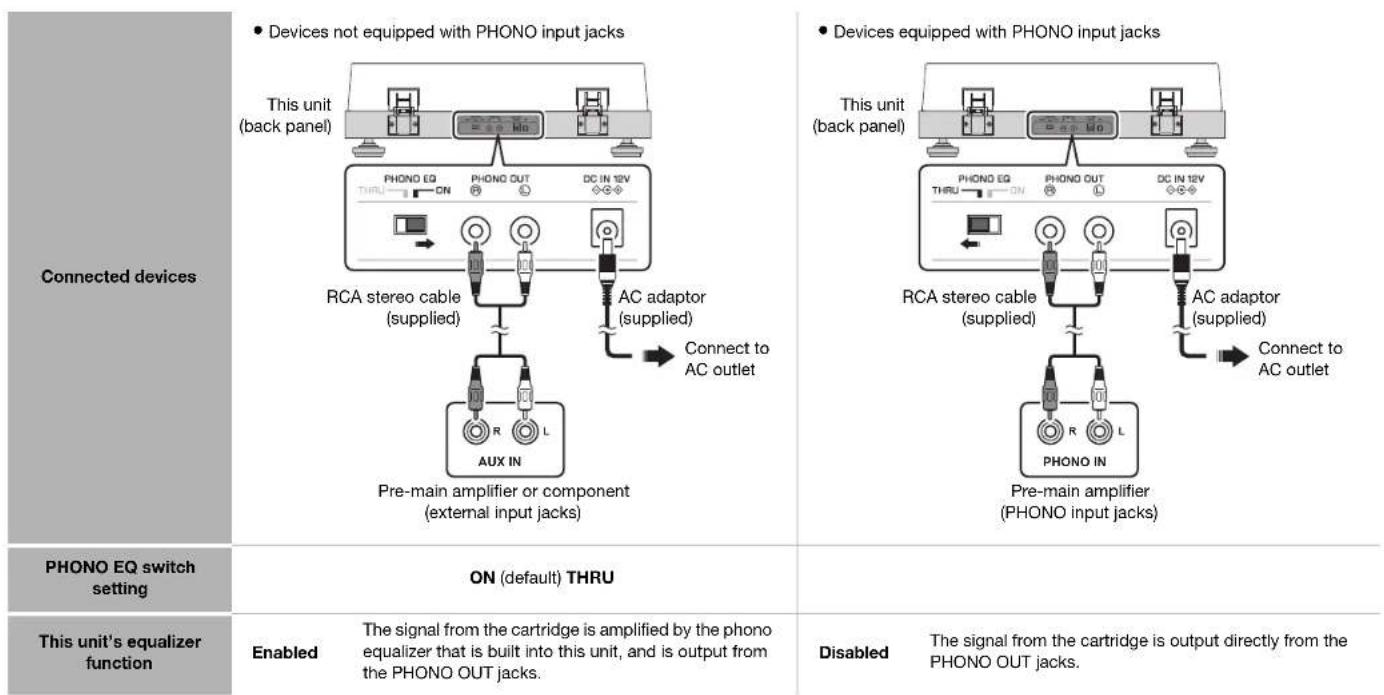
③PHONO OUT jacks
These jacks output the playback audio of the record. ( page 15)
④PHONO EQ (phono equalizer) switch
As appropriate for the device that is connected, set this to switch the signal that is output from the PHONO OUT jacks. (→ page 15)
Getting ready
Location
Because record playback is easily affected by vibration, you should place the unit in a level location that is not subject to external vibration. Place it sufficiently far from your speaker system so that it will not be affected by sound pressure or vibration.
Assembly
Assembling the unit
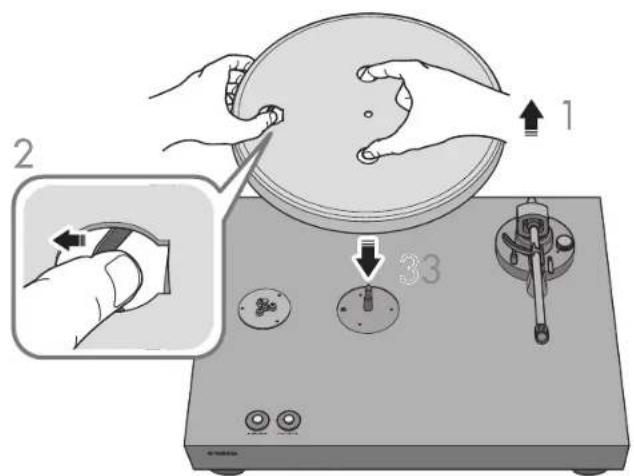
1 Lift up the platter.
2 Reaching through the round hole in the platter, pull the belt outward, hooking it over your finger.
3 Insert the platter onto the center spindle.

CAUTION
Take care not to drop the platter. Dropping it might cause injury, or might damage the unit.
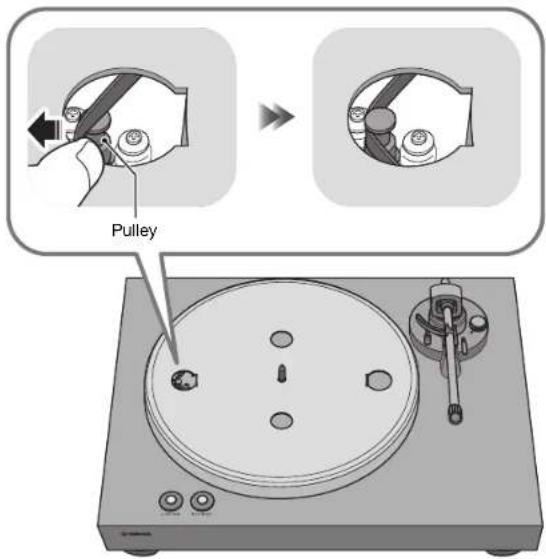
4 Align the round hole of the platter with the pulley.
Use your finger to hook the belt onto the pulley.
Take care that the belt is not twisted. After hooking the belt onto the pulley, rotate the platter several times to ensure that the belt is smoothly in place.
Place the platter sheet on the platter.
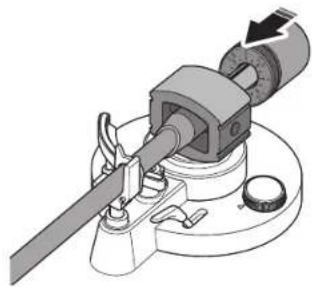
7 Attach the counter weight to the tone arm.
With the markings on the counter weight facing you, slide it onto the back end of the tone arm.
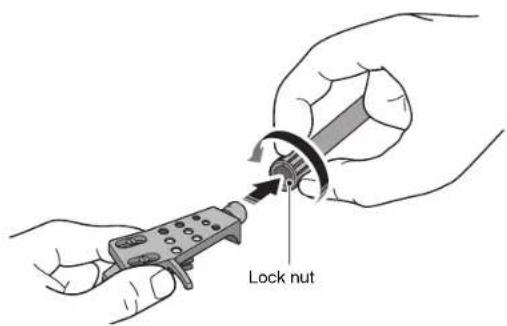
8 Attach the head shell to the tone arm.
Insert the head shell into the front end of the tone arm, and turn the lock nut to secure it.
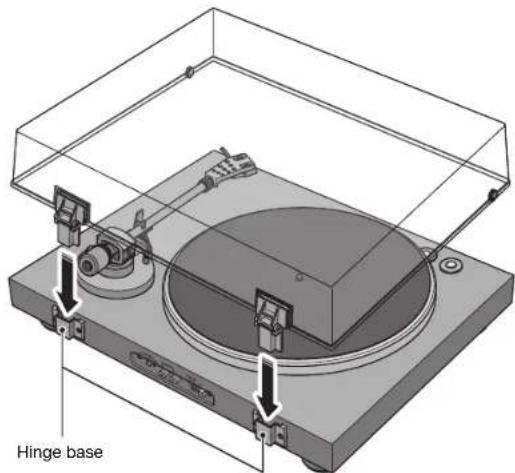
Attaching the dust cover
The dust cover protects this unit from dust etc.
Insert the hinges into the appropriate locations at two sides of the dust cover.
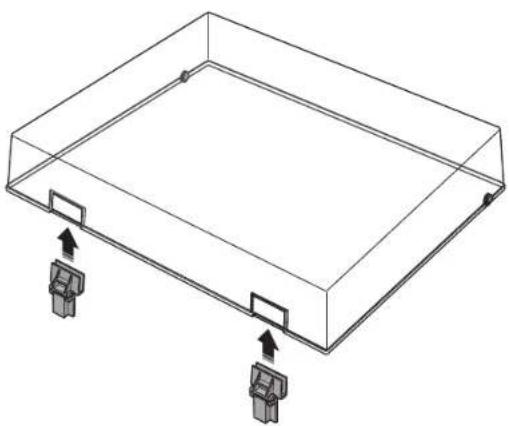
2 Attach the dust cover by inserting the hinges into the hinge bases located on the back panel of the unit.
NOTE
To remove the dust cover, grasp the two sides of the dust cover and slowly lift upward to remove the cover together with its hinges.

CAUTION
Take care not to pinch your hands or fingers when opening or closing the dust cover
Making connections

CAUTION
Finish making all other connections before you connect the AC adaptor (supplied) to an AC outlet.
NOTE
Also refer to the owner's manuals of the device that you are connecting.
Making adjustments
Adjusting the stylus pressure
Adjust the tone arm so that the appropriate stylus pressure is applied to the record.
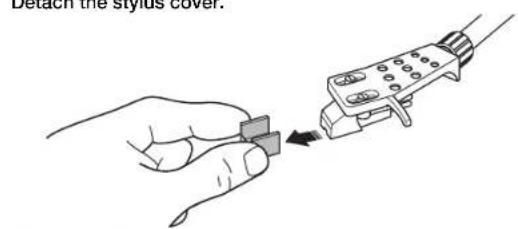
1 Detach the stylus cover.
NOTICE
Take care that the stylus cover or your finger do not contact the stylus.
2 Set the anti-skating adjustment to the "0" position.
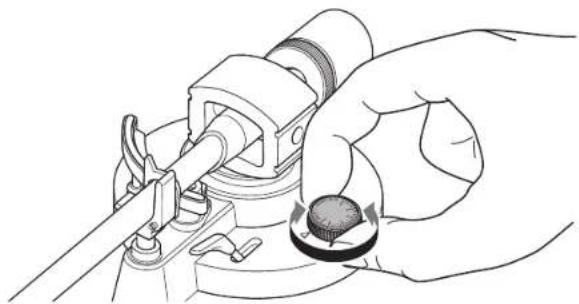
3 Release the tone arm lock.
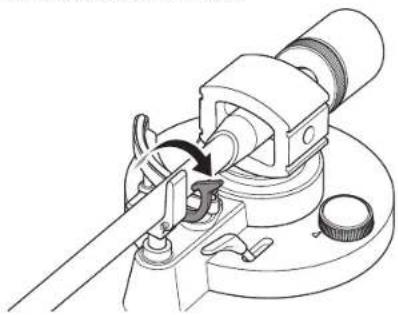
4 Move the tone arm off of the arm rest and slightly to the left.
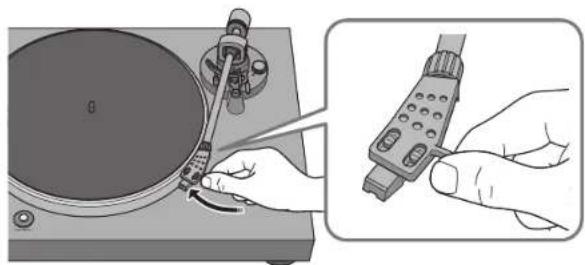
NOTICE
Take care that the needle does not contact any part of the unit.
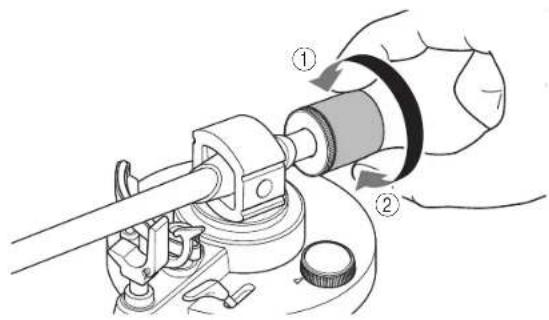
5 Tum the counter weight so that the tone arm is horizontal.
Toward ①: Counter weight moves forward on the tone arm.
Toward ②: Counter weight moves backward on the tone arm.
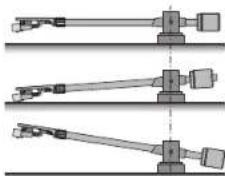
Correct
Incorrect
Tone arm is horizontal (balanced)
Counter weight is too far forward
Incorrect
Counter weight is too far backward
6 Return the tone arm to the arm rest, and lock it in place.
7 Turn the counter ring so that the "0" marking is aligned with the center line on the back end of the tone arm.
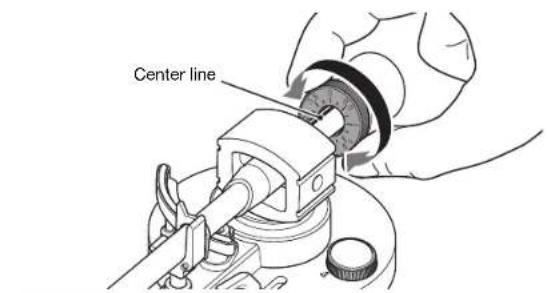
NOTE
When turning the counter ring, use your fingers to press the counter weight so that it does not rotate.
8 By turning the counter weight, set the counter weight markings to the stylus pressure specified for the cartridge.
The specified stylus pressure for the supplied cartridge is 3.5g
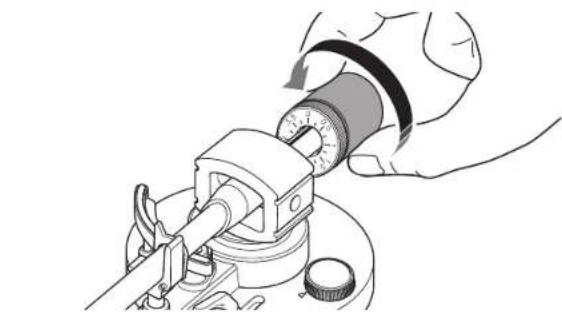
NOTE
Turning the counter weight also turns the counter ring.
Adjusting the anti-skating
As the platter rotates, the tip of the stylus generates a force that pulls it toward the center of rotation. If the anti-skating value is set to the same value as the stylus pressure, a force is generated that pulls the tip of the stylus outward away from the center of rotation, and the two forces cancel each other.
Turn the anti-skating adjustment to the same value as the stylus pressure of the cartridge.
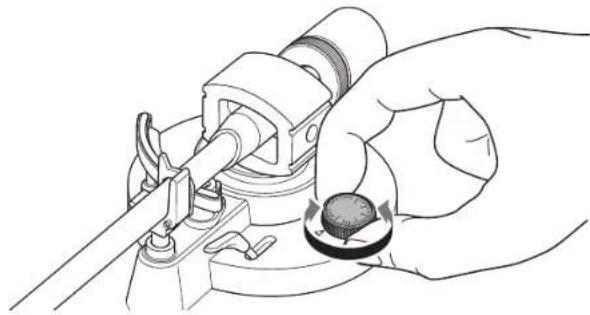
Turning the power on
On the back panel of the unit, press (power) to turn on the power of the unit.
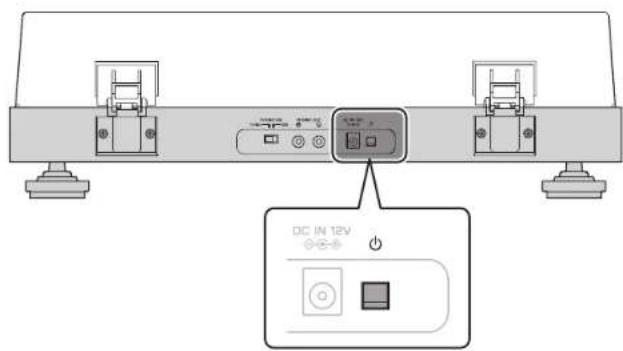
Playback
Starting playback

CAUTION
If you play back a record without sufficiently lowering the volume of your amplifier, a loud sound might occur when the tip of the stylus contacts the record. This can cause hearing loss and might damage your amplifier and speaker, so be sure to lower the volume of your amplifier.
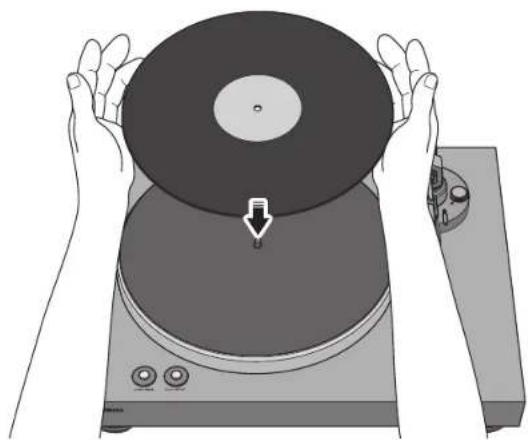
1 Open the dust cover, and place the record on the platter.
If you're playing a 45 rpm record, use the supplied 45 rpm adaptor.
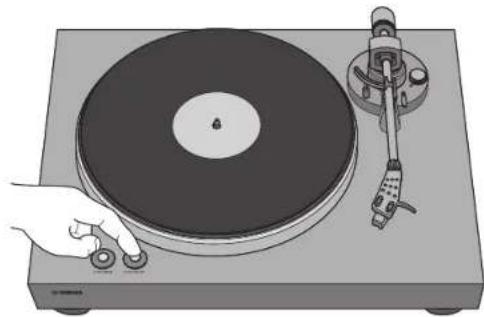
2 Press 33/45 (speed) to select the appropriate speed for the record.

:331/3 rpm : 45 rpm
3 Press PLAY/STOP (play/stop).
The platter rotates.
Playback
4 Release the tone arm lock, and raise the lift lever.
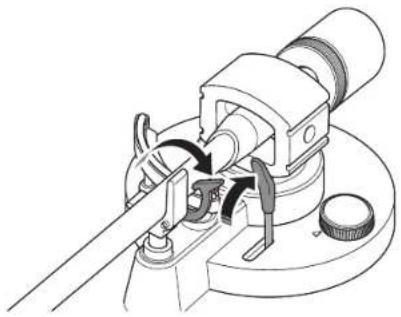
6 Lower the lift lever.
The tone arm is lowered, and playback starts.
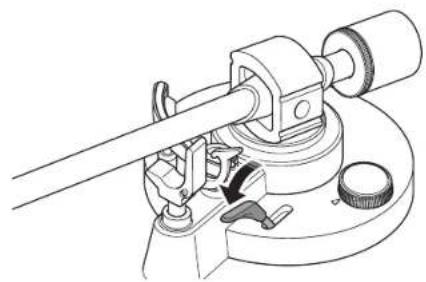
5 Move the tone arm to the playback position of the record.
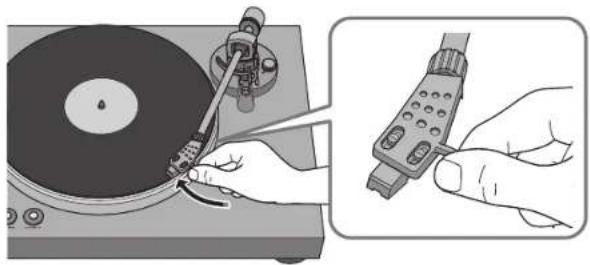
Pausing playback
If you raise the lift lever, the tone arm rises and playback pauses.
When you lower the lift lever, playback resumes.
Stopping playback
1 Raise the lift lever.
2 Return the tone arm to the arm rest.
3 Lower the lift lever.
4 Press PLAY/STOP (play/stop). The platter stops rotating.
5 Lock the tone arm.
NOTE
The tone arm does not automatically rise when the record finishes playing.
If you will not be using the unit for a time, attach the cover to the stylus to protect it.

When necessary
Care
Caring for this unit
Wipe it with a soft dry cloth. Do not use chemicals such as benzine or thinner, since they might damage the surface.
Caring for the record stylus
The tip of the record stylus is extremely delicate. Handle it with care so that it is not damaged. If dust should adhere to the tip of the stylus, use a soft pointed brush to wipe it off starting at the base of the stylus and moving toward the tip, or use a commercially available cleaner made for that purpose.
Caring for records
Dirt adhering to a record can cause skips or noise. Use a commercially available record cleaner to remove dirt.
Replacement
Replacing the belt
Depending on the conditions of use, the belt can wear out or break. If this occurs, replace the belt. For a replacement belt, contact your nearest authorized Yamaha dealer or service center.
Turn off the power of this unit and of the connected devices, and disconnect this unit's AC adaptor from the AC outlet.
2 Remove the platter sheet from the platter.
3 Detach the belt from the pulley.
4 Insert your fingers into the round holes of the platter, and lift up the platter.
CAUTION
Take care not to drop the platter. Dropping it might cause injury, or might damage the unit.
5 Turn the platter over, and remove the belt.
Install the replacement belt on the platter.
Take care that the belt is not twisted.
7 Install the platter on this unit.
For details on installation, refer to "Assembly" on page 12.
Replacing the record stylus
When the tip of the record stylus becomes worn down or damaged, replace it immediately.
As the replacement stylus, please purchase an ATN3600L replacement stylus made by Audio-Technica.

CAUTION
Attach the stylus cover before replacing the stylus. The tip of the stylus might injure you, or it might become damaged.
Take care that children do not swallow the stylus when it is removed.
Turn off the power of this unit and of the connected devices, and disconnect this unit's AC adaptor from the AC outlet.
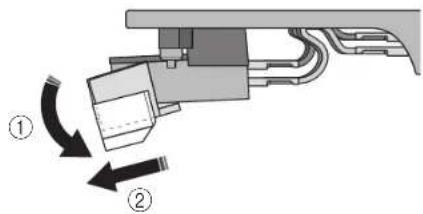
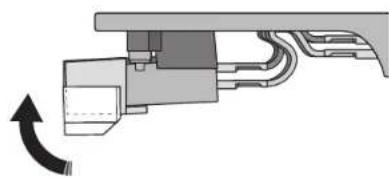
2 While using your fingers to hold the body of the cartridge, press the stylus down in the direction of ①, and pull it in the direction of ② to remove it.
3 While using your fingers to hold the body of the cartridge, insert the tab of the replacement stylus into the groove on the underside of the cartridge.
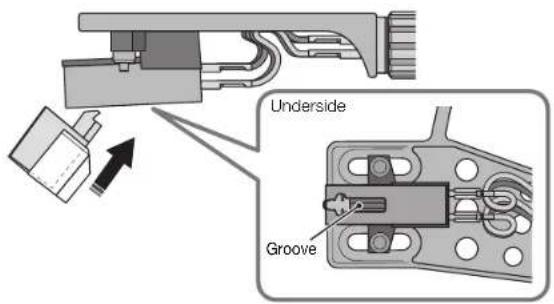
4 Press the stylus upward until you hear a click.
Moving this unit
When moving this unit, lock the tone arm so that it does not move.
Troubleshooting
If the unit stops operating correctly, check the following points.
If taking the appropriate action does not solve the problem, or if there is a problem not listed below, press the (power) button located on the unit's back panel to turn off the power, disconnect the power cord, and contact your nearest authorized Yamaha dealer or service center.
| Problem Cause Action | Reference page | ||
| Pressing (power) does not turn on the power. | The AC adaptor has come unplugged from this unit's DC IN jack or from the AC outlet, or is not firmly plugged in. | Firmly plug the AC adaptor into this unit's DC IN jack and into an AC outlet. | 15 |
| The platter does not rotate. | The belt is not correctly positioned on the platter and pulley, or the belt has come off. | Attach the belt correctly to the platter and the pulley. 12 | |
| ( power) is not on. | Turn ( power) on. | 18 | |
| No sound. | The head shell is not correctly attached to the tone arm. | Attach the head shell correctly to the tone arm. | 13 |
| The RCA stereo cable is not connected correctly. Connect the RCA stereo cable correctly. 15 | |||
| The mute setting of the amplifier is on. | Turn off the mute setting of the amplifier. | - | |
| Volume is too weak or too loud. | The cartridge setting of the amplifier or phono equalizer is incorrect. | Set the cartridge setting of the amplifier or phono equalizer correctly for the type of cartridge that you're using (MM or MC). | - |
| The PHONO EQ switch is set incorrectly. | Set the PHONO EQ switch correctly for the device that is connected. | 15 | |
| Something is wrong with the left/right balance of the sound. | The turntable is tilted. | Place the turntable on a level location. | - |
| Playback speed is wrong. | The speed setting is incorrect. | Set the 33/45 (speed) setting correctly. This unit does not support playback of SP records (78 rpm). | 19 |
| Hum is audible. | The RCA stereo cable is not connected correctly. Connect the RCA stereo cable correctly. 15 | ||
| The head shell is not firmly secured to the tone arm. | Use the lock nut to firmly secure the head shell to the tone arm. | 13 | |
| Problem Cause | Action | Reference page | |
| Skipping Noise occurs. The sound is distorted. | The stylus pressure is not adjusted correctly. | Set the counter weight markings to the stylus pressure specified for the cartridge. | 16 |
| The record is scratched or warped. Do not used scratched or warped records. - | |||
| The record is dirty. | Use a commercially available record cleaner to clean the record. | - | |
| The record is statically charged. Use an anti-static brush to remove the static charge. - | |||
| The stylus is dirty. Remove the dirt from the stylus. 22 | |||
| The stylus is worn down. Replace the stylus. 23 | |||
| The unit is placed in a location that is subject to vibration. | Place the unit in a level location that is not subject to vibration. | - | |
| Feedback occurs. | The unit is too close to the speakers. Locate the unit farther away from the speakers. - | ||
| The playback volume is too high. Adjust the volume of the amplifier. - | |||
Specifications
The specifications of this unit are as follows.
Platter section
Drive method Belt drive
Motor. DC motor
Rotation Speed 33 1/3 rpm, 45 rpm
Rotation Speed Variation. ± 2%
Wow and flutter .0.2%
Platter.Aluminium die-casting
Diameter 30 cm
Tone arm section
Type Static balance straight tone arm
Effective arm length. 223.5 mm
Stylus pressure adjustment range 0-4 g
Acceptable cartridge weight 15.5-19 g (including head shell)
Overhang. 19 mm
Cartridge section
Type MM type
Output voltage. 2.5 mV (1 kHz, 3.54 cm/sec)
Stylus pressure 3.5 ± 0.5 g
Cartridge weight .5.0 ±0.3 g
Cartridge Height 17.0 ±0.7 mm
Head shell weight 10 g (including screws, nuts, and wires)
Audio section
Output level PHONO EQ THRU (1 kHz, 3.54 cm/sec). 2.5 mV ±3 dBV PHONO EQ ON 140 mV (-17 dBV)
Signal to Noise Ratio (A-weighted, 20 kHz LPF) .67 dB or higher Output jack. PHONO OUT × 1 (RCA unbalanced)
General
AC adaptor power supply
Input AC 100-240 V 50/60 Hz
Output 12V 0.5A
Power consumption While powered on. 1.5 W
While powered off. .0.1 W
Weight .4.8 kg / 10.6 lbs
Dimensions (width × height × depth). 450 × 136 × 368 mm 17-3/4" × 5-3/8" × 14-1/2"
(including legs and protrusions)
- The contents of this manual apply to the latest specifications as of the publishing date. To obtain the latest manual, access the Yamaha website then download the manual file.
MEPbI INPEINOCTOPOXHOCTN
NEPEDNCOJb3OBAHEMBHIMATEJIbHO
IPOUHTAITE DAHHBIE YKA3AHNA.
CJIEDYNTE 3TNM INHCTPYKUNM.
IpeueHcJIeHbI HIXe MepbI npEOCTOPOXHOCTn PnpDA3HAYeHbI dnn npEoTbpaSeHnPnCKa PnPHHeHn Bpda nNoB3OBaTeHIO NDPYrIM IIOJrM, a TAKXe dnn npEoTbpaSeHn NOBpExDeHn NMUeCTBaN OKa3AHn NOMOu nnNoB3OBaTeHIO No HApEnKaeM y 6eONACHOMY hCNOb3OBaHHo DAHHoro annapata.CJeDyIte 3TNMHCTpyKunm.
Iocne npOCTeHnXpaHnTe 3TO pyKOBoCTBO HnaEDKHOmECE, T06bIK Hemy MOxHo 6blNO 6obparTbC B IIOoB BpEMr.
-ДлгпроведенOCMOTpaинpeMOHTa6b3aTeNbO6paauTecbKdInepy,yKotoporo 6bl npno6peten Annapa,Tn6oBcepcBnchIy cHTP YamaHa.
Yamaha He Hecet OTBETCTBEHHOCHTa 3a NOyHHeHbIe BAMn TpaBMbl ININ NOpeKJDeHnN 3dEINB Pe3yIbTaTe HeHaJIeNkAeIero NCOpNb3ObaHNr MoDnФnKaun annapata.
JaHHoe yCTPOINCTBO npEHa3NaHeO dIa DOMAunHero nCnONb3oBaHMy. He nCnONb3yTe erO B o6naTcX, Tpe6yIOuNX bICOKO HAdExHOCTN, HApNIMeB C cpepe KIn3Heo6ecneHMe, 3dpaBOooPAHeH NII npn pa6ote C cEHbIMn AKTbAMn.

NPEdynPExKeHne
JaHHa HnHcOpMaunr npEynpExKaet o pncKe rB6eMn nn nOlyeHn cepBe3hbx TpaBM.
IcToUHnK nHTaHnAaAnTepepeMeHHoro Toka
He donyckaTe noBpeKdHn Ka6eHnITaHn.
-He paccnonarataKeabebpamC oborpebaTeaMn.
-HeckpyuHbAte n He crn6aTe erO.
-He qapanaiTe ka6enb nHTAHn.
-He cTaBbTe Ha Ka6enb NtAnHr TaXeIbIe npedMetbl.
VcnoB3OBAHHe K6aEeNnTAHnC OrOEnHHbIM npBOoDM MoKet PnBeCTN K nopAkeHIO 3NEKTPuYCeKN TM TOKm INI NOXApy.
He npkacaiTebc k wTeNcEIO INI KabeIO NITAHIN PNI HANmM pCKa yDapa MOHIN. HecobIOJeHne 3TOrO yKa3AHn MOKeT npBcETN KnpaKeHNO 3NeKTPueeCKIM TOKOM.
HapxHe HCTOyHnKa nTaHn DOJXHO COOTBeTCTBOBAtb YKAsAHOMY Ha HEM 3HaHEHIO. NoKnIOeHnK He npabInbHOI PO3eTKe NepemEHnO ToKaMOkET CTaTb pNHHoN NOxapa, NOpaxEHHA 3NEKTpuecknM TokOM HnHcnpBaHcOHTN.
- O6Ra3TeNbHO HcNoIb3yIe npnnaAembl aanTep nepemeHrO TOKA. HecoBNOdeHne 3TOr yKa3aHmIO MxOT npBecTN K NOxApy, OOKRAM INH HEnCNPABHOCTM.
- PepnoDnueckn npOBepnTe wTencenb n OunuaiTe erO OT CKONNBWeeNr NBINn rP3N. HecoBIOJeHne 3TOrO yka3aHm MOxET npBBeCTn K NOXApYnn NopaxKeHHIO 3NEKTPnueckHM TOKOM.
- PeneH NaCtpoKo annapata y6eHntecb, yTO nONNo3yEma Po3eTKa NpeMeEHORo TOKa neKo DOCTynHa. Ipn Bo3NkHOBeHH KAKOTOnBO C60n Hm HcnpaBHOCTn HEmdJIeHHO OTKnIOHTNE NTAHne C NMOUbo BbIKIOATErN nOTcoEHNHTe WTencBb OTpOeTKn NpeMeEHORo TOKa. DaXe ECNI BbIKIOuTeN bNTAHN HAXOIMTCB B BbIKIOHOM NOJoxEHm, Do Tex NOPa WTencBb HE OTOeHNHeh OT p3eTKn, annapa OCTaETcN NOJKNIOUeHHbIM K UCTOHNky NTAHN.
B cnyae rpoMa nn np6nKHeHrpo3bl He3aMeDnIeBbHO OTKnIOHTe BkIOHTeB nNTAHN hOTcOeHNHte WTENCeB oT PO3eTKn NepemEHoro ToKa. HecobIOJeHne 3TOrO yka3aHnMoKet npBeCTn K NoXkapy nn HcnpabHOCTAM.
Ecnn annapat He 6ydtncnlo3oBaTcB TteHeHne dnteHbHO BpeMeHH,OTcoeHNHTe WTeNCb OT po3Kn NpeMeHHORo TOKA. Hec6bnJeHne 3toro yka3aHnMoKet npBeCn K NOxAp HnHcnpaBHOCTAM.
He pa36npaTb
He pa3bpaTne annapat n He n3MeHnTe erO KOHCTpyKuIIO.Heco6IIOeHnE 3TORO yka3aHnMoKeT npBeCTN K NOxApy, NopAkeHnIO 3JIeKTPnueCKnTOKOM, TpaBMam IIN HEnCpPaBHOCTM.PnIPOBaIeHn HEnOJaDOK 6pbauaTteCBdIg OCMTo pI INPpeMOHa B MeTO npNo6peTeHNr annapata IN IN B cepBnchbI ueHTp Yamaha.
Bepeu b OT BObl
- He donyckaIte nonaHaHn annapata noDdoKdb,He nOJb3yIteCb Nm PdOM C BODoB, BycOBNX cbIpOCTN INN NOBIIeHHNOBlaKnHOCTNs. He CTabTe Hn annapat KaKeHnIOE EMKOTc C XnIDKOCTbIO (HanpImep, Ba3bl,6BytIKN INN CTaKaHb), KOTOPAR MOKETnpOIHTCBn IINoAcbT B OTBepCTNa, aTAkOKe HnoJIb3yIteCb annapatOM TAM, rge Ha HeroMOKETnONACTb BOda.IonadaHMe XnIDKOCTn, HanpIMep BOdI, BHyTp b annapata MOKETcTaTb npuHIOH NoKapa, nopaxhenH3NEKTPNHECKHM TOKOM INN HEmCnpABHOCTN.B Cnyuae nonaHaHn B annapat XnIDKOCTn, HanpIMep BOdI, HeMeJeHHO OTKIOHNTnITAHne I OTOeDMHTe KaEBb NITAHnOTpo3eTKn NEpeMeHHORo TOKA.3aTEM6paTIEc DnI OCMToPa annapata B MeTO npNo6PepTeHN INN B cepBnCHbI CEHTPyYamaHa.
HnB KOem Cnyae He BCTaBnIe Tne HBeBHIMMaTe Wtencelb MOKpbIMyPKAMn.He 6epntecb 3a annapat BlaxKbIMn pykamn. HecobNoJeHne 3TOro yka3aHHmnoKoET npnbEctc K nopaxEHeIO 3NeKTpueeCKMTOKOM NnHcnpabHOCTAM.
Bepb ot orna
He pa3MeaTe ropaune npdmteblnnnCTOuHKn OTKpbIToro ORHa pAOM cannapaTOM, NCKoIbky 3TO MOKeT PnBecTu KBO3ropanHO.
HeWtTaHbIe CnTyaUIn
-ПиВОЗнИКНOBЕHIN NIOБОИЗ YKAZa3aHbIX HNIXE IPO6bEM HEMeIJIENH0 OKNIQUHTe NITaHNe IOTCOeDINHTe KaBEnb NITaHnO T 3JIeKTpOcTeH.
-Поврждени Кабелпитани ИИ WTeNCEЯ.
-Ⅰ3annapata nCXOHT Heo6bHb3anax nnDbIM.
-BHytpb annapata nonan noctopohnnpedmet.
-Ha annapate HMeHOTc TpeunhblnnnoBpejckdHH.
IpoDolJKeHHe IcNoJIb3OBAHnRA MoKTe Bb3BbTbNopaxKeHHe 3NeKTpHHeCKHM TOKOM, noXkap HnnpBecIn K HeNCnPabHOCTn. He3aMeIINTeBHo O6paTneCb InI OcmOpTa annapata B MeToero npNo6peTeHnI IN b cepncbHcyeHTpYamaHa.
- He poHnTe n He noBepraTne annapat nnna
aAnTep nepeMeHHoro TOKA cnlbHOMy
mNueckOMy BO3dECTBnIO. ECnn cyueCTbyET
BePOAHTHOCTb TORO, YTO annapat 6bln
NoBpeXeHn B pe3yNbTaTe NaDEHNn
mNueckCkOFO BO3dEChTBnI, HEmEJIeHNHO
OTKIOHnTE NITAHNE I OTcoEINHtE WTeNCelb
OT p03eTKn NepeMeHHoro TOKa. HecobJIODeHNe
3TOrO yka3AHN MoXET npIEcTH K nopaxHeHNIO
3NeKTpnuCeKN TOKOM, NOxApYNI
HeVCnPABHOCTM. He3aMeJNTenBHO
OBpaNTeCb dN OCMOTpa annapata B MeCTO
npio6peTHeNn INN B cepBnCHb IeHTP Yamaha.
BHUMAHNE
DHaHHa HnHOpMaun npeynpexKdaet O pncke noyhenr TpaBmbl.
IcToUHnK nHTaHnA/aanTepepeMeHHoro Toka
HeHaKpbIbAaTe Hn HeobopauHbAte aanTep nepemehHoro TOKaTKaHbIO INn OderNOM. HecobIoJeHne 3TOr yka3AnM oKeT npBcTeN K 3aepXke TEnna N Bbl3BaTb DeOpmauNo Koprnyca INn NOkap.
He ncb3yntpe03eTKn nepemehHoro TOKA, B KOTOBX WttenCeB depKNTc HHeaDeXHO. HecobIOJeHne 3Toro yka3aHn MOKeT npBeCTN K NOxApY, nopaeHHIO 3NeKTpUeCKM TKOM IIN OXKOrAM.
- BbHIMAR cTeByIO wTeNCeN bN 3 yCTPOIcTBa Nnnpo3EKNIpePEMeHHORo TOKA, DEpKNTecB 3a cam wTeNCeN. HNKOra He TNHrte 3a UHP. 3To MoKET npNBECTN K NOBpEXdEHNO Ka6eJI N CTaTb pNvHHOH NOPAKeHNA 3NEKTPNHECKHM TOKOM INN NOXapa.
BCTabnIte Wtencelb Bpo3eKy nepemEHoro TOKa NIOtHO Ido ynpa. NcnoJIb3OBAHHe YcTPOcTBa, Wtencenb KOtOpRo HeIOCTaTOH NOITHO BCTaBHeA B po3eTKy, MoKTe Bb3BaTb HAKoONHeHue YaCTuN PbIN Ha Wtencelne H CTaTb npNHNHO NOXapa nn OXORA.
YctaHOBka
He octabnne annapat B HeyctoHbOM nonokhen. Annapat moKet cnyaHOn ynaCTb npnuHnhTbpABy.
ybeintecb,TOBepxHnAactbHanpabHea BbeP. HecobJIOBeHeN 3TOrO yka3AHn MOKeT npInBeCTN K HeNCpnaBHOCTM INI NaDeHIO annapata INPNIHNITb TPAIMB.
He yctaHaBnBaIte annapaT B MeCTax, rge OH MoKET KOHTaKtnpoBaTb C Koppo3NoHHBMr Ra3AMn NIN CONeHbIM BO3dYxOM, JN6O B MecTAX C 4pe3MepbIM KOnuYeCTBOM Dbima NNn napa. 3To MOKET cTaTb npuHHO HeNCnpaBHocTN.
He peKOMeHdyETc HaxoINbCnB HENOCpeDCTBEHHOHN6N30CTNOT annapata BO BPEM CTNXHnHbIX 6eDCTBn, HanpHMeP 3emETprHcEHNI. NpCKoNkY annapat MoKet nepeBepHyTcN INN yNACTb IN pNpUHHITb TpaMY, 6bCTPO OToNDITE OT annapata N nepeiDNTB B 6e3OnaCHOE MecTO.
- PenepeMeeHem annapaTa OTKIOHITe BbIKIOuateIb NTaHIN NOTCOEHNHTe BCE NOKIIHOeHHBe Ka6JI. HecO6NJHOeHMe 3TOrO Yka3AHMOKET npBecTe K NOBpEXDeHHo Ka6eNei INI npBecTe K NaDeHHIO Bac INI Koro-JN60 eHae.
Iopepra cnyxa
IpeDnOdkNIOUeHHeM aannapaTa Kdpyrmu YCTPOINBAMOTKNOCHTE INNTAHME.B npOTNBOM Cnyae 3TO MOKETnpBecTNI NOTepe CNYxA, NOPAXEHIO 3NEKTpueckm TOKOM NIN NOBPEXdHIO yCTPOINCTBA.
- PnB BKIOUeHn NITaHn NEpeMeHHOrO TOKa B aydnoCInTeMe BcERda BKNIOuAte YcNINTeNb nn peCnBep B NOCLEHIIO OHEPEDb Bo n36ExkAnHe NoTepn CnyxA n NOBpExKDeHn DnHaMKnOB. PnB BkIOUeHn NITaHn ycNINTeNb nn pceBep CneJeYet BkIOuAtb INPBbIM no TKe xnePnHHe. Heo6NoDeHne 3TOrO yka3aHn MOKeT npMBecTN K NOtpe CnyxA nn NobpeX,DeHHo DnHaMknOB.
TexHnueeckoe 6cbnyKnBaHne
- Bo BpemuCTKNOTcoeDnHrTe annapat OT 3NEKTPOCETNI. HecobIoJeHne 3TOrO yKa3aHnMoKet npBcEtn K nopaxKeHHo 3NEKTPNHeCKHM TOKOM.
MepbI 6e3onacHocT npn 3Kcnnyataun
XpaHnTe MeKHe DeTaN B HeDocTyHOM dna MaJIeHbKnX DeTe MecTe. DeTn MOrYT cnYaHNO npOrNotNb IX.
- 3anpeuaetc:
- BCTaBaTb IIN CaIITbcr Ha O6OpyOBoHne;
-CTaBHTb Ha O6OpyDobAHne TAgKeJIbe npEpmTeI;
-CTaBnTb 3K3eMnIpaI o6OpyIOBaHnHa DpyrHa pyra;
-ПИМЕНТБIЗБЛTOUHNYO CINNY K HONKAM,пелеклочаTeЯЯ,разьемам ВBOДа-BыBOДаN T.Д.; - onnpaTbca Ha o6opydoBaHne.
He TAHnTe 3a NodkNooyehNble Ka6eN.3To MoKeT pNBeCTN K TpaBMaM nn NIOpeXdEHNO annapaTa BCneDCTBNe erO naDEHn.
yBeOMJeHne
Yka3aHH, KOtOpbIe Heo6xOJHMo co6nIOaTb BO n36EkaHne HcnpBaHocTn, noBpeKdEHH nn HapUeHn pa60tbl yctpOCTBa.
IcToUHnK nHTaHnA/aanTep nepemehHoro TOka
- Ecnn annapat He 6ydtncnolb30BaTbcB TeueHHe nnTeIbHorO BpeMeHN,OTcoeINHTe Wtencnb OT po3eKn nepemehHOro ToKa. Cnaib Tok coxpaHETcA, daKe ecnn nntahne BkliuHcH (nntaHne B pexKIme OxndAHN).
YCTaHOBka
He nCnOlb3yIte DaHbIa annapat pAOM cDpyfIMM 3eNkTPOHHbIM O6OpyOBaHNEM, HAnpIMep, TENEBn3OpM, paNIO INmMO6NJbHbIM TeneΦoHOM. Heco6NIoDEHne 3TOrO yKa3AHMoKET CTaTB npuHHOJ WMyOB, Co3DABaEmbIX TENEBn3OpOM INPpaNIOpRMeMHNKOM.
He nCnOb3yIe 3OT annapaT B MeCe, KOtOpoe NOBdEpeXeHO B03DeIcTBHIO pRAmoro CONHeuHOro CBeta, KOTOpoe MOKeT CmUkOM CnIbHO HapTeBcH (HaPnpMeP, PdOM C o6OrpeBaTeNEM) ININ OXNaIdbTc IIN6 KOtOpoe NOBdEpeXeHO CmUkOM CmIBHomY BO3DeIcTBHIO NblIM NIn Bn6paMn. 3TO MOKeT npBeCTK DEpOpMaun naHEnn Annapata, Bb3BaTb HeNCnPabHBocTN BHyTpEHHIX KOMNoHEHTOB NmCtBpNpHHOH HeTa6NbHn pa6Otbl.
IopKJIbUeHnA
-При NOДКЛЮЧЕНМ BHEUHINX yCTpoIcTB OБЯЗATEьHO BHNMATEьHO pOчТаTe pyKOBODCTBO ДЯ КЖДОу yCTpoIcTBA n NOДКЛЮЧЕТи BX COOTBETCTBIM C INHCTpyKUHIMN.
HnepabnBHOe NOdkJIOUeHne annapata, HnayuuaOuee HNCTpyKUNM, MoKET npBee, Eero HnepabnBOH noBaote.
06paueHne c annpaTOM
He cTaBbTe Ha 3OT annapa TnactMaccobBeu pezHIOBBe IpeMeTb. 3To MOKeT CTaTB npHHoH DeOpMaUN INI BBUcBeTaHn naHen annapata.
Ecn npn pe3kOM n3MeHHeH BHeHnei TEmepaTybl (HanpMep, npn TpaHCnpTIpOBKe annapata nn npn 6bCTpOM HarpBe EIOO OxaxJdeHN) eCTb BepoTHOCb 6pb30BaHN KOHeHcata B annapate, nepd ICNoIb30BaHHeM OCTabTe erO Ha HeCKoJIbKO YacOB, HE BKIOUaI NITAHN, NOKA OH He BbICOXET NOHCTbIO. IcNoIb30BaHHe annapata npn HauHHn B Hem KOHeHcata MOXeT pINBecTN K erO nobpeXJdeHNIO.
TexHnueckoe obcIyXmbHne
- Ppi pe3kOM n3MeHEnn TempeaTpyblnn BnaxHoCTN eCtB BepoAHTOcTb 06pa3OBaHNr KaneNEK (KOHdeHCATA) Ha NOBepxHOcTn annapata. Ppi o6pa3OBaHNr KaneNEK BObl HEmeDJIeHNO COTPte IN XM KOK TKAHbIO. EcNI OCTABNT KaJIbKn BObl Ha Annapate, OHN MOrY TBNITaTBcB DpeBeeHHbIe DeTaTIIN N BbI3BaTb DeΦopMaIIO.
-ДЯчNTKAnnapaTaNb3yITeCbMARTKOcYCOH TKAHbU.ИспьзOBAHne XIMNKaTOB,TAKHX KAK 6eH3HH ININ pa36abNTenBJ,MOOuXxCpeCTB ININ TKAHeJ DnA XIMNueCKo YCHCTKNMOxET PnBecTN KdeOpmaUN ININOBecuBeHbAHnIO.
HΦopMaun
O copepkannn 3TOrpkyKOBODCTBa
- NIIIOCTpaMn B daHOM pyKOBOCTBe npBHeHb TOnbKo B KaHeCTBe npMepOB.
Ha3BaHnKOMNaHmN13eJInB DaHHOM pyKOBOCTBe RANHOCTTOBAPbHMn 3HaKaAMn Hn3aperHCTpnpOBaHHbIMn TOBAPbHMn 3HaKaAMn COOTBeTCTBYUOHXN KOMNaHmN.
Ta6nMka cHa3BaHm eannapaTal
HomepMOdeJI, CepINHbI HOMep, Tpe6OBaHnK NCTOCHNYIHTAHN I INP. YKAS3AHbI HA TabNHUKe C HABAHmE N3DEH B HXHHe YAcTHYcTPOECTBA NIN PRAOM C HEn. 3AnHUnTE CepINHbI HOMep B pACNOLOXEHOM HIXe NOIE N COxPAHNTe DAHHoe PYKOBOJCTBO KAK NOITBepXJDeHne NOKynK; 3TO NOMOXET NDEHTPHINPOBaTB pINHaNDJEHXHOCTb YcTPOCTBA B Cnyue KpaKn.
Homep moden.
CepnHbI Homep.
(bottom nu 02)
Copepkne
IpepeHaayalompa6oTb16
Функциannapata. 6
CbeHnO daHHOM pyKOBOCTBe 6
IpoBepka KOMnEKeTauu 7
Kak depkaTb nlaCTnHKy? 7
KOMHOHEHTbI INxΦyHKUIN. 8
Bepxnaenb 8
3aHnaHb. 9
Iodrotobka 10
PacnoJoxeHne 10
C6opka. 10
C6opka annapata 10
Kpenne Hne 3aunTHoN KpbuWN 12
YcTaHOBKa POnKJIIOUeHn 13
BbINOJIHeHHe HacTpoek 14
HactpoKa daBHeHnur ngbl 14
Hactpoika aHTnCKeTmHra. 16
BkJIOUeHHe NHTAHN 16
Bocnpon3BeJeHne 17
Onepaun, BbInonHЯeMbIe no Mepe Heo6xoDmOcTn 20
yxo 20
3ameHa 20
3aMeHa pemHra. 20
3aMeHa nIbnI INaCTnHKn. 21
IepemeeHne annapata 21
Ponck u yctpaHHe HEnCnPaBHOte 22
Texnuecknx xapaKTepeNCTnKn 24
PnOCTaHOBka Bocnpo3BeDeHn
Korda BbI NOHMaTe Pbyar NoDbema, TohApM NOHMaETcN BOcnpo3BedeHne npOCTaHabNbaeTcR.
Korda Bby onyckaete pbyar noDbema, Bocpon3BedeHne Bo306HOBnTcra.
OcTaHOBKa BocnpOn3BeDeHn
I OndHmntepehur noDbeMa.
2 BepHTe ToHApM Ha onopy.
3 Onyctute pbHar noDbema.
4 Haxmnte KhoNky PLAY/STOP (Bocnpoun3BeHne/octaHObKa). OnopnB dyck nepectaHet Bpaatbca.
5 3aФИКСИРУTeTOHApM.
IPNIMEYAHNE
ToHAp m ATOMaTmUeCckn He NoDnHMaetcR, KOrJa 3aKaHnBaeTe BOCpnOu3BeDeHe NlaCTMHKn.
EcnnBHe IpanHpyTe HcNpIb3oBaTb annapat B TeueHne onpeJenHoro BpeMeHH, pIKNPENITE KpbIky K nJIe, 106bl ee 3auiNTNb.
Ponck n yctpaHHe HeNCnPaBHOCTeN
Ecn annapat nepectaet pa60taTb npabnIbHo, npOBepbTe cneyuOoe.
Ecnn BInonHHee COOTBcTCTByoIero DeIcTBn He peIaet np6bemy, IIN np6bIema He yka3aHa B CnNcke HJKe, HaKmTE KHOky (NTaHne), pacnoLooKHeHy Ho 3adHei NaHEn Annapata, TTObbl BIKIOHTb NITAHme, OTCOeHNITE CNIOBOI Ka6bI N O6paTNTecb K 6LnXkaiMeMy ABTopn3OBAHOMy dInepy Yamaha IIN B cepBCnchB ueHtp.
Ckopoctb BpaueHn 331/306/MnH,4506/MnH
13mehenneckopoctnBpaueHn. ± 2%
Ko3ΦnueHT deToHaun 0,2%
OnopHbI DNCK. AIIOMMHHeBbl NITOn IaBHeHMe
DnameTp 30 cm
ToHapM
Ttn. CtaTueeckn c6aanacnpoBaHHb npraMoToHapM
235 MM
Duaanoh perynipOBKn daBleHn urbl 0-4
COOTBETCTBYOuM BEKAPTpNJa . 15,5-19 r (BKnIOyA Kapkac roNoBkn)
BbInr 19 MM
KaptpnJx
Tun MM
BbIXoHoe HapRaeKeHne 2,5MB(1KΓ,3,54cm/c)
DabneHne nIbl 3,5 ± 0,5
Bec Kaptpnka 5,0 ±0,3
Bbicota kaptpndka 17,0±0,7 MM
Beckapkaca roNoBkn 10r(BKIOHcA BnHTbI,raIKN npOBoDa)
Aydno
YpOBeHb BbIXoHoro CnHana PHONO EQ THRU (1 KfU, 3,54 cm/c) 2,5 MB ±3 dB PHONO EQ ON 140 MB (-17 dB)
CoOTHoWeHHe CnHn/Um(B3BeWeHHbI NO KpNBoA,20KrΦHc. 67dE mnn6oone
BbIXoHoe rHe3do...PHONO OUT × 1 (RCA He6aJauHCnpoBaHHbI)
06une xapaKTepeNCTnKn
Питанеадапетера nepemehhoroToka Bxod 100-240B nepemehhoroToka50/60Tb Bbxod 12B0,5A
ПOTpe6IeMaMoUHocTb BO BKIOUeHHOM COCTOHN 1,5BT B BbIKIOUeHHOM COCTOHN 0,1BT
Bec 4,8K
Pa3mepbI (UmpnHa X Bicota X ny6nHa) 450x136x368 MM
(BKJIIOUaH OHXKN BbCTynbl)
B codepjahn daHHoro pykoBOcCTBa npBedeHbI nocneHHe Ha MOMENT ny6bnakauN TeHXueCKe XapaKTePncTnK. IaI noNpyeHna NOcNEH Neu pykoBOcCTBa NoCetNTe Be6-caIT Kopnpaunm YamaHa u 3arpy3nte Paan C pykoBOcTBOM.

YAMAHA CORPORATION
10-1 Nakazawa-cho, Naka-ku, Hamamatsu, 130-8650 Japan
Yamaha Global Site
https://www.yamaha.com/
Yamaha Downloads
https://download.yamaha.com/
Manual Development Group
© 2018 Yamaha Corporation
Published 08/2018 IPOD-A0
AV17-0340