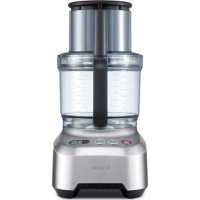
the Sous Chef BFP800XL - Food Processor BREVILLE - Free user manual and instructions
Find the device manual for free the Sous Chef BFP800XL BREVILLE in PDF.


| Brand | Breville |
| Model | the Sous Chef BFP800XL |
| Product type | Food processor |
| Main bowl capacity (dry) | 16 cups (3.8 L) |
| Main bowl capacity (liquid) | 12 cups (2.8 L) |
| Mini bowl capacity | 2.5 cups (0.6 L) |
| Motor power | 1200 W |
| Voltage | 110-120 V ~ 50/60 Hz |
| Bowl material | BPA-free plastic |
| Blade material | Stainless steel |
| Included accessories | S Blade, dough blade, mini blade, mini bowl, adjustable slicing disc (24 positions), reversible shredding disc, julienne disc, fry/stick disc, emulsifying disc, rotating stem, pushers, cleaning brush, spatula, storage box |
| Main functions | Chop, mix, knead, slice, shred, grate, julienne, fries, whip, emulsify, puree |
| Safety | Safety lock lid, feed tube safety system, overload protection, non-slip feet |
| Display | LCD screen with timer (count up and count down) |
| Power cord length | 1.8 m (6 ft) |
| Weight | Approximately 12 kg |
| Care and cleaning | Parts are hand washable or dishwasher safe (top rack). Wipe the motor base with a damp cloth. |
| User manual | 96 pages, available in English |
Frequently Asked Questions - the Sous Chef BFP800XL BREVILLE
User questions about the Sous Chef BFP800XL BREVILLE
0 question about this device. Answer the ones you know or ask your own.
Ask a new question about this device
Download the instructions for your Food Processor in PDF format for free! Find your manual the Sous Chef BFP800XL - BREVILLE and take your electronic device back in hand. On this page are published all the documents necessary for the use of your device. the Sous Chef BFP800XL by BREVILLE.
USER MANUAL the Sous Chef BFP800XL BREVILLE
natural_image
Exterior view of a modern stainless steel Breville blender with control buttons and a clear glass casing (no text or symbols on the device itself)BFP800XL
CONGRATULATIONS
on the purchase of your new Breville Sous Chef™
CONTENTS
4 Breville recommends safety first
7 Know your Breville Sous Chef ™
10 Assembling your Breville Sous Chef ^TM
15 Basic processing techniques
16 Chopping with the S Blade
18 Puréeing with the S Blade ^™
20 Mixing with the S Blade ^™
21 Kneading with the dough blade
22 Mini-bowl function
22 Slicing, shredding and grating with the multi-function discs
26 Whipping with the emulsifying disc
28 Food processing at a glance
32 Processing tips
33 Care, cleaning & storage
36 Troubleshooting
40 Recipes
48 French
BREvILLE RECOMMENdS SAFETY FIRST
We at Breville are very safety conscious. We design and manufacture consumer products with the safety of you, our valued customer, foremost in mind. In addition, we ask that you exercise a degree of care when using any electrical appliance and adhere to the following precautions:
IMPORTANT SAFEGUARDS

READ ALL INSTRUCTIONS
- Carefully read all instructions before operating the appliance for the first time and save for future reference.
- Blades and cutting discs are sharp. Handle them carefully.
- Remove and safely discard any packaging materials and promotional labels before using the appliance for the first time.
• To eliminate a choking hazard for young children, remove and safely discard the protective cover fitted to the power plug of this appliance.
• To protect against electrical shock, do not immerse the power cord, power plug or motor base in water or any other liquid.
- Do not place the appliance near the edge of a bench or table during operation. Ensure the surface is level, clean and free of water. Vibration during operation may cause the appliance to move during use.
- Do not place the appliance on or near a hot gas or electric burner, or where it could touch any other source of heat.
- Do not use on a sink drain board.
• Always make sure the food processor is completely assembled before operating. The appliance will not operate unless properly assembled.
- Ensure the POWER/OFF button has been pressed and the power cord is unplugged from the power outlet before attaching any blade, disc or lid.
- Handle the food processor and attachments with care. Blades and discs are razor-sharp and should be kept out of reach from children.
• Always secure the processing bowl onto the motor base before attaching the blades or discs.
- Do not allow the power cord to hang over the edge of a table or counter, touch hot surfaces or become knotted. Unwind the power cord fully before use.
- Keep hands as well as spatulas and other utensils away from moving blades or discs while processing food, to prevent the possibility of sever personal injury or damage to the food processor. A plastic spatula may be used, but only when the food processor is stopped. Ensure the POWER/OFF button has been pressed to switch the motor off and remove the power cord from the outlet before removing the lid from the processing bowl.
- Avoid contact with moving parts. Never push food down by hand when slicing or shredding. Always use pusher.
• Make sure motor has completely stopped before removing cover.
- Never store any blade or disc on motor shaft. To reduce the risk of injury, no blade or disc should be placed on the shaft except when the bowl is properly locked in place and the processor is in use. Store blades and discs, as you would sharp knives, out of reach of children.
- Be sure cover and feed tube are securely locked in place before operating food processor.
- Never try to override or tamper with cover interlock mechanism.
• Always remove the plug from the power outlet if the appliance is not in use, before attempting to move the appliance, before cleaning, disassembling, assembling and when storing the appliance.
BREvILLE RECOMMENdS SAFETY FIRST
- Do not process cheese in this product. Use a hand held cheese grater for grating cheese. Processing cheese in this appliance will cause damage to plastic parts and will void your warranty.
- Some stiff mixtures, such as dough, may cause the processing blade to rotate more slowly than normal. If this happens, do not process for longer than 1 minute.
- Do not process hot or boiling liquids – allow liquids to cool before placing into the processing bowl.
- Do not move appliance while in operation.
- Do not place any part of the food processor in a microwave oven.
- Do not fill the processing bowl above the 12 cup liquid level (2.8L) or 16 cup dry level (shredding). Always add drier or thicker ingredients to the processing bowl prior to adding fluids.
- Never remove the lid while the appliance is operating. Always use the POWER/OFF or PAUSE buttons to stop the machine before lid removal.
- Care should be taken when removing the food from the processing bowl by ensuring the motor and blade/disc has completely stopped before disassembling. Ensure the POWER/OFF button has been pressed to switch the motor off and unplug the power cord from the power outlet before removing the lid from the processing bowl. The processing bowl should then be unlocked from the motor body and the blade/disc should be carefully removed before attempting to remove the processed food.
- Do not use harsh abrasive, caustic cleaners or oven cleaners when cleaning the appliance.
-
Strictly follow the care and cleaning instructions described in this book.
-
To avoid possible malfunction of work bowl switch, never store the food processor with pusher assembly in locked position.
- This appliance is for household use only. Do not use the appliance for anything other than its intended purpose as described in this book. Do not use outdoors. Do not use in moving vehicles or boats.
- The use of attachments not sold or recommended by Breville may cause fire, electric shock or injury.
- Do not leave the appliance unattended when in use.
- Ensure the motor and bade/disc have completely stopped before disassembling. Ensure the POWER/OFF button has been pressed to switch the motor off and unplug the power cord from the power outlet when not in use, if left unattended and before assembling, cleaning or storing.
- This appliance is not intended for use by young children or infirm persons without supervision. Young children should be supervised to ensure that they do not play with the appliance.
- Regularly inspect the power cord, power plug and actual appliance for any damage. Do not operate if damaged in any way or after the appliance malfunctions. Immediately cease use of the appliance and visit www.Breville.com or call Breville Consumer Service for examination, repair or adjustment.
- For any maintenance other than cleaning, visit www.Breville.com or call Breville Consumer Service.
- This appliance is equipped with a power cord having a grounding wire with a grounding plug. The appliance must be grounded using a 3-hole properly grounded outlet. In the event of an electrical short circuit, grounding reduces the risk of electrical shock.
BREvILLE RECOMMENDS SAFETY FIRST
- If the power outlet is a standard 2-prong wall outlet, it is your personal responsibility and obligation to have it replaced with a properly grounded 3-prong wall outlet.
- Do not, under any circumstances, cut or remove the third (ground) prong from the power cord or use an adapter.
- Consult a qualified electrician if the grounding instructions are not completely understood, or if doubt exists as to whether the appliance is properly grounded.
BREvILLE ASSIST™ PLUG
Your Breville appliance comes with a unique Assist™ Plug, conveniently designed with a finger hole in the power plug for easy and safe removal from the wall outlet. For safety reasons it is recommended you plug your Breville appliance directly into its own electrical outlet on a dedicated circuit separate from other appliances. If the electric circuit is overloaded with other appliances, your appliance may not function properly. Use in conjunction with a power strip or extension cord is not recommended.
SHORT CORd INSTRUCTIONS
Your Breville appliance is fitted with a short power supply cord as a safety precaution to prevent personal injury or property damage resulting from pulling, tripping or becoming entangled with a longer cord. Do not allow children to use or be near this appliance without close adult supervision. Longer detachable power supply cords or extension cords are not recommended but may be used if care is exercised. If an extension cord is used, (1) the marked electrical rating of the cord set or extension cord should be at least as great as the electrical rating of the appliance, (2) the cord should be arranged so that it will not drape over the countertop or tabletop where it can be pulled on by children or tripped over unintentionally and (3) the extension cord must include a 3-prong grounding plug.
FOR HOUSEHOLD USE ONLY SAvE THESE INSTRUCTIONS
KNOW
your Breville Sous Chef™
KNOW yOUR BREvILLE SOUS CHEF™
natural_image
Mechanical gear and pulley component inside a circular frame (no text or symbols)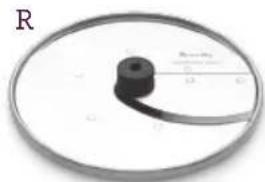
natural_image
Circular object with a black cylindrical component and a curved wire, labeled 'R' in the top-left corner (no other text or symbols)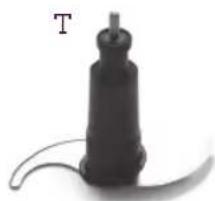
natural_image
Black cylindrical object with a protruding rod and curved base, labeled 'T' in the top-left corner (no other text or symbols)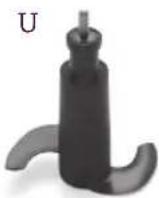
natural_image
Close-up of a mechanical gear and cam component inside a circular frame (no text or symbols visible)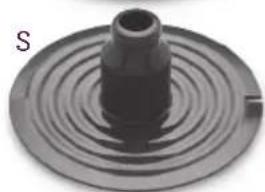
natural_image
Circular mechanical component with concentric rings and a central shaft (no visible text or symbols)
natural_image
Close-up of a mechanical device with three cylindrical components and a transparent casing (no visible text or symbols)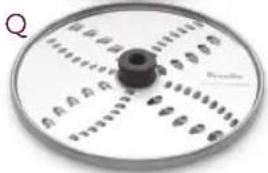
natural_image
Circular mechanical component with evenly spaced teeth and central knob (no visible text or symbols)KNOW yOUR BREvILLE SOUS CHEF™
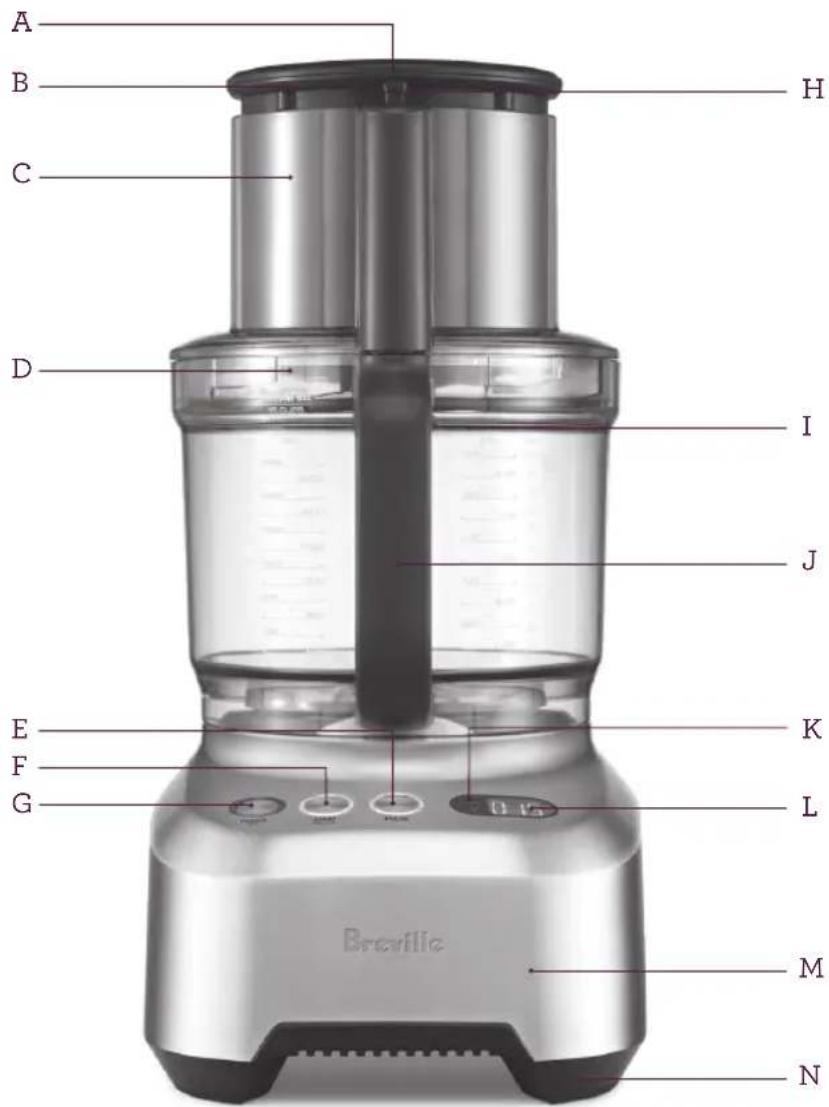
A. Small Food Pusher
for improved processing control of smaller ingredients. It also doubles as a measuring cup for adding/measuring ingredients.
The food processor will run continually whether the small pusher is in or out.
B. Large Food Pusher
for pushing food down the feed chute. The food processor will not start unless the large pusher is in place correctly.
C. Super Wide Feed Chute
D. Processing Lid locks onto the processing bowl.
E. PULSE button
press down and hold briefly for short bursts of power. The motor will automatically stop after the pulse button has been released.
F. START/PAUSE button
G. POWER/OFF button provides power to the food processor unit only. Start/Pause is required to be pressed to start operating the food processor.
H. Feed Chute Safety System prevents the motor from operating unless the bowl, lid and large food pusher are correctly locked in position.
I. Silicone Seal reduces the chance of leakage while processing large volumes of liquid ingredients.
J. Processing Bowl
16 cup bowl for dry ingredients and 12 cups for liquid (wet ingredients). The processing bowl locks onto the motor base.
K. Count-Up & Count-Down Timer used to set desired time required for processing. Can count up or down, stopping the processor once the time is reached in count down mode.
L. LCD Display
displays the timing function.
M. Direct Drive Motor with safety braking system.
N. Non-Skid Rubber Feet for added safety and stability.
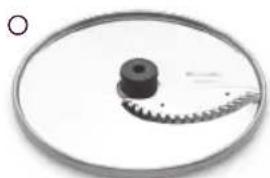
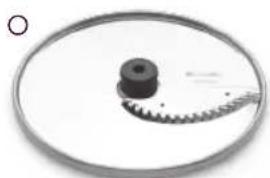
O. Julienne Disc
use this disc for juliennning vegetables.
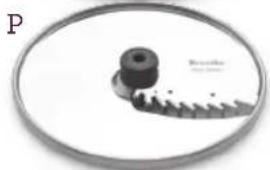
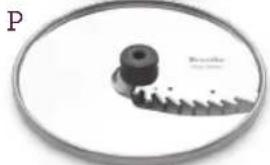
P. French Fry/Vegetable Stick Disc use this disc for french fries or thick cut vegetables.
Q. Reversible Shredding Disc use one side for small/thin shredding and the other side for coarse shredding.
R. Adjustable Slicer
use this disc for slicing ingredients. Able to slice with 24 settings from 0.3mm - 8mm thick.
S. Emulsifying Disc
use this attachment for whisking of eggs and cream.
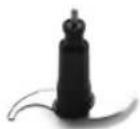
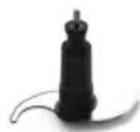
T. Micro-Serrated Universal S Blade™ swift action for chopping, mixing, whipping and blending a variety of ingredients.
U. Dough Blade
blunt blade designed for a softer action of combining dough ingredients.
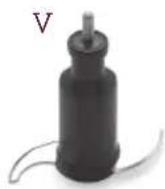
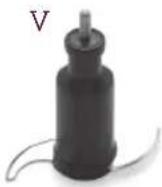
V. Mini Processing Blade
used for chopping, mixing, whipping and blending a variety of ingredients.
W. Disc Spindle
fits onto bowl drive coupling and is used to hold the Adjustable Slicer and discs in position. Use Disc Spindle with Julienne Disc, French Fry/Vegetable Stick Disc, Reversible Shredding Disc, Emulsifying Disc, and Adjustable Slicer.
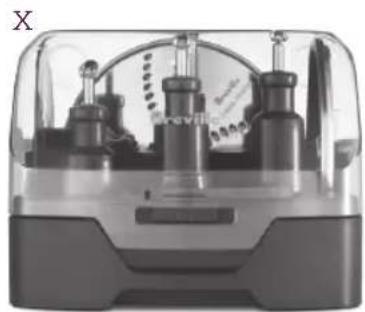
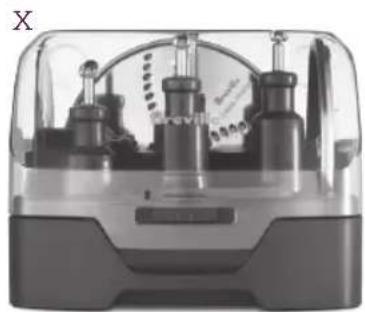
X. Storage Container
used for storing blades and disc when they are not in use.
NOT SHOWN
Cleaning Brush for cleaning the processor bowl, blades and discs. The flat end is designed as a scraper to remove food particles from crevices.
Plastic Spatula for scraping the sides of the processing bowl helping to process ingredients evenly.
2.5 Cup Mini Processing Bowl for processing small volumes of ingredients.
Cord Storage cord can be pushed into the housing to reduce length.
Breville Assist™ Plug ergonomic ring-pull design allows the power plug to be easily removed from the power outlet.
NOTE
Processing bowls and attachments are BPA free.
ASSEMBLING
your Breville Sous Chef™
ASSEMBLING yOUR BREvILLE SOUS CHEF™
BEFORE FIRST USE
Before using your Breville Sous Chef Food Processor, become familiar with all the parts. Remove all packaging materials and promotional labels, being careful when handling the processing blades and discs as they are very sharp. Wash the processing bowl, processing lid and other attachments in warm, soapy water. Rinse and dry thoroughly. (Refer to cleaning, care and storage section).
- Place the motor base on a dry, level work surface. Place the processing bowl on to the motor base with the handle in line with the 'ALIGN HANDLE' graphic on the motor base. (See Figure 1).
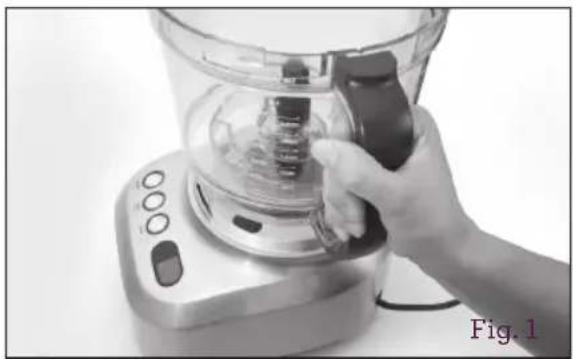
natural_image
Hand operating a clear omelet on a digital kitchen stand (no visible text or symbols)- Turn the processing bowl clockwise until the handle aligns with the 'TURN TO LOCK' graphic. The processing bowl should be securely locked into position. (See Figure 2).
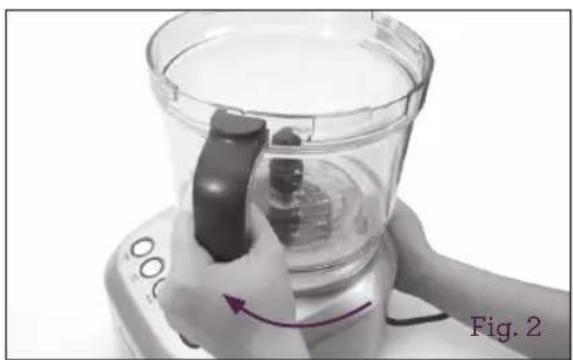
natural_image
Close-up of a hand holding a kitchen appliance with a black tool, showing liquid level and a purple arrow indicating rotation (no text or symbols on the appliance itself)- If using a disc, first assemble the disc spindle onto the bowl drive coupling. Orientate the disc so that the side you wish to use is facing upwards. Hold the disc by the center plastic moulding and position the central hole above the disc spindle. Push down firmly until fitted correctly. (Please note that these discs only fit the larger processing bowl).
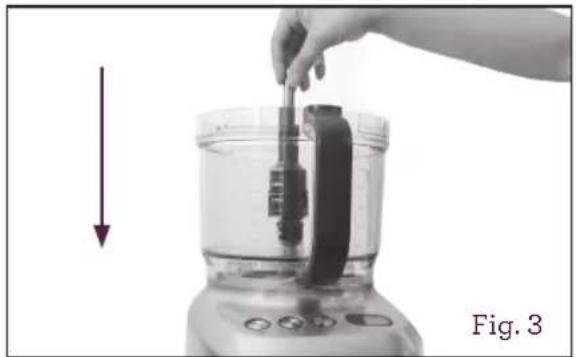
natural_image
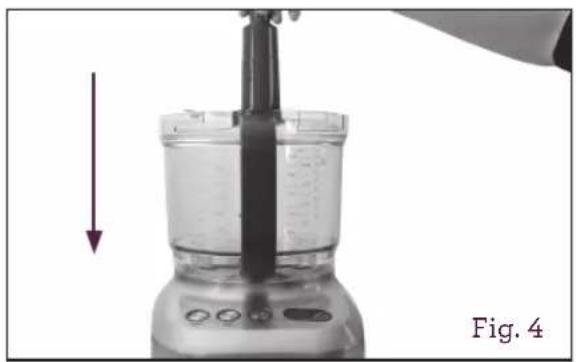
Hand using a kitchen blender to press or adjust a black object, with a downward arrow indicating action (no text or symbols visible)- If using the processing blades, carefully grasp either the S Blade ^™ , dough blade or mini processing blade using the central plastic support and position it over the bowl drive coupling and push down until inserted correctly.
If using the mini processing blade, ensure the mini processing bowl is assembled into the large bowl first.
natural_image
Close-up of a blender with a black tool inserted, showing liquid level and control buttons (no text or symbols visible)ASSEMBLING yOUR BREvILLE SOUS CHEF™
- Place the processing lid onto the processing bowl so the feed chute is slightly right of the bowl handle and the arrow graphics are aligned. Holding the feed chute and pressing down firmly at the same time, turn the lid clockwise (as indicated by the graphic) so the 'Locking Tab' on the lid slots into the 'Interlocking Safety Catch' on the handle. The lid should be securely locked into position.
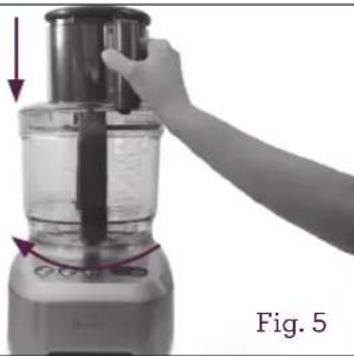
natural_image
Person using a blender to press or adjust the liquid, labeled Fig. 5 (no text on device)NOTE
The food processor will not operate unless both the processing bowl and lid are correctly locked into position.

CAUTION
The processing blades (including the mini bowl blade) and discs are extremely sharp, handle with care at all times.
- Insert the power plug into a 110/120V power outlet.
- Press the POWER/OFF button to turn your food processor on. The red light will illuminate around the POWER/OFF button to indicate that the processor is on. Press the START/PAUSE button to switch the motor on and operate continuously.
NOTE
The food processor will not start unless the large food pusher is inserted correctly into place.
Press the POWER/OFF button to switch the motor off. When short bursts of power are required, press the PULSE button and hold down briefly, release, then press again. The PULSE action will automatically stop when the button is released.
- To set the timer, press the ▲▼ buttons located to the left of the timing window. Time will move up by 5 second intervals, from 0 to 30 seconds. From 30 seconds to 2 minutes the time will increase in 10 second intervals and from 2 minutes to 9.59 minutes the time will increases in 20 second intervals.
NOTE
If a time is not set, the timer will automatically count up during processing.
- Once the time is set, press the START/PAUSE button and the timer will start to count down.
Ensure the large food pusher is inserted correctly into place. The food processor will not start until pusher is in place.
Once the timer has finished, the food processor will stop and go into 'Standby' mode. Three (3) beeps will sound to indicate that the processing is complete.
The processor incorporates a 'Safety Interlock System' that ensures the unit will not start without the large food pusher in position. Processing will stop automatically, once the large food pusher has been removed from the lid. The 'Chute Fill Max' graphic indicates the maximum volume of food to be placed in the chute for the pusher to activate the unit.
ASSEMBLING yOUR BREvILLE SOUS CHEF™
- At the end of processing, always wait until the blades or discs have stopped spinning before unlocking and removing the lid. To remove the processing lid, ensure the POWER/OFF button has been pressed, and the cord is unplugged from the power outlet. Holding the feed chute and pressing down firmly at the same time, turn the lid counter-clockwise so that the arrow graphics are no longer aligned.
NOTE
As a safety feature, the food processor will automatically switch off when the lid is unlocked; however, it is good practice to manually switch off the food processor using the POWER/OFF button before removing the lid.
- Remove the processing bowl (before removing blade or discs) by turning it counter-clockwise until the handle is in line with the 'ALIGN HANDLE' graphic. Lift the bowl off the motor shaft. When removing the discs - carefully remove by gripping the plastic hub on the center of the disc and lifting the disc up and away from the pin on the spindle.
NOTE
Reassemble the food processor by locking the processing bowl into position before attaching blade, disc or lid.
NOTE
Care should be taken when removing the food from the processing bowl by ensuring the motor and processing blade or disc has completely stopped before disassembling. Ensure the POWER/OFF button is pressed to switch the motor off, and unplug the cord from the power outlet before removing the lid from the processing bowl. The processing bowl should then be unlocked from the motor body, then the processing blade or disc should be removed before attempting to remove the processed food.
ASSEMBLING yOUR BREvILLE SOUS CHEF™
OvERLOAD PROTECTION System
If the motor overloads, the food processor will go to 'Standby' mode and the 'OVERLOAD' icon in the LCD will start to flash. The food processor can still be switched off by pressing the POWER/OFF button. To operate the food processor again, allow the machine to cool for approximately 30 minutes.
Some stiff mixtures, such as dough, may cause the dough blade to rotate more slowly than normal. If this happens, do not process for longer than 1 minute.
If the blades or discs should jam while processing, ensure the POWER/OFF button is pressed to switch the motor off and then unplug the power cord from the power outlet. Remove the processing lid and adjust any food wedged between the blade and the processing bowl or in the disc. Replace the lid and proceed as normal. If this occurs again, the processing bowl may be overloaded, so remove some of the food and process in smaller batches.
NOTE
The food processor is designed so the motor will not operate without the processing bowl and lid correctly locked into position and the pusher inserted into the feed chute. In the event that the food processor starts without the lid correctly locked into position, immediately disconnect at the power outlet and contact Breville Customer Service.
BASIC FOOD PROCESSING TECHNIQUES
for your Breville Sous Chef™
BASIC FOOD PROCESSING TECHNIQUES
The food processor can process food in a variety of ways depending on which blade or disc you choose.
CHOPPING WITH THE MICRO-SERRATED S BLADE™
The Micro-serrated universal S Blade™ chops raw and cooked food to the consistency required, from coarsely chopped to minced. For many large processing tasks, the micro-serrated S Blade™ will cut the processing time needed to achieve the desired results. The result depends on the type of food and how long the food is processed. Always remember to place the S Blade™ into the processing bowl before adding the food.
NOTE
To avoid over-processing, check the consistency frequently. For many processing tasks we recommend to use the PULSE button, as it may only take a few seconds to fully process the food to the desired consistency. If necessary, press the POWER/OFF button, unlock the lid and use the spatula to scrape down the sides of the bowl to ensure even processing.
Raw Vegetables, Fruit and Cooked Meats
Trim and cut food into 1 inch (2.5cm) cubes. Process no more than 8 cups at a time using the PULSE button at 1-2 second intervals until chopped to desired size or consistency.
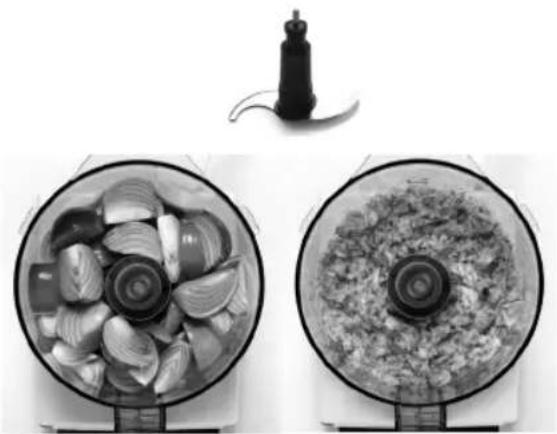
natural_image
Two identical kitchen appliances with food cuts inside, one emitting a lid above the other (no text or symbols visible)Spanish Onion wedges Chopped Spanish Onion
Raw meat, chicken and fish
Trim and cut food into 1 inch (2.5cm) cubes. Ensure all bones are removed. Chill well until firm as this will help to cut through the food more readily. Process no more than 2 1/4 pounds (or 1kg of raw meat for no more than 30 seconds at a time) using the START/PAUSE button until chopped or minced to desired size or consistency.
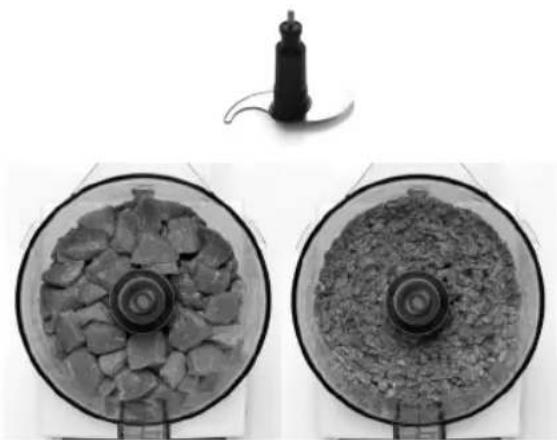
natural_image
Two circular containers filled with granular material, one with a small cylindrical object above it (no text or symbols visible)Cubed Beef Minced Beef
BASIC FOOD PROCESSING TECHNIQUES
Garlic, chili and ginger
For garlic, peel cloves and leave whole. For chili, leave whole (remove seeds for milder chili). For ginger, peel and cut into 1 inch (2.5cm) cubes. Process until chopped to desired consistency. Store chopped garlic or chili mixed with a little vegetable oil in an airtight container in refrigerator for up to 1 week. Mix ginger with a little Sherry. If adding garlic, chili or ginger to other ingredients, drop whole pieces down the small feed chute while the motor is running.
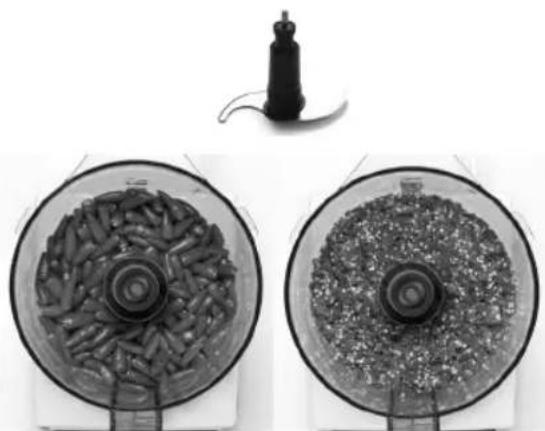
natural_image
Two circular trays with granular contents, one above and one below, with a small container on top (no text or symbols visible)Whole chilies Chopped chilies
Herbs
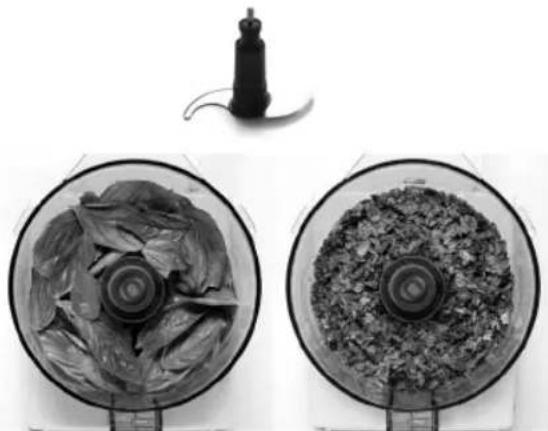
Wash and dry herbs thoroughly. Remove any coarse stems. Process no more than 2 bunches (approx. 4 cups) at a time using the PULSE button at 1-2 second intervals until chopped to desired size or consistency.
natural_image
Two circular trays with leafy contents, one above and one below, each with a black lid (no text or symbols visible)Basil leaves Chopped basil
Nuts
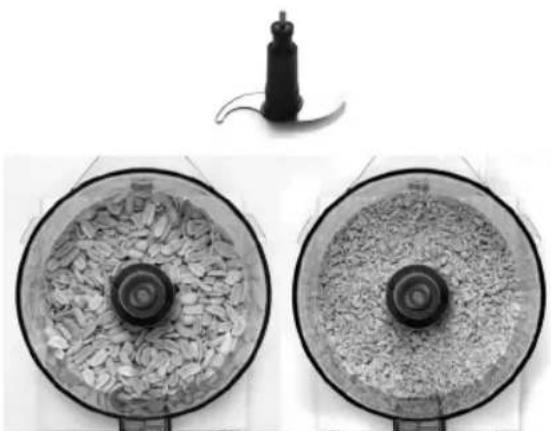
Process no more than 6 cups shelled nuts at a time using the PULSE button at 1-2 second intervals until chopped to desired size.
natural_image
Two circular kitchen utensils with contents, one above showing a lid and the other with granular material (no text or symbols visible)Shelled peanuts Chopped peanuts
Dried fruit
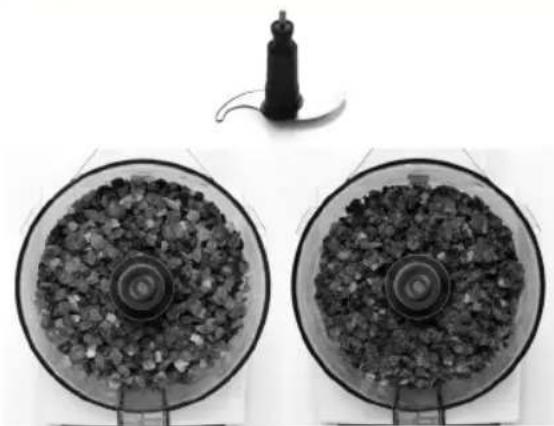
As dried fruit can be sticky, place in freezer for about 10 minutes (this prevents the fruit sticking to the blades). Process no more than 4 cups at a time using the PULSE button at 1-2 second intervals until chopped to desired size or consistency.
NOTE
If chopping fruit to add to cake batter, process the fruit before making the batter, adding a little flour from recipe quantity to prevent fruit from sticking to the S Blade™ processing blade.
natural_image
Two circular trays filled with granular material, one with a small cylindrical object above it (no text or symbols visible)Whole dried fruit Chopped dried fruit
BASIC FOOD PROCESSING TECHNIQUES
Citrus peel
Remove the peel from the fruit using a vegetable peeler and cut into 1 inch (2.5cm) pieces. Process no more than 6 cups at a time together with 12 cup granulated sugar and using the PULSE button at 1-2 second intervals until chopped to desired size.
NOTE
The white pith between the skin and citrus flesh is bitter, so carefully remove the citrus peel ensuring the white pith remains on the fruit.
Hard boiled eggs
After cooking eggs to hard boiled stage, allow to cool then remove shells and cut eggs in half. Process no more than 12 eggs at a time using the PULSE button at 1-2 second intervals until chopped to desired size or consistency.
Soft breadcrumbs
Break stale bread into chunks (fresh bread will stick to blades). Process no more than 6 cups at a time using the PULSE button at 1-2 second intervals until crumbed to desired consistency.
NOTE
For best results when making bread crumbs, add one slice at a time.
Dried breadcrumbs
Tear bread into chunks and toast in oven until golden and crisp. Do not over brown. Process no more than 6 cups at a time using the PULSE button at 1-2 second intervals until crumbed to desired consistency.
Cookie crumbs
Break cookies into quarters, measure quantity and place into processing bowl. Process no more than 6 cups at a time using the PULSE button at 1-2 second intervals until crumbed to desired consistency.
NOTE
Sweet or savory cookies crumbs can be used as an alternative to pastry for sweet or savory pies.
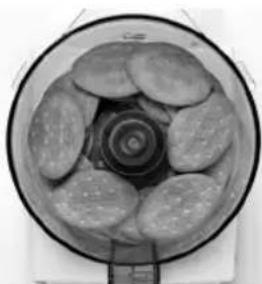
natural_image
Top-down view of a circular container with six food items, possibly cheese or vegetables, arranged in a ring (no text or symbols visible)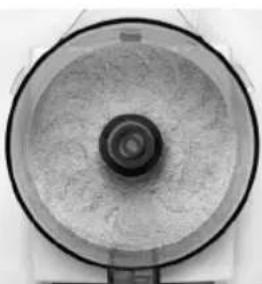
natural_image
Close-up of a circular mechanical component with concentric rings and central bore (no visible text or symbols)Whole cookies Cookie crumbs
Cake crumbs
Cut cake into small pieces, measure quantity and place into processing bowl. Process no more than 6 cups at a time using the PULSE button at 1-2 second intervals until crumbed to desired consistency.
PURÉERING WITH THE MICRO-SERRATED S BLADE™
The S Blade ^™ purées raw and cooked food to the consistency required, including baby food. For many large processing tasks, blades will cut the processing time needed to achieve the desired results. Always remember to place the S Blade ^™ into the bowl before adding the food.
BASIC FOOD PROCESSING TECHNIQUES
NOTE
After puréeing the food, carefully remove the S Blade ^™ and use the spatula to scrape any food adhering to the blade and the processing bowl.
Cooked vegetables
Peel and cut vegetables into 1 inch (2.5cm) cubes. Ensure vegetables are well cooked and softened before processing. Process no more than 10 cups at a time using the START/PAUSE button until food is puréed to desired consistency.
NOTE
After processing vegetables, add stock through the small feed chute, if necessary, to make a smoother purée.
Creamed vegetable soups
Use same process as for cooked vegetables above then with motor running, gradually add no more than 4 cups stock and cream or milk through the small feed chute. Do not exceed 'Liquid Max' level.
Cooked meat and patés
Trim and cut cooked meat into 1 inch (2.5cm) cubes. For chicken liver paté, leave livers whole. Process no more than 2 ^1/4 lbs (1kg) for no more than 30 seconds the START/PAUSE button until puréed to desired consistency. For paté, add cream through the small feed chute while motor is running.
NOTE
Add pan juices during processing if mixture becomes too stiff.
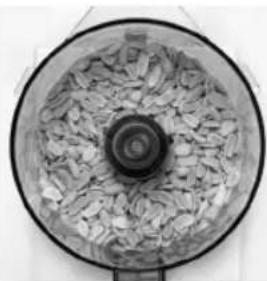
Peanut butter
Process shelled peanuts, no more than 6 cups at a time, using the START/PAUSE button until puréed to desired consistency. Note: mixture will form into a ball.
NOTE
2 cups peanuts will yield approximately 1 cup peanut butter. The natural oil in the butter will separate on standing. Stir before use.
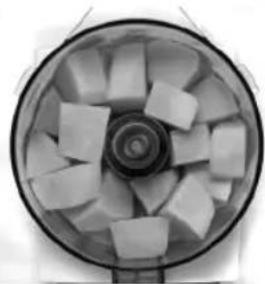
natural_image
Top-down view of a circular fan with six blades, no text or symbols visible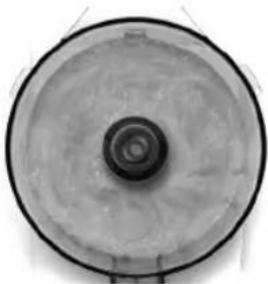
natural_image
Top-down view of a circular mechanical component with concentric rings and central bore (no text or symbols visible)Cooked pumpkin Puréed pumpkin
natural_image
Top-down view of a circular container filled with dried herbs or leafy greens, no text or symbols visible.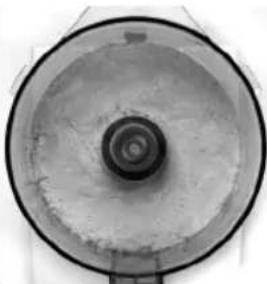
natural_image
Top-down view of a circular mechanical component with a central spiral and textured surface (no text or symbols visible)Shelled peanuts Peanut butter
BASIC FOOD PROCESSING TECHNIQUES
Fresh fruit
Peel and cut fruit into 1 inch (2.5cm).
Ensure any seeds or stones are removed. For hard or firm fruit such as apples and pears, cook until soft before processing. Process no more than 6 cups at a time using the START/PAUSE button until puréed to desired consistency.
Baby food
Trim and cut cooked food (meat and/or vegetables) into 1 inch (2.5cm) cubes. Process no more than 8 cups at a time using the START/PAUSE button until puréed to desired consistency.
NOTE
Add stock, milk or gravy during processing if mixture becomes too stiff. If required, freeze excess mixture in ice-cube trays, then repack in freezer bags ready for use.
MIXING WITH THE MICRO-SERRATED S BLADE™
The S Blade™ mixes ingredients for cakes, batters, and egg-based sauces such as mayonnaise. Always remember to place the S Blade™ into the processing bowl before adding the food.
Butter cake (Pound cake)
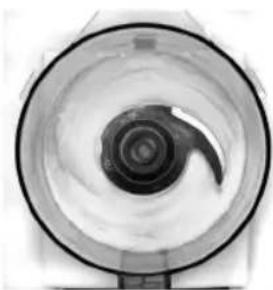
Place softened butter and sugar into the processing bowl. Process using the START/PAUSE button until mixture is lightly creamed. With the motor running, add eggs one at a time down the small feed chute, mixing well after each addition. Add liquid and dry ingredients to the mixture in the processing bowl and process using the PULSE button until folded through evenly. If necessary, interrupt the processing, remove the lid and scrape the mixture from the sides of the bowl with a spatula. Replace the lid and if adding dried fruit, nuts, etc., use the PULSE button until folded through evenly.
natural_image
Circular object with a spiral pattern, possibly a mechanical or optical component (no visible text or symbols)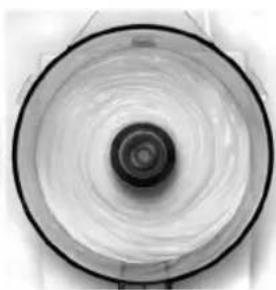
natural_image
Circular object with concentric rings, resembling a disc or fan (no text or symbols visible)Creamed butter & sugar Buttercake batter
Quick-mix cakes and batters
Use this method for melt 'n mix cakes, packet cakes and crêpe batters. Place all ingredients (starting with the liquid ingredients) into the processing bowl ensuring not to exceed MAX liquid level.
Process using the START/PAUSE button until mixed to a smooth consistency. If necessary, interrupt the processing, remove the lid and scrape the mixture from the sides of the bowl with a spatula. Replace the lid and continue, be sure not to over process the mixture.
Cookie dough
Insert the S Blade™ into the processing bowl. Place softened butter and sugar into the processing bowl. Process using the START/PAUSE button until lightly creamed. With the motor running, add eggs one at a time down the small feed chute, mixing well after each addition. Place dry ingredients into the
BASIC FOOD PROCESSING TECHNIQUES
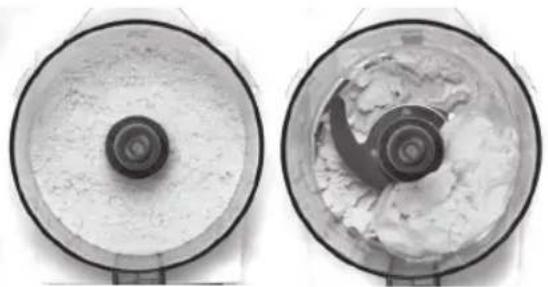
processing bowl and use the PULSE button until ingredients are just combined. Add dried fruit, nuts, etc. through the small feed chute and use the PULSE button until the additions are folded through evenly.
natural_image
Two circular kitchen utensils showing a lid and a spiral-shaped object inside, with no visible text or symbols.Flour and butter Pastry dough
Melt 'n mix cookies
Insert the S Blade™ into the processing bowl. Place melted ingredients, followed by liquid ingredients then dry ingredients into the processing bowl. Process ingredients using the PULSE button until just combined. If necessary, interrupt the processing, remove the lid and scrape the mixture from the sides of the bowl with a spatula. Replace the lid and continue but do not over-process the mixture. Add dried fruit, nuts etc. after this step using PULSE button until folded through evenly.
Sorbet
Using the S Blade ^™ , place ripe fruit and sugar syrup into the processing bowl and process until smooth. Transfer this mixture to a plastic dish and freeze until just starting to set. Return frozen mixture to the processing bowl and using the S Blade ^™ , process using the PULSE button until smooth. Return mixture to freezer as before and repeat this process 2-3 times to break down large ice crystals. Using the emulsifying disk, beat egg whites until foamy (see 'Egg Whites', pg 27).
Add frozen fruit purée to egg white foam and process using PULSE button until folded through evenly. Freeze until ready to serve.
Dips and spreads
Using S Blade™ place ingredients into the processing bowl and process using the START/PAUSE button until ingredients are mixed to desired consistency. If necessary, during processing remove the lid and scrape the mixture from the sides of the bowl with a spatula.
KNEADING WITH THE DOUGH BLADE
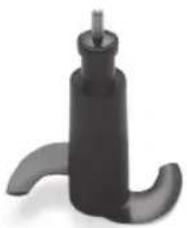
The edges of the plastic blade provide a softer action for combining dough ingredients.
natural_image
Black mechanical component with curved ends and a central shaft (no text or symbols visible)Pastry dough
Insert the dough blade into the processing bowl. Place flour and cubed, chilled butter into the processing bowl. Do not process a mixture with more than 6 cups/700g flour. Process using the PULSE button until the butter is absorbed into flour. While motor is running, quickly add liquid through the small feed chute, processing until mixture forms a ball of dough.
Bread dough
Insert the dough blade into the processing bowl. Use instant active dry yeast and include with the dry ingredients in the processing bowl. Do not process a mixture with more than 5 cups/700g flour. Add softened, cubed butter and process using the START/PAUSE button until the butter is absorbed into the flour. If using oil, with the
BASIC FOOD PROCESSING TECHNIQUES
motor running, add the oil through the small feed chute and process until the mixture forms a soft, elastic ball of dough. Do not over process.
Transfer the dough to a lightly floured surface and knead for a further 5 minutes if necessary until soft and pliable. Place dough into large, greased mixing bowl and stand covered in a warm place until doubled in size. Turn the dough onto a lightly floured surface and knead again until smooth and elastic. Shape the dough, allow to rise in a warm area then bake in a hot oven.
NOTE
The dough blade should be used for yeast doughs and doughs that require kneading.
MINI-BOWL FUNCTION
natural_image
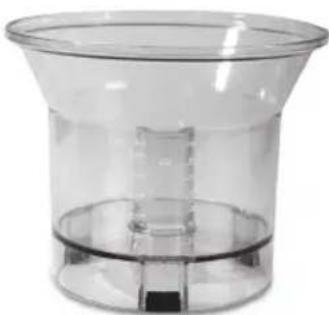
Clear glass funnel-shaped container with a small rectangular object inside, no visible text or symbolsThe mini processing bowl can be positioned inside the main processing bowl and is used for processing small food quantities.
A mini processing blade is provided which fits inside the mini bowl and can be used for chopping, mixing, whipping and blending a variety of foods.
SLICING, SHREDDING AND GRATING WITH THE DISCS
Slicing with the Adjustable Slicing Disc
natural_image
Circular object with a black cylindrical component and a curved wire, no visible text or symbolsNOTE
Use adjustable Slicing Disc with Disc Spindle.
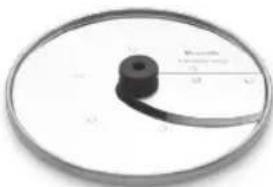
The adjustable slicer disc slices raw fruit and vegetables to a consistent thickness, with 24 settings from fine (0.33mm) to thick (8.0mm).
For many large processing tasks, the adjustable slicing disc will cut the processing time needed to achieve the desired results. The result depends on the type of food and how the food is positioned into the feed chute.
For smaller foods, the small feed chute provides greater control for adjustable slicing.
To adjust slicing height, hold the adjustable slicing disc outer edge with one hand, turn the adjustment dial on the underside of the disc to set the height. An arrow graphic indicates the height to which the blade is set. Place the adjustable slicer on the disc spindle in the processing bowl. Close the lid and insert the large pusher to operate.
NOTE
There may be slight variation in slice thickness depending on the food being processed and force applied with the feed chute pusher.
BASIC FOOD PROCESSING TECHNIQUES
Do not overfill the feed chute before slicing. The pusher will not activate the unit if the chute is overfilled. A MAX level graphic indicates the maximum fill level.

WARNING
Adjustable Slicing Disc blade is sharp, keep hands away from the blade.
NOTE
Placing items to the far left in the large feed chute provides stability and helps to make more accurate slices.
Shredding and Grating with the Reversible Shredding Disc
natural_image
Close-up of a circular mechanical dial with evenly spaced teeth and a central knob, no visible text or symbols.NOTE
Use adjustable Slicing Disc with Disc Spindle.
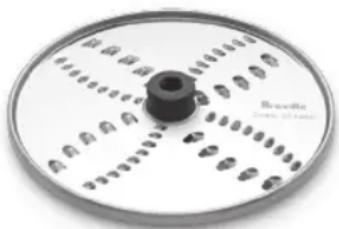
Both thick and thin grating can be achieved by using the coarse/fine shredding disc. Use one side of the disc for coarse shredding and the other side for fine shredding. Carefully turn over the disc so that the process required is facing upwards.
Slicing and shredding
- Place the desired cutting disc onto the disc spindle in the processing bowl.
- Prepare food as directed in the following food categories or recipes.
- Pack food into the feed chute as directed in the following food categories. For smaller size food leave the large pusher in place and use the small pusher instead. The food should fit snugly so it is supported upright in the feed chute, but not so tight that it prevents the food from easily moving down the feed chute when guided by the food pusher.
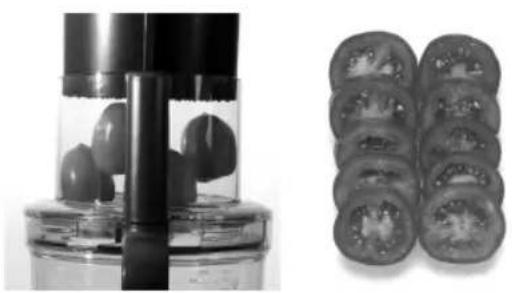
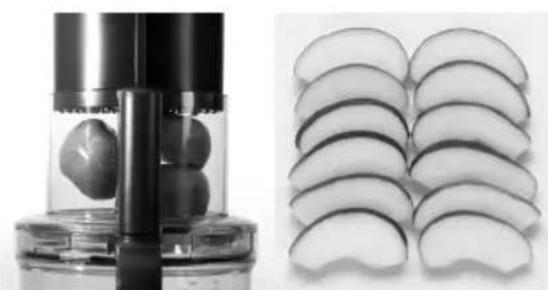
- Process using the START/PAUSE button while at same time, gently guiding the food down the feed chute using the food pusher. Never force the food down as this will damage the discs. Apply light pressure for soft foods such as tomatoes and bananas; medium pressure for firmer foods such as potatoes and apples; and firm pressure for hard foods such as deli meats and salami.
BASIC FOOD PROCESSING TECHNIQUES
- Repeat this process until all food has been sliced, shredded or grated.
Round fruit and vegetables
Prepare fruit or vegetables by washing or peeling, and coring or seeding (if necessary). For small fruit and vegetables (e.g. kiwi fruit, roma tomatoes), trim one end so the food sits flat in the feed chute.
For large fruit and vegetables (e.g. apples), cut in half (if required) to fit in the feed chute. Pack into the feed chute from left to right with the adjustable slicing disc at the slot number required for the desired thickness.
natural_image
Black-and-white photo showing a mechanical press with black spherical objects inside a transparent container, alongside a close-up of sliced tomatoes (no text or symbols visible)Tomatoes in chute Sliced tomatoes
natural_image
Two-panel image: left shows a mechanical device with spherical objects, right shows stacked cylindrical samples (no text or symbols)Apples in chute Sliced apples
Long fruit and vegetables
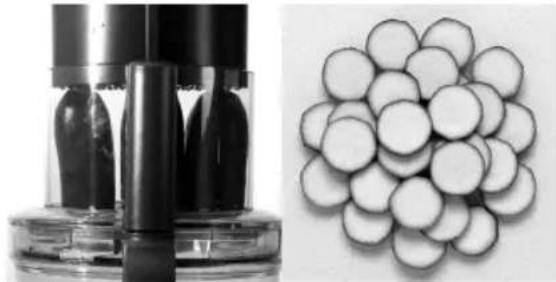
Prepare fruit or vegetables by washing or peeling. First cut the food to fit the length of the feed chute (no more than 5 ½ inches; (14cm). If food fits without the need to cut, trim one end so that it sits flat in feed chute or the food should be able to lie on the side if you require a long thin slice of vegetable or fruit.
Pack food vertically or horizontally, into the feed chute with cut side facing disc.
The small feed chute can be used for long vegetables such as carrots and zucchini.
natural_image
Two black-and-white images: left shows a cylindrical container with three vertical tubes, right shows a pile of round white particles (no text or symbols)Zucchini in chute Sliced zucchini
! WARNING
When slicing and shredding, always use the food pusher to guide food down the feed chute. Never put your fingers or spatula into the feed chute. Always wait for the disc to stop spinning before removing the lid.
Leafy vegetables
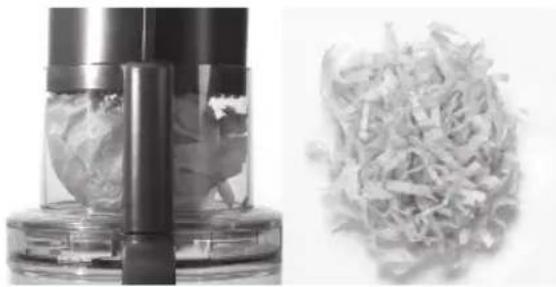
For cabbage, wash and shake off excess water. Cut into wedges to fit feed chute. For lettuce, separate leaves, wash and dry thoroughly, then roll up and pack vertically into feed chute. Slice or shred.
BASIC FOOD PROCESSING TECHNIQUES
NOTE
Slicing or shredding is not recommended for spinach. To process spinach, wash and dry thoroughly, tear into pieces and use mini chopping blade or S Blade ^TM .
natural_image
Close-up of a food processor with glass lid and side view of shredded vegetable (no text or symbols visible)Lettuce in chute Sliced lettuce
deli meats
Cut the meat to fit the length of the feed chute (no more than 5 ½ inches (14cm)). Pack into the feed chute with the cut side facing disc.
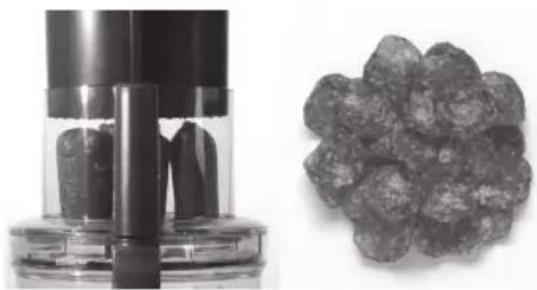
natural_image
Two black-and-white images: a cylindrical container with internal components and a cluster of irregular dark granular material on the right (no text or symbols visible)Salami in chute Sliced salami
Raw meat
Partially freeze trimmed meat that has been cut to fit the feed chute until firm. Recommended cuts: pork and lamb fillet, thickly cut boneless sirloin. Pack into the feed chute vertically. Slice.
Chocolate
Break block of chocolate into pieces. Chill until firm. Pack into the small feed chute. Shred.
JULIENNE dISC
natural_image
Close-up of a mechanical gear and shaft component inside a circular frame (no text or symbols visible)NOTE
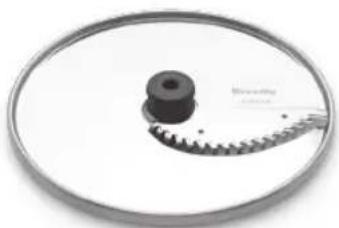
Use Julienne Disc with Disc Spindle.
The Julienne disc is positioned on the disc spindle in the main processing bowl and cuts food into long thin strips. Common items to be julienned include carrots, zucchini, potato and celery. For longer strips, use the large feed chute and lie the foods down horizontally. For shorter “match stick” size strips use the small feed chute and pusher.
BASIC FOOD PROCESSING TECHNIQUES
FRENCH FRy/vEGETABLE STICK dISC
natural_image
Close-up of a mechanical component with a circular frame and textured surface (no visible text or symbols)NOTE
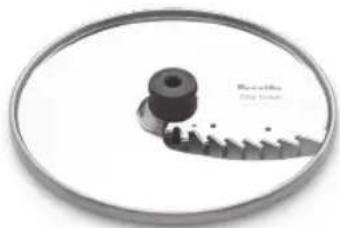
Use French Fry/Vegetable Disc with Disc Spindle.
The french fry/vegetable stick cutting disc is positioned on the disc spindle in the main processing bowl and cuts food into long chunky lengths. This disc is used primarily for potatoes, however, a variety of foods can be used for this application. If using large potatoes, lie them down in feed chute for extra long strips.
For best results, position the pusher so that firm pressure is applied onto the food to be processed.
Press the START/PAUSE button.
NOTE
When processing with the french fry disc, the last piece of each food processed may become caught in the cutting blade. This is normal, however, the disc could become unbalanced. To reduce vibration we recommend the pusher is quickly removed from the feed chute after each piece of food is processed so the motor stops quickly. Insert the next piece of food and repeat the process.
With some foods it may be necessary to remove the lid. Remove the disc from the bowl, and clear the lodged food before proceeding.
WHIPPING WITH THE EMULSIFYING dISC
natural_image
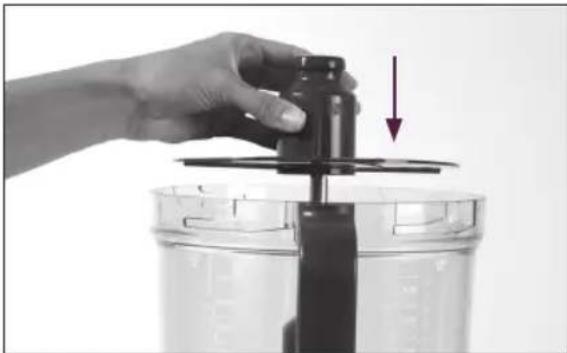
Hand using a black lever to lift a cylindrical container, with a red arrow indicating the process (no text or symbols visible)The emulsifying disc is positioned on the disc spindle in the main processing bowl and is used to aerate ingredients.
NOTE
When using the emulsifying disc, insert the disc spindle before adding ingredients.
Egg whites
Ensure the processing bowl and emulsifying disc are clean, dry and free of any fat residue.
Place a minimum of 6 egg whites and a pinch of salt into the processing bowl. Process using the START/PAUSE button until egg whites are foamy (about 1 minute). With the motor running, slowly add 1 tablespoon lemon juice through the small small feed chute to help stabilize the egg white foam.
NOTE
The foamed egg whites are not recommended for making meringue (refer to processing tips).
BASIC FOOD PROCESSING TECHNIQUES
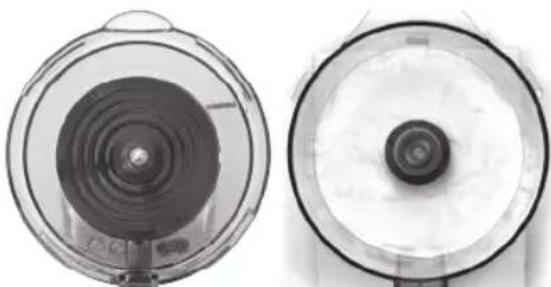
natural_image
Two views of a cylindrical device with internal components, one showing concentric rings and the other showing a central circular component (no text or symbols visible)Egg whites Egg white foam
NOTE
When using the emulsifying disc, insert the disc into the processing bowl before adding ingredients.
Milkshakes
Place milk, flavorings and ice-cream into the processing bowl and using the emulsifying disc, process using START/PAUSE button until frothy. To reduce the risk of leaks, do not use more than 3 ^1/4 cups of liquid when processing Milkshakes using the emulsifying disc.'
Whipped cream
Place 2½ cups (600ml) well-chilled cream into the processing bowl and using the emulsifying disc, process using the PULSE button until whipped to desired consistency.
Egg sauces
(Mayonnaise, Hollandaise, Bearnaise)
Using the emulsifying disc, place a minimum of 6 egg yolks or 4 whole eggs into the processing bowl with seasonings and vinegar. Process using START/PAUSE button until mixture is light and creamy (about 2 minutes).
For Mayonnaise: using the S Blade, with the motor running, slowly add oil through the small feed chute until mixed to desired consistency. Do not exceed 'Liquid Max' level.
For Hollandaise or Bearnaise: using the emulsifying disc, with the motor running, slowly add warm, melted butter through the small feed chute until mixed to desired consistency. Do not exceed 'Liquid Max' level.
FOOD PROCESSING AT A GLANCE
for your Breville Sous Chef™
FOOD PROCESSING AT A GLANCE
For more information about preparation of food and how to process, refer to basic processing techniques. For specific recipes, refer to the recipe section.
| FOOd BLAdE TyPE | ADJUSTABLE SLICING | dISC THICKNESS | RECOMMENdEd dISC TyPE |
| Avocado S BladeTM or mini bladeUse: Guacamole | 2 - 5 | ||
| Asparagus (cooked) S BladeTM or mini bladeUse: Asparagus dip | |||
| Beets 2 - 5 Shredding | Use: Salad | ||
| Broccoli (cooked) S BladetM Use: Broccoli soup | |||
| Butternut Squash S BladetM or mini bladeUse Butternut Squash soup | |||
| Cabbage Thin 1-2 and med 2-3 | Use: Accompaniment | ShreddingUse: Salad | |
| Carrot S BladeTM or mini bladeUse: Vegetable soup | 0 - 5 Shredding | Use: Salad | |
| Cauliflower (cooked) S BladeTM or mini bladeUse: Cauliflower soup | |||
| Celery S BladeTM or mini bladeUse: Vegetable soup | Thin 1-2 med 2-3Use: Salad | ||
| Chili Pepper | S BladeTM or mini bladeUse: Seasoning | ||
| Eggplant | S BladeTM or mini bladeUse: Accompaniment, soups | 2 - 5Use: Grilled eggplant | Shred or JulienneUse: Accompaniment to dishes |
| Garlic | S BladeTM or mini bladeUse: Seasoning | 0-2Use: Garlic chips | |
| Ginger | S BladeTM or mini bladeUse: Seasoning | ||
| Herbs | S BladeTM or mini bladeUse: Seasoning pesto | ||
| Leeks (cooked) | S BladeTM or mini bladeUse: Cooked for soups | 2-5Use: Vegetable soup | |
| Lettuce | 2-4Use: Salad | ||
| Mushrooms (raw) | S BladeTM or mini bladeUse: Vegetable soup | 4-6 Use: Salad, vegetable soup, mushroom sauce, mushroom soup | |
| Mushrooms (cooked) | S BladeTM Use: Mushroom soup | 4-6 Use: Salad, vegetable soup, mushroom sauce, mushroom soup | |
| Onion | S BladeTM or mini bladeUse: Soups, sauces | 0-5Use: Salad | |
| Parsnip | S BladeTM or mini bladeUse: Vegetable soup, parsnip puree | 2-5Use: Vegetable lasagna | |
FOOD PROCESSING AT A GLANCE
| FOOd BLAdE TyPE | ADJUSTABLE SLICING | DISC THICKNESS | RECOMMENdEd dISC TyPE |
| Parsnip (cooked) S BladeTM | Use: Accompaniment | ||
| Peas (cooked) S BladeTM | or mini bladeUse: Accompaniment, baby food | ||
| Potatoes 0.5 - 6 | Use: Potato au Gratin | French Fry / Julienne / ShredderUse: French fries, hash browns | |
| Potatoes (cooked) S BladeTM or mini bladeUse: Mash potato | |||
| Pumpkin S BladeTM or mini bladeUse: Pumpkin frittata | 3-6Use: Pumpkin sliced salad | Shredder - Coarse or fineUse: Salad | |
| Pumpkin (cooked) S BladeTM or mini bladeUse: Mash pumpkin, pumpkin soup, pumpkin scones | 3-6Use: Pumpkin sliced salad | ||
| Spinach S BladeTM or mini bladeUse: Accompaniment | |||
| Spinach (cooked) S BladeTM or mini bladeUse: Creamed spinach" | |||
| Tomatoes S BladeTM or mini bladeUse: Salsa | 2-5Use: sandwich filling, caprese salad, tomato relish | ||
| Turnip S BladeTM or mini bladeUse: Vegetable soup | |||
| Zucchini 3-6 | Use: Accompaniment, zucchini slice, gratin | Shredder - Coarse or fineUse: Salad, frittata | |
| Apple S BladeTM or mini bladeUse: Apple sauce | 2-5Use: Apple pie | ||
| Apple (cooked) | S BladeTM or mini bladeUse: Baby food | 4-6Use: Fruit salad | |
| Banana | S BladeTM or mini bladeUse: Dessert sauces | ||
| Berries | S BladeTM or mini bladeUse: Fruit salad, fruit coulis | ||
| Citrus Fruit | S BladeTM or mini bladeUse: Fruit mince | ||
| Citrus Peel | S BladeTM or mini bladeUse: Fruit mince | ||
| Dried Fruit | S BladeTM or mini bladeUse: Fruit salad, dessert sauce | ||
| Kiwi fruit S BladeTM or mini bladeUse: Fruit salad, dessert sauce | 4-6Use: Dessert decoration |
FOOD PROCESSING AT A GLANCE
| FOOd BLAdE TyPE | ADJUSTABLE SLICING | DISC THICKNESS | RECOMMENdEd dISC TyPE |
| Mango S BladeTM or mini bladeUse: Fruit salad, dessert sauce | |||
| Melon (Honeydew/cantaloupe) | S BladeTM or mini bladeUse: Fruit salad | ||
| Pear S BladeTM or mini bladeUse: Fruit salad | 4-6Use: Pear pie | ||
| Pear (cooked) S BladeTM | or mini bladeUse: Baby food | ||
| Pineapple S BladeTM or mini bladeUse: Fruit salad | 2-5Use: Sliced pineapple rings, pineapple upside down cake | ||
| Stone Fruit (Apricot, nectarine, peach, plum) | S BladeTM or mini bladeUse: Fruit salad, dessert sauce | ||
| Strawberries S BladeTM | or mini bladeUse: Fruit salad, dessert sauce | 2-5Use: Strawberry pancakes, fresh fruit tart | |
| Batters S BladeTM | Use: Cakes, pancake, waffle batter | EmulsifyingUse: Cakes, muffins, crepes | |
| Breadcrumbs S BladeTM | or mini bladeUse: Coatings, breadcrumb stuffing | ||
| Chocolate S BladeTM or mini bladeUse: Chocolate ganache | Shredder - Coarse or fineUse: Dessert decoration | ||
| Cream Cheese S BladeTM | or mini bladeUse: Dips, cheese cake | ||
| Doughs Dough | Use: Pastry, dough | ||
| Egg Whites Emulsifying | Use: Egg foams (not recommended for meringue) | ||
| Eggs (hard boiled) | S BladeTM or mini bladeUse: Sandwich filling, deviled eggs | 2-5Use: Sandwich filling | |
| Eggs (whole or yolks) | EmulsifyingUse: Mayonnaise | ||
| Meat (raw) | S BladeTMUse: Meatloaf, burgers , meatballs | ||
| Meat (cooked) | S BladeTMUse: Sandwich fillings, pate, baby food | ||
| Meat (deli) | 1-6Use: Sandwiches, antipasto, pizza toppings |
FOOD PROCESSING AT A GLANCE
PROCESSING TIPS
- Do not fill the processing bowl above the liquid 'Liquid Max' for wet ingredients. Always add drier or thicker ingredients to the processing bowl prior to adding fluids.
• To avoid over-processing when coarsely chopping food, frequently check consistency. Use the spatula to scrape down the sides of bowl to ensure an even texture.
- If chopping fruit to add to cake batter, process before making batter, adding a little flour from quantity recommended in recipe to prevent fruit from sticking to blades.
- When crumbing bread for stuffing, use stale bread as fresh bread sticks to blades.
- Add liquid to puréed foods after processing.
- Use the small feed chute when adding liquid to processed mixtures.
- Peanut butter made in the food processor will separate on standing. Stir just before use.
- When processing a variety of ingredients, it is not necessary to remove them after each addition, unless they exceed the MAX level marking.
- When mixing dry and wet ingredients, the mixture will process more evenly if the wet ingredients are placed in the bowl preceding the dry ingredients.
- Egg white foams used for aerating mixtures such as fruit sorbet, work successfully. A minimum of 6 egg whites is recommended. It is recommended to use the emulsifying disc to maximize the effect.
- Beating egg whites for meringue requires lengthy beating to dissolve the sugar and entrap the air. It is not recommended to use the emulsifying disc for best results.
- Before slicing and shredding, trim the food to fit the feed chute. Do not overfill beyond the 'Chute Fill Max' indicator.
- Before slicing and shredding softer structured foods (such as meat), partially freeze until just firm.
CARE, CLEANING & STORAGE
of your Breville Sous Chef™
CARE, CLEANING & STORAGE
CARE AND CLEANING
When finished processing, remove the power cord from the power outlet.
Motor base
Wipe the motor base with a clean, damp cloth after each use. Dry thoroughly with a soft, clean cloth.
Processing bowl and lid
Hand wash in hot, soapy water using a mild detergent. Do not use a scouring sponge or pad or abrasive cleaners as they will scratch the plastic surface. The plastic parts may occasionally be washed in the dishwasher (top shelf only). It is not recommended on a regular basis, as prolonged exposure to hot water temperatures and harsh detergents will damage and shorten the life of the plastic.
NOTE
The silicone seal is dishwasher safe and can be left on the processing lid during cleaning.
S Blade ^™ mini processing blade, dough blade and discs
Hand wash the bowl and lid. Use the cleaning brush accessory to scrub stubborn foods off the blades and discs. The handle end of the brush is designed for scraping. To avoid accidental cuts, do not leave S Blade ^™ or discs to soak in sudsy water. The S Blade ^™ , dough blade, discs and disc spindle can also be washed in the dishwasher (top shelf only).
Food stains and odors
Foods such as carrot may leave a stain on plastic parts while other foods such as garlic may leave a strong odor. To remove either, soak the parts for 5 minutes in 2 liters of water with 12 cup lemon juice added. Rinse and wash as normal.
STORAGE
- Ensure the food processor is switched off and the power cord is unplugged.
- Ensure all parts of the food processor are clean and dry.
- Carefully grasp the S Blade™ using the disc spindle. The S Blade™ and mini processing blade, should be stored in the storage box when not in use. The mini processing bowl can be stored inside the main processing bowl when not in use.
- Place the lid on top of the processing bowl but DO NOT turn clockwise to the locked position to store as unnecessary strain will be placed on the operating and safety switches on the processing bowl and the motor base.
- Place the large food pusher, with the small food pusher inserted, into position in the feed chute.
- Place the discs in the storage container and store in a safe place out of the reach of children to avoid accidental cuts. It is not recommended to store the discs in a drawer with other utensils.
NOTE
The large french fry disc must be placed in the back slot in the storage container.
NOTE
The accessories storage container can stand upright on its back to save cupboard space. Make sure it is fully snapped closed.
- Store your Food Processor upright on the kitchen bench or in an easily accessible cupboard.
- Do not place or store anything on top of the food processor.
CARE, CLEANING & STORAGE

WARNING
The processing blades and discs are extremely sharp, handle with care at all times.
Never immerse the motor base, power cord or power plug in water or any other liquid.
Never store your food processor with the bowl fixed and lid locked into position. Doing so will cause unnecessary strain on the auto operating switch on the handle of the processing bowl and the automatic safety switch on the motor base.
Do not put any part of the food processor in the microwave oven.
TROUBLESHOOTING
TROUBLESHOOTING
| PROBLEM EASY SOLUTION | |
| Food is unevenly processed | · Ingredients should be cut evenly into 1 inch (2.5cm) pieces before processing. · Ingredients should be processed in batches to avoid overloadin |
| Slices are slanted or uneven. | · Place evenly cut food into the feed chute. · Apply even pressure on the pusher. |
| Food falls over in the feed chute | · The large feed chute must be packed full for best results. If processing smaller quantities, place items to the far left in the feed chute, or use the small feed chute. |
| Some food remains on top of the disc after processing | · It is normal for small pieces to remain after processing. |
| Motor slows down when kneading dough | · Amount of dough may exceed maximum capacity. Remove half and process in two batches. · Dough may be too wet (see next page). If motor speeds up, continue processing. If not, add more flour, 1 tablespoon at a time until the motor speeds up. Process until dough cleans the side of the processing bowl. |
| Dough blade doesn’t fully incorporate ingredients | · When kneading dough, always start the food processor before adding liquid. Add liquid in a slow, steady stream, allowing the dry ingredients to absorb it. If too much liquid is added, wait until ingredients in the processing bowl have mixed, then add remaining liquid slowly (do not turn off the machine). Pour liquid onto the dough as it passes under the feed chute opening; do not pour liquid directly onto the bottom of the processing bowl. |
| Dough doesn’t clean inside of the processing bowl | · Amount of dough may exceed food processor maximum capacity. Remove half and process in two batches. · Dough may be too dry (see next page). |
| Dough nub forms on top of dough blade and dough does not become uniformly kneaded. | · Stop machine, carefully remove dough, divide it into 3 pieces and redistribute them evenly in the processing bowl. |
TROUBLESHOOTING
| PROBLEM EASY SOLUTION | |
| Dough feels tough after kneading | ·Divide dough into 2 or 3 pieces and redistribute evenly in processing bowl. Process 10 seconds or until uniformly soft and pliable. |
| Dough is too dry | ·While machine is running, add water through the small feed chute, 1 tablespoon at a time until dough cleans the inside of the processing bowl. |
| Dough is too wet | ·While machine is running, add flour through the small feed chute, 1 tablespoon at a time until dough cleans the inside of the processing bowl. |
| The motor does not start | ·There is a safety interlock switch to prevent the motor from starting if it is not properly assembled. Make sure the processing bowl and lid are securely locked into position.·If you are slicing or shredding and the above solution does not work, make sure that the food contents in the feed chute are cut below the maximum fill line so that the activation rod can engage the motor.·Make sure the large food pusher is inserted in the feed chute low enough to engage safety interlock switch. LCD screen will read “Insert Pusher”.·If the motor still will not start, check the power cord and power outlet. |
| The food processor shuts off during operation | ·The lid may have become unlocked; check to make sure it is securely in position.·If the motor overloads, the 'OVERLOAD' icon in the LCD will start to flash. Switch off by pressing the POWER/OFF button and unplug the power cord. Allow the food processor to cool for 20-30 minutes before resuming. |
| The motor slowed down during operation | ·This is normal as some heavier loads may require the motor to work harder. Reposition the food in the feed chute and continue processing.·The maximum load capacity may have been exceeded. Remove some of the ingredients and continue processing. |
| The food processor vibrates/moves during processing | ·Make sure the rubber feet at the bottom of the unit are clean and dry. Also make sure that the maximum load capacity is not being exceeded.·This is normal as some heavier loads may require the motor to work harder. |
NOTES
RECIPES
RECIPES
HUMMUS
Makes approximately 1½ cups
INGREdIENTS
(2) 15oz cans garbanzo beans (chick peas), well drained
3 cloves garlic, peeled
5oz Tahini
4oz lemon juice
6oz/177mL extra virgin olive oil
1 teaspoon salt
1/2 teaspoon paprika
METHOD
-
Assemble the Breville Sous Chef™ using S Blade™.
-
Place all ingredients except olive oil into processing bowl. With the motor running slowly add oil through the small feed chute, processing until smooth and creamy.
-
Spoon mixture into a serving dish. Cover and chill until ready to serve.
Serve chilled with slices of pita bread.
MAyONNAISE
Makes approximately 2 cups
INGREdIENTS
3 egg yolks
2 teaspoons Dijon mustard
1 teaspoon seeded mustard
2 cloves garlic, peeled, optional
1 tablespoon white vinegar
1 12 cups/375ml olive oil
METHOD
-
Assemble the Food Processor using the S Blade™.
-
Place egg yolks, mustard, garlic and vinegar into the processing bowl. With the motor running slowly add oil through the small feed chute, processing until smooth and creamy.
Variations - add one of the following to the prepared mayonnaise:
For a rich, creamy mayonnaise, add 14 cup heavy cream
For yogurt mayonnaise, add 14 cup plain yogurt.
For lemon mayonnaise, substitute vinegar with lemon juice and add 1 teaspoon grated lemon rind.
RECIPES
AIOLI
Makes approximately 2 cups
INGREdIENTS
1 whole head garlic
4 egg yolks
Juice of 1 lemon
2 teaspoons white vinegar
2 cups/475ml vegetable or olive oil
1 tablespoon thyme
Salt and pepper, to taste
METHOD
- Assemble the Food Processor using the emulsifying disc.
- Pre-heat oven to 400°F (200°C).
- Slice the top off the garlic bulb and wrap in foil. Place onto an oven tray and roast for 30 minutes or until garlic is softened and fragrant.
- Remove from the oven and allow to cool slightly. Squeeze garlic from the bulb.
- Place egg yolks, lemon juice and vinegar into the processing bowl. With the motor running slowly add oil through the feed chute, processing until smooth and creamy. Add roasted garlic and thyme, season to taste.
BUTTERNUT SQUASH SOUP
Makes approximately 112 liters /quarts
INGREdIENTS
1 leek, trimmed and cleaned
1 in/2.5cm piece fresh ginger, peeled
1 tablespoon butter or oil
1 teaspoon ground cumin
1 lb/450g butternut squash, peeled and cubed
1 medium potato, peeled and cubed
3 cups/710ml chicken stock
1^1/3 cups sour cream, for garnish
Chopped garlic chives, for garnish
METHOD
- Assemble Food Processor using the adjustable slicing disc and slice the leek and ginger.
- Heat butter in a large saucepan, add sliced leek and ginger, sauté until tender, stir in cumin. Add butternut squash, potato and chicken stock, cover and cook until tender. Remove from heat and allow to cool.
- Reassemble Food Processor using the S Blade™.
- Place half of the cooled ingredients into processing bowl. Process until smooth and remove. Repeat with remaining ingredients. Reheat soup before serving.
Serve Butternut Squash Soup hot, garnished with 1 tablespoon sour cream and a sprinkle of chives.
NOTE
When making soups always allow the hot ingredients to cool for approx. 30 minutes.
RECIPES
LEEK AND POTATO SOUP
Makes approximately 2 liters/quarts
INGREdIENTS
2 leeks, trimmed and washed
2 tablespoons/28g butter
2 cloves garlic, peeled and crushed
1 12 lb/680g potatoes, peeled and roughly chopped
1 cup/235ml chicken stock
1 cup sour cream
Salt and pepper, optional
Chopped chives, for garnish
METHOD
- Assemble Food Processor using the adjustable slicing disc and slice the leeks.
- Heat butter in a large saucepan, add leeks and garlic and sauté for 3-4 minutes until softened. Add potatoes and stock. Cover, bring to the boil then simmer until potatoes are soft. Cool slightly.
- Reassemble Food Processor using the S Blade ^™ .
- Place half of the cooled ingredients into the processing bowl. Process until smooth and remove. Repeat with remaining ingredients.
- Transfer processed mixture back into saucepan, stir in sour cream, season to taste and reheat gently before serving.
Serve hot, garnished with chives.
COLESLAW
Makes 4-6 serves
INGREdIENTS
12 lb/250g white cabbage, cut in wedges
^1/2 lb/250g purple cabbage, cut in wedges
2 carrots, peeled
1 Spanish onion, peeled and quartered
1 red bell pepper, quartered
1 green bell pepper, quartered
2 sticks celery
2 Granny Smith apples, quartered
dRESSING:
INGREdIENTS
1 cup mayonnaise
14 cup light sour cream
1 tablespoon seeded mustard
METHOD
- Assemble the Food Processor using the coarse shredding disc.
- Shred cabbages, carrots, onion and bell pepper, then transfer to a large serving bowl.
- Reassemble the Food Processor using the adjustable slicing disc and slice the celery and apples. Toss with shredded ingredients.
- For the dressing: combine mayonnaise, sour cream and mustard.
Fold dressing through tossed ingredients and serve chilled.
RECIPES
MICA'S MEATBALLS
Makes approximately 25 meatballs or (1) 9 x 5 x 3-inch loaf pan of meatloaf
INGREdIENTS
^1/2 cup parmesan cheese shredded
1 medium onion, quartered
^1/2 cup Italian parsley (1/2 bunch)
2 slices of day old bread, quartered
1 pound boneless beef chuck, cut into 1 inch pieces
1 pound boneless pork, cut into 1 inch pieces
^1/4 cup dry nonfat powdered milk
^1/2 teaspoon fennel seeds
1 teaspoon sweet basil
1 teaspoon Italian herbs
1 12 teaspoon salt
^1/4 teaspoon ground black pepper
2 large eggs
14 cup ice cold water
METHOD
- Finely grate the Parmesan cheese with a cheese grater and set aside.
- Assemble the Breville Sous Chef™ using the S Blade™.
- Place onion, parsley, bread, meat, dry milk, grated cheese and spices into the processing bowl; Pulse 4 to 6 times and then process until finely chopped.
- Add the eggs and water and Pulse until just combined being careful not to over process.
Shape the mixture into balls, 2 tablespoons each. Arrange them in a single layer in a baking dish and bake at 375^ F for 25 minutes. Eat plain or add to tomato sauce.
SAUCE FOR MICA'S MEATLOAF
INGREdIENTS
(1) 6oz can tomato paste
1 cup ketchup
14 cup beef stock
3 tablespoons Balsamic vinegar
3 tablespoons brown sugar
2 tablespoons Dijon mustard
2 teaspoons Worcestershire sauce
METHOD
To make meatloaf: Omit the water and add 34 cup of the sauce to mixture, pack the mixture into a 9 x 5 x 3-inch loaf pan, add remaining sauce to top. Bake at 375^ F for about 90 minutes, until the top is well browned and the internal temperature registers 160^ F.
RECIPES
MICA'S MARINARA SAUCE
INGREdIENTS
1 Large sweet onion cut into quarters and chopped
4 garlic cloves minced
2 teaspoons dried Italian herbs
2-3 tablespoons extra virgin olive oil
^1/_2 cup dry white wine
(2) 28oz cans plum tomatoes with liquid
(1) 6oz can tomato paste
32 large fresh basil leaves
1 tablespoon salt
12 teaspoon ground black pepper
Optional: 1 teaspoon red pepper flakes
METHOD
-
Assemble the Breville Sous Chef™ using S Blade™.
-
Place the quartered onion in the processing bowl and Pulse 9 times, stopping 12 way during process to wipe down sides of bowl if necessary. Remove onion and set aside.
-
Assemble the Breville Sous Chef ^™ using the small bowl and small processing blade.
-
Process the garlic until finely minced and set aside.
-
Reassemble the Breville Sous Chef ^™ using S Blade ^™ .
-
In a pre-heated large skillet or large saucepan add the olive oil over medium-heat.
-
Once oil begins to shimmer add chopped onions and sauté, stirring frequently for 1 minute then add minced garlic and dried Italian herbs.
-
Cook until onions are soft and herbs are fragrant, stirring occasionally.
-
While onions are cooking place tomatoes with liquid, tomato paste, basil leaves, salt and pepper in processing bowl and process until smooth. (Add optional red pepper flakes now if using.)
-
Add wine to onion mixture and let reduce in pan until almost dry.
-
Add tomato mixture to onions and bring to a boil, then reduce to low heat and simmer covered for 50 to 60 minutes.
If making Mica's Meatballs, add cooked meatballs to the sauce 30 minutes before sauce is finished.
RECIPES
PASSIONFRUIT CURd
Makes 4 cups
Keeps for up to 1 month, unopened and refrigerated
INGREdIENTS
10 eggs
1 egg yolk
2 cups sugar
(2) 6oz/170g can passionfruit pulp
1 stick butter, melted
METHOD
-
Assemble Food Processor using the emulsifying disc.
-
Add eggs and process for 10 seconds.
-
Add sugar and process for a further 10 seconds, pour in passionfruit pulp and butter and process for a further 10 seconds or until well combined.
-
Transfer mixture to a medium sized non-stick saucepan and heat slowly, stirring regularly until mixture is thickened.
-
Place a glass bowl into the sink and fill sink with cold water until it reaches 12 way up the sides of the bowl.
-
Remove mixture from heat and pour into the glass bowl. Allow to chill for 5-10 minutes. Pour mixture into sterilized jars.
NOTE
Do not boil the mixture as the eggs will curdle. If curdling occurs simply whisk in another egg yolk and re-heat.
STRAWBERRy CRêPES
Makes 8 serves
INGREdIENTS
2 large eggs
1 cup/235ml milk
1 tablespoon butter, melted
1 cup/130g all purpose flour
2 teaspoons bakers sugar
^1/_4 cup bakers, extra
14 cup water
1 pint strawberries, washed and hulled
2 tablespoons brandy, optional
METHOD
-
Assemble the Food Processor using the S Blade ^™ .
-
Place eggs, milk, butter, flour and sugar into the processing bowl. Process until smooth. Allow to stand for 1 hour.
-
Heat a small, non-stick frypan or crêpe pan. Pour 14 cup of batter into pan, swirling to cover base. Cook on medium heat until underside is golden, approximately 1 minute. Turn and cook other side. Remove from pan and place on a plate. Repeat with remaining batter, stacking crêpes onto plate and interweaving with strips of greaseproof paper to prevent crêpes sticking together. Set aside. Repeat with remaining batter.
-
To make Strawberry sauce: heat extra sugar and water in a small saucepan until dissolved. Add strawberries and cook until soft. Cool slightly.
-
Reassemble the Food Processor using the S Blade™. Place cooled strawberry mixture into the processing bowl. Process until smooth. Stir in brandy if desired.
-
Fold crêpes into quarters and arrange in over-lapping layers in a lightly greased oven-proof dish. Pour Strawberry Sauce over the crêpes and bake in a preheated oven at 400^ F ( 200^ C) for 10-15 minutes.
Serve Strawberry Crêpes with scoops of vanilla ice cream.
NOTES
SCONES
Makes 12-16 serves
INGREDIENTS
2 cups/250g self-rising flour, sifted
Pinch of salt
2 tablespoons butter
^3/_4 -1 cup milk
12 cup/65g self-rising flour, extra for scone cutter
Extra milk, for brushing
METHOD
- Assemble Food Processor using the dough blade.
- Place flour, salt and butter into the processing bowl. Process until butter is absorbed into flour.
- With the motor running, slowly add sufficient milk through the feed chute until dough forms into a ball. Do not over process.
- Remove dough ball and lightly knead on a lightly flour dusted surface. Press dough out gently with hands to about 3/4 inch (2cm) thickness.
- Using a 1½ inch (4cm) scone cutter, dip cutting edge into the extra flour and cut 12 scone shapes from the dough. If desired re-knead left-over dough, press out and cut extra scone shapes.
- Place scone shapes close together in a lightly greased 11" x 7" (28cm x 10cm) baking pan and lightly brush tops with a little of the extra milk.
- Bake scones in a preheated oven at 475^ F ( 250^ C) for 12-15 minutes or until cooked and golden brown.
- Place scones onto a cooling rack and cover with a clean tea towel.
Serve warm with jam and whipped cream.
Variation - Pumpkin Scones:
In Step 3 substitute 12 cup milk with 12 cup mashed pumpkin.
NOTE
The quantity of milk may vary due to different types of flour.
FÉLICITATIONS
natural_image
Circular mechanical component with a central gear-like structure and a small circular element (no text or symbols visible)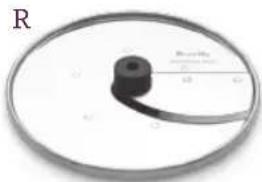
natural_image
Circular object with a black cylindrical component and a curved line, labeled 'R' in the top-left corner (no other text or symbols)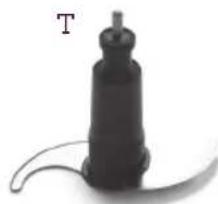
natural_image
Black cylindrical object with a protruding rod and curved base, labeled 'T' in the top-left corner (no other text or symbols)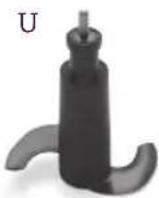
natural_image
Close-up of a mechanical component with teeth and a circular frame (no visible text or symbols)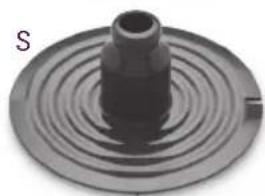
natural_image
Circular mechanical component with concentric rings and a central cylindrical feature, labeled 'S' in the top-left corner (no other text or symbols)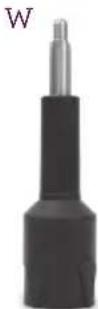
natural_image
Close-up of a handheld electronic device with three cylindrical components and a transparent cover (no visible text or symbols)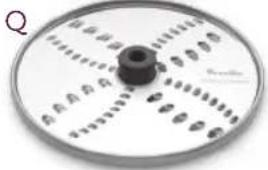
natural_image
Circular mechanical component with a central knob and multiple dashed lines, no visible text or symbolsFAITES LA CONNAISSANCE de vOTRE SOUS CHEF ^MC de BREvILLE
A. Petit poussoir
C. Très large entonnoir
natural_image
Hand operating a clear glass coffee maker on a digital kitchen scale (no text or symbols visible)natural_image
Close-up of a hand holding a kitchen blender with a black handle, showing liquid level and rotation arrow (no text or symbols on the device itself)natural_image
Person using a kitchen blender with a hand adjusting the lid (no text or symbols visible)natural_image
Close-up of a blender with a black lever and liquid, showing a downward arrow indicating compression (no text or symbols on the device itself)ASSEMBLAGE dE vOTRE SOUS CHEF ^MC dE BREvILLE
natural_image
Person using a blender to press or adjust the liquid, with a hand adjusting the handle (no text or symbols visible)NOTE
natural_image
Top-down view of a mechanical device with multiple blades and central hub (no visible text or symbols)
natural_image
Top-down view of a circular device with internal components, possibly a fan or scanner (no visible text or symbols)natural_image
Circular object with a central circular component, possibly a lid or container, filled with granular material (no visible text or symbols)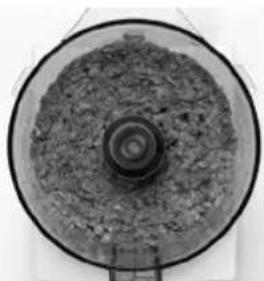
natural_image
Top-down view of a circular mechanical component with textured surface and central bore (no visible text or symbols)natural_image
Top-down view of a circular container filled with cooked beans (no text or symbols visible)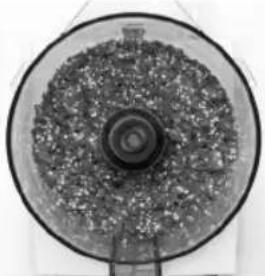
natural_image
Top-down view of a circular container filled with granular material, no visible text or symbolsPiments forts entiers Piments forts hachés
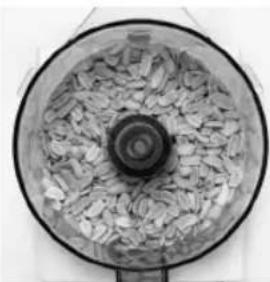
natural_image
Top-down view of a circular container filled with dried paper leaves, no visible text or symbols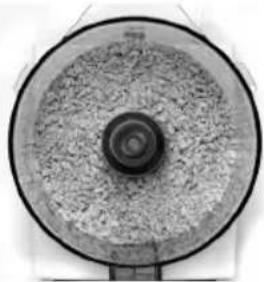
natural_image
Top-down view of a circular object with textured surface and central dark ring (no visible text or symbols)natural_image
Top-down view of a circular object with leaf-like patterns, possibly a food or mechanical component (no visible text or symbols)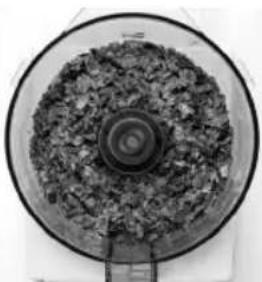
natural_image
Top-down view of a circular container filled with granular material, no visible text or symbolsFeuilles de basilic Basilic haché
NOTE
natural_image
Two identical circular objects with granular material inside, viewed from above (no text or symbols visible)natural_image
Two circular kitchen utensils with food items inside, shown from different angles (no text or symbols visible)Biscuits entiers Chapelure de biscuits
Chapelure de gâteau
natural_image
Top-down view of a cylindrical device with a lid and fan blade, showing internal blades (no text or symbols visible)natural_image
Two circular objects with granular material, one filled with white fragments and the other with a dark central component (no text or symbols visible)natural_image
Two identical circular objects with concentric rings, one showing a spiral pattern and the other a flat center (no text or symbols)natural_image
Two circular objects with textured surfaces, one dark and one light, showing different interior states (no text or symbols visible)natural_image
Black plastic mechanical component with curved ends and a central shaft (no text or symbols visible)Pâte à tarte
natural_image
Clear glass funnel-shaped object with a small central component, no visible text or symbolsnatural_image
Close-up of a circular object with a black knob and a curved handle, no visible text or symbols.NOTE
natural_image
Circular mechanical dial with evenly spaced teeth and central knob, no visible text or symbolsNOTE
natural_image
Close-up of a mechanical press or clamping device with transparent casing and internal components (no visible text or symbols)natural_image
Close-up of sliced tomatoes arranged in a grid (no text or symbols visible)Tomates tranchées
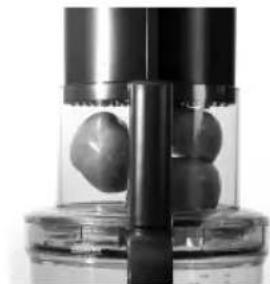
natural_image
Close-up of a mechanical press or stamping device with three spherical objects inside a transparent casing (no visible text or symbols)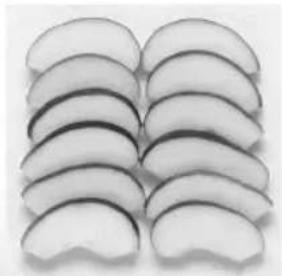
natural_image
Close-up of multiple oval-shaped objects arranged in a grid (no text or symbols visible)natural_image
Close-up of a mechanical component with cylindrical and rectangular parts, no visible text or symbols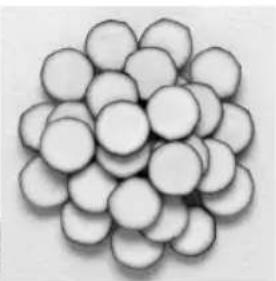
natural_image
Pile of round, rounded objects resembling stones or stones (no text or symbols)natural_image
Close-up of a food processor with glass lid and side view of shredded vegetable (no text or symbols visible)natural_image
Two black-and-white images: a cylindrical container with internal granular material and a cluster of irregular dark granular objects (no text or symbols visible)natural_image
Mechanical gear and shaft assembly inside a circular frame (no text or symbols visible)NOTE
natural_image
Close-up of a mechanical component with a circular frame and textured surface (no visible text or symbols)NOTE
natural_image
Hand using a hand mixer in a clear container, with a red arrow indicating the lever (no text or symbols visible)natural_image
Two views of a cylindrical device with concentric rings and a central hub, shown from top and side (no text or symbols visible)1 tasse de crème sure
Breville Consumer Service Center
USA
Mail: Breville USA 19400 S. Western Ave Torrance CA 90501-1119
Phone: 1-866-273-8455 1-866-BREVILLE
Email: askus@brevilleusa.com
Canada
Mail: Breville Canada 2555, Avenue de l'Aviation Pointe-Claire (Montreal) Quebec H9P 2Z2
Phone: 1-855-683-3535
Email: askus@breville.ca
www.breville.com
Breville is a registered trademark of Breville Pty. Ltd. A.B.N. 98 000 092 928. Copyright Breville Pty. Ltd. 2012.
Due to continued product improvement, the products illustrated/photographed in this booklet may vary slightly from the actual product.
Model BFP800XL Issue - C12
- CONGRATULATIONS
- CONTENTS
- BREvILLE RECOMMENdS SAFETY FIRST
- IMPORTANT SAFEGUARDS
- READ ALL INSTRUCTIONS
- BREvILLE ASSIST™ PLUG
- SHORT CORd INSTRUCTIONS
- FOR HOUSEHOLD USE ONLY SAvE THESE INSTRUCTIONS
- KNOW
- KNOW yOUR BREvILLE SOUS CHEF™
- NOT SHOWN
- NOTE
- ASSEMBLING
- ASSEMBLING yOUR BREvILLE SOUS CHEF™
- BEFORE FIRST USE
- CAUTION
- OvERLOAD PROTECTION System
- BASIC FOOD PROCESSING TECHNIQUES
- CHOPPING WITH THE MICRO-SERRATED S BLADE™
- Raw Vegetables, Fruit and Cooked Meats
- Raw meat, chicken and fish
- Garlic, chili and ginger
- Herbs
- Nuts
- Dried fruit
- Citrus peel
- Hard boiled eggs
- Soft breadcrumbs
- Dried breadcrumbs
- Cookie crumbs
- Cake crumbs
- PURÉERING WITH THE MICRO-SERRATED S BLADE™
- Cooked vegetables
- Creamed vegetable soups
- Cooked meat and patés
- Peanut butter
- Fresh fruit
- Baby food
- MIXING WITH THE MICRO-SERRATED S BLADE™
- Butter cake (Pound cake)
- Quick-mix cakes and batters
- Cookie dough
- Melt 'n mix cookies
- Sorbet
- Dips and spreads
- KNEADING WITH THE DOUGH BLADE
- Pastry dough
- Bread dough
- SLICING, SHREDDING AND GRATING WITH THE DISCS
- WARNING
- Shredding and Grating with the Reversible Shredding Disc
- Slicing and shredding
- Round fruit and vegetables
- Long fruit and vegetables
- ! WARNING
- Leafy vegetables
- deli meats
- Raw meat
- Chocolate
- JULIENNE dISC
- FRENCH FRy/vEGETABLE STICK dISC
- WHIPPING WITH THE EMULSIFYING dISC
- Egg whites
- Milkshakes
- Whipped cream
- Egg sauces
- FOOD PROCESSING AT A GLANCE
- PROCESSING TIPS
- CARE, CLEANING & STORAGE
- CARE AND CLEANING
- Motor base
- Processing bowl and lid
- S Blade ™ mini processing blade, dough blade and discs
- Food stains and odors
- STORAGE
- TROUBLESHOOTING
- RECIPES
- HUMMUS
- INGREdIENTS
- METHOD
- MAyONNAISE
- AIOLI
- BUTTERNUT SQUASH SOUP
- LEEK AND POTATO SOUP
- COLESLAW
- dRESSING:
- MICA'S MEATBALLS
- SAUCE FOR MICA'S MEATLOAF
- MICA'S MARINARA SAUCE
- PASSIONFRUIT CURd
- STRAWBERRy CRêPES
- NOTES
- SCONES
- FÉLICITATIONS
- FAITES LA CONNAISSANCE de vOTRE SOUS CHEF MC de BREvILLE
- ASSEMBLAGE dE vOTRE SOUS CHEF MC dE BREvILLE
- Chapelure de gâteau
- Pâte à tarte
- Breville Consumer Service Center
- USA
- Canada
Brand : BREVILLE
Model : the Sous Chef BFP800XL
Category : Food Processor