
LZ150CT - Sink SMEG - Free user manual and instructions
Find the device manual for free LZ150CT SMEG in PDF.
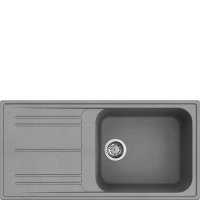



| Product Type | Sink |
| Brand | SMEG |
| Model | LZ150CT |
| Material | Stainless steel |
| Installation Type | Drop-in or undermount |
| Dimensions (L x W x H) | 780 x 450 x 190 mm |
| Number of Bowls | 1 |
| Bowl Capacity | Approximately 20 litres |
| Weight | Approximately 10 kg |
| Finish | Polished |
| Supplied with | Installation instructions, cutting template |
| Recommended Cleaning | Non-abrasive sponge and ordinary dish soap |
| Daily Maintenance | Dry the surface after each use |
| Usage Precautions | Do not cut directly on the sink, avoid hot objects |
| Cleaning Limescale Stains | Use a non-abrasive limescale remover diluted in warm water |
| Cleaning Stubborn Stains (light color) | Solution of bleach and warm water (3/4 - 1/4), let act for 8 hours |
| Cleaning Stubborn Stains (dark color) | Circular motions with non-abrasive sponge and dish soap |
| Warranty | Manufacturer's standard warranty (2 years) |
| After-Sales Service | Spare parts available from the manufacturer |
Frequently Asked Questions - LZ150CT SMEG
User questions about LZ150CT SMEG
0 question about this device. Answer the ones you know or ask your own.
Ask a new question about this device
Download the instructions for your Sink in PDF format for free! Find your manual LZ150CT - SMEG and take your electronic device back in hand. On this page are published all the documents necessary for the use of your device. LZ150CT by SMEG.
USER MANUAL LZ150CT SMEG
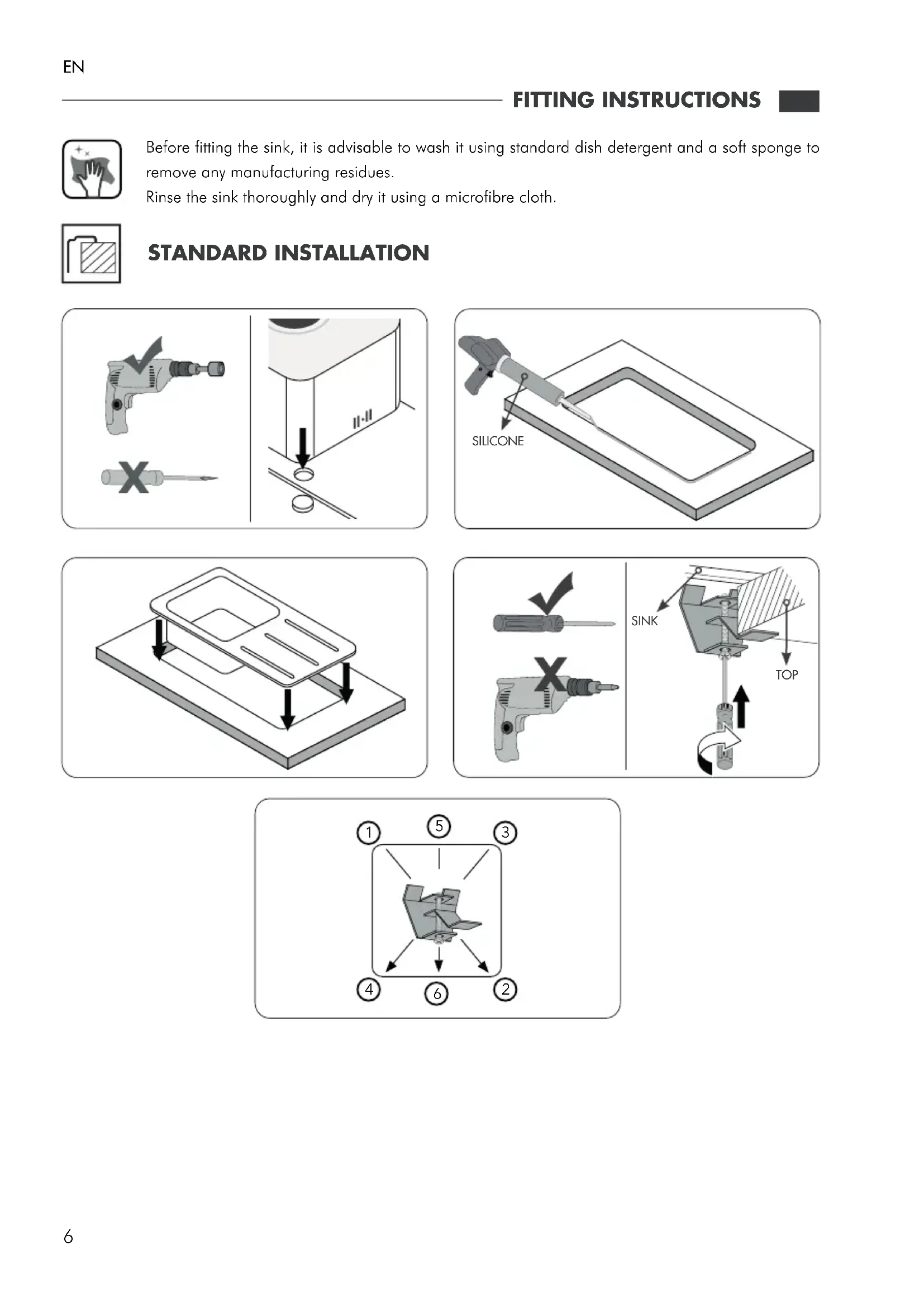
Before fitting the sink, it is advisable to wash it using standard dish detergent and a soft sponge to remove any manufacturing residues.
Rinse the sink thoroughly and dry it using a microfibre cloth.
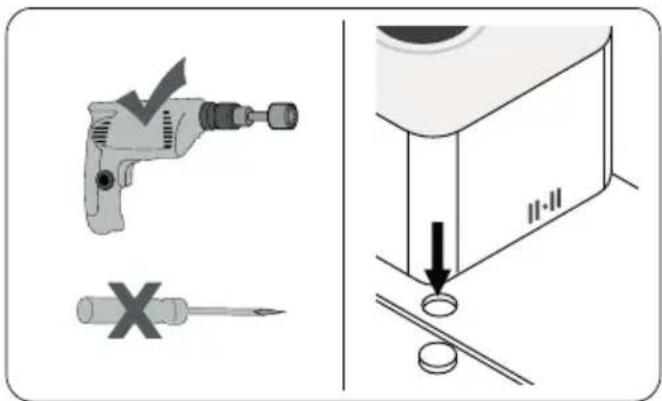
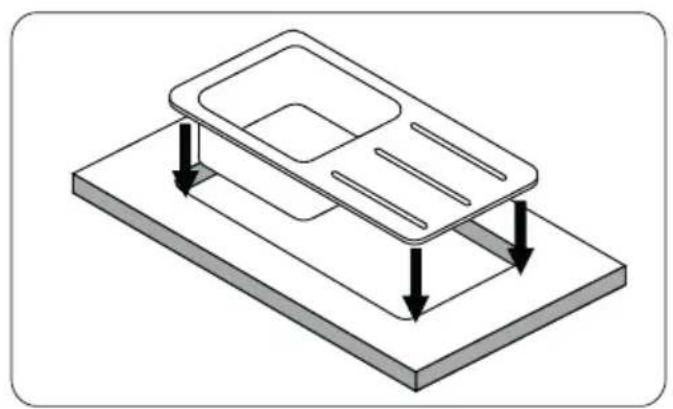
STANDARD INSTALLATION
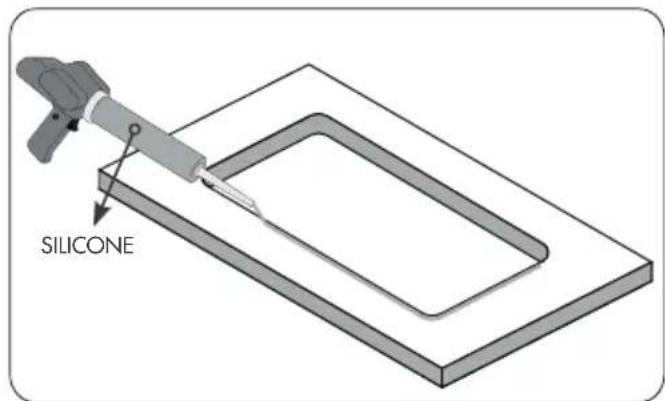
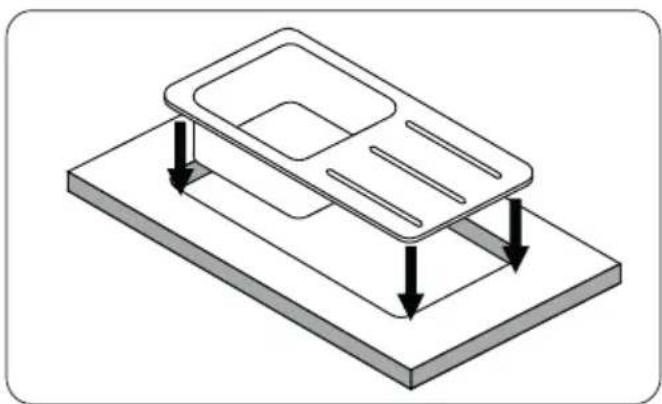
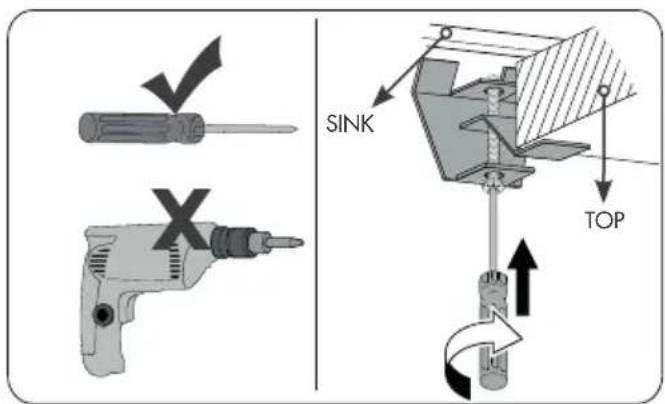
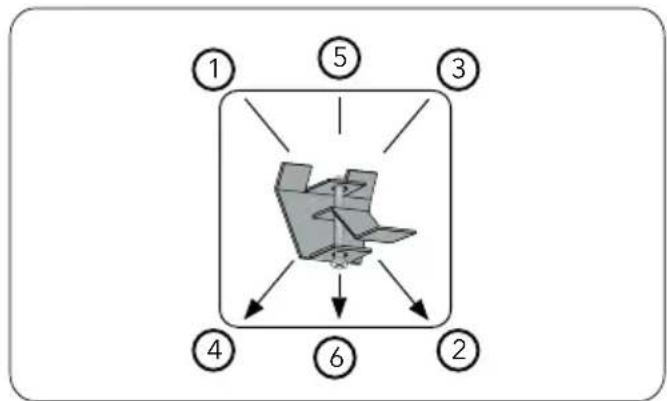
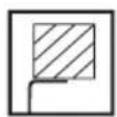
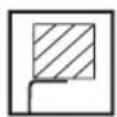
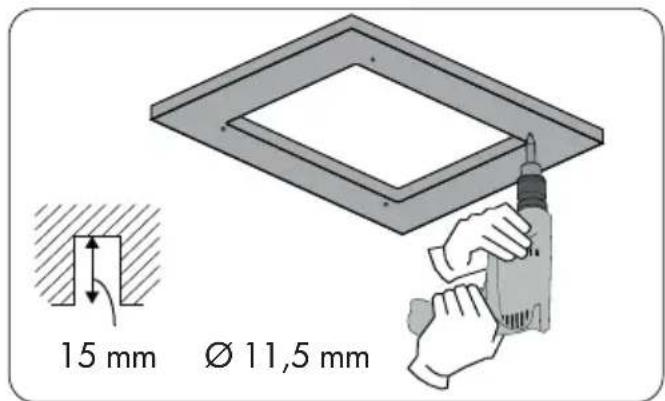
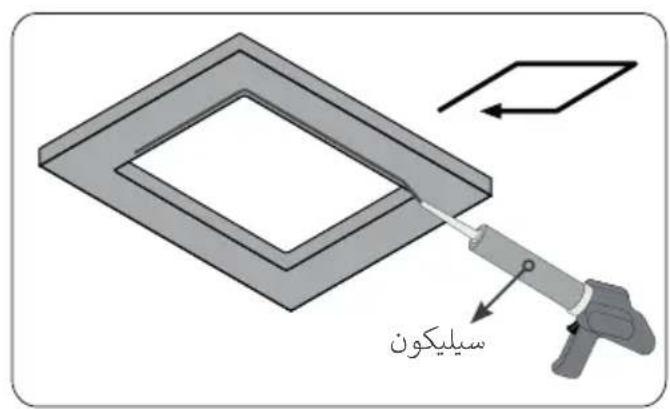
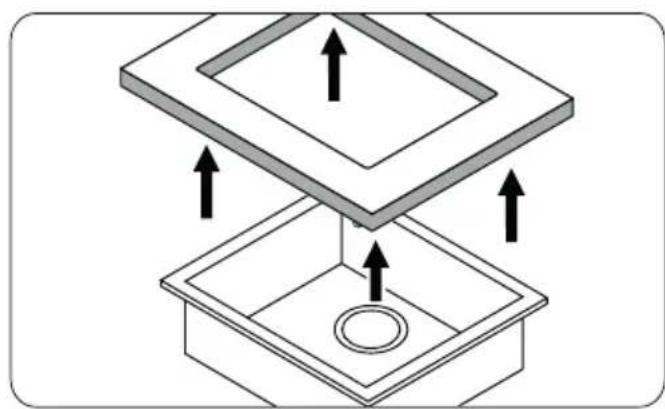
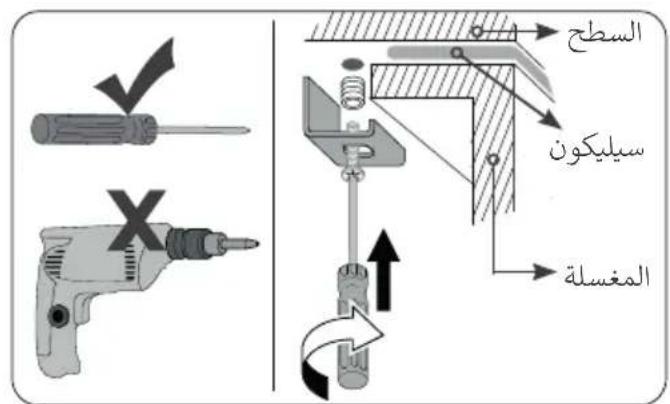
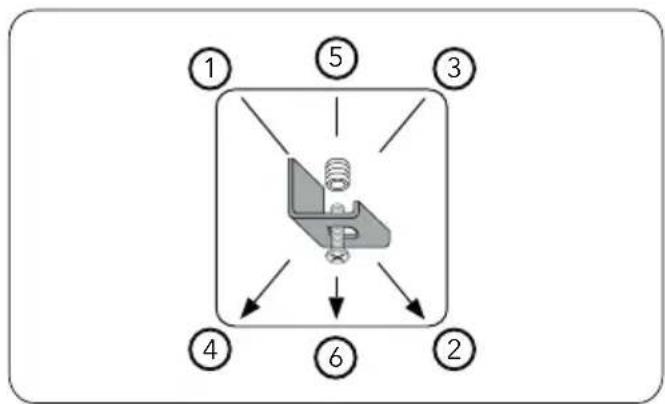
UNDERMOUNT INSTALLATION
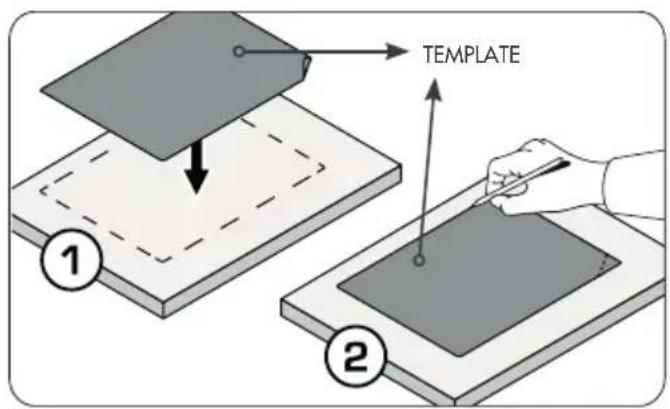
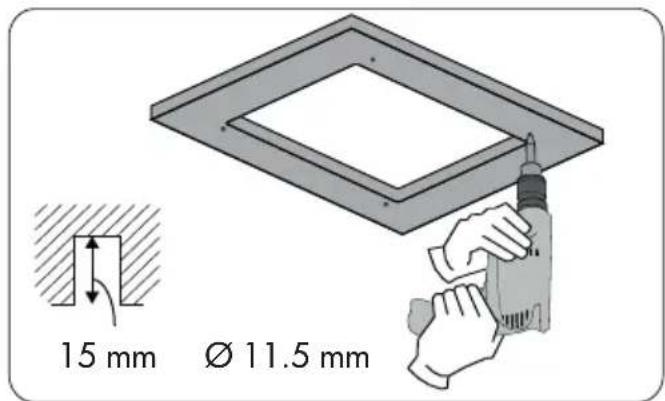
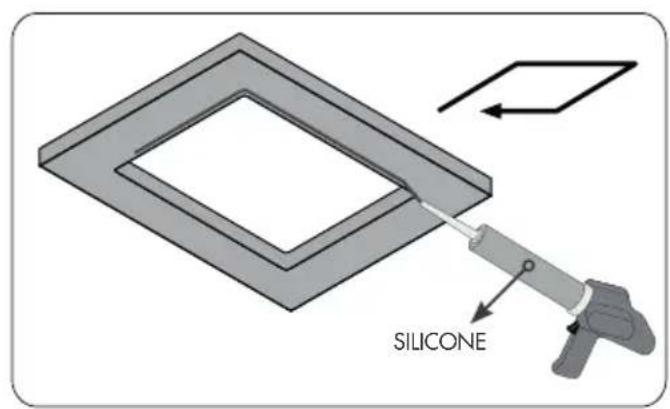
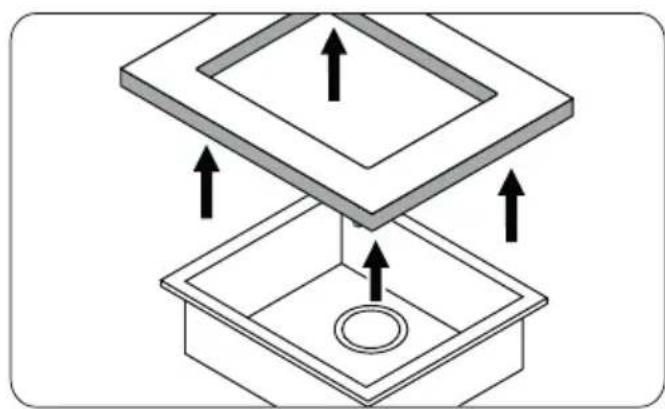
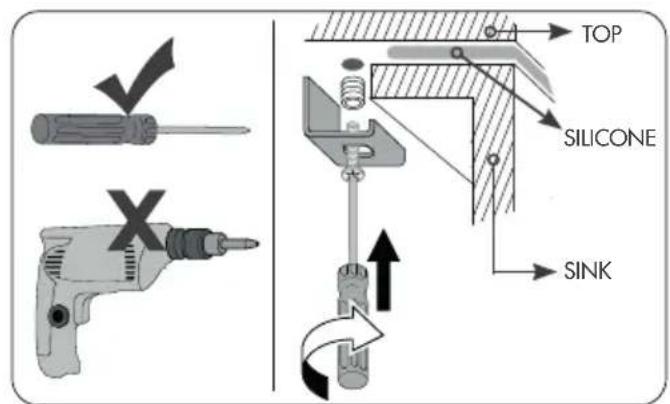
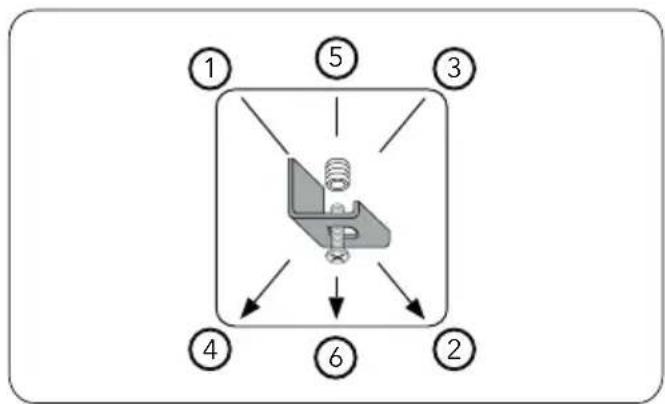

The packaging materials (plastic bags, expanded polystyrene, etc.) must not be left within reach of children as they are a potential hazard.

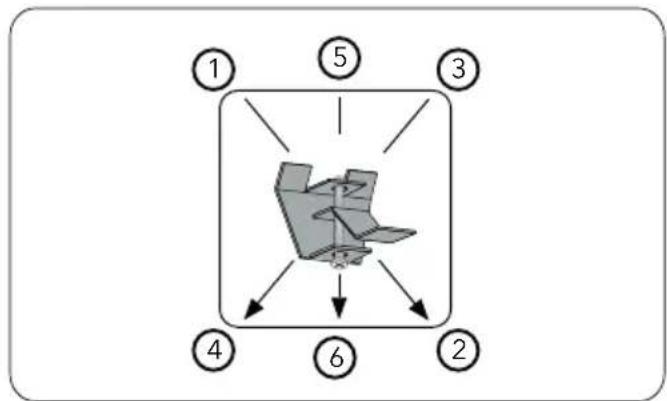
Installation and support should be undertaken by qualified individuals, in accordance with the applicable legal requirements.
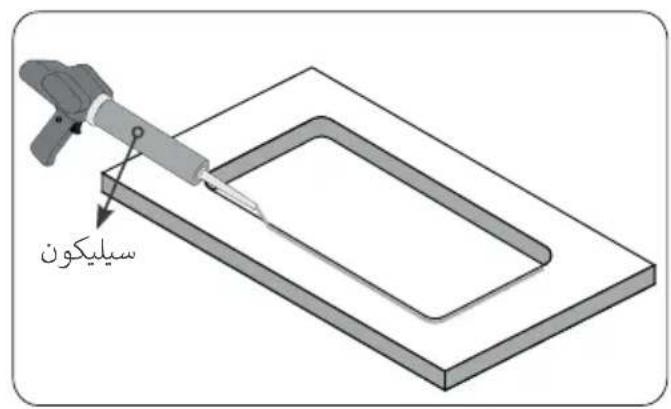
The silicone is not included with the product.
The sink shown in this guide is for illustrative purposes only.

1. ROUTINE MAINTENANCE
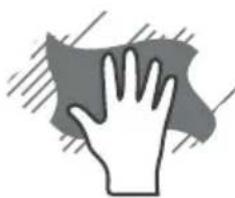
Cleaning your Smeg product is quick and simple. Even though the non-porous surface prevents liquids penetrating into the material, it is preferable to remove them immediately using a soft, non-abrasive sponge and standard dish detergent. You should then rinse the surface and dry it carefully using a microfibre cloth.
2. NON-ROUTINE MAINTENANCE
Cleaning stubborn stains is not difficult: all you need to do is choose the right product and use it correctly.
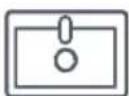
For stubborn stains on LIGHT-COLOURED products, you can use a solution of bleach and warm water (3/4 to 1/4), leaving it to act for eight hours (we recommend that this cleaning be performed during the night). Afterwards, rinse thoroughly and dry the entire surface carefully using a microfibre cloth. If the stains remain, the operation can be repeated one or two more times.
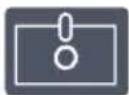
For stubborn stains on DARK-COLOURED products, you can remove them directly with a soft, non-abrasive sponge and standard dish detergent, using small circular movements. When finished, rinse using warm water and carefully dry the entire surface using a microfibre cloth. If the stains remain, the operation can be repeated one or two more times.
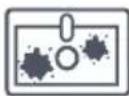
To remove limescale stains, we recommend the use of a non-corrosive descaling product diluted with warm water. Distribute the solution uniformly over the entire surface of the product. Clean with a soft, non-abrasive sponge using small circular movements and leave the product to act for several minutes (follow the instructions and conditions for use on the product label). When finished, rinse using warm water and dry carefully using a microfibre cloth.
Failure to follow the cleaning and maintenance instructions stated in this manual may invalidate the standard warranty provided by the manufacturer.

To ensure that there is no change to the characteristics of the product, we recommend that users observe the following precautions:
- Dry the surface of the product every day to avoid prolonged exposure to water that could lead to the build-up of limescale or stubborn stains.
- Do not use detergents that contain alkaline substances and aggressive liquids (such as ammonia, caustic soda or drain cleaners).
- Do not remove traces of dirt using steel scourers or abrasive sponges that could damage the surface.
- Do not cut or chop directly on the surface of the product because this could cause irreparable scratches (always use chopping boards).
- Avoid accidental knocks that could cause irreparable micro-damage.
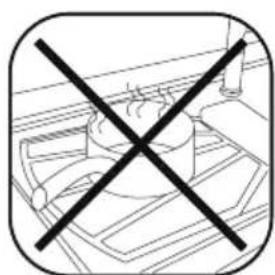
- Do not place hot cookware, pans or coffee makers directly on the sink surface: stains from discolouration and/or damage could form in areas where hot items are placed.
- Avoid pouring boiling liquids directly into the sink without first turning on the cold tap and filling the sink with at least 1 cm of water, as this could damage the product.
- To prevent the build-up of limescale, it is recommended that a descaling treatment be completed at least once a week. This is recommended in particular for dark-coloured sinks. Fill the tub with warm water and add two spoonfuls of liquid or powder dishwasher detergent or a dishwasher tab. Leave the solution for 5/6 hours. Rinse thoroughly and dry carefully.
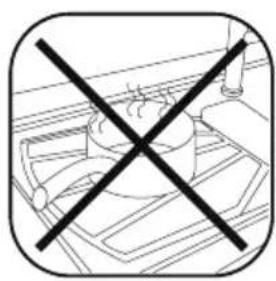


Do not put pans or coffee makers that have just been taken off the heat (which sometimes reach 500°C) directly into the sink.

Do not place directly into the sink pans, frying pans, or coffee makers that have just been taken off the heat (in some cases they can reach temperatures of 500°C).

The sink is not dishwasher safe.
The sink shown in this manual is for illustrative purposes only.

1. DAILY CLEANING
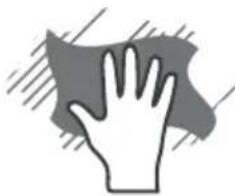
Smeg products are designed to be durable and simple. However, to prevent the non-porous surface from being scratched by the penetration of dirt into the material, it is advisable to clean it immediately, using a soft sponge and a mild detergent for dishes, rinse the surface and dry thoroughly with a microfiber cloth.
2. PERIODIC MAINTENANCE
Cleaning the sink is not difficult: simply choose the right product and apply it correctly.
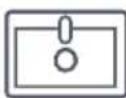
In case of limescale stains on light-colored surfaces, you can use a solution of bleach and hot water (3/4 to 1/4), leaving it on the surface for about 8 hours (it is advisable to perform this procedure at night), then rinse the entire surface thoroughly and dry carefully with a microfiber cloth. If the stains do not disappear, the procedure can be repeated 1 or 2 times.
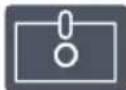
In case of limescale stains on dark-colored surfaces, you can remove them with a soft, non-abrasive sponge and a mild dishwashing detergent, applying it with gentle circular motions. Then rinse well with hot water and dry the entire surface carefully with a microfiber cloth. If the stains do not disappear, the procedure can be repeated 1 or 2 times.
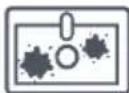
For stubborn limescale, it is recommended to use an anti-corrosion product that prevents the formation of limescale and is suitable for hot water. Spread the solution over the entire surface with a soft, non-abrasive sponge using gentle circular motions, and leave it on the surface for a few minutes (follow the instructions and dosage indicated on the product label). Then rinse with hot water and dry thoroughly with a microfiber cloth.
Failure to follow the instructions specified in this manual may result in loss of warranty provided by the manufacturer.
PRECAUTIONS AND RECOMMENDATIONS

To preserve the characteristics of the product, we recommend following the following precautions:
- Wipe the product surface daily, avoiding prolonged contact with water and grease stains, which can lead to the formation of stains or scratches.
Do not use abrasive agents or aggressive chemicals (e.g., ammonia, caustic soda, pipe cleaners).
Do not wipe the surface with steel or abrasive sponges, which can damage the surface.
Do not place or drop heavy objects directly on the product surface, as this may cause irreparable damage (use a cutting board for food preparation).
- Avoid accidental impacts that may cause irreparable micro-damage.
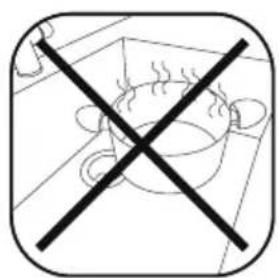
Do not place hot pots, kettles, or pans directly on the surface of the kitchen sink. This can cause the formation of scratches and damage the surface.
- Avoid pouring boiling water directly into the sink without first opening the cold water tap and filling it at least 1 cm, as this may damage the product.
- To prevent the formation of limescale, it is recommended to clean the sink regularly, at least once a week. This procedure is especially recommended for dark-colored sinks. Fill the sink with warm water and add a tablespoon of mild detergent or a dishwasher tablet. Let it sit for 5-6 hours. Then rinse thoroughly and dry.
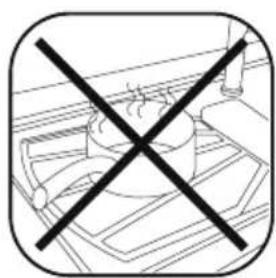
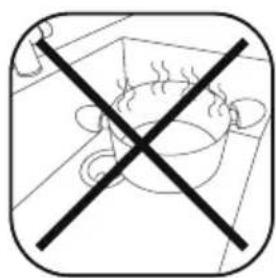

Do not place hot pans, skillets, or kettles directly on the surface of the kitchen sink (in some cases, they can reach temperatures of 500°C).



Smeg S.p.A
Via Leonardo da Vinci, 4
42016 Guastalla (RE), ITALY
smeg@smeg.it
smeg

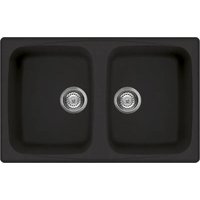
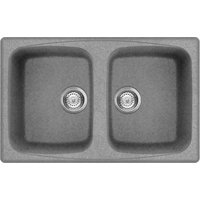
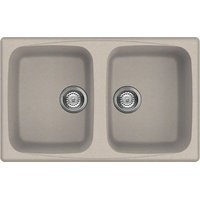
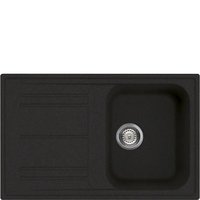
Brand : SMEG
Model : LZ150CT
Category : Sink