RPW120HS - Pressure washer RYOBI - Free user manual and instructions
Find the device manual for free RPW120HS RYOBI in PDF.



| Product type | Electric high-pressure washer |
| Brand | RYOBI |
| Model | RPW120HS |
| Power supply | 230-240 V ~ 50 Hz, 1700 W |
| Rated pressure (high pressure) | 12 MPa (120 bar) |
| Max water flow (high pressure) | 5.3 L/min |
| Low pressure (high flow) | Up to 0.7 MPa |
| Low pressure flow (high flow) | Up to 9.5 L/min |
| Protection rating | IPX5 |
| Sound pressure level | 70 dBA |
| Sound power level | 86 dBA |
| Vibration | 3.5 m/s² |
| Motor type | Induction electric motor |
| Detergent tank | Yes, integrated |
| High-pressure hose length | Approx. 8 m (estimated) |
| Net weight | Approx. 15 kg (estimated) |
| Dimensions (L x W x H) | Approx. 600 x 400 x 400 mm (estimated) |
| Main functions | High-pressure cleaning, low-pressure rinsing, detergent application, 0° and 25° nozzles, HydroSurge™ |
| Maintenance and cleaning | Clean nozzles with a paperclip, rinse water inlet filter, store frost-free |
| Safety | Trigger lock, 30 mA residual current device recommended, IPX5 protection |
| Spare parts and repairability | Use only genuine Ryobi parts, repair by approved center |
| General information | Household use only, temperature >0°C, cold water only |
Frequently Asked Questions - RPW120HS RYOBI
User questions about RPW120HS RYOBI
0 question about this device. Answer the ones you know or ask your own.
Ask a new question about this device
Download the instructions for your Pressure washer in PDF format for free! Find your manual RPW120HS - RYOBI and take your electronic device back in hand. On this page are published all the documents necessary for the use of your device. RPW120HS by RYOBI.
USER MANUAL RPW120HS RYOBI
Important! It is essential that you read the instructions in this manual before operating this machine.
Important! It is essential that you read the instructions in this manual before operating this machine.
CHARACTERISTIQUES DU PRODUIT
Haute pression (RPW120HS)
Pression nominale 11 Mpa
REEMPLACEMENT DU CABLE D'ALIMENTATION
English(original instructions)
INTENDED USE
The cleaner is intended only for the cleaning of vehicles, boats, buildings, etc, by the removal of stubborn dirt using clean water and chemical detergents.
For domestic use only, not for professional use, and only for operation at temperatures above 0°C .
INTRODUCTION
This product has many features for making its use more pleasant and enjoyable. Safety, performance, and dependability have been given top priority in the design of this product making it easy to maintain and operate. When using power tools, basic safety precautions should always be taken to reduce the risk of fire, electric shock and personal injury. Also, please read and heed the advice given in the additional safety instructions.
This appliance is not intended for use by persons (including children) with reduced physical, sensory or mental capabilities, or lack of experience and knowledge, unless they have been given supervision or instruction concerning use of the appliance by a person responsible for their safety.
Children should be supervised to ensure that they do not play with the appliance.
IMPORTANT SAFETY INSTRUCTIONS
WARNING:
Read and understand all instructions. Failure to follow all instructions listed below may result in electric shock, fire, and/or serious personal injury.
Learn the machine's applications and limitations as well as the specific potential hazards related to this tool by studying this manual. Follow the maintenance instructions specified in this manual.
- Never operate the pressure washer with any guard or cover removed or damaged.
- Do not operate the product while under the influence of drugs, alcohol, or any medication.
Do not wear loose clothing, gloves, neckties, or jewellery. They can get caught and draw you into moving parts. Rubber gloves and non-skid footwear are recommended when working outdoors. Also wear protective hair covering to contain long hair. Wear footwear that will protect your feet and improve your grip on slippery surfaces.
Always wear safety glasses with side shields.
- Don't overreach or stand on unstable support. Keep proper footing and balance at all times.
WARNING:
High pressure jets can be dangerous if subject to misuse. The jet must not be directed at persons, animals, electrical devices, or the machine itself.
WARNING:
When using power tools, basic safety precautions should always be taken to reduce the risk of fire, electric shock and personal injury.
WARNING: This Applia
This Appliance has been designed for use with the cleaning agent supplied or recommended by the manufacturer. The use of other cleaning agents or chemicals may adversely affect the safety of the appliance.
WARNING:
Don't use the appliance within range of persons unless they wear protective clothing
The electric supply connection shall be made by a qualifi ed electrician and comply with IEC60364-1.
Only connect this machine only to a supply circuit protected by a residual current device (RCD) with a tripping current of not more than 30mA .
Use only extension cords that have watertight connections and are intended for outdoor use. Use only extension cords having an electrical rating not less than the rating of the product. Examine extension cord before using and replace if damaged. Do not abuse extension cord and do not pull on any cord to disconnect. Keep cord away from heat and sharp edges. Always disconnect the extension cord from the receptacle before disconnecting the product from the extension cord.
Do not direct the jet against yourself or others in order to clean clothes or foot-wear.
- Disconnect from the electrical power supply before carrying out user maintenance.
To ensure appliance safety, use only original spare parts from the manufacturer or approved by the manufacturer.
Do not use the appliance if a supply cord or important parts of the appliance are damaged, e.g. safety devices, high pressure hoses, trigger gun.
If an extension cord is used, the plug and socket must be of watertight construction
WARNING:
Inadequate extension cords can be dangerous.
ENDEESITPTNLSVDDA NOFIHUCSRUROPLSLHRETLVLSKBG
English(original instructions)

WARNING:
To reduce the risk of electrocution, keep all connections dry and off the ground. Do not touch plug with wet hands.
To reduce the risk of injury, High pressure cleaners shall not be used by children or untrained personnel. keep children and visitors away. All visitors should wear safety glasses and be kept a safe distance from work area.
Use correct product. Don't force product or attachment to do a job it was not designed for. Don't use it for a purpose not intended.
Use only recommended accessories. The use of improper accessories may cause risk of injury.
- Never leave product running unattended. Turn power off. Don't leave product until it comes to a complete stop.
- Keep the motor free of grass, leaves, or grease to reduce the chance of a fire hazard.
- Keep product dry, clean, and free from oil and grease. Always use a clean cloth when cleaning. Never use brake fluids, gasoline, petroleum-based products, or any solvents to clean product.
Check the work area before each use. Remove all objects such as rocks, broken glass, nails, wire, or string which can be thrown or become entangled in the machine.
- Do not use product if switch does not turn it off. Have defective switches replaced by an authorized service centre.
Avoid dangerous environments. Don't expose to rain. Keep work area well lit.
- Do not abuse the cord. Never use the cord to carry the product or to disconnect the plug from an outlet. Keep cord away from heat, oil, sharp edges, or moving parts. Replace damaged cords immediately. Damaged cords increase the risk of electric shock.
Inspect extension cords periodically and replace if damaged. Keep handles dry, clean, and free from oil or grease.
Before starting any cleaning operation, close doors and windows. Clear the area to be cleaned of debris, toys, outdoor furniture, or other objects that could create a hazard.
- Do not use acids, alkalines, solvents, flammable material, bleaches, or industrial grade solutions in this product. These products can cause physical injuries to the operator and irreversible damage to the machine.
- Keep the motor away from flammables and other hazardous materials.
- Check bolts and nuts for looseness before each use. A loose bolt or nut may cause serious motor problems.
Before storing, allow the motor to cool.
- When servicing use only identical replacement parts. Use of any other parts may create a hazard or cause product damage.
ONLY use cold water.
Make sure minimum clearance of 1 metre is maintained from combustible materials.
Connect pressure washer only to an individual branch circuit.
Hold the gun and lance securely with both hands. Expect the gun to move when the trigger is pulled due to reaction forces. Failure to do so could cause loss of control and injury to yourself and others.
Save these instructions. Refer to them frequently and use them to instruct other users. If you lend someone this product, lend them these instructions also.

WARNING:
High pressure hoses, fittings and couplings are important for the safety of the appliance. Use only hoses, fittings and couplings recommended by the manufacturer.


ENDEESITPTNLSDA NOFIHUCSRUROPLSLHRETLVSKBG
English(original instructions)
SYMBOLS
| Some of the following symbols may be used on this product. Please study them and learn their meaning. Proper interpretation of these symbols will allow you to operate the product better and safer. | ||
| SYMBOL NAME | DESIGNATION/EXPLANATION | |
| Safety | Alert Indicates a potential personal injury hazard. | |
| V Volts | Voltage | |
| A Amperes | Current | |
| Hz | Hertz | Frequency (cycles per second) |
| W | Watt | Power |
| min | Minutes | Time |
| ~ | Alternating Current | Type of current |
| no | No Load Speed | Rotational speed, at no load |
| .../min | Per Minute | Revolutions, strokes, surface speed, orbits etc., per minute |
| Wet Conditions Alert Do not expose to rain or use in damp locations. | ||
| Read The Operator's Manual | To reduce the risk of injury, user must read and understand operator's manual before using this product. | |
| Eye Protection | Always wear safety goggles or safety glasses with side shields and, as necessary, a full face shield when operating this product. | |
| Risk of Injection | To reduce the risk of injection or injury, never direct a water stream towards people or pets or place any body part in the stream. Leaking hoses and fittings are also capable of causing injection injury. Do not hold hoses or fittings. | |
| Kickback | To reduce the risk of injury from kickback, hold the spray lance securely with both hands when the machine is on. | |
| Electric Shock | Failure to use in dry conditions and to observe safe practices can result in electric shock. | |
| Risk of Explosion | Fuel and its vapours are explosive and can cause severe burns or death. | |
| Risk of injury | Warning! Never point the gun to human, animals, the machine body, power supply or any electric appliances | |
| Do not connect to drinking water supply without backflow preventer | Appliance not suitable for connection to the drinking water mains without backflow preventer. | |
ENDEESITPTNLSDA NOFIHUCSRUROPLSLHRETLVSKBG
English(original instructions)
| The following signal words and meanings are intended to explain the levels of risk associated with this product. | ||
| SYMBOL SIGNAL MEANING | ||
| DANGER: | Indicates an imminently hazardous situation, which, if not avoided, will result in death or serious injury. | |
| A | WARNING: | Indicates a potentially hazardous situation, which, if not avoided, could result in death or serious injury. |
| A | CAUTION: | Indicates a potentially hazardous situation, which, if not avoided, may result in minor or moderate injury. |
| CAUTION: | (Without Safety Alert Symbol) Indicates a situation that may result in prop erty damage. | |
SERVICE
Servicing requires extreme care and knowledge and should be performed only by a qualified service technician. For service we suggest you return the product to the nearest AUTHORIZED SERVICE CENTRE for repair. When servicing, use only identical replacement parts.
WARNING:
To avoid serious personal injury, do not attempt to use this product until you read thoroughly and understand completely the operator's manual. If you do not under stand the warnings and instructions in the operator's manual, do not use this product. Call Ryobi customer service for assistance.
WARNING: The operati
The operation of any power tool can result in foreign objects being thrown into your eyes, which can result in severe eye damage. Before beginning power tool operation, always wear safety goggles or safety glasses with side shields and, when needed, a full face shield.
SAVE THESE INSTRUCTIONS
ELECTRICAL
ELECTRICAL CONNECTION
This product has a precision-built electric motor. It should be connected to a power supply that is 230-240 volts, 50Hz , AC only (normal household current). Do not operate this product on direct current (DC). A substantial voltage drop will cause a loss of power and the motor will overheat. If the product does not operate when plugged into an outlet, double-check the power supply.
EXTENSION CORDS
See Figure 1.
The cross-section of any extension cables used must be proportional to their length, i.e. the longer the extension cable, the greater the cross-section; cables with a protection level of "IPX5" must be used.
Use the chart to determine the minimum wire size required in an extension cord.
| Motor | Voltage | Extension cable up to 25m | Extension cable up to 50m |
| 230-240v | section \( 3 \times {1.5}{\mathrm{\;{mm}}}^{2} \) | section \( 3 \times {2.5}{\mathrm{\;{mm}}}^{2} \) |
WARNING:
Keep the extension cord clear of the working area. Position the cord so that it will not get caught on lumber, tools, or other obstructions while you are working with a power tool. Failure to do so can result in serious personal injury.
WARNING:
Check extension cords before each use. If damaged replace immediately. Never use the product with a damaged cord since touching the damaged area could cause electrical shock resulting in serious injury.
ENDEESITPTNLSDA NOFIHUCSRUROPLSLHRETLVSKBG
English(original instructions)
PRODUCT SPECIFICATIONS
PRODUCT SPECIFICATIONS
High Pressure (RPW120HS)
Rated pressure 11 Mpa
Permissible Pressure 12 Mpa
Maximum Water Flow. 5.3 l/min
Low Pressure (High Flow)
Permissible Pressure.. up to 0.7 Mpa
Maximum Water Flow. up to 9.5 l/min
Input. 230-240 V, 50 Hz, AC only, 1700W
High Pressure (RPW130HS)
Rated pressure 12 Mpa
13 Mpa
Maximum Water Flow. 6 l/min
Low Pressure (High Flow)
Permissible Pressure.. up to 0.7 Mpa
Maximum Water Flow. up to 9.5 l/min
Input. 230-240 V, 50 Hz, AC only, 1800W
Protection Degree (IEC 60529) IPX5
Sound pressure level 70 dBA
Sound power level 86 dBA
Vibration 3.5 m/s2
DESCRIPTION
Figure 2
- On/Off switch
- Nozzle storage
- Gun/Lance
- Detergent tank
- HydroSurge(TM) / detergent lever
- High pressure trigger lock-out
- High pressure trigger
8.Hose - Telescopic handle
- Power cord storage
Figure 3
- Hitch pin
12.Wheel - Axle
Figure 4
- Handle assembly
- Button
- Collar
Figure 5
-
Lance connection
-
Locking collar
Figure 6
- High pressure hose
- Low pressure hose
- Latch
- Hose lock
Figure 7
- Water intake coupler
Figure 11
- Detergent dial
Figure 12
- 0° / 25° Spray nozzle
Figure 14
- Handle release button
KNOW YOUR PRESSURE WASHER
See Figure 2.
The safe use of this product requires an understanding of the information on the product and in this operator's manual as well as a knowledge of the task you are attempting.

EN DE ES IT PT NL SV DA NO FI HU CS RU RO PL SL HR ET LT LV SK BG
English(original instructions)
Before using this product, familiarize yourself with all operating features and safety rules.
DETERGENT TANK
Remove the cap from the detergent tank to add detergent to the pressure washer.
HIGH PRESSURE TRIGGER
Depressing this trigger allows you to dispense water at high pressure.
HIGH PRESSURE TRIGGER LOCK-OUT
The trigger lock-out prevents accidental use of the high-pressure trigger.
HYDROSURGE(TM) /LOW PRESSURE (HIGH FLOW) LEVER
Use this lever when you want to rinse with water alone, or apply a combination of water and detergent at low pressure.
ON/OFF SWITCH
This switch turns the pressure washer on and off.
TELESCOPIC HANDLE
Lower the telescopic handle for convenient storage.
GUN/LANCE
The gun/lance features two outlets - one for high pressure spray and one for low pressure (high flow) spray.
ASSEMBLY
UNPACKING
This product requires assembly.
Carefully cut the box down the sides then remove the product and any accessories from the box.

WARNING:
This new product has been shipped in a partially assembled condition as described below.
If in doubt, call Ryobi Customer Service for assistance. Operation of a product that may have been improperly preassembled could result in serious personal injury.
Inspect the product carefully to make sure no breakage or damage occurred during shipping.
- Do not discard the packing material until you have carefully inspected and satisfactorily operated the product.
If any parts are damaged or missing, please call Ryobi Customer Service for assistance.
WARNING:
If any parts are damaged or missing do not operate this product until the parts are replaced. Use of this product with damaged or missing parts could result in serious personal injury.
WARNING:
Do not attempt to modify this product or create accessories not recommended for use with this product. Any such alteration or modification is misuse and could result in a hazardous condition leading to possible serious personal injury.
WARNING:
Do not connect to power supply until assembly is complete. Failure to comply could result in accidental starting and possible serious personal injury.
INSTALLING THE WHEELS
See Figure 3.
Locate the axles, hitch pins, and wheels.
- Slide the axle through the hole in the centre of the wheel.
- Lift the machine and slide the axle into the wheel mounting hole in the machine base as shown.
Push the hitch pin into the hole on the end of the axle to secure the wheel assembly.
NOTE: The hitch pin should be pushed into the axle until the centre of the pin rests on top of the axle.
Repeat with the second wheel.
ATTACHING THE HANDLE ASSEMBLY
See Figure 4.
Line up the handle assembly with the holes.
Depress the button on the handle assembly and insert into the holes on the pressure washer. Press down on the handle assembly until the button on the handle clicks into place.
Lower both collars on the handle and rotate clockwise until secure.
Push the two ends of the gun/lance together so that the holes inside each end are aligned.
Lower the locking collar and rotate counter clockwise to tighten securely.
ATTACHING THE HIGH PRESSURE AND LOW PRESSURE HOSES TO THE GUN
See Figure 6.
The low pressure hose is the clear tube with the
ENDEESITPTNLSDA NOFIHUCSRUROPLSLHRETLVSKBG
English(original instructions)
plastic fitting and goes on the spout at the bottom of the gun.
Grasp the plastic fitting and slide onto the spout until it clicks into place.
To remove, depress the latch on top of the fitting and remove the hose from the spout.
The high pressure hose has a metal connection and slides into the opening at the top of the gun.
Grasp the hose lock and pull outward to clear the way for the high pressure hose to be inserted.
Insert the high pressure hose all the way into the hole.
Push the hose lock fully back into the handle to hold the high pressure hose in place.
CONNECTING THE GARDEN HOSE TO THE PRESSURE WASHER
See Figure 7.
The water supply must come from a water main. NEVER use hot water or water from ponds, lakes, etc. Before connecting the garden hose to the pressure washer:
Run water through the garden hose for 30 seconds to clean any debris from the hose.
Inspect the filter screen in the end of the pressure washer intake.
If the filter is damaged, do not use the machine until the screen has been replaced.
If the filter is dirty, clean it before connecting the garden hose to the machine.
CAUTION: When con
When connecting the appliance to the water supply mains (not public drinking water supply mains), please observe the local regulations of local boards or local water supplier.
To ensure that there is no feedback of contaminant into the water supply, the appliance must not be connected directly to the public drinking water supply mains.
If the appliance is connected to potable water mains, backflow prevention devices should be incorporated in or fixed to the water supply system. The installation should be accepted by local boards or water supplier and should be conducted by professional technical personnel. The backflow prevention devices should be appropriate to fluid categories and comply with the requirement to avoid back siphonage according to EN 60335-2-79/A2:2007.
To connect the garden hose to the pressure washer:
Uncoll the garden hose.
NOTE: There must be a minimum of 3 metres of unrestricted garden hose between the pressure washer intake and the garden tap.
- With the garden tap turned completely off, attach the end of the garden hose to the coupler on the pressure washer water intake. Tighten by hand, water that has flown through backflow preventers is considered to be non-potable.
OPERATION
Applications
This pressure washer can be used for the purposes listed below:
- Removing dirt and mould from decks, cement patios, and walls.
- Cleaning cars, boats, motorcycles, outdoor furniture and barbeques.
ADDING DETERGENT TO THE PRESSURE WASHER
See Figure 8.
Use only detergents designed for pressure washers; household detergents, acids, alkalines, bleaches, solvents, flammable material, or industrial grade solutions can damage the pump. Many detergents may require mixing prior to use.
Prepare cleaning solution as instructed on the solution bottle.
- Disconnect pressure washer from power supply.
Place pressure washer upright on a flat surface.
Remove cap from detergent tank.
Pour detergent into tank until it reaches the maximum fill level located on the unit.
NOTE: Use a funnel, if needed, to prevent accidental spilling of the detergent outside the tank. If any detergent is spilled during the filling process, make sure the unit is cleaned and dried before proceeding.
Reinstall cap.
STARTING AND STOPPING THE PRESSURE WASHER
See Figure 9.

CAUTION:
Do not run the pump without the water supply connected and turned on.
Connect the garden hose.
Turn the garden hose on then squeeze the high pressure trigger to relieve air pressure. Once a steady stream of water appears, release the trigger.
After ensuring the switch is in the OFF position, connect the pressure washer to the power supply.
Press ON (I) on the switch to start the motor.

EN DE ES IT PT NL SV DA NO FI HUCS RU ROPLS HR ET LT LV SK BG
English(original instructions)
To stop the motor, release the trigger and press OFF (O) on the switch.
USING THE GUN/LANCE
See Figures 10 - 11.
For the most effective cleaning, the spray nozzle should be between 20cm and 60cm from the surface to be cleaned. If the spray is too close it can damage the cleaning surface.
NOTE: For greater control and safety, keep both hands on the unit at all times.
Several different methods of cleaning are available. Choose the method best suited for your cleaning project.
High Pressure Cleaning:
Squeeze the high pressure trigger on the gun. This will provide a spray of water at high pressure.
When using the high pressure spray alone, detergent is not dispensed.
Low Pressure (High Flow) Rinsing:
Move the low pressure (high flow) lever on top of the trigger handle forward. This will provide a spray of water at low pressure.
NOTE: When using low pressure (high flow) rinsing only, engage the high pressure trigger lock-out to prevent accidental depressing of the high pressure trigger.
To dispense soap, turn the detergent dial to the ON position.
To revert back to water only rinsing at low pressure, turn the detergent dial to OFF.
Combination Cleaning/Rinsing:
To clean AND rinse the area with water at the same time (for instance, in a heavily soiled area), move the low pressure (high flow) lever forward and depress the high pressure trigger.
To dispense detergent when using this combination, turn the detergent dial to the ON position.
To rinse with no detergent using this combination, turn the detergent dial to OFF.
NOTE: Any cleaning or rinsing method using high pressure spray requires that the on/off switch be in the ON position.
For methods using low pressure only, the switch may be in either the ON or OFF position.
USING THE NOZZLES
See Figure 12.
Before starting any cleaning job, determine the best nozzle for the job. The 25° nozzle is for general purpose or large surfaces. The 0° nozzle delivers a fine, powerful jet used for spot cleaning or high-to-reach areas.

CAUTION:
NEVER change nozzles without engaging the lock out on the gun and NEVER point the lance at your face or at others. The Quick Connect collar contains small springs that could eject the nozzle with some force. Failure to heed this may cause personal injury.
Using the Quick Connect collar, changing nozzles is easy.
To connect a nozzle to the lance:
Turn off the pressure washer and shut off the water supply. Pull trigger to release water pressure.
- Engage the lock out on the gun by pulling down on the lock out until it clicks into the slot.
- Push the nozzle into the Quick Connect collar until it clicks in place and is secured properly.
To disconnect a nozzle from the lance once the cleaning job is complete:
- Tum off the pressure washer and shut off the water supply. Pull trigger to release water pressure.
- Engage the lock out on the gun by pushing down on the lock out until it clicks into the slot.
- Remove the nozzle by placing hand over nozzle then pulling back the Quick Connect collar. Place nozzle in the nozzle storage area.
To disconnect a nozzle from the trigger handle once the cleaning job is complete:
Turn off the pressure washer and shut off the water supply. Pull trigger to release water pressure.
- Engage the lock-out on the trigger handle by pushing up on the lock-out until it clicks into the slot.
- Remove the nozzle by placing hand over nozzle then pulling back the quick-connect collar. Place nozzle in the nozzle storage area.
Place the detergent dial in the ON position.
Start the pressure washer and spray the detergent on a dry surface using long, even, overlapping strokes. To prevent streaking, do not allow detergent to dry on the surface.
- Engage the high pressure trigger to clean the area.
Use a combination of high and low pressure (high flow) for heavily soiled areas where constant flushing is desired.
NOTE: When using either high pressure or a combination of high and low pressure (high flow), test a small area first to avoid surface damage.
To rinse:


ENDEESITPTNLSDA NOFIHUCSRUROPLSLHRETLVLSKBG
English(original instructions)
Turn the detergent dial to the OFF position.
Spray away from the rinsing surface for approximately 10 seconds to allow any remaining detergent to be flushed from the hose.
Start at the top of the area to be rinsed and work down, overlapping the strokes.
STORING THE PRESSURE WASHER
See Figure 14.
Store in a dry, covered, frost-free area where the weather can't damage it. Always empty water from gun, hose and pump.
Depress the telescopic handle release button. This will allow the handle to retract. If the handle does not lower on its own, apply a light pressure to push the handle down.
NOTE: Do not loosen the locking collar when retracting or extending the handle.
- When the pressure washer is needed again, depress and hold the handle release button while pulling up on the handle to restore it to normal operating position.
NOTE:
The use of a pump protector is recommended to prevent cold weather damage during storage over the winter months.
MAINTENANCE

WARNING:
When servicing, use only identical replacement parts. Use of any other parts may create a hazard or cause product damage.

WARNING:
Before inspecting, cleaning, or servicing the machine, shut off motor, wait for all moving parts to stop, and disconnect plug from power source. Failure to follow these instructions can result in serious personal injury or property damage.
GENERAL MAINTENANCE
Avoid using solvents when cleaning plastic parts. Most plastics are susceptible to damage from various types of commercial solvents and may be damaged by their use. Use clean cloths to remove dirt, dust, oil, grease, etc.

WARNING:
Do not at any time let brake fluids, petrol, petroleum based products, penetrating
oils, etc., come in contact with plastic parts. Chemicals can damage, weaken or destroy plastic which may result in serious personal injury. Only the parts shown on the parts list are intended to be repaired or replaced by the customer. All other parts should be replaced at an authorized service centre.
POWER SUPPLY CORD REPLACEMENT
If replacement of the power supply cord is necessary, this must be done by an authorized service centre in order to avoid a safety hazard.
NOZZLE MAINTENANCE
Excessive pump pressure (a pulsing sensation felt while squeezing the trigger) may be the result of a clogged or dirty nozzle.
Unplug the pressure washer.
Turn off the pressure washer and shut off the water supply. Pull trigger to release water pressure.
Remove the nozzle from the lance.
NOTE: Never point the spray lance at your face.
Using a straightened paper clip or nozzle cleaning tool, free any foreign materials clogging or restricting the nozzle.
Using a garden hose, clear/flush debris out of nozzle.
Reconnect the nozzle to the lance.
Turn on the water supply.

English(original instructions)
TROUBLESHOOTING
| Problem Possible | Cause Solution | |
| Pressure washer does not start when trigger is depressed | Power cord not connected to power sourceSwitch is offHouse circuit breaker is tripped | Connect the power cord to a live 220-240V AC, 50 Hz AC plug.Turn switch on.Reset house breaker. Make sure pressure washer is connected to an individual branch circuit only. If using an extension cord, make sure it is heavy enough to carry the current of the pressure washer. |
| Pump doesn't produce pressure | Inadequate water supplySpray lance leaksNozzle is cloggedPump is faultyAir in lineWater inlet filter is clogged or dirty | Provide adequate water flow.Check connections and / or replace lance Clean nozzle.Contact authorized service centre.Squeeze trigger on gun to remove air from line.Remove the water inlet filter, rinse with warm water, then replace in unit. |
| Machine doesn't reach high pressure | Diameter of garden hose is too smallWater supply is restrictedNot enough inlet water | Replace with 12mm garden hose.Check garden hose for kinks, leaks, and blockages.Open water source full force. |
| No detergent | Detergent tank is emptyThe detergent dial is not completely in the ON positionWater supply is inadequate or clogged | Add additional detergent to tank.Turn the detergent dial fully to the ON position.Check garden hose for kinks, leaks and blockages. |
DISPOSAL
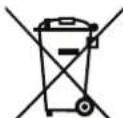
This marking indicates that this product should not be disposed with other household wastes throughout the EU. To prevent possible harm to the environment or human health from uncontrolled waste disposal, recycle it responsibly to promote the sustainable reuse of material resources. To return your used device, please use the return and collection systems or contact the retailer where the product was purchased. They can take this product for environmental safe recycling.
21
FR EN DE ES IT PT NL SV DA NO FI HU CS RU RO PL SL HR ET LT LV SK BG
HOCHDRUCK-AUSLOSER-SPERRE


- CHARACTERISTIQUES DU PRODUIT
- REEMPLACEMENT DU CABLE D'ALIMENTATION
- ENGLISH(ORIGINAL INSTRUCTIONS)
- INTENDED USE
- INTRODUCTION
- IMPORTANT SAFETY INSTRUCTIONS
- WARNING
- WARNING: THIS APPLIA
- ENDEESITPTNLSVDDA NOFIHUCSRUROPLSLHRETLVLSKBG
- ENDEESITPTNLSDA NOFIHUCSRUROPLSLHRETLVSKBG
- SERVICE
- WARNING: THE OPERATI
- SAVE THESE INSTRUCTIONS
- ELECTRICAL
- ELECTRICAL CONNECTION
- EXTENSION CORDS
- SEE FIGURE 1
- PRODUCT SPECIFICATIONS
- DESCRIPTION
- FIGURE 2
- FIGURE 3
- FIGURE 4
- FIGURE 5
- FIGURE 6
- FIGURE 7
- FIGURE 11
- FIGURE 12
- FIGURE 14
- KNOW YOUR PRESSURE WASHER
- EN DE ES IT PT NL SV DA NO FI HU CS RU RO PL SL HR ET LT LV SK BG
- DETERGENT TANK
- HIGH PRESSURE TRIGGER
- HIGH PRESSURE TRIGGER LOCK-OUT
- HYDROSURGE(TM) /LOW PRESSURE (HIGH FLOW) LEVER
- ON/OFF SWITCH
- TELESCOPIC HANDLE
- GUN/LANCE
- ASSEMBLY
- UNPACKING
- INSTALLING THE WHEELS
- SEE FIGURE 3
- ATTACHING THE HANDLE ASSEMBLY
- SEE FIGURE 4
- ATTACHING THE HIGH PRESSURE AND LOW PRESSURE HOSES TO THE GUN
- SEE FIGURE 6
- CONNECTING THE GARDEN HOSE TO THE PRESSURE WASHER
- CAUTION: WHEN CON
- OPERATION
- APPLICATIONS
- ADDING DETERGENT TO THE PRESSURE WASHER
- STARTING AND STOPPING THE PRESSURE WASHER
- CAUTION
- EN DE ES IT PT NL SV DA NO FI HUCS RU ROPLS HR ET LT LV SK BG
- USING THE GUN/LANCE
- HIGH PRESSURE CLEANING
- LOW PRESSURE (HIGH FLOW) RINSING
- COMBINATION CLEANING/RINSING
- USING THE NOZZLES
- TO CONNECT A NOZZLE TO THE LANCE
- TO DISCONNECT A NOZZLE FROM THE TRIGGER HANDLE ONCE THE CLEANING JOB IS COMPLETE
- ENDEESITPTNLSDA NOFIHUCSRUROPLSLHRETLVLSKBG
- STORING THE PRESSURE WASHER
- SEE FIGURE 14
- NOTE
- MAINTENANCE
- GENERAL MAINTENANCE
- POWER SUPPLY CORD REPLACEMENT
- NOZZLE MAINTENANCE
- DISPOSAL
- FR EN DE ES IT PT NL SV DA NO FI HU CS RU RO PL SL HR ET LT LV SK BG
- HOCHDRUCK-AUSLOSER-SPERRE
Brand : RYOBI
Model : RPW120HS
Category : Pressure washer