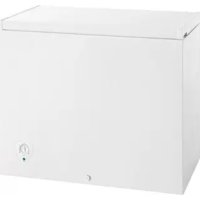
FFFC09M1RW - Freezer FRIGIDAIRE - Free user manual and instructions
Find the device manual for free FFFC09M1RW FRIGIDAIRE in PDF.



| Product Type | Freezer |
| Brand | Frigidaire |
| Model | FFFC09M1RW |
| Power Supply | 115 V, 60 Hz, 15 A (time-delay fuse) |
| Recommended Outlet | 3-prong grounded wall outlet |
| Ambient Temperature | 0 °C to 43 °C (32 °F to 110 °F) |
| Space Required Around Appliance | 101.6 mm (4 in) on each side |
| Refrigerant | Flammable (type not specified) |
| Temperature Setting | Rotary control from "OFF" to "MAX" |
| Default Temperature | Factory set for optimal preservation |
| Operation Indicator | LED indicating power is on |
| Security Lock | Optional (depending on model), with key |
| Defrost Drain | Opening to drain water during defrosting |
| Defrosting | Manual (unplug, remove food, leave lid open) |
| Interior Cleaning | Baking soda solution (2 tbsp / 1 pint warm water) |
| Exterior Cleaning | Warm water and mild liquid detergent |
| Power Outage | Food stays frozen at least 24 hours if lid stays closed |
| Warranty | 1 year limited (parts and labor) |
Frequently Asked Questions - FFFC09M1RW FRIGIDAIRE
User questions about FFFC09M1RW FRIGIDAIRE
0 question about this device. Answer the ones you know or ask your own.
Ask a new question about this device
Download the instructions for your Freezer in PDF format for free! Find your manual FFFC09M1RW - FRIGIDAIRE and take your electronic device back in hand. On this page are published all the documents necessary for the use of your device. FFFC09M1RW by FRIGIDAIRE.
USER MANUAL FFFC09M1RW FRIGIDAIRE
Product Registration. 2
Energy Saving Tips. 2
Important Safety Instructions. 3
First Steps 5
Optional Freezer Features 5
Setting Temperature Controls. 6
Care and Cleaning. 7
Power Failure/Freezer Failure. 8
Before you Call. 9
Major Appliance Warranty. 11
Read and Save These Instructions
This Owner's Guide provides specific operating instructions for your model. Use your freezer only as instructed in this guide. These instructions are not meant to cover every possible condition and situation that may occur. Common sense and caution must be practiced when installing, operating, and maintaining any appliance.
Record Your Model and Serial Numbers
Record the model and serial numbers in the space provided below.
Model Number:
Serial Number:
Purchase Date:

- The freezer should be located in the coolest area of the room, away from heat producing appliances or heating ducts, and out of direct sunlight.
- Let hot foods cool to room temperature before placing in the freezer. Overloading the freezer forces the compressor to run longer. Foods that freeze too slowly may lose quality or spoil.
- Be sure to wrap foods properly and wipe containers dry before placing them in the freezer. This cuts down on frost build-up inside the freezer.
- Freezer shelves and baskets should not be lined with aluminum foil, wax paper, or paper toweling. Liners interfere with cold air circulation, making the freezer less efficient.
- Organize and label food to reduce door openings and extended searches. Remove as many items as needed at one time, and close door as soon as possible.
IMPORTANT SAFETY INSTRUCTIONS

WARNING
Please read all instructions before using this freezer.
Definitions
This is the safety alert symbol. It is used to alert you to potential personal injury hazards. Obey all safety messages that follow this symbol to avoid possible injury or death.

DANGER
DANGER indicates an imminently hazardous situation which, if not avoided, will result in death or serious injury.

WARNING
WARNING indicates a potentially hazardous situation which, if not avoided, could result in death or serious injury.

CAUTION
CAUTION indicates a potentially hazardous situation which, if not avoided, may result in minor or moderate injury.

IMPORTANT
IMPORTANT indicates installation, operation or maintenance information which is important but not hazard-related.

WARNING
For Your Safety
Do not store or use gasoline, or other flammable vapors and liquids in the vicinity of this or any other appliance. Read product labels for flammability and other warnings.

WARNING
Proper Disposal of your Freezer
Risk of child entrapment
Child entrapment and suffocation are not problems of the past. Junked or abandoned freezers are still dangerous - even if they will sit for "just a few days". If you are getting rid of your old freezer, please follow the instructions below to help prevent accidents.
We strongly encourage responsible appliance recycling/ disposal methods. Check with your utility company or visit www-recyclemyoldfridge.com for more information on recycling your old wine cooler.
Before you throw away your old freezer:
- Remove door/lid.
- Leave shelves in place so children may not easily climb inside.

DANGER

DANGER-Ris of fire or e plosion. lammable refrigerant used.Do not use mechanical devices to defrost refrigerator.Do not puncture refrigerant tubing.
DANGER-Ris of fire or e plosion. lammable refrigerant used. To be repaired only by trained service personnel. Do not puncture refrigerant tubing.

CAUTION

CAUTION-Ris of fire or e plosion. Iammable refrigerant used.Consult repair manual/owner's guide before attempting to service this product. All safety precautions must be followed.
CAUTION-Ris of fire or e plosion. Dispos of property in accordance with federal or local regulations. Iammable refrigerant used.
CAUTION-Ris of fire or e plosion due to puncture refrigerant tubing. ollow handling instructions carefully. Iammable refrigerant used.
IMPORTANT SAFETY INSTRUCTIONS

WARNING
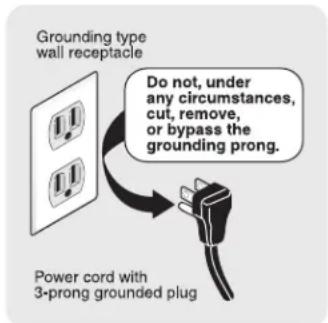
Avoid fire hazard or electric shock. Do not use an extension cord or an adapter plug. Do not remove any prong from power cord.

WARNING
Please read all safety instructions before using your new appliance.
For Your Safety
- Do not store or use gasoline, or other flammable liquids in the vicinity of this or any other appliance. Read product labels for warnings regarding flammability and other hazards.
- Do not operate the unit in the presence of explosive fumes.
- Remove and discard any spacers used to secure the shelves during shipping. Small objects are a choke hazard to children.
- Remove all staples from the carton. Staples can cause severe cuts, and also destroy finishes if they come in contact with other appliances or furniture.

WARNING
Child Safety
- Destroy carton, plastic bags, and any exterior wrapping material immediately after the wine cooler is unpacked. Children should never use these items to play. Cartons covered with rugs, bedspreads, plastic sheets or stretch wrap may become airtight chambers, and can quickly cause suffocation.
- An empty, discarded freezer is a very dangerous attraction to children.
- Remove the door(s) of any appliance that is not in use, even if it is being discarded.

WARNING
Electrical Information
These guidelines must be followed to ensure that safety mechanisms in the design of this freezer will operate properly.
- Refer to the serial plate for correct electrical rating. The power cord of the appliance is equipped with a three-prong grounding plug for your protection against electrical shock hazards. It must be plugged directly into a properly grounded three-prong receptacle, protected with a 15 amp time delay fuse or circuit breaker. The receptacle must be installed in accordance with the local codes and ordinances. Consult a qualified electrician. Receptacles protected by Ground Fault Circuit Interrupters (GFCI) are NOT RECOMMENDED. Do NOT use an extension cord or adapter plug.
- If voltage varies by 10 percent or more, freezer performance may be affected. Operating the freezer with insufficient power can damage the motor. Such damage is not covered under the warranty. If you suspect your household voltage is high or low, consult your power company for testing.
- To prevent the freezer from being turned off accidentally, do not plug unit into an outlet controlled by a wall switch or pull cord.
- Do not pinch, knot, or bend power cord in any manner.

WARNING
Other Precautions
- To defrost freezer, always unplug unit first.
- Never unplug the freezer by pulling on the power cord. Always grip the plug firmly and pull straight out from the receptacle.
- Turning the control to OFF turns off the compressor, but does not disconnect power to other electrical components.
FIRST STEPS
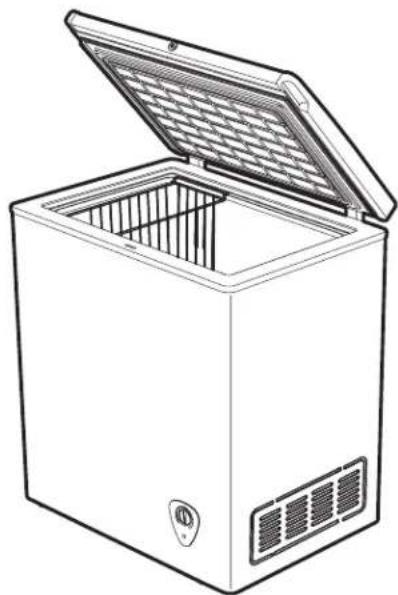
OPTIONAL FREEZER FEATURES
This Use & Care Guide provides general operating instructions for your model. Use the freezer only as instructed in this Use & Care Guide. Before starting the freezer, follow these important first steps.
Location
- Choose a place that is near a grounded electrical outlet. Do Not use an extension cord or an adapter plug.
- The freezer should be located where surrounding temperatures will not exceed 110^ F (43^ C). Temperatures of 32^ F (0^ C) and below will NOT affect freezer operation. Additional compressor heaters are not recommended.
- Allow space around the unit for good air circulation. Leave a 4 inch (101.6 mm) space on all sides of the freezer for adequate circulation.
Leveling (some models)
The freezer must have all bottom corners resting firmly on a solid floor. The floor must be strong enough to support a fully loaded freezer. NOTE: It is VERY IMPORTANT for your freezer to be level in order to function
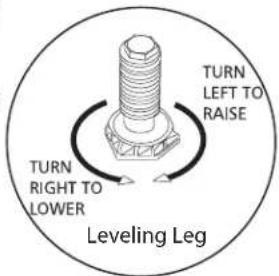
properly. If the freezer is not leveled during installation, the door may be misaligned and not close or seal properly, causing cooling, frost, or moisture problems.
Cleaning
- Wash any removable parts of the freezer interior and exterior with mild detergent and warm water. Wipe dry. DO NOT USE HARSH CLEANERS ON THESE SURFACES.
- Do not use razor blades or other sharp instruments which can scratch the appliance surface when removing adhesive labels. Any glue left from the tape can be removed with a mixture of warm water and mild detergent or the residue can be touched with the sticky side of tape already removed. DO NOT REMOVE THE SERIAL PLATE.
Security Lock with Pop-Out Key (some models)
This security lock fastens the door snugly, ensuring that stored food is secure. To lock or unlock the freezer, push the key into the lock and turn. The key pops out of the lock after it has been turned.
Defrost Drain
The defrost drain provides a method of draining the water during defrosting and cleaning. See "Defrosting" in Care and Cleaning Section.
Power On Light
The Power On Light indicates that the freezer is properly connected to electrical power. The light glows even when the temperature control is turned to OFF. If the light goes out, refer to "Freezer does not run" in the Avoid Service Checklist.
SETTING THE TEMPERATURE CONTROL
Cool Down Period
- For safe food storage, allow 4 hours for the freezer to cool down completely. The freezer will run continuously for the first several hours. Foods that are already frozen may be placed in freezer after the first few hours of operation. Unfrozen foods should NOT be loaded into freezer until freezer has operated for 4 hours.
- When loading freezer, freeze only 3 pounds of fresh food per cubic foot of freezer space at one time. Distribute packages to be frozen evenly throughout the freezer. It is not necessary to turn control knob to a colder setting while freezing food.
Temperature Control
The temperature control is located inside the freezer on
upright models, and on the front outside wall on chest models. The temperature is factory preset to provide satisfactory food storage temperatures. However, the temperature control is adjustable to provide a range of temperatures for your personal satisfaction. If a colder temperature is desired, turn the
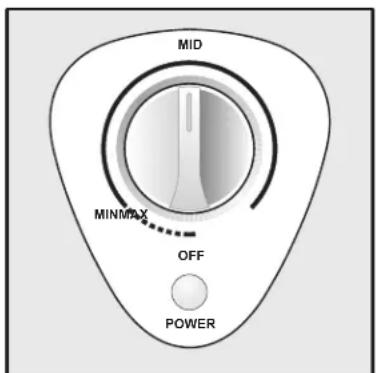
temperature control knob toward MAX and allow several hours for temperatures to stabilize between adjustments.
CARE AND CLEANING

CAUTION
- Damp objects stick to cold metal surfaces. Do not touch interior metal surfaces with wet or damp hands.
Between Defrostings
To avoid frequent defrosting, occasionally use a plastic scraper to remove frost. Scrape with a pulling motion. Never use a metal instrument to remove frost.

CAUTION
Freezer must be unplugged (to avoid electrical hazard) from power source when defrosting unit.
Defrosting
It is important to defrost and clean freezer when 14 to 12 inch of frost has accumulated. Frost may tend to accumulate faster on upper part of the freezer due to warm, moist air entering the freezer when the door is opened. Remove food and leave the door open when defrosting the freezer.
If the frost is soft, remove it by using a plastic scraper. If the frost is glazed and hard, fill deep pans with hot water and place them on the freezer bottom. Close the freezer door. Frost should soften in about 15 minutes. Repeat this procedure if necessary.
Cleaning the Inside
After defrosting, wash inside surfaces of the freezer with a solution of two tablespoons of baking soda in one quart (1.136 litres) warm water. Rinse and dry. Wring excess water out of the sponge or cloth when cleaning in the area of the controls, or any electrical parts.
Wash the removable parts with the baking soda solution mentioned above, or mild detergent and warm water. Rinse and dry. Never use metallic scouring pads, brushes, abrasive cleaners, or alkaline solutions on any surface. Do not wash removable parts in a dishwasher.
Cleaning the Outside
Wash the cabinet with warm water and mild liquid detergent. Rinse well and wipe dry with a clean soft cloth. Replace parts and food.
Vacation and Moving Tips
Short Vacations: Leave the freezer operating during vacations of less than three weeks.
Long Vacations: If the freezer will not be used for several months, remove all food and unplug the power cord. Clean and dry the interior thoroughly. To prevent odor and mold growth, leave the freezer door open slightly, blocking it open if necessary.
Moving: Disconnect the power cord plug from the wall outlet. Remove food, defrost, and then clean the freezer. Secure all loose items such as base panel, baskets, and shelves by taping them securely in place to prevent damage. In the moving vehicle, secure freezer in an upright position, and secure to prevent movement. Also protect outside of freezer with a blanket, or similar item.
POWER/FREEZER FAILURE

WARNING
If leaving freezer door open while on vacation, make certain that children cannot get into the freezer and become entrapped.

NOTE
Do not open freezer door unnecessarily if freezer is off for several hours.
If a power failure occurs, frozen foods will stay frozen for at least 24 hours if the freezer is kept closed. If the power failure continues, pack seven or eight pounds of dry ice into the freezer every 24 hours. Look in the Yellow Pages under "Dry Ice," "Dairies," or "Ice Cream Manufacturers" for local dry ice suppliers. Always wear gloves and use caution when handling dry ice.
If the freezer has stopped operating, see "Freezer does not run" in the Avoid Service Checklist Section of this manual. If you cannot solve the problem, call an authorized servicer immediately.
If the freezer remains off for several hours, follow the directions above for the use of dry ice during a power failure. If necessary, take the food to a local locker plant until the freezer is ready to operate. Look in the Yellow Pages under "Frozen Food Locker Plants."
1-800-944-9044 (United States)
1-800-265-8352 (Canada)
Visit our web site at www.frigidaire.com.
| PROBLEM CAUSE CORRECTION | ||
| REFRIGERATOR OPERATION | ||
| Freezer does not run. | Freezer is plugged into a circuit that has a ground fault interrupt.Temperature Control is in the OFF position.Freezer may not be plugged in or plug is loose.Hose fuse blown or tripped circuit breaker.Power outage | Use another circuit. If you are unsure about the outlet, have it checked by a certified technician.See Setting the Temperature Control section.Ensure plug is tightly pushed into outlet.Check/replace fuse with a 15 amp time-delay fuse Reset circuit breaker.Check house lights. Call local electric company. |
| Freezer runs too much or too long. | Room or outside weather is hot.Freezer has recently been disconnected for a period of time.Large amounts of warm or hot food has been stored recently.Lid is opened too frequently or too long.Freezer lid may be slightly open.Temperature control is set too low.Freezer gasket is dirty, worn, cracked, or poorly fitted. | It's normal for the freezer to work longer under these conditions.It takes 4 hours for the freezer to cool down completely.Warm food will cause freezer to run more until the desired temperature is reached.Warm air entering the freezer causes it to run more.Open lid less often.Ensure freezer lid is tightly closed.Turn control knob to a warmer setting. Allow several hours for the temperature to stabilize.Clean or change gasket. Leaks in lid seal will cause freezer to run longer in order to maintain desired temperatures. |
| FREEZEER TEMPERATURES | ||
| Interior freeze temperature is too cold. | Freezer control is set too low. | Set freezer control to a warmer setting. Allow several hours for temperature to stabilize. |
| Temperature inside freezer is too warm. | Freezer control is set too warm.Lid is opened too frequently or too long.Lid may not be seating properlyLarge amounts of warm or hot food has been stored recently.Freezer has recently been disconnected for a period of time. | Set fresh food control to a colder setting. Allow several hours for temperature to stabilize.Warm air entering the freezer causes it to run more Open lid less often.See "LID PROBLEMS" section.Warm food will cause freezer to run more until the desired temperature is reached.Freezer requires 4 hours to cool down completely. |
| Temperature of external freezer is too warm. | The external freezer walls can be as much as 30° F warmer than room temperature. | This is normal while the compressor works to transfer heat from inside the freezer cabinet. |
| SOUND AND NOISE | ||
| Louder sound levels when freezer is on. | Modern freezers have increased storage capacity and more stable temperatures. They require a high efficiency compressor. | This is normal. When the surrounding noise is low, you might hear the compressor running while it cools the interior. |
| Longer sound levels when compressor comes on. | Freezer operates at higher pressures during the start of the ON cycle. | This is normal. Sound will level off or disappear as freezer continues to run. |
| Popping or cracking sound when compressor comes on. | Metal parts undergo expansion and contraction, as in hot water pipes. | This is normal. Sound will level off or disappear as freezer continues to run. |
| Bubbling or gurgling sound, like water boiling. | Refrigerant (used to cool freezer) is circulating throughout the system. | This is normal. |
BEFORE YOU CALL (continued)
| PROBLEM CAUSE CORRECTION | ||
| SOUND AND NOISE (continued) | ||
| Vibrating or rattling noise. • | Freezer is not level. It rocks on the floor when it is moved slightly. • Floor is uneven or weak. Freezer rocks on floor when it is moved slightly. • Freezer is touching the wall. | • Level the unit. Refer to "Leveling" in the Installation Section. • Ensure floor can adequately support freezer. Level the freezer by putting wood or metal shims under part of the freezer. • Re-level the freezer or move freezer slightly. Refer to "Leveling" in the Installation Section. |
| WATER/MOISTURE/FROST INSIDE FREEZER | ||
| Moisture forms on inside freezer walls. | • Weather is hot and humid. • Lid may not be seating properly. • Lid is opened too often or too long. | • The rate of frost buildup and internal sweating increases. This is normal. • See "LID PROBLEMS". • Open lid less often. |
| WATER/MOISTURE/FROST OUTSIDE REFRIGERATOR | ||
| Moistureformsonoutside of freezer. | • Lid may not be seating properly, causing cold air from inside freezer to meet warm air from outside. | • See "LID PROBLEMS". |
| ODOR IN FREEZER | ||
| Odor in freezer. • Interior needs to be cleaned. • Foods with strong odors are in the freezer. | • Clean interior with sponge, warm water, and baking soda. • Cover the food tightly. | |
| LID PROBLEMS | ||
| Lid will not close. • Freezer is not level. It rocks on the floor when it is moved slightly. • Floor is uneven or weak. Freezer rocks on floor when it is moved slightly. | • This condition can force the cabinet out of square and misalign the lid. Refer to "Leveling" in the Installation Section. • Level the floor by using wood or metal shims under the freezer or brace floor supporting the freezer. | |
| LIGHT BULB IS NOT ON | ||
| Power Available Light is not on | • LED may be burned out. • No electric current is reaching the freezer. | • Contact a qualified service dealer. • See "Freezer does not run" in the "RUNNING OF FREEZER" Section. |
Major Appliance Warranty Information
Your appliance is covered by a one year limited warranty. For one year from your original date of purchase, Electrolux will pay all costs for repairing or replacing any parts of this appliance that prove to be defective in materials or workmanship when such appliance is installed, used and maintained in accordance with the provided instructions.
Exclusions This warranty does not cover the following:
- Products with original serial numbers that have been removed, altered or cannot be readily determined.
- Product that has been transferred from its original owner to another party or removed outside the USA or Canada.
- Rust on the interior or exterior of the unit.
- Products purchased "as-is" are not covered by this warranty.
- Food loss due to any refrigerator or freezer failures.
- Products used in a commercial setting.
- Service calls which do not involve malfunction or defects in materials or workmanship, or for appliances not in ordinary household use or used other than in accordance with the provided instructions.
- Service calls to correct the installation of your appliance or to instruct you how to use your appliance.
- Expenses for making the appliance accessible for servicing, such as removal of trim, cupboards, shelves, etc., which are not a part of the appliance when it is shipped from the factory.
- Service calls to repair or replace appliance light bulbs, air filters, water filters, other consumables, or knobs, handles, or other cosmetic parts.
- Surcharges including, but not limited to, any after hour, weekend, or holiday service calls, tolls, ferry trip charges, or mileage expense for service calls to remote areas, including the state of Alaska.
- Damages to the fi nish of appliance or home incurred during installation, including but not limited to f oors, cabinets, walls, etc.
- Damages caused by: services performed by unauthorized service companies; use of parts other than genuine Electrolux parts or parts obtained from persons other than authorized service companies; or external causes such as abuse, misuse, inadequate power supply, accidents, fires, or acts of God.
DISCLAIMER OF IMPLIED WARRANTY; LIMITATION OF REMEDIES
CUSTOMER'S SOLE AND EXCLUSIVE REMEDY UNDER THIS LIMITED WARRANTY SHALL BE PRODUCT REPAIR OR REPLACEMENT AS PROVIDED HEREIN. CLAIMS BASED ON IMPLIED WARRANTYES, INCLUDING WARRANTYES OF MERCHANTABILITY OR FITNESS FOR A PARTICULAR PURPOSE, ARE LIMITED TO ONE YEAR OR THE SHORTEST PERIOD ALLOWED BY LAW, BUT NOT LESS THAN ONE YEAR. ELECTROLUX SHALL NOT BE LIABLE FOR CONSEQUENTIAL OR INCIDENTAL DAMAGES SUCH AS PROPERTY DAMAGE AND INCIDENTAL EXPENSES RESULTING FROM ANY BREACH OF THIS WRITTEN LIMITED WARRANTY OR ANY IMPLIED WARRANTY. SOME STATES AND PROVINCES DO NOT ALLOW THE EXCLUSION OR LIMITATION OF INCIDENTAL OR CONSEQUENTIAL DAMAGES, OR LIMITATIONS ON THE DURATION OF IMPLIED WARRANTYES, SO THESE LIMITATIONS OR EXCLUSIONS MAY NOT APPLY TO YOU. THIS WRITTEN WARRANTY GIVES YOU SPECIFIC LEGAL RIGHTS. YOU MAY ALSO HAVE OTHER RIGHTS THAT VARY FROM STATE TO STATE.
If You Need Service
Keep your receipt, delivery slip, or some other appropriate payment record to establish the warranty period should service be required. If service is performed, it is in your best interest to obtain and keep all receipts. Service under this warranty must be obtained by contacting Electrolux at the addresses or phone numbers below.
This warranty only applies in the USA and Canada. In the USA, your appliance is warranted by Electrolux Major Appliances North America, a division of Electrolux Home Products, Inc. In Canada, your appliance is warranted by Electrolux Canada Corp. Electrolux authorizes no person to change or add to any obligations under this warranty. Obligations for service and parts under this warranty must be performed by Electrolux or an authorized service company. Product features or specifications as described or illustrated are subject to change without notice.
USA
1.800.944.9044
Electrolux Major Appliances
North America
10200 David Taylor Drive
Charlotte, NC 282626

Electrolux
Canada
1.800.265.8352
Electrolux Canada Corp.
5855 Terry Fox Way
Mississauga, Ontario, Canada
L5V3E4
FRIGIDÄIRE
Todo acerca del
uso y cuidado
de su congelador
INDICE
- Read and Save These Instructions
- Record Your Model and Serial Numbers
- IMPORTANT SAFETY INSTRUCTIONS
- WARNING
- Definitions
- DANGER
- CAUTION
- IMPORTANT
- For Your Safety
- Proper Disposal of your Freezer
- Risk of child entrapment
- Before you throw away your old freezer:
- Child Safety
- Electrical Information
- Other Precautions
- FIRST STEPS
- OPTIONAL FREEZER FEATURES
- Location
- Leveling (some models)
- Cleaning
- Security Lock with Pop-Out Key (some models)
- Defrost Drain
- Power On Light
- SETTING THE TEMPERATURE CONTROL
- Cool Down Period
- Temperature Control
- CARE AND CLEANING
- Between Defrostings
- Defrosting
- Cleaning the Inside
- Cleaning the Outside
- Vacation and Moving Tips
- POWER/FREEZER FAILURE
- NOTE
- BEFORE YOU CALL (continued)
- Major Appliance Warranty Information
- Exclusions This warranty does not cover the following:
- DISCLAIMER OF IMPLIED WARRANTY; LIMITATION OF REMEDIES
- If You Need Service
- Electrolux
- FRIGIDÄIRE
- Todo acerca del
- uso y cuidado
- de su congelador
- INDICE
Brand : FRIGIDAIRE
Model : FFFC09M1RW
Category : Freezer