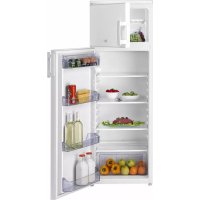
FT3 310 - Fridge TEKA - Free user manual and instructions
Find the device manual for free FT3 310 TEKA in PDF.



| Brand | Teka |
| Model | FT3 310 |
| Product Type | Refrigerator with freezer compartment |
| Power supply | 220-240 V, 50 Hz |
| Climate class | T (16 °C to 43 °C), ST, N, SN |
| Temperature adjustment | Rotary thermostat positions 1 to 5 |
| Refrigeration capacity | Not specified (check label) |
| Freezing capacity | Not specified (check label) |
| Defrost | Automatic for refrigerator, manual for freezer |
| Interior lighting | Bulb ≤ 15 W |
| Included accessories | Ice tray, vegetable drawer, door bins, egg tray, plastic scraper |
| Reversible door | Yes (after-sales service intervention recommended) |
| Refrigerant | R600a (isobutane) - see rating plate |
| Maintenance | Cleaning with warm water and bicarbonate; dust condenser twice a year |
| Safety | Do not use adapter, do not damage cooling circuit, keep out of reach of children |
Frequently Asked Questions - FT3 310 TEKA
User questions about FT3 310 TEKA
0 question about this device. Answer the ones you know or ask your own.
Ask a new question about this device
Download the instructions for your Fridge in PDF format for free! Find your manual FT3 310 - TEKA and take your electronic device back in hand. On this page are published all the documents necessary for the use of your device. FT3 310 by TEKA.
USER MANUAL FT3 310 TEKA
Safety Instructions 2
Safety warnings 3
Installing and Operating your Fridge 4
Before Using your Fridge 4
THE VARIOUS FUNCTION AND POSSIBILITIES. 5
Thermostat Setting 5
Accessoires 5
Ice tray 5
ARRANGING FOOD IN THE APPLIANCE 6
Refrigerator Compartment 6
Freezer Compartment 6
CLEANING AND MAINTENANCE 7
Defrosting 8
Replacing The Light Bulb 9
SHIPMENT AND REPOSITIONING 9
Repositioning the Door 9
BEFORE CALLING YOUR AFTER SALES SERVICE 10
THE PARTS OF THE APPLIANCE AND THE COMPARTMENTS.....12
PART - 1. BEFORE USING THE APPLIANCE
Safety Instructions
- If the model contains R600a-see name plate under refrigerant (the coolant isobutane), naturals gas that, is very environmentally friendly but also combustible. When transporting and installing the unit care must be taken to ensure that none of the refrigeration circuit components become damaged. In the event of damage avoid naked flames or ignition sources and ventilate the room in which the unit is placed for a few minutes.
Warning: Keep ventilation openings in appliance enclosure or in structure for building in, clear of obstruction.
- Do not use mechanical devices or other artificial means to accelerate the defrosting process.
- Do not use electrical appliances in the refrigerator or freezer compartment of the appliance.
- If this appliance is to replace an old refrigerator with a lock; break or remove the lock as a safety measure before storing it, to protect children while playing might lock themselves inside.
- Old refrigerators and freezers contain insulation gases and refrigerant, which must be disposed of properly. Entrust the disposal of a scrap unit categorically to competence of your local waste disposal service and contact your local authority or your dealer if you have any questions. Please ensure that the pipe of work of your refrigerating unit does not get damaged prior to being picked-up by the relevant waste disposal service.
Important note:
Please read this booklet before installing and switching on this appliance. The manufacturer assumes no responsibility for incorrect installation and usage as described in this booklet.
Safety warnings
Warning: Do not use mechanical devices or other means to accelerate the defrosting process, other than those recommended by the manufacturer. Do not use electrical appliances inside the food storage compartments of the appliance, unless they are of the type recommended by the manufacturer. Keep ventilation openings, in the appliance enclosure or in the built-in structure, clear of obstruction. Do not damage the refrigerant circuit.
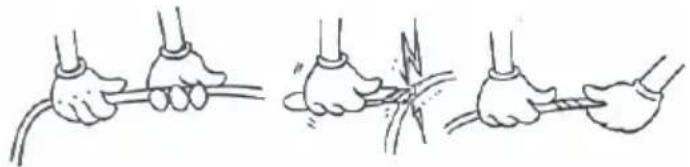
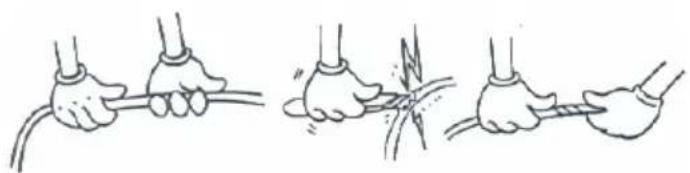
- Do not use multiple receptacles or extension cord.
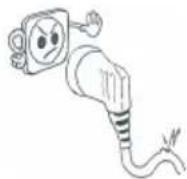
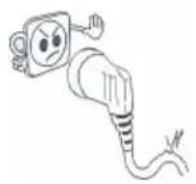
- Do not plug in damaged, torn or old plugs.
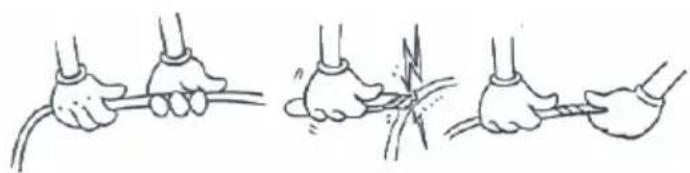
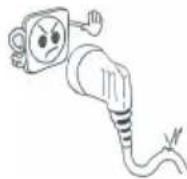
- Do not pull, bend or damage the cord.
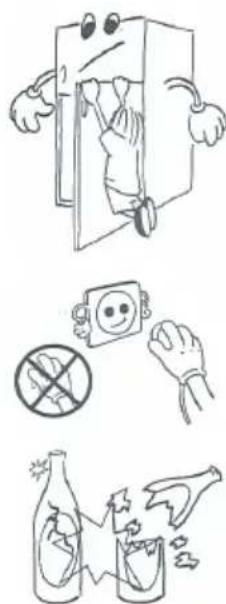
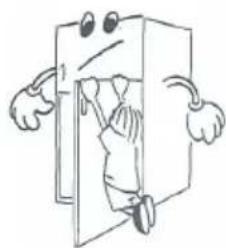
- This appliance is designed for use by adults, do not allow children to play with the appliance or let them to hang over the door.
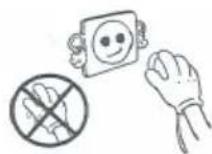
- Do not plug-in or out the plug from the receptacle with wet hands to prevent electrocution!
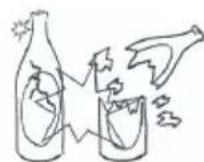
- Do not place glass bottles or beverage cans in the freezer department. Bottles or cans may explode.
- Do not place explosive or flammable material in your fridge for your safety. Place drinks with higher alcohol amount vertically and by closing their necks tightly in the fridge department.
- When taking ice made in the freezer department, do not touch it, ice may cause iceburns and/or cuts.
- Do not touch frozen goods with wet hands! Do not eat ice-cream and ice cubes immediately after you take them out of the freezer department!
- Do not re-freeze the frozen goods after being melted. This may cause health issues like food poisoning.
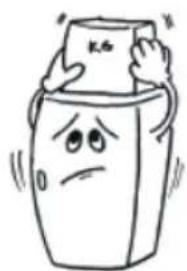
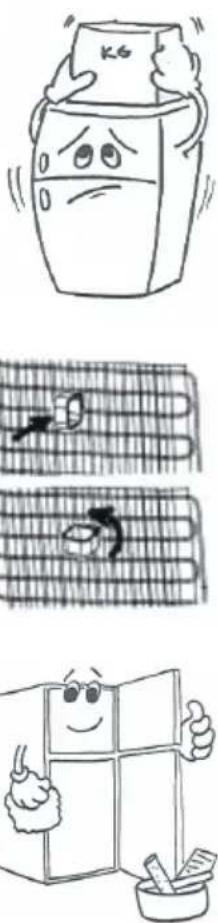
- Do not cover the body or top of fridge with lace. This effects the performance of your fridge.
Fix the accessories in the fridge during transportation to prevent damage to accessories. - The appliance is not intended for use by people (including children) with reduced physical, sensory or mental capabilities, or lack of experience and knowledge, unless they have been given supervision or instruction concerning use of the appliance by a person responsible for their safety. Children should be supervised to ensure that they don't play with the appliance.
- If the supply cord is damaged it must be replaced by the manufacturer or service agent or similar qualified people in order to avoid a hazard.

Installing and Operating your Fridge
-
Before making the connection to the power supply, ensure that the voltage on the nameplate corresponds to the voltage of electrical system at your home.
-
Operating voltage for your fridge is 220 - 240V at 50Hz .
-
Before starting to use your fridge, please call the nearest Authorized service and get help on the installation, operation and usage of your fridge.
-
Mains cord of your fridge has a grounded plug. This plug should be used with a grounded receptacle that has a 16 amper fuse minimum. If you don't have a receptacle confirming with this, please have it done by a qualified electrician.
-
We do not take the responsibility of the damages that occur due to ungrounded usage.
-
Place your fridge in a place that it would not be exposed to direct sunlight.
-
Your appliance should be at least 50~cm away from stoves, ovens and heater cores, and should be at least 5cm away from electrical ovens.
It should never be used outdoors or left under the rain.
-
Fit the plastic wall spacers to the condenser at the back of the refrigerator in order to prevent cleaning to the wall for good performance.
-
When your fridge is placed next to a deep freezer, there should be at least 2cm between them to prevent humidity on the outer surface. Do not place anything on your fridge, and install your fridge in a suitable place so that at least 15cm is available on the upper side.
-
If you will place your fridge next to your kitchen cabinets, leave a space of 2 cm between them.
-
Install the distance adjustment plastic (the part with black vanes at the rear) by turning it 90^ to prevent the condenser from touching the wall.
-
The adjustable front legs should be stabilized in an appropriate height to allow your fridge operate in a stable and proper way. You can adjust the legs by turning them clockwise (or in the opposite direction). This should be done before placing food in the fridge.
-
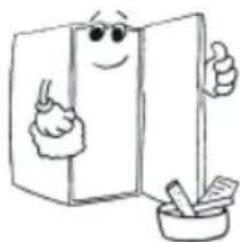
Before using your fridge, wipe all parts with warm water added with a tea spoonful of sodium bicarbonate, and then rinse with clean water and dry. Place all parts after cleaning.
Before Using your Fridge
- When it is operated for the first time or after transportation, keep your fridge in the upright position for 3 hours and plug it on to allow efficient operation. Otherwise, you may damage the compressor.
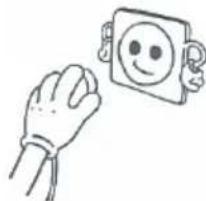
- Your fridge may have a smell when it is operated for the first time; the smell will fade away when your fridge starts to cool.
PART - 2. THE VARIOUS FUNCTION AND POSSIBILITIES
Thermostat Setting
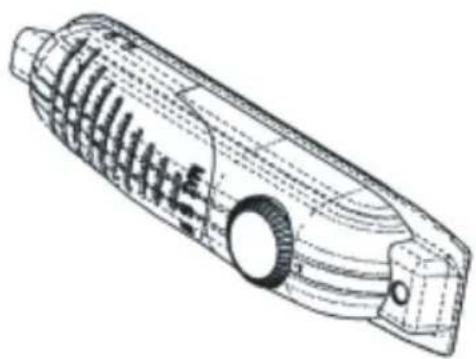
- Thermostat automatically regulates the inside temperature of the refrigerator compartment and freezer compartment. By rotating the knob from position 1 to 5, colder temperatures can be obtained. «0» position shows thermostat is closed and no cooling will be available.
- For short-term storage of food in the freezer compartment, you can set the knob between 1 and 3 position.
- For long-term storage of food in the freezer compartment, you can set knop 3-4 position.
Note that; the ambient temperature, temperature of the freshly stored food and how often the door is opened, affects the temperature in the refrigerator compartment. If required, change the temperature setting.
Accessoires
Ice tray
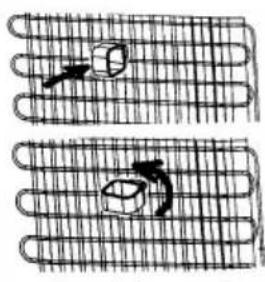
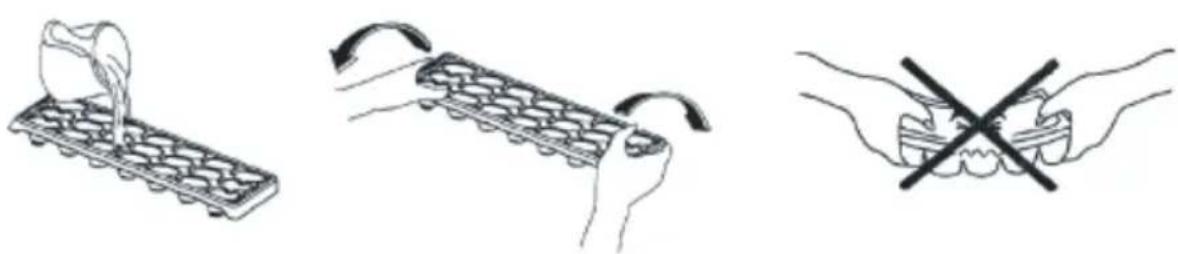
- Fill the ice tray with water and place in freezer compartment.
- After the water completely turned into ice, you can twist the tray as shown below to get the ice cube.
PART -3. ARRANGING FOOD IN THE APPLIANCE
Refrigerator Compartment
- To reduce humidity and consequent increase of frost never place liquids in unsealed containers in the refrigerator. Frost tends to concentrate in the coldest parts of the evaporator and in time will require more frequent defrosting.
- Never place warm food in the refrigerator. Warm food should be allowed to cool at room temperature and should be arranged to ensure adequate air circulation in the refrigerator compartment.
- Nothing should touch on the back wall as it will cause frost and the packages can stick on the back wall. Do not open the refrigerator door too frequently.
- Arrange the meat and cleaned fish wrapped in packages or sheets of plastic) which you will use in 1-2 days, in the bottom section of the refrigerator compartment (that is above the crispener) as this is the coldest section and will ensure the best storing conditions.
- You can put the fruits and vegetables into crisper without packing.
Freezer Compartment
- The use of freezer is, storing of deep-frozen or frozen foods for long periods of time and making ice cubes.
- To freeze fresh food, ensure that as much of the surface as possible of food to be frozen is in contact with the cooling surface.
- Do not put fresh food with frozen on side by side as it can thaw the frozen food.
- While freezing fresh foods (i.e. meat, fish and mincemeat), divide them in parts you will use in one time.
- Once the unit has been defrosted replace the foods into freezer and remember to consume them in as short period of time.
- Never place warm food in the freezer compartment. As it will disturb the frozen foods.
- For storing the frozen foods;the instructions shown on frozen food packages should always be followed carefully and if no information is provided food should not be stored for more than 3 months from the purchased date.
- When buying frozen foods ensure that these have been frozen at suitable temperatures and that the packing is intact.
- Frozen foods should be transported in appropriate containers to maintain the quality of the food and should be returned to the freezing surfaces of the unit in the shortest possible time.
- If a package of frozen food shows the sign of humidity and abnormal swelling it is probable that it has been previously stored at an unsuitable temperature and that the contents have deteriorated.
- The storage life of frozen foods depends on the room temperature, thermostat setting, how often the door is opened, the type of food and the length of time required to transport the product from the shop to your home. Always follow the instructions printed on the package and never exceed the maximum storage life indicated.
Not that; if you want to open again immediately after closing the freezer door, it will not be opened easily. It's quite normal! After reaching equilibrium condition, the door will be opened easily.
PART-4. CLEANING AND MAINTENANCE
-
Make sure to unplug the fridge before starting to clean it.
-
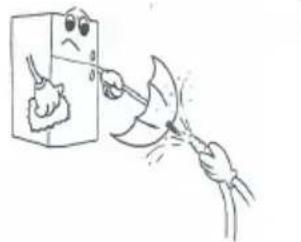
Do not wash your fridge by pouring water.
- You can wipe the inner and outer sides with a soft cloth or a sponge using warm and soapy water.
- Remove the parts individually and clean with soapy water. Do not wash in washing machine.
- Never use flammable, explosive or corrosive material like thinner, gas, acid for cleaning.
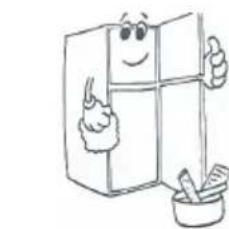
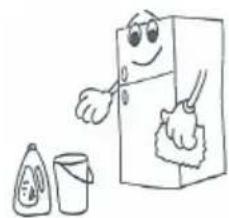
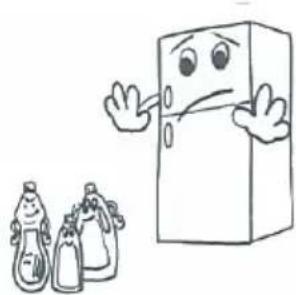
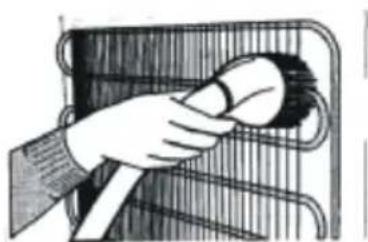
- You should clean the condenser with broom at least once a year in order to provide energy saving and increase the productivity.
Make sure that your fridge is unplugged while cleaning.
Defrosting
Refrigerator Compartment;
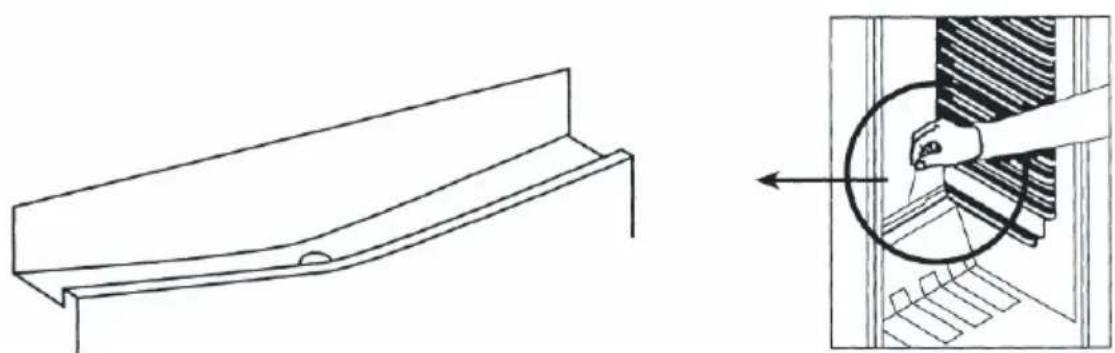
- Defrosting occurs automatically in refrigerator compartment during operation; the defrost water is collected by the evaporating tray and evaporates automatically.
- The evaporating tray and the defrost water drain hole should be cleaned periodically with defrost drain plug to prevent the water from collecting on the bottom of the refrigerator instead of flowing out.
- You can also pour 1/2 glass of the water to drain hole to clean inside.
Freezer Compartment;
The frost, accumulated in the freezer compartment, should be removed periodically. (Use the plastic scraper provided) The freezer compartment should be cleaned in the way as the refrigerator compartment, with the defrost operations of the compartment at least twice a year.
For this;
- The day before you defrost, set the thermostat dial to "5" position to freeze the foods completely.
- During defrosting, frozen foods should be wrapped in several layers of paper and kept in a cool place. The inevitable rise in temperature will shorten their storage life. Remember to use these foods within a relatively short period of time.
- Set thermostat knob to position « 0 » or unplug the unit; leave the door open until completely defrosted.
- To accelerate the defrosting process one or more basins of warm water can be placed in the freezer compartment.
- Dry the inside of the unit carefully and set the thermostat knob to MAX position.
Replacing The Light Bulb
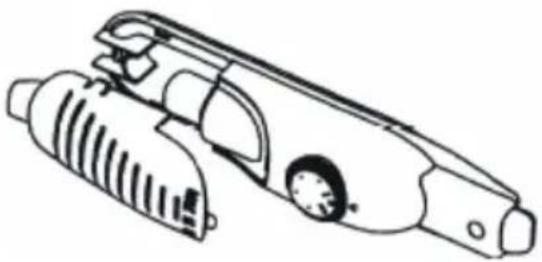
To replace the bulb in freezer and fridge departments;
1- Unplug your fridge.
2- Remove the cover of the box from the claws using a screwdriver.
3- Replace with a bulb of maximum 15 Watts.
4- Install the cover.
5- Wait for 5 minutes before re-plugging and bring the thermostat to its original position.
PART - 5. SHIPMENT AND REPOSITIONING
- Original package and foam may be kept for re-transportation (optionally).
- You should fasten your fridge with thick package, bands or strong cords and follow the instructions for transportation on the package for re-transportation.
- Remove movable parts (shelves, accessories, vegetable bins etc.) or fix them into the fridge against shocks using bands during re-positioning and transportation.
- Carry your fridge in the upright positio.
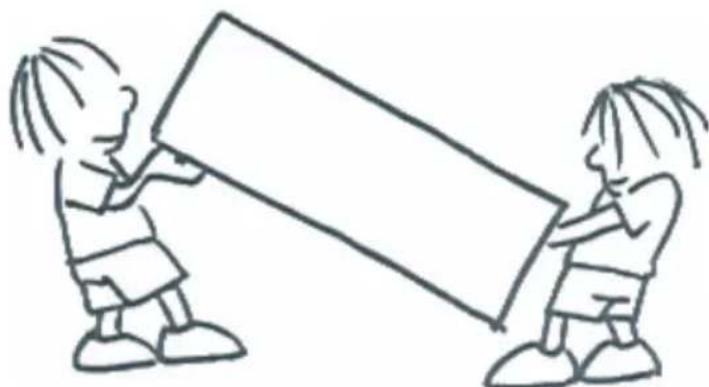
Repositioning the Door (For Some Models)
You can reposition the doors of your fridge. Contact nearest Authorized service for this.
PART - 6. BEFORE CALLING YOUR AFTER SALES SERVICE
If your refrigerator is not working properly, it may be a minor problem, therefore check the following, before calling an electrician to save time and money.
What to do if your refrigerator does not operate;
Check that ;
There is no power,
- The general switch in your home is disconnected,
- The thermostat setting is on « 0 » position,
- The socket is not sufficient. To check this, plug in another appliance that you know which is working into the same socket.
What to do if your refrigerator performs poorly ;
Check that ;
- You have not overloaded the appliance ,
- The doors are closed perfectly,
- There is no dust on the condenser,
- There is enough place at the rear and side walls.
If there is noise ;
The cooling gas which circulates in the refrigerator circuit may make a slight noise(bubbling sound) even when the compressor is not running. Do not worry this is quite normal. If these sounds are different check that;
- The appliance is well leveled
- Nothing is touching the rear.
- The stuffs on the appliance are vibrating.
If there is water in the lower part of the refrigerator;
Check that ;
The drain hole for defrost water is not clogged(Use defrost drain plug to clean the drain hole)
If your fridge is not cooling enough;
Your fridge is designed to operate in the ambient temperature intervals stated in the standards, according to the climate class stated in the information label. We do not recommend operating your fridge out of stated temperatures value limits in terms of cooling effectiveness.
| Climate Class | Ambient Temperature (℃) |
| T | Between 16 and 43 (℃) |
| ST | Between 16 and 38 (℃) |
| N | Between 16 and 32 (℃) |
| SN | Between 10 and 32 (℃) |
Recommendations
- In order to increase space and improve the appearance, the « cooling section » of this appliance is positioned inside the back wall of the refrigerator compartment. When the appliance is running, this wall is covered with frost or water drops, according to weather the compressor is running or not. Do not worry. This is quite normal. The appliance should be defrosted only if an excessively thick layer forms on the wall.
- If the appliance is not used for long time (for example during the summer holidays) Defrost and clean the refrigerator leaving the door open to prevent the formation of midew and smell.
- To stop the appliance completely, unplug from main socket (for cleaning and when the doors are left open)
Conformity Information
- Tropical Class is defined for the environment temperatures between 16^ and 43^ in accordance with the TS EN ISO 15502 Standards.
- The appliance is designed in compliance with the EN15502, IEC60335-1 / IEC60335-2-24, 2004/108/EC standards.
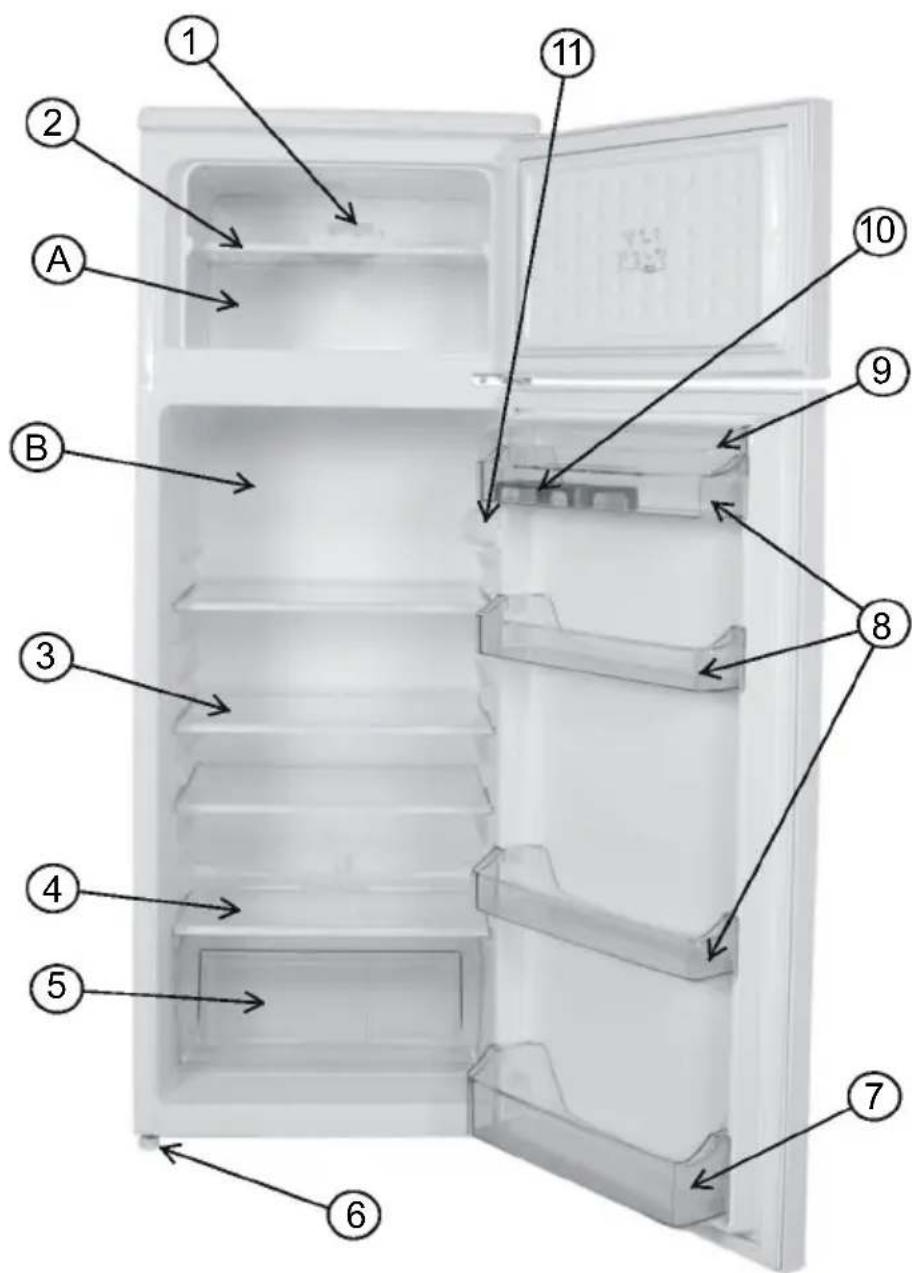
THE PARTS OF THE APPLIANCE AND THE COMPARTMENTS
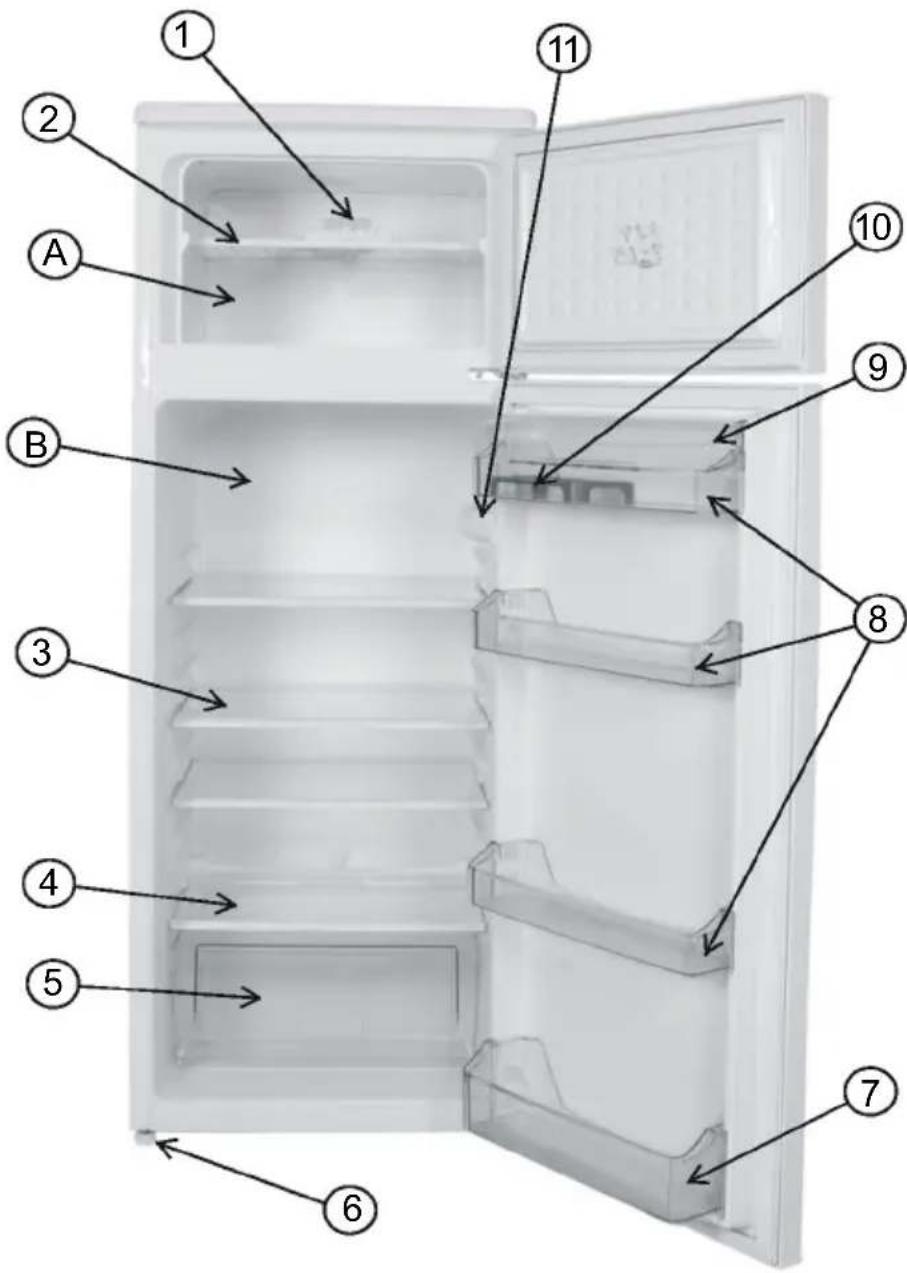
This presentation is only for information about the parts of the appliance. Parts may vary according to the appliance model.
IePeI NcNoJIb3OBAHnEM 73
IpaBnlaTexHnK6e3OpacHocTn 73
Pekomehdaun 74
YCTAHOBKA IN BKJIIOUCHNE 75
Ieped BkJIoueHnem 75
PA3JIuHbIE ΦYHKcIIM I BO3MOXHOCTN 76
YctaHObKa TepMoCTata 76
Akeccyapbl 76
ΦopMaДЯЛьда 76
PA3MEUHNE IPOyKTOB B XOJODINbHNKE 77
XoIodnJIbHaKaMepa 77
MopoznbnaKaMepa 77
CHCTKA I yXoI 78
Pa3mopaxnBaHne 79
3aMeHa IamnoyKn 80
TPAHCIOPTIPOBKA I N3MEHEHNE IO3NcIM YCTAHOBKN....80
I3MeHeHnHaPpAbHeHnOtKpbBaHnIaBepn 80
IPEKDE YEM 3BOHNTB B CEPBnCHyO CnyX6y 81
DETALN N OTDELEHNA PNUBOPA 83
UACTb 1. IPEEd NcIOnb3OBAHnEM
IpaBnlaTexHnK6e30nacHOCTN
- Ecnn Moenb codepn R600a (cmotpn xnaaarent, yka3aHbI Ha 3aBODCKo Ta6nueke), npnpOnhbn ra3 n3o6ytaH, To Heo6xOIMO NOMHTb, YTO OH 6e3BpeDeH dIyOkpykaOuSei CpeDbI, HO ABnEeTcra TropUChm BeJeCTBOM. Pn TpaHcnpOpTupOBKe H yCTAHOBKe yCTpOoiCTBa Heo6xOIMO No3a6OTNTcra, YTO6bl HN ODNH N3 KOMNoHErOB CNCTembl OxJaXeHn He 6bl NOBpeKdEHN. B cnyae nobpeJckHeHn Heo6xOIMO N36eRaTb OTKpbIToro PnAmEHn INN NCTOCHNKOB BOCPnAmHeHn INpoBeTpNTb KOMHaTy B TeueHn HeCKONbKHX MNHyT.
BHHMaHHe: MecTo yCTaHOBKn 3NeKTPoPn6Opa DoJXHo XOpOo BeHTUNIpOBaTbcra, YnCTnte erO n ycTpaHnTe npenrTCTBn DJIa BeHTUNaun.
He nCnoJb3yIte MexaHnueckne npncnocobene Hnn dpyrne NCKycCTBeHHbIe MeToDbI dJa yCKOpEnna Ipocecca pa3MopaxnBaHnra.
He nCnoIb3yIte 3JIeKTpO np6Opby BHyTpN XoJIoNbHOrO MOpO3nIbHOrO OTdJeHEnHaXoJIoNlBHuKa. - Ecni ueIbI npno6peTeHnI DaHHoro XoJOnIbHnka YBnaeTcra 3aMeHa cTapoi MoJeI NxOJOnIbHnka C 3AMKOM, CNOMaIte IJI IN CHIMITE 3AMOK B KaueCTBe Mepbl npedoctopoxKHOCTn nepeI erO yTIN3aUnei dIra TORO, UTO6bl npedOTbpaITb 3aIIpAHne DeTeN BHyTpN XoJOnIbHnka.
- CtapbIe MoDeJIx XJIoOJIbHnKOB N MOpO3NlBhIx KAmep CoDEpXaT I3OJIpyUoJIne ra3bl, a TaKKe XJaIaIeHT, KOToPbIe DOJXHbI yTNIJIN3NPOBaTbcra COOTBeTcTByIOUIM o6pa3OM. I36abIeHne OT OTPa6oTaBWeO yCTpoIcTBA OTHOCHTc KaTeOpHueckn K KOMnTeHTHOCTN BaWero MeCTHOro 06CJyKINBaHNr BbIBO3a OTXODOB IN CBJXITecb CO CBOIM MeCTHbIM BNaCTaM NII rCO CBOIM dINepOM, ecN y Bac eCTb KaKne-Hn6yDb BOpocbl. IoxaIyIcTa, y6eINTEcb, yTO p6Oua Tpy6ka BaWero yCTpoIcTBA He NOBpeXdHa, npexJe Yem cDaBaTb erO cIyK6e BbIBO3a OTXODOB.
BAXHOE PIPMEUAHNE:
IoxaanyiCTa, npoHTte daHoe pyKOBOCTBO no 3KcNpyatau nnepe yctaHOBko IN BkIIOueHnem XOIOINbHnka. Ipon3BOInTeNb He Hecet OTBeTCTBeHHocTN 3a He npabINbHyU yCTaHOBky IN 3KcNpyatauNO XOIOINbHnka BONpeKN npaBNaM, PnpBeDEHHbIM B daHHom pyKOBOCTBE NO 3KcNpyatauNN.
HΦopMaçnO COOTBETCTBn CTaHdApTaM
- TpOnnueckn Klnacc onpeJeH nIy TemnepaTypbI OkpykaUoIeRo BO3dya MeKdy 16^ n 43^ B COOTBeTcTBn co cTaHdapTAMn TS EN ISO 15502.
XoIOniNbHnK 3aInpoeKtnpoBaH B COOTBeTCTBnN Co cTaHApTaMn E N1 55 02, IE C6 03 35 -1/ IEC60335-2-24, 2004/108/EC.
PekomeHdaun
BnmaHne! IyckopeHn npocecca 3amopaxuBaHn He nCnoJb3ynte MexaHueckne nn dpyrHe yctpoicTba. He nCnoJb3yIte 3neKtpueckne np6opby BHyTpN kamep dIy xpaHnnaPiuSeBbIX npOdykTOB. Depxnte BeHTnlaunHOHbIe OTBepCTnnp6bopa OTKpbItbIMn. He nobpeDInTe KOHTyp OxJaXdEHHa XoNoDnblbHnka.
He npimehnyte aadantepbl nnn TpoHnKn, KOtOpbIe MoryT Bbl3BaTb neperpeB IN BO3rOpaHne.
He nodknouaTe cTapbIX/NOBpeKdEHHbIe HHypbI.
He nepekpyuBaIte n He crn6aIte uHypbl.
He no3B0JnTe DeTm nIgpaTb C npnbopom. DeH He doJXHbI H N B KOeM cIyae cnDeTb Ha BblBnKhBIX RaunKaX IIN BnCHyTb Ha DBepn.
He nCnoJb3yIte ocTpbIX MeTaJIInuecknx npEIMeTOB dJa ydaHnI3 MOpO3nIbHOi KaMepbl; OHN MOrY T IpOTKHyTb 6oJOnUky XoJOnIbHnKa i Bbl3BaTb He NODJeXaUne peMOHTy NOBpeJxHn. IcNoJb3yIte npJlaraembl nlaCTNKOBbl cKe6ok.
He BkIouaTe np6Op B cetb MOKpbIM pyKaMn.
He nomeaute B MOpO3nKy KOHTeHepbl (CTekJIaHHbIe 6TyblKn nn JxecTaNble KOHTeHepbl) C XNDKOCTMNI,OCo6eHHO ra3npoBaHHbIe XNDKOCTN TaK KaK OHN MOryt Bbl3BaTb pa36neHne KOHTeHepa B npouece 3amOp03kn.
- Bytblkn, c 60nbHm CoepxahmeaIKoToJr DOJIxHbMbITb XopoOo 3akpbItb I NOMEeHb B XoIOnJBnB B BepTnKaJbHOM NOIOXeHN.
He npikacaiTecb K OXJaXdaIOUIM NOBepxHocTAM,OCO6eHHo MOKpbIM pykamn Tak KaK Bbl MoXeTe 06KeYbcra NIn nopAHHTbcra.
He eBte JeI TOJIbKO UTO I3BJIeueHHbI N3 MOpO3NJIbHnKa.
-Данная 6ытOBая TeXHnka He npedHa3HaueHa ДЯ ИСПОьЗOBAHЯ JIOdbMn (В TOM YNCSJIe DeTbMn) C ORpaHnueHHbIMN ФиЗИЕCKIMN, CEHCOPHBIMN IJN yMCTBEHbIMN BO3MOxHOCTaMn, a TAKKe JINUaMn, He IMeIQUIMN DOCTaTOUHO ONTBa N 3HaHn, KpOme cIyuaeB, KOrda OHI DEJaOT 3TO NOd HabIoHeHem OTBETCTBeHHbIX 3a co6IIOdeHne 6e3oNaChOCtN IINu ININ nepeD 3TNM pOswIn ObyeHne NOd pyKOBODCTBOM yKa3aHHbIX IINu. CNeIte 3a Tem, YTO6bl DeTn He nIrpAIn C 6bITOBOY TeXHkoN.
B cnyae noBpeJdeHn yHypa nHTAHn ero 3ameHa DOJXHa OcyueCTBnTbc npOn3BOAnTeIeM, npeCtABuTEJIem erO cepBnCHo CnyKbI nn yNoHOMOeHHbIM IInc0m.

YCTAHOBKA IN BKJIIOUYEHNE
-
ΘTOT npn6op npncoeHЯOT K 220-240V n 50 Hz.
-
Праздуем Вкючать пиборВ сеть убintecb B COOTBETCTBn HaprajxeHЯHaMeHHo nahenn C Hanpajxehem BaWei Domaun He 3JneKTPocetn.
-
Ecnn po3etka He COOTBeTCTByet wTekepy xOJOnIbHnKa 3aMeHnte wTekep noXODaUM NO MeHbWeMpe 16 A)
BCTaBbTe WTeKep B po3eTKy C 3ΦΦeKTnBHBIM 3a3EmIeHneM. Ecnn po3eTKa He NOdkNIOUeHa K 3a3eMJIeHNO, Mbl npedJaeraEM BOCNoB3OBaTBCr NOMOuBIO 3JIeKTPnKa.
- ПОНЗВОДNTЕЛБ He Hecet OTBETCTBEHHOCTN 3a HeBO3MOXHOCTb NOДКПЮЧЕНИЗ 3a3eMЛECHNЯ KAK ONIcaHOB 3TOM 6yKNeTe.
He pa3meaainTe np6op nOД npMbIM COJIHeHbIM CBeTOM.
HE nCnoB3yIte Ha OTKpbITOM BO3dyXe I NOI DOJKeM.
Pa3MeaIte XoJIoNbHnK B DaJI N O T NCTOCHNKOB TeIIa N B XopoWo BeHTnJInpyemOM MecTe. XoJIoNJIbHnK DoJIKeH HaxOJNTbcra Ha pacCTOJHHn NO MeHbWei Mepe 50 cm OT paJNaTOpOB,ra3OBbIX IIN yroJIbHbIX PINT I 5 CM OT 3JIeKTpUueCKNX PINT.
Cbo6oHoe pacctOaHne OT BepxHei rpaHnUbI NO MeHbWeMepe 15 cm.
He cTaBbTe Ha npnbop TjXeIbIe npedMeTbI uN MHOro npedMeTOB.
-
Ecni npnbop yctaHOBneH pIOM C dpYrM XOJIOJIbHNKOM IIM MOp03nJIbHNKOM Bbl6epnte MNHImaJIbHyIO dNCTaHcUHO 2 CM UTO6bl N36exKaTb KOHDeHcauIN.
-
Пибор должен ьт haDEЖHO yCTaHOBJIeH Ha noIy. IcnoJb3yIte DBe nepeHne BblBnKHbIe HOKKn ДЯ KOMпehcaцИн НерOBHOCTe NOJa.
BHeuHnra NOBepxHOCTb np6opa n akceccyapbl BHyTpN DoJXHbO uHuaTbcMblhbIM pactBOpOM; BHyTpEHnRA NOBepxHOCTb 6nKap6oHaTOM cDblpactBOpeHHOM B TeIIOB BoJe. Nocne BbICbIXaHnB CtABbTe BCE akceccyapbl.
Ipeed BkIIOueHnem
N3MeHeHne HnpaBJIeHnOtKpbIBaHnI Dbepn (B HeKOTopbIX MoJeJx)
EcnBAMHyXHO N3MeHnTB HAnpaBHeHne OTKpbIBaHnA DBepN, PpOKOHcyNbTnpyITeCb C MeCTHOcEBuCHOH CNyKBoi.
ACTb 6. INPEXIDE YEM 3BOHnTb B CEPBnCHyIO CInjKBy
EcnBawXoJOniNbHnK He pa6oTaET COOTBeTCTByUOuM O6pa3OM, 3TO MoXeT 6bITb He3NaHTeJIbHaN pO6IeMa, N03Tomy npOBepbTe CneIyUoee IpexKe Yem Bbl3bIBaTb MaCTepa DnA 3KOHOMN BpemeH n DeHer.
YTo DeIaTb ecn XoIOnIbHnK He pa6oTaet;
PpOBepeTe 4To;
- Het 3neKtpnuecTba,
-ObuBbIKHouaTeIbBaWemOMeOTcoEINHeH, - Tepmoctat yctaHOBnE B noJoxKeHne< 0 >,
- Bo3mOxHNo He nOxDxODnT po3eTKa. Дя npOBepKn npuCoEduHnTe K Hei dpyroI np6Op, YTO6bI Bbl 3HaII N KaKoN pa6oTaET B ToJ Xe po3eTKe.
YTo DeIaTb ecn XoIoDInbHnK pa6Otae Tnnoxo ;
PpOBepeTe 4To;
- YTo Bbl He nepeperpy3nll np6op,
-ДверцьхороозakpbITbl,
HaKoHdeHcaTope Het nbIIN, - DocTaToUHoe pacCToHne OTe3aDHeN 6OKOBbIX CTeHOK.
Ecnnectbwym;
OxnaJdaUoHn ra3, KOtOpB uI npKuInpye T Tpy6oppoBoe XoIoJbHnka MoKeT co3dAbaTb He3NaHTeJbHbI Wym (3Byk KInpeHn) daxe np pa6oTaUoE m KomPeccope. He 6ecnoKOteCb 3TO HopMaJIbHo. Ecnn 3Bykn OTIIuaOTc npOBepbTe yTo ;
-Прибор ровно установпен
- HnUTo He Kacaetc 3aDHe nAHeJI.
Bn6pnpyeT cTOnaune Ha XoIoOnbHnke npedMeTbl.
EcnB HnXHe yactn XoJOnIbHnKa cKaJIbBaETcB Oda ;
PpOBepbTe UTo;
Дренихов OTВерстпдя талов Воби He 3acopnilocb(ИспользуITE deprанншур pa3MOPaxINBaHЯ ДяЧNTКI deprанхногOTBерстп)
EcnxoJOnBnK HeOCTaTOUHO OxJaXdAeT npOdyKTbI:
Baw xoIounbHnK npedHa3Hauhen IJIyHKUHOHPOBaHnI np INTePbAlax Tempeatyp OkpykaIOSe Cpebl, O6O3NaueHHbIX B TexHnueCKnx ycNOBnX, B COOTBeTCTBnC KJIaCCOM KImMaTHueCKNX yCIOBnY, yKa3aHHbIX Ha IHOpMaunOHNo 3TuKeTke. Mbl He peKomeHdyem NcnoJb3OBaTb XoIooNlbHnK B TempeatypHom pexnme, BeINuHbIKOTOPOro BbIXOJaT 3a paMKn yKa3aHHbIX B CneuKacnn B cIeJx DOCTNXeHnI 3ΦΦeKTNBHOCTn OxJaXdEHNr.
| КлACC Климамучесх услови | Темпэрета okржанные срены (℃) |
| T | Мени 16 и 43 (℃) |
| ST | Мени 16 и 38 (℃) |
| N | Мени 16 и 32 (℃) |
| SN | Мени 10 и 32 (℃) |
PekomeHdaun
-Дя увелоченя плочади улчшени Bншero Вда, « Oхлждаюцая секши» этого прибopa расноожера вутугп заднс CTeHк Xолодьног камеры. Прп паворе прибopa, Зта сөнka пokpbibaeця И Heem IПИ КаллЯМВODы,В 3abucmoctn ot toro pa6otaeTи kompeccop. He 6ecnokoTeCb. 3TO BnoJHe HopmaJIbHo. Pa3MopaxKIBaHne Tpe6yetc TOnbko B clyayax obpa3OBaHry ouehb TOICTOTO hamopaxKIBaHry Ha CTeHke.
- Ecnn npn6op He nCnoJb3yETc DaJnroe Bpem (Hanpimep B nepnoj neTHnx OTnyckOB) PacmOp03bTe N BbIMoTe XOJOniNbHnK OCTaBnB DBepuy OTKpbITOn BO n36exKaHne 6pa3OBaHn 3anaxa.
-Для полною octaHOBKN npnbopa,OTcoeHHnTe erO OT OCHOBHO p03eTKN (Для чИСТКИ NOTOM DBepcbl OCTaBnIOT OTKpbITbIMN)
ACTb7. DETAJNOTDEJEHNA PNBOPA
LcIbH DaHHo DOkymeHTa YBnETCa NCKIIOHTeJIbHO IpeIOCTaBHeHne HOpMaUO KOMNoHEHTax yCTpoiCTBa.
KOMnoHeHbI 3aBnCraT OT MoJeN yCTpoNCTBa.
A) MOPO3nJIbHAR KAMEPA
B) XOJIOnIbHAR KAMEPA
1)ΦOPMAДЛЯЛьДА
2) IOJKA MOPO3NJbHNKA
3)ПОЛKA XOЛОДИльнКА
4) KpbIiKA RaIiKA IJI NPOyKTOB
5) RAUN K DIA NPOyKTOB
6) KPENEK
7)NONKAДЯБYТВINOK
8)ПОЛКАДЛМACЛАИСБИРА
9) KpbIiKA IONKINJMA MACJNA N CbIPA
10) DEPKATEJIb RnU
11)KOPOBKA TEPMOCTATA
ΠΕPIEXOMENA
INPIN ANO TH XPHSEH THE ΣYEKEYHE 85
EiokεoBnyεs 85
86
Eykataaon kai Θeon Tns Suokeuços Aetoupyia 87
Piv aTTo Tn Aitoupyia 87
IPIN KAENEETOTMHMA TEXNIKHES EYHPETHSE. 93
TA MEPH THE ΣYΣKEYHΣ KAI OI ΘΑΛAMOI 95
MEPOs1 PIPIN AIO TH XPHSH THE YSEKEYH
Eiokc Oynyic
Eav to oovteo oac Tepiexi R600a - dite Tnv Tivakida otoxieiwv tto eowtepiok toupsiyeiou (to uuktiok iooboutavio), auto evai eva quoiKO aepio to otioio evai qIAKO TTPOc to Tepiaalov aaia enionc avapaleigo. Otav eatapepeke kai eykaotate tnmuadaa TpeTTe va povtizetve aegospaiaoe otkaveva ato ta epn tou uuktkoukuKwpatoc dev thau ntoei znua. ZTepiTTwoh znuiac attoquyete yuvcg foyec nTnyec avapaleengs kai aepiotyia liya aeTTa to xwpo stov otio exi totnoetne i nuova.
Eavautn n ouokun npokitai va avtikataohtoei eva naaio yuyeio eouketo, otaoTe n apaipote tnv kaleia pia wc metpo aopaaiaacpiiv to attoonkeuot, wote va npootateuots ta tiaia tou mtopei va eykaiotouv otoukeun evw taiouv.
- Ta Taaia yuyia kai katauuktec tepiexouv aepia movonc kai yuktikauikacou npetie va aapieoov u e katalnnlo tpanto. Etnibetaaiwote oti oI oWAnvwoeic tou yuktkou oac dev exouv blambdae.
HMANTIKH HMEI SH
Aiaaote Tn npov Eeyxepio Tpiiv aTn Tnv EykataoTaon kai tn Theon oE Aitoupyia Tns Ouakeunc. O kataoKeuaotnc dev avalaapavei kaia euovn evd eNpOuv utroyn oi KATwI Iavthetavoi tpOToi xpnoeWc.
Σuστάσεις
PpOeIbOToiOn: Mn xPnOIpOToIE tE mXavke c diataeic n aAa TExVnta Meo a ia va eTITaxuVEte tn diakaoia tnc atouxng. Mn xPnOIpOToIE tE nKtpikec oukeuec oTO xwpo aTIOhKeUoNtpoipimvtns ouokueug. diatnpie tvoixta ta aoiymuataeepioou tns ouokueug. Mnv pokaolete zmuia oTo Kukawma Tou yukTKOU meou tou yuyeiou.
Mn xnpoiotoiitee taoynuatotc n npalna kukawata Tou o i va poka eouv utepepaovn kaon.
Mn ouvdoet en ouokeuon oE paaia npapopwpwEvn PpiZa.
Mn otpiβeTe kai luyiεTe Ta Kaλwδia.
Mnv EITIpeEe Tg Tn aiaia va naiouv me tn ouokun. Ta naiia 6ev npTNEI NOTE va kaovtai naw oaptapia n va kepuovta an to nV npota Tou yueiou.
Mny ouvOeTe Tnv TapoXn nAekptkoU peuatoC uE BpeyEvaxepia.
Mnv xnpoiopoieite kaveva aixunpo metaaaiko avtkeiuevo yia tnvaqaipoeon npayou aTov thaalapo katauusewc. Ta aixmu aetalikacavtkeiueva mTPOEVA TpuTTNOUV TO KUKwma uEwCkai va pokaesouv avetavoptheta nbaBn otnv ouokuen. Xpnoiopoioote tov eodiaoevo naaotiko foutn.
Mny toTIOthetaEe uypa (TOnpia, Ttoukai a Koutia aouivou) oTov thalapo katayuSg, EIDiKa TOTa EMLautoEv a eavpakiko oU, EITeIb n TIOpei va POKnOe I EkpnNtou doxoiou kata tN diapkeia Tns yuxewc.
Oivotveuataowdeic ouoe uynlo noooTo aAkoa, npetie va kEivovta oixkai va totoeTouvta opia oTo yyeio.
Mny ayyizTe Tc yuxpavTkec ETIipaveieC, EIoka e Bpeyueva xepia, EIIiOn mIopei va kaite n va TpaumatotEITE.
Mny TpwTe Tov npou eXe i aipEeEi ano Tov katauukTn.
H ouokun dev npoipietai yia xpnon aio atopaa (piapauavovwv naiodiw) me iomegaevc oomegaatikcs, aoonnpiakec n TVEUAPATIKcK icavotntecn eAeAeyn EPTEPIAC kai yywns, ektoac av ota atopaa auta exi npaoxthetai eTTnpnon n kaOodnyon no xetikac eTn xpnon tnc ouokun c ano atopo uteuvo ia tvv aopaaleia touc. Ta piaia npetie va bpiokovtai uto eTlBee, wote va egaopaalizei tai ot Dev naiouv e Tn ouokun.
IPIN KAAESETE TO TMHMA TEXNIKHESYHPETHS
Eav to yuyio oac odv aeitoupyei oomega, mtoe va oepiiaetai e evav aonmuvto loyo, ETOEVWC, TPIV VA KAeOTe Tov nAektpoLoyo oac, Eyxi Ta akoloutheta, ia va EgoikovopnoTe Xpovo kai xpnuata.
Tivα kávete éav to yuyéio oacδev λeɪtoupyeɪ.
ELeVgTe oTI
- v unapxekaiia biakotn peuatoC.
O yevikoc biakottnc tou oTtiou oc exi aTOoUVdEeI. - O θερμοστάπς δεν εἶναι puθμισένος στη θεόη «O».
Hpiic aivai aTobotikn kai owoTa ouvdeEeEvn otnv utofox.
H uTIOOxH eivai aTIOBOTIKn. Tia va To ELeyEeTe auto, ouvdeote ia aaan ouoKEun, Tou ywpiZeTe oTI aeitoupyei, otny iDIA uTIOOxH.
Tiva kavete ev to yyeio oac dev leitoupyei owta;
EaeyTe oTI:
39011 Santander (Spain)
Tel.: +34 942 355050
Fax: +34 942 347694
mail@teka.com

www.teka.com
35708 Haiger (Germany)